Category Archives: Nature

Bit by Bit

Stitch after stitch. The easiest in knitting is the knit stitch, worked over and over, row after row, dignified by its pattern name the garter stitch. Time honored and simple, it’s the foundation of sweaters and scarves all around the world. I man the couch (woman the couch?), man up (woman up?) to knit stitch after stitch, a surprise length of comfort for someone who deserves every form of it.

garter

Song after song. Pandora seems to have decided that Ella, Aretha and Etta, with a sprinkling of Emmy Lou Harris, are the mainstays of my acoustic pantheon. Which is fine, as long as Etta James sings Just a Little Bit.

I don’t want much,

I just want a little bit

I don’t want it all babe

I just want a little bit

Just a teeny weeny bit, just a itty bitty bit of your love

Flake by flake. The snowstorm hits. The snow doesn’t give a soft white damn whom it touches, wrote E.E. Cummings. That’s the twisted magic of a white winter, after all, the stuff is so impersonal, impervious, and yet we extrapolate all soft and fuzzy feelings from it. Since I was a child I’ve made snow cream: put out a pot and collect the clean flakes, then mix the white stuff with milk, sugar and vanilla for a wintry treat that’s better than ice cream, especially if you’re a red-cheeked little kid.

Tweet by tweet. You stretch your brain a little and it keeps you young. That’s how it is with me and Twitter, which I’ve been dipping a toe into and coming up sometimes with a sparkly pedicure and sometimes a crab bite. Stephen King just opened a Twitter account, got twenty thousand followers instantly. “On Twitter at last,” he offered, not fully utilizing his 140 characters, “and can’t think of a thing to say. Some writer I turned out to be.” But it all comes down less to what you have to say than to the links, one by one, you make with other people. So follow me. Or at least tweet at me, @jeanczimmerman. And while you’re at it, tweet at Stephen.

Note by note. So much of publishing books is about the relationships with people you have along the way – writers and editors, writers and bookstore people. As an author you’re a cog in a bigger, complicated machine, one whose purpose is to put great books in the hands of eager readers. So I’m writing little remember-me’s to all the friendly, supportive booksellers I met while touring with The Orphanmaster. Letting people know about Savage Girl, that it’s coming out in March, and to look for it. Feral children have always fascinated me, I’m telling booksellers.

feral child

– but in NYC, in a world of Gilded Age opulence? An irresistable mashup.
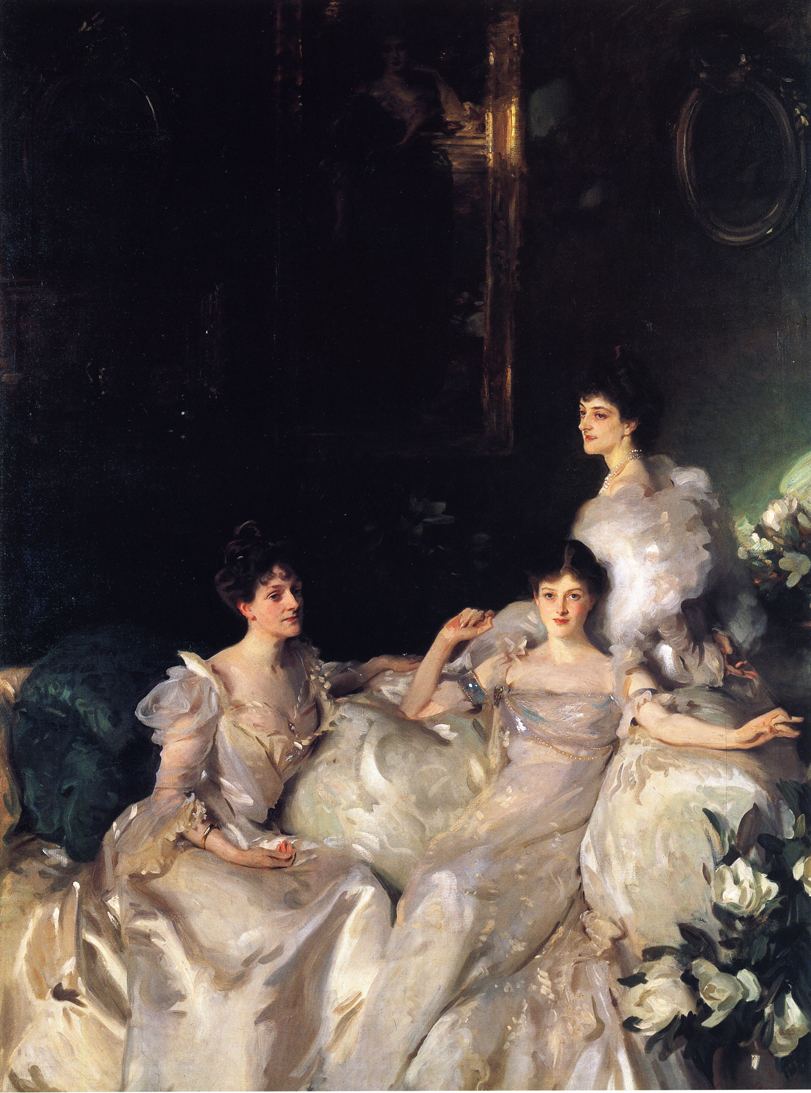
the-wyndham-sisters-1899

I hope you fall for my Savage Girl, I’m telling my bookseller friends.

And little by little. The bones in my left foot are healing but won’t withstand an ounce of pressure or weight. It’s a good place to be, my couch, with my foot on a pillow, Etta on the box, a rollerball pen in my hand, knitting bag by my side, a fire in the hearth and a curtain of snow out the window. Bit by bit we move along, and today that’s just about right.

2 Comments

Filed under Art, Cooking, Culture, Fashion, Fiction, Home, Jean Zimmerman, Knitting, Music, Nature, Poetry, Publishing, Savage Girl, Writers, Writing

To the Lighthouse

Recently I visited the Saugerties Lighthouse, a time-worn red brick structure that has stood just off the shore of the Hudson at the mouth of Esopus Creek since 1869. It replaced the original fire-decimated one built in 1835 — engraved by William Wade, who produced a remarkable picture of the length of the Hudson from New York to Albany.

SLH_historicdrawing_600x400

Its grand days past, its light automated, the Saugerties Lighthouse fell into disuse in the 1950s but was restored and put on the National Register of Historical Places in 1979. In 1990 it was officially recommissioned with a solar-powered beacon.

Saugerties Lighthouse

Most amazing, it’s the only lighthouse along the river that also serves as a bed and breakfast. If you’re lucky enough to book a spot, you can fall asleep listening to the Hudson’s waves slap against the structure’s massive, circular stone base.

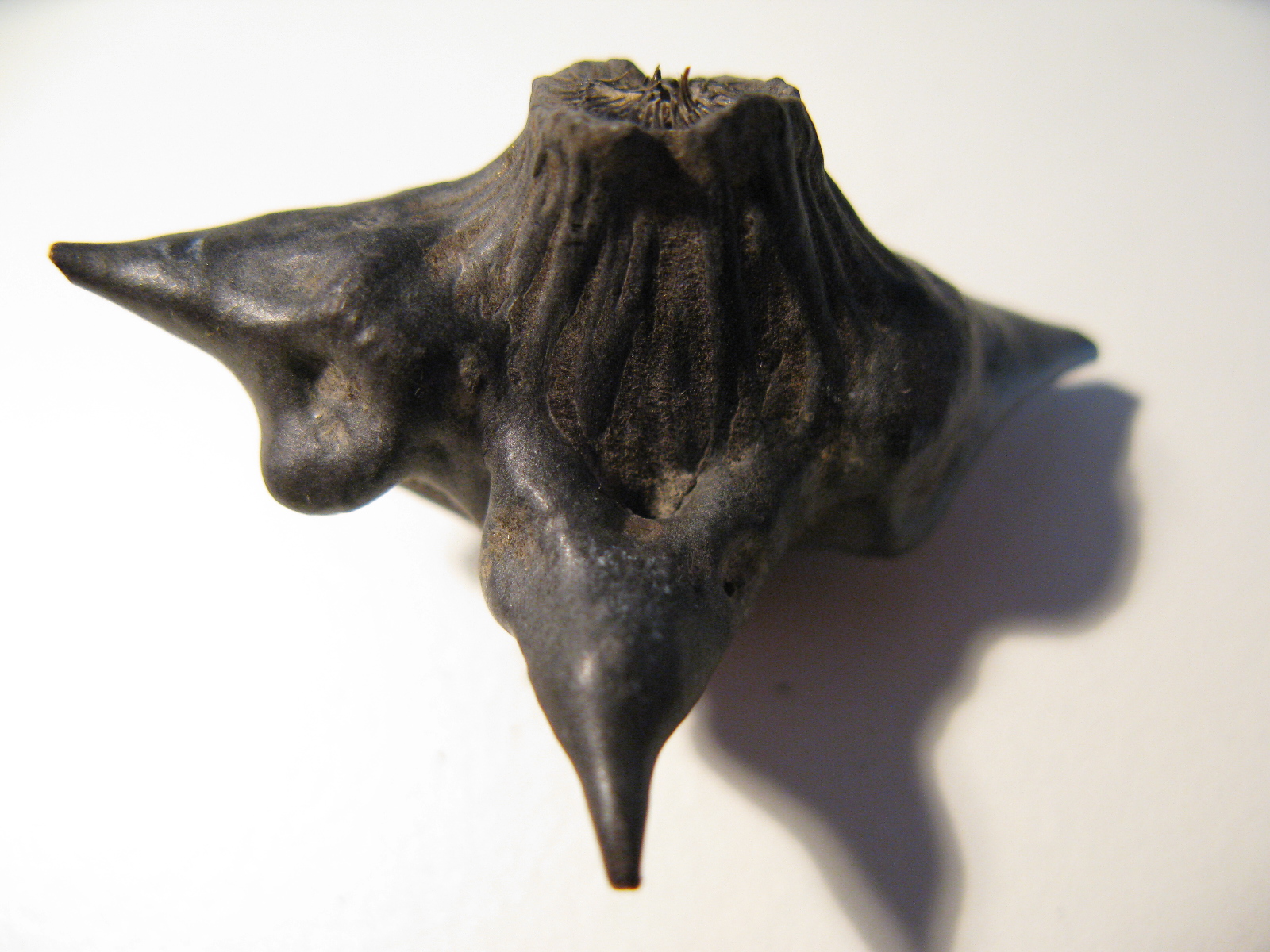
When we visited, we wound down half a mile along the shore, through wetlands and over wooden bridges, to get to the jetty that led out to the lighthouse. Water chestnut pods lay at our feet in abundance, drifts of them. like the black and spiny ectoskeletons of tiny prehistoric monsters,.

chestnut

It was a damp day, chilly and foggy. The river spread out all around.

misty Hudson

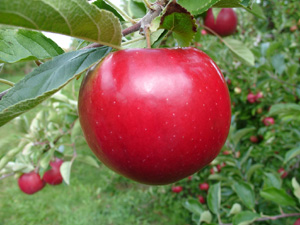
I used to live along the same stretch of river as the lighthouse, a half hour further south, in Ulster Park. In the middle of an apple orchard. The farmer who owned the trees favored McIntosh apples but there were a few stretches of the storied Ida Reds, a deep crimson on the outside with snow-white meat. As good in the hand as they were for the pie. The arthritic limbs of the trees were probably forty or fifty years old and stood massed in winter under a hush of snow that was a kind of bookend to the white pink blossoms of early spring. The Hudson Valley had been a majestic apple growing region for hundreds of years.

idared

We would walk down a winding hill along River Road to the beach on the Hudson and collect water chestnut pods, strewn here across the mud flats as they cover the beach at Saugerties. It was said that the bay at Esopus once was meadow, grazed by cows. Cows in the river. Imagine. There was a lighthouse, the Esopus Lighthouse, that was distinguished by the image of a cat in one window.

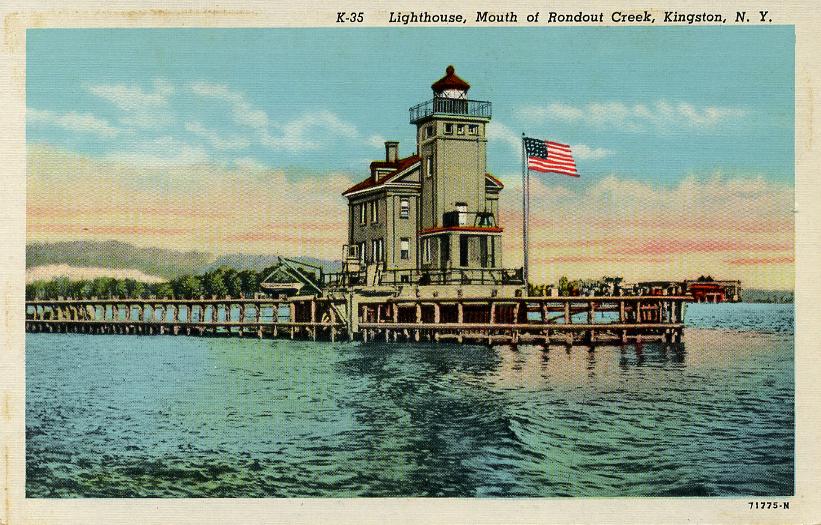
These lighthouses are concrete evidence of a much different time on the river. They guarded against wrecks when Kingston became a bustling riverport in the nineteenth century. Kingston had its own lighthouse since 1837; one of its first keepers was a woman named Catherine Murdock. She stayed in service for 50 years.

RONDOUT

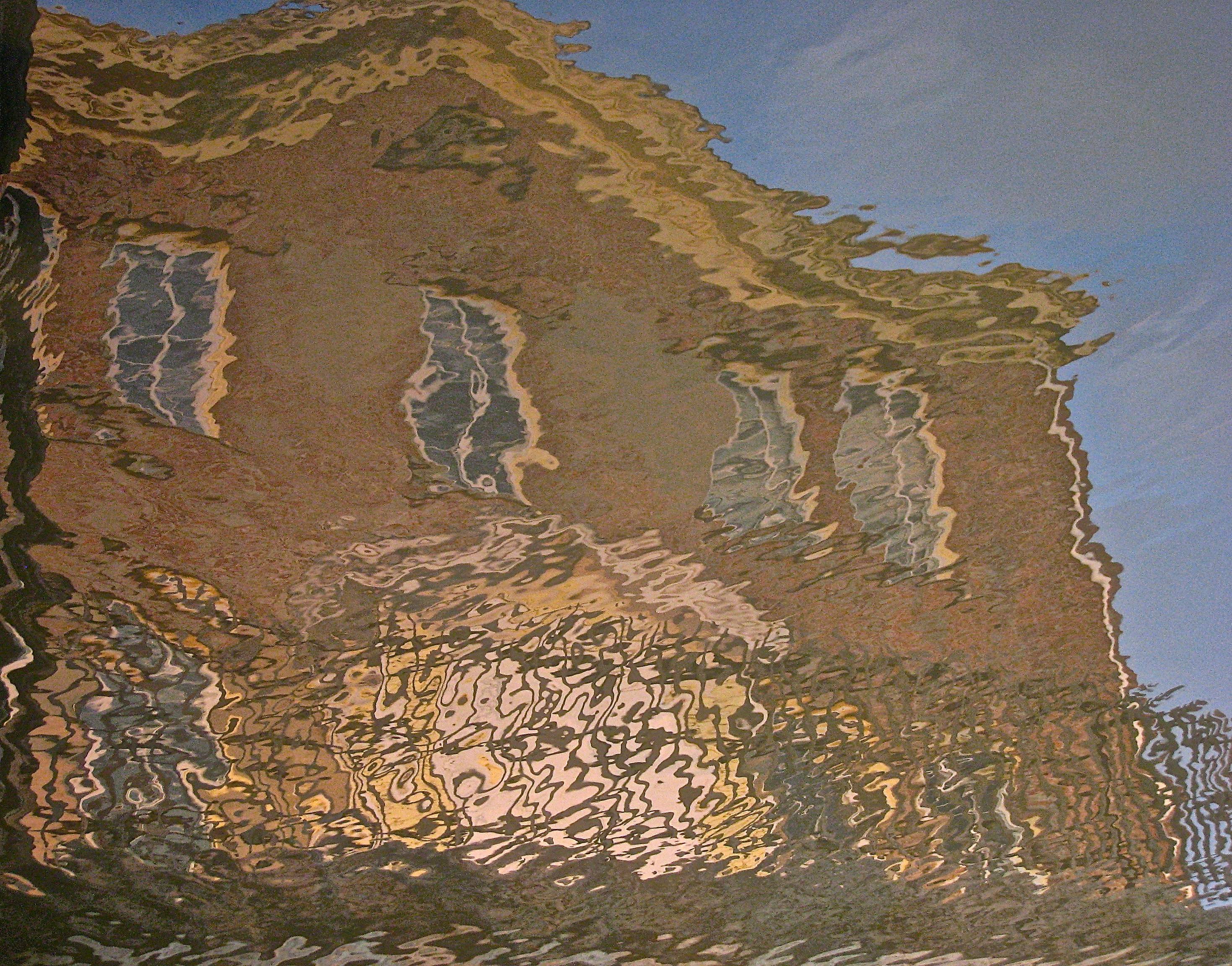
In 1826, lighthouses started going up along the river. Eventually there were 14. Today, conservationists have preserved seven. The most famous perhaps, featured in a children’s book, is the little red lighthouse beneath the George Washington Bridge, which was deactivated when the blazing lights of the span made it superfluous in 1947 but can still be visited. Farther north are the 1883 Lighthouse at Sleepy Hollow, the oldest one, at Stony Point, the Esopus Lighthouse and the one at the Rondout in Kingston. The Hudson-Athens Lighthouse farther north has been guiding ships safely since 1874. Its fog bell is one of the last remaining on the river.

lighthouse reflection

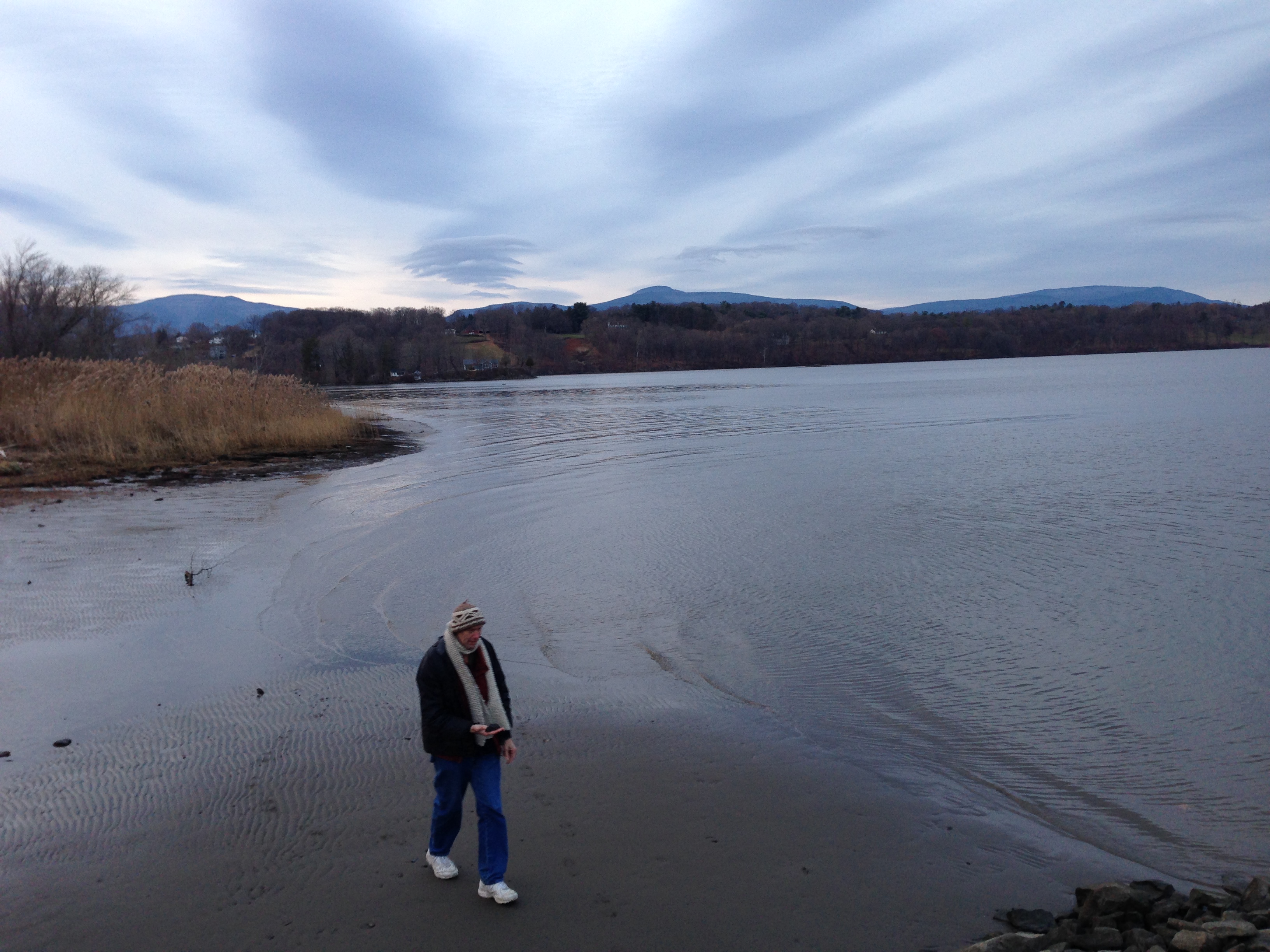
I wass mostly silent at Saugerties Lighthouse when we visited. The tides tossed up mysterious objects.

beachcomber Pete

Sometimes you can find a kind of conglomerate of pulverized shells (probably clam) and mud that hardens into a rock, similar to what is called coquina on the beaches of St. Augustine, Florida, that the Spanish built forts out of.

coquina

If you get to stay overnight at the Saugerties Lighthouse, you can do some beachcombing after your coffee in the morning.

4 Comments

Filed under Art, Culture, History, Home, Jean Zimmerman, Nature

Hudson River Haunts and Hustlings

For my whole life I’ve lived up and down the Hudson River, in Hastings, in Ulster Park, in Ossining. New York City crouches on its shoreline, and I lived there for twenty years. The Hudson happens to be my favorite river in the world – although to be precise it is an estuary.

I’ve written about its history, in both nonfiction and fiction — about the rubble-stone house of Margaret Hardenbroeck, in Yonkers, about Blandine berry-picking on a Manhattan bluff, and other people whose lives I placed against this magical backdrop. But I haven’t just told stories about a place. I’ve lived it.

I was thinking about some of the things I’ve actually done along the Hudson’s reaches. What helped me in my imaginings. How the Hudson Valley has informed my life.

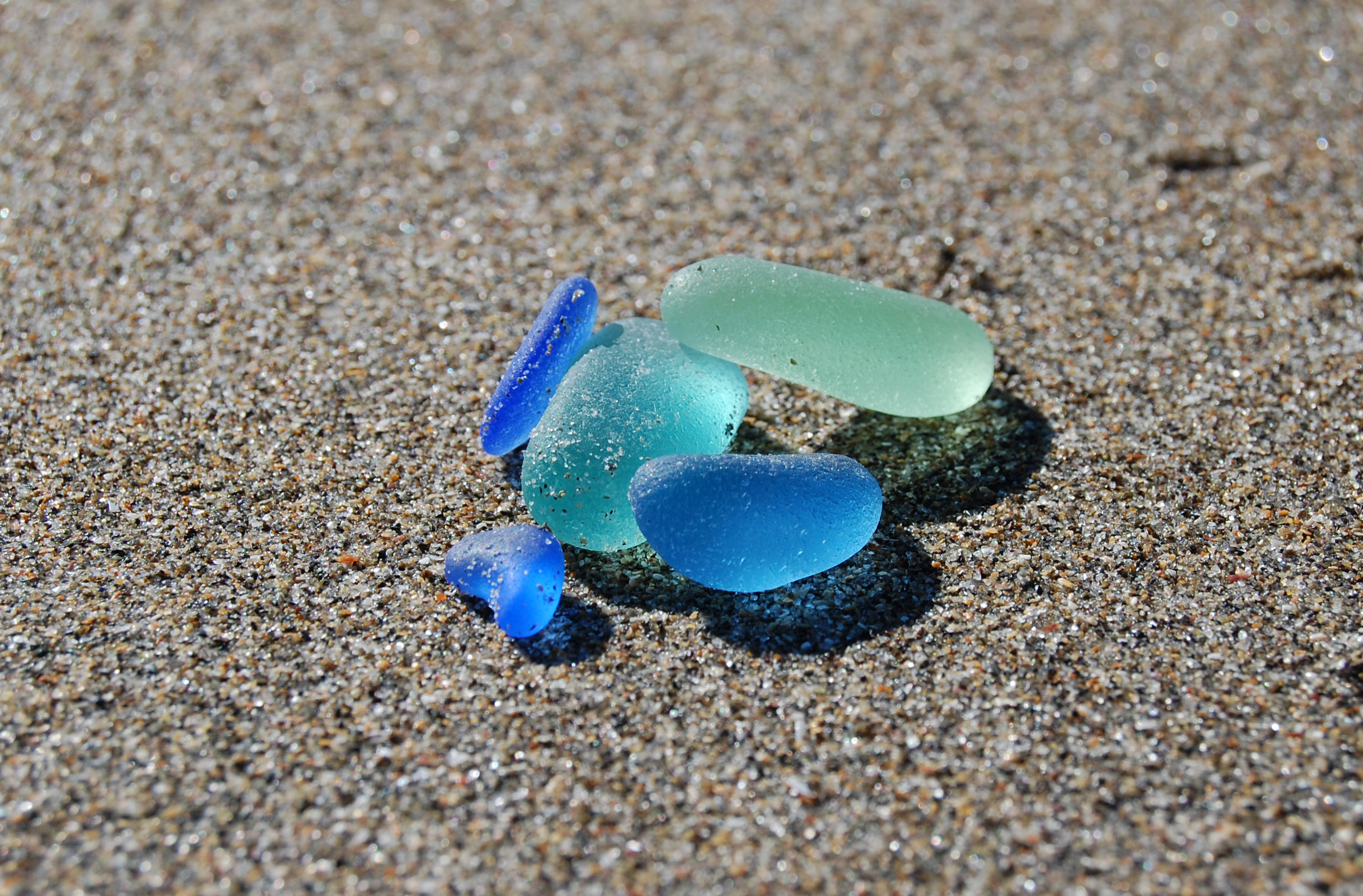
I’ve taken a canoe out through ancient marshes at the river’s edge. Had picnics along its shores. Dined in fine restaurants. Rode a bike. Collected beach glass.

sea-glass-on-the-beach

Kissed. Thrown sticks for a swimming dog. Gone swimming myself. Taken the train, that glorious route down the river’s eastern flank. Snoozed on that train and missed my stop.

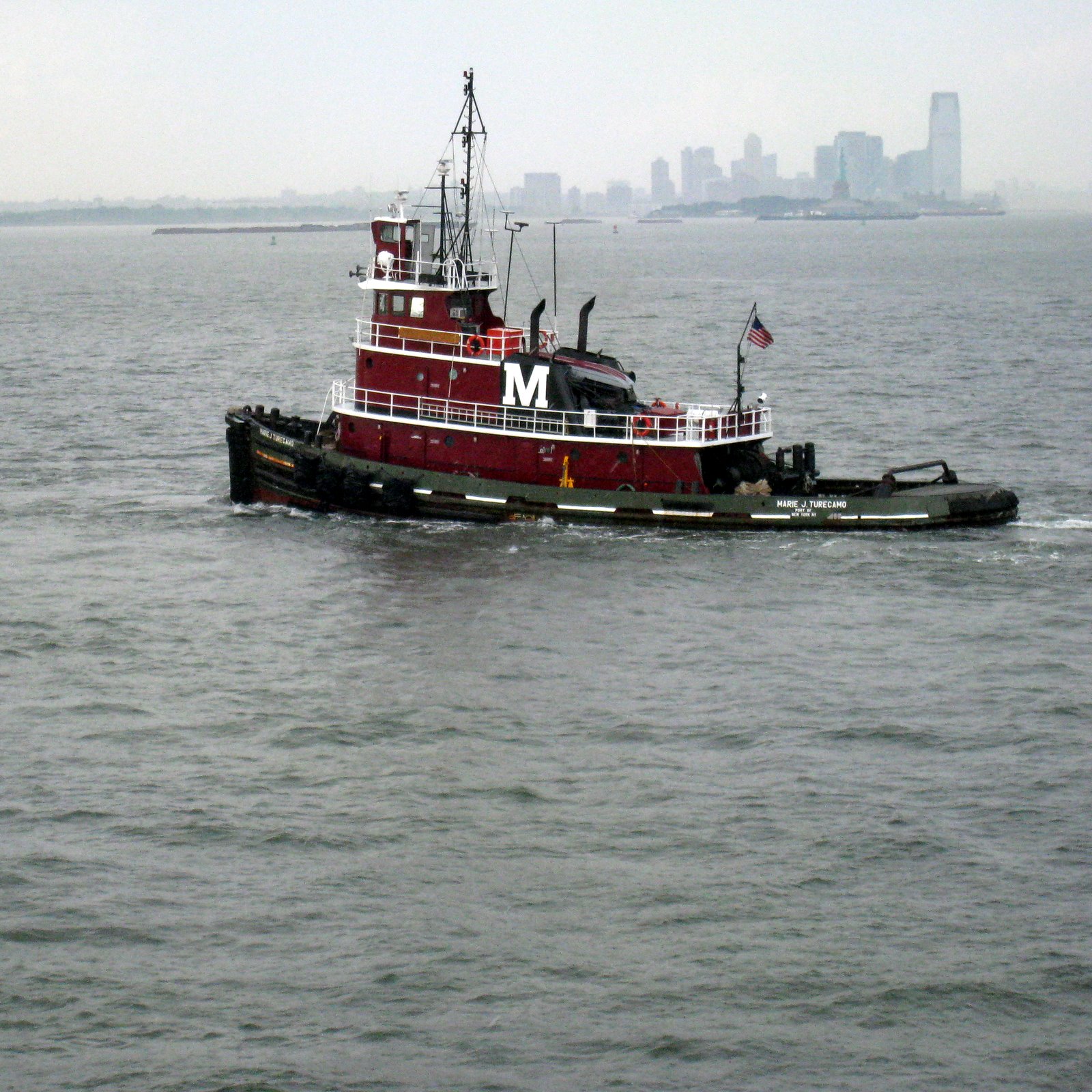
Watched fisherman pull out catfish. Careened along the Henry Hudson Parkway above the river in a series of second-hand cars. Visited a yacht house in winter, warmed by a wood stove. Hitched a ride on a tugboat.

tug

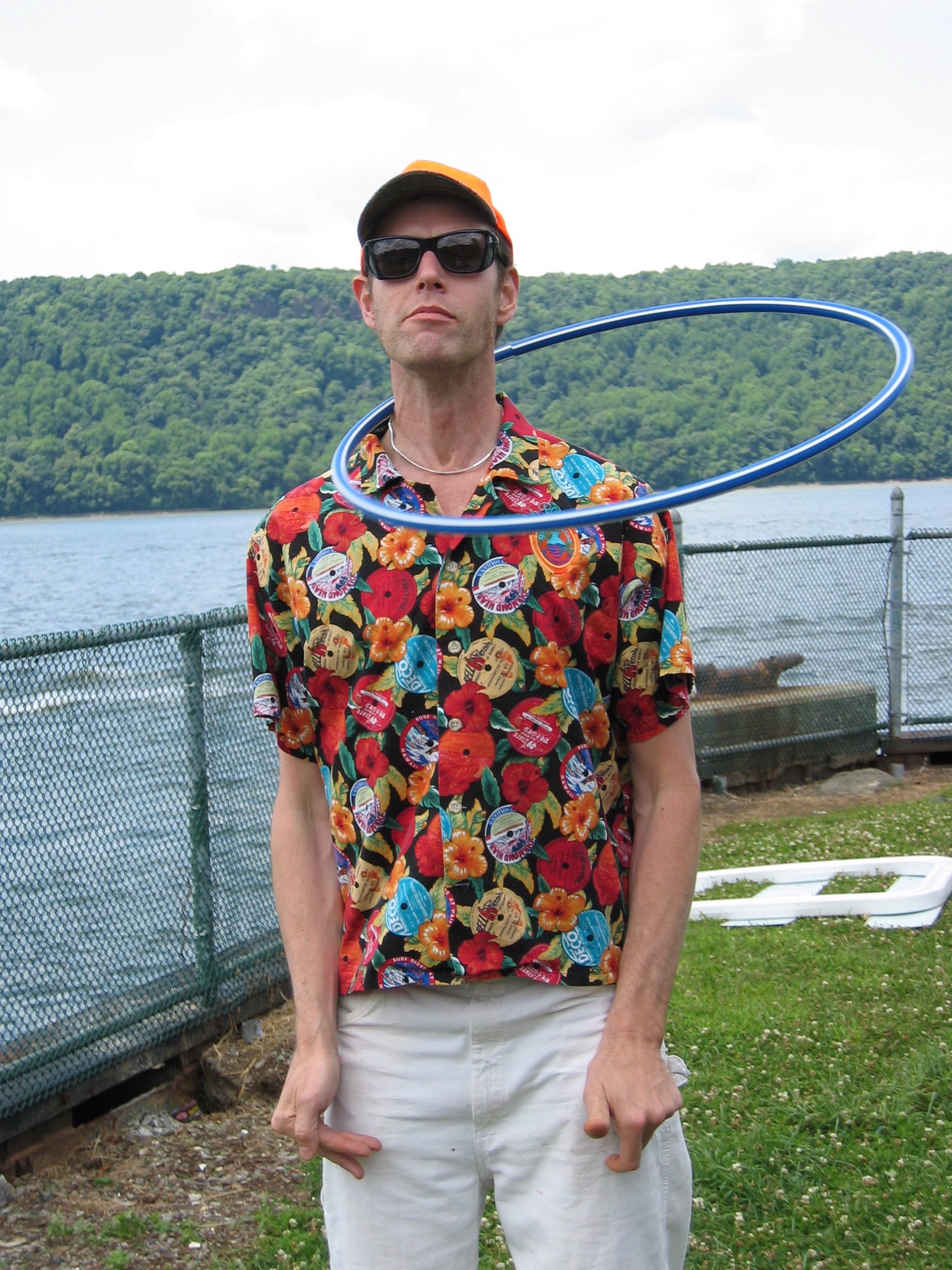
Walked the George Washington Bridge–it sways terrifically. Learned to hula hoop.

Peter hula

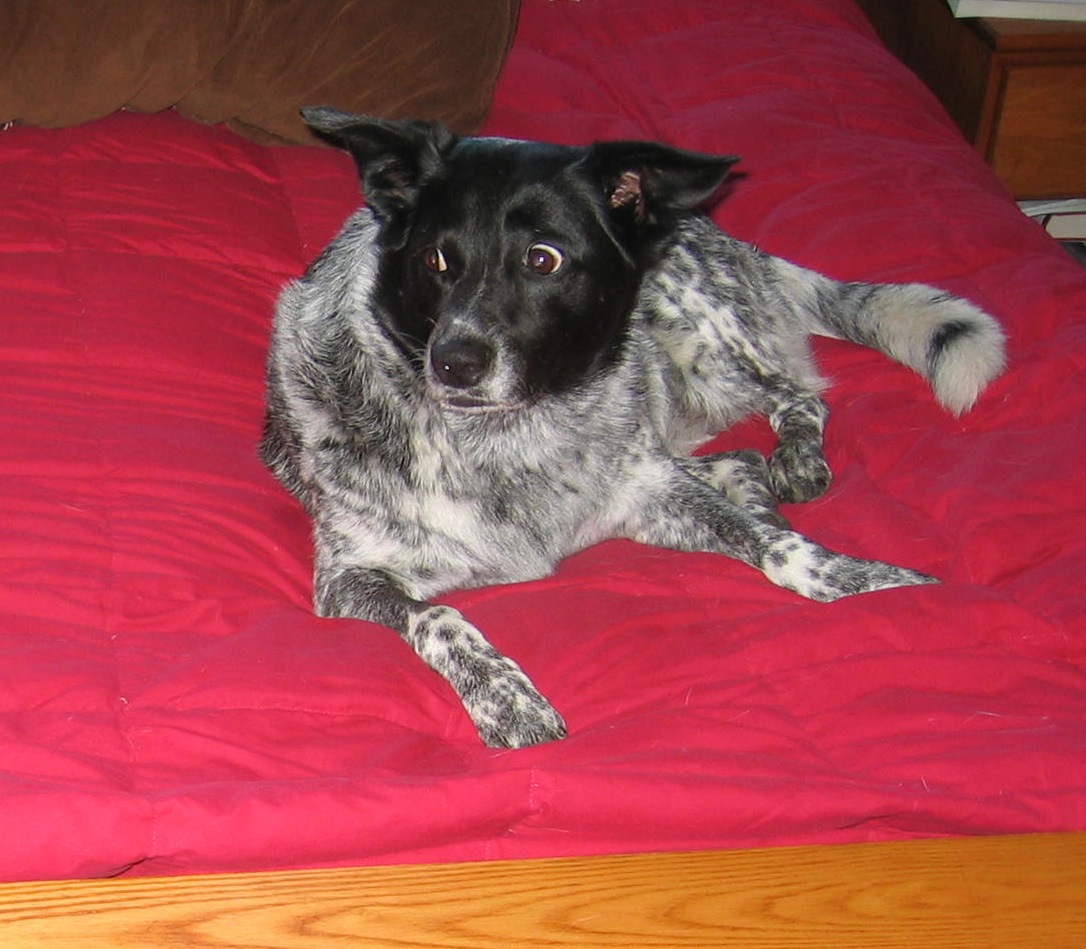
Heard blasting rock and roll concerts on ancient piers. Wandered a factory ruin from the nineteenth century. Did I mention throwing a stick for the best cattle dog in America?

Sugar

Saw fireworks explode up from every little Catskills town down the river’s length one Fourth of July. We sat on an escarpment far, far above the river coursing below.

As an adolescent, I read classic books in a library overlooking the water.

moby-dick-rockwell-kent-illus

Later, bought paperbacks at library sales. Talked about my own books in library all-purpose rooms.

Watched my three-year-old get gleefully wet under a sprinkler at a city park in Manhattan’s Upper West Side. Devoured garlicky Dominican mofungo at a lunch counter a block from the water in Sleepy Hollow.

Hiked the Breakneck Ridge Trail, which rises 1,250 feet in a three-quarter mile stretch and hovers over the river as it winds. Experienced vertigo and rapture at one and the same time.

SONY DSC

Admired thousands of sunsets.

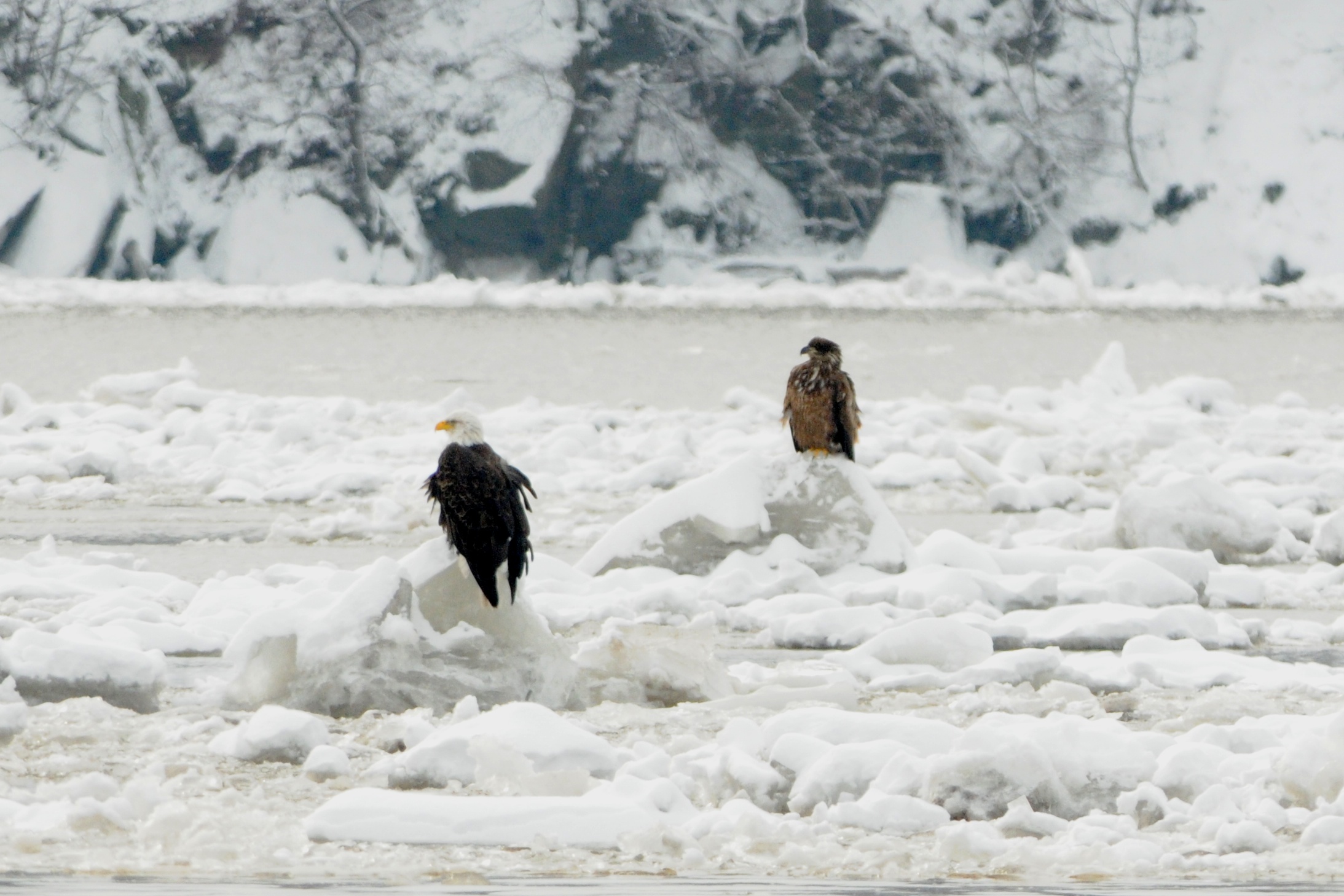
Praised the mighty Palisades. Daydreamed. Considered the water’s surface, olive green, deep black, cobalt, covered in crashed-together ice floes. Seen eagles ride the ice floes (an untruth – I’ve always wanted to, it’s in my bucket, but I never have managed it).

eagles-on-ice-018

Admired art on walls with river views. Experienced the unicorn tapestries, in awe. Taught children to make art. Touched cattails. Bought hanging plants from Garden Club ladies. Watched my teenager kill it in soccer games on a field watched over by the Palisades. Stood on the porch of Washington Irving’s stucco cottage, Sunnyside, imagining the 1840s river the way he must have seen it, appalled when the railroad went through.

sunnyside_and_hudson-300x225Skipped stones, clumsily. Never could master that. Threw a stick for a dog. Considered the white-tailed deer swimming across to New Jersey – diaries describe the phenomenon in the seventeenth century. A long time back, but a drop in the bucket for the old, bountiful Hudson.

What have you done along the Hudson–or your own personal favorite river? Leave a comment, will you?

12 Comments

Filed under Art, Cooking, Culture, Dogs, Fiction, History, Home, Jean Zimmerman, Music, Nature, Publishing, The Orphanmaster, Writers, Writing

Witch-Healers and Bonesetters

Returning home with my foot in a plaster cast–yes, the time arrived for further surgery, the other foot dropped, so to speak, but now I’m an old pro–all I could think was what if I injured that limb a couple of hundred years ago? What if I didn’t have Dr. Voellmicke, the finest doctor in the land, to set my metatarsal bones with metal screws? What would happen to my life? Would I be consigned to a rocker by the fire–or, worse, a harsh straight-backed colonial chair– an endless ball of wool and a pair of wooden sticks in my lap? Lots of mittens, but a pretty limited life for a formerly active woman.

1764 John Singleton Copley (American colonial era artist, 1738-1815)  Mrs_ Samuel Hill, nee Miriam Kilby Thyssen Bornemisza Mus Spain

Instant crone-ness. Not too happy.

I took another look though at medicine back before men got hold of “physick” in the nineteenth century to see if I was correct.

Women were the healers, you know, for thousands of years. Back to the Middle Ages, witch-healers produced incantations and charms that were broadly sanctioned, like prayer, adding in remedies and painkillers, digestive aids and anti-inflammatories.

medieval_witches

People relied on these women’s preparations. Sanctioned, yes, until they weren’t. The witches who were lay healers were hunted down in the thousands and roasted or otherwise tortured and killed. These were the doctors of their day!

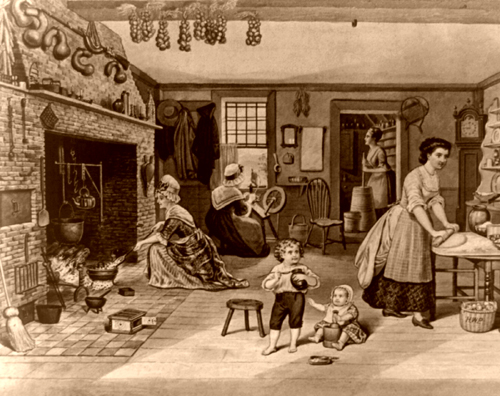
In America by the eighteenth century, the period that interests me because I’m researching the Revolution for a novel, the situation for healers was a little more respectful. (Yes, I know, Salem, but that was aberrant.) Sometimes a couple would go into medical practice together, the husband handling the surgery and the wife, the gynecology and midwifery, eveything else shared. Hang out a shingle, man and woman laboring in the same field (much as they might in an actual field). That’s a familiar idea, and I can tell you from the vantage of a writer-writer household that it can be the bomb.

Colonial Women, 1876, H. W. Pierce-500

In the 1700s, sometimes a young woman would go into the healing business on her own after apprenticeship with a husband/wife team. A good idea for a character in a novel, don’t you think? One real person, Harriet Hunt, one of our country’s first female doctors, got her start caring for a sick sister, then worked for a husband-wife practice, then treated patients on her own.

doctors

These independent women favored herbal medications, dietary changes and a fantastic bedside manner. As opposed to the book-learned doctors who received their certification in London in the 1800s — they laid on “heroic” measures. Huge doses of laxatives, for example. Calomel, which caused patients to bleed from the gums, salivate uncontrollably, and evacuate without restraint. Opium. Massive bleeding–George Washington died in 1799 of a throat infection after his three physicians drained his body of nine pints of blood in twenty-four hours. Or the now forgotten “tractors,” a pair of metal instruments, one gold, one silver, that were supposed to draw off the electrical fluid at the root of suffering. These guys killed their patients.

quack_tractor

But could a woman or a man in those times fix a fracture? Yale University’s Rebecca Tannenbaum published a  book on the subject of women and medicine in early New England titled The Healer’s Calling. She describes a 1760 case in which one Ebenezer Parkman got caught under a load of falling firewood. According to the injured man’s diary, the neighbors sent for Mrs. Parker, the local “doctoress” who was known as a bonesetter. She arrived with her apparatus for putting bones back in place, her splints and bandages. Bedside manner, check: a week later she returned to the Parkman household to see the patient and change his leg bandages.

Parents in New England were no doubt inordinately proud not only of “my son the doctor” but “my daughter the doctoress.”

2 Comments

Filed under Culture, History, Home, Jean Zimmerman, Knitting, Nature, Publishing, Writers, Writing

Thank You for Reading

I am thankful.

This is a post about this blog.

At Thanksgiving, in a lot of families, a blessing is performed before the turkey comes on in its golden, crispy glory. The blessing consists of going around the table with every guest sharing some thing they are especially grateful for. On the occasions I’ve taken part in this ritual, I’ve sometimes had to squelch the urge to say something slightly comical or snarky. I don’t know why, perhaps because the whole thing seemed so self serious. Real thanks seem quieter, more internal, perhaps.

Now, with a few days before us until we’ll be stuffed with stuffing, with a clear head, I want to be serious.

I am grateful, deeply grateful, to those of you who read this blog.

When people ask what my site is all about, I say different things. It’s called Blog Cabin, and it’s about living in a circa 1800 home in a thoroughly modern world, and the time travel that allows for. Sometimes I call it a personal magazine. A diary. A cultural commentary. It’s about the past as a living, breathing entity. All about history and art and nature and literature… An author blog, as I have one novel about to come out and one just in the rearview.

What it really is, is playtime. Writing books, of course, is hard work. (If you’re doing it right.) Writing this blog has given me a chance to dabble in the things that absorb me in my book writing life, but on a more finite scale, with pleasure at the foremost – yes, history and art and nature and literature and… a pogo stick championship?

jack-cu

It was hot July and the contestants soared. You could taste the adrenaline.

Writing for you has given me a reason to go on adventures that you might not take, even if you had the chance. Or perhaps you would, like my search for an infant saguaro cactus at a botanical garden in Scottsdale, Arizona, with a beaming guide, but you couldn’t get there that day.

desert-gardener

I’ve taken myself to a Victorian waltz class and tea.

jz-tea

To a Broadway disco-play, and to a euphoria-inducing Brahms recital. And to a dramatic dance performance en plein air, at Manhattan’s Lincoln Center.

bum-blur

I’ve plumbed the depths of the 20-something psyche, because I have a young adult close to my heart. Instagramming is their life.

serendipity-picture

They’re fascinating animals, as are husbands, and mine hitchhikes along with me from time to time.

As are dogs. Mine is inscrutable, but adds flavor to the mix.

oliver-about-to

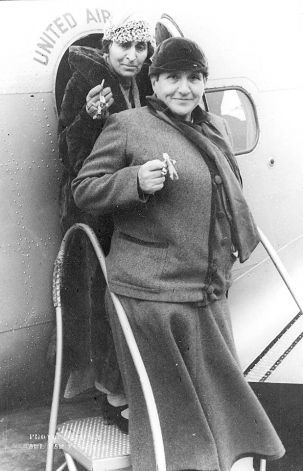
And writers.  I’ve loved writing about Gertrude Stein.

steintoklas-plane

I’ve shared many favorite recipes, like the one for Marcella Hazan’s braised pork in milk.

Observed motorcycle pirates on the loose in NYC. With some history about pirates intertwined, of course.

two-pirates

A rowdy pig festival in upstate New York.

michael

Explored a local farm on an enchanted evening, just as dusk fell.

fuschia-flower

Learned about the power of graffiti at the late, great 5Pointz. Got my leg cast tagged there, too.

colorful-paint

And witnessed the unlikely beauties of slime mold in a pristine nature preserve.

slime

It’s been my pleasure to gather these treasures and offer them to you, and your great generosity has been receiving them from me. So thank you. I’m looking forward to many more adventures.

11 Comments

Filed under Art, Cooking, Culture, Dance, Dogs, Fashion, Fiction, History, Home, Jean Zimmerman, Music, Nature, Photography, Poetry, Publishing, Savage Girl, The Orphanmaster, Writers, Writing

The Natural Loveliness of Brahms

“It’s relaxing but it’s also uplifting,” I heard a woman say to her companion after the music ended.

I’d just emerged from a chamber performance at the Brooklyn Public Library, that Art Deco masterpiece on Grand Army Plaza which dates back to 1941.

brooklyn-public-library

The sense I think I shared with the mass of humanity swirling around me in the lobby was that we felt a whole lot better coming out of the concert than we had going in. Music as magical curative.

Vista Lirica is a New York-based chamber ensemble with an environmental focus, which means they play fantastic compositions by nineteenth-century Romantic composers in which nature’s power and emotionality take center stage. Mankind is a small though crucial part of the spectacle of the whole natural universe.

I knew Beth Levin, the pianist, but this was the first time I’d seen her perform with her cohort in Vista Lirica – Frank Foerster (viola), Eric Grossman (violin/viola), Neil Rynston (clarinet) and Lawrence Zoernig (cello).

Odd things happened on the way to hear this beautiful music. The Brooklyn Bridge, under repair for at last another year to the tune of five hundred million dollars, wore a diaper to protect motorists from tools and other falling debris. You’d think it was a baby, but it was born in 1883.

bridge diaper

Then, as the concert started at the library, there was a commotion in the back of the house. “Tell them to stop playing!” someone shouted. No one knew what to do. It was midway through Mozart’s Trio in E flat major. Turned out later there was a group of developmentally disabled adults in the audience. The musicians continued playing. All was well.

And then there was the piano tuner. A man was seated just down the way from me in the front row, with a pink bush of a beard and gnarly bare feet.

Ben

One side of his baggy tee read “Quiet Please.” The reverse: “Piano Tuning in Process.” He looked as if he wasn’t unfamiliar with a cardboard box for a domicile. He caused some alarm at intermission by jumping up on stage, removing the top of the instrument to get at the action and attacking the job with a furious intensity, all the while muttering under his breath.

The concert spanned four centuries. There was the Mozart trio. A Bernstein sonata.  “La Danza Implacable” by Jorge Lopez Marin. And lastly, what I found irresistable, Johannes Brahms’ Quartet in g-minor for piano, violin, viola and cello. Clara Schumann was the pianist for the very first performance of the piece, back in 1861.

Musicians play music with their faces. Beth played vigorously, rapturously, looking somewhat stricken for most of the Brahms. The violinist appeared to be grappling with the secrets of the universe. The cello player was soulful, the viola player looked as if he had finally accepted his fate.

I might have been overinterpreting, remembering my cello fail in middle school, when I mounted the stage to find I had absolutely no idea what notes to play.

Or maybe I myself felt stricken by the romanticism of the Brahms. Owing to the natural bent of Vista Lirica, I felt myself muse on environmental themes as they played. Storms. Falling snow. Green hillsides.

What was that movie about the chamber ensemble? My mind drifted. A Late Quartet. The one with Catherine Keenan, Christopher Walken, Philip Seymour Hoffman. I am fascinated by the way musicians signal each other with a slight tip of the chin or significant glance when they are ready to go into the next bit. Movement? Perhaps that’s the word for it. Anyway, I wish I could communicate so deftly.

The Brahms Andante con moto in particular held me in its sway.

Shadows, spider webs, a rainbow.

Later, I asked Beth about the Andante, what makes it so special. “Well, the Andante is usually moving,” she said, “often minor key. The composer goes so deep. But in this one the middle section gets jubilant, like a dance.”

Beth

Still attired in the fuschia top she wore on stage, the perfect garment for a Romantic pianist, Beth was surprisingly shy-seeming after her thunderous stage presence. She’s somewhat reserved, she told me, both before and after she performs. Was it hard to go on playing after that noisy interruption today? “Once I played and hailstorms came down on the roof – it was Schumann! Keep playing, I always heard, so I did.” And what about that colorful piano tuner? “Oh, that’s Ben,” she said, adding that she’d been startled when she first met him and he tossed his sandals aside before getting down to business. “When Ben shows up at a concert,” she told me, “I know he’s going to want to tune my piano.”

A concert soloist when she is not with the chamber group, Beth spent two weeks recently in Germany – two recitals and sightseeing. She payed homage to Bach at his grave in Leipzig.

And the music that was mesmerizing me with its spider webs and rainbows, how did that happen, I wondered. Approaching the Brahms, she said, she and the other performers “talked about nature, not in rehearsals but afterward, when we were sitting around.” She smiled. “Brahms was probably walking through the forest half the time when he was writing.”

3 Comments

Filed under Culture, History, Jean Zimmerman, Music, Nature

Squeezing the Juice From the Season

There is nothing like a Saturday morning in November to make you stand up straight and take clear-eyed notice of the world. Of the crisp air and fresh colors, the sweetly rotten smell of leaves being pulverized underfoot.

leaves underfoot

Both Gil and I could easily stay home and work all day, bent over our books, leaning into our computer screens. But we were drawn out into the Saturday sunshine. drive, he sd, as poet Robert Creeley wrote.

Autumn Leaves 2

We remarked as we spun along the little roads on every jolt of red.

red tree

Some unexpected graffiti on the side of a concrete shed oddly did the opposite of marring the rural scene. It underscored fall’s beauty with its blast of a message.

Love

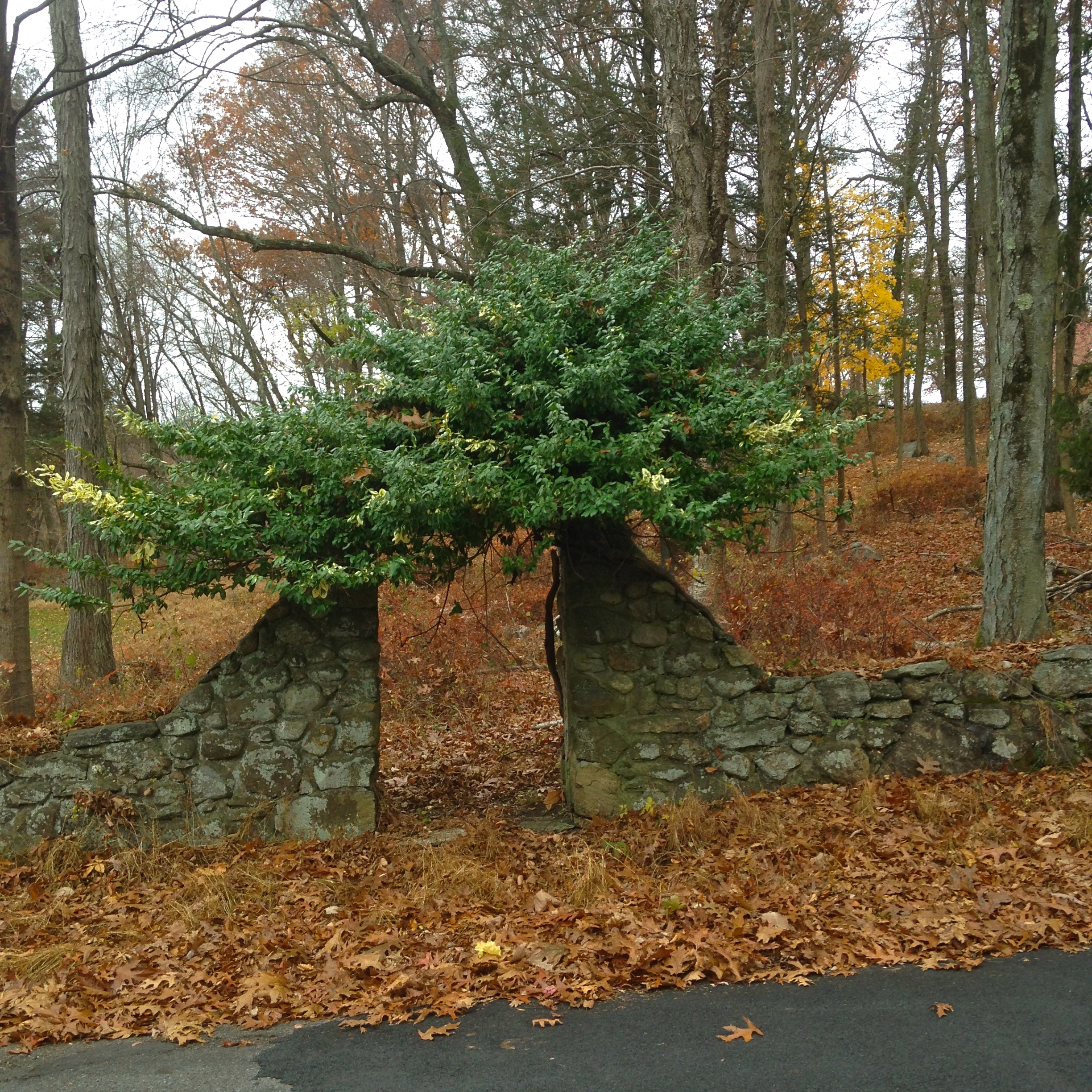
Down the road from the Cabin we passed an arch of shrubbery above a stone gate that opens into a mysterious vacant pasture. I never get tired of looking at it.

Shrub in Stone Door

And I never get tired of visiting Thompson’s Cider Mill, where Geoff Thompson combines up to twenty varieties of fresh apples into a juice that is pure nectar. He makes his cider every weekend, and every weekend it is a different brew.

Geoff

When you buy apples at Thompson’s, you get to see each one’s heritage marked above the bin. The history of apples is vast and rich, and here you can taste history–when you bite into an heirloom Newtown Pippin, say, first grown from a chance seedling in the mid-18th century.

Apples 1

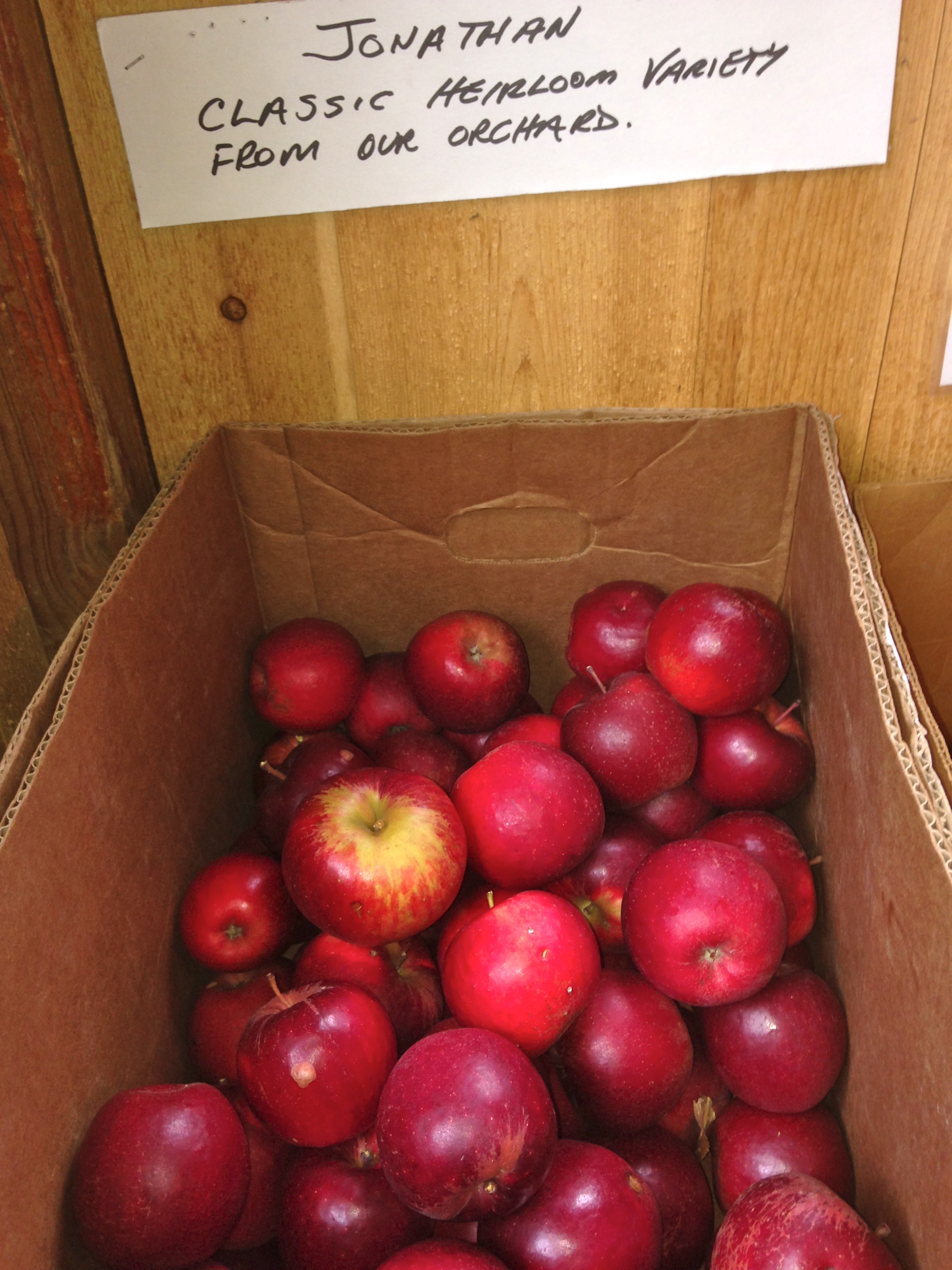
Out of the wealth of choices we’ve taken most of all to the Jonathans, which are grown right in this orchard and are sweet and tart, firm and compact.

jonathans

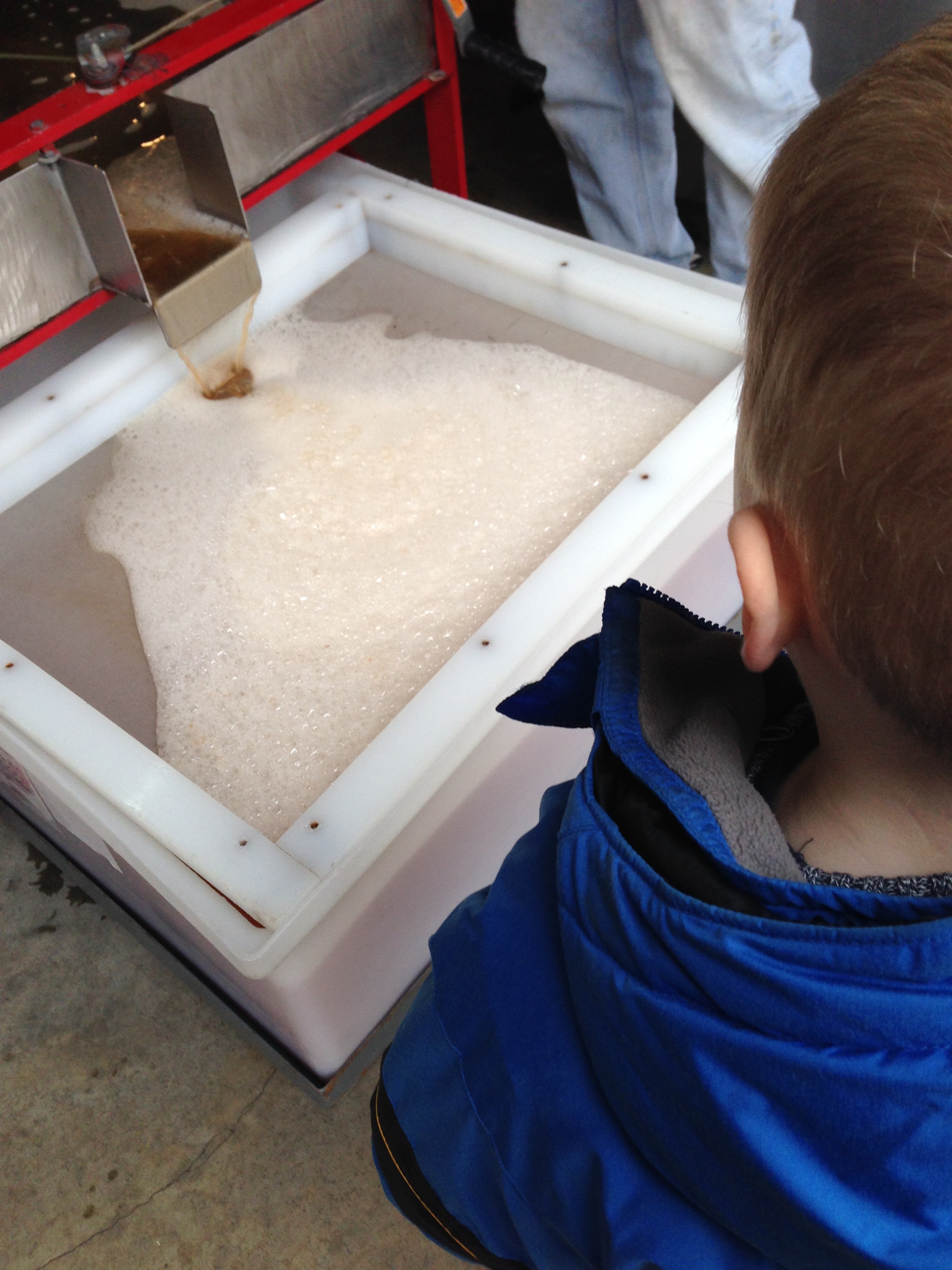
If you come on a Saturday morning you can watch the thoroughly up-to-date press do its business, mashing the fruit into not only a liquid but also a paste that will later be tossed to the pigs at a local organic farm. Keats talked in Ode to Autumn about how by a cider-press, with patient look,/Thou watchest the last oozings, hours by hours. This is where those oozings happen. Geoff handed around small plastic cups to catch some of the new cider as it ran out of the press.

cider press

We sipped. “Perfect blend,” said Geoff. I agreed. “Wish I could figure out how to do that every time,” he said with pleasant self deprecation. This mill does make the best cider in the land, and that’s not opinion but fact. They also have on hand my namesake fruit.

lady jean

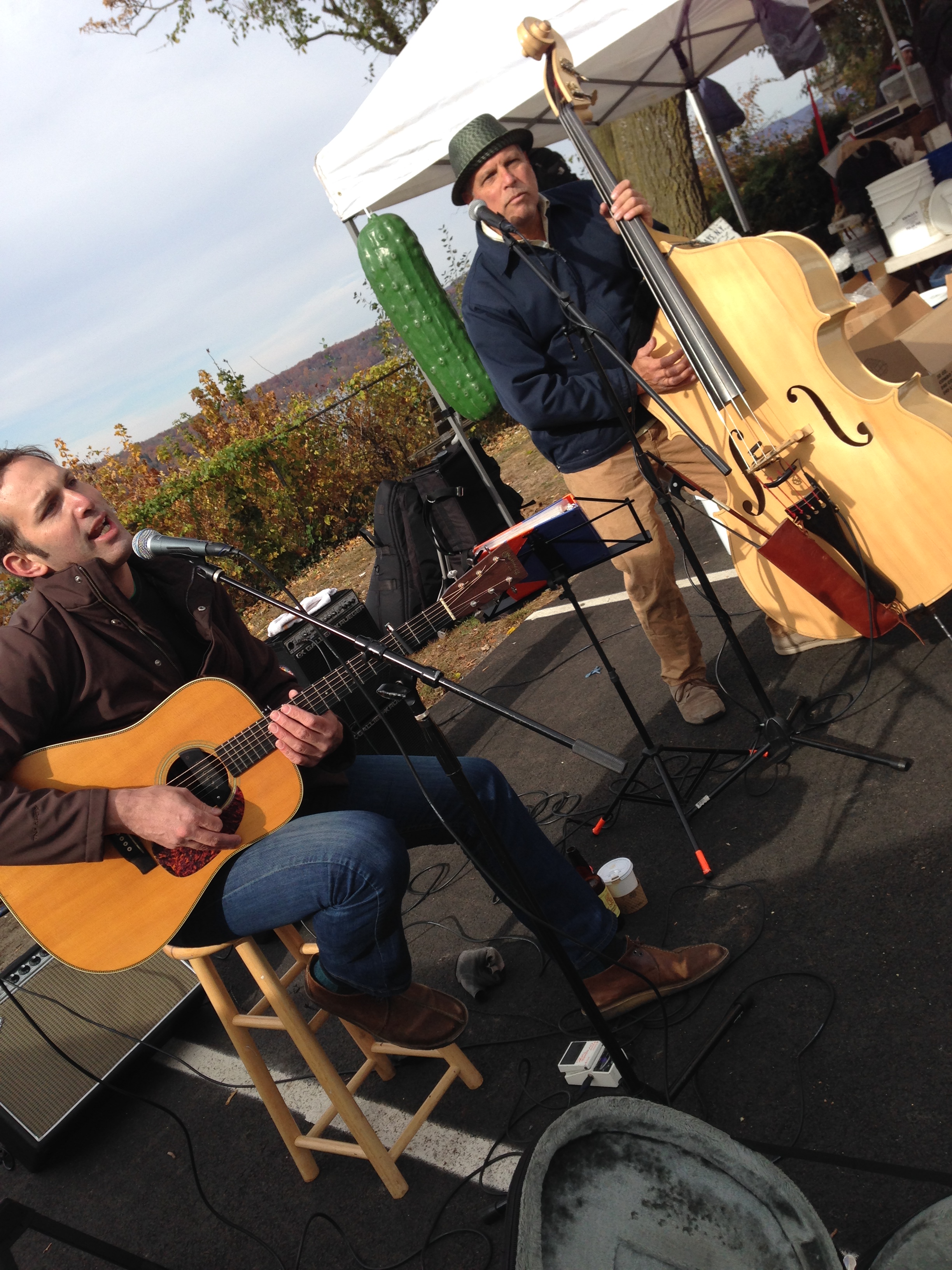
Next stop, the Hastings Farmer’s Market, overlooking the Hudson River. A produce stand at the end of the season has its own distinctive merits. No sweet, fuzzy peaches, perhaps, but turban squashes and sugar pumpkins and the dark leafy kale your doctor wants you to eat more of. The singer Milton was performing his song In the City when we arrived.

milton

I like the song. It does capture the effervescence of New York. Though it seemed less relevant today with the trees aflame in the cool, cool, quiet air.

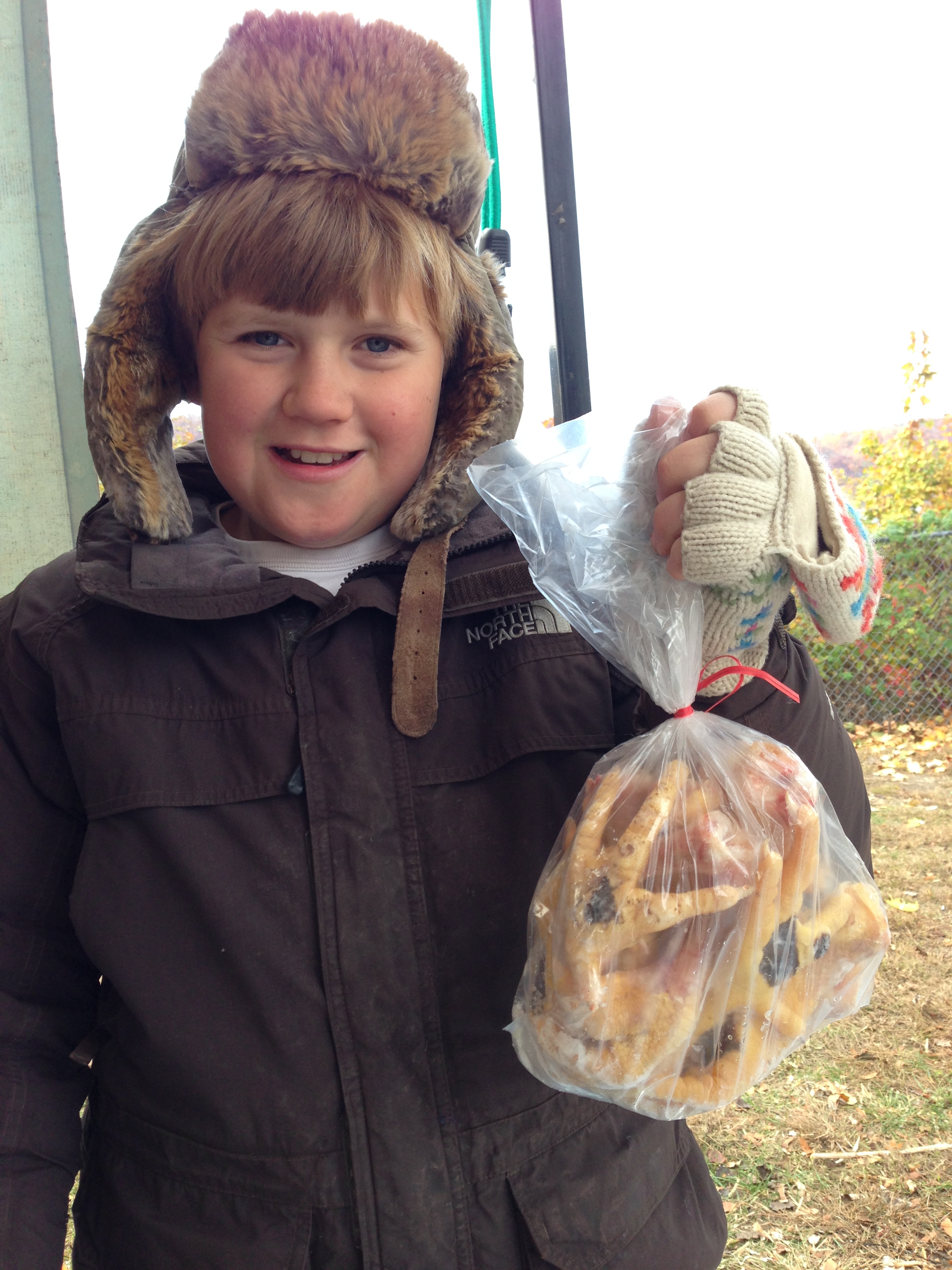
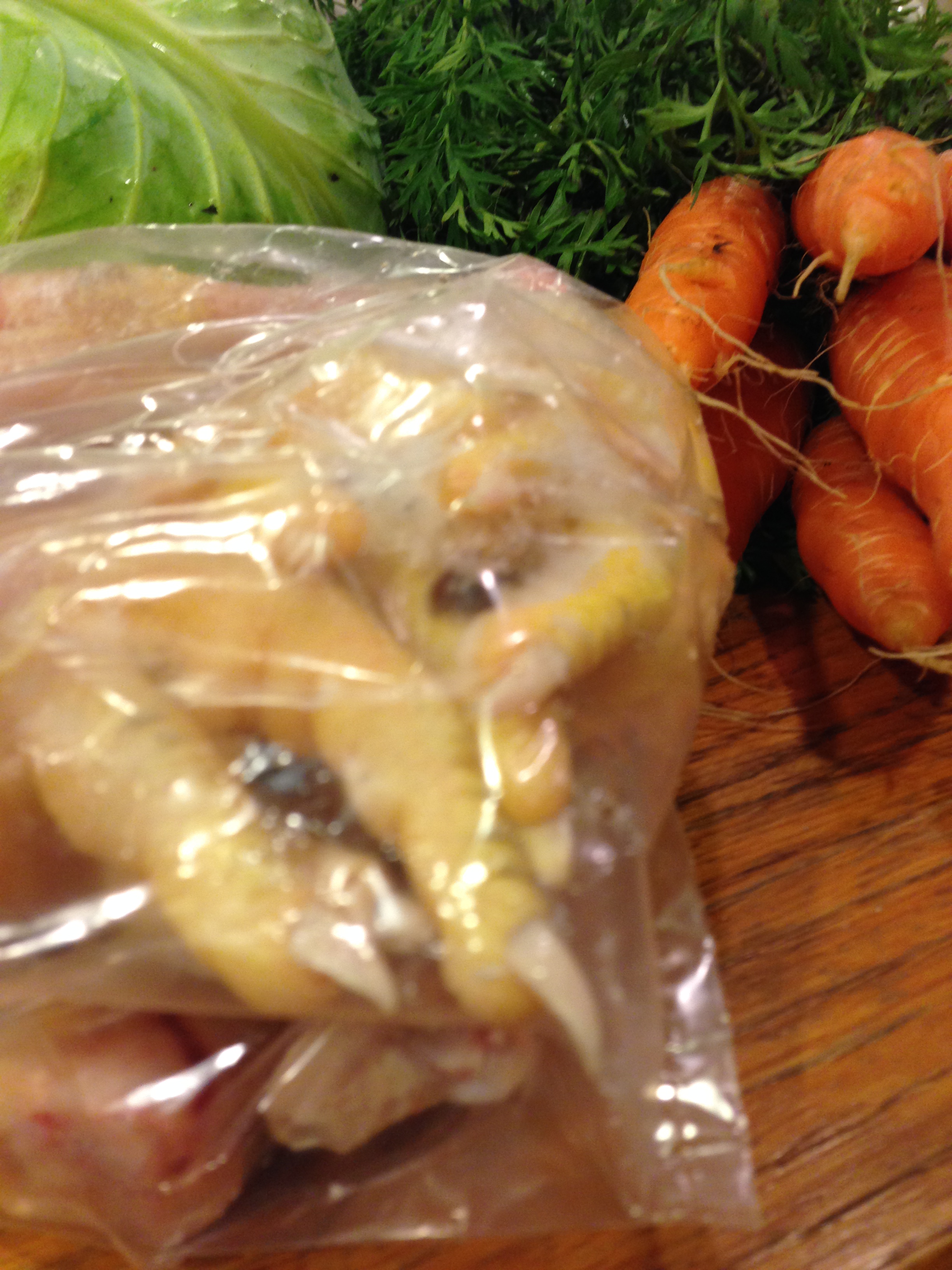
The woman who worked the booth for Cowberry Crossing was off on a coffee run, so Reese and I together worked out the numbers for a pair of pork chops and a bag of chicken feet. Inaccurately, it turned out when mom returned.

reese

He was a great little salesman anyway. I am devoted to using chicken feet to make stock – you need a soup foul first, then throw in the feet in addition – and I used to have a chicken farm down the road where I could buy them in five-pound freezer bags. I’ve gotten a little squeamish about how the toes resemble an old lady monster’s, with manicure-worthy nails. But they make such a velvety broth, it’s worth the psychic discomfort.

chix ft

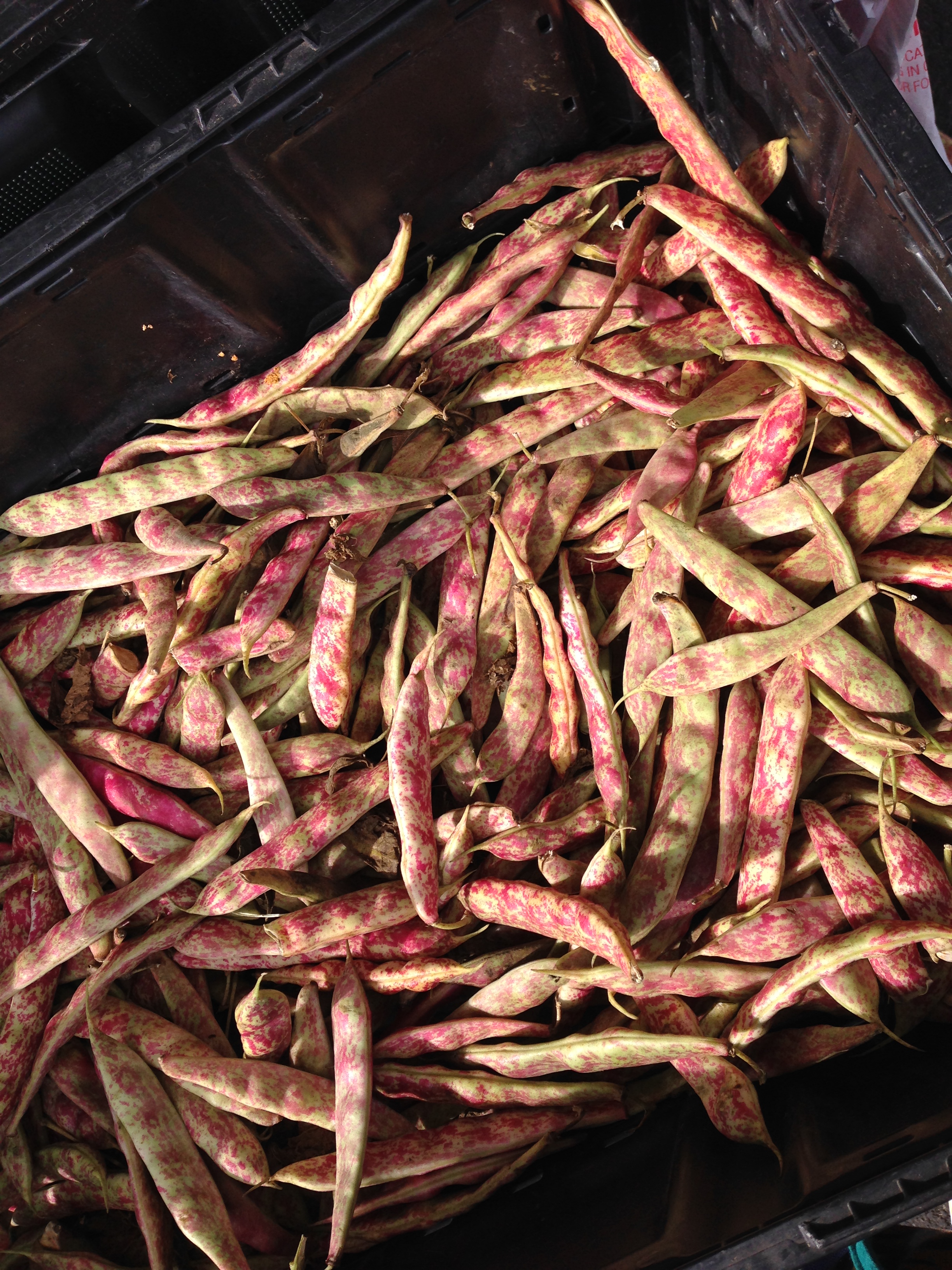
Over at Do Re Me Farms, they still had some green beans, zucchini and cranberry beans.

cranberry beans

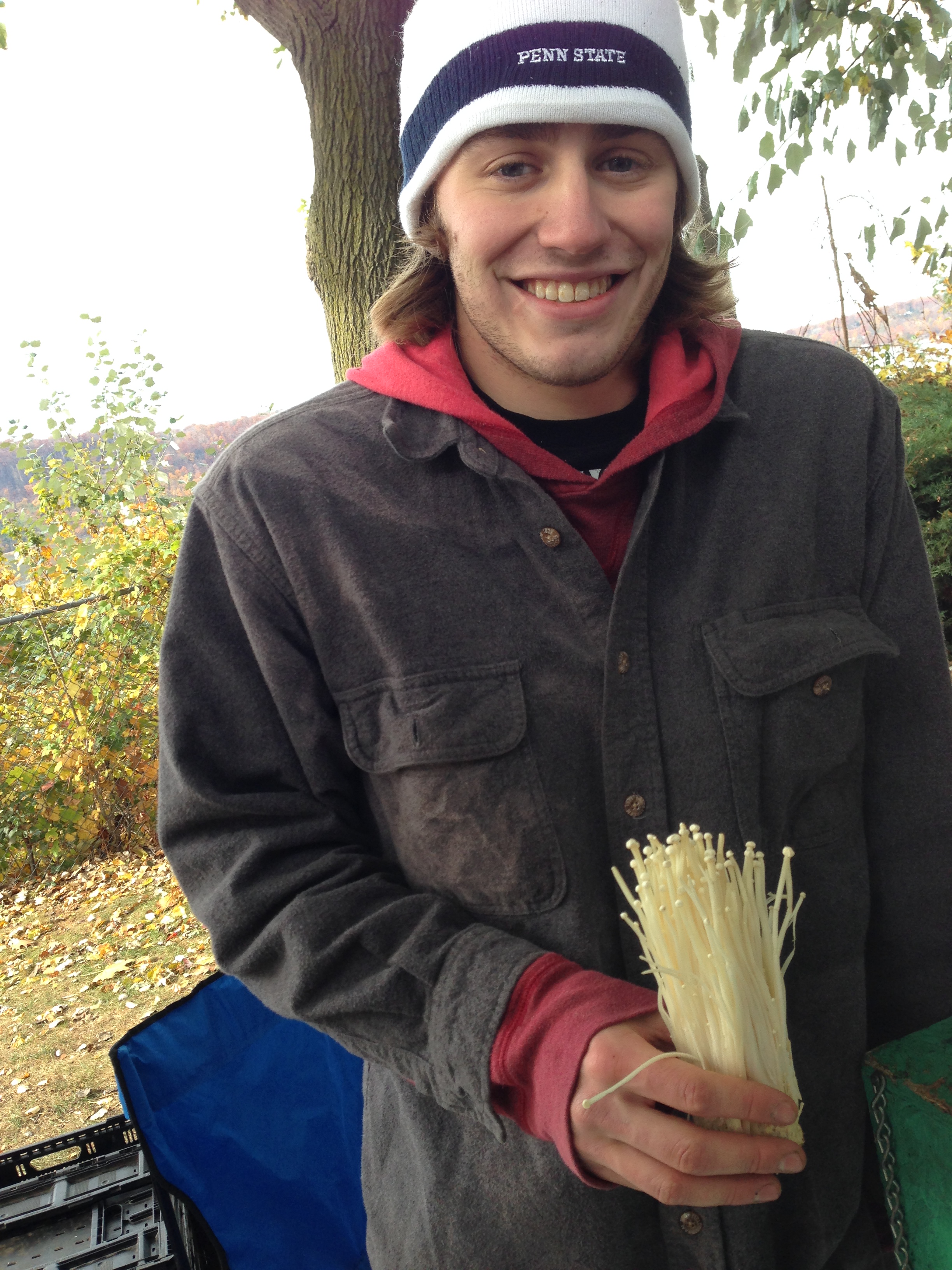
It was wicked cold behind the cash register, and everyone was shivering.

mushrooms guy

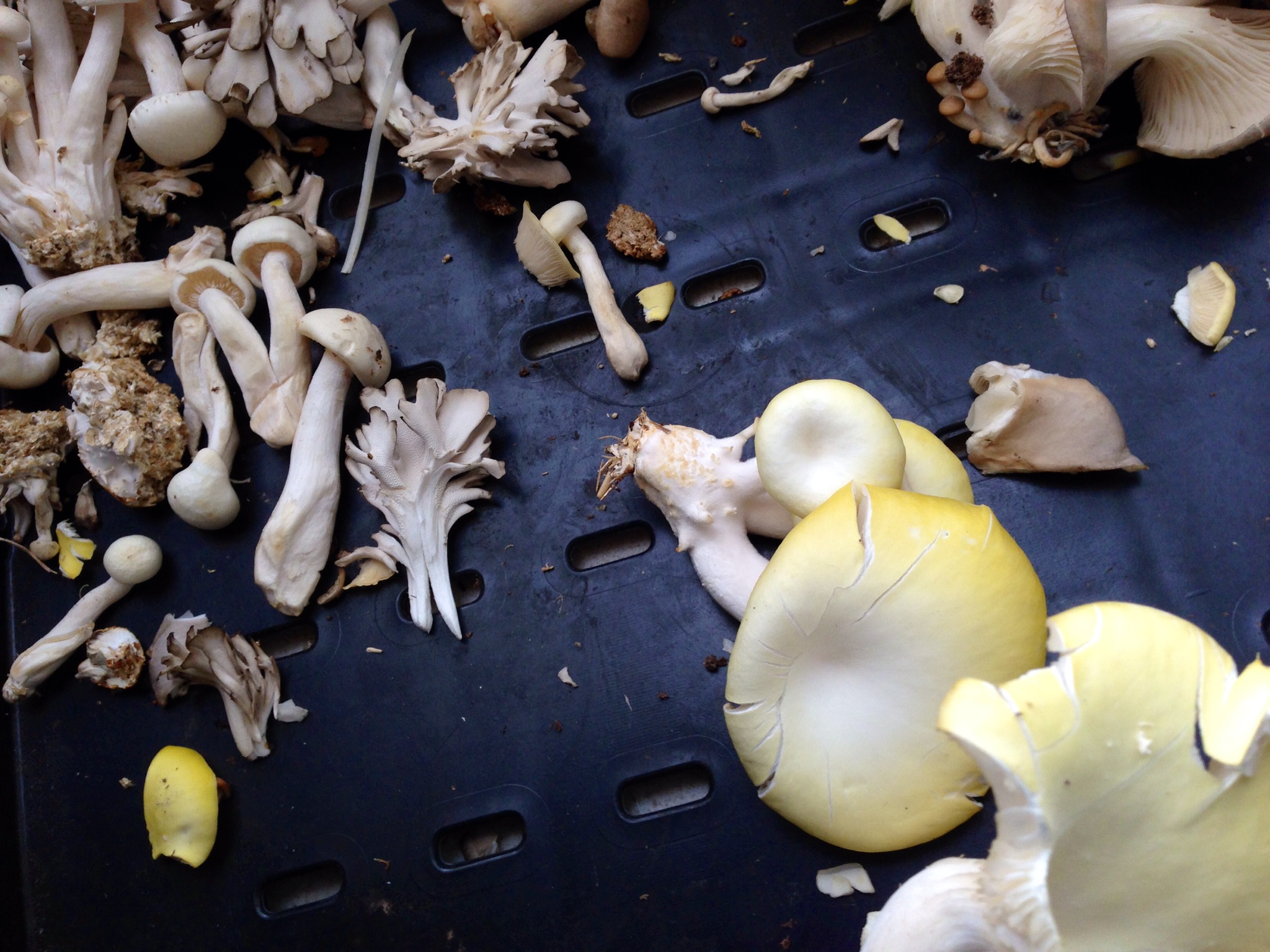
Mushrooms, a variety, were my choice. To add to a risotto or simply.saute and devour.

mushrooms

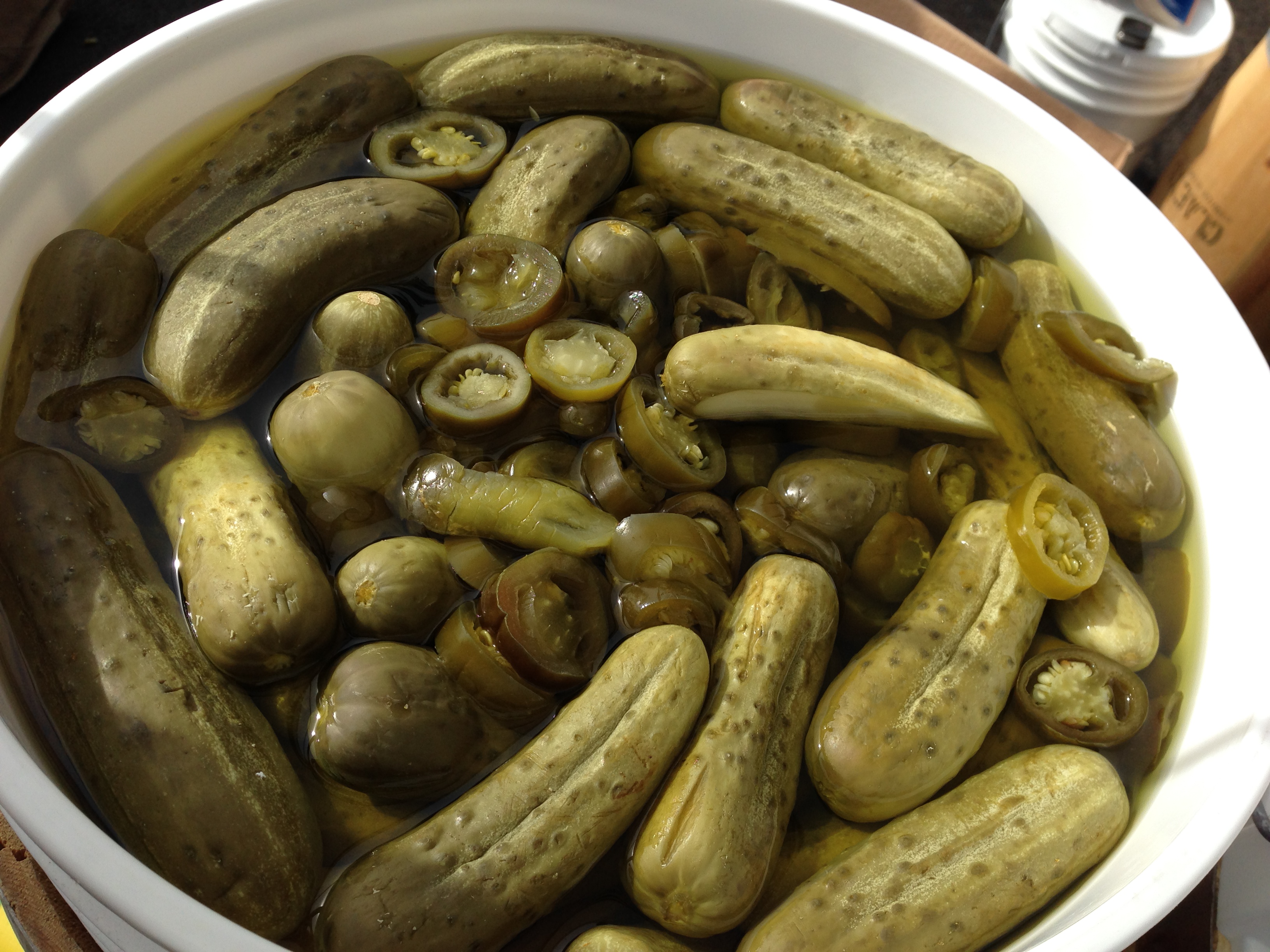
There was less produce than usual, more maple syrup, cider, pickles. Here they make a big thing out of offering pickles on sticks to children, like sour lollipops.

pickles

Painted Goat Farm is an artisan cheese producer located upstate in Garrattsville (now that is a true New York name). They offer goat cheese both fresh and aged, along with goat meat and what they call goat confections. They were out of the aged and I didn’t care for any goat confections, so I took home the fresh with garlic and chives.

goat cheese

The farm’s herd now stands at 85 – the females are “drying up” at the moment, I was told, and will give birth in February, when the babies will drive the count up to over 100. I’d like to pay them a visit then. If I had any kind of farm it’d be a goat farm. I love goats, both how satanic their eyes look, and their pure and total determination.

Leave a comment

Filed under Cooking, Culture, History, Home, Jean Zimmerman, Music, Nature, Poetry, Writers, Writing

Historical Pork

I brought the porker totem home to a curious canine, though Oliver didn’t seem to feel the swine deserved an aggressive posture.

oliver:pig

And though I debated on the drive back, porker clunking in the trunk, what Gil’s reaction would be – would he object to the creature because of its cost or size or general mien – he too was delighted by it. One of his favorite song lyrics, he said, was Dylan’s “I’m no pig without a wig/I hope you treat me kind.” Hard to hold anything against a grotesquerie that cost 24 dollars.

whole pig

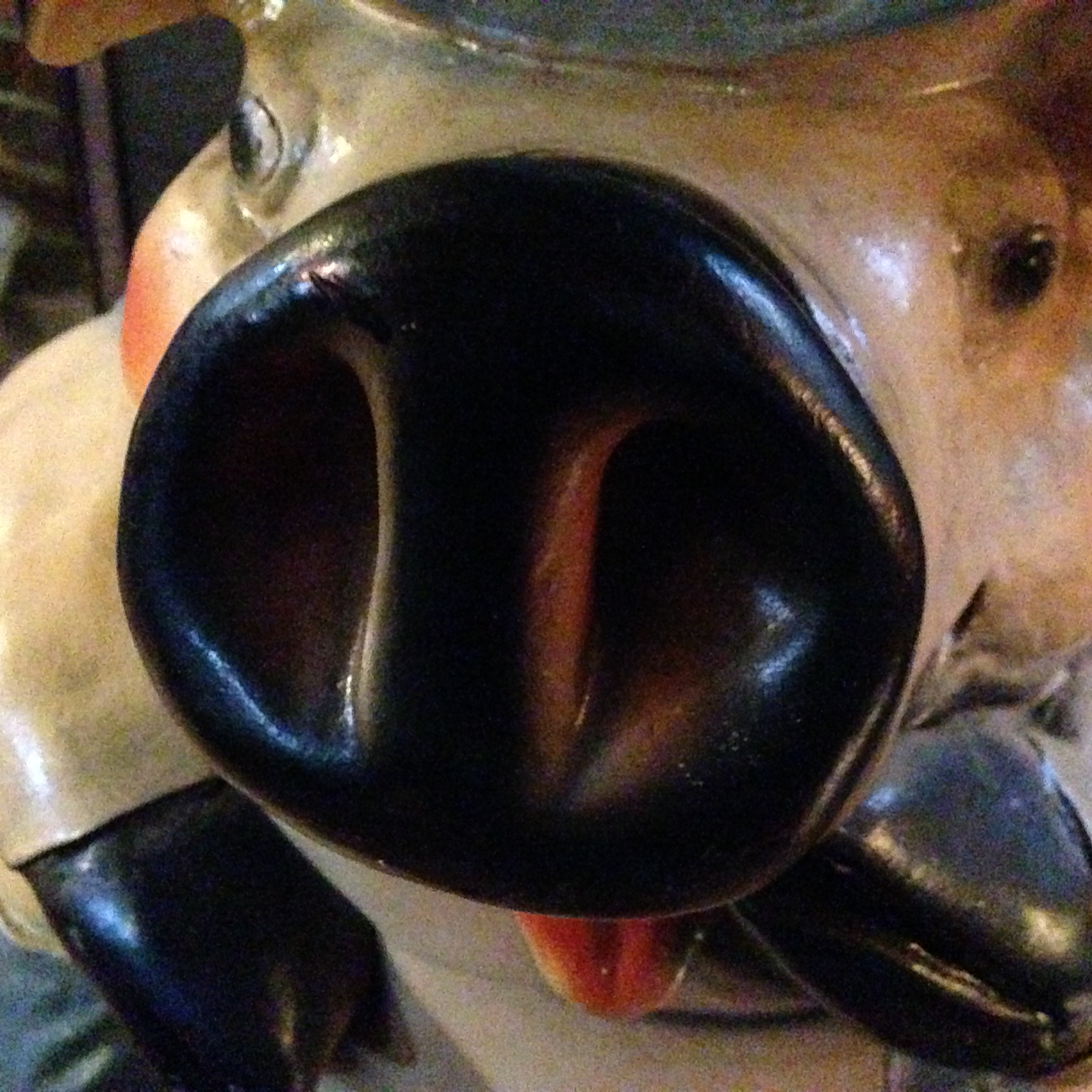
We decided the painted plaster pig with the voluptuous nose must have at one time enticed customers in a store or eatery. The woman in the antiques shop felt sure he had a former life as a piggy bank, but no piggy bank is thigh high. I snapped him up quickly, before anyone else could. If anyone else would.

pig eye

My eye for art is my own. I’m the one who finds things at estate sales after all the “good stuff” has been bought, after everyone else goes home. In our storage locker the other day I went through our collection of two-dimensional pieces, some by friends, that the Cabin walls can’t accommodate. Space is extremely limited and 250-year-old logs hard to pound nails into.

I did hang a Currier & Ives print, an antique spoof showing a nineteenth century woman with a braid dangling to her knees, a cigarette and a riding crop. “The Girl of the Period” reads the legend on the only slightly stained image. The friends who gave me this know me well.

currier

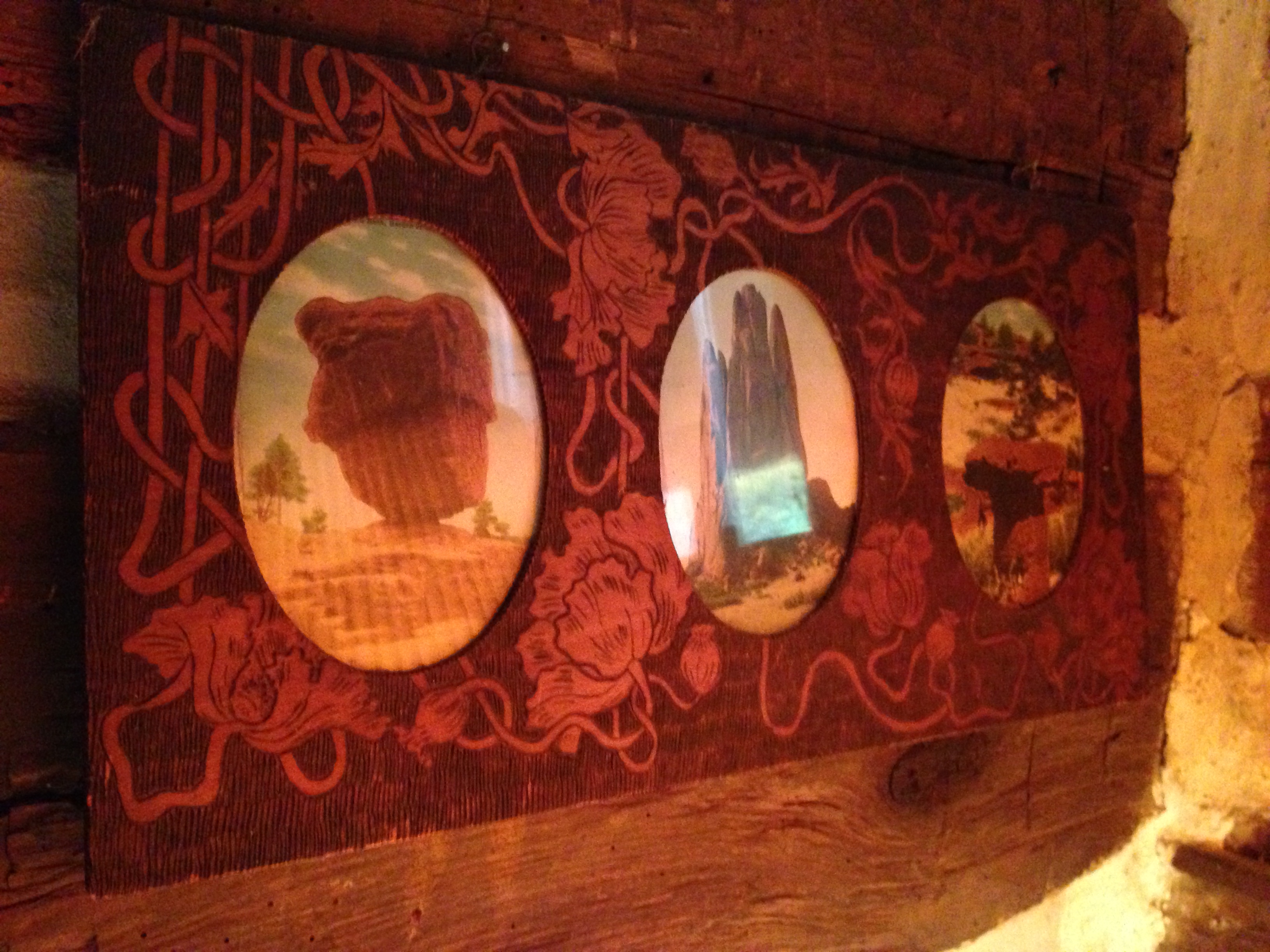
I do like things that are a bit stained, worn, faded or torn. Things that have the spirit of the vernacular in them. That show the human hand. It’s not outsider art when it comes from your own relative. One vintage artwork in my house was the creation of my great-grandmother Lockie Hillis, three landscape postcards she collected on a trip to the Panama Pacific International Exposition in 1915, which she mounted in a wood-burned frame (she herself burned the wood).

Lockie

I greatly appreciate handmade signs, but I’ll only collect them for free. Our best sign, hanging outside on the porch wall, we collected off a telephone pole next to a cornfield on a midwestern two-lane.

cherish

The one above the fireplace makes an ironic comment on Oliver and the other beloved dogs that have lived with us.

no dogs

Another perhaps more frightening comment, the mask hanging above the wooden sign. Leather of some kind, it comes from Mexico, and has dropped a few eyelashes since I picked it up 30 years ago. Gil has been known to put it on for Halloween and terrify small children.

mask

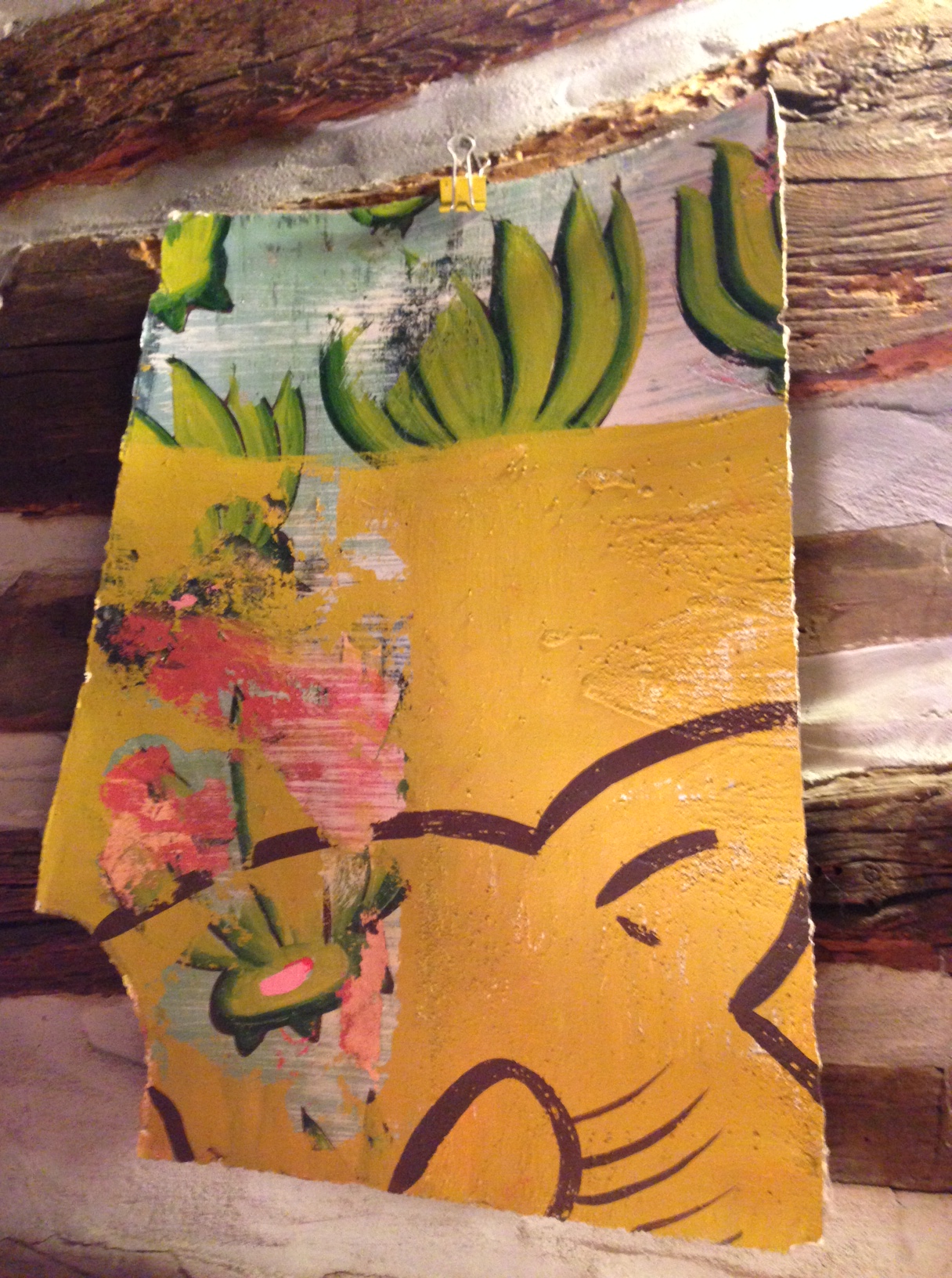
The Cabin makes a perfect backdrop for a painted work like the one my artist friend Sandra bequeathed, titled “Cairo in the Garden,” named for a beloved tabby we owned with seven toes on each paw.

cairo

We don’t frame it because it doesn’t need a frame to show off its fresco-like charms.

Back to the pig without a wig. Where to exhibit his bulbous corpus? I think he needs to stand by the door, sticking out his tongue in welcoming us. Or by the hearth, though I wouldn’t want his fat to singe. Perhaps the kitchen would be the most logical, given the amount of bacon this household consumes. In a corner, where we can observe him observing us.

While I consider it I’m going to give my attention to a National Audobon Society “miniature chart” showing Twigs of Common Trees.

Twigged Out

Here we have 62 ink-drawings of buds, bark, leaf scars and pith. The total effect is exquisite and I’d like to do the impossible: find it wall space. I fished Twigs out of storage and Gil said, You want that? Yes, as a matter of fact I do.

pig nose

What this jolly pig reminds me of most of all is old-fashioned signage, when shops had a giant shoe or pair of eyeglasses out front, bespeaking loud and clear what they had to offer. That’s a history dating back to the middle ages, but you still find pigs today decorating barbecue joints. That might be this one’s origin. Oink.

6 Comments

Filed under Art, Cooking, Culture, Dogs, History, Home, Jean Zimmerman, Nature, Photography, Writers

Eat, Fly, Nest

“Birds like movement and sound – so bubbling water attracts them,” says Cary Andrews, the ornithological expert speaking on bird-friendly gardens at the Croton Free Library in front of an audience of two or three dozen intent locals. If you don’t have an exotically lovely koi pond, she says, a bird bath will do, or even a strategically set up plastic gallon jug tipped just so.  Watch out for frogs, though, some of whom “can take out a hummingbird.”

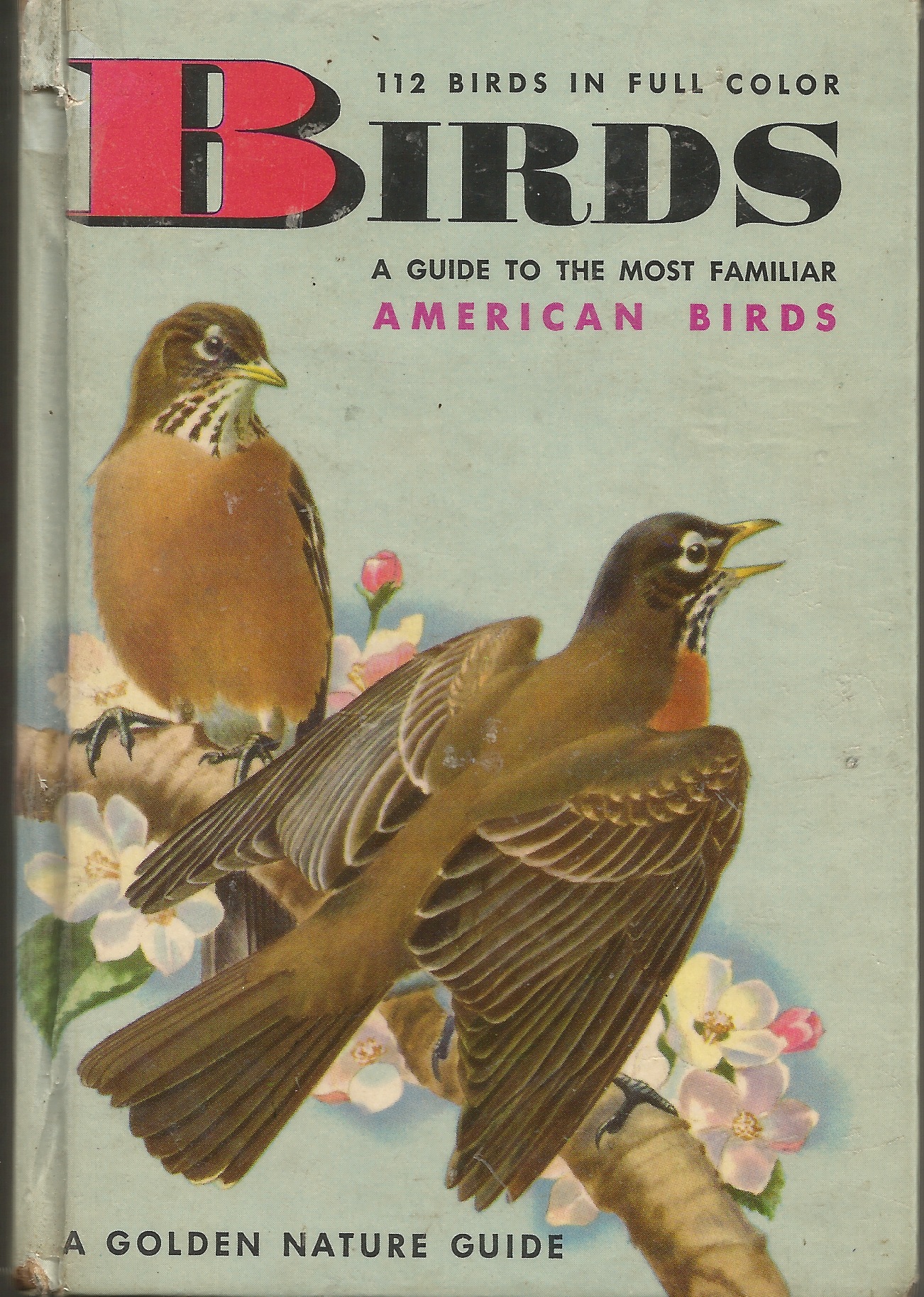
In my bag, I carry a palm-sized nature guide dating to 1949, which I’d rediscovered in a box of old books earlier in the day.

Bird cover

The flyleaf is inscribed, “To Zan, from Mother, April 18, 1952.”

This is the last in the Green Living Series for this year offered by the Croton Conservation Advisory Council – earlier talks had focused on invasive plants and biophilia, or the love of nature – and Gil and I want to get some information on setting up a feeder. What we get is a lot more global. Water, food, nesting. The best plants so the birds can thrive. But also much larger questions of habitat, creating it and preserving it, and the survival of all the species, not just everyday sparrows.

I am tempted as the lecture begins to hand my book over to the cutest little four year old girls, who keep giddily crawling back and forth in front of the podium until they are stilled by their chaperone. I am eager to hear about migration of another kind, from our speaker, birds flying all the way up from South America, drawn by the Hudson. Birds love water – robins, report Cary, like nothing so much as a sprinkler going back and forth, plus it loosens up the turf “so they can get their worms.”

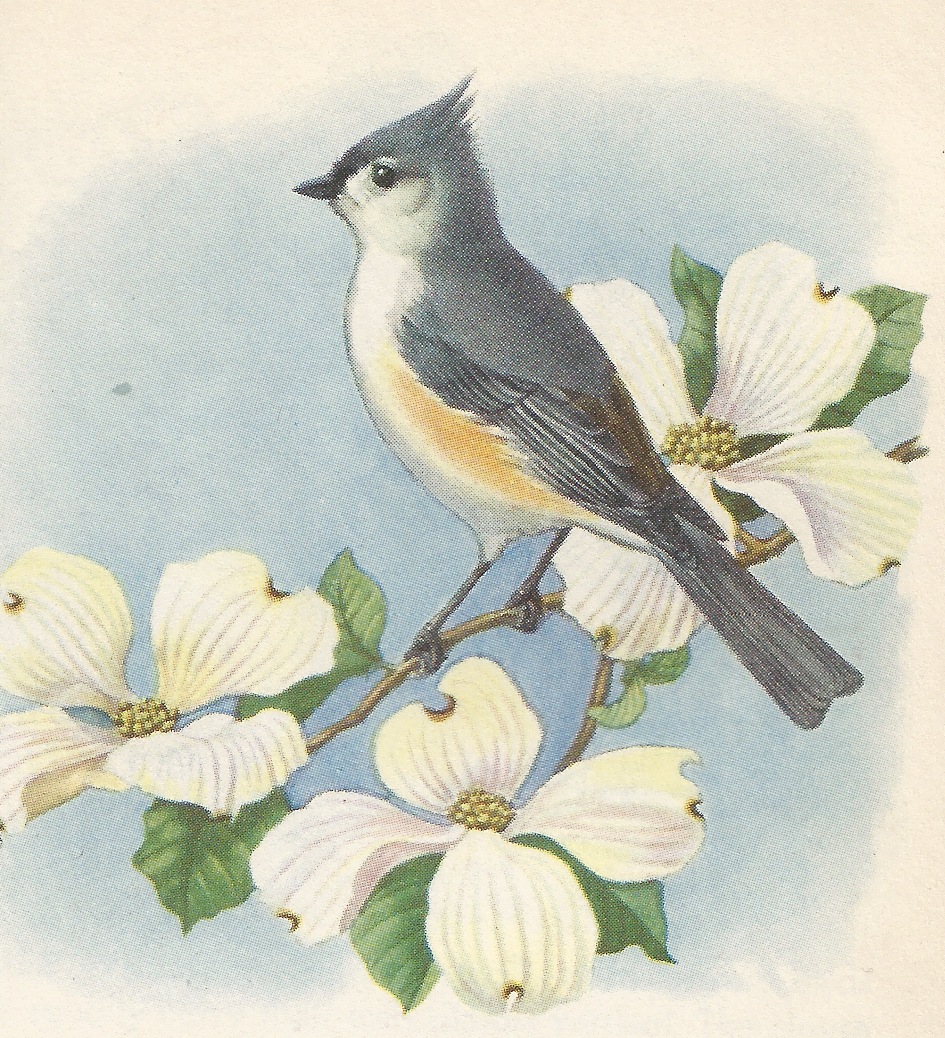
The talk includes great photos, still there’s something softly magical about these illustrations from sixty years ago.

Bird tit

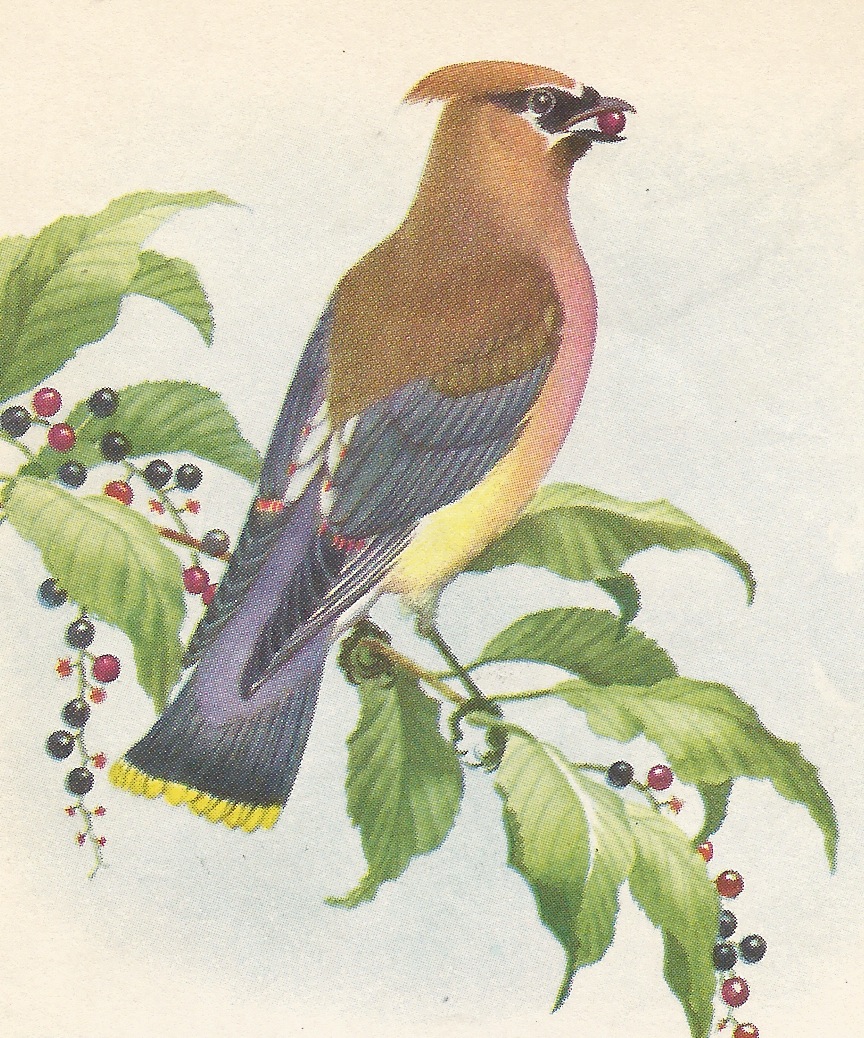
The tufted titmouse, one of my favorites since moving to the Cabin, is a bird I’d like to attract. Now I’m hearing about raspberries that ferment when overripe so that they’re called drunkberries. Birds enjoy them. And among other pleasant digressions, Cary mentions that she’d like to organize a “garden tour of pink trees” in spring. And that she was once distracted when looking out a conference window by 10 cedar waxwings feeding on red berries. And that she and her bird-crazy neighbors put in their bird-friendly plants and tease each other: “You stole my birds!”

Bird ced

“Fifty percent of the wren’s diet is spiders,” I learn. Insects. They are more important than I knew. All those downed, rotting trees around the Cabin, they are gold. Bark crevices are what bugs love. And birds love bugs. And cats love birds.

No! Don’t go there. It turns out that cats are responsible for decimating billions of birds in the U.S. each year. Cary quotes a controversial University of Wisconsin study. And the bells assigned them by well-meaning owners help not a whit. They’re much worse than the hawks circling far above.

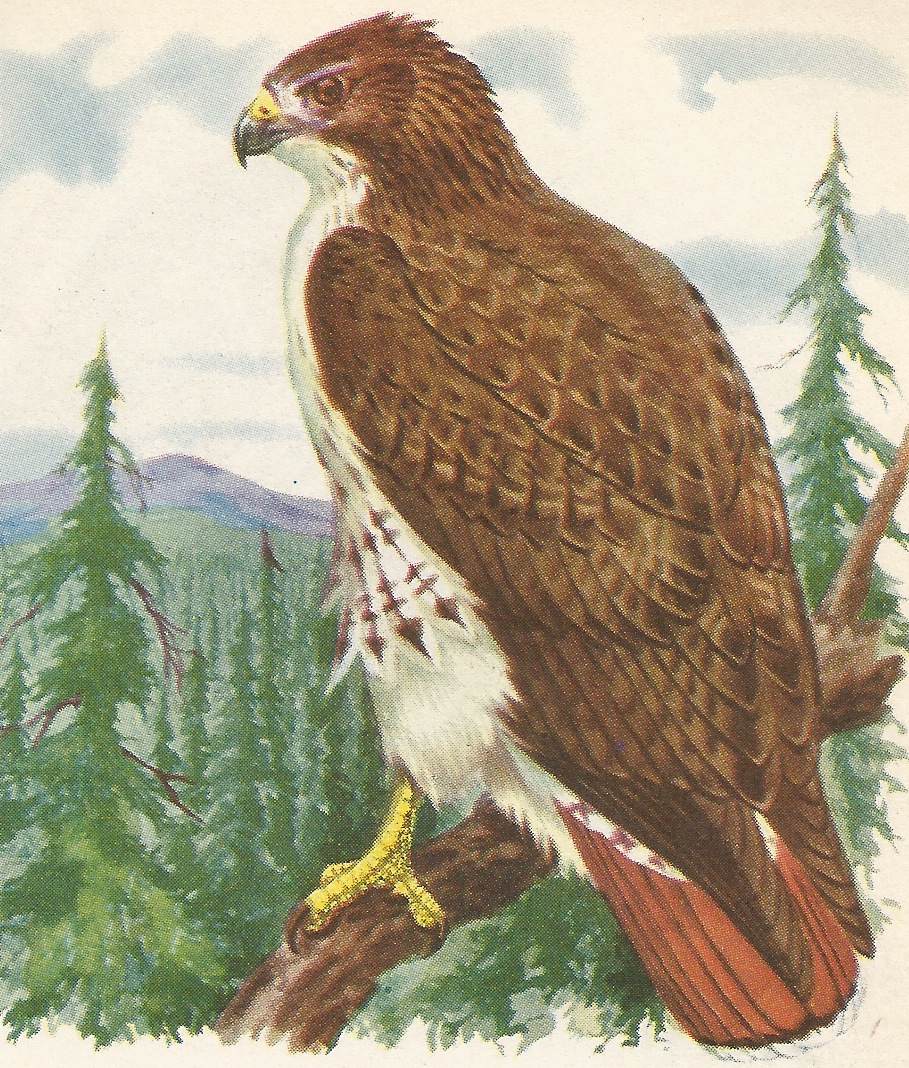
Bird hawk

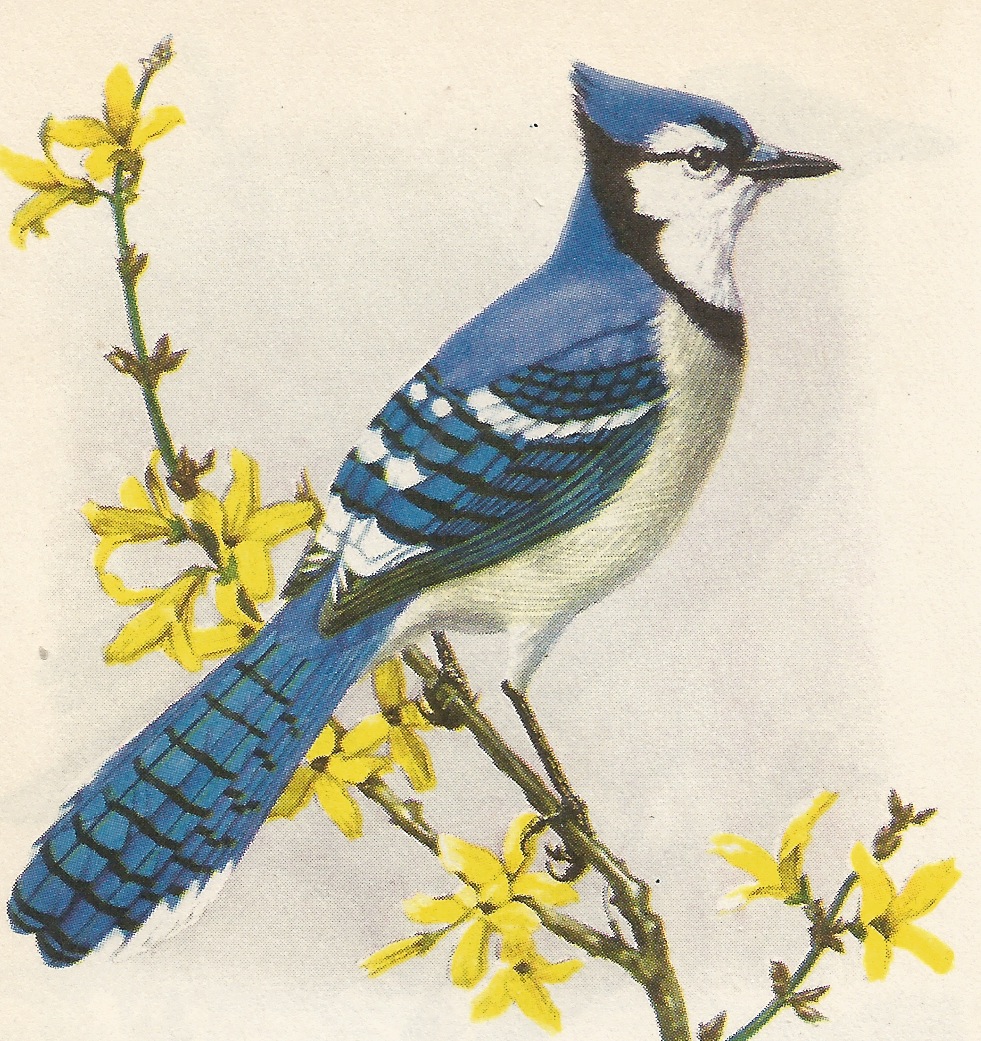
The bugs birds eat, especially the larvae babies require, grow on native plants. “Go native!” says our speaker, who admits that though she is a bird person, she was only recently educated about setting up her own bird-friendly garden. Smart and mildly self-effacing, she grants the audience “permission to be messy”: leave brush piles alone, stalks standing, the lawn grown out a bit more than most Americans think is decent. Even some weeds are good. The thistle. Even crab grass. Throw your Christmas tree to the side of your yard and a bird might take up occupancy. (We have one of those.) I also know for a fact that the fir trees close to our outside wall makes the bluejays happy.

Bird jay

This “tightly woven relationship between plants, insects and birds” sometimes leaves humans out in the cold. Poison ivy, for instance, is a delight for birds, it seems. Cary advocates preserving it where possible. This is the true bird’s eye view.

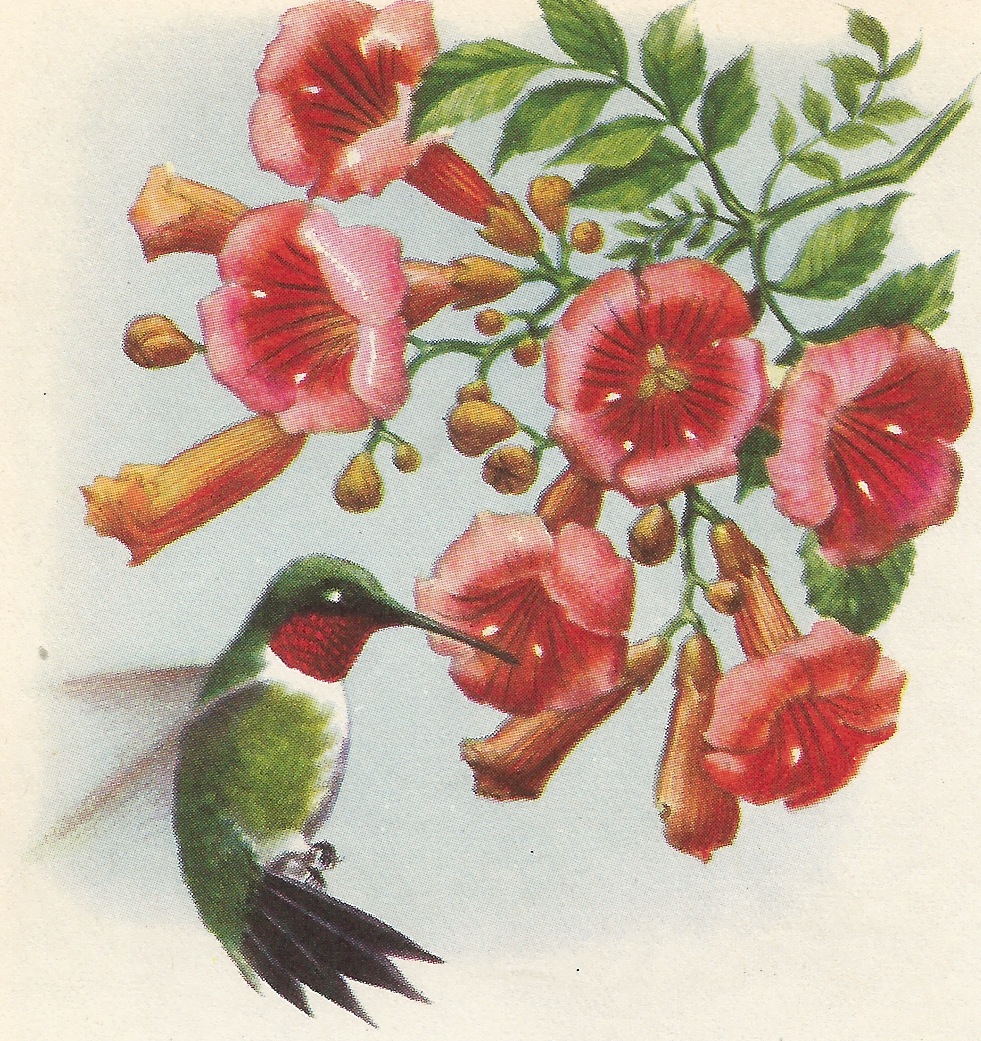
A few more nuggets before we dive into the cupcakes on the library table. Deer have been seen swimming from New Jersey to Staten Island. No joke. Hummingbirds will on occasion use spider webs to build their nests.

Bird hum

The robin’s nest found in Cary’s friend’s yard incorporated a length of her young daughter’s hair ribbon.

I start for home. In the back of my vintage bird guide I discover the following note, handwritten in neat pencil:

July 25, 1959.

Today for the second time,

a small red bird perched

on the picket fence outside

my window. He warbled

a few notes and then left.

I found out that it was a

cardinal through this book.

2 Comments

Filed under Art, Culture, History, Home, Jean Zimmerman, Nature, Writing

House Plants on Parade

There are certain people, and I won’t name them, who believe that house plants are boring.

For the most part these are men.

My Thanksgiving cactus has decided to get an early start this year, so it’s pushing out the new, light-green segments that are called “articles” with abandon, and showing off plenty of exciting hot pink buds.

thanksgiving cactus

There, reader, are you male or are you female?

Today, inspired by my Thanksgiving cactus, I went down the road to Kitchawan Farm and saw Linsay, who manages the place, and who was offering a pop-up sale of geraniums and other house plants, along with a warming fire, hot tea, fresh-dug jerusalem artichokes and the last field flowers of the year.

On my way to the stuga, the cottage where the sale was taking place, I fed an apple to a horse with a splendid white blaze named Trix, who polished it off in a single bite. We had just come from Thompson’s Cider Mill and were loaded down with heirloom apples, Crispins and Russets and Jonathans, the kind that can’t be obtained in any supermarket, plus three huge Northern Spies for pie.

red apple

Linsay knows quite a bit about house plants, among many other things. She has a hundred in her own home, and the ones on the two tables she’d set out came mainly from her own cuttings. Three dollars a pot, a good deal, expecially when it comes with a cup of hot tea on a bracing October day.

linsay with plant

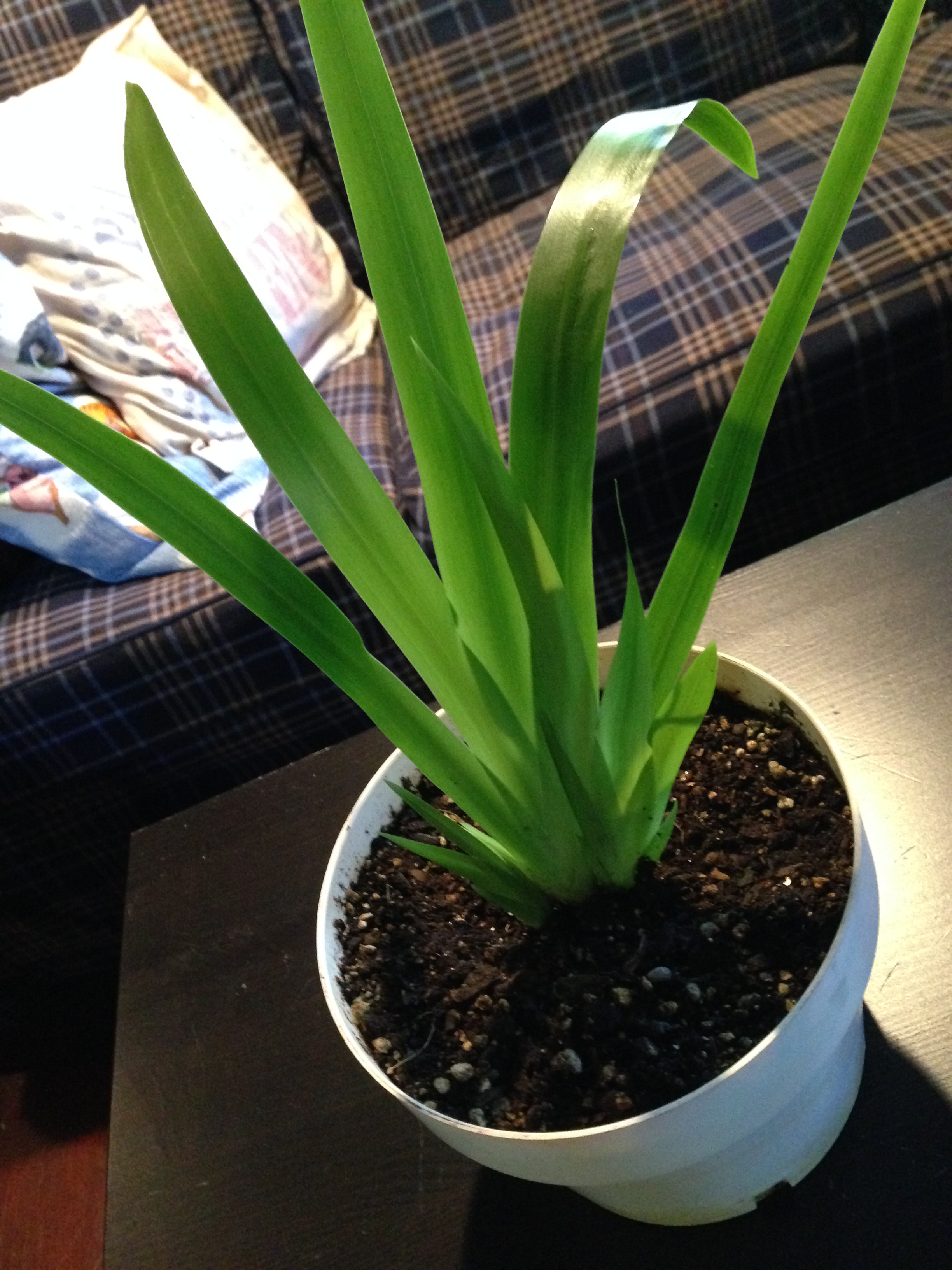
In the shade beside the stuga she explained the habit of the walking iris, which might get away from you in a garden bed. At home I’ll keep a watchful eye on it. Some day soon it’s going to give me showy flowers that look like a cross between an orchid and an iris. I hope in the dead of winter, when there are snow drifts against the window.

walking iris

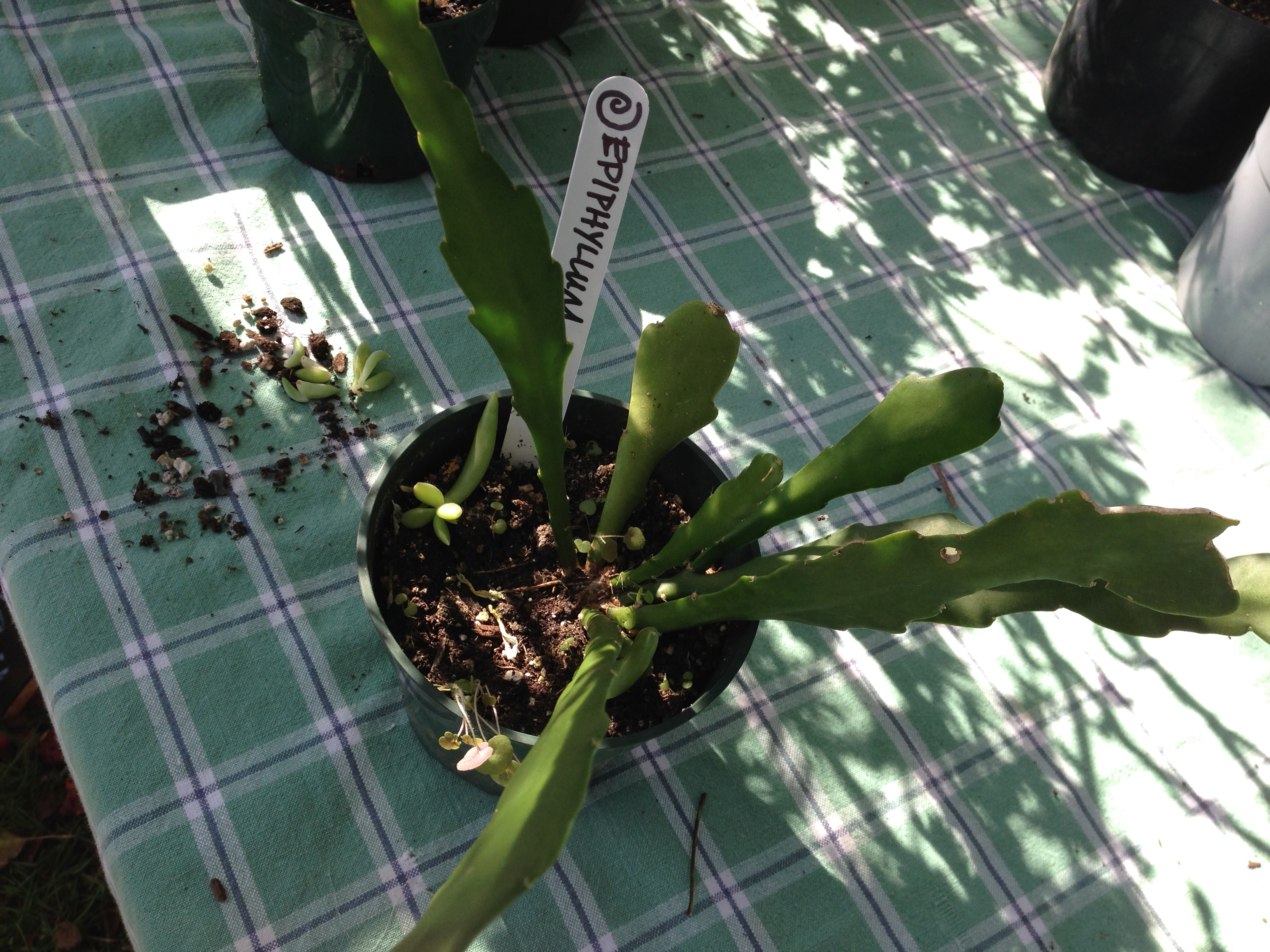
The epiphyllum, in the cactus family, hails from Central America, where it climbs trees and makes a strong hallucinogenic drink. It also promises a large red or white bloom, and, since it comes from the jungle, doesn’t expect much sun. Good, because sun is in short supply in the Cabin. Count me in.

epi

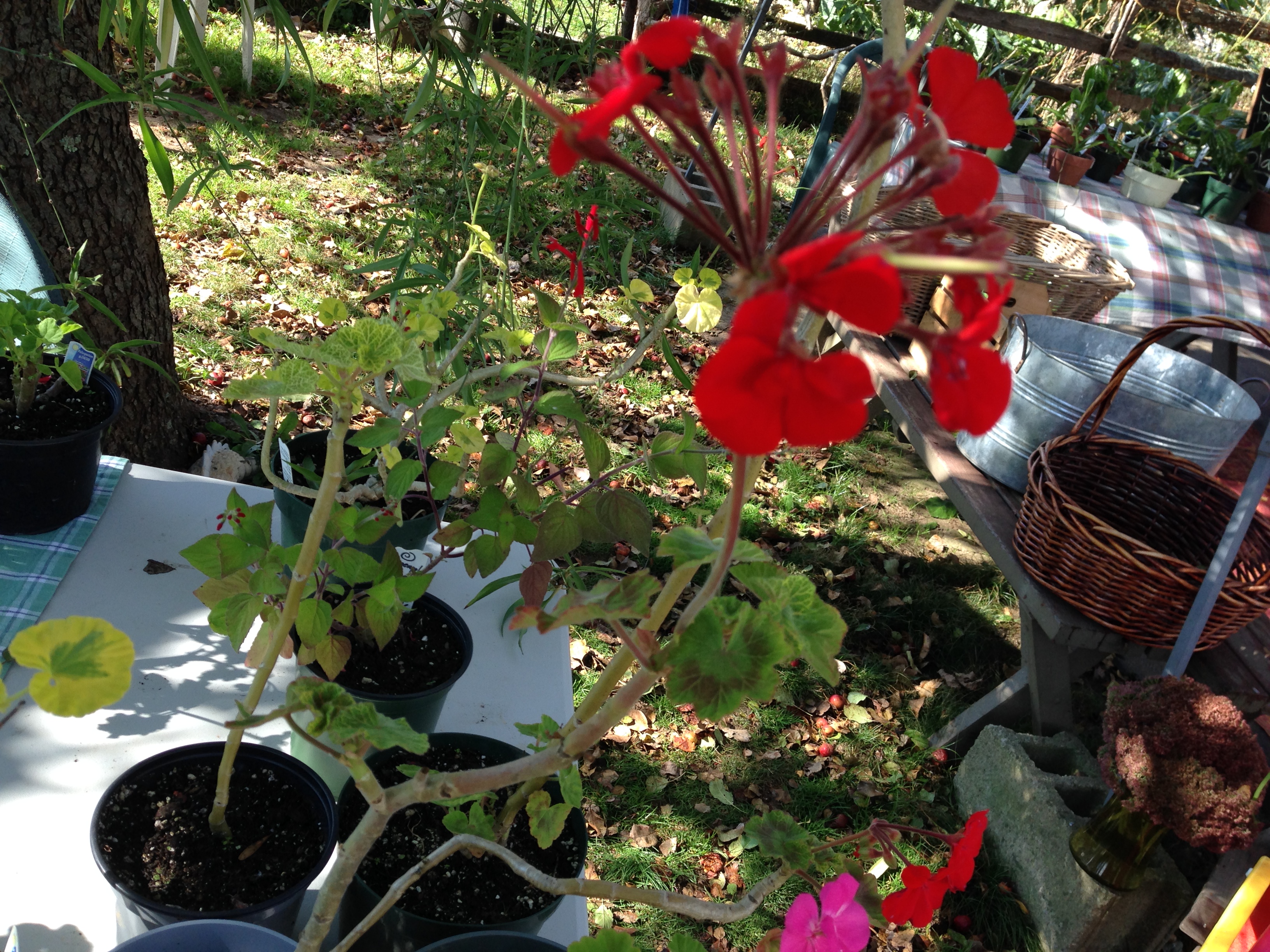
The geraniums were irresistable, especially the heirloom double rose type. Linsay has Sweden in her blood and convinced me that bright windowsills need at least one of this flower. So, realizing I did in fact have one sunlit spot, I got two.

geraniniums 2

Why is it that geraniums have become associated with old ladies? Anyway, is there anything wrong with that? Even such a hipster as Bob Dylan liked them well enough to use the turn of phrase “geranium kiss” in Sad Eyed Lady of the Lowlands.

Old ladies, I guess, have always known more about purifying the environment, keeping the air around you sweet-smelling and healthy. Spider plants as vitamins.

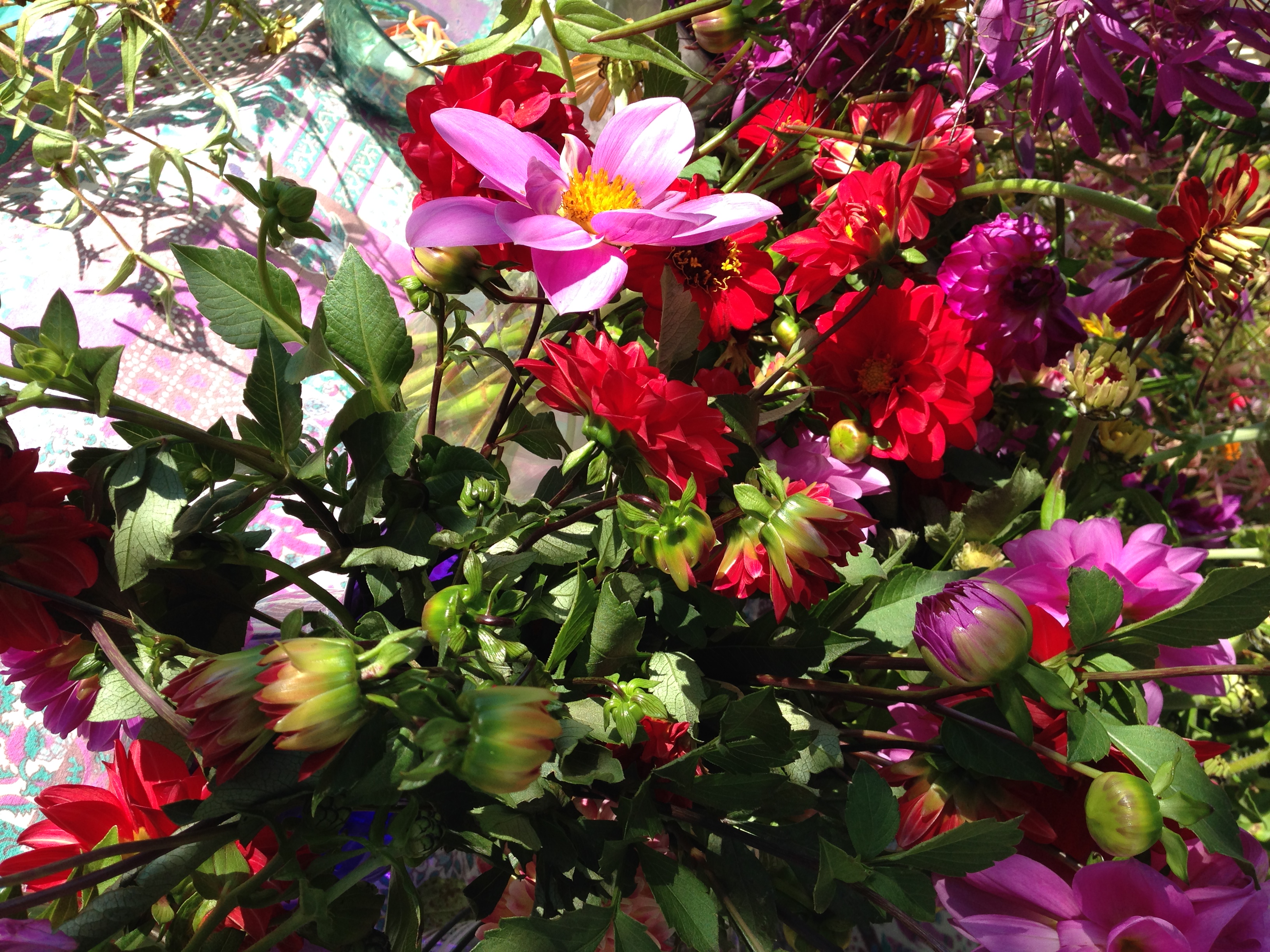
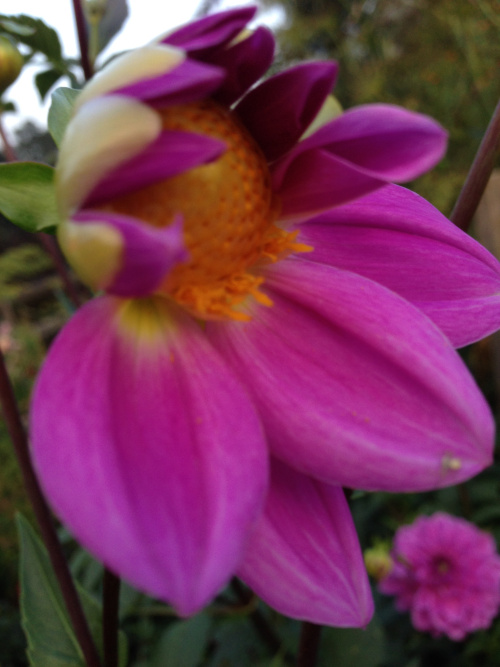
It had been a hard frost last night, the first of the year, and at Kitchawan they’d managed to harvest all the cutting flowers. Dahlias, my favorite, and zinnias, and a dozen other varieties with the spice of fall. Lavish, bursting with color, unlike the demeanor of some house plants, which might be demure and even a little forlorn at times.

flowers from the garden

Linsay was making a specially crafted bouquet for every person who bought a plant. It was kind of sad, she said, and kind of a relief for the season to be over. Now she could get to her other projects, her writing and her art, and do her other job of helping people organize their lives.

She organizes her plants with equal dedication. And here’s the thing. People who take these cuttings and nodules and hopeless-looking sections of stem, pot them up, test the soil, sprinkle in the proper quantity of water – they have a strong desire to organize, to fertilize, to nurture. To make things right. My mother, my best friends, the finest women I know have been wed to their house plants. Not that there’s anything wrong with a shockingly beautiful fresh-flower bouquet.

linsay bouquet

I’ve divided my last year’s overgrown aloe vera into four new pots, found the offspring four new homes at windows where the light is just right. I want to be an old lady.
4 Comments

Filed under Culture, History, Home, Jean Zimmerman, Music, Nature

Mums the Word

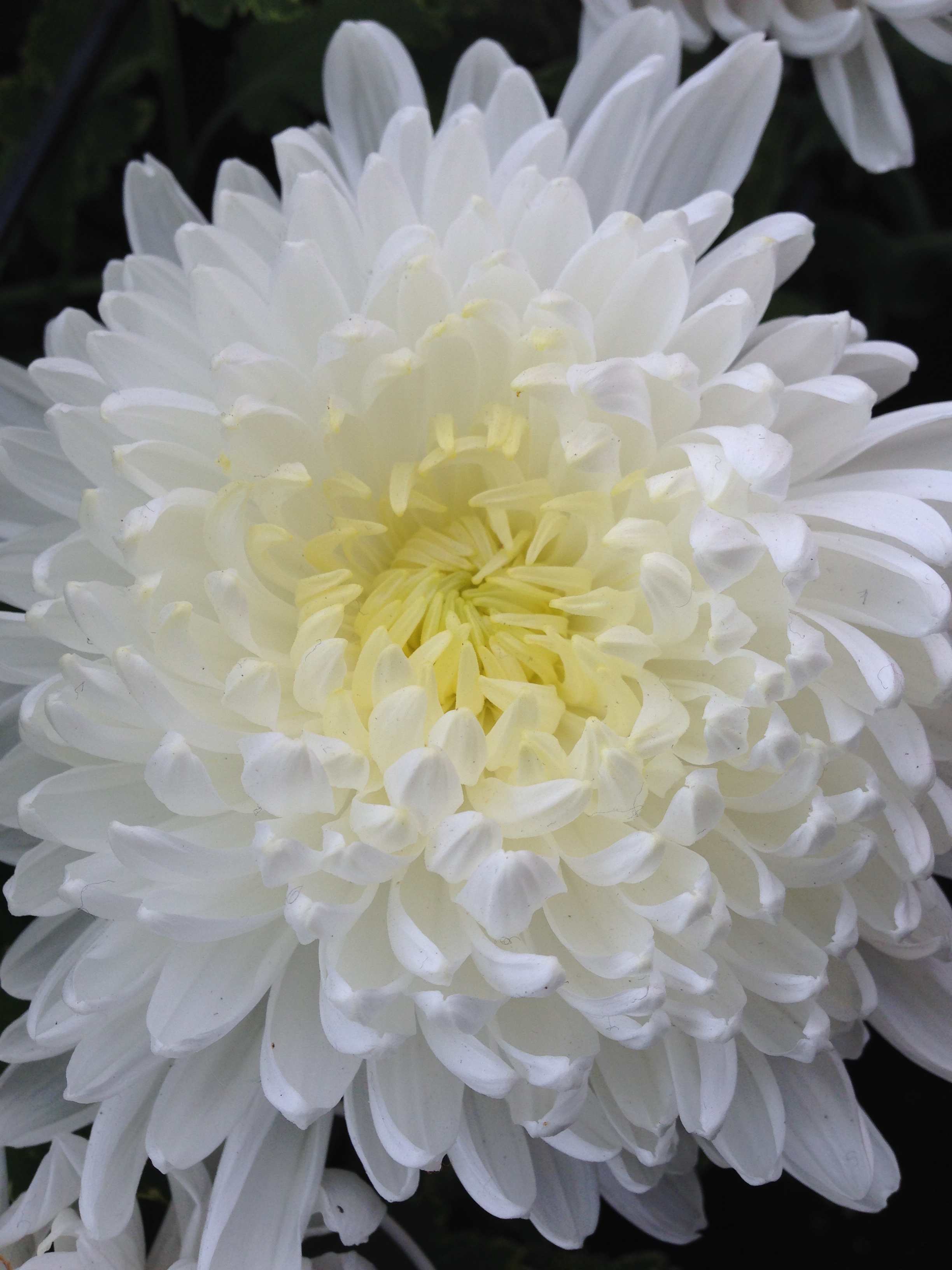
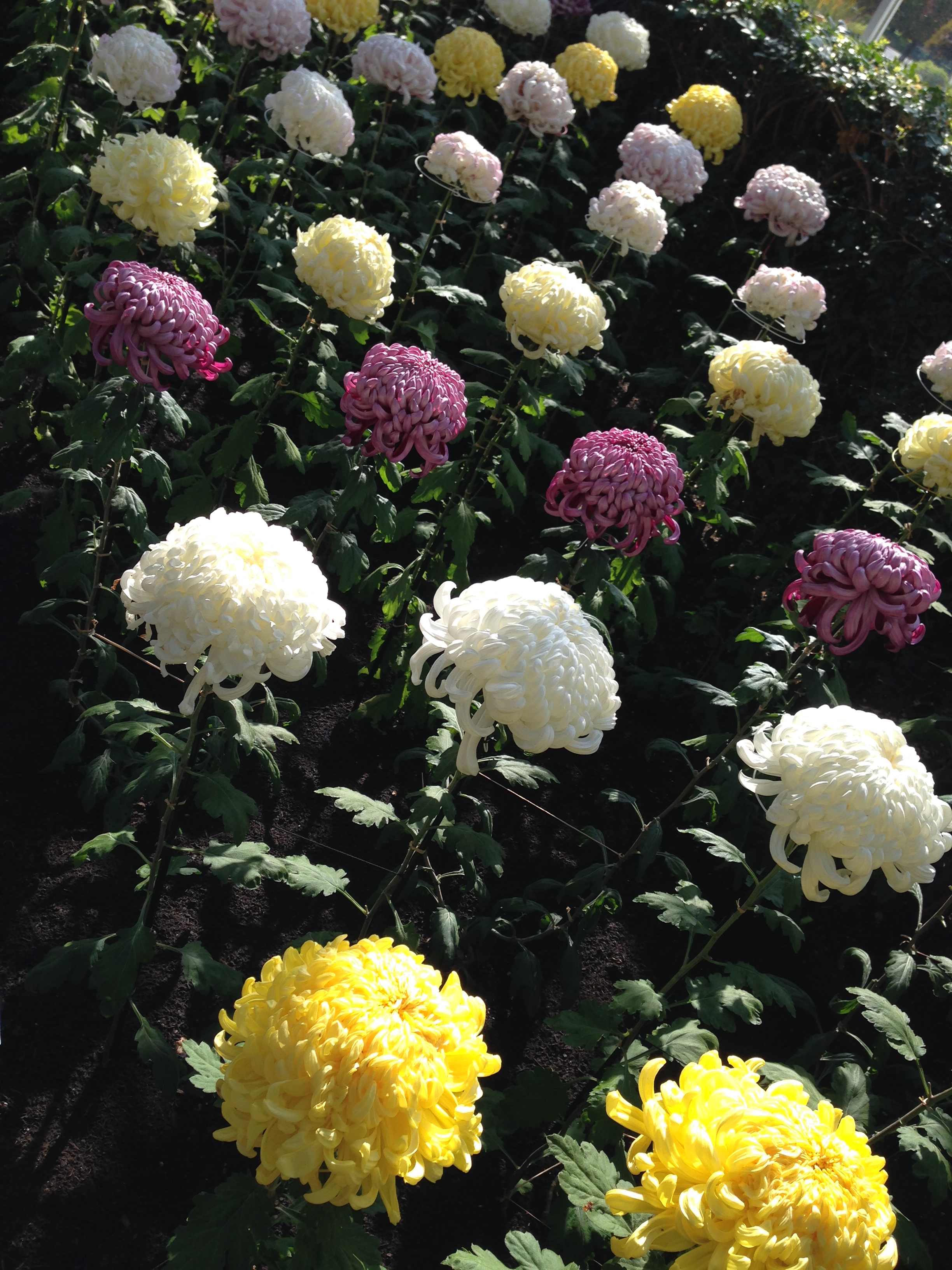
The kiku were fragrant, lovely to look at, cool to the touch.

buttons

I had been in a mood. My foot was slower to heal than I’d like. I had a cold. I didn’t feel like working.

strange

So I got myself to The New York Botanical Garden in the Bronx. It was offering its annual chrysanthemum show.

delicate white

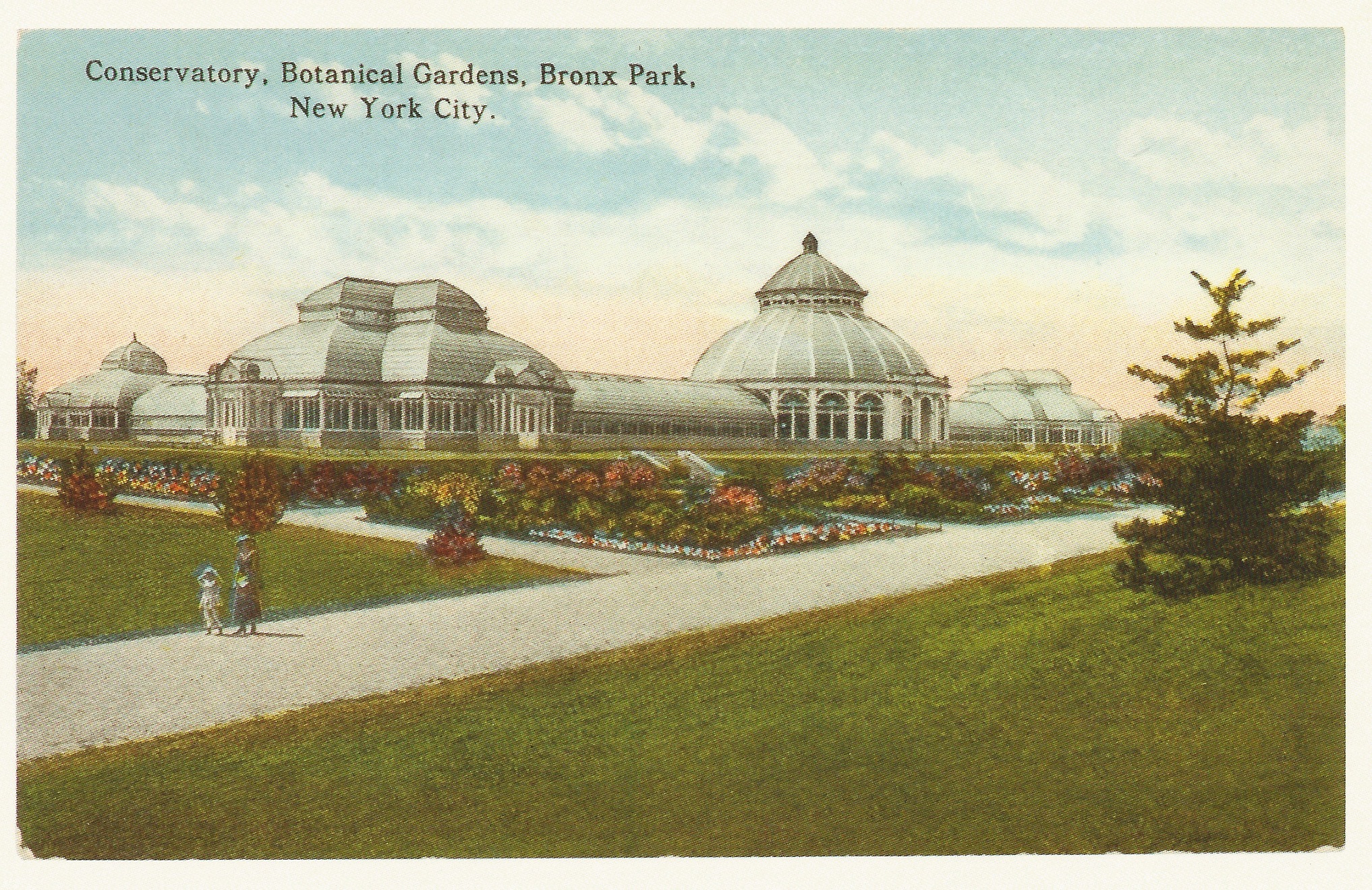
As soon as the door swung shut behind me – the exhibit is indoors, in the haute-Victorian 1902 glass expanse of the Enid Haupt Conservatory – a feeling of bonhomie settled over me.

BG, Bronx

A feeling of chrysanthemum-induced ecstasy, a tranquil happiness enhanced by the Japanese flute music piped in to the gallery.

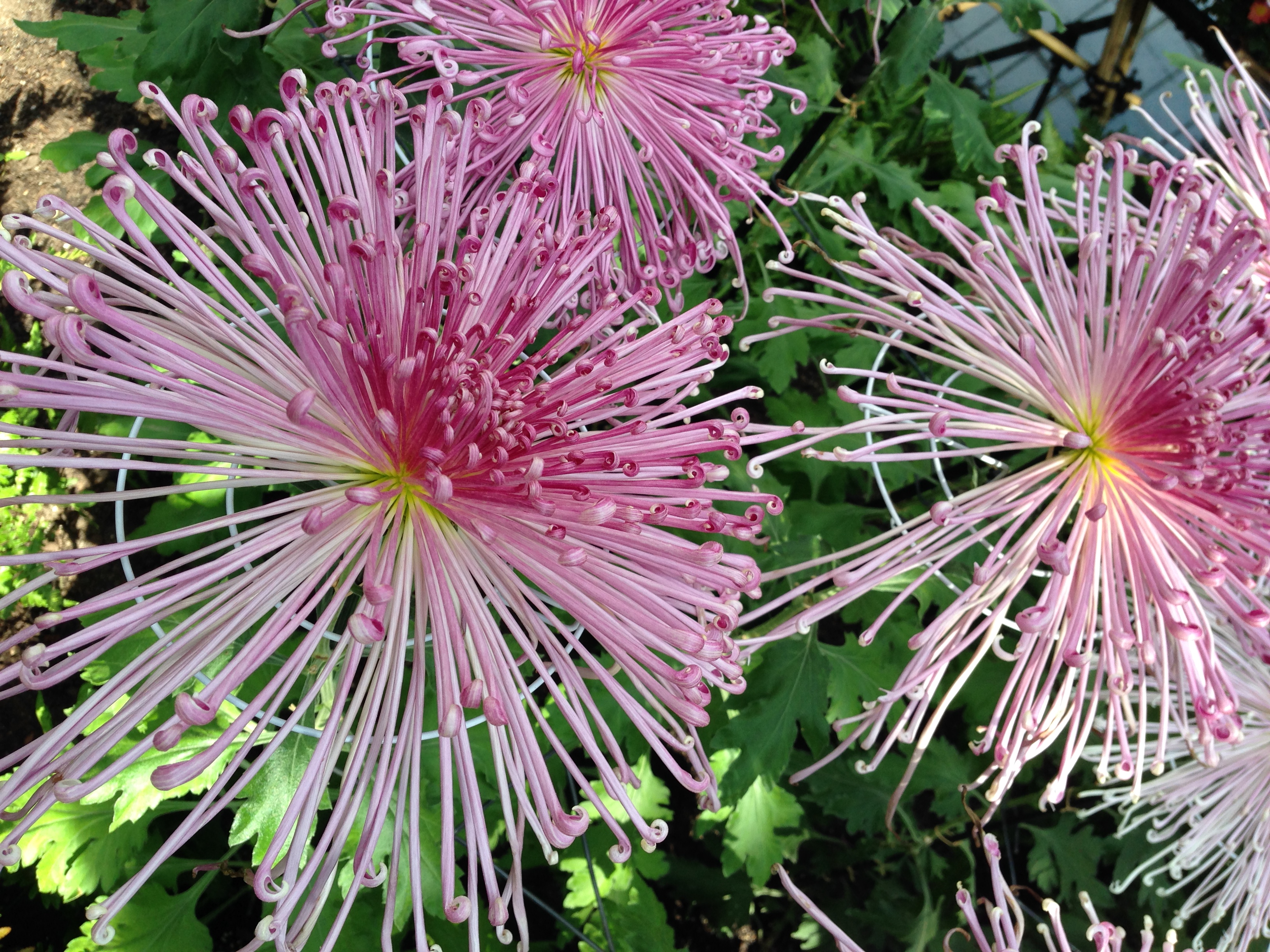
spangle 2

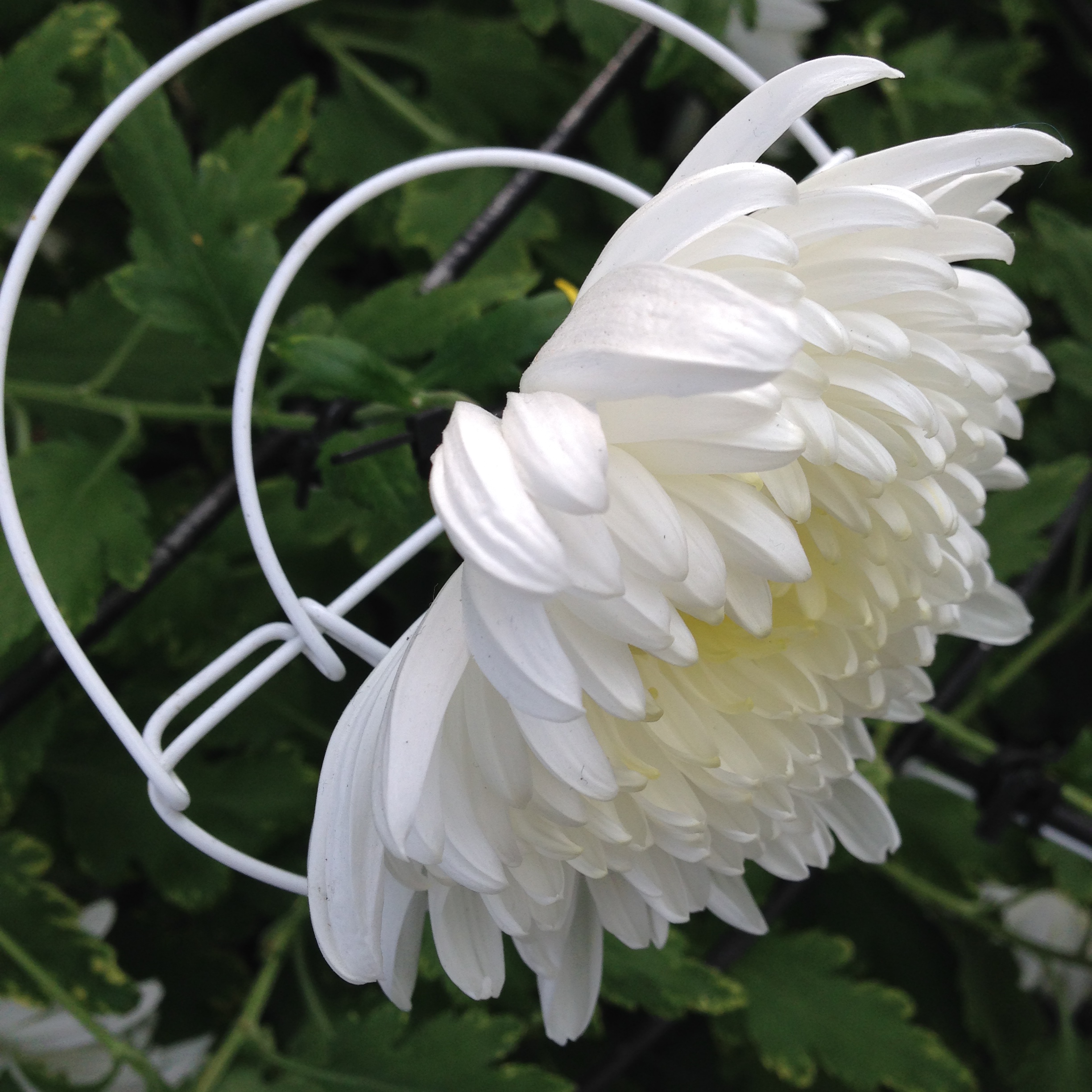
You could call on your phone for information on these amazing flowers, which had been trained for a year to be massed in geometric shapes by horticulturalists. They start with one stem, and pinch it off again and again until they wind up with a hundred flowers in rows, held in place by metal frames.

structure

That’s the back of one display. “You tell the plant how many flowers it’s going to have,” said the disembodied voice on the phone when I called for info. Called ozukuri, the practice somehow appealed to me. The human hand so obviously taming nature.

flower in frame

year by year passes

thinking of being thought of by

chrysanthemums

So mused the nineteenth century poet Masaoka Shiki in one of the poems displayed along the garden’s walkways.

I couldn’t help but be contemplative. Chrysanthemum-contemplative. Consider the Ogiku, diagonal rows of pink, yellow and white, like, they used to say, the bridle of the Japanese emperor’s horse.

rows

China introduced Japan to the flower in the fourth century, and the emperor soon made it his personal crest. In 1878 he opened an exclusive park to show off the plants grown in his garden. Since the 1920s that viewing opportunity has taken place in the Shinjuku Gyoen National Garden in Tokyo.

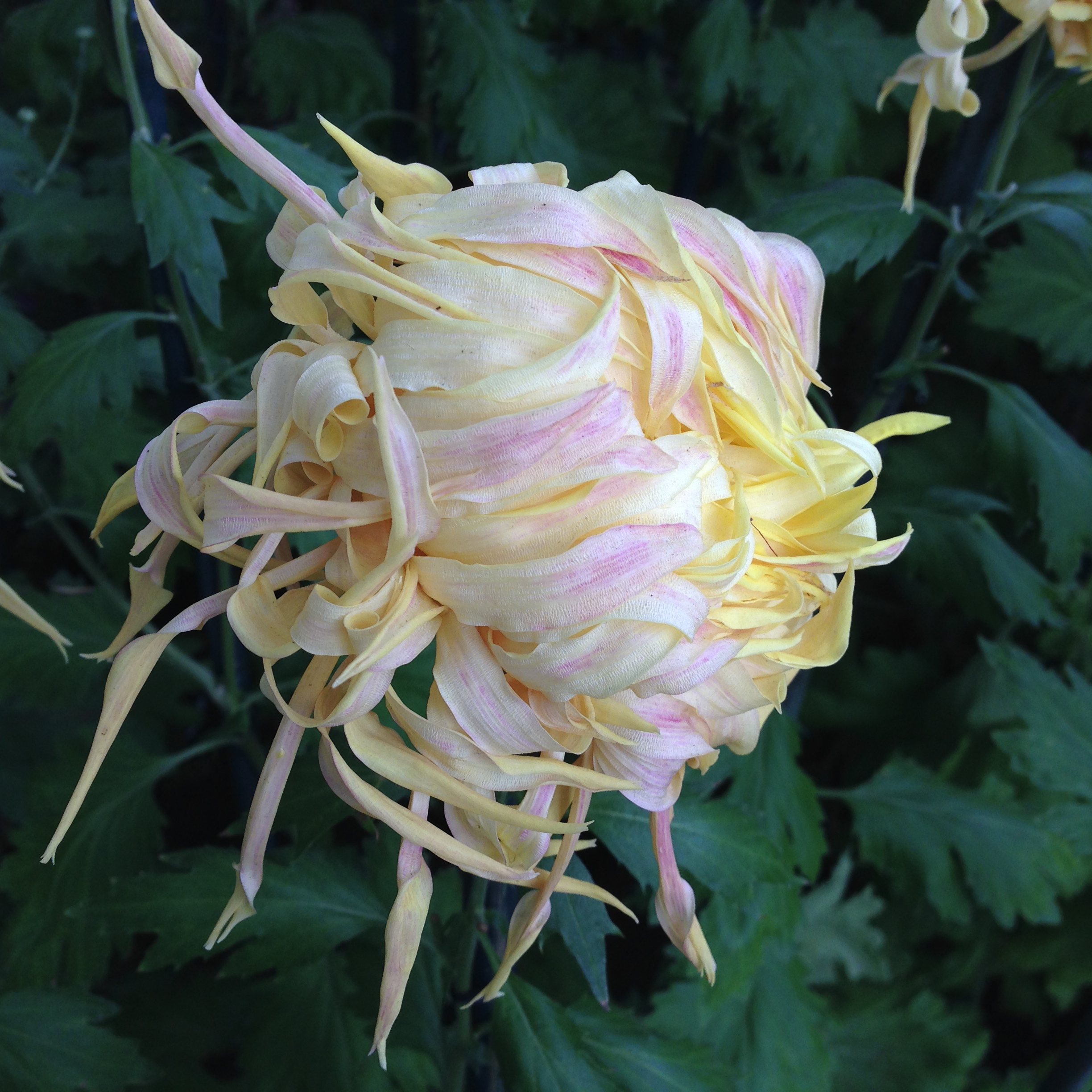
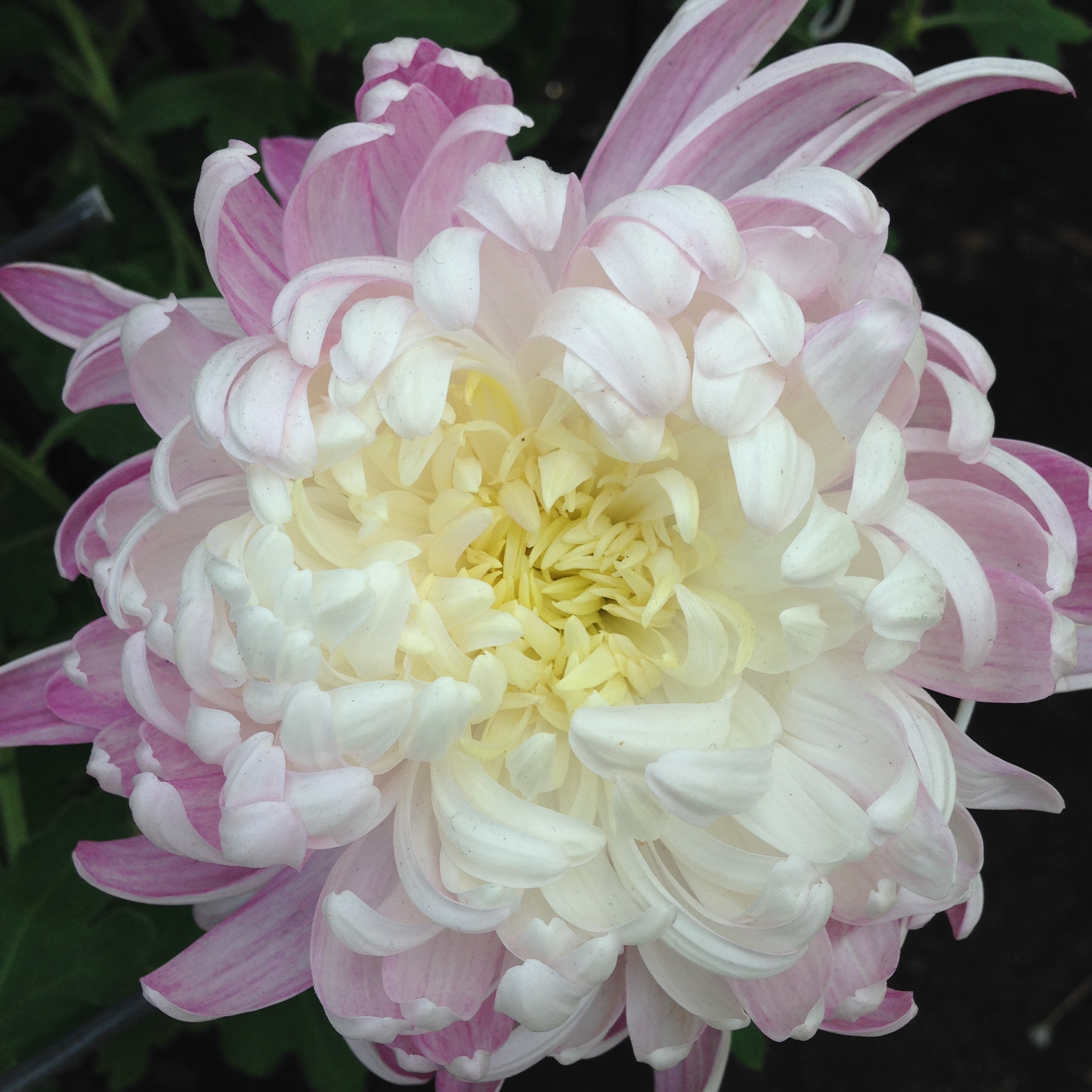
Chrysanthemums are members of the aster family. There are 13 species, some fat and regular, others ragged, others spider-like, others spoon shaped, the anenome with a disk for an eye. Here they all were.

Everyone was snapping pictures, as they always are, everyplace you go nowadays.

photographer

I like the big’uns.

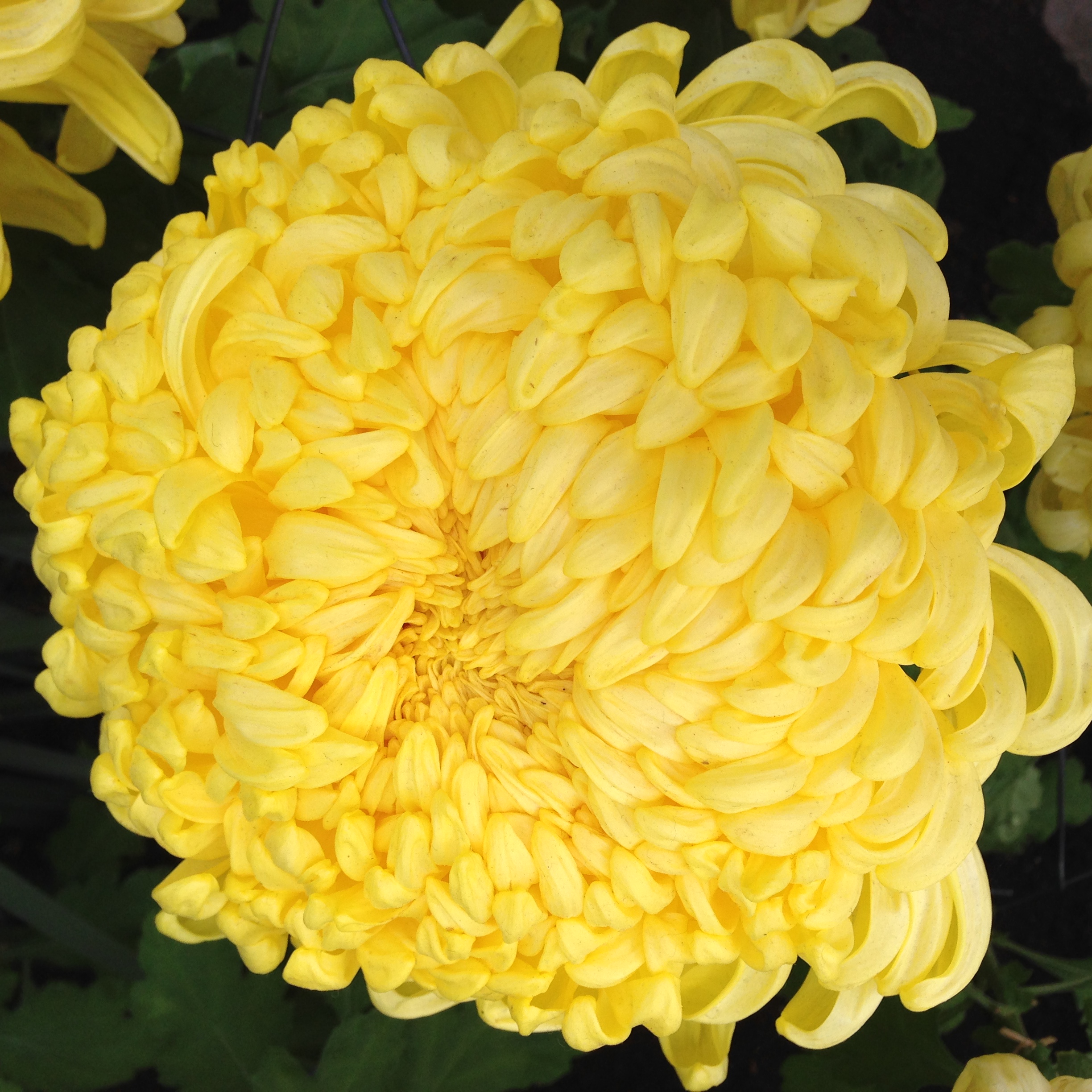
vivid yellow 2

I have to control myself not to publish all the pictures of them that I took.

white pink yellow

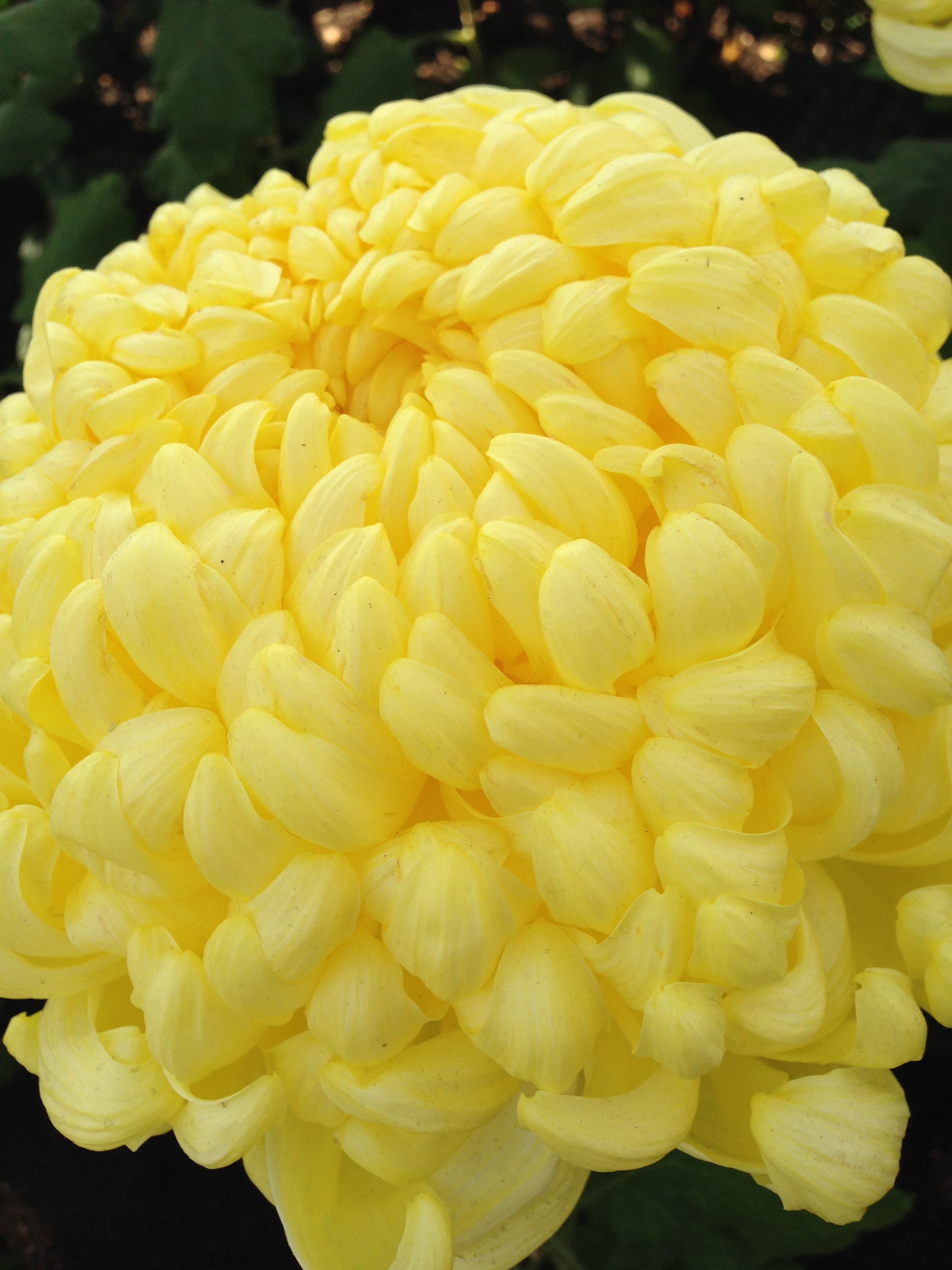
Some were big as a grapefruit.
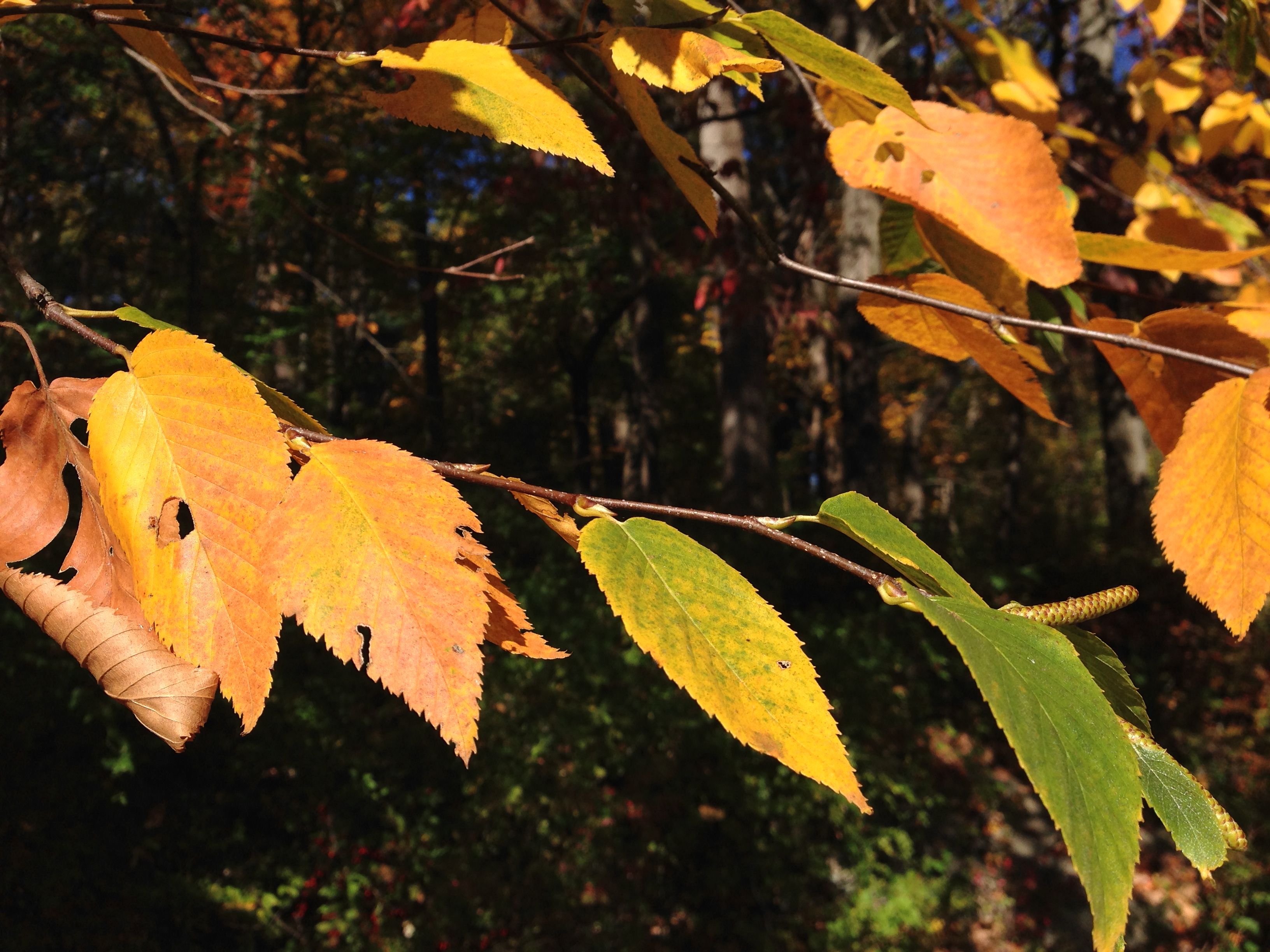
fat

Some almost the size of a newborn’s head.
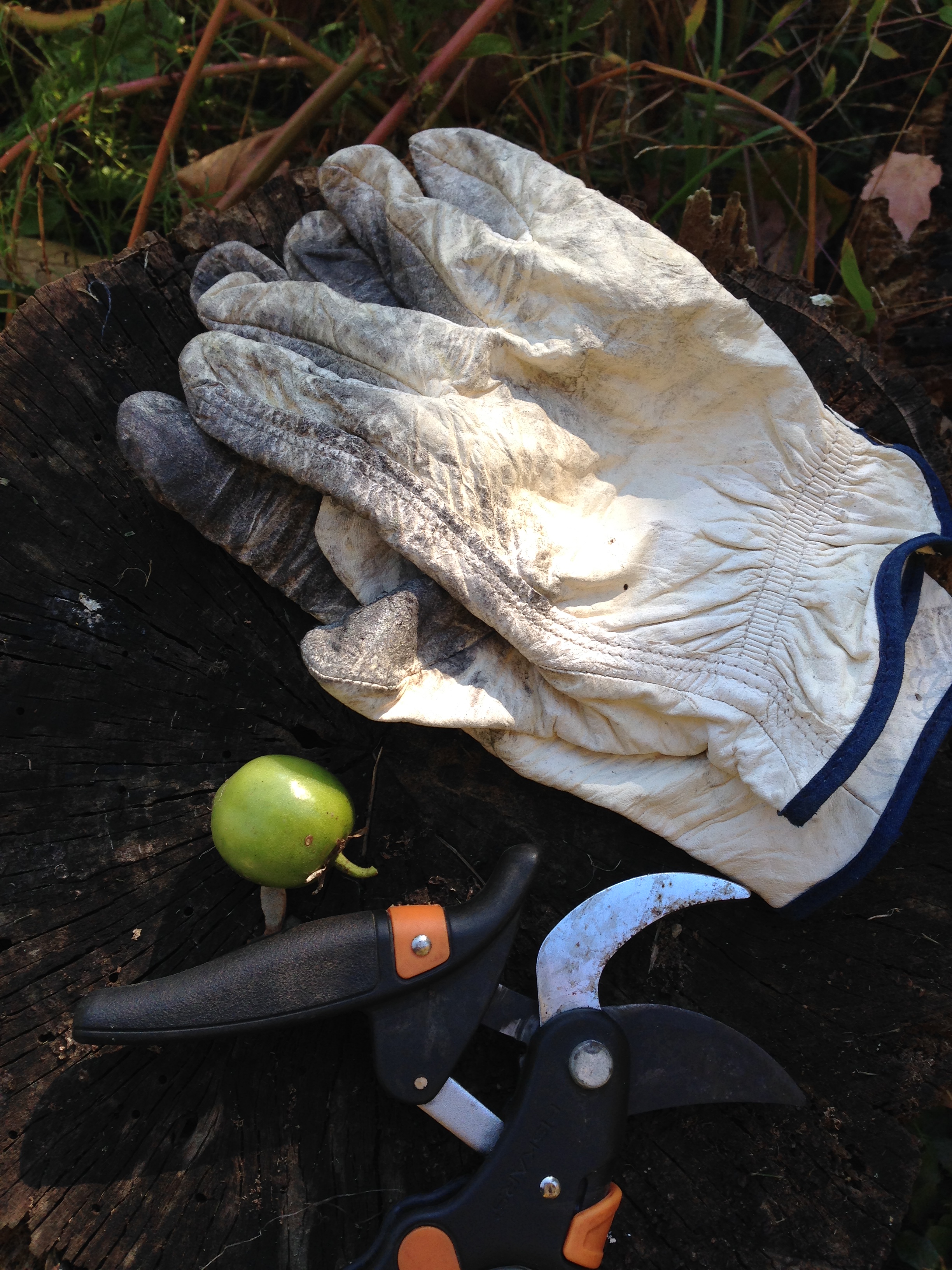
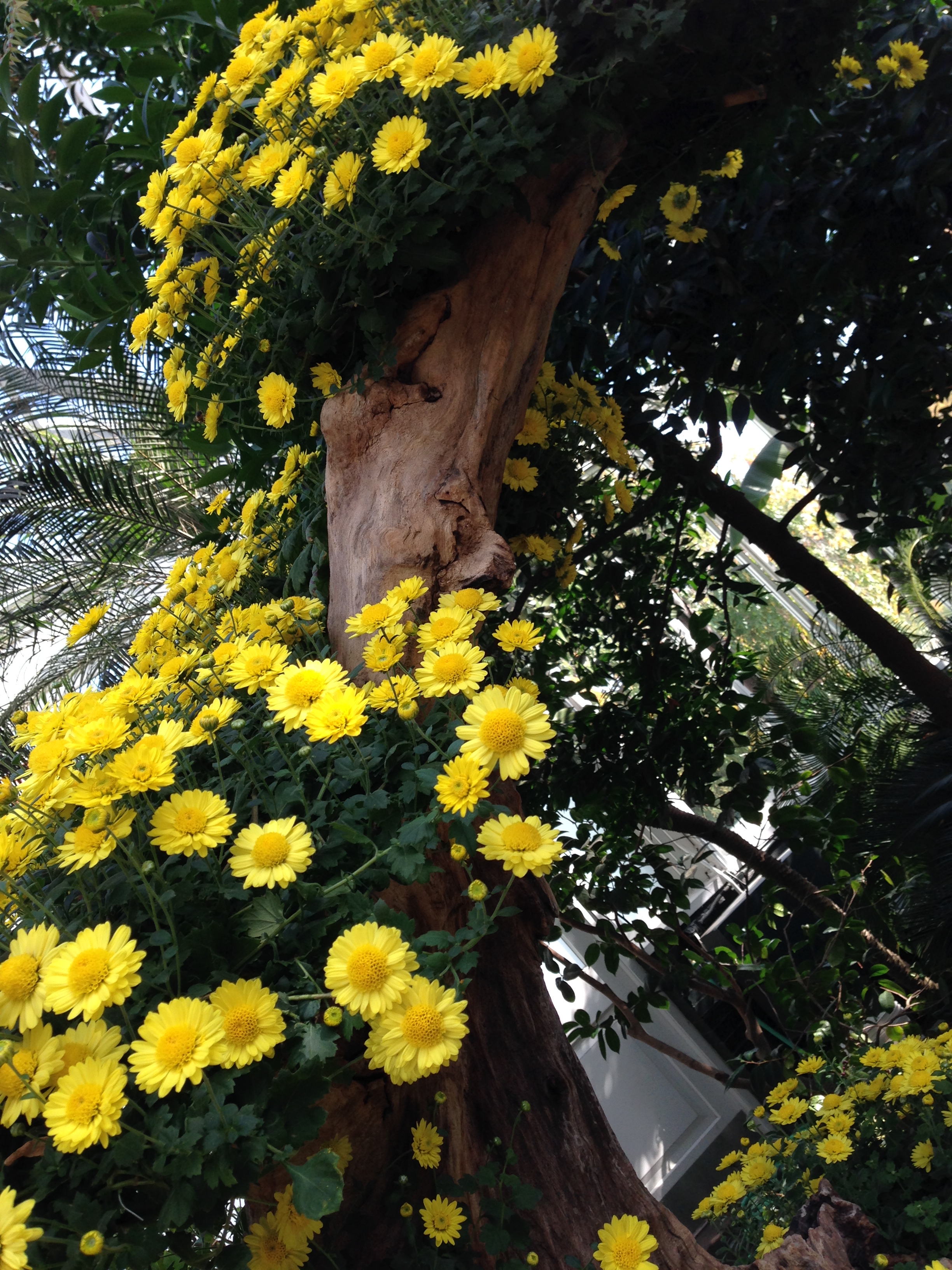
Like circus animals, they could be trained to do anything, even climb up a tree, an enormous flowery bonsai.

bonsai

I love their peppery, spicy scent and the cool, slightly rubbery feel of their petals. I was ready to pitch my tent and lie down to sleep beside the smooth-stone-bottomed pool that so glamorously reflected the mums’ enormous heads.

A woman crowed to her friend, “This is the color you wore to my wedding thirty years ago!” Well, yes, that butter yellow was the color of my bouquet, as it happened.

vivid yellow

Basho:

late-chrysanthemum-fragrance-

in the garden,

the worn-out sole of a shoe

Kiku plants need 14 hours of darkness every day as they develop into glamour pusses like the ones in this exhibit. They spent a lot of time with a black cloth thrown over their heads.

Now that they’re out the bees want a piece of them.

bee

I left the gallery, walked to the exit door and stopped in my tracks. You know the way you finish a book you loved and you turn to the beginning, to the first chapter, to start again? I proceeded back into the kiku gardens and took another look at everything as if for the first time.

2 Comments

Filed under Culture, History, Jean Zimmerman, Music, Nature, Photography, Poetry

What’s the Story Morning Glory?

As some things in the garden wither, others go full tilt.

purple berries cu

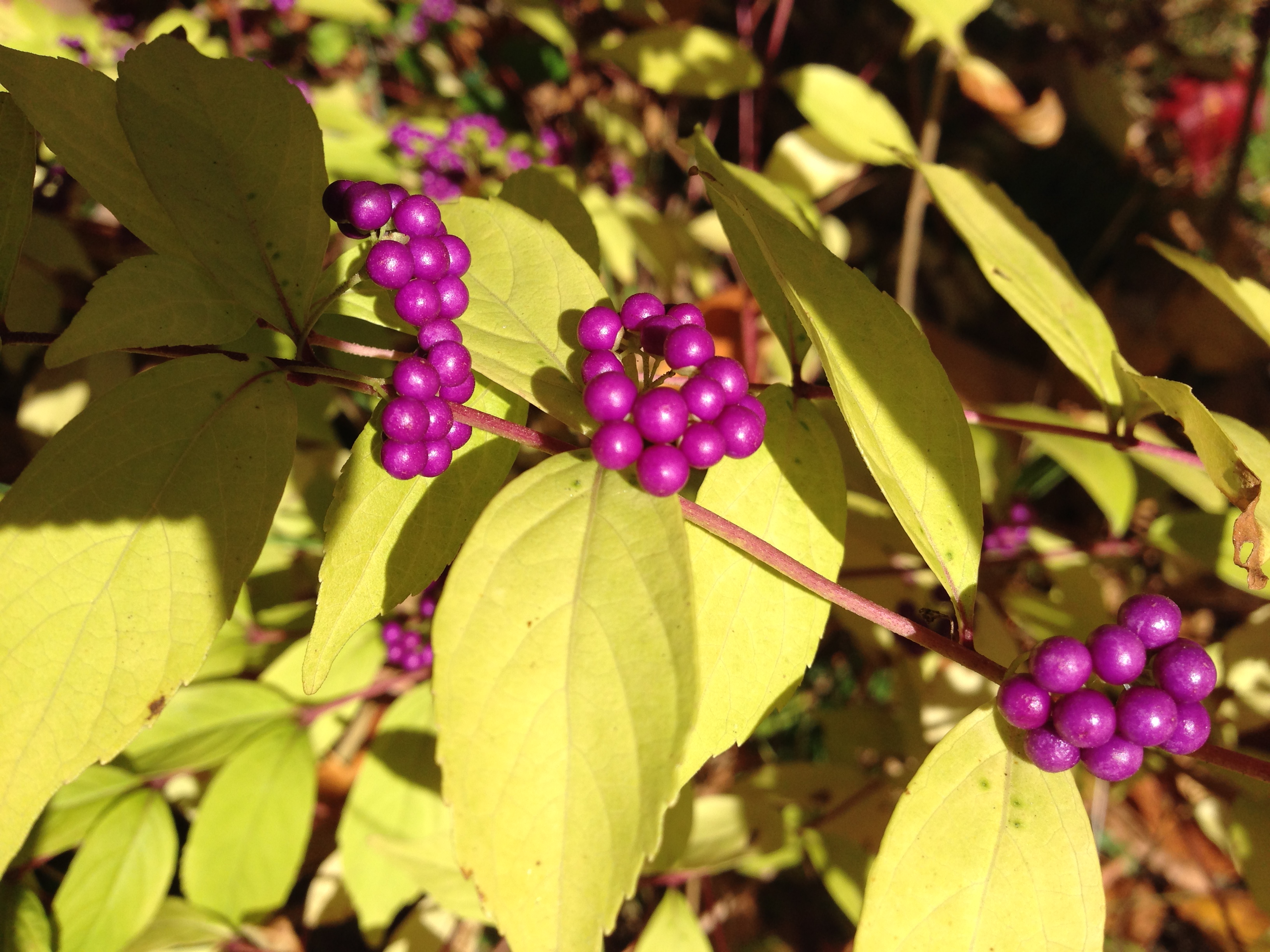
A friend of mine came over with a shovel and a Beautyberry plant earlier in the summer. I didn’t know how Callicarpa Americana would take to the Cabin. Now its purple berries are practically fluorescent, a perfect complement to the orange leaves that have begun to carpet the grass around the bush.

leaves

I hauled out the brown tomato plants in the sun today, the wind whoosing through the tops of the phragmites. Sorted out the tall stakes for next year. One lone green tomato dangled from a shriveled branch.

last tomato

Yet the purple cosmos are raging. And the bees are storming them.

cosmos bee

I’m cutting them by the armful and bringing them into the living room, a bit of summer still in front of a roaring fall woodfire.

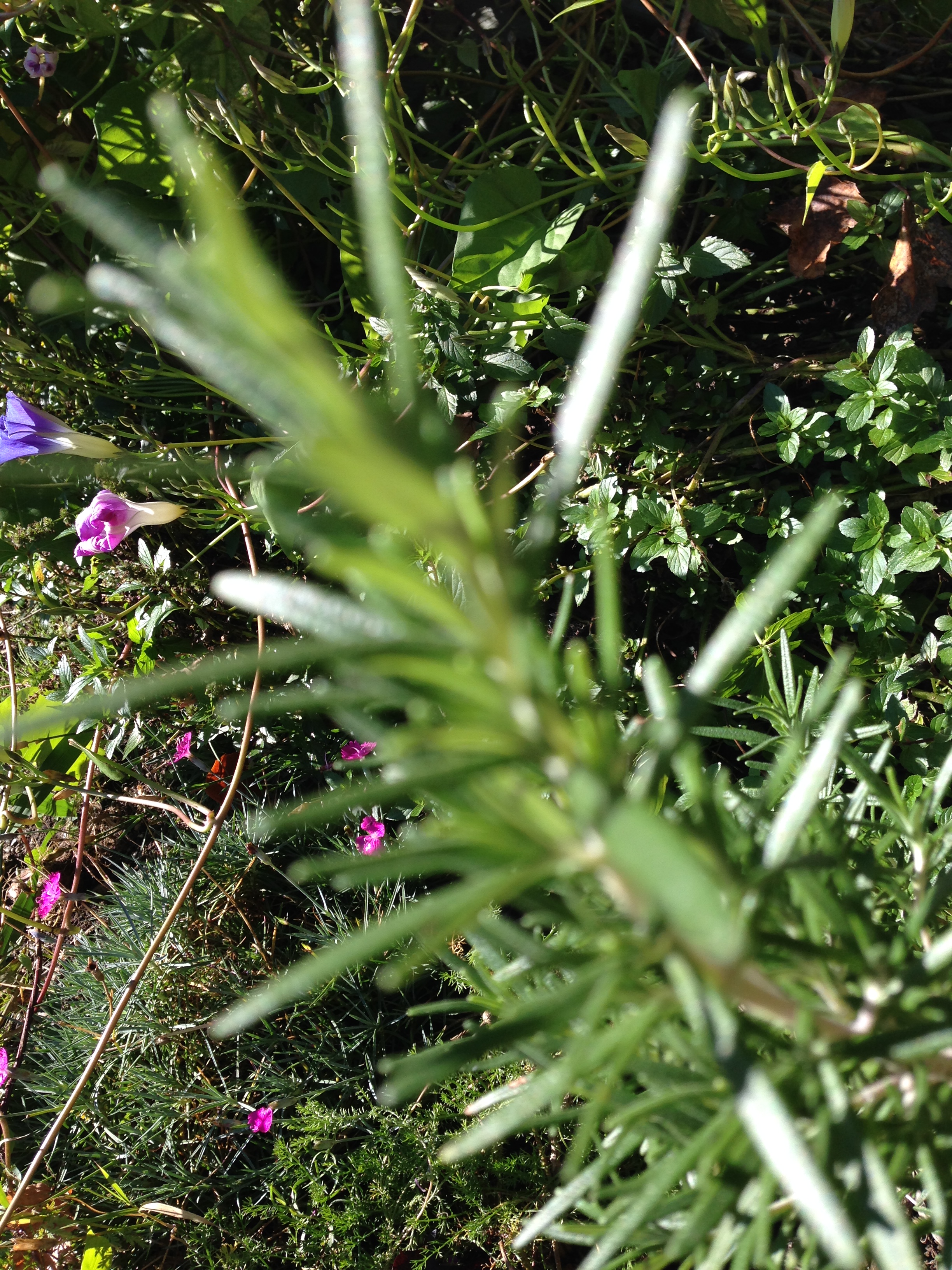
The rosemary in the garden stands tall, waiting for its time in the stew pot with a leg of lamb.

rosemary

My celery is insane, a veritable hedge of the stuff. It never headed up but it still would be a great bed for a whole sea bass. I’ll have to go out and get me a fish.

celery

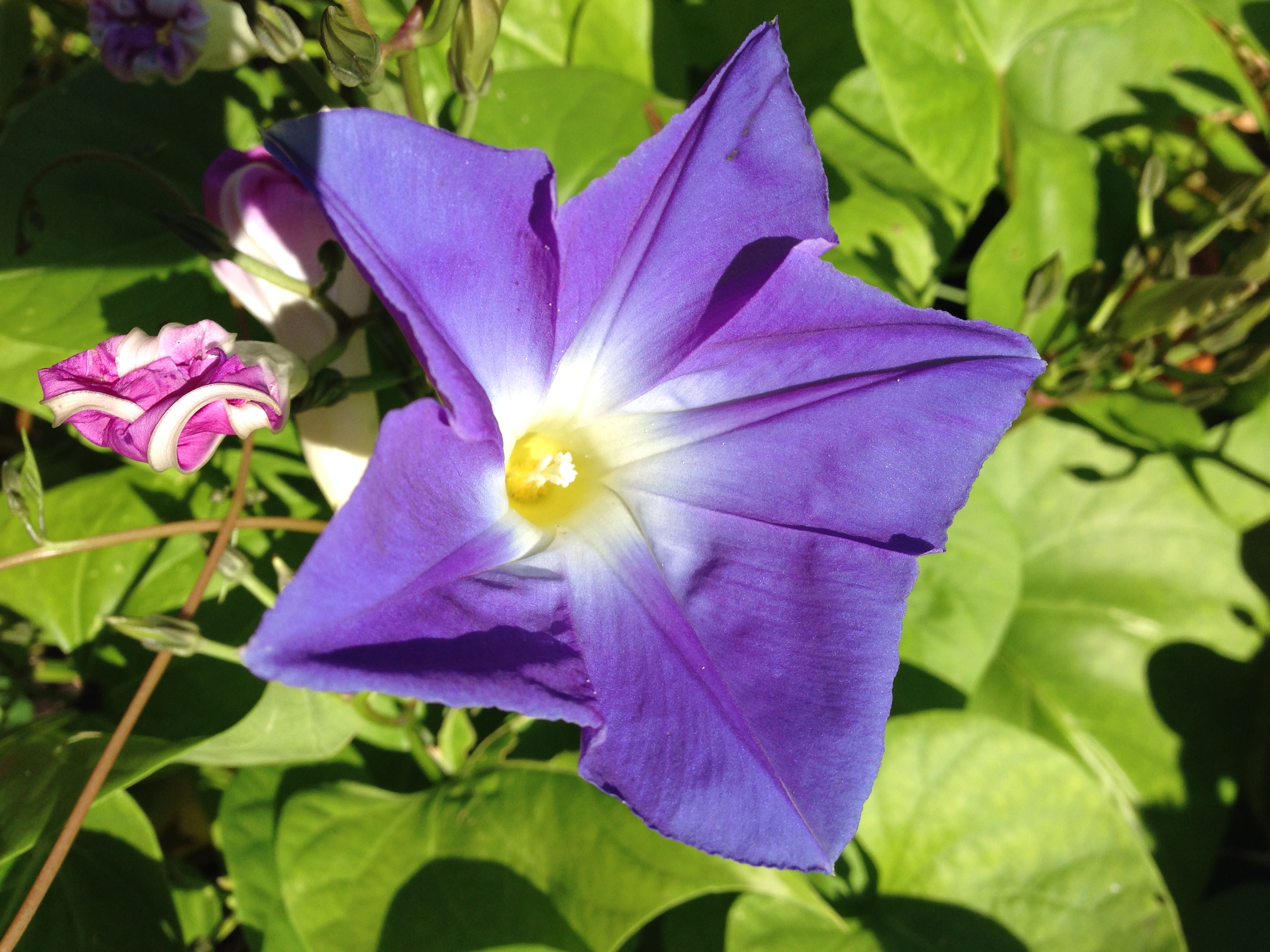
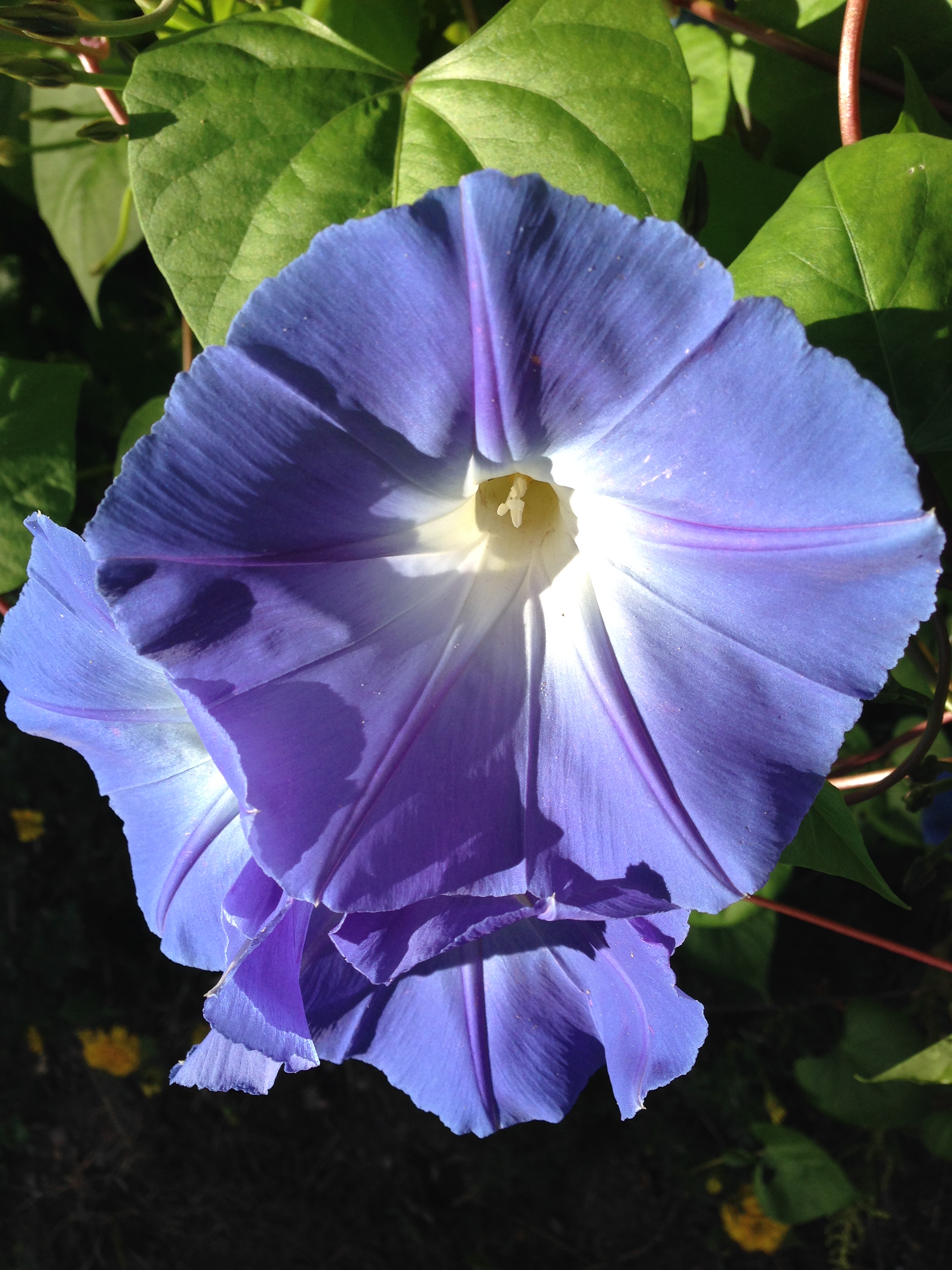
Most impressive, though, are the morning glories. Dozens of blossoms open every day, their petals scrunched until they unfurl in the morning sun.

morning glory opening

They don’t seem to understand that it’s fall, the time to fold up their tents. Well, they do fold up their tents, every day, since it’s the of the flower to bloom for a single day. “A morning-glory at my window satisfies me more than the metaphysics of books,” said Whitman. The Japanese have led the world historically in cultivating varieties of the morning glory, and as of this count there are 1,000 odd species.

morning glory openThe ones going crazy in my garden are Heavenly Blue. As for their hallucinogenic properties, Aztec priests started that practice, though we’re perhaps more familiar with love generation baby boomers who ingested the seeds to open themselves to new experiences, as the blossom does the bee.

1 Comment

Filed under Culture, History, Home, Jean Zimmerman, Nature, Poetry, Writers

A Pear Tree at Ground Zero

I waited a long time to go.

9:11 sign

I had all sorts of excuses. The 9/11Memorial stood behind too many fences. The lines were too long. It was filled with gawking out-of-town sightseers. But then some sightseers of my own came to visit. And off we went, to the Memorial, a broad plaza studded with small trees under the shadow of skyscrapers. It was one of a few things my sister-in-law knew she wanted to do when she hit town.

lisa

There were in fact probably a thousand people at the site on a Friday morning, including some incongruously attired tourists – incongruous for a place of mourning, not for being tourists in New York. They’re always wacky.

wtc tourists

Guards ushered us through an endless line. You could see a scrap of the Freedom Tower along the way.

freedom tower fence

Then we were there, in the open plaza with its great, deep South Pool, whose waters seem to flow down into an abyss.

pool 3

An abyss of longing, of sorrow, of wonderment? Of absence? Of wordless pain? Everyone decides for themselves. You can read about the 9/11 Memorial, you can read what I’m writing now, but you’ll only understand the power of it if you’re standing there.

We could see the Freedom Tower clearly now, still unfinished, seemingly created as a photo op.

freedom tower construction

Cameras, of course, proliferated.

bronze camera

All around were construction sites. Various projects are energetically  in progress. As is the memorial itself.

construction

And at the pool, there are the names.

bronze and rose

Taking a picture is a way of touching the nearly 3,000 names of the dead inscribed in bronze around the pools.

bomb squad

The deeply carved letters, cut out with a laser to symbolize absence, invited touching with the fingers. Touching. Wrenching, some especially.

unborn child

The names are not rendered alphabetically but instead arranged based on layers of “meaningful adjacencies,” where the deceased had been that day and the relationships they had with each other, taking into account the wishes of kinfolk.

It must have been hell to figure out. Visitors access the location of their loved ones’ names through kiosks to the side of the pools.

But powerful as the pools were, as the names were, they paled slightly for me alongside what is being called the “survivor tree.” All but one of the trees planted on the plaza are young white oaks. One, though, is different. A Callery pear tree dating to the World Trade Center plaza of the 1970s, it stood on the eastern edge of the site, near Church Street. It lived through the 9/11 devastation, though reduced to a stump of eight feet, then was nursed back to health in a city park, was uprooted by spring storms in March of 2010, but came back once again. New branches, buds, flowers, everything. Life, amazingly.

wtc pear

Now the pear tree stands beside the South Pool, braced by guide wires as it takes root, and visitors migrate across the plaza to stand beneath its thick branches, to absorb its legend, its poetry.

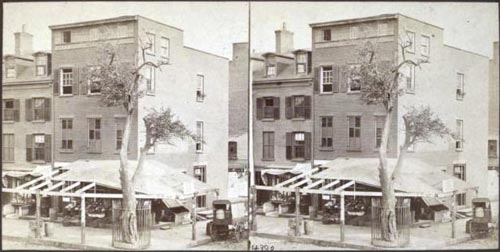
The parable of the pear tree that would not perish has its bookend in another historic Manhattan pear tree. Peter Stuyvesant, the legendary governor of New Amsterdam, planted one on his bowerie in the late 1600s. Way out in the country then, the location eventually became 10th Street and Third Avenue.

stuyvesant-tree-01

That pear tree survived the creation of the New York street grid plan in the early 1800s, and everything else the developing city had to throw at it. The tree lived over two hundred years, only giving it up when a dray mowed into it in 1867.

2513096754_5f8140c23a

The people of the city mourned the loss, as they celebrate the life of the Ground Zero pear tree today. A tree that stands, gnarled, unbowed.

3 Comments

Filed under Culture, History, Home, Jean Zimmerman, Nature, Photography

Making Change

It’s a good day for working. I just finished proofing the third pass Savage Girl galleys. Found some periods and commas that persisted perversely in the manuscript despite everyone’s best efforts. A few tiny, tiny changes make all the difference. If. You. Ask. Me.

Yes, it’s a good day for scrunching your forehead and working. Especially if your work is being on the lookout for deer.

scrunch

But isn’t it a better day for rolling in the grass? Those fallen leaves add a toasty texture to a run-of-the-mill back scratch.

O rolling

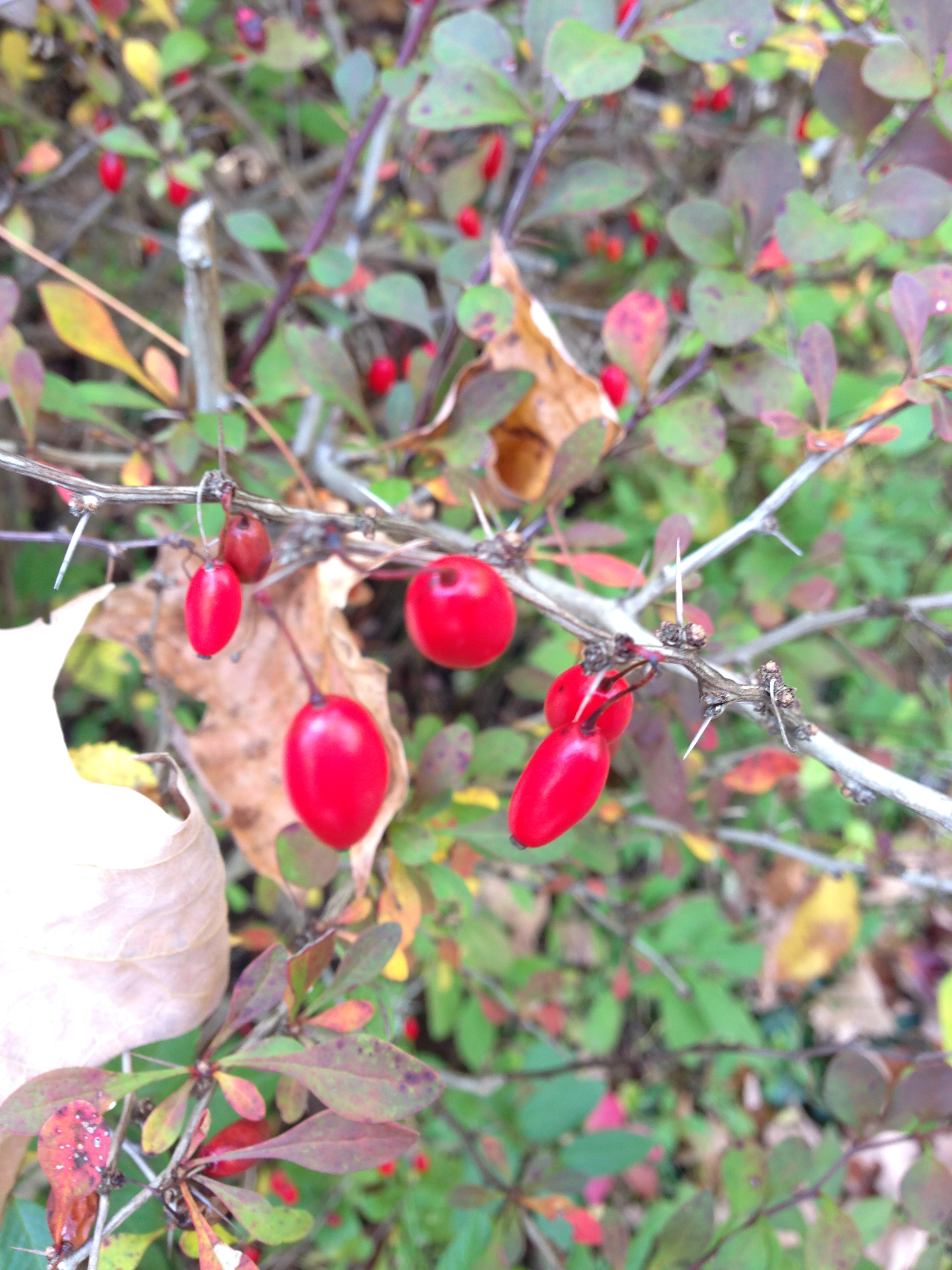
Closer to waist level, the sun warms the fall berries. Where do they come from? The landscape has changed. All of the sudden they’re there.

red berries

Then there are the last of the morning glories, though they don’t know it. The deer have already had at most of their leaves. Soon the blooms will fold up their tent.

glories

They mirror the arching sky. Contrails: someone’s going someplace.

blue sky

The morning glories unfurl for just a single day. Their only work is being beautiful.

This morning I revamped the front page of this site, and I invite you to visit. To improve is to change, said Churchill. To be perfect is to change often. I don’t know that I change often enough or dramatically enough, but I’d like to try something new.

For one thing, I’m settling on an up-to-date author photo. Not quite sure, but this one’s a strong possibility.  I like it because I seem bemused. Which I often am.

IMG_8745 revised

2 Comments

Filed under Dogs, Fiction, Jean Zimmerman, Nature, Photography, Publishing, Savage Girl, Writers, Writing

Dam It All

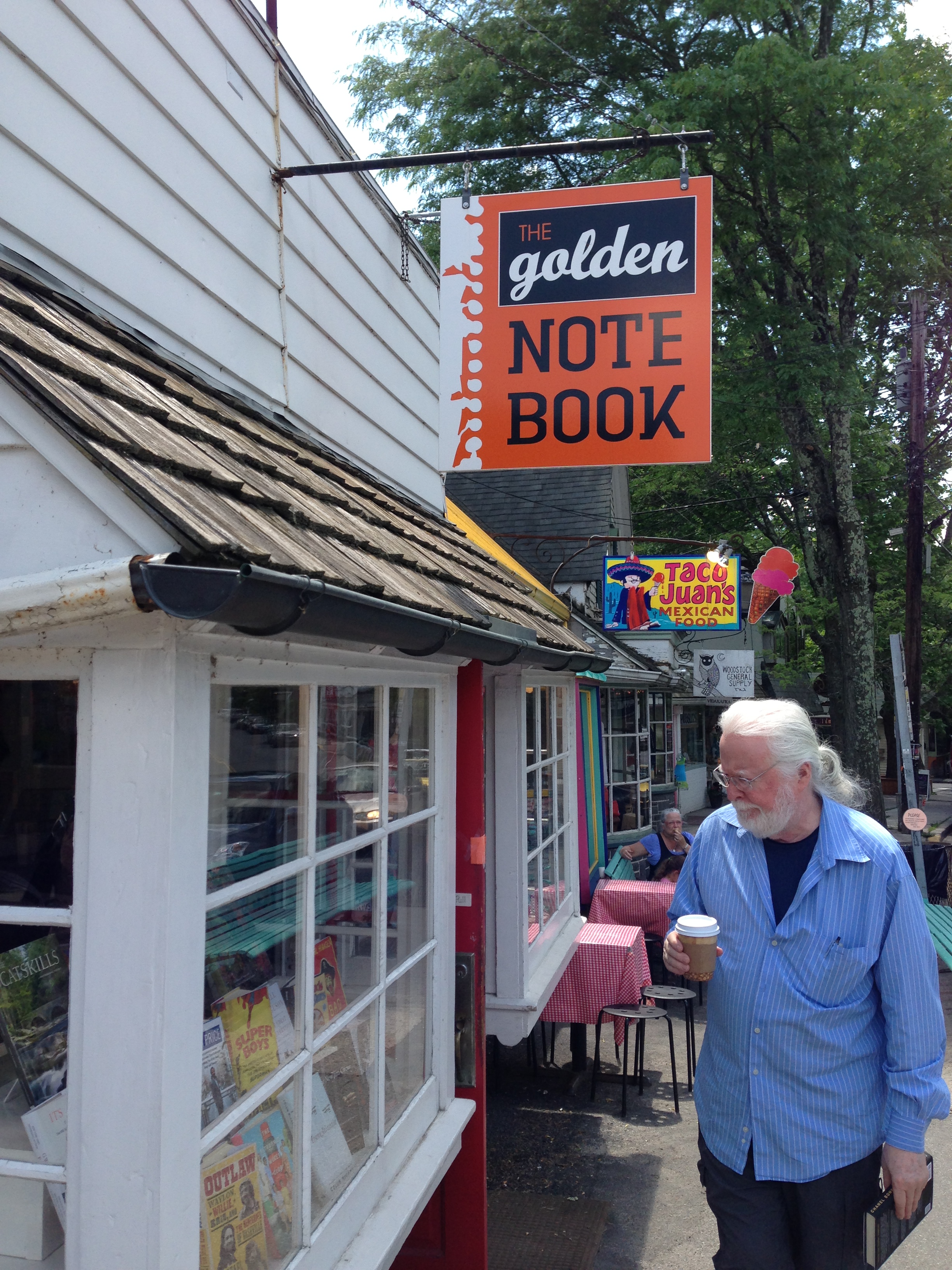
Friends in the audience, new and old. We met together upstairs at The Golden Notebook in Woodstock, New York.

golden notebook

It was a warm autumn day outside, and everything had that sun-burnished appearance. In the middle was a sign that beckoned: come inside, come inside, come inside.

store sign

Afterwards I wondered just what it was that made me so fascinated by beavers that I hold forth about them in every talk I give about The Orphanmaster.

beaver1687

True, not enough has been said about beaver.

New York was built on the foundation of the shaggy, rotund rodent with the frying pan tail.

The animal was easily trapped by Native Americans in their winter dens. The pelts were then traded with Europeans for copper, guns, rum, which was called “English milk.”

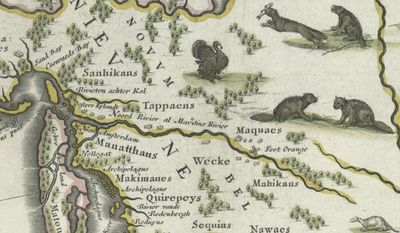
Cartographers dressed up their work with the animals.

Fur_Trade map

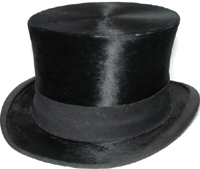
Everyone wanted to know where the beavers were. In the 1600s, traders sent hundreds of thousands of pelts back to Europe. The sole reason for this huge trade? Beaver hats.

Beaver felt

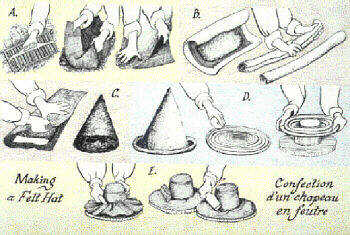
Not made from the fur proper, but from felt made from the fur, an extraordinarily complex process that involved a heavy dose of mercury, the chemical that made the Mad Hatter mad.

making_felt_hat

The felt was waterproof in an era before umbrellas. It was glossy, sturdy. The beaver – so the beaver hat was called – was the essential accoutrement for men and women of Europe. Everyone who could afford one had one, or two, or three. Beavers were bequeathed in wills.

painting of hats

In The Orphanmaster, everyone would have worn a beaver, even the women. All kinds of styles were available. Blandine, the protagonist of the story, is bent on getting rich buying and selling beaver pelts to Europe, venturing out into the woods to make her trades with Indian trappers.

Later, my friend Lloyd led us on a beaver hunt. Not to capture the animals but to see their impressive lodges.

Lloyd at his pond

Down the hill from his house was a magical if uneven path.

magic if uneven

Far in the distance, across the pond, we could glimpse the rodents’ handiwork. More sun-burnishing.

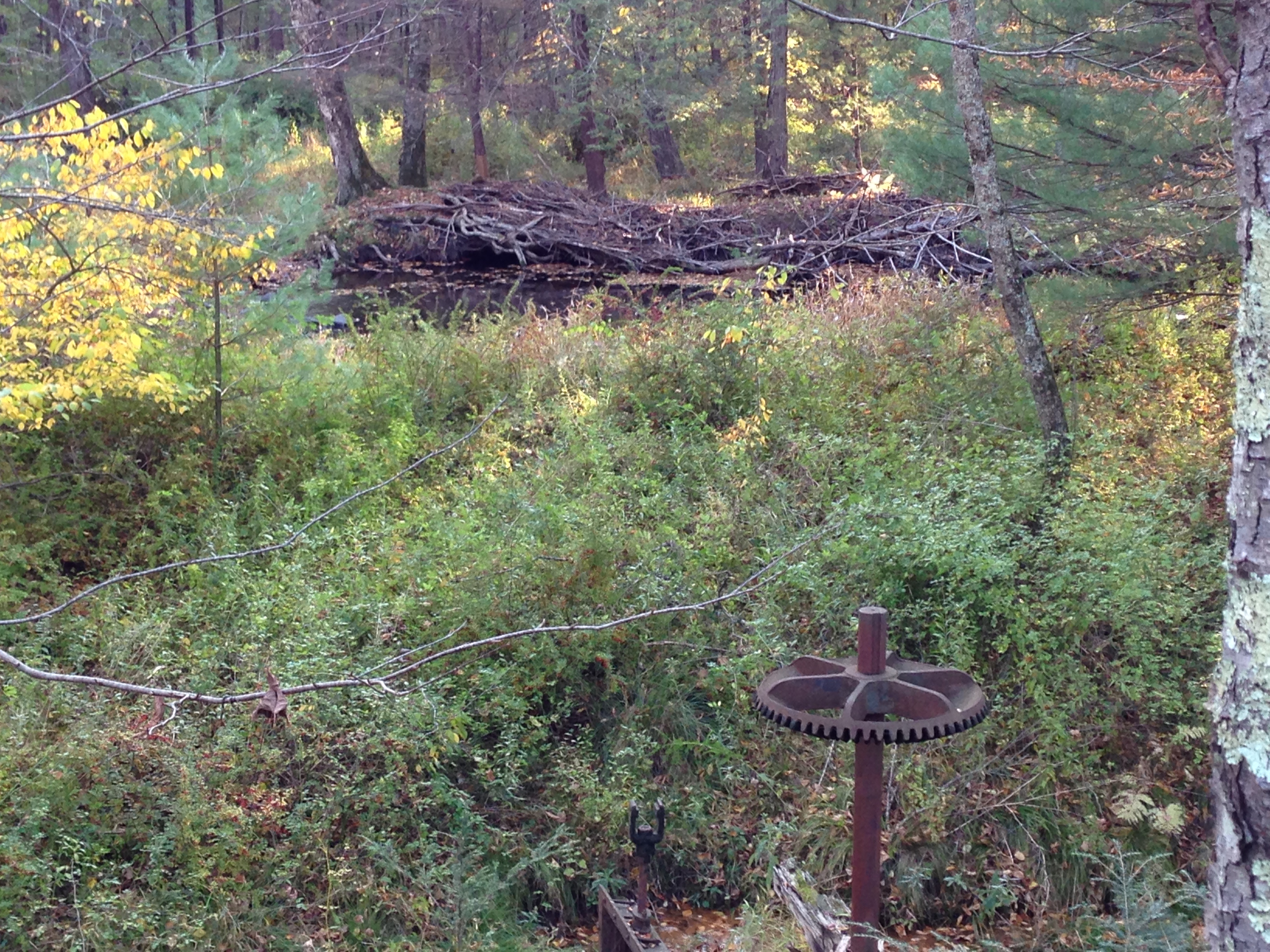
distant lodge

A ways down the road,  the ruins of an ancient lumber mill.

mill:den

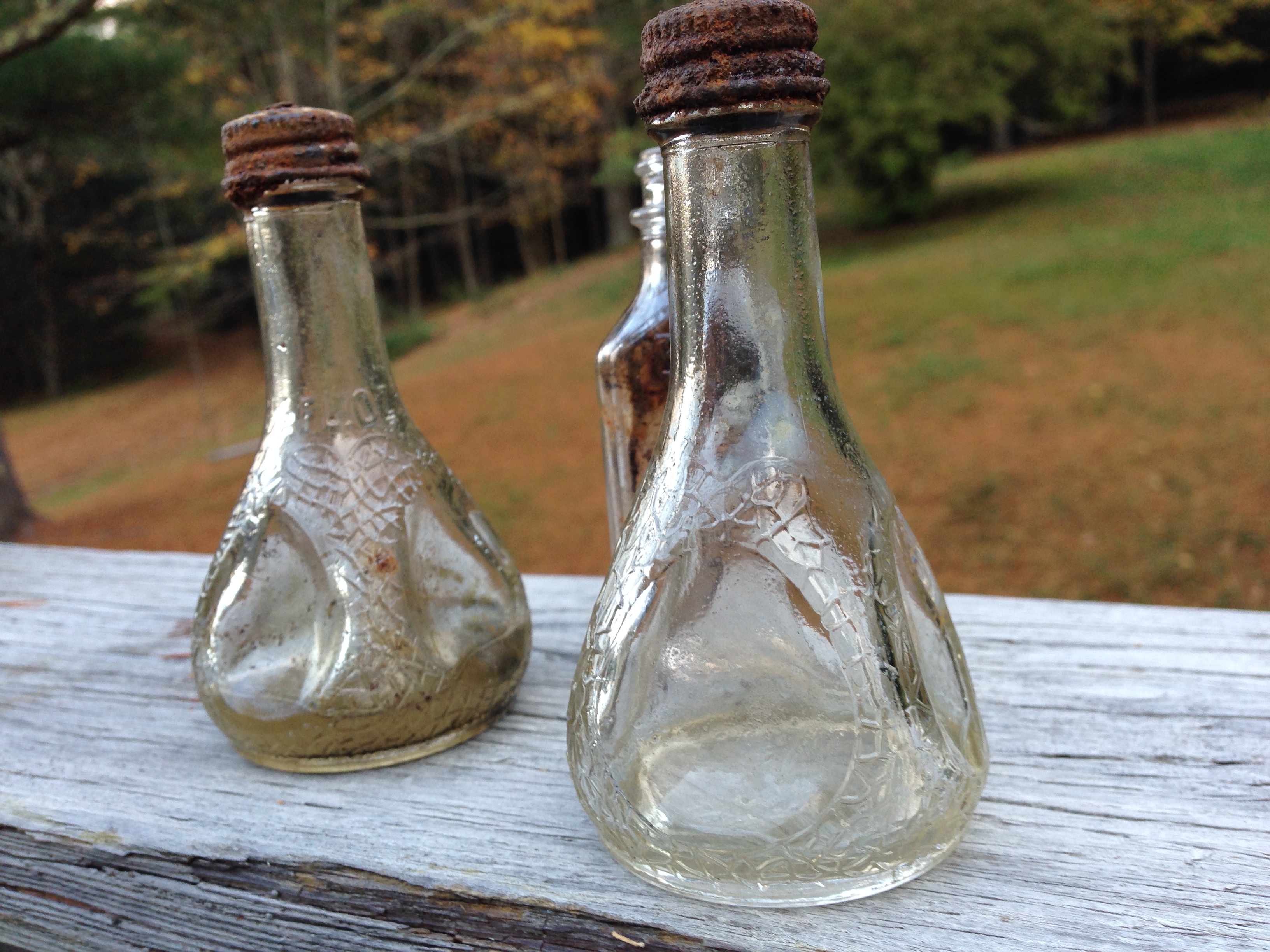
So much history of this area, the Catskill region of upstate New York, is a stumbleupon away. Like the antique bottles Lloyd’s daughter Alice excavates from the woods behind their house. Also in those woods, black bears rumble around, tearing open rotted logs to get at the creepy crawlers within.

old bottles

We saw one more lodge at Yankeetown Pond — to the right, below. David Bowie owns the mountain above. Probably has befriended a few of the beavers over the years. Like to come up for a drink? I’m Bowie.

Yankee

The finest specimen of the afternoon stood just to the side of the water, a gnawed tree that had clearly been someone’s snack.

beaver post

The beaver population was hunted out in the seventeenth century in these parts and is only just coming back today in earnest. They found one at the Bronx Zoo a few years back. No one could understand where it came from. Its name, they decided, was not Ernest, but Jose.

6 Comments

Filed under Culture, Fiction, History, Home, Nature, Photography, Publishing, The Orphanmaster, Writers, Writing