Category Archives: Fiction

Starred Review for Savage Girl

Publishers Weekly has come out with a starred review for Savage Girl. The reviewer says:

The prologue of Zimmerman’s superior historical thriller will suck most readers in instantly. On the night of May 19, 1876, 22-year-old Hugo Delegate awaits the arrival of the police at a house overlooking Manhattan’s Gramercy Park, the site of a savage murder committed by either him or a “girl murderess.” Hugo soon reveals that the victim, a “longtime acquaintance and sometime friend,” is but the latest in a series, and after his arrest, he presents the complex backstory to his defense attorney. Flashback to June 1875. Hugo, a Harvard student recently released from a sanatorium, accompanies his family on a cross-country trip. In Virginia City, Nev., he becomes fascinated with a sideshow freak, the so-called Savage Girl, allegedly raised by wolves. Hugo’s parents decide to civilize the girl, and introduce her into society on their return to New York. Zimmerman (The Orphanmaster) keeps the truth hidden until the end, combining suspense with an unsettling look into a tormented mind. Agent: Betsy Lerner, Dunow, Carlson, and Lerner. (Mar.)

Savage Girl cover

8 Comments

Filed under Culture, Fiction, Jean Zimmerman, Publishing, Savage Girl, Writers, Writing

When Fifth Avenue Was Quiet

I like to think sometimes about what Manhattan was like in middle of the nineteenth century. Especially the upper East side, upper Fifth Avenue, the venue for my book Savage Girl. It fascinates me because it is so different than our image of New York. The environs were almost completely undeveloped.

In 1842, James Renwick designed the gargantuan Croton Reservoir (also referred to as the Murray Hilll Distributing Reservoir) at 42nd Street. It was far from the center of town. He ran a promenade along the top rim of its forty-one- and-a-half foot high slanted walls. The walkway became a hit society destination. You could get an ice cream afterward across the street at Croton Cottage.

currier-ives-print-of-croton-reservoir

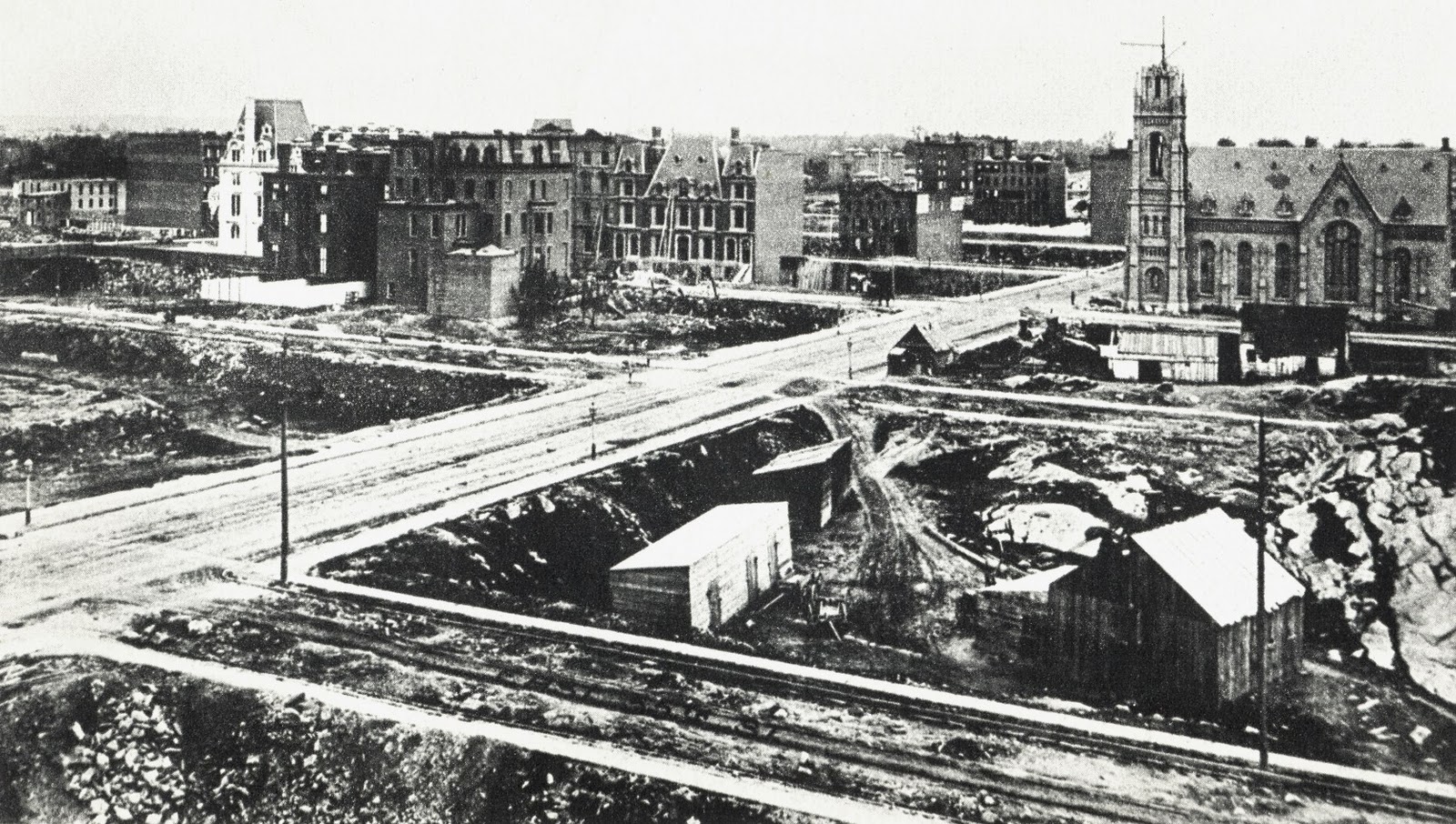
North of the reservoir stretched the undeveloped city. If you look at a picture made in 1863,  facing south from the site of what would become Central Park, you can see the still-pastoral nature of uptown.

valentines-manuel-1858-5-ave-s-from-63-st

Fifth Avenue, to the left, heads determinedly north, flanked by buildings in its lower reaches but by nothing but fields and cattle farther up. A few homes dot the landscape, but more dominant are the ungainly freestanding charitable institutions that would not be accommodated farther downtown. You can see the massive shapes of St. Luke’s Hospital, between 54th and 55th Streets, and the unfortunately named Deaf and Dumb Asylum. Behind St. Luke’s stands the Colored Orphan Asylum, which was attacked in the horrific week-long Draft Riots of 1863 (five years after this image was made). Saint Patrick’s, the landmark we associate with midtown Fifth Avenue, was not begun until 1858.

To give an idea what the surroundings were like, consider Madison Avenue, a block over from Fifth, as it made its way north from 55th Street around this time.

ne from mad and 55

A thirty-acre farm owned by the prosperous Lenox family dominated the neighborhood, with a stolid white tenant farmhouse located between 71 and 72 near Fifth Avenue. Cows grazed nearby and market crops grew in rows. Lying on the outskirts of town this far north were slaughterhouses, stockyards and tanneries, enterprises fashionable downtown folks did not want near their homes. The Lenox Library, a handsome block-long structure designed by star-architect Richard Morris Hunt, went up in 1875 at Fifth Avenue and 71st Street, an outpost of civilization.

As of 1865, the city was moving uptown, but slowly.

NYC1865

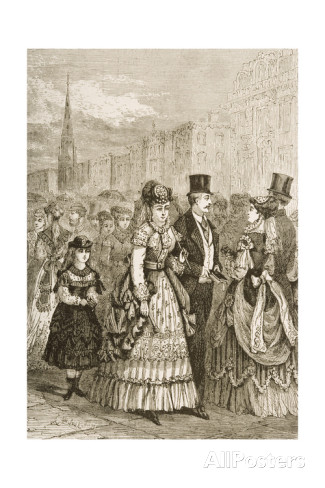
New Yorkers took the air on Fifth Avenue, promenading as always with vigor. The Easter Parade was only one opportunity to admire and be admired.

1870 fifth-avenue-new-york-in-c-1870-from-american-pictures-published-by-the-religious-tract

But while the uppertens (upper ten percent) of New York built their urban villas and stolid brownstones to the south, wide open stretches of the boulevard north of 60th Street still seemed off limits for luxury development. At the time of Savage Girl, more than 340 private residences had been constructed up to 59th Street but none above.

The lack of elegant homes didn’t mean people didn’t live there. Those precincts had long been settled by African Americans and German and Irish squatters who occupied shanty towns where the principle businesses were bone boiling, glue, soap and candlemaking. Eventually they were  eliminated from the area both by the development of Central Park and rising real estate prices.

 by Ralph Albert Blakelock

Central Park, built in the 1860s and opened officially in 1873, made inroads in “civilizing” the neighborhood; but it still seemed too much like a savage wilderness for the upper crust to build there.

There were a few exceptions, wealthy home builders that for their own reasons decided to go above 42nd Street. But mansions towered over shacks.

Mary Mason Jones, a distant relation of Edith Wharton’s – personified in The Age of Innocence by Mrs. Manson Mingott — built a row of mansions on Fifth Avenue bet. 58th and 57th Streets, completing them in 1870. A remarkably independent, wealthy, well-travelled woman, she had the first bathtub in NY installed in her home on Chambers Street, and her choice of venue for her new residence was equally offbeat. Five homes were constructed of gleaming white marble, with a two-story mansard roof that had green copper trim.

Marble Row, built 58th and 5th 1870

By the time the fictional Delegates, the family at the center of Savage Girl, settle into their house in the early 1870s at the intersection of Fifth Avenue and 63rd Street, all was still quiet, devoid of built structures, undiscovered by Knickerbocker Society. The Delegates are pioneers. I decided to situate them there because the choice makes them outliers, risk takers, iconoclasts in a society they see as conformist. I wanted to show them as the first to build a grand residence, one that would outshine all the others in the city.

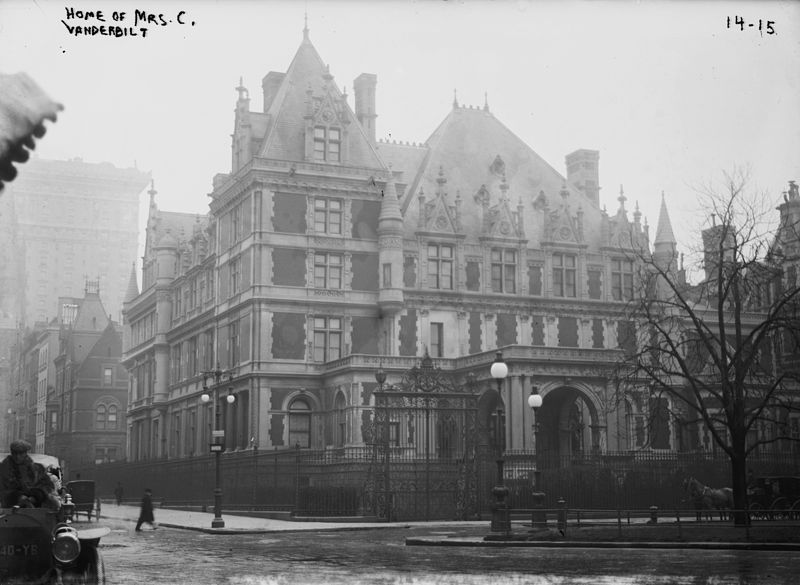
I couldn’t resist borrowing from some of the later residential masterworks to design the Delegate house, even though they would not be erected for a few more years. The various Vanderbilt homes offered the kind of opulence I felt the Delegates’ place would embody. I was especially impressed by the mansion Cornelius Vanderbilt II put up at 58th Street and 5th Avenue in 1883,  the largest private residence ever built in New York City. A full block long, designed by George B. Post, it stood sentry until 1927, as one mansion after another followed it up the avenue.

corneliusvanderbiltiimansion

Actually, I’m being slightly inaccurate. For the record, in the early 1870s one house did stand on Fifth Avenue at 63rd Street, above the 59th Street divide, just across the street from the still forbidding Park. A narrow townhouse circa 1871, it was built speculatively by one Runyon Martin, hardly a mogul. It didn’t last long.

The Delegates knocked it down to put up their turretted, mulberry-colored, block-long twin palaces.

5 Comments

Filed under Culture, Fiction, History, Home, Jean Zimmerman, Nature, Publishing, Savage Girl, Writers, Writing

Brilliant Books for Your Consideration

I hate year-end rankings. You find them in every newspaper and magazine and web site, and I generally ignore them. In fact, rankings in general rub me the wrong way. Especially when it’s books that are touted as the best, second best, etc.

These are some of my unranked favorites from the past year. In no particular order. Some of them aren’t even 2013 titles, but things I decided to take up only recently. They are all books that captured my imagination, that made me want to crack them open day after day and keep reading. Alright, I didn’t crack my Kindle open, that wouldn’t be smart.

I’m not a fast reader except when I’m on deadline, but I’m quick to throw a book across the room if the writing exasperates me. So these are selections you can be sure I really wanted to spent some time with.

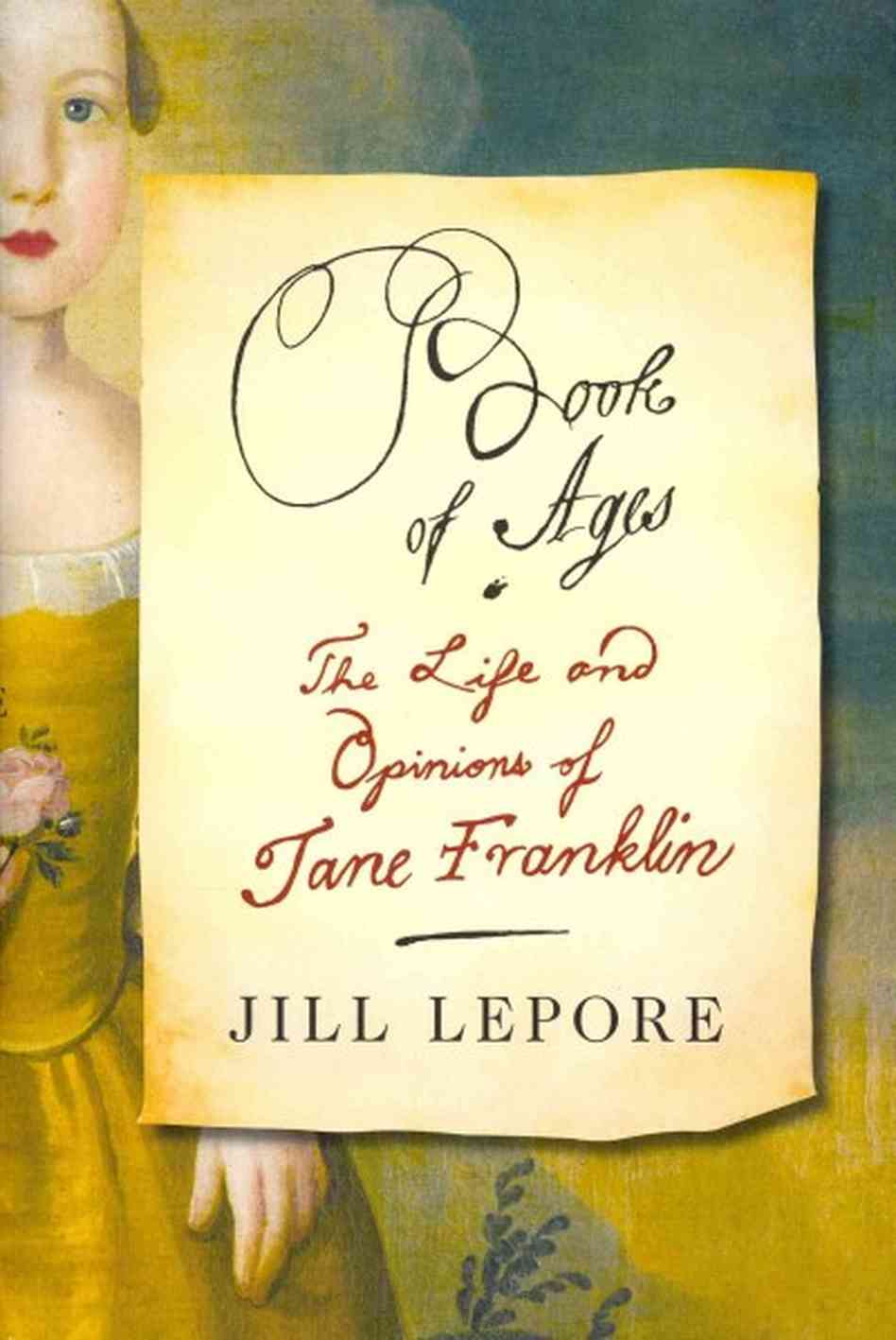
The Book of Ages: The Life and Opinions of Jane Franklin, Jill Lepore, 2013.
9780307958341_custom-7751a3156c4328fa0e767f9b4b34edffa01b94a0-s6-c30

This luminous telling of the life of Benjamin Franklin’s little sister Jane is animated by the letters the two exchanged from youth through old age, but it goes beyond biography to become a study of the arts of reading, writing, and living for eighteenth century American women.

Tenth of December, George Saunders, 2013. Eery, dark, compelling and unexpectedly humorous, these stories are to be savored even as they haunt you.

george-saunders-tenth-of-december

The Master, Colm Toibin, 2010. I avoided this biography for a few years even though I heard it was fantastic, as I didn’t feel Henry James had granted me access to his head. But this intimate life is so terrifically well done that I was glad I picked it up.

Portrait of Lady, Henry James, 1881. The third time I’ve read the Master’s masterpiece, and I get something new from it with every immersion – I think this time Isabel Archer’s rise and fall meant more to me because my own daughter is about the same age as the lovely, lively, rebellious young American lady.

Stoner, John Williams, 1965.

9781590171998_custom-720959a94dbc1c987522844b06d27e6780e2d61f-s6-c30

A new French translation of this odd, underappreciated novel has caused something of a stir in literary circles. Set in 1920s-era academia, it’s about an English professor’s slog through academia and marriage, but the writing is so refined and austere that reading his story is a transfixing experience.

Nothing to Envy: Ordinary Lives in North Korea, Barbara Demick, 2010. I decided to take up this journalistic work out of book club loyalty, and I was so glad I did. The author starts with a satellite photo of the two halves of Korea by night, the north in total blackout, and goes on to tell the intimate stories of citizens who are trying to escape the horrific conditions there. Compelling and totally readable.

The Twelve Tribes of Hattie, Ayana Mathis, 2012. A stirring novel lays out the lives of the Shepherd family, parents and nine children, with pitch-perfect authority and grace.The Great Northern Migration of African-Americans becomes real. Does a much-talked-about book (an Oprah pick) deserve the ballyhoo? In this case, yes.

The Flamethrowers, Rachel Kushner, 2013.

9781439142004_custom-7e81f0840812e7c2097afb8f1ed7955662489442-s6-c30

In which a 20-something art maven and biker babe hits the downtown scene of 1970s New York City. I resisted a bit before getting sucked in to the story of a girl getting sucked in to a scene that’s perhaps not as cool as she thinks it is.

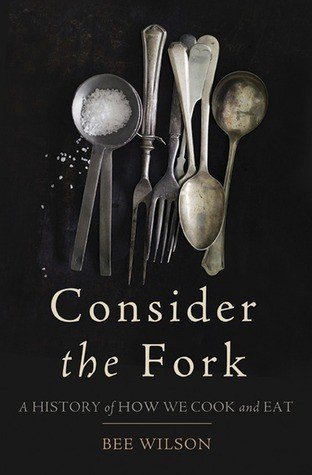
Consider the Fork: A History of How We Cook and Eat, Bee Wilson, 2012. I make it a practice of dipping in to these confectionary morsels of information when I need a respite from heavier thoughts. It’s easy to give in to mini-surveys of how such day-to-day implements as cooking pots and kettles came about.
la-dd-cookbook-watch-consider-the-fork-2012101-001

The New York Stories of Edith Wharton, esp. “The Other Two.” Wharton’s short fiction rarely reaches the heights of her novels, but some of her attempts stick with me, like this narrative about a twice-married woman and her beleaguered third husband. So fascinating to observe his anguished humiliation at the idea that his wife has had sexual relations prior to their life together.

The Portable Edgar Allen Poe, esp. “The Tell-Tale Heart.” After visiting the Poe exhibit at the Morgan Library I went back to his writings to find that some of them were just as hypnotic and chilling as they’d been on first reading. I actually found myself terrified by a story that had first been published in 1843.

The Catcher in the Rye, J.D. Salinger, 1945. Was all the brouhaha over Salinger this year (massive biography, in depth documentary, articles galore) deserved? I thought I’d better go back to Catcher. A nice little novel, I think you’ll like it.

The Painted Girls, Cathy Marie Buchanan, 2013. Edgar Degas’s life intersects with those of two adolescent ballerina sisters in Belle Epoque Paris. I loved the funky details and the narrators’ voices.

9781594486241_custom-5864569c19efa3014fe4122c5fd149e320b924c9-s6-c30

Witches, Midwives and Nurses: A History of Women Healers, Barbara Ehrenreich and Deirdre English, 1973. Long, long ago, in the 1970s, feminism was a lens through which to view subjects like the history of medicine. This tasty fruit of that approach is something I’m drawing upon for work on a new novel, and it’s made me think about the power of women midwives in a whole new way.

Fever, Mary Beth Keane, 2013. I’d always wondered about Typhoid Mary, and this novel gave me a glimpse into her inner life – very stoic, very sad. It’s about New York, too, at the turn of the century. I found myself totally there.

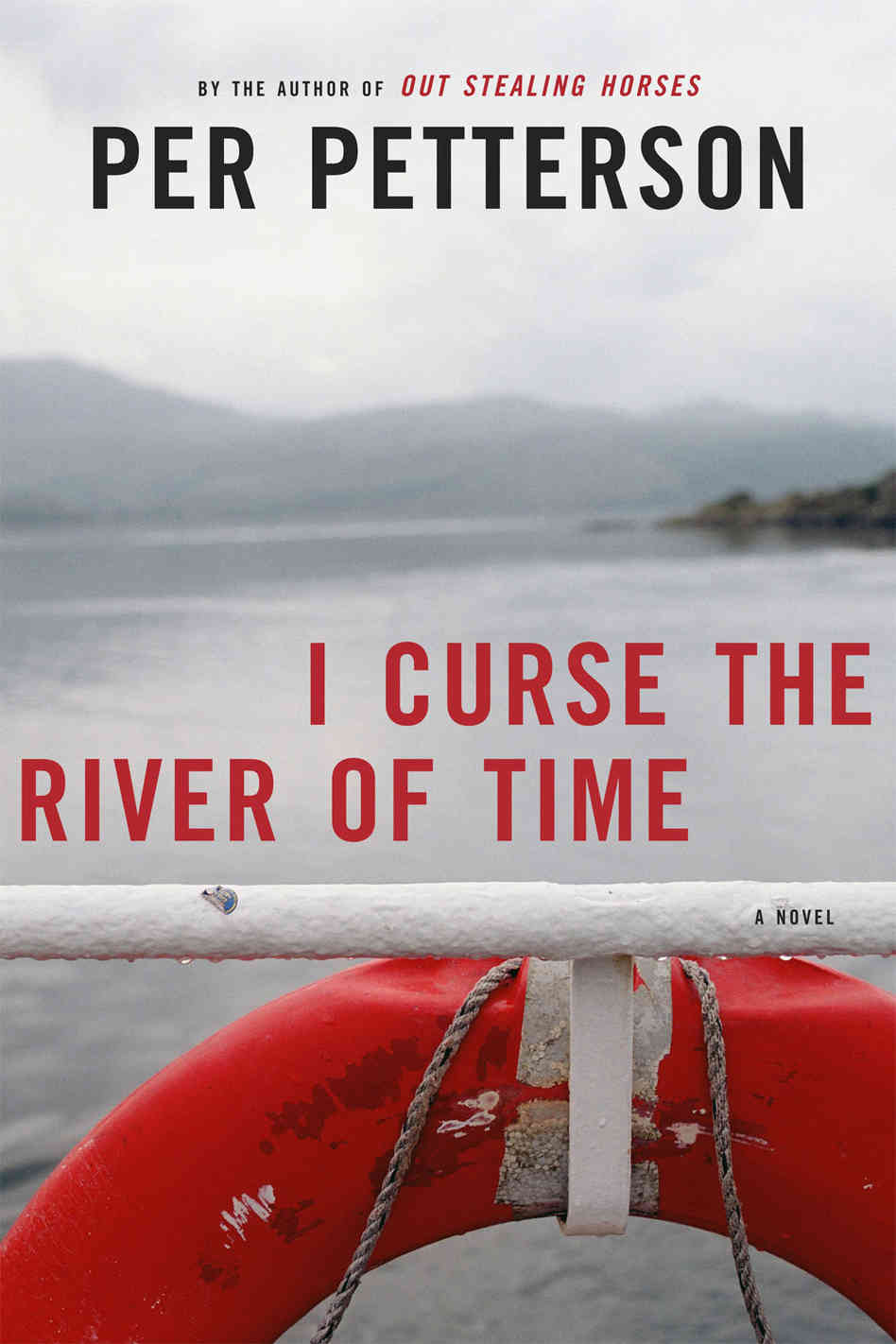
I Curse the River of Time, Per Petterson, 2010.

i-curse-the-river_custom-s6-c30

I’m bringing this one to my book group for discussion and I’m pretty sure they’ll like it. In 1989 Norway, a man in his late 30s has lost his way – his mother is dying and he revisits his youthful experiences to try to achieve some foothold on his present. Sound dark? It is, but I assure you Arvid’s story is heart rending.

This Is How You Lose Her, Junot Diaz, 2012. If I’d known how dazzled I would be by these interconnected stories I’d have jumped on the book when it first came out. The prose offers ribald, irrepressible poetry about the power of love.

The Last Banquet, Jonathan Grimwood, 2013.

Last-Banquet-cartonato_Layout-1-399x600

The sexy Frenchman in this foodie novel braises a wolf whose neck he has broken in the woods, corresponds with Voltaire and becomes Lord Master of the Menagerie at Versailles. Historical fiction at its sensual best.
6 Comments

Filed under Cooking, Culture, Dance, Fiction, History, Home, Jean Zimmerman, Publishing, Writers, Writing

Portraitist Julia Margaret Cameron

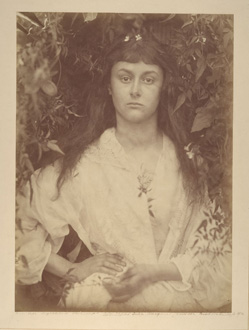
The face in the photograph might seem familiar.

Pomona Alice Liddell

It is Alice Liddell, the original inspiration for Alice in Wonderland, whose visage was captured many times by the author of that book, Charles Dodgson (pen name Lewis Carroll) – somewhat provocatively, as he liked to depict many of his young-girl subjects.

Alice Liddell:Dodgson

Here, though, in 1872, Liddell appears through the lens of a very different photographer, one whose somewhat eccentric approach to the medium resulted in some beautifully hazy images that bring out the sensitivity, even the soul, of the subject.

Julia_Margaret_Cameron_enhanced

Julia Margaret Cameron was born in Calcutta in 1815, and during her life in Britain became friends with some of the leading lights of the Victorian Age. Out of a family of diplomats and aristocrats, she was one of three sisters—the others celebrated for their beauty while she was know for her talent. She was the mother of six, deeply religious, literary and intellectual as well as privileged. However, it wasn’t until Cameron reached 48 that she was gifted with her first camera by her daughter and son-in-law, in 1863. A hobby transmogrified into a passion. Her career spanned just eleven years, until she returned to India and died, it has come down to us, of a “chill”. (Virginia Woolf, incidentally, was her great niece.) “From the first moment I handled my lens with a tender ardour,” she wrote, “and it has become to me as a living thing, with voice and memory and creative vigour.” It took her only 18 months to sell eighty prints to the Victoria and Albert Museum, set up a studio there, and make arrangements with the a West End printseller to market her photographs.

Reviewers gave Cameron mixed notices. She deliberately avoided the crystalline resolution and tiny detail that her albumen silver prints from glass negatives would have allowed, instead preferring soft light and long exposures that showed her subjects’ slight movements. In other words, things got blurry. Deliberately so. The effect was one of actual life rather than starchily posed pictures you sometimes see from that era. And the work had a strong pre-Raphaelite flavor.

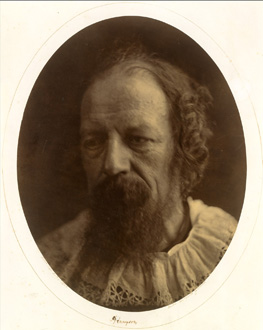
She had three major bodies of interest: great figures of the day, such as Afred, Lord Tennyson, who called her subjects “victims” for the discomfort they experienced in the lengthy posing process.

Alfred Lord Tennyson

Others included Robert Browning, Ellen Terry, Charles Darwin. Leading lights of the age. For some of her subjects she was the only photographer of note, and so her work has an invaluable documentary as well artistic value. Sir John Herschel, for example, whom she captured in 1867, the British scientist whose talents embraced math, astronomy, chemistry and botany.

Sir John Herschel

Then, also, Cameron immortalized family members or friends or household staff, with photograph titles that suggested subjects from history, myth or the bible. This portait of one housemaid she called “The Mountain Nymph Sweet Liberty.”

The Mountain Nymph Sweet Liberty

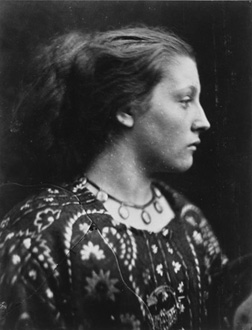
Another photo she titled “Sappho.” She elevated the subject through the name she bestowed upon her.

Sappho

She also assembled groupings to illustrate literary and religious themes. Her husband, Charles Hay Cameron, who was twenty years her senior, she posed in 1872 with, again, Alice Liddell, and two other young women — as Lear and his three daughters.

King Lear Alotting His Kingdom to His Three Daughters

“I longed to arrest all the beauty that came before me,” Cameron said, “and at length the longing has been satisfied.” Seeing several dozen of these extraordinary images in person is a highly unusual opportunity – they are rarely shown – so if you can manage it, I urge you to get to the Metropolitan Museum before January 5th.

3 Comments

Filed under Art, Culture, Fiction, History, Jean Zimmerman, Photography, Writers, Writing

The Roaring Twenties

Put yourself on a New York City streetcorner on a summer afternoon in 1929. You can imagine it, sure, but can you really hear it? No?

Betty-button256Now you can.

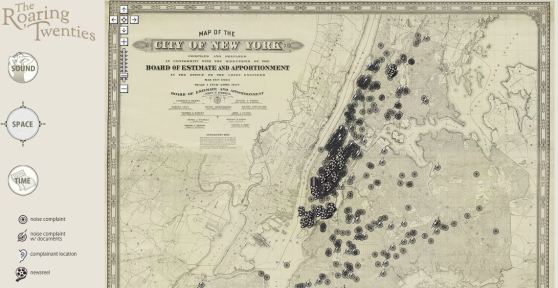
Emma Thompson, a MacArthur-winning professor of history at Princeton University, has constructed a digital time machine that allows you to experience the jack hammers, fog horns and splashing fire hydrants of New York’s yesteryear in a web site called The Roaring Twenties.

roaringtwenties

The way the sound specialist did this is ingenious. She paired actual noise complaints from the files of New York City’s Health Department with  a detailed block-by-block Google Map. It’s a digital interface that covers all five boroughs of the city in the years 1926 to 1933. You can click on one of 600 pins and call up an image of the original complaint – plenty of complaints about noise, then as now – and the official response, if any.

N. Schmuck of Greenpoint, Brooklyn, for example, was being driven nuts by factory noise from the nearby Colonial Pickle Works. Another complainant, attorney H. Bartow Farr, said his sleep had been disrupted by a racket on the East River — nighttime dredging close by his Gracie Square home. One function on the site allows you to search by type of complaint, so you can find out exactly how many foghorn complaints registered in a certain time frame. You might not have thought you wanted to know about foghorn complaints with this degree of specificity, but I think you’ll be surprised.

“My first impression of New York was its noise,” said a Japanese governor visiting the city in 1920, cited in The New York Times.

As an aural historian, Thompson believes that it’s important to understand the context of sound, its meaning as well as the sound itself. And that is why this fascinating project incorporates not only paper evidence, the complaints, the maps, but the actual noises of New York themselves, unmediated.

F. Scott Fitzgerald wrote in  My Lost City in 1932:

“What news from New York?”

“Stocks go up. A baby murdered a gangster.”

“Nothing more?”

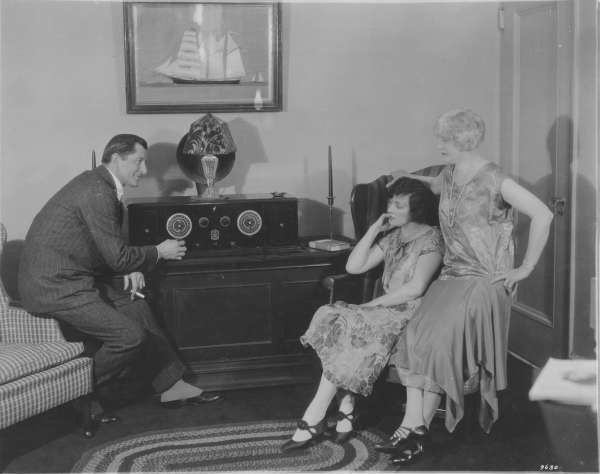
“Nothing. Radios blare in the street.”

listening

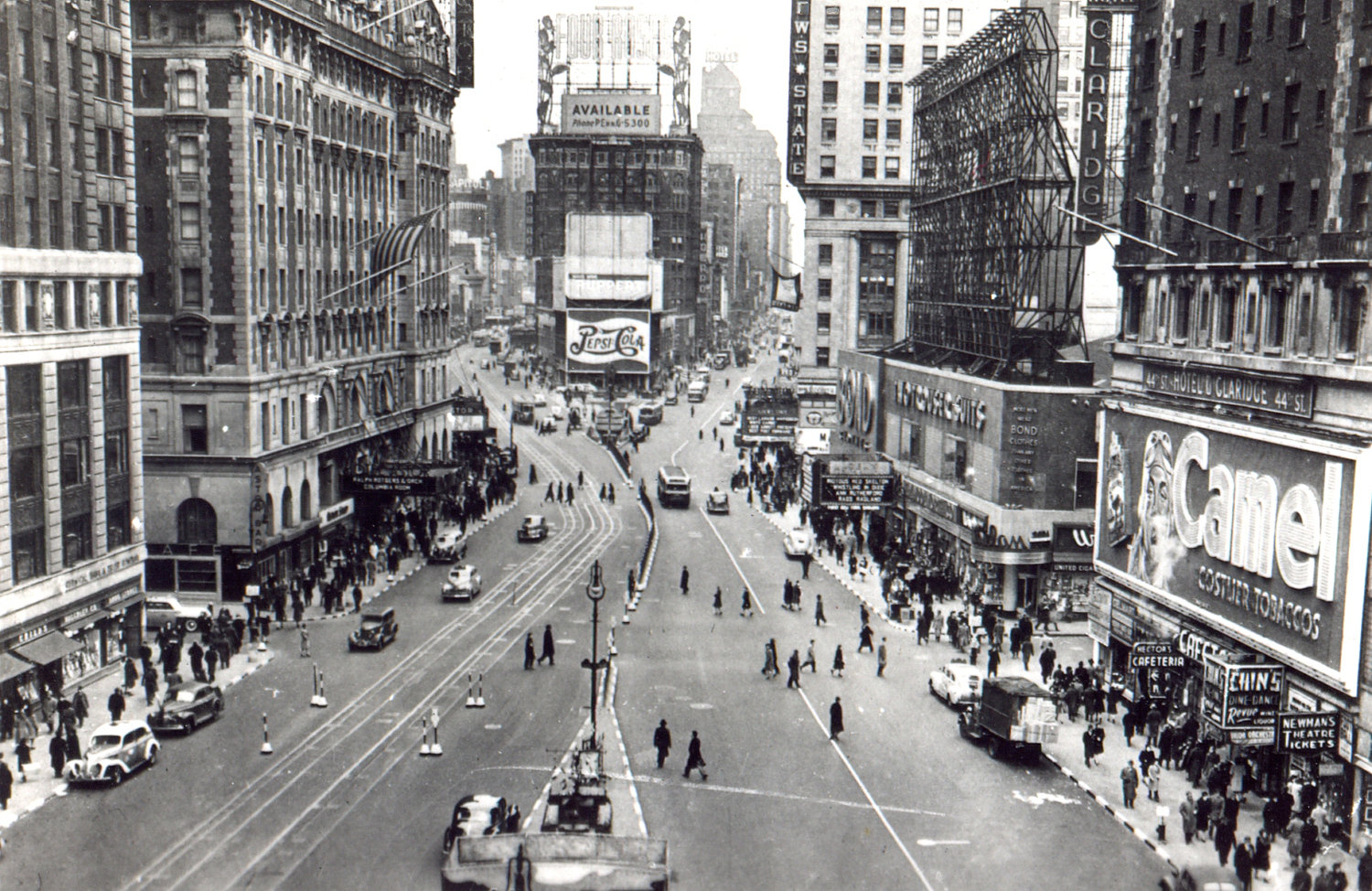
How to capture those radios blaring in the street? Well, sound cinema was just then taking off. Thompson and web designer Scott Mahoy assembled images sourced from Fox MovieTone newsreel footage, pictures that once filmed were often left on the cutting room floor. The technology was still crude, but watching a snippet is amazing. Select one newsreel icon on the Roaring Twenties map and you find yourself in the hubbub of Times Square, cruising among the grand marquees.

times square

Another takes you to Central Park and the cheeky frolic of a crowd of kids shooting marbles. Or go visit with a ukelele strummer on the beach at Coney Island one hot day in 1930. The newsreels are not matched precisely to the noise complaints, but close enough. It’s sound-around. For a taste, listen to the NPR segment about the project.

I swear, The Roaring Twenties is as close as you’ll get to Fitzgerald-era New York. (I only wish such a vehicle existed for the 1870s when I was getting into the head of Savage Girl.) The only thing that’s missing is the ripe smell of horse manure and hot dog stands. Those  will have to wait for a new generation of smell engineers, but this web treasure will help in the meantime.

3 Comments

Filed under Culture, Fiction, Film, History, Jean Zimmerman, Photography, Writers, Writing

A Grimm Tale

Recently I checked out my reader reviews for The Orphanmaster – not always a good thing for a writer to do, but Amazon makes it so easy – and after the wonderful, wonderful, wonderfuls I was stopped short by this extremely erudite criticism: Yick. One of my readers actually had to put the book down and erase it from her e-reader, she was so offended by the novel’s instances of violence and depravity.

Alright, you got me. Loving, brave Blandine and valiant, dashing Drummond and adorable little Sabine aren’t the only beings in the story. There are bogeymen lurking in the New Amsterdam shadows, crouching in the forest, maybe even hiding somewhere in your house, perhaps inside the groot kamer itself.

O-Master P-Back Cover

No one in The Orphanmaster is entirely safe. It’s our job (through the actions of the characters we adopt as our totems) to crush those towering monsters and let the light shine in for another day. There’s a crack in everything, wrote Leonard Cohen, That’s how the light gets in.

Why do some writers, like me, want to show the monsters, expose them, and crush them? Why are some people drawn to a TV gorefest like The Walking Dead? I know I am. Monsters are with us at the core of our psyches. A lot of viewers are eating up the NBC prime time show Grimm, which puts a procedural spin on nailing fairy-tale creatures.

grimm

It’s actually amazing that we manage to find anything remotely more interesting to tell stories about.

Today is the anniversary of the first publication of Grimm’s Fairy Tales. This literary landmark, originally titled Children’s and Household Tales, first appeared in Germany on December 20th, 1812 – just in time for Christmas shoppers, right?

Grimm's_Kinder-_und_Hausmärchen,_Erster_Theil_(1812).cover

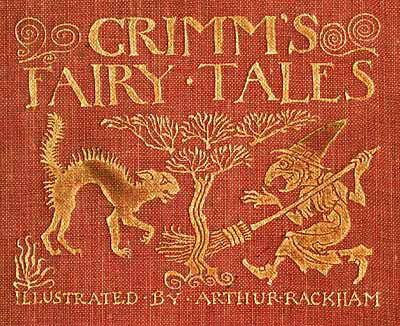
Jacob and Wilhelm Grimm were not the first to publish fairy tales, but their versions enshrined the “folk” aspect of the material – the down and dirty part, the cruelty, the yick factor. The brothers went out to the countryside and collected folk tales from peasants, unsanitized, terrifying and utterly compelling.

Arthur-Rackham-Grimm-Fairy-Tales

Many of the details in the original versions of the stories were more ghastly than those we recognize from Disney – for one minor example, in the Grimms’ Cinderella, two heavenly doves help the heroine get dressed for the big ball in a gold dress and slippers – then fly down to peck out the eyeballs of the evil stepsisters.

Cinderella-(Cinderella_III)

Yick. But brilliant. The tales have found their way into 160 languages in the last 200 years. A recent translation of 50 of them by children’s writer Philip Pullman manages to be as elegant as it is gory. As far as I know, there is no witika in Grimm, no towering, green-skinned, long-fanged, cannabilistic spirit of the woods such as the being that torments 1663 Manhattan in The Orphanmaster.

wendigo_char_c1

Yick. Yum.

3 Comments

Filed under Art, Culture, Fiction, Film, History, Home, Jean Zimmerman, Nature, Publishing, The Orphanmaster, Writers, Writing

Ever Abustle

What exactly was the Victorian bustle, and why did it become a fashion staple?

1885_lmi

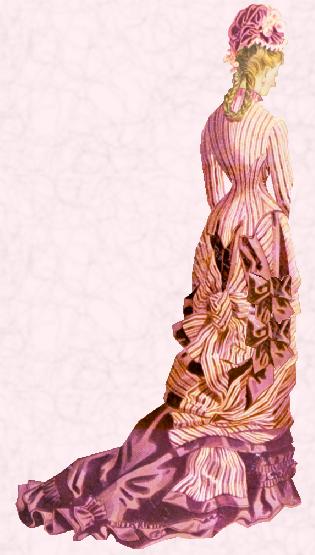
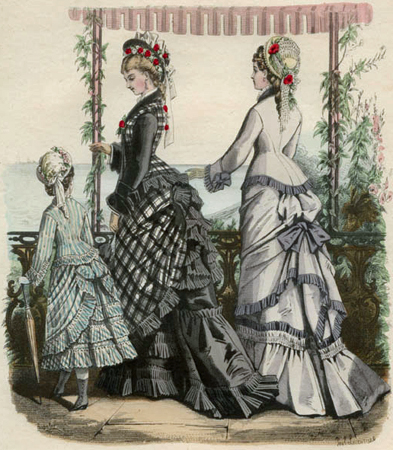
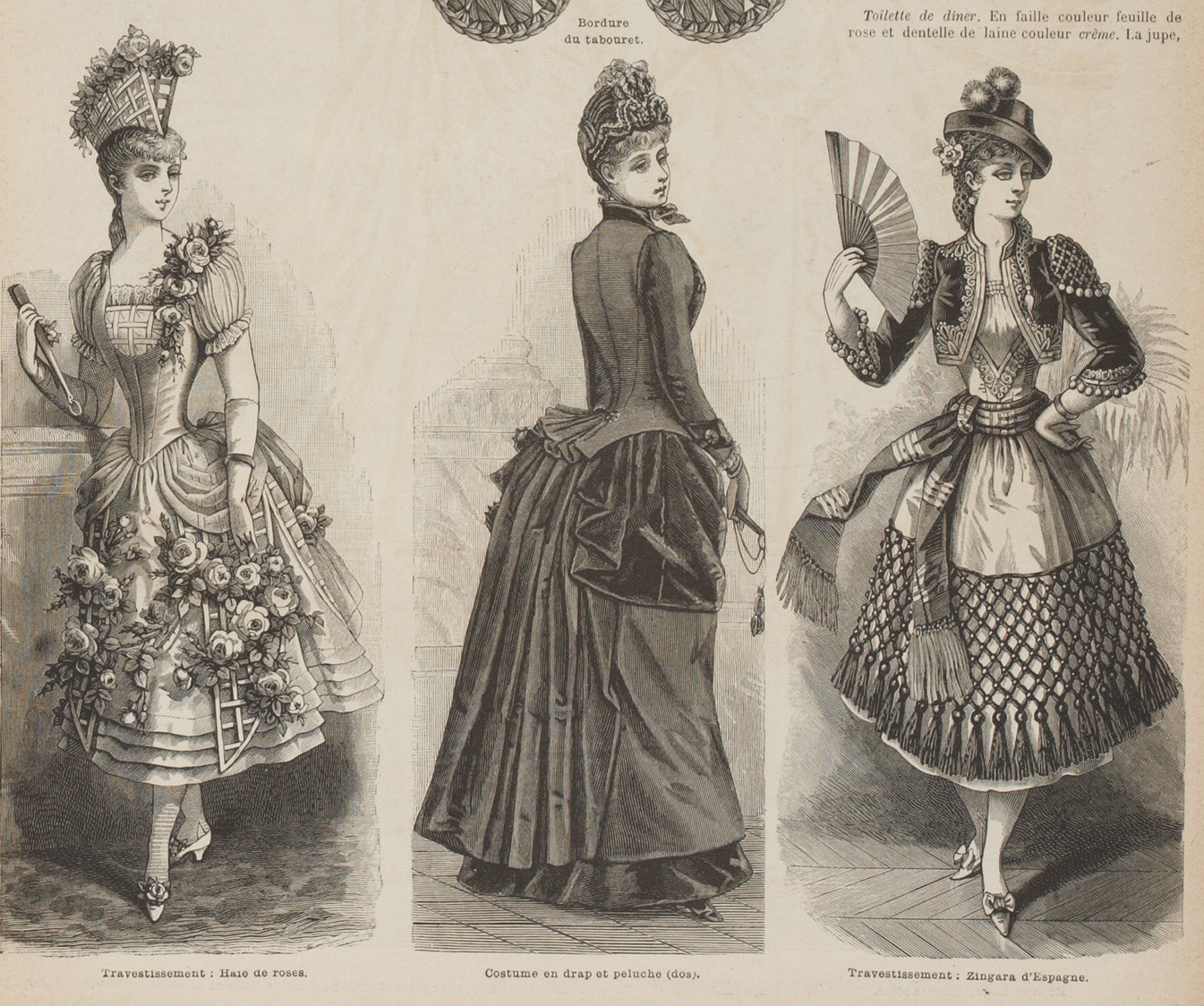
In Savage Girl, the main character follows a trajectory of fashion changes, from a threadbare shift to simple girlish day dresses to glamorous evening wear, including what is generally thought to be the ball gown of the century. She is not limited by a budget, so she can indulge in the most spectacular attire available, with outfits like the fashion plates that follow. When I wrote about Savage Girl, these inspired me.

1875-6

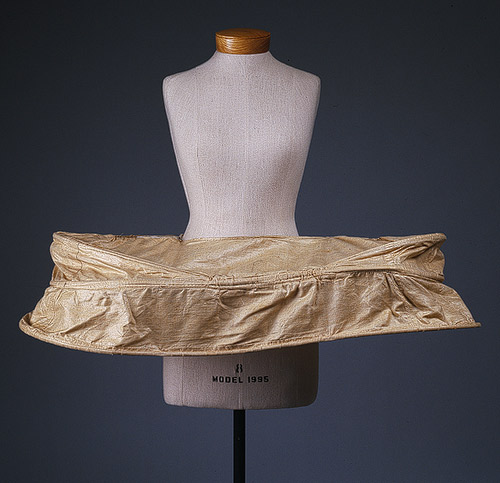
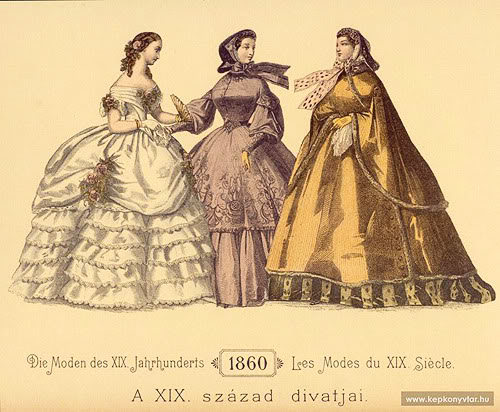
The bustle, the structured, extended back of the dress, derived from the hoop skirt, or cage crinoline, which derived from the padded petticoat of the mid-19th century.

1860_00

All of these materialized out of  earlier attempts to widen the bell of the skirt. Panniers, for example. Made of linen and baleen, they sat at the waist and held suspended tapes of cane, metal or whalebone that gave the dress an exaggerated shape.

panniers

A set of panniers was also handy if you needed to rest your tea cup for a second to blow your nose.

panniers dress

Panniers grew trendy in the middle of the 18th century. It was said that people had to have the doorframes in their houses enlarged so that women could make their way from room to room.

There were many flouncy permutations of the skirt between the mid-18th and mid-19th centuries, most having to do with how many layers of petticoats you could afford – or manage to carry as you made your ladylike way along.

Consuelo_Vanderbilt3

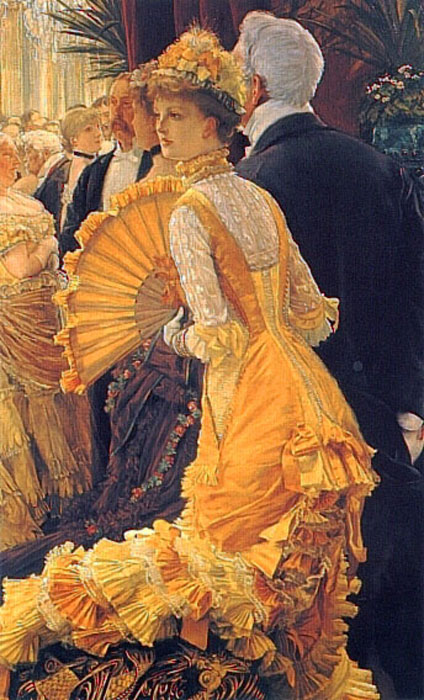
With a bustle, a contraption of horsehair and metal did the heavy lifting. The bodice would be delicate and would end at the close-fitted waist. The voluminous fabric of the skirt might be pulled up in back with a large decorative bow. Eventually the bodice extended down in the form-fitting style known as the cuirasse.
cuirasse

Another variant, the polonaise, cascaded down the back in ruffles,

James_Jacques_Joseph_Tissot_TIJ011

Trimmings were crucial, the gaudier the better. Nineteenth century men made fortunes off of selling ribbons.

1875-3A lot of these decorations were arranged on a horizontal axis. Petticoats helped lift the train off the muck of New York streets. Imagine threading your way across a busy avenue filled ankle deep in horse manure.

But why, why the bustle? Where did it come from, this emphasis on a ladylike woman’s posterior?

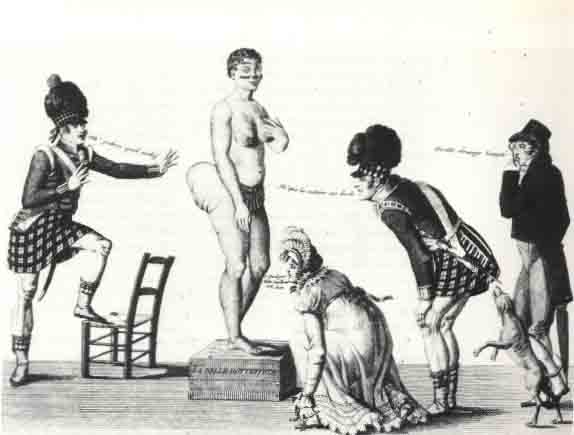
One phenomenon not long before the bustle’s popularity that I find interesting is that of the Hottentot Venus, a South African slave named Saartjie Baartman who was taken from her home and displayed at London and Paris freak shows from 1810 to 1815.

hottentot3

People were wild for her, paying two shillings apiece to gaze upon her steatopygian form in wonder. Wild, she was called, savage. Hers was a tragic story; five years after her arrival in Europe, she died.

colonialdiscourse3-1

But it wasn’t long after her whirlwind tour that the bustle came in a la mode for decidedly un-Hottentot ladies.

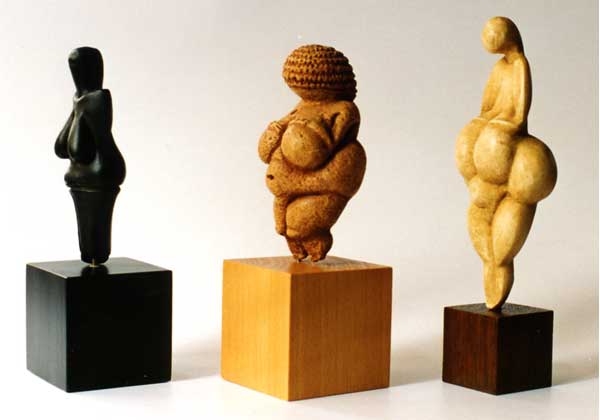
The accentuation of the inherently rounded female form goes back many centuries. Consider these upper paleolithic carvings.

venusfigs upper paleolithic

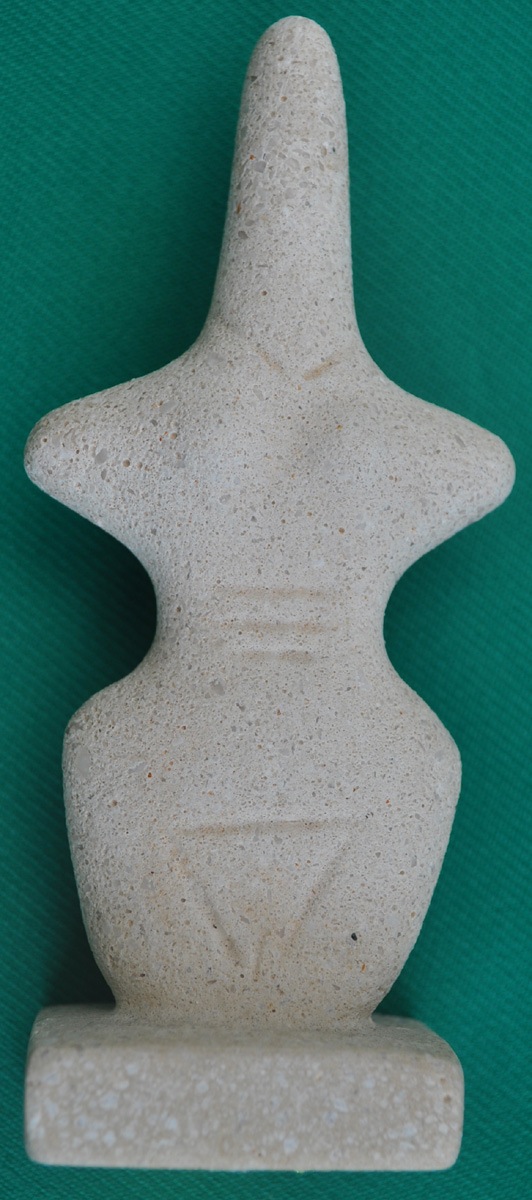
In the Cyclades, a group of thirty small islands that encircle the sacred island of Delos in the southwestern Aegean figurines survive that show a similar profile.

cycladic venus figure 4,000 bc

I am sure the female models upon whom these marble figurines were based never saw a dress of any kind, let alone a crinoline or a ball gown.

bustle

But look at the simplest Cycladic sculpture and tell me you can’t imagine it a Victorian dressmaker’s dummy. It wouldn’t even need a horsehair bustle.

Cycladic 1

7 Comments

Filed under Art, Culture, Fashion, Fiction, History, Jean Zimmerman, Savage Girl, Writers, Writing

Bit by Bit

Stitch after stitch. The easiest in knitting is the knit stitch, worked over and over, row after row, dignified by its pattern name the garter stitch. Time honored and simple, it’s the foundation of sweaters and scarves all around the world. I man the couch (woman the couch?), man up (woman up?) to knit stitch after stitch, a surprise length of comfort for someone who deserves every form of it.

garter

Song after song. Pandora seems to have decided that Ella, Aretha and Etta, with a sprinkling of Emmy Lou Harris, are the mainstays of my acoustic pantheon. Which is fine, as long as Etta James sings Just a Little Bit.
I don’t want much,

I just want a little bit

I don’t want it all babe

I just want a little bit

Just a teeny weeny bit, just a itty bitty bit of your love

Flake by flake. The snowstorm hits. The snow doesn’t give a soft white damn whom it touches, wrote E.E. Cummings. That’s the twisted magic of a white winter, after all, the stuff is so impersonal, impervious, and yet we extrapolate all soft and fuzzy feelings from it. Since I was a child I’ve made snow cream: put out a pot and collect the clean flakes, then mix the white stuff with milk, sugar and vanilla for a wintry treat that’s better than ice cream, especially if you’re a red-cheeked little kid.

Tweet by tweet. You stretch your brain a little and it keeps you young. That’s how it is with me and Twitter, which I’ve been dipping a toe into and coming up sometimes with a sparkly pedicure and sometimes a crab bite. Stephen King just opened a Twitter account, got twenty thousand followers instantly. “On Twitter at last,” he offered, not fully utilizing his 140 characters, “and can’t think of a thing to say. Some writer I turned out to be.” But it all comes down less to what you have to say than to the links, one by one, you make with other people. So follow me. Or at least tweet at me, @jeanczimmerman. And while you’re at it, tweet at Stephen.

Note by note. So much of publishing books is about the relationships with people you have along the way – writers and editors, writers and bookstore people. As an author you’re a cog in a bigger, complicated machine, one whose purpose is to put great books in the hands of eager readers. So I’m writing little remember-me’s to all the friendly, supportive booksellers I met while touring with The Orphanmaster. Letting people know about Savage Girl, that it’s coming out in March, and to look for it. Feral children have always fascinated me, I’m telling booksellers.

feral child

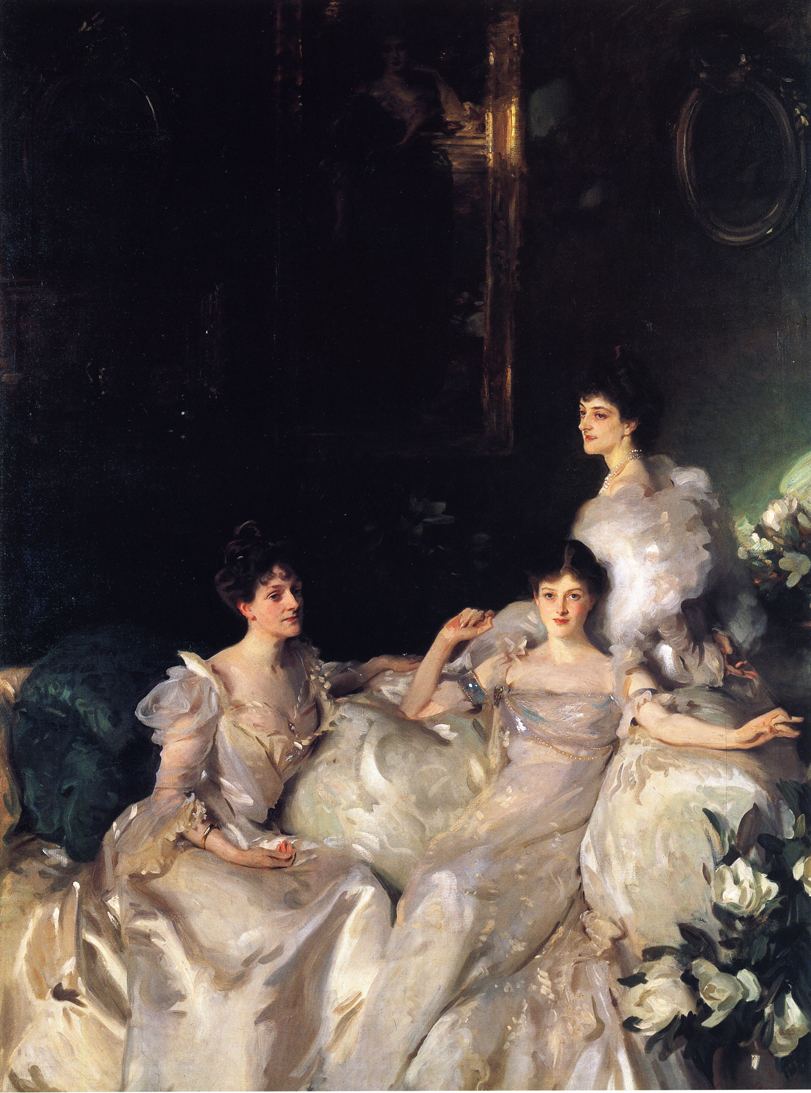
– but in NYC, in a world of Gilded Age opulence? An irresistable mashup.

the-wyndham-sisters-1899

I hope you fall for my Savage Girl, I’m telling my bookseller friends.

And little by little. The bones in my left foot are healing but won’t withstand an ounce of pressure or weight. It’s a good place to be, my couch, with my foot on a pillow, Etta on the box, a rollerball pen in my hand, knitting bag by my side, a fire in the hearth and a curtain of snow out the window. Bit by bit we move along, and today that’s just about right.

2 Comments

Filed under Art, Cooking, Culture, Fashion, Fiction, Home, Jean Zimmerman, Knitting, Music, Nature, Poetry, Publishing, Savage Girl, Writers, Writing

Of Hand Muffs and Weather Masks

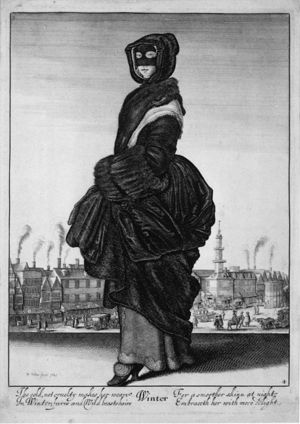
Wenceslas Hollar, the finest etcher and printmaker of the seventeenth century, had a thing about fur hand muffs. He had nearly 3,000 prints to his credit, having fled war-torn central Europe for England in 1636 under the patronage of the Earl of Arundel.

sun expelling mask

The extremely fashionable London lady in Hollar’s “Winter” Dress from 1643-44, in the collection of the British Museum, sports a voluptuous muff and is draped in furs besides, but perhaps the most curious thing about her is her facial accoutrement. Beneath the image runs the legend:

The cold, not cruelty makes her wear

In Winter, furs and Wild beasts hair

For a smoother skin at night,

Embrace her with more delight.

She wears what was called a sun-expelling mask, intended to protect her “smoother skin” from the elements.

In America, Dutch settler Adriaen Van der Donck deemed the lustrous coat of the black bear “proper for muffs.”

Fox or mink would do as well.

Another sun expelling mask.

sun expelling 2

In The Orphanmaster, Blandine and Drummond stand on the New Bridge overlooking the East River one frosty morning, each of them with their hands shoved into their muffs – fashionable men made them part of their wardrobes just as women did.

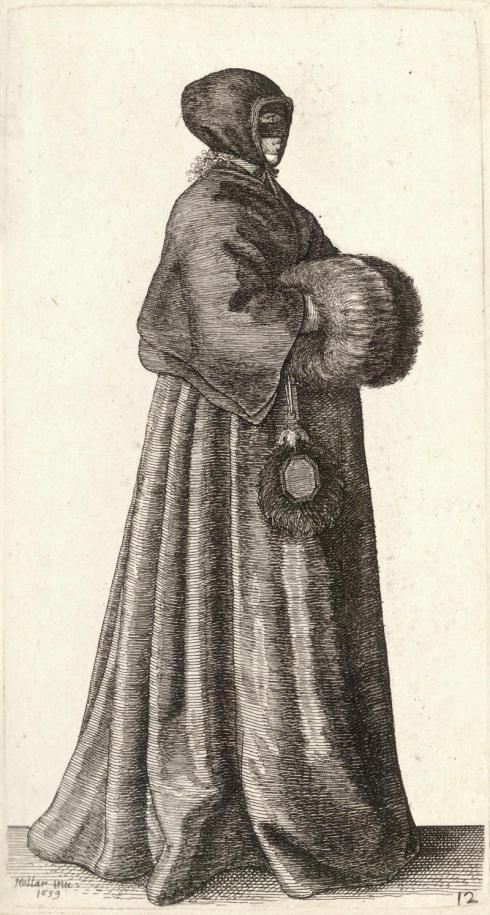
Another woman by Hollar, without mask, looks as though she is wearing her overwarm muff inside.

another hollar muff

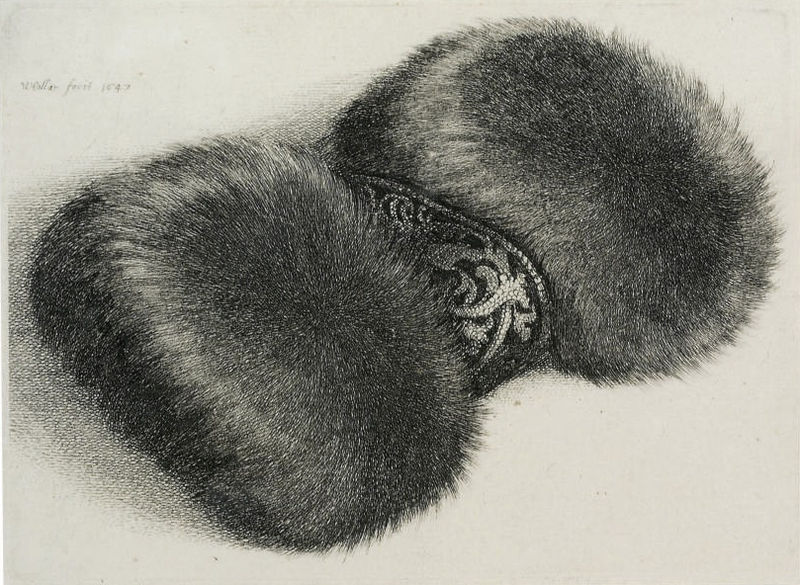
Hollar was so infatuated with fur hand muffs that he frequently made them the sleek stars of his work, leaving human subjects out in the cold. These are just a few. The University of Toronto has more in an in-depth Hollar digital collection.

hollar muff

Wouldn’t you like to stick your cold hands in one of these?

hollar muffs 1

Piles of luxurious fur.

hollar muffs 2

Hollar was in London during the Great Fire of 1666. His scenes of the city after the conflagration are amazing. His skills were all the more incredible given an infirmity — Hollar was almost blind in one eye. You feel in these images though that as important to him was his sense of touch.

2 Comments

Filed under Art, Culture, Fashion, Fiction, History, Jean Zimmerman, Publishing, The Orphanmaster

Hudson River Haunts and Hustlings

For my whole life I’ve lived up and down the Hudson River, in Hastings, in Ulster Park, in Ossining. New York City crouches on its shoreline, and I lived there for twenty years. The Hudson happens to be my favorite river in the world – although to be precise it is an estuary.

I’ve written about its history, in both nonfiction and fiction — about the rubble-stone house of Margaret Hardenbroeck, in Yonkers, about Blandine berry-picking on a Manhattan bluff, and other people whose lives I placed against this magical backdrop. But I haven’t just told stories about a place. I’ve lived it.

I was thinking about some of the things I’ve actually done along the Hudson’s reaches. What helped me in my imaginings. How the Hudson Valley has informed my life.

I’ve taken a canoe out through ancient marshes at the river’s edge. Had picnics along its shores. Dined in fine restaurants. Rode a bike. Collected beach glass.

sea-glass-on-the-beach

Kissed. Thrown sticks for a swimming dog. Gone swimming myself. Taken the train, that glorious route down the river’s eastern flank. Snoozed on that train and missed my stop.

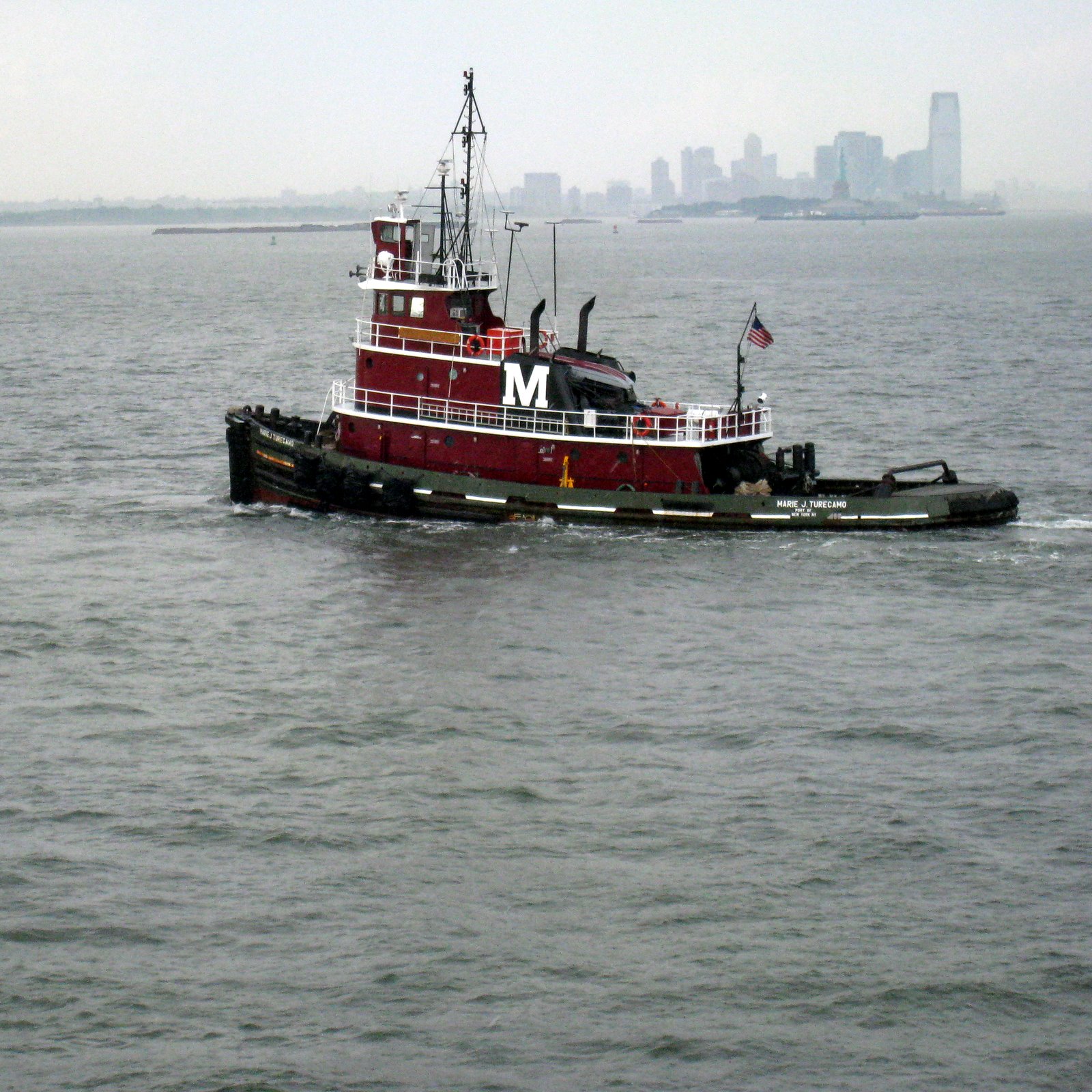
Watched fisherman pull out catfish. Careened along the Henry Hudson Parkway above the river in a series of second-hand cars. Visited a yacht house in winter, warmed by a wood stove. Hitched a ride on a tugboat.

tug

Walked the George Washington Bridge–it sways terrifically. Learned to hula hoop.

Peter hula

Heard blasting rock and roll concerts on ancient piers. Wandered a factory ruin from the nineteenth century. Did I mention throwing a stick for the best cattle dog in America?

Sugar

Saw fireworks explode up from every little Catskills town down the river’s length one Fourth of July. We sat on an escarpment far, far above the river coursing below.

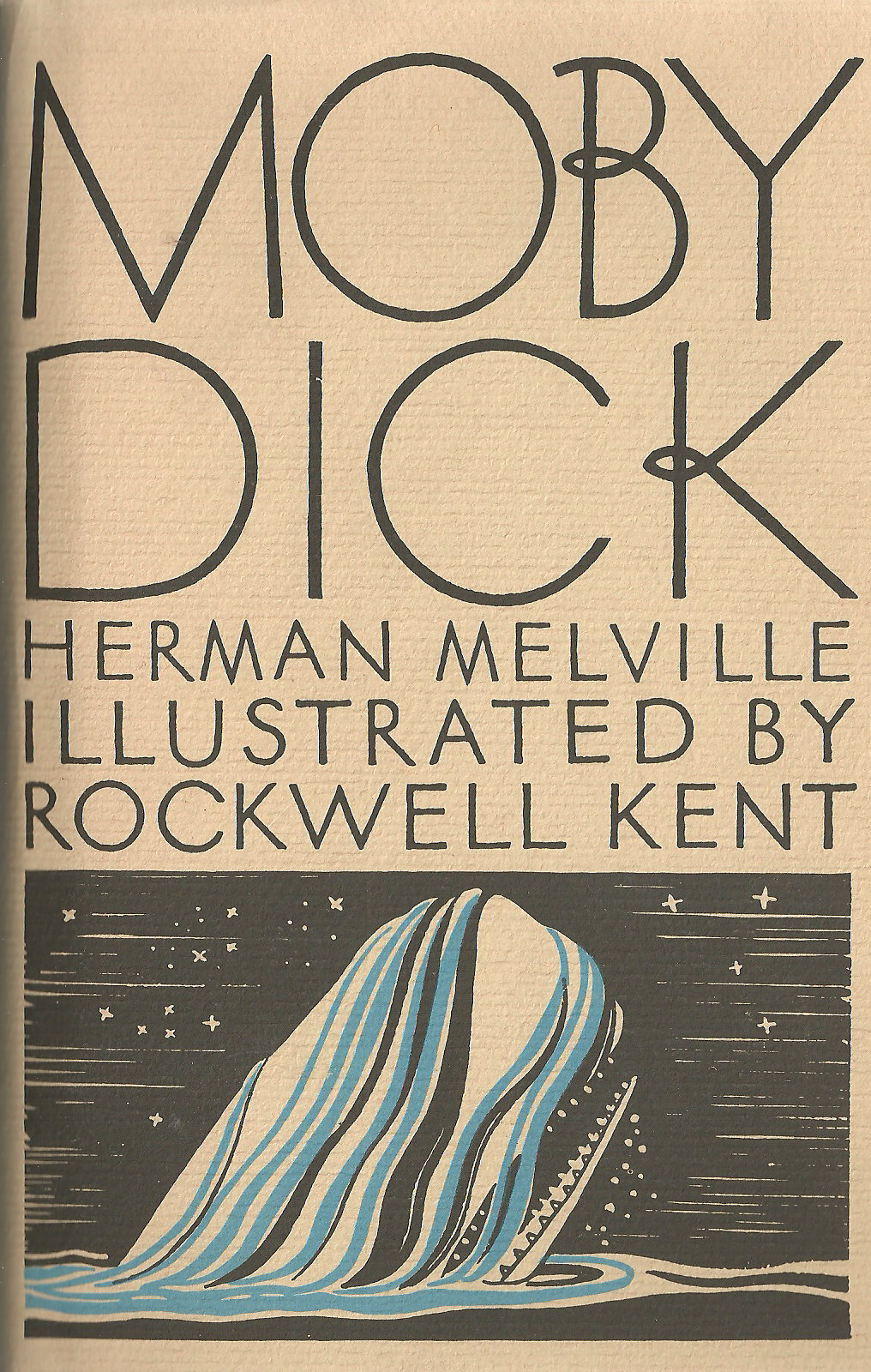
As an adolescent, I read classic books in a library overlooking the water.

moby-dick-rockwell-kent-illus

Later, bought paperbacks at library sales. Talked about my own books in library all-purpose rooms.

Watched my three-year-old get gleefully wet under a sprinkler at a city park in Manhattan’s Upper West Side. Devoured garlicky Dominican mofungo at a lunch counter a block from the water in Sleepy Hollow.

Hiked the Breakneck Ridge Trail, which rises 1,250 feet in a three-quarter mile stretch and hovers over the river as it winds. Experienced vertigo and rapture at one and the same time.

SONY DSC

Admired thousands of sunsets.

Praised the mighty Palisades. Daydreamed. Considered the water’s surface, olive green, deep black, cobalt, covered in crashed-together ice floes. Seen eagles ride the ice floes (an untruth – I’ve always wanted to, it’s in my bucket, but I never have managed it).

eagles-on-ice-018

Admired art on walls with river views. Experienced the unicorn tapestries, in awe. Taught children to make art. Touched cattails. Bought hanging plants from Garden Club ladies. Watched my teenager kill it in soccer games on a field watched over by the Palisades. Stood on the porch of Washington Irving’s stucco cottage, Sunnyside, imagining the 1840s river the way he must have seen it, appalled when the railroad went through.

sunnyside_and_hudson-300x225Skipped stones, clumsily. Never could master that. Threw a stick for a dog. Considered the white-tailed deer swimming across to New Jersey – diaries describe the phenomenon in the seventeenth century. A long time back, but a drop in the bucket for the old, bountiful Hudson.

What have you done along the Hudson–or your own personal favorite river? Leave a comment, will you?

12 Comments

Filed under Art, Cooking, Culture, Dogs, Fiction, History, Home, Jean Zimmerman, Music, Nature, Publishing, The Orphanmaster, Writers, Writing

The Spirit of Sinterklass

The Orphanmaster offers a glimpse into Christmas on Manhattan,1660s-style. Or, since the preponderance of colonists hail from the Netherlands, a glimpse into Sinterklass, the Dutch festival of St. Nicholas, which arrives on December 6th. Because we’re talking about The Orphanmaster, everything in this particular holiday season is not all sugar cookies.

Here is a passage from the novel:

Sinterklass—Santa Claus or Saint Nicholas—came to New Amsterdam in early December, arriving with a ship that sailed all the way from Patria laden with toys and other gifts. Children laid out their shoes on the hearth the night of December 5th. The next morning, they would find them filled with nuts, sweets and, for a fortunate few, gold coins.

Sinterklass himself rode slowly down the Broad Way and along Pearl Street on a stolid white mare, fairly gleaming in his long, draping robe, pearly beard and tall red bishop’s hat and mitre, brandishing a golden crosier with a curled top. He had apples for everyone, hard candy, frosted nuts.

Sint op het paard

But these treats were only a precursor to the grand feast celebrated the following day, December sixth, when wealthier colonists served roast goose and potatoes and kool slaw drenched in vinegar and melted butter. Sinterklass was the patron saint of children, doling out gifts to the well-behaved, though everyone got their fair share regardless of how naughty they had been.

Each child knew the story of the three little orphans during a terrible famine, how a malicious butcher lured them into his house, slaughtered and carved them up, then placed their remains in a barrel to cure, planning to sell them off as ham. Saint Nicholas resurrected the three boys from the barrel by his prayers, bringing the orphans magically back alive through the power of faith.

The spirit of the season ruled New Amsterdam between the Feast of Sinterklass on the sixth and Kerstydt, Christmas, on the twenty-fifth. Director general Peter Stuyvesant, who made clear his disgust with any drunken carousing during the holidays, yet made his Great House ablaze with candles and invited colonists in to dance in the entry hall.

But the mood this year was on the whole muted. Murder dampens the spirit…

2 Comments

Filed under Cooking, Culture, Fashion, Fiction, History, Home, Jean Zimmerman, The Orphanmaster, Writing

The Spirit of Electricity

I finally saw “The Spirit of Electricity,” the costume worn by Mrs. Cornelius Vanderbilt II at an outrageous fancy dress party she gave with her railroad tycoon husband that was one of the highlights of the Gilded Age in New York City. Textiles perish, and you don’t often get to see the famous gowns of the past. Mrs. Vanderbilt was always going to be a static image on a photo card, fetching but more than a little cracked.

Mrs. Cornelius Vanderbilt II

Born Alva Erskine Smith, Mrs. Vanderbilt orchestrated the ball in 1883 to christen the new lodgings erected for the couple at 1 West 57th Street. Theirs was the largest house ever built in Manhattan. In staging one of the most elaborate balls of the time, Alva assured the Vanderbilt family a perpetual place on Mrs. Astor’s 400, the list of New York’s social elite.

The New York Times covered the party perhaps less objectively than it would today. “The Vanderbilt ball has agitated New-York society more than any social event that has occurred here in many years,” read the article that ran the day after, on March 27th. “Since the announcement that it would take place…scarcely anything else has been talked about. It has been on every tongue and a fixed idea in every head. It has disturbed the sleep and occupied the waking hours of social butterflies, both male and female, for over six weeks, and has even, perhaps, interfered to some extent with that rigid observance of Lenten devotions which the Church exacts.”

In advance of the evening, quadrilles were relentlessly practiced, costumes were tailored, quantities of hair powder were  laid in. The party was a showstopper. The Times reporter exclaimed about the “garden in the forest” where guests took their supper, and the phalanx of cops that kept gawkers at bay outside the mansion as carriages began to arrive after 10:30 or so. We have no pictures of the hordes with their noses pressed up against the windows, but the fashionables inside had their images captured for posterity by society photographers.

Mrs. Elliot F. Shepard

Each guest’s getup was wilder than the next.

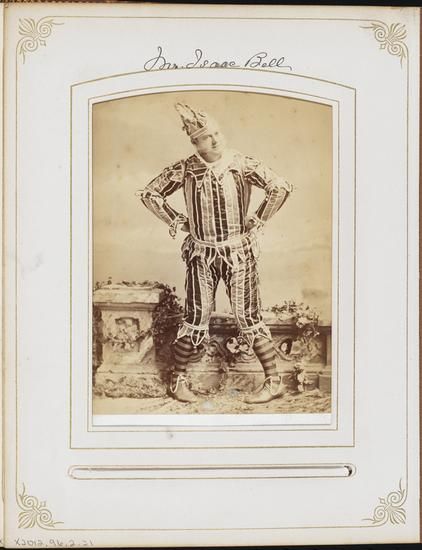
Mr. Isaac Bell

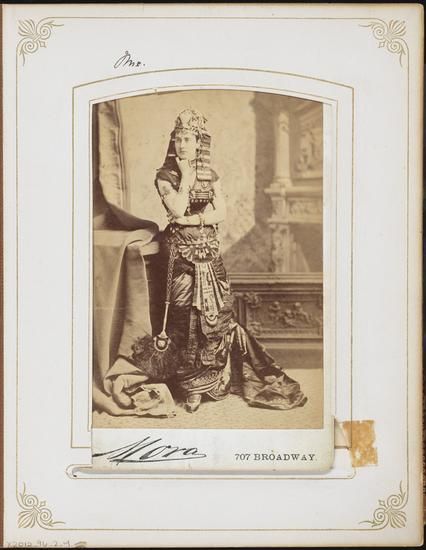
Jesters, Romams, Mary Antoinette, the Four Seasons – it was a motley group.

Mrs. Arthur Paget

I thought that the souvenir photos were all that remained of the event.

Then I visited Gilded New York, an exhibit that is currently on display at the Museum of the City of New York. The show includes the decorative arts, some paintings and some fashion. Yes, the end of the nineteenth century is big in Manhattan at the moment, with this enterprise and Beauty’s Legacy: Gilded Age Portraits in America at the New-York Historical Society. If you are a fan of ostentation, now is the time to put aside workaday worries and immerse yourself in a level of excess that is hard to fathom today.

The items on display were those that would have figured big in ball culture. Images of the grand Fifth Avenue houses set the stage, most long torn down, commissioned for the new industrial elites. By 1892, 27% of the nation’s millionaires lived in New York City, more than 1,100 of them.

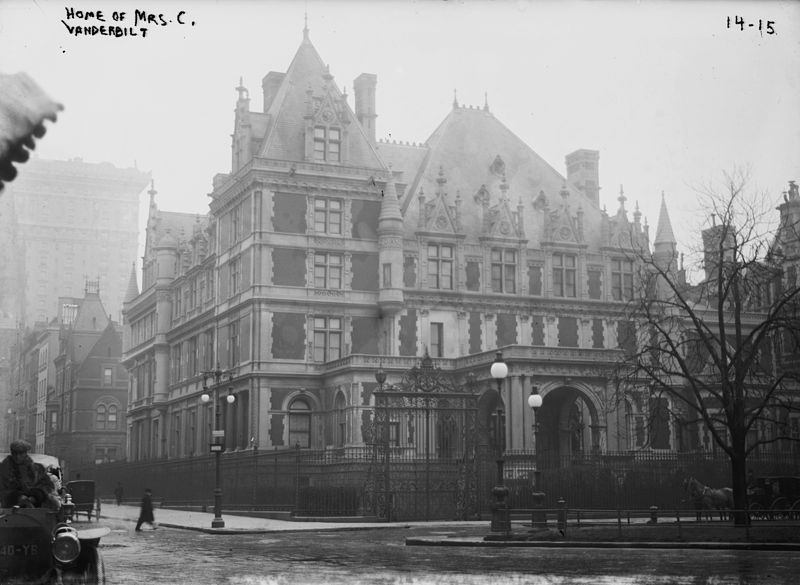
Many of their mansions, like the Vanderbilt house, had a castle-like, European flavor. The structure where the 1883 ball took place was a model for the immense confection inhabited by the Delegate family in Savage Girl.

Vanderbilt home

With their newfound wealth, the millionaires bought jewelry at Tiffany, gold, enamel, diamonds, emeralds and sapphires. But they also went to Tiffany for other accessories, like this card case made of frog leather in 1900.

frog case

They had a taste for the over the top, like a decanter and cup fabricated of Murano Glass.

Murano glass

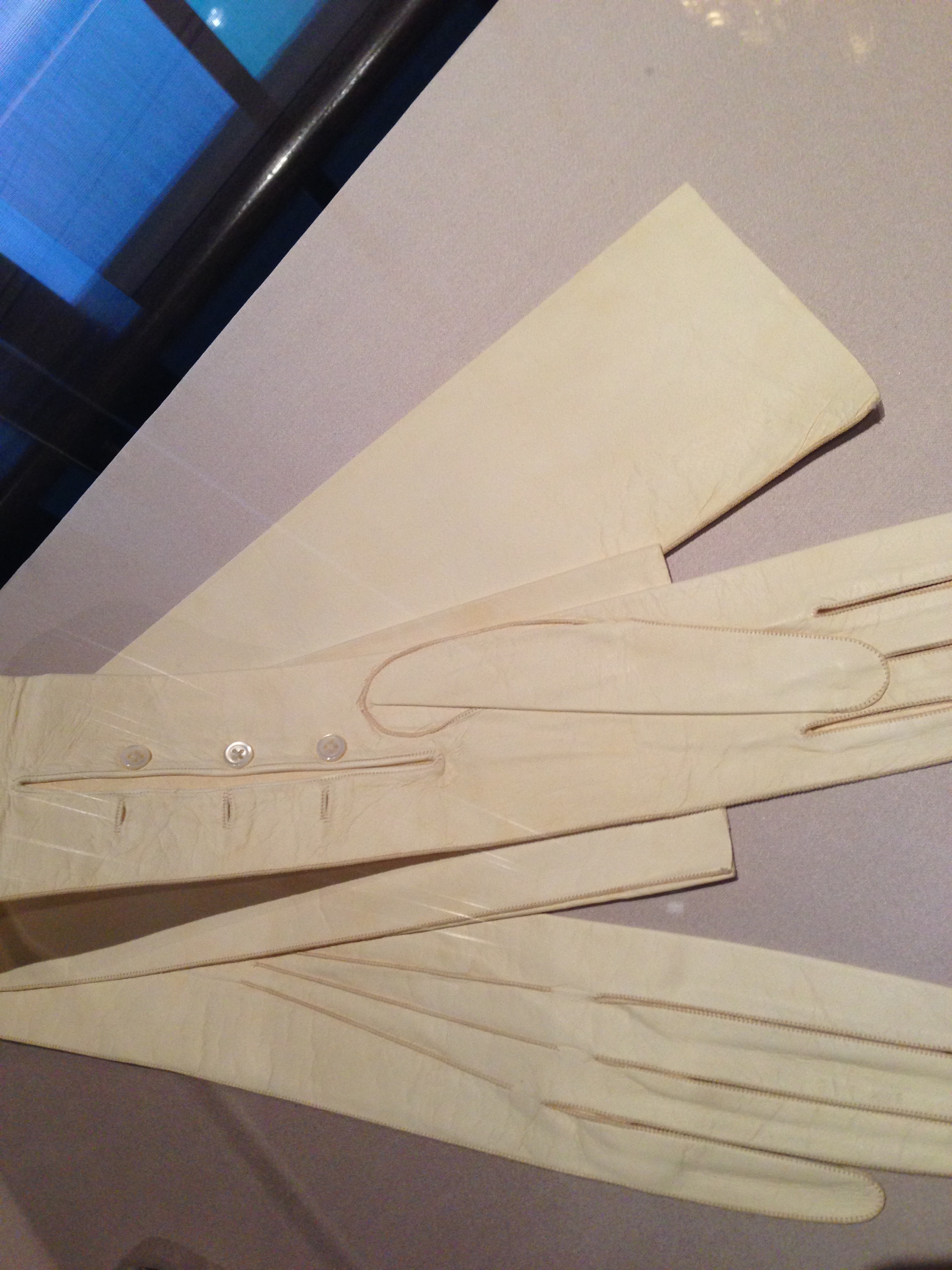
Long kid gloves were a necessity for a ball-going lady.

kid gloves

When they were feeling rustic they might show off a different style of ware, say the one decorated with an alligator, snake and lizard – this one belonged to Montana copper baron William Clark, one of the Fifth Avenue denizens.

platter

All, it seemed, was glossy, elegant, costly. You can read the plush lifestyle in the portraiture, like the depiction of Helen Virginia Sands at age 19, shortly before her marriage to a successful Wall Street trader.

de la mar pic

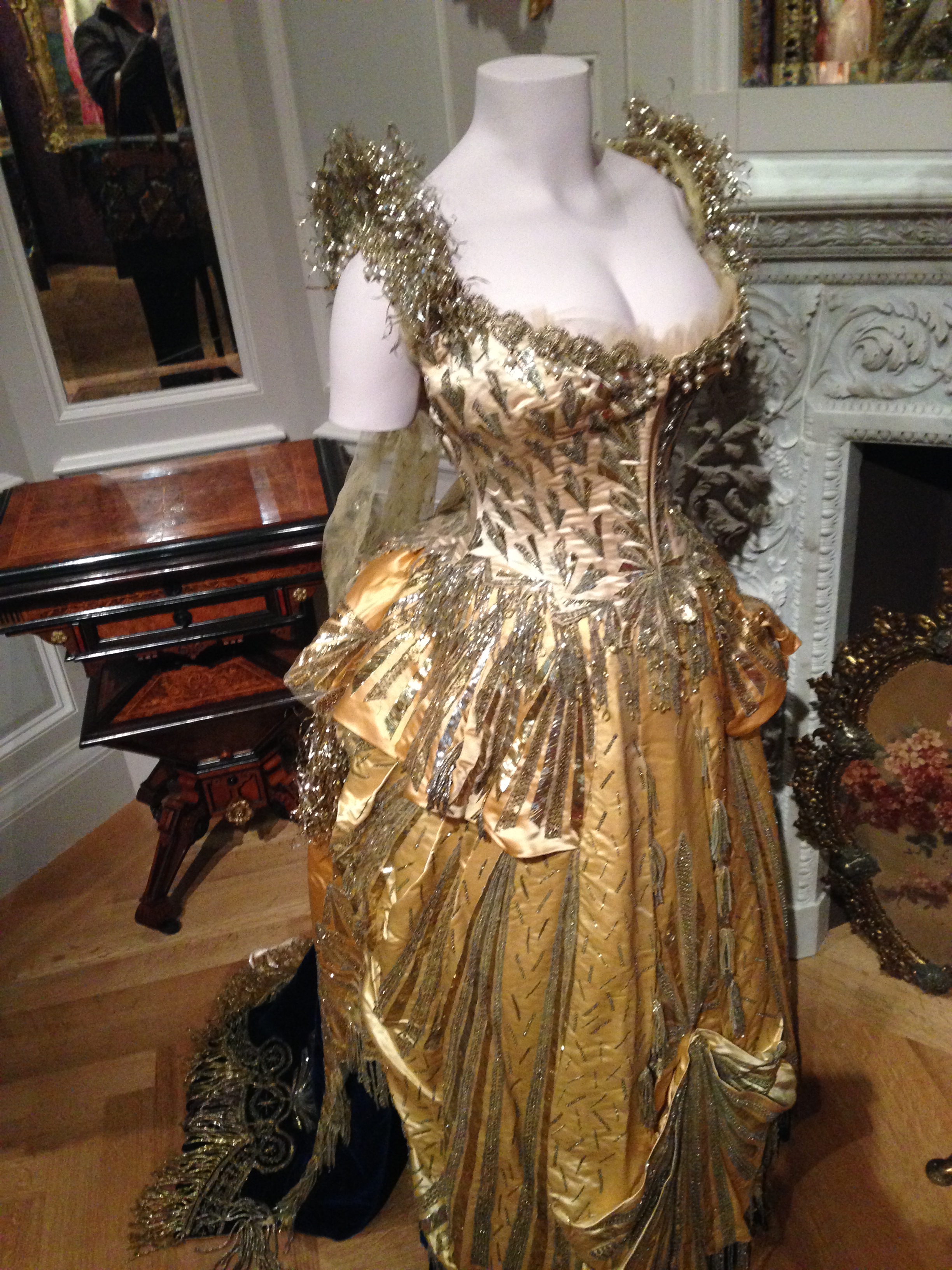
What I found most affecting, though, was the golden silk gown, “The Spirit of Electricity,” here in front of me, for real. It had emerged from the black-and-white photo card. Heavily embroidered in beaten gilt, it had silver tinsel filaments that lifted like small wings above the shoulders. Imported, of course, from Worth in Paris.

light gown

That’s a Herter Company jewelry cabinet in the background, for you Herter furniture fans. The dress survived because it was gifted to the Metropolitan Museum by Mrs. Vanderbilt’s daughter Countess Laszlo Szechenyi (neé Gladys Vanderbilt).

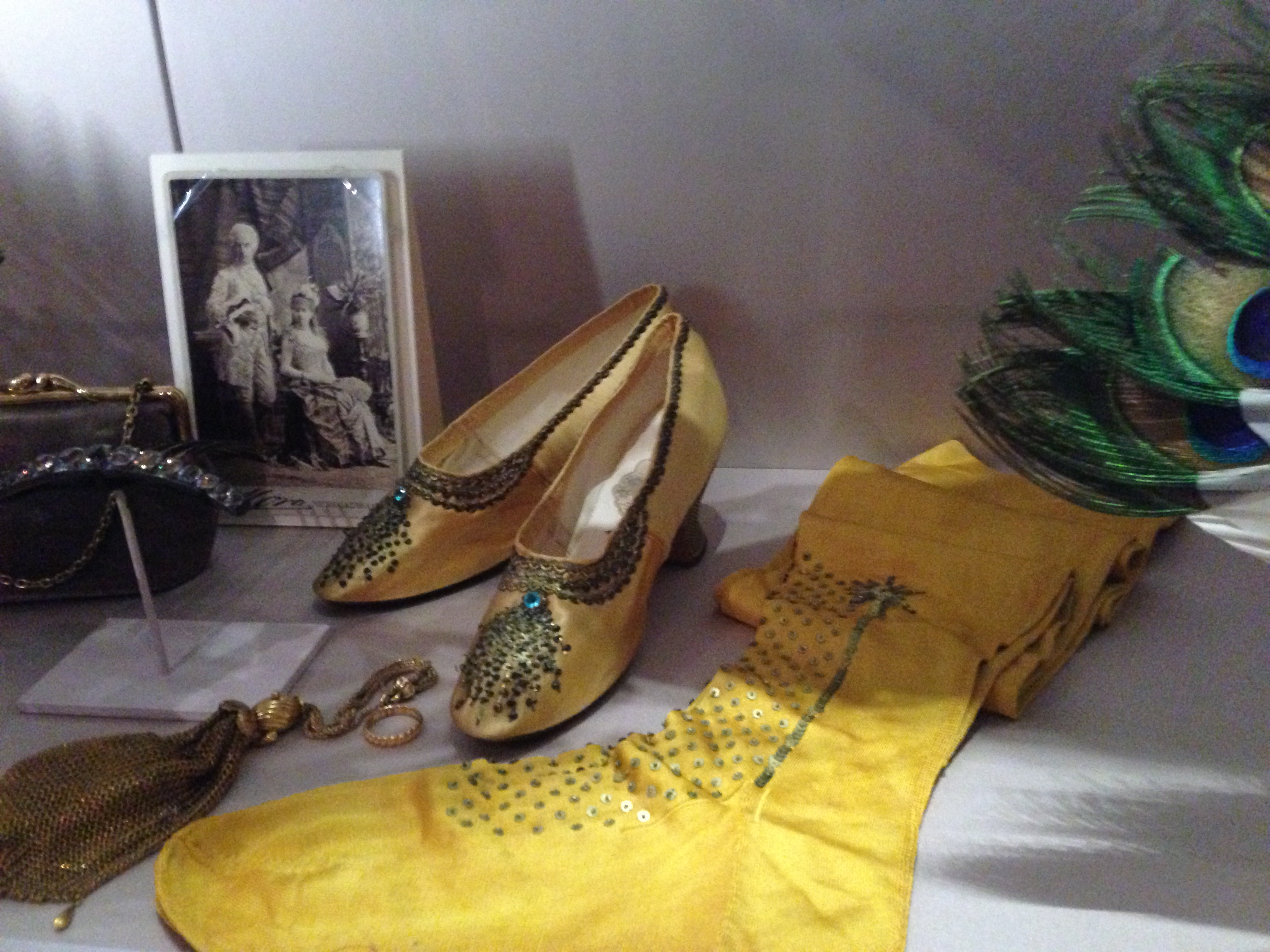
More affecting, even, the yellow silk stockings and pumps that Alva wore with the fancy gown.

pumps

This opulence of the distant past was real, something I could almost touch.

3 Comments

Filed under Art, Cooking, Culture, Dance, Fashion, Fiction, History, Home, Jean Zimmerman, Photography, Savage Girl, Writers, Writing

Making Book

Frank Stella’s splashy, enormous constructions line the walls of the lobby where my book publisher has its offices. Three collages, to be precise, of mixed media on a base of etched magnesium. Standing in front of one, you have to crane your neck to see the top of the piece. Standing there, I try to imagine creating something so large as the exploding Stella’s, so imposing. My mind wanders – outside is a dumpling truck with the snazzy legend: “Who’s Your Edamame?” It’s a New York morning, and art and food and commerce jostle for attention.

stella

Books, books, time to think about books. Or one book: my book. Stella’s work depicts the inside of my head as I take the elevator to the fourth floor. We’re going to talk about how to introduce Savage Girl to the world. How can I describe the feeling? Heart-pounding excitement. Trepidation. All shades in between.

Savage Girl comes out March 6th. And all the people at our meeting, editor, publicist, social media pro, literary agent – all of them are invested in making sure that my novel reaches a wide reading public.

So we talk about strategies. Bound gallleys, called ARCs in the business (for Advance Reading Copies) – who has received them so far, who gets them next? Print is no long king when it comes to reviewers – we want people to blab online about the book, on Goodreads, “where bookworms congregate,” as someone at the meeting says, on blogs, everywhere. We want the twitter-sphere to sing its praises. We want the people who read this blog – yes, you! – to get ahold of a copy and make their friend read it too. We want it to be consumed and consumed some more. Come up for air! Someone will say. It’s time to do the dishes. To go to the dentist!  But I can’t possibly, you say, I am too immersed in the adventures of Hugo and Bronwyn.

Savage Girl cover-final

Booksellers who received their early copy are liking Savage Girl, it seems. (Some Hollywood producers are too – shush, don’t jinx it by talking about it.) Authors have weighed in with comments that will appear on the back of the dust jacket. I like this one from Da Chen, the lyrical novelist:

The best historical fiction brings the reader back to a bygone era and  the depth of humanity then.  Jean Zimmerman does all that and more in her elegantly written new novel.  I simply could not put down this this tale of sweet and painful love, of a savage girl and her encounter with modernity.

All I have to do between now and March is a hundred things. Suffice it to say I’ll be writing more here and elsewhere about the Gilded Age, sharing what I learned in the process of researching Savage Girl. Debutante rituals, fashion, feasting, feral children, nineteenth century medical practices, mansions that are architectural marvels… I hope that people who don’t know much about the period will find out something new, and that I’ll satisfy Gilded Age aficionados’  yearning for more on the subject.

Photograph1880

Say you enter your favorite independent bookstore, where the management has carefully curated its collection. You inspect the table when you come in the door and find scads of titles that tantalize you, that beg to be picked up and perused. It may seem that they found their way there by some kind of magic. Not so. Behind every glossy jacket is a team of geniuses who have pondered and sleuthed and brainstormed a way to bring that wonderful volume to you. Like an explosion, like the mixed-media Stella on the wall, the planning all comes together to unveil a bound book.

Riding the subway uptown, I notice a man standing next to me with headphones. Dancing, and not so demurely, either. He is rocking and rolling. He is happy. So am I. I remember a couplet by one of my favorite poets, another Frank, Frank O’Hara, who made New York City the star of many of his poems in the ‘50s and ‘60s.

How funny you are today New York

like Ginger Rogers in Swingtime

Sometimes, when you’re in Manhattan, everything can seem so right. I get off the train at my stop and look from one side to the other, not sure which direction to head on the platform. A woman in black-framed glasses and long black hair touches me on the arm. I don’t even have to ask. She points with her finger and softly, kindly says, This way. This way.

6 Comments

Filed under Culture, Dance, Fashion, Fiction, Film, History, Jean Zimmerman, Poetry, Publishing, Savage Girl, Writers, Writing

Thank You for Reading

I am thankful.

This is a post about this blog.

At Thanksgiving, in a lot of families, a blessing is performed before the turkey comes on in its golden, crispy glory. The blessing consists of going around the table with every guest sharing some thing they are especially grateful for. On the occasions I’ve taken part in this ritual, I’ve sometimes had to squelch the urge to say something slightly comical or snarky. I don’t know why, perhaps because the whole thing seemed so self serious. Real thanks seem quieter, more internal, perhaps.

Now, with a few days before us until we’ll be stuffed with stuffing, with a clear head, I want to be serious.

I am grateful, deeply grateful, to those of you who read this blog.

When people ask what my site is all about, I say different things. It’s called Blog Cabin, and it’s about living in a circa 1800 home in a thoroughly modern world, and the time travel that allows for. Sometimes I call it a personal magazine. A diary. A cultural commentary. It’s about the past as a living, breathing entity. All about history and art and nature and literature… An author blog, as I have one novel about to come out and one just in the rearview.

What it really is, is playtime. Writing books, of course, is hard work. (If you’re doing it right.) Writing this blog has given me a chance to dabble in the things that absorb me in my book writing life, but on a more finite scale, with pleasure at the foremost – yes, history and art and nature and literature and… a pogo stick championship?

jack-cu

It was hot July and the contestants soared. You could taste the adrenaline.

Writing for you has given me a reason to go on adventures that you might not take, even if you had the chance. Or perhaps you would, like my search for an infant saguaro cactus at a botanical garden in Scottsdale, Arizona, with a beaming guide, but you couldn’t get there that day.

desert-gardener

I’ve taken myself to a Victorian waltz class and tea.

jz-tea

To a Broadway disco-play, and to a euphoria-inducing Brahms recital. And to a dramatic dance performance en plein air, at Manhattan’s Lincoln Center.

bum-blur

I’ve plumbed the depths of the 20-something psyche, because I have a young adult close to my heart. Instagramming is their life.

serendipity-picture

They’re fascinating animals, as are husbands, and mine hitchhikes along with me from time to time.

As are dogs. Mine is inscrutable, but adds flavor to the mix.

oliver-about-to

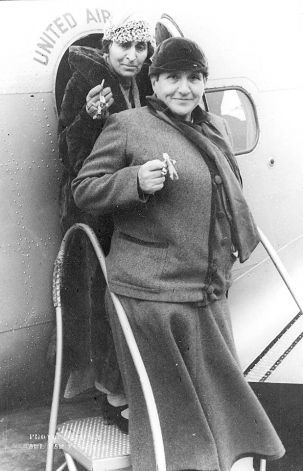
And writers.  I’ve loved writing about Gertrude Stein.

steintoklas-plane

I’ve shared many favorite recipes, like the one for Marcella Hazan’s braised pork in milk.

Observed motorcycle pirates on the loose in NYC. With some history about pirates intertwined, of course.

two-pirates

A rowdy pig festival in upstate New York.

michael

Explored a local farm on an enchanted evening, just as dusk fell.

fuschia-flower

Learned about the power of graffiti at the late, great 5Pointz. Got my leg cast tagged there, too.

colorful-paint

And witnessed the unlikely beauties of slime mold in a pristine nature preserve.

slime

It’s been my pleasure to gather these treasures and offer them to you, and your great generosity has been receiving them from me. So thank you. I’m looking forward to many more adventures.

11 Comments

Filed under Art, Cooking, Culture, Dance, Dogs, Fashion, Fiction, History, Home, Jean Zimmerman, Music, Nature, Photography, Poetry, Publishing, Savage Girl, The Orphanmaster, Writers, Writing

Starring Gertrude Stein

“If you enjoy my work you understand it… if you don’t enjoy it, why do you make a fuss about it?

These were Gertrude Stein’s slightly sharp-elbowed words pronounced sixty-nine years ago to an interviewer at at New York’s Algonquin Hotel upon her arrival in America to record The Making of Americans and some of her other works. The lecture tour had bestseller wind beneath its sails, as The Autobiography of Alice B. Toklas had been published to raves in 1933. The opera she created with Virgil Thomson, Four Saints in Three Acts, was opening on Broadway. Suddenly Stein had become rich, a condition she’d never before known.

stein:toklas plane

On October 24, 1934, Stein and Toklas arrived in New York aboard the S.S. Champlain. The crowds and the press went wild. One newspaper headline read: Gerty Gerty Stein is Back Home Home Back. Tickertape lights flashed across The New York Times building announced her arrival.

Stein had not been in the United States in nearly thirty years. Now, for seven months, with Toklas at her side, she crisscrossed America, speaking to campuses, arts groups and museum audiences about her writing and love of modern painting.

lecture route

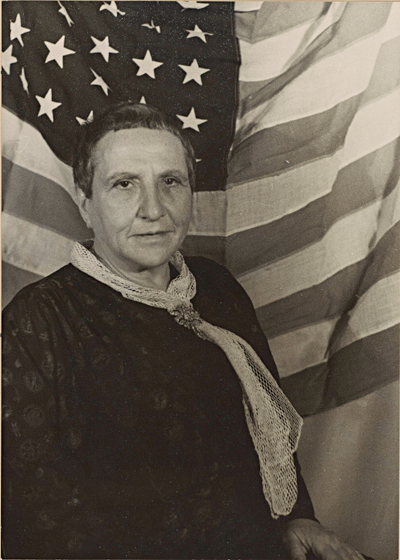
Early in 1935 she published Lectures in America, with a patriotic picture tucked inside the front cover.

stein:flag

Seventy appearances later, her celebrityhood held strong. An observer described the two travelers: “a large lady firmly dressed in a shirt-waist and skirt and jacket, and a smaller lady in something dark with a gray astrakhan toque…slightly suggestive of a battleship and a cruiser.” A headline in the New York Sun read: Miss Stein a Wow; Her Lectures a Sellout She’s Such a Hit.

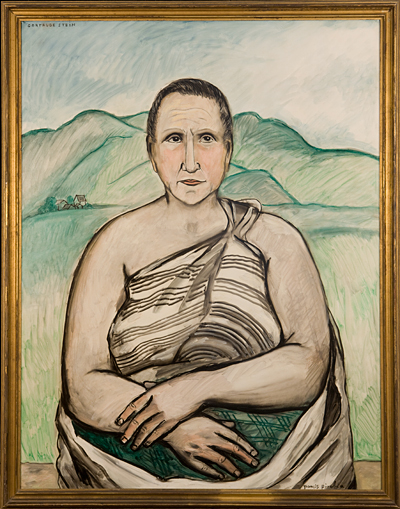
Francis Picabia did her in oils in 1933. Stein was a star!

picabia 33

1 Comment

Filed under Culture, Fiction, History, Photography, Poetry, Publishing