Category Archives: Home

From the Chimney With Care

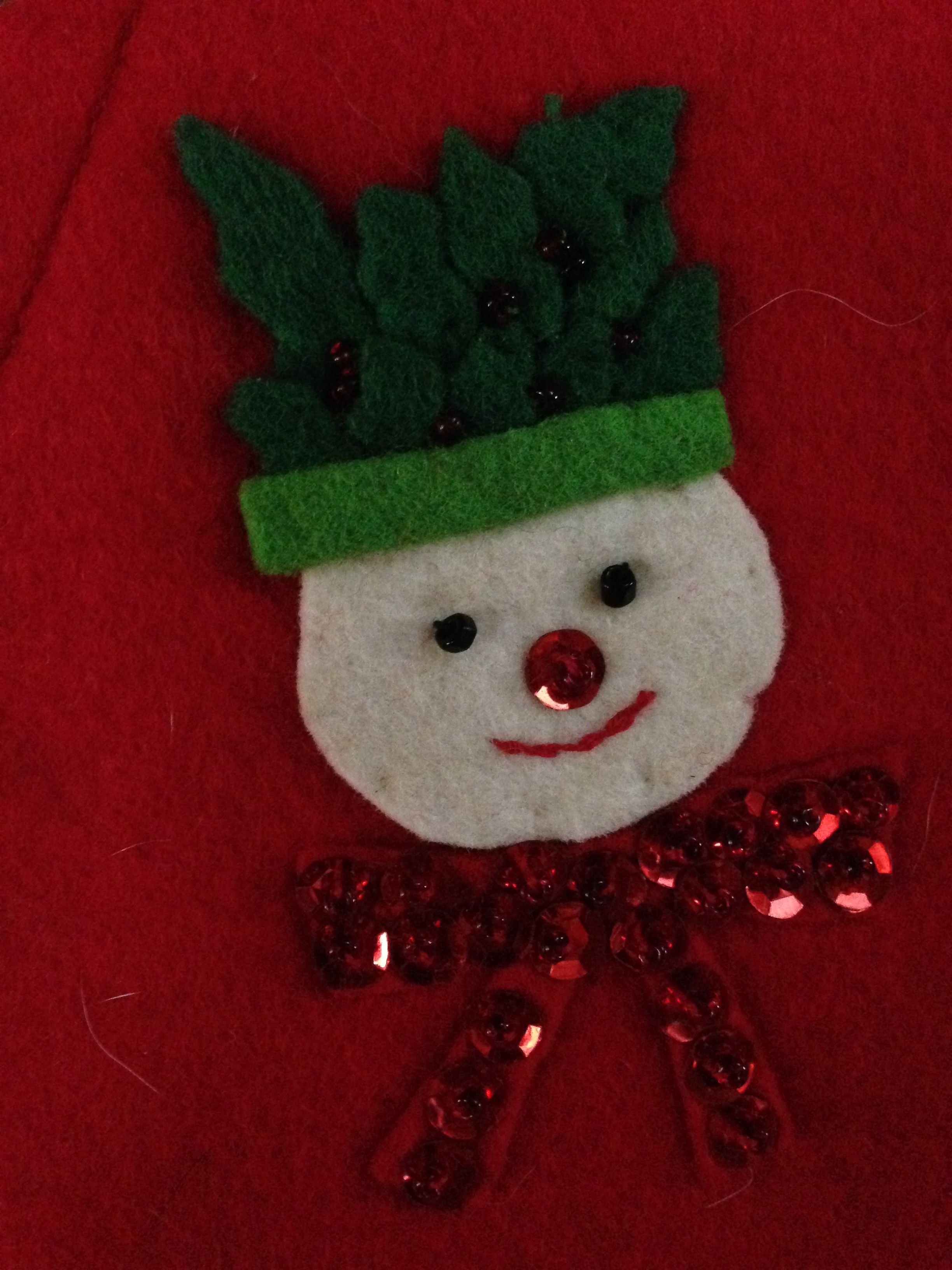
They’re waiting. Waiting in plain sight, hung from the chimney with care, assembled of felt and yarn and sparkles. Everyone in the house for the holidays is an adult now, but still we hang our stockings.

santa-254x300

The practice of hanging a Christmas stocking… why hang a sock to collect treats, or put out a shoe as people do it in some cultures? I’ve never found a satisfactory answer, but I always associate it with the idea that your dog always wants to chew up your shoe, because he loves you and that’s the part of you that smells most like you.

O beseeching

He knows not what he does. That’s what I’ve always heard. So Santa is looking to find the part of you that is most you when he tracks down the stocking you hang with care.

1900 stocking

Auntie, my mother’s aunt, made her converted sweet potato shed in Greenfield, Tennessee into a cozy home. She had a tiny room that never failed to impress me with its huge stash of craft materials, from buttons to calico to giant skeins of acrylic yarn.

auntie-copy

Auntie knitted, she made lace, she crocheted, she sewed. She was simply a craft adept. And she loved kids, though she never had any of her own, referring to her home economics students at Dresden High School as my children. My Christmas stocking and those of my brothers were Auntie’s creations.

auntie stocking

Last year I learned to knit a sock. I thought I could use it as a Christmas stocking if it ever got long enough. It didn’t. It was orange anyway. Luckily I still have my old beauty from Auntie.
snoman

For some reason people have competed over the years to set a record for the biggest Christmas stocking. That seems odd to me, as a Christmas stocking is by nature pleasantly ordinary of stature, somewhat roomier than an actual sock that fits your foot but no larger as that would be somehow… greedy. One time recently The Children’s Society in London organized a stocking of 6,000 squares of red knitting, as long as three doubledecker buses. I hear that it weighed the equivalent of five reindeer and bulged with with toys for the poor.

Christmas_Full_Stockings_Tidbits_Freebie

If you have a stocking that is yours and has always been yours, you are lucky. A personal stocking. Gil’s stocking reverted back to him somewhere along the way, emerging out of the Wisconsin Christmas Box, perhaps when someone noticed he was on the verge of entering a second childhood and needed all the treats he could get. He also inherited the Christmas ornaments his mother made for him, one for every year of his young life. Most of them seem to be assembled of toothpicks in some form or another.

gil ornament

Gil was the youngest of five, and that made it important that the old lady brought in to produce his stocking should knit the letters of his name in a bold block print around the top edge. He wanted his fair share of candy on Christmas morning.

gil stocking

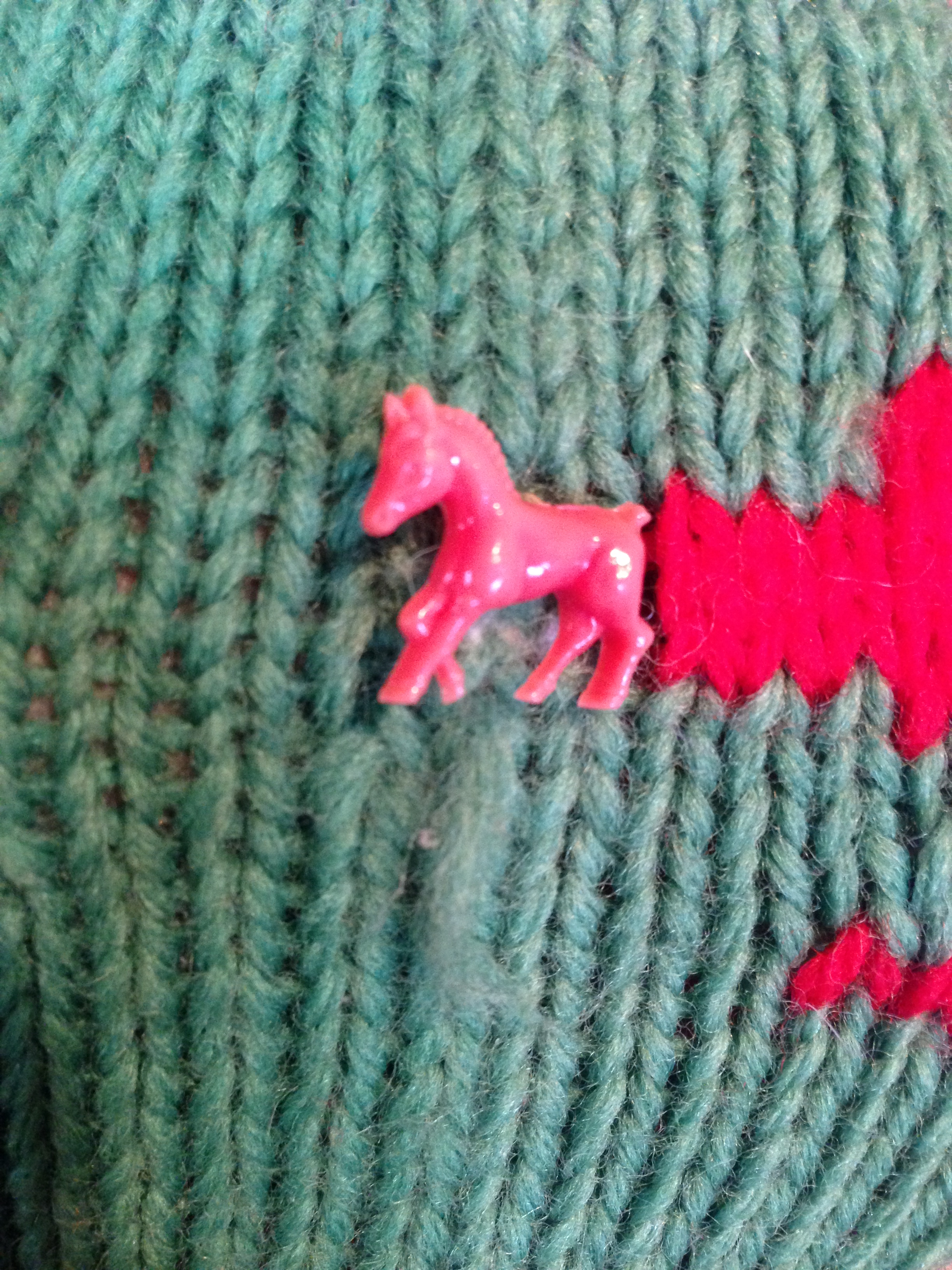
Gil remembers the fascination he felt for the tiny plastic gewgaws that decorated his stocking.
gil stocking cu

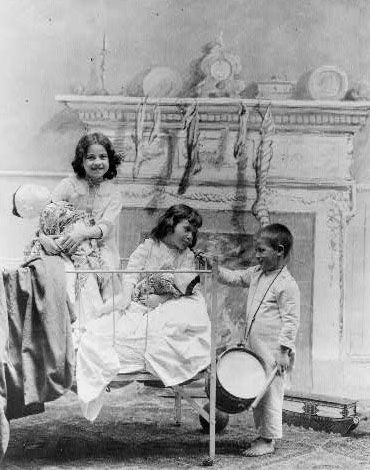
The little drummer boy with his big sisters in this 1890 shot could actually be Gil.
1890-xmas

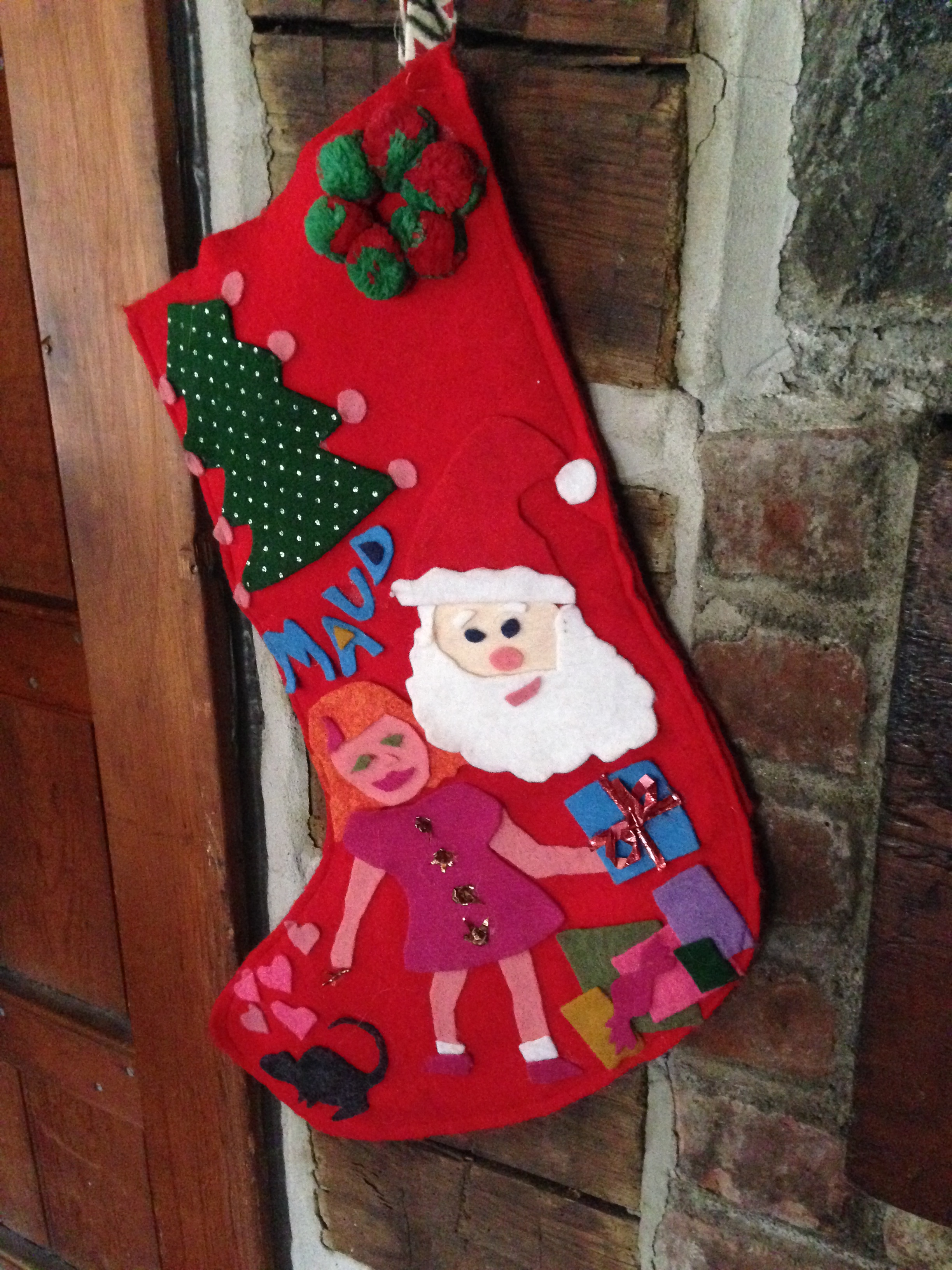
Maud must have been around three when I decided to make her a personalized stocking. I remember carefully picking out the supplies at a crafts store near her grandparents’ house, where we were staying for the holidays. With enough glue, red, white and green felt and some pompoms would surely make something. And it did.
maud stocking

For some reason a curious mouse found its way onto the toe – maybe I was thinking of the Nutcracker.  The stocking had hearts and bow-tied presents and glitter, plus the letters of her name, all the trimmings my little sprite would want to see hanging near the fireplace. The girl herself looked all grown up. It was as if I was looking into the future. The stocking, I knew, would be a keeper.

hope your stocking

6 Comments

Filed under Art, Culture, Dogs, History, Home, Jean Zimmerman, Knitting

A Grimm Tale

Recently I checked out my reader reviews for The Orphanmaster – not always a good thing for a writer to do, but Amazon makes it so easy – and after the wonderful, wonderful, wonderfuls I was stopped short by this extremely erudite criticism: Yick. One of my readers actually had to put the book down and erase it from her e-reader, she was so offended by the novel’s instances of violence and depravity.

Alright, you got me. Loving, brave Blandine and valiant, dashing Drummond and adorable little Sabine aren’t the only beings in the story. There are bogeymen lurking in the New Amsterdam shadows, crouching in the forest, maybe even hiding somewhere in your house, perhaps inside the groot kamer itself.

O-Master P-Back Cover

No one in The Orphanmaster is entirely safe. It’s our job (through the actions of the characters we adopt as our totems) to crush those towering monsters and let the light shine in for another day. There’s a crack in everything, wrote Leonard Cohen, That’s how the light gets in.

Why do some writers, like me, want to show the monsters, expose them, and crush them? Why are some people drawn to a TV gorefest like The Walking Dead? I know I am. Monsters are with us at the core of our psyches. A lot of viewers are eating up the NBC prime time show Grimm, which puts a procedural spin on nailing fairy-tale creatures.

grimm

It’s actually amazing that we manage to find anything remotely more interesting to tell stories about.

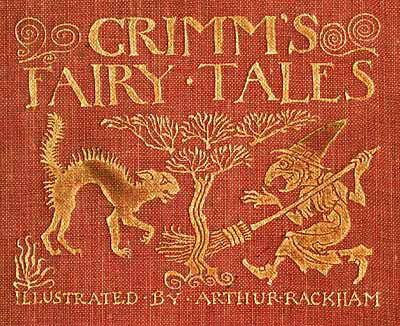
Today is the anniversary of the first publication of Grimm’s Fairy Tales. This literary landmark, originally titled Children’s and Household Tales, first appeared in Germany on December 20th, 1812 – just in time for Christmas shoppers, right?

Grimm's_Kinder-_und_Hausmärchen,_Erster_Theil_(1812).cover

Jacob and Wilhelm Grimm were not the first to publish fairy tales, but their versions enshrined the “folk” aspect of the material – the down and dirty part, the cruelty, the yick factor. The brothers went out to the countryside and collected folk tales from peasants, unsanitized, terrifying and utterly compelling.

Arthur-Rackham-Grimm-Fairy-Tales

Many of the details in the original versions of the stories were more ghastly than those we recognize from Disney – for one minor example, in the Grimms’ Cinderella, two heavenly doves help the heroine get dressed for the big ball in a gold dress and slippers – then fly down to peck out the eyeballs of the evil stepsisters.

Cinderella-(Cinderella_III)

Yick. But brilliant. The tales have found their way into 160 languages in the last 200 years. A recent translation of 50 of them by children’s writer Philip Pullman manages to be as elegant as it is gory. As far as I know, there is no witika in Grimm, no towering, green-skinned, long-fanged, cannabilistic spirit of the woods such as the being that torments 1663 Manhattan in The Orphanmaster.

wendigo_char_c1

Yick. Yum.

3 Comments

Filed under Art, Culture, Fiction, Film, History, Home, Jean Zimmerman, Nature, Publishing, The Orphanmaster, Writers, Writing

Bit by Bit

Stitch after stitch. The easiest in knitting is the knit stitch, worked over and over, row after row, dignified by its pattern name the garter stitch. Time honored and simple, it’s the foundation of sweaters and scarves all around the world. I man the couch (woman the couch?), man up (woman up?) to knit stitch after stitch, a surprise length of comfort for someone who deserves every form of it.

garter

Song after song. Pandora seems to have decided that Ella, Aretha and Etta, with a sprinkling of Emmy Lou Harris, are the mainstays of my acoustic pantheon. Which is fine, as long as Etta James sings Just a Little Bit.

I don’t want much,

I just want a little bit

I don’t want it all babe

I just want a little bit

Just a teeny weeny bit, just a itty bitty bit of your love

Flake by flake. The snowstorm hits. The snow doesn’t give a soft white damn whom it touches, wrote E.E. Cummings. That’s the twisted magic of a white winter, after all, the stuff is so impersonal, impervious, and yet we extrapolate all soft and fuzzy feelings from it. Since I was a child I’ve made snow cream: put out a pot and collect the clean flakes, then mix the white stuff with milk, sugar and vanilla for a wintry treat that’s better than ice cream, especially if you’re a red-cheeked little kid.

Tweet by tweet. You stretch your brain a little and it keeps you young. That’s how it is with me and Twitter, which I’ve been dipping a toe into and coming up sometimes with a sparkly pedicure and sometimes a crab bite. Stephen King just opened a Twitter account, got twenty thousand followers instantly. “On Twitter at last,” he offered, not fully utilizing his 140 characters, “and can’t think of a thing to say. Some writer I turned out to be.” But it all comes down less to what you have to say than to the links, one by one, you make with other people. So follow me. Or at least tweet at me, @jeanczimmerman. And while you’re at it, tweet at Stephen.

Note by note. So much of publishing books is about the relationships with people you have along the way – writers and editors, writers and bookstore people. As an author you’re a cog in a bigger, complicated machine, one whose purpose is to put great books in the hands of eager readers. So I’m writing little remember-me’s to all the friendly, supportive booksellers I met while touring with The Orphanmaster. Letting people know about Savage Girl, that it’s coming out in March, and to look for it. Feral children have always fascinated me, I’m telling booksellers.

feral child

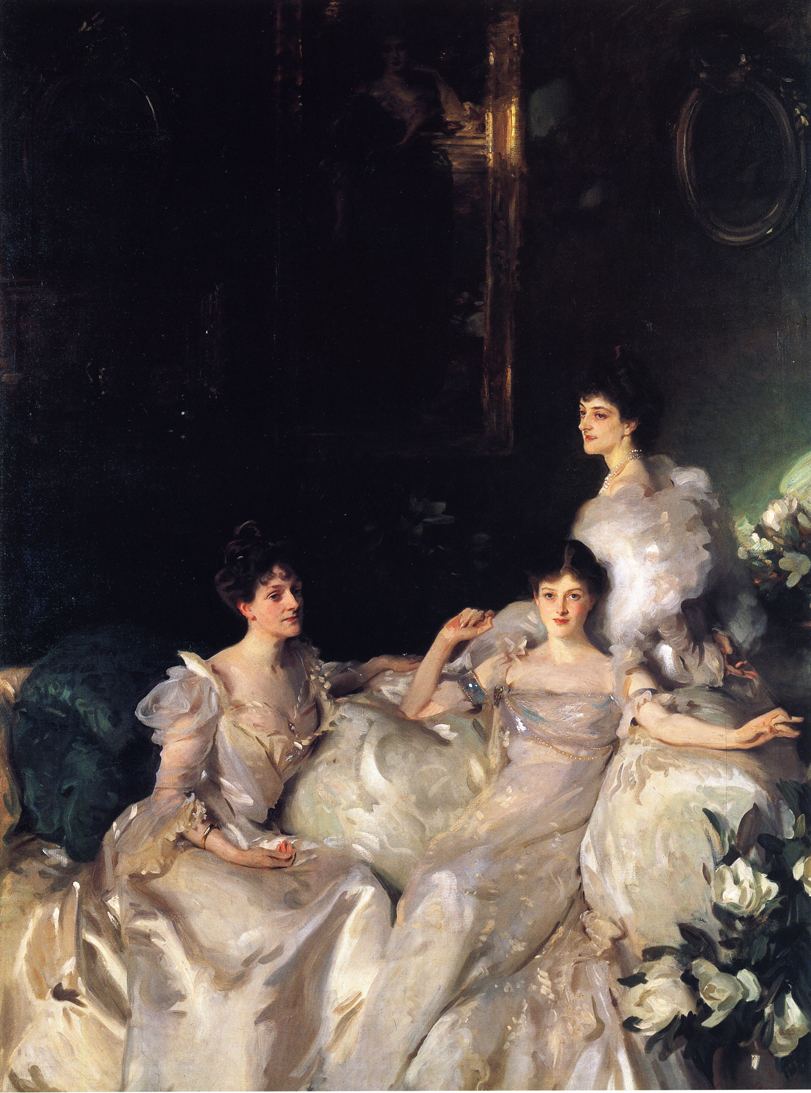
– but in NYC, in a world of Gilded Age opulence? An irresistable mashup.

the-wyndham-sisters-1899

I hope you fall for my Savage Girl, I’m telling my bookseller friends.

And little by little. The bones in my left foot are healing but won’t withstand an ounce of pressure or weight. It’s a good place to be, my couch, with my foot on a pillow, Etta on the box, a rollerball pen in my hand, knitting bag by my side, a fire in the hearth and a curtain of snow out the window. Bit by bit we move along, and today that’s just about right.

2 Comments

Filed under Art, Cooking, Culture, Fashion, Fiction, Home, Jean Zimmerman, Knitting, Music, Nature, Poetry, Publishing, Savage Girl, Writers, Writing

A Dollop of Trollope

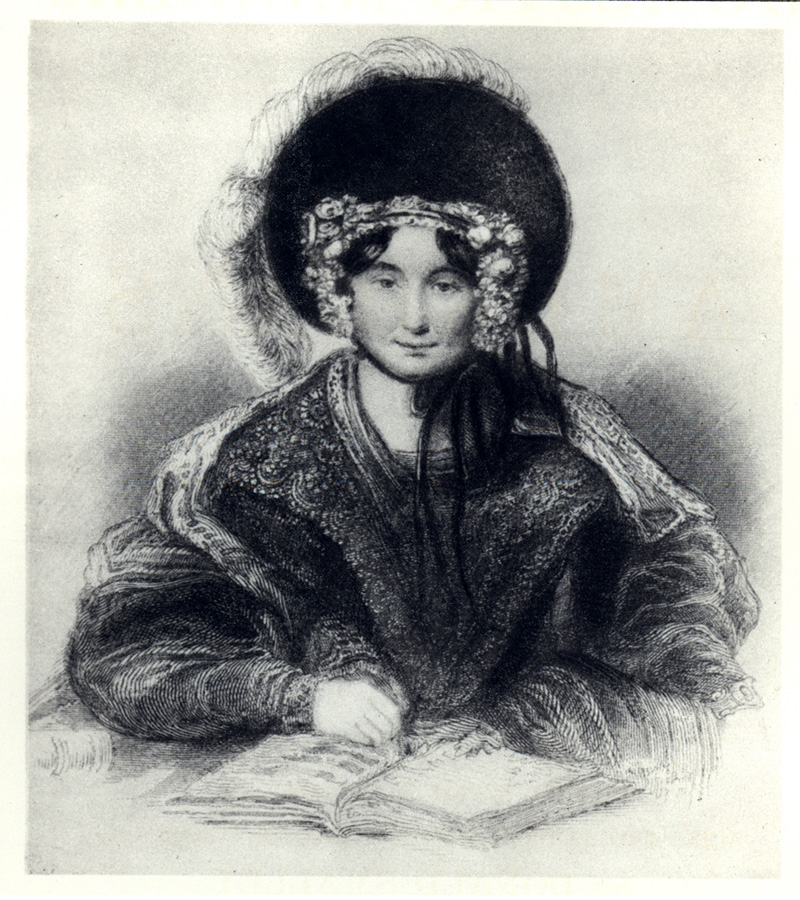
During a single month in the fall of 1831, a 52-year-old woman named Frances Milton Trollope—Fanny—labored feverishly over a book in a rotting Middlesex farmhouse. She cherished the hope her work would somehow extract her and her family from the grip of poverty. She had no experience as an author. Nothing in her past gave any hint that her writing would do anything but sink unremarked into obscurity.

Instead, a miracle occurred. Domestic Manners of the Americans became an instant, runaway success, a travel book like no other.

trollope title page

Although the term “best seller” would not be coined for another half century, some authors were already experiencing strong sales and public acclaim. In Fanny’s day, the public measured literary accomplishment in how many editions a book went through and how fast those editions flew out a bookseller’s doors. Walter Scott, James Fenimore Cooper and Lord Byron were the John Grisham, James Patterson and Stephen King of their time.

Unknown

The reading public knew these authors and waited impatiently for their latest works, whereas Fanny Trollope was anything but a household name. So it was even more remarkable that Domestic Manners, by a wholly unknown author, went through four English and four American editions in the first year alone. Shops could not keep books stocked. Domestic Manners beguiled the reading public. Fanny Trollope suddenly found herself among the most well-known figures of the day, feted, celebrated and wealthier than she had ever known herself to be. In her first year as an author, she earned six hundred English pounds, over a hundred thousand dollars in today’s money.

mrs-trollope_2

Fanny Trollope has almost totally faded from the intellectual tapestry of this country’s history — for one thing she is overshadowed by her novelist son Anthony — but to my mind that makes her only the more fascinating.

Fanny’s Domestic Manners of the Americans captured the strange, sharp-cornered realities of the bold new Jacksonian landscape of the United States. Four-hundred-and-six pages long, divided into thirty-four brisk chapters, featuring twenty-four Hogarthian illustrations in pen and ink (done by a traveling companion/protector/lover), the book took readers from Cincinnati, a boom town on the western frontier, to the raw northeastern spectacle of Niagara Falls.

a_Examining_a_Slave_for_Sale_in_Virginia_1830._Frances_Trollope_Domestic_manners_of_the_Americans_London_1832_vol._2_facing_p._18_

The author clearly hated aspects of what she had encountered in the new nation, the myriad social injustices, the denigration of women, the racism, the low taste, the filth. But Fanny Trollope loved the boundlessness of this fresh terrain. Its possibilities tantalized her, its contradictions stimulated her thinking. With this work, she opened a window upon an aspect of the United States that had never been treated before, certainly not by Tocqueville, her contemporary. For Fanny concerned herself with the everyday, the mundane, the overlooked details of American life. Readers loved getting a peek behind the supercilious, jingoistic façade to expose an earthier reality, its table manners, social niceties (and not-so-niceties), its mundane days and ways. Domestic Manners of the Americans was, beyond anything else, written with a female’s eye.

American ill.

During the course of her travels, Fanny’s shambolic entourage included her three hungry, ragamuffin children, two chronically unpaid servants and—much to the consternation of prudish observers—the French artist confederate who was her constant companion. Her arrival in Cumberland, say, a small outpost in the state of Maryland, or perhaps Wheeling, Virginia, or Washington, D.C., invariably injected a blast of the outlandish into struggling, hard-scrabble realms. The Trollope circus had come to town.

At the head of the troupe was Fanny herself, an eminently likeable but unlikely heroine, a crone Cinderella (fifty years, in that time period, qualified a woman for crone-dom), one who would play her own fairy godmother and totally transform her life. To strangers Fanny presented a strange, almost disturbing vision: a middle-aged woman with bad teeth, growing thinner by the minute via the vagaries of starvation, totally on her own, with nary a guiding male hand in evidence (a French artiste? Who—or what—was that?), loud, flamboyant, all over the place, rampaging across the rough and tumble world of the frontier.

Unknown-1

Fanny Trollope took her place as the first among a troupe of European critics of the American scene. Other observers crossed the ocean around the same time as she did, men already possessed of fame, Tocqueville and, a little later, Dickens, making their tours, literary beetles crawling across the flank of the Republic, picking at its scabs, inspecting, interpreting, judging. Fanny, perhaps more than the others, got the details right.

When Fanny toured the U.S., one thing she hated (she also despised slavery, sexism and Andrew Jackson’s vanquishing of Native Americans from their homelands) was the manners of its menfolk. The men returned the favor. One gentleman described Fanny as “singularly unladylike,” labeling her “robust and masculine” and critiquing her long walks in the pouring rain or midday sun. She was, another noted, often sarcastic. After Trollope’s visit, a “trollope” came to mean any kind of behavior the writer had lampooned–for example, the widespread practice of gentlemen hocking streams of yellow tobacco juice in their elegant theater boxes, a particular bugaboo she had. I think we should bring the term back. Fanny was the original snark, and there’s a lot to be snarky about today.

6 Comments

Filed under Culture, Fashion, History, Home, Jean Zimmerman, Publishing, Writers, Writing

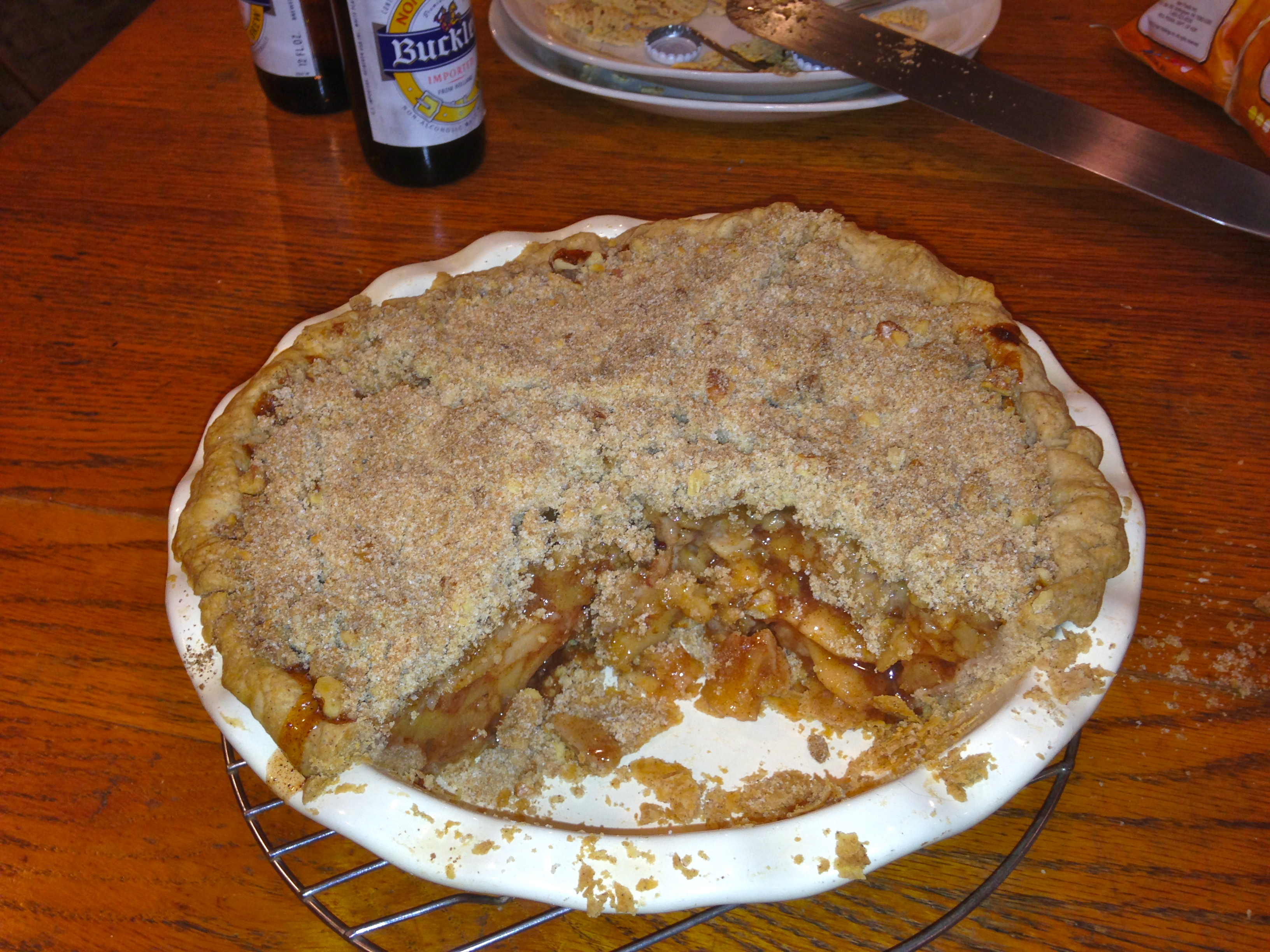
Gil’s Prize-Winning Apple Crumb Pie

Apple pie is the chicken soup of desserts. It fixes what ails you. Even if you didn’t know something was ailing you. And that is true of some apple pies more than others — Gil’s recipe for a towering crumb-top makes you lick the plate. Then you feel good, apple-pie good. His pie won first prize in a very competitive contest — I still remember Gil pumping the air with his fist when the victory was announced in the library parking lot. It wasn’t typical apple-pie behavior but it was all Gil. And his is the kind of pie that will make you want to stand up and salute. Torching the top to caramelize it just a little is optional.

BonTon Roulet Apple Pie

But before I share Gil’s recipe, a dip into history. Apple pie, you know, was not always the totem it is today. When apple pies first were baked, the outsides, called coffins, weren’t meant to be ingested. Sugar wasn’t numbered among the ingredients, it was too pricey. Still, in 1390 A.D. a recipe was devised by the master cooks of King Richard II for Tartys in Applis:

Tak gode Applys and gode Spryeis and Figys and reyfons and Perys and wan they are wel ybrayed colourd wyth Safron wel and do yt in a cofyn and do yt forth to bake well.

medieval-pie

Pies were spectacles, and apples weren’t especially spectacular. The four and twenty living blackbirds zooming out the broken top crust were not just a nursery rhyme, they were real, at least for those wealthy enough to afford a feast.

Pie

By Tudor times more sugar was available and we find another recipe for “pye,” this time with green apples.

Pies in colonial america were first called puddings. By 1759, when Swedish parson Dr. Israel Acrelius made notes on a visit to the Delaware, pie was a staple: “It is the evening meal of children.” Until European stock got established, though, American apples were crabapples.

child holding hornbook

Amelia Simmons rendered her classic apple pie recipe in the 1796 cooking bible American Cookery. With its cinnamon and sugar it sounds contemporary, but the inclusion of rose-water was a throwback to the middle ages.

Apple pie became a compliment in 1590, when poet Robert Green praised a lady in a piece called Arcadia. They breath is like the steame of apple-pyes. That might make a good pick up line even today.

cooking kitchen

A century or so latter Apple Pye itself is praised by poet William King:

Of all the delicates which Britons try

To please the palate of delight the eye,

Of all the sev’ral kings of sumptuous far,

There is none that can with applepie compare.

Gil’s BON-TON ROULET APPLE CRUMB PIE

Special ingredients: Northern Spy apples, Tipo “00” flour, Ceylon cinnamon, Stone Hill Farms leaf lard

Oven at 350

Crust:
2 1/2 cup flour (mix of Tipo 00 and regular)
2 tspns cinnamon
1/2 tspn salt
2 sticks butter (the high-fat European-style stuff)
1/4 cup lard (I got my hands on some leaf lard, but the faint of heart can use shortening)
1 tspn vanilla
5 tbs ice water

Filling:
3 lbs-plus apples (tart ones, I used Northern Spy, Cortland are good too, in a pinch Granny Smith)
Juice of one lemon
2 tspns cinnamon
½ tspn nutmeg
½ cup sugar
3 tbs arrowroot or cornstarch

Topping:
1/2 cup walnuts crushed
1/2 cup brown sugar
1/2 cup sugar
1 cup flour
Half stick melted butter

Crust: Mix dry ingredients, cut in butter and lard, add vanilla and sprinkle in ice water until you can gather the dough into a ball. Chill, flatten ball slightly and roll out flat with rolling pin. Use a greased nine-inch pie pan — you’ll have extra, but make a generous edge. Bake for 30 minutes (pie weights or beans on wax paper or greased aluminum foil will keep bottom crust flat).

Filling: Toss peeled, thinly sliced apples with lemon juice. Combine with dry ingredients and mix well. Bake for 30 minutes, stirring every ten or so.

Assembly: Pour partially cooked apples into partially cooked crust. Mound apples up in the center of the pie. Mix topping ingredients together and mound on top of pie, spreading it around to edges.

Bake assembled pie for another 30 minutes and remove to a rack.

Suggested soundtrack: Sixties top-forty pop (Kinks, Animals, Tommy James, ? and the Mysterians, Hollies, Strawberry Alarm Clock)


3 Comments

Filed under Cooking, Culture, History, Home, Jean Zimmerman, Poetry

To the Lighthouse

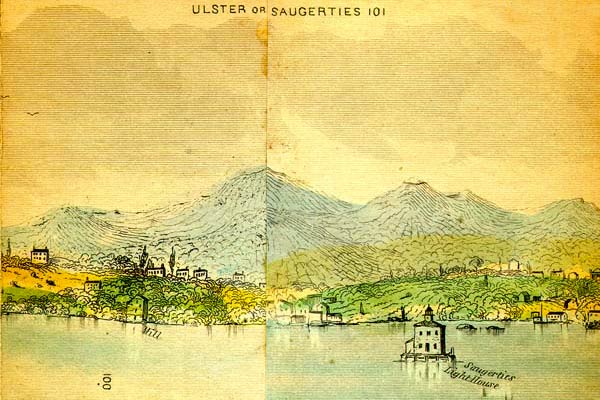
Recently I visited the Saugerties Lighthouse, a time-worn red brick structure that has stood just off the shore of the Hudson at the mouth of Esopus Creek since 1869. It replaced the original fire-decimated one built in 1835 — engraved by William Wade, who produced a remarkable picture of the length of the Hudson from New York to Albany.

SLH_historicdrawing_600x400

Its grand days past, its light automated, the Saugerties Lighthouse fell into disuse in the 1950s but was restored and put on the National Register of Historical Places in 1979. In 1990 it was officially recommissioned with a solar-powered beacon.

Saugerties Lighthouse

Most amazing, it’s the only lighthouse along the river that also serves as a bed and breakfast. If you’re lucky enough to book a spot, you can fall asleep listening to the Hudson’s waves slap against the structure’s massive, circular stone base.

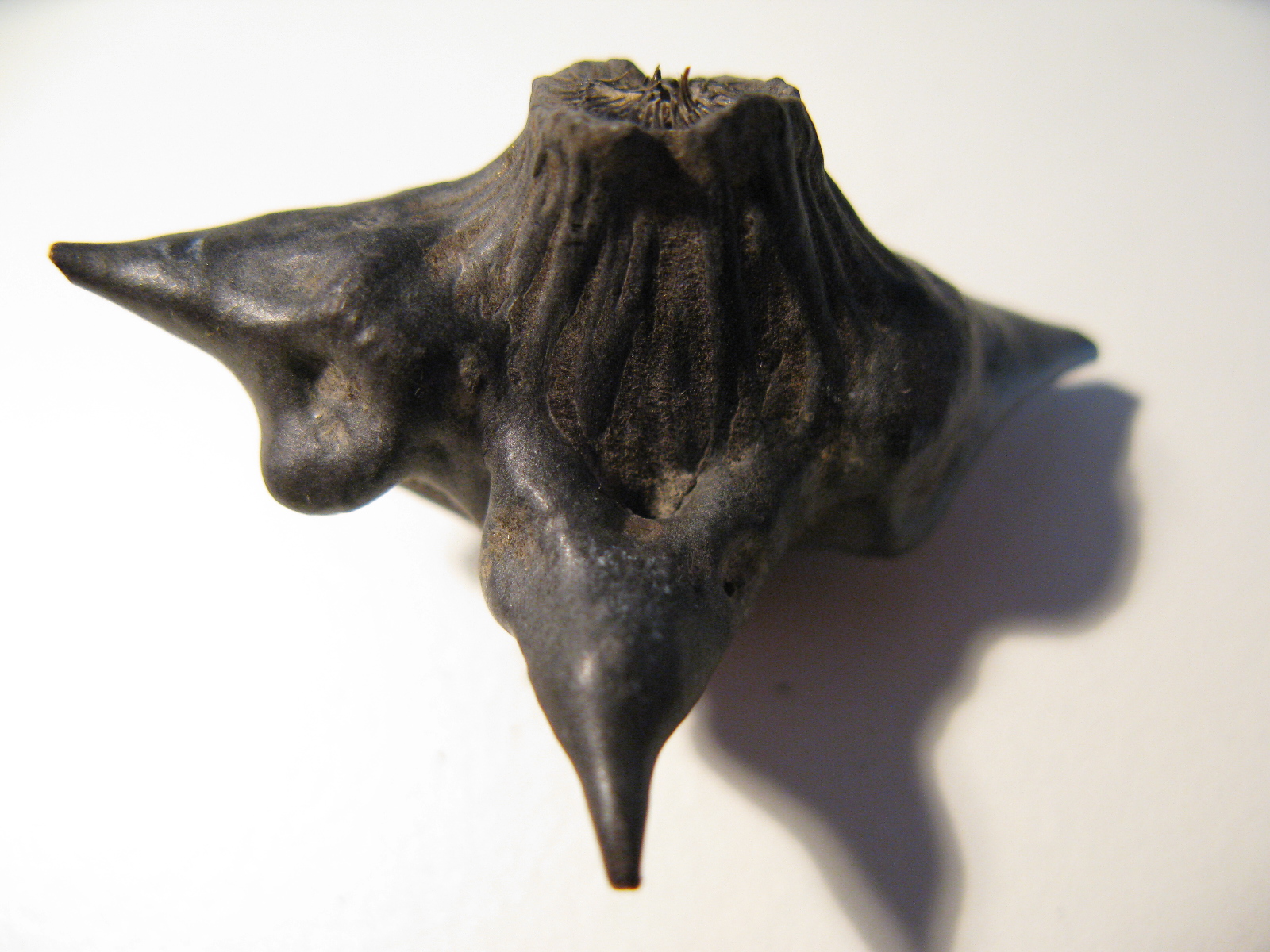
When we visited, we wound down half a mile along the shore, through wetlands and over wooden bridges, to get to the jetty that led out to the lighthouse. Water chestnut pods lay at our feet in abundance, drifts of them. like the black and spiny ectoskeletons of tiny prehistoric monsters,.

chestnut

It was a damp day, chilly and foggy. The river spread out all around.

misty Hudson

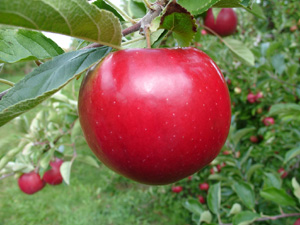
I used to live along the same stretch of river as the lighthouse, a half hour further south, in Ulster Park. In the middle of an apple orchard. The farmer who owned the trees favored McIntosh apples but there were a few stretches of the storied Ida Reds, a deep crimson on the outside with snow-white meat. As good in the hand as they were for the pie. The arthritic limbs of the trees were probably forty or fifty years old and stood massed in winter under a hush of snow that was a kind of bookend to the white pink blossoms of early spring. The Hudson Valley had been a majestic apple growing region for hundreds of years.

idared

We would walk down a winding hill along River Road to the beach on the Hudson and collect water chestnut pods, strewn here across the mud flats as they cover the beach at Saugerties. It was said that the bay at Esopus once was meadow, grazed by cows. Cows in the river. Imagine. There was a lighthouse, the Esopus Lighthouse, that was distinguished by the image of a cat in one window.

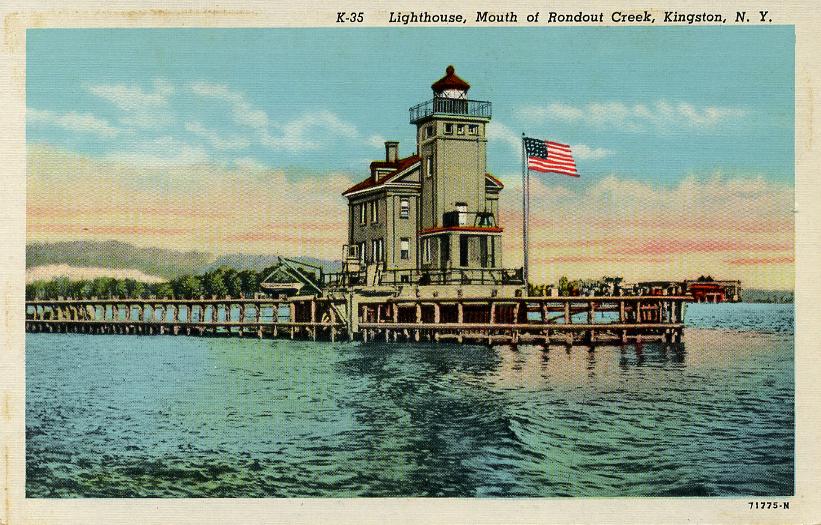
These lighthouses are concrete evidence of a much different time on the river. They guarded against wrecks when Kingston became a bustling riverport in the nineteenth century. Kingston had its own lighthouse since 1837; one of its first keepers was a woman named Catherine Murdock. She stayed in service for 50 years.

RONDOUT

In 1826, lighthouses started going up along the river. Eventually there were 14. Today, conservationists have preserved seven. The most famous perhaps, featured in a children’s book, is the little red lighthouse beneath the George Washington Bridge, which was deactivated when the blazing lights of the span made it superfluous in 1947 but can still be visited. Farther north are the 1883 Lighthouse at Sleepy Hollow, the oldest one, at Stony Point, the Esopus Lighthouse and the one at the Rondout in Kingston. The Hudson-Athens Lighthouse farther north has been guiding ships safely since 1874. Its fog bell is one of the last remaining on the river.

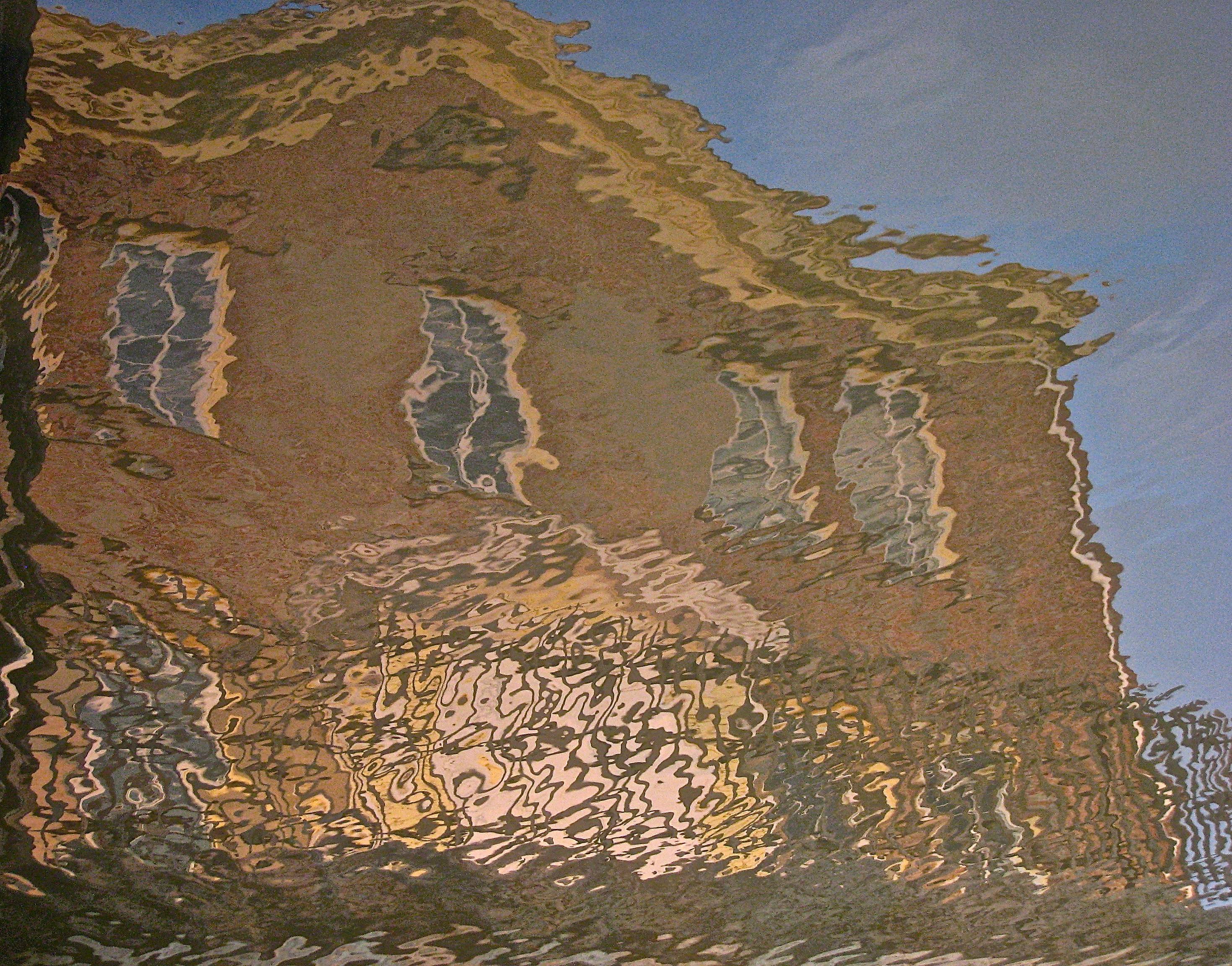
lighthouse reflection

I wass mostly silent at Saugerties Lighthouse when we visited. The tides tossed up mysterious objects.

beachcomber Pete

Sometimes you can find a kind of conglomerate of pulverized shells (probably clam) and mud that hardens into a rock, similar to what is called coquina on the beaches of St. Augustine, Florida, that the Spanish built forts out of.

coquina

If you get to stay overnight at the Saugerties Lighthouse, you can do some beachcombing after your coffee in the morning.

4 Comments

Filed under Art, Culture, History, Home, Jean Zimmerman, Nature

Some Odd Fellows

A guest post from writer Peter Zimmerman:
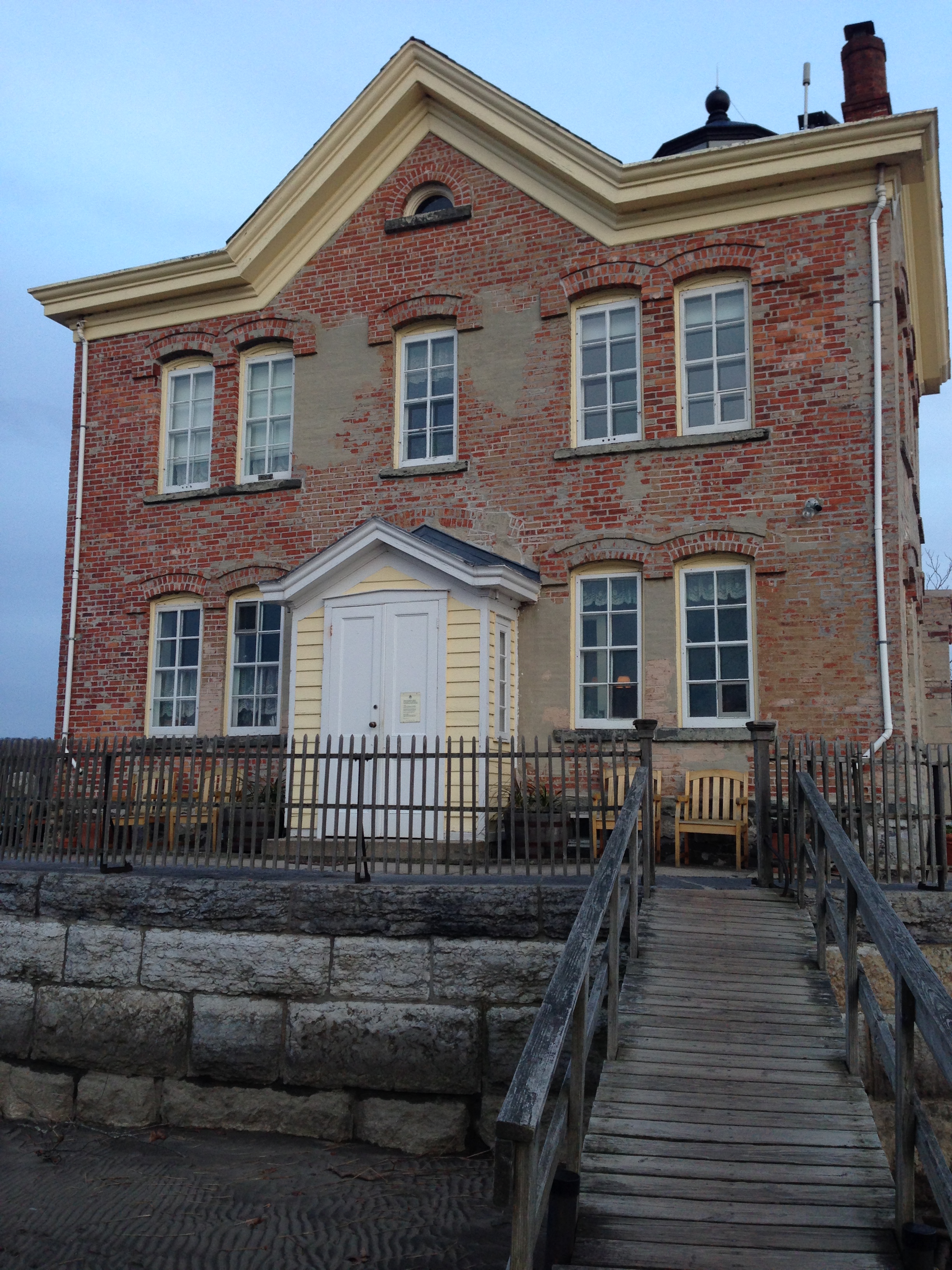
A couple of weeks ago I moved into an old brick building circa 1880.
pic 1
It’s in one of those little sleepy Hudson River valley towns not far from where Rip Van Winkle dozed off…….
pic 2
It turns out that it used to be an Odd Fellows Hall. Over the past 16 months I have lived in four different houses and apartments, in three different counties — and it feels like the Odd Fellows have been following me around, wherever I go!
Apparently the Odd Fellows used to meet in the fourth floor of the building. Having often worn the lampshade on my head, I’d like to become an Odd Fellow, officially, but Jerry says they’re not accepting new members.
pic 3
Many of the Odd Fellows are literally dying out. Hardly any of them are my side of 80.
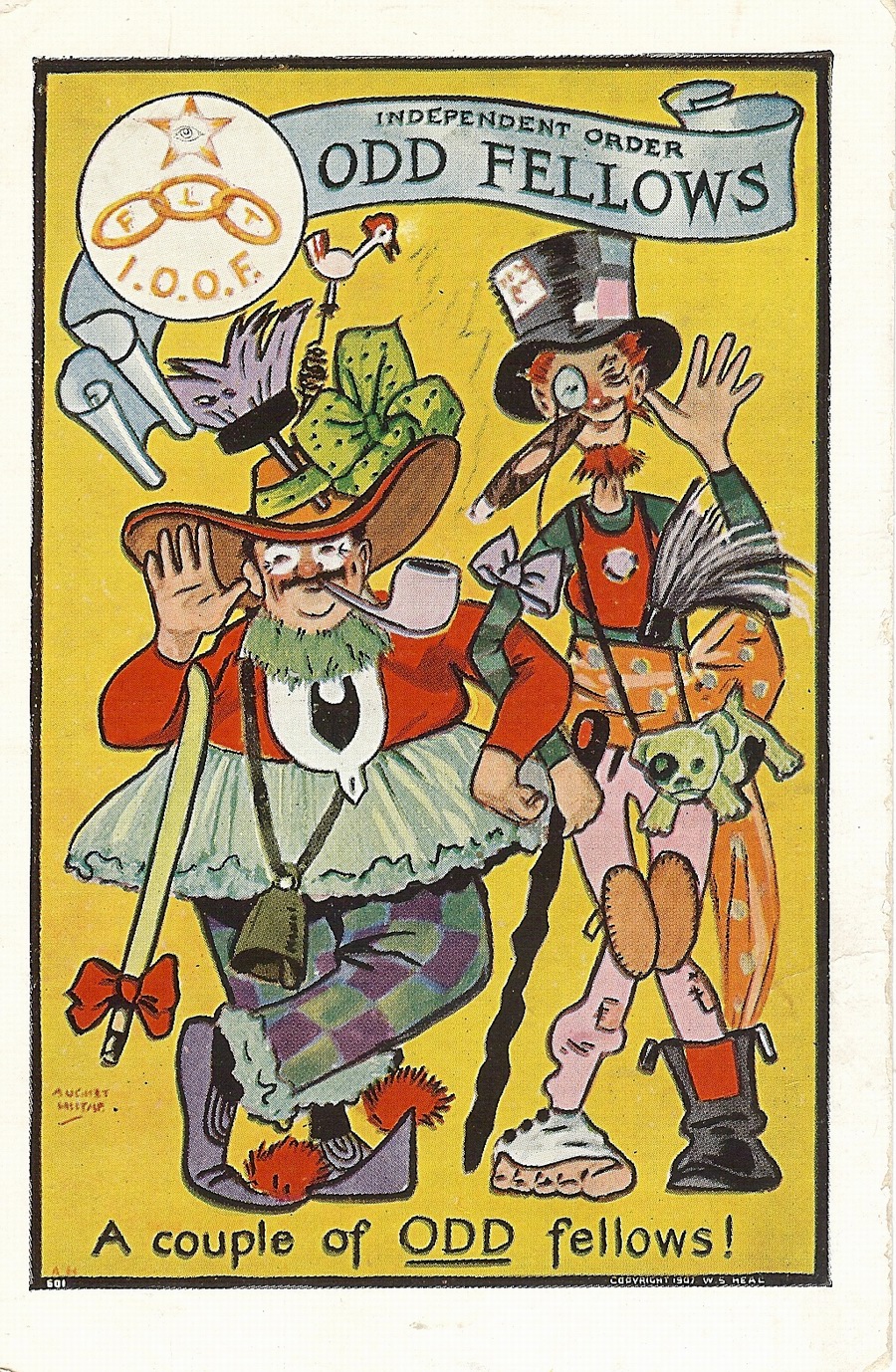
This fraternal organization has existed since 14th-century England — some date it back to the Sixth Century. It spread to America in the 1700s. Like the better-known Elks, Moose, and Masons, they have many secret beliefs and customs. Aside from just being Odd Fellows, their primary purpose is raising money for various charities.
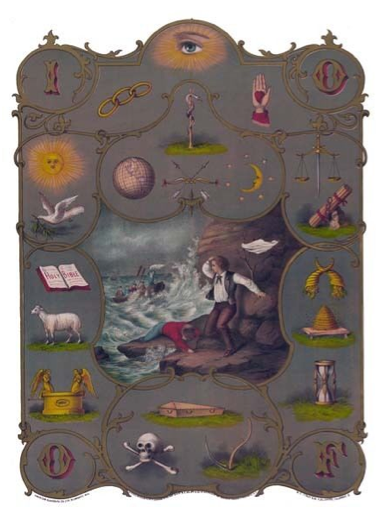
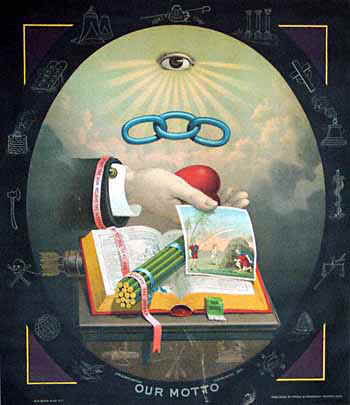
Here’s one of their “degree charts.”
pic 4
pic 5pic 6
The Order is also known as “The Three Link Fraternity”, referring to the Order’s “Triple Links” logo – three links contain the letters F, L and T, (Friendship, Love and Truth).
Friendship_love_and_truth
You can buy antique Odd Fellows clothing and gear from eBay, some of it for surprisingly cheap.
pic 7
A ceremonial collar…
pic 8
… and ceremonial club
pic 9
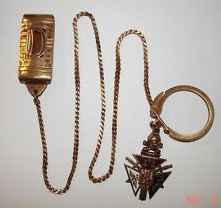
A belt watch.
pic 10
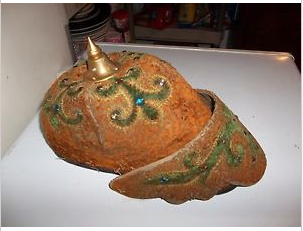
Spiked helmet hat.
pic 11
A fraternal mask.
pic 12
The name “Odd Fellows” arose because, in England’s smaller towns and villages, there were too few Fellows in the same trade to form a local Guild. The Fellows from a number of trades therefore joined together to form a local Guild of Fellows from an assortment of different trades, the Odd Fellows.
Famous Odd Fellows have included King George IV, Winston Churchill, Levi and Matilda Stanley — King and Queen of the Gypsies — and George Harrison’s and Ringo Starr’s fathers.

5 Comments

Filed under Art, Culture, Fashion, History, Home, Jean Zimmerman

Hudson River Haunts and Hustlings

For my whole life I’ve lived up and down the Hudson River, in Hastings, in Ulster Park, in Ossining. New York City crouches on its shoreline, and I lived there for twenty years. The Hudson happens to be my favorite river in the world – although to be precise it is an estuary.

I’ve written about its history, in both nonfiction and fiction — about the rubble-stone house of Margaret Hardenbroeck, in Yonkers, about Blandine berry-picking on a Manhattan bluff, and other people whose lives I placed against this magical backdrop. But I haven’t just told stories about a place. I’ve lived it.

I was thinking about some of the things I’ve actually done along the Hudson’s reaches. What helped me in my imaginings. How the Hudson Valley has informed my life.

I’ve taken a canoe out through ancient marshes at the river’s edge. Had picnics along its shores. Dined in fine restaurants. Rode a bike. Collected beach glass.

sea-glass-on-the-beach

Kissed. Thrown sticks for a swimming dog. Gone swimming myself. Taken the train, that glorious route down the river’s eastern flank. Snoozed on that train and missed my stop.

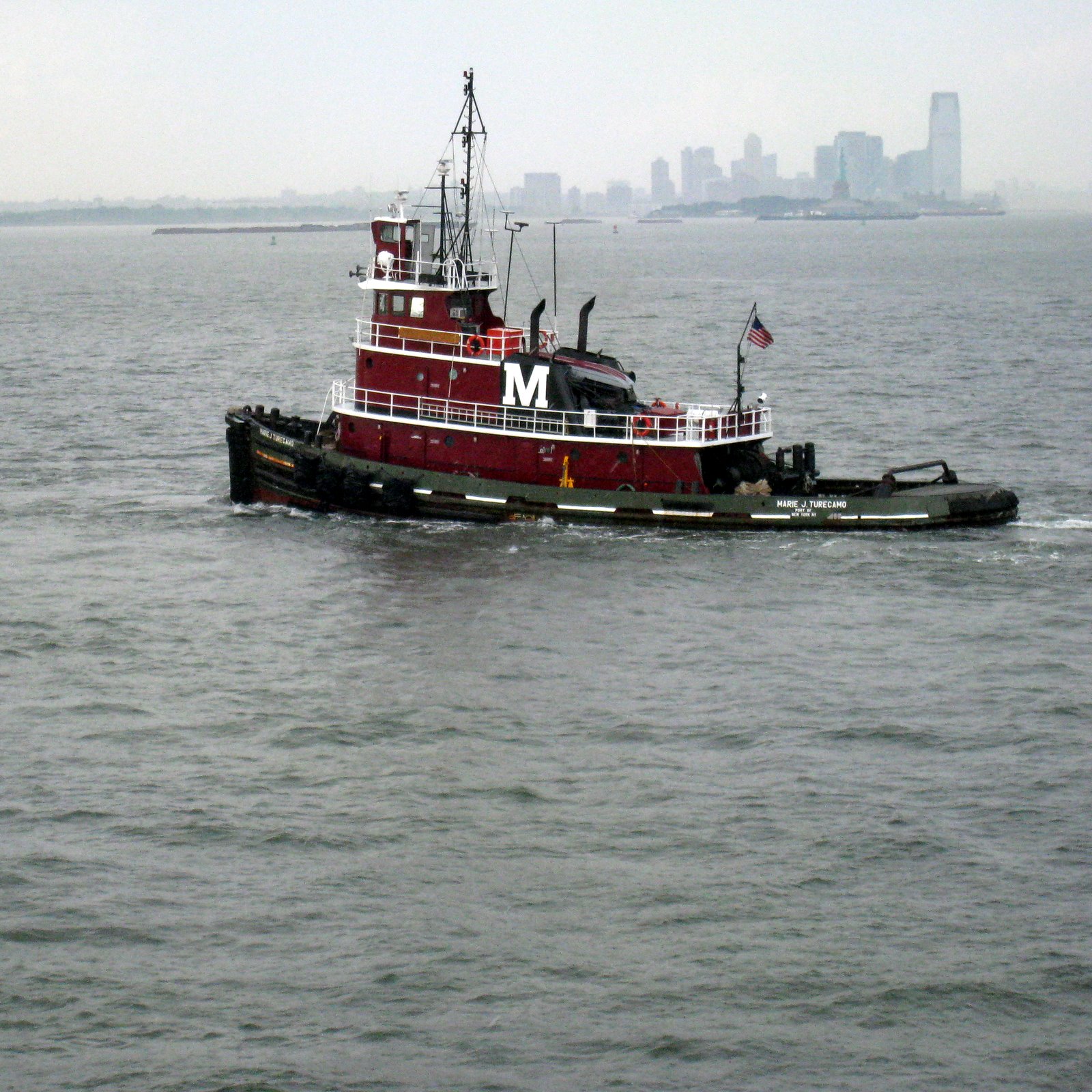
Watched fisherman pull out catfish. Careened along the Henry Hudson Parkway above the river in a series of second-hand cars. Visited a yacht house in winter, warmed by a wood stove. Hitched a ride on a tugboat.

tug

Walked the George Washington Bridge–it sways terrifically. Learned to hula hoop.

Peter hula

Heard blasting rock and roll concerts on ancient piers. Wandered a factory ruin from the nineteenth century. Did I mention throwing a stick for the best cattle dog in America?

Sugar

Saw fireworks explode up from every little Catskills town down the river’s length one Fourth of July. We sat on an escarpment far, far above the river coursing below.

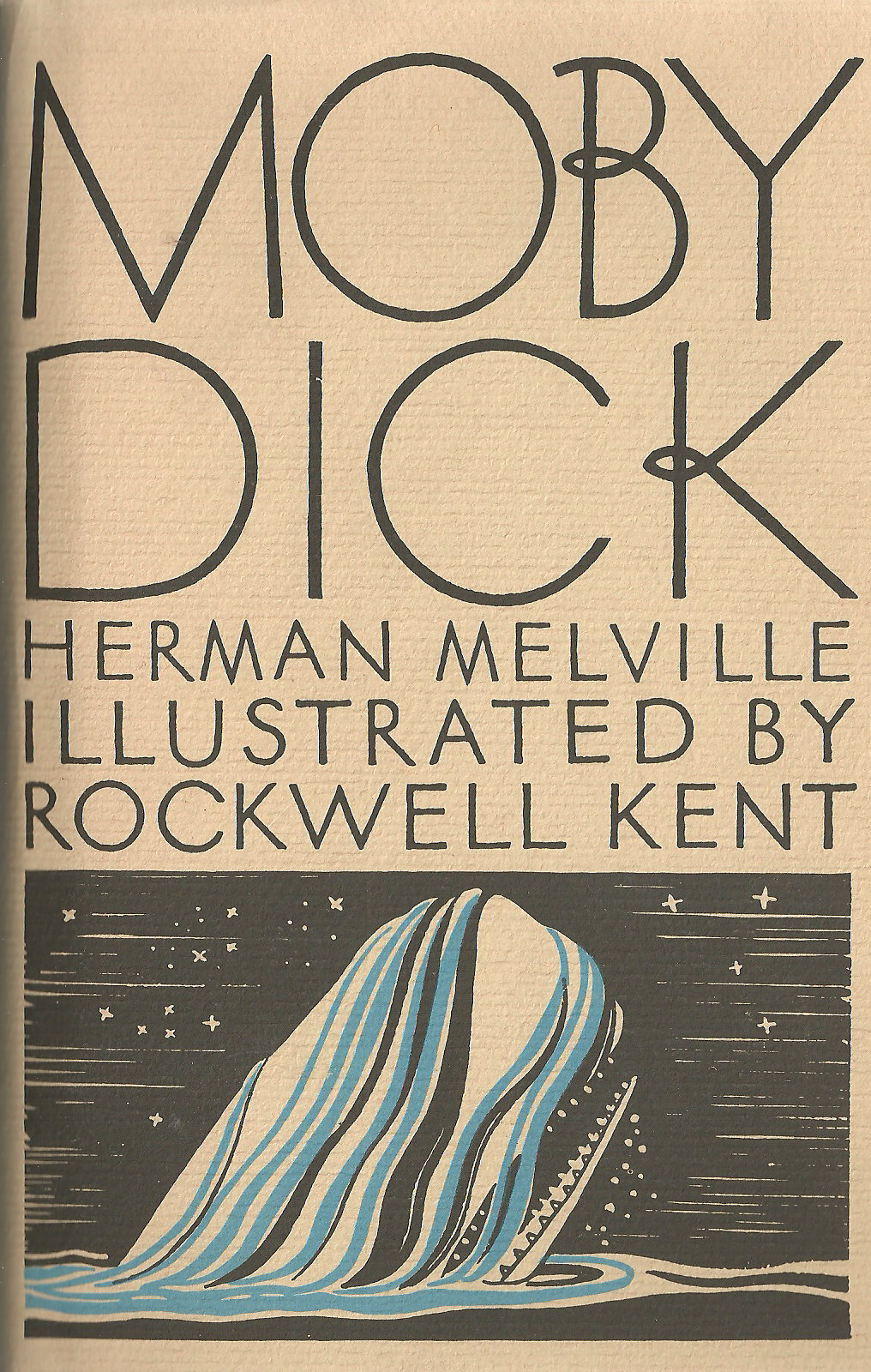
As an adolescent, I read classic books in a library overlooking the water.

moby-dick-rockwell-kent-illus

Later, bought paperbacks at library sales. Talked about my own books in library all-purpose rooms.

Watched my three-year-old get gleefully wet under a sprinkler at a city park in Manhattan’s Upper West Side. Devoured garlicky Dominican mofungo at a lunch counter a block from the water in Sleepy Hollow.

Hiked the Breakneck Ridge Trail, which rises 1,250 feet in a three-quarter mile stretch and hovers over the river as it winds. Experienced vertigo and rapture at one and the same time.

SONY DSC

Admired thousands of sunsets.

Praised the mighty Palisades. Daydreamed. Considered the water’s surface, olive green, deep black, cobalt, covered in crashed-together ice floes. Seen eagles ride the ice floes (an untruth – I’ve always wanted to, it’s in my bucket, but I never have managed it).

eagles-on-ice-018

Admired art on walls with river views. Experienced the unicorn tapestries, in awe. Taught children to make art. Touched cattails. Bought hanging plants from Garden Club ladies. Watched my teenager kill it in soccer games on a field watched over by the Palisades. Stood on the porch of Washington Irving’s stucco cottage, Sunnyside, imagining the 1840s river the way he must have seen it, appalled when the railroad went through.

sunnyside_and_hudson-300x225Skipped stones, clumsily. Never could master that. Threw a stick for a dog. Considered the white-tailed deer swimming across to New Jersey – diaries describe the phenomenon in the seventeenth century. A long time back, but a drop in the bucket for the old, bountiful Hudson.

What have you done along the Hudson–or your own personal favorite river? Leave a comment, will you?

12 Comments

Filed under Art, Cooking, Culture, Dogs, Fiction, History, Home, Jean Zimmerman, Music, Nature, Publishing, The Orphanmaster, Writers, Writing

Witch-Healers and Bonesetters

Returning home with my foot in a plaster cast–yes, the time arrived for further surgery, the other foot dropped, so to speak, but now I’m an old pro–all I could think was what if I injured that limb a couple of hundred years ago? What if I didn’t have Dr. Voellmicke, the finest doctor in the land, to set my metatarsal bones with metal screws? What would happen to my life? Would I be consigned to a rocker by the fire–or, worse, a harsh straight-backed colonial chair– an endless ball of wool and a pair of wooden sticks in my lap? Lots of mittens, but a pretty limited life for a formerly active woman.

1764 John Singleton Copley (American colonial era artist, 1738-1815)  Mrs_ Samuel Hill, nee Miriam Kilby Thyssen Bornemisza Mus Spain

Instant crone-ness. Not too happy.

I took another look though at medicine back before men got hold of “physick” in the nineteenth century to see if I was correct.

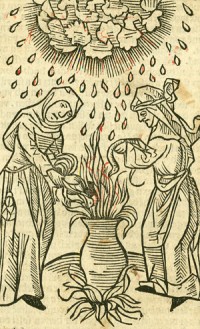
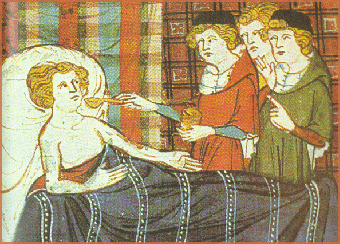
Women were the healers, you know, for thousands of years. Back to the Middle Ages, witch-healers produced incantations and charms that were broadly sanctioned, like prayer, adding in remedies and painkillers, digestive aids and anti-inflammatories.

medieval_witches

People relied on these women’s preparations. Sanctioned, yes, until they weren’t. The witches who were lay healers were hunted down in the thousands and roasted or otherwise tortured and killed. These were the doctors of their day!

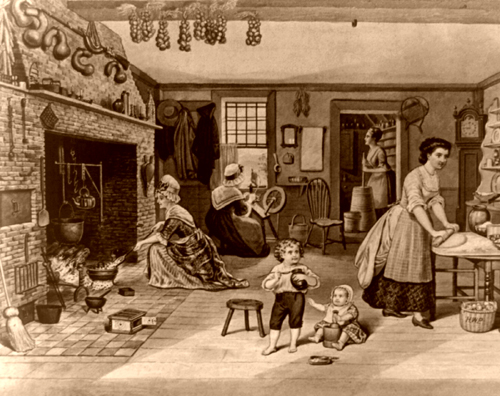
In America by the eighteenth century, the period that interests me because I’m researching the Revolution for a novel, the situation for healers was a little more respectful. (Yes, I know, Salem, but that was aberrant.) Sometimes a couple would go into medical practice together, the husband handling the surgery and the wife, the gynecology and midwifery, eveything else shared. Hang out a shingle, man and woman laboring in the same field (much as they might in an actual field). That’s a familiar idea, and I can tell you from the vantage of a writer-writer household that it can be the bomb.

Colonial Women, 1876, H. W. Pierce-500

In the 1700s, sometimes a young woman would go into the healing business on her own after apprenticeship with a husband/wife team. A good idea for a character in a novel, don’t you think? One real person, Harriet Hunt, one of our country’s first female doctors, got her start caring for a sick sister, then worked for a husband-wife practice, then treated patients on her own.

doctors

These independent women favored herbal medications, dietary changes and a fantastic bedside manner. As opposed to the book-learned doctors who received their certification in London in the 1800s — they laid on “heroic” measures. Huge doses of laxatives, for example. Calomel, which caused patients to bleed from the gums, salivate uncontrollably, and evacuate without restraint. Opium. Massive bleeding–George Washington died in 1799 of a throat infection after his three physicians drained his body of nine pints of blood in twenty-four hours. Or the now forgotten “tractors,” a pair of metal instruments, one gold, one silver, that were supposed to draw off the electrical fluid at the root of suffering. These guys killed their patients.

quack_tractor

But could a woman or a man in those times fix a fracture? Yale University’s Rebecca Tannenbaum published a  book on the subject of women and medicine in early New England titled The Healer’s Calling. She describes a 1760 case in which one Ebenezer Parkman got caught under a load of falling firewood. According to the injured man’s diary, the neighbors sent for Mrs. Parker, the local “doctoress” who was known as a bonesetter. She arrived with her apparatus for putting bones back in place, her splints and bandages. Bedside manner, check: a week later she returned to the Parkman household to see the patient and change his leg bandages.

Parents in New England were no doubt inordinately proud not only of “my son the doctor” but “my daughter the doctoress.”

2 Comments

Filed under Culture, History, Home, Jean Zimmerman, Knitting, Nature, Publishing, Writers, Writing

The Spirit of Sinterklass

The Orphanmaster offers a glimpse into Christmas on Manhattan,1660s-style. Or, since the preponderance of colonists hail from the Netherlands, a glimpse into Sinterklass, the Dutch festival of St. Nicholas, which arrives on December 6th. Because we’re talking about The Orphanmaster, everything in this particular holiday season is not all sugar cookies.

Here is a passage from the novel:

Sinterklass—Santa Claus or Saint Nicholas—came to New Amsterdam in early December, arriving with a ship that sailed all the way from Patria laden with toys and other gifts. Children laid out their shoes on the hearth the night of December 5th. The next morning, they would find them filled with nuts, sweets and, for a fortunate few, gold coins.

Sinterklass himself rode slowly down the Broad Way and along Pearl Street on a stolid white mare, fairly gleaming in his long, draping robe, pearly beard and tall red bishop’s hat and mitre, brandishing a golden crosier with a curled top. He had apples for everyone, hard candy, frosted nuts.

Sint op het paard

But these treats were only a precursor to the grand feast celebrated the following day, December sixth, when wealthier colonists served roast goose and potatoes and kool slaw drenched in vinegar and melted butter. Sinterklass was the patron saint of children, doling out gifts to the well-behaved, though everyone got their fair share regardless of how naughty they had been.

Each child knew the story of the three little orphans during a terrible famine, how a malicious butcher lured them into his house, slaughtered and carved them up, then placed their remains in a barrel to cure, planning to sell them off as ham. Saint Nicholas resurrected the three boys from the barrel by his prayers, bringing the orphans magically back alive through the power of faith.

The spirit of the season ruled New Amsterdam between the Feast of Sinterklass on the sixth and Kerstydt, Christmas, on the twenty-fifth. Director general Peter Stuyvesant, who made clear his disgust with any drunken carousing during the holidays, yet made his Great House ablaze with candles and invited colonists in to dance in the entry hall.

But the mood this year was on the whole muted. Murder dampens the spirit…

2 Comments

Filed under Cooking, Culture, Fashion, Fiction, History, Home, Jean Zimmerman, The Orphanmaster, Writing

The Spirit of Electricity

I finally saw “The Spirit of Electricity,” the costume worn by Mrs. Cornelius Vanderbilt II at an outrageous fancy dress party she gave with her railroad tycoon husband that was one of the highlights of the Gilded Age in New York City. Textiles perish, and you don’t often get to see the famous gowns of the past. Mrs. Vanderbilt was always going to be a static image on a photo card, fetching but more than a little cracked.

Mrs. Cornelius Vanderbilt II

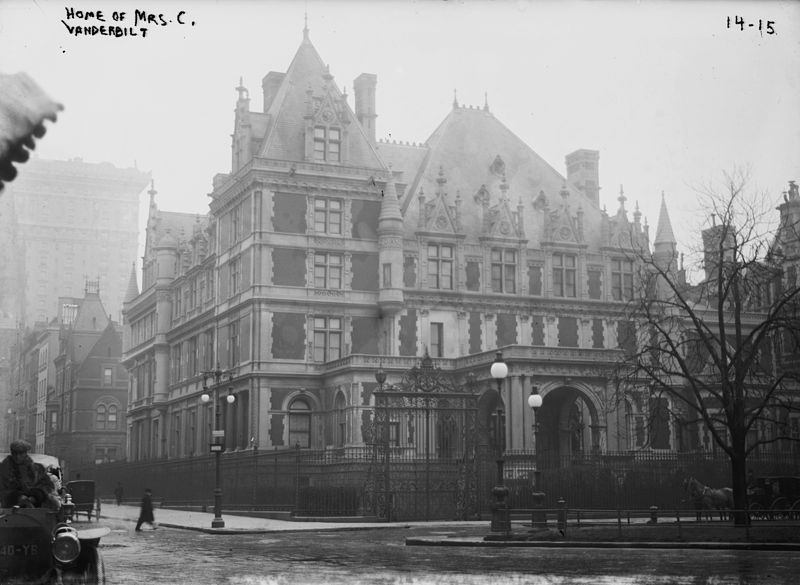
Born Alva Erskine Smith, Mrs. Vanderbilt orchestrated the ball in 1883 to christen the new lodgings erected for the couple at 1 West 57th Street. Theirs was the largest house ever built in Manhattan. In staging one of the most elaborate balls of the time, Alva assured the Vanderbilt family a perpetual place on Mrs. Astor’s 400, the list of New York’s social elite.

The New York Times covered the party perhaps less objectively than it would today. “The Vanderbilt ball has agitated New-York society more than any social event that has occurred here in many years,” read the article that ran the day after, on March 27th. “Since the announcement that it would take place…scarcely anything else has been talked about. It has been on every tongue and a fixed idea in every head. It has disturbed the sleep and occupied the waking hours of social butterflies, both male and female, for over six weeks, and has even, perhaps, interfered to some extent with that rigid observance of Lenten devotions which the Church exacts.”

In advance of the evening, quadrilles were relentlessly practiced, costumes were tailored, quantities of hair powder were  laid in. The party was a showstopper. The Times reporter exclaimed about the “garden in the forest” where guests took their supper, and the phalanx of cops that kept gawkers at bay outside the mansion as carriages began to arrive after 10:30 or so. We have no pictures of the hordes with their noses pressed up against the windows, but the fashionables inside had their images captured for posterity by society photographers.
Mrs. Elliot F. Shepard

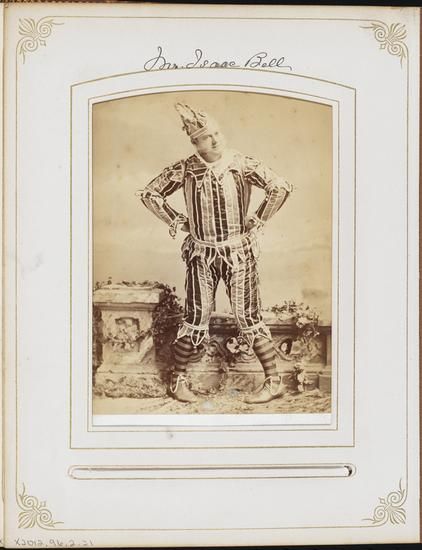
Each guest’s getup was wilder than the next.

Mr. Isaac Bell

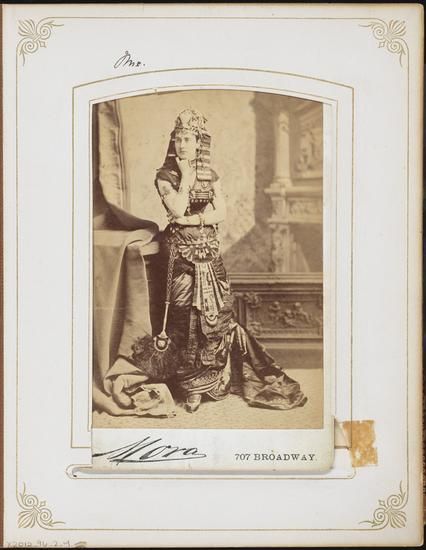
Jesters, Romams, Mary Antoinette, the Four Seasons – it was a motley group.

Mrs. Arthur Paget

I thought that the souvenir photos were all that remained of the event.

Then I visited Gilded New York, an exhibit that is currently on display at the Museum of the City of New York. The show includes the decorative arts, some paintings and some fashion. Yes, the end of the nineteenth century is big in Manhattan at the moment, with this enterprise and Beauty’s Legacy: Gilded Age Portraits in America at the New-York Historical Society. If you are a fan of ostentation, now is the time to put aside workaday worries and immerse yourself in a level of excess that is hard to fathom today.

The items on display were those that would have figured big in ball culture. Images of the grand Fifth Avenue houses set the stage, most long torn down, commissioned for the new industrial elites. By 1892, 27% of the nation’s millionaires lived in New York City, more than 1,100 of them.

Many of their mansions, like the Vanderbilt house, had a castle-like, European flavor. The structure where the 1883 ball took place was a model for the immense confection inhabited by the Delegate family in Savage Girl.

Vanderbilt home

With their newfound wealth, the millionaires bought jewelry at Tiffany, gold, enamel, diamonds, emeralds and sapphires. But they also went to Tiffany for other accessories, like this card case made of frog leather in 1900.

frog case

They had a taste for the over the top, like a decanter and cup fabricated of Murano Glass.

Murano glass

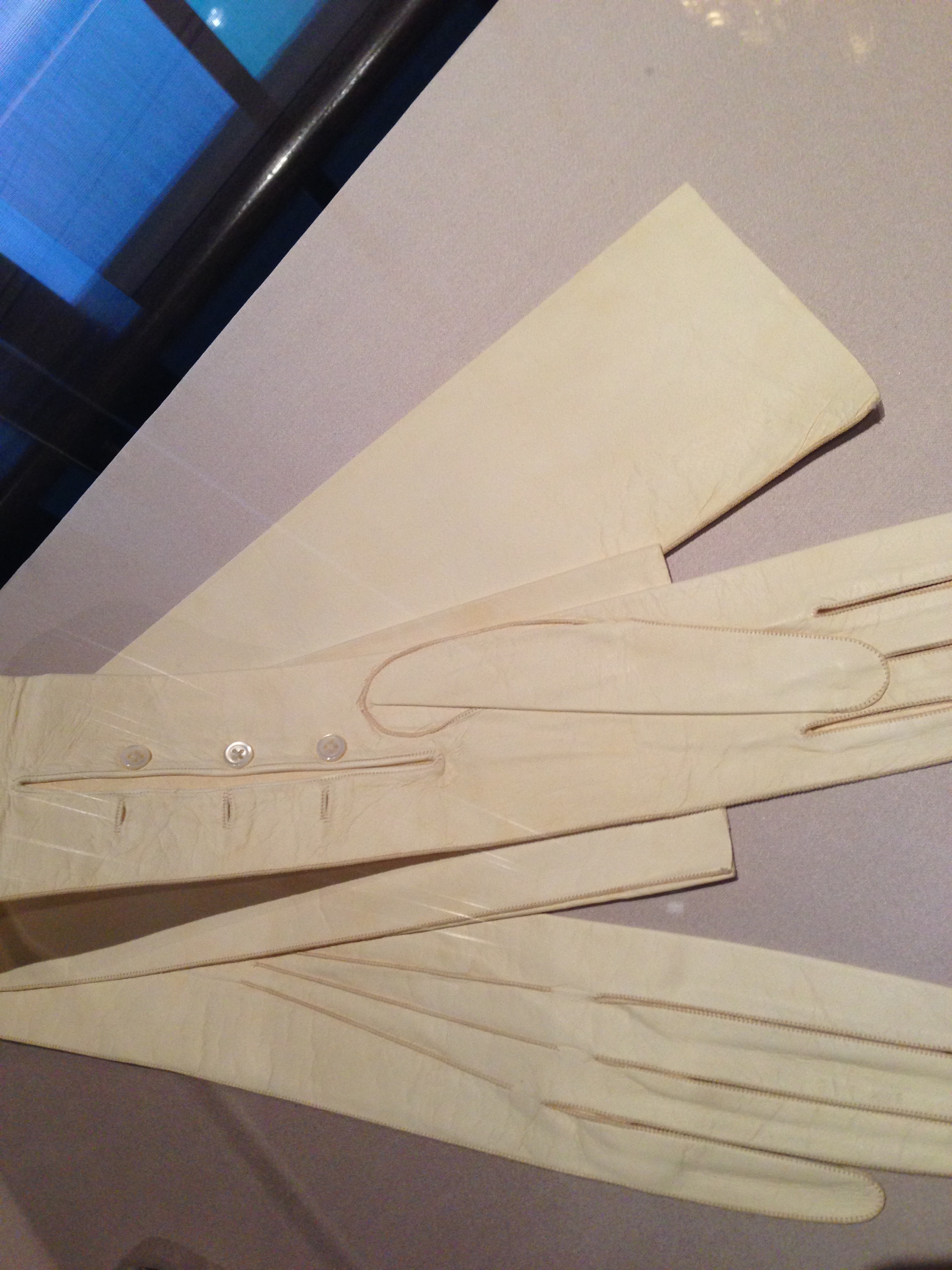
Long kid gloves were a necessity for a ball-going lady.

kid gloves

When they were feeling rustic they might show off a different style of ware, say the one decorated with an alligator, snake and lizard – this one belonged to Montana copper baron William Clark, one of the Fifth Avenue denizens.

platter

All, it seemed, was glossy, elegant, costly. You can read the plush lifestyle in the portraiture, like the depiction of Helen Virginia Sands at age 19, shortly before her marriage to a successful Wall Street trader.

de la mar pic

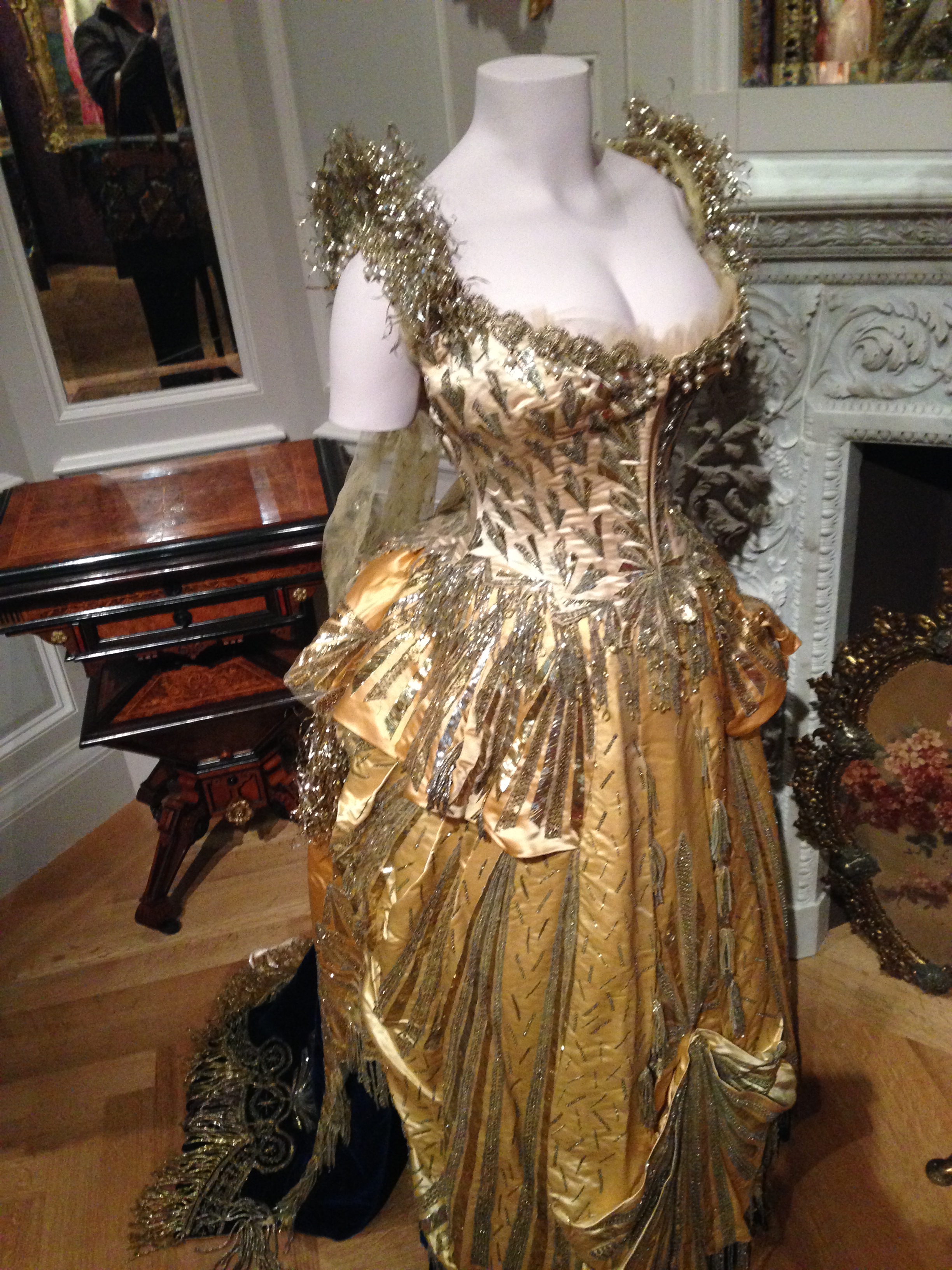
What I found most affecting, though, was the golden silk gown, “The Spirit of Electricity,” here in front of me, for real. It had emerged from the black-and-white photo card. Heavily embroidered in beaten gilt, it had silver tinsel filaments that lifted like small wings above the shoulders. Imported, of course, from Worth in Paris.

light gown

That’s a Herter Company jewelry cabinet in the background, for you Herter furniture fans. The dress survived because it was gifted to the Metropolitan Museum by Mrs. Vanderbilt’s daughter Countess Laszlo Szechenyi (neé Gladys Vanderbilt).

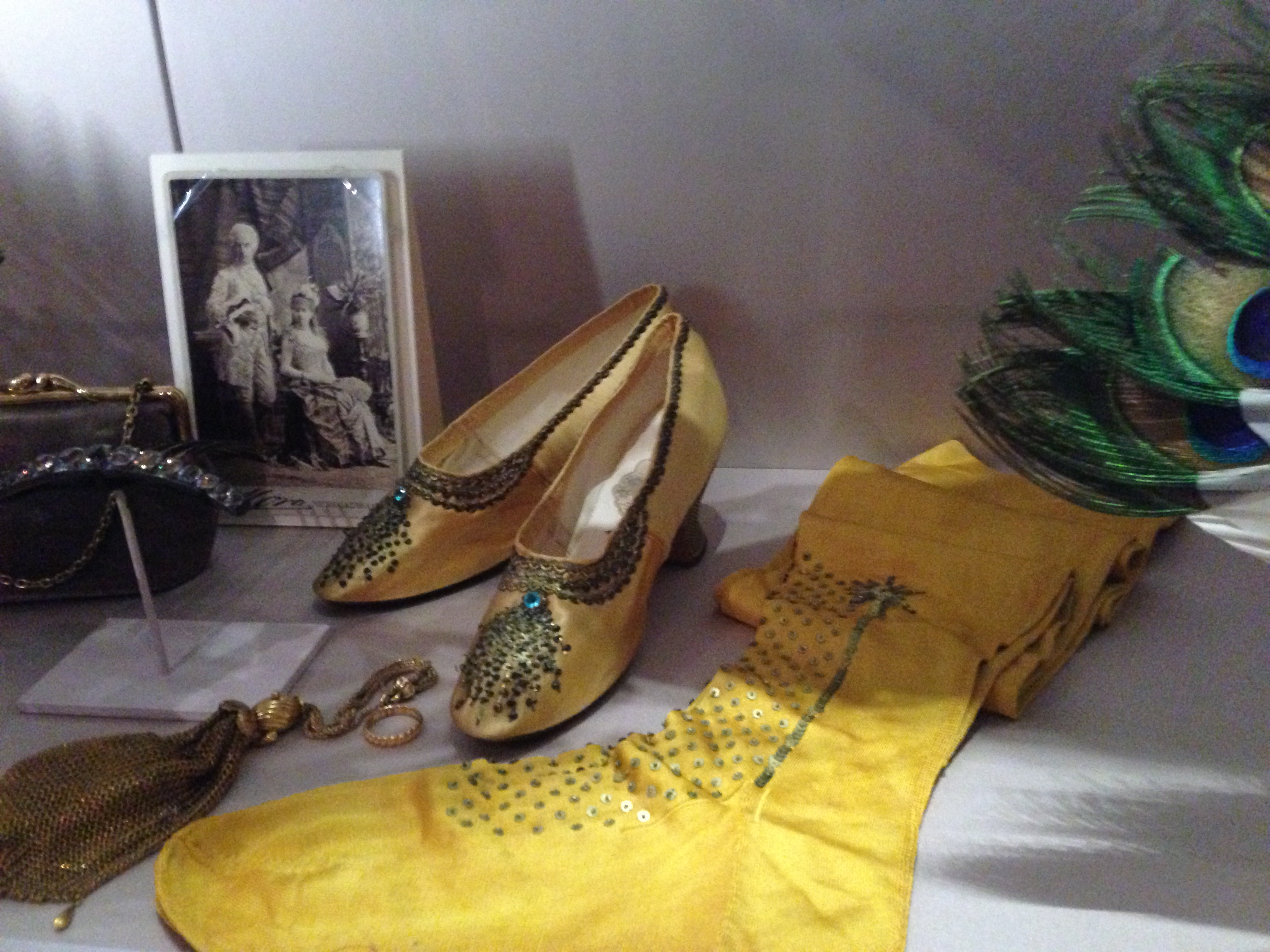
More affecting, even, the yellow silk stockings and pumps that Alva wore with the fancy gown.

pumps

This opulence of the distant past was real, something I could almost touch.

3 Comments

Filed under Art, Cooking, Culture, Dance, Fashion, Fiction, History, Home, Jean Zimmerman, Photography, Savage Girl, Writers, Writing

Victorians Striking a Maternal Pose

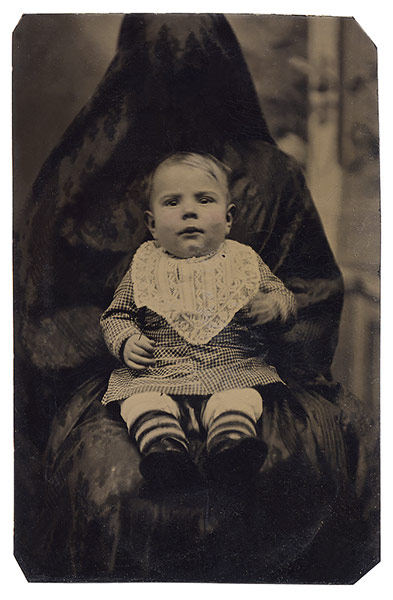
The photos published in The Guardian today haunt me.

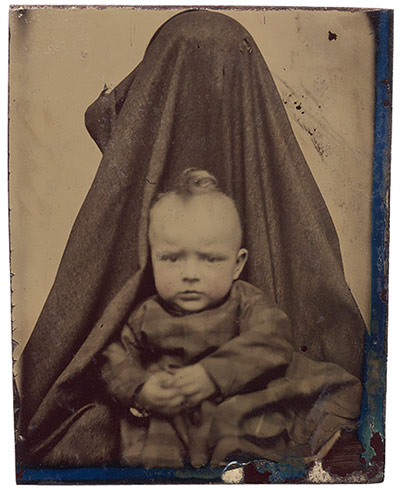
A series of Victorian babies, each one posed against a fabric-draped… mother. They’re from a new book called The Hidden Mother by Linda Fregni Nagler, which archives 1,002 photographs, daguerreotypes and tintypes, cartes de visite and cabinet cards.

Mother and baby portrait

As a reporter describes it, the requirements of primitive photography mandated extra care in posing children: “A 19th-century parent would have to dress the baby in a starchy gown, transport it and perhaps its siblings to the nearest photographer’s studio as early in the morning as possible, climb several flights of stairs to the skylit attic, arrange the family group against the studio backdrop, get everyone to remain completely still for 30 seconds or so, part with a large chunk of money, and then wait several days for the copies to be finished, before sending them round to family and friends as calling cards, or pasting them into albums.”

Mother and baby portrait

Sound difficult? With long exposure times, the only way to get the baby to hold still was for the mother to grip it in her hands.

Mother and baby portrait

Apparently photography was becoming an acceptable profession for women in the second half of the nineteenth century. The pictures captured by female photographers were no cheerier than those taken by men. Laughing messed with the shutter speed. A dose of opium often did the trick in keeping the subject still if dulled.

You have to wonder about the woman concealed beneath the textile. Was the mother shushing her baby, cooing to it, singing lullabyes? It must have been stuffy in her confinement, and she had no idea what the outcome would be. But she was fierce in her dedication to getting an image of her infant, a keepsake, the face and form of her beloved. Miraculously two dimensional. And always quiet and still.

1 Comment

Filed under Art, Culture, History, Home, Photography, Publishing

Happy as Pie

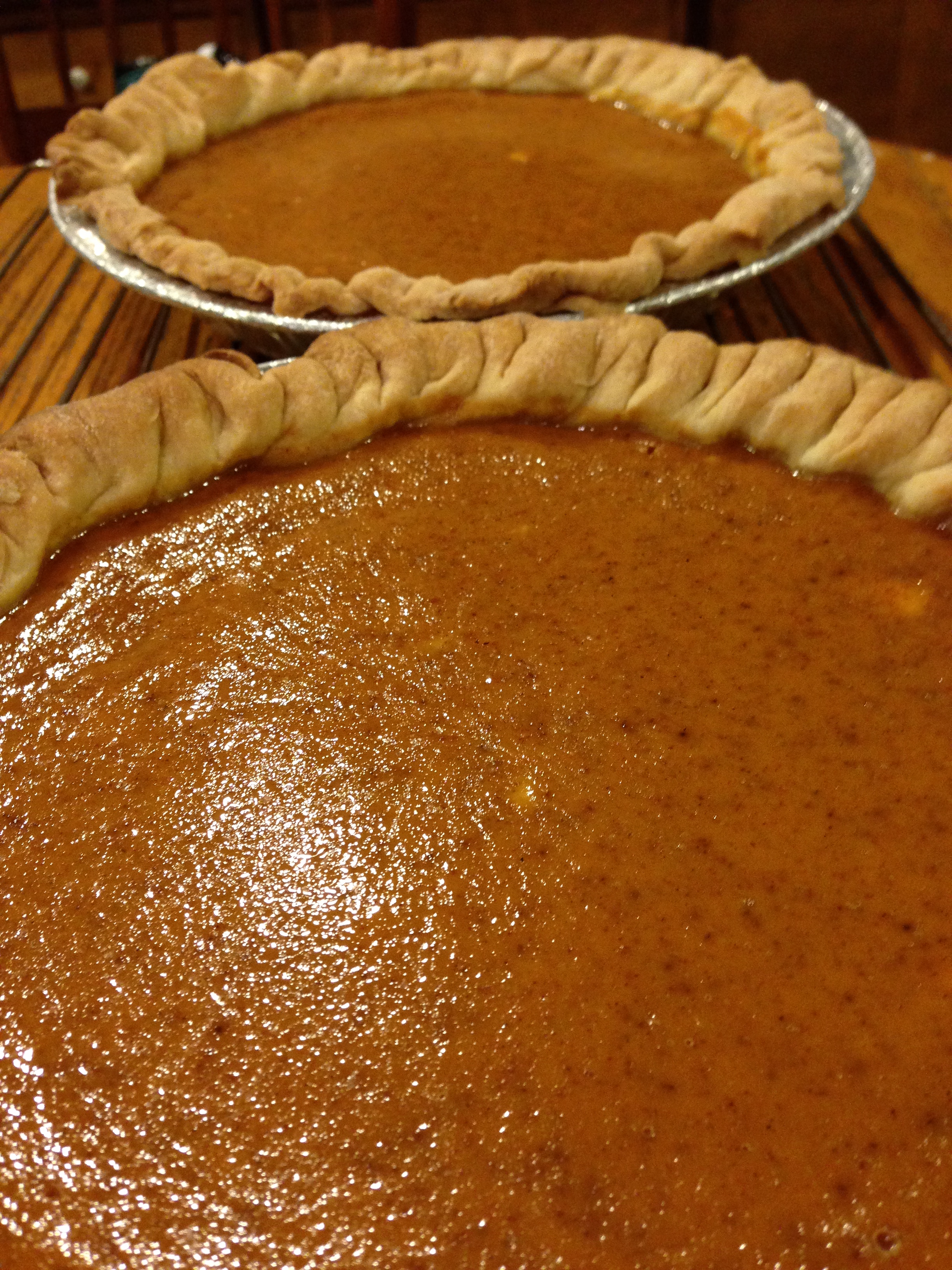
I wanted to make some pies. Five pies, because that’s what could fit in my oven plus the one I’m bringing for my family.The Presbyterian Church soup kitchen in Ossining was having a dinner. They said they could use some. Ingredients were cheap. Baking them was easy. Now there will be a few more pie-happy people at Thanksgiving.

pie pic good

Best wishes to everyone this weekend. Keep warm and safe. I’ll be writing again when the leftovers are gone.

2 Comments

Filed under Cooking, Culture, Home, Jean Zimmerman

Thank You for Reading

I am thankful.

This is a post about this blog.

At Thanksgiving, in a lot of families, a blessing is performed before the turkey comes on in its golden, crispy glory. The blessing consists of going around the table with every guest sharing some thing they are especially grateful for. On the occasions I’ve taken part in this ritual, I’ve sometimes had to squelch the urge to say something slightly comical or snarky. I don’t know why, perhaps because the whole thing seemed so self serious. Real thanks seem quieter, more internal, perhaps.

Now, with a few days before us until we’ll be stuffed with stuffing, with a clear head, I want to be serious.

I am grateful, deeply grateful, to those of you who read this blog.

When people ask what my site is all about, I say different things. It’s called Blog Cabin, and it’s about living in a circa 1800 home in a thoroughly modern world, and the time travel that allows for. Sometimes I call it a personal magazine. A diary. A cultural commentary. It’s about the past as a living, breathing entity. All about history and art and nature and literature… An author blog, as I have one novel about to come out and one just in the rearview.

What it really is, is playtime. Writing books, of course, is hard work. (If you’re doing it right.) Writing this blog has given me a chance to dabble in the things that absorb me in my book writing life, but on a more finite scale, with pleasure at the foremost – yes, history and art and nature and literature and… a pogo stick championship?

jack-cu

It was hot July and the contestants soared. You could taste the adrenaline.

Writing for you has given me a reason to go on adventures that you might not take, even if you had the chance. Or perhaps you would, like my search for an infant saguaro cactus at a botanical garden in Scottsdale, Arizona, with a beaming guide, but you couldn’t get there that day.

desert-gardener

I’ve taken myself to a Victorian waltz class and tea.

jz-tea

To a Broadway disco-play, and to a euphoria-inducing Brahms recital. And to a dramatic dance performance en plein air, at Manhattan’s Lincoln Center.

bum-blur

I’ve plumbed the depths of the 20-something psyche, because I have a young adult close to my heart. Instagramming is their life.

serendipity-picture

They’re fascinating animals, as are husbands, and mine hitchhikes along with me from time to time.

As are dogs. Mine is inscrutable, but adds flavor to the mix.

oliver-about-to

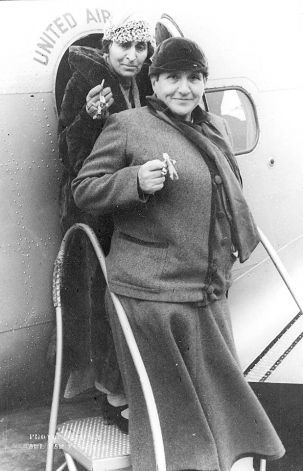
And writers.  I’ve loved writing about Gertrude Stein.

steintoklas-plane

I’ve shared many favorite recipes, like the one for Marcella Hazan’s braised pork in milk.

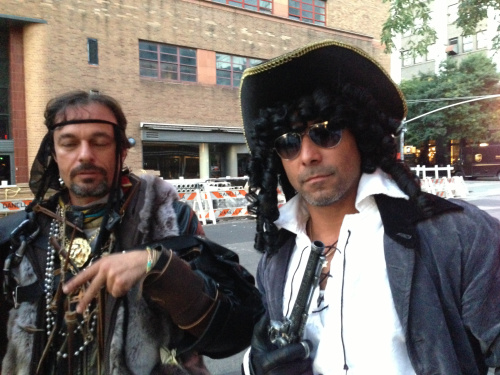
Observed motorcycle pirates on the loose in NYC. With some history about pirates intertwined, of course.

two-pirates

A rowdy pig festival in upstate New York.

michael

Explored a local farm on an enchanted evening, just as dusk fell.

fuschia-flower

Learned about the power of graffiti at the late, great 5Pointz. Got my leg cast tagged there, too.

colorful-paint

And witnessed the unlikely beauties of slime mold in a pristine nature preserve.

slime

It’s been my pleasure to gather these treasures and offer them to you, and your great generosity has been receiving them from me. So thank you. I’m looking forward to many more adventures.

11 Comments

Filed under Art, Cooking, Culture, Dance, Dogs, Fashion, Fiction, History, Home, Jean Zimmerman, Music, Nature, Photography, Poetry, Publishing, Savage Girl, The Orphanmaster, Writers, Writing

The Things We Carry

What heirloom would you bring?

I’m reading about refugees and the things that they carry (remembering the Tim O’Brien tale The Things They Carried, about the impedimenta Vietnam soldiers take with them into battle.) BBC News Magazine profiles refugees during the Nazi menace of the 1940s, asking that question.

Isabelle Rozenbaumas’s mother escaped  Nazi-overrun Lithuania, barely, with her carriage-driver father, and snuck out three class photographs from that time.

refugee photo

Julian Glowinski’s grandmother was deported from Poland to Siberia in 1940. Amazingly, she packed a sewing machine onto a cattle truck, and converted gowns into wedding dresses in her concentration camp in exchange for food.

Elke Duffy and her family fled East Prussia in January 1945. With her she took an amber necklace her mother had strung from amber she and her sister found on a Baltic beach.

 _71135868_464_amber

Ian Carr-de Avelon’s wife’s grandfather was forced onto a train in Lwow (then Poland, now Ukraine) with his wife. Rather than cherished photos he took a camp stove. A camp stove? But of course ultimately it made perfect sense.

So what to take in a hurry, with the monsters breathing down your throat?

Photos. But today they mostly stay trapped in the computer. You can’t just lift them out of an album, with yellowed tape stains on their backs. So print some, fast.

Maybe I’d take this one, if I had to take one.

Gil and Maud Hug

I’d have to take another. Mark it on the back with a Sharpie, April 1987. The engagement party.

April 1987

If I could, I’d grab more. My parents. My extended family. Gil would take this burst of joy.

el 1

Or, he says, an oilcloth Santa he remembers making when he was six.

What object would I choose? Not a sewing machine. Not an iPhone. I looked around my house, and I thought about storage. At least three dusty cardboard boxes are marked Heirlooms, mostly from a family bow-windowed breakfront now residing in a home with more space. How do you choose among the loved objects of the past?

I might take my paternal grandmother’s copy of Ulysses, by James Joyce, its cover broken off, which she bravely purchased at a time when the novel was still censored in the U.S.

Joyce Ulysses 750 wraps 1000

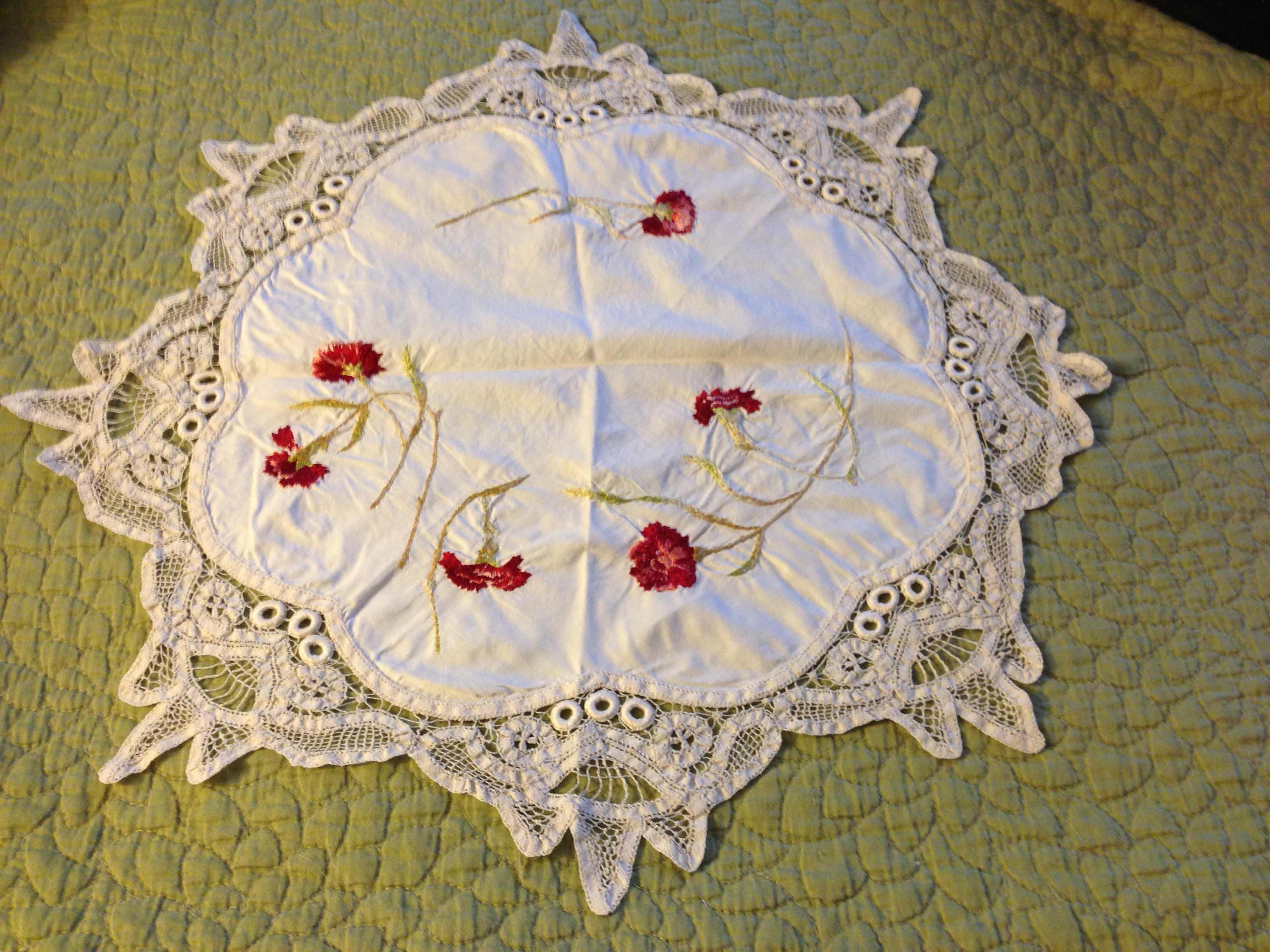
Or a scrap tatted by my ancestors, embroidered with carnations, the cloth handled by their fingers.

carnations

I could tuck that into my sock.

But if I was going to bring some bigger object – what?

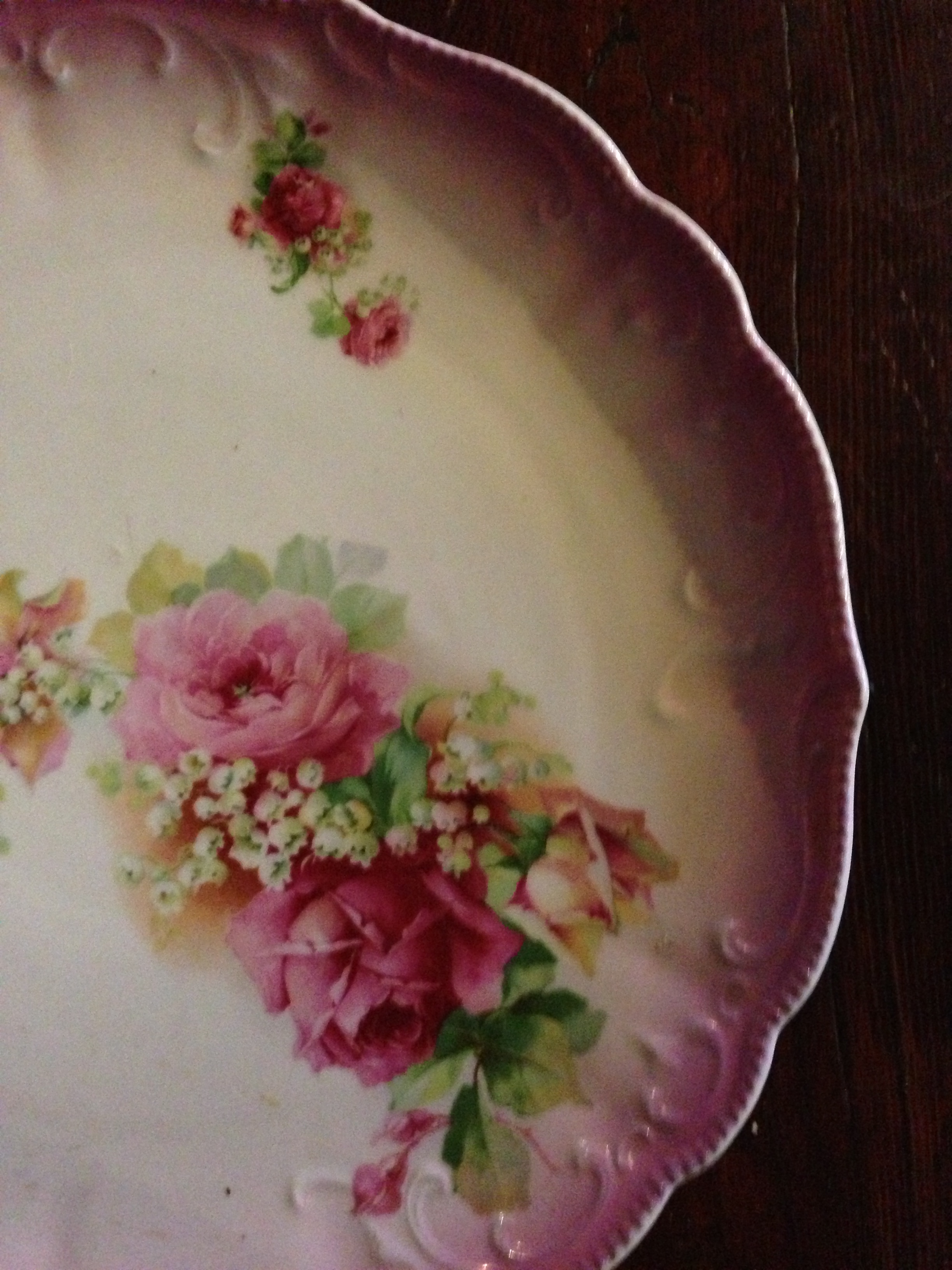
How about a china plate. A cake plate, a foot across, strewn with pink roses and lilies of the family. Utilitarian as well as cherished.

cake-plate

Just a plate. But a plate belonging to my great-great-grandmother, a woman with the interesting name of Brown Coats. A deep souvenir of family, embodying the optimistic conviction that sometime in the future, there will be cake.

Will the plate make it through the mud, the rutted roads, the mountain passes? Despite its apparent fragility, I am certain it is strong.

6 Comments

Filed under Art, Cooking, Culture, Fashion, Fiction, History, Home, Jean Zimmerman, Photography, Publishing