A Vote for Cheese Curds

The burgers were kind of wooden.

20130707-214143.jpg
But the chef was bearable.

20130707-214830.jpg
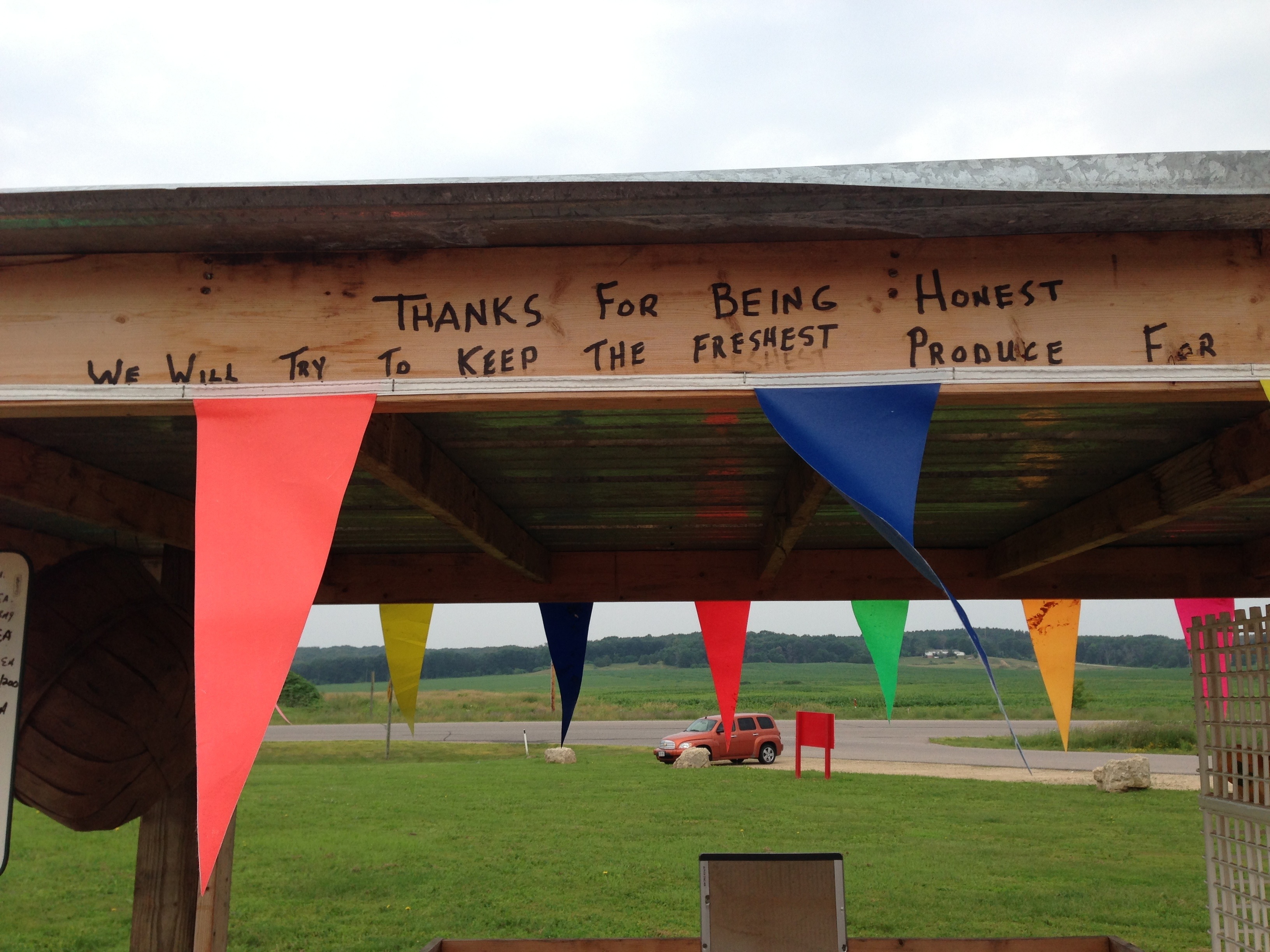
Nicer were the farm stand proprietors who had better things to do than hang around their gas station cart.

20130707-215121.jpg
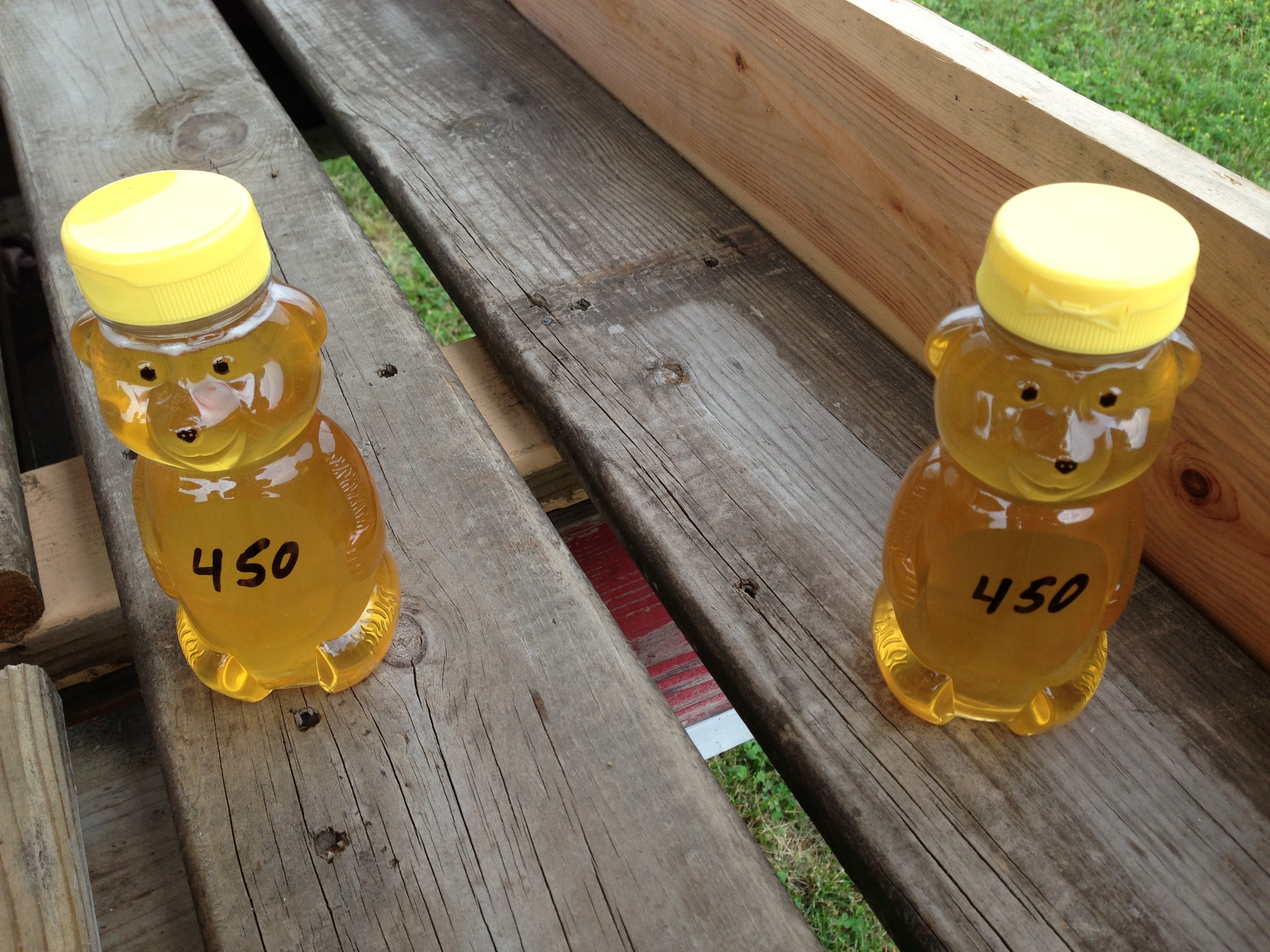
Bears there too.

20130707-215226.jpg
A famous mouse straddles a landmark on highway 39 in Madison.

20130707-215539.jpg
The place has jerky, fudge and everything else.

20130707-215823.jpg
But the reason to visit: cheese curds.

20130707-215955.jpg
Farms were everywhere.

20130707-220307.jpg
Corn is about all this country grows anymore.

20130707-220558.jpg
Except for children: ever stronger, more opinionated, more beautiful, and always ready for a road nap.

6 Comments

Filed under Jean Zimmerman

The Middle of the Donut

There are certain things that make it a good day in the Midwest, in Wausau. A stop at Kreger’s.

kregers


Best donuts hands down.

donuts


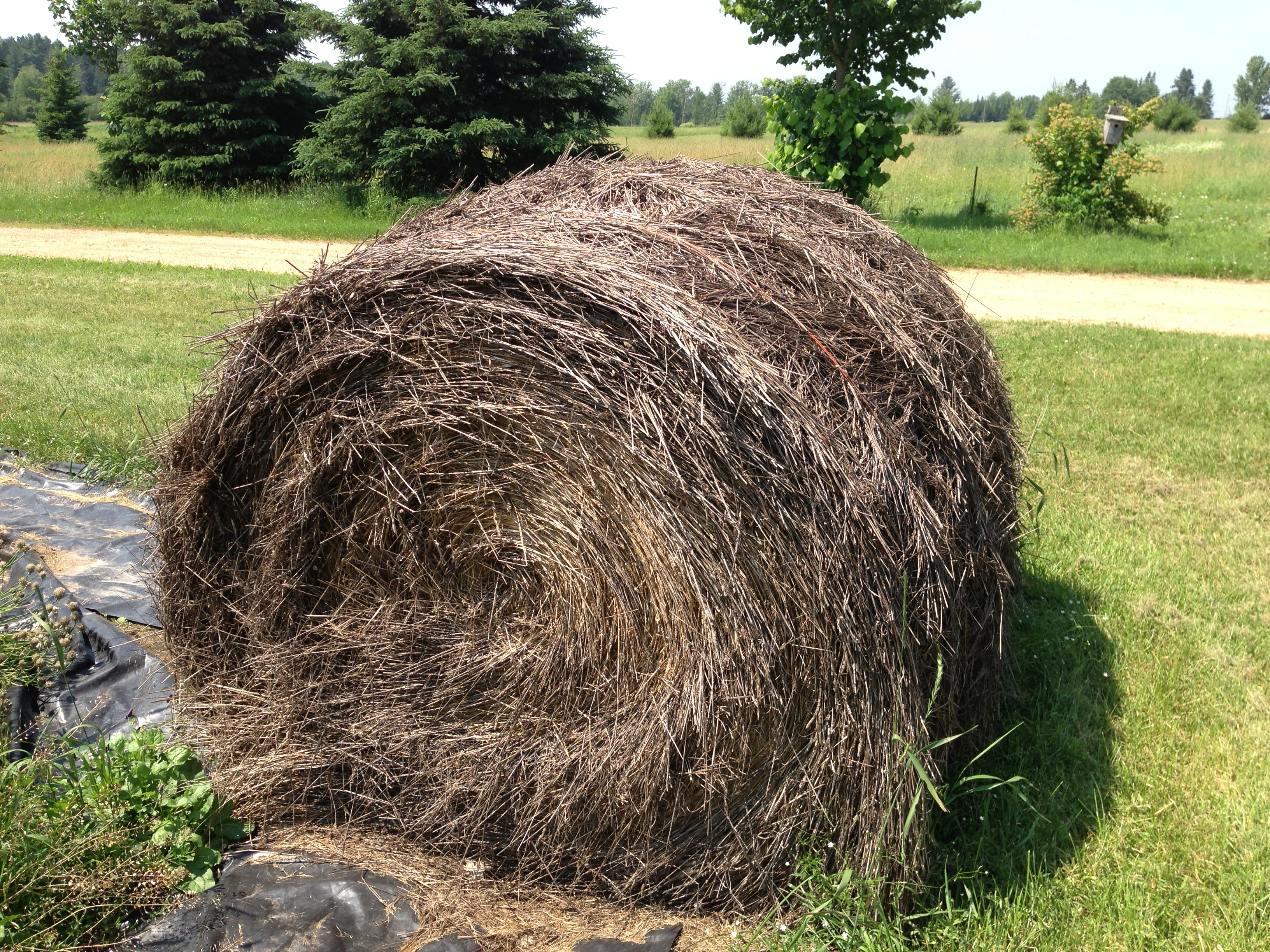
A stop at the farm. Hay for mulching the tomatoes.

hay bale


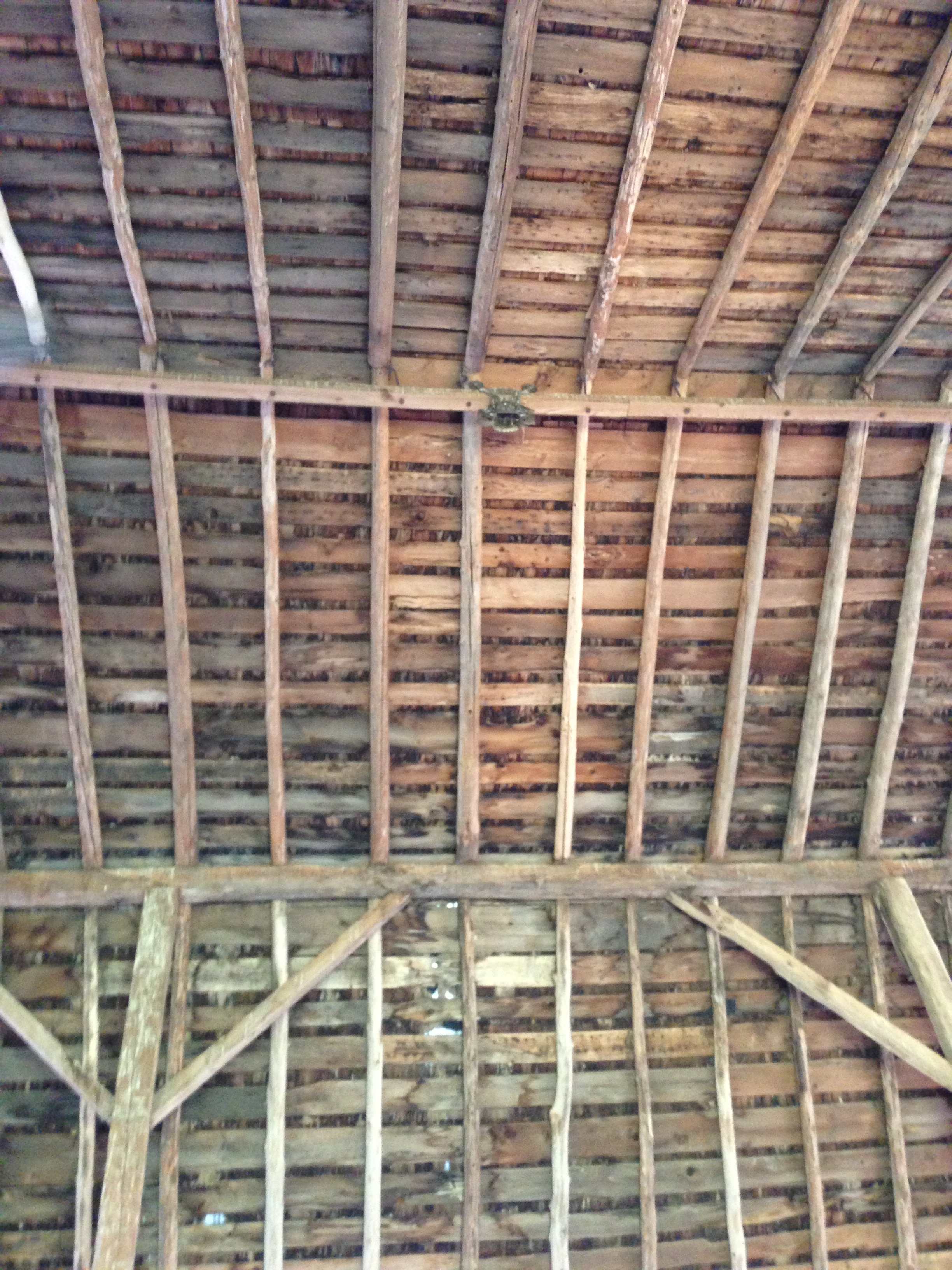
A big old barn with towering rafters.

barn interior


A big old solemn dog.

farquar


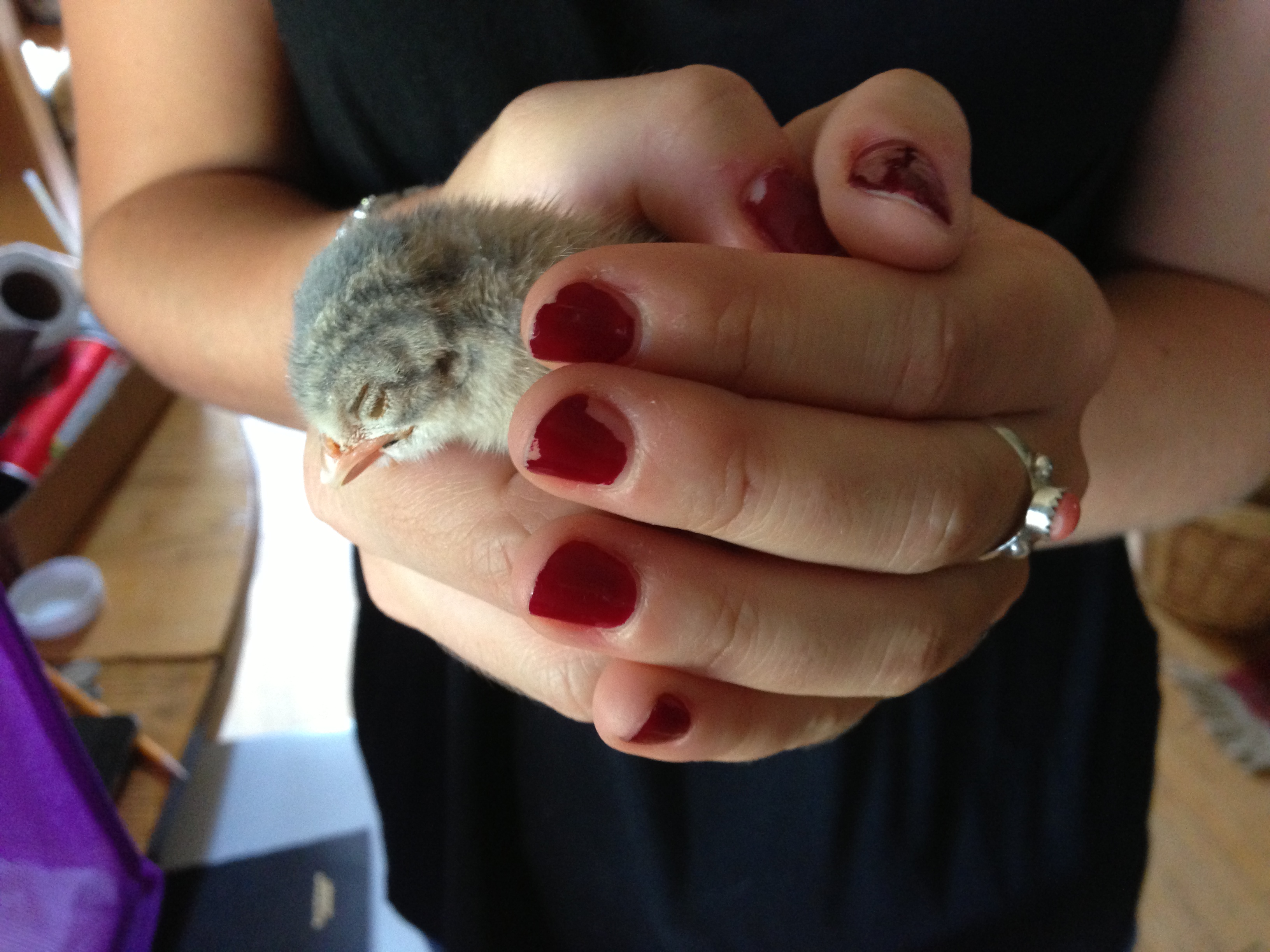
A guinea hen chick that needs special care.

chick


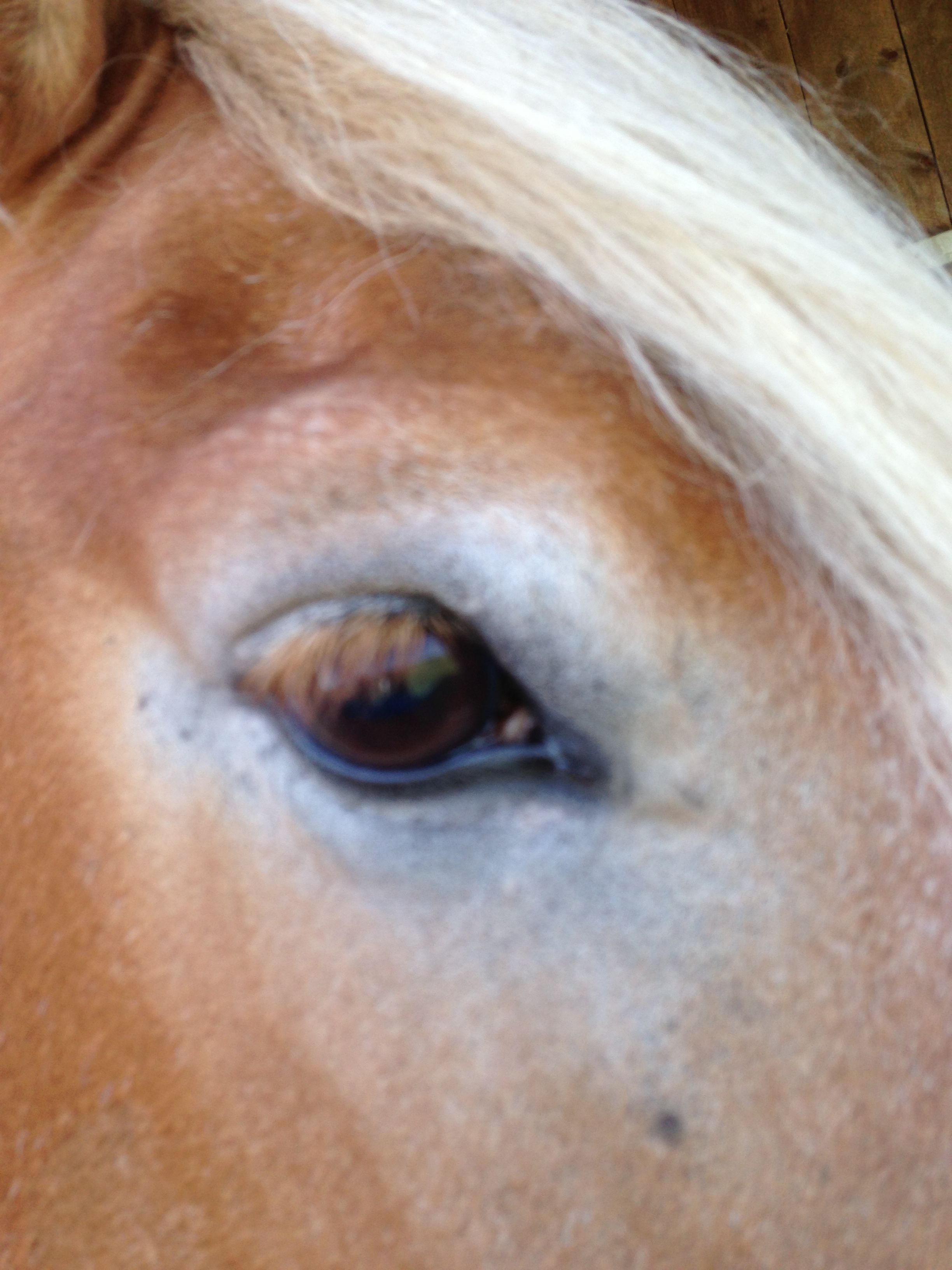
The horse with the velvety schnozz, always wanting an apple, wanting an apple, wanting an apple.

horsey


That apple will have to wait ’til next year, ma’m. New York is beckoning.

horse eye

2 Comments

Filed under Culture, Dogs, Home, Jean Zimmerman, Nature

Deep Purple

No better place to be on a mild summer night in Wausau, Wisconsin.

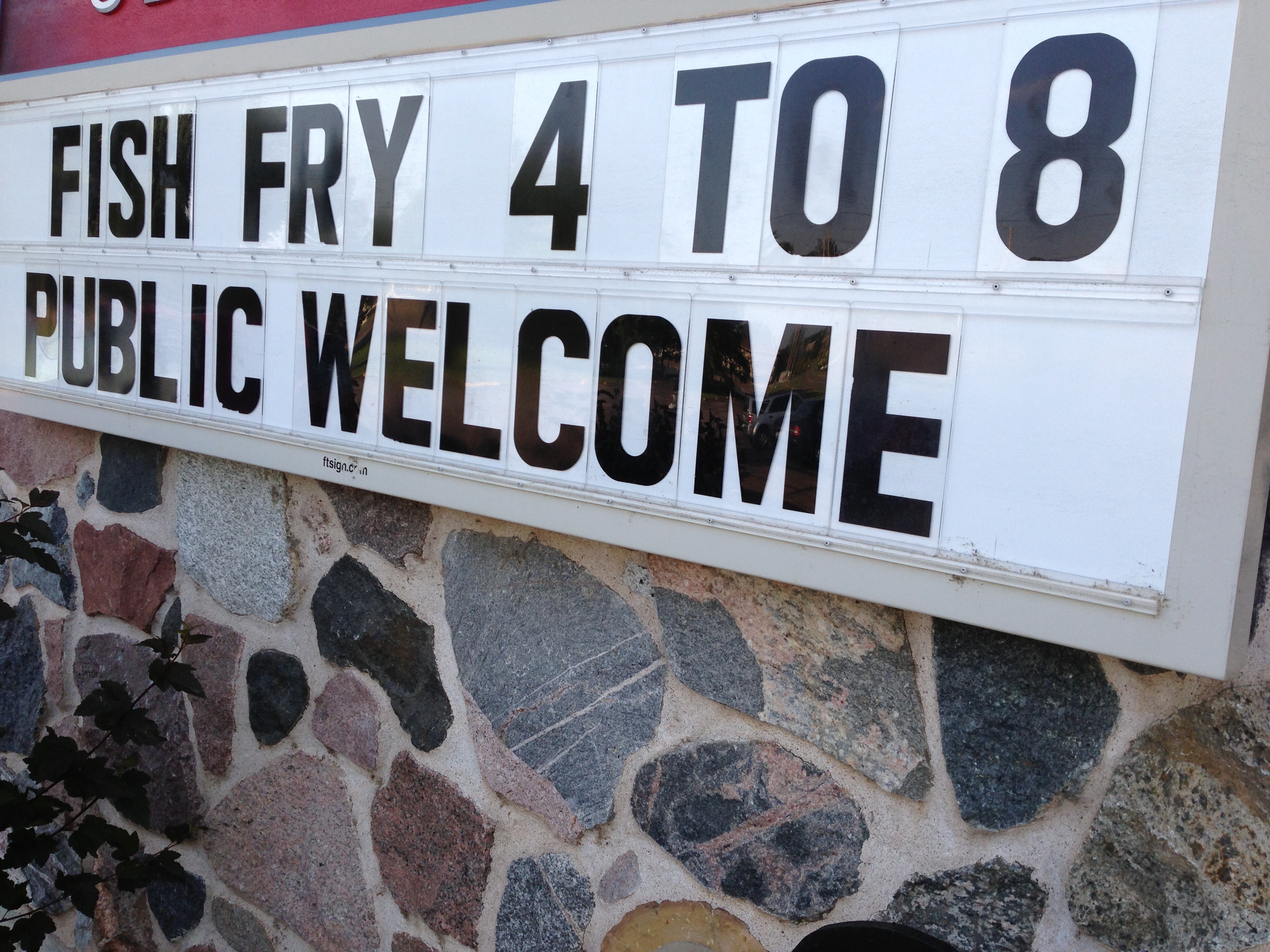
fish fry signOne place allows you to do more than chow down on walleye.

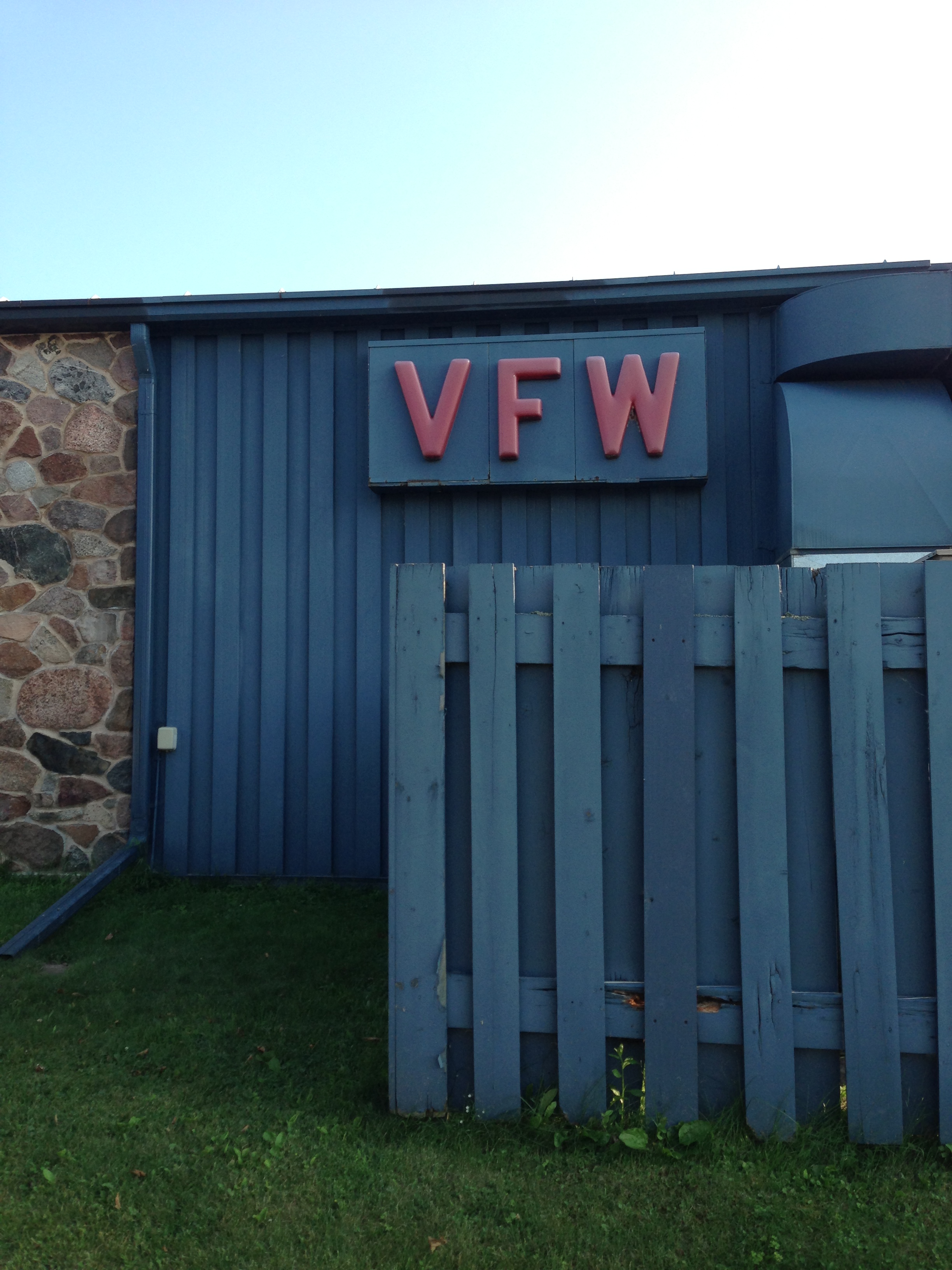
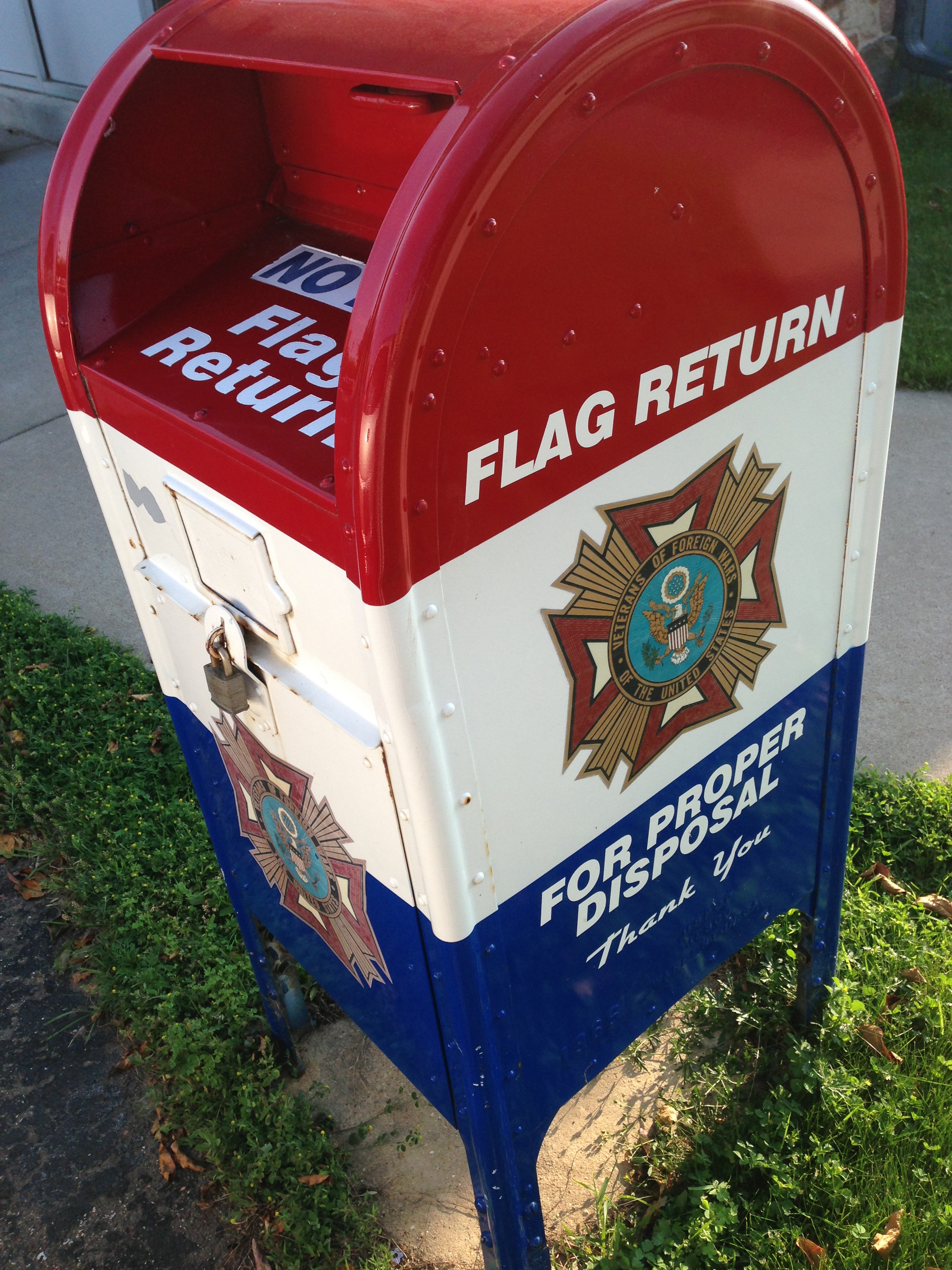
vfw


Return a flag.

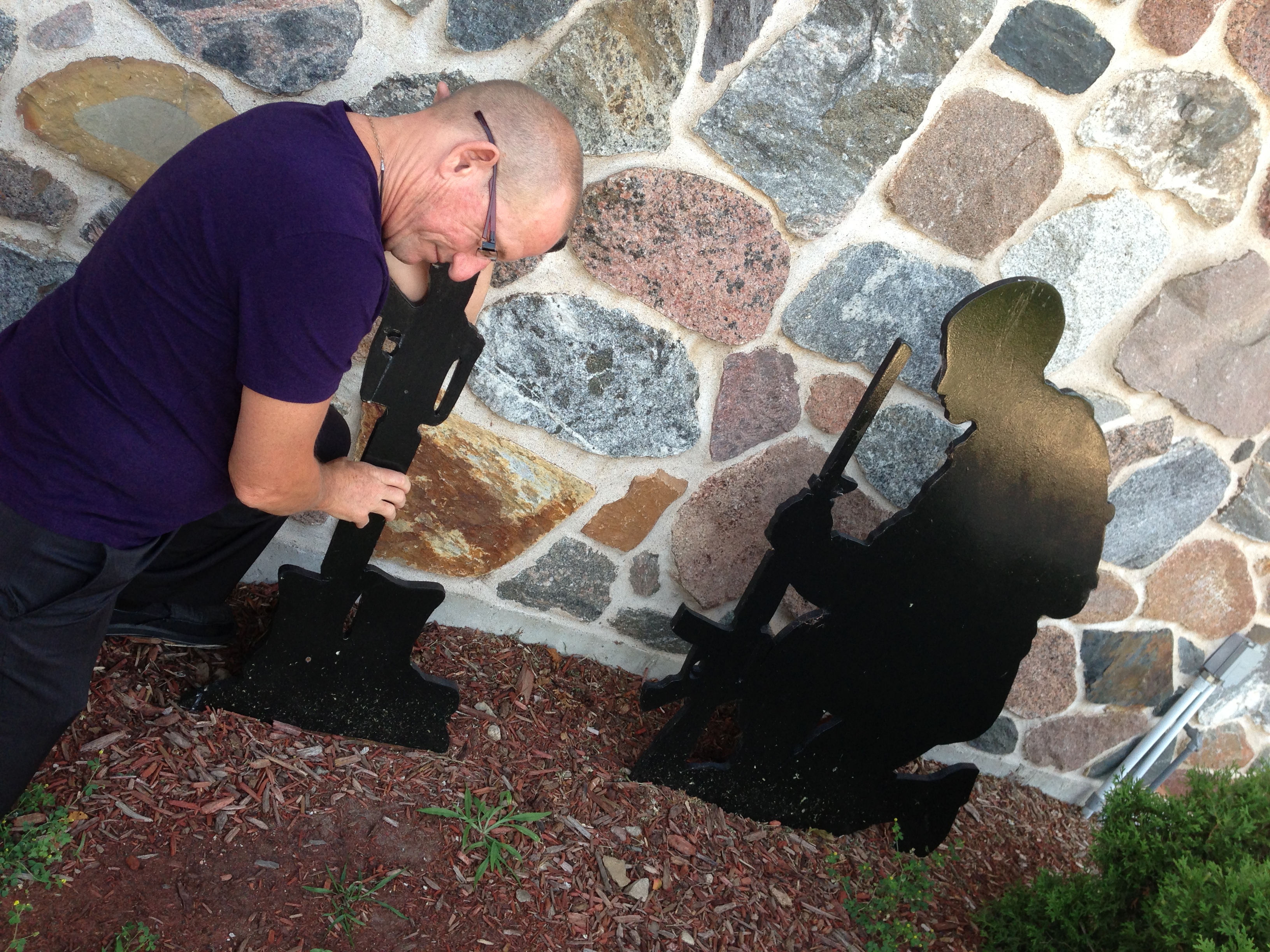
flag returnHug a military sculpture.

Rick

Make like a pinup girl in front of a valuable Air Force Corsair II that made its bones in Southeast Asia 40 years ago.

plane

There is fellowship over fish. Sisters who trekked here for their cousin Eloise’s memorial service tomorrow.

lois:janetEloise loved purple. Some people wear purple.

quinn

The Old Fashioned cocktail is analyzed, quaffed. Don Draper’s choice. You can drink one sweet, with cherries, or sour, with mushrooms. Let’s order a round.

tom collins


Bet you can’t drink just one.

lydia


Reunions.

jesse:gil


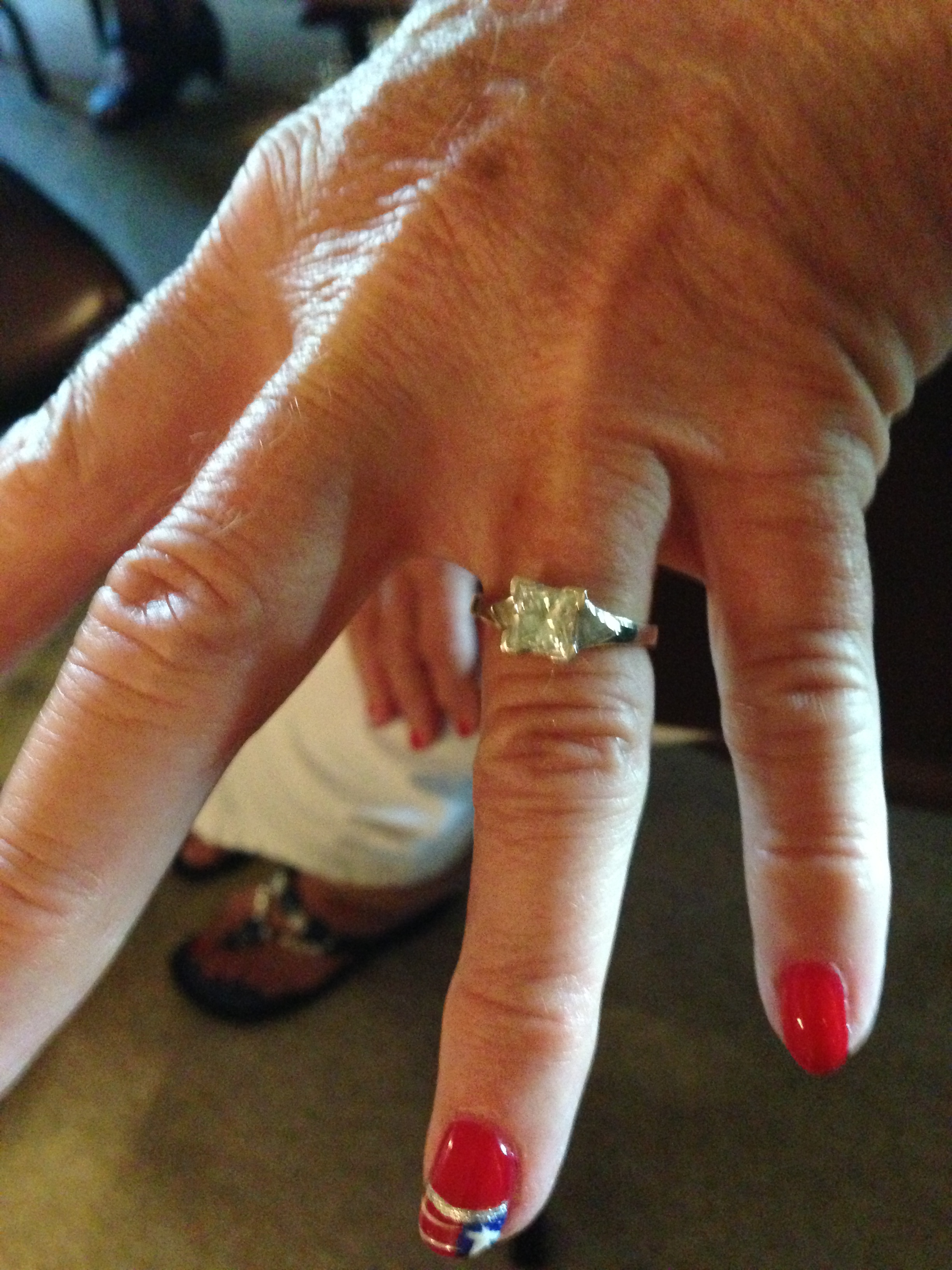
Mid-life romance, second marriage engagement bling.

bling


A couple of accordion players who will perform Deep Purple at the church.

accordion


More sisters, more gab.

sisters


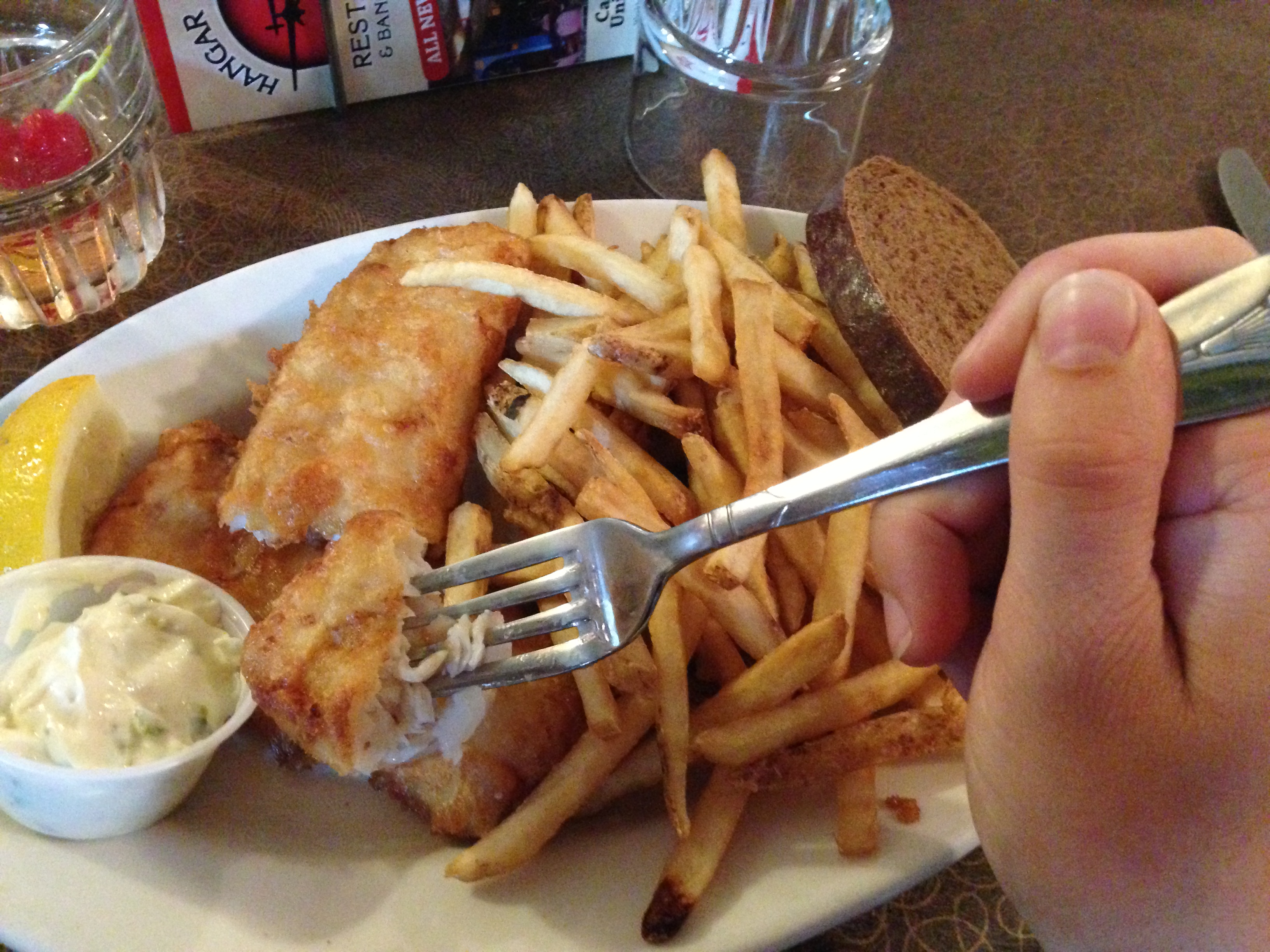
And finally the fish.

fish plate


A mellow night.

thomas


A memorable lady who is missed tonight.


If you want to stay longer, says the waitress, you can go drink in the lounge.

lounge


2 Comments

Filed under Art, Cooking, Culture, Fashion, History, Home, Jean Zimmerman, Music

Rockets Glare

Hastening toward Wisconsin. Can it be a true road trip if you only drive one road? On the other hand, it’s a massive road, Interstate 80. And it’s the glorious Fourth.We begin at the GW bridge.

flagOliver has already finessed the jump from the  cargo hold to the back seat, next to Maud.

oliver back seatGil is principal road man.

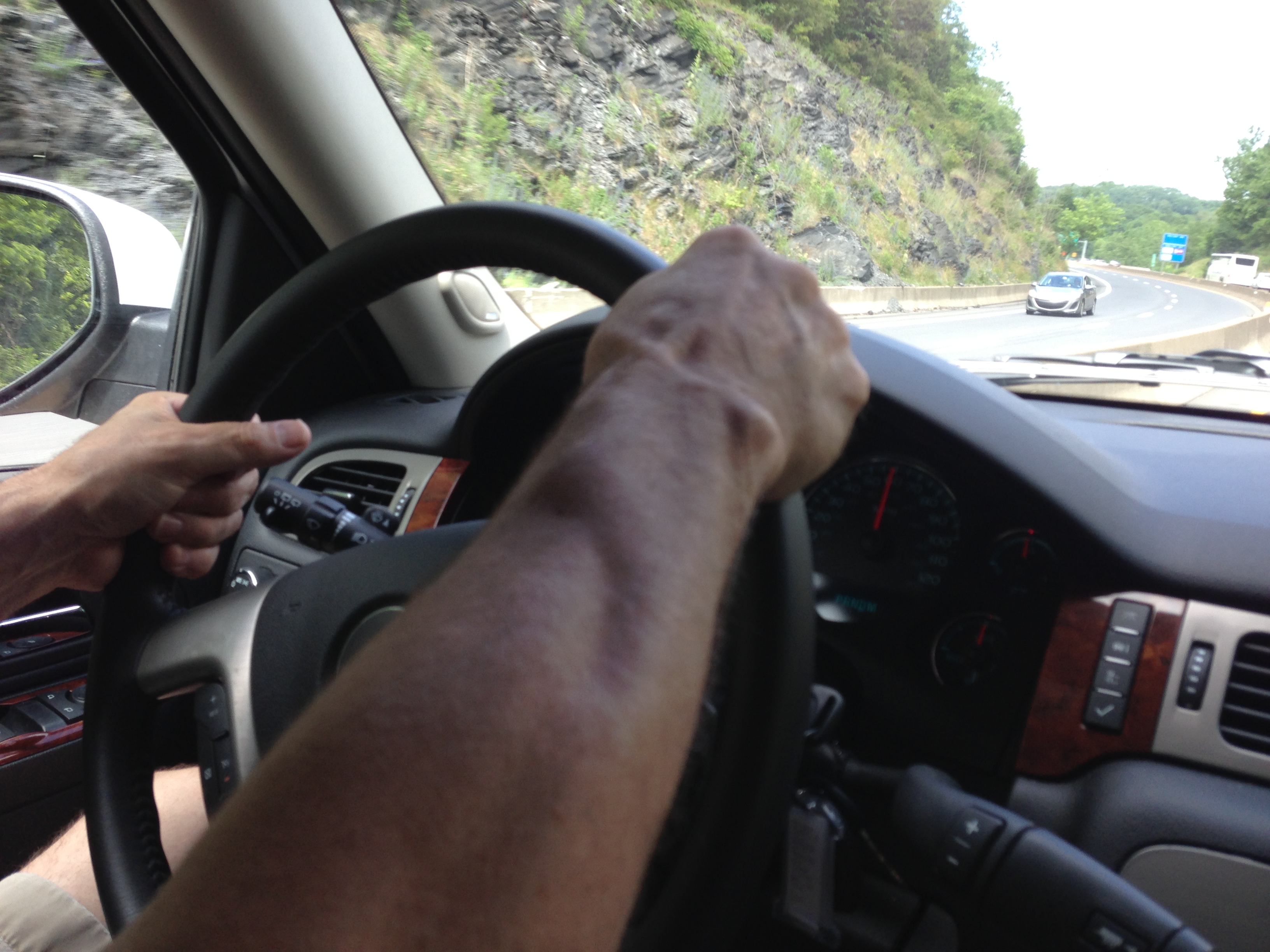
gil's armsJohn Lennon’s Dig a Pony plays repeatedly on the console.

Well, you can celebrate anything you want

Yes, you can celebrate anything you want

The land rolls by.

cloud shadow

The trucks roll  by.

truck

I do a road hog

Well, you can penetrate any place you go

Yes, you can penetrate any place you go

I told you so

Rain hits as I drive. Maud sweet talks her beau long distance.

windshield washer

Well, you can radiate everything you are

Yes, you can radiate everything you are

midwest sunset w carEyes drift over my book as the sun sets, superlative driver Maud in the driver’s seat.

I feel the wind blow

Well, you can indicate everything you see

Yes, you can indicate anything you see

Lennon later said he thought the song was garbage. Can you imagine?

dancers bookOn to the Chicago Skyway at Dusk.

chicago skyway


And then, all up the corridor through the great city of Chicago, starting at nine o’clock, splashes of fireworks go up from all the little communities along the way, on every side, red, pink, green, blue and silvery-white, some cascading right over our heads on the highway. Pop! Pop!

Chicago fireworks

All I want is you

Everything has got to be just like you want it to

Because

Fifteen hours, forty minutes, over 1,000 miles. I’d do this again, says Gil. Maud says, Me too.


2 Comments

Filed under Culture, Dogs, Fiction, Music, Photography

A Stitch in Time

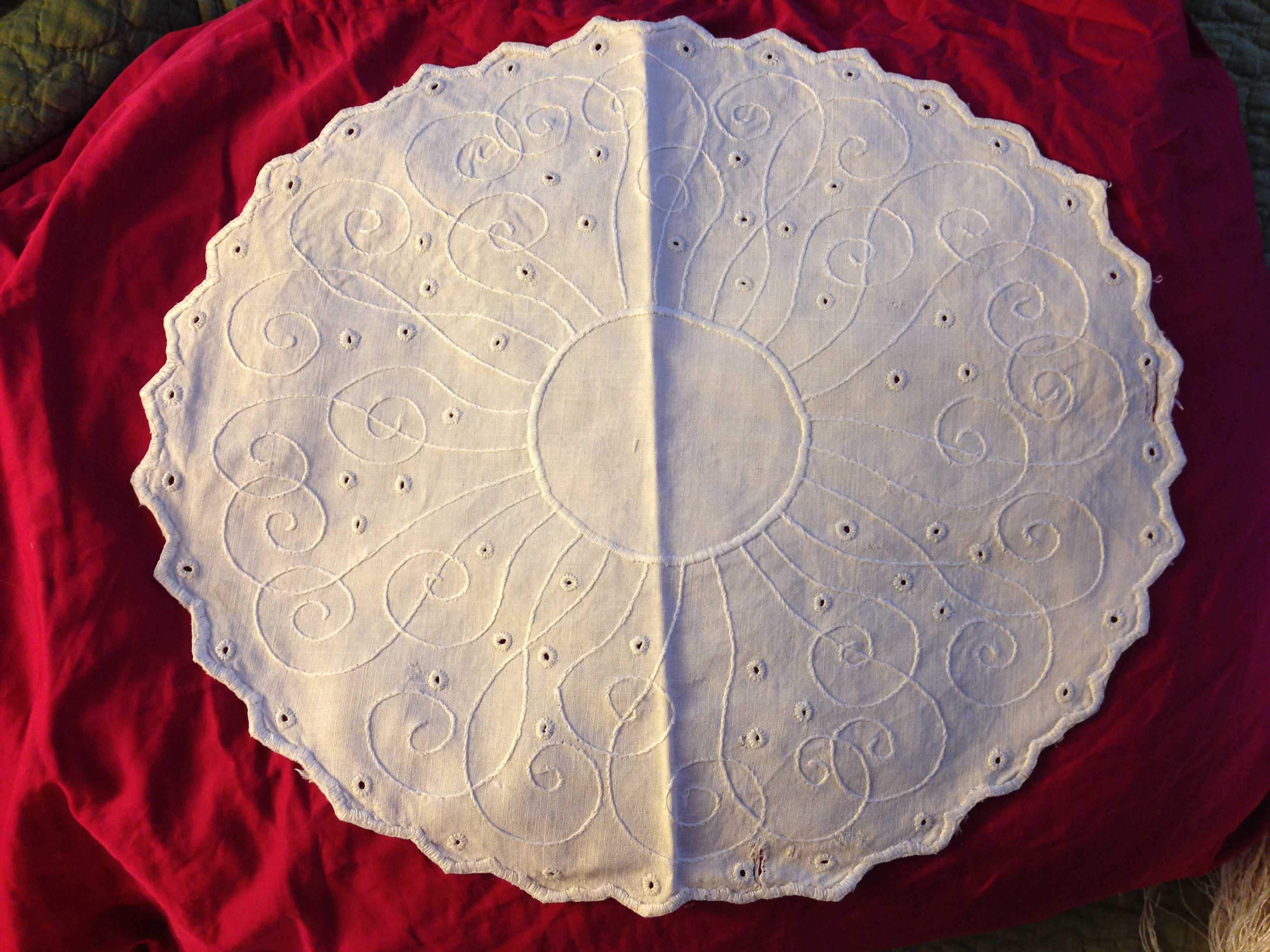
I keep in storage a box filled with 94 vintage pieces of linen and lace, and an antique silk flowered shawl with long, swaying fringes.

shawl

All heirlooms, all worked by the matriarchs of the White and Coats families, small-town Tennessee residents. Artists.

circle lace on green

The women of my family. Who specifically made these creations we can’t be sure, though my great aunt is a good bet. She was known as an adept with textiles. A tatting shuttle and a crochet hook were surely in her arsenal.

circle lace cu

I take them out these pieces now and again. Take a moment from my contemporary concerns. Pause. Lay them out on the bed.

lace cu 2

Stand back to admire them.

three

How intricate.

lace cu

The colors. Pink.

pink lace

Blue.

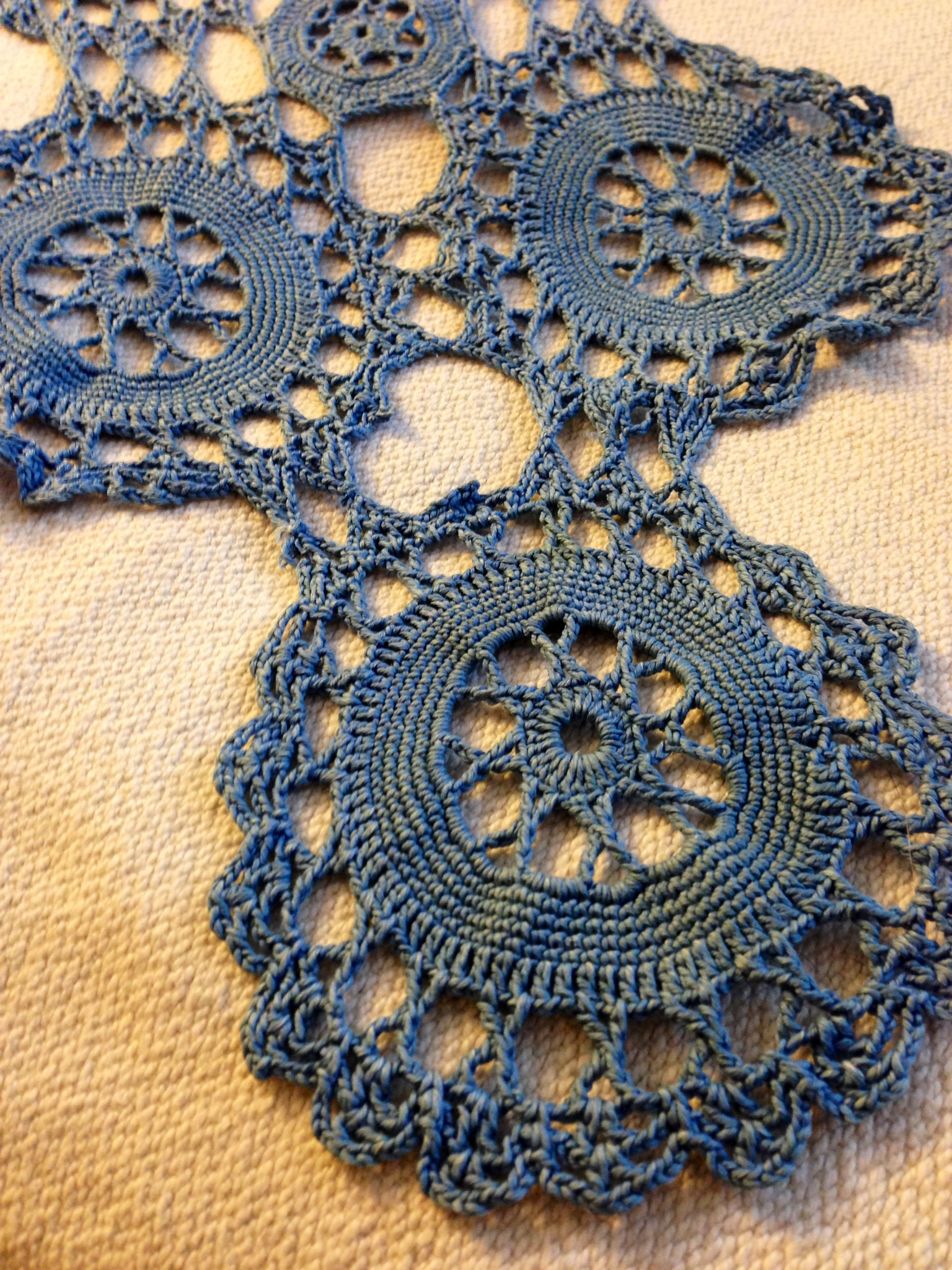
blue lace

Run my fingers over the bumps of the embroidery, the open work of the tatting. I think I am in love with this lace and its delicate carnations. Do you like the fragrance of a carnation as much as I do?

carnations

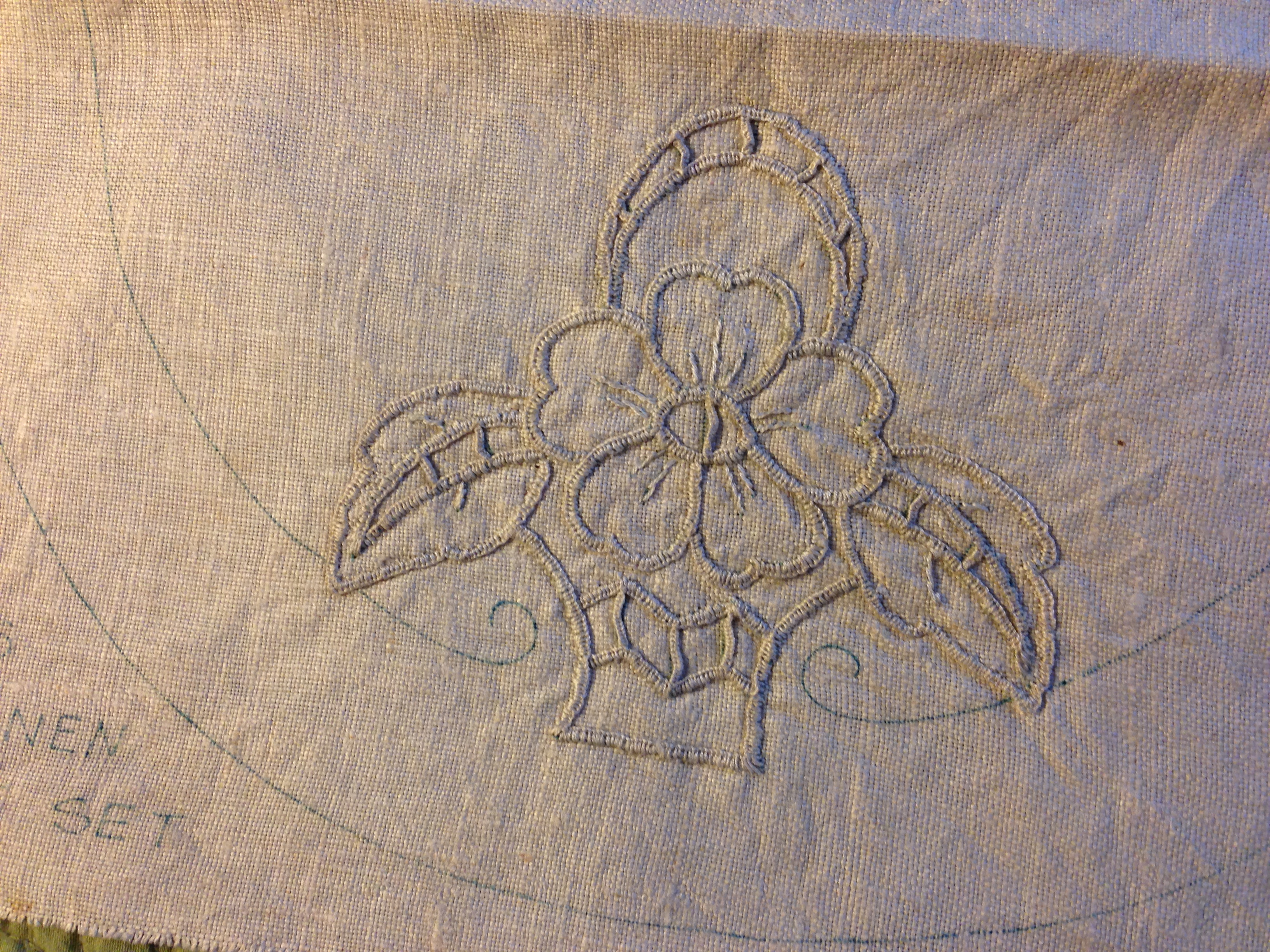
Someone, sometimes, followed a ready-made pattern – you can see the ink on half-finished fabric.

kit 2

I wonder, what inspiration drove the women who came before me to make these brilliant textile works? Because it surely wasn’t necessity. No one could use this many antimacassars or table runners, this many doilies.

lace on green

Although I do see something occasionally that bespeaks everyday life, and these pieces leave me utterly moved. A woven brassiere. (A training bra? So small!)

brassiere

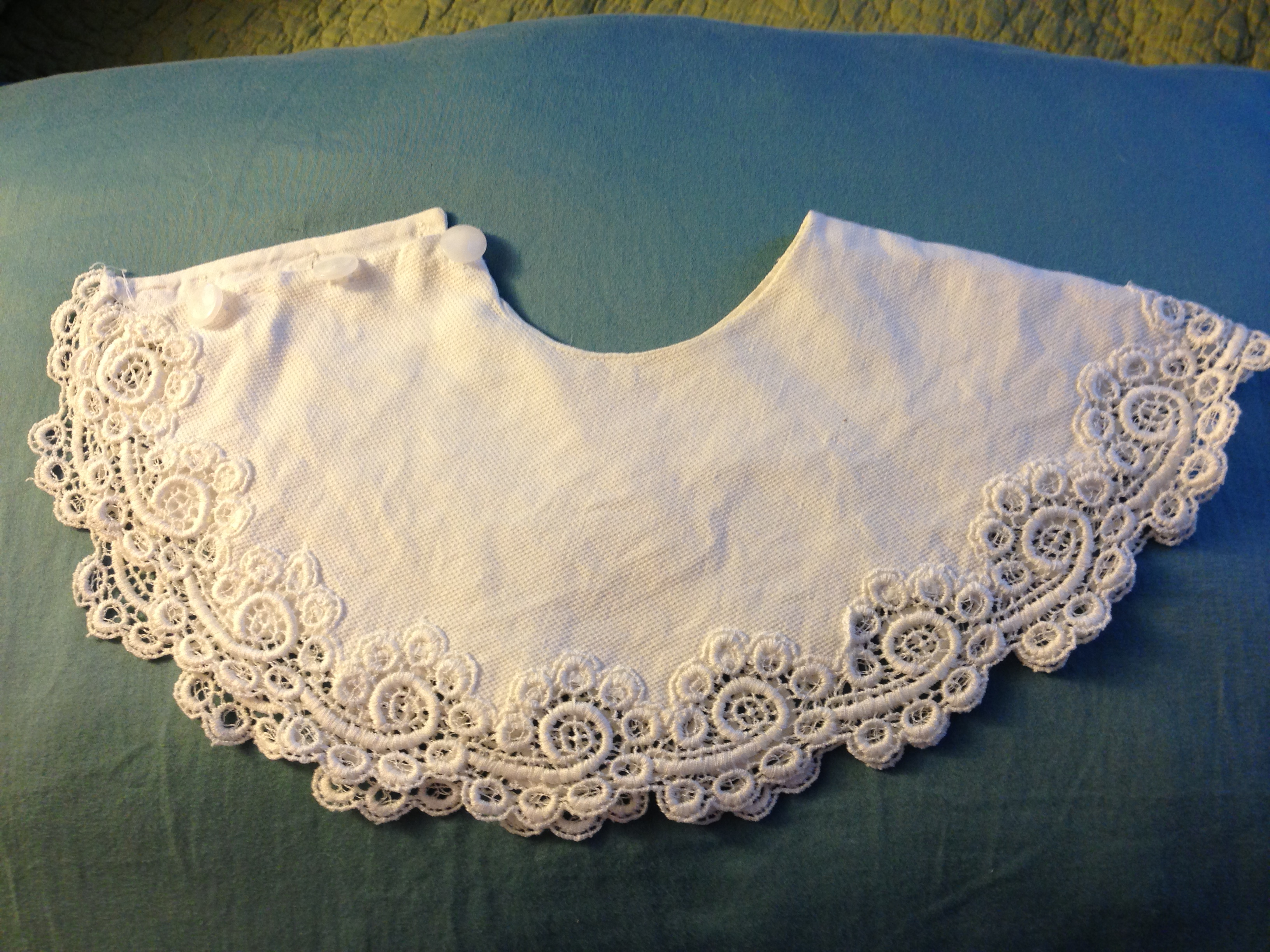
A linen collar with mother-of-pearl buttons.

collar

In the rural America of the early twentieth century, there were beans to be snapped, pickles to be put up, floors to be mopped, and even chickens to be wrung by the neck. Yet these people took time, so much time, to make beauty with flash out of plain thread and cloth.

circle

10 Comments

Filed under Art, Culture, Fashion, History, Home, Jean Zimmerman

Plant Based Pesto

I’ve been hearing the expression plant based ringing in my ears a lot lately.

beets

My doc saw my “bad” cholesterol ticking up (Bad, cholesterol! Bad!) and we decided it was time for a change. Get used to quinoa, she said. I had never tried it. Cut out the red meat you love, or at least cut it down to one or two times a month. Chicken or fish, okay, once in a while. But mainly, think plant based. Salads. Beans. Rice. Greens.

Plant based.

collards

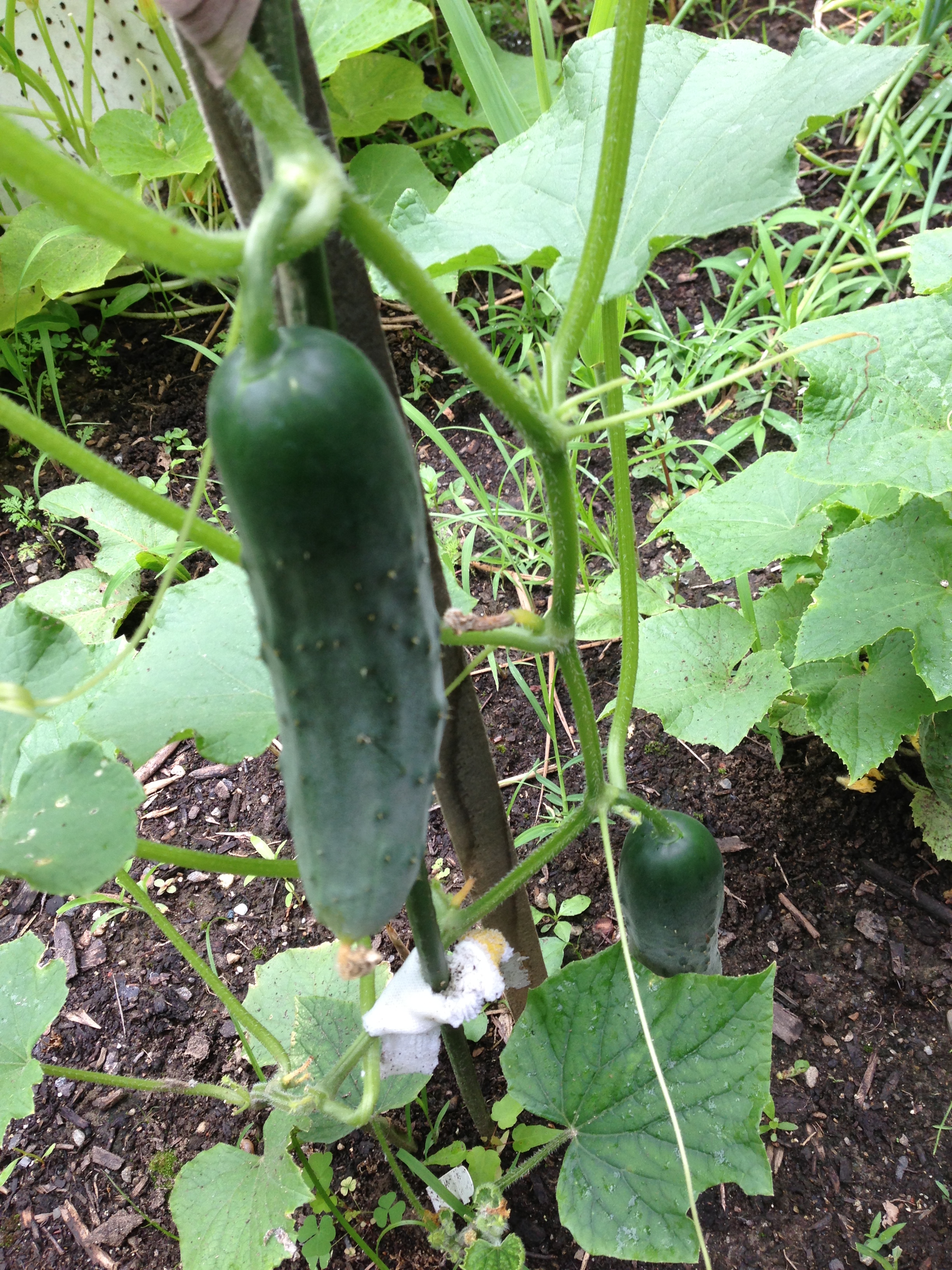
I love vegetables. (So does the yellowjacket I caught on those collard greens.) I’m so excited that my cukes are almost ready to be harvested.

cuke

My new potatoes are such babes they cry when you pull them out of the ground.

potatoes

I couldn’t be a prouder mama.

But changing my diet, all but eliminating pork ribs, beef brisket, skirt steak, this is a big change. I know it’s for the best, but I have to find savory ways to make myself eat the right way happily. (Not to mention a somewhat recalcitrant husband.)

I have always loved pesto. The recipe originated in Liguria, the region of Italy that borders France. Its mineral-rich seaside soil and climate produce exceptionally sweet, sweet basil. The name comes from the mortar and pestle that are used to delicately squeeze the tender leaves rather than coarsely crush them. A similar sauce called battuto d’aglio (beaten garlic) appeared in the 1600s in the city archives of Genoa, the region’s capital city.

I’ve never been to Liguria, and I use a blender to make my sauce (yes, crushing it coarsely), but I think my pesto is mouth-watering. Anyway, we gobble it up. And it’s plant based.

It has a plant, the basil.

basil

Olive oil, derived from a tree.

Nuts, also harvested from trees.

A teensy bit of cheese, parmigiano reggiano, nice and salty, which I think my doctor would forgive if she knew I was foregoing the Italian sausage I used to add to this dish.

cheese

And we all know how beneficial garlic is. Lazy me, I often use chopped garlic from a jar. It only slightly diminishes the flavor. But my favorite garlic is from my sister-in-law Noreen’s farm. She gives us a string that lasts all year.

Marcella Hazan, the doyenne of Italian cooking, has the classic recipe.

cookbook

It takes 15 minutes from start to finish, during which time you can get the water boiling.

What do I do with this fresh-out-of-the-garden pesto? Throw it together with some pasta (imported, preferably).

Then use your imagination. Tonight I’m  spicing up our pasta al pesto with cut-up chicken breast, new potatoes and sweet-hot peppers from the garden. If only I had some really delicious plant-based sausage.

Plant Based Pesto

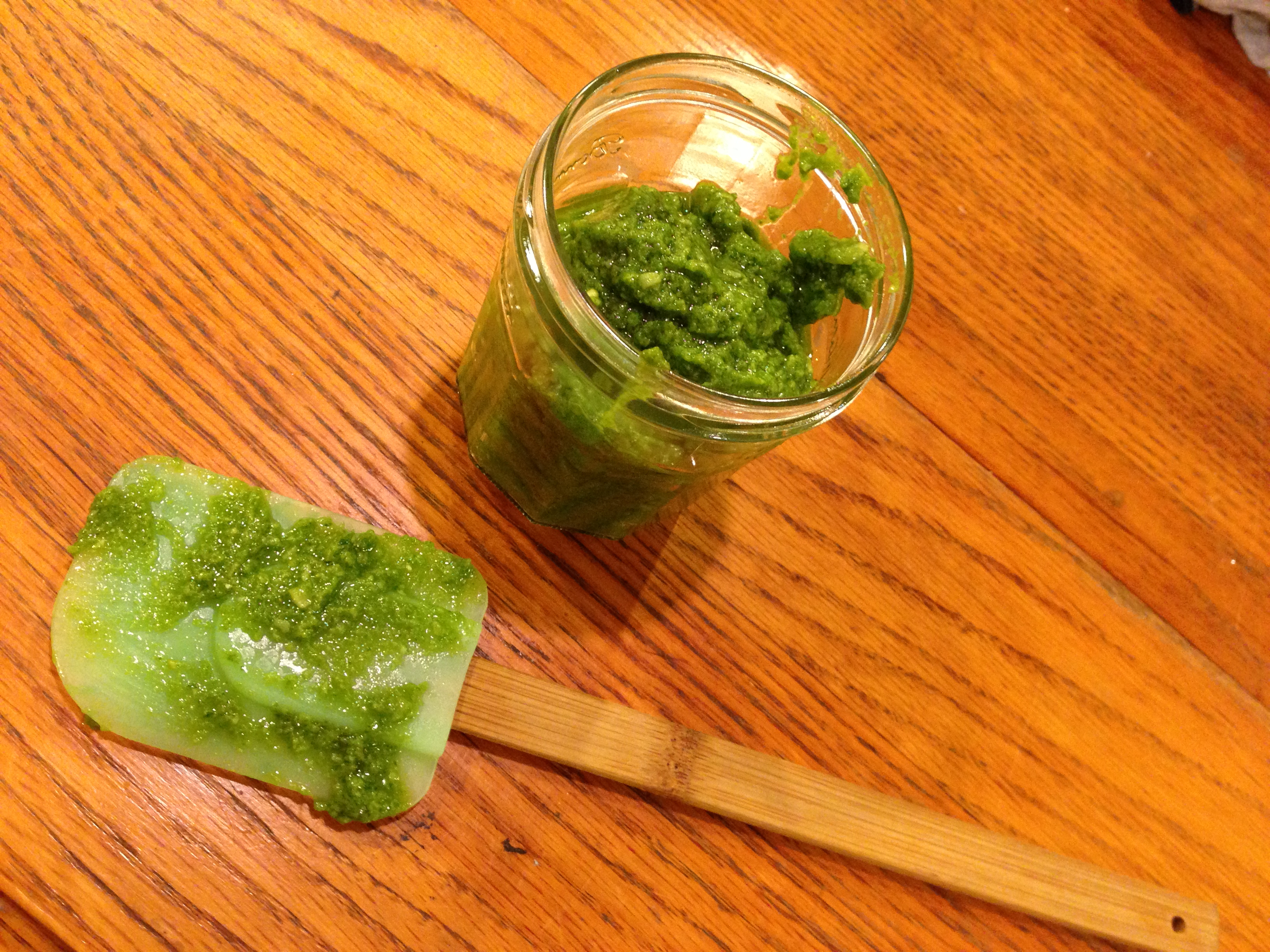
Place 2 well packed cups rinsed basil leaves, ½ cup extra-virgin olive oil, 3 T pine nuts (or walnuts or almonds), 1 T chopped garlic (more if you are a garlic fiend like me) and a pinch of salt and a grind of pepper in the blender. Blend ’til just smooth and then add a healthy ½ cup grated parmesan and blend again briefly.

pesto


4 Comments

Filed under Cooking, Culture, History, Home, Jean Zimmerman

Il Rituale dei Bambini Perduti

Italy has weighed in.

anteprima-il-rituale-dei-bambini-perduti-L-fp4Qio

My Italian publisher’s visual interpretation of the drama of The Orphanmaster is not perhaps what I would have expected. It’s baroque. It’s scary.

It’s amazing to think of people sitting down with a copy of Il Rituale dei Bambini Perduti, so far from the island of Manhattan in 1664.

If you can read the language, check out a book blog.

13 Comments

Filed under Culture, Fiction, Jean Zimmerman, Publishing, The Orphanmaster, Writing

Float Upstream

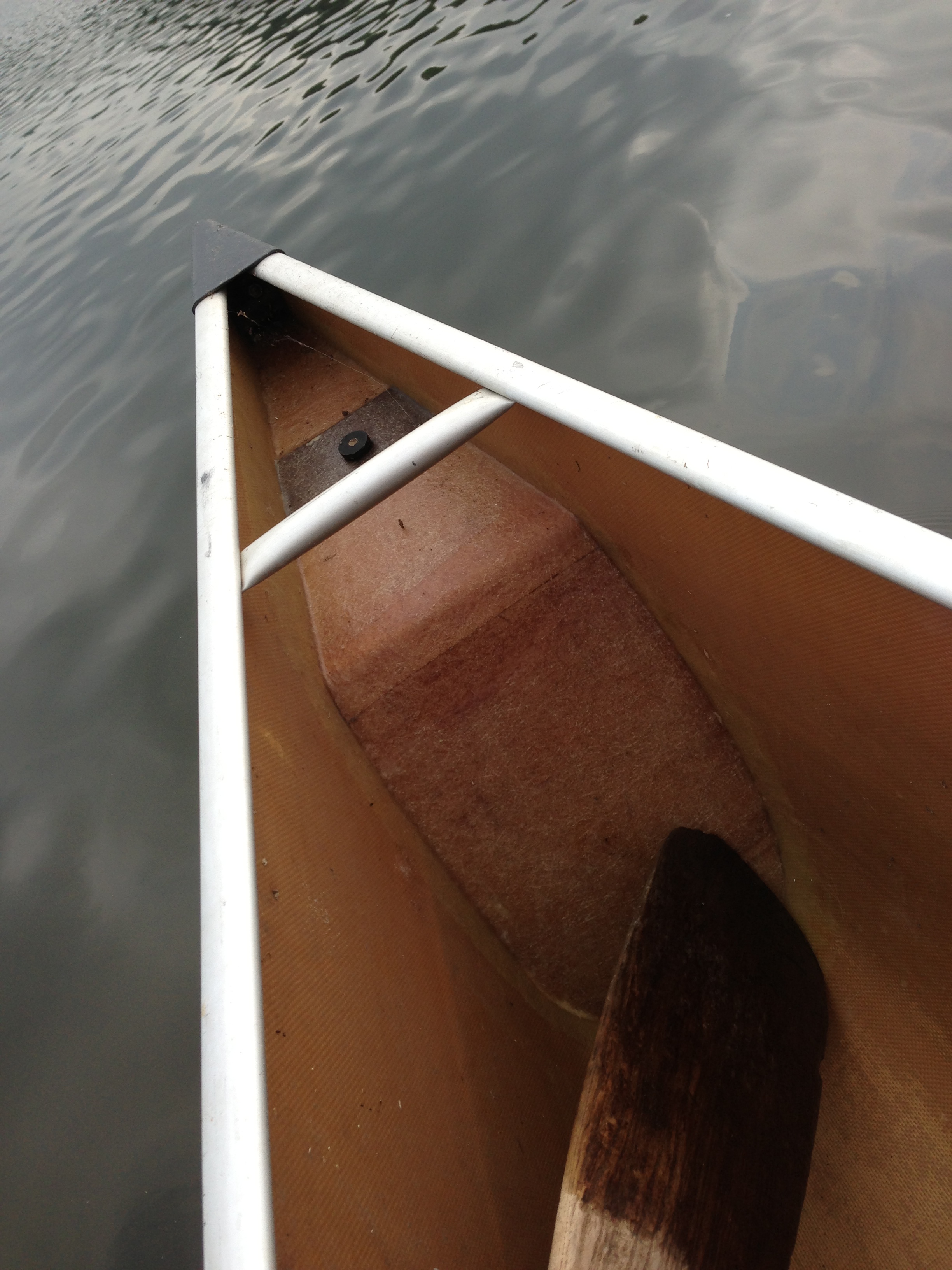
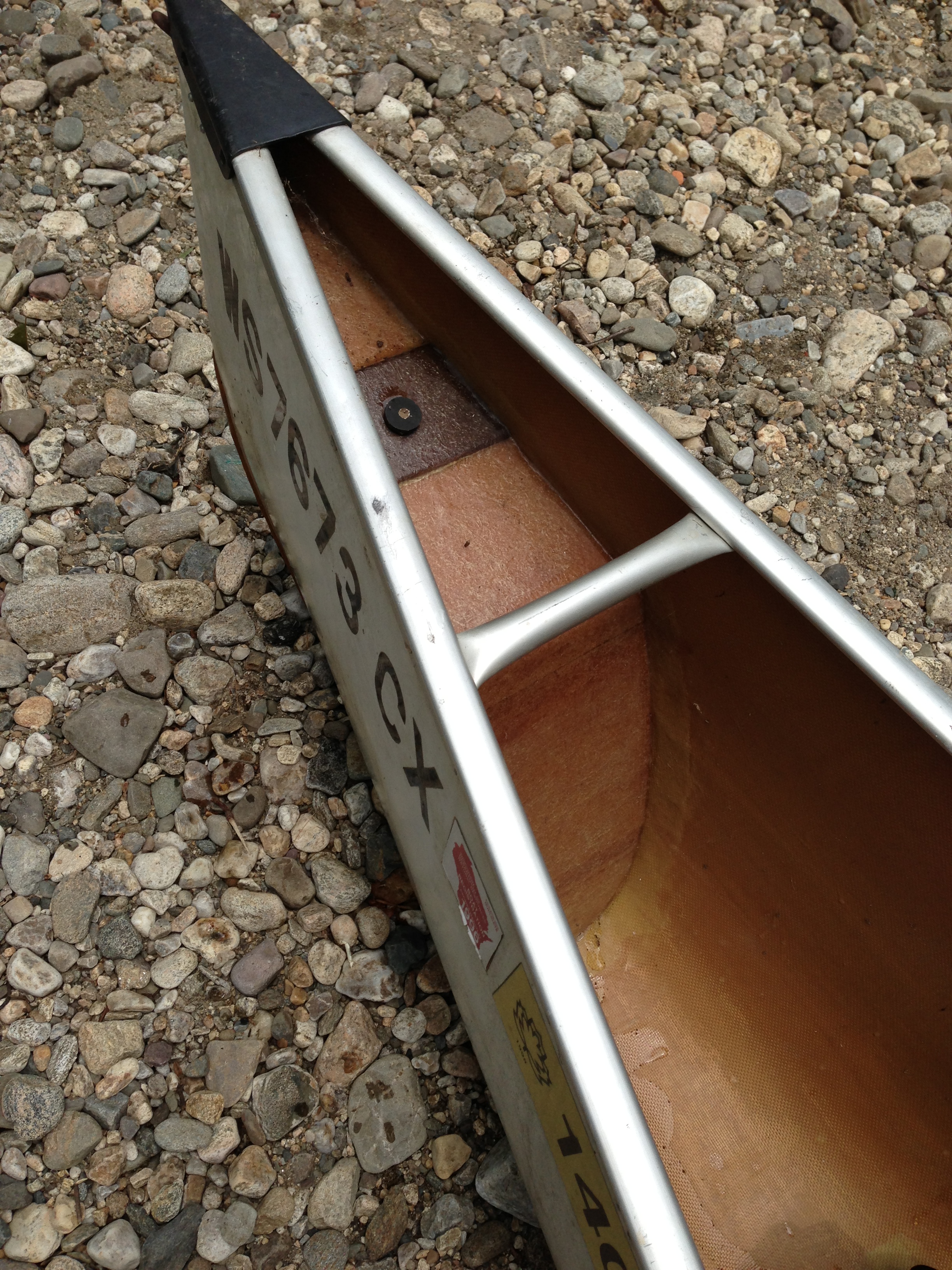
We take the canoe upriver.

canoe bow

Not just any river. The Croton River.

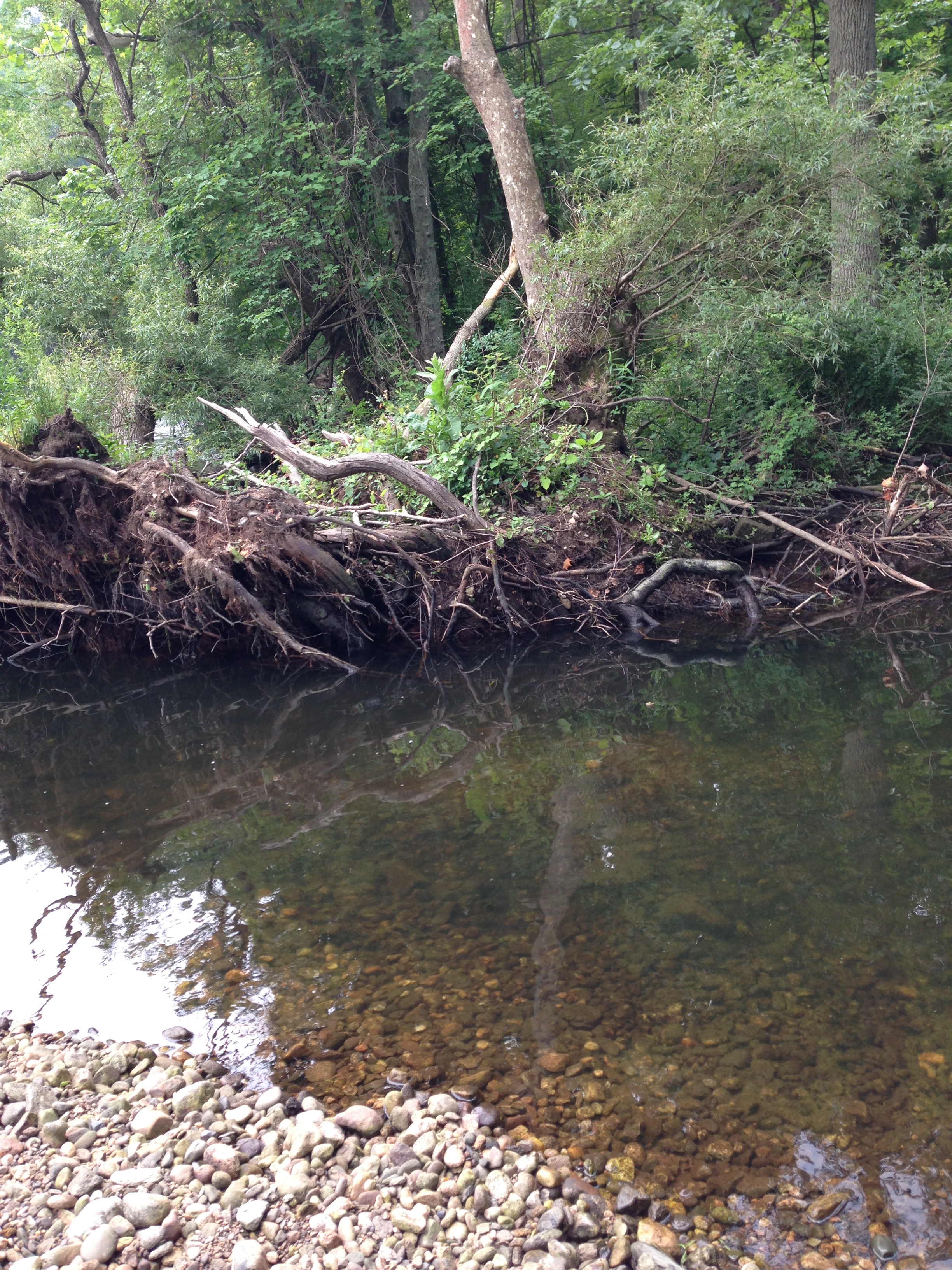
Head upstream from its junction with the Hudson, next to a railroad trestle.

croton river

To our north is the venerable Van Cortlandt homestead, nearly hidden by trees. The family came to New Amsterdam in 1638. They lived on Stone Street – so called because it was the first paved thoroughfare in the settlement – where Oloff ran a very profitable brewery. Eighty-six thousand acres of land here on the Croton River were granted his son Stephanus by the Crown in 1697.

Dip your paddle. No, really lean into it. The tide and current are against us here.

Over our heads flies a cormorant, sleek and fast. A fish flops. A kingfisher appears on a limb, then another in flight.

Around the bend, a heartstopping moment with a wading blue heron. It bends down its serpentine neck and jabs, then gulps, gulps, gulps. It spots us. And barrels away ten feet from us, croaking all the way downriver. (All About Birds gives the precise acoustics.)

Along the way, houses perch atop steep cliffs and water craft wait on shore.

canoes

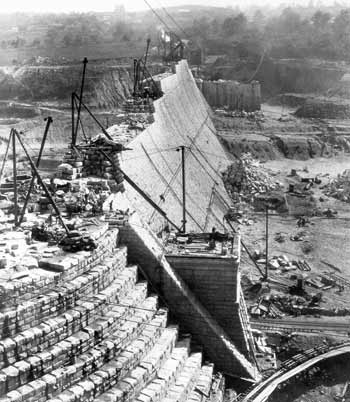
The Croton River travels through the Croton Reservoir, which has supplied water to New York City for a century, so technically it should be clean enough to drink, but the feathering algae under your paddles doesn’t look too appetizing. The Croton Dam was an engineering marvel. For 14 years 1,500 men plied over 500 pieces of heavy machinery, using 745,000 barrels of cement, 100,000 tons of coal and a gigantic amount of locally quarried stone to build what was called the most massive hand-hewn masonry structure since the pyramids.

CrotonDam

I wonder how fast this water flowed before the Dam.

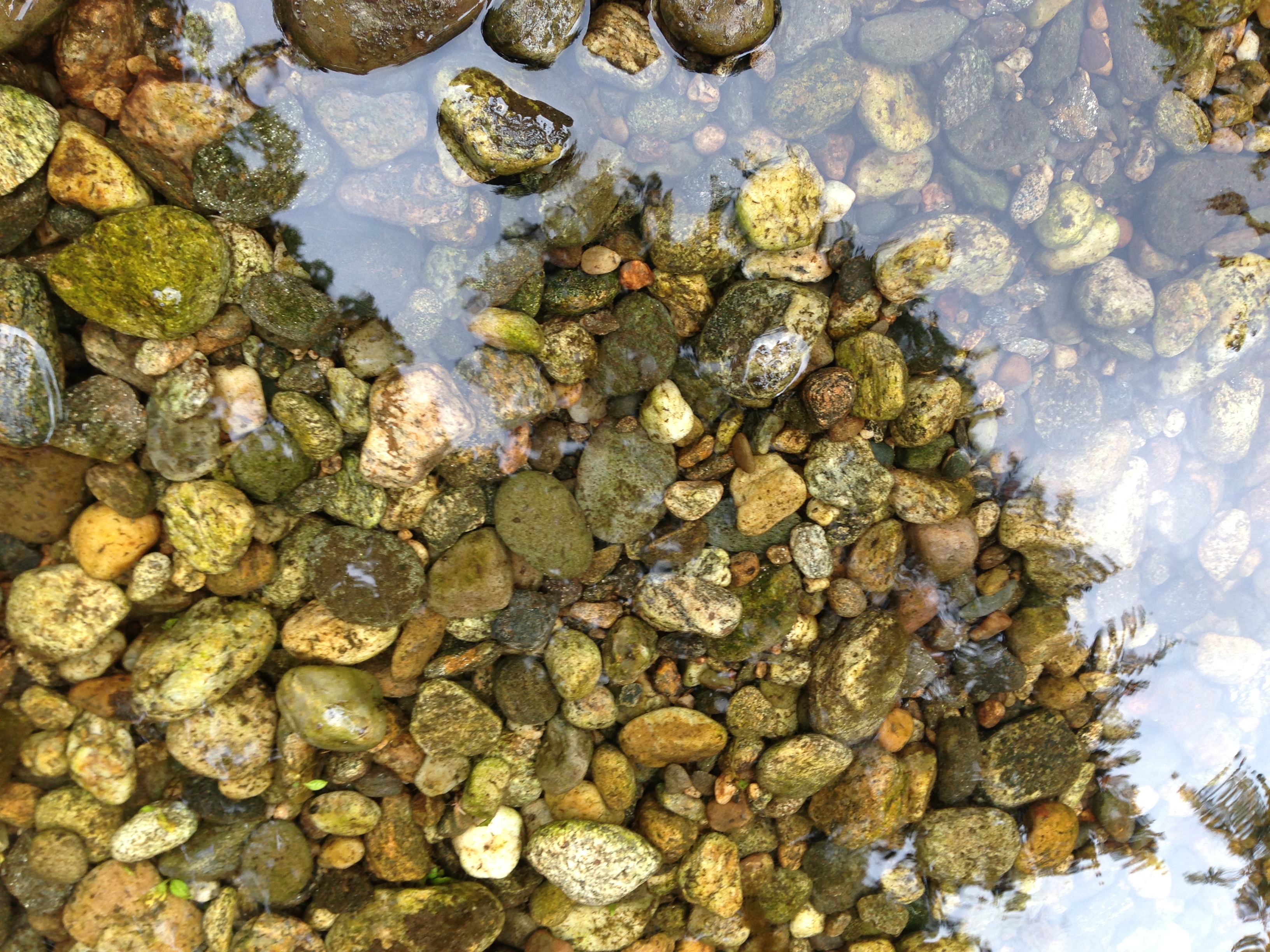
A small rapids, but too much for the canoe to manage, so we portage across the big slippery stones.

croton river stones

I bushwack through the shore’s thorns and poison ivy. At the climb-down point, plenty of coyote scat.

bushwack

Up in the trees, a hawk lights on a bare limb. Light head, light breast. Without binocs its identity remains a mystery.

Then a beach, unpeopled, a desert island.

canoe:stones

The water is perfectly cold.

gil swims

A druid tree displays its magical tangle of roots.

druid roots

A home for critters over many years.

druid tree

It’s an old tree. Probably was a sprout during the American Revolution, when there was no way to cross this river aside from the ferry. No plastic kayaks, recreational canoes. It was closely guarded by the Westchester partisans, who held the land north of the river, while south of the water was the hotly contested “neutral zone.”

A busy set of rapids guides us back.

tree:water

I think I can’t do it. It would be so easy to tumble over, take a cold bath among the slick rocks. But I take a deep breath. Dip my paddle. Go.

2 Comments

Filed under Culture, History, Jean Zimmerman, Nature

At the End of Their Bloom

The end of the rose season and the end of the day. Glinting sweeps of sun, still, but deep shadows starting to fall across the lawn.

You take what you can get.

Q yellowThe roses that remain are as lovely as the roses that came before them. At Lyndhurst, the historic property in Tarrytown that used to be the domain of robber-baron Jay Gould, that’s a lot of roses. There are 400 varieties arranged in 24 crescent shaped beds in three circles, a color wheel that moves around a central gazebo from white to yellow to red to pink and back to white.

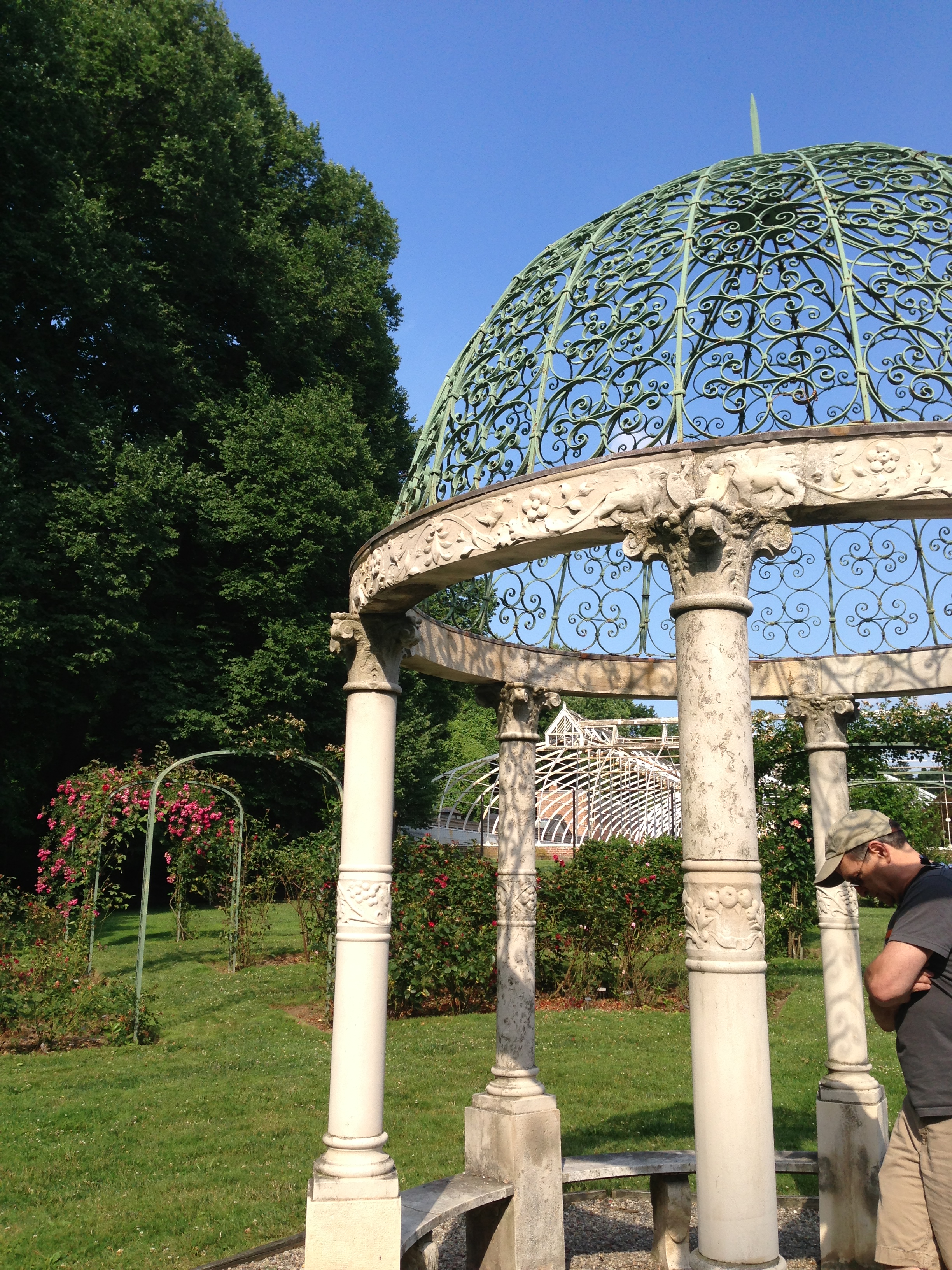
gazebo


The colors are spectacular at the flowers’ height. Not so much now, late in the season, when you see more bare stalks than blooms. But there is something about loving the last rose. Mr. Lincoln, say, bred by Swim & Weeks in the United States in 1964. The fragrance is massive. I want to wear it on my 60th birthday — five years away, but good to plan.

mr. lincoln

There are only a few buds left on Belle Poitevine, but I love knowing that this hybrid rugosa originated with Francois-Georges-Leon Bruant in 1894. The Swedish Rose Society recommends the plant for northern Sweden.

belle poitevine


Gene Boener, ragged as it is so late in June, reminds me of a rose that had escaped someone’s garden and found its way to my house when I lived in an apple orchard years ago, with the sweetest, spiciest perfume imaginable.

gene boenerThis profusion of flowers is perched on a hill that slopes down to the Hudson River. Jay Gould’s Shangri-La. “I do not believe that since man was in the habit of living on this planet anyone who has ever lived possessed of the impudence of Jay Gould,” said nineteenth-century radical Robert Ingersoll.

lynhurst view


Even Gould, who bragged that “I can hire one half of the working class to kill the other half,” couldn’t keep roses alive beyond their season. His daughter founded this garden, putting in old garden roses like Red Dorothy Perkins, bred in 1908, to climb one of the 24 trellises.

dorothy perkins trellisDorothy unfortunately has no scent. And what is a rose without her scent? A later rose is John S. Armstrong, a grandiflora bred by Herbert C. Swim in 1961.

john S. Armstrong

By the time John S. Armstrong got a place in the loam, the rose garden’s upkeep had been passed to Anna Gould, Duchess de Talleyrand-Perigord, in 1938, and then to the Garden Club of Irvington.

A robin hops briskly through the clover and shade moves over half the beds. One fuchsia bloom called Chrysler Imperial, a hybrid tea, has the vague aroma of leather. When you put your face down to smell, watch out that a beetle doesn’t mistake your nose for a flower.

newdawn


The roses are flaming out.

granadaIt’s time to go home. Duck under the trellis covered with  Kathleen Hybrid Musk, bred in the U.K. in 1922 by Rev. Joseph Hardwick Pemberton. A cross between Daphne, 1912, and Perle des Jardins. Gil’s Lao Tzu tee shirt was a gift from me.

Kathleen hybrid muskNot much left on those stalks climbing the old wooden trellis. But if you love roses, you’ve got to love them when they’re naked aside from their sepals.

kathleenOne of Lao Tzu’s greatest hits, from the Tao Te Ching:

Let there be a small country with few people,

Who, even having much machinery, don’t use it.

Who take death seriously and don’t wander far away.

Even though they have boats and carriages, they never ride in them.

Having armor and weapons, they never go to war.

Let them return to measurement by tying knots in rope.

Sweeten their food, give them nice clothes, a peaceful abode and a relaxed life.

Even though the next country can be seen and its dogs and chickens can be heard,

The people will grow old and die without visiting each others land.


1 Comment

Filed under Culture, History, Home, Jean Zimmerman, Nature

My Private Public Library

The train along the Hudson into town, and then the Library. An apple muffin. A picture of the scenery from the train window – marshland, wide river, rock shore, the Palisades, brown, grave, the rails spinning by – wouldn’t do it justice.

The library is the true mecca.

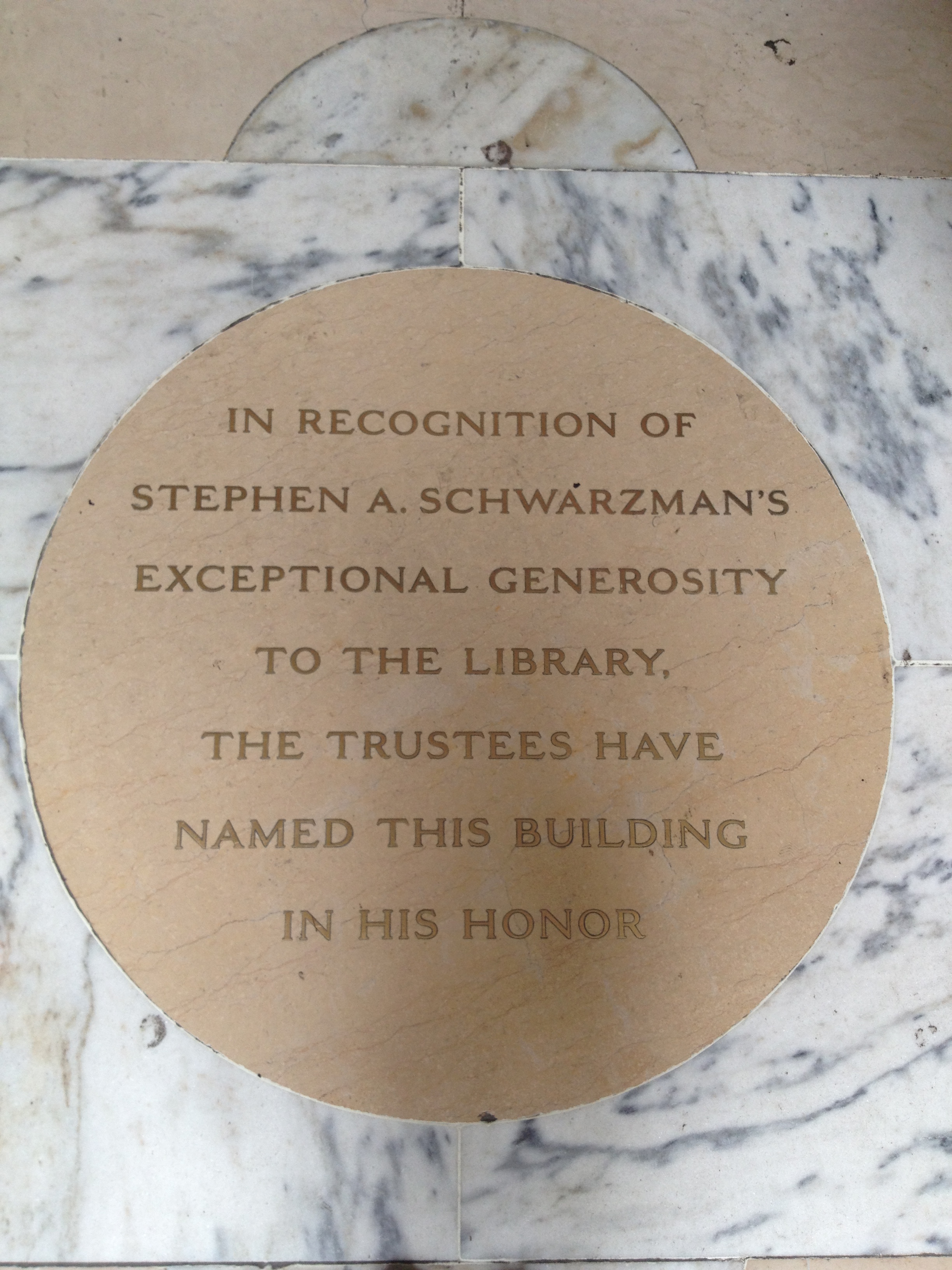
The 42nd Street Library, aka the Research Library, which now bears a different official name: Steven A. Schwarzman. Ten million dollars, you know, earns you an honor like that. But I still call it simply the Library.
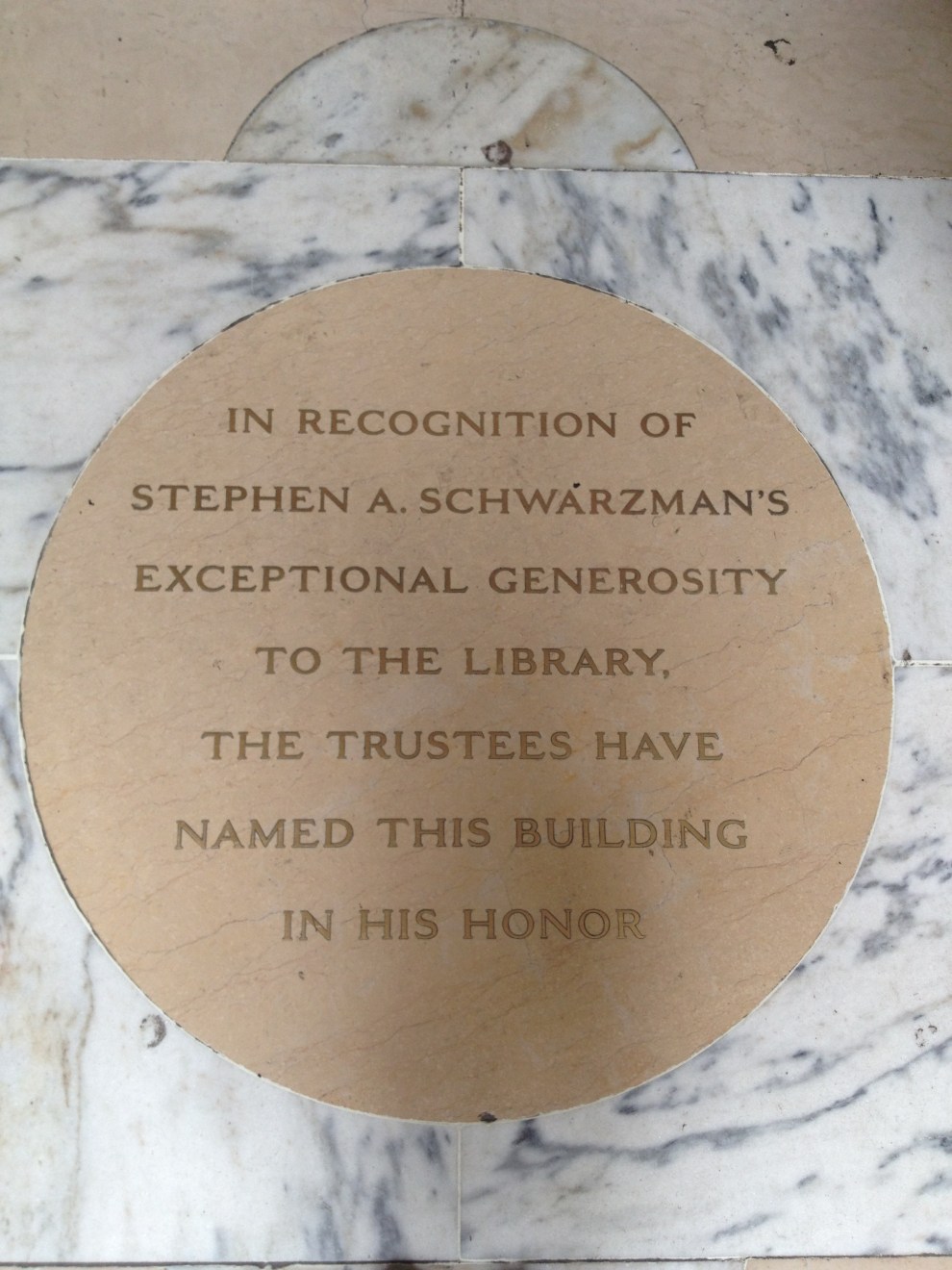
schwarzman

So many people course along 42nd Street, not going to the Library. It’s still a magical, secret preserve, no matter how many researchers, writers, gawkers go there. It’s still mine.

library exterior

For a while I had an exclusive spot here, the Allen Room, where authors with a book contract are assigned one of a dozen carrels. You get to assemble a stack of research materials at your desk, which no one may ever touch but you, for the duration of your project.

allen room

When you’re done, some anonymous monkey-boy comes and takes them away on a cart. Famous writers have parked themselves here, completing important works. I myself could barely concentrate, so dazzled was I by my surroundings. Tall, light-filled windows, a comfortable chair, a secluded napping spot if you so desire. But has my secret lair been moved? I don’t like the looks of that Staff Only sign. The library changing, that’s a constant.

Today, my destination is the Rose Reading Room, where I’m introducing Maud to the mechanics of 42nd Street Library research, and looking into some rare volumes myself. Over the portal appears this line from John Milton: A good Booke is the precious lifeblood of a master spirit, imbalm’d and treasured up on purpose to a life beyond life. Maud will be spending time here this summer delving into her senior thesis, as her grandfather did a little over 50 years before.

typing

He still remembers the echoing dimensions of the Reading Room, and the delicious tomato soup at the Lord & Taylor lunch bar a few blocks south.

Maud has been here before. She spent quite a bit of time 21 years ago in a light-blue Snugli when I was researching my proposal for my first nonfiction book, Tailspin. I jiggled the small, warm bundle of her up and down at the card catalog, hoping she wouldn’t bawl. She never did. There was an art exhibition room across the hall that displayed old, grand paintings, and I recall nursing my baby on a bench in front of a large biblical scene while a passel of Japanese tourists came trotting by with their guide and sniffed at my American manners.

Today, that room is a lot more structured, with long, un-beautiful modern study tables, as the whole library is a lot more structured.

What was, and what is. It always interests me.

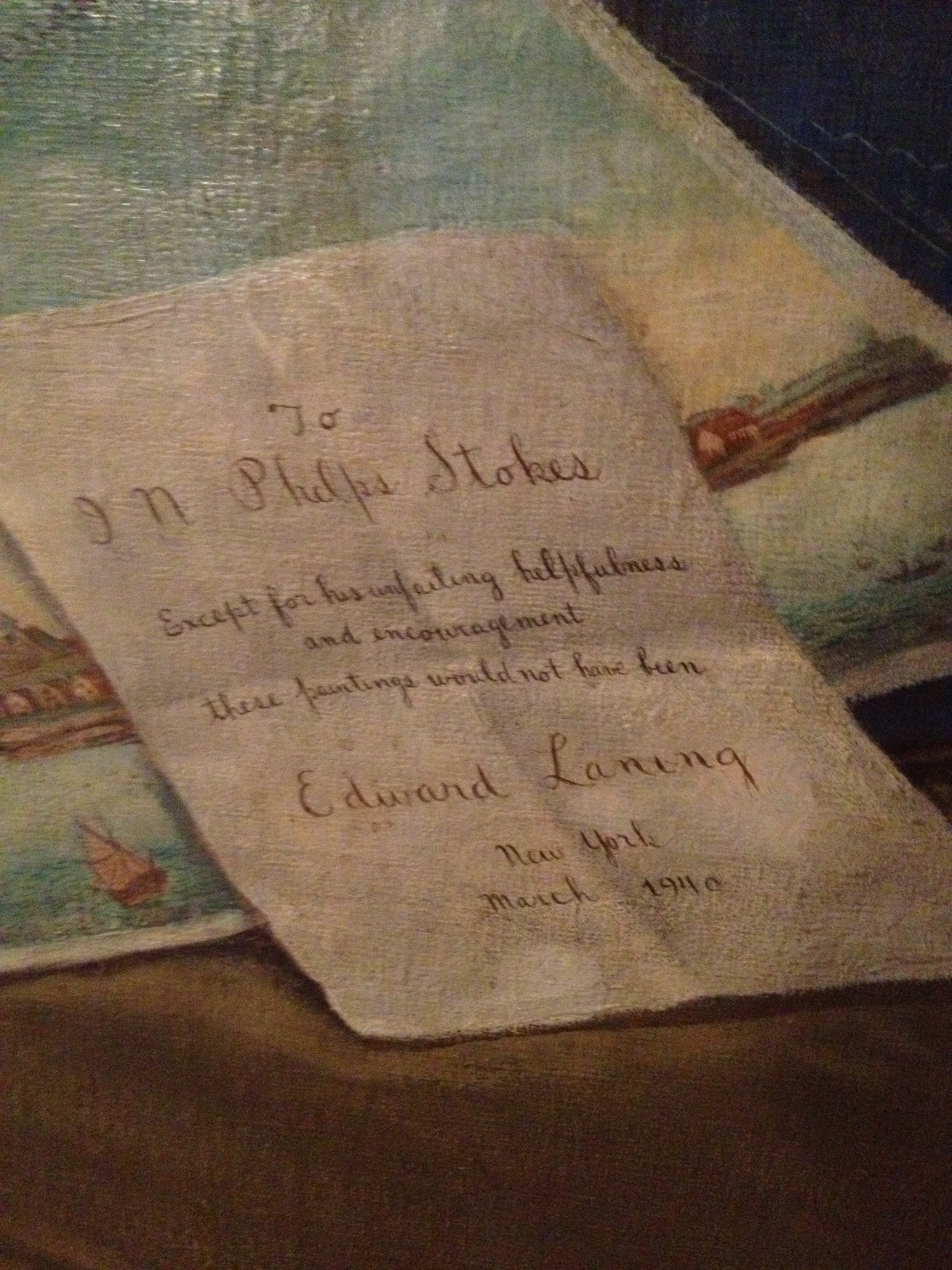
I still like to visit the third-floor murals outside the Reading Room. Painted during the WPA era, they were commissioned by I.N. Phelps Stokes — my book Love, Fiercely profiles him — and they represent the history of the written word. The artist, Edward Laning, credited Stokes in a small, discreet corner of one floor-to-ceiling panel.
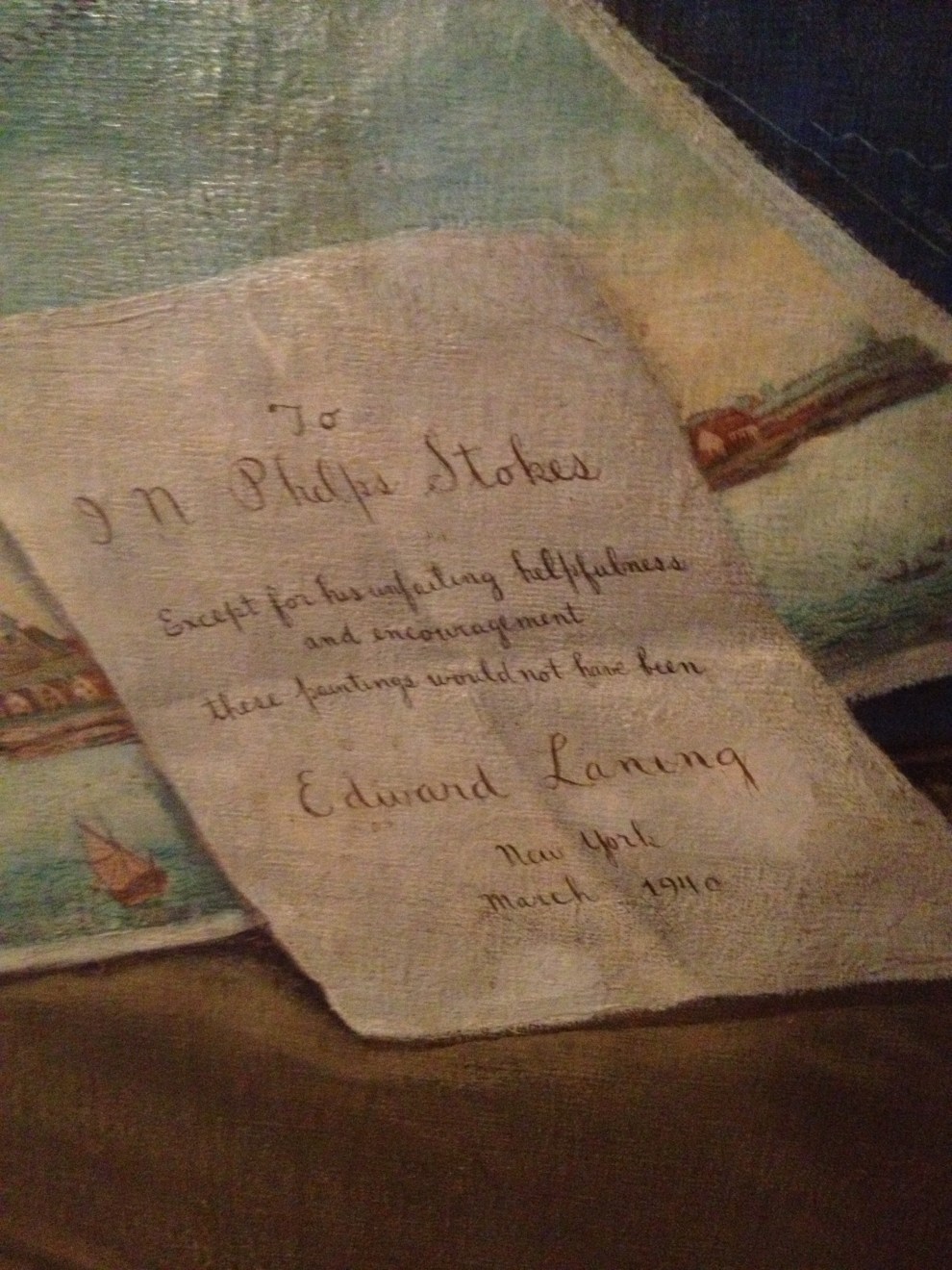
stokes inscription

Stokes had gone from riches to rags by the time he died, but rather than leaving his extensive print collection to his heirs he gave it to the Library. He got a hallway named in his honor. He used to have his own private study just downstairs, Room 221, in a corridor that is now the purlieu of a handful of scholars and library officials. He was given his own digs just after the library opened in 1911, and I guess they didn’t have every bit of space stuffed with books at the point.

I like the corners of the library that people often walk by. The over-the-top water fountains.

gilded lion

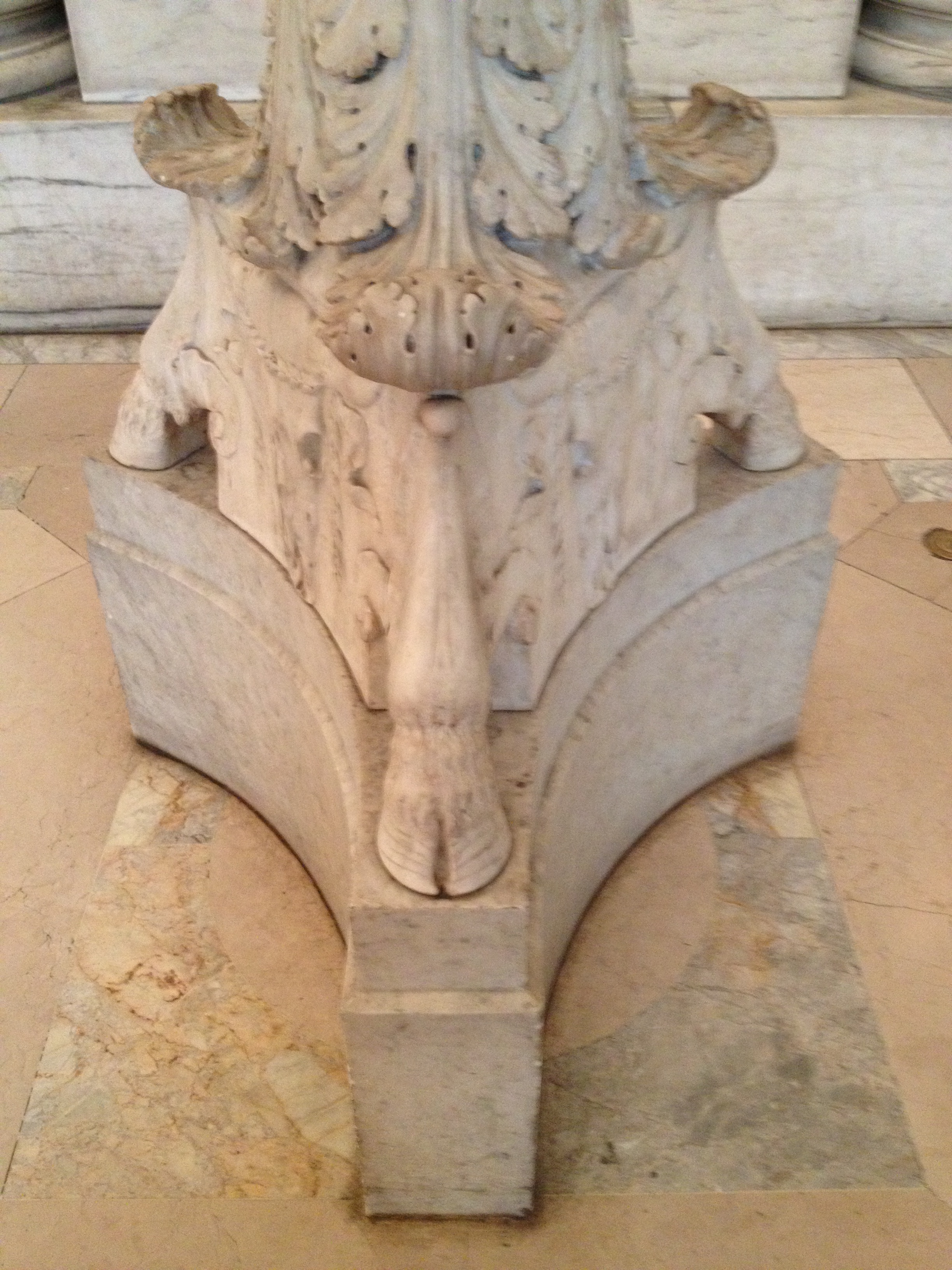
Crazy cleft-foot bases of the towering lamps when you enter the building.
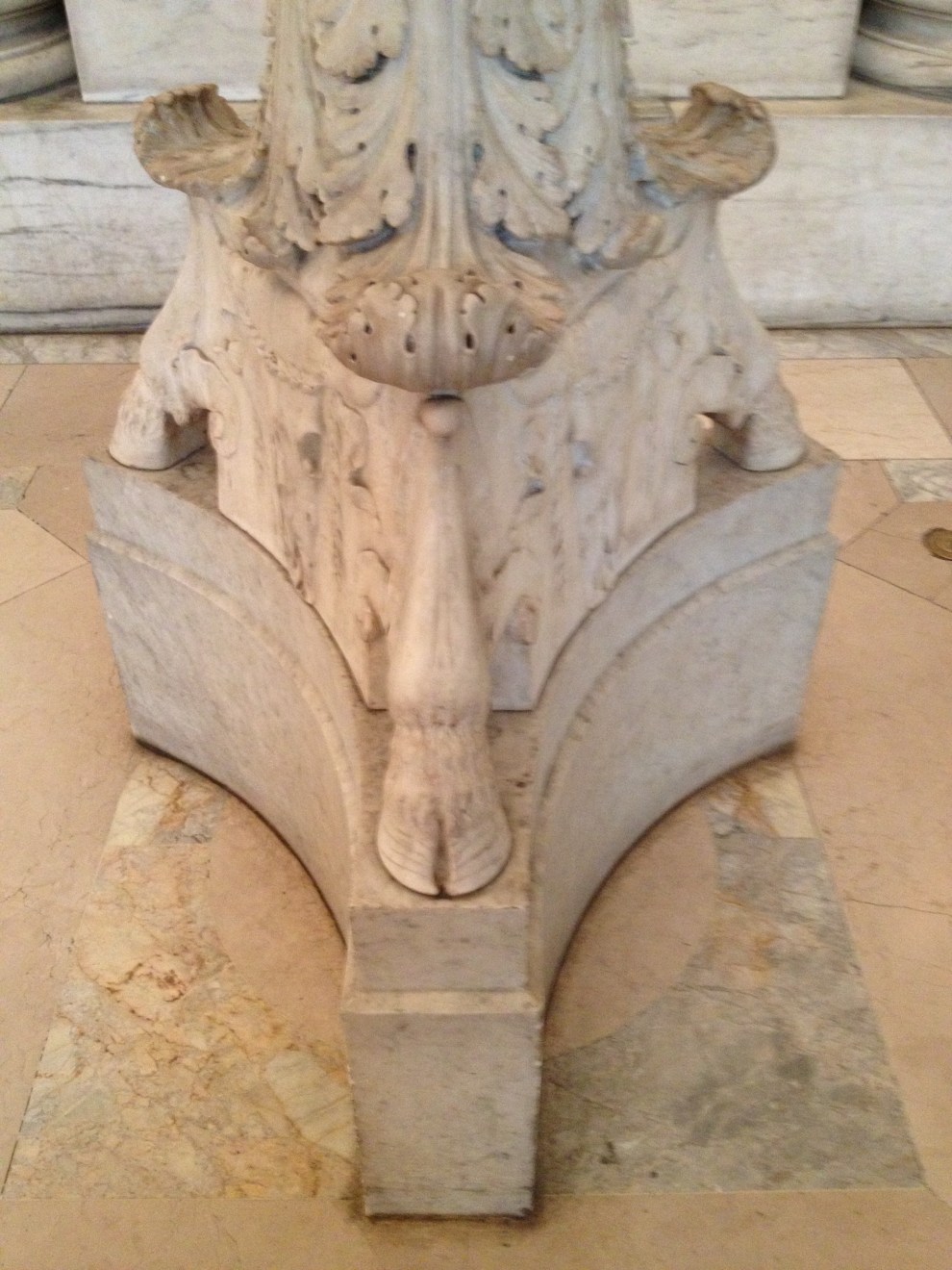
base

The old-fashioned polished-wood telephone booths, now derelict and lonely, where I spent long stretches of time goofing off, talking to various young men. Pretty soon they’ll be gone, too, no doubt.

phone booth

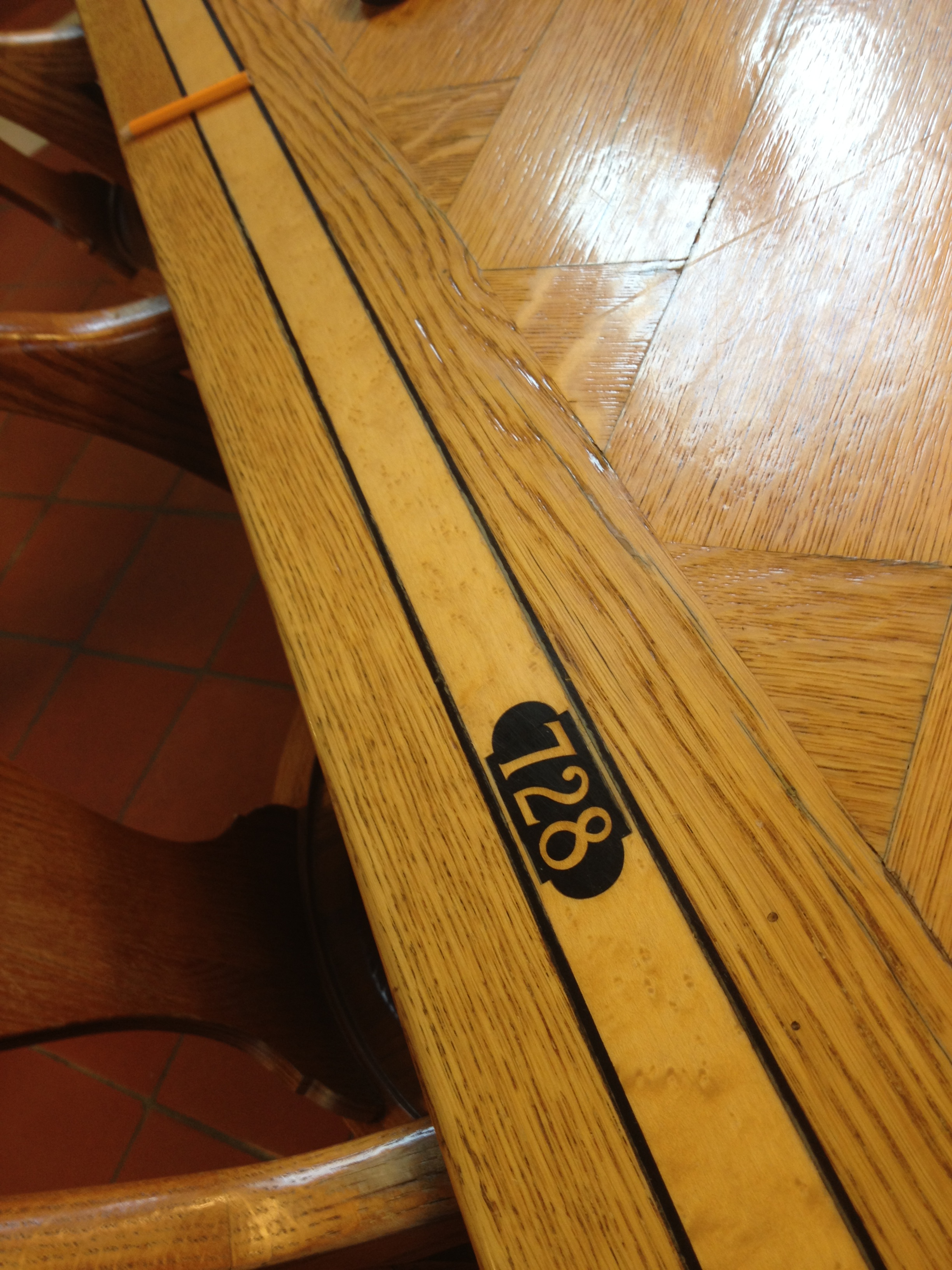
The numbered seats at the tables.

table

Maud, I say, this is how you tap into the vast resources of the library. The stacks go down seven floors – with 75 miles of shelving —  so you can’t just browse. The request process has changed, changed utterly since I started coming here in the late 70s as a college student. But some things remain oddly the same. The magnificent ceilings, with their azure skies and dreamy clouds.

ceiling 2

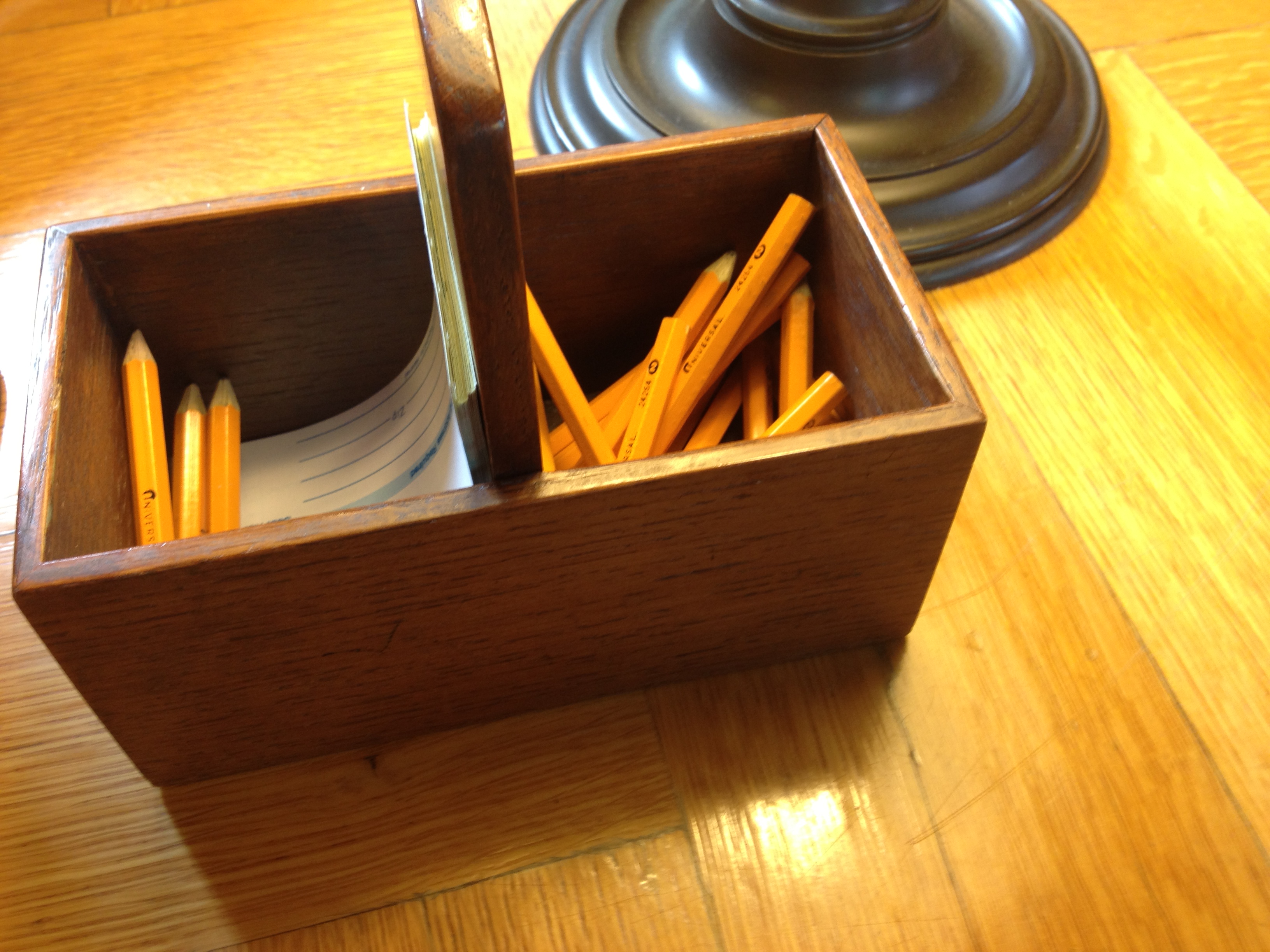
Bill Blass has given money to brand the catalog room, which is is funny considering the anti-fashion appearance of the people there. You get your call number from a computer but write it with the same old stubby pencils on request forms.
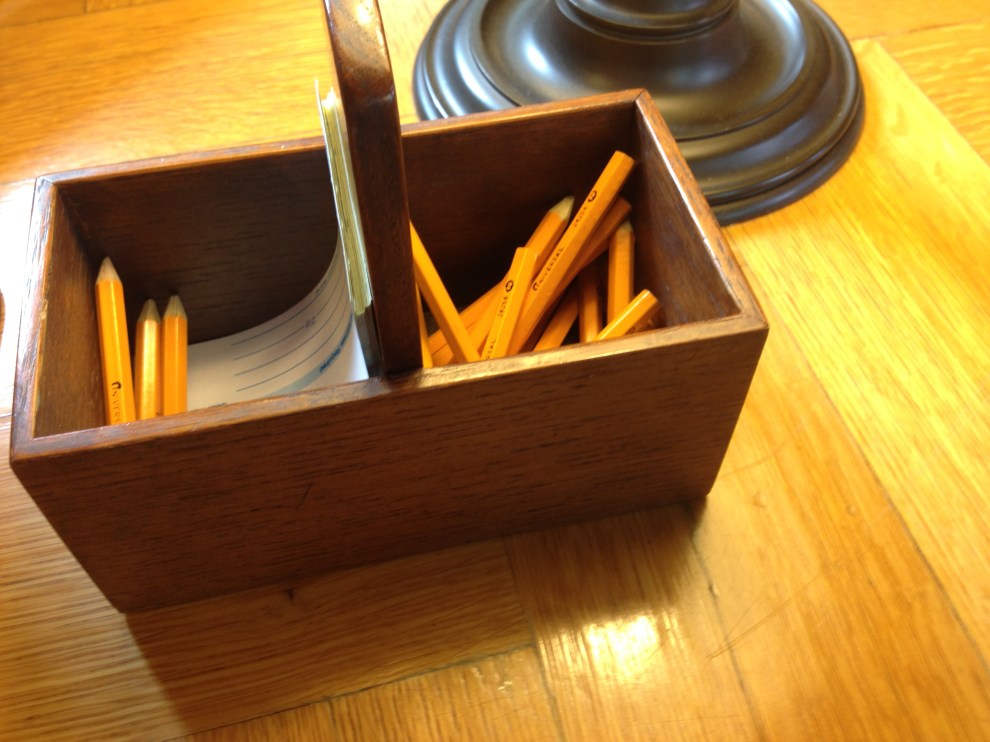
pencils

Once upon a time a person would send your request to the stacks in a pneumatic tube. Not any more. But the process is now even more paleolithic.
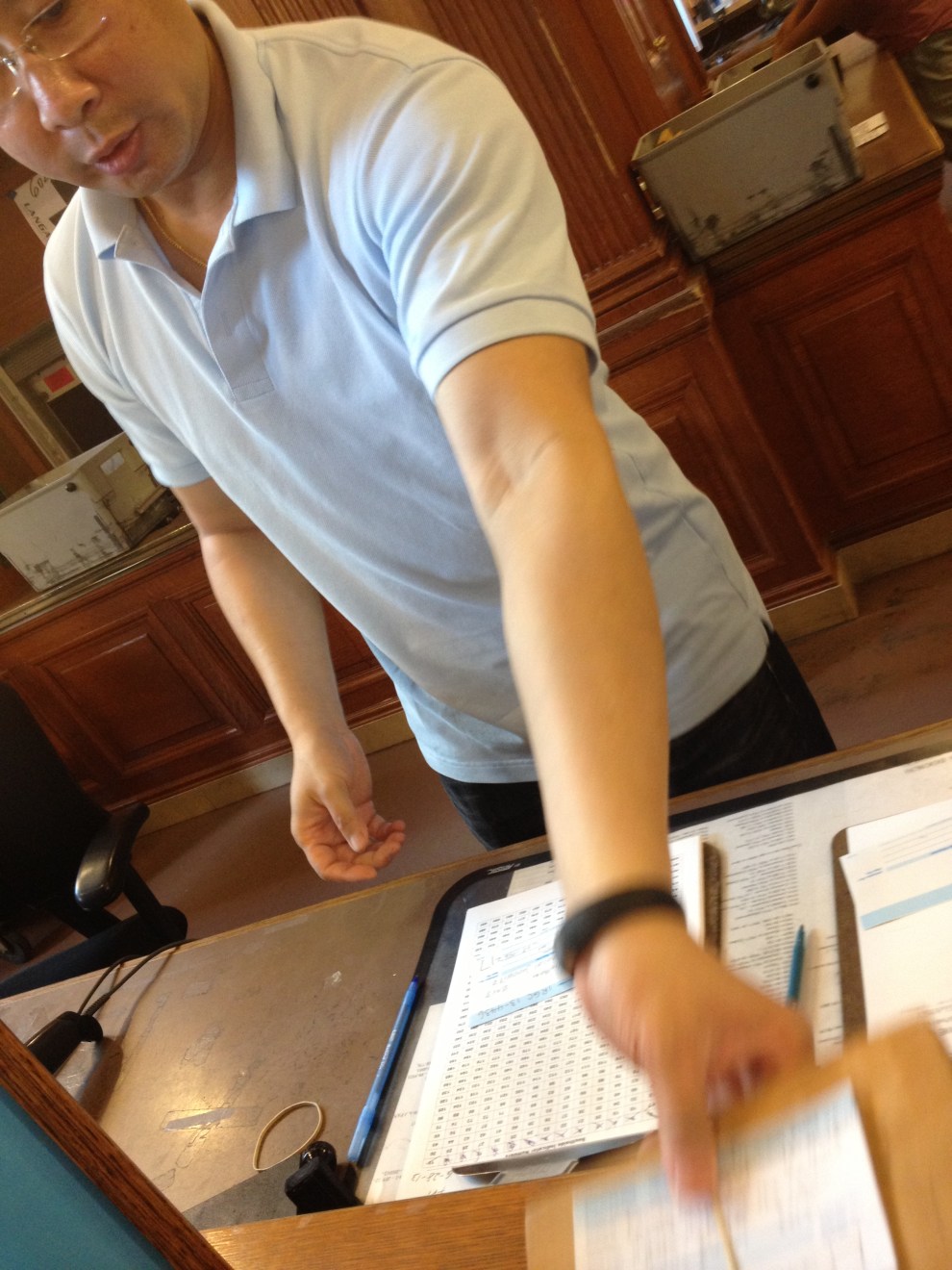
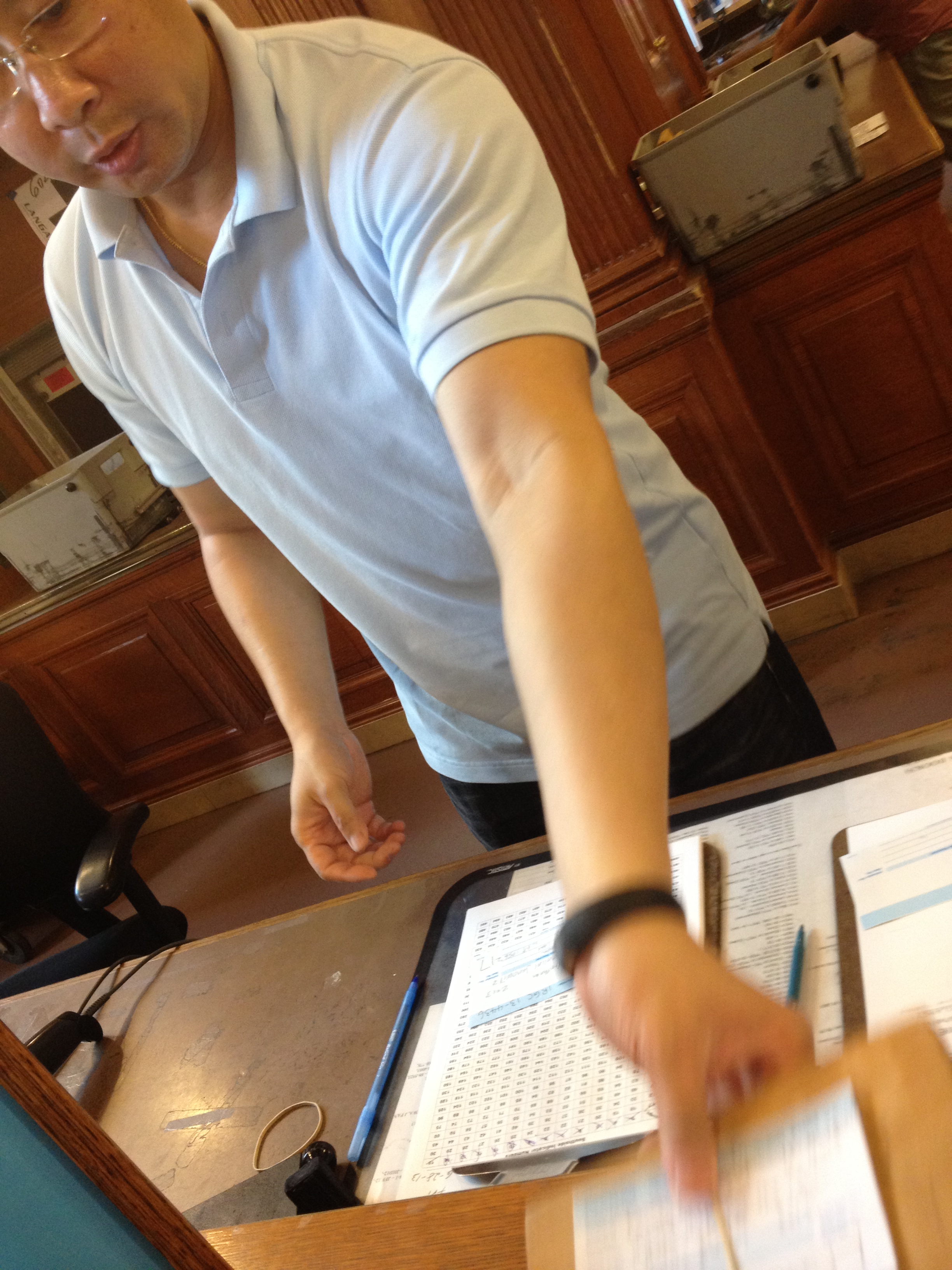
giving wood

With your call slip bound by a rubber band to a block of wood and sent down by dumbwaiter from the reading room to the stacks.

The reading room itself never changes much, only gets spiffed up once in a while. I remember vividly being in college and consulting a volume on the life of Joan of Arc, bound in red cloth, plucked off the reference shelves along its southern end. The book’s still there.

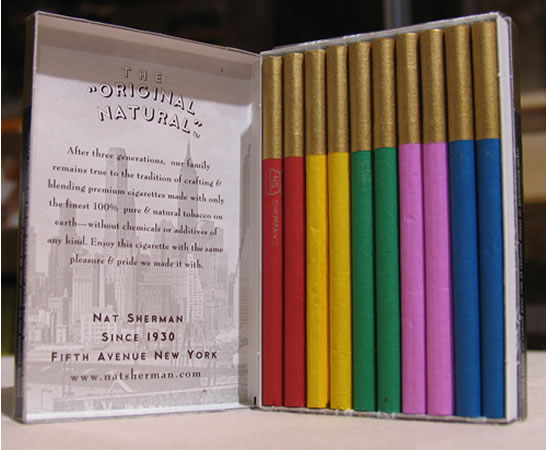
Those were the days when Nat Sherman the tobacconist was located just across the street, and we’d snag samples of its rainbow-colored cigarettes before dropping in to the Library. Everyone’s got memories of a different-era – Gil’s are of the Adams cartoons in the hallway to the Library men’s john.

nat sherman

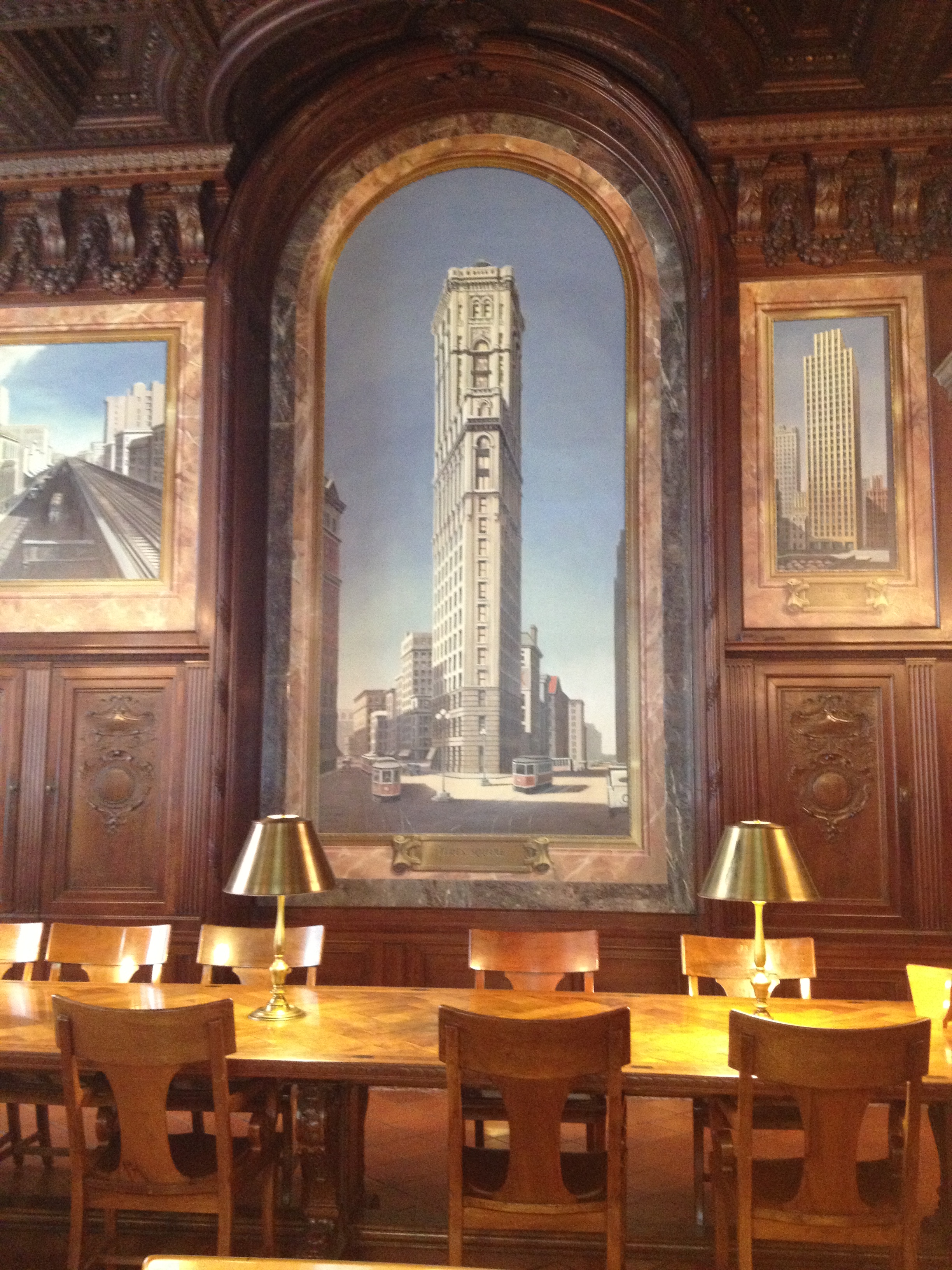
Those were the days of smoking. The mellow smell of tobacco lingers even today in the periodical reading room, a place where it used to be permissable to light up. Muralist Richard Haas’ large-scale paintings depict historic New York publishing institutions; I remember when those pictures went up in 1983. You can peruse a vintage copy of Vanity Fair while sitting beneath the Flat Iron Building.
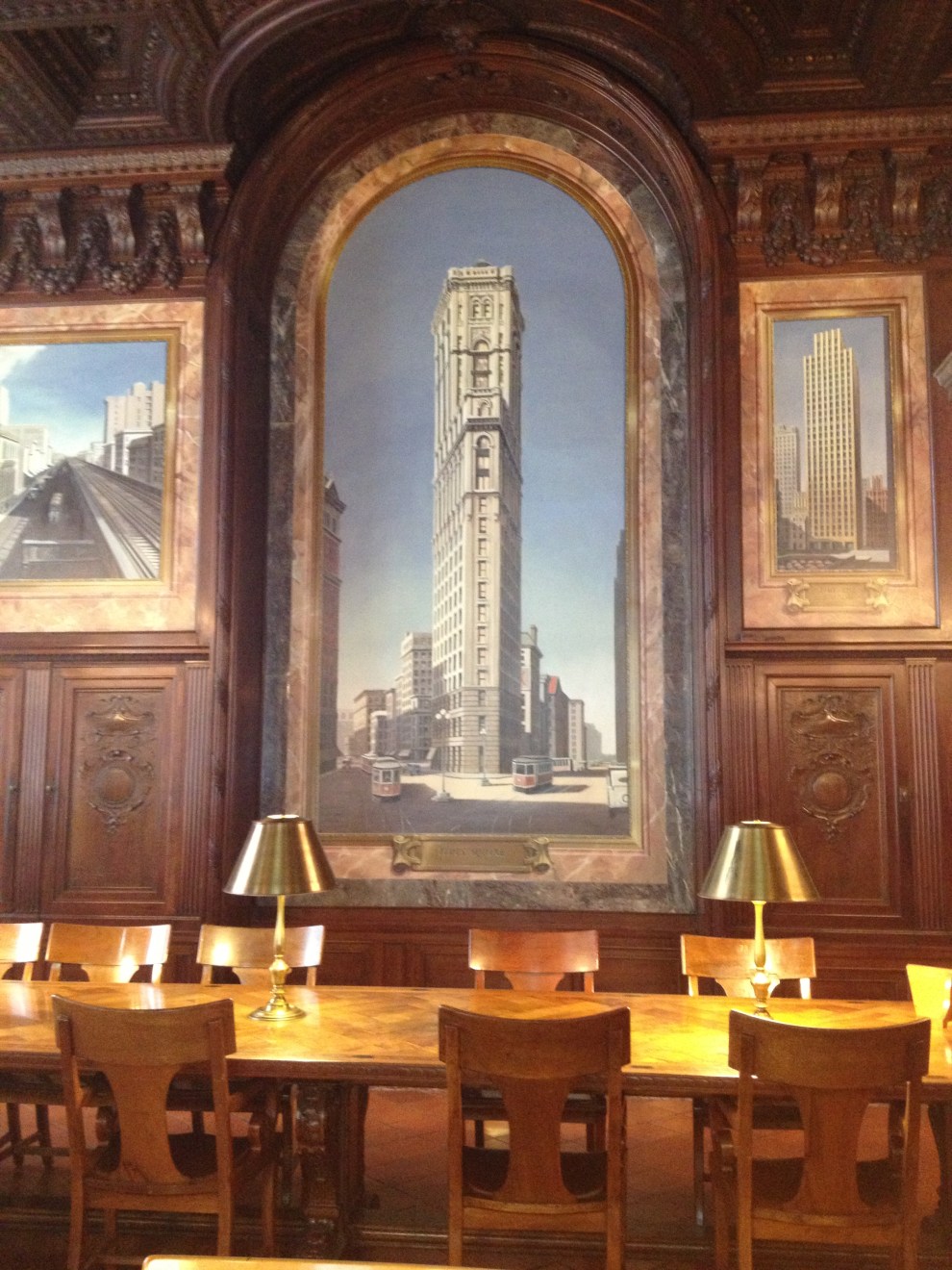
mural 1

Smoking’s of the past, coffee’s the present. A café on the ground floor, near the entrance? Quel horreur! say the traditionalists.

coffee cup

But it’s a very good thing when you’re a college kid coming off of a late summer night in the city.

When the Library was built by Carrere and Hastings, it was the largest marble structure that existed in the United States. The Vermont marble walls are three feet thick. The lions in front, sculpted by E. C. Potter, were named Patience (south) and Fortitude(north). That was in the 1930s, when Mayor Fiorella LaGuardia thought the citizens of New York would need these qualities to get through the Great Depression. They’ve seen their share of weather, such as this storm in the ’40s.
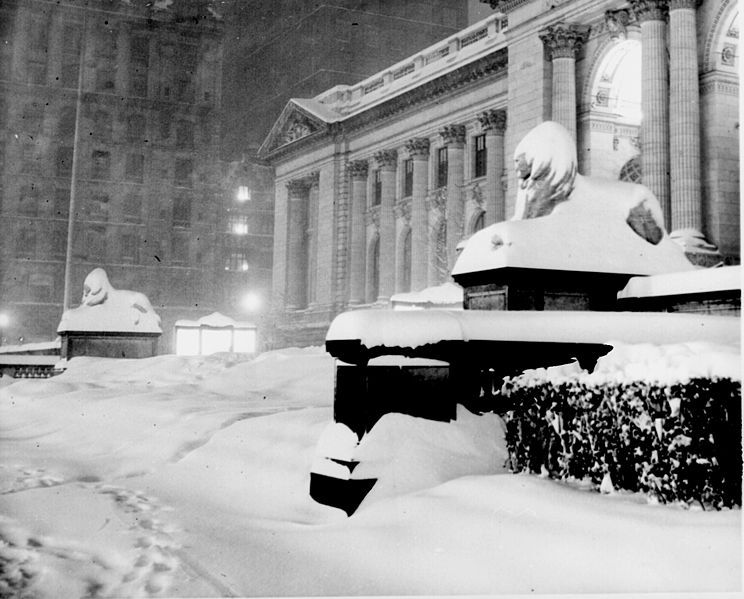
patience

I’ve never thought about those names much, but they certainly also bespeak the traits that were needed to assemble this majestic pile. As they do the writers and researchers who find bliss and all the “good Bookes” they could ever want within its marble halls.

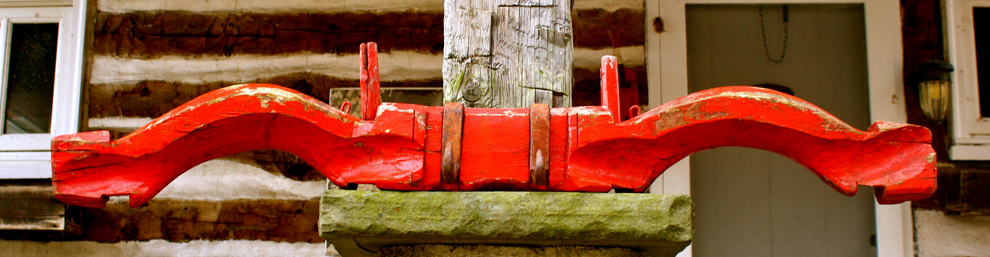
library potrait

3 Comments

Filed under Jean Zimmerman

The Taksim Square Book Club

In  Turkey, people are reading books. In public.

Which is amazing, considering the country’s recent history.

Taksim Square Book Club

People are afraid of losing freedoms. And they’re finding a clever way to meet in public when demonstrations have been banned. Book clubs as free speech.

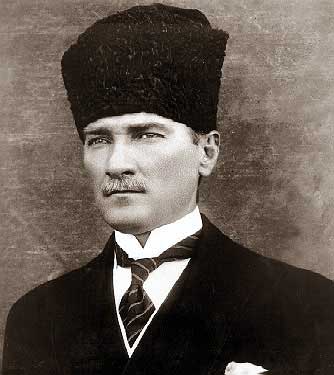
From Ataturk – which means Father of the Turks – who founded the Republic in 1922, all the way up to the present day, the country has had strong secular leadership.

ataturk3

Now the hardliners have come in. In Tacsim square the prime minister wanted to destroy part of a park for “redevelopment.” Somehow that struck a chord with the public and hundreds of thousands of people took to the streets.

The complexities of this story are better left for a political writer, but the numbers have already reached these totals, according to one source: 4,500,000 people provided their support for the Gezi Park Resistance; there were 603 protests in 77 provinces; at least 75 people were arrested; at least 1,750  injured; 3 people including one police officer died. There is an excellent visual timeline of the “ten days of resistance.” New developments are not promising.

Taksim Square Book Club

As an alternative to the violence, the Turkish performance artist Erdem Gunduz chose to stand with his hands in his pockets, facing the Ataturk Cultural Centre in Taksim Square for eight hours.

erdem-gunduz-kimdir-gezi-parki-duran-adam-4746497_1628_o

Gunduz become the symbol of the resistance movement. Thousands of people emulated his action, standing still for minutes or hours around the country. “The Taksim Square Book Club” dovetailed with the still postures, and the books people are choosing form a reflection of their thoughtfulness in the face of this tremendous cultural upheaval. Albert Camus, The Myth of Sisyphus, about God and meaning. Gabriel Garcia Marquez’s Leaf Storm. Nineteen eighty-four. Turkish writer Tezer Oslu’s short story collection Old Garden-Old Love. When Nietzche Wept, a historical novel by Irvin David Yalom. Again, Nineteen eighty-four.

Taksim Square Book Club

What would you hold?

8 Comments

Filed under Culture, Fiction, History, Jean Zimmerman, Photography, Publishing, Writers, Writing

The Handsomest Dog in the World

I write frequently about my dog Oliver.

Image

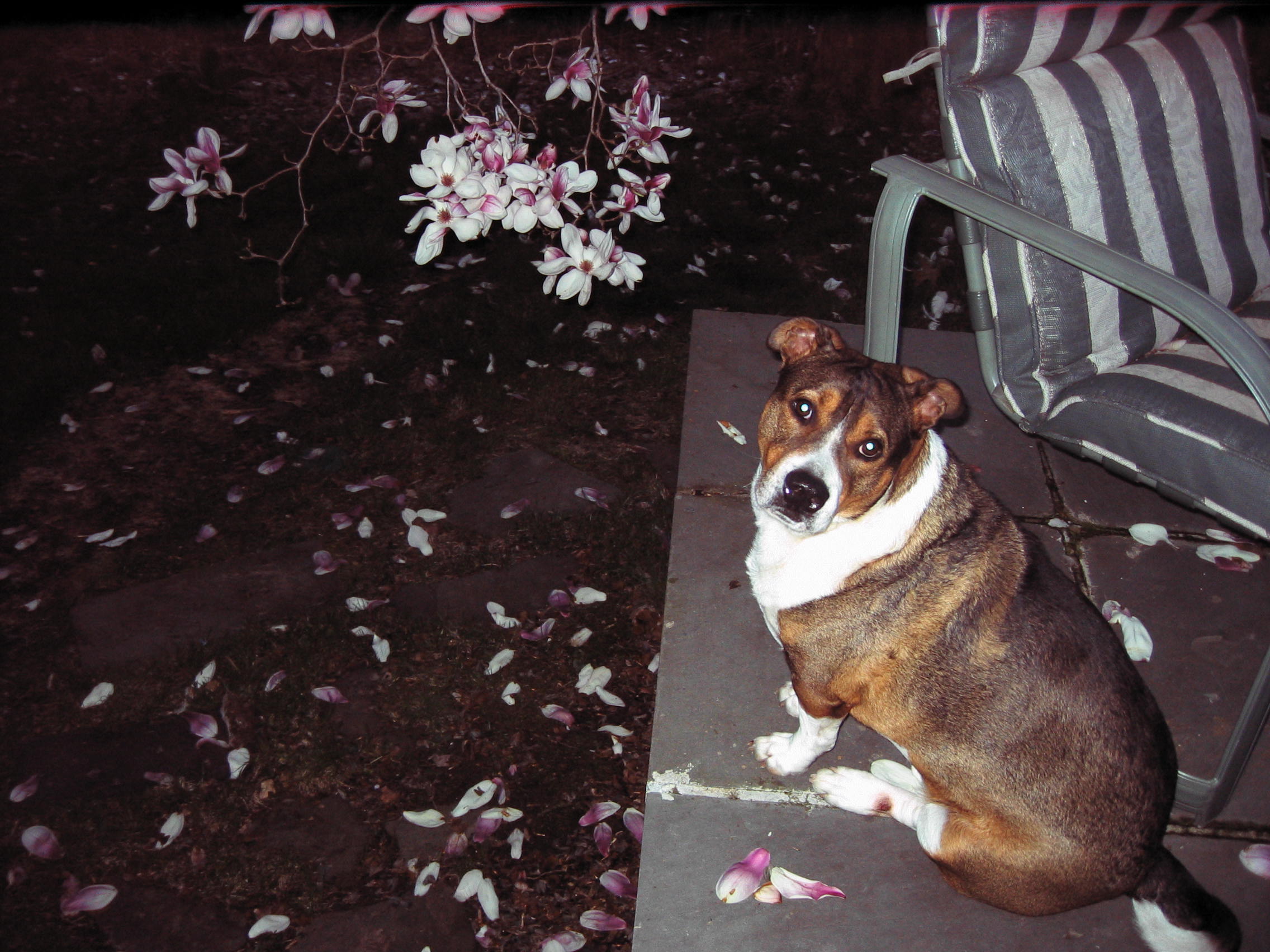
He is loyal. Intelligent. A good eater (lately into ripe strawberries from my garden). Brave. Well, loud and aggressive, anyway, and I think  he’s secretly a bit of a chicken.

We got Oliver as a baby from a dog rescue family that was fostering his ma, a seemingly unadoptable, classic yellow cur. Father: unknown. In a White Plains kitchen squirmed eight chubby balls of fur, attached to eight wagging stumps of tails. It was January. We had run out of time to find adolescent Maud a puppy birthday present. Ollie was it. He might be a beagle, from his coloring. Who knew?

Image

We found everything he did delicious even though he smelled bad and was so snaggletoothed he needed a lot of dental work. His lip was partly cleft. He waddled. Most of all he didn’t play well with others. All he did in obedience class was bark at his classmates. He once found a warren of rabbits and killed them all. His genetic origins, it seemed clear, spanned the basset hound and the pit bull.

Image

Still. Ferocious as he is, he can be the picture of docility. Smiles over the shoes he brings when we come in the door, earning his nickname the Jolly Rancher. He can be mellow, even soulful.

Image

Loving.

Image

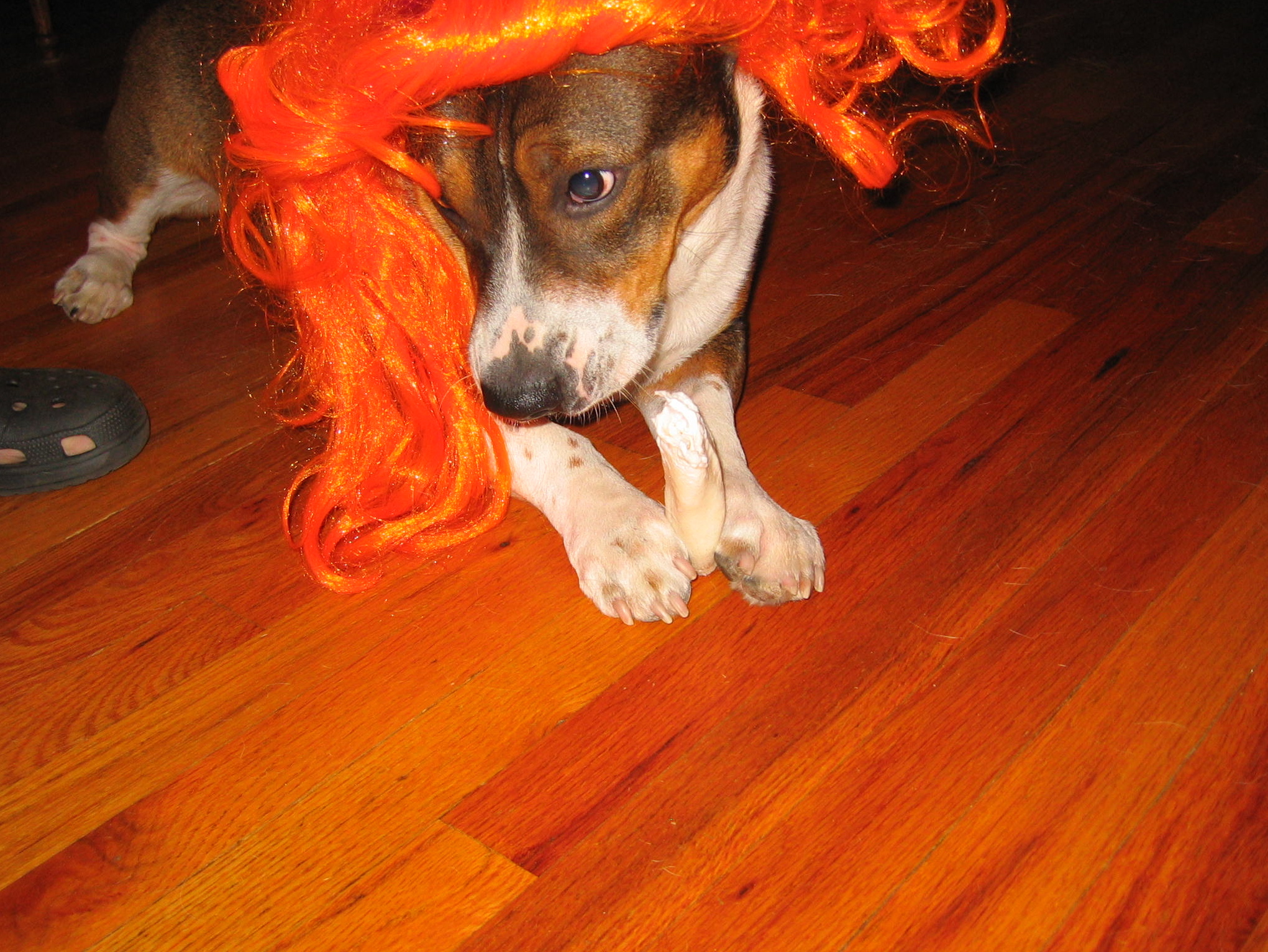
He’s was a flaming redhead for Halloween when he was about a year old.

Image

Clownface, I call him.

Image

Whatever else he is, he’s unique.

And so it is that I became shocked and miffed to see this year’s Ugliest Dog in the World paraded across a stage in California and then making the talk show circuit in New York. The contest has taken place for 25 years, and the Chinese Crested breed, which is hairless, usually triumphs. Not this time.

Image

Walle came from Chico, and they were calling him a cross between a basset hound and a boxer. One judge said that Walle looked like “he’s been Photoshopped with pieces from various dogs and maybe a few other animals.”

Image

Walle didn’t look like any other dog, everyone said, with his pudgy gait, chunky paws, large head, lowrise posture, oversize nose.

Image

Well, you tell me. Is Walle unique? Or did we finally locate one of Oliver’s vanished siblings? More to the point, is the dog who won the laurels ugly?

Because Oliver is beautiful.

Image

10 Comments

Filed under Culture, Dogs, Home, Jean Zimmerman, Nature

A Crash, Then Silence

Last fall I created a trail.

path 1

It started at the curve of the Cabin’s driveway and led uphill to a ridge, winding and turning past trees along the way.

path 2

A beautiful mat of bark I’d step across on my way up suggested the drama of a tree’s life cycle. It was as if the bare, dead red pine had shaken the pieces off all at once in a kind of frenzy.

fallen bark

When I brought Oliver for walks in the clearing beyond the ridge, it always stuck me as a threshold to a fairytale world, parklike, denuded of underbrush, just a beautiful blanket of brown leaves amid tall old trees, with some tenacious raspberry canes. Oliver gives chase to deer here, animals invisible to our eyes.

red canes in clearing

Today my access to that fairytale world was denied.

Gil told me that while I was out this morning and he was sitting at his desk, he heard a crash “that went on for five minutes.” It was sequential, he said, an explosion, then a crack, then another explosion.

A tree fell in the forest, and he heard it.

gil uphill

When we went up to investigate – amid swarms of excited mosquitos – we found half a dozen downed trees, all in a tangle.

crashed trees

And all across my path.

Gil’s theory: “the cherry fell on top of the maple. Now the maple’s all bent over, strung like a bow.” I could see the fresh split in its bark.

cracked tree

Oliver was exuberant, racing around, using the fallen limbs as a steeplechase. “The poetical character…lives in gusto,” said Keats. The dog just wouldn’t stand still.

deer chaser

And then, coming home, at the bottom of the hill I find a phenomenon that is the opposite of loud and crashing. A painted turtle had come to lay her eggs, stretching out her strong hind legs and silently clawing up the mud beneath our grass. We saw her as we left for the trail.

All she left was a hole the size of a silver dollar. No white, jellybean eggs.

turtle hole

I wonder if she heard the trees?

5 Comments

Filed under Dogs, Home, Jean Zimmerman, Nature, Poetry, Writers

Lowdown on the High Line

New York City’s High Line park is totally overexposed. I’m going to expose it further.

walking

I walk with three menfolk from the top to the bottom of this new icon of the Manhattan landscape, stunned by the native plantings that seem to find city soil the best fertilizer in the world.

yellow flowers

I spent a day in the country looking at wildflowers and saw no profusion like this.

cone

Superflowers.

purple flowers

And a planting of bamboo, which has to be tightly constrained by a metal guard to keep it happy in its place. Kind of the opposite of Jesse, who isn’t happy unless he’s on the open seas or in some other free environment.

jess:bamboo

The High Line was  built between 1929 and 1934 from Gansevoort to 34th Streets to lift dangerous freight trains above the traffic. For years, meat, produce and dairy products were shipped to town and arrived at the third floor level of plants. That might have been a little inconvenient, but the situation previous was insupportable. In the nineteenth century, people actually called Tenth Avenue “Death Avenue” because the street-level railroad caused so many accidents. Men in an outfit called the “West Side Cowboys” were hired to ride in front of trains and wave red flags to warn traffic off.

cowboy

In 1980 the last train came through with a load of frozen turkeys. Then the rail bed deteriorated. Gil, who lived in the city then, says, “It was the high line, alright, everyone was getting high.” What grew there was what the High Line people now politely call a “self sown landscape.” In other words, weeds. Weeds, condoms, syringes.

Now there are trees, grasses and flowers, and I think even Larry, who lives on a farm surrounded by midwestern forest, is impressed.

larry

The gardeners of the High Line transformed the place, beginning in 1999. It’s a classic urban place to stop and smell the roses.

climbing roses

Wild roses are fairest, said Louise May Alcott, and nature a better gardener than art. The High Line has nature, art and a third thing, a deep industrial past.

There are musicians.

asian musician

Painters.

painter

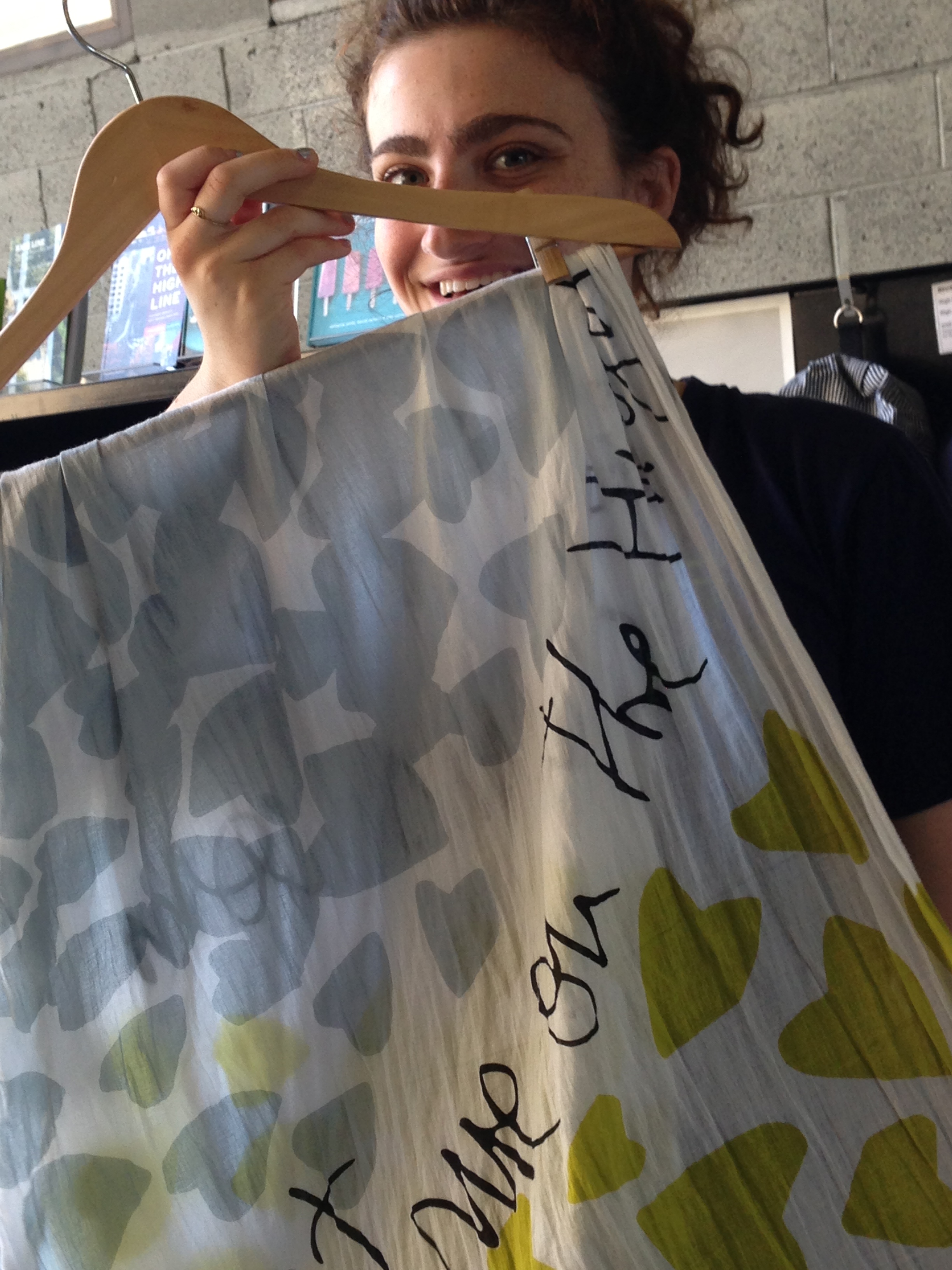
It even has its own clothing franchise, with sarongs that read “Dreams Come True on the High Line.”

sarong

Sculpture rises up along the walkway.

funny sculpture

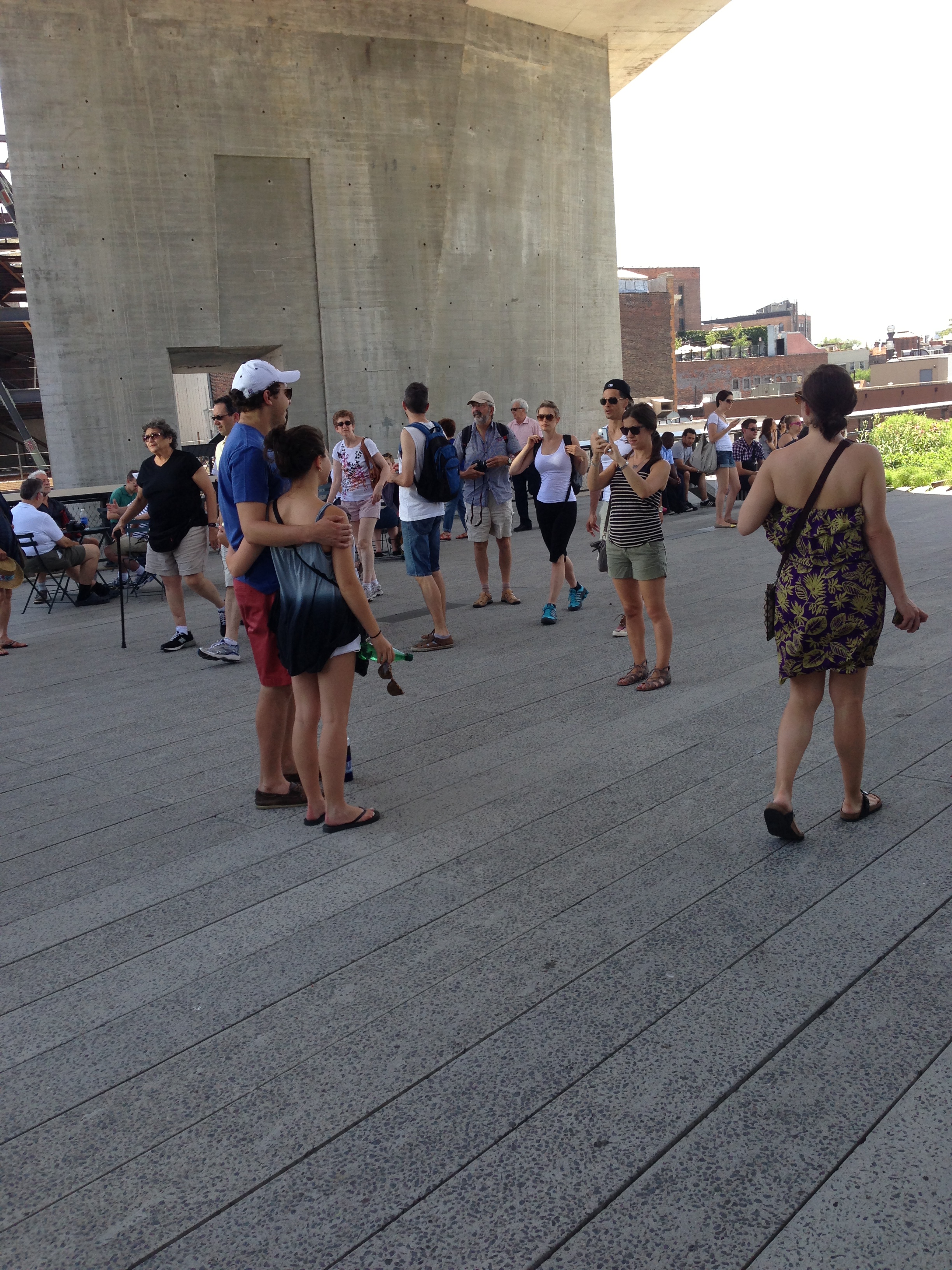
And human sculpture, as people freeze for pictures. What the High Line should have next to the fresh fruit ice pops stand is a camera kiosk. Someone would get rich. Tourists throng — you can walk a long way down the path and not hear a word of English.

taking pictures

With the new, there’s the old – a mysterious pattern of bricks.

bricks

And a towering old painted sign: BONDED. Across it a tag reads REVS, shortened from REVLON, a famous graffitti artist. “It’s got to be on the edge, where it’s not allowed,” REV has said. There’s room on the High Line for all vintages.

old sign

The Gehry-designed IAC Building, at 555 West 18th Street, with its milky, origami exterior, has been open since 2007. Vanity Fair called it the world’s most attractive office building. It’s especially great to see it in tandem with structures of other vintages, including the old-fashioned piedmont of a lower one whose top is flush with the park.

Gehry

The Standard Hotel soars above. It gained some notoriety when High Line strollers realized they could look up and see happy exhibitionists making whoopee in the floor-to-ceiling windows.

the standard

(When Chuck Barris was looking for a word to meet the network censors’ standards on the Newlywed Game, the term ultimately settled upon was whoopee.) Meat trolleys for hanging beeves still exist if you look closely. Right along the Standard, in the shadows, a rusted remnant of the  district’s sanguinary past.

beeves

But one essential thing about the High Line is the views.

cityview

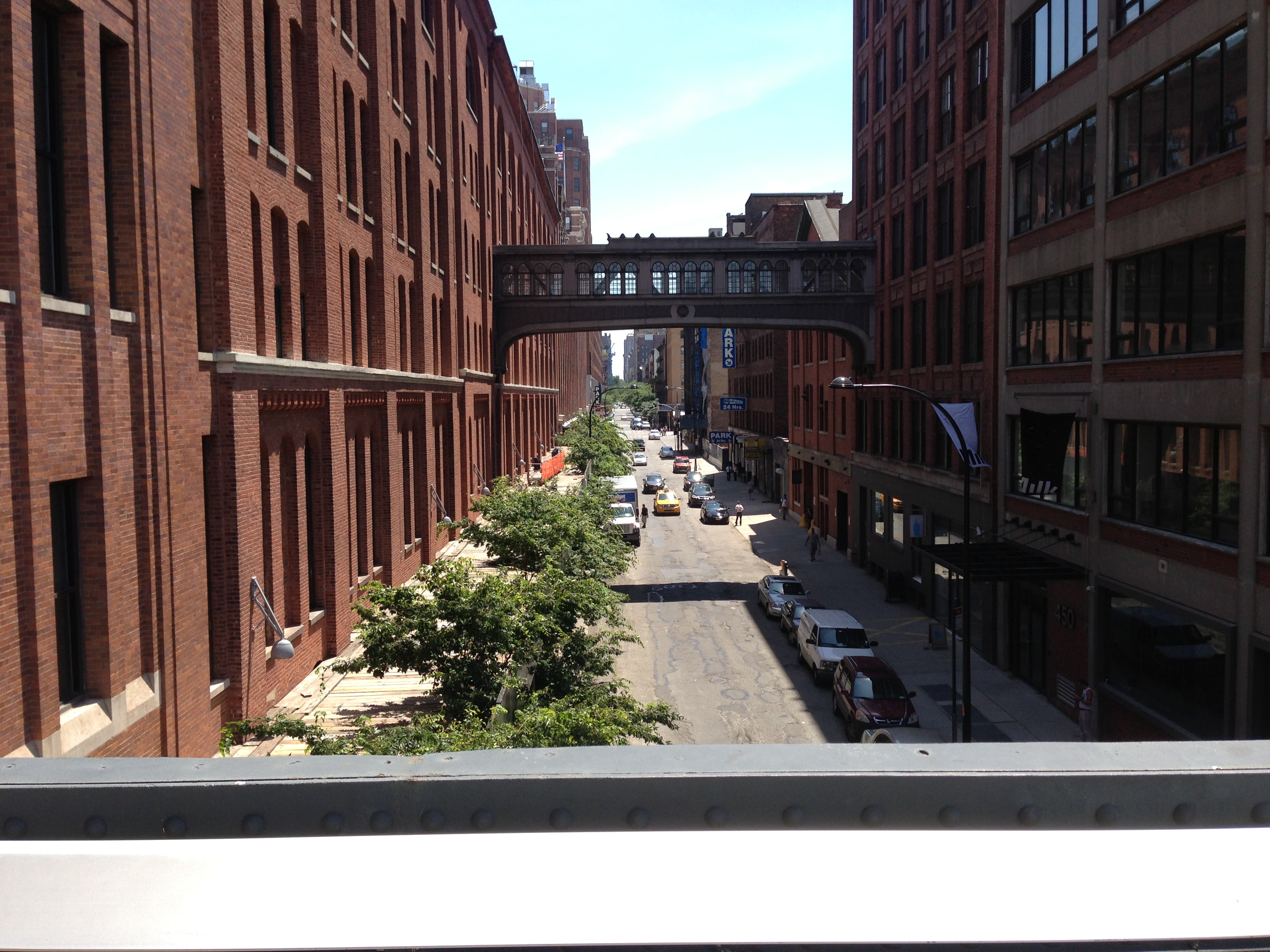
In the nineteenth century, landscape architects carved out pastoral views on grand country estates, cropping trees advantageously to accentuate vistas of rivers, mountains, or other natural elements. The High Line is the 21st century equivalent, with quirky street perspectives all around, framed from this tall iron structure.

bridge

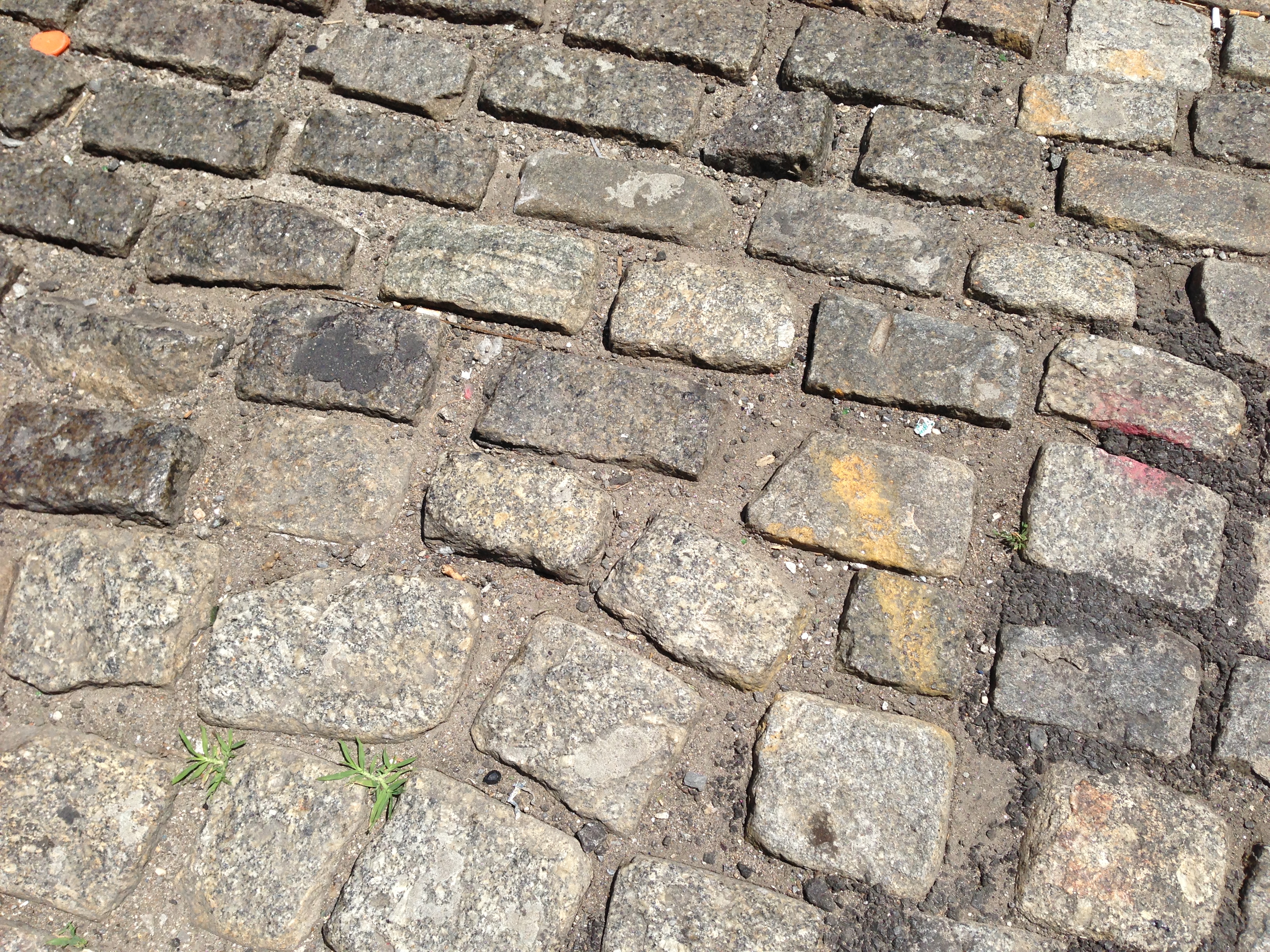
After our promenade, we descend to vintage New York cobbles. A remnant of the lost city.

cobbles

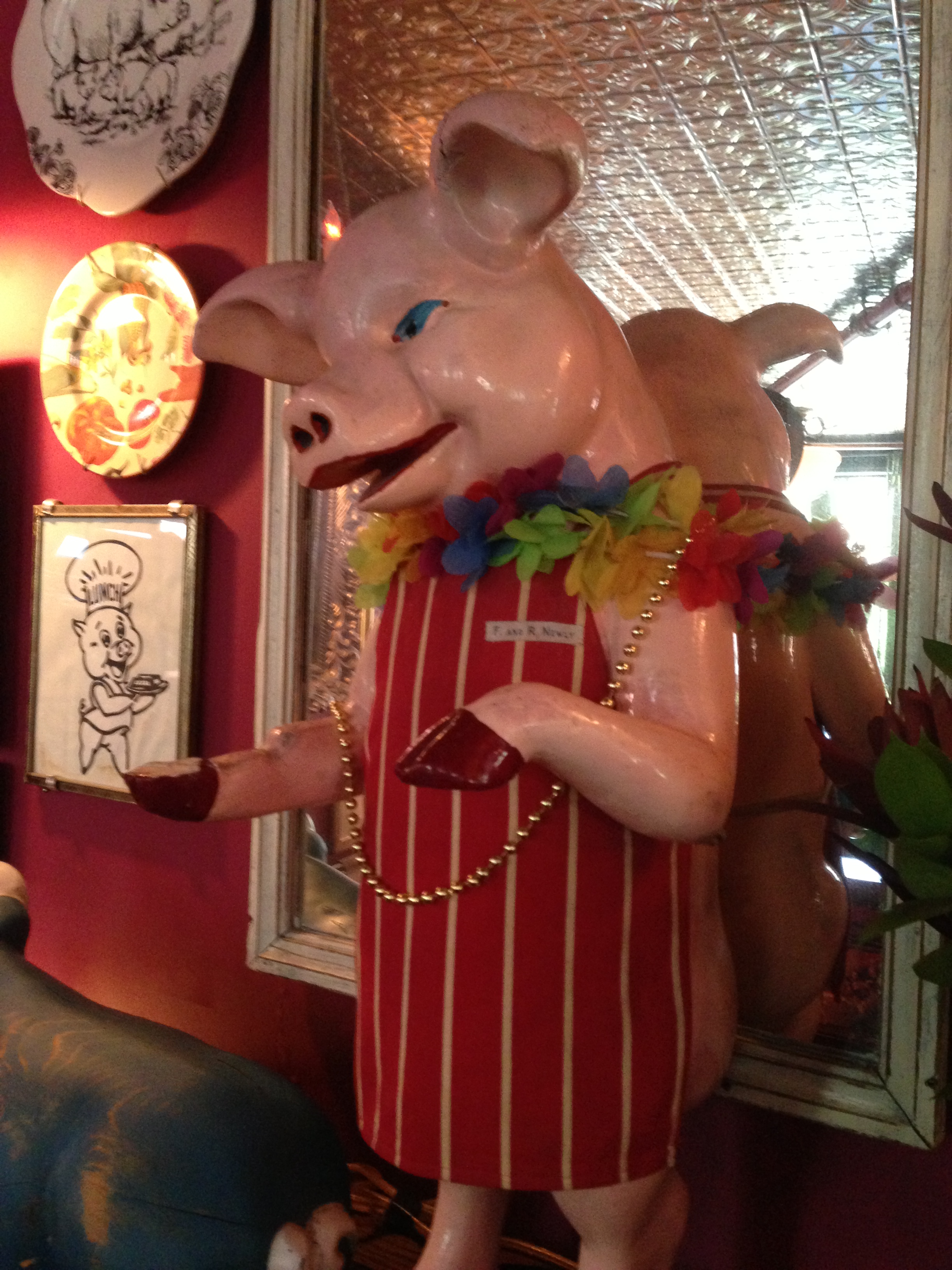
We refuel at a restaurant called The Spotted Pig.

pig

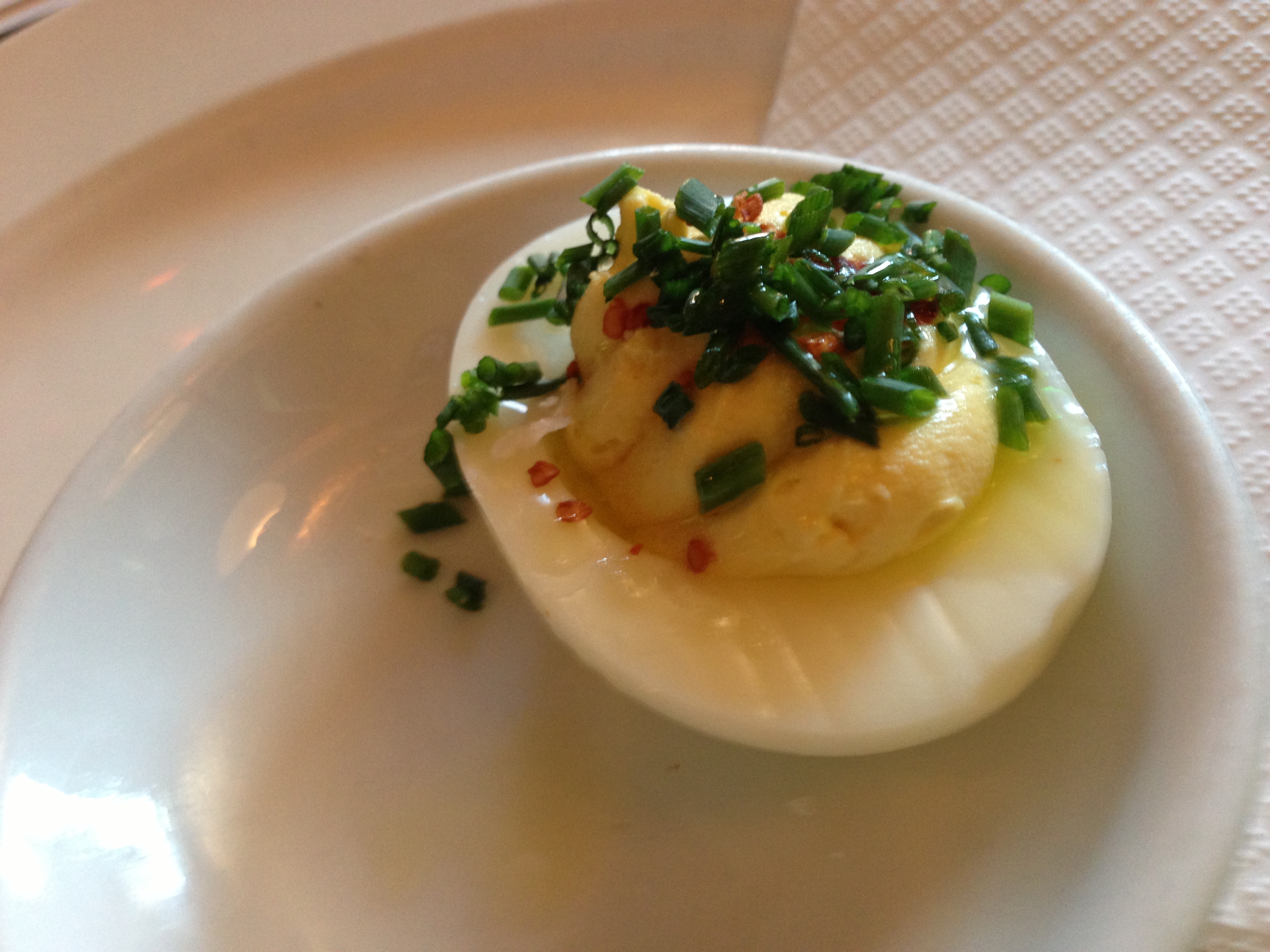
The eggs it serves are divine, with crunchy flecks of sea salt.

egg

I am tired after our sun-blasted walk of a two miles. Jesse is wide awake, which he always is, except when he’s asleep.

jess eyes

And the french fries… well, it is hard to shovel them in fast enough.

fries

The chef strews the shoestrings here with shreds of rosemary. Everything tastes better after the High Line. An ordinary pinapple smoothie from a new perspective.

smoothie

A fantastic church frieze overhead. Had it always been there? I can’t recall. The galleries of Chelsea are closed on Sunday, but that doesn’t mean the great sidewalks of New York are closed for business.

girl graffiti

Too much graffiti has been scrubbed off in recent years. Manhattan is the new Minneapolis. Now we have clean, healthy biking all over town. In Greenpoint, Brooklyn,  where I visited a week ago, it’s a different – and more colorful – story, as it hasn’t quite shed its industrial past and makes a fine canvas for folks who do outdoor outsider art.

slut tribe

Here in the Meatpacking District we find a few worthy efforts.

boy graffitti

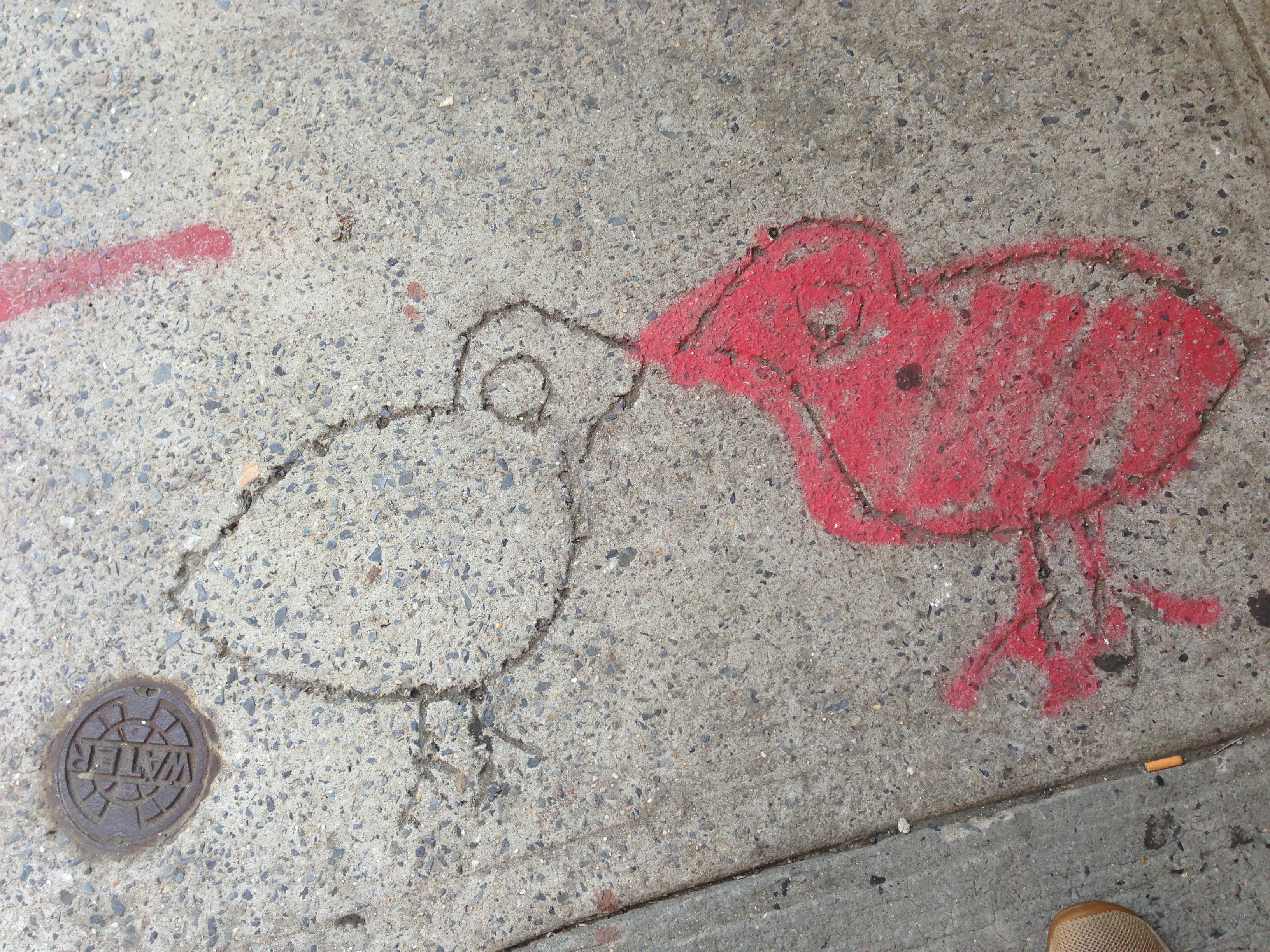
Two chicks etched on the sidewalk beneath our feet.

chick sidewalk art

For some reason I like these simple birds, making kissy next to their little water fountain.

The all-seeing eye. The Eye of Providence.

evil eye

On the island of Manhattan, if you let your vision wander up, you see some marvelous things. A blue horizon chockablock with architects’ freshest concoctions. Pieces of old New York, dusty red bricks that have miraculously been saved from the wrecking ball. Climbing roses, if you’re walking the High Line. From that same pathway, a glimpse of a well-to-do fanny in a chic hotel window. And there are still wooden water towers.

water tower

Just two companies, Rosenwach Tank Company and Isseks Bros., manufacture the tanks, which are unpainted and made with untreated wood. A new water tower is a leaky water tower, as it takes time for the material to become saturated and watertight. Chelsea has one, completely dry of course, that has recently been transformed into an exclusive club called Night Heron. You can see it from the High Line.

1 Comment

Filed under Art, Cooking, Culture, Fashion, History, Jean Zimmerman, Nature, Photography, Writers, Writing

Loupe de Loupe

I never thought I could get so excited about a slime mold.

slime

But I learned, dear reader, I learned. Understanding is a kind of ecstasy, said Carl Sagan. He may have been looking upward at the stars, but we were attending very closely to what was all around us on the ground, and it was rapture. This was a private walk through Wildflower Island at Teatown Lake Reservation, the 875-acre nature preserve that’s just down the street from the Cabin. I had hiked the grounds around the lake often, but never made an appointment to visit the two-acre island. You have to go through a wrought-iron gate in a little wood entry house and across a bridge to get there. It’s kept locked, a secret portal to another world.

gate

We were greeted by a great blue heron.

heron

Diane Alden, a sagacious volunteer wildflower docent, went with me and some of my friends on the walk.

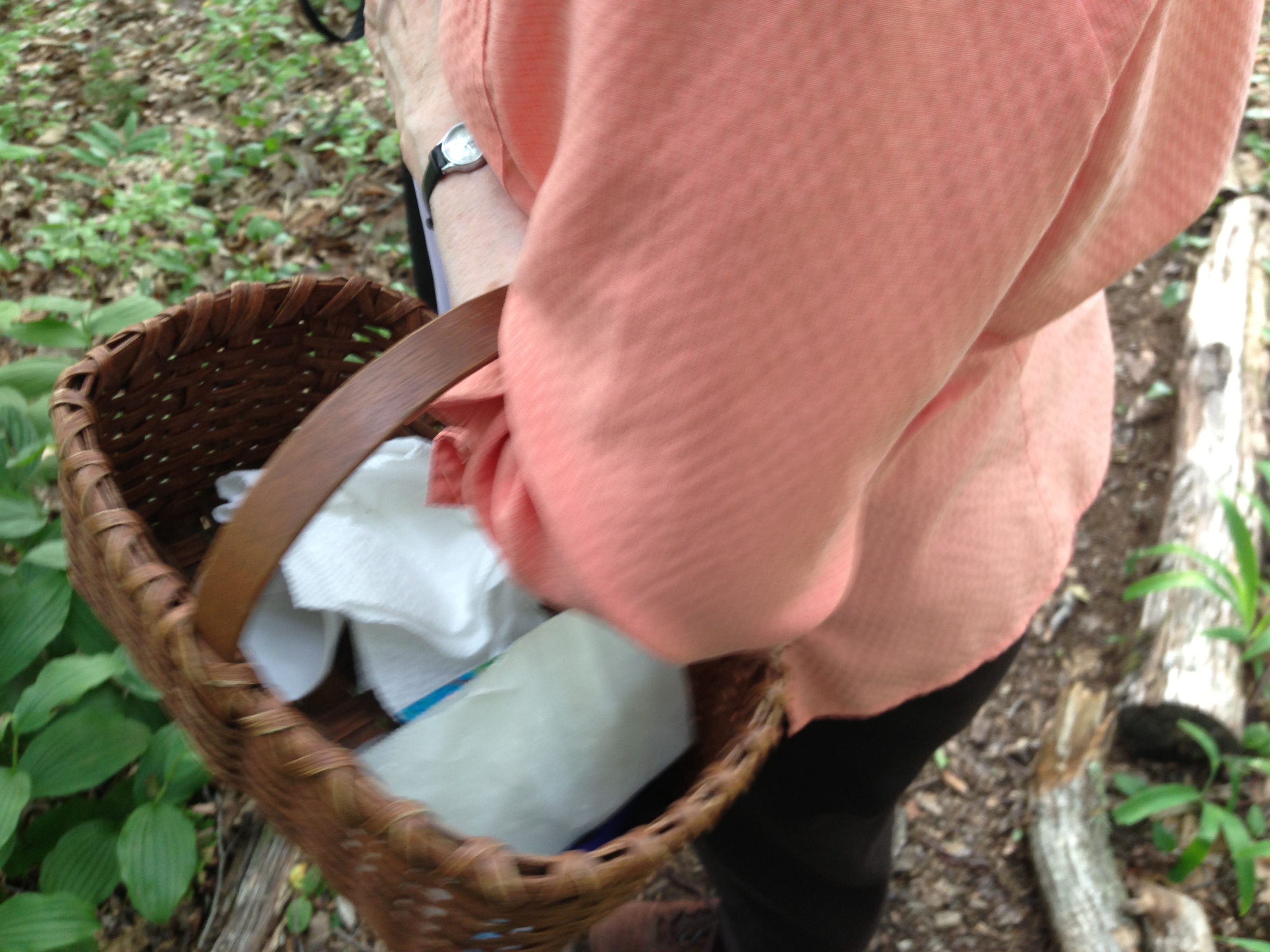
diane's basket

Wherever she went, her basket accompanied her, and I got the feeling that if we were lost she’d take out a small loaf of bread and trail crumbs to save us. Diane had much to tell us about the plants on either side of our path. If I were a better student, I would remember more of it. She said that 400 million years ago, plants came out of the water. Ferns came to live alongside the fungi. Our group saw a whirl of ferns wherever we looked, of all different types, and examined their crumbly brown spores.

blurred fern whirl

“I love ferns,” said Diane. “Because they’re ancient — I love it.”

Lichen, she said, “is a marriage between an algae and a mushroom.” What? A lichen, it seems “eats a rock to make a place for a moss to make a house for a fern.” It’s all like a fairy tale, really, where algaes and mushrooms fall in love, lichens find rocks delicious and ferns move into new castles across town.

lichen

There were so many photo ops, all those shades of green.  Suzanne didn’t know she was so interested in mosses. (Give her credit for many of these pictures.) They don’t grow tall because they have no vascular structure to bring up the water. That’s why they wind up as soft emerald carpets at the bottom of trees.

Suzanne

We all swooned when the cumberland azalea came into sight.

cumberland azalea

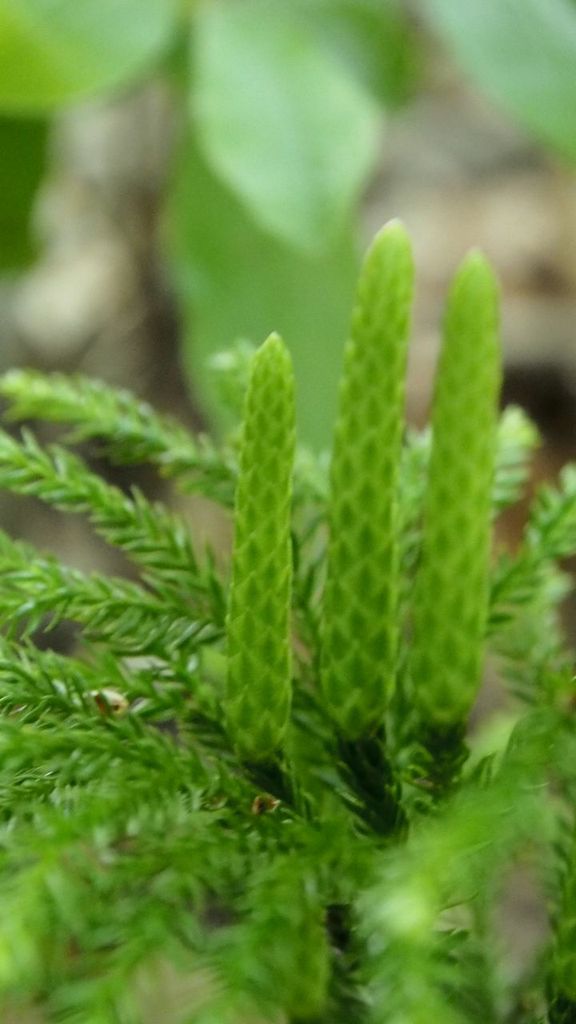
It’s in the same family as the blueberry, oddly, and has a symbiotic relationship with the mushroom mycelium beneath its feet. The names of wildflowers were made up by genius poets: cattlesnake plantain, spotted wintergreen, interrupted fern, haircap moss. Princess pine, aka lichopodium, if you’re knowledgable, stands about eight inches high and looks exactly like a miniature Christmas tree. Diane had a friend who used to say she wished she could shrink and walk among them.

forest

Bull frogs belch out their calls. Our own bullfrogs, Gil and my friend Henry, wondered if it would be permissable for them to take an independent stroll around the island. “That’s what the husbands do a lot,” said Diane graciously. We bent to see a small grove of lady’s slippers.
lady's slipper

It was the pink lady’s slipper that caused this island to be preserved as a wildflower refuge. The endangered plants grew in such abundance here  and would not survive a move, so Teatown saved the whole shebang as a sanctuary for indigenous plants thirty years ago. The island itself was formed when the Swope family dammed Bailey Brook to create the lake in 1928. It used to be a farm, and you can still see the old stone  walls around the property.

This island is as good a place as any to establish the accuracy of the following formula:

Sedges have edges

and rushes are round

and grasses are hollow

right down to the ground.

We learned continuously, intensely, over the course of ninety minutes. “Think about the color of the blueberry,” Diane advised. “It’s to attract the birds. It seems obvious but it just occurred to me recently.”

Diane

We were touching buds, berries, stems, flowers, crouching to see more intently.

josefa

We had to look closely to find some species.

species

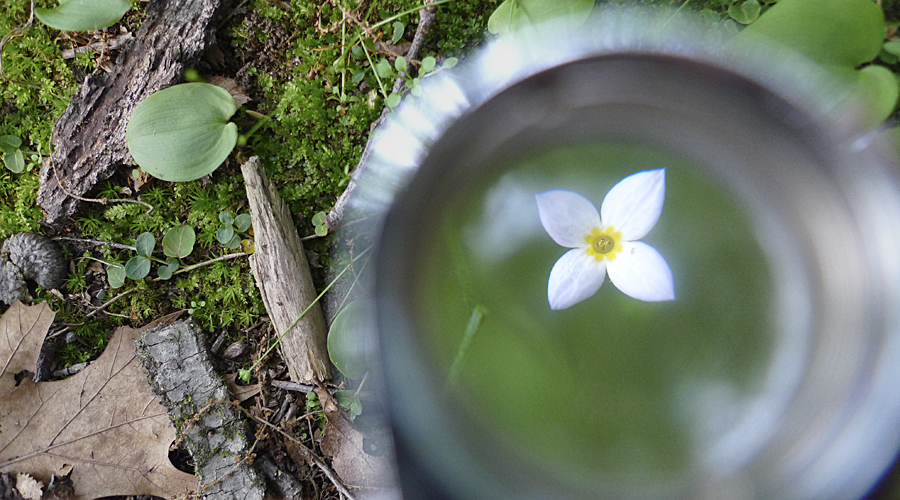
Josefa’s art mind was going wild with all this nature, and her pictures are amazing. Here’s one, through the loupe that allows us to see the tiniest details imaginable.

josefa pic 2

“Do you know what this is?” asked Diane, and I had a small mental triumph. Solomon’s Seal. How I knew, I don’t know. Perhaps I read it in a fairy tale?

solomon's seal

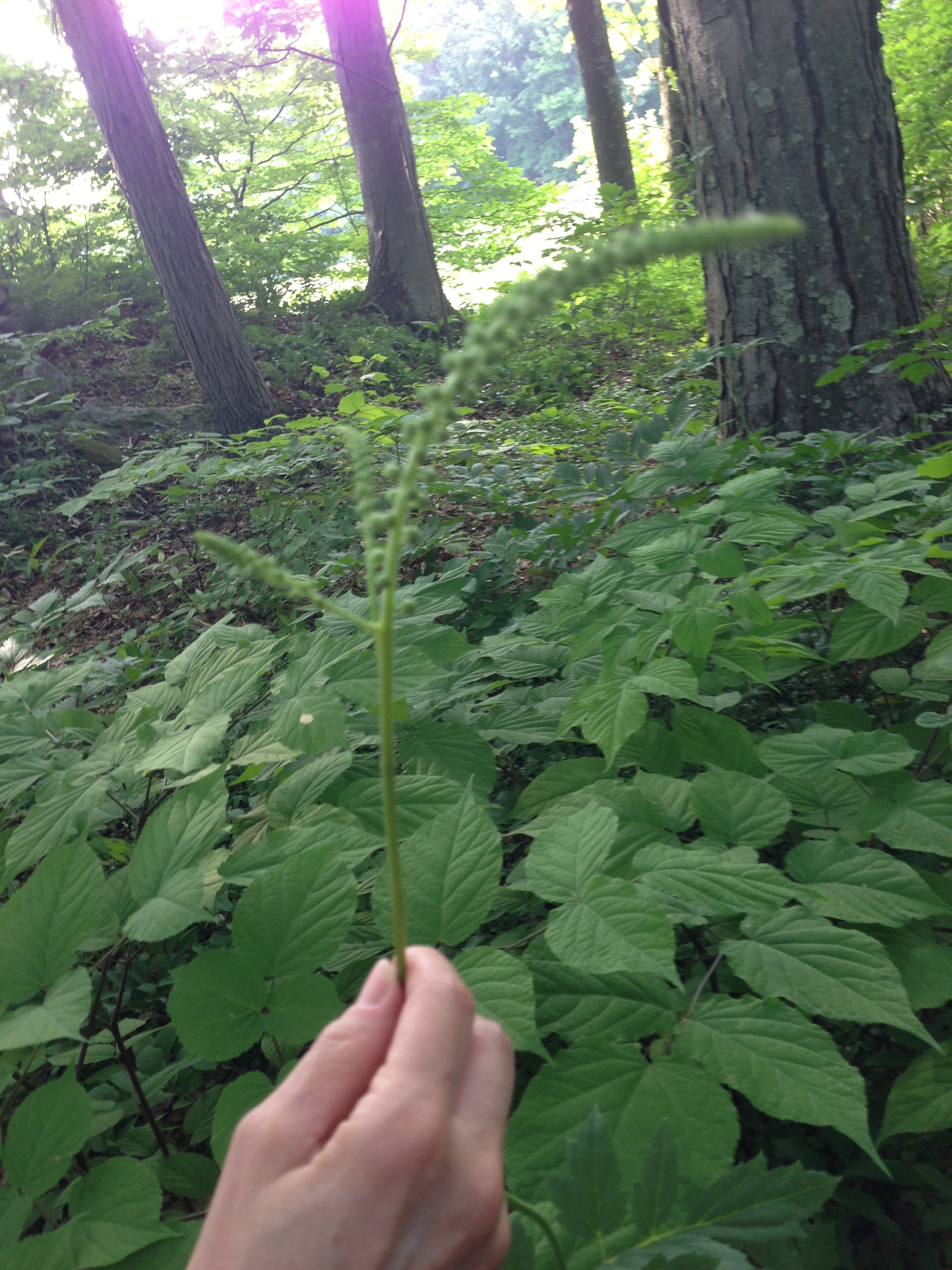
The buttercup family is vast, and includes the columbine, thimbleweed, and even bugbane, said to help control hot flashes.

wendy holding bugbane

The mosquitos were closing in. We were on an island, after all. But some of us were getting a little cross.

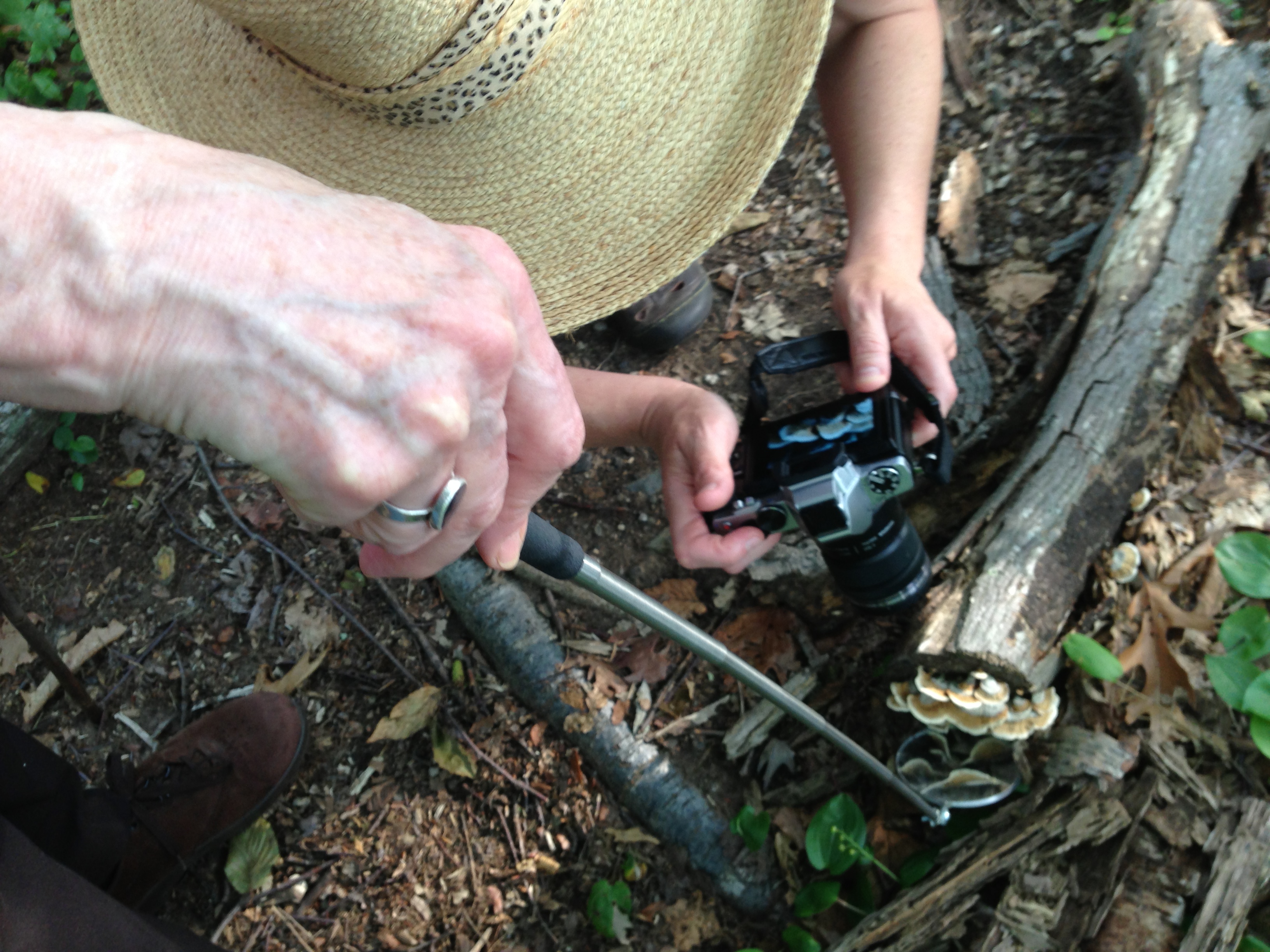
WendyThen something materialized out of that wicker basket of Diane’s, a mirror attached to a light, expandable rod. We were now privy to a new world, the log-attached underside of the false turkey tail mushroom.

diane holding mirror

We emerged to the island’s edge, where the water was crowded with water lilies in all their primitive glory. Deer swim across here, eager to munch on the island’s sweet flowers — Teatown has to cage the island’s handsome rhododendrons. Dragonflies, swooping by, date to the age of the dinosaurs. Diane, who knows about a lot more than wildflowers, explained that each one has two sets of wings, which it cannot collapse to land or to hide. Despite these constraints, they outmaneuver other insects — “dragonflies are better at capturing their prey than lions or tigers or bears,” said she. I once, however, saw a chipmunk devour a dragonfly, so I know they’re vulnerable.

Diane walks in the woods every Monday with some fellow flower lovers, two of whom are botanists.

path

They take note of every thing, from the tall, scraggly shapes of the deciduous azaleas to the tiniest, most crazily delicate seeds. And once they do, they note them all over again, and closely.

seeds

3 Comments

Filed under Jean Zimmerman