Category Archives: Writers

Thank You for Reading

I am thankful.

This is a post about this blog.

At Thanksgiving, in a lot of families, a blessing is performed before the turkey comes on in its golden, crispy glory. The blessing consists of going around the table with every guest sharing some thing they are especially grateful for. On the occasions I’ve taken part in this ritual, I’ve sometimes had to squelch the urge to say something slightly comical or snarky. I don’t know why, perhaps because the whole thing seemed so self serious. Real thanks seem quieter, more internal, perhaps.

Now, with a few days before us until we’ll be stuffed with stuffing, with a clear head, I want to be serious.

I am grateful, deeply grateful, to those of you who read this blog.

When people ask what my site is all about, I say different things. It’s called Blog Cabin, and it’s about living in a circa 1800 home in a thoroughly modern world, and the time travel that allows for. Sometimes I call it a personal magazine. A diary. A cultural commentary. It’s about the past as a living, breathing entity. All about history and art and nature and literature… An author blog, as I have one novel about to come out and one just in the rearview.

What it really is, is playtime. Writing books, of course, is hard work. (If you’re doing it right.) Writing this blog has given me a chance to dabble in the things that absorb me in my book writing life, but on a more finite scale, with pleasure at the foremost – yes, history and art and nature and literature and… a pogo stick championship?

jack-cu

It was hot July and the contestants soared. You could taste the adrenaline.

Writing for you has given me a reason to go on adventures that you might not take, even if you had the chance. Or perhaps you would, like my search for an infant saguaro cactus at a botanical garden in Scottsdale, Arizona, with a beaming guide, but you couldn’t get there that day.

desert-gardener

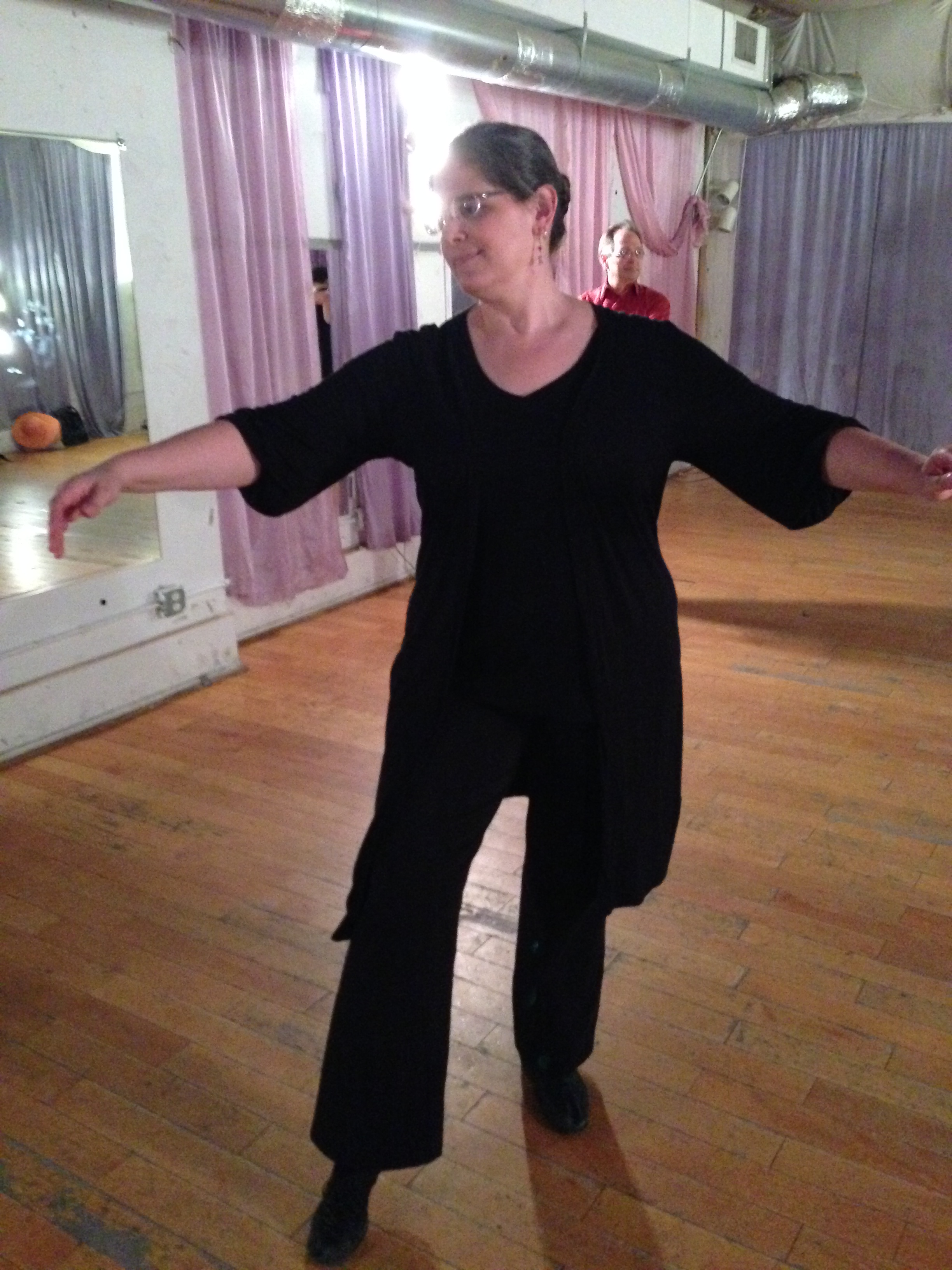
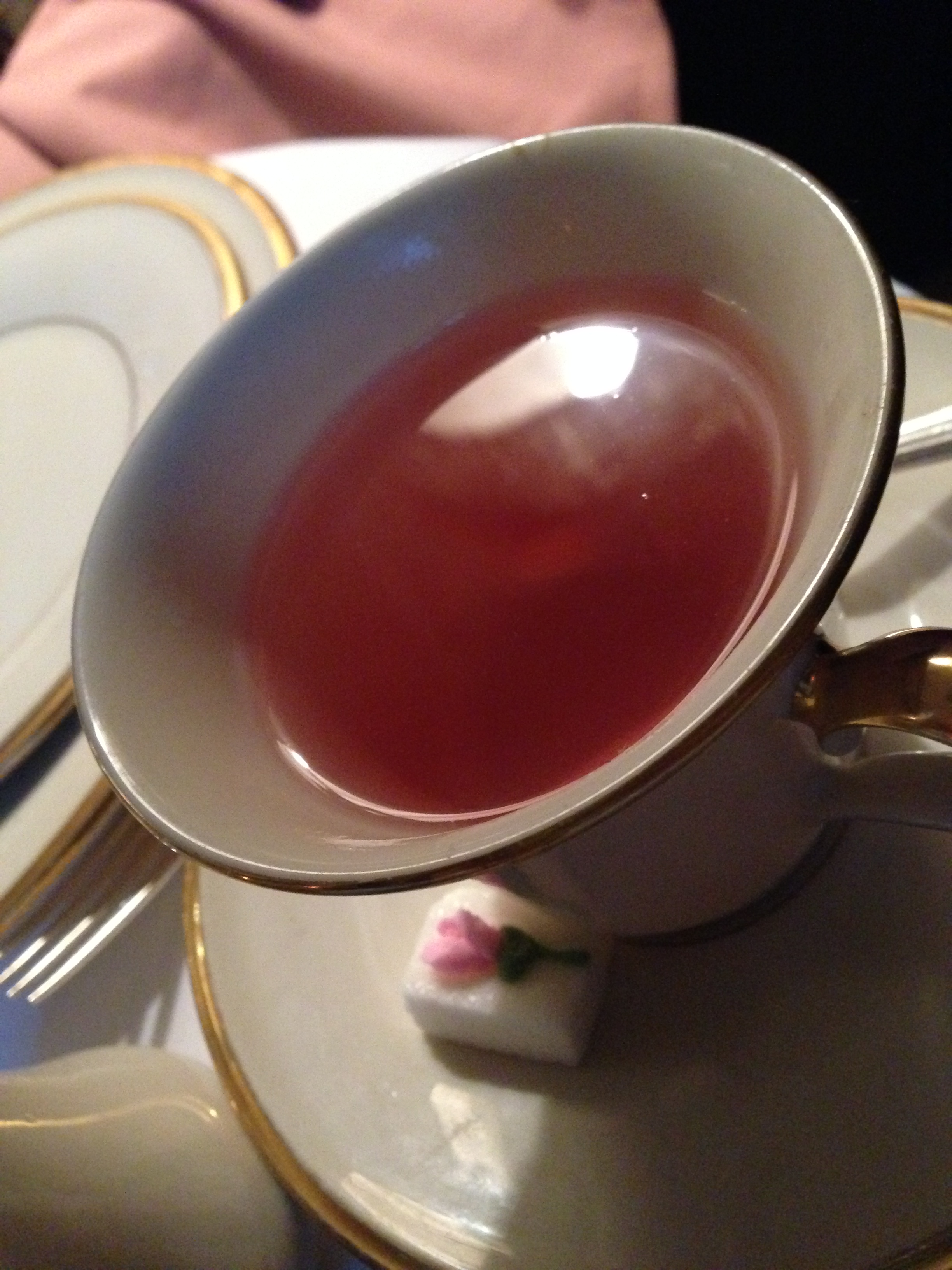
I’ve taken myself to a Victorian waltz class and tea.

jz-tea

To a Broadway disco-play, and to a euphoria-inducing Brahms recital. And to a dramatic dance performance en plein air, at Manhattan’s Lincoln Center.

bum-blur

I’ve plumbed the depths of the 20-something psyche, because I have a young adult close to my heart. Instagramming is their life.

serendipity-picture

They’re fascinating animals, as are husbands, and mine hitchhikes along with me from time to time.

As are dogs. Mine is inscrutable, but adds flavor to the mix.

oliver-about-to

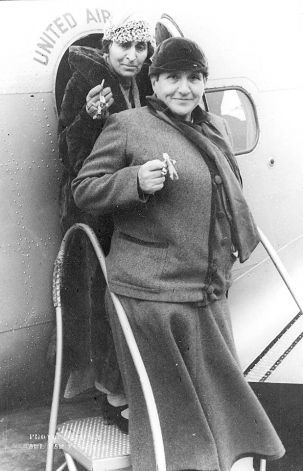
And writers.  I’ve loved writing about Gertrude Stein.

steintoklas-plane

I’ve shared many favorite recipes, like the one for Marcella Hazan’s braised pork in milk.

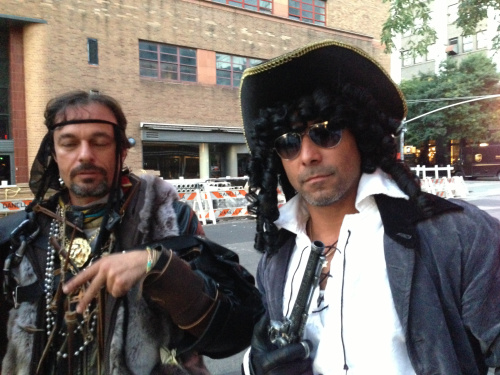
Observed motorcycle pirates on the loose in NYC. With some history about pirates intertwined, of course.

two-pirates

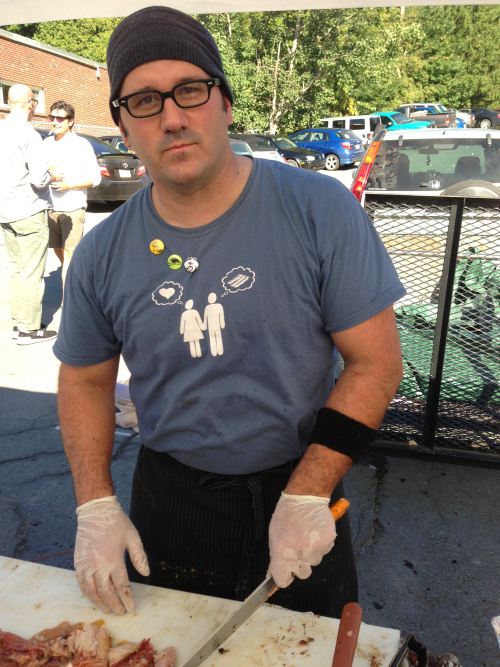
A rowdy pig festival in upstate New York.

michael

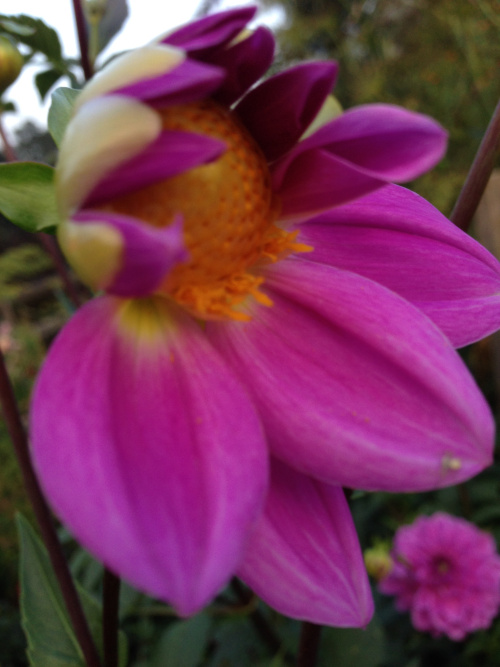
Explored a local farm on an enchanted evening, just as dusk fell.

fuschia-flower

Learned about the power of graffiti at the late, great 5Pointz. Got my leg cast tagged there, too.

colorful-paint

And witnessed the unlikely beauties of slime mold in a pristine nature preserve.

slime

It’s been my pleasure to gather these treasures and offer them to you, and your great generosity has been receiving them from me. So thank you. I’m looking forward to many more adventures.

11 Comments

Filed under Art, Cooking, Culture, Dance, Dogs, Fashion, Fiction, History, Home, Jean Zimmerman, Music, Nature, Photography, Poetry, Publishing, Savage Girl, The Orphanmaster, Writers, Writing

Savage Girl Music Mix

What, I thought, would be a modern-day playlist to match a Victorian savage girl’s temperament? If that makes sense. Here are some ideas, and I welcome more if you’d care to leave a comment. I plan to pass out CD’s when Savage Girl comes out in March, for anyone who likes to blast tunes in the car with the windows down. There’s a complete list of songs posted on my facebook author page; give it a like while you’re there and add to the list.

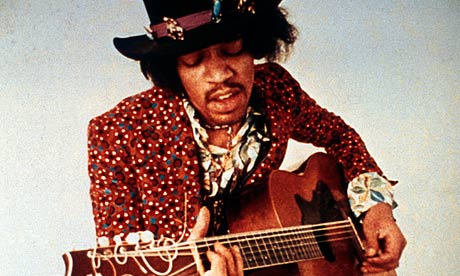
Got to lead off with Hendrix, his version of Wild Thing by the Troggs.

Jimi-Hendrix-in-1970-006

I also like this one that came out earlier this fall, Wild Child, sung by folk/pop boy-child Brett Dennen.

brettdennen1

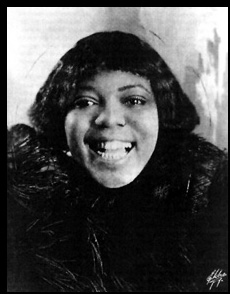
But why not jump back a little, to Bessie Smith, who sang I’m Wild About that Thing in 1929.

bessie

I think Savage Girl might quite like Etta James’ version of Born to be Wild. Anyway, it’s one of my favorite renditions of the song.

articlehero_etta_james

Lou Reed had a contemporary version of savagery in mind with Walk on the Wild Side. But when you read Savage Girl you’ll see that there’s plenty of cross-dressing in the novel, nineteenth-century style.

1383164932000-LouReed

One more. Because the heroine of my book climbs the social ladder and actually reaches its pinnacle for a moment or two, let’s listen to Queen of the Savages, by the Magnetic Fields.

magnetic-fields-front

It’s the least we can do for a mysterious girl who escapes the wild West only to wind up in wilder Manhattan.

Leave a comment

Filed under Culture, Fiction, Jean Zimmerman, Music, Savage Girl, Writers, Writing

Another Fine Dress You’ve Got Me Into

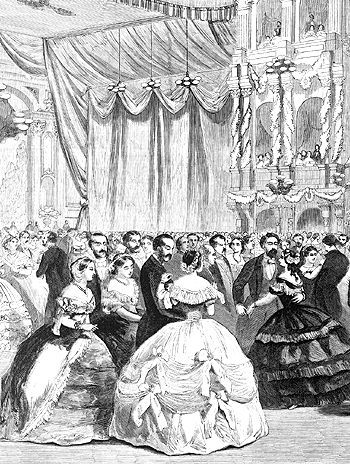
I always wondered by what means people got up their getups for fancy dress balls during the Gilded Age. A fancy dress ball didn’t mean, as it sounds, elegant gowns for the ladies and stiff black tails for the gents. They were actually masquerades, opportunities for the well-heeled to escape their own trials and tribulations – there were, in fact, economic downturns and “reversals” throughout the last decades of the 1800s – with a lot of very pricey role-playing. And to prove just how boss they were.

ball

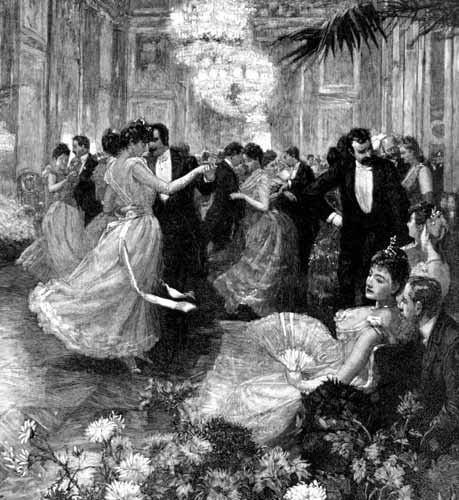
Balls were splendid on their own. Edith Wharton described a typical scene.

Couples were already gliding over the floor beyond: the light of the wax candles fell on revolving tulle skirts, on girlish heads wreathed with modest blossoms, on the dashing aigrettes and ornaments of the young married women’s coiffures, and on the glitter of highly glazed shirt-fronts and fresh glace gloves.

For Savage Girl I looked into debutante balls, when 18-year-olds got their first taste of all the splendour that money could buy.

I first got interested in fancy-dress shenanigans, though, when I wrote about I.N. Phelps Stokes as a young man studying architecture in Paris in 1894.

Edith & Isaac

Most of the people he knew attended the spectacular Bal des Quat’z’Arts, where artists and architects partied hearty in the name of everything aesthetic and bohemian. Revelers could expect gold and silver paint slapped on bare flesh along with displays like the last days of Babylon, complete with “blackamoors,” camels and nearly naked women. Excess reigned every year.

quatzarts2

Stokes, I  learned from his generally no-nonsense memoir, wrote home to his mother demanding she ship over the black velvet dress he’d worn for a costume ball at his home the previous winter.

What, I wondered, trying to imagine Stokes be-gowned in velvet, was this slightly stiff, shy young gentleman doing cross-dressing at a balls-out ball?

It was the thing to do, though. Fancy dress celebrations were prevalent in Victorian England and Canada as welll as Paris and New York. One Canadian scholar who has studied archival material puts it this way:

The sheer number of archival photographs of people in fancy dress, as it was known, attests to the popularity of this phenomenon, as well as its importance to those who took part. These portraits reveal a great deal about Victorian morals, values, taboos and tastes regarding clothing, bodies and social behaviour. While the basic appeal of fancy dress lay in its semblance of permissiveness and escapism, this sort of amusement was controlled by a complex set of moral restrictions.

Few costumes survive, but these people were photo-obsessed and made sure to document the fancy ball madness.

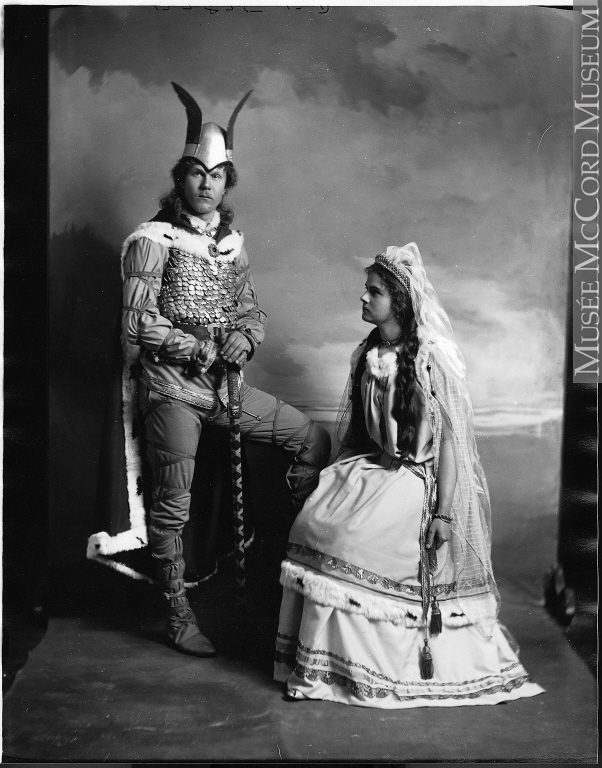
On the website of Montreal’s McCord Museum you can find startling images of partygoers dressed to the nines, such as Herbert Molson and his sister Naomi  as “Vikings,” costumed in 1898 for the Chateau de Ramezay Ball in Montreal.

Vikings

And Miss Bethune as “An Incroyable,” in Montreal, in 1881.

incroyab.e

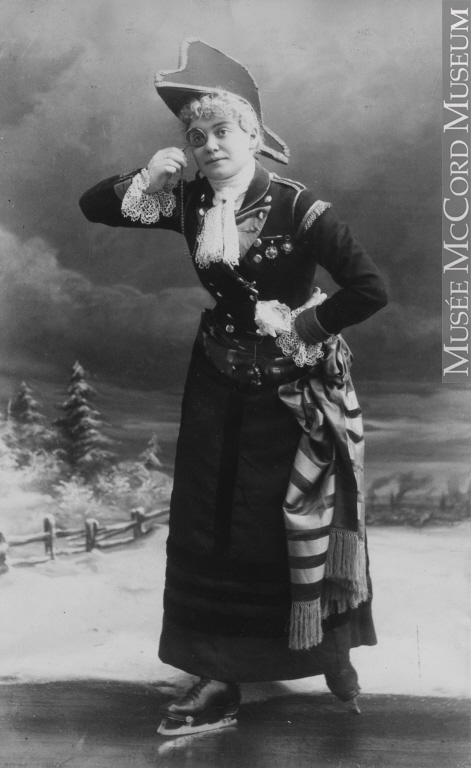
There was also the “Girl of the Period,” shot in 1870. The Victorians could really break loose on ice skates with a swinging braid and a cigarillo.

1870 photo like painting

The image was spookily familiar, and I realized it was the embodiment of a Currier and Ives print I have hanging on my wall.

currier

You can see some of these photos as a video. 

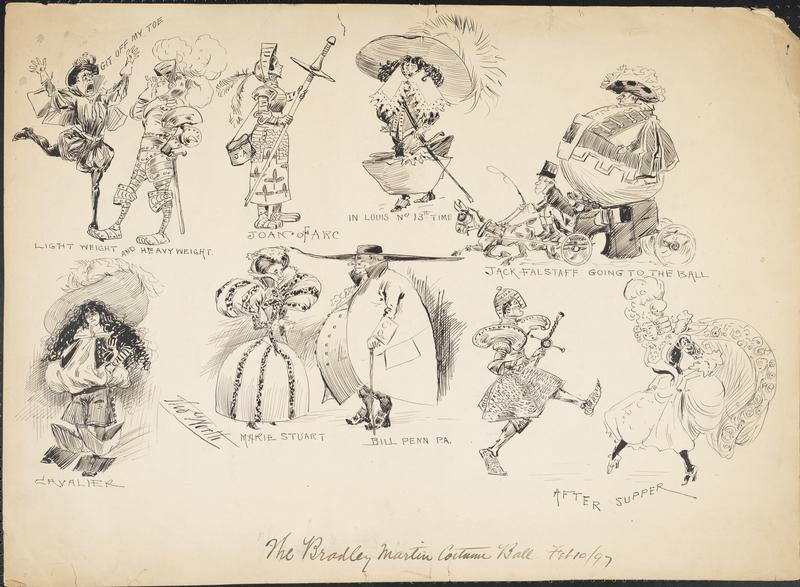
 At the end of the century,New York City could always put on the biggest fancy show. One of the most famous costume extravaganzas was the Bradley-Martin Ball, which took place at the Waldorf in February 1897. Cornelia Bradley-Martin vowed that it would be “the greatest party in the history of the city”.

bradley martin ball

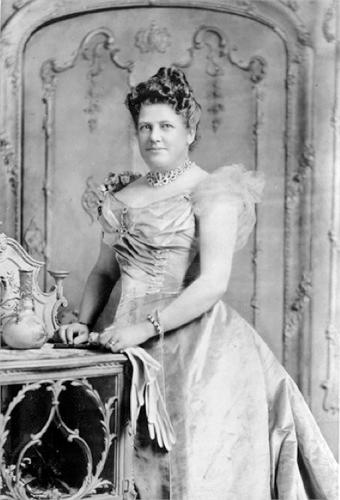
She and her husband spent nearly nine-million dollars in current money hosting eight hundred of the city’s leading lights, Astors, Schermerhorns, Morgans and Posts included. Cornelia doesn’t look like a party animal, but the fact that she is smiling slightly suggests something to me. Most people still did not smile when posing for a portrait.

Mrs.-Bradley-Martin

The ballroom was a replica of Versailles, wigmakers stood at the ready, and guests arrived as Mary, Queen of Scots, a Spanish toreador, Henry the IV. The hostess appeared with a gold, pearl and precious stone embroidered gown.

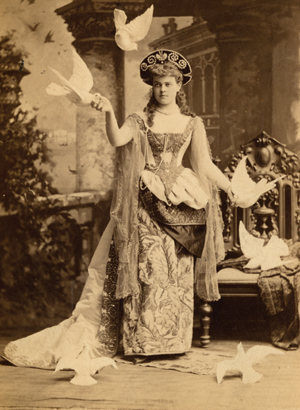
She might have managed to best the Vanderbilts’ legendary ball of 1883, thrown by Cornelius Vanderbilt II and his wife Alva to christen their new Fifth Avenue chateau. Alva sure looked good in doves.

alva vanderbilt

The Museum of the City of New York has a extensive collection of photos of people posed with all seriousness at the ball. Including Mrs. Henry T. Sloane as, I think, a witch. Probably a good witch.

Mrs. Henry T. Sloane

If you’d like to get up a Gilded Age costume there are resources at your disposal.

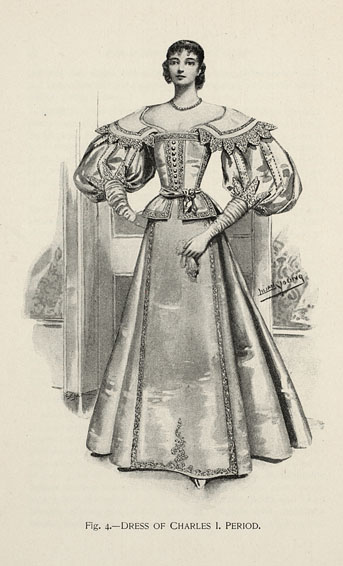
But, what are we to wear? asks a manual from 1896, accessible on line in its entirety. This is the first exclamation on receipt of an invitation to a Fancy Ball, and it is to assist in answering such questions that this volume has been compiled.

Several hundred costumes are described with every incidental novelty introduced of late, including Autumn, Bee, Gipsies, Carmen, Dominos, Esmerelda, Fire, etc.

0070

Henry James wrote:

The rooms were filling up and the spectacle had become brilliant. The ball borrowed its splendor chiefly from the shining shoulders and profuse jewels of the women, and from the voluminous elegance of their dresses.

You’ll have to invite 1,000 or so people to really get the fancy ball experience. And make sure to call your wigmaker. Everything will be rosy.

Rose Garden

2 Comments

Filed under Art, Culture, Dance, Fashion, Fiction, History, Jean Zimmerman, Love, Fiercely, Music, Photography, Savage Girl, Writers, Writing

A Goodreads Vote

Sometimes I don’t know what I’ll do with myself waiting for Savage Girl to hit the stands March 6th. We’re finalizing flap copy, rounding up quotes from other fiction writers for the cover, talking about where I’ll go to spread the word about the book. Still, it seems like a long time away.

If you’d like to know what you can do until Savage Girl comes out…

Goodreads has posted a list of the most anticipated historical fiction reads for 2014. What upcoming historical fiction are you most excited for, asks the site. Pay a visit and click on Savage Girl to place your vote! And then, please, ask your book club cronies to do the same.

Savage Girl cover-final

Leave a comment

Filed under Culture, Fiction, Jean Zimmerman, Publishing, Savage Girl, Writers, Writing

Transcription Soup

A keyboard has no scent.

keyboard

And yet manipulating the keys brings forth aromas, incredible sights, acoustical marvels. The sounds of conversation.

I promised Gil that I would do a fair amount of transcribing for him. He’s conducted many interviews as part of a book collaboration he’s involved in. None of this background is accessible without a keyboard to yield up the brilliant things that get said.

So I listen to the tape. I screw up my forehead and try to make out the words that are muddled – some of the interviews took place in a noisy restaurant. I shake my hands out, massage my fingers when they get sore.

And then I take a break. I make soup.

big spoon

The ideal recipe, with a gigantic spoon, a spoon out of a Grimm story cottage.

Soup is the antidote, of course, for many ailments. But it’s also a good balance for tasks like transcribing, where you’re using your keyboard and your fingers and there’s a wee of drudgery.

I use a whole soup fowl if I have one, though disjointed pieces will do. Bring them to a simmer in your biggest pot and skim off the scum. Add carrots and celery. I use the last of the celery from my garden, which never stalked up but is fresh and good.

carrots:celery

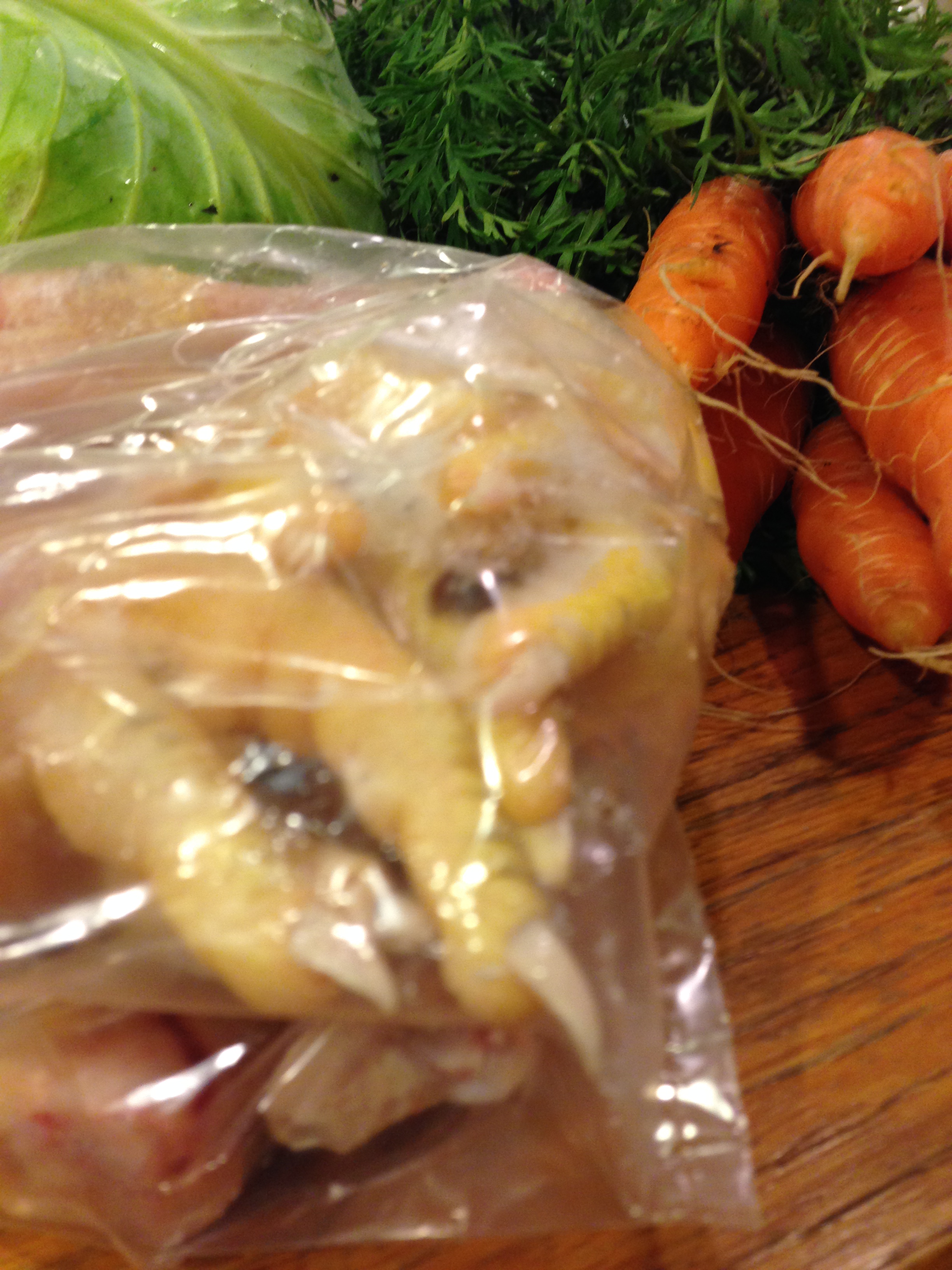
The piece de resistance: chicken feet I bought from a farmer.

chicken legs

Not pretty, these gams, but they really boost the broth’s flavor.

Turnips, parsnips, parsley, leeks. So simple. Salt, in the palm of my hand.

Julia Child says to bring the stock just to a “smile,” and to simmer for three hours or so.

In which time I will have tip-tapped each key hundreds of times, to deliver a three-hour back-and-forth conversation.

1 Comment

Filed under Cooking, Culture, Home, Jean Zimmerman, Publishing, Writers, Writing

An Evening of Stand-Up Tragedy

The art of complaint never sounded so un-peevish. Almost noble, actually. We went to hear Tony Drazan perform his variety of standup, a part scripted, part improvised monologue, at Nuyorican Poets Café on East 3rd Street. Known for its poetry slams, the institution has been there since buying the rundown building for $10,000 multiple decades ago. It can accommodate all kinds of talents, and Tony is one of them. No matter that it was the coldest night yet this fall – that wouldn’t hold back New Yorkers. A motorcycle roared past us down Avenue B, and a guy walked by with a surfboard perched on his shoulder. Comedy should be easy. Or would this be comedy? Time would tell.

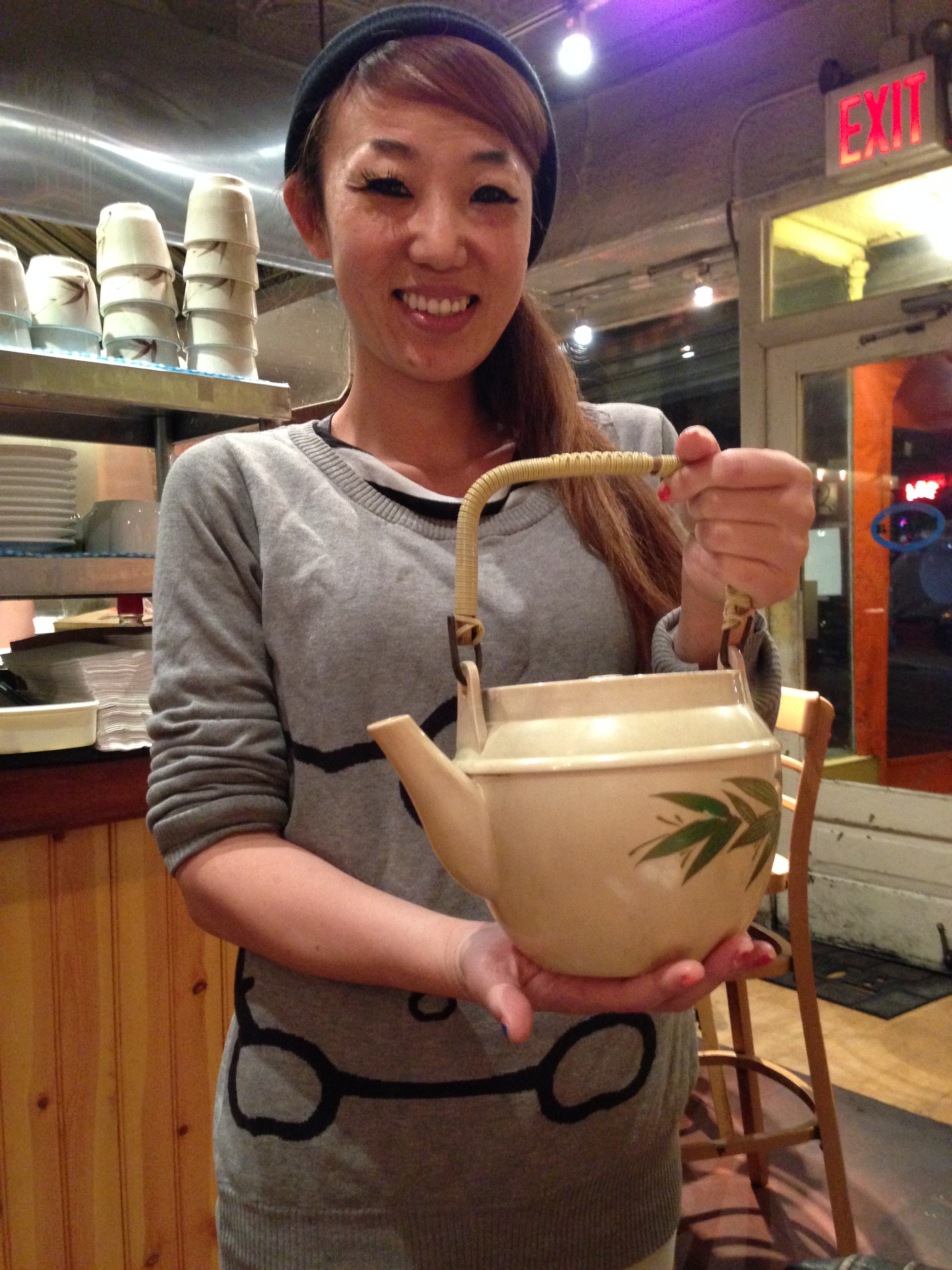
We started out at a ramen joint around the corner, Minca, on East 5th Street. A waitress named Kyoko in a Hello Kitty sweatshirt served us steaming bowls of pork broth with all the fixings.

kyoto

What makes me happy in this world? A bowl of soup with charshu. Slow-roasted pork, to you. I am a hungry simpleton when confronted with ramen, and I also like hot plain tea.

minca ramen

Tony sat down for a pre-show cup and laid out some of his strategy for these stand-up routines. He performs once a month. It’s not his “real” job, he’s a screenwriter and film director with lots of credits. He’s a hockey dad, with a nine-year-old son, Leo.

He told us some of the things that had happened at past gigs.

“I used to stop and apologize and say I don’t know what I’m doing here. It would relax me.”

tony tea

Around us, the young men have van dyke beards and deep black eyes, the girls have long black hair, and it looks as though everyone’s related. Above us on the wall, some intriguing artwork. We’re looked down upon by kings.

minca kings

At Nuyorican Café, people started showing up. A cognitive scientist named Amol Sarba fixed a black contraption called a halo around Tony’s head. Its low-level electrical charge is supposed to boost brain function, and the process recently had a write up in The New York Times. Sarba told us he himself wasn’t convinced until he tried a video game he’d never played before after wearing the device and “absolutely crushed it.” Tony got interested when he heard that traffic controllers and jet jocks were trying out the device. “Don’t let this discourage you,” he offered to audience members as they settled themselves.

headgear

Bare bones, this was, ancient brick and a graphite-colored curtain, with a mike stand in the center of a faded oval rug. That was the space. Two dozen people trickled in, some all the way from L.A. Many of them knew the performer. It was intimate. You could almost forget Tony was  wearing jumper cables.

He commenced. Talking about good intentions gone bad. He wandered. Circled around to the point. To another point. “This is about survivor envy,” he said. Not survivor guilt. A friend, a music composer, got sick with cancer, fell into a coma from November to March. Woke! Rapidly regained his strength. And as strange as it sounds, “I was envious that my friend had survived brain cancer.”

tony piece

Sarba stepped up to remove the headgear. “I’m trying to be more game in my life,” Tony deadpanned. Lenny Bruce was brave, but Lenny Bruce never wore a rig like that on his head during a performance.

More meandering. Probing. Tony’s father, before he died, “had primary progressive aphasia – he couldn’t find the word. It wasn’t Alzheimer’s – he could always recognize me as his asshole eldest son up until the end.” Back to the recovered friend: “He woke up and started pulling out the tubes. He felt renewal in his life and that’s when I began to feel jealous. Somehow he was the better for it. He came out stronger than me.”

In the audience, there was a shift. I was thinking of a phenomenon from a number of years back called the Apology Line, open for business 24-7, which allowed callers to leave a message in which they detailed all they were sorry for. You could also call and listen to other peoples’ woes.

Tony spoke, a stand-up, sit-down tragedian, about having always believed that bad experiences shape you. He lost his mother when he was ten, he said, and that loss always gave him the sense  that “any special achievement I had was because I had survived her death, was honoring her death.” He picked up women by confessing his tragedy.

tony standing

“Does this make any sense?” he asked us. The anecdotes twined around, curled, unfurled, from Long Island to Beverly Hills to Manhattan. Dark. Funny. To now, when he admitted to feeling paralysis and sadness even as he was performing. He stood, moved the chairs around from place to place, sat in one, sat in another one. He picked up an enormous piece of paper with scribbled notes, folded and refolded it and consulted it now and then – part performance, part origami. Told us about a Barney’s Warehouse Sale in Santa Monica where he had his first of many panic attacks. The thread… it was so loose, so elastic, but might it not break? The audience roots for the performer to tell his story as he needs to tell it.

Looking for answers, he visited a sikh internist, a cardio guy, a homeopath, an autoimmune specialist. Most recently came Tai Chi, the horse stance, internal energy training. More loss. More venting. Not everyone can make a complaint emerge this fresh. Make it not just a run of the mill kvetch. And, at the end, something new:

“We’re all vulnerable. It occurred to me that my old way of being was misplaced. I didn’t need to be a champion for any of it.”

Silence. In the end there was only the sound the heat made in the metal ducts.

2 Comments

Filed under Culture, Film, Jean Zimmerman, Poetry, Writers, Writing

Squeezing the Juice From the Season

There is nothing like a Saturday morning in November to make you stand up straight and take clear-eyed notice of the world. Of the crisp air and fresh colors, the sweetly rotten smell of leaves being pulverized underfoot.

leaves underfoot

Both Gil and I could easily stay home and work all day, bent over our books, leaning into our computer screens. But we were drawn out into the Saturday sunshine. drive, he sd, as poet Robert Creeley wrote.

Autumn Leaves 2

We remarked as we spun along the little roads on every jolt of red.

red tree

Some unexpected graffiti on the side of a concrete shed oddly did the opposite of marring the rural scene. It underscored fall’s beauty with its blast of a message.

Love

Down the road from the Cabin we passed an arch of shrubbery above a stone gate that opens into a mysterious vacant pasture. I never get tired of looking at it.

Shrub in Stone Door

And I never get tired of visiting Thompson’s Cider Mill, where Geoff Thompson combines up to twenty varieties of fresh apples into a juice that is pure nectar. He makes his cider every weekend, and every weekend it is a different brew.

Geoff

When you buy apples at Thompson’s, you get to see each one’s heritage marked above the bin. The history of apples is vast and rich, and here you can taste history–when you bite into an heirloom Newtown Pippin, say, first grown from a chance seedling in the mid-18th century.

Apples 1

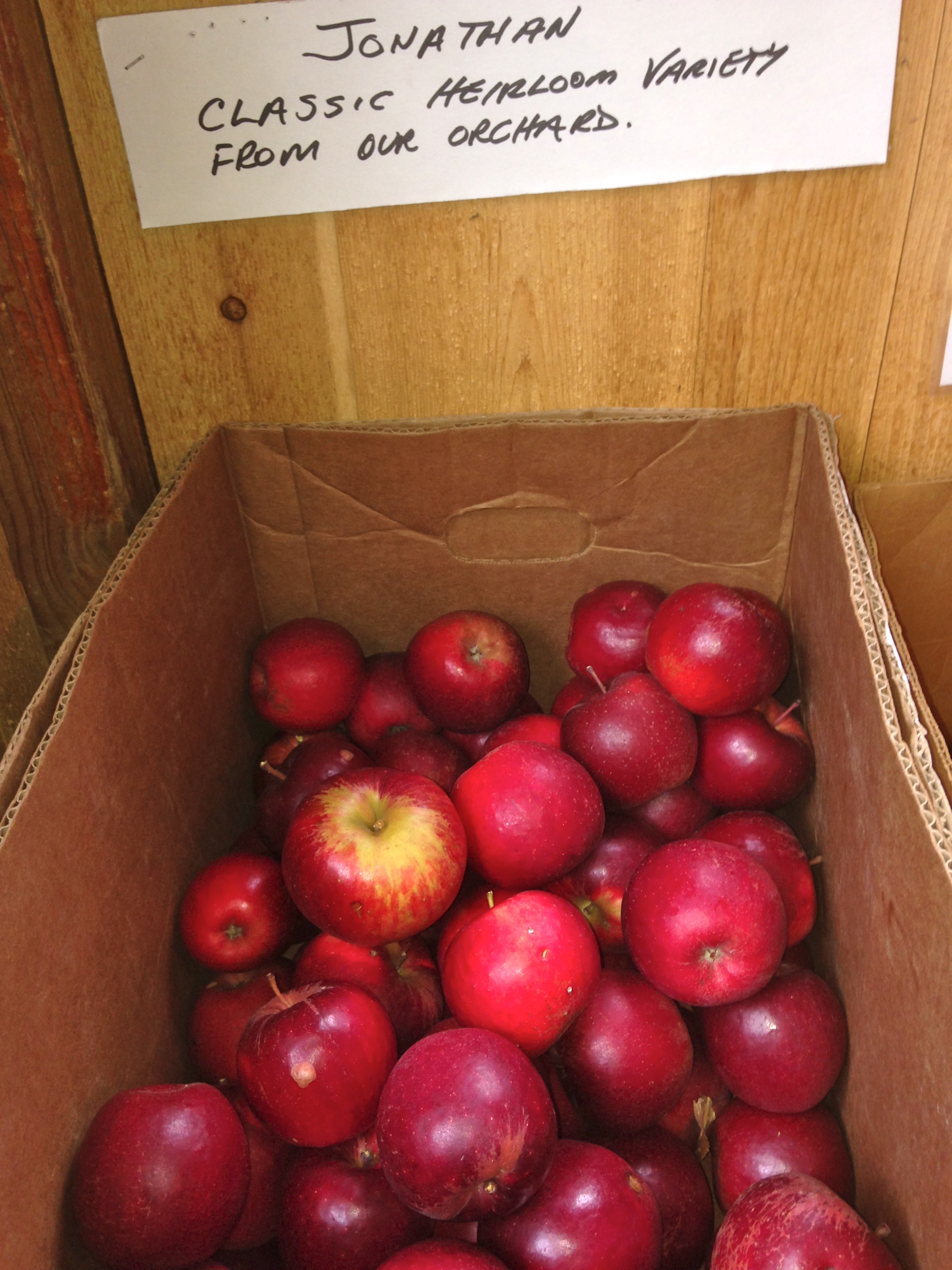
Out of the wealth of choices we’ve taken most of all to the Jonathans, which are grown right in this orchard and are sweet and tart, firm and compact.

jonathans

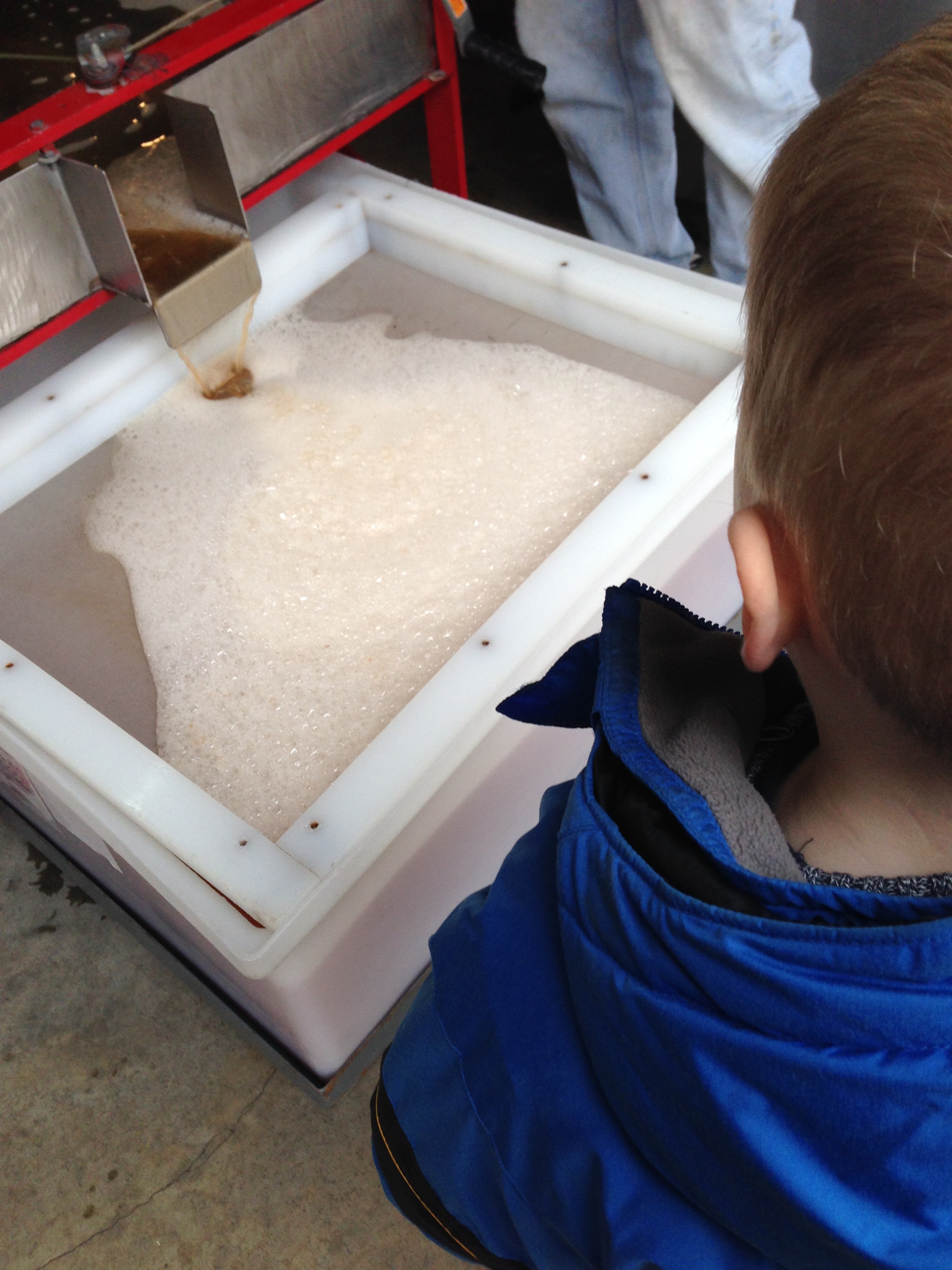
If you come on a Saturday morning you can watch the thoroughly up-to-date press do its business, mashing the fruit into not only a liquid but also a paste that will later be tossed to the pigs at a local organic farm. Keats talked in Ode to Autumn about how by a cider-press, with patient look,/Thou watchest the last oozings, hours by hours. This is where those oozings happen. Geoff handed around small plastic cups to catch some of the new cider as it ran out of the press.

cider press

We sipped. “Perfect blend,” said Geoff. I agreed. “Wish I could figure out how to do that every time,” he said with pleasant self deprecation. This mill does make the best cider in the land, and that’s not opinion but fact. They also have on hand my namesake fruit.

lady jean

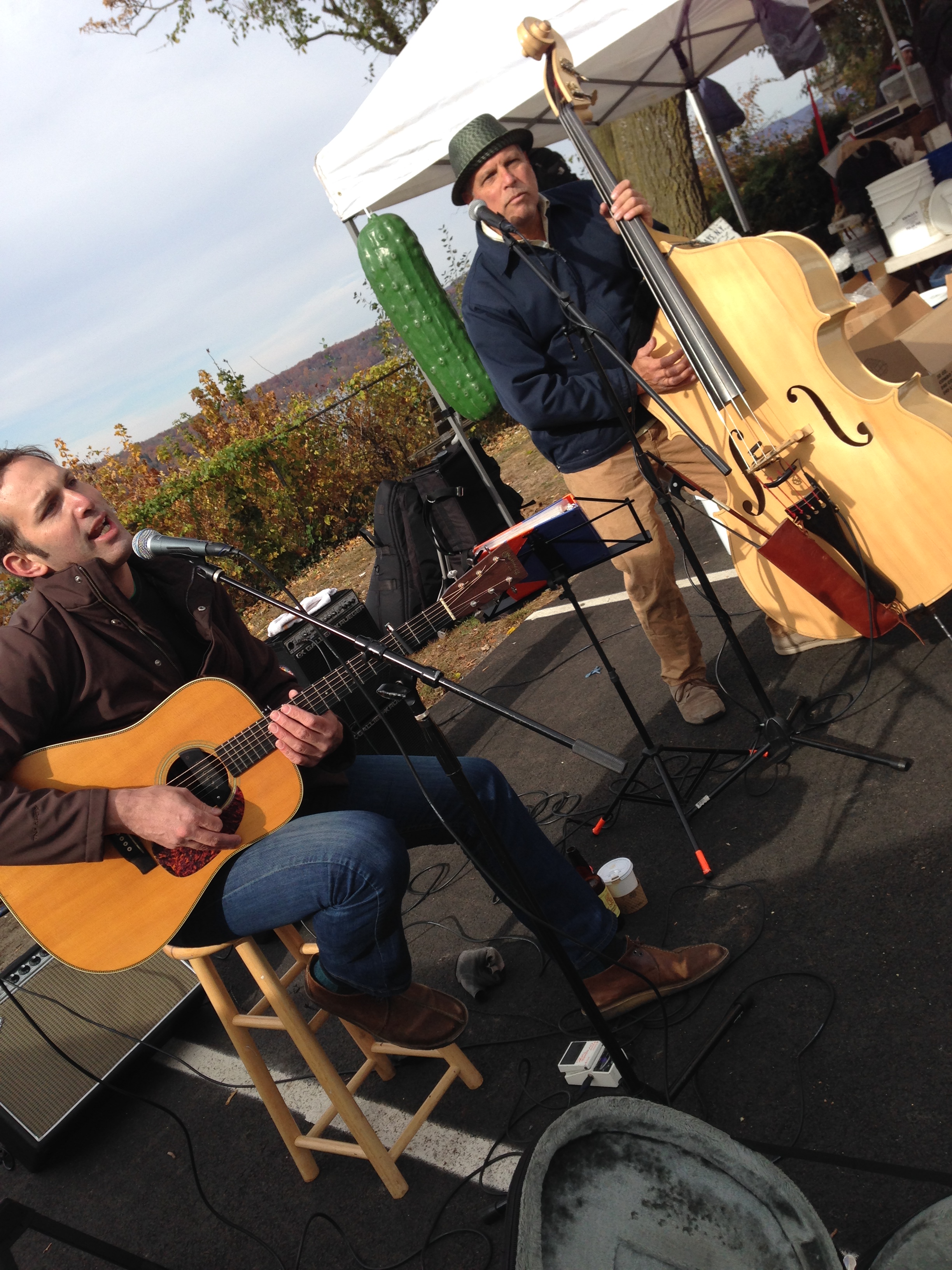
Next stop, the Hastings Farmer’s Market, overlooking the Hudson River. A produce stand at the end of the season has its own distinctive merits. No sweet, fuzzy peaches, perhaps, but turban squashes and sugar pumpkins and the dark leafy kale your doctor wants you to eat more of. The singer Milton was performing his song In the City when we arrived.

milton

I like the song. It does capture the effervescence of New York. Though it seemed less relevant today with the trees aflame in the cool, cool, quiet air.

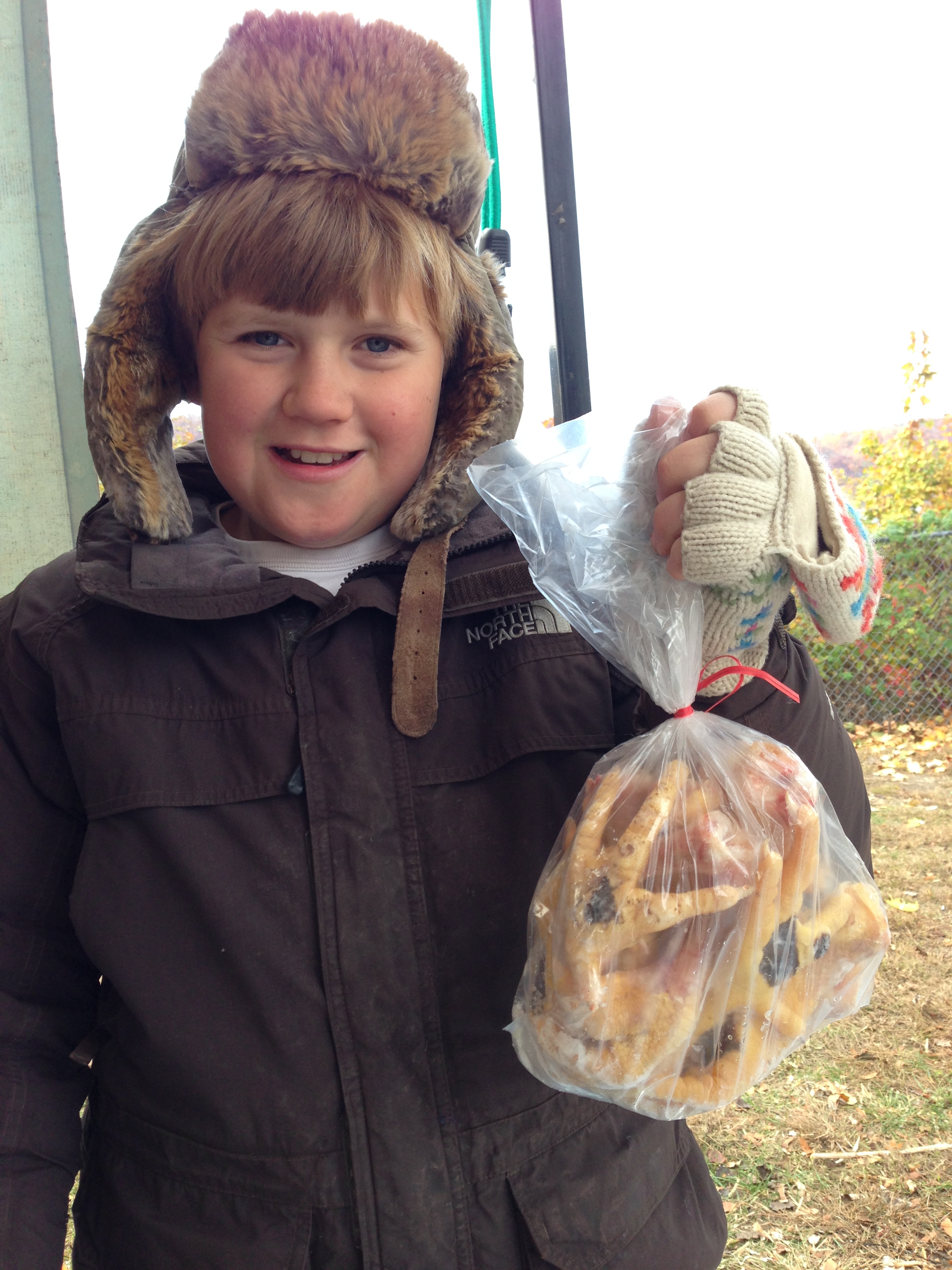
The woman who worked the booth for Cowberry Crossing was off on a coffee run, so Reese and I together worked out the numbers for a pair of pork chops and a bag of chicken feet. Inaccurately, it turned out when mom returned.

reese

He was a great little salesman anyway. I am devoted to using chicken feet to make stock – you need a soup foul first, then throw in the feet in addition – and I used to have a chicken farm down the road where I could buy them in five-pound freezer bags. I’ve gotten a little squeamish about how the toes resemble an old lady monster’s, with manicure-worthy nails. But they make such a velvety broth, it’s worth the psychic discomfort.

chix ft

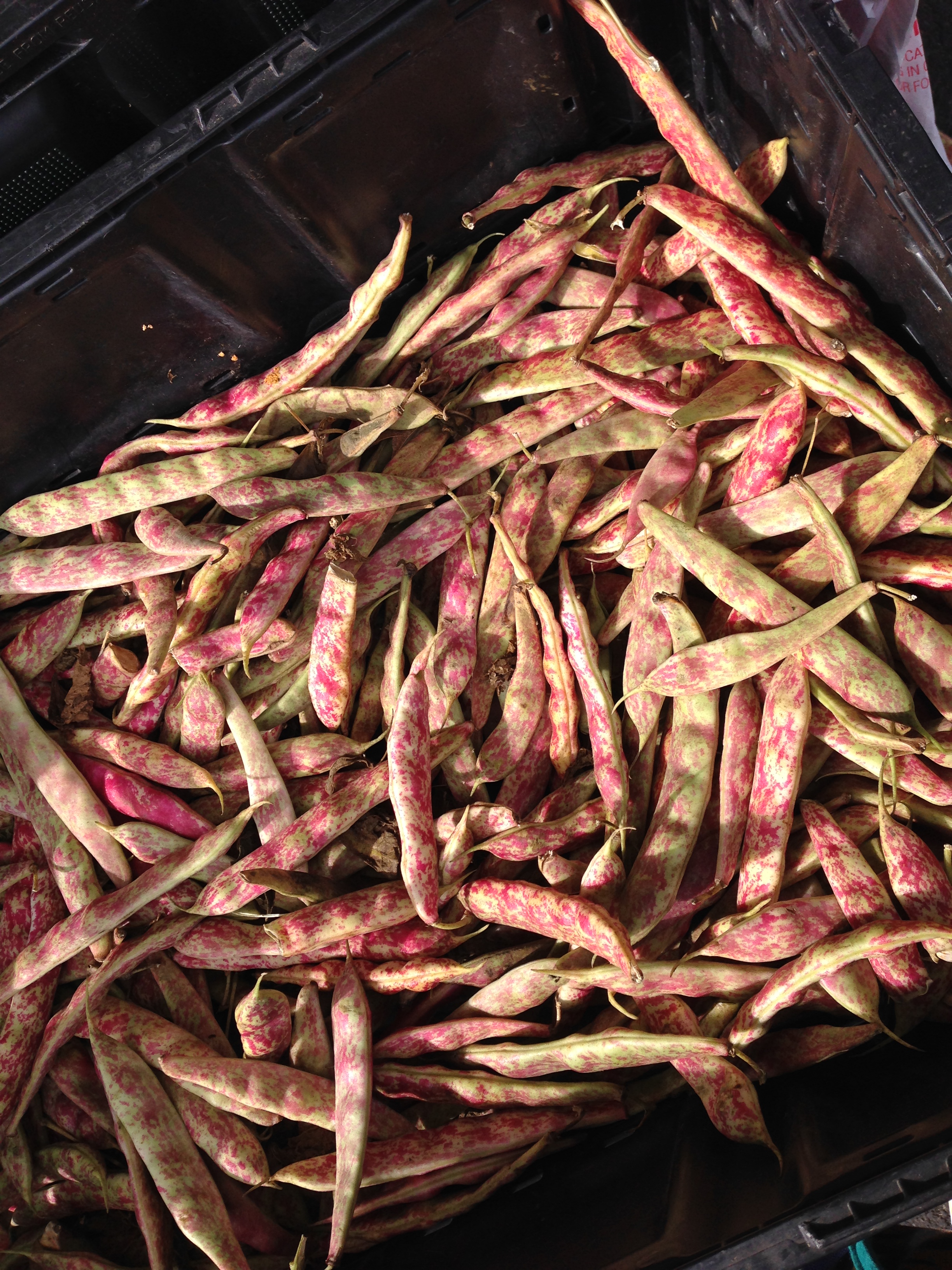
Over at Do Re Me Farms, they still had some green beans, zucchini and cranberry beans.

cranberry beans

It was wicked cold behind the cash register, and everyone was shivering.

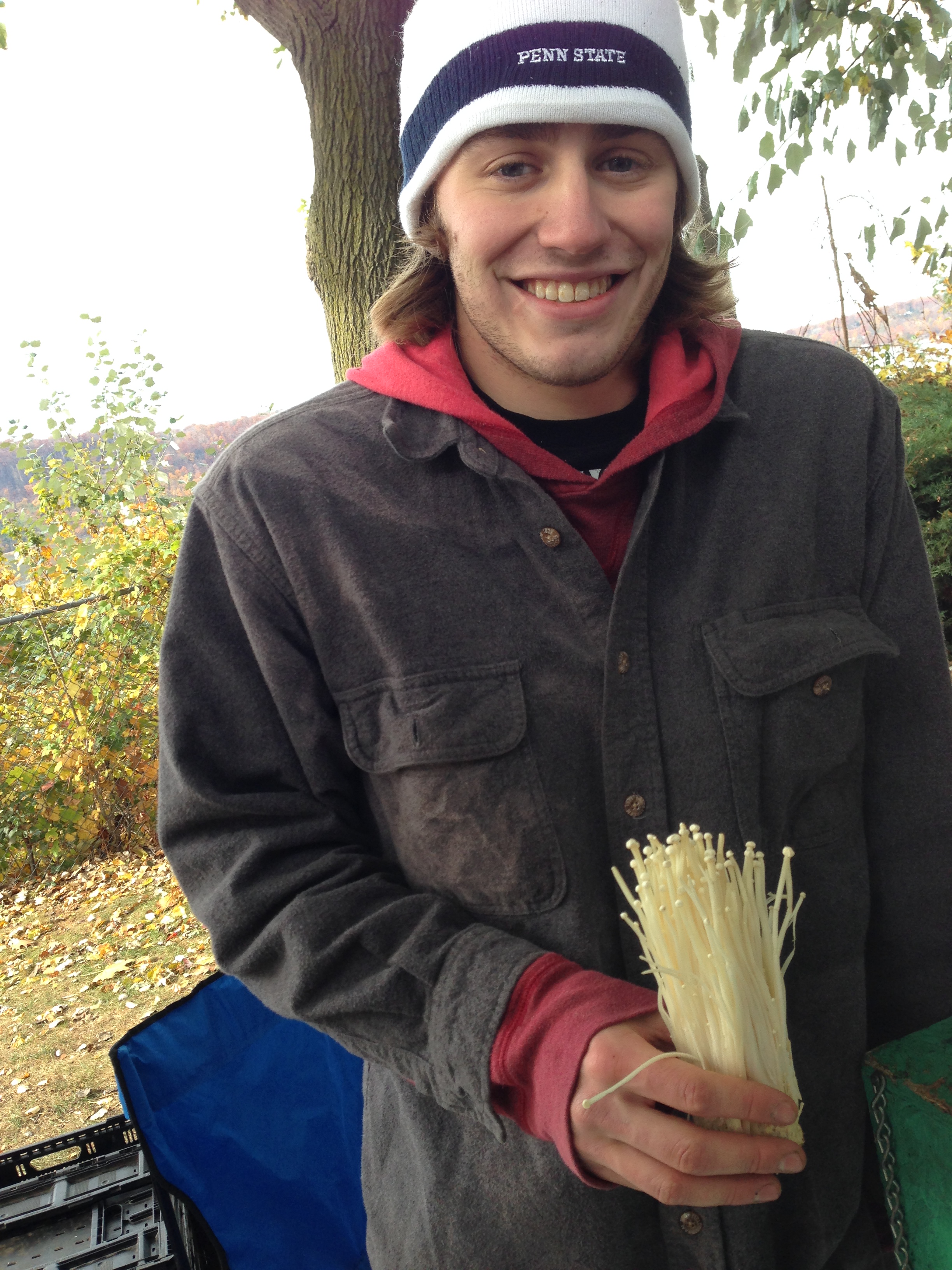
mushrooms guy

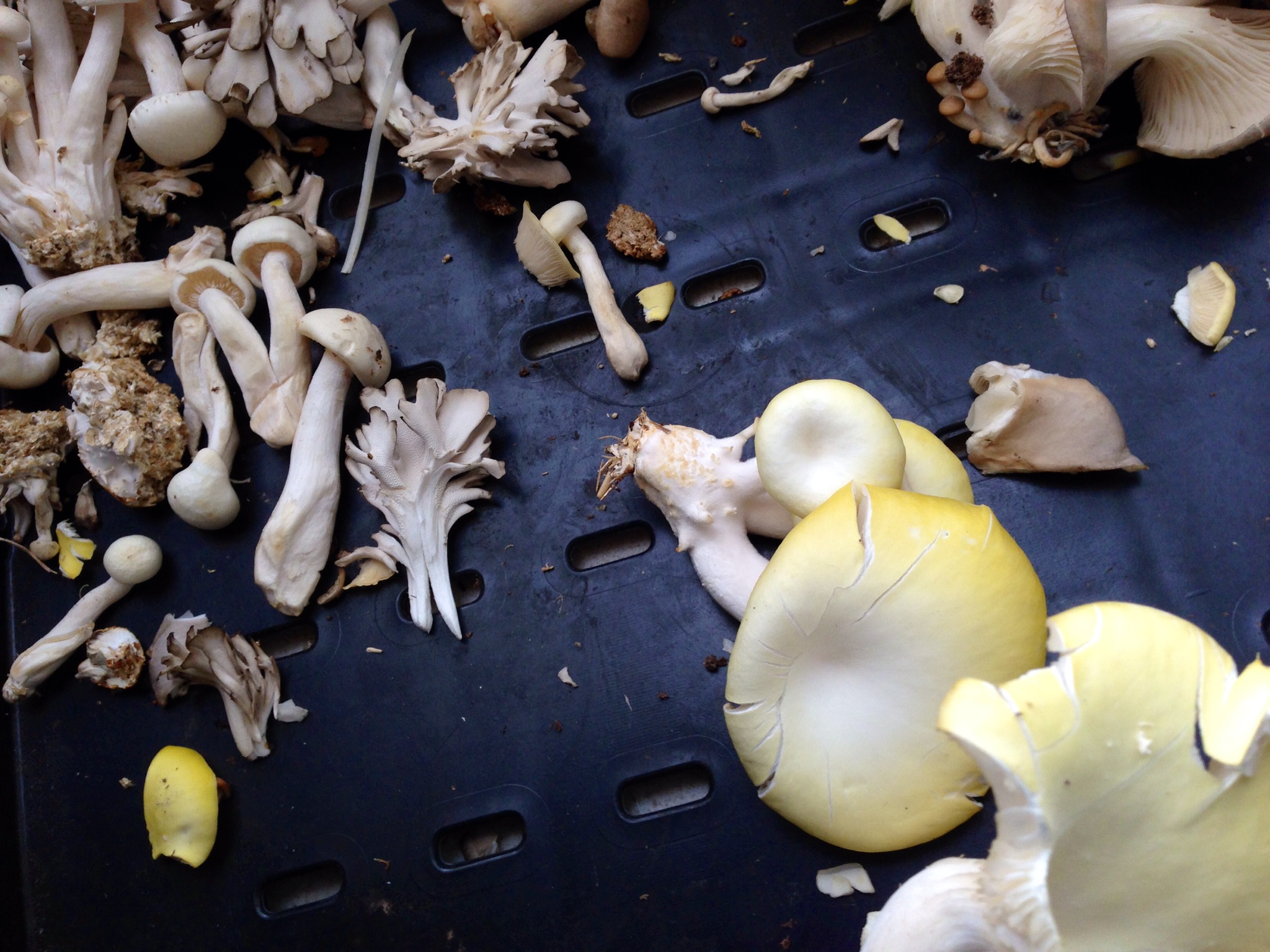
Mushrooms, a variety, were my choice. To add to a risotto or simply.saute and devour.

mushrooms

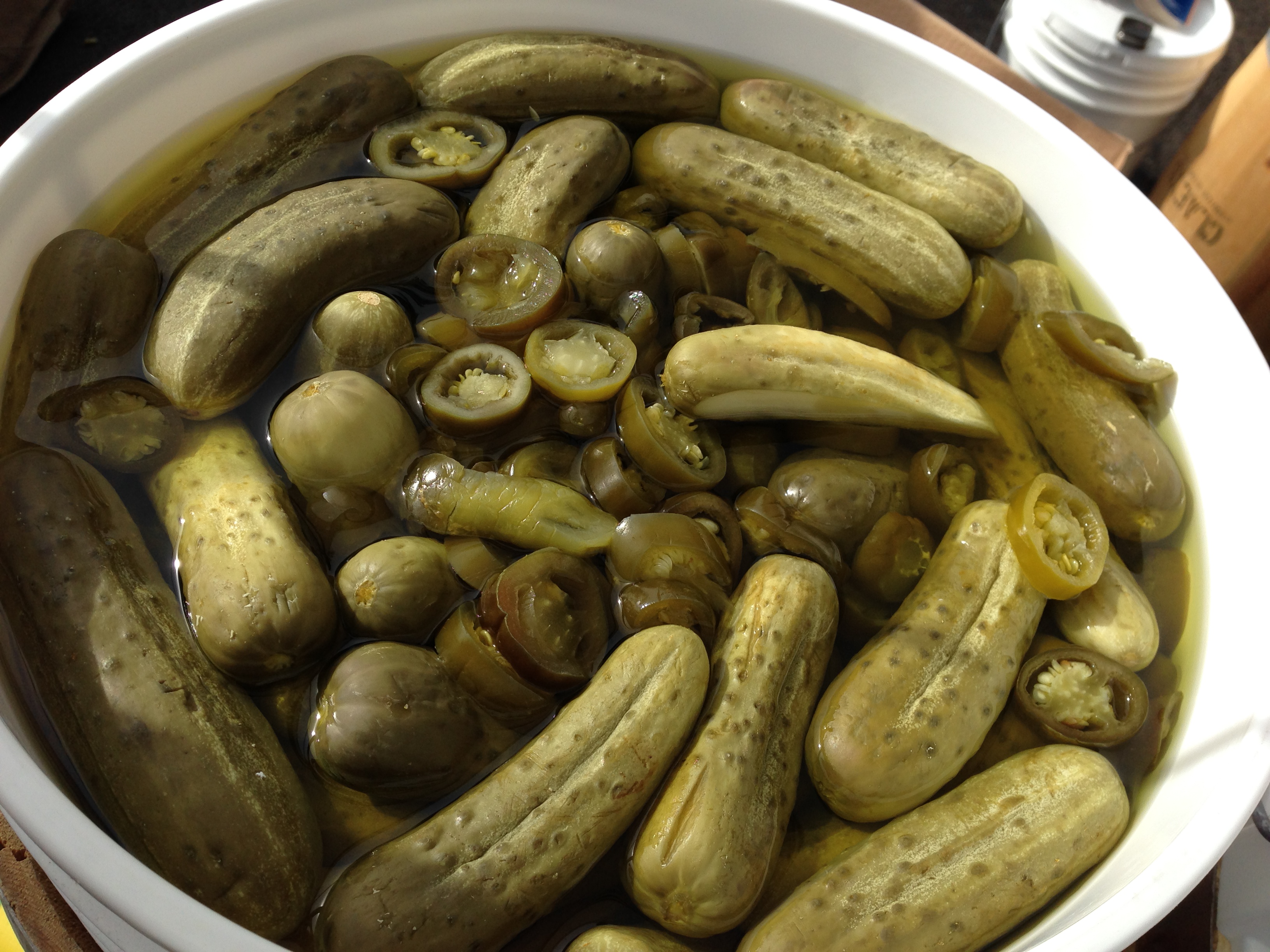
There was less produce than usual, more maple syrup, cider, pickles. Here they make a big thing out of offering pickles on sticks to children, like sour lollipops.

pickles

Painted Goat Farm is an artisan cheese producer located upstate in Garrattsville (now that is a true New York name). They offer goat cheese both fresh and aged, along with goat meat and what they call goat confections. They were out of the aged and I didn’t care for any goat confections, so I took home the fresh with garlic and chives.

goat cheese

The farm’s herd now stands at 85 – the females are “drying up” at the moment, I was told, and will give birth in February, when the babies will drive the count up to over 100. I’d like to pay them a visit then. If I had any kind of farm it’d be a goat farm. I love goats, both how satanic their eyes look, and their pure and total determination.

Leave a comment

Filed under Cooking, Culture, History, Home, Jean Zimmerman, Music, Nature, Poetry, Writers, Writing

Natasha and Pierre on Broadway

Well, yes, only in New York, sure. An electro-pop opera in a night club. In a tent. On a parking lot. In Times Square.

On line outside Kazino supper club, on a Wednesday night, we wait in the cold.

cold

There are many sweet and stylish young couples.

couple

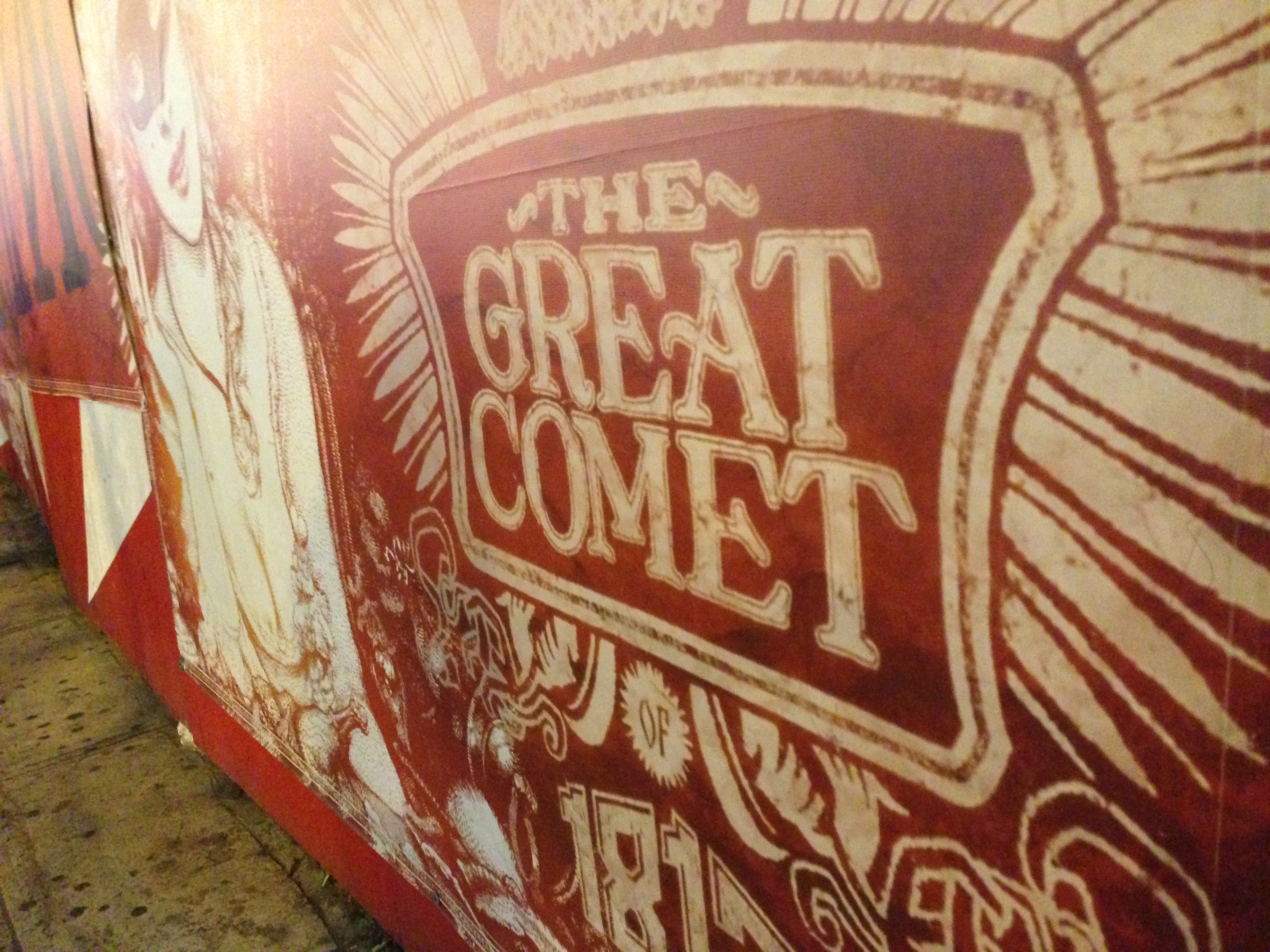
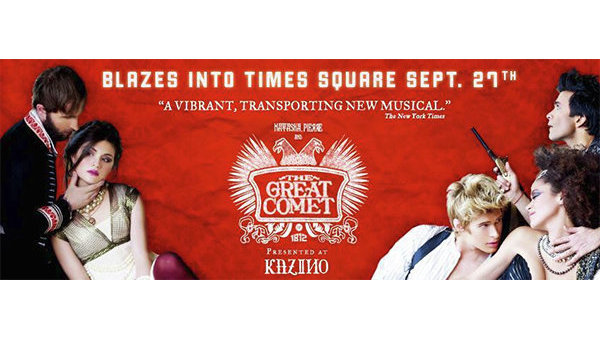
Natasha, Pierre and the Great Comet of 1812  takes place two centuries before us. A young theatrical wizard named Dave Malloy concocted the musical production. Will there be relevance in the enterprise?

A handsome man in a Tolstoy tee shirt waits for admission.

Gil:Leo

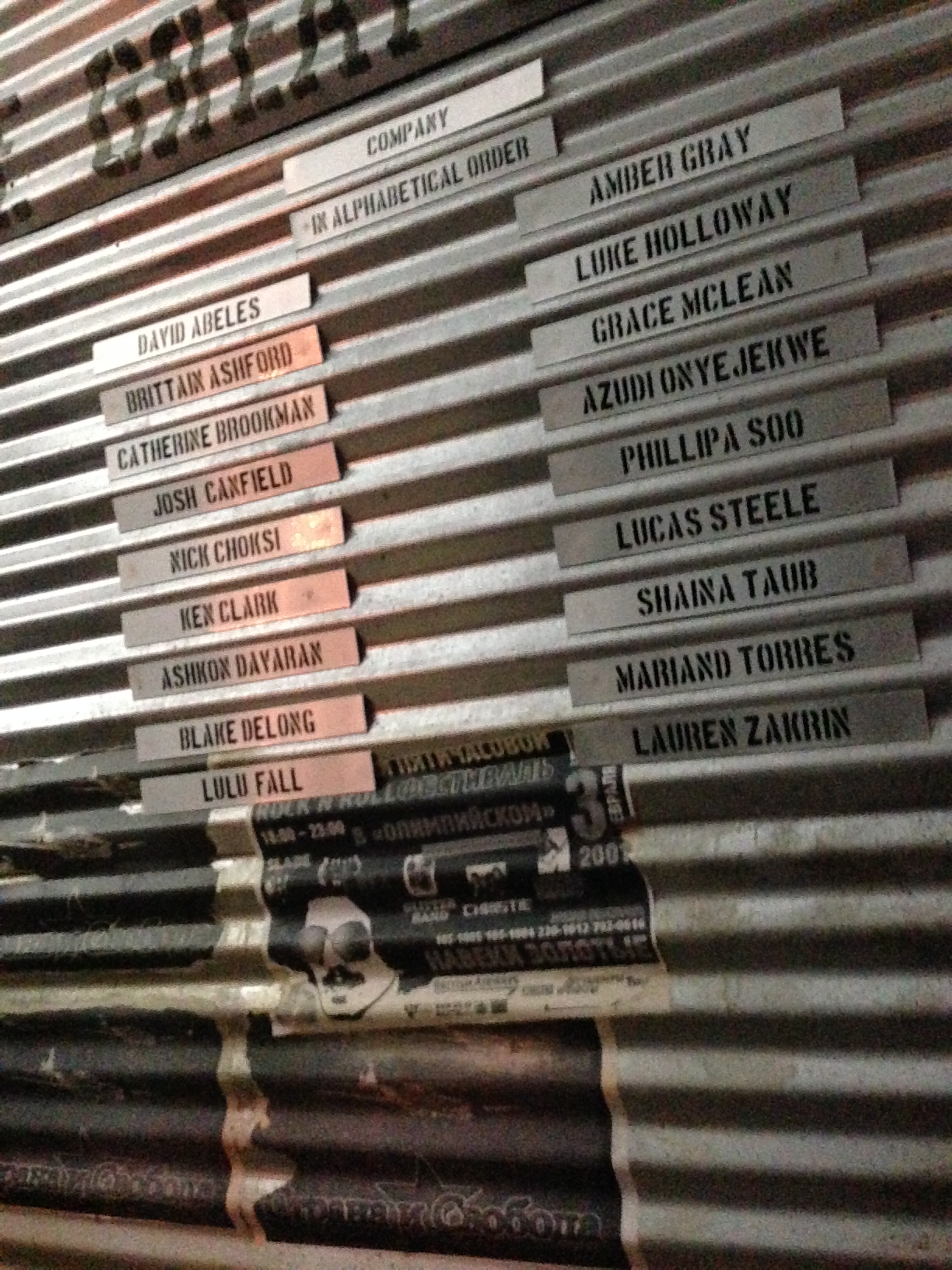
The company’s names appear on sheet metal inside the entryway. You know you’re not in Kansas anymore.

company

Inside, cocktail tables. Grey Goose available at $240 the bottle. Hot pierogies materialize, and short glasses of pink borscht that look like votive candles.

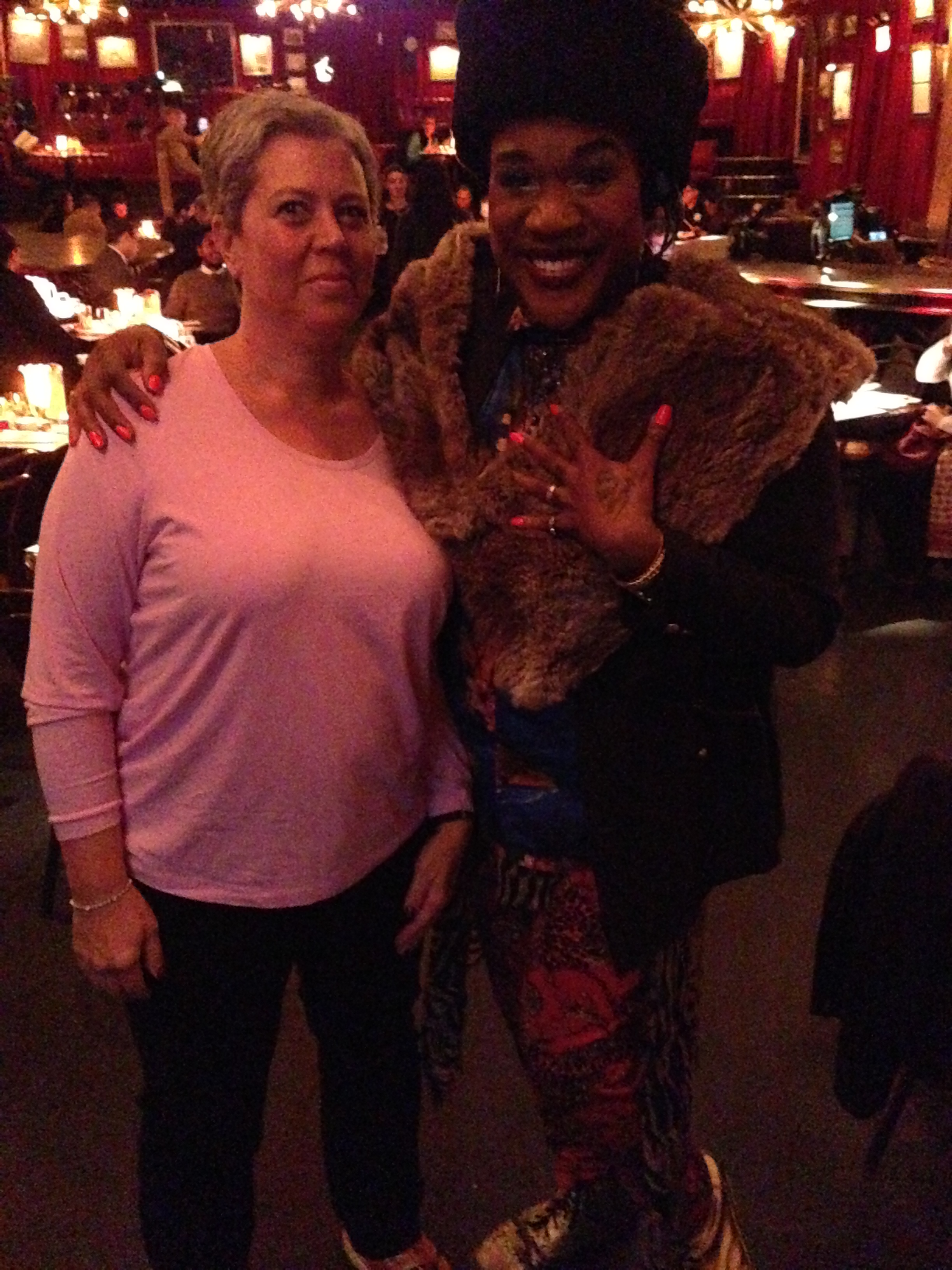
A big babe of a man called Royce strides around acting the hostess. Cossack hat, fur slouched over the shoulders, in a leopard skirt. Welcoming everyone.

Royce

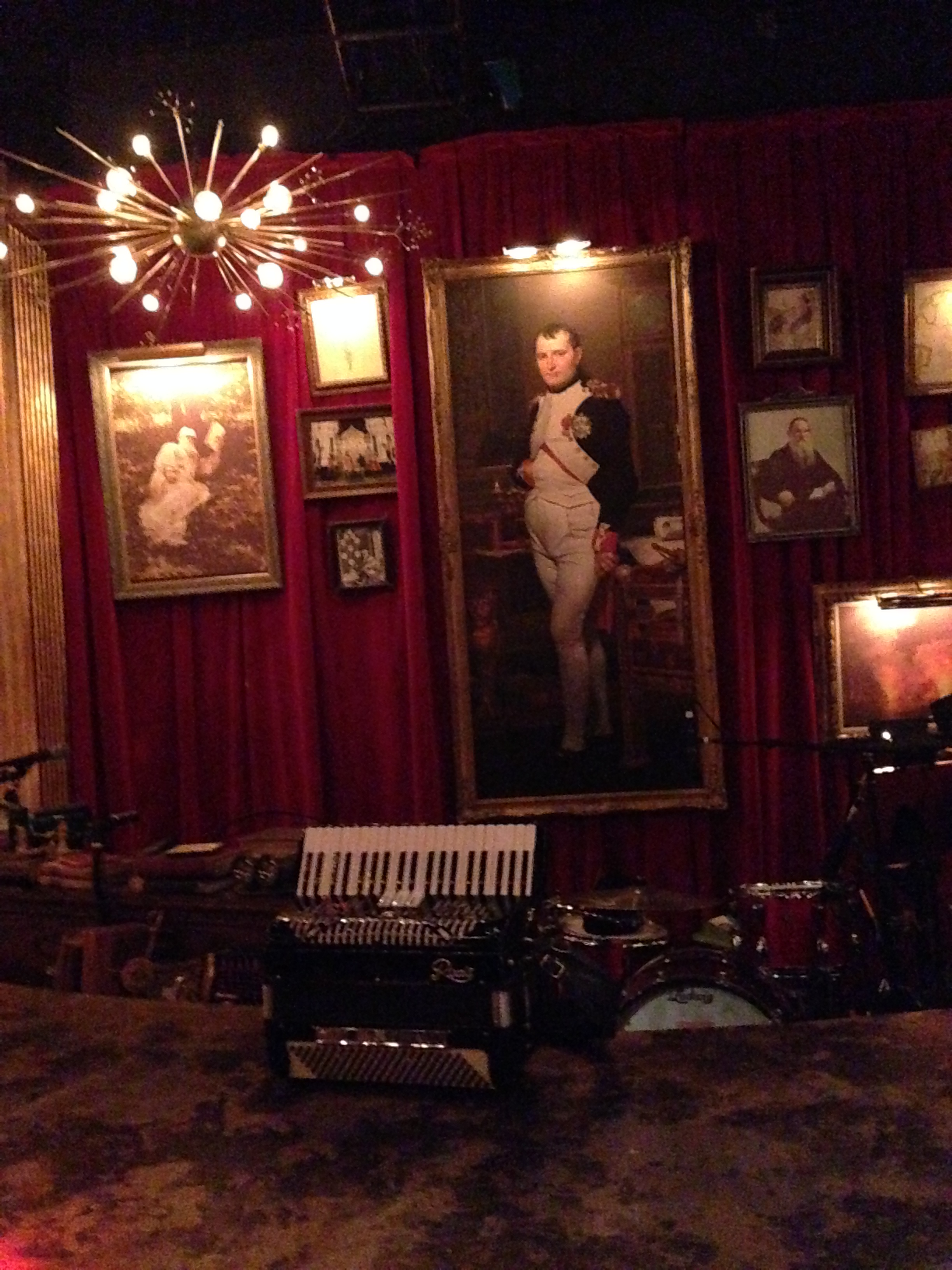
There are voluptuous wine-colored curtains all around, hung with “vintage” paintings, including one of Napolean.

Nap

The actors prance onto the floor, belting it out. Suddenly, the show has begun.

There’s a leading lady straight out of Julliard, who really knows how to warble.

natasha17f-2-web

Tolstoy would say the actresses are “nude” because they have bare shoulders. They range the room along with the dashing young actors; the scene changes from the opera to a drawing room to a gypsy lair. Lovers Natasha and Andre are parted when he goes off to war, Natasha is seduced by Anatole, then finally forgiven by Pierre. A simple plot delivered with much gnashing of teeth, tears and sexy dancing. The audience is given egg-shaped shakers to accompany the musicians.

183792455The finale has Pierre singing a haunting tune to the Great Comet of 1812, represented by one of the night club’s old-fashioned chandeliers. It’s  goose-bump-making, breathtaking.

chandeliers

Did I mention the play’s based on War and Peace?

Only in New York. And Moscow.

3 Comments

Filed under Culture, Dance, Fashion, History, Jean Zimmerman, Music, Writers

Sullivan Street Curative

I woke with a touch of labyrinthitis.There are scientific explanations for this condition, all pertaining to the inner ear and “unilateral vestibular dysfunction.” But what it amounts to, what you feel, is dizziness. Vertigo in the extreme. I sat on my living room couch and watched the room whirl around me like a merry-go-round. Not fun.

george w girl

When the show had subsided and after I conked out for a while, it was time for lunch. I steeled myself to go downstairs to the kitchen.  An omelette. I gripped the counter. I was doing it. And the room stood relatively still.

There is not much in the way of medicine to treat labyrinthitis. You can take the pills more often prescribed for seasickness. I don’t have those in the house. I ate my food and watched the walls throb.

spinning 2

What I did have was bread from Sullivan Street Bakery. We go to the establishment on 47th Street (not, improbably, Sullivan Street) in Hell’s Kitchen to stock up on baked goods whenever we’re in Manhattan. We often bring back what’s called a filone, which the bakery describes thus:

Large, tube-shaped loaf, baked dark to very dark, generously coated with wheat bran; open, irregular crumb structure and waxy-looking webbing. Mature fermentation; because of the unique baking method, flavor is nutty and sour with a slightly bitter aftertaste.

The bakery is famous for founder Jim Lahey’s no-knead bread, which you can attempt to make at home if you’re not near enough to do a drive-by like we do.

The bread is superior to any other – chewy, crusty, earthy, flavorful. I always think it’s the kind I’d want in my larder if the Barbarians were at the door. Why would we need bread at that time? For nourishment!

bread

I buttered a slice of toasted filone and took bites in between spearing garlicky mushrooms. The room threatened to spin. But it hove to a stop when I swallowed.

Maybe I’ll sit very still and fill my mouth with bread all day.

3 Comments

Filed under Cooking, Culture, History, Home, Jean Zimmerman, Writers

Victorian Waltz and Tea

Writing a novel in which Gilded Age debutantes dance with their swains in the gaslit ballrooms of fashionable New York made me want to get some nineteenth century dance moves under my belt. Or, rather, under my crinolines. So I brought my best Tigger kicks in to Manhattan for an afternoon of 1-2-3, 1-2-3.

Tigger kicks

Susan de Guardiola, our elegant yet earthy instructor, came down from Connecticut. She generally teaches what she calls Jane Austen classes – picture Keira Knightley in Pride and Prejudice, sashaying down the line, all aglow.

keira

I always preferred Matthew Macfadyen in that movie. Does he show up at any of Susan’s classes? She teaches not only English country dancing but about 12 other kinds and is a true authority in her field, with a website called Capering& Kickery  that gives all kinds of background on Victorian and Regency-era dance.

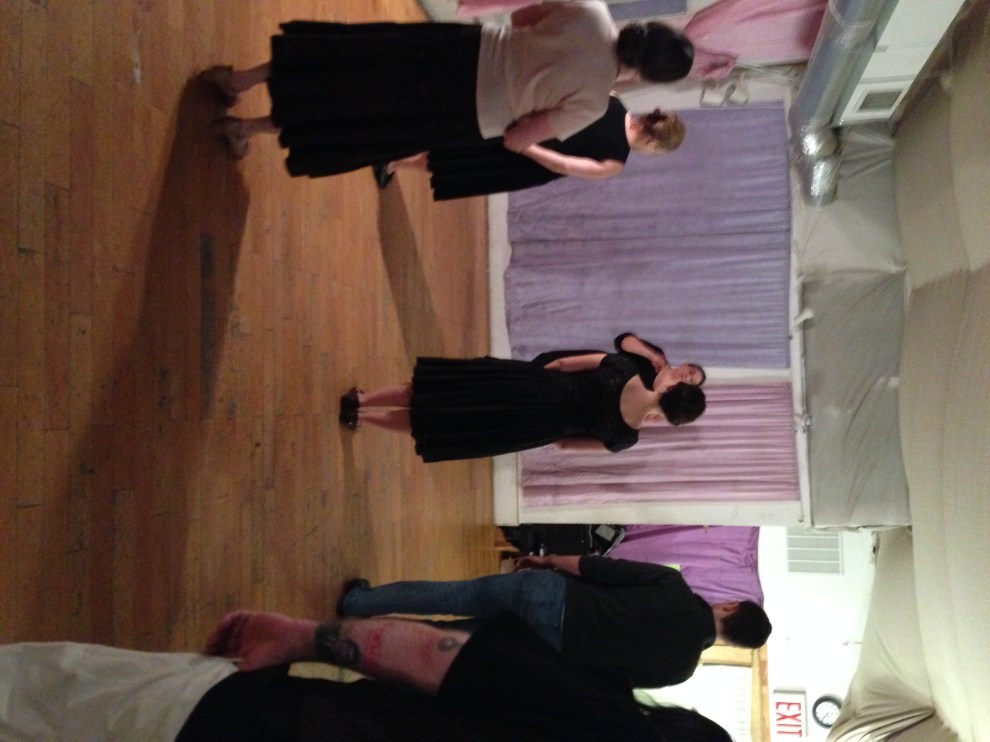
“If everyone’s good enough,” she told us at the start, “we’ll progress to jumping.” Such, I will tell you now, was not to be. It was baby steps for many of us, even as we behaved very well and tried very hard.
class

The last time I waltzed was in seventh grade cotillion, wearing a micro-mini dress and short white gloves. I loved it. But that was a long time ago. And a far cry from a tiny dance floor in the back room of a tile shop, in the Chelsea neighborhood of Manhattan.

ballroom

Today, some women wore black dance shoes and a man came in wearing a steampunk-style leather top hat. You don’t see that every day on the streets of New York. “Shall I put my hair up because I’ll get all hot and sweaty?” asked a curly-haired woman. “I usually do,” said Susan.

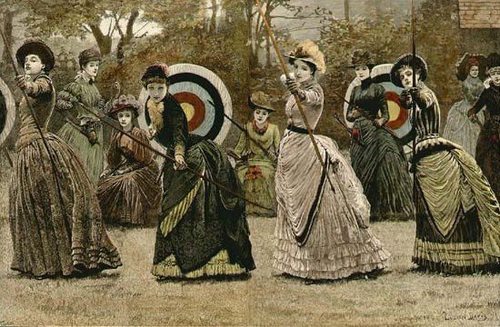
This class was offered under the auspices of the New York Nineteenth Century Society, an outfit that takes seriously its mission: it  “unites historians, scholars, artists, philosophers, dreamers, and impresarios inspired by the 19th century.” Recently they had a Nineteenth Century Extravaganza, for which everyone put on their full Victorian regalia. Next up is an archery event. Yes! Perhaps I’ll attend. Savage Girl is an expert archer, as were many young ladies of the late 1800s.
archers

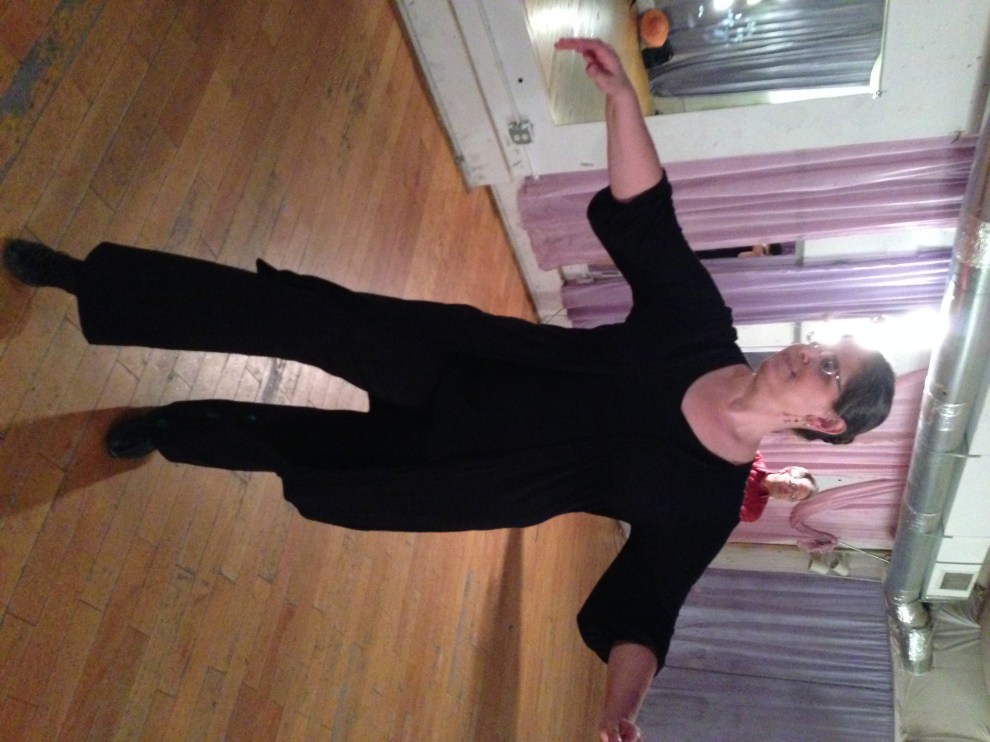
“The 1880s, 1890s were the root of modern ballroom dance,” said Susan. It turns out that the waltz changed seven or eight times in the course of its development, becoming faster, closer, more stylized. The dip back we expect from the female partner now didn’t used to exist.
susan

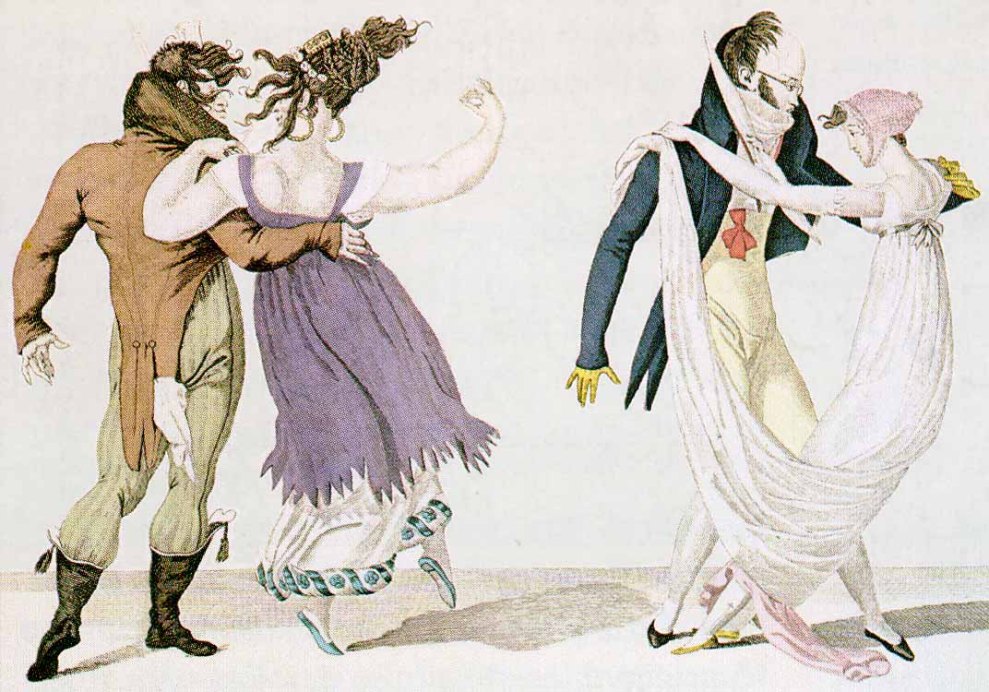
“I’ll tell you the secret of this kind of dancing,” said Susan. “It works if you do it on the balls of your feet.”
1801wals

“When this waltz gets going,” she said, “it flies around the room.” She might have been a tad optimistic.

This was a lesson in shoulder blades. The man should place his hand on the woman’s left shoulder blade (“that’s the sharp thing sticking out of her back,” said Susan) though in Victorian times when everyone wore corsets and your posture was therefore better, your partner could put his hand farther down your back. The woman holds her left hand against the man’s right shoulder, above his chest, to help push him around during the turns.

We learned the gavotte glide, a slide to the right followed by a turn, and we learned the importance of leading with your toe, Victorian style. Susan suggested we lean in and not worry about the various “bits” of us that might touch. We passed partners around the circle, dancing with utter and complete strangers, experiencing waves of cologne, perspiration, different kinds of breath, good and not-so-good manners. Everyone tried hard. I got one partner, Jake, a couple of times, and we shared laughs over each other’s clumsiness. He suggested we hold a hand behind us, as I might do holding a bunch of petticoats.

hands cocked

Jake high fived me when we came to a halt semi-successfully. Very Victorian.

jake

Lesson over, Gil and I proceeded outside, where a young dancer waiting for a tango class advised me that rubber soles such as the ones I had on might cost me an ankle. “I hope you keep it up,” she told me and Gil kindly. “Maybe I’ll see you on Dancing with the Stars.”

On the street, I asked Susan how to improve. “Practice five minutes every day,” she said. “Go to a supermarket and practice down all those wide aisles.” You don’t need to do it all at once. “Sleep on your lesson,” she said, “and you will do better the next day.”

We hadn’t had enough Victorian flavor so we went afterward for high tea at a place called Lady Mendl’s Tea Salon. It was on the first floor of a Gramercy Park hotel, The Inn at Irving Place, carved out of two adjoining brownstones that date back to 1834. Washington Irving was said to have spent some time in a house down the street, enhancing the old-fashioned aura of the neighborhood. The online reviews I read said a man would not be welcome at the establishment, so of course Gil wanted to go.

jz tea

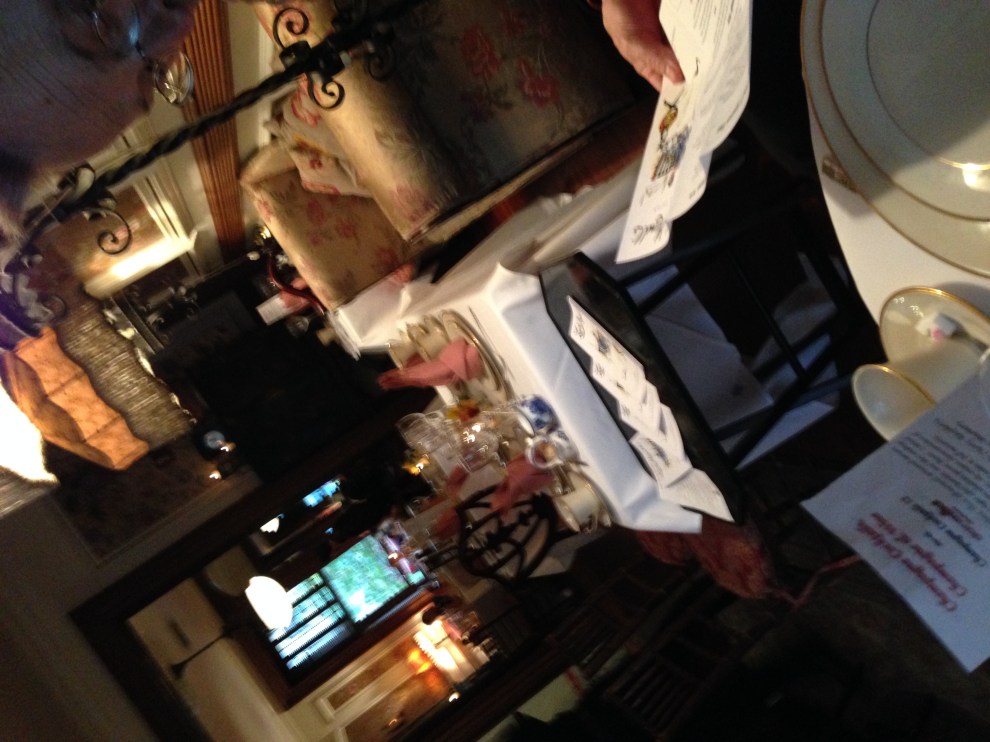
Lights were turned down low and the whole effect was gracious and mellow and ladylike, even if there were a few male interlopers.
tea room

We chose our freshly steeped tea from a menu of 27 varieties. The “Lady Mendl,” which I selected, was hot and heavenly, especially after waltzing for two hours.
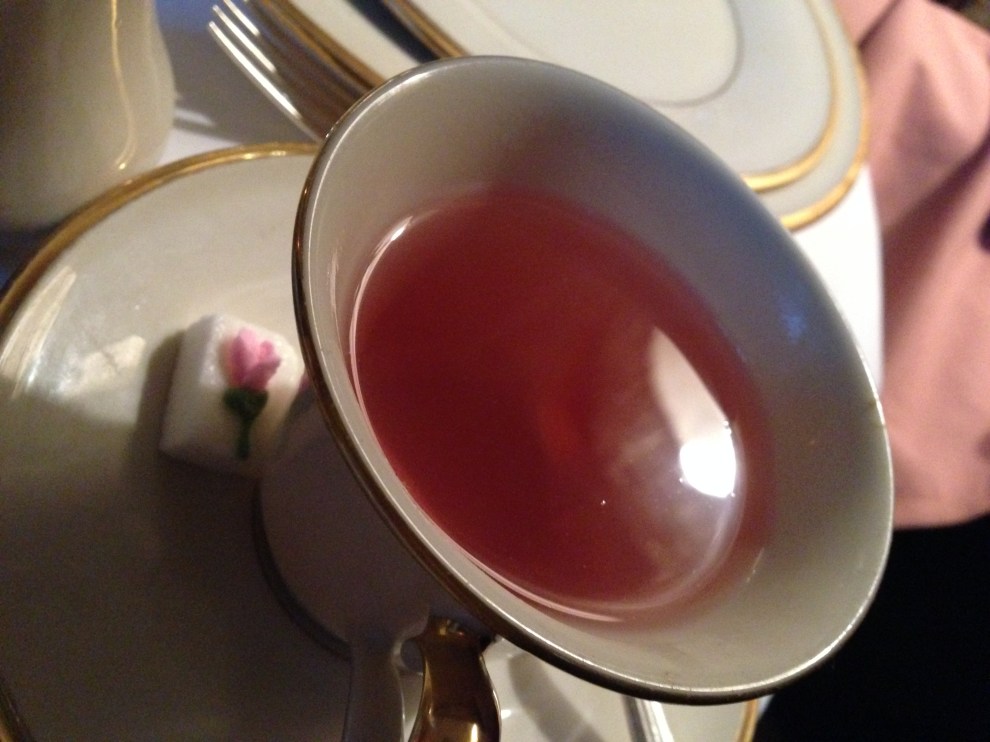
teacup

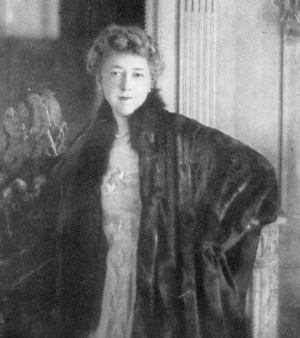
Darjeeling scented with bergamot, it was named after Lady Mendl herself – none other than the society woman Elsie de Wolfe, one of the first people to make her fame as an interior decorator. It’s said she had the expression “never complain, never explain” stitched on her throw pillows.

Elsiedewolfe

There was an amuse bouche consisting of a butternut squash tart with crème fraiche. Tea sandwiches. We were rolling. Everyone in the room appeared happy, or rather, high. High on hot, fragrant tea.

We reminisced about the banyan I made Gil one Christmas. Banyans are the “exotic” silk robes colonial men wore when they were at home at leisure, with their temporarily unperiwigged pates covered in caps.

banyan

There were, of course, scones and clotted cream. I ate some of the cream on a spoon to make sure it was property clotted.

scones

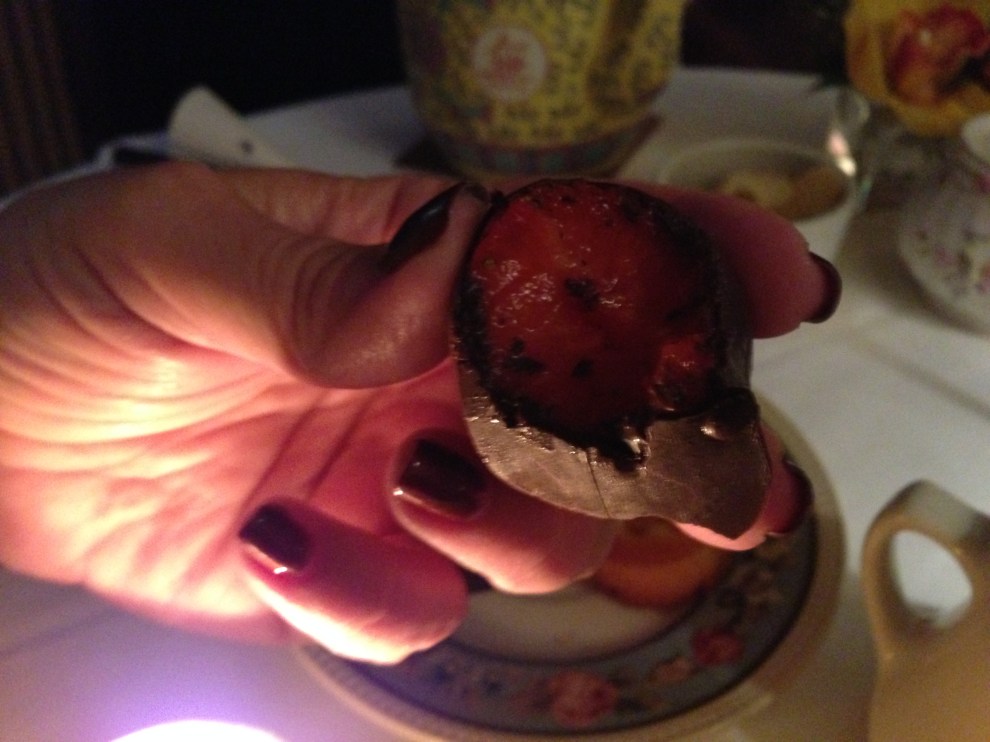
As if that wasn’t sweet enough we had millefeuille cake with more cream, and chocolate-covered strawberries. In my opinion the strawberries are a specious addition, since a century ago you couldn’t get the kind of giant fruit they dip now. Not that I’m complaining.
choc strawberry

“It’s good to do something you don’t ordinarily do,” I opined with Victorian superciliousness. “It makes you grow.”

“It makes you groan,” said Gil, ready to go back to the Cabin, put his feet up and his banyan on.
3 Comments

Filed under Culture, Dance, Fashion, Fiction, Film, History, Jean Zimmerman, Music, Publishing, Savage Girl, Writers, Writing

Author Page Debut

I wanted to let everyone know that I have set up an author’s page on Facebook, where you are welcome to go to discover news about my books both forthcoming and previously published, and also bits and pieces about the literary life, book goings on, tweets, interesting historical phenomena and other things that pertain to my life as a writer.

Please do stop by and “like” the page, and leave a comment – I’d love to see you there.

For the Facebook page, and just because I  hadn’t done so in a while, I came up with a new author photo. I wanted the picture to be less posed, more natural than my past ones, and to have some kind of a natural context.

IMG_8745 revised

Maud Reavill was prevailed upon to record her mother’s image for posterity. I stood in front of Columbia University’s St. Paul’s Chapel, designed in 1907 by I.N. Phelps Stokes, he who I profiled in my book  Love, Fiercely: A Gilded Age Romance. It’s an exquisite Italianate structure, one of Stokes’ finest accomplishments, and the first non-McKim, Mead and White building erected on campus. It’s just as beautiful inside as it is on the exterior, but the light inside didn’t favor a shot. I wrote about the chapel and getting my picture taken earlier this year.

The bricks are old. I am not.

Leave a comment

Filed under Art, Culture, Fiction, History, Jean Zimmerman, Love, Fiercely, Photography, Publishing, Writers, Writing

Historical Pork

I brought the porker totem home to a curious canine, though Oliver didn’t seem to feel the swine deserved an aggressive posture.

oliver:pig

And though I debated on the drive back, porker clunking in the trunk, what Gil’s reaction would be – would he object to the creature because of its cost or size or general mien – he too was delighted by it. One of his favorite song lyrics, he said, was Dylan’s “I’m no pig without a wig/I hope you treat me kind.” Hard to hold anything against a grotesquerie that cost 24 dollars.

whole pig

We decided the painted plaster pig with the voluptuous nose must have at one time enticed customers in a store or eatery. The woman in the antiques shop felt sure he had a former life as a piggy bank, but no piggy bank is thigh high. I snapped him up quickly, before anyone else could. If anyone else would.

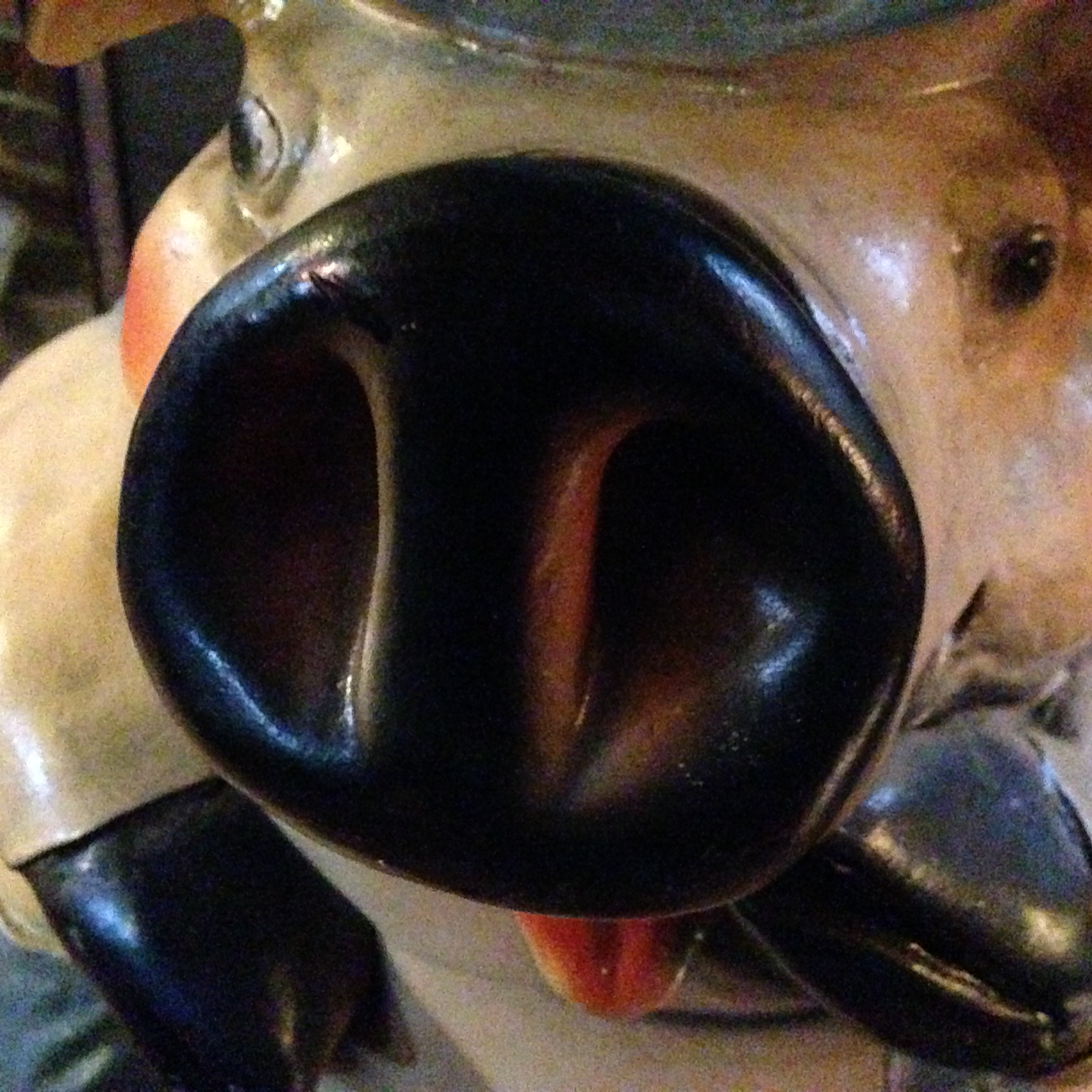
pig eye

My eye for art is my own. I’m the one who finds things at estate sales after all the “good stuff” has been bought, after everyone else goes home. In our storage locker the other day I went through our collection of two-dimensional pieces, some by friends, that the Cabin walls can’t accommodate. Space is extremely limited and 250-year-old logs hard to pound nails into.

I did hang a Currier & Ives print, an antique spoof showing a nineteenth century woman with a braid dangling to her knees, a cigarette and a riding crop. “The Girl of the Period” reads the legend on the only slightly stained image. The friends who gave me this know me well.

currier

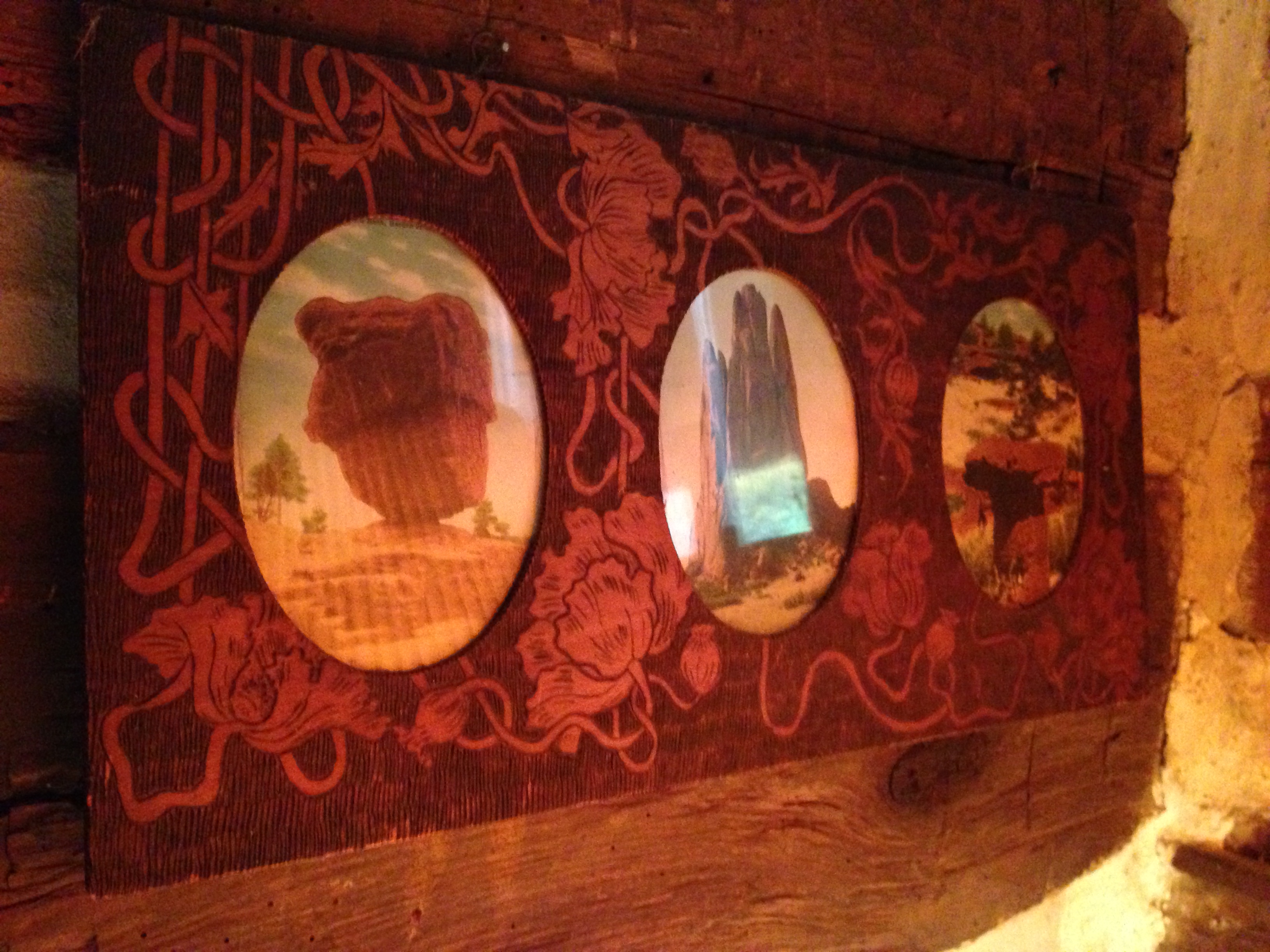
I do like things that are a bit stained, worn, faded or torn. Things that have the spirit of the vernacular in them. That show the human hand. It’s not outsider art when it comes from your own relative. One vintage artwork in my house was the creation of my great-grandmother Lockie Hillis, three landscape postcards she collected on a trip to the Panama Pacific International Exposition in 1915, which she mounted in a wood-burned frame (she herself burned the wood).

Lockie

I greatly appreciate handmade signs, but I’ll only collect them for free. Our best sign, hanging outside on the porch wall, we collected off a telephone pole next to a cornfield on a midwestern two-lane.

cherish

The one above the fireplace makes an ironic comment on Oliver and the other beloved dogs that have lived with us.

no dogs

Another perhaps more frightening comment, the mask hanging above the wooden sign. Leather of some kind, it comes from Mexico, and has dropped a few eyelashes since I picked it up 30 years ago. Gil has been known to put it on for Halloween and terrify small children.

mask

The Cabin makes a perfect backdrop for a painted work like the one my artist friend Sandra bequeathed, titled “Cairo in the Garden,” named for a beloved tabby we owned with seven toes on each paw.

cairo

We don’t frame it because it doesn’t need a frame to show off its fresco-like charms.

Back to the pig without a wig. Where to exhibit his bulbous corpus? I think he needs to stand by the door, sticking out his tongue in welcoming us. Or by the hearth, though I wouldn’t want his fat to singe. Perhaps the kitchen would be the most logical, given the amount of bacon this household consumes. In a corner, where we can observe him observing us.

While I consider it I’m going to give my attention to a National Audobon Society “miniature chart” showing Twigs of Common Trees.

Twigged Out

Here we have 62 ink-drawings of buds, bark, leaf scars and pith. The total effect is exquisite and I’d like to do the impossible: find it wall space. I fished Twigs out of storage and Gil said, You want that? Yes, as a matter of fact I do.

pig nose

What this jolly pig reminds me of most of all is old-fashioned signage, when shops had a giant shoe or pair of eyeglasses out front, bespeaking loud and clear what they had to offer. That’s a history dating back to the middle ages, but you still find pigs today decorating barbecue joints. That might be this one’s origin. Oink.

6 Comments

Filed under Art, Cooking, Culture, Dogs, History, Home, Jean Zimmerman, Nature, Photography, Writers

Children’s Books That Make Us Us

Most of the elegant exhibition vitrines at the New York Public Library’s show The ABC of It: Why Children’s Books Matter stand at a height conducive to adult viewing. And wonderful as the show is, it’s really not a place for children – with the exception of a few nooks along the way offering copies of Goodnight Moon for young ones to handle – but a place for us well above knee height to get sucked back into our literary pasts.

The winding display was chock full of books and objects from the Library’s massive collection, and it ranged over the history of juvenile literature. There were picture books from China. There were vintage, quirky numbers, like The Cries of New-York, detailing children selling “various kinds of cherries” on Manhattan in 1816.

cherries

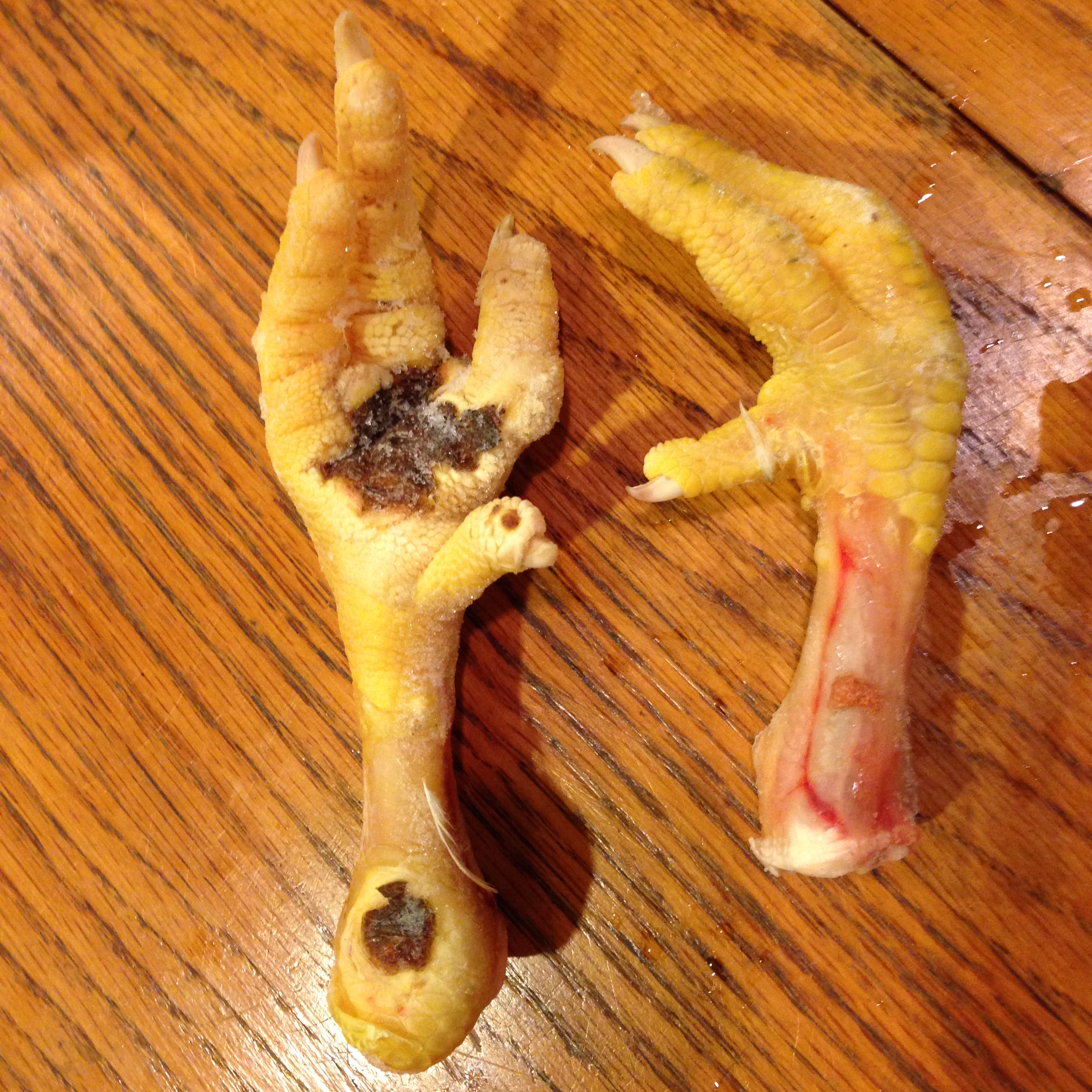
Another book, from 1727, represented the oldest known copy of the most important English-language primer, with an array of four-syllable words, fornication surprisingly found alongside exhortation.
primer

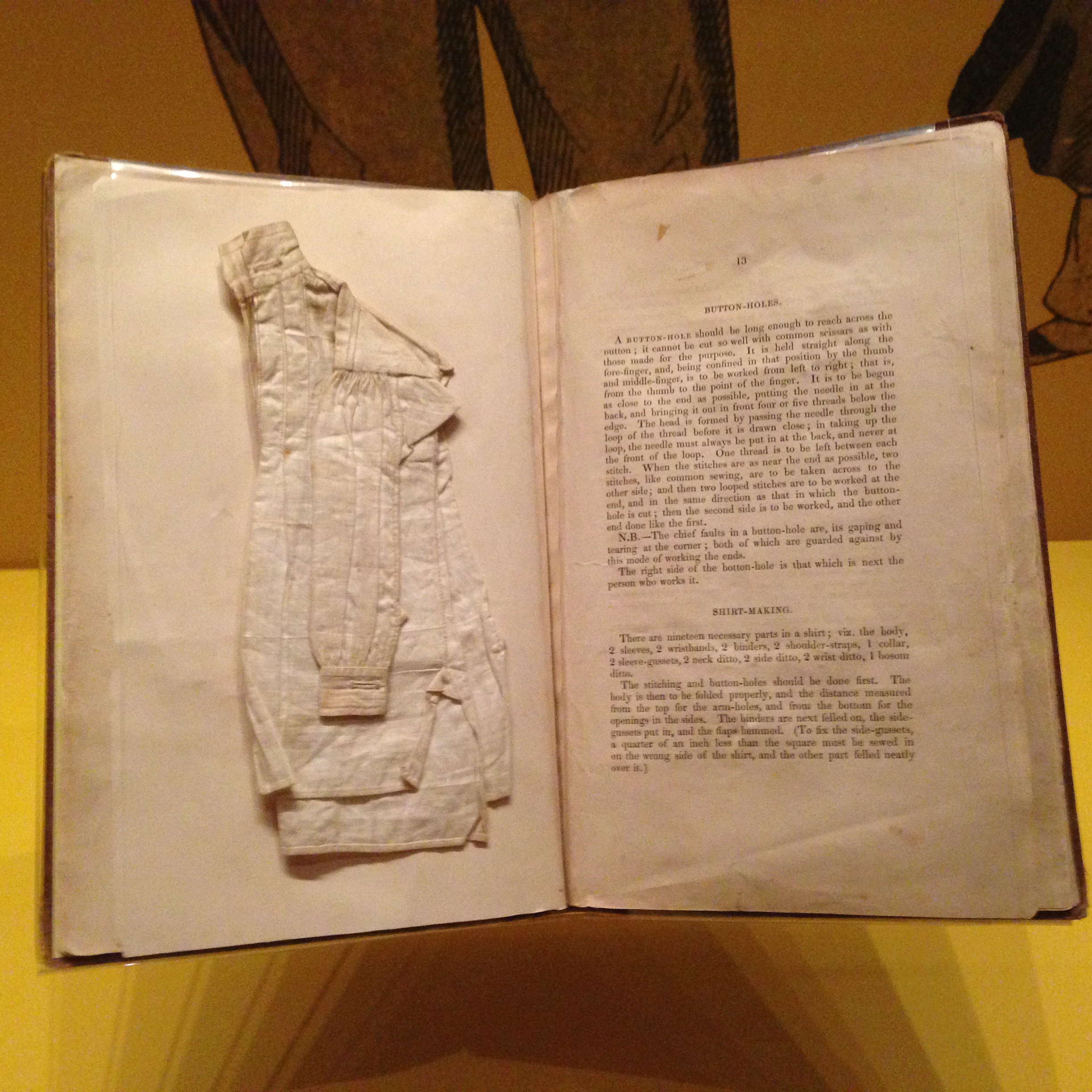
I was interested in Instructions on Needlework and Knitting, from 1847, published in London, whose valuable pages had an actual doll’s dress sewn into the book.

doll clothes

But I found myself gravitating to my tried and true, the darling books of my own important and valuable childhood, when caring people made sure my library was stocked with the perfect pages to make my imagination fly.

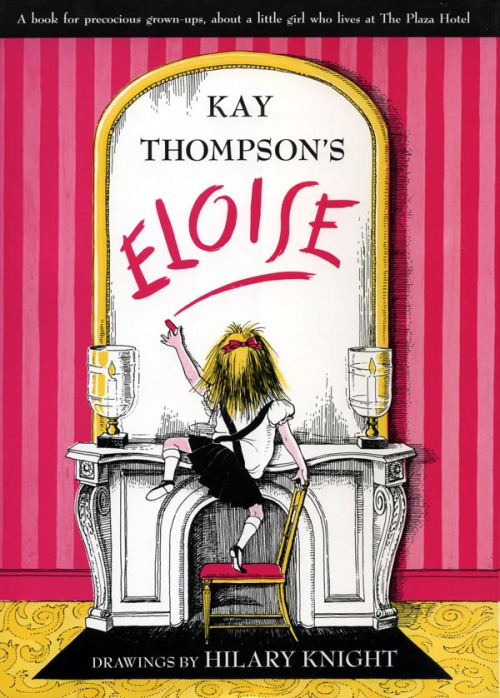
All my old favorites were here in some form or another. I saw sketches by Hilary Knight as he worked up to a published Eloise, with the scamp lying on her stomach facing  her turtle Skipperdee or making an island in the “bawth”. The collaboration between Knight and Kay Thompson was “intense, exhilarating,” I learned.

eloise-cover

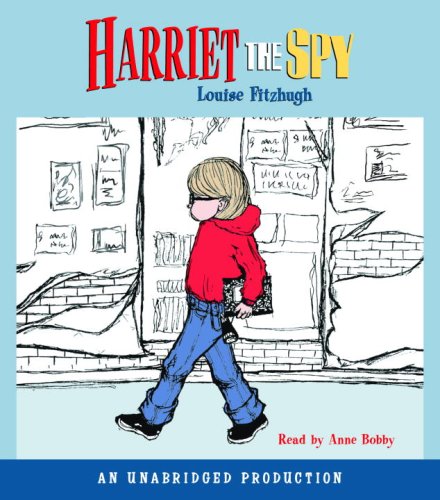
Harriet the Spy, 11-year-old brilliant tomboy, was represented along one wall with a pleasantly tattered copy of the book that could have been my own. That book taught me a lot about what it would take to grow up smart and sly in the world of adults.
harrietspy

The Phantom Tollbooth depicted a land I felt transported to when I was about ten, and going back farther, the Dick and Jane readers drew me in and gave me the creeps simulaneously.

I had forgotten about Ruth Krauss and Maurice Sendak’s A Hole Is to Dig, and the pages on display at the Library touched my heart.

sendak

Harold and the Purple Crayon. Timeless. Ferdinand. Charlotte’s Web: “Some pig.” “Terrific.” E.B. White wrote it while reporting on the founding of the U.N. for Harper’s Magazine, and it was no doubt shaped by a concern about who would save the world. The world he created was of course much more real than a big room full of serious old men.

terrific

I walked about adrift in nostalgia for my books, my bookcases, my bed where I read my books, my family’s club chair where I slouched with my summer pile from the library. “Libraries raised me,” said Ray Bradbury. I remember poring over tales of the creepy Loch Ness monster and the equally terrifying but also funny abominable snowman. I can  relate to Eudora Welty’s memory:
I read library books as fast as I could go, rushing them home in the basket of my bicycle. From the minute I reached our house, I started to read. Every book I seized on, from “Bunny Brown and His Sister Sue at Camp Rest-a-While” to “Twenty Thousand Leagues Under the Sea,” stood for the devouring wish to read being instantly granted. I knew this was bliss, knew it at the time. Taste isn’t nearly so important; it comes in its own time.

I think that when reading I imagined myself to be Mary Poppins in another life (not the children who were her charges) and so I was fascinated to see P.L. Travers’s very Mary-like green-cloth umbrella with a parrot-head handle, and the Dutch wooden doll that served as the model for the magical nanny, which her American editor gave the library in 1972. “My favorite of all!” exclaimed the mom of two girls, who commenced to sing A Spoonful of Sugar.

Mary doll

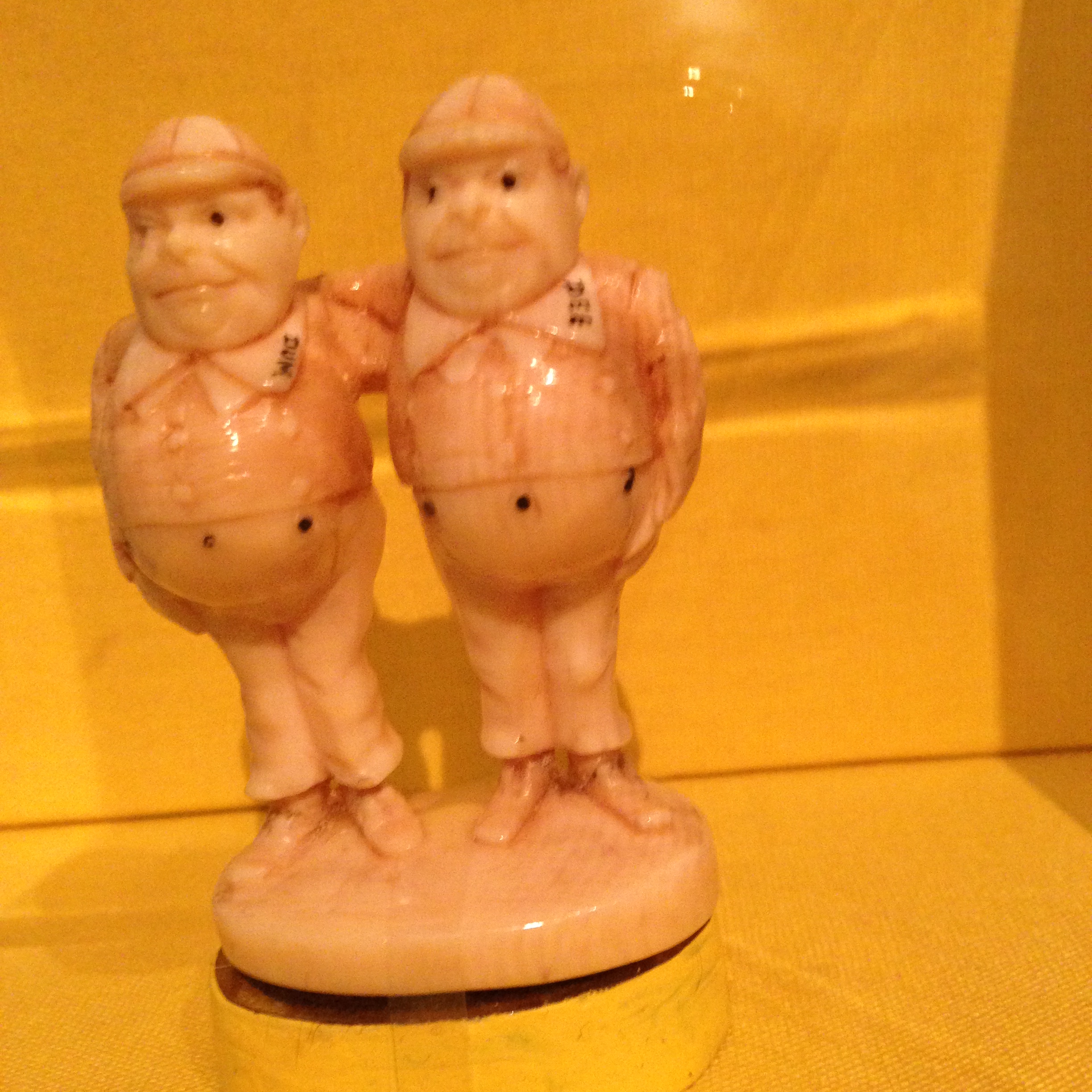
I turned the corner and bumped into another historical nugget, the Tweedledum and Tweedledee parasol handle that Lewis Carroll bequeathed upon the former Alice Liddell, now “Mrs. Hargreaves,” in 1891. The original Alice. She held that ivory in her hand.

tweedles

More heirlooms, including all the original Pooh dolls from the Milne family, which have resided at NYPL since 1987.

I was invited to craft an original story in a Mad Libs vein, with a digital setup on the wall. After I plugged in words, the narration involved a witchy persimmon and an oak turned into a sorrowful seed, reinvented from Hans Christian Anderson’s The Snow Queen. Anderson said, “Life itself is the most wonderful fairy tale.” All fun, but where are the fairy tales? Where are MY fairy tales? The ones I read and reread until the paper book jackets tore.

Oh, there, finally. The Blue Fairy Book. A first edition of the Andrew Lang collection, which had something like a dozen volumes.

blue fairy

Mom, Dad, Grandma—and I think it might have been Grandma—thank you for giving me The Blue Fairy Book, the Red, the Green, and the others, volumes I would crack open to release their dreams, their mystery and passion. Beauty and the Beast, which I read in The Blue Fairy Book, still gives me a shiver.

3 Comments

Filed under Art, Culture, Fiction, History, Home, Jean Zimmerman, Poetry, Publishing, Writers, Writing

Tweet or Not to Tweet

The gloaming is coming earlier these days. The Cabin, cozy as it is, can be small.

Halloween Cabin

Our winter is heated by wood more than sun.

wood

Fewer outdoor adventures, unless you want to really bundle up. A dive instead back into a small pink knitting project.

pink knitting

Oliver wants to lay down on the already-cold grass. I don’t.

oliver cold grass

What to do? Something new.

First I asked an intern to escort me through the twisted corridors of Twitterdom. Why do this at all? was my first thought, my eye wandering over the overwhelming Twitter feed. Well, said Carlos, my intern, you might find something interesting.

Carlos

Ahhh, that.

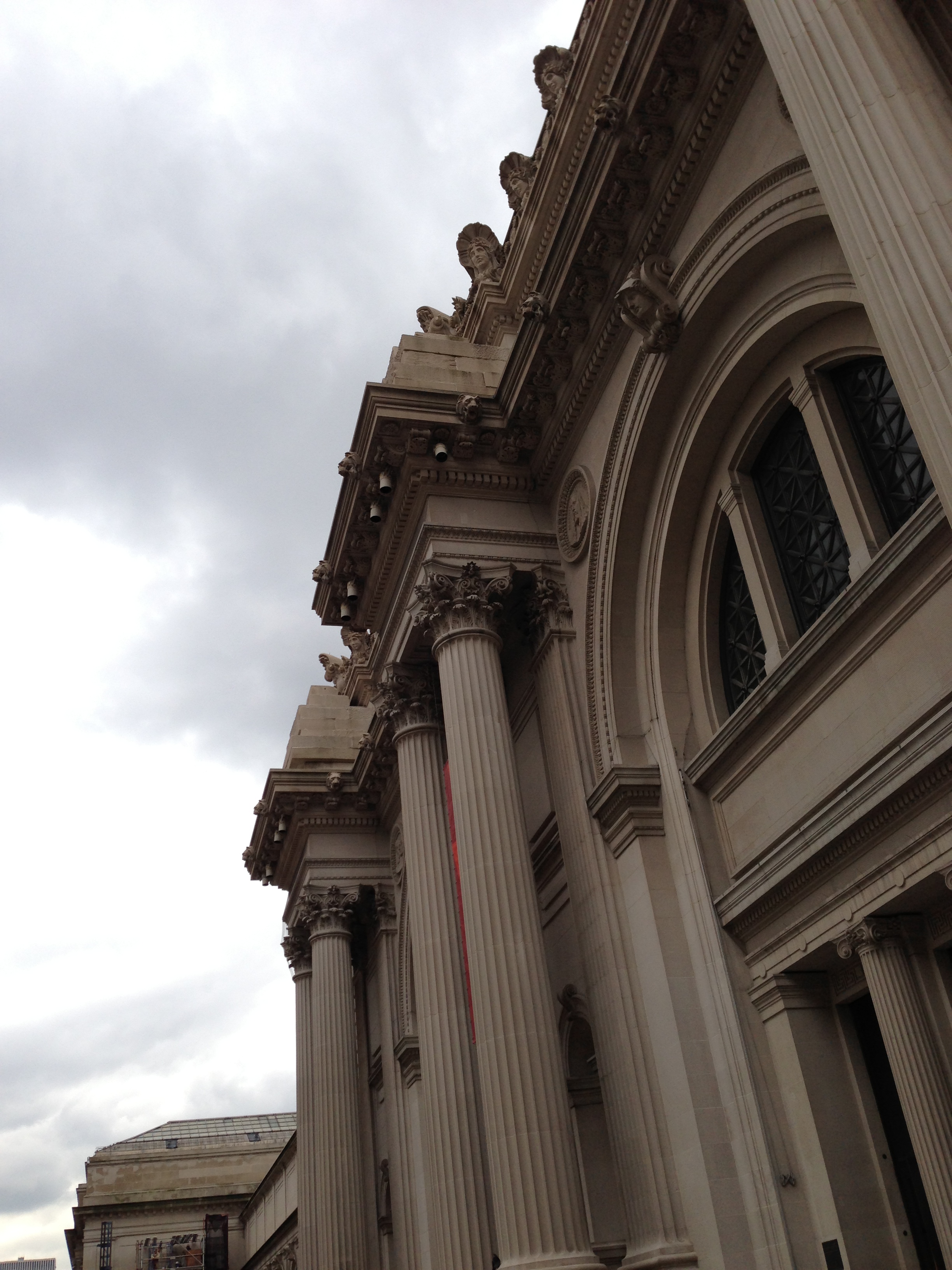
I went to the Metropolitan Museum’s profile to see who the greatest art institution in America was wont to follow, and discovered a thousand crazy, creative persons and places I didn’t know existed, that I want to know more about.

met

Only connect, as Forster said. Easy for him to say. He didn’t have FB, Twitter, Tumblr, etc., etc.

Catch me at @jeanczimmerman and we’ll tweet.

2 Comments

Filed under Art, Culture, History, Home, Jean Zimmerman, Knitting, Publishing, Writers, Writing

To Be a Ghost

Gil is an animal of many and variegated stripes. He writes nonfiction (Aftermath, Inc.Mafia Summit) and fiction (Mockman).

Gil signing

He is also expert at articulating the stories of others as their collaborator. I asked Gil some questions about the process.

Why ghostwrite?

I like to collaborate, because otherwise you’re alone in a room with a computer keyboard. Collaboration relieves that.

How do you help someone tell their story?

I ask them questions, get them to talk about themselves, record the results, transcribe it, and that’s the raw fodder for the book. Sometimes they offer other material, past interviews, diaries, historical records, all of which are good.

You’ve written for athletes, record producers, polar adventurers, and the husband of Susan Smith, the woman who drove her kids into the drink many years ago. Which one was your favorite coauthor?

My favorite is always the one I’m doing now. But I have to say Robert Swan, the adventurer, the only man who walked to both the north pole and the south pole. I like him very much. An incredible environmentalist. That book was called 2041: My Quest to Save the Earth’s Last Wilderness.

robert-swan-4

Are there any tricks of the trade?

I consider myself a success if I disappear in the prose.

Tiki Barber BookWhat determines if you get credit for your work?

I don’t think it’s important. I always believe that the people who should know I have written the book will wind up knowing, i.e. editors and agents. I’m proud of my “with”s, that’s the terminology you use when as a ghost you get a “with Gil Reavill” credit. And I’m also proud of my uncredited ghostwriting.

ruthless

What are you working on now?

I’m not at liberty to say.

Will it be a big book?

It is a big book.

I’ve written books for angry black men and I’m a timid white boy. I’ve written books for egocentric women and I’m a zelig male. To reach across the membranes of self to enter into another person’s reality is an enjoyable novelty.  The metaphor I use to talk about my ghostwriting work is a lawyer and his client. I’m there to give somebody the language that they might not have otherwise. Or I’m perhaps in some cases there to speed up the process, to allow someone to write a book in one year what it would take them ten years to do without me.

What do you think that ghosting has done for your own creative work?

Ventriloquism is always part of the creative process, even in nonfiction. What did Kafka say? We need an ax to break the ice between us. Creativity is the ax.

Franz-Kafka

What does that have to do with the question?

What is the question?

We’re all separate souls and creativity builds the bridge, whether it’s between two real people or an author and a created character. There are still bridges to be built.

3 Comments

Filed under Culture, Fiction, History, Jean Zimmerman, Publishing, Writers, Writing