Category Archives: Fiction

Book Award to The Orphanmaster

I’m proud to say that The Orphanmaster has been selected as a 2013 Washington Irving Award Winner by the Westchester Library Association.

horse

Since 1987 the Association has gone about choosing “books of quality” written by Westchester residents, encouraging librarians in the county to encourage patrons to check them out and read them.

The Orphanmaster shares the spotlight with some great books, both fiction and non. This year the group of authors includes Don deLillo, Karen Engelmann, Esmerelda Santiago, Robert K. Massie and Dan Zevin.

Why Washington Irving, you ask. It makes perfect sense. He’s Westchester County’s foremost literary light, historically. Though he’s pretty much known today mainly for “Rip Van Winkle,” in his day, the early 1800s, he achieved rock star status, producing  at least a dozen and a half popular histories, biographies and collections of essays as well as novels and stories.
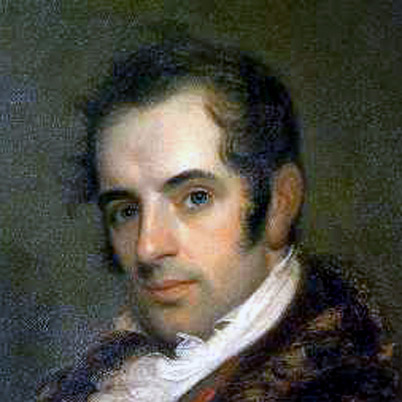
Portrait of Washington Irving

Irving’s first major book, A History of New-York from the Beginning of the World to the End of the Dutch Dynasty, by Diedrich Knickerbocker (1809), published when he was 28, was a satire on local history and contemporary politics that ignited the public imagination. A later work, The Sketch Book of Geoffrey Crayon, Gent., out in 1819, which contained Van Winkle (written in one night, it is said) and The Legend of Sleepy Hollow, shot to international bestsellerdom. He’d been writing voraciously since he was a teenager submitting clever letters to the editor of Manhattan’s Morning Chronicle.

Irving invented the tag “Gotham” for New York City. Here is Wall Street in 1850, Irving’s home town.

wall street 1850

Some of his books lampooned early Manhattan’s manners and mores. They set up a lasting stereotype of the stalwart Dutch burgher and his stolid hausfrau partner, influencing me when I researched The Orphanmaster. Rip Van Winkle figured in this ilk, telling the tale of a man who nodded off in the Catskill Mountains for 20 years, sleeping through the American Revolution, with the world having changed irrevocably during his slumber. Another more modern rock star, Johnny Depp, appropriately brought Washington Irving out of the nineteenth century with his portrayal of Ichabod Crane in 1999 in the film Sleepy Hollow.

depp sleepy-hollow_l

Irving traveled extensively on The Continent – he served as an ambassador to Spain — as a true man of the world, feted everywhere, dazzling literati and royals alike with his intellect. When he spent time in the U.S., he lived with his nieces in a picturesque cottage called Sunnyside on the river bank in Sleepy Hollow, New York, a “snuggery” of yellowish stucco with climbing wisteria on rootstocks imported from England, a fainting couch in the parlor, and a west-facing veranda from which he could watch the sun set over the Palisades.

Sunnyside_Tarrytown_Currier_and_Ives

Irving hosted Dickens there, yet another rock star – fans grabbed tufts of Dickens’ fur coat as souvenirs — when the novelist did his American tour in 1842. When the train came through in 1851, cutting between Irving’s cottage and the Hudson River, he fumed. It ruined his bucolic view, and he never forgave it.

You can visit Sunnyside today and check out the tiny study where he sometimes nodded off, though not to wake a century later.

study old

Today the library is carefully curated by a staffer from Historic Hudson Valley, the nonprofit preservation outfit which owns the restoration. I know the librarian in charge. She is cognizant of the honor of handling the great man’s volumes.

As I am of receiving an award in his name.
5 Comments

Filed under Fiction, History, Jean Zimmerman, Publishing, The Orphanmaster, Writers, Writing

How to Be a Couple of Writers

Today is our wedding anniversary. Gil and I have been married 26 years. It’s a lot of  time since our engagement party, at a Russian bar in Brighton Beach, New York!

April 1987

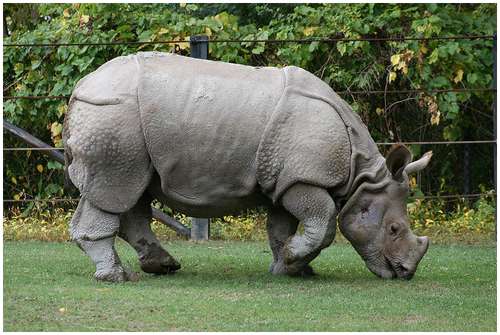
People always ask, How can you possibly stay married to another writer? It’s not something everyone does, and in fact the matrimonial union of two inkstained wretches is almost as rare as the Javan rhino, of whom less than 60 now exist.

Javan-Rhino

Some other writer-couples make it work. Novelists Paul Auster and Siri Hustvedt are a famous example. Well, they live in Brooklyn, and perhaps that artsy atmosphere gives them sustenance. Also consider the Beat poets Allen Ginsberg and Peter Orlovsky, together from 1954 until Ginsberg’s death in 1977. They chanted. They stayed loose. They were happily hip.

ginsberg

Once upon a time there was Mary Shelley (Frankenstein) and Percy Bysshe Shelley (Heaven smiles, and faiths and empires gleam,/like wrecks of a dissolving dream). It was wildly romantic, she running off with him when he was married to another woman and she was 16. Anais Nin and Henry Miller also managed to have both a torrid love affair and a meeting of the literary minds.

Anais_Nin_y_Henry_Miller

Yes, there were couples that were cursed, like Sylvia Plath and Ted Hughes. One dead by her own hand, one forever tortured by her demise. A similar dark story in Zelda and F. Scott Fitzgerald. He stole well-turned phrases from her journals, and things turned out badly (him dying of drink, her in a mental hospital fire).

fitzgerald:zelda

So what makes a writerly marriage work? Gil and I have been writing our own stuff and collaborating with each other ever since we got together. We actually met in a poetry writing workshop in New York City, led by the wonderful Sharon Olds (she won the Pulitzer for poetry this year). In the early days we didn’t have much space. I remember a tiny studio in Los Angeles with a single surface, a kitchen counter, where we set up our computers across from each other. And we produced books there. Today in the Cabin we have a bit more room, two separate offices (mine in the living room!), but we seem to often end up working side by side. Somehow our literary life together succeeds.

desk

So I will offer you my suggestions about sharing your life as a writer with another writer.

Accept debate. Disagree, argue, even fight over language. Just don’t come to blows. Try not to be hardheaded over a word or phrase or plot point. Be willing to kill your darlings, as they say, if your partner advises it. (Also praise each other’s work to the skies).

Celebrate the milestones. Little as well as large – the nice, toss-off comments of an acquaintance or the brilliant review. The copyedit as well as the first pristine hardback book copy. Raise a toast together, no matter which of you got the kudo, the contract, even the mot juste.

Ride the ups and downs. And there will be downs.Publishing is a fickle business and you can’t let the market ruin your mood or your relationship.

Embrace change. When we were married, I was an aspiring poet and Gil wrote plays that were produced off-off-Broadway. We made ends meet with editorial jobs. We grew, we branched out. We were the same people, but we became different sorts of writers. Between us, articles, screenplays, nonfiction, memoirs, fiction, even this blog…

We don’t know what will happen in the future. What writer does? Just be prepared to be perpetually surprised by your writerly mate, as you are surprised by yourself. Said Andre Maurois: In literature as in love, we are astonished at what is chosen by others.

Jean and Gil copy

16 Comments

Filed under Fiction, History, Home, Jean Zimmerman, Photography, Poetry, Publishing, Writers, Writing

The Orphanmaster Big Giveaway

It’s nearly April 30, the publication date for The Orphanmaster in softcover! I’m giving away copies.

o-master-p-back-cover

I have a stash that I would love to distribute to early readers. Drop me a comment (with your email – nobody sees that but me). I’ll get signed copies off to the first ten that respond.

13 Comments

Filed under Fiction, Jean Zimmerman, Publishing, The Orphanmaster, Writers, Writing

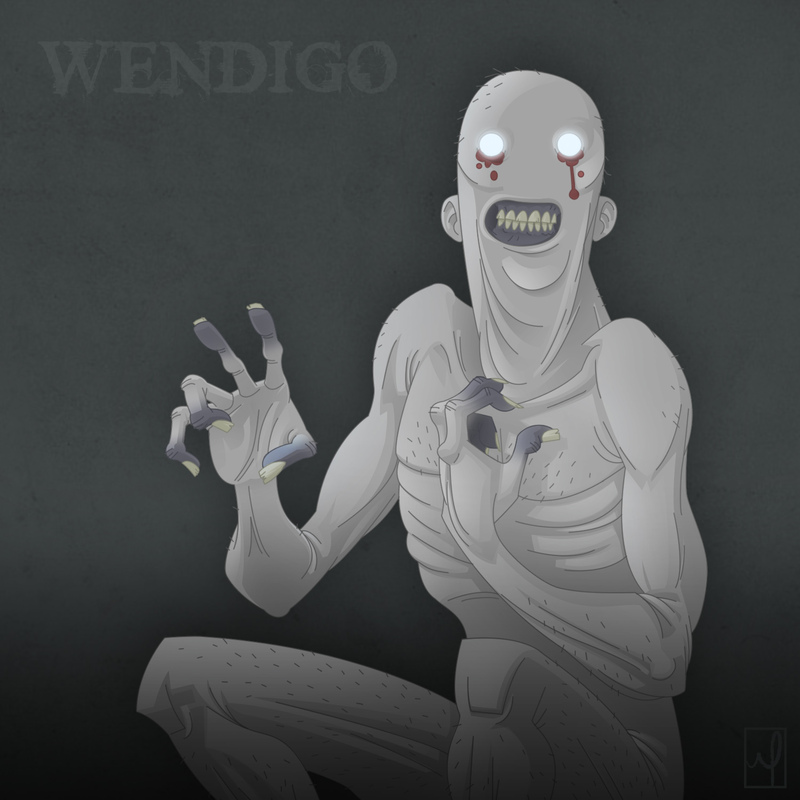
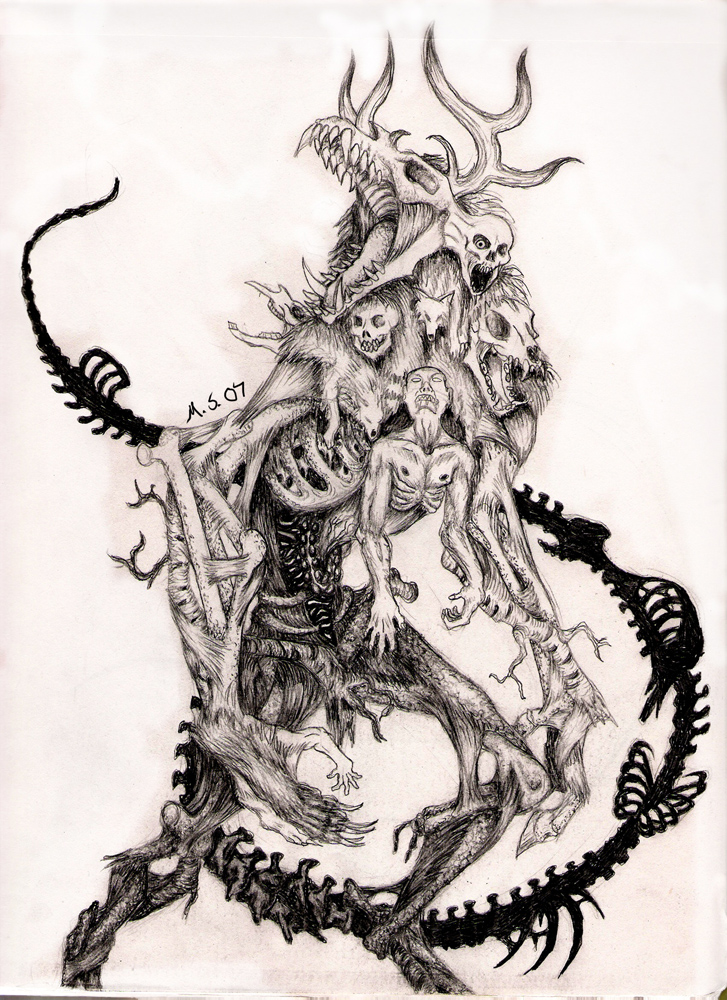
Witika or Wendigo, I’m Scary

I am the voice of the Witika. Sometimes I am called the Wendigo, sometimes the Weetigo or Wetiko or other variants. It all depends on the region you’re from and the belief system you share. I roam the frozen north especially, northern Minnesota, the wastes of Canada, and New York State in the snowy winters.

wendigo7

The Wendigo, the Wendigo

I saw it just a friend ago

Last night it lurked in Canada

Tonight on your veranada!

So wrote none other than Ogden Nash.

I make an appearance in The Orphanmaster as the vicious monster the European settlers find themselves terrorized by when children start to go missing from the colony.

Howl_of_the_Wendigo_by_Moonshadow01

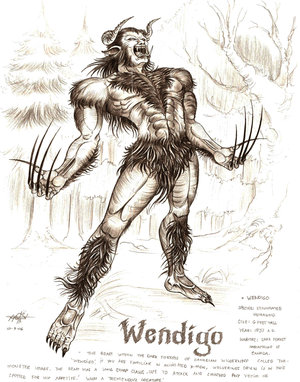
As everyone in New Amsterdam knows, I stand around nine feet tall, with greenish, putrid skin, long fangs, and a voracious appetite for human flesh. The Algonquins made me part of their belief system. The name is thought to mean “the evil spirit that devours mankind.”

Wendigo_by_artstain

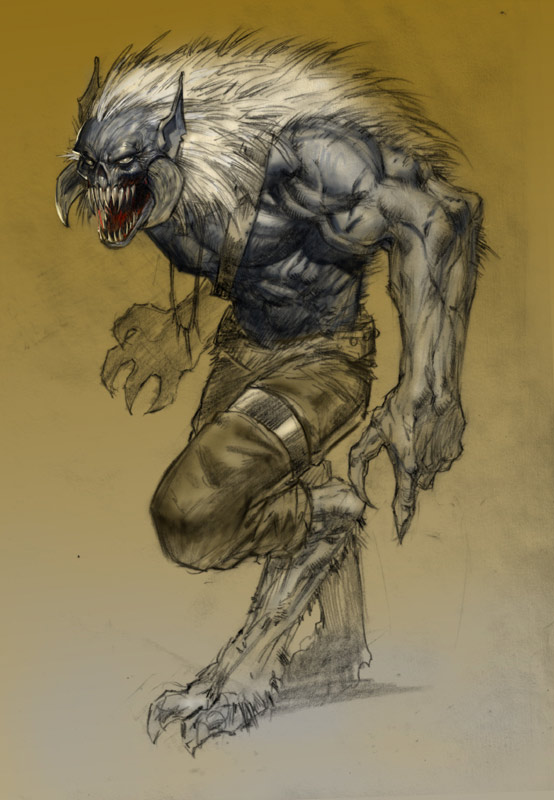
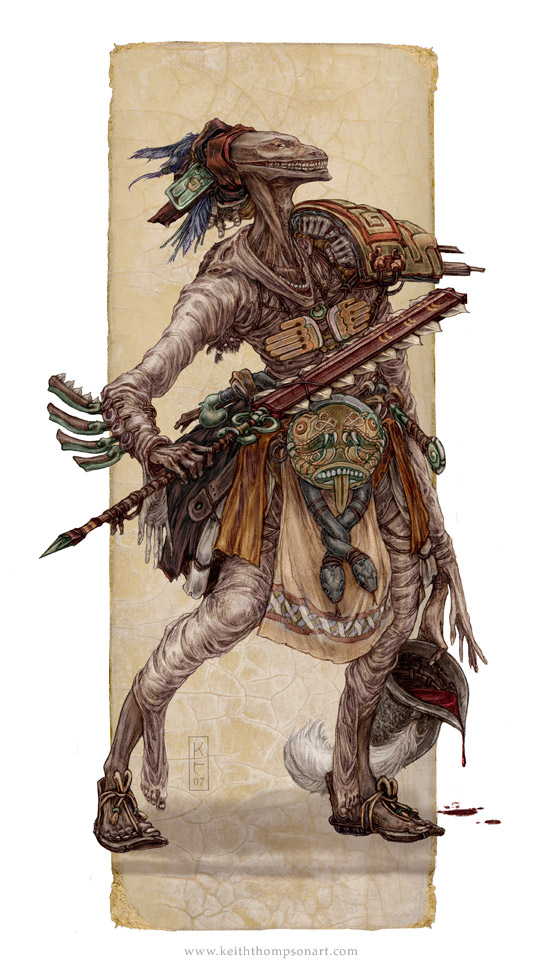
I’ve been the subject of fantasy in literature, movies, video games, anime and comic books. Artists have had a field day with me.

wendigo_char_C1

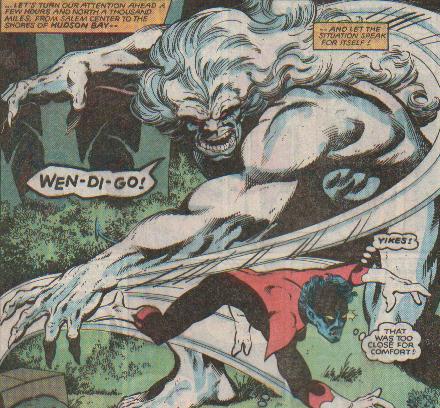
In Marvel comics, I have faced off against the Hulk and other superheros.

comic

The Dark Horse Comic Series has a different portrayal.

dark horse

In Stephen King’s Pet Sematary, I haunt the path leading to the Indian burial ground.

215px-Pet_sematary_poster

I had a whole movie to myself in the 2001 Wendigo.

wenpos

Even literati Louise Erdrich wrote a poem, “Windigo,” about melting my frozen heart.

I star in the fantasies of countless gamers.

gamers

Read your newspapers after reading The Orphanmaster, and you’ll see more cannibal stories than you’d expect.

I’m not the only monster. “Wendigo psychosis” is a mental disorder which has actually been observed among several Algonquian peoples. It describes cases where people kill and eat humans (often relatives) indiscriminately, when there’s no famine whatsoever. They do it because my spirit infests them.

These people take on the characteristics of the monster Witika. Me.
Like a Big Foot or a Loch Ness monster, I may be what mythologists call a cryptid. Or I may be real.

Biologists think the urge to cannibalize has roots in Kuru, Kreuzfeldt-Jakob or other brain diseases, which can show themselves as a form of psychosis.

But really, it’s all about the power of suggestion.

wendigo

2 Comments

Filed under Art, Fiction, History, Jean Zimmerman, Poetry, The Orphanmaster, Writers

The Algorithm of Curvy Passion

Whale bone doll. Greyhound vs. great dane.

dane pup

WTF?

I get a regular report from WordPress, the outfit that hosts this blog, which tells me the search terms used every day to find my site.

I love to read these oddly linked words and imagine the people that typed them into a search box and, even more, wonder about how those phrases got to me. It’s a little of what’s Hecuba to him, or he to Hecuba, as Hamlet says (and you haven’t heard the plaintive, flummoxed quality of these lines unless you’ve experienced Paul Giametti’s turn with Hamlet at Yale Repertory Theater, as I did recently). What is the algorithm? Where do they come from,  these disjointed, nonsensical idioms, and what do they have to do with yours truly?

Curvy passion. Another search that landed someone on my site.

Anna karenina dresses.

Anna Karenina  Race Dress 2


Well, okay, that is conceivably something you’d find in my blog. But:

Alligator tails?

Knock knock. I’m at your door. Do you have anything on your site that can respond to that?

Horse gilding furry porn.

Embroidery on plywood.

ColonialBoston

Kids in grass winter.

They’re interesting, but as far as I know, I haven’t yet filed a post related to these phrases.

Peacock one to one correspondence.

Sorry.

Now, there are some crazy-sounding terms that beat an understandable trail to jeanzimmerman.com.

Wooden cowboy roadside, for instance. Recently, from Arizona, I described a series of handmade wooden signs posted mysteriously along a highway in Scottsdale, one of them featuring, yes, a cowboy. I like hand-painted signs, and this was one of the finest.

Cowboy sign

Sweet old world meaning. Last month, I tried to get at the feeling Lucinda William’s rhapsodic song gave me, when Gil’s mother lay in the cocoon of her dying, and it struck a chord in some readers.

More music. Sweet milk and peaches tuning. I’m no musician, I barely even sing in the car, but I watched a fiddler play country songs from the rural south circa the beginning of the 20th century, and it carried me off in a square dance time machine.

I want to do to you what spring does to the cherry trees. Someone actually typed that in a search box. The achingly erotic verse of Pablo Neruda, who I profiled the other day when word emerged that his remains were being disinterred (to the strains of a string quartet) so the authorities could check if he had been poisoned.

Tiny silver spoons. Well, yes, that would be my mother’s collection of family cutlery.

Prickly pear babies. My quest to find the infant spawn of the saguaro.

desert gardener

Mark Wyse 17 parked cars. I talked about Wyse’s book 17 Parked Cars in my review of Ed Ruscha’s exhibit at the Gagosian Gallery in Manhattan.

Faviken. A rave-up of the brilliant Scandinavian chef/restauranteur Magnus Nilsson, who likes more than anything to cook with lichen.

But perhaps the searches I get most of all have to do with witika or wendigo or native american monsters, which all point to the beast in The Orphanmaster, nine feet tall with putrid green skin, razor-sharp fangs and claws good for slashing.

wendigo

P.S. The witika finds human beings pretty tasty. Apparently there’s a healthy coterie of witika enthusiasts out there, and on this site I have an essay with some fantastic pictures about the monster.

So I’m not seeing any searches for Lindsay Lohan here. Nor anyone leaning in to find Sheryl Sandberg. Nor to find the dope on Louis CK,  though I plan to write something about the genius comic one of these days.

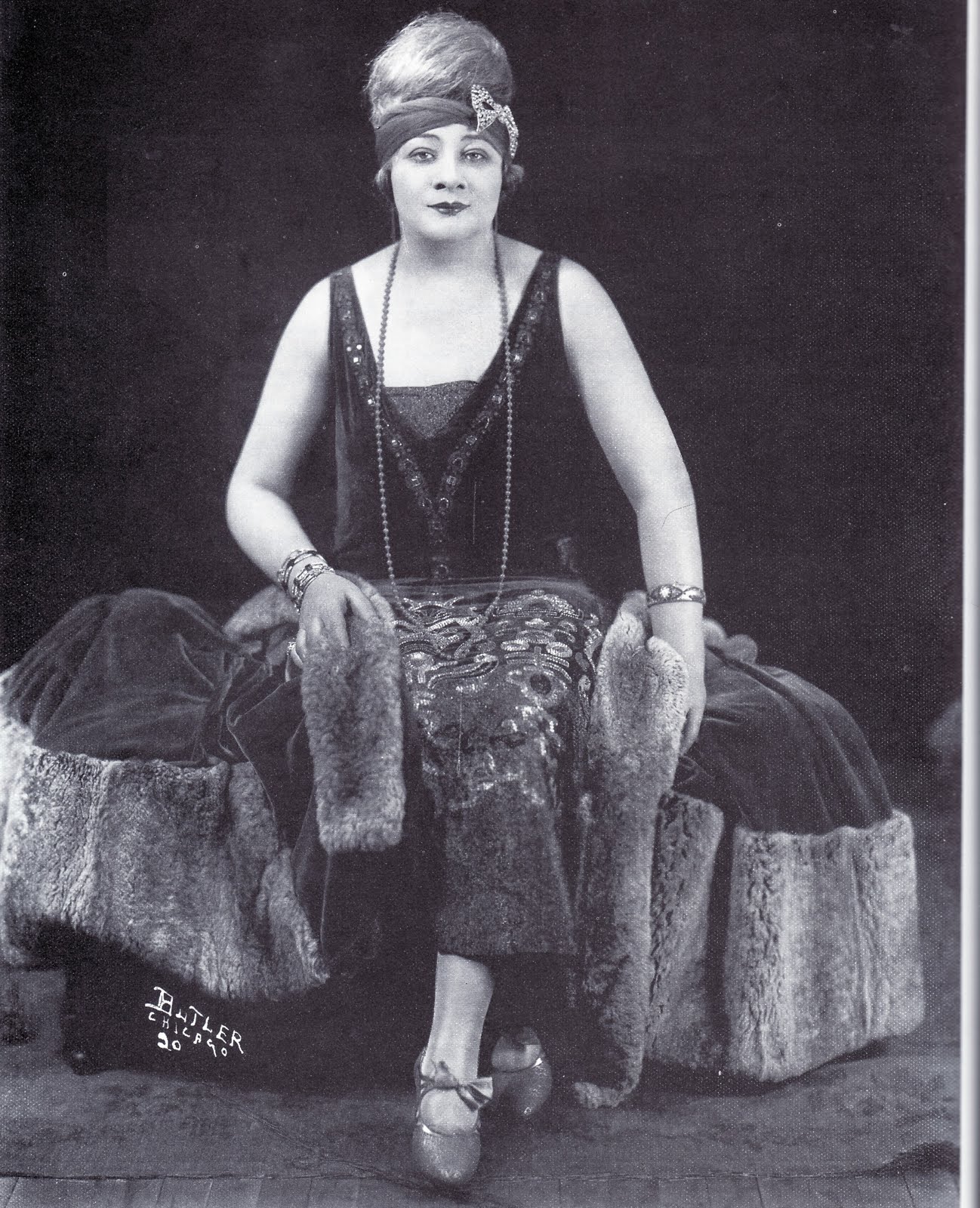
One of these days…Some of these days… Sophie Tucker, my favorite jazz era nightclub singer, known to her fans as The Last of the Red Hot Mamas, did a hit song called “Some of these days.” I wrote about her and Etta James in the same post – two singers who wow me.

sophie-tuckerNow go do some searching, and we’ll see if you circle back my way. And if there’s something you’d like to see me write about that I haven’t already — or even if I have — just leave me a comment and let me know. We aim to please.


Leave a comment

Filed under Art, Cooking, Dogs, Fashion, Fiction, Music, Poetry

Pruning Links

Damn. My cup runneth over with links. My computer wouldn’t let me save another bookmark, it was so stopped up, so I had to prune. Throw out and organize. Floss. Figure out what I really needed to save, what I might need – need being a relative term – and what could be relegated to the virtual trash heap. So I’d have room for new, extra important links!

It was enlightening, actually. In embarking on this task, I found that there were three big categories that had held special importance for me in the past few years.

One was wonderful me and my wonderful work . My log cabin got its due . Even a movie (just a glimmer, but a Hollywood glimmer) had found its way into my bookmark file.

When I was a middle schooler making covers for my little hand-crafted books by binding pages into cardboard and calico with ironed wax paper, I think I would have been amazed that some day someone in the world would be interested in what I had to say. I still remember the smell of the hot wax paper as it was pressed, and the excitement that Miss Henny Penny’s Travels was going to be “published.”

young Jean

Edith Wharton tells a story in her autobiography, A Backward Glance, about going in to a book store in London when her first book, The Greater Inclination, came out in 1899 and asking the manager innocently if there was any new and interesting book she could look at. “In reply Mr. Bain handed me my own little volume, with the remark: ‘This is what everybody in London is talking about just now.’” He had no ideas who he was talking to.

Then, second, I have the category of Gertrude and Sylvia  and Simone   and the rest of the ladies who launch. And more of Stein.

U1889231

I couldn’t believe how many iterations I had of critiques, praise, profiles, pictures of the women who inspired me over the years and still fascinate me.

The third whopper of a group: scarves. Knit patterns for scarves. Especially circle scarves. Yes, cooking and knitting do take up some of my time, I admit it, unintellectual as that might make me. I’m itching to make Paula Deen’s gooey butter cake. But the scarves have it. I made seven this winter. Plus a sock.

knit

Then there is everything else. Before they go into the Older Bookmarks file, I’ll highlight a few that have grabbed my interest along the way. A self audit, as it were. And a little gift to anyone looking for something new to chew up their time.

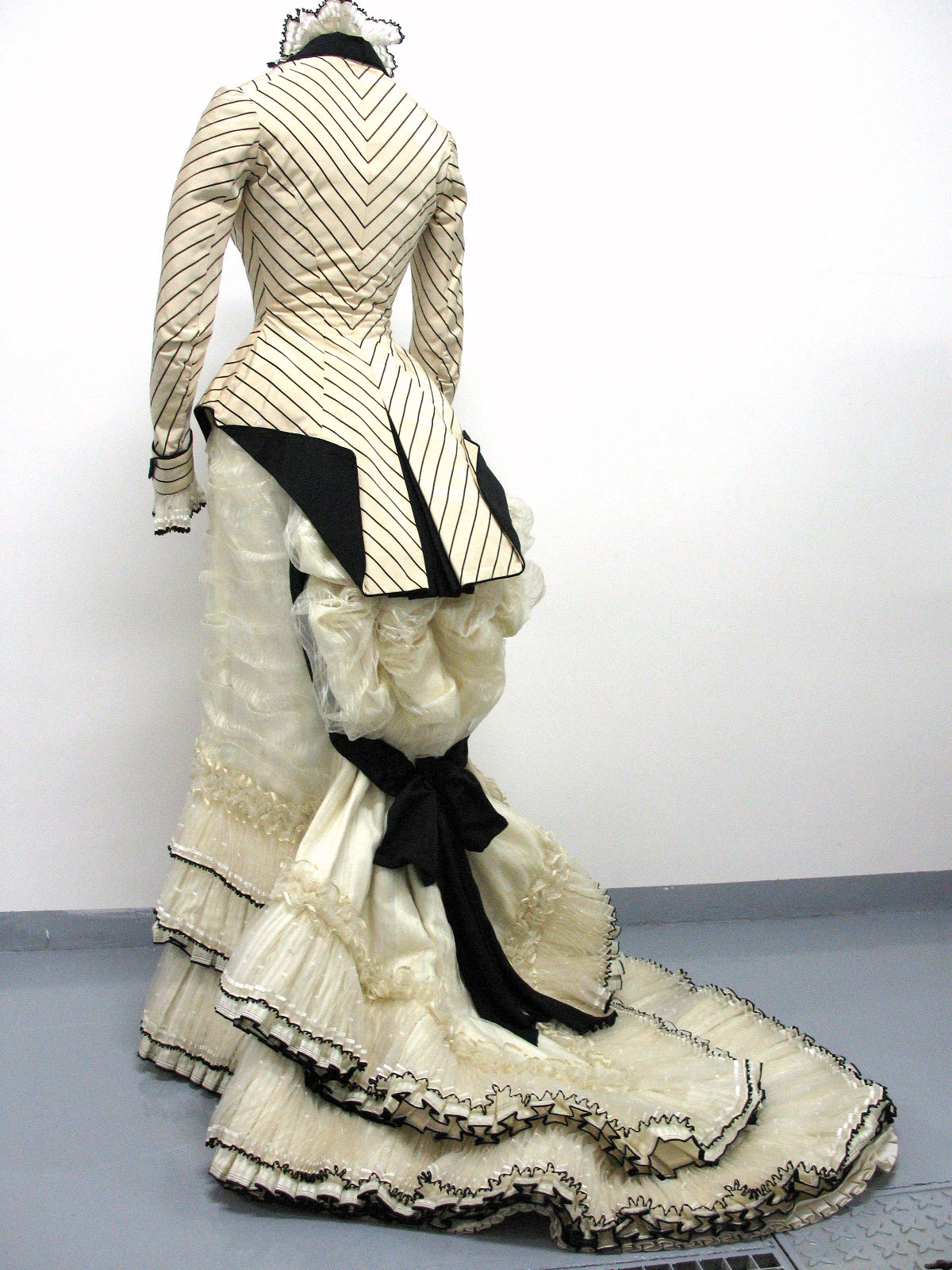
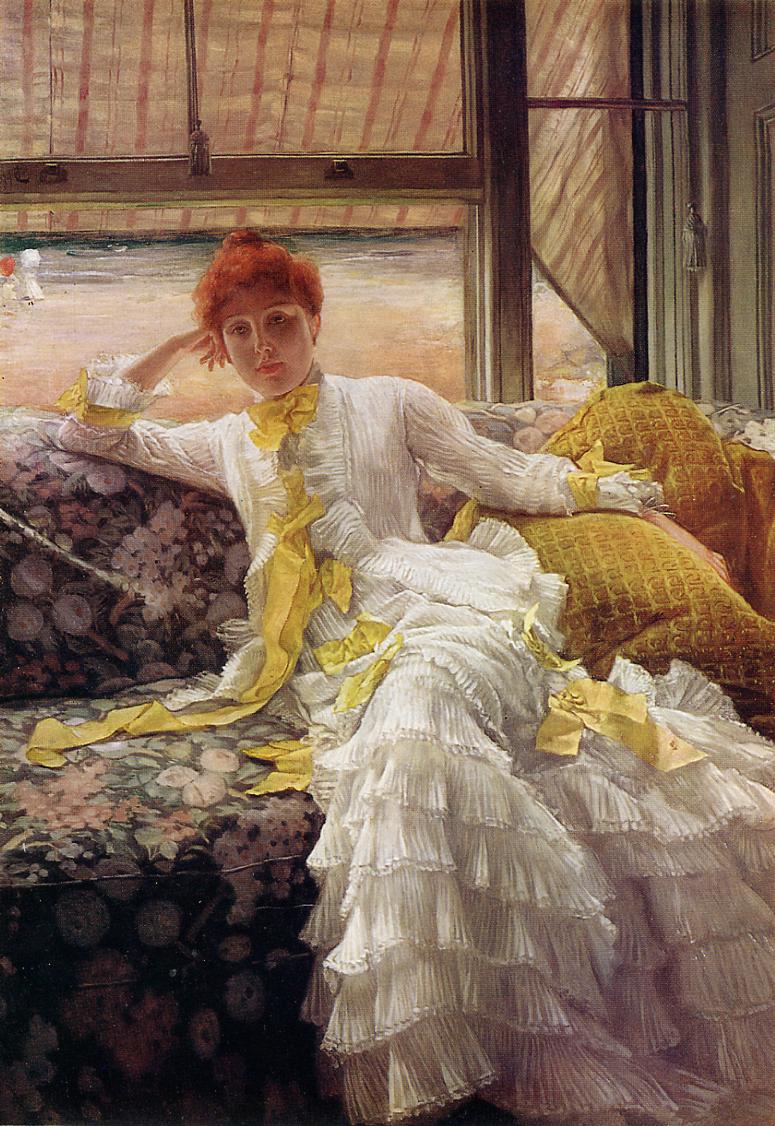
I obviously made a serious trip into Victorian America in recent months. Many times over DanceDressGetting aroundMansions, mansions, mansions. Does my time machine have an exit onto Manhattan’s Fifth Avenue in the 1870s? You bet.

James Tissot 1836-1902 - French Plein Air painter - Tutt'Art@ (8) copy

Even (or especially?) Victorian headless portraits interest me. So much of this nineteenth century arcana found its way into Savage Girl, my new novel that will be published in early 2014, which officially made it work, but it still felt like a guilty pleasure.

More research, this time for The Orphanmaster, unearthed this incredibly absorbing digital redraft of the Castello Plan. You can hover over the first street plan of New York, a drawn-to-scale view of seventeenth century New Amsterdam, and investigate what it was actually like.

I had the idea at one point that we should explore Oliver’s genetic background and see what part of him was actually pit and which part was hound. So I looked into DNA testing for dogs.

Oliver

I wondered what you’d see if you opened the refrigerator door in Bangkok or Jerusalem. I found out at Fridgewatcher.

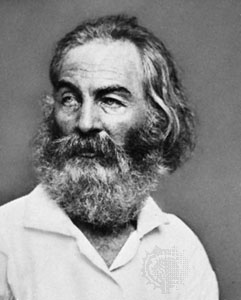
I always find it useful to keep a library on file in case my disheveled bookshelves won’t yield it up. And so, here they are, minding their own business, various books in their entirety, like George Orwell’s Down and Out in Paris and London, one of my favorites,  and the Diary of Samuel Pepys. And it’s always good to be able to access an exhibit based on Whitman’s Leaves of Grass.

iwhitmw001p1

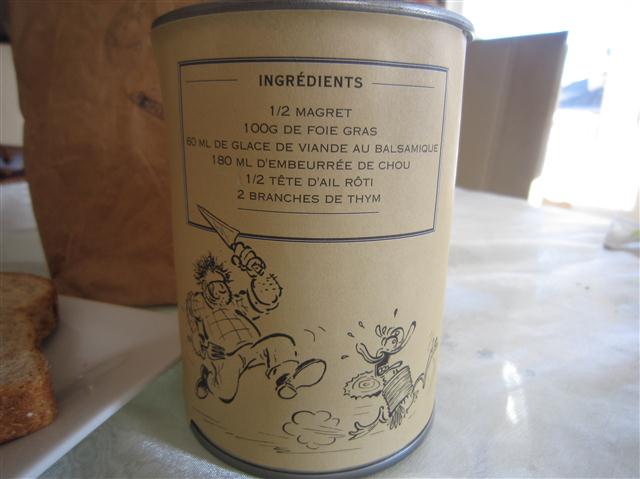
Gil and I ventured to Au Pied de Cochon in Montreal. For a while afterward we didn’t get our cholesterol levels checked. The menu  includes such delicacies as Tarragon Bison Tongue and Foie Gras Poutine (foie gras is their speciality, along with everything pig-related), all of it drenched in butter. It was here that I had the famous “duck in a can,” consisting of a duck breast, a lobe of foie gras, half a head of garlic and some kind of spectacular gravy packed into a metal can, like a soup can, and boiled.

duck in a can

Afterwards, when you’ve been sitting at your table for a while marveling at the number of trendy people there are in Montreal, the waiter opens the can at the table and dumps the whole stew onto your plate. Fabulous.

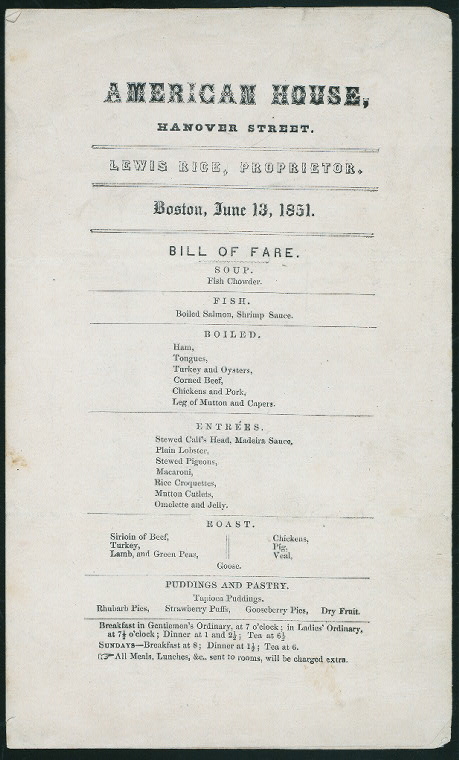
If you like menus as much as I do, you’ll go to The New York Public Library’s historic menu collection.

American House

Something I don’t want to file too far way is The Top Ten Relationship Words That Aren’t Translatable into English, assembled by a serious linguist, and including such gems as Cafuné (Brazilian Portuguese): The act of tenderly running your fingers through someone’s hair.

Probably the most delightful site I’m back-burnering. For now. Or, on the other hand, I think I’ll leave it out for a while in case I want to take it with me as a reference when I next tour the Metropolitan Museum of Art: Nipples at the Met(“updated regularly”).

nipples

All links welcome; leave them in a comment.

4 Comments

Filed under Art, Cooking, Dogs, Fashion, Fiction, History, Home, Jean Zimmerman, Knitting, Poetry, Savage Girl, The Orphanmaster, Writing

The Fires of March

Meanwhile… back at the Cabin, a guest post from Gil:

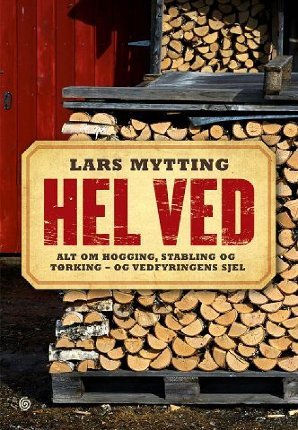
I’m thinking about Lars Mytting, who has a best-seller in Norway with his book, Solid Wood: All About Chopping, Drying and Stacking Wood — and the Soul of Wood-Burning.Hel Ved

Mytting’s book has not yet washed up upon these unenlightened shores, and the closest you can get is Thorsten Duser and Mimi Lipton’s delightful photo-essay, Stacking Wood.

One of the finest pleasures is a fire in the grate in March. With spring weather creeping up outside, the hot hearth has a bittersweet, valedictory air. The flaming chunks of wood crumble and fall apart like calving icebergs. The yellow-blue of the blaze my favorite color I think.

Ollie and Fire

Makes me remember the fires of The Orphanmaster:

They were silent for a long moment, both staring at the embers. There were cities revealed there among the coals, fiery foreign hells, countries of the damned.

We had fires almost every day over the period The Orphanmaster was written. The winter of 2010-2011, a good year for woodfires. We got our wood from our long-time purveyor, George Hauser Firewood.

Our friend Terry Lautin put us on to Hauser back in 1998 when she lived in Westchester. Later, when we started using him to supply our own fireplace in Hastings-on-Hudson, we discovered that a few of our more discerning friends used Hauser, too. This wasn’t your unseasoned, trash-wood cuttings offered by tree service and landscaping crews. This was year-old ready-to-burn hardwood.

Our pals Neil and Michelle White were talking about burning Hauser wood. I recalled Aline and R. Crumb’s masterful celebration of his tape dispenser, and said that Hauser was the “Better Packages” of firewood. A small, family-owned business that simply got it right, providing a superior product by dint of an uncompromising, old-fashioned way of doing the right thing.

We visited his woodlot, off Route 22 in Putnam County.

Hauser Woodlot

George: “People come out here, they always quote Thoreau to me, I tell them, this wood here, I’ve been warmed up hundreds of times.”

George Hauser died last year, but his business is being carried on by his wife and son-in-law. RIP George Hauser, one of the last of a vanishing breed of American.

5 Comments

Filed under Dogs, Fiction, Home, Photography, Publishing, The Orphanmaster, Writers

Under Cover

I’m thinking about book covers.

Gil takes the jacket off pronto and reads the book naked. The paper covers float arouind the Cabin like disembodied spirits until we remember to replace them.

My editor at Viking was nice enough to ask me for early weigh-in, for ideas as they develop the cover for Savage Girl, my novel which is just now going into production (it’ll be out next winter). My editor did not have to do that. Tradition dictates that authors are owed a consult on the cover, no more. And my last two experiences with jacket art at Viking have been so superb that I trust them implicitly.

But since he asked, I’m thinking about book covers.

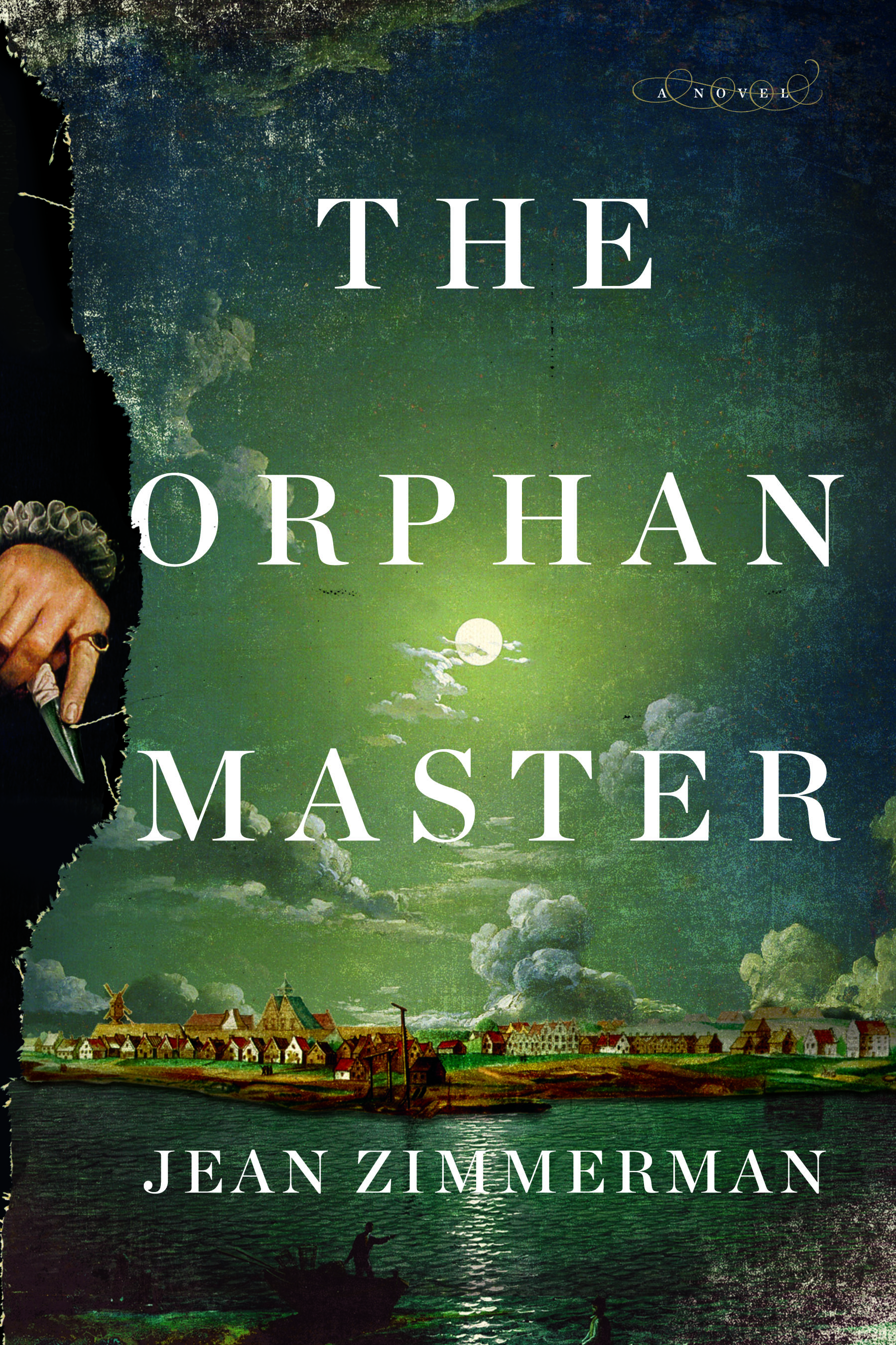
The hardcover of The Orphanmaster amazed me because it incorporated period graphics that I  thought you’d really have to be an expert to be aware of.

9780670023646_Orphanmaster_CV.indd

Someone did their homework. On the back flap is fine print that enumerates the images that appear here as a fantastic collage: (hand, detail) Pieter van Miereveld, The Bridgeman Art Library/Getty Images; (background) View of New York by Johannes Vingbooms, c. 1664, LOC[accession numbers follow]; (foreground) Moonlight Scene, Southampton, 1820 (oil on canvas), Sebasion Pether/The Bridgeman Art Library/Getty Images. The type’s so small I might have got some of this wrong, but suffice it to say the designers did their homework and the result is seamless and just  the right degree of spooky, with its moonlit view of a haunted, tiny New Amsterdam on the tip of Manhattan island so, so long ago.

I always loved that evocation. Then, looking into it a little further, I found out the designer responsible is actually a cover art magician by the name of Gregg Kulick, who has jacketed dozens if not hundreds of books, for various publishers. And is just really smart. He was straightforward when the Huffington Post asked him to name the most important element of a successful book cover: “Getting people to pick it up.”

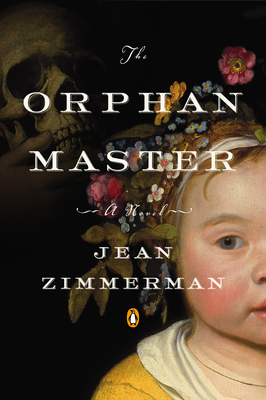
I also think highly of the cover for The Orphanmaster’s upcoming softcover edition (out April 30).

Orphanmaster Paper Official Cover copy

As an author, I feel so lucky. To me this design holds just the right balance of sweetness and terror, with the little girl’s rosy face and the skull hovering over her shoulder. I’m hoping it will attract some readers who didn’t get a chance to check out the novel the first time around. Bookclubbers, especially who wait for the softcover to pounce.

An interesting place to check out cover ideas is the web site Talking Covers, where authors and jacket designers hold forth on the development of the art for a particular book. The depth of the discussion can be really astonishing. I looked around here, and also at books on the web at the Book Cover Archive  and at Amazon and found it was hard to imagine what might be a starting approach for Savage Girl. Historical fiction, yes, murder mystery, yes, and it takes place in New York during the Gilded Age – all strong features of the book. But what images could get across my story so that a reader would, as Kulik said, “pick it up”?

I found myself liking covers with bold, striking colors, semi-abstract.

Vampires in the Lemon Grove, for example, by Karen Russell.

Vampires

Or Ben Marcus’ The Flame Alphabet.

flame alph

But did these and other disparate, attractive books have any bearing on what should design should clothe Savage Girl?

Back in the day, books did not have jackets. You would buy pages bound with cardboard – then bind the volume yourself with leather. When Fanny Trollope came out with her famous 1832 book that lampooned the United States, Domestic Manners of the Americans, London booksellers offered it in two parts, one red, one blue, cloth-bound in the latest fashion, with gilt titling on the spine. It had a huge first run printing of 1,250. Reviews in England were great, those in the U.S. stunk, and Fanny shot to the top of the bestseller list. Perhaps aided by those chic cloth covers?

I like cloth, still. Some nearly naked volumes are my favorites, like The Goede Vrouw of Mana-ha-ta, by Mrs. John King Van Rensselaer, published by Scribner’s in 1898.

Mana-ha-ta cover 1

With an especially beautiful spine.

Mana-ha-ta cover 3

(My volume was formerly loved as a library book.)

Or, more recently, Magnus Nilsson’s Faviken, its cloth stamped with black flora and fauna.

Faviken cover 1

Cloth or paper-bound, though, a book should jump into your hand from the bookstore shelf. It should warm your lap as you read it; it should purr. A book jacket has to live.

Whether I go to my editor proposing a pearly satin debut gown or a bloody pawprint — two images that pop into my mind when I think of the Savage Girl story–my ideas on their own won’t make much sense. What matters is your designer, your brillant designer of book jackets, and whatever blooms in his head.

3 Comments

Filed under Art, Fiction, Jean Zimmerman, Publishing, Savage Girl, The Orphanmaster

The Orphanmaster-edition Francais

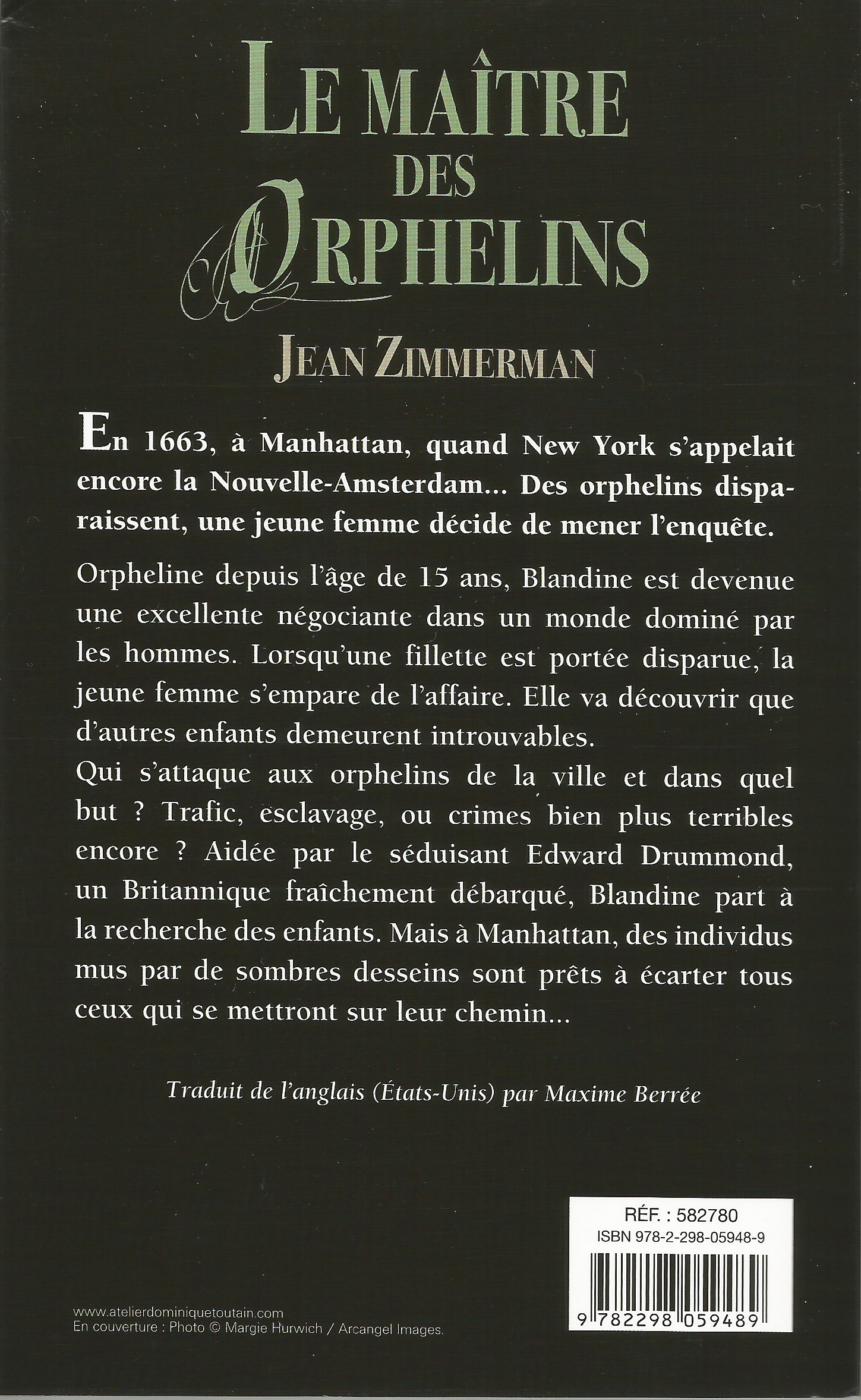
The French advance reading copy of The OrphanmasterLe Maitre des Orphelins – has landed on my doorstep. The publisher 10/18 will bring it out in May. Isn’t the cover art terrifying?

Lucky Peach 2

The Orphanmaster has already come out in Holland and will soon be published in Italy, Hungary and Taiwan as well. So cool to think of people from all corners of the world voyaging in their minds to 1663 Manhattan.

Lucky Peach 3

The jacket designers at 10/18 and Viking must have been drinking the same KoolAid. Look at the art for The Orphanmaster’s softcover… it hits the stands in America April 30.

Orphanmaster Paper Official Cover

I don’t know if the vulnerable child in either image is meant to represent a specific character in the story, but all I can think of is one of my favorite characters, the toddler Sabine, known as “the Bean,” she with the winning way and persistent lisp, holding up her just-baked “tookie,” blissfully unconscious of the evil that stalks her. Luckily she’s got Blandine van Couvering covering her back.

4 Comments

Filed under Fiction, Jean Zimmerman, Publishing, The Orphanmaster, Writing

Mr. Darcy Cooks

Mr. Darcy's

And I wondered what happened to Darcy after he was run off of Pemberley for feather spanking that chambermaid. He’s peeling potatoes in the shadow of Mount Okemo in Ludlow, Vermont.

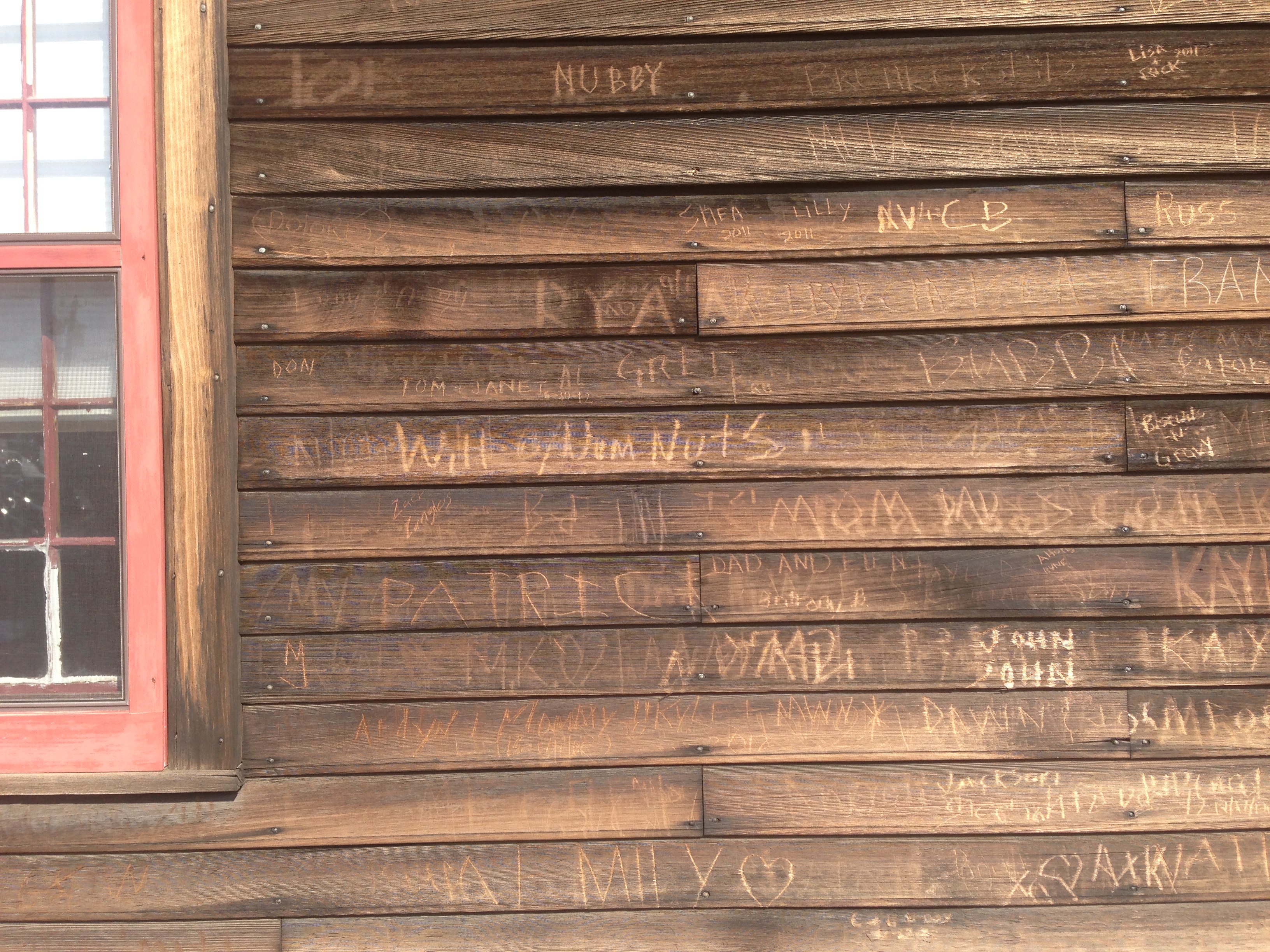
Today we found a place that served not only crispy french fried potatoes and sweet belly clams but was a haven of sorts for writers.

Wall

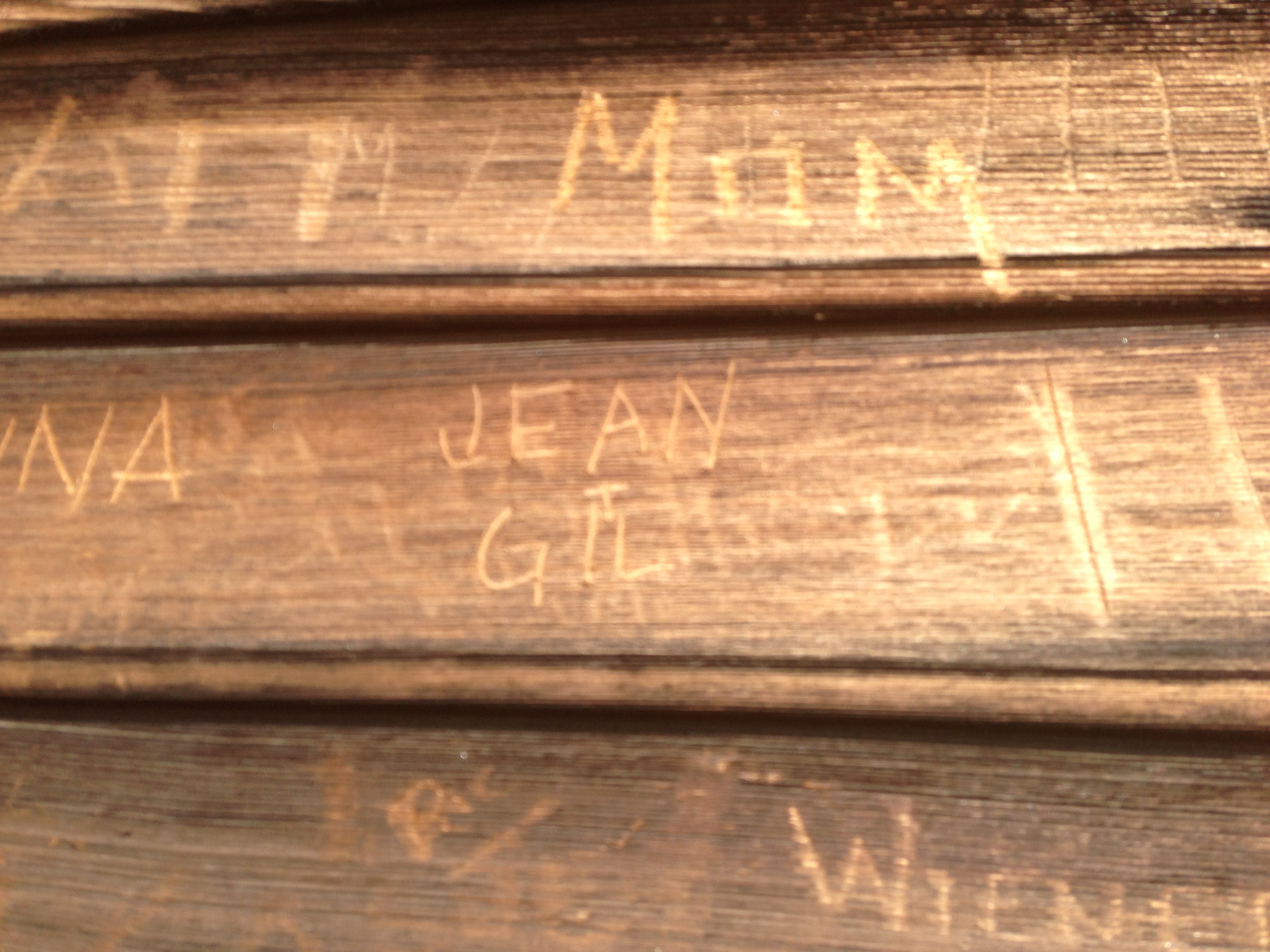
It’s an anthology based in South Deerfield, Mass., and we’re now a part of it.

Jean:Gil

If you’re going to leave your name behind, it’s probably better for longevity’s sake to put it down in stone rather than wood. I remember the escarpment high above the Hudson River at North-South Lake, the site of the venerable long-gone Catskill Mountain House, which a hotelier built there to take advantage of the views up and down the river. That was in 1823.

Catskill Mountain House

One Victorian guest observed, on reaching “the broad tabular rock upon which the House is set”:

“We could hardly realize it. After threading in the dark for two or three hours in a perfect wilderness, without a trace save our narrow road, to burst thus suddenly upon a splendid hotel and, glittering with lights, and noisy with the sound of the piano and the hum of gaiety – it was like enchantment.”

Long after the hotel was razed, in 1963, we spent a July 4 on those flat rocks, watching the bursts of firework displays in the little communities north and south along the river. The pyrotechnics looked like tiny faraway flowers blossoming briefly in the darkness.

Carved in the stone beneath our feet, the names of  visitors, a guest book that reaches back to the beginning of the nineteenth century.

Catskill Mountain House graffiti

Another rock pic

The older the calligraphy, the more likely the letters are to be engraved in a serif font. I’ve always thought that in the quiet that surrounds this spectacular vista you can hear the voices of the people who etched their names above it all.

I can even see Fitzwilliam Darcy here, in a frock coat, politely tapping his chisel into the stone.

1 Comment

Filed under Fiction, History, Jean Zimmerman, Photography, Writers, Writing

A Snowman

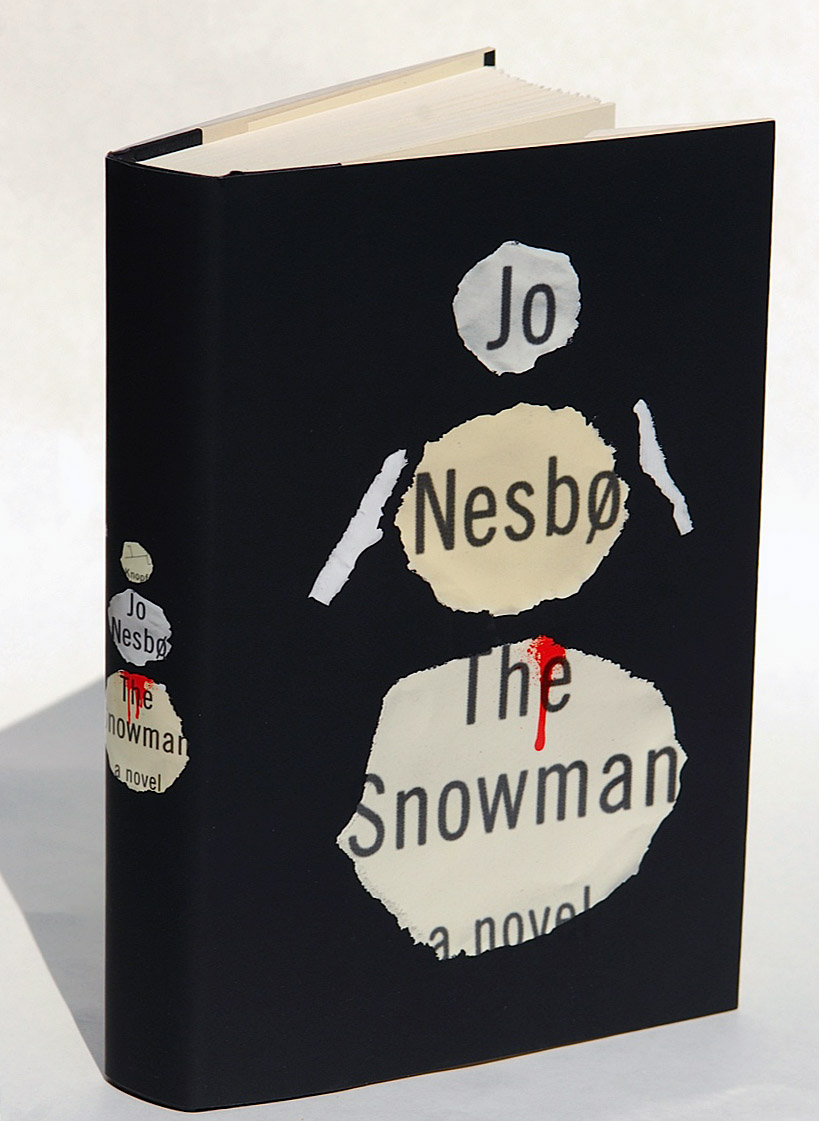
Yesterday as I was shovelling out a path from the cabin to the car the thought came to me, What about building a snowman? The snow was so perfectly packable and clean. But then just as quick, a terrible fear of the idea… because, you see, I’d just been reading The Snowman by Jo Nesbo, which depicts a viscious killer who employs snowmen in the course of his work. And this book activated my fear center so much I only reached page 40 before I actually hid the book in a different room. Fight or flight? I’ve already flown. Who knows when I’ll go back.

Nesbo Snowman

Even today, gazing out the window at the birdfeeder, at the pretty female cardinal plumping herself from branch to branch of the magnolia against the peaceful background of deep snow… did you say snow?

cardinal

The snowman! Oh, no…

And this coming from someone who recently wrote a novel about a mad killer who likes the taste of human flesh.

What is it that causes one tale rather than another to terrify a particular person? I remember as a teenager having to put aside The Lord of the Flies, after turning the pages in bed at night, it struck me with such force.  Nesbo has said he relates to that book: “The first novel that I made my father read to me was Lord of The Flies by William Golding. A Nobel Prize winner. I wish I could say I chose that book because I have good taste, but I liked the cover. It was a pig’s head on a stake.” From an interview with The Millions last year.

jonesbo_author

Nesbo has said The Snowman’s his scariest story, and it’s really  horror-crime. The writing is smart, crisp and yet earthy at the same time, and the whole cold world of Norway draws me in.

I may have to finish The Snowman. But not at night.

2 Comments

Filed under Fiction, Jean Zimmerman

James and James, Inc.

In the Scarsdale library today while I was browsing in the fiction aisles my glance fell on H. James – as it always seems to, no matter the thousands of authors there. I connected with my favorites, The American, The Europeans, as well as the ones everyone else loves best, The Wings of a Dove, The Golden Bowl, then noticed that nudged up next to the first of Henry’s volumes there on the shelf, Washington Square, stood 50 Shades Darker, by E.L. James. Then a line of 50 Shades volumes. Side by side, the two authors with their two big sellers, on the left a thoroughly contemporary exploration of happily abused womanhood, and then the equally popular vision from 1880 of  a young woman suffering psychological abuse at the hands of her favorite suitor, a bounder. Washington Square, of course, is perennially refreshed as The Heiress, now on Broadway with Jessica Chastain as Catherine Sloper.

Jessica_Chastain

Women are always getting their virtue endangered, and that predicament is always finding its way into literature. Who will save her? The question fascinates us.

Before James and James there were young ladies with better things to do than dally with bad men.

I speak of needlework.

embroidery

Visiting the Winter Antiques Show gave me a new appreciation of the subtleties within the craft, and of just how driven were its practitioners. My photo of a corner of just one piece suggests the three-dimensional artistry that a young girl could bring to her work at the beginning of the nineteenth century. This was the Austen era – when female industry with a needle was almost worshipped.

What I never knew before was how many different types of work there were. At the Show, Stephen and Carol Huber of Old Saybrook, Connecticut displayed a range far beyond your typical cross-stitched sampler, achieved by young students in schools on a linen background. No wonder they bill themselves as “America’s Preeminent Source for Girlhood Embroideries.”

silk embroidered picture

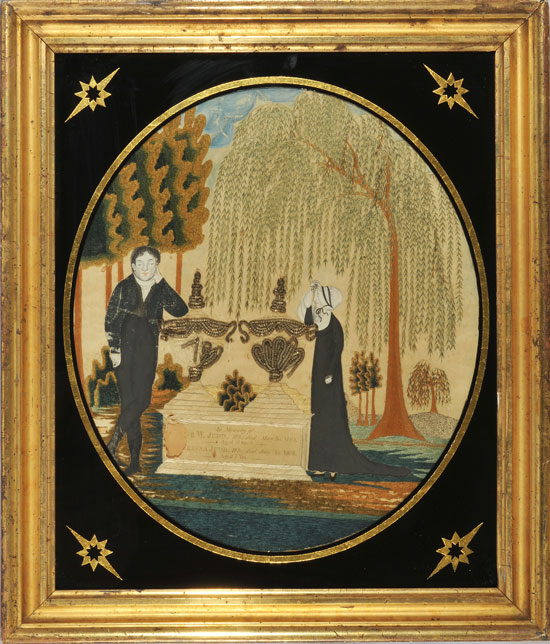
Some pictures display silk or chenille thread on a silk background that was painted with watercolors rather than worked with a needle, and depicted stories out of the bible or mythology. Some were memorials, the ones you see with a tomb or a weeping willow, sad subjects that were the expected mental domain of young cultured girls between 1780 and 1840.

Judd-memorial

Then there were canvaswork pictures. Huge and now highly collectible tableaux, often of hunt scenes but always with a pastoral background.

canvaswork

Even stumpwork: if you didn’t know, that means  a type of needlework from the mid seventeenth century. Some pieces have lasted and lasted as if it wrought in metal. They were made with heart.

stumpwork

When girls, young ladies, saved their own selves by the work of their hands, long before James and James.

1 Comment

Filed under Art, Fiction, History, Home, Jean Zimmerman

Happy Birthday, Edith

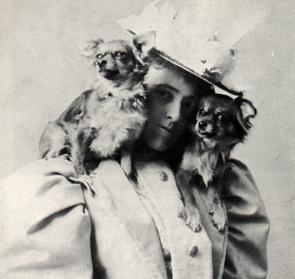
Edith Wharton (1862-1937) at the age of 27, posing with her beloved long-hair chihuahuas, Mimi and Miza.

edith-wharton-and-dogs

Her eye was keen, her sense of the tragic rich. I think she knew fully she was capturing her age and class in a way no one else could.

At the start of A Backward Glance, her memoir, she describes herself:

“It was on a bright day of midwinter, in New York. The little girl who eventually became me, but as yet was neither me nor anybody else in particular, but merely a soft anonymous morsel of humanity — this little girl, who bore my name, was going for a walk with her father. The episode is literally the first thing I can remember about her, and therefore I date the birth of her identity from that day.”

She goes on to describe almost every article of clothing she had on, she with her perfect ability to capture physical details: her bonnet of gathered white satin, “patterned with a pink and green plaid in raised velvet.” It had “thick ruffles of silky blonde lace under the brim in front” and a “gossamer veil of the finest white Shetland wool.” She wore white woolen mittens.

This was the child who would at least skim every volume in her father’s library before she reached the age of seventeen. Poetry drew her:  “Ah, the long music-drunken hours on that library floor, with Isaiah and the Song of Solomon and the Book of Esther, and ‘Modern Painters’, and Augustin Thierry’s Merovingians, and Knight’s ‘Half Hours’, and that rich mine of music, Dana’s ‘Household Book of Poetry.’ Faust, Keats and Shelley guided her to her ambition to be a writer.” Then the gates of the realms of gold swung wide, and from that day to this I don’t believe I was ever again, in my inmost self, wholly lonely or unhappy.

Not that she didn’t have some personal challenges. While she was born into a family of Jones and Rhinelanders and Rensselaers in lap-of-luxury New York (it is her father’s family that is referred to when people say “keeping up with the Joneses”) she suffered over a marriage to mentally unstable Teddy Wharton, whom she eventually divorced. She did not publish her great best-selling novel of manners, The House of Mirth, until 1905 — she was 43. The title came from Ecclesiastes: The heart of the wise is in the house of mourning; but the heart of fools is in the house of mirth. Every word of that book is brilliant sadness.

Wharton describes the impetus for The House of Mirth in A Backward Glance, saying the question was how to make a meaningful story out of fashionable New York. The answer: “a frivolous society can acquire dramatic significance only through what its frivolity destroys. Its tragic implication lies in its power of debasing people and ideas. The answer, in short, was my heroine, Lily Bart.”

A 1918 film of The House of Mirth starred debutante/silent actress Katherine Harris Barrymore (married to John Barrymore). In other words, a high-society young woman who could have been portrayed in the book starred in the movie. How strange and delicious, a dramatic detail worthy of Wharton.

Screen shot 2012-01-20 at 8.59.38 AM

Leave a comment

Filed under Dogs, Fiction, History, Jean Zimmerman, Photography, Writers

Happy Anniversary, Jane

“I am half agony, half hope.” Jane Austen, Persuasion

sock 3

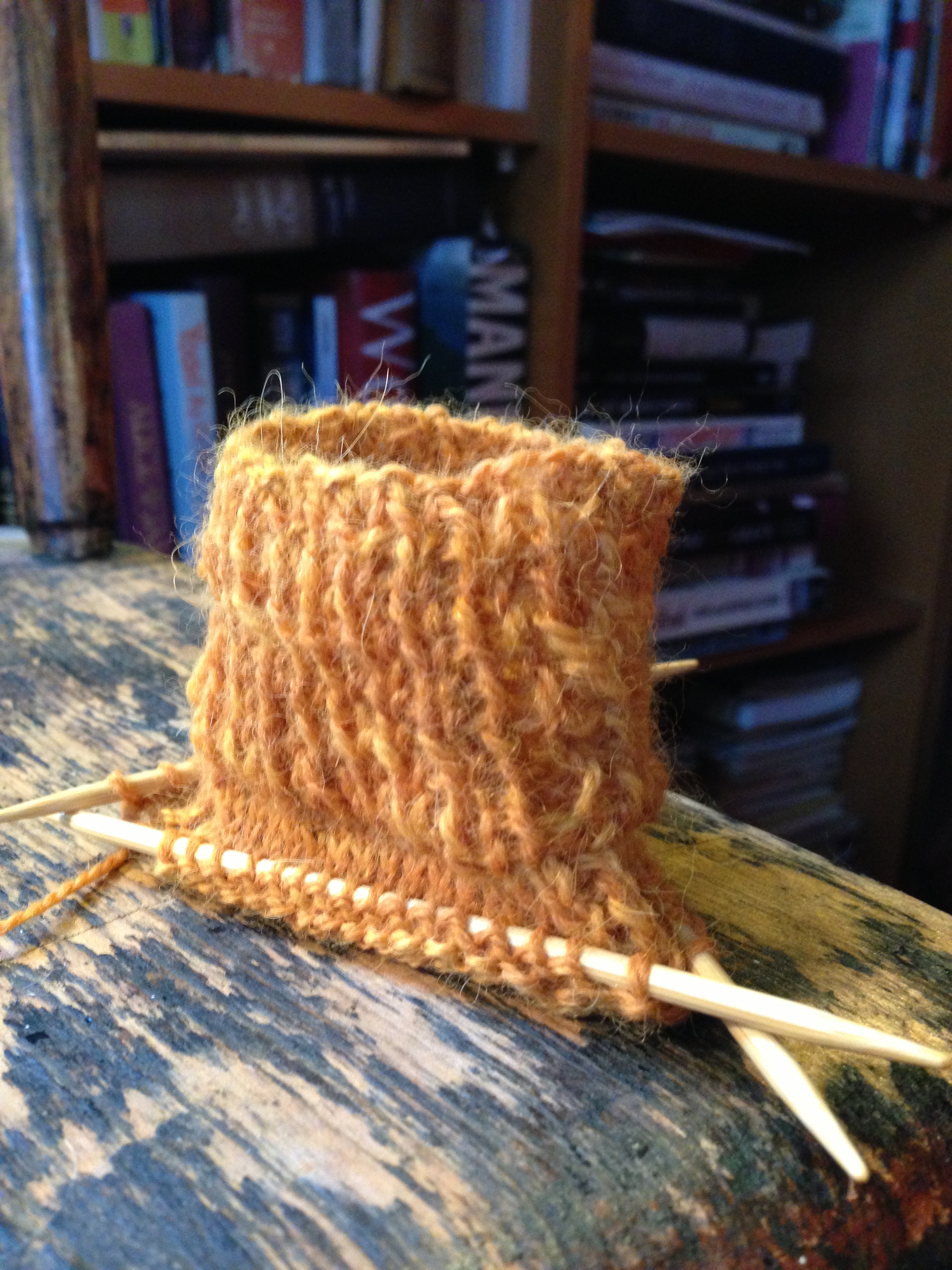
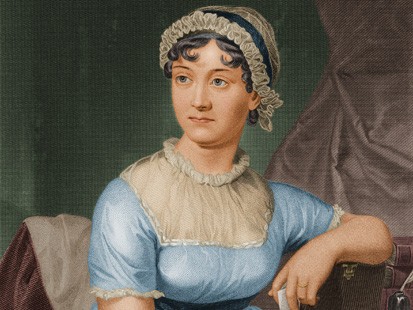
I’m knitting my sock around stitch by stitch, knot by knot, minute knucklebone by knucklebone, and I’m thinking of Jane Austen. She plied her careful ironies one by one, a moral, steady, intelligent chronicling of the minutiae of Regency life. She, or course, would herself have been intimately involved with needlework.

jane-austen

Austen kept no diary. There are letters, though. A vicar’s daughter, raised with her brothers and sisters in rural Hampshire in the late 1700s (sister Cassandra destroyed many of Jane’s letters when she died), unmarried though the quintessential writer of “marriage novels.” She manages to remain a cipher to us now, though her books ring with the clearest truth.

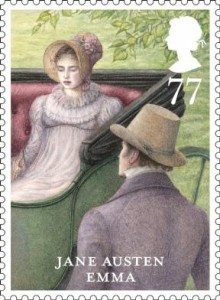
The Royal Mail is coming out with stamps for each one of the novels.

Austen stamp

It’s a good time to reread Pride and Prejudice, the book that broke Austen out of obscurity, January being the novel’s 200th anniversary. And perhaps to rediscover its lesser sung gem, Lydia, silly and brash.

Lydia Bennet had more fun

Still fresh enough for a bumpersticker.

1 Comment

Filed under Fiction, Jean Zimmerman, Knitting, Writers

A Place Called Joe’s

The violet and gold neon of Ocean Drive in South Beach is a far cry from the Miami Book Fair.

South Beach From a Convertible

But that’s where I wound up after the hectic, stimulating two days of panels, lectures, and sometimes electrifying, sometimes tiresome schmoozing. Finally, dinner with bookish friends: Joe’s is an institution in Miami Beach (the restaurant is now a century old) and its stone crab claws are not to be believed — hunks of flesh that you pull off the cartilage with your teeth the way you would an artichoke leaf, after dunking in a creamy mustard mayonnaise. Then there are fried green tomatos. And a key lime pie almost as good as mine. I don’t know how the ladies of South Beach suction themselves into those tight black minidresses after the crabs at Joe’s, but they seem to manage okay.

Earlier today I served on my book panel. The prose of Da Chen is often admired as lyrical, and I can say as a fellow panelist that his presentation skills are equally lovely. He was at the Book Fair to talk about his most recent novel, My Last Empress, and after executing a standup routine about his impoverished upbringing in China that was both soulful and hilarious, he took out his flute and ably delivered a haunting melody. Only then did he read briefly from his new work. And that wasn’t too bad either.

Da Chen and His Flute

What I found, I think, even more remarkable than his presentation was his mode of performing autographs. He unwrapped a tray of black ink along with a soft brush, and applied personalized calligraphy to the book of every person who approached him for a signing. He then stamped his name in red. Here is the inscribed flyleaf of my copy of his book.

“For a Book Friend,” it reads, with the characters for gold and for pen. I think that giving back to readers in this way is just what authors should aspire to.

When I found the writerly atmosphere a little stuffy — yes, it happened —  I explored the bookseller tents outside. There were some amazing nuggets in the stalls, with, as usual, the things I wanted not found desirable by anybody else and thus available for only a buck or two.

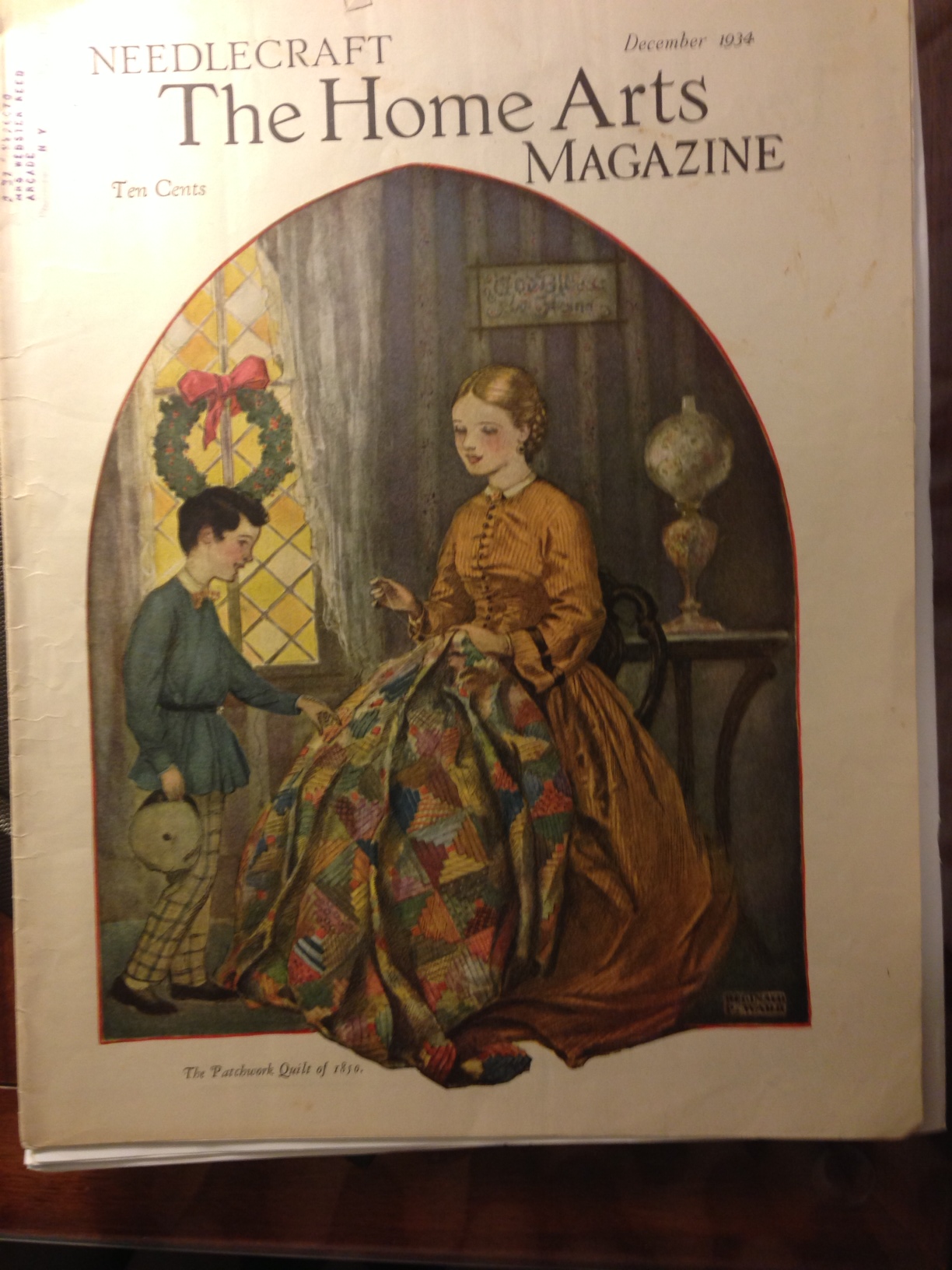
A 1934 edition of The Home Arts Magazine, with this the nostalgic image on the front cover:

And this on the back. You’ve come a long way, baby.

I also found a copy of a book that haunted me as a young reader.

And possibly the most useful item, a book titled 59 Authentic Turn-of-the-Century Fashion Patterns, with exacting instructions for assembling a Ladies’ Street Costume or a Gentlemen’s Night Shirt. Or a Stout Ladies’ Costume, for those who might indulge too often in the high life at Joe’s.

Leave a comment

Filed under Fiction, Jean Zimmerman, Publishing, The Orphanmaster, Writers, Writing