Category Archives: Publishing

Dam It All

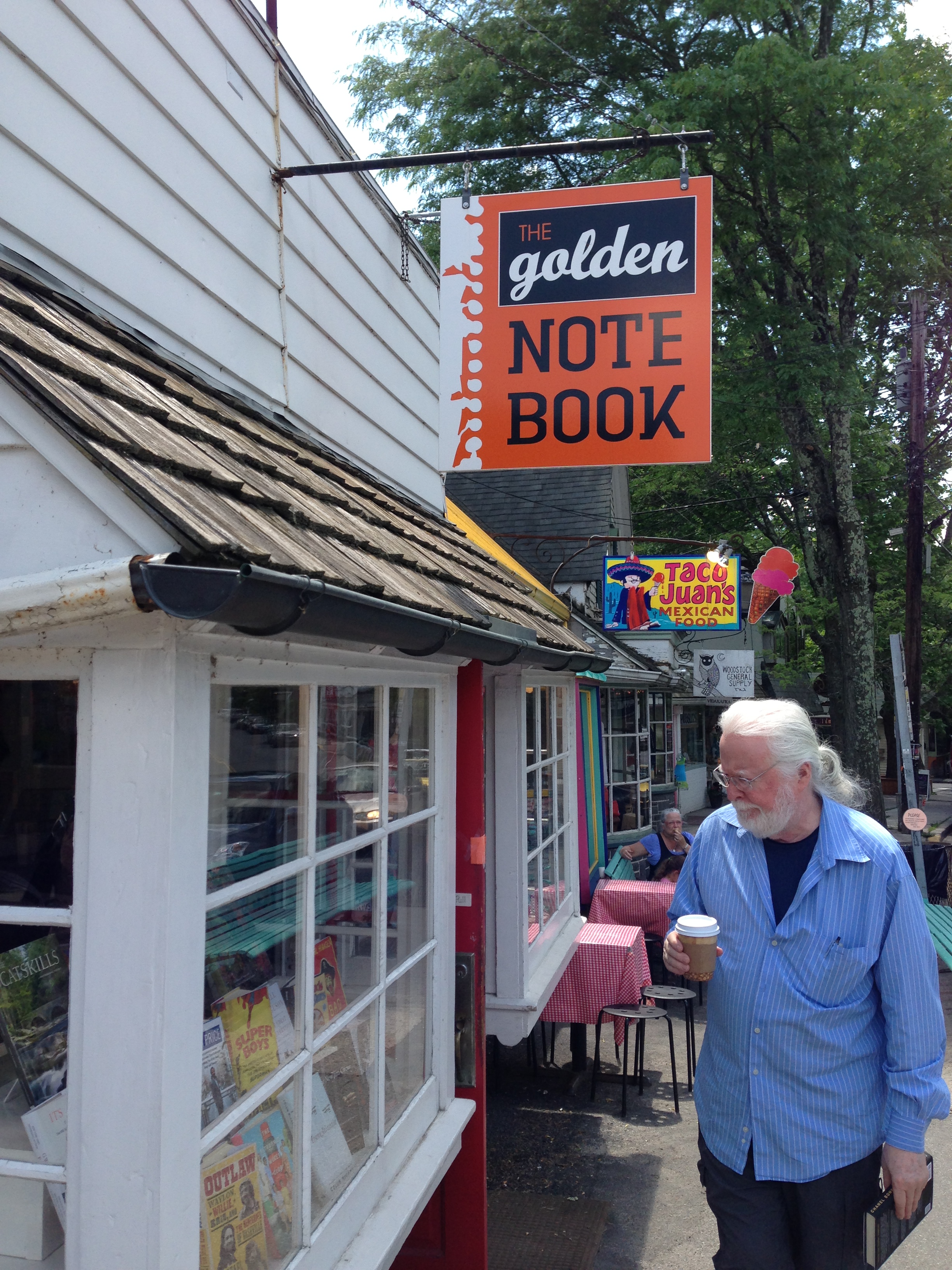
Friends in the audience, new and old. We met together upstairs at The Golden Notebook in Woodstock, New York.

golden notebook

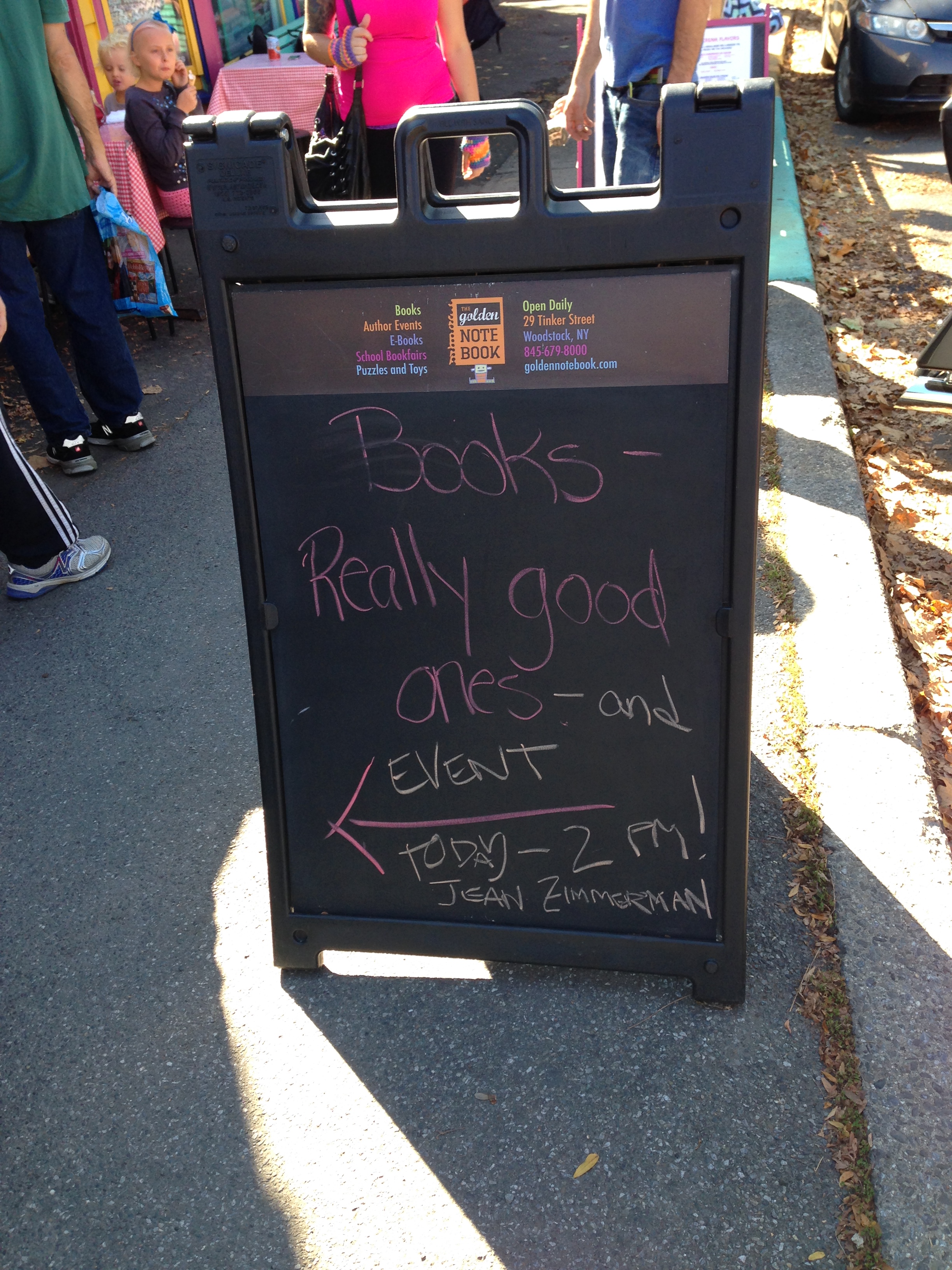
It was a warm autumn day outside, and everything had that sun-burnished appearance. In the middle was a sign that beckoned: come inside, come inside, come inside.

store sign

Afterwards I wondered just what it was that made me so fascinated by beavers that I hold forth about them in every talk I give about The Orphanmaster.

beaver1687

True, not enough has been said about beaver.

New York was built on the foundation of the shaggy, rotund rodent with the frying pan tail.

The animal was easily trapped by Native Americans in their winter dens. The pelts were then traded with Europeans for copper, guns, rum, which was called “English milk.”

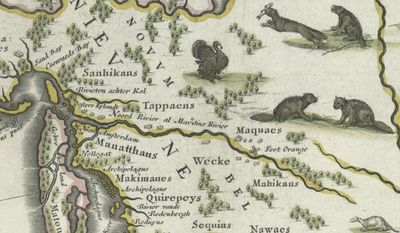
Cartographers dressed up their work with the animals.

Fur_Trade map

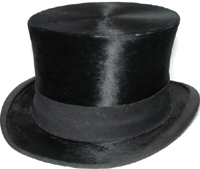
Everyone wanted to know where the beavers were. In the 1600s, traders sent hundreds of thousands of pelts back to Europe. The sole reason for this huge trade? Beaver hats.

Beaver felt

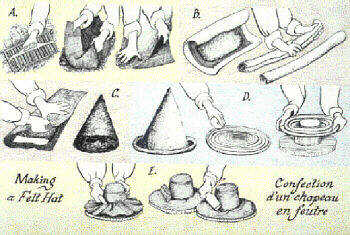
Not made from the fur proper, but from felt made from the fur, an extraordinarily complex process that involved a heavy dose of mercury, the chemical that made the Mad Hatter mad.

making_felt_hat

The felt was waterproof in an era before umbrellas. It was glossy, sturdy. The beaver – so the beaver hat was called – was the essential accoutrement for men and women of Europe. Everyone who could afford one had one, or two, or three. Beavers were bequeathed in wills.

painting of hats

In The Orphanmaster, everyone would have worn a beaver, even the women. All kinds of styles were available. Blandine, the protagonist of the story, is bent on getting rich buying and selling beaver pelts to Europe, venturing out into the woods to make her trades with Indian trappers.

Later, my friend Lloyd led us on a beaver hunt. Not to capture the animals but to see their impressive lodges.

Lloyd at his pond

Down the hill from his house was a magical if uneven path.

magic if uneven

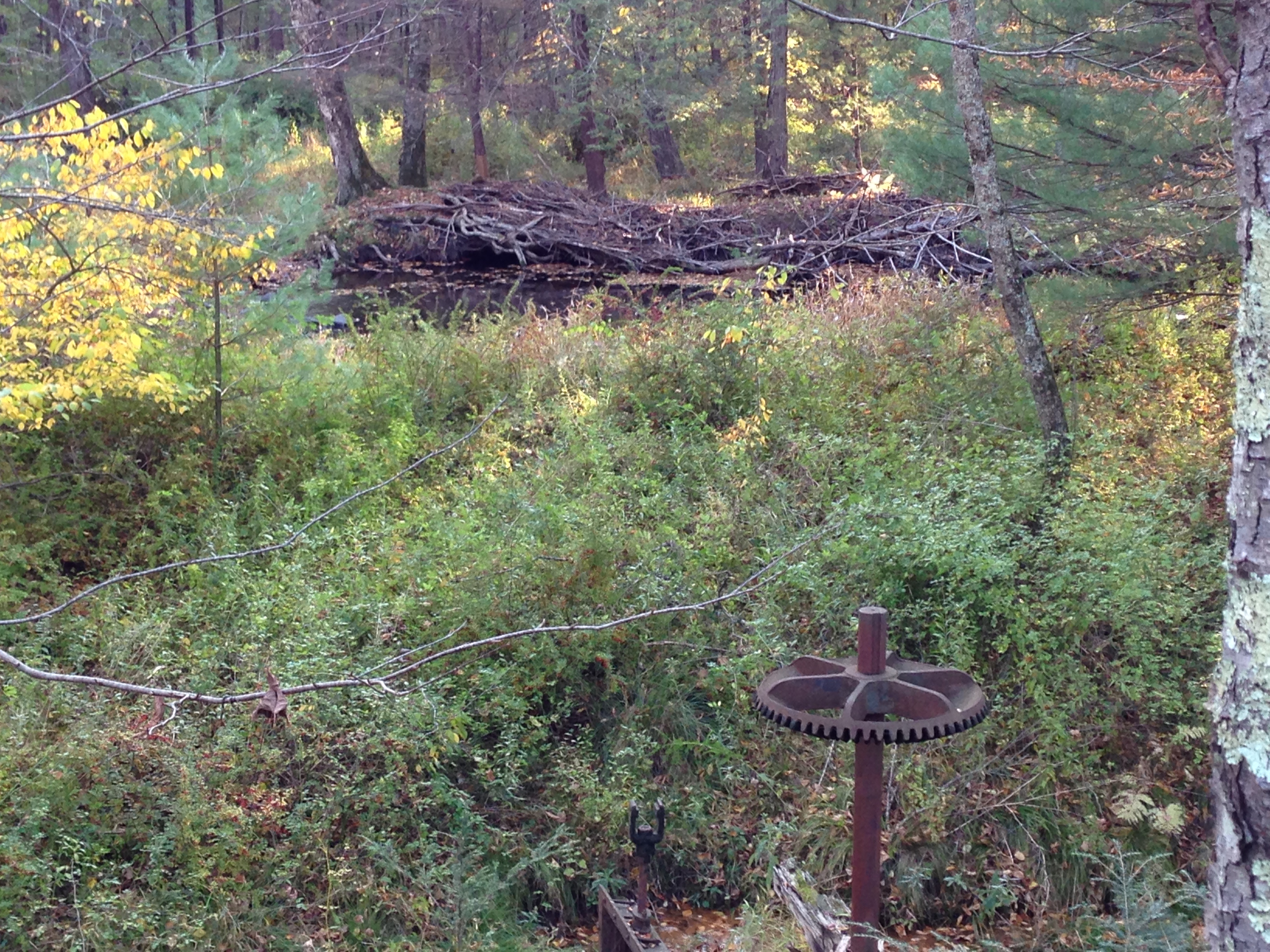
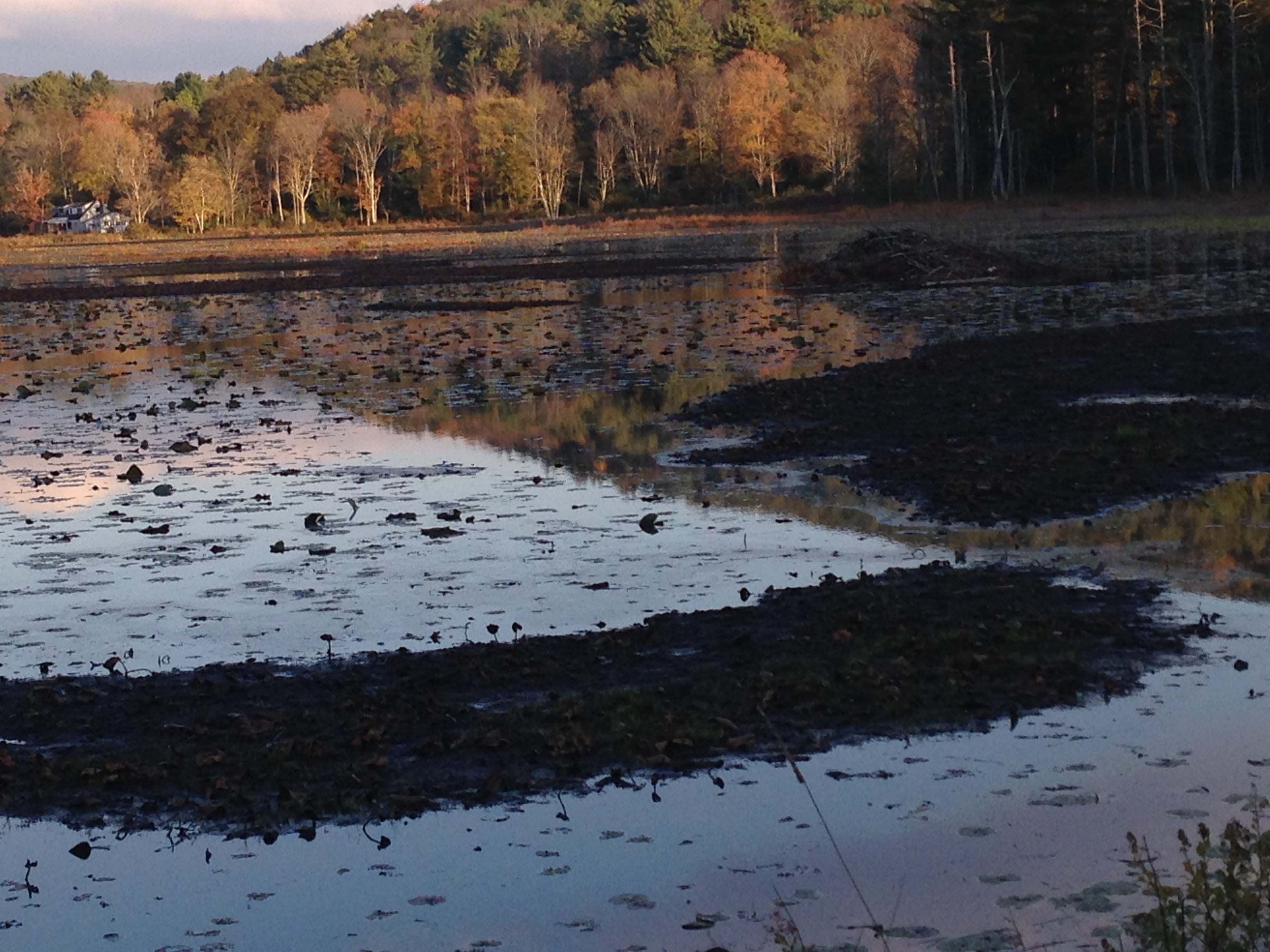
Far in the distance, across the pond, we could glimpse the rodents’ handiwork. More sun-burnishing.

distant lodge

A ways down the road,  the ruins of an ancient lumber mill.

mill:den

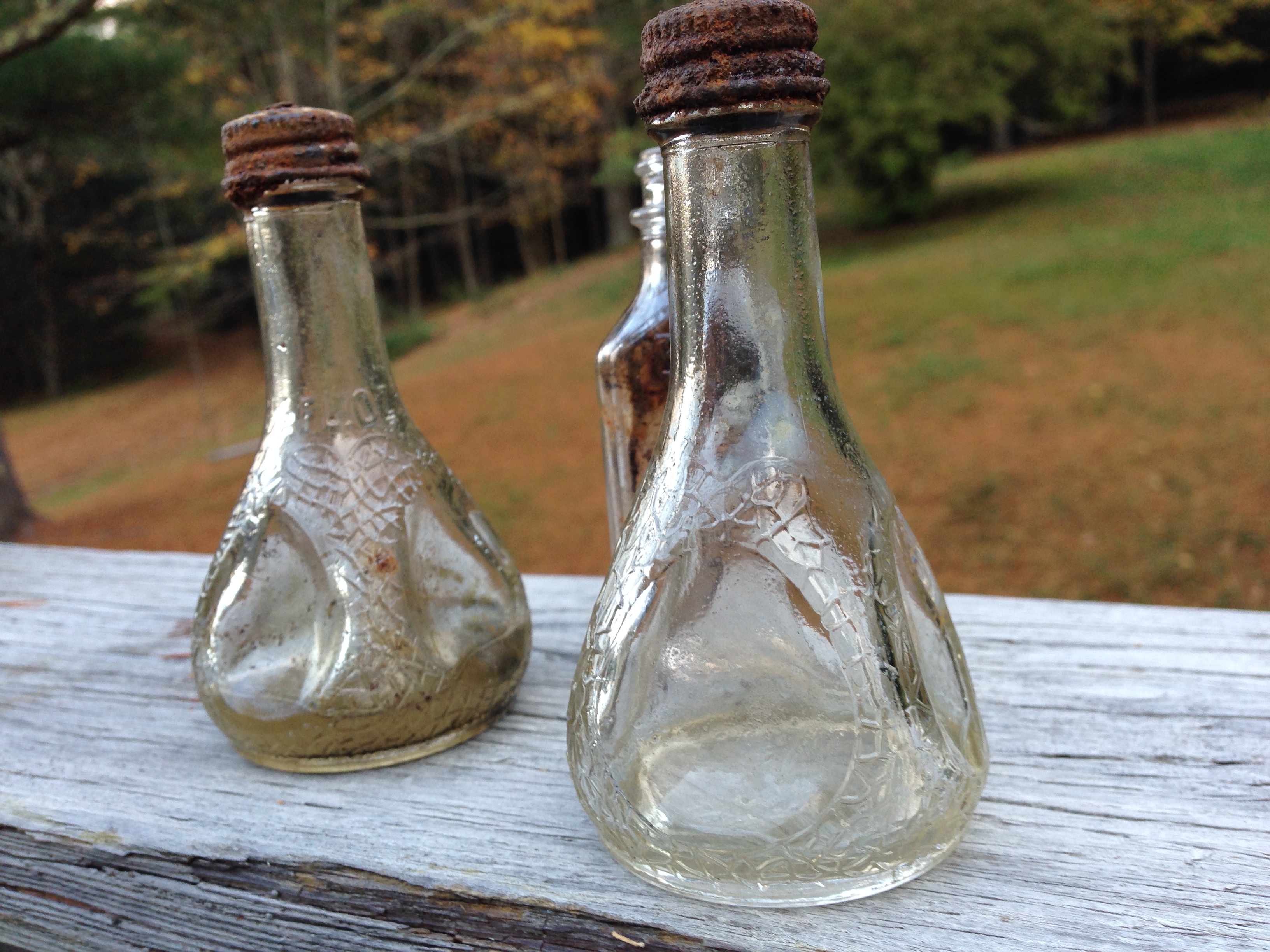
So much history of this area, the Catskill region of upstate New York, is a stumbleupon away. Like the antique bottles Lloyd’s daughter Alice excavates from the woods behind their house. Also in those woods, black bears rumble around, tearing open rotted logs to get at the creepy crawlers within.

old bottles

We saw one more lodge at Yankeetown Pond — to the right, below. David Bowie owns the mountain above. Probably has befriended a few of the beavers over the years. Like to come up for a drink? I’m Bowie.

Yankee

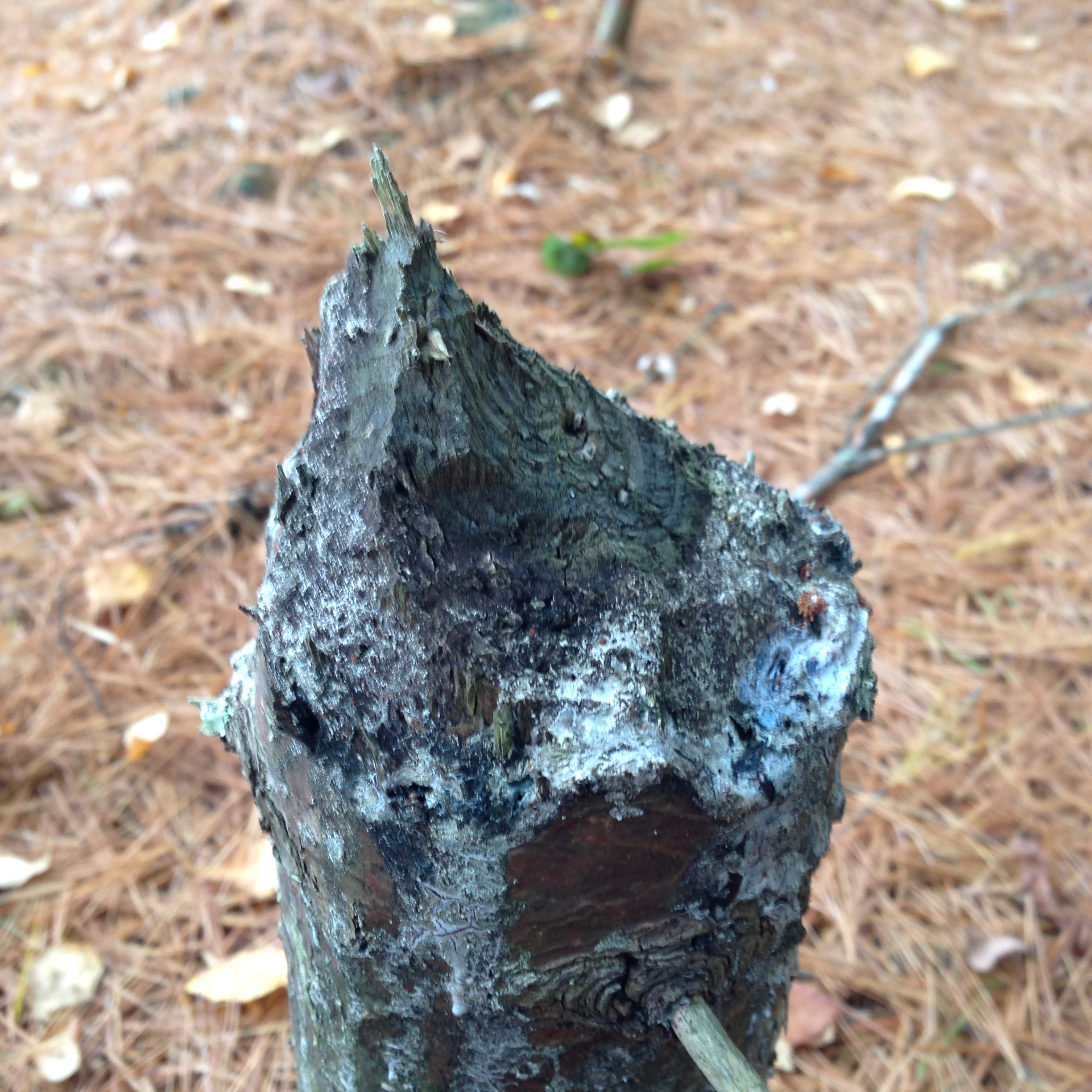
The finest specimen of the afternoon stood just to the side of the water, a gnawed tree that had clearly been someone’s snack.

beaver post

The beaver population was hunted out in the seventeenth century in these parts and is only just coming back today in earnest. They found one at the Bronx Zoo a few years back. No one could understand where it came from. Its name, they decided, was not Ernest, but Jose.

6 Comments

Filed under Culture, Fiction, History, Home, Nature, Photography, Publishing, The Orphanmaster, Writers, Writing

The Golden Notebook in Golden Fall

Tomorrow will be a perfect day to take in the leaves upstate as they color up. If so much natural beauty wears thin and if you happen to be near Woodstock, New York, consider coming to The Golden Notebook for my 2:00 talk on The Orphanmaster. Signing copies, too. I know there are excellent lattes down the street and I’m pretty sure the nice people in the store will allow you to nurse one in in a  paper cup while you sit back and enjoy my slide show — lots of nuggets about the way people, places and things looked in 1660s Manhattan. The raging beaver trade. The fashion of men in red-heeled pumps. What was it actually like, anyway? New York before it became New York. Imagine.

visscherDetail2k

Please do come. I’ll be up on the second floor.

4 Comments

Filed under Art, Culture, Fashion, Fiction, History, Jean Zimmerman, Nature, Publishing, The Orphanmaster, Writers, Writing

A Victorian Evening

There were not enough chairs. Victorian Society guests who came in late had to huddle by the door rather than join the hundred or so in the room. I was only a little distracted by all those wide eyes in the audience, drinking in the images on the screen behind me, so entranced were they by the Gilded Age. It was a marvelous evening.

The Victorian Society New York members are a lovely bunch, very serious about their history and dedicated to preserving the built past of the nineteenth century. Talking about I.N. Phelps Stokes and his passion for Old New York, I could see that that strong interest of his resonated personally with so many of this group. That Edith “Fiercely” Minturn’s old-fashioned beauty touched them.

Minturn Girls Portrait jpeg

There were some great minds and delicate sensibilities in the crowd. The master horologist John Metcalfe – clock expert, to you — with public school English diction and an L.L. Bean bag, informed me that when Newton and Edith Stokes packed up a sixteenth-century British house in 688 boxes to export and reassemble on the coast of Connecticut, they were not the only ones.

John Metcalfe - DAY TWO

It was, apparently, a vogue at the time for those who could afford it. I knew that those of tremendous wealth paid people like Stanford White to cull the monasteries of Europe for great rooms that would be installed intact in their country houses. But I didn’t realize the wholesale shipping over of houses was a fashion for the fashionables until Mr. Metcalfe told me so.

There was the great preservationaist and historian Joyce Mendelsohn, who introduced me with the gracious admonition that listeners buy “two or three books “ and to give the extras to friends. Music to a writer’s ears.

mendelsohn-lower-author

An author herself, most recently of The Lower East Side Remembered and Revisited: A History and Guide to a Legendary New York Neighborhood, Joyce has been a pivotal presence in Victorian Society New York.

Then there was the architect-scholar David Parker, who first introduced me to the dripping-with-history Loeb house at 41 East 72 Street. David knows pretty much everything about buildings and interiors of the late nineteenth century, all of which he applied to the renovation of that brownstone, with its Herter furniture, Tiffany glass, Minton ceramics, swags of velvet and fantastically patterned wallpapers.

Loeb_01

There was a woman from Fraunces Tavern that had me sign copies of all my books at the request of her boss there. Fraunces Tavern is one of the oldest structures in Manhattan – it was first opened by Samuel Fraunces in 1767 — and I was proud to give a talk there once before.

samuel-fraunces-small

I hope I do so again soon.

One scholar present had completed a doctoral thesis called “Psychosexual Dynamics in the Ghost Stories of Henry James.”

henry james

If she had had a copy with her I would have bought it and asked her to sign it.

book signing pic

5 Comments

Filed under Art, Culture, Fashion, History, Home, Jean Zimmerman, Love, Fiercely, Photography, Publishing, Writers, Writing

Victorian Society Oct. 8 Talk

Please join me tomorrow evening, Tuesday October 8th, at 6 pm, to hear a free talk I’m giving for the Victorian Society of New York on Love, Fiercely: A Gilded Age Romance. The evening will take place at a school called the Dominican Academy that is housed in a historic mansion at 44 East 68th Street, bet. Park and Madison, in NYC. Get there early for a seat!

Edith & Isaac

For a little more info — according to the organization’s lecture schedule, my presentation:

“will discuss the life, times and passion of two remarkable individuals living in a remarkable age. Her book Love Fiercely: A Gilded Age Romance is both a cultural history of America on the cusp of modernity and a biography of two of the era’s most interesting characters, Isaac Newton Phelps Stokes and his wife, Edith Minturn Stokes, whose double portrait by John Singer Sargent hangs in the Metropolitan Museum’s American Wing. Love, Fiercely immerses readers in the world of the Astors and Vanderbilts, the “uppertens” and the “fashionables” in New York City and its satellite resorts. Zimmerman will also tell the parallel story of the couple’s reform work and of Mr. Stokes’s monumental tome, The Iconography of Manhattan Island.

Mr_and_Mrs_John_Phelps_Stokes

I’ll show lots of great pictures and probably digress quite a bit from these topics, I hope enjoyably. And I’ll sign books after my talk, of course. So come if you can.

4 Comments

Filed under Art, Culture, History, Jean Zimmerman, Love, Fiercely, Photography, Publishing, Writers, Writing

Adding Savage Girl to the Mix

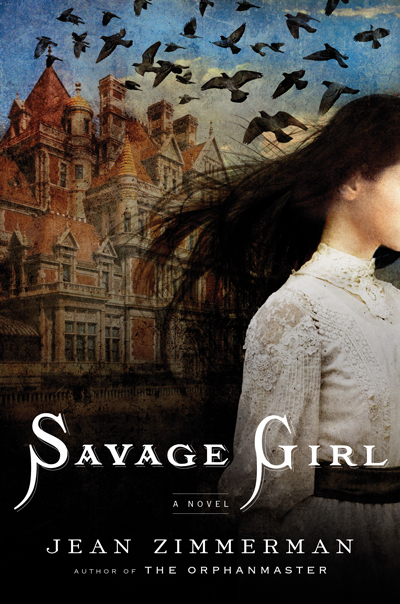
I opened a new page on this site for Savage Girl yesterday… for now you can click on the tab for a description of the book, but more will come so stay tuned. The novel will be out in March 2014.

Savage Girl cover 3


I’m going to do some refreshing, refurbishing and rejiggering of the site also in the near future. As always, I welcome comments as well as suggestions for what you’d like me to cover in this personal magazine!

5 Comments

Filed under Culture, Fiction, Jean Zimmerman, Publishing, Savage Girl, Writing

The Flash Mob in My Mind

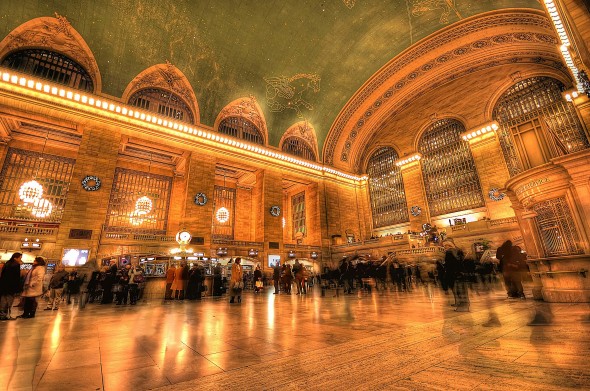
To and fro they go, all the busy, self-involved commuters. A long day at work, the usual stresses, rushing home to other responsibilities. Set faces, hurrying through Grand Central Station with barely a glance at the reaches of fluid, majestic marble, the astronomical ceiling, the hundred-year-old intricate architectural features of the main concourse.

grand centrl

Then along the slick stone floor skitters something – what is it? – a human form, not walking upright but rushing through on all fours.

harry-b-neilson-feral-child-drinking-with-wolf-cubs-3-of-5

People stand back. The human animal races pell mell all around the place, knocking into briefcases, brushing peoples’ knees. It becomes clear gradually that underneath the tangled hair and plain white shift this is a wild girl of some kind.

Voices pipe up throughout the concourse, first a few, than a chorus, and people begin stepping through the crowd, toward the center of the space, in high Victorian dress. The men have top hats and frock coats, the women wear sweeping gowns.

victorian-dresses-3

They are harmonizing a strange, old fashioned tune, a dance-hall melody with unfamiliar lyrics.

Grand Central commuters halt in the path to their gates and listen. The music swells. A cello flight emerges out of nowhere.

The savage girl skitters out of sight.

As the song continues, the throng of singers parts. Suddenly, just under the constellation of Pisces we see the savage girl, now transformed into a young woman, gliding forward,  fully upright. She is dressed spectacularly in a pearlescent floor-length dress with a train, long cream-colored gloves, glossy hair, décolletage.

victorian-era-dress

The Victorian assemblage turn to her and she joins in their melody for the final verse.

Then, as quickly as they appeared, the players vanish. Savage Girl is perhaps the last to go, and gazes one final time out at the crowd with a beautiful but remote expression on her now civilized face.

I had a conversation with my literary agent about ways of introducing Savage Girl to the world come March. I got off the phone and fantasized about a Victorian flash mob starring our girl. It might never come to be, since Grand Central is full of armed homeland security folks and german shepherds, but wouldn’t it be fantastic?

4 Comments

Filed under Art, Culture, Fashion, Fiction, History, Jean Zimmerman, Music, Publishing, Savage Girl

A Silver Signature

I made a mistake. After all my talk of streamlining my library, tossing out the old, letting in light, I winnowed too much. Books, as I wrote a few days ago, are not just about reading, but about your relationship with the volume, your history with what you hold in your hand.

I nearly threw away some vital history. After packing that big old box with dozens of titles and dropping it at the local branch library, I went home feeling liberated. My shelves were mine, filled with awesome novels and nonfiction, all the collection dusted and shiny.

Around midnight yesterday, my eyes popped open. I remembered that amid the floods of paper and cardboard around me I had held a silver-foil-covered book in my hands, turning the pages. As I stood there, I recalled reading it. Stieg Larsson’s The Girl Who Kicked the Hornet’s Nest. I’d liked it. I was over it, though, now. Into the box with the others.

the-girl-who-kicked-the-hornets-nest-by-steig-larsson-21673c0b76b9b418

But with the wee hour night thoughts closing in, I now remembered something else: a name on the first page, a small, careful signature in blue ink.

The name belonged to a friend of mine, who had presented the book to me when I was rehabbing after hip surgery three years ago. She had bought me the other two novels in Larsson’s series in paperback, but this one, in silver foil, a hardcover, belonged to her. I want that one back, she told me. We sat together in this dungeon-like rehab center, the unattainable sun outside the windows. She was one of the few friends who made it all the way there. When she left I gobbled down Larsson’s energetic creation, his tattooed girl, one volume after the next, in a slight haze of percocet, finishing the long, twisted, potent narrative before my two weeks of healing were through.

Not long after she gifted me with the Larsson trilogy, my friend passed away. Breast cancer took her way too soon. I kept the silver-foil-covered book she’d loaned me on my shelves, by now forgotten under a stack of other books. I want that one back, she’d said.

This morning I drove to the library where we’d left the giant box. The books had already been brought to a back room for sorting, the reference librarian said. We’re so sorry, she said, consoling me for the loss of the book. I felt I should be apologizing for causing so much trouble. She led the way back. Gil and I searched and searched, through stacks of hundreds of books. No silver foil. That tiny little connection, through a pop novel gift of my friend to me, had floated into the ether, and I wouldn’t see it again.

Driving home, my phone rang. The library. We have your book. Come back.

And so I reclaimed the silver foil – it had already been put on the sale cart – and brought it back to my home library. First, though, even before getting in the car, I cracked the spine and inspected the first-page signature. The hand of my friend, extending out of a book.

3 Comments

Filed under Culture, Fiction, History, Home, Jean Zimmerman, Publishing, Writers, Writing

Out of My Library

If you don’t like the feeling of book dust on your hands, the sight of new gaps between the volumes on your shelves, the surprise discovery of tomes you missed even though you never knew you missed them – read no further.

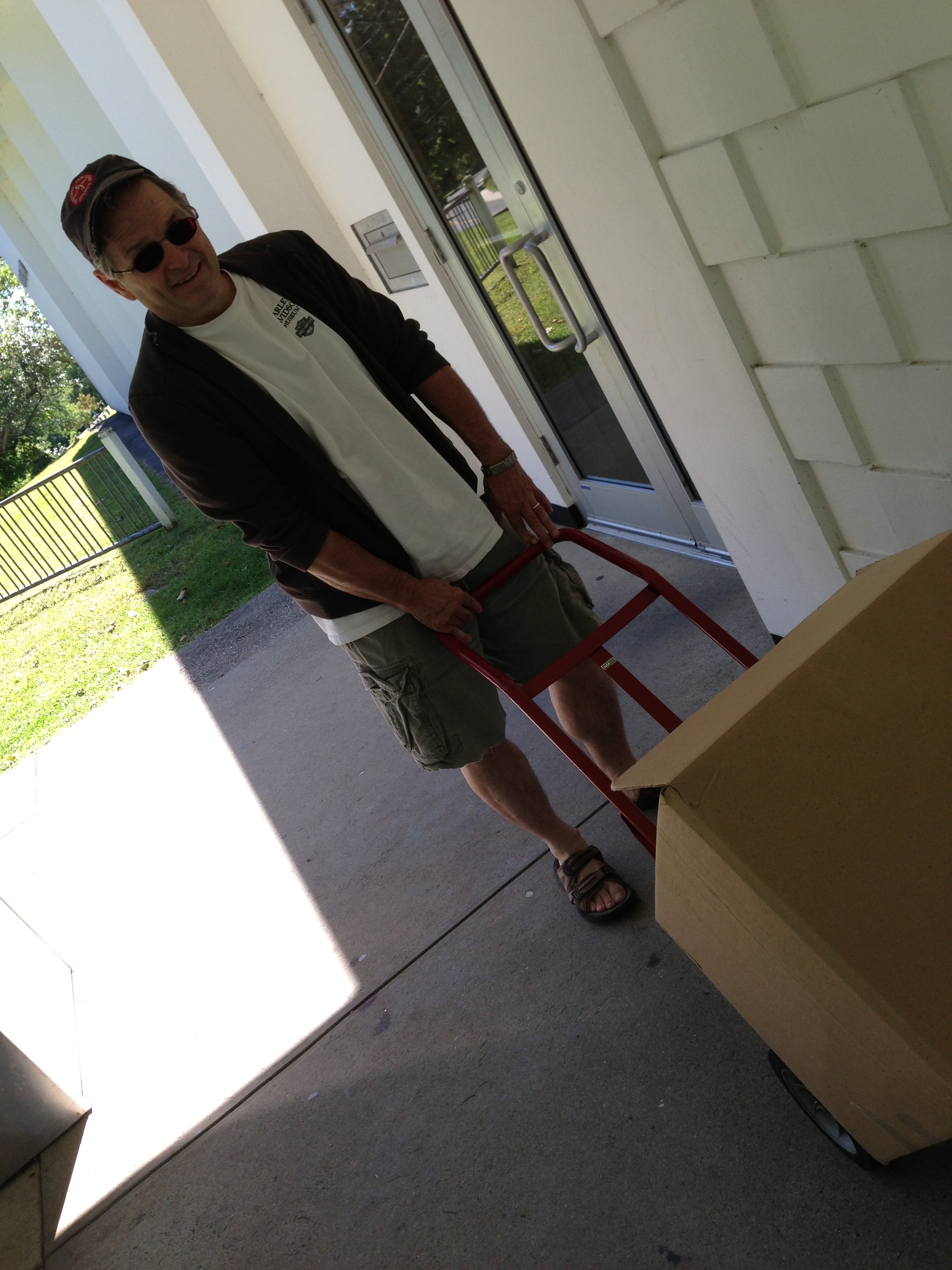
I am in the grips of a book-shedding catharsis. I realized today – and this is the way it often happens for me – that I couldn’t let another hour go by without winnowing out my book shelves. I insisted that Gil sort his office, too. (He couldn’t find any to give up, but he tried.) The resulting 100 or so cast-off titles went into an extra-large packing box.

gil w book box

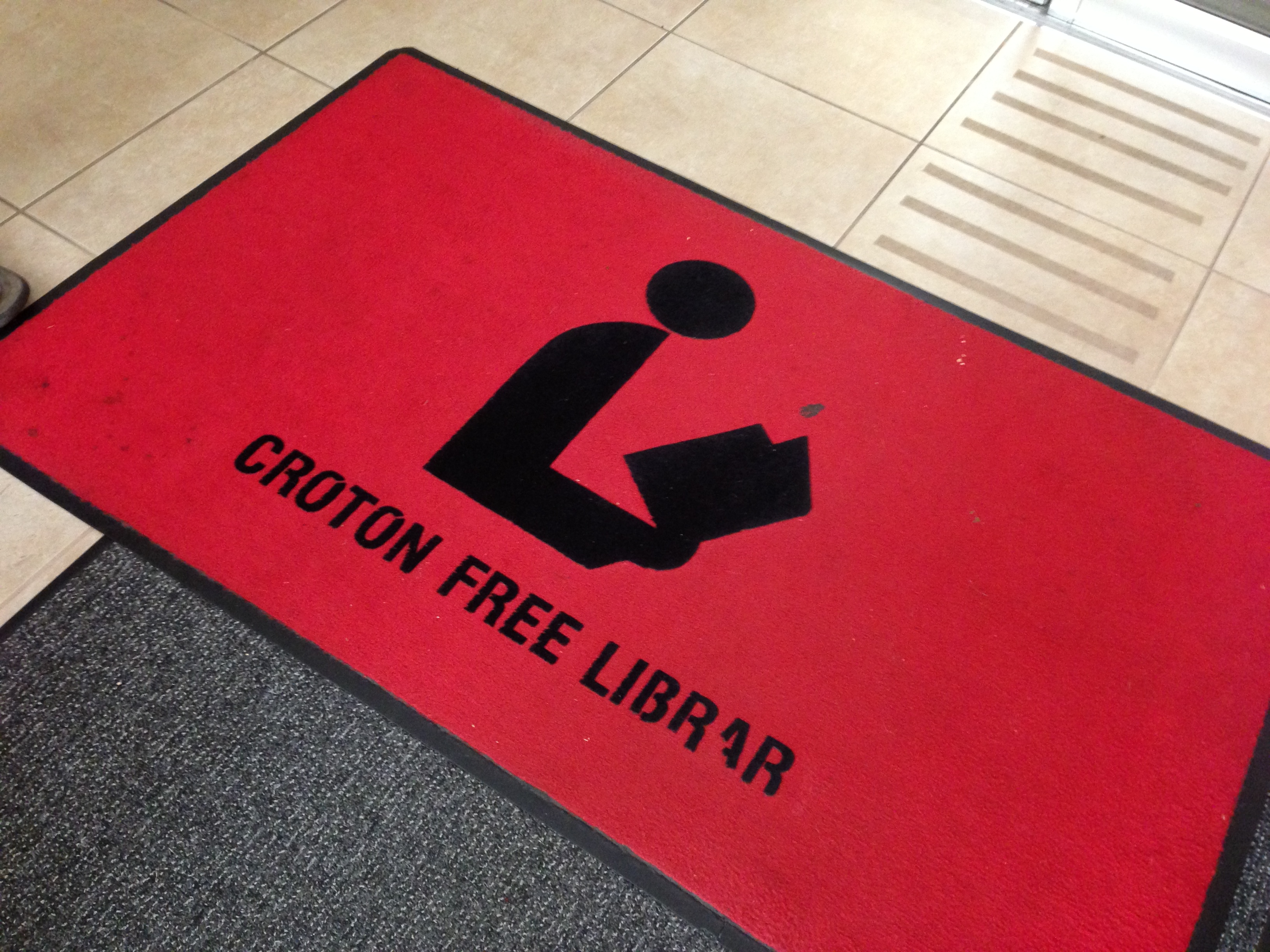
Off to the library.

croton mat

A mother stood trying to corral her preschooler near the sidewalk. “Donations?” she said cheerfully. “Efficient way to bring them.”

“Is he a neighbor?” said her son.

“Maybe,” said the mom.

Local book sales bring together browsers with only a desultory interest, avid bargain hunters and steely-eyed professionals. Pop selections are only a minor part of the culture.

hunger games

When we lived in Hastings-on-Hudson, resellers from all over bought Friends of the Library memberships so that they could go to the earlybird presale and scoop up multiple cartons of the most valuable items. That was okay, we managed to find plenty of gems on our own time – including some we had ourselves donated. Yes, it’s true: we turned in books for the sale that we later decided were simply too fascinating to pass by.

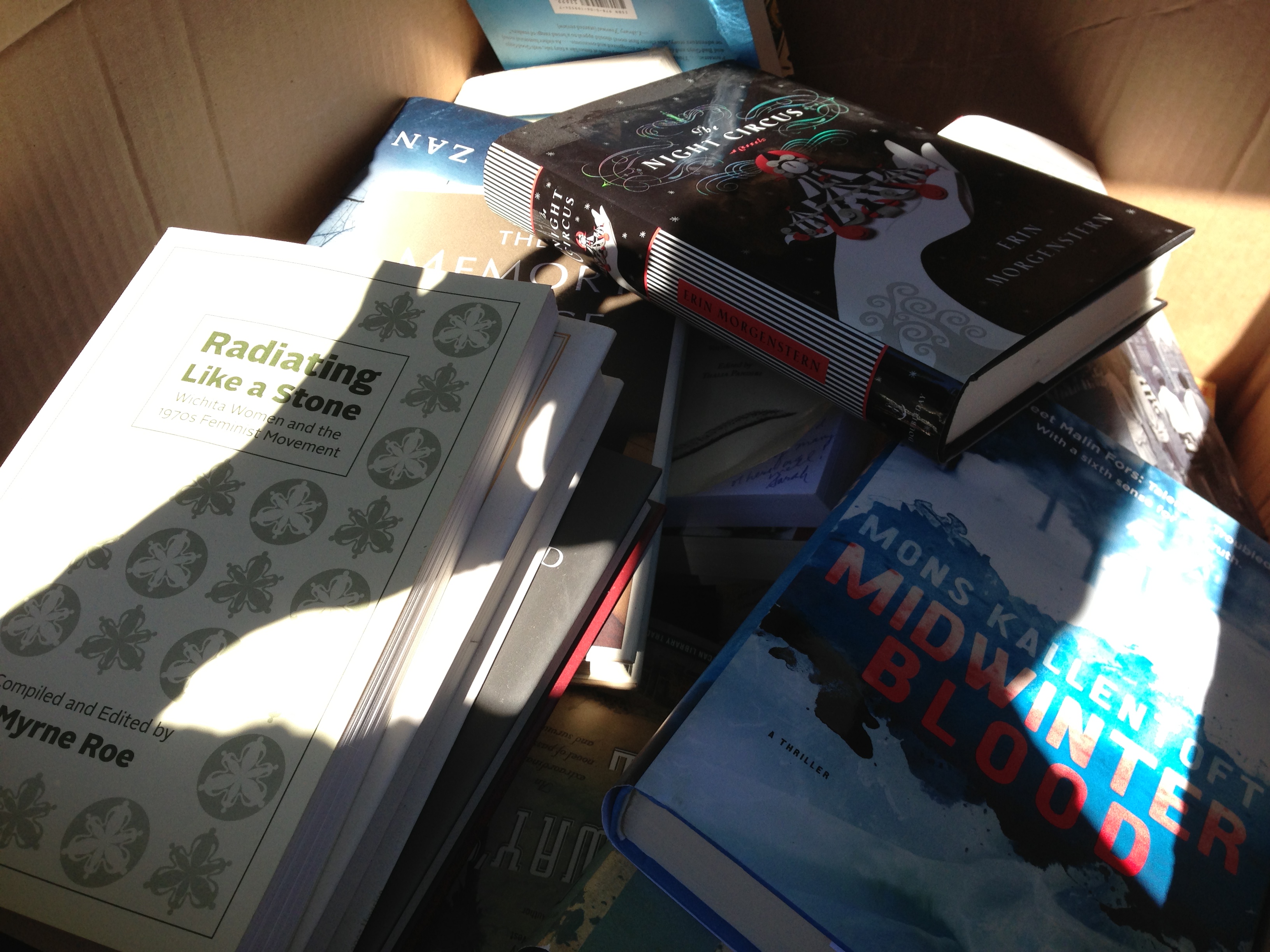
radiating like a stone

But it’s such a relief to weed out the honeys of yesteryear: The Man Who Quit Money by Mark Sundeen, Jonathan Franzen’s Freedom, Dava Sobel’s Longitude, The Judgment of Paris by Ross King. All good reads, eye opening, brain teasing. None of them necessary to my life at the moment.

The Croton Free Library has just celebrated its 75th anniversary. I hope that its patrons will enjoy my books as avidly as I did.

croton library anniversary cup

There are people with acres of shelves in their home library. Their libraries. Their nooks and end tables. Their bedside stacks. When we downsized to the Cabin, that life ended for us. We knew we’d have to focus a laser beam on what meant something to us. We carted out dozens of boxes for various libraries, dozens to sell at the Strand, and ended up leaving many freebies at the curb. Even if you mourn the loss of your books, it is worth it for the experience of a transaction at the historic institution of the Strand, which has been in business since 1927 on 12th Street and Broadway in Manhattan.

strand-history-thumb

The  buyer peers down his spectacles and thumbs through your precious collection, calculating all in his head the value of each book before announcing the usually paltry total. Sometimes it is a triumph, enough for dinner in a decent restaurant. Those novels that you thought were brilliant, invaluable, they’re basically worthless at the Strand, while the store covets and compensates well for the scholarly and academic works you thought no one would ever want.

Now the smooth, dust-free spines of the books line up straight on my wooden shelves in the proper order – all of them books I have selected anew, that I want and need.

double shelves

Some of them seem to have a special kinship even outside their genre. Not exactly subject. More, spirit.

green books

Many, like these, have a story besides the narrative in the book – the story of my relationship with it. My mother-in-law gave me Stalking the Wild Asparagus when I was a newlywed with a house in an apple orchard and a nascent interest in gardening. Ian Frazier’s Great Plains has been a touchstone over the years in thinking about writing nonfiction. Wilderness and the American Mind dates from my college days and still holds my intense interest. Everyone who loves books has these intimacies with individual volumes, the how and why of how your relationship with it came about. Your foundation with it. These begin to make up the essence of a library, the authors that really meant something then and now.

The true reason to get rid of books? Honestly? To collect more books.

current

I needed space for a working library, all the ones I’m drawing on for my next novel. Any clue as to what the book’s about?

6 Comments

Filed under Culture, Fiction, History, Home, Jean Zimmerman, Nature, Photography, Publishing, Writers, Writing

Art for Art’s Sake

When was the last time you thought about Art Garfunkel? His angelic tenor, his sensitive beak, his fallouts/reunions with Paul Simon, his blond ‘fro?
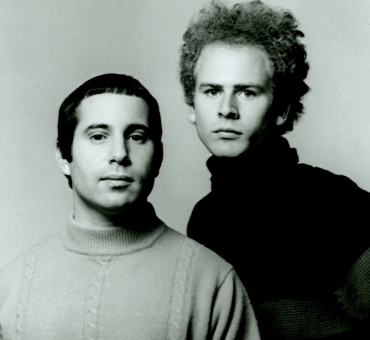
simon:garfunkel

Probably, like me, not recently.

Which is why I jumped at the chance to see him solo in a tiny venue in the middle of New Jersey, in a performance that was being billed as an “open rehearsal” – for what, somewhat unclear. Anyway it would just be Art and a guitar up on the stage, with a group of several hundred devotees.

Three hundred fifty, to be exact, because that was the seating capacity of a hall called the Tabernacle in a magical, historical community called Mount Tabor that originated as a Methodist summer camp meeting ground in the late nineteenth century.
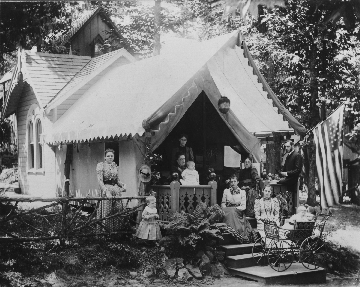
event_146798492.jpeg

People live there now, in houses, not tents. Our friends Eric and Mary Ann have been Mount Tabor-ites for decades.

eric and maryann's home

Walking to the Tabernacle for the show has an element of the mystical, along the small, civilized paths.
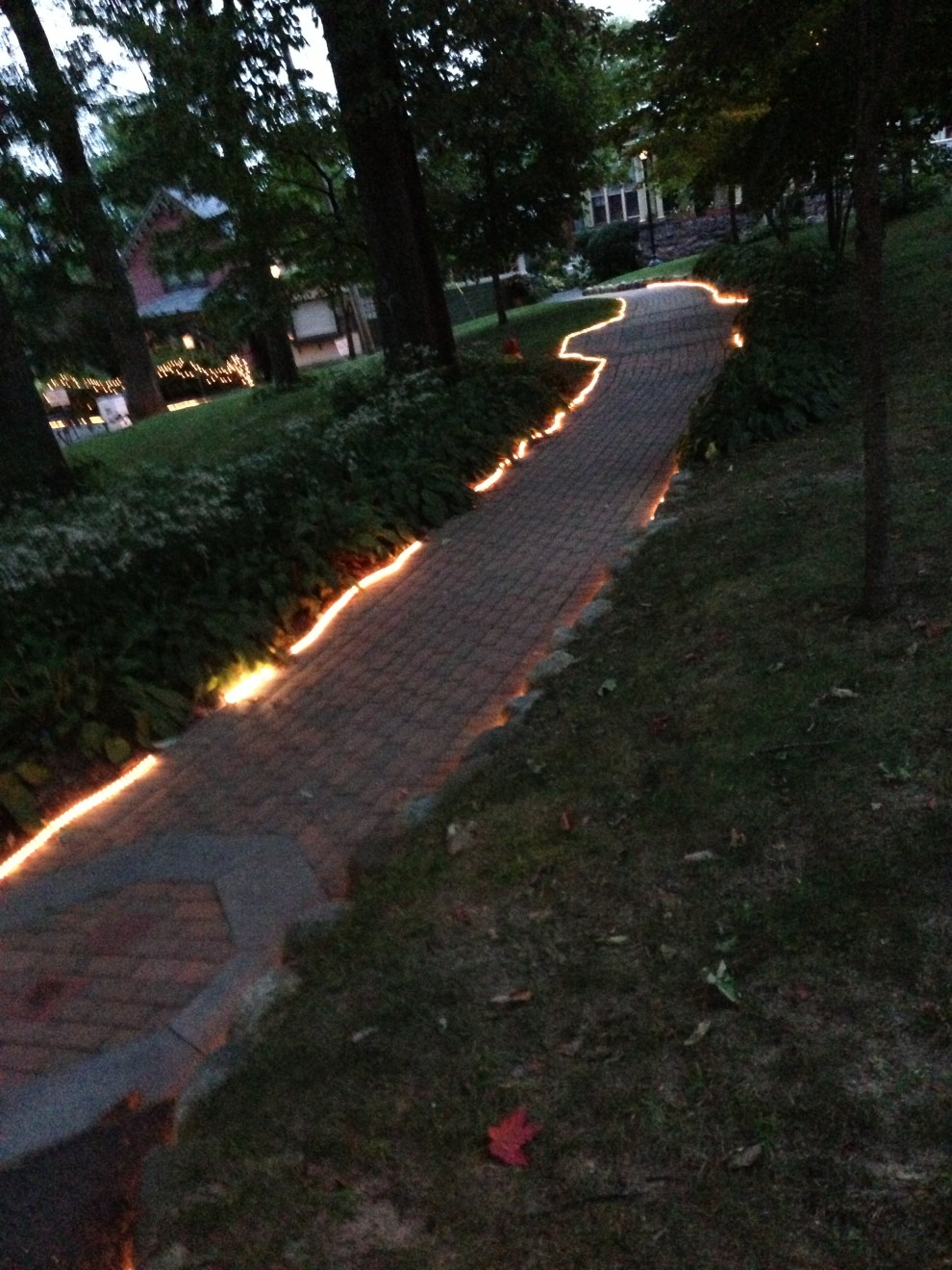
magical tabor

When the place originated, tent properties (leased from the Camp Meeting Association of the Newark Conference of the United Methodist Church, never bought outright) stretched back from the central building and its green, with the more prominent families closest to the preaching. People came here for a month in the summer to get their evangelical fix much the way they did at Ocean Grove, Tabor’s Methodist sister town on the Jersey shore. It all depended on whether you wanted the mountains or the sea, both were equally soul-restoring. The movement faded at the turn of the twentieth century, with houses  eventually built to replace tents, and 212 of the ornate gingerbread-decorated originals remain. National landmark status for the district is imminent. Quiet streets wind throughout this other-timely locale.

tabor homes

Eric and Mary Ann, who raised three kids here, have a property of “six to eight tent plots.” They are “the landed gentry,” Mary Ann wisecracks. She tells me that unlike other towns, here you actually tell your kids to go out and play in the street – because yards are postage stamps if they exist at all. It used to be canvas abutting canvas. “You sneeze in your house,” Mary Ann tells me, “and they say bless you in the next house.”
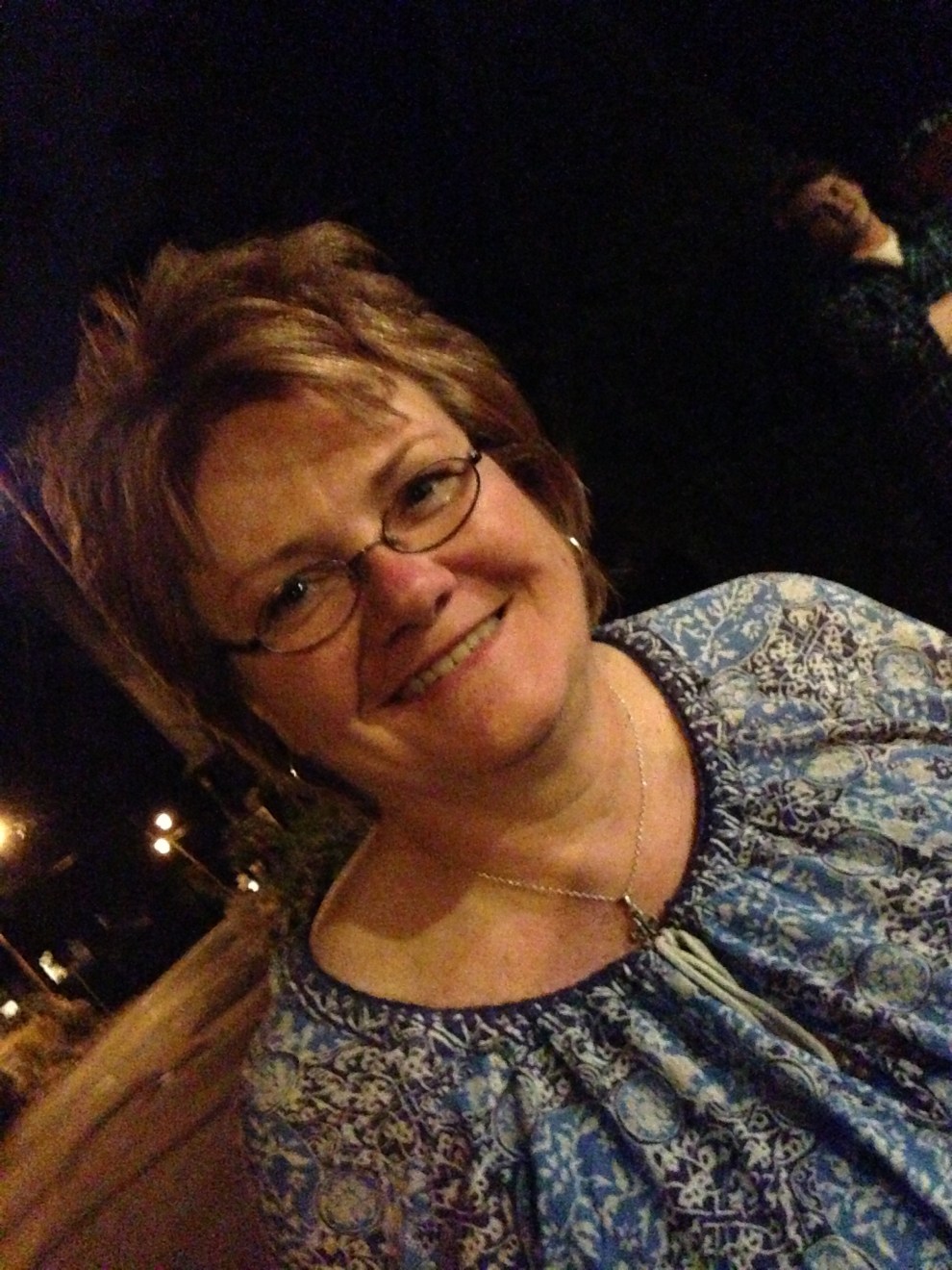
Mary Ann 2

There’s history here, multiple generations living on in one house. A descendent of the original farmer-landowner named Dickerson still runs the supermarket down the hill. Mary Ann orchestrates a longstanding local holiday (like, a hundred-forty years long) called Children’s Day. “You could be a benevolent dictator,” suggests Gil. “There are certain people you must dictate to,” says Mary Ann archly.

We wait in line for Art Garfunkel. Hydrangeas glow in the dusk.

hyrangeas

Time expands. The line stretches, people who have journeyed to this little enclave to see a great singer.

There are perks of being a Mount Tabor resident, and since Mary Ann and Eric know George, the organizer of the event, we go back to the green room half an hour before the performance. It’s located in an adjacent historic building that is usually bare, filled only with folding chairs, where various committees hold their meetings.
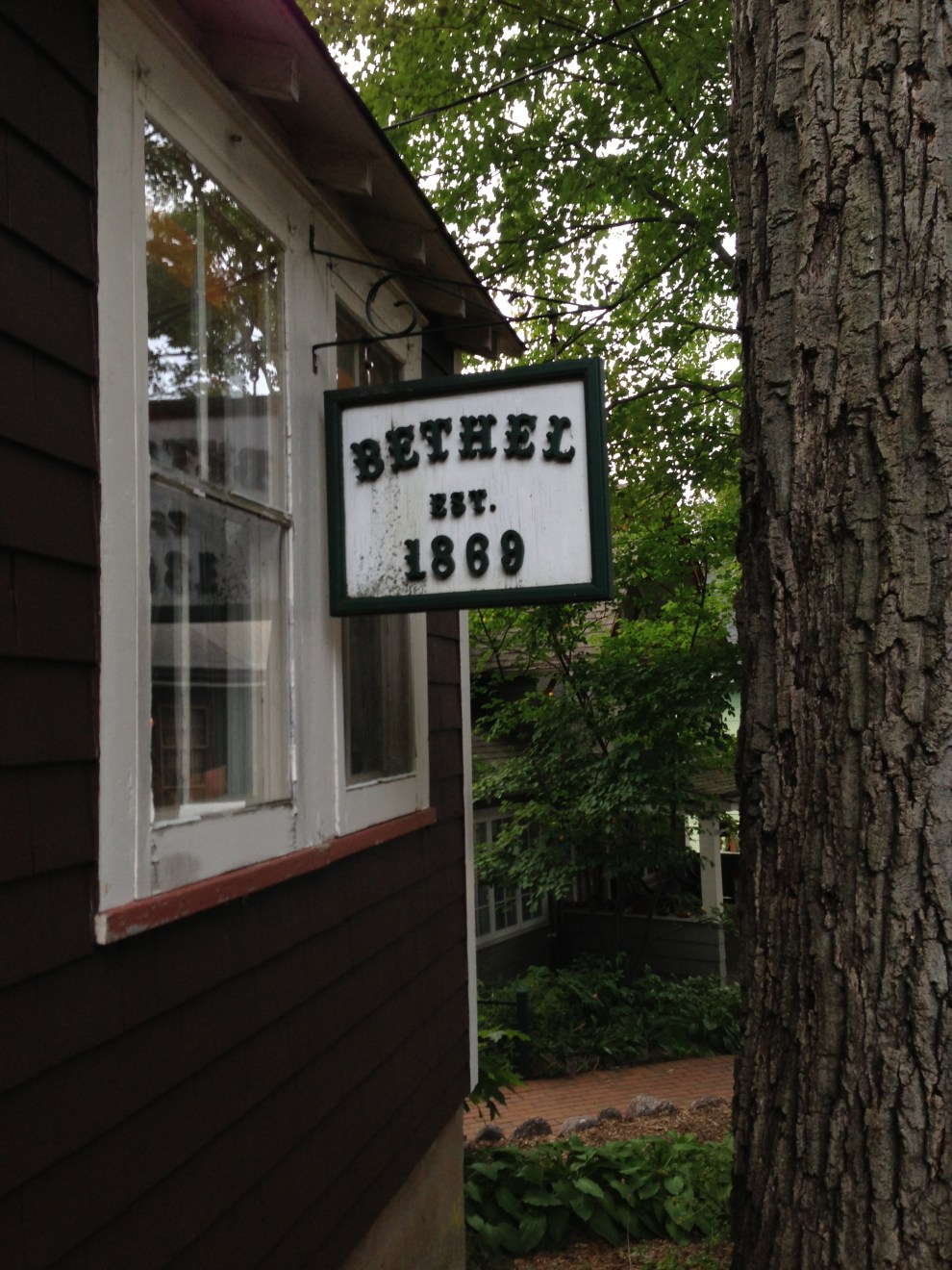
bethel

“This is why they come,” says George, referring to the other big-name acts that have appeared in small-town Mount Tabor, Hot Tuna, Arlo Guthrie and Donovan among them. The green room features low, romantic lights and rich burgundy tableclothes and a line-up of chafing dishes in this quaint building that transports you to another time. They had to peel Donovan out of here to get him to the airport after a post-show Buddy Holly singalong.

“Art is sleeping on the ground floor beneath us,” George tells us. I think about that.

art garf

Ssshh. Outside, we inhale the late summer air, cool and warm breezes intermixed, the scent of late roses from people’s tiny garden plots.

roses

We’re standing next to what everyone likes to call the 1873 condo, a building of connected homes where three tent sites originally stood. Slate and gingerbread! Some of that detail might enhance the Cabin.

condo

The Tabernacle, built in 1885, is a wooden octagon topped by a cupola. It has no heat, just hardbacked benches with plenty of leg room.

tabernacle

The interior paint is original. No joke.
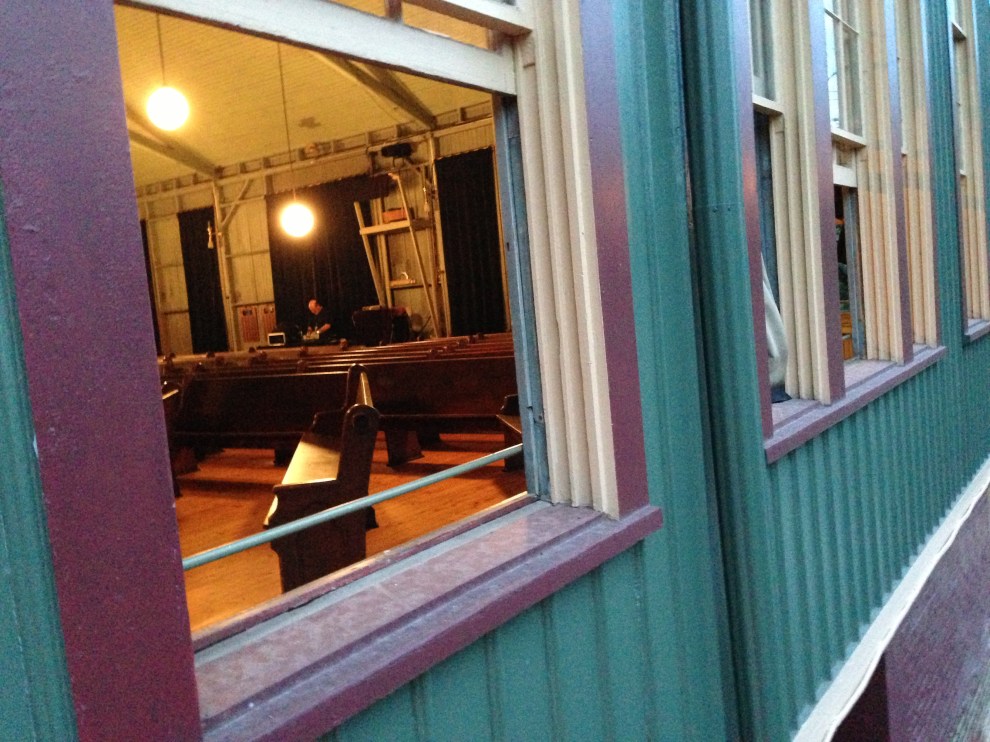
inside tab

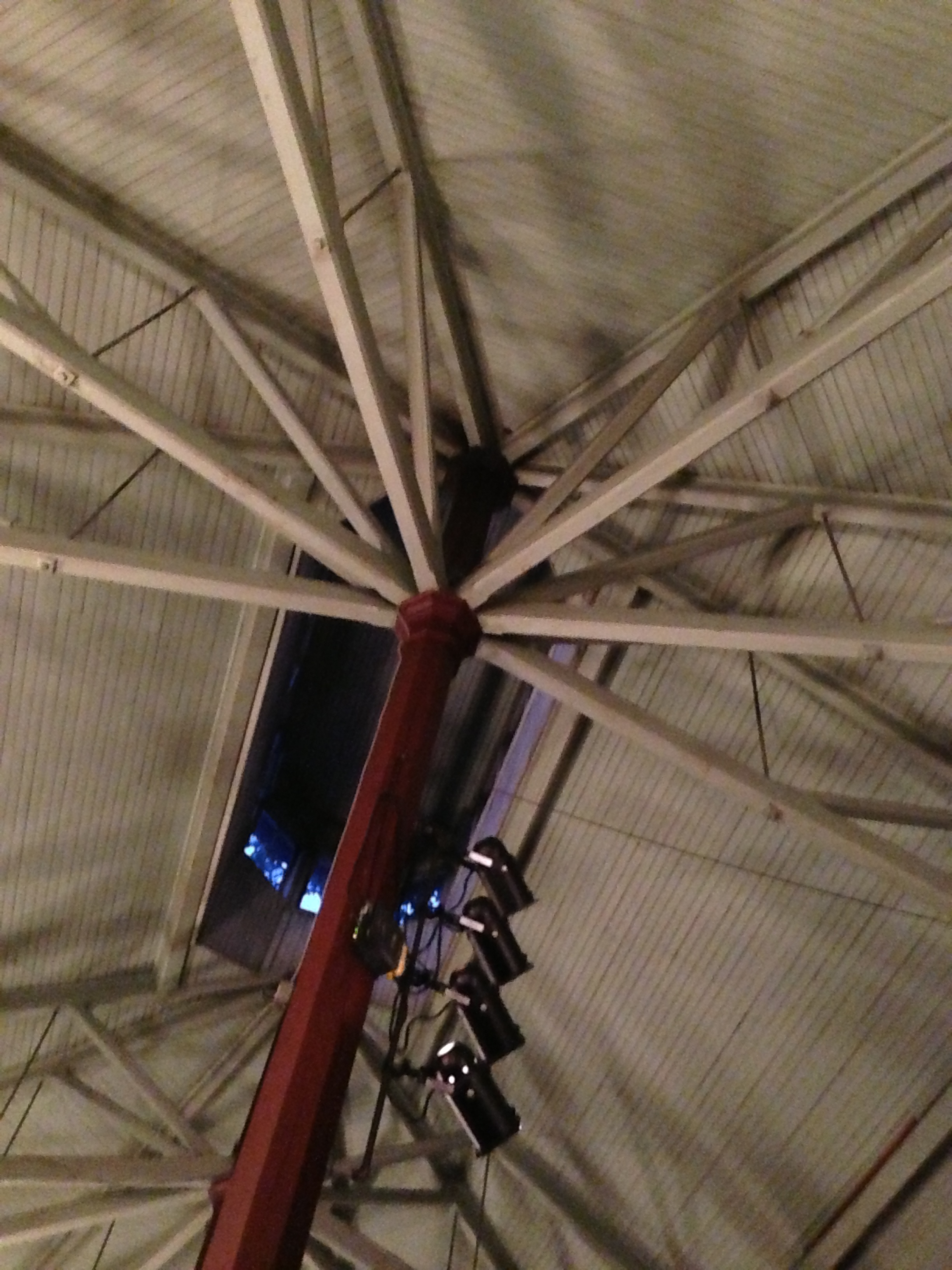
Giant poles hold the roof up.

tab inside

It’s time. George, at the mike, gives fair warning: Art detests gadgets. Phones and cameras throw him off his game. Turn everything off. Everything. Now. A big change for those of us accustomed to concerts with everybody waving their units around in the air, with everything instantly You Tubed. What kind of curmudgeon makes these rules?

And Art does turn out to be a bit curmudgeonly,  approaching the front of the stage to lecture someone rude enough to attempt a picture. He looks the curmudgeon too, his nose sharpened by time, his height perhaps decreased, his pate and his frizz, a plain checked shirt and jeans, a man in his later years.

art-garfunkel

He begs our forbearance. He has been struggling with his “damaged voice” for three years, he says. (He cancelled a tour last year, I heard.) He just now feels he can bring it out in front of a crowd, but he is self conscious. Between songs, he thanks listeners graciously for their support. He reads to us from writings on the backs of white envelopes, poems, he says, he wants to test out on us, from a collection will be published next year by Knopf.

He recites a poem he originally read for Paul Simon on his 70th birthday:

For 70 years his arm has been around my shoulder,

He’s dazzled me with gifts.

I nurtured him in his youth.

He brought me into prominence.

I taught him to sing.

He connected my voice to the world.

I made him tall.

All of our personal belongings are intertwined.

We say it’s exhausting to compete,

But we shine for each other.

It’s still our favourite game.

tall art:simon

He tells us a story of living on Amsterdam Avenue when he was in architecture school at Columbia, living among roaches. Simon came over saying he thought he had a song that might be worth something and it was Sounds of Silence. Garfunkel sings Sounds of Silence for us. Haunting.

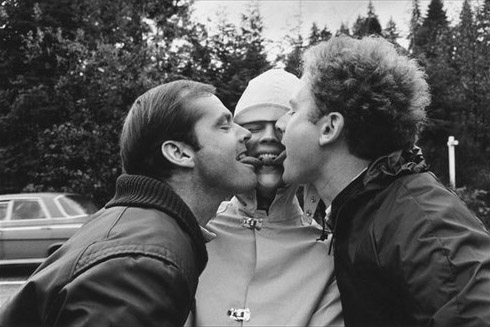
He shares an anecdote about Jack Nicholson’s acting chops when they did time together in Hollywood on Carnal Knowledge.

Jack-Nicholson-Candice-Bergen-and-Art-Garfunkel

A story about the “bird in his throat,” and singing Ol’ Man River for a herd of cows as he hiked in the country one day.

As for the singing… the angelic tenor… well, the instrument is indeed broke, in part. Still ravishing, sometimes. It is an amazing performance, though, just because it is so raw, because his voice is imperfect, because of the notes he can not hit and the notes he snags, better in the lower registers. Bookends, a capella. Cathy’s Song. The Boxer. Parsley, Sage, eliding over the rosemary, but bringing the song home, ultimately.

There in Mount Tabor’s intimate, historic Tabernacle, all is forgiven.
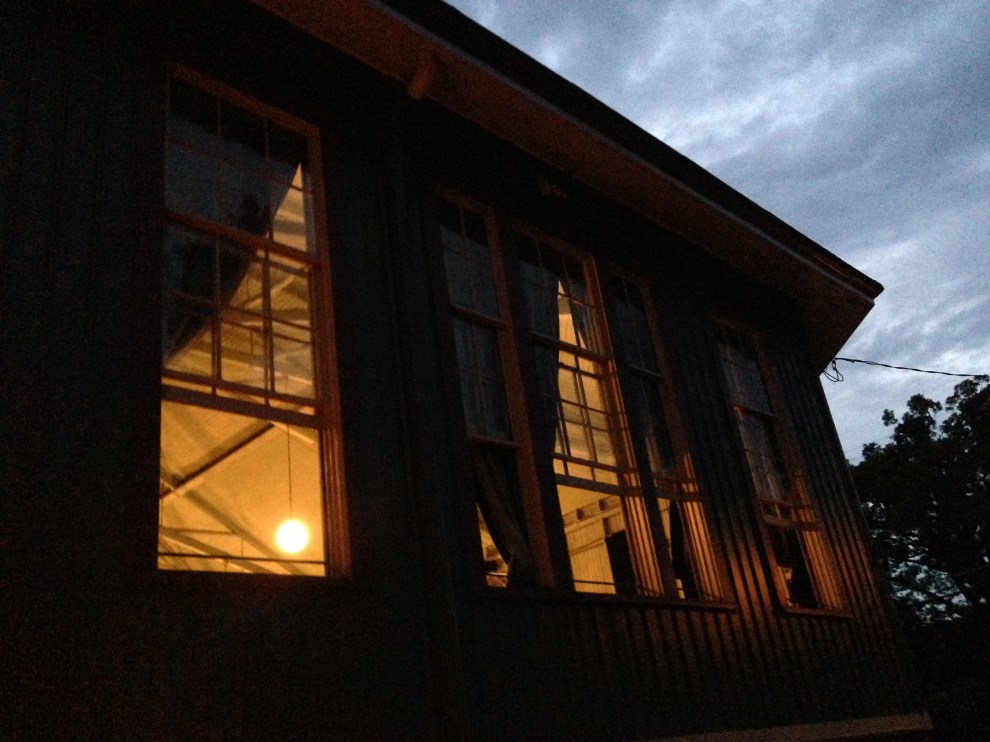
tab night

6 Comments

Filed under Culture, Film, History, Home, Jean Zimmerman, Music, Nature, Photography, Poetry, Publishing

Digging

I made a list. The things I’d do if I were going out and about this weekend. The free-of-leg-cast things.

There’s the NYC Unicycle Festival, which kicks off with a 13-mile single-wheeled parade across the Brooklyn Bridge to Coney Island and which includes a bout of unicycle sumo wrestling.

UniFest2012 photo creditKeithNelsoniphone_1654

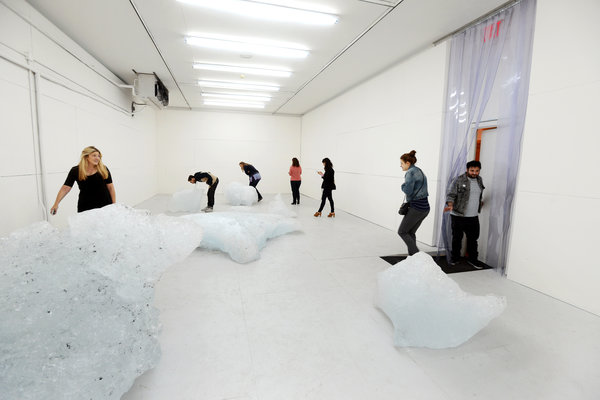
Then, the art installlation by Olaf Eliasson, called “Your Waste of Time,” in Long Island City, at MOMA PS1, with chunks of Icelandic ice in a refrigerated room.

31EXPO-articleLarge

I could visit the Wolf Conservation Center north of the Cabin. Sit behind protective glass and watch a pack howl. They even offer overnights in a tent. The Center has babies, like Zephyr, born April 20th.

zephyr

There’s a tug boat armada on the Hudson, more accurately the Great North River Tugboat Race & Competition, complete with a Popeye-themed contest for spinach eaters.

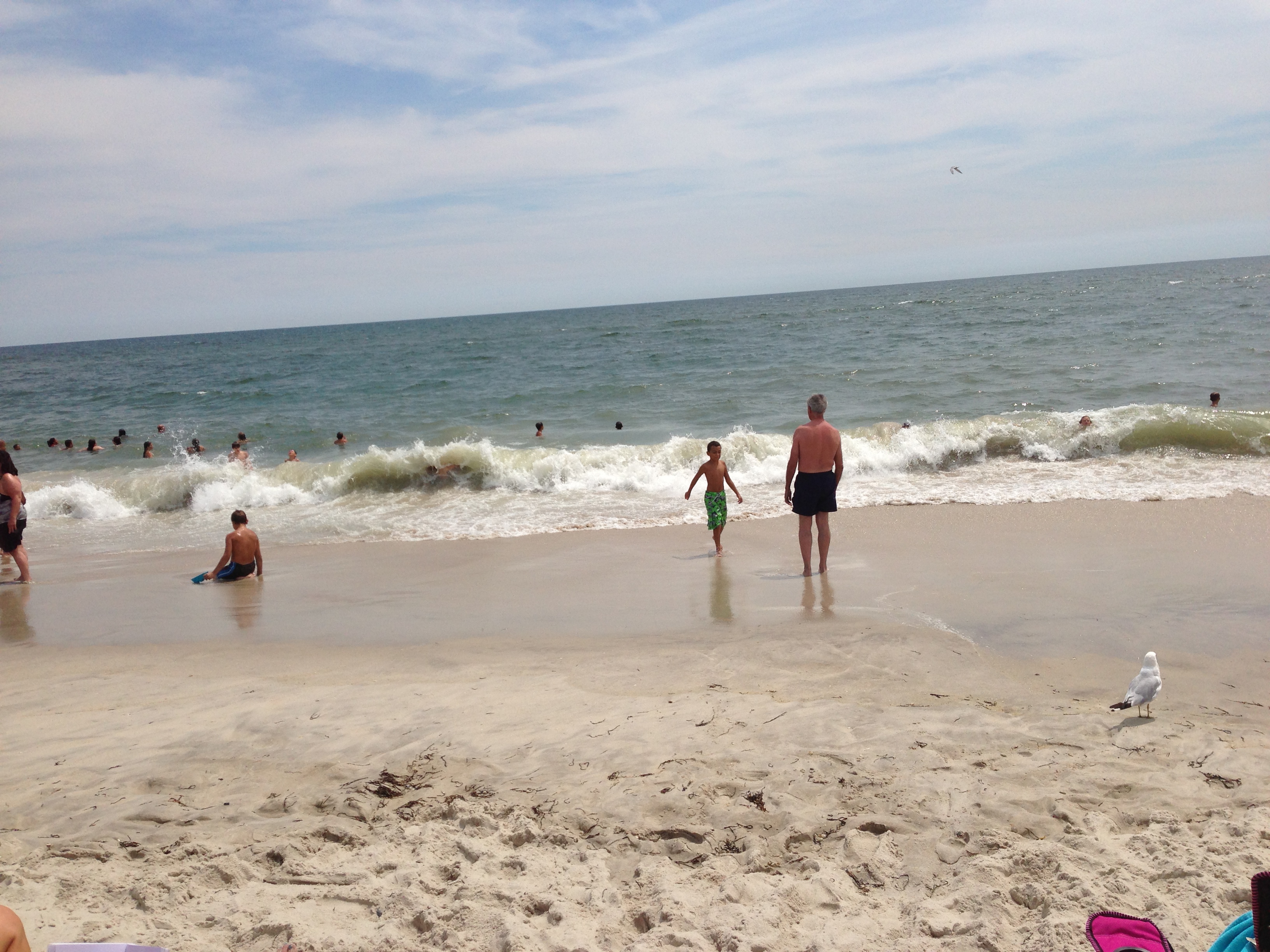
Jones Beach, its tawny sands burning hot in August, its crashing waves filled with quarter-size quivering jellyfish. We don’t care about jellyfish, though. It’s the last swim before fall. But no room on that crowded strand for a fiberglass leg cast.

ocean

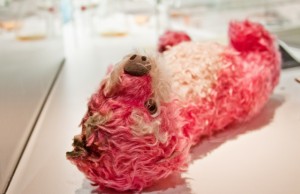
The Breaking Bad exhibit at Museum of the Moving Image in Queens that displays the costumes, props and other accoutrements of everyone’s latest streamed addiction, one that has smoothed the way through these mellow weeks post-foot-surgery. The arc of the show was contrived as carefully as Walt crafts his blue rocks, not surprisingly, and “From Mr. Chips to Scarface: Walter White’s Transformation in Breaking Bad.” will show you how. The stuffed animal that splashes down into the Whites’ swimming pool was specially commissioned, it turns out.

BreBa-Pink-teddy-640x415-300x194

Do you care to see the tighty-whities that Walt wore in season one, episode one? For some reason I do, but I don’t know if the terrain is maneuverable for me and my scooter.

I missed the Battle of Brooklyn last weekend – reenactors assembled in what later becamethe famous Green-Wood Cemetery – out of a dread of uneven grass and pebbly stretches.

green-wood-cemetery-battle-brooklyn-reenactment-redcoats

There was supposed to be cannon fire and I know people were boiling pots over smoky campfires.

I must eschew places that wouldn’t easily accommodate what Gil calls “Jean’s crutches, sons of butches, or the Bloke, no joke.” What the ladies at the nail salon called my “motorcycle.” One was so nice she gave me an upper arm massage. I never knew that crutches kill your triceps.

Jean on crutches

But it’s all in the name of pampering that tiny metatarsal in my right foot, the one that needs some extra help to mend so that I can go on ever greater adventures. Who knows, next year a pair of hiking boots that actually fit. Kilimanjaro.

I am most definitely emerging today for a time to “help” cart Maud’s things for the year to her new dorm. She makes up in leggy activity, just back from sunny Spain, what I currently lack. Out catching drinks with friends, seeing music, buying notebooks, all new things, looking to the future.

maud spain

I am also looking to the future, though a ripple of boredom is creeping through me like a sweet rot. Day to day, I dive down into the Revolutionary New York research for my next novel and come up with gorgeous crumbs. And you need crumbs to make the rich loaf that is a historical novel. But that’s just a start.

I’m going to need a new couch after this recuperation, the indentation in the current one might not plump back up.

A walk down to the garden to dig potatoes would be great. Fingers — toes! — in the dirt. I remember the loam of mid-summer fondly.

potatoes soil copy

Oh, forking over potatoes today… would be amazing. The just-deceased Nobel-winning poet Seamus Heaney’s poem on the subject, “Digging,” is one of the great works of modern literature. Have a seat on my couch. Take a listen.

Between my finger and my thumb   

The squat pen rests; snug as a gun.

 

Under my window, a clean rasping sound   

When the spade sinks into gravelly ground:   

My father, digging. I look down

 

Till his straining rump among the flowerbeds   

Bends low, comes up twenty years away   

Stooping in rhythm through potato drills   

Where he was digging.


The coarse boot nestled on the lug, the shaft   

Against the inside knee was levered firmly.

He rooted out tall tops, buried the bright edge deep

To scatter new potatoes that we picked,

Loving their cool hardness in our hands.


By God, the old man could handle a spade.   

Just like his old man.
 

My grandfather cut more turf in a day

Than any other man on Toner’s bog.

Once I carried him milk in a bottle

Corked sloppily with paper. He straightened up

To drink it, then fell to right away

Nicking and slicing neatly, heaving sods

Over his shoulder, going down and down

For the good turf. Digging.


The cold smell of potato mould, the squelch and slap

Of soggy peat, the curt cuts of an edge

Through living roots awaken in my head.

But I’ve no spade to follow men like them.


Between my finger and my thumb

The squat pen rests.

I’ll dig with it.

4 Comments

Filed under Culture, Fashion, Film, History, Home, Jean Zimmerman, Nature, Poetry, Publishing, Writers, Writing

Blurbs for The Asylum

Blue Rider Press has come out with a book trailer featuring fashion insider Simon Doonan talking about getting blurbs for his his forthcoming book The Asylum.

the asylum

There is actually a series of very brief videos, including the blurb one but also one about designer Thom Browne and one about Michael Kors and one featuring “career advice for young people,” among others. An original approach to promoting a book through a video, well suited to such an original guy.

Simon_Doonan_photo-credit-Albert-Sanchez

The one about blurbs, “those wonderful little comments on the back of the book,” is pretty honest and funny enough, and hits home as I am wading into the waters of asking people to read and comment upon Savage Girl. Publication isn’t until March 2014, but quotes are needed long before that to be printed on the book jacket. And publishing pros say they are critical to getting a book noticed.

Savage Girl cover 3

Doonan says that when he is asking for blurbs “I am in a permanent pretzel of cringing, shame and self loathing.” Then he reels off some of the glowing comments he got from Marc Jacobs, Alexander Wang and others.  “Don’t even think about becoming an author,” he warns, “unless you’re prepared to go through the torture, the torment, the challenges of getting some blurbs.” The Asylum: A collage of couture reminiscences…and hysteria is out Sept. 3.

1 Comment

Filed under Culture, Fashion, Fiction, History, Jean Zimmerman, Publishing, The Orphanmaster, Writers, Writing

Maine Woods Ramblin’

My world-rambling brother Peter has sent a bulletin from the northern Maine forest, where he is catching his breath in the middle of a book project and, as always, exploring the local history. Peter published Podunk: Ramblin’ to America’s Small Places in a Delapidated Delta 88, which remains the definitive portrait of locales far off the beaten track, and a perfect reflection of his restless, questing mind.

Pete

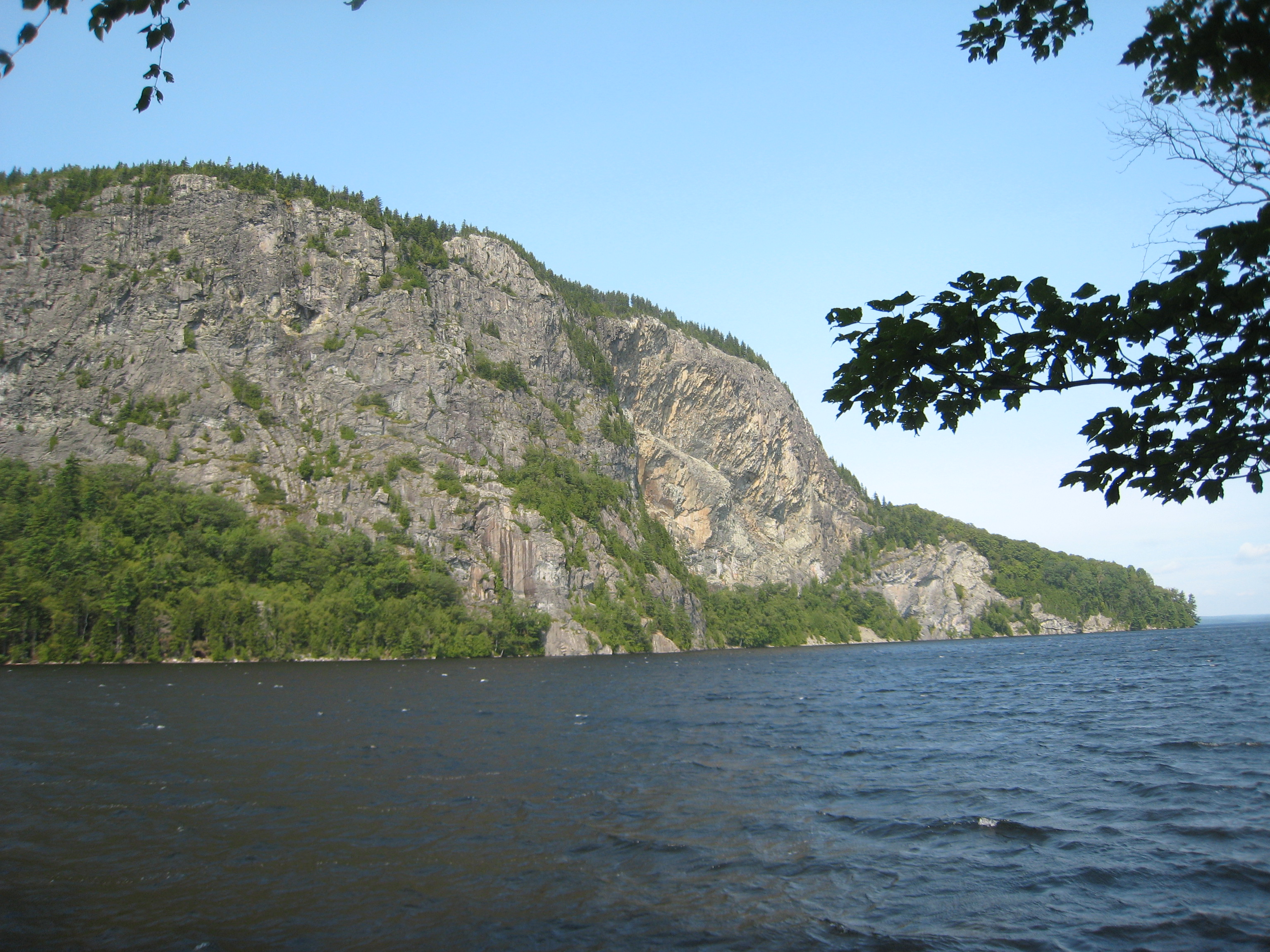
What you can’t get enough of in Podunk are Pete’s vivid photographs, and his pictures of Moosehead Lake in Maine are definitely worth sharing. He’s been spending time around Mount Kineo.

mt kineo cliffs

Mount Kineo’s wild beauty has long been celebrated, but few know it abuts a piece of land called Misery Gore, an “untrampled” place Pete investigated for Podunk. Gores are highly unusual geographical features, Pete’s research shows, limited to Vermont and Maine, “largely forgotten anachronisms that don’t much impact most peoples’ lives in any profound way.”

He says that the source of Misery Gore’s name might be its preponderance of black flies, or it being “a miserable place to survey, log, hunt, and birdwatch,” or that it’s overgrown with briars and brambles, or that “a French-Canadian logger from Miseree once passed through this neck of the woods.” The parcel is wedge-shaped, crisscrossed with nothing but dirt roads.

It is, however, Penobscot country – the tribe has a reservation near Bangor known as Old Town — and on this trip Peter reacquainted himself with some of his Podunk contacts, three generations worth, including 50-year-old Andrew Tomer, his 12- year-old nephew and his father, Penobscot elder Francis.

Francis Tomer

Penobscot, Peter told me, means “where the stream runs by the mossy rock that is white when dry.”

Mount Kineo’s 800-foot cliffs of rhyolite were carved by the Indians into arrowheads. “Thoreau cut himself on this flint-like rock,” Peter writes, “which he called ‘hornstone.’”

arrow heads

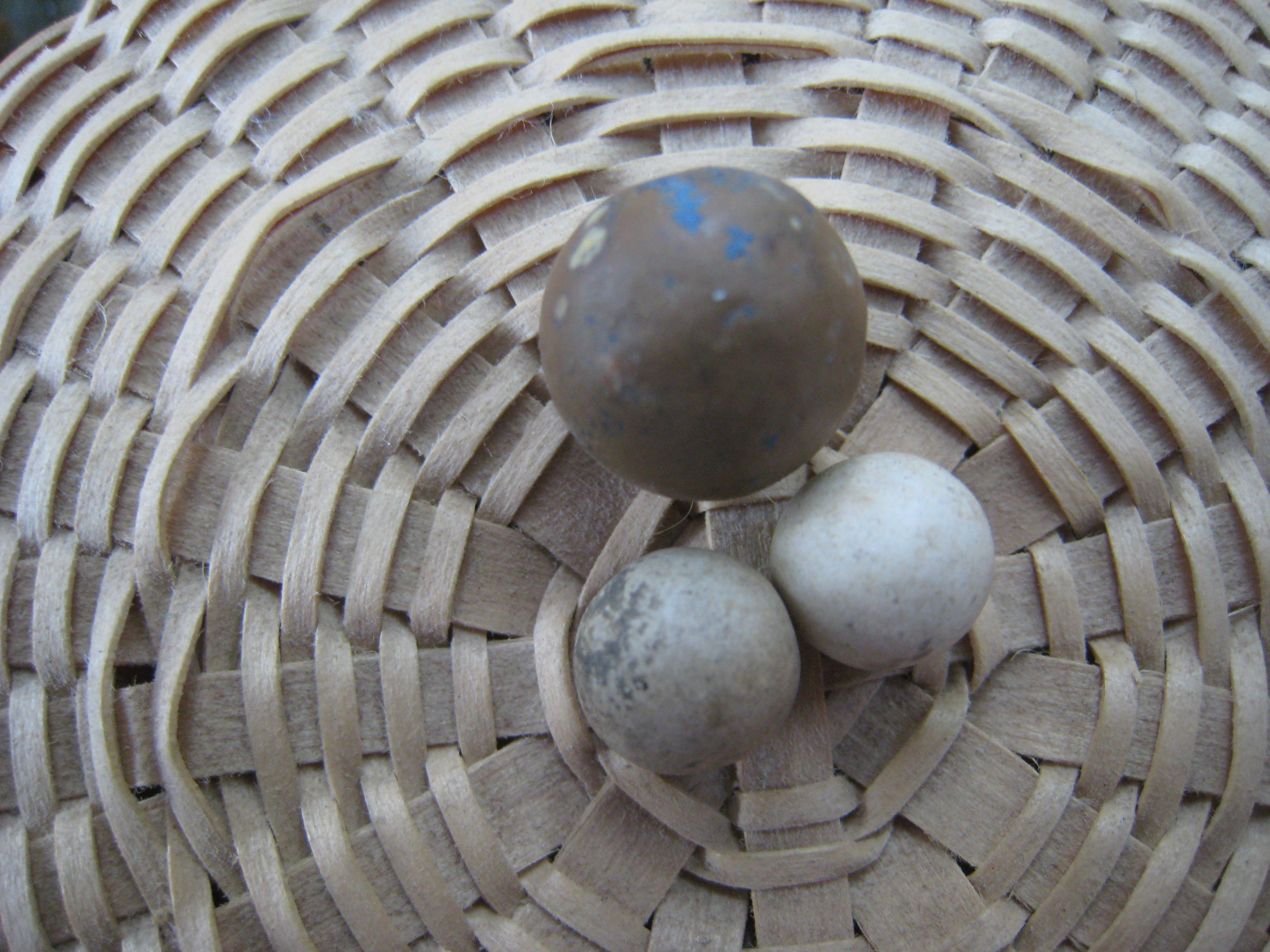
“Some Native Americans believed that the cliffs under water were bottomless” Peter told me. He took a ferry to the Tomers’ dock. “After a dinner of well-grilled steak, corn on the cob, green beans from the garden and small spanish olives with pimentos, Francis took out a cigar box with all the arrowheads, marbles, stone tools, etc., and told me about them,” said Peter. Andrew, he reported, was very quiet. “He wanted to remember the stories for future generations.”

clay marbles

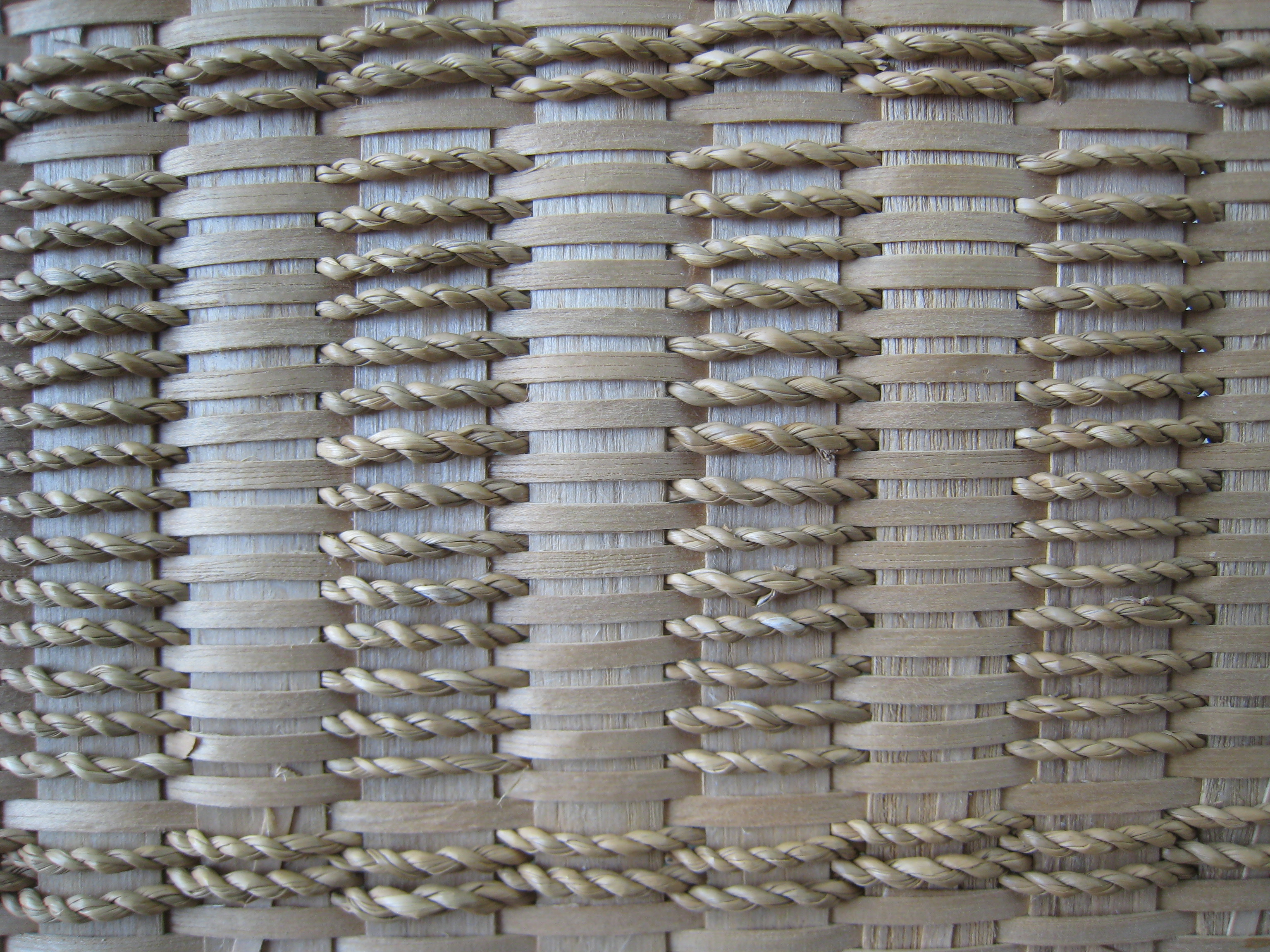
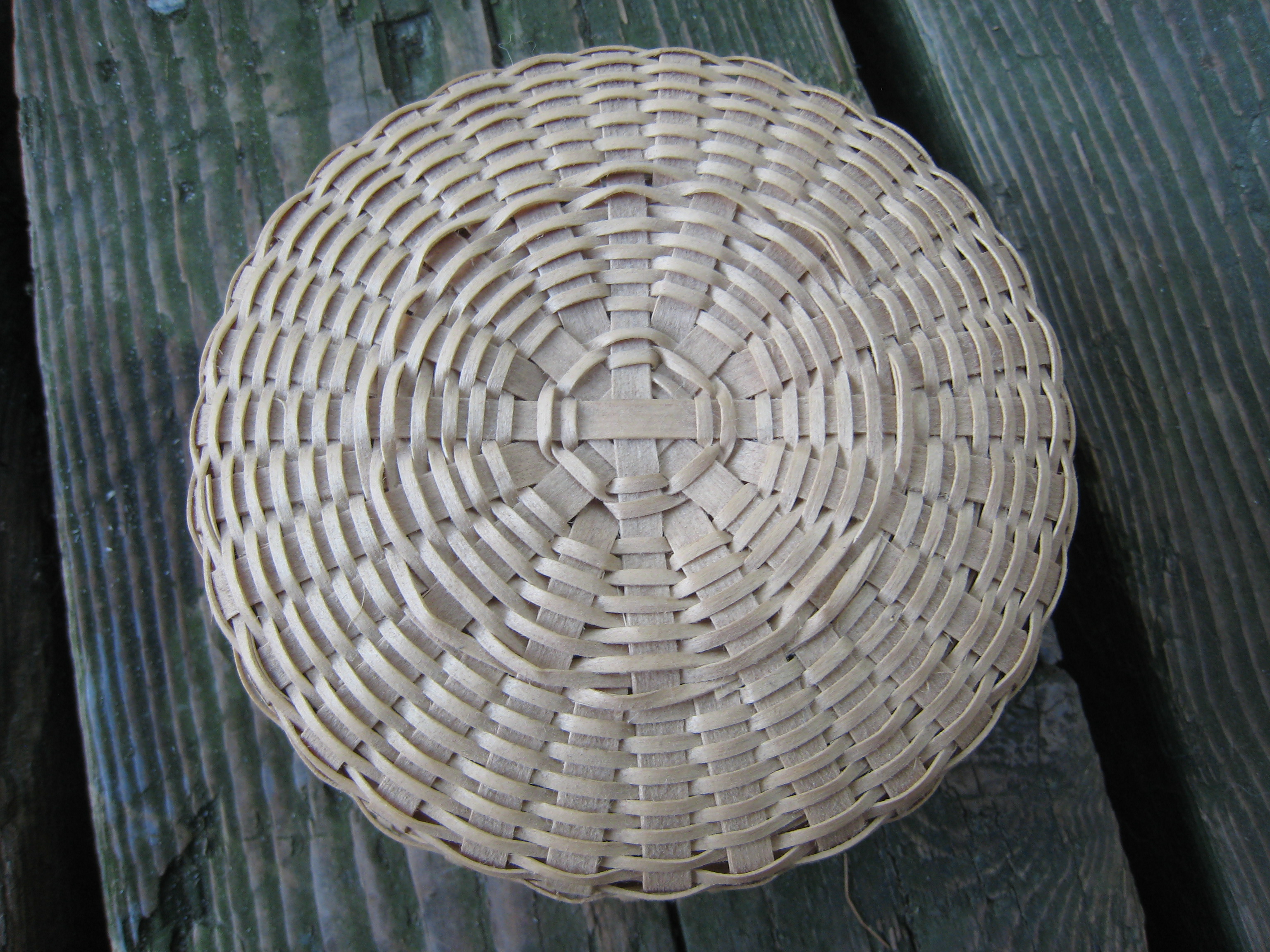
“Basket weaving by the Penobscot can be quite intricate,” says Pete.

basket 1

“First, pieces of ash are soaked in water. Then each one must be individually sanded down.”

basket 2

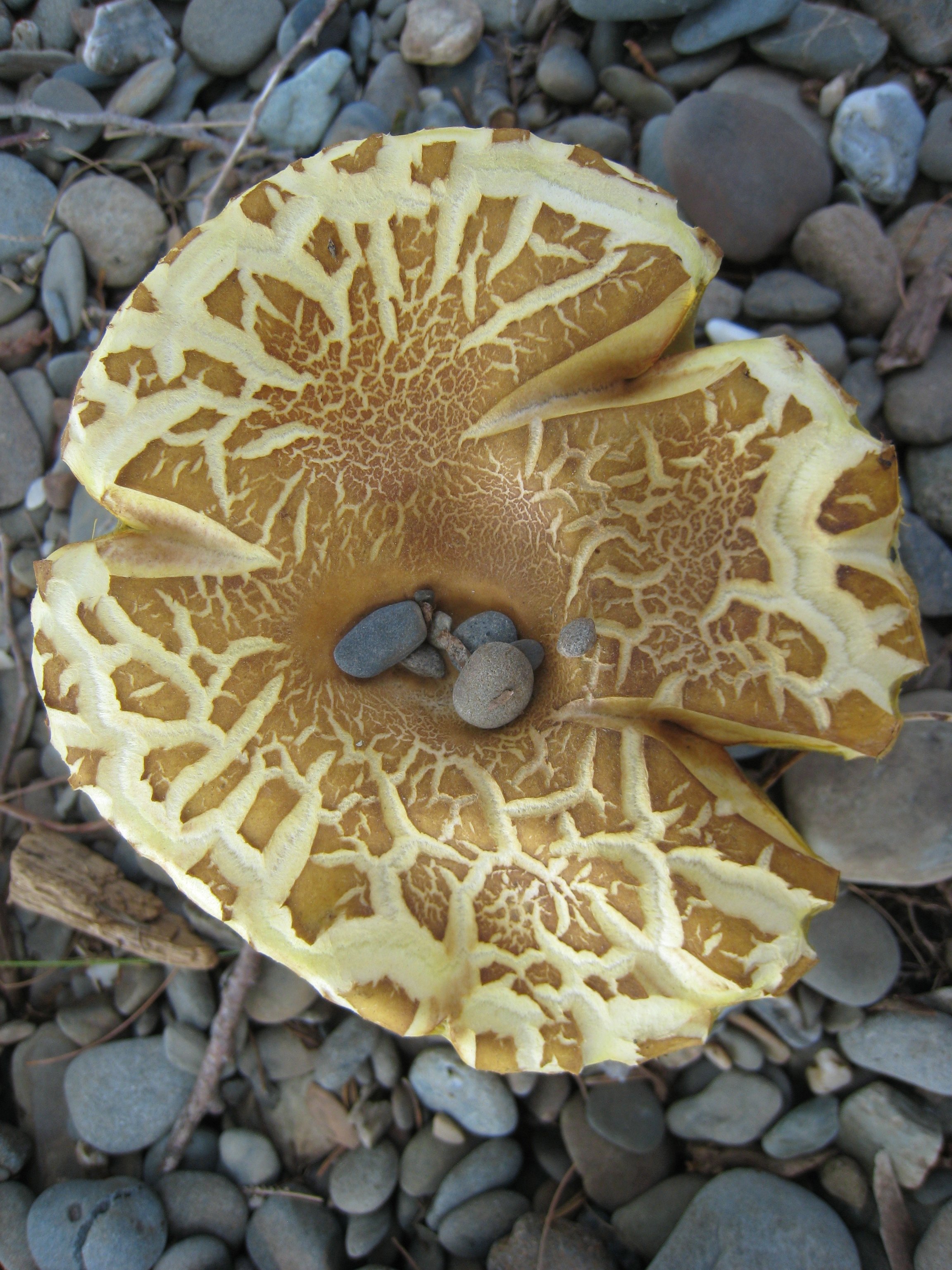
These baskets were made by a woman who lives in Rockwood, Maine, on the shore of Moosehead Lake. There Peter saw mushrooms. Fresh, with a garnish of smooth stones.

mushroom

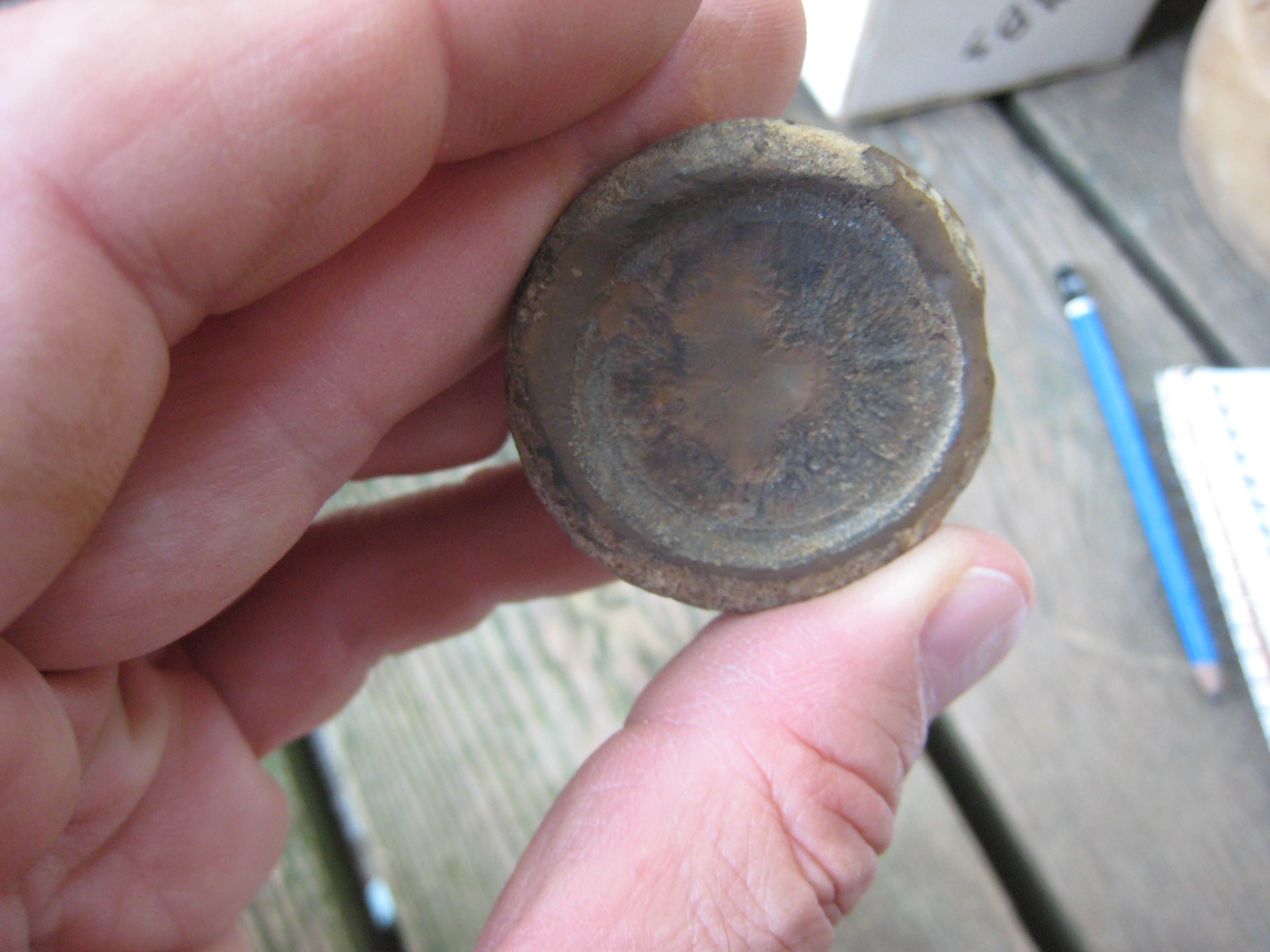
And fossilized.

fossil mushroom

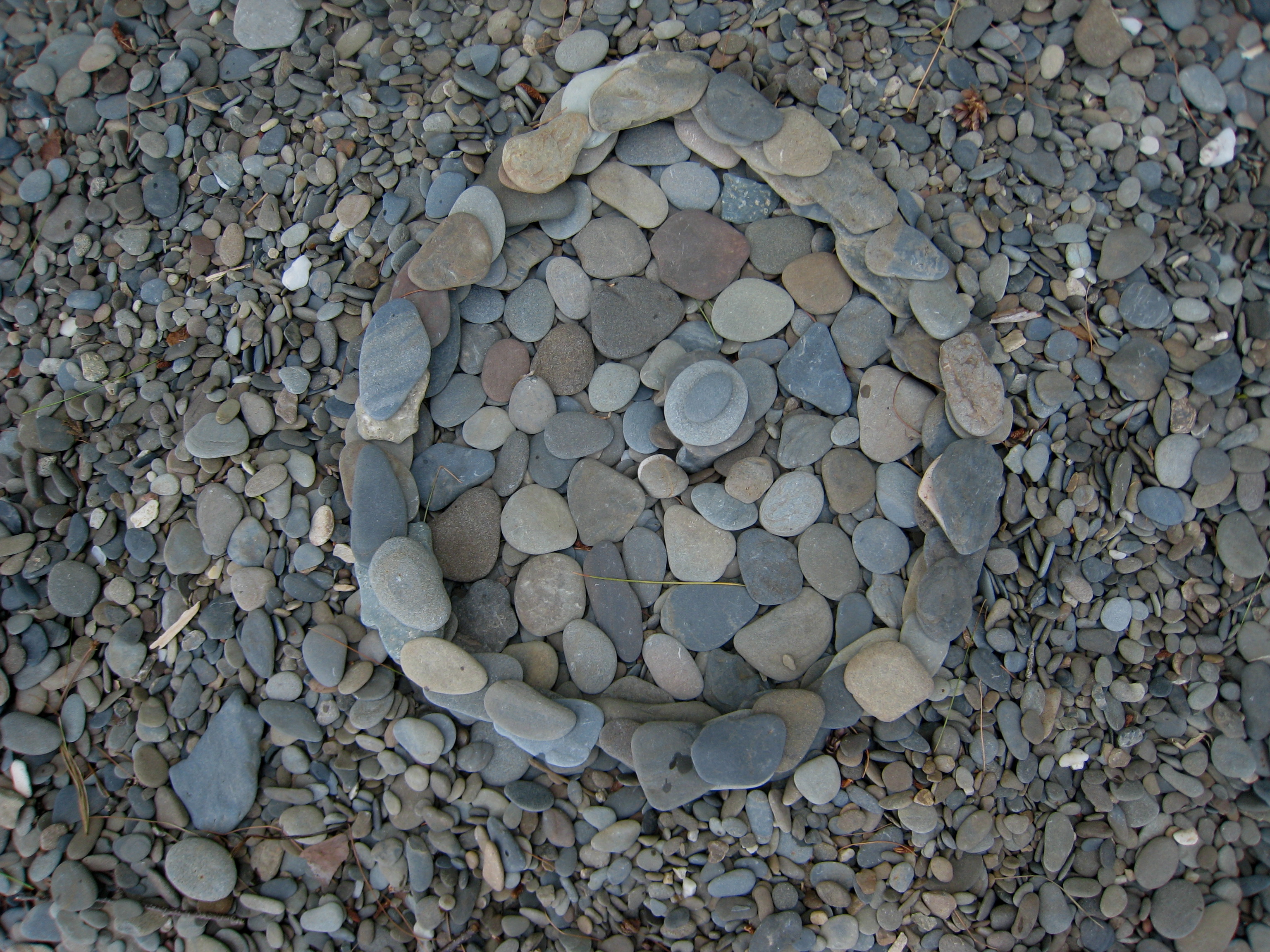
A sculpture of some kind.

stone sculpture

A piece of the rhyolite from which arrowheads are carved.

piece of rhyolite

Wampum.

wampum

An ancient knife used to carve walking sticks.

old knife used tomake canes

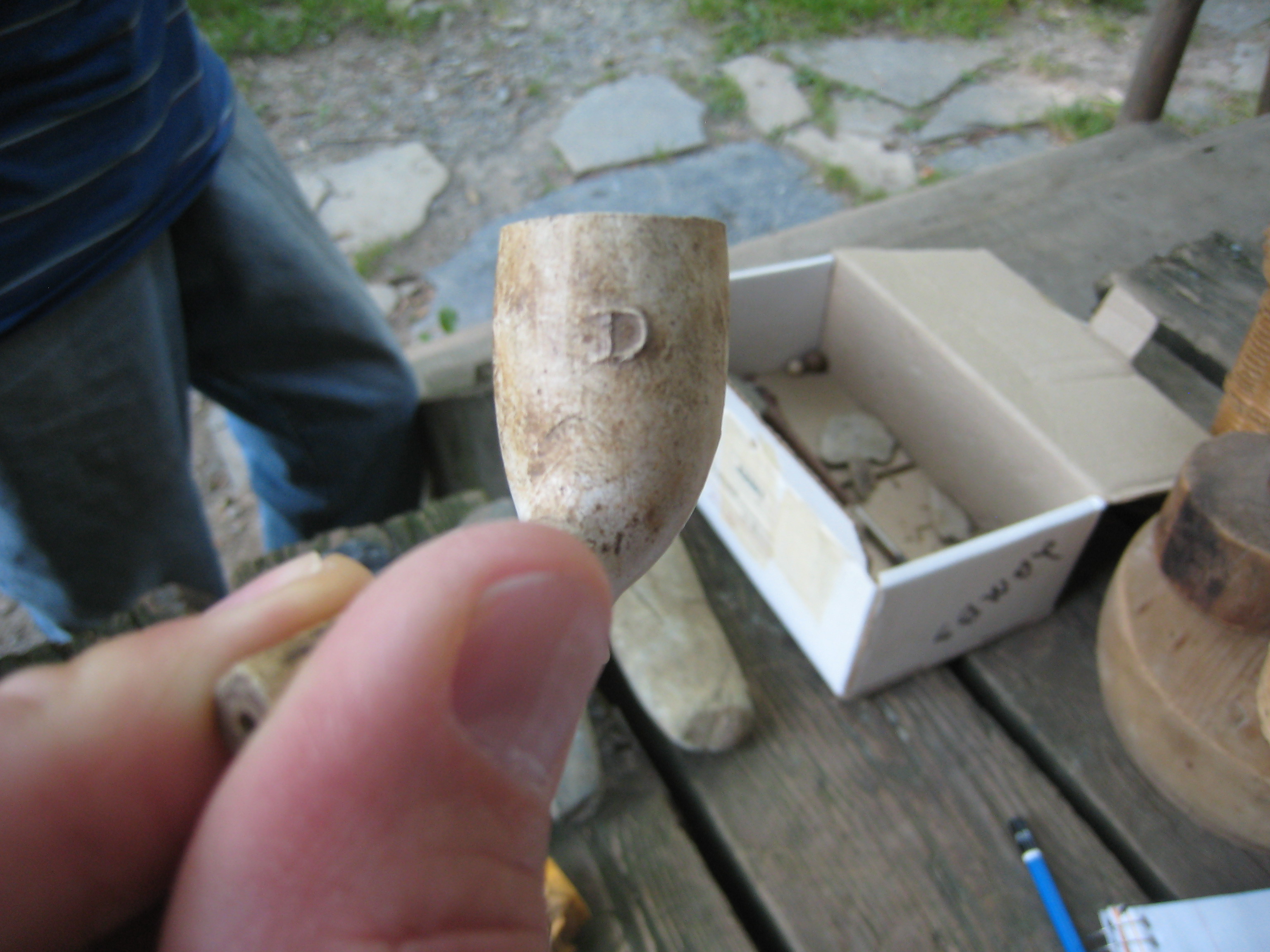
An initialed pipe left by an early settler.

pipe

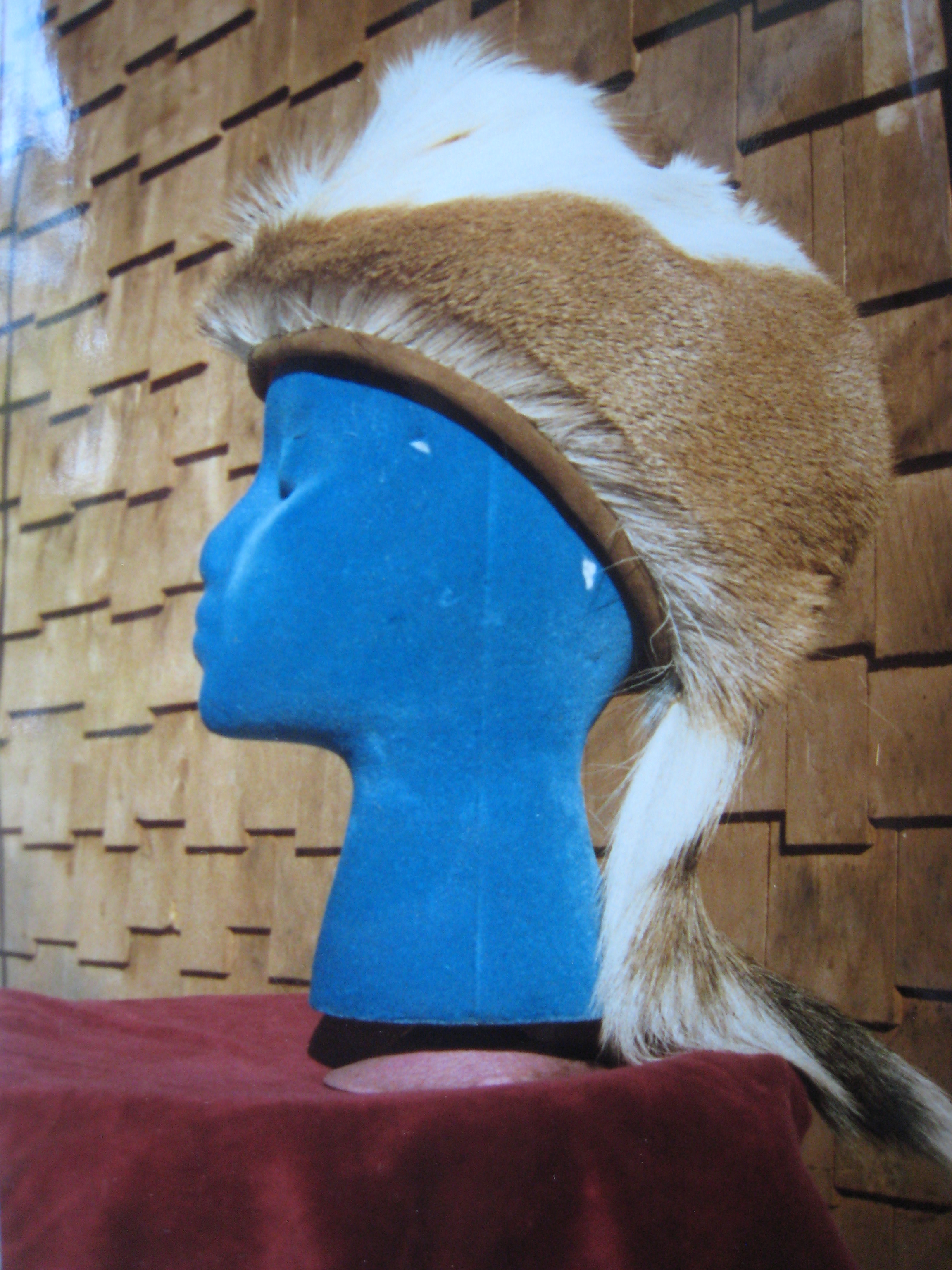
A deerskin cap.

deerskin copy

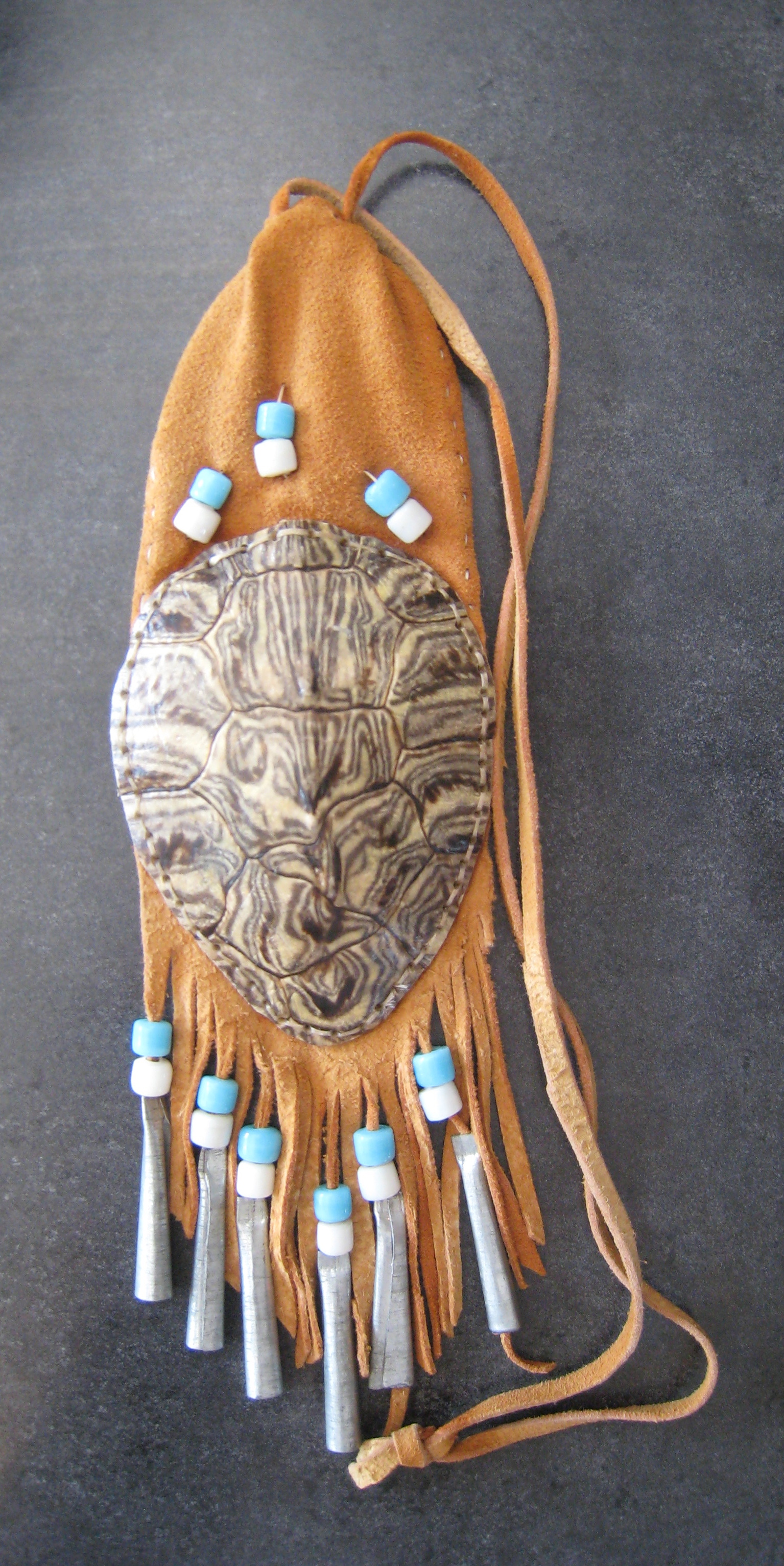
A deerskin pouch adorned with a baby snapping turtle shell that Peter plans to bring with him when he leaves.

pouch

A celebration of all that is old and new and precious in these cool, mysterious Maine Woods.

7 Comments

Filed under Art, Cooking, Culture, Fashion, History, Home, Jean Zimmerman, Nature, Photography, Publishing, Writers, Writing

I Am the Walrus

I’m about a foot shorter and slightly less blubbery, and my tusks have not come in, but my habit of lolling on the couch is pronounced.

walrus face

I could be lying atop a Greenland ice floe. A tooth-walking seahorse (Odonus rosmarus) through and through, cast-footed variety. Basically sedentary. Shellfish savoring. Laughable? Don’t people sort of snicker at walruses?

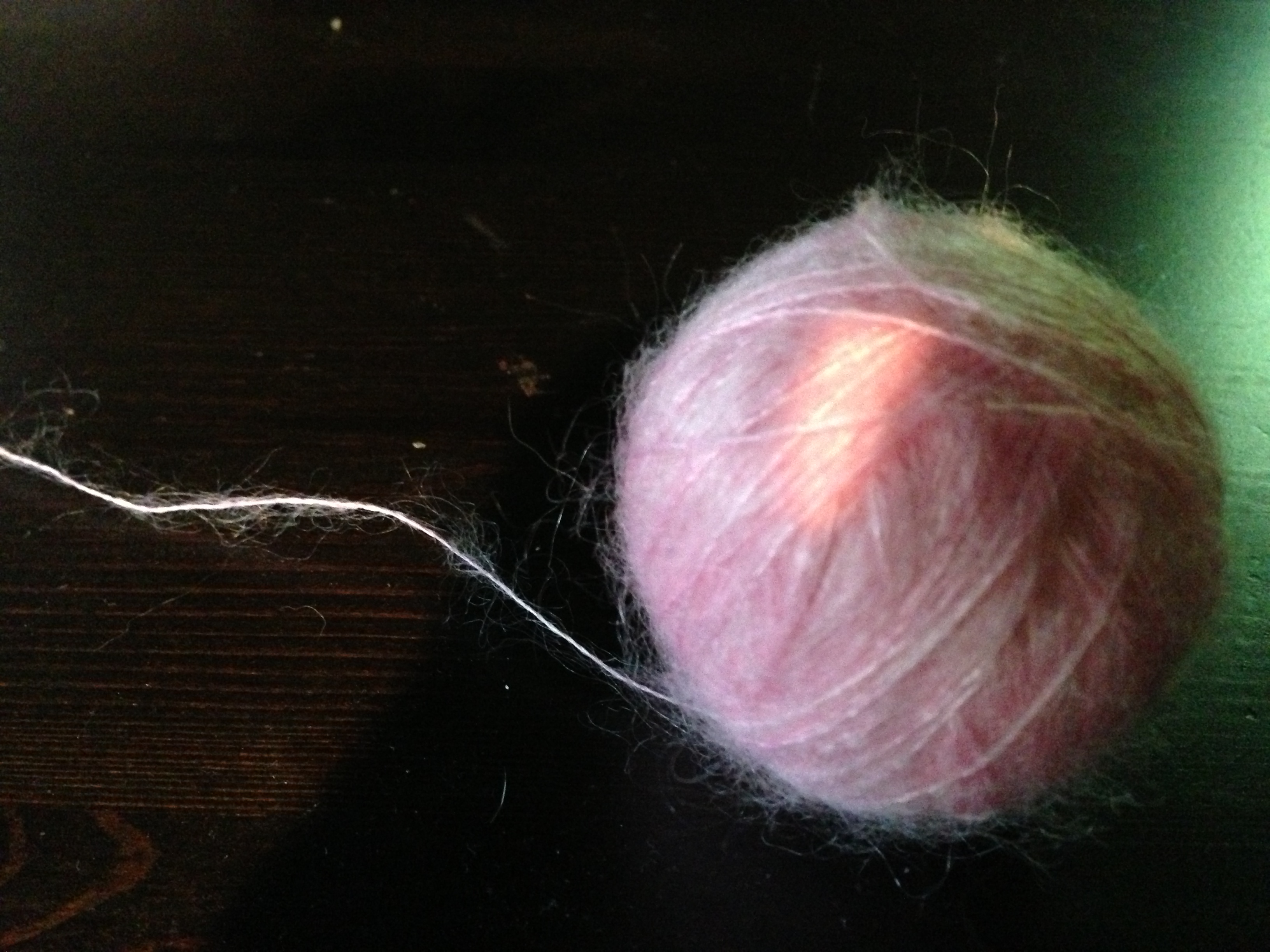
My main function these days, when I’m resisting the urge to watch past episodes of Orange Is the New Black, is to absorb information. That and try to knit a mohair bandana with a pair of metal toothpicks, willing Oliver not to drag the tiny wound-up ball of pink fluff under the coffeetable.

oliver snout

(Not successful, and I nearly rebroke the bones in my foot retrieving it.)

mohair

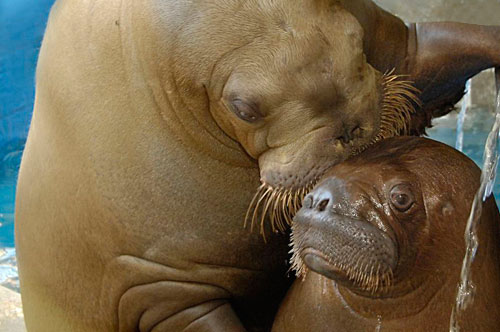
Walruses show affection.

baby-walrus-kissed-by-mother

There’s more where that one came from, walrus fetishists.

Aside from walrus kiss-bombs, I sourced a few more of life’s interesting details today.

1. A California man named Jerry Gretzinger has spent 50 years drawing an enormous map of a world he invented.  Hmnh, you say, don’t people do this every day? Well, maybe brainy 3rd graders do something similar on a sheet of oaktag.  But his is just so much more carefully delineated than others, did I mention 2,000 feet long, and he uses a weird deck of cards he pasted up to determine next steps he will take on the thing. Including which neighborhoods get what he calls “voided,” or just suddenly blasted out of existance.

gretzinger1

There is a great mini doc about him, and you might want to bring home some colored pencils when you’re out today. (Note the envy in that: when you’re out today.) For more great stuff on do it yourself cartography (and moving gigantic maps) try Making Maps.

2. I never knew what was in O magazine – lists upon lists of Oprah’s fave books that were going to earn more than my books ever would? But today I checked out the September issue because we got a subscription in error. And it turned out the issue was all about hair. Here is something so inutterably weird I reread it a few times. A timeline of how glamorous hair extensions come to be. It begins with Hindu pilgrims shaving their heads at the temple Tirumala in Tiraputi, India. (I did a little further research. As many as 10,000 pilgrims get their hair shaved by 500 temple barbers every single day.) The hair is fumigated and wrapped in bundles in Bangladore, then shipped by private courier to Rome to be bleached and dyed. Six weeks later it goes to U.S. salons. After 3 to 6 months use the repurposed locks get tossed in the trash. Footnote from the same O: 90 percent of celebrities at the Academy Awards are wearing extensions – everyone except, according to one expert, children and women with pixie cuts. I guess men, too, go unextended. But who knows.

3. A lot of people consider the Hudson to be “my river.” Me too. That’s why I was surprised not to have known before that the actual start of the estuary, the southern terminus that is, is deemed by scientists to occur precisely at Manhattan’s Battery.

stock-footage-aerial-panorama-downtown-manhattan-wtc-financial-district-east-river-hudson-rivers-battery

I knew it began down there in the Harbor someplace, but everything seemed pretty watery and diffuse to me. Now I realize that you have Hudson River Mile 0 at the Battery, the George Washington Bridge at HRM 12, the Tappan Zee at 28, Bear Mountain at 47, Beacon-Newburgh Bridge at 62, the Mid-Hudson Bridge at 75, the Kingston-Rhinecliff Bridge at 95, the Rip Van Winkle 114, and the Federal Dam at Troy, the head of tidewater, at 153. The tidal section of the Hudson constitutes a bit less than half the total distance – 315 miles – from Lake Tear of the Clouds to the Battery. I learned this scrap and so many other things from the State Department of Environmental Conservation’s weekly easy–to subscribe to e-newsletter, Hudson River Almanac. If you want to know how many hummingbirds appeared in someone’s yard this May, and how that compared with last year’s count, or the story of a kingfisher riding the back of a hawk, or that Atlantic blue crabs are known to rivermen as “Jimmys,”(mature males) “Sooks,” (mature females) and “Sallys (immature females), this is the place for you. I find I want to know these things.

Hummingbird-Wallpaper

It’s amazing what you’re ignorant of as a walrus.

3 Comments

Filed under Art, Culture, Dogs, Fashion, History, Home, Jean Zimmerman, Knitting, Nature, Photography, Publishing, Writers, Writing

The Mummy’s Bones

The Bloke smokes. The thing you need to know if you get a kneeling scooter is you have to embrace the experience, you have to enjoy it, you have to gliiiide. Even with a cup of iced Starbucks in one hand.

jz scoots

Like a kid. Like all the kids that look at you with envy when they see you and your device, The Bloke, come careening their way. I beat Gil in a race down the drug store aisles.

Gil says, Jean, don’t write about your foot again.

But I say, write what you know. And at this point my foot is pretty central to what I know.

I felt good because I came out of my first week of rehab with a completed book review for NPR – and the book was a hefty one, too: The Daughters of Mars, by Thomas Keneally. It makes it somewhat easier to handle an achy-breaky right foot when you’re reading about World War I soldiers getting their faces “shorn off.” Amputees were the new normal. Who am I to complain? I got a few stitches, that’s all.

suture

But crutches suck. You see those college jocks swinging along on a pair after a football injury, going to History 329 or maybe a crowded  party up a flight of frat-house stairs – how do they do that? It’s all I can do to limp across the living room or out to the car. It’s the young guys’ superior upper-body strength, I’m sure, but also the breezy ‘tude, and a strong desire to get back into the swim of beer pong.

Which brings me back to The Bloke. I was going to decline the Pig Mountain barbecue at the end of August, thinking I just couldn’t manage the street fair thing. But how can you turn down a pork-enshrining food fest in a town called Narrowsburg, New York, which started out as a punk rock show in a basement? Fourteen chefs and fourteen pigs. So what if I get some drinks slopped on The Bloke. He can handle a little rust.

This is one way to get through 6 weeks of life in a foot cast: gliiiide through it, sampling pork ribs and other delicacies along the way.

I’ve become a pudding fiend. A bowl of the stuff being the demarcation between early evening on the couch, foot up, and late evening on the couch, foot up.

KozyShack

I’ll tell you a secret about Kozy Shack. It’s no worse than any homemade pudding or gourmet restaurant mousse either, containing just milk, eggs, sugar and real vanilla. It has only one flaw. The chocolate does not have the delectable skin on it you get when it cools after you spoon it out of a hot pan. Yuck, says Gil.

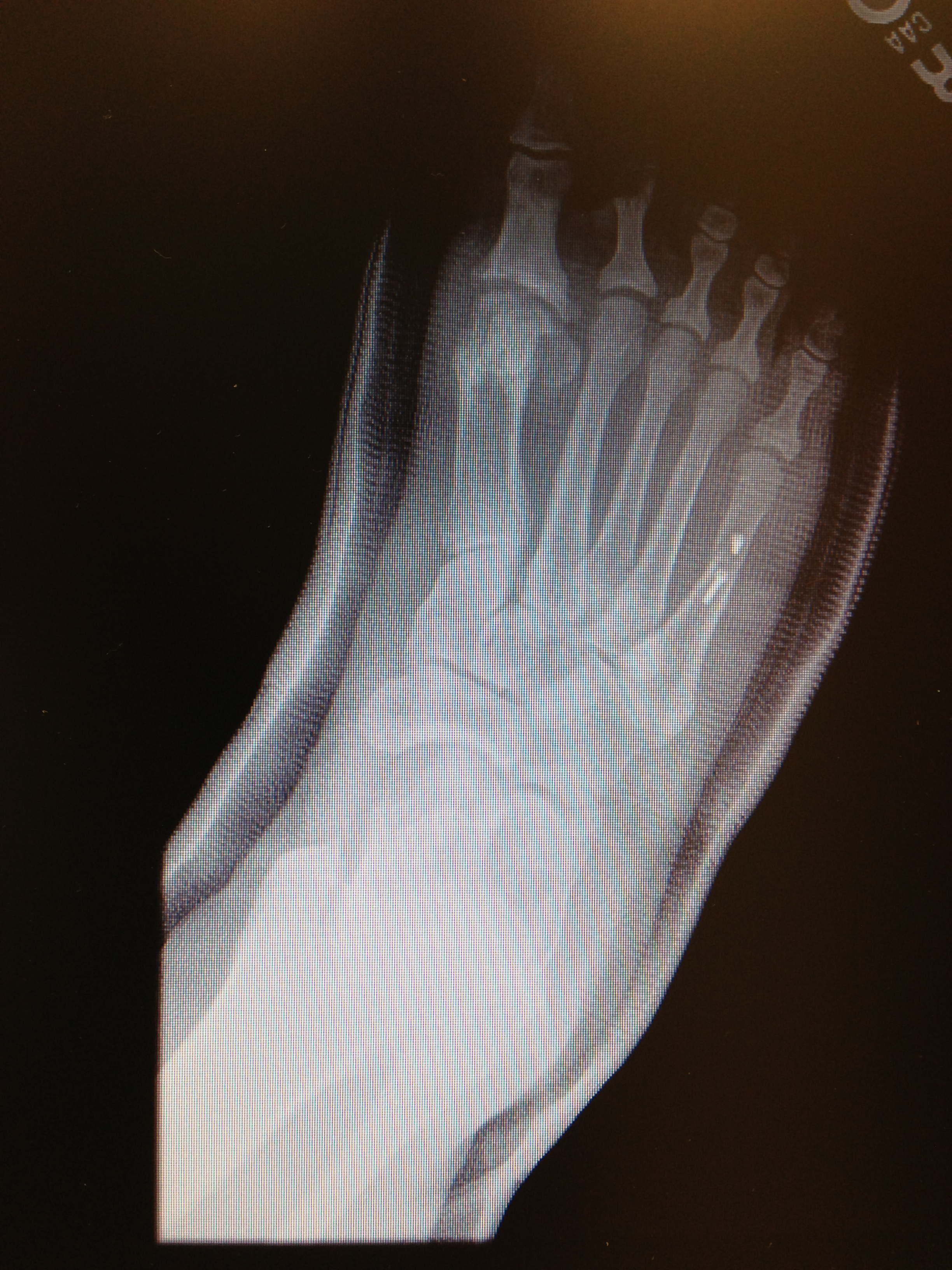
Another avenue to wellness: idolize your doc, and realize you lucked into the Greatest Foot Surgeon in the World. The Greatest. There is something of the Stockholm Syndrome in this, probably, as Dr. Voellmicke is mine for the duration, so he better be good. But in truth, he has a sharp mind and a gentle touch. Not everyone could repair a fifth metatarsal with such delicacy.

foot xray

We visited with Dr. Voellmicke so that I could get my sutures removed and my plaster cast exchanged for a streamlined fiberglass model. This sterling representative of his profession performs every bit of the work himself, including creating a fiberglass mold of wet strips the way you’d make a kids’ pinata.

bandaged foot

I came up with a horror film trope. Bunions: The Movie. Or maybe The Bone Spur. Anyway, my feet have been a nightmare for a long time, and it was thrilling to see the monster bones I was living with transformed into the elegant lines that now lie beneath the mummy bandages, awaiting their closeup.

9 Comments

Filed under Culture, Film, Home, Jean Zimmerman, Nature, Photography, Publishing, Writers, Writing

Captive Reader

And another great guest post from Gil Reavill, who between brewing coffee, clearing away dishes and bearing down on his own book has managed to fill in literarily while I’m off my foot.

EVER SINCE JEAN shared a bookstore appearance with novelist Koethi Zan, author of The Never List, the theme of captive women seems like a bad tooth that we can’t help worrying.

never list

The horrific tales of Ariel Castro, the Cleveland kidnapper, rapist and murderer, remain in the news long after his captives took back their hard-won freedom. Recently they leveled Castro’s home, part of a plea deal that spared the predator a death sentence.

I wrote about the phenomenon in my book Aftermath, Inc.

Ed Gein’s Wisconsin farmhouse, destroyed by fire. John Wayne Gacy’s house in Des Plains, Illinois, bulldozed flat, as was O.J. Simpson’s Rockingham estate. Jeffrey Dahmer’s Oxford apartment building, with its infamous apartment 213, demolished. These sites were, in the language of real estate experts, ‘stigmatized’ properties. You know you have transgressed in some basic, Decalogue-violating manner when authorities raze your house and sow your fields with salt.

gacy house

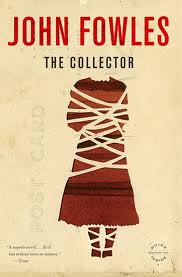
The theme of captive women crops up with stinging regularity in literature. John Fowles’s great novel The Collector was the first treatment of the theme that I encountered, probably as a too-young adolescent.

fowles

In our household, stories of Cynthia Parker and other women taken by Indians have become familiar through research for Jean’s novel, Savage Girl. Captivity is such a popular leitmotif in romance novels that it must form an admitted element in female fantasy. But the difference between rape fantasies and rape, as psychologists reiterate, is that women are in control of their fantasies.

During her research for The Never List, Zan became exhaustively familiar with captive women cases the world over. She tracks the survivors and gives sobering accounts of their inability to adjust to life after captivity. Often such women become recluses, unable to face life after enslavement.

Of course, stories of a lot of these victims never make the news. It might come as a shock to some benighted souls that human slavery did not exactly vanish from the face of the earth with the end of the American Civil War. Read Nicholas Kristoff’s great call to arms, Half the Sky, or David Batstone’s Not for Sale for accounts of sexually enslaved females all over the world (including right here in River City).

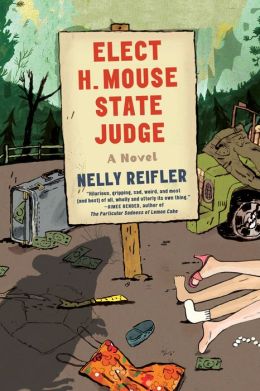
So it was with a creeping sense of recognition that I delved into our friend Nelly Reifler’s captivating (ahem) debut novel, Elect H. Mouse State Judge, out this week from Faber and Faber.

NellyReifler2

H. Mouse is by turns entertaining and disturbing, with Reifler treading a razor’s edge between Wind in the Willows and, say, Chuck Palahnuik, William Vollmann or Andrew Vachss. The innocence here is false innocence, and the topical true-crime reality of captive women leaks through the fairy tale.

H. Mouse is that eminently familiar figure, a compromised politician. His daughters Susie and Margo are taken by a religious nut named Father Sunshine (one Reifler’s best creations). The title character reaches out to a couple of shady political fixers named Barbie and Ken—yes, the very same ragingly popular iconic couple toyed with by children since the doll’s introduction in 1959. Ever wonder how Barbie and Ken do the nasty? Reifler tells us (it involves the removal of limbs). Lawyers from Mattel, Inc. ought to be knocking on Reifler’s door any day now.

elect

The figure of an unreliable narrator is a common one, but with H. Mouse I felt myself put into the position of an unreliable reader. I had the uncanny sense of humming along, enjoying the mice-and-foxes fable, then snapping awake to a nightmare. Reifler’s trap is baited with honey: the tone of faux sweetness is devilish, since one soon learns that it cannot last. Throughout these pages I suffered a quite enjoyable case of literary whiplash, something along the lines one feels with Animal Farm. (There’s a story kicking around, I can’t remember where I encountered it, about a student telling his professor that Orwell’s masterpiece was an excellent tale of the barnyard. The professor told the student to go back and read the novel again.)

79347104_animal-far_340402b

Elect H. Mouse State Judge is short, bittersweet and has a kick like a mule. Not since Art Spiegelman’s Maus have rodents been harnessed to so great effect.

5 Comments

Filed under Culture, Fiction, History, Home, Jean Zimmerman, Publishing, Savage Girl, Writers, Writing