Category Archives: Home

Dam It All

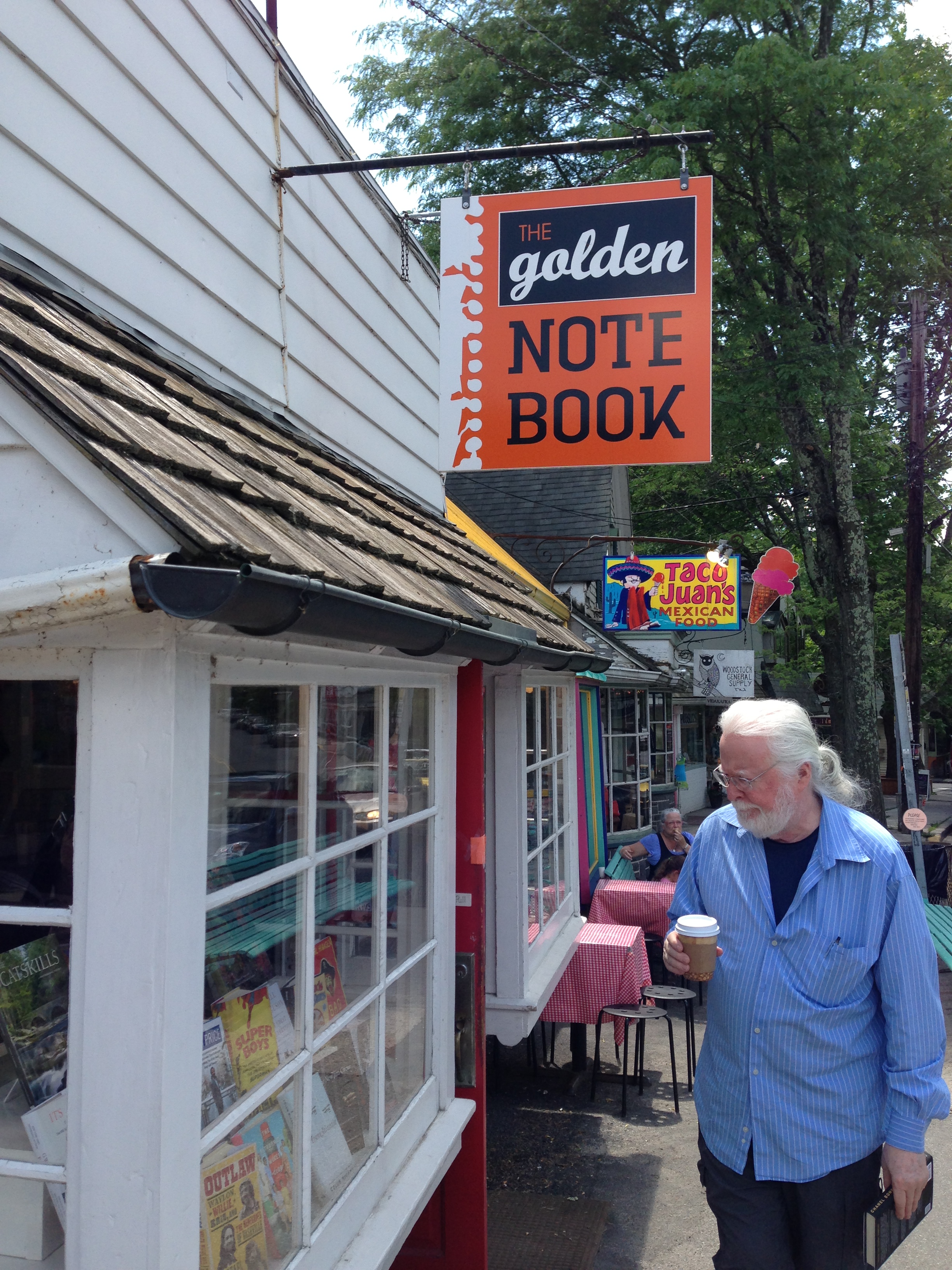
Friends in the audience, new and old. We met together upstairs at The Golden Notebook in Woodstock, New York.

golden notebook

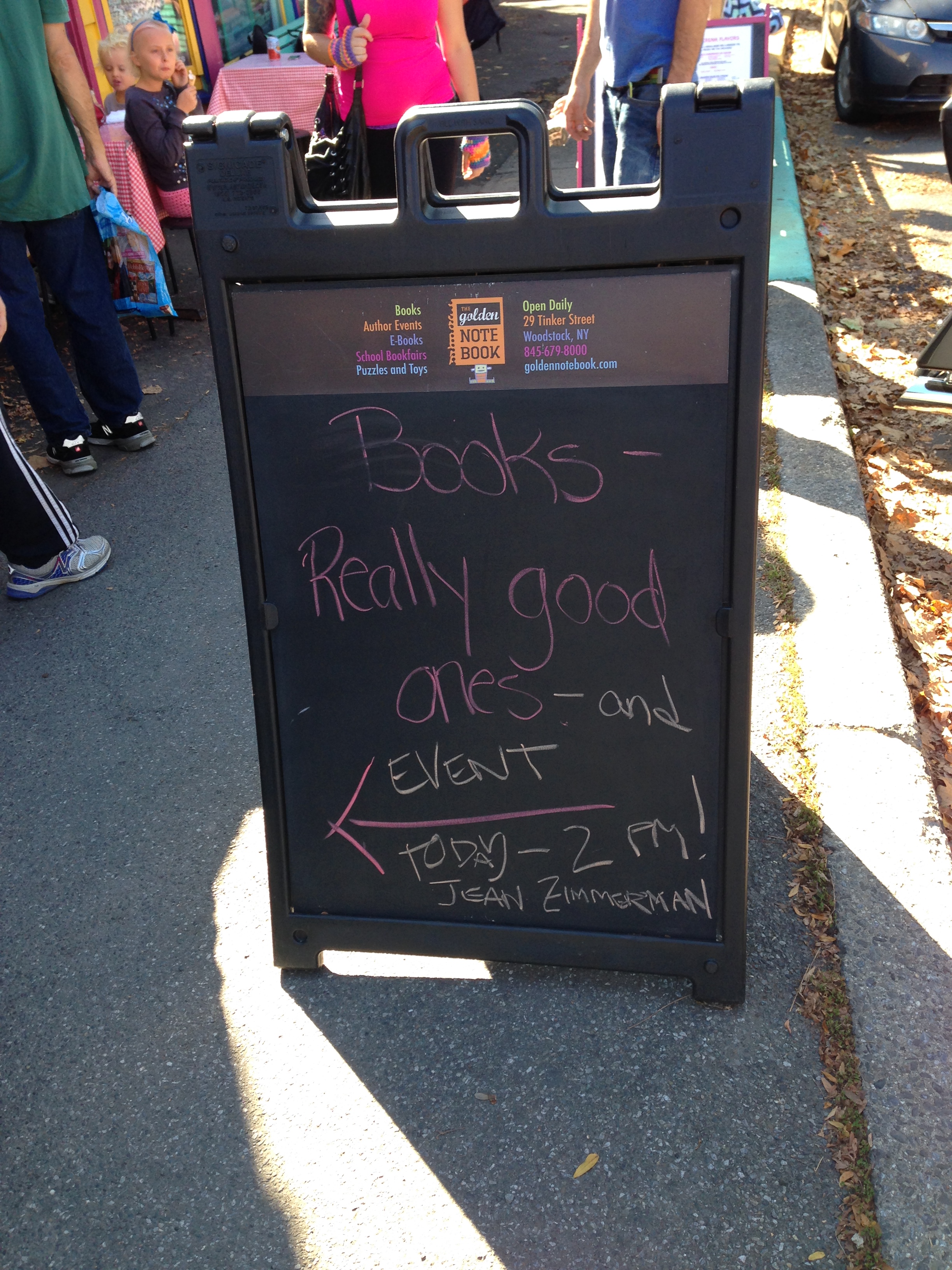
It was a warm autumn day outside, and everything had that sun-burnished appearance. In the middle was a sign that beckoned: come inside, come inside, come inside.

store sign

Afterwards I wondered just what it was that made me so fascinated by beavers that I hold forth about them in every talk I give about The Orphanmaster.

beaver1687

True, not enough has been said about beaver.

New York was built on the foundation of the shaggy, rotund rodent with the frying pan tail.

The animal was easily trapped by Native Americans in their winter dens. The pelts were then traded with Europeans for copper, guns, rum, which was called “English milk.”

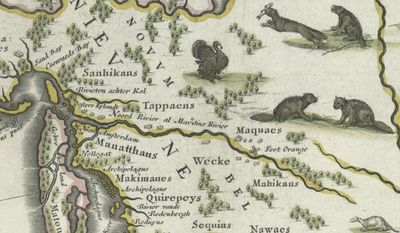
Cartographers dressed up their work with the animals.

Fur_Trade map

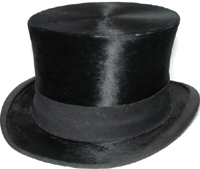
Everyone wanted to know where the beavers were. In the 1600s, traders sent hundreds of thousands of pelts back to Europe. The sole reason for this huge trade? Beaver hats.

Beaver felt

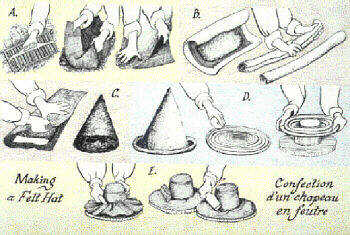
Not made from the fur proper, but from felt made from the fur, an extraordinarily complex process that involved a heavy dose of mercury, the chemical that made the Mad Hatter mad.

making_felt_hat

The felt was waterproof in an era before umbrellas. It was glossy, sturdy. The beaver – so the beaver hat was called – was the essential accoutrement for men and women of Europe. Everyone who could afford one had one, or two, or three. Beavers were bequeathed in wills.

painting of hats

In The Orphanmaster, everyone would have worn a beaver, even the women. All kinds of styles were available. Blandine, the protagonist of the story, is bent on getting rich buying and selling beaver pelts to Europe, venturing out into the woods to make her trades with Indian trappers.

Later, my friend Lloyd led us on a beaver hunt. Not to capture the animals but to see their impressive lodges.

Lloyd at his pond

Down the hill from his house was a magical if uneven path.

magic if uneven

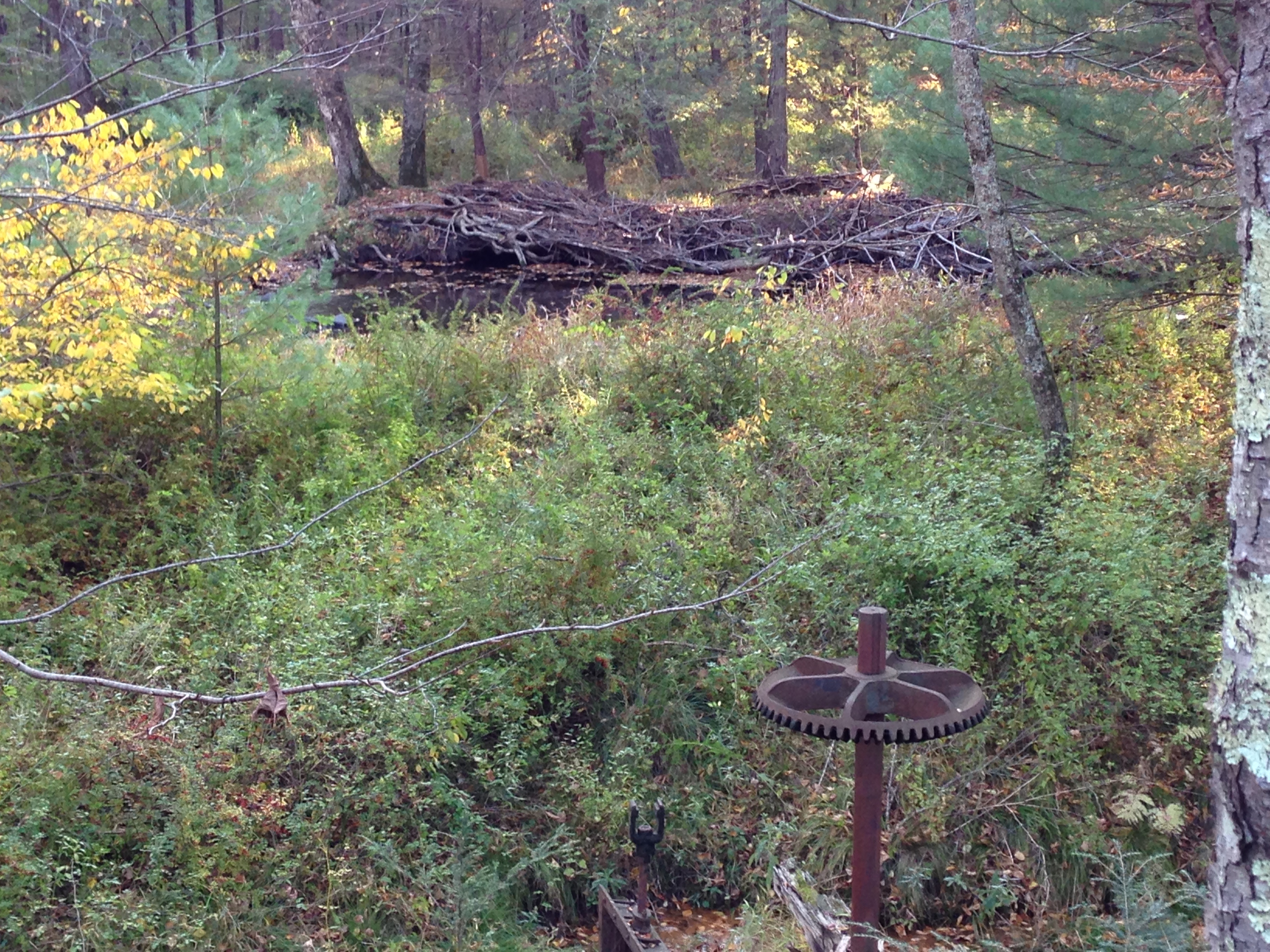
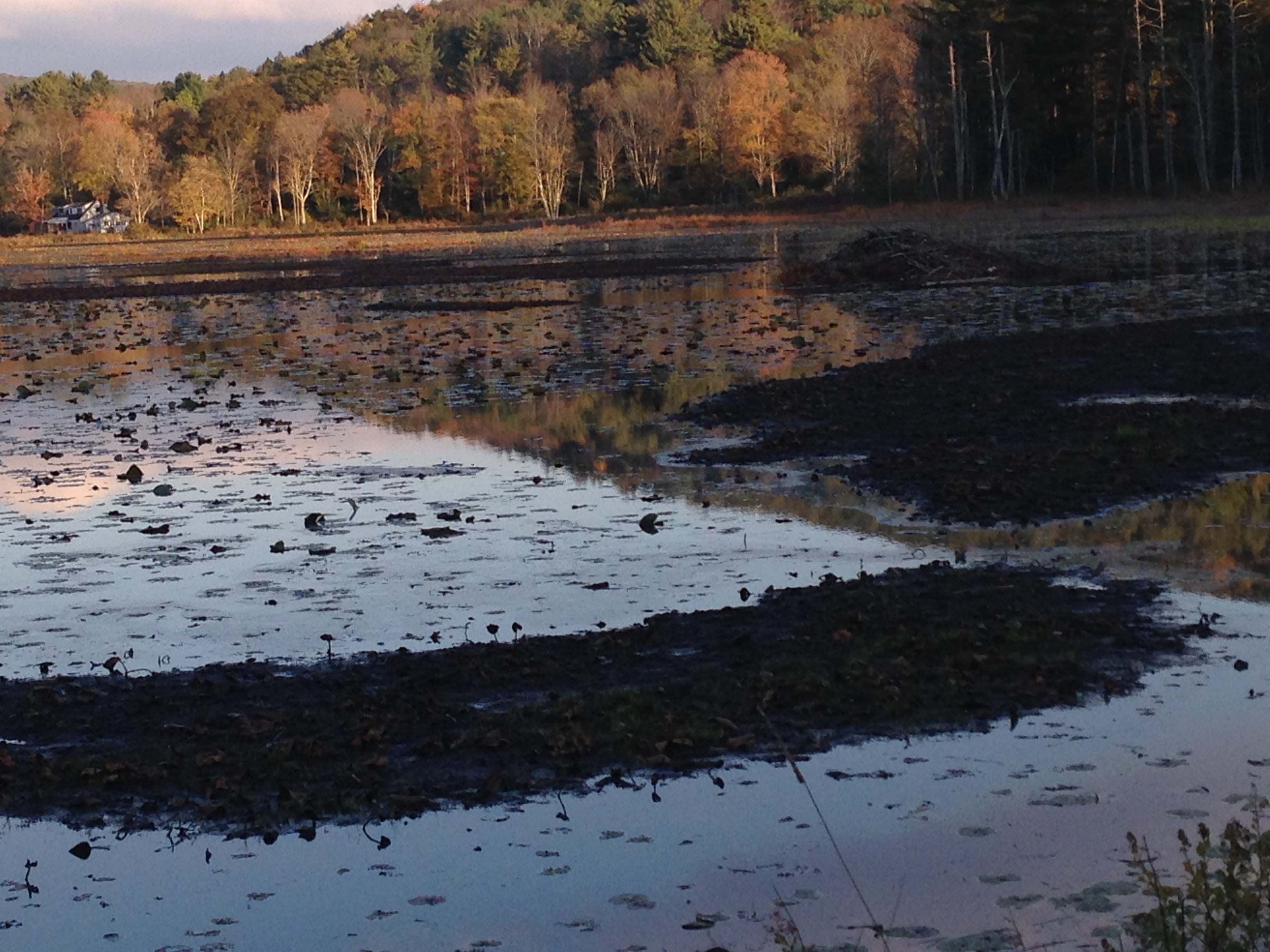
Far in the distance, across the pond, we could glimpse the rodents’ handiwork. More sun-burnishing.

distant lodge

A ways down the road,  the ruins of an ancient lumber mill.

mill:den

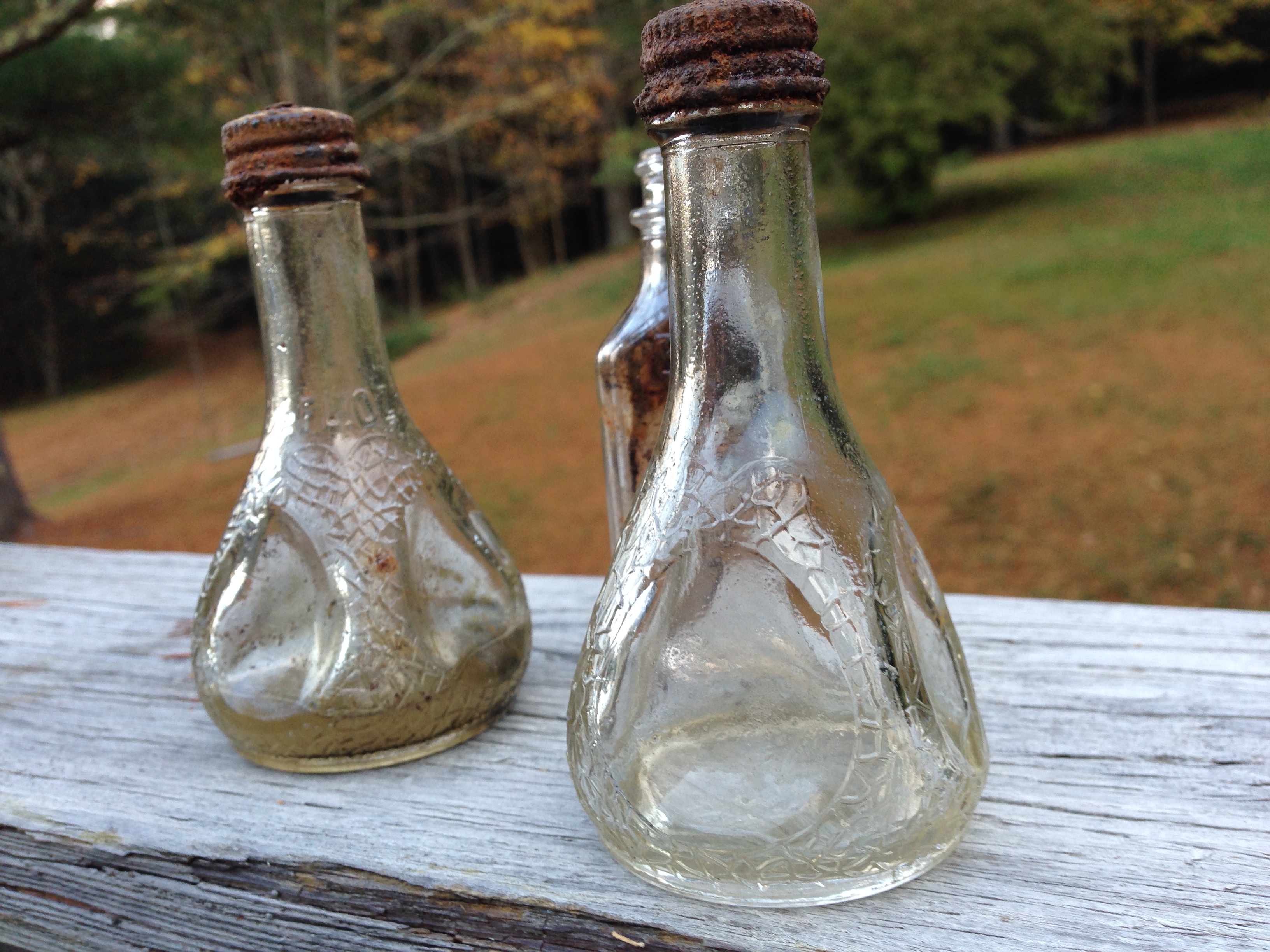
So much history of this area, the Catskill region of upstate New York, is a stumbleupon away. Like the antique bottles Lloyd’s daughter Alice excavates from the woods behind their house. Also in those woods, black bears rumble around, tearing open rotted logs to get at the creepy crawlers within.

old bottles

We saw one more lodge at Yankeetown Pond — to the right, below. David Bowie owns the mountain above. Probably has befriended a few of the beavers over the years. Like to come up for a drink? I’m Bowie.

Yankee

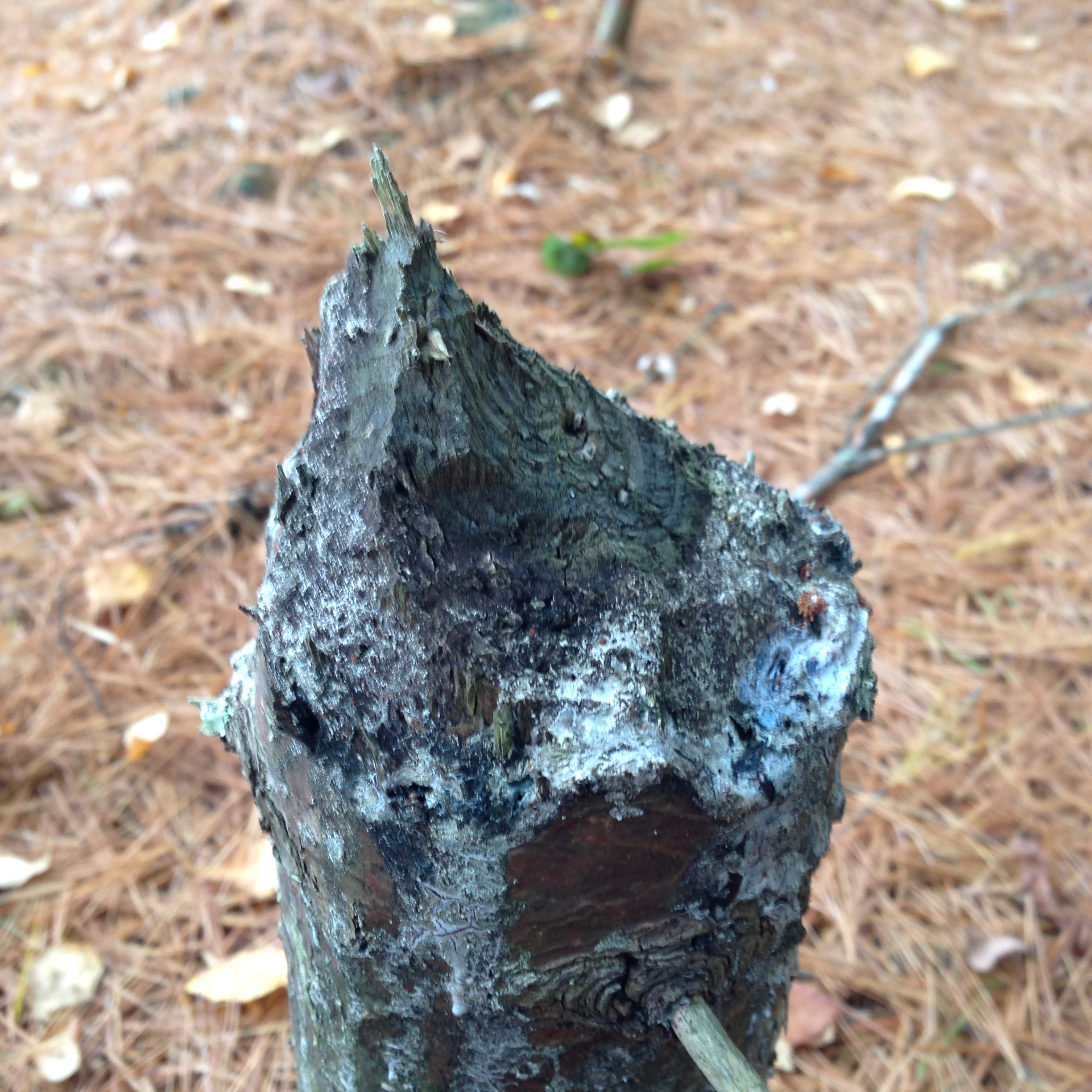
The finest specimen of the afternoon stood just to the side of the water, a gnawed tree that had clearly been someone’s snack.

beaver post

The beaver population was hunted out in the seventeenth century in these parts and is only just coming back today in earnest. They found one at the Bronx Zoo a few years back. No one could understand where it came from. Its name, they decided, was not Ernest, but Jose.

6 Comments

Filed under Culture, Fiction, History, Home, Nature, Photography, Publishing, The Orphanmaster, Writers, Writing

A Victorian Evening

There were not enough chairs. Victorian Society guests who came in late had to huddle by the door rather than join the hundred or so in the room. I was only a little distracted by all those wide eyes in the audience, drinking in the images on the screen behind me, so entranced were they by the Gilded Age. It was a marvelous evening.

The Victorian Society New York members are a lovely bunch, very serious about their history and dedicated to preserving the built past of the nineteenth century. Talking about I.N. Phelps Stokes and his passion for Old New York, I could see that that strong interest of his resonated personally with so many of this group. That Edith “Fiercely” Minturn’s old-fashioned beauty touched them.

Minturn Girls Portrait jpeg

There were some great minds and delicate sensibilities in the crowd. The master horologist John Metcalfe – clock expert, to you — with public school English diction and an L.L. Bean bag, informed me that when Newton and Edith Stokes packed up a sixteenth-century British house in 688 boxes to export and reassemble on the coast of Connecticut, they were not the only ones.

John Metcalfe - DAY TWO

It was, apparently, a vogue at the time for those who could afford it. I knew that those of tremendous wealth paid people like Stanford White to cull the monasteries of Europe for great rooms that would be installed intact in their country houses. But I didn’t realize the wholesale shipping over of houses was a fashion for the fashionables until Mr. Metcalfe told me so.

There was the great preservationaist and historian Joyce Mendelsohn, who introduced me with the gracious admonition that listeners buy “two or three books “ and to give the extras to friends. Music to a writer’s ears.

mendelsohn-lower-author

An author herself, most recently of The Lower East Side Remembered and Revisited: A History and Guide to a Legendary New York Neighborhood, Joyce has been a pivotal presence in Victorian Society New York.

Then there was the architect-scholar David Parker, who first introduced me to the dripping-with-history Loeb house at 41 East 72 Street. David knows pretty much everything about buildings and interiors of the late nineteenth century, all of which he applied to the renovation of that brownstone, with its Herter furniture, Tiffany glass, Minton ceramics, swags of velvet and fantastically patterned wallpapers.

Loeb_01

There was a woman from Fraunces Tavern that had me sign copies of all my books at the request of her boss there. Fraunces Tavern is one of the oldest structures in Manhattan – it was first opened by Samuel Fraunces in 1767 — and I was proud to give a talk there once before.

samuel-fraunces-small

I hope I do so again soon.

One scholar present had completed a doctoral thesis called “Psychosexual Dynamics in the Ghost Stories of Henry James.”

henry james

If she had had a copy with her I would have bought it and asked her to sign it.

book signing pic

5 Comments

Filed under Art, Culture, Fashion, History, Home, Jean Zimmerman, Love, Fiercely, Photography, Publishing, Writers, Writing

Braised Pork in Milk Hazan-Style

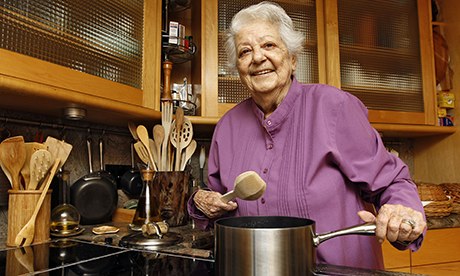
We used to laugh at something an acquaintance told us about a past spouse, long-since divorced: “she was the best wife-cook of her generation.” But that phrase comes to mind today as I think about Marcella Hazan, who was America’s foremost Italian chef, cookbook author, cooking instructor – the best chef-cooking teacher of her generation. She died at the age of 89, a chain-smoking, opinionated former biology scholar who arrived in the U.S. in 1955 as a newlywed. She did not speak English. She gradually learned the language — and the language of cooking, the latter in order to cook for her husband (he reciprocated by translating all of her cookbooks).

hazan 1

Lidia Bastianich called her “the first mother of Italian cooking in America.” Marcella Hazan’s recipes are simple and precise above all, totally reliable and always scrumptious.

Marcella Hazan

Her Essentials of Classic Italian Cooking is probably the prime staple of my kitchen library, the collection from which I draw recipes again and again, so often that the spine naturally cracks open to some stained pages. Pesto the Marcella Hazan way is the way I make pesto, and the less I diverge in some temporary madness of less olive oil or more cheese the better it is. Her recipe for Minestrone soup is nothing short of perfect. Serve her Osso Bucco and your guests will faint at table. We eat her Risotto often, plain with just cheese or with peas and sausage or with pancetta or zucchini any other good thing we have on hand.

hazan book

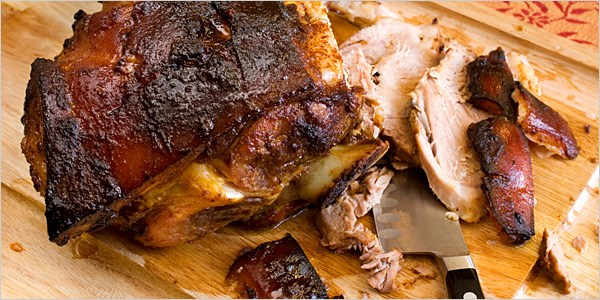
I’d like to share a Marcella Hazan recipe from the same book that sounds a little weird, one that is nonetheless spectacular. Gil suggested to me recently that my three major food groups are coffee, chocolate and milk. There is truth to that. Perhaps my fondness for milk is what drew me to Pork Loin Braised in Milk, Bolognese Style. I also love practically any form of roast pork, especially pernil, the garlic infused, succulent joint you find in humble Latin eateries. I remember as a kid out of college, throwing parties with roasted picnic hams that set off the smoke detector.

02mini600.1

In this recipe, the master chef Hazan tells us, “The pork acquires a delicacy of texture and flavor that lead some to mistake it for veal, and the milk disappears to be replaced by clusters of delicious, nut-brown sauce.” You do have to keep an eye on it — it cooks on top of the stove and you have to mind it a bit as it goes along. But every second you spend in the kitchen on this recipe is worth it. Thank you Marcella, you did us right.

Are you ready to drool?

Marcella Hazan’s Pork Loin Braised in Milk

Brown a 2 and a half pound, fatty pork rib roast in a heavy-bottomed pot in 2 tablespooons vegetable oil and 1 tablespoon butter.

Add salt and pepper and 1 cup of milk, slowly. Turn the heat way down and cover the pot with the lid slightly ajar.

Cook at a “lazy simmer” for approximately 1 hour, turning the meat from time to time, until the milk has thickened and turned nut brown. At this point add 1 more cup milk, let it simmer for about 10 minutes, then cover the pot tightly.

After 30 minutes, set the lid slightly ajar. Cook until there is no more liquid in the pot, then add another half cup of milk. Continue cooking until meat feels tender when prodded with a fork and the milk has all coagulated. Altogether the cooking time is between 2 and a half and 3 hours. Add more milk as needed.

Remove the meat to rest on a cutting board. Slice and plate.

Spoon most of the fat out of the pot, leaving behind the milk clusters. Add 2 to 3 tablespons of water and boil at a high heat while using a wooden spoon to scrape away loose cooking residues. Spoon all the juices over the meat and serve immediately.

3 Comments

Filed under Cooking, Culture, History, Home, Jean Zimmerman, Writing

Silk Thread on Cotton

The Metropolitan Museum on a Saturday afternoon in fall: everything seems very still, but perhaps that’s because I am moving fast, whisked along in a wheelchair to save my aching foot, the cool gallery breeze in my face, going to see a show I’ve been hungering to experience. On the way we pass the spectacle of so many different works, in diverse media, all amounting to a taste-whetter for what is to come. First, in the great hall, the five monumental displays of flowers on all sides, hydrangeas something of a blur as we roll past. The arrangements, fresh weekly, have been bankrolled since1969 by a fund established by Reader’s Digest co-founder Lila Acheson Wallace, and each one is more fabulous than the last.

hydrangeas

We zoom past Lorenzo Lotto’s Cupid and Virgin, the somewhat silly canvas from the 1520s that shows the mischievous creature urinating on Venus, a symbol of fertility.

Lotto

Another Virgin, one that came to the museum with a thirteen-million-dollar price tag, is shown in the Madonna and Child painted by Duccio di Buonisegna in the fourteenth century.

duccio.L

We whiz by the effigy of one Elizabeth Duvenick, sculpted by her husband, Frank Duvenick – Henry James called him “the unsuspected genius” — dripping with gold leaf, in the courtyard at the front of the American Wing.

Tomb_Effigy_of_Elizabeth_Boott_Duveneck_1891

“A zombie,” says a young boy passing by. Good point. Then we’re off through the hall of Rodins – a sculptor I recall loving as a teenager, then thinking was impossibly tacky, though now I’ve come around again.

Blink as you ride along and you’ll miss the medieval bronze baptismal font held aloft by kneeling pilgrims.

And through it all there is the sense that Zorn is here, someplace. John Zorn, that is, mister avant composer and saxophonist, whose work is being celebrated at the Met in over a dozen performances today throughout the galleries in honor of the musician’s 60th.

zornfeat

We can’t squeeze into the one performance of the man himself, so we are forlorn, Zorn-less, but over the heads of a crowd as we make our way along we hear the noise of string instruments breathing.

music

There should be a special genre of art in New York City called Over-People’s-Heads.

The Metropolitan tears you in all directions, in a happy way, a way that jazzes up your senses and makes your mind feel more alive. The show we are here to see, Interwoven Globe: The Worldwide Textile Trade, 1500-1800, does the same thing in a more focused way. Now, I have to say from the start that although this exhibit has been touted as the Met’s blockbuster of the season, I wasn’t expecting to have to fight my way through the crowds to get at the items being displayed. And I was correct. This is a haven principally for textile lovers, and there is plenty of space to stretch your limbs and be dazzled by the bed covers and kimonos on display. This is not an Over-People’s-Heads show.

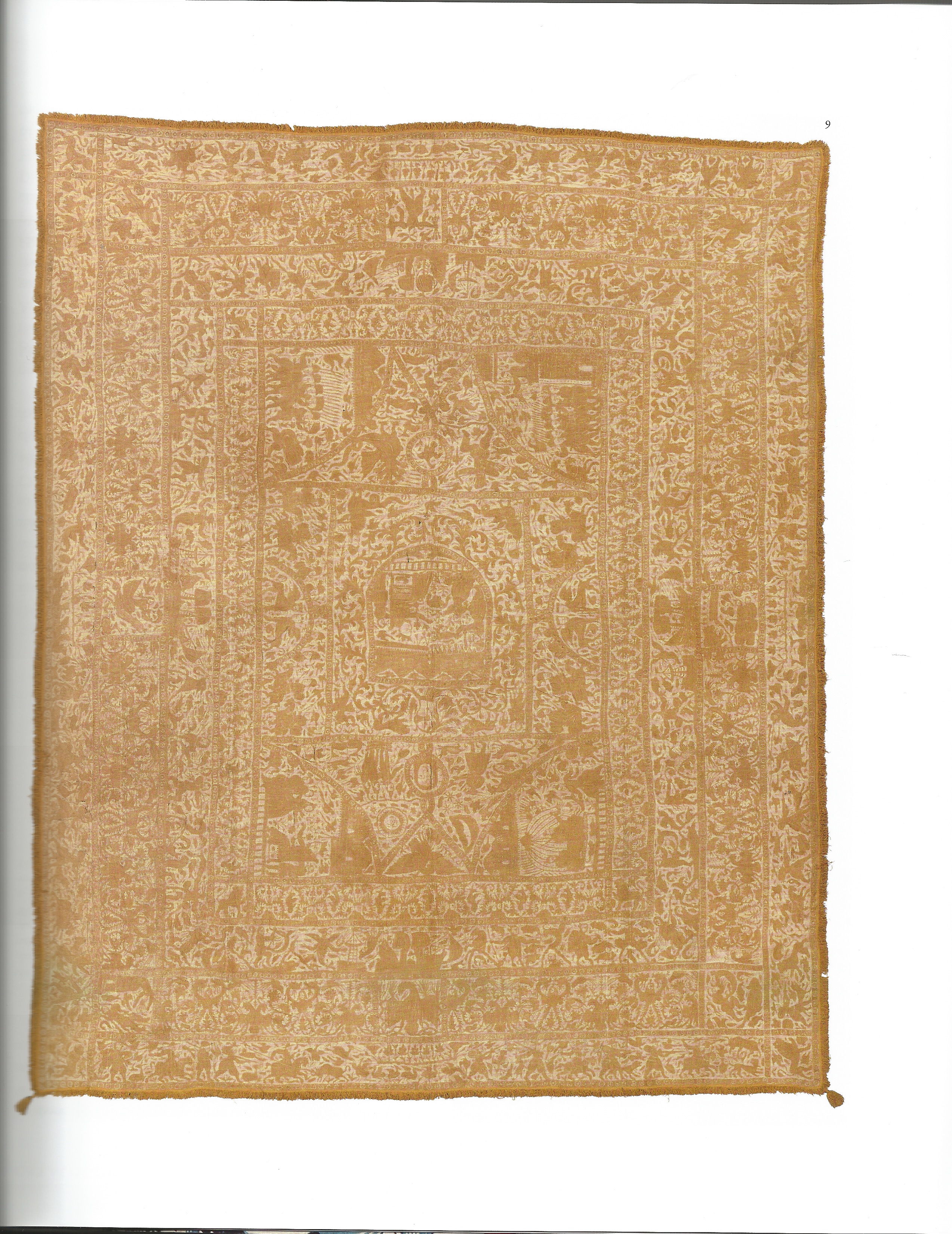
Did someone say bed covers? This coverlet, called a colcha, originated in India for the Portugese market in the early seventeenth century. It was embroidered of yellow tussah silk, also called wild silk, on a cotton background, showing images that included a hunt, the adventures of Hercules, the Judgment of Solomon and Phaeton driving his chariot too close to the sun. Among many other things.

cov

People used to embellish their mattresses with textiles almost unimaginable to those of us who have spent too much time over the years at Bed, Bath and Beyond. Interwoven Globe takes as its premise the interconnectedness of cultures around the world in producing objects that were both intrinsically beautiful and historically fascinating. Japan, China, Turkey, Iran, Europe and the Americas all played a part. The fashion for the “exotic” bloomed in trade.

From the first glide into the opening room, I’m sort of oozing, mentally, into the fabric, wondering about the lucky few who get to take the stuff down from the wall and actually handle it, when I see another gem. A damask woven in China of silk satin for the Iberian market.

text

Elephants such as the ones depicted were customarily given as tribute to Chinese emporers and imported by Portugese kings to be used as diplomatic gifts to the courts of Spain, Austria, France and England. The ones marching along on the textiles were Asian, I learned – you can tell by the diminutive ears. On this piece the elephants have multiple tusks – of course the weavers couldn’t access an actual image of one! Instead, they drew on the Buddist six-tusked elephant described in a fifth century Chinese translation of a sutra as being sparkling and resplendent.

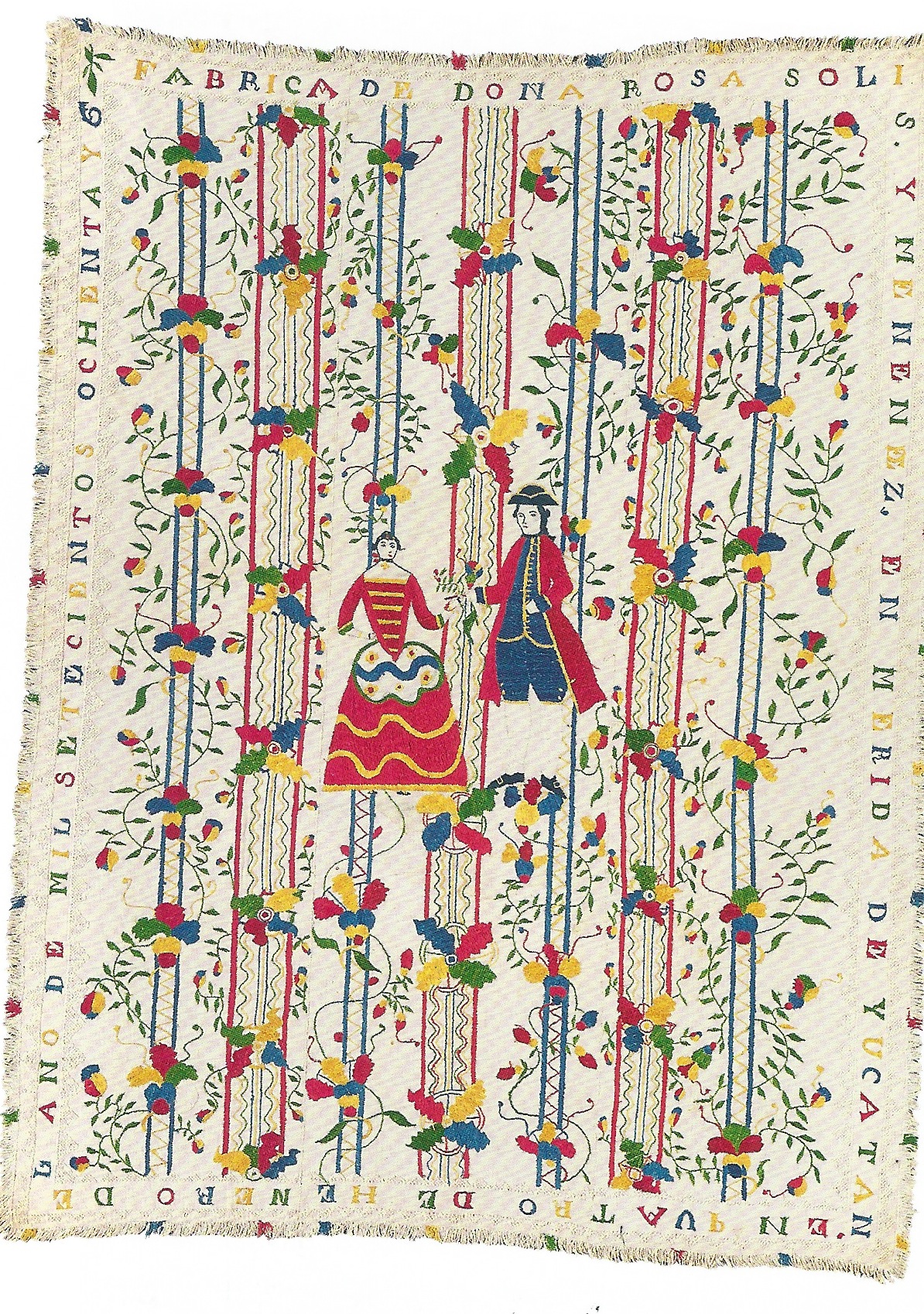
Another coverlet, this one produced in Mexico, was made to celebrate the wedding of the couple shown in the center.

mex

Trellises surround them.They wear Europen style clothes, embroidered of silk dyed red with the insect cochineal and yellow with a plant known as weld, which was probably grown in Spain. The silk itself was imported from China. Again, a crisscrossing of cultures went into a flawless product, which happens to be signed by its maker, Dona Rosa Solis y Menendez, with a date of January 4, 1786 and a place, Merida, the Yucatan.

I see dresses, not just coverlets and bolts of fabric. This one was sewn in France of “bizarre” Chinese silk in 1710.

bizarre

Bizarre being a term twentieth century textile historians came up with to describe silk designs at the junction of the Baroque and Rococo periods, usually heavily brocaded and beaded, with glittering metallic threads.

More women’s dresses. Gowns you could rest your elbows on, they had such wide panniers, a variation on the hoop. The robe a la francaise, here sewn in Germany of Chinese-painted silk moire, which definitely would have been my choice in the 1740s if my door frames were wide enough to allow me access.

robe

And men’s dresses. The banyan, or informal morning gown that well-dressed men wore over their clothes, is represented. Sewn in France from Indian fabric that had been stamped with wooden blocks.

banyan

The inimitable John Singleton Copley caught Joseph Sherburne lounging in his banyan in 1767, wearing a cap to cover his shaved, not at the moment bewigged pate.

sherburne

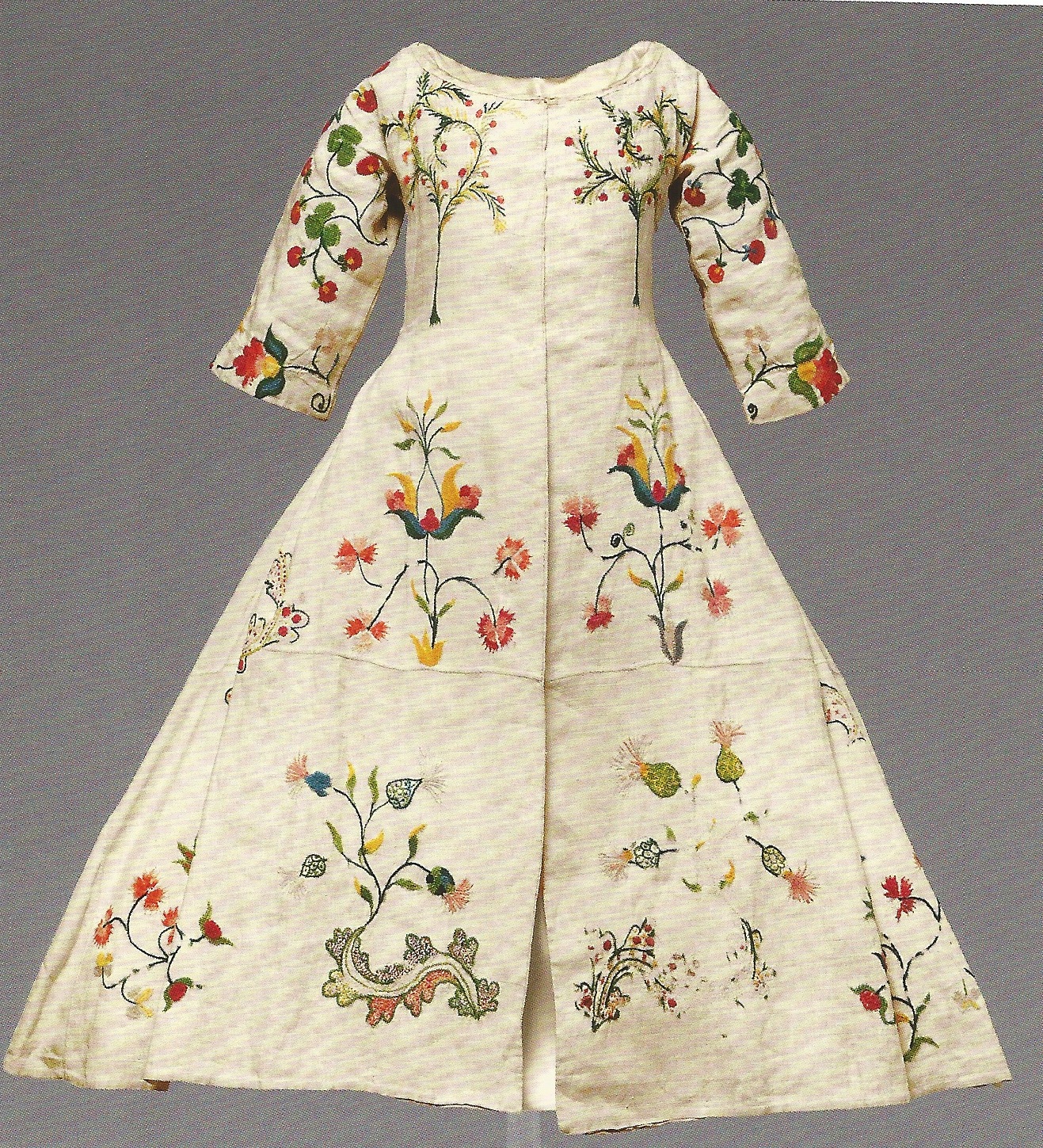
Charmingly, then, a dress also for a very lucky little boy. Linen embroidered with tulips, roses, carnations and fruit trees. Yes, a boy. Male children wore frocks alongside their sisters until they were around five years old.

boy dress

Something I really like, that brings this luxurious trip to the past down to earth: a textile sample book, dogeared by English merchants’ hands, with 500 swatches of ordinary cloth, no fancy silks or embroideries here, that would have been worn by sailors, artisans or enslaved people in North America.

sample

And I haven’t even started on chintz. Suffice it to say there is a tutorial that totally satisfies my long-term desire to understand the mechanics of chintz production. It’s incredibly elaborate, and if you pay me enough money I might try to explain it to you someday.

After this flood of textile experience, sitting with some restorative strong coffee in the courtyard, I notice the air smells like roses, and the fabrics we all wear appeared simple, streamlined. There are some stripes, yes, but no elephants, no carnations, no trees of life, no metallic threads glinting in the pale sunlight. I see a woman in a plain pink sweater. I see denim. I see a young man in a simple, blue-checked shirt, his foot in a boot, sitting in a wheelchair like me, running his hand through his hair. He seems weary, now that women no longer dress themselves in the robe a la francaise, now that all the flash has gone out of coverlets.

9 Comments

Filed under Art, Culture, Fashion, History, Home, Jean Zimmerman, Nature

Nuggets From Afar

When the fall chill hits and you wrap yourself in a shawl and feel like drifting off to other times and places, these links might inspire you.

The Evolution of Love Songs. In case you ever forget the words to Let Me Call You Sweetheart, here rendered by the Peerless Quartet in 1911.

peerless

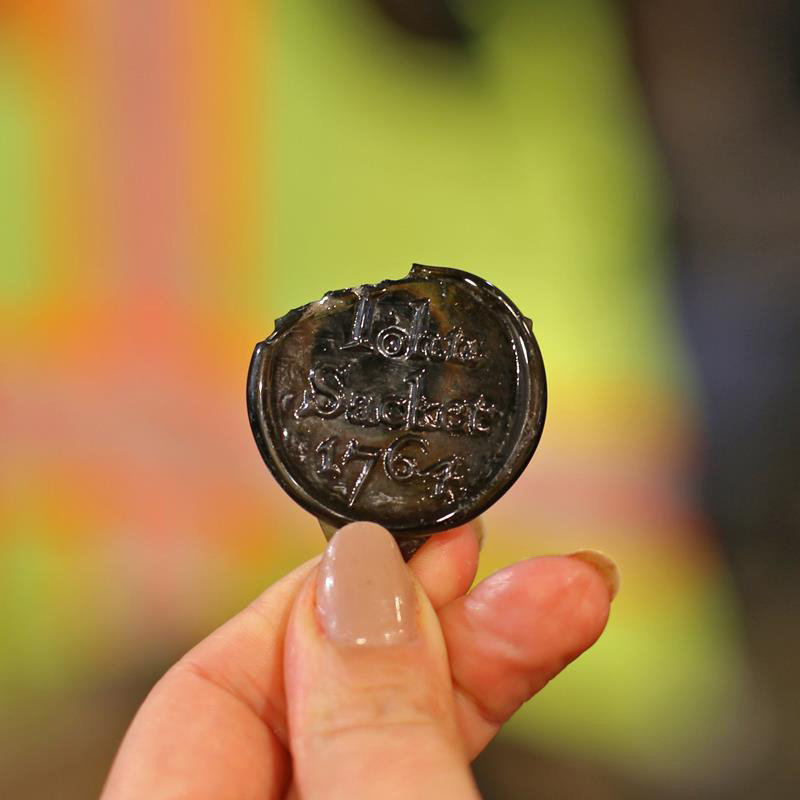
Chrysalis is a firm of archaeological consultants that specializes in the history of New York. They’ve recently pursued excavations in the South Street Seaport Historic District that recovered two intact nineteenth-century wooden water mains. Other treasures: eighteenth-century toddlers’ slippers crafted of leather, and British Revolutionary soldiers’ buttons, which turned up along the original shoreline of Manhattan. A liquor bottle seal circa 1764 brings that time alive.

fultonstreet_archaeology01

Between 1885 and 1908, a collector named William Hayes Ward amassed a bounty of 1,157 cylindrical seals dating as far back as the beginning of the fifth millenium. If you like tiny images on semiprecious carved stones from Mespotamia – gods, bulls, antelopes galore — you will want to take a look at these enchanting objects, which formed the core of J.P. Morgan’s collection.

seal-rotate-intro

Living With Herds: A Visualization Dictionary is a short film by a research fellow at an Australian university that shows how Mongolian herders communicate with their animals.

living-with-herds-vocalisation-dictionary-natasha-fijn-2

Women’s bodies were never meant to be squeezed into corsets, which is immediately apparent when you check out x-ray images from 1908.

woman xray

Linguistic fossils offer a glimpse of times gone by.

fossil

And finally, secret, tiny fairy doors began materializing all over Ann Arbor. This was in 2005. Perhaps not surprisingly, the carpenter turns out to be a children’s book author. Doors have appeared at the library, the pet store, the children’s hospital. Anyplace they’d be sure to raise an eyebrow and the corners of your mouth.

tiny door

4 Comments

Filed under Art, Culture, Fashion, History, Home, Jean Zimmerman, Music, Nature, Writing

On Tiptoe

It’s a pleasant thing to be young, and have ten toes, quoth Robert Louis Stevenson.

Well, it’s good to have ten working toes at any age, I would say, as someone who is coming down the home stretch from foot surgery with a big toe that is being extremely uncooperative. It’s stiff, sore, and doesn’t want to help my foot walk smoothly. You will recognize me if you see me limping awkwardly toward you, my pins distinctly out of whack.

f0698_bigtoe

A physical therapist has been assigned to fiddle with, manipulate and macerate my hallux to get it where it has to go. Heat is being applied. Cold has been furnished. Exercises, ones that would bore to death a soul with healthy feet – a repeated ballet releve, rocking, wiggling—now earn my intensest interest. I have learned to pick up a marble with my toes and deposit it in a plastic bowl. A great achievement, don’t you know.

I looked to the Poetry Foundation for inspiration. A great poem called An Exchange between the Fingers and the Toes by the English wordsmith John Fuller describes a comical oneupsmanship between the sets of digits. In an interview, Fuller once explained that “a good poem takes some irresolvable complication, worries it to death like a dog with a bone, and leaves it still unresolved. The pleasure of the poem lies entirely in the worrying, the verbal growling and play. Life itself stubbornly remains entirely like a bone.”

john-fuller

In this verse, which speaks eloquently to my current state, the crafty fingers accuse the klutzy hallux at one point of being a “futile pig,” but the toes come back with eventual triumph:

Despite your fabrications and your cunning,   

The deepest instinct is expressed in running.

3 Comments

Filed under Dance, Home, Jean Zimmerman, Nature, Poetry, Writers, Writing

Melancholy and Industry

On it comes, fall, my favorite season (do I say that every season?). In yoga class today, when we did the tree posture, holding up our arms and crooking our legs, I looked in the mirror and everyone actually looked like bare-branched autumn trees. A human forest.

Things to do to jump into fall. Pull the late season carrots, whiskery and somewhat cork-like.

carrots

At the same time, admire the mess the deer have made denuding the garden. How did they pull all those bell peppers from the plants so delicately, leaving the plants intact? They left the one sunflower standing, hanging down its giant brown head.

sunflower hanging

Make plans to attend a show – we don’t do the theater too much but Romeo and Juliet is rolling onto the boards for the hundredth time, this time with movie cutie Orlando Bloom, and we’re gonna hoof it to Broadway. Maybe I’ll even be able to pull on some shoes, with a healed, streamlined foot.

romeo

What else, in fall, what are the timeworn threads of coziness you begin to weave back into your life? Put fresh sheets on the bed, the flannel ones. Shake out the comforter that’s been shoved in the closet all summer. Burrow in.

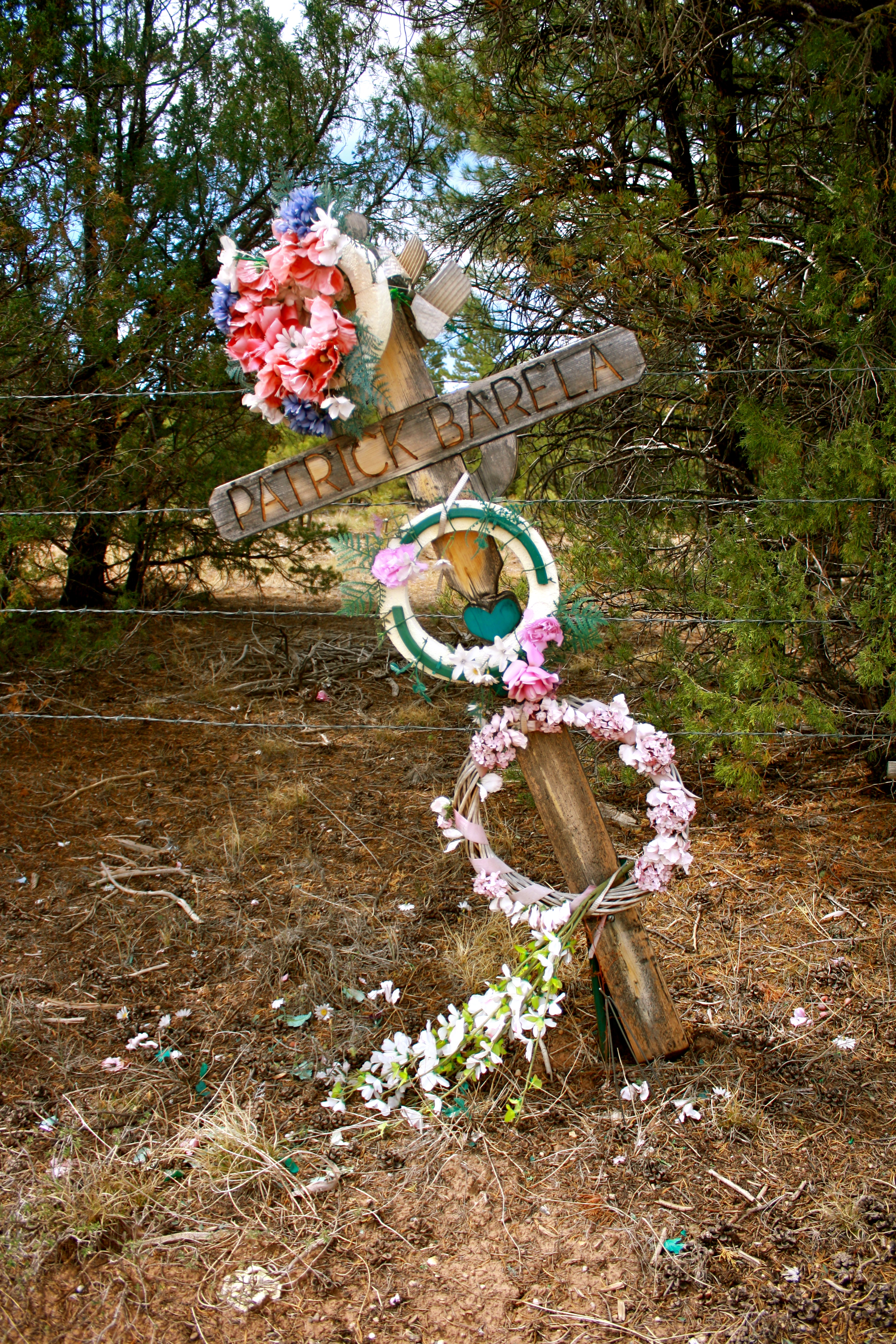
Read the first college paper of the year, if you’re lucky enough to have a student nearby. Maud’s concerns a melancholy subject she’s been attacking for her anthro major, the proliferation of descansos, roadside shrines in New Mexico. Her photos of the sites are filled with a lonely beauty.

maud shrine

The comic Louis C.K. plumbed the topic of melancholy on Conan O’Brien recently and I loved what he said about the “fall back to school depression feeling,” how he was driving in his car, listening to a Springsteen tune on the radio, getting that “forever empty” feeling, that “knowledge that it’s forever and you’re alone.” It’s a mental state I remember so well from college, and also bouncing back with insane gladness, that as Louis said “you’re lucky to have sad moments.”

Louis-CK-hosting-SNL-fun-Saturday-Night-Live-Hurricane-Sandy

Two things from college that I still resonate to all these years later, melancholy and industry.

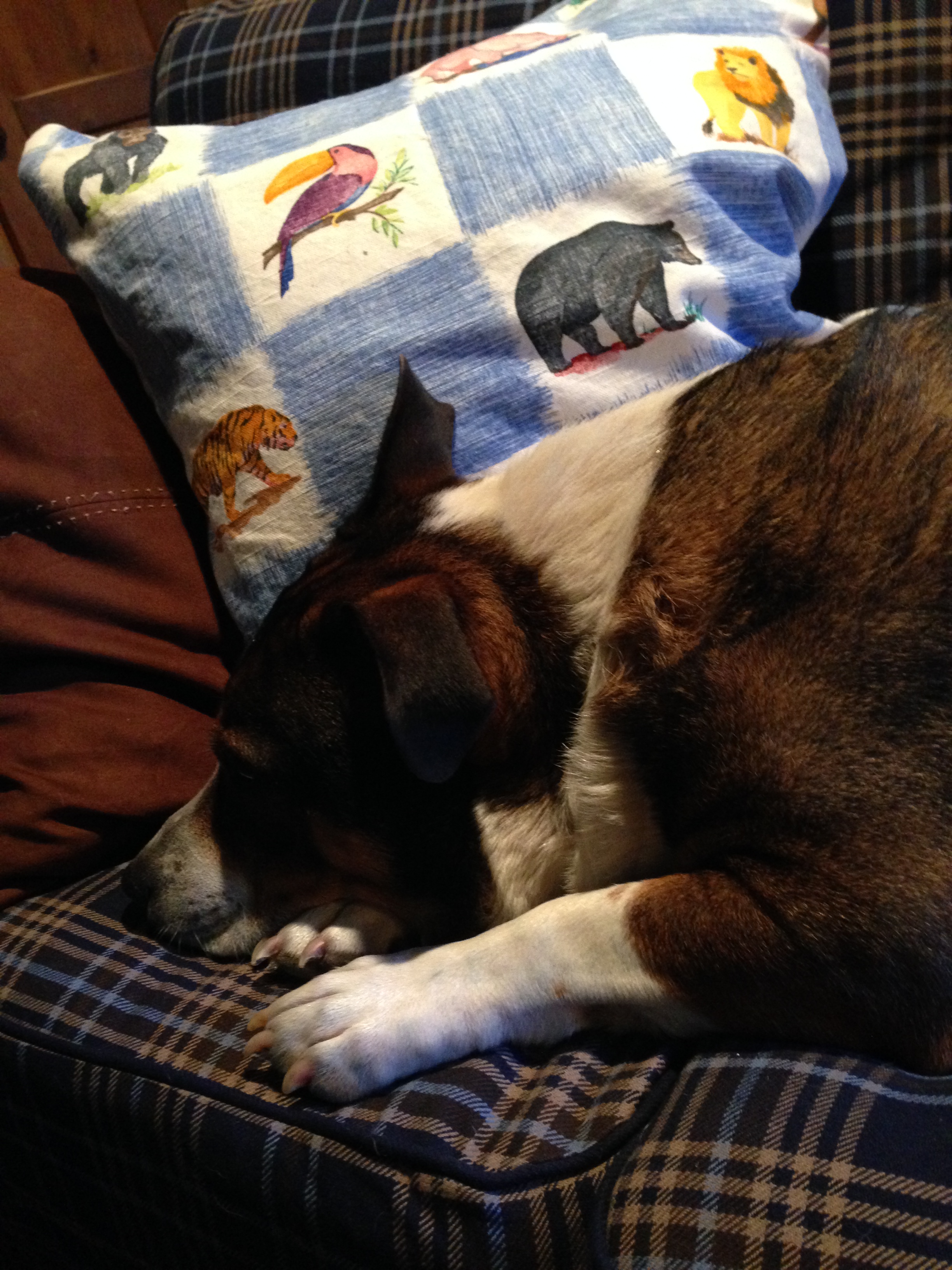
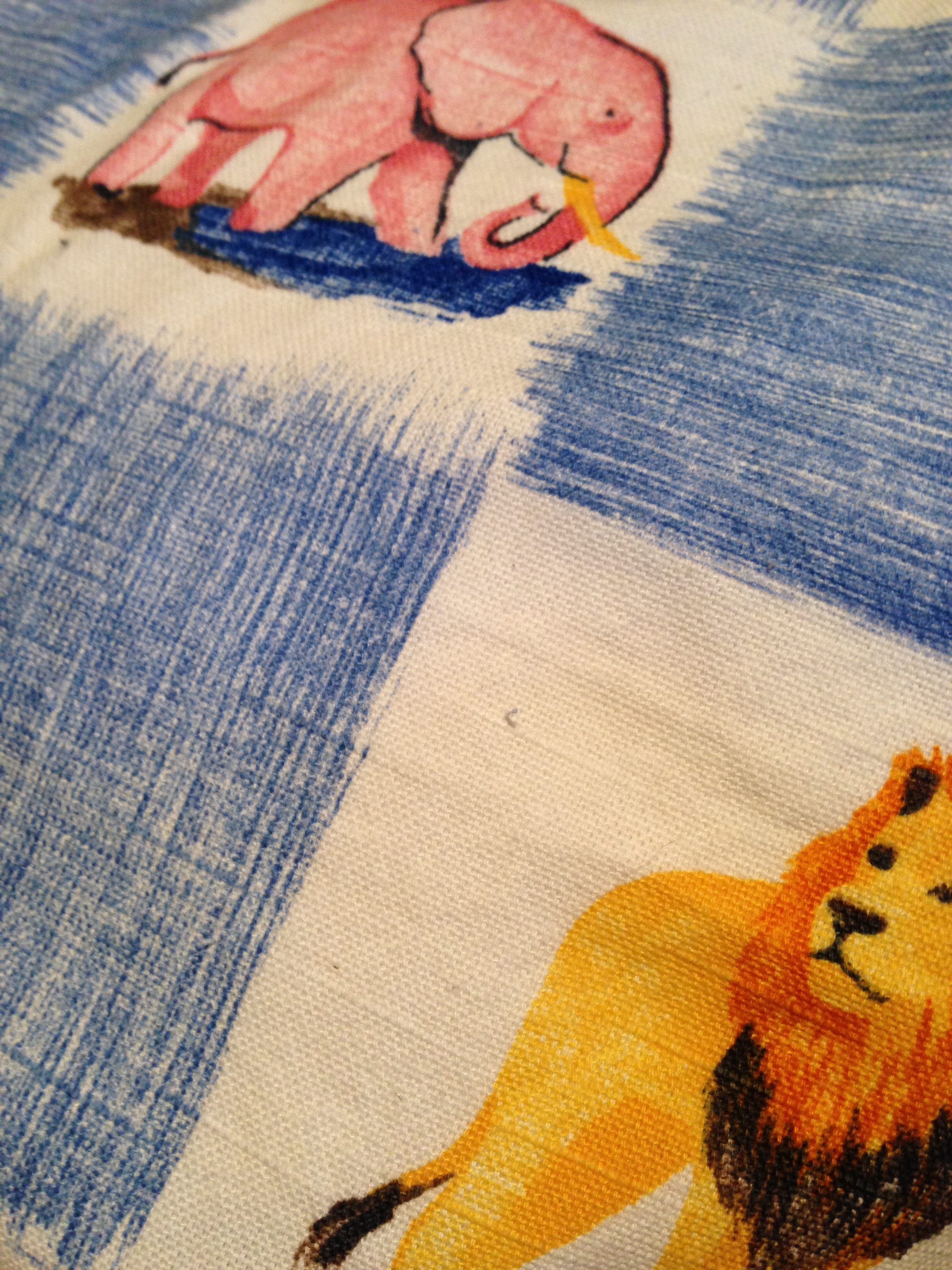
So in fall, when it gets cold and lonely, make something. Get out the trusty sewing machine, unearth some ancient fabric, make a simple pillow cover. One that Oliver will cuddle up to.

dog pillow

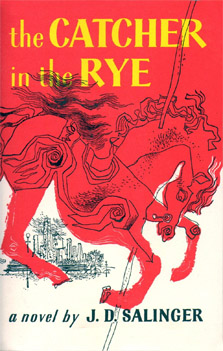
Read a new book, or revisit an old one. It’s a good time to take another look at The Catcher in the Rye – sure, an old chestnut, but with a Salinger book and movie coming out a good time as any to see if the author’s a genius or a shnook. Or both. And he knows from melancholy.

Rye_catcher

Nourish yourself. I’m stewing beef with onions, those garden carrots, garden onions and beer, not wine, because that’s what I have in the house. And fall’s about what you have in the house.

pillow fabric

4 Comments

Filed under Art, Cooking, Culture, Dogs, Fiction, History, Home, Jean Zimmerman, Nature, Photography

A Silver Signature

I made a mistake. After all my talk of streamlining my library, tossing out the old, letting in light, I winnowed too much. Books, as I wrote a few days ago, are not just about reading, but about your relationship with the volume, your history with what you hold in your hand.

I nearly threw away some vital history. After packing that big old box with dozens of titles and dropping it at the local branch library, I went home feeling liberated. My shelves were mine, filled with awesome novels and nonfiction, all the collection dusted and shiny.

Around midnight yesterday, my eyes popped open. I remembered that amid the floods of paper and cardboard around me I had held a silver-foil-covered book in my hands, turning the pages. As I stood there, I recalled reading it. Stieg Larsson’s The Girl Who Kicked the Hornet’s Nest. I’d liked it. I was over it, though, now. Into the box with the others.

the-girl-who-kicked-the-hornets-nest-by-steig-larsson-21673c0b76b9b418

But with the wee hour night thoughts closing in, I now remembered something else: a name on the first page, a small, careful signature in blue ink.

The name belonged to a friend of mine, who had presented the book to me when I was rehabbing after hip surgery three years ago. She had bought me the other two novels in Larsson’s series in paperback, but this one, in silver foil, a hardcover, belonged to her. I want that one back, she told me. We sat together in this dungeon-like rehab center, the unattainable sun outside the windows. She was one of the few friends who made it all the way there. When she left I gobbled down Larsson’s energetic creation, his tattooed girl, one volume after the next, in a slight haze of percocet, finishing the long, twisted, potent narrative before my two weeks of healing were through.

Not long after she gifted me with the Larsson trilogy, my friend passed away. Breast cancer took her way too soon. I kept the silver-foil-covered book she’d loaned me on my shelves, by now forgotten under a stack of other books. I want that one back, she’d said.

This morning I drove to the library where we’d left the giant box. The books had already been brought to a back room for sorting, the reference librarian said. We’re so sorry, she said, consoling me for the loss of the book. I felt I should be apologizing for causing so much trouble. She led the way back. Gil and I searched and searched, through stacks of hundreds of books. No silver foil. That tiny little connection, through a pop novel gift of my friend to me, had floated into the ether, and I wouldn’t see it again.

Driving home, my phone rang. The library. We have your book. Come back.

And so I reclaimed the silver foil – it had already been put on the sale cart – and brought it back to my home library. First, though, even before getting in the car, I cracked the spine and inspected the first-page signature. The hand of my friend, extending out of a book.

3 Comments

Filed under Culture, Fiction, History, Home, Jean Zimmerman, Publishing, Writers, Writing

Out of My Library

If you don’t like the feeling of book dust on your hands, the sight of new gaps between the volumes on your shelves, the surprise discovery of tomes you missed even though you never knew you missed them – read no further.

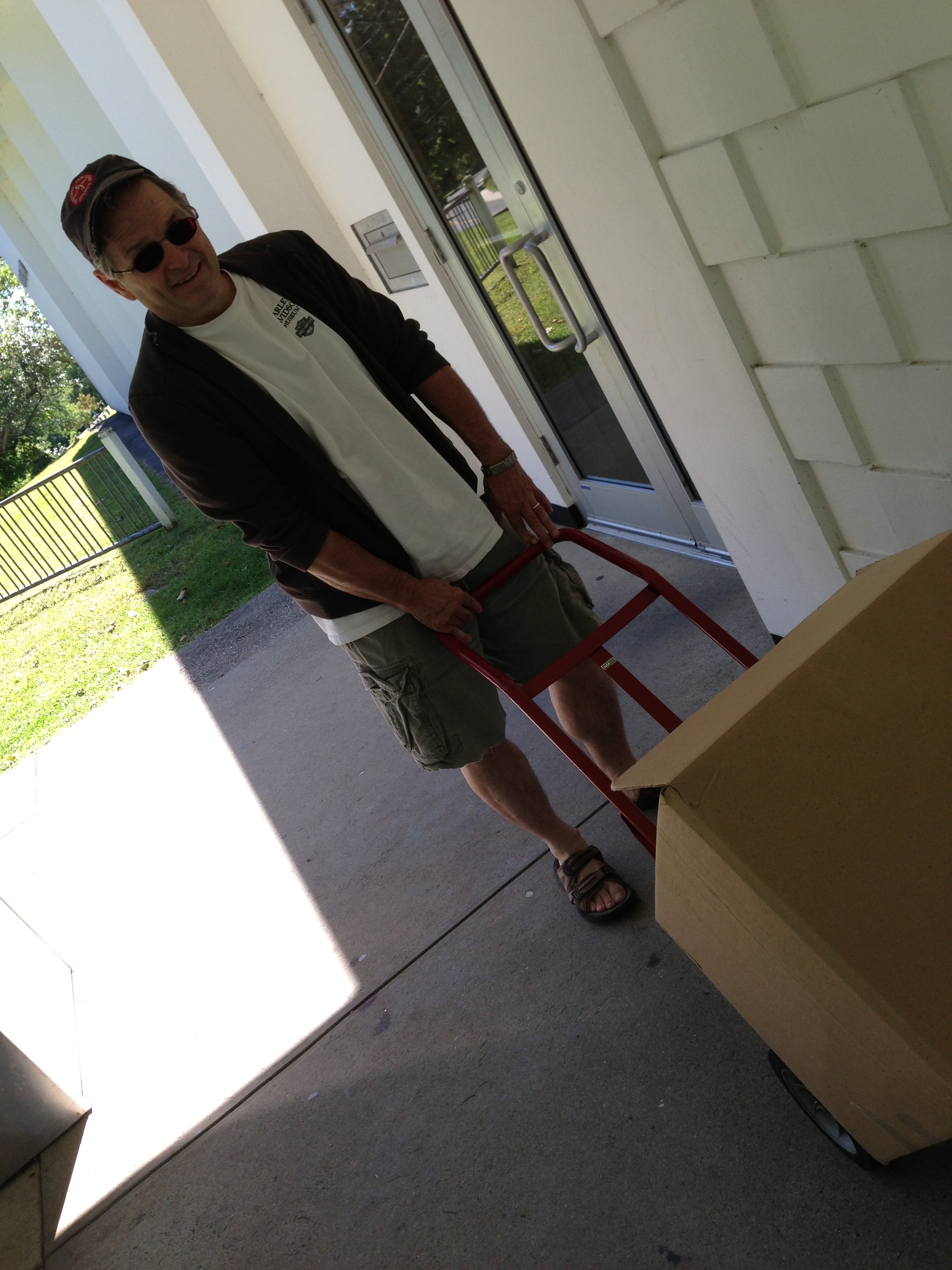
I am in the grips of a book-shedding catharsis. I realized today – and this is the way it often happens for me – that I couldn’t let another hour go by without winnowing out my book shelves. I insisted that Gil sort his office, too. (He couldn’t find any to give up, but he tried.) The resulting 100 or so cast-off titles went into an extra-large packing box.

gil w book box

Off to the library.

croton mat

A mother stood trying to corral her preschooler near the sidewalk. “Donations?” she said cheerfully. “Efficient way to bring them.”

“Is he a neighbor?” said her son.

“Maybe,” said the mom.

Local book sales bring together browsers with only a desultory interest, avid bargain hunters and steely-eyed professionals. Pop selections are only a minor part of the culture.

hunger games

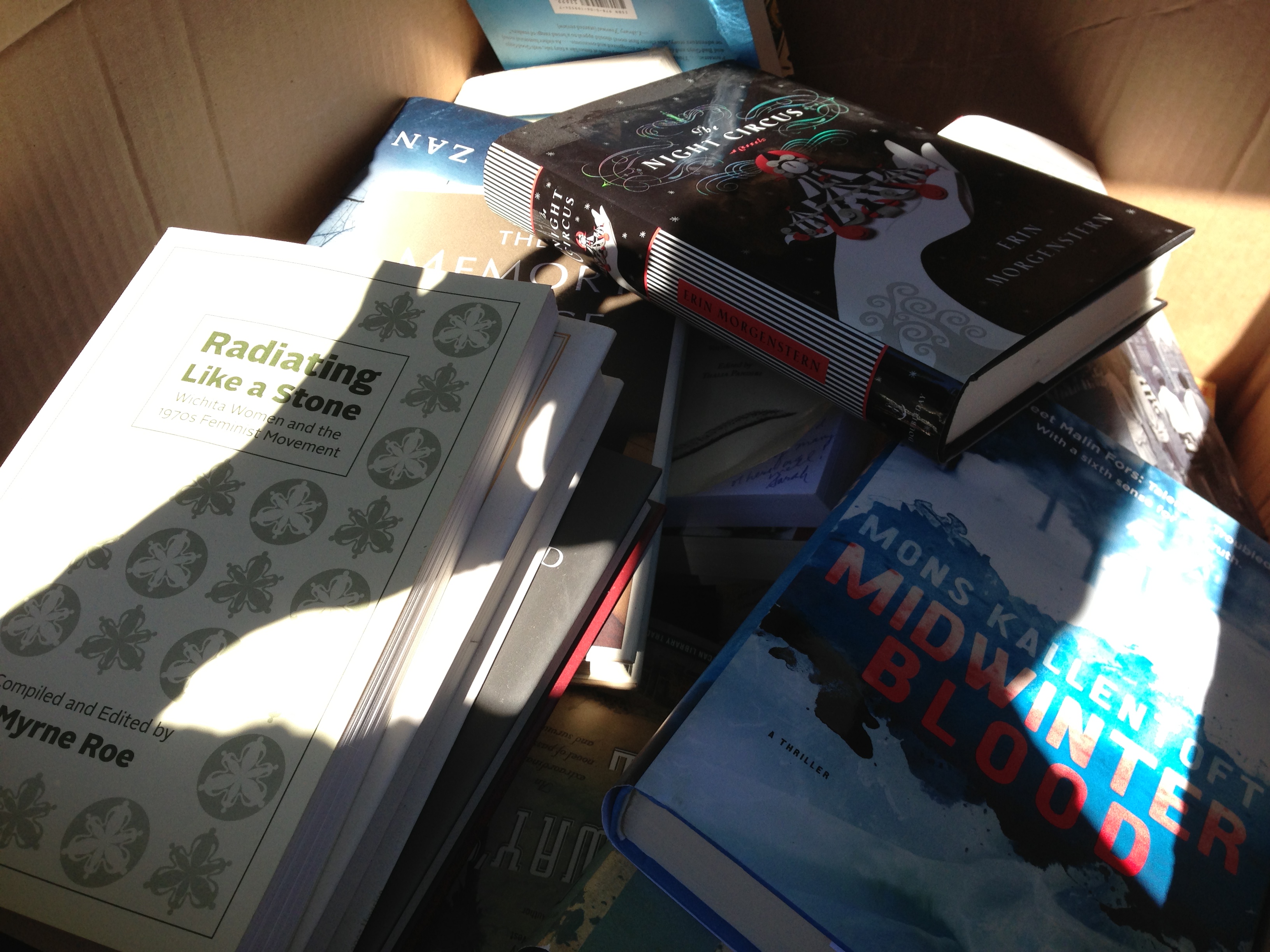
When we lived in Hastings-on-Hudson, resellers from all over bought Friends of the Library memberships so that they could go to the earlybird presale and scoop up multiple cartons of the most valuable items. That was okay, we managed to find plenty of gems on our own time – including some we had ourselves donated. Yes, it’s true: we turned in books for the sale that we later decided were simply too fascinating to pass by.

radiating like a stone

But it’s such a relief to weed out the honeys of yesteryear: The Man Who Quit Money by Mark Sundeen, Jonathan Franzen’s Freedom, Dava Sobel’s Longitude, The Judgment of Paris by Ross King. All good reads, eye opening, brain teasing. None of them necessary to my life at the moment.

The Croton Free Library has just celebrated its 75th anniversary. I hope that its patrons will enjoy my books as avidly as I did.

croton library anniversary cup

There are people with acres of shelves in their home library. Their libraries. Their nooks and end tables. Their bedside stacks. When we downsized to the Cabin, that life ended for us. We knew we’d have to focus a laser beam on what meant something to us. We carted out dozens of boxes for various libraries, dozens to sell at the Strand, and ended up leaving many freebies at the curb. Even if you mourn the loss of your books, it is worth it for the experience of a transaction at the historic institution of the Strand, which has been in business since 1927 on 12th Street and Broadway in Manhattan.

strand-history-thumb

The  buyer peers down his spectacles and thumbs through your precious collection, calculating all in his head the value of each book before announcing the usually paltry total. Sometimes it is a triumph, enough for dinner in a decent restaurant. Those novels that you thought were brilliant, invaluable, they’re basically worthless at the Strand, while the store covets and compensates well for the scholarly and academic works you thought no one would ever want.

Now the smooth, dust-free spines of the books line up straight on my wooden shelves in the proper order – all of them books I have selected anew, that I want and need.

double shelves

Some of them seem to have a special kinship even outside their genre. Not exactly subject. More, spirit.

green books

Many, like these, have a story besides the narrative in the book – the story of my relationship with it. My mother-in-law gave me Stalking the Wild Asparagus when I was a newlywed with a house in an apple orchard and a nascent interest in gardening. Ian Frazier’s Great Plains has been a touchstone over the years in thinking about writing nonfiction. Wilderness and the American Mind dates from my college days and still holds my intense interest. Everyone who loves books has these intimacies with individual volumes, the how and why of how your relationship with it came about. Your foundation with it. These begin to make up the essence of a library, the authors that really meant something then and now.

The true reason to get rid of books? Honestly? To collect more books.

current

I needed space for a working library, all the ones I’m drawing on for my next novel. Any clue as to what the book’s about?

6 Comments

Filed under Culture, Fiction, History, Home, Jean Zimmerman, Nature, Photography, Publishing, Writers, Writing

Kitchawan Dragonflies

Are dragonflies magic? My favorite insect, I think.

green

Humans have always had a fascination with them. We were creating amulets of the insects back in 1640 B.C. Egypt.

dragonfly amulet, egypt, 1640 bc, faience

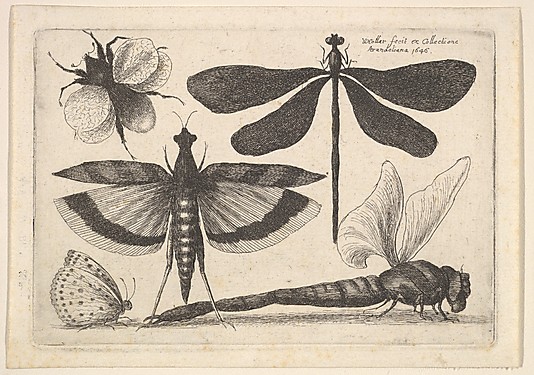
They’re prehistoric. Ravishing to look at. Voracious hunters. Fascinating to artists, like Wenceslas Hollar, the great 17th century lithographer.

Wenceslas Hollar, 1646

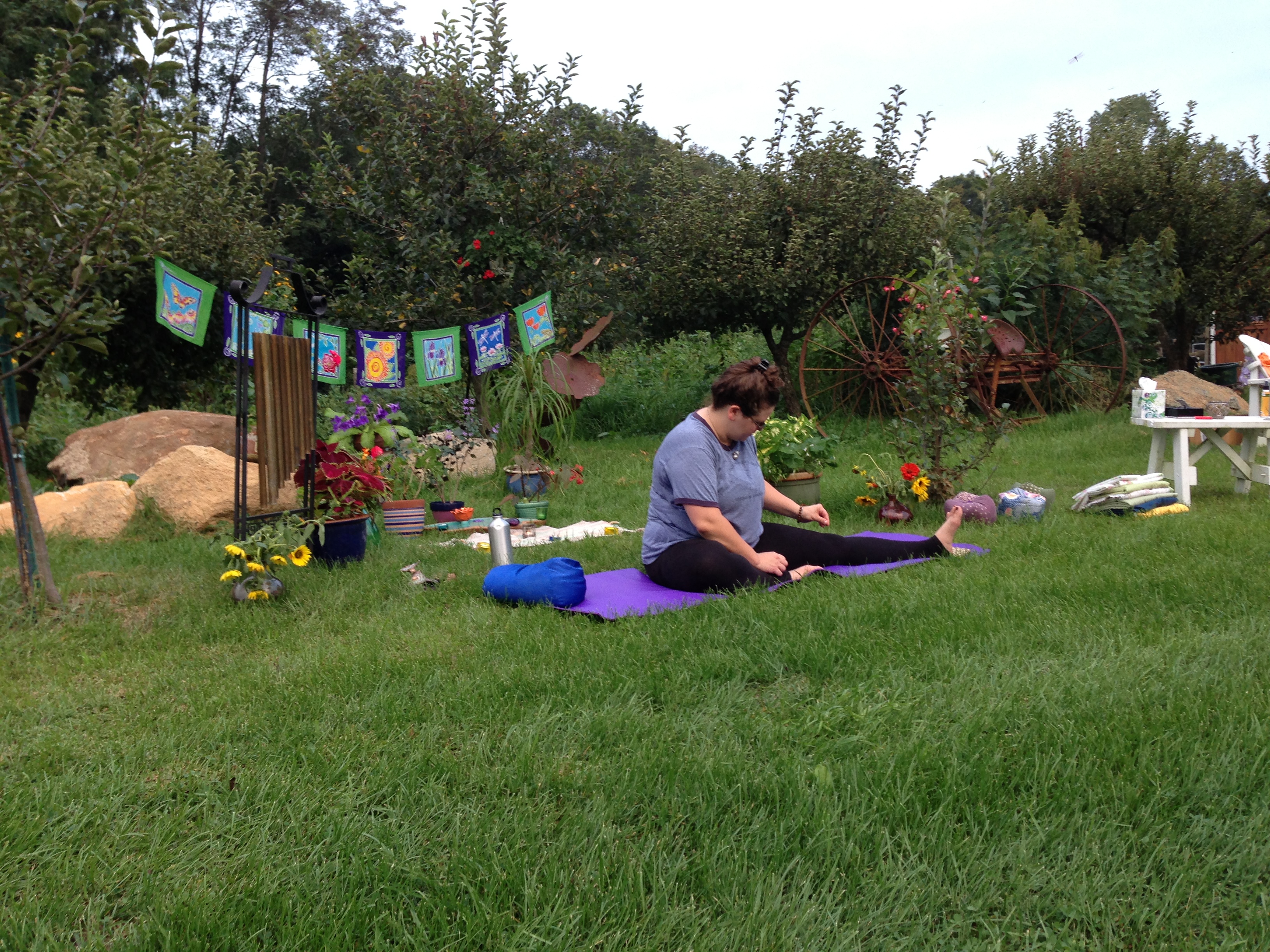
A cloud of hundreds of dragonflies swelled over our heads at the outdoor yoga class offered at Kitchawan Farm in the early dusk. The farm, in Ossining, was a place I’d always wanted to visit. It was September 11, and the class was free to whomever wanted to drop in, a way to mark the day.

Kathleen Clarke led the group. She usually was an instructor at Dragonfly Wellness nearby. Perhaps she brought the bugs?

Kathleen

I brought my boot and a desire to stretch my tight, tired muscles, sick of sitting with my foot up for six whole weeks. We laid out our mats, the dragonflies zooming and booming above.

I didn’t know if the people there would be nice about my infirmity. Maybe they’d be yoga-fascists, insisting on fast, sweaty gyrations, on keeping up a certain pace. But as soon as we set up, a woman hurried over to offer me a plastic chair in case I needed it. It turned out to be Linsay Cochran, who manages this century-old family farm. So gracious, and so welcoming.

There was a meditation to begin, and Kathleen suggested we think not so much of September 11, but perhaps more important, September 12. What did we do in the wake of the tragedy? I thought about the 11th, watching the flames all the way down the Hudson, scoping from Hastings to New York City from the lawn next to the library, the dawning dread that this was real. But September 12th – what did I do, actually? I think the day was about our shared shock, but also about the difficulty of explaining what had happened, to myself but also to my nine-year-old daughter.

shrine

At Kitchawan, in the dusk, we stretched our arms to the graying sky, held our hands in prayer position, again stretched our arms to the sky.

My Frankenstein boot presented no problem. Kindness, I felt, made my awkwardness a nonissue.

Kitchawan Farm has 20 acres, and specializes in flowers as well as vegetables and herbs. The blooms of later summer were all around.

pink flower

“There shall be eternal summer in the grateful heart,” wrote Celia Thaxter, a popular gardener/writer of 1890s New England who is now, like so many women writers of that time, largely forgotten. If you are in need of eternal summer, give Linsay some advance notice and she will a bouquet for you.

fuschia flower

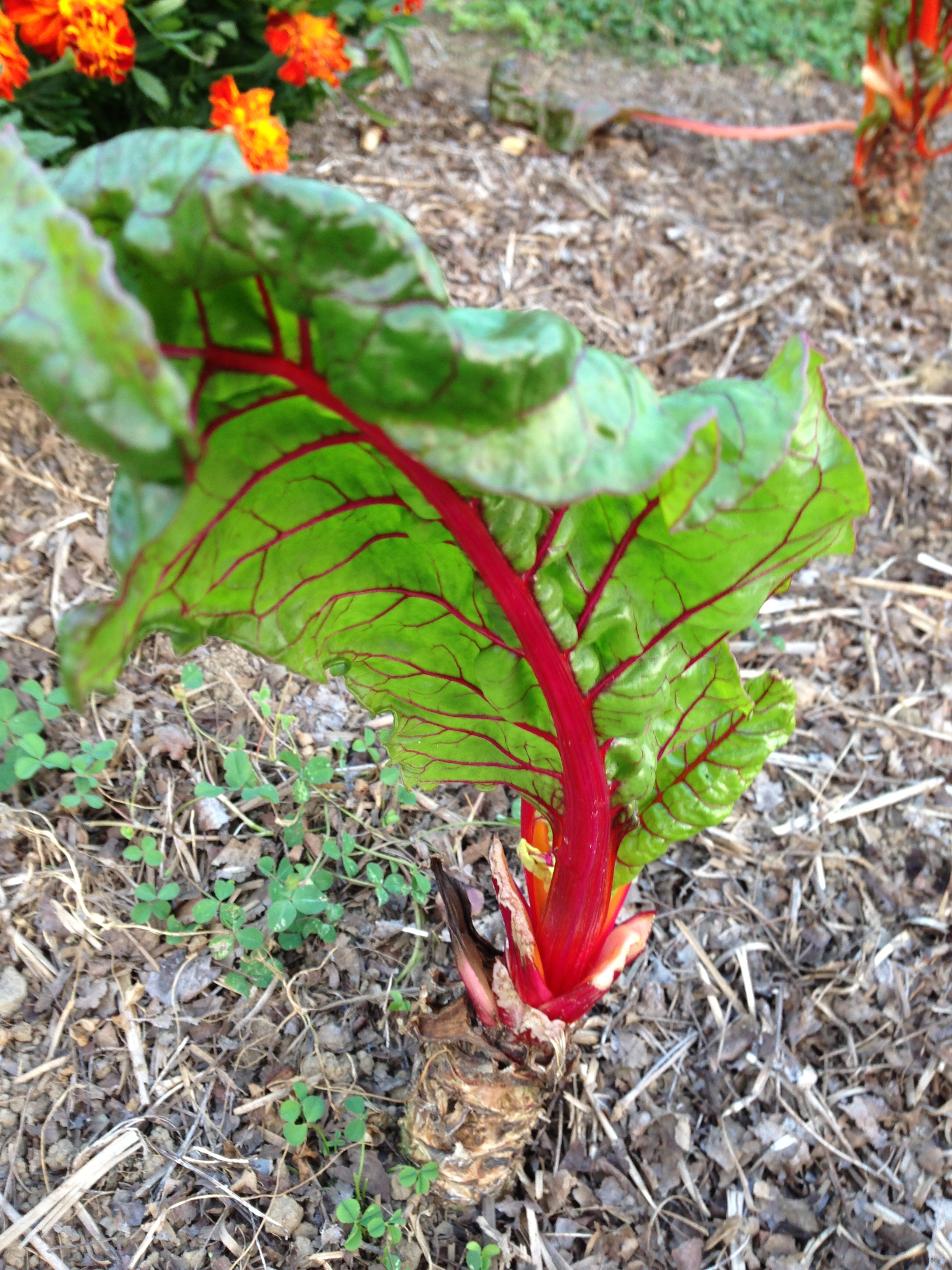
Gil and I had wandered the rows when we first arrived. Decided on chard for dinner.

chard

They’re mainly a CSA operation here at Kitchawan, and some people were coming to pick up their shares. Others picked up their wild, sweet children from the little summer camp there.

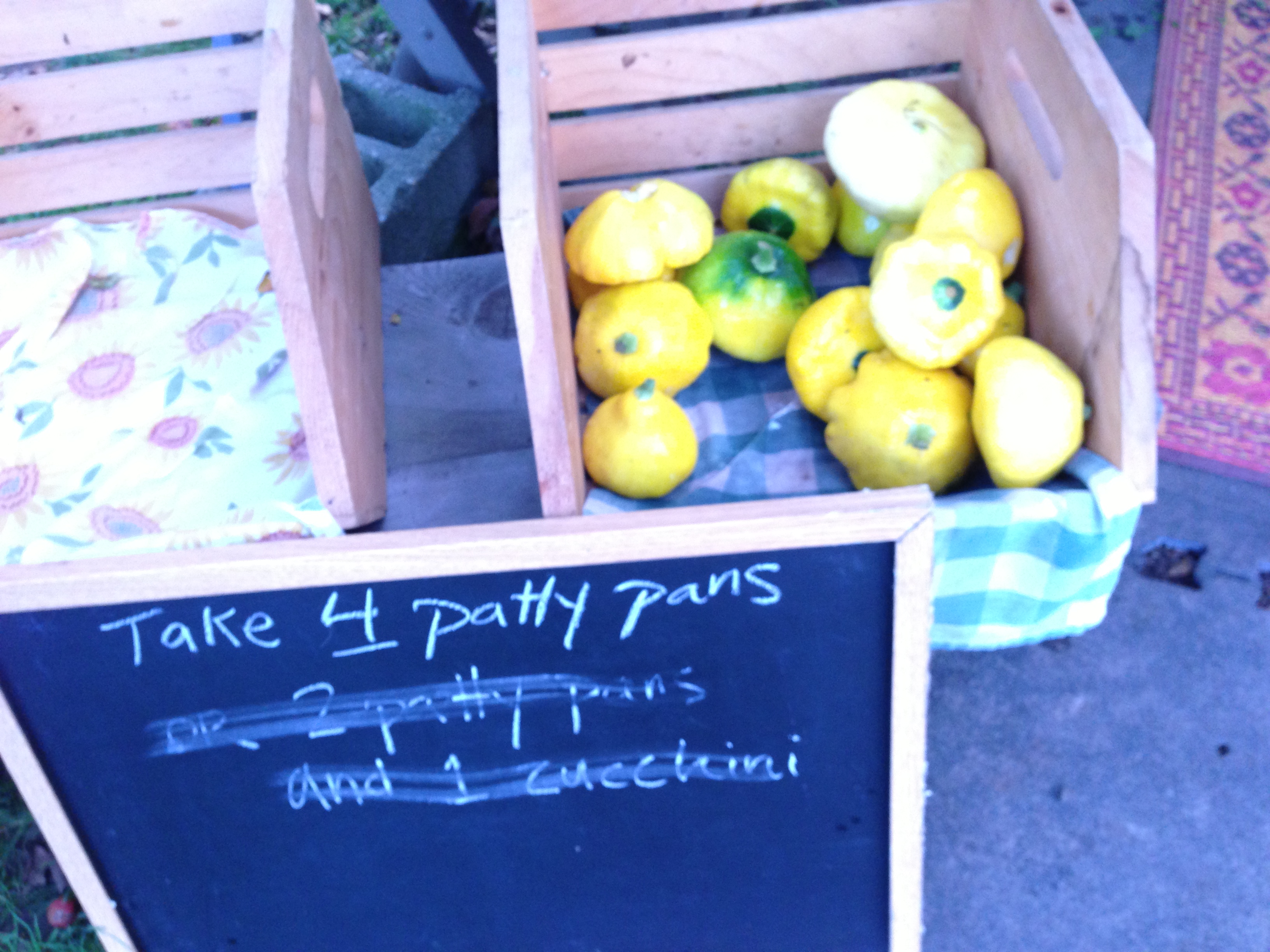
patty pans

Late-season bounty crowded the tables.

carrots in tub

We bought garlic from a  young woman in the “stuga” (Swedish for cottage), two of a half dozen varieties. A garlic house, how charming.

siberian red

Wished we could get closer to the horses – the farm boards 10 but they were all off behind fences in their horse dreamworlds, munching grass.

Gil had gone to walk in the woods of Kitchawan Preserve while I levitated under the dragonflies.

Linsay, laying out on her mat, was constantly attended by her large, gentle dog Pogo.

When the sun salutation came, I knew my foot was spent, so I moved my stretched-out body over to an Adirondack chair and watched the dragonflies recede.

grey sky farm

I inhaled the scents of manure and herbs. Listened to the horses snort, the excited hens and rooster and guinea hens vocalize. I heard Kathleen taking the little group through the final meditation, murmuring a narrative that was all about compassion, gratitude, virtue, healing others. There was so much good feeling here at Kitchawan, they could sell it in bouquets by the roadside. Or, I guess, give it away.

Being able to heal others. I don’t know about anyone else there, but I felt a little healed. My foot was tired, but my soul weariness had been transported away by dragonflies.

shibata zeshin


5 Comments

Filed under Art, Culture, History, Home, Jean Zimmerman, Nature, Photography, Writers

Art for Art’s Sake

When was the last time you thought about Art Garfunkel? His angelic tenor, his sensitive beak, his fallouts/reunions with Paul Simon, his blond ‘fro?
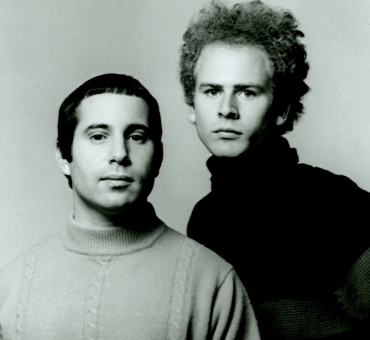
simon:garfunkel

Probably, like me, not recently.

Which is why I jumped at the chance to see him solo in a tiny venue in the middle of New Jersey, in a performance that was being billed as an “open rehearsal” – for what, somewhat unclear. Anyway it would just be Art and a guitar up on the stage, with a group of several hundred devotees.

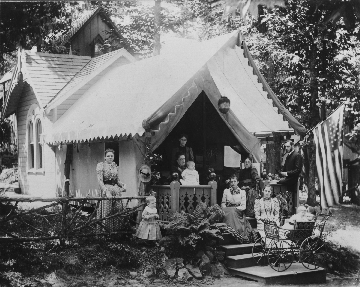
Three hundred fifty, to be exact, because that was the seating capacity of a hall called the Tabernacle in a magical, historical community called Mount Tabor that originated as a Methodist summer camp meeting ground in the late nineteenth century.
event_146798492.jpeg

People live there now, in houses, not tents. Our friends Eric and Mary Ann have been Mount Tabor-ites for decades.

eric and maryann's home

Walking to the Tabernacle for the show has an element of the mystical, along the small, civilized paths.
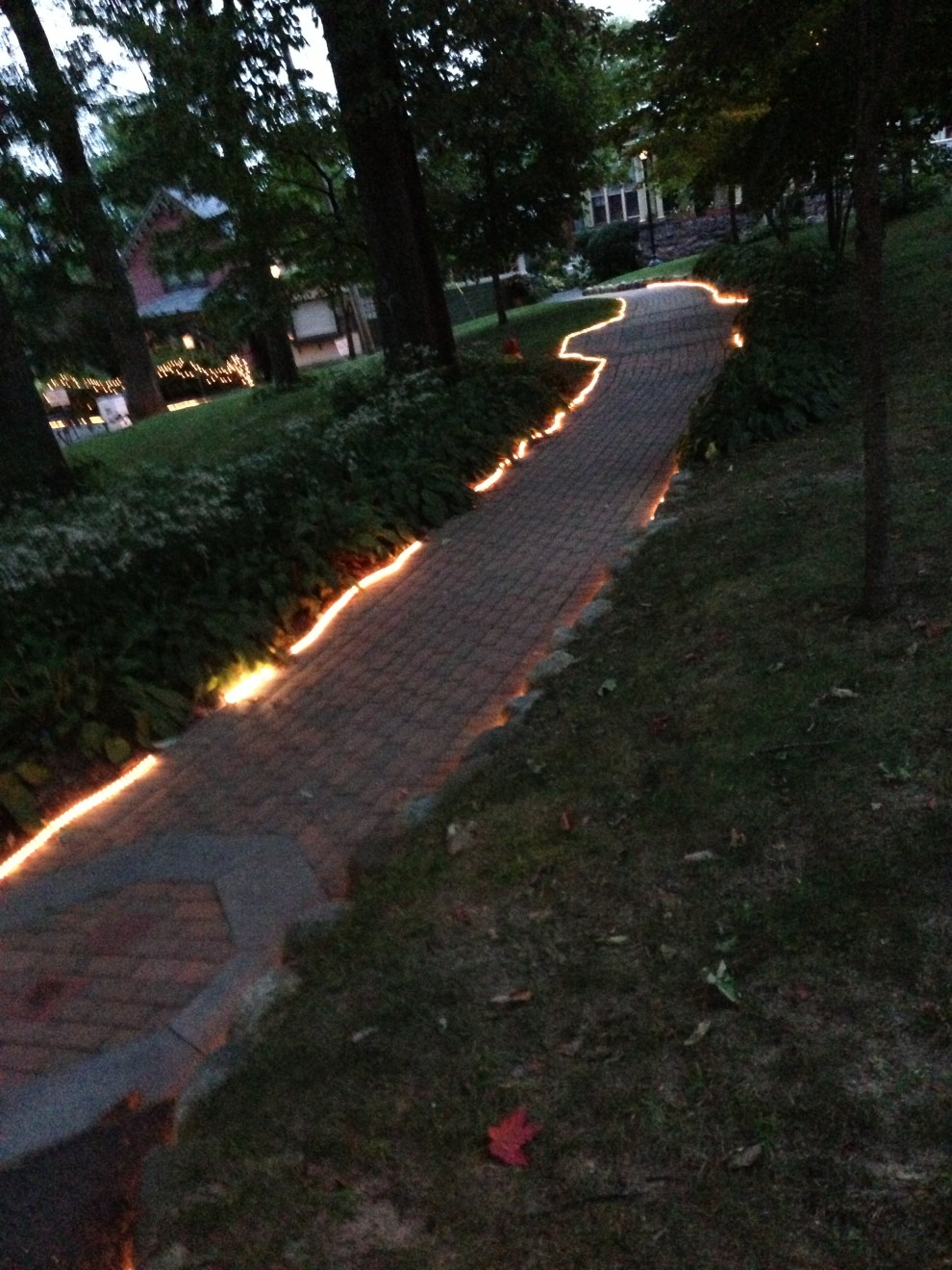
magical tabor

When the place originated, tent properties (leased from the Camp Meeting Association of the Newark Conference of the United Methodist Church, never bought outright) stretched back from the central building and its green, with the more prominent families closest to the preaching. People came here for a month in the summer to get their evangelical fix much the way they did at Ocean Grove, Tabor’s Methodist sister town on the Jersey shore. It all depended on whether you wanted the mountains or the sea, both were equally soul-restoring. The movement faded at the turn of the twentieth century, with houses  eventually built to replace tents, and 212 of the ornate gingerbread-decorated originals remain. National landmark status for the district is imminent. Quiet streets wind throughout this other-timely locale.

tabor homes

Eric and Mary Ann, who raised three kids here, have a property of “six to eight tent plots.” They are “the landed gentry,” Mary Ann wisecracks. She tells me that unlike other towns, here you actually tell your kids to go out and play in the street – because yards are postage stamps if they exist at all. It used to be canvas abutting canvas. “You sneeze in your house,” Mary Ann tells me, “and they say bless you in the next house.”
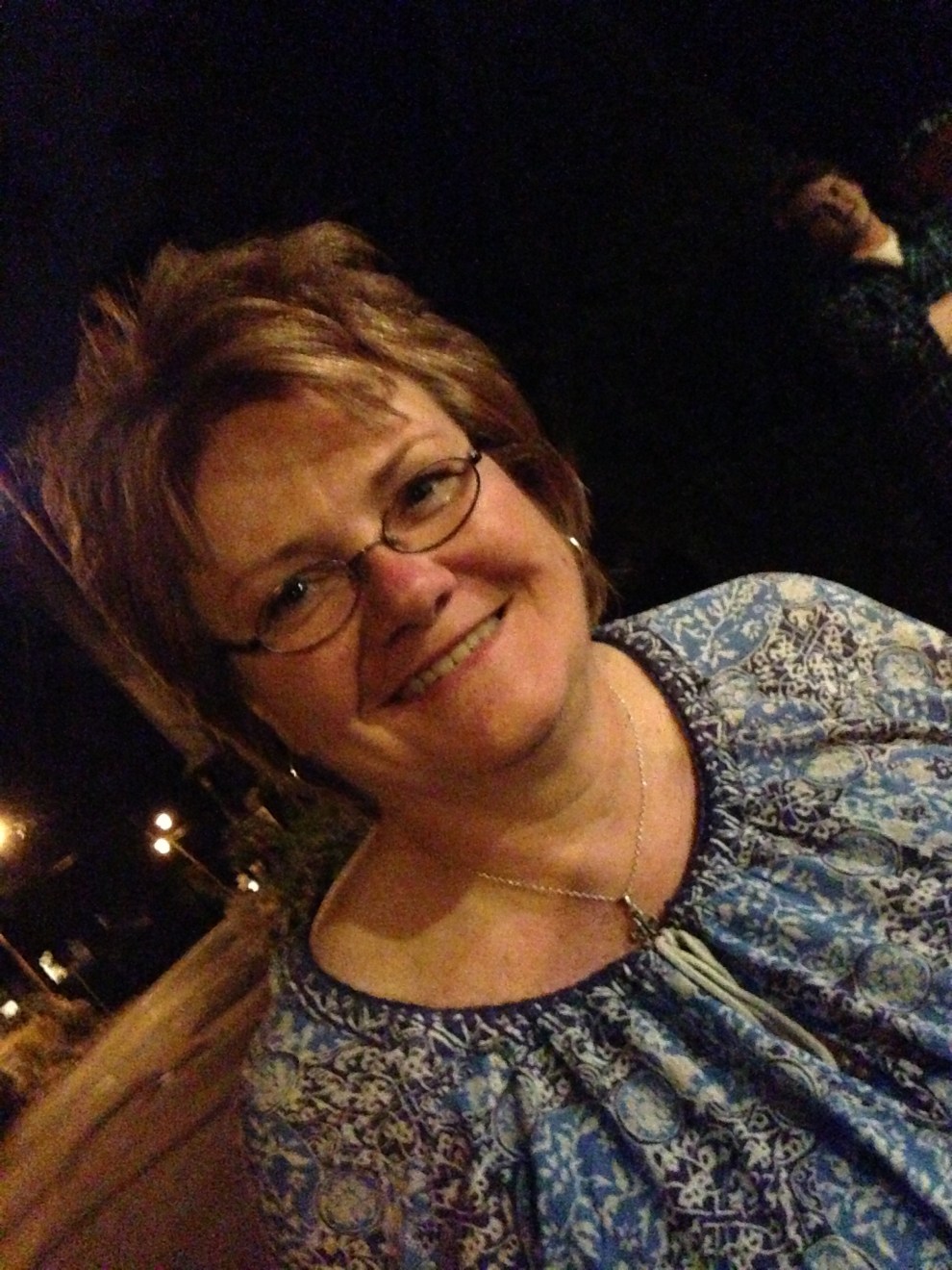
Mary Ann 2

There’s history here, multiple generations living on in one house. A descendent of the original farmer-landowner named Dickerson still runs the supermarket down the hill. Mary Ann orchestrates a longstanding local holiday (like, a hundred-forty years long) called Children’s Day. “You could be a benevolent dictator,” suggests Gil. “There are certain people you must dictate to,” says Mary Ann archly.

We wait in line for Art Garfunkel. Hydrangeas glow in the dusk.

hyrangeas

Time expands. The line stretches, people who have journeyed to this little enclave to see a great singer.

There are perks of being a Mount Tabor resident, and since Mary Ann and Eric know George, the organizer of the event, we go back to the green room half an hour before the performance. It’s located in an adjacent historic building that is usually bare, filled only with folding chairs, where various committees hold their meetings.
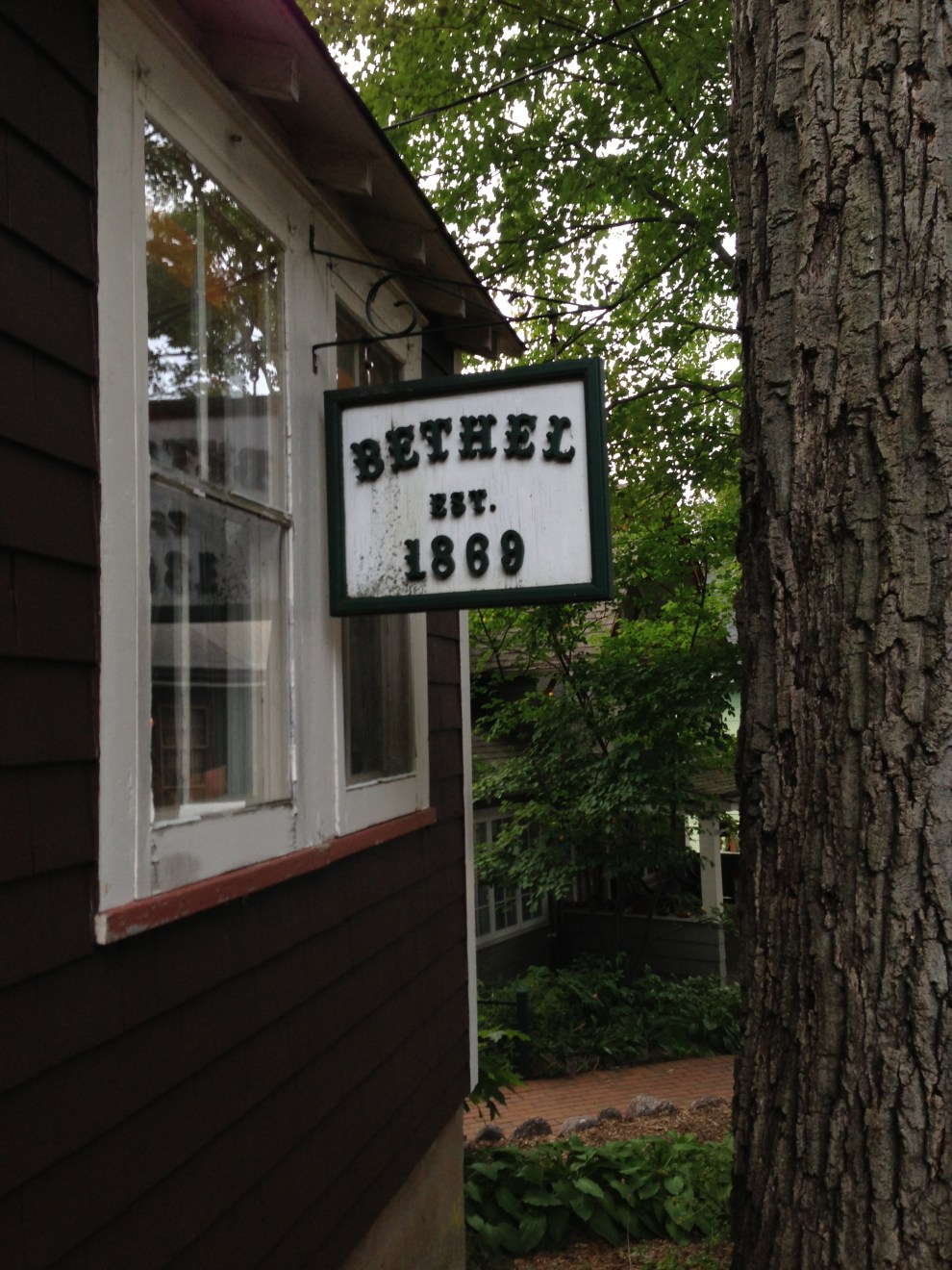
bethel

“This is why they come,” says George, referring to the other big-name acts that have appeared in small-town Mount Tabor, Hot Tuna, Arlo Guthrie and Donovan among them. The green room features low, romantic lights and rich burgundy tableclothes and a line-up of chafing dishes in this quaint building that transports you to another time. They had to peel Donovan out of here to get him to the airport after a post-show Buddy Holly singalong.

“Art is sleeping on the ground floor beneath us,” George tells us. I think about that.

art garf

Ssshh. Outside, we inhale the late summer air, cool and warm breezes intermixed, the scent of late roses from people’s tiny garden plots.
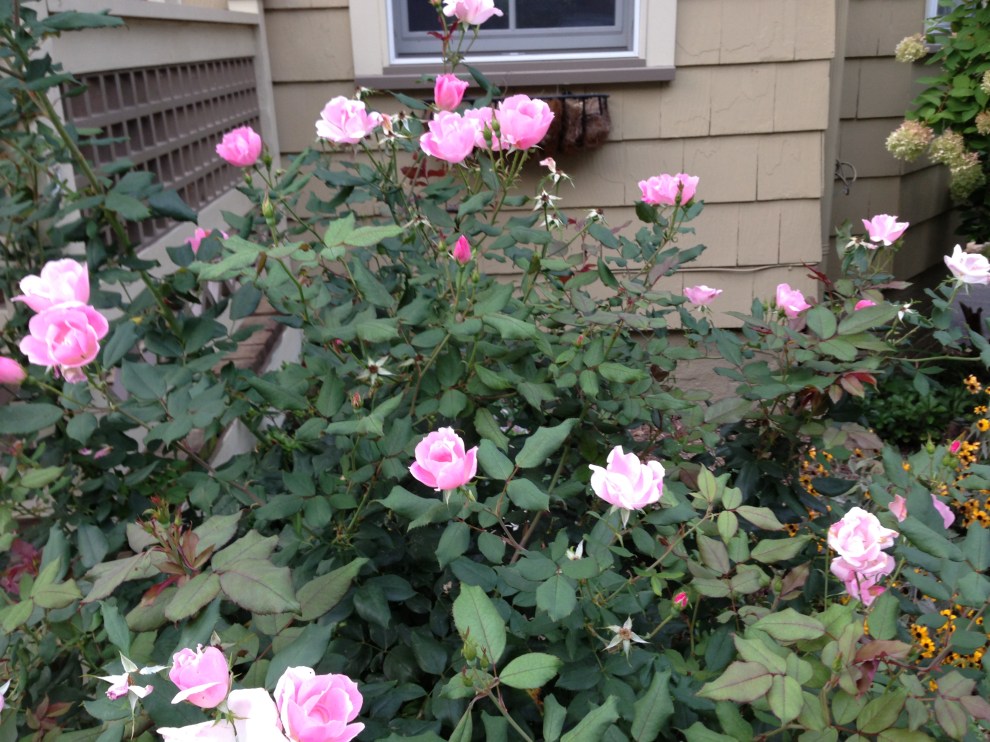
roses

We’re standing next to what everyone likes to call the 1873 condo, a building of connected homes where three tent sites originally stood. Slate and gingerbread! Some of that detail might enhance the Cabin.

condo

The Tabernacle, built in 1885, is a wooden octagon topped by a cupola. It has no heat, just hardbacked benches with plenty of leg room.

tabernacle

The interior paint is original. No joke.
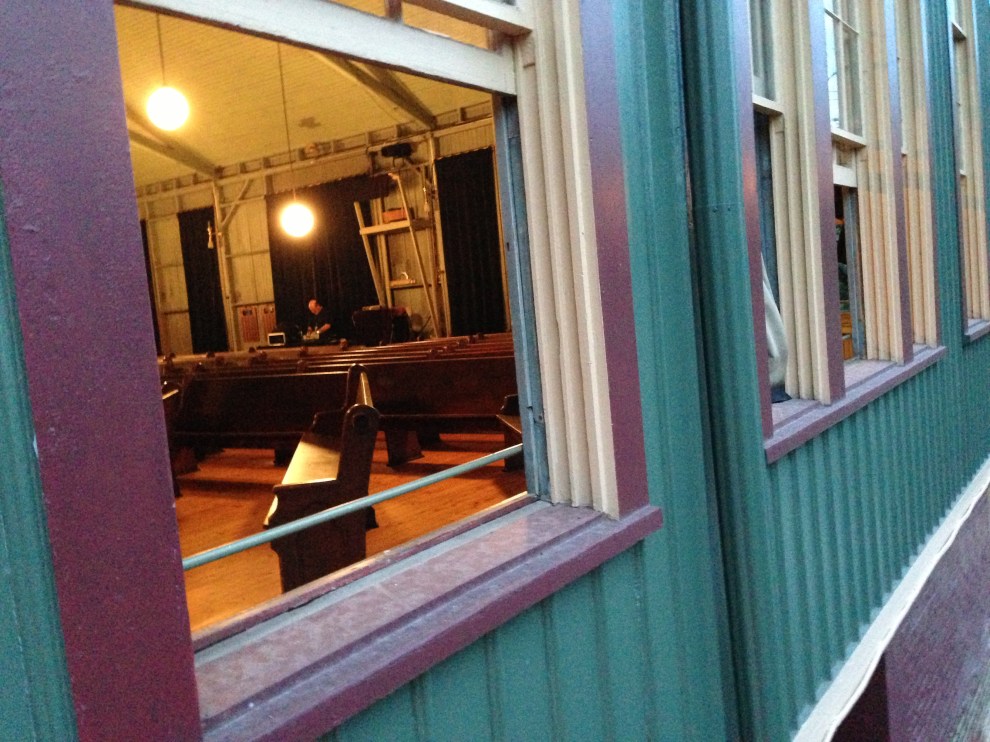
inside tab

Giant poles hold the roof up.

tab inside

It’s time. George, at the mike, gives fair warning: Art detests gadgets. Phones and cameras throw him off his game. Turn everything off. Everything. Now. A big change for those of us accustomed to concerts with everybody waving their units around in the air, with everything instantly You Tubed. What kind of curmudgeon makes these rules?

And Art does turn out to be a bit curmudgeonly,  approaching the front of the stage to lecture someone rude enough to attempt a picture. He looks the curmudgeon too, his nose sharpened by time, his height perhaps decreased, his pate and his frizz, a plain checked shirt and jeans, a man in his later years.

art-garfunkel

He begs our forbearance. He has been struggling with his “damaged voice” for three years, he says. (He cancelled a tour last year, I heard.) He just now feels he can bring it out in front of a crowd, but he is self conscious. Between songs, he thanks listeners graciously for their support. He reads to us from writings on the backs of white envelopes, poems, he says, he wants to test out on us, from a collection will be published next year by Knopf.

He recites a poem he originally read for Paul Simon on his 70th birthday:

For 70 years his arm has been around my shoulder,

He’s dazzled me with gifts.

I nurtured him in his youth.

He brought me into prominence.

I taught him to sing.

He connected my voice to the world.

I made him tall.

All of our personal belongings are intertwined.

We say it’s exhausting to compete,

But we shine for each other.

It’s still our favourite game.

tall art:simon

He tells us a story of living on Amsterdam Avenue when he was in architecture school at Columbia, living among roaches. Simon came over saying he thought he had a song that might be worth something and it was Sounds of Silence. Garfunkel sings Sounds of Silence for us. Haunting.

He shares an anecdote about Jack Nicholson’s acting chops when they did time together in Hollywood on Carnal Knowledge.

Jack-Nicholson-Candice-Bergen-and-Art-Garfunkel

A story about the “bird in his throat,” and singing Ol’ Man River for a herd of cows as he hiked in the country one day.

As for the singing… the angelic tenor… well, the instrument is indeed broke, in part. Still ravishing, sometimes. It is an amazing performance, though, just because it is so raw, because his voice is imperfect, because of the notes he can not hit and the notes he snags, better in the lower registers. Bookends, a capella. Cathy’s Song. The Boxer. Parsley, Sage, eliding over the rosemary, but bringing the song home, ultimately.

There in Mount Tabor’s intimate, historic Tabernacle, all is forgiven.
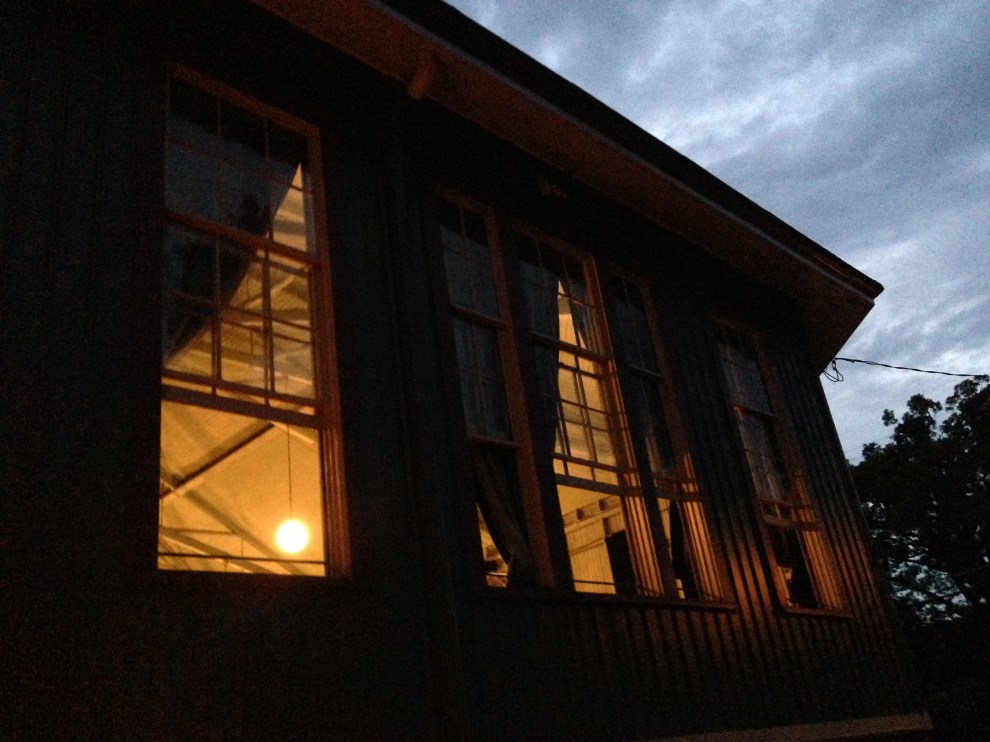
tab night

6 Comments

Filed under Culture, Film, History, Home, Jean Zimmerman, Music, Nature, Photography, Poetry, Publishing

Beans and Nothingness

Clomp, clomp, clomp. Down to the garden for the first time in the cool weather with my Frankenstein boot.

What does Nature do when you turn your back? Surprise you.

Six weeks ago when I had foot surgery and disappeared into my couch I had given up on my beans. Runner beans, Blue Lake, which makes them sound more poetic than what they are – just plain old string beans. I had vines galore, yes. But no fruit.

Today… a bumper crop, scaling the brawny sunflower that’s hanging it’s heavy head down, waiting for the birds. Ready for boiling and buttering and serving alongside a pork roast on Sunday, which is just what I plan on doing.

Beans and Nothingness

Never give up. I planted those things in mid-May and it’s taken them four months to proclaim their bean-ness.

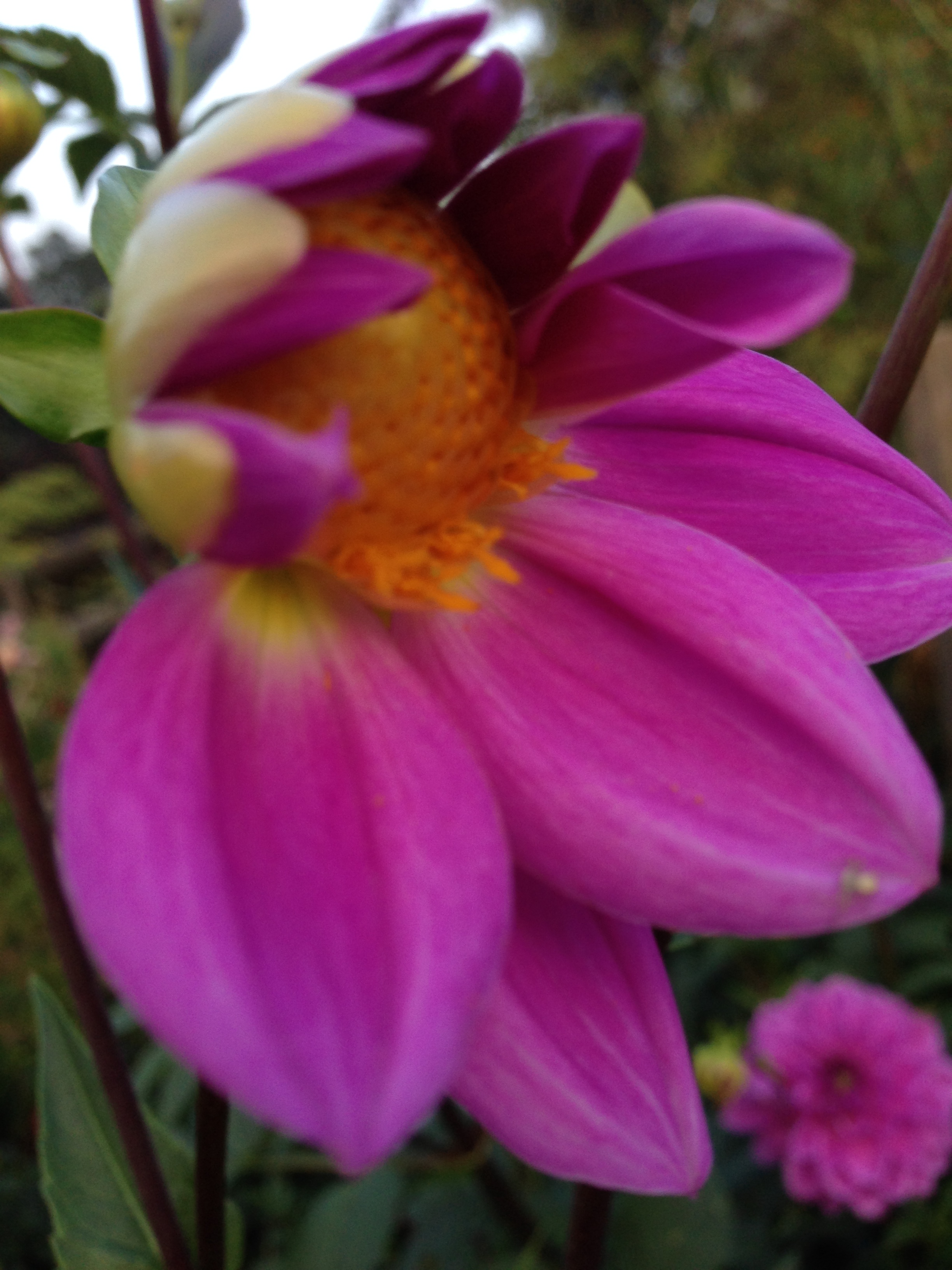
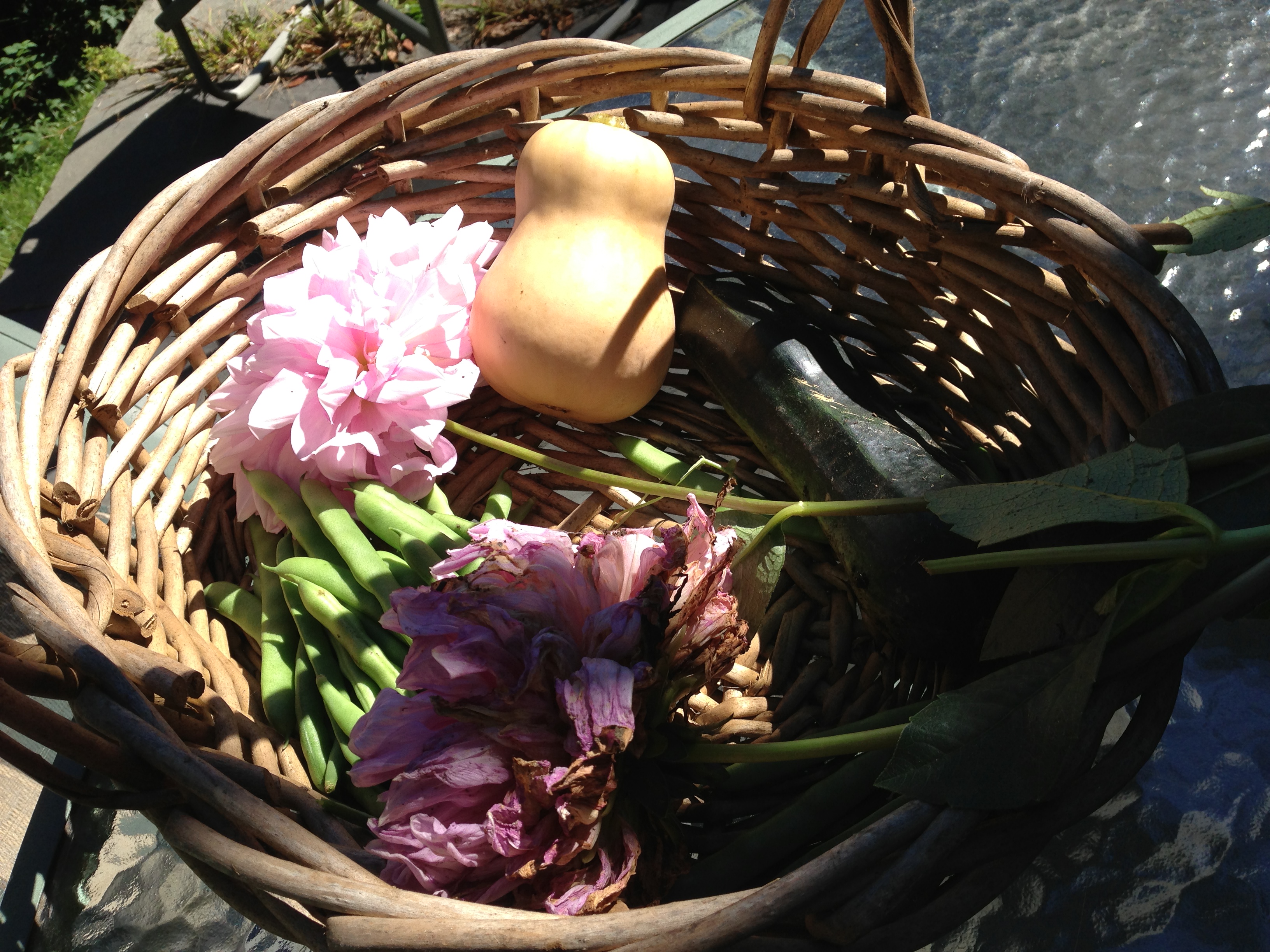
In the weeds and vines that have overtaken the ground I found other prizes. Dahlias. I planted about two dozen, having never tried before, and here were two lavender beauties with their cupped, pointed petal tips. And a jolly pint-size butternut squash, the first I’ve ever attempted to cultivate.

dahlias

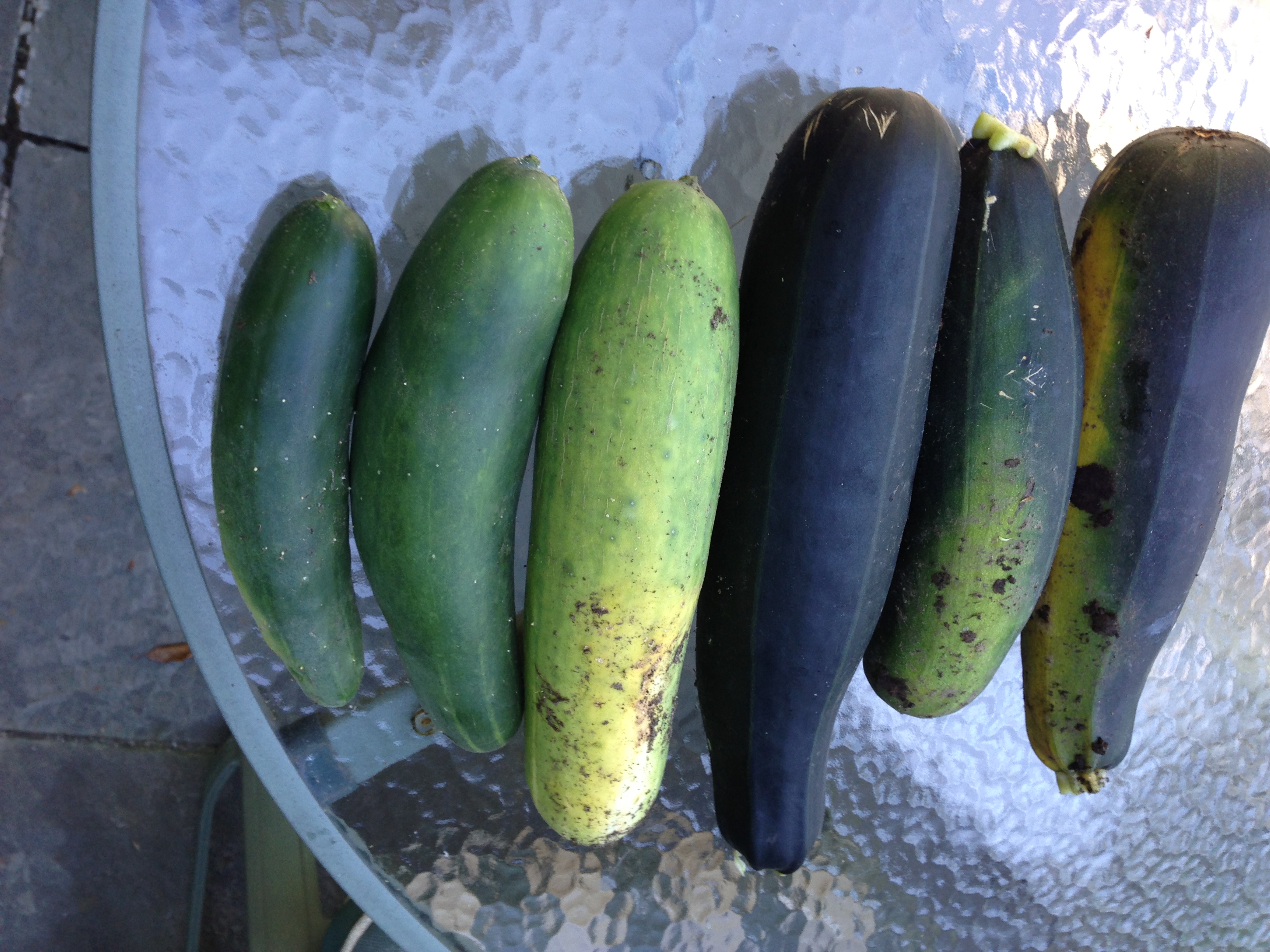
I asked Gil to cut all the cukes and zucchini that had waited patiently to be harvested all those weeks I was gone.

big uns

They’re monsters, of course, as big as my big boot. Good for nothing, culinarily. Only useful for proving what happens when you turn your back on something with the inherent ability to grow. Like the idea for a novel, which expands out of fertile soil when you’re busy doing something else.

dahlia

Leave a comment

Filed under Cooking, Home, Jean Zimmerman, Nature, Writing

A Step Forward

The last morning with the cast.

cast

The orthopedics waiting room was full of people bracing themselves with canes, crutches, wheelchairs. No scooters, though. The Bloke has been a loyal companion, but one I was glad to banish. And in a way it was sad to say goodbye to the graffiti. I was accustomed to that bit of funky glitter.

cast cu

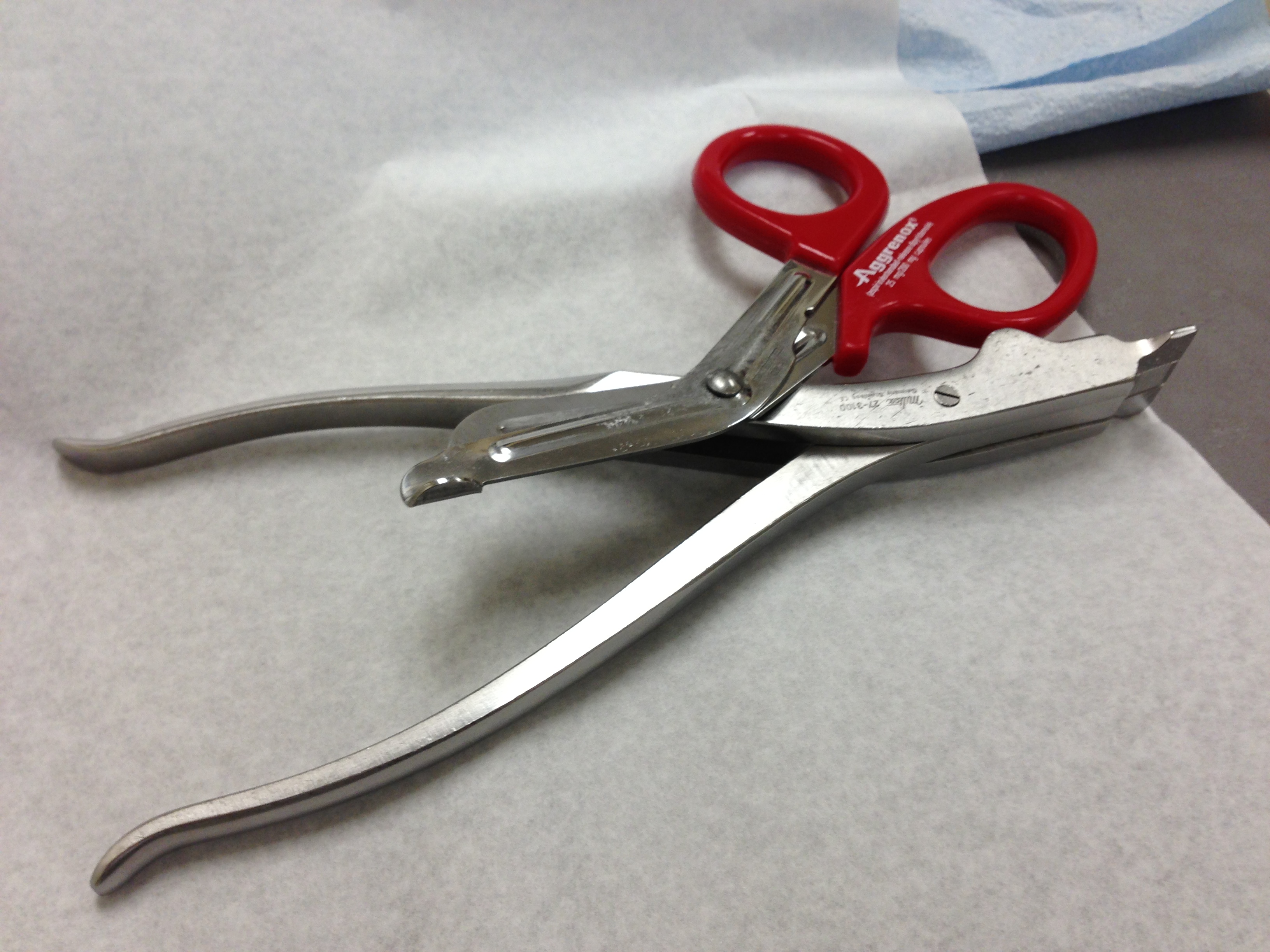
Gil and I entered what the nurse called the Cast Room. Tools awaited me on the table.

tools

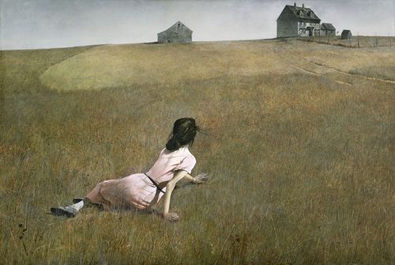
I was thinking about Christina’s World, the Andrew Wyeth painting of a woman in a dress dragging herself up a grassy hillside toward a grey frame house. The portrait, I recently learned, was based on an actual woman named Christina Olson who had polio and eschewed a wheelchair, instead crawling everywhere. Wyeth was inspired when he spotted her on the ground from the upper window of her family’s house.

Christinasworld

In the Cast Room, I didn’t know what would happen next, but I knew I would not be crawling afterward. I never fully realized until now what it means to not have the use of your leg/s. And I’ve only had six weeks of deprivation! You want so much to go independently, to crawl across a field if like Christina it takes crawling across a field. I could understand that drive.

I just wanted to walk across my living room.

The tool Dr. Voellmicke used to cut my cast neatly in two resembled a delicate jig saw, and I hoped it wouldn’t nick my leg as it buzzed. He clipped off the gauze.

My foot and ankle were tender and swollen. There was still purple marker from the surgical incisions. I didn’t recognize the outline of this precious, vulnerable appendage. It was like being born again.

But before my foot and I could really get reacquainted the doctor brought out the Moon Boot, the constant companion that would replace my cast. Now I bounce and rock when I walk. And I would need a cane, the doctor said, at least for now.

Moon Boot

Can I get a pedicure? I asked the doctor. Not a massage, he said patiently, but a dunk in the water would be okay.

A dunk in the water, and then a rocking stroll across the vast reaches of the nail salon.

I bet I’m not the first person to ask you that, I said.

No, the doctor smiled.

3 Comments

Filed under Art, Culture, Home, Jean Zimmerman, Nature

Beautiful Typologies

Though I still don’t quite understand what a typology is, the form fascinates me nonetheless. Diana Zlatonovski makes typologies fascinating. This, for example, is a collection of sunsets she amassed on Flickr, drawn from the work of Penelope Umbrico.

sunsets on Flickr:Penelope Umbrico

A curator of interesting objects and images, Zlatonovski compiles them into organized entities for our admiration/edification. She is a photographer. She photographs objects herself. And she distills other work into the essence of their parts (giving proper credit, of course, where credit is due, like these pools of Franck Bohbot).

swimming pools:photos by Franck Bohbot

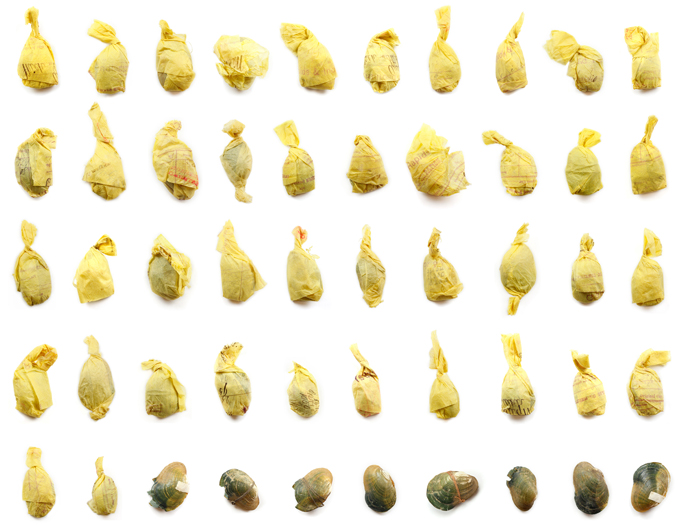
Her own photos tend to the more delicate. This image she calls “Bundles,” comprised of seashells from a  museum collection, wrapped up like bon bons.

Bundles

I asked Diana, who works at the Museum of Fine Arts in Boston, when she started working with groups of objects. “I started my typology project about a year and a half ago,” she told me. “The first series I photographed was the Wrenches.”

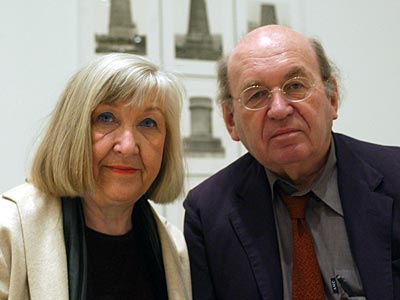
WrenchHer work seems to derive its inspiration from that of a famous pair of typologists, Bernhard and Hilla Becher, German artists who worked as a collaborative duo until early in this century.

Bechers

They photographed mainly  industrial buildings and structures.

bernd-hilla-becher-water-towers

Diana told me she has been working a lot with collections at the Harvard Museum of Natural History. She also does some photography in her own studio and travels to collectors’ homes.  “The up side of  doing that is that I am able to spend more time with the collector and hearing the stories behind the objects and how they brought them together.”

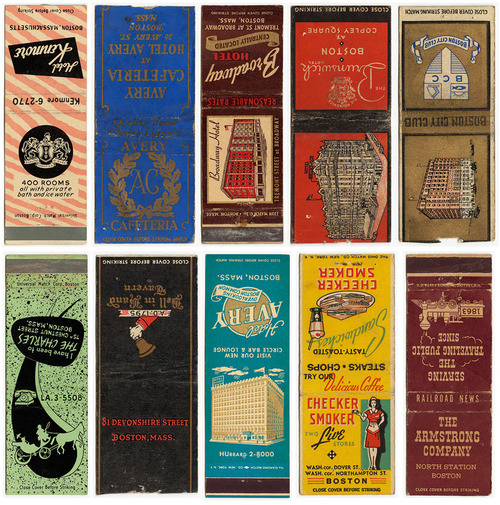
Why are arrangements of like objects so arresting? We are invited, perhaps, to entertain the idea of their seeming permanence… these matchbooks will go on forever in whatever permutation.

vintage Boston matchbook covers from the Boston Public Library

Except when they don’t. My parents had a typology of sorts — mid-50s Tokyo matchbooks enshrined under the glass top of a dining table, and those graphics are now far, far in the tail lights. You can’t even get a matchbook in a restaurant anymore. Yet the power of once-ubiquitous objects that have been replaced by other things is also fascinating.

Duncan Yo-Yos:Smithsonian Collection

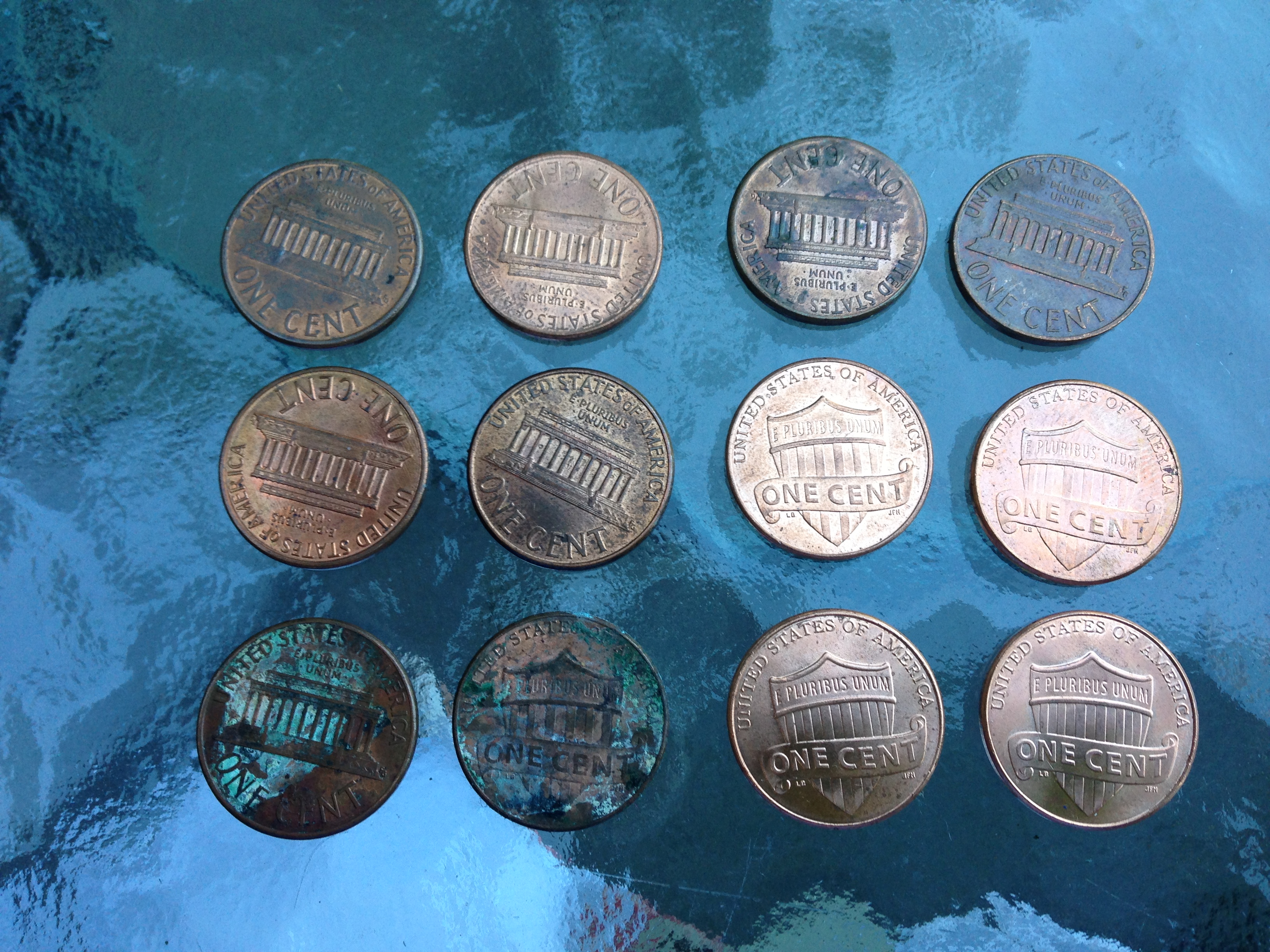
I like Diana’s work so much because the collections she documents, unlike others, are made up of seemingly not valuable items. Collections too insignificant to interest real collectors. What is worthy of keeping, of arranging, of caring about? We take pennies in a jar for granted, for example. What if they were arranged mindfully and given pride of place in a well-lit photo? This is my typology, not Diana’s.

pennies

Does the artist have collections of her own?

“It’s hard not to!  I am always finding interesting things. Luckily, I am usually most interested in small objects…much easier to store.” I love her typology of forks.

vintage forks

Which objects do you find the most fascinating or beautiful, I asked.

“It really varies,” she said. “There is always an emotional response that brings me to selecting objects, it can be aesthetic, nostalgic, or any number of things. But I definitely am drawn to the form and color of an object as well as to its story, where it came from, what it represents.”

I don’t know about you, but I’d like to know everything about these vintage, wacky, glamorous cigarette-holders.

Cigarette-HoldersYou can find Diana’s original photographs on her web site.

Her blog, The Typologist consists mostly of artist submissions or images she has compiled from digital collections.

2 Comments

Filed under Art, Cooking, Culture, Fashion, History, Home, Jean Zimmerman, Photography

Digging

I made a list. The things I’d do if I were going out and about this weekend. The free-of-leg-cast things.

There’s the NYC Unicycle Festival, which kicks off with a 13-mile single-wheeled parade across the Brooklyn Bridge to Coney Island and which includes a bout of unicycle sumo wrestling.

UniFest2012 photo creditKeithNelsoniphone_1654

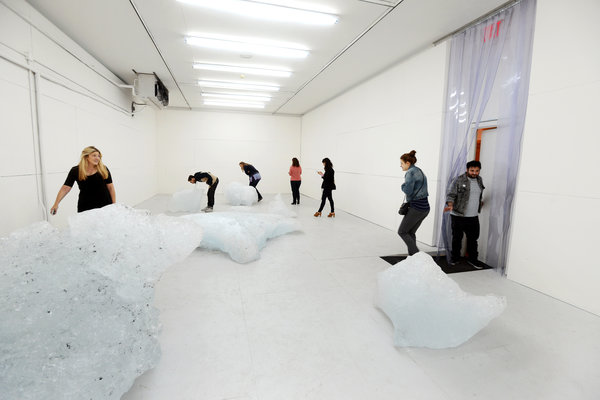
Then, the art installlation by Olaf Eliasson, called “Your Waste of Time,” in Long Island City, at MOMA PS1, with chunks of Icelandic ice in a refrigerated room.

31EXPO-articleLarge

I could visit the Wolf Conservation Center north of the Cabin. Sit behind protective glass and watch a pack howl. They even offer overnights in a tent. The Center has babies, like Zephyr, born April 20th.

zephyr

There’s a tug boat armada on the Hudson, more accurately the Great North River Tugboat Race & Competition, complete with a Popeye-themed contest for spinach eaters.

Jones Beach, its tawny sands burning hot in August, its crashing waves filled with quarter-size quivering jellyfish. We don’t care about jellyfish, though. It’s the last swim before fall. But no room on that crowded strand for a fiberglass leg cast.

ocean

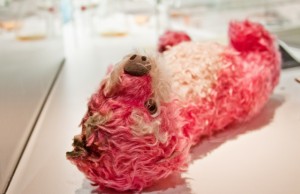
The Breaking Bad exhibit at Museum of the Moving Image in Queens that displays the costumes, props and other accoutrements of everyone’s latest streamed addiction, one that has smoothed the way through these mellow weeks post-foot-surgery. The arc of the show was contrived as carefully as Walt crafts his blue rocks, not surprisingly, and “From Mr. Chips to Scarface: Walter White’s Transformation in Breaking Bad.” will show you how. The stuffed animal that splashes down into the Whites’ swimming pool was specially commissioned, it turns out.

BreBa-Pink-teddy-640x415-300x194

Do you care to see the tighty-whities that Walt wore in season one, episode one? For some reason I do, but I don’t know if the terrain is maneuverable for me and my scooter.

I missed the Battle of Brooklyn last weekend – reenactors assembled in what later becamethe famous Green-Wood Cemetery – out of a dread of uneven grass and pebbly stretches.

green-wood-cemetery-battle-brooklyn-reenactment-redcoats

There was supposed to be cannon fire and I know people were boiling pots over smoky campfires.

I must eschew places that wouldn’t easily accommodate what Gil calls “Jean’s crutches, sons of butches, or the Bloke, no joke.” What the ladies at the nail salon called my “motorcycle.” One was so nice she gave me an upper arm massage. I never knew that crutches kill your triceps.

Jean on crutches

But it’s all in the name of pampering that tiny metatarsal in my right foot, the one that needs some extra help to mend so that I can go on ever greater adventures. Who knows, next year a pair of hiking boots that actually fit. Kilimanjaro.

I am most definitely emerging today for a time to “help” cart Maud’s things for the year to her new dorm. She makes up in leggy activity, just back from sunny Spain, what I currently lack. Out catching drinks with friends, seeing music, buying notebooks, all new things, looking to the future.

maud spain

I am also looking to the future, though a ripple of boredom is creeping through me like a sweet rot. Day to day, I dive down into the Revolutionary New York research for my next novel and come up with gorgeous crumbs. And you need crumbs to make the rich loaf that is a historical novel. But that’s just a start.

I’m going to need a new couch after this recuperation, the indentation in the current one might not plump back up.

A walk down to the garden to dig potatoes would be great. Fingers — toes! — in the dirt. I remember the loam of mid-summer fondly.

potatoes soil copy

Oh, forking over potatoes today… would be amazing. The just-deceased Nobel-winning poet Seamus Heaney’s poem on the subject, “Digging,” is one of the great works of modern literature. Have a seat on my couch. Take a listen.

Between my finger and my thumb   

The squat pen rests; snug as a gun.


Under my window, a clean rasping sound   

When the spade sinks into gravelly ground:   

My father, digging. I look down
 

Till his straining rump among the flowerbeds   

Bends low, comes up twenty years away   

Stooping in rhythm through potato drills   

Where he was digging.


The coarse boot nestled on the lug, the shaft   

Against the inside knee was levered firmly.

He rooted out tall tops, buried the bright edge deep

To scatter new potatoes that we picked,

Loving their cool hardness in our hands.


By God, the old man could handle a spade.   

Just like his old man.


My grandfather cut more turf in a day

Than any other man on Toner’s bog.

Once I carried him milk in a bottle

Corked sloppily with paper. He straightened up

To drink it, then fell to right away

Nicking and slicing neatly, heaving sods

Over his shoulder, going down and down

For the good turf. Digging.


The cold smell of potato mould, the squelch and slap

Of soggy peat, the curt cuts of an edge

Through living roots awaken in my head.

But I’ve no spade to follow men like them.


Between my finger and my thumb

The squat pen rests.

I’ll dig with it.

4 Comments

Filed under Culture, Fashion, Film, History, Home, Jean Zimmerman, Nature, Poetry, Publishing, Writers, Writing