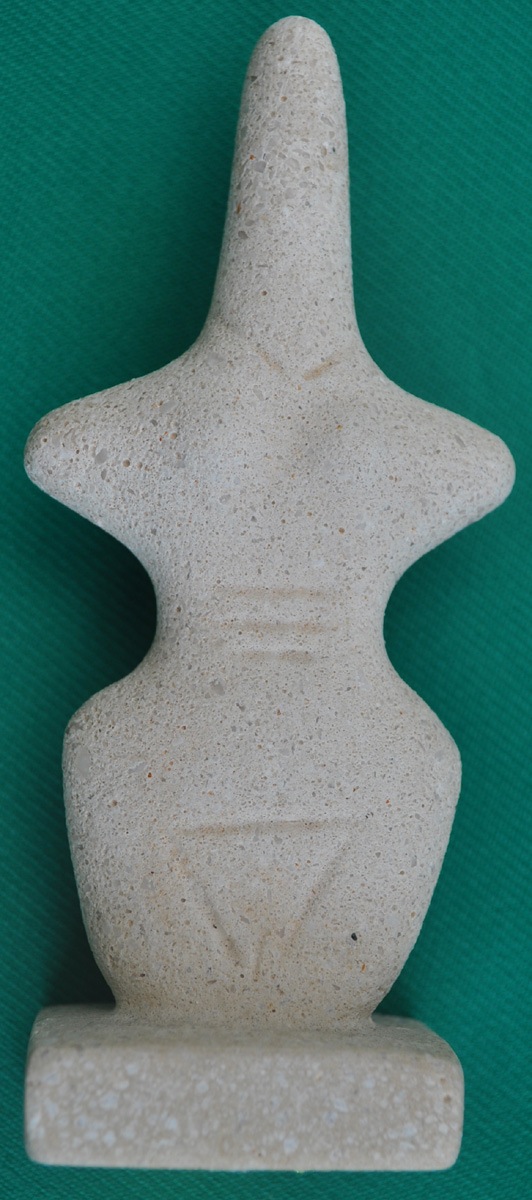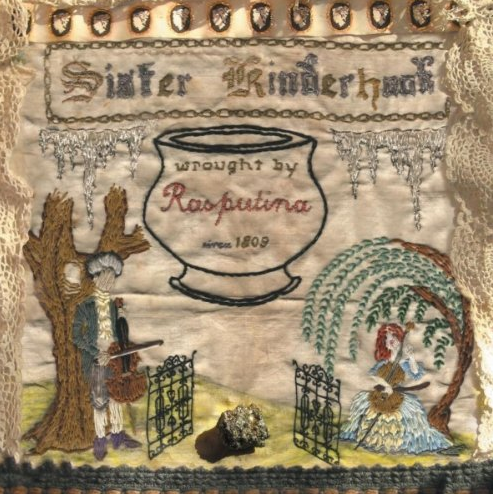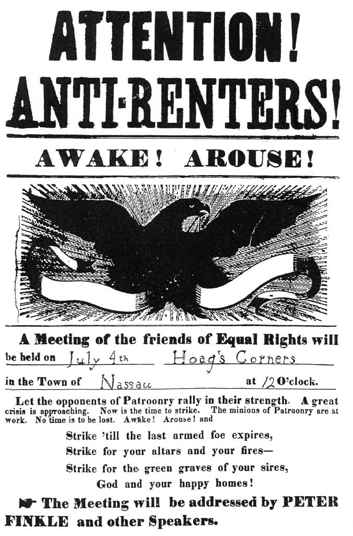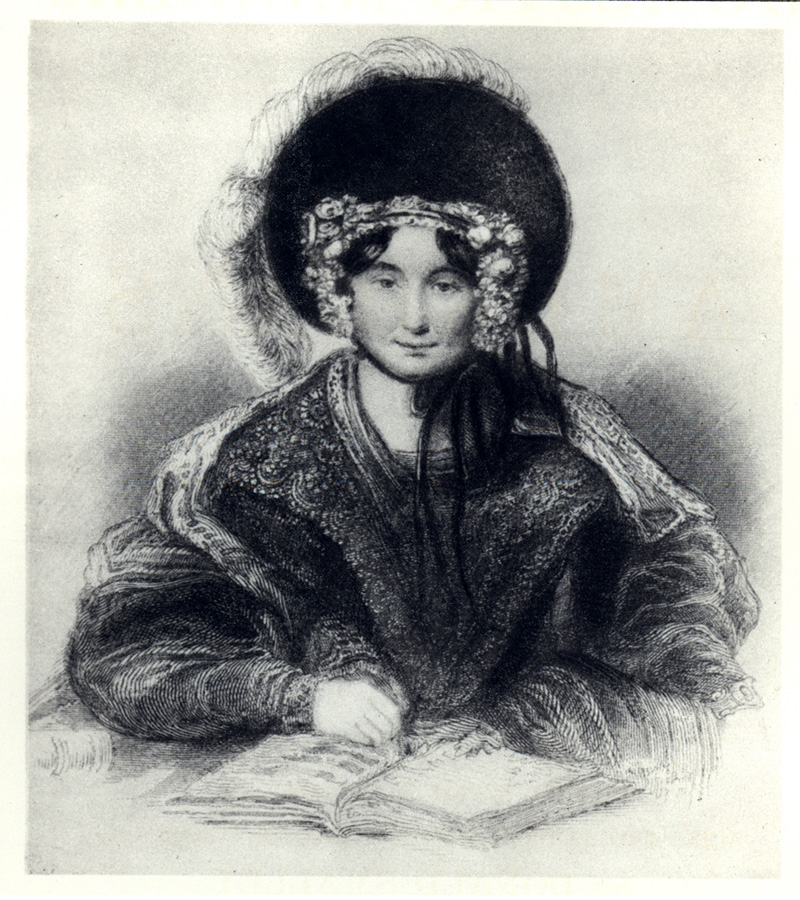
Category Archives: History

The Roaring Twenties

Put yourself on a New York City streetcorner on a summer afternoon in 1929. You can imagine it, sure, but can you really hear it? No?
Betty-button256Now you can.

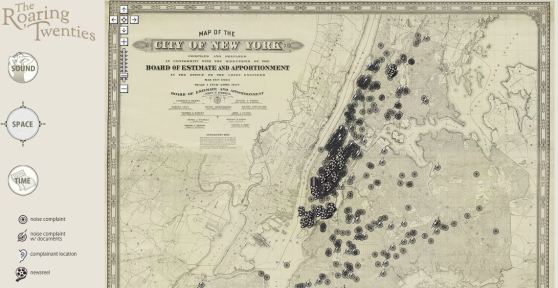
Emma Thompson, a MacArthur-winning professor of history at Princeton University, has constructed a digital time machine that allows you to experience the jack hammers, fog horns and splashing fire hydrants of New York’s yesteryear in a web site called The Roaring Twenties.
roaringtwenties

The way the sound specialist did this is ingenious. She paired actual noise complaints from the files of New York City’s Health Department with  a detailed block-by-block Google Map. It’s a digital interface that covers all five boroughs of the city in the years 1926 to 1933. You can click on one of 600 pins and call up an image of the original complaint – plenty of complaints about noise, then as now – and the official response, if any.

N. Schmuck of Greenpoint, Brooklyn, for example, was being driven nuts by factory noise from the nearby Colonial Pickle Works. Another complainant, attorney H. Bartow Farr, said his sleep had been disrupted by a racket on the East River — nighttime dredging close by his Gracie Square home. One function on the site allows you to search by type of complaint, so you can find out exactly how many foghorn complaints registered in a certain time frame. You might not have thought you wanted to know about foghorn complaints with this degree of specificity, but I think you’ll be surprised.

“My first impression of New York was its noise,” said a Japanese governor visiting the city in 1920, cited in The New York Times.

As an aural historian, Thompson believes that it’s important to understand the context of sound, its meaning as well as the sound itself. And that is why this fascinating project incorporates not only paper evidence, the complaints, the maps, but the actual noises of New York themselves, unmediated.

F. Scott Fitzgerald wrote in  My Lost City in 1932:

“What news from New York?”

“Stocks go up. A baby murdered a gangster.”

“Nothing more?”

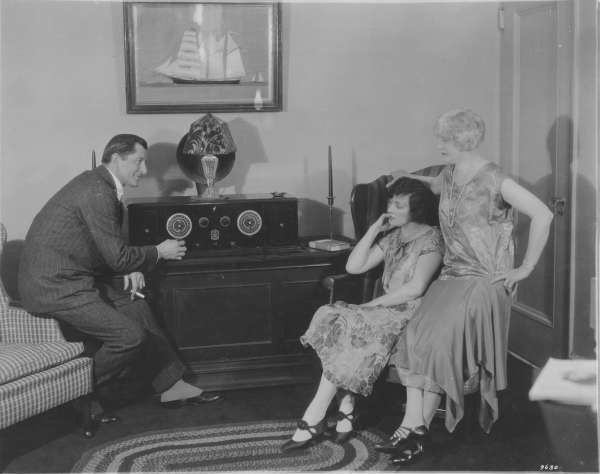
“Nothing. Radios blare in the street.”
listening

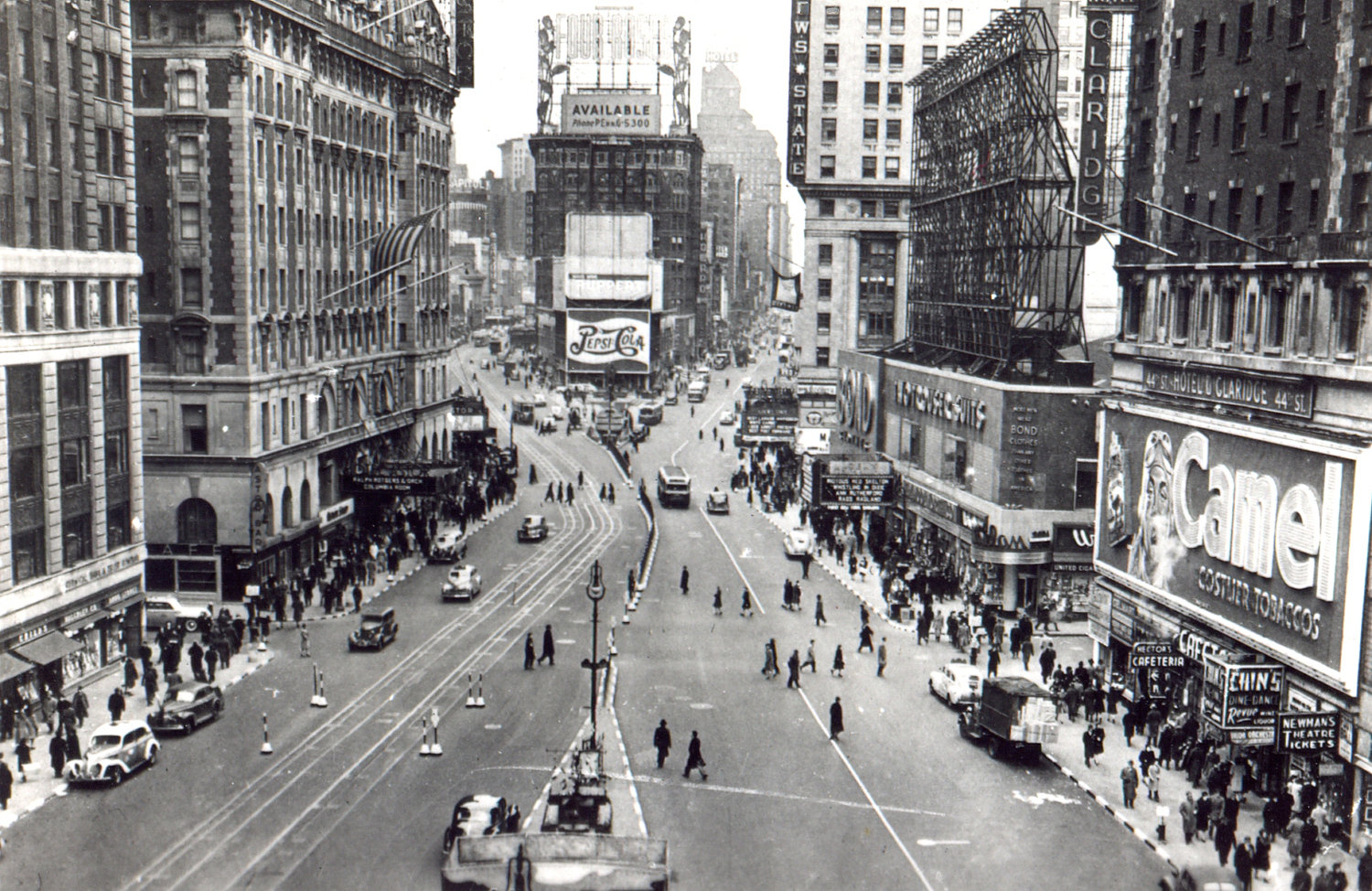
How to capture those radios blaring in the street? Well, sound cinema was just then taking off. Thompson and web designer Scott Mahoy assembled images sourced from Fox MovieTone newsreel footage, pictures that once filmed were often left on the cutting room floor. The technology was still crude, but watching a snippet is amazing. Select one newsreel icon on the Roaring Twenties map and you find yourself in the hubbub of Times Square, cruising among the grand marquees.
times square

Another takes you to Central Park and the cheeky frolic of a crowd of kids shooting marbles. Or go visit with a ukelele strummer on the beach at Coney Island one hot day in 1930. The newsreels are not matched precisely to the noise complaints, but close enough. It’s sound-around. For a taste, listen to the NPR segment about the project.

I swear, The Roaring Twenties is as close as you’ll get to Fitzgerald-era New York. (I only wish such a vehicle existed for the 1870s when I was getting into the head of Savage Girl.) The only thing that’s missing is the ripe smell of horse manure and hot dog stands. Those  will have to wait for a new generation of smell engineers, but this web treasure will help in the meantime.

3 Comments

Filed under Culture, Fiction, Film, History, Jean Zimmerman, Photography, Writers, Writing

Knitting and Giving

Here is a Christmas tale involving soft wool, magic sticks and a sense of loving duty.

lady w scarf

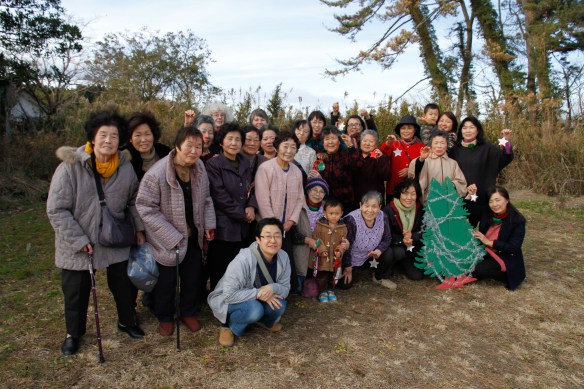
A missionary working in Shichigahama, Japan, a place devasated by the tsunami in March 2011, instigated an outreach program called Yarn Alive that brought thousands of skeins of donated wool and a little knitting instruction to the people of the area.

mittens

The displaced, mainly elderly women who met weekly were living in shelter situations, with no personal possessions and little privacy, having lost loved ones and having had nightmarish experiences during  the disaster. Now, according to one of the participants,  they “knit and chat and comfort each other one stitch at a time.”

yarn alive class

It’s a fellowship. And the ladies are not only creating sweaters for themselves but gifts for others – cozy afghans laid across the chairs of the local postal workers, for example.

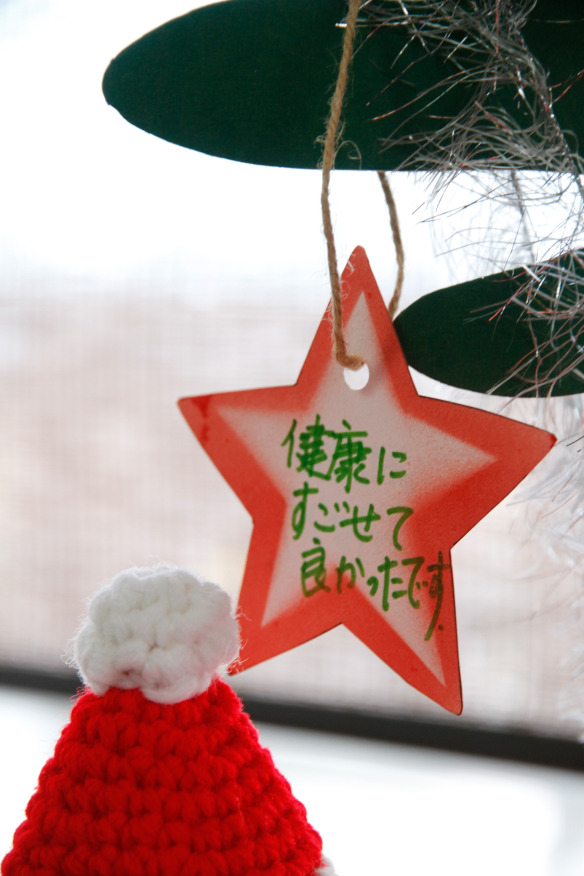
Now, as their brilliant 2013 Christmas gift to the world, the women of Yarn Alive have turned their sights farther afield – they’re helping the children of Syrian refugees in Jordan, sending over 200 articles of clothing to keep them warm.

syrian baby hats

Not only that, plans are underway to send knitting supplies to the Syrian ladies in Jordan so they can stay busy and productive too in their own difficult time.

syriaIf you would like to donate yarn, here is where to send it:

Yarn Alive
#36 TBC
Hanabuchihama
Shichigahama Machi
Miyagi-ken
Japan
985-0803

United States, Japan, Syria, all knitted together by the willing hands of women who  are helping each other, helping themselves.

ornament

5 Comments

Filed under Culture, History, Home, Jean Zimmerman, Knitting, Nature

Tra La La La La (La La La La)

I breezed through the local shopping mall yesterday on my knee scooter, only mildly terrifying the people directly in my path. I felt good. I had completed all my shopping days before. There would be nothing to buy in the future. And the Christmas tunes swelled loud and corny and hypnotic all around.

Peter Zimmerman keeps forking over bales of posts my way, generously, during this rather sedentary time for me. So here is another:

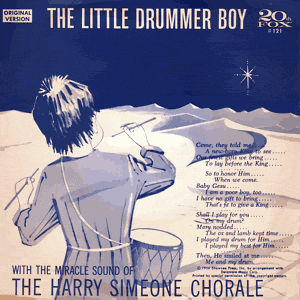
My sister and I have debated (Peter writes) which one of us fixated the most on The Little Drummer Boy when we were children. The most famous version of the Rumpadumdum was recorded by the Harry Simeon Chorale in 1958.

drummer

The story depicted in the song is somewhat similar to a 12th-century legend retold by Anatole France as Le Jongleur de Notre Dame (Our Lady’s Juggler), which was adapted into an opera in 1902 by Jules Massenet. In the French legend, however, a juggler juggles before the statue of the Virgin Mary, and the statue, according to the version of the legend one reads, either smiles at him or throws him a rose (or both). The song was originally titled Carol of the Drum and based upon a traditional Czech carol.

As for the most depressing – and, Jean says, most wonderful – Christmas song, she votes for Have Yourself a Merry Little Christmas, introduced by Frances Gumm (Judy Garland) in the 1944 film Meet Me In St. Louis.

meet-me-in-st-louis-44-mo-jg-1

Next year all our troubles will be miles away, until then we’ll have to muddle through somehow. Magic lyric, says Jean. While I would choose Perry Como’s Home for the Holidays (you can’t beat home, sweet home) with its manic bridge.

I met a man who lives in Tennessee

He was headin’ for, Pennsylvania, and some home made pumpkin pie

From Pennsylvania folks are travelin’ down to Dixie’s sunny shore

From Atlantic to Pacific, gee, the traffic is terrific…

Oy, the traffic!

Andre Kostelanetz’s famous Sleigh Ride pulls on my heart strings. You can hear Santa repeatedly whipping the poor reindeer.

santasleighdeer

Leopold Mozart’s Sleighride is more to my liking. Lots of jingle bells, no whips. THE Mozart was Leopold’s father.

Some of my other favorites include Doris Day’s Toyland, Fats Waller’s Swinging Them Jingle Bells, Liberace’s Jesu Bambino, and Tammy Wynett’s Away in a Manger.

liberace

The most beautiful song is Harry Belafonte’s We Wish You a Merry Christmas medley.

My brother Andy’s favorite Christmas song is We Three Kings. Not to be depressing but here’s one of the verses.

Myrrh is mine

Its bitter perfume breathes

A life of gathering gloom

Sorrowing, sighing, bleeding, dying,

Sealed in the stone cold tomb.

If anyone can update the tune, it’s the psychobilly musician Reverend Horton Heat.

three-kings

A very merry Christmas to all!

8 Comments

Filed under Culture, Film, History, Jean Zimmerman, Music

From the Chimney With Care

They’re waiting. Waiting in plain sight, hung from the chimney with care, assembled of felt and yarn and sparkles. Everyone in the house for the holidays is an adult now, but still we hang our stockings.

santa-254x300

The practice of hanging a Christmas stocking… why hang a sock to collect treats, or put out a shoe as people do it in some cultures? I’ve never found a satisfactory answer, but I always associate it with the idea that your dog always wants to chew up your shoe, because he loves you and that’s the part of you that smells most like you.

O beseeching

He knows not what he does. That’s what I’ve always heard. So Santa is looking to find the part of you that is most you when he tracks down the stocking you hang with care.

1900 stocking

Auntie, my mother’s aunt, made her converted sweet potato shed in Greenfield, Tennessee into a cozy home. She had a tiny room that never failed to impress me with its huge stash of craft materials, from buttons to calico to giant skeins of acrylic yarn.

auntie-copy

Auntie knitted, she made lace, she crocheted, she sewed. She was simply a craft adept. And she loved kids, though she never had any of her own, referring to her home economics students at Dresden High School as my children. My Christmas stocking and those of my brothers were Auntie’s creations.

auntie stocking

Last year I learned to knit a sock. I thought I could use it as a Christmas stocking if it ever got long enough. It didn’t. It was orange anyway. Luckily I still have my old beauty from Auntie.

snoman

For some reason people have competed over the years to set a record for the biggest Christmas stocking. That seems odd to me, as a Christmas stocking is by nature pleasantly ordinary of stature, somewhat roomier than an actual sock that fits your foot but no larger as that would be somehow… greedy. One time recently The Children’s Society in London organized a stocking of 6,000 squares of red knitting, as long as three doubledecker buses. I hear that it weighed the equivalent of five reindeer and bulged with with toys for the poor.

Christmas_Full_Stockings_Tidbits_Freebie

If you have a stocking that is yours and has always been yours, you are lucky. A personal stocking. Gil’s stocking reverted back to him somewhere along the way, emerging out of the Wisconsin Christmas Box, perhaps when someone noticed he was on the verge of entering a second childhood and needed all the treats he could get. He also inherited the Christmas ornaments his mother made for him, one for every year of his young life. Most of them seem to be assembled of toothpicks in some form or another.

gil ornament

Gil was the youngest of five, and that made it important that the old lady brought in to produce his stocking should knit the letters of his name in a bold block print around the top edge. He wanted his fair share of candy on Christmas morning.

gil stocking

Gil remembers the fascination he felt for the tiny plastic gewgaws that decorated his stocking.

gil stocking cu

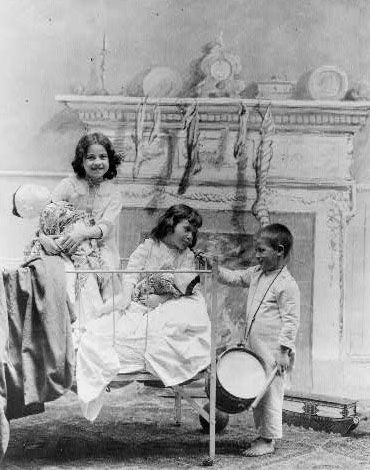
The little drummer boy with his big sisters in this 1890 shot could actually be Gil.

1890-xmas

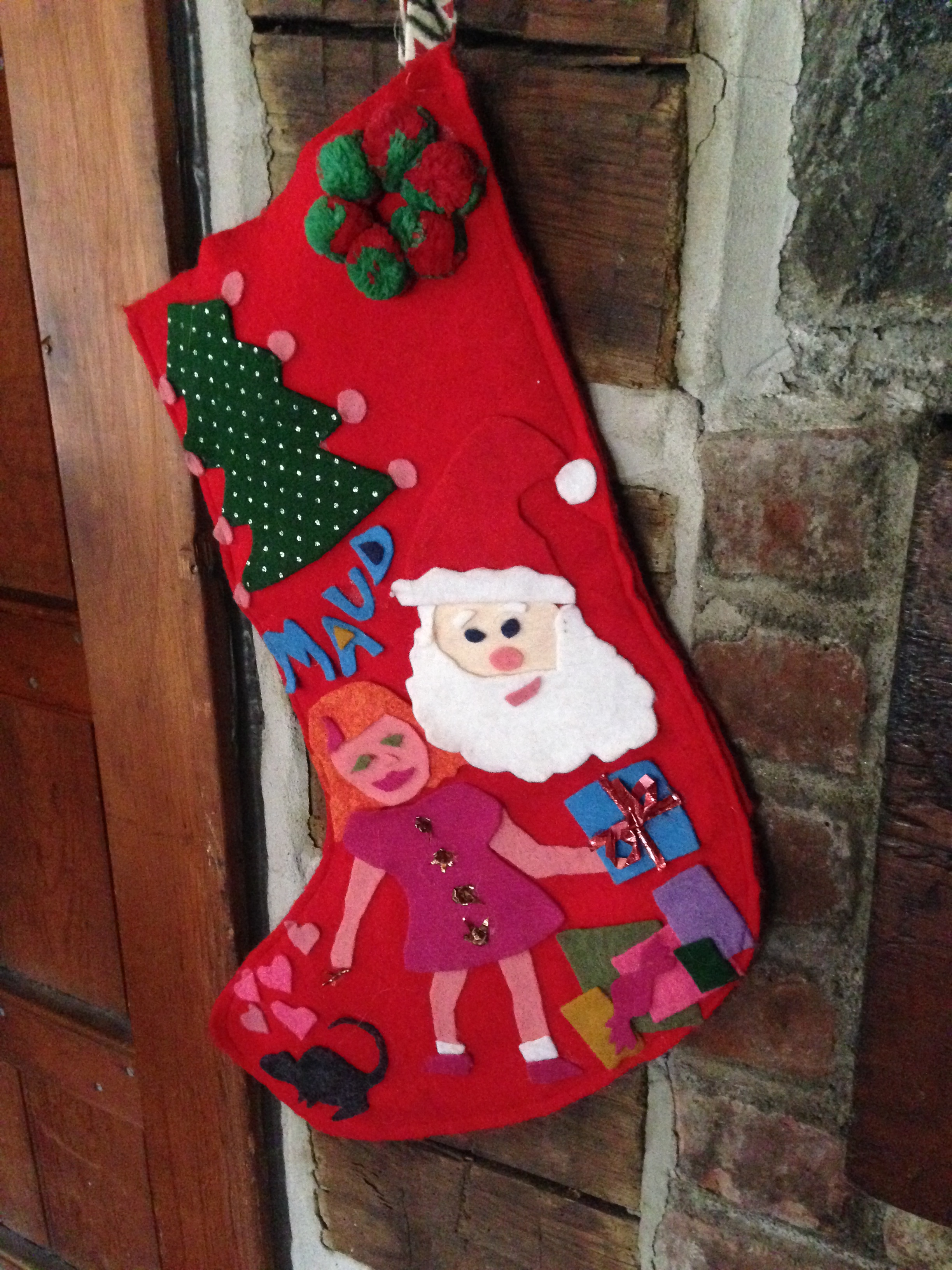
Maud must have been around three when I decided to make her a personalized stocking. I remember carefully picking out the supplies at a crafts store near her grandparents’ house, where we were staying for the holidays. With enough glue, red, white and green felt and some pompoms would surely make something. And it did.

maud stocking

For some reason a curious mouse found its way onto the toe – maybe I was thinking of the Nutcracker.  The stocking had hearts and bow-tied presents and glitter, plus the letters of her name, all the trimmings my little sprite would want to see hanging near the fireplace. The girl herself looked all grown up. It was as if I was looking into the future. The stocking, I knew, would be a keeper.

hope your stocking

6 Comments

Filed under Art, Culture, Dogs, History, Home, Jean Zimmerman, Knitting

A Grimm Tale

Recently I checked out my reader reviews for The Orphanmaster – not always a good thing for a writer to do, but Amazon makes it so easy – and after the wonderful, wonderful, wonderfuls I was stopped short by this extremely erudite criticism: Yick. One of my readers actually had to put the book down and erase it from her e-reader, she was so offended by the novel’s instances of violence and depravity.

Alright, you got me. Loving, brave Blandine and valiant, dashing Drummond and adorable little Sabine aren’t the only beings in the story. There are bogeymen lurking in the New Amsterdam shadows, crouching in the forest, maybe even hiding somewhere in your house, perhaps inside the groot kamer itself.

O-Master P-Back Cover

No one in The Orphanmaster is entirely safe. It’s our job (through the actions of the characters we adopt as our totems) to crush those towering monsters and let the light shine in for another day. There’s a crack in everything, wrote Leonard Cohen, That’s how the light gets in.

Why do some writers, like me, want to show the monsters, expose them, and crush them? Why are some people drawn to a TV gorefest like The Walking Dead? I know I am. Monsters are with us at the core of our psyches. A lot of viewers are eating up the NBC prime time show Grimm, which puts a procedural spin on nailing fairy-tale creatures.

grimm

It’s actually amazing that we manage to find anything remotely more interesting to tell stories about.

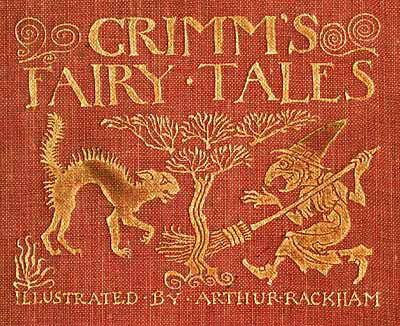
Today is the anniversary of the first publication of Grimm’s Fairy Tales. This literary landmark, originally titled Children’s and Household Tales, first appeared in Germany on December 20th, 1812 – just in time for Christmas shoppers, right?

Grimm's_Kinder-_und_Hausmärchen,_Erster_Theil_(1812).cover

Jacob and Wilhelm Grimm were not the first to publish fairy tales, but their versions enshrined the “folk” aspect of the material – the down and dirty part, the cruelty, the yick factor. The brothers went out to the countryside and collected folk tales from peasants, unsanitized, terrifying and utterly compelling.

Arthur-Rackham-Grimm-Fairy-Tales

Many of the details in the original versions of the stories were more ghastly than those we recognize from Disney – for one minor example, in the Grimms’ Cinderella, two heavenly doves help the heroine get dressed for the big ball in a gold dress and slippers – then fly down to peck out the eyeballs of the evil stepsisters.

Cinderella-(Cinderella_III)

Yick. But brilliant. The tales have found their way into 160 languages in the last 200 years. A recent translation of 50 of them by children’s writer Philip Pullman manages to be as elegant as it is gory. As far as I know, there is no witika in Grimm, no towering, green-skinned, long-fanged, cannabilistic spirit of the woods such as the being that torments 1663 Manhattan in The Orphanmaster.

wendigo_char_c1

Yick. Yum.

3 Comments

Filed under Art, Culture, Fiction, Film, History, Home, Jean Zimmerman, Nature, Publishing, The Orphanmaster, Writers, Writing

Desert Desperados

My favorite blogger-in-arms Peter Zimmerman is tall, lean, sun-loving and more than occasionally prickly.

OLYMPUS DIGITAL CAMERA

So I knew that when he wanted to write about the saguaro there would be no better perspective on the cactus.

pic1Hard to believe [he writes] that it’s been 43 years since I saw my first saguaro. I was twelve years old at the time that the Zimmerman family took a whirlwind trip “out West.” We flew to Colorado Springs and, in a packed rental car, by way of the Grand Canyon, Las Vegas, Yosemite, and Santa Barbara, ended up in L.A., where we took in a Supremes concert at Disneyland!

They don’t call it a Cereus giganteus for nothing. Saguaros can grow as tall as 70 feet.
bird1(woodpecker)
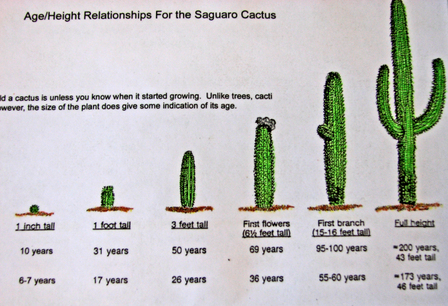
Saguaros have a relatively long life span. They may grow their first side arm at anywhere from 50 to 75 years of age (some lives to be 150 years old), but some never grow one at all. A saguaro without arms is called a spear.
pic2
The rare crested saguaro is perhaps the result of a genetic mutation, or lightning, or freezing weather. Scientists don’t know.
OLYMPUS DIGITAL CAMERA
As a result of their formidable height, it’s very hard to take a picture of a saguaro bloom, located on the top of this stately if comical-looking cactus. Plus they tend to bloom at night.
pic3
I once spent the better half of an afternoon driving the mountainous loop road at Saguaro National Monument, trying in vain to take a picture of a bloom. Try shooting down on a 30-foot-tall plant. I mean, cereus-ly. But elsewhere, I succeeded!
saguaro in bloom
Saguaros are pollinated by bats, primarily the lesser long-nosed variety.
They come in all shapes and forms.
allshapes
Like other cacti, saguaros are water hoarders. Whenever it rains, they soak up the rainwater. The cactus will visibly expand. It conserves the water and slowly consumes it.
Sag. Natl park3

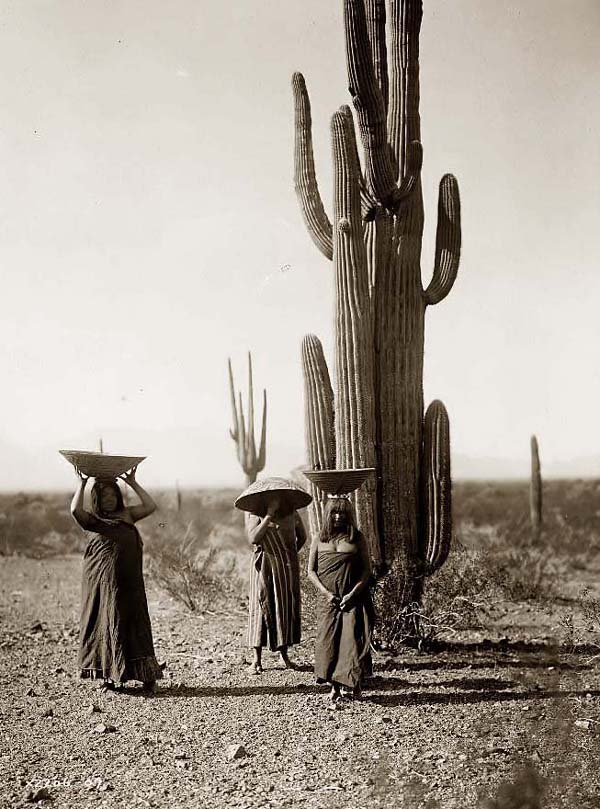
The Tohono O’odham tribes celebrate the beginning of their summer growing season with a ceremony using a fermented drink made from the bright red fruit to summon rains, vital for the crops.

indians
They used the ribs — the skeleton — for building houses. The Seri people of northwestern Mexico used the plant which they call mojépe for a number of purposes.Birds live inside holes in saguaros.
bird3(owelet)
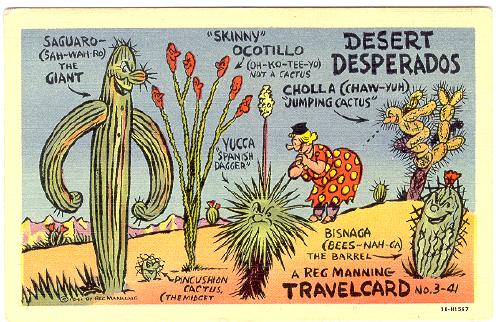
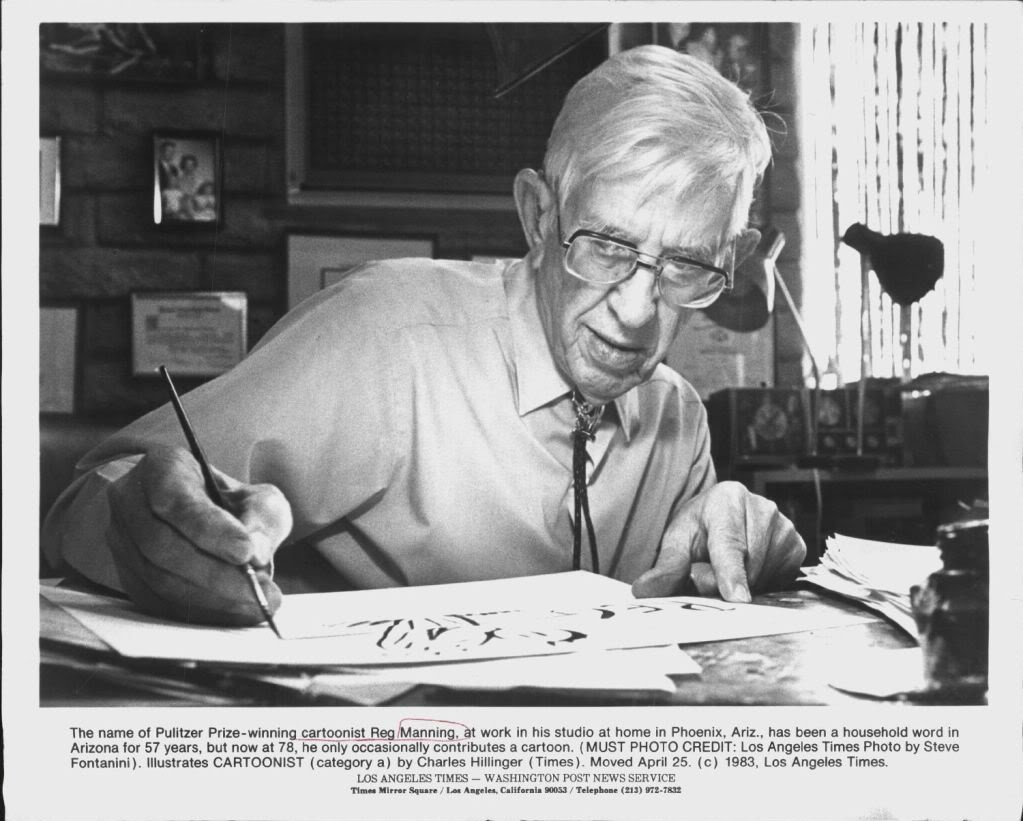
The saguaro has appeared in many Westerns, especially at Monument Valley. Commercially, the saguaro’s silhouette is found on the label of Old El Paso brand products. Old-timey cartoonist Reg Manning made his bread and butter drawing pictures of cacti.manning

His most famous book is What Kind of Cactus Izzat?

1 Comment

Filed under Art, Culture, History, Jean Zimmerman, Nature, Photography

Ever Abustle

What exactly was the Victorian bustle, and why did it become a fashion staple?

1885_lmi

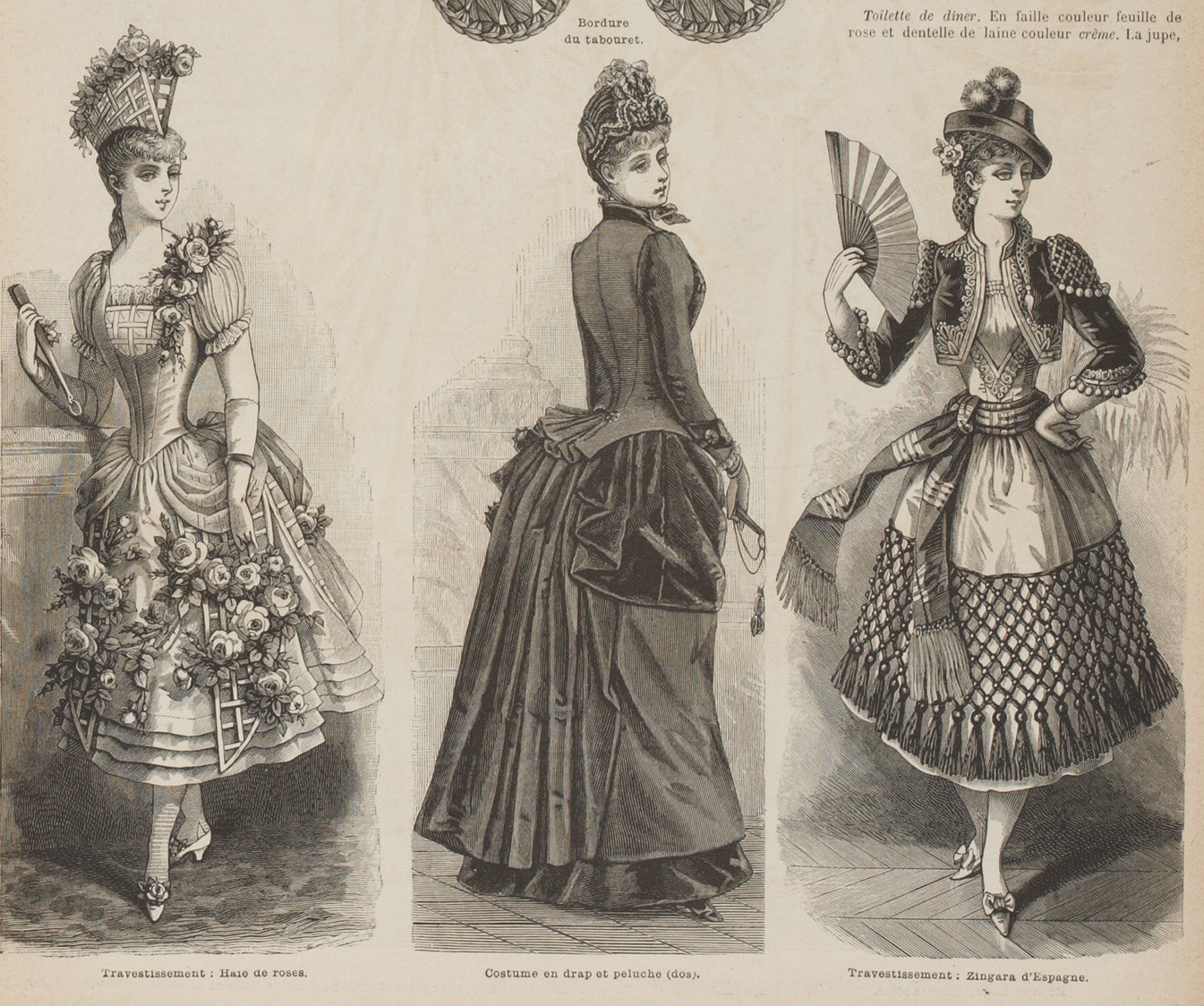
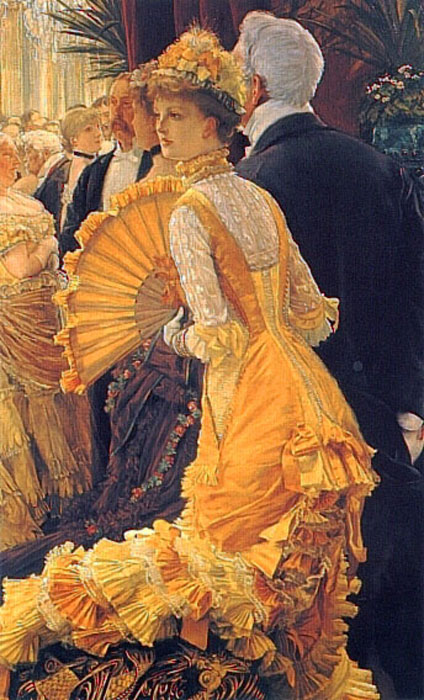
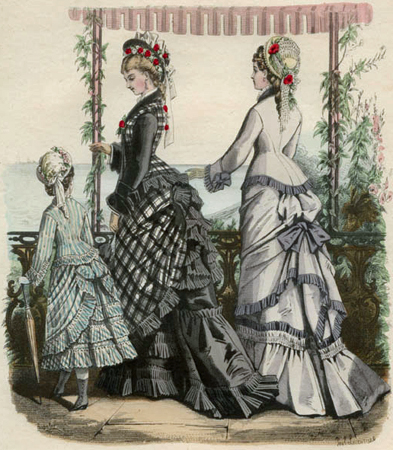
In Savage Girl, the main character follows a trajectory of fashion changes, from a threadbare shift to simple girlish day dresses to glamorous evening wear, including what is generally thought to be the ball gown of the century. She is not limited by a budget, so she can indulge in the most spectacular attire available, with outfits like the fashion plates that follow. When I wrote about Savage Girl, these inspired me.

1875-6

The bustle, the structured, extended back of the dress, derived from the hoop skirt, or cage crinoline, which derived from the padded petticoat of the mid-19th century.

1860_00

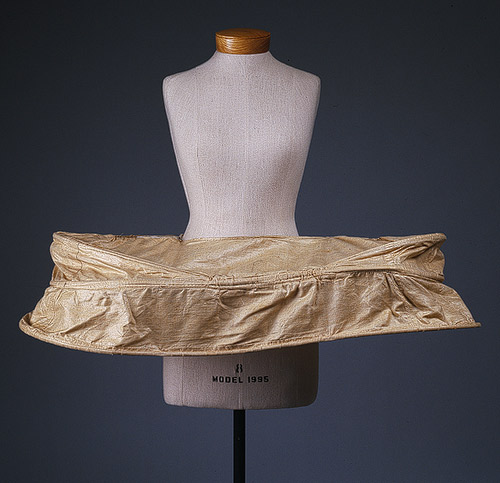
All of these materialized out of  earlier attempts to widen the bell of the skirt. Panniers, for example. Made of linen and baleen, they sat at the waist and held suspended tapes of cane, metal or whalebone that gave the dress an exaggerated shape.

panniers

A set of panniers was also handy if you needed to rest your tea cup for a second to blow your nose.

panniers dress

Panniers grew trendy in the middle of the 18th century. It was said that people had to have the doorframes in their houses enlarged so that women could make their way from room to room.

There were many flouncy permutations of the skirt between the mid-18th and mid-19th centuries, most having to do with how many layers of petticoats you could afford – or manage to carry as you made your ladylike way along.

Consuelo_Vanderbilt3

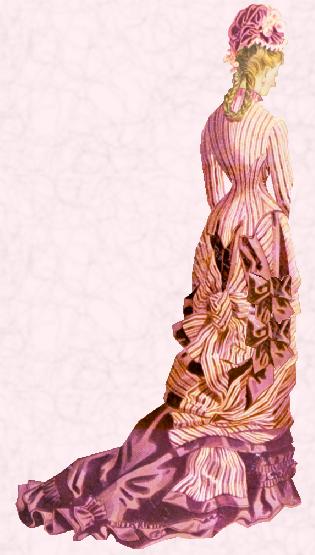
With a bustle, a contraption of horsehair and metal did the heavy lifting. The bodice would be delicate and would end at the close-fitted waist. The voluminous fabric of the skirt might be pulled up in back with a large decorative bow. Eventually the bodice extended down in the form-fitting style known as the cuirasse.

cuirasse

Another variant, the polonaise, cascaded down the back in ruffles,

James_Jacques_Joseph_Tissot_TIJ011

Trimmings were crucial, the gaudier the better. Nineteenth century men made fortunes off of selling ribbons.

1875-3A lot of these decorations were arranged on a horizontal axis. Petticoats helped lift the train off the muck of New York streets. Imagine threading your way across a busy avenue filled ankle deep in horse manure.

But why, why the bustle? Where did it come from, this emphasis on a ladylike woman’s posterior?

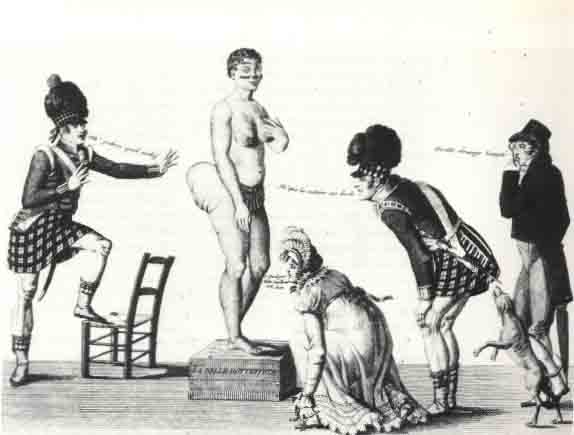
One phenomenon not long before the bustle’s popularity that I find interesting is that of the Hottentot Venus, a South African slave named Saartjie Baartman who was taken from her home and displayed at London and Paris freak shows from 1810 to 1815.

hottentot3

People were wild for her, paying two shillings apiece to gaze upon her steatopygian form in wonder. Wild, she was called, savage. Hers was a tragic story; five years after her arrival in Europe, she died.

colonialdiscourse3-1

But it wasn’t long after her whirlwind tour that the bustle came in a la mode for decidedly un-Hottentot ladies.

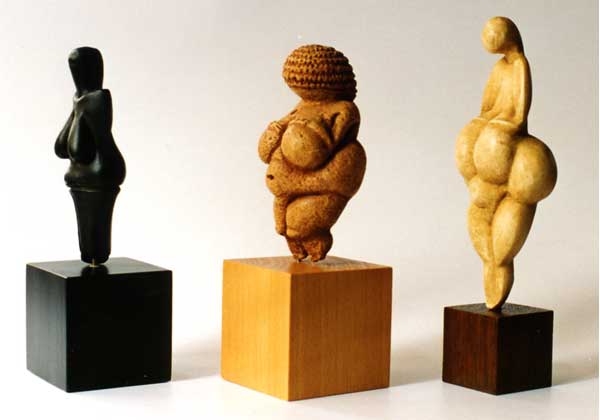
The accentuation of the inherently rounded female form goes back many centuries. Consider these upper paleolithic carvings.

venusfigs upper paleolithic

In the Cyclades, a group of thirty small islands that encircle the sacred island of Delos in the southwestern Aegean figurines survive that show a similar profile.

cycladic venus figure 4,000 bc

I am sure the female models upon whom these marble figurines were based never saw a dress of any kind, let alone a crinoline or a ball gown.

bustle

But look at the simplest Cycladic sculpture and tell me you can’t imagine it a Victorian dressmaker’s dummy. It wouldn’t even need a horsehair bustle.

Cycladic 1

7 Comments

Filed under Art, Culture, Fashion, Fiction, History, Jean Zimmerman, Savage Girl, Writers, Writing

The Calico War

A dispatch from guest post-er Peter Zimmerman.

In the 1840s, a band of Calico Indians wrought havoc in Delaware County and probably enjoyed doing so. They were based in the sleepy hamlet of Bovina Center, New York, where I lived last summer for a spell, as well the neighboring communities of Roxbury, Andes, and Kortright. About ten miles east of Delhi, it’s been described as a happy alternative to congestion and screeching traffic.

Bovina LEANING FOREST

The name Bovina was suggested by one General Erastus Root, who noted the area’s fitness for grazing.

Today, I’d venture a guess that there are more dairy cows than human inhabitants.

 Bovina today 2

The Calico Indians were known to be flamboyant dressers. Typically they wore calico longshirts belted at the waist, red flannel pantaloons, sheepskin masks with a fringe around the neck, and coarse animal hair for a beard. The masks were ornamented with fabric flowers, faded blue ribbons, mesh over the eye holes, and goatees, sideburns, and eyebrows made from fur.

 Calico 1

At the pow-wow among the grotesque
The chief wore a striped calico young lady’s dress…

Other variations: horns of leather, wolf-like snouts, plumes of horse hair, tassels hanging from pointed ears, and “hard fierce animal-like mouths.” When on the warpath, they blew tin horns, brandished knives, and carried pitchforks and clubs.

Calico 3

The thing is, the Calico Indians were not the Delaware or the Lenape. In fact, they weren’t Native Americans at all. Rather, the group was comprised of farmers, many in their teens, who, inspired by the Boston Tea Party, were protesting the patroonship system, created in the 1660s when the Dutch ruled New York.  Similar to sharecroppers, they were fighting for the right to buy their own land. According to Henry Christman’s Tin Horns and Calico, “a few families, intricately intermarried, controlled the destinies of three hundred thousand people and ruled in almost kingly splendor near two million acres of land.”

Calico 2

Known as the Anti-Rent War, this all took place for a few years in the 1840s, and in the end, the farmers won: the State of New York abolished “all feudal tenures of every description, with all their incidents,” declaring that “no lease or grant of agricultural land for a longer period than 12 years hereafter made, in which shall be reserved any rent or services of any kind, shall be valid.”

Although the Calico Indians certainly looked nothing like the Delaware or Lenape, their fierce loyalty and ability to subsume their individuality to work and think as a group were very tribe-like.

Oddly enough, no one has ever found any of these clothes and gear, which begs the question, is it all just a big hoax?

4 Comments

Filed under Art, Culture, History, Jean Zimmerman

A Dollop of Trollope

During a single month in the fall of 1831, a 52-year-old woman named Frances Milton Trollope—Fanny—labored feverishly over a book in a rotting Middlesex farmhouse. She cherished the hope her work would somehow extract her and her family from the grip of poverty. She had no experience as an author. Nothing in her past gave any hint that her writing would do anything but sink unremarked into obscurity.

Instead, a miracle occurred. Domestic Manners of the Americans became an instant, runaway success, a travel book like no other.

trollope title page

Although the term “best seller” would not be coined for another half century, some authors were already experiencing strong sales and public acclaim. In Fanny’s day, the public measured literary accomplishment in how many editions a book went through and how fast those editions flew out a bookseller’s doors. Walter Scott, James Fenimore Cooper and Lord Byron were the John Grisham, James Patterson and Stephen King of their time.

Unknown

The reading public knew these authors and waited impatiently for their latest works, whereas Fanny Trollope was anything but a household name. So it was even more remarkable that Domestic Manners, by a wholly unknown author, went through four English and four American editions in the first year alone. Shops could not keep books stocked. Domestic Manners beguiled the reading public. Fanny Trollope suddenly found herself among the most well-known figures of the day, feted, celebrated and wealthier than she had ever known herself to be. In her first year as an author, she earned six hundred English pounds, over a hundred thousand dollars in today’s money.

mrs-trollope_2

Fanny Trollope has almost totally faded from the intellectual tapestry of this country’s history — for one thing she is overshadowed by her novelist son Anthony — but to my mind that makes her only the more fascinating.

Fanny’s Domestic Manners of the Americans captured the strange, sharp-cornered realities of the bold new Jacksonian landscape of the United States. Four-hundred-and-six pages long, divided into thirty-four brisk chapters, featuring twenty-four Hogarthian illustrations in pen and ink (done by a traveling companion/protector/lover), the book took readers from Cincinnati, a boom town on the western frontier, to the raw northeastern spectacle of Niagara Falls.

a_Examining_a_Slave_for_Sale_in_Virginia_1830._Frances_Trollope_Domestic_manners_of_the_Americans_London_1832_vol._2_facing_p._18_

The author clearly hated aspects of what she had encountered in the new nation, the myriad social injustices, the denigration of women, the racism, the low taste, the filth. But Fanny Trollope loved the boundlessness of this fresh terrain. Its possibilities tantalized her, its contradictions stimulated her thinking. With this work, she opened a window upon an aspect of the United States that had never been treated before, certainly not by Tocqueville, her contemporary. For Fanny concerned herself with the everyday, the mundane, the overlooked details of American life. Readers loved getting a peek behind the supercilious, jingoistic façade to expose an earthier reality, its table manners, social niceties (and not-so-niceties), its mundane days and ways. Domestic Manners of the Americans was, beyond anything else, written with a female’s eye.

American ill.

During the course of her travels, Fanny’s shambolic entourage included her three hungry, ragamuffin children, two chronically unpaid servants and—much to the consternation of prudish observers—the French artist confederate who was her constant companion. Her arrival in Cumberland, say, a small outpost in the state of Maryland, or perhaps Wheeling, Virginia, or Washington, D.C., invariably injected a blast of the outlandish into struggling, hard-scrabble realms. The Trollope circus had come to town.

At the head of the troupe was Fanny herself, an eminently likeable but unlikely heroine, a crone Cinderella (fifty years, in that time period, qualified a woman for crone-dom), one who would play her own fairy godmother and totally transform her life. To strangers Fanny presented a strange, almost disturbing vision: a middle-aged woman with bad teeth, growing thinner by the minute via the vagaries of starvation, totally on her own, with nary a guiding male hand in evidence (a French artiste? Who—or what—was that?), loud, flamboyant, all over the place, rampaging across the rough and tumble world of the frontier.

Unknown-1

Fanny Trollope took her place as the first among a troupe of European critics of the American scene. Other observers crossed the ocean around the same time as she did, men already possessed of fame, Tocqueville and, a little later, Dickens, making their tours, literary beetles crawling across the flank of the Republic, picking at its scabs, inspecting, interpreting, judging. Fanny, perhaps more than the others, got the details right.

When Fanny toured the U.S., one thing she hated (she also despised slavery, sexism and Andrew Jackson’s vanquishing of Native Americans from their homelands) was the manners of its menfolk. The men returned the favor. One gentleman described Fanny as “singularly unladylike,” labeling her “robust and masculine” and critiquing her long walks in the pouring rain or midday sun. She was, another noted, often sarcastic. After Trollope’s visit, a “trollope” came to mean any kind of behavior the writer had lampooned–for example, the widespread practice of gentlemen hocking streams of yellow tobacco juice in their elegant theater boxes, a particular bugaboo she had. I think we should bring the term back. Fanny was the original snark, and there’s a lot to be snarky about today.

6 Comments

Filed under Culture, Fashion, History, Home, Jean Zimmerman, Publishing, Writers, Writing

Gil’s Prize-Winning Apple Crumb Pie

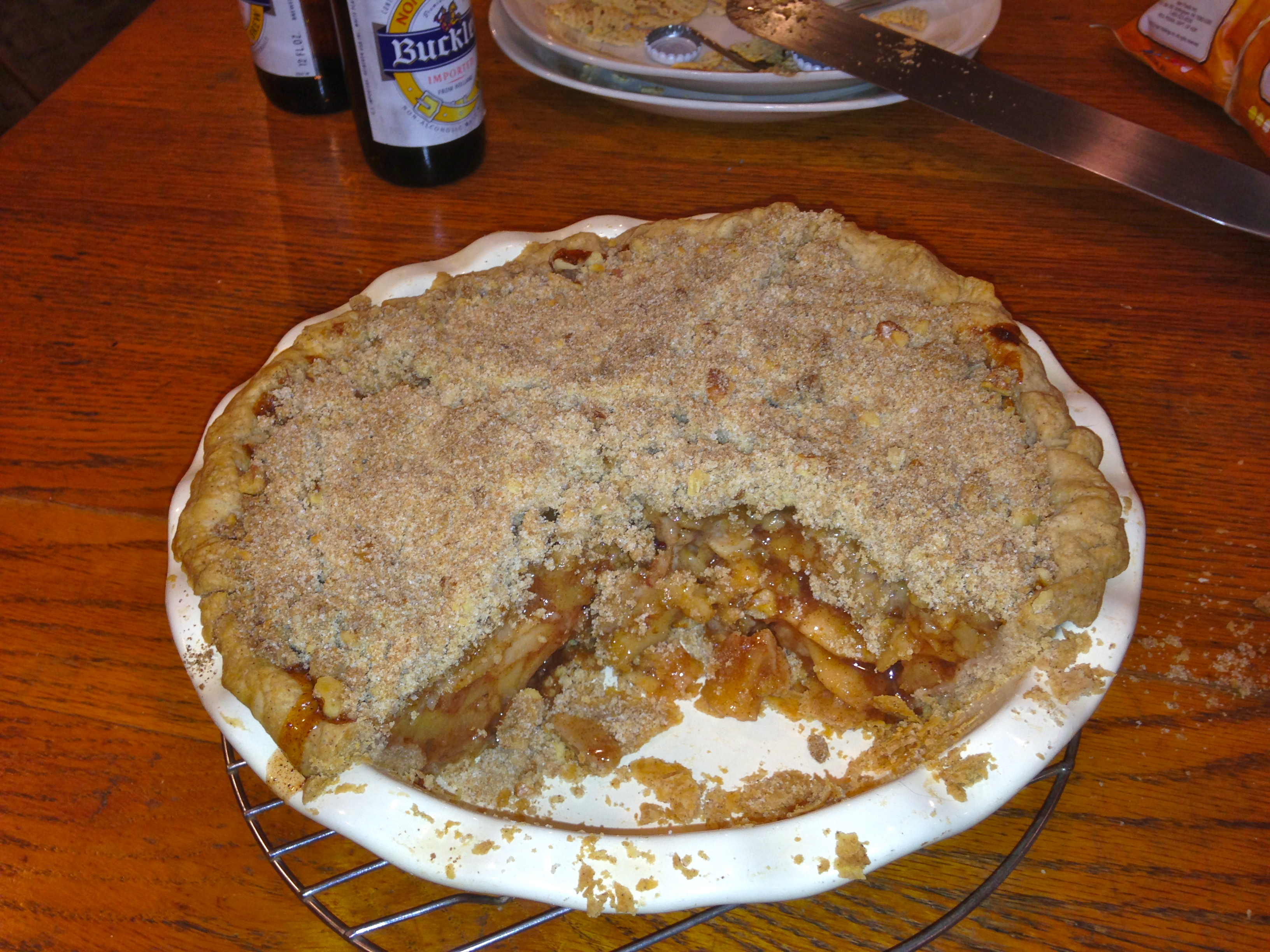
Apple pie is the chicken soup of desserts. It fixes what ails you. Even if you didn’t know something was ailing you. And that is true of some apple pies more than others — Gil’s recipe for a towering crumb-top makes you lick the plate. Then you feel good, apple-pie good. His pie won first prize in a very competitive contest — I still remember Gil pumping the air with his fist when the victory was announced in the library parking lot. It wasn’t typical apple-pie behavior but it was all Gil. And his is the kind of pie that will make you want to stand up and salute. Torching the top to caramelize it just a little is optional.

BonTon Roulet Apple Pie

But before I share Gil’s recipe, a dip into history. Apple pie, you know, was not always the totem it is today. When apple pies first were baked, the outsides, called coffins, weren’t meant to be ingested. Sugar wasn’t numbered among the ingredients, it was too pricey. Still, in 1390 A.D. a recipe was devised by the master cooks of King Richard II for Tartys in Applis:

Tak gode Applys and gode Spryeis and Figys and reyfons and Perys and wan they are wel ybrayed colourd wyth Safron wel and do yt in a cofyn and do yt forth to bake well.

medieval-pie

Pies were spectacles, and apples weren’t especially spectacular. The four and twenty living blackbirds zooming out the broken top crust were not just a nursery rhyme, they were real, at least for those wealthy enough to afford a feast.

Pie

By Tudor times more sugar was available and we find another recipe for “pye,” this time with green apples.

Pies in colonial america were first called puddings. By 1759, when Swedish parson Dr. Israel Acrelius made notes on a visit to the Delaware, pie was a staple: “It is the evening meal of children.” Until European stock got established, though, American apples were crabapples.

child holding hornbook

Amelia Simmons rendered her classic apple pie recipe in the 1796 cooking bible American Cookery. With its cinnamon and sugar it sounds contemporary, but the inclusion of rose-water was a throwback to the middle ages.

Apple pie became a compliment in 1590, when poet Robert Green praised a lady in a piece called Arcadia. They breath is like the steame of apple-pyes. That might make a good pick up line even today.

cooking kitchen

A century or so latter Apple Pye itself is praised by poet William King:

Of all the delicates which Britons try

To please the palate of delight the eye,

Of all the sev’ral kings of sumptuous far,

There is none that can with applepie compare.

Gil’s BON-TON ROULET APPLE CRUMB PIE

Special ingredients: Northern Spy apples, Tipo “00” flour, Ceylon cinnamon, Stone Hill Farms leaf lard

Oven at 350

Crust:
2 1/2 cup flour (mix of Tipo 00 and regular)
2 tspns cinnamon
1/2 tspn salt
2 sticks butter (the high-fat European-style stuff)
1/4 cup lard (I got my hands on some leaf lard, but the faint of heart can use shortening)
1 tspn vanilla
5 tbs ice water

Filling:
3 lbs-plus apples (tart ones, I used Northern Spy, Cortland are good too, in a pinch Granny Smith)
Juice of one lemon
2 tspns cinnamon
½ tspn nutmeg
½ cup sugar
3 tbs arrowroot or cornstarch

Topping:
1/2 cup walnuts crushed
1/2 cup brown sugar
1/2 cup sugar
1 cup flour
Half stick melted butter

Crust: Mix dry ingredients, cut in butter and lard, add vanilla and sprinkle in ice water until you can gather the dough into a ball. Chill, flatten ball slightly and roll out flat with rolling pin. Use a greased nine-inch pie pan — you’ll have extra, but make a generous edge. Bake for 30 minutes (pie weights or beans on wax paper or greased aluminum foil will keep bottom crust flat).

Filling: Toss peeled, thinly sliced apples with lemon juice. Combine with dry ingredients and mix well. Bake for 30 minutes, stirring every ten or so.

Assembly: Pour partially cooked apples into partially cooked crust. Mound apples up in the center of the pie. Mix topping ingredients together and mound on top of pie, spreading it around to edges.

Bake assembled pie for another 30 minutes and remove to a rack.

Suggested soundtrack: Sixties top-forty pop (Kinks, Animals, Tommy James, ? and the Mysterians, Hollies, Strawberry Alarm Clock)


3 Comments

Filed under Cooking, Culture, History, Home, Jean Zimmerman, Poetry

To the Lighthouse

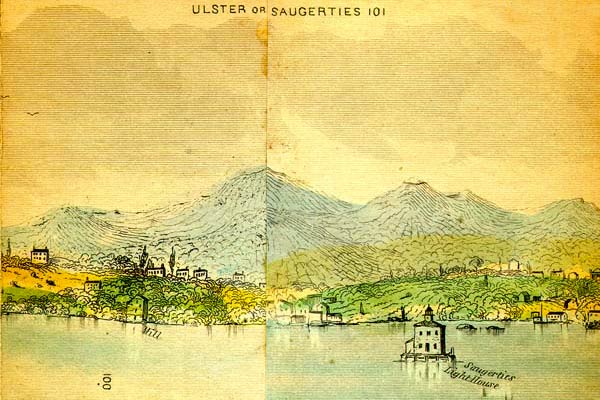
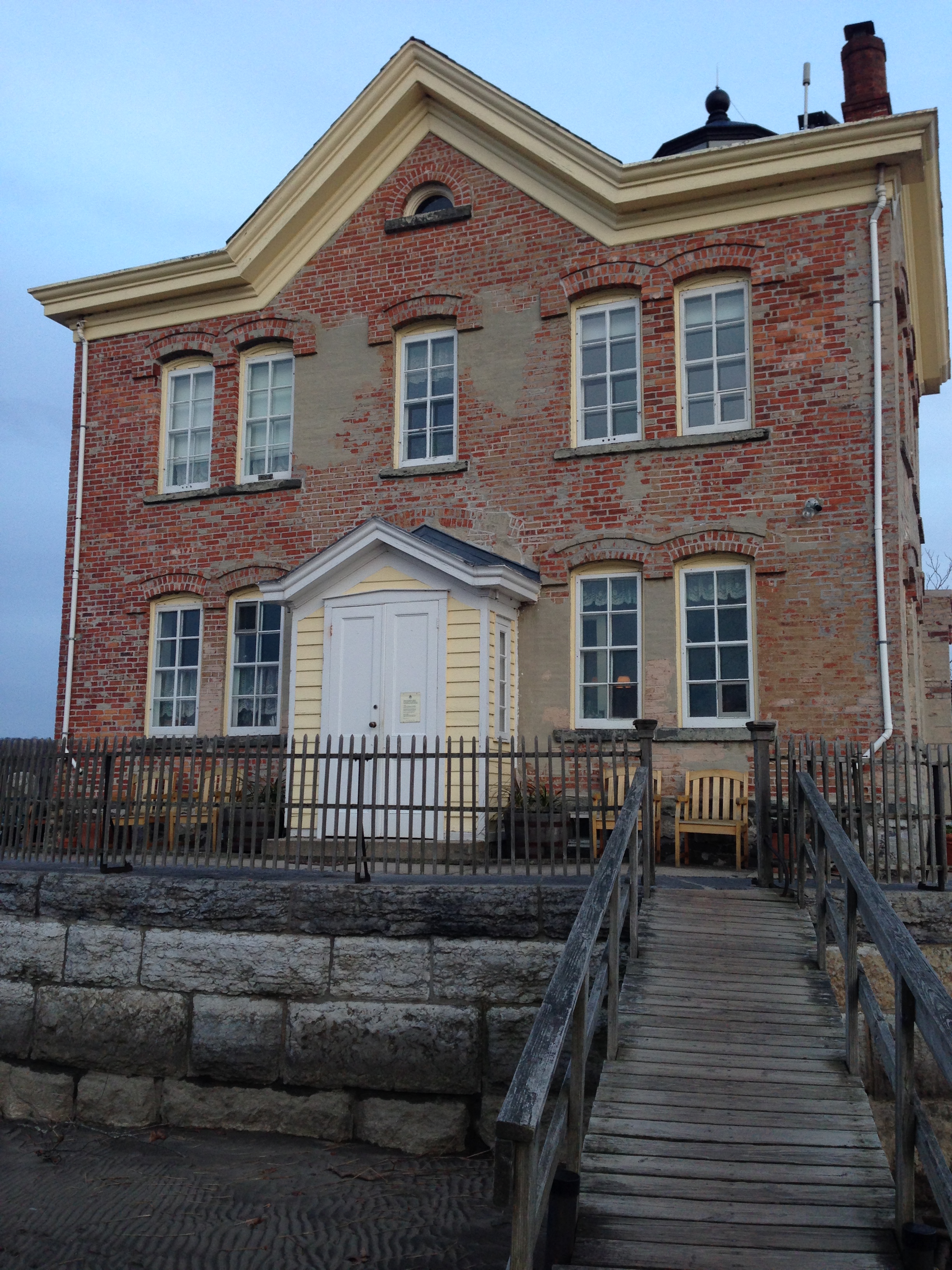
Recently I visited the Saugerties Lighthouse, a time-worn red brick structure that has stood just off the shore of the Hudson at the mouth of Esopus Creek since 1869. It replaced the original fire-decimated one built in 1835 — engraved by William Wade, who produced a remarkable picture of the length of the Hudson from New York to Albany.

SLH_historicdrawing_600x400

Its grand days past, its light automated, the Saugerties Lighthouse fell into disuse in the 1950s but was restored and put on the National Register of Historical Places in 1979. In 1990 it was officially recommissioned with a solar-powered beacon.

Saugerties Lighthouse

Most amazing, it’s the only lighthouse along the river that also serves as a bed and breakfast. If you’re lucky enough to book a spot, you can fall asleep listening to the Hudson’s waves slap against the structure’s massive, circular stone base.

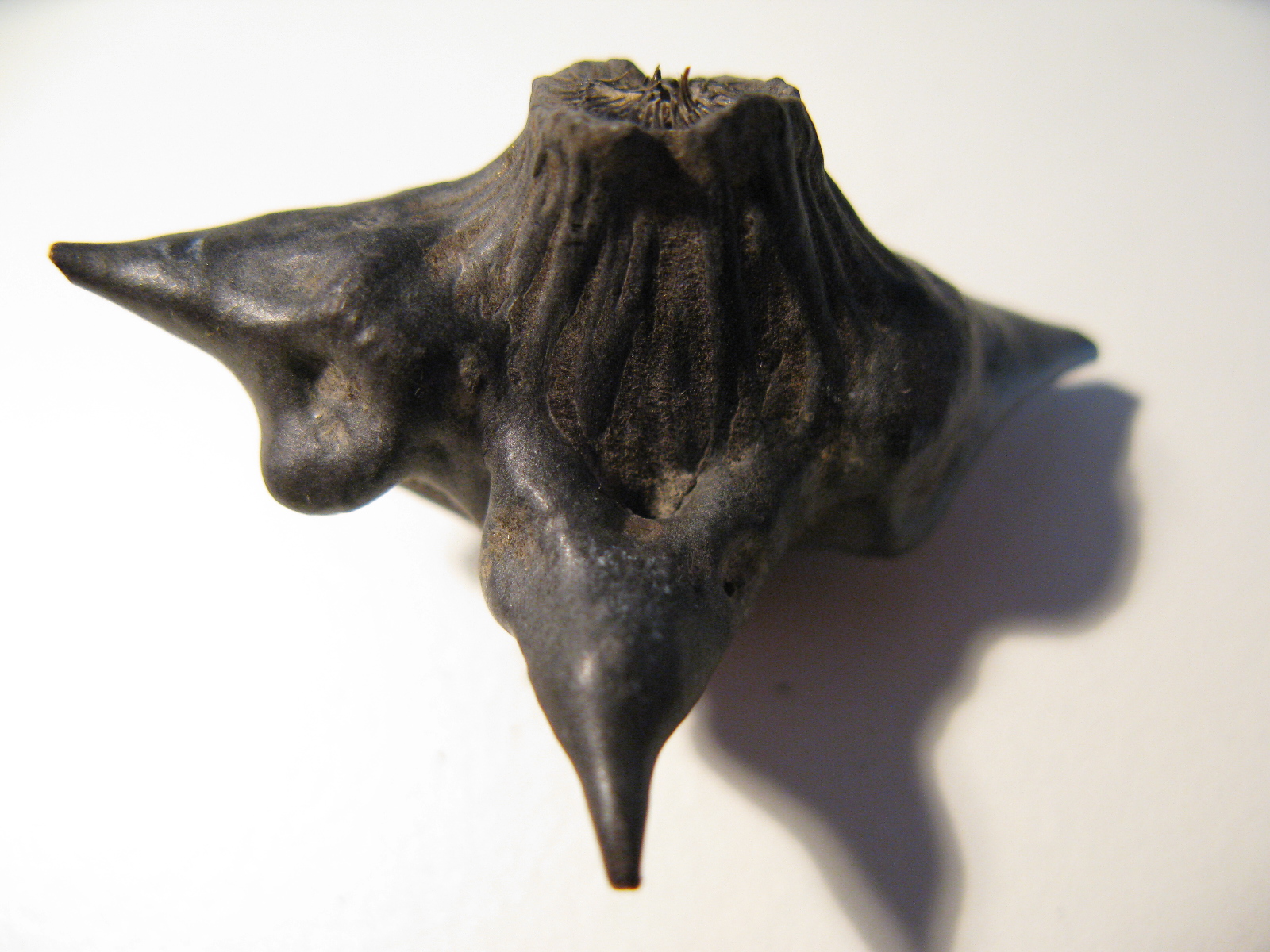
When we visited, we wound down half a mile along the shore, through wetlands and over wooden bridges, to get to the jetty that led out to the lighthouse. Water chestnut pods lay at our feet in abundance, drifts of them. like the black and spiny ectoskeletons of tiny prehistoric monsters,.

chestnut

It was a damp day, chilly and foggy. The river spread out all around.

misty Hudson

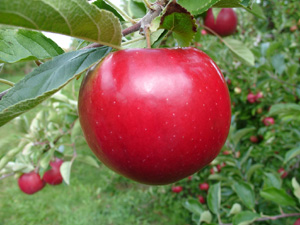
I used to live along the same stretch of river as the lighthouse, a half hour further south, in Ulster Park. In the middle of an apple orchard. The farmer who owned the trees favored McIntosh apples but there were a few stretches of the storied Ida Reds, a deep crimson on the outside with snow-white meat. As good in the hand as they were for the pie. The arthritic limbs of the trees were probably forty or fifty years old and stood massed in winter under a hush of snow that was a kind of bookend to the white pink blossoms of early spring. The Hudson Valley had been a majestic apple growing region for hundreds of years.

idared

We would walk down a winding hill along River Road to the beach on the Hudson and collect water chestnut pods, strewn here across the mud flats as they cover the beach at Saugerties. It was said that the bay at Esopus once was meadow, grazed by cows. Cows in the river. Imagine. There was a lighthouse, the Esopus Lighthouse, that was distinguished by the image of a cat in one window.

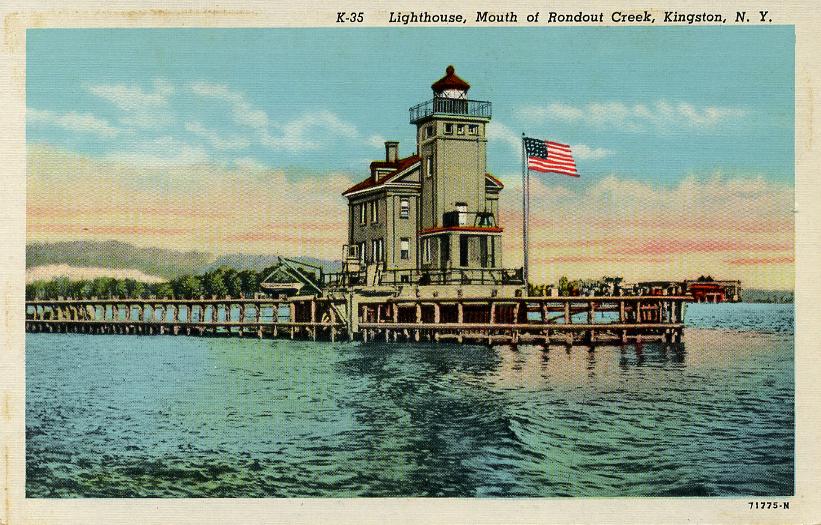
These lighthouses are concrete evidence of a much different time on the river. They guarded against wrecks when Kingston became a bustling riverport in the nineteenth century. Kingston had its own lighthouse since 1837; one of its first keepers was a woman named Catherine Murdock. She stayed in service for 50 years.

RONDOUT

In 1826, lighthouses started going up along the river. Eventually there were 14. Today, conservationists have preserved seven. The most famous perhaps, featured in a children’s book, is the little red lighthouse beneath the George Washington Bridge, which was deactivated when the blazing lights of the span made it superfluous in 1947 but can still be visited. Farther north are the 1883 Lighthouse at Sleepy Hollow, the oldest one, at Stony Point, the Esopus Lighthouse and the one at the Rondout in Kingston. The Hudson-Athens Lighthouse farther north has been guiding ships safely since 1874. Its fog bell is one of the last remaining on the river.

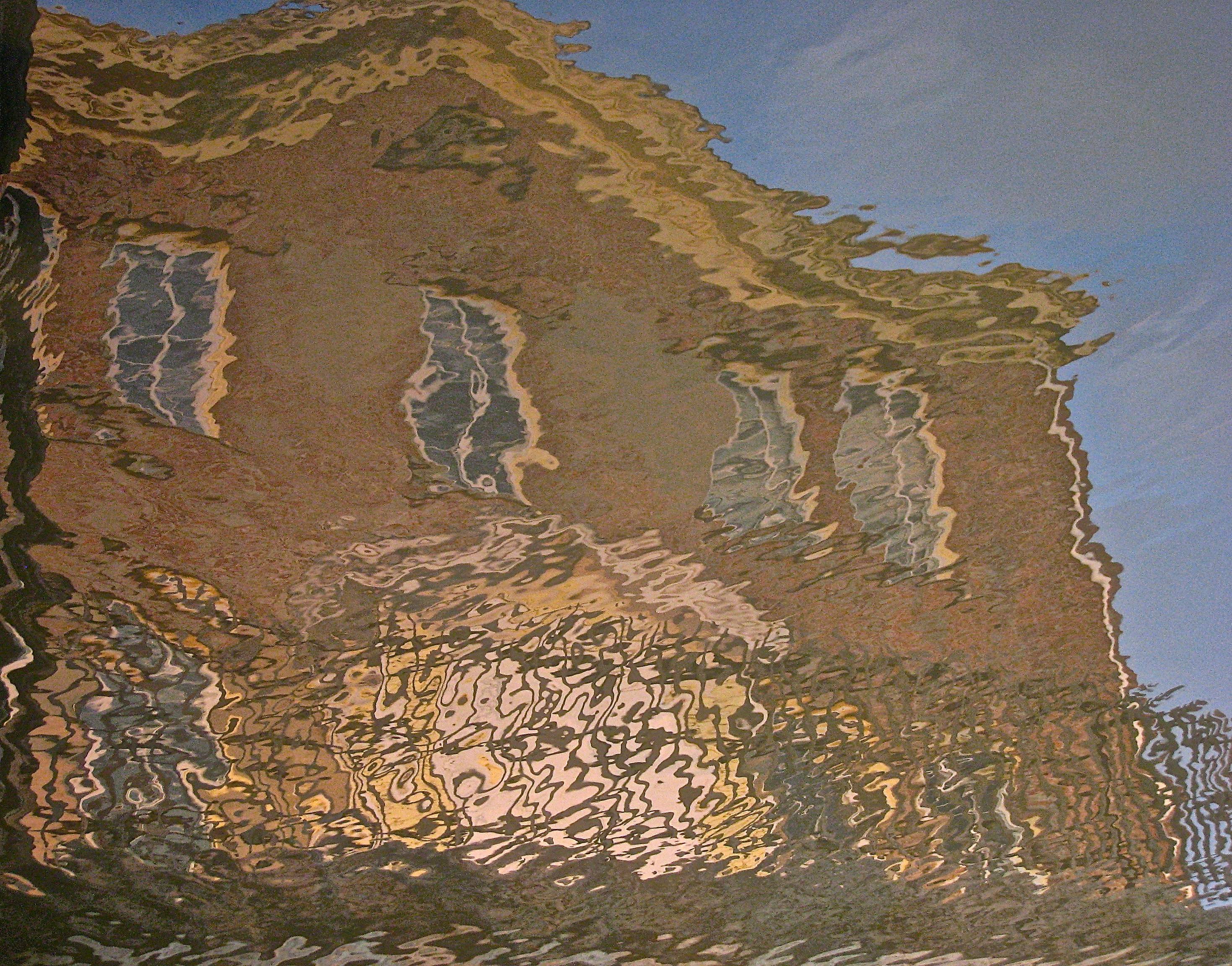
lighthouse reflection

I wass mostly silent at Saugerties Lighthouse when we visited. The tides tossed up mysterious objects.

beachcomber Pete

Sometimes you can find a kind of conglomerate of pulverized shells (probably clam) and mud that hardens into a rock, similar to what is called coquina on the beaches of St. Augustine, Florida, that the Spanish built forts out of.

coquina

If you get to stay overnight at the Saugerties Lighthouse, you can do some beachcombing after your coffee in the morning.

4 Comments

Filed under Art, Culture, History, Home, Jean Zimmerman, Nature

Of Hand Muffs and Weather Masks

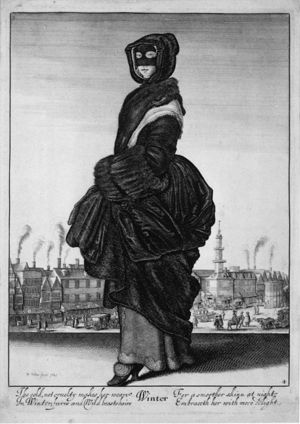
Wenceslas Hollar, the finest etcher and printmaker of the seventeenth century, had a thing about fur hand muffs. He had nearly 3,000 prints to his credit, having fled war-torn central Europe for England in 1636 under the patronage of the Earl of Arundel.

sun expelling mask

The extremely fashionable London lady in Hollar’s “Winter” Dress from 1643-44, in the collection of the British Museum, sports a voluptuous muff and is draped in furs besides, but perhaps the most curious thing about her is her facial accoutrement. Beneath the image runs the legend:

The cold, not cruelty makes her wear

In Winter, furs and Wild beasts hair

For a smoother skin at night,

Embrace her with more delight.

She wears what was called a sun-expelling mask, intended to protect her “smoother skin” from the elements.

In America, Dutch settler Adriaen Van der Donck deemed the lustrous coat of the black bear “proper for muffs.”

Fox or mink would do as well.

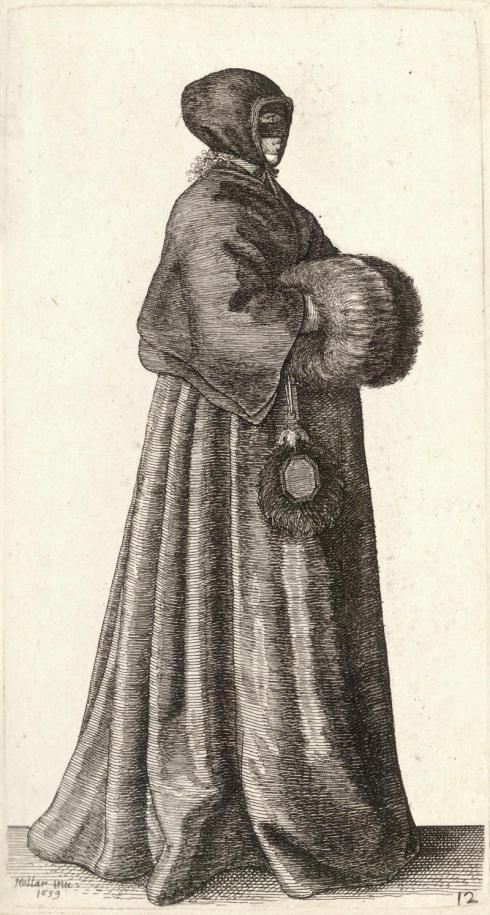
Another sun expelling mask.

sun expelling 2

In The Orphanmaster, Blandine and Drummond stand on the New Bridge overlooking the East River one frosty morning, each of them with their hands shoved into their muffs – fashionable men made them part of their wardrobes just as women did.

Another woman by Hollar, without mask, looks as though she is wearing her overwarm muff inside.

another hollar muff

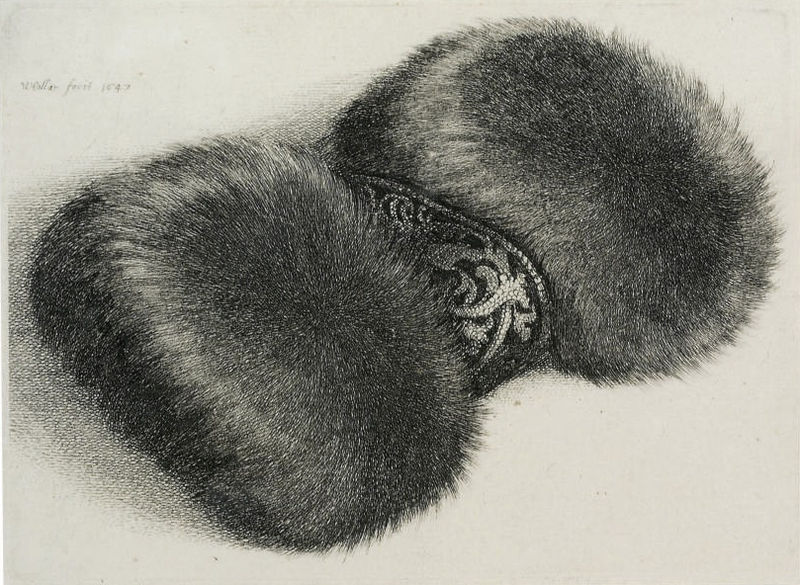
Hollar was so infatuated with fur hand muffs that he frequently made them the sleek stars of his work, leaving human subjects out in the cold. These are just a few. The University of Toronto has more in an in-depth Hollar digital collection.

hollar muff

Wouldn’t you like to stick your cold hands in one of these?

hollar muffs 1

Piles of luxurious fur.

hollar muffs 2

Hollar was in London during the Great Fire of 1666. His scenes of the city after the conflagration are amazing. His skills were all the more incredible given an infirmity — Hollar was almost blind in one eye. You feel in these images though that as important to him was his sense of touch.

2 Comments

Filed under Art, Culture, Fashion, Fiction, History, Jean Zimmerman, Publishing, The Orphanmaster

Some Odd Fellows

A guest post from writer Peter Zimmerman:
A couple of weeks ago I moved into an old brick building circa 1880.
pic 1
It’s in one of those little sleepy Hudson River valley towns not far from where Rip Van Winkle dozed off…….
pic 2
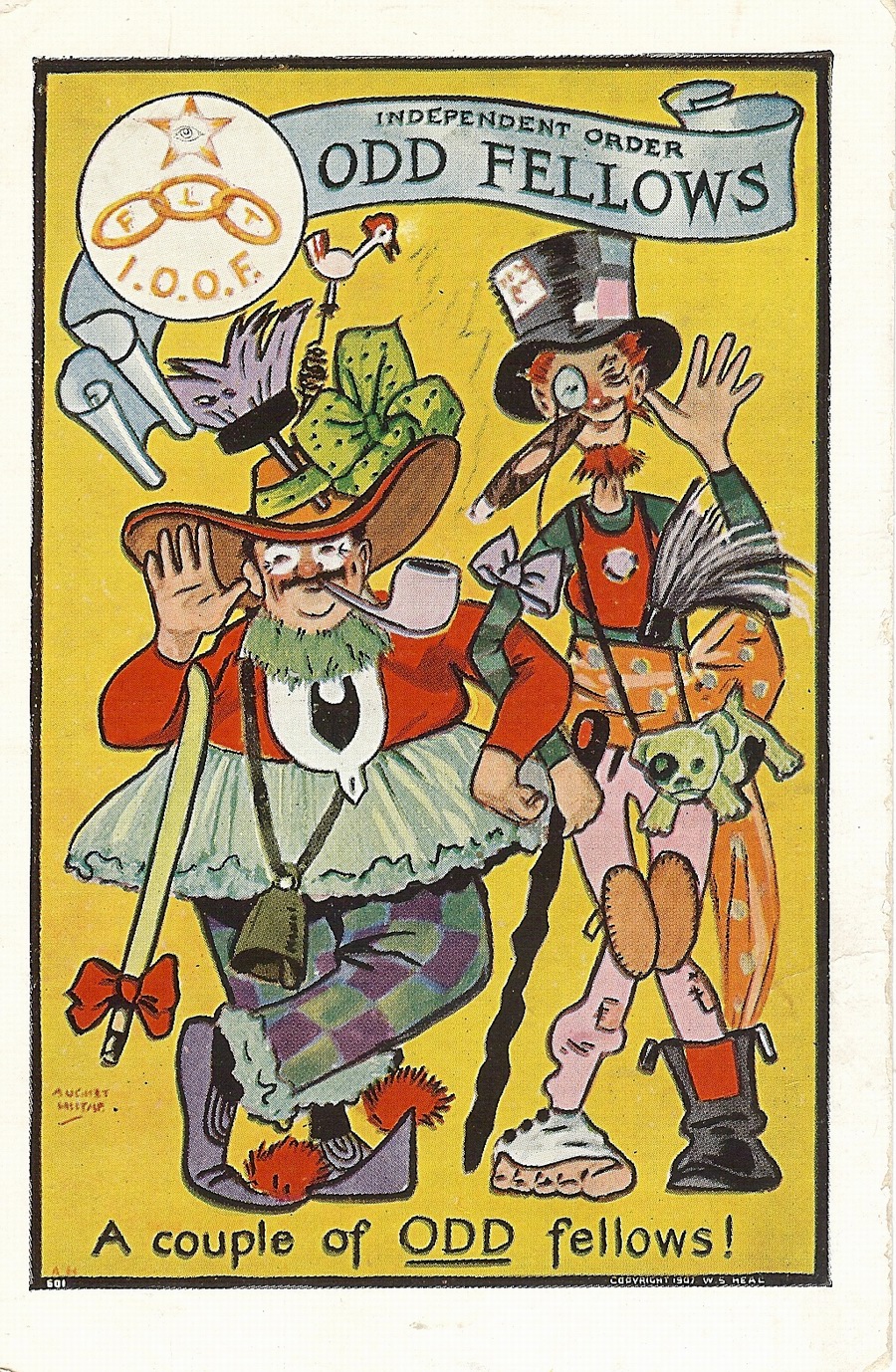
It turns out that it used to be an Odd Fellows Hall. Over the past 16 months I have lived in four different houses and apartments, in three different counties — and it feels like the Odd Fellows have been following me around, wherever I go!
Apparently the Odd Fellows used to meet in the fourth floor of the building. Having often worn the lampshade on my head, I’d like to become an Odd Fellow, officially, but Jerry says they’re not accepting new members.
pic 3
Many of the Odd Fellows are literally dying out. Hardly any of them are my side of 80.
This fraternal organization has existed since 14th-century England — some date it back to the Sixth Century. It spread to America in the 1700s. Like the better-known Elks, Moose, and Masons, they have many secret beliefs and customs. Aside from just being Odd Fellows, their primary purpose is raising money for various charities.
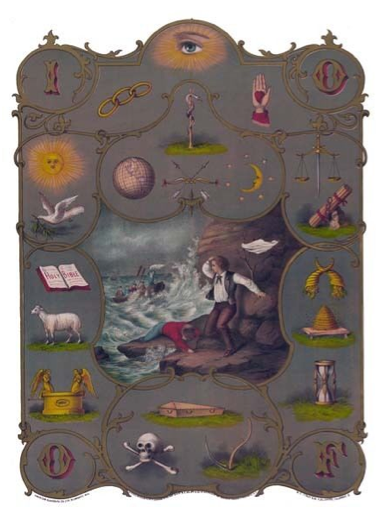
Here’s one of their “degree charts.”
pic 4
pic 5pic 6
The Order is also known as “The Three Link Fraternity”, referring to the Order’s “Triple Links” logo – three links contain the letters F, L and T, (Friendship, Love and Truth).
Friendship_love_and_truth
You can buy antique Odd Fellows clothing and gear from eBay, some of it for surprisingly cheap.
pic 7
A ceremonial collar…
pic 8
… and ceremonial club
pic 9
A belt watch.
pic 10
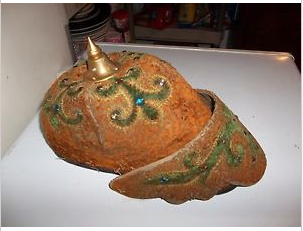
Spiked helmet hat.
pic 11
A fraternal mask.
pic 12
The name “Odd Fellows” arose because, in England’s smaller towns and villages, there were too few Fellows in the same trade to form a local Guild. The Fellows from a number of trades therefore joined together to form a local Guild of Fellows from an assortment of different trades, the Odd Fellows.
Famous Odd Fellows have included King George IV, Winston Churchill, Levi and Matilda Stanley — King and Queen of the Gypsies — and George Harrison’s and Ringo Starr’s fathers.

5 Comments

Filed under Art, Culture, Fashion, History, Home, Jean Zimmerman

Hudson River Haunts and Hustlings

For my whole life I’ve lived up and down the Hudson River, in Hastings, in Ulster Park, in Ossining. New York City crouches on its shoreline, and I lived there for twenty years. The Hudson happens to be my favorite river in the world – although to be precise it is an estuary.

I’ve written about its history, in both nonfiction and fiction — about the rubble-stone house of Margaret Hardenbroeck, in Yonkers, about Blandine berry-picking on a Manhattan bluff, and other people whose lives I placed against this magical backdrop. But I haven’t just told stories about a place. I’ve lived it.

I was thinking about some of the things I’ve actually done along the Hudson’s reaches. What helped me in my imaginings. How the Hudson Valley has informed my life.

I’ve taken a canoe out through ancient marshes at the river’s edge. Had picnics along its shores. Dined in fine restaurants. Rode a bike. Collected beach glass.

sea-glass-on-the-beach

Kissed. Thrown sticks for a swimming dog. Gone swimming myself. Taken the train, that glorious route down the river’s eastern flank. Snoozed on that train and missed my stop.

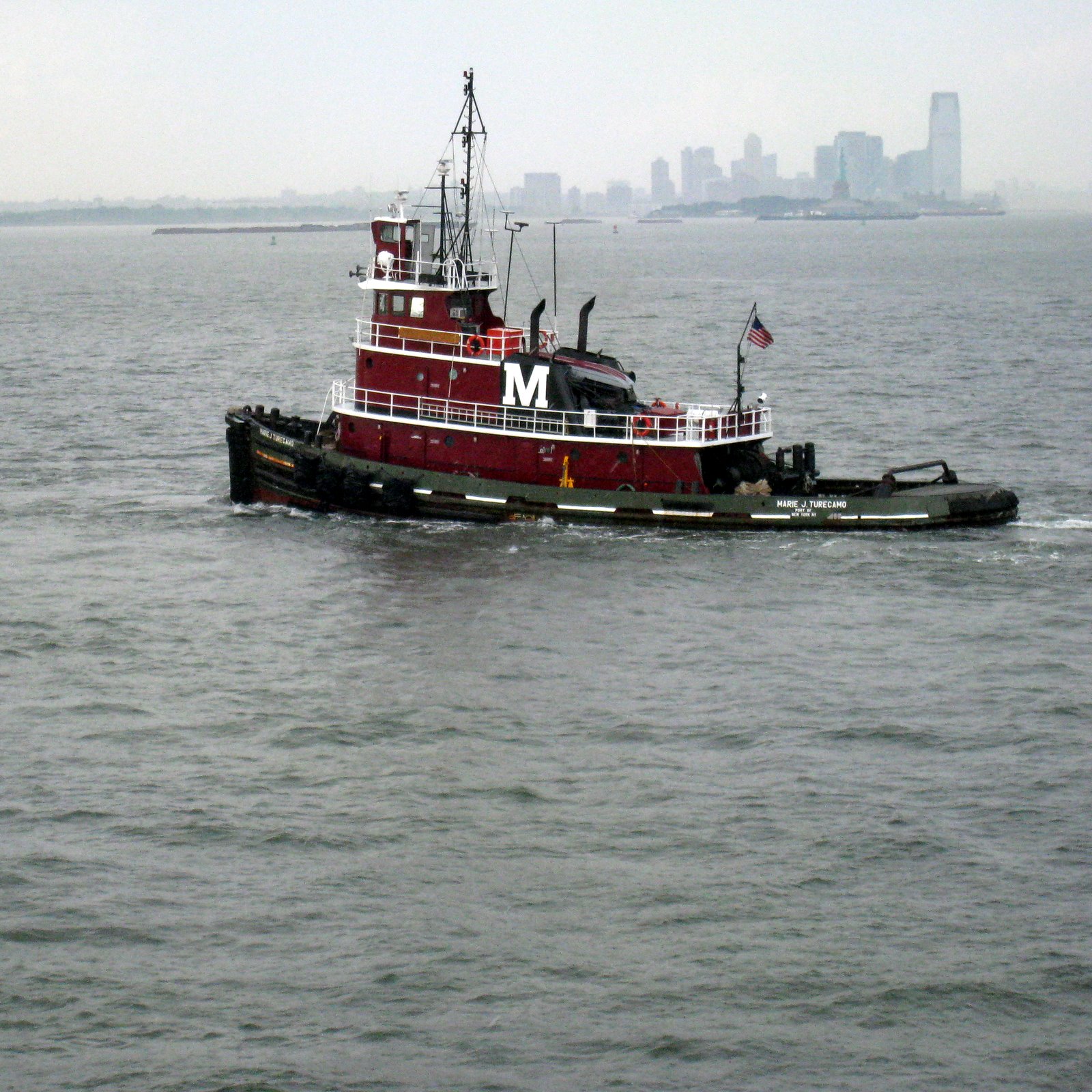
Watched fisherman pull out catfish. Careened along the Henry Hudson Parkway above the river in a series of second-hand cars. Visited a yacht house in winter, warmed by a wood stove. Hitched a ride on a tugboat.

tug

Walked the George Washington Bridge–it sways terrifically. Learned to hula hoop.

Peter hula

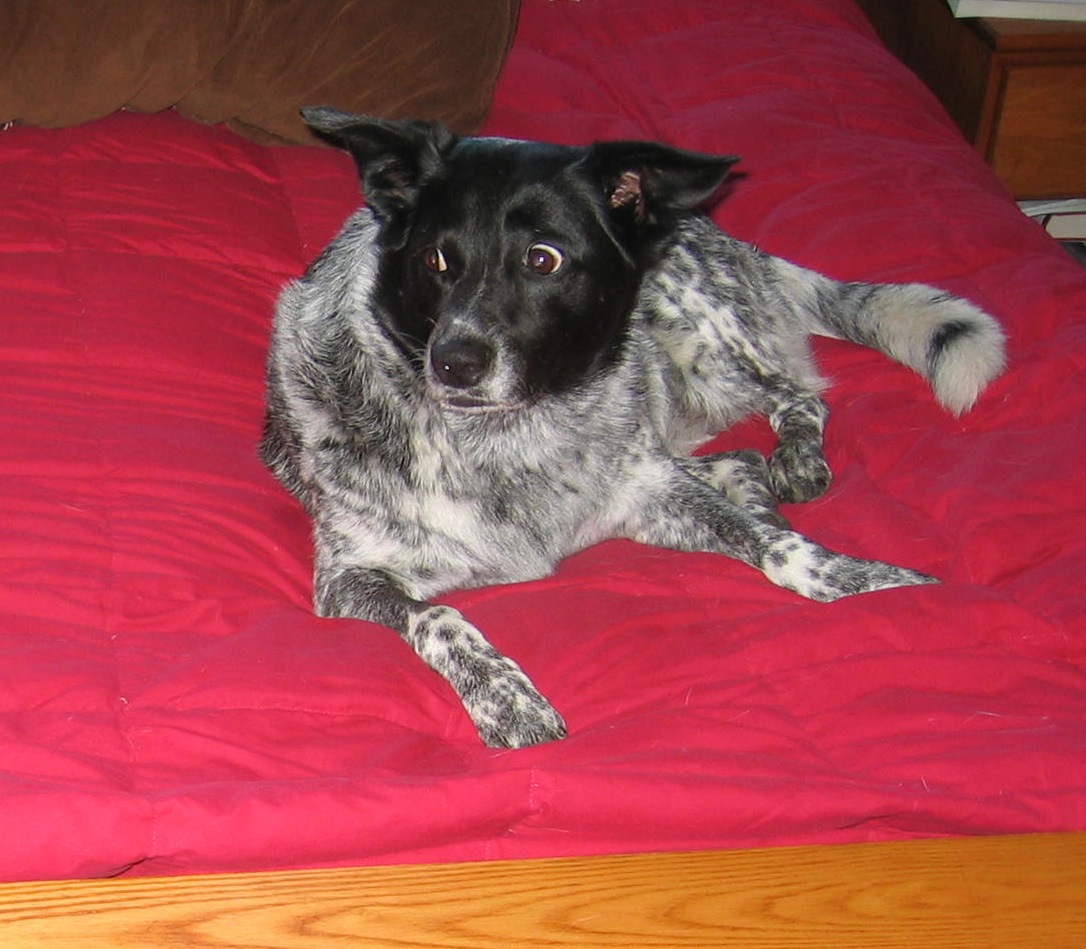
Heard blasting rock and roll concerts on ancient piers. Wandered a factory ruin from the nineteenth century. Did I mention throwing a stick for the best cattle dog in America?

Sugar

Saw fireworks explode up from every little Catskills town down the river’s length one Fourth of July. We sat on an escarpment far, far above the river coursing below.

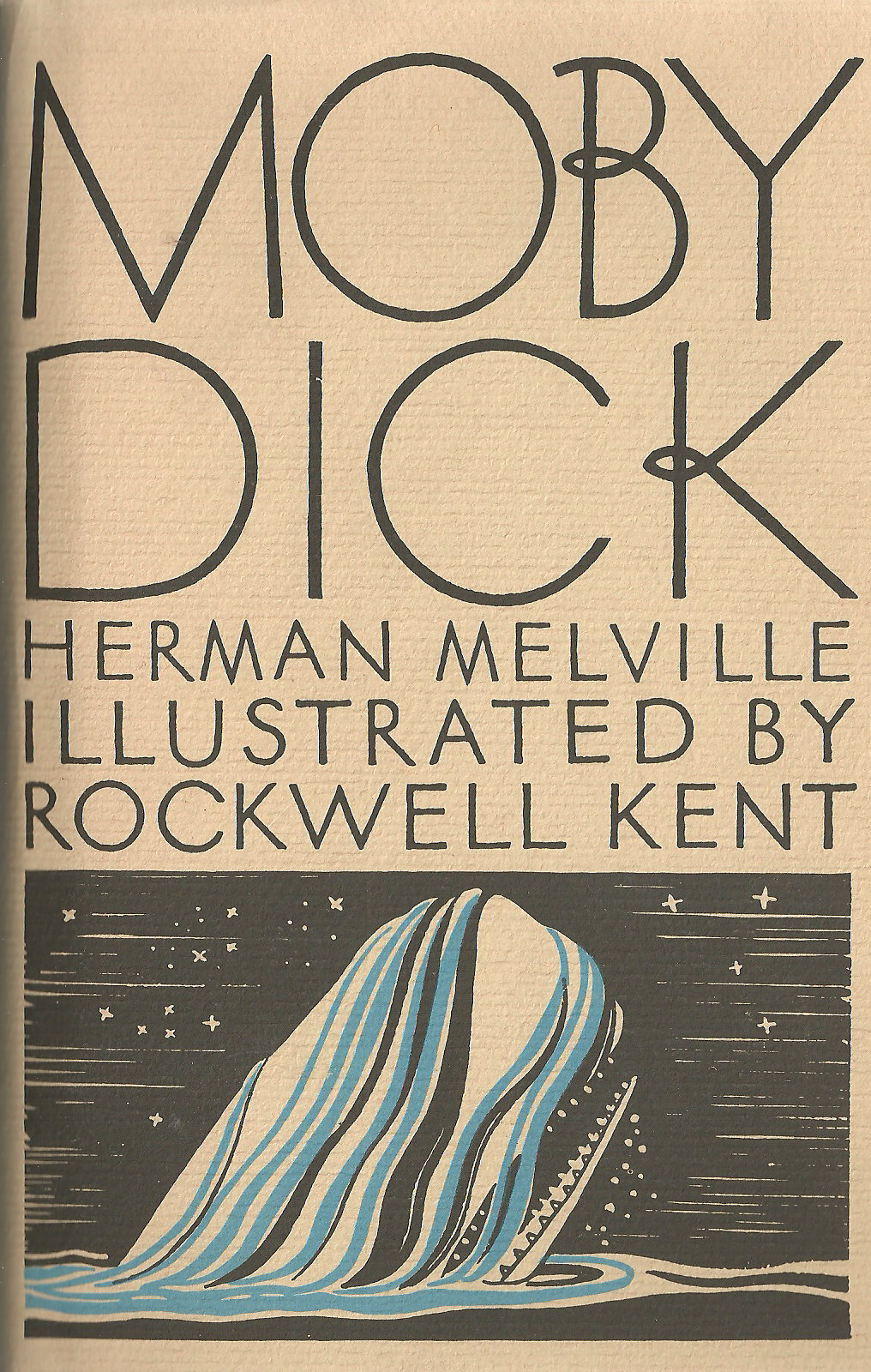
As an adolescent, I read classic books in a library overlooking the water.

moby-dick-rockwell-kent-illus

Later, bought paperbacks at library sales. Talked about my own books in library all-purpose rooms.

Watched my three-year-old get gleefully wet under a sprinkler at a city park in Manhattan’s Upper West Side. Devoured garlicky Dominican mofungo at a lunch counter a block from the water in Sleepy Hollow.

Hiked the Breakneck Ridge Trail, which rises 1,250 feet in a three-quarter mile stretch and hovers over the river as it winds. Experienced vertigo and rapture at one and the same time.

SONY DSC

Admired thousands of sunsets.

Praised the mighty Palisades. Daydreamed. Considered the water’s surface, olive green, deep black, cobalt, covered in crashed-together ice floes. Seen eagles ride the ice floes (an untruth – I’ve always wanted to, it’s in my bucket, but I never have managed it).

eagles-on-ice-018

Admired art on walls with river views. Experienced the unicorn tapestries, in awe. Taught children to make art. Touched cattails. Bought hanging plants from Garden Club ladies. Watched my teenager kill it in soccer games on a field watched over by the Palisades. Stood on the porch of Washington Irving’s stucco cottage, Sunnyside, imagining the 1840s river the way he must have seen it, appalled when the railroad went through.
sunnyside_and_hudson-300x225Skipped stones, clumsily. Never could master that. Threw a stick for a dog. Considered the white-tailed deer swimming across to New Jersey – diaries describe the phenomenon in the seventeenth century. A long time back, but a drop in the bucket for the old, bountiful Hudson.

What have you done along the Hudson–or your own personal favorite river? Leave a comment, will you?

12 Comments

Filed under Art, Cooking, Culture, Dogs, Fiction, History, Home, Jean Zimmerman, Music, Nature, Publishing, The Orphanmaster, Writers, Writing

Mandela’s Stitch in Time

Nelson Mandela – we think of him as superman, an inspirational leader. Surrounded by packs of admirers. A global icon, larger than life. After all, he changed the world.

Nelson_Mandela__2305222a

What I find affecting is another Mandela, the one sewing prison clothes in 1966 in a prison yard. Yes, sewing.

T287512_01

The picture was taken at Robben Island Prison, near Cape Town, in 1966. Mandela wrote in his memoir:

“I was assigned a cell at the head of the corridor. It overlooked the courtyard and had a small eye-level window. I could walk the length of my cell in three paces. When I lay down, I could feel the wall with my feet and my head grazed the concrete at the other side. The width was about six feet, and the walls were at least two feet thick. Each cell had a white card posted outside of it with our name and our prison service number. Mine read, “N Mandela 466/64,” which meant I was the 466th prisoner admitted to the island in 1964. I was forty-six years old, a political prisoner with a life sentence, and that small cramped space was to be my home for I knew not how long.”

Mandela spent most of his 27 years in jail imprisoned on Robben Island along with other ANC activists. A bout of tuberculosis and recurring lung infections were probably due to the work he was forced to do in the prison’s lime quarry. Other aspects of his stay: crushing stones to gravel, food strikes, smuggling out messages on toilet paper. Horrendous conditions survived by a superman.

I like the image of Mandela in the prison yard because it shows him as just a man. There is super strength in a man nurturing himself through sewing.

5 Comments

Filed under Culture, History, Jean Zimmerman, Photography, Publishing, Writing