Category Archives: Art

Beautiful Typologies

Though I still don’t quite understand what a typology is, the form fascinates me nonetheless. Diana Zlatonovski makes typologies fascinating. This, for example, is a collection of sunsets she amassed on Flickr, drawn from the work of Penelope Umbrico.

sunsets on Flickr:Penelope Umbrico

A curator of interesting objects and images, Zlatonovski compiles them into organized entities for our admiration/edification. She is a photographer. She photographs objects herself. And she distills other work into the essence of their parts (giving proper credit, of course, where credit is due, like these pools of Franck Bohbot).
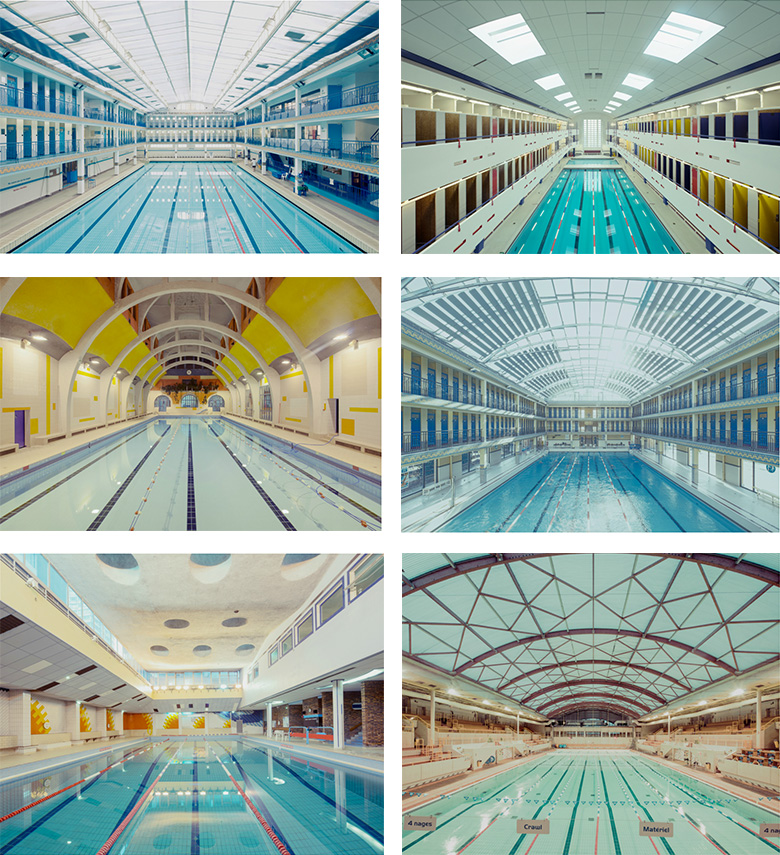
swimming pools:photos by Franck Bohbot

Her own photos tend to the more delicate. This image she calls “Bundles,” comprised of seashells from a  museum collection, wrapped up like bon bons.
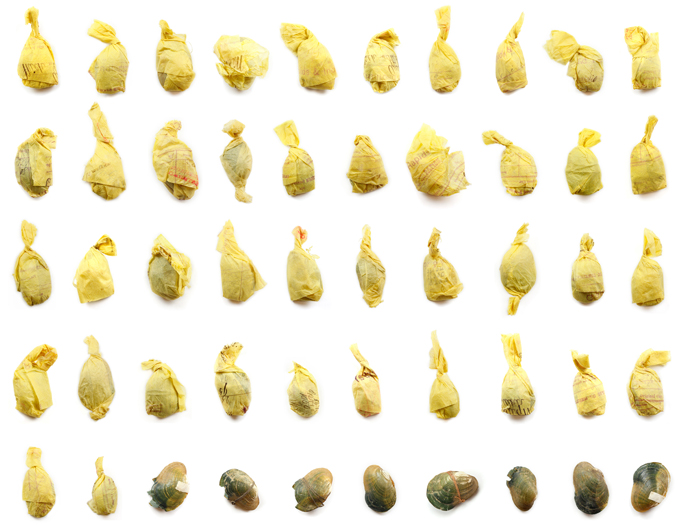
Bundles

I asked Diana, who works at the Museum of Fine Arts in Boston, when she started working with groups of objects. “I started my typology project about a year and a half ago,” she told me. “The first series I photographed was the Wrenches.”

WrenchHer work seems to derive its inspiration from that of a famous pair of typologists, Bernhard and Hilla Becher, German artists who worked as a collaborative duo until early in this century.
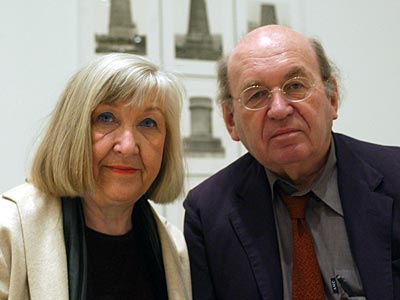
Bechers

They photographed mainly  industrial buildings and structures.

bernd-hilla-becher-water-towers

Diana told me she has been working a lot with collections at the Harvard Museum of Natural History. She also does some photography in her own studio and travels to collectors’ homes.  “The up side of  doing that is that I am able to spend more time with the collector and hearing the stories behind the objects and how they brought them together.”

Why are arrangements of like objects so arresting? We are invited, perhaps, to entertain the idea of their seeming permanence… these matchbooks will go on forever in whatever permutation.
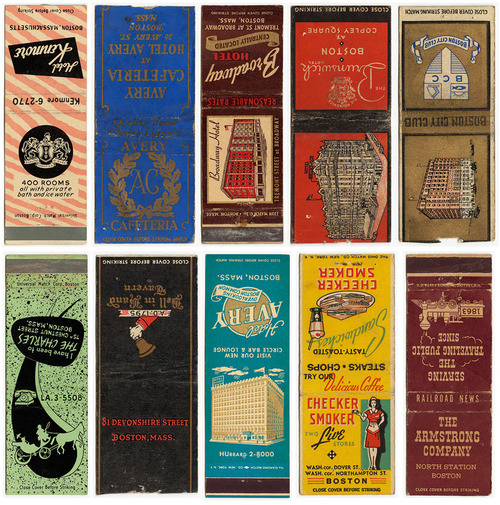
vintage Boston matchbook covers from the Boston Public Library

Except when they don’t. My parents had a typology of sorts — mid-50s Tokyo matchbooks enshrined under the glass top of a dining table, and those graphics are now far, far in the tail lights. You can’t even get a matchbook in a restaurant anymore. Yet the power of once-ubiquitous objects that have been replaced by other things is also fascinating.

Duncan Yo-Yos:Smithsonian Collection

I like Diana’s work so much because the collections she documents, unlike others, are made up of seemingly not valuable items. Collections too insignificant to interest real collectors. What is worthy of keeping, of arranging, of caring about? We take pennies in a jar for granted, for example. What if they were arranged mindfully and given pride of place in a well-lit photo? This is my typology, not Diana’s.
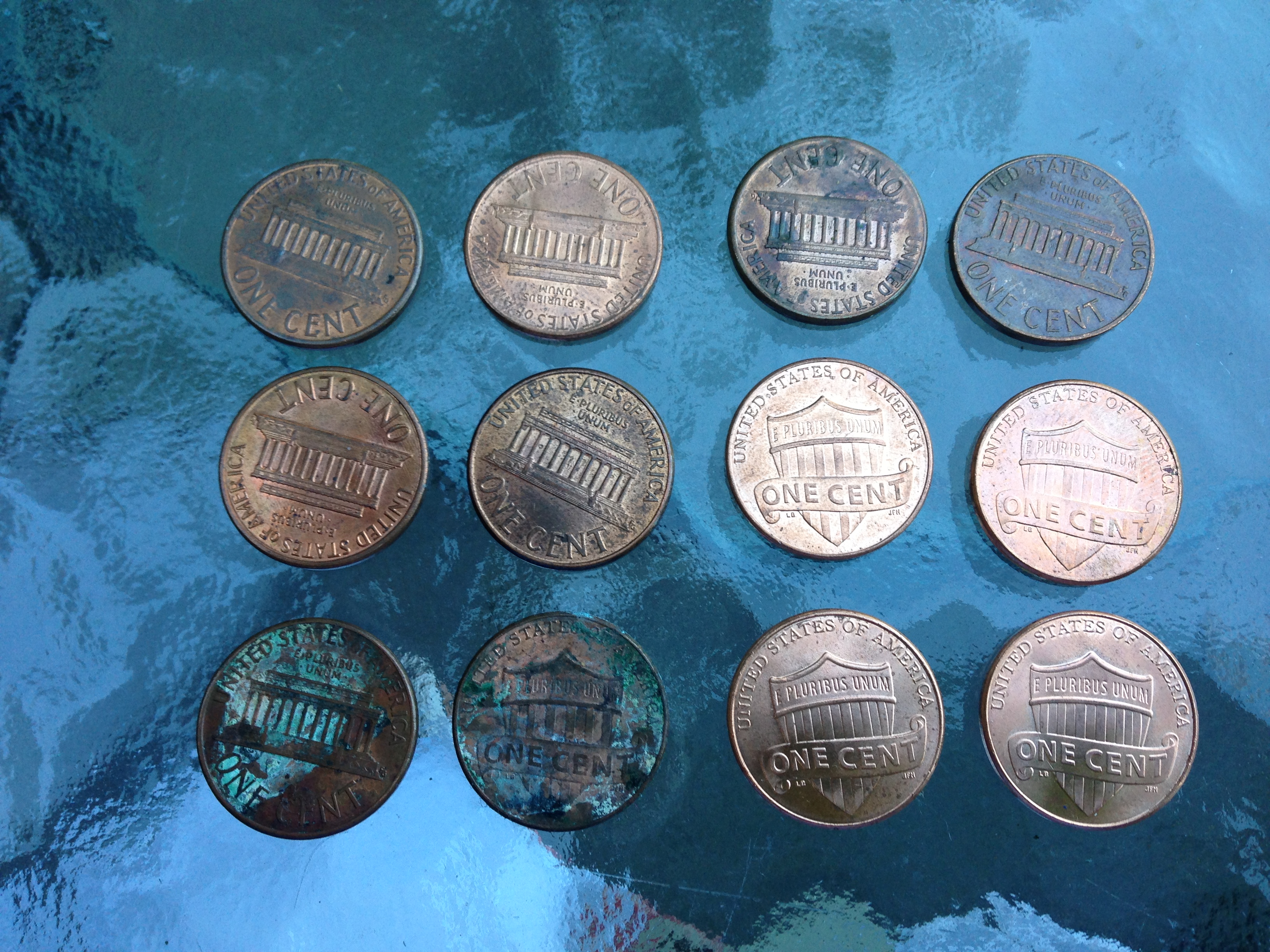
pennies

Does the artist have collections of her own?

“It’s hard not to!  I am always finding interesting things. Luckily, I am usually most interested in small objects…much easier to store.” I love her typology of forks.

vintage forks

Which objects do you find the most fascinating or beautiful, I asked.

“It really varies,” she said. “There is always an emotional response that brings me to selecting objects, it can be aesthetic, nostalgic, or any number of things. But I definitely am drawn to the form and color of an object as well as to its story, where it came from, what it represents.”

I don’t know about you, but I’d like to know everything about these vintage, wacky, glamorous cigarette-holders.

Cigarette-HoldersYou can find Diana’s original photographs on her web site.

Her blog, The Typologist consists mostly of artist submissions or images she has compiled from digital collections.
2 Comments

Filed under Art, Cooking, Culture, Fashion, History, Home, Jean Zimmerman, Photography

The Big Melt

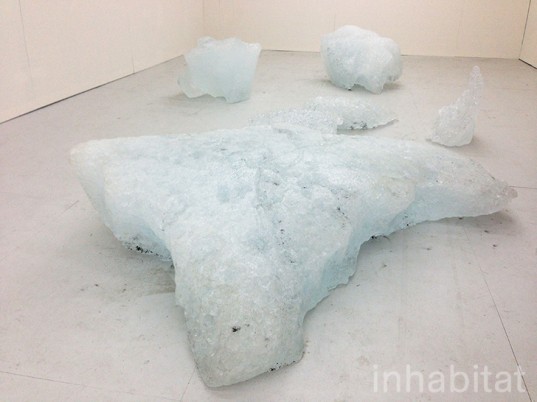
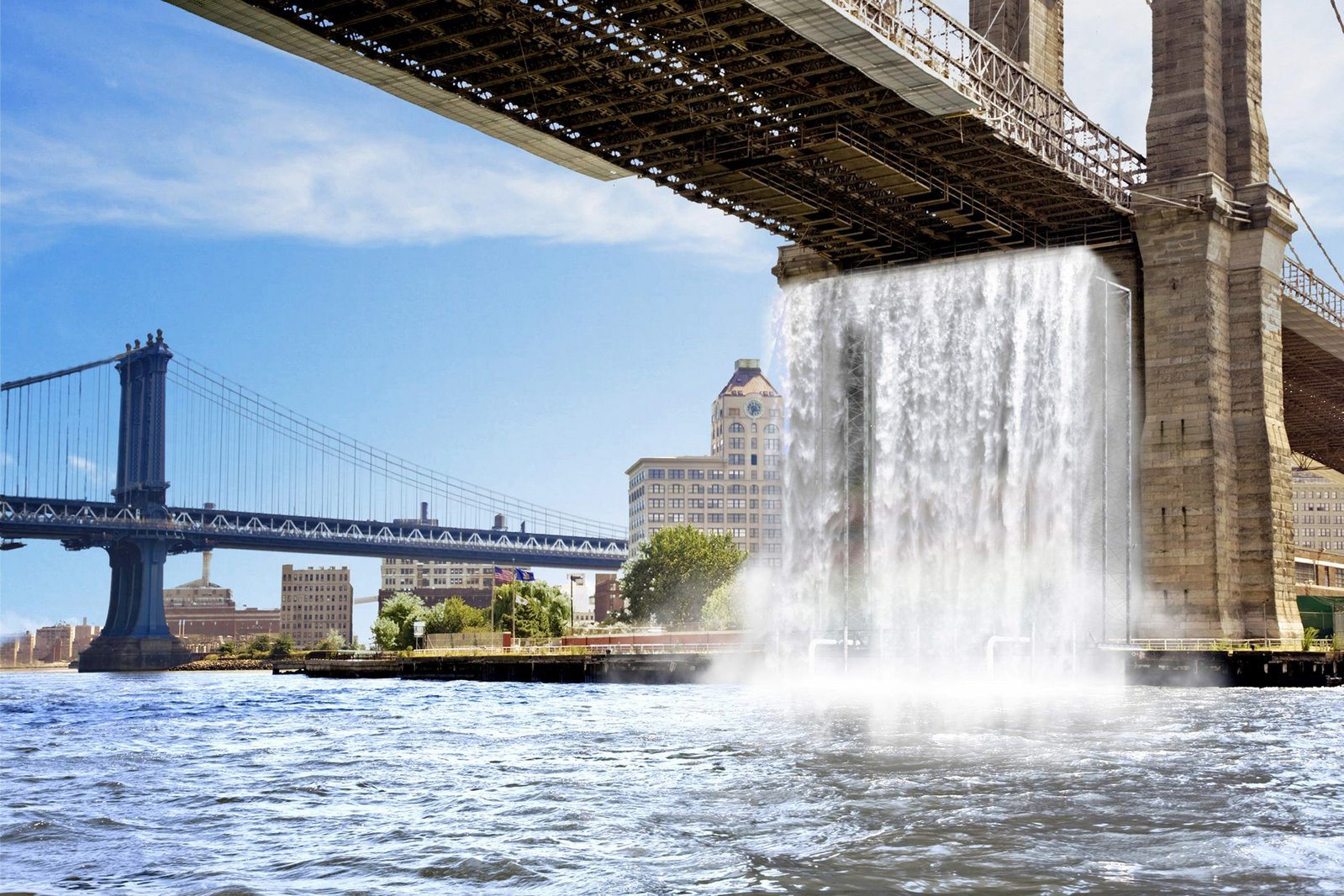
The ice had all melted. I had come to the group show at MOMA P.S.1 in Long Island City, “Expo1,” to see the contribution of Olafur Eliasson, the Danish-Icelandic artist responsible for the amazing waterfalls he installed five years ago around the island of Manhattan.

waterfall1

This time he’d put a little bit of Arctic ice in a climate-controlled room at the former public school/art showplace. It was the closest to the Arctic I thought I’d get in the near future, so I made sure to hit the show on its final weekend.

oeps16-537x402

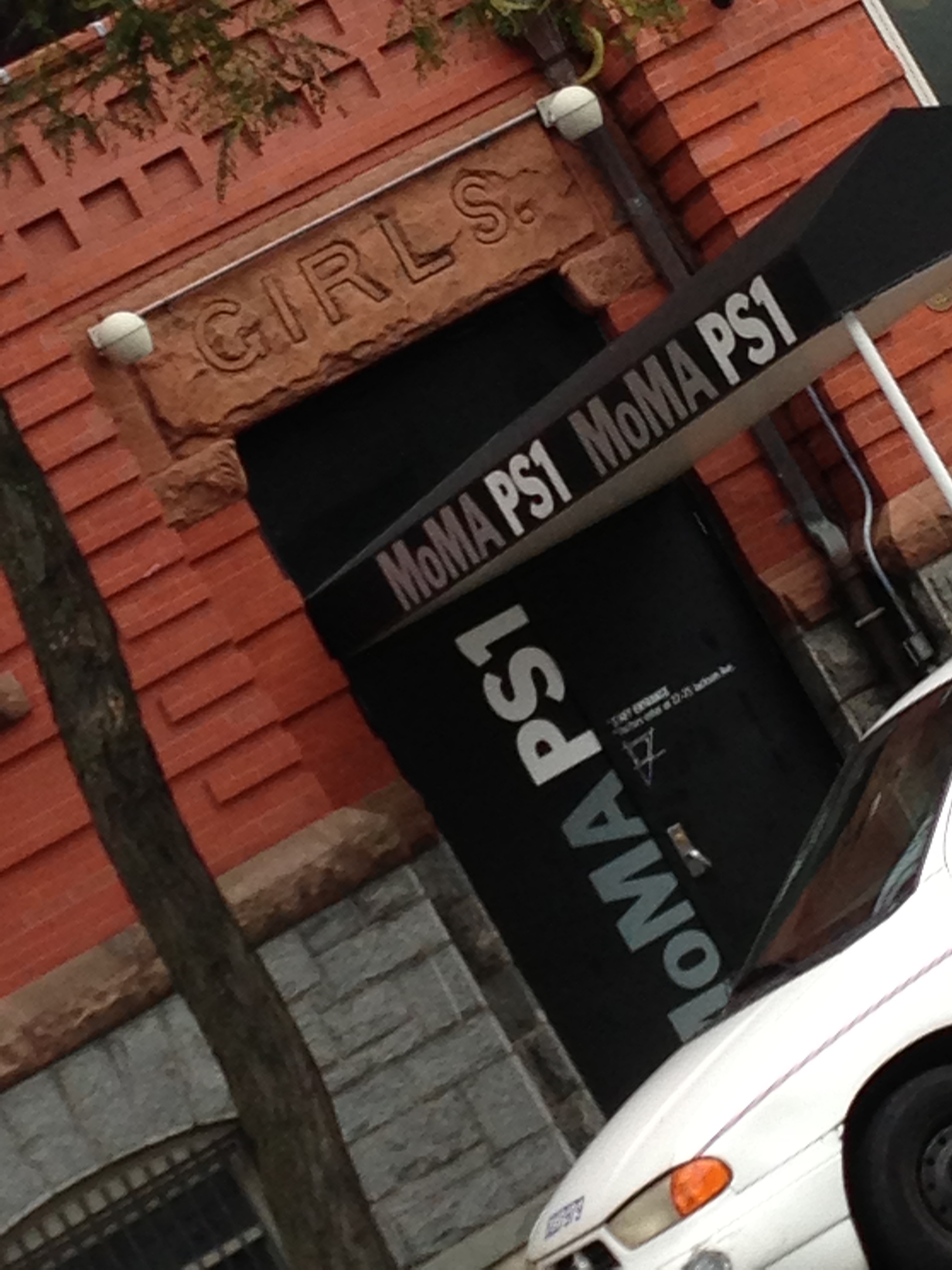
I would have gone in the GIRLS entrance at P.S.1, the former First Ward Primary School of Queens, except it was only for staff.

ps 1 girls

I’ve always liked those gender-differentiated doors in schools. My own middle school had them.They bring to mind a lively picture of the dangers of mixed-sex post-recess lines — hair-pulling and other scrapping.

The show we’d come to P.S.1 to see featured environmentally-themed works by contemporary artists in a range of disciplines, from video to wall-sized paintings. “Dark optimism” is how the museum describes the show’s approach to various ecosystems.

xpo 1

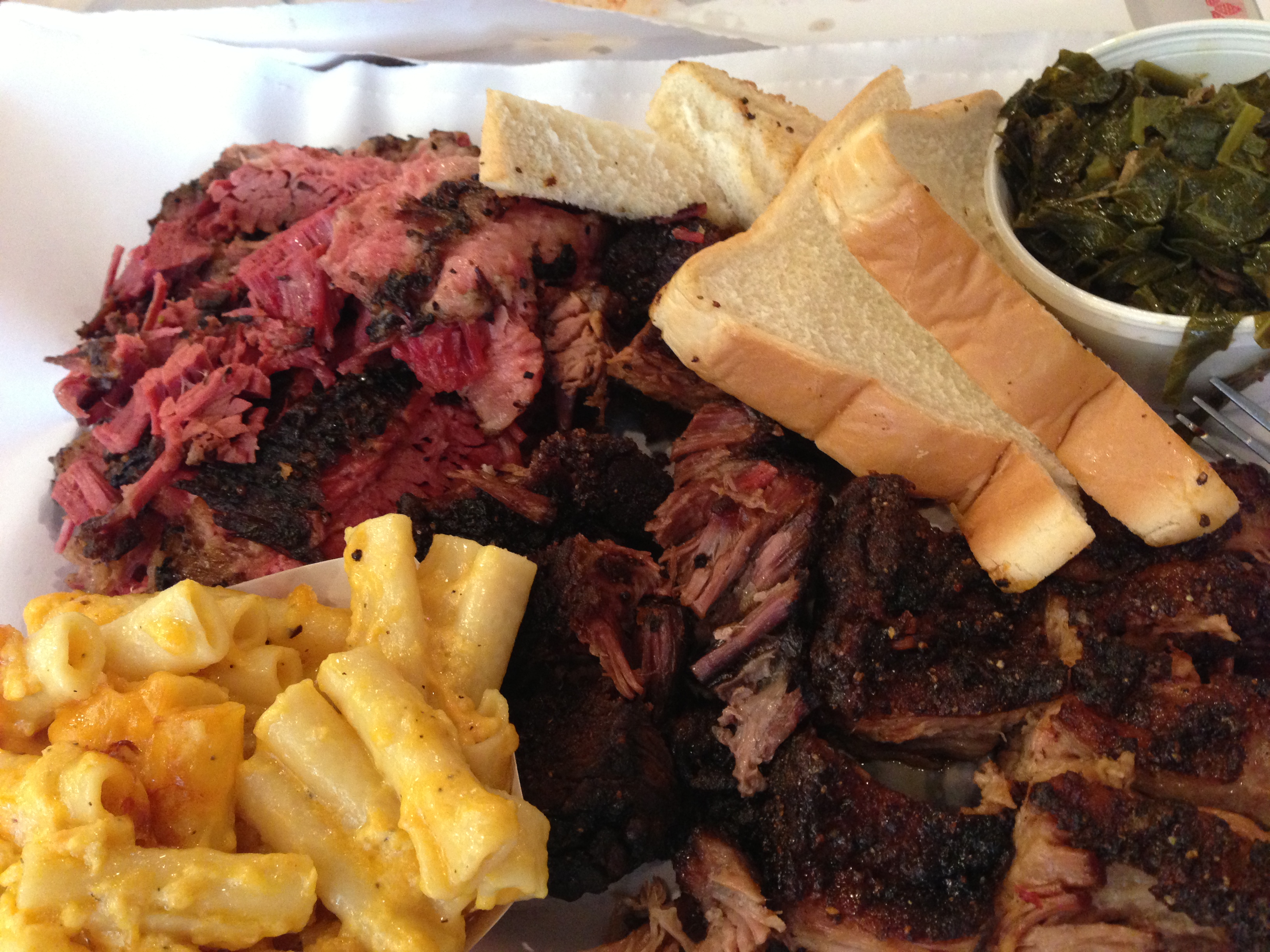
We went stoked with barbeque from a joint in the neighborhood, called John Brown Smokehouse (named after the abolitionist), that loaded our plates with piles of Kansas-City-style brisket ends and pinkest pastrami.

meat

We didn’t find our names on the freebie list next to the chalkboard menu.

eats free

Afterwards we picked up a wheelchair at P.S. 1’s coatcheck. I always wondered what it’s like to cruise through an art museum in a chair. One thing I found out: you see the lower end of the frame a lot.

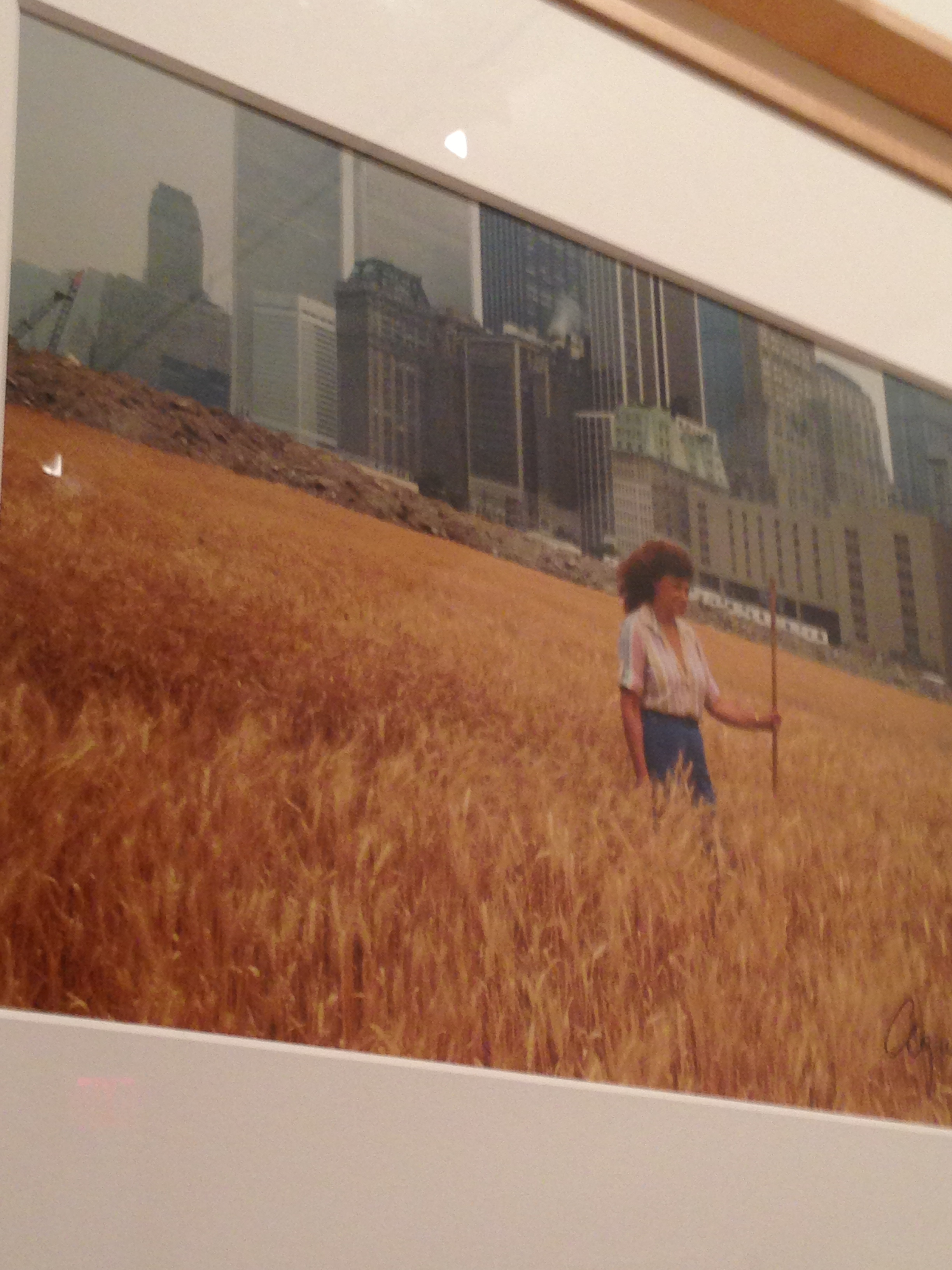
wheatfield

That’s from a series by Agnes Denes, completed in 1982, for which she planted a field of grain in what was then undeveloped landfill and is now hugely built out Battery Park City. Her photographs show unsettling views of the World Trade Towers half hidden by amber waves in the foreground.

I sat at the perfect height to examine the trash receptacles that lined a small square room, by Klara Liden, untitled. It lends a certain poignancy to all of these works to realize that you are making your way from classroom to classroom as you go, where some of those girls from the GIRLS entrance and boys from the BOYS entrance shot spitballs and kicked each other under the desks.

garbage

I like your graffiti, said a young lady in a sundress, eyeing my cast. They appreciate fine art at P.S. 1. As it happens, I got it right across the street at 5Pointz, the graffiti mecca that is destined to be shut down shortly for luxury housing. Ed Koch used to say that the purpose of an artist is to move into a neighborhood and increase the rents by so much that artists can’t afford to live there any more. Or something like that.

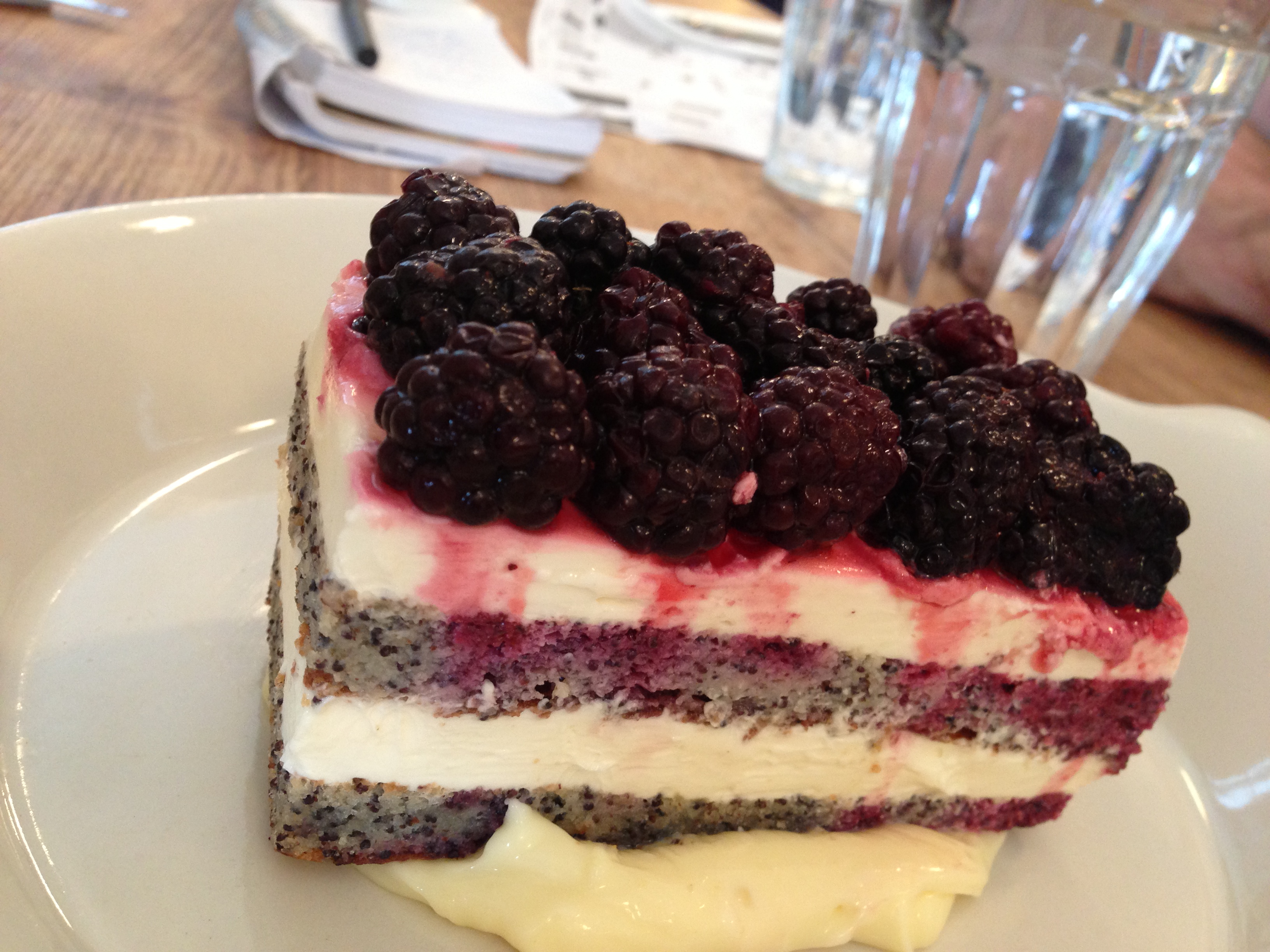
The fancy museum cafe served us coffee and exquisite poppyseed-blackberry cake with lemon curd. For nineteen dollars. Now that’s some high-toned art.

poppy

But no ice, any place. The piece called “Your waste of time” was no more. The room, with its shards of ice from Iceland’s largest glacier, Vatnajökull, was not intended for a deep freeze, a guard told me. “It was a real mess,” he said. The ceiling started to fall. In an exhibit about the environment,  global warming writ small. This happened about a month ago.

There were other great things at the museum though.

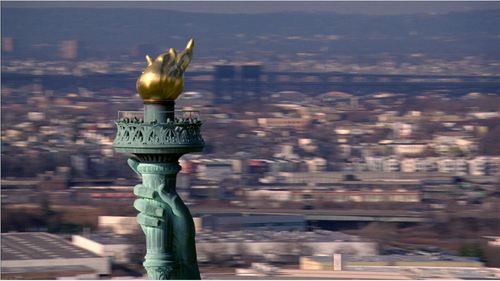
Steve McQueen’s disturbing, hypnotic film from the vantage point of a helecopter buzzing the Statue of Liberty.

statue

A tiny hole in the floor that revealed a video showing the artist Pipilotti Rist drowning in lava while shouting “I am a worm and you are a flower!”

A tree reminiscient of Billie Holiday’s Strange Fruit from which a dog, cat, rat, frog and a few other strays were strung up, all dipped in sticky black paint. This nightmare by Mark Dion, titled “Killers Killed,” reminded me of the Uncle Remus stories. My artist-friend Gary, who came along to the museum, told me he knew the artist’s wife when she owned a dress store in Soho. Artists lead ordinary lives, no matter how bizarre their creative efforts.

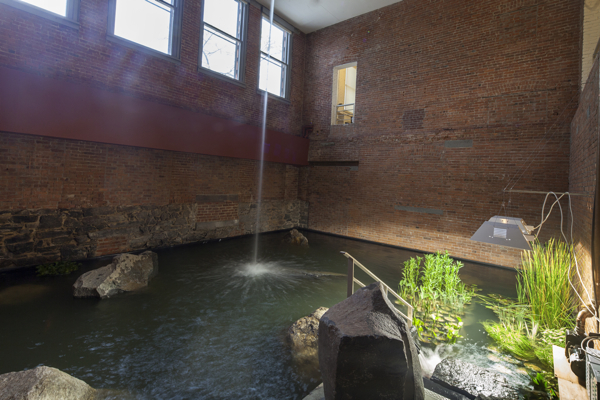
There was the grotto created by Meg Webster originally in 1998 and reinstalled for this exhibit. It has some vicious looking koi swimming around. The artist herself comes in for a dip once in a while.

grotto 2

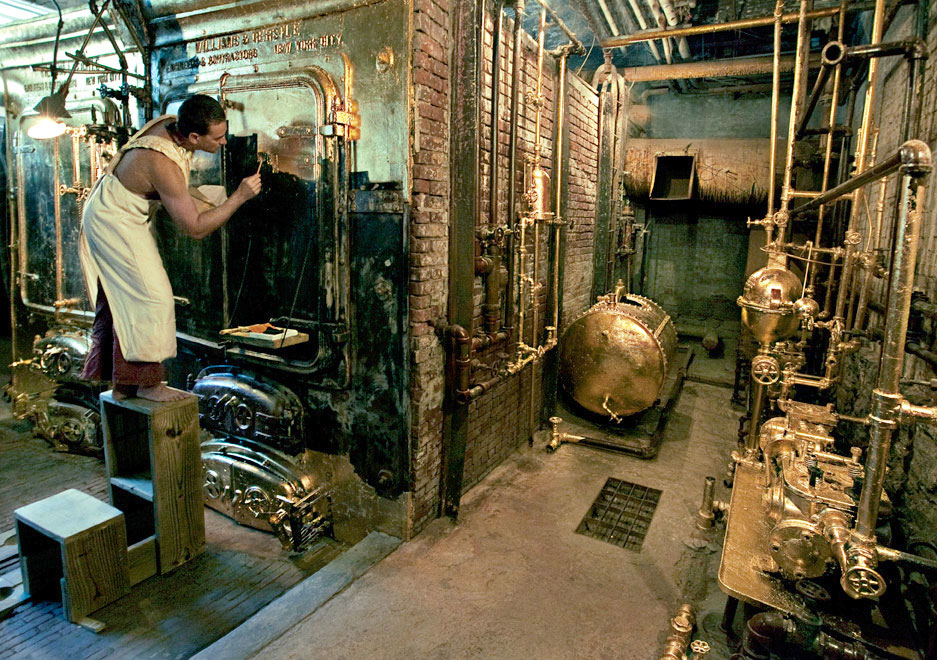
What I liked perhaps the most was a permanent piece, the gold-leaf covered boiler system in the basement, the work of Saul Melman in 2010. This is a vintage coal boiler out of Freddy Kruger, in a dank stone and brick cellar that reminded me of the basement I grew up with, penetrated by boulders. I could only see gold-gleaming bowels from the upper doorway as I could not descend the stairs, and I wish I saw the artist in action.

central-governor

But the current show was the place to go if you wanted to see a projection of a parrot against Betty Boop wallpaper or a disembodied porcelain hand holding a broken porcelain egg. If you were interested, as I was, in frightening urban scenes of large old trees against barbed wire fences.

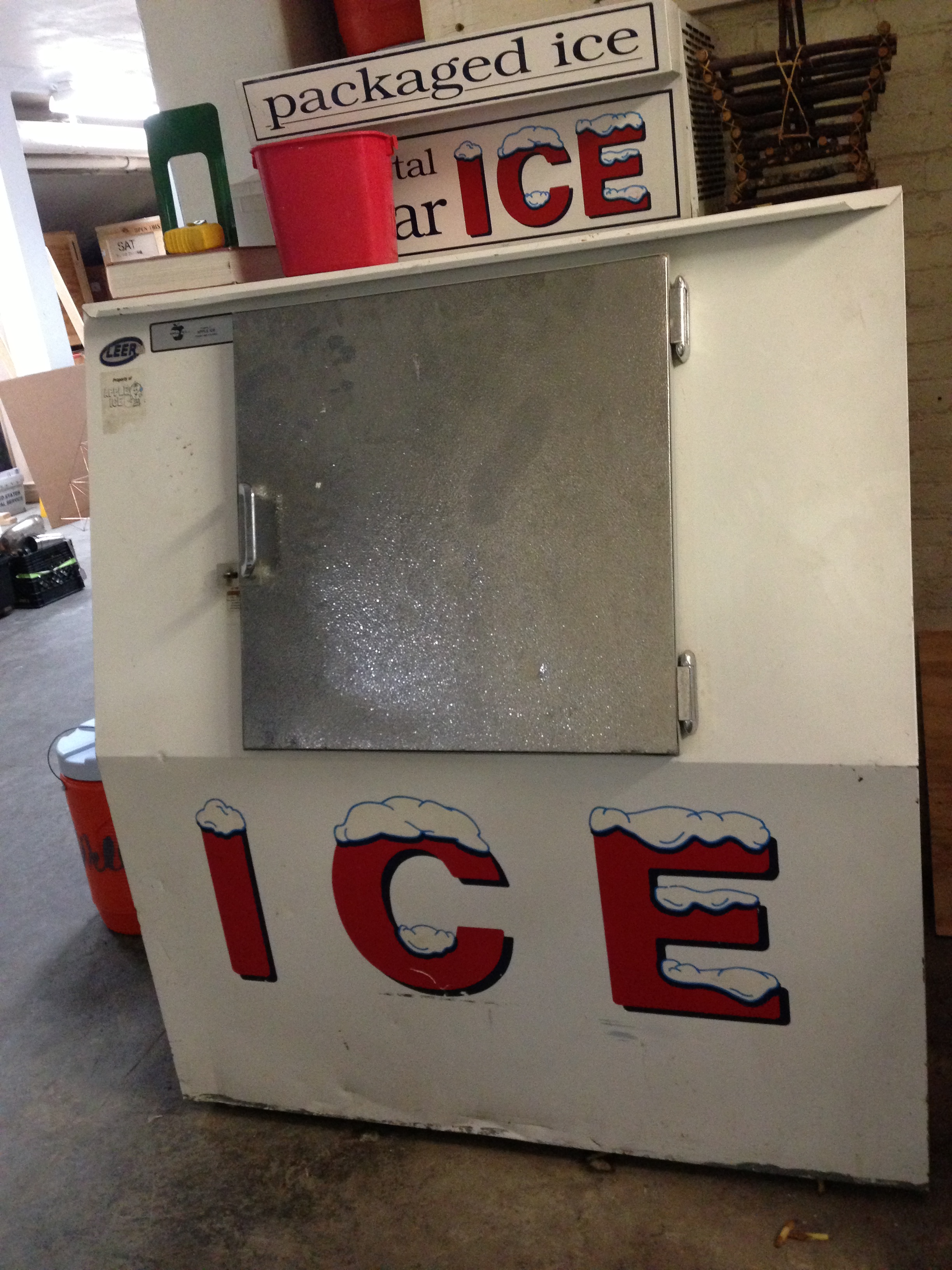
But not if you wanted ice. For that you’d have to go to the service exit.

ice machine

3 Comments

Filed under Art, Cooking, Culture, History, Jean Zimmerman, Nature, Photography

Maine Woods Ramblin’

My world-rambling brother Peter has sent a bulletin from the northern Maine forest, where he is catching his breath in the middle of a book project and, as always, exploring the local history. Peter published Podunk: Ramblin’ to America’s Small Places in a Delapidated Delta 88, which remains the definitive portrait of locales far off the beaten track, and a perfect reflection of his restless, questing mind.

Pete

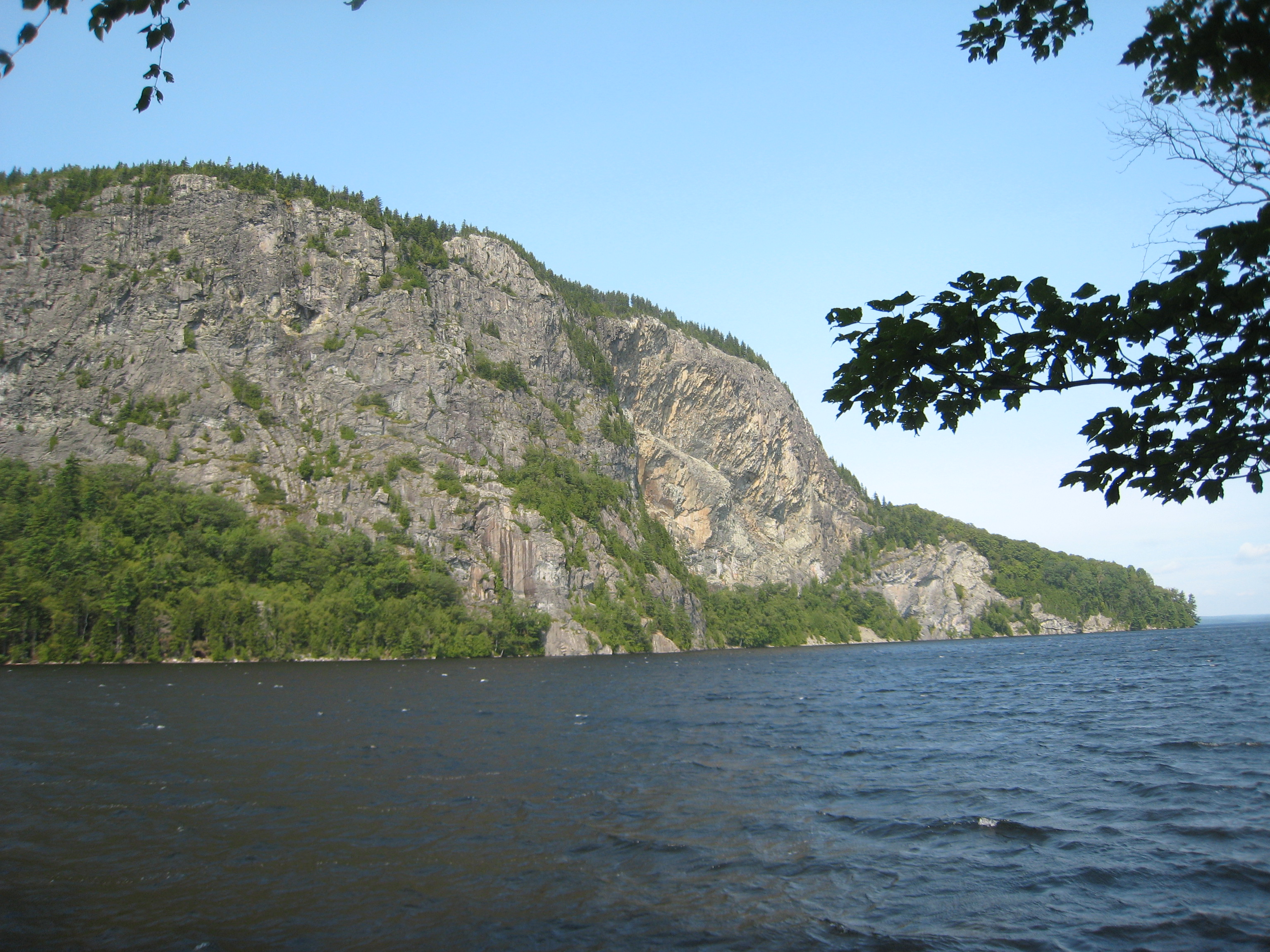
What you can’t get enough of in Podunk are Pete’s vivid photographs, and his pictures of Moosehead Lake in Maine are definitely worth sharing. He’s been spending time around Mount Kineo.

mt kineo cliffs

Mount Kineo’s wild beauty has long been celebrated, but few know it abuts a piece of land called Misery Gore, an “untrampled” place Pete investigated for Podunk. Gores are highly unusual geographical features, Pete’s research shows, limited to Vermont and Maine, “largely forgotten anachronisms that don’t much impact most peoples’ lives in any profound way.”

He says that the source of Misery Gore’s name might be its preponderance of black flies, or it being “a miserable place to survey, log, hunt, and birdwatch,” or that it’s overgrown with briars and brambles, or that “a French-Canadian logger from Miseree once passed through this neck of the woods.” The parcel is wedge-shaped, crisscrossed with nothing but dirt roads.

It is, however, Penobscot country – the tribe has a reservation near Bangor known as Old Town — and on this trip Peter reacquainted himself with some of his Podunk contacts, three generations worth, including 50-year-old Andrew Tomer, his 12- year-old nephew and his father, Penobscot elder Francis.

Francis Tomer

Penobscot, Peter told me, means “where the stream runs by the mossy rock that is white when dry.”

Mount Kineo’s 800-foot cliffs of rhyolite were carved by the Indians into arrowheads. “Thoreau cut himself on this flint-like rock,” Peter writes, “which he called ‘hornstone.’”

arrow heads

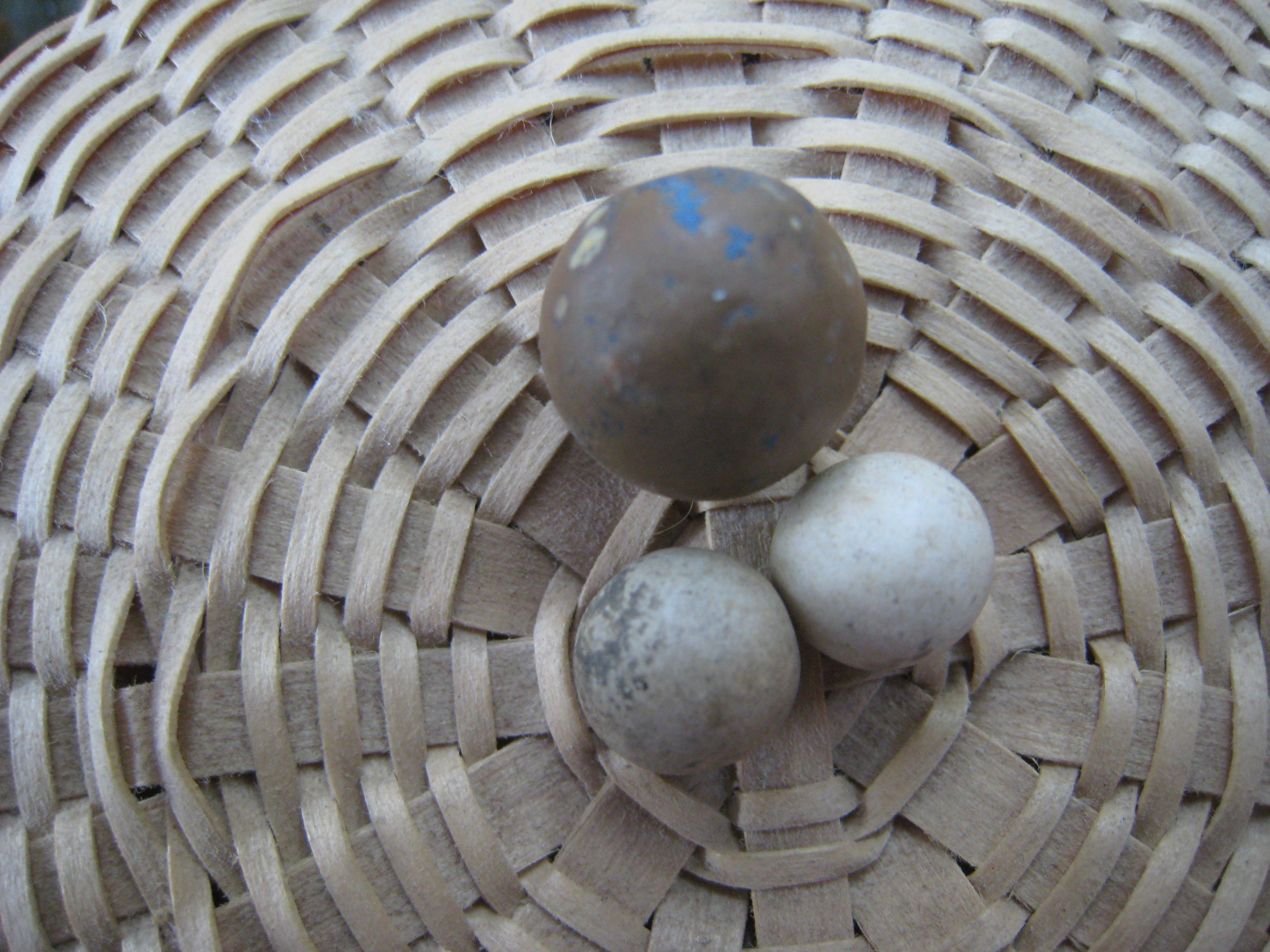
“Some Native Americans believed that the cliffs under water were bottomless” Peter told me. He took a ferry to the Tomers’ dock. “After a dinner of well-grilled steak, corn on the cob, green beans from the garden and small spanish olives with pimentos, Francis took out a cigar box with all the arrowheads, marbles, stone tools, etc., and told me about them,” said Peter. Andrew, he reported, was very quiet. “He wanted to remember the stories for future generations.”

clay marbles

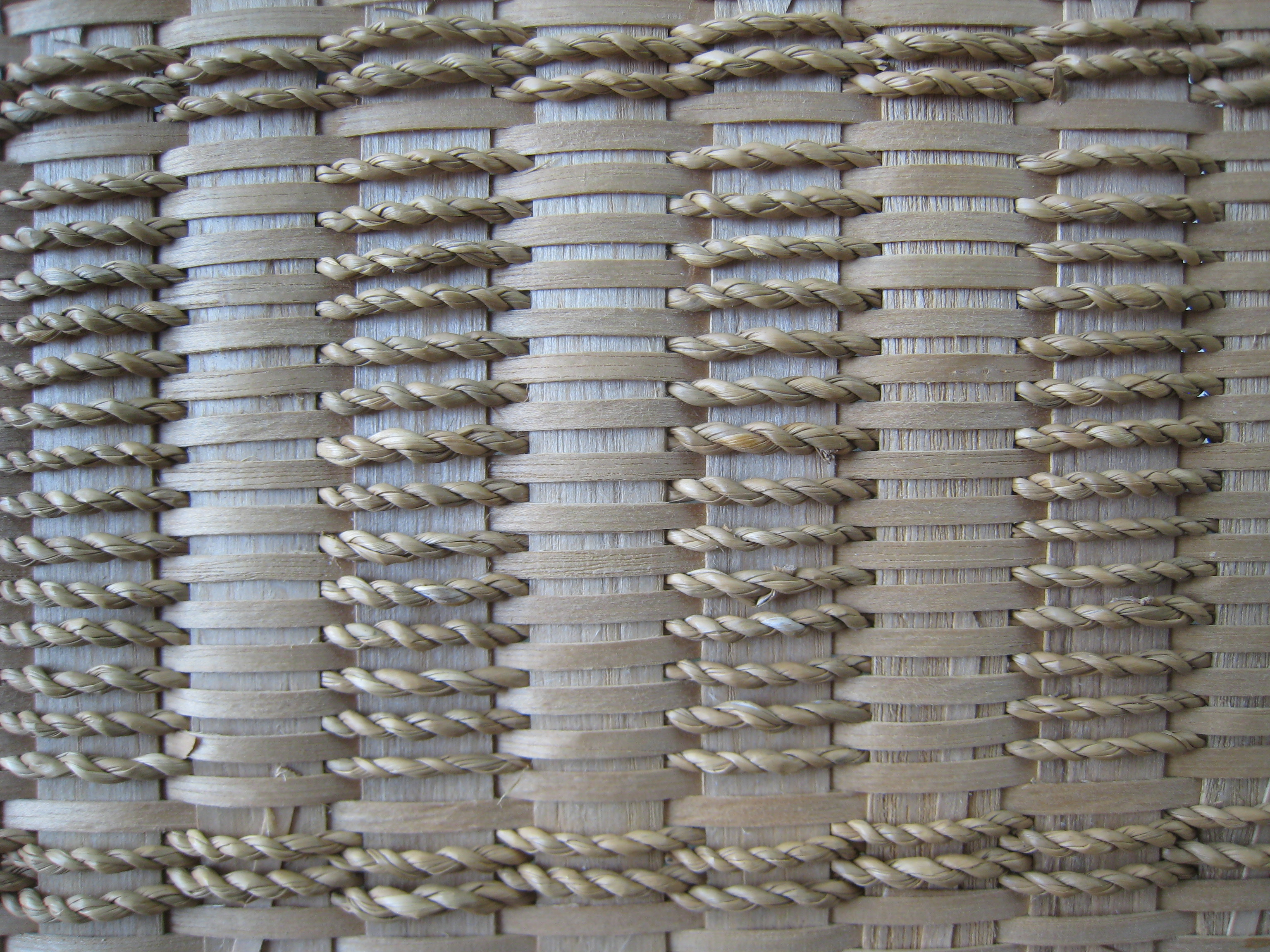
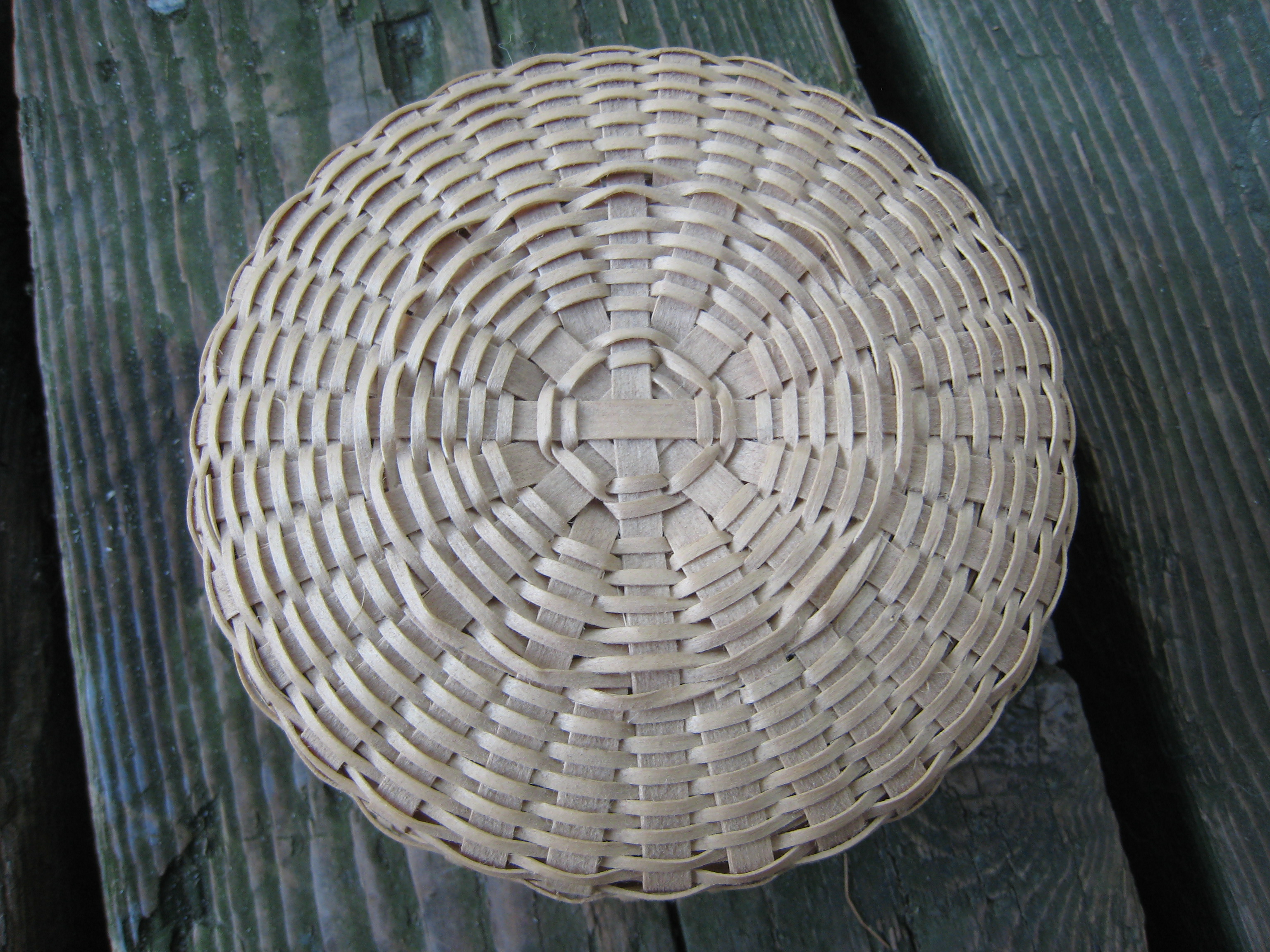
“Basket weaving by the Penobscot can be quite intricate,” says Pete.

basket 1

“First, pieces of ash are soaked in water. Then each one must be individually sanded down.”

basket 2

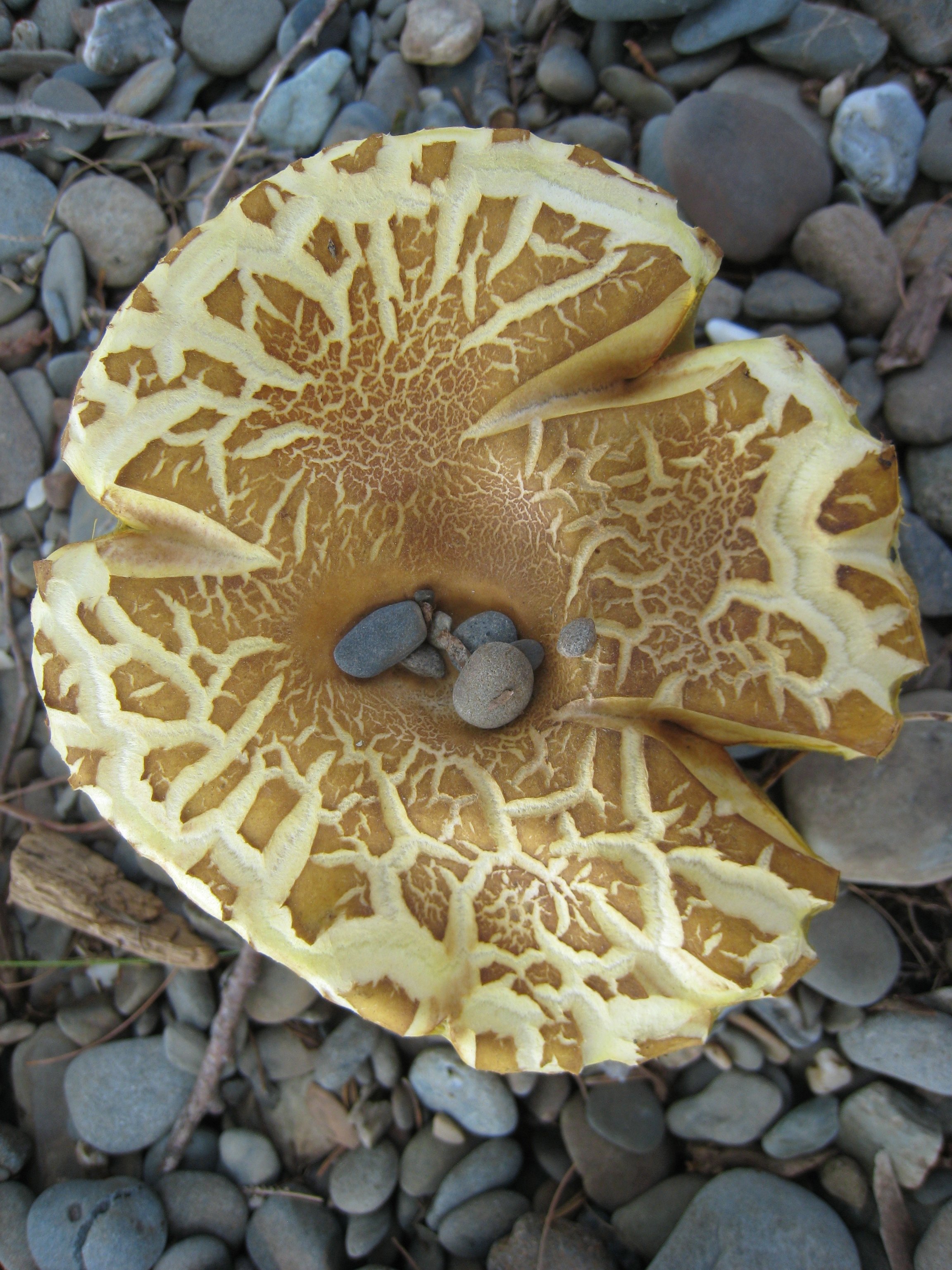
These baskets were made by a woman who lives in Rockwood, Maine, on the shore of Moosehead Lake. There Peter saw mushrooms. Fresh, with a garnish of smooth stones.

mushroom

And fossilized.

fossil mushroom

A sculpture of some kind.

stone sculpture

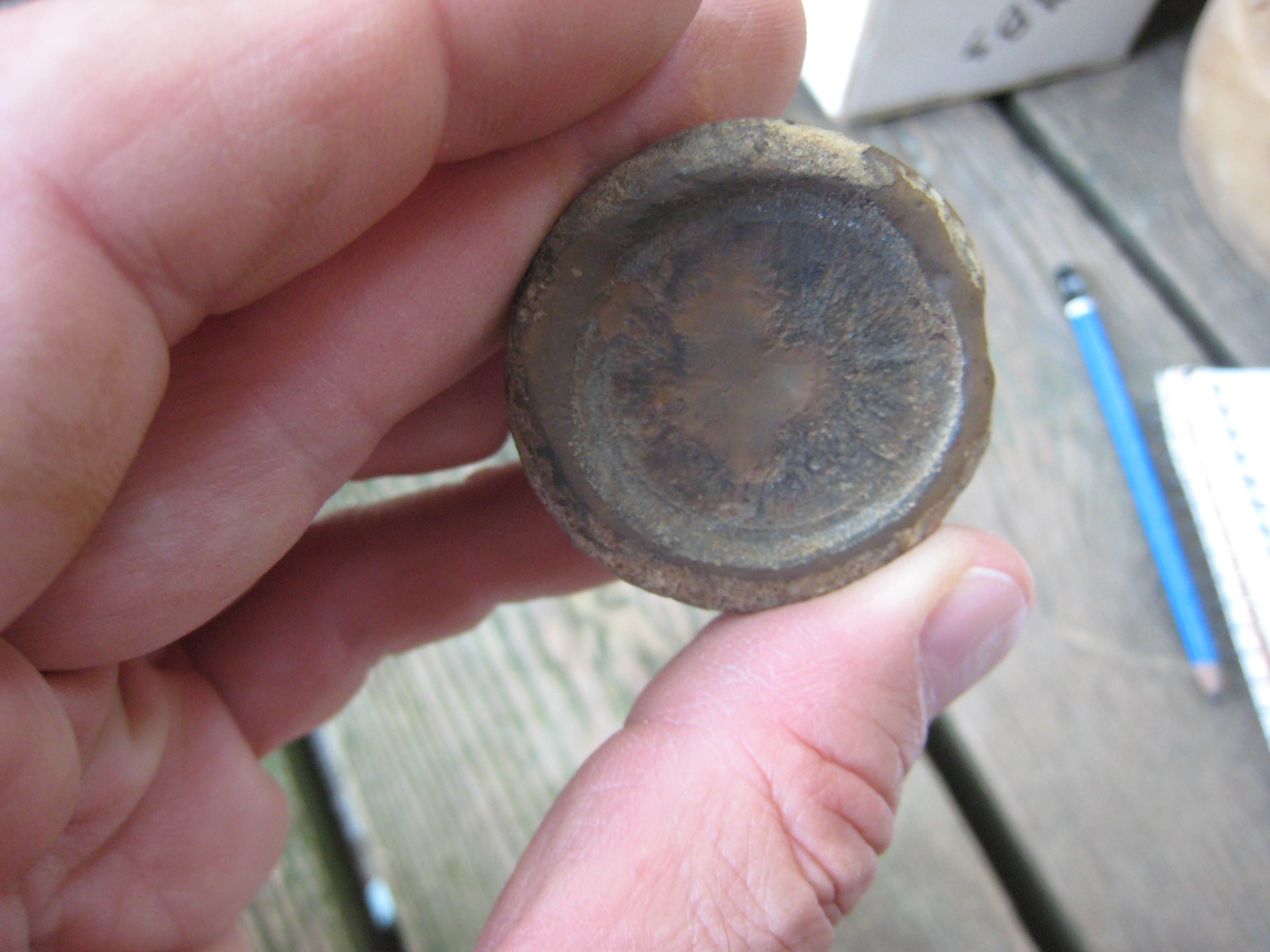
A piece of the rhyolite from which arrowheads are carved.

piece of rhyolite

Wampum.

wampum

An ancient knife used to carve walking sticks.

old knife used tomake canes

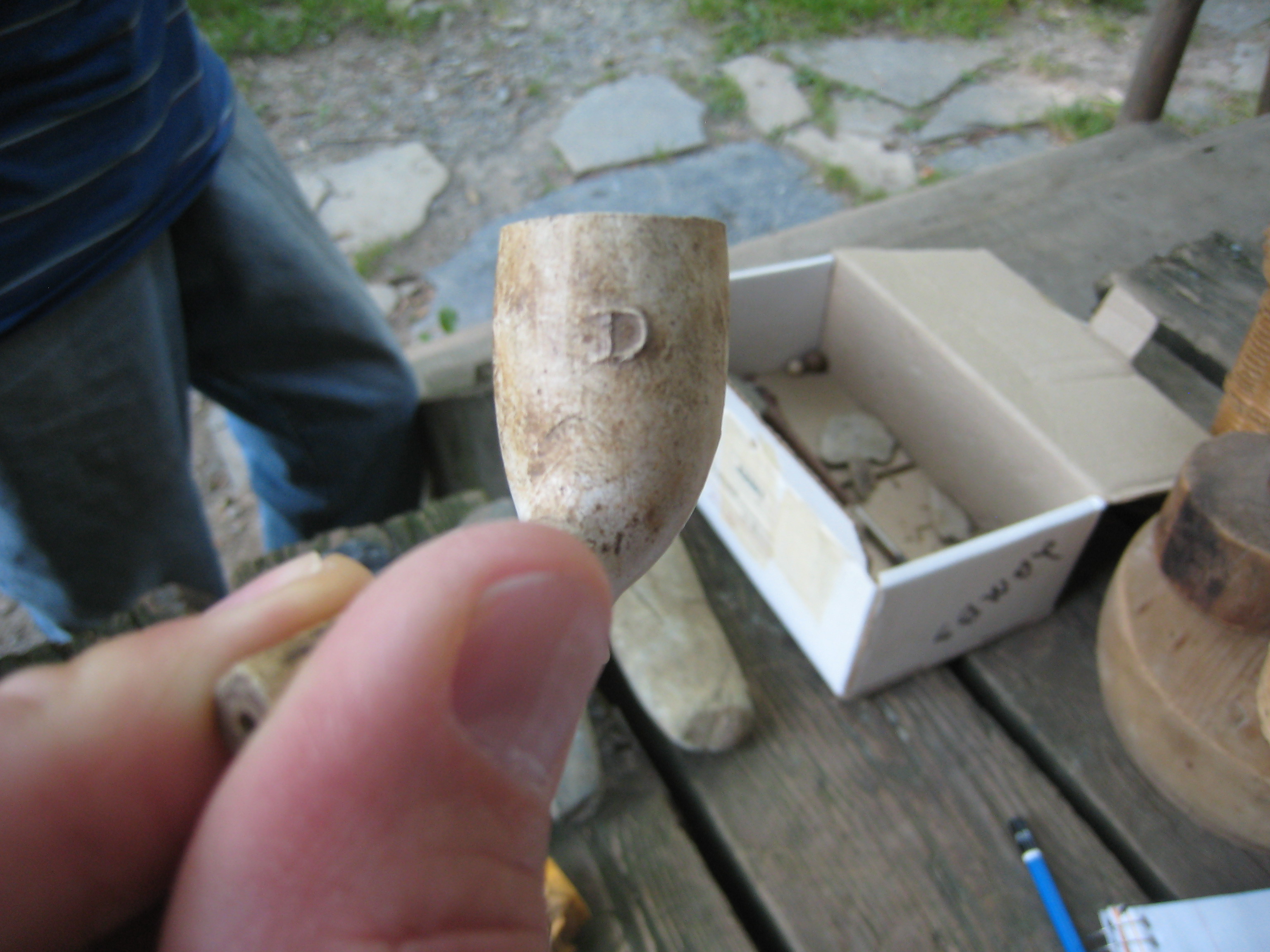
An initialed pipe left by an early settler.

pipe

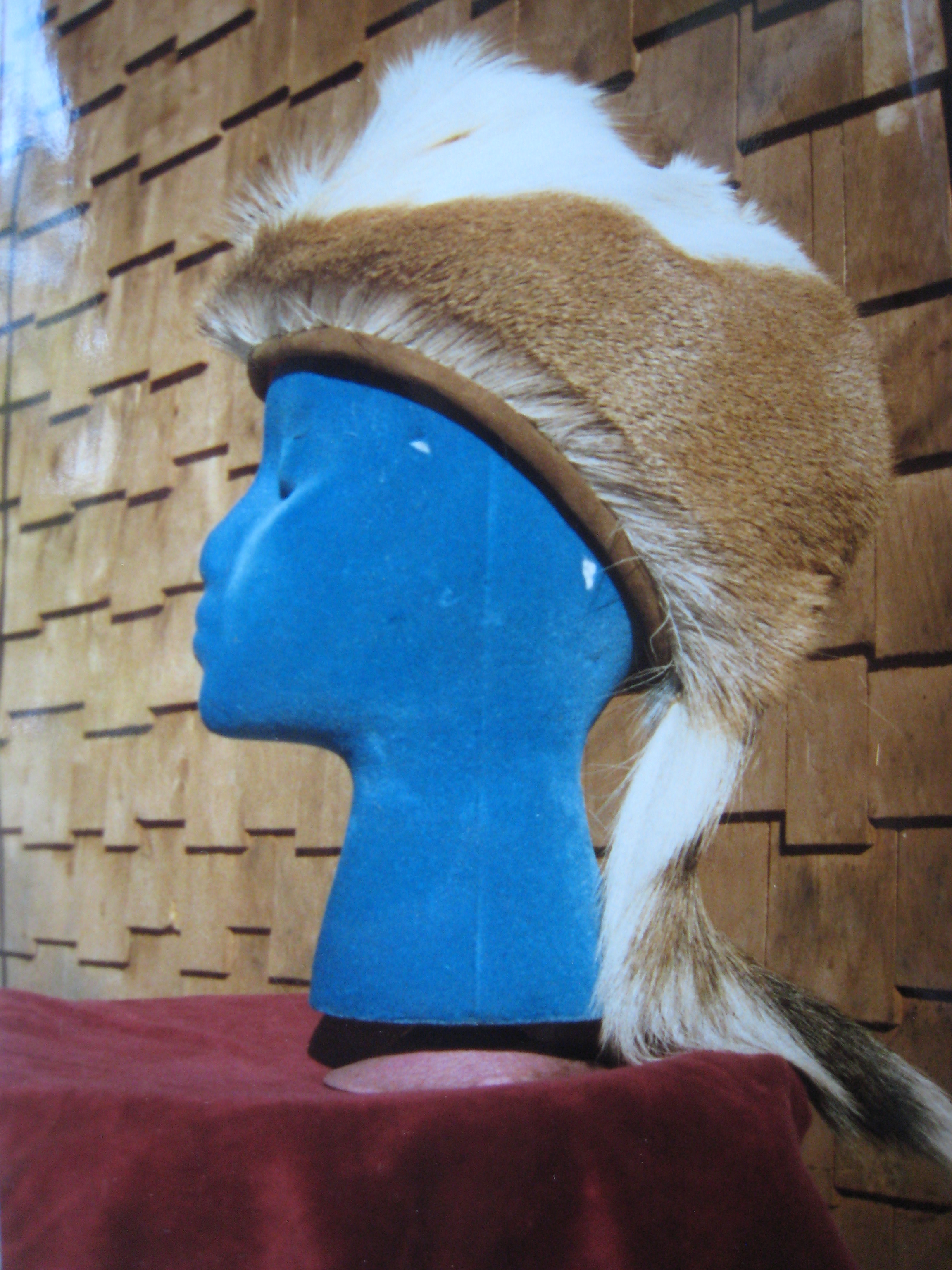
A deerskin cap.

deerskin copy

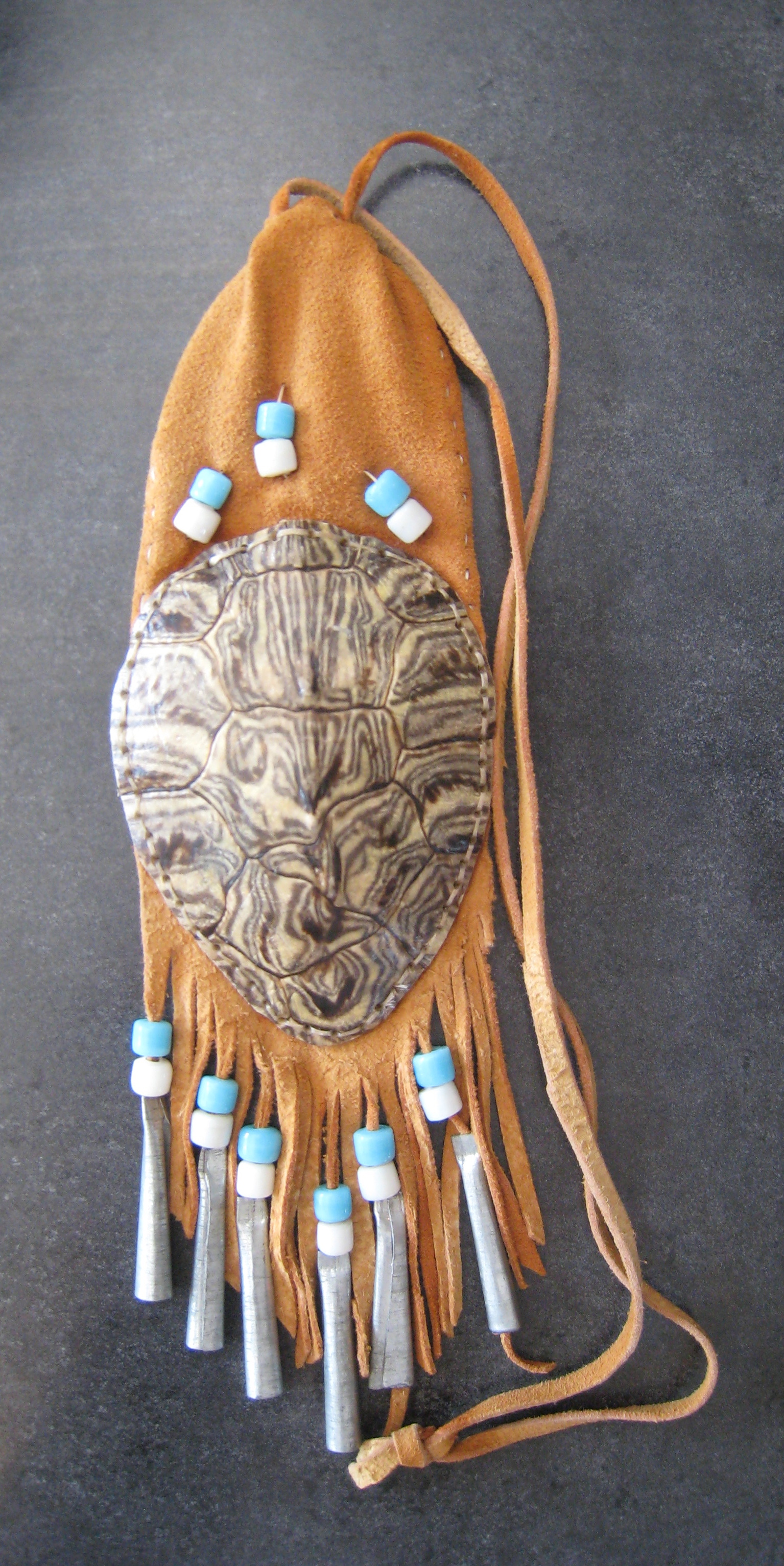
A deerskin pouch adorned with a baby snapping turtle shell that Peter plans to bring with him when he leaves.

pouch

A celebration of all that is old and new and precious in these cool, mysterious Maine Woods.

7 Comments

Filed under Art, Cooking, Culture, Fashion, History, Home, Jean Zimmerman, Nature, Photography, Publishing, Writers, Writing

L.E.C.M.-Elysium-Karma

An interminable eighteen days until the brittle cast comes off my leg. In the meantime, Gil Reavill has consented to contribute yet another juicy post to this page. Here he is.

JEAN ZIMMERMAN (writes Gil) is well celebrated for her parking karma. This arcane skill is probably not noteworthy in any other place than New York City and San Francisco, but within the confines of Manhattan, especially, it is golden. Jean’s strategy, by the by, is to drive directly to the place we’re heading for and not slow to look for street parking along the way. Like as not, she finds a spot close upon  the goal.

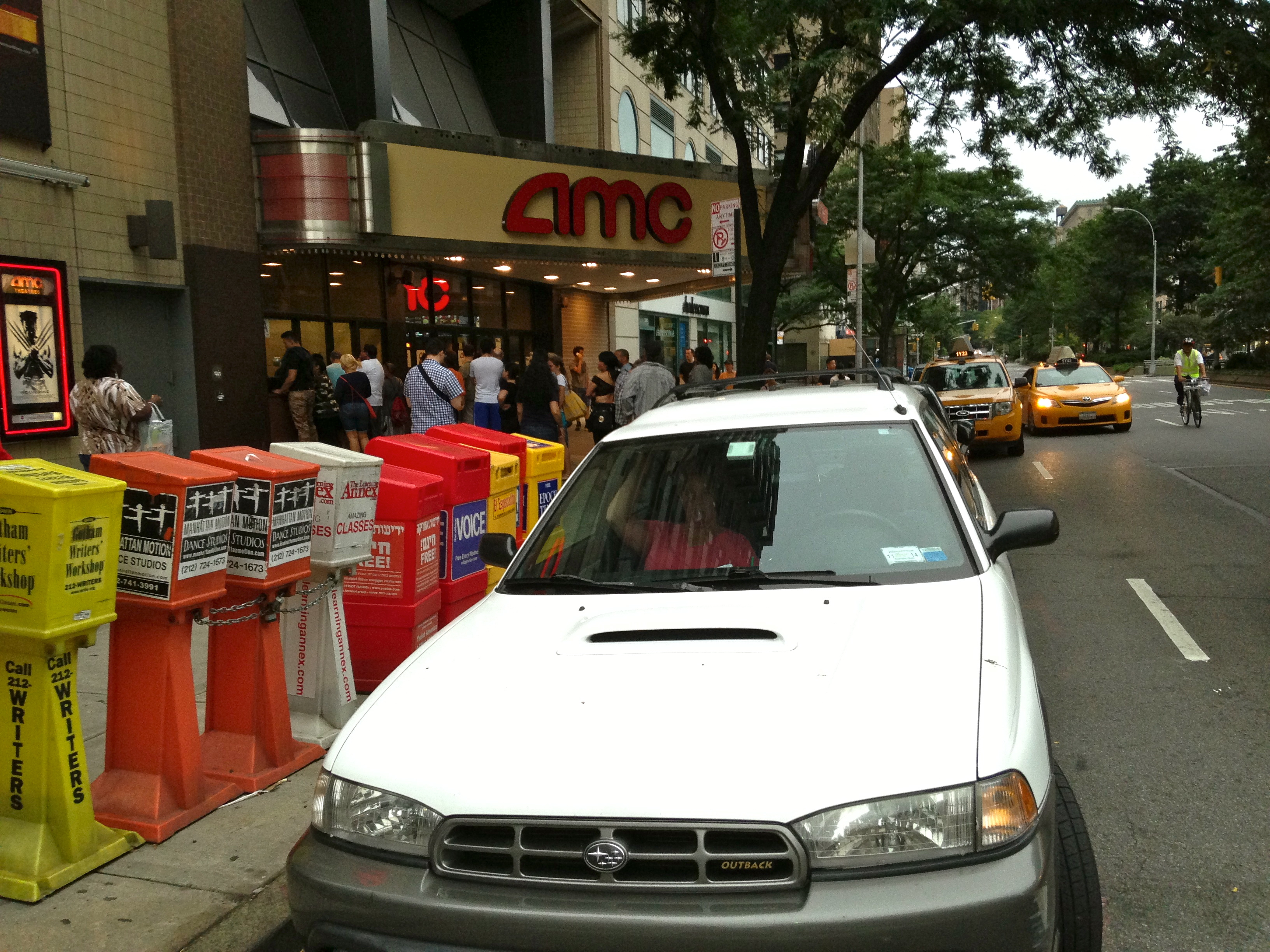
In Cabinworld, cabin fever is a quite literal situation, and Jean insisted on getting herself and her splint-bound leg off the couch and out of the house this afternoon. We decided on Elysium, the Matt Damon movie by the South African writer-director Neill Blomkamp, who directed a 2009 film we both liked, District 9. Lured by brand-new reclining La-Z-Boy style seats, we aimed for the AMC theater on 84th Street and Broadway. (These are the best movie seats in the world, says Jean, worth going to a film for even when the film is rotten.)

Pulling up directly in front of the movie house, we found ourselves opposite a sedan with a driver sitting in the driver’s seat. Jean posed the traditional NYC question: Are you leaving? Yes, I am, said the driver. And he did. It was magic, especially for unloading a knee scooter and a person with a hurt foot.

Parking Karma

Karma is a belief that there is some form of justice in the universe. Behave badly, be reincarnated as a worm or some other lower life form. Do good and step up the chain of being toward bodhisattva.

Gamblers call it luck. Here’s a passage from Jean’s The Orphanmaster that deals with it:

Drummond had witnessed the world’s best gamblers at play, including Prince Henry, a demon at cards. Bassett was Henry Stuart’s game, and he could win a hundred pound on the turn of a queen, only to lose it the next hand. Drummond knew the action well enough to understand the play was not really about winning and losing.

It was about faith and belief.

The field of battle and the gaming table. Drummond once stood beside an officer, a good man judged by all to be lucky and deserving, only to see a dressed-stone cannon ball take off his head. Every soldier learned the harshest lesson of battle in ways that re-ordered his very soul: Luck had nothing to do with it. Randomness ruled.

The gambler wanted to believe differently, that the world held some secret order to it, one that would accord him a special measure of good fortune. Every play tested the gambler’s faith in that belief.

Jean’s parking karma notwithstanding, I’ve always considered karma as no more than a comforting fairy tale. The universe is random and makes no exception at all for human concerns.

Martin Luther King, Jr. articulated a belief similar to karma, not in Buddhist/Hindu terms but with his usual Southern Baptist eloquence: The arc of the moral universe is long, but it bends toward justice.

Martin-Luther-King-Jr-9365086-2-402

It would be pretty to think so, as Hemingway would say. Such a kernel of optimism might be necessary in order to commit to the long-haul cause of social justice. King no doubt needed to believe to endure the incredible trials he encountered.

Talk of karma and the bend toward justice somehow implies that the universe will take care of itself. You don’t have to get on up off of your duff. But social justice doesn’t just happen. It needs a push.

Here is King’s great predecessor in the cause, Frederick Douglass:

Those who profess to favor freedom, and yet deprecate agitation, are people who want crops without plowing up the ground. They want rain without thunder and lightning; they want the ocean without the awful roar of its waters. This struggle may be a moral one; or it may be both moral and physical; but it must be a struggle. Power concedes nothing without a demand; it never did and it never will. Find out what people will submit to, and you have found out the exact amount of injustice which will be imposed upon them. The limits of tyrants are prescribed by the endurance of those whom they oppress.

This August 28 marks the 50th anniversary of the March on Washington for Jobs and Freedom, the occasion for King’s celebrated “I Have a Dream” speech. Five years later, just before his assassination, his political strategy had widened to a specific economic purpose. He proposed another march on Washington, D.C., this one rendered tragic by his death: The Poor People’s Campaign in June 1968.

Civil rights is a dangerous enough cause to push, but demanding economic equality, that’s what they’ll kill you for.

Elysium, the movie that we watched flat on our backs in the AMC 84th Street Theater, was surprisingly political. (Political enough to make you drop your popcorn, says Jean.)

gil reclining

A broad-gauge fable of sorts, it spoke to the world’s most pressing issue, according to Dr. King. It usually goes by the name of “income inequality” today. We’re creating a two-tier society, segregated, policed and imbalanced.

In the film, the haves have decamped the earth for Elysium, a paradisal, mandala-like orbiting space environment.

elysi

The have-nots, down below, live in impoverished, overpopulated, climate-fried squalor. It’s like America after the Walton family and the Koch brothers get through with it: one sprawling, fetid favela.

The film has a covert message, with plenty of clues littered throughout. Elysium, a word the ancient Greeks invoked for paradise, is code for L.E.C.M. (say it fast), the alt-culture rallying cry of Love, Empathize, Create, March.

Damon’s solid, but Jodie Foster, as the military bigwig who concedes nothing without an armed invasion, turns in not her best performance ever. The steampunk flavor of the art direction is really the movie’s star. It just looks cool.

explosive

One way to follow the dictates of Frederick Douglass and agitate for social justice in 2054 Los Angeles, it turns out, is to have a rack of metal implanted into your skull.

What the haves really have and the have-nots haven’t any of, in Neill Blomkamp’s dystopian vision, is health care. It’s oddly endearing to watch a $115 million Hollywood action movie where the climax is… everybody gets the Affordable Care Act! (In the form of a magic box in your living room that instantly cures all ills, says Jean. Wouldn’t you like to have one? Now if Obama could manage that, that would be karma.)

1 Comment

Filed under Art, Culture, Film, History, Jean Zimmerman

I Am the Walrus

I’m about a foot shorter and slightly less blubbery, and my tusks have not come in, but my habit of lolling on the couch is pronounced.

walrus face

I could be lying atop a Greenland ice floe. A tooth-walking seahorse (Odonus rosmarus) through and through, cast-footed variety. Basically sedentary. Shellfish savoring. Laughable? Don’t people sort of snicker at walruses?

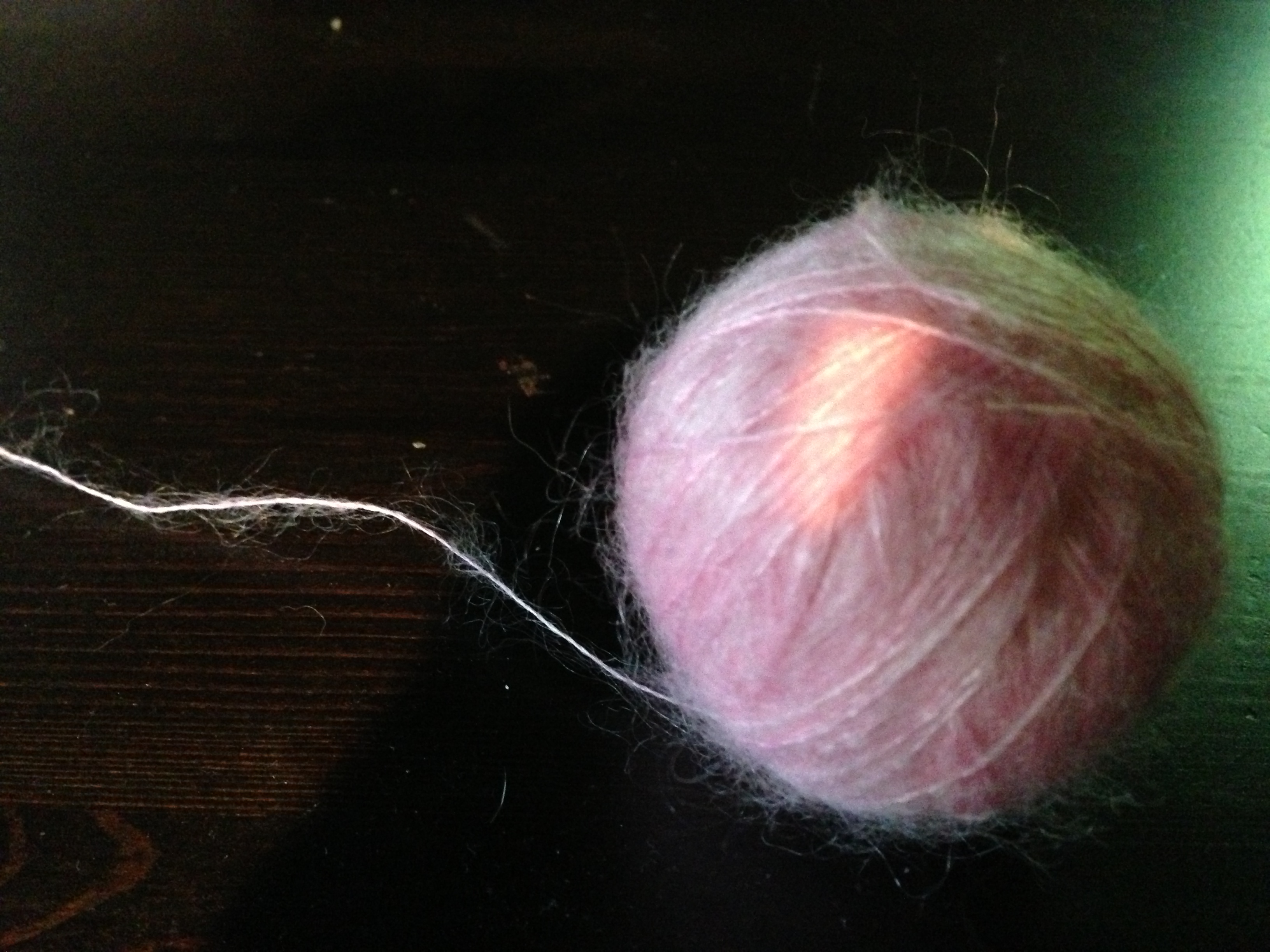
My main function these days, when I’m resisting the urge to watch past episodes of Orange Is the New Black, is to absorb information. That and try to knit a mohair bandana with a pair of metal toothpicks, willing Oliver not to drag the tiny wound-up ball of pink fluff under the coffeetable.

oliver snout

(Not successful, and I nearly rebroke the bones in my foot retrieving it.)

mohair

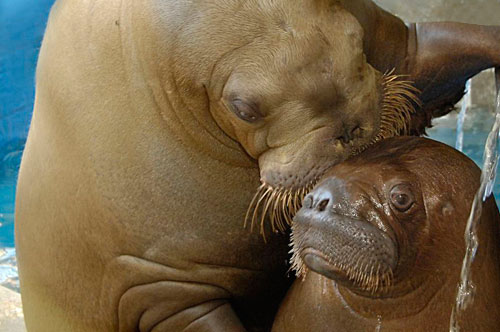
Walruses show affection.

baby-walrus-kissed-by-mother

There’s more where that one came from, walrus fetishists.

Aside from walrus kiss-bombs, I sourced a few more of life’s interesting details today.

1. A California man named Jerry Gretzinger has spent 50 years drawing an enormous map of a world he invented.  Hmnh, you say, don’t people do this every day? Well, maybe brainy 3rd graders do something similar on a sheet of oaktag.  But his is just so much more carefully delineated than others, did I mention 2,000 feet long, and he uses a weird deck of cards he pasted up to determine next steps he will take on the thing. Including which neighborhoods get what he calls “voided,” or just suddenly blasted out of existance.

gretzinger1

There is a great mini doc about him, and you might want to bring home some colored pencils when you’re out today. (Note the envy in that: when you’re out today.) For more great stuff on do it yourself cartography (and moving gigantic maps) try Making Maps.

2. I never knew what was in O magazine – lists upon lists of Oprah’s fave books that were going to earn more than my books ever would? But today I checked out the September issue because we got a subscription in error. And it turned out the issue was all about hair. Here is something so inutterably weird I reread it a few times. A timeline of how glamorous hair extensions come to be. It begins with Hindu pilgrims shaving their heads at the temple Tirumala in Tiraputi, India. (I did a little further research. As many as 10,000 pilgrims get their hair shaved by 500 temple barbers every single day.) The hair is fumigated and wrapped in bundles in Bangladore, then shipped by private courier to Rome to be bleached and dyed. Six weeks later it goes to U.S. salons. After 3 to 6 months use the repurposed locks get tossed in the trash. Footnote from the same O: 90 percent of celebrities at the Academy Awards are wearing extensions – everyone except, according to one expert, children and women with pixie cuts. I guess men, too, go unextended. But who knows.

3. A lot of people consider the Hudson to be “my river.” Me too. That’s why I was surprised not to have known before that the actual start of the estuary, the southern terminus that is, is deemed by scientists to occur precisely at Manhattan’s Battery.

stock-footage-aerial-panorama-downtown-manhattan-wtc-financial-district-east-river-hudson-rivers-battery

I knew it began down there in the Harbor someplace, but everything seemed pretty watery and diffuse to me. Now I realize that you have Hudson River Mile 0 at the Battery, the George Washington Bridge at HRM 12, the Tappan Zee at 28, Bear Mountain at 47, Beacon-Newburgh Bridge at 62, the Mid-Hudson Bridge at 75, the Kingston-Rhinecliff Bridge at 95, the Rip Van Winkle 114, and the Federal Dam at Troy, the head of tidewater, at 153. The tidal section of the Hudson constitutes a bit less than half the total distance – 315 miles – from Lake Tear of the Clouds to the Battery. I learned this scrap and so many other things from the State Department of Environmental Conservation’s weekly easy–to subscribe to e-newsletter, Hudson River Almanac. If you want to know how many hummingbirds appeared in someone’s yard this May, and how that compared with last year’s count, or the story of a kingfisher riding the back of a hawk, or that Atlantic blue crabs are known to rivermen as “Jimmys,”(mature males) “Sooks,” (mature females) and “Sallys (immature females), this is the place for you. I find I want to know these things.

Hummingbird-Wallpaper

It’s amazing what you’re ignorant of as a walrus.

3 Comments

Filed under Art, Culture, Dogs, Fashion, History, Home, Jean Zimmerman, Knitting, Nature, Photography, Publishing, Writers, Writing

Day 1-In Which I Learn to Hobble

It was a success, the surgery, though I awoke from the anesthesia blubbering like a baby. It’s normal, said the orthopedic surgeon, come to check on me. A lot of people cry. Then it was hip, hop, on to the wheelchair, on to the crutches, off to my new full-time lair, my living room, my foot on pillows above the couch.

cast

My snouted nursemaid wedged beside me.

ollie nurse

My other nursemaids scurry to my orders. My computer, please! My muffin! My book! Put it close, I’ve got to get an NPR review done this week. Could you please turn that light off? Or on?

I have a good view of Maud’s metallic blue fighter fish, Brussels, making his small way around the bowl.

brussels

Somehow, thinking about the immediate future, though I never had much patience for that fish, I now feel kindly toward it. Brussels reminds me of myself in my own little living room bowl. Except I hobble, can’t float at all, when I want to go brush my teeth.

Trying to stretch myself outside this world, adventuring via pictures of the past to the motor adventure taken in 1918 by John Burroughs, Thomas Edison, Henry Ford and Harvey Firestone.

This brilliant crew took a 12-day car camping trip in Burroughs’ automobile when he was 81.

NoondayRestFinal.jpg.CROP.article920-large

John Burroughs, less well known today than the others, was ragingly popular by that time in his life. Gil and I used to visit his country retreat, a tiny cabin called Slabsides that stood beside a celery marsh in West Park, New York.

slabsides

Burroughs’ fans have kept it intact, so you can see it as he did. Being there always made me want to inhabit a cabin, and now  mine is virtually like his.

burroughs-at-slabsides

… I was offered a tract of wild land, barely a mile from home, that contained a secluded nook and a few acres of level, fertile land shut off from the vain and noisy world by a wooded precipitous mountain… and built me a rustic house there, which I call ‘Slabsides’, because its outer walls are covered with slabs. I might have given it a prettier name, but not one more fit, of more in keeping with the mood that brought me thither … Life has a different flavor here. It is reduced to simpler terms; its complex equations all disappear.

Young college women used to travel in hordes by train to Slabsides to pay homage to the great man, a pioneer of nature writing who published some 25 volumes, of which a million and a half volumes were sold during his lifetime.

In 1918, a convoy of eight vehicles accompanying the brainy colleagues toured Pennsylvania, West Virginia, Tennessee, and Virginia, stopping to camp on farms, examine old industrial sites, take hikes along rivers, and measure farming implements for fun, documenting as they went.

Some shooting entertained Ford and Firestone.

ford and firestone shooting

At night around the campfire the two industrialists, the naturalist and the inventor wound down by chewing over Shakespeare, Thoreau, chemistry. Don’t you wish you could have been there? In a way, you can, because photos from the trip are stored at Harvard’s Widener Library, with a smaller portfolio at my favorite website, Slate’s The Vault.

Closer to home yet exotic in its own way, the wool I am sending away for to keep my hands busy during this nonambulatory period.

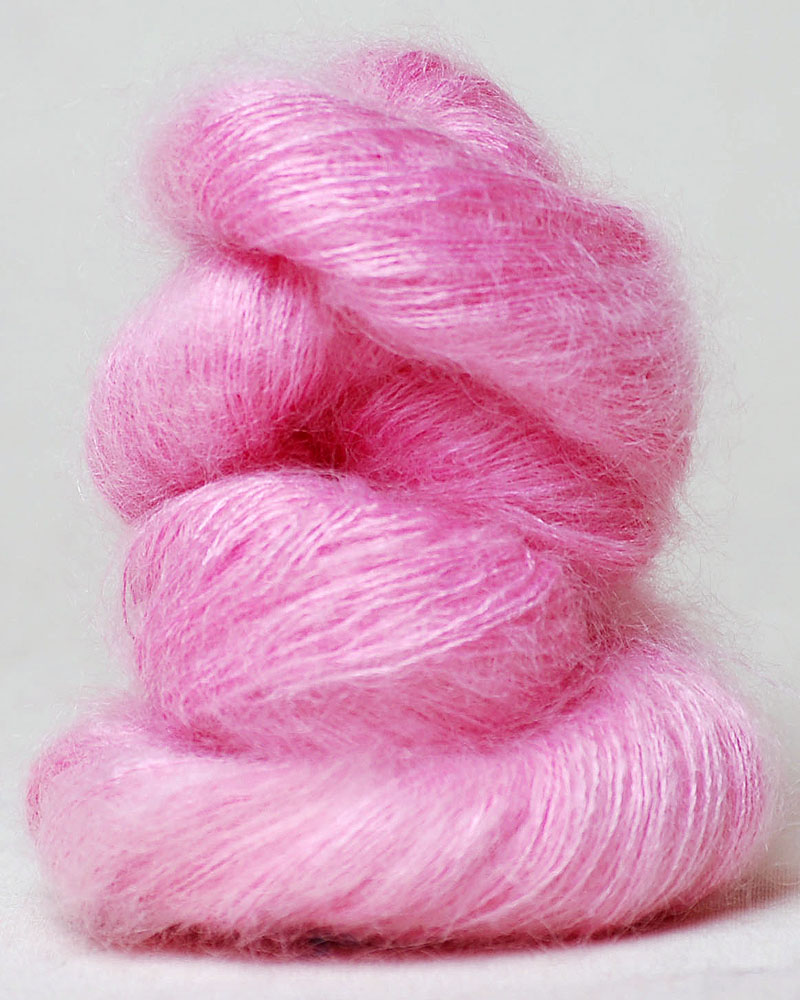
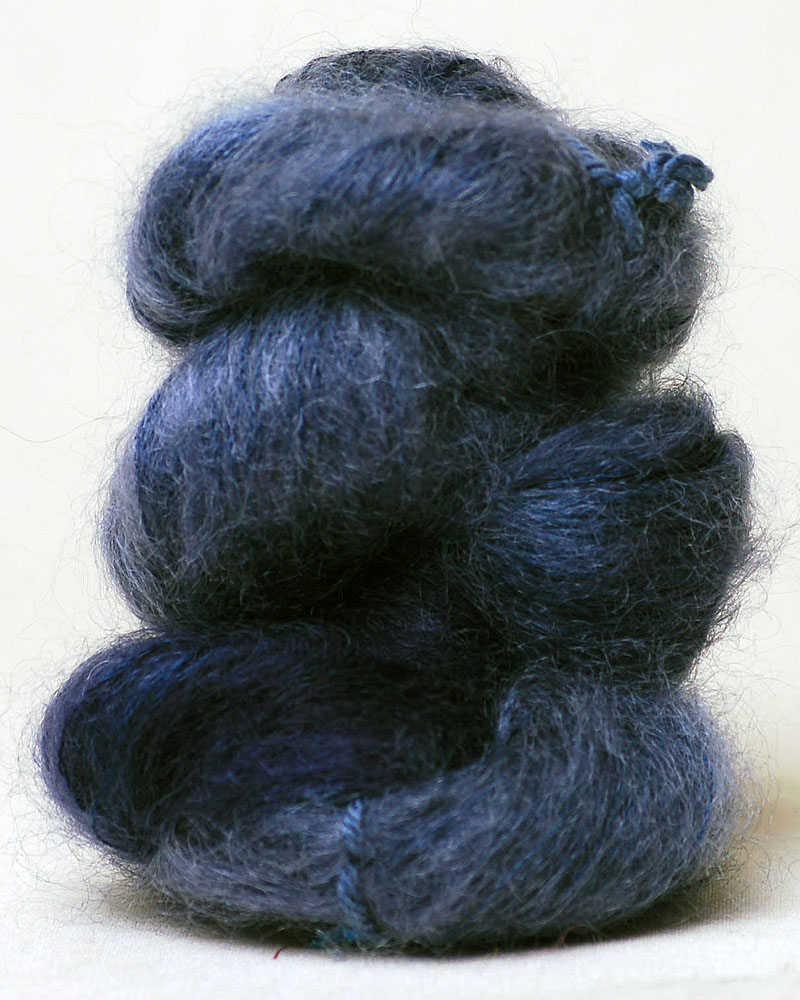
What is mohair, anyway, I wonder, as I fawn over the silk and mohair skein available from the chicest yarn store I know, Purl in Soho, New York City.

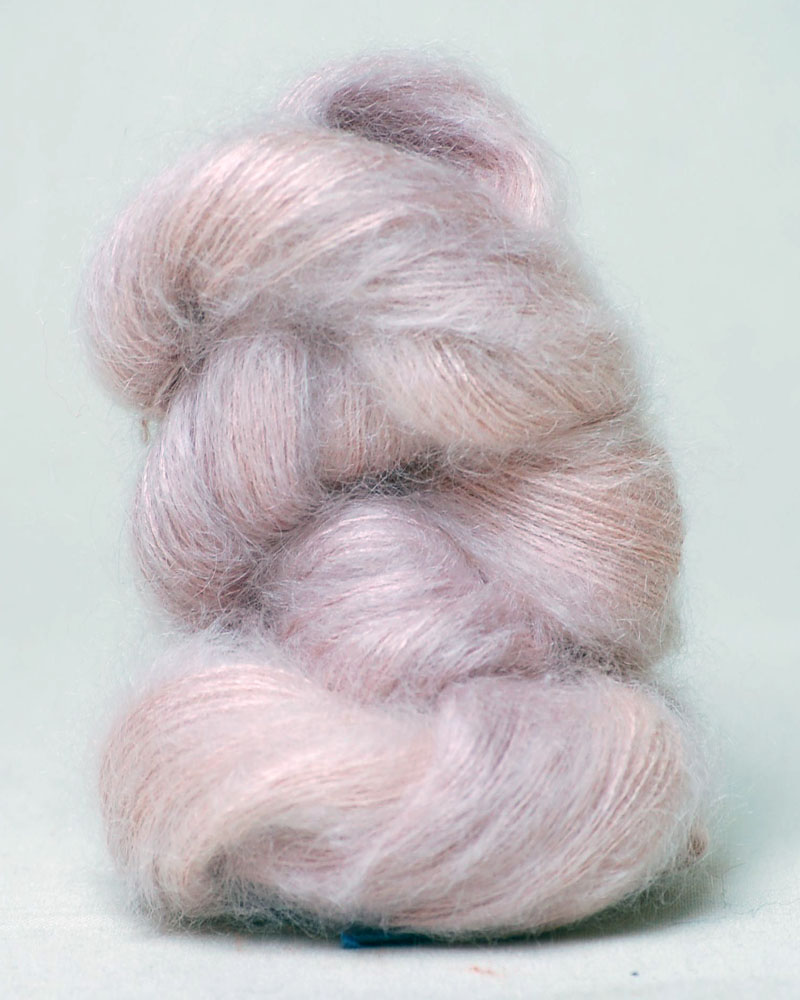
It’s from a line called Haiku made by a company called Alchemy. The shade is called Teardrop. Is that not irrisistable?

Alchem's Haiku-Teardrop

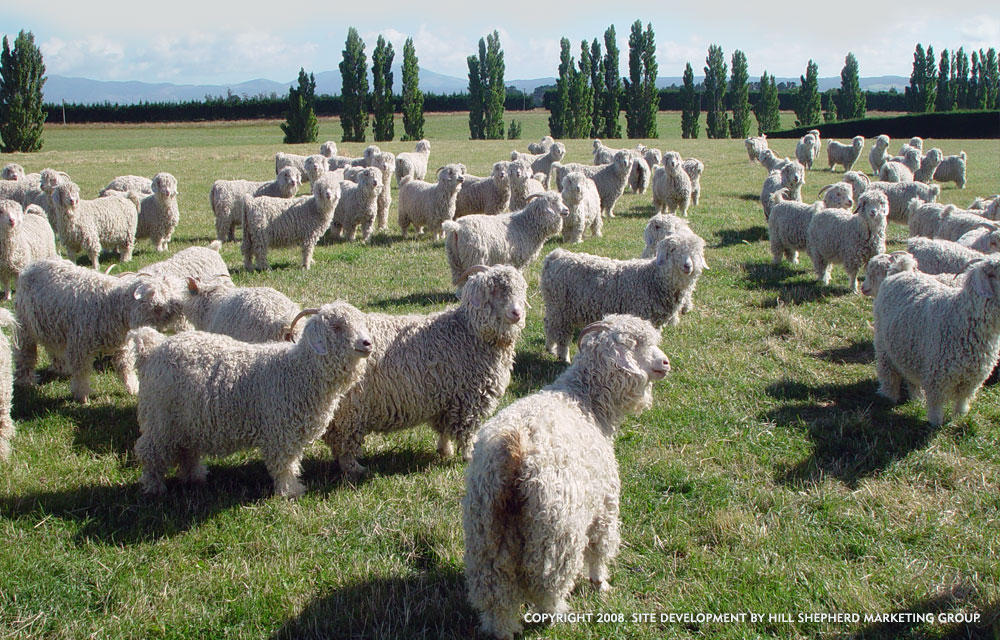
The yarn comes not from a sheep but a goat, the Angora, which emigrated from Tibet to Turkey in the 16th century, and it’s one of the oldest textile materials in use. It’s made of keratin, like hair, wool, horns and skin. Mohair is warm in winter, while remaining cool in summer. It is flame resistant, crease resistant, and does not felt. The goats are mainly bred in South Africa now.

angora_goat_11_12

And it is of course beautifully luxurious. Makes your fingers sing. Should I choose this color instead? It’s for a slip of an elegant bandana, not the kind you’d wear around a Slabsides campfire. Evening Pink.

Haiku-Evening Pink

If Firestone and Ford and Edison were on their way over to roast weenies, maybe a scarf in this hue would be more refined: Blue Jay Way.

Haiku-Blue Jay Way

So many choices when your leg is up and all you’ve got to do is dream.

2 Comments

Filed under Art, Culture, Dogs, Fashion, History, Home, Jean Zimmerman, Knitting, Nature, Photography, Publishing, Writers, Writing

Portals Into Other Worlds

I’m thinking about how you can visit other times and places on the web, peeking through portals the way you peer through a cutout in the plywood surrounding a construction site. Here are fifteen visits I’ve made lately that I’d recommend.

It was a mistake for Rolling Stone to make a rock star out of a creep.

jahar:jim

That doesn’t mean the article that goes with the picture is not good journalism. And don’t we want to know, don’t we have to know, what makes terrorists tick, in order to know how to combat the evil they do? If you don’t feel like patronizing Rolling Stone at the moment to read the piece, if you’re interested in long-form reportage on all kinds of subjects, from a history of the famous indie rock club Maxwell’s to a star 16-year-old pitcher in Japan, go to Longform.org, which reprints new and classic nonfiction from around the web.

Amazon-Kindle1

Admit it, you want to know the inside story of the Kindle. What brainiacs came up with this gizmo that might mean the end of books as we know and love them? (I actually have a Kindle Fire and don’t find it hasn’t stifled my desire to read print on paper, just saying.)

It sounds almost banal, but I guarantee that when you hook into The Evolution of Love Songs (1904-2007) you will not be able to quit. I’m waiting for part 2, 2008-2013.

Up my alley, and I hope yours, a view of how the lives of American women changed over the 19th century through the art of the time.  In particular, life on the farm, complete with Winslow Homerian milkmaids.

Winslow Homer (American artist, 1836-1910) The Milk Maid


There are so many food blogs. I like npr’s the salt.

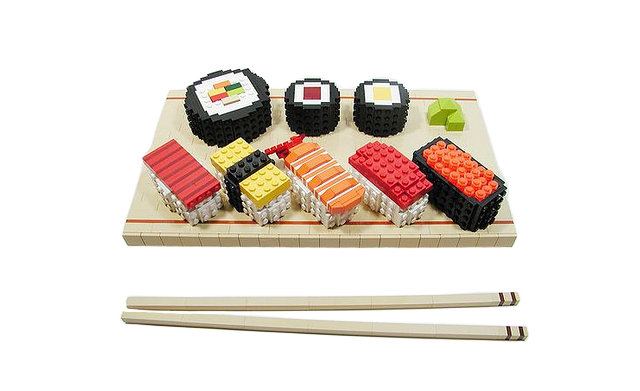
A view into a different world would include the minds of people who make Lego their personal idiom. They do things like make plastic sushi and other amazing Lego food creations. 

Lego sushi

I’m interested in the alternate lives of feral children, especially since my next novel Savage Girl  describes all the trouble one can get into in Gilded Age New York. Like how do you participate in a refined dinner party when you’re accustomed to tearing meat apart with your fingers? Every now and then a contemporary wild child surfaces with an interesting story. You can read about Marina Chapman, a British housewife who claims she was raised by monkeys in Colombia.

 marina chapman

Want to know about neolithic cooking? The Rambling Epicure tells you, and it starts with “one bucket wild spinach leaves.” The excellent food site gives you a recipe from Jane Le Besque’s cookbook, Un Soufflé de Pollen: Livre de Cuisine et de Peinture. A painter, Le Besque lives in the Pays de Gex in the foothills of the Jura mountains, and this is her “artistic vision” of primitive cuisine.

See how other people connect — passionately — with the past. Reenactors get their due with 36 photos from around the world.

reenactors

Here, actors and actresses from Iere Theatre Productions play the roles of indentured East Indian laborers and British constabulary police during a reenactment of the first arrival of East Indians to Trinidad and Tobago, on Nelson Island in the Gulf of Paria off the west coast of Trinidad.

It’s not all about Gettsyburg, clearly.

reenactors 2

These children are taking part in a mock military parade at an amusement park in Pyongyang to mark International Children’s Day, in this photo taken on June 1, 2013.

Okay, the squeamish should not tune in to7 Bio-Artists Who Are Transforming the Fabric of Life Itself” at the site io9.

rabbit

It’s about how some provocative artists today deal with biotechnology. Working with scientists and engineers, these geniuses transform living tissue and even their own bodies into works of art. For example, Brazilian-American “transgenic artist” Eduardo Kac took a rabbit and implanted it with a Green Fluorescent Protein (GFP) found in jellyfish. When placed under a blue light, the rabbit glows an otherworldly hue.

On the lighter side, see the longest domino chain in the world made of books: 2,131 of them.

 My dog is named a very modern Oliver. He looks exactly like his name.

oliver about to copy

Medievalists.net has a well-researched piece on ancient pet names, such as dogs called Sturdy, Whitefoot, Hardy, Jakke, Bo and Terri, and a cat in England named Gyb – the short form of of Gilbert –  or one named Mite, who prowled around Beaulieu Abbey in the 13th century, or Belaud, a grey cat belonging to Joachim du Bellay in the 16th century. Isabella d’Este owned a cat named Martino. I bet nobody died their animals green.

Buzzfeed has 16 noble photos of women writers at work, including a great one of Anne Sexton immersed in her craft.

anne sexton

From MessyNessyChic.com, the story of an artist whose work was discovered in the trash 50 years after his death.

Charles Dellschau

This grouchy butcher by trade, an immigrant named Charles Dellschau, had secretly been busy assembling thousands of intricate drawings of flying machines, sewn together in homemade notebooks with shoelaces.

And for anyone who didn’t catch this when it went big on the web, Dustin Hoffman showed us his softer side in reminiscing about Tootsie and what playing a woman meant to him. The interview is a window into the psyche of someone whose brilliant work opened a window into a psyche we were lucky to see.

tootsie25

3 Comments

Filed under Art, Cooking, Culture, Dogs, Fashion, Fiction, History, Home, Jean Zimmerman, Nature, Poetry, Savage Girl, Writers, Writing

Dirty Disney

I expected the Paul McCarthy show at New York’s Park Avenue Armory to be raunchy, demented, transgressive. What I didn’t anticipate was that it would be hilarious.

Screen-Shot-2013-07-08-at-9.34.24-AM

If you follow the contemporary art world you know that McCarthy excels at tweaking the public’s nose. Not long ago there was the giant inflatable “Complex Pile” he contributed to ultra-civilized monumental art shows.

poop

The fifty-one-foot dog poop went pop in a downpour one recent day in Hong Kong, but not before it had made its comment on our expectations for the public sculpture we’re used to admiring. Plastic dolls, masks and ketchup have also figured in the 68-year-old McCarthy’s oeuvre over the years.

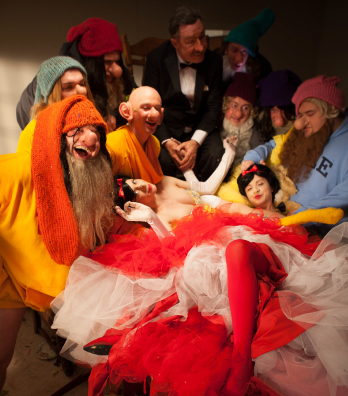
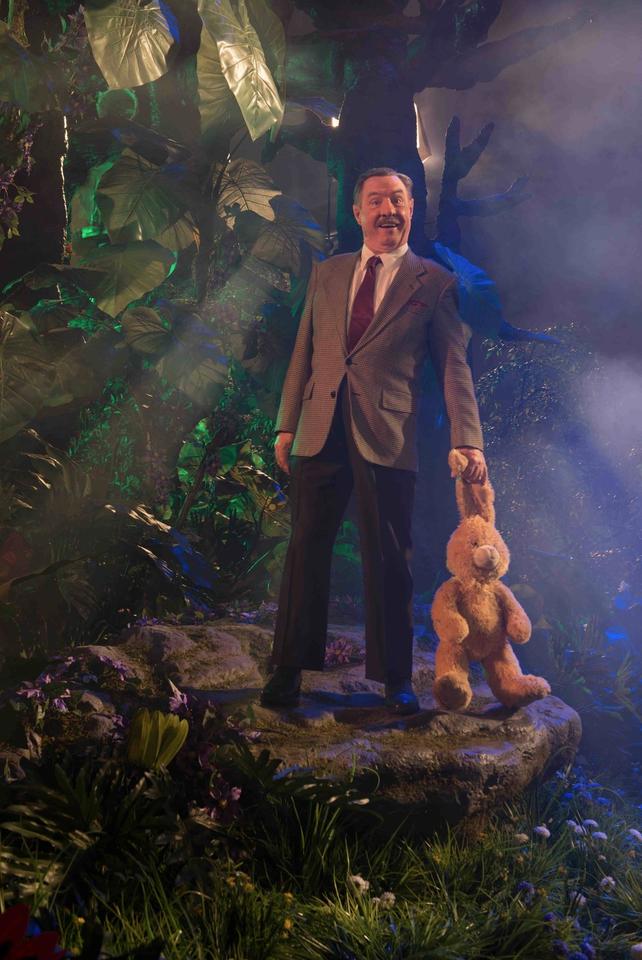
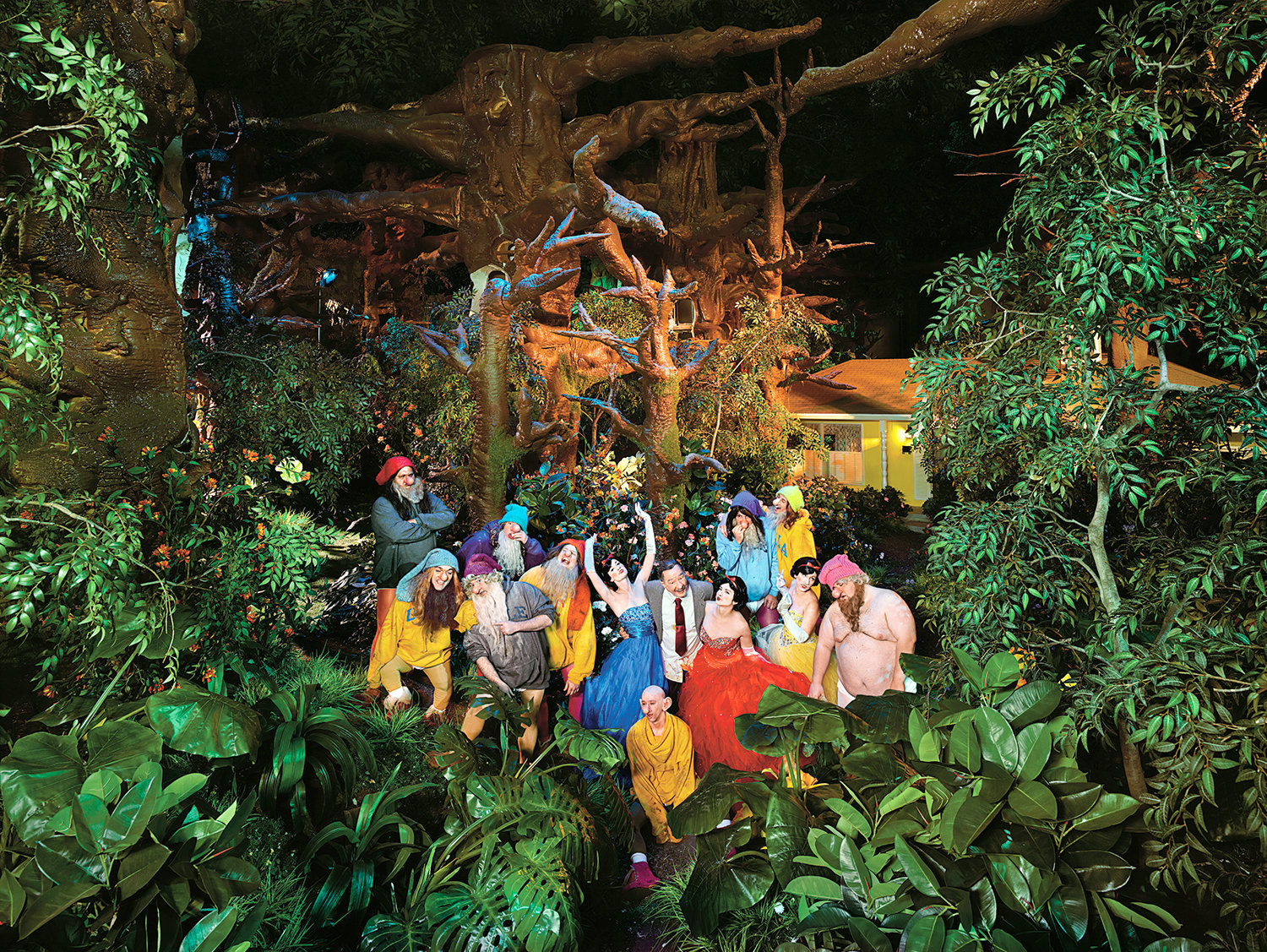
In W/S,  the largest installation the artist has ever created, we have a multimedia reimagining of the tale of Snow White and the Seven Dwarfs, its Disney iconography mashed up with elements of horror and porn and probably a few other elements I missed. In the films that are the bulwark of the show, McCarthy plays an ersatz Walt Disney, here called Walt Paul, nose prosthetiicized to the max.

061813white4

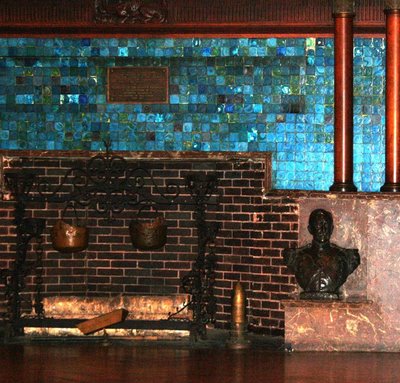
Neither Maud nor I said much as we went around the Armory’s cavernous Wade Thompson Drill Hall, one of the largest public spaces in Manhattan. The last time I visited the Armory it was for the prim and proper Winter Antiques Show, and I remember marvelling at the fancily gorgeous reception rooms designed by people like Louis Comfort Tiffany.

armorytiffany3

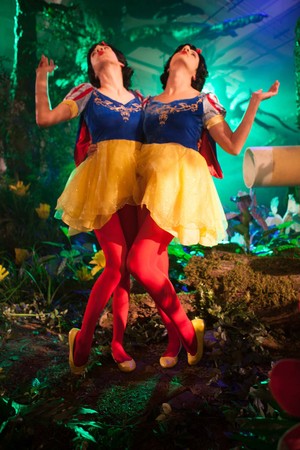
This time we heard the exhibit before we saw anything, a raucous moaning and groaning like a bloated x-rated soundtrack. The noise emanated from two gigantic screens, each as big as a drive in theater’s. On the screens, dwarves cavorted with  White Snow – McCarthy’s version of the Disney heroine — in a hectic, squalid party.

screen

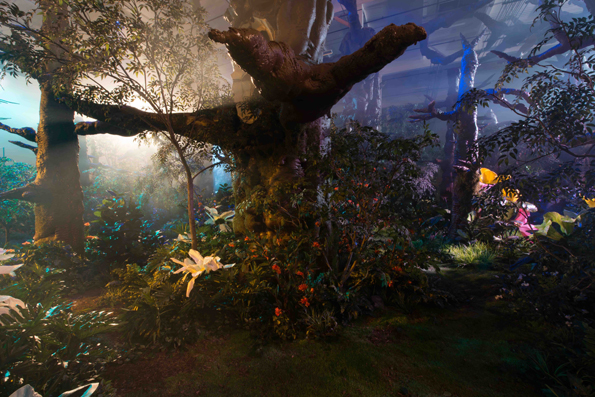
Under the blast of sound we couldn’t hear each other anyway. In front of us stood a large, Wonderland-proportioned forest of painted styrofoam trees and garish monster flowers.

forest dark

Its lavish 8,800 square feet formed the centerpiece of the show and had served as the soundstage of the production, before it was carted to New York from Los Angeles in dozens of tractor-trailers.

forest

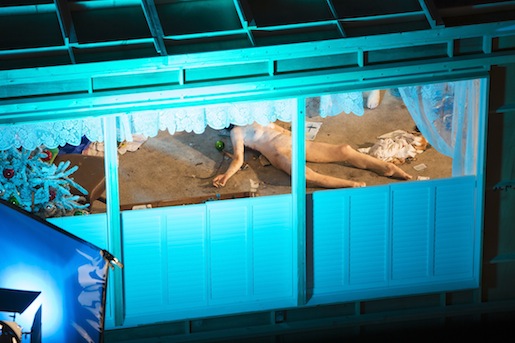
A house, or “cottage,” stood in front of us, or anyway a film set version of one. The back was punctuated with a series of square peepholes like the ones you see at some major construction sites. I’ve always liked peering into those. Here there was the same suggestion of a secret view.

body

There were disturbing glimpses of the aftermath of something gone terribly wrong, a woman and a man collapsed in a tacky living room. But the squirt bottle of Hershey’s was the tipoff as to the display’s tomfoolery. You do know that in Hollywood, Hershey’s often substitutes for blood, don’t you?

In W/S, McCarthy exhumes Walt Disney and has him trot around getting into trouble before really getting into trouble at the hands of Grumpy, Sneezy, et al. All I could think of was a guy I knew who landed a good job working at Disney in the ‘60s before Walt personally had him fired for sporting a beard.

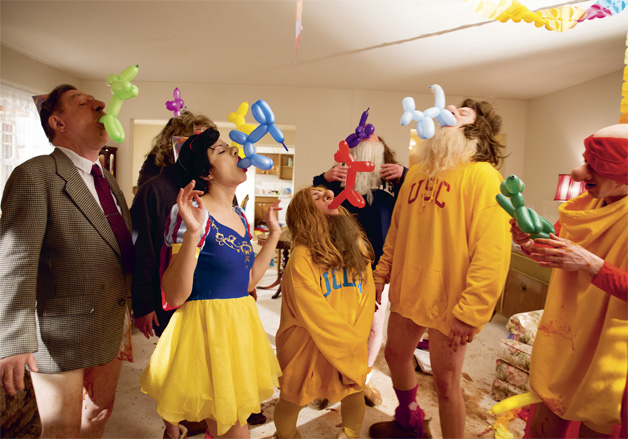
Now here was one of the most famous men in the world surrounded by beards and noses and genitalia and a lot of chocolate syrup, making love to a wench of a White Snow, all of them doing everything that no one would ever do in a Disney film (or theme park or corporation). It’s an upside down, inside out world, as crude and scary as the other was clean and safe. I imagine the Disney barracudas preparing their legal briefs.

balloons

Randy Kennedy of The New York Times did a piece on the artist recently that said, “His work can – and does – provoke physical revulsion. But it is not mere provocation; it’s intended as an all-out assault, a ‘program of resistance,’ as he calls it. And the older he gets, the more explicit he has become that his target is the American entertainment-consumer economy.”

Spectators weren’t allowed in the forest, but in a smaller film arcade along the side we could observe chapters of the story. An unclothed Prince Charming wandered through its glades. Shocking events transpired. We could also visit another house in a retro ranch style that is actually a three-quarter-scale replica of McCarthy’s Salt Lake City childhood home. Alex Poots, Artistic Director of the Armory, has had a lot of explaining to do about the piece, and at one point he said, “it explores the vast and at times distressingly dark corners of the human psyche.” And the dark corners of some pretty sad vintage rooms, I would say.

screen set

Walt Paul is not Paul McCarthy – the latter lives in Pasadena with his wife of 46 years, surrounded by kids, grandkids and pets. His grown son partnered with him in putting on W/S.

portrait


McCarthy told an interviewer that the show “may have something to do with how we see reality and desire. And art. This is a kind of hyper-reality of desire. A Disneyesque landscape that does not exist. A dreamscape.” All of this styrofoam and soundstage equipment comes at a cost, of course, and the project required millions of dollars. I like to think of Walt Paul in his lumpy nose approaching potential benefactors: Well, there’s this plastic forest, see, and this Hershey’s syrup…

I read a review that said the show “put the grim back into the classic Brothers Grimm fairytale.” I saw it as a series of extravagant what-ifs. What if Snow White had a split (or triple) personality? What if there was a handsome prince who didn’t rescue her but treated her more like a centerfold than a princess? What if Walt actually appeared in his own movies alongside Bambi, say, or Cinderella? What if those beloved childhood movies were more like stag films? What if the dwarves weren’t wholesome and helpful and cute but more like your twisted Uncle Charlie?

ws

The Grimm tales have always been dark. The great children’s author Philip Pullman recently came out with a new version, just in time for the 200th anniversary of their first publication.

grimm


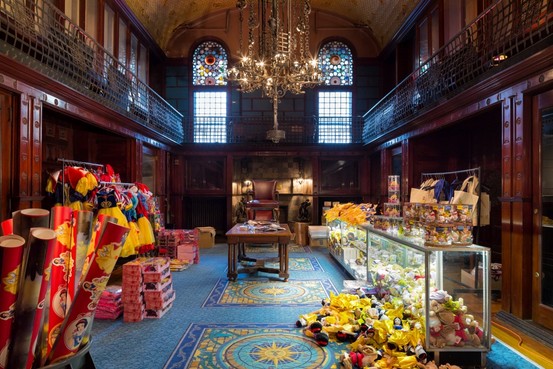
McCarthy’s show is also unabashedly commercial, with plentiful Snow White artifacts available in the gift shop.

Disney stuff

Pullman’s Fairy Tales From the Brothers Grimm are punchy and elegant but also violent and raw. In his translation of Snow White, a huntsman cuts out the heart and liver of a wild boar and takes them back to the evil queen as evidence of the girl’s death. “The cook was ordered to season them well, fry them, and the wicked queen ate them all up.”

Do you recall the conversation parents have had from time to time about whether these ancient fairy tales offer an appropriate reading experience for their innocent youngsters? The answer is No, if you’re doing it right. And this version is done to a turn.


3 Comments

Filed under Art, Culture, Fiction, Film, History, Jean Zimmerman, Publishing, Writers, Writing

Phriends of Phragmites

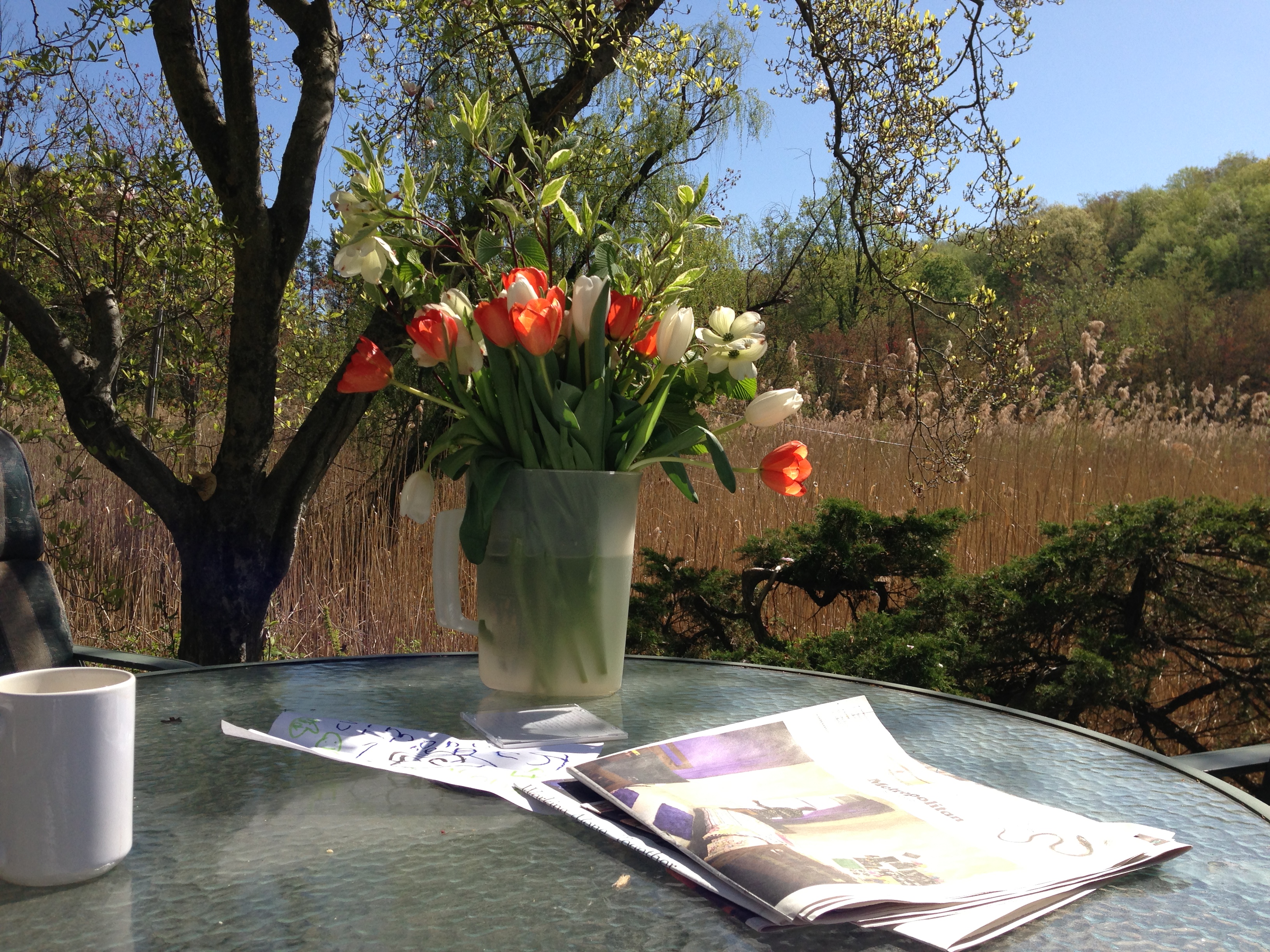
Today I befriended my inner phragmite.

tulips and dogwood


You’ve probably seen the reeds that form the backdrop for these merry tulips hundreds of times without knowing their Latin name. Marsh grass, aka phragmites. I’ve been thinking about the reeds for a while now, since a landscape-architect friend of mine came to the Cabin and explained that they characteristically grow in “degraded” environments. It hurt a little to know that my beautiful grassy friends have some kind of noxious, invasive taint.

So I was glad to attend a class today that was set up to make art with phragmites and their more distinguished relative, the cattail.

phrags:cattails


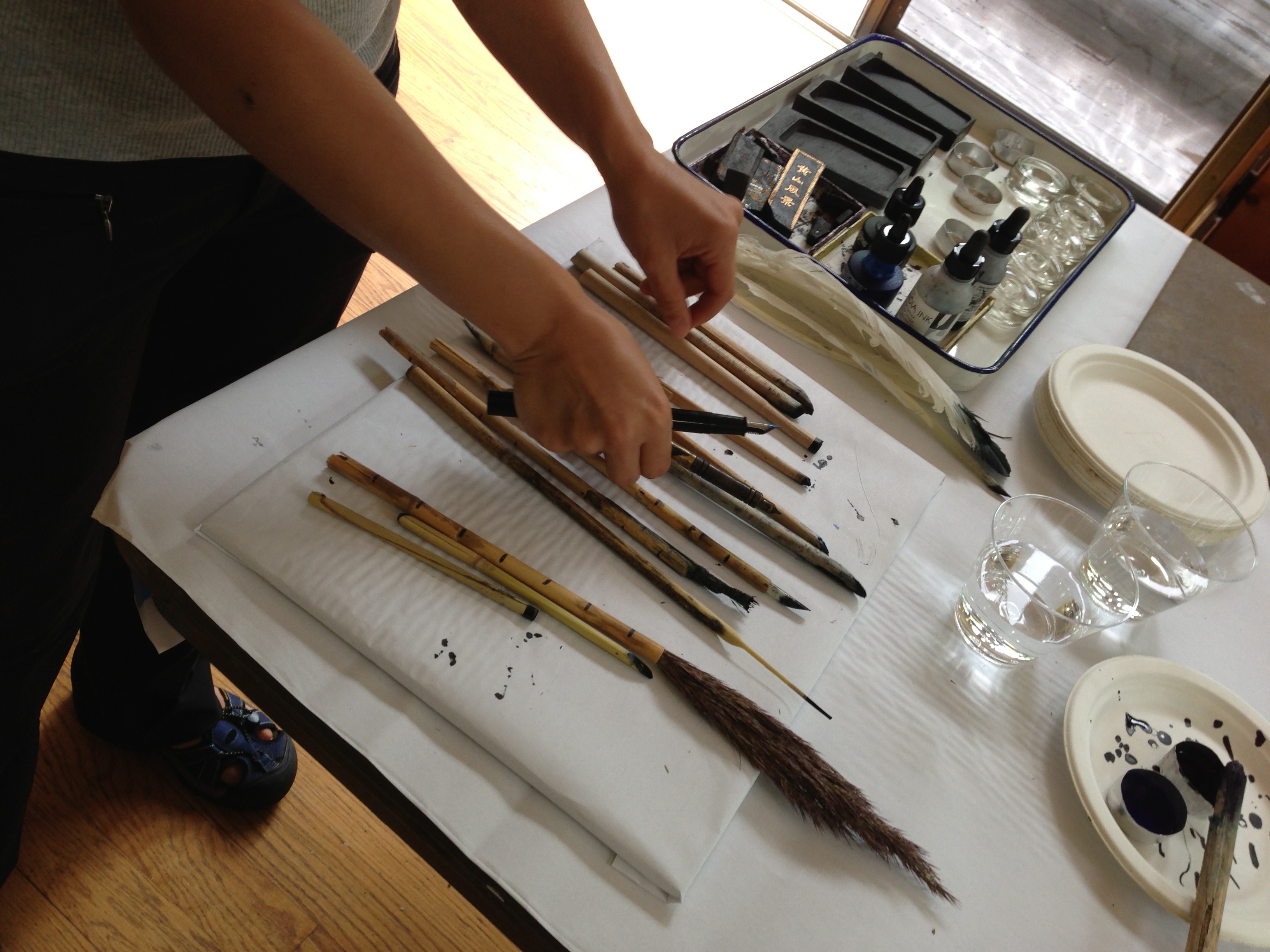
An airy display greeted my eyes upon entering the classroom, at the Teatown Lake Reservation just down the road from the Cabin. Paper and pens and brushes of all different sorts lay ready and waiting.

laying out the brushes


Laurie Seeman and Joanna Dickey were there from Strawtown Art & Garden Studio, ready to explain the differences between and the politics surrounding the different marsh grasses. Yes, there are politics surrounding marsh grasses. The two women are good at teaching about wetlands, that’s what they do at Strawtown for kids and community groups.

While phragmites are used around the world to weave mats and roof thatch, Laurie told me, she didn’t see a use for them in the art studio until she recognized them as “painting partners.” They’d been “demonized,” she said, “by the science people, but as artists we try to look upon them with the most open mind possible.”

laurie in action

What’ s the beef with the phrags? Laurie: “They’re pollution tolerant whereas cattails need cleaner water to thrive.  Certain species need the cattails, and when the phragmites take over there’s no room for them.” Said Joanna, “The phragmites grow closer together and it’s the understory that doesn’t allow the shorter plants to grow.”

The artist-teachers discovered that for their purposes, the phragmites has a hollow stem like a traditional quill pen whereas the cattail has a spongy interior “much like a magic marker,” as Laurie said. Both work for painting.

interiors


Some say the phrags  came over from China in ship holds long ago, but have proliferated in the last few decades. Some say they clean metals out of sediments — a good thing, maybe. Don’t get Laurie going about research scientists, conservation scientists, corporate scientists, biological scientists, plant scientists, marine scientists. “It’s old-school thinking that phragmites are all bad,” she said. “They have a relationship with places that have been invaded.”

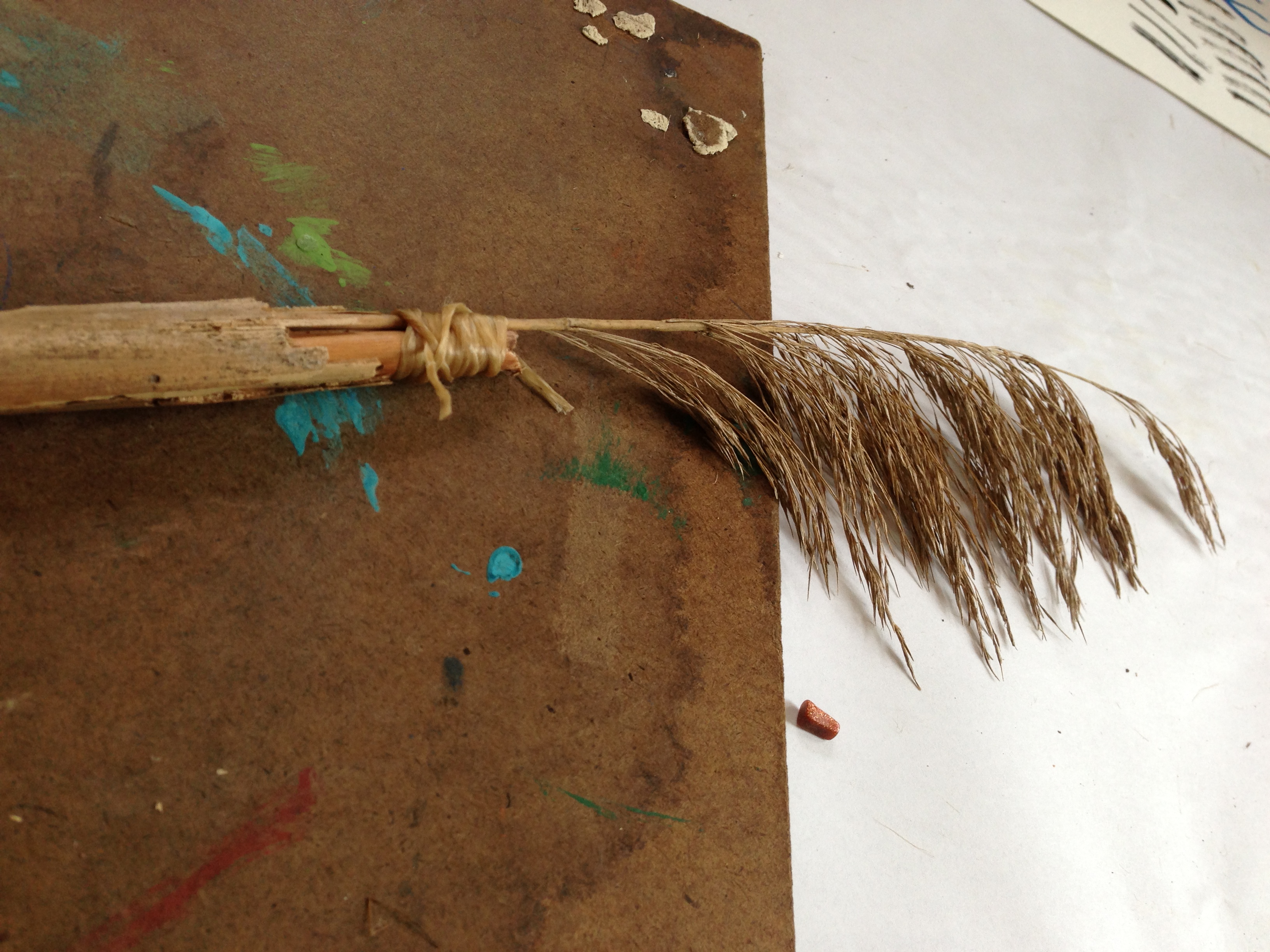
Today we’re going to appreciate them, stems and plumes alike. Gerard Manley Hopkins says, Long live the weeds, and I say, Long live the phragmites.

phrag brush


We dipped the reeds in ink.

ink


We made our own brushes if we wanted. (I wanted.) We took our time, something Joanna advocated.

joanna


Now, cattails are indigenous, and have a plump appeal. They make “comforting places for a bird to sit,” said Joanna.

cattail cu


Their roots are tubers. They’re amazing. Yes, yes, everyone loves a cattail, I know that. It would be un-American not to. But let’s not leave the phrags in the lurch.

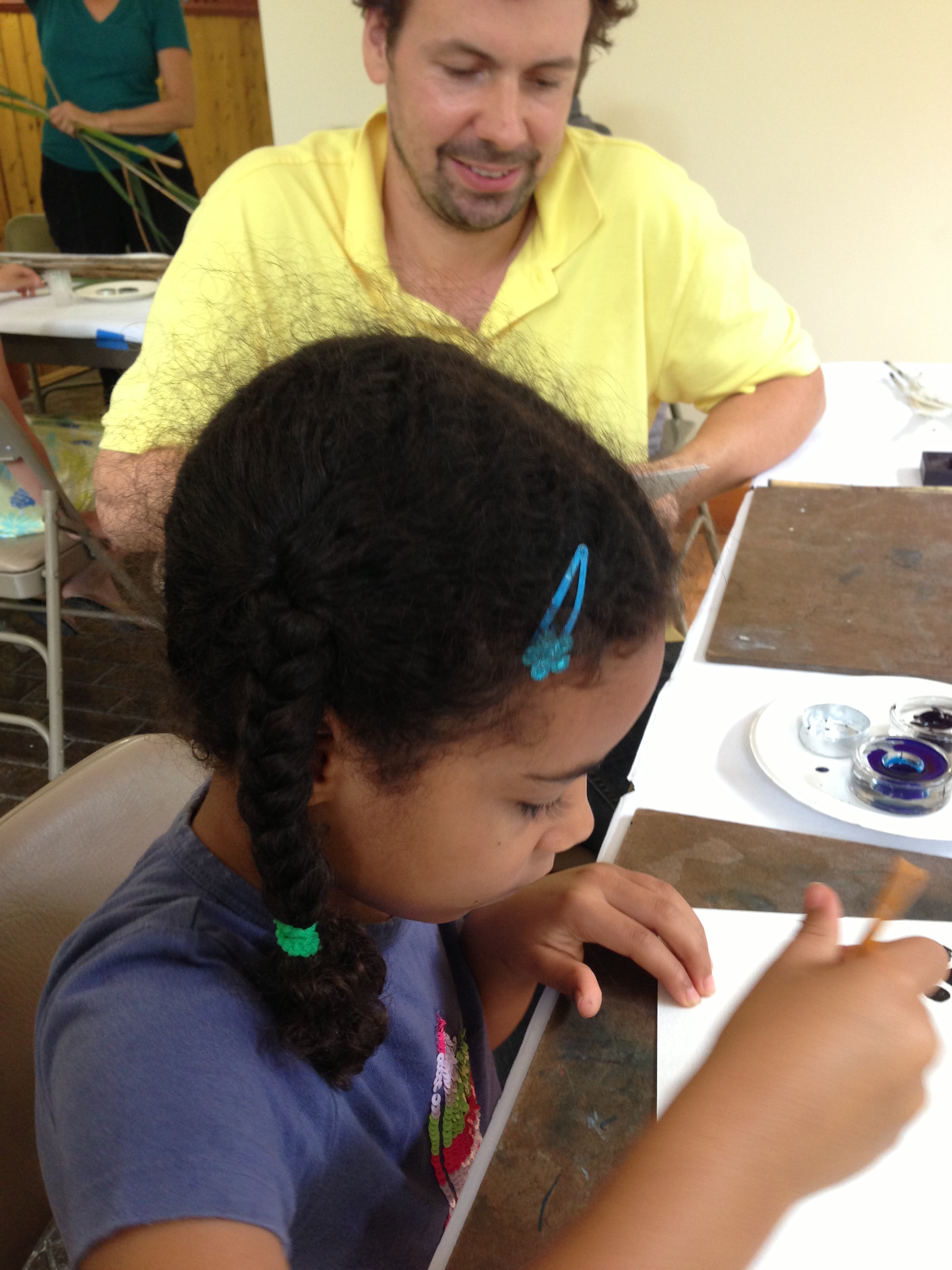
People of all ages were pressing them into service today for art.

father:daughter


In the meantime, there are well-meaning authorities who are trying to destroy parts of venerable Piermont Marsh, just across the Hudson River, with what they’re calling an “enhancement project.” I’ve canoed there many times, and know it as a mystical place with its towering grasses. Good bye, 200 plus acres of phragmites, which have been a stable presence there for 2,500 years. The reeds protected the riverbank during Sandy.

But let’s digress for a discussion of ink. In Japan, the soot that accumulates in the eaves from a pine wood fire makes good calligraphy ink, while whale fat smoke is better for imagery. I’ve left politics behind, lost in my painting, shaking loose drops of ink from my phragmite feather like a marsh-y Jackson Pollack. Laurie introduced something she’d brought along, water in a dark bowl, what she called “water as first mirror.” She said that in ancient times dark liquid was the only source for a person’s reflection.

Laurie and Joanna had gathered branches to make frames, and as I was twisting sinew around sticks I noticed someone I knew, Marguerite, coming over to create her own frame. She was positioning four graceful, delicate boughs before even beginning on the painting it will contain.

Marguerite


Doing it her way.

Something some entities simply have to do. Even the phragmites.

jz w painting

7 Comments

Filed under Art, Culture, History, Home, Jean Zimmerman, Nature

Swedish Farm

My friend Sarah Hollister, an American who has lived in Sweden for some years now, agreed to do a guest post for me. Her perspective and her pictures are lovely. Here she is:

We’re soon leaving the Henning Mankell Gård (translated farm) up here in Härjedalen in the northwestern part of Sweden. Just one more day. One of the great things about this writing residence is that family is welcome (there’s even a sweet baby crib in one of the bedrooms) so my partner Gunnar has been here with me which has been good. This house is too big for one person.

IMG_1634

I spent the first day roaming the roominess of the house, up and down the stairs, examining the books in the library, checking out the huge laundry room, washer, dryer, and a drying closet for heavy rugs. Just enjoying the space before I settled down in my workroom on the first floor.

Gunnar and I took some day trips on the two cycles provided and discovered a number of deserted houses up here, people who had given up. Though we also saw some very prosperous looking farms.

IMG_1486

You can’t be in this part of Sweden without encountering a fäbod, (translated mountain pasture). But a fäbod is more than grass, it’s a concept, now lost, a way of living. Fäbods consist of a cluster of small weathered log houses built on a site where there was plenty of green grass for cows to graze to their heart’s content.

We visited  one just up the road from the Mankell Gård, climbing up the narrow path that led to the high pasture. I thought of cows, of many cows navigating these paths covered in roots and rocks, mooing and balking.

IMG_1536

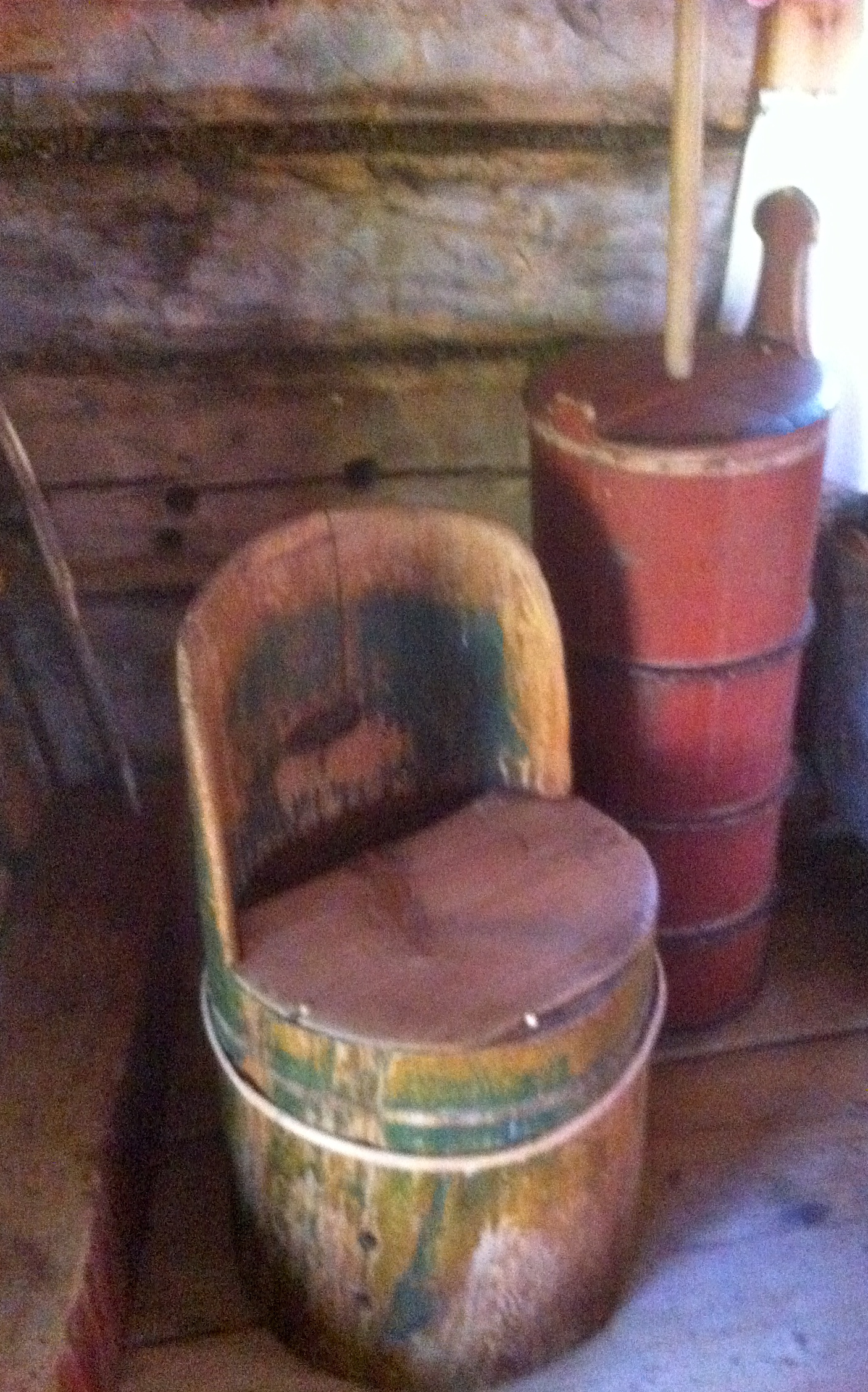
The log houses are fairly small, no bigger than a large farm shed, with low ceilings, dispelling the myth of the towering Vikings. It’s easy to bump your head if you don’t duck. Most of the buildings were built for storage, hay and wheat, milk and butter products.

IMG_1523

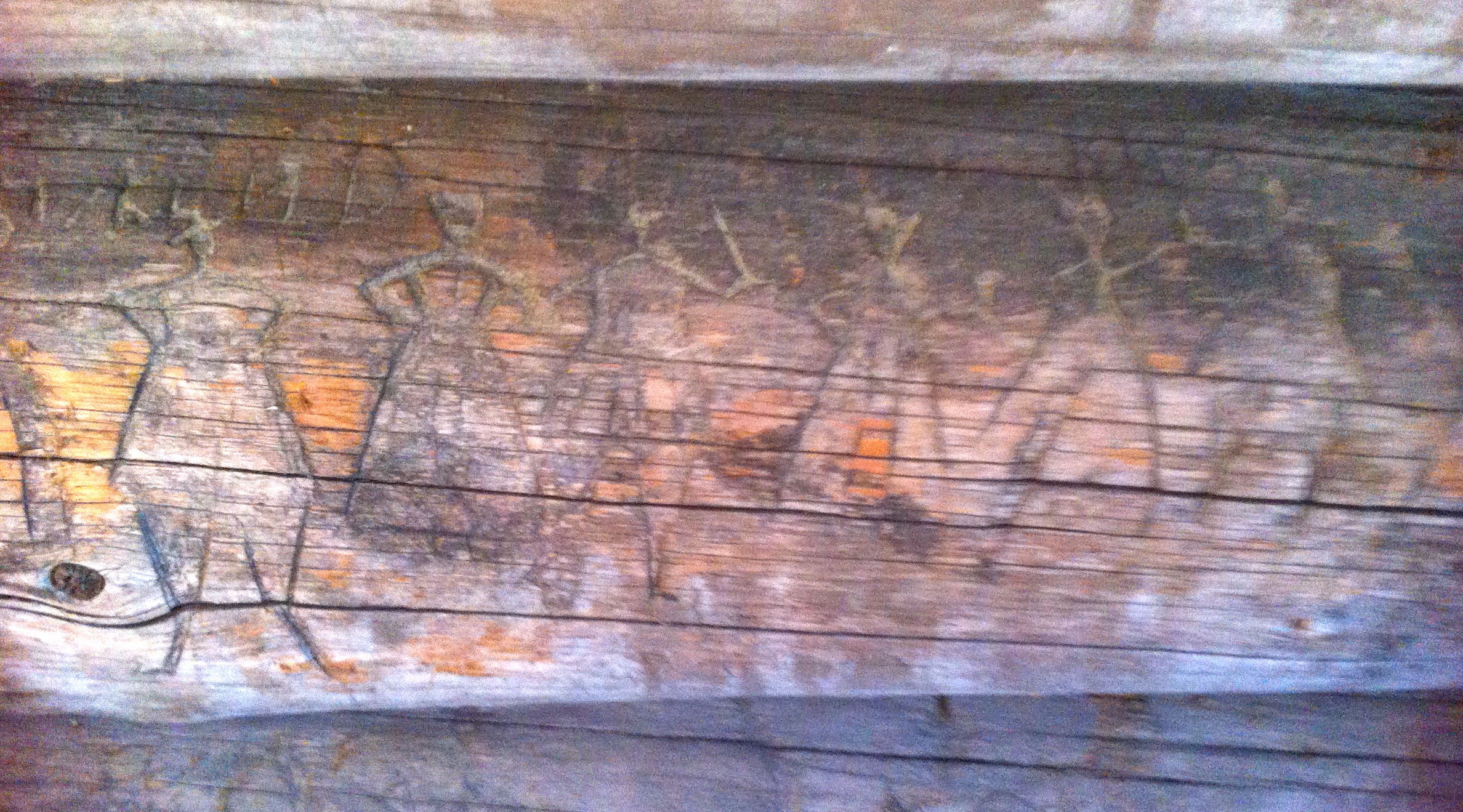
In one of the buildings, we found pictures carved into the beam logs. There was a written explanation on the door that explained the pictures were representations of the wars between Norway and Sweden, border skirmishes that took place up here in this part of Sweden. It was hard to tell though. The small figures looked like ordinary men and women to me. Someone had an interest in art.

IMG_1532There is one log house (as in every fäbod) specifically to house a young girl, the fäbodjäntan. It’s difficult to find an English translation for this word —  let’s say cow tender. She helped drive the cows up the mountain, then stayed on alone tending the cows over the long summer days.

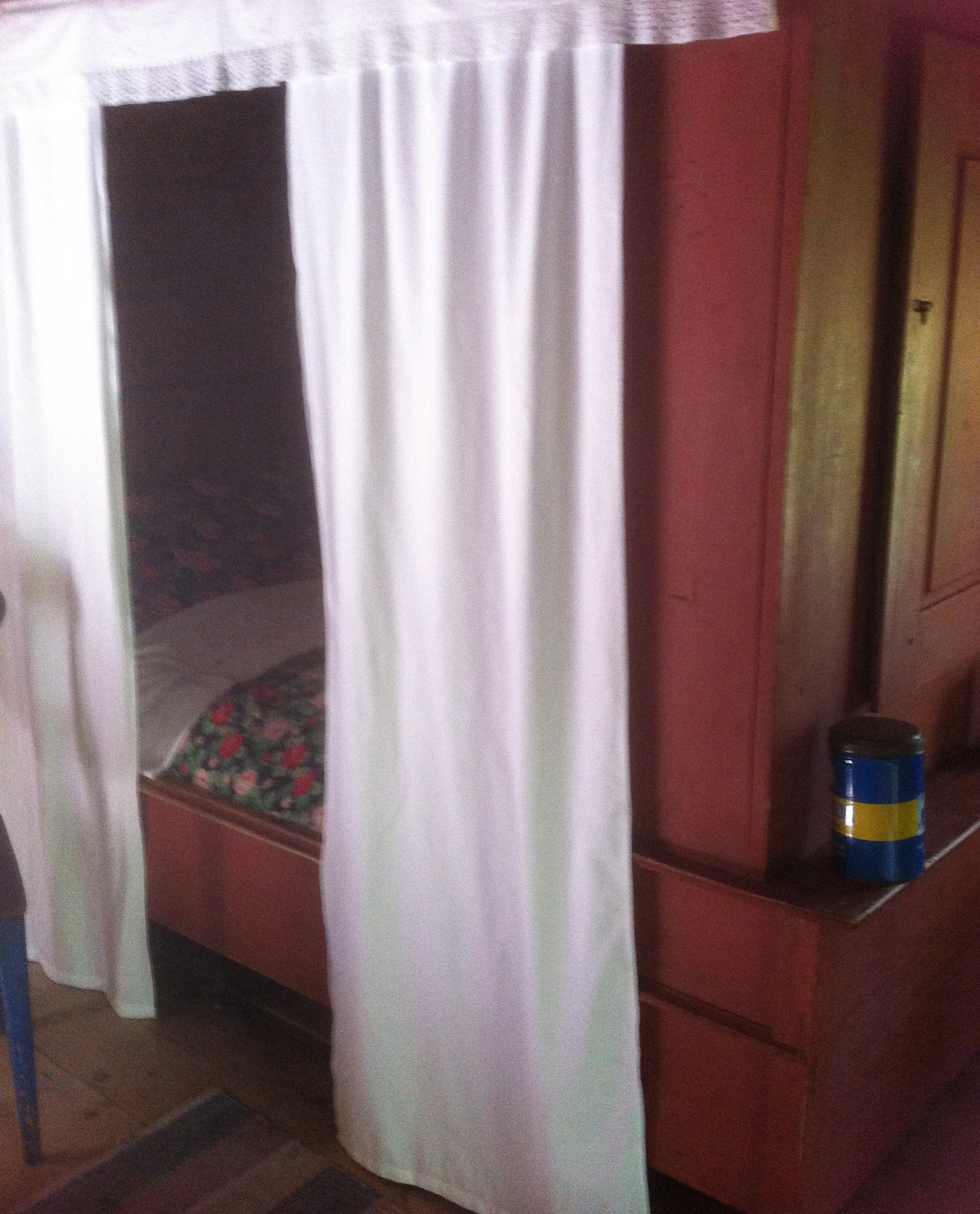
What do we know about these girls, the fäbodjäntans? They had a song they used to call out to the cows, their voices echoing up and down the hills and mountains. I like the romance of it, I admit. They slept in small beds in the small wooden houses of the fäbod. They were kept warm by a fireplace should the need arise, cooked their meals there as well and at times were allowed a visit from their fiancé if they had one. A larger bed with a curtain was available for those visits.

IMG_1518

Gunnar pointed out that morality was not so strict in those days, at least for farm girls.

IMG_1517

I’ve grown used the quiet of the mountains, the sunlight glinting off the birch leaves, shimmering, silvery. I wouldn’t mind living in a fäbod myself. They’re for sale if someone has a knack (and the money to spend) for renovation. It would be nice though to spend a whole summer in one, dreaming and writing.

IMG_1520

3 Comments

Filed under Art, Culture, History, Home, Jean Zimmerman, Nature, Photography, Writers, Writing

Piquant Spoonfuls of the Past

At a bric a brac shop in Wisconsin I came away with some new treasures for my recipe pamphlet collection.

macaroni magic

What is bric a brac, anyway? Something you love and nobody else gives a fig for. The phrase originated with the French in the early 1830s, and it literally means at random or without rhyme or reason.

Well, my affection for vintage cookery pamphlets is certainly that.

ground beef

My collection of over a hundred booklets spans the 1930s to the 1980s, but these simple illustrated bound-paper time machines were already being produced in the late 19th century, when food companies began to lure women into the kitchen with recipes that delicately enticed them to use their products. As time went on, companies like Spry (a competitor of Crisco) produced fantastic, clever efforts. Home Economics institutions also stepped in to help sort out culinary complexities, particularly during the years of the second world war, when shortages affected almost all households.

eggs

300 Ways to Serve Eggs came out  in 1940 under the auspices of the Culinary Arts Institute, “One of America’s foremost organizations devoted to the science of Better Cookery.” I love the optimistic bounty of that egg basket, and the idea embodied in the introduction to the pamphlet that this humble food can change our lives.

We know now, that they carry in their golden hearts every food element the human body needs and especially vitamin D which occurs so rarely in our everyday foods. Our only problem is to eat enough of them.

Of course the kitsch of the illustrations is great, and the nostalgia of such fare as egg frizzle (incorporating chipped beef) and noodle oyster loaf with creamed eggs, served with the ubiquitous white sauce of the age. They sound dated, but I remember growing up with the simple baked eggs found in this pamphlet, and they were delicious.

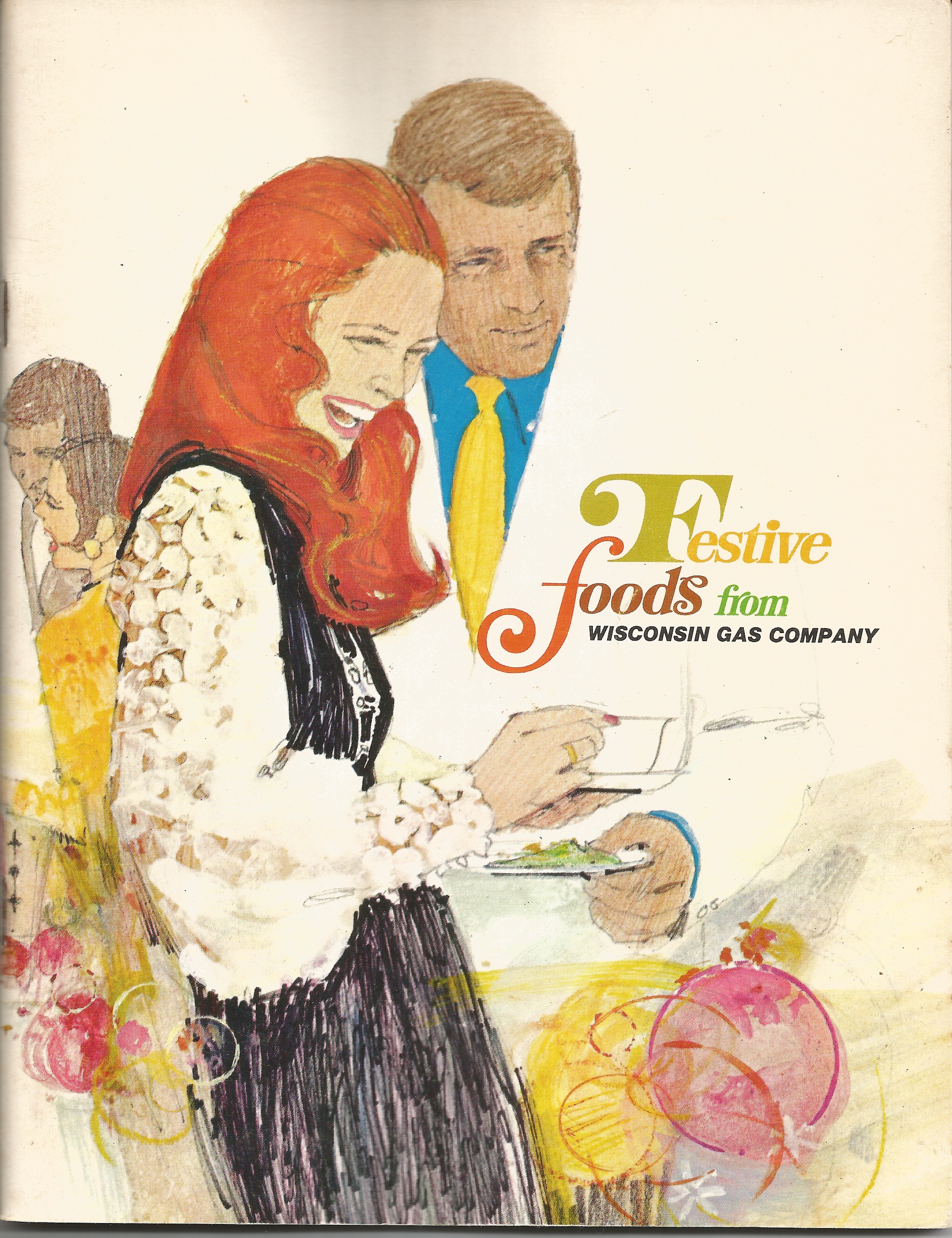
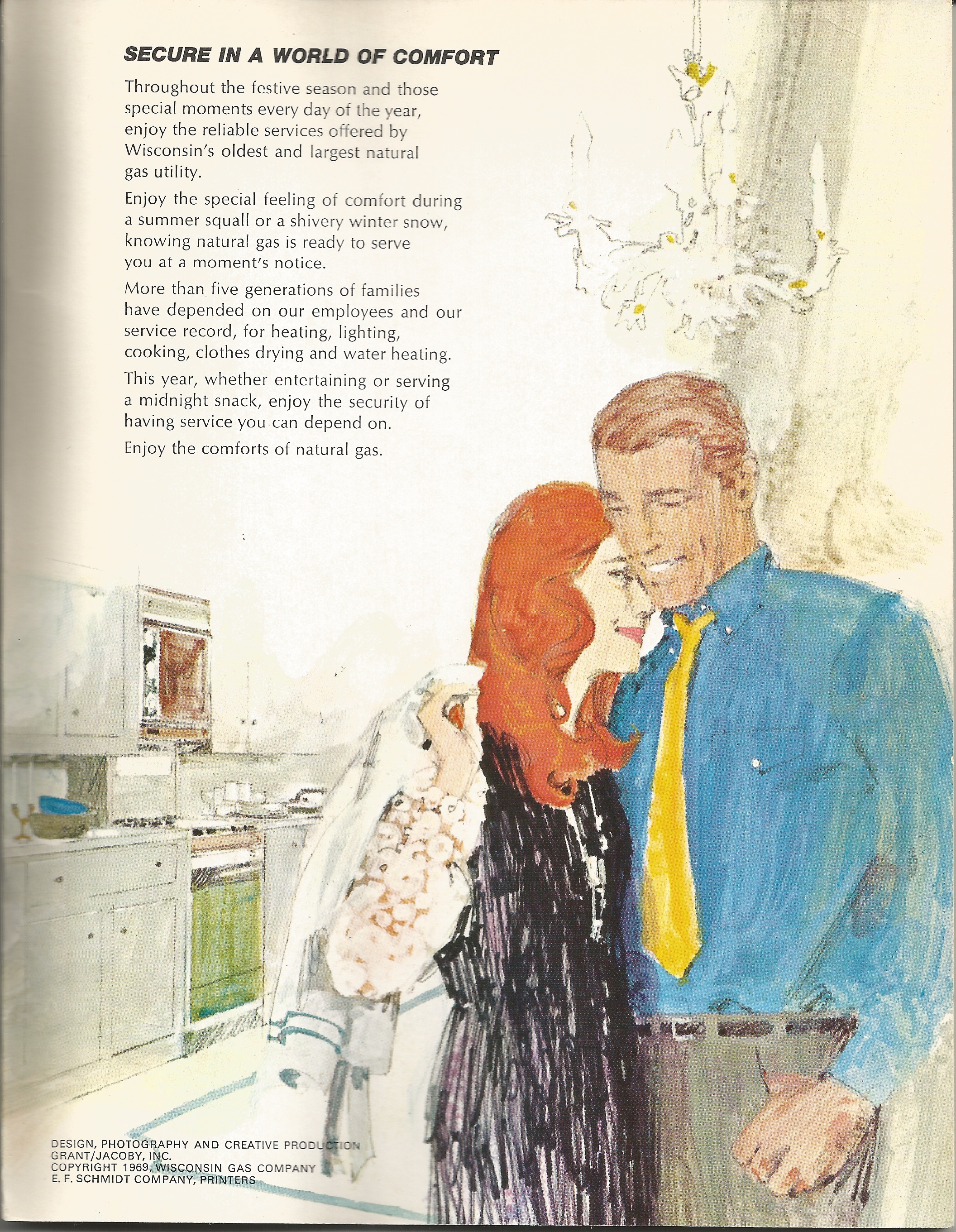
Eventually all sorts of corporate types realized that recipe books made good giveaways, and so you got pamphlets like the one produced by Wisconsin Gas Company in 1969.

gas

Now foodstuffs like wheat germ nut bread were being touted, along with the more Midwest-typical batter-dipped wieners and the promising shrimp divan supreme, which included frozen asparagus, canned shrimp, canned shrimp soup and processed American cheese. I don’t know about you, but the prospect of that dish fills me with a warm, cozy feeling.

gas 2

I couldn’t resist, so I went a little outside my collecting focus and picked up some petite cookbooks, each with its own charm. I admire the vintage men’s cookbooks that appeared at the middle of the century, like The Terrace Chef.

richard rosen

In this two by four inch self-published book, Rosen actually tells you in detail how to build a barbecue pit — this is 1952 — itemizing how many bags of portland cement and how many flagstones you will need. He gives equal time to recipes (steaks, clambakes and shaashlick) and to the principles of the good life.

From décolleté to dungarees, from double-damask to picnic plaids, from sterling to raffia wrapped stainless steel to the tune of brass and copper cooking ware. Away from stuffy formalities to refreshing camaraderie.

It’s somehow reassuring that the foodie culture of today had a precedent in this culinary gusto of an earlier age.

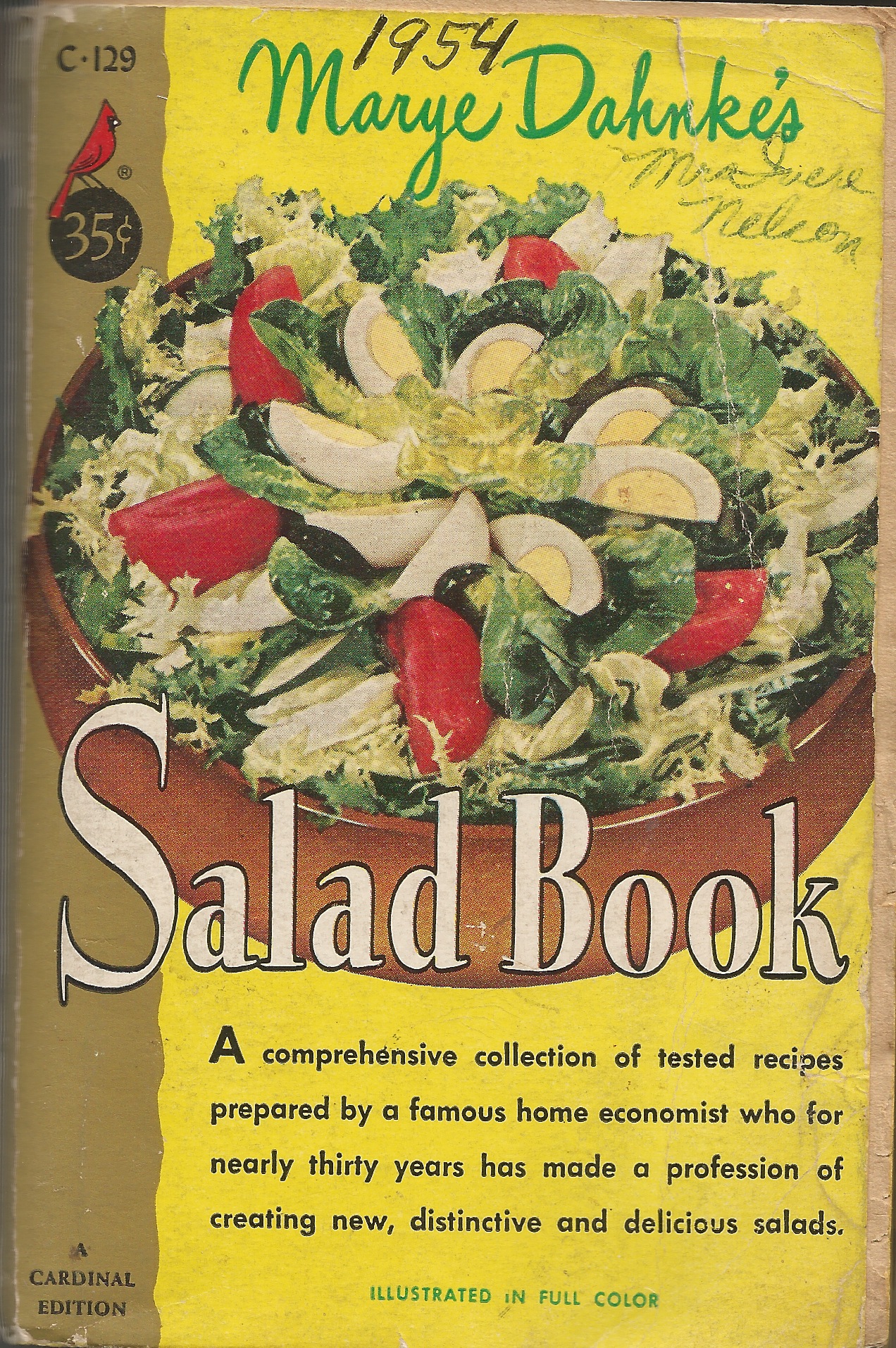
And health. Marye Dahnke’s Salad Book, published in 1954 and “tested in Marye Dahnke’s own Kraft kitchens,” is a compilation I might not just put away with my collection but dip into, now that I’m thinking plant-based.

salad book

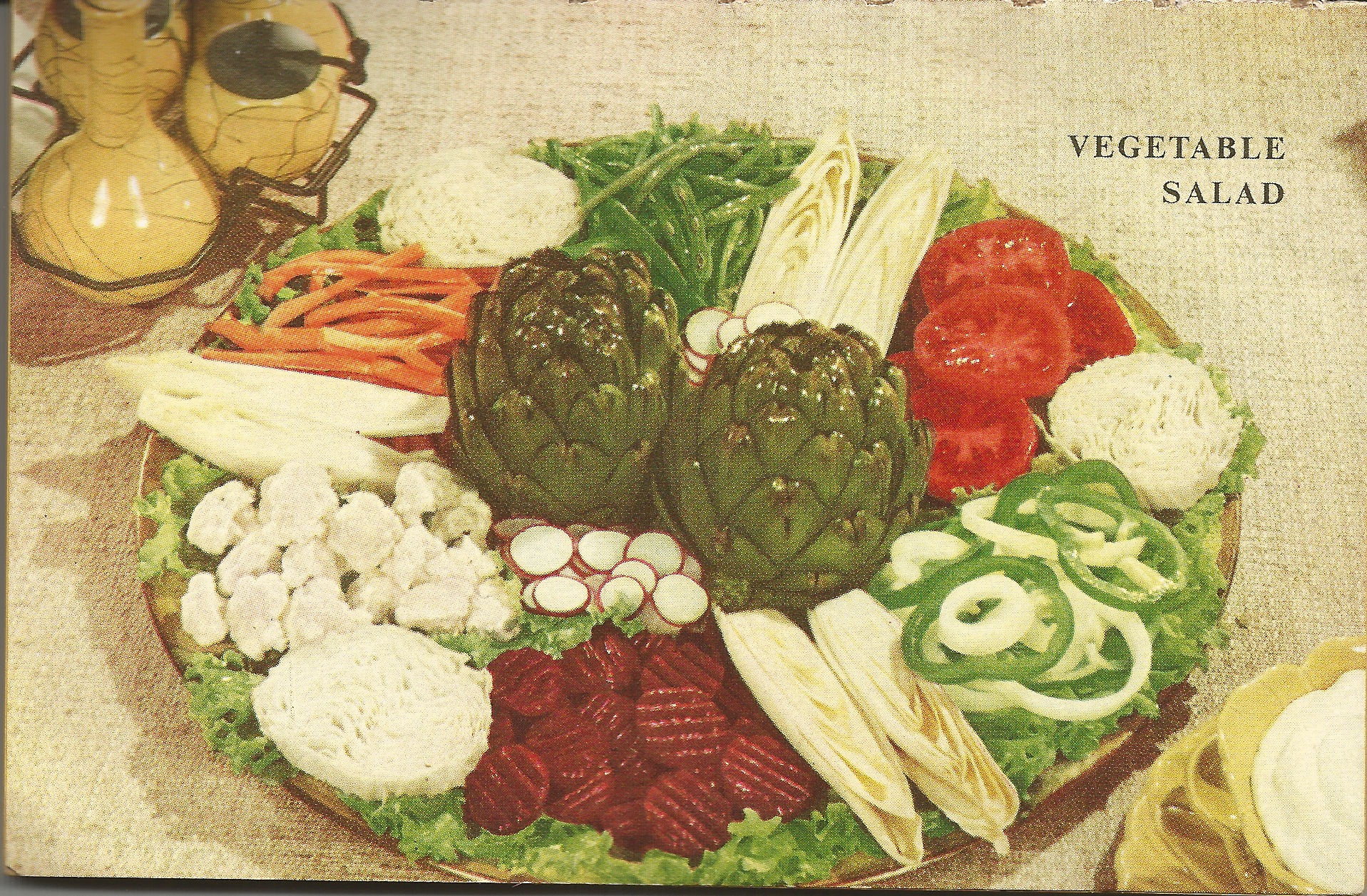
Even if what stirs me most about it is the collection of technicolor illustrations, not the chicken-cauliflower salad or the lime light salad with molded Jello.

salad 2

Mrs. Ivere Nelson wrote her name in script on the cover of Dahnke’s comprehensive guide to salads. The least I can do, half a century later, is pick up the reins.

After all, ground beef still rules.

ground beef 2

1 Comment

Filed under Art, Cooking, Culture, History, Home, Jean Zimmerman

Deep Purple

No better place to be on a mild summer night in Wausau, Wisconsin.

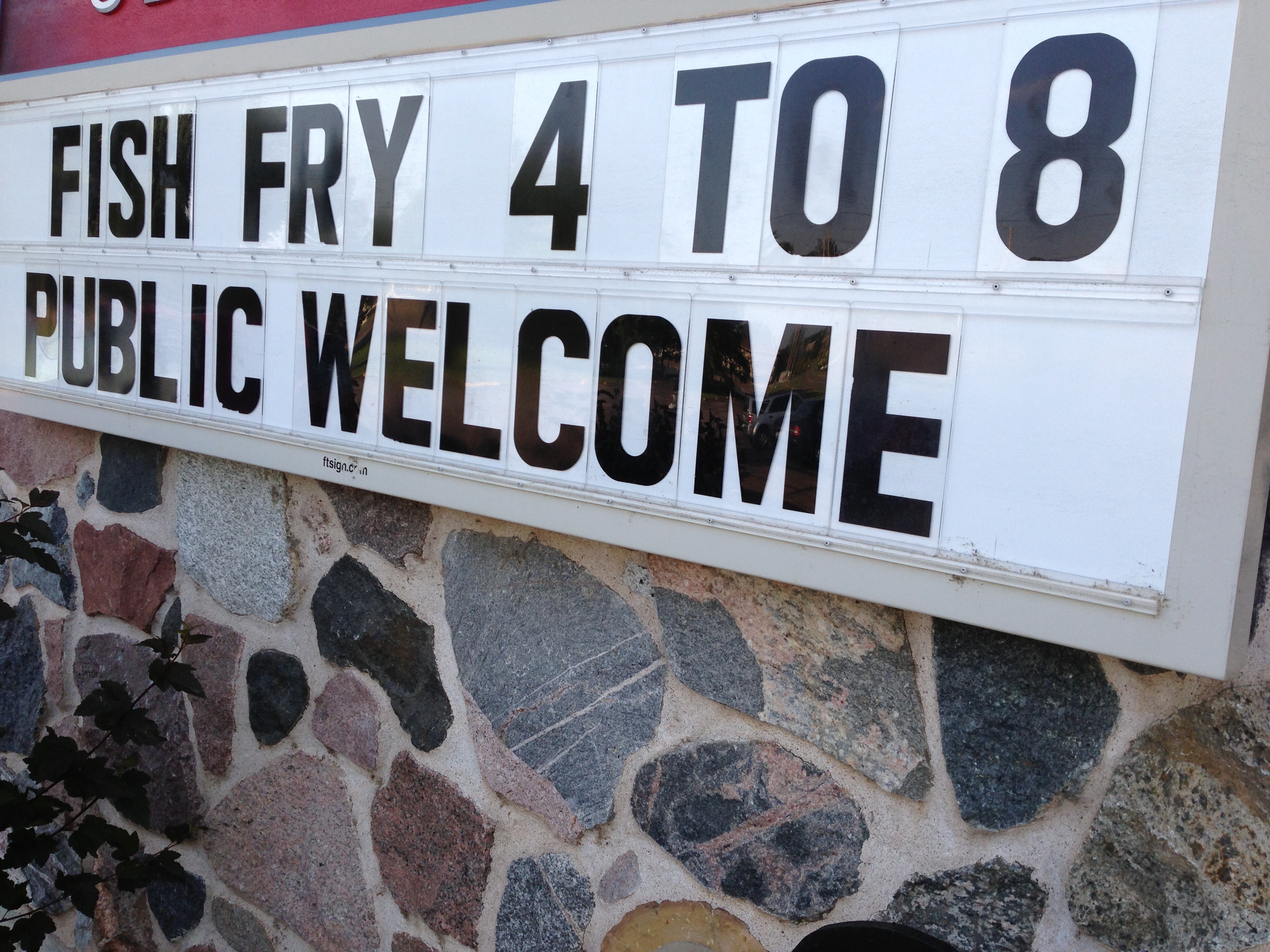
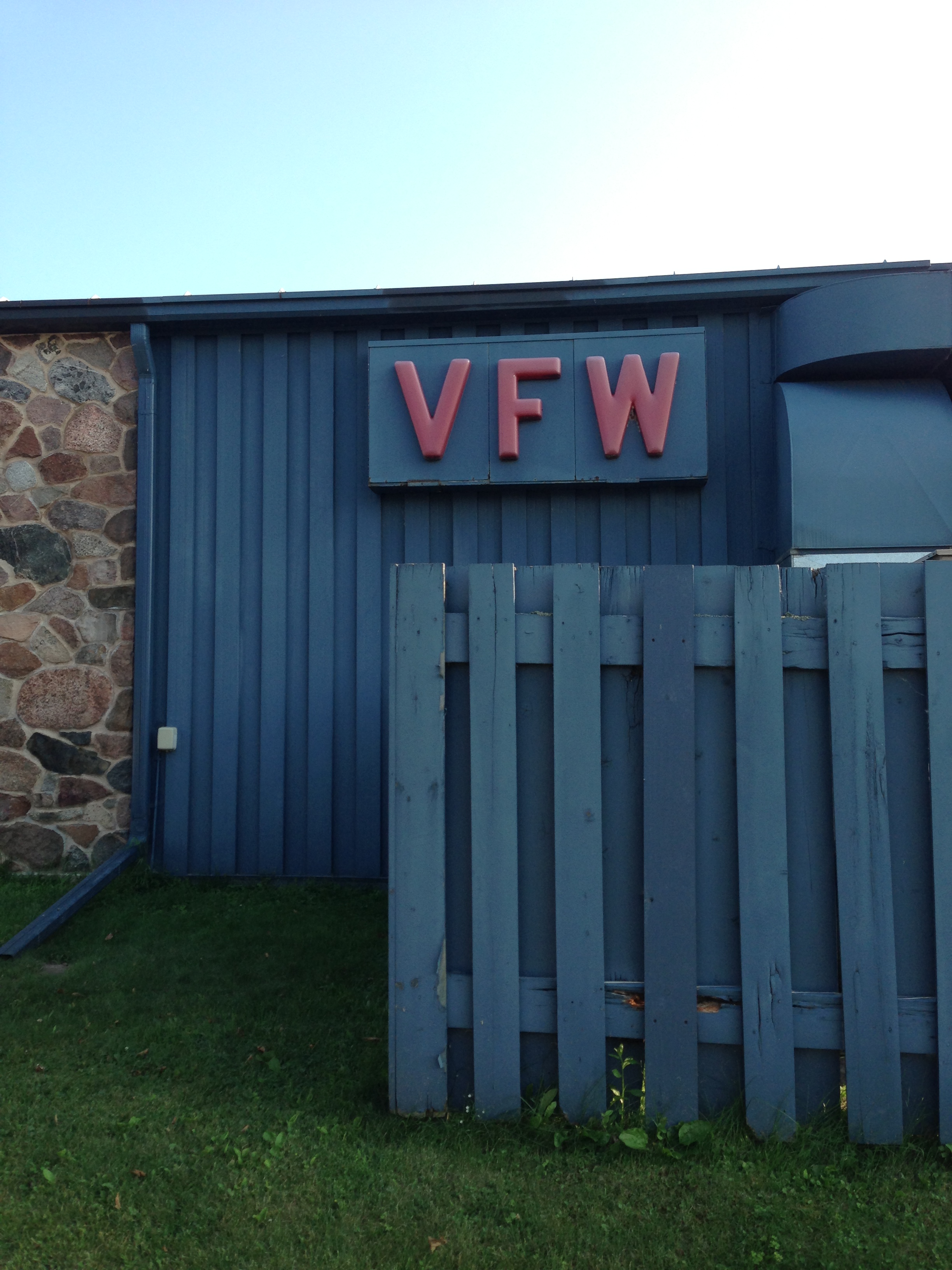
fish fry signOne place allows you to do more than chow down on walleye.

vfw


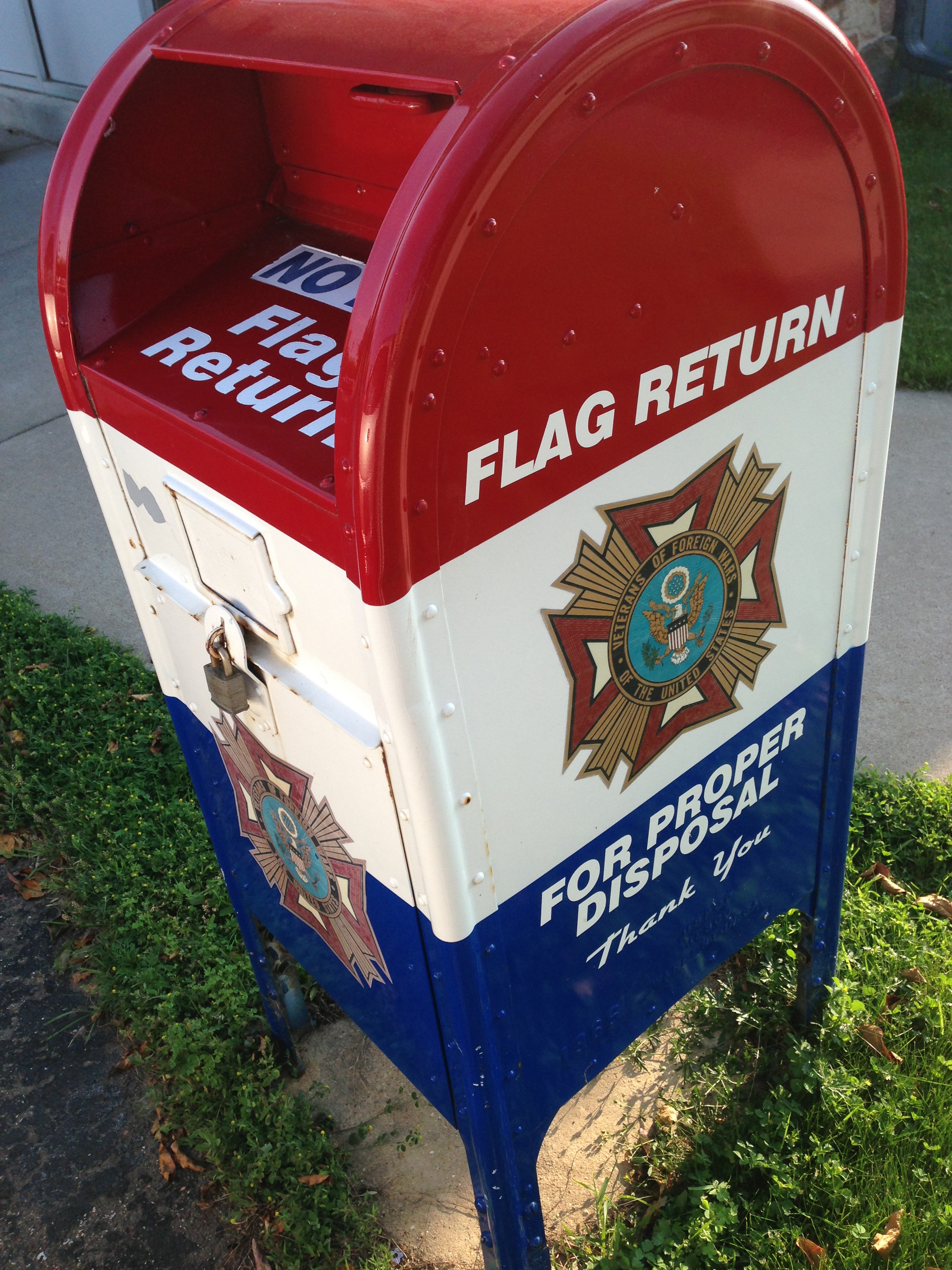
Return a flag.

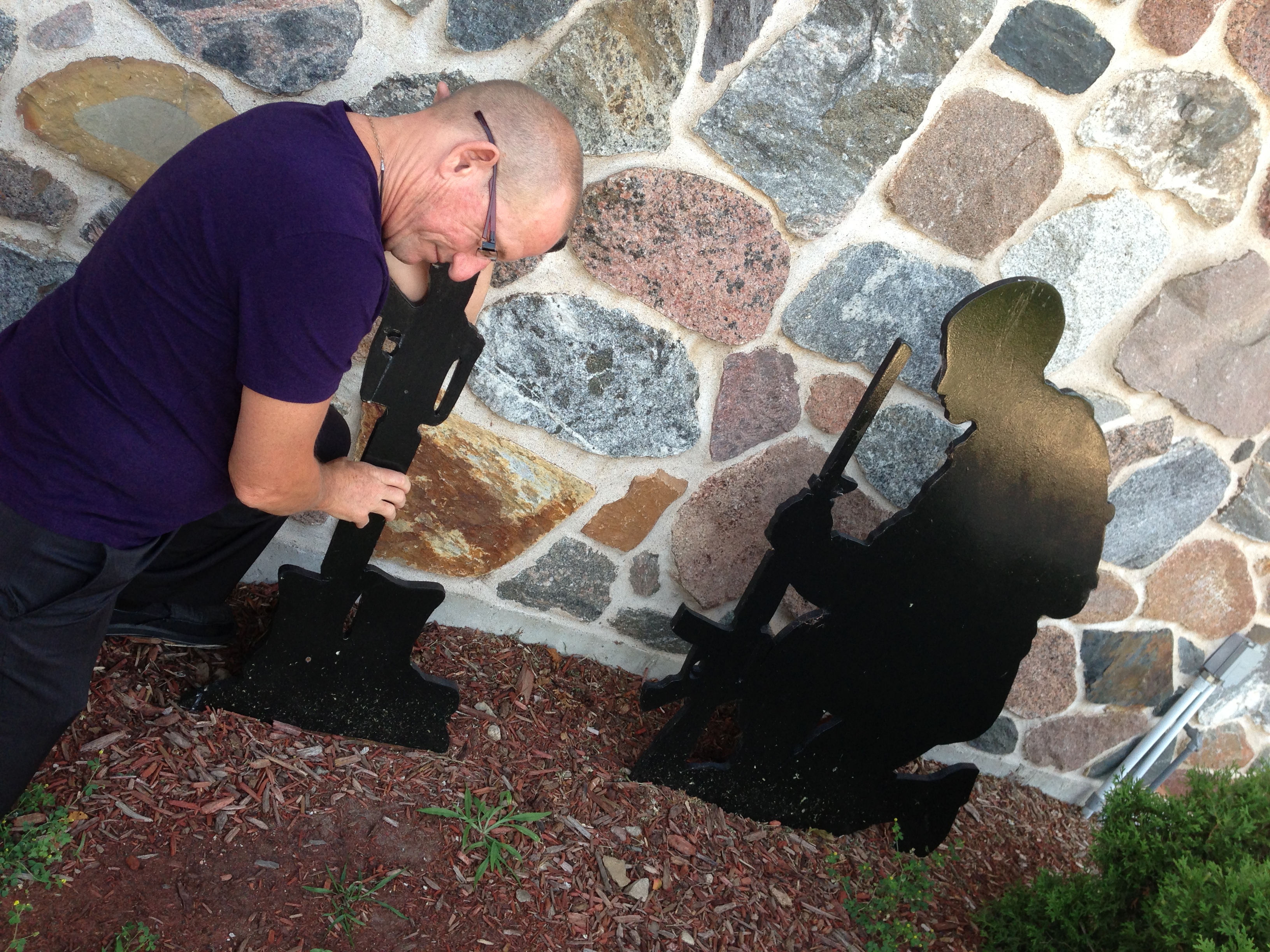
flag returnHug a military sculpture.

Rick

Make like a pinup girl in front of a valuable Air Force Corsair II that made its bones in Southeast Asia 40 years ago.

plane

There is fellowship over fish. Sisters who trekked here for their cousin Eloise’s memorial service tomorrow.

lois:janetEloise loved purple. Some people wear purple.

quinn

The Old Fashioned cocktail is analyzed, quaffed. Don Draper’s choice. You can drink one sweet, with cherries, or sour, with mushrooms. Let’s order a round.

tom collins


Bet you can’t drink just one.

lydia


Reunions.

jesse:gil


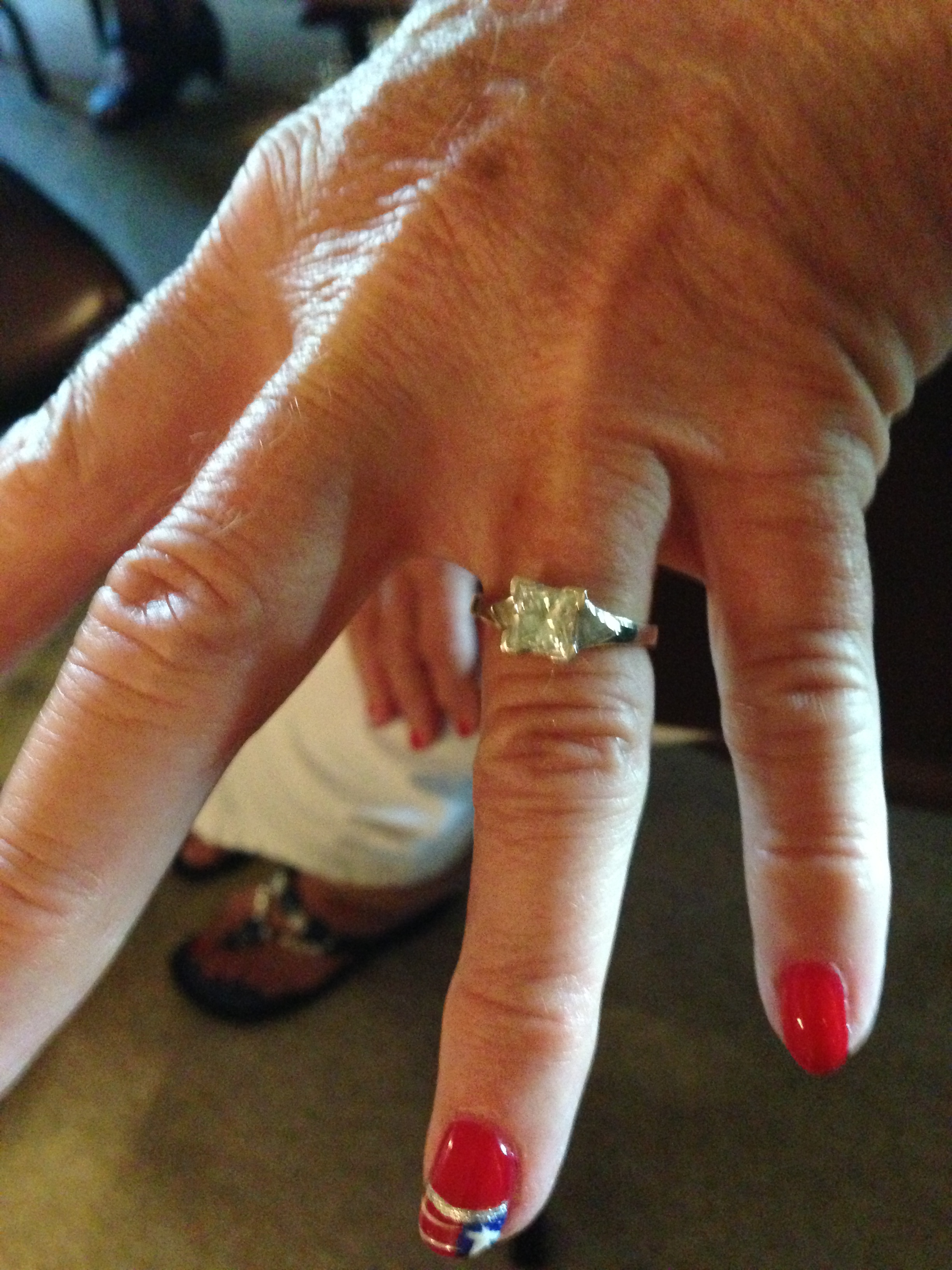
Mid-life romance, second marriage engagement bling.

bling


A couple of accordion players who will perform Deep Purple at the church.

accordion


More sisters, more gab.

sisters


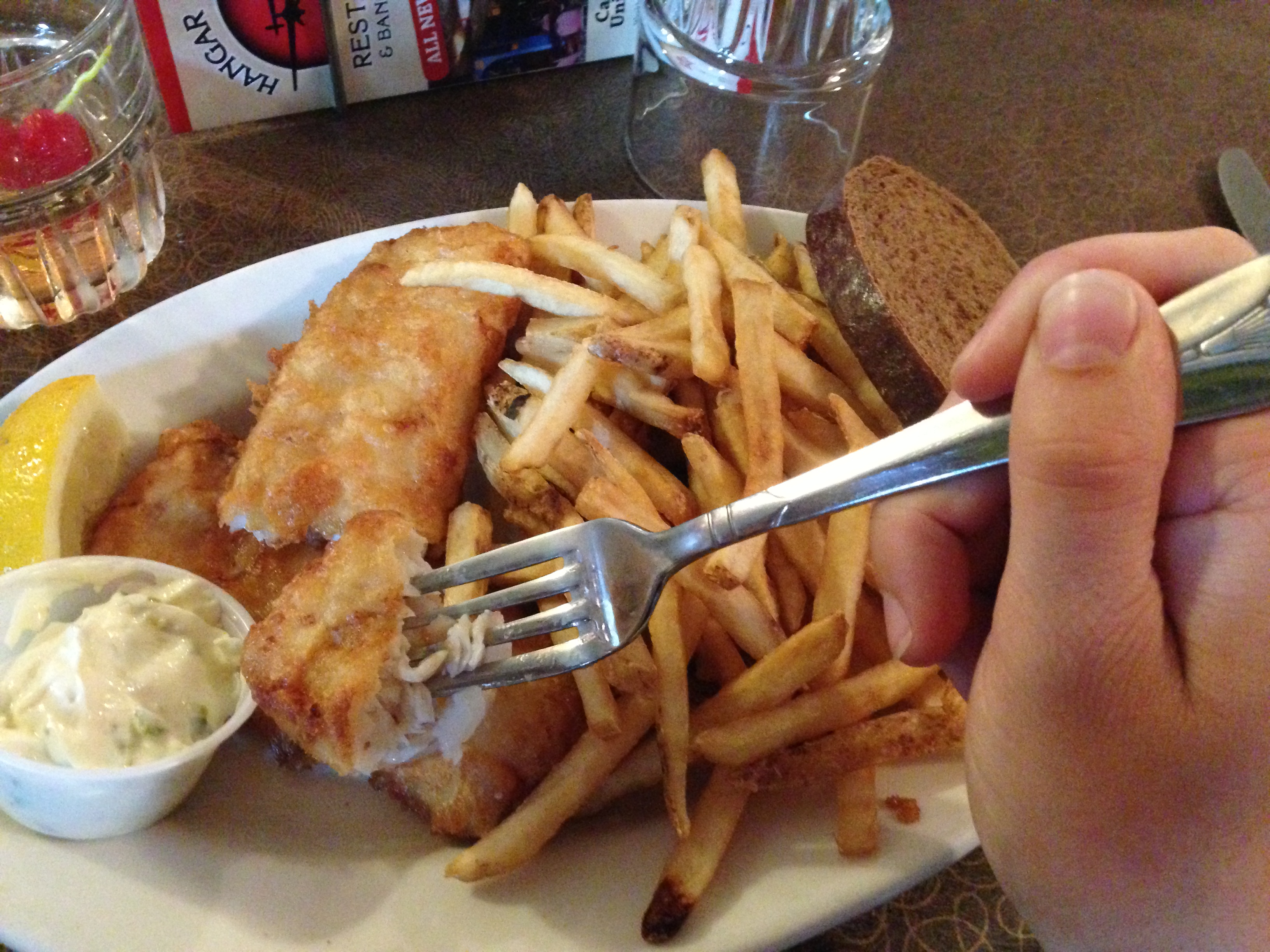
And finally the fish.

fish plate


A mellow night.

thomas


A memorable lady who is missed tonight.


If you want to stay longer, says the waitress, you can go drink in the lounge.

lounge


2 Comments

Filed under Art, Cooking, Culture, Fashion, History, Home, Jean Zimmerman, Music

A Stitch in Time

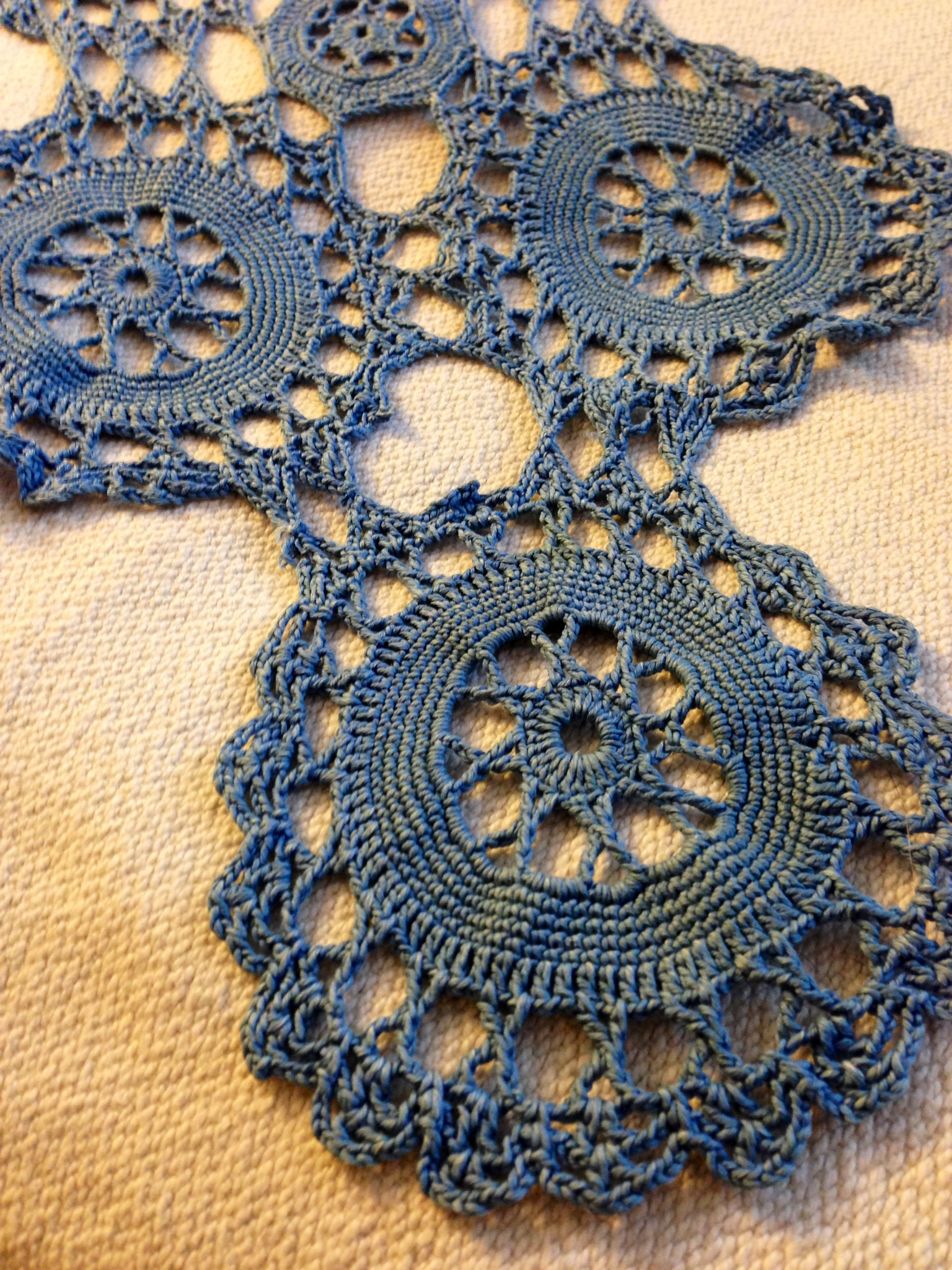
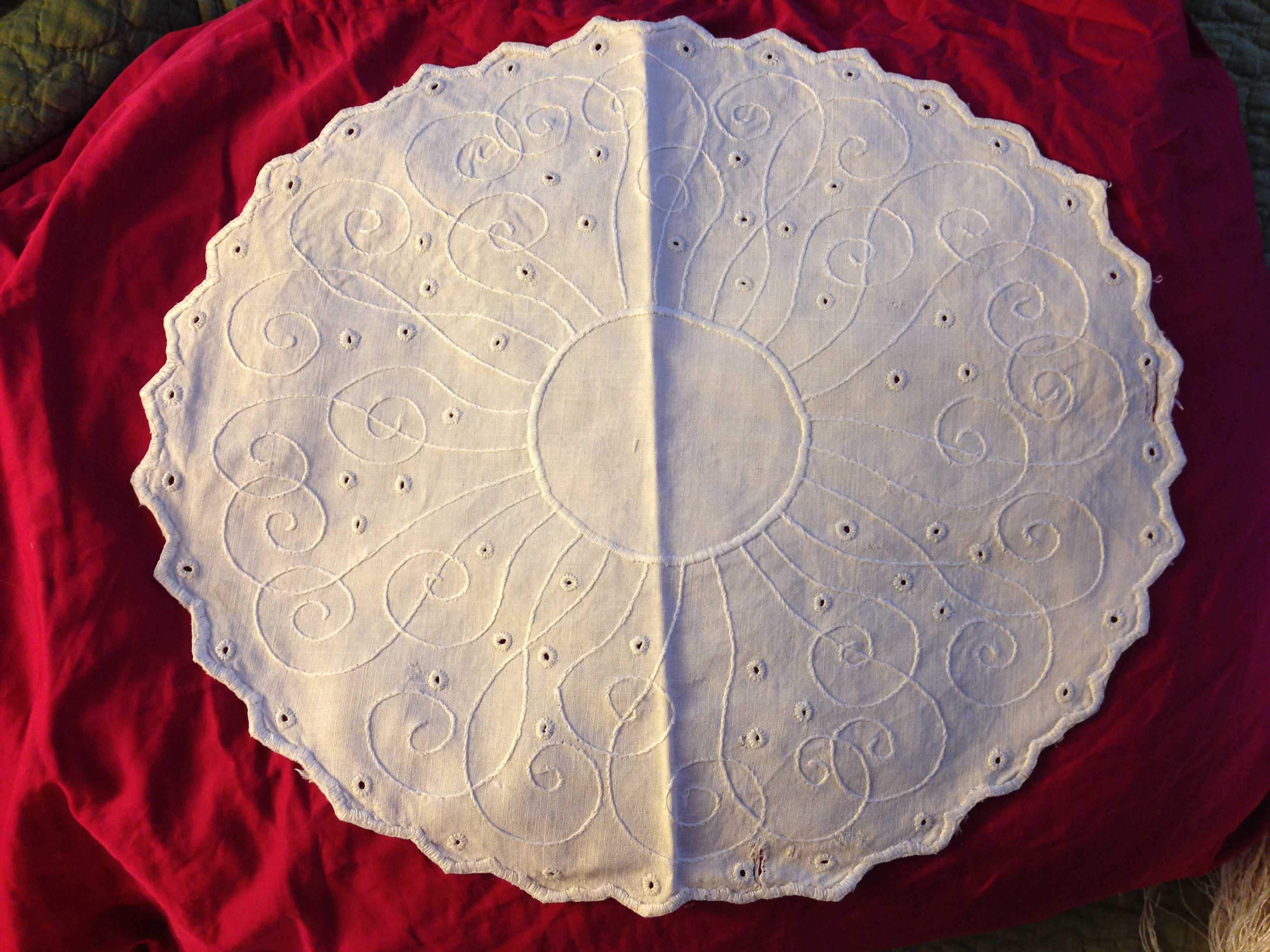
I keep in storage a box filled with 94 vintage pieces of linen and lace, and an antique silk flowered shawl with long, swaying fringes.

shawl

All heirlooms, all worked by the matriarchs of the White and Coats families, small-town Tennessee residents. Artists.

circle lace on green

The women of my family. Who specifically made these creations we can’t be sure, though my great aunt is a good bet. She was known as an adept with textiles. A tatting shuttle and a crochet hook were surely in her arsenal.

circle lace cu

I take them out these pieces now and again. Take a moment from my contemporary concerns. Pause. Lay them out on the bed.

lace cu 2

Stand back to admire them.

three

How intricate.

lace cu

The colors. Pink.

pink lace

Blue.

blue lace

Run my fingers over the bumps of the embroidery, the open work of the tatting. I think I am in love with this lace and its delicate carnations. Do you like the fragrance of a carnation as much as I do?

carnations

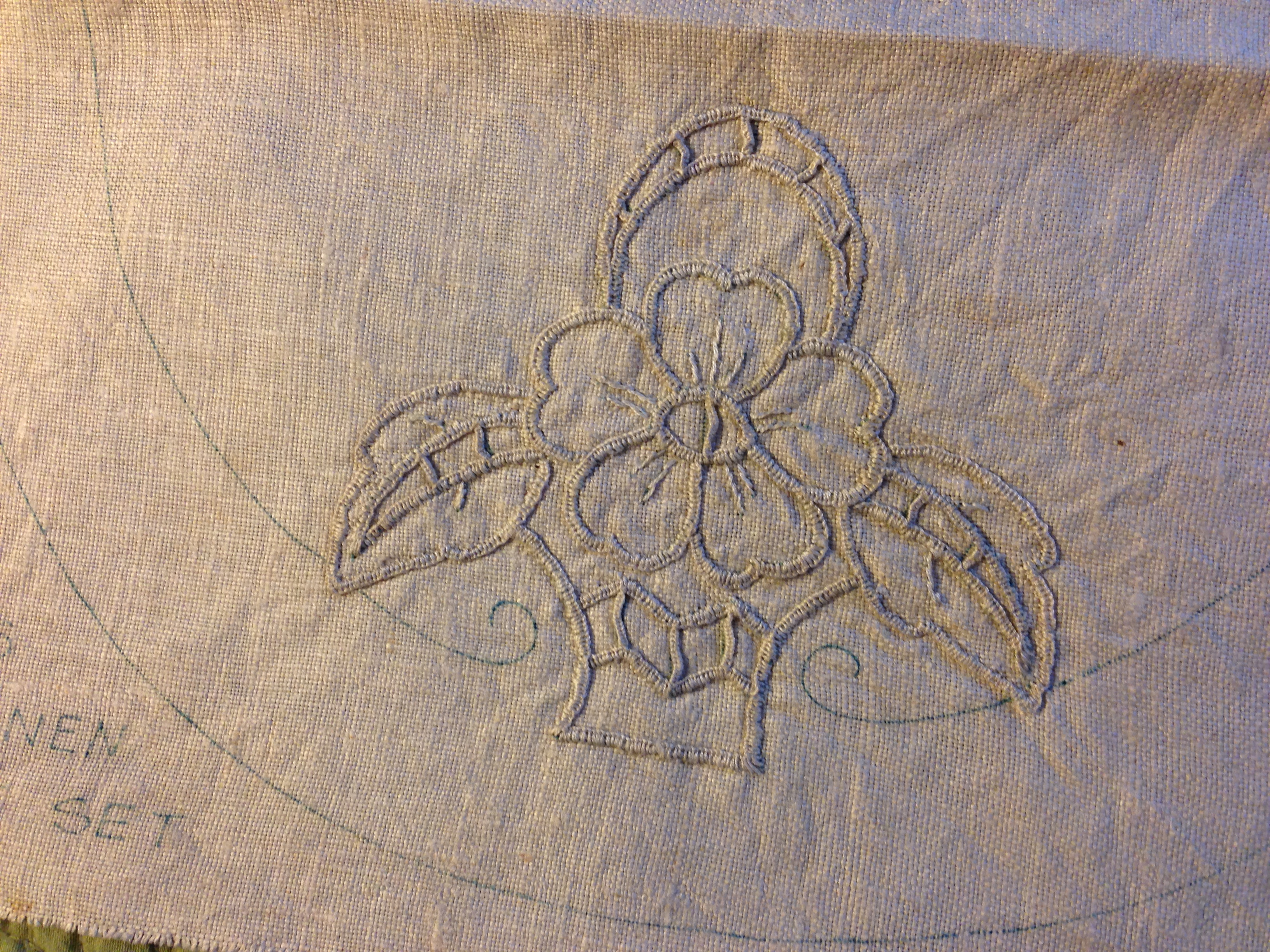
Someone, sometimes, followed a ready-made pattern – you can see the ink on half-finished fabric.

kit 2

I wonder, what inspiration drove the women who came before me to make these brilliant textile works? Because it surely wasn’t necessity. No one could use this many antimacassars or table runners, this many doilies.

lace on green

Although I do see something occasionally that bespeaks everyday life, and these pieces leave me utterly moved. A woven brassiere. (A training bra? So small!)

brassiere

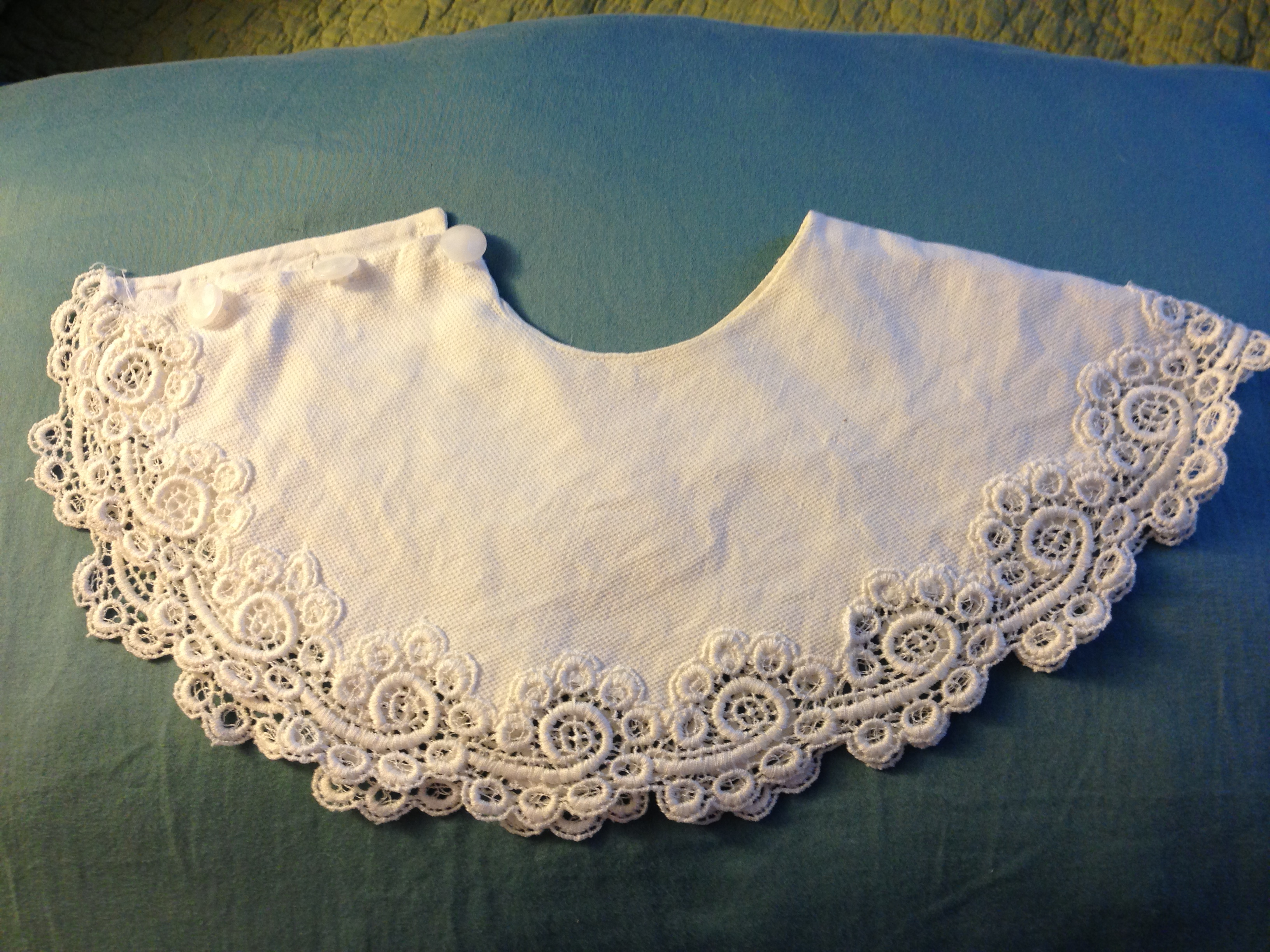
A linen collar with mother-of-pearl buttons.

collar

In the rural America of the early twentieth century, there were beans to be snapped, pickles to be put up, floors to be mopped, and even chickens to be wrung by the neck. Yet these people took time, so much time, to make beauty with flash out of plain thread and cloth.

circle

10 Comments

Filed under Art, Culture, Fashion, History, Home, Jean Zimmerman

Lowdown on the High Line

New York City’s High Line park is totally overexposed. I’m going to expose it further.

walking

I walk with three menfolk from the top to the bottom of this new icon of the Manhattan landscape, stunned by the native plantings that seem to find city soil the best fertilizer in the world.

yellow flowers

I spent a day in the country looking at wildflowers and saw no profusion like this.

cone

Superflowers.

purple flowers

And a planting of bamboo, which has to be tightly constrained by a metal guard to keep it happy in its place. Kind of the opposite of Jesse, who isn’t happy unless he’s on the open seas or in some other free environment.

jess:bamboo

The High Line was  built between 1929 and 1934 from Gansevoort to 34th Streets to lift dangerous freight trains above the traffic. For years, meat, produce and dairy products were shipped to town and arrived at the third floor level of plants. That might have been a little inconvenient, but the situation previous was insupportable. In the nineteenth century, people actually called Tenth Avenue “Death Avenue” because the street-level railroad caused so many accidents. Men in an outfit called the “West Side Cowboys” were hired to ride in front of trains and wave red flags to warn traffic off.

cowboy

In 1980 the last train came through with a load of frozen turkeys. Then the rail bed deteriorated. Gil, who lived in the city then, says, “It was the high line, alright, everyone was getting high.” What grew there was what the High Line people now politely call a “self sown landscape.” In other words, weeds. Weeds, condoms, syringes.

Now there are trees, grasses and flowers, and I think even Larry, who lives on a farm surrounded by midwestern forest, is impressed.

larry

The gardeners of the High Line transformed the place, beginning in 1999. It’s a classic urban place to stop and smell the roses.

climbing roses

Wild roses are fairest, said Louise May Alcott, and nature a better gardener than art. The High Line has nature, art and a third thing, a deep industrial past.

There are musicians.

asian musician

Painters.

painter

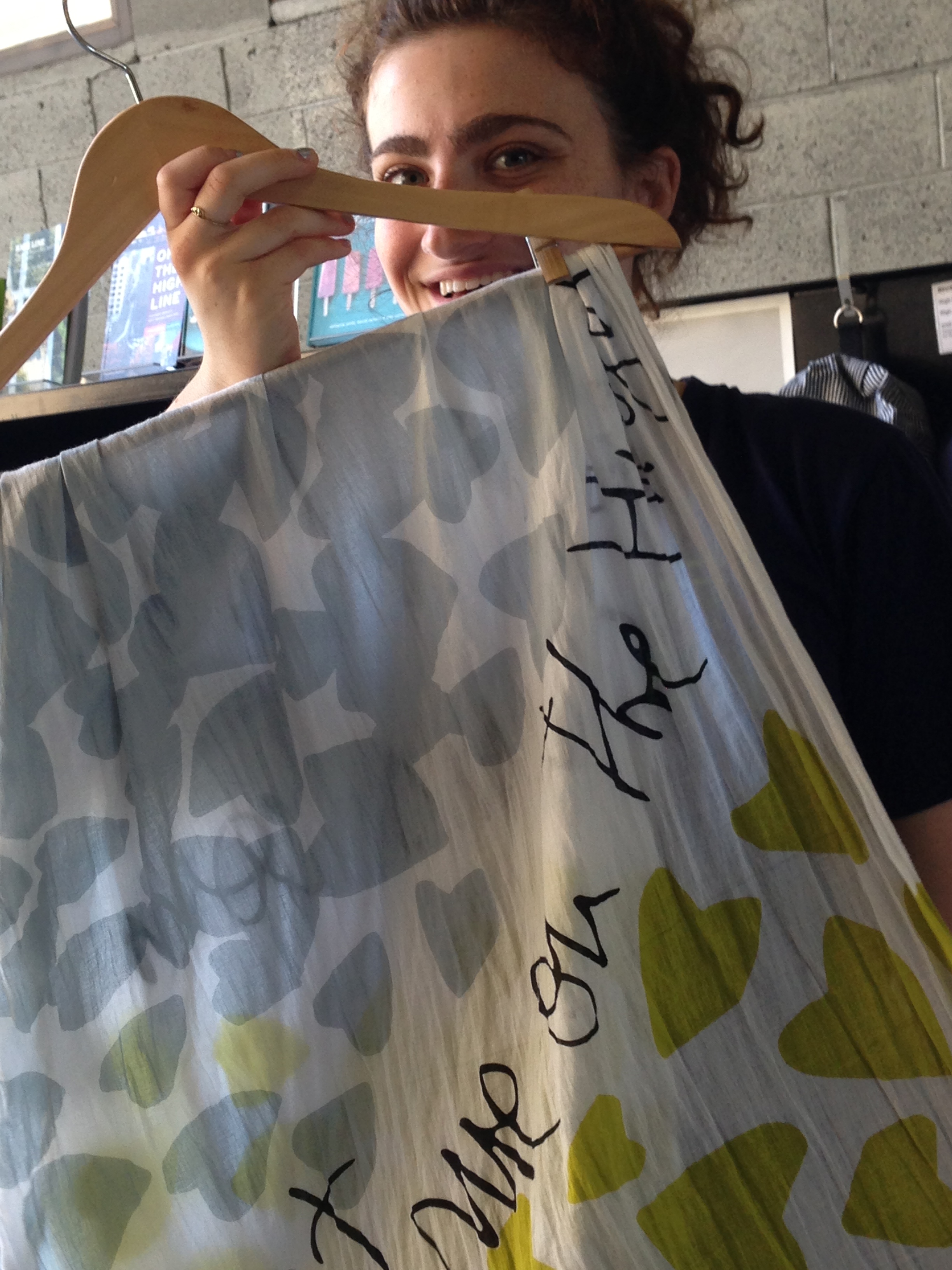
It even has its own clothing franchise, with sarongs that read “Dreams Come True on the High Line.”

sarong

Sculpture rises up along the walkway.

funny sculpture

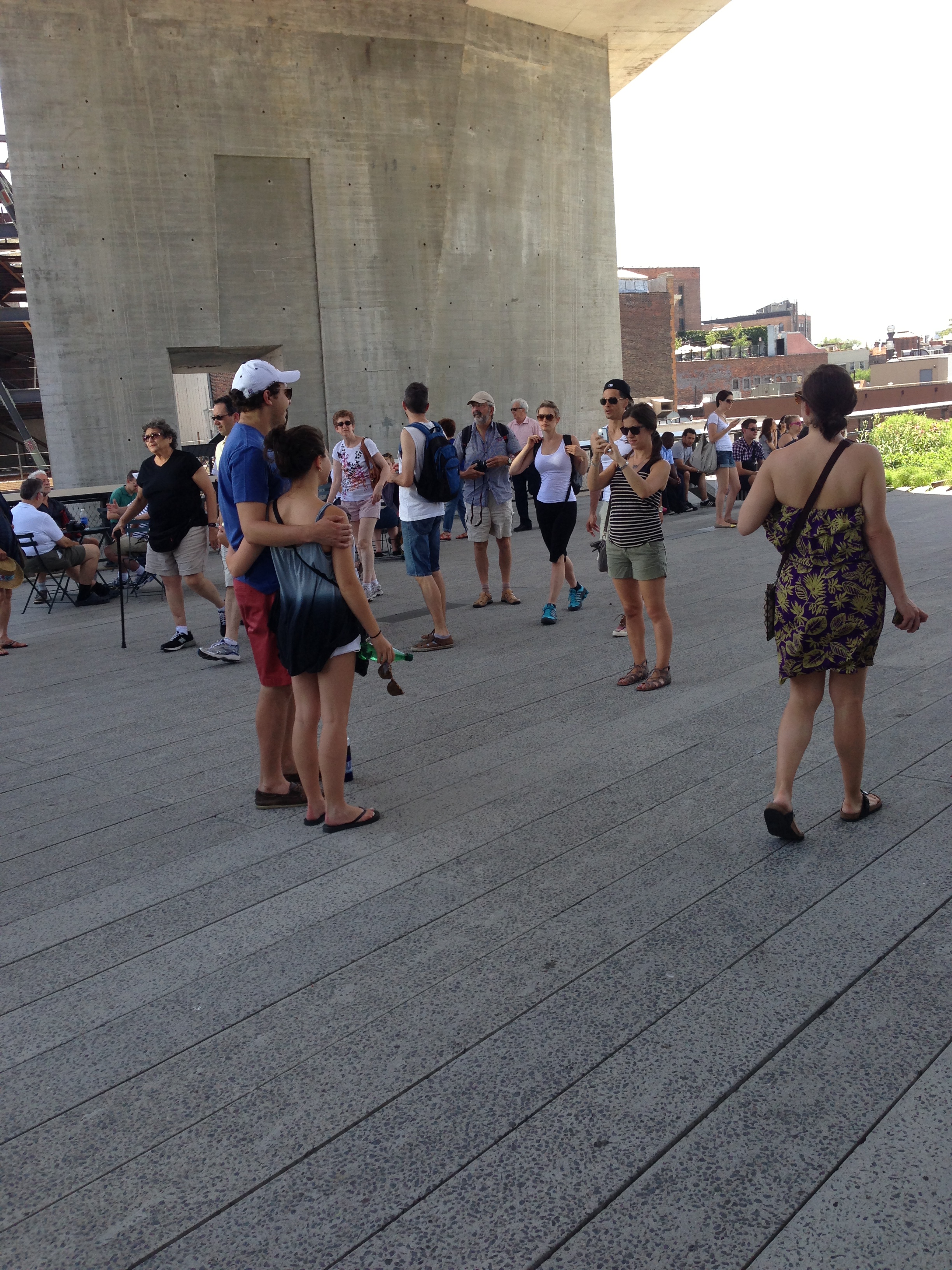
And human sculpture, as people freeze for pictures. What the High Line should have next to the fresh fruit ice pops stand is a camera kiosk. Someone would get rich. Tourists throng — you can walk a long way down the path and not hear a word of English.

taking pictures

With the new, there’s the old – a mysterious pattern of bricks.

bricks

And a towering old painted sign: BONDED. Across it a tag reads REVS, shortened from REVLON, a famous graffitti artist. “It’s got to be on the edge, where it’s not allowed,” REV has said. There’s room on the High Line for all vintages.

old sign

The Gehry-designed IAC Building, at 555 West 18th Street, with its milky, origami exterior, has been open since 2007. Vanity Fair called it the world’s most attractive office building. It’s especially great to see it in tandem with structures of other vintages, including the old-fashioned piedmont of a lower one whose top is flush with the park.

Gehry

The Standard Hotel soars above. It gained some notoriety when High Line strollers realized they could look up and see happy exhibitionists making whoopee in the floor-to-ceiling windows.

the standard

(When Chuck Barris was looking for a word to meet the network censors’ standards on the Newlywed Game, the term ultimately settled upon was whoopee.) Meat trolleys for hanging beeves still exist if you look closely. Right along the Standard, in the shadows, a rusted remnant of the  district’s sanguinary past.

beeves

But one essential thing about the High Line is the views.

cityview

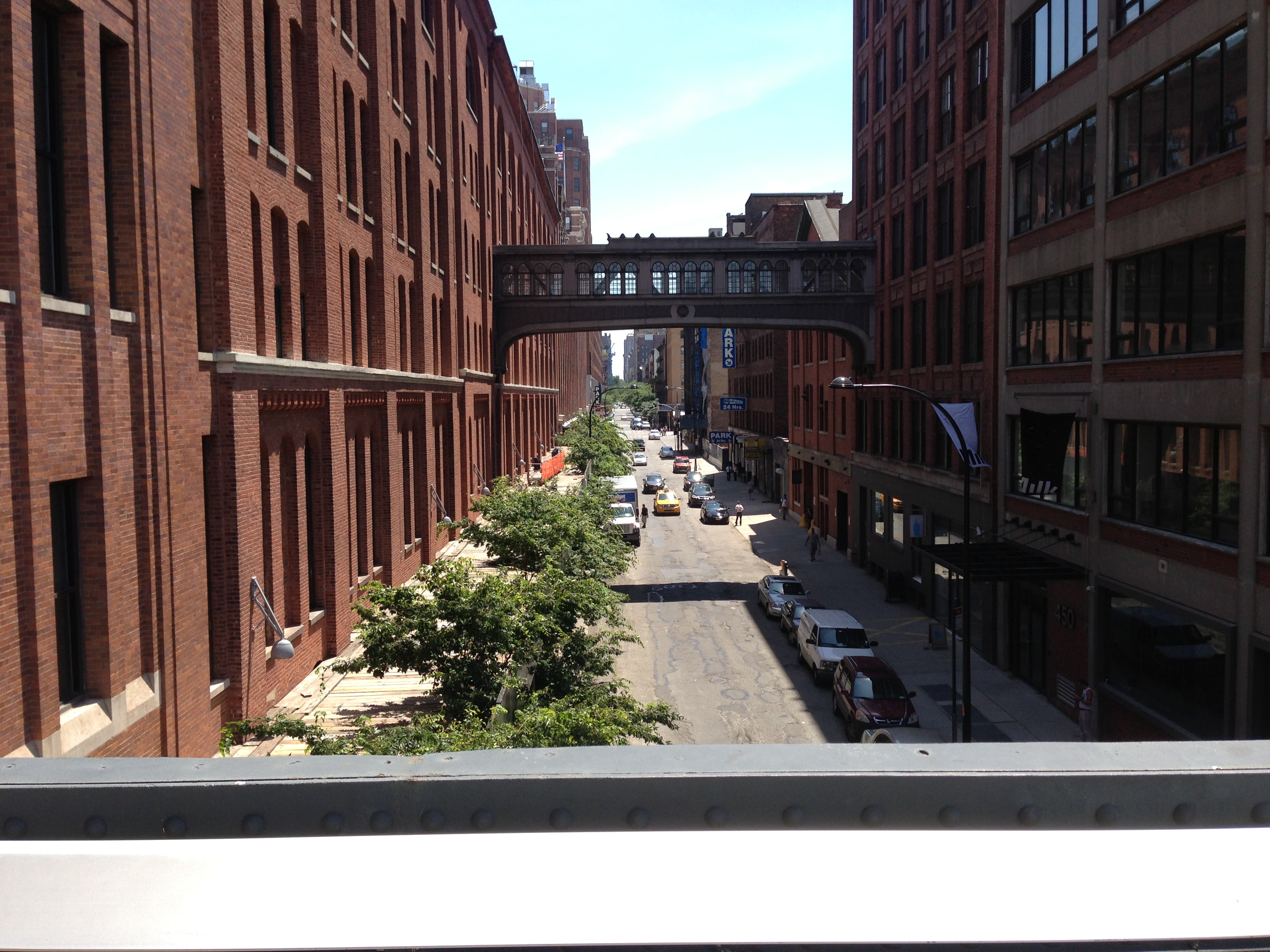
In the nineteenth century, landscape architects carved out pastoral views on grand country estates, cropping trees advantageously to accentuate vistas of rivers, mountains, or other natural elements. The High Line is the 21st century equivalent, with quirky street perspectives all around, framed from this tall iron structure.

bridge

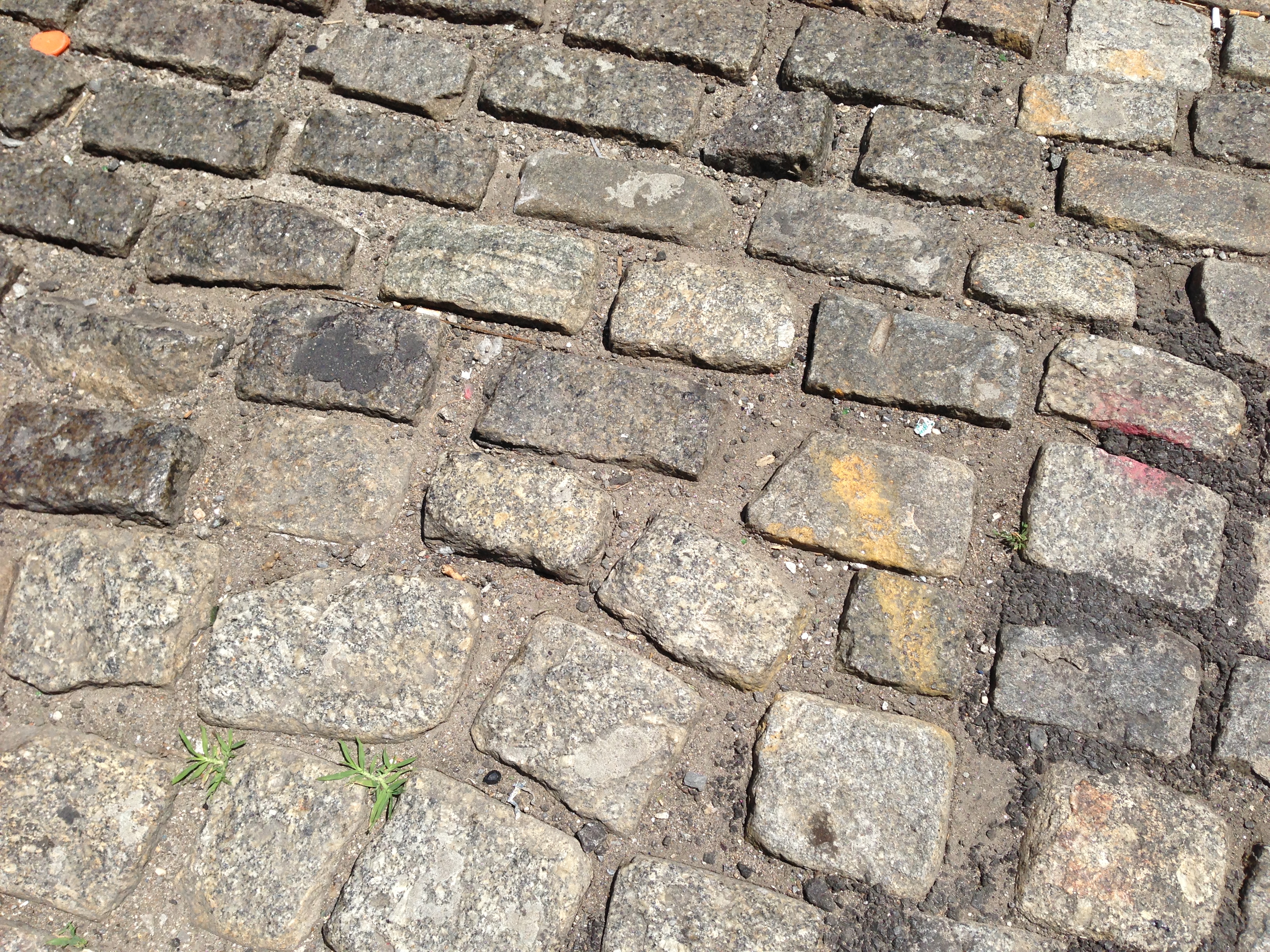
After our promenade, we descend to vintage New York cobbles. A remnant of the lost city.

cobbles

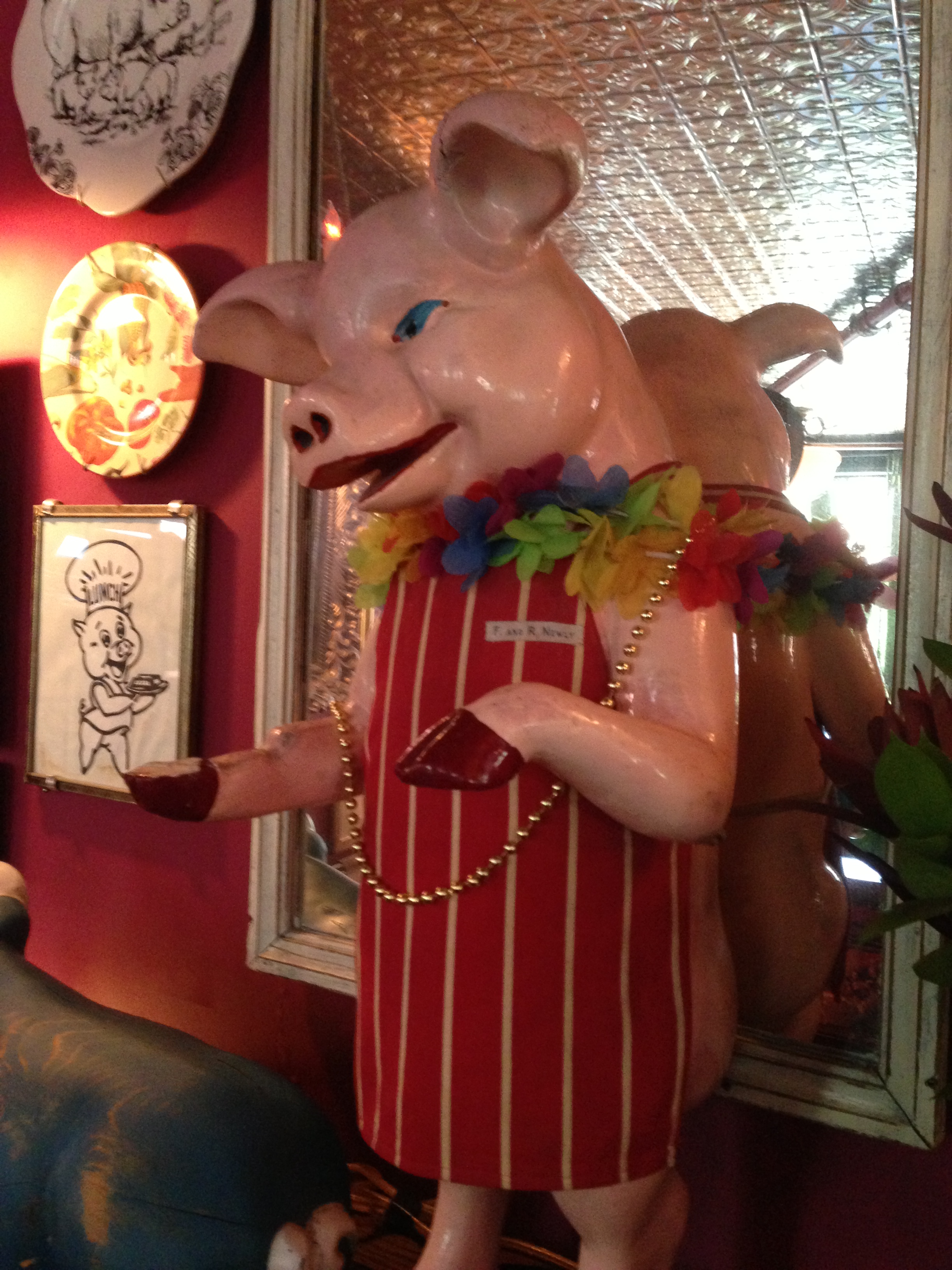
We refuel at a restaurant called The Spotted Pig.

pig

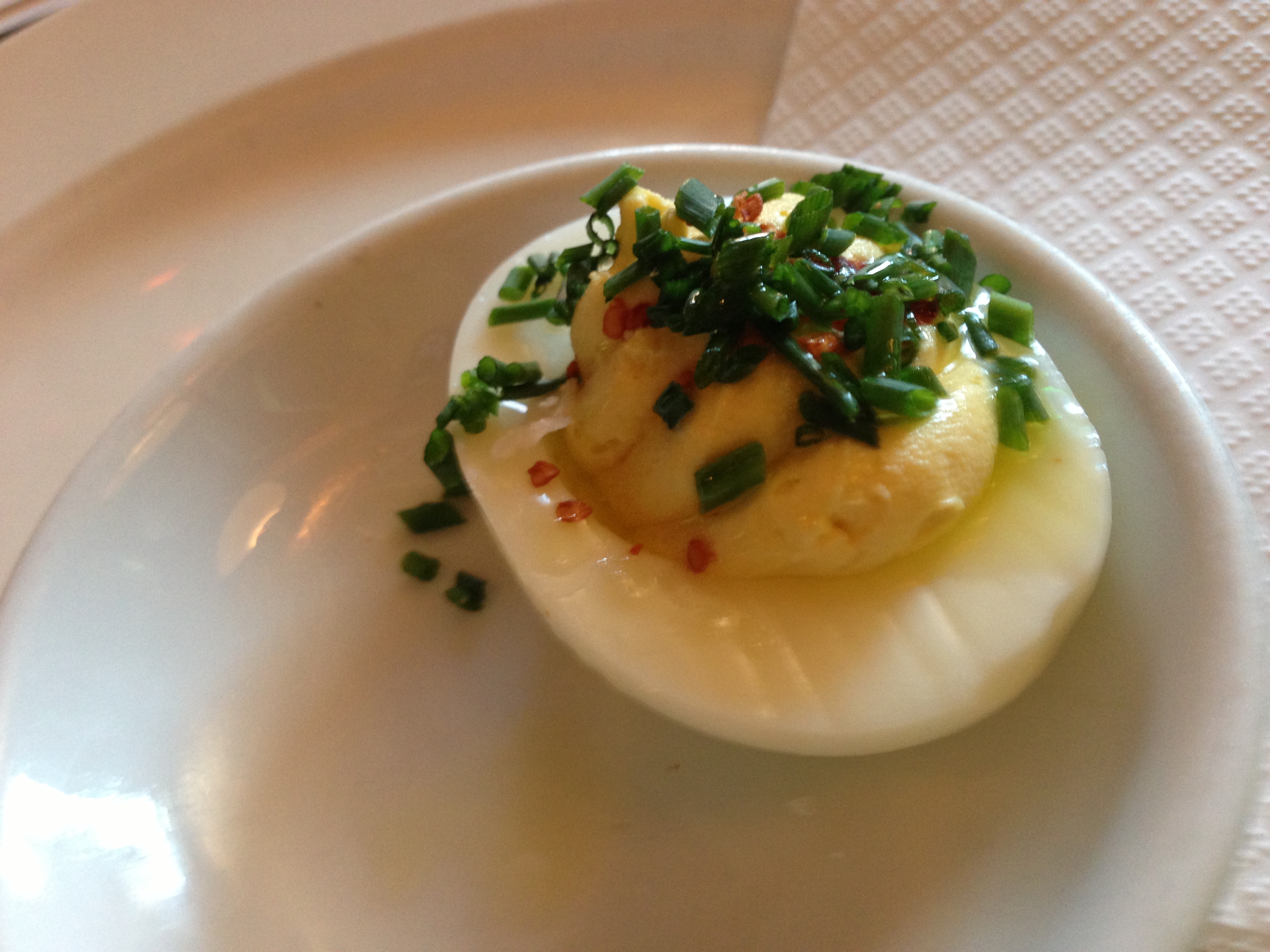
The eggs it serves are divine, with crunchy flecks of sea salt.

egg

I am tired after our sun-blasted walk of a two miles. Jesse is wide awake, which he always is, except when he’s asleep.

jess eyes

And the french fries… well, it is hard to shovel them in fast enough.

fries

The chef strews the shoestrings here with shreds of rosemary. Everything tastes better after the High Line. An ordinary pinapple smoothie from a new perspective.

smoothie

A fantastic church frieze overhead. Had it always been there? I can’t recall. The galleries of Chelsea are closed on Sunday, but that doesn’t mean the great sidewalks of New York are closed for business.

girl graffiti

Too much graffiti has been scrubbed off in recent years. Manhattan is the new Minneapolis. Now we have clean, healthy biking all over town. In Greenpoint, Brooklyn,  where I visited a week ago, it’s a different – and more colorful – story, as it hasn’t quite shed its industrial past and makes a fine canvas for folks who do outdoor outsider art.

slut tribe

Here in the Meatpacking District we find a few worthy efforts.

boy graffitti

Two chicks etched on the sidewalk beneath our feet.

chick sidewalk art

For some reason I like these simple birds, making kissy next to their little water fountain.

The all-seeing eye. The Eye of Providence.

evil eye

On the island of Manhattan, if you let your vision wander up, you see some marvelous things. A blue horizon chockablock with architects’ freshest concoctions. Pieces of old New York, dusty red bricks that have miraculously been saved from the wrecking ball. Climbing roses, if you’re walking the High Line. From that same pathway, a glimpse of a well-to-do fanny in a chic hotel window. And there are still wooden water towers.

water tower

Just two companies, Rosenwach Tank Company and Isseks Bros., manufacture the tanks, which are unpainted and made with untreated wood. A new water tower is a leaky water tower, as it takes time for the material to become saturated and watertight. Chelsea has one, completely dry of course, that has recently been transformed into an exclusive club called Night Heron. You can see it from the High Line.

1 Comment

Filed under Art, Cooking, Culture, Fashion, History, Jean Zimmerman, Nature, Photography, Writers, Writing

Sneak Peak

It’s a long time, the final gestation of my novel Savage Girl. Nine months until its publication date in March 2014. But I’m already excited. The book has been written. Edited. Copyedited. We now have a cover.

Savage Girl cover 3

And even some catalog copy. It gives the gist of the story, which is both a tangled web and clear as day. It tells of

the dramatic events that transpire when an alluring, blazingly smart eighteen-year-old girl named Bronwyn, reputedly raised by wolves in the wilds of Nevada, is adopted in 1875 by the Delegates, an outlandishly wealthy Manhattan couple, and taken back East to be civilized and introduced into high society.

This girl

hits the highly mannered world of Edith Wharton-era Manhattan like a bomb. As she takes steps toward her grand debut, a series of suitors find her irresistable. But the willful girl’s illicit lovers begin to turn up murdered.

Savage Girl would not be the same story, would not be so much fun, were it not for its narrator, Hugo Delegate, a Harvard medical student and the scion of the family that takes Bronwyn in.

The tormented, self-dramatizing Hugo Delegate speaks from a prison cell where he is prepared to take the fall for his beloved Savage Girl. This narrative – a love story and a mystery with a powerful sense of fable – is his confession.

So says the catalog description. When the book pops out of the oven next winter you’ll have a chance to judge for yourself.


4 Comments

Filed under Art, Fiction, Jean Zimmerman, Publishing, Savage Girl, Writers, Writing