Category Archives: Savage Girl

Adding Savage Girl to the Mix

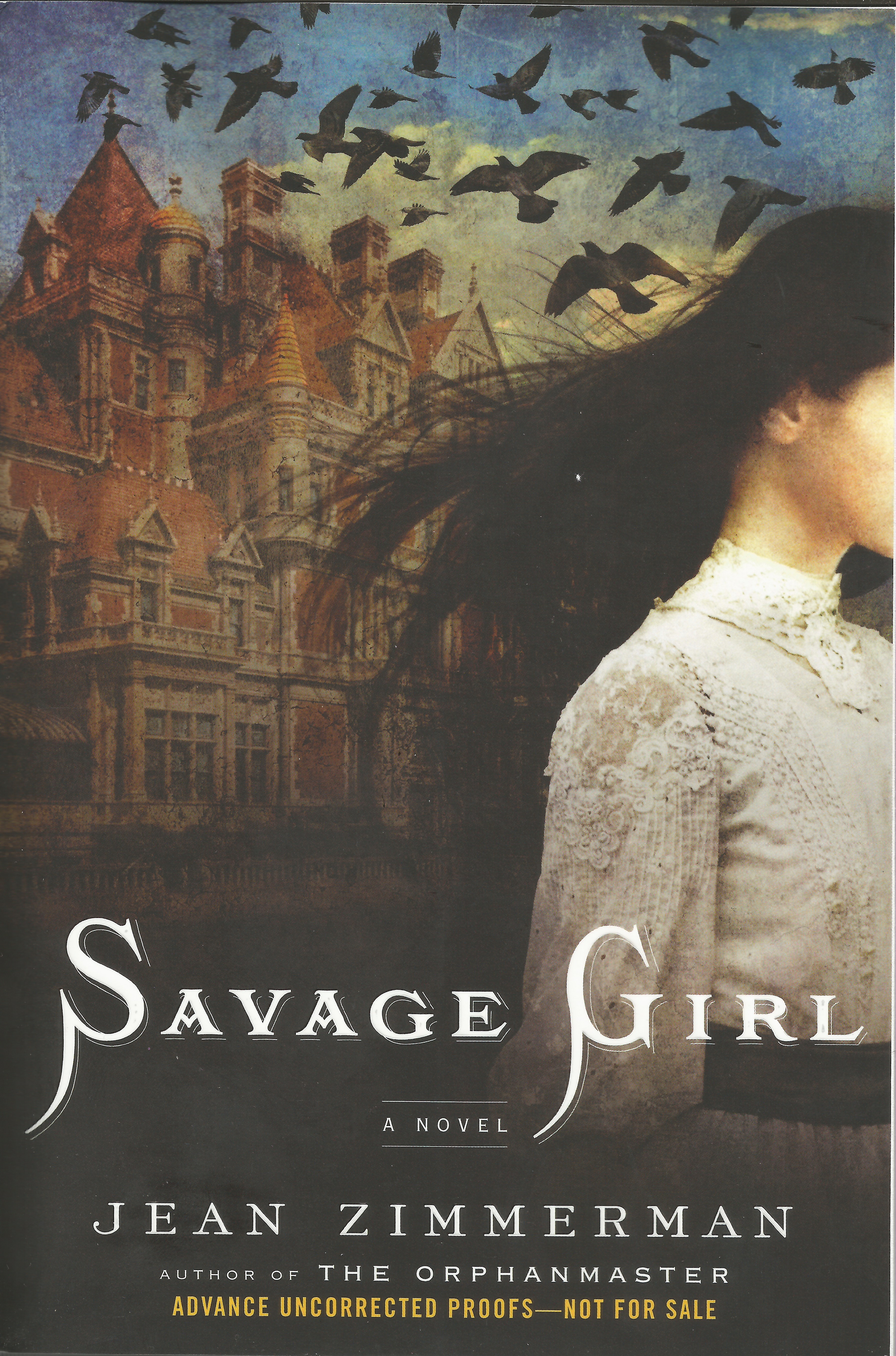
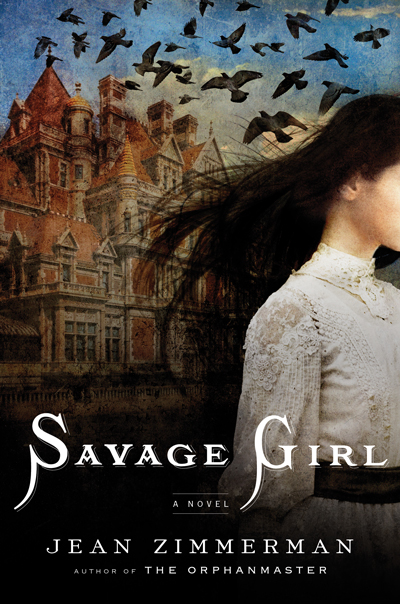
I opened a new page on this site for Savage Girl yesterday… for now you can click on the tab for a description of the book, but more will come so stay tuned. The novel will be out in March 2014.

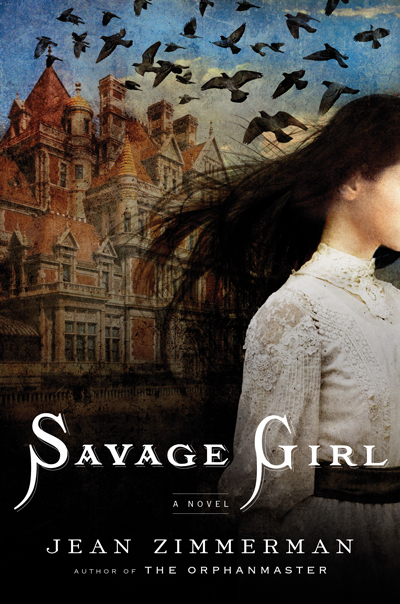
Savage Girl cover 3


I’m going to do some refreshing, refurbishing and rejiggering of the site also in the near future. As always, I welcome comments as well as suggestions for what you’d like me to cover in this personal magazine!

5 Comments

Filed under Culture, Fiction, Jean Zimmerman, Publishing, Savage Girl, Writing

The Flash Mob in My Mind

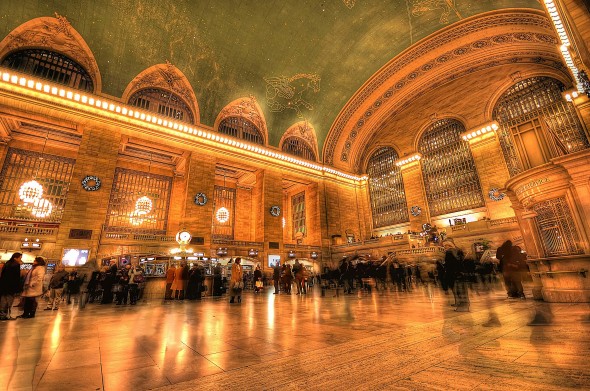
To and fro they go, all the busy, self-involved commuters. A long day at work, the usual stresses, rushing home to other responsibilities. Set faces, hurrying through Grand Central Station with barely a glance at the reaches of fluid, majestic marble, the astronomical ceiling, the hundred-year-old intricate architectural features of the main concourse.

grand centrl

Then along the slick stone floor skitters something – what is it? – a human form, not walking upright but rushing through on all fours.

harry-b-neilson-feral-child-drinking-with-wolf-cubs-3-of-5

People stand back. The human animal races pell mell all around the place, knocking into briefcases, brushing peoples’ knees. It becomes clear gradually that underneath the tangled hair and plain white shift this is a wild girl of some kind.

Voices pipe up throughout the concourse, first a few, than a chorus, and people begin stepping through the crowd, toward the center of the space, in high Victorian dress. The men have top hats and frock coats, the women wear sweeping gowns.

victorian-dresses-3

They are harmonizing a strange, old fashioned tune, a dance-hall melody with unfamiliar lyrics.

Grand Central commuters halt in the path to their gates and listen. The music swells. A cello flight emerges out of nowhere.

The savage girl skitters out of sight.

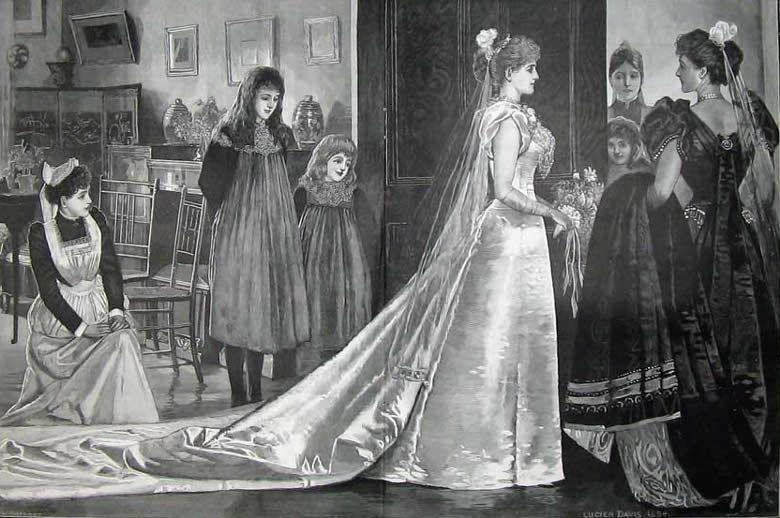
As the song continues, the throng of singers parts. Suddenly, just under the constellation of Pisces we see the savage girl, now transformed into a young woman, gliding forward,  fully upright. She is dressed spectacularly in a pearlescent floor-length dress with a train, long cream-colored gloves, glossy hair, décolletage.

victorian-era-dress

The Victorian assemblage turn to her and she joins in their melody for the final verse.

Then, as quickly as they appeared, the players vanish. Savage Girl is perhaps the last to go, and gazes one final time out at the crowd with a beautiful but remote expression on her now civilized face.

I had a conversation with my literary agent about ways of introducing Savage Girl to the world come March. I got off the phone and fantasized about a Victorian flash mob starring our girl. It might never come to be, since Grand Central is full of armed homeland security folks and german shepherds, but wouldn’t it be fantastic?

4 Comments

Filed under Art, Culture, Fashion, Fiction, History, Jean Zimmerman, Music, Publishing, Savage Girl

Captive Reader

And another great guest post from Gil Reavill, who between brewing coffee, clearing away dishes and bearing down on his own book has managed to fill in literarily while I’m off my foot.

EVER SINCE JEAN shared a bookstore appearance with novelist Koethi Zan, author of The Never List, the theme of captive women seems like a bad tooth that we can’t help worrying.

never list

The horrific tales of Ariel Castro, the Cleveland kidnapper, rapist and murderer, remain in the news long after his captives took back their hard-won freedom. Recently they leveled Castro’s home, part of a plea deal that spared the predator a death sentence.

I wrote about the phenomenon in my book Aftermath, Inc.

Ed Gein’s Wisconsin farmhouse, destroyed by fire. John Wayne Gacy’s house in Des Plains, Illinois, bulldozed flat, as was O.J. Simpson’s Rockingham estate. Jeffrey Dahmer’s Oxford apartment building, with its infamous apartment 213, demolished. These sites were, in the language of real estate experts, ‘stigmatized’ properties. You know you have transgressed in some basic, Decalogue-violating manner when authorities raze your house and sow your fields with salt.

gacy house

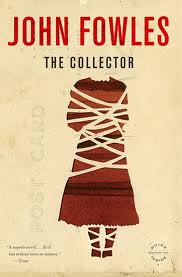
The theme of captive women crops up with stinging regularity in literature. John Fowles’s great novel The Collector was the first treatment of the theme that I encountered, probably as a too-young adolescent.

fowles

In our household, stories of Cynthia Parker and other women taken by Indians have become familiar through research for Jean’s novel, Savage Girl. Captivity is such a popular leitmotif in romance novels that it must form an admitted element in female fantasy. But the difference between rape fantasies and rape, as psychologists reiterate, is that women are in control of their fantasies.

During her research for The Never List, Zan became exhaustively familiar with captive women cases the world over. She tracks the survivors and gives sobering accounts of their inability to adjust to life after captivity. Often such women become recluses, unable to face life after enslavement.

Of course, stories of a lot of these victims never make the news. It might come as a shock to some benighted souls that human slavery did not exactly vanish from the face of the earth with the end of the American Civil War. Read Nicholas Kristoff’s great call to arms, Half the Sky, or David Batstone’s Not for Sale for accounts of sexually enslaved females all over the world (including right here in River City).

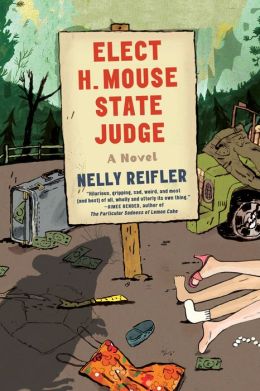
So it was with a creeping sense of recognition that I delved into our friend Nelly Reifler’s captivating (ahem) debut novel, Elect H. Mouse State Judge, out this week from Faber and Faber.

NellyReifler2

H. Mouse is by turns entertaining and disturbing, with Reifler treading a razor’s edge between Wind in the Willows and, say, Chuck Palahnuik, William Vollmann or Andrew Vachss. The innocence here is false innocence, and the topical true-crime reality of captive women leaks through the fairy tale.

H. Mouse is that eminently familiar figure, a compromised politician. His daughters Susie and Margo are taken by a religious nut named Father Sunshine (one Reifler’s best creations). The title character reaches out to a couple of shady political fixers named Barbie and Ken—yes, the very same ragingly popular iconic couple toyed with by children since the doll’s introduction in 1959. Ever wonder how Barbie and Ken do the nasty? Reifler tells us (it involves the removal of limbs). Lawyers from Mattel, Inc. ought to be knocking on Reifler’s door any day now.

elect

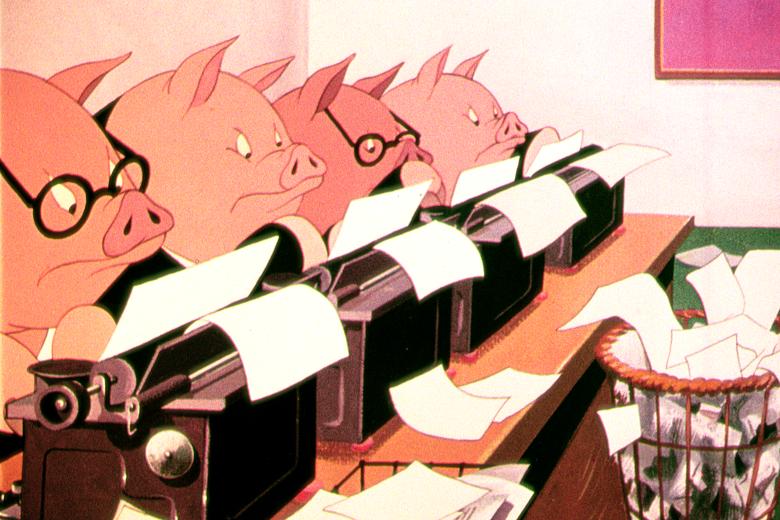
The figure of an unreliable narrator is a common one, but with H. Mouse I felt myself put into the position of an unreliable reader. I had the uncanny sense of humming along, enjoying the mice-and-foxes fable, then snapping awake to a nightmare. Reifler’s trap is baited with honey: the tone of faux sweetness is devilish, since one soon learns that it cannot last. Throughout these pages I suffered a quite enjoyable case of literary whiplash, something along the lines one feels with Animal Farm. (There’s a story kicking around, I can’t remember where I encountered it, about a student telling his professor that Orwell’s masterpiece was an excellent tale of the barnyard. The professor told the student to go back and read the novel again.)

79347104_animal-far_340402b

Elect H. Mouse State Judge is short, bittersweet and has a kick like a mule. Not since Art Spiegelman’s Maus have rodents been harnessed to so great effect.

5 Comments

Filed under Culture, Fiction, History, Home, Jean Zimmerman, Publishing, Savage Girl, Writers, Writing

An ARC and a Boost

There’s type and then there’s type.

SG SA

After another day of slogging off and onto the couch, I opened the mail. In among the junk, two gems, two volumes I’ve been waiting for. Two Advance Reading Copies of Savage Girl. Two ARCs. The novel will be out in March 2014. But it’s alive and breathing in its beautiful jacket even as we speak. This is the copy that will go out to early commenters and reviewers, bloggers and big mouths, so we want for it to be gorgeous.

arc cover

And that type. That’s what pops. The image of the girl and the mansion resonate, but the type’s what brings it to life. The title announces itself in a virginal white whose lines also embody the savagery of the title, and the two words are embossed, smooth under your fingertips  as I didn’t know they would be when I simply saw the cover proof. Now its typography renders the package dazzling.

Crack it open and you get the prologue, the first outlines of the mystery the narrator Hugo unfolds.

SG first page

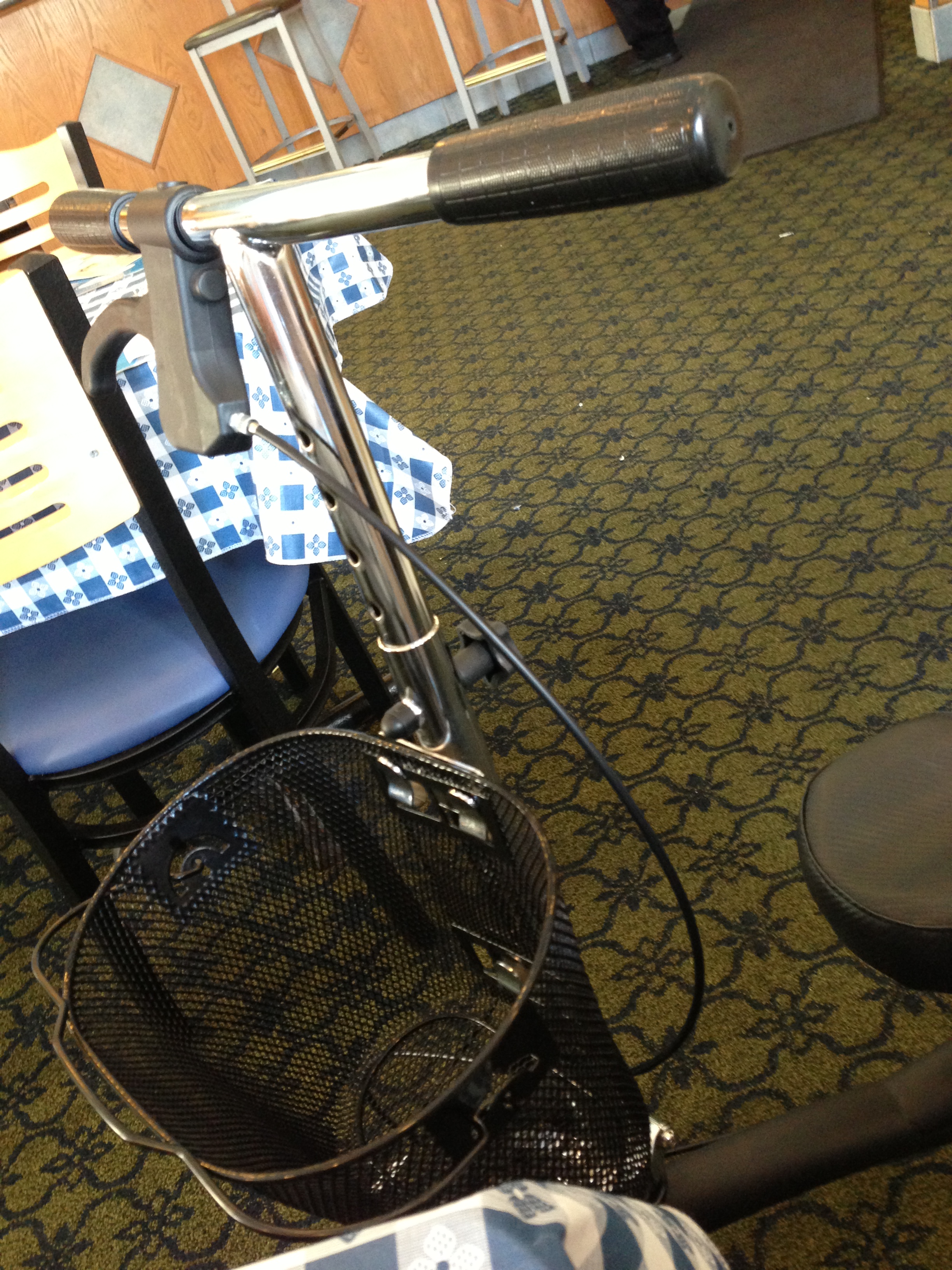
The type popped. Now I’m going to have some pizzazz, too. Gil and I picked up a scooter I’d reserved for rental at the drug store. It waited patiently at the Greek restaurant we like while we downed our sandwiches and skordalia.

scooter

Then it came home with us – and boy, do cars stop for pedestrians when they see a scooter.

It’s somewhat easier to get around than crutches and I’ll be freer to exit my couch and have adventures. I think I’ll call it the Bloke. Right now the Bloke is in the back of the Suburu, waiting for me.

6 Comments

Filed under Cooking, Culture, Fiction, Home, Jean Zimmerman, Publishing, Savage Girl, Writers, Writing

Captive Audience

Millbrook, New York is a quiet town, a town of well-behaved dogs on leashes and potted flowers.

box of flowers

A town of rice pudding with cinnamon at a cute bakery called Babette’s Kitchen.

rice pudding

The last notable murder in Millbrook took place a century ago – a nanny named Sarah Brymer was strangled when her employers, of the Barnes Compton clan, left their estate for a New York City visit during a January snowstorm. The coachman, Frank Schermerhorn, did it – though he first tried to pin the blame on the Japanese butler – then cut his own throat with a straight razor when he was apprehended.

That was a long time back and everybody’s forgotten about it.

So it was interesting to be invited to Millbrook’s warm and comfortable Merritt Bookstore for a discussion/book signing today where attendees could “discover the art of mystery.” I was joined by another novelist, Koethi Zan, whose book The Never List was published earlier this month.

16158525

Koethi is a former entertainment industry lawyer who makes her debut with this riveting book. She knows everything there is to know on the subject of girls and women taken captive by craven men, then tortured and imprisoned for years. She is also an authority on the subject of the women who eventually escape these men. And she has worked this knowledge into a thriller which has received strong acclaim from people like Jeffery Deaver and Tess Gerritsen.

It was great to meet Koethi.

Jean and Koethe

She brought her husband, Stephen Metcalf, a critic-at-large at Slate who has a nonfiction book on the 1980s in the works. I brought Gil – yes, Gil Reavill, whose speciality is also crime and whose recent book is Mafia Summit.

All the great minds were present. The only thing lacking was an audience.

It happens sometimes. When you make appearances as an author, you don’t know whether to expect 120 people or three. When it’s three, you still have to be mentally present, be on your game, because these wonderful people made the effort to come out and see you, after all. Amazing!

In this case, nada. So, with two of the book store’s staff, we sat around in the cozy garrett upstairs and had a very stimulating talk about writing books.

We talked about creating a bad guy. How do you get inside his head? Koethi said that for The Never List it was more about her characters trying to ascertain how her bad guy ticked. For me, with The Orphanmaster, I said it was partly about figuring out what he would think and do that was completely the opposite of what I would think and do.

How do you discipline yourself when you don’t feel like working? Five hundred words a day, said Koethi. That is my minimum.

We talked about fact-based prose. About research. (One of my favorite subjects.) I told them about how I had based my protagonist in The Orphanmaster on a real person I had written about for an earlier work, The Women of the House, and how I had all my research practically done when I started my novel. Stephen talked about the book he is working on, about the plenitude of letters regarding the artist Jean-Michel Basquiat, one of his central figures. Koethi, as I said, has absorbed everything on captive females.

She told us about some of the recent high-profile cases, and said that while it seems some of these young women are coming back to a semblance of mental health it’s not always what it seems.

We talked about captivity narratives, about the classic John Wayne film The Searchers, about an article that has recently been published in The New York Review of Books on the subject, about Ride the Wind, a historical novel based on the Cynthia Parker story. The subject interests me historically because in Savage Girl, the central figure spends some time with the Plains Indians.

A lot to chew on. All of this and a full cheese platter too.

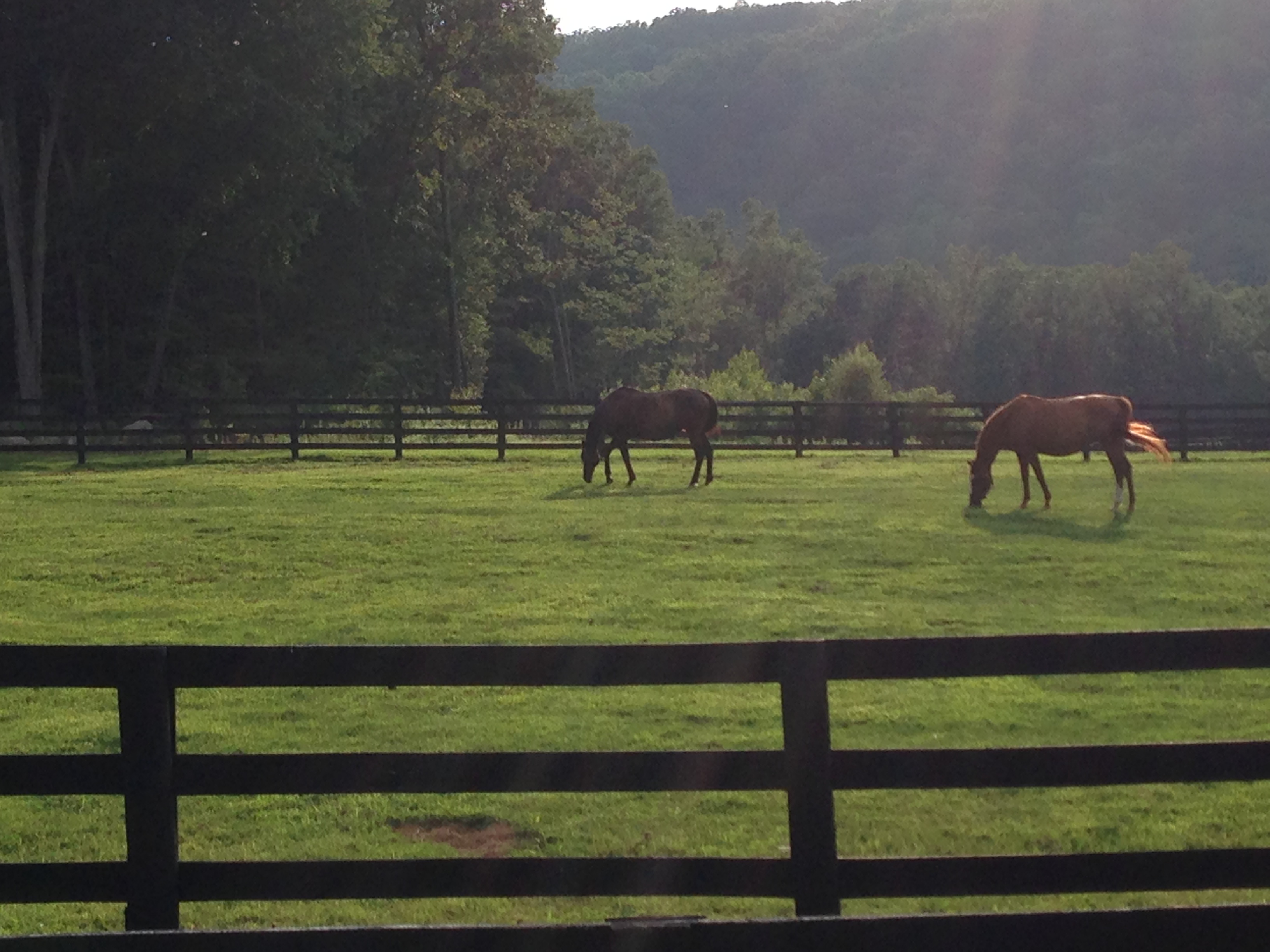
We meandered home on the back roads, through soccer fields and corn fields and gently curving horse meadows.

horses

There was only one exception to the bucolic charm of the open road: the ruin of an abandoned complex that was Wingdale, a mental hospital which operated upstate from 1924-1994 and is said to be haunted by ghosts. With its crumbling brick and busted windows, it looks like the perfect set for a horror film.

No visitors allowed.

wingdale

There’s always something behind the happy façade.

3 Comments

Filed under Culture, Fiction, History, Jean Zimmerman, Savage Girl, The Orphanmaster, Writers, Writing

Portals Into Other Worlds

I’m thinking about how you can visit other times and places on the web, peeking through portals the way you peer through a cutout in the plywood surrounding a construction site. Here are fifteen visits I’ve made lately that I’d recommend.

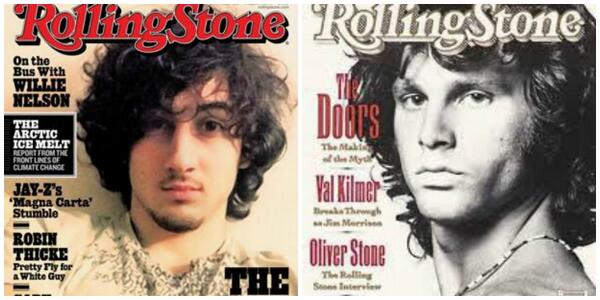
It was a mistake for Rolling Stone to make a rock star out of a creep.

jahar:jim

That doesn’t mean the article that goes with the picture is not good journalism. And don’t we want to know, don’t we have to know, what makes terrorists tick, in order to know how to combat the evil they do? If you don’t feel like patronizing Rolling Stone at the moment to read the piece, if you’re interested in long-form reportage on all kinds of subjects, from a history of the famous indie rock club Maxwell’s to a star 16-year-old pitcher in Japan, go to Longform.org, which reprints new and classic nonfiction from around the web.

Amazon-Kindle1

Admit it, you want to know the inside story of the Kindle. What brainiacs came up with this gizmo that might mean the end of books as we know and love them? (I actually have a Kindle Fire and don’t find it hasn’t stifled my desire to read print on paper, just saying.)

It sounds almost banal, but I guarantee that when you hook into The Evolution of Love Songs (1904-2007) you will not be able to quit. I’m waiting for part 2, 2008-2013.

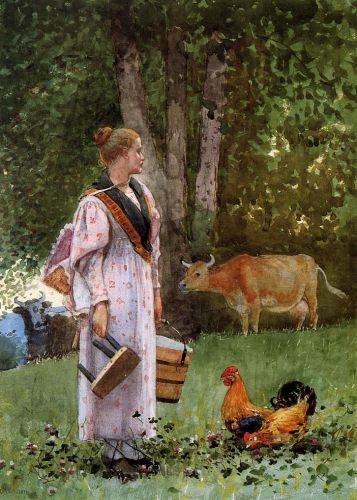
Up my alley, and I hope yours, a view of how the lives of American women changed over the 19th century through the art of the time.  In particular, life on the farm, complete with Winslow Homerian milkmaids.

Winslow Homer (American artist, 1836-1910) The Milk Maid


There are so many food blogs. I like npr’s the salt.

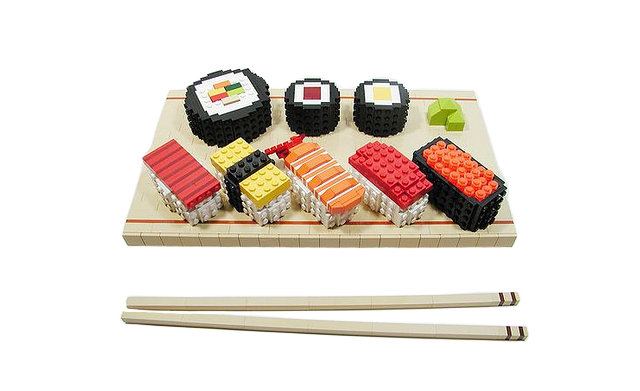
A view into a different world would include the minds of people who make Lego their personal idiom. They do things like make plastic sushi and other amazing Lego food creations. 

Lego sushi

I’m interested in the alternate lives of feral children, especially since my next novel Savage Girl  describes all the trouble one can get into in Gilded Age New York. Like how do you participate in a refined dinner party when you’re accustomed to tearing meat apart with your fingers? Every now and then a contemporary wild child surfaces with an interesting story. You can read about Marina Chapman, a British housewife who claims she was raised by monkeys in Colombia.

 marina chapman

Want to know about neolithic cooking? The Rambling Epicure tells you, and it starts with “one bucket wild spinach leaves.” The excellent food site gives you a recipe from Jane Le Besque’s cookbook, Un Soufflé de Pollen: Livre de Cuisine et de Peinture. A painter, Le Besque lives in the Pays de Gex in the foothills of the Jura mountains, and this is her “artistic vision” of primitive cuisine.

See how other people connect — passionately — with the past. Reenactors get their due with 36 photos from around the world.

reenactors

Here, actors and actresses from Iere Theatre Productions play the roles of indentured East Indian laborers and British constabulary police during a reenactment of the first arrival of East Indians to Trinidad and Tobago, on Nelson Island in the Gulf of Paria off the west coast of Trinidad.

It’s not all about Gettsyburg, clearly.

reenactors 2

These children are taking part in a mock military parade at an amusement park in Pyongyang to mark International Children’s Day, in this photo taken on June 1, 2013.

Okay, the squeamish should not tune in to7 Bio-Artists Who Are Transforming the Fabric of Life Itself” at the site io9.

rabbit

It’s about how some provocative artists today deal with biotechnology. Working with scientists and engineers, these geniuses transform living tissue and even their own bodies into works of art. For example, Brazilian-American “transgenic artist” Eduardo Kac took a rabbit and implanted it with a Green Fluorescent Protein (GFP) found in jellyfish. When placed under a blue light, the rabbit glows an otherworldly hue.

On the lighter side, see the longest domino chain in the world made of books: 2,131 of them.

 My dog is named a very modern Oliver. He looks exactly like his name.

oliver about to copy

Medievalists.net has a well-researched piece on ancient pet names, such as dogs called Sturdy, Whitefoot, Hardy, Jakke, Bo and Terri, and a cat in England named Gyb – the short form of of Gilbert –  or one named Mite, who prowled around Beaulieu Abbey in the 13th century, or Belaud, a grey cat belonging to Joachim du Bellay in the 16th century. Isabella d’Este owned a cat named Martino. I bet nobody died their animals green.

Buzzfeed has 16 noble photos of women writers at work, including a great one of Anne Sexton immersed in her craft.

anne sexton

From MessyNessyChic.com, the story of an artist whose work was discovered in the trash 50 years after his death.

Charles Dellschau

This grouchy butcher by trade, an immigrant named Charles Dellschau, had secretly been busy assembling thousands of intricate drawings of flying machines, sewn together in homemade notebooks with shoelaces.

And for anyone who didn’t catch this when it went big on the web, Dustin Hoffman showed us his softer side in reminiscing about Tootsie and what playing a woman meant to him. The interview is a window into the psyche of someone whose brilliant work opened a window into a psyche we were lucky to see.

tootsie25

3 Comments

Filed under Art, Cooking, Culture, Dogs, Fashion, Fiction, History, Home, Jean Zimmerman, Nature, Poetry, Savage Girl, Writers, Writing

Blues Chicken

With every last i dotted in the proofread Savage Girl galleys, I raced to my reward, a sultry New York City where everyone, it seemed, was perambulating, doing something exciting and interesting. Gil and I would go among them, we would do something exciting and interesting, too.

Eat chicken, for one.

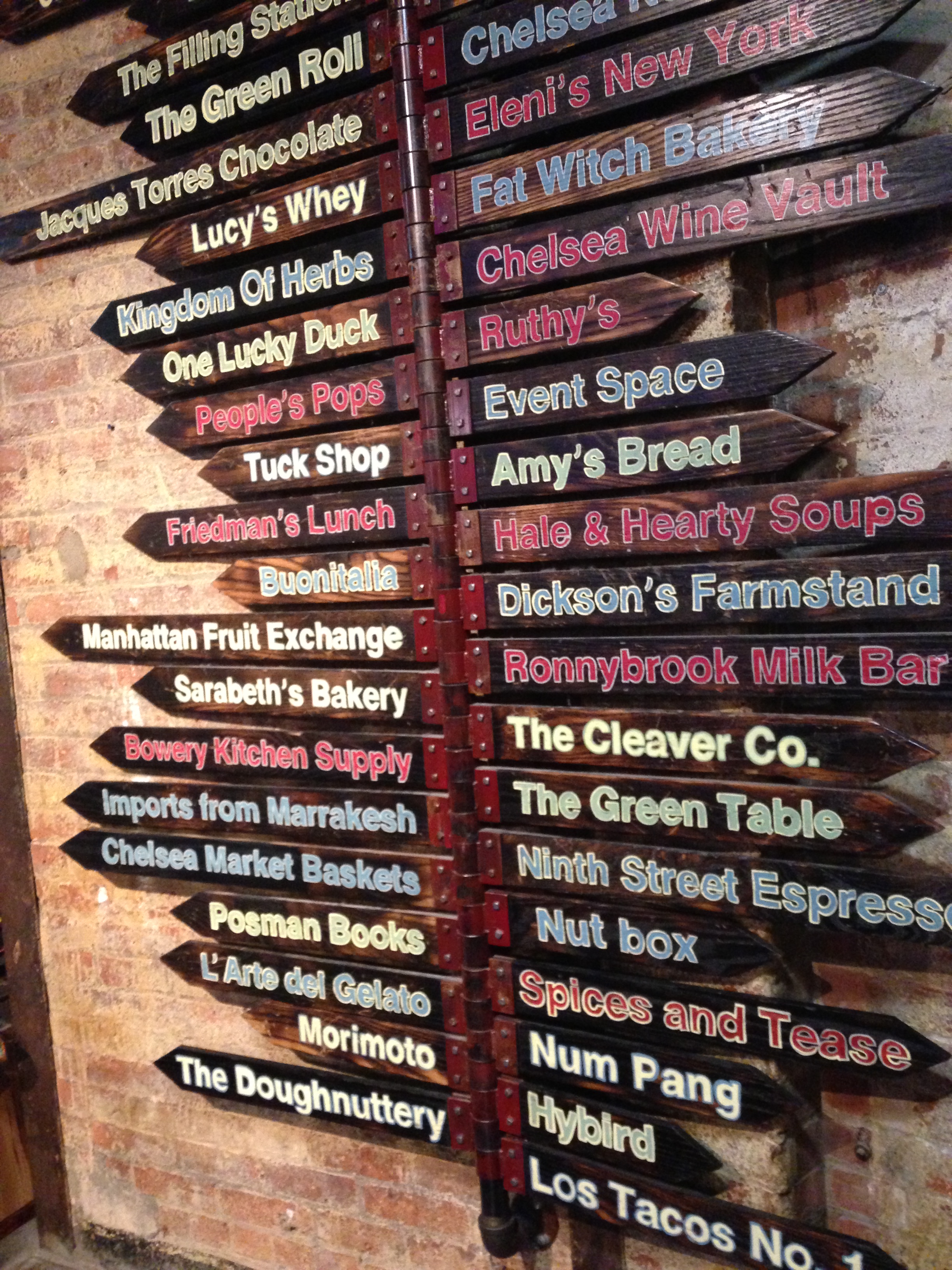
Questlove, the drummer and frontman for the band the Roots, has got so deep into the fried poultry business that he had some kind of a late night throwdown with Momofuko head honcho and chicken man David Chang on Late Night with Jimmy Fallon. Now the musician has opened a counter joint in New York’s Chelsea Market called Hybird that serves exclusively drumsticks, fried dumplings, biscuits and cupcakes. All the essentials for a balanced diet.

hybird

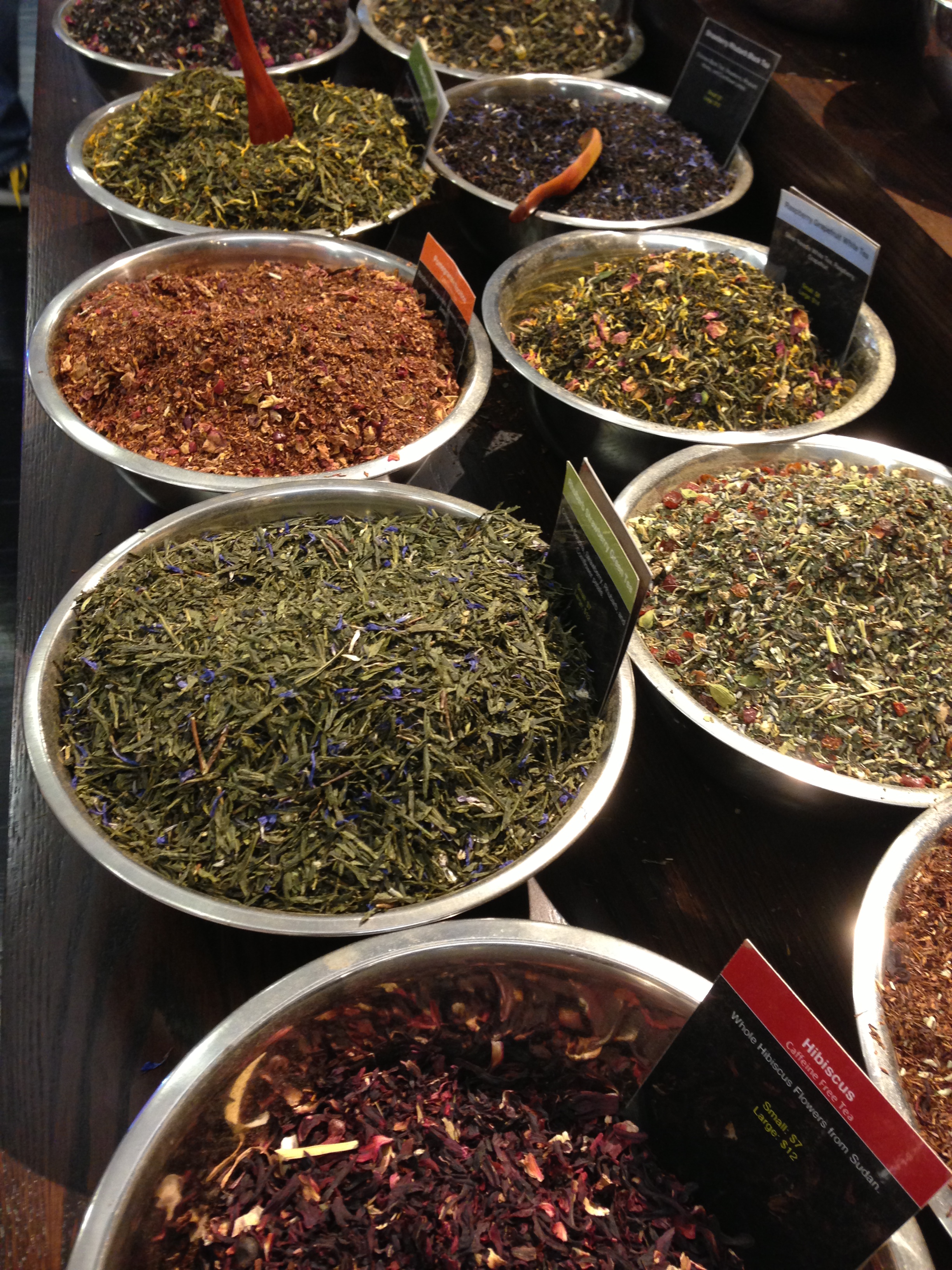
We got to the labyrinthine food concourse in midafternoon, ahead of the crowds, snaking through a corridor lined with dozens of teas, our stomachs rumbling.
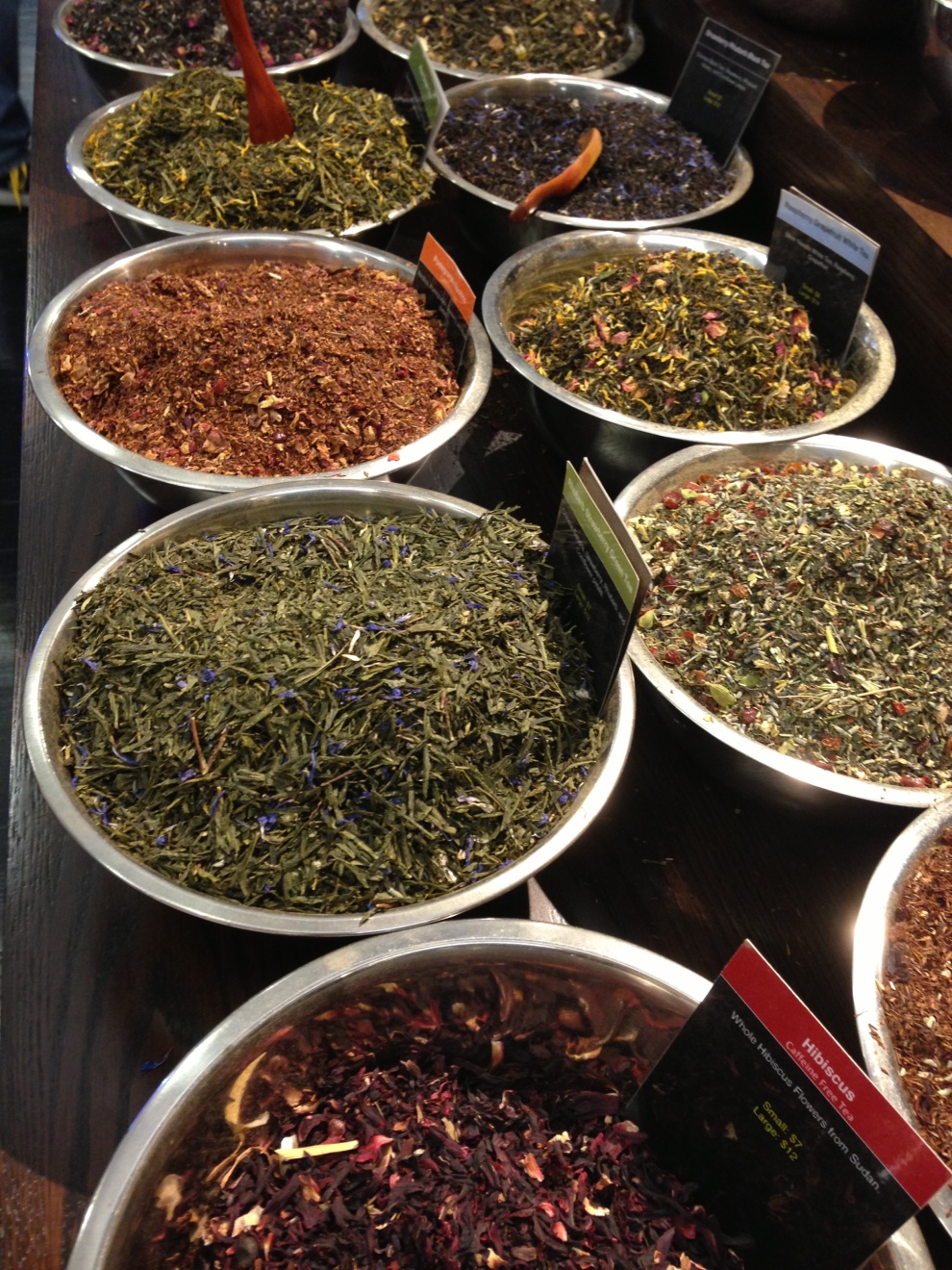
tea

The enormous Chelsea Market complex is located on the premises where the Oreo was developed and perfected, lending an air of sanctity to our excursion.

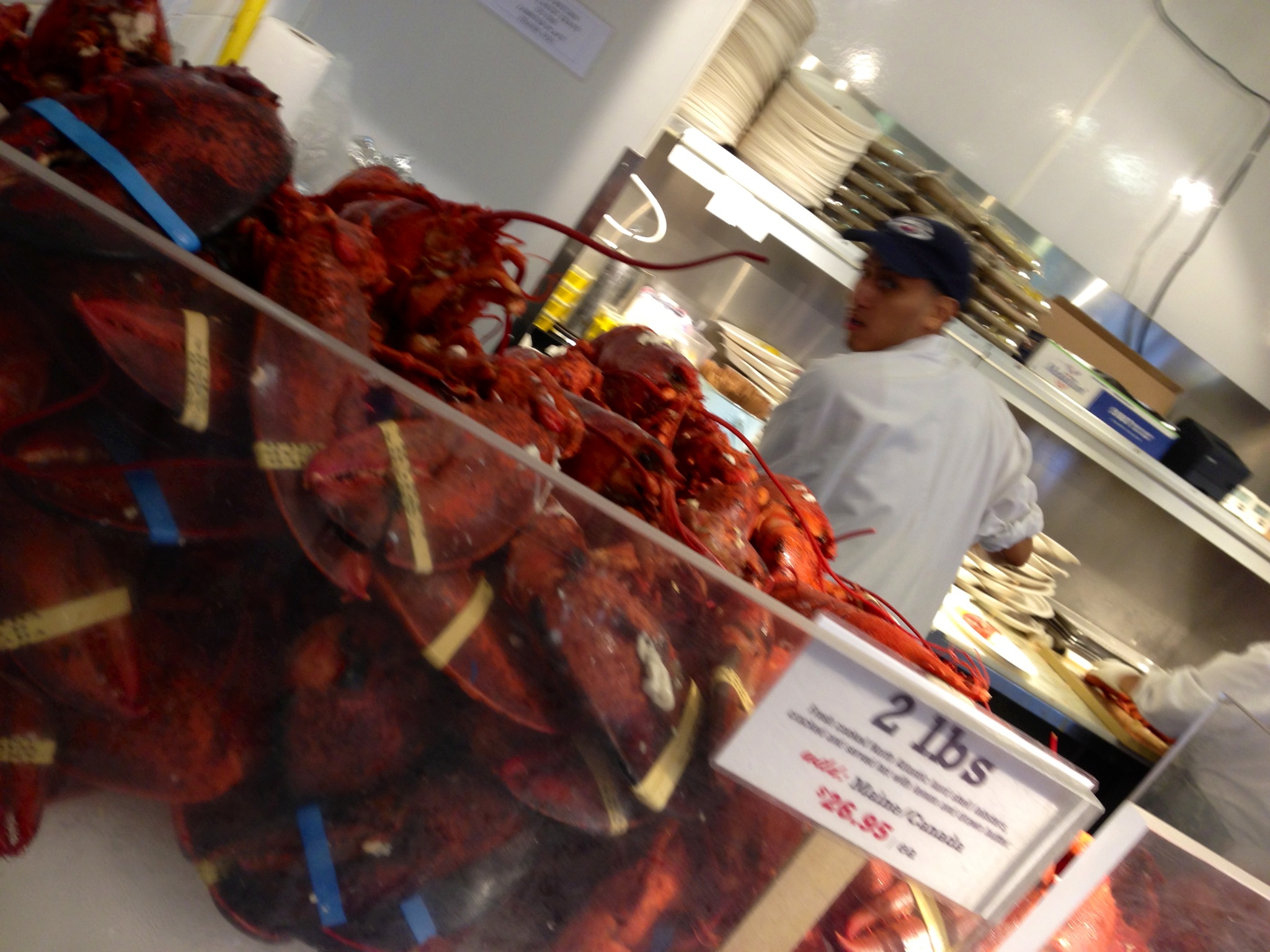
Chelsea Market features a lot of exciting things. Chilled, hefty lobsters.

lobsters

Falling water.

chelsea waterfall

Food venues. Outrageously good smells swirled around us.

bounty

What it didn’t have before is this particular chicken.

chix box

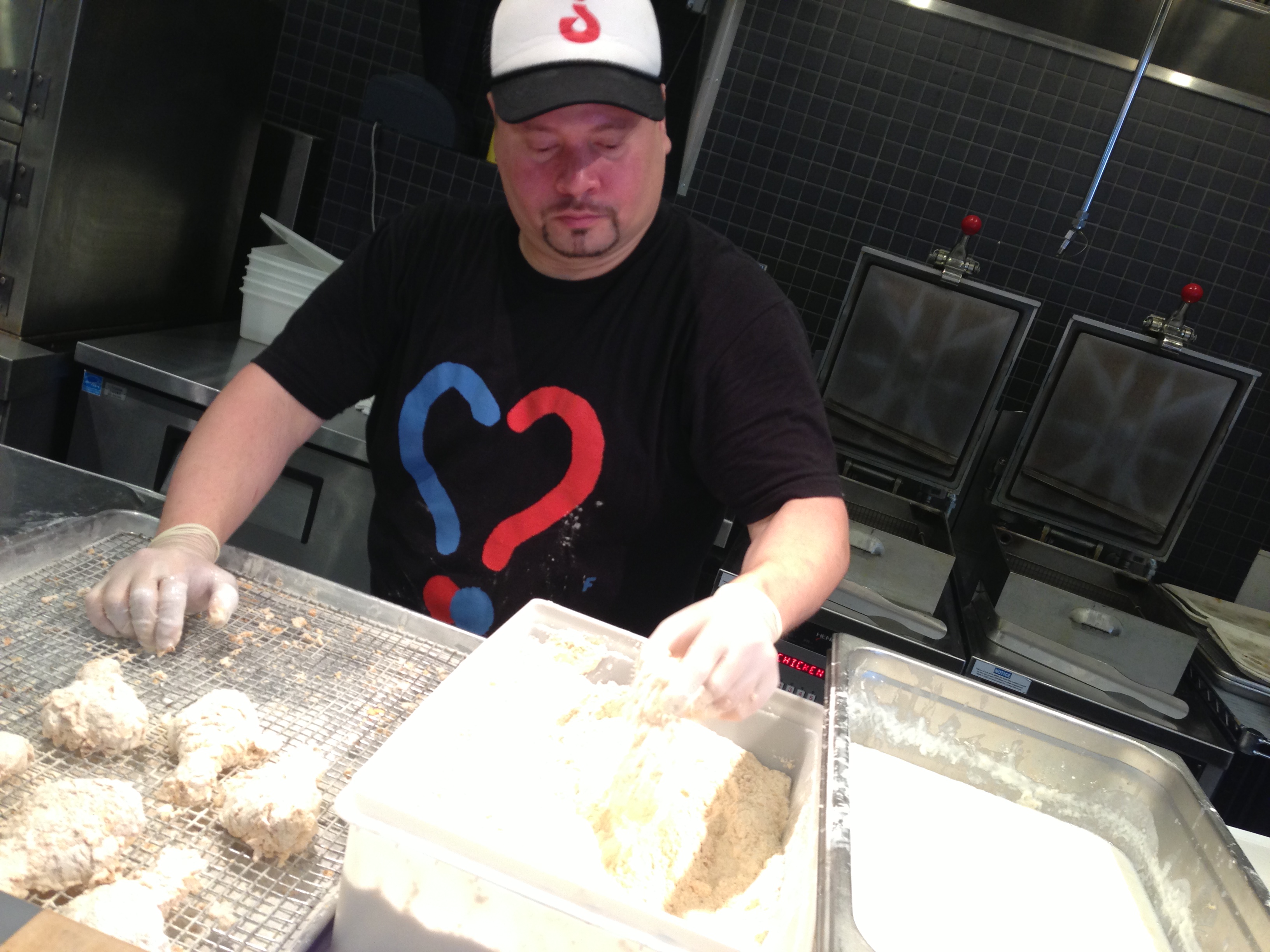
What is the seasoning, I asked Sammy, the guy double dipping chicken parts in a creamy paste behind the counter, when I managed to unstuff my mouth with chicken.
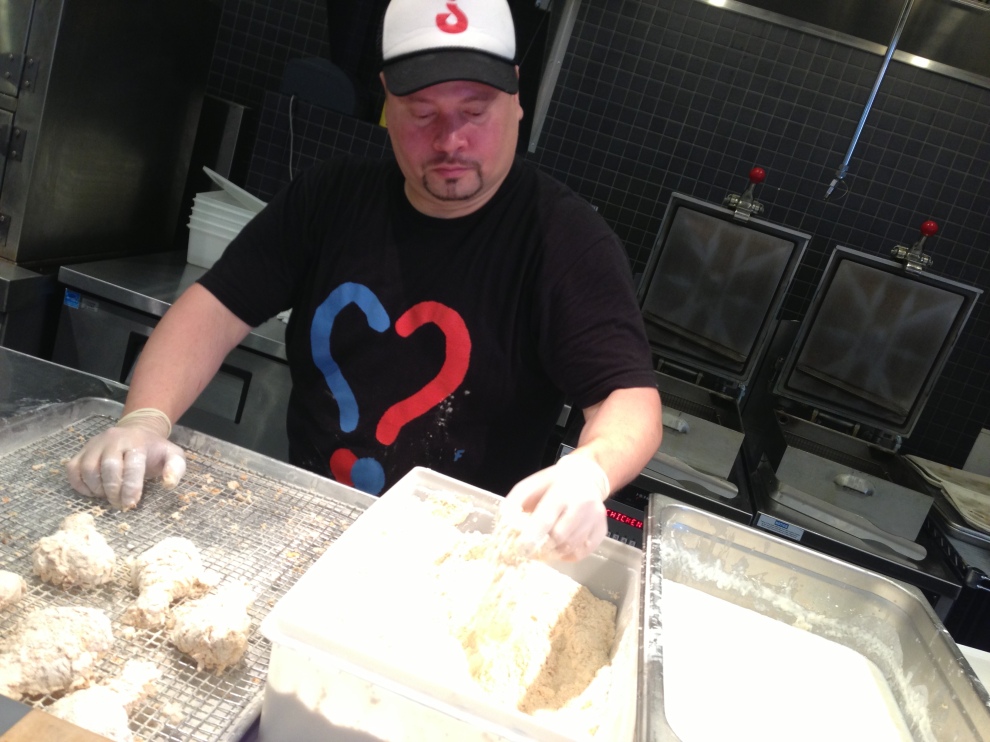
sammy

It’s a secret, Sammy said. A lady from Philadelphia comes in and mixes it up for us. She brings all the spices but she doesn’t tell us what they are.

I love a secret, especially when it tastes as good as this. The biscuit too was perfectly crumbly, smeared with honey butter, and we piled on further with crunchy dumplings that oozed out their sweet-savory crab filling when bitten.

Stencilled footsteps seemed to indicate where you should stand at Hybird, and naturally Gil was outside the lines.

feet

I saved the cupcake, whose flavor was described as “Sexual Chocolate,” for the car, a sexier environment than Chelsea Commons.

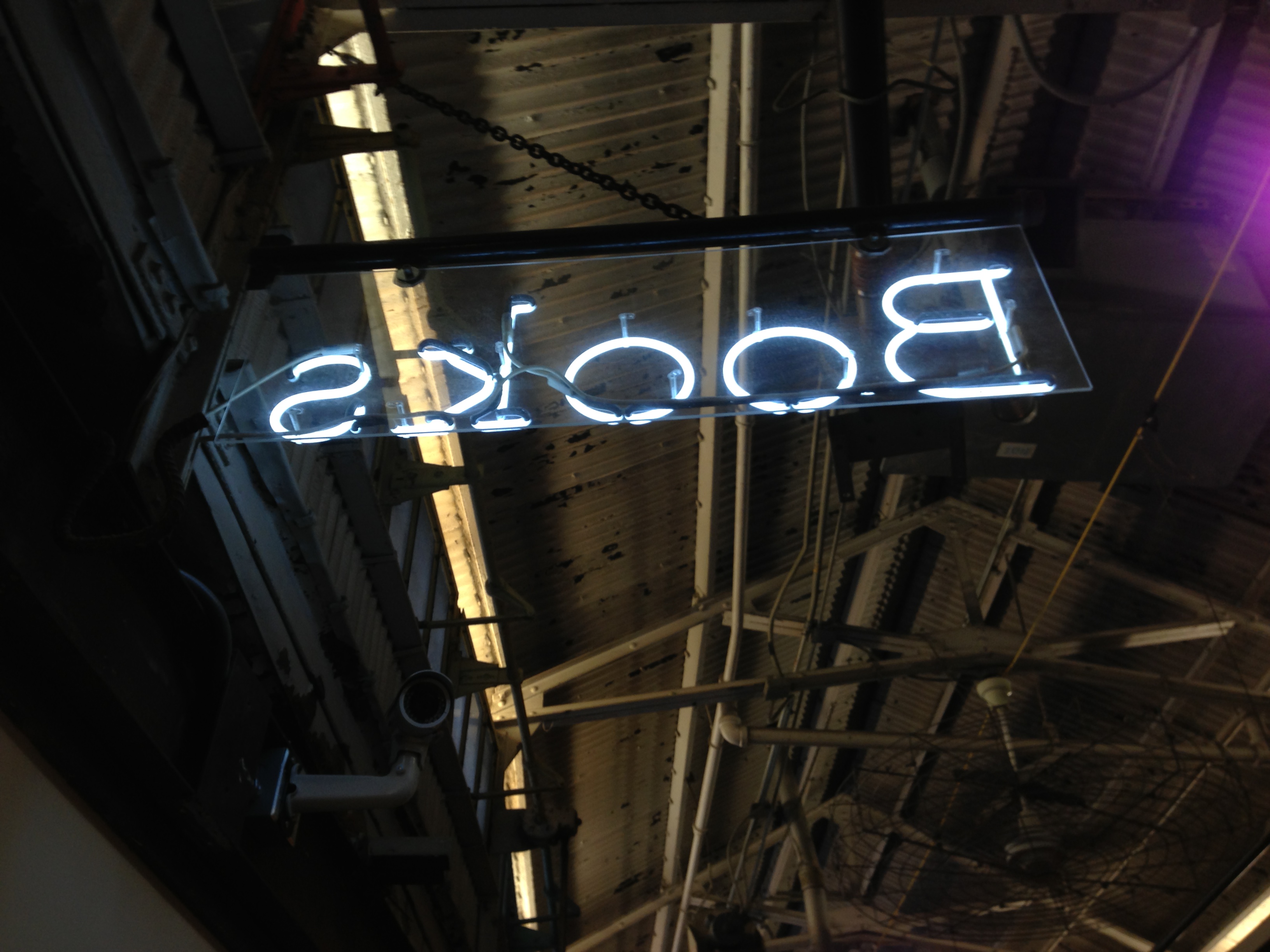
A bookstore.

books

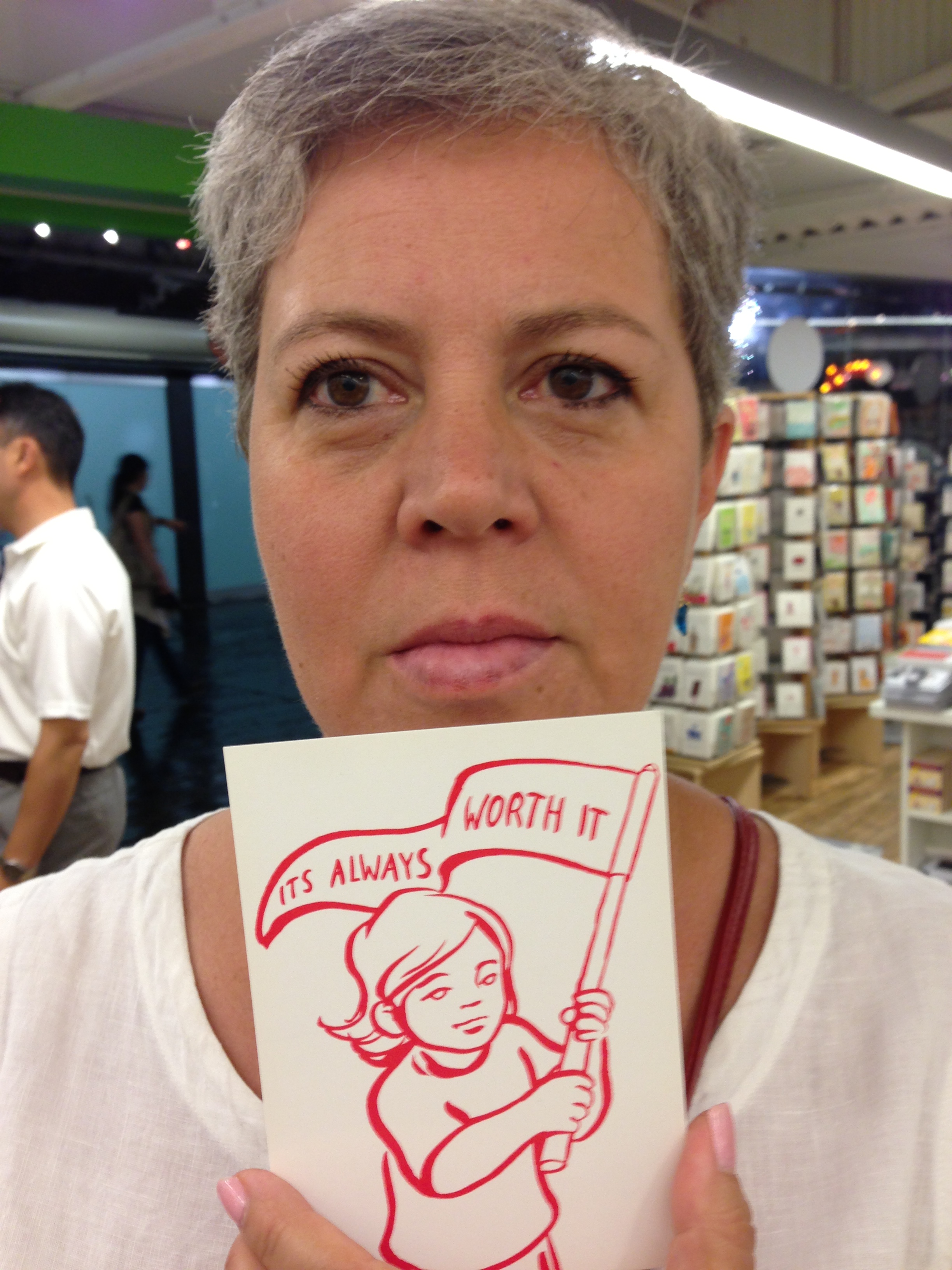
Nary a copy of The Orphanmaster in sight. It happens. I fell back on my motto, handily available on a postcard.

it's always worth it

You never know who you will meet on a summer afternoon ramble around New York. In this case a young woman wearing a pair of the new Google glasses.

google glasses

Wilma told me she’d just picked them up upstairs, in the Google offices, having won them in a contest. She said she was recording a video of me as we spoke.

Sated, Gil and I continued to the World Financial Center, in Battery Park City, directly across the Hudson from Jersey City. We were looking forward to a triple bill of bluesy rockers, or rockin’ blues players, depending on your perspective, on a public terrace that sits in the shadow of the Freedom Tower.

freedom day

The sun shone so bright and hot that half the waiting crowd put up their rain umbrellas, a spectrum of colored and patterned domes across the concrete. New Yorkers are always more slovenly than they are expected to be, and serious exhibitionists. Women flaunted the briefest sundresses up to their backsides and sweat-slicked men ran shirtless through the crowd. In the harbor a stroll away, sailboats and yachts docked, and motor boats cruised in to check out the action.

harbor

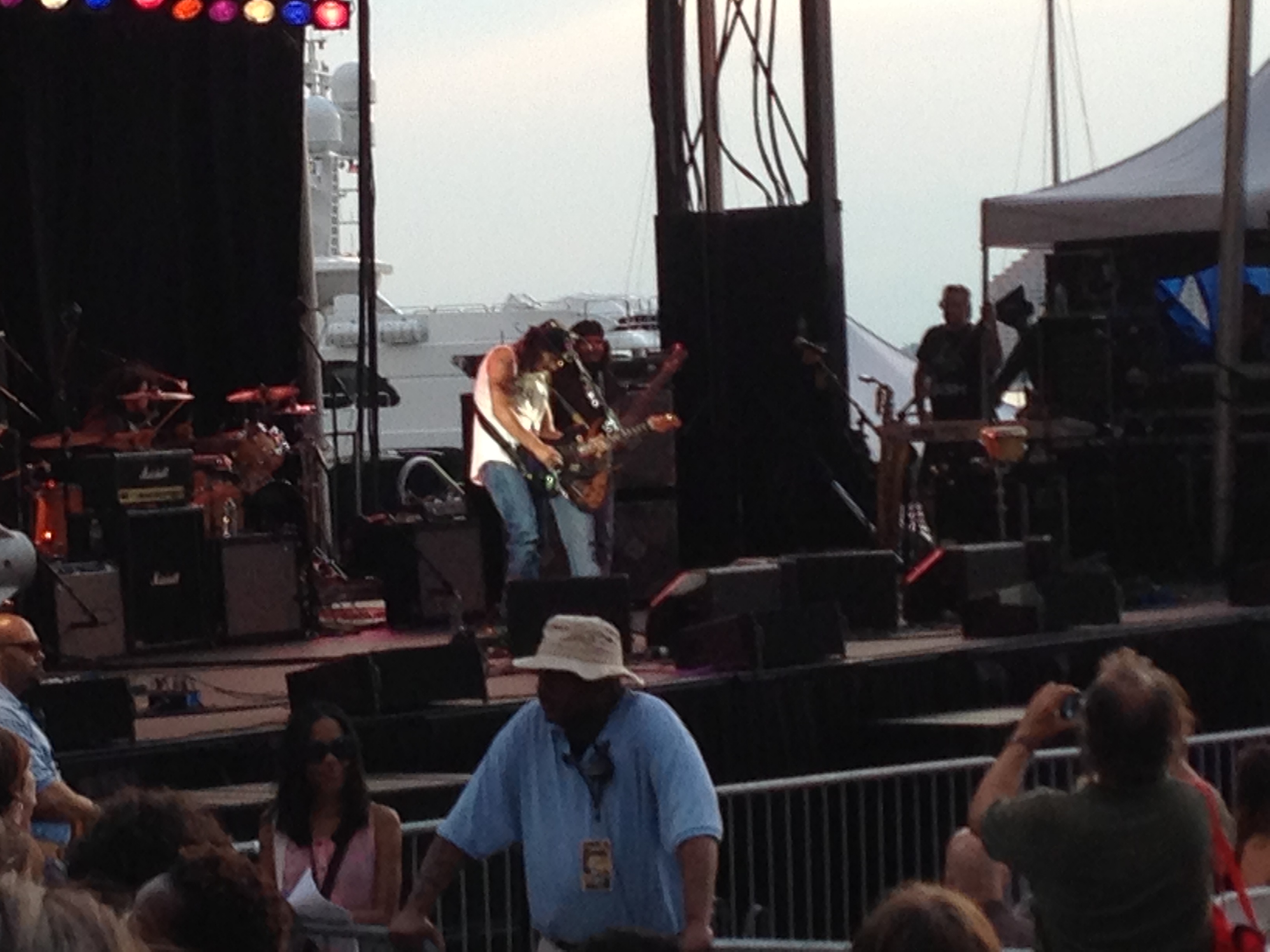
Alejandro Escovedo hit the stage with his sweet blasts of melody, punk rock in its roots. His song Sensitive Boys could make you cry, or was that the sun glare in your eyes. He brought on David Hidalgo to do a searing You Are Like a Hurricane. Alejandro called it the Canadian national anthem.

We met up with friends and family at the venue. My touselled buddy Sandra the artist-environmentalist noticed that the masts of the little boats were themselves rocking, pushed by the wind, in line with the beat of the tunes.

touseled Sandra

Los Lonely Boys, the Chicano rock band out of San Angelo, Texas, were tight. A trio of brothers, they call their music Texican Rock ‘n’ Roll. How can three guys make so much noise? marveled Gil.
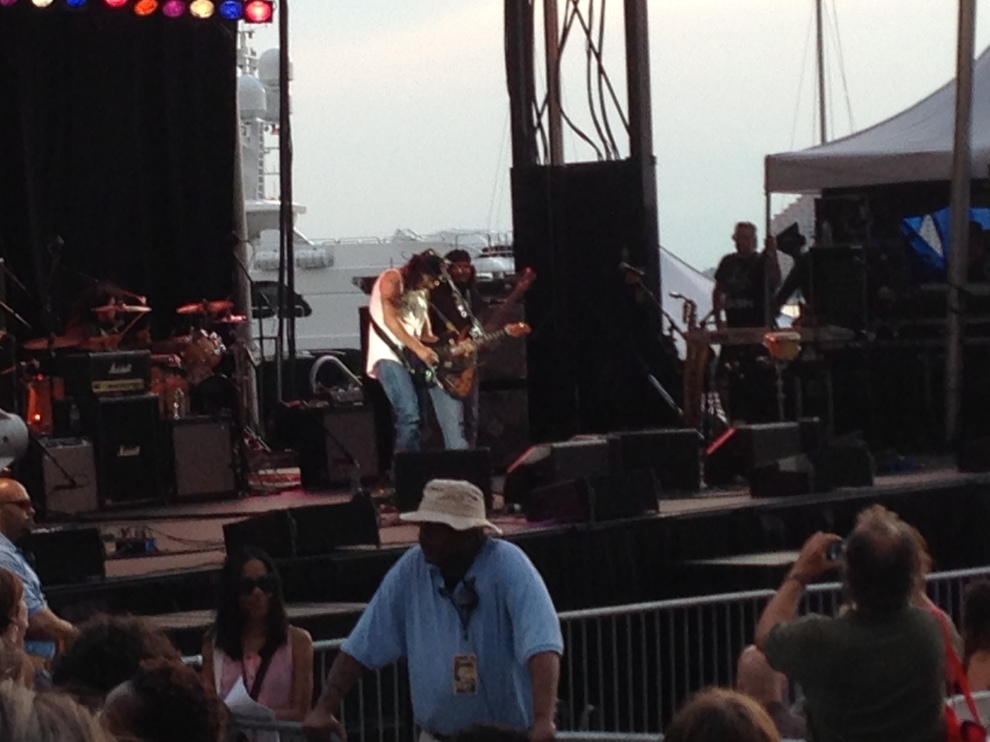
Los Lonely Boys

The lead singer and guitarist Henry shouted above the applause, We appreciate it! We know you can be anywhere else!

And it was true of course, on this summer night, with this breeze and the salmon streaks of sunset glowing, in this fantastic city. We could be doing anything but we chose to be here because Heaven, their hit debut single from a decade ago, was so exciting.

How far is heaven? Los Lonely Boys sang. You know it’s right here, right now, shouted Henry, in New York City!

Los Lobos followed, another American Chicano group, this one from California, with considerable chops that they took no time in putting out on the stage. They’d been around since the ‘80s, after all. The sun set, the klieg lights glowed, people wrapped their arms around each other and danced.

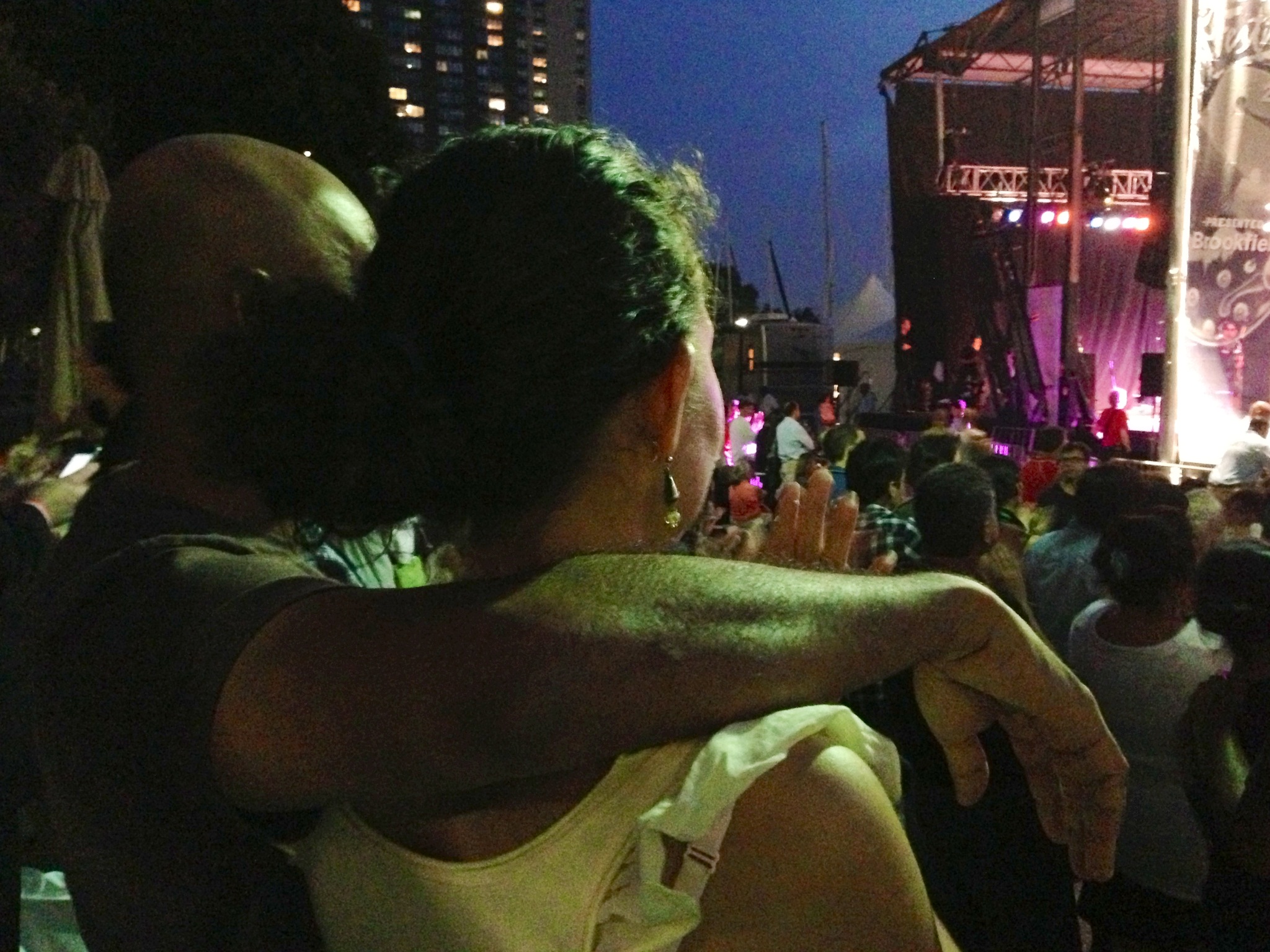
By the time we gathered our things, the skinny minx beside me who’d been flipping her skirt in time to the beat was sweetly reunited with her man.

couple

Love and music in sun-stunned, summertime New York City. A treat as scrumptious as fried chicken.
1 Comment

Filed under Cooking, Culture, Dance, Jean Zimmerman, Music, Nature, Publishing, Savage Girl, Writers, Writing

Sneak Peak

It’s a long time, the final gestation of my novel Savage Girl. Nine months until its publication date in March 2014. But I’m already excited. The book has been written. Edited. Copyedited. We now have a cover.
Savage Girl cover 3

And even some catalog copy. It gives the gist of the story, which is both a tangled web and clear as day. It tells of

the dramatic events that transpire when an alluring, blazingly smart eighteen-year-old girl named Bronwyn, reputedly raised by wolves in the wilds of Nevada, is adopted in 1875 by the Delegates, an outlandishly wealthy Manhattan couple, and taken back East to be civilized and introduced into high society.

This girl

hits the highly mannered world of Edith Wharton-era Manhattan like a bomb. As she takes steps toward her grand debut, a series of suitors find her irresistable. But the willful girl’s illicit lovers begin to turn up murdered.

Savage Girl would not be the same story, would not be so much fun, were it not for its narrator, Hugo Delegate, a Harvard medical student and the scion of the family that takes Bronwyn in.

The tormented, self-dramatizing Hugo Delegate speaks from a prison cell where he is prepared to take the fall for his beloved Savage Girl. This narrative – a love story and a mystery with a powerful sense of fable – is his confession.
So says the catalog description. When the book pops out of the oven next winter you’ll have a chance to judge for yourself.


4 Comments

Filed under Art, Fiction, Jean Zimmerman, Publishing, Savage Girl, Writers, Writing

Strangers on a Carousel

I get to see the carousel horses at Binghamton.

george w girlThe Triple Cities, actually — Johnson City, Endicott and Binghamton. A part of the world that strikes me as sort of a blank, a cipher.

blank sign 2Some houses crumble and gape, seemingly lost in time.

sad house


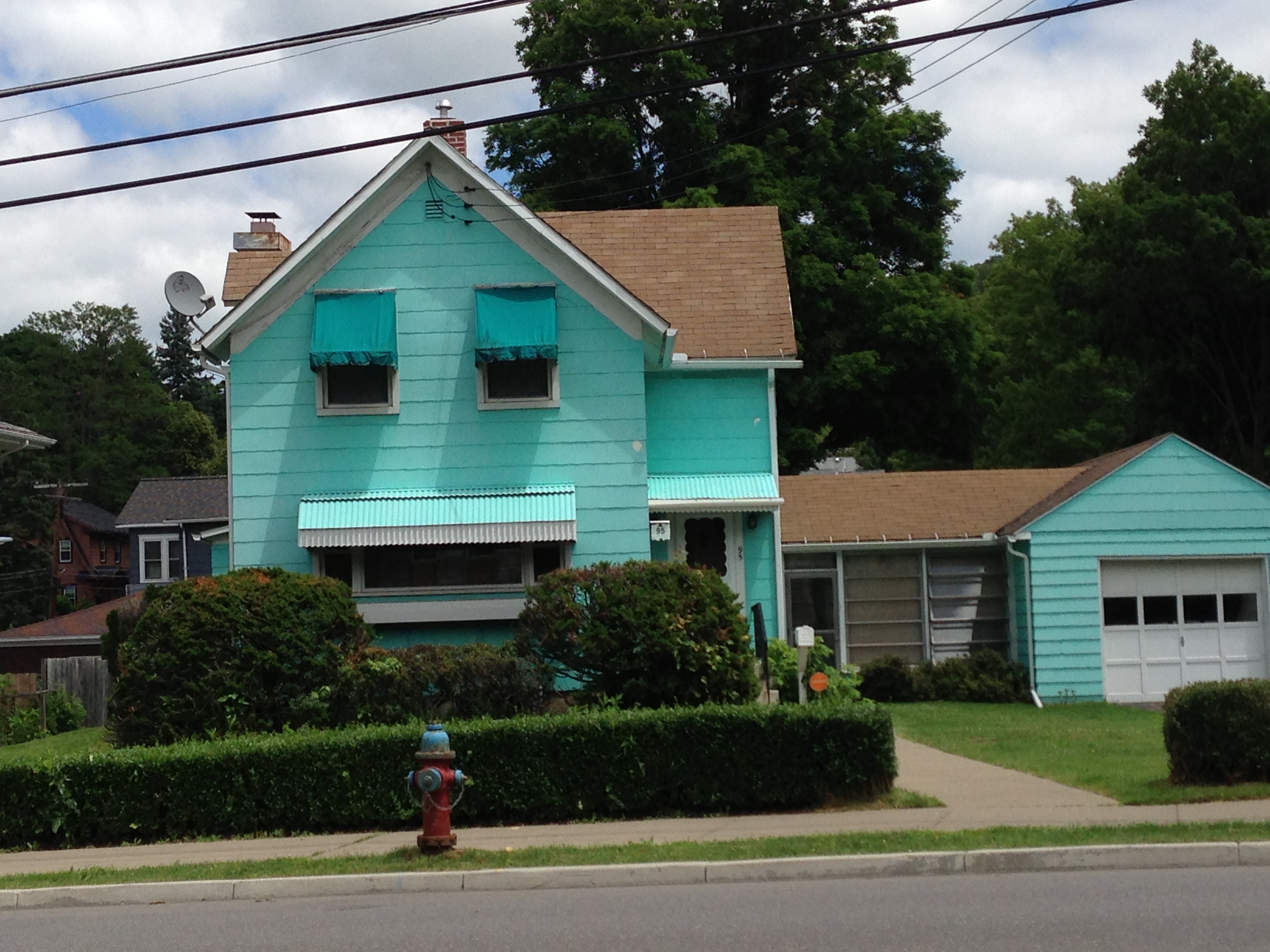
Others are spruced up as garishly as 42nd Street tarts.

blue houseOf course, some of this decrepitude I love. A weatherbeaten sign with “international” flair.

signA space-age car dealership with weeds sprouting up.

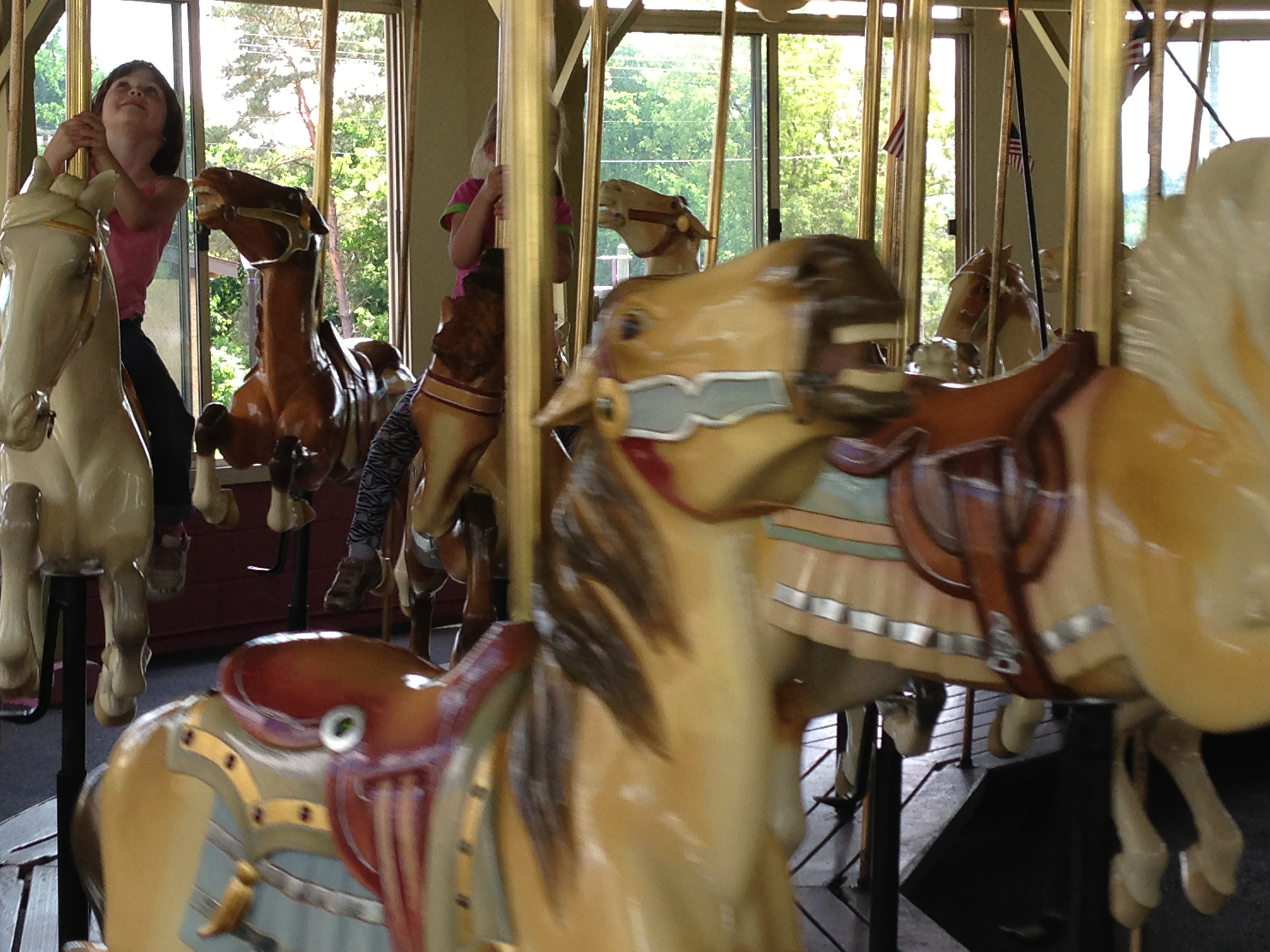
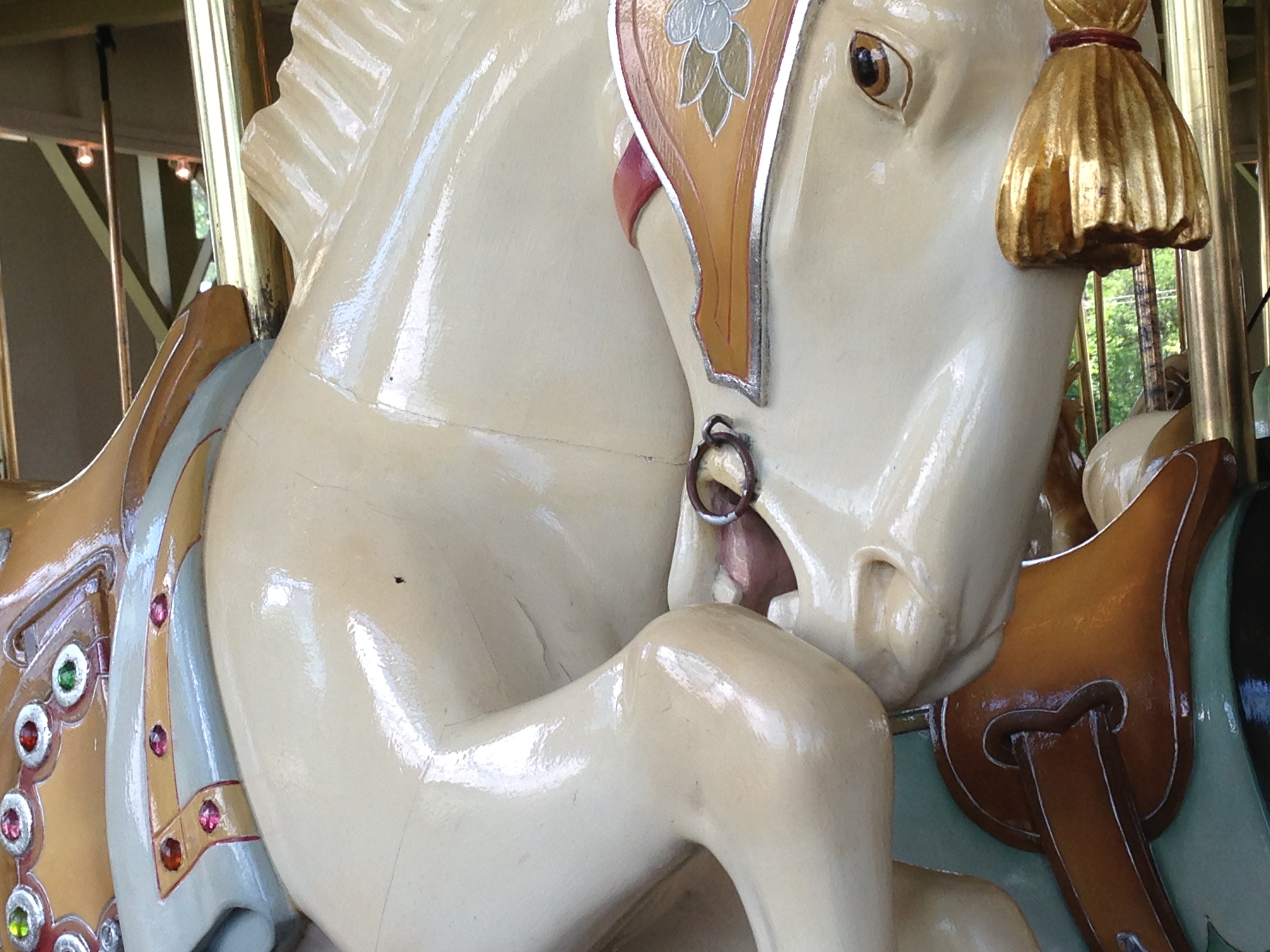
card dealerAll thoughts of the crumbling present go away when we visit four of the six  heirloom merry-go-rounds that still grace the Binghamton area (out of 150 in North America). The first one was installed in 1920, and sits next to a  little zoo — you see and smell a big black pig in its pen as you go ’round. The Ross Park carousel is completely unadvertised, a secret gem known to only a few, reached via a flower-bordered path. The horses, “jumpers,” as they’re called, are a little tattered.

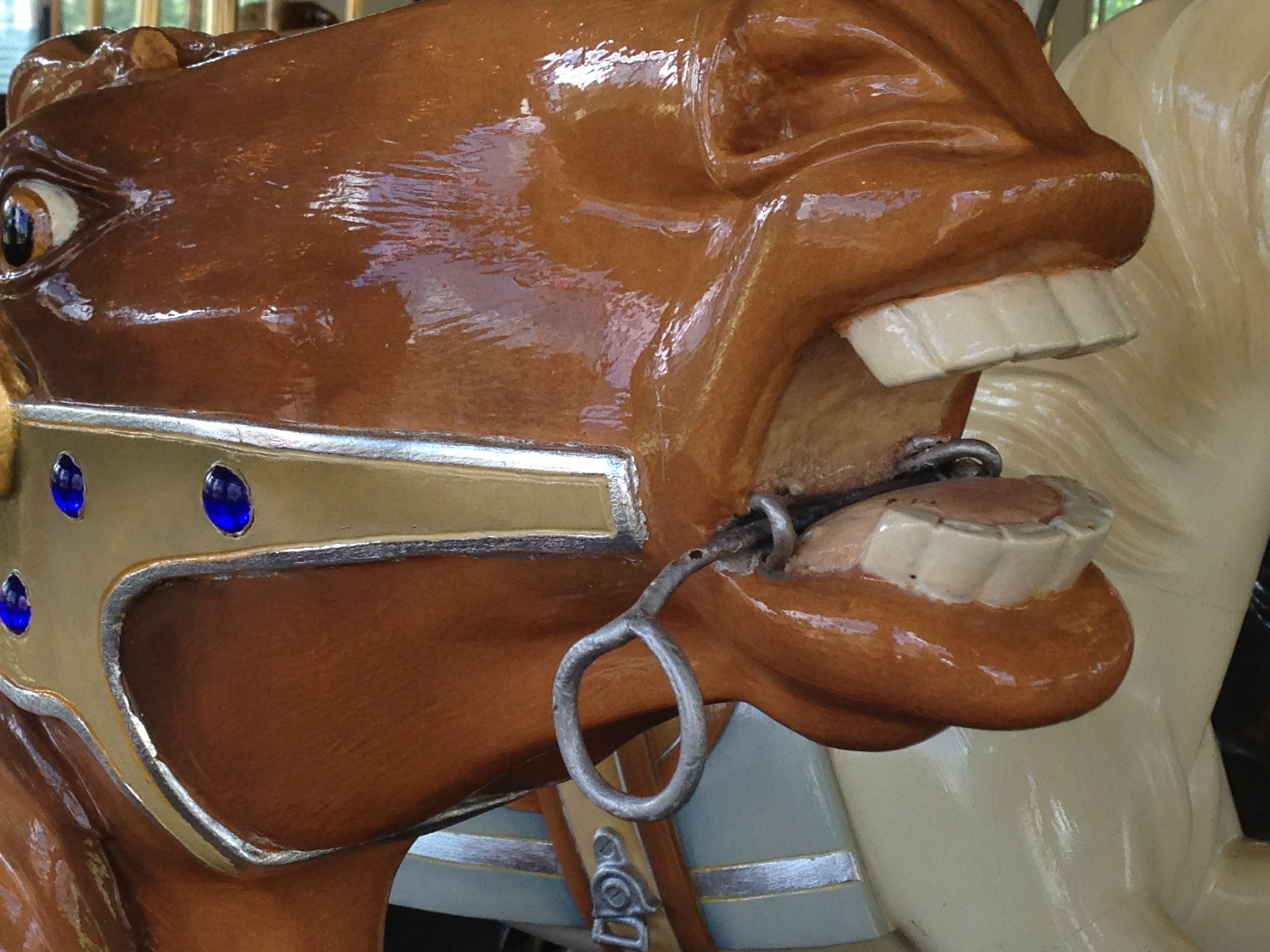
zoo horse 2Gently worn. Still, the original 51-key Wurlitzer Military Band Organ sends you around, and the chariots are flanked by a bathing beauty and an ape, which we sit next to for the whole ride, not noticing its dramatic visage until we rise, slightly rocky, to our feet.

zoo apeA young Tobey-Maguire-in-a-shaved-head-role lookalike blows a whistle, the carousel comes to a halt and we jump off.

The richest men of the city, the Johnson men, funded these spectacular rides of hand-carved wood, made by the Allan Herschell Companies of North Tonawanda, New York. You can visit them all in a day if you get there at the right times, as we do, fueled by a long set of Captain Beefheart on the university radio station. Another of the carousels, in Endicott’s Little Italy, projects a more demure ambiance. It’s housed conveniently next to both a swimming pool (“No Wet Clothing Allowed”) and a window for home-made frozen custard, where a girl is in the middle of changing out the Holy Cannoli for the Watermelon on the flavor board when we arrive.

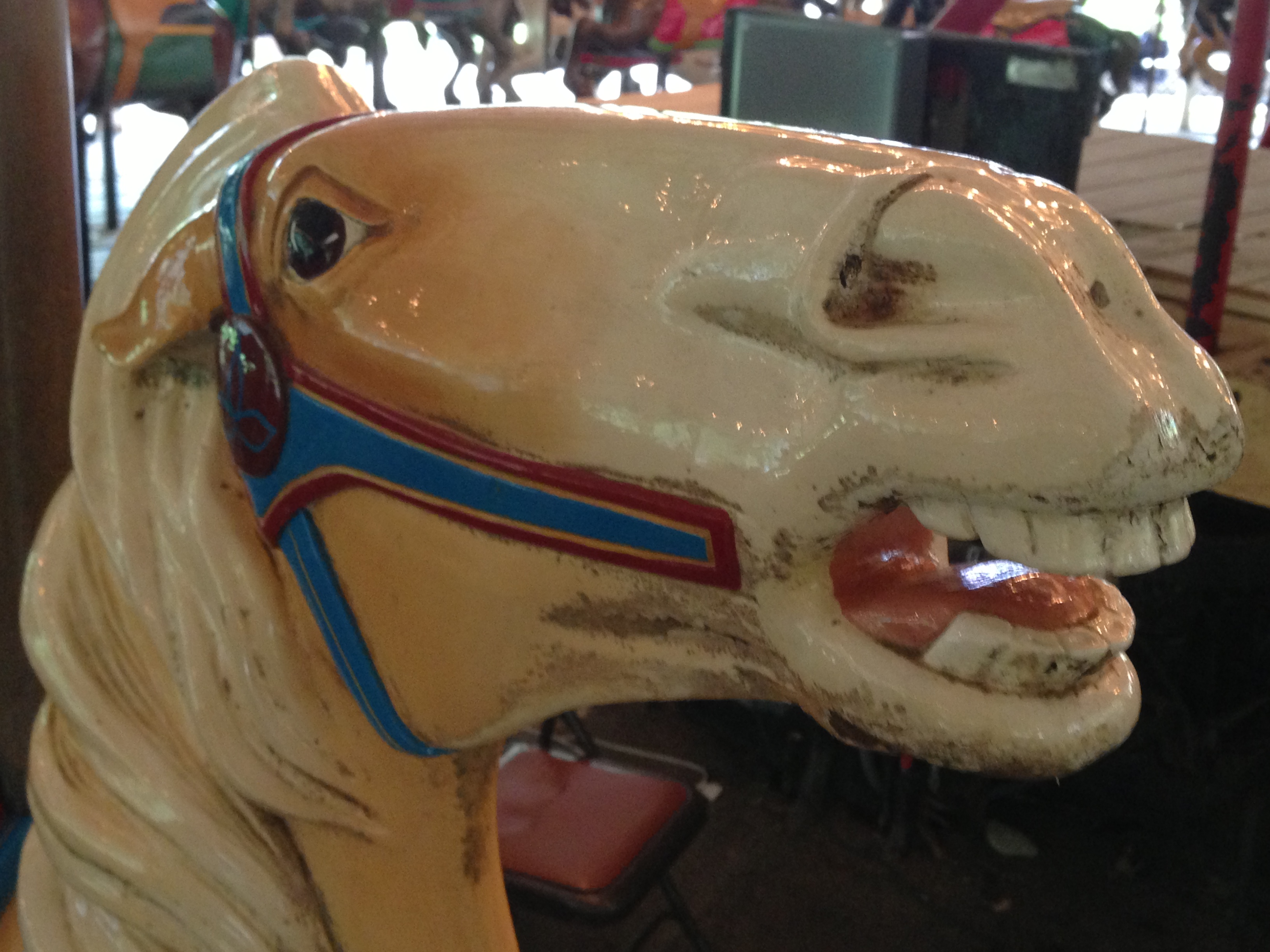
george horseCare has been taken to preserve and restore the beasts over the years. They are pretty, high-stepping it around the ring. Once upon a time you had to pay admission — a piece of litter! — to get a ride. Now it’s free to all and you can leave your trash in the can where it belongs.

Suddenly, the pavilion gets very quiet. All the kids vamoosed. Is there anything spookier than a silent carousel, especially one that will be 80 years old next year? Then again, calliope music can seem manic, even deranged, and the whole atmosphere fraught — see Strangers on a Train, when the whole ride flies off its axis.

And the horses go around and around, around and around. In Savage Girl I tell the tale of New York’s Central Park carousel, which once upon a time was drawn in its circle by mules trudging in a basement beneath the platform. True story.

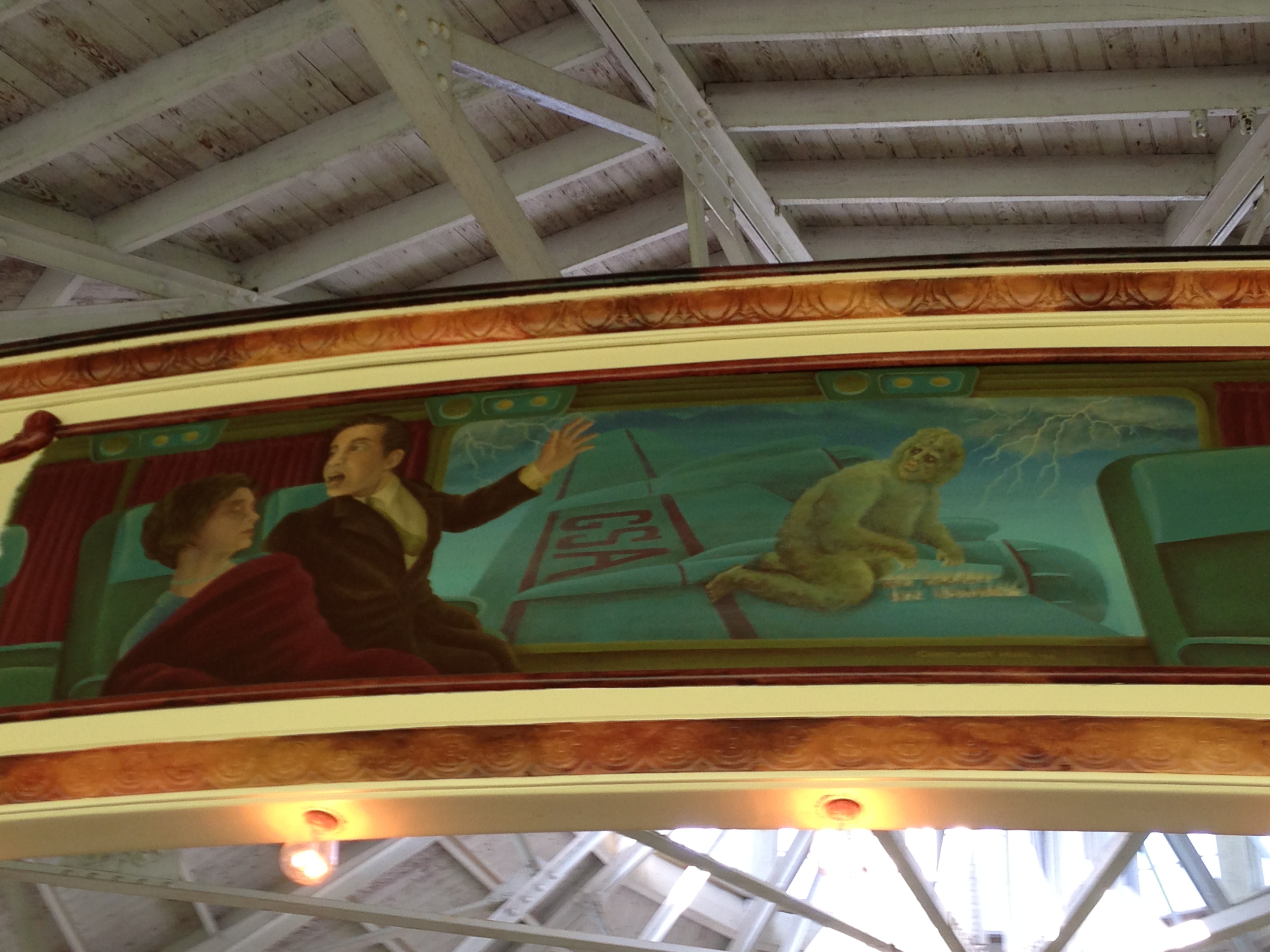
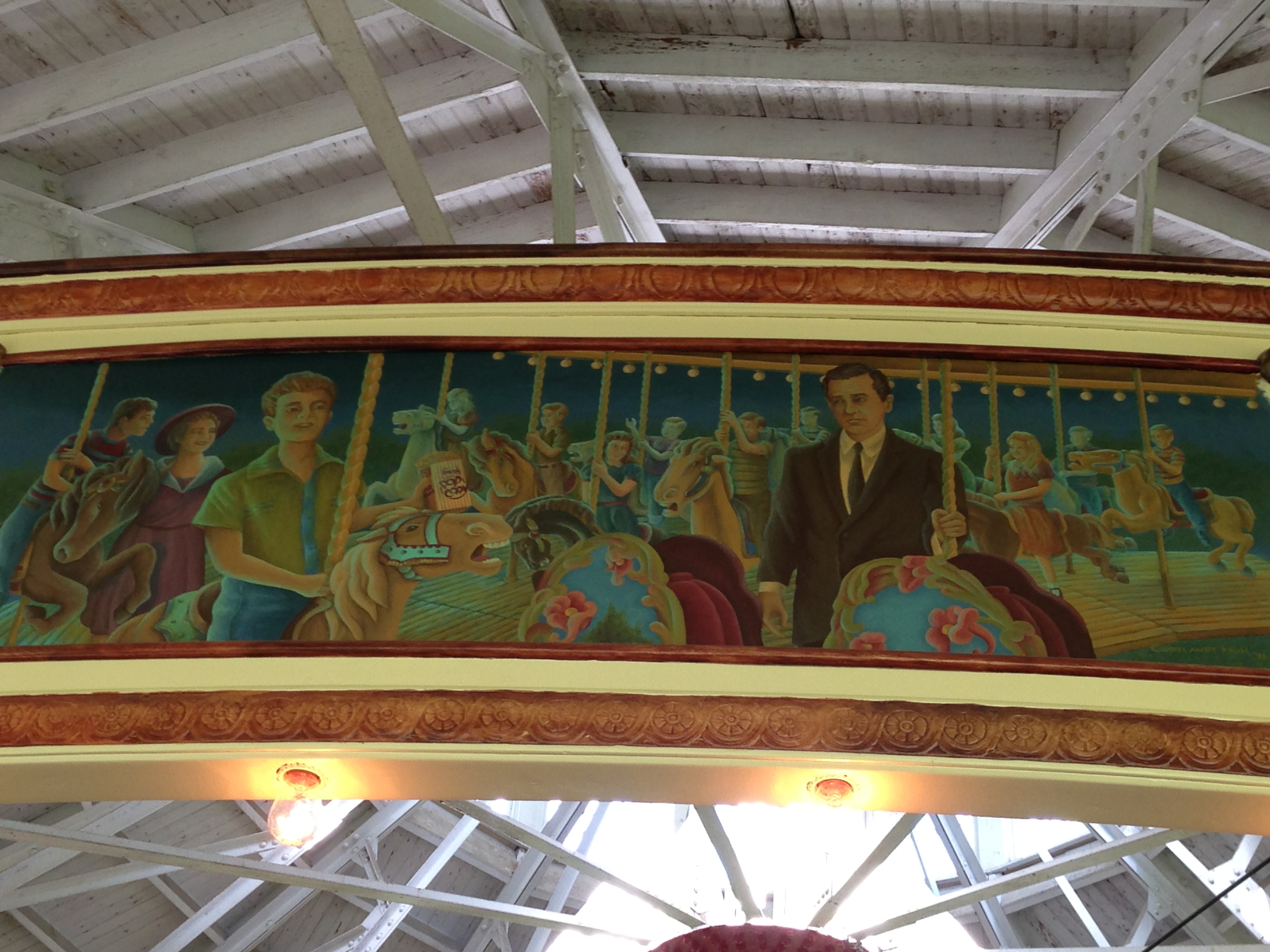
Another carousel, this one at “the Rec”, one of the area’s most used parks,  unexpectedly has a series of rounding boards which feature scenes from Rod Serling’s Twilight Zone. They were painted by artist Cortlandt Hull during a refurbishing in 2011.

twi 3The carousel came to Recreation Park in 1925, well before the TV series, but Serling grew up in Binghamton riding the carousel, so it all makes sense. There’s even a picture of the carousel itself– a scene from the show or a fictive portrait of Serling in his old stomping grounds?

twi 2Endicott-Johnson, the company that earned fortunes for the family that built these beauties, was so big, it made every pair of boots that outfitted American soldiers in world war one. George F. Johnson, the company’s big daddy, in 1916 mandated a 40-hour-work week. Generous, for the time. So was giving his 24,000 workers carousels.

Jack Dougherty, ready with his whistle on a lanyard, told me that they have to be careful at the Rec, closing it up when some rowdy middle schoolers come raging around every afternoon.

Jack

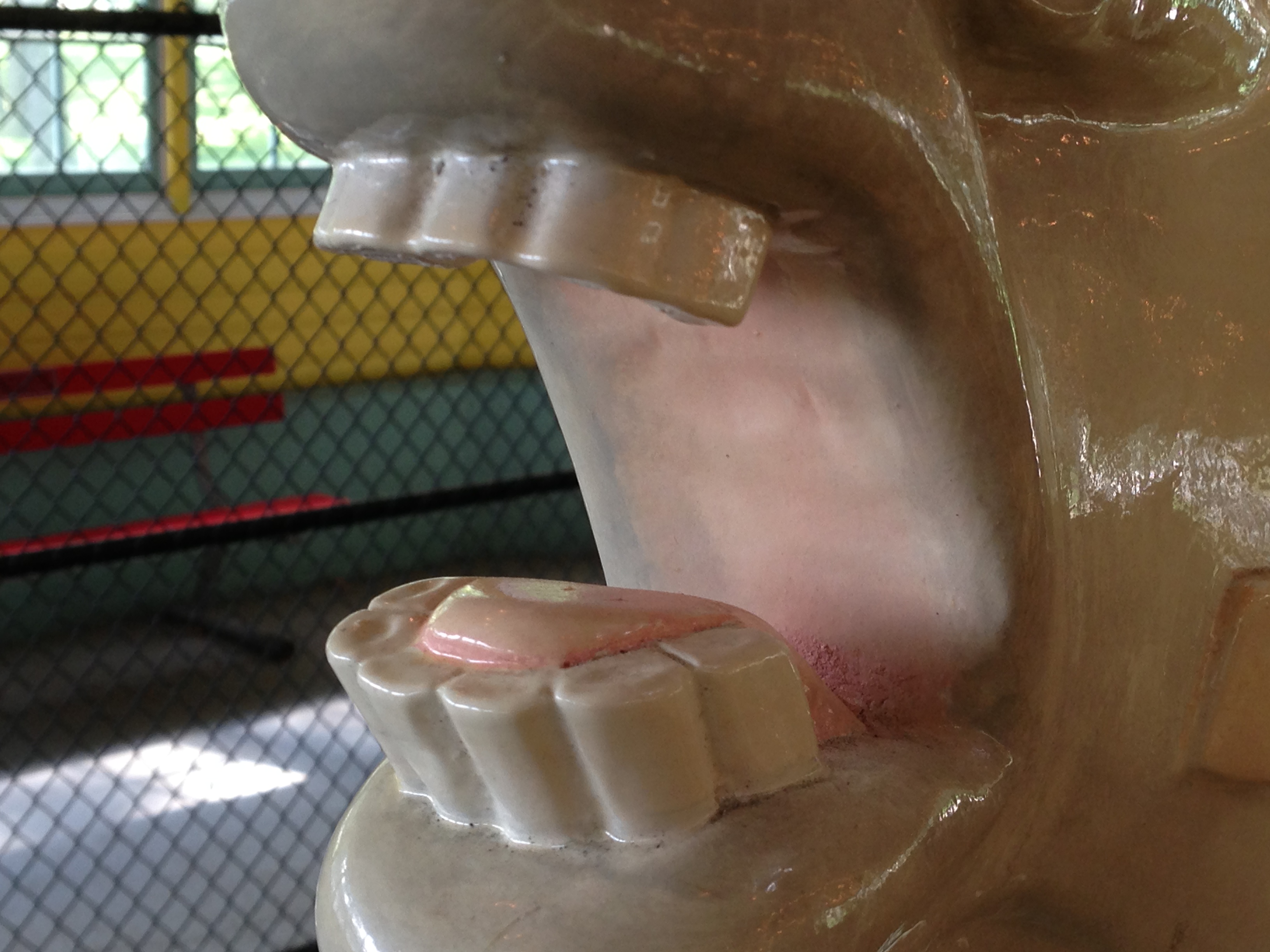
Can’t risk damage to the jumpers. The detail is really exquisite.

twilight chompers


They seem much more sturdy than they are. They’re real/not real.

I wonder if the children of the Triple Cities are somehow happier because of all the carousels in their midst? On the day his namesake merry-go-round opened in 1934, more than 500 neighborhood children paraded to George W. Johnson’s house with a bouquet of flowers to show their gratitude.

george brown horse


Made by human hands, each of them, so brawny and so delicate.

zoo hoofs


5 Comments

Filed under Art, Culture, Fiction, History, Jean Zimmerman, Savage Girl

A Washington Irving Award, Thank You

Back to Cabinworld after an afternoon at the Washington Irving Awards, presented at a local Hilton.

Compared with hotel air, the azaleas, violets and weeds seem to bloom a bit more riotously.

azalea

The smell of rain in the air. The first angry-sounding, toothpick-billed hummingbird of the year dive-bombed me near the feeder with its red sugar-water.

My weathered old three-legged stool (note pegs that join the top, no nails) is ready for duty as a summer-porch-time computer stand.

stool

At the conference to get one of the awards, I spent time with librarians (hundreds, representing the Westchester Library Association) and authors (20 or so, all Westchester residents). Funny, sometimes, inspiring, always. I saw some friends, nonfiction, fiction and librarian. I always feel a little sleepy after a rubber-chicken luncheon, but I pepped up for the remarks of keynote speaker Barbara Stripling, current head of the American Library Association.

stripling

Barbara’s remarks, passed along with both bubbly mannerisms and erudition, talked among other things about finding a “gorgeous balance” between digital and paper resources. She spoke about libraries changing lives. But first she told a story about when she was in college, craving an A on a paper and seeing only a lot of plus signs in the margins. She stuck up her hand and demanded to know the meaning of the notations. Those were actually t’s, she was told – they stood for trite.

Ouch.

Does the use of primary sources encourage empathy? That’s the question she asked in her Ph.d. studies, going into high school classrooms that were studying slave narratives. It’s a fascinating line of inquiry.

SlaveNarratives1

It’s hard for people to use primaries, she found, without some sort of context. I get that, I suppose. Although as a historian I generally find the original sources when they are embedded in some author’s history to be the most exciting part of the work. They themselves give the context. That’s where you find the BITADs, the bite in the ass details that really give the flavor of a time or place or person.

I liked another story Barbara told, too, about a knitting club that refused to be shut into one of the back rooms at a public library for  their weekly stitch n’ bitch, but instead colonized a  table in the center of the building. Well, a technology club soon discovered the knitters and found what they were doing interesting, and the two groups ended up knit-bombing the library – the mouse, the circulation desk, etc.

knit tech

Everything covered in knit and purl by tech geeks and old ladies.

A library “provides the thinking spaces for civilization,” said Jaron Lanier – he’s the computer geek who popularized the term virtual reality.

lanier

He has a new book just out, Who Owns the Future? Certainly worth a look.

The feeling that you are just another mouth in a chorus of songsters is a welcome one when you spend a lot of your time on your own at your desk. That is what I brought home from talking to my fellow writers and hearing them deliver brief remarks at the podium. Being one of the crowd, one of a club.

Allison Gilbert won a Washington Irving Award for her book Parentless Parents: How the Loss of Our Mothers and Fathers Impacts the Way We Raise Our Children. Allison lost her own parents at a tender age, but the book is much more than a memoir or advice manual.

Allison

It’s not her first book on the subject, and support groups of parentless parents have sprung up around the country to deal with the difficult subject. Allison announced some news, that some these groups have banded together to make a trip to Peru to help orphans there.

It gave me goosebumps to hear about another project she’s got lined up, because the excitement in her demeanor was just so visceral. There’s a real life journalist she wants to write about who went from panning for gold in the early 1900s to penning regular columns for Hearst in one dramatic lifetime. Apparently this person was a rabblerouser, a women’s rights advocate and is now – but perhaps not forever – all but forgotten. What a great topic, a great kernel of history to unearth.

Writers were honored today from all over the literary map.

My colleague Karen Engelmann was there for her novel The Stockholm Octavo, a magical work set in 18th century Sweden. Delicious, witty and swooping are some of the buzzwords used around her book.

jean and karen

Doesn’t everyone look happy today? If a bit blurry? Karen’s next novel is well underway, and she promises to jump forward a few centuries and incorporate greeting cards rather than fortune-telling into the mix.

I stood up to say a few words about The Orphanmaster. How The Orphanmaster is a love story wrapped around a murder mystery that takes place in a tiny settlement in the middle of a vast wilderness. And about libraries. That over the years I’ve not only dug into books and mususcripts, taken thousands of pages of notes and written many chapters in libraries, but eaten and drank within their hallowed halls. My hometown library growing up, in Hastings-on-Hudson, where I read Tristram Shandy for the first time:

hastings library

I’ve also taken some great naps, with fantastic dreams.

Some of what I was saying felt as if it were in the rearview – I’m working on the Savage Girl copyedit, and just took a first peek at the proposed cover for the novel. The art is beautiful and chilling and only needs a little fine tuning to make it perfect. I am obsessed with Savage Girl at the moment, though I have to wait until January 2014 for the book to be published.

Still, The Orphanmaster has just come out in paperback, well in time for another season of beach reading. And to be given an award for The Orphanmaster by librarians, for librarians to appreciate it, was a very special thrill.

Without librarians, said Maggie Barbieri, one of the fiction writers getting an award, we’re “a bunch of noisy trees echoing in an empty forest.”

2 Comments

Filed under Fiction, History, Jean Zimmerman, Knitting, Nature, Publishing, Savage Girl, The Orphanmaster, Writers, Writing

Parsing the Copyedit

My copyeditor got the manuscript for Savage Girl back to me and I’ve been hustling to get it done by the deadline. Did you know that it’s typical for authors to be given two weeks to get a copyedited manuscript back to the publisher? Did you know that copyeditors go way beyond the Chicago Manual of Style, making themselves experts on every subject your book concerns. When copyeditors do their job, the pages are covered with pencil — at least they used to be. Now everyone uses the track changes function on Word, so editors do their work on the computer and so do you.

track changes

Yes, it is nerdy, and yes, as an author you must do it.

Fortunately, there are great copyeditors who make the job easy, using every tool at their disposal. Often they just add or subtract commas, other times they throw queries at you and the judgment is your call. By the way, that previous sentence features a  comma splice, which means two standalone phrases on either side of a comma, and my current copyeditor would not let it occur on her watch. But this is a copyeditor-free zone. So sue me.

comma

I like my copyeditor a lot. Her name is Maureen. She left me a note attached (electronically) to my manuscript telling me that she hoped the rest of the world would love Savage Girl as much as she did. Isn’t that grand? Twice over, that she thought it, and that she went out of her way to tell me. It’s a weird intimacy you have, writer and copyeditor joined for a brief but intense period of time over this thing that you care about so much, before virtually anyone else has seen it.

This afternoon I’ve been addressing concerns such as whether there would actually be a gibbous moon in May of 1776, and the proper Latin translation for “the door has a floor,” a saying in the family portrayed in Savage Girl, the Delegates. Maureen went to great lengths to nail the correct form of the expression, and even consulted with a friend who was a Latin scholar at Columbia University to get it right.

She also wanted to determine precisely when the word was first coined for a tigon, the African cat that has a tiger for a father and a lioness for a mother.

tigon

As opposed to the ligon, for which the reverse parentage is true.

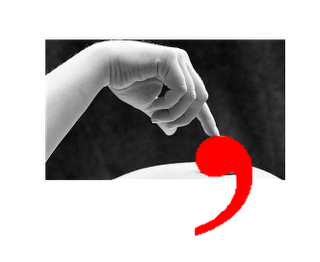
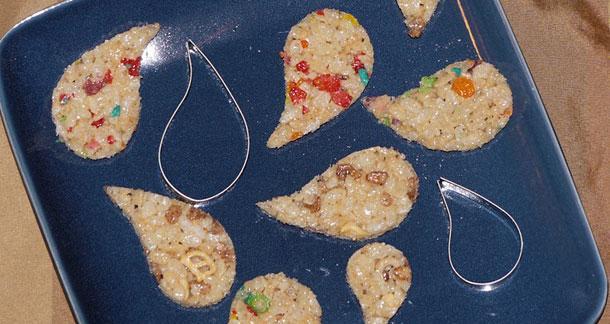
Something that makes the copyedit go better is if you bake at the same time. Well, most things go better if you bake simultaneously. Which I will definitely do next time around, perhaps creating some rice crispy treats in the shape of my favorite punctuation mark.

cereal-commas

3 Comments

Filed under Fiction, Jean Zimmerman, Publishing, Savage Girl, Writers, Writing

Pruning Links

Damn. My cup runneth over with links. My computer wouldn’t let me save another bookmark, it was so stopped up, so I had to prune. Throw out and organize. Floss. Figure out what I really needed to save, what I might need – need being a relative term – and what could be relegated to the virtual trash heap. So I’d have room for new, extra important links!

It was enlightening, actually. In embarking on this task, I found that there were three big categories that had held special importance for me in the past few years.

One was wonderful me and my wonderful work . My log cabin got its due . Even a movie (just a glimmer, but a Hollywood glimmer) had found its way into my bookmark file.

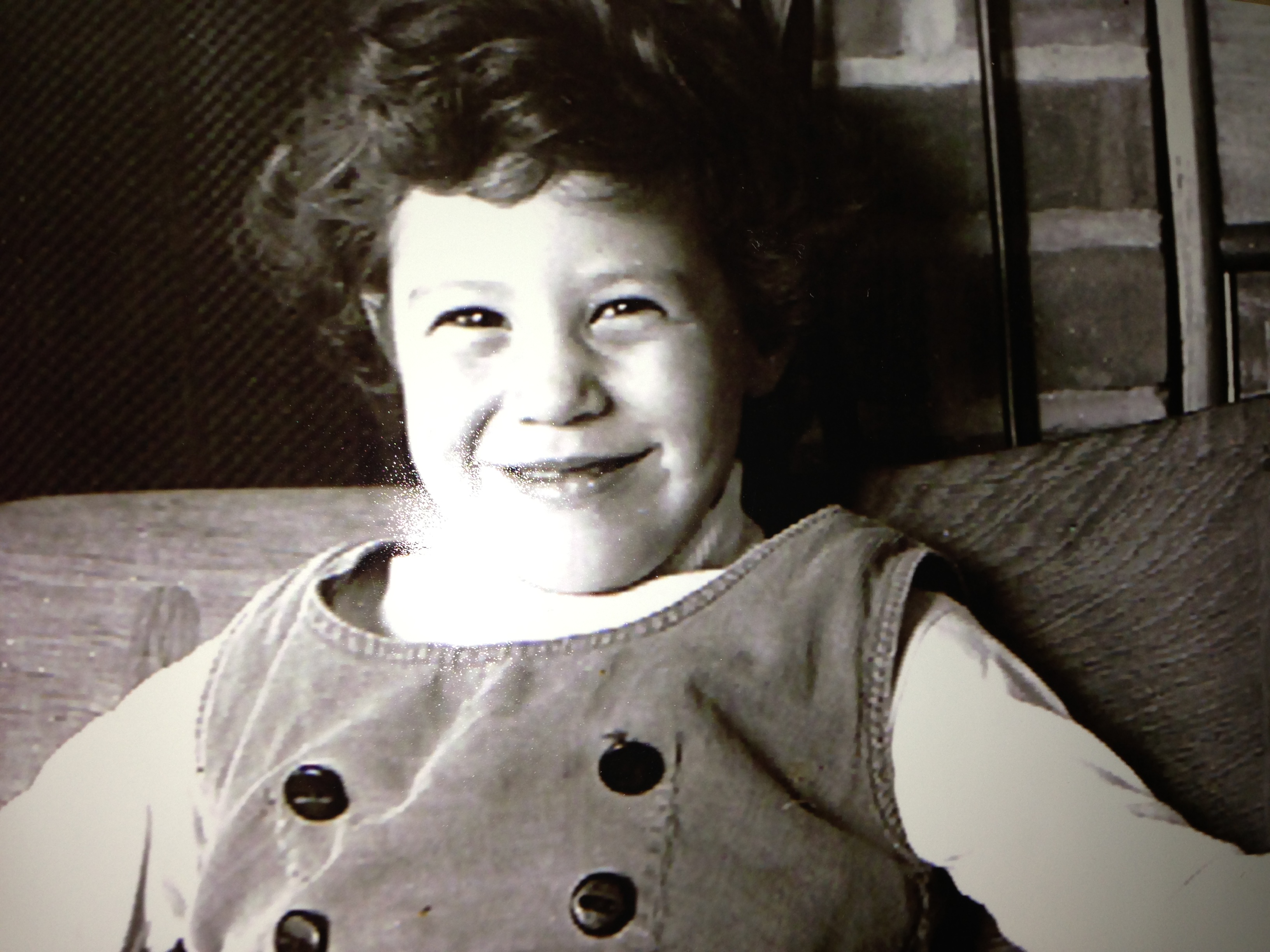
When I was a middle schooler making covers for my little hand-crafted books by binding pages into cardboard and calico with ironed wax paper, I think I would have been amazed that some day someone in the world would be interested in what I had to say. I still remember the smell of the hot wax paper as it was pressed, and the excitement that Miss Henny Penny’s Travels was going to be “published.”

young Jean

Edith Wharton tells a story in her autobiography, A Backward Glance, about going in to a book store in London when her first book, The Greater Inclination, came out in 1899 and asking the manager innocently if there was any new and interesting book she could look at. “In reply Mr. Bain handed me my own little volume, with the remark: ‘This is what everybody in London is talking about just now.’” He had no ideas who he was talking to.

Then, second, I have the category of Gertrude and Sylvia  and Simone   and the rest of the ladies who launch. And more of Stein.

U1889231

I couldn’t believe how many iterations I had of critiques, praise, profiles, pictures of the women who inspired me over the years and still fascinate me.

The third whopper of a group: scarves. Knit patterns for scarves. Especially circle scarves. Yes, cooking and knitting do take up some of my time, I admit it, unintellectual as that might make me. I’m itching to make Paula Deen’s gooey butter cake. But the scarves have it. I made seven this winter. Plus a sock.

knit

Then there is everything else. Before they go into the Older Bookmarks file, I’ll highlight a few that have grabbed my interest along the way. A self audit, as it were. And a little gift to anyone looking for something new to chew up their time.

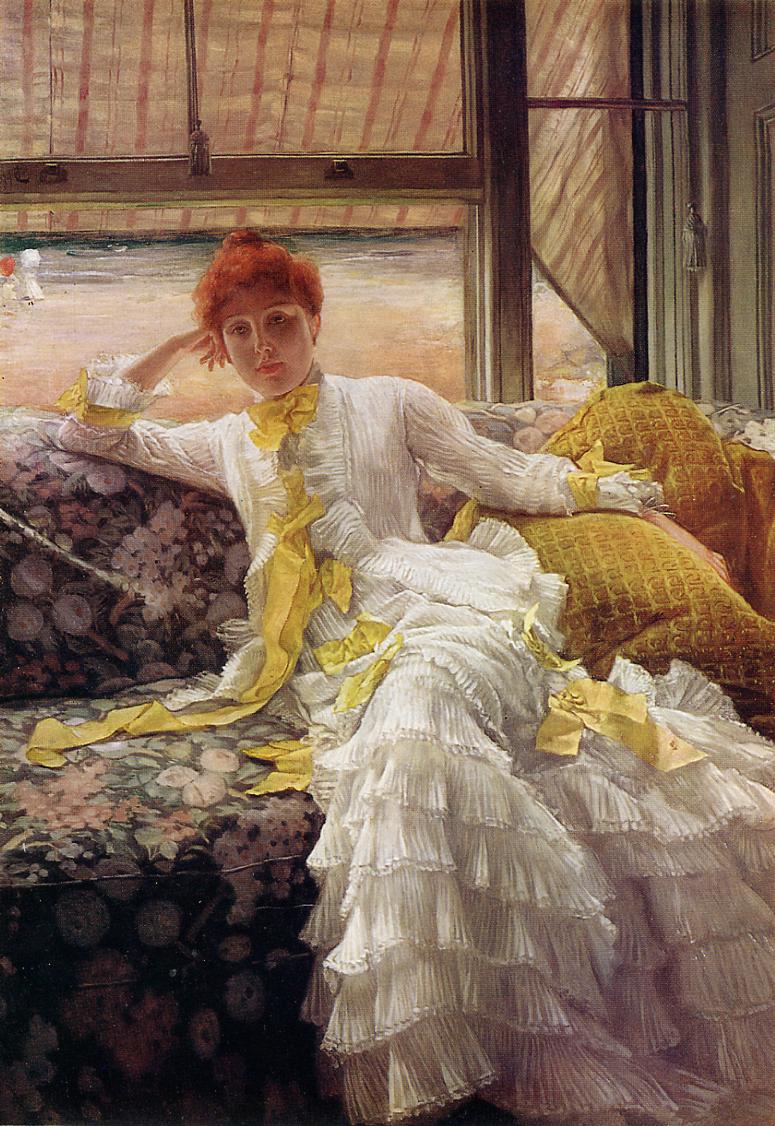
I obviously made a serious trip into Victorian America in recent months. Many times over DanceDressGetting aroundMansions, mansions, mansions. Does my time machine have an exit onto Manhattan’s Fifth Avenue in the 1870s? You bet.

James Tissot 1836-1902 - French Plein Air painter - Tutt'Art@ (8) copy

Even (or especially?) Victorian headless portraits interest me. So much of this nineteenth century arcana found its way into Savage Girl, my new novel that will be published in early 2014, which officially made it work, but it still felt like a guilty pleasure.

More research, this time for The Orphanmaster, unearthed this incredibly absorbing digital redraft of the Castello Plan. You can hover over the first street plan of New York, a drawn-to-scale view of seventeenth century New Amsterdam, and investigate what it was actually like.

I had the idea at one point that we should explore Oliver’s genetic background and see what part of him was actually pit and which part was hound. So I looked into DNA testing for dogs.

Oliver

I wondered what you’d see if you opened the refrigerator door in Bangkok or Jerusalem. I found out at Fridgewatcher.

I always find it useful to keep a library on file in case my disheveled bookshelves won’t yield it up. And so, here they are, minding their own business, various books in their entirety, like George Orwell’s Down and Out in Paris and London, one of my favorites,  and the Diary of Samuel Pepys. And it’s always good to be able to access an exhibit based on Whitman’s Leaves of Grass.

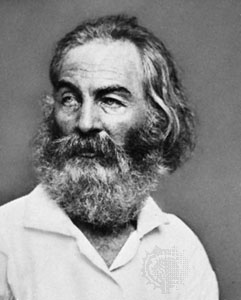
iwhitmw001p1

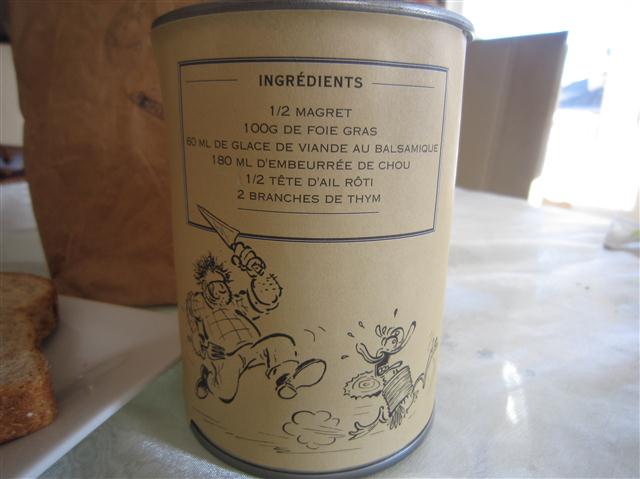
Gil and I ventured to Au Pied de Cochon in Montreal. For a while afterward we didn’t get our cholesterol levels checked. The menu  includes such delicacies as Tarragon Bison Tongue and Foie Gras Poutine (foie gras is their speciality, along with everything pig-related), all of it drenched in butter. It was here that I had the famous “duck in a can,” consisting of a duck breast, a lobe of foie gras, half a head of garlic and some kind of spectacular gravy packed into a metal can, like a soup can, and boiled.

duck in a can

Afterwards, when you’ve been sitting at your table for a while marveling at the number of trendy people there are in Montreal, the waiter opens the can at the table and dumps the whole stew onto your plate. Fabulous.

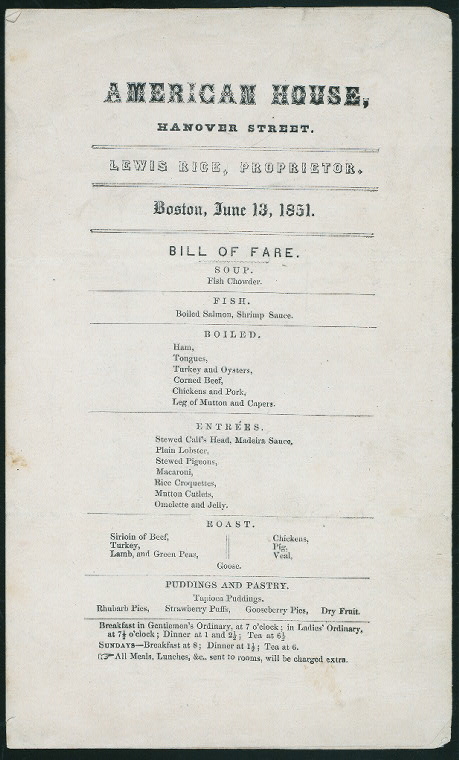
If you like menus as much as I do, you’ll go to The New York Public Library’s historic menu collection.

American House

Something I don’t want to file too far way is The Top Ten Relationship Words That Aren’t Translatable into English, assembled by a serious linguist, and including such gems as Cafuné (Brazilian Portuguese): The act of tenderly running your fingers through someone’s hair.

Probably the most delightful site I’m back-burnering. For now. Or, on the other hand, I think I’ll leave it out for a while in case I want to take it with me as a reference when I next tour the Metropolitan Museum of Art: Nipples at the Met(“updated regularly”).

nipples

All links welcome; leave them in a comment.

4 Comments

Filed under Art, Cooking, Dogs, Fashion, Fiction, History, Home, Jean Zimmerman, Knitting, Poetry, Savage Girl, The Orphanmaster, Writing

Kill Your Darlings?

“Kill your darlings?”

I was talking with a nonwriter about revising my Savage Girl manuscript, about the small cuts my editor had gently suggested would improve the narrative.

Kill does sound pretty violent. And why would you want to kill a darling?

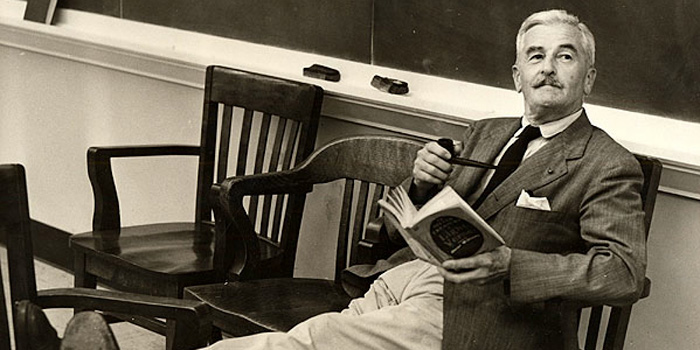
It’s a well-established dictum, something of a cliché at this point. Widely attributed to William Faulkner. (So we know it’s not necessarily about chopping up long sentences.)

faulkner_0

In writing, you must kill all your darlings.

It may be apocryphal, since I haven’t ever located the story behind the saying.

Faulkner would seem to have adapted the sentiment from a once-lionized writers who has since become fairly obscure.

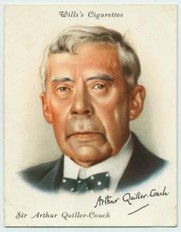
Sir Arthur Thomas Quiller-Couch (1863-1944) was a British gentleman who published under the pen name of Q. Fiction, poetry and criticism flowed from his pen, but probably his best-known work was the Oxford Book of English Verse, 1250-1900. He also translated fairy tales from the French.

quiller-couch

It was when discussing style in his 1916 publication On the Art of Writing that Quiller-Couch proposed the idea that style “is not—can never be—extraneous ornament.” Instead, he advised the following rule:

Whenever you feel an impulse to perpetrate a piece of exceptionally fine writing, obey it—whole-heartedly—and delete it before sending your manuscript to press. Murder your darlings.

Before Q came Samuel Johnson, who urged, Read over your compositions, and wherever you meet with a passage which you think is particularly fine, strike it out.

Stephen King jumped on the bandwagon more recently. In his 2001 book On Writing, King told writers to kill your darlings, kill your darlings, even when it breaks your egocentric little scribbler’s heart, kill your darlings.

But what does the riff mean, anyway? What does it mean for me, as I’m sitting here deciding whether or not to strike, for example, this passage:

Stepping into the lift, I had craned my head up to the purple sky above me, with just a dusting of stars emerging. Below, the blacker pit.

Perhaps cut this? asks my editor. The narrator is stepping into an elevator that will take him down a mine shaft.

Elmore Leonard once said, If I come across anything in my work that smacks of ‘good writing,’ I immediately strike it out.

The idea is that a bit you’re especially proud of will stand out as self indulgent and ruin the piece. Go to writing books, writing teachers, and so-called experts on the web and you will find any number of elaborations on this theme. One editor says, “darlings are scenes or sections that are fantastically written, funny, evocative…but don’t belong. They don’t move the story forward, or they repeat stuff we already know, or they cause problems with pacing, conflict, or characterization. And they are hard to eliminate. The fantastic writing, wit, and emotion blind us to the truth.”

A computer programmer applies it to code, saying, “If it turns out to be overwrought or too slick for the need, you should probably kill your darling and replace it with an ordinary solution that others can actually use, and not just marvel at.”

Darlings are the little pieces of glitter, the tinsel that the crow felt so proud to weave into her nest, but that turn out to be a distraction to everyone else.

I’m reminded of a word a friend of mine once coined to describe inadvertent foolishness with an overlay of conceit. Fardo, she called it. You think you’re being so smart but what you’re doing is overreaching and laughable. If I leave in that passage about the purple sky and the dusting of stars, will I be fardo?

Quick, don’t all speak up at once.

And yet. When you like something you wrote, when you feel good about that glitter you found – and doesn’t the glitter help hold together the nest, anyway? – won’t it appeal to someone else, to a reader?

I find another piece of Faulkner’s wisdom a bit more inspiring when it comes to writing or rewriting. Something he didn’t crib from an earlier author.

All of us failed to match our dreams of perfection. So I rate us on the basis of our splendid failure to do the impossible.

purple sky

5 Comments

Filed under Jean Zimmerman, Savage Girl, Writing

Under Cover

I’m thinking about book covers.

Gil takes the jacket off pronto and reads the book naked. The paper covers float arouind the Cabin like disembodied spirits until we remember to replace them.

My editor at Viking was nice enough to ask me for early weigh-in, for ideas as they develop the cover for Savage Girl, my novel which is just now going into production (it’ll be out next winter). My editor did not have to do that. Tradition dictates that authors are owed a consult on the cover, no more. And my last two experiences with jacket art at Viking have been so superb that I trust them implicitly.

But since he asked, I’m thinking about book covers.

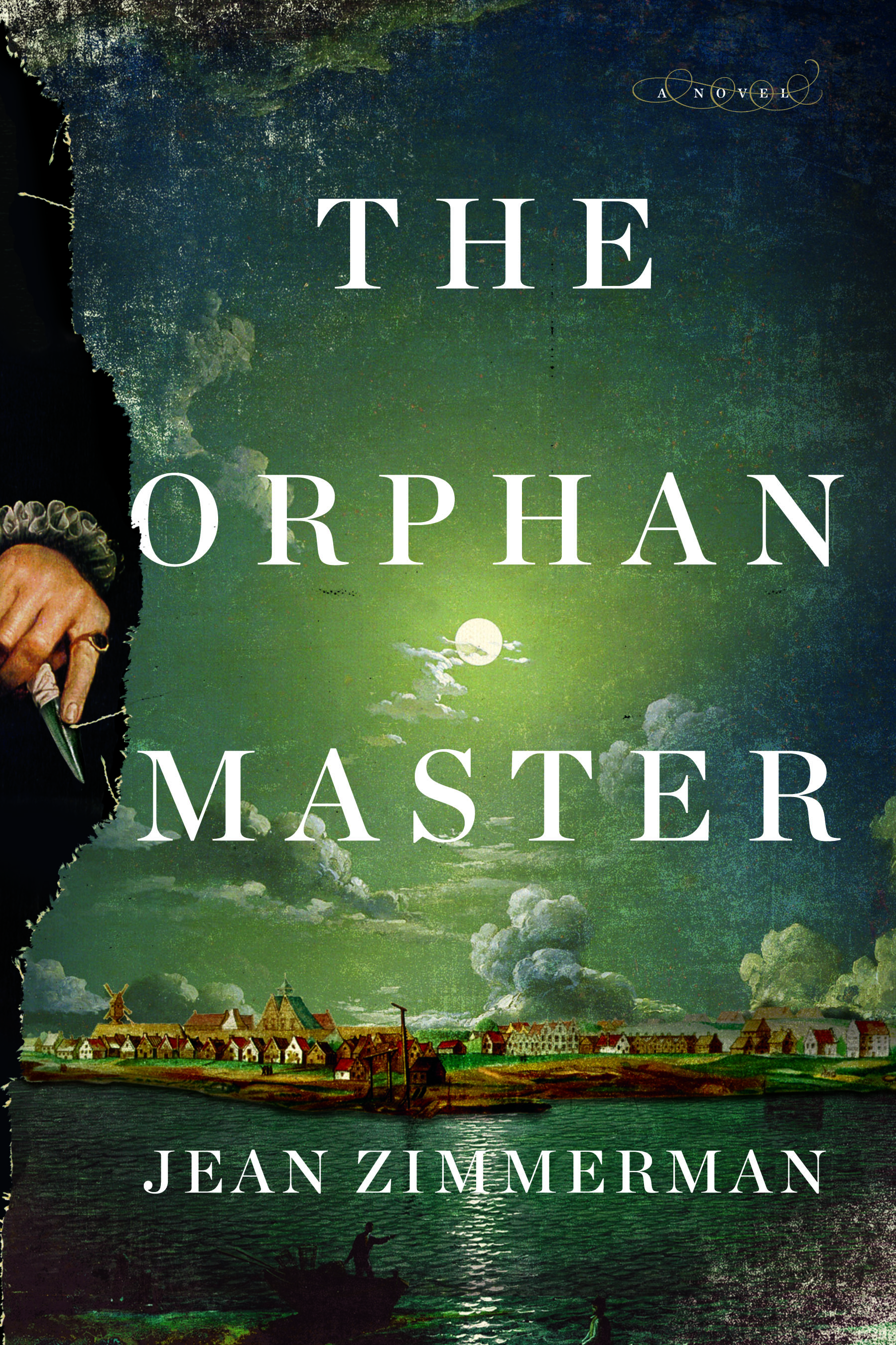
The hardcover of The Orphanmaster amazed me because it incorporated period graphics that I  thought you’d really have to be an expert to be aware of.

9780670023646_Orphanmaster_CV.indd

Someone did their homework. On the back flap is fine print that enumerates the images that appear here as a fantastic collage: (hand, detail) Pieter van Miereveld, The Bridgeman Art Library/Getty Images; (background) View of New York by Johannes Vingbooms, c. 1664, LOC[accession numbers follow]; (foreground) Moonlight Scene, Southampton, 1820 (oil on canvas), Sebasion Pether/The Bridgeman Art Library/Getty Images. The type’s so small I might have got some of this wrong, but suffice it to say the designers did their homework and the result is seamless and just  the right degree of spooky, with its moonlit view of a haunted, tiny New Amsterdam on the tip of Manhattan island so, so long ago.

I always loved that evocation. Then, looking into it a little further, I found out the designer responsible is actually a cover art magician by the name of Gregg Kulick, who has jacketed dozens if not hundreds of books, for various publishers. And is just really smart. He was straightforward when the Huffington Post asked him to name the most important element of a successful book cover: “Getting people to pick it up.”

I also think highly of the cover for The Orphanmaster’s upcoming softcover edition (out April 30).

Orphanmaster Paper Official Cover copy

As an author, I feel so lucky. To me this design holds just the right balance of sweetness and terror, with the little girl’s rosy face and the skull hovering over her shoulder. I’m hoping it will attract some readers who didn’t get a chance to check out the novel the first time around. Bookclubbers, especially who wait for the softcover to pounce.

An interesting place to check out cover ideas is the web site Talking Covers, where authors and jacket designers hold forth on the development of the art for a particular book. The depth of the discussion can be really astonishing. I looked around here, and also at books on the web at the Book Cover Archive  and at Amazon and found it was hard to imagine what might be a starting approach for Savage Girl. Historical fiction, yes, murder mystery, yes, and it takes place in New York during the Gilded Age – all strong features of the book. But what images could get across my story so that a reader would, as Kulik said, “pick it up”?

I found myself liking covers with bold, striking colors, semi-abstract.

Vampires in the Lemon Grove, for example, by Karen Russell.

Vampires

Or Ben Marcus’ The Flame Alphabet.

flame alph

But did these and other disparate, attractive books have any bearing on what should design should clothe Savage Girl?

Back in the day, books did not have jackets. You would buy pages bound with cardboard – then bind the volume yourself with leather. When Fanny Trollope came out with her famous 1832 book that lampooned the United States, Domestic Manners of the Americans, London booksellers offered it in two parts, one red, one blue, cloth-bound in the latest fashion, with gilt titling on the spine. It had a huge first run printing of 1,250. Reviews in England were great, those in the U.S. stunk, and Fanny shot to the top of the bestseller list. Perhaps aided by those chic cloth covers?

I like cloth, still. Some nearly naked volumes are my favorites, like The Goede Vrouw of Mana-ha-ta, by Mrs. John King Van Rensselaer, published by Scribner’s in 1898.

Mana-ha-ta cover 1

With an especially beautiful spine.

Mana-ha-ta cover 3

(My volume was formerly loved as a library book.)

Or, more recently, Magnus Nilsson’s Faviken, its cloth stamped with black flora and fauna.

Faviken cover 1

Cloth or paper-bound, though, a book should jump into your hand from the bookstore shelf. It should warm your lap as you read it; it should purr. A book jacket has to live.

Whether I go to my editor proposing a pearly satin debut gown or a bloody pawprint — two images that pop into my mind when I think of the Savage Girl story–my ideas on their own won’t make much sense. What matters is your designer, your brillant designer of book jackets, and whatever blooms in his head.

3 Comments

Filed under Art, Fiction, Jean Zimmerman, Publishing, Savage Girl, The Orphanmaster

The Muse of the Odd

“Woo the muse of the odd,” wrote Lafcadio Hearn.

Speaks to me of my novel, Savage Girl, its manuscript just now revised. Well, it probably still needs a word changed. And another. And another. But the book is basically done and on its way to publication by Viking.

I think the character of Savage Girl herself shines out more now than before. Discovered as an adolescent in a Virginia City, Nevada side show in 1875, she is being displayed as a wild child – one raised by wild beasts. All sorts of mystery surrounds her.

wild children

The locals line up to ogle her. Then a seriously wealthy couple from New York City come out West to inspect their silver mines, adopt the girl, and bring her back East to raise her up as a debutante.

Victorian-debutante

It was a time when people were fascinated by the differences/connections between beasts and humans (Darwin, etc.) and the question of whether this young girl can be civilized is pivotal. In the process, worlds crash together, and murder and mayhem ensue.

homo_sapiens

The narrator of this tale, a young anatomy student named Hugo Delegate, takes as his mentor Andreas Vaselius, the founding genius of anatomical art who in 1543 published an illustrated book called De humani corporis fabrica (“On the Structure of the Human Body”). The drawings shocked the Rennaissance, showing the human animal demystified. More questions of what makes us human.

Visalius

Together, Hugo and the Savage Girl go on adventures through Gilded Age Manhattan, searching for the bad guys, discovering each other. Oddities of all sorts prevail. It was a fabulously odd book to work on. And I hope other people will read it in the same spirit.

1 Comment

Filed under Jean Zimmerman, Savage Girl, Writing