Category Archives: Photography

Turning It Around

I  can’t believe it, I said to Gil. I cannot believe I’m 55 years old and don’t know the proper time to plant a sunflower seed.

Well, he said, it’s no big deal. I’m 59 years old and I don’t know either.

It got me to thinking, how many new things, simple things, nothing earthshaking, come into my life every day, even at my advanced age.

It’s a question of noticing.

Today I prowled around the boonies upstate, in Dutchess County, with my brother Peter – these photos include his — seeing some small things I hadn’t seen before.

Pete

We spent most of our time in Tivoli, a tiny village near the Hudson River that dates back to 1872 but avoids all dustiness, with its free-thinking, artistic, intellectual inhabitants.  Nearby Bard College sends over a constant scruffy stream of  students, not to mention professors.

Pete introduced me to a monument in the cemetery of St. Paul’s Episcopal Church in Tivoli, where the stones seem dominated by the Hudson  Valley families DePeyster and Livingston.

statuary

An exquisite stone carving to represent the soul of a remarkable woman, Estelle Elizabeth de Peyster Toler, who was born in 1844 in Red Hook and died 45 years later in Manhattan. Descended from the cream of New York society — De Lanceys, Van Cortlandts and Coldens — she was known for her piety and philanthropy. Her husband died the day after her death of a broken heart. Estelle’s marker reads, from the Proverbs, “A perfect example in life of the ideal virtuous woman.”

dePester

But I found the inscription on the base of the praying girl more moving.

sister baby

With its sweet embellishments of lichen and moss: SISTER–BABY.

Another grave, more modest, this one in a field of grass off a country highway.

Molly

Was this Molly also a virtuous woman? A virtuous pet? It’s an odd place for a burial but oddly peaceful.

Coffee break.

I’ve had plenty of fancy cappuccinos, like this one at Tivoli’s Murray’s café, designed by stylish barrista Michelle.

cap

Pretty good, she said under her breath, checking her work, deadpan. Not the best I’ve done.

But I’ve never before had borscht made with garbanzos rather than beef to complement its beet chunks. Topped with a spoonful of organic sour cream, it was scrumptious.

And before today I never had a perfectly-designed, shot-silk carryall for knitting needles such as I brought home from  the yarn shop on the tiny stretch of Broadway that is the heart of Tivoli. Fabulous Yarn offers luscious skeins (“fibers for fanatics”).

yarn

And whimsical taste. Under one cheery roof.

yarn store

Down the street, a tavern called the Black Swan, currently under repair.

black sway

Attitude will remain unchanged.

all our visitors

Before today, I had never laid eyes on the brick-and-stone construct of architectural genius that is the historic Stone Jug House in Clermont, housing families since 1752. Local stone, I knew. Weathered brick, sure. Together, gorgeous.
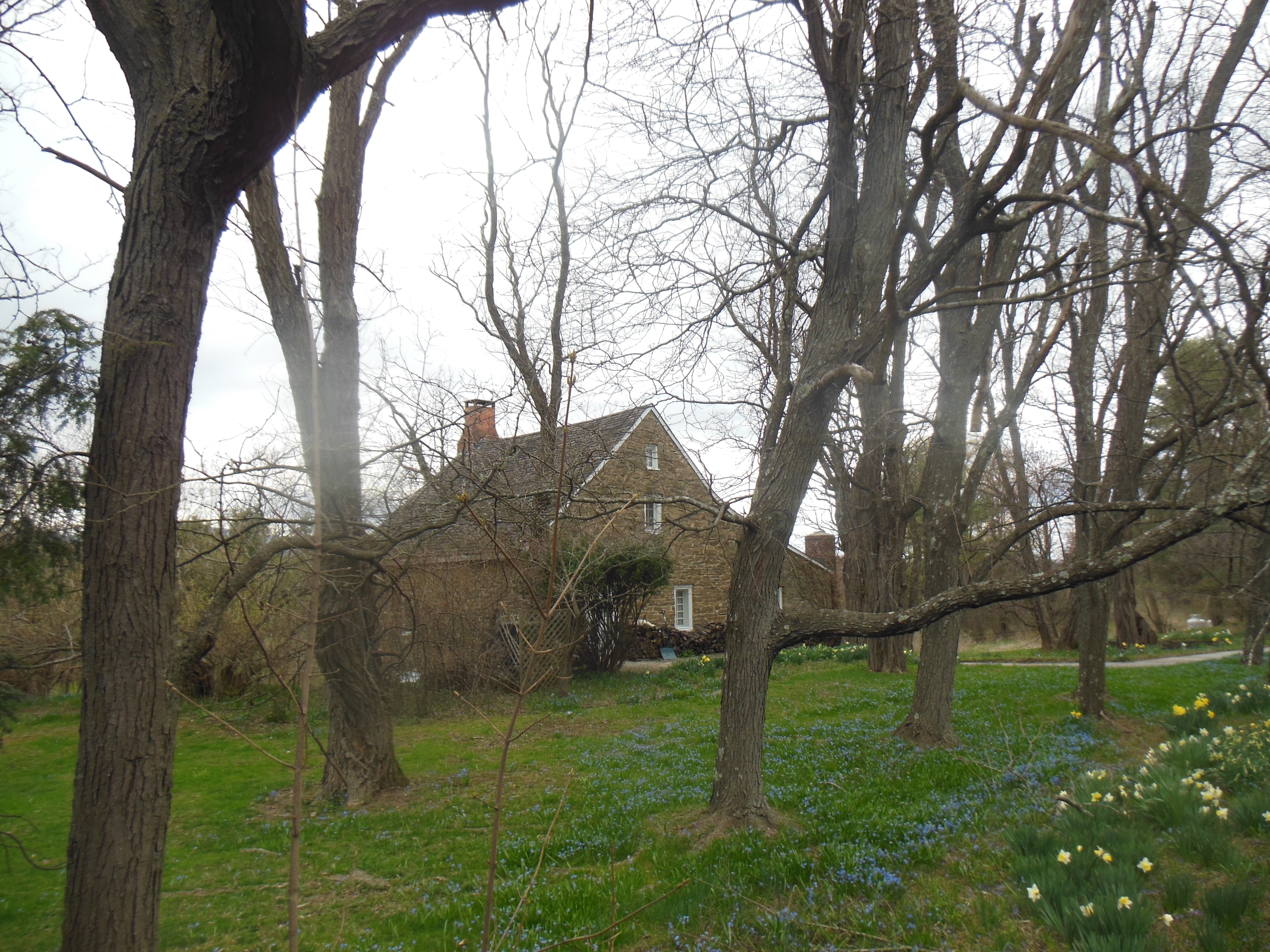
jug

I looked around today for something I’d seen a hundred times, but always loved: a painted turtle. But the large one Peter knew of refused to show his face at the pond, the weather being cloudy. Still, there was something to see, an exploded cattail.
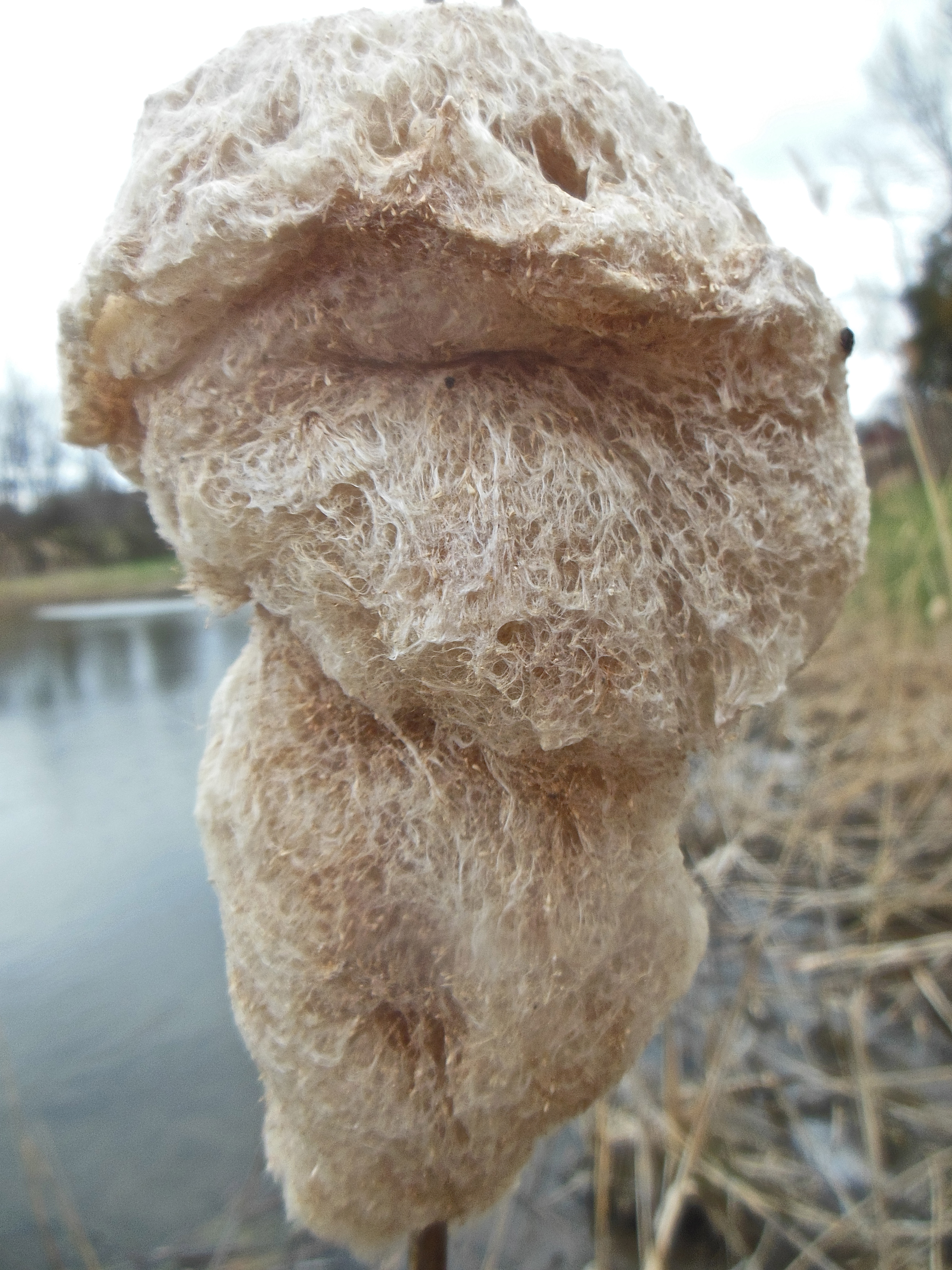
cattail

Like cotton wool laced with cornmeal. It was something I’d never touched before.
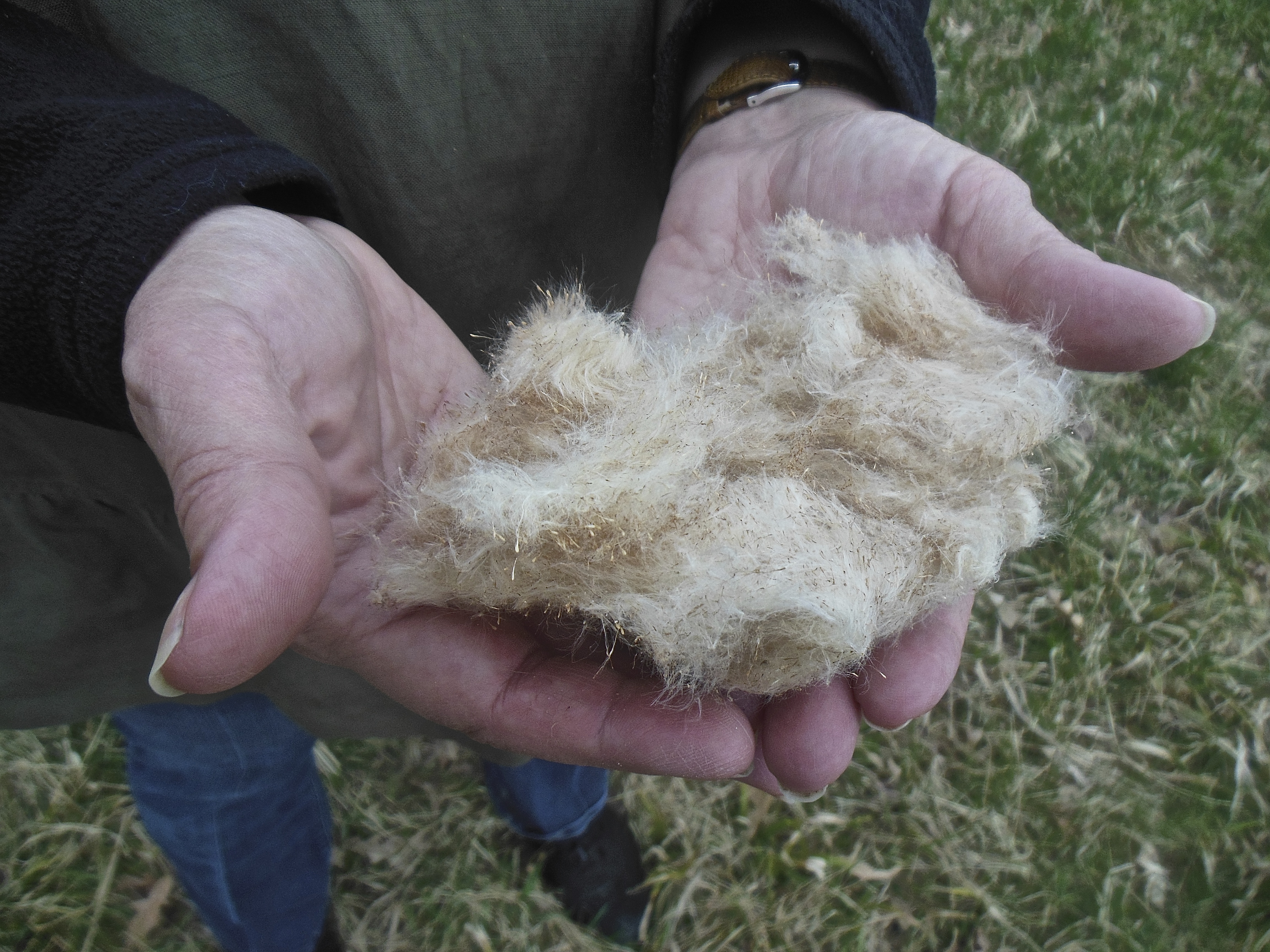
cattail cu

Sometimes if you simply turn something around, it’s totally new.

lovewisdomgracepeace

Love.
4 Comments

Filed under Art, Cooking, History, Jean Zimmerman, Knitting, Nature, Photography

Little Green

Spring brings with it a kind of happy sadness. Ferns beginning to emerge.

spring ferns

And yet the air is cold, endlessly.

cold tree

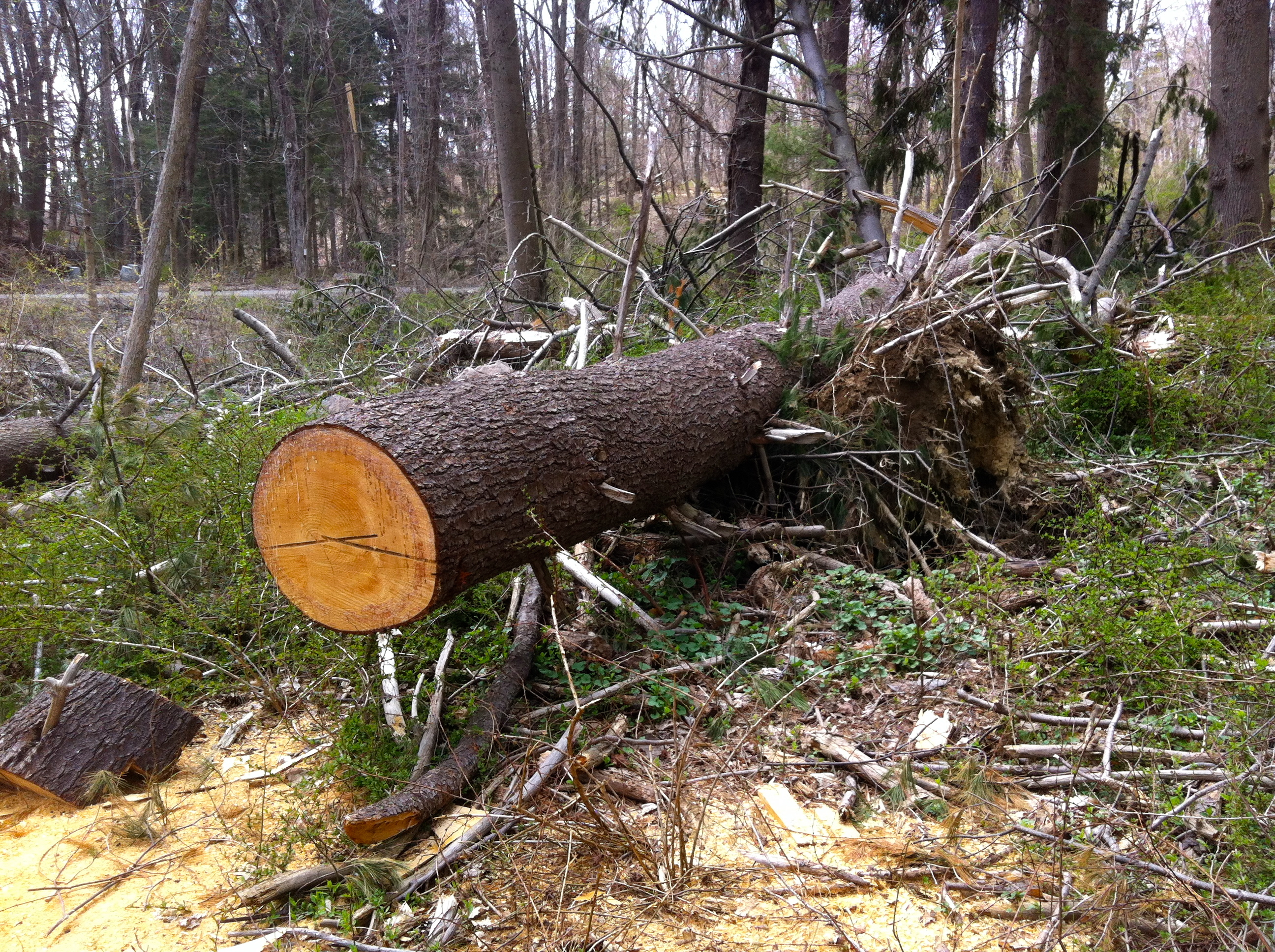
We’re still looking at the downed trees in our front forty, felled during Sandy. Our neighbor took home a dozen planks from one, and it is pretty great that he could use them to build raised beds for a garden this spring. A happy eventuality.

Downed Pine

Still, I’m thinking of the haiku by Kobayashi Issa, who wrote in the early nineteenth century:

The tree will be cut


Not knowing the bird


Makes a nest

The bird will surely build another home in another tree, happily, but here this tree lies, fit only for planks.

In our woods, you now see the moss, there all winter but offering up its soft coat in spring as though you’d never seen it before.

moss

My friend Josefa told me that in Virginia, when spring came, she thought about planting moss in their yard, which was too shady for grass. She was informed by local experts that the ladies of Richmond made their guests put on ballet slippers before treading on their moss. And that they fertilized it with buttermilk. Beautiful images. Yet she was sad in Richmond, even in spring, so sad she had to move back north.

Happy sadness in spring. Poets do it best. (April is National Poetry Month.)

Walt Whitman, an aside in “Song of the Open Road.”

(Still here I carry my old delicious burdens,

I carry them, men and women, I carry them with me wherever I go,

I swear it is impossible for me to get rid of them,

I am fill’d with them; and I will fill them in return.)

whitman

My old delicious burdens. The piercing, pleasurable misery of April. The weight of death, of debts to pay. In the clear sunshine.

April is the cruellest month, breeding

Lilacs out of the dead land, mixing

Memory and desire, stirring

Dull roots with spring rain.

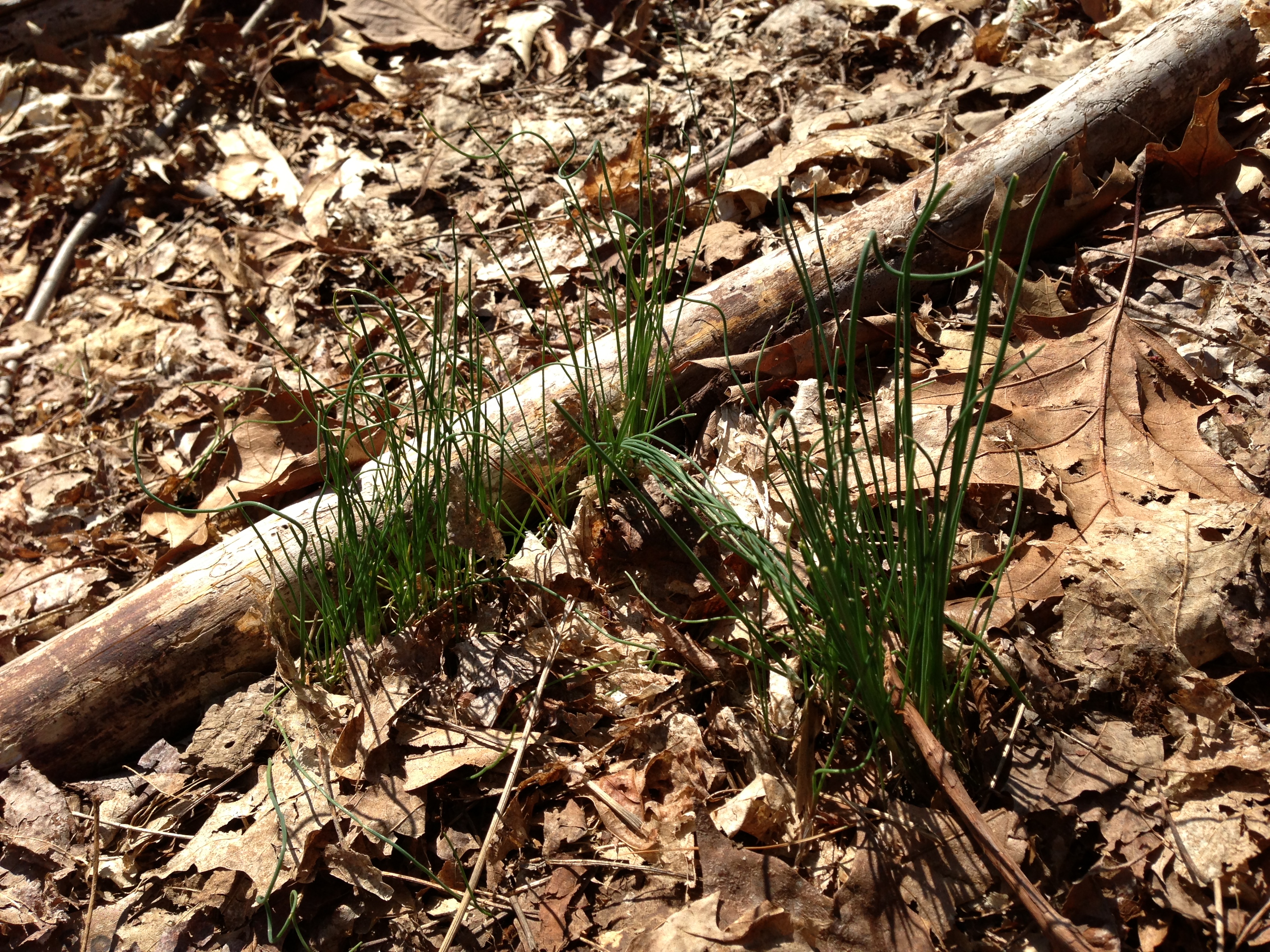
onion grass

In that poem, The Waste Land, T.S. Eliot also talks about how, In the faint moonlight, the grass is singing/Over the tumbled graves. It was a happy day, beginning in the nineteenth century, for families and lovers to take their leave of the gritty city and visit a graveyard.

green-wood-cemetery06

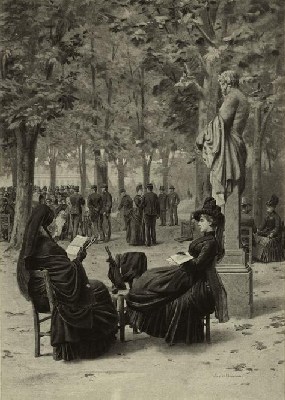
The landscaped acreage offered a garden and an art museum all in one, you could stroll or take a carriage, and whatever sadness you might feel was mitigated by your joy at being outdoors in the air, with the pristine green grass spilling over in the spring sunshine. Green-Wood Cemetery, in Brooklyn, New York, saw half a million visitors a year in the 1860s.

mourning_1888

Matsuo Basho gets at the bittersweet flavor of such a foray.

the whole family

all with white hair and canes

visiting graves

In the woods above the Cabin, we have tiny green leaves emerging out of the dusky litter of winter.

little green

“Little Green,” Joni Mitchell’s saddest song, carries within it happiness as well.

Just a little green

Like the color when the spring is born

There’ll be crocuses to bring to school tomorrow

Just a little green

Like the nights when the Northern lights perform

There’ll be icicles and birthday clothes

And sometimes there’ll be sorrow

The song, written in 1967, talks about a daughter that the 19-year-old singer gave up for adoption.

Child with a child pretending

Weary of lies you are sending home

So you sign all the papers in the family name

You’re sad and you’re sorry, but you’re not ashamed

Little green, have a happy ending

The comic Louis C.K., who manages to be soulful and raunchily hilarious all at once, gave a recent interview in which he talked about how he gets by in this world.

I don’t mind feeling sad. Sadness is a lucky thing to feel. I have the same amount of happy and sad as anyone else. I just don’t mind the sad parts as much; it’s amazing to have those feelings. I think that looking at how random and punishing life can be, it’s a privilege. There’s so much to look at, so much to observe, and there’s a lot of humor in it. I’ve had sad times, I’ve had some hard times, and I have a lot of things to be sad about, but I’m pretty happy right now.

To achieve happy sadness, we could all be more like animals, who so often mix emotions in their expressions. Yes, there are people who say  not-humans lack emotions. But I look at Oliver, the pit-hound in him tuckered out after chasing the white flag of a deer’s tail through the spring brambles. The look across his features.

deer chaser

And I think of Edith Wharton’s journal in 1924.

I am secretly afraid of animals…. I think it is because of the usness in their eyes, with the underlying not-usness which belies it, and is so tragic a reminder of the lost age when we human beings branched off and left them: left them to eternal inarticulateness and slavery. Why? their eyes seem to ask us.

Dogs do sometimes have that look in their faces – if I wasn’t so satisfied now I would cry. With Oliver I could imagine a particular happy sadness. If I caught that deer today I couldn’t chase it tomorrow, so all is well.

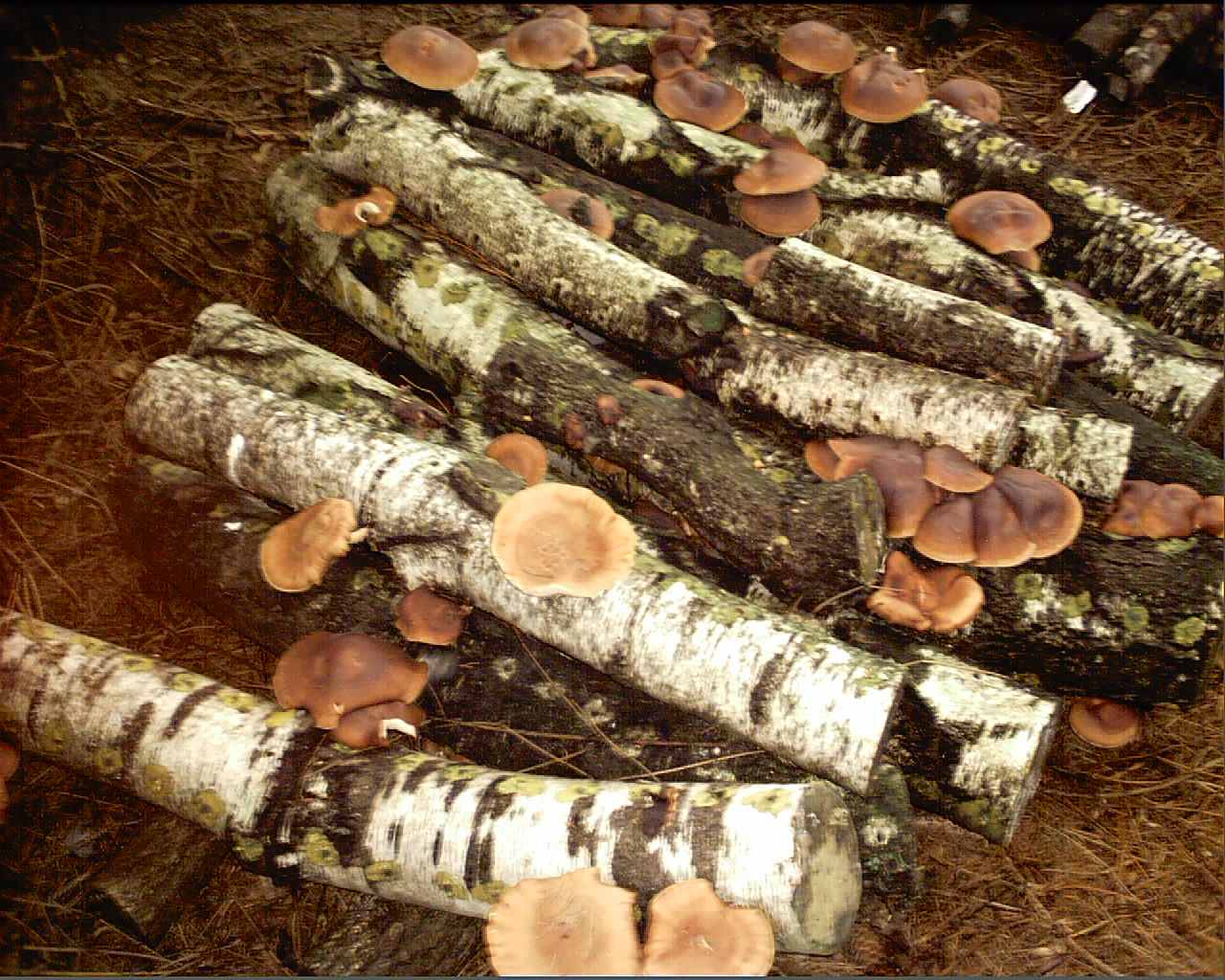
The Japanese christened the unique flavor called umami, something we only understand because of L-glutamate receptors on the tongue. Along with sweet, sour, salty and bitter, the names we all learned as we grew up for what goes on in the mouth when we eat, it’s one of the five basic tastes, identified by scientist Kikunae Ikeda in 1908. But it’s almost impossible to describe. It’s savory or “brothy,” found in dried bonito flakes or shitake mushrooms.

Shiitake Mushrooms

Soy sauce. Parmesan cheese. The thing about umami is that it offers a mixture of sensations that together become pleasurable on the tongue. Intense, saliva-stimulating. A powerful paradox.

Just like spring.

10 Comments

Filed under Dogs, Home, Jean Zimmerman, Nature, Photography, Writers, Writing

Museum Creatures for Real

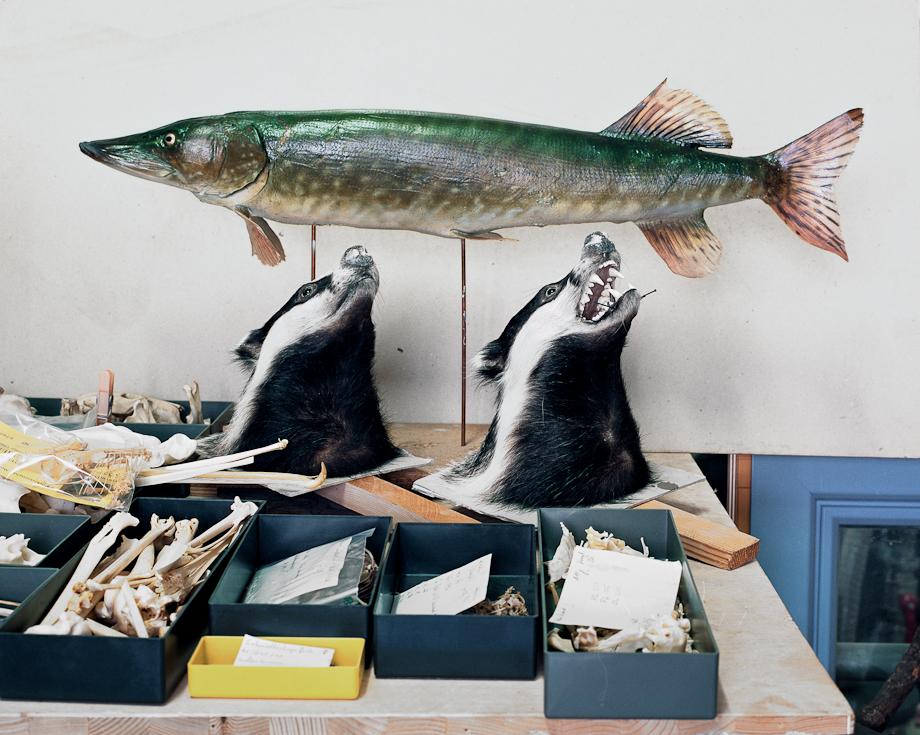
The Austrian photographer Klaus Pichler has done a series of works centering around what visitors don’t ever see when they go to the magnificant Vienna Museum of Natural History.

bandgers and pike, 2011 .jpg.CROP.article920-large

He stumbled upon a back room and his artist’s antennae went up. There were taxidermied animals in various states of confusion, as though they’d been thrown up in the air and tumbled down every which way or, more unsettling, as if someone had gone around arranging them in poses that were anything but the perfect scenes you’d see in the museum’s halls.

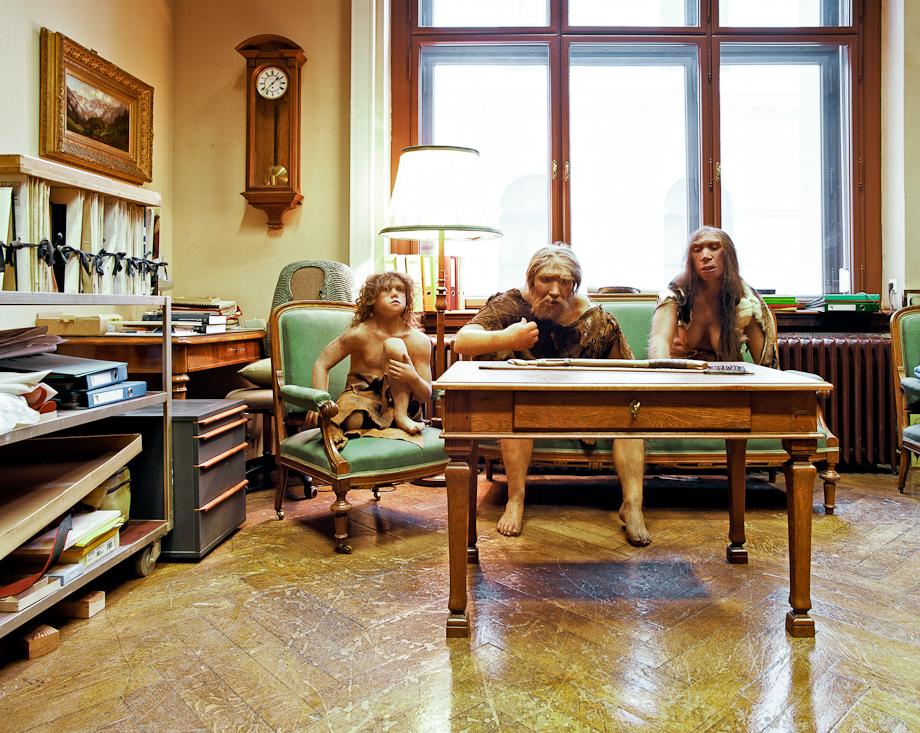
neandertals, 2012.jpg.CROP.article920-large

It wasn’t only taxidermy and early man come  to life.

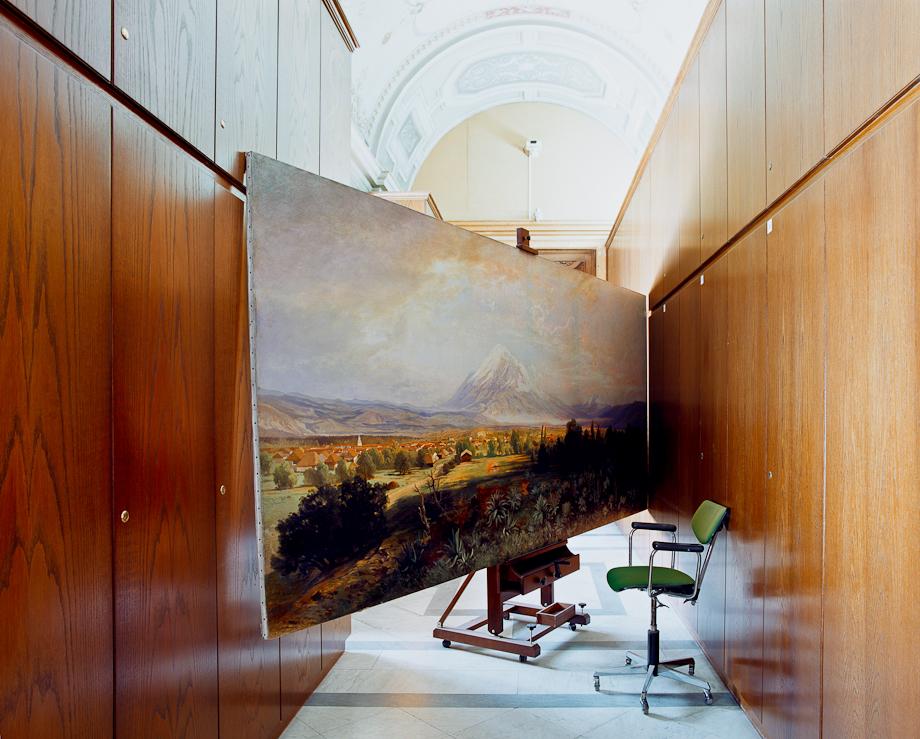
hallway painting, 2011.jpg.CROP.article920-large

The museum’s director gave him a tour, and believe it or not the artist rearranged nothing, just took the pictures as he found them. “Skeletons in the Closet” hits some primeval fear-buttons, at least for me.

basement shark, 2011.jpg.CROP.article920-large

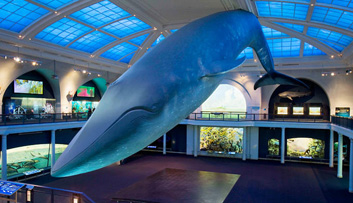
The American Museum of Natural History in New York City has always been a favorite of mine, and not only because Maud put on her walking shoes there, toddling up and down the carpeted ramps of the Hall of Gems on the Museum’s ground floor. We lived a block away, on Columbus Avenue, and she probably spent as much time there in her preschool years as she did in our small apartment, clocking hours dancing under the gigantic suspended Blue Whale.

Blue-Whale-at-Natural-History-Museum-1

I remember a room of gold specimens in particular, which had a small bench on which you could be lulled into a trance by all that gleaming rock around you. Or maybe that was only a trance induced by chasing a toddler down the corridors all morning.

gold

I thought of those gleaming rooms last year when a very smart reader I met persuaded me to get a copy of Relic, by Douglas Preston and Lincoln Child. Does everyone experience fascination with the idea of what lurks in the museum basement? Relic would not usually be my type of book, but I was hooked by the gothic quality of the setting.

preston_child-relic

It’s the first in a series of innumerable thrillers starring a detective named Pendergast, and the author booked some time as a  Museum staffer, so he knows his stuff. Something’s loose in the Museum of Natural History and I won’t tell you what but suffice it to say it’s big and savage and hiding behind that innocent looking exit sign just next to the dioramas.

The dioramas, of course, are the Museum’s beauty queens, now refurbished — a team of artists, conservators, taxidermists and designers dusted leaves, freshened fur, and restored the perfect but faded background vistas – and reopened this past October.

bison

Everyone wants them to come alive (not a la Relic, though). Or to step into one. One man was responsible for the exquisite nature of most of these: James Perry Wilson (1889-1976) was a master of trompe l’oeil painting techniques and combined the real materials of the foreground with the painted background to create a mythic space.

Alaska Brown Bear

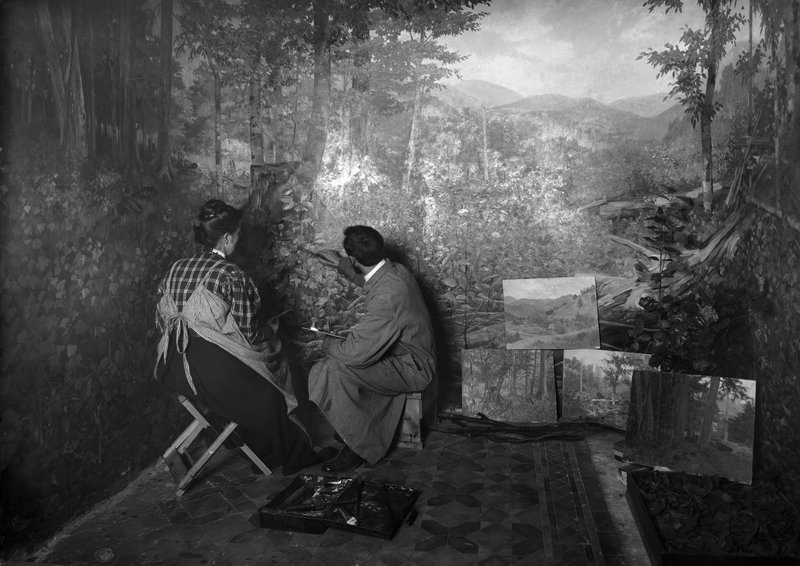
It must have been magical to be in it, in the diorama, from the beginning, if you could. To actually make one.  Here are Mr. and Mrs. Bruce Horsefall in 1907, at work painting the background of the Wild Turkey Habitat Group in the North American Bird Hall.

31655.tif

I’m thinking of Gil and me at work on something like that – but we might rather do the Bongo Group or the Wild Boars.

Personally, I like the small dioramas at the entrance of the Mammal Hall, which house depictions of mammoths and other ice-age mammals – larger-than-life beasts here rendered miniature, more like playthings than real animals. I love the idea that while the other creatures here are taxidermied, the prehistoric predators here were built from the ground up out of clay or putty or whatever they use. Sort of like the the neanderthals in the basement of the Vienna Museum.

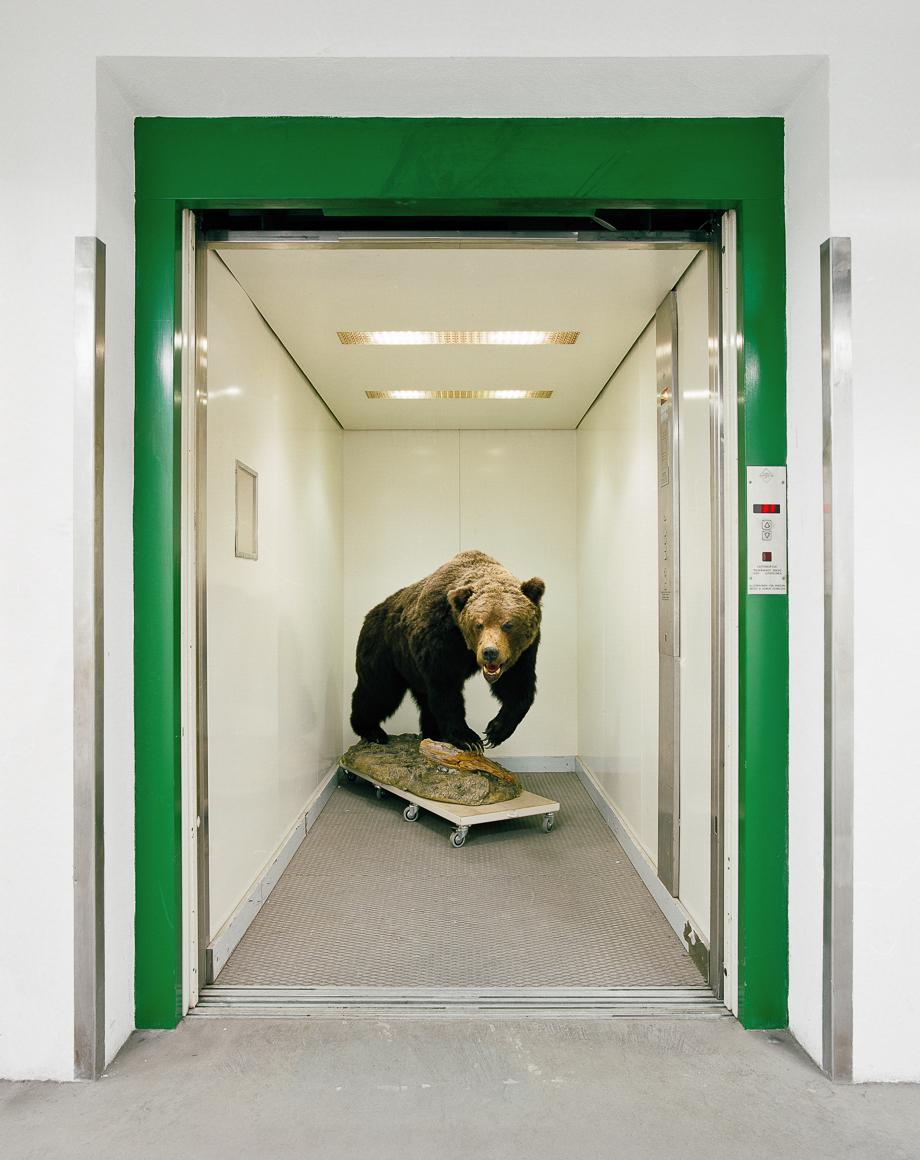
The bigger animals at the Museum of Natural History are naturally exciting, too. (This Vienna one, from Klaus Pichler, is maybe a little too exciting.)

elevator bear.jpg.CROP.article920-large

Though truth be told I liked the critters a little mothbit, before their spa treatment. There’s that Mad Men scene from last season when tweenaged Sally clutches her belly after running off to the museum, standing in front of the glorious, imposing dioramas, complaining of stomach cramps, and it turns out she has “become a woman.”

What she feels is not just all that running around in the stuffed, gleaming museum, after all. It’s real.

2 Comments

Filed under Art, History, Jean Zimmerman, Nature, Photography

100 Books About Books

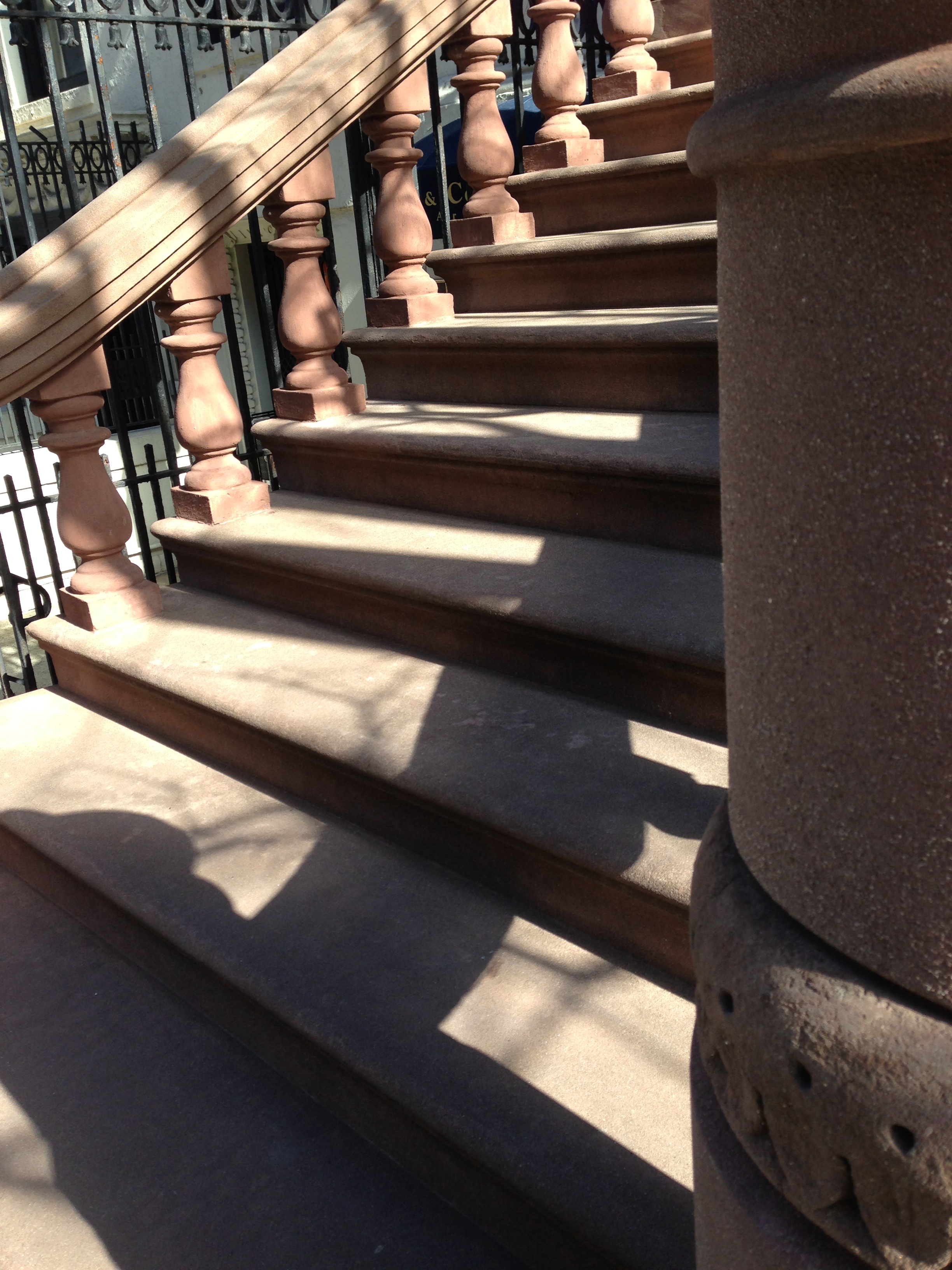
I climbed the stairs of the brownstone at 72nd Street and Madison thinking about what it was like when the house was new, in the 1880s, and surrounded but nothing but cow meadows and truck gardens.

brownstone steps

Once inside, I noted that the interior was as fabulous as it had been when I was first introduced to it and wrote an article on it for The New York Times some months back. It hadn’t been a figment of my imagination. It was all there, the gleaming mahogany, the sumptuous velvet portierres, the sparkling sunflowers spread across the wallpaper. The gold and cranberry crystal remained perfectly organized in its tall glass cabinet, ready for punch, just as it was when the Mayer family had the place in the Victorian era.

cranberry crystal

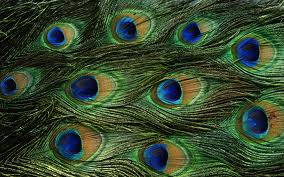
Now how to put all this fabulousness in book form? That was the agenda of the meeting, attended by architect David Parker and an independent publisher of illlustrated books who just might be interested in showcasing the brownstone so the world can admire it. How would a book look, what size should it be, how many photographs should it include? Durston Saylor, who shot the photos for the Times, might play the same role with an illustrated book. What kind of cover? What sort of endpapers? Should they resemble embossed leather – or peacock feathers (an emblem of the Aesthetic Movement)?

peacock

Still mulling over books, I left the townhouse and checked out the Edward Ruscha show at the Gagosian Gallery. There I encountered published works that were about as far from the 1880s as they could possibly be.

ruscha and his books

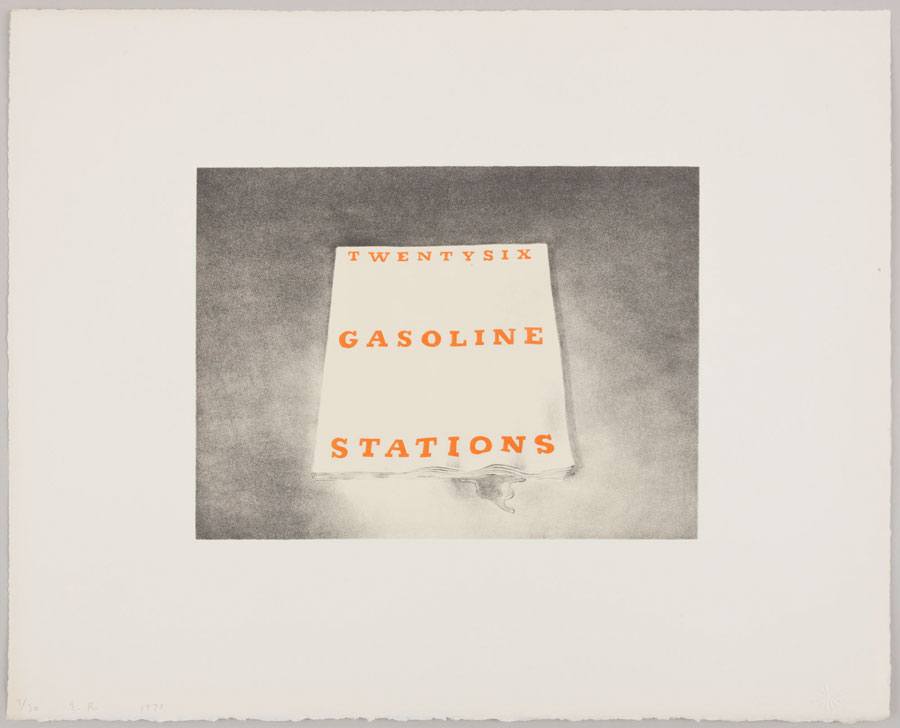
Ruscha is the conceptual artist who created his first book in 1962, inspired by the humble volumes he found on street stalls during a trip to Europe.

26 gasoline stations

Twentysix Gasoline Stations featured 26 photos of gas stations with simple captions denoting their brand and location. A common denominator: they were all on Route 66.

In the decades since he has published many more of these short, photographic monographs, unintimidated by the Library of Congress’ refusal to copyright Twentysix Gas Stations, due to its “unorthodox form and supposed lack of information.” His greatest hits include Some Los Angeles Apartments (1965), Nine Swimming Pools and a Broken Glass (1968), Real Estate Opportunities (1970), Various Small Fires and Milk (1964), and Thirty-four Parking Lots (1967), all minimalist, all deadpan, all brilliant.

He did something a little different but that I love in 1969 with Stains, a copy of which is in the collection of the Museum of Modern Art. Here you have a portfolio of diverse smeared substances, from L.A. tap water to sulfuric acid to egg white to parsley to cinnamon oil. All carefully listed.

stains

The art world eventually took notice of Ruscha’s mischief, and the exhibit at Gagosian displays dozens of homages to his works, many of them dangling from chains on the walls so that you can hold them and flip the pages.

gagosian

Here are some: 149 Business Cards, by John Trembley. Every Letter in ‘The Sunset Strip,’ by Derek Sullivan in 2008, which features anagrams like Enthuses Script and Persistent Huts. Mark Wyse, in 2002, assembled 17 Parked Cars in Various Parking Lots Along Pacific Coast Highway Between My House and Ed Ruscha’s. It was a small edition, only 10 printed. John Waters made his contribution in 1999 with 12 Assholes and a Dirty Foot. The exhibit goes on. There are Ten Convenience Stores, Fifteen Pornography Companies,  Nineteen Potted Palms, Twenty-six Abandoned Jackrabbit Homesteads and Every Coffee I Drank in January 2010. (The photos feature only the dripped-on take-out lids.)

Ruscha once said, “Good art should elicit a response of ‘Huh? Wow!’ as opposed to ‘Wow! Huh?'”

Also on view is Jerry McMillan’s Photographs of Ed Ruscha 1958-1972, including one of the artist as a cowboy and one wearing a bunny suit.

ruscha as cowboy

Taking the train home, my head was filled with books. Across from me, a guy wearing a crewcut, reading a thick copy of Debt: the First 10,000 Years and devouring a sloppy sub. If this were a car of Ruscha-ites, we’d all be eating a variety of hoagie and reading things like Furry Animals: The First Quarter Century and Cranberry Crystal: The First 120 years.

Ruscha

4 Comments

Filed under Art, Jean Zimmerman, Photography, Publishing, Writing

Toothpick Time

So long to the West.

slow sign

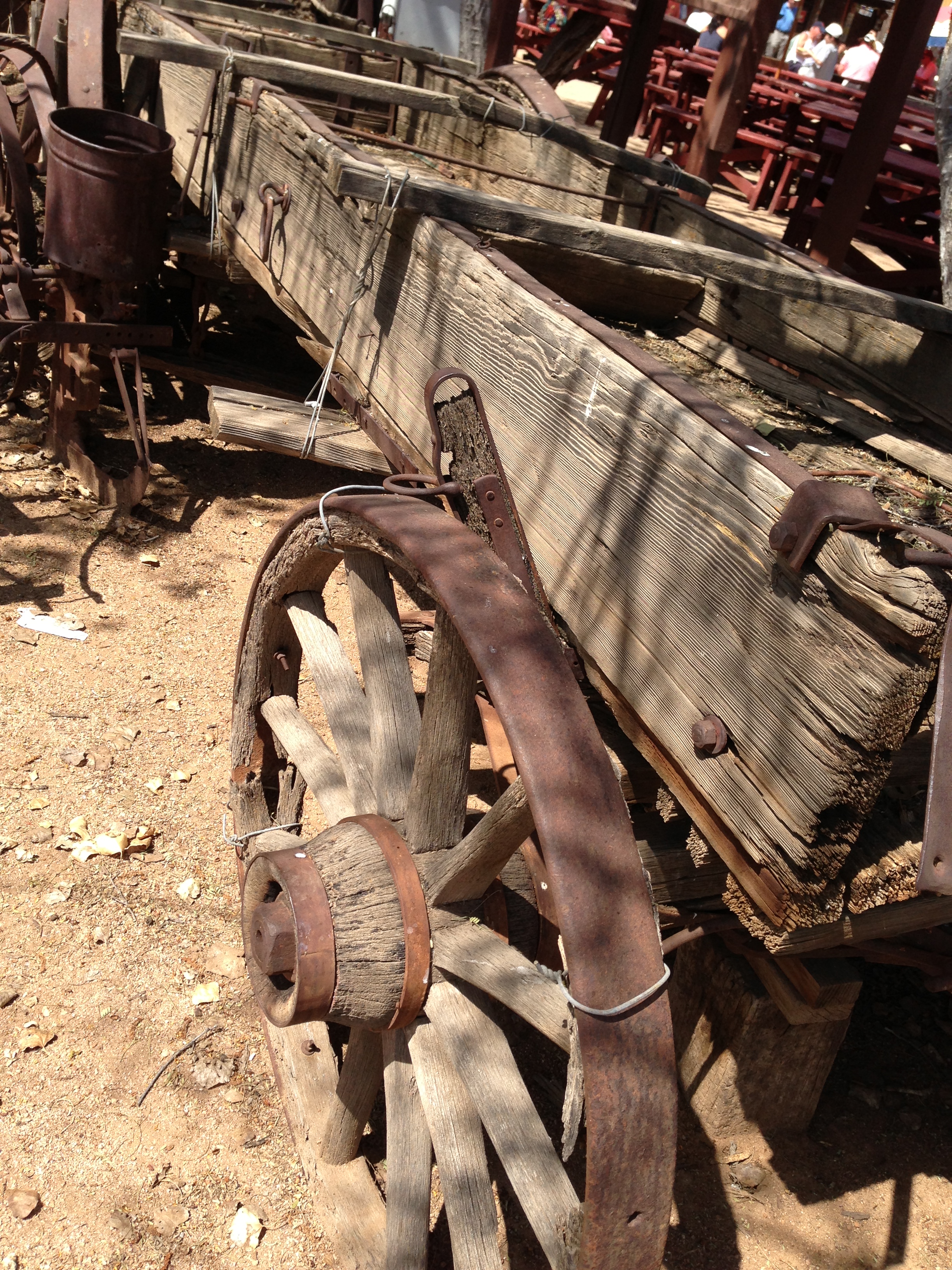
The conestoga wagons are long gone.

conestoga

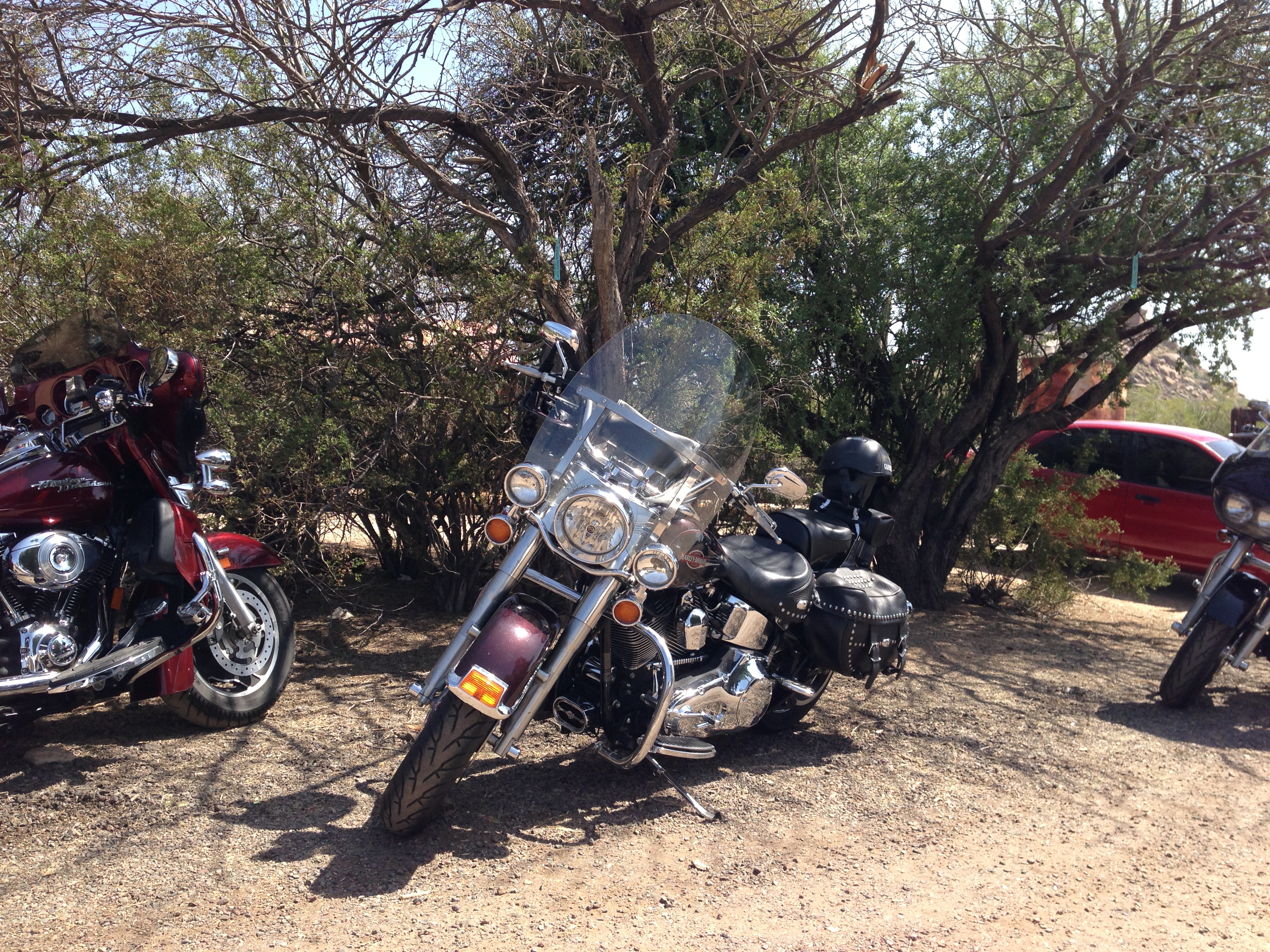
Bikes rule.

bikes

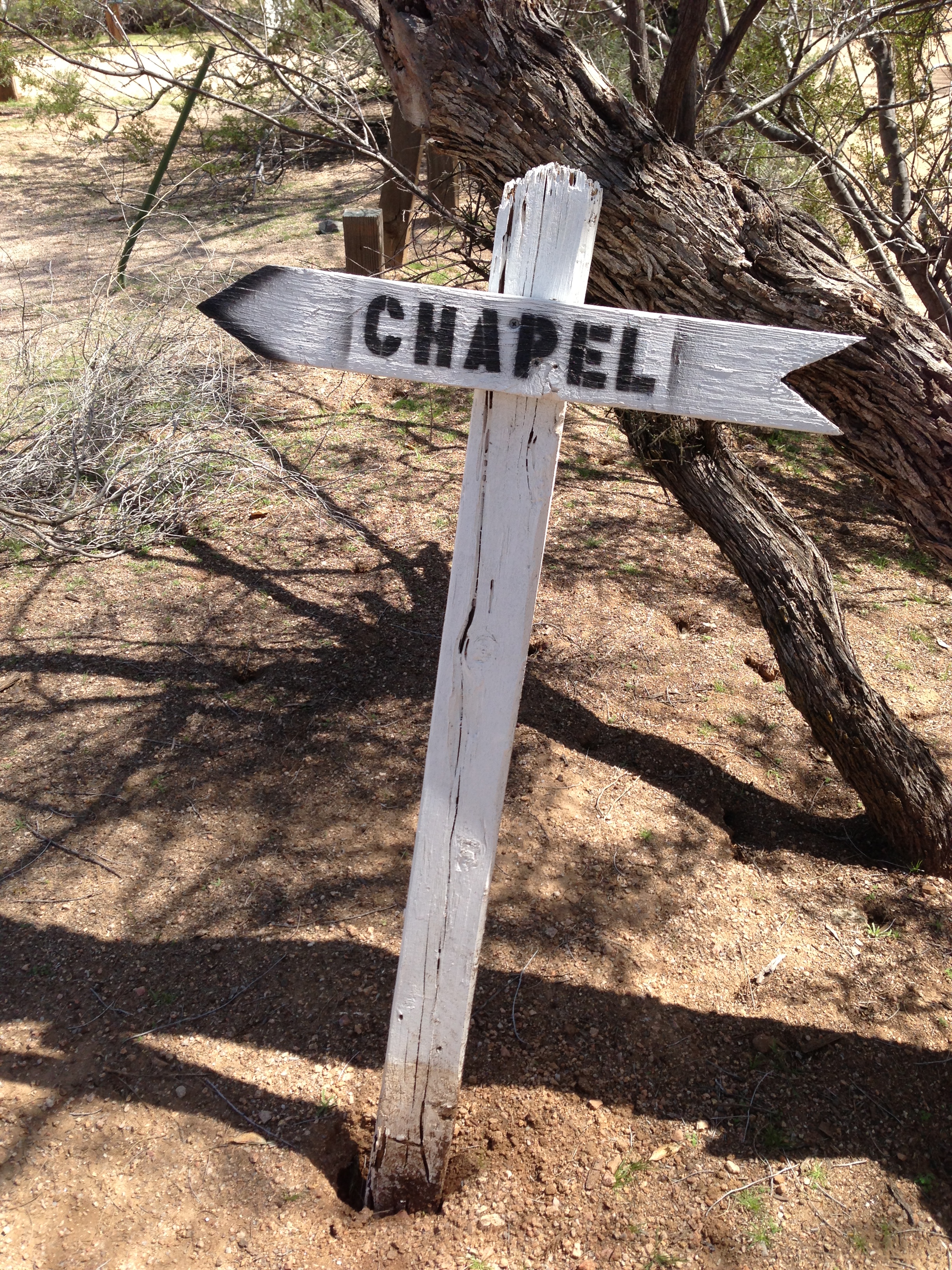
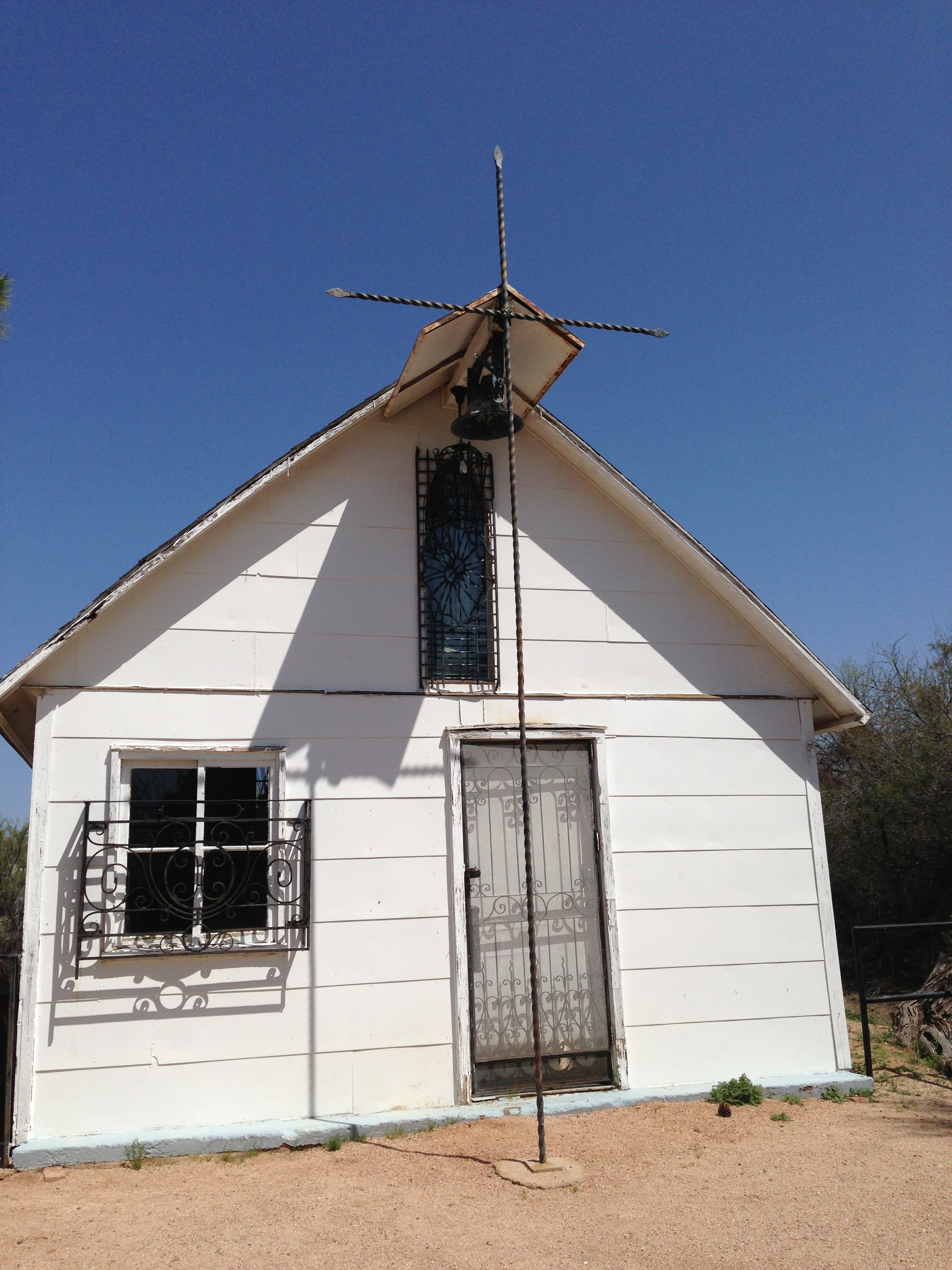
It’s a spiritual place, still.

chapel sign cu

I pray as I please.

chapel bldg

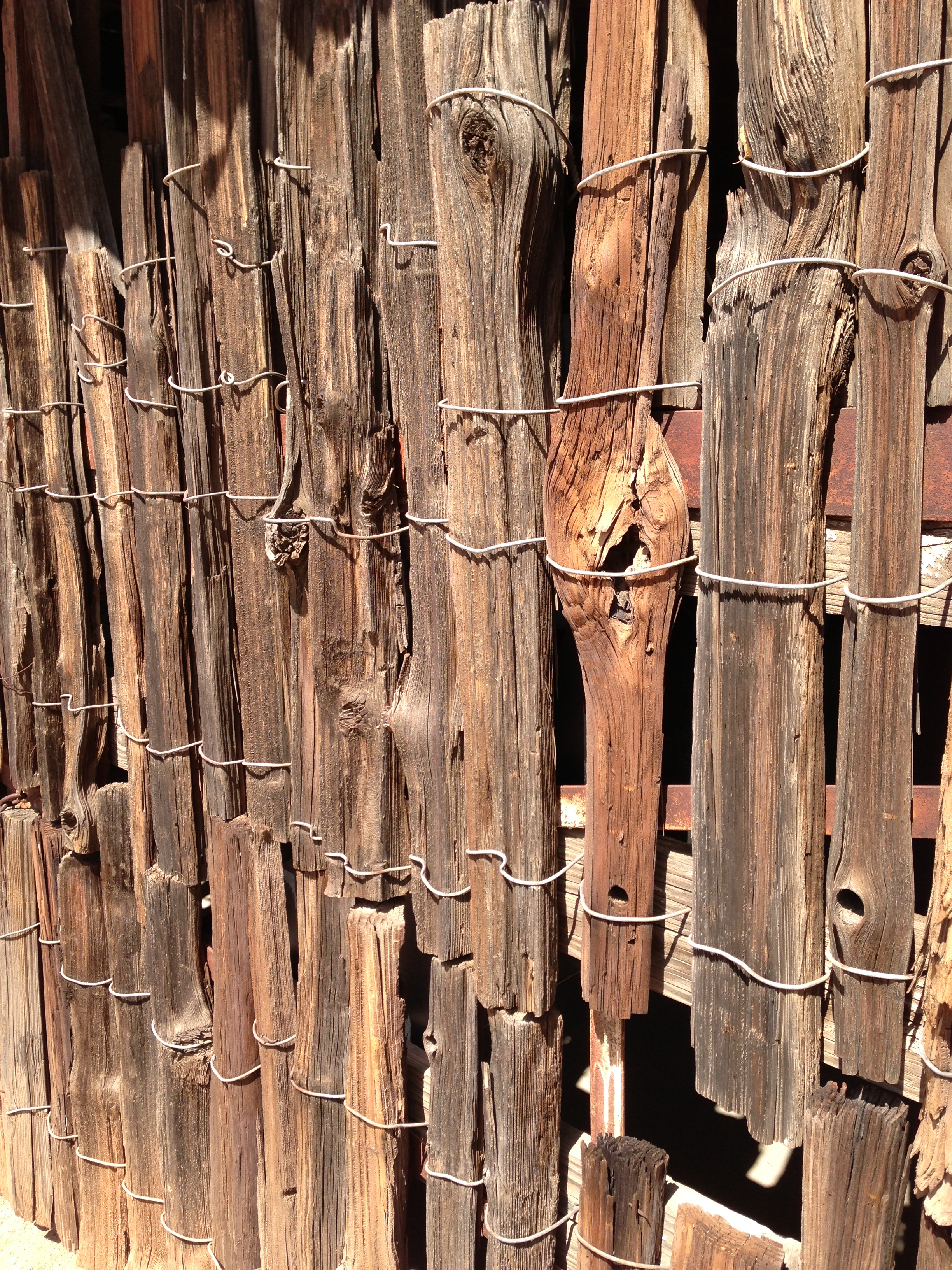
Don’t fence me in.

rough wood fences

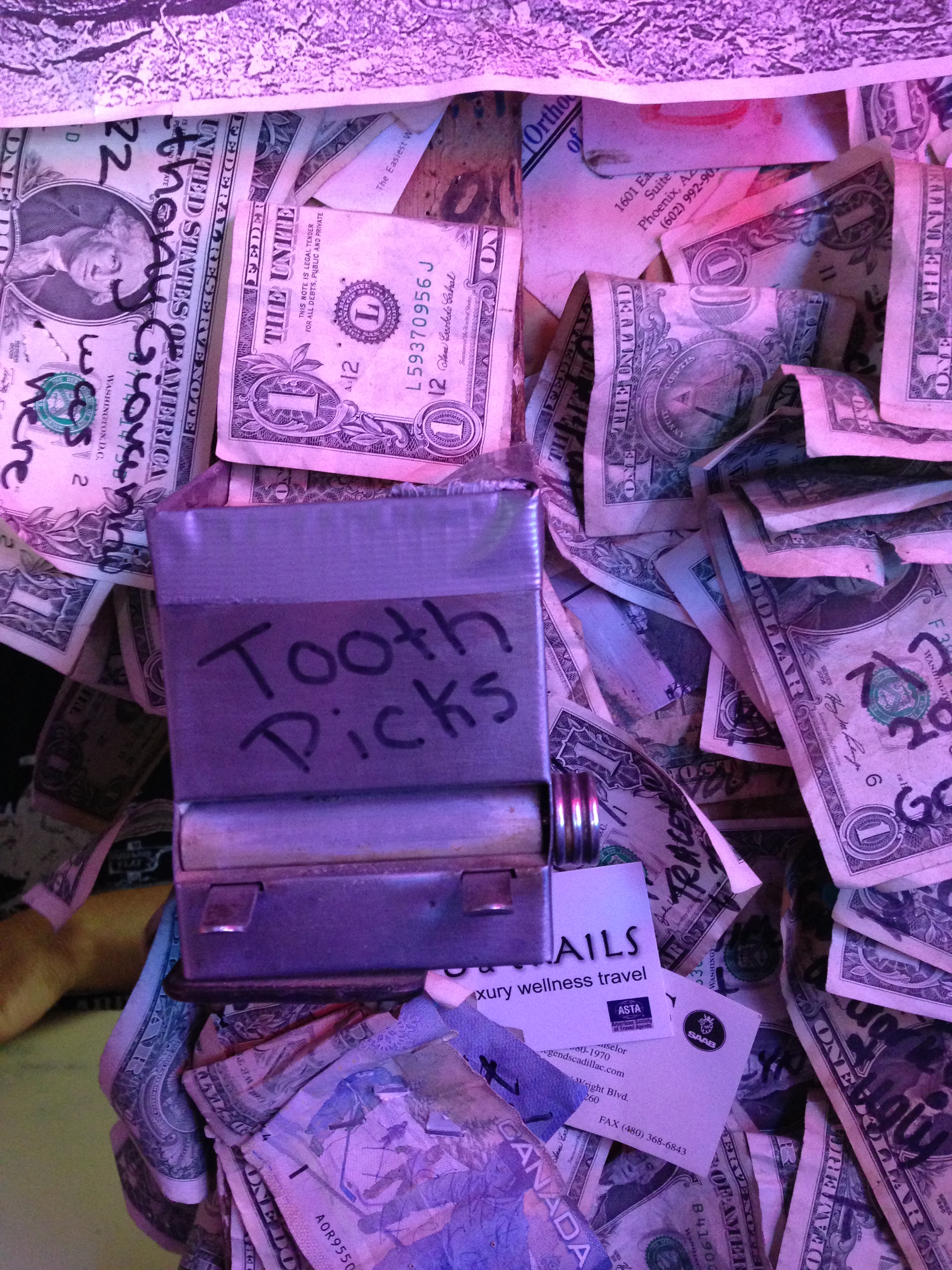
Be sure to take a toothpick for the road. Especially one from Greasewood Flat.

toothpicksand…

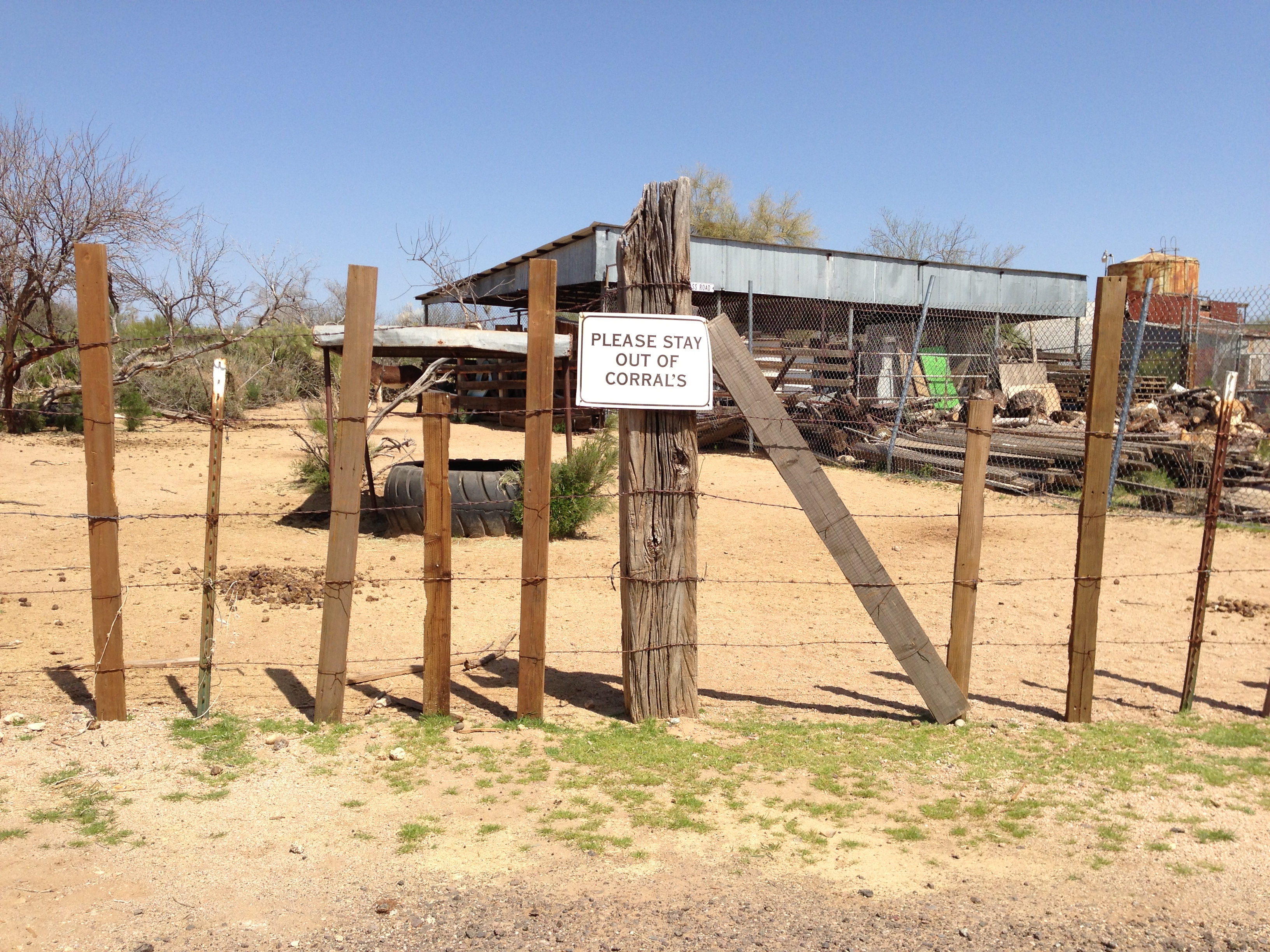
please stay out ofDonkeys bite.


3 Comments

Filed under History, Photography

Monsters in the Garden

I had been looking for days for an infant saguaro, knowing that they began tiny, nested under bigger, more mature, spreading nurse plants like mesquite trees. Not a one.

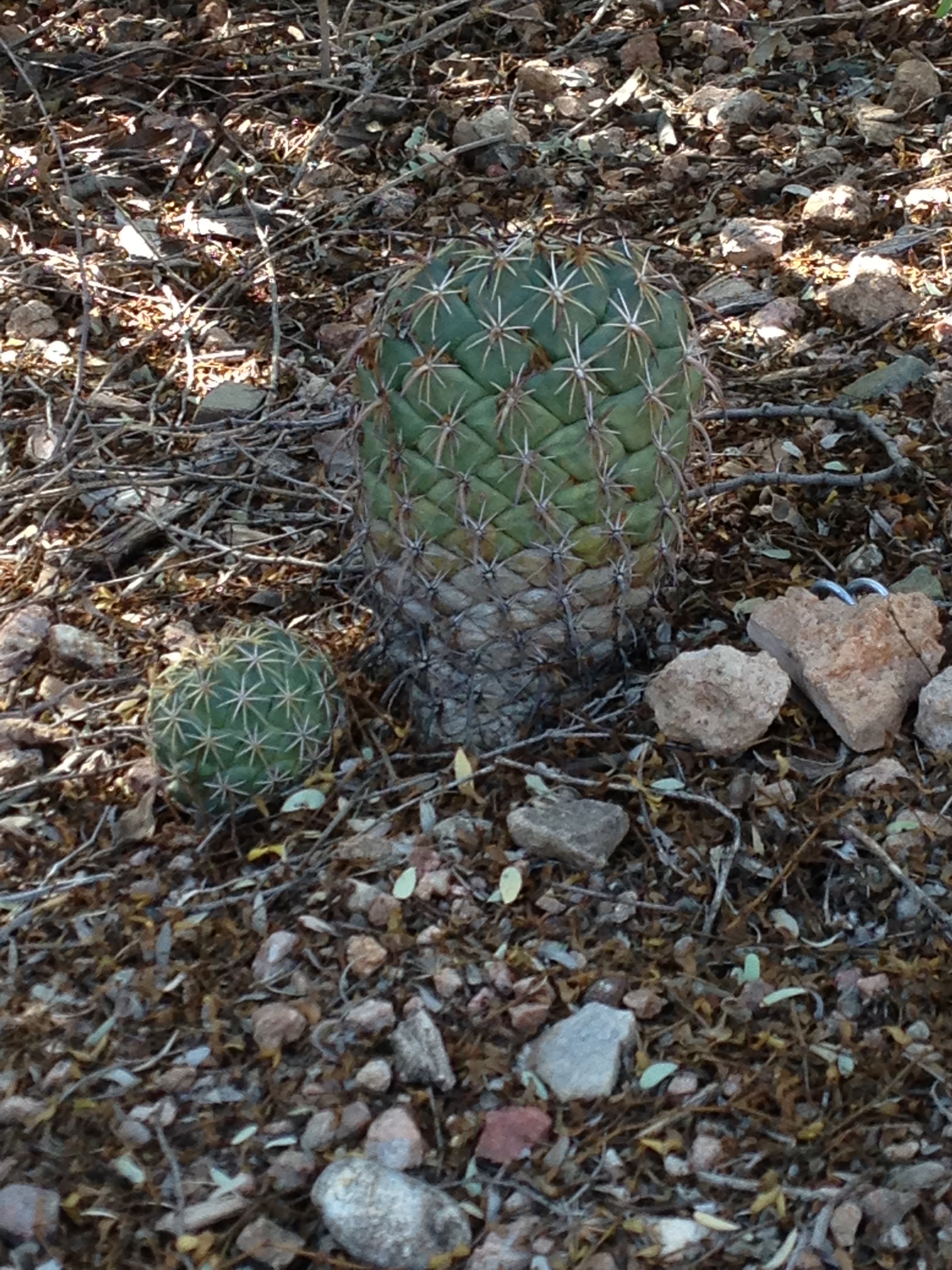
I found other babies.

other baby cactus

But not those of the saguaro. It was almost as if the giant cactii sprang full grown from the body of the earth. But I was determined. At the Desert Botanical Garden in Phoenix, I buttonholed a gardener who looked like a dashing, red-scarfed gent I once knew named Jorge.

desert gardener

He had silver duct tape holding together the crown of his straw hat,and when I first saw him he was supervising the planting of a smallish saguaro in a bed near the parking lot. In replanting, says my mother, you need to position them so that they face in precisely the same direction they did in the first part of their lives, or else they wither and die. Saguaros have to have the same relationship to the sun, always.

I knew this gardener knew saguaros. Could he point me in the direction of a baby? I asked. He led me through the winding walkways of the Garden. I wanted to find one that was no more than a nub growing out of the ground, just starting out. Jorge seemed to know exactly where it was.

We went through the grove of barrel cactus with its yellow fruit.

barrel cactus with fruit

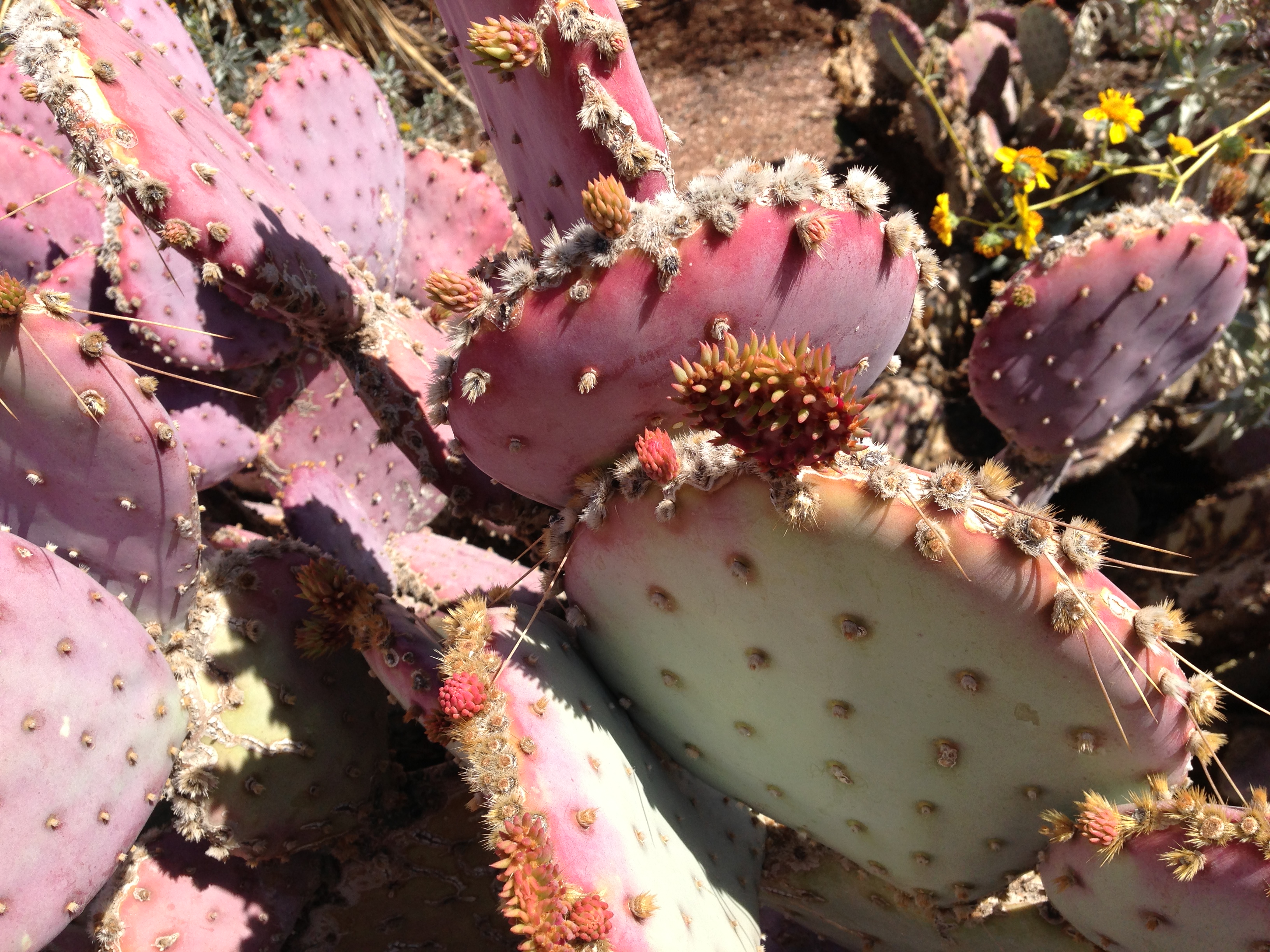
Past the blushing prickly pear.

red prickly pear

Past the half-hidden nest of an absent bird.

Nest

There it is, Jorge said. He pointed beneath a sheltering shrub, which protected the saguaro like a baby Jesus in a creche.

baby saguaro

Not quite an infant, he said. About five years old. It would take ten years to grow that big in the wild, he added with a touch of  pride. The Garden waters their plants so assiduously that they shoot up tall and bright, a technicolor green compared with the black and white of the desert that stretches all around.

Now that I had found my toddler saguaro, I could pay attention to the other fascinations of the Garden. An ebony-colored wood beetle chased us down the path, buzzing furiously. Art was everywhere.

woman plant sculpture

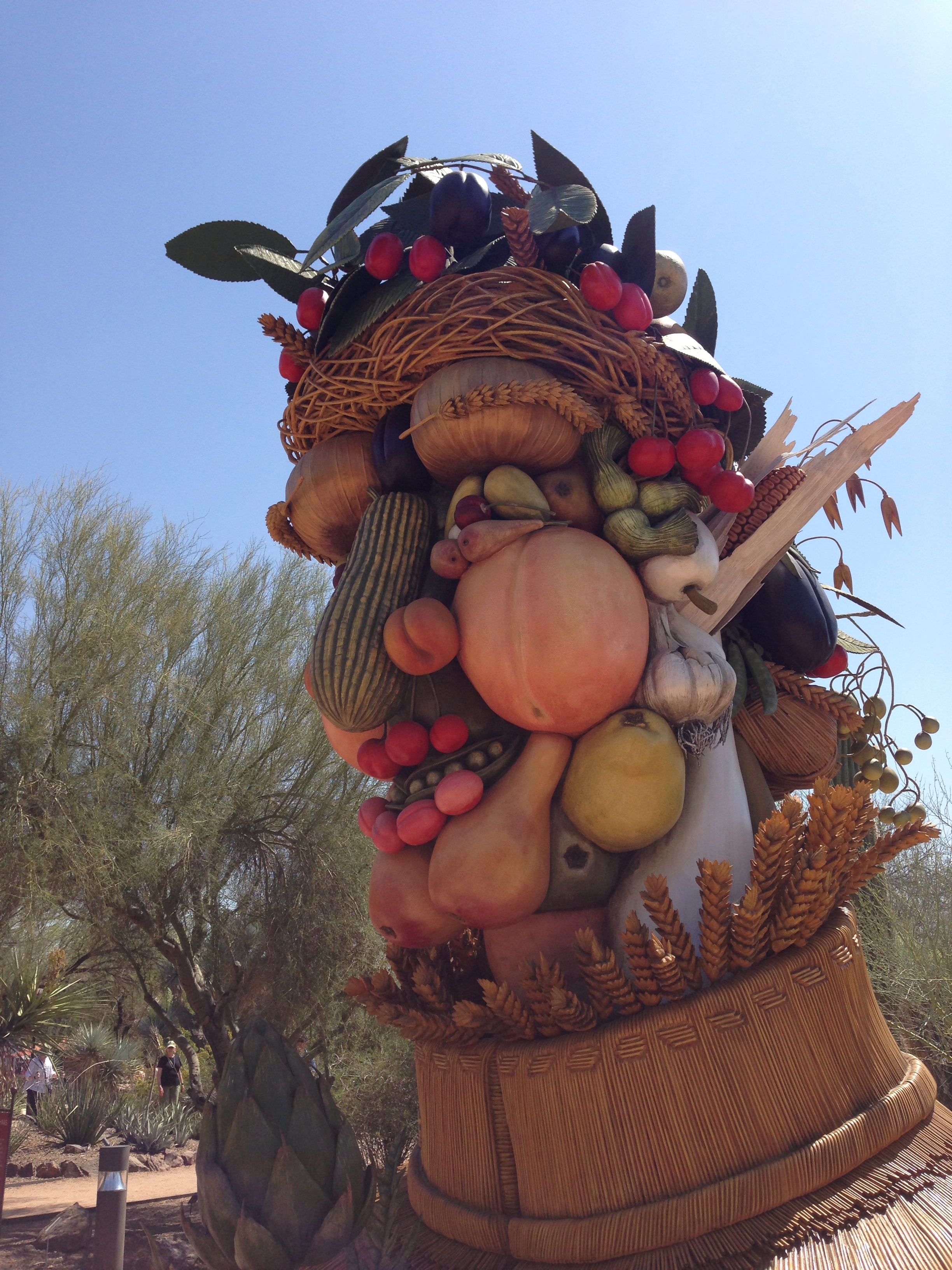
This piece, of course, suggests the Renaissance produce painter Arcimboldo.

arcimboldo

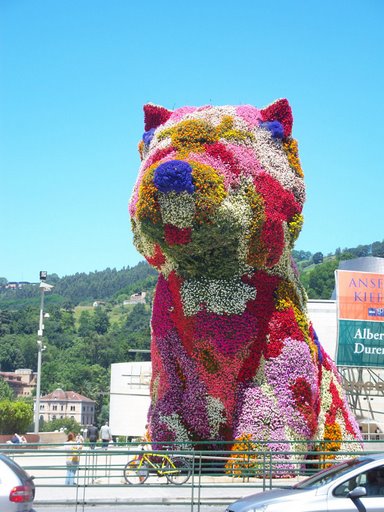
And Jeff Koons in his puppy flower phase.

Jeff koons puppy

My eyes were dazzled with not only organic but plenty of nonorganic growth, furnished by major sculptors.

pink sculpture

The soft green and hard metal played off each other.

sculpture:cactus

No, said my mother, I don’t like it. She was looking up at the Dale Chihuly forest of glass that welcome visitors to the place. It’s gilding the lily, she said.

Chihuly glass

I liked all that green glass. But maybe because the work was, first of all, monstrous, as were so many of the large-scale works scattered about.

I like monstrous.

Secondly, I was acquainted with Chihuly back in the early ’80s, when I visited his Pilchuck hot shop outside Seattle as a lowly member of a film production team, about the time he returned from the East Coast and blew up into a  legend. I was impressed with his pirate demeanor. And also with my experience of blowing a little glass, anything but monstrous, assisted by another dashing fellow, a tall long-haired Chihuly-ite gaffer who stood behind me and steadied my hands on the pipe. I thought that the keepsake I created would be mine forever. The thick-walled cup I made held exactly the right amount of vodka on the rocks, before it fell and smashed at about the same time I quit drinking a decade or so ago.

But maybe the natural vegetation was extreme enough. Lipstick cactus.

lipstick cactus

Dazzling enough in its nude simplicity. Agave.
agave

Some specimens remained from the opening of the garden more than 70 years ago.

historical desert garden

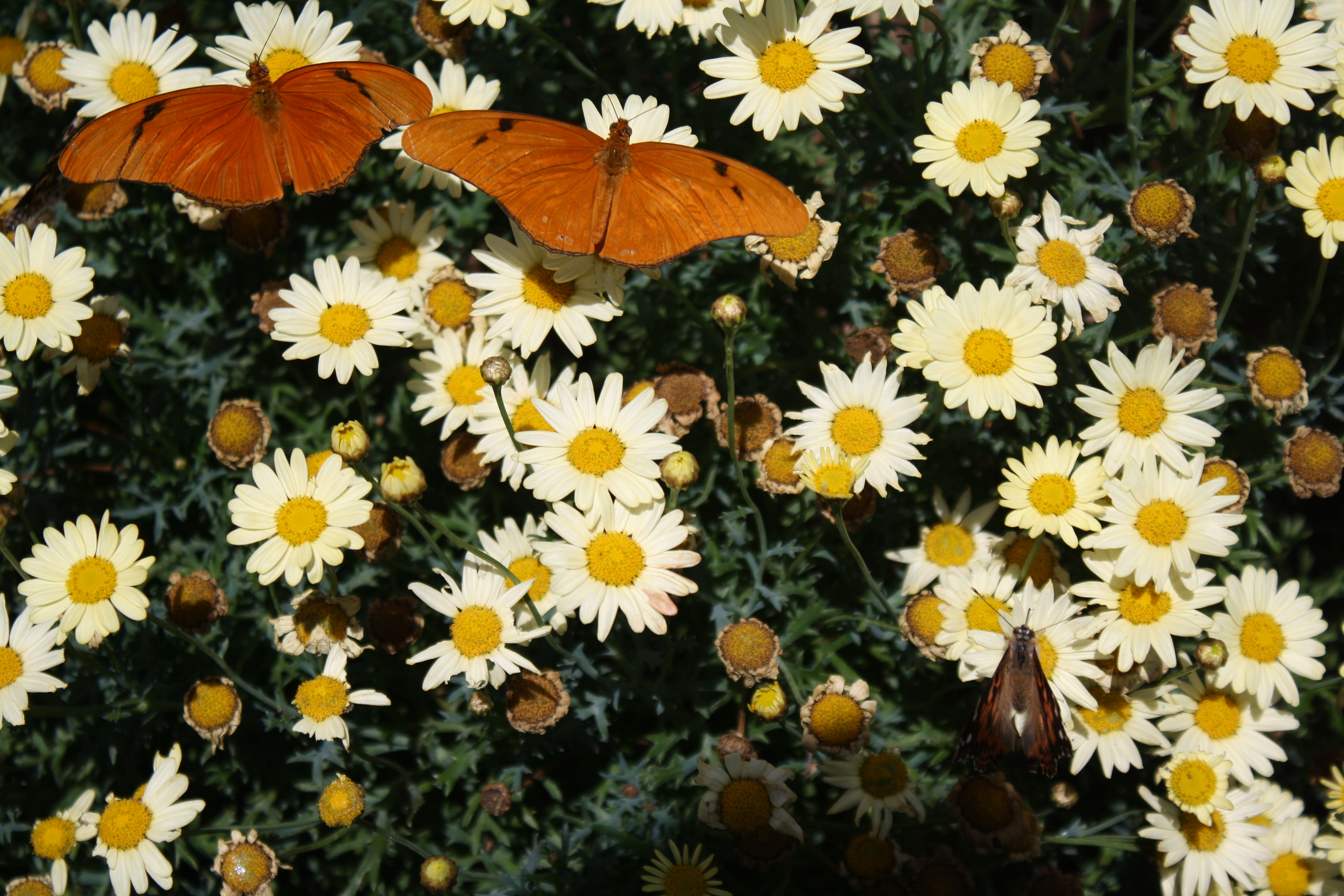
We had to go see how the butterflies responded, now that springtime had revealed its face to Arizona.

orange butterflies

Who doesn’t like butterflies? As we waited to enter their enclosure, I felt I could hear the throb of wings.

They kind of make me nervous, said Maud.

Good for you, the docent told my mother, in her white t shirt. They like white shirts. And they’re very partial to redheads.

None of us had red hair, but I hoped in my peacock-feather-painted blouse to be a landing strip.

The netted area had been planted, surprisingly, with swiss chard, which appeared to be uninteresting to the butterfly population as a food source. The butterflies drank instead from the cups of flowers. They seemed to be half in the process of coming alive and half in the process of dying.
black butterfly

Leaving them behind rather sooner than I thought we would – They make some people uncomfortable, they’re insects after all! said a staff person – we progressed toward the Garden exit through the gray-green fleshy fields of cactii.

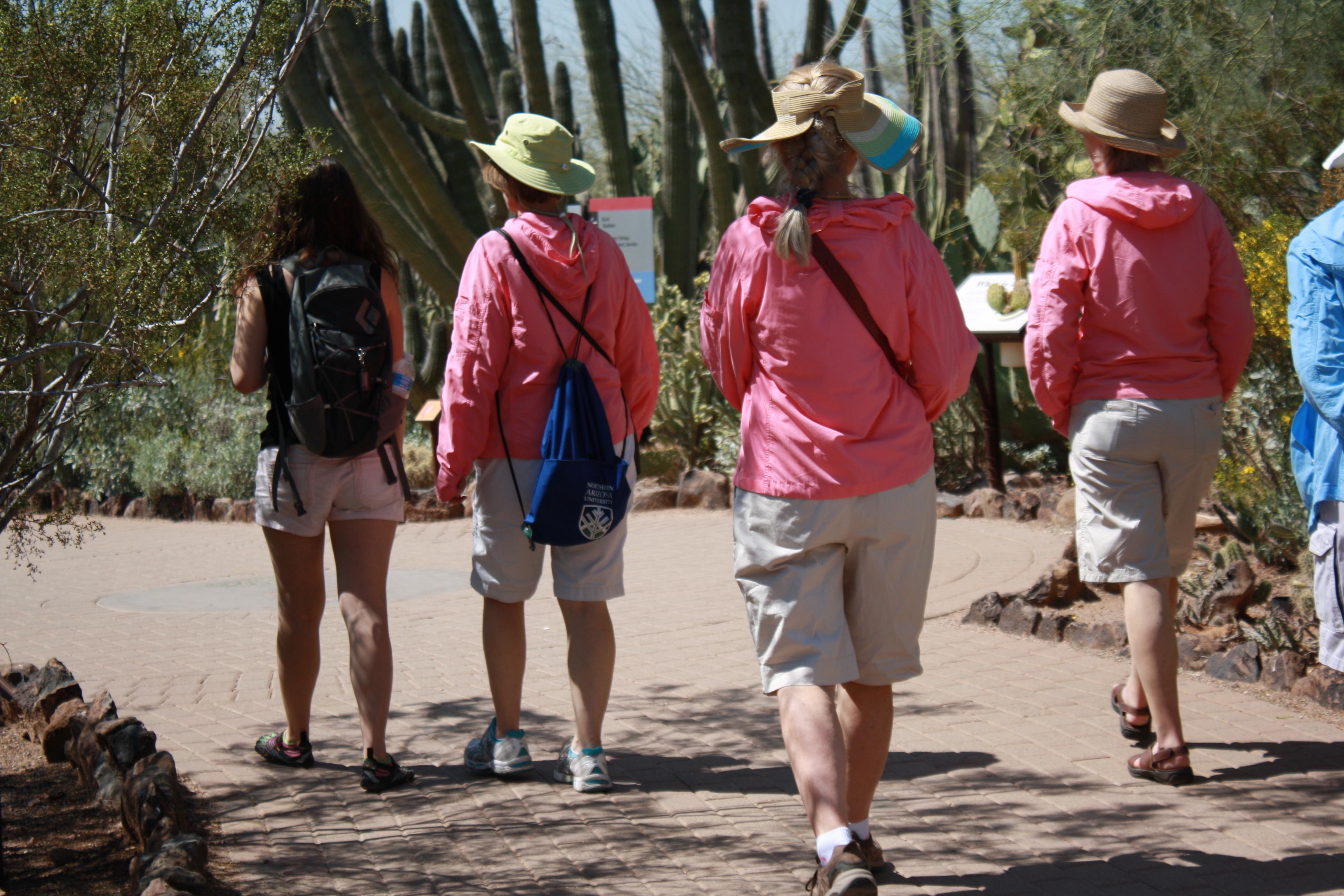
Three more butterflies hovered ahead of us.

pink ladies

Triplets, middleaged, each attired in a powder-pink windbreaker, cargo shorts and a floppy sun hat. I always wonder about multiples who dress alike above the age when their mothers outfit them. A matched pair of senior citizens used to roam Manhattan’s upper west side, mirror images in couture, nylons and cat-frame glasses. Related in spirit, the married couple who used to bike the streets to forage for horse manure for a Garden of Eden they planted on Eldridge Street, in the 1980s, when New York City was a simpler place.

Purple garden

Their names were Adam and Eve Purple. Their garden seemed to come out of nowhere. They dressed themselves, the two of them, in … purple.

17 Comments

Filed under Art, History, Jean Zimmerman, Nature, Photography

Bloody Places

Driving south on 17 from Sedona to Phoenix is a trip through the mysteries of western place names, western places, some of them bloody. At first, all you see are the greasewood’s craggy grey branches. The red of Sedona turns tawny, like a leonine pelt. Everything looks spent.

You begin to notice the names, imbued with the past: Bloody Basin Road. Hayfield Draw. Like Margs Draw Trail in Sedona, but that Draw was named, I think, after a mule.

Quath-qua-oda, which means “sweet red round” in Yavapai. What was sweet, and what was round, has not been recorded.

You pass bulbous shapes of cedars. High chapparal: blond grasses atop mesas.

You pass descansos, roadside shrines to car crash victims – two white crosses side by side, then a black cross surrounded by yellow flowers. One lensman, David Nance, has taken some great photographs of these shrines.

descanso David B. Nance

Reminding me of the wall in the gift shop at the greasy spoon this morning, all skulls and crosses.

skull crosses

“We say that the hour of death is uncertain,” writes Proust, “but when we say this we think of that hour as situated in an obscure and distant future. It does not occur to us that it can have any connection with the day already begun or that death could arrive this same afternoon, this afternoon which is so certain and which has every hour filled in advance”.

You come to General Crook Trail. George Crook, the Indian fighting general who earned his props during the Civil War (for the North), served afterward in the Pacific Northwest before repeatedly forcing the surrender of the Arizona Apache under Geronimo.

George Crook

Brown faceless mountains. Beautifully bleak.

Badger Springs Road and Horse Thief Basin.

Ravens soaring across the highway. Ash Creek. Agua Fria.

You pass Arcosanti, still under construction all these years later, its futuristic architect Paolo Soleri continuing to design apses. I still have my green bronze bell, someplace.

Rock Springs, with its biker cafe and 20 kinds of pie, its clutter of signs and decent schlock shop.

rock shop

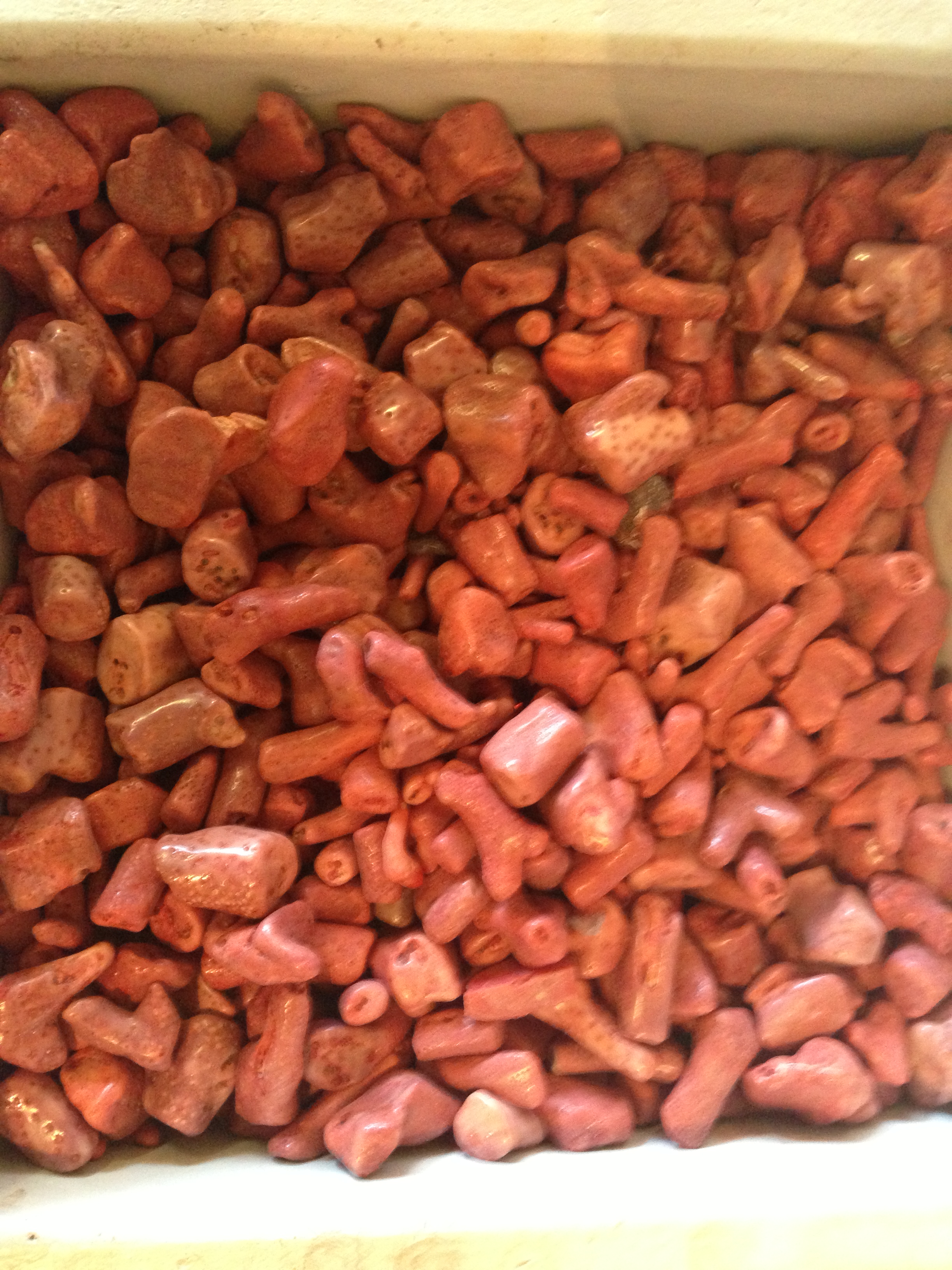
I like coral, hard to find in these days of overharvesting. But on this trip I got a piece half the size of my pinky nail for 75 cents. Good luck to me.

Coral

Little Squaw Creek. Moore’s Gulch.

You start to see ocatillo fly by, then Table Mesa, its top set with cactus and sagebrush.

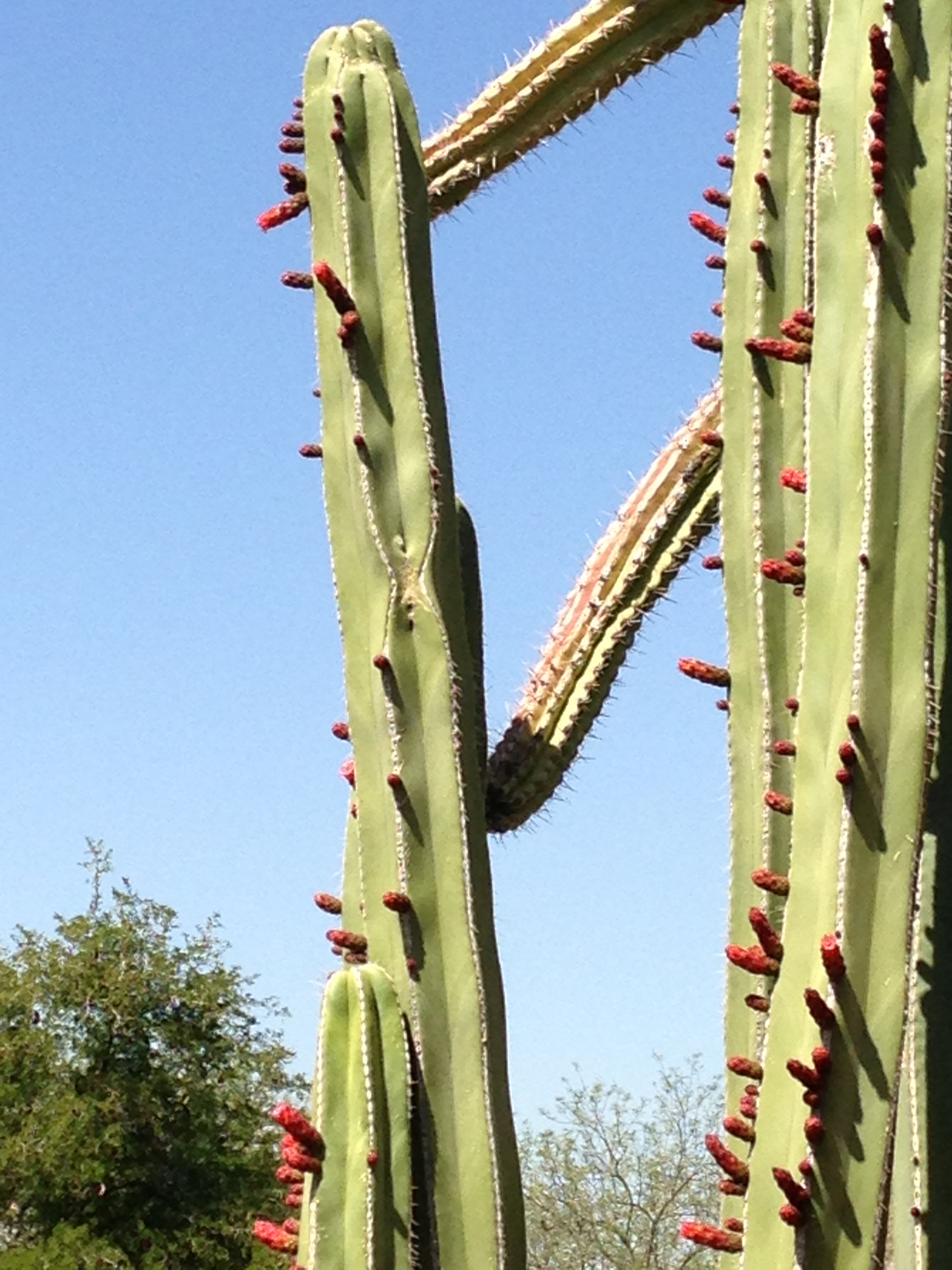
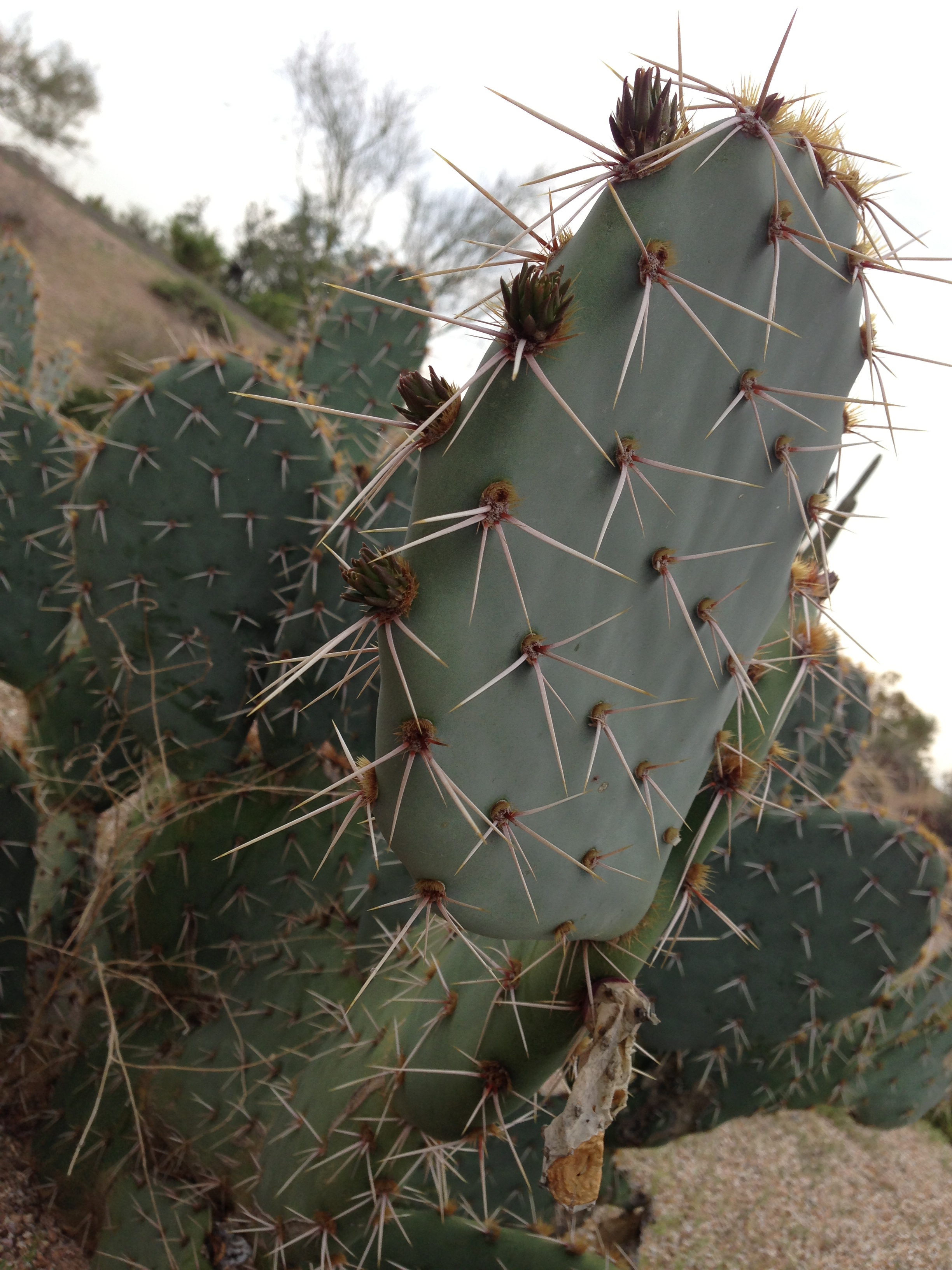
Finally you reach Bumblebee, and with it, now you’ve dropped under 4,000 feet in altitude, the first saguaros, ranging atop the hills. Prickly pear perks up.

prickly pear cactus

Bumblebee, a ghost town and former stagecoach stop, still has a general store and one ranch, yet for a while it sponsored swinging jazz fests. The burg was founded, it has been said, by the maker of Carter’s Little Liver Pills.

Spring starts now: a glimpse of orange globe mallow, a scattering of yellow broom bush, dangerous cholla.

cholla

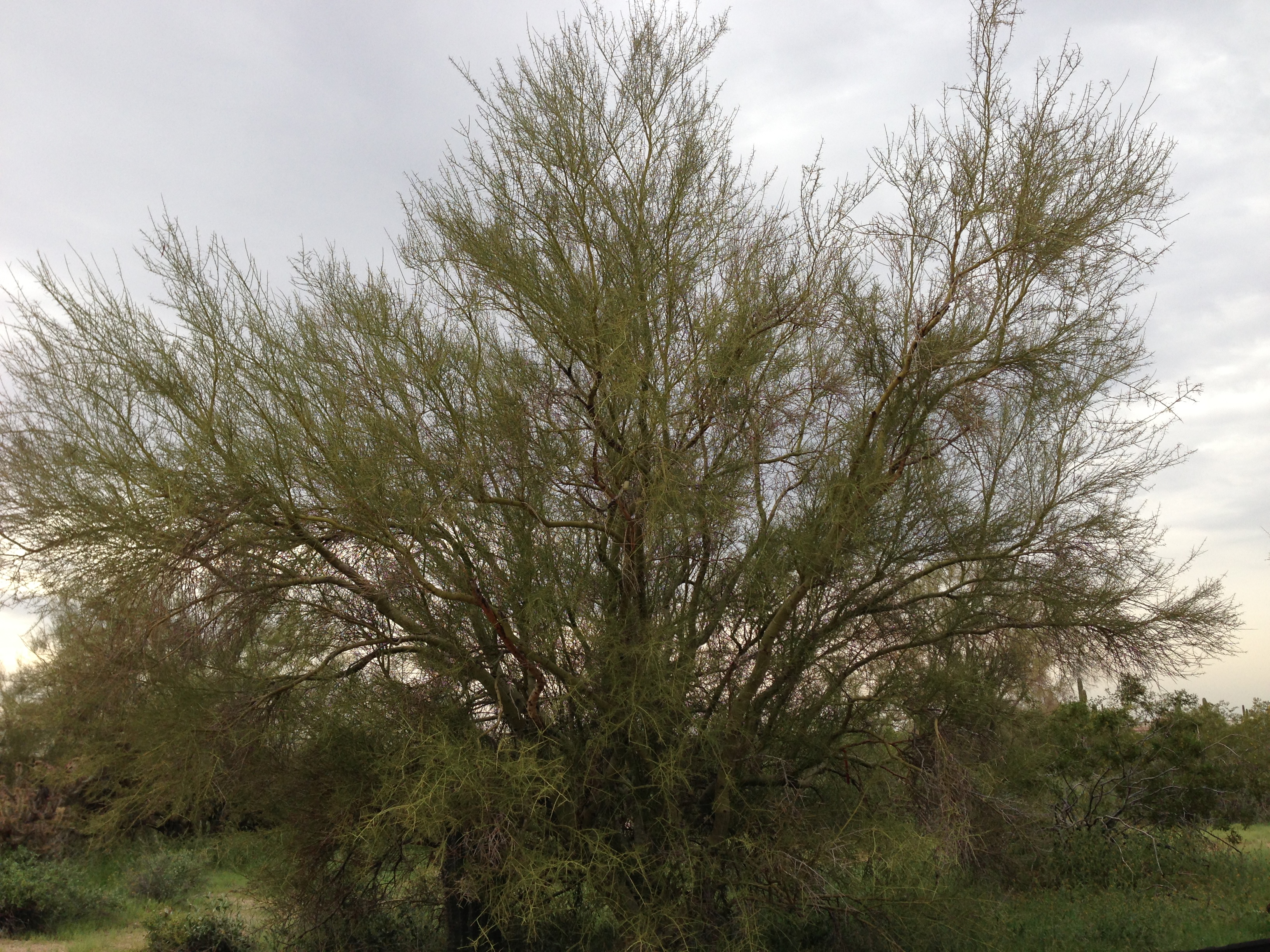
Palo verdes with green trunks.

green tree

Ironwood.

Angelita daisies.

bee on daisy

The thing about saguaros – they’re ancient, grow an inch and a half in their first eight years, then drag their asses along until they finally begin to get huge, attracting creatures in need of a fleshy home like this noisy cactus wren.

cactus wren

They produce luscious fruit.

saguaro fruit

Only when they get to be about 100 do they pop out arms, aging to 120, 180, even more than 200 years old. They can weigh six tons or more.

Occasionally one needs bracing, it’s gotten so fat.

propped up saguaro

There are some saguaros standing that General Crook could easily have passed on his way to punish Geronimo.

3 Comments

Filed under History, Nature, Photography

The Fires of March

Meanwhile… back at the Cabin, a guest post from Gil:

I’m thinking about Lars Mytting, who has a best-seller in Norway with his book, Solid Wood: All About Chopping, Drying and Stacking Wood — and the Soul of Wood-Burning.Hel Ved

Mytting’s book has not yet washed up upon these unenlightened shores, and the closest you can get is Thorsten Duser and Mimi Lipton’s delightful photo-essay, Stacking Wood.

One of the finest pleasures is a fire in the grate in March. With spring weather creeping up outside, the hot hearth has a bittersweet, valedictory air. The flaming chunks of wood crumble and fall apart like calving icebergs. The yellow-blue of the blaze my favorite color I think.

Ollie and Fire

Makes me remember the fires of The Orphanmaster:

They were silent for a long moment, both staring at the embers. There were cities revealed there among the coals, fiery foreign hells, countries of the damned.

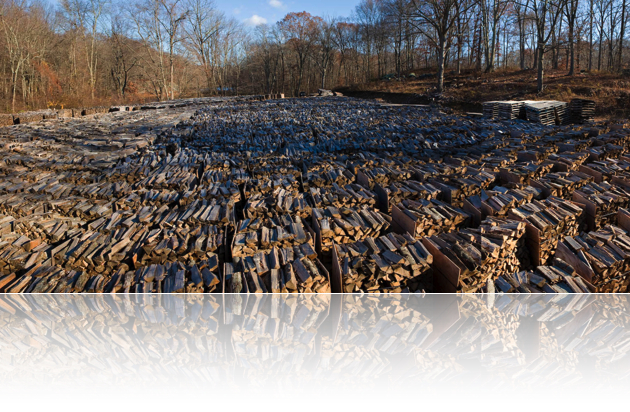
We had fires almost every day over the period The Orphanmaster was written. The winter of 2010-2011, a good year for woodfires. We got our wood from our long-time purveyor, George Hauser Firewood.

Our friend Terry Lautin put us on to Hauser back in 1998 when she lived in Westchester. Later, when we started using him to supply our own fireplace in Hastings-on-Hudson, we discovered that a few of our more discerning friends used Hauser, too. This wasn’t your unseasoned, trash-wood cuttings offered by tree service and landscaping crews. This was year-old ready-to-burn hardwood.

Our pals Neil and Michelle White were talking about burning Hauser wood. I recalled Aline and R. Crumb’s masterful celebration of his tape dispenser, and said that Hauser was the “Better Packages” of firewood. A small, family-owned business that simply got it right, providing a superior product by dint of an uncompromising, old-fashioned way of doing the right thing.

We visited his woodlot, off Route 22 in Putnam County.

Hauser Woodlot

George: “People come out here, they always quote Thoreau to me, I tell them, this wood here, I’ve been warmed up hundreds of times.”

George Hauser died last year, but his business is being carried on by his wife and son-in-law. RIP George Hauser, one of the last of a vanishing breed of American.

5 Comments

Filed under Dogs, Fiction, Home, Photography, Publishing, The Orphanmaster, Writers

Play Time

A family of four sat across the aisle from me today on the flight to Phoenix. The boy had no toy, and pestered his dad with questions about whether he would rather be a polar bear or an iguana, a butterfly or a gorilla. The girl, a nugget of a toddler in pink-and-white-striped tights, contented herself with an apple and a paper bag to play with.

Toys, ubiquitous in childhood, can consist of brown paper and a piece of fruit. A stick or a stone. Or more, much more.

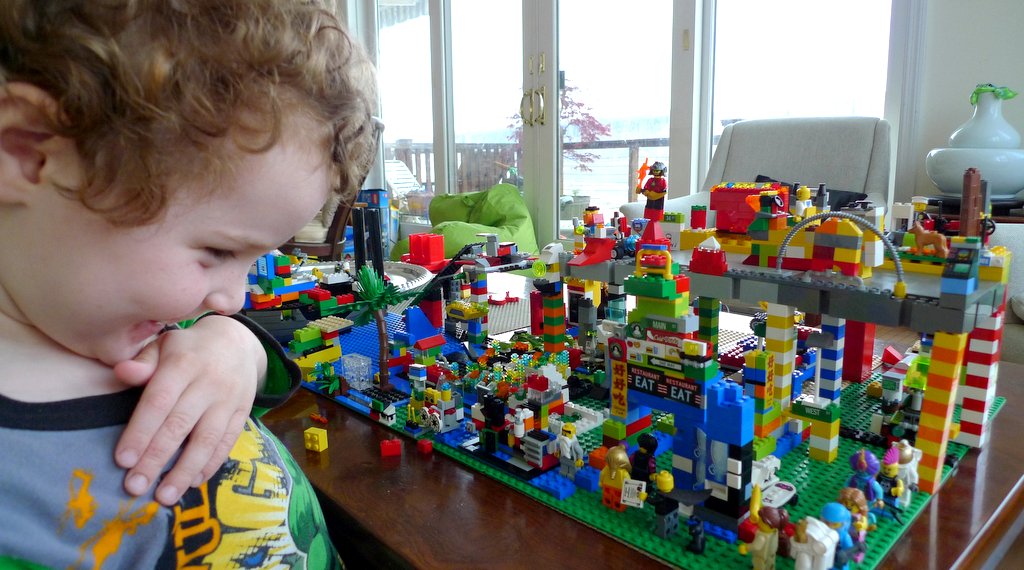
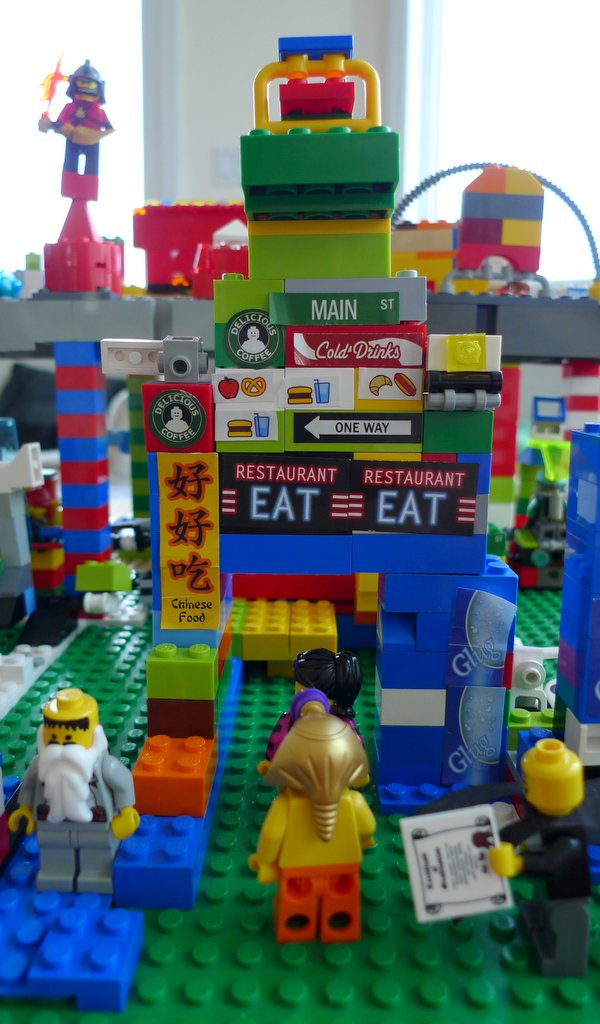
My nephew Jasper has a six-year-old’s delight in Legos. His collection of pieces numbers in the hundreds at least, probably the thousands.

Jasper w Legos

He builds worlds. I spent a fraction of play time with him recently constructing a Lego jail with barred windows and a couple of Lego bad guys. I wanted to give them green Lego fish to hold, thinking they deserved a good meal in prison, and he went along but later removed the food. It didn’t fit in his particular vision of this play world.

At Jasper’s age, my world was defined by dolls I fed, dressed, succored. And my dolls’ accoutrements, which I loved. I recall the deliciously plastic smell of Little Kiddle dolls, tiny figures that came in a case complete with a wardrobe, their synthetic pony tails shiny and combable. Playing with them, talking to them, in the air conditioning of my brother’s room during a heat wave. I also had vintage playmates a little bigger, Ginny dolls, courtesy of my grandmother, which came with their sliding-door closet and a perfect crib with a side you could raise or lower.

Ginny doll

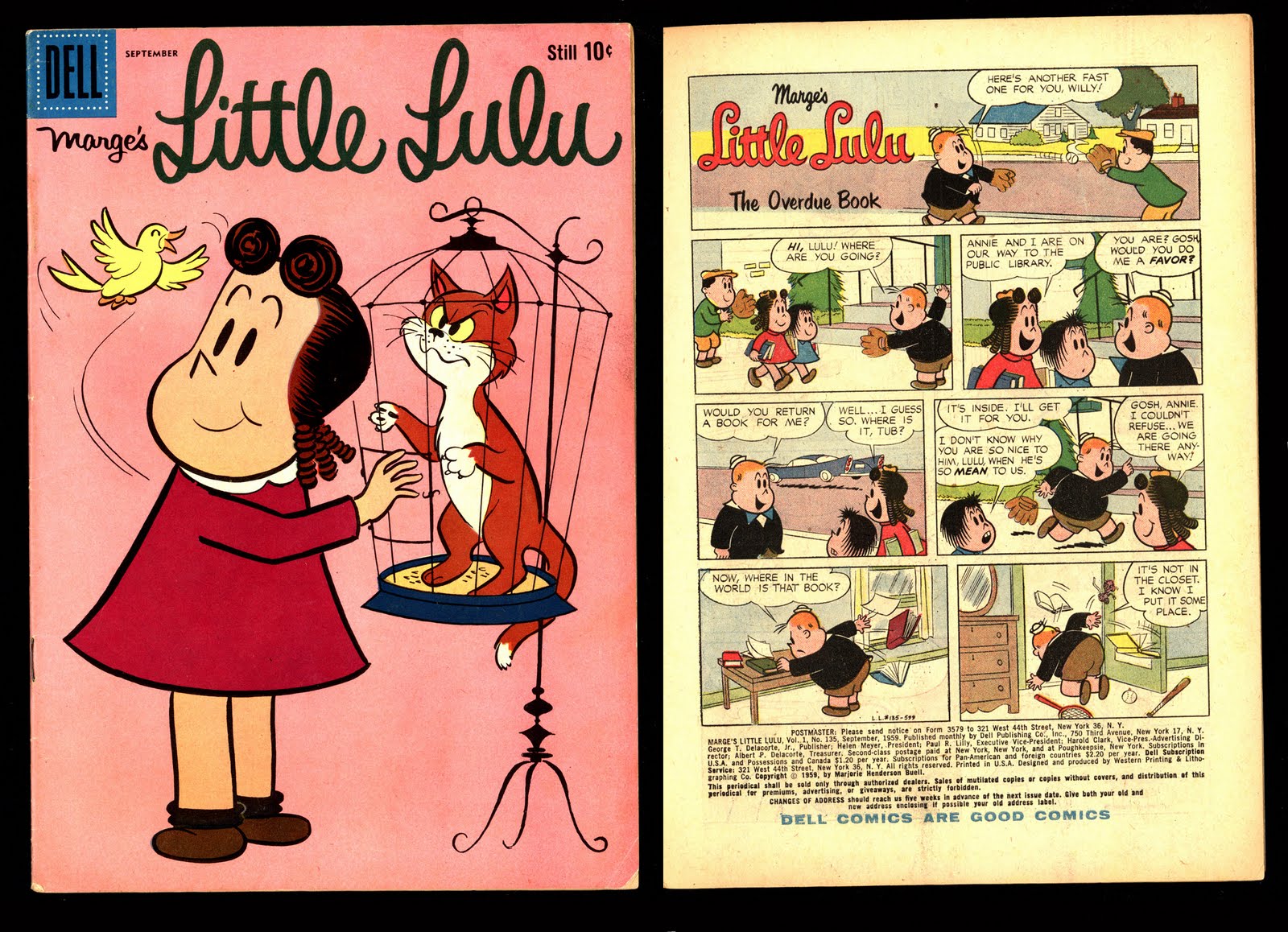
My mother favored paper dolls, the kind you punched out of heavy paper, “because you could play that by yourself.” She always was independent. In the attic of her childhood home we found metal toys, a creaky ferris wheel, mysterious Little Lulu comics.

Little Lulu 135a

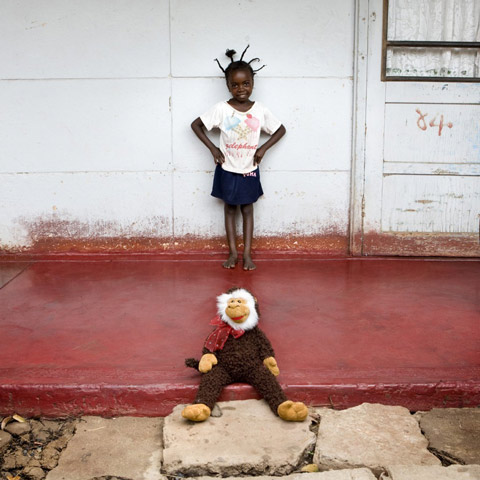
What are toys to kids? It’s easy to say: just fun. Experts disagree. The Italian photographer Gabriele Galimberti spent 18 months capturing images of children and their toys all over the world. Toy Stories bespeaks the universality of toy play, no matter if a kid lives in Malawi or China. Toys, Galimberti found, are both protective and functional, but the precise degree of either varies from culture to culture.
Botswana.

Botswana

Texas.

Texas

Italy.

Italy

And many other photos of places and children that are equally compelling.

On the plane today, the young traveler finally took out a white teddy bear and hugged it to his chest. I thought of the polar bear he’d been bugging his father about. Was this, somehow, that bear?

A child has a world in his mind and a world in his hand. That’s power. Ask Jasper.

Jasper's restaurant

7 Comments

Filed under Jean Zimmerman, Photography

Geezing

A meeting of the New York Ship Lore and Model Club, tucked away around an alley in Chinatown.

welcome ipad

Appetites whetted by exotic bounty, we made our way through the unusually quiet streets.

dragons

chinese fruit

The occasion, a lecture on “Sailing the Northwest Passage” by Richard Hudson, captain of Issuma, a 50’ steel staysail schooner.

Issuma

The president of the club piped us in. “It’s a fabulous organization for geezing,” she said. “We gather once a month to geeze!” The filled-to-capacity room was lined with a clutter of nautical stuff, including a handsome model of a steam ship.

ship model

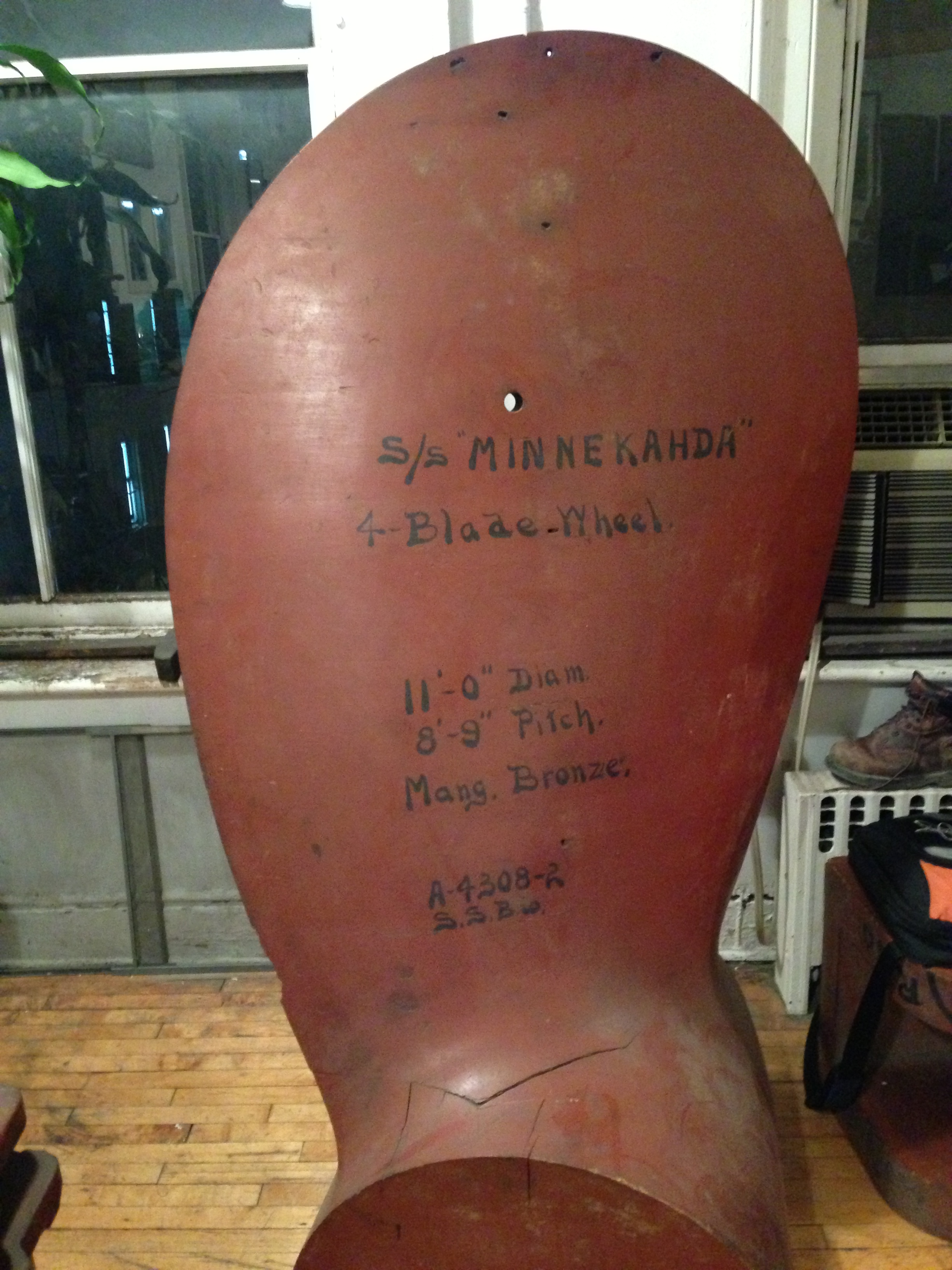
And a piece of the screw of some large vessel, now a weighty souvenir.

Screw

The audience included a cable-knit sweater or two and one magenda-locked lady, but, mainly, a number of earnest plaid-shirted hobbyists. Geezers. A woman stood to make an announcement about rehabbing old oil tankers. A man recommended an article in Outside magazine about the sinking of the replica of the HMS Bounty during Hurricane Sandy.

Hudson’s talk about his trip — from the Davis Strait in the East to the Bering Strait in the West, or Arctic Circle to Arctic Circle — had me mainly shaking my head at how little expertise I have on the subject of sailing the world’s seas. Masts broke, wires snapped, the freezing heavens conspired to keep Hudson in port after port. Roald Admundsen was the first to sail the Northwest Passage, in a wooden converted fishing boat, taking off from Norway in the middle of the night to evade his creditors. The charts were primitive, but he managed it.

Roald Engelbregt Grauning Amundsen.

But I could listen for hours to Hudson’s tales of Labrador, its whales, polar bears, the death of seal hunting and cod fisheries, its abandoned settlements along the shore. Pictures showed icebergs like giant animals carved out of limestone. A place called “Black Tickle,” it seems, takes its name from what Labradorans call a long, narrow body of water: a tickle.

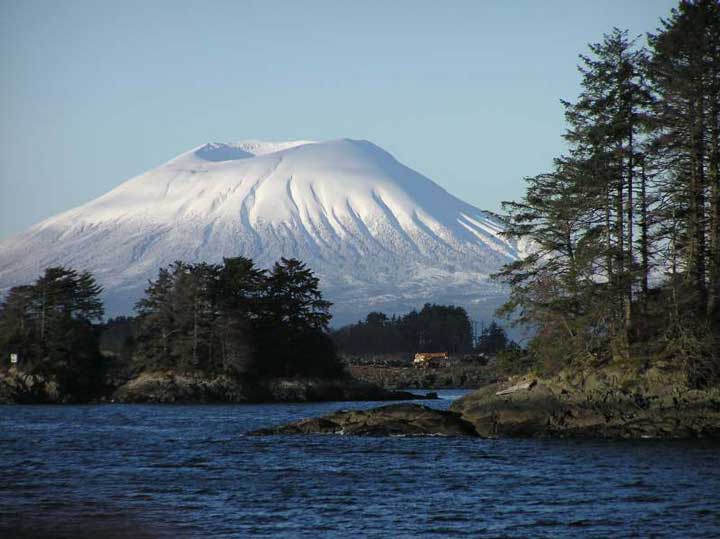
The icy majesty of Mt. Edgecumbe, the volcano near Sitka.

Mt. Edgecumbe

An Alaskan town called Tenakee, population 60, is built around a hot spring, where the male and female residents take dips on alternate days. Captain Hudson made Brazilian Caipirinhas with cachaça and ice from the local bergs. Delicious.

caipirinha1

I’d like to work the words “following wind” into my vocabulary, and my life, on a daily basis. And these northern climes have not only rainbows, but white rainbows – those slightly obscured by fog. If I heard correctly, there is a village someplace in Canada called “WillACockTalk”.

And as I’m turning these cold, splendid, gale-blown pieces of lore over in my mind. The Q and A begins.

“Was the hull flame-sprayed with zinc?”

The boat techies zero in.

“What watch schedule are you comfortable with when you’re single handling?”

This was a fifth-story loft on a narrow street in Chinatown, geezers adrift on a sea of  zinc and watch schedules. What, I wondered, was going on in all the other rooms, in all the other buildings, on all the other New York streets? What secret handshakes were making themselves felt.

4 Comments

Filed under History, Photography

The Chaos of Memories

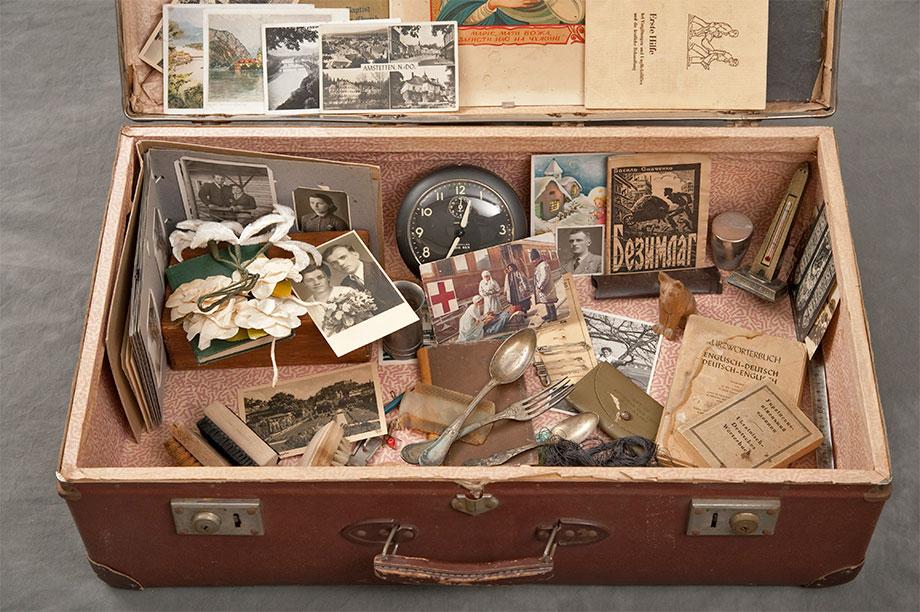
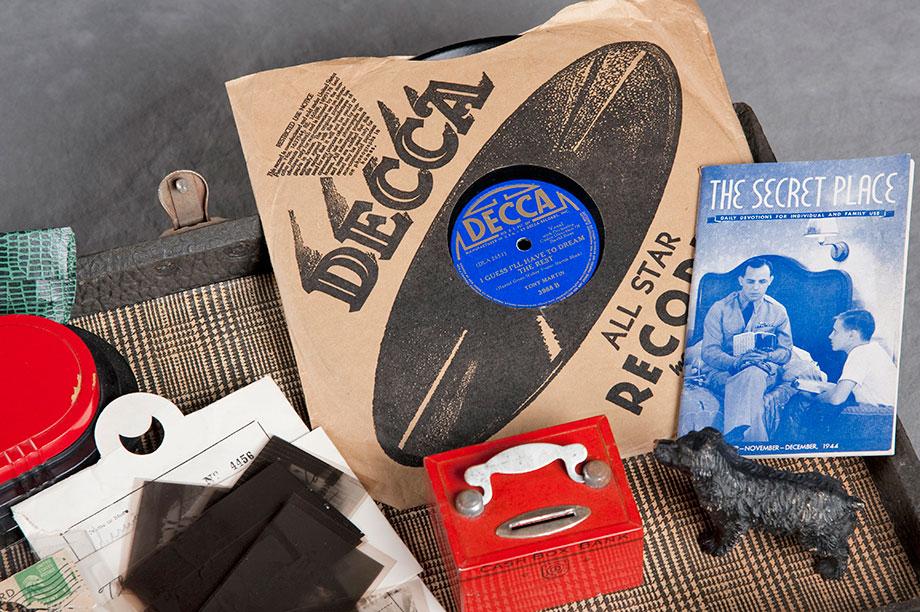
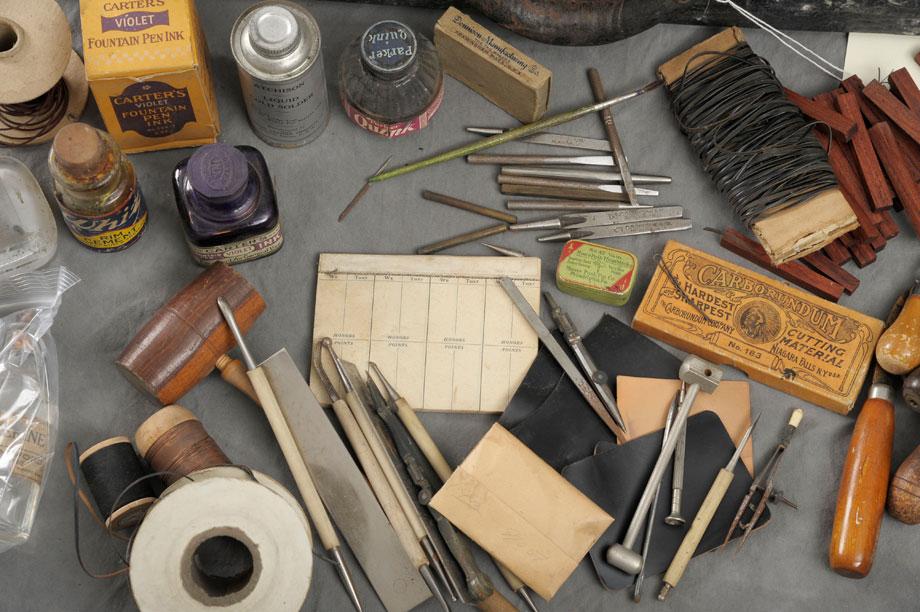
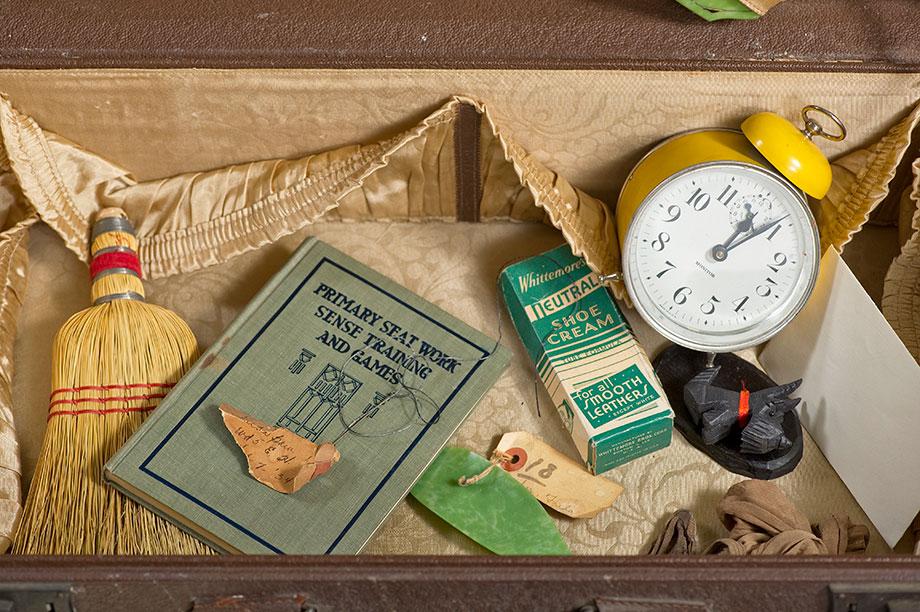
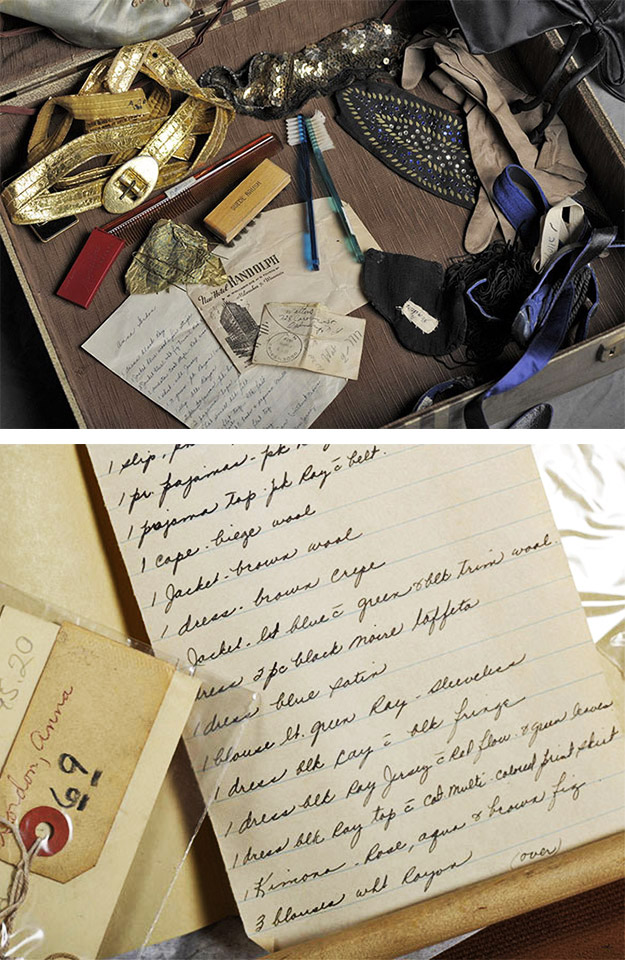
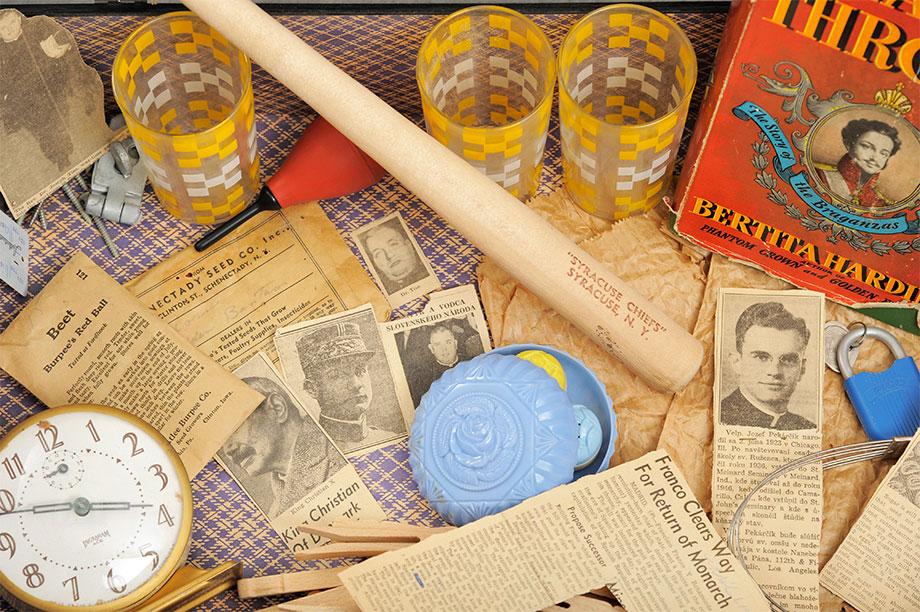
There is a photographer, Jon Crispin, who has taken some arresting pictures of the suitcases belonging to crazy people. I’m talking about mentally ill patients incarcerated in the Willard Asylum for the Chronic Insane in New York State between the 1920s and the 1960s. When the hospital was converted into a prison in the mid-1990s, around 400 carrying cases of deceased patients were discovered in an attic. Recently, Crispin spent a year working to document the belongings of people who are now ghosts. Here are some of the 80-100 photos he has made so far.

Willard suitcase 1

These are marvelously textured snapshots of men’s and women’s lives. You can’t believe the things the photographer discovered, the objects he documented: from toothbrushes to dimestore snapshots to spools of thread. The beautiful and the banal hand in hand.

Willard suitcase 2

One person had a comprehensive set of woodworking tools. Another, a lengthy itemization of her elegant clothing. We have some idea about who these people were because patient records survived and because former Willard staffers worked in tandem with the New York State Museum to preserve the cache of luggage.

I’m especially moved by this project, having many friends and family members who might be a bit “teched,” you could say (myself included). In previous eras, all of us might be stigmatized and isolated in an asylum, with only a suitcase to our names.

Willard suitcase 3

The satchels and valises call to mind something the great German writer-philosopher-aesthete Walter Benjamin wrote  in “Unpacking My Library,” a famous essay about book collecting: Every passion borders on the chaotic, but the collector’s passion borders on the chaos of memories. The collectors Benjamin had in mind were connoisseurs of fine volumes, leather-bound works worth thousands of dollars apiece. But his words apply as much I think to those who have fallen on hard times, people who build their very finite collections-in-a-suitcase inadvertently to some extent (what trinkets you wind up with at the end of the day) but deliberately, also (what you make every effort to keep, against all odds).

Willard suitcase 4

In collecting, on a bookshelf or in a suitcase, you yourself assign value to objects, you alone decide what is worthy. It’s a way of managing that “chaos of memories,” and it elucidates your character. I like something Crispin said in an interview with Collectors Weekly: “The suitcases themselves tell me everything I want to know about these people. I don’t really care if they were psychotic; I care that this woman did beautiful needlework.”

Willard suitcase 5

He told Slate in a recent article that the project wasn’t all ghastly: “Some of the stuff is funny. You see odd things: false teeth out of context, for example. It wasn’t all heavy-duty, serious stuff.  I think the pictures are successful because they do convey a sense of time and the struggle people had to deal with.” Some of the pictures will go an exhibit at the San Francisco Exploratorium on April 17.

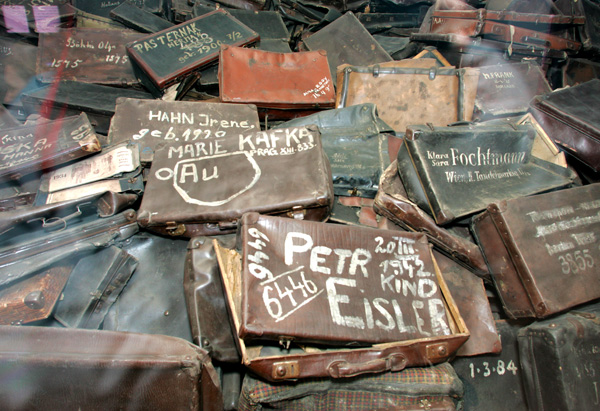
To me, though, the sadness inherent in these carryalls brings to mind another, notorious image of abandoned suitcases – the ones at Auschwitz, now piled high in Block Five of the on-site museum, marked with victims’ names, telling their woesome story alongside shoes and a display of artificial limbs.

Auschwitz color suitcases

But, incongruously, the photos from Willard also call to mind a more immediate, recent, happy time, for me, when I was touring to talk about my novel and my suitcase was always packed beside my bed with what I needed to fly. Face wash, check, Kindle, check, laser pointer, check. I got a suitcase for my birthday after years of depending on a dilapidated duffel. The new green bag meant unexpected, exciting things might occur at any moment.

The people whose suitcases Crispin depicts weren’t going anyplace. What was in that luggage was their whole world.

Willard suitcase 6

Now, this blog is a kind of suitcase for me. In it I stash small and large things of some importance to me. And for a brief moment, sometimes, you pop the top open and have a look in. What would you like to see here? What interests you? Tell me outright in a comment and I’ll try to pack it.

5 Comments

Filed under Art, History, Jean Zimmerman, Photography

Mud Pies and Other Delicacies

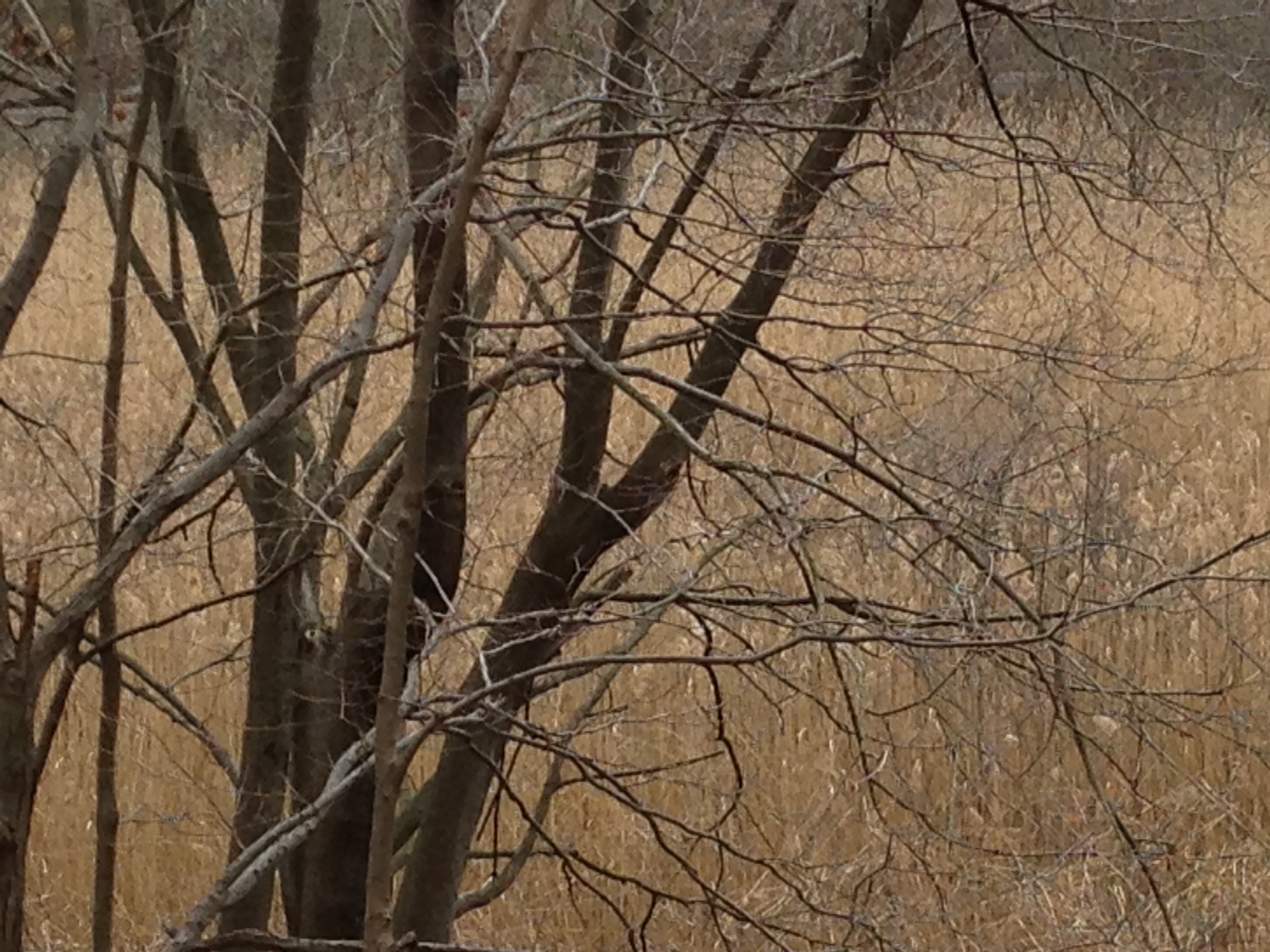
I think this is my favorite season. It’s actually an inter-season, when the last of the snow has nearly melted and the reeds of last summer still stand tall and blond and dry.

old snow

winter reeds

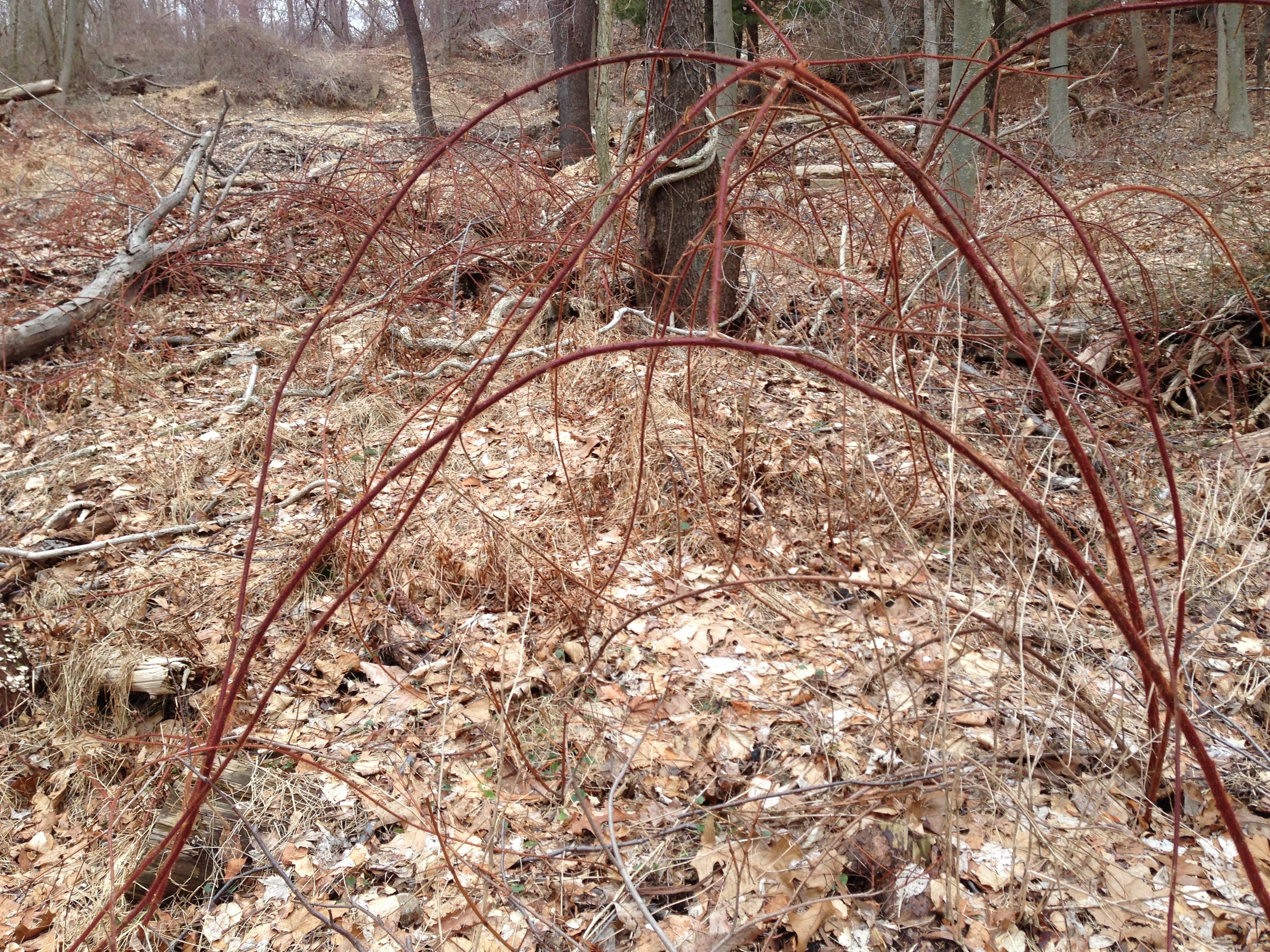
And yet… the canes of bushes like these raspberries are reddening.

red canes

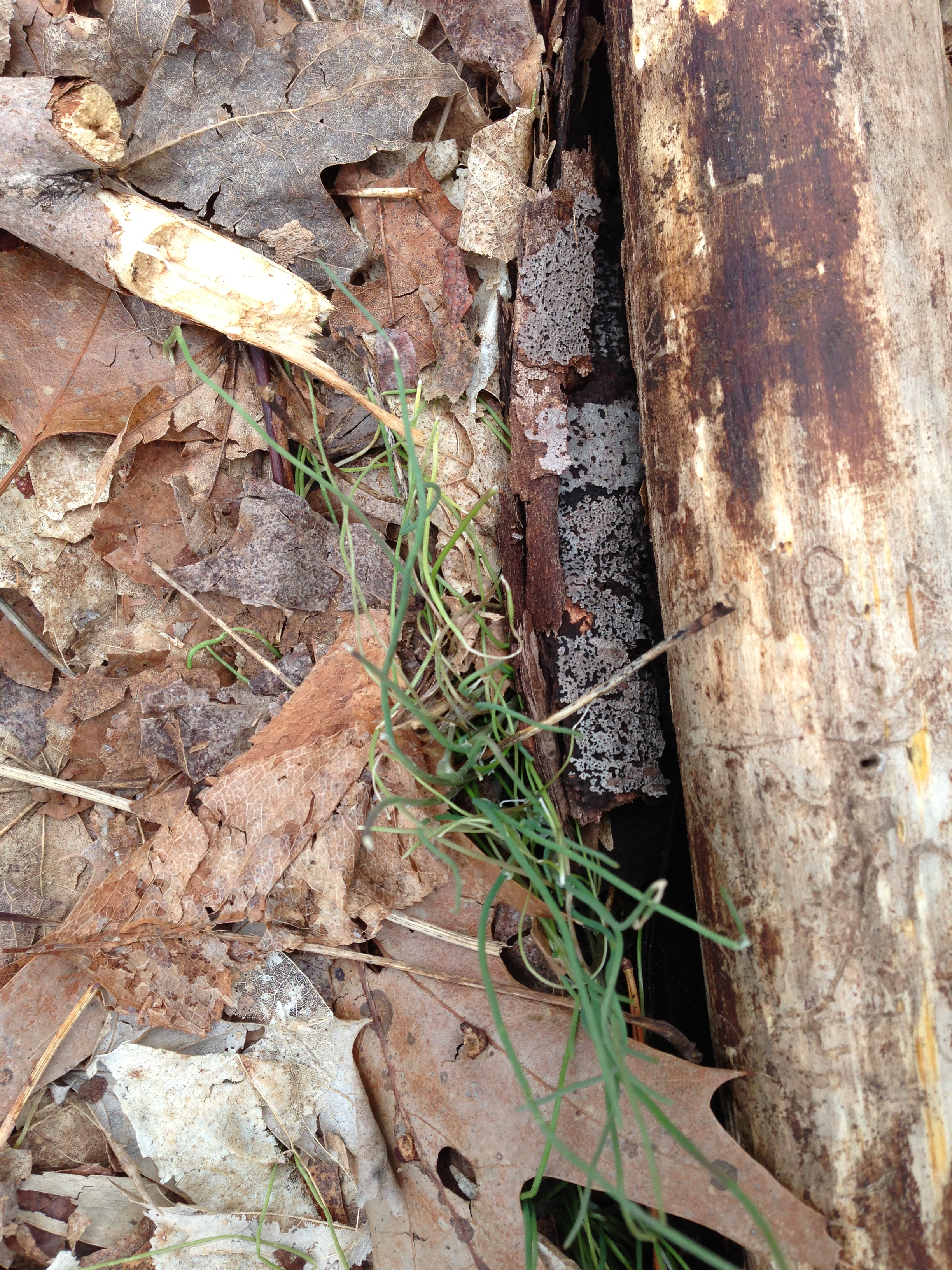
Tiny fringes of green poke through rotted leaves.

new grass

You can almost hear the sap rising in the trees. The end of winter. The beginning of spring.

I’m impatient to have the warm weather here. At five in the morning the birds are beginning to tune up. I am ready for the warm-weather mud.

I still think of a book I obsessed over when I was a child, called Mud Pies and Other Recipes. The author, Marjorie Winslow, spelled out instructions that called for raindrops (to make “fried water”) and crushed dry leaves, flower petals and pine needles (for appetizers, to serve prettily in baking cups cut from shirt cardboard). I dreamed over that book.

mud pies and other recipes cover

There was, naturally, plenty of mud. For “wood chip dip” you must “mix dirt with water until it is as thick as paste. Place this bowl on a platter surrounded by wood shavings. Scoop the dip with the chip.” For a kid who liked to build homes out of acorn shells between the roots of trees, this was heady stuff.

The landscape around the Cabin, especially in this inter-season, makes me wonder what magic Winslow would concoct here.

fallen bark

How about a bark sandwich?

bark sandwich

But let’s try to leave babyish games behind.

One of the best-known young Scandinavian chefs, Magnus Nilsson, brings nature into his decidedly grownup cuisine, with meals people travel into the remote Swedish hinterlands to experience. Marigold petals are as much staples of his kitchen as they are in the world of Mud Pies, along with ingredients like birch syrup and moose-meat powder.

MagnusNilsson_2354943b

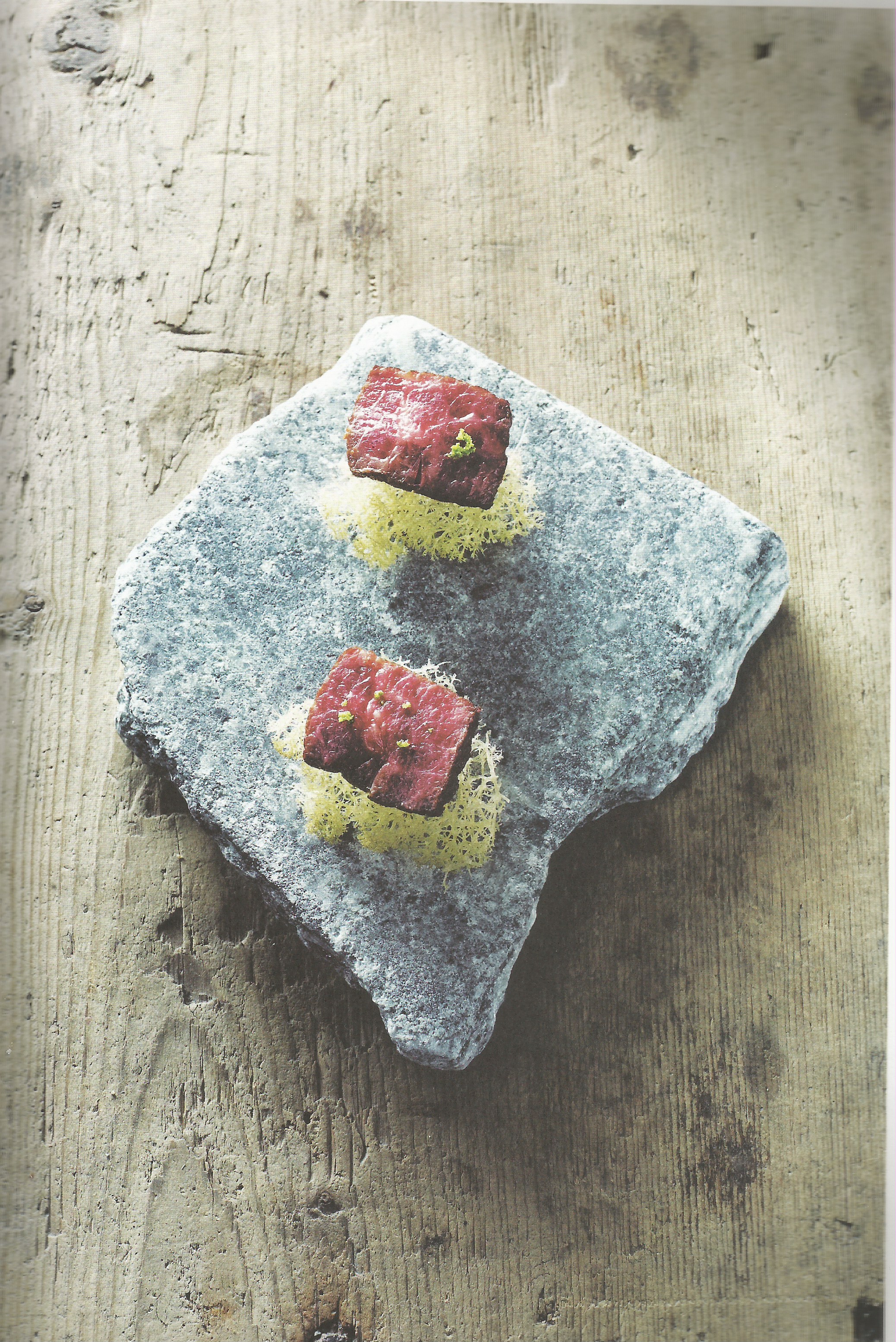
He has recently come out with a cookbook, Faviken, that evokes fairy tales through its approach to food preparation. The book delineates the secrets of Faviken Magasinet, the fabled restaurant Nilsson runs, giving recipes with surprisingly narrative titles, like “Marrow and heart with grated turnip and turnip leaves that have never seen the light of day, grilled bread and lovage salt.” He explains, about this dish, that “the main ingredients are a perfectly fresh femur and an equally fresh cow’s heart.” Not something I’m going to try at home, but possessed of a mythic poetry. Or how about this one? “A tiny slice of top blade from a retired dairy cow, dry aged for nine months, crispy reindeer lichen, fermented green gooseberries, fennel salt.”

nillson 1

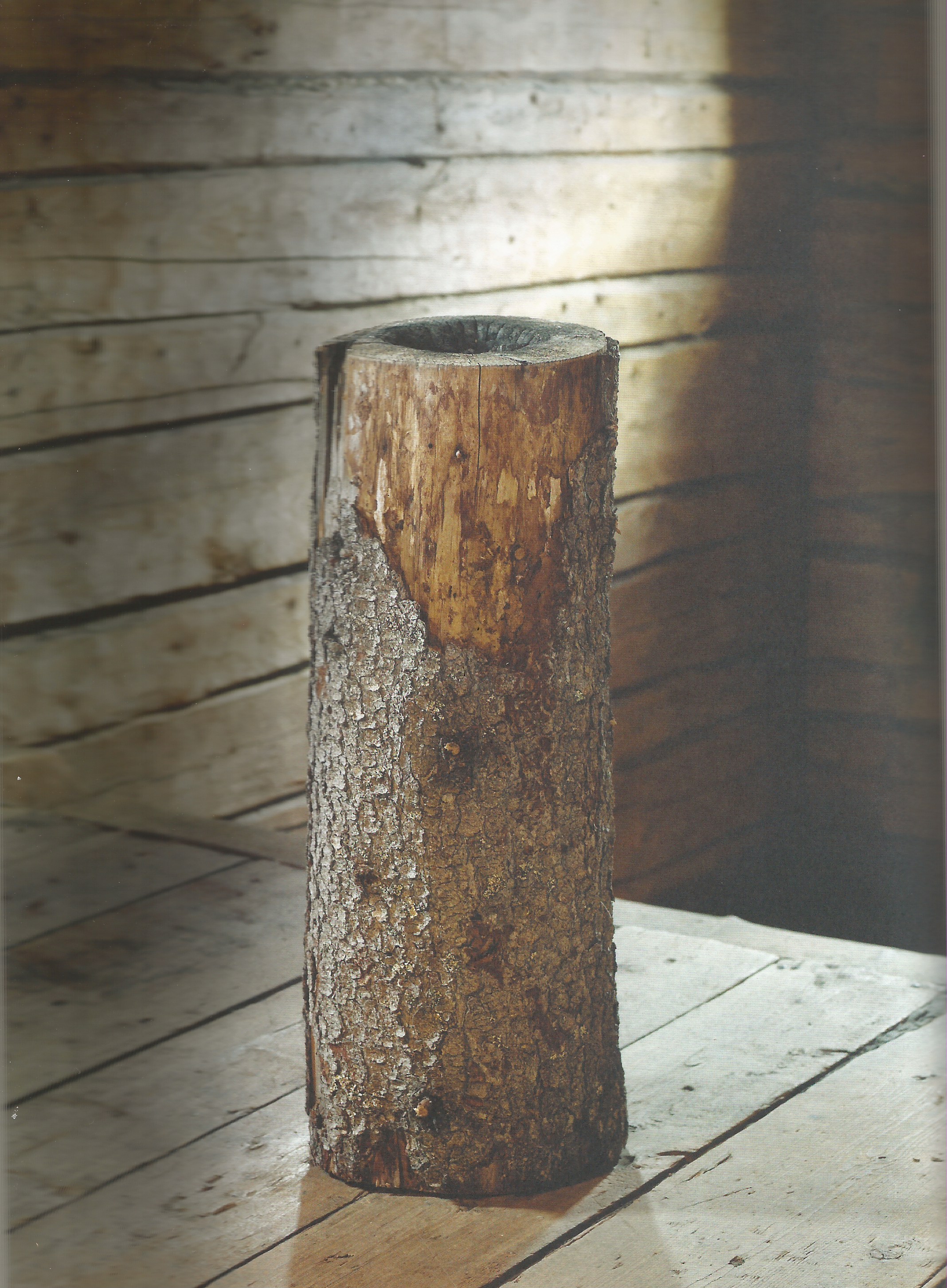
Magnus Nilsson loves lichen. He loves all the ingredients from Mud Pies, it would seem. A typical recipe: “Pine mushroom, lamb’s kidney, pickled marigold.” Wild plants distinguish his cooking. “Vegetables cooked with autumn leaves.” And perhaps the most spectacular yet absolutely simple preparation: “Vinegar matured in the burnt-out trunk of a spruce tree.”

nillson 1 1

I bet I could put together some pretty good acorn furniture for the base.

acorns

10 Comments

Filed under Cooking, Home, Jean Zimmerman, Nature, Photography, Publishing

A Tune Up

I thought I’d spend the midday concert with my knitting. I’ve always thought that being able to knit and do something at the same time was the coolest thing in the world. My great aunt, a knitter par excellence, took her work with her into the darkened movie theater. I’ve always had a burning envy of that.

But today it was not to be, and that was probably a good thing. The ribbon I’m employing to knit is too slippery and the library’s basement theater was too shadowy to allow me to handle it properly.

So I listened. I paid attention. I dreamed.

The first thing I noticed was the fiddle, color blocked, as the fashionistas would have it, in glossy black and honey-colored wood. I’ve never seen such a beaut of a violin. It belonged to Harry Bolick, “fiddle player and tunesmith,” as he styles himself.

Harry Bolick

Then came the tunes, old-timey, straightforward and pretty… sweet, said Bolick, introducing each number. He played with a guitar accompanist. The full room hushed to hear this message from another place and time.

We were transported to Carroll County, Mississippi, listening to the compositions of rural musicians–both black and white–from the beginning of the 20th century, collected as part of WPA efforts in the mid-‘30s then basically forgotten about. Bolick has been researching the “lost fiddle tunes” of the Magnolia State for a book. As he played, we could hear the simple thunking steps of the square dance, the slightly lighter gait of the waltz. We listened to one song that was the best seller of 1929, selling 100,000 copies. Bolick is a fiddle player, yes, a tunesmith, yes, but also a musicologist. (Some songs can be heard on his website.)

In those days, men out in the countryside courted women that had pianos because they wanted to marry music. There was a virtuoso named Alvin Alsop, now known to almost no one but surely one of the brightest talents of his neighborhood. His song Sweet Milk and Peaches lifted me up, spun me around and set me down in another time.

Kerr 2

I saw a road leading through black-dirt fields to a community center. I saw patched gingham skirts and dungarees and a fifth of whiskey poking out of a chest pocket, the windows propped open and a fiddler and banjo player in the corner, everyone flushed and ready to go all night… When I got home I found this picture, snapped in 1939. It matched my fantasy exactly. Let’s waltz.

Couples at square dance in rural home, McIntosh County, Oklahoma   by russell lee 1939a


2 Comments

Filed under History, Knitting, Music, Photography

Day Trip to the 1890s

Feeling a little cabin feverish today. So icy outside, and so still, only the titmouse on the feeder seems alive.

I wonder what I’d be doing if I lived in Manhattan in the 1890s?

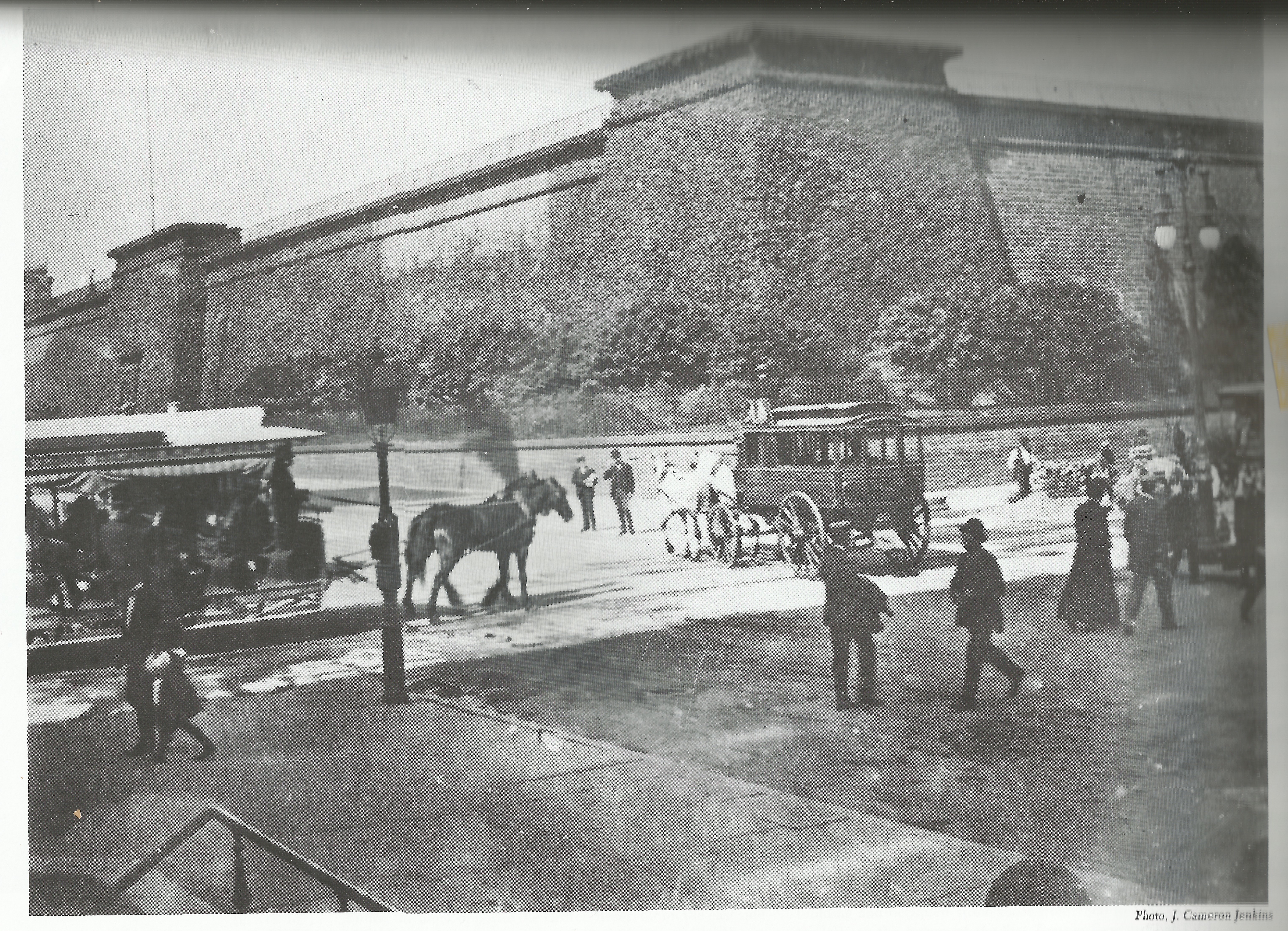
Strolling the top of the Croton Reservoir at 42nd and Fifth, where the New York Public Library now stands? There used to be a little shop across the street where we could take a refreshment. Hot cocoa, then cloak your cold fingers in a warm fur handmuff.

croton reservoir 1900 1

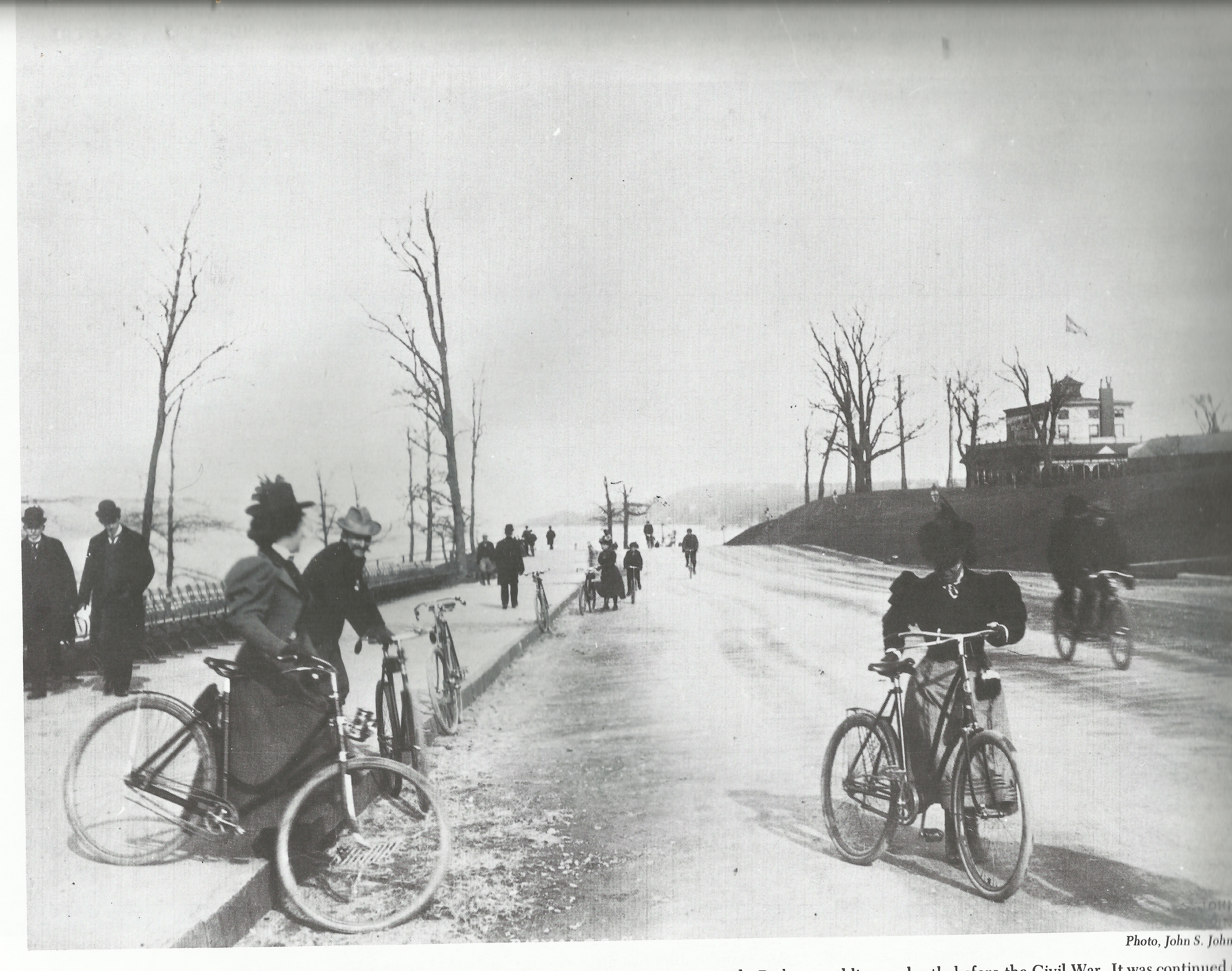
Or perhaps if it warmed up in the afternoon we’d go cycling up at Riverside Drive, on the Upper West Side. After all, for women, being on a bike had gone from being incomprehensibly daring to exceedingly fashionable. Sagacious Susan B. Anthony said that cycling “did more to emancipate women than anything else in the world.”

riverside dr,1898 1

Or after all, why not just go home to a shabby-genteel (emphasis on the shabby) clapboard cottage on Amsterdam Avenue at 122nd Street. (Maud’s dorm now overlooks this exact corner.) Then it was still very much in the country. Note the goat on the steps near the front door.

I wonder what the wallpaper looks like inside?

120 and amst, 1897 1

2 Comments

Filed under History, Jean Zimmerman, Photography

Mr. Darcy Cooks

Mr. Darcy's

And I wondered what happened to Darcy after he was run off of Pemberley for feather spanking that chambermaid. He’s peeling potatoes in the shadow of Mount Okemo in Ludlow, Vermont.

Today we found a place that served not only crispy french fried potatoes and sweet belly clams but was a haven of sorts for writers.

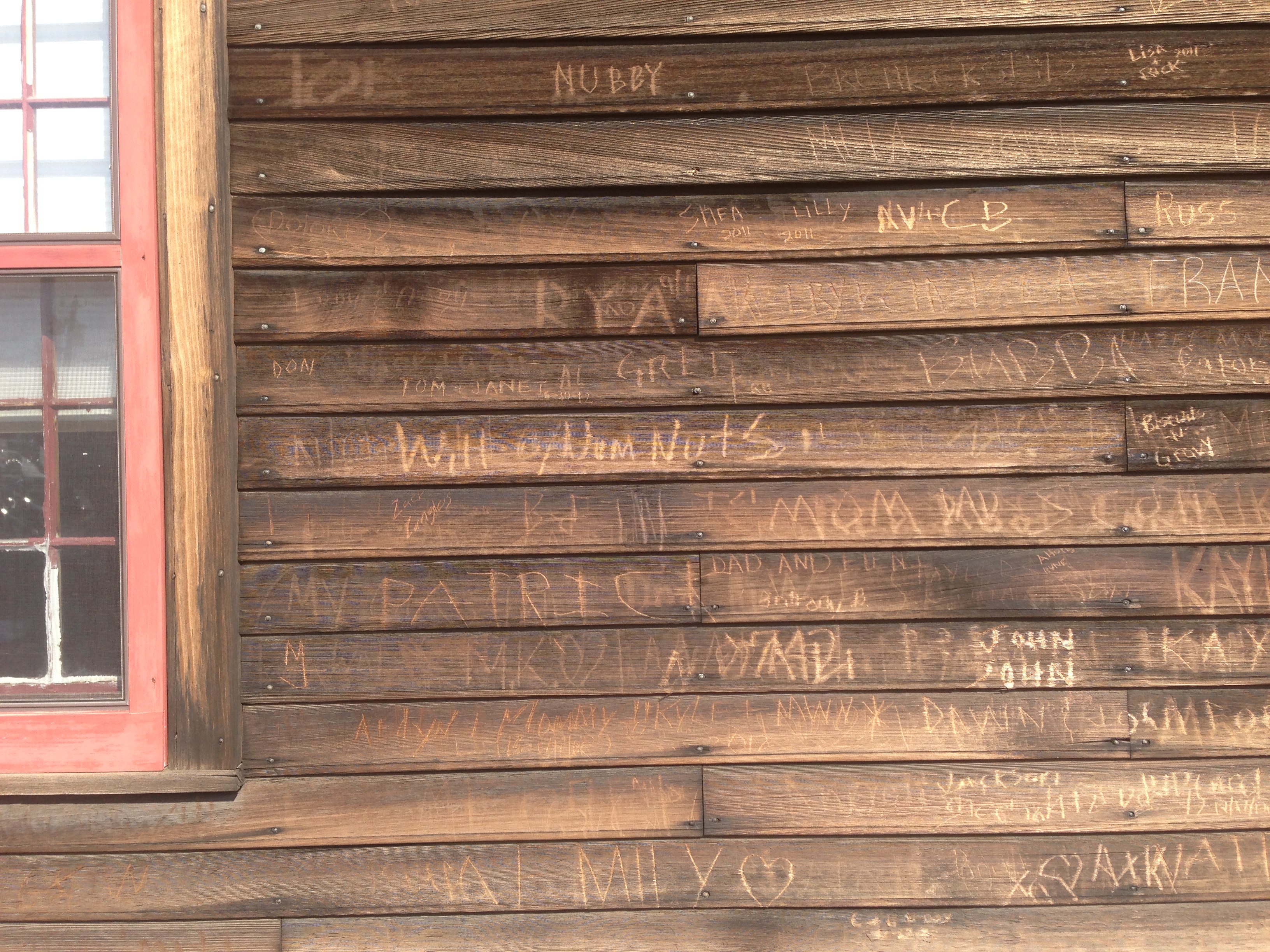
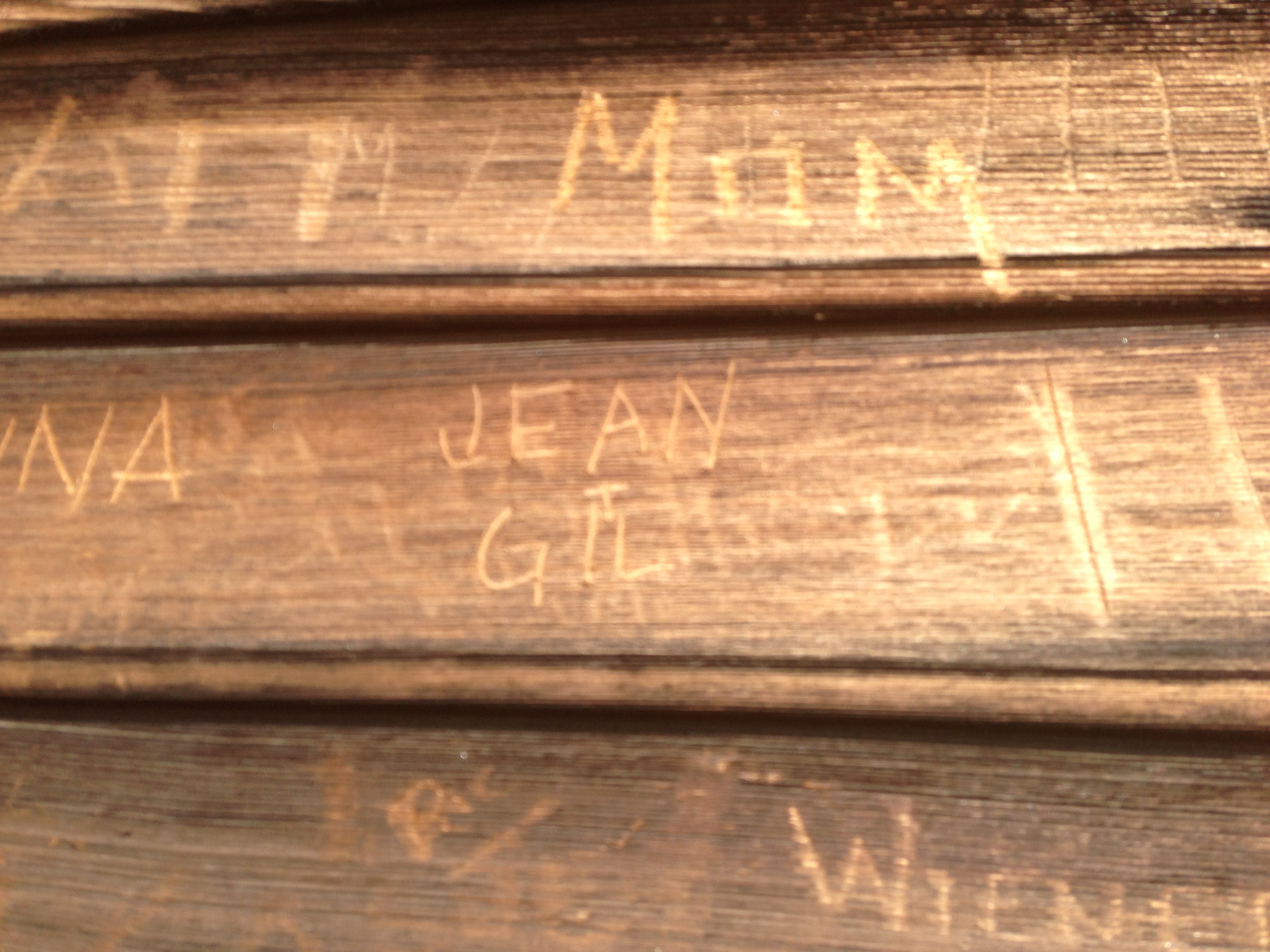
Wall

It’s an anthology based in South Deerfield, Mass., and we’re now a part of it.

Jean:Gil

If you’re going to leave your name behind, it’s probably better for longevity’s sake to put it down in stone rather than wood. I remember the escarpment high above the Hudson River at North-South Lake, the site of the venerable long-gone Catskill Mountain House, which a hotelier built there to take advantage of the views up and down the river. That was in 1823.

Catskill Mountain House

One Victorian guest observed, on reaching “the broad tabular rock upon which the House is set”:

“We could hardly realize it. After threading in the dark for two or three hours in a perfect wilderness, without a trace save our narrow road, to burst thus suddenly upon a splendid hotel and, glittering with lights, and noisy with the sound of the piano and the hum of gaiety – it was like enchantment.”

Long after the hotel was razed, in 1963, we spent a July 4 on those flat rocks, watching the bursts of firework displays in the little communities north and south along the river. The pyrotechnics looked like tiny faraway flowers blossoming briefly in the darkness.

Carved in the stone beneath our feet, the names of  visitors, a guest book that reaches back to the beginning of the nineteenth century.

Catskill Mountain House graffiti

Another rock pic

The older the calligraphy, the more likely the letters are to be engraved in a serif font. I’ve always thought that in the quiet that surrounds this spectacular vista you can hear the voices of the people who etched their names above it all.

I can even see Fitzwilliam Darcy here, in a frock coat, politely tapping his chisel into the stone.

1 Comment

Filed under Fiction, History, Jean Zimmerman, Photography, Writers, Writing