Category Archives: Photography

Victorian Society Oct. 8 Talk

Please join me tomorrow evening, Tuesday October 8th, at 6 pm, to hear a free talk I’m giving for the Victorian Society of New York on Love, Fiercely: A Gilded Age Romance. The evening will take place at a school called the Dominican Academy that is housed in a historic mansion at 44 East 68th Street, bet. Park and Madison, in NYC. Get there early for a seat!

Edith & Isaac

For a little more info — according to the organization’s lecture schedule, my presentation:

“will discuss the life, times and passion of two remarkable individuals living in a remarkable age. Her book Love Fiercely: A Gilded Age Romance is both a cultural history of America on the cusp of modernity and a biography of two of the era’s most interesting characters, Isaac Newton Phelps Stokes and his wife, Edith Minturn Stokes, whose double portrait by John Singer Sargent hangs in the Metropolitan Museum’s American Wing. Love, Fiercely immerses readers in the world of the Astors and Vanderbilts, the “uppertens” and the “fashionables” in New York City and its satellite resorts. Zimmerman will also tell the parallel story of the couple’s reform work and of Mr. Stokes’s monumental tome, The Iconography of Manhattan Island.

Mr_and_Mrs_John_Phelps_Stokes

I’ll show lots of great pictures and probably digress quite a bit from these topics, I hope enjoyably. And I’ll sign books after my talk, of course. So come if you can.

4 Comments

Filed under Art, Culture, History, Jean Zimmerman, Love, Fiercely, Photography, Publishing, Writers, Writing

Crystal Palace Visions

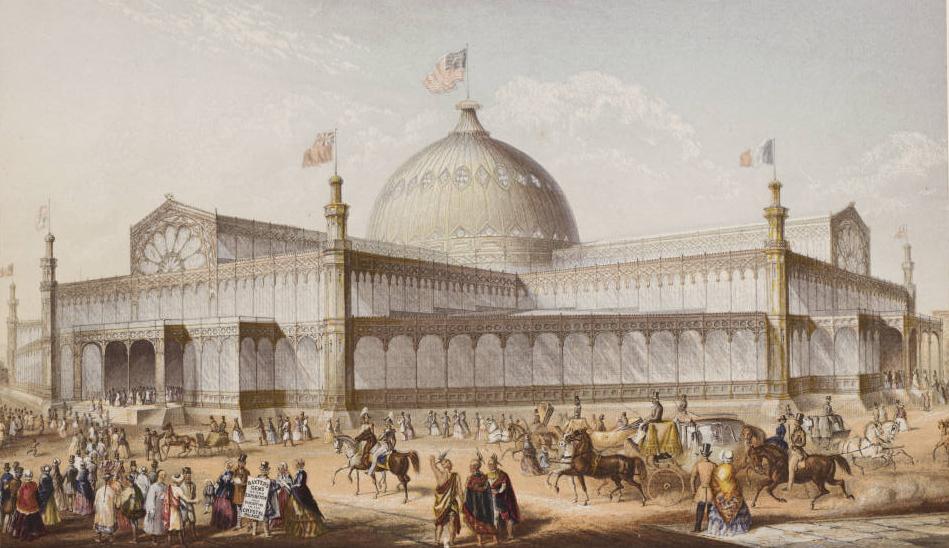
One thing on the island of Manhattan that I’ve always wished I could have seen is the Crystal Palace, built to house the World’s Fair of 1853, “The Exhibition of the Industry of All Nations.” Walt Whitman called the glass and iron complex “Earth’s modern wonder.”

New_York_Crystal_Palace

On 42nd Street between Fifth and Sixth Avenues, where Bryant Park now stands, the Crystal Palace welcomed its thousands of awe-struck visitors. Believed impervious to fire, it burned to the ground 155 years ago, on Oct. 5 1858. The conflagration started in a lumber room and within 15 minutes the huge dome had collapsed. I wonder whether any of the exhibitors were able to salvage their goods in time – Samuel Morse had his telegraph there on view, and Isaac Singer was showing his new invention, the sewing machine, which would transform our world in ways that couldn’t have been imagined.

Oct 5, 1858 crystal palace burns

Across the street stood the tallest structure in New York, the Latting Observatory, 315 feet high. Warren Latting erected a wooden tower resembling a scaled-down oil derrick as a tourist attraction in conjunction with the fair. Sightseers could take a steam-powered “safety hoister” elevator up 315 feet in a tiny, ornately decorated cab to the pinnacle of the tower. There they would admire the marvels of Manhattan through a battery of telescopes.

latting_view-scaled1000

A meticulously detailed engraving, drawn in 1855 by B.F. Smith and engraved by William Wellstood, documented the bird’s eye view of the city south of 42nd Street. It revealed the sheen of the Crystal Palace and the bulk of its neighbor, the brick-walled Croton Distributing Reservoir, which had supplied the city with pure drinking water from upstate since its completion in 1842, when the neighborhood was largely fields and cows. To the south you could just see the neo-Gothic spire of Trinity Church, a geographic talisman of New York the way first the Woolworth building and then the Empire State Building would be for future generations. People would go courting up in the steeple.

The Reservoir had 50-foot-high Egyptian-style parapets, 25 feet wide, upon which the fashionables of the day had grown to favor promenading.

olphot

Later, the 42nd Street Public Library would come, with its 20,000 blocks of marble, its Beaux-Arts edifice, its lions cleverly named (in the 1930s by, of all people, Mayor Fiorello LaGuardia) Patience and Fortitude, the two traits absolutely required of any writer. The site would be excavated by 500 workers over the course of two years before construction could begin in 1902, and the library wouldn’t open for business until 1911.

1907-Exterior-marble-work-Fifth-Avenue-facade.

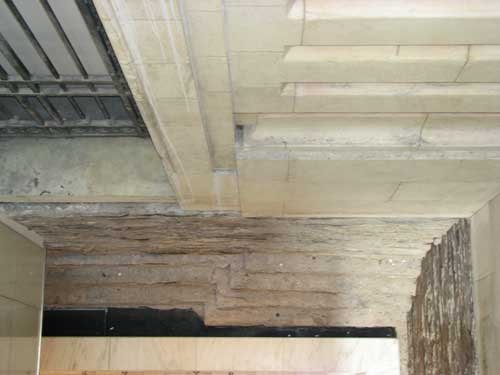
You can still see a chunk of the old reservoir if you know where to look inside the library.

nypl_20060822_15

Carrere and Hastings delivered a grand design. The grandest structure in the city to this day, I think, with its sweeps of stone, its vaulted arches, its treasure trove of seven floors of books.

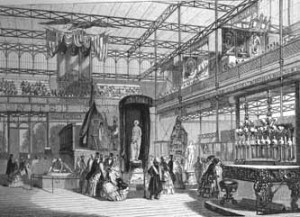
Still, it’s no Crystal Palace. Imagine the wonders you would have seen strolling through those light-flooded rooms?

usdeptn-300x217

4 Comments

Filed under Art, Culture, Fashion, History, Jean Zimmerman, Photography

In a New Light at the Guggenheim

I finally went, on the next to last day of the exhibition. The James Turrell installation, that is, called Aten Reign, at the Solomon R. Guggenheim Museum in New York City.

gugg bldg

It’s been up since June, and everyone said You’ve got to go, you’ve got to go.

Now I understand why.

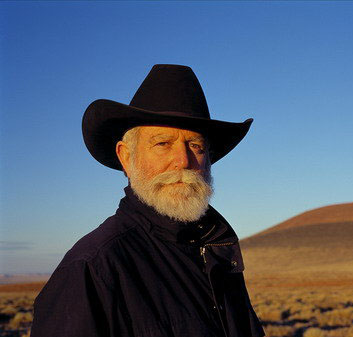
Turrell is a conceptual artist who manipulates natural and artificial light on a grand scale. He’s been practicing his craft since the 1960s. “My art deals with light itself,” he has said. “It’s not the bearer of the revelation. It is the revelation.”

JamesTurrell_landscape

Sounds lofty. But when you enter the rotunda of the Guggenheim and look up to see the deep magic of colored orbs, eggs really, egg after egg after egg, created by lights projected on the concentric rings of the museum’s famous spiral, you see what he means. As you watch, the colors begin to shift, from pale silver to violet to tangerine to raspberry  to acid lime. A fruit-sweetened flow of light.

red eggs

My mind entered a waking dream state. I have to admit that I was equally fascinated by the 200 or so human animals on display beneath the well of light. Tourists. Natives. Suits and shorts, stripes and leggings and boots. Fifteen, twenty languages, who knew? It was one of those afternoons when people look especially beautiful. We were all in a cave filled with liquid light, all creatures awestruck, bemused, interested in the same phenomenon. Turrell is a Quaker, a faith he characterizes as having a “straightforward, strict presentation of the sublime.” Patient contemplation is a tenet of his work. It’s not a particular feature of life in New York City, usually, yet here it was.

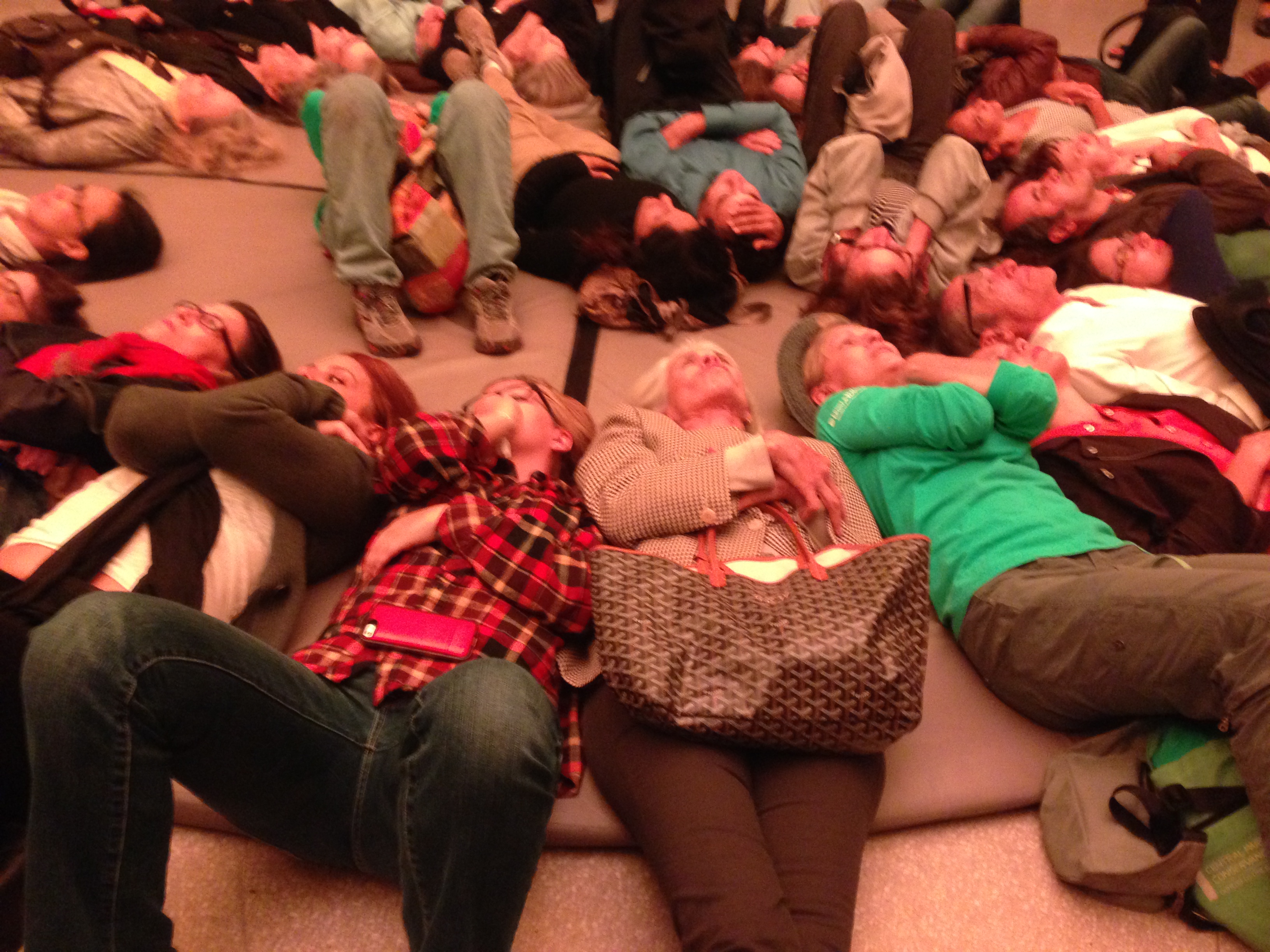
A circular mat lay in the center of the space. People sprawled on the pad like participants at an old-fashioned happening, gaping upward at the magnificent spaces of Frank Lloyd Wright’s genius structure, now transformed to a Turrell Skyspace.

red room

Museum goers waited calmly for a chance at the mat – it was easier to find a parking spot outside than a supine position on the Guggenheim’s floor. They tried to take pictures of the lights but were checked by guards. But Aten Reign begged for pictures. It reminded me of that experiment with toddlers and marshmallows, where a lady gives a kid a marshmallow and says if he holds off for x minutes without eating it, he’ll be given two. What kid can exert that much self control?  Likewise, what adult at this luscious light show could resist clicking a phone upward even if it meant sneaking to do it?

purple eggs

I was reminded of Oscar Wilde’s famous line, We are all in the gutter, but some of us are looking at the stars. Gil waded into the scrum, pretty spry for a nearly-sixty-year-old man – you had to move fast to claim a spot – and lay himself down, spellbound. “It was like a wrestling mat,” he told me afterward, “one where people have been pinned too many times.” The funk of the thousands of bodies since the show opened somehow added to the appeal.

The sky above went from ultraviolet to dark as a storm. Tranquillity descended. Was this what my sometime cynic of a husband liked to call the “theater of faint effect” – something that’s not necessarily going to change your life?  Still, “I felt like I needed a lamaze coach” was what he told me later about the near birth experience he’d had. This would seem to partake of E.M. Forster’s “only connect,” with all of us touching this spiritual lozenge above us, this gleaming cough drop of a god, and at the same time touching each other.

blue room

A friend once told me about her experience walking on burning coals, that there was no rational reason for it but she was transformed by a mystical joy. No one knows exactly why, but it happens.

pink eggs

I sat on the bench that ran around the circular walls. Behind me I realized I was listening to the plash of a fountain. This is the first time I’ve ever employed that word. Later, at lunch in the museum’s somewhat pretentiously named restaurant, The Wright, I ate something I had never tried before, in a frisee salad: a skinned cherry tomato, poached or braised somehow to bring out its pulpy flavor. In the corner, Isaac Mizrahi with his doo-rag held forth in some kind of ecstatic state.

Everything appeared fresh after the Turrell show. September 25, the exhibit closes. There is only tomorrow. Go.

6 Comments

Filed under Art, Culture, Fashion, Jean Zimmerman, Photography, Writers, Writing

Melancholy and Industry

On it comes, fall, my favorite season (do I say that every season?). In yoga class today, when we did the tree posture, holding up our arms and crooking our legs, I looked in the mirror and everyone actually looked like bare-branched autumn trees. A human forest.

Things to do to jump into fall. Pull the late season carrots, whiskery and somewhat cork-like.

carrots

At the same time, admire the mess the deer have made denuding the garden. How did they pull all those bell peppers from the plants so delicately, leaving the plants intact? They left the one sunflower standing, hanging down its giant brown head.

sunflower hanging

Make plans to attend a show – we don’t do the theater too much but Romeo and Juliet is rolling onto the boards for the hundredth time, this time with movie cutie Orlando Bloom, and we’re gonna hoof it to Broadway. Maybe I’ll even be able to pull on some shoes, with a healed, streamlined foot.

romeo

What else, in fall, what are the timeworn threads of coziness you begin to weave back into your life? Put fresh sheets on the bed, the flannel ones. Shake out the comforter that’s been shoved in the closet all summer. Burrow in.

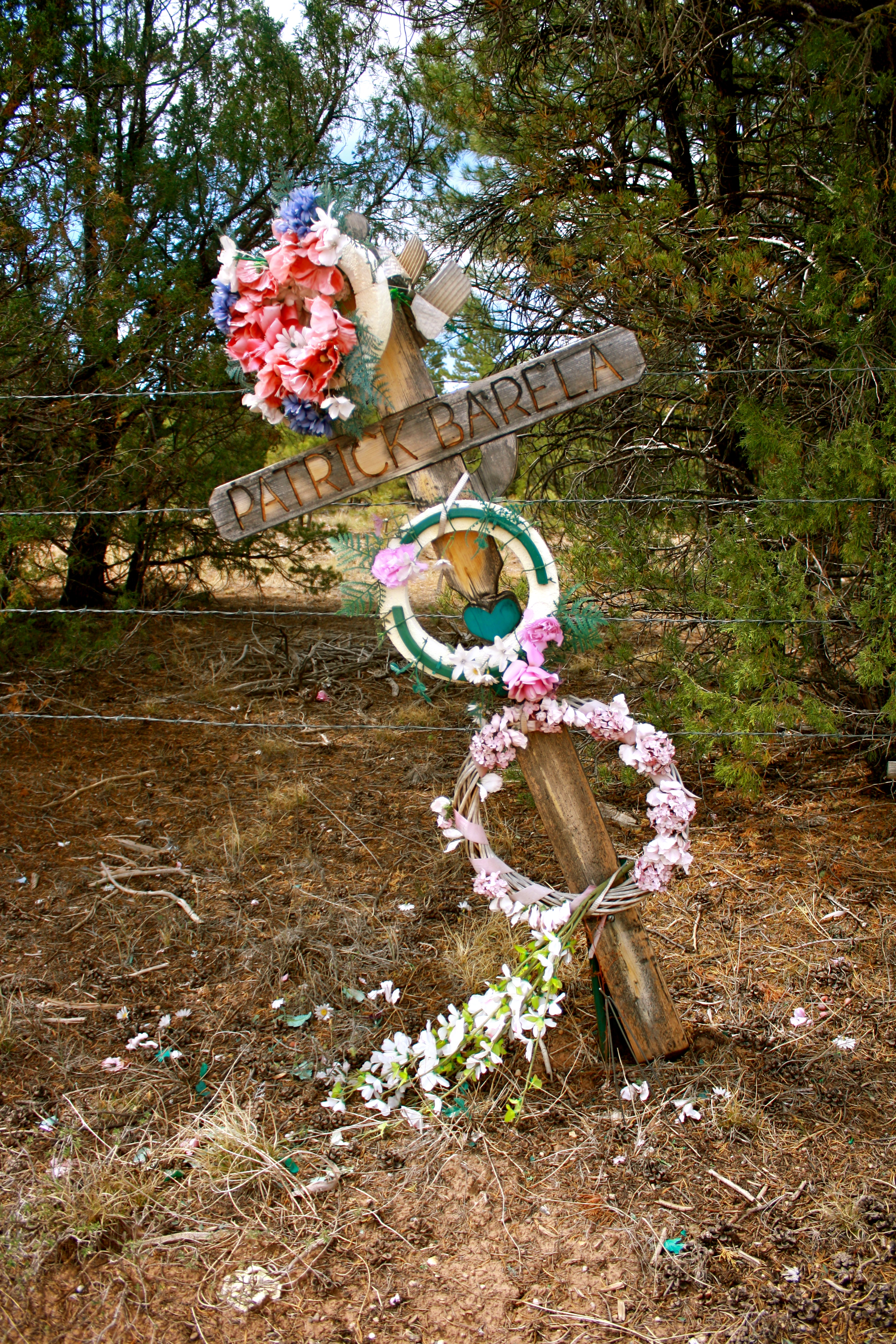
Read the first college paper of the year, if you’re lucky enough to have a student nearby. Maud’s concerns a melancholy subject she’s been attacking for her anthro major, the proliferation of descansos, roadside shrines in New Mexico. Her photos of the sites are filled with a lonely beauty.

maud shrine

The comic Louis C.K. plumbed the topic of melancholy on Conan O’Brien recently and I loved what he said about the “fall back to school depression feeling,” how he was driving in his car, listening to a Springsteen tune on the radio, getting that “forever empty” feeling, that “knowledge that it’s forever and you’re alone.” It’s a mental state I remember so well from college, and also bouncing back with insane gladness, that as Louis said “you’re lucky to have sad moments.”

Louis-CK-hosting-SNL-fun-Saturday-Night-Live-Hurricane-Sandy

Two things from college that I still resonate to all these years later, melancholy and industry.

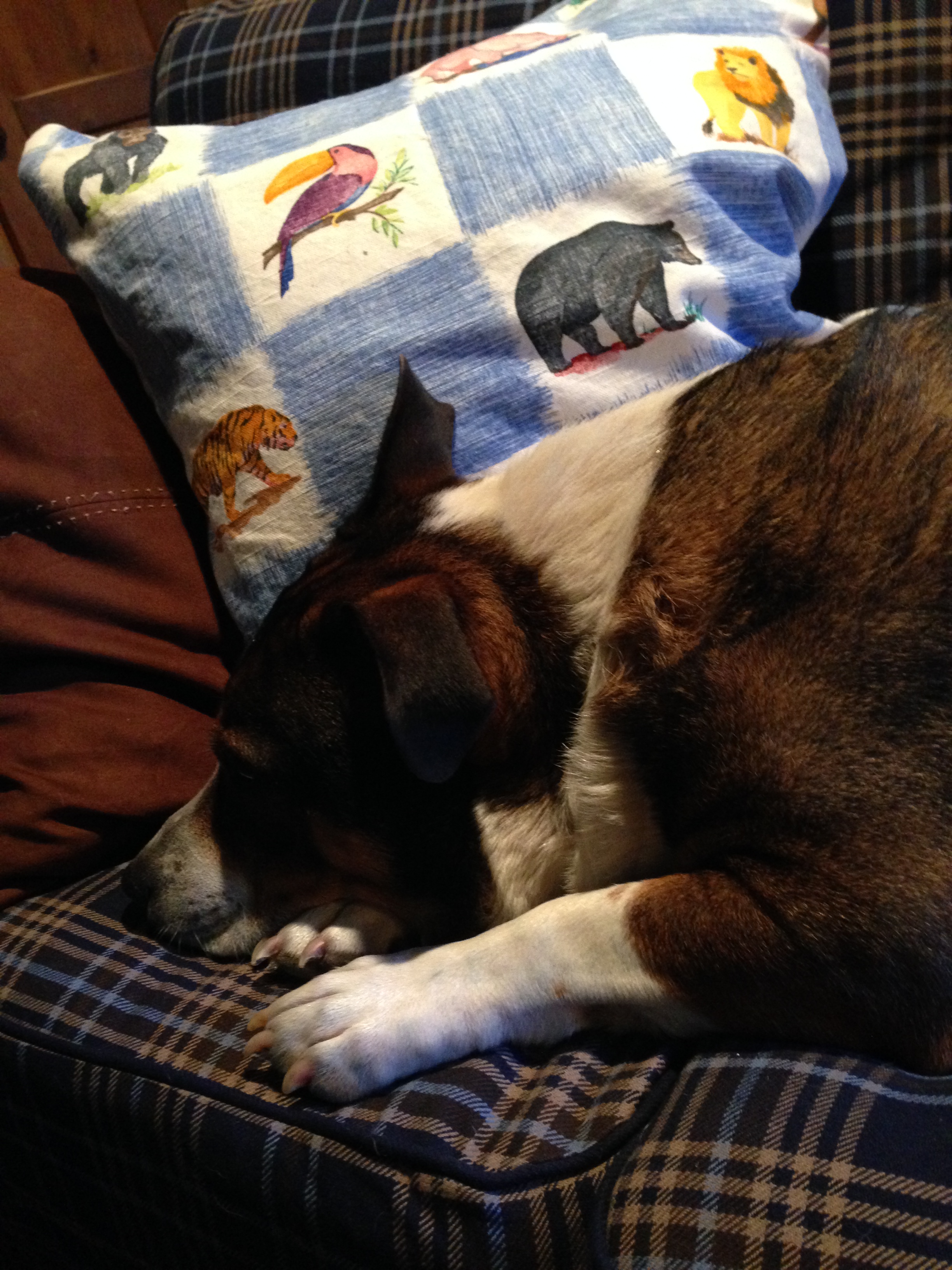
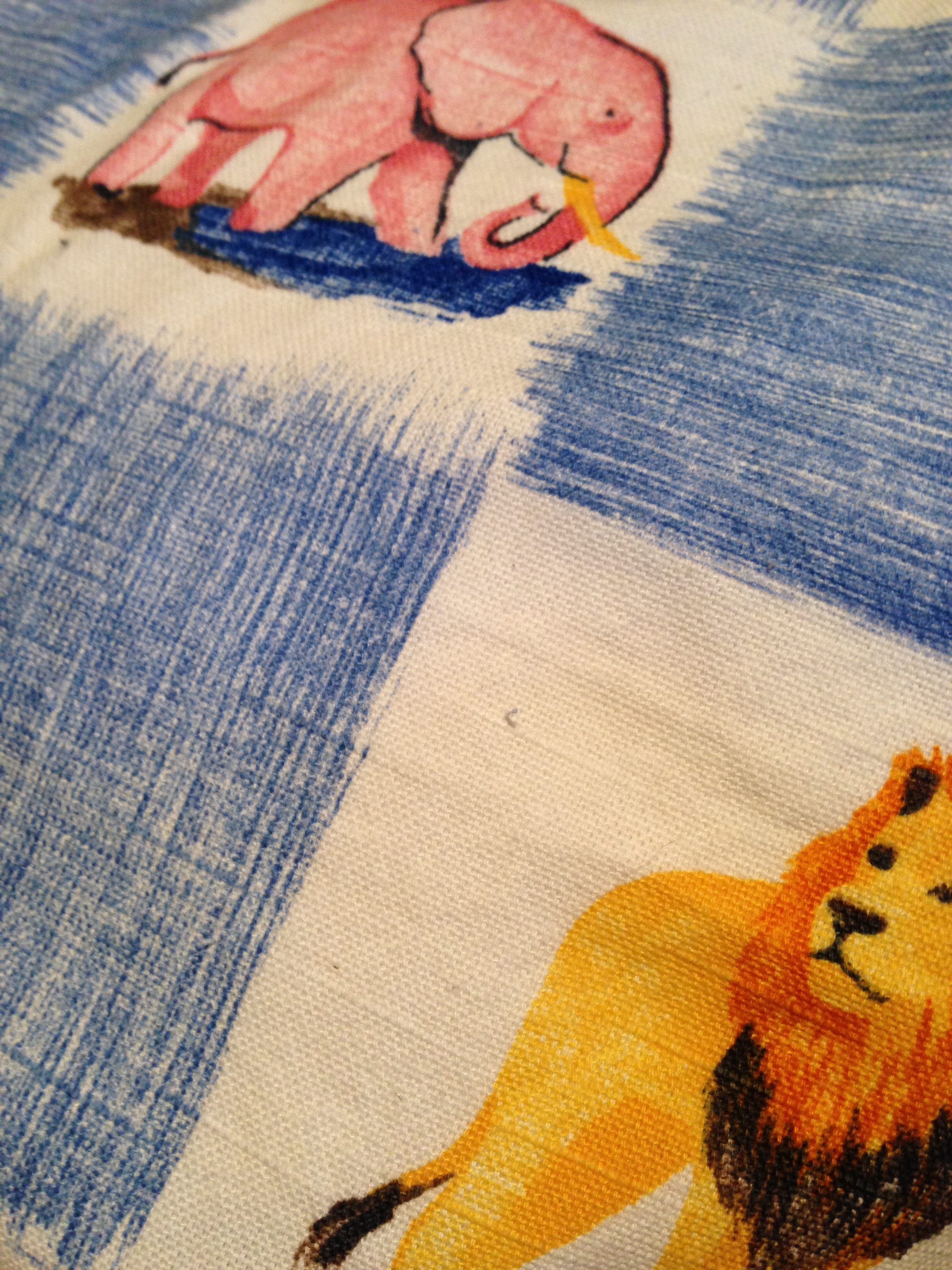
So in fall, when it gets cold and lonely, make something. Get out the trusty sewing machine, unearth some ancient fabric, make a simple pillow cover. One that Oliver will cuddle up to.

dog pillow

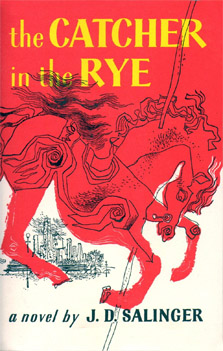
Read a new book, or revisit an old one. It’s a good time to take another look at The Catcher in the Rye – sure, an old chestnut, but with a Salinger book and movie coming out a good time as any to see if the author’s a genius or a shnook. Or both. And he knows from melancholy.

Rye_catcher

Nourish yourself. I’m stewing beef with onions, those garden carrots, garden onions and beer, not wine, because that’s what I have in the house. And fall’s about what you have in the house.

pillow fabric

4 Comments

Filed under Art, Cooking, Culture, Dogs, Fiction, History, Home, Jean Zimmerman, Nature, Photography

Out of My Library

If you don’t like the feeling of book dust on your hands, the sight of new gaps between the volumes on your shelves, the surprise discovery of tomes you missed even though you never knew you missed them – read no further.

I am in the grips of a book-shedding catharsis. I realized today – and this is the way it often happens for me – that I couldn’t let another hour go by without winnowing out my book shelves. I insisted that Gil sort his office, too. (He couldn’t find any to give up, but he tried.) The resulting 100 or so cast-off titles went into an extra-large packing box.

gil w book box

Off to the library.

croton mat

A mother stood trying to corral her preschooler near the sidewalk. “Donations?” she said cheerfully. “Efficient way to bring them.”

“Is he a neighbor?” said her son.

“Maybe,” said the mom.

Local book sales bring together browsers with only a desultory interest, avid bargain hunters and steely-eyed professionals. Pop selections are only a minor part of the culture.

hunger games

When we lived in Hastings-on-Hudson, resellers from all over bought Friends of the Library memberships so that they could go to the earlybird presale and scoop up multiple cartons of the most valuable items. That was okay, we managed to find plenty of gems on our own time – including some we had ourselves donated. Yes, it’s true: we turned in books for the sale that we later decided were simply too fascinating to pass by.

radiating like a stone

But it’s such a relief to weed out the honeys of yesteryear: The Man Who Quit Money by Mark Sundeen, Jonathan Franzen’s Freedom, Dava Sobel’s Longitude, The Judgment of Paris by Ross King. All good reads, eye opening, brain teasing. None of them necessary to my life at the moment.

The Croton Free Library has just celebrated its 75th anniversary. I hope that its patrons will enjoy my books as avidly as I did.

croton library anniversary cup

There are people with acres of shelves in their home library. Their libraries. Their nooks and end tables. Their bedside stacks. When we downsized to the Cabin, that life ended for us. We knew we’d have to focus a laser beam on what meant something to us. We carted out dozens of boxes for various libraries, dozens to sell at the Strand, and ended up leaving many freebies at the curb. Even if you mourn the loss of your books, it is worth it for the experience of a transaction at the historic institution of the Strand, which has been in business since 1927 on 12th Street and Broadway in Manhattan.

strand-history-thumb

The  buyer peers down his spectacles and thumbs through your precious collection, calculating all in his head the value of each book before announcing the usually paltry total. Sometimes it is a triumph, enough for dinner in a decent restaurant. Those novels that you thought were brilliant, invaluable, they’re basically worthless at the Strand, while the store covets and compensates well for the scholarly and academic works you thought no one would ever want.

Now the smooth, dust-free spines of the books line up straight on my wooden shelves in the proper order – all of them books I have selected anew, that I want and need.

double shelves

Some of them seem to have a special kinship even outside their genre. Not exactly subject. More, spirit.

green books

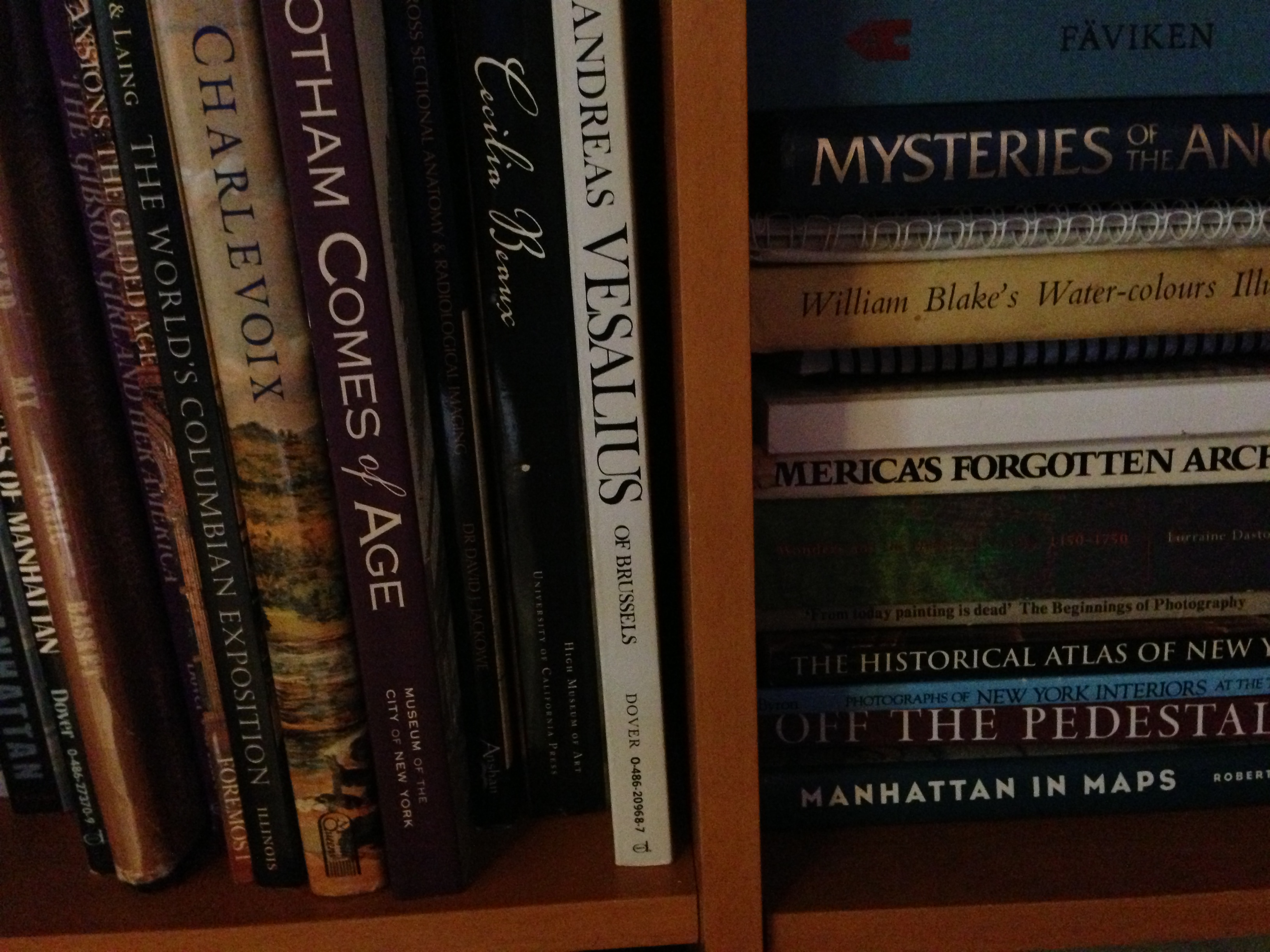
Many, like these, have a story besides the narrative in the book – the story of my relationship with it. My mother-in-law gave me Stalking the Wild Asparagus when I was a newlywed with a house in an apple orchard and a nascent interest in gardening. Ian Frazier’s Great Plains has been a touchstone over the years in thinking about writing nonfiction. Wilderness and the American Mind dates from my college days and still holds my intense interest. Everyone who loves books has these intimacies with individual volumes, the how and why of how your relationship with it came about. Your foundation with it. These begin to make up the essence of a library, the authors that really meant something then and now.

The true reason to get rid of books? Honestly? To collect more books.

current

I needed space for a working library, all the ones I’m drawing on for my next novel. Any clue as to what the book’s about?

6 Comments

Filed under Culture, Fiction, History, Home, Jean Zimmerman, Nature, Photography, Publishing, Writers, Writing

The Halfway House Restaurant

Once again Peter Zimmerman delivers a bulletin from the road. Thanks, Pete, we live vicariously through your travels.

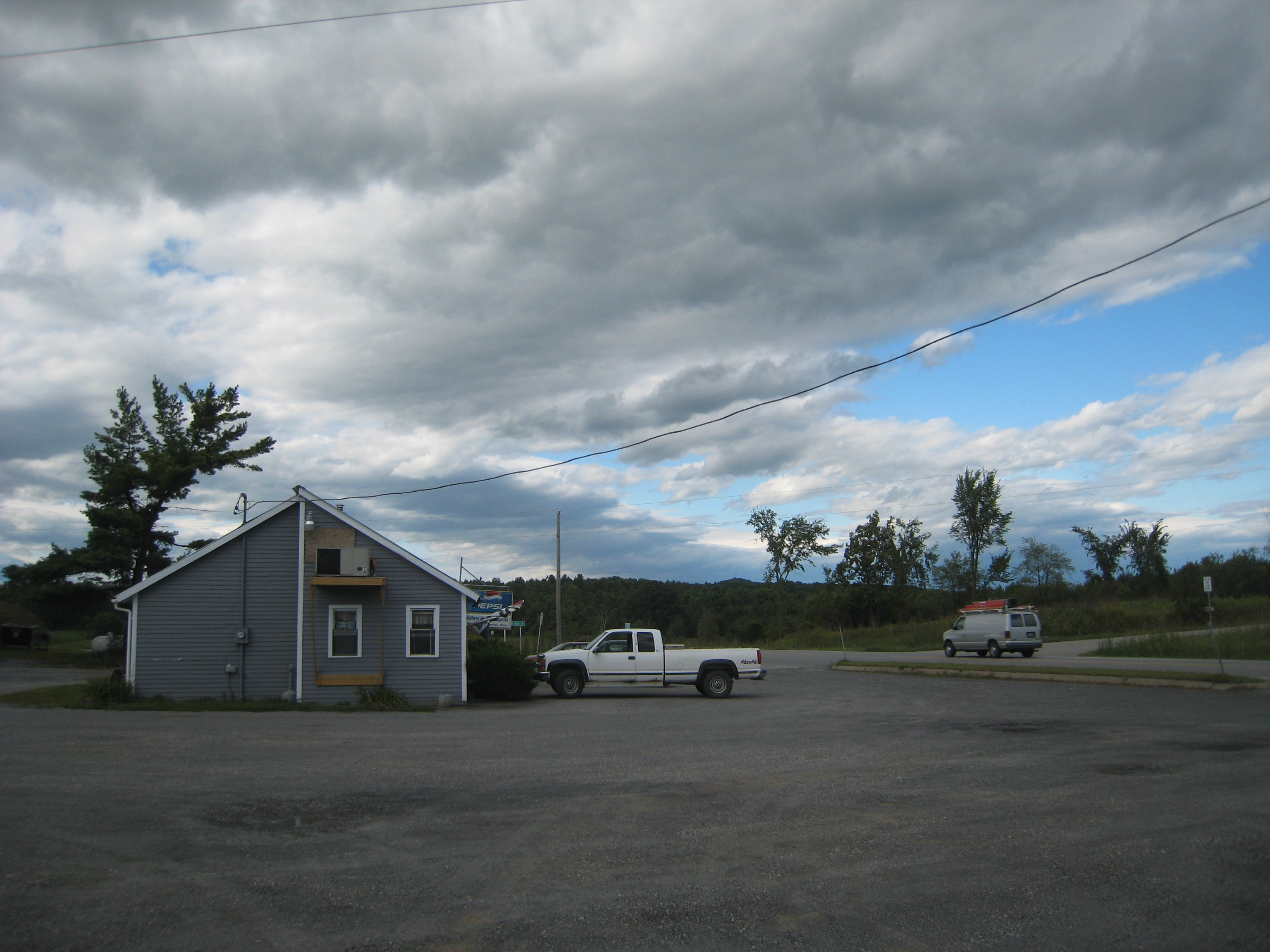
YESTERDAY (writes Peter) I stumbled on a great, old-timey eatery, the Halfway House Restaurant, located on Route 22A, about halfway between Bridport and Shoreham, Vermont, give or take a few yards.

Halfway exterior

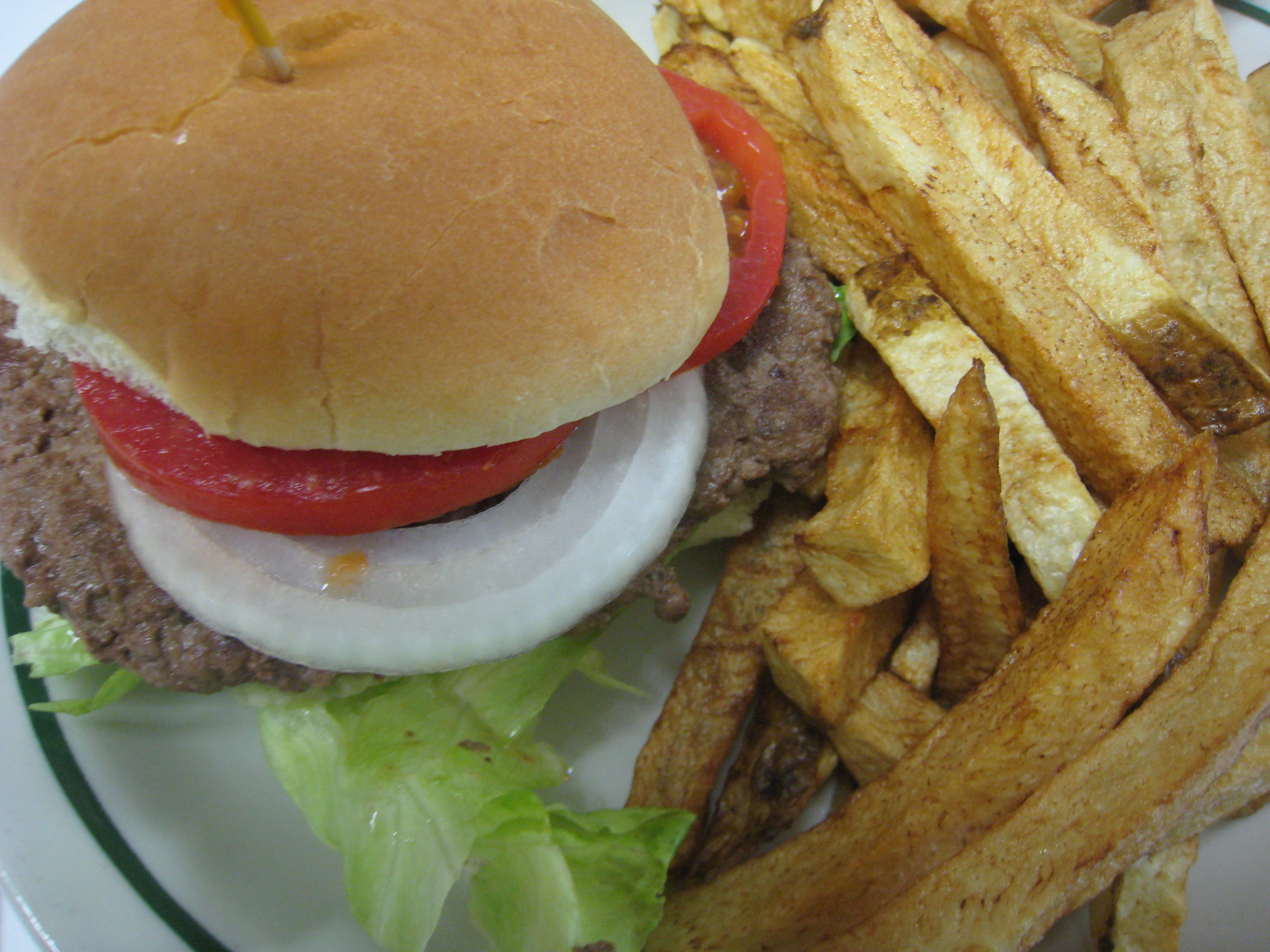
It opened in 1951, has somehow survived intact, and serves up a mean hamburger, with homemade fries. The buns were handmade too.

burger

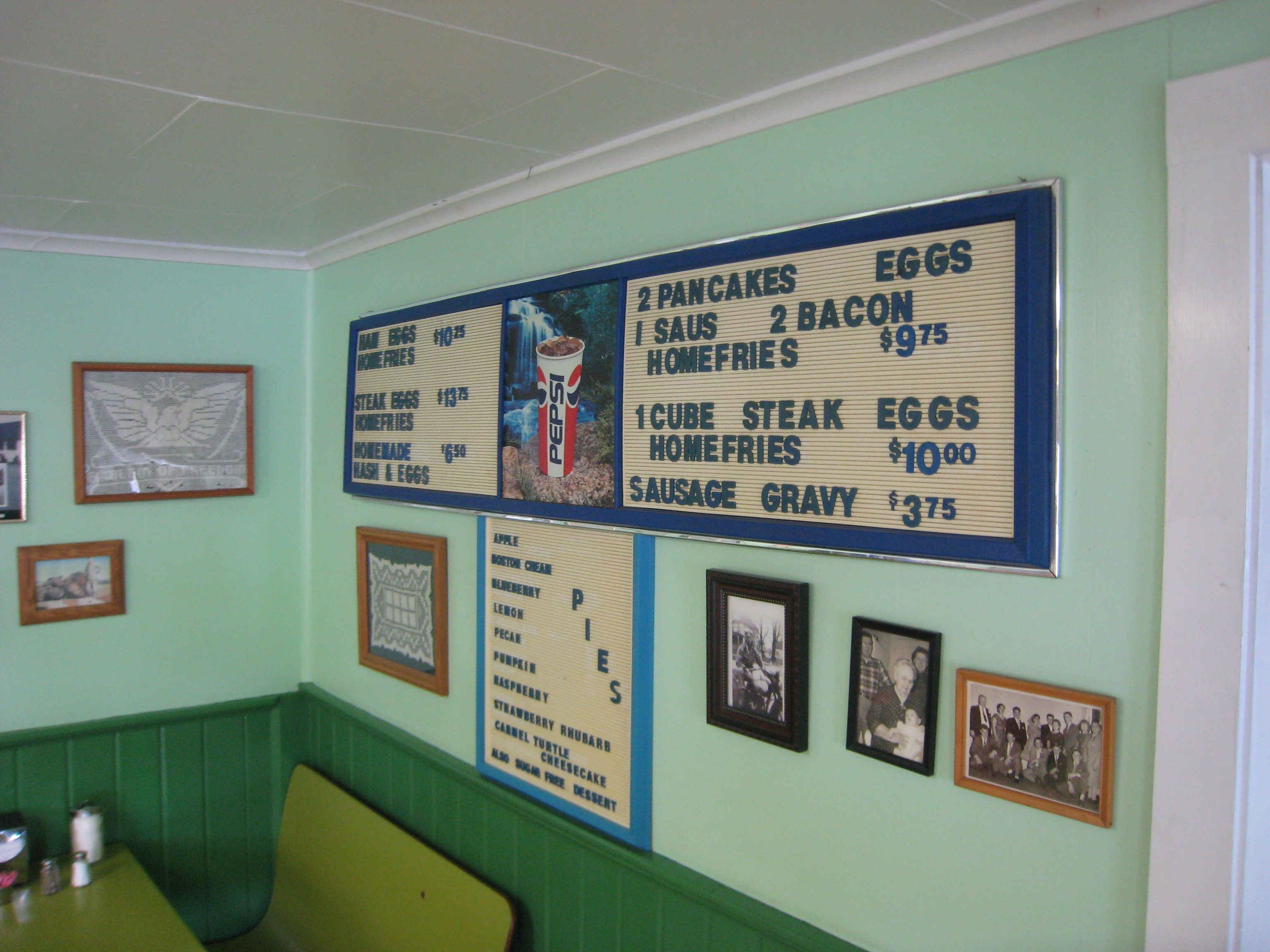
The special of the day was poutine, the common Canadian dish, originally from Quebec, made with french fries, topped with brown gravy and cheese curds.

Halfway menu

The turtle cheesecake, with chocolate, caramel, and pecans, is to die for.

pie

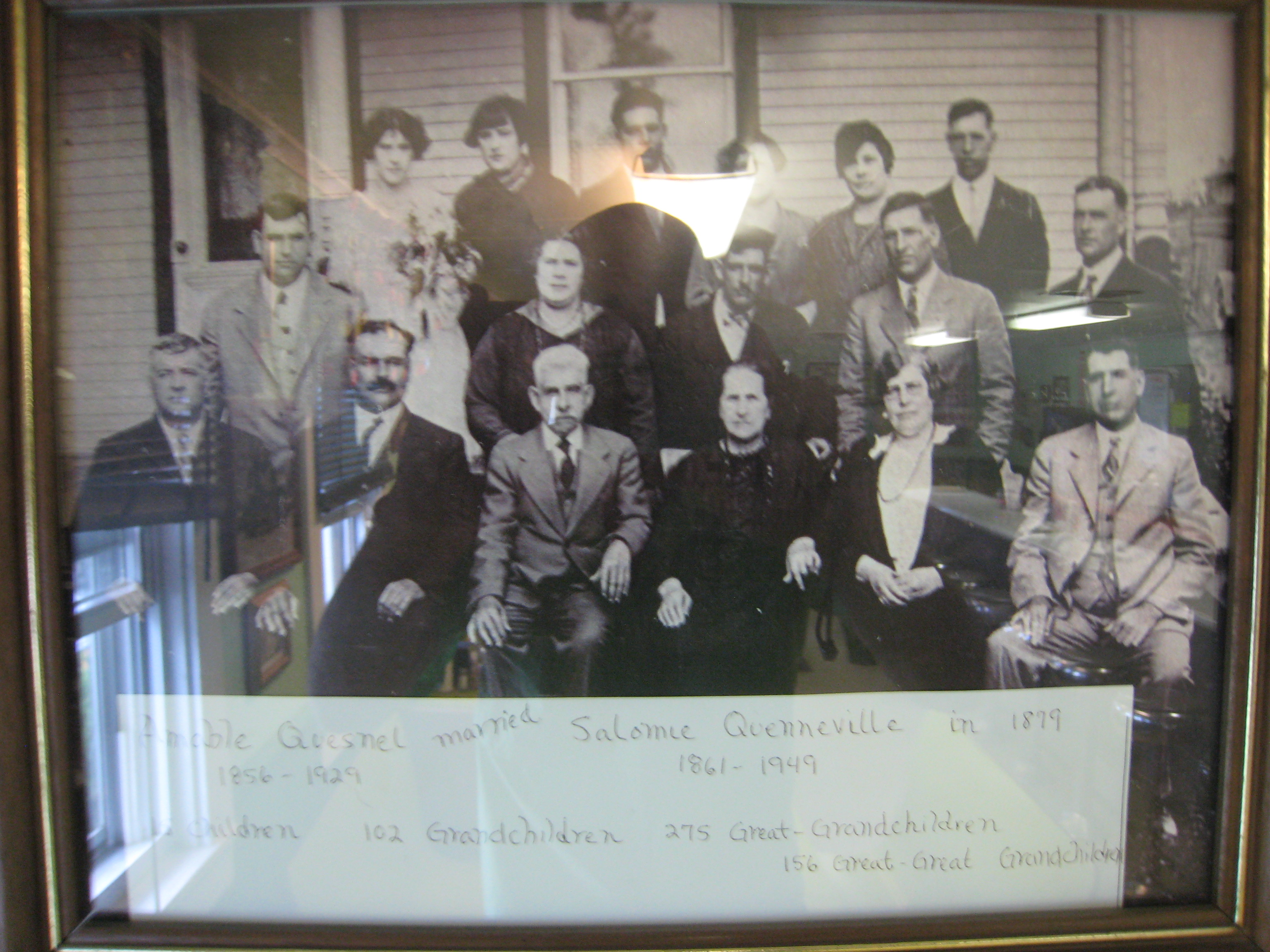
The walls are plastered with photos from days gone by, including this one of Amable and Salome Quesnel and their offspring.

Family pic

Since they were married in 1879, they never made it to the diner, but some of their 102 grandchildren, 275 great-grandchildren, and 156 great-great-grandchildren probably did.

Halfway interior

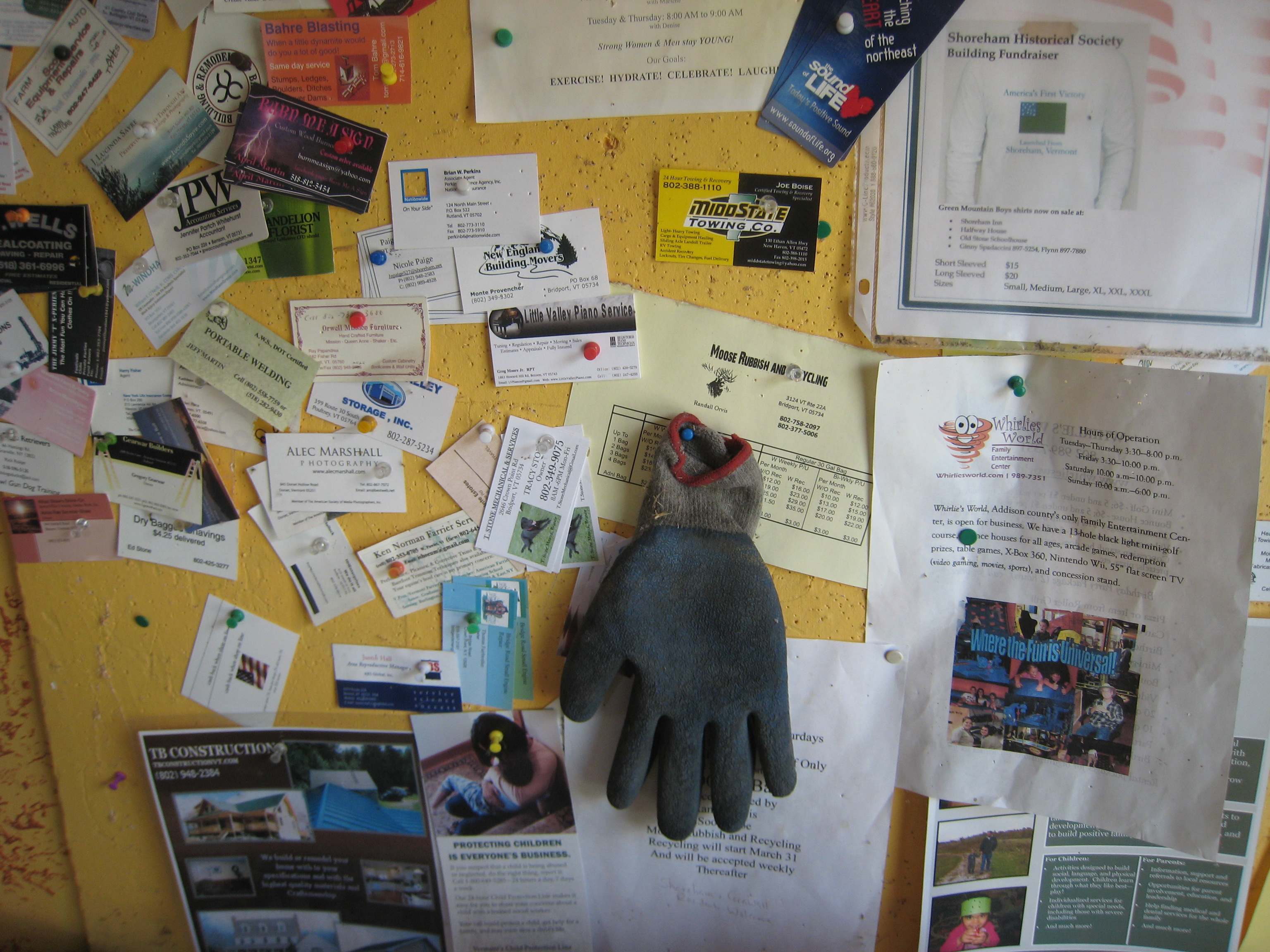
p.s. Anyone lost a glove?

glove

1 Comment

Filed under Cooking, Culture, History, Photography

Pop Up Rules of the Game

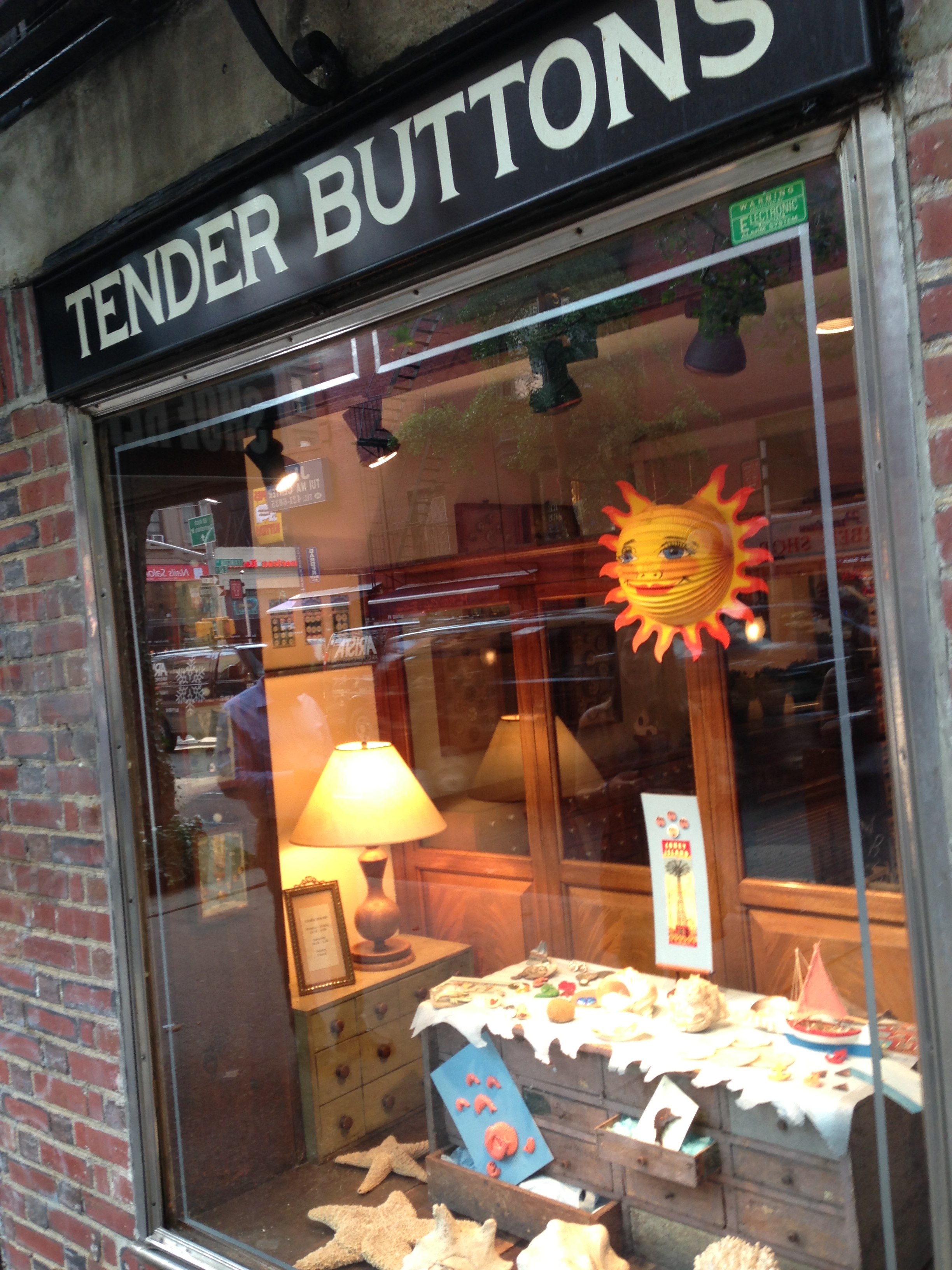
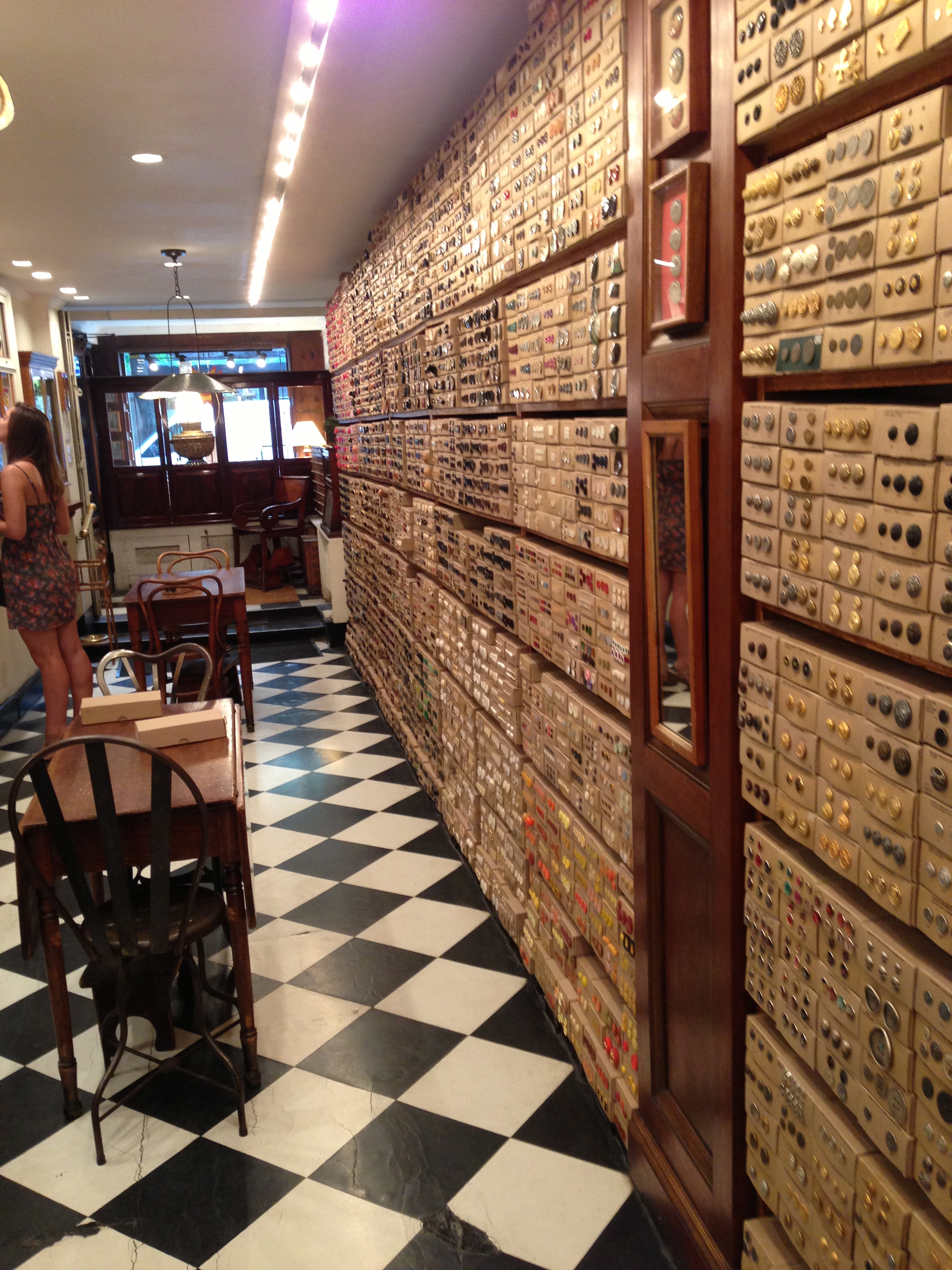
I wore my jacket for so many years the buttons started to blow. There was only one thing for it: pay a visit to Tender Buttons, just around the corner from Bloomingdale’s on New York’s Upper East Side.

tender buttons

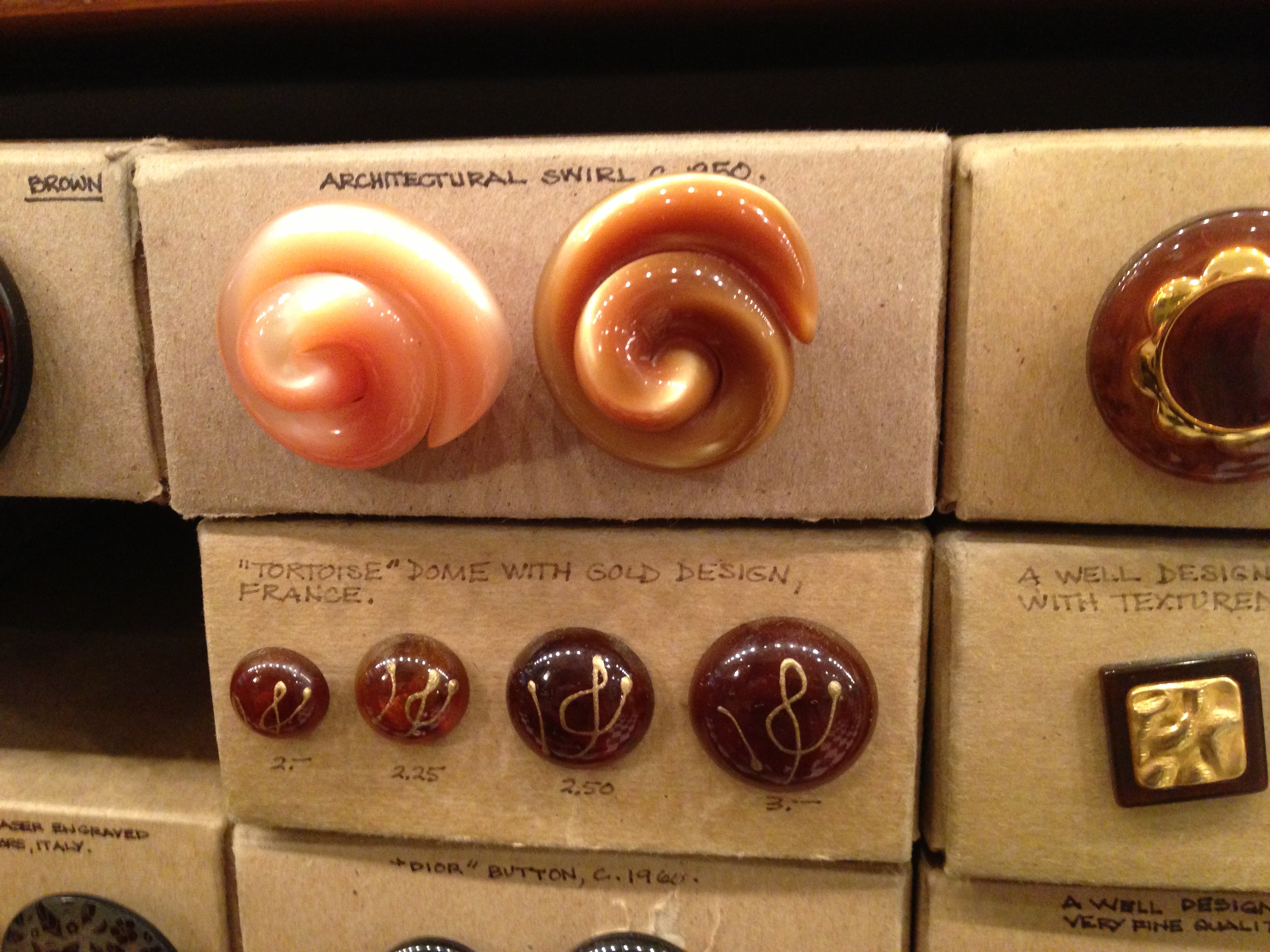
I collect buttons myself, the kind you happen upon at tag sales. None suited my jacket. Tender Buttons, named after an obscure volume by Gertrude Stein, stocks fancy buttons – something of an oxymoron, wouldn’t you say?

architectural swirl

You may browse as long as you like.

pink buttons

Until you are bewitched, bothered and bewildered.

yellow buttons

There are too many choices. You may be tempted to take some of the children’s beauties home even if you don’t have a child.

child buttons

Bone, horn, leather, plastic, wood. Maud and I tried to take it all in. What is the fanciest button you sell? I asked. That would be the Swarovski crystal, said the sales clerk a little primly.

store interior

I loved the scrimshaw, carved scenes on aged walrus tusk. Price point out of range for me however. And who wouldn’t like the limited-edition artist-painted scenes from Alice in Wonderland, one to a button. You’d be telling a fantastic story as you walked down the street.

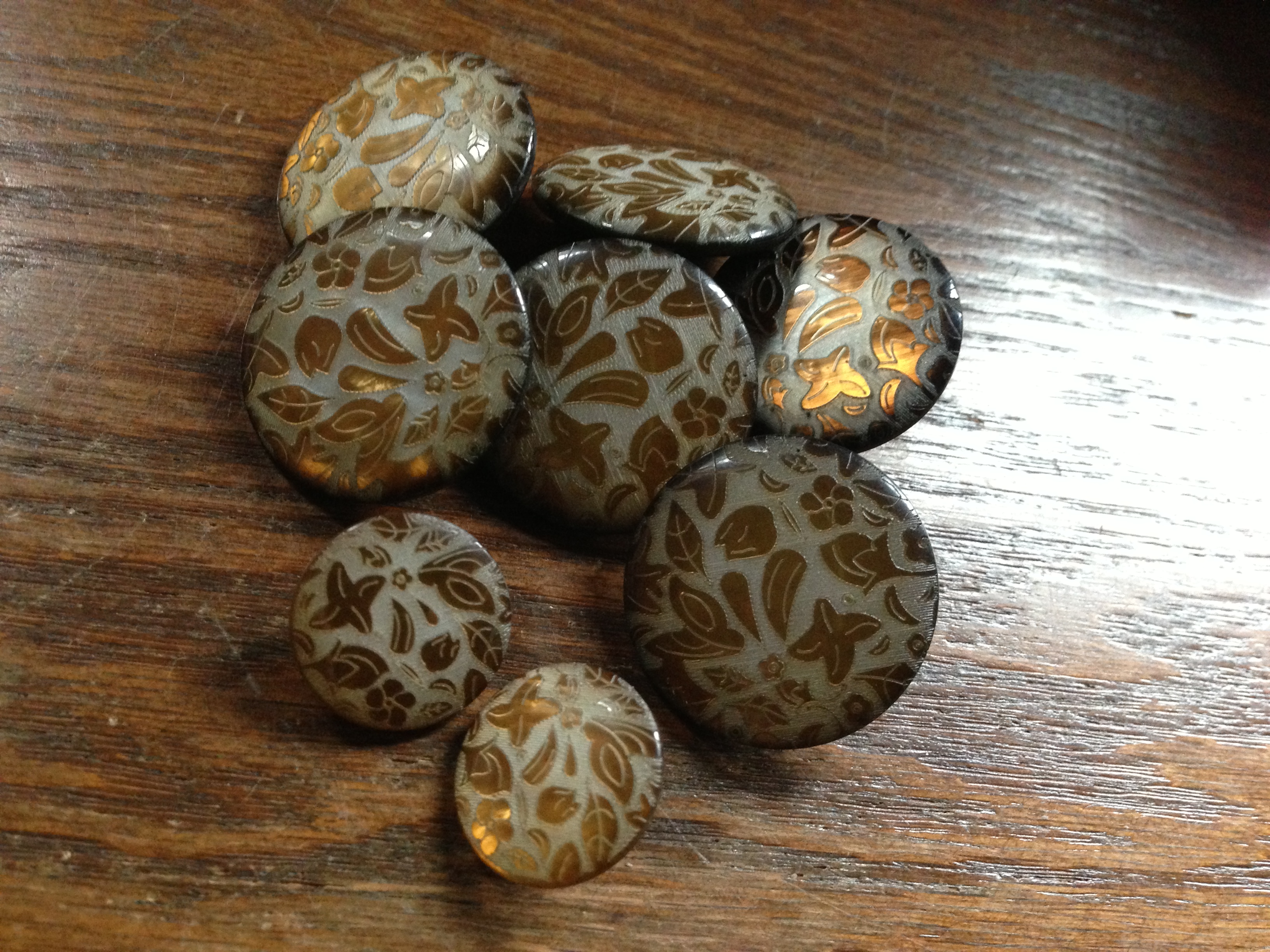
I settled on the finest buttons in the store, fortunately less fancy than some but French, crafted of glass.

jean buttons

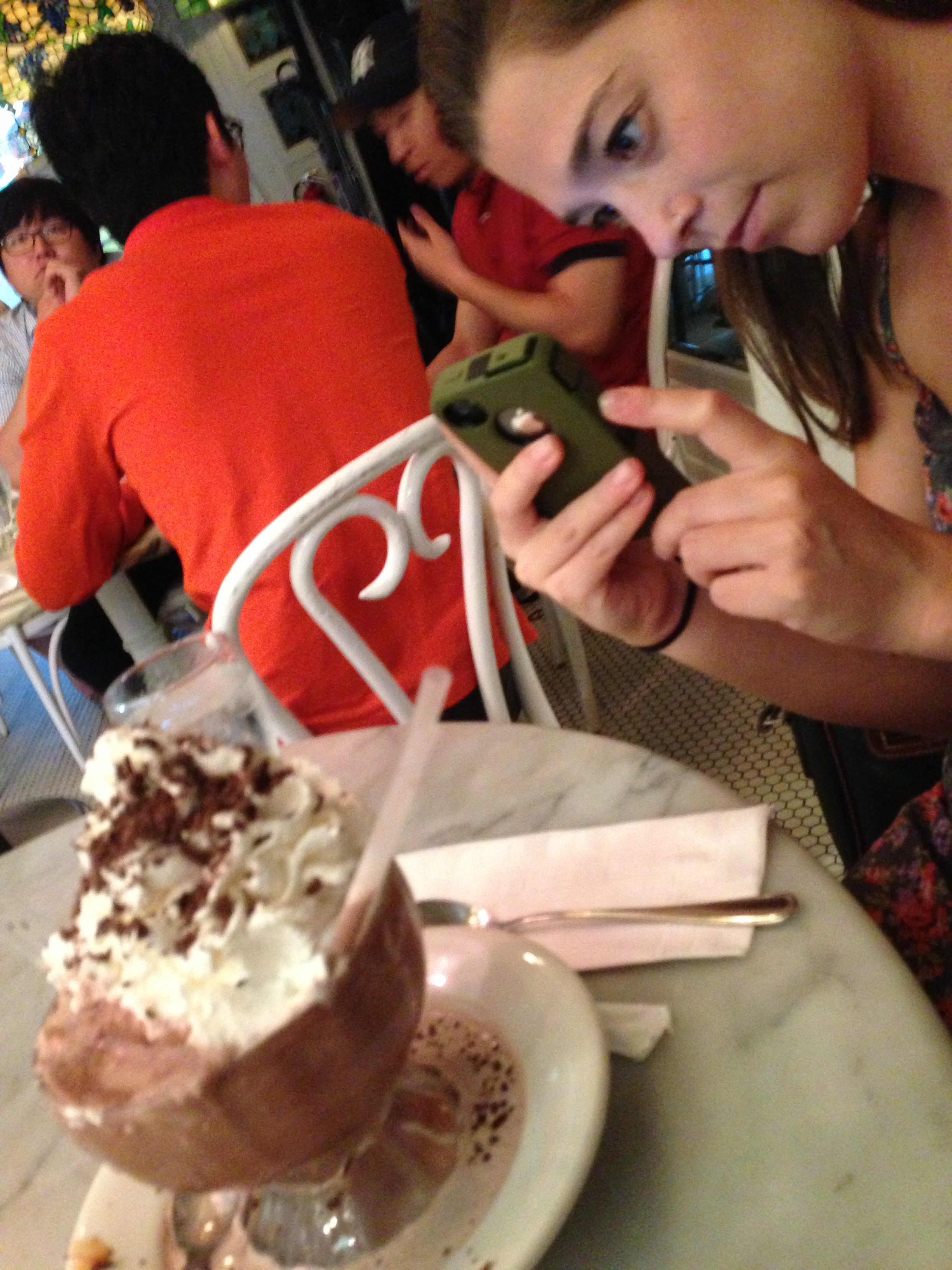
We had fortified ourselves for this venture, Maud and I, with a stop at Serendipity 3 just down the street, which was serving up frozen hot chocolate in giant goblets. Worthy of many photos.

serendipity picture

We shared the over-the-top, whipped cream crowned confection over laughs and confidences.

Then stole away for a treat, lipstick from the people who know how to make lipstick, carefully chosen with our particular lips in mind by a greenly eye-shadowed Bloomingdale’s salesperson.

lipstick

A woman needs a French lipstick in her arsenal. Maud’s made her look more mature, mine made me look less mature. Perfect.

Dinner was a celebration at a pop up steak restaurant that had been relocated while its premises were renovated.

redfarm blackboard

To a laundromat downstairs.

laundry

Gil has a new project, a collaboration. So we toasted him with hot crunchy egg rolls stuffed with pastrami from Katz’s. Chicken-fried chicken stuffed with shrimp. Baby shitake mushrooms, nude and slathered in a slick garlic cream sauce. And a blazing red shellfish casserole roasted in a banana leaf tureen.

banana leaf

I don’t eat crawfish.

crawfish

So there was plenty for Gil and Maud

gil maud redfarm

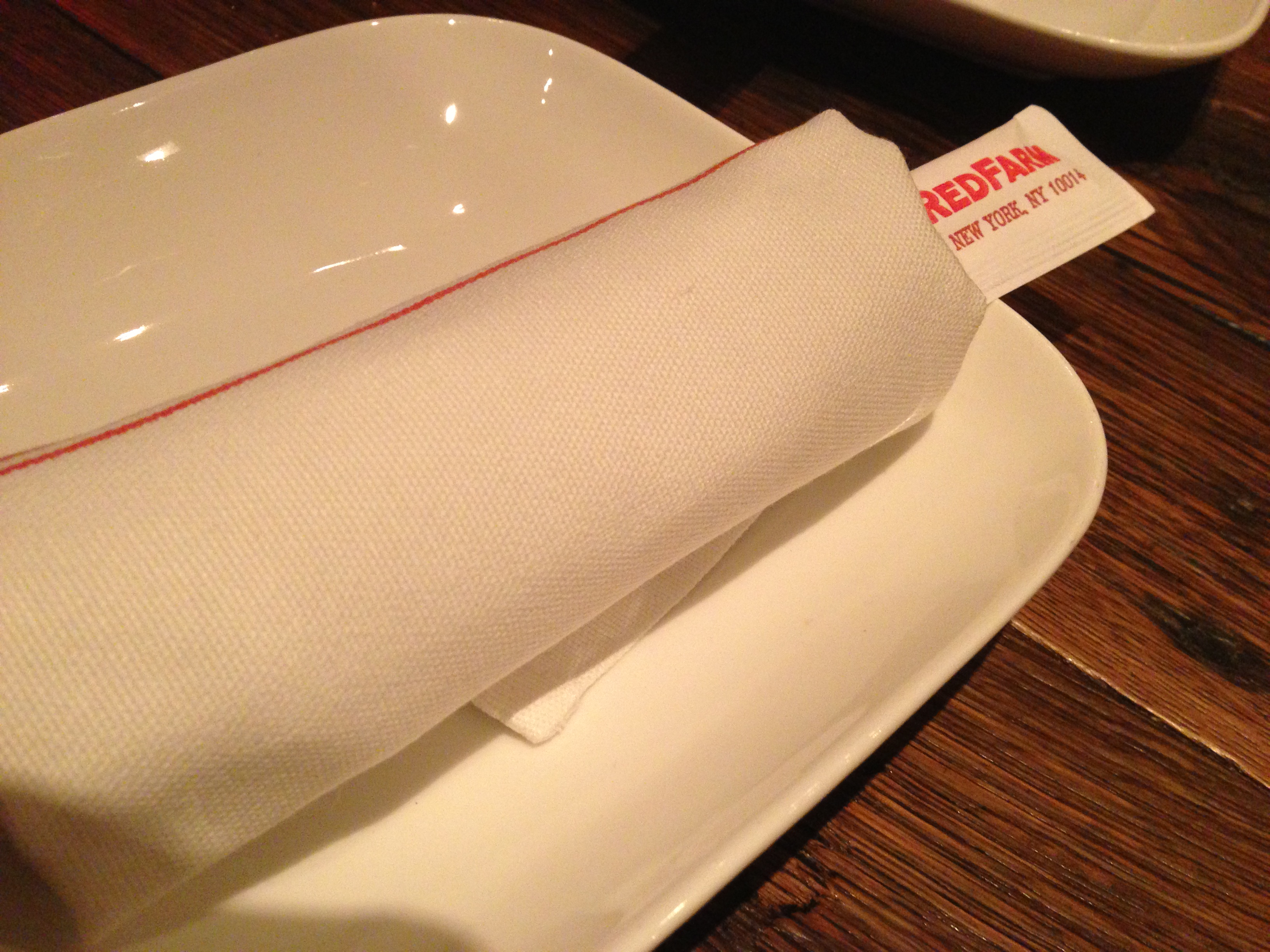
And perfect steak, of course, all served around a farm table with dish towel napkins that were quite well used by the end of the meal. If the place reverts to a laundry they’ll have their hands full.

napkin

We had cooked up a plan to go try “spaghetti ice cream” at a place down the street – ice cream forced through a culinary fun factory, with ice cream  meatballs.

enhanced-buzz-16071-1378422061-10But a downpour hit as we stepped out the door at Redfarm. We quickstepped by the illumination of lightning flashes to the car. Oh my aching foot.

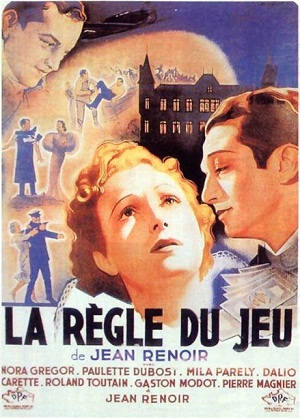
Later, sunk on the couch at home with my leg up, I watched Renoir’s Rules of the Game, the story of rich Parisian twits and their foibles in a country house one fateful fall weekend, putting on amateur theatricals, falling in and out of love, shooting rabbits as well as each other.

La_regle_du_jeu

Elegant buttons, luscious ice creams, lobster, premium lipstick… these are all things Christine, the protagonist, would be well acquainted with as often as she pleased. Run of the mill, ho hum. For us, a one-day treat was extravagant… and enough.

3 Comments

Filed under Art, Cooking, Culture, Fashion, Film, Jean Zimmerman, Photography

Kitchawan Dragonflies

Are dragonflies magic? My favorite insect, I think.

green

Humans have always had a fascination with them. We were creating amulets of the insects back in 1640 B.C. Egypt.

dragonfly amulet, egypt, 1640 bc, faience

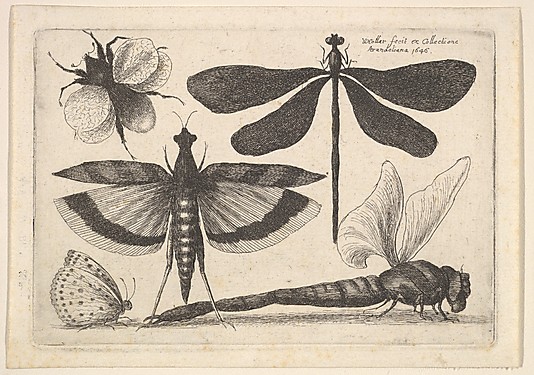
They’re prehistoric. Ravishing to look at. Voracious hunters. Fascinating to artists, like Wenceslas Hollar, the great 17th century lithographer.

Wenceslas Hollar, 1646

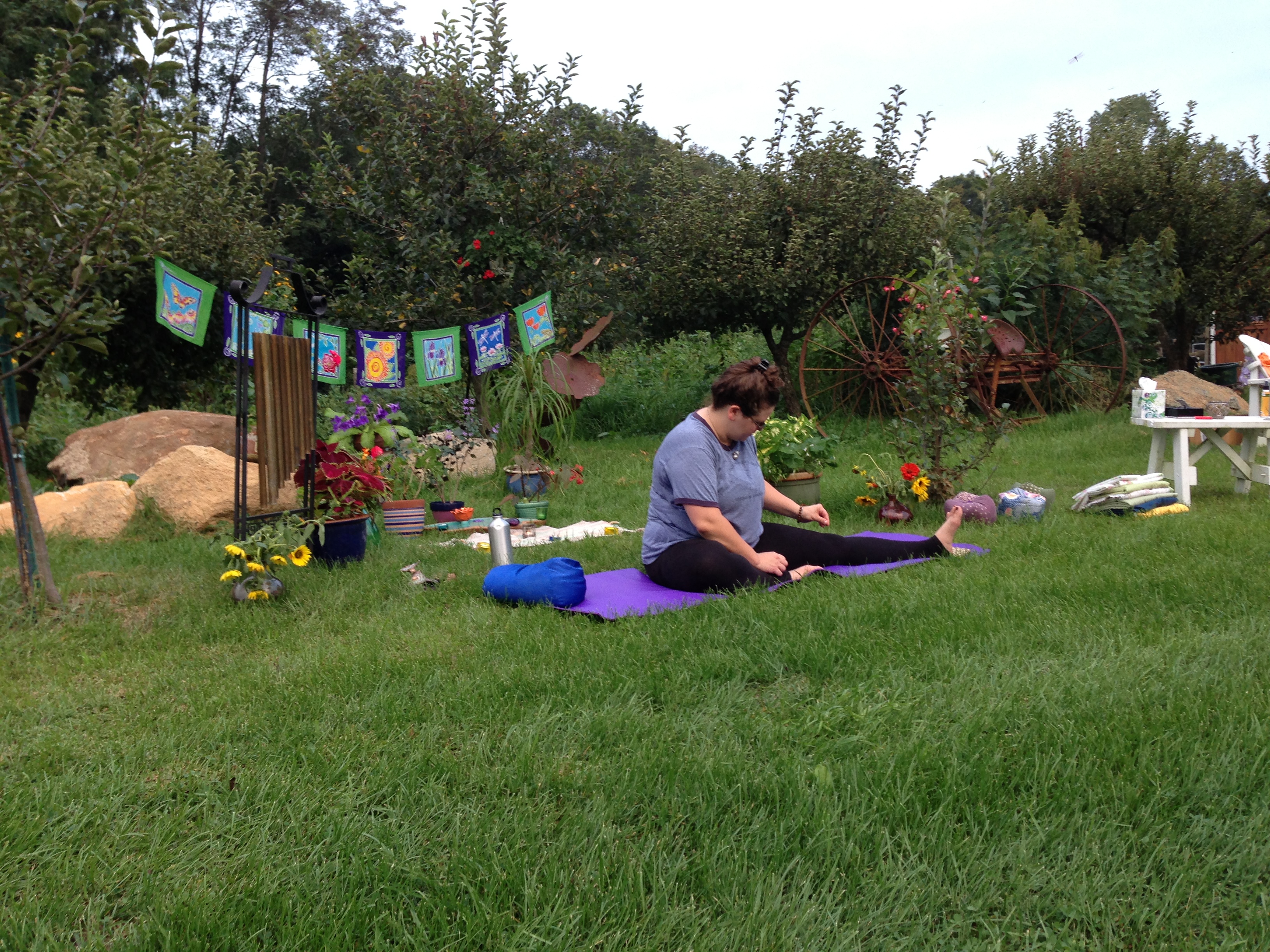
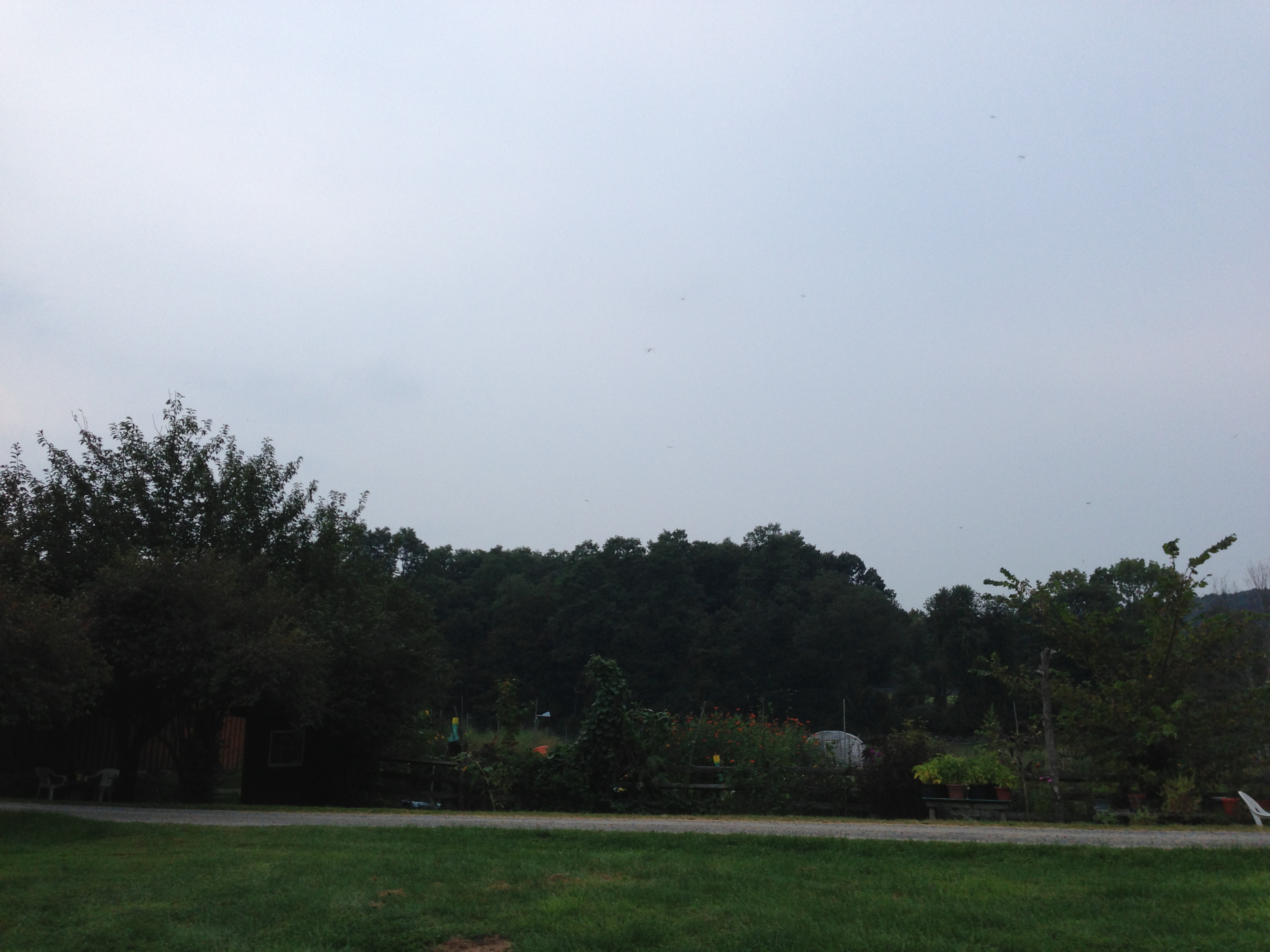
A cloud of hundreds of dragonflies swelled over our heads at the outdoor yoga class offered at Kitchawan Farm in the early dusk. The farm, in Ossining, was a place I’d always wanted to visit. It was September 11, and the class was free to whomever wanted to drop in, a way to mark the day.

Kathleen Clarke led the group. She usually was an instructor at Dragonfly Wellness nearby. Perhaps she brought the bugs?

Kathleen

I brought my boot and a desire to stretch my tight, tired muscles, sick of sitting with my foot up for six whole weeks. We laid out our mats, the dragonflies zooming and booming above.

I didn’t know if the people there would be nice about my infirmity. Maybe they’d be yoga-fascists, insisting on fast, sweaty gyrations, on keeping up a certain pace. But as soon as we set up, a woman hurried over to offer me a plastic chair in case I needed it. It turned out to be Linsay Cochran, who manages this century-old family farm. So gracious, and so welcoming.

There was a meditation to begin, and Kathleen suggested we think not so much of September 11, but perhaps more important, September 12. What did we do in the wake of the tragedy? I thought about the 11th, watching the flames all the way down the Hudson, scoping from Hastings to New York City from the lawn next to the library, the dawning dread that this was real. But September 12th – what did I do, actually? I think the day was about our shared shock, but also about the difficulty of explaining what had happened, to myself but also to my nine-year-old daughter.

shrine

At Kitchawan, in the dusk, we stretched our arms to the graying sky, held our hands in prayer position, again stretched our arms to the sky.

My Frankenstein boot presented no problem. Kindness, I felt, made my awkwardness a nonissue.

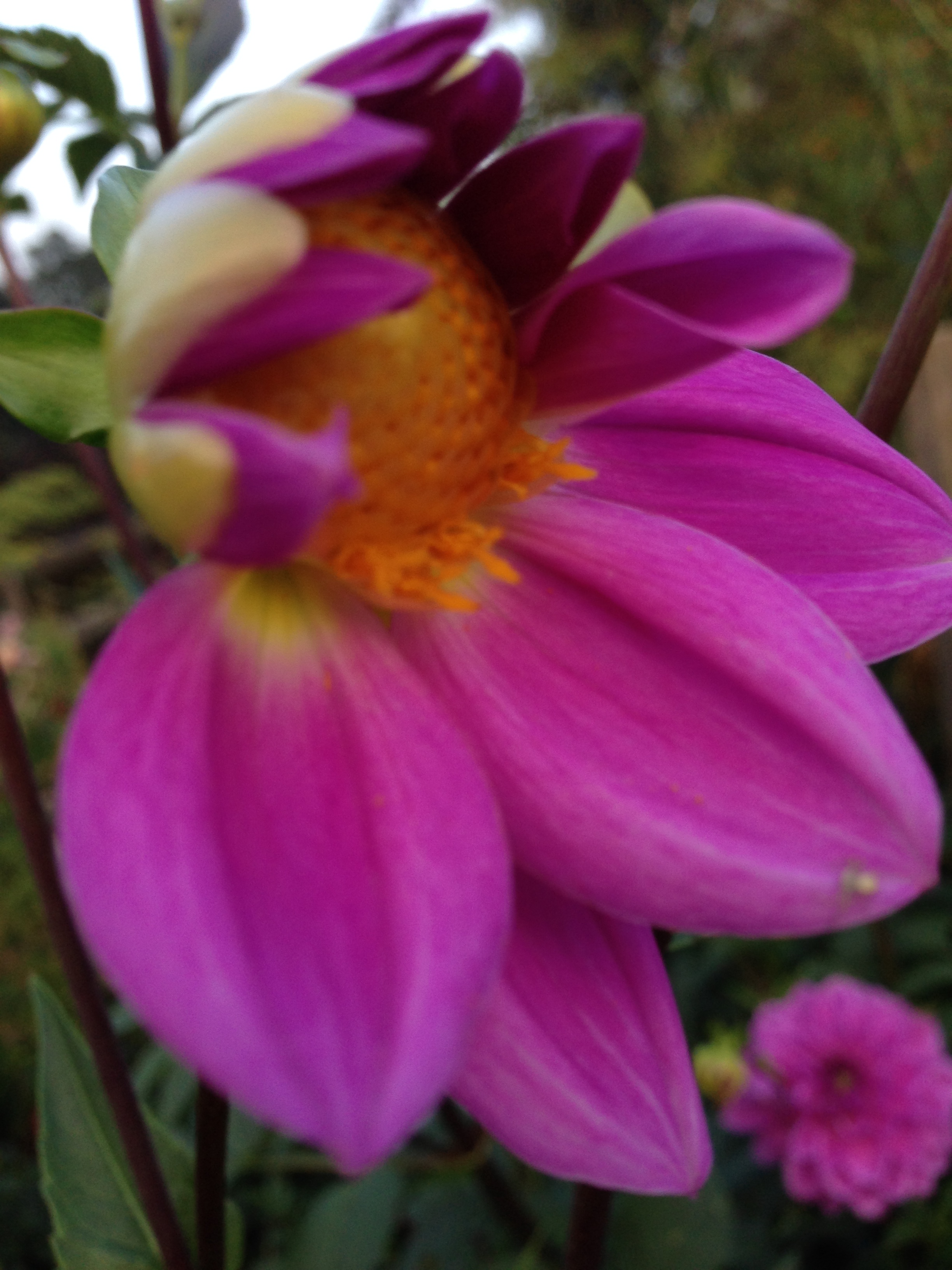
Kitchawan Farm has 20 acres, and specializes in flowers as well as vegetables and herbs. The blooms of later summer were all around.

pink flower

“There shall be eternal summer in the grateful heart,” wrote Celia Thaxter, a popular gardener/writer of 1890s New England who is now, like so many women writers of that time, largely forgotten. If you are in need of eternal summer, give Linsay some advance notice and she will a bouquet for you.

fuschia flower

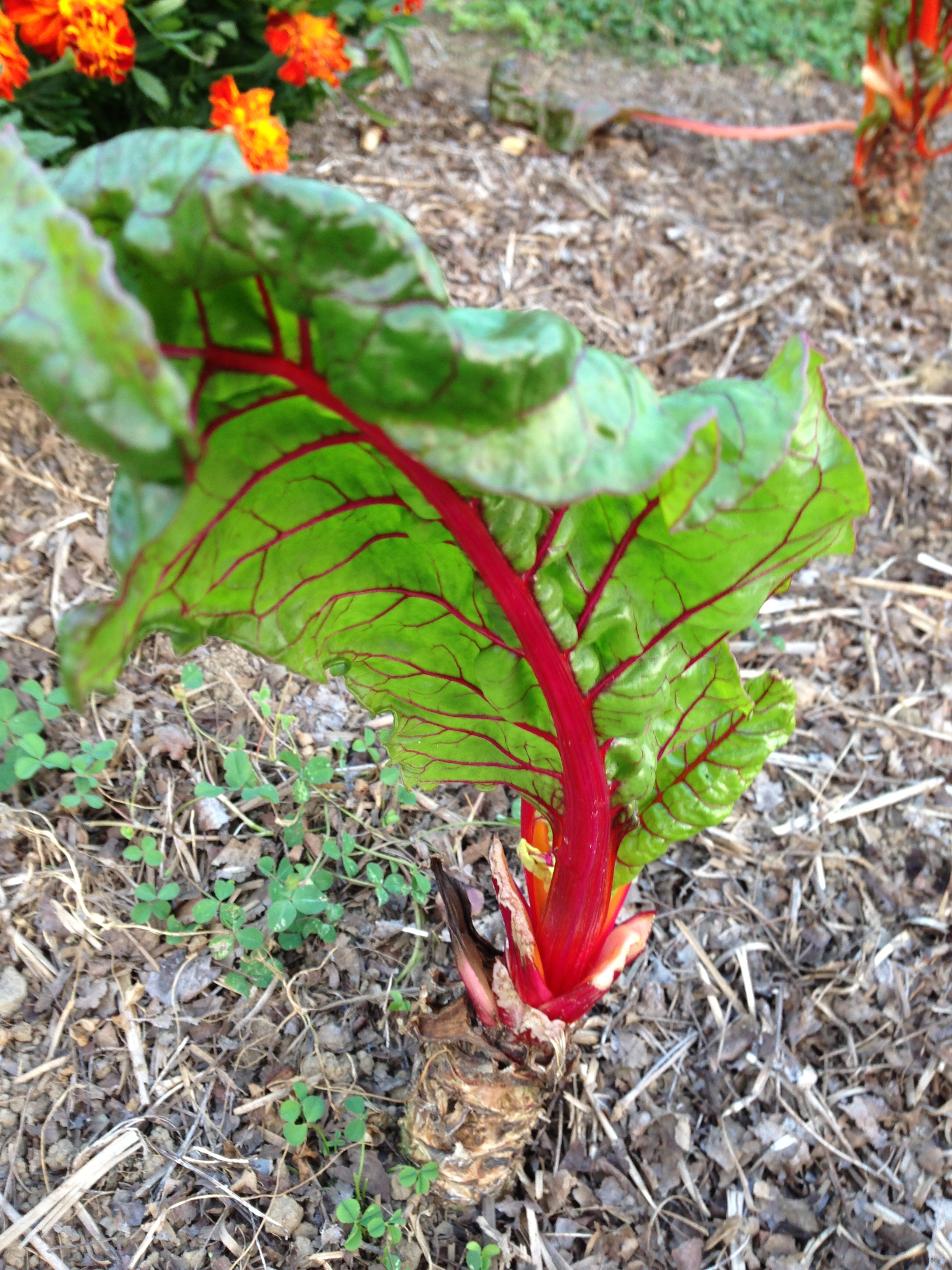
Gil and I had wandered the rows when we first arrived. Decided on chard for dinner.

chard

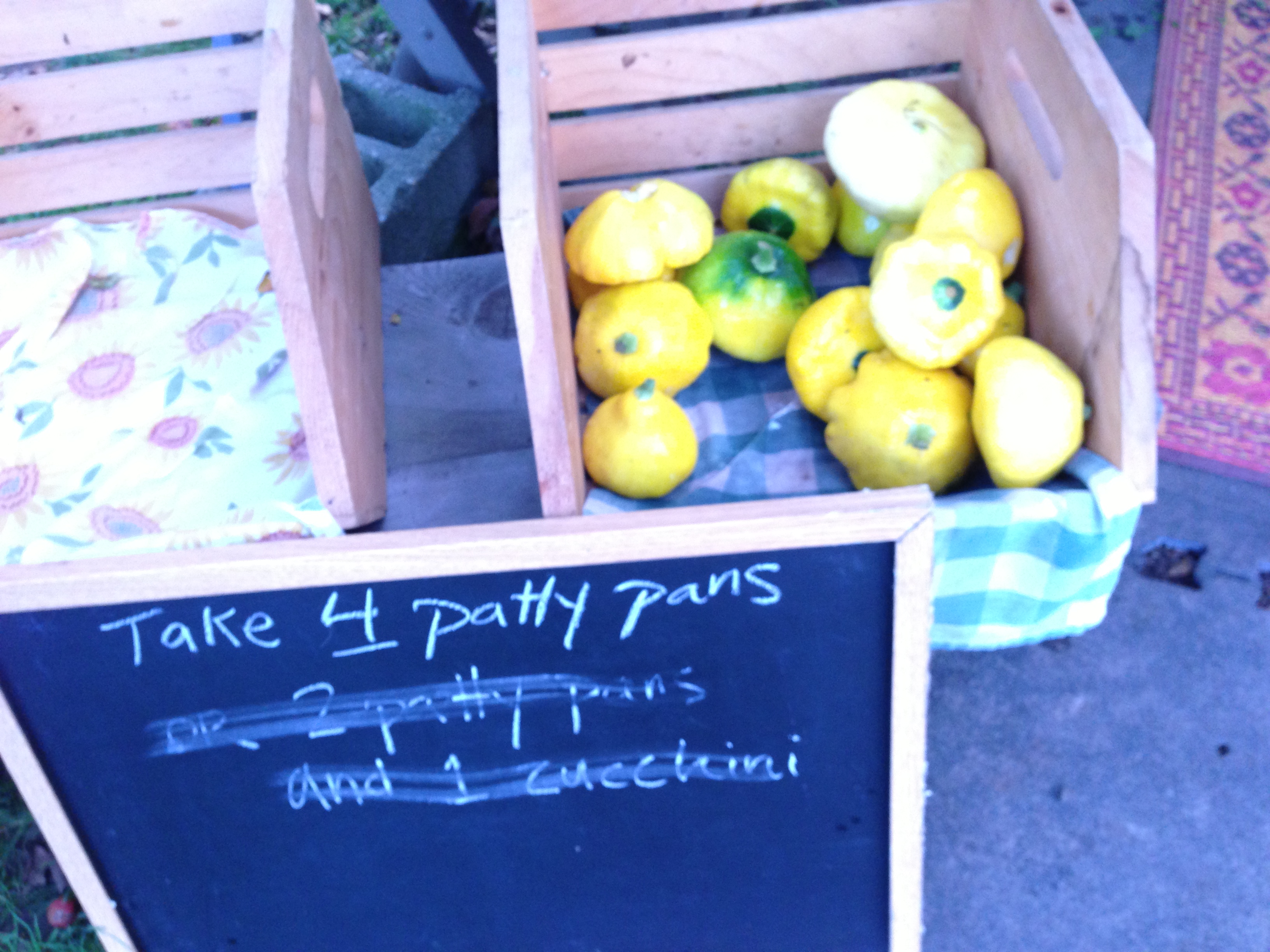
They’re mainly a CSA operation here at Kitchawan, and some people were coming to pick up their shares. Others picked up their wild, sweet children from the little summer camp there.

patty pans

Late-season bounty crowded the tables.

carrots in tub

We bought garlic from a  young woman in the “stuga” (Swedish for cottage), two of a half dozen varieties. A garlic house, how charming.

siberian red

Wished we could get closer to the horses – the farm boards 10 but they were all off behind fences in their horse dreamworlds, munching grass.

Gil had gone to walk in the woods of Kitchawan Preserve while I levitated under the dragonflies.

Linsay, laying out on her mat, was constantly attended by her large, gentle dog Pogo.

When the sun salutation came, I knew my foot was spent, so I moved my stretched-out body over to an Adirondack chair and watched the dragonflies recede.

grey sky farm

I inhaled the scents of manure and herbs. Listened to the horses snort, the excited hens and rooster and guinea hens vocalize. I heard Kathleen taking the little group through the final meditation, murmuring a narrative that was all about compassion, gratitude, virtue, healing others. There was so much good feeling here at Kitchawan, they could sell it in bouquets by the roadside. Or, I guess, give it away.

Being able to heal others. I don’t know about anyone else there, but I felt a little healed. My foot was tired, but my soul weariness had been transported away by dragonflies.

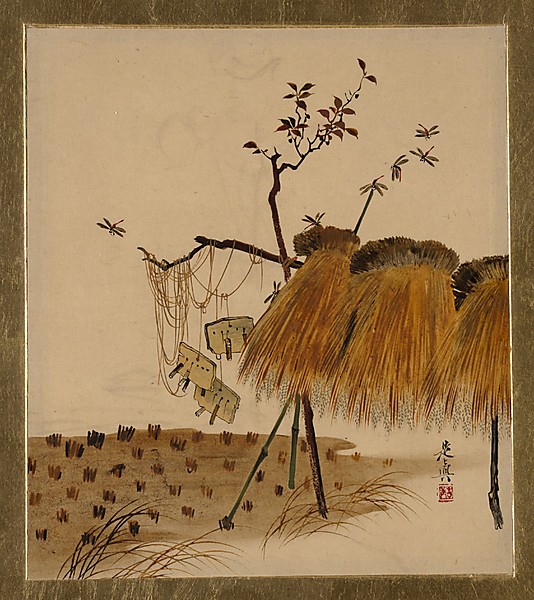
shibata zeshin


5 Comments

Filed under Art, Culture, History, Home, Jean Zimmerman, Nature, Photography, Writers

Mementos in a Vermont Boneyard

Peter Zimmerman continues his ramble through New England, shooting some images our way as he goes.

TODAY I LUCKED OUT (writes Pete).  Not only did I have the Old First Church of Bennington, built in 1762,  all to myself, but then I had the audience of its pastor, the Rev. Kenneth A. Clarke, as well.

I had been poking around the old boneyard adjacent to the cemetery before trying the door to the church and finding it open but “No One home.”

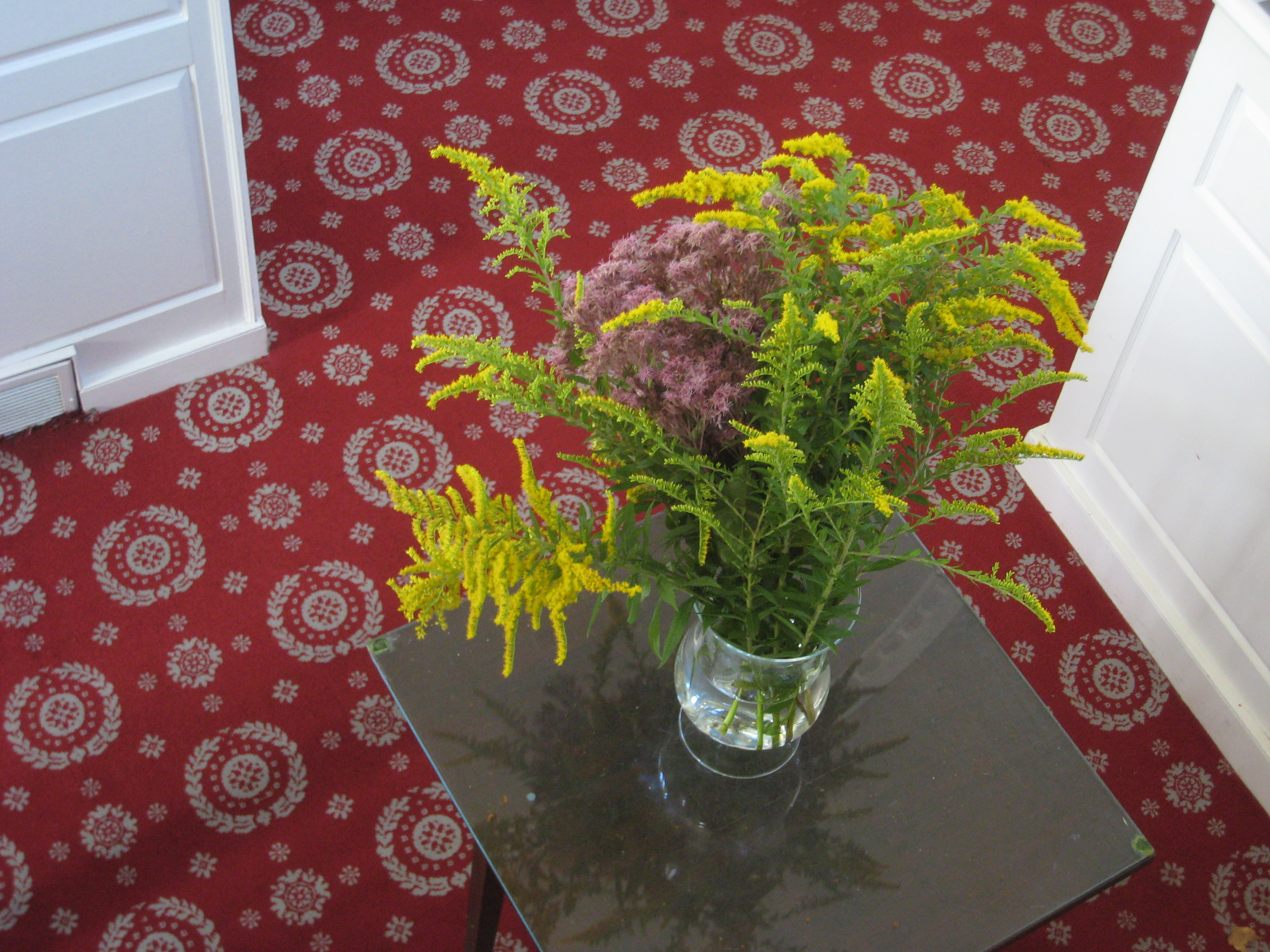
Inside I found a vase of simple goldenrod.

goldenrod

The flag of Vermont and Old Glory were standing on either side of the pulpit.

vt flag

One thing was conspicuously absent: any kind of Cross or statue of Christ.

whatsmissing?

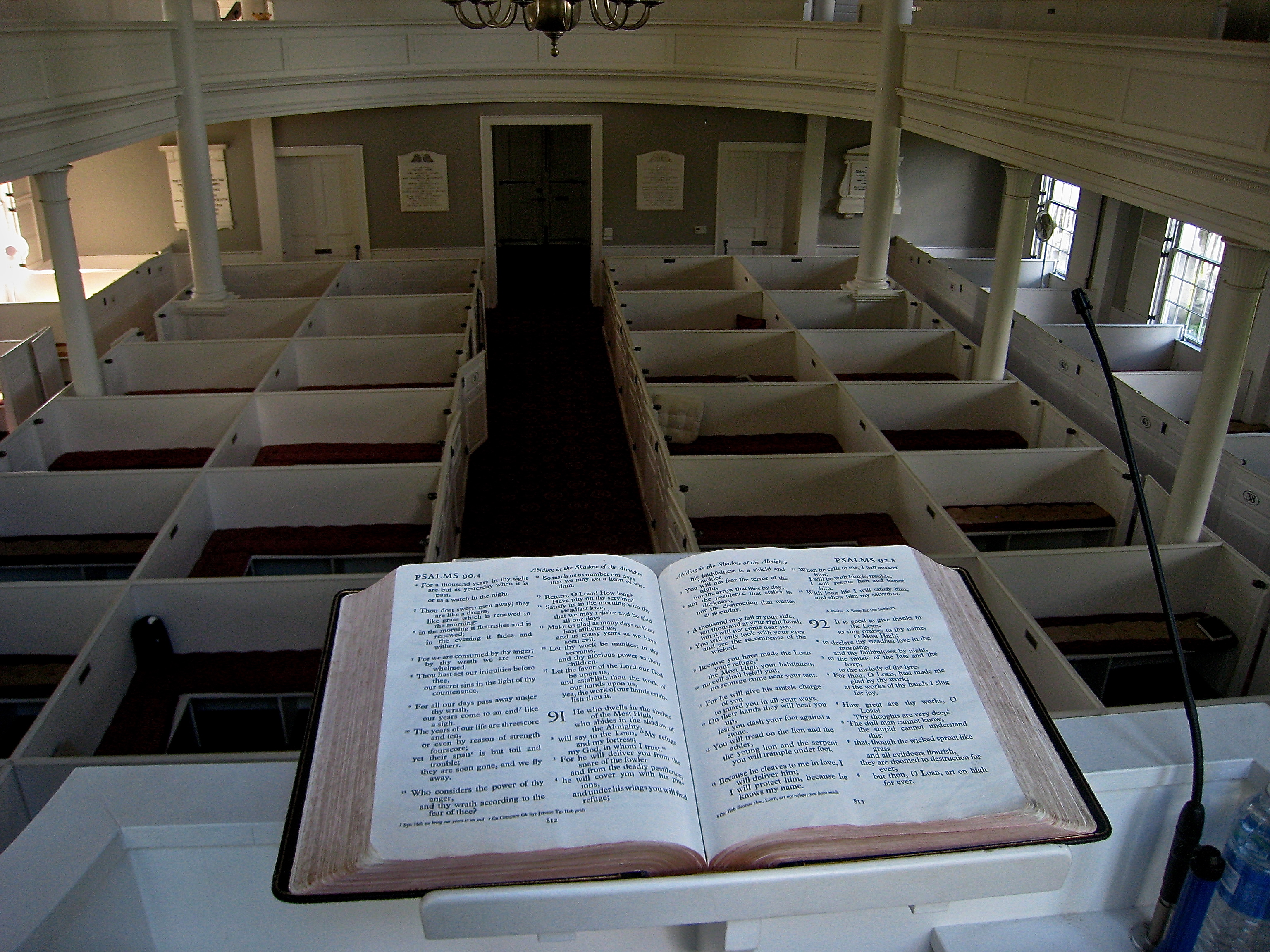
I couldn’t resist climbing up the stairs to the top of the pulpit.

pulpit

A large Bible was turned to Psalm 91.

psalm 91

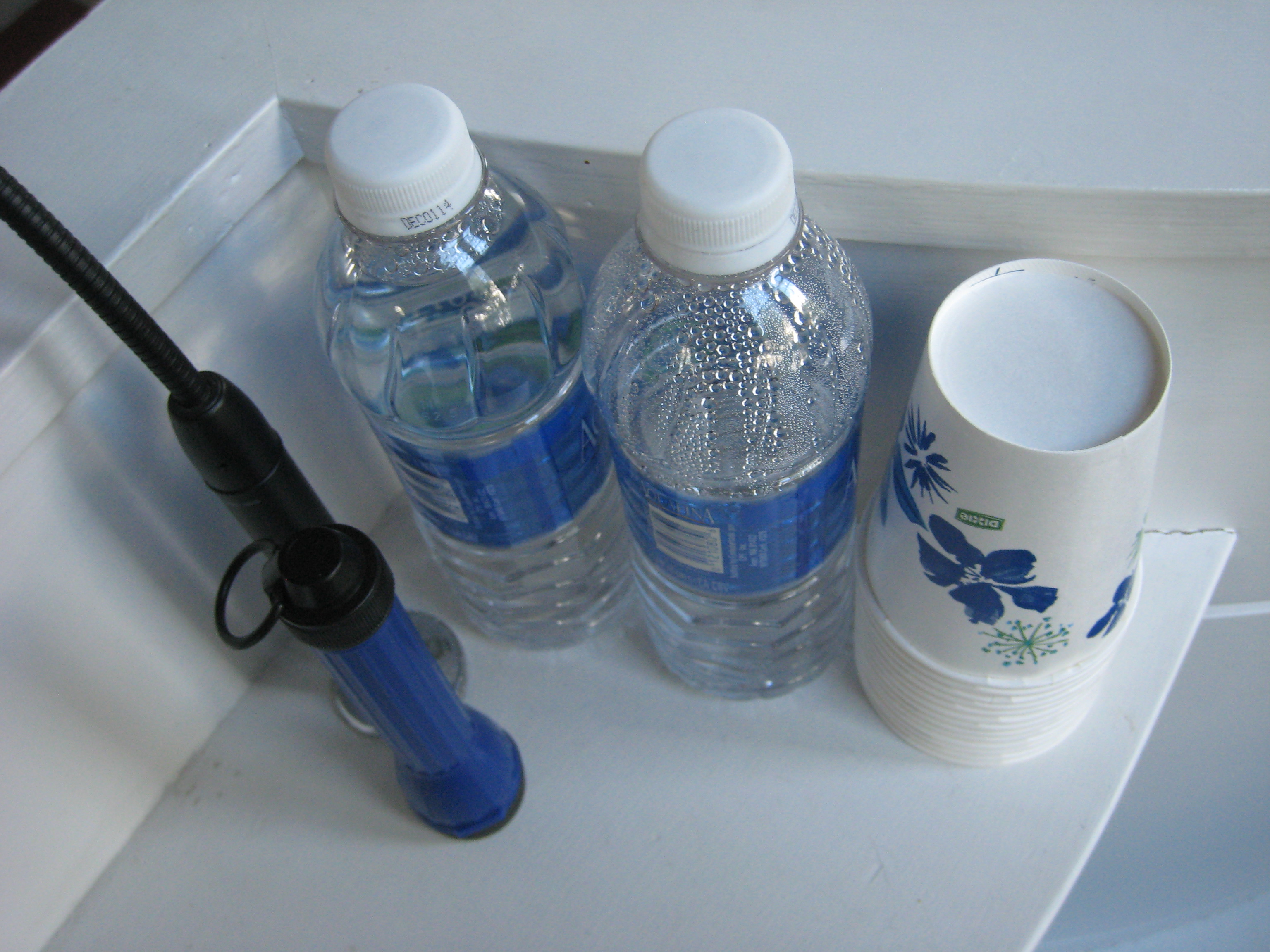
The tools of the trade. Reverend Clarke told me  that other people climb up there, too, and sometimes leave the volume open on a different page.

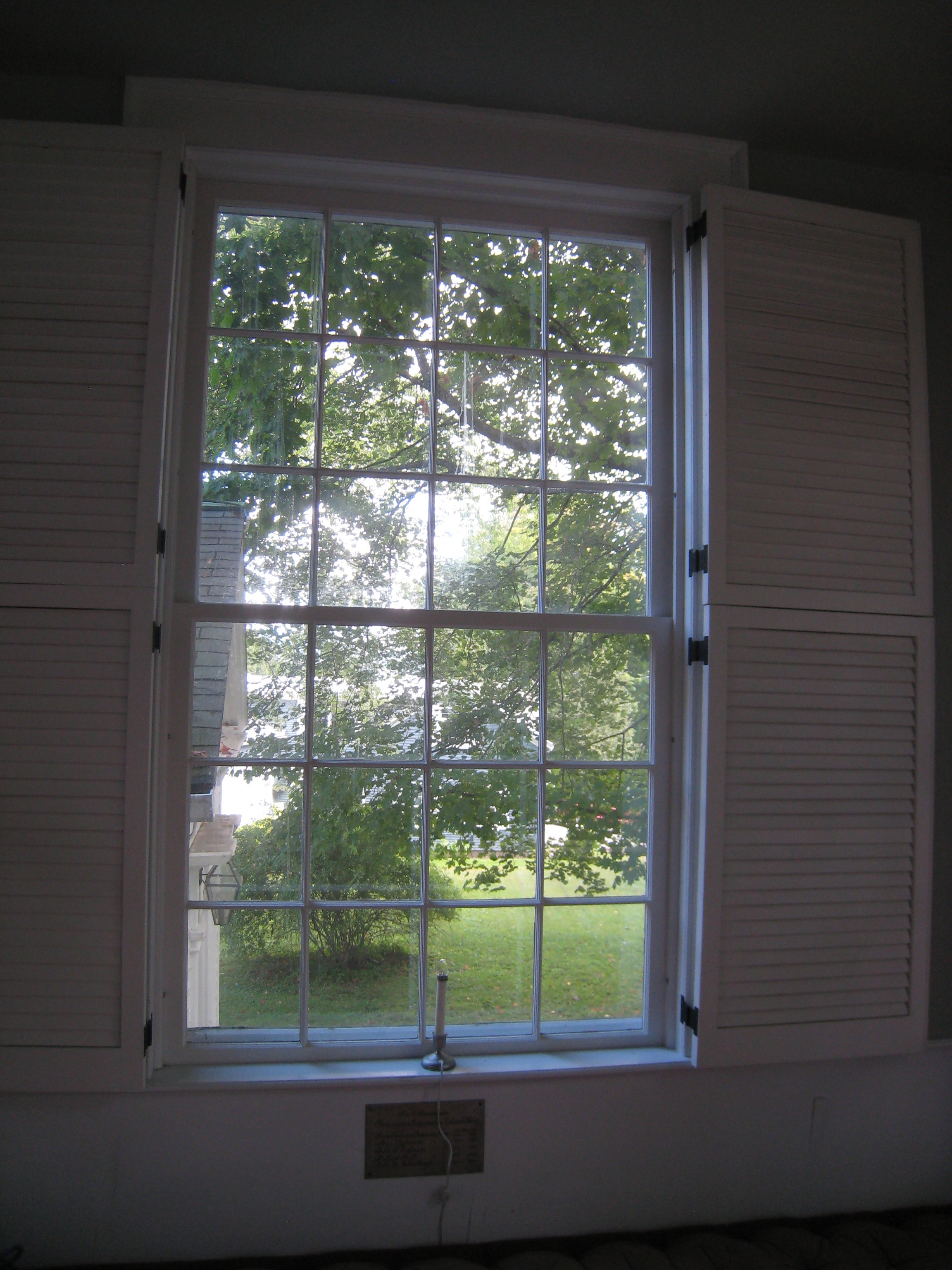
lectern The windows are clear glass rather than stained for a simple reason. Back in the days before electricity, they let more light in.

window

I found a very old foot-warmer in one of the box pews (as opposed to regular old slip pews).

footwarm

pew

Here is pew number 9, number 9, number 9….

number 9

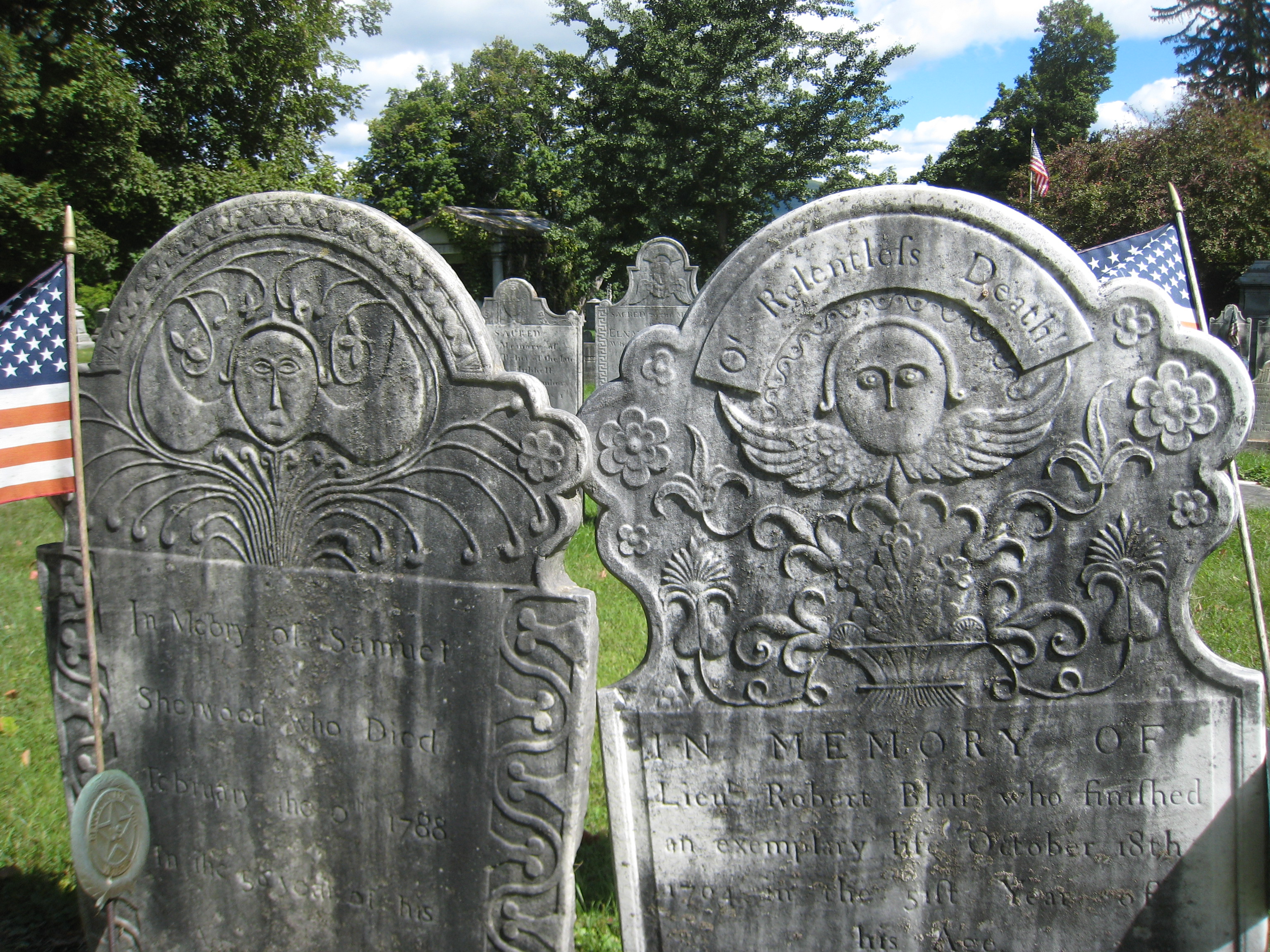
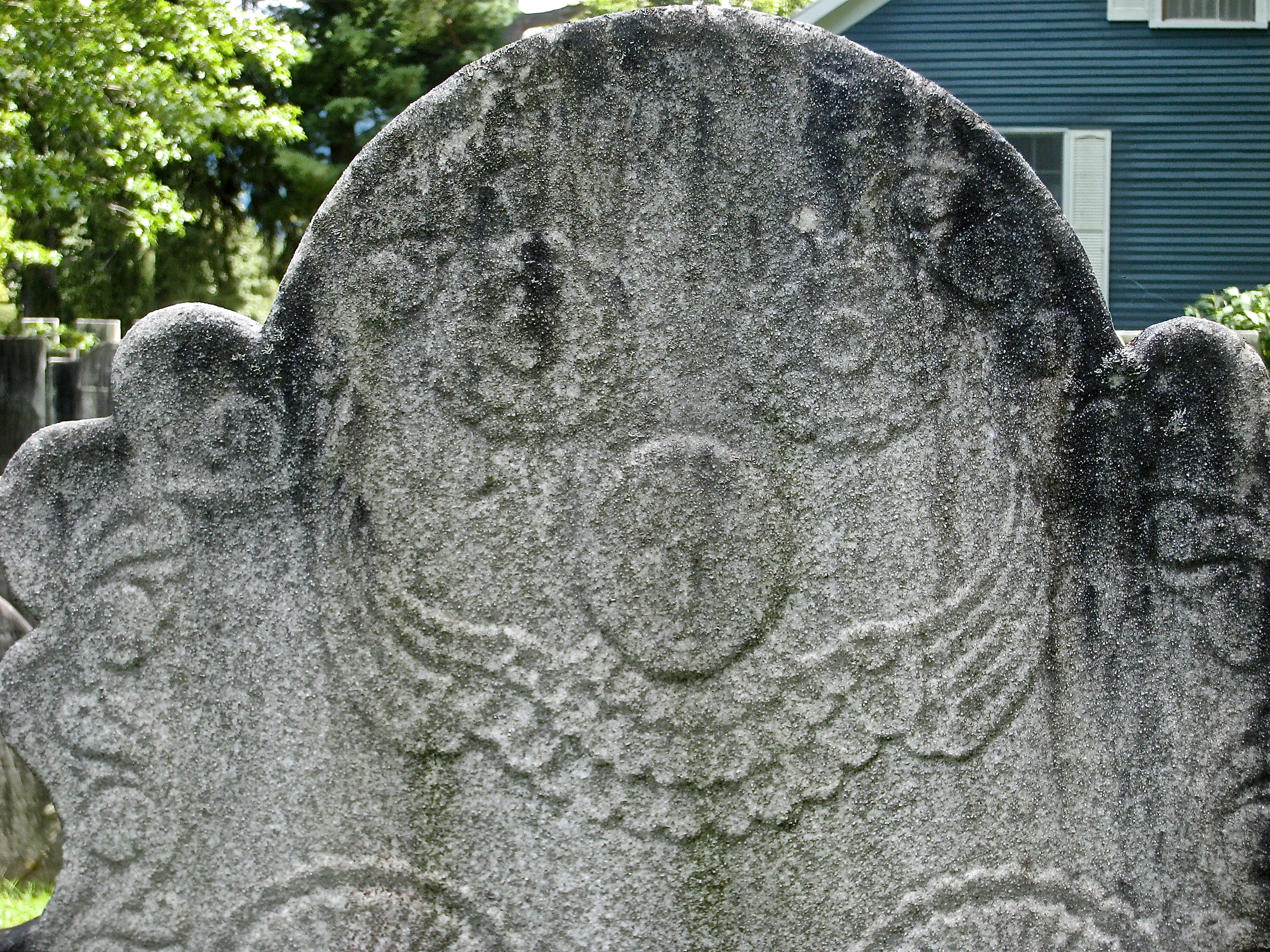
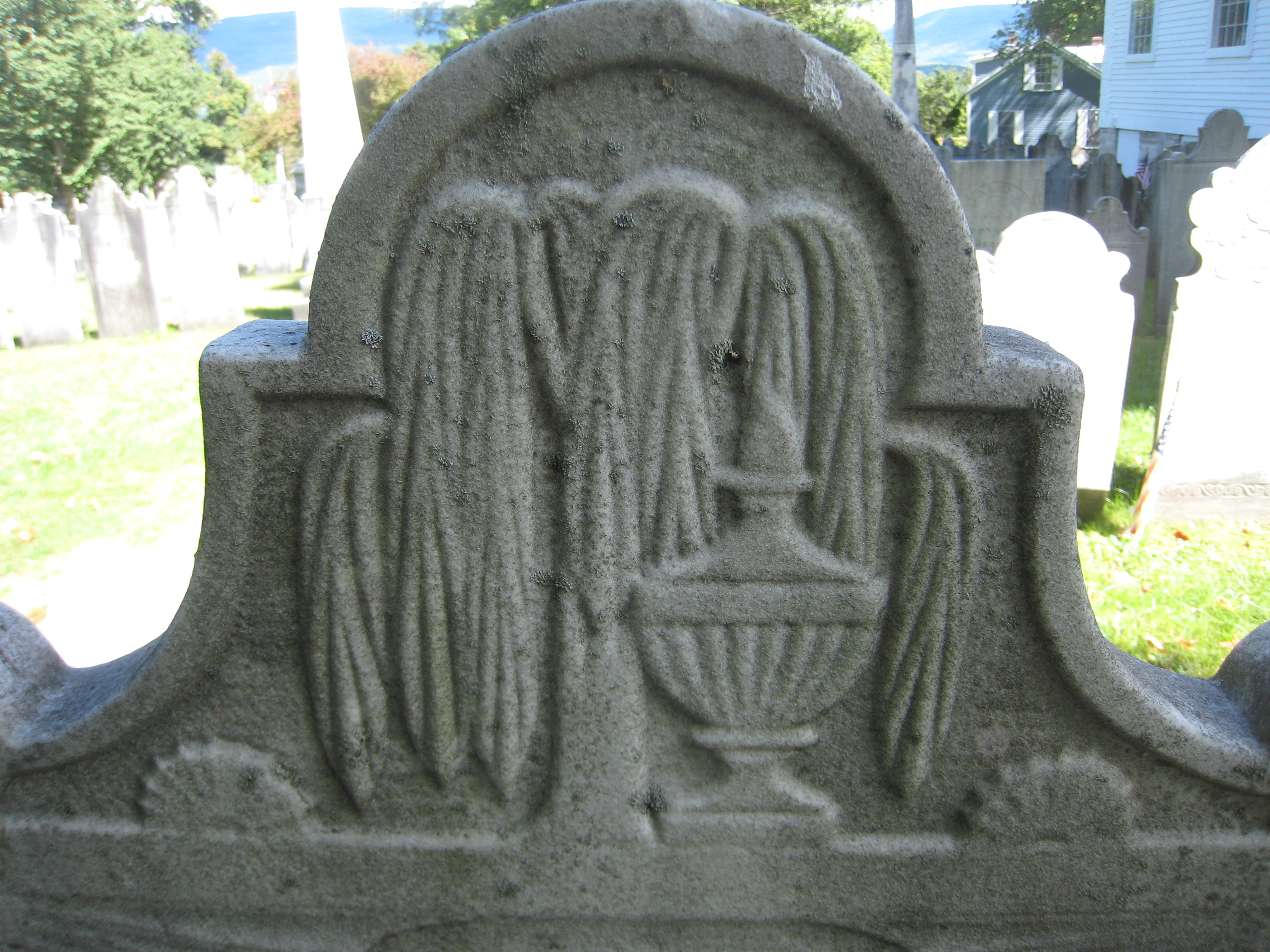
I asked Reverend Clarke about some of the headstones I had seen in the graveyard. Many of them were decorated with “ascending angels,” which came into vogue after the skull-and-crossbone style, and were followed by the weeping willow.

angelheads

One of the ascending angels bore a distinct resemblance to Groucho Marx. Rev. Clarke laughed and said he hadn’t noticed that.

groucho

Robert Frost is the most famous inhabitant. He and his wife Elinor share a footstone with two children.

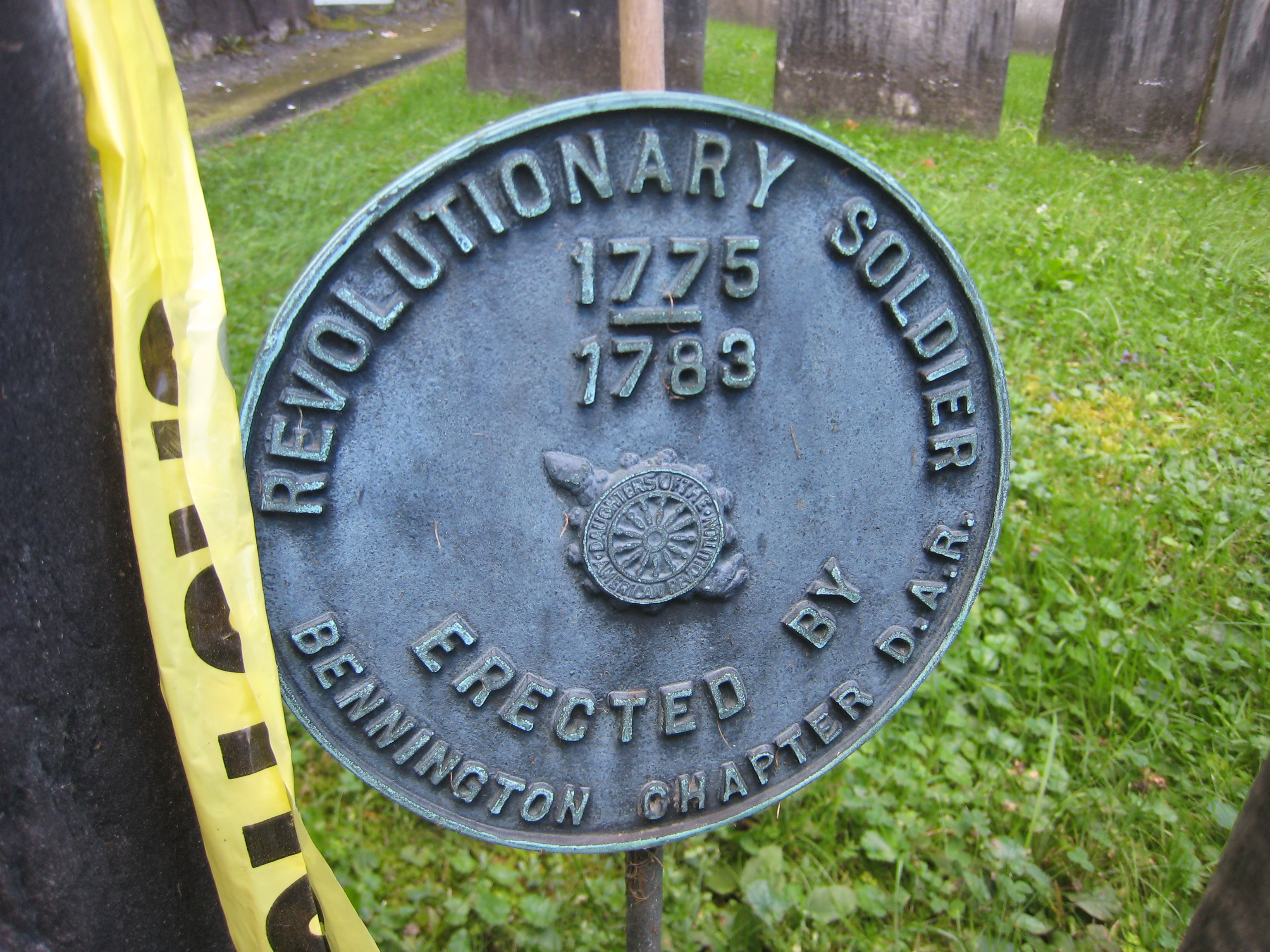
There are lots of Revolutionary War-era soldiers and patriots, but not Ethan Allen or Seth Warner.

rev plaque

Five of Vermont’s Governors can be found here, the female’s first female settler, Bridget Harwood, and some fellow who drowned on the Titanic who used to work as a herdsman on the Colgate family estate (I got the last one from the Reverend). The first person buried in the cemetery died in 1762, when George Washington was a mere 30 years old. I wanted to know whether a person could STILL be buried here. Yes and no, says Clarke. Your family has to already have a plot. And spots are tight, he said with a wink.

willow

2 Comments

Filed under Art, Culture, History, Jean Zimmerman, Nature, Photography, Writers

Art for Art’s Sake

When was the last time you thought about Art Garfunkel? His angelic tenor, his sensitive beak, his fallouts/reunions with Paul Simon, his blond ‘fro?
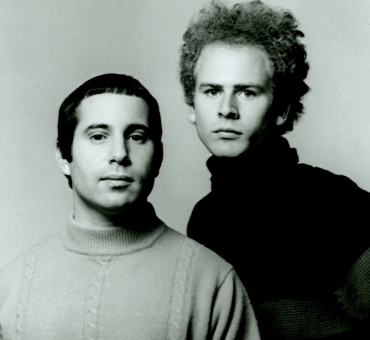
simon:garfunkel

Probably, like me, not recently.

Which is why I jumped at the chance to see him solo in a tiny venue in the middle of New Jersey, in a performance that was being billed as an “open rehearsal” – for what, somewhat unclear. Anyway it would just be Art and a guitar up on the stage, with a group of several hundred devotees.

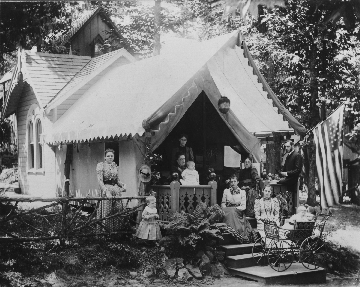
Three hundred fifty, to be exact, because that was the seating capacity of a hall called the Tabernacle in a magical, historical community called Mount Tabor that originated as a Methodist summer camp meeting ground in the late nineteenth century.
event_146798492.jpeg

People live there now, in houses, not tents. Our friends Eric and Mary Ann have been Mount Tabor-ites for decades.

eric and maryann's home

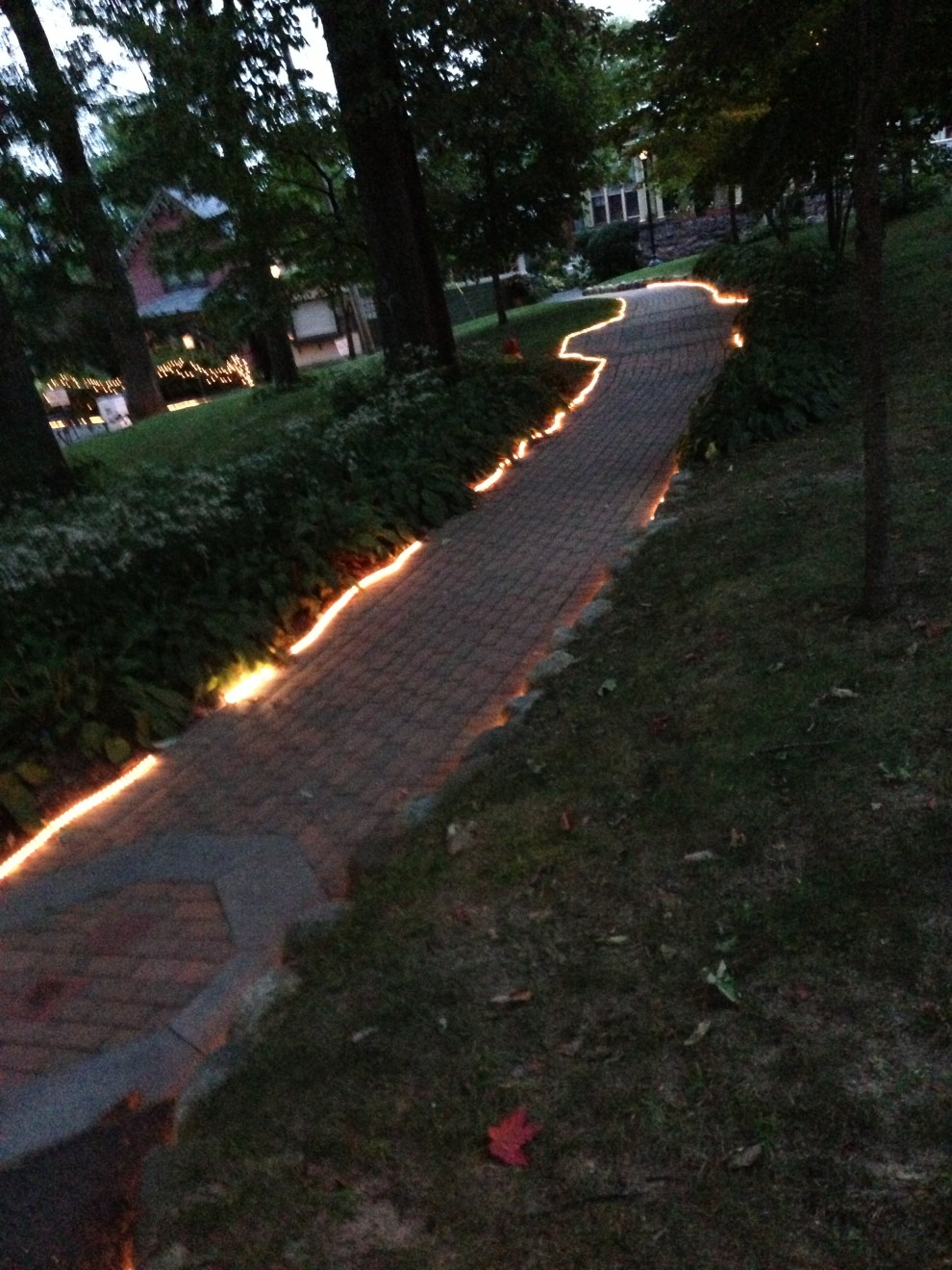
Walking to the Tabernacle for the show has an element of the mystical, along the small, civilized paths.
magical tabor

When the place originated, tent properties (leased from the Camp Meeting Association of the Newark Conference of the United Methodist Church, never bought outright) stretched back from the central building and its green, with the more prominent families closest to the preaching. People came here for a month in the summer to get their evangelical fix much the way they did at Ocean Grove, Tabor’s Methodist sister town on the Jersey shore. It all depended on whether you wanted the mountains or the sea, both were equally soul-restoring. The movement faded at the turn of the twentieth century, with houses  eventually built to replace tents, and 212 of the ornate gingerbread-decorated originals remain. National landmark status for the district is imminent. Quiet streets wind throughout this other-timely locale.

tabor homes

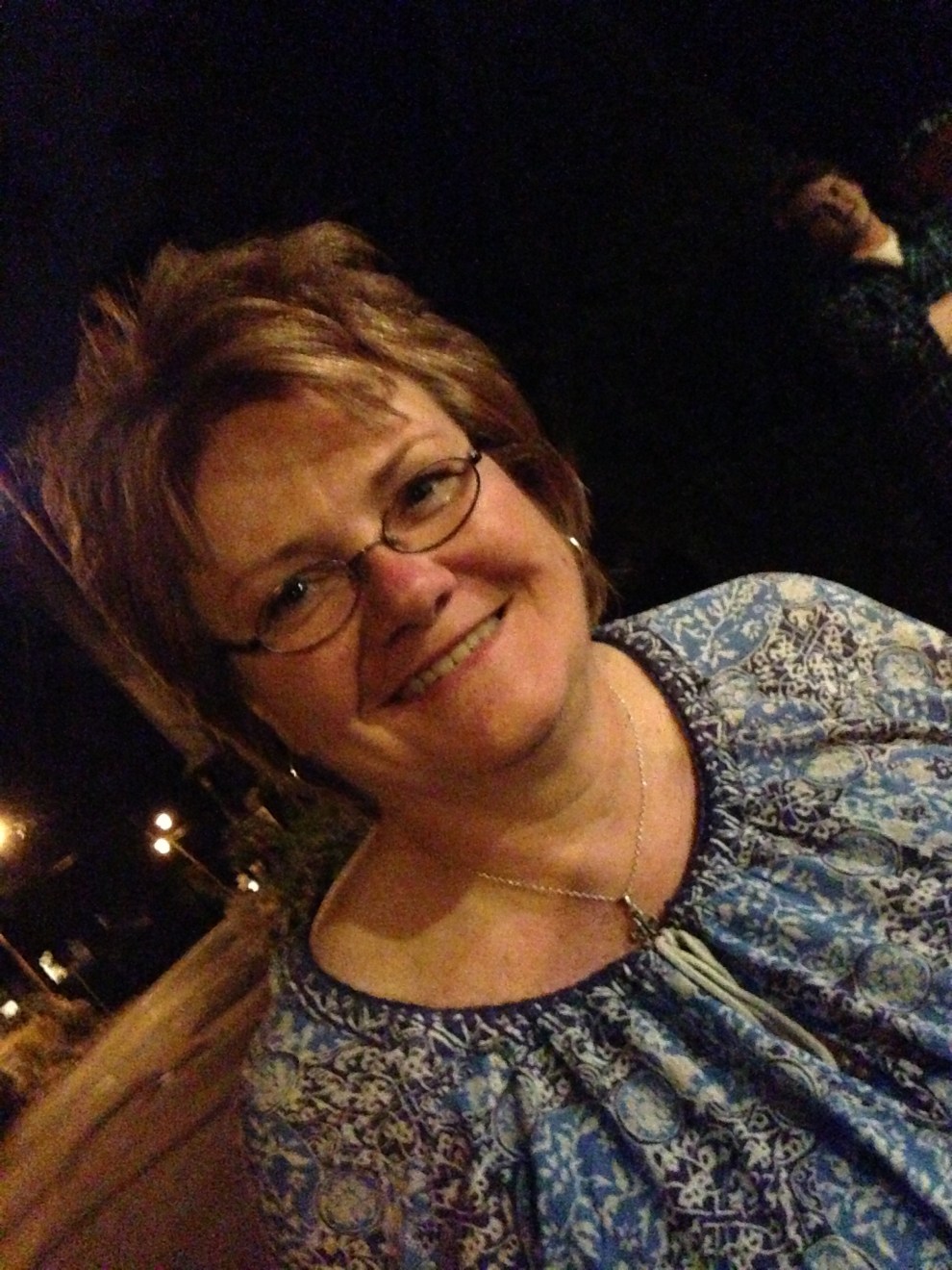
Eric and Mary Ann, who raised three kids here, have a property of “six to eight tent plots.” They are “the landed gentry,” Mary Ann wisecracks. She tells me that unlike other towns, here you actually tell your kids to go out and play in the street – because yards are postage stamps if they exist at all. It used to be canvas abutting canvas. “You sneeze in your house,” Mary Ann tells me, “and they say bless you in the next house.”
Mary Ann 2

There’s history here, multiple generations living on in one house. A descendent of the original farmer-landowner named Dickerson still runs the supermarket down the hill. Mary Ann orchestrates a longstanding local holiday (like, a hundred-forty years long) called Children’s Day. “You could be a benevolent dictator,” suggests Gil. “There are certain people you must dictate to,” says Mary Ann archly.

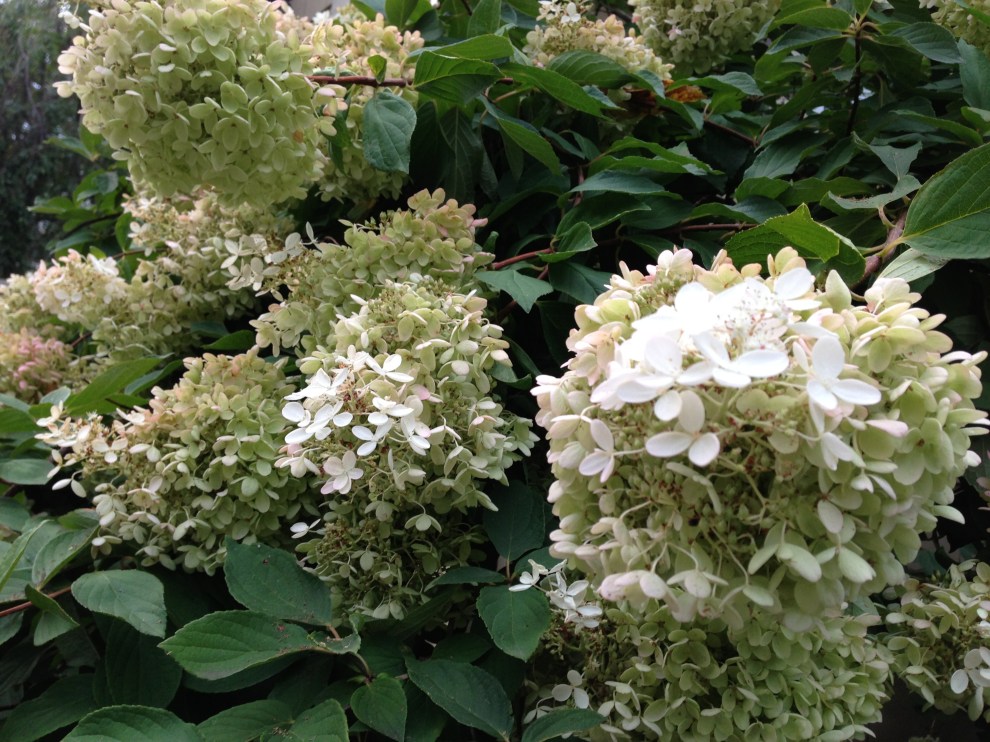
We wait in line for Art Garfunkel. Hydrangeas glow in the dusk.
hyrangeas

Time expands. The line stretches, people who have journeyed to this little enclave to see a great singer.

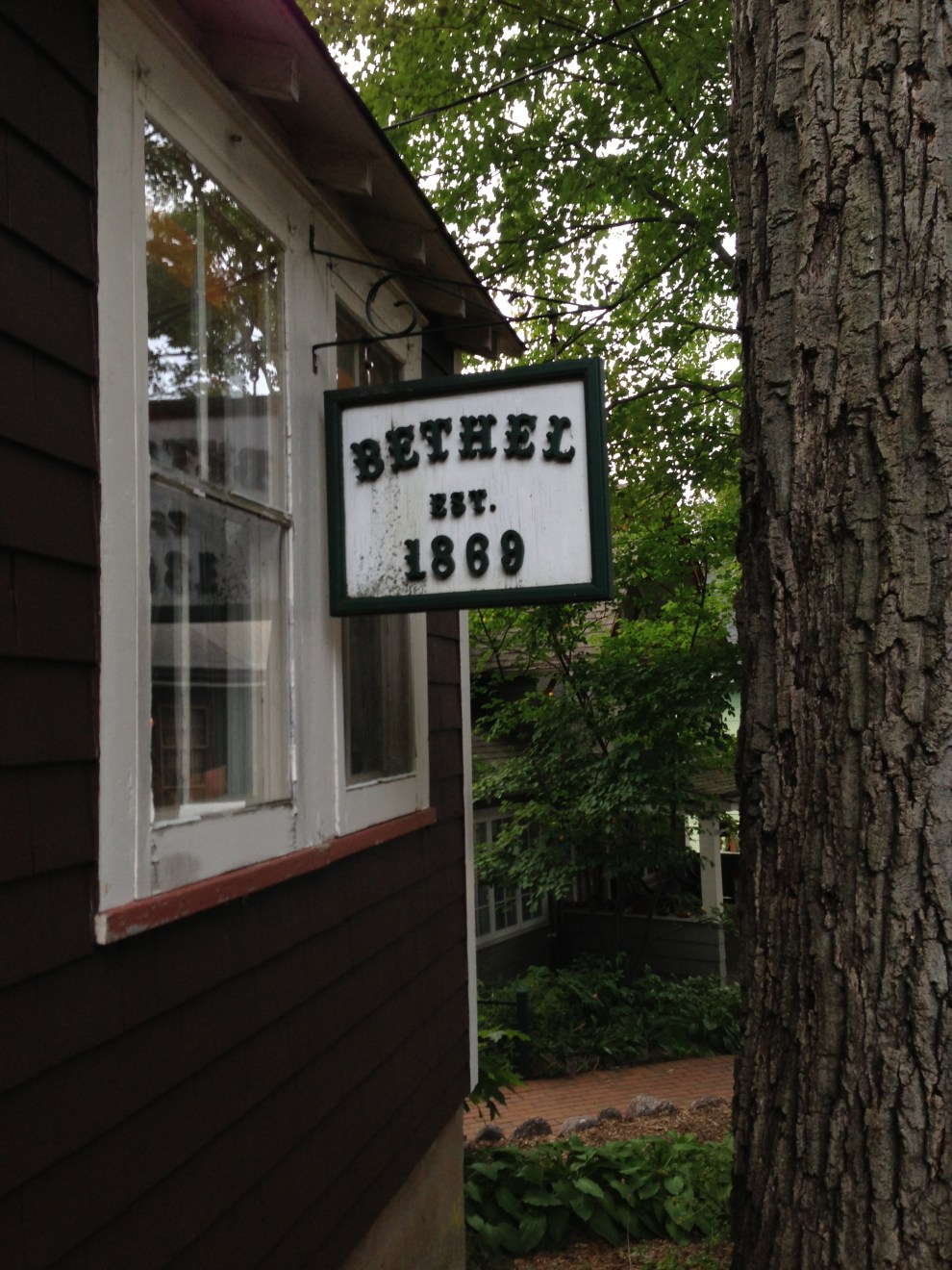
There are perks of being a Mount Tabor resident, and since Mary Ann and Eric know George, the organizer of the event, we go back to the green room half an hour before the performance. It’s located in an adjacent historic building that is usually bare, filled only with folding chairs, where various committees hold their meetings.
bethel

“This is why they come,” says George, referring to the other big-name acts that have appeared in small-town Mount Tabor, Hot Tuna, Arlo Guthrie and Donovan among them. The green room features low, romantic lights and rich burgundy tableclothes and a line-up of chafing dishes in this quaint building that transports you to another time. They had to peel Donovan out of here to get him to the airport after a post-show Buddy Holly singalong.

“Art is sleeping on the ground floor beneath us,” George tells us. I think about that.

art garf

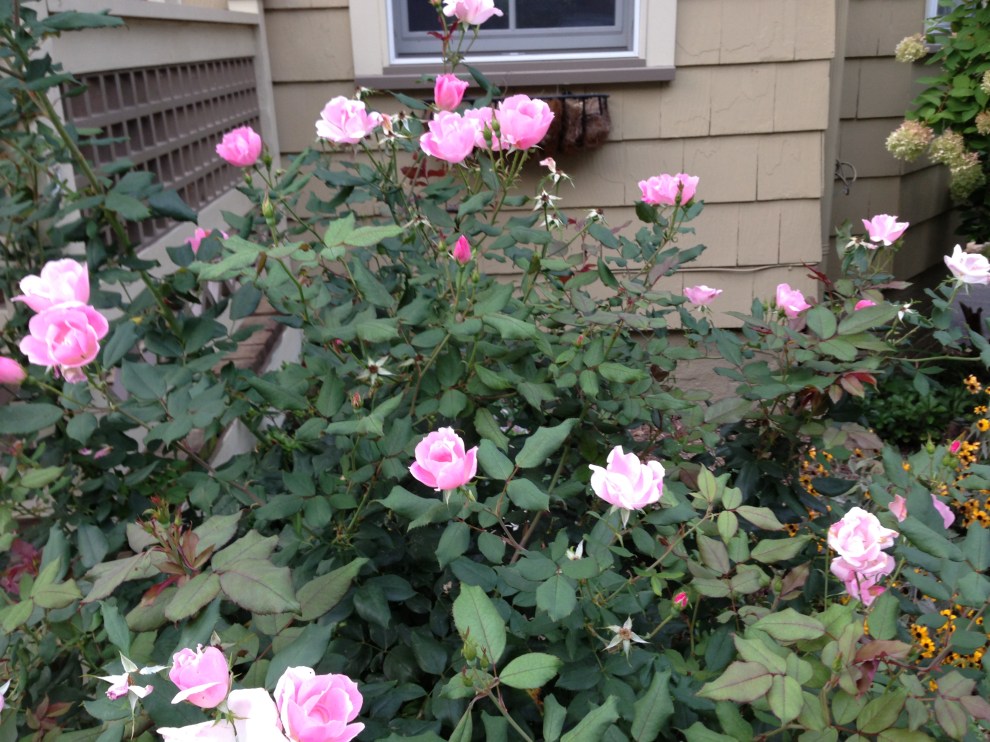
Ssshh. Outside, we inhale the late summer air, cool and warm breezes intermixed, the scent of late roses from people’s tiny garden plots.
roses

We’re standing next to what everyone likes to call the 1873 condo, a building of connected homes where three tent sites originally stood. Slate and gingerbread! Some of that detail might enhance the Cabin.

condo

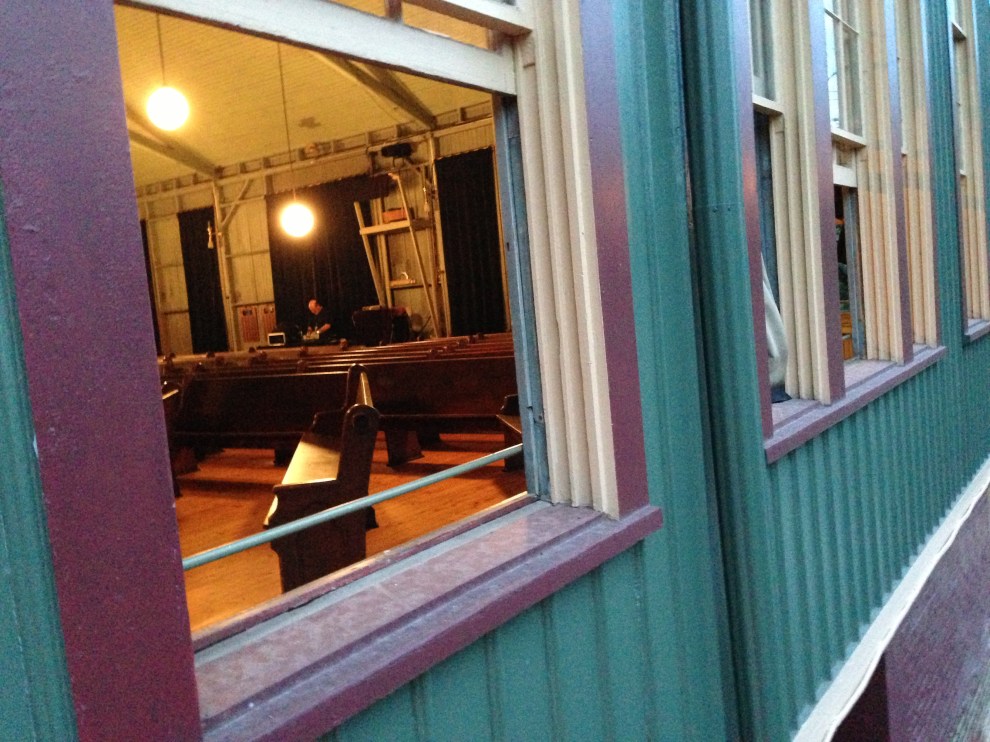
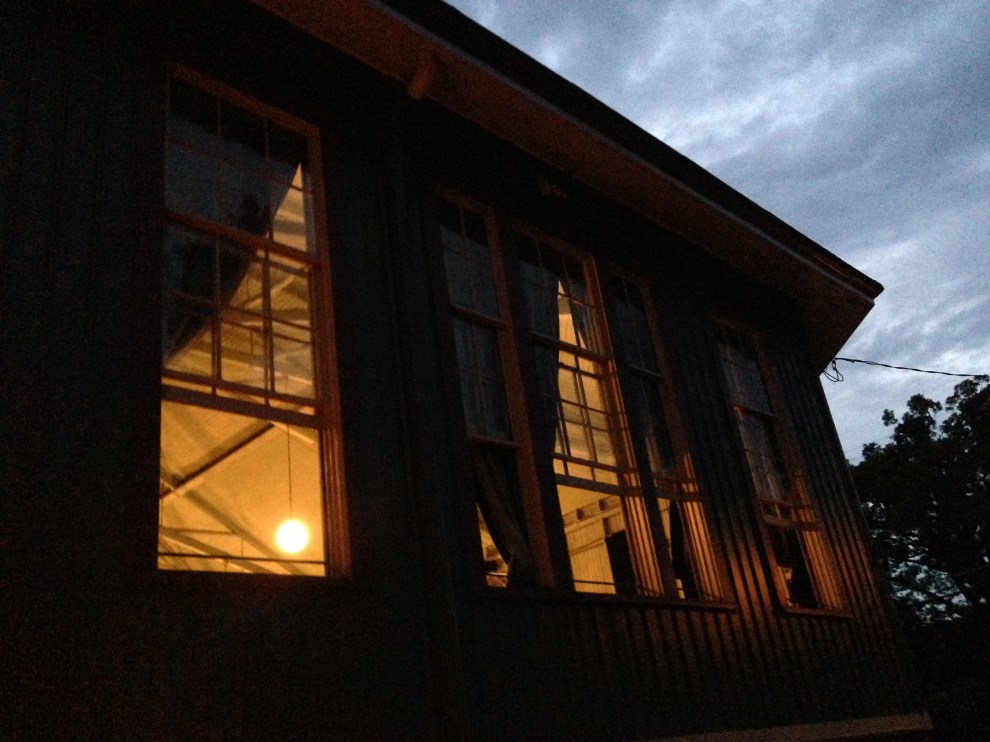
The Tabernacle, built in 1885, is a wooden octagon topped by a cupola. It has no heat, just hardbacked benches with plenty of leg room.

tabernacle

The interior paint is original. No joke.
inside tab

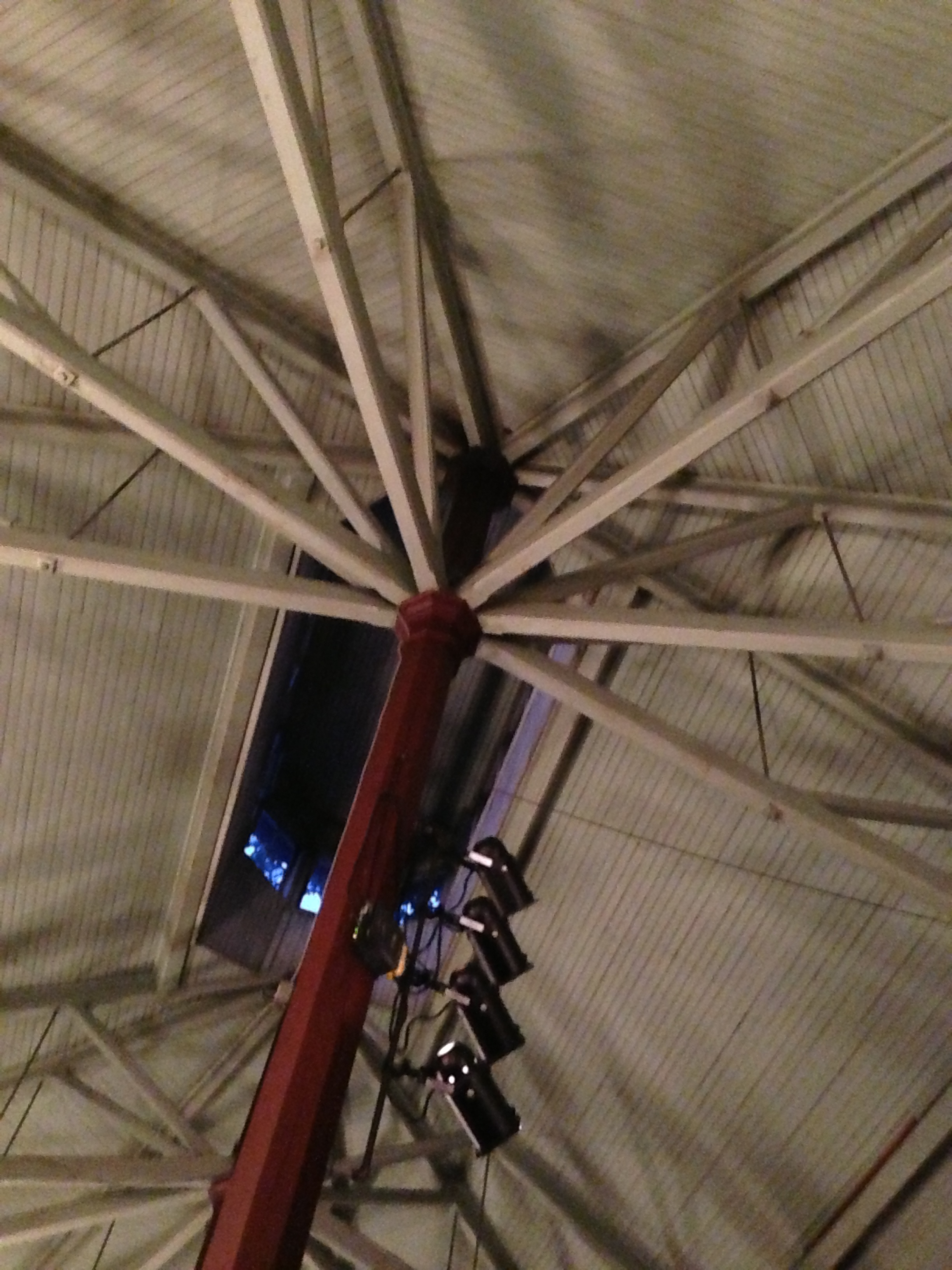
Giant poles hold the roof up.

tab inside

It’s time. George, at the mike, gives fair warning: Art detests gadgets. Phones and cameras throw him off his game. Turn everything off. Everything. Now. A big change for those of us accustomed to concerts with everybody waving their units around in the air, with everything instantly You Tubed. What kind of curmudgeon makes these rules?

And Art does turn out to be a bit curmudgeonly,  approaching the front of the stage to lecture someone rude enough to attempt a picture. He looks the curmudgeon too, his nose sharpened by time, his height perhaps decreased, his pate and his frizz, a plain checked shirt and jeans, a man in his later years.

art-garfunkel

He begs our forbearance. He has been struggling with his “damaged voice” for three years, he says. (He cancelled a tour last year, I heard.) He just now feels he can bring it out in front of a crowd, but he is self conscious. Between songs, he thanks listeners graciously for their support. He reads to us from writings on the backs of white envelopes, poems, he says, he wants to test out on us, from a collection will be published next year by Knopf.

He recites a poem he originally read for Paul Simon on his 70th birthday:

For 70 years his arm has been around my shoulder,

He’s dazzled me with gifts.

I nurtured him in his youth.

He brought me into prominence.

I taught him to sing.

He connected my voice to the world.

I made him tall.

All of our personal belongings are intertwined.

We say it’s exhausting to compete,

But we shine for each other.

It’s still our favourite game.

tall art:simon

He tells us a story of living on Amsterdam Avenue when he was in architecture school at Columbia, living among roaches. Simon came over saying he thought he had a song that might be worth something and it was Sounds of Silence. Garfunkel sings Sounds of Silence for us. Haunting.

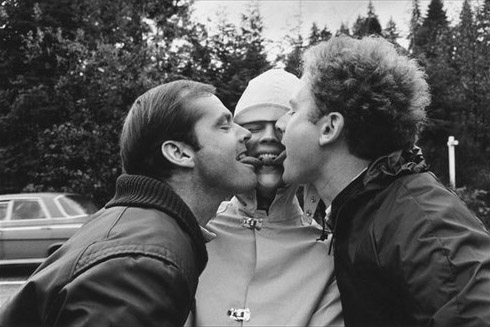
He shares an anecdote about Jack Nicholson’s acting chops when they did time together in Hollywood on Carnal Knowledge.

Jack-Nicholson-Candice-Bergen-and-Art-Garfunkel

A story about the “bird in his throat,” and singing Ol’ Man River for a herd of cows as he hiked in the country one day.

As for the singing… the angelic tenor… well, the instrument is indeed broke, in part. Still ravishing, sometimes. It is an amazing performance, though, just because it is so raw, because his voice is imperfect, because of the notes he can not hit and the notes he snags, better in the lower registers. Bookends, a capella. Cathy’s Song. The Boxer. Parsley, Sage, eliding over the rosemary, but bringing the song home, ultimately.

There in Mount Tabor’s intimate, historic Tabernacle, all is forgiven.
tab night

6 Comments

Filed under Culture, Film, History, Home, Jean Zimmerman, Music, Nature, Photography, Poetry, Publishing

Beautiful Typologies

Though I still don’t quite understand what a typology is, the form fascinates me nonetheless. Diana Zlatonovski makes typologies fascinating. This, for example, is a collection of sunsets she amassed on Flickr, drawn from the work of Penelope Umbrico.

sunsets on Flickr:Penelope Umbrico

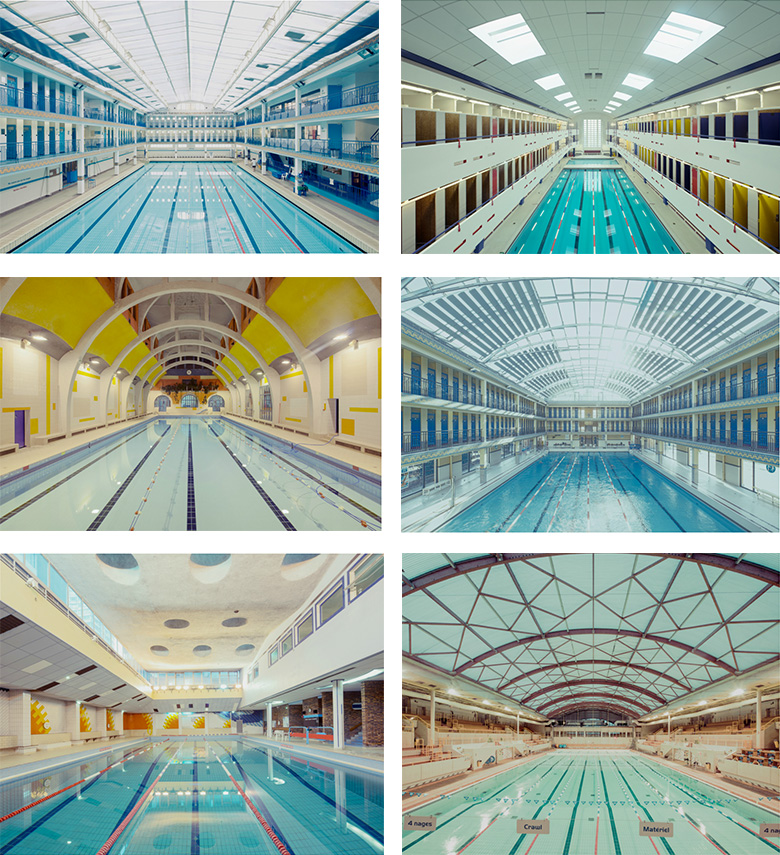
A curator of interesting objects and images, Zlatonovski compiles them into organized entities for our admiration/edification. She is a photographer. She photographs objects herself. And she distills other work into the essence of their parts (giving proper credit, of course, where credit is due, like these pools of Franck Bohbot).

swimming pools:photos by Franck Bohbot

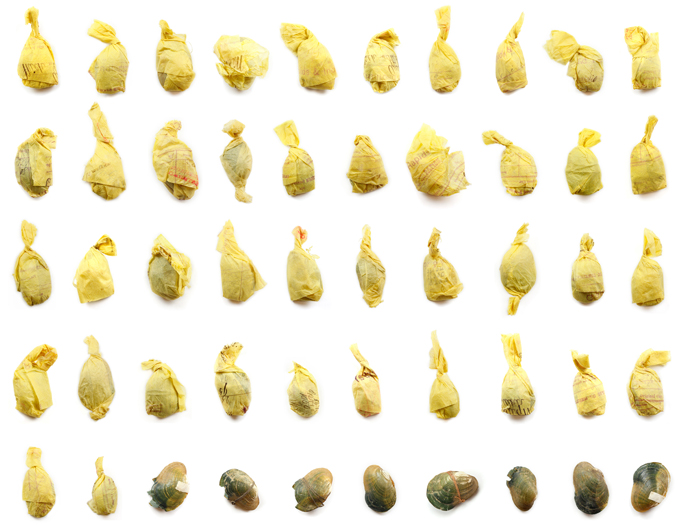
Her own photos tend to the more delicate. This image she calls “Bundles,” comprised of seashells from a  museum collection, wrapped up like bon bons.

Bundles

I asked Diana, who works at the Museum of Fine Arts in Boston, when she started working with groups of objects. “I started my typology project about a year and a half ago,” she told me. “The first series I photographed was the Wrenches.”

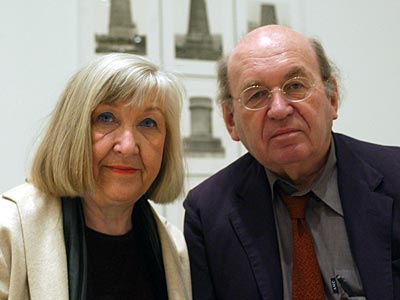
WrenchHer work seems to derive its inspiration from that of a famous pair of typologists, Bernhard and Hilla Becher, German artists who worked as a collaborative duo until early in this century.

Bechers

They photographed mainly  industrial buildings and structures.

bernd-hilla-becher-water-towers

Diana told me she has been working a lot with collections at the Harvard Museum of Natural History. She also does some photography in her own studio and travels to collectors’ homes.  “The up side of  doing that is that I am able to spend more time with the collector and hearing the stories behind the objects and how they brought them together.”

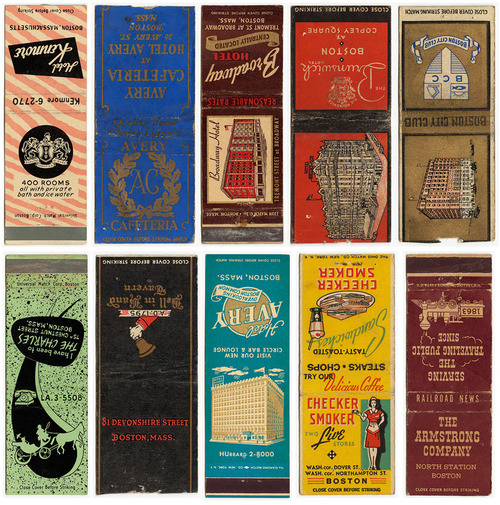
Why are arrangements of like objects so arresting? We are invited, perhaps, to entertain the idea of their seeming permanence… these matchbooks will go on forever in whatever permutation.

vintage Boston matchbook covers from the Boston Public Library

Except when they don’t. My parents had a typology of sorts — mid-50s Tokyo matchbooks enshrined under the glass top of a dining table, and those graphics are now far, far in the tail lights. You can’t even get a matchbook in a restaurant anymore. Yet the power of once-ubiquitous objects that have been replaced by other things is also fascinating.

Duncan Yo-Yos:Smithsonian Collection

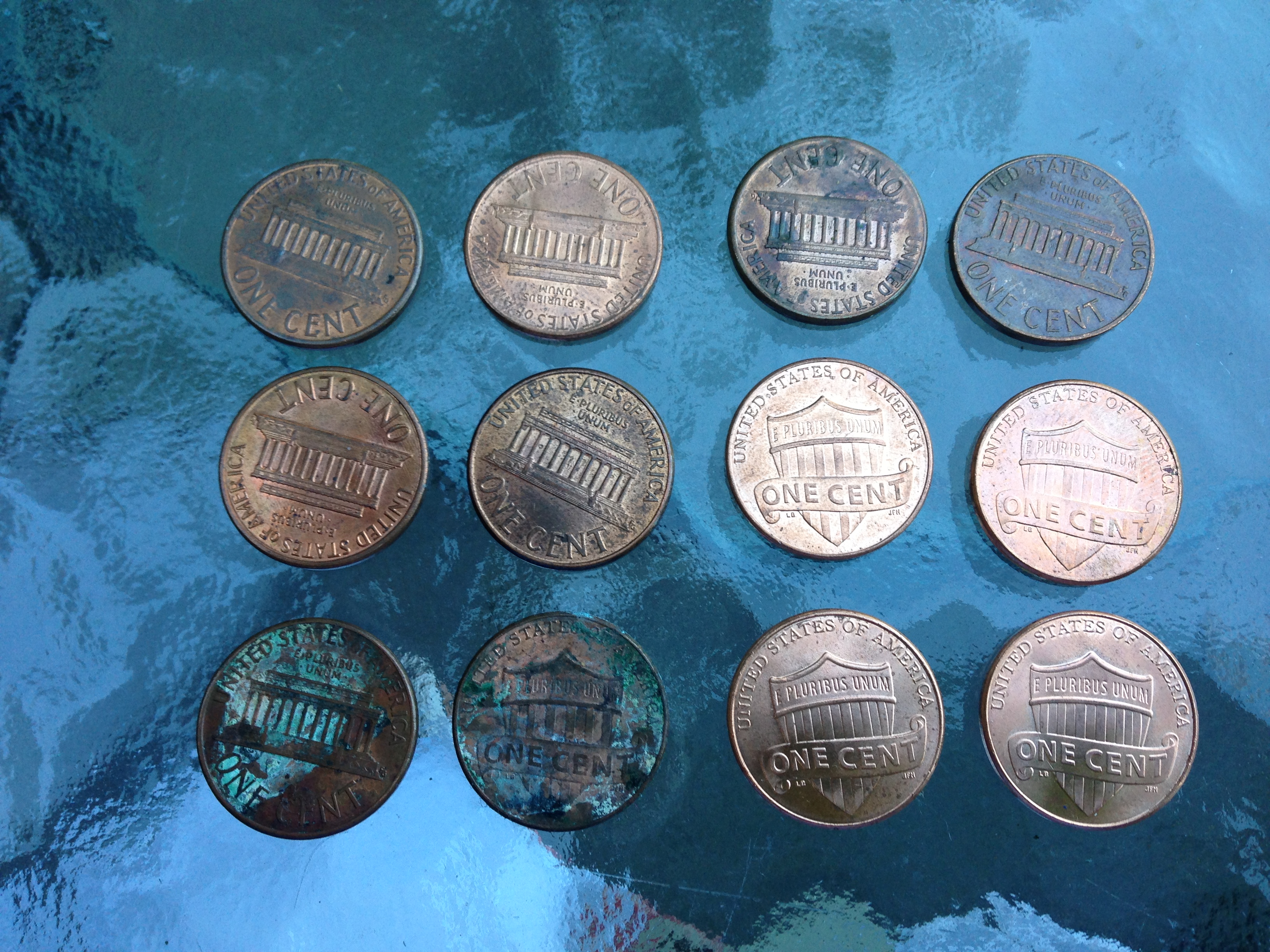
I like Diana’s work so much because the collections she documents, unlike others, are made up of seemingly not valuable items. Collections too insignificant to interest real collectors. What is worthy of keeping, of arranging, of caring about? We take pennies in a jar for granted, for example. What if they were arranged mindfully and given pride of place in a well-lit photo? This is my typology, not Diana’s.

pennies

Does the artist have collections of her own?

“It’s hard not to!  I am always finding interesting things. Luckily, I am usually most interested in small objects…much easier to store.” I love her typology of forks.

vintage forks

Which objects do you find the most fascinating or beautiful, I asked.

“It really varies,” she said. “There is always an emotional response that brings me to selecting objects, it can be aesthetic, nostalgic, or any number of things. But I definitely am drawn to the form and color of an object as well as to its story, where it came from, what it represents.”

I don’t know about you, but I’d like to know everything about these vintage, wacky, glamorous cigarette-holders.

Cigarette-HoldersYou can find Diana’s original photographs on her web site.

Her blog, The Typologist consists mostly of artist submissions or images she has compiled from digital collections.

2 Comments

Filed under Art, Cooking, Culture, Fashion, History, Home, Jean Zimmerman, Photography

From Mormon Cupcakes to McCook

My brother, writer/photographer/perambulator Peter Zimmerman, has been a peach about furnishing posts for me while I’ve been laid up with an adventure-prohibiting bum foot. Here he is again, sharing an album of views he’s enjoyed recently.

AFTER BEING MIRED for eight long years in the New Age mecca of Sedona, Arizona (writes Pete) I hit the road about 13 months ago and now (for the time being) live somewhere in Maine.

“The sharpest pleasure of a traveler,” G.K. Chesterton once wrote, “is in finding the things that are at once so strange and so obvious that they must have been noticed, yet somehow they have not been noted.”

These are some of the some places I’ve seen along the way….

Mormon cupcakes in St. Joseph, Arizona.

ARIZONA

Canola fields in Colorado’s San Luis Valley.

COLORADO

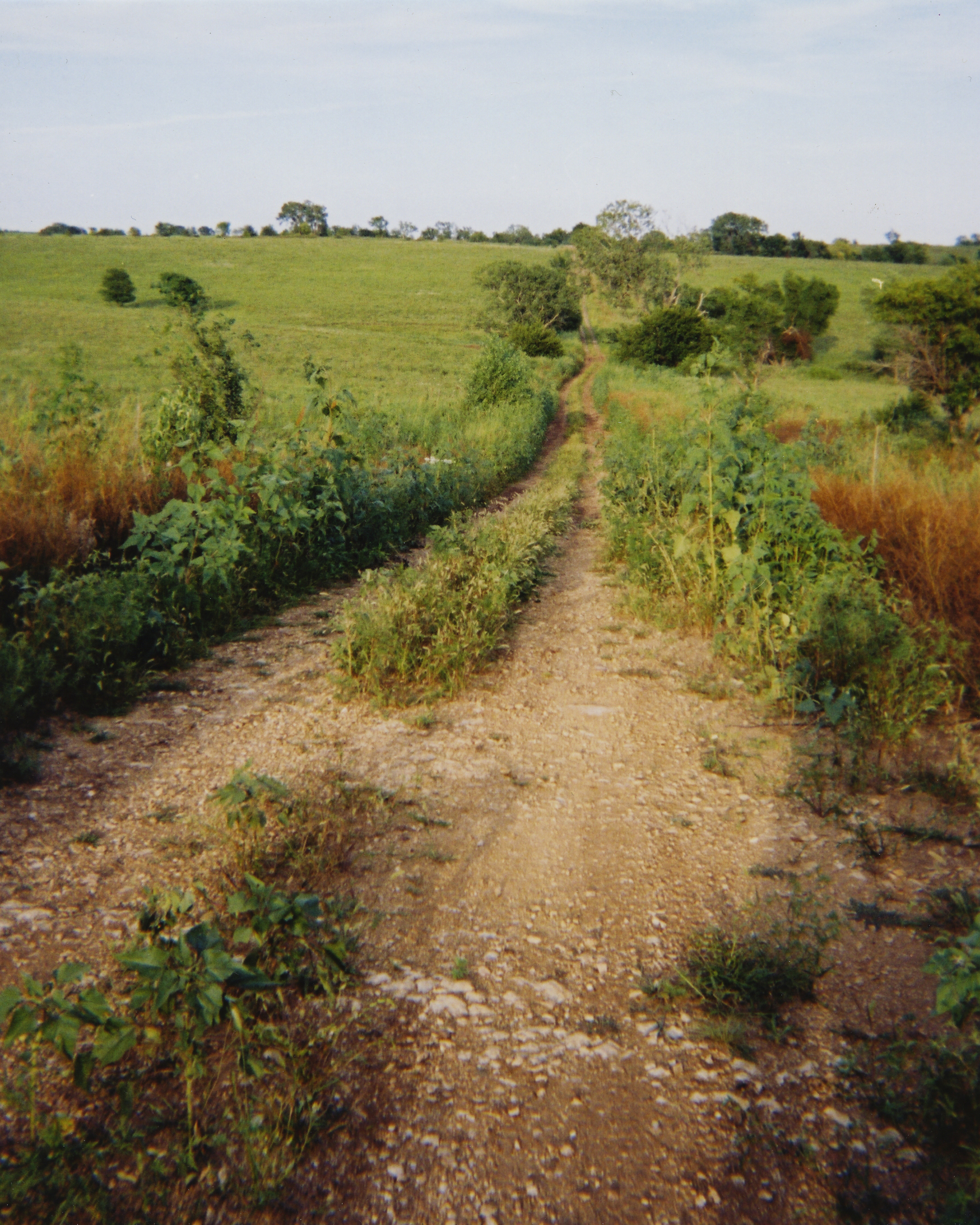
The Pottawatomie reservation north of Topeka, Kansas.

KANSAS

Mt. Kineo, Maine.

MAINE

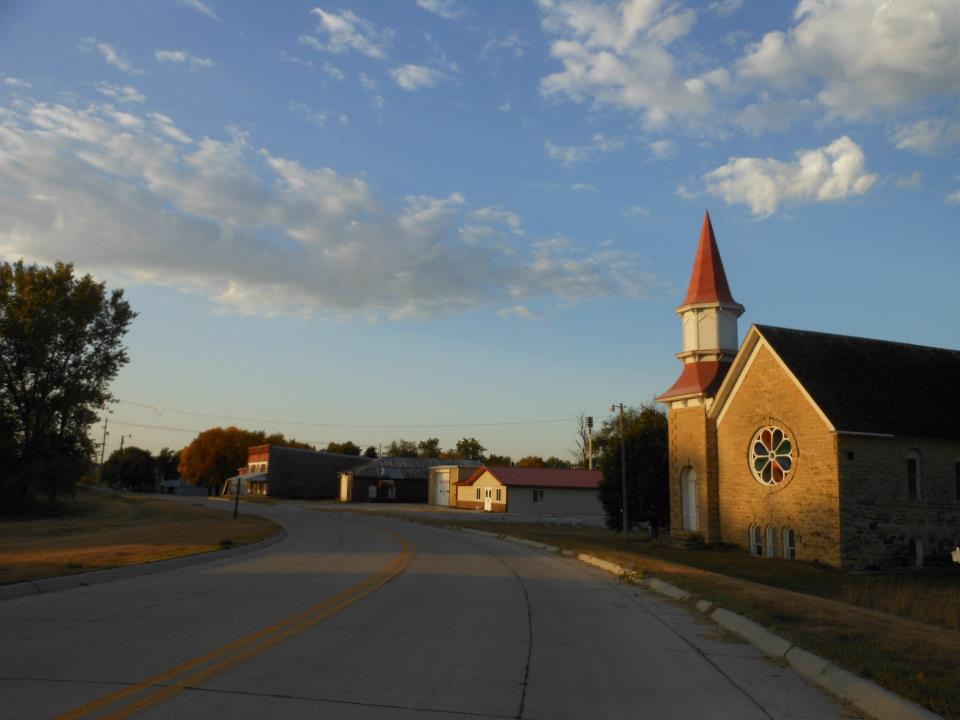
Steele City, Nebraska.

NEBRASKA

Big Al’s Rib Shak, New Hampshire (Al and Mary).

NEW HAMPSHIRE

McCook Army Air Base (abandoned), Oklahoma.

OLYMPUS DIGITAL CAMERA

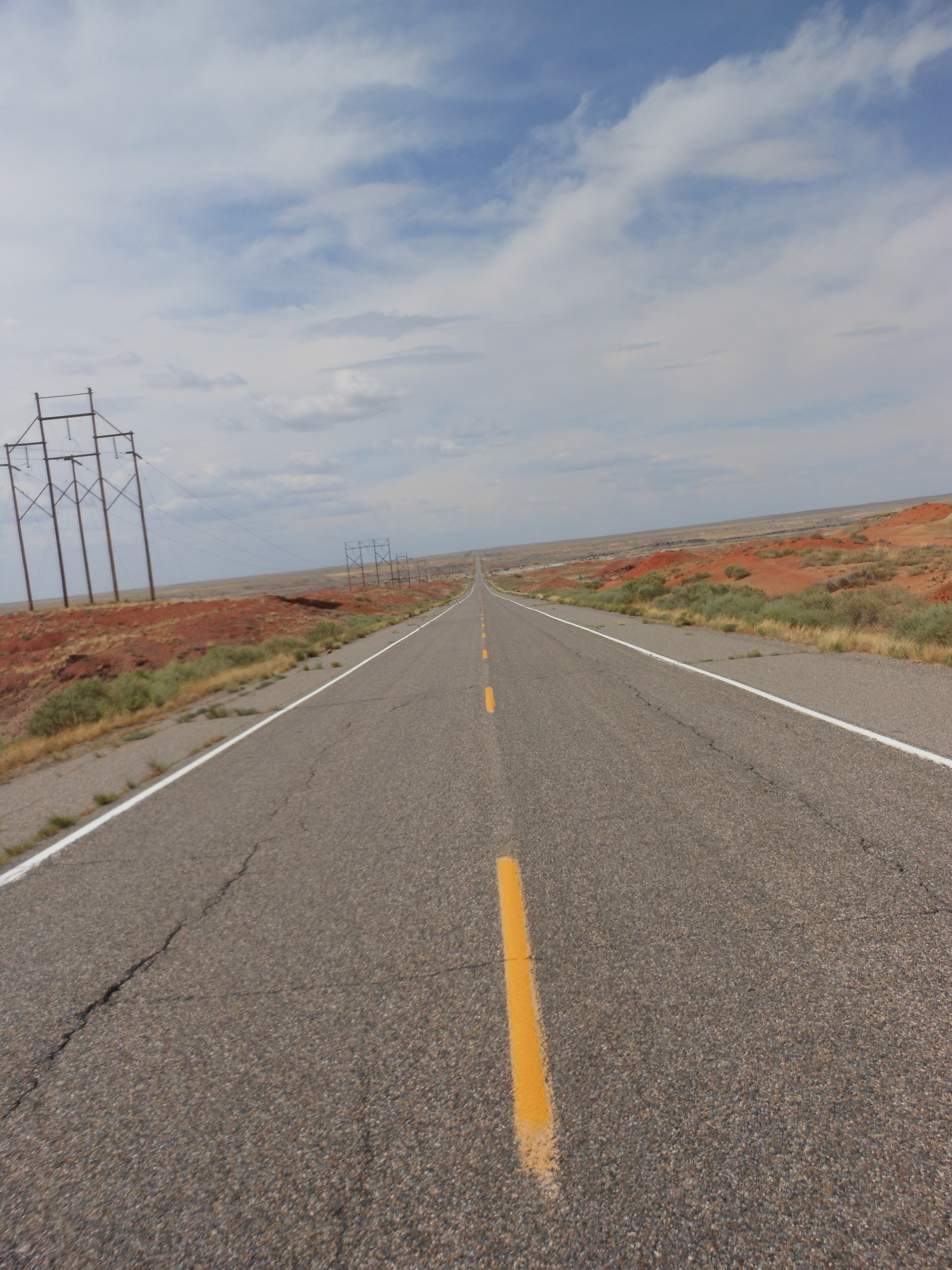
Road to the Bisti Wilderness, New Mexico.

NEW MEXICO

The Leaning Forest, New York.

NEW YORK

Stockholm, Texas.

TEXAS

El Despoblado, near Eggnog, Utah.

UTAH

3 Comments

Filed under Culture, History, Jean Zimmerman, Nature, Photography, Writers

The Big Melt

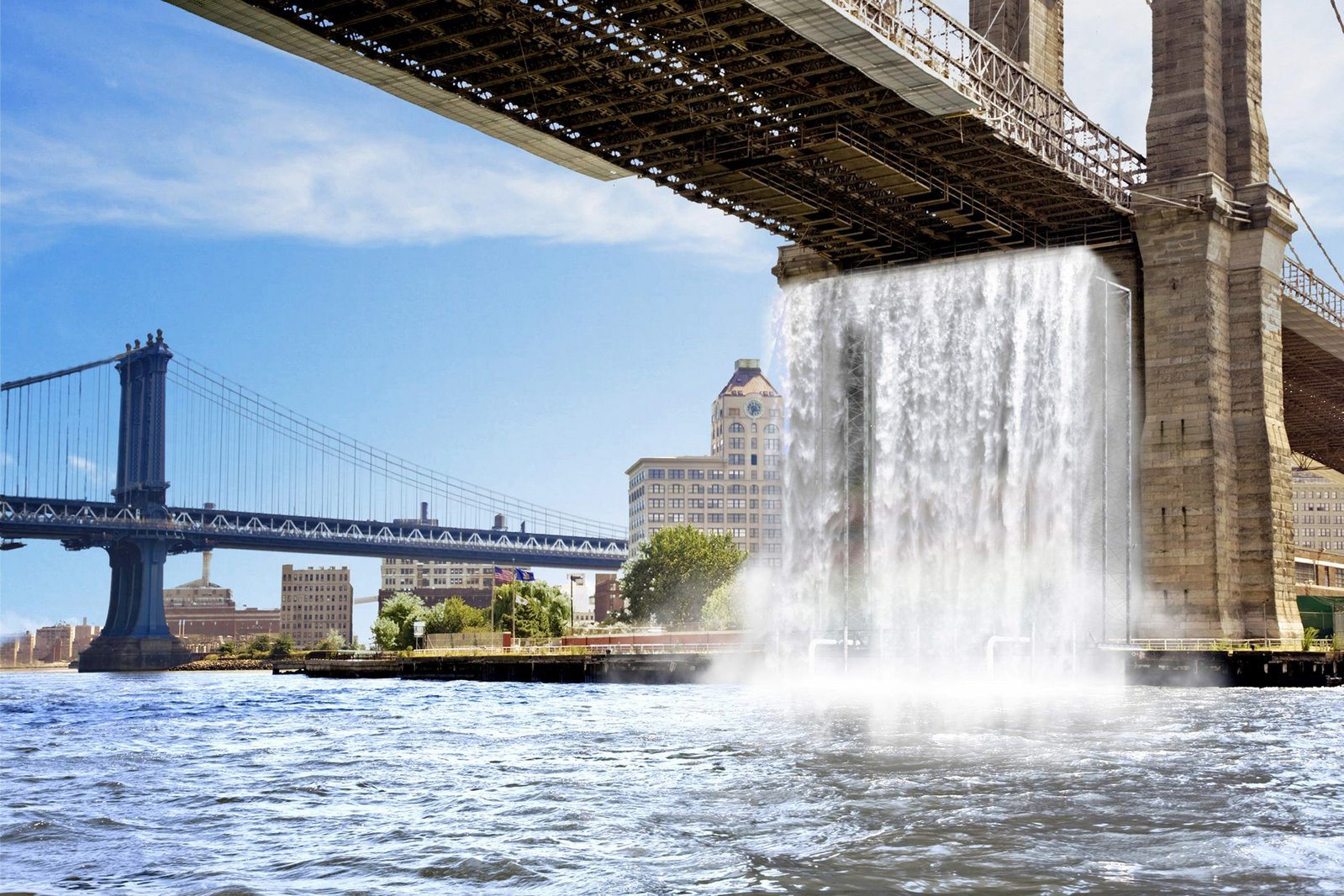
The ice had all melted. I had come to the group show at MOMA P.S.1 in Long Island City, “Expo1,” to see the contribution of Olafur Eliasson, the Danish-Icelandic artist responsible for the amazing waterfalls he installed five years ago around the island of Manhattan.

waterfall1

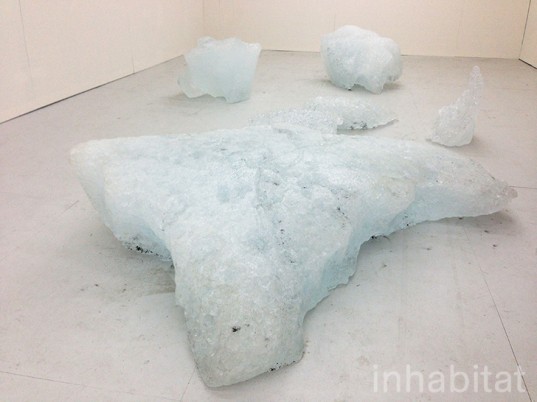
This time he’d put a little bit of Arctic ice in a climate-controlled room at the former public school/art showplace. It was the closest to the Arctic I thought I’d get in the near future, so I made sure to hit the show on its final weekend.

oeps16-537x402

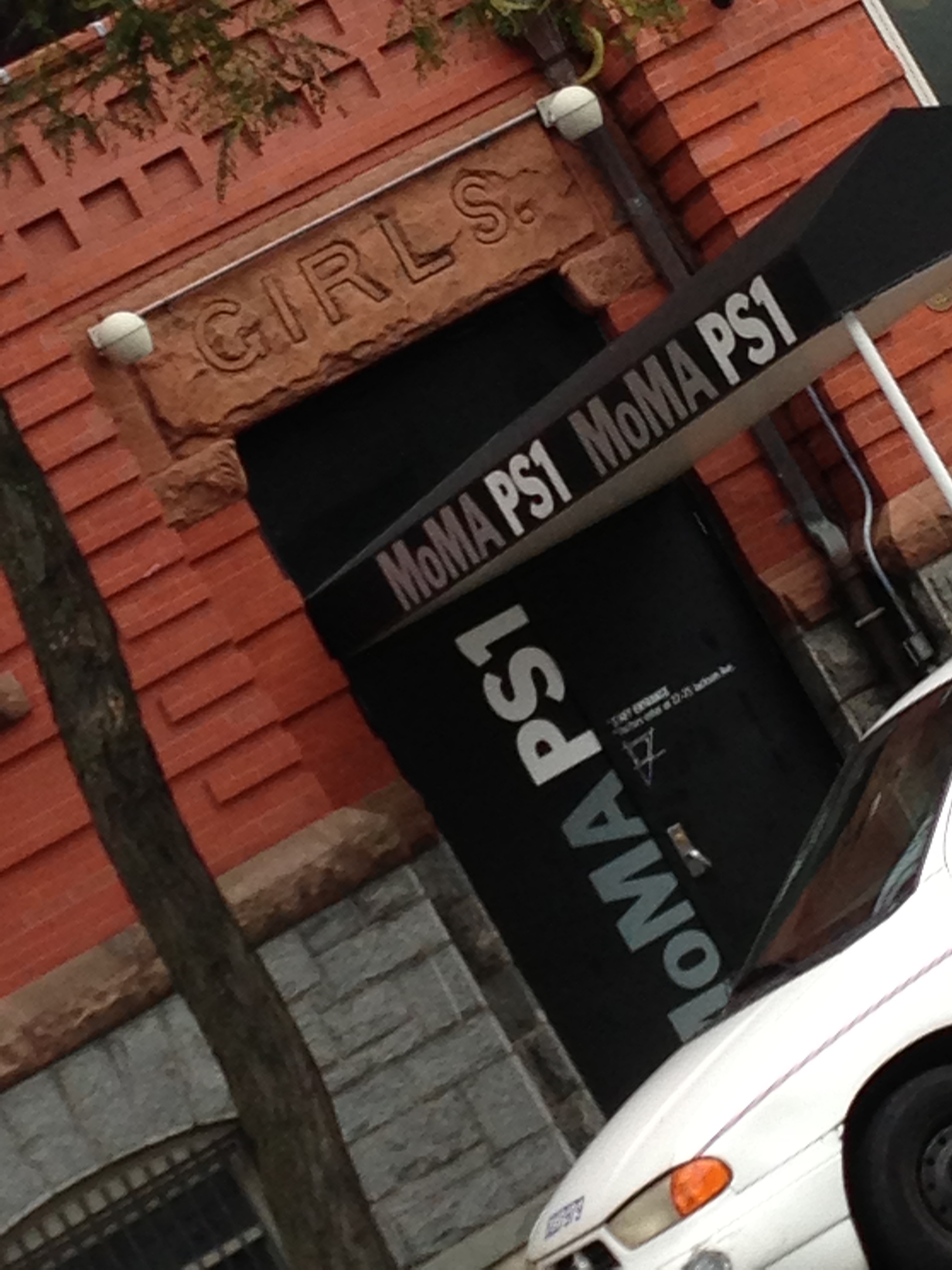
I would have gone in the GIRLS entrance at P.S.1, the former First Ward Primary School of Queens, except it was only for staff.

ps 1 girls

I’ve always liked those gender-differentiated doors in schools. My own middle school had them.They bring to mind a lively picture of the dangers of mixed-sex post-recess lines — hair-pulling and other scrapping.

The show we’d come to P.S.1 to see featured environmentally-themed works by contemporary artists in a range of disciplines, from video to wall-sized paintings. “Dark optimism” is how the museum describes the show’s approach to various ecosystems.

xpo 1

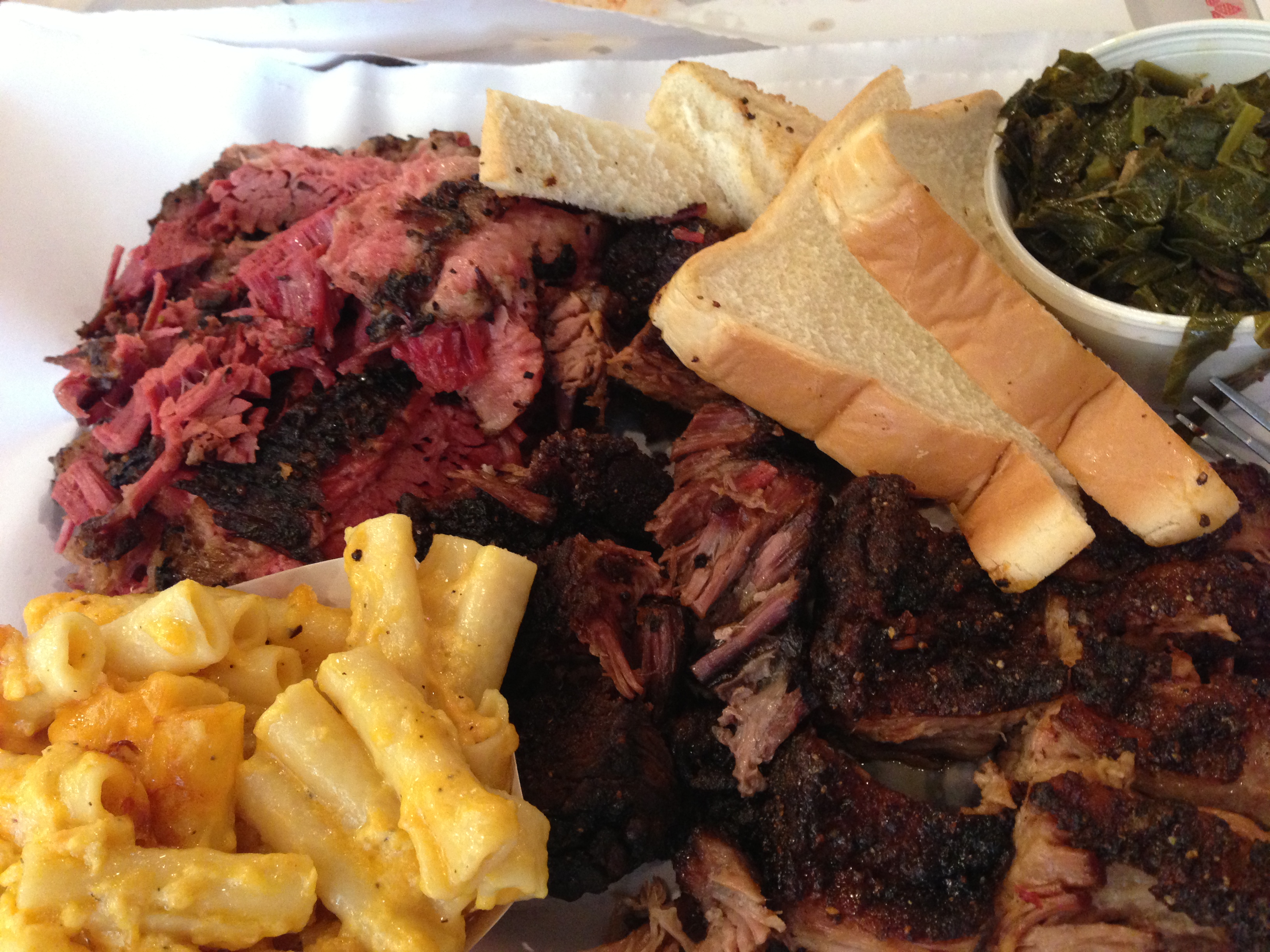
We went stoked with barbeque from a joint in the neighborhood, called John Brown Smokehouse (named after the abolitionist), that loaded our plates with piles of Kansas-City-style brisket ends and pinkest pastrami.

meat

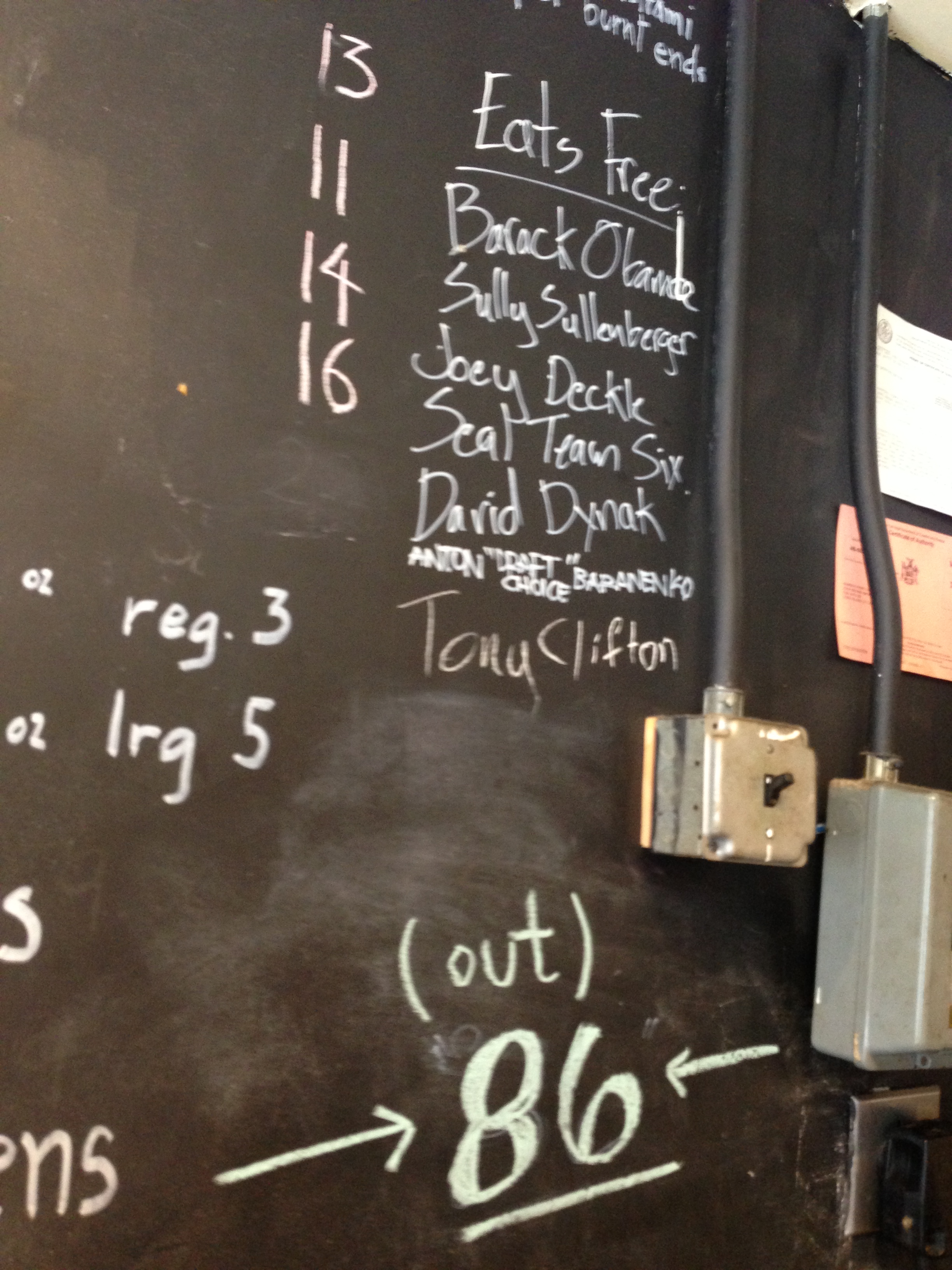
We didn’t find our names on the freebie list next to the chalkboard menu.

eats free

Afterwards we picked up a wheelchair at P.S. 1’s coatcheck. I always wondered what it’s like to cruise through an art museum in a chair. One thing I found out: you see the lower end of the frame a lot.

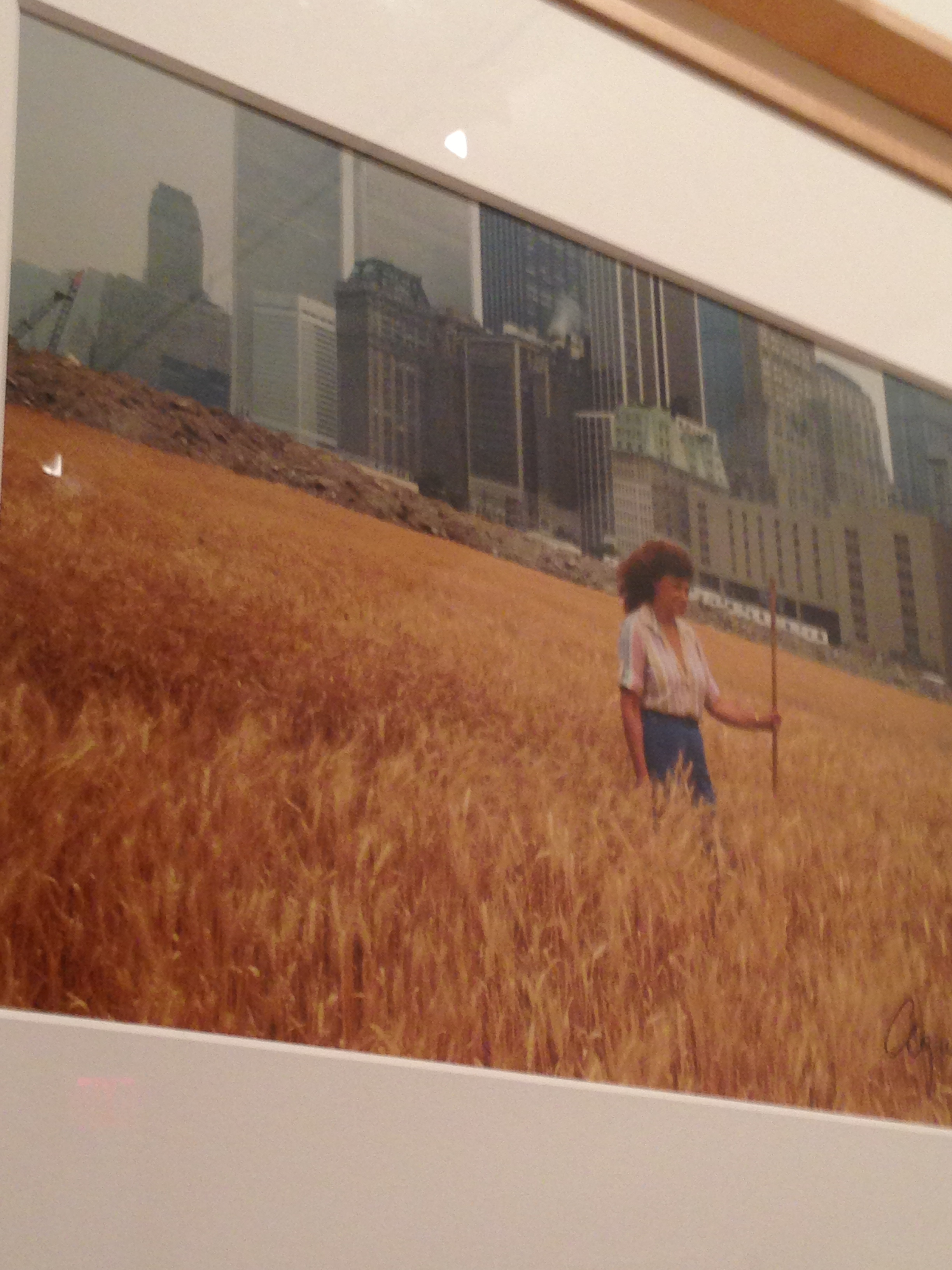
wheatfield

That’s from a series by Agnes Denes, completed in 1982, for which she planted a field of grain in what was then undeveloped landfill and is now hugely built out Battery Park City. Her photographs show unsettling views of the World Trade Towers half hidden by amber waves in the foreground.

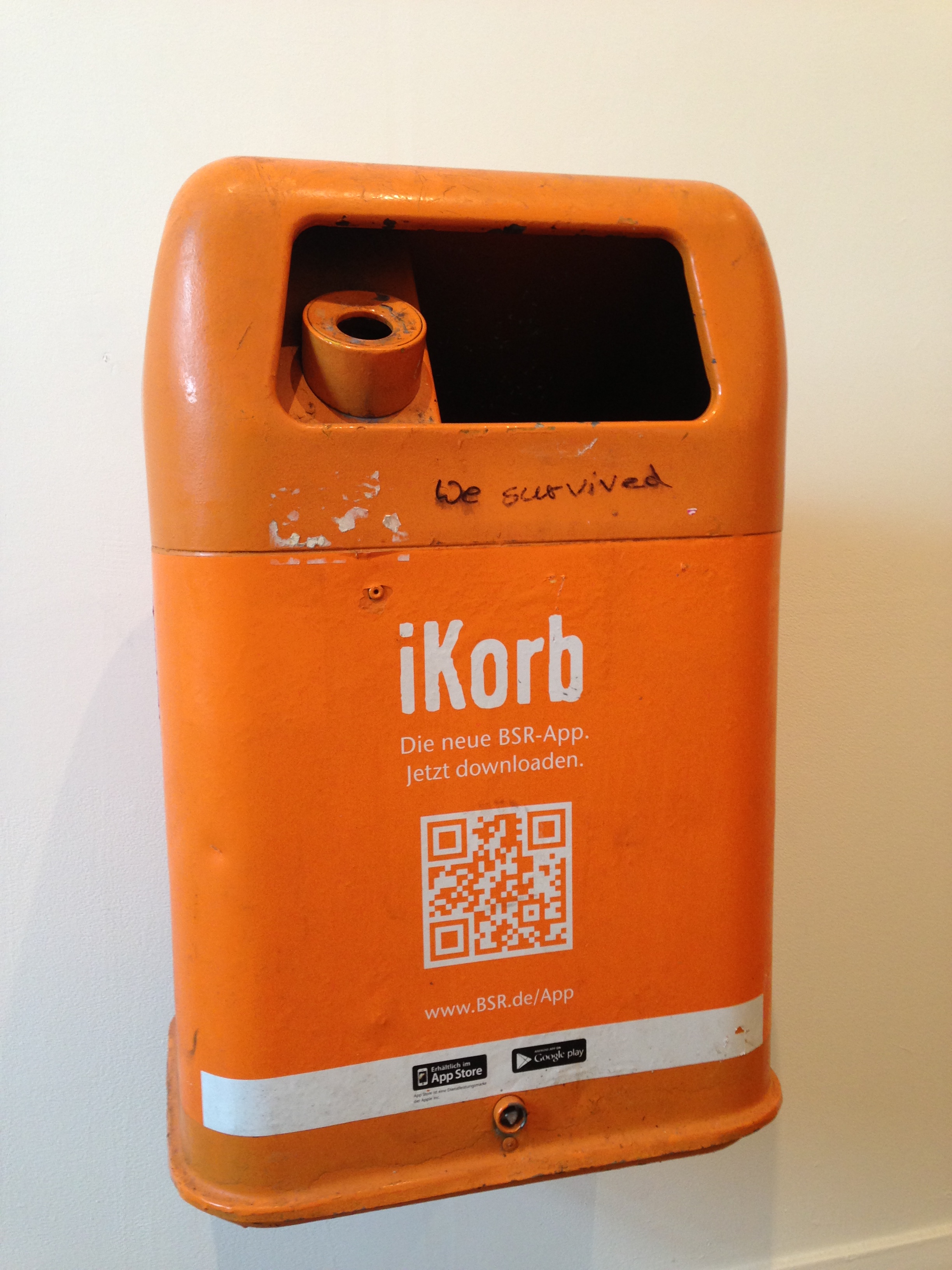
I sat at the perfect height to examine the trash receptacles that lined a small square room, by Klara Liden, untitled. It lends a certain poignancy to all of these works to realize that you are making your way from classroom to classroom as you go, where some of those girls from the GIRLS entrance and boys from the BOYS entrance shot spitballs and kicked each other under the desks.

garbage

I like your graffiti, said a young lady in a sundress, eyeing my cast. They appreciate fine art at P.S. 1. As it happens, I got it right across the street at 5Pointz, the graffiti mecca that is destined to be shut down shortly for luxury housing. Ed Koch used to say that the purpose of an artist is to move into a neighborhood and increase the rents by so much that artists can’t afford to live there any more. Or something like that.

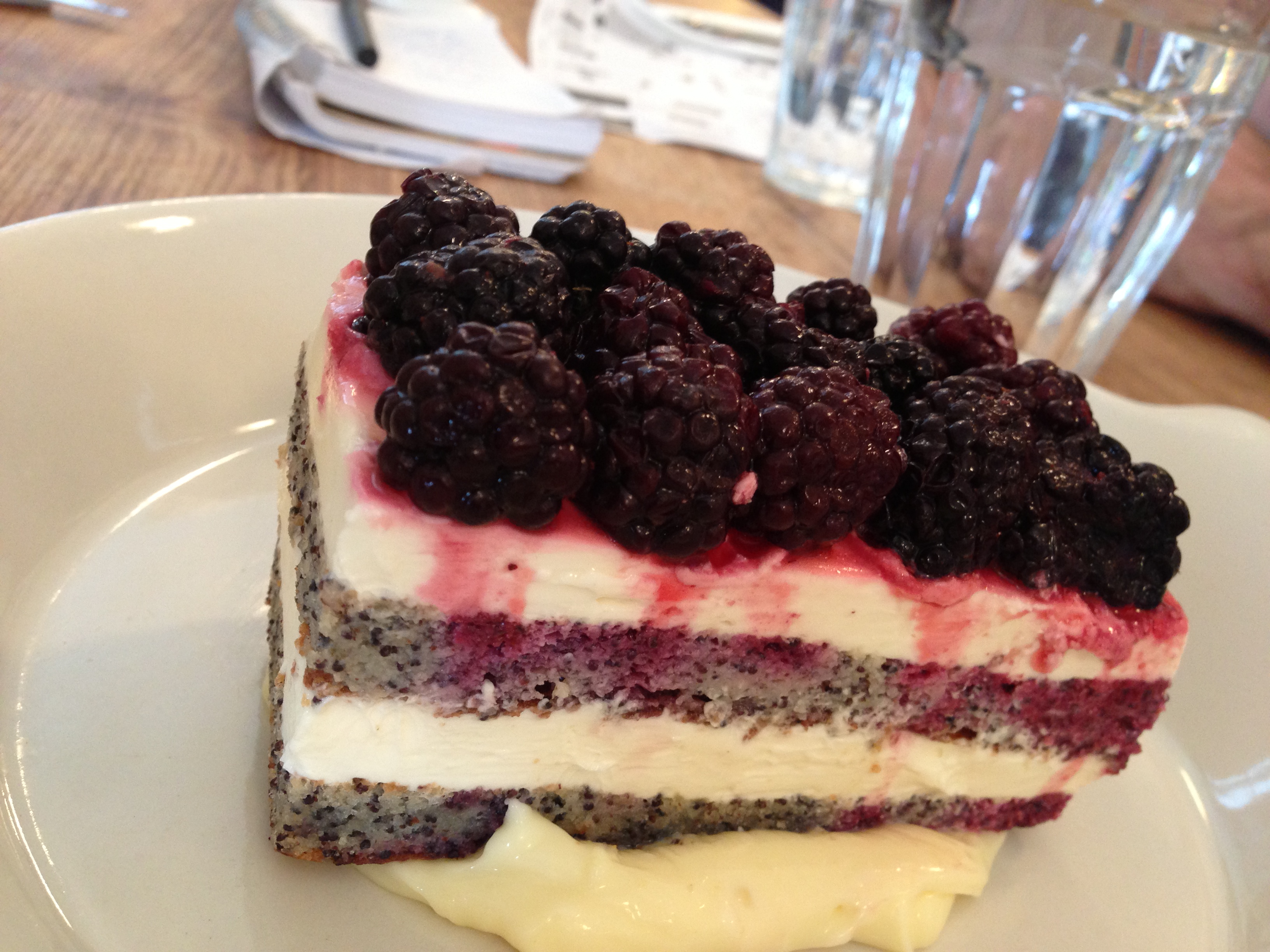
The fancy museum cafe served us coffee and exquisite poppyseed-blackberry cake with lemon curd. For nineteen dollars. Now that’s some high-toned art.

poppy

But no ice, any place. The piece called “Your waste of time” was no more. The room, with its shards of ice from Iceland’s largest glacier, Vatnajökull, was not intended for a deep freeze, a guard told me. “It was a real mess,” he said. The ceiling started to fall. In an exhibit about the environment,  global warming writ small. This happened about a month ago.

There were other great things at the museum though.

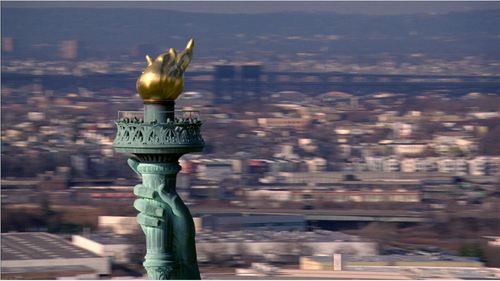
Steve McQueen’s disturbing, hypnotic film from the vantage point of a helecopter buzzing the Statue of Liberty.

statue

A tiny hole in the floor that revealed a video showing the artist Pipilotti Rist drowning in lava while shouting “I am a worm and you are a flower!”

A tree reminiscient of Billie Holiday’s Strange Fruit from which a dog, cat, rat, frog and a few other strays were strung up, all dipped in sticky black paint. This nightmare by Mark Dion, titled “Killers Killed,” reminded me of the Uncle Remus stories. My artist-friend Gary, who came along to the museum, told me he knew the artist’s wife when she owned a dress store in Soho. Artists lead ordinary lives, no matter how bizarre their creative efforts.

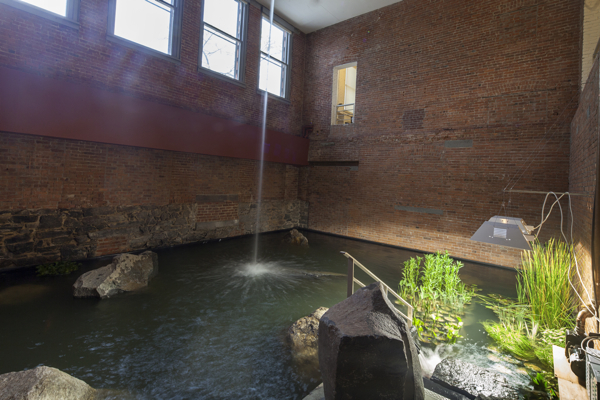
There was the grotto created by Meg Webster originally in 1998 and reinstalled for this exhibit. It has some vicious looking koi swimming around. The artist herself comes in for a dip once in a while.

grotto 2

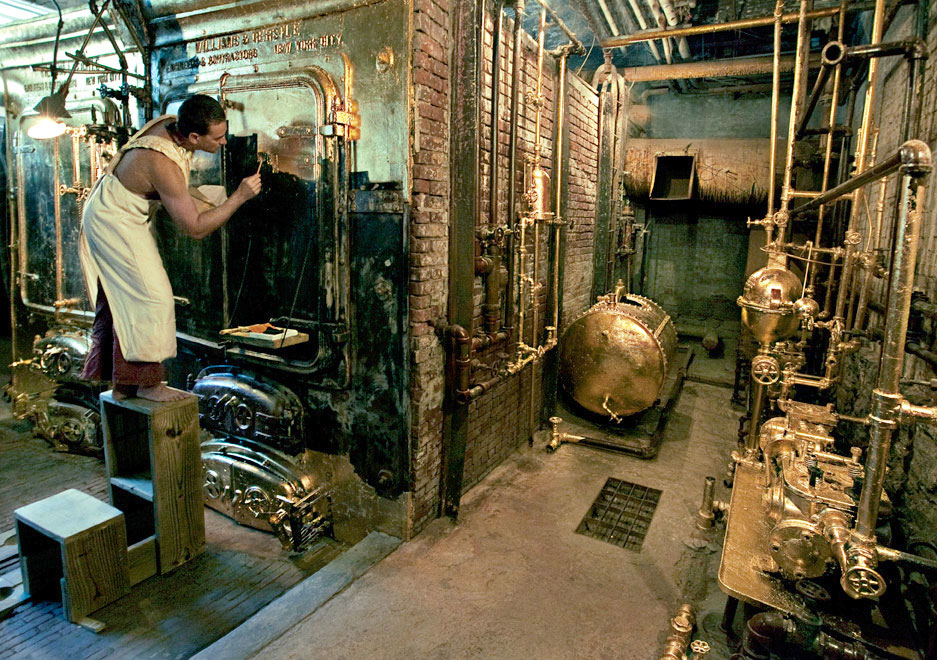
What I liked perhaps the most was a permanent piece, the gold-leaf covered boiler system in the basement, the work of Saul Melman in 2010. This is a vintage coal boiler out of Freddy Kruger, in a dank stone and brick cellar that reminded me of the basement I grew up with, penetrated by boulders. I could only see gold-gleaming bowels from the upper doorway as I could not descend the stairs, and I wish I saw the artist in action.

central-governor

But the current show was the place to go if you wanted to see a projection of a parrot against Betty Boop wallpaper or a disembodied porcelain hand holding a broken porcelain egg. If you were interested, as I was, in frightening urban scenes of large old trees against barbed wire fences.

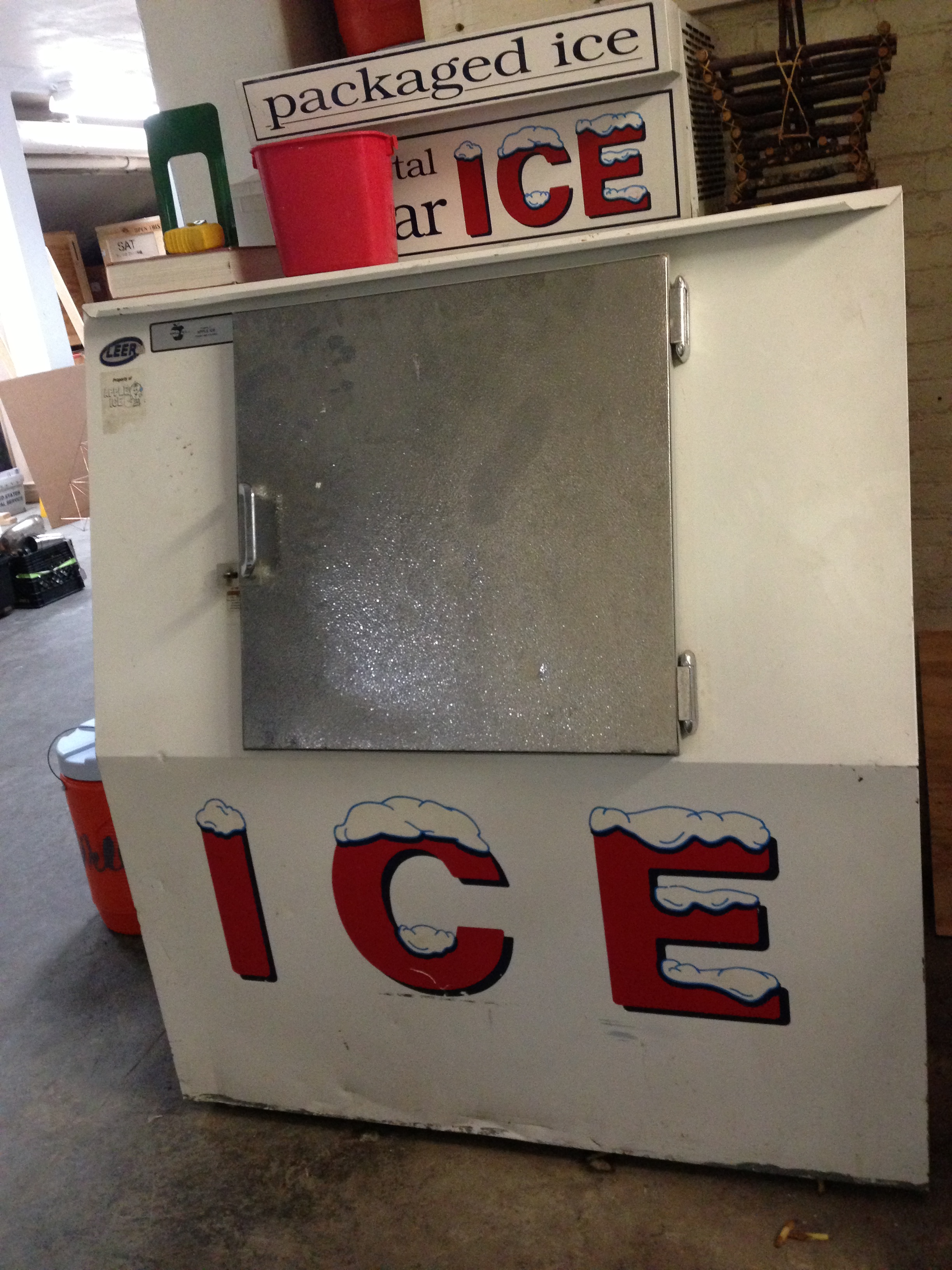
But not if you wanted ice. For that you’d have to go to the service exit.

ice machine

3 Comments

Filed under Art, Cooking, Culture, History, Jean Zimmerman, Nature, Photography

Tomb With a View

It’s really nice, sitting here with my leg up, to know that someone is out there having adventures. In this case it is my brother Peter Zimmerman, who is making his way through New England and closely observing as he goes. Pete, a writer and photographer, has a web site and a book about exploring the various Podunks across our sprawling country. If there is a cluster of old grave markers in a small town, he will find it.

YESTERDAY (writes Pete), while driving south through the Connecticut River valley, I stopped at a gas station in Northumberland, New Hampshire, and struck up a conversation with a psychiatrist who lives just across the river in Guildhall, Vermont. He recommended an old cemetery, the Nellie Smart, about five miles south of Guildhall on Route 102.

There’s nothing like visiting an old boneyard when you need to gather your thoughts and get away from people – living ones, that is.

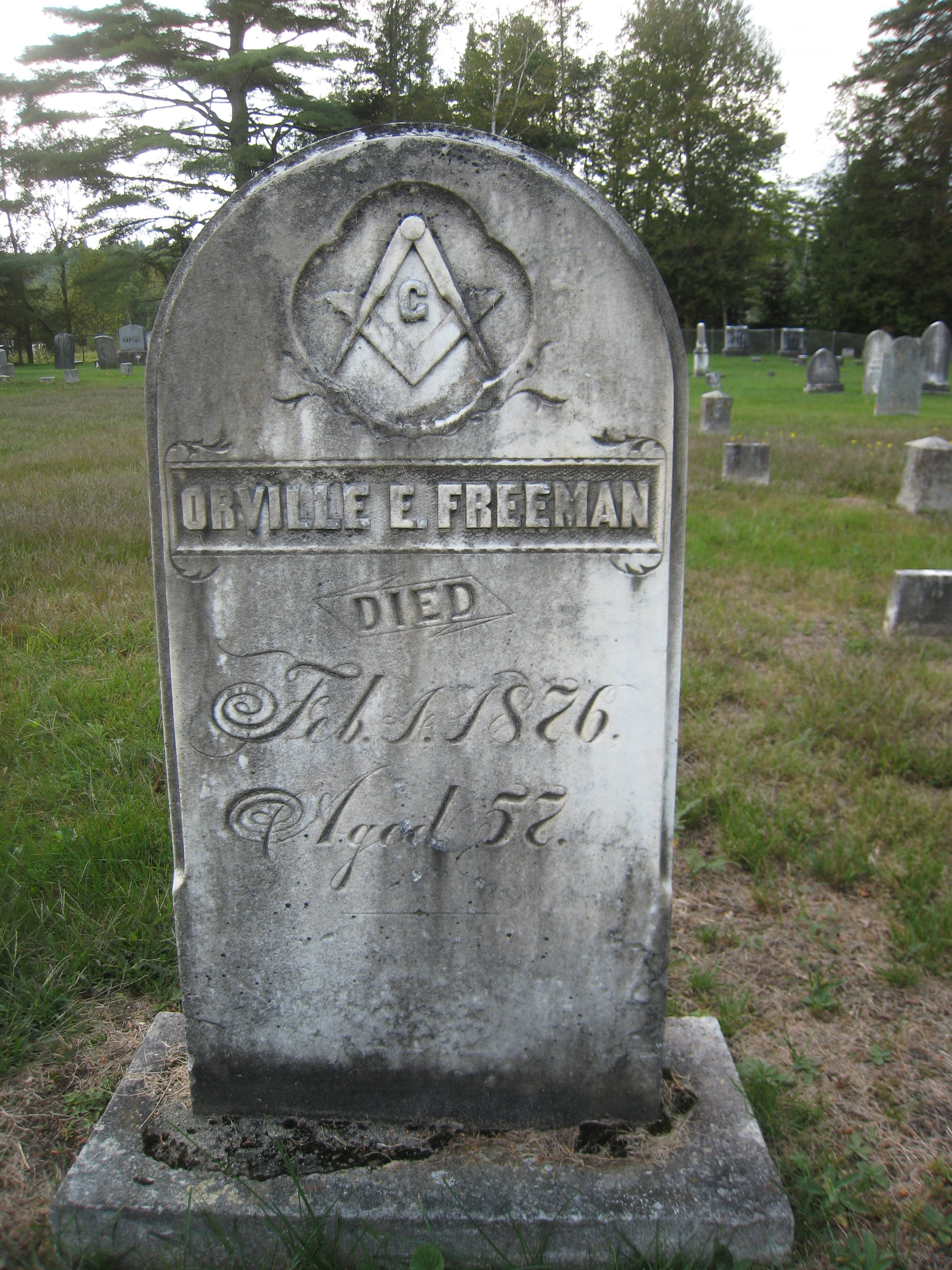
Nellie Smart signA Mason is buried there.

Mason

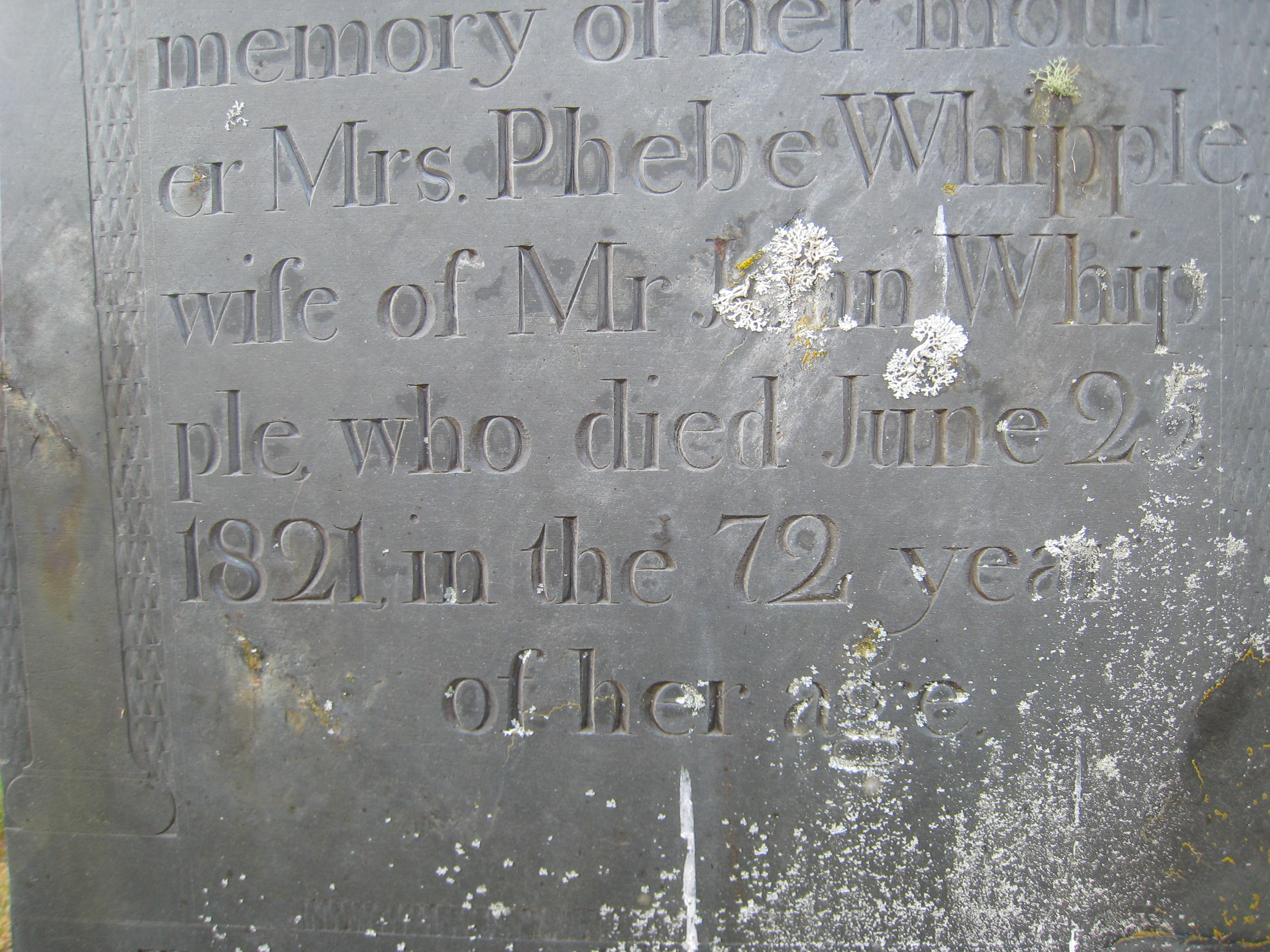
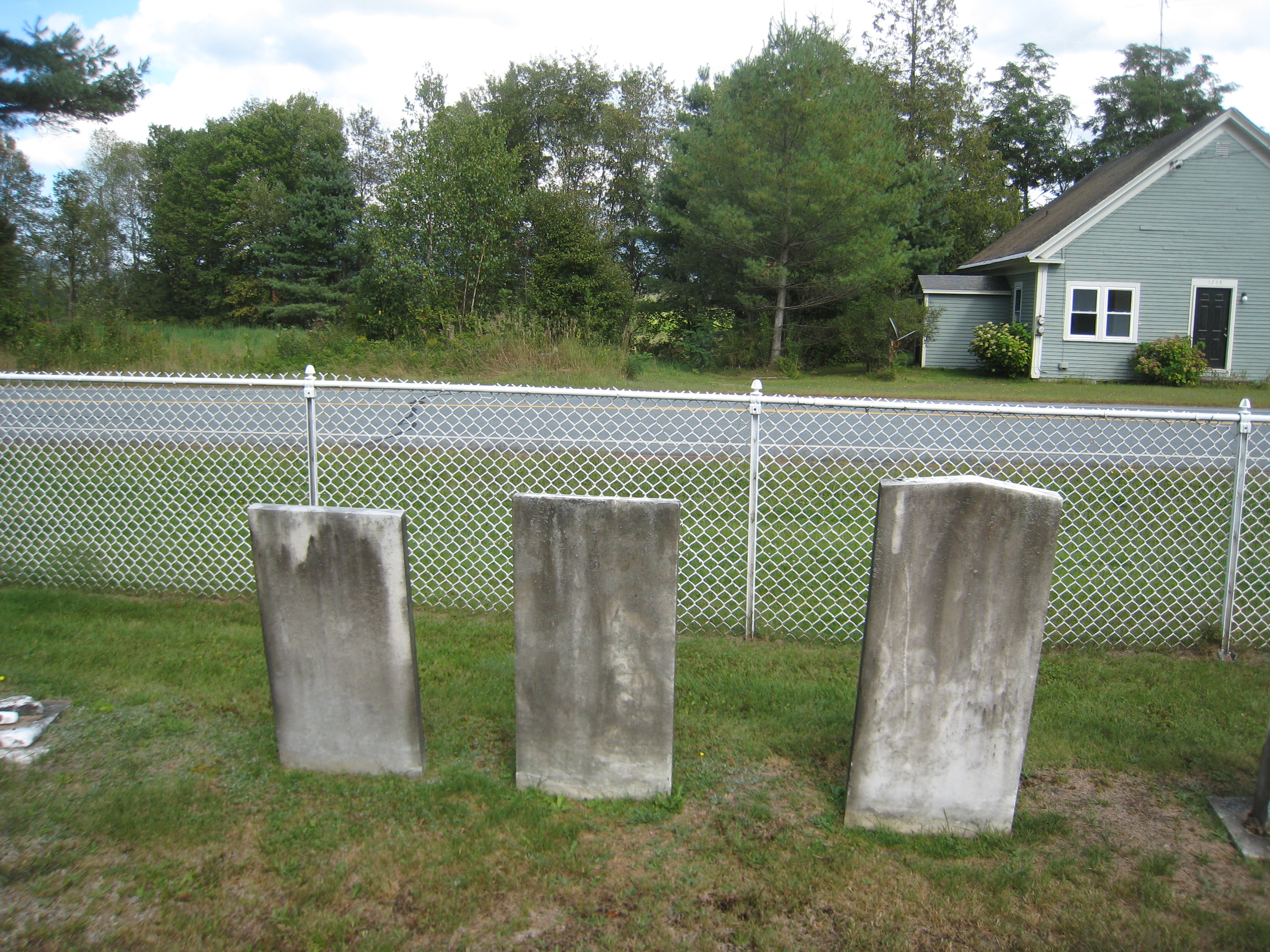
The oldest grave is that of Phebe [sic] Whipple, who was born in 1749.

phebewhipple

Some of the black-slate headstones are less than half an inch thick.

Headstone

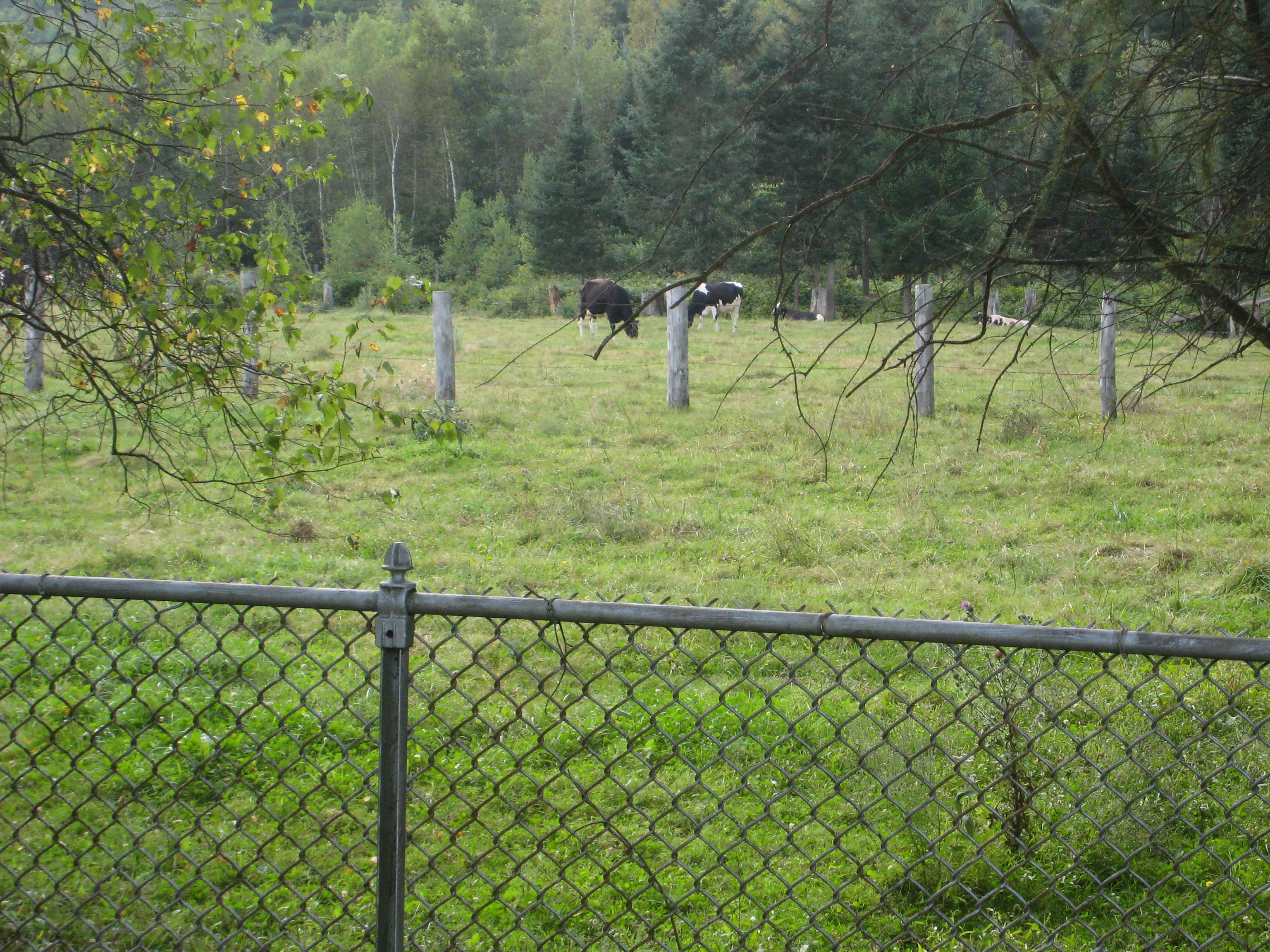
One side of the Nellie Smart graveyard faces a pasture…

Pasture

 … and the other side, the road.

Road

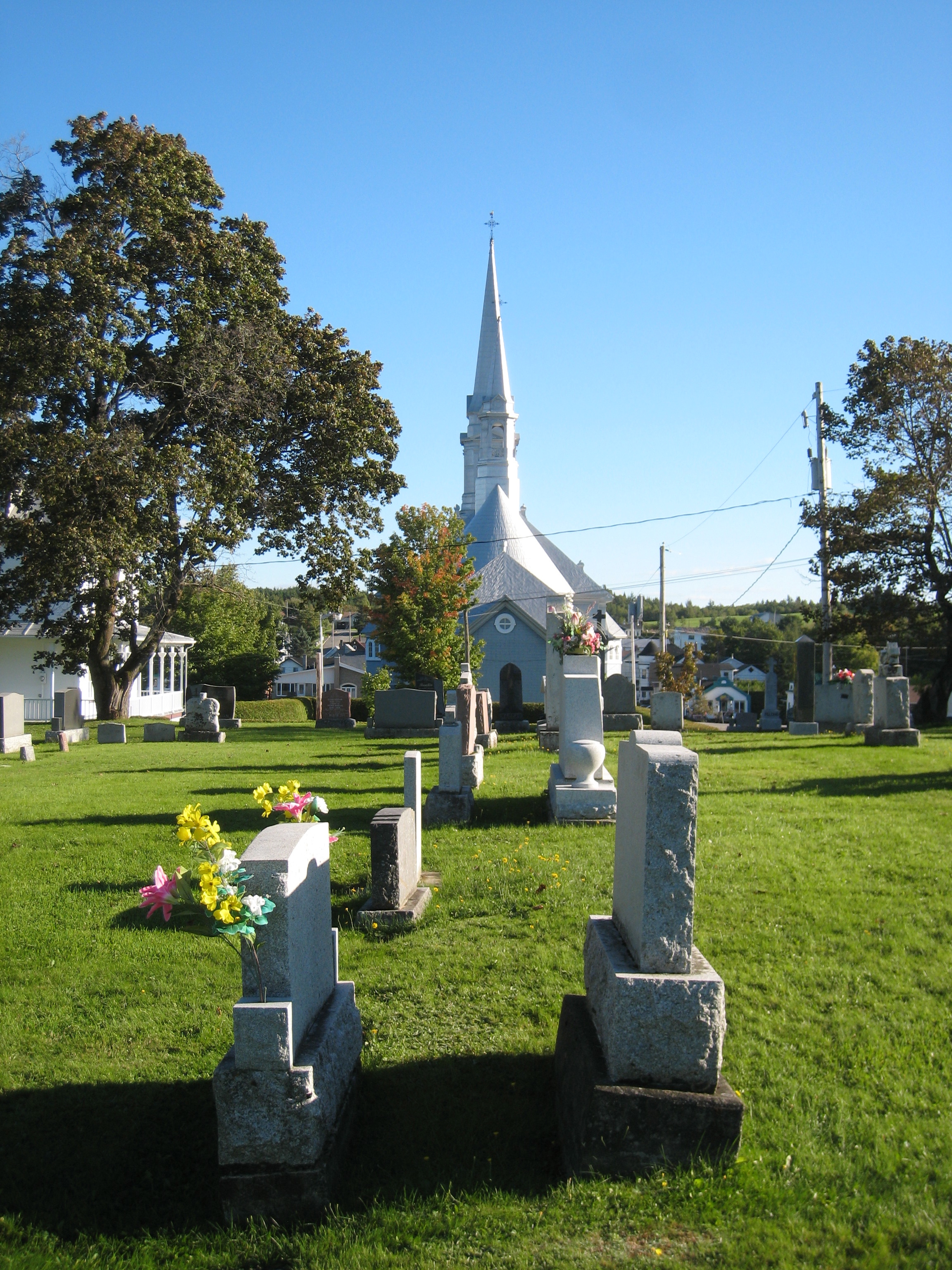
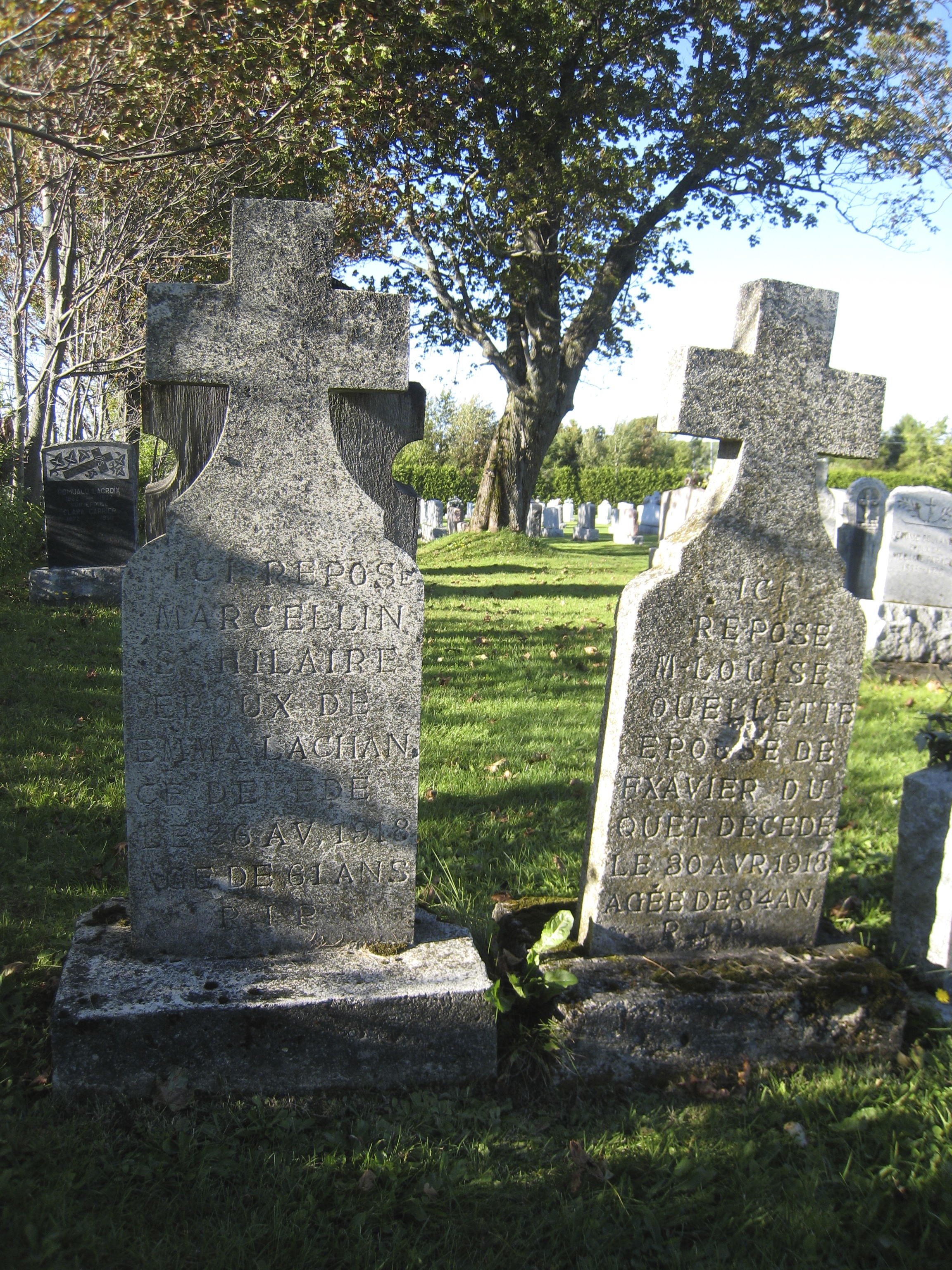
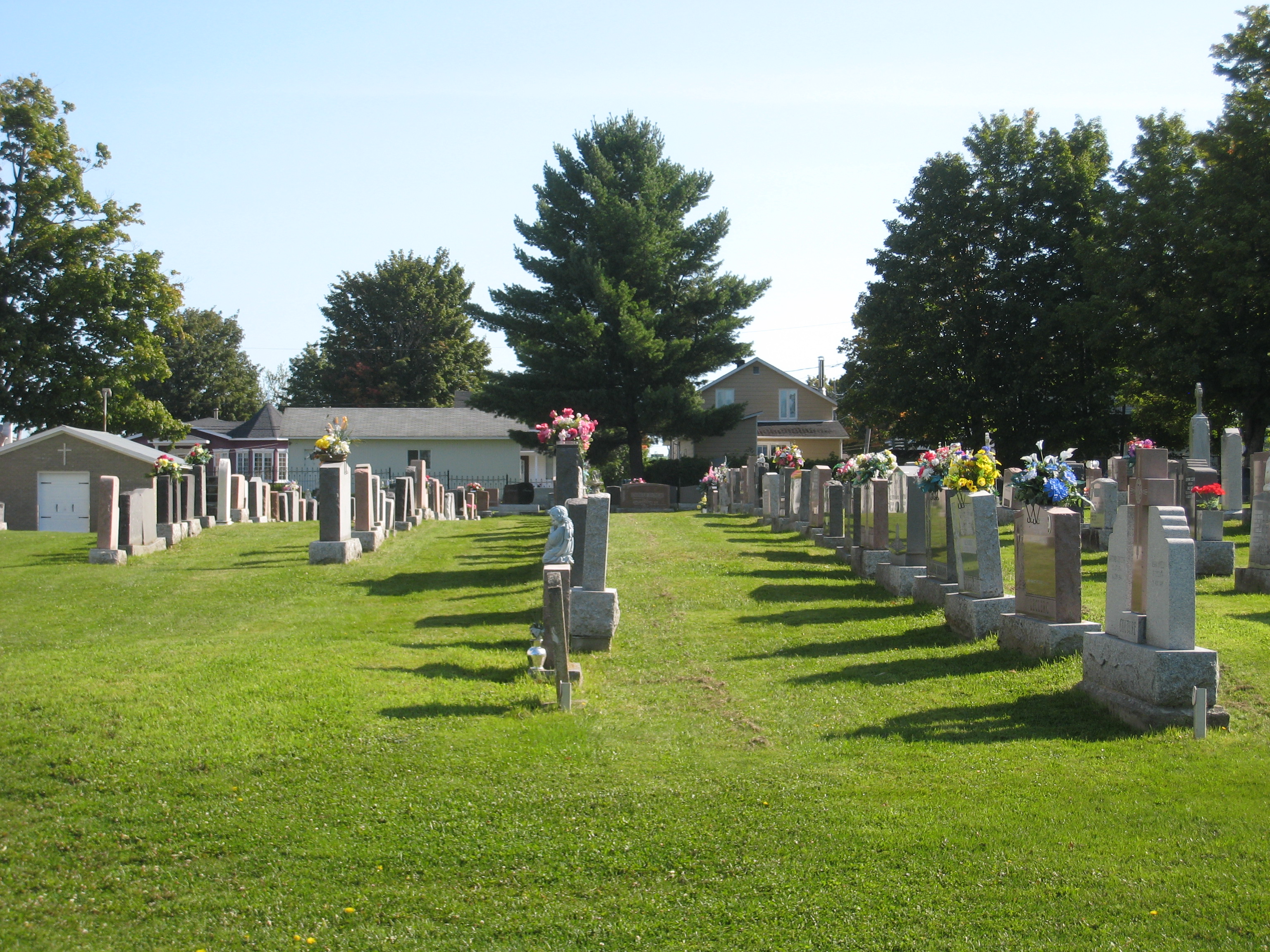
Over the past two weeks, I reckon that I’ve visited some two dozen cemeteries while rambling around Maine, Quebec, and Vermont. Usually there’s a corresponding church next door…

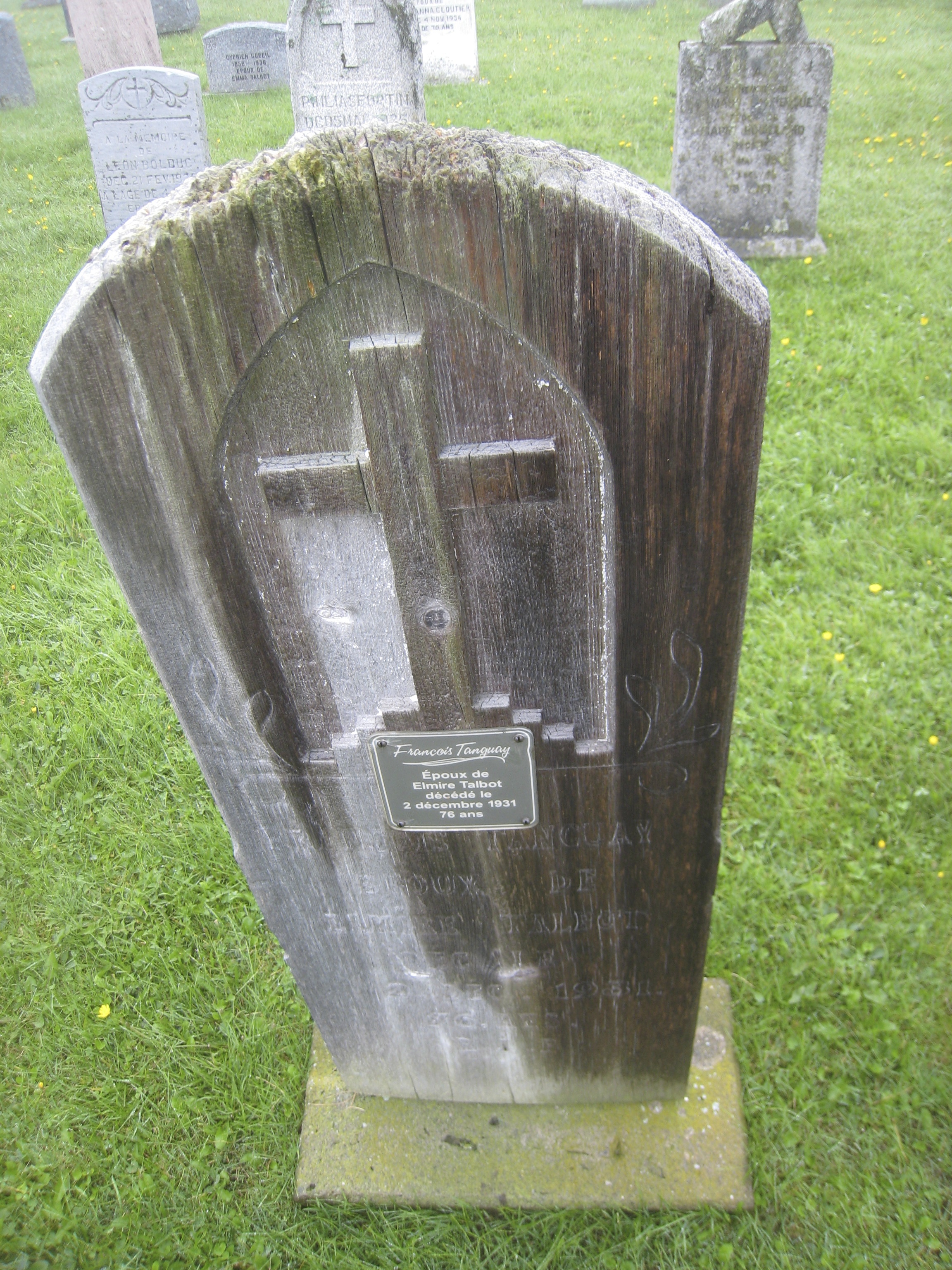
church:cemeteryA few churches in Quebec…

Agnes

Alfred

Raquett

Usually Jesus shows up in one form or another.

christ:church

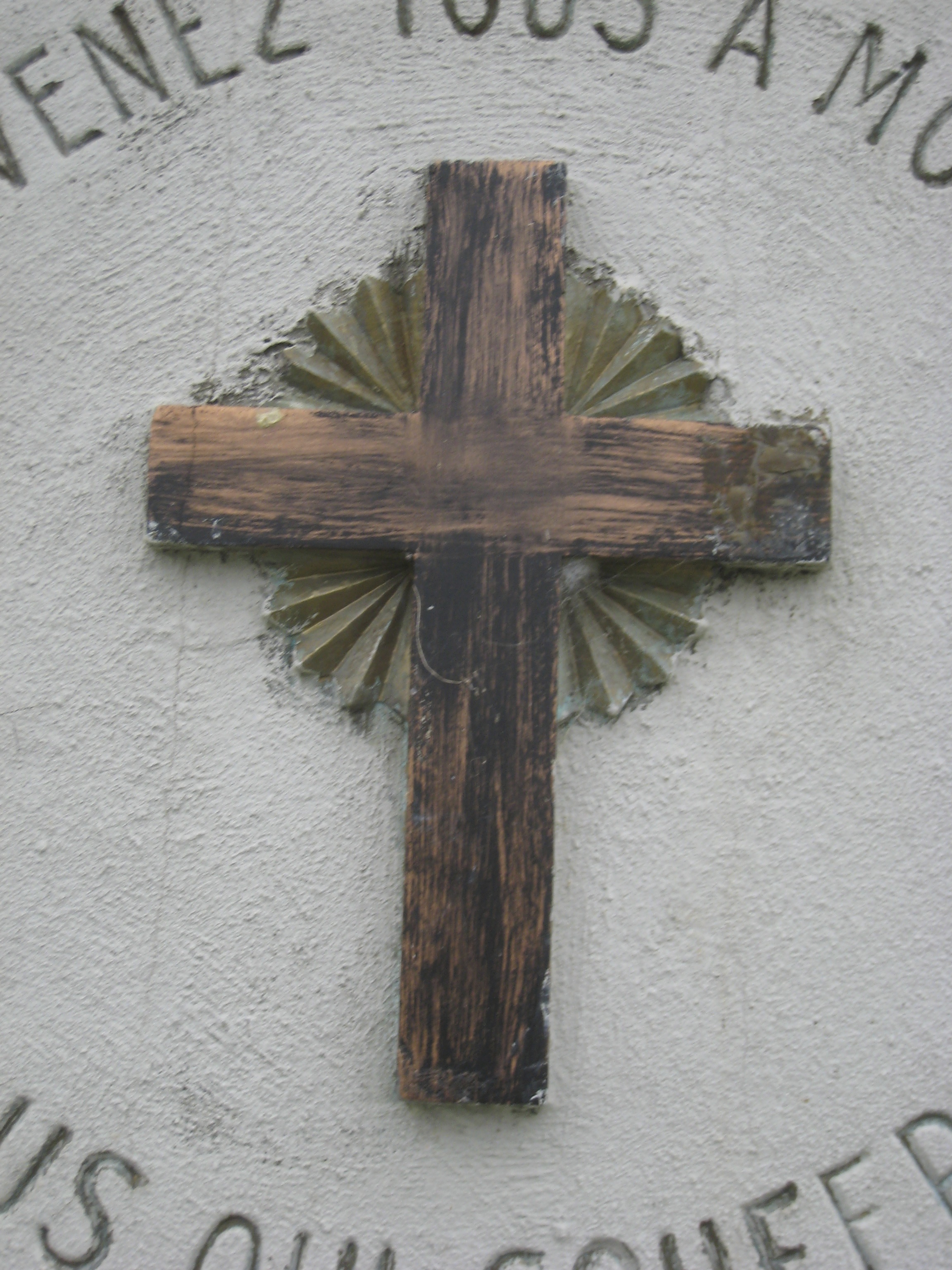
And the cross.

cross

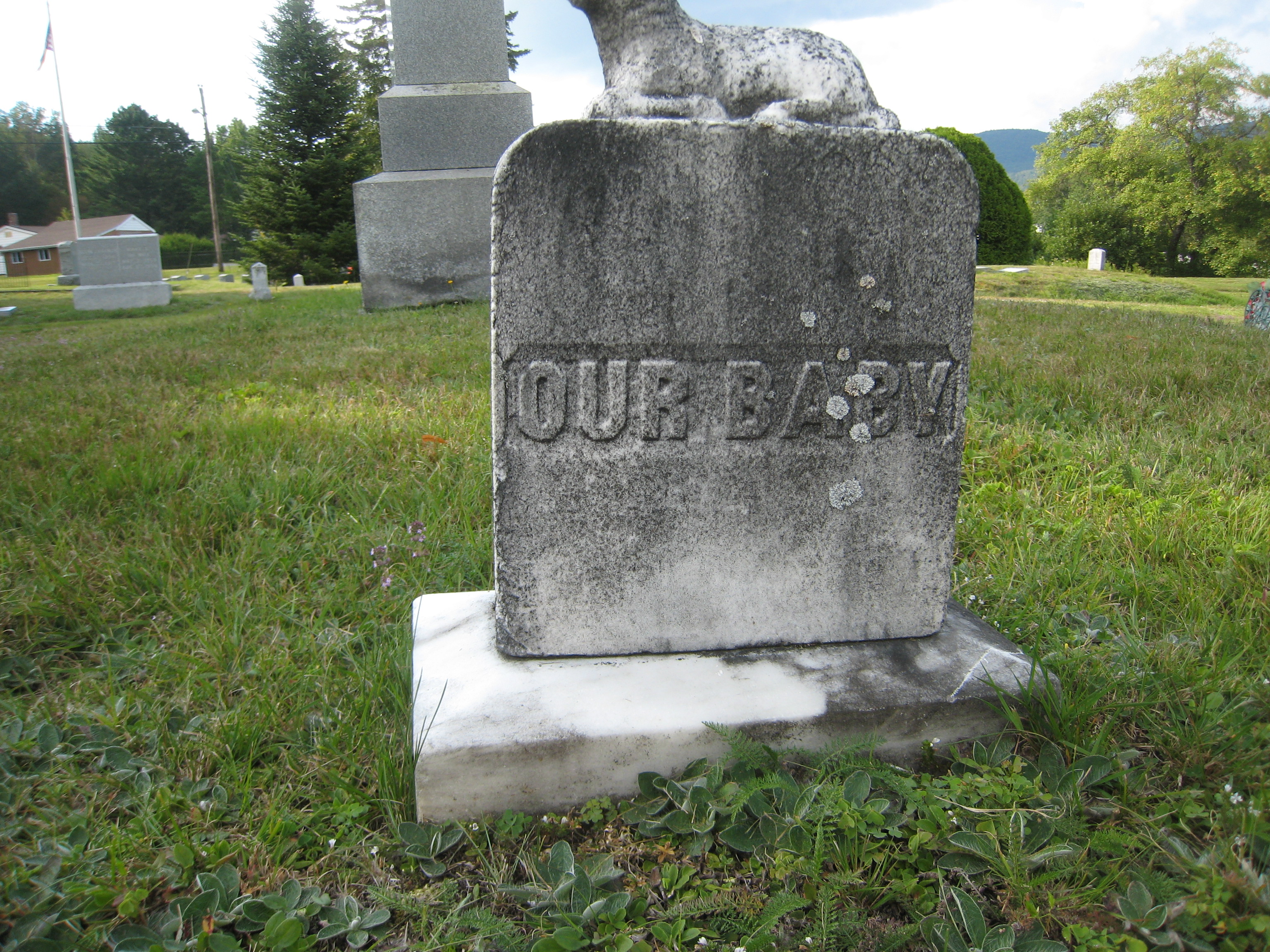
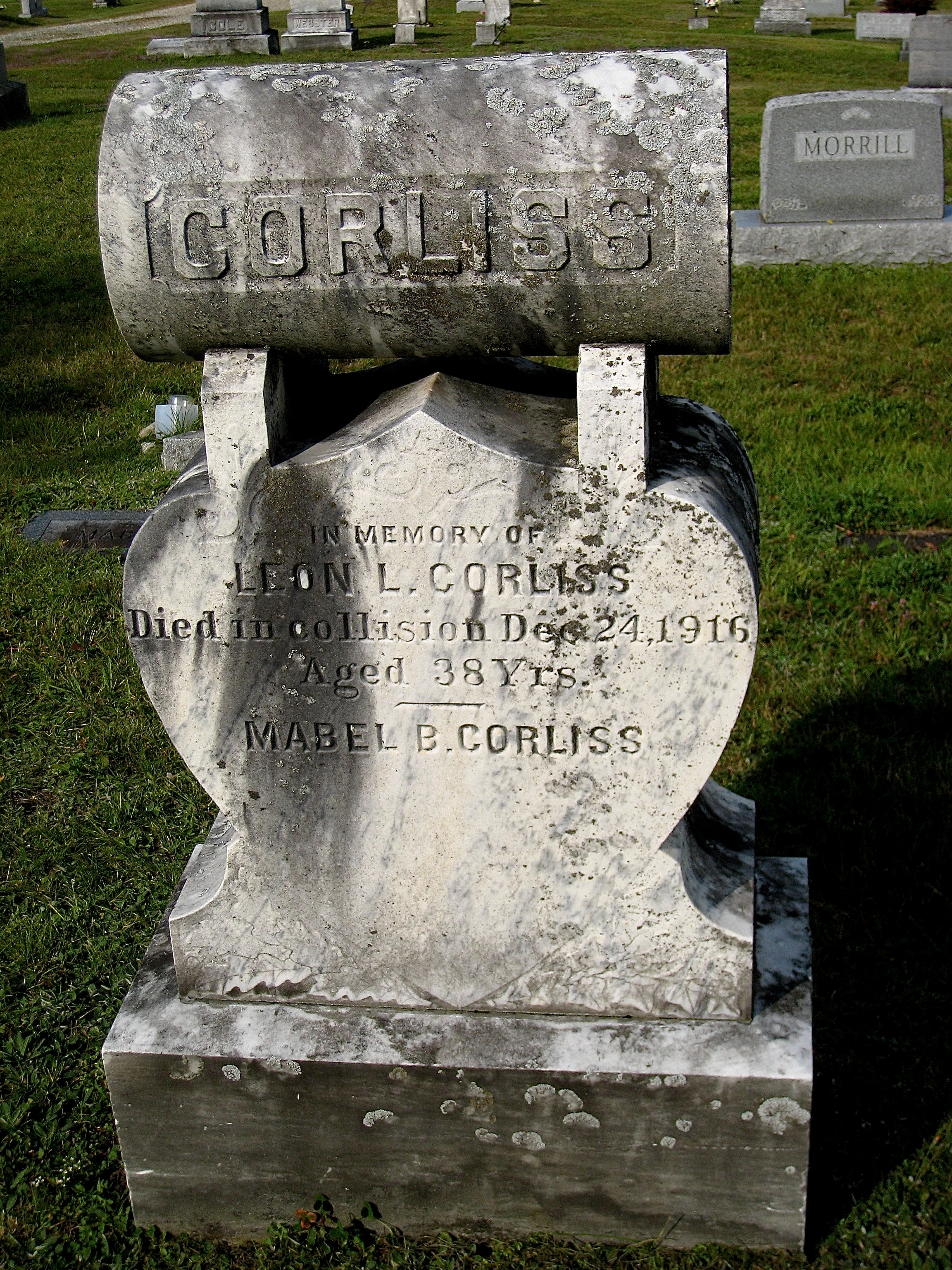
Some of the graves are quite poignant.

xxxourbaby

here:lie

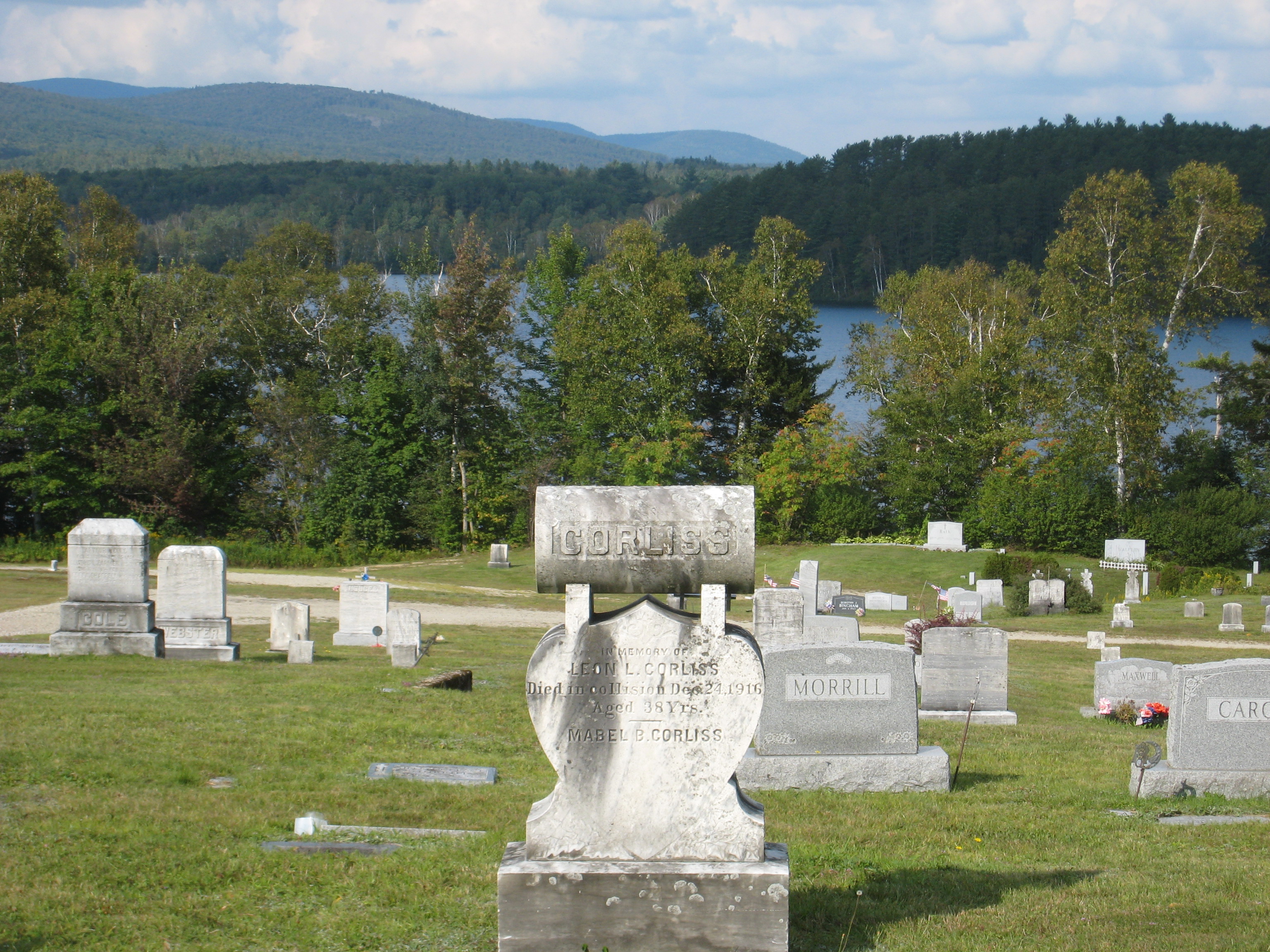
I wonder what kind of accident he died from… in 1916? Automobile? Stampeded by moose?

collision

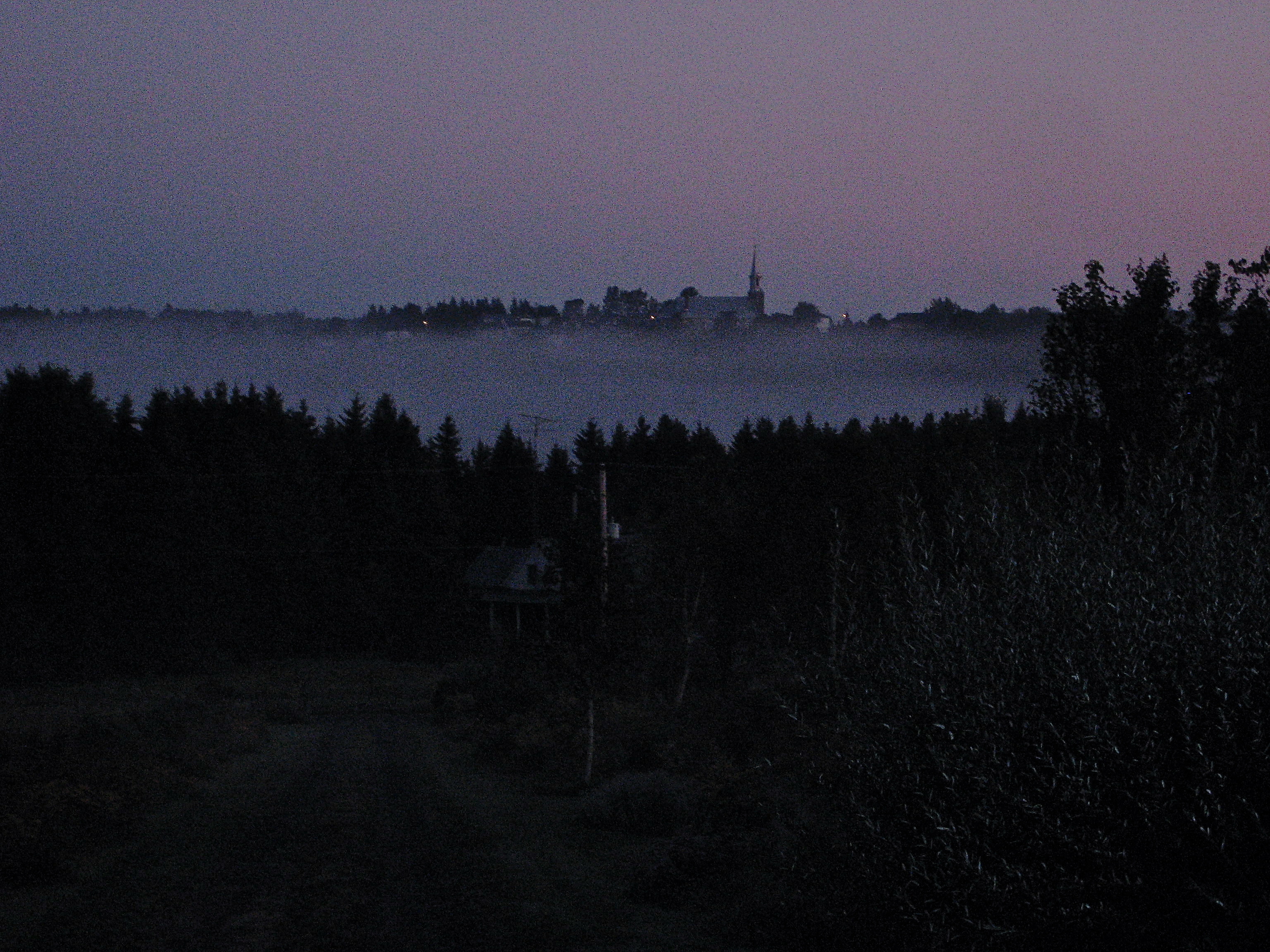
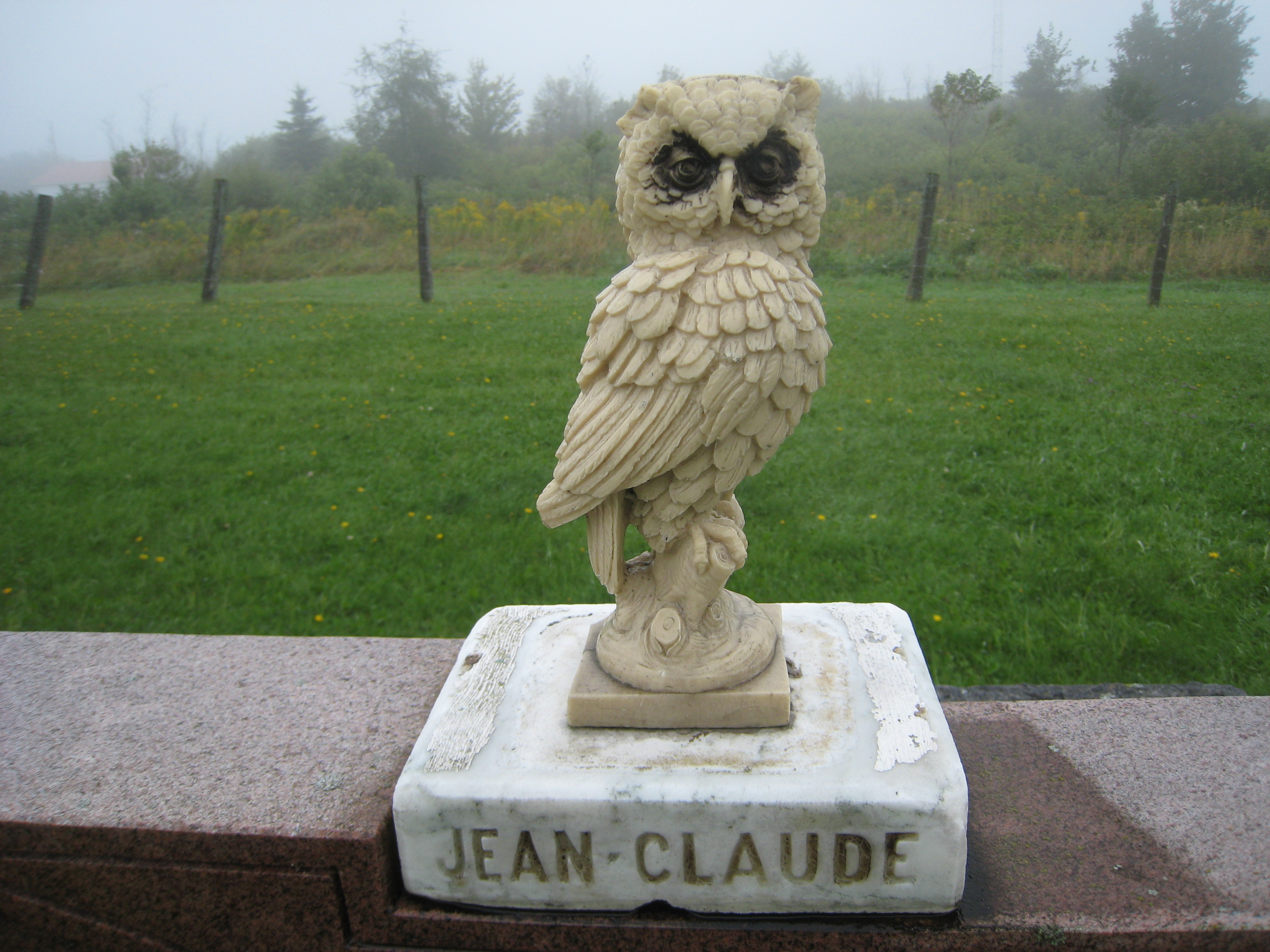
I conclude with a few of my personal favorites. This foggy scene reminded me of the famous Yorick soliloquy…

xxxyorick

Put ’er there, ponder.

xxxput'erthere,podnerAnyone’s guess.

jeanclaude

The short and simple annals of the poor…

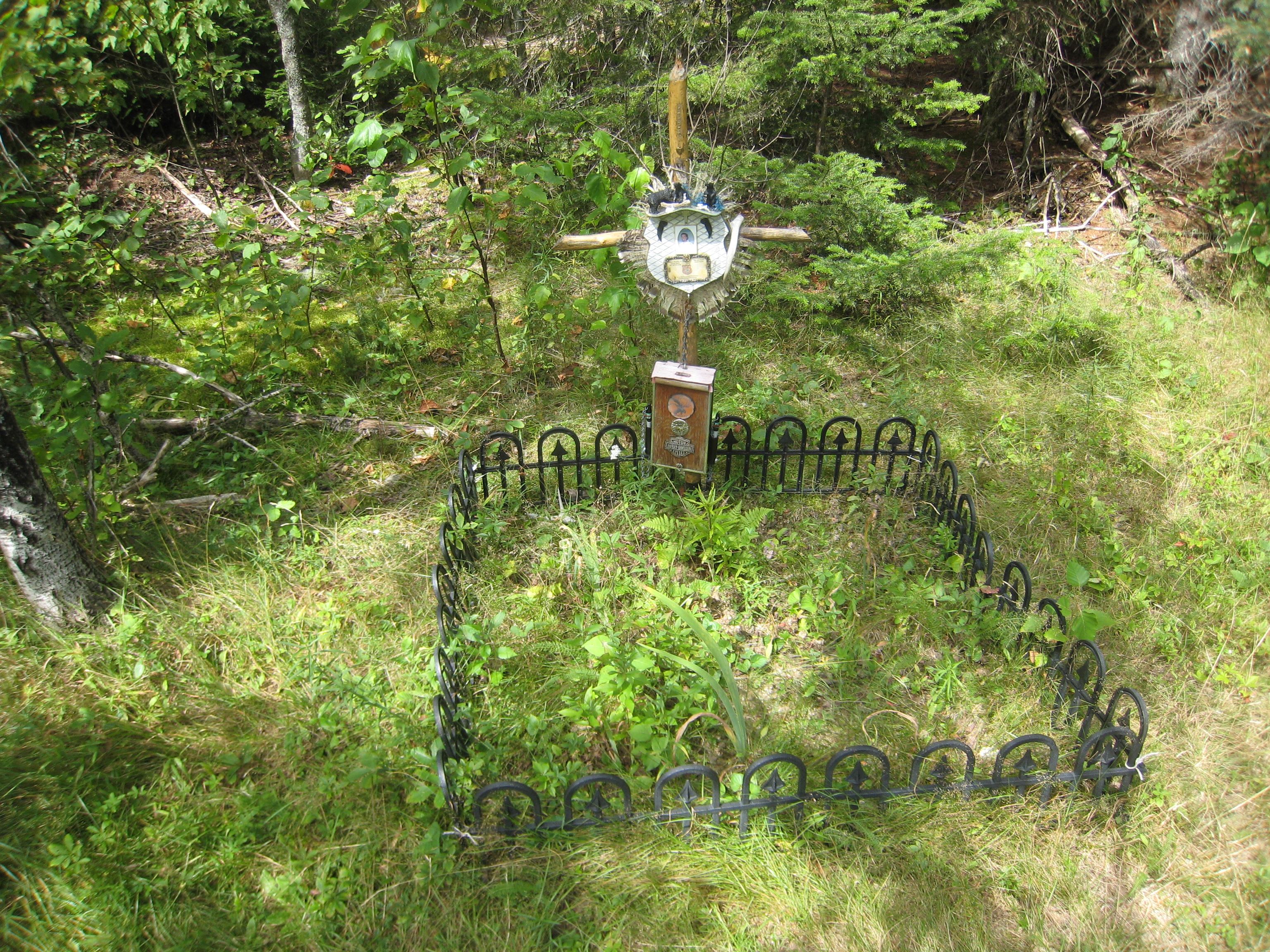
xxxwoodencrossTomb with a view in Island Pond, Vermont.

xxxtombwithaview

This memorial south of Jackman, Maine marks the site of a former POW camp.

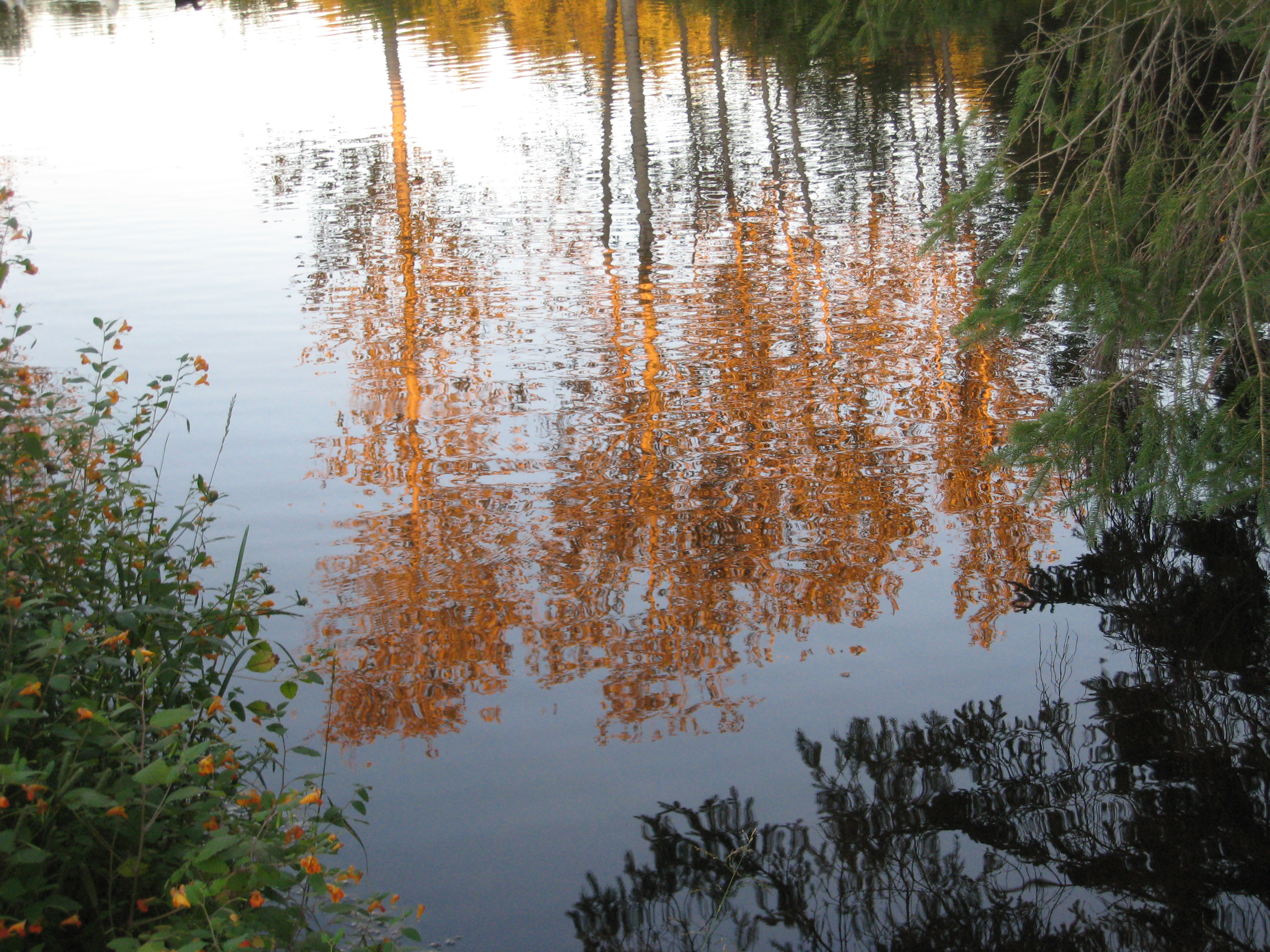
xxxPOWLots to reflect on.

reflectionsStASo you best get your pins in a row!

xxxpinsinarow

6 Comments

Filed under Culture, History, Photography, Writers, Writing

My Gîte and a Whole Wheat Bread Recipe

The peripatetic Peter Zimmerman continues to make his way through the north country, from which he sends this illustrated bulletin. Thanks Pete!

MARGUERITE MARGO – no relation to Brigette Bardot – is a baking fool (writes Peter).

marguerite

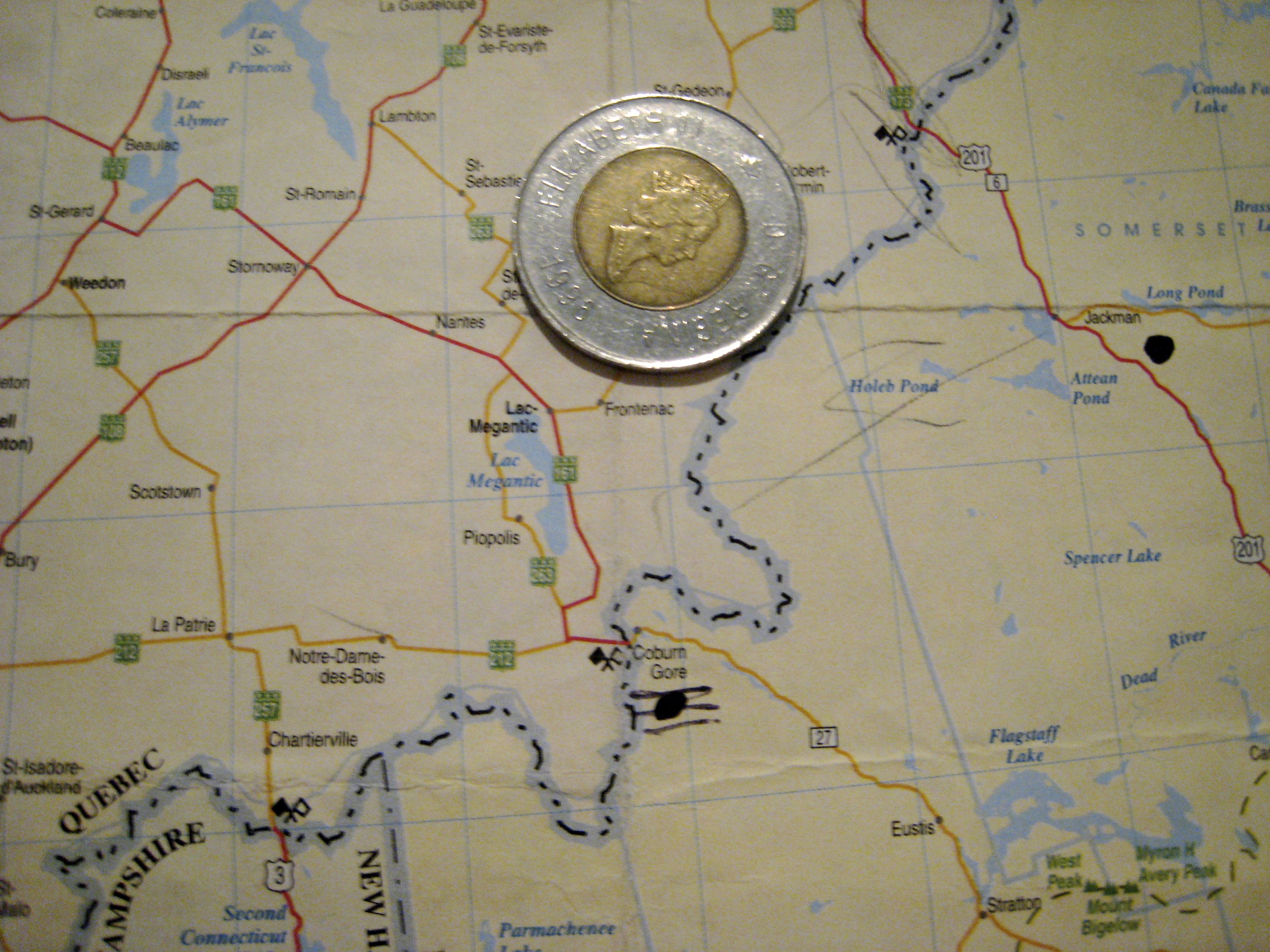
I met her after exiting the highway to take a breather and stumbling onto her boulangerie (bakery) in the small village of Saint-Gédéon, Quebec, along the river Chauvières, not far from the Maine border.

st gedeon map

In this small area of Quebec, Le Beauce, there are more than a dozen towns named after saint this and saint that, all quite obscure: St-Robert-Bellamin, St-Georges, St-Martin, St-Ludger, St-Honore, St-Sebastien, St-Hilaire-de-Dorset, St-Romain, St-Cecile-de-Whitton, and St-Samuel-Station.

“My town,” St- Gédéon, is 96% Roman Catholic, 3% Atheist (!) and 1% Protestant. St-Gédéon was the 13th bishop of Besancon, France. He served six years and died in 796. His feast day is August 8.

Here is the church of St- Gédéon.

st gedeon church

Louis Hémon wrote the first draft of Maria Chapdelaine while staying in Saint-Gédéon in 1912.

What I didn’t notice at first about the boulangerie is that it’s also a gîte (bed and breakfast).

my gite

I was tired and ended up spending two days and nights there.

Turks cap or bellingham lilies flourished in the front yard of my gîte.

lilies

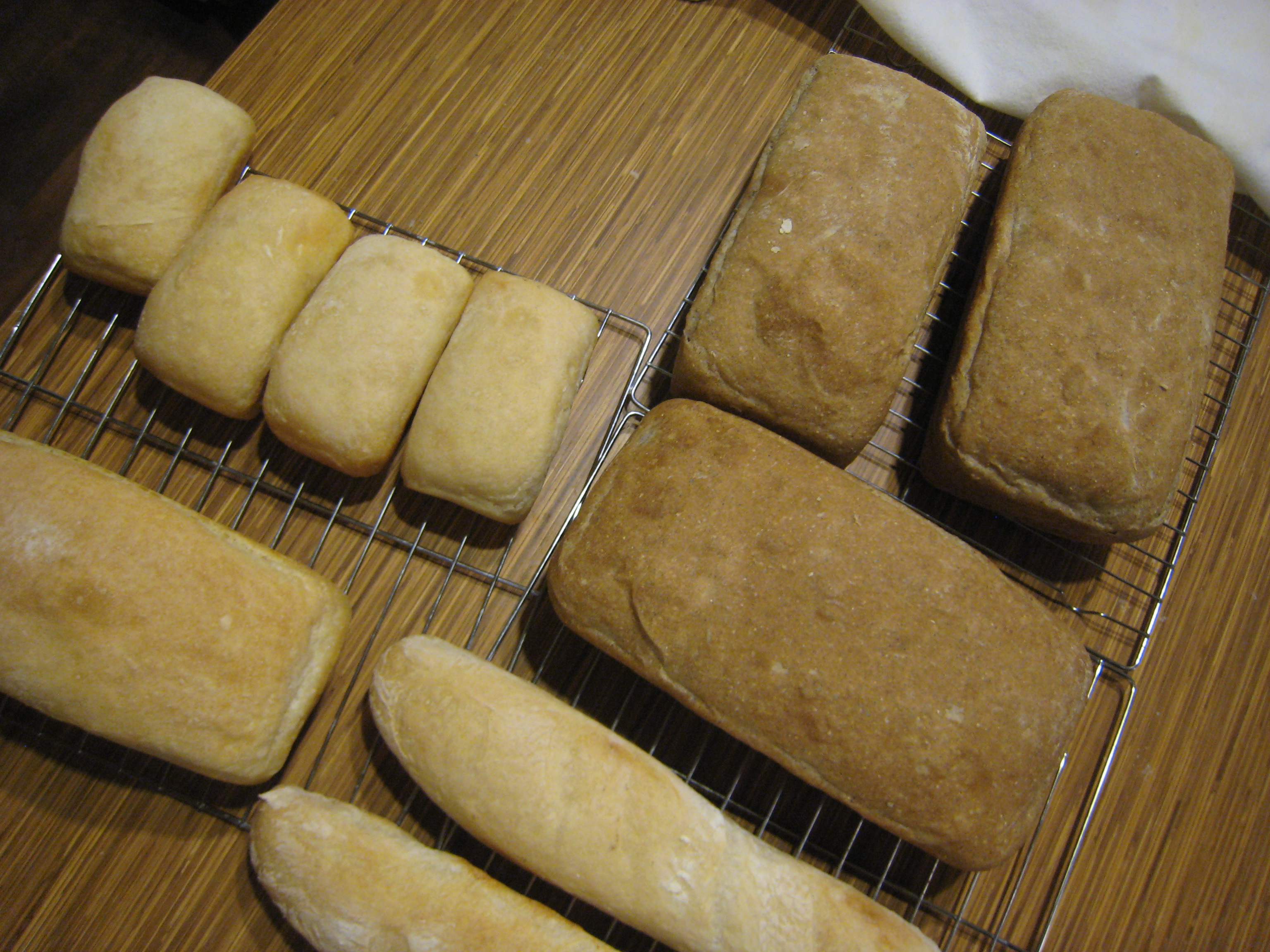
Every time I came downstairs, Marguerite was bustling around the kitchen, baking something new.

marg bread

Sometimes hidden.

hidden

I bought a liter of blueberries and she is making two little blueberry pies just for moi!

pie baking

The first step is “biling” the berries.

boiling

She laid it in a crust.

pies

Out of the oven.
pie next to plate blueberry pie cut

But where did all those baked goods go?

At the end of my visit, I found out that she sells her goodies at a nearby campground, where everything is snapped up like hotcakes, so to speak.

biscuits

While she was off making her delivery, before I departed, I baked her a loaf of my whole wheat-flax bread. 😉

whole wheat flax bread

Although Marguerite knows very little English and I only know a few French words, we speak the universal language of pain.
Meme si Marguerite connait tres peu la langue Anglaise et moi quelques mots Francais. Nous parlons la langue universelle du pain.

crabapples

Pete’s Whole Wheat-Flax Bread Recipe

take out 2-3 T. yeast from refrigerator and wait 15-30 minutes until room temperature

add 2 T. honey and 1 tsp. salt or to taste, then 2 T. oil, 2 T. flax meal and 1/4 cup wheat bran

mix well (but gently)

add 1/2 unbleached white flour and 1/2 whole wheat (approx. 3-4 cups of each), mix and knead

after you’ve added the flours, you need to keep adding lukewarm water a little at a time until you have the right consistency

then before you let it rise, dust the dough lightly with flour

let rise 30-60 minutes, fold into oiled bread pan

bake at 375 degrees for 30-40 minutes, until golden brown on top

let cool on warm stovetop for 30 minutes

turn onto baking rack.

best toasted and topped with unsalted butter

for lighter bread, add 1 cup wheat bran to step 2

5 Comments

Filed under Cooking, Culture, History, Home, Jean Zimmerman, Nature, Photography, Writers