Category Archives: Jean Zimmerman

Art for Art’s Sake

When was the last time you thought about Art Garfunkel? His angelic tenor, his sensitive beak, his fallouts/reunions with Paul Simon, his blond ‘fro?

simon:garfunkel

Probably, like me, not recently.

Which is why I jumped at the chance to see him solo in a tiny venue in the middle of New Jersey, in a performance that was being billed as an “open rehearsal” – for what, somewhat unclear. Anyway it would just be Art and a guitar up on the stage, with a group of several hundred devotees.

Three hundred fifty, to be exact, because that was the seating capacity of a hall called the Tabernacle in a magical, historical community called Mount Tabor that originated as a Methodist summer camp meeting ground in the late nineteenth century.

event_146798492.jpeg

People live there now, in houses, not tents. Our friends Eric and Mary Ann have been Mount Tabor-ites for decades.

eric and maryann's home

Walking to the Tabernacle for the show has an element of the mystical, along the small, civilized paths.

magical tabor

When the place originated, tent properties (leased from the Camp Meeting Association of the Newark Conference of the United Methodist Church, never bought outright) stretched back from the central building and its green, with the more prominent families closest to the preaching. People came here for a month in the summer to get their evangelical fix much the way they did at Ocean Grove, Tabor’s Methodist sister town on the Jersey shore. It all depended on whether you wanted the mountains or the sea, both were equally soul-restoring. The movement faded at the turn of the twentieth century, with houses  eventually built to replace tents, and 212 of the ornate gingerbread-decorated originals remain. National landmark status for the district is imminent. Quiet streets wind throughout this other-timely locale.

tabor homes

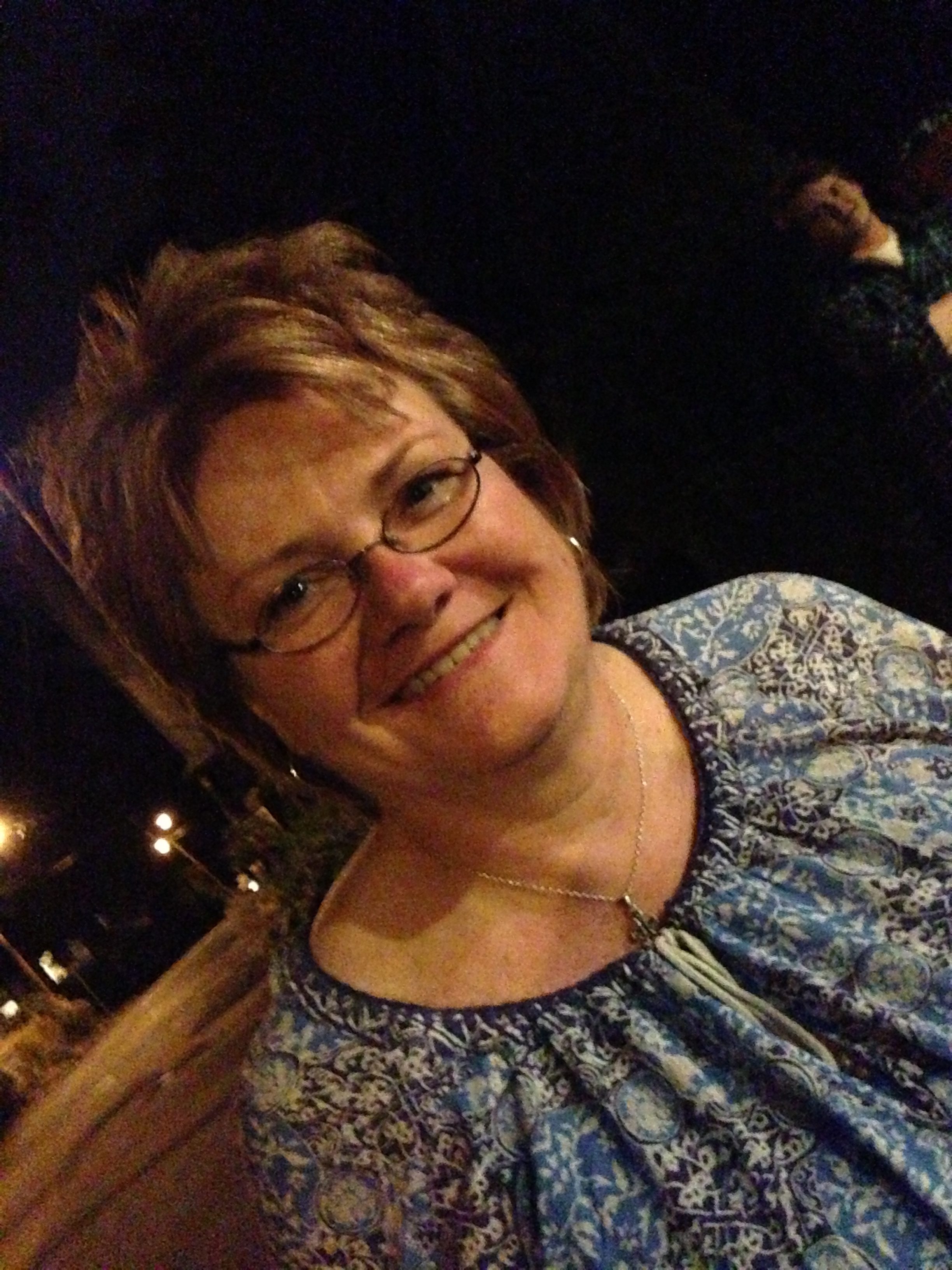
Eric and Mary Ann, who raised three kids here, have a property of “six to eight tent plots.” They are “the landed gentry,” Mary Ann wisecracks. She tells me that unlike other towns, here you actually tell your kids to go out and play in the street – because yards are postage stamps if they exist at all. It used to be canvas abutting canvas. “You sneeze in your house,” Mary Ann tells me, “and they say bless you in the next house.”
Mary Ann 2

There’s history here, multiple generations living on in one house. A descendent of the original farmer-landowner named Dickerson still runs the supermarket down the hill. Mary Ann orchestrates a longstanding local holiday (like, a hundred-forty years long) called Children’s Day. “You could be a benevolent dictator,” suggests Gil. “There are certain people you must dictate to,” says Mary Ann archly.

We wait in line for Art Garfunkel. Hydrangeas glow in the dusk.

hyrangeas

Time expands. The line stretches, people who have journeyed to this little enclave to see a great singer.

There are perks of being a Mount Tabor resident, and since Mary Ann and Eric know George, the organizer of the event, we go back to the green room half an hour before the performance. It’s located in an adjacent historic building that is usually bare, filled only with folding chairs, where various committees hold their meetings.

bethel

“This is why they come,” says George, referring to the other big-name acts that have appeared in small-town Mount Tabor, Hot Tuna, Arlo Guthrie and Donovan among them. The green room features low, romantic lights and rich burgundy tableclothes and a line-up of chafing dishes in this quaint building that transports you to another time. They had to peel Donovan out of here to get him to the airport after a post-show Buddy Holly singalong.

“Art is sleeping on the ground floor beneath us,” George tells us. I think about that.

art garf

Ssshh. Outside, we inhale the late summer air, cool and warm breezes intermixed, the scent of late roses from people’s tiny garden plots.

roses

We’re standing next to what everyone likes to call the 1873 condo, a building of connected homes where three tent sites originally stood. Slate and gingerbread! Some of that detail might enhance the Cabin.

condo

The Tabernacle, built in 1885, is a wooden octagon topped by a cupola. It has no heat, just hardbacked benches with plenty of leg room.

tabernacle

The interior paint is original. No joke.

inside tab

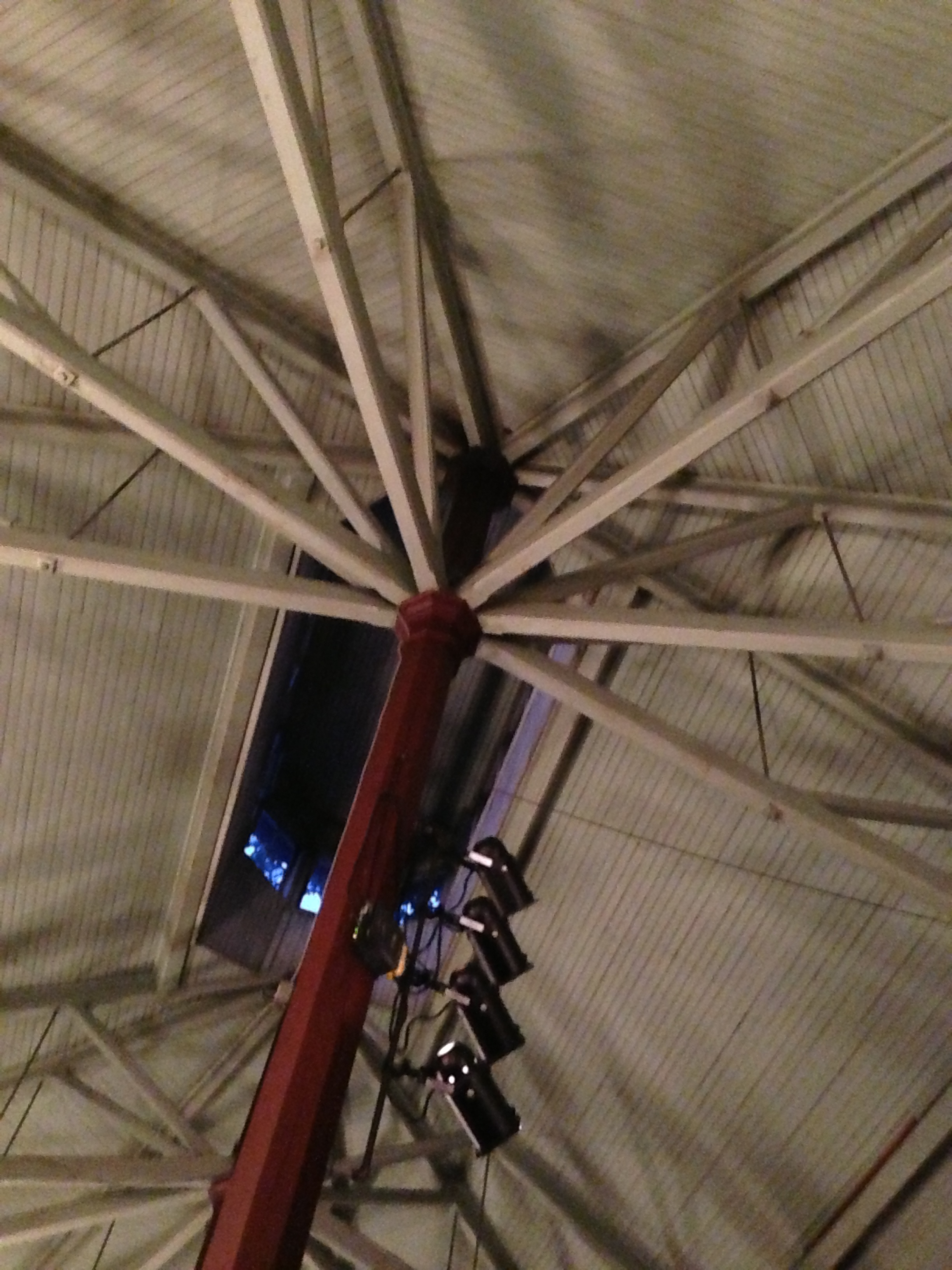
Giant poles hold the roof up.

tab inside

It’s time. George, at the mike, gives fair warning: Art detests gadgets. Phones and cameras throw him off his game. Turn everything off. Everything. Now. A big change for those of us accustomed to concerts with everybody waving their units around in the air, with everything instantly You Tubed. What kind of curmudgeon makes these rules?

And Art does turn out to be a bit curmudgeonly,  approaching the front of the stage to lecture someone rude enough to attempt a picture. He looks the curmudgeon too, his nose sharpened by time, his height perhaps decreased, his pate and his frizz, a plain checked shirt and jeans, a man in his later years.

art-garfunkel

He begs our forbearance. He has been struggling with his “damaged voice” for three years, he says. (He cancelled a tour last year, I heard.) He just now feels he can bring it out in front of a crowd, but he is self conscious. Between songs, he thanks listeners graciously for their support. He reads to us from writings on the backs of white envelopes, poems, he says, he wants to test out on us, from a collection will be published next year by Knopf.

He recites a poem he originally read for Paul Simon on his 70th birthday:

For 70 years his arm has been around my shoulder,

He’s dazzled me with gifts.

I nurtured him in his youth.

He brought me into prominence.

I taught him to sing.

He connected my voice to the world.

I made him tall.

All of our personal belongings are intertwined.

We say it’s exhausting to compete,

But we shine for each other.

It’s still our favourite game.

tall art:simon

He tells us a story of living on Amsterdam Avenue when he was in architecture school at Columbia, living among roaches. Simon came over saying he thought he had a song that might be worth something and it was Sounds of Silence. Garfunkel sings Sounds of Silence for us. Haunting.

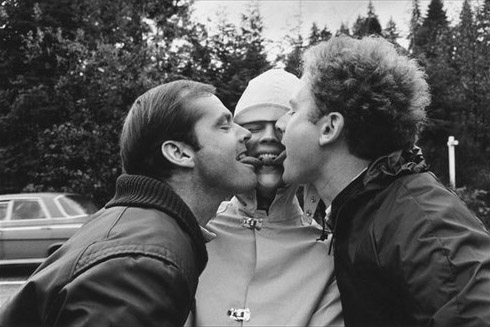
He shares an anecdote about Jack Nicholson’s acting chops when they did time together in Hollywood on Carnal Knowledge.
Jack-Nicholson-Candice-Bergen-and-Art-Garfunkel

A story about the “bird in his throat,” and singing Ol’ Man River for a herd of cows as he hiked in the country one day.

As for the singing… the angelic tenor… well, the instrument is indeed broke, in part. Still ravishing, sometimes. It is an amazing performance, though, just because it is so raw, because his voice is imperfect, because of the notes he can not hit and the notes he snags, better in the lower registers. Bookends, a capella. Cathy’s Song. The Boxer. Parsley, Sage, eliding over the rosemary, but bringing the song home, ultimately.

There in Mount Tabor’s intimate, historic Tabernacle, all is forgiven.

tab night

6 Comments

Filed under Culture, Film, History, Home, Jean Zimmerman, Music, Nature, Photography, Poetry, Publishing

Beans and Nothingness

Clomp, clomp, clomp. Down to the garden for the first time in the cool weather with my Frankenstein boot.

What does Nature do when you turn your back? Surprise you.

Six weeks ago when I had foot surgery and disappeared into my couch I had given up on my beans. Runner beans, Blue Lake, which makes them sound more poetic than what they are – just plain old string beans. I had vines galore, yes. But no fruit.

Today… a bumper crop, scaling the brawny sunflower that’s hanging it’s heavy head down, waiting for the birds. Ready for boiling and buttering and serving alongside a pork roast on Sunday, which is just what I plan on doing.

Beans and Nothingness

Never give up. I planted those things in mid-May and it’s taken them four months to proclaim their bean-ness.

In the weeds and vines that have overtaken the ground I found other prizes. Dahlias. I planted about two dozen, having never tried before, and here were two lavender beauties with their cupped, pointed petal tips. And a jolly pint-size butternut squash, the first I’ve ever attempted to cultivate.

dahlias

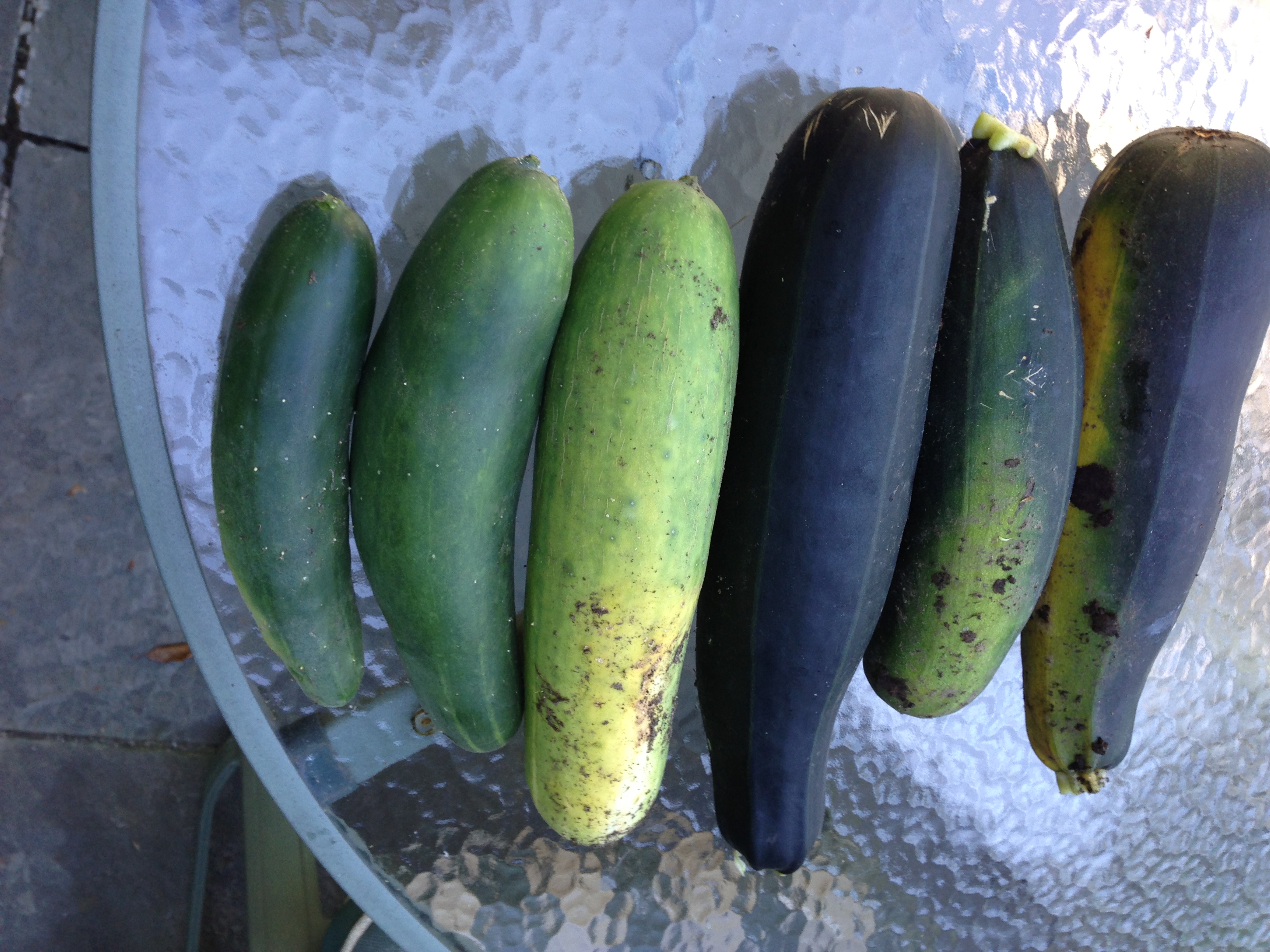
I asked Gil to cut all the cukes and zucchini that had waited patiently to be harvested all those weeks I was gone.

big uns

They’re monsters, of course, as big as my big boot. Good for nothing, culinarily. Only useful for proving what happens when you turn your back on something with the inherent ability to grow. Like the idea for a novel, which expands out of fertile soil when you’re busy doing something else.

dahlia

Leave a comment

Filed under Cooking, Home, Jean Zimmerman, Nature, Writing

A Step Forward

The last morning with the cast.

cast

The orthopedics waiting room was full of people bracing themselves with canes, crutches, wheelchairs. No scooters, though. The Bloke has been a loyal companion, but one I was glad to banish. And in a way it was sad to say goodbye to the graffiti. I was accustomed to that bit of funky glitter.

cast cu

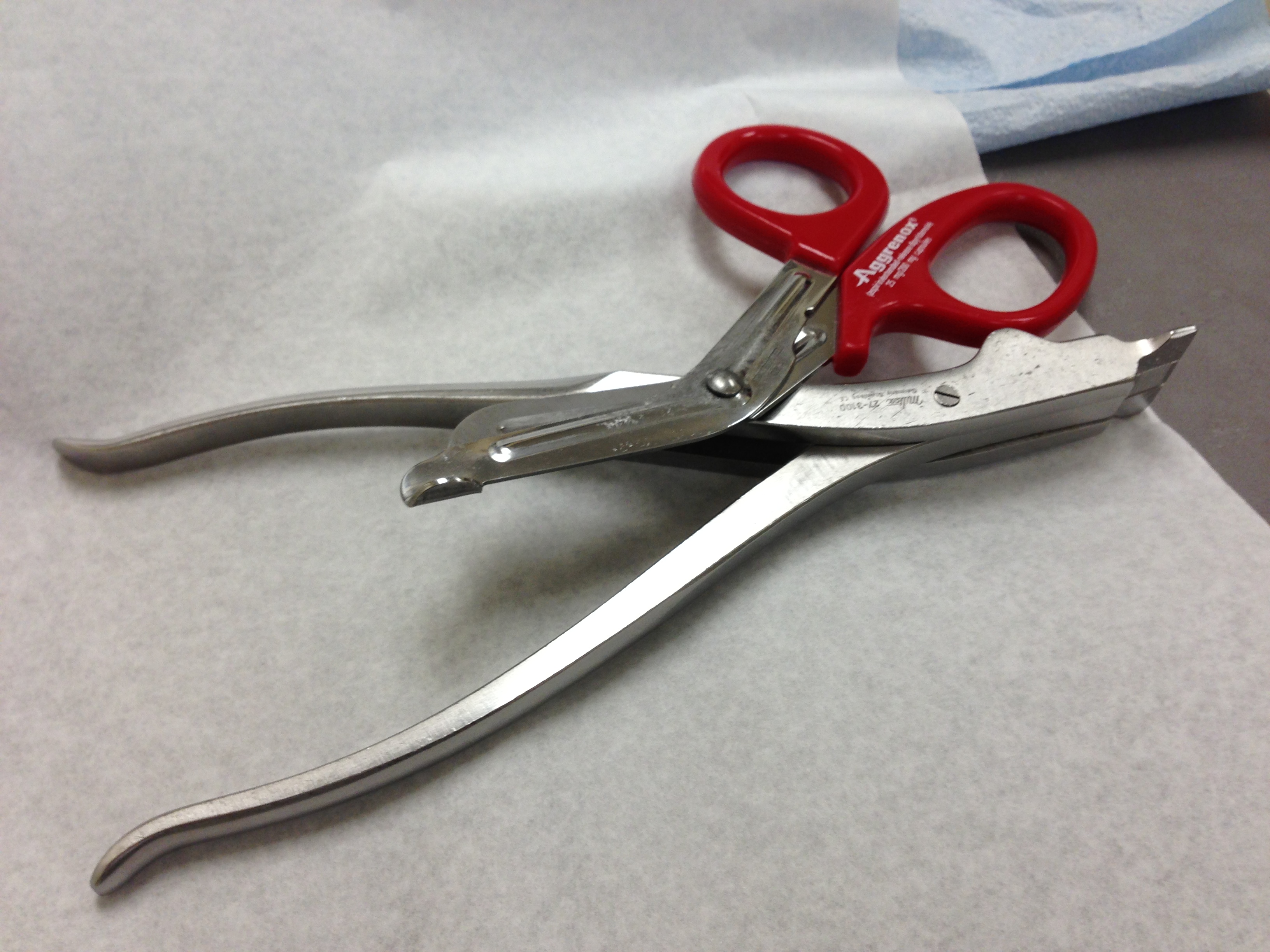
Gil and I entered what the nurse called the Cast Room. Tools awaited me on the table.

tools

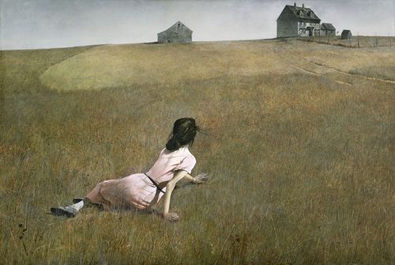
I was thinking about Christina’s World, the Andrew Wyeth painting of a woman in a dress dragging herself up a grassy hillside toward a grey frame house. The portrait, I recently learned, was based on an actual woman named Christina Olson who had polio and eschewed a wheelchair, instead crawling everywhere. Wyeth was inspired when he spotted her on the ground from the upper window of her family’s house.

Christinasworld

In the Cast Room, I didn’t know what would happen next, but I knew I would not be crawling afterward. I never fully realized until now what it means to not have the use of your leg/s. And I’ve only had six weeks of deprivation! You want so much to go independently, to crawl across a field if like Christina it takes crawling across a field. I could understand that drive.

I just wanted to walk across my living room.

The tool Dr. Voellmicke used to cut my cast neatly in two resembled a delicate jig saw, and I hoped it wouldn’t nick my leg as it buzzed. He clipped off the gauze.

My foot and ankle were tender and swollen. There was still purple marker from the surgical incisions. I didn’t recognize the outline of this precious, vulnerable appendage. It was like being born again.

But before my foot and I could really get reacquainted the doctor brought out the Moon Boot, the constant companion that would replace my cast. Now I bounce and rock when I walk. And I would need a cane, the doctor said, at least for now.

Moon Boot

Can I get a pedicure? I asked the doctor. Not a massage, he said patiently, but a dunk in the water would be okay.

A dunk in the water, and then a rocking stroll across the vast reaches of the nail salon.

I bet I’m not the first person to ask you that, I said.

No, the doctor smiled.

3 Comments

Filed under Art, Culture, Home, Jean Zimmerman, Nature

Beautiful Typologies

Though I still don’t quite understand what a typology is, the form fascinates me nonetheless. Diana Zlatonovski makes typologies fascinating. This, for example, is a collection of sunsets she amassed on Flickr, drawn from the work of Penelope Umbrico.

sunsets on Flickr:Penelope Umbrico

A curator of interesting objects and images, Zlatonovski compiles them into organized entities for our admiration/edification. She is a photographer. She photographs objects herself. And she distills other work into the essence of their parts (giving proper credit, of course, where credit is due, like these pools of Franck Bohbot).

swimming pools:photos by Franck Bohbot

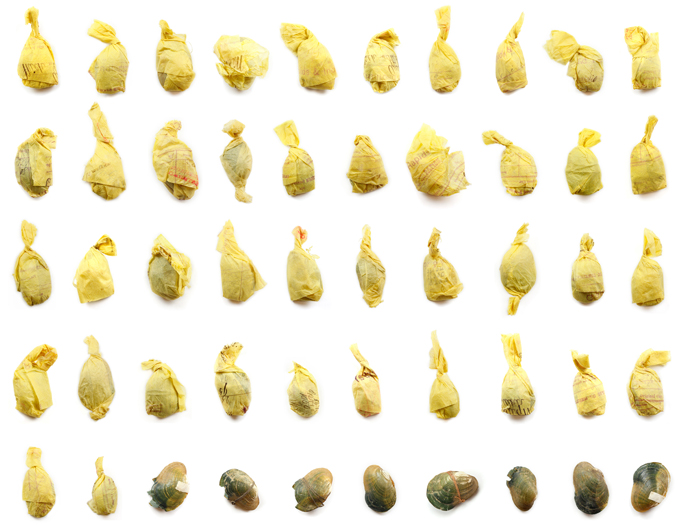
Her own photos tend to the more delicate. This image she calls “Bundles,” comprised of seashells from a  museum collection, wrapped up like bon bons.

Bundles

I asked Diana, who works at the Museum of Fine Arts in Boston, when she started working with groups of objects. “I started my typology project about a year and a half ago,” she told me. “The first series I photographed was the Wrenches.”

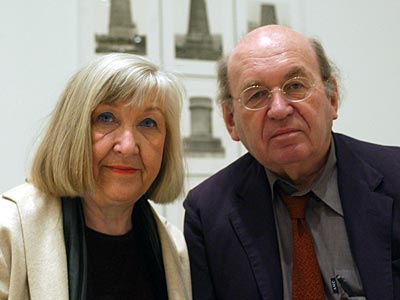
WrenchHer work seems to derive its inspiration from that of a famous pair of typologists, Bernhard and Hilla Becher, German artists who worked as a collaborative duo until early in this century.

Bechers

They photographed mainly  industrial buildings and structures.

bernd-hilla-becher-water-towers

Diana told me she has been working a lot with collections at the Harvard Museum of Natural History. She also does some photography in her own studio and travels to collectors’ homes.  “The up side of  doing that is that I am able to spend more time with the collector and hearing the stories behind the objects and how they brought them together.”

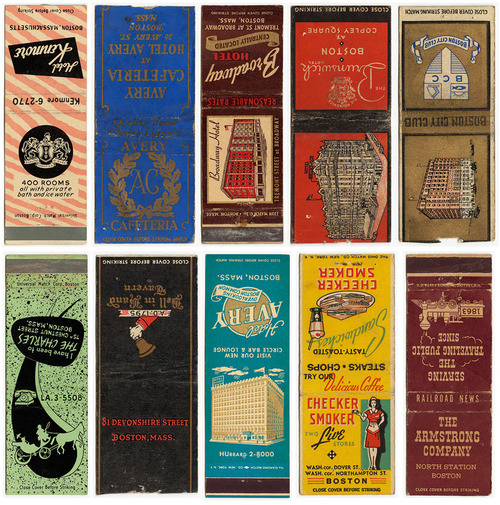
Why are arrangements of like objects so arresting? We are invited, perhaps, to entertain the idea of their seeming permanence… these matchbooks will go on forever in whatever permutation.

vintage Boston matchbook covers from the Boston Public Library

Except when they don’t. My parents had a typology of sorts — mid-50s Tokyo matchbooks enshrined under the glass top of a dining table, and those graphics are now far, far in the tail lights. You can’t even get a matchbook in a restaurant anymore. Yet the power of once-ubiquitous objects that have been replaced by other things is also fascinating.

Duncan Yo-Yos:Smithsonian Collection

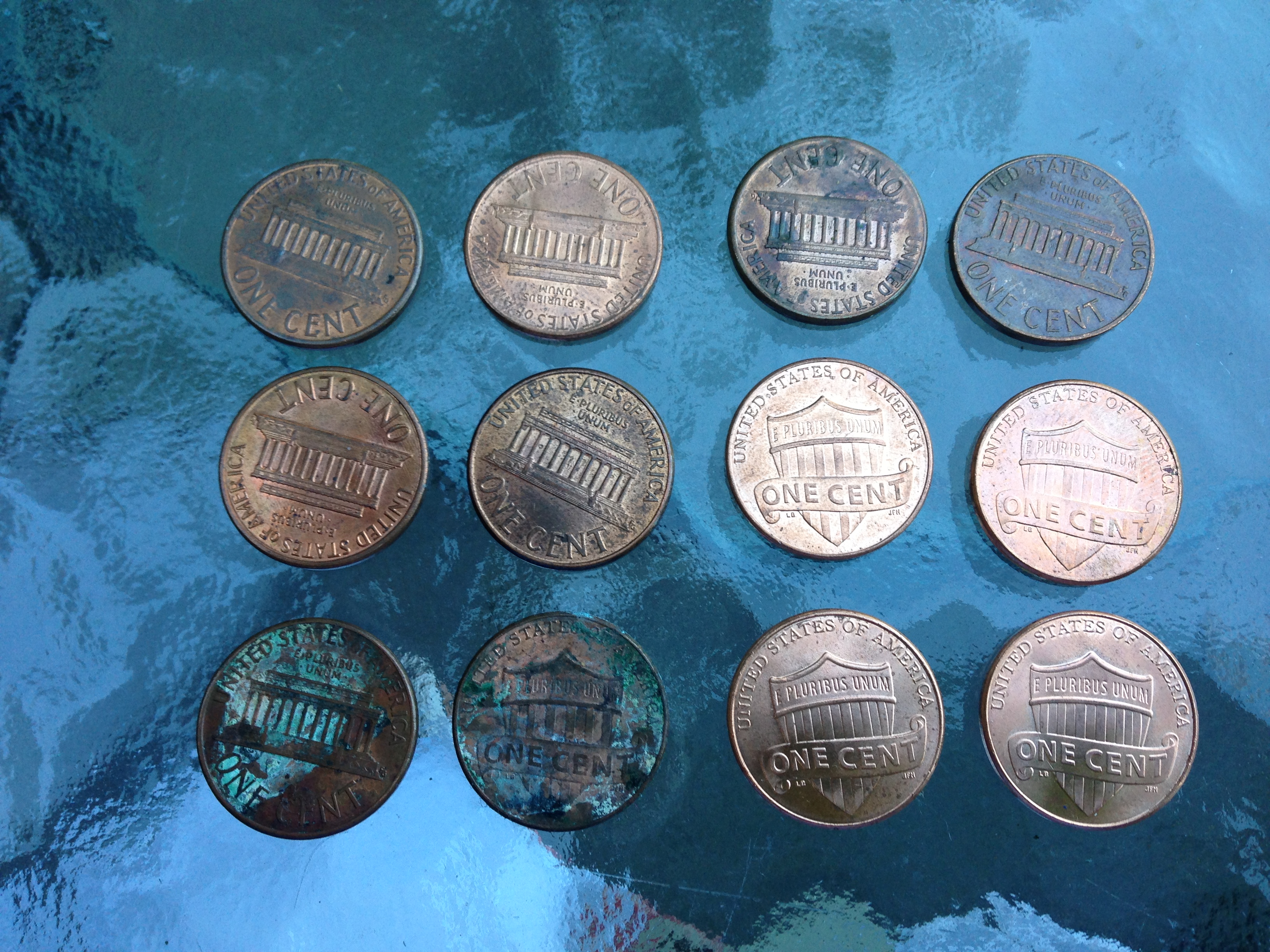
I like Diana’s work so much because the collections she documents, unlike others, are made up of seemingly not valuable items. Collections too insignificant to interest real collectors. What is worthy of keeping, of arranging, of caring about? We take pennies in a jar for granted, for example. What if they were arranged mindfully and given pride of place in a well-lit photo? This is my typology, not Diana’s.

pennies

Does the artist have collections of her own?

“It’s hard not to!  I am always finding interesting things. Luckily, I am usually most interested in small objects…much easier to store.” I love her typology of forks.

vintage forks

Which objects do you find the most fascinating or beautiful, I asked.

“It really varies,” she said. “There is always an emotional response that brings me to selecting objects, it can be aesthetic, nostalgic, or any number of things. But I definitely am drawn to the form and color of an object as well as to its story, where it came from, what it represents.”

I don’t know about you, but I’d like to know everything about these vintage, wacky, glamorous cigarette-holders.

Cigarette-HoldersYou can find Diana’s original photographs on her web site.

Her blog, The Typologist consists mostly of artist submissions or images she has compiled from digital collections.

2 Comments

Filed under Art, Cooking, Culture, Fashion, History, Home, Jean Zimmerman, Photography

From Mormon Cupcakes to McCook

My brother, writer/photographer/perambulator Peter Zimmerman, has been a peach about furnishing posts for me while I’ve been laid up with an adventure-prohibiting bum foot. Here he is again, sharing an album of views he’s enjoyed recently.

AFTER BEING MIRED for eight long years in the New Age mecca of Sedona, Arizona (writes Pete) I hit the road about 13 months ago and now (for the time being) live somewhere in Maine.

“The sharpest pleasure of a traveler,” G.K. Chesterton once wrote, “is in finding the things that are at once so strange and so obvious that they must have been noticed, yet somehow they have not been noted.”

These are some of the some places I’ve seen along the way….

Mormon cupcakes in St. Joseph, Arizona.

ARIZONA

Canola fields in Colorado’s San Luis Valley.

COLORADO

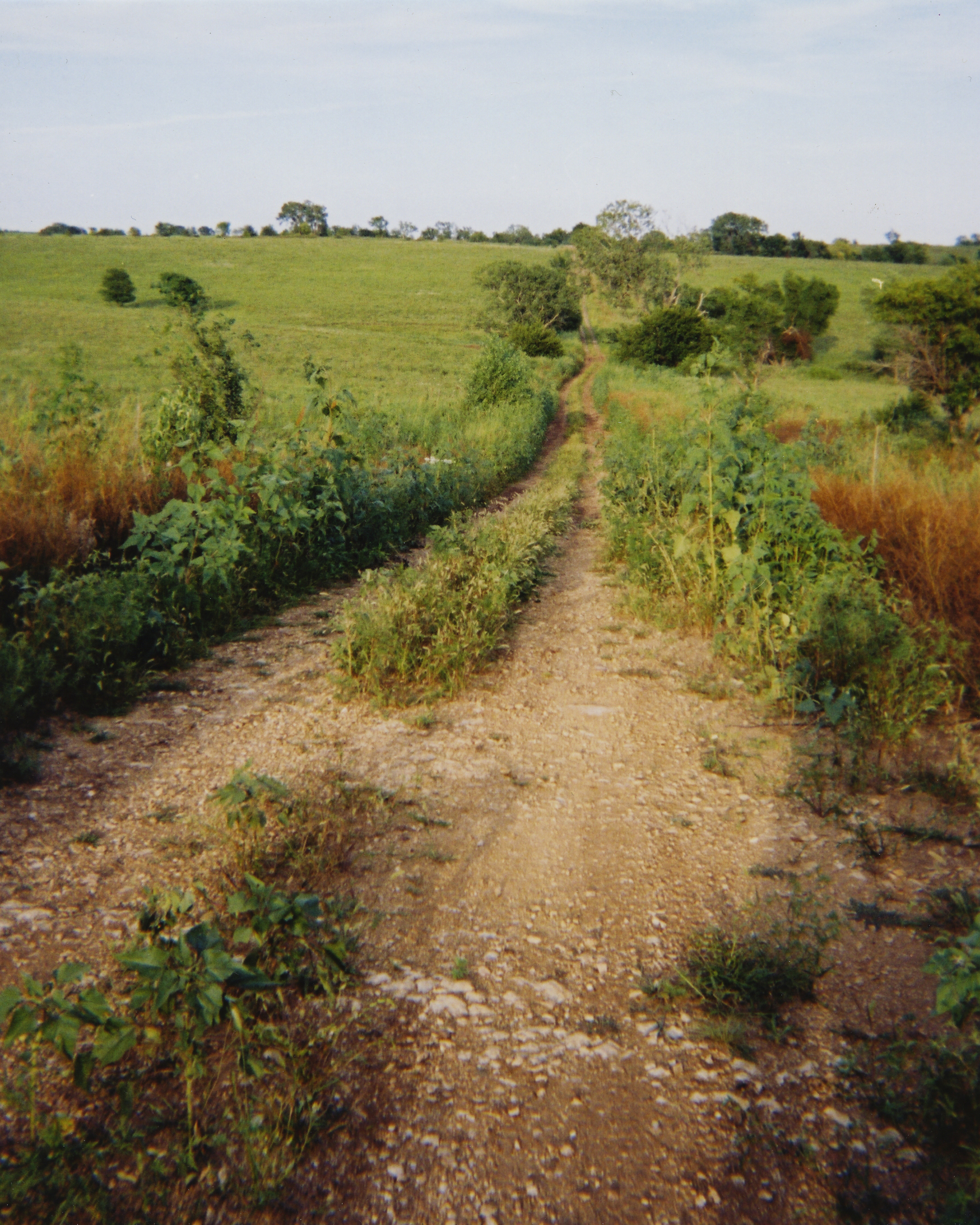
The Pottawatomie reservation north of Topeka, Kansas.

KANSAS

Mt. Kineo, Maine.

MAINE

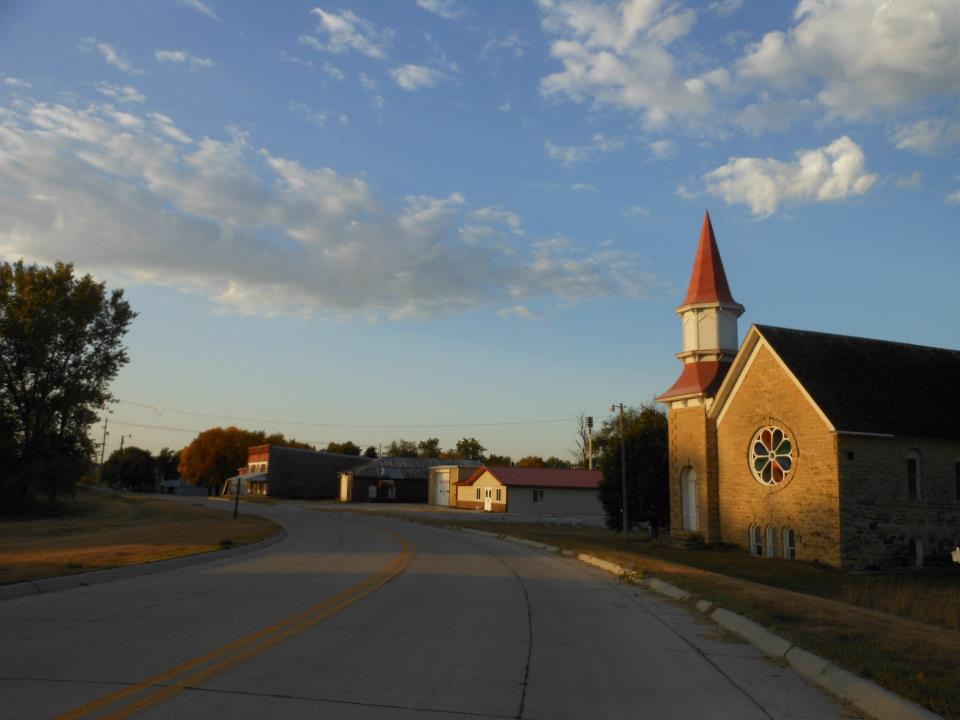
Steele City, Nebraska.

NEBRASKA

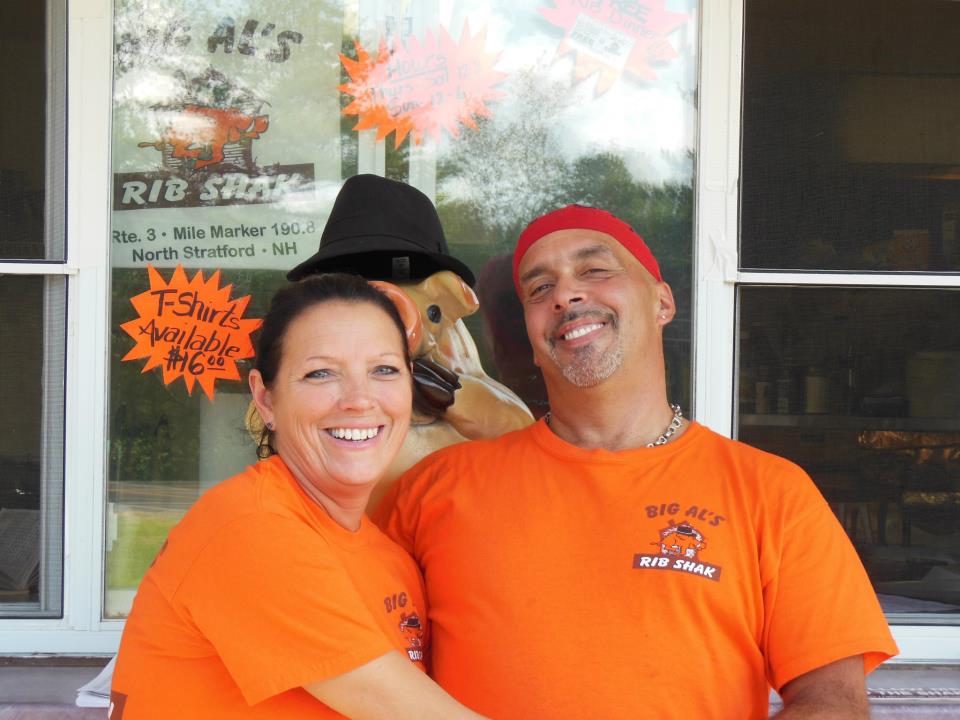
Big Al’s Rib Shak, New Hampshire (Al and Mary).

NEW HAMPSHIRE

McCook Army Air Base (abandoned), Oklahoma.

OLYMPUS DIGITAL CAMERA

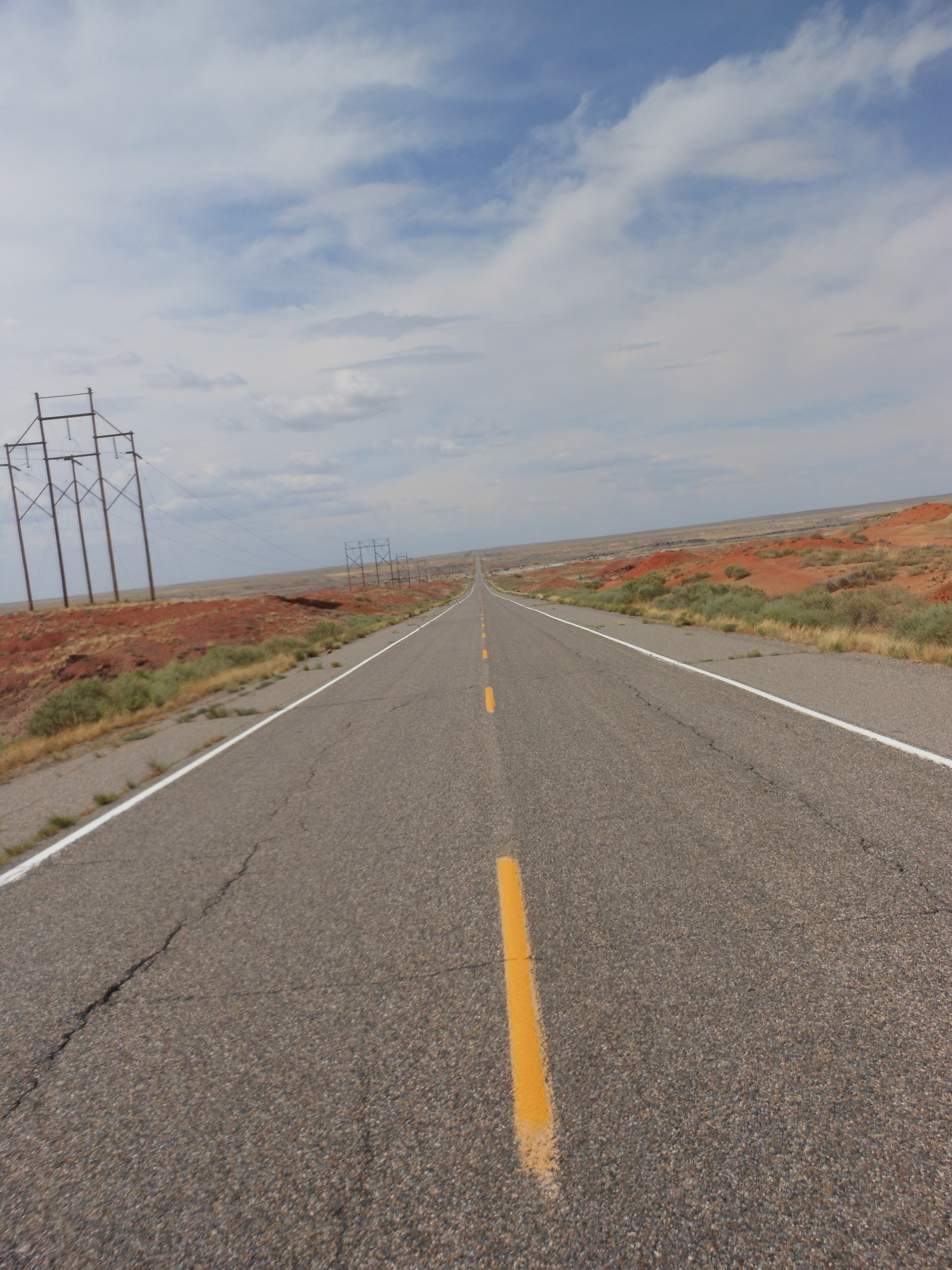
Road to the Bisti Wilderness, New Mexico.

NEW MEXICO

The Leaning Forest, New York.

NEW YORK

Stockholm, Texas.

TEXAS

El Despoblado, near Eggnog, Utah.

UTAH

3 Comments

Filed under Culture, History, Jean Zimmerman, Nature, Photography, Writers

The Big Melt

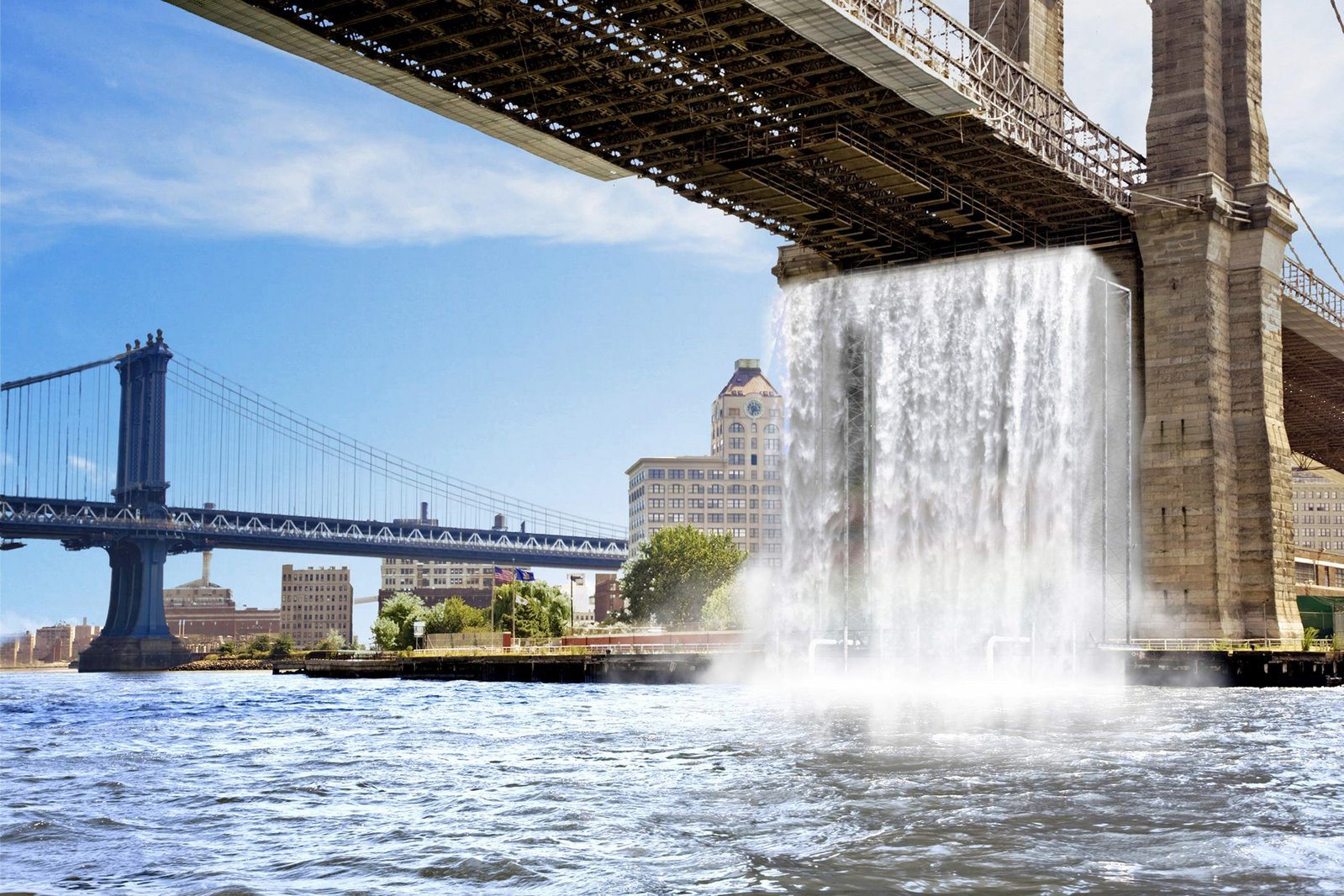
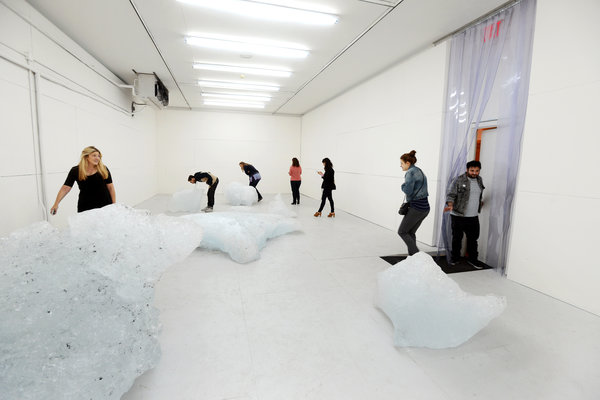
The ice had all melted. I had come to the group show at MOMA P.S.1 in Long Island City, “Expo1,” to see the contribution of Olafur Eliasson, the Danish-Icelandic artist responsible for the amazing waterfalls he installed five years ago around the island of Manhattan.

waterfall1

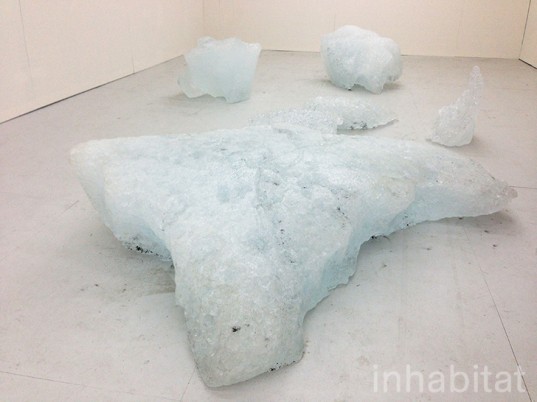
This time he’d put a little bit of Arctic ice in a climate-controlled room at the former public school/art showplace. It was the closest to the Arctic I thought I’d get in the near future, so I made sure to hit the show on its final weekend.

oeps16-537x402

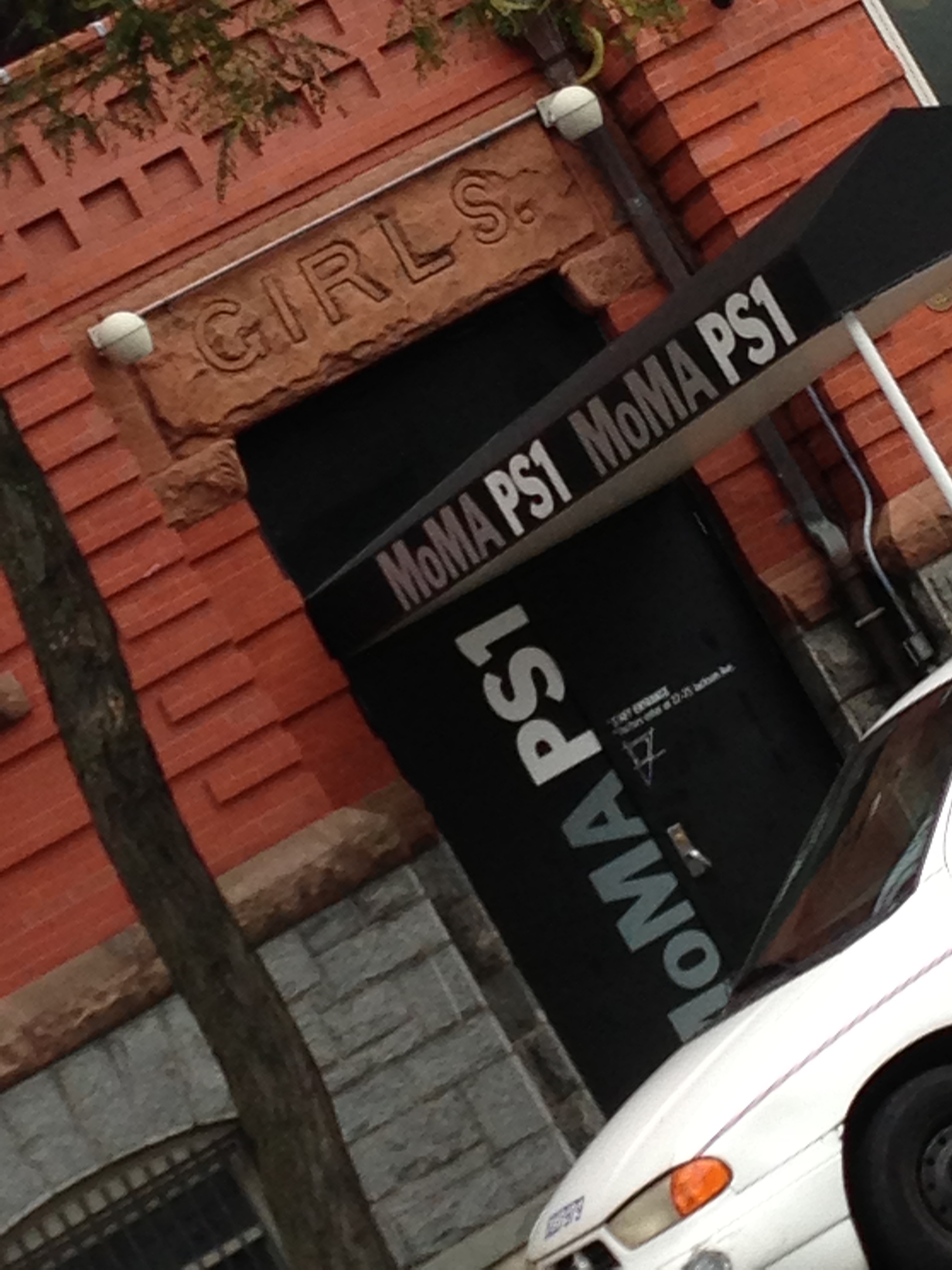
I would have gone in the GIRLS entrance at P.S.1, the former First Ward Primary School of Queens, except it was only for staff.

ps 1 girls

I’ve always liked those gender-differentiated doors in schools. My own middle school had them.They bring to mind a lively picture of the dangers of mixed-sex post-recess lines — hair-pulling and other scrapping.

The show we’d come to P.S.1 to see featured environmentally-themed works by contemporary artists in a range of disciplines, from video to wall-sized paintings. “Dark optimism” is how the museum describes the show’s approach to various ecosystems.

xpo 1

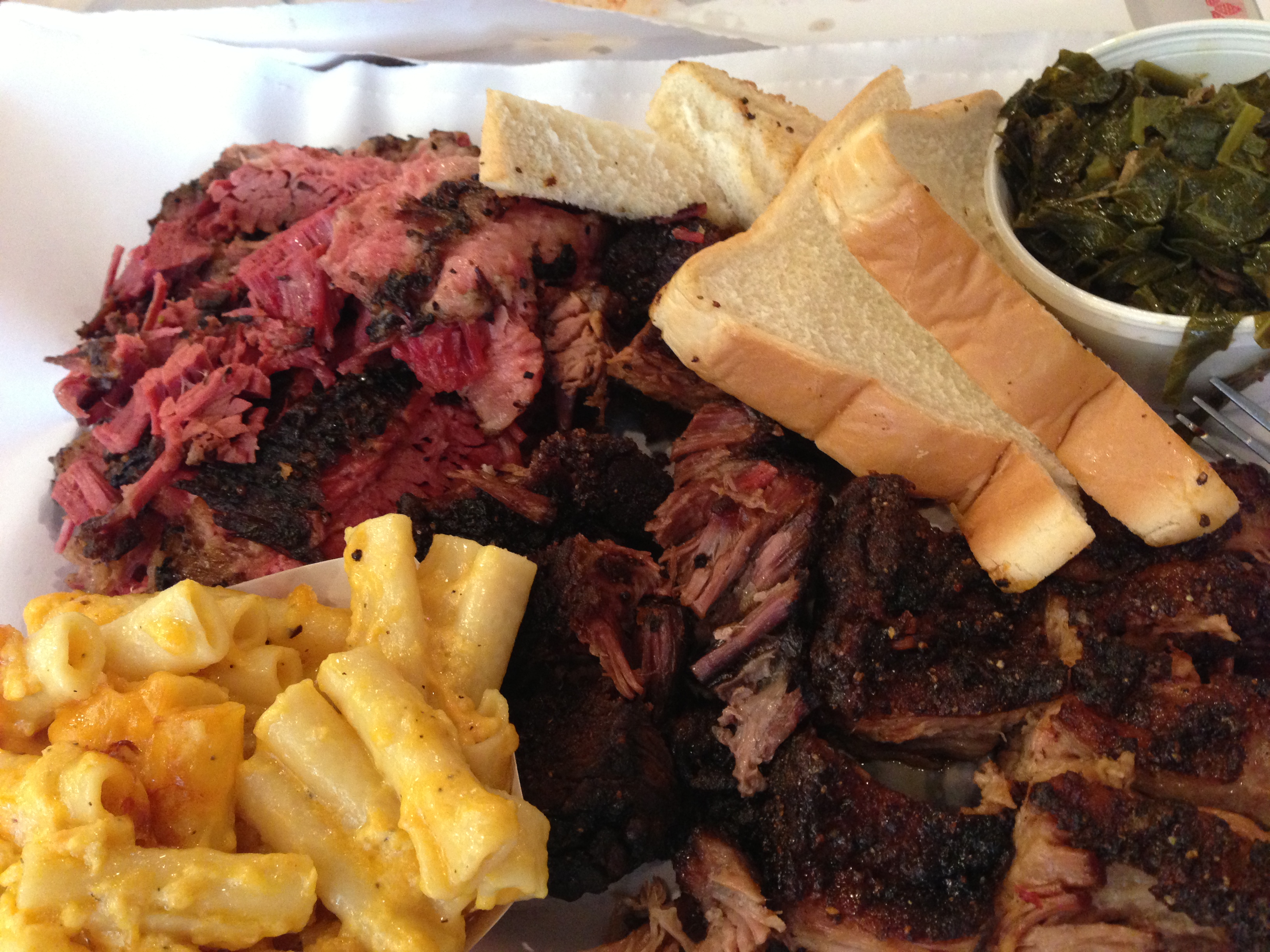
We went stoked with barbeque from a joint in the neighborhood, called John Brown Smokehouse (named after the abolitionist), that loaded our plates with piles of Kansas-City-style brisket ends and pinkest pastrami.

meat

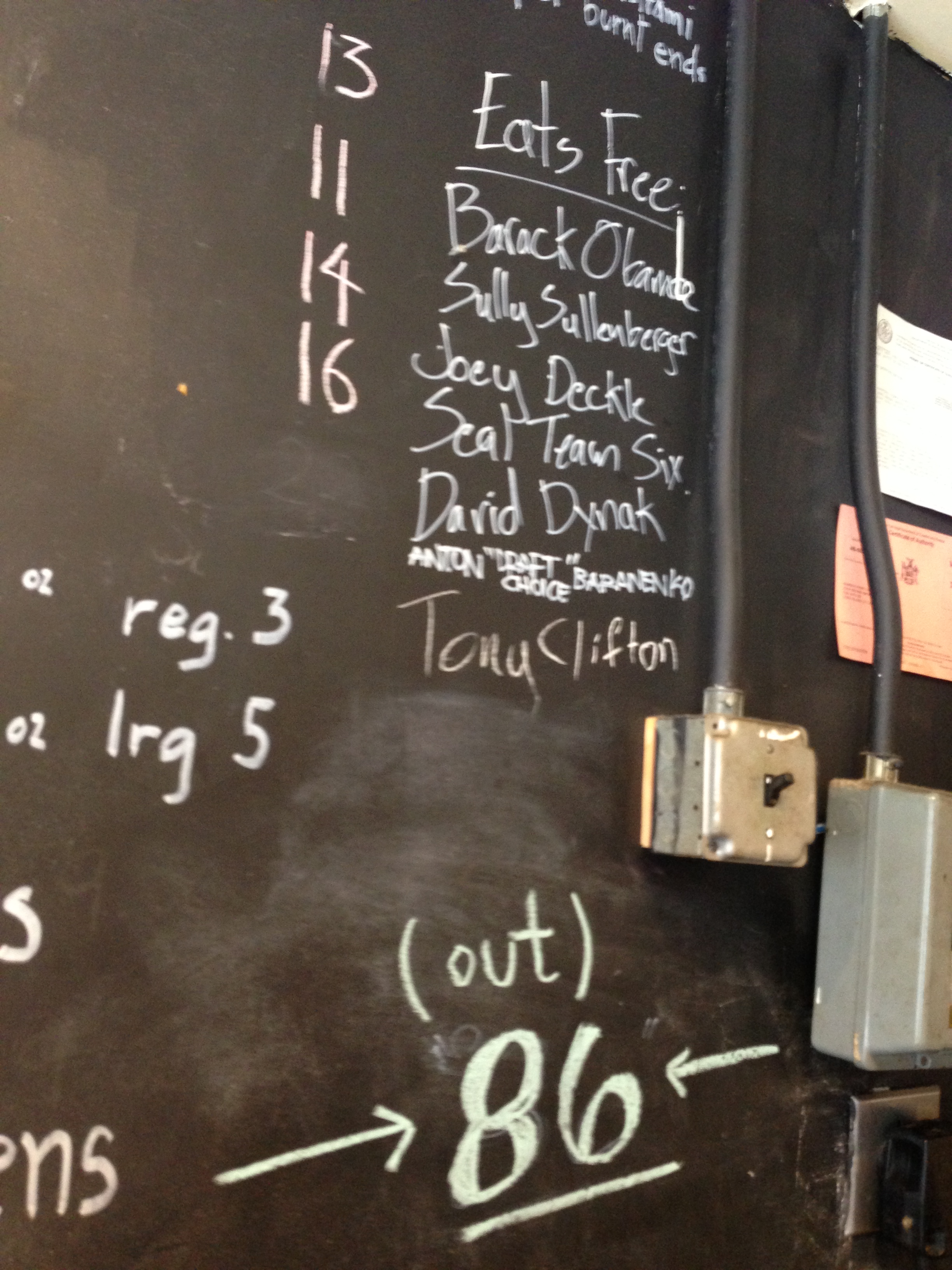
We didn’t find our names on the freebie list next to the chalkboard menu.

eats free

Afterwards we picked up a wheelchair at P.S. 1’s coatcheck. I always wondered what it’s like to cruise through an art museum in a chair. One thing I found out: you see the lower end of the frame a lot.

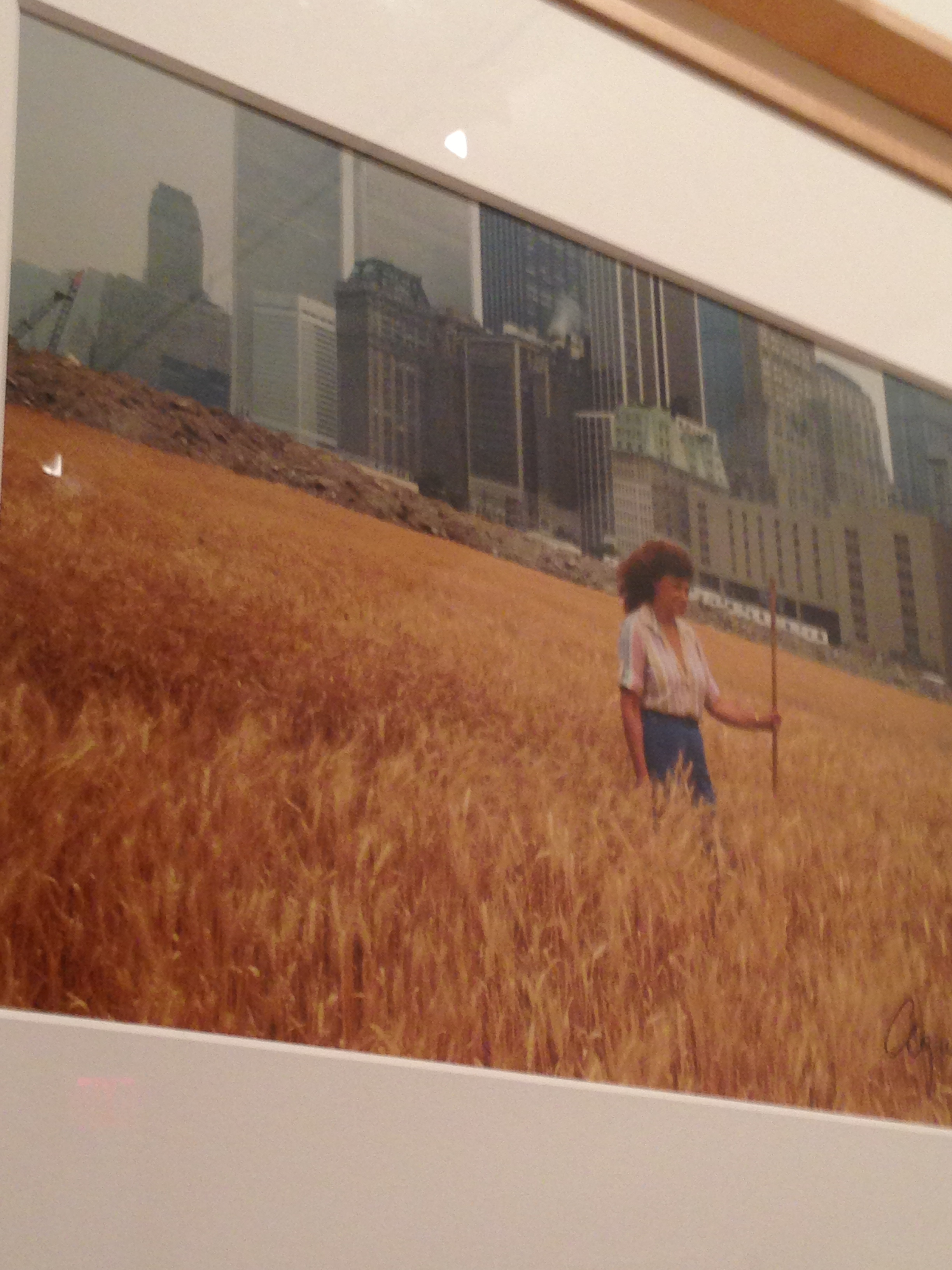
wheatfield

That’s from a series by Agnes Denes, completed in 1982, for which she planted a field of grain in what was then undeveloped landfill and is now hugely built out Battery Park City. Her photographs show unsettling views of the World Trade Towers half hidden by amber waves in the foreground.

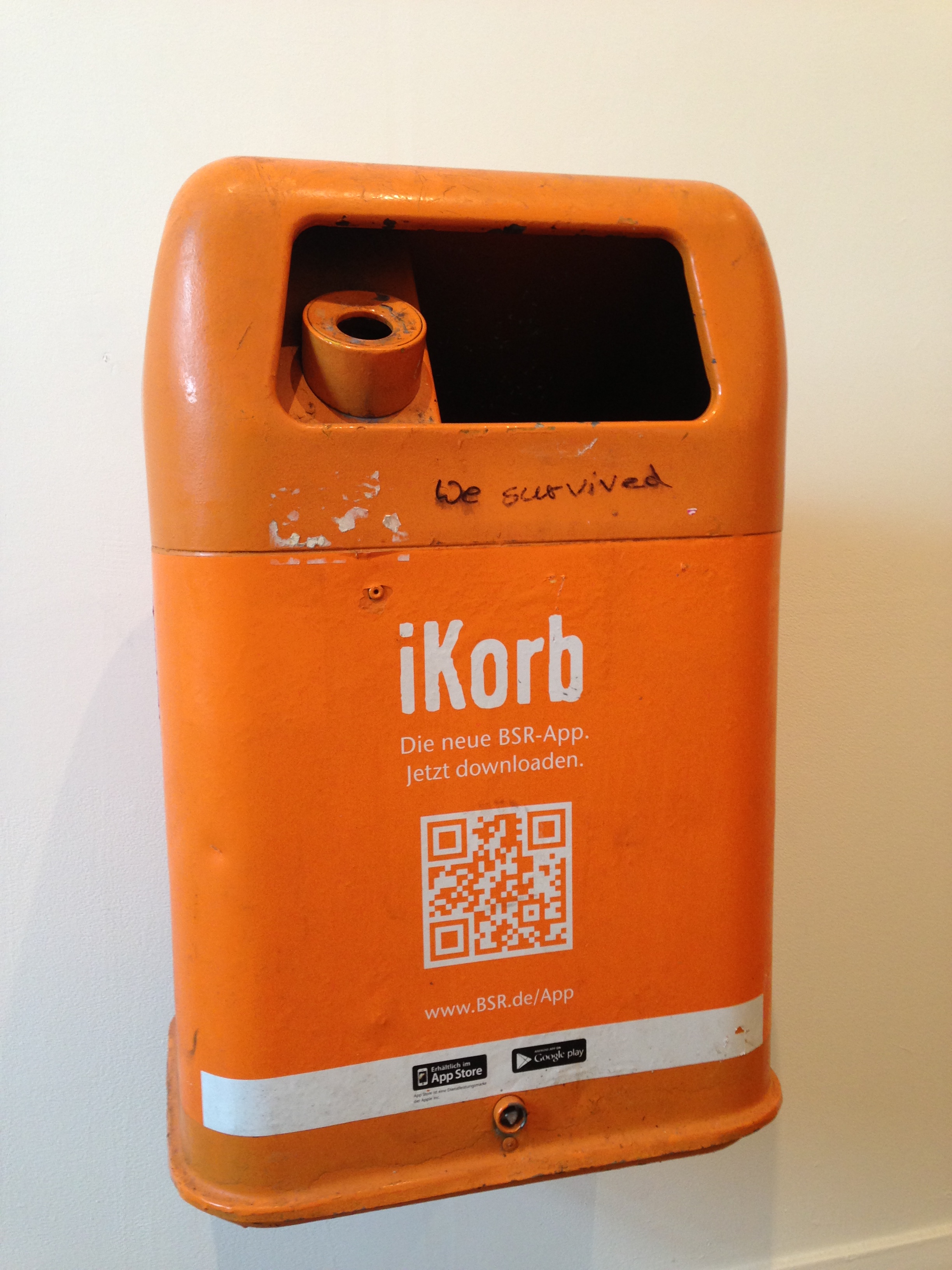
I sat at the perfect height to examine the trash receptacles that lined a small square room, by Klara Liden, untitled. It lends a certain poignancy to all of these works to realize that you are making your way from classroom to classroom as you go, where some of those girls from the GIRLS entrance and boys from the BOYS entrance shot spitballs and kicked each other under the desks.

garbage

I like your graffiti, said a young lady in a sundress, eyeing my cast. They appreciate fine art at P.S. 1. As it happens, I got it right across the street at 5Pointz, the graffiti mecca that is destined to be shut down shortly for luxury housing. Ed Koch used to say that the purpose of an artist is to move into a neighborhood and increase the rents by so much that artists can’t afford to live there any more. Or something like that.

The fancy museum cafe served us coffee and exquisite poppyseed-blackberry cake with lemon curd. For nineteen dollars. Now that’s some high-toned art.

poppy

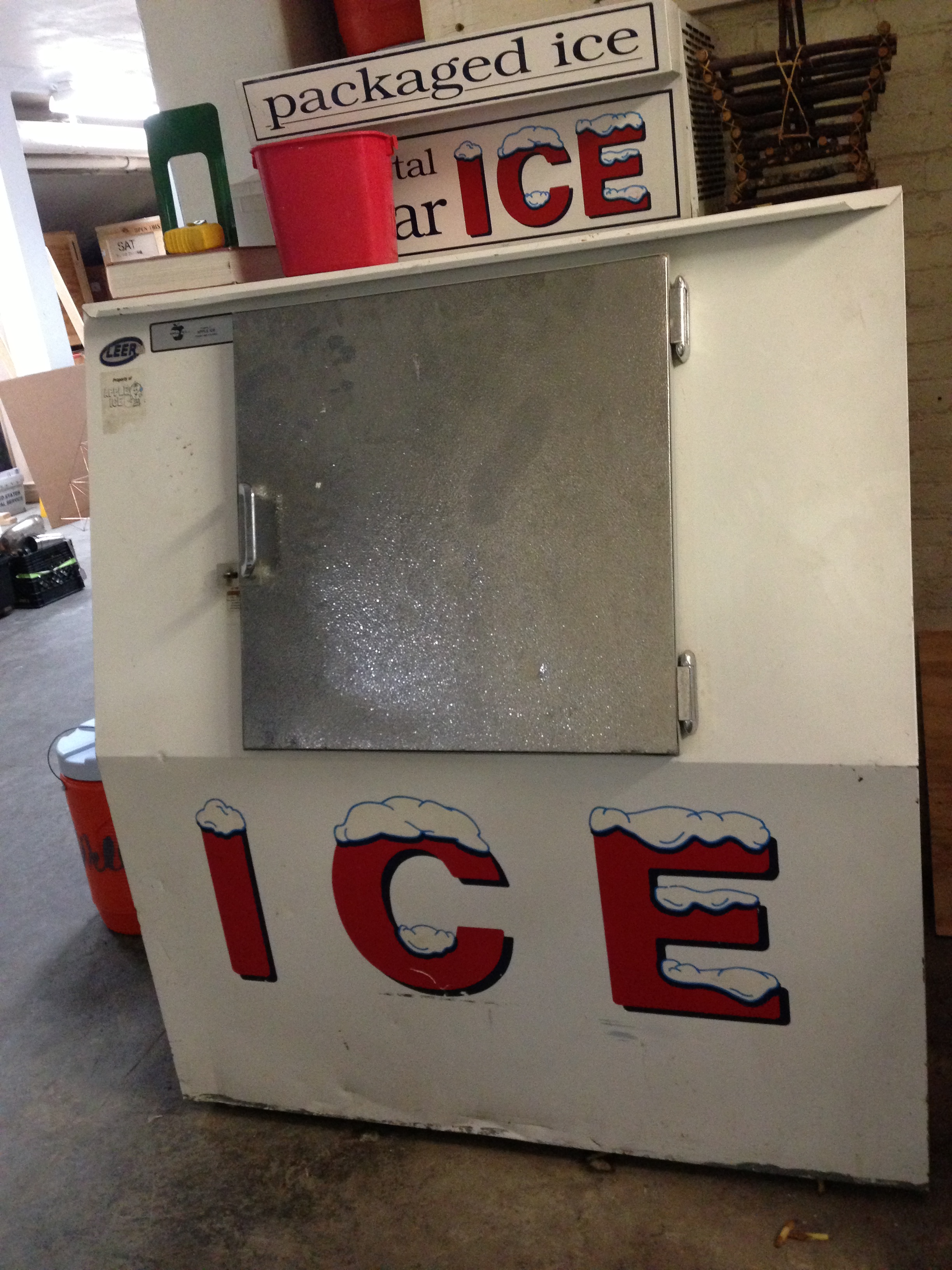
But no ice, any place. The piece called “Your waste of time” was no more. The room, with its shards of ice from Iceland’s largest glacier, Vatnajökull, was not intended for a deep freeze, a guard told me. “It was a real mess,” he said. The ceiling started to fall. In an exhibit about the environment,  global warming writ small. This happened about a month ago.

There were other great things at the museum though.

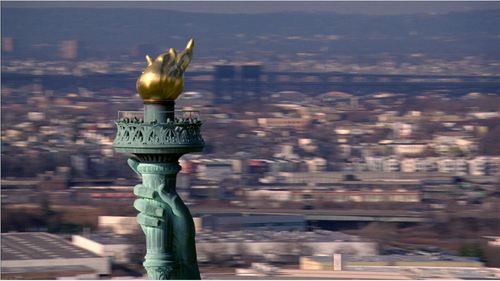
Steve McQueen’s disturbing, hypnotic film from the vantage point of a helecopter buzzing the Statue of Liberty.

statue

A tiny hole in the floor that revealed a video showing the artist Pipilotti Rist drowning in lava while shouting “I am a worm and you are a flower!”

A tree reminiscient of Billie Holiday’s Strange Fruit from which a dog, cat, rat, frog and a few other strays were strung up, all dipped in sticky black paint. This nightmare by Mark Dion, titled “Killers Killed,” reminded me of the Uncle Remus stories. My artist-friend Gary, who came along to the museum, told me he knew the artist’s wife when she owned a dress store in Soho. Artists lead ordinary lives, no matter how bizarre their creative efforts.

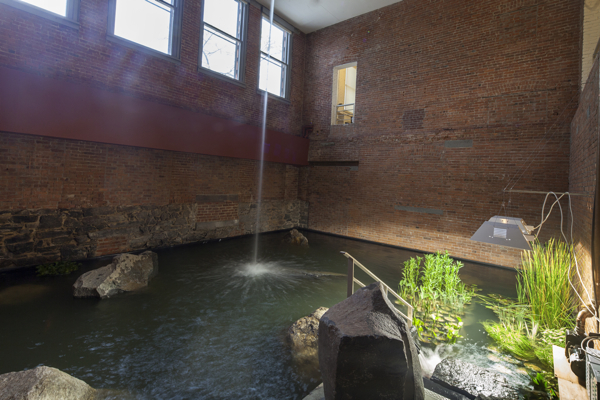
There was the grotto created by Meg Webster originally in 1998 and reinstalled for this exhibit. It has some vicious looking koi swimming around. The artist herself comes in for a dip once in a while.

grotto 2

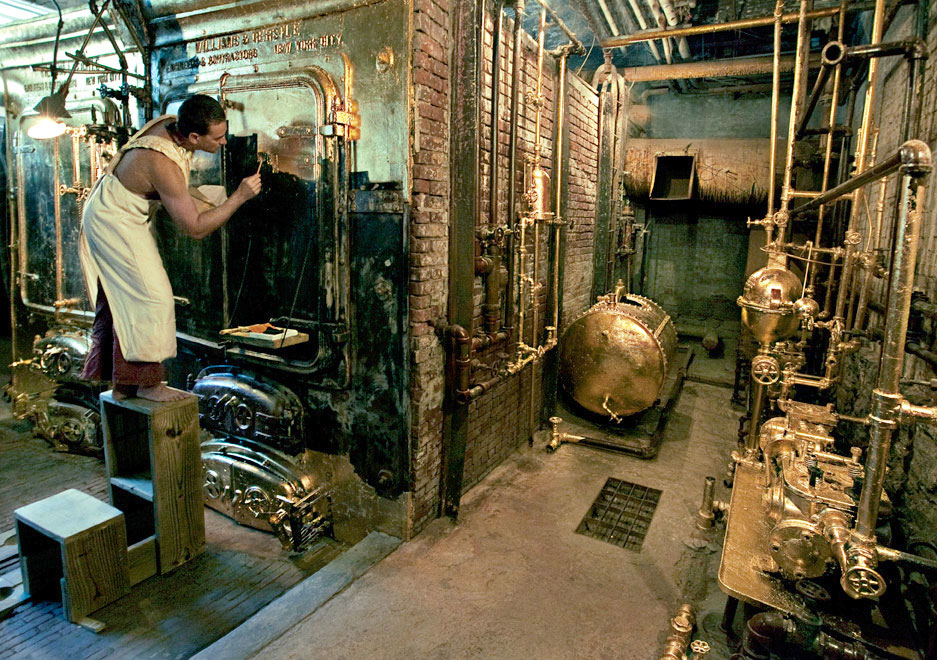
What I liked perhaps the most was a permanent piece, the gold-leaf covered boiler system in the basement, the work of Saul Melman in 2010. This is a vintage coal boiler out of Freddy Kruger, in a dank stone and brick cellar that reminded me of the basement I grew up with, penetrated by boulders. I could only see gold-gleaming bowels from the upper doorway as I could not descend the stairs, and I wish I saw the artist in action.

central-governor

But the current show was the place to go if you wanted to see a projection of a parrot against Betty Boop wallpaper or a disembodied porcelain hand holding a broken porcelain egg. If you were interested, as I was, in frightening urban scenes of large old trees against barbed wire fences.

But not if you wanted ice. For that you’d have to go to the service exit.

ice machine

3 Comments

Filed under Art, Cooking, Culture, History, Jean Zimmerman, Nature, Photography

Digging

I made a list. The things I’d do if I were going out and about this weekend. The free-of-leg-cast things.

There’s the NYC Unicycle Festival, which kicks off with a 13-mile single-wheeled parade across the Brooklyn Bridge to Coney Island and which includes a bout of unicycle sumo wrestling.

UniFest2012 photo creditKeithNelsoniphone_1654

Then, the art installlation by Olaf Eliasson, called “Your Waste of Time,” in Long Island City, at MOMA PS1, with chunks of Icelandic ice in a refrigerated room.

31EXPO-articleLarge

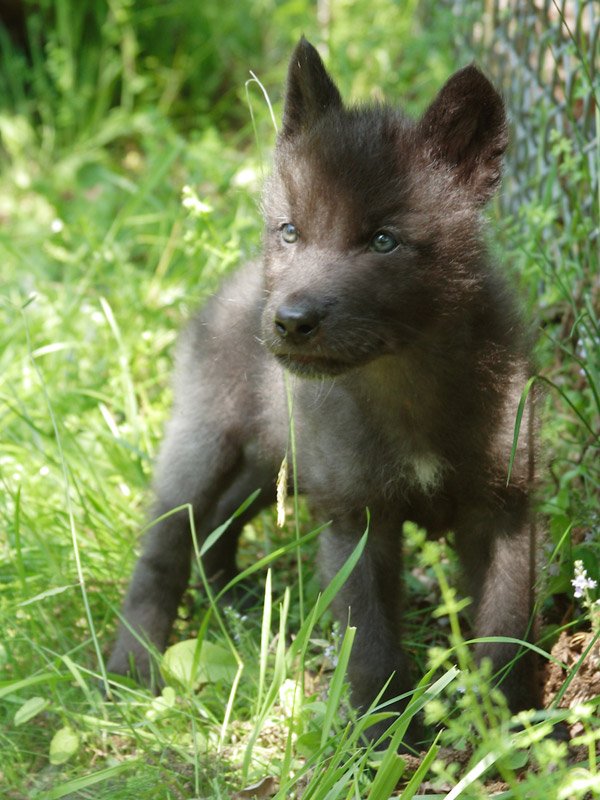
I could visit the Wolf Conservation Center north of the Cabin. Sit behind protective glass and watch a pack howl. They even offer overnights in a tent. The Center has babies, like Zephyr, born April 20th.

zephyr

There’s a tug boat armada on the Hudson, more accurately the Great North River Tugboat Race & Competition, complete with a Popeye-themed contest for spinach eaters.

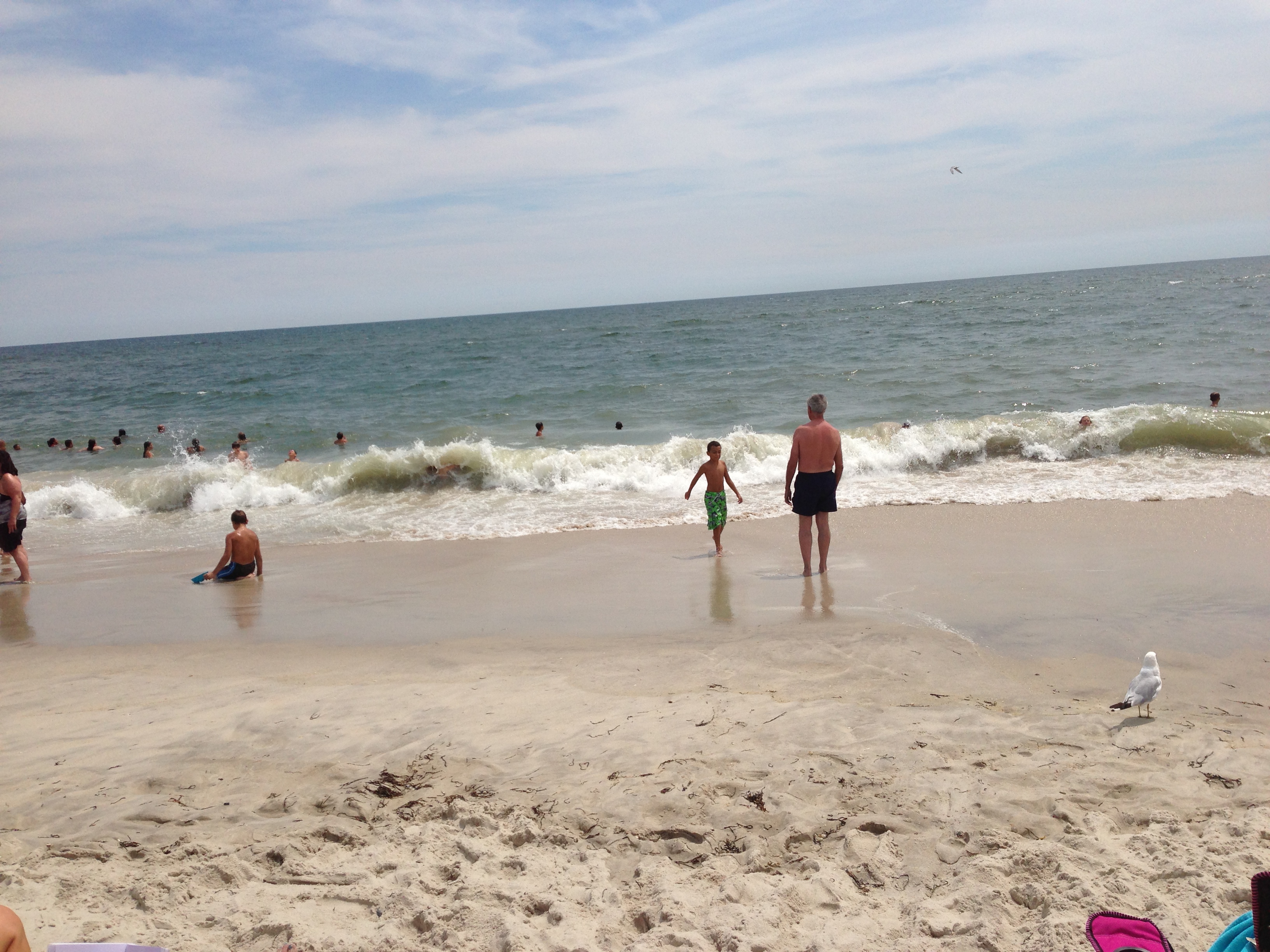
Jones Beach, its tawny sands burning hot in August, its crashing waves filled with quarter-size quivering jellyfish. We don’t care about jellyfish, though. It’s the last swim before fall. But no room on that crowded strand for a fiberglass leg cast.

ocean

The Breaking Bad exhibit at Museum of the Moving Image in Queens that displays the costumes, props and other accoutrements of everyone’s latest streamed addiction, one that has smoothed the way through these mellow weeks post-foot-surgery. The arc of the show was contrived as carefully as Walt crafts his blue rocks, not surprisingly, and “From Mr. Chips to Scarface: Walter White’s Transformation in Breaking Bad.” will show you how. The stuffed animal that splashes down into the Whites’ swimming pool was specially commissioned, it turns out.

BreBa-Pink-teddy-640x415-300x194

Do you care to see the tighty-whities that Walt wore in season one, episode one? For some reason I do, but I don’t know if the terrain is maneuverable for me and my scooter.

I missed the Battle of Brooklyn last weekend – reenactors assembled in what later becamethe famous Green-Wood Cemetery – out of a dread of uneven grass and pebbly stretches.

green-wood-cemetery-battle-brooklyn-reenactment-redcoats

There was supposed to be cannon fire and I know people were boiling pots over smoky campfires.

I must eschew places that wouldn’t easily accommodate what Gil calls “Jean’s crutches, sons of butches, or the Bloke, no joke.” What the ladies at the nail salon called my “motorcycle.” One was so nice she gave me an upper arm massage. I never knew that crutches kill your triceps.

Jean on crutches

But it’s all in the name of pampering that tiny metatarsal in my right foot, the one that needs some extra help to mend so that I can go on ever greater adventures. Who knows, next year a pair of hiking boots that actually fit. Kilimanjaro.

I am most definitely emerging today for a time to “help” cart Maud’s things for the year to her new dorm. She makes up in leggy activity, just back from sunny Spain, what I currently lack. Out catching drinks with friends, seeing music, buying notebooks, all new things, looking to the future.

maud spain

I am also looking to the future, though a ripple of boredom is creeping through me like a sweet rot. Day to day, I dive down into the Revolutionary New York research for my next novel and come up with gorgeous crumbs. And you need crumbs to make the rich loaf that is a historical novel. But that’s just a start.

I’m going to need a new couch after this recuperation, the indentation in the current one might not plump back up.

A walk down to the garden to dig potatoes would be great. Fingers — toes! — in the dirt. I remember the loam of mid-summer fondly.

potatoes soil copy

Oh, forking over potatoes today… would be amazing. The just-deceased Nobel-winning poet Seamus Heaney’s poem on the subject, “Digging,” is one of the great works of modern literature. Have a seat on my couch. Take a listen.

Between my finger and my thumb   

The squat pen rests; snug as a gun.


Under my window, a clean rasping sound   

When the spade sinks into gravelly ground:   

My father, digging. I look down


Till his straining rump among the flowerbeds   

Bends low, comes up twenty years away   

Stooping in rhythm through potato drills   

Where he was digging.


The coarse boot nestled on the lug, the shaft   

Against the inside knee was levered firmly.

He rooted out tall tops, buried the bright edge deep

To scatter new potatoes that we picked,

Loving their cool hardness in our hands.


By God, the old man could handle a spade.   

Just like his old man.


My grandfather cut more turf in a day

Than any other man on Toner’s bog.

Once I carried him milk in a bottle

Corked sloppily with paper. He straightened up

To drink it, then fell to right away

Nicking and slicing neatly, heaving sods

Over his shoulder, going down and down

For the good turf. Digging.


The cold smell of potato mould, the squelch and slap

Of soggy peat, the curt cuts of an edge

Through living roots awaken in my head.

But I’ve no spade to follow men like them.


Between my finger and my thumb

The squat pen rests.

I’ll dig with it.

4 Comments

Filed under Culture, Fashion, Film, History, Home, Jean Zimmerman, Nature, Poetry, Publishing, Writers, Writing

Blurbs for The Asylum

Blue Rider Press has come out with a book trailer featuring fashion insider Simon Doonan talking about getting blurbs for his his forthcoming book The Asylum.

the asylum

There is actually a series of very brief videos, including the blurb one but also one about designer Thom Browne and one about Michael Kors and one featuring “career advice for young people,” among others. An original approach to promoting a book through a video, well suited to such an original guy.

Simon_Doonan_photo-credit-Albert-Sanchez

The one about blurbs, “those wonderful little comments on the back of the book,” is pretty honest and funny enough, and hits home as I am wading into the waters of asking people to read and comment upon Savage Girl. Publication isn’t until March 2014, but quotes are needed long before that to be printed on the book jacket. And publishing pros say they are critical to getting a book noticed.

Savage Girl cover 3

Doonan says that when he is asking for blurbs “I am in a permanent pretzel of cringing, shame and self loathing.” Then he reels off some of the glowing comments he got from Marc Jacobs, Alexander Wang and others.  “Don’t even think about becoming an author,” he warns, “unless you’re prepared to go through the torture, the torment, the challenges of getting some blurbs.” The Asylum: A collage of couture reminiscences…and hysteria is out Sept. 3.

1 Comment

Filed under Culture, Fashion, Fiction, History, Jean Zimmerman, Publishing, The Orphanmaster, Writers, Writing

A Dream-The March on Washington

Today marks the 50th anniversary of the March on Washington, when up to 300,000 people gathered en masse to advocate “jobs and freedom.”

enhanced-buzz-wide-32490-1376429024-22

I don’t think words do justice to the magnitude of the event, but a collection of pictures suggests the stirring nature of the protest.

king

4 Comments

Filed under Jean Zimmerman

My Gîte and a Whole Wheat Bread Recipe

The peripatetic Peter Zimmerman continues to make his way through the north country, from which he sends this illustrated bulletin. Thanks Pete!

MARGUERITE MARGO – no relation to Brigette Bardot – is a baking fool (writes Peter).

marguerite

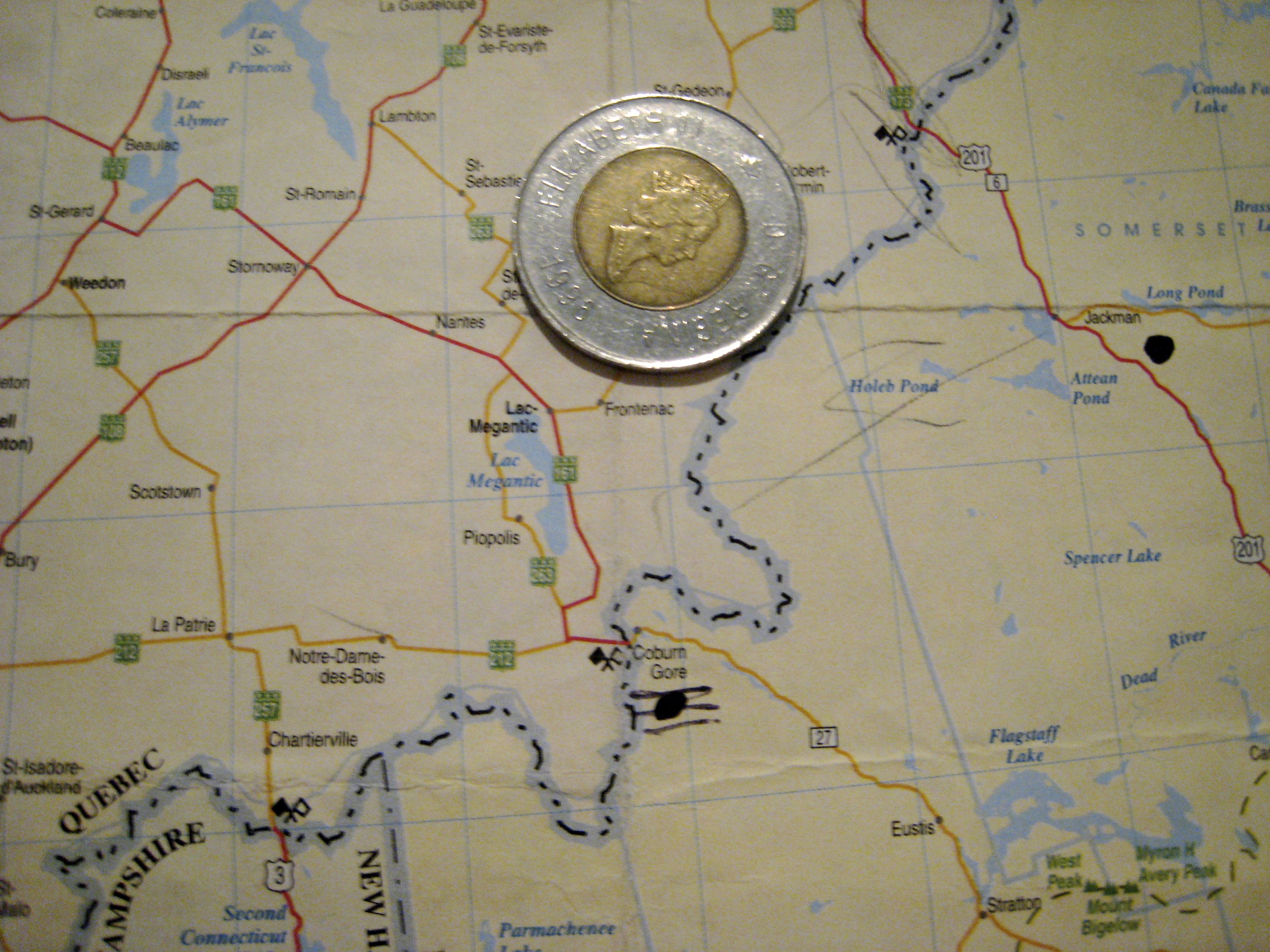
I met her after exiting the highway to take a breather and stumbling onto her boulangerie (bakery) in the small village of Saint-Gédéon, Quebec, along the river Chauvières, not far from the Maine border.

st gedeon map

In this small area of Quebec, Le Beauce, there are more than a dozen towns named after saint this and saint that, all quite obscure: St-Robert-Bellamin, St-Georges, St-Martin, St-Ludger, St-Honore, St-Sebastien, St-Hilaire-de-Dorset, St-Romain, St-Cecile-de-Whitton, and St-Samuel-Station.

“My town,” St- Gédéon, is 96% Roman Catholic, 3% Atheist (!) and 1% Protestant. St-Gédéon was the 13th bishop of Besancon, France. He served six years and died in 796. His feast day is August 8.

Here is the church of St- Gédéon.

st gedeon church

Louis Hémon wrote the first draft of Maria Chapdelaine while staying in Saint-Gédéon in 1912.

What I didn’t notice at first about the boulangerie is that it’s also a gîte (bed and breakfast).

my gite

I was tired and ended up spending two days and nights there.

Turks cap or bellingham lilies flourished in the front yard of my gîte.

lilies

Every time I came downstairs, Marguerite was bustling around the kitchen, baking something new.

marg bread

Sometimes hidden.

hidden

I bought a liter of blueberries and she is making two little blueberry pies just for moi!

pie baking

The first step is “biling” the berries.

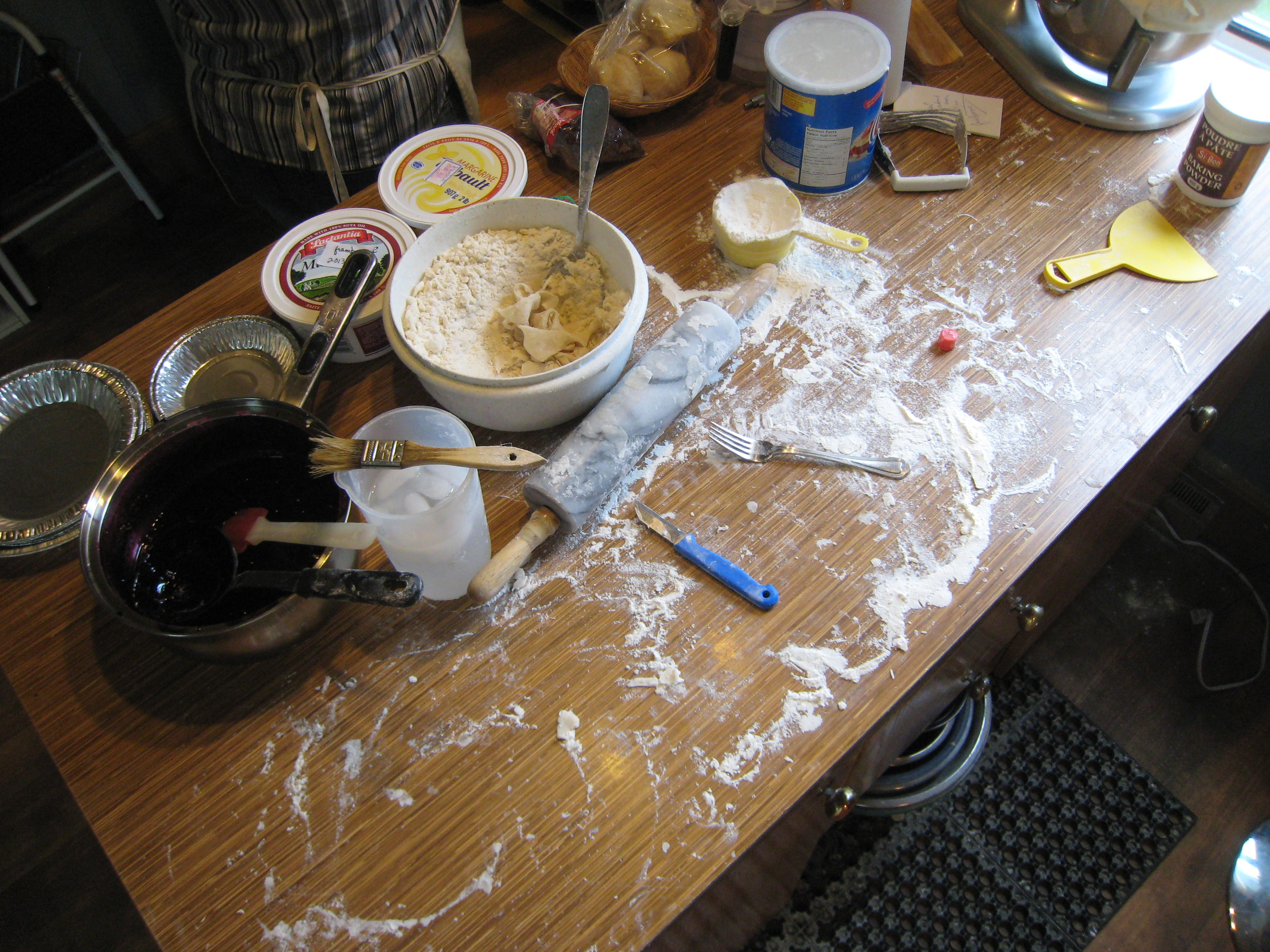
boiling

She laid it in a crust.

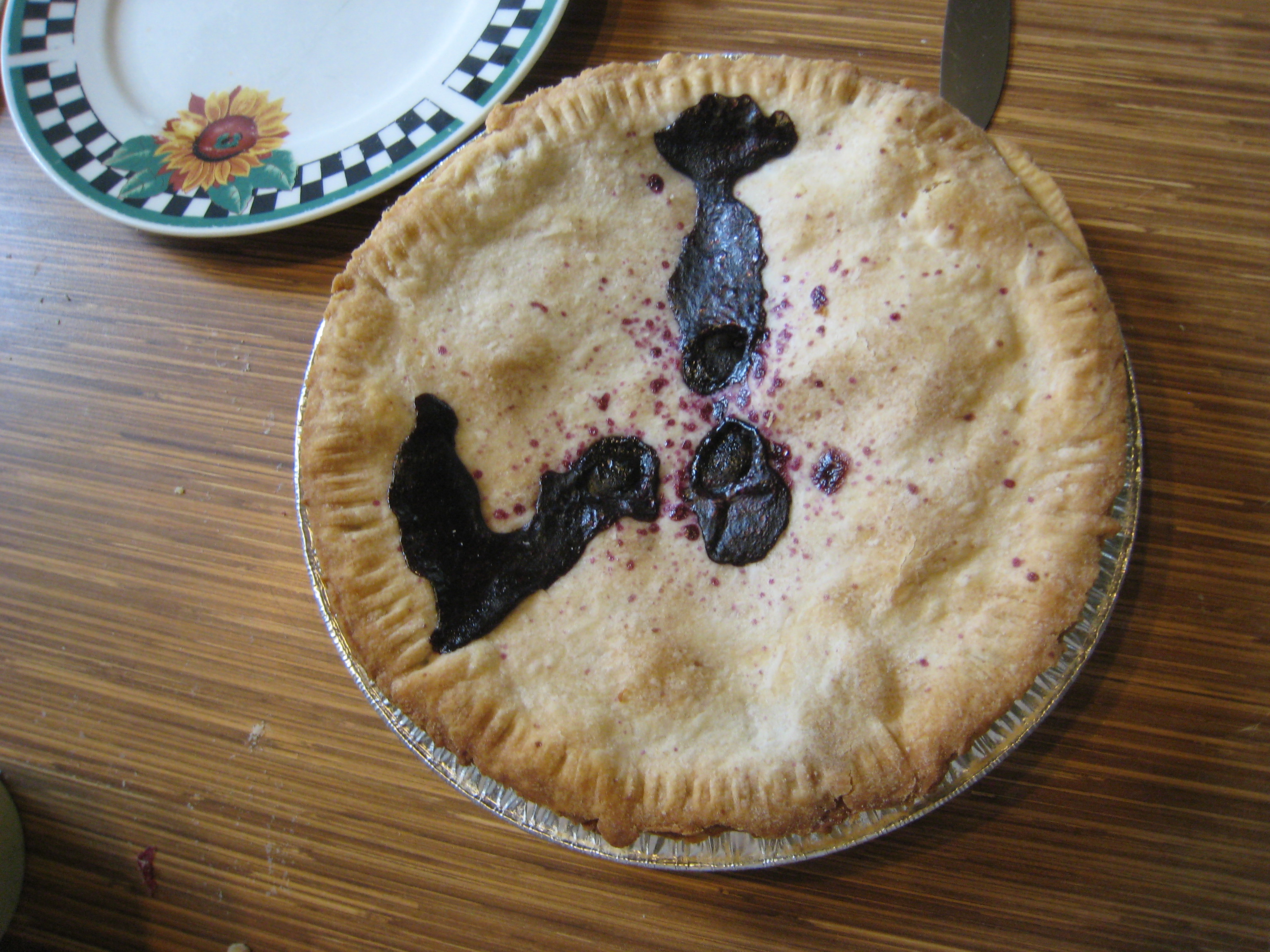
pies

Out of the oven.

pie next to plate blueberry pie cut

But where did all those baked goods go?

At the end of my visit, I found out that she sells her goodies at a nearby campground, where everything is snapped up like hotcakes, so to speak.

biscuits

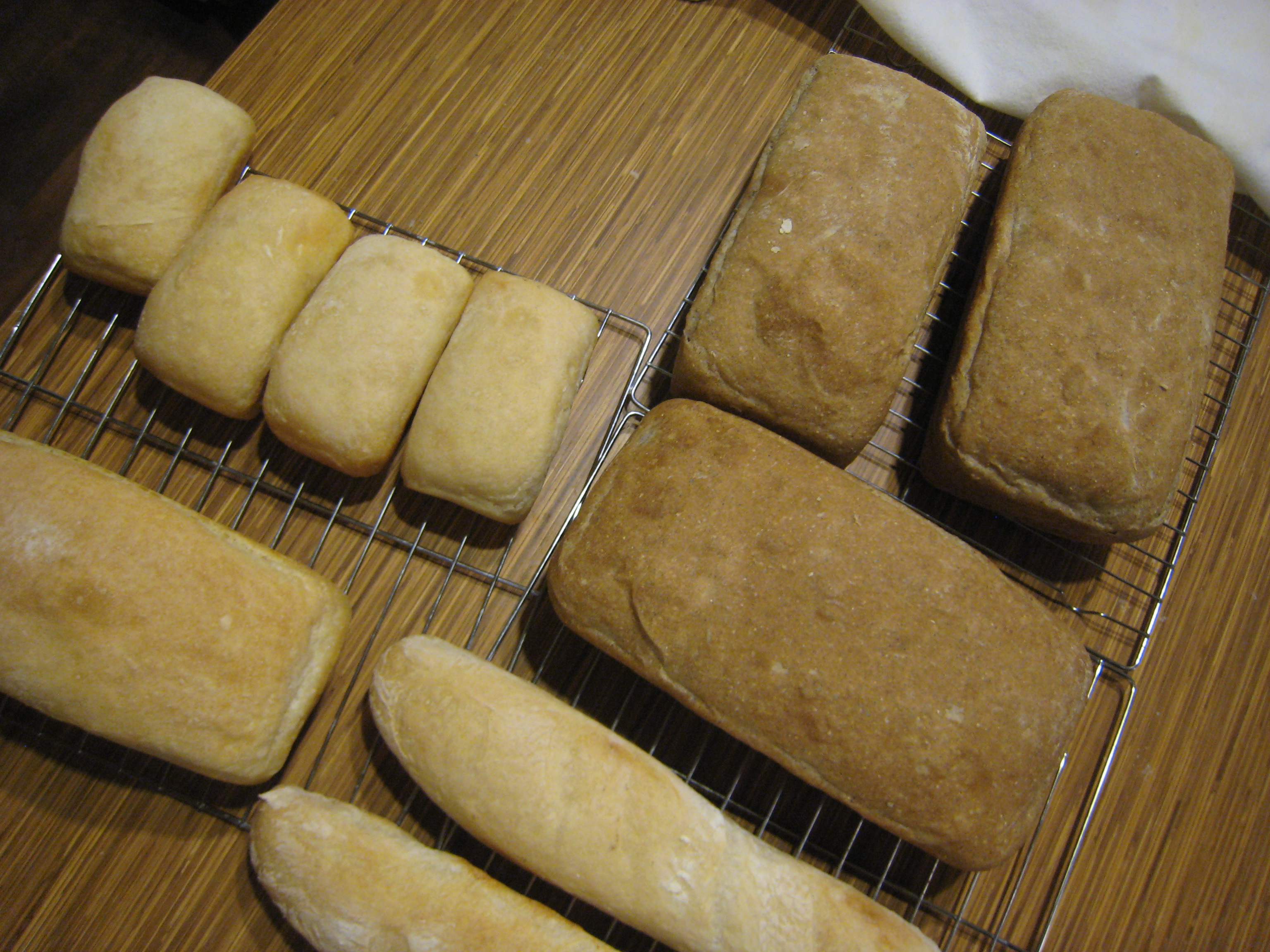
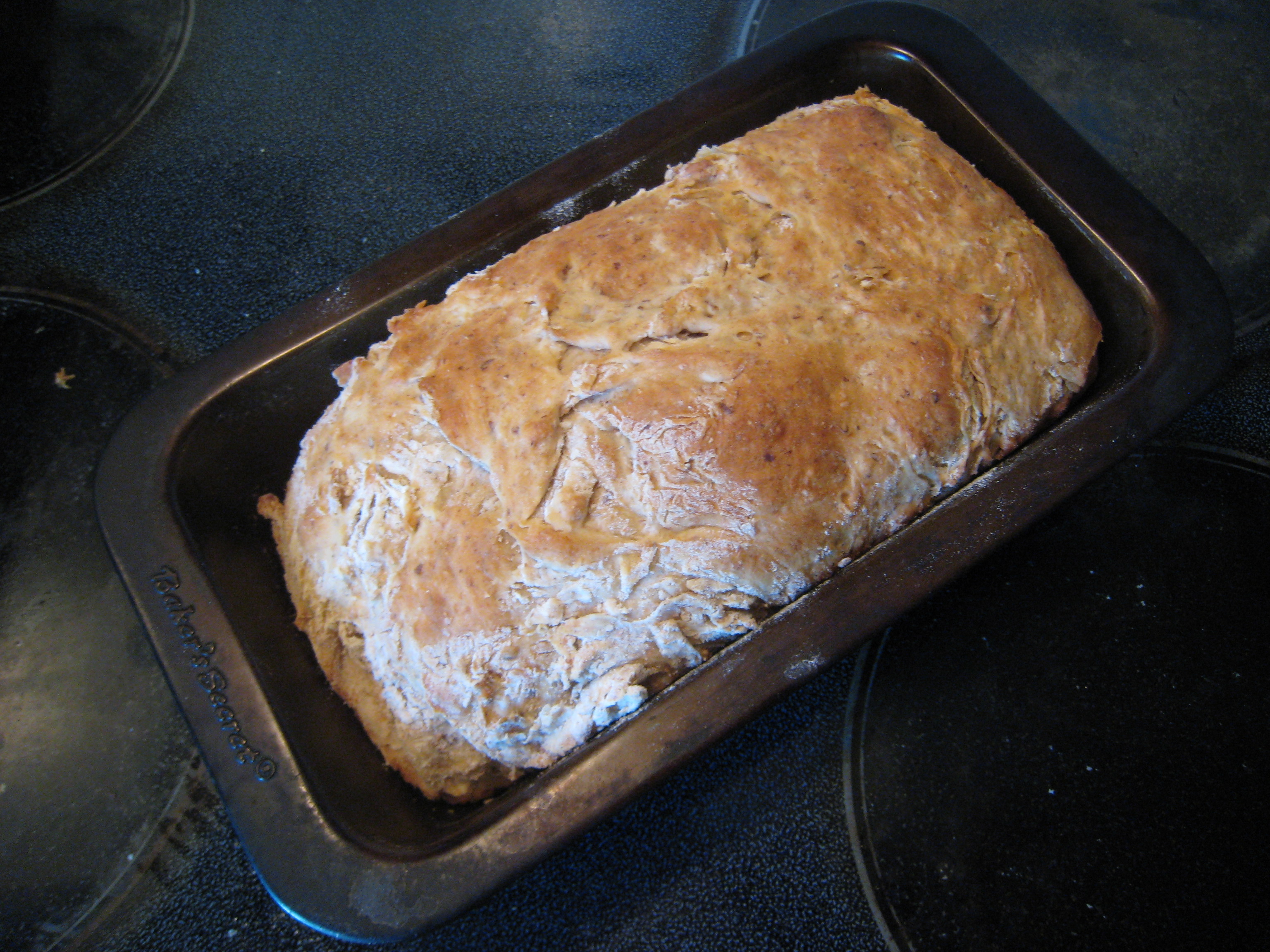
While she was off making her delivery, before I departed, I baked her a loaf of my whole wheat-flax bread. 😉

whole wheat flax bread

Although Marguerite knows very little English and I only know a few French words, we speak the universal language of pain.

Meme si Marguerite connait tres peu la langue Anglaise et moi quelques mots Francais. Nous parlons la langue universelle du pain.

crabapples

Pete’s Whole Wheat-Flax Bread Recipe

take out 2-3 T. yeast from refrigerator and wait 15-30 minutes until room temperature

add 2 T. honey and 1 tsp. salt or to taste, then 2 T. oil, 2 T. flax meal and 1/4 cup wheat bran

mix well (but gently)

add 1/2 unbleached white flour and 1/2 whole wheat (approx. 3-4 cups of each), mix and knead

after you’ve added the flours, you need to keep adding lukewarm water a little at a time until you have the right consistency

then before you let it rise, dust the dough lightly with flour

let rise 30-60 minutes, fold into oiled bread pan

bake at 375 degrees for 30-40 minutes, until golden brown on top

let cool on warm stovetop for 30 minutes

turn onto baking rack.

best toasted and topped with unsalted butter

for lighter bread, add 1 cup wheat bran to step 2

5 Comments

Filed under Cooking, Culture, History, Home, Jean Zimmerman, Nature, Photography, Writers

Pig Out

Here we were on the Upper Delaware, three hours north of New York City, and everyone seemed to be from Brooklyn or France.

It was the Pig Mountain festival in Narrowsburg, New York, just steps away from the Pennsylvania border.

signs

Main Street, where the festival took place, was indeed narrow, and it was pork-filled. Punk-inflected publicity promised 14 pigs and 14 chefs.

mini-3d2044e8453c9467256278f08dfde962

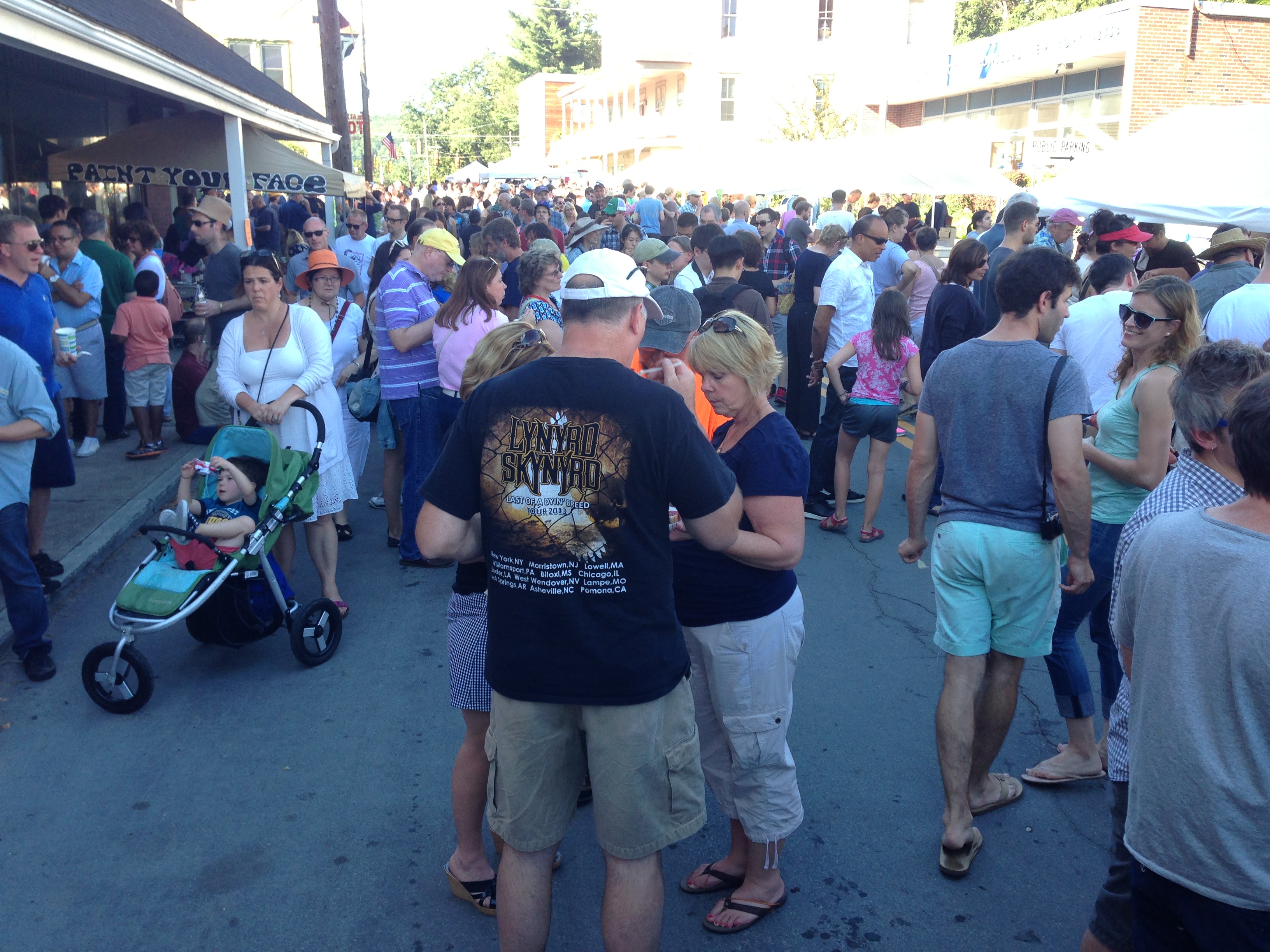
We got there just as it opened and within minutes the place was jammed with swine fanciers.

street scene

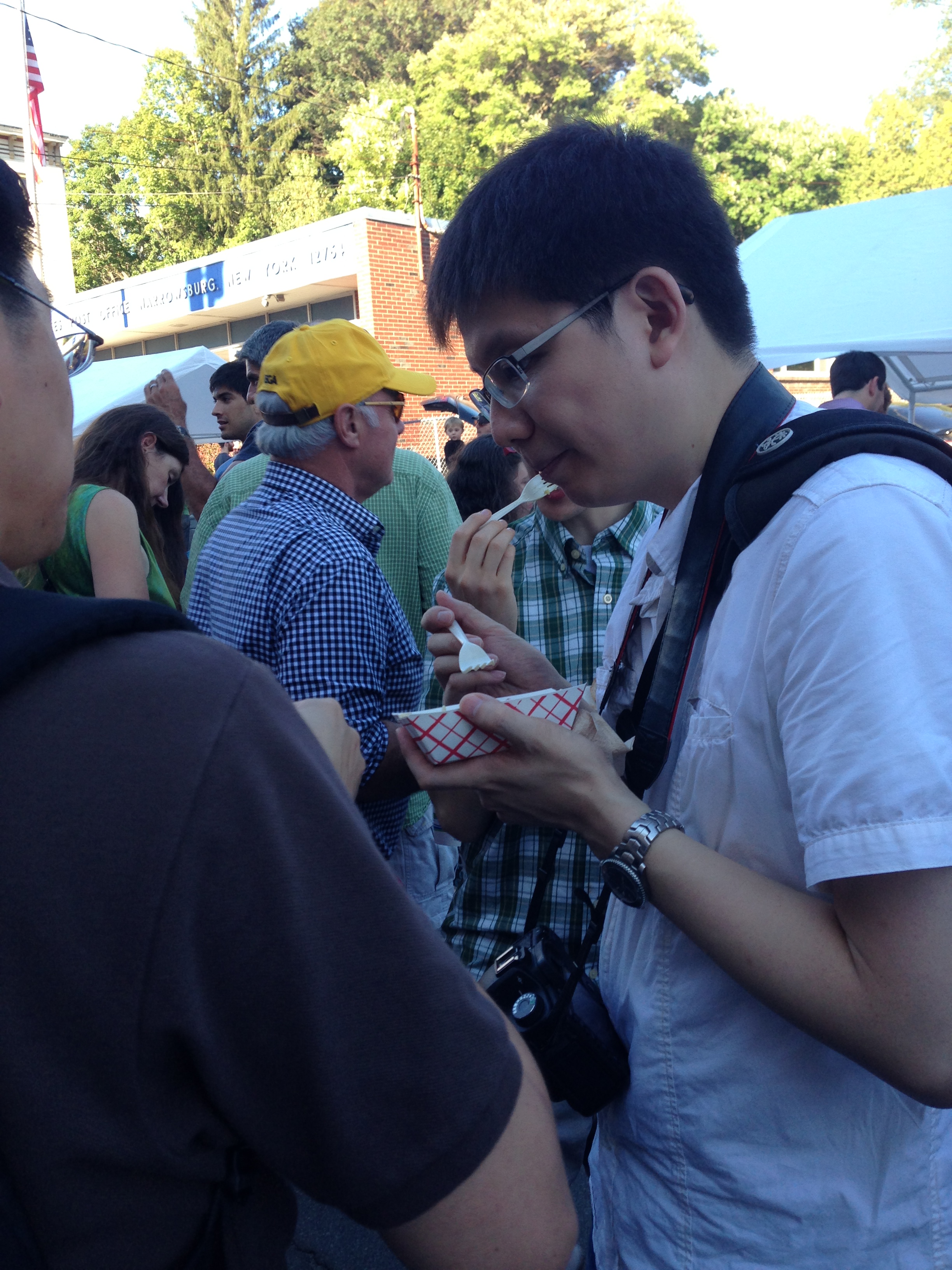
It was definitely after lunchtime and quite a bit before the usual dinner hour too, 4pm, a strange time to be diving into pig’s ears, julienned and fried and served atop a bed of parsley.

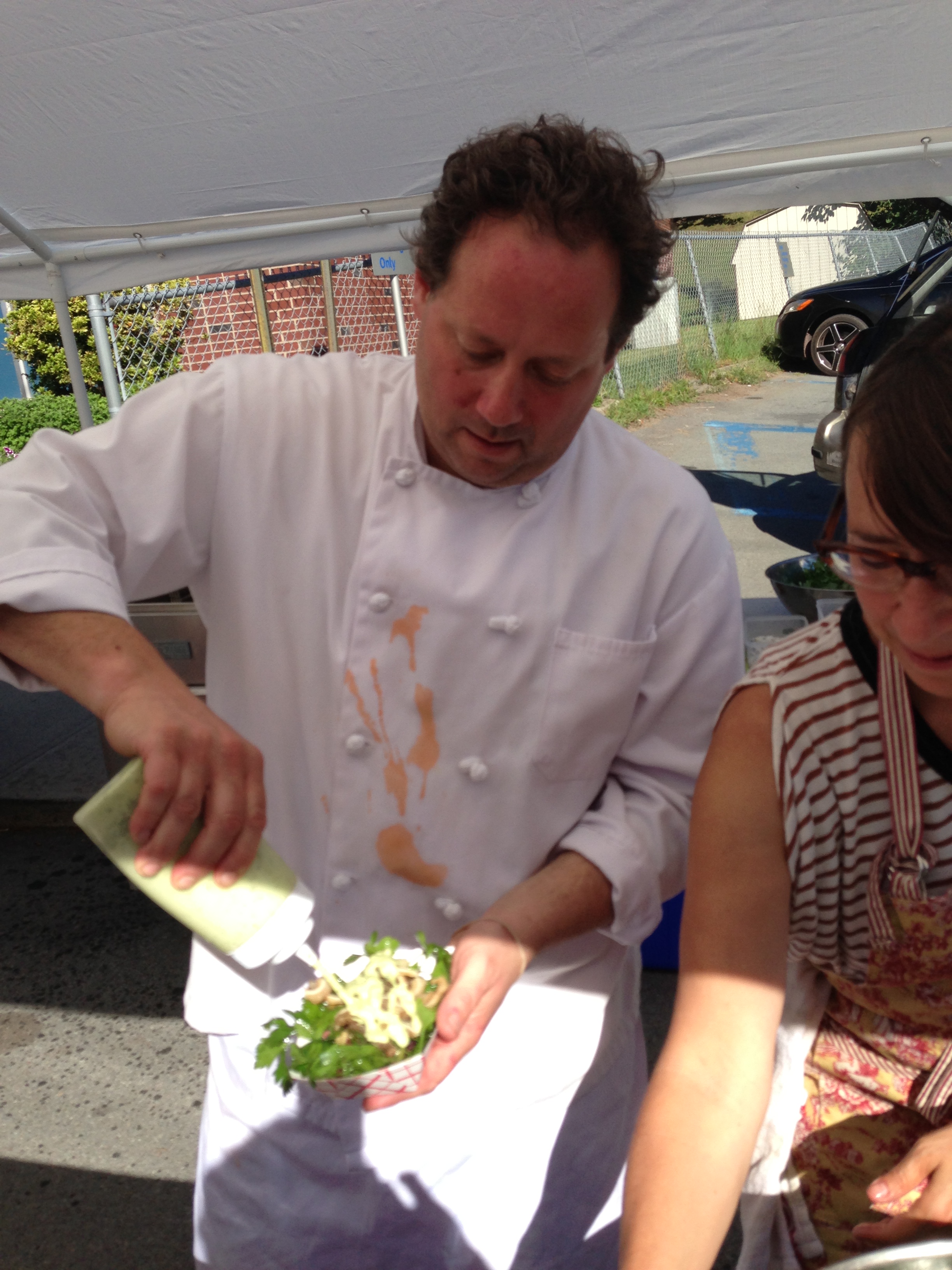
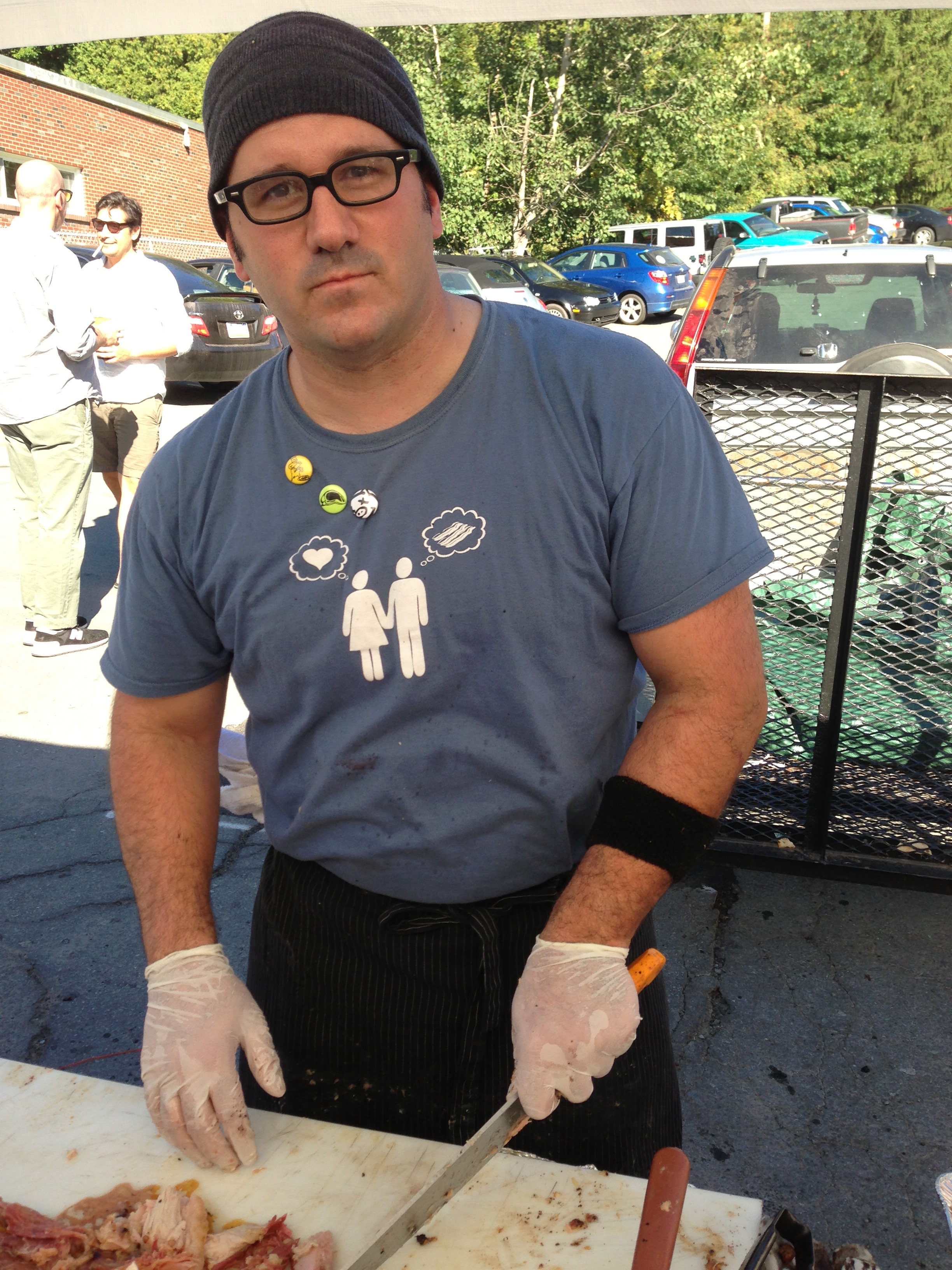
But when I saw the seriousness of the chef in his whites, I didn’t resist. Plus, they were serving aioli.

chef

And dishing up pungent kim chee as a side. It was as good as I’d hoped for my first Pig Mountain venture.

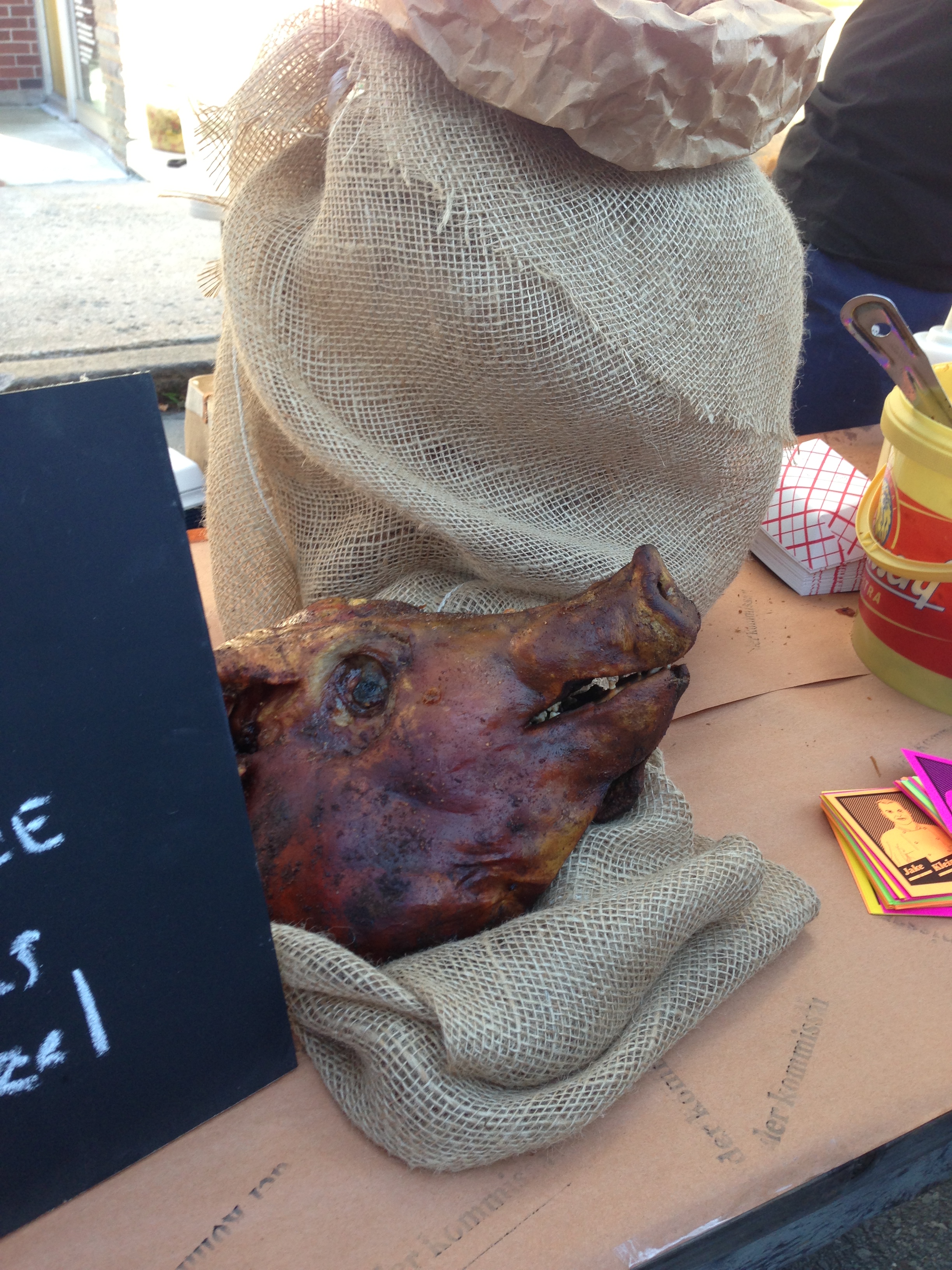
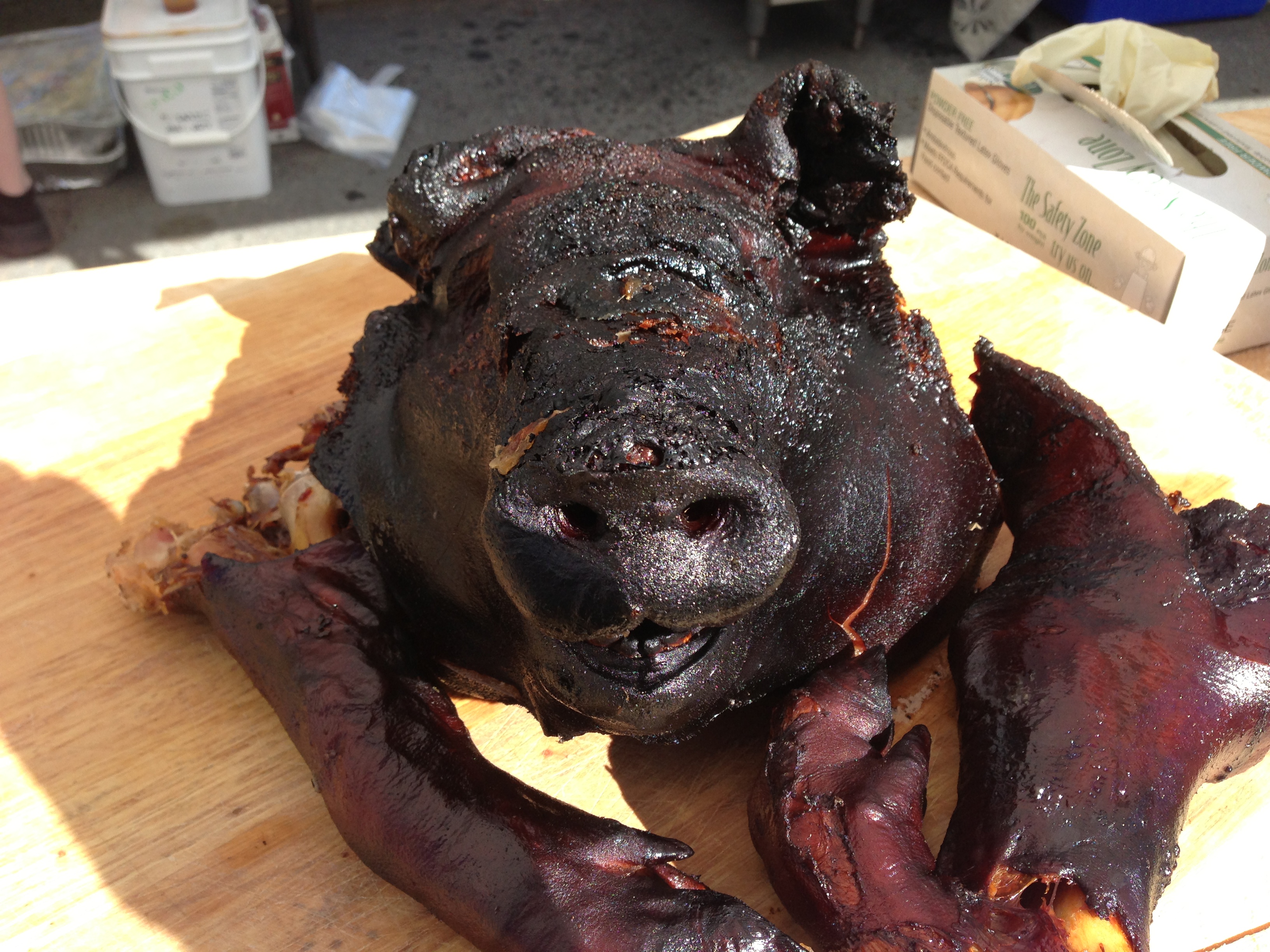
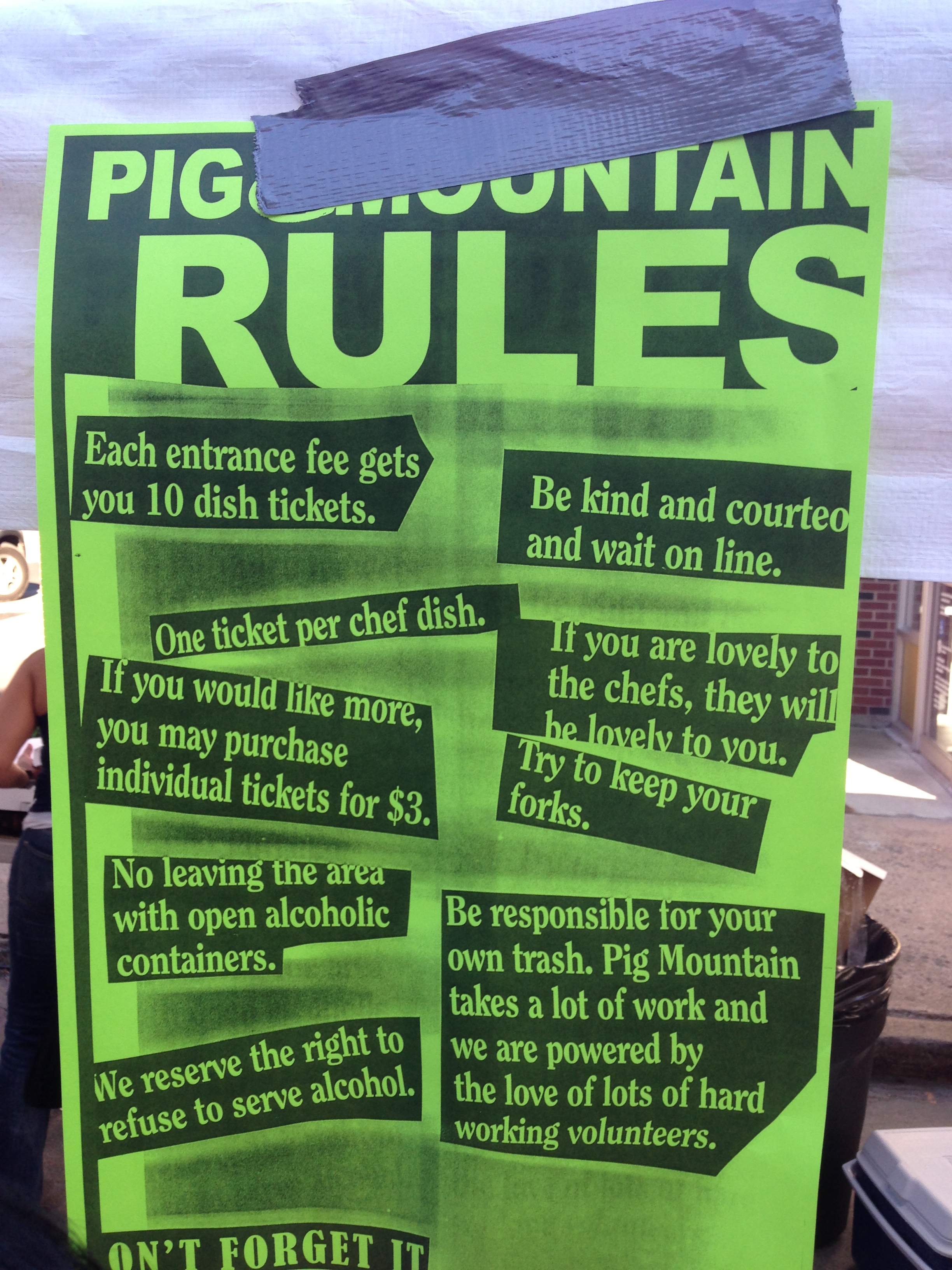
Everyone who paid admission received 10 tickets to spend on whatever cardboard boats of food they wanted. Tasting portions. Pig heads were everywhere.

pig burlap

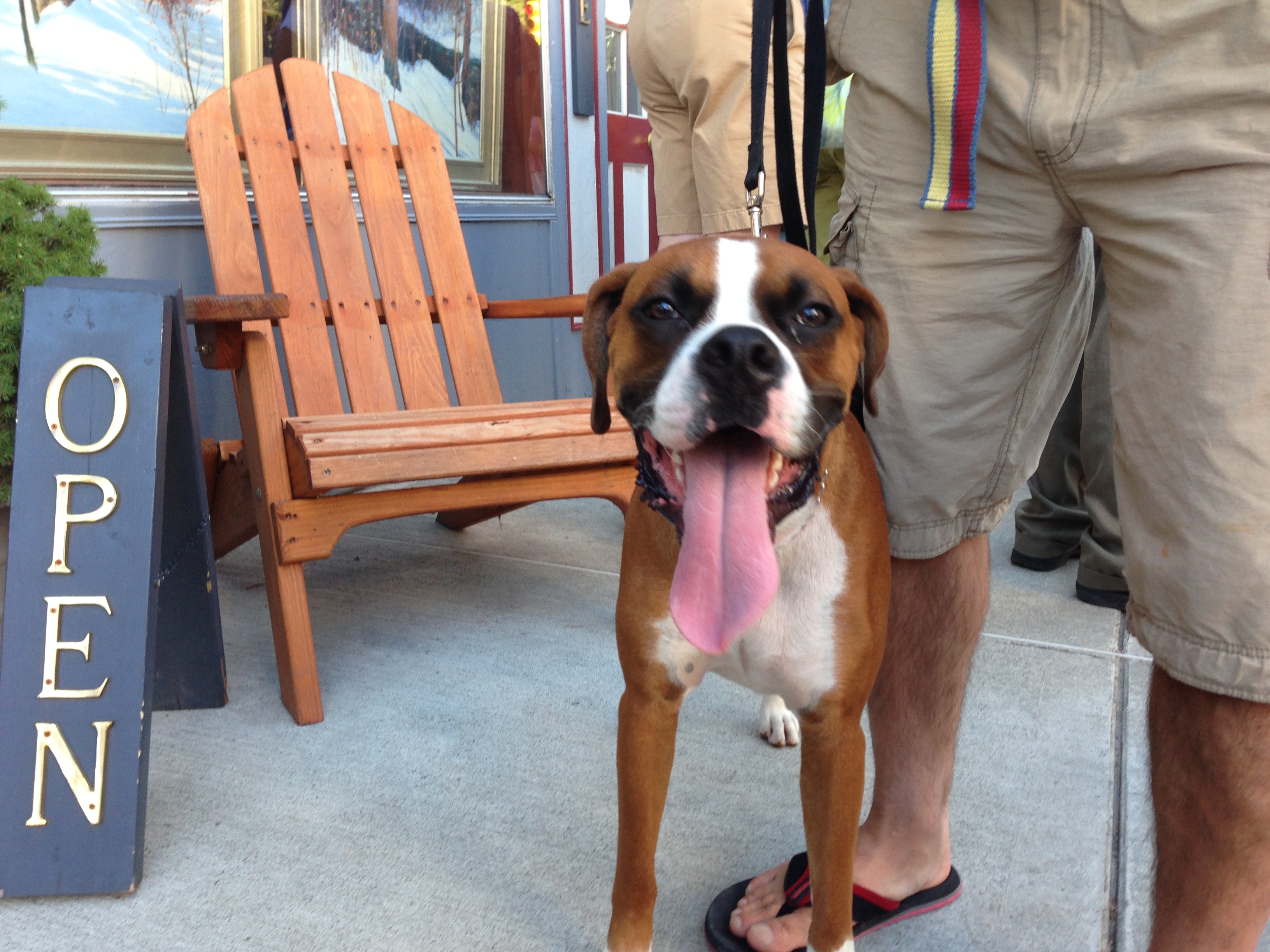
There were a lot of dogs in the crowd, some of them picking fights, some waiting patiently for whatever pig scraps they might come across.

boxer

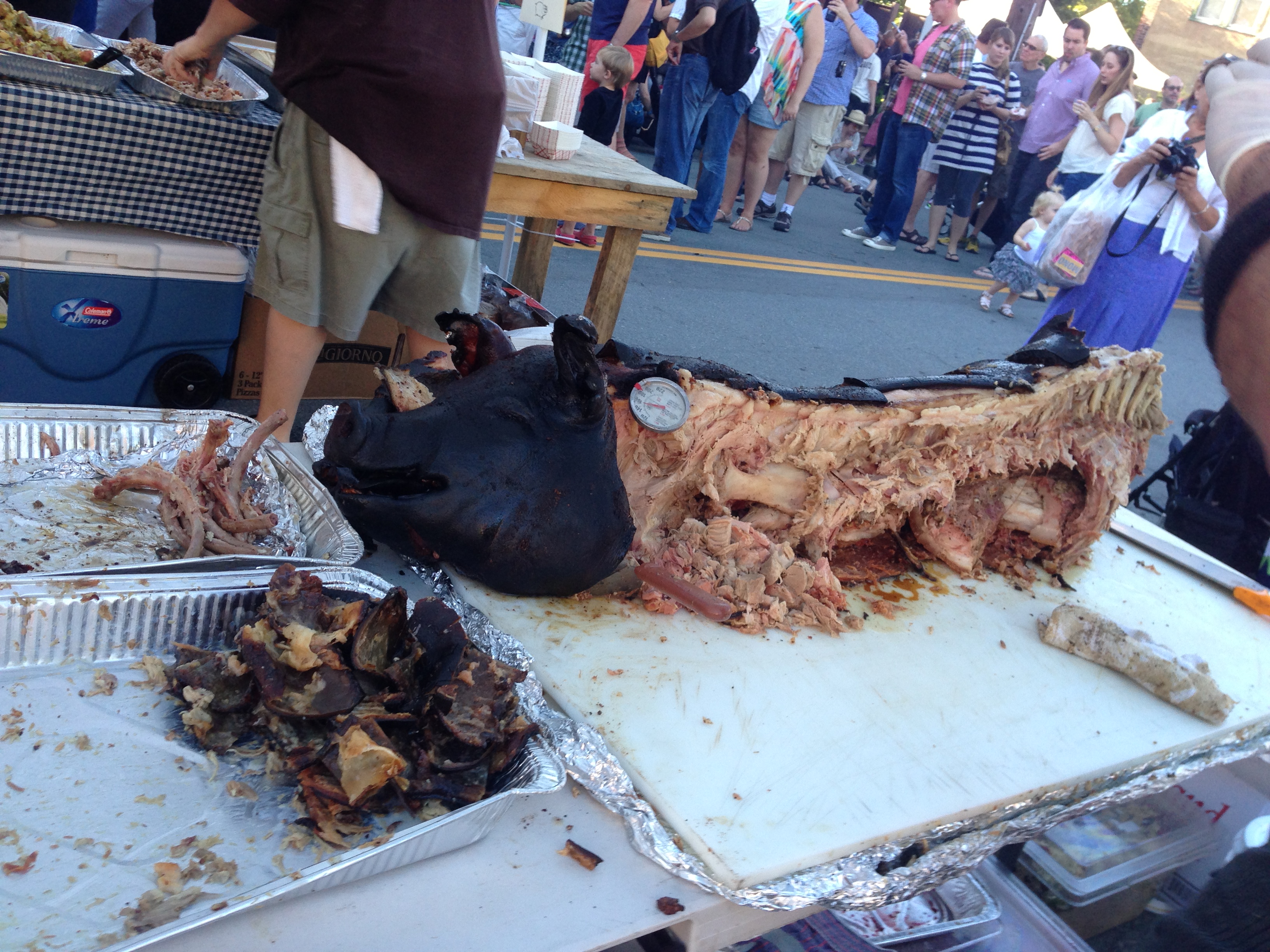
An outfit called PorcSalt Charcuterie out of Rosemont, New Jersey served up delectable chopped pork from a 190-pound pig that had been slow roasted, its bulk and burnished skin a centerpiece of the party. Chef Matthew Ridgway was the master carver.

Michael

Simple and fabulous, described as “pastrami pork,” topped with pickled red onions with a side of beets. Wow, they infuse that with something, said Gil. As the day went down, I passed by Matthew’s station several times on The Bloke, and saw that succulent bulk gradually diminish into a pile of bones.

pig bones

Sustainable. Local. Artisanal. That’s how PorcSalt bills itself, and to those modifiers all these gourmet gastronome locavore hipsters thronged. The lines, the hungry maws, stretched across the street and down the block. It was nice, because you could talk to your neighbors about the dishes they’d already consumed, compare notes.

Did I mention that there were heads everywhere?

head

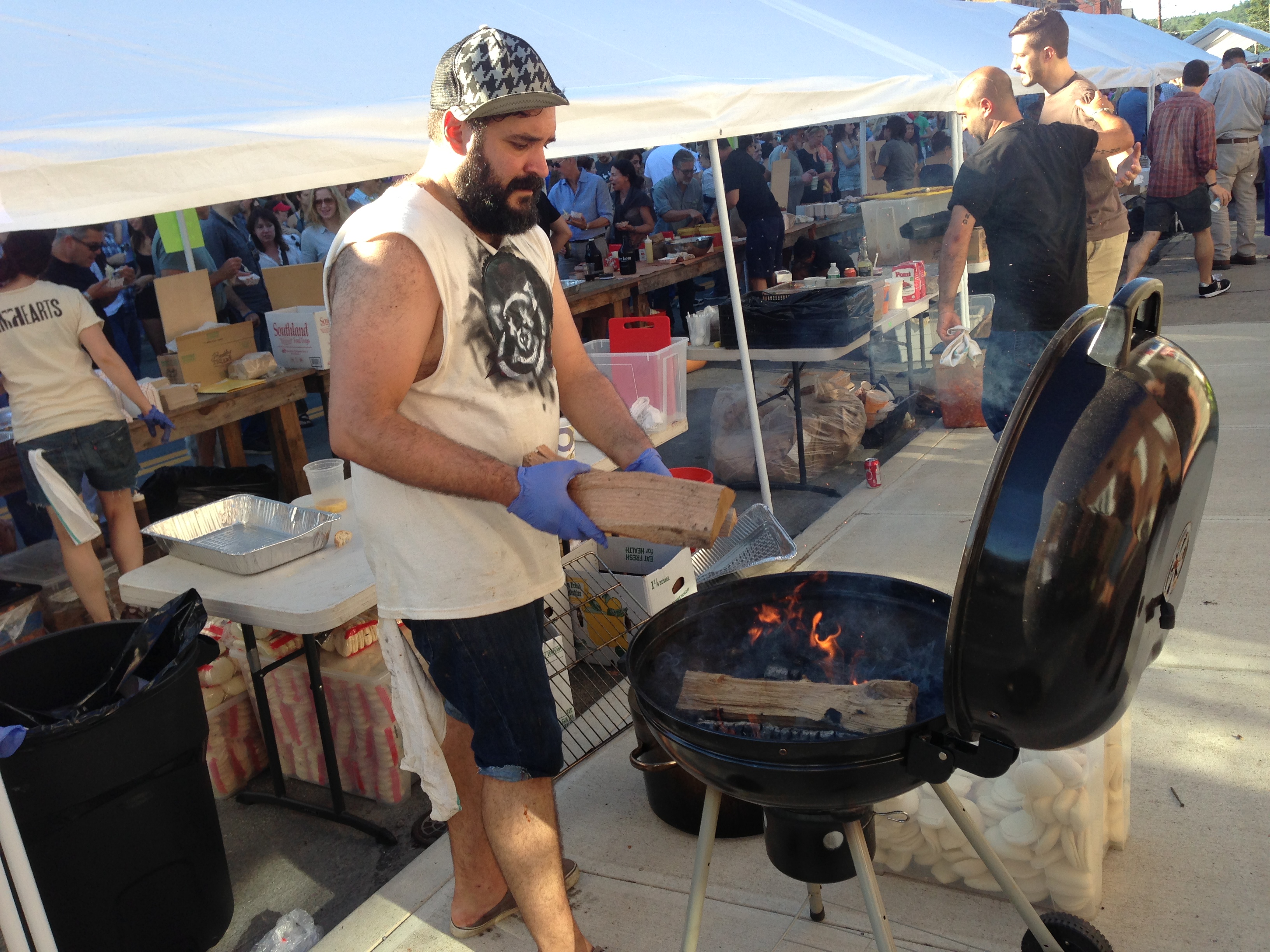
Hipster chef fires blazed.

hipster chef

The Bloke and I caroused through the lines. The Bloke has a metal basket, an object of envy for the food plates I could pile within. You’re a strong woman, someone intelligently told me, eyeing my cast. Last year, the festival’s first, had been not as crowded, I was told, and there was a seating area as well. Next year they’ll have to hold the party in Widesburg.

People stood in the street, stuffing their faces.

asians

As long as you followed the rules you’d be okay.

rules

Vegetables had also been promised in the promotion for the feast, but about all I saw of that was a vintage sign on an empty old storefront.

vegetables

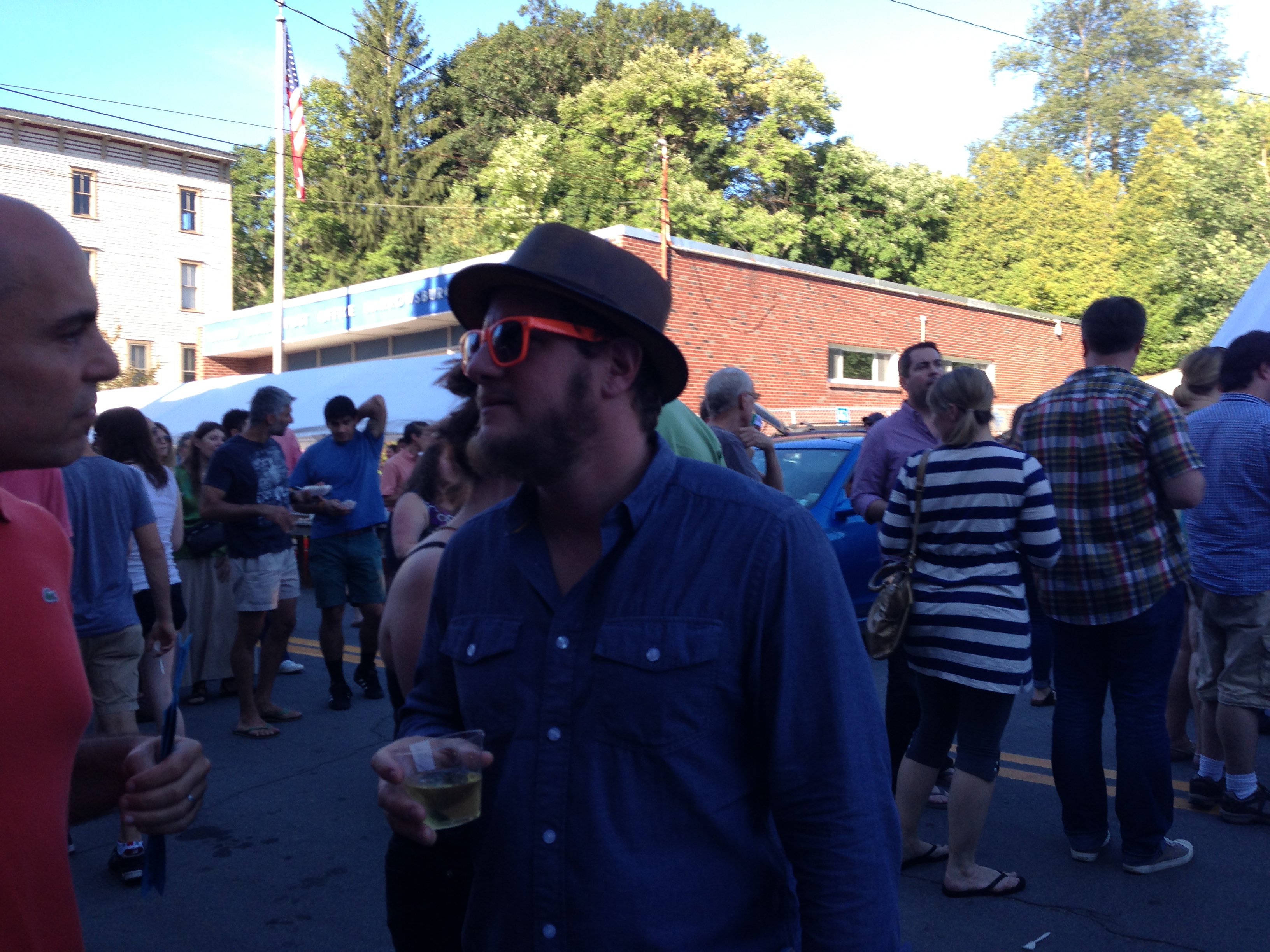
A happy crowd. The end of summer. Let’s never go home to the city. Is fall really at hand?

orange glasses

The street so nice and cool, shady and pork-fragrant.

smiley

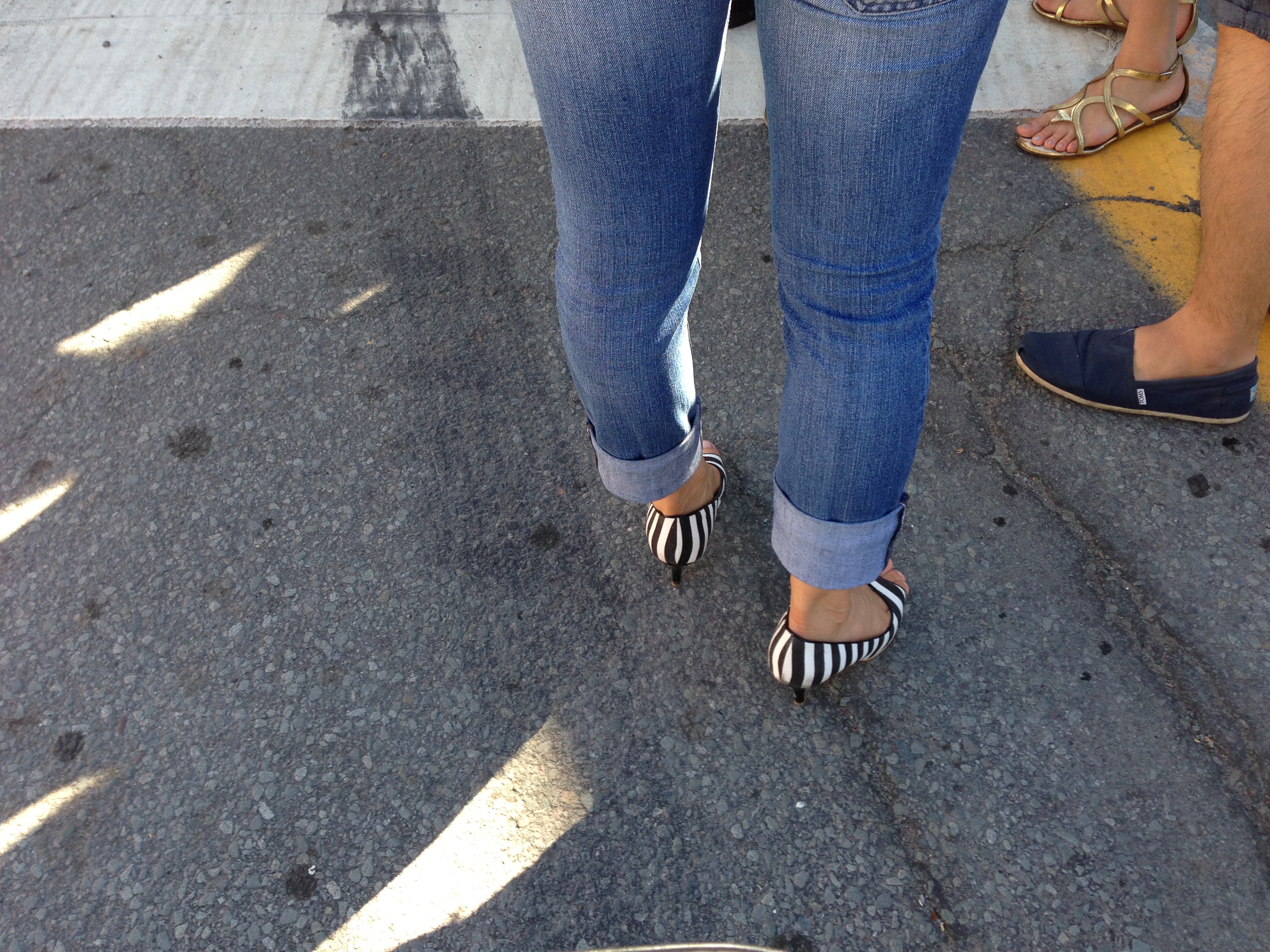
Lots of footwear fashion going on.

striped

I probably noticed it more as I tried to sail through on the scooter without mashing any toes. Also I was wearing only one shoe myself.

webbed feet

Care for some Viennese Spice Rubbed Pork with Hoffbrau Summer Ale BBQ Sauce, Purple Kraut w/Fresh & Dried Plums, Potato Salad and a Soft Pretzel? You are in luck, my friend. Der Kommissar of Brooklyn is plating it up for you.

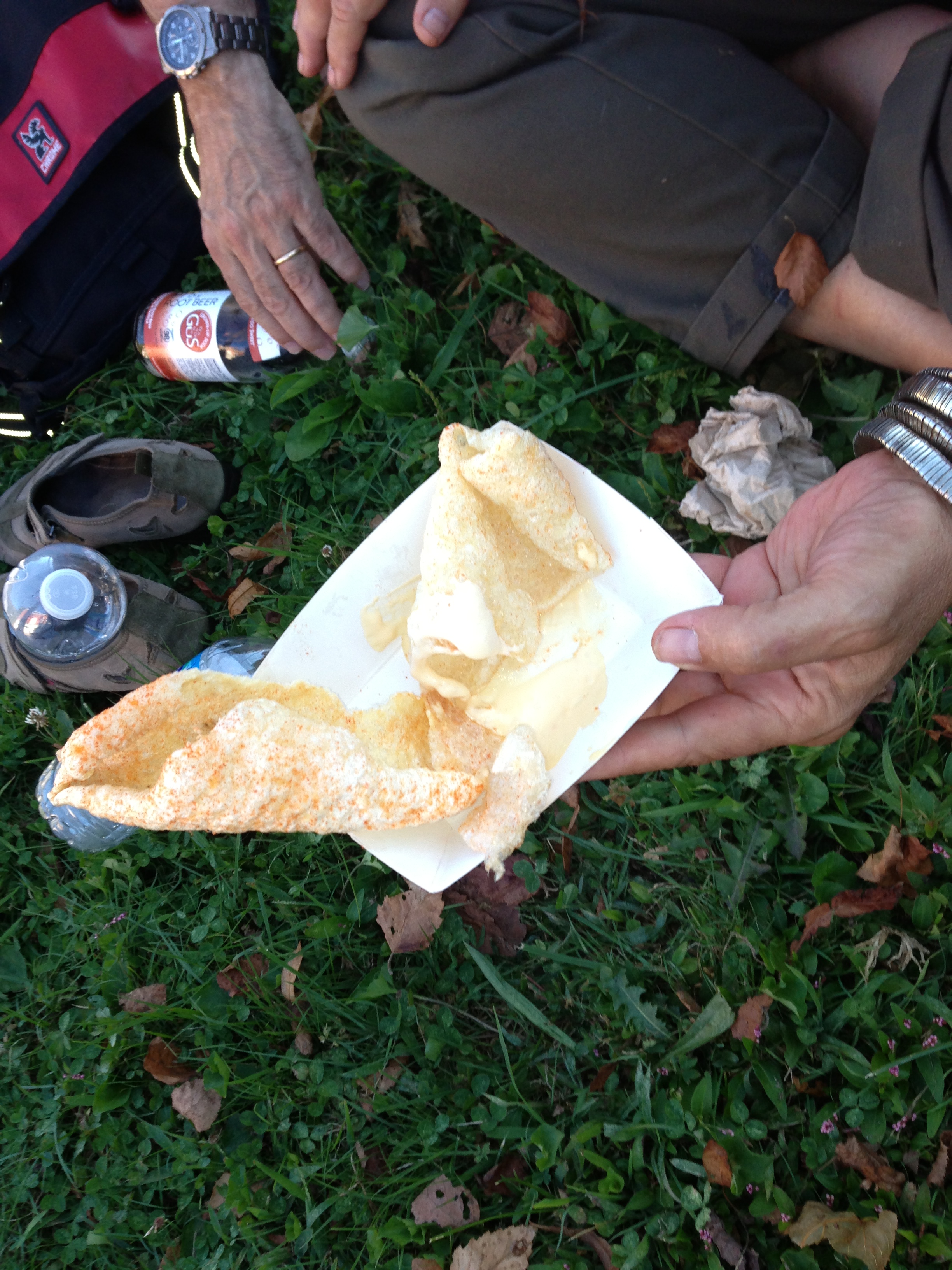
I made two trips to the booth set up by Alison 18, a restaurant off of Union Square in Manhattan. Chicharrones — light, crispy pork fat– slathered with a spicy cheese cream called sriracha, out of this world.

chicharrones

And, surprisingly scrumptious, pig fat oreos – rich chocolate wafers stuffed with a sweet, lard-enriched filling. You wouldn’t bet those would go down well, especially after all the pig of the day. But for the non-vegan folks in attendance – in other words, everyone – they were astonishing.

More please.

shiba

9 Comments

Filed under Jean Zimmerman

Knowing How to Swing

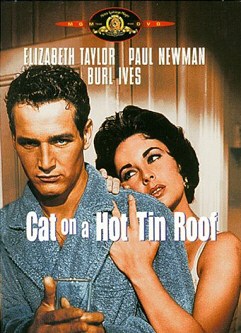
Revisited some of Cat on a Hot Tin Roof with Liz Taylor and Paul Newman.

poster

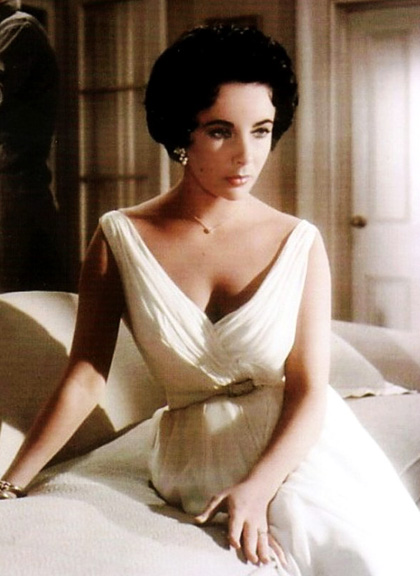
How gorgeous and weird a production it is, and what a knockout she is in her silken white dress with its deep vee.

taylor

And, something I’d totally forgotten, what an amazing crutch walker is Newman’s Brick.

Cat on a Hot Tin Roof blouse skirt

It’s not a real broken ankle, Gil reminds me. But still, to be able to swing around the room like that, spilling nary a drop of his whiskey, a single wooden crutch under one arm?

newman crutches

His real crutch of course his his addiction to alcohol.

Or what about the incredible gymnastics that occur when Newman takes a swing at Taylor’s Maggie with the crutch, ending up on the rug, the both of them smiling ruefully. Why is Uncle Brick on the floor? asks one of the little no-neck monsters. Because I tried to kill your Aunt Maggie, says Brick. But I failed. And I fell. Eyes of blue, achilles heel.

newman floor

I wonder if Tennessee Williams ever had to go around on crutches.

tenness

2 Comments

Filed under Culture, Fashion, Film, Home, Jean Zimmerman

Maine Woods Ramblin’

My world-rambling brother Peter has sent a bulletin from the northern Maine forest, where he is catching his breath in the middle of a book project and, as always, exploring the local history. Peter published Podunk: Ramblin’ to America’s Small Places in a Delapidated Delta 88, which remains the definitive portrait of locales far off the beaten track, and a perfect reflection of his restless, questing mind.

Pete

What you can’t get enough of in Podunk are Pete’s vivid photographs, and his pictures of Moosehead Lake in Maine are definitely worth sharing. He’s been spending time around Mount Kineo.

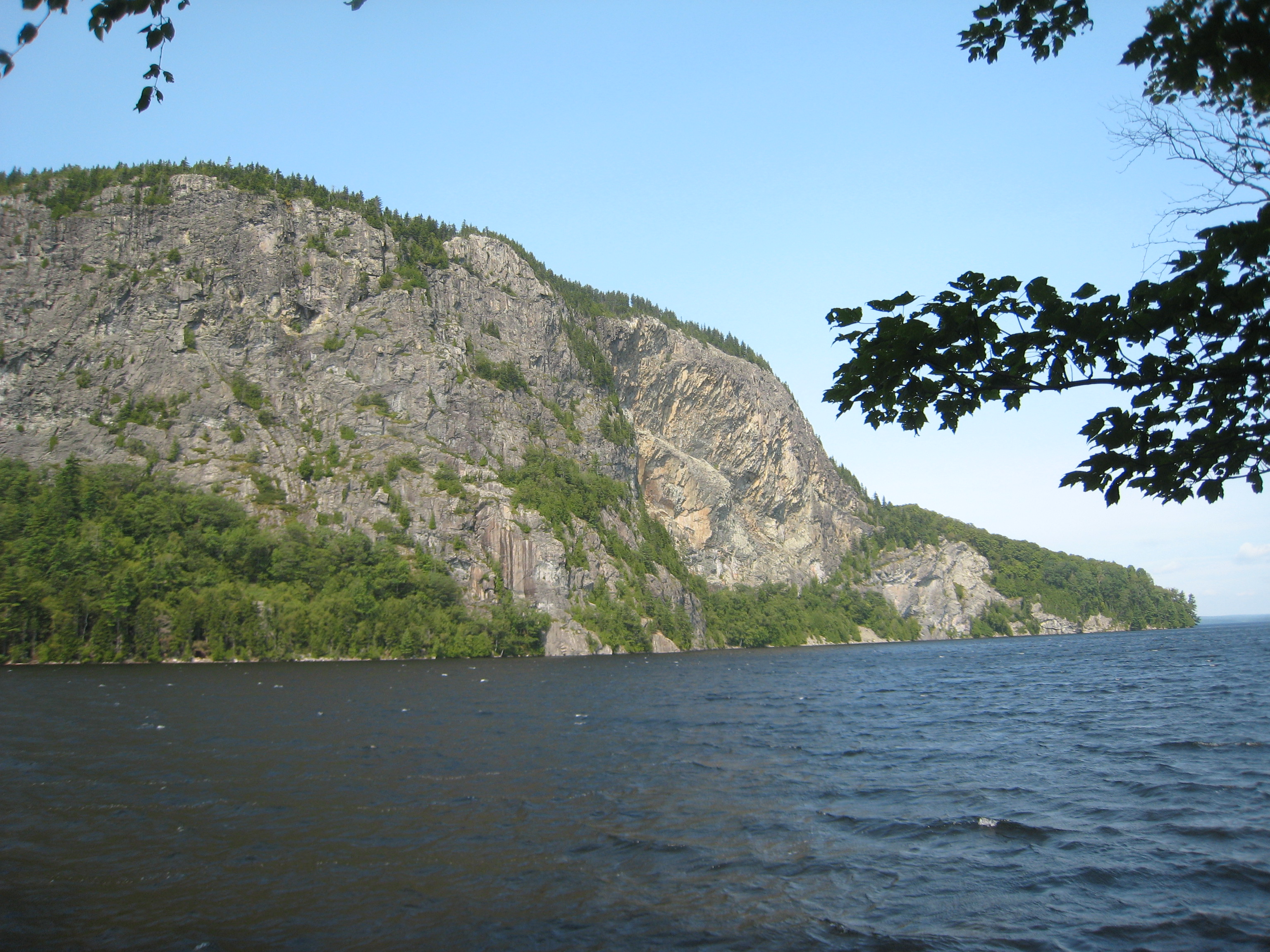
mt kineo cliffs

Mount Kineo’s wild beauty has long been celebrated, but few know it abuts a piece of land called Misery Gore, an “untrampled” place Pete investigated for Podunk. Gores are highly unusual geographical features, Pete’s research shows, limited to Vermont and Maine, “largely forgotten anachronisms that don’t much impact most peoples’ lives in any profound way.”

He says that the source of Misery Gore’s name might be its preponderance of black flies, or it being “a miserable place to survey, log, hunt, and birdwatch,” or that it’s overgrown with briars and brambles, or that “a French-Canadian logger from Miseree once passed through this neck of the woods.” The parcel is wedge-shaped, crisscrossed with nothing but dirt roads.

It is, however, Penobscot country – the tribe has a reservation near Bangor known as Old Town — and on this trip Peter reacquainted himself with some of his Podunk contacts, three generations worth, including 50-year-old Andrew Tomer, his 12- year-old nephew and his father, Penobscot elder Francis.

Francis Tomer

Penobscot, Peter told me, means “where the stream runs by the mossy rock that is white when dry.”

Mount Kineo’s 800-foot cliffs of rhyolite were carved by the Indians into arrowheads. “Thoreau cut himself on this flint-like rock,” Peter writes, “which he called ‘hornstone.’”

arrow heads

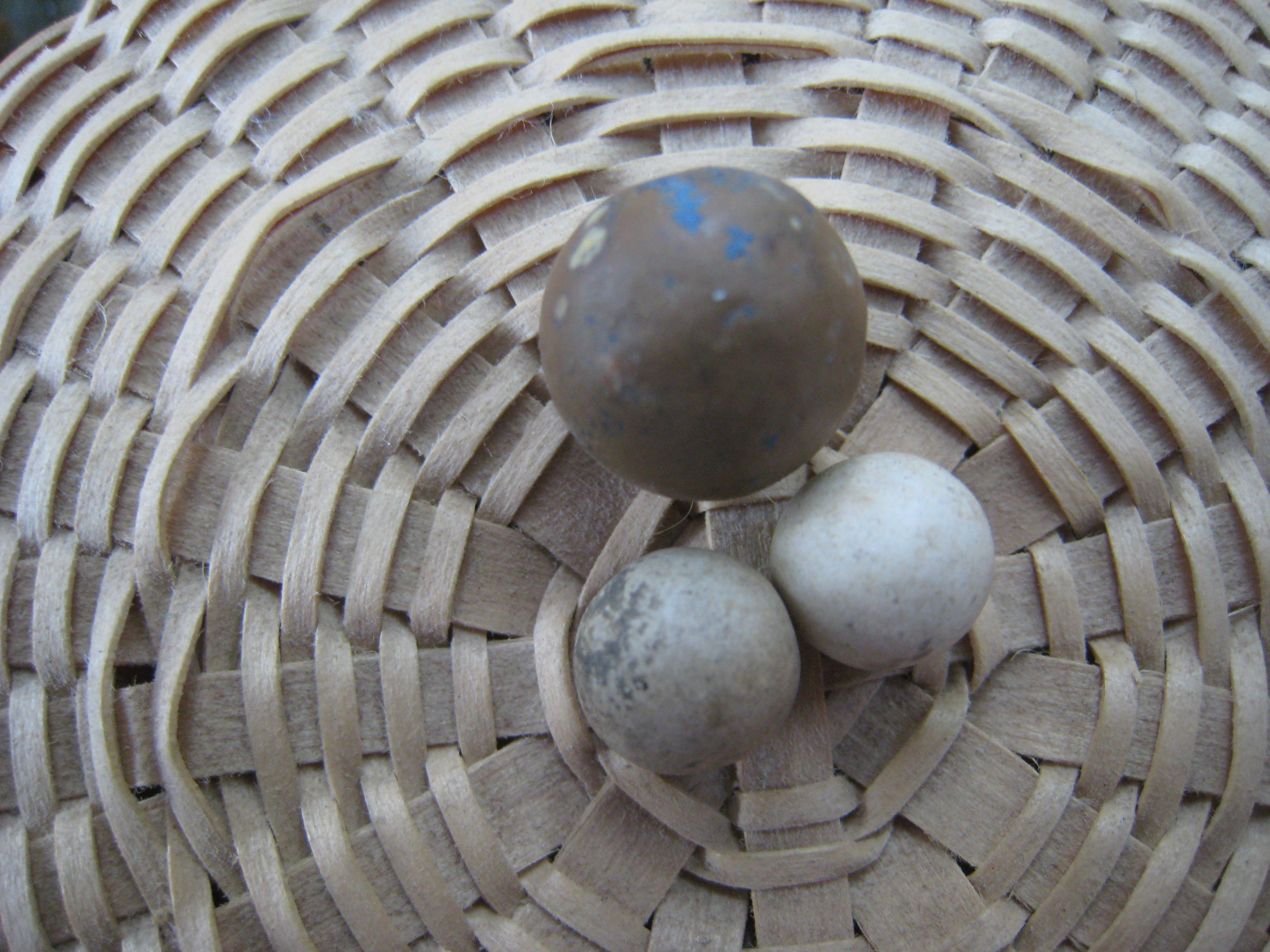
“Some Native Americans believed that the cliffs under water were bottomless” Peter told me. He took a ferry to the Tomers’ dock. “After a dinner of well-grilled steak, corn on the cob, green beans from the garden and small spanish olives with pimentos, Francis took out a cigar box with all the arrowheads, marbles, stone tools, etc., and told me about them,” said Peter. Andrew, he reported, was very quiet. “He wanted to remember the stories for future generations.”

clay marbles

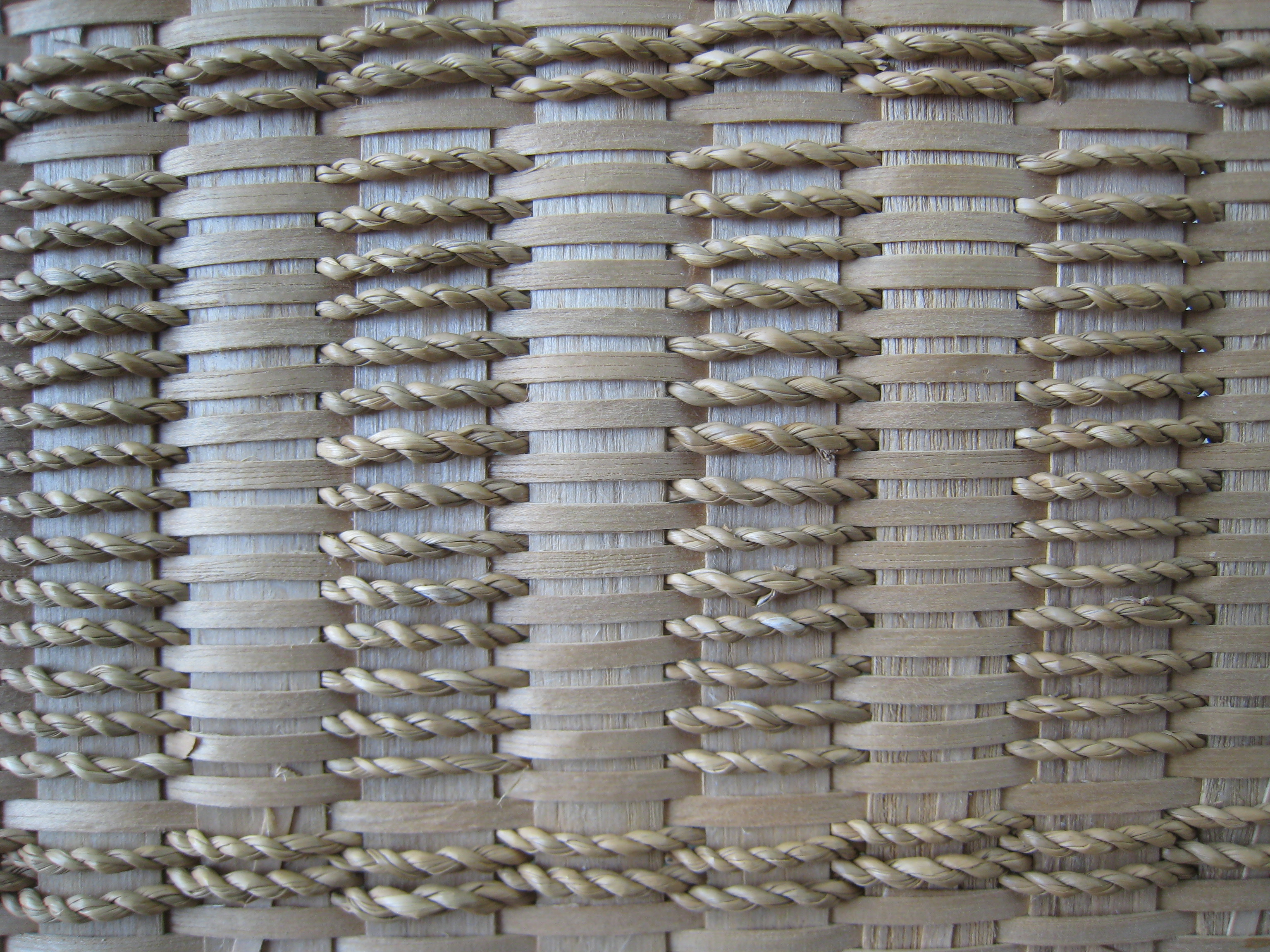
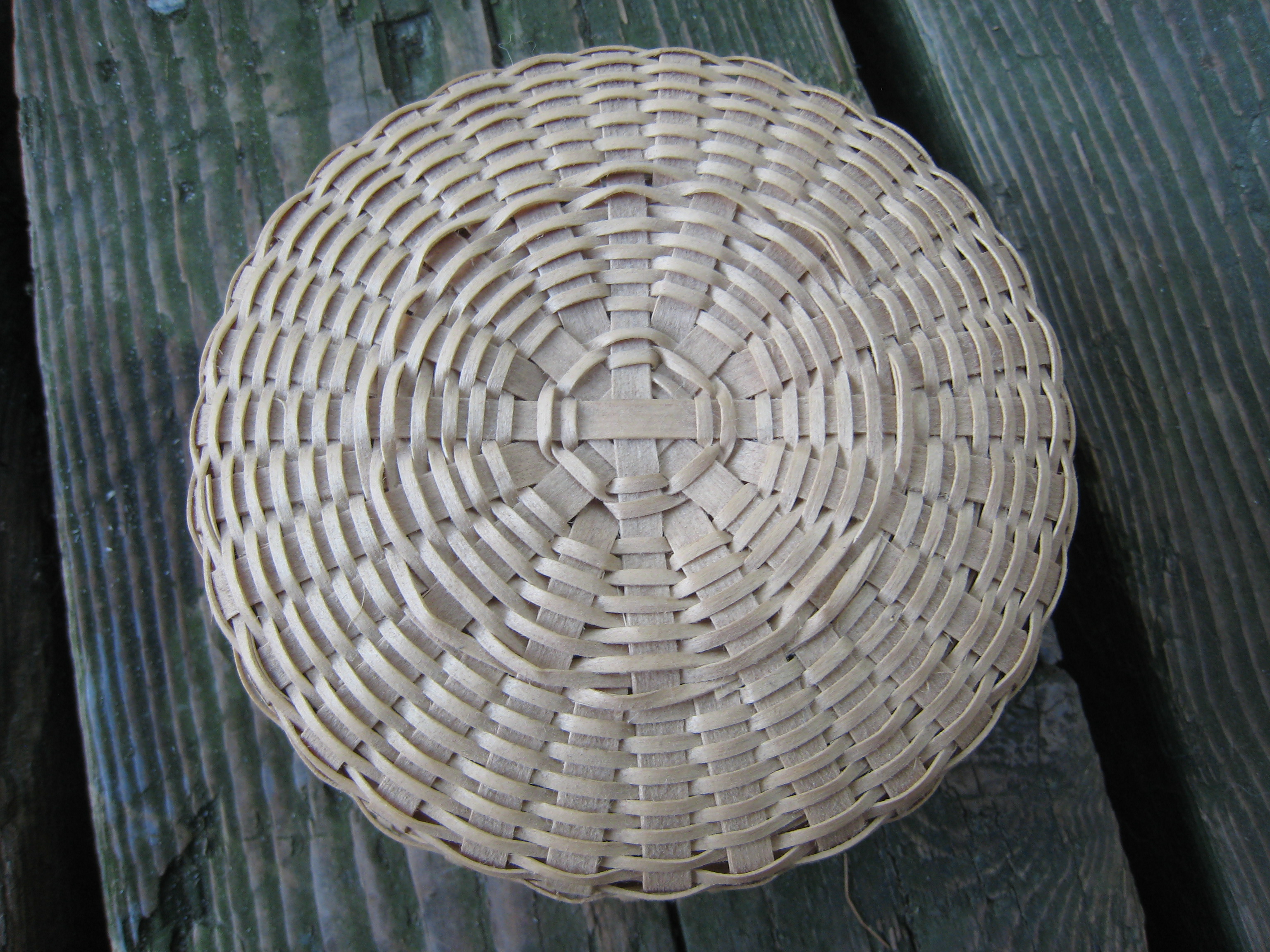
“Basket weaving by the Penobscot can be quite intricate,” says Pete.

basket 1

“First, pieces of ash are soaked in water. Then each one must be individually sanded down.”

basket 2

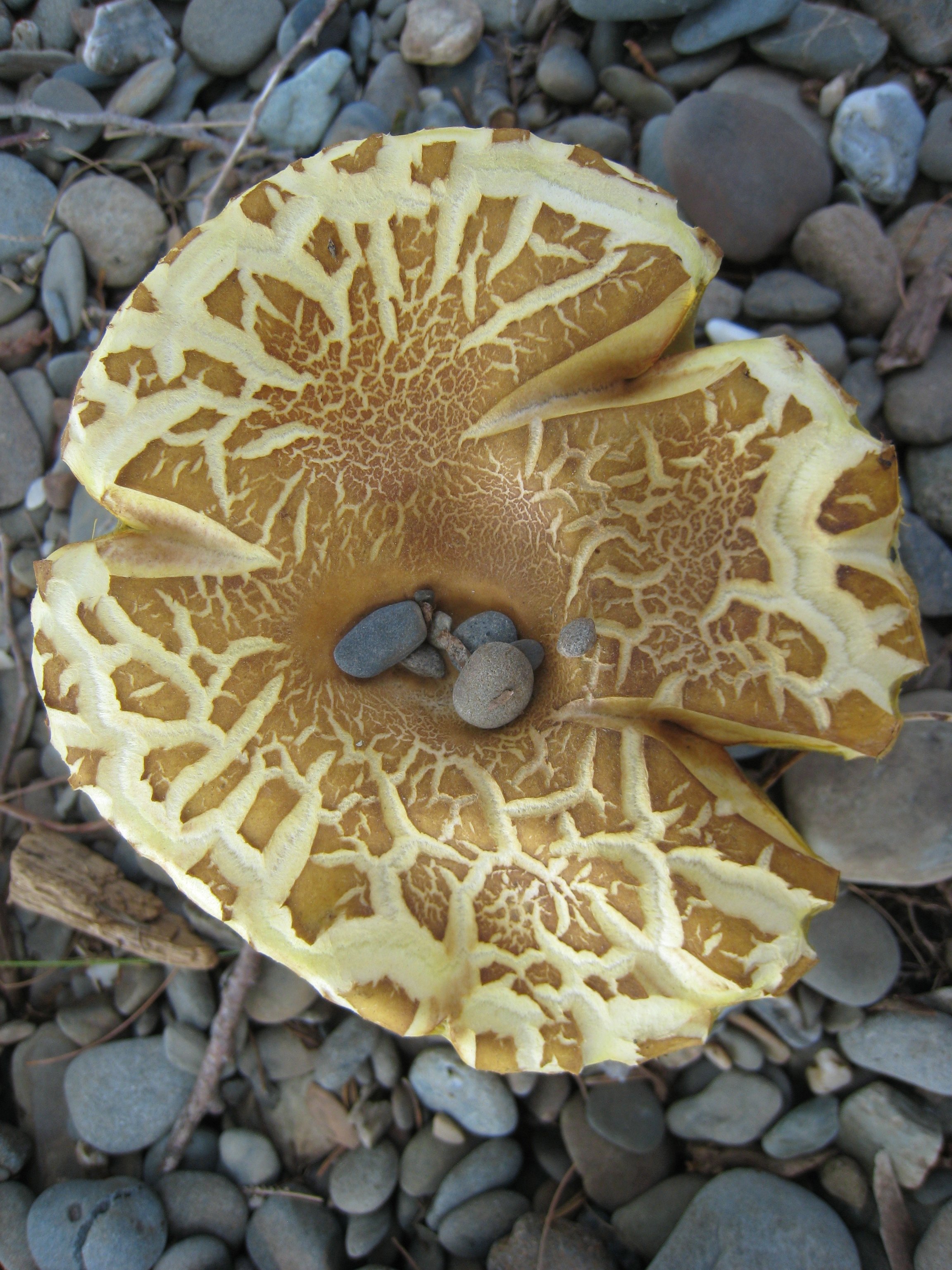
These baskets were made by a woman who lives in Rockwood, Maine, on the shore of Moosehead Lake. There Peter saw mushrooms. Fresh, with a garnish of smooth stones.

mushroom

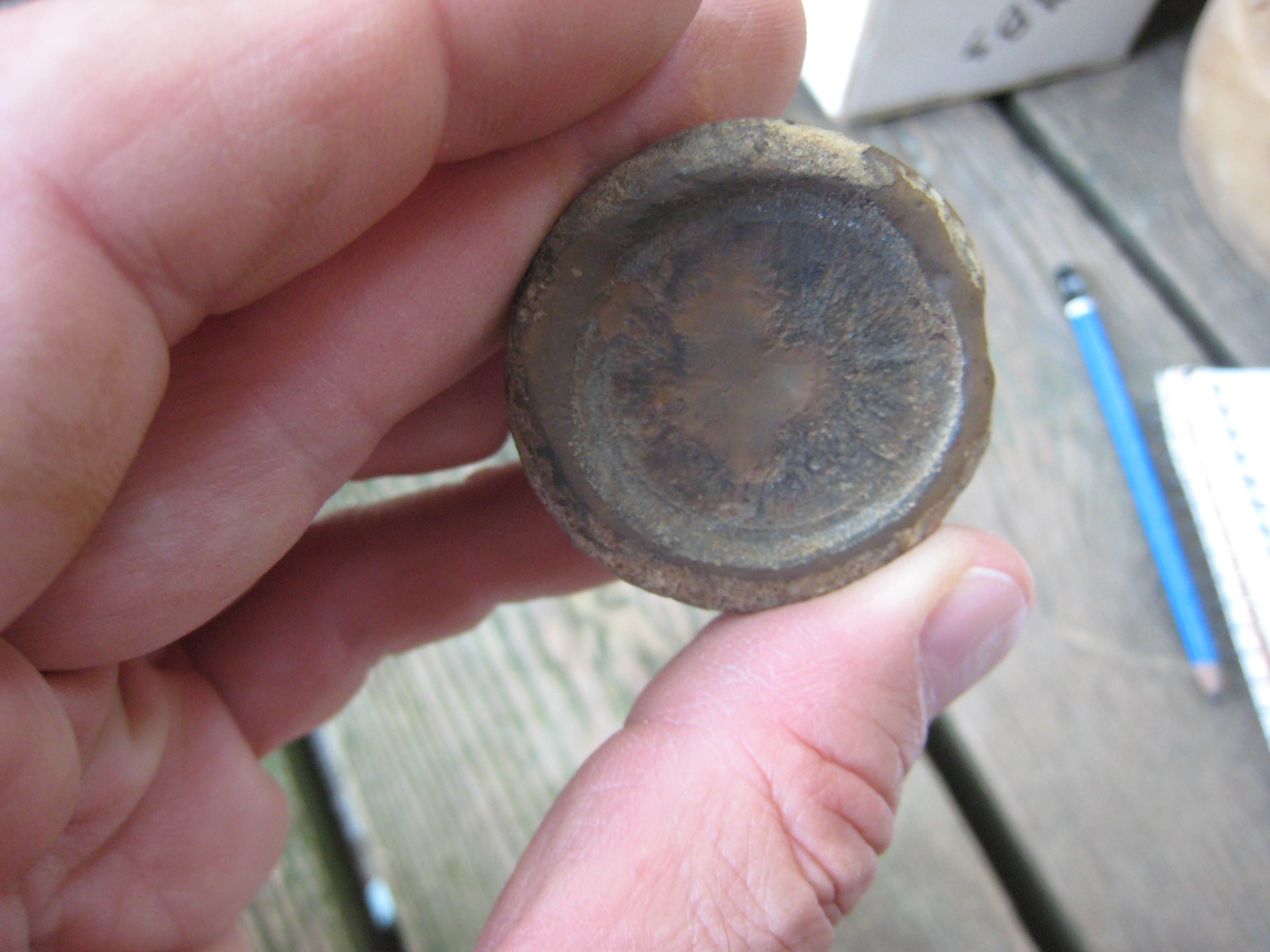
And fossilized.

fossil mushroom

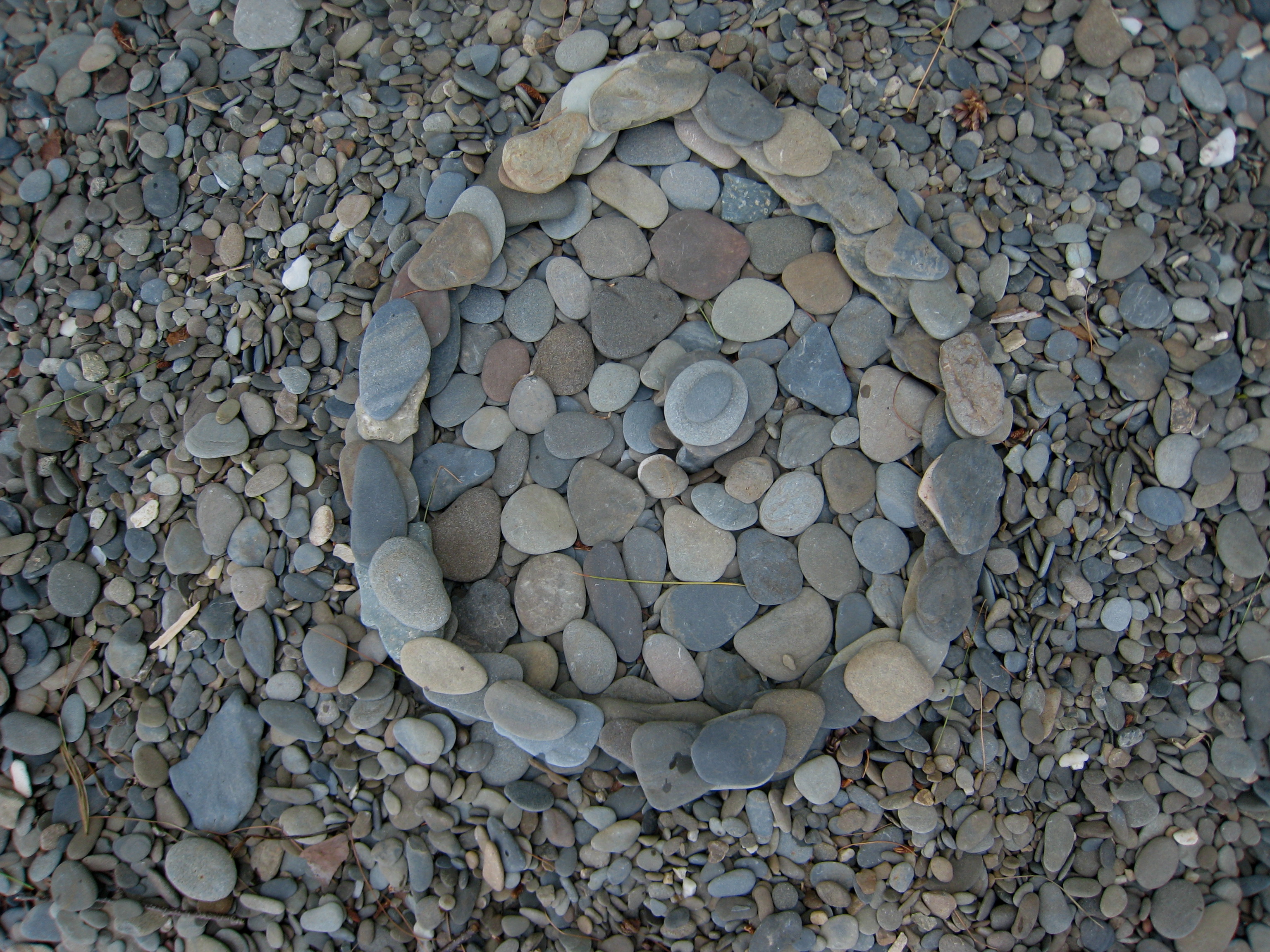
A sculpture of some kind.

stone sculpture

A piece of the rhyolite from which arrowheads are carved.

piece of rhyolite

Wampum.

wampum

An ancient knife used to carve walking sticks.

old knife used tomake canes

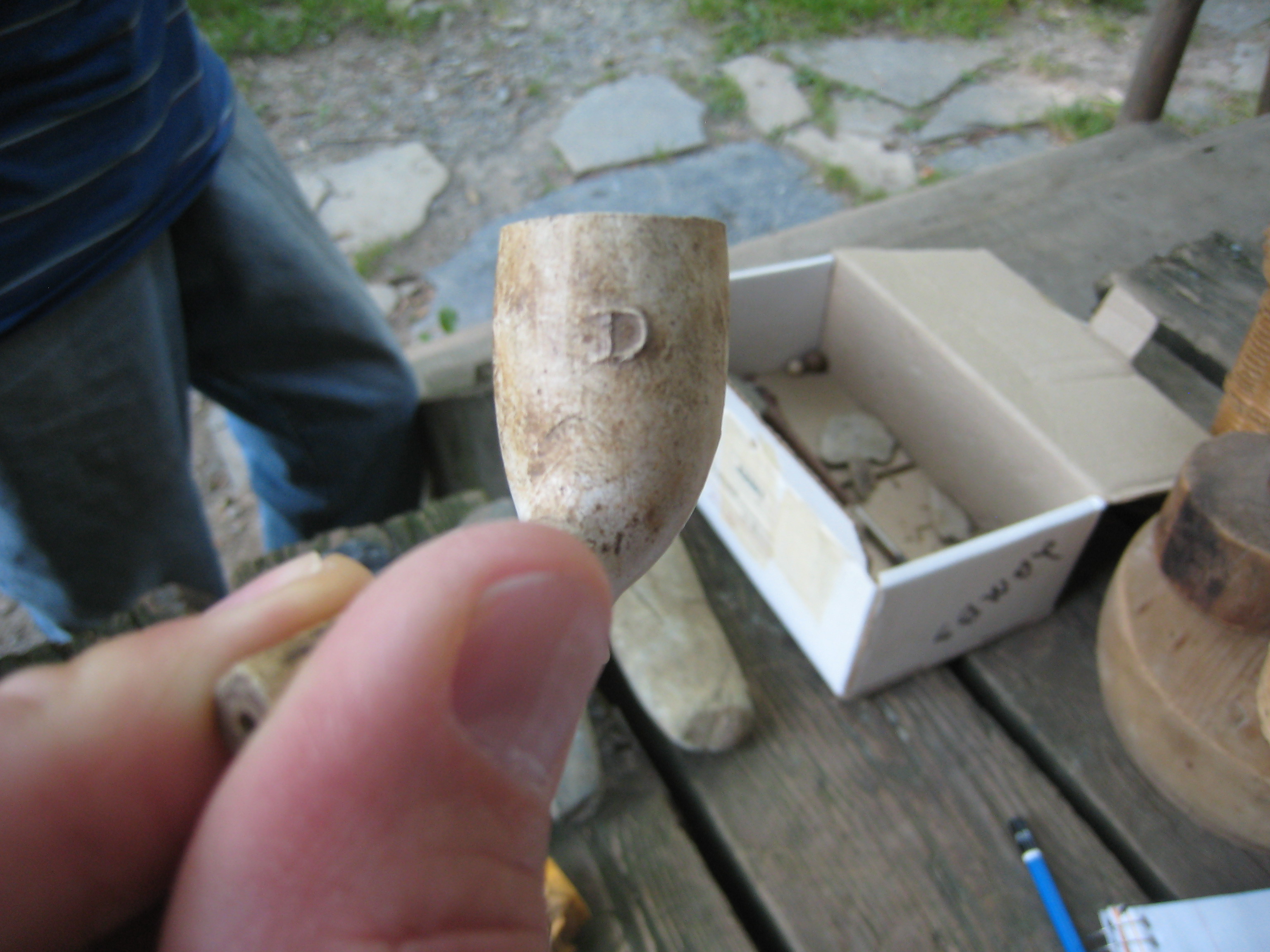
An initialed pipe left by an early settler.

pipe

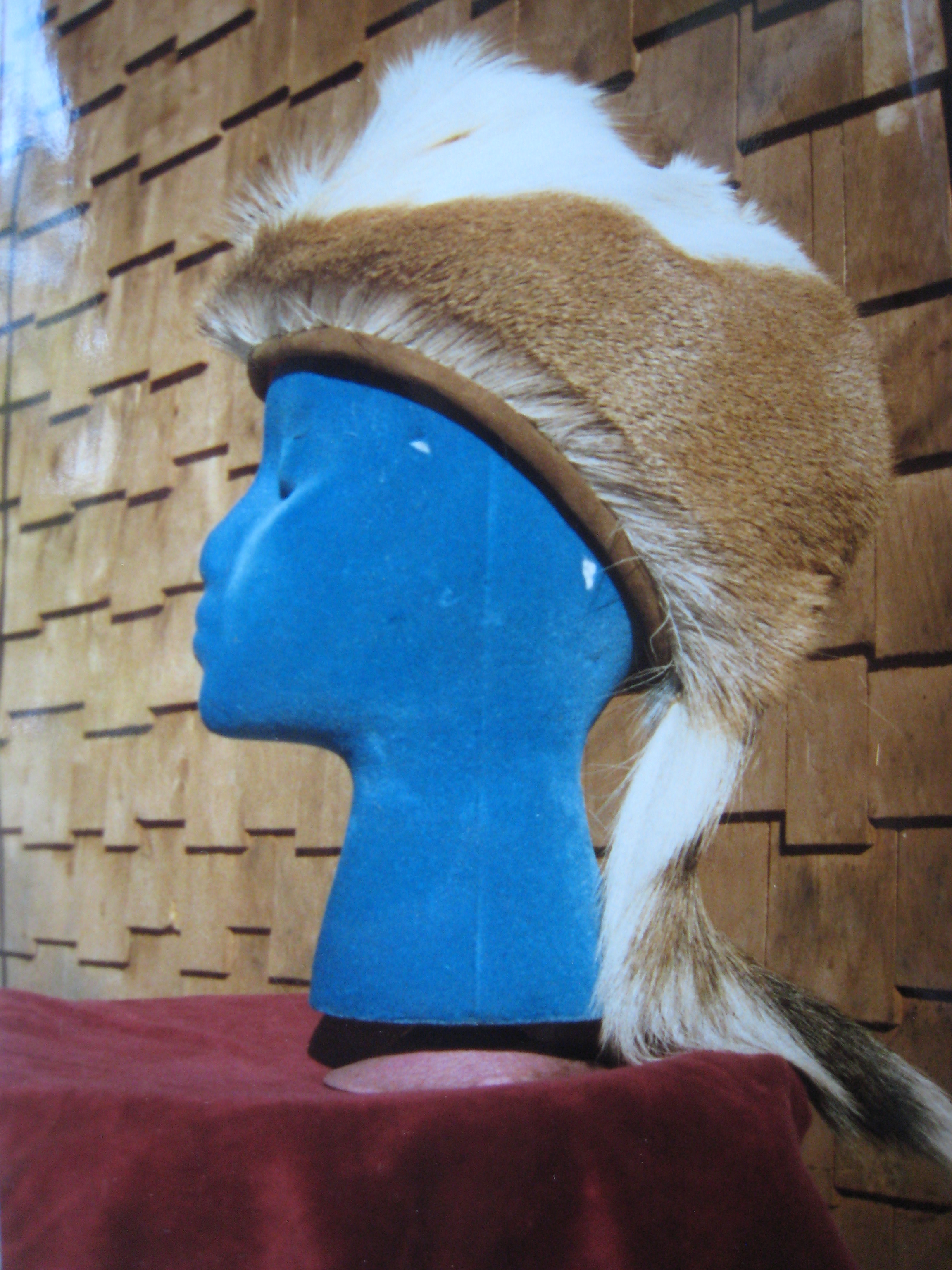
A deerskin cap.

deerskin copy

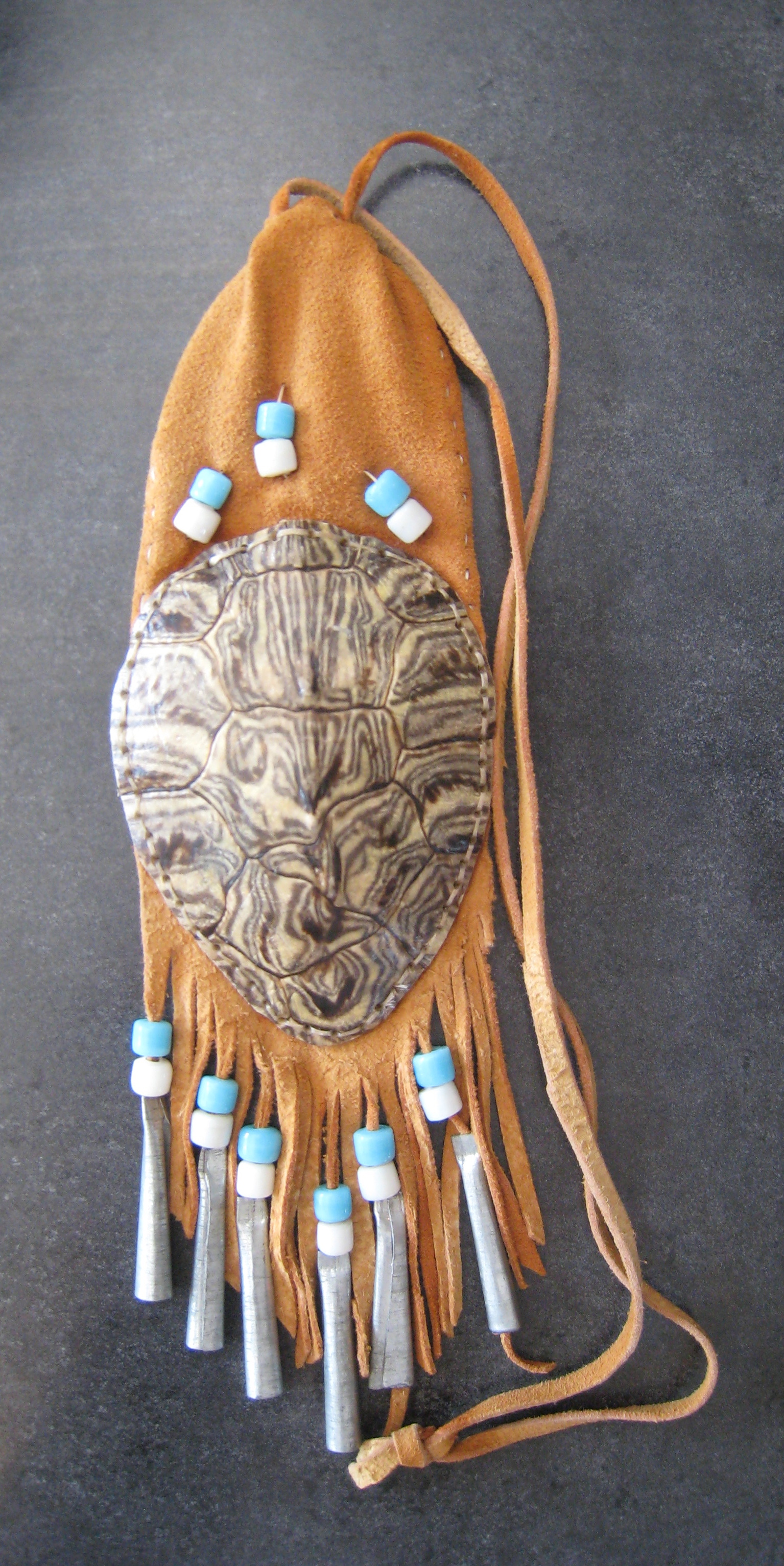
A deerskin pouch adorned with a baby snapping turtle shell that Peter plans to bring with him when he leaves.

pouch

A celebration of all that is old and new and precious in these cool, mysterious Maine Woods.

7 Comments

Filed under Art, Cooking, Culture, Fashion, History, Home, Jean Zimmerman, Nature, Photography, Publishing, Writers, Writing

Crushes on Crutches

At the movies I saw a woman on crutches. A young, pretty woman in a color-block sundress. As I watched, she hopped around the serve-yourself beverage kiosk, assembling her ice, her soda and her straw, putting the whole drink together before her boyfriend politely carried it away for her.

I saw her next swinging her way into the ladies’ room. Into a regular stall! Not the one with the wheelchair icon I was struggling to enter with my kneeling scooter The Bloke. I washed my hands, she washed her hands, the difference being that she was cool as a cuke, graceful and weightless, not perspiring and puffing like me. Probably about 24 years old.

At the film line she was waiting, as was I, to go in. We shared war stories. A motorcyle accident, she said.

anime

A little piece of the bike flew off into her ankle. The doctor had her in her cast for six weeks. It was a little difficult, she told me, because she lives up four floors and the laundry’s in the basement. But she’s making do okay. Her bike? Came out of the accident perfectly fine. She couldn’t wait to get back on it.

By the next morning my conversation with motorcycle girl had begun to percolate. I had been proud of myself for managing The Bloke so well. But now I had crutches envy. How do you make the best of this particular situation, a bum foot, and do it with some measure of equanimity and grace? It helps if you are an athletically gifted person of 24, of course. I wondered, how do you take your lumps and move forward, albeit with a cast on your foot that feels like a stiff leather ice skate with no sock? A little sand drizzled in for good measure.

Recently I asked my brother Peter for blog ideas since I knew I’d be less able than usual to go on gallivants and cover eclectic cultural happenings like I usually do. Why don’t you just catalogue all the stuff in your house, he suggested.

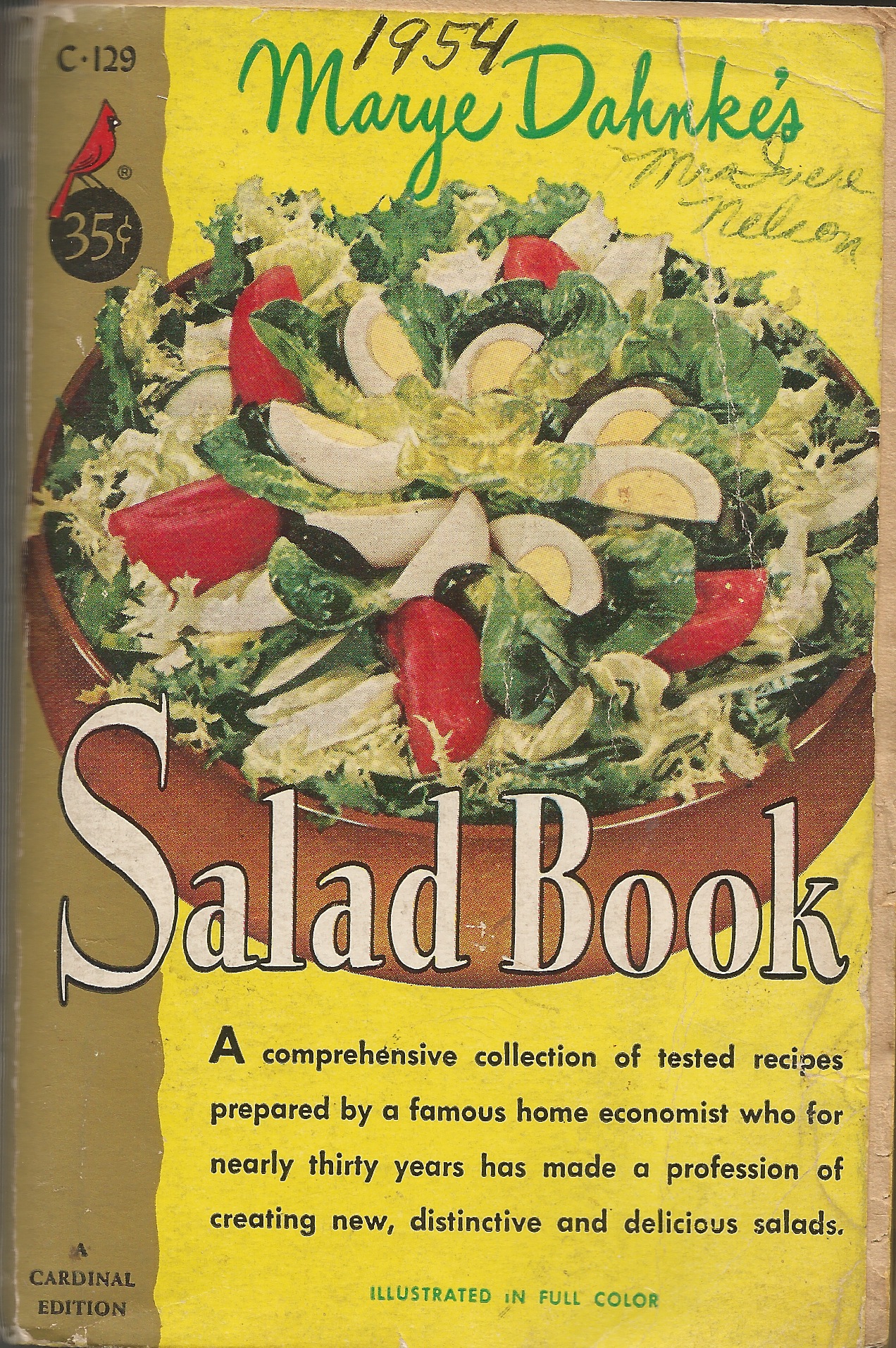
I feel, though, that I have already catalogued some of the things I like best. My vintage cookbook-pamphlet collection, for example.

salad book

The heirloom lace created by my foremothers.

lace cu 2

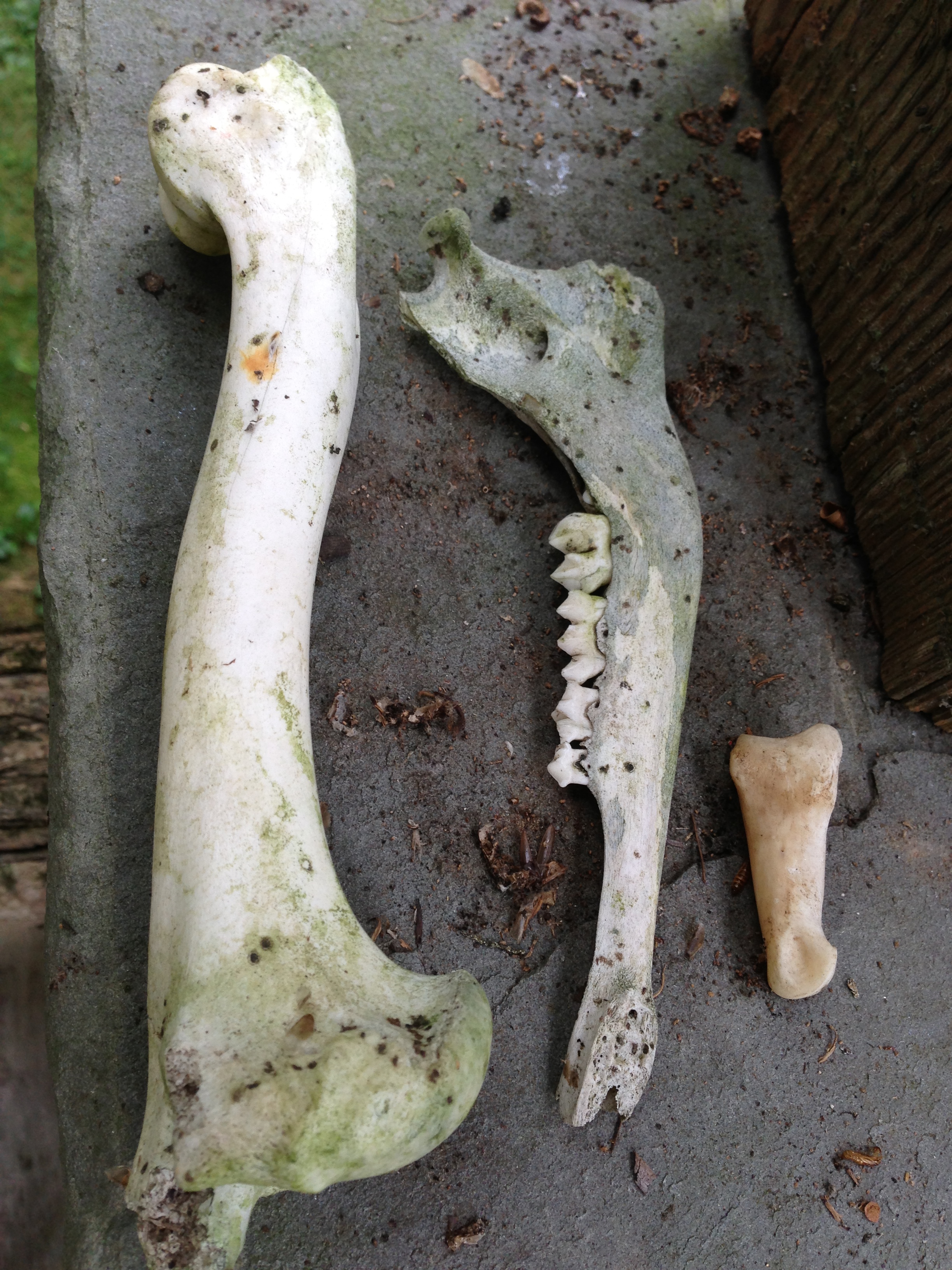
I don’t know that I’ve ever indexed the bones that have surfaced from the marsh in front of the Cabin, mainly carried helpfully to us in Oliver’s mouth. We joke that he is trying to assemble to assemble a full deer skeleton.

bones

Or the skins that have been sloughed off by so many snakes just to the south of the house.

snakeskin

But, like motorcycle girl, probably I do get to a few things every day, even now, move my constrained life ahead bit by bit. Take some action, even if I’m not swinging effortlessly on my axilla mobility aids. Thus, a catalogue of 10 actions taken today.

1. A shower bath, my leg encased in a plastic bag, with streaming hot water and a worn-down bar of soap a revelation.

2. A knitted row of  angora, hopefully without a slipped stitch.

angora

3. Perused some passages in Travels in North America, a volume published by Swedish naturalist Peter Kalm in the 1760s. In it he expounds on such scientific matters as the way bears kill livestock in Philadelphia: by biting a hole in a cow’s hide and inflating it until it dies.

racoon1

4. Stumbled upon a recipe for Warm, Cheesy Swiss Chard and Roasted Garlic Dip. As soon as I’m up and around the kitchen again!

5. Checked out the Thanksgiving episode of Orange Is the New Black.

o-ORANGE-IS-THE-NEW-BLACK-facebook

How many programs have a cast that is 99 percent female, let along with a heavy lesbian slant? Mindblowing.

6. Pushed The Bloke to the sushi bar at the back of a Japanese restaurant and had the treat of watching the chef halve a bright pink, yard-long salmon with finesse, season it with rock salt and layer it in a tub with its perfect filet brothers.

7. Scootered through a supermarket I usually despise as being too plastic but which today looked cheerily kaleidoscopic after two weeks of grocery deprivation.

market

8. Brought home the beer in The Bloke’s handy basket.

kaliber

9. Visited my garden for the first time since the surgery. The collards were begging for a simmer with a pork hock.

collards

10. Visited with Oliver on his turf, the front yard, for a change, rather than him visiting with me on the couch.

oliver rolling

I’m getting back onto that couch now and elevating my aching foot. Ahhhh. But… I wonder what motorcycle girl is up to. On her anime-sparkle-titanium-neon crutches. Rocking the lead vocals with her hip hop crew? Bottle-feeding a new litter of rottweiler-lab pups? Baking a dozen loaves of vegan meatloaf for her closest friends? Or just getting ready to fly down those four flights and go out to the movies again? Because she can do just about anything she wants. As can I.

3 Comments

Filed under Cooking, Culture, Dogs, Fashion, Film, History, Home, Jean Zimmerman, Knitting, Music, Writers, Writing

L.E.C.M.-Elysium-Karma

An interminable eighteen days until the brittle cast comes off my leg. In the meantime, Gil Reavill has consented to contribute yet another juicy post to this page. Here he is.

JEAN ZIMMERMAN (writes Gil) is well celebrated for her parking karma. This arcane skill is probably not noteworthy in any other place than New York City and San Francisco, but within the confines of Manhattan, especially, it is golden. Jean’s strategy, by the by, is to drive directly to the place we’re heading for and not slow to look for street parking along the way. Like as not, she finds a spot close upon  the goal.
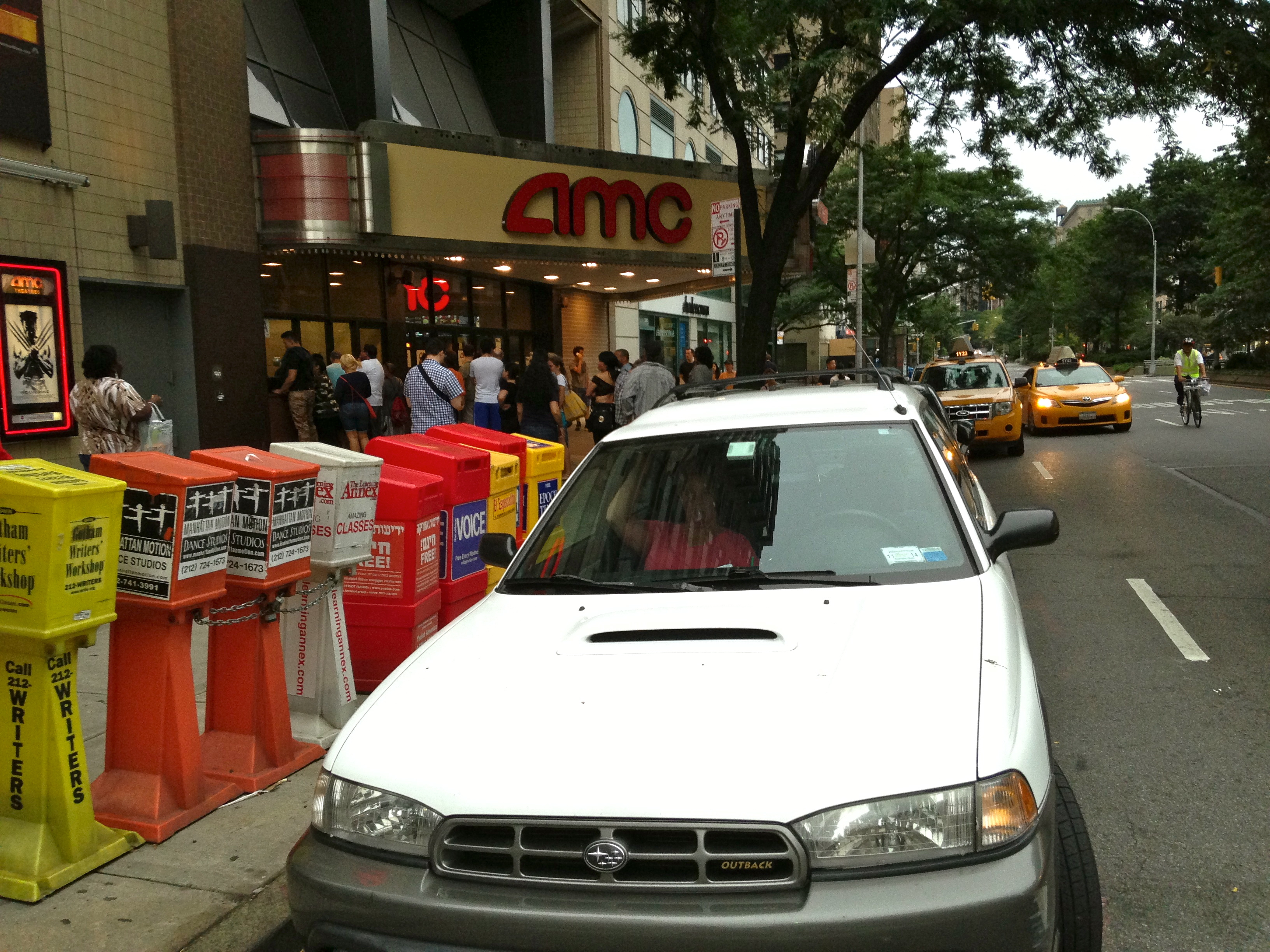
In Cabinworld, cabin fever is a quite literal situation, and Jean insisted on getting herself and her splint-bound leg off the couch and out of the house this afternoon. We decided on Elysium, the Matt Damon movie by the South African writer-director Neill Blomkamp, who directed a 2009 film we both liked, District 9. Lured by brand-new reclining La-Z-Boy style seats, we aimed for the AMC theater on 84th Street and Broadway. (These are the best movie seats in the world, says Jean, worth going to a film for even when the film is rotten.)
Pulling up directly in front of the movie house, we found ourselves opposite a sedan with a driver sitting in the driver’s seat. Jean posed the traditional NYC question: Are you leaving? Yes, I am, said the driver. And he did. It was magic, especially for unloading a knee scooter and a person with a hurt foot.

Parking Karma

Karma is a belief that there is some form of justice in the universe. Behave badly, be reincarnated as a worm or some other lower life form. Do good and step up the chain of being toward bodhisattva.

Gamblers call it luck. Here’s a passage from Jean’s The Orphanmaster that deals with it:

Drummond had witnessed the world’s best gamblers at play, including Prince Henry, a demon at cards. Bassett was Henry Stuart’s game, and he could win a hundred pound on the turn of a queen, only to lose it the next hand. Drummond knew the action well enough to understand the play was not really about winning and losing.

It was about faith and belief.

The field of battle and the gaming table. Drummond once stood beside an officer, a good man judged by all to be lucky and deserving, only to see a dressed-stone cannon ball take off his head. Every soldier learned the harshest lesson of battle in ways that re-ordered his very soul: Luck had nothing to do with it. Randomness ruled.

The gambler wanted to believe differently, that the world held some secret order to it, one that would accord him a special measure of good fortune. Every play tested the gambler’s faith in that belief.

Jean’s parking karma notwithstanding, I’ve always considered karma as no more than a comforting fairy tale. The universe is random and makes no exception at all for human concerns.

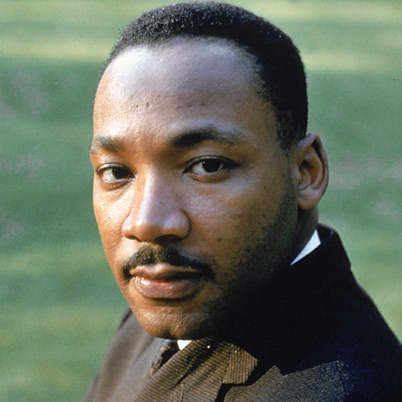
Martin Luther King, Jr. articulated a belief similar to karma, not in Buddhist/Hindu terms but with his usual Southern Baptist eloquence: The arc of the moral universe is long, but it bends toward justice.

Martin-Luther-King-Jr-9365086-2-402

It would be pretty to think so, as Hemingway would say. Such a kernel of optimism might be necessary in order to commit to the long-haul cause of social justice. King no doubt needed to believe to endure the incredible trials he encountered.

Talk of karma and the bend toward justice somehow implies that the universe will take care of itself. You don’t have to get on up off of your duff. But social justice doesn’t just happen. It needs a push.

Here is King’s great predecessor in the cause, Frederick Douglass:

Those who profess to favor freedom, and yet deprecate agitation, are people who want crops without plowing up the ground. They want rain without thunder and lightning; they want the ocean without the awful roar of its waters. This struggle may be a moral one; or it may be both moral and physical; but it must be a struggle. Power concedes nothing without a demand; it never did and it never will. Find out what people will submit to, and you have found out the exact amount of injustice which will be imposed upon them. The limits of tyrants are prescribed by the endurance of those whom they oppress.

This August 28 marks the 50th anniversary of the March on Washington for Jobs and Freedom, the occasion for King’s celebrated “I Have a Dream” speech. Five years later, just before his assassination, his political strategy had widened to a specific economic purpose. He proposed another march on Washington, D.C., this one rendered tragic by his death: The Poor People’s Campaign in June 1968.

Civil rights is a dangerous enough cause to push, but demanding economic equality, that’s what they’ll kill you for.

Elysium, the movie that we watched flat on our backs in the AMC 84th Street Theater, was surprisingly political. (Political enough to make you drop your popcorn, says Jean.)

gil reclining

A broad-gauge fable of sorts, it spoke to the world’s most pressing issue, according to Dr. King. It usually goes by the name of “income inequality” today. We’re creating a two-tier society, segregated, policed and imbalanced.

In the film, the haves have decamped the earth for Elysium, a paradisal, mandala-like orbiting space environment.

elysi

The have-nots, down below, live in impoverished, overpopulated, climate-fried squalor. It’s like America after the Walton family and the Koch brothers get through with it: one sprawling, fetid favela.

The film has a covert message, with plenty of clues littered throughout. Elysium, a word the ancient Greeks invoked for paradise, is code for L.E.C.M. (say it fast), the alt-culture rallying cry of Love, Empathize, Create, March.

Damon’s solid, but Jodie Foster, as the military bigwig who concedes nothing without an armed invasion, turns in not her best performance ever. The steampunk flavor of the art direction is really the movie’s star. It just looks cool.

explosive

One way to follow the dictates of Frederick Douglass and agitate for social justice in 2054 Los Angeles, it turns out, is to have a rack of metal implanted into your skull.

What the haves really have and the have-nots haven’t any of, in Neill Blomkamp’s dystopian vision, is health care. It’s oddly endearing to watch a $115 million Hollywood action movie where the climax is… everybody gets the Affordable Care Act! (In the form of a magic box in your living room that instantly cures all ills, says Jean. Wouldn’t you like to have one? Now if Obama could manage that, that would be karma.)

1 Comment

Filed under Art, Culture, Film, History, Jean Zimmerman