Category Archives: Home

Simple Stock With a Side of Butter

We in the northeastern U.S. have been deluged with a cool spring rain for several days now. Not good weather for adventuring, though I managed to get out and about yesterday and sample some history and some garlicky pork chops.

weeds

The weeds are thriving. Our sump pump is heaving, with the Cabin set as it is down into an overflowing marsh. And the room around me is dim and shadowy, a womb of dark lumber. The pictures stare out of the murk.
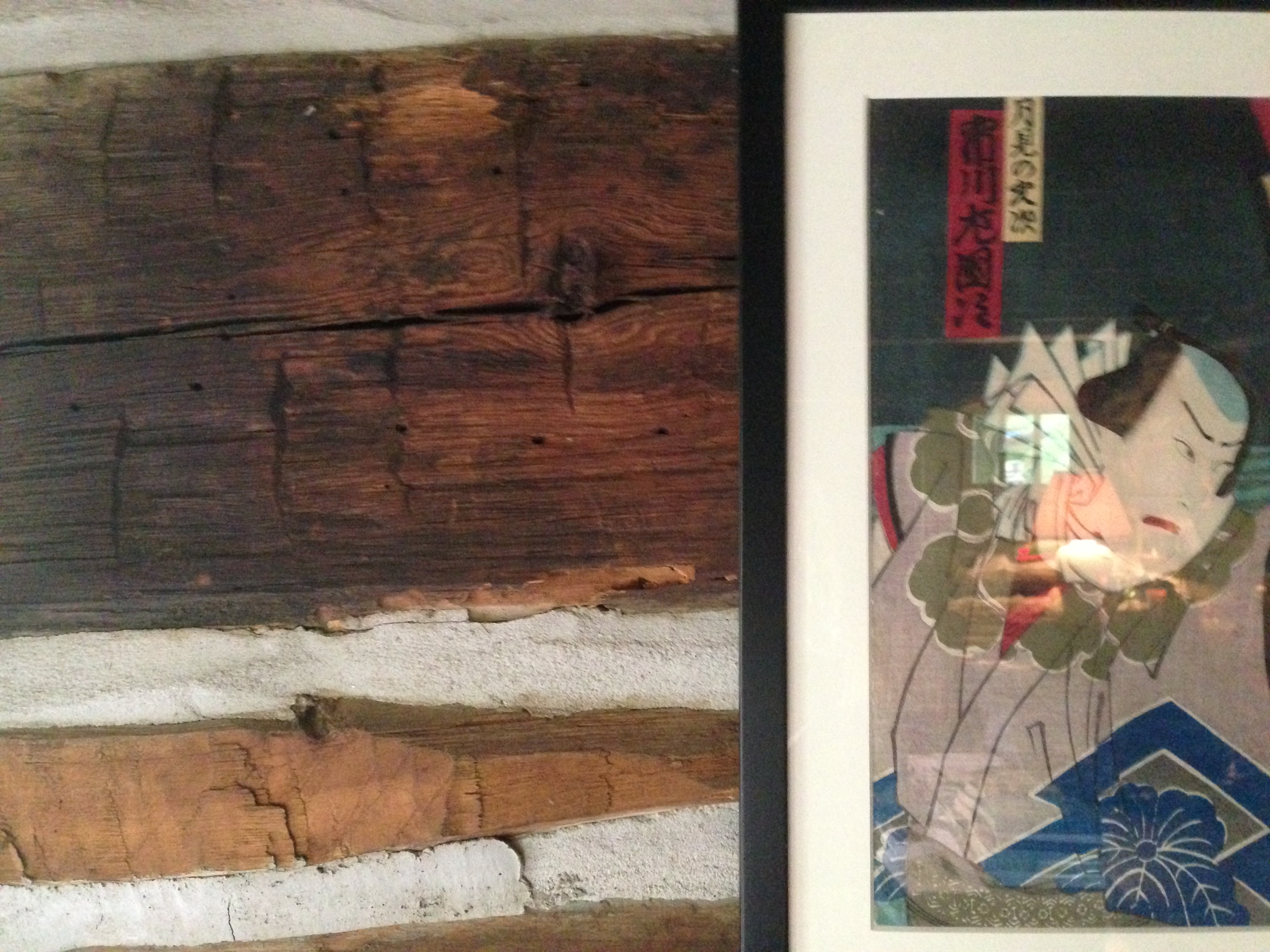
picture

Chestnut, a building expert recently assured me. The Cabin is built of chestnut logs. How do you know? I asked. I just know, he said. You can see it in the fireplace mantle.

mantle

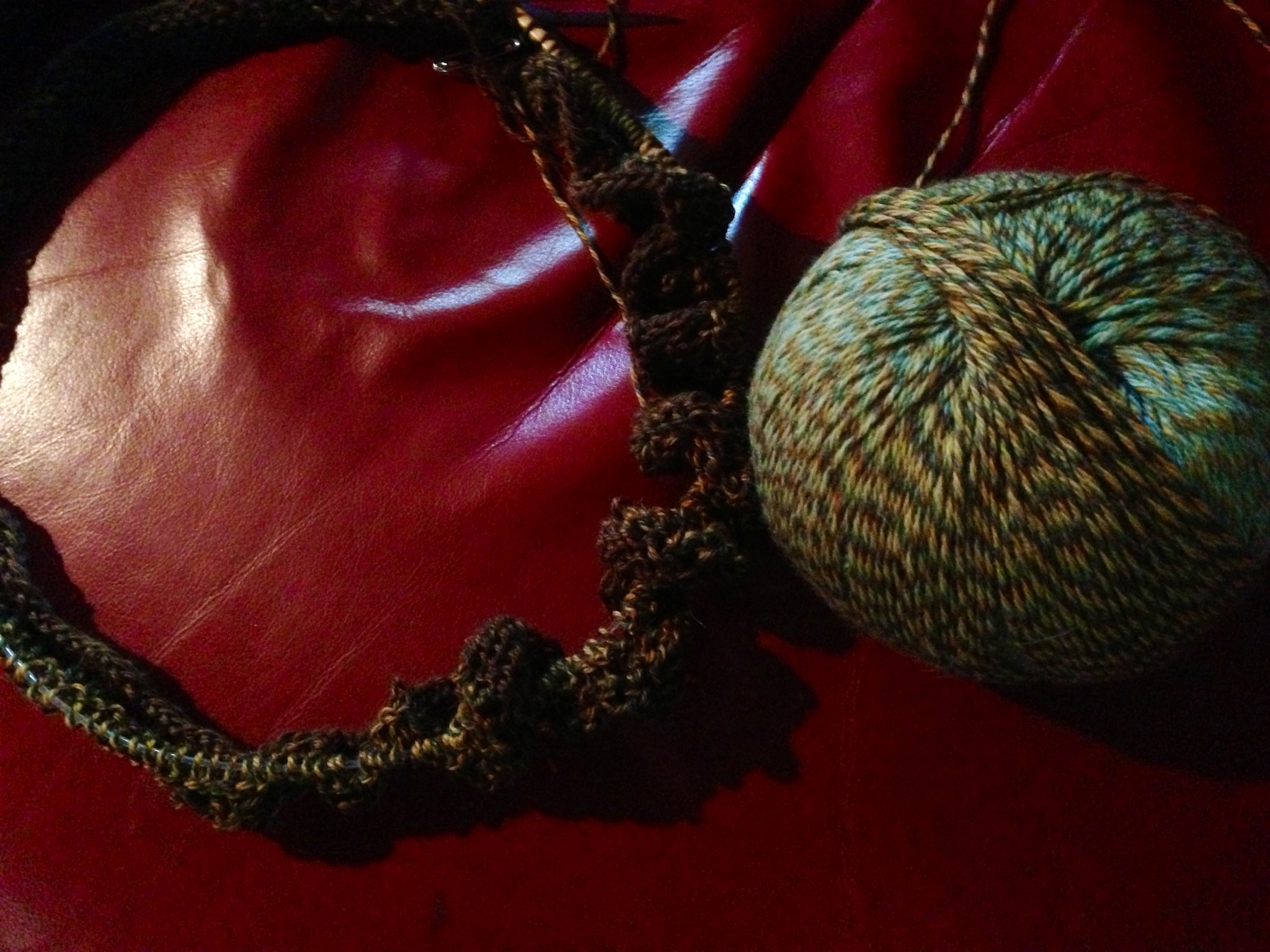
Today is fit for a few errands – dry cleaning, library, Good Will. Then as many rounds of a knitted cowl as I have patience for. Beautifully soft merino wool in a heathery blue-brown. The proprietor of my local knit shop, Flying Fingers, after salvaging yet another botched project of mine, confided that business falls off after the winter, that people seem not to think of knitting as a year-round activity. I immediately bought some new yarn.
heather

I think I’ll take another listen to Barry White’s Ecstasy, which I heard in the car for the first time in a long time. At least 20 years, in fact. Is it still brilliant or is it just me?

barry

Perhaps a chapter of What Maisie Knew, the original by Henry James, which I’m newly interested in after the disturbing contemporary movie version I took in earlier in the week. Perhaps a start on The Flamethrowers by Rachel Kushner, which just appeared in April and takes place in 1975 in New York City, where a young woman named Reno is intent on conquering the SoHo art world.

flame

I know I’ll make a big pot of chicken soup, and dive into another pot: links I’ve been saving to mull over on a day just like today.

Here are some you can sink your teeth into.

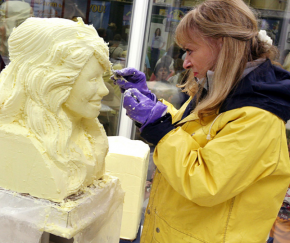
Have you ever wondered about butter sculpting?
butter sculpting

Linda Christensen, a master at the craft, typically spends a week and a half in a booth chilled to near freezing at the Minnesota State Fair in order to render likenesses out of 90-pound blocks. An artist friend of mine once imagined making sculptures out of breast milk butter, but it never came to pass.

How about houses so small they can be mounted on grocery carts?

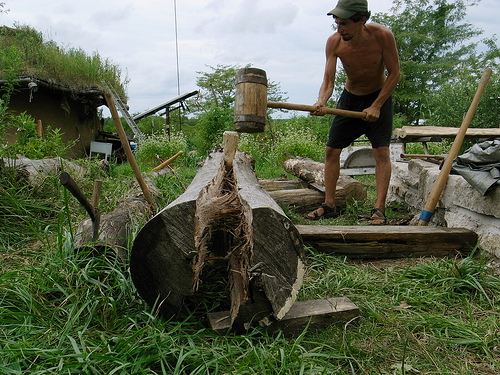
Early water pipes under New York City carved from whole trees.

wood pipes

Archaeologists are finding them now.

Italian prison inmates who make award-winning chocolate truffles.

The question of whether Michael Pollan is a sexist pig – an excerpt from Homeward Bound: Why Women Are Embracing the New Domesticity, a new book by Emily Matchar that sounds an awful lot like my decade-old Made From Scratch: Reclaiming the Pleasures of the American Hearth.

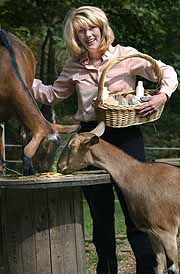
Is it time to order a new supply of Goatboy Soaps, handmade from goat’s milk and shea butter on a farm in New Milford, Connecticut?
1009wc07.jpg

The one called Heavenly does indeed have a celestial aroma, I can vouch for it,but you can also choose from among Blackberry Sage, Cherry Almond, Clean Greens, Lavender Oatmeal, Serious Citrus and others, including Red Clover Tea, the company’s bestseller. No breast milk in evidence.

Research showing why the act of pointing makes babies human. It turns out, according to Slate, that “Babies point to refer to events in the past and the future. They point to refer to things that are no longer there. They can figure out, when an adult points across the room toward a group of objects, what exactly the adult is gesturing toward (the toy they’ve previously played with, say). They can deduce that, by pointing, an adult is trying to communicate something specific (find that toy hidden in that bucket). And not least of all, babies point because they want to share their experience of the world—that puppy—with someone else.”

The fascinating blog of an Irishman elucidating a video of Dublin phrases.  You’re in for a treat if you make posts from Sentence first a regular part of your day.

A recipe for how to make Mango Sticky Rice, at a site called The High Heel Gourmet, brought to you by Miranti, a young chef who seems to know exactly what she’s doing.

high heeled gourmet

And, finally, a piece so lively it will drive all the rain away (by tomorrow, I hope, when I plan to go mushrooming in the Westchester woods), a photo doc on skateboarding in 1965, courtesy of Life magazine.

girl skateboarding

I am sure that some of the individuals pictured have traded skateboards for walkers, but then everything was a breeze.

If you wind up wanting to make home-made soup, a chicken elixir, here’s how.

A Recipe for Simple Stock

1 soup fowl/heavy fowl/soup hen

A bunch of chicken feet if you can get them

2 big fat carrots

2 sticks celery

1 large onion

1 large purple-shouldered turnip

1 large parsnip

a bunch of dill if you have it

salt and pepper to taste

Bring chicken to boil in a pot large enough to accommodate all ingredients.

Skim off scum and reduce to a simmer.

Add all other ingredients.

Simmer 3 hours or until chicken starts to fall off the bone.

Strain stock.

Add noodles or matzoh balls, use as a base for leek-and-potato soup, make gravy for chicken pot pie or stir up some risotto. Perfect for anything that ails you. And if you dribble a little over the kibble, your dog will love you for it.

1 Comment

Filed under Cooking, Fiction, Film, History, Home, Jean Zimmerman, Knitting, Nature, Publishing, Writers, Writing

Enough to Feed an Army

An army marches on its stomach, said Napoleon, who knew a little something about food as well as armies, if his portrait is to be trusted.

napoleon

I recently read a profile of a man seemingly born to fill that marching stomach, Derrick Davenport, a culinary specialist who has just triumphed over 17 other gastronomic overachievers to become the Armed Forces Chef of the Year. Parade reports that the competition has taken place for two decades at the Joint Culinary Center of Excellence in Fort Lee, Virginia. It’s judged cooking-show style, after contestants prepare four courses in four hours, taking in hand some challenging ingredients they didn’t count on ahead of time.

Derrick Davenport

Quinoa and arugula salad. Roasted lamb loin in mushroom sauce with butternut squash puree. Edam cheese fritters? These are no ordinary MREs. But the military takes its food more seriously than ever now that troops’ palates have grown more sophisticated. Plus, says an army evacuation medic named Corrie Blackshear, “It’s more than nourishment. It’s spiritual nourishment.”

Nourishment to the tune of 5,250,000 gallons of milk, 448,000 pounds of Thanksgiving turkey and 214,000 gallons of ketchup a year. Fully 24,884,000 pounds of cooked chicken.

mmw-fat-chickens

This is just part of the 2012 breakdown for all of the U.S. Armed Forces.

I began thinking about gargantuan military food quanities a long time ago when I served as the head of a soup kitchen in Manhattan. I had picked up a copy of the West Point Officers Wives’ Club Cookbook  at the Naval Academy bookstore when I was at Annapolis doing interviews for Tailspin, Women at War in the Wake of Tailhook.

West POint cookbook

It was a spiral-bound community-style softcover of the type I still collect (I have over a hundred) and it had a subtitle I found enticing: Enough to Feed an Army.

I was new to the soup kitchen, which took place once a week at All Souls Unitarian Church on Lexington Avenue, and was known as Monday Night Hospitality. Wandering down to the kitchen one afternoon, just thinking to check out the volunteer options, I encountered a tall, blonde woman with her coat on. I told her I wanted to help. Fine, she said, you’ll cook tonight. I looked around – I was the only one there.

I had cooked for dinner parties before, but the customary crowd at Monday Night Hospitality reached 100 hungry mouths, sometimes more. Don’t worry, said the woman, we have meatballs. And she pointed to the walk-in pantry.

The soup kitchen had always served government-issued meatballs in tomato sauce. Mystery meat. Bad enough to smell, let alone put in your mouth.

That was the only time I served a meal that was not home cooked. I remember trucking in crates of kale from my favorite market Fairway up in Harlem at 134th Street. The produce manager Jaime saw me coming and would break into a smile.

kale

How much ground beef to make meat loaf for 100? How many eggs? I figured it out. I learned to fry chicken in industrial-size skillets. Not 24,884,000 pounds, but close.

I consulted the West Point Officers Wives’ Club spiral bound. It featured recipes from teachers and parents, officers and their wives (and some husbands). It also contained items like reminiscences of graduations past, and the cadet’s prayer. Finally, and here is where I got some guidance, the mess hall weighed in.

sloppy joes

Forty-five hundred servings? Making sloppy joes for 100 was obviously something  a person like me could do. I would bring my favorite 8-inch chef’s knife from home, wrapped in cardboard and duct tape. And my well-used apron. Sometimes a pan I wanted to employ. I would put those entrees on the table, whatever it took.

pan

And it was worth it. Often, our dinner was the first time our guests had tasted a home-cooked meal in a long while.

I remember an elderly man who used to grab me by the arm and recall his late wife, the loving meals she used to fix him. A man mountain with a tiny rearview mirror attached to his glasses, dressed head to toe in fatigues, how he chowed down. And an Eastern European woman named Margo, and how she pampered my five-year-old daughter while stuffing buttered bread in her handbag.

I learned that for all the differences, these people were more like me than I had known. The aroma of many was more pungent than I could imagine. A shower at home was a foreign concept. But they ate with the same relish I did. As did the volunteers, who devoured our food and brought home leftovers. The perfect sous chef from the West Indies. The mother who occasionally brought her helpful daughter (at 19, she seemed so old!). The high schooler with the handsome face and a bottomless capacity for doing dishes over the capacious sink.

At the end of four years, I had a personal crisis that made it impossible for me to cook at the kitchen anymore. I had a book on deadline that I couldn’t write. Financial woes I couldn’t solve. And finally a meltdown from which I needed time to recover.

I approached a fellow volunteer, a writer named Alex who had spent many dinners at Monday Night Hospitality slinging meatloaf with me. Could he possibly take over as head of the kitchen? Immediately?

Surprised but gracious, he said yes.

He comes highly praised, does novelist Alexander Chee.

Alex Chee

His debut novel The New York Times called “haunting,” and gifted, poetic and elegant are also words that have been offered on Alex’s behalf. His new book The Queen of the Night comes out in February of next year from Houghton Mifflin Harcourt – in it, Alex tells the story of an opera singer in 1882 Paris and a secret past she had sought to keep hidden.

The Queen of the Night cover

All this time later, the soup kitchen behind me, I realize something important. I wasn’t the only one who could do this thing of feeding folks with dignity. I was just a writer, cooking for an army of 100 people with no place else to go. The “spiritual nourishment” was mine as much as theirs.

11 Comments

Filed under Cooking, Fiction, History, Home, Jean Zimmerman, Publishing

Lettuce F*****g Entertain You

Thug politely pledged to test out my biscuit recipe when I contacted him/her/them, that is as soon as the dust settled. (His actual words:  I love biscuits and will try your shit out.) Thug Kitchen has after all experienced a viral explosion since the novel cooking site launched in October. Critics call it profane, and profane blended with strawberries and avocados seems to produce a bit of gastric discomfort. Is this some kind of trick? Are we being had?

I call the combination real.

chickpea

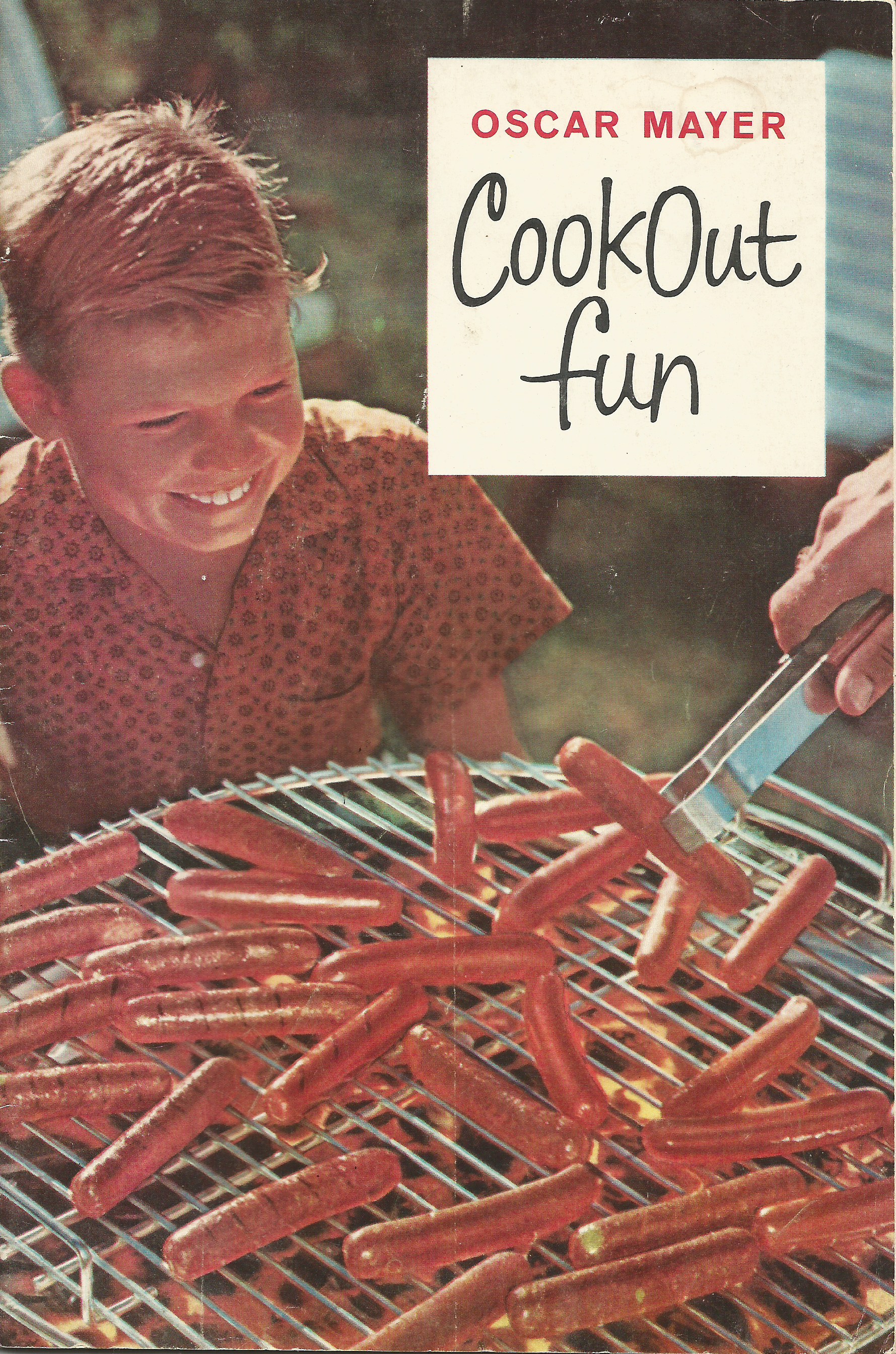
What is it with men and cooking? Top chefs are almost uniformly male. Backyard barbeque-meisters, natch. Boys learn from their fathers.

Cookout fun 2 copy 2

But those who are not chefs of reality TV or summer parties, the men who man the stove day in, day out, making family meals, making solitary meals, prepping the onions and boiling the rice – still sadly a minority. Even Brooklyn foodies cook less than their wives.

Thug cooks for dogs. Sweet potato jerky treats that Oliver would relish.

dog sweet potato

The press will tell you different, that hordes of men are cooking now. After all, the men of the fourth estate are different, and they write what they know. Men have of course increased their kitchen activity since, say, the 50s and 60s, since women gave them a shove with the spatula and said, Do it. Make me proud in here. A wee bit. (And truth be told, younger men are stepping up. A 25-year study of Gen Xers found that men were making two-thirds of the meals married women were. Not too shabby.)
Some men today deliver.

Gil, for example, makes a mean green chili. Okay, that’s a typical boy preserve. He can also deliver a whole wheat pizza topped by homemade tomato sauce, fresh mozzarella, baby spinach, bacon and olives. With aplomb. Delicious, I had three slices yesterday.

Both my brothers have achieved local fame over the years for their culinary expertise. I still remember the roast goose Andy put on the Christmas table a couple of years back, crisp and done to perfection, but he also puts his kindergartener’s dinner on family table every day. Peter assembles a crazy raw kale salad. Don’t know where they got the gene, as the sum total of our father’s skill is a perfect hard-cooked egg.

Thug Kitchen unites macho and grilled-romaine-with-a-touch-of-seasalt as easily as a stroll in some vegan park. Saveur called it the number one food blog around.

lettuce

“ANYBODY CAN GRILL A FUCKING BURGER OR HOTDOG. Elevate your grilling game with something that simpleminded motherfuckers wouldn’t even consider. Grilling veggies is some classy shit and it only takes a few minutes. I am not talking about some played out portabella burger that tastes like a dirty sponge. Eggplant, artichokes, okra, lettuce: all that shit can be thrown on the grill and are in peak form during the spring and summer. People are guaranteed to come correct next time you invite them over. Raise the fucking bar and grill to impress.”

It doesn’t need to be Oscar Mayer any more.

Thug actually is vegan, if you scroll down the site to take a better look, past the blast of biting admonitory locution. No fathers in man-aprons grilling steaks here. Instead, dishes a lady would love: lavender lemonade: “Calm Your Bitch Ass down like a Boss-Drink Some Fucking Flowers” runs the heading, and the recipe advises, “This is some good shit to make when you are feeling bougie as fuck.” Roasted strawberry and coconut salad inspires this heading: “Eat a Goddamn Salad. Fuck it-Eat Ten Then Brag about it.” But TK told the NY Daily News, “You don’t have to be fancy to give a f— about what you eat.”

Thug Kitchen loves moms.

flowers for mom

Thug appears to be a collective. I got a note framed in the royal we. (They’re going out with a book, as soon as they get a proposal together. A book we ladies can share with the gentlemen in our lives.) If so, they must be having a blast, sucking down their strawberry-grapefruit margaritas and talking trash.

Can I come out to L.A. for dinner? I clean up nice and I bet you do too.


Grapefruit Guacamole – recipe courtesy of Thug Kitchen

GRAPEFRUIT GUACAMOLE

5 ripe avocados

2 medium grapefruits or 1 big son of a bitch

¼ cup chopped cilantro

¼ cup chopped red onion

juice of 1 lime (about 2 tablespoons)

¼ teaspoon salt

Take the pit out of the avocados and scoop out all the green flesh into a large bowl. Mash it up with fork. I like my guacamole chunky but do what you gotta do. Cut the grapefruit up into segments like you would cut an orange. Remove the peel and cut the segments into pieces about the size of a nickel. Put all the grapefruit into the bowl with the avocado. Add the cilantro, red onion, lime juice, and salt and mix it all up. Taste it and add more shit until you like it. Serve immediately or chill it for a bit. I’m not gonna tell you how to eat guacamole, just follow your fucking heart.
8 Comments

Filed under Cooking, Dogs, Home, Jean Zimmerman, Publishing, Writers, Writing

Maud to Malawi

Lovely 21-year-old Maud has come home from school, needing a few trillion hours sleep and all her sheets cleaned but no worse for the wear after her third year of college.

Maud in sunlight

Right away, she has to go to a barbecue with her boyfriend. She has to go to a friend’s 21st birthday party at a club in New York. She has to entertain a college friend, and have dinner with a high school friend. She has to help her mother weed the garden. The baby carrots need thinning.

baby carrots

The potatoes need de-Phragmite-ing. The reeds rear up through the loamy soil no matter how we pull them or attack them with shears. They don’t get it. Go back to your marsh! We don’t want you among the tomatoes!

potatoes:weeds

So Maud is going to help me eradicate them. Then off she has to go again…

To Malawi. In just a few days she will go to help build a school in a little town neither you nor I has ever heard of.

mmalawi

I’m trying to remember what I was doing the summer I was 21. Sleeping on someone’s floor on 112th Street. Reading Anais Nin. Putting poetic scrawls in a notebook. A stupid job in a busy bakery (Zaro’s, in Grand Central Station, still exists), barely going to bed before I had to get up in the dark to go to work. Juggling boyfriends. Nothing really of note.

Maud’s going to Malawi with an organization she runs at Columbia called buildOn, whose mission is to build schools all over the world in underresourced communities. Eight other students will go too. Girls, she says, especially benefit from the work they’ll accomplish, because one mandate of buildOn is that female students must have equal access to the educational resources it makes available.

tumblr_m3q6k3FyXz1qbm5u1o1_500

That’s really unusual in a traditional culture like that of Malawi. (Funds are still being raised for the trip.)

Last year, when Maud came back from a similar school-building trip to La Cruz, Nicaragua, she had dirt under her nails and mud ingrained in her clothes from pouring a concrete foundation. She loved the beans and rice for every meal and the friends she made in the village, especially this little sprite.

sprite

When Maud’s my age, she’ll remember more about her 21-year-old summer than serving up bagels.

5 Comments

Filed under History, Home, Jean Zimmerman, Nature

A Quiche That Stands Up and Salutes

Does anyone besides me bake quiche anymore? Or has this delicious standby been totally ruined? By familiarity, by bad versions, by a laugh line that will never be forgotten?

Real Men Don’t Eat Quiche was a long time ago – 1982, actually. Funny guy Bruce Fierstein popularized the notion that consuming eggs and cream in a crust was unmasculine. Chopping onions, properly women’s work. Ha ha. Or should it be?

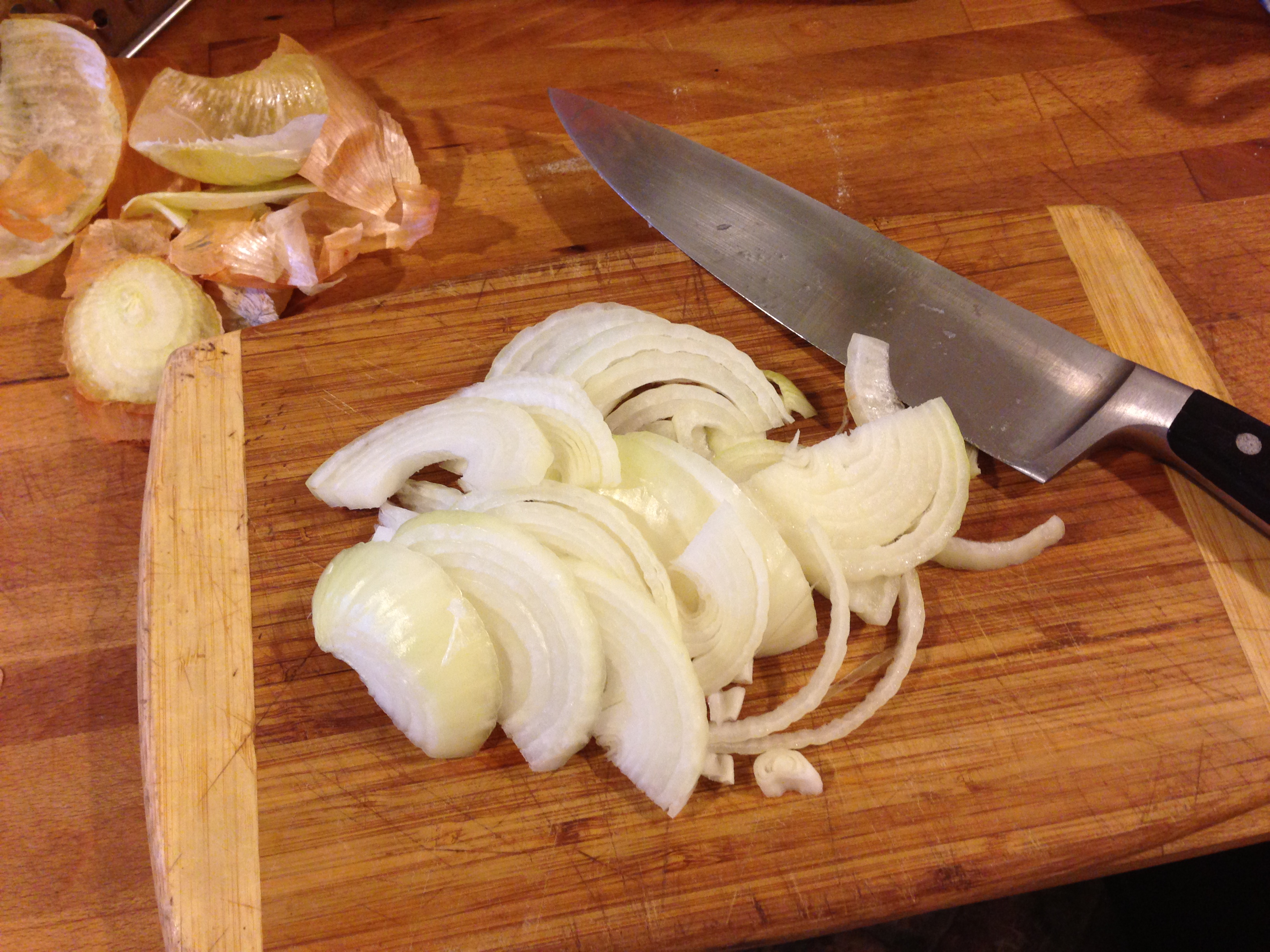
sliced onion

It was a time when the idea of men’s and women’s intertwining roles was particularly fraught. Women had, it seemed, gone on the warpath, demanding equal pay, control over their reproductive lives, a break once in a while in their household routines. I worked as an editor at a think tank called Catalyst, where we encountered business male executives’ overheated fears over the inroads of female executives. Scaling the corporate ladder or any other was in the pop cultural air.

9_to_5_dolly_parton_435

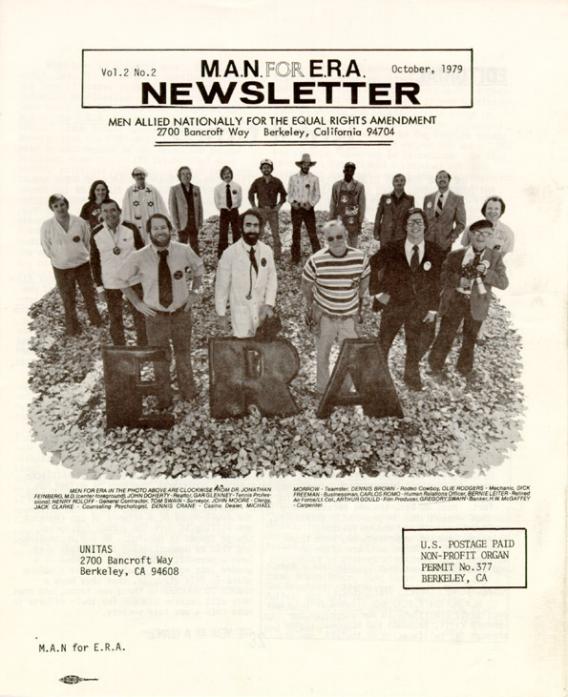
There were men who alligned themselves with women. I love this example of how some men came together in 1979 to share the good fight.

MANforERA1Final.jpg.CROP.article568-large

Slate’s Rebecca Onion writes that the newsletter’s authors were “group of men based in Berkeley, Calif., who were working for the ratification of the Equal Rights Amendment. The sheet was sent to interested activists throughout the late 1970s, as the feminist movement worked to secure the support of enough states to win the amendment’s permanent attachment to the Constitution.”

The group’s acronym stood for Men Allied Nationally for the Equal Rights Amendment. It’s goal, evidently, was “summed up in a motto that mixed arguments based on morality, feasibility, and ego: ‘Stake, Place, Chance, and Strokes.'”

Quiche eaters all, natch. Some were probably even quiche bakers. Quel horreur!

The B-52’s do a mean Quiche Lorraine. It’s about a little dog

dyed dark green.

About two inches tall, with a strawberry blonde fall;

Sunglasses and a bonnet

and designer jeans with appliques on it?

My point, and I do have one… as Ellen Degeneres used to say. In my house, the quiches happen to be my domain, while Gil does the donuts, the paninis and the best molasses cookies ever.

cheese:hand

I haven’t given up on quiche. It’s a historic entree, having originated once upon a time not in France, actually, but in Germany, and English versions of custard in pastry go back to the 15th century. The original rustic Quiche Lorraine was dished up in a cast iron pan. So ours is a connection to a simpler time. I actually impressed myself by making it for the first time in high school, in home ec class.

And it meets my leftovers standard. The egg in a crust you heat up in the microwave the day after (or the day after that) is almost as good as you had it hot from the oven that first night. Crucial in a household of writers who might not want to pause mid-sentence to create a meal from scratch.

Julia Child has been my guide in developing a great recipe, but I don’t have patience with her doorstop tomes.

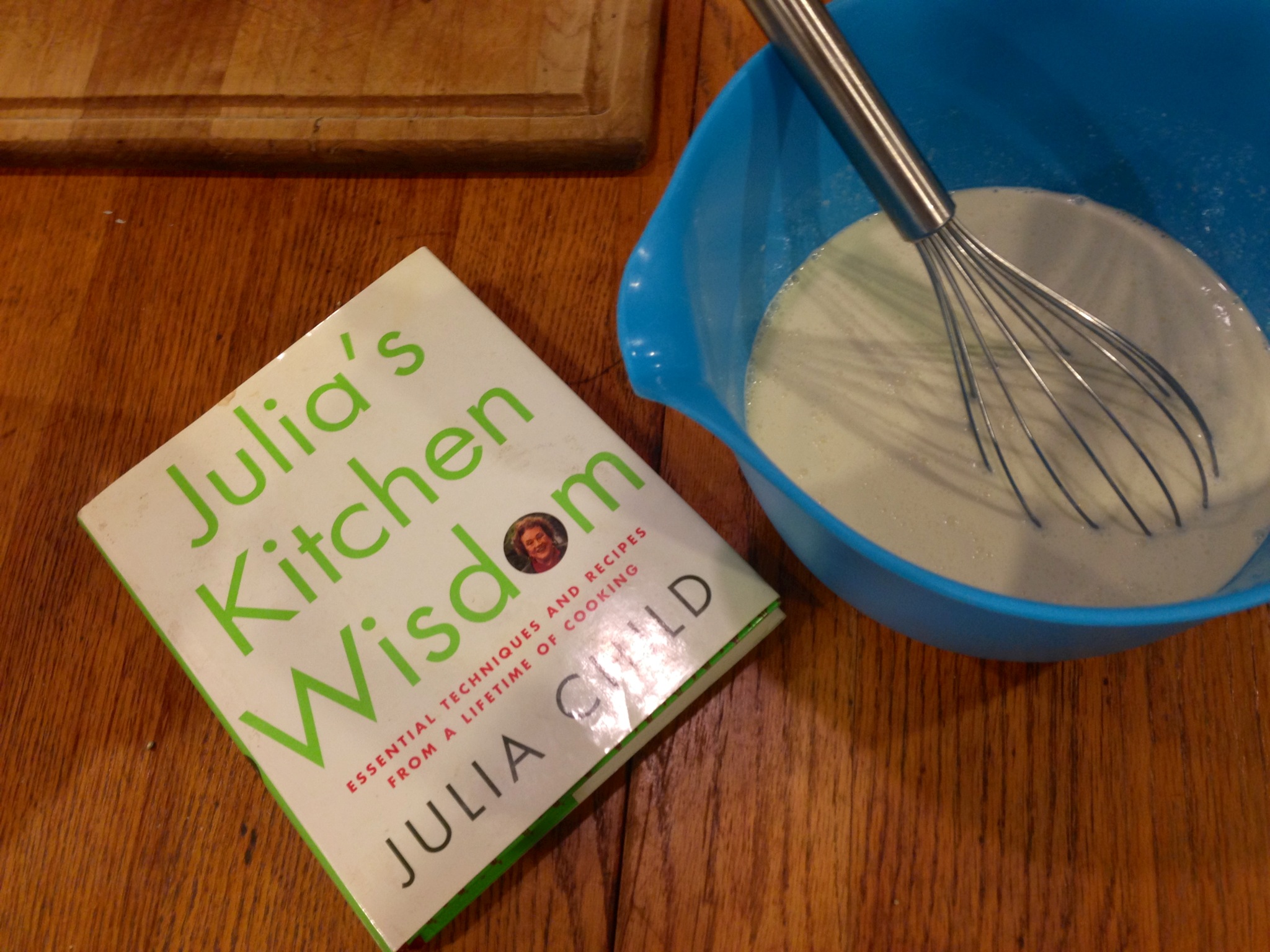
Julia's

I think the 107-page Julia’s Kitchen Wisdom: Essential Techniques and Recipes From a Lifetime of Cooking has just about all the information and recipes that are needed to square you away with your pots and pans. I especially like one of the tenets of her quiche recipe: you measure out the proper amount of eggs to cream by cracking the egg in a half-cup measure and filling it with the dairy, continuing in the same way until you get the amount of liquid required.

This reminds me of another egg trick I thought was great when I saw it in a movie. When a recipe calls for a whole egg, you sklurp your finger around the inside of the shell after breaking it to make sure you don’t waste any bit of precious white.

I make what historically has been called a Quiche Lorraine, with eggs, bacon and cream, except I always use cheese, and usually add some kind of leafy greens or broccoli – to make it healthy (!). My crust recipe is tried and true, and I always use leaf lard if I have some in the house.

The recipe may be mustily retro, but let’s call it classic cool. The quiche. A recipe for men and women equally.

A Noble Quiche

Crust:

1 ½ c flour (half and half white and whole wheat)

¼ c butter

1 ½ T crisco (or lard)

½ c cold water

pinch salt

Cut together butter, shortening and flour and salt, then mix in water with a fork; chill an hour.

Filling:

4 eggs

Half and half to fill up a half cup for every egg (you can use heavy cream for a more custard-like or milk for a more omelette-like consistency)

(plus extra eggs/cream as needed to fill your pie plate)

1 large onion, sliced thin

6 slices crisp bacon, crumbled

1 ½-2 c gruyere, shredded

greens or broccolli to taste, steamed

Fry bacon, remove. Fry onion til golden in same pan.

Whisk eggs and cream together.

Lay onions then bacon then cheese in pie shell. Pour in egg/cream mixture. Grind some pepper on top.

Bake at 375 for 45 minutes.

4 Comments

Filed under Cooking, History, Home, Jean Zimmerman, Writing

Suzanne Takes You Down to Her Place by the River

Allow me to introduce a photographer whose work needs to be better known.

Susie's sky

Suzanne Levine. For decades she has gone nowhere without a camera in her hand.

Suzanne

She happens to be family to me, my sister-in-law, and lives with her husband and son in Hastings-on-Hudson, New York, where I grew up and lived for years.

People in-the-know know that she is one of the most talented photographers around.

cactus at night

Thank goodness, the explosion of social media means for one thing that fantastic photographers don’t have to labor in obscurity. Much less likely, the possibility of overlooking a Vivien Maier, the recently discovered shutterbug who worked for years in the 1950s as a nanny while walking the streets with her Rollieflex, photographing everyone from  well-dressed shoppers to street bums, producing gorgeous images that no body ever saw.

Vivien Maier

Street photography isn’t Suzanne Levine’s chosen discipline – though she is great with the human form.

5-7-13

More her bent is landscape, and particularly, I think, articulating a vision of the Hudson River.

red Palisades

Her living room window overlooks the tracks headed south along the shore and the Palisades beyond, so it’s got to be a lot on her mind.

rains

Her usual interpretations of the Palisades are fluid and soulful, soft yet strong.

blue Palisades

Rothko-esque.

Suzanne is sensitive to the venerable Palisades-depicting tradition in Hastings, beginning with Jasper Cropsey, who painted this canvas in 1887.

CropseyPalisades

“It’s hard to do it in a meaningful way,” she says. “Particularly with photography, a landscape may be technically skillful, but empty.  The detail and the majesty can be overbearing; too much of a hard sell.  When I see an image like that I think, that’s not how you make a picture of the Palisades.”

green Palisades

You can see a series of Suzanne’s Palisades images here.

She is also an intuitive mom-photographer, with a knack for “getting” what’s going on with her son. Jasper’s now six, a  gabby, literate, lego obsessed energy bundle, and she captures the bright light of his personality.

now we are six

One recent body of work Suzanne called postcards.

Suzanne's postcard 1

Works that threw two images together, shook em up, poured em out as the perfect visual cocktail. She started to make them as portraits of Facebook friends, both those she knew personally and those she had met on line. “Are you a psychic?” asked a friend she hadn’t seen since high school.

Suzanne's postcard 2

She must have done a hundred of these.

Suzanne's postcard 3

Each one more interesting than the next.

Suzanne's postcard 4

Suzanne has recently begun using an Olympus OM-D E-M5, a Micro Four Thirds interchangable lens camera, a step-up from the compact digital cameras she’d been using the past few years.  Once in a while she still employs a one-megapixel camera, when she wants to go lo-fi.  She still keeps a 35mm Nikon F and a Rolleiflex TLR, as well as a collection of vintage cameras. Her favorite: a Newman & Guardia view camera, which was the camera of choice for polar explorers because of its innovative spring-powered pneumatic shutter.

You can see more of these photos. You can share work with Suzanne or to talk about getting a print made. Leave a comment for me here and I’ll make sure she gets your information.

Just don’t distract her too much from the sweet, moody, serene, soulful river that runs through her world.

16 Comments

Filed under Art, Home, Jean Zimmerman, Nature, Photography

Thug Kitchen: Lavender Lemonade

From my friends at Thug Kitchen, one of the best cooking sites, comes this perfect Mother’s Day refresher.

Thug Kitchen: Five simple fucking ingredients in this bitch….

5 Comments

Filed under Cooking, Home

It Makes Perfect Sense

About to be Mother’s Day. The night before, Saturday night, we go into Manhattan just as the thunder starts to roll. Fissures of lightning streak the sky.

As is my mother’s prerogative, I let Gil do the driving.

We check out a movie not for the weak of stomach.

Then take dinner at Katz’s, founded in 1888 on Houston Street, its threshold long worn-out.

katz's door jamb

There is really no reason to go anywhere in New York for dinner except Katz’s.

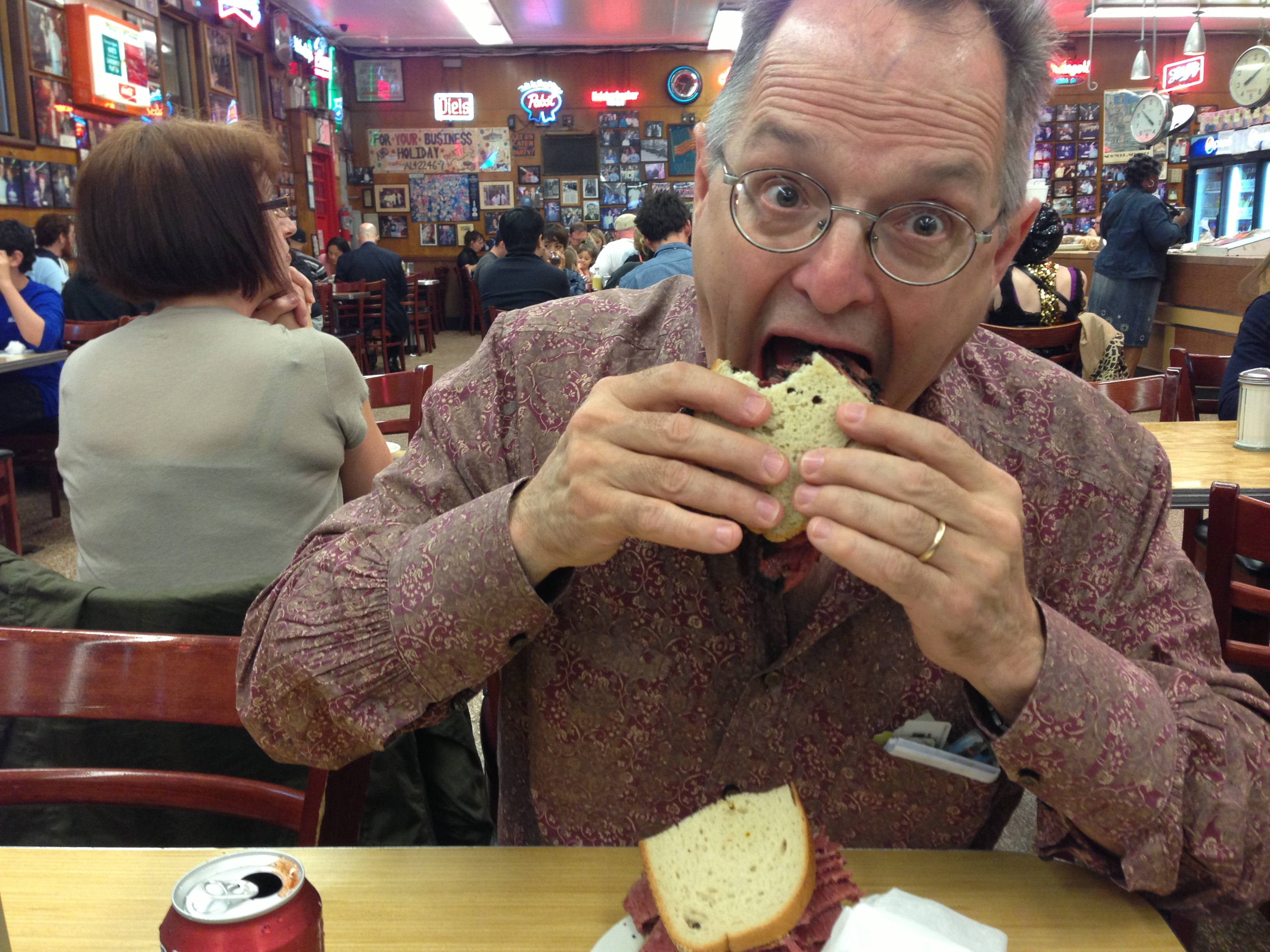
gil sandwich

You wait on line for your carver to finish your sandwich and he pushes a hot little slice of pastrami across the counter at you. It makes perfect sense. A morsel to whet your appetite.

carving

David has worked his station since ’02.

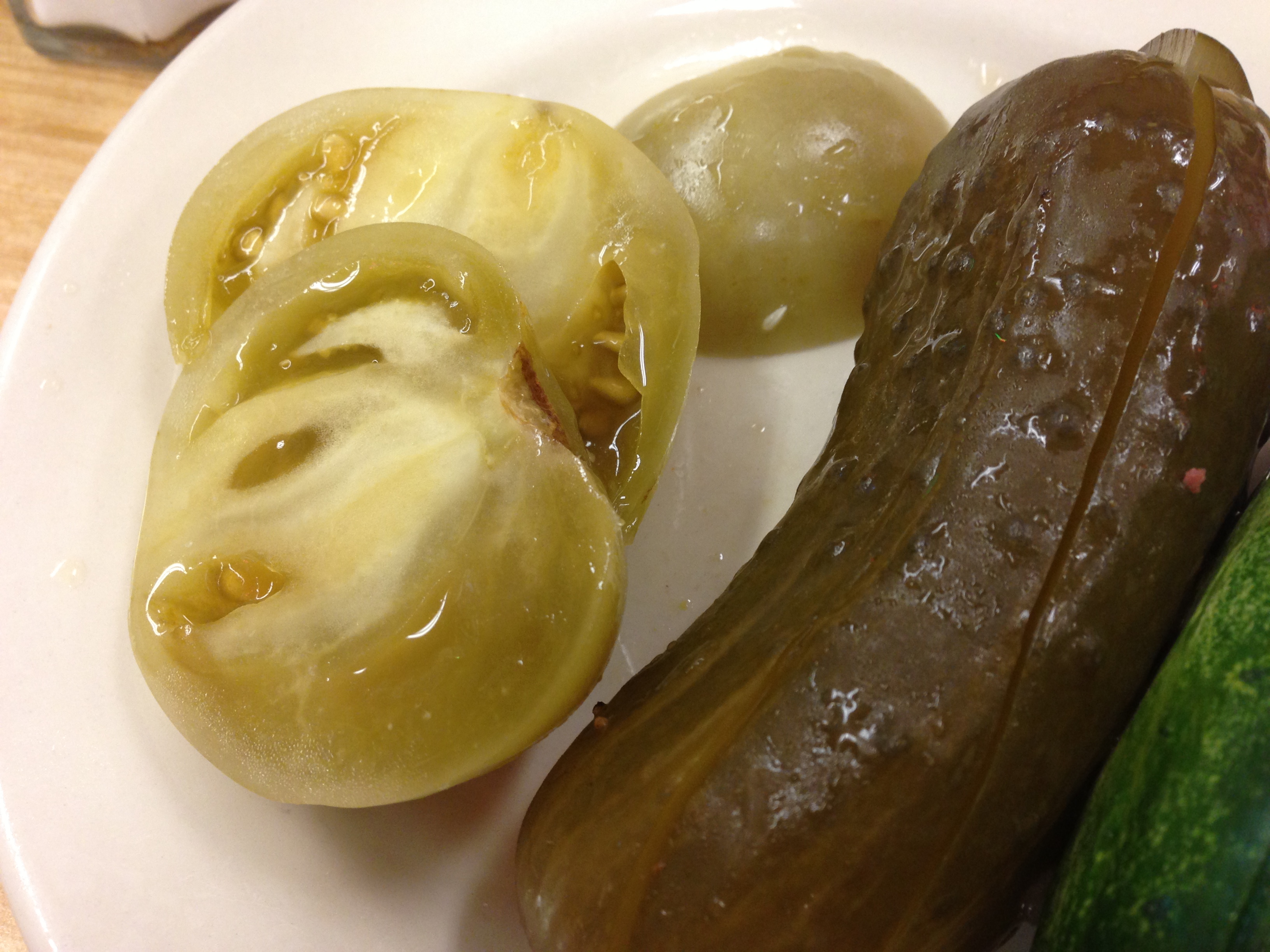
The pickles are luscious. Green tomato, sour dill and new.

pickles

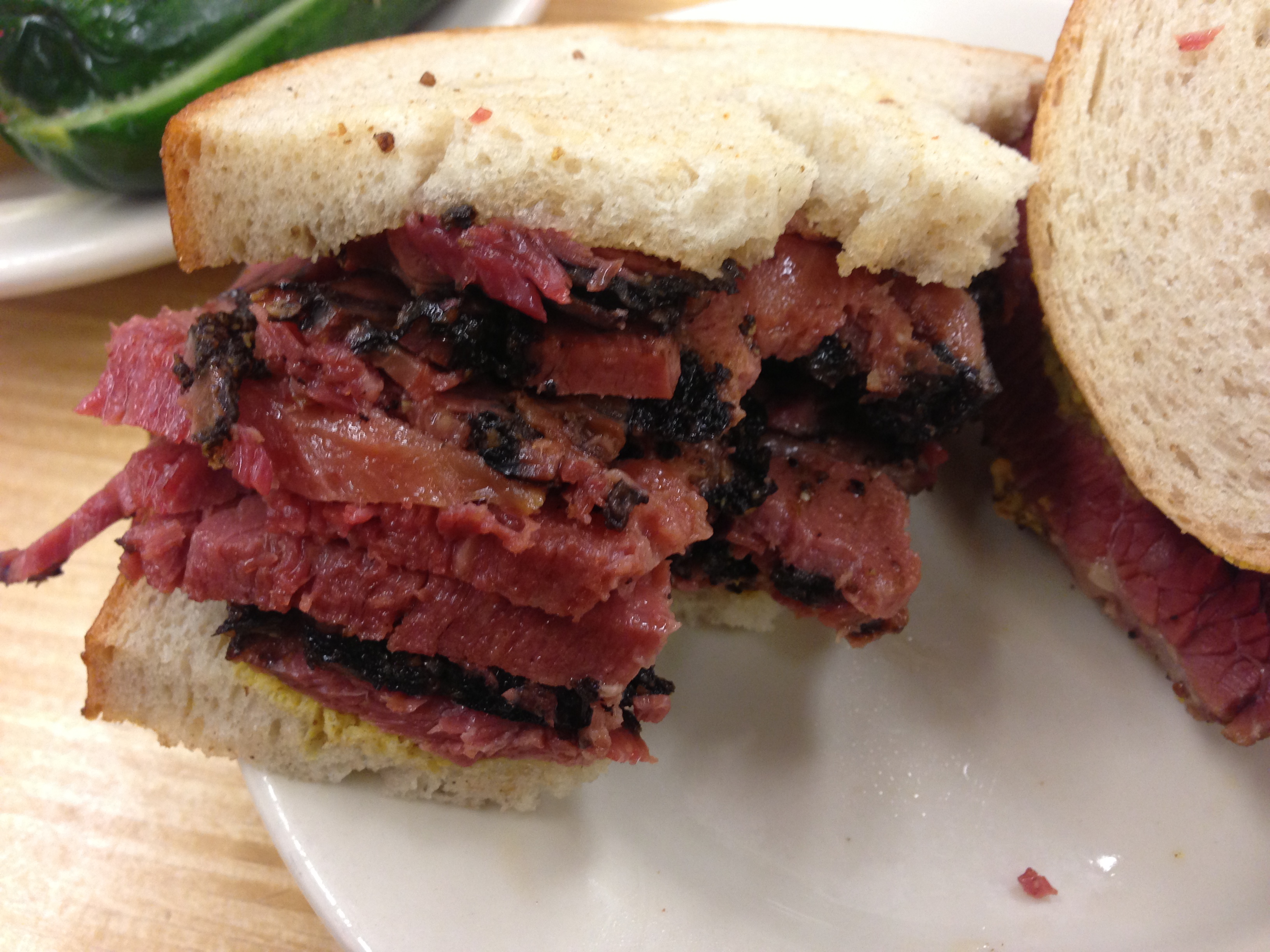
But they can’t match the pastrami. As Sinead O’Connor sang, Nothing compares to you.

pastrami

Anyone can sit at the Where Harry Met Sally table. We did. It makes sense to do it if you can.

where harry met sally

Outside I was surprised to see a sign on the side of the building that read WURST FABRIC.

wurst fabric

Was Katz once in the textile business?
 Michael Stern, the road food genius, schooled me.
 Fabric is an Americanization of the Yiddish term meaning home-made.

Our pre-mom’s day Gastro-crawl continued on 23rd St. right next door to the Chelsea Hotel, scene of so much poetry and debauch over the years.

Now we have the Donut Plant. Gourmet donuts done right. 
Proctology cushions  covered with fabric (home-made in yiddish) covered the wall.

donut walls

Perfect coffee, Mother’s Day specials.

donut sign

Rose petals in donuts. Could it be a joke?
 Yes, but it made a weird kind of sense.

rose donut

There were in fact petals baked into the dough. I was transported to the Middle Ages. Or the middle of India and its rosewater delicacies.
 I don’t know if biting into one made me feel more maternal or just trendy. Anyway, I liked it.

Right across the street, the historic home of the Communist Party in America, 235 west 23 street,
was hosting a musical extravaganza. 
A group called Legacy Women performed Afro Dominican palo and Afro Puerto Rican bomba for a rapt,  folky audience that shushed us numerous times.

legacy-women

These women rocked. One song they announced was for mothers, and they belted out the chorus, mama-ah. 
Another sounded like they were singing put your pants on in some native dialect.

Hitting the street again, the rain had all cleared away, leaving things new.

I looked across the street to the Chelsea Hotel, 
now sadly being modernized, made into condos, its art collection all sold off. 
I thought of Alejandro Escovedo’s song about the Chelsea, Chelsea Hotel ’78.

It makes no sense, he sings, it makes perfect sense.

6 Comments

Filed under Art, Cooking, History, Home, Music, Poetry, Writers

About To

Cloudy and damp, good planting weather. And just the right climate for the annual plant sale at Teatown, the nature preserve down the road from the Cabin.

flowers

Teatown has 875 miles of trails, a large lake, hemlock forests and laurel groves, a wildflower island and, dear to my heart, a collection of wounded raptors, lost souls that have here been given a safe haven and a purpose: educating visitors about how wonderful they are.

I like the owls, some of them one blinded in one eye, most paired in their environments in a perfect, companionable matched set.

owl

I collected my little starts at the herb table, dill and chamomile. Thought I’d try some eucalyptus. Wished I had to space for the native plants for sale all around.

Then I noticed a stalky bearded iris obviously about to burst.

iris

I realize that they more I go along, the more I like things that are about to

Like the iris. You can just see a fringe of furled purple petal above the green.

Like a novel about to be published.

Rolls about to come out of the oven.

A cardinal about to skitter up into the air.

Oliver about to enter his snoring slumberland.

oliver about to

Water about to boil – test it for salt with one hardy finger.

About to speak at an engagement, that shivery feeling in your stomach.

About to buy something exquisite, but expensive. Then deciding not to.

About to start to knit, a chunky skein and needles in hand.

My 21-year-old Maud about to have the most glorious adventure, working in a school for Teach For America, living in New York City, the whole shebang laid out ahead of her.

maud smiling

Rolls about to come out of the oven.

Water about to boil.

The iris about to pop.

2 Comments

Filed under Dogs, Home, Jean Zimmerman, Knitting, Nature, Writing

Wizard Sticks and Tree Guards

Some magic has come into my life. I am not a person who favors yard ornaments in the vein of gnomes, glass spheres or plywood ladies with polkadotted underpants. And I’ve never even read The Hobbit.

But I have fallen in love with a Wizard Stick.

garden wiz cu cu

It owes part of its charm to the fact that it was a gift from old friends. Part, also, to the chunky blue-green “crystal” grasped in its iron claw. The Wizard Stick will bring the rains to my vegetable garden, I am sure, when planted facing in the proper direction and with the ceremony that behooves its installation. Gil’s going to jump around minus his undershorts while I chant for precipitation.

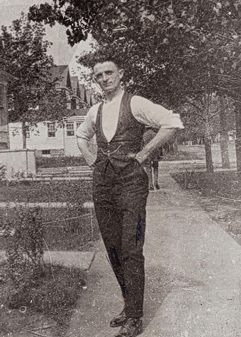
But there is something else. The company that created the Wizard Stick, Tringalli Iron Works, fabricates the totems only as a sidelight to its regular business. A business to which street tree guards are central, and have been since Liborio Tringalli started the enterprise in Tribeca in the 1920s.

Libero-Tringali,-Founder-(Bud's-Grand-Father)

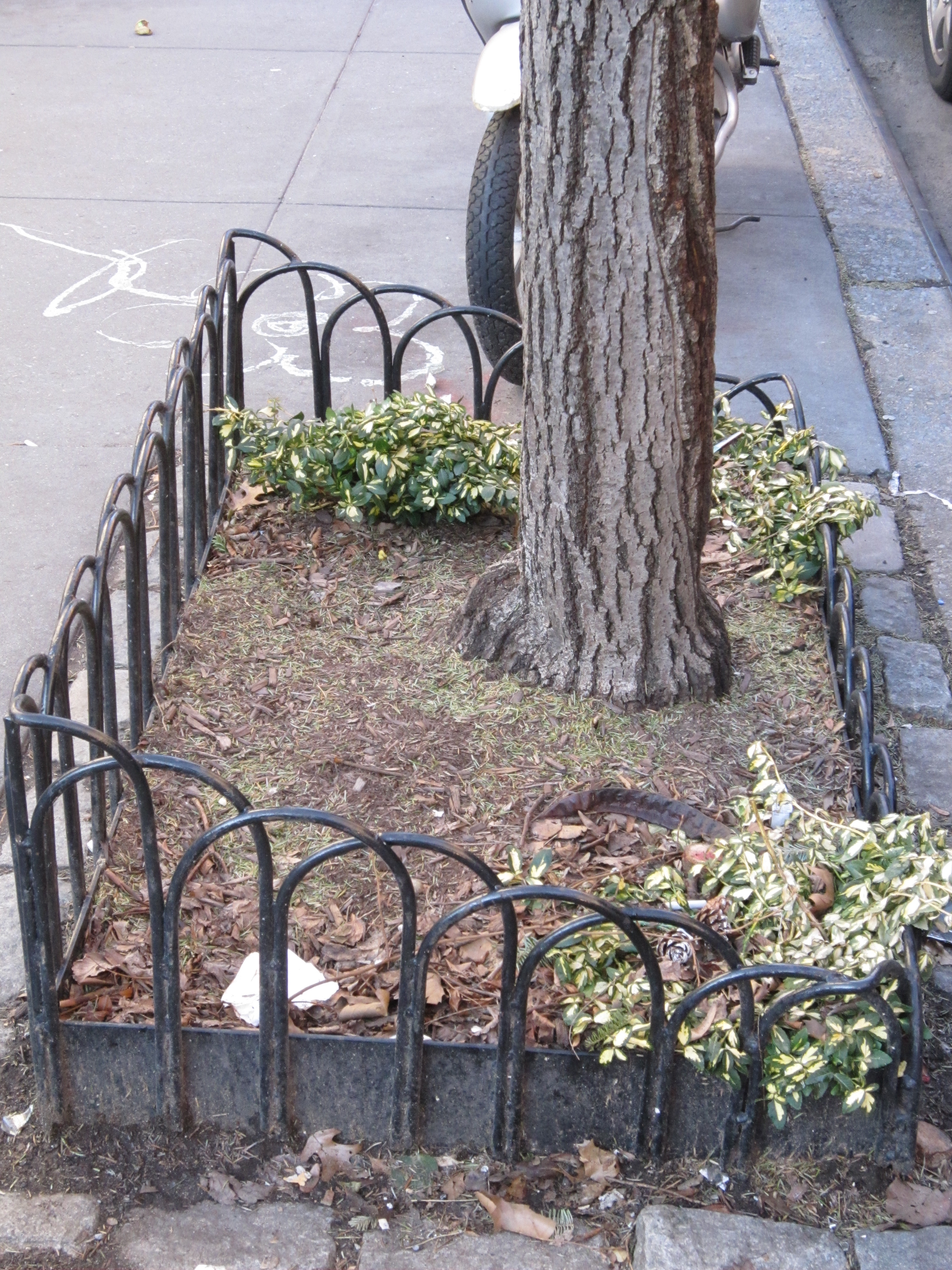
Yes, tree guards do matter. Here is one you probably have overlooked every time you ambled down a New York City sidewalk. Eighteen-inch iron hoops all around. Shielding a little root-friendly plot that is blessedly feces-free.

street guard 1

Edith Wharton showed Lily Bart roaming around near Grand Central Station in the humid heat of a Manhattan summer afternoon, desperate to find some cool relief.

“‘Oh dear, I’m so hot and thirsty—and what a hideous place New York is!’ She looked despairingly up and down the dreary thoroughfare. ‘Other cities put on their best clothes in summer, but New York seems to sit in its shirtsleeves.’ Her eyes wandered down one of the side-streets. ‘Some one has had the humanity to plant a few trees over there. Let us go into the shade.’

“’I am glad my street meets with your approval,’ said Selden as they turned the corner.”

In 1905, when House of Mirth was published, a battle was underway over New York’s street trees.  The island was still nostalgically remembered as a haven, a bower of oak, chestnut, pine and cedar, but now the trees had been almost all torn down for new construction. They were inconvenient to development.

Madison and 55th Street in 1870.

mad

I wrote about the transformation in my book Love, Fiercely, that took place during that period.  I.N. Phelps Stokes despaired over the change:

Old, bucolic Manhattan was vanishing, buried in the smooth cement of the new. By the turn of the century, the leafy streets of lower New York had lost their shade.

In an incisive history called The Creative Destruction of Manhattan 1900-1940 author Max Page charts the demise of the New York street tree. At a certain point the trees could be counted on one hand. I love this 1913 photo of a woman he included in his book, walking by the sole remaining tree at Fifth Avenue and 37th Strteet.

street

And the pear tree planted by Peter Stuyvesant at 1oth Street and Third Avenue. The city mourned when it was killed after being mowed into by a dray in 1867; it had stood for 200 years.

stuyvesant-tree-01

Yes, there was a love of trees, and 317,166 were planted in New York State on Arbor Day between 1889 and 1909. But in 1909 only one in five of those trees still stood. A Tree Planting Association sprang up to organize around replenishing the city’s streets, with a classic Progressive fervor, augmenting the efforts of New York’s Parks Department. The fact that we have any street trees at all today is probably due to their efforts.

And to those tree guards. Tringalli has made 125,000 of them since 1923.

Tringal 2

Today, the city’s plan is to plant more than 200,000 new street trees over a decade (street trees area  subset of city trees in general, which include parks, yards, etc). There are upwards of half a million street trees now. MillionTreesNYC is playing an important part. Saplings come from three different nurseries in Maryland, Buffalo and long Island. These are Maples.

maples

People who care about trees can even become Citizen Pruners, taking a five-session course and getting a license that lasts for five years. A friend of mine has become an arborist, a new profession, who advises construction companies on the health of trees.

The New York Parks Department keeps count of species, and has identified 168, with the top specimens the London Plane Tree, the Littleleaf Linden, the Norway maple, the Green Ash and the Callery Pear. And there is always the ubiquitous, sometimes stinky ginkgo biloba, with its pretty fan-shaped leaves. Long thought to be extinct, the ginkgo was rediscovered during Victorian times in hidden groves in China.

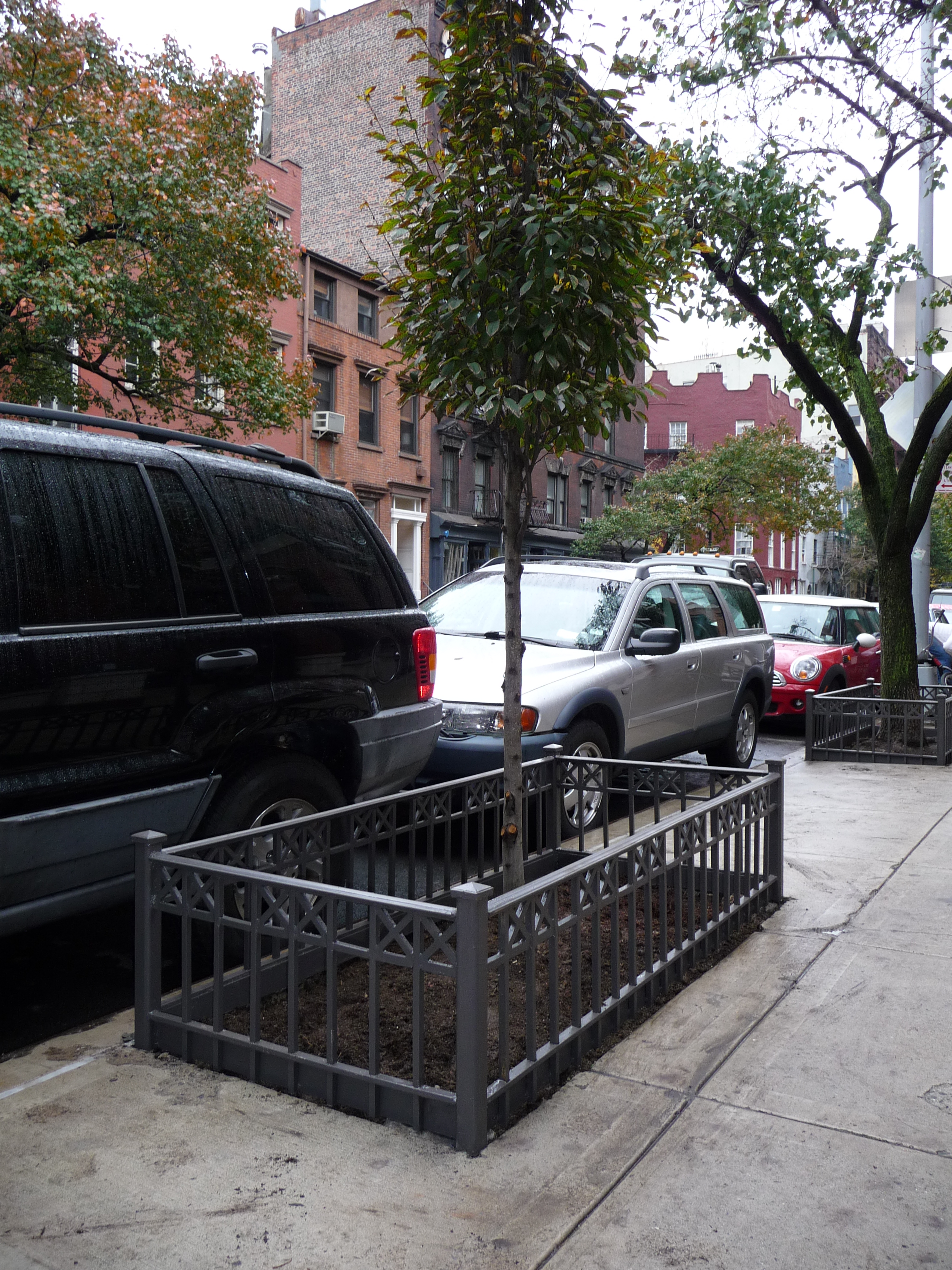
All of them need a tree guard.

treeguard3

A Wizard Stick might be nice, too. Some magic, to keep a tree alive when the chips are down.

wiz:sky

I’m not parting with mine.

3 Comments

Filed under History, Home, Jean Zimmerman, Love, Fiercely, Nature, Photography

Lavender and Mud

My mint weathered the winter. In fact, it’s so impossibly bushy already I plan to give it regular haircuts throughout the warm weather and make many pitchers of iced tea. Sit in my favorite dilapidated garden chair and watch it grow some more.

mint

Rosemary, sage and the rest are all tucked in place. I put in fringed lavender as well as the commonplace kind. Fringed lavender, also known as French lavender, is the kind you want for butterflies. Also potpourri. And I do want potpourri.

fringed lavendar

And now my mizuna, radishes, carrots and potatos have sprouted. The potatoes are mucho macha.

potato

And onions. The green of spring onions.

Puts me in mind of Booker T. & the M.G.’s, their Green Onions released on Stax Records in October of 1962. It reached number 33 on the Pop Albums chart in the month of its release but of course is a perennial.

The only sound I can hear now, sitting on my funky old chair next to the potatoes and the onions, is the tiny, crinkling noise of the reeds growing in the marsh. It’s a constant, but you can only hear it if you stay very, very quiet. That and the chip-chip of the cardinals having one of their cardinal parties.

Now if only it would rain. We haven’t had water from the sky in weeks and no one’s sure when it’ll come. A sprinkler’s never the same.

Puts me in mind of these people at The Year of Mud, who make building cob, straw bale and timber frame houses look impossibly glamorous. I might actually like to build a cob oven, like they are giving courses on this coming summer. Gil’s been wanting to bake pizza outdoors. Biscuits from the cob? Sounds impressive. A little smoky, though? With Ziggy as a guide, they’d probably be perfect.

Ziggy (his real name is Brian Liloia, but that’s what he’s called) documented his time building a cob house called ‘Gobcobatron’ at a place named Dancing Rabbit Ecovillage, in Rutland, Missouri.

Exif_JPEG_PICTURE

He says, “I think I have it figured out. I’ve boiled life down to the most elemental action. As I see it now, life is basically an on-going series of moving objects around.” He’s talking about moving clay and sand and straw onto a foundation, moving wood into the shape of a roof, moving soil and compost to make a garden bed, etc.

gobcob

His place sounds and looks amazing, outside and in.

Exif_JPEG_PICTURE

There might have been mud in the making of it, but now this wonderful dwelling is pristine.

3 Comments

Filed under Cooking, Home, Jean Zimmerman, Nature

All This and a Hand-Crafted Marshmallow Recipe

The day after. All that’s left of the pig roast are the party tulips and the dogwood stars.

tulips and dogwood

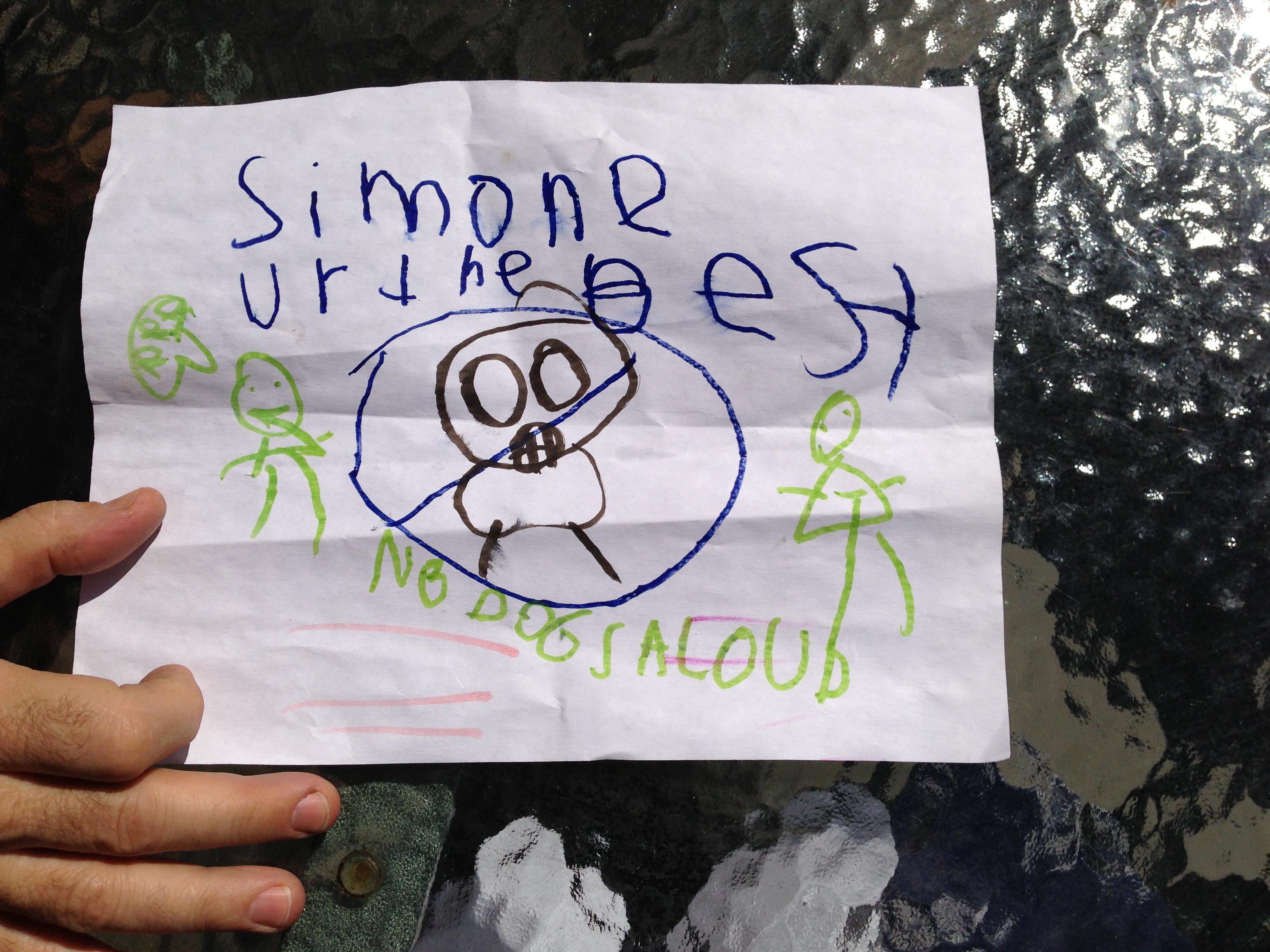
And a drawing by doting 6-year-old Jasper for winsome three-year-old Simone.

Simone picture

Oliver was locked away until the waning hours, when he was let out in all his growly glory, with a  muzzle and a leash, and petted by the braver partygoers. Says something about the loving spirit of this particular gathering.

OLYMPUS DIGITAL CAMERA

The love reached its apotheosis in the marshmallows.

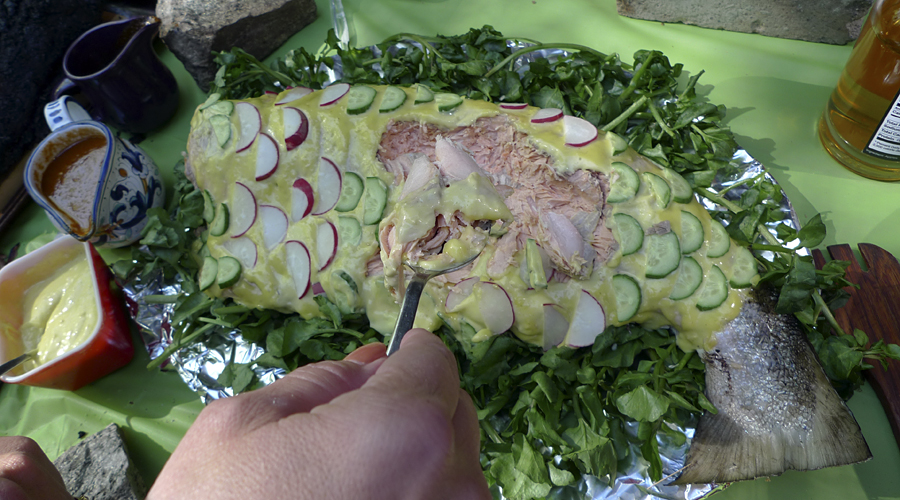
I was almost too busy replenishing food on the buffet to have a conversation, let alone to document anything, and the hours of the pig roast sailed by in something of a haze. Josefa gave me this photo of my salmon, thickly coated with rich horseradish mayonnaise and scales of radish and cucumber. The fish, not the photo.

salmon josefa

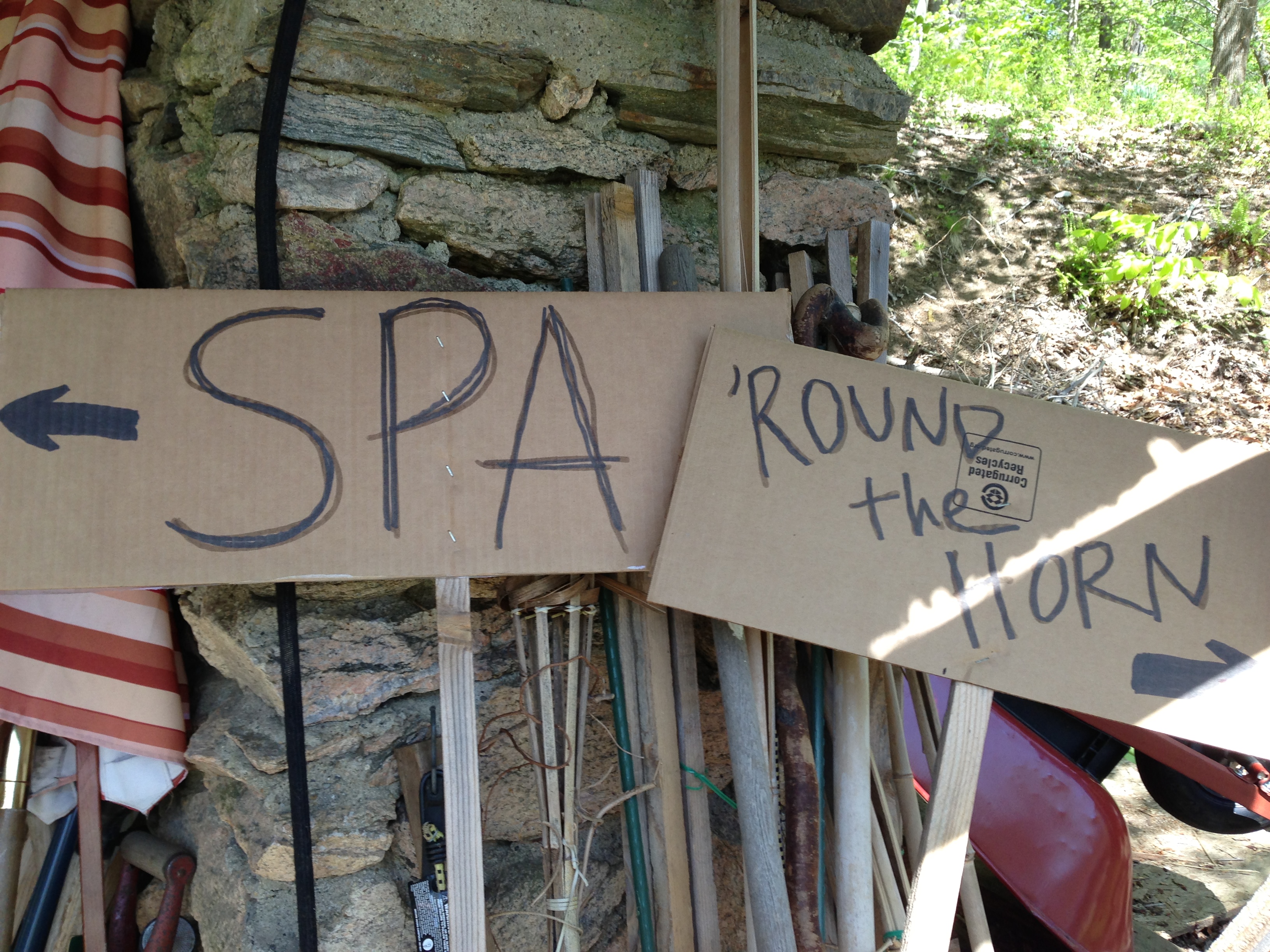
The signs we put up around the property are taken down.

signs

The Spa, of course, which Gil had dug out of the swamp. As far as I know, unutilized for a mud bath. ‘Round the Horn, where you could hike around a promontory, past the pachysandra groves, and wind up back at the Cabin.

Human gatherings are so ephemeral. Did you talk to so-and-so? No? I had an intimate conversation with him I didn’t intend upon. Little epiphanies, most of them forgotten by the next morning.

Gary found a skull.

Rat? Rabbit?

The music  boomed, especially near the speaker, which hovered in a window above the food. George Jones’ essential question: Who’s gonna chop my baby’s kindling when I’m gone? Who indeed?

The rum was drained.

Nora-marshmallows

You would think that after the huge smoked brisket, the salmon and the cripy pig, the fava beans and asparagus with Pecorino, and the spicy blue cheese slaw, people’s stomachs would be full to bursting.

Gil in the pit

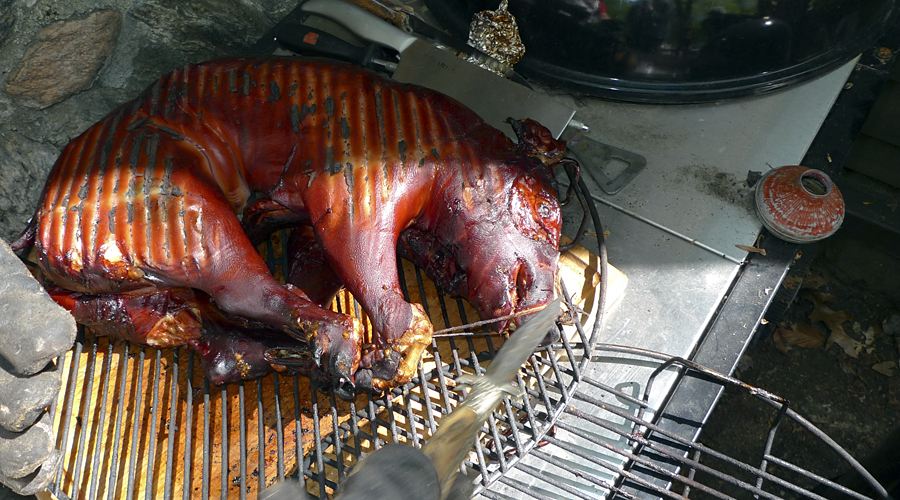
Gil, down in the Pit, pulled the pig off the fire at just the right golden moment.

pig

And the biscuits. I took a gamble on whole wheat biscuits this time. I think they disappeared even before the rest of the platters were set down. A sparkling day builds an appetite. And shoe golf.

shoe golf

That’s Josefa’s picture. Somehow she caught the shoe flying through the air on its way to the hole, a plastic bin set some 10 yards away. Far enough to make people look ridiculous taking a shot at it. Even college students lowered themselves to try.

OLYMPUS DIGITAL CAMERA

But the marshmallows. It was as if people had never seen a marshmallow before. As if they had never seen food before. You can make those? I never knew.

We had cut young green branches up in the woods yesterday morning, and now all the adults were acting like kids, standing over the fire and toasting Gil’s home-made marshmallows with glee.

marshmallow

Everyone had drips of white around their mouths.

OLYMPUS DIGITAL CAMERA

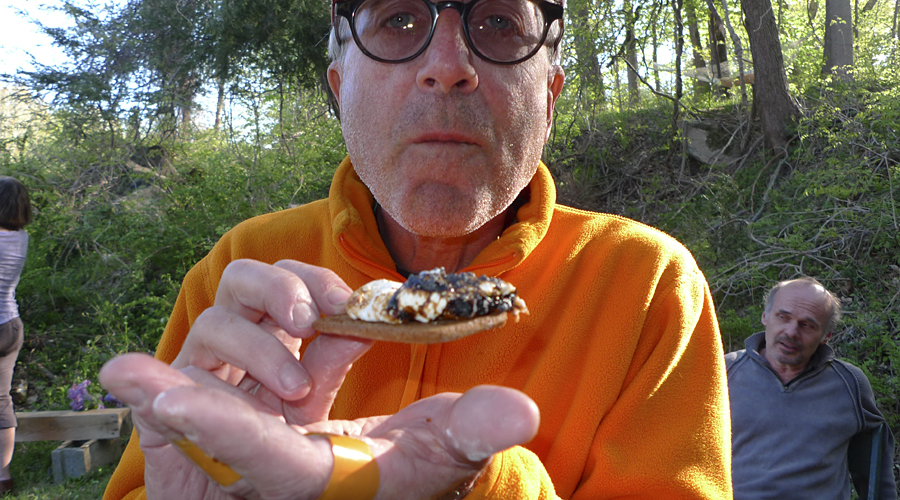
Grown men made s’mores. (Gil concocted his version of home-made graham crackers, too.) We layered in slivers of salted caramels.

gary

Our friend Stu left us with a mix-cd that has party tunes, including Ray Wylie Hubbard with the lyrics: Only two things that money can’t buy, that’s true love and home-grown tomatos. I would add a  third, hand-crafted marshmallows.

Hand-Crafted Marshmallows

6 packages gelatin (the unflavored kind, GoBio has an organic product)

2 cups icewater

3 cups granulated sugar

2 cups corn syrup (Wholesome Sweeteners organic brand has a little vanilla in it)

½ teaspoon salt

2 tsp vanilla extract

½ cup confectioners sugar

½ cup cornstarch

(Optional flavorings: almond extract, lavender drops, orange extract, etc)

In the bowl of an electric mixer with a whisk attachment combine the gelatin with half the ice water.

Combine in a saucepan: the rest of the ice water, the sugar and the salt. Using a candy thermometer, cook until mixture reaches 240 degrees (soft-ball stage). Remove from heat, pour into bowl with gelatin and whisk on slow speed to combine. Increase speed to high and whisk for fifteen minutes. Add vanilla and optional flavorings at end and whisk for a minute to combine.

Pour into greased 9 x 13 pan that’s also well dusted bottom and sides with the half-and-half mixture of the confectioners sugar and cornstarch. Spread evenly with a lightly oiled spatula. Let stand uncovered overnight.

Turn out onto cutting board dusted with the confectioners sugar and cornstarch. Cut into cubes with a pizza wheel dusted with the confectioners sugar and cornstarch. Dust with the confectioners sugar and cornstarch (mix up more if necessary).

Makes about sixty marshmallows. Enough for a roiling pig roast.

2 Comments

Filed under Cooking, Dogs, Home, Jean Zimmerman, Music, Nature, Photography

Bringing Home the Bacon

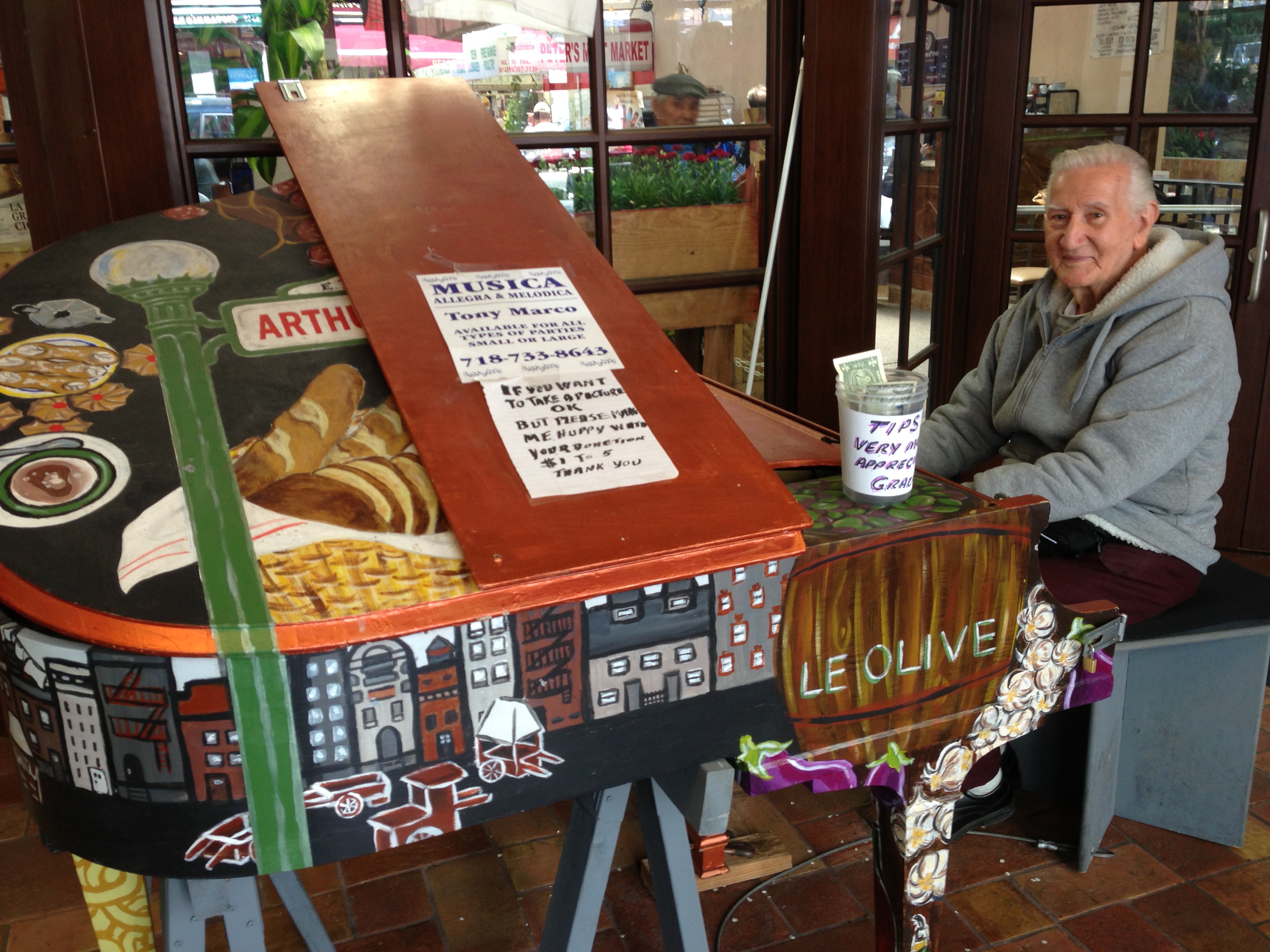
O happy day… on Arthur Avenue, the Little Italy of the Bronx. Where a gentleman at a piano entertained us with Danny Boy, asking only a dollar (we gave him two).

piano

And where an Italian Mickey outside a grocery store had a few hours of peace and quiet, since all the children were still in school.

mickey

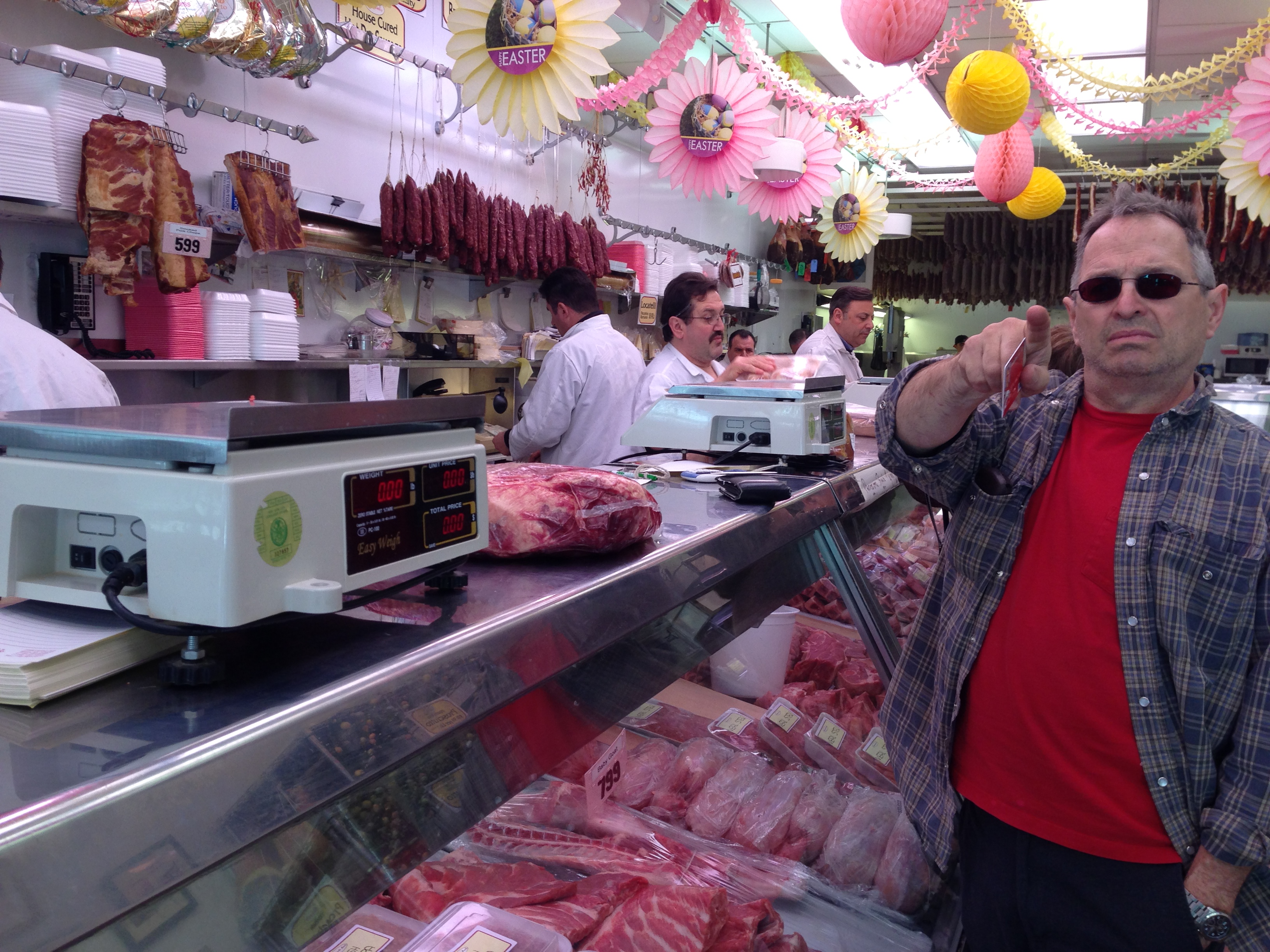
Everyone is a connoisseur on Arthur Avenue. In the butcher shop, where they also stock some cheese, the main man walked around to the display with me to explain that the Pecorino the store had was made from sheep’s milk, yes, but the peppercorns with which it was studded made it unacceptable for use in a salad of fava beans. In other words, he dissuaded me from buying something at his store.

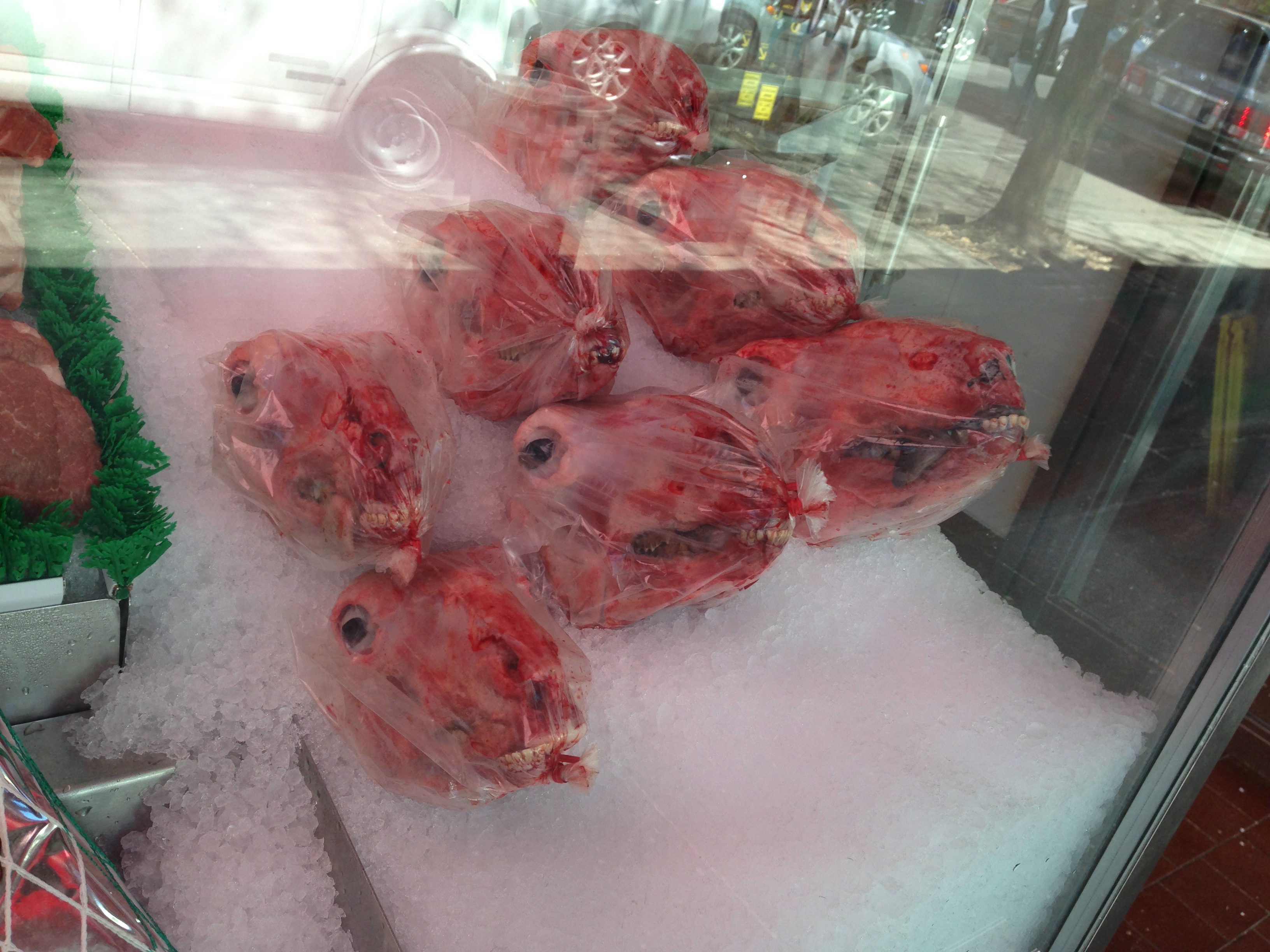
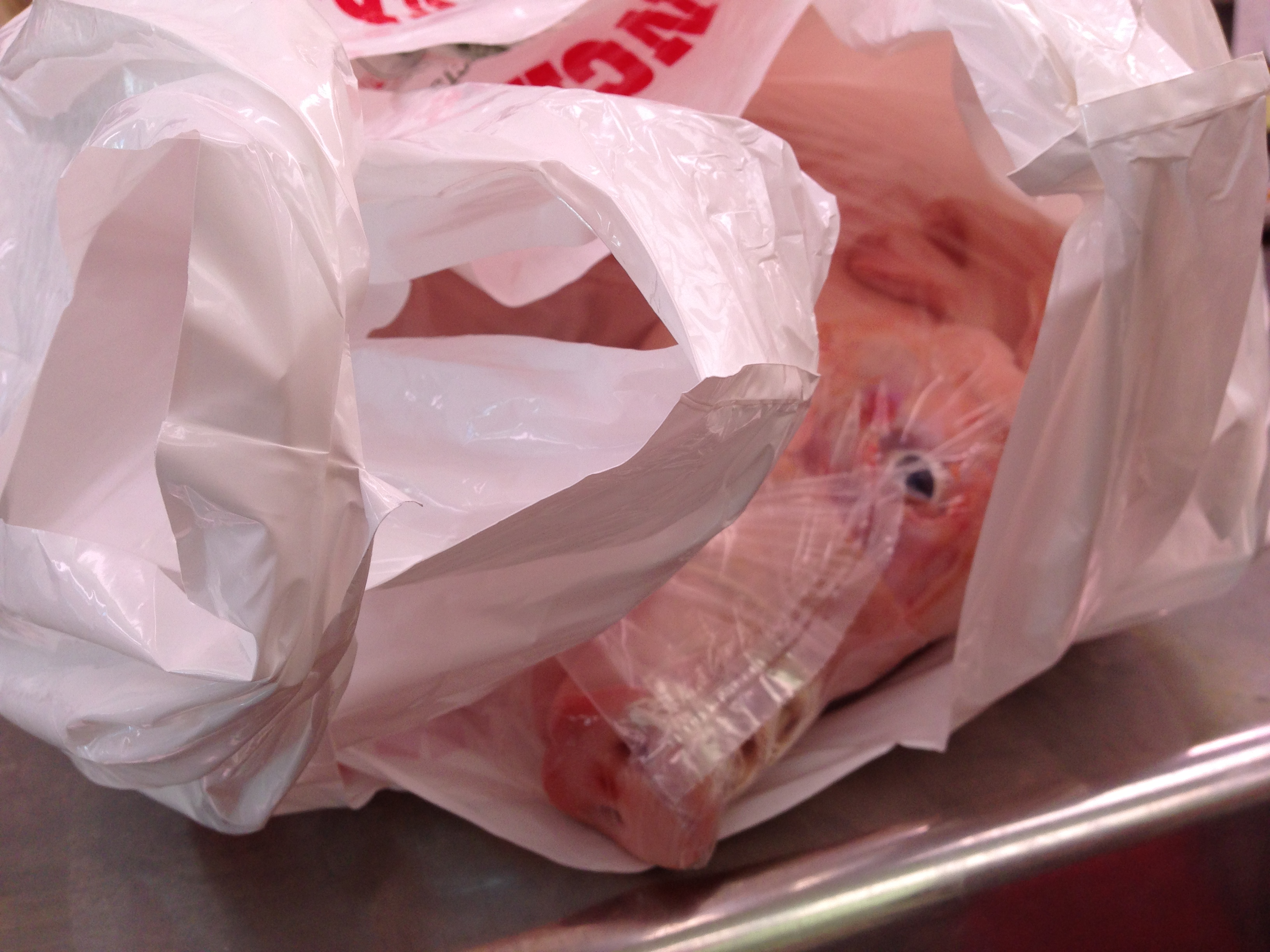
I didn’t ask him about the heads in the window.

sheep heads

Whether they belonged to sheep or goats. He will put the sheep on his right and the goats on his left, will the Son of the Lord — at least so it says in Matthew. But here, it didn’t matter. We were there for a pig. Gil explained exactly how he planned to roast it.

gil:butcher

And the butcher acceded to our request to buy it.

pig

Hey, you like bacon, don’t you? Say hello.

Down the street, at Teitel Bros., in business since 1915, where the butcher recommended we go for cheese, we found a Star of David in mosaic at the entrance. Austrian, Yiddish-speaking immigrants Jacob and Morris Teitel opened the place, which is now an institution.

star

The latest generation of Teitels wanted every detail about the pig roast. On the Weber grill? No kidding. Just turn it over, said Gil. Hmn, you don’t say. He took out the Pecorina Toscano. No problem. He knew everything about everything already.

In the nearby arcade, many of the businesses have been around forever, and they too know exactly what they’re doing. Fantastic, Old-World vegetable vendors.

artichokes

Everything larger than life. The Romano cheese. The picture can’t do justice to its girth.

cheese

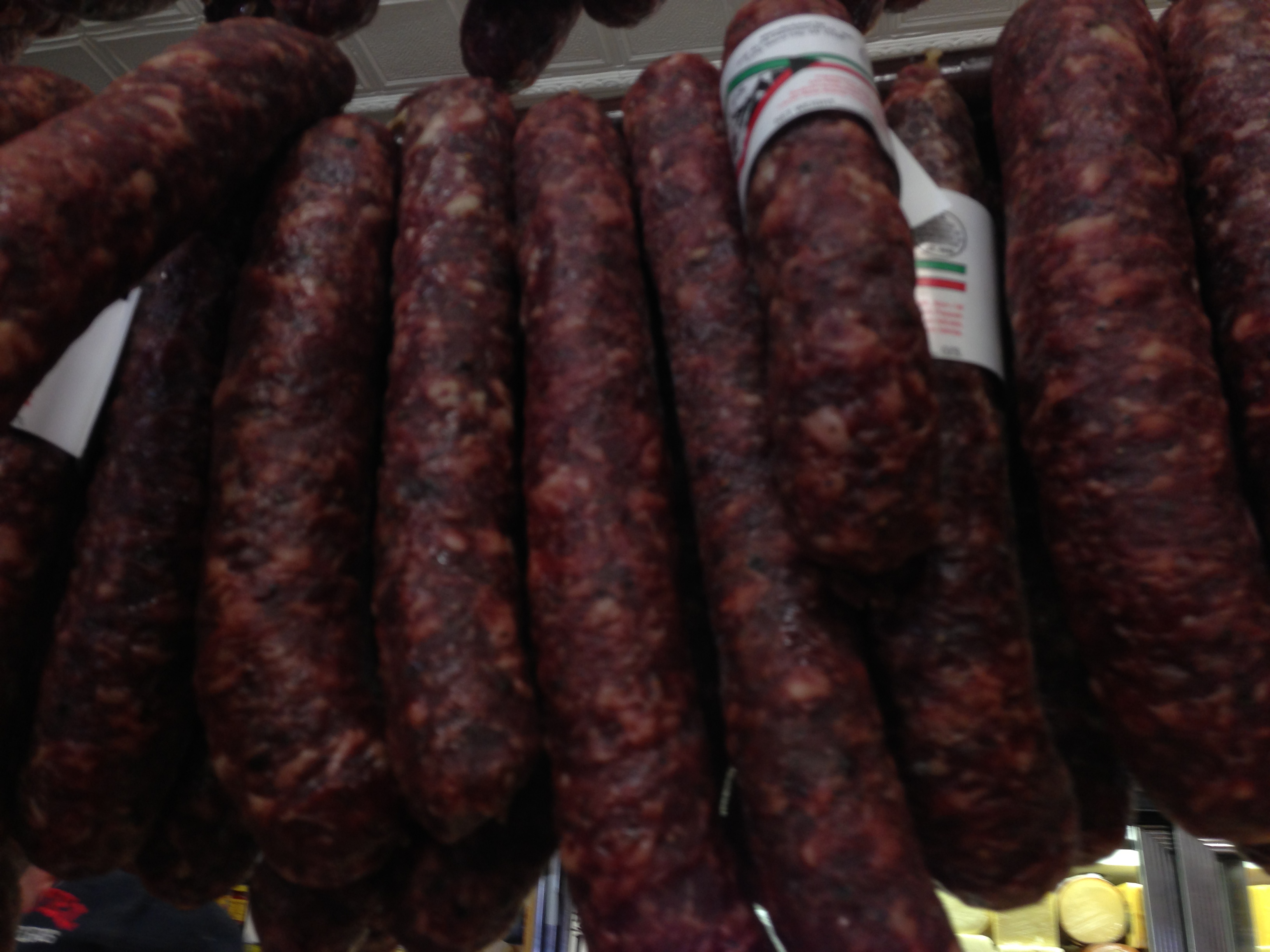
The pepperonis.

pepperoni

Extra, extra long pasta. Really, only Gargantua could wind these around a fork.

pasta

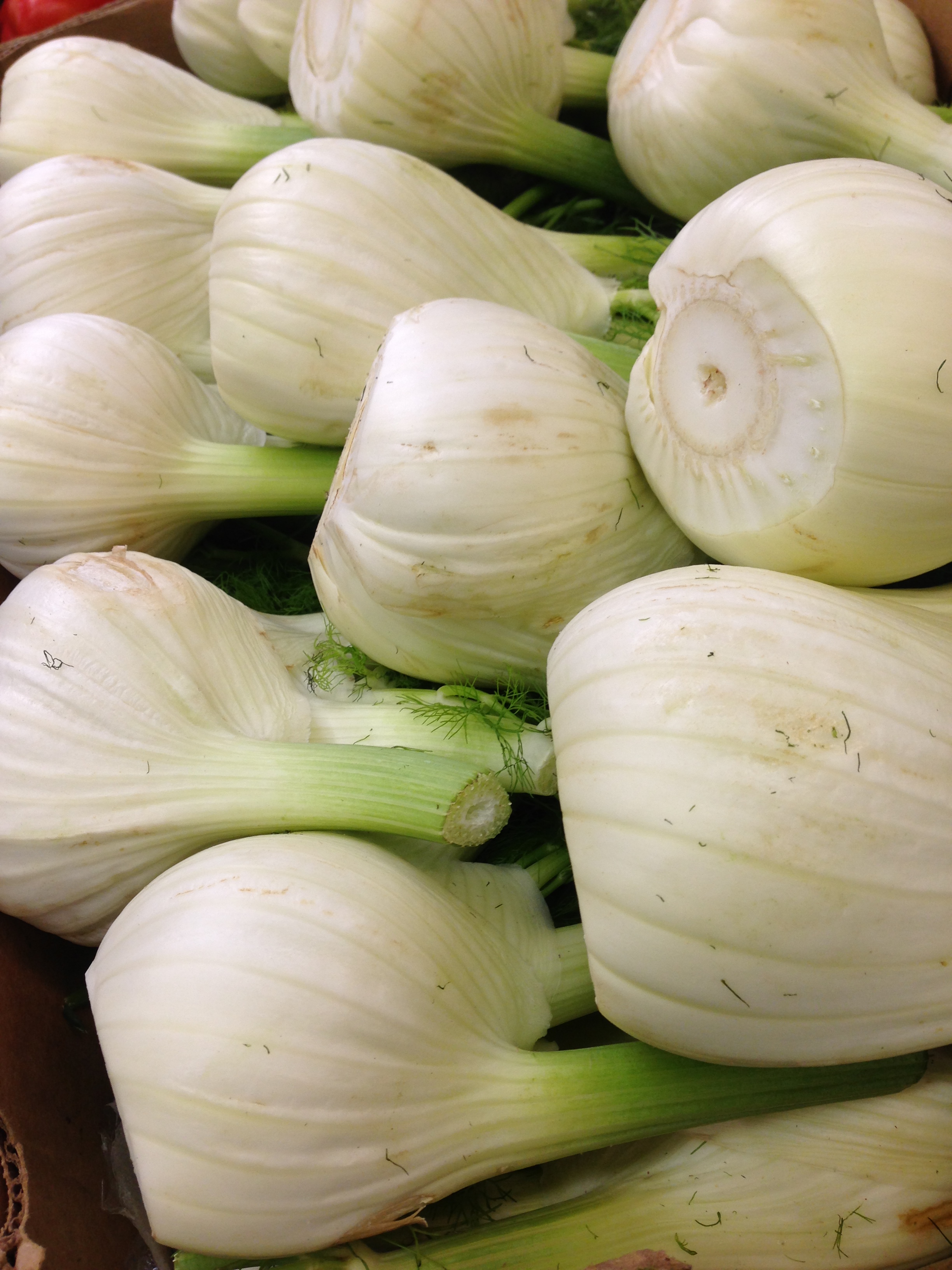
Especially the bulbous fennel.

fennel

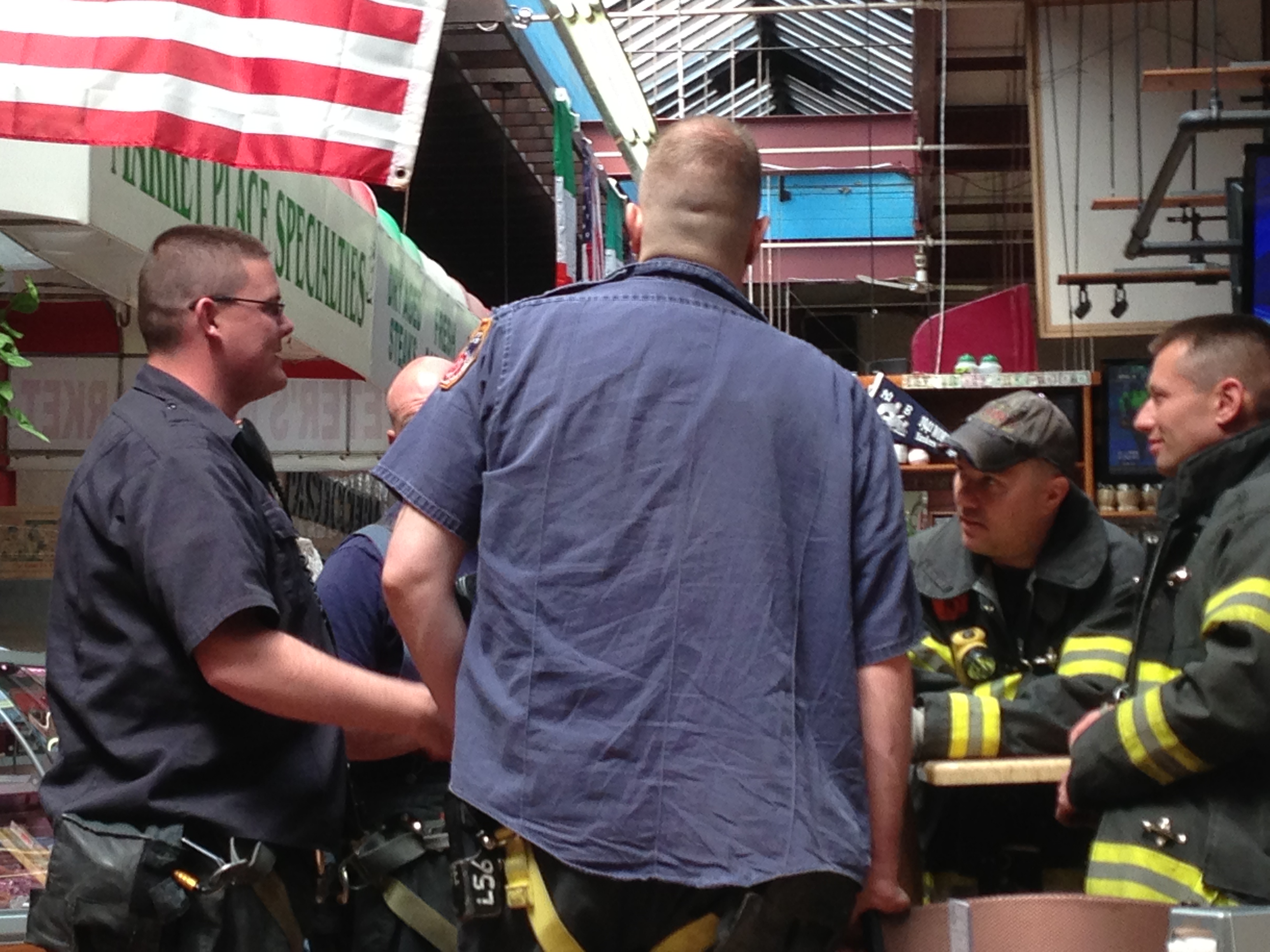
All the guys, the uniformed guys, the ones with badges, pick up their food there. They’ve got our backs. But here I’ve got at least one of theirs.

guys

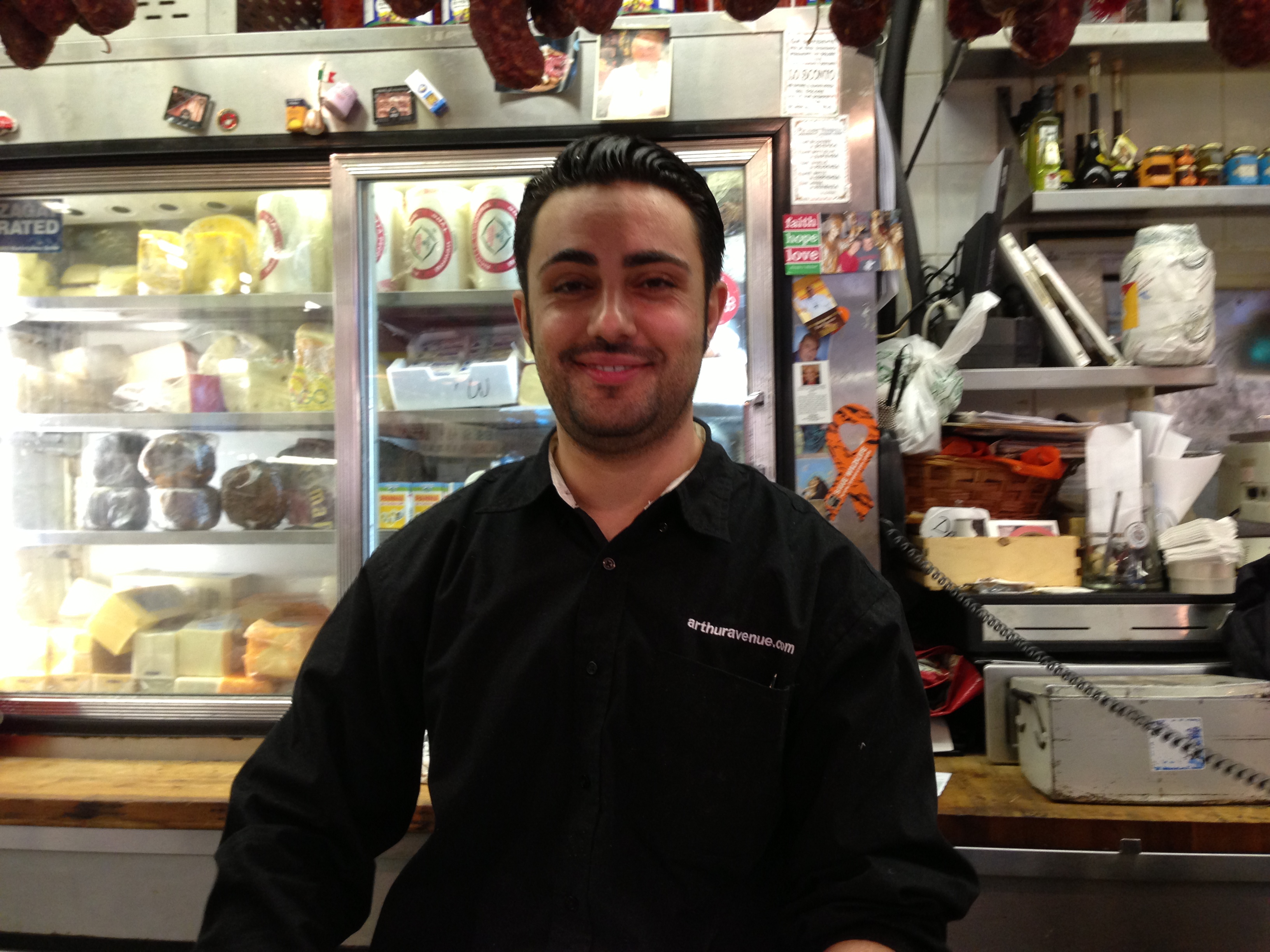
At Mike’s Deli, which sounds like the ordinary place on the corner but is anything but, we got a sandwich of aged provolone, soppressatta, sweet and hot peppers. A little bit of olive oil and balsamic vinegar. An angel made it for us. An angel connoisseur. Sicilian olive oil, the best for salads, he said, with certainty.

angel

We took our paper plate to a wooden table nearby where we had a good view of people buying lamb shanks and two-inch thick steaks.

Good, I said, my mouth full.

I don’t think that quite describes it, said Gil. Thirty seconds and the sandwich was gone.

Time to go roast a pig.


3 Comments

Filed under Cooking, History, Home, Jean Zimmerman

Marsh Mellow

Anticipating guests, Gil goes into superhero mode. Building a spa in the swamp.

gil swamp

Or maybe it’ll be a time machine. I don’t know.

gil swamp cu

Making handcrafted marshmallows.

gil marshmallow

Hanging hammocks.

While I rake leaves, water johnny-jump-ups, inspect sprouting radishes.

radishes

Bake a carrot cake. Write a haiku.

Magnolia petals

Fall from the blossoming tree

Even as I sweep

Gil can write a mean haiku, too.

Admit it, we have
Life down pat at the moment
The hummingbird feeds

Oliver stays on the lookout for rascally animals.

oliver swamp

Or a stinky place to roll around. One or the other.

Finally I wind up drinking strong coffee with my old friend Barbara.

coffee beans

This place roasts its own beans and welcomes dogs — not mine though, he’d menace the others.

Sundown, the most beautiful day of the spring, a little cool with warmth threaded through it. Inspiring enough for a haiku. You try.

reeds swamp

11 Comments

Filed under Cooking, Dogs, Home, Jean Zimmerman, Nature

How to Be a Couple of Writers

Today is our wedding anniversary. Gil and I have been married 26 years. It’s a lot of  time since our engagement party, at a Russian bar in Brighton Beach, New York!

April 1987

People always ask, How can you possibly stay married to another writer? It’s not something everyone does, and in fact the matrimonial union of two inkstained wretches is almost as rare as the Javan rhino, of whom less than 60 now exist.

Javan-Rhino

Some other writer-couples make it work. Novelists Paul Auster and Siri Hustvedt are a famous example. Well, they live in Brooklyn, and perhaps that artsy atmosphere gives them sustenance. Also consider the Beat poets Allen Ginsberg and Peter Orlovsky, together from 1954 until Ginsberg’s death in 1977. They chanted. They stayed loose. They were happily hip.

ginsberg

Once upon a time there was Mary Shelley (Frankenstein) and Percy Bysshe Shelley (Heaven smiles, and faiths and empires gleam,/like wrecks of a dissolving dream). It was wildly romantic, she running off with him when he was married to another woman and she was 16. Anais Nin and Henry Miller also managed to have both a torrid love affair and a meeting of the literary minds.

Anais_Nin_y_Henry_Miller

Yes, there were couples that were cursed, like Sylvia Plath and Ted Hughes. One dead by her own hand, one forever tortured by her demise. A similar dark story in Zelda and F. Scott Fitzgerald. He stole well-turned phrases from her journals, and things turned out badly (him dying of drink, her in a mental hospital fire).

fitzgerald:zelda

So what makes a writerly marriage work? Gil and I have been writing our own stuff and collaborating with each other ever since we got together. We actually met in a poetry writing workshop in New York City, led by the wonderful Sharon Olds (she won the Pulitzer for poetry this year). In the early days we didn’t have much space. I remember a tiny studio in Los Angeles with a single surface, a kitchen counter, where we set up our computers across from each other. And we produced books there. Today in the Cabin we have a bit more room, two separate offices (mine in the living room!), but we seem to often end up working side by side. Somehow our literary life together succeeds.

desk

So I will offer you my suggestions about sharing your life as a writer with another writer.

Accept debate. Disagree, argue, even fight over language. Just don’t come to blows. Try not to be hardheaded over a word or phrase or plot point. Be willing to kill your darlings, as they say, if your partner advises it. (Also praise each other’s work to the skies).

Celebrate the milestones. Little as well as large – the nice, toss-off comments of an acquaintance or the brilliant review. The copyedit as well as the first pristine hardback book copy. Raise a toast together, no matter which of you got the kudo, the contract, even the mot juste.

Ride the ups and downs. And there will be downs.Publishing is a fickle business and you can’t let the market ruin your mood or your relationship.

Embrace change. When we were married, I was an aspiring poet and Gil wrote plays that were produced off-off-Broadway. We made ends meet with editorial jobs. We grew, we branched out. We were the same people, but we became different sorts of writers. Between us, articles, screenplays, nonfiction, memoirs, fiction, even this blog…

We don’t know what will happen in the future. What writer does? Just be prepared to be perpetually surprised by your writerly mate, as you are surprised by yourself. Said Andre Maurois: In literature as in love, we are astonished at what is chosen by others.

Jean and Gil copy

16 Comments

Filed under Fiction, History, Home, Jean Zimmerman, Photography, Poetry, Publishing, Writers, Writing