Category Archives: History

Chocolate Poems

“Where are the reptiles?” the adolescent boy asked the guard at the door of the convention center.

“The what?”

Both heads swivelled to look inside at the crowded arena.

“The reptiles – are they here?”

No. The reptile show was last weekend. Here at Chocolate Expo there were only the chocolate fiends.

At two minutes to eleven, the lines stretched down the steps and around the sidewalk. “My friends are at the Marathon and here I am at chocolate world,” the girl behind me said wryly. “Stupid chocolate,” said a husband. “It’s gonna be fun, honey,” insisted his wife.

It was the annual gathering of people intent on buying and selling cacao-based products in all shapes, sizes and flavors – the more novel the better. I thought I’d see what the fuss was about.

I love chocolate, of course. Gil says my three major food groups are chocolate, coffee and milk. (That puts mocha at the top of the pyramid, I guess.)

In the convention center, people jostled to get free tastes. It seemed to actually be about half chocolate and half every other kind of artisenal food product, from honey to wine to dill pickles to maple syrup. I was surprised to find Cap’n Crunch gelato.

cap'n crunch

But there was also every kind of truffle under the sun.
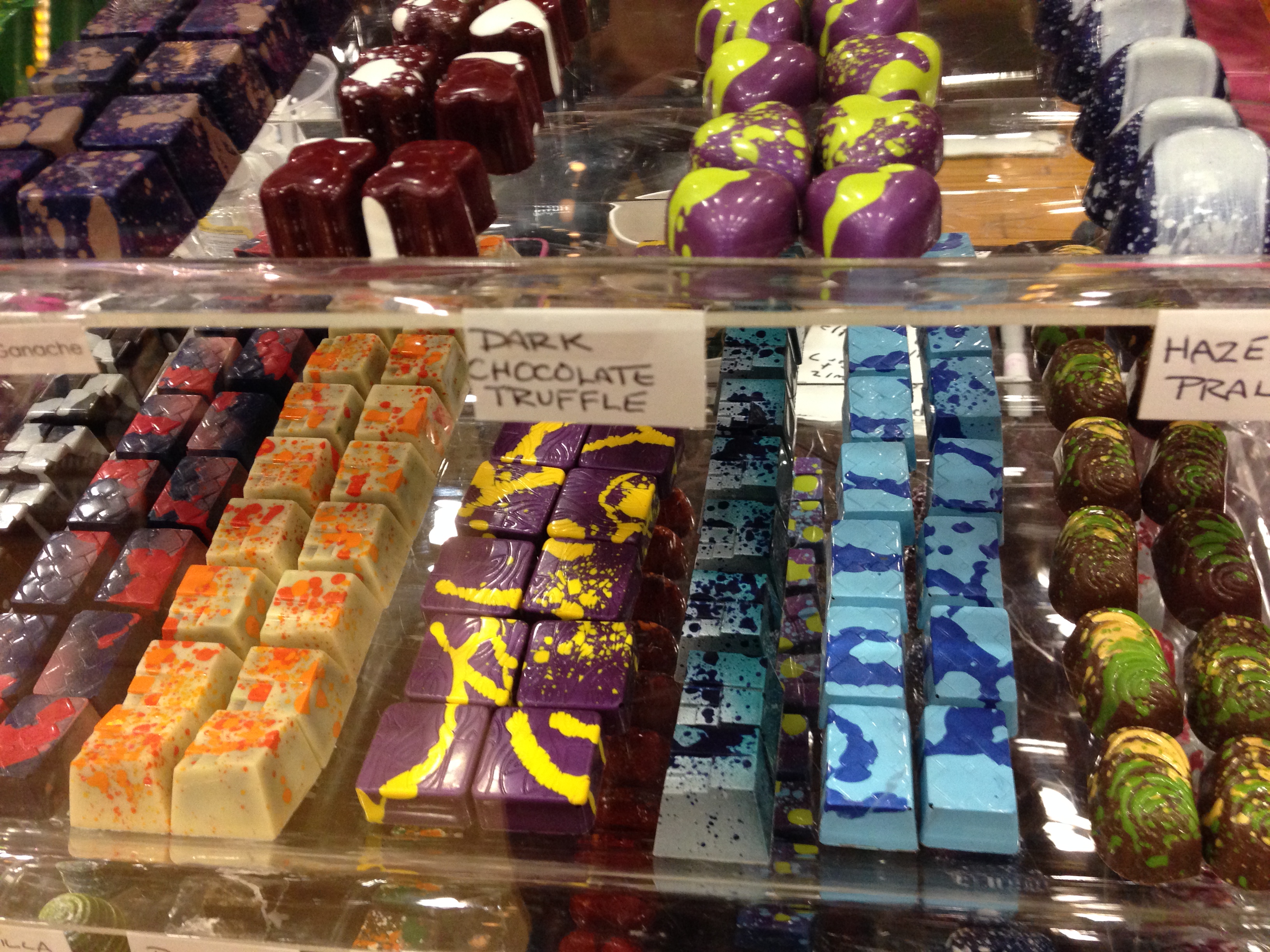
truffles

Alicia at Two Chicks with Chocolate fed me a taste of rosemary lemon truffle, handpainted with colored cocoa butter, one of 60 different flavors, and I was on my way.

Pumpkin was big in everything. I saw chocolate-dipped waffles.

waffles

Chocolate-dipped fruits of all kinds.
choc dip

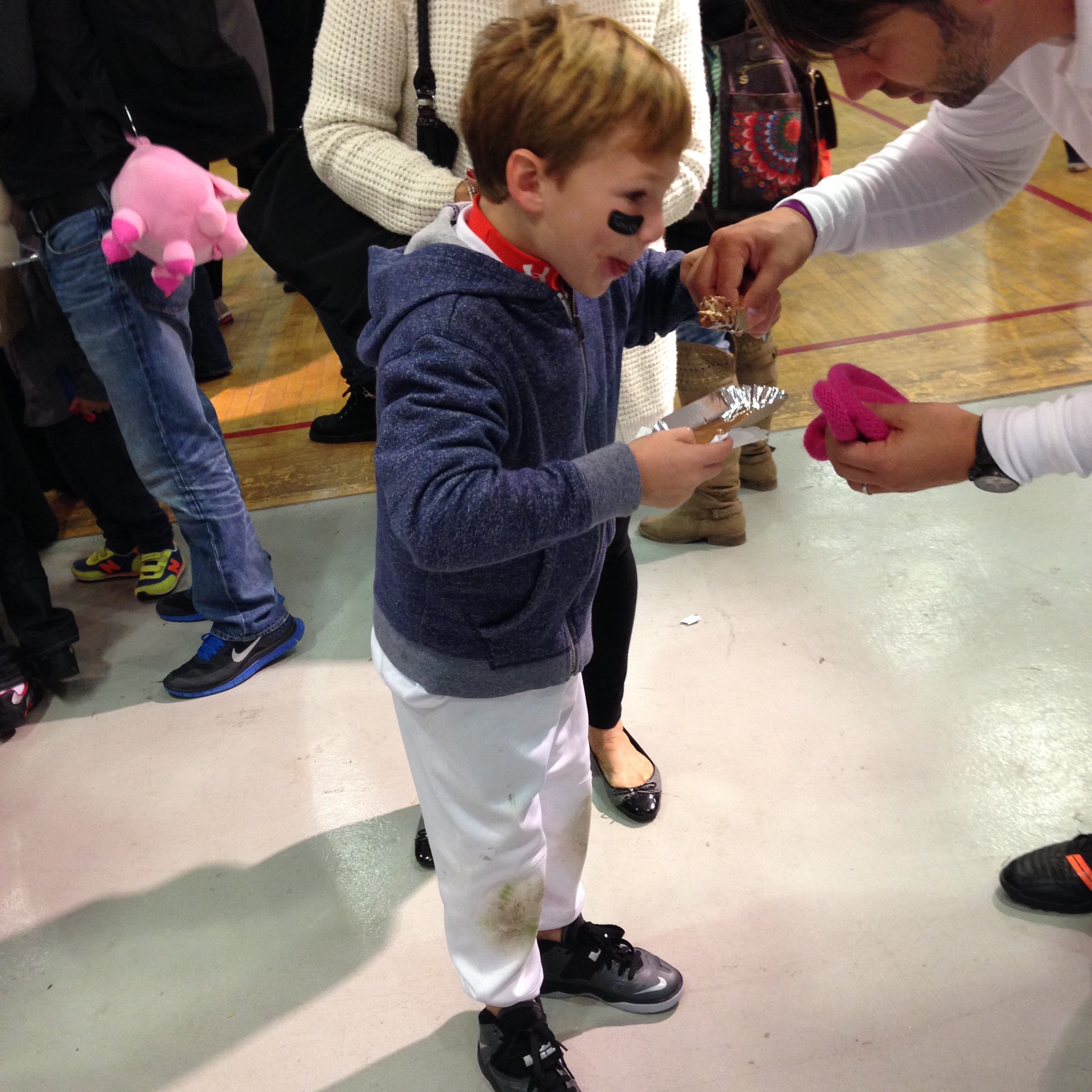
Kids and adults alike with sticky hands, sticky faces. There was an awful amount of plastic wrapping, it seemed to me.
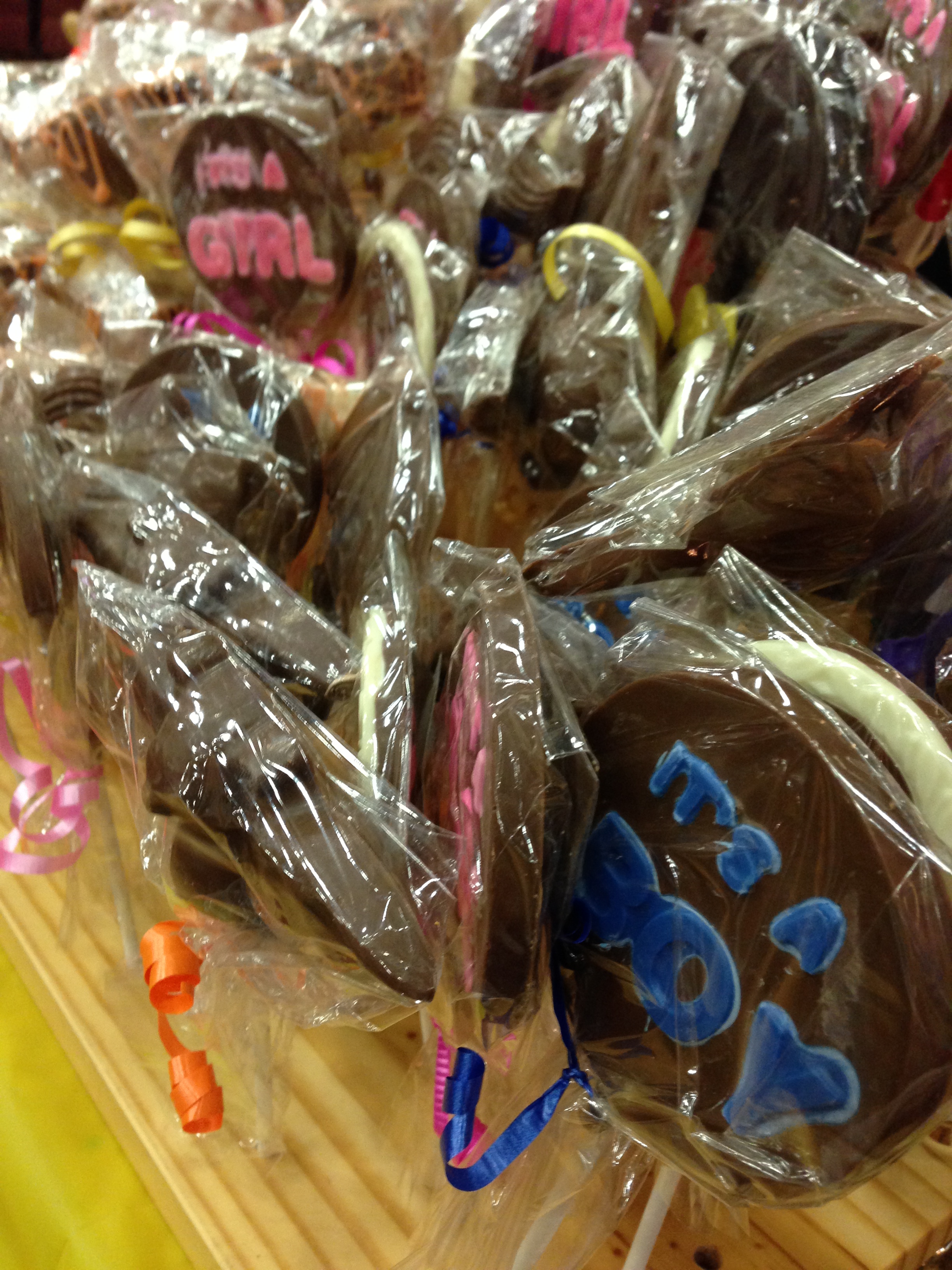
plastic

Chocolate culture is very high–low. I saw the most exquisite Indian truffles, created for the New Year, Dawali, by Aarti at Le Rouge in the shape of a “diya,” or lamp.  Truffles with ganache came in exotic flavors with amazing “mouthfeel,” as the technical term goes. I tried the Kiser Pista Ganache, made with saffron.

indian

Ethereal, I thought. So I couldn’t resist making off with a single specimen, the Paan Bahar truffle, made with betel leaves and rose petals.

More spirituality lay around the corner, where half-pound, solid chocolate Buddhas were cheerfully peddled at Oliver Kita Fine Confections, by a salesperson who told me, “Most people break them up to share when they chant with friends.” Okay.
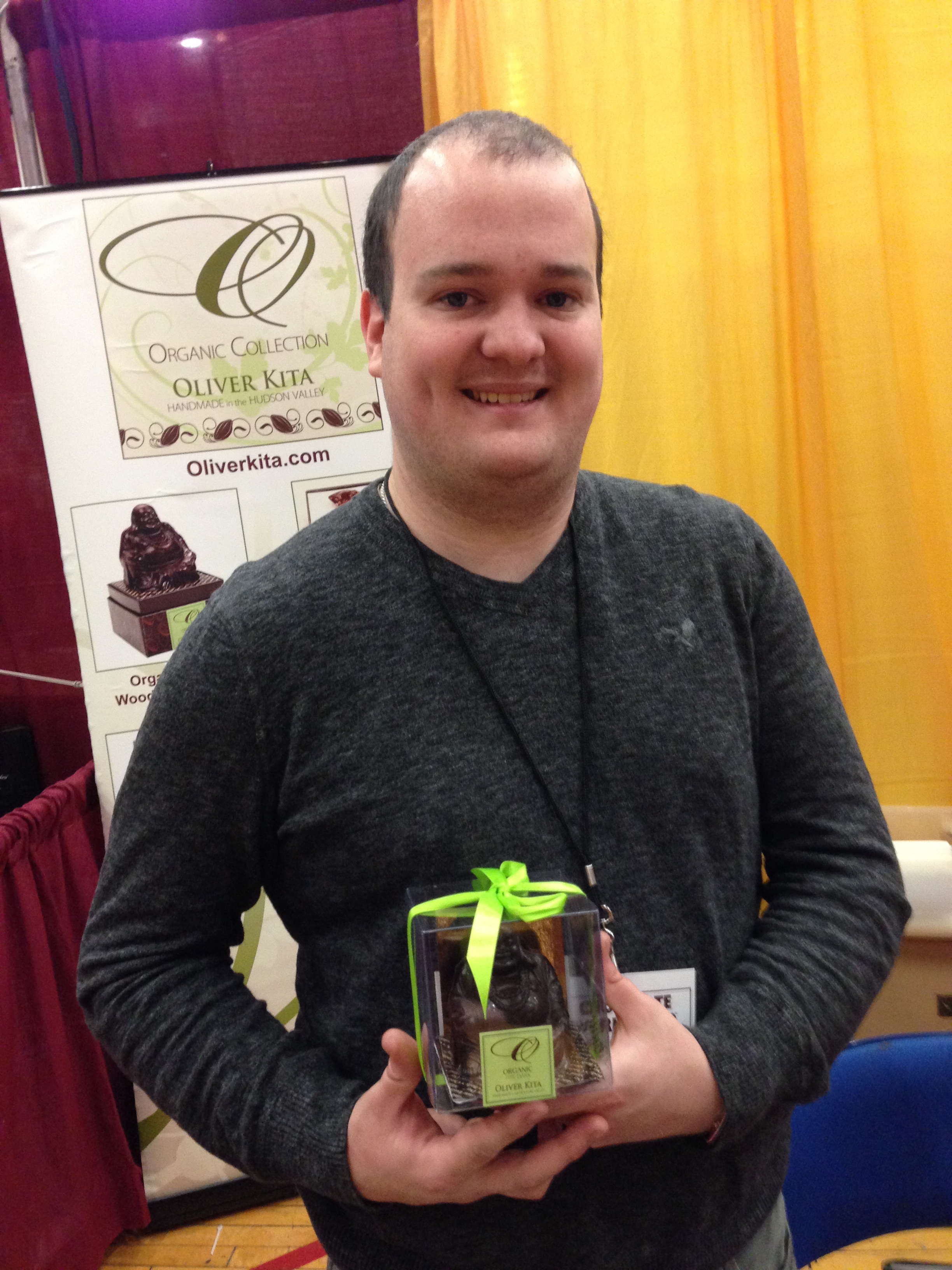
buddha

Chocolate has only been the recognizable treat that we go crazy over for a relatively short chapter of human history. The Aztecs downed it as a cold, bitter, spicy brew – Montezuma alone was said to drink 50 cups a day. It became a sweetened beverage in the 17th century, flowing from the cacao plantations of South America to France by way of Louis XIV’s Spanish bride, Princess Maria Theresa.

Louis_XIV_(Mignard)

She gave the Sun King a chest of chocolate in 1643 for an engagement present, and his avid consumption of the beverage was said to fuel his ability to pleasure his wife twice a day even into his seventies.

Chocolate then emigrated to London, where chocolate houses became the fashion. Sir Hans Sloane, an esteemed physician, declared that milk afforded the delicacy special creaminess. New York philanthropist and bibliophile James Wadsworth, in the nineteenth century:

Twill make Old women Young and Fresh

Create New Motions of the Flesh,

And cause them long for you know what…

If they but taste of chocolate.

Samuel Pepys noted in 1657 that it was available.

Samuel_Pepys

“In Bishopsgate Street in Queen’s Head Alley, at a Frenchman’s house, is an excellent West India drink called chocolate, to be sold, where you may have it ready at any time, and also unmade at reasonable rates.”

Michael Pollan writes in his book In Defense of Food about a group of Americans being shown the words “chocolate cake” to discover their word associations. “Guilt” was the top response. The response of French eaters to the same prompt: “celebration.”

Everyone, no matter how-guilt-ridden, knows that chocolate is the love food. Someone should write a love poem to it.

CakeforPoets

I did feel love in the air today, at least love of chocolate, so it’s sort of a closed loop.

A company calling itself Rescue Chocolate offered vegan, organic, fair-trade, kosher chocolates, with all profits to be donated to animal rescue groups.
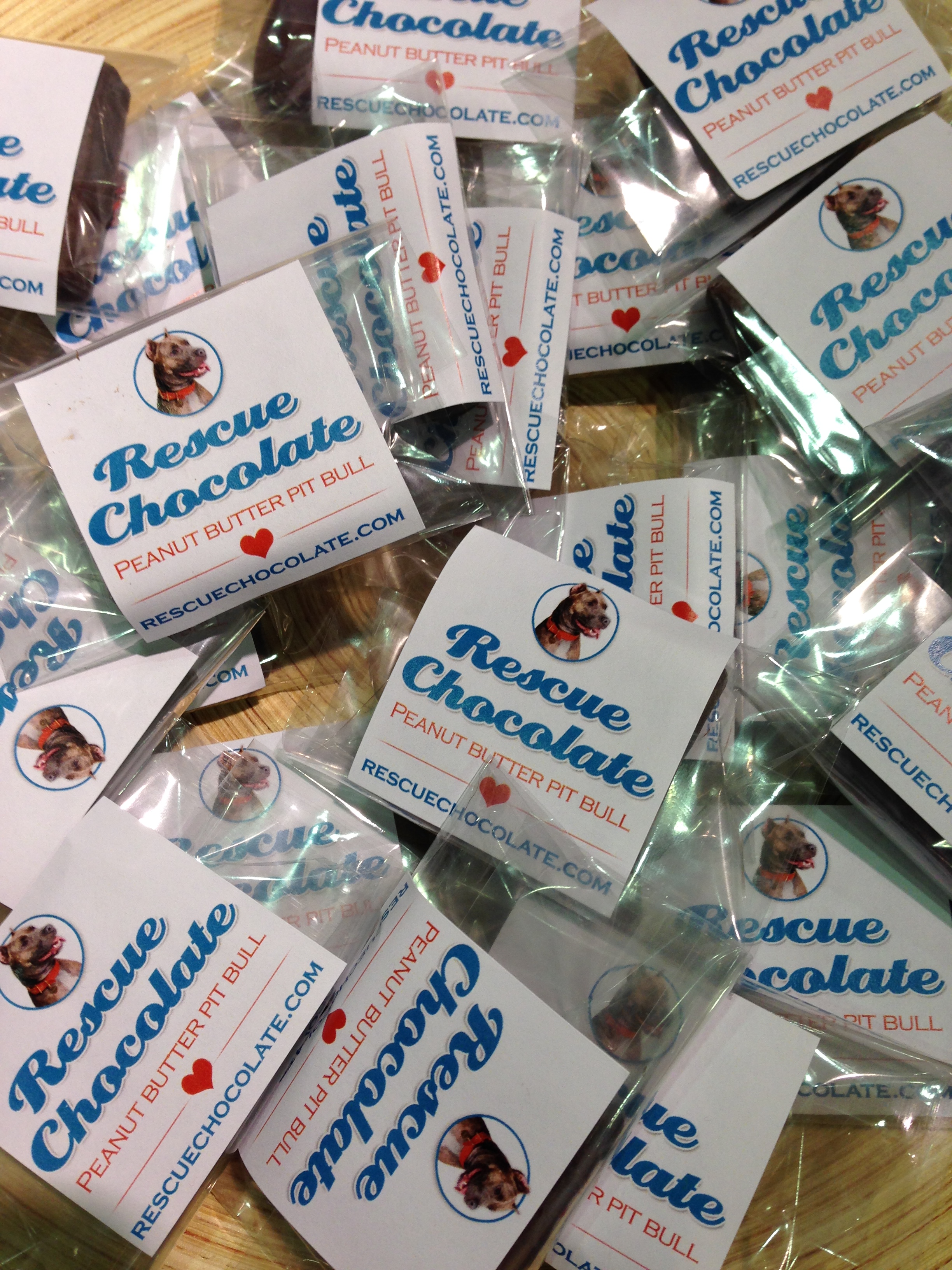
rescue choc

I thought I’d purchase one but the line was too long.

Masks, with a chocolate base, from The Chocolate Box NYC. Everything about their decoration was edible.
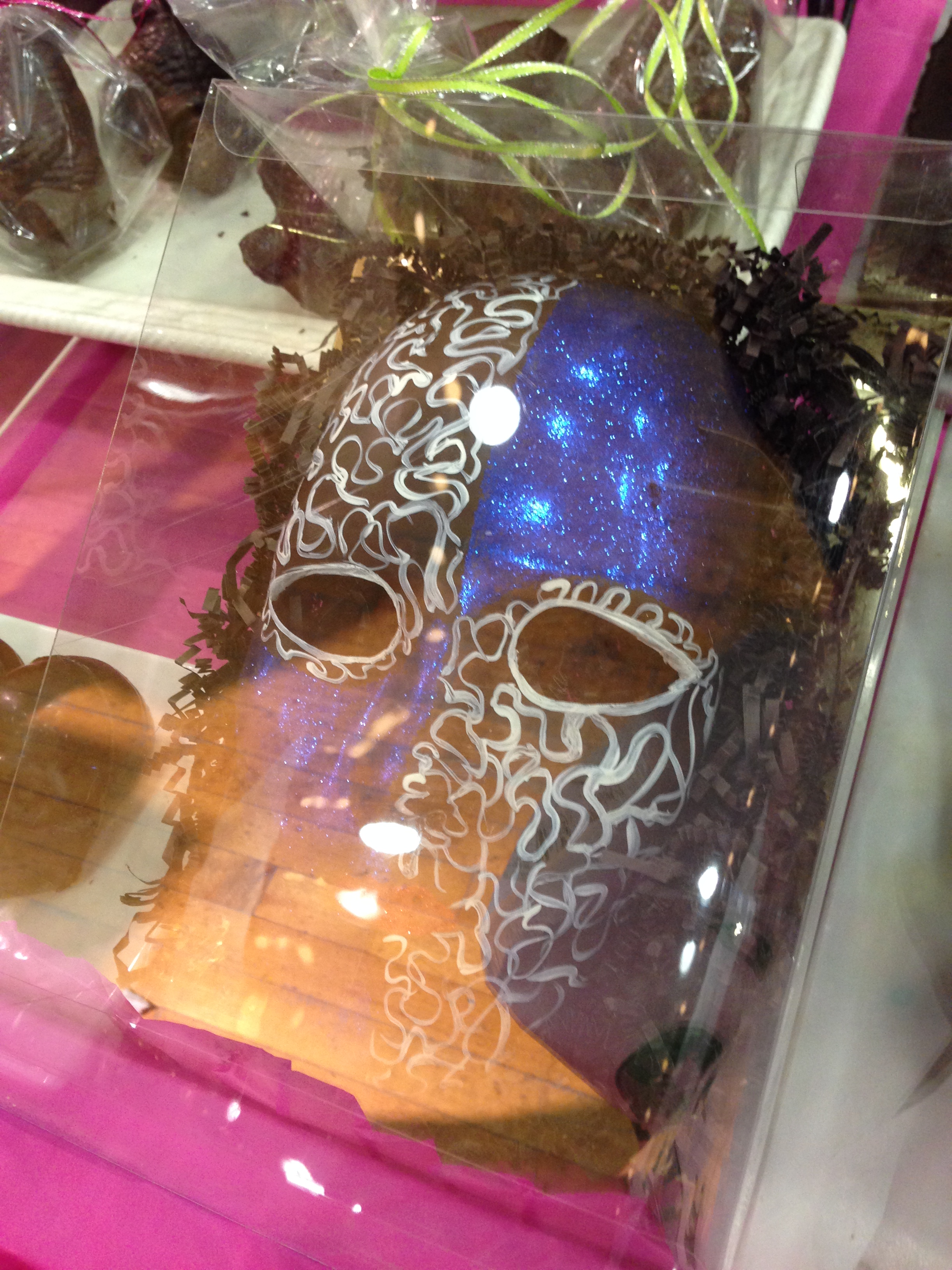
mask 1

The proprietor, Sabrina, looked more like a ballet dancer than a candy maker.

mask lady

Less artistic but just as tempting, hand-dipped Twinkies from a booth that won an award from Hudson Valley Magazine for its pies last year.

twinkies

The Twinkies are one of their best sellers — since the confection was off the market for a while it drove up the demand. “We ran out last year, Gina Solari told me. “Anything Nutella is also a best seller,” she added.

Sick of chocolate, finally, incredibly, I retired to the stage area with two non-cocoa nourishments, strong coffee and a lemon-and-sugar crepe.

In the distance, convention-goers slurped up Cap’n Crunch gelato and sugar-dipped waffles. I recalled one of the most striking film food scenes in recent memory, in Hayao Miyazaki’s animated Spirited Away, when the 10-year-old Chihiro’s careless parents sit down at a counter restaurant for a snack and get turned into munching, slobbering, devouring giant pigs.

Spirited-Away-spirited-away-4372585-852-480

A chef-lecturer delivered informational nuggets about the subject at hand. Chocolate falls to the ground in South America, she said, after the monkeys have eaten the fruit around it. It’s a seed. She confided in the people whose sweet tooth had driven them to the convention center even before lunch on a beautiful Sunday in fall. “I know I’m probably wrecking your world, but white chocolate is not chocolate. It’s fat and sugar. You could call it fat-sugar!”

1 Comment

Filed under Art, Cooking, Culture, Film, History, Home, Jean Zimmerman, Poetry

Victorian Waltz and Tea

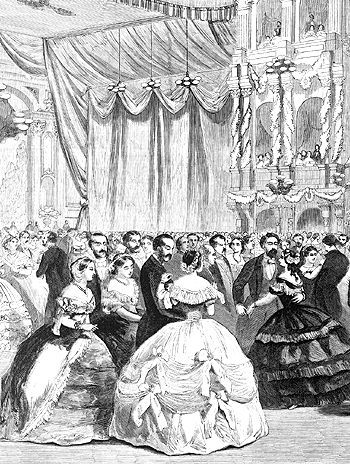
Writing a novel in which Gilded Age debutantes dance with their swains in the gaslit ballrooms of fashionable New York made me want to get some nineteenth century dance moves under my belt. Or, rather, under my crinolines. So I brought my best Tigger kicks in to Manhattan for an afternoon of 1-2-3, 1-2-3.

Tigger kicks

Susan de Guardiola, our elegant yet earthy instructor, came down from Connecticut. She generally teaches what she calls Jane Austen classes – picture Keira Knightley in Pride and Prejudice, sashaying down the line, all aglow.

keira

I always preferred Matthew Macfadyen in that movie. Does he show up at any of Susan’s classes? She teaches not only English country dancing but about 12 other kinds and is a true authority in her field, with a website called Capering& Kickery  that gives all kinds of background on Victorian and Regency-era dance.

“If everyone’s good enough,” she told us at the start, “we’ll progress to jumping.” Such, I will tell you now, was not to be. It was baby steps for many of us, even as we behaved very well and tried very hard.

class

The last time I waltzed was in seventh grade cotillion, wearing a micro-mini dress and short white gloves. I loved it. But that was a long time ago. And a far cry from a tiny dance floor in the back room of a tile shop, in the Chelsea neighborhood of Manhattan.

ballroom

Today, some women wore black dance shoes and a man came in wearing a steampunk-style leather top hat. You don’t see that every day on the streets of New York. “Shall I put my hair up because I’ll get all hot and sweaty?” asked a curly-haired woman. “I usually do,” said Susan.

This class was offered under the auspices of the New York Nineteenth Century Society, an outfit that takes seriously its mission: it  “unites historians, scholars, artists, philosophers, dreamers, and impresarios inspired by the 19th century.” Recently they had a Nineteenth Century Extravaganza, for which everyone put on their full Victorian regalia. Next up is an archery event. Yes! Perhaps I’ll attend. Savage Girl is an expert archer, as were many young ladies of the late 1800s.

archers

“The 1880s, 1890s were the root of modern ballroom dance,” said Susan. It turns out that the waltz changed seven or eight times in the course of its development, becoming faster, closer, more stylized. The dip back we expect from the female partner now didn’t used to exist.

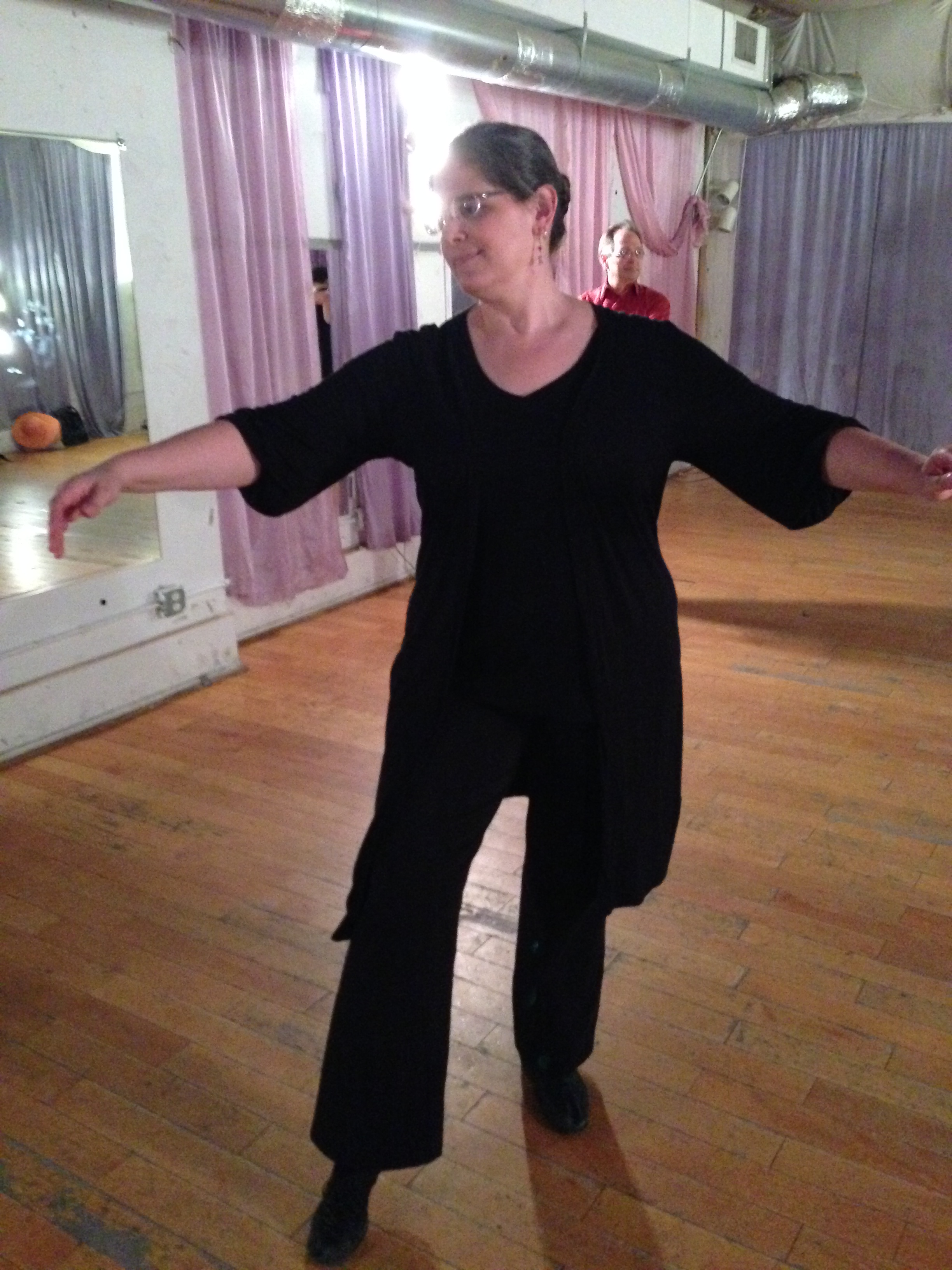
susan

“I’ll tell you the secret of this kind of dancing,” said Susan. “It works if you do it on the balls of your feet.”

1801wals

“When this waltz gets going,” she said, “it flies around the room.” She might have been a tad optimistic.

This was a lesson in shoulder blades. The man should place his hand on the woman’s left shoulder blade (“that’s the sharp thing sticking out of her back,” said Susan) though in Victorian times when everyone wore corsets and your posture was therefore better, your partner could put his hand farther down your back. The woman holds her left hand against the man’s right shoulder, above his chest, to help push him around during the turns.

We learned the gavotte glide, a slide to the right followed by a turn, and we learned the importance of leading with your toe, Victorian style. Susan suggested we lean in and not worry about the various “bits” of us that might touch. We passed partners around the circle, dancing with utter and complete strangers, experiencing waves of cologne, perspiration, different kinds of breath, good and not-so-good manners. Everyone tried hard. I got one partner, Jake, a couple of times, and we shared laughs over each other’s clumsiness. He suggested we hold a hand behind us, as I might do holding a bunch of petticoats.

hands cocked

Jake high fived me when we came to a halt semi-successfully. Very Victorian.

jake

Lesson over, Gil and I proceeded outside, where a young dancer waiting for a tango class advised me that rubber soles such as the ones I had on might cost me an ankle. “I hope you keep it up,” she told me and Gil kindly. “Maybe I’ll see you on Dancing with the Stars.”

On the street, I asked Susan how to improve. “Practice five minutes every day,” she said. “Go to a supermarket and practice down all those wide aisles.” You don’t need to do it all at once. “Sleep on your lesson,” she said, “and you will do better the next day.”

We hadn’t had enough Victorian flavor so we went afterward for high tea at a place called Lady Mendl’s Tea Salon. It was on the first floor of a Gramercy Park hotel, The Inn at Irving Place, carved out of two adjoining brownstones that date back to 1834. Washington Irving was said to have spent some time in a house down the street, enhancing the old-fashioned aura of the neighborhood. The online reviews I read said a man would not be welcome at the establishment, so of course Gil wanted to go.

jz tea

Lights were turned down low and the whole effect was gracious and mellow and ladylike, even if there were a few male interlopers.

tea room

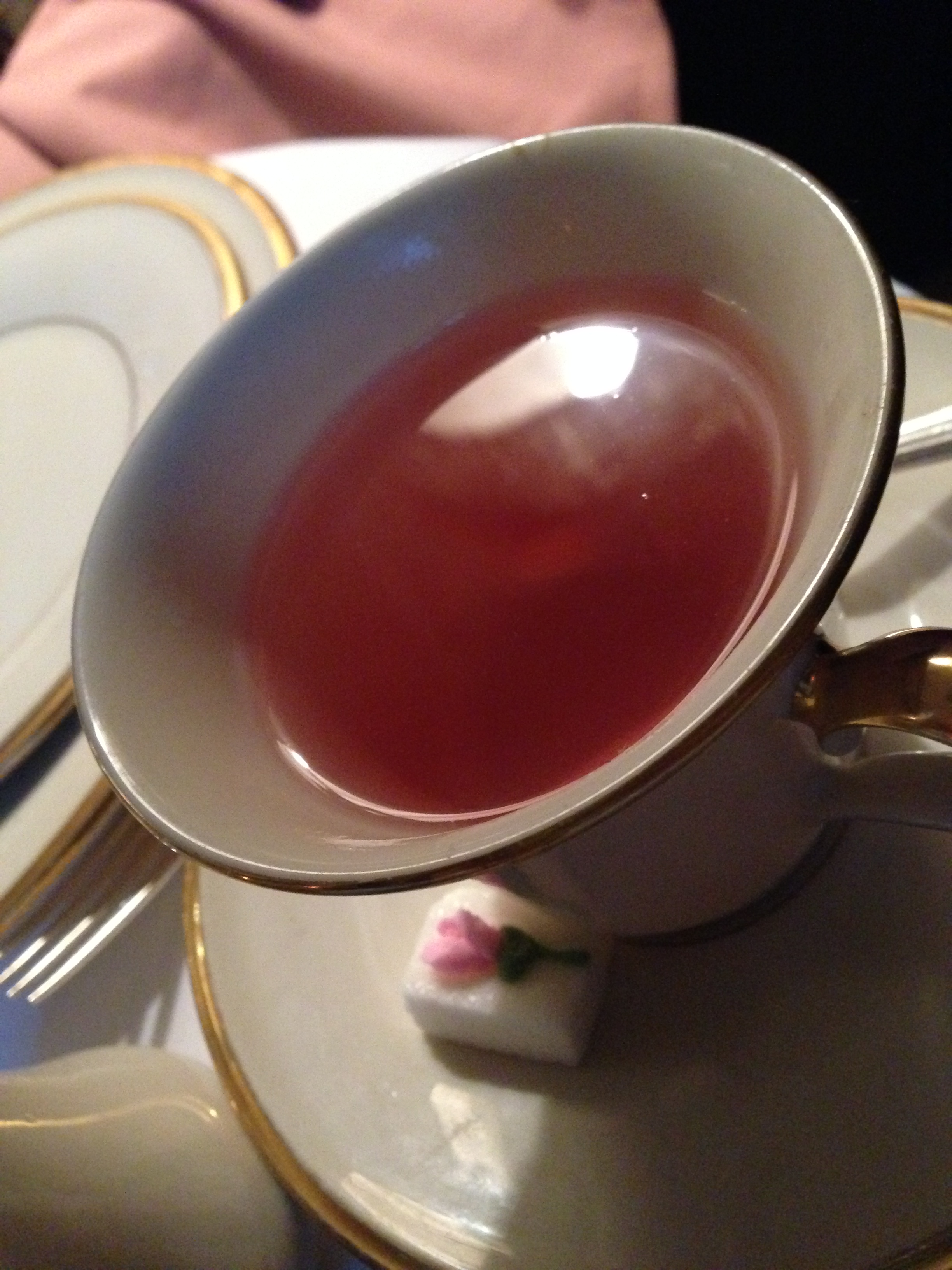
We chose our freshly steeped tea from a menu of 27 varieties. The “Lady Mendl,” which I selected, was hot and heavenly, especially after waltzing for two hours.

teacup

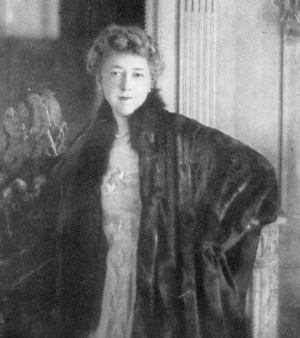
Darjeeling scented with bergamot, it was named after Lady Mendl herself – none other than the society woman Elsie de Wolfe, one of the first people to make her fame as an interior decorator. It’s said she had the expression “never complain, never explain” stitched on her throw pillows.

Elsiedewolfe

There was an amuse bouche consisting of a butternut squash tart with crème fraiche. Tea sandwiches. We were rolling. Everyone in the room appeared happy, or rather, high. High on hot, fragrant tea.

We reminisced about the banyan I made Gil one Christmas. Banyans are the “exotic” silk robes colonial men wore when they were at home at leisure, with their temporarily unperiwigged pates covered in caps.

banyan

There were, of course, scones and clotted cream. I ate some of the cream on a spoon to make sure it was property clotted.

scones

As if that wasn’t sweet enough we had millefeuille cake with more cream, and chocolate-covered strawberries. In my opinion the strawberries are a specious addition, since a century ago you couldn’t get the kind of giant fruit they dip now. Not that I’m complaining.

choc strawberry

“It’s good to do something you don’t ordinarily do,” I opined with Victorian superciliousness. “It makes you grow.”

“It makes you groan,” said Gil, ready to go back to the Cabin, put his feet up and his banyan on.

3 Comments

Filed under Culture, Dance, Fashion, Fiction, Film, History, Jean Zimmerman, Music, Publishing, Savage Girl, Writers, Writing

Author Page Debut

I wanted to let everyone know that I have set up an author’s page on Facebook, where you are welcome to go to discover news about my books both forthcoming and previously published, and also bits and pieces about the literary life, book goings on, tweets, interesting historical phenomena and other things that pertain to my life as a writer.

Please do stop by and “like” the page, and leave a comment – I’d love to see you there.

For the Facebook page, and just because I  hadn’t done so in a while, I came up with a new author photo. I wanted the picture to be less posed, more natural than my past ones, and to have some kind of a natural context.

IMG_8745 revised

Maud Reavill was prevailed upon to record her mother’s image for posterity. I stood in front of Columbia University’s St. Paul’s Chapel, designed in 1907 by I.N. Phelps Stokes, he who I profiled in my book  Love, Fiercely: A Gilded Age Romance. It’s an exquisite Italianate structure, one of Stokes’ finest accomplishments, and the first non-McKim, Mead and White building erected on campus. It’s just as beautiful inside as it is on the exterior, but the light inside didn’t favor a shot. I wrote about the chapel and getting my picture taken earlier this year.

The bricks are old. I am not.

Leave a comment

Filed under Art, Culture, Fiction, History, Jean Zimmerman, Love, Fiercely, Photography, Publishing, Writers, Writing

Historical Pork

I brought the porker totem home to a curious canine, though Oliver didn’t seem to feel the swine deserved an aggressive posture.

oliver:pig

And though I debated on the drive back, porker clunking in the trunk, what Gil’s reaction would be – would he object to the creature because of its cost or size or general mien – he too was delighted by it. One of his favorite song lyrics, he said, was Dylan’s “I’m no pig without a wig/I hope you treat me kind.” Hard to hold anything against a grotesquerie that cost 24 dollars.

whole pig

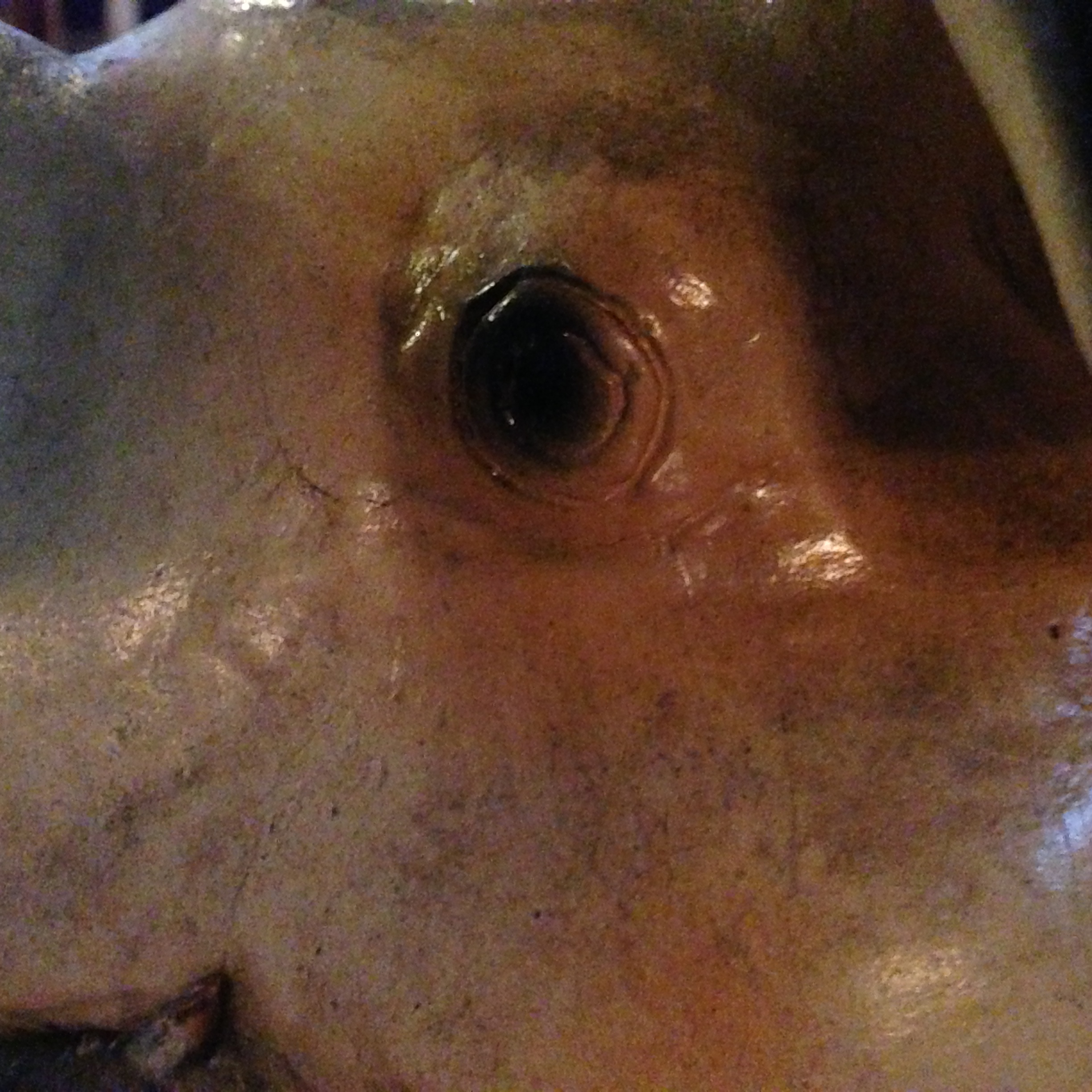
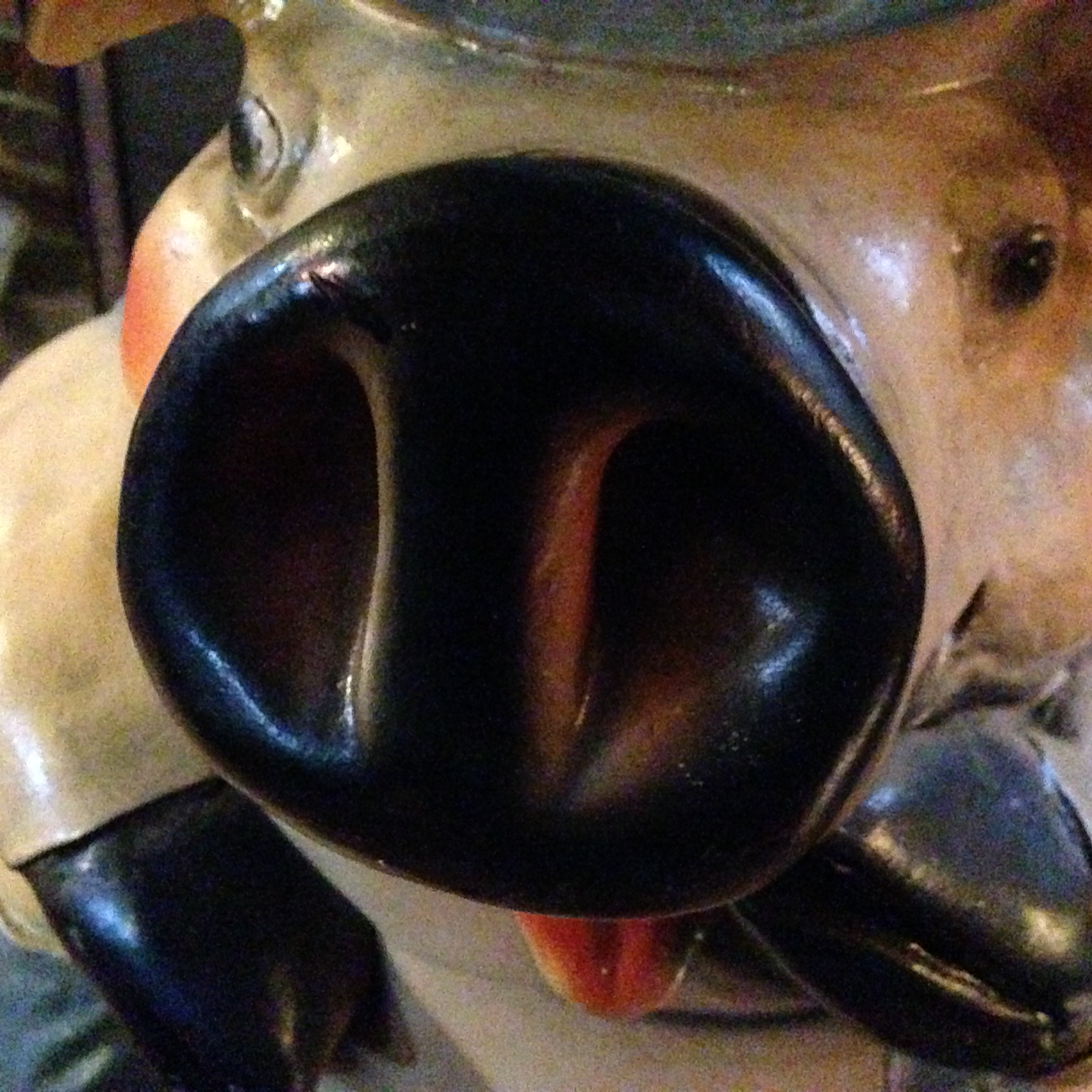
We decided the painted plaster pig with the voluptuous nose must have at one time enticed customers in a store or eatery. The woman in the antiques shop felt sure he had a former life as a piggy bank, but no piggy bank is thigh high. I snapped him up quickly, before anyone else could. If anyone else would.

pig eye

My eye for art is my own. I’m the one who finds things at estate sales after all the “good stuff” has been bought, after everyone else goes home. In our storage locker the other day I went through our collection of two-dimensional pieces, some by friends, that the Cabin walls can’t accommodate. Space is extremely limited and 250-year-old logs hard to pound nails into.

I did hang a Currier & Ives print, an antique spoof showing a nineteenth century woman with a braid dangling to her knees, a cigarette and a riding crop. “The Girl of the Period” reads the legend on the only slightly stained image. The friends who gave me this know me well.

currier

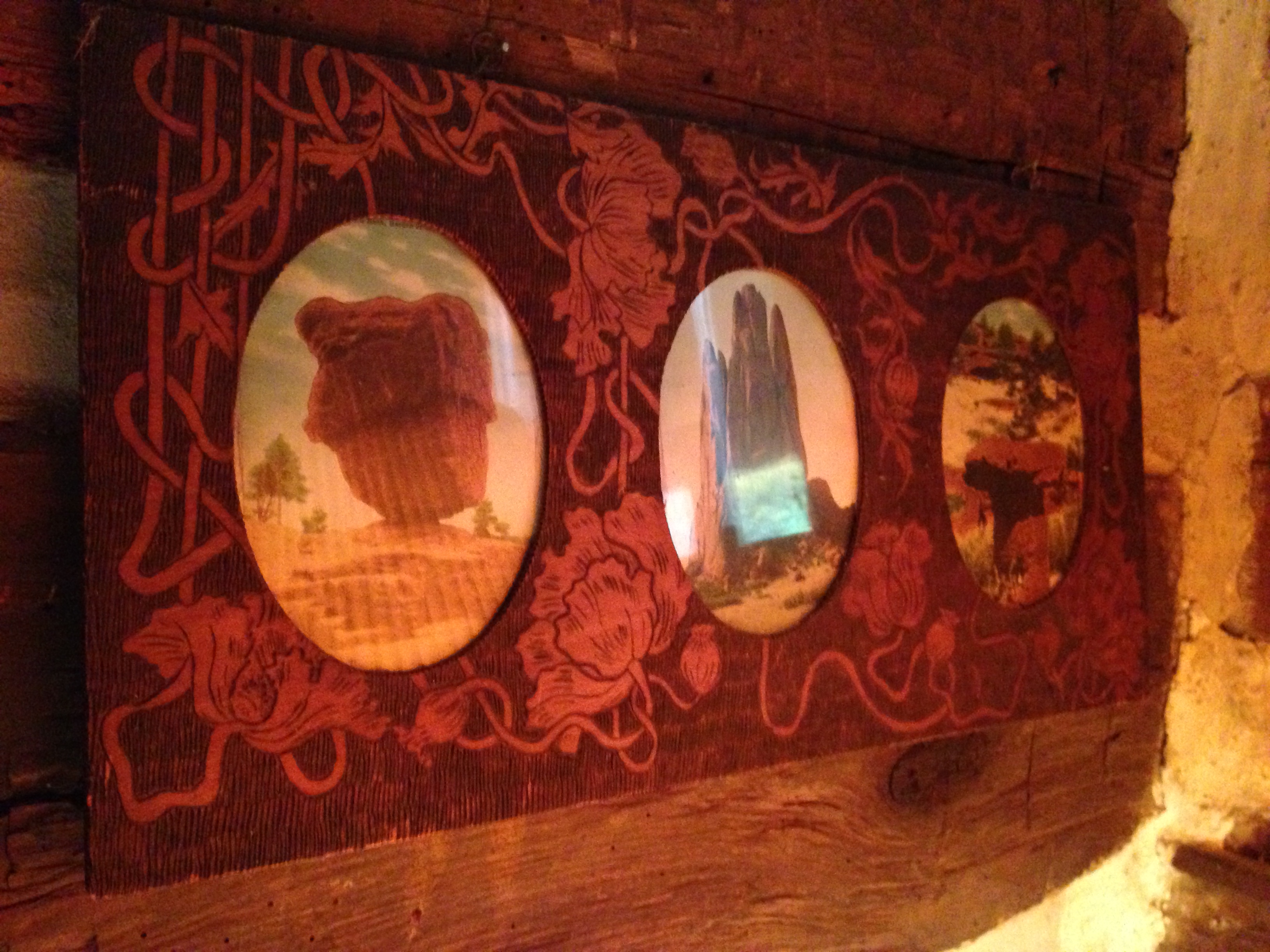
I do like things that are a bit stained, worn, faded or torn. Things that have the spirit of the vernacular in them. That show the human hand. It’s not outsider art when it comes from your own relative. One vintage artwork in my house was the creation of my great-grandmother Lockie Hillis, three landscape postcards she collected on a trip to the Panama Pacific International Exposition in 1915, which she mounted in a wood-burned frame (she herself burned the wood).

Lockie

I greatly appreciate handmade signs, but I’ll only collect them for free. Our best sign, hanging outside on the porch wall, we collected off a telephone pole next to a cornfield on a midwestern two-lane.

cherish

The one above the fireplace makes an ironic comment on Oliver and the other beloved dogs that have lived with us.

no dogs

Another perhaps more frightening comment, the mask hanging above the wooden sign. Leather of some kind, it comes from Mexico, and has dropped a few eyelashes since I picked it up 30 years ago. Gil has been known to put it on for Halloween and terrify small children.

mask

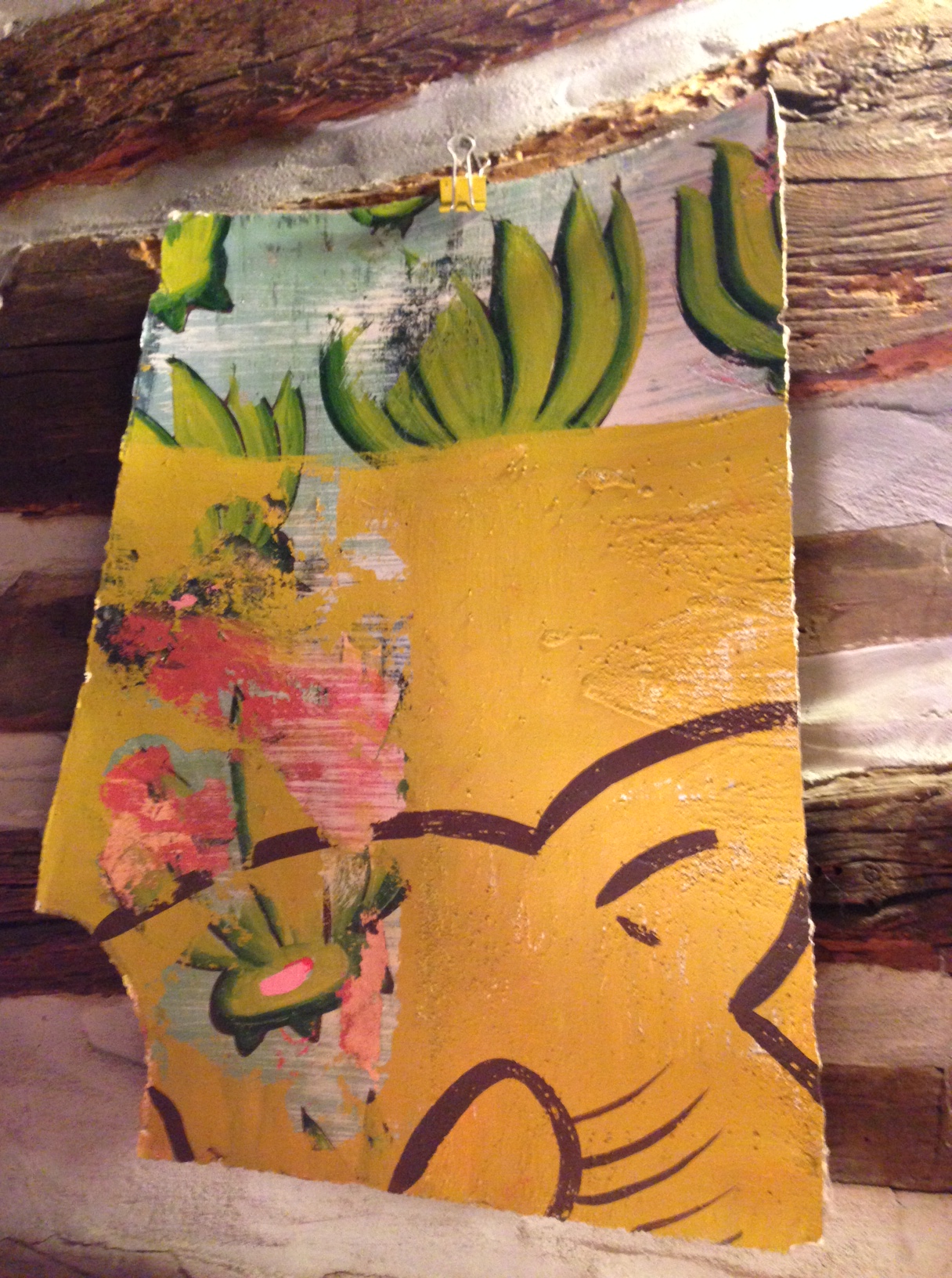
The Cabin makes a perfect backdrop for a painted work like the one my artist friend Sandra bequeathed, titled “Cairo in the Garden,” named for a beloved tabby we owned with seven toes on each paw.

cairo

We don’t frame it because it doesn’t need a frame to show off its fresco-like charms.

Back to the pig without a wig. Where to exhibit his bulbous corpus? I think he needs to stand by the door, sticking out his tongue in welcoming us. Or by the hearth, though I wouldn’t want his fat to singe. Perhaps the kitchen would be the most logical, given the amount of bacon this household consumes. In a corner, where we can observe him observing us.

While I consider it I’m going to give my attention to a National Audobon Society “miniature chart” showing Twigs of Common Trees.

Twigged Out

Here we have 62 ink-drawings of buds, bark, leaf scars and pith. The total effect is exquisite and I’d like to do the impossible: find it wall space. I fished Twigs out of storage and Gil said, You want that? Yes, as a matter of fact I do.

pig nose

What this jolly pig reminds me of most of all is old-fashioned signage, when shops had a giant shoe or pair of eyeglasses out front, bespeaking loud and clear what they had to offer. That’s a history dating back to the middle ages, but you still find pigs today decorating barbecue joints. That might be this one’s origin. Oink.

6 Comments

Filed under Art, Cooking, Culture, Dogs, History, Home, Jean Zimmerman, Nature, Photography, Writers

Eat, Fly, Nest

“Birds like movement and sound – so bubbling water attracts them,” says Cary Andrews, the ornithological expert speaking on bird-friendly gardens at the Croton Free Library in front of an audience of two or three dozen intent locals. If you don’t have an exotically lovely koi pond, she says, a bird bath will do, or even a strategically set up plastic gallon jug tipped just so.  Watch out for frogs, though, some of whom “can take out a hummingbird.”

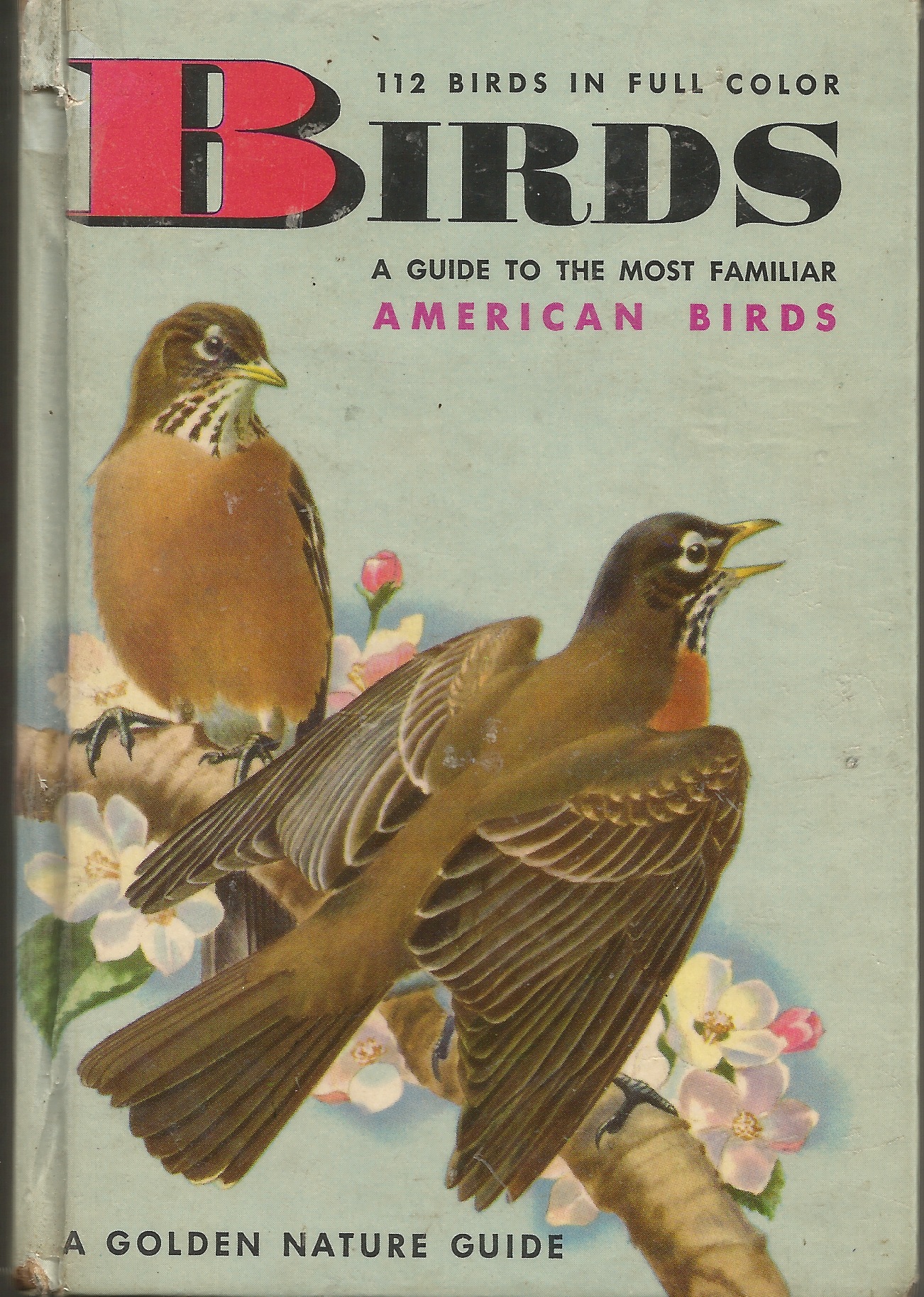
In my bag, I carry a palm-sized nature guide dating to 1949, which I’d rediscovered in a box of old books earlier in the day.

Bird cover

The flyleaf is inscribed, “To Zan, from Mother, April 18, 1952.”

This is the last in the Green Living Series for this year offered by the Croton Conservation Advisory Council – earlier talks had focused on invasive plants and biophilia, or the love of nature – and Gil and I want to get some information on setting up a feeder. What we get is a lot more global. Water, food, nesting. The best plants so the birds can thrive. But also much larger questions of habitat, creating it and preserving it, and the survival of all the species, not just everyday sparrows.

I am tempted as the lecture begins to hand my book over to the cutest little four year old girls, who keep giddily crawling back and forth in front of the podium until they are stilled by their chaperone. I am eager to hear about migration of another kind, from our speaker, birds flying all the way up from South America, drawn by the Hudson. Birds love water – robins, report Cary, like nothing so much as a sprinkler going back and forth, plus it loosens up the turf “so they can get their worms.”

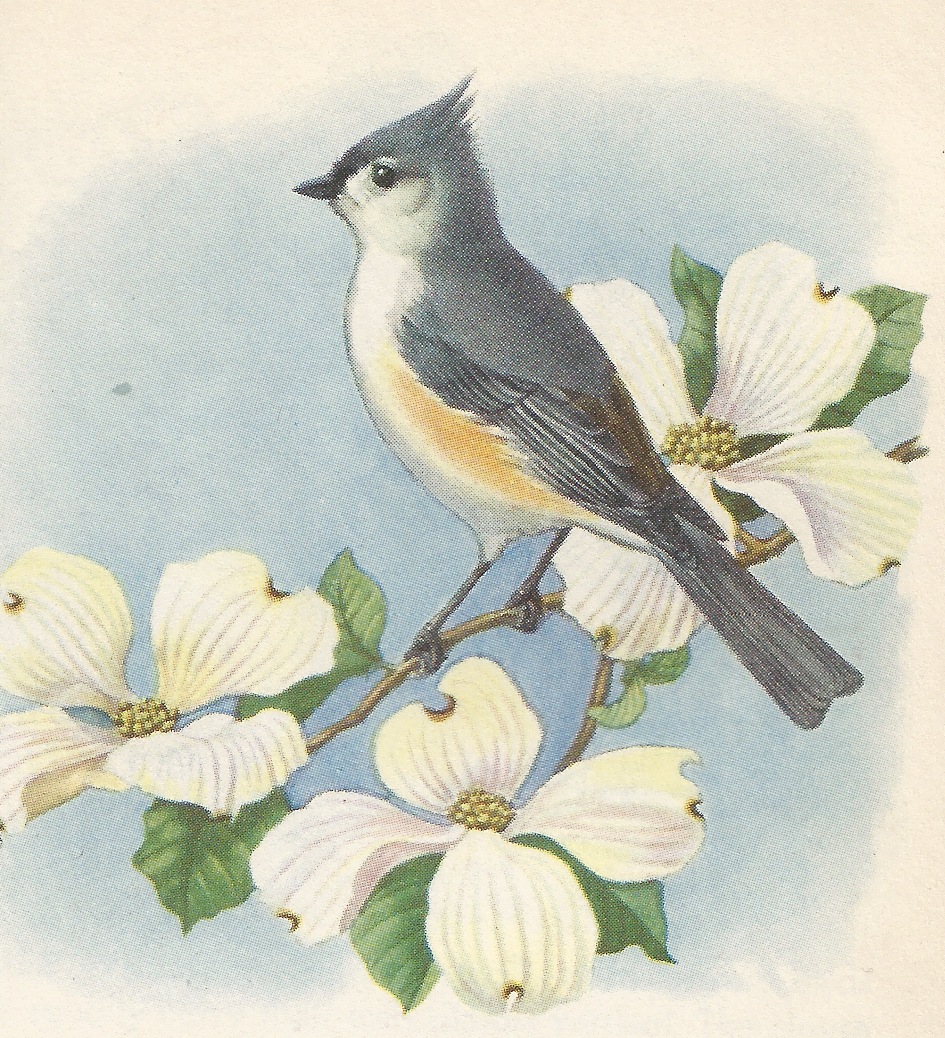
The talk includes great photos, still there’s something softly magical about these illustrations from sixty years ago.

Bird tit

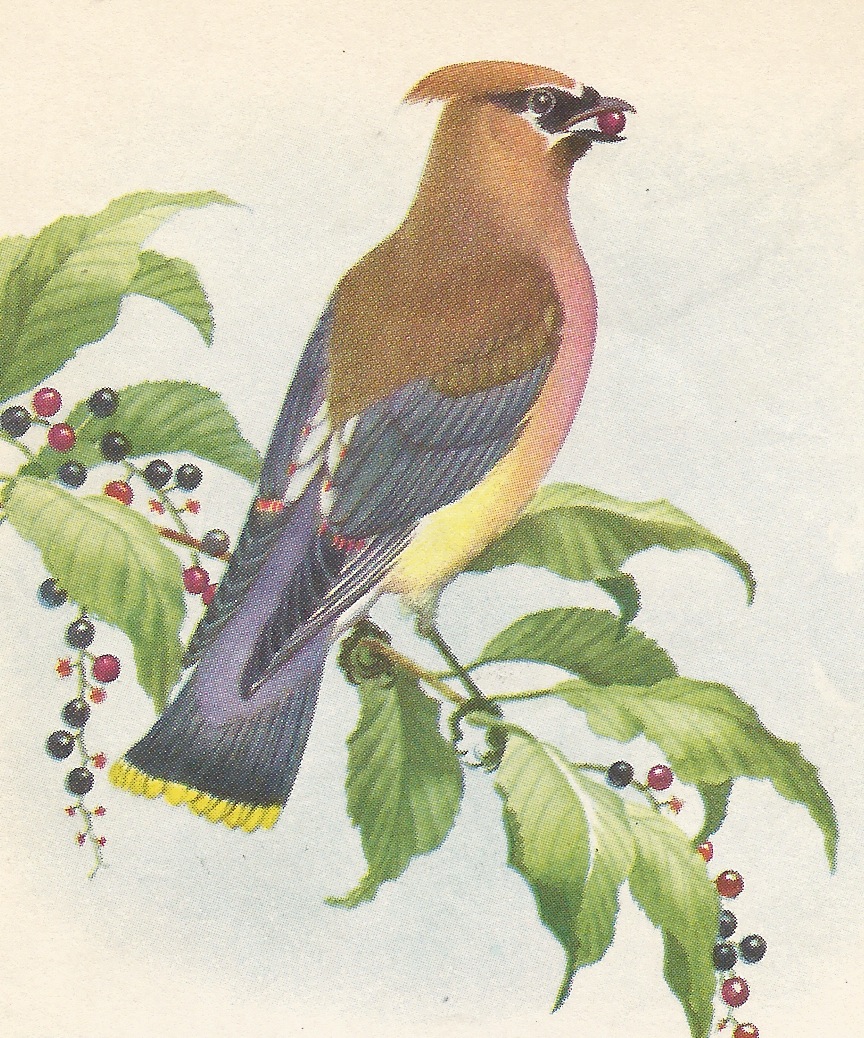
The tufted titmouse, one of my favorites since moving to the Cabin, is a bird I’d like to attract. Now I’m hearing about raspberries that ferment when overripe so that they’re called drunkberries. Birds enjoy them. And among other pleasant digressions, Cary mentions that she’d like to organize a “garden tour of pink trees” in spring. And that she was once distracted when looking out a conference window by 10 cedar waxwings feeding on red berries. And that she and her bird-crazy neighbors put in their bird-friendly plants and tease each other: “You stole my birds!”
Bird ced

“Fifty percent of the wren’s diet is spiders,” I learn. Insects. They are more important than I knew. All those downed, rotting trees around the Cabin, they are gold. Bark crevices are what bugs love. And birds love bugs. And cats love birds.
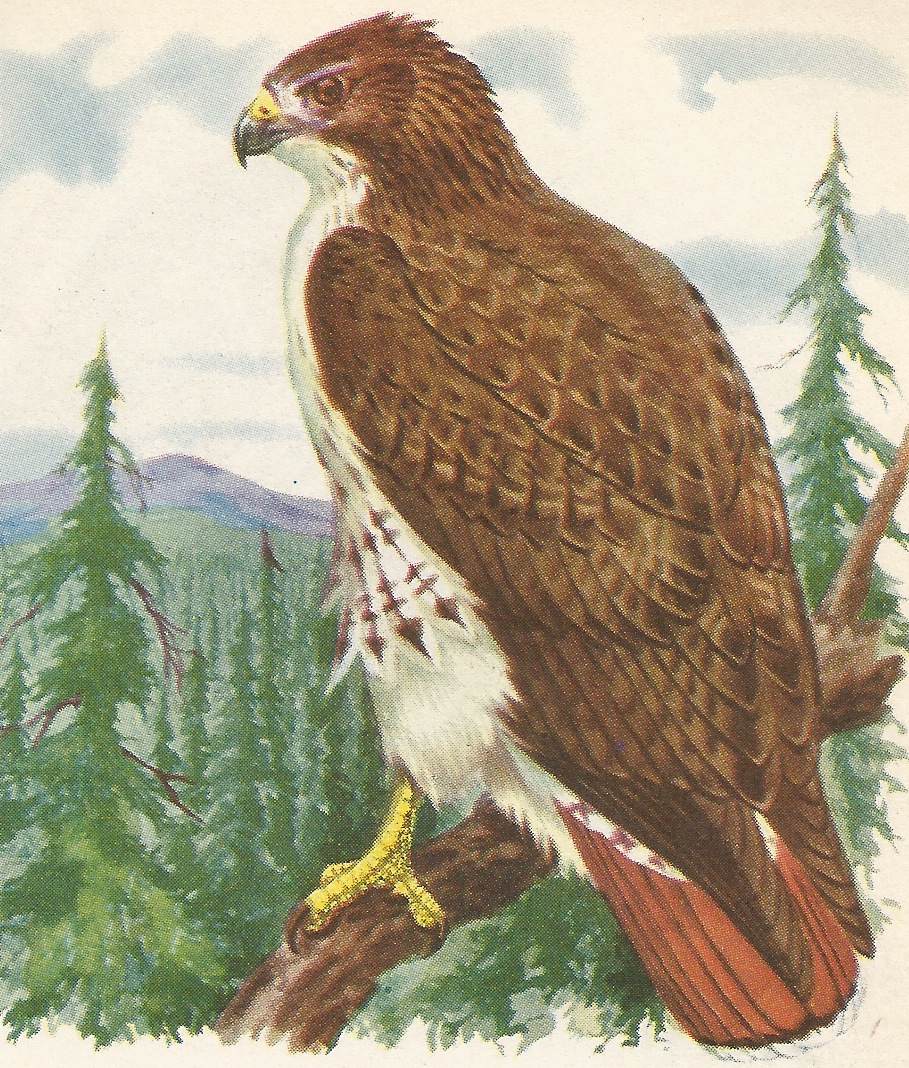
No! Don’t go there. It turns out that cats are responsible for decimating billions of birds in the U.S. each year. Cary quotes a controversial University of Wisconsin study. And the bells assigned them by well-meaning owners help not a whit. They’re much worse than the hawks circling far above.

Bird hawk

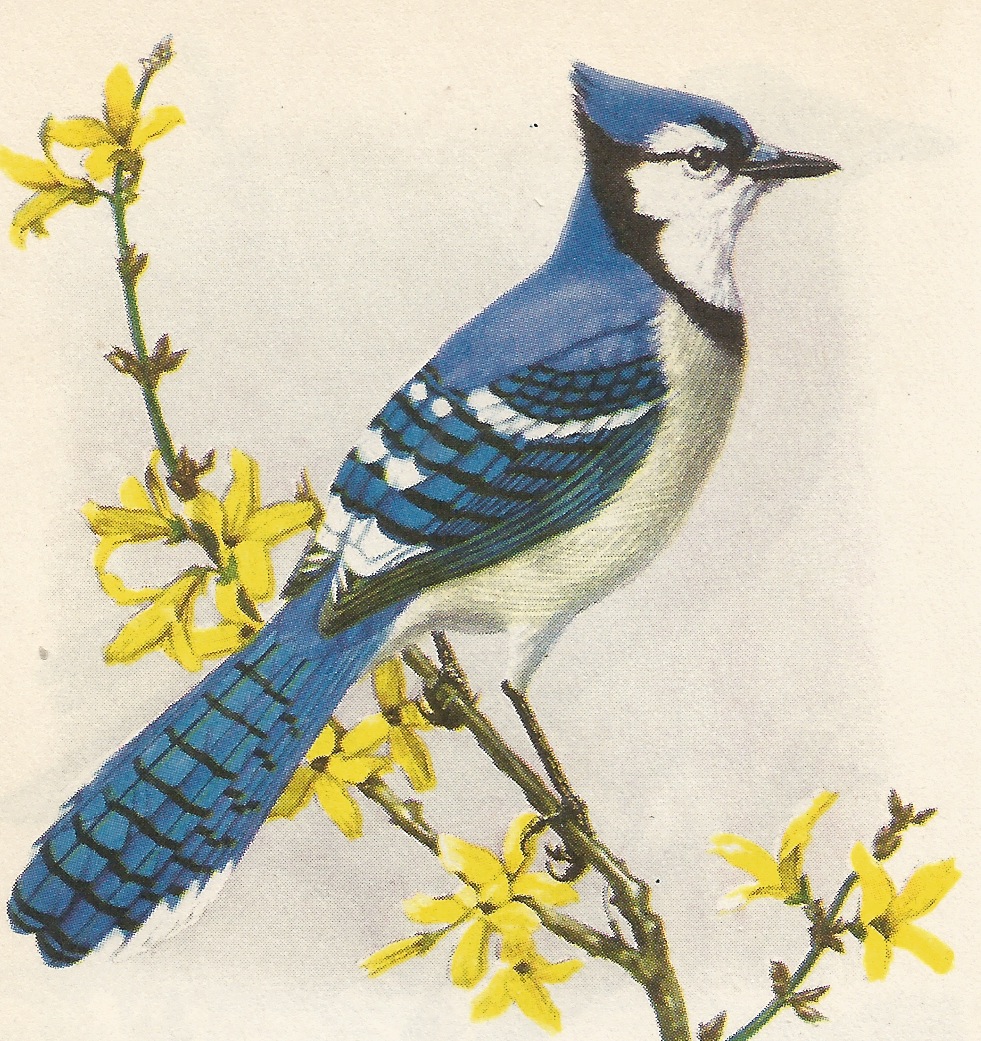
The bugs birds eat, especially the larvae babies require, grow on native plants. “Go native!” says our speaker, who admits that though she is a bird person, she was only recently educated about setting up her own bird-friendly garden. Smart and mildly self-effacing, she grants the audience “permission to be messy”: leave brush piles alone, stalks standing, the lawn grown out a bit more than most Americans think is decent. Even some weeds are good. The thistle. Even crab grass. Throw your Christmas tree to the side of your yard and a bird might take up occupancy. (We have one of those.) I also know for a fact that the fir trees close to our outside wall makes the bluejays happy.

Bird jay

This “tightly woven relationship between plants, insects and birds” sometimes leaves humans out in the cold. Poison ivy, for instance, is a delight for birds, it seems. Cary advocates preserving it where possible. This is the true bird’s eye view.

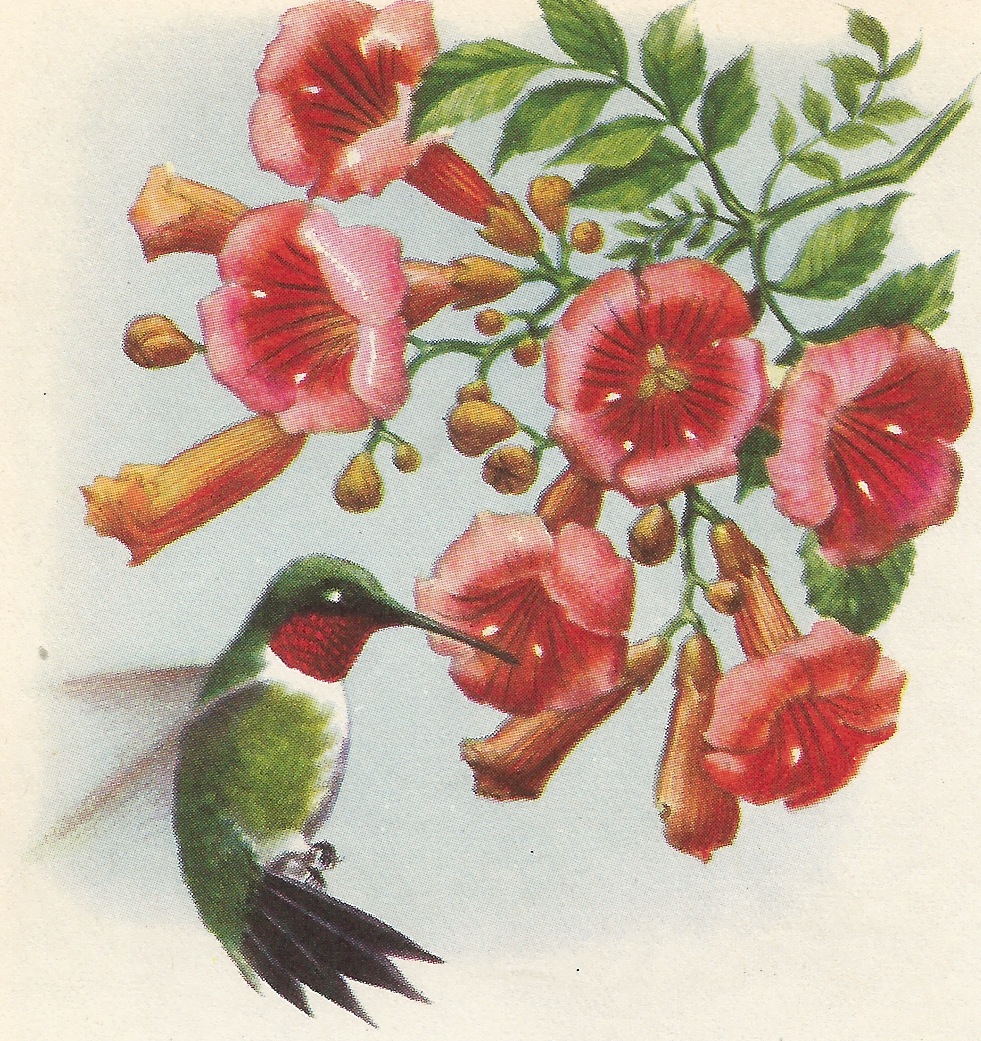
A few more nuggets before we dive into the cupcakes on the library table. Deer have been seen swimming from New Jersey to Staten Island. No joke. Hummingbirds will on occasion use spider webs to build their nests.

Bird hum

The robin’s nest found in Cary’s friend’s yard incorporated a length of her young daughter’s hair ribbon.

I start for home. In the back of my vintage bird guide I discover the following note, handwritten in neat pencil:

July 25, 1959.

Today for the second time,

a small red bird perched

on the picket fence outside

my window. He warbled

a few notes and then left.

I found out that it was a

cardinal through this book.

2 Comments

Filed under Art, Culture, History, Home, Jean Zimmerman, Nature, Writing

Children’s Books That Make Us Us

Most of the elegant exhibition vitrines at the New York Public Library’s show The ABC of It: Why Children’s Books Matter stand at a height conducive to adult viewing. And wonderful as the show is, it’s really not a place for children – with the exception of a few nooks along the way offering copies of Goodnight Moon for young ones to handle – but a place for us well above knee height to get sucked back into our literary pasts.

The winding display was chock full of books and objects from the Library’s massive collection, and it ranged over the history of juvenile literature. There were picture books from China. There were vintage, quirky numbers, like The Cries of New-York, detailing children selling “various kinds of cherries” on Manhattan in 1816.

cherries

Another book, from 1727, represented the oldest known copy of the most important English-language primer, with an array of four-syllable words, fornication surprisingly found alongside exhortation.

primer

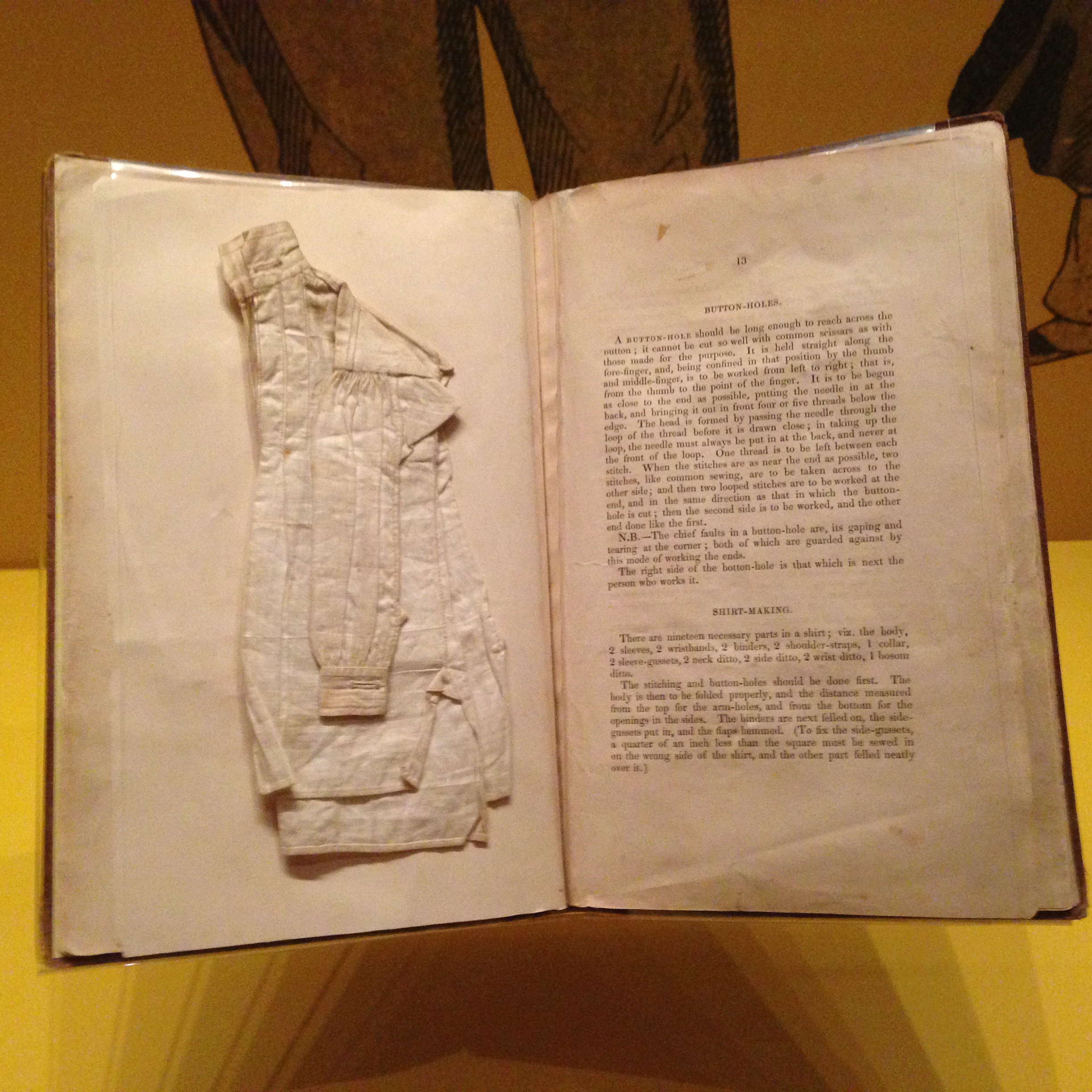
I was interested in Instructions on Needlework and Knitting, from 1847, published in London, whose valuable pages had an actual doll’s dress sewn into the book.

doll clothes

But I found myself gravitating to my tried and true, the darling books of my own important and valuable childhood, when caring people made sure my library was stocked with the perfect pages to make my imagination fly.

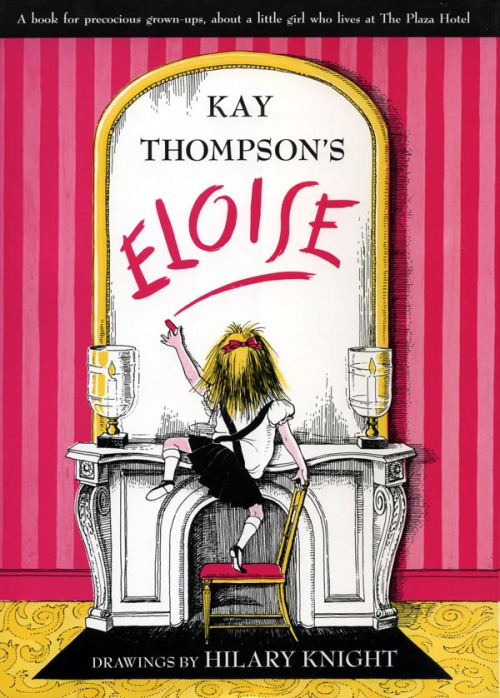
All my old favorites were here in some form or another. I saw sketches by Hilary Knight as he worked up to a published Eloise, with the scamp lying on her stomach facing  her turtle Skipperdee or making an island in the “bawth”. The collaboration between Knight and Kay Thompson was “intense, exhilarating,” I learned.

eloise-cover

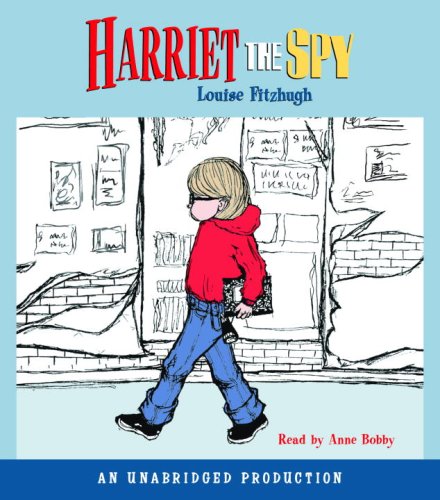
Harriet the Spy, 11-year-old brilliant tomboy, was represented along one wall with a pleasantly tattered copy of the book that could have been my own. That book taught me a lot about what it would take to grow up smart and sly in the world of adults.

harrietspy

The Phantom Tollbooth depicted a land I felt transported to when I was about ten, and going back farther, the Dick and Jane readers drew me in and gave me the creeps simulaneously.

I had forgotten about Ruth Krauss and Maurice Sendak’s A Hole Is to Dig, and the pages on display at the Library touched my heart.

sendak

Harold and the Purple Crayon. Timeless. Ferdinand. Charlotte’s Web: “Some pig.” “Terrific.” E.B. White wrote it while reporting on the founding of the U.N. for Harper’s Magazine, and it was no doubt shaped by a concern about who would save the world. The world he created was of course much more real than a big room full of serious old men.

terrific

I walked about adrift in nostalgia for my books, my bookcases, my bed where I read my books, my family’s club chair where I slouched with my summer pile from the library. “Libraries raised me,” said Ray Bradbury. I remember poring over tales of the creepy Loch Ness monster and the equally terrifying but also funny abominable snowman. I can  relate to Eudora Welty’s memory:

I read library books as fast as I could go, rushing them home in the basket of my bicycle. From the minute I reached our house, I started to read. Every book I seized on, from “Bunny Brown and His Sister Sue at Camp Rest-a-While” to “Twenty Thousand Leagues Under the Sea,” stood for the devouring wish to read being instantly granted. I knew this was bliss, knew it at the time. Taste isn’t nearly so important; it comes in its own time.

I think that when reading I imagined myself to be Mary Poppins in another life (not the children who were her charges) and so I was fascinated to see P.L. Travers’s very Mary-like green-cloth umbrella with a parrot-head handle, and the Dutch wooden doll that served as the model for the magical nanny, which her American editor gave the library in 1972. “My favorite of all!” exclaimed the mom of two girls, who commenced to sing A Spoonful of Sugar.

Mary doll

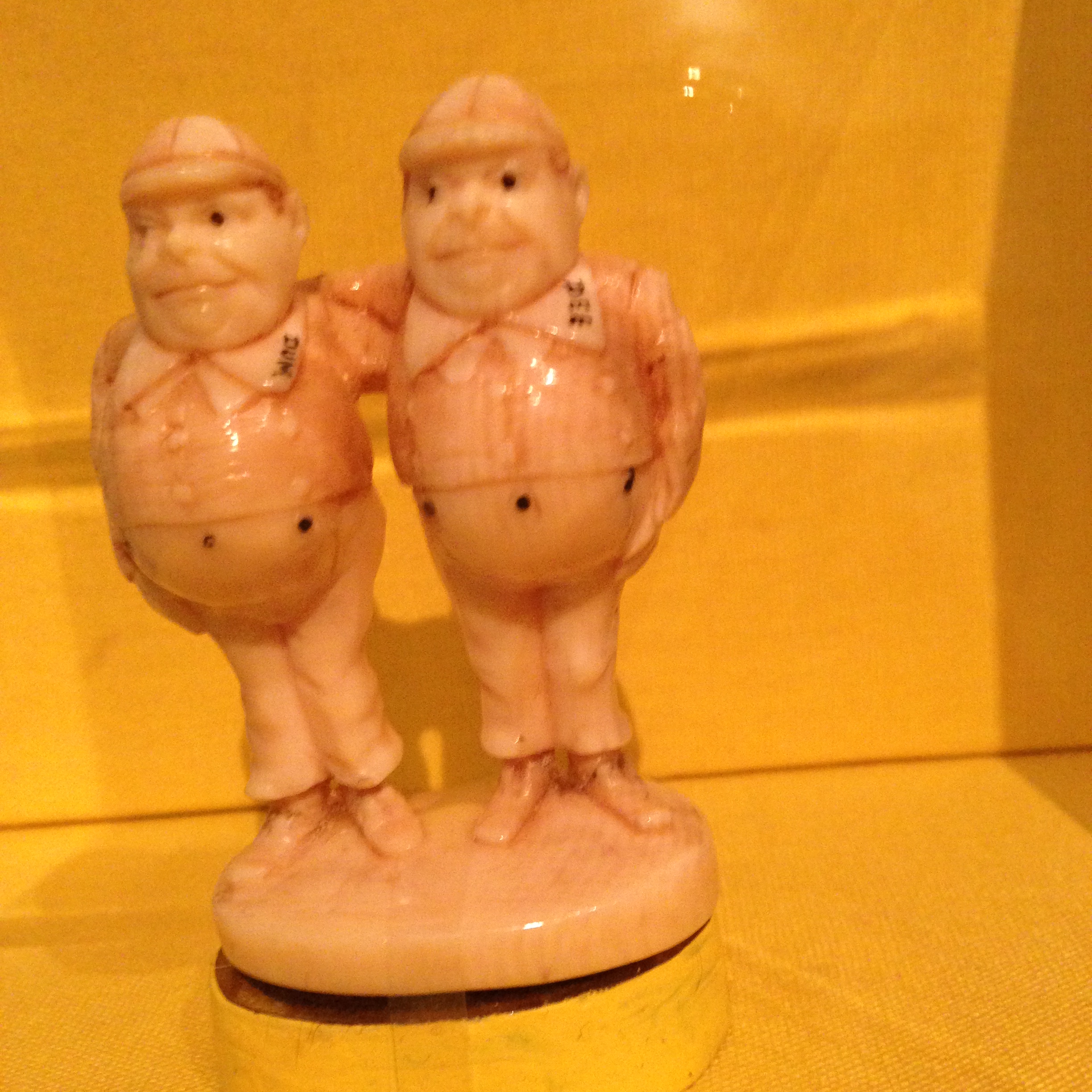
I turned the corner and bumped into another historical nugget, the Tweedledum and Tweedledee parasol handle that Lewis Carroll bequeathed upon the former Alice Liddell, now “Mrs. Hargreaves,” in 1891. The original Alice. She held that ivory in her hand.

tweedles

More heirlooms, including all the original Pooh dolls from the Milne family, which have resided at NYPL since 1987.

I was invited to craft an original story in a Mad Libs vein, with a digital setup on the wall. After I plugged in words, the narration involved a witchy persimmon and an oak turned into a sorrowful seed, reinvented from Hans Christian Anderson’s The Snow Queen. Anderson said, “Life itself is the most wonderful fairy tale.” All fun, but where are the fairy tales? Where are MY fairy tales? The ones I read and reread until the paper book jackets tore.

Oh, there, finally. The Blue Fairy Book. A first edition of the Andrew Lang collection, which had something like a dozen volumes.

blue fairy

Mom, Dad, Grandma—and I think it might have been Grandma—thank you for giving me The Blue Fairy Book, the Red, the Green, and the others, volumes I would crack open to release their dreams, their mystery and passion. Beauty and the Beast, which I read in The Blue Fairy Book, still gives me a shiver.

3 Comments

Filed under Art, Culture, Fiction, History, Home, Jean Zimmerman, Poetry, Publishing, Writers, Writing

Pumpkin Pie Women

Coming home from the supermarket, laden with cans of pumpkin and condensed milk, listening to the cheekily wonderful tune, Thou Swell, Thou Witty, Thou Grand, which Rodgers and Hart collaborated on in 1927.

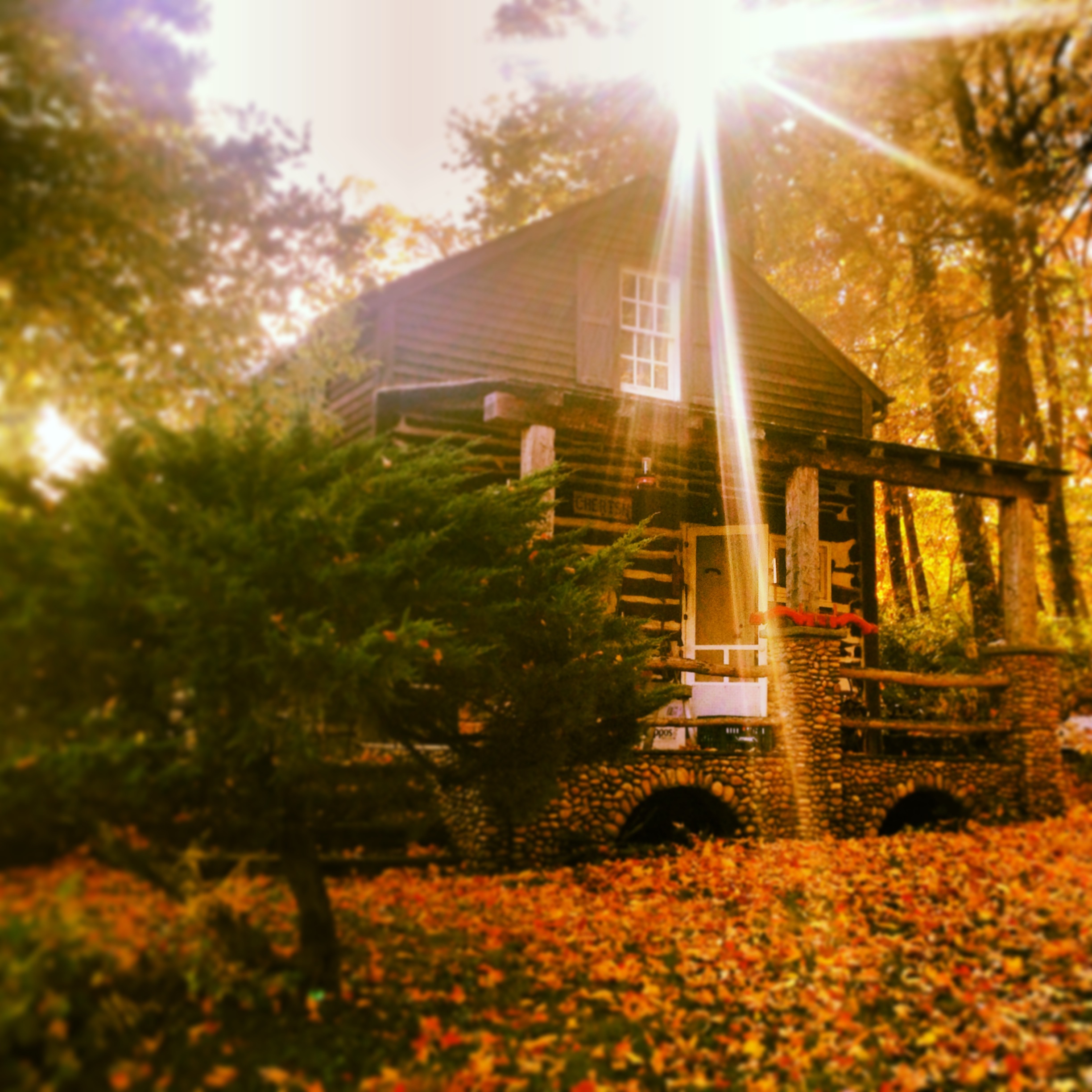
The girls are coming to my kitchen – the women, the college women, to spend an afternoon producing pumpkin pies. It’s golden and smoky around the cabin,  warm and cozy inside.

golden cabin

We’re trying to raise money for a trip to Senegal in May, Maud tells me, cutting the butter into the flour, cracking a dozen eggs. BuildOn, the organization chapter she runs at Columbia, travels to other countries to build schools.

maud w eggs

It’s this times three, right, says Jess, her school buddy, intent on the recipe.

jess

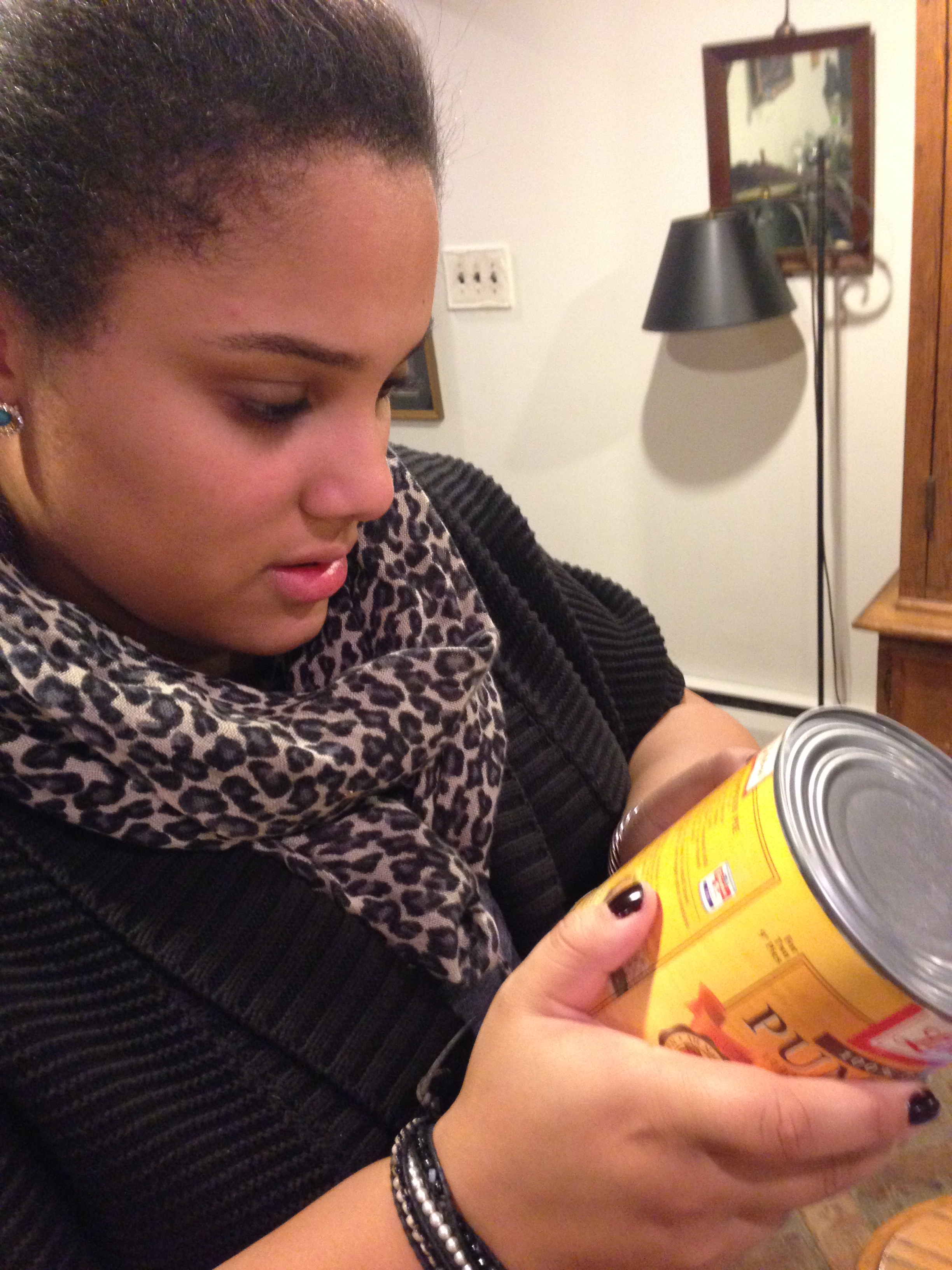
We’re baking six pies for Maud’s campus bake sale tomorrow, to be sold by the slice. Lots of cinnamon, lots of ginger, lots and lots of canned pumpkin.

You are so graceful, goes the lyrics of Thou Swell: Have you wings?/You have a face full of nice things.

Pumpkin is the simplest pie, the easiest to please. Like pudding, nice and sweet. Almost as sweet as these two at the kitchen table.

maud and jess

Each person has to raise $2,000, says Maud. We have $275 so far. That’s okay, she’s easy. At Fall Fest a bunch of other organizations will get together and raise money for her group. They do that, help each other out.

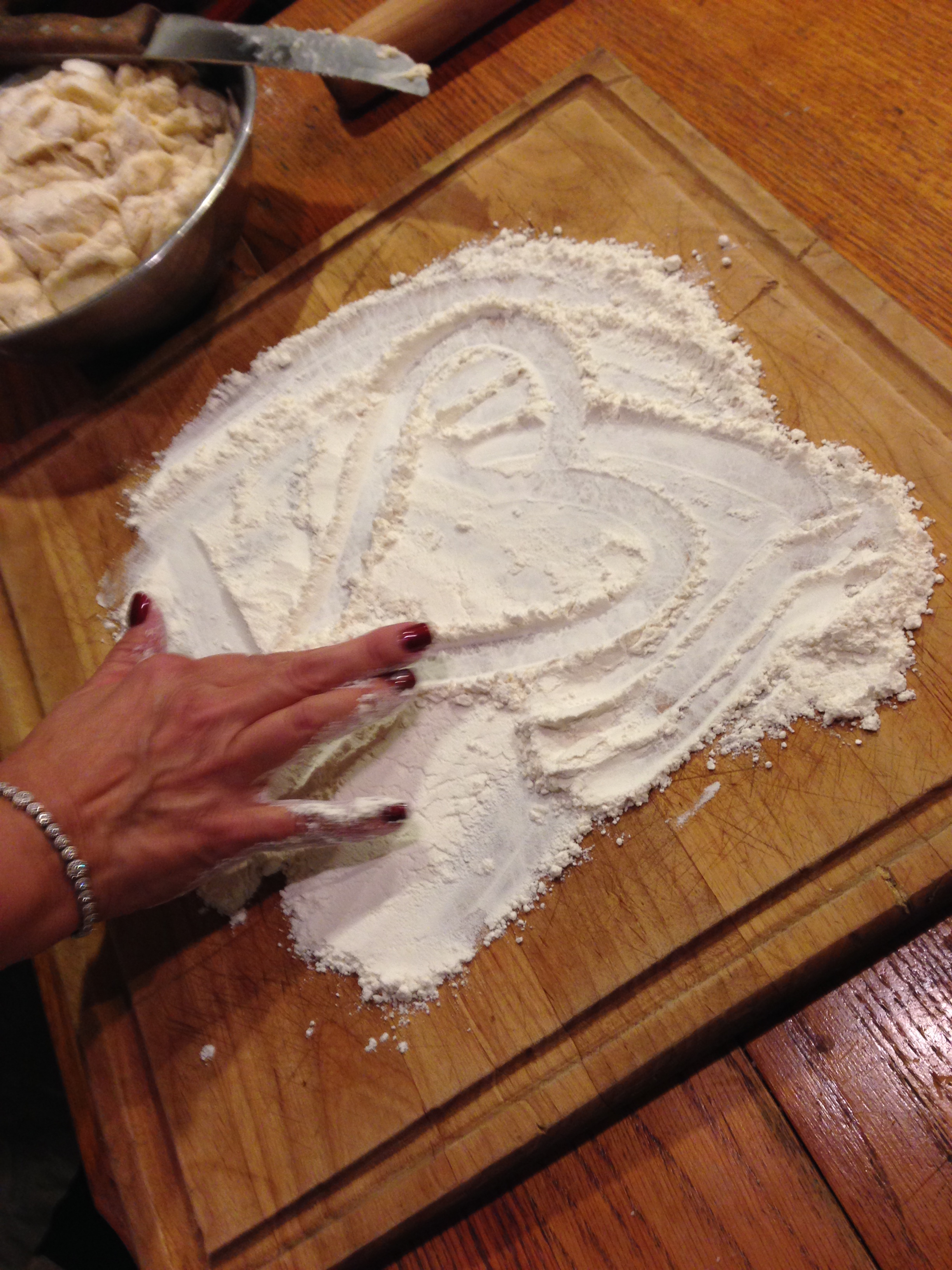
We’re also collecting dresses on campus and giving them to a consignment shop – we get sixty percent of the profit, says Maud.

flour

So we need six teaspoons, says Jess. People die from overdosing on cinnamon.

Jess is a fan of buildOn, though her own time is spent as the treasurer of a new group called Scientista, which promotes women in, you guessed it, the sciences.

They’re so busy, these women. They dig in to everything. If you’re the first person to contribute fifty dollars or more to buildOn this season, you’ll get a free copy of Walk in Their Shoes, by Jim Ziolkowski, the president of buildOn, which tells the story of founding the outfit. Maud’s staying home this year but she’s still raising money.

Both thine eyes are cute too;

What they do to me.

Hear me holler I choose a Sweet lollapaloosa in thee.

How do they manage it all? Jess: You’re doing something wrong if you’re not rushing around doing xyz.

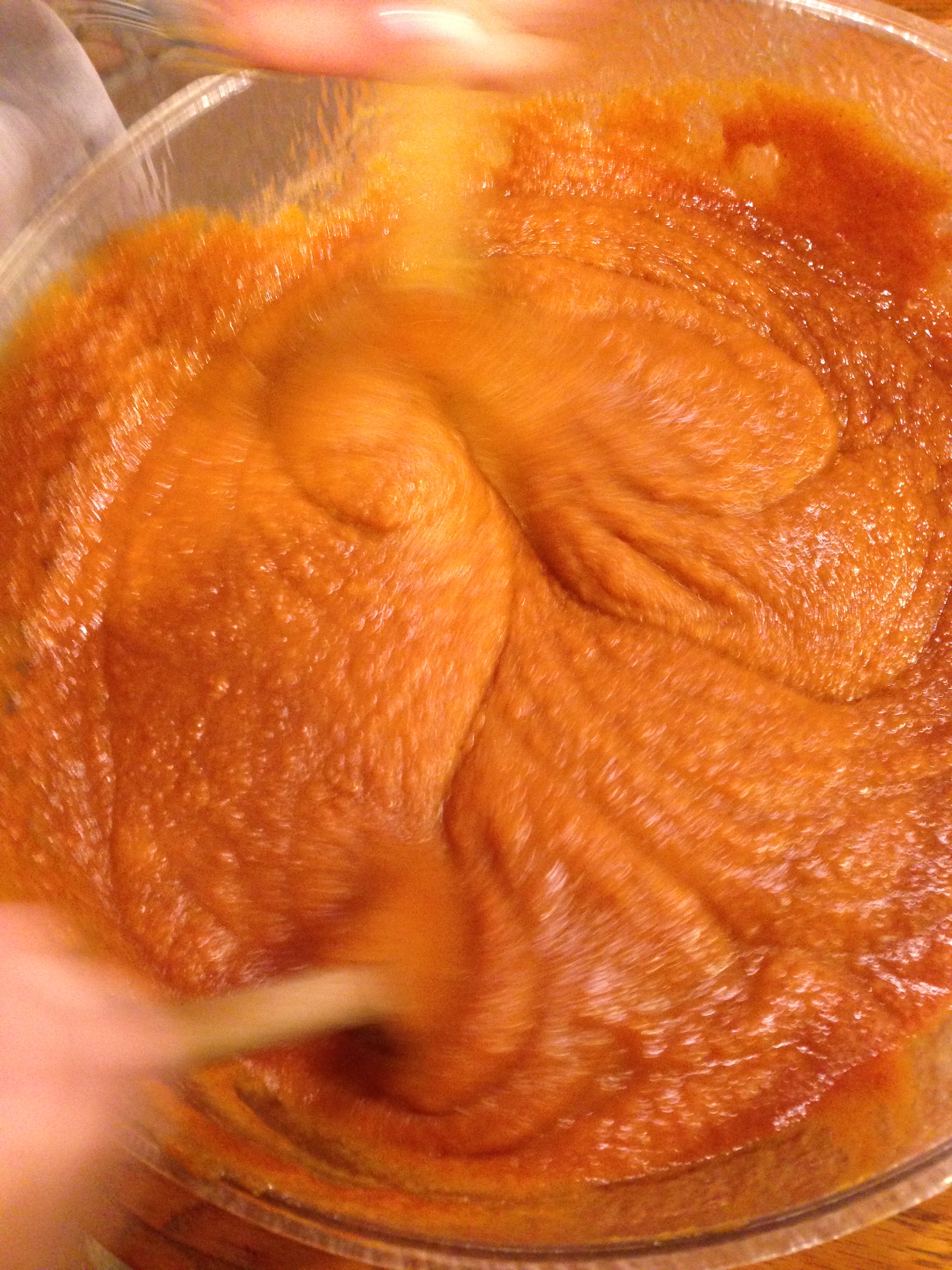
This is a vat, says Maud, stirring.

vat

There’s some swooning over old Gavin deGraw, Chariot, and amazement at the tale of a friend he plucked off the concert floor.

Some bemoaning of chipped nail polish.

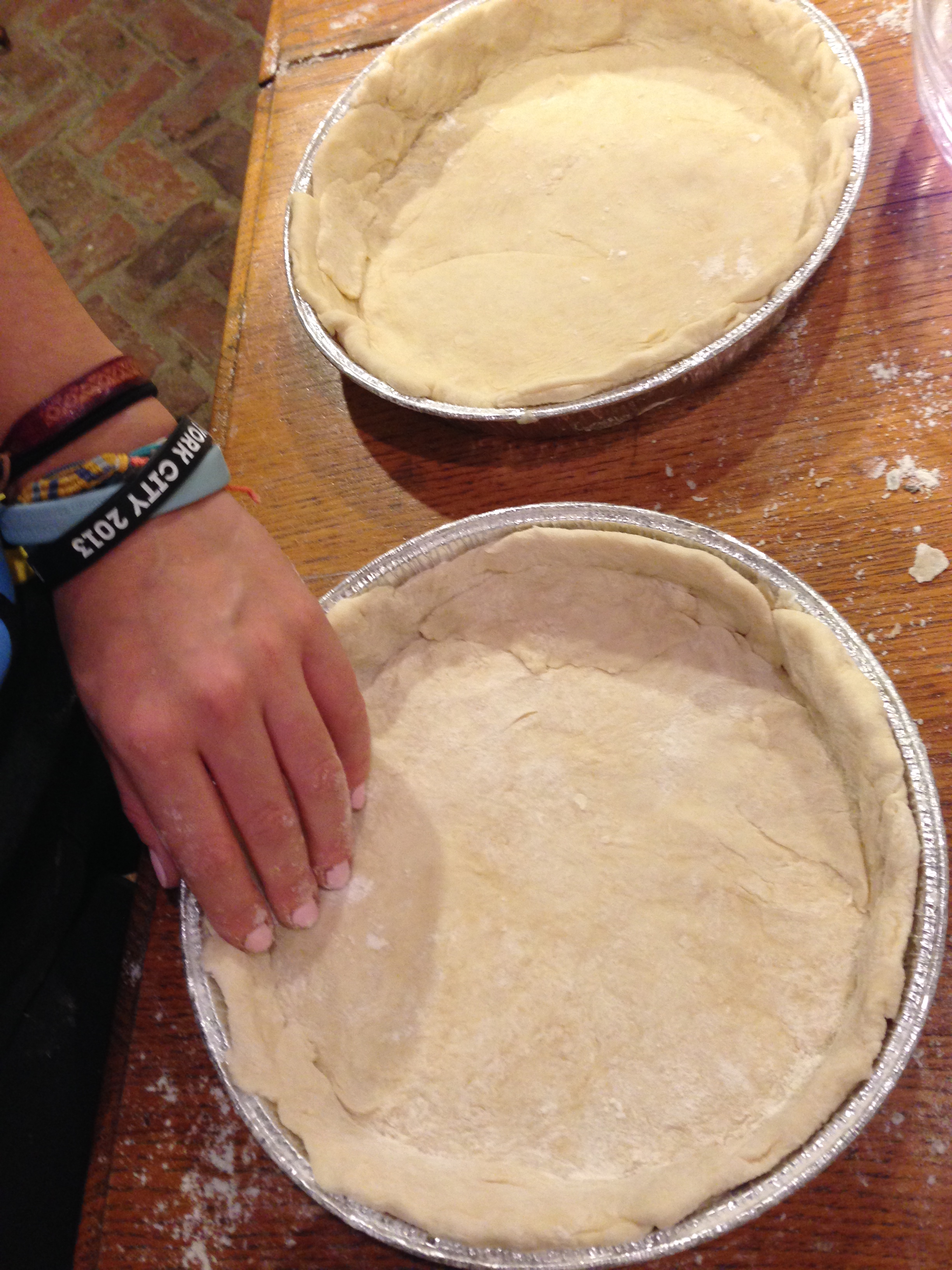
Crimping uncooperative pie dough isn’t in the customary lesson plan, but they make do pretty well.

crimping

People have different love languages, Maud says, quoting some psychologist.

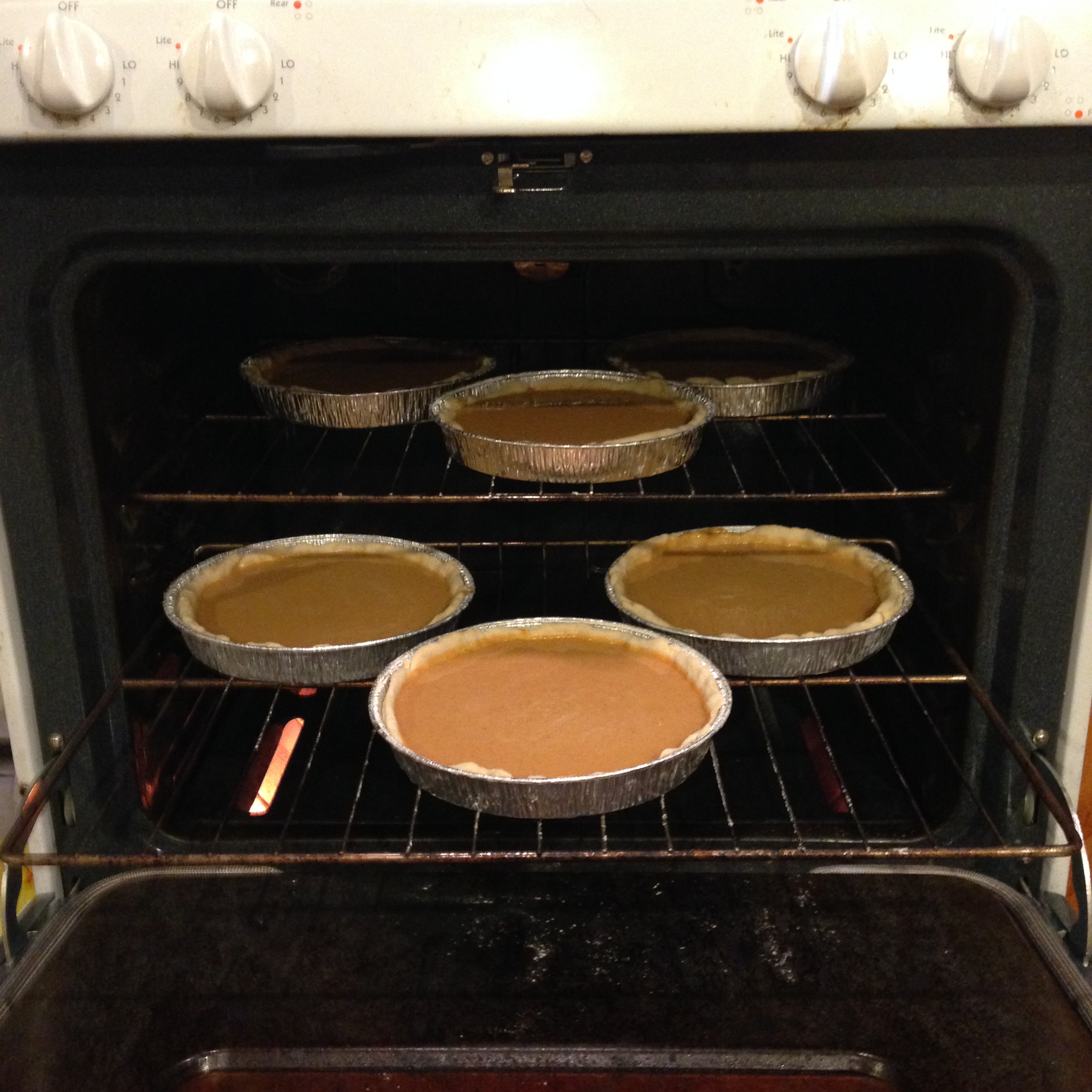
Six pies go in the oven.

oven pies 1

I’m going to bake a pumpkin pie when I go home next, says Jess, My mom’s going to freak out.

Thou swell, thou witty, thou grand.

4 Comments

Filed under Cooking, Culture, History, Home, Jean Zimmerman, Music

House Plants on Parade

There are certain people, and I won’t name them, who believe that house plants are boring.

For the most part these are men.

My Thanksgiving cactus has decided to get an early start this year, so it’s pushing out the new, light-green segments that are called “articles” with abandon, and showing off plenty of exciting hot pink buds.

thanksgiving cactus

There, reader, are you male or are you female?

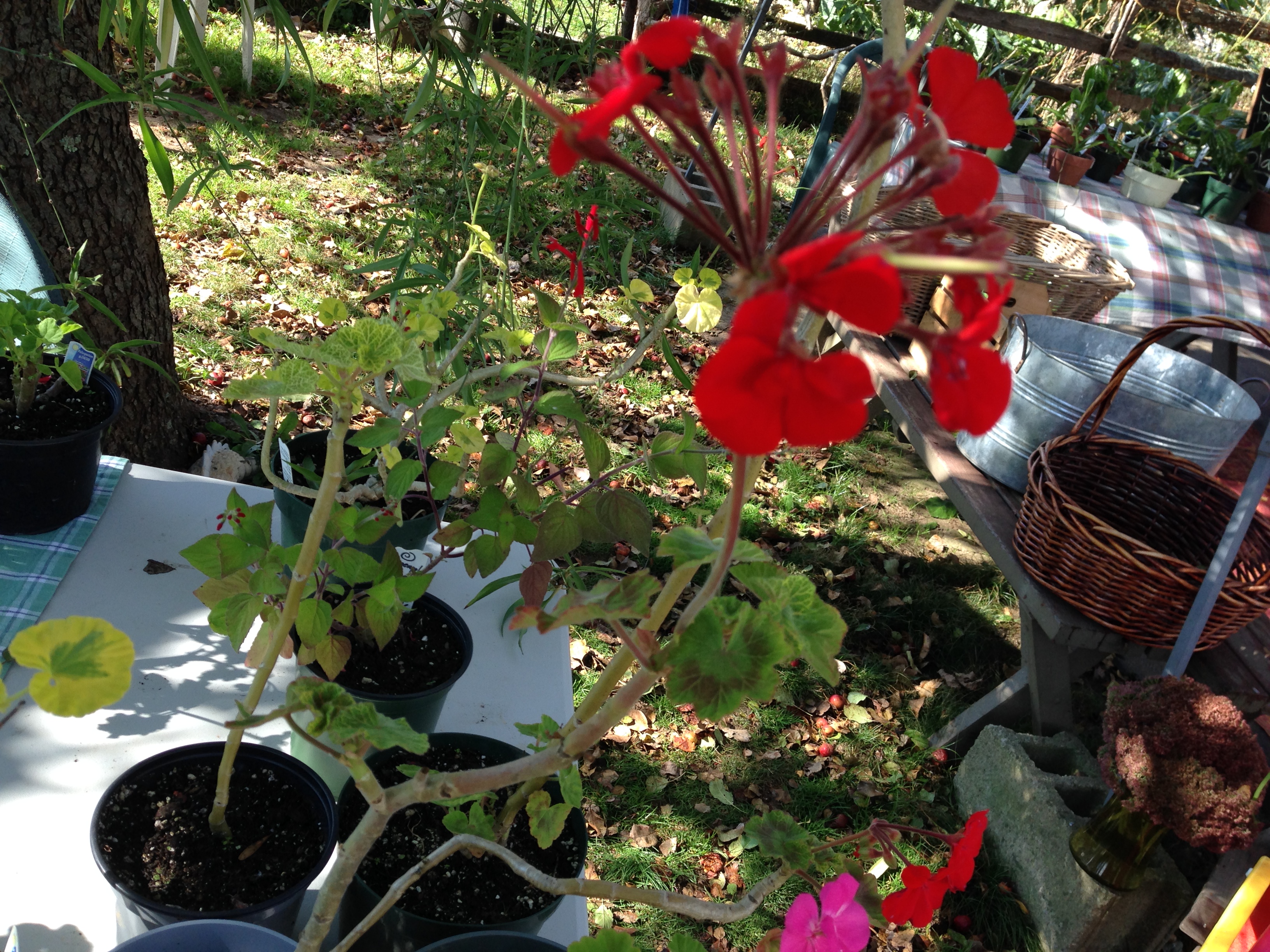
Today, inspired by my Thanksgiving cactus, I went down the road to Kitchawan Farm and saw Linsay, who manages the place, and who was offering a pop-up sale of geraniums and other house plants, along with a warming fire, hot tea, fresh-dug jerusalem artichokes and the last field flowers of the year.

On my way to the stuga, the cottage where the sale was taking place, I fed an apple to a horse with a splendid white blaze named Trix, who polished it off in a single bite. We had just come from Thompson’s Cider Mill and were loaded down with heirloom apples, Crispins and Russets and Jonathans, the kind that can’t be obtained in any supermarket, plus three huge Northern Spies for pie.

red apple

Linsay knows quite a bit about house plants, among many other things. She has a hundred in her own home, and the ones on the two tables she’d set out came mainly from her own cuttings. Three dollars a pot, a good deal, expecially when it comes with a cup of hot tea on a bracing October day.

linsay with plant

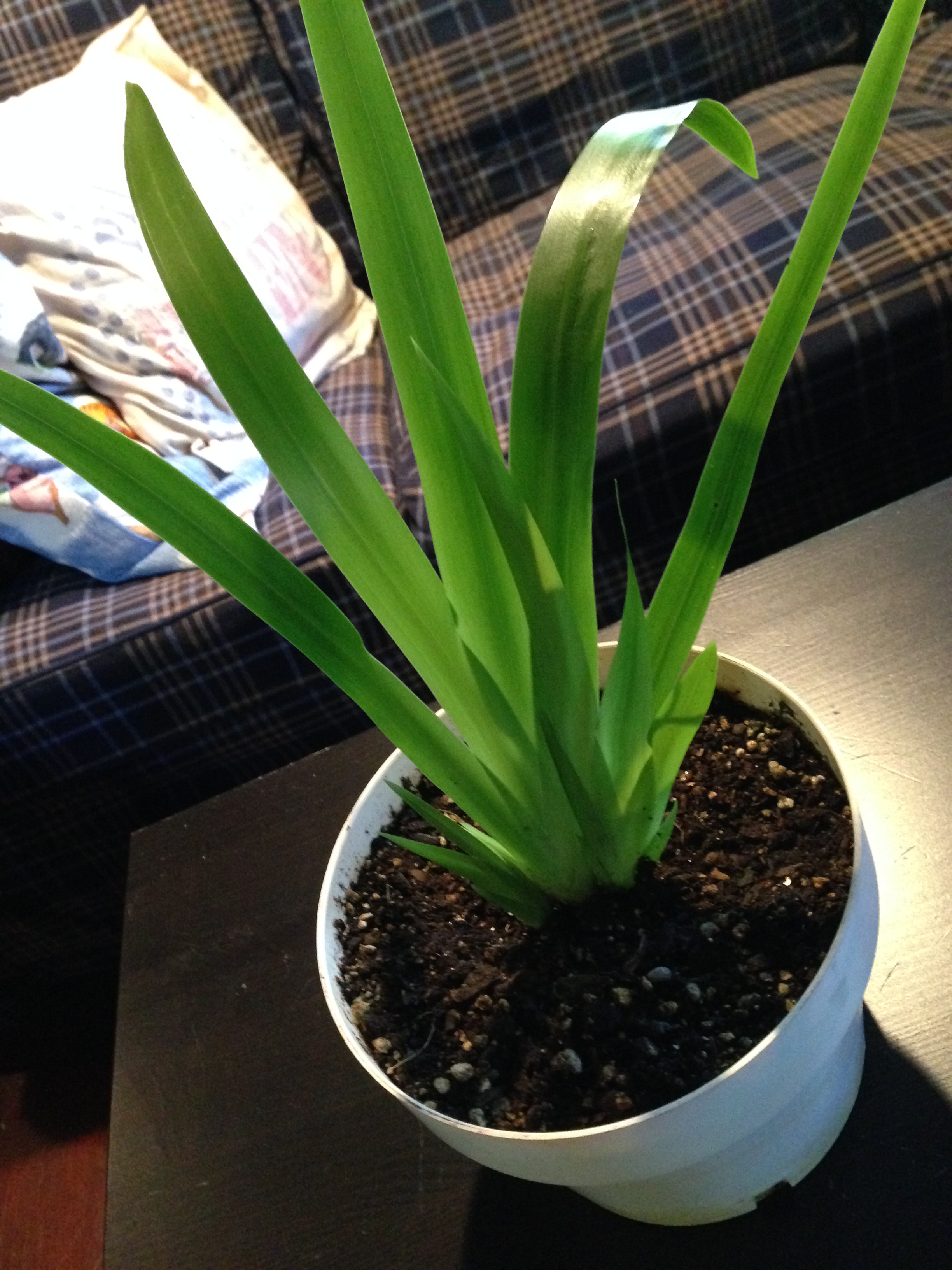
In the shade beside the stuga she explained the habit of the walking iris, which might get away from you in a garden bed. At home I’ll keep a watchful eye on it. Some day soon it’s going to give me showy flowers that look like a cross between an orchid and an iris. I hope in the dead of winter, when there are snow drifts against the window.

walking iris

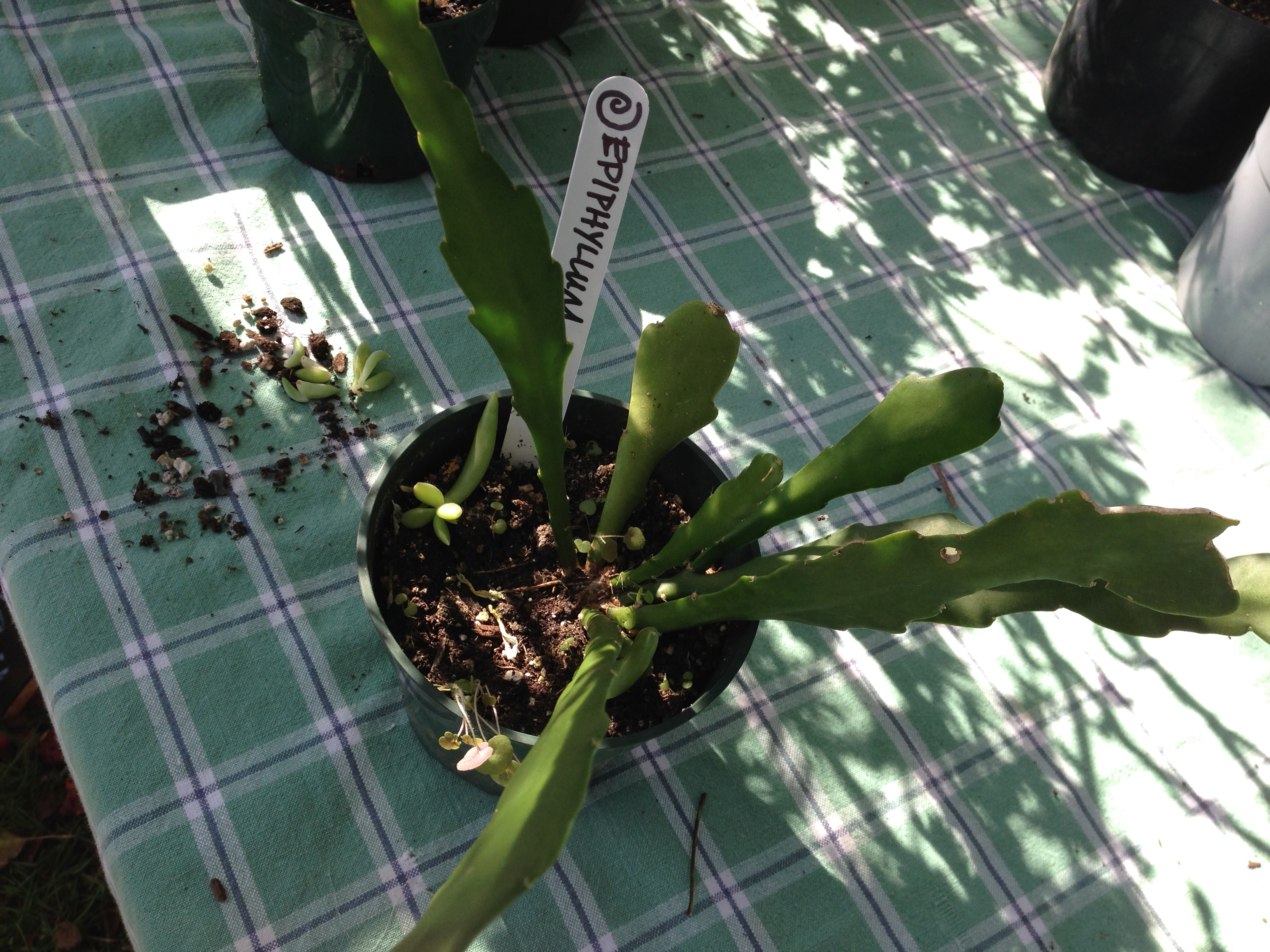
The epiphyllum, in the cactus family, hails from Central America, where it climbs trees and makes a strong hallucinogenic drink. It also promises a large red or white bloom, and, since it comes from the jungle, doesn’t expect much sun. Good, because sun is in short supply in the Cabin. Count me in.

epi

The geraniums were irresistable, especially the heirloom double rose type. Linsay has Sweden in her blood and convinced me that bright windowsills need at least one of this flower. So, realizing I did in fact have one sunlit spot, I got two.

geraniniums 2

Why is it that geraniums have become associated with old ladies? Anyway, is there anything wrong with that? Even such a hipster as Bob Dylan liked them well enough to use the turn of phrase “geranium kiss” in Sad Eyed Lady of the Lowlands.

Old ladies, I guess, have always known more about purifying the environment, keeping the air around you sweet-smelling and healthy. Spider plants as vitamins.

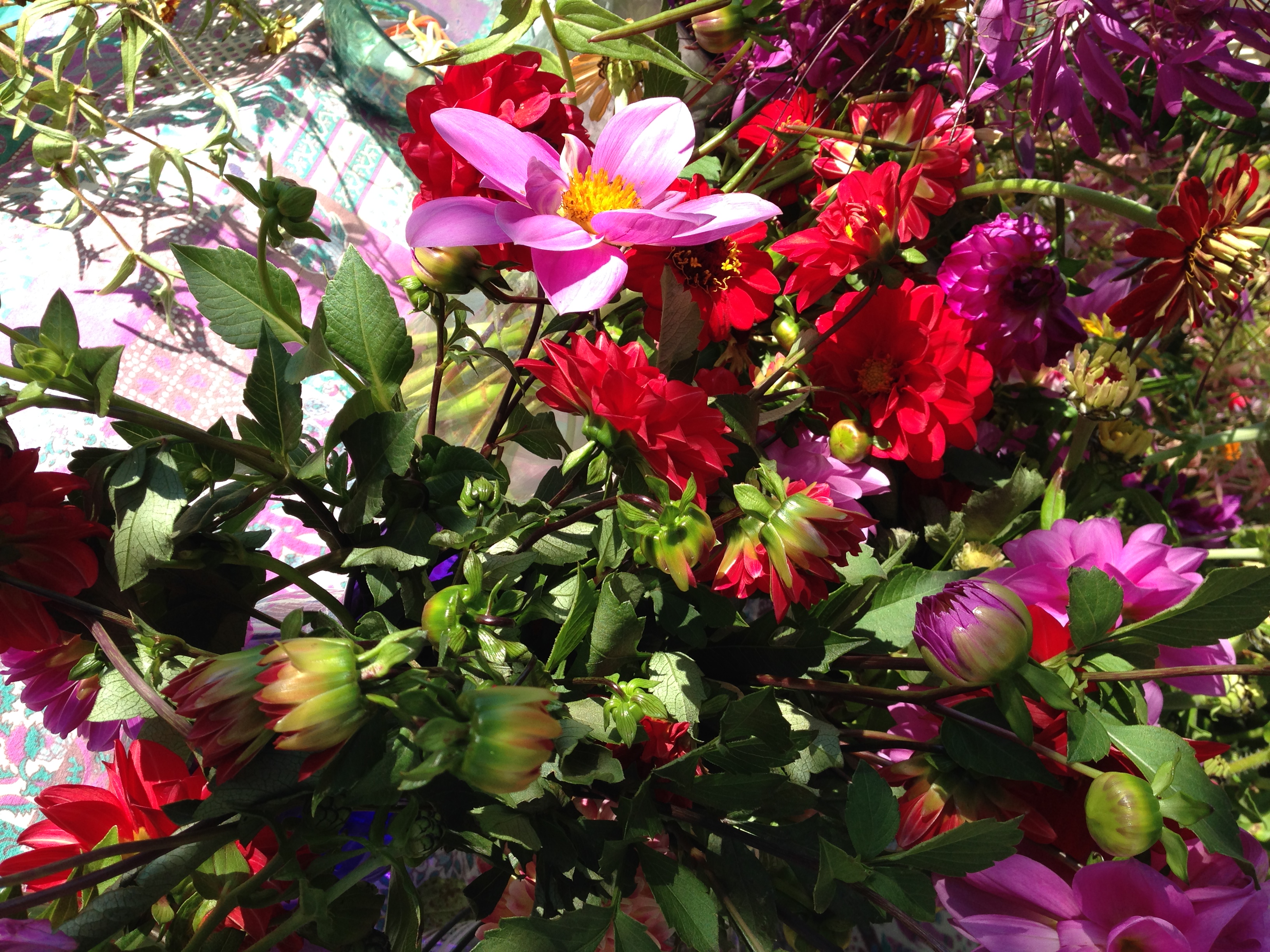
It had been a hard frost last night, the first of the year, and at Kitchawan they’d managed to harvest all the cutting flowers. Dahlias, my favorite, and zinnias, and a dozen other varieties with the spice of fall. Lavish, bursting with color, unlike the demeanor of some house plants, which might be demure and even a little forlorn at times.

flowers from the garden

Linsay was making a specially crafted bouquet for every person who bought a plant. It was kind of sad, she said, and kind of a relief for the season to be over. Now she could get to her other projects, her writing and her art, and do her other job of helping people organize their lives.

She organizes her plants with equal dedication. And here’s the thing. People who take these cuttings and nodules and hopeless-looking sections of stem, pot them up, test the soil, sprinkle in the proper quantity of water – they have a strong desire to organize, to fertilize, to nurture. To make things right. My mother, my best friends, the finest women I know have been wed to their house plants. Not that there’s anything wrong with a shockingly beautiful fresh-flower bouquet.

linsay bouquet

I’ve divided my last year’s overgrown aloe vera into four new pots, found the offspring four new homes at windows where the light is just right. I want to be an old lady.

4 Comments

Filed under Culture, History, Home, Jean Zimmerman, Music, Nature

Tweet or Not to Tweet

The gloaming is coming earlier these days. The Cabin, cozy as it is, can be small.

Halloween Cabin

Our winter is heated by wood more than sun.

wood

Fewer outdoor adventures, unless you want to really bundle up. A dive instead back into a small pink knitting project.

pink knitting

Oliver wants to lay down on the already-cold grass. I don’t.

oliver cold grass

What to do? Something new.

First I asked an intern to escort me through the twisted corridors of Twitterdom. Why do this at all? was my first thought, my eye wandering over the overwhelming Twitter feed. Well, said Carlos, my intern, you might find something interesting.

Carlos

Ahhh, that.

I went to the Metropolitan Museum’s profile to see who the greatest art institution in America was wont to follow, and discovered a thousand crazy, creative persons and places I didn’t know existed, that I want to know more about.

met

Only connect, as Forster said. Easy for him to say. He didn’t have FB, Twitter, Tumblr, etc., etc.

Catch me at @jeanczimmerman and we’ll tweet.

2 Comments

Filed under Art, Culture, History, Home, Jean Zimmerman, Knitting, Publishing, Writers, Writing

To Be a Ghost

Gil is an animal of many and variegated stripes. He writes nonfiction (Aftermath, Inc.Mafia Summit) and fiction (Mockman).

Gil signing

He is also expert at articulating the stories of others as their collaborator. I asked Gil some questions about the process.

Why ghostwrite?

I like to collaborate, because otherwise you’re alone in a room with a computer keyboard. Collaboration relieves that.

How do you help someone tell their story?

I ask them questions, get them to talk about themselves, record the results, transcribe it, and that’s the raw fodder for the book. Sometimes they offer other material, past interviews, diaries, historical records, all of which are good.

You’ve written for athletes, record producers, polar adventurers, and the husband of Susan Smith, the woman who drove her kids into the drink many years ago. Which one was your favorite coauthor?

My favorite is always the one I’m doing now. But I have to say Robert Swan, the adventurer, the only man who walked to both the north pole and the south pole. I like him very much. An incredible environmentalist. That book was called 2041: My Quest to Save the Earth’s Last Wilderness.

robert-swan-4

Are there any tricks of the trade?

I consider myself a success if I disappear in the prose.

Tiki Barber BookWhat determines if you get credit for your work?

I don’t think it’s important. I always believe that the people who should know I have written the book will wind up knowing, i.e. editors and agents. I’m proud of my “with”s, that’s the terminology you use when as a ghost you get a “with Gil Reavill” credit. And I’m also proud of my uncredited ghostwriting.

ruthless

What are you working on now?

I’m not at liberty to say.

Will it be a big book?

It is a big book.

I’ve written books for angry black men and I’m a timid white boy. I’ve written books for egocentric women and I’m a zelig male. To reach across the membranes of self to enter into another person’s reality is an enjoyable novelty.  The metaphor I use to talk about my ghostwriting work is a lawyer and his client. I’m there to give somebody the language that they might not have otherwise. Or I’m perhaps in some cases there to speed up the process, to allow someone to write a book in one year what it would take them ten years to do without me.

What do you think that ghosting has done for your own creative work?

Ventriloquism is always part of the creative process, even in nonfiction. What did Kafka say? We need an ax to break the ice between us. Creativity is the ax.

Franz-Kafka

What does that have to do with the question?

What is the question?

We’re all separate souls and creativity builds the bridge, whether it’s between two real people or an author and a created character. There are still bridges to be built.

3 Comments

Filed under Culture, Fiction, History, Jean Zimmerman, Publishing, Writers, Writing

Mums the Word

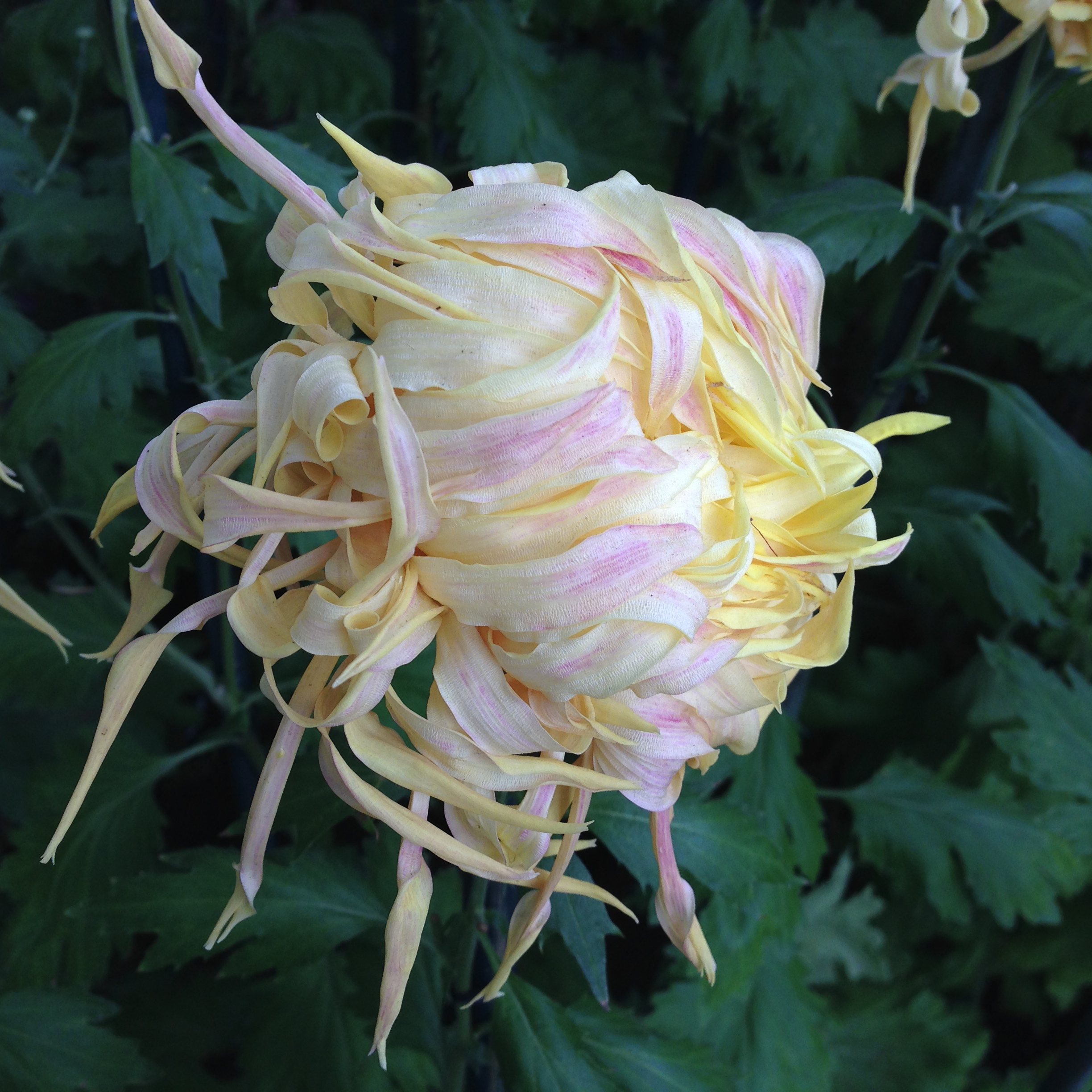
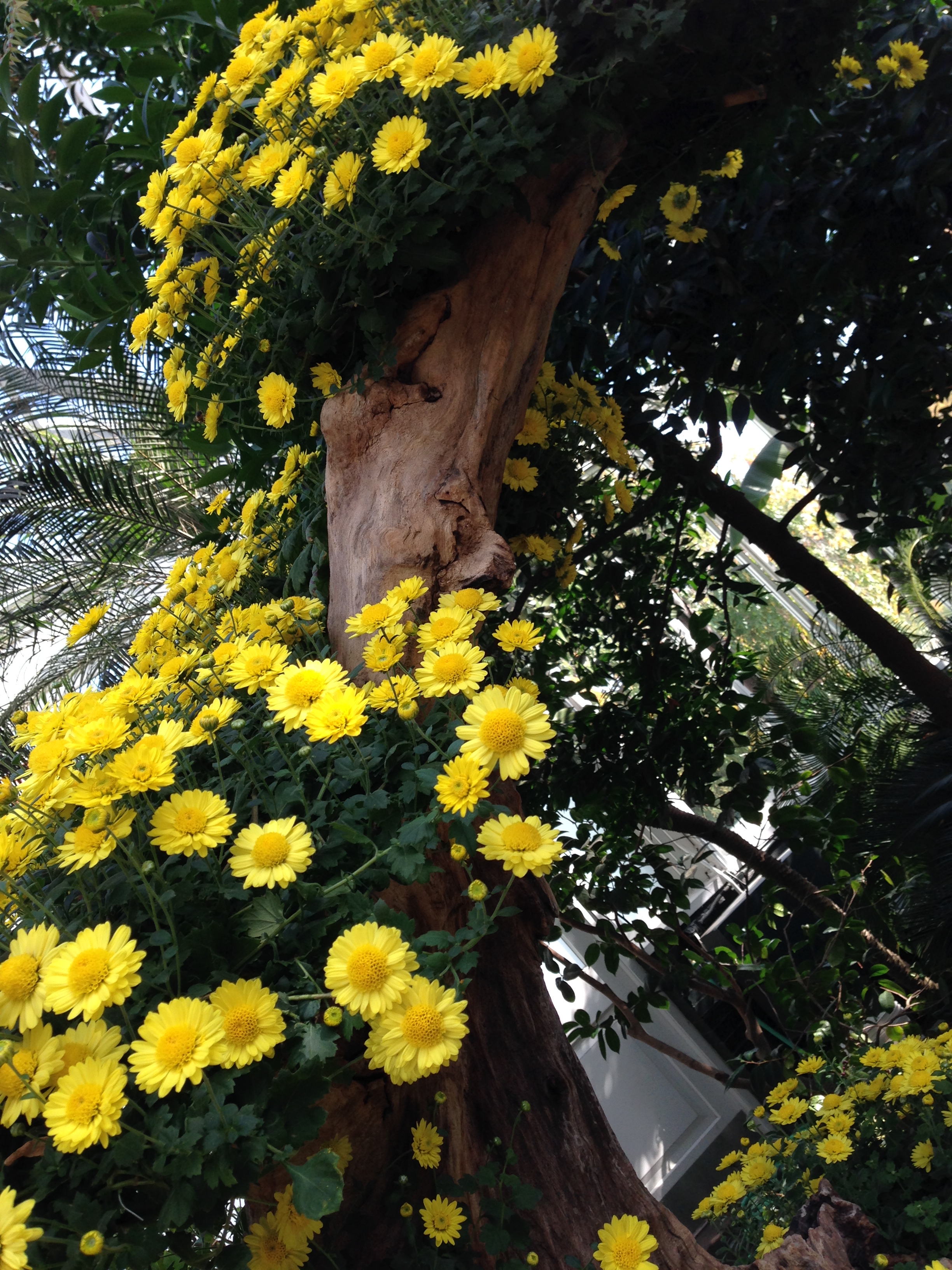
The kiku were fragrant, lovely to look at, cool to the touch.

buttons

I had been in a mood. My foot was slower to heal than I’d like. I had a cold. I didn’t feel like working.

strange

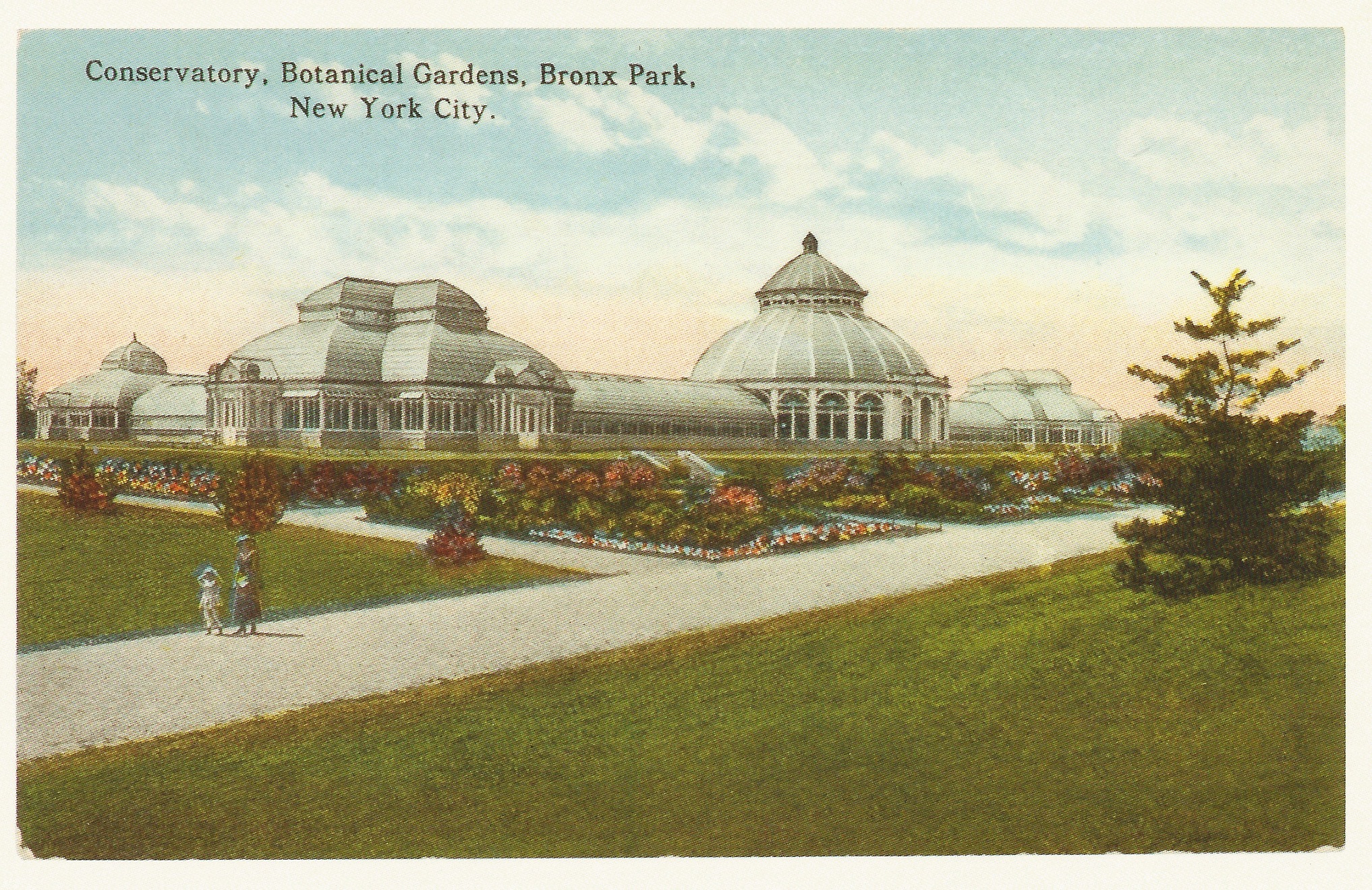
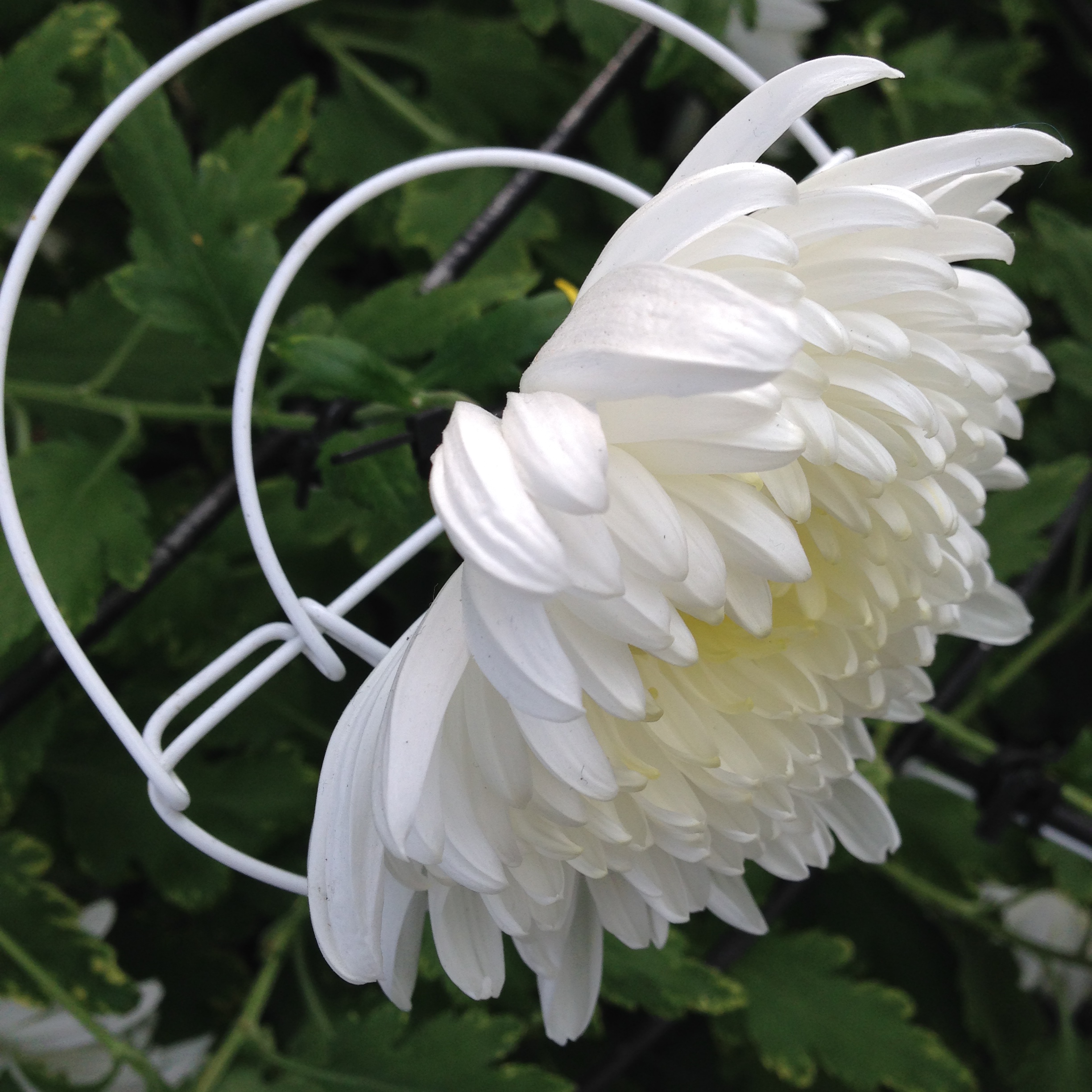
So I got myself to The New York Botanical Garden in the Bronx. It was offering its annual chrysanthemum show.

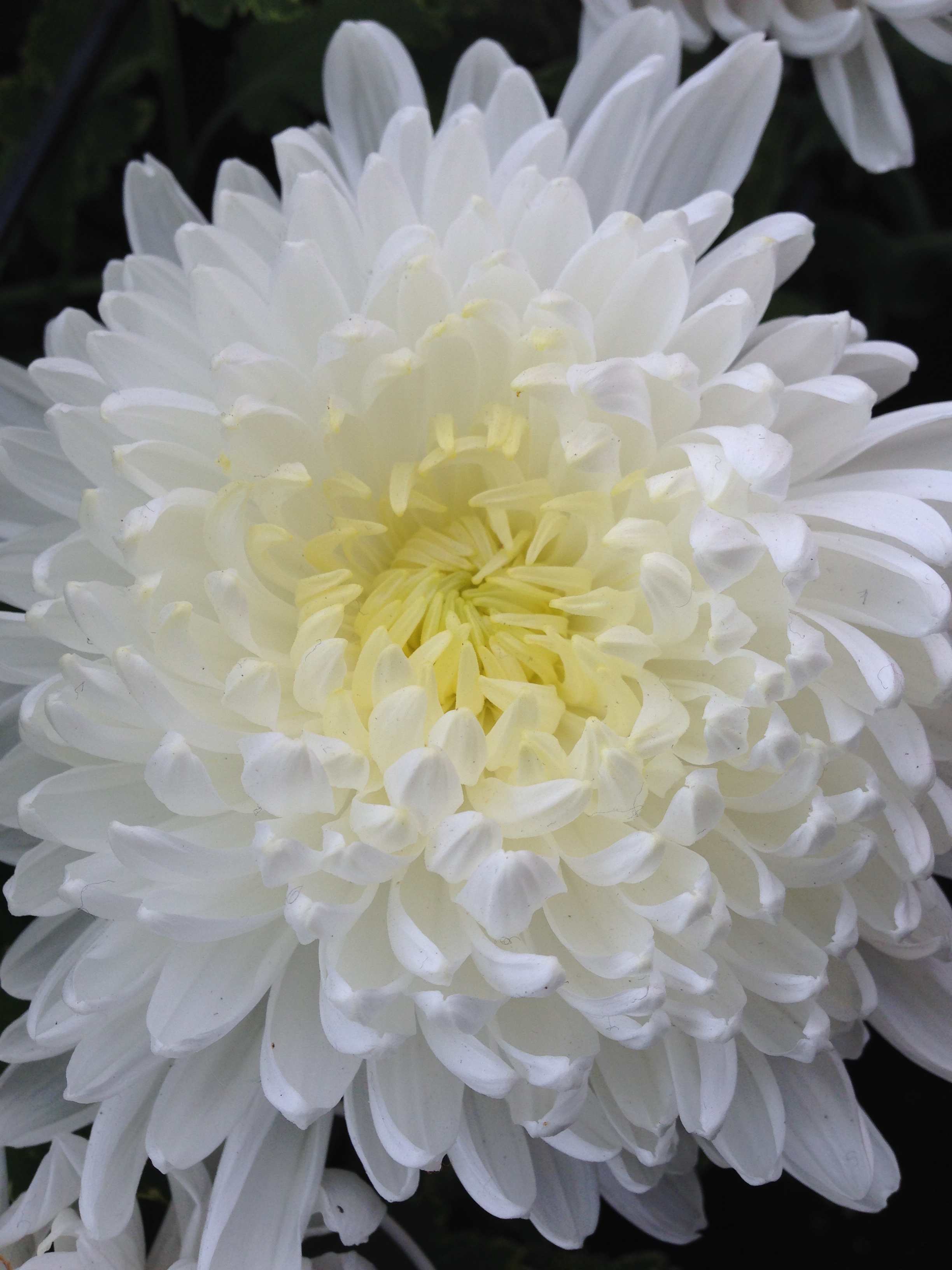
delicate white

As soon as the door swung shut behind me – the exhibit is indoors, in the haute-Victorian 1902 glass expanse of the Enid Haupt Conservatory – a feeling of bonhomie settled over me.

BG, Bronx

A feeling of chrysanthemum-induced ecstasy, a tranquil happiness enhanced by the Japanese flute music piped in to the gallery.

spangle 2

You could call on your phone for information on these amazing flowers, which had been trained for a year to be massed in geometric shapes by horticulturalists. They start with one stem, and pinch it off again and again until they wind up with a hundred flowers in rows, held in place by metal frames.

structure

That’s the back of one display. “You tell the plant how many flowers it’s going to have,” said the disembodied voice on the phone when I called for info. Called ozukuri, the practice somehow appealed to me. The human hand so obviously taming nature.

flower in frame

year by year passes

thinking of being thought of by

chrysanthemums

So mused the nineteenth century poet Masaoka Shiki in one of the poems displayed along the garden’s walkways.

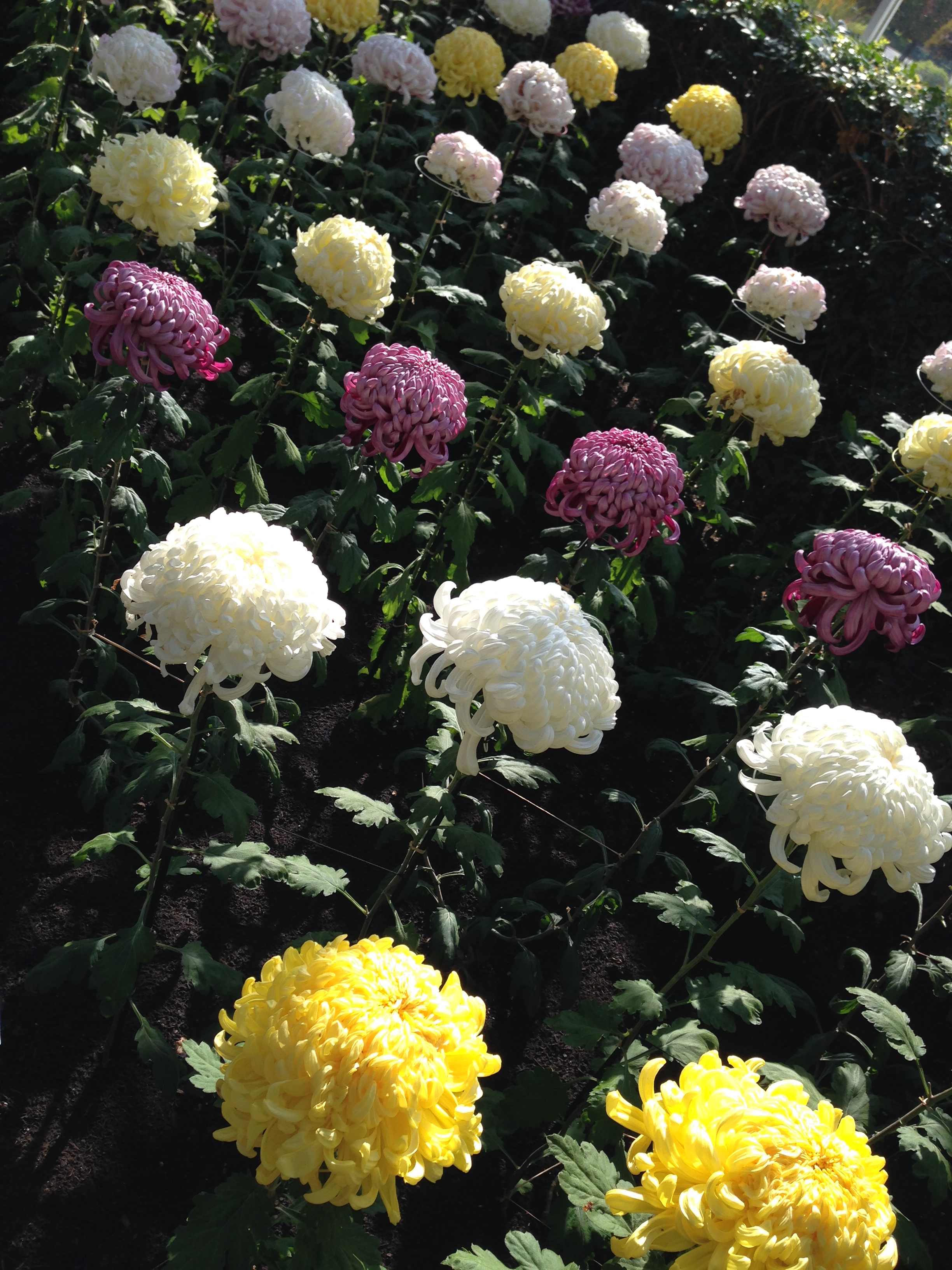
I couldn’t help but be contemplative. Chrysanthemum-contemplative. Consider the Ogiku, diagonal rows of pink, yellow and white, like, they used to say, the bridle of the Japanese emperor’s horse.

rows

China introduced Japan to the flower in the fourth century, and the emperor soon made it his personal crest. In 1878 he opened an exclusive park to show off the plants grown in his garden. Since the 1920s that viewing opportunity has taken place in the Shinjuku Gyoen National Garden in Tokyo.

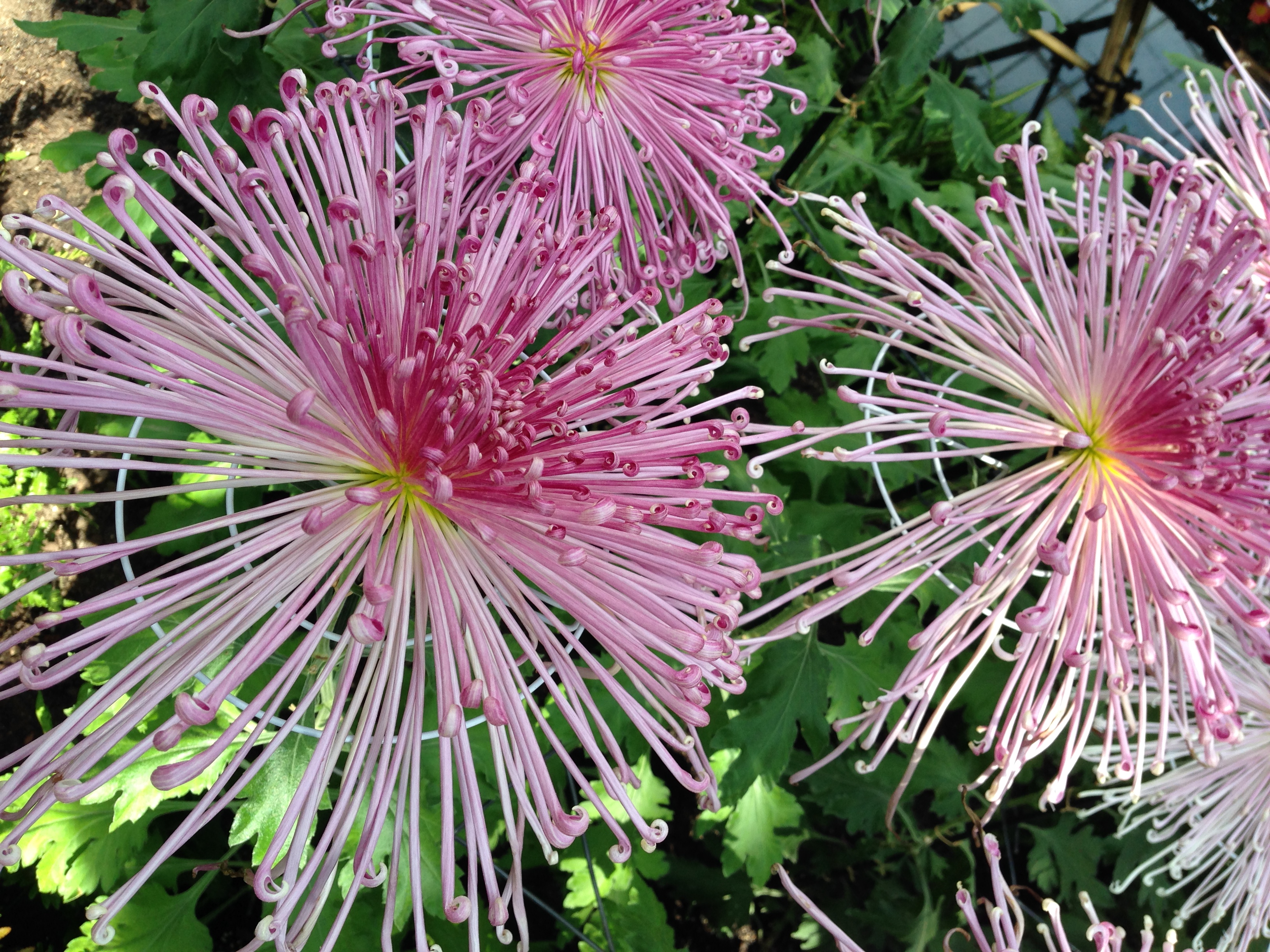
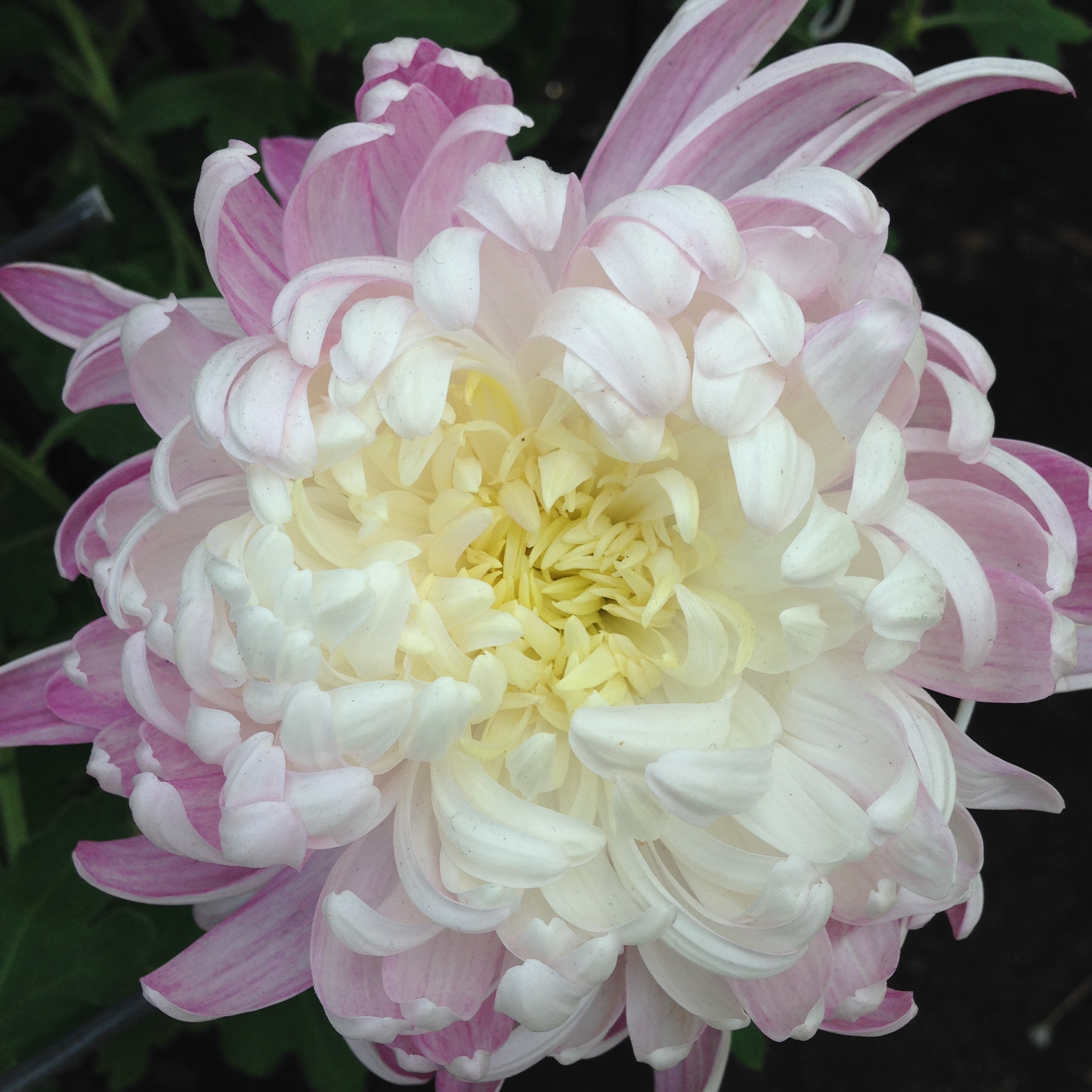
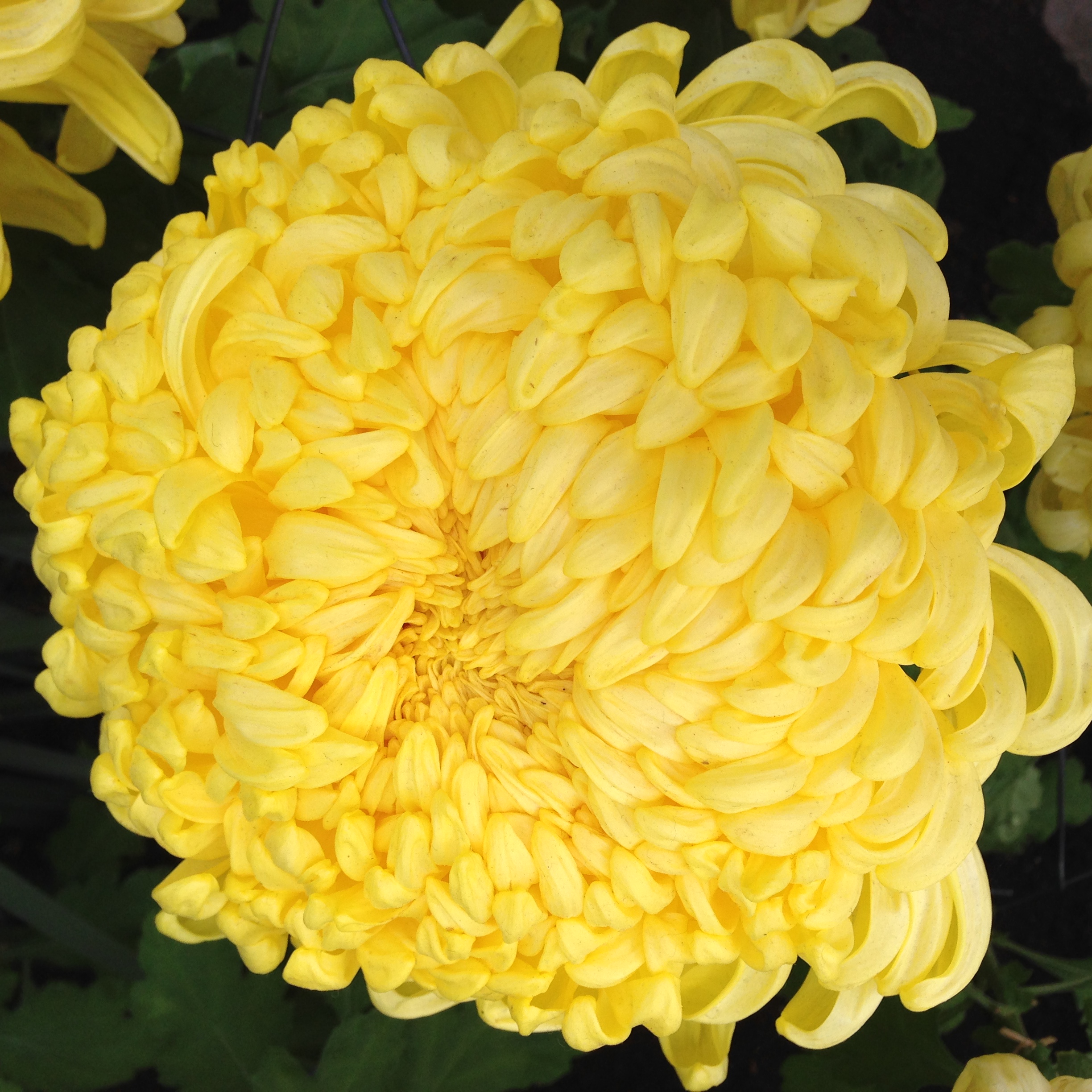
Chrysanthemums are members of the aster family. There are 13 species, some fat and regular, others ragged, others spider-like, others spoon shaped, the anenome with a disk for an eye. Here they all were.

Everyone was snapping pictures, as they always are, everyplace you go nowadays.

photographer

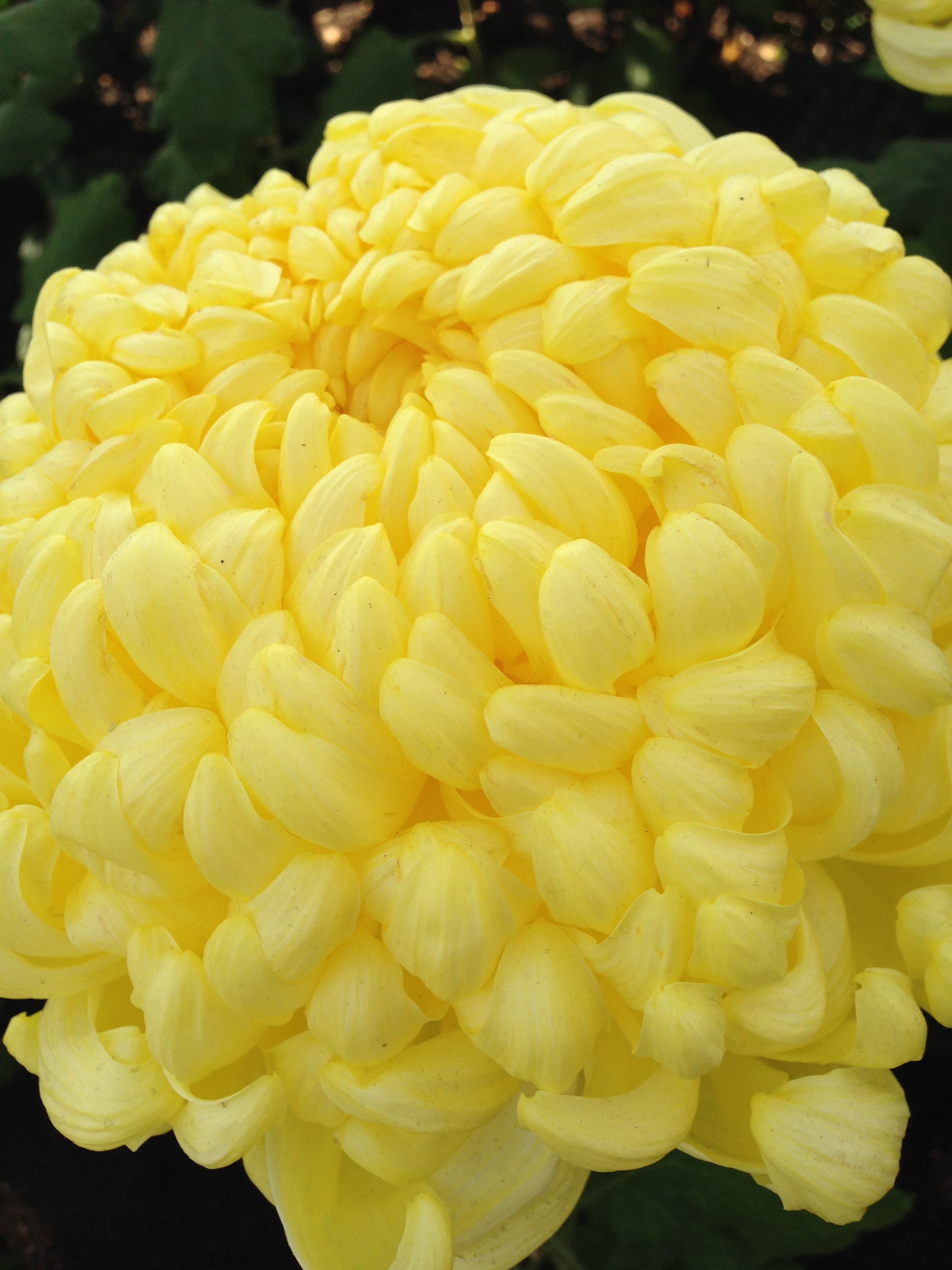
I like the big’uns.

vivid yellow 2

I have to control myself not to publish all the pictures of them that I took.

white pink yellow

Some were big as a grapefruit.

fat

Some almost the size of a newborn’s head.

Like circus animals, they could be trained to do anything, even climb up a tree, an enormous flowery bonsai.

bonsai

I love their peppery, spicy scent and the cool, slightly rubbery feel of their petals. I was ready to pitch my tent and lie down to sleep beside the smooth-stone-bottomed pool that so glamorously reflected the mums’ enormous heads.

A woman crowed to her friend, “This is the color you wore to my wedding thirty years ago!” Well, yes, that butter yellow was the color of my bouquet, as it happened.

vivid yellow

Basho:

late-chrysanthemum-fragrance-

in the garden,

the worn-out sole of a shoe

Kiku plants need 14 hours of darkness every day as they develop into glamour pusses like the ones in this exhibit. They spent a lot of time with a black cloth thrown over their heads.

Now that they’re out the bees want a piece of them.

bee

I left the gallery, walked to the exit door and stopped in my tracks. You know the way you finish a book you loved and you turn to the beginning, to the first chapter, to start again? I proceeded back into the kiku gardens and took another look at everything as if for the first time.

2 Comments

Filed under Culture, History, Jean Zimmerman, Music, Nature, Photography, Poetry

What’s the Story Morning Glory?

As some things in the garden wither, others go full tilt.

purple berries cu

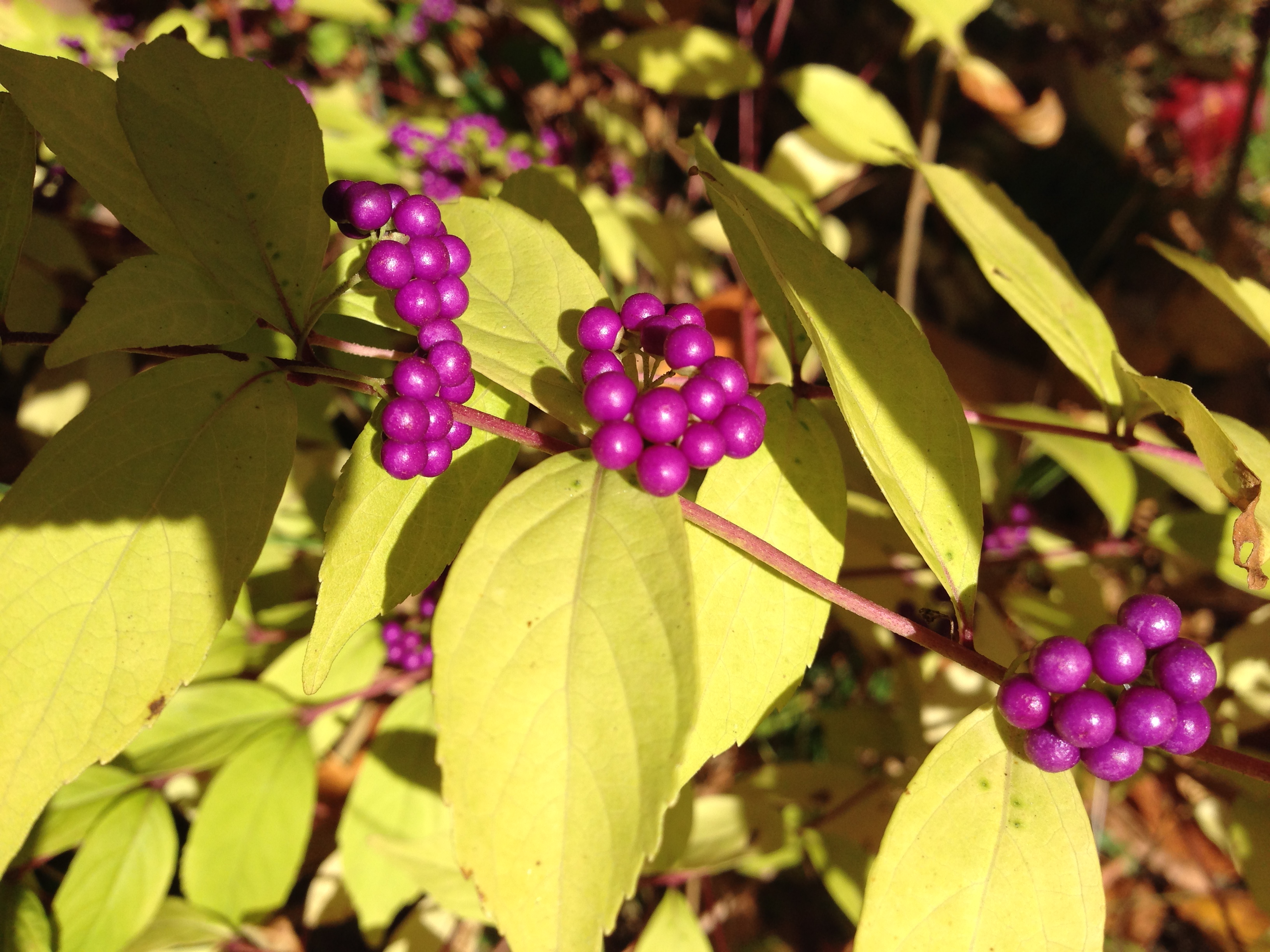
A friend of mine came over with a shovel and a Beautyberry plant earlier in the summer. I didn’t know how Callicarpa Americana would take to the Cabin. Now its purple berries are practically fluorescent, a perfect complement to the orange leaves that have begun to carpet the grass around the bush.

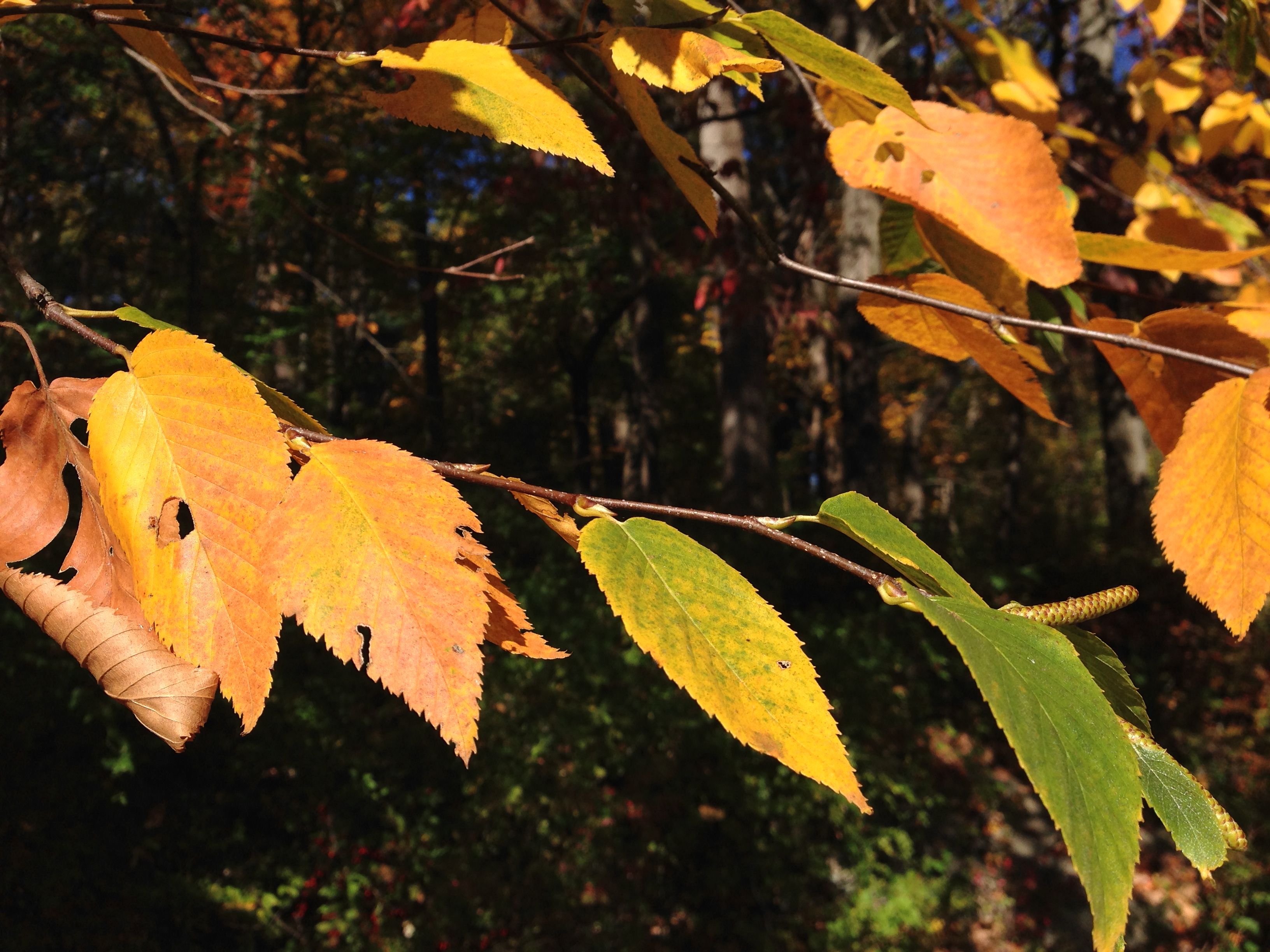
leaves

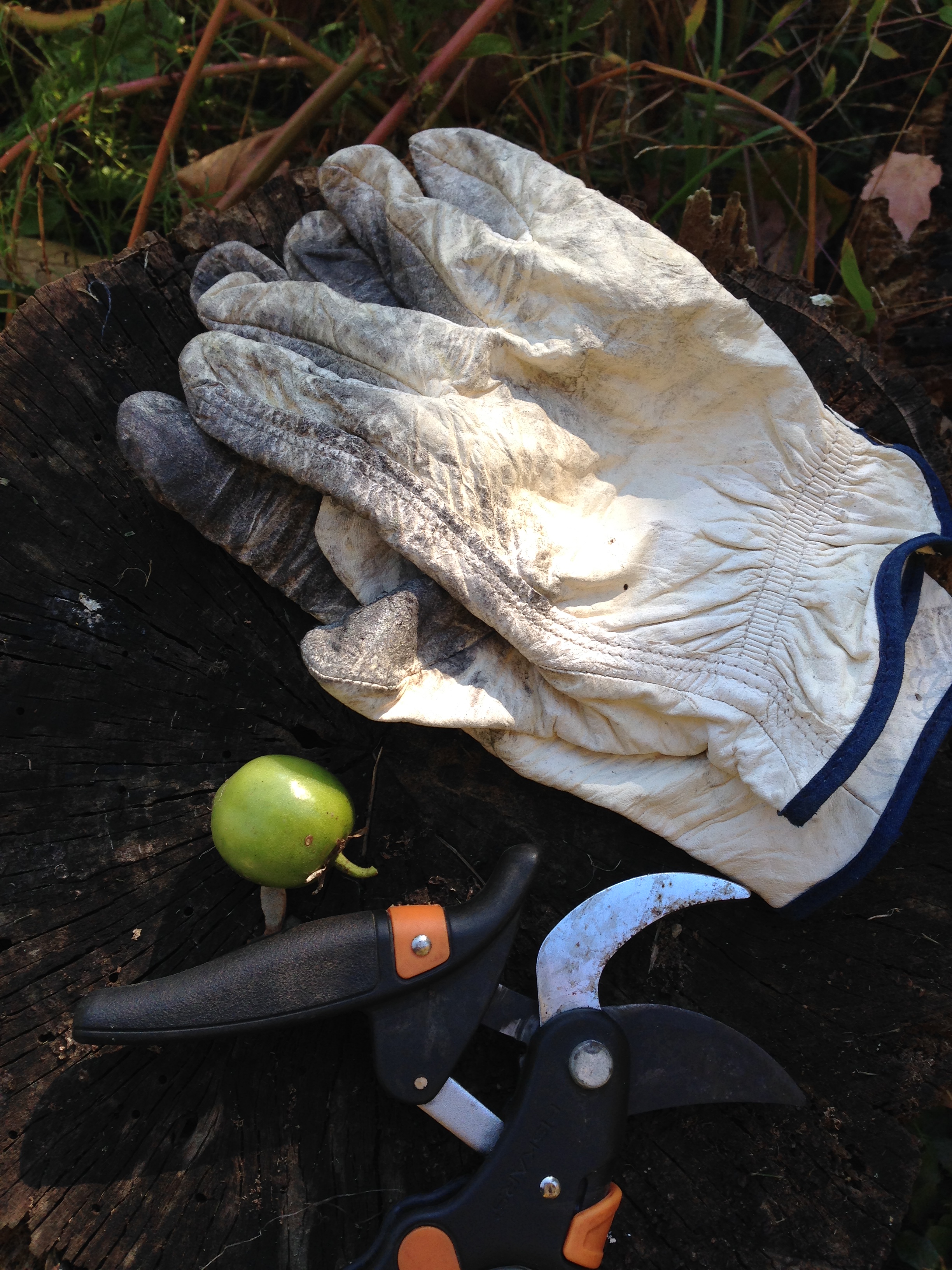
I hauled out the brown tomato plants in the sun today, the wind whoosing through the tops of the phragmites. Sorted out the tall stakes for next year. One lone green tomato dangled from a shriveled branch.

last tomato

Yet the purple cosmos are raging. And the bees are storming them.

cosmos bee

I’m cutting them by the armful and bringing them into the living room, a bit of summer still in front of a roaring fall woodfire.

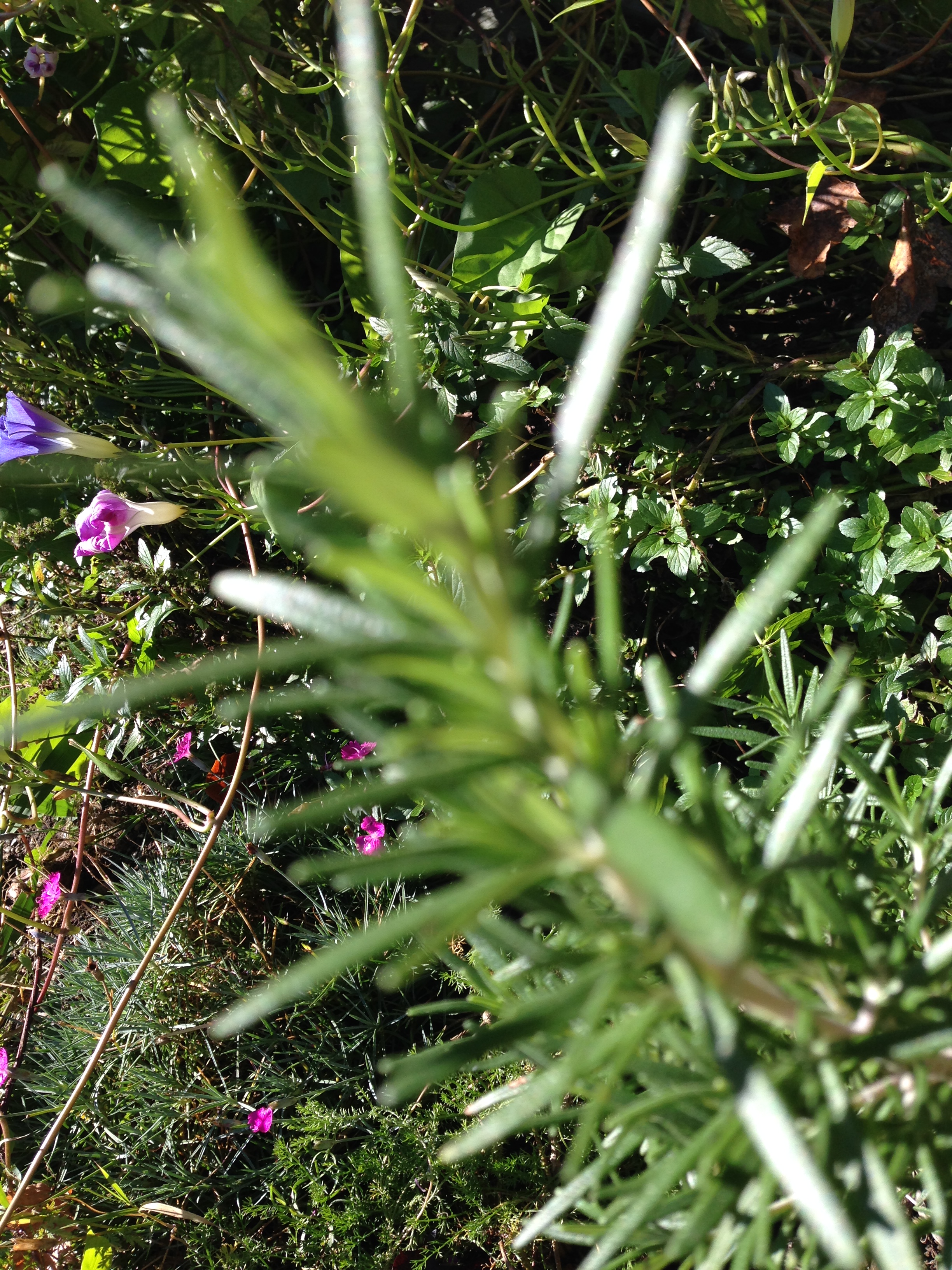
The rosemary in the garden stands tall, waiting for its time in the stew pot with a leg of lamb.

rosemary

My celery is insane, a veritable hedge of the stuff. It never headed up but it still would be a great bed for a whole sea bass. I’ll have to go out and get me a fish.

celery

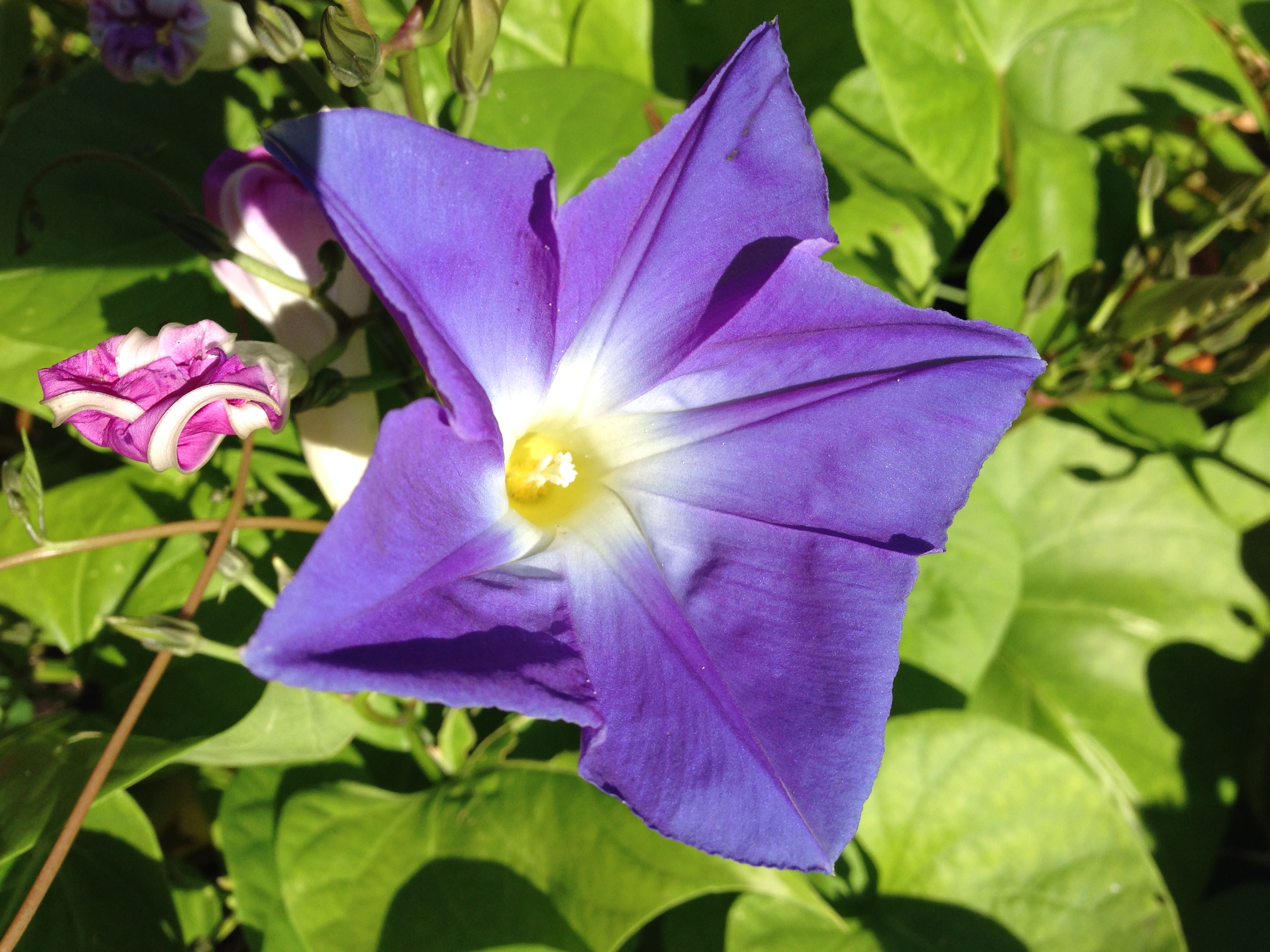
Most impressive, though, are the morning glories. Dozens of blossoms open every day, their petals scrunched until they unfurl in the morning sun.

morning glory opening

They don’t seem to understand that it’s fall, the time to fold up their tents. Well, they do fold up their tents, every day, since it’s the of the flower to bloom for a single day. “A morning-glory at my window satisfies me more than the metaphysics of books,” said Whitman. The Japanese have led the world historically in cultivating varieties of the morning glory, and as of this count there are 1,000 odd species.

morning glory openThe ones going crazy in my garden are Heavenly Blue. As for their hallucinogenic properties, Aztec priests started that practice, though we’re perhaps more familiar with love generation baby boomers who ingested the seeds to open themselves to new experiences, as the blossom does the bee.

1 Comment

Filed under Culture, History, Home, Jean Zimmerman, Nature, Poetry, Writers

A Pear Tree at Ground Zero

I waited a long time to go.

9:11 sign

I had all sorts of excuses. The 9/11Memorial stood behind too many fences. The lines were too long. It was filled with gawking out-of-town sightseers. But then some sightseers of my own came to visit. And off we went, to the Memorial, a broad plaza studded with small trees under the shadow of skyscrapers. It was one of a few things my sister-in-law knew she wanted to do when she hit town.

lisa

There were in fact probably a thousand people at the site on a Friday morning, including some incongruously attired tourists – incongruous for a place of mourning, not for being tourists in New York. They’re always wacky.

wtc tourists

Guards ushered us through an endless line. You could see a scrap of the Freedom Tower along the way.

freedom tower fence

Then we were there, in the open plaza with its great, deep South Pool, whose waters seem to flow down into an abyss.

pool 3

An abyss of longing, of sorrow, of wonderment? Of absence? Of wordless pain? Everyone decides for themselves. You can read about the 9/11 Memorial, you can read what I’m writing now, but you’ll only understand the power of it if you’re standing there.

We could see the Freedom Tower clearly now, still unfinished, seemingly created as a photo op.

freedom tower construction

Cameras, of course, proliferated.

bronze camera

All around were construction sites. Various projects are energetically  in progress. As is the memorial itself.

construction

And at the pool, there are the names.

bronze and rose

Taking a picture is a way of touching the nearly 3,000 names of the dead inscribed in bronze around the pools.

bomb squad

The deeply carved letters, cut out with a laser to symbolize absence, invited touching with the fingers. Touching. Wrenching, some especially.

unborn child

The names are not rendered alphabetically but instead arranged based on layers of “meaningful adjacencies,” where the deceased had been that day and the relationships they had with each other, taking into account the wishes of kinfolk.

It must have been hell to figure out. Visitors access the location of their loved ones’ names through kiosks to the side of the pools.

But powerful as the pools were, as the names were, they paled slightly for me alongside what is being called the “survivor tree.” All but one of the trees planted on the plaza are young white oaks. One, though, is different. A Callery pear tree dating to the World Trade Center plaza of the 1970s, it stood on the eastern edge of the site, near Church Street. It lived through the 9/11 devastation, though reduced to a stump of eight feet, then was nursed back to health in a city park, was uprooted by spring storms in March of 2010, but came back once again. New branches, buds, flowers, everything. Life, amazingly.

wtc pear

Now the pear tree stands beside the South Pool, braced by guide wires as it takes root, and visitors migrate across the plaza to stand beneath its thick branches, to absorb its legend, its poetry.

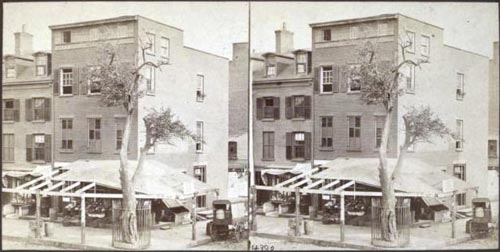
The parable of the pear tree that would not perish has its bookend in another historic Manhattan pear tree. Peter Stuyvesant, the legendary governor of New Amsterdam, planted one on his bowerie in the late 1600s. Way out in the country then, the location eventually became 10th Street and Third Avenue.

stuyvesant-tree-01

That pear tree survived the creation of the New York street grid plan in the early 1800s, and everything else the developing city had to throw at it. The tree lived over two hundred years, only giving it up when a dray mowed into it in 1867.

2513096754_5f8140c23a

The people of the city mourned the loss, as they celebrate the life of the Ground Zero pear tree today. A tree that stands, gnarled, unbowed.

3 Comments

Filed under Culture, History, Home, Jean Zimmerman, Nature, Photography

I Like Your Steamed Buns

There might be better places to get soup dumplings in New York City, but Joe’s Shanghai is irresistably close to LaGuardia if you’re carting people in from the airport around lunchtime.

dumplings

We had Gil’s sister and her husband coming in from the Midwest for Gil’s birthday. Time for some steamed buns.

We went to the Queens Chinatown, to a quiet street off Northern Boulevard.

street scene

Joe’s Shanghai hasn’t changed in years. The only difference is they have a flat-screen on the wall now.

green neon

No big crab for us today, egg or no egg.

sign

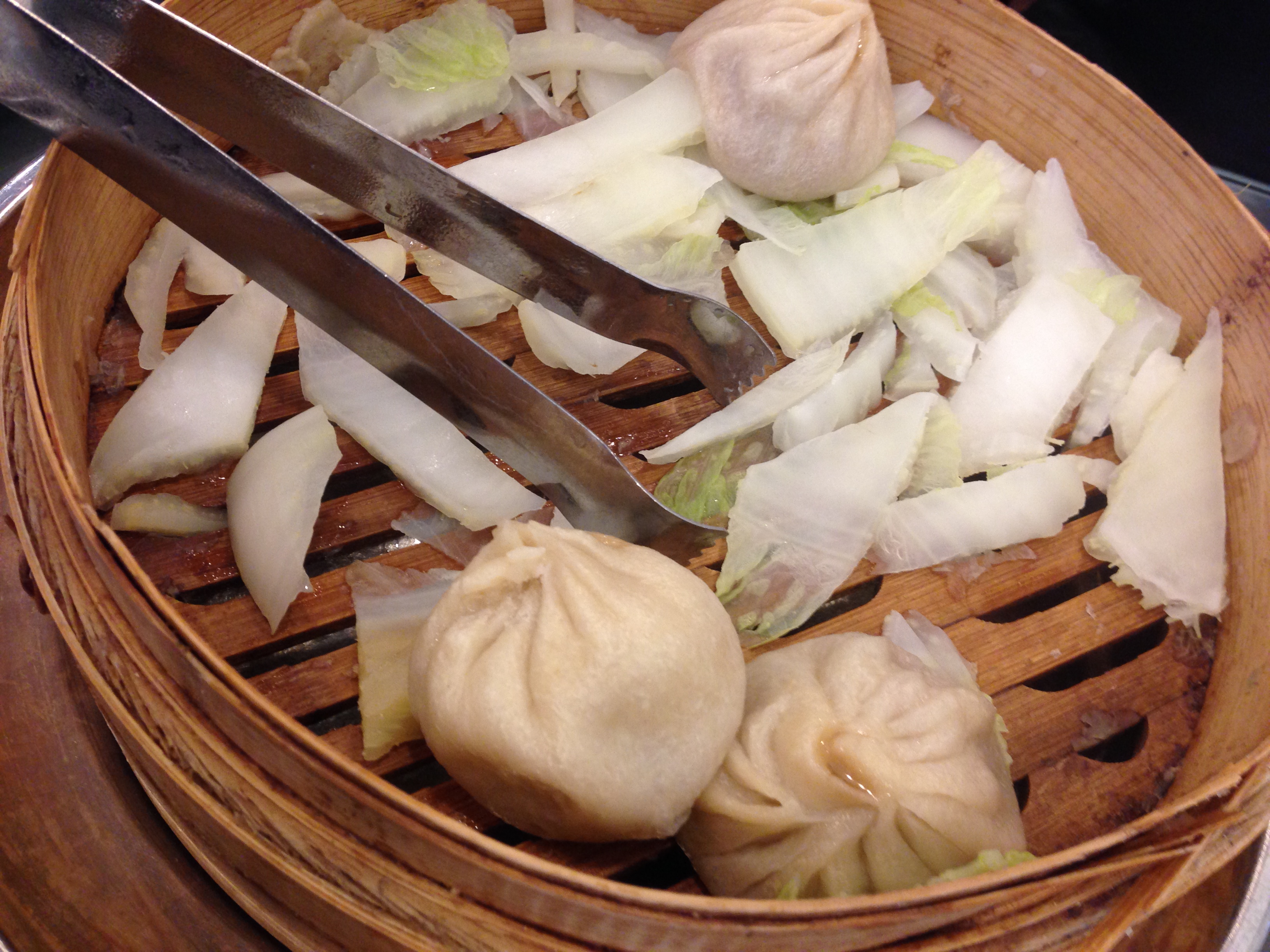
The xiaolongbao is a type of steamed bun from Shanghai and neighboring regions of China. It is traditionally steamed in a bamboo basket, hence the name (xiaolong is literally small steaming basket), and served atop shreds of napa cabbage. Xiaolongbao are often referred to as soup dumplings in English, but they are actually not considered dumplings in China. They are buns, pinched at the top before steaming, creating a dough cascade of ripples around the crown.

one dumpling

There is a science to eating them. You place one on a spoon with a pair of tongs, then bite a tiny hole in the dough to let out some of the heat. Slurp carefully and when you can stand it no longer pop the whole thing in your greedy mouth.

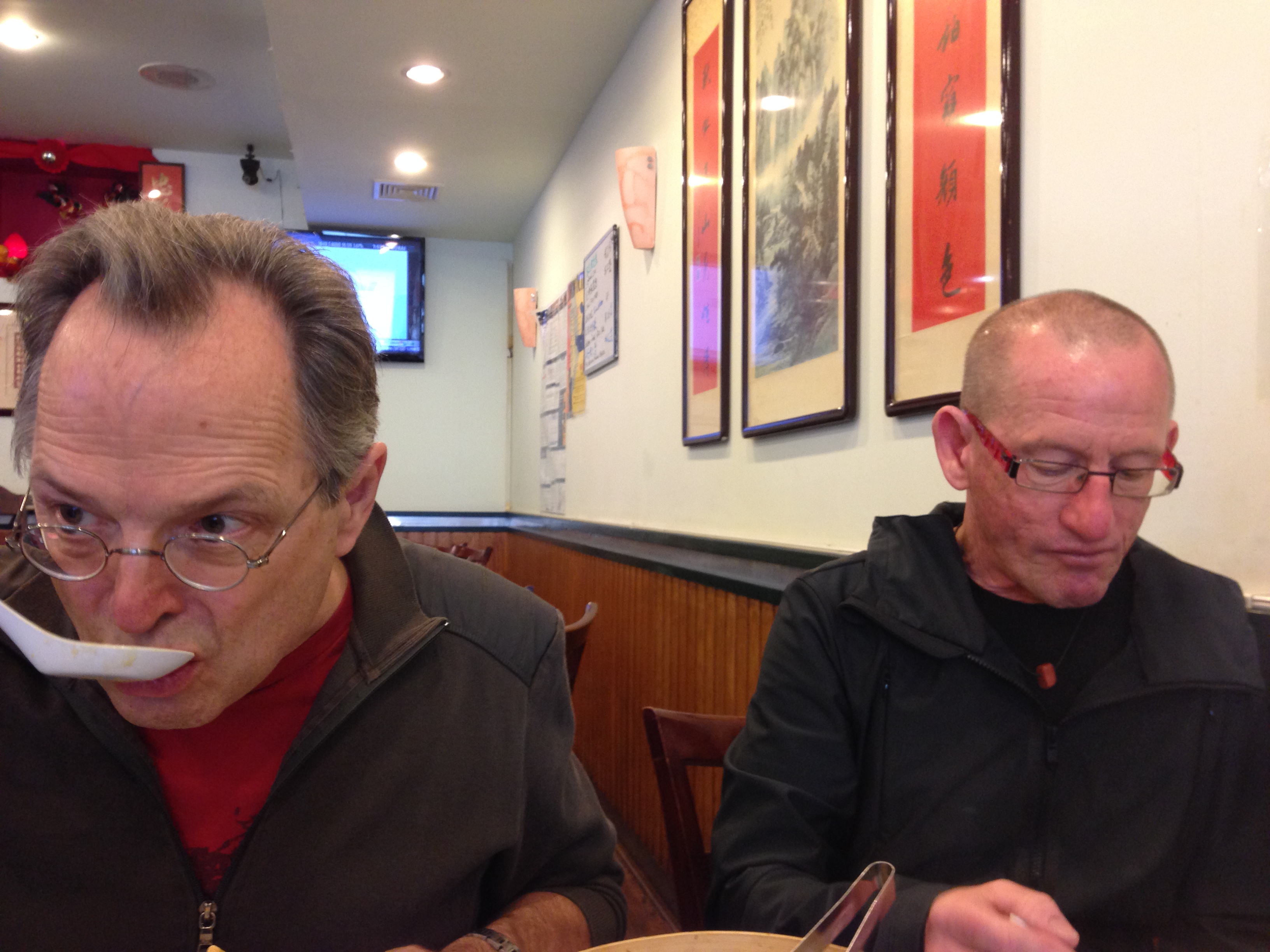
gil:rick

“They remind me of testicles,” said Rick. “There is a sexual quality about them that is definitely appealing.” He’d recommend the pork rather than the crab, if you have to make a decision between the two.

Or choose the crispy salt and pepper shrimp, amazing in the shell but not so much with the heads on. That’s okay, Gil pulled them off.

shrimp heads

But how does the boiling hot soup get into the little parcels? You can probably guess. The cook puts gelled aspic inside the bun along with a little pork or pork/crab mixture, and it melts deliciously as it steams. A dish of vinegar with ginger slivers is served alongside, but we ripped into the buns too fast to pay any attention to them.

1

2

3

4

Leave a comment

Filed under Art, Cooking, Culture, History, Jean Zimmerman

What a Wonderful House

The walls can talk in Satchmo’s house. Literally. Standing in Louis Armstrong’s den in his longtime residence in Corona, New York, we heard his perfect rumbling tones describing his inspiration for What a Wonderful World – the children of his neighborhood in Queens. The docent had pressed a button. The effect was magic.

Louis kids

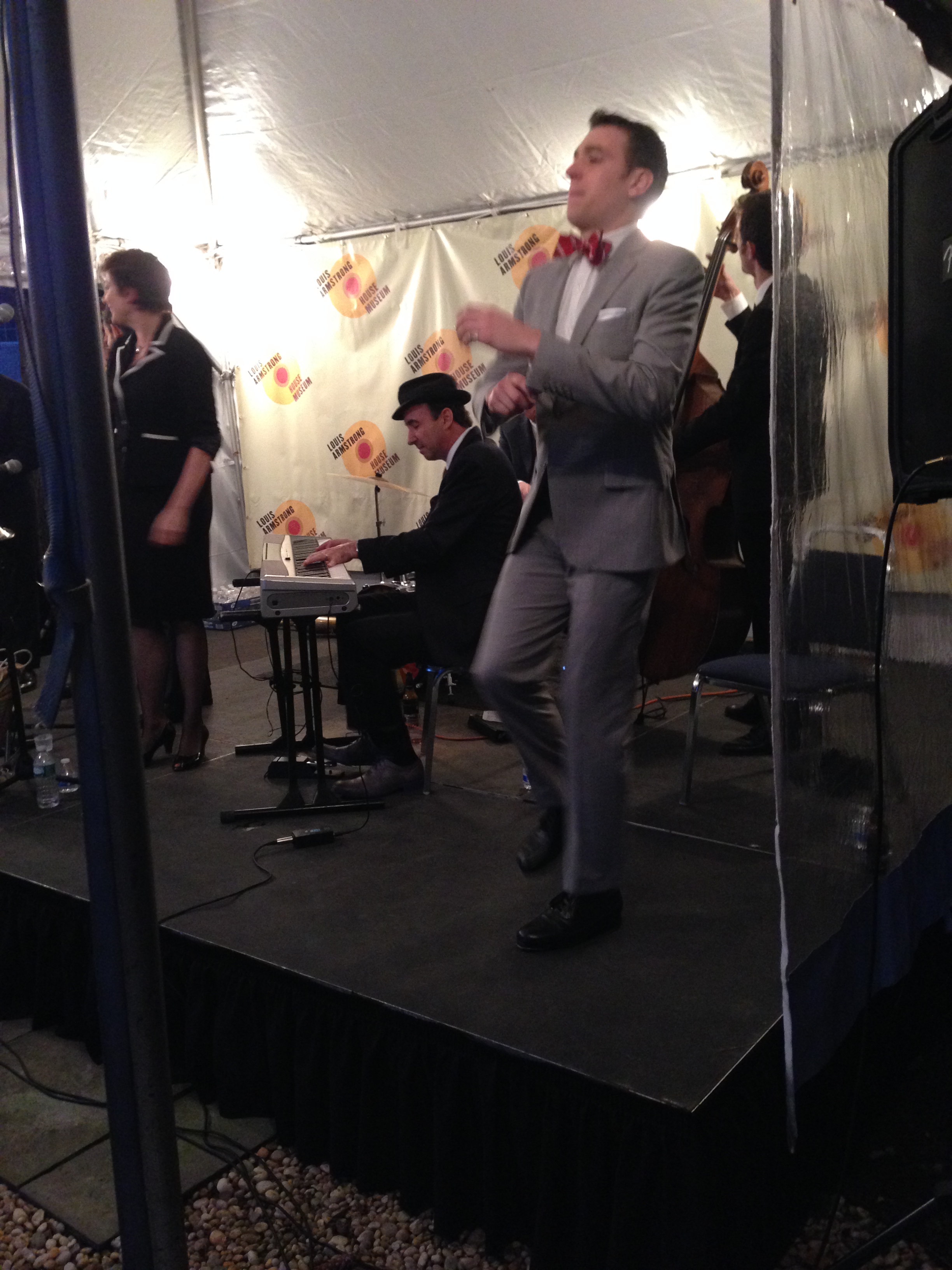
We were visiting the Louis Armstrong House Museum, where the atmosphere created by Pops and his wife Lucille has been impeccably preserved. It was the house’s tenth anniversary as a public destination. A celebration was underway. A group called The Hot Sardines had a throwback style and even a peppy tap dancer, dressed in the current men’s fashion of skinny, tight suits.

tap dancer

There was a powerful trumpet player who might have felt a bit under Armstrong’s shadow.

trumpet player

The singer called herself Miz Elizabeth and the dancer was Fast Eddy. Basin Street Blues and Ain’t Nobody’s Business mingled nicely with the jingle of the Mister Softee truck making its way through the neighborhood.

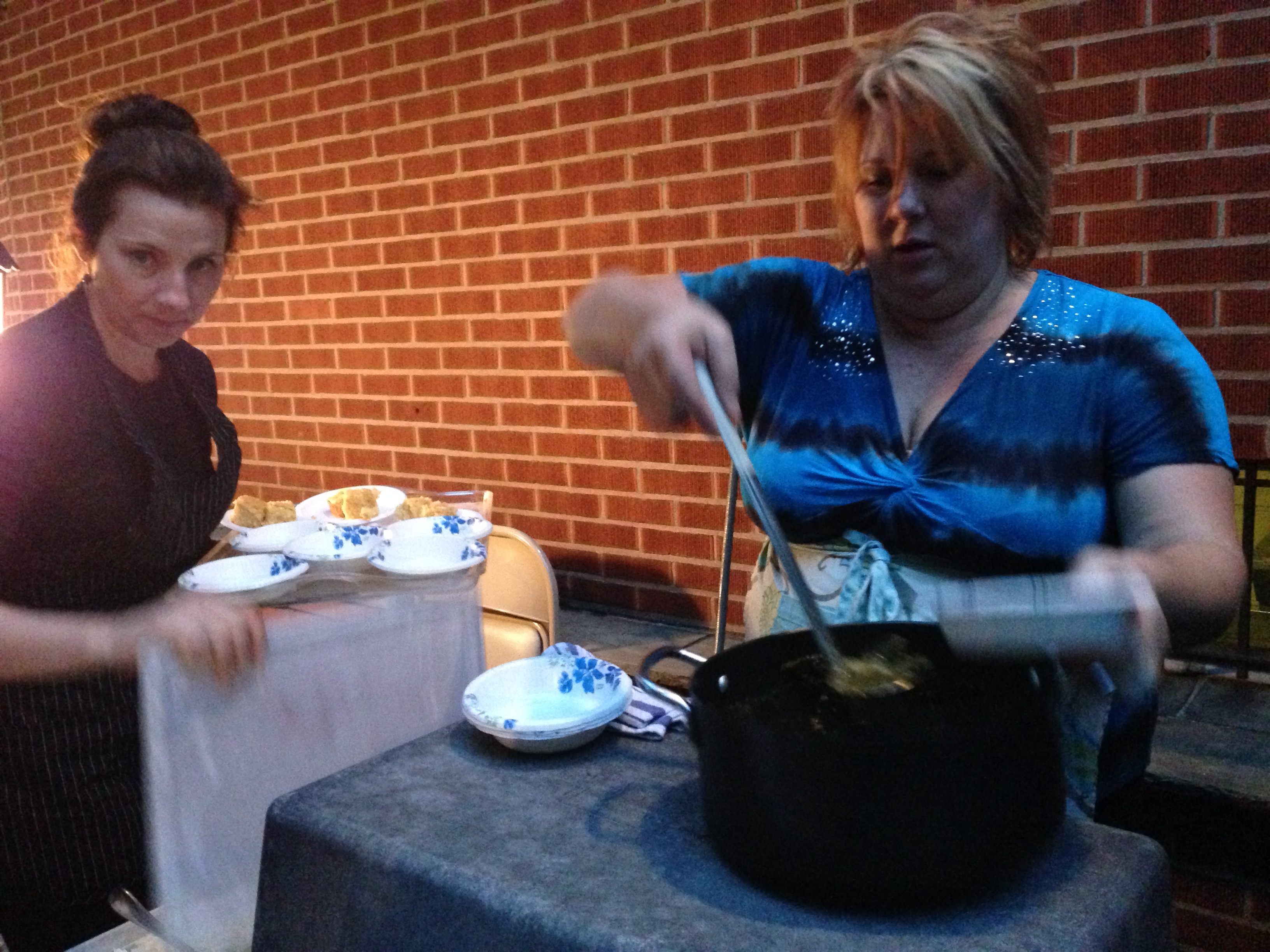
Waiters came around bearing paper bowls of gumbo — “based on Louis’s own recipe” according to the museum — prepared by The Cooking Channel’s Tamara Reynolds and her company, Van Alst Kitchen.

gumbo queen

The cornbread squares were properly crumbly-chewy. We went back for thirds on the gumbo.

“There are some people that if they don’t know, you can’t tell them,” Armstrong said. Anyone that couldn’t feel the swing in the air of this little Japanese-inflected garden in Queens would have to be unconscious.

After Miz Elizabeth delivered a soulful rendition of Sophie Tucker’s great signature tune, One of These Days, we ventured inside.

living room

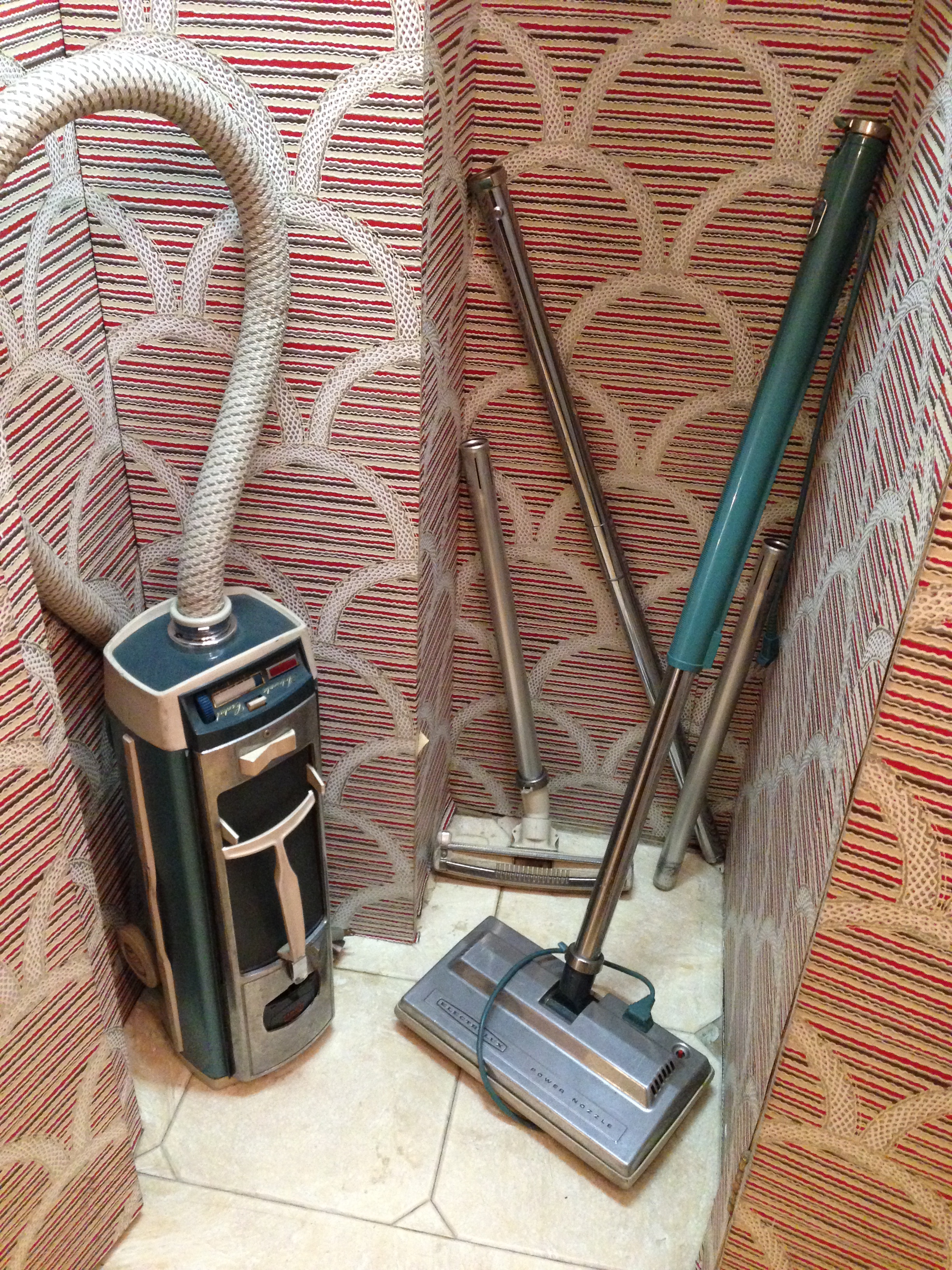
A time capsule. Everything was exactly as it had always been, down to the knick knacks and the vacuum cleaner.

vacuum

Lucille, a Cotton Club dancer, made this a showplace,  a glitzy but cozy habitat. She had found the house while Armstrong was out touring, she bought it, fixed it up, and gave him the address, so when he came back from the airport in a taxi he drove up and didn’t believe it – That’s not my house! he said. Or so a docent told us.

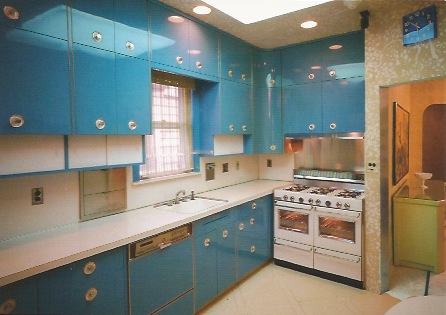
Everything is from another age. The kitchen has glossy turquoise cabinets.

Louis kitchen

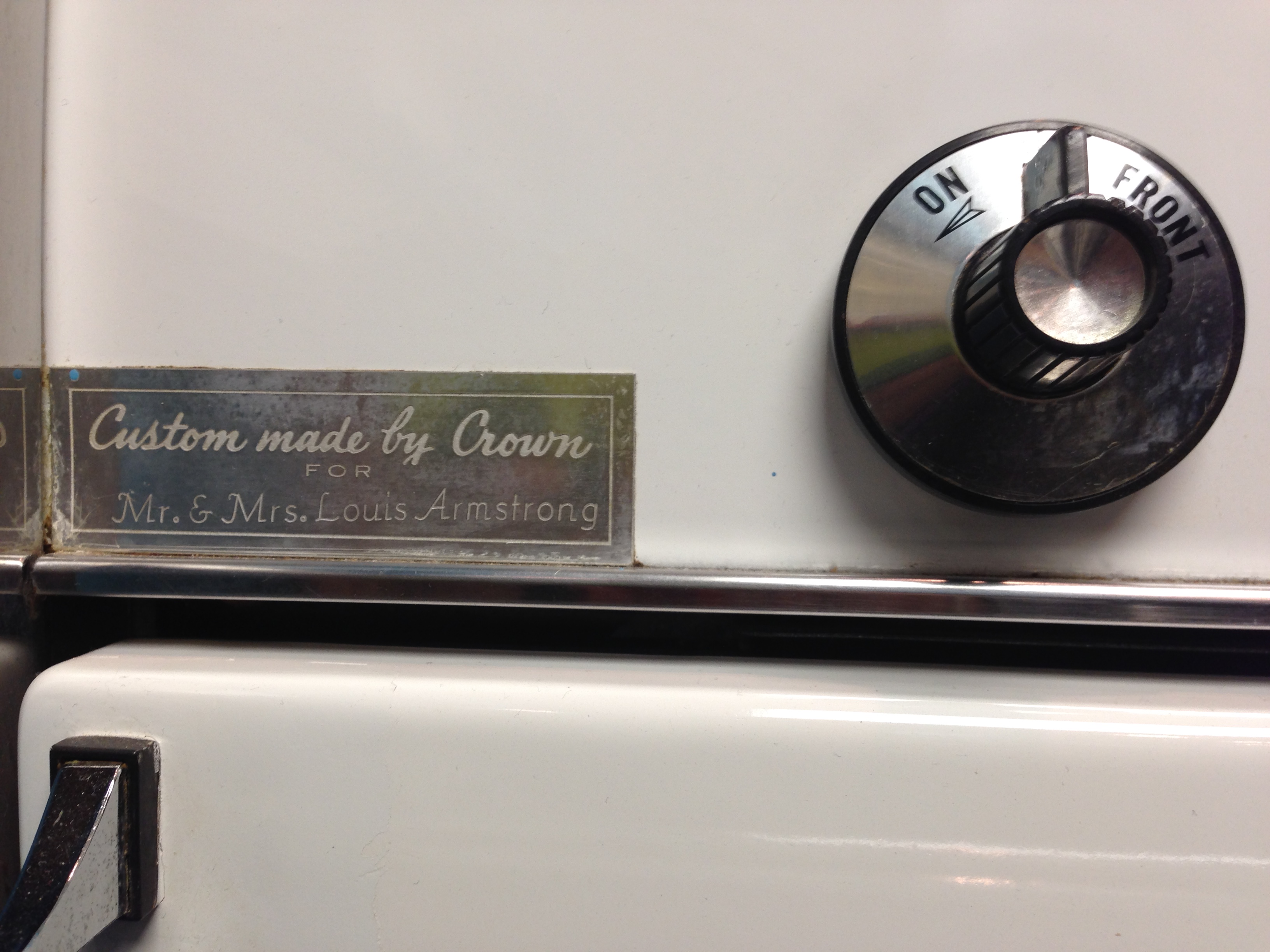
And a stove to which a personalized nameplate was affixed.

Louis stove

You could see the Armstrongs’ recipe box.

Louis recipe

Duke Ellington called Armstrong “an American original.” Pops liked all types of music, not just jazz, and kept a well-used reel-to-reel tape deck with a collection of 750 tapes. He once made a country album and among his first recordings was a duet with Jimmie Rodgers.

Louis phone

His den was his sanctuary, the only place in the house he could smoke weed. Pot, he said, insulated him from racism.

What about that 14-carat-gold-plated bathroom? High style for Corona, Queens.

gold bathroom

A young woman with cat eye glasses was giving a guided tour to her boyfriend as we passed through the upstairs rooms. She had been there many times before. Look at the wallpaper, she said. I just love the decor, she told me, it has so much of them.

So many things change. This hasn’t. The telephone number for the museum is the original for the Armstrongs’ house.


1 Comment

Filed under Cooking, Culture, Fashion, History, Home, Jean Zimmerman, Music, Photography