Category Archives: Culture

Pumpkin Pie Women

Coming home from the supermarket, laden with cans of pumpkin and condensed milk, listening to the cheekily wonderful tune, Thou Swell, Thou Witty, Thou Grand, which Rodgers and Hart collaborated on in 1927.

The girls are coming to my kitchen – the women, the college women, to spend an afternoon producing pumpkin pies. It’s golden and smoky around the cabin,  warm and cozy inside.
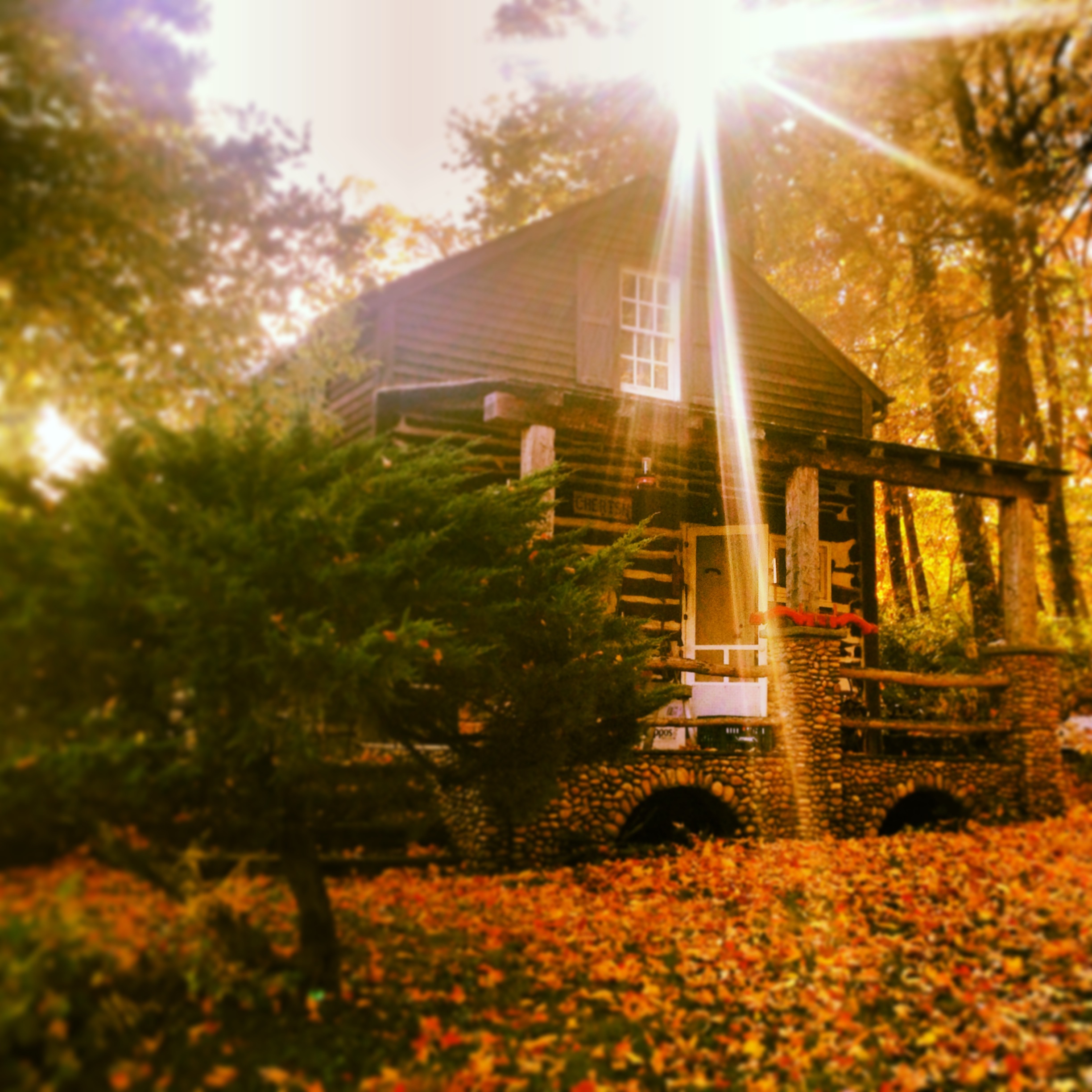
golden cabin

We’re trying to raise money for a trip to Senegal in May, Maud tells me, cutting the butter into the flour, cracking a dozen eggs. BuildOn, the organization chapter she runs at Columbia, travels to other countries to build schools.

maud w eggs

It’s this times three, right, says Jess, her school buddy, intent on the recipe.
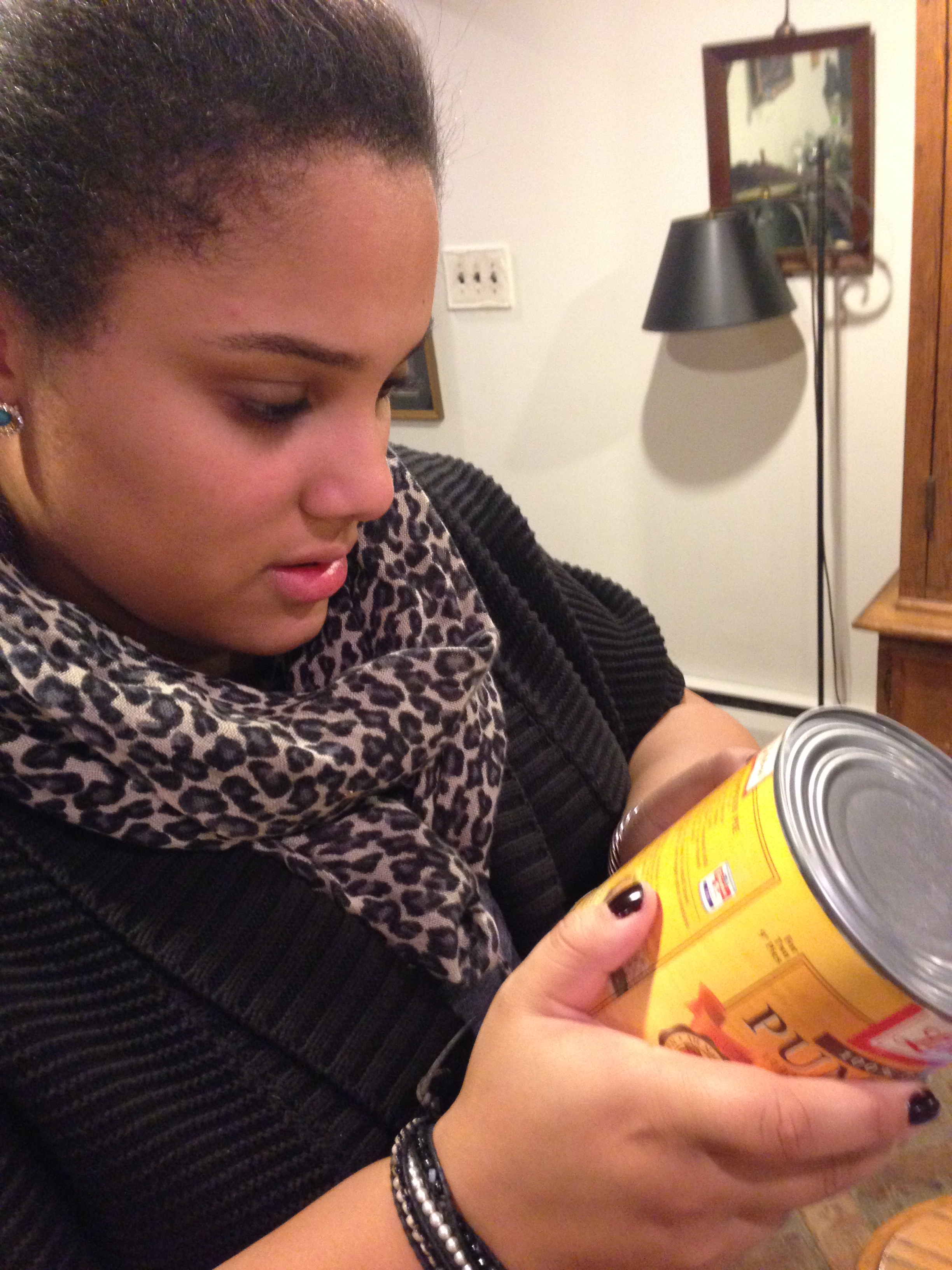
jess

We’re baking six pies for Maud’s campus bake sale tomorrow, to be sold by the slice. Lots of cinnamon, lots of ginger, lots and lots of canned pumpkin.

You are so graceful, goes the lyrics of Thou Swell: Have you wings?/You have a face full of nice things.

Pumpkin is the simplest pie, the easiest to please. Like pudding, nice and sweet. Almost as sweet as these two at the kitchen table.

maud and jess

Each person has to raise $2,000, says Maud. We have $275 so far. That’s okay, she’s easy. At Fall Fest a bunch of other organizations will get together and raise money for her group. They do that, help each other out.

We’re also collecting dresses on campus and giving them to a consignment shop – we get sixty percent of the profit, says Maud.
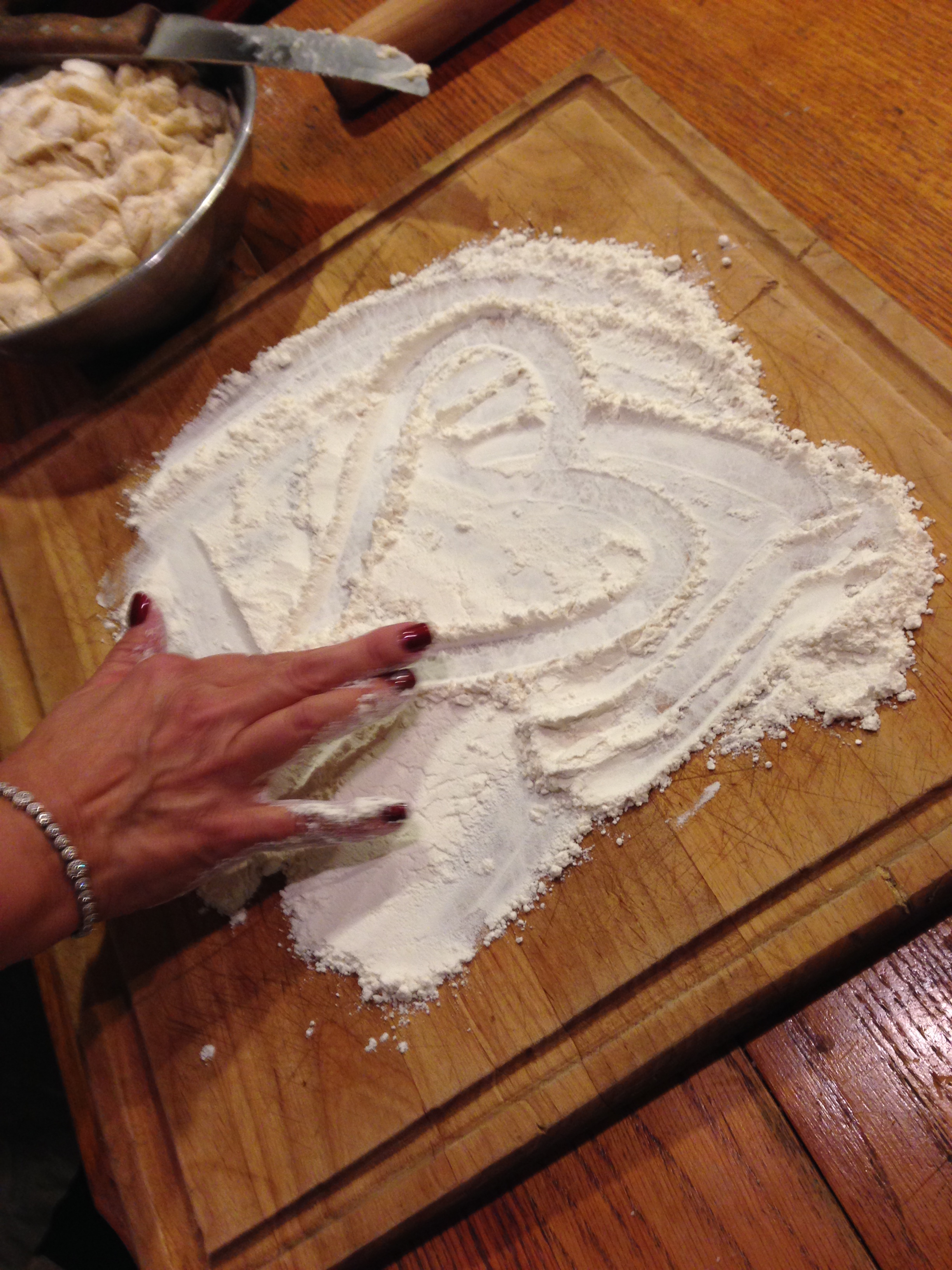
flour

So we need six teaspoons, says Jess. People die from overdosing on cinnamon.

Jess is a fan of buildOn, though her own time is spent as the treasurer of a new group called Scientista, which promotes women in, you guessed it, the sciences.

They’re so busy, these women. They dig in to everything. If you’re the first person to contribute fifty dollars or more to buildOn this season, you’ll get a free copy of Walk in Their Shoes, by Jim Ziolkowski, the president of buildOn, which tells the story of founding the outfit. Maud’s staying home this year but she’s still raising money.

Both thine eyes are cute too;

What they do to me.

Hear me holler I choose a Sweet lollapaloosa in thee.

How do they manage it all? Jess: You’re doing something wrong if you’re not rushing around doing xyz.

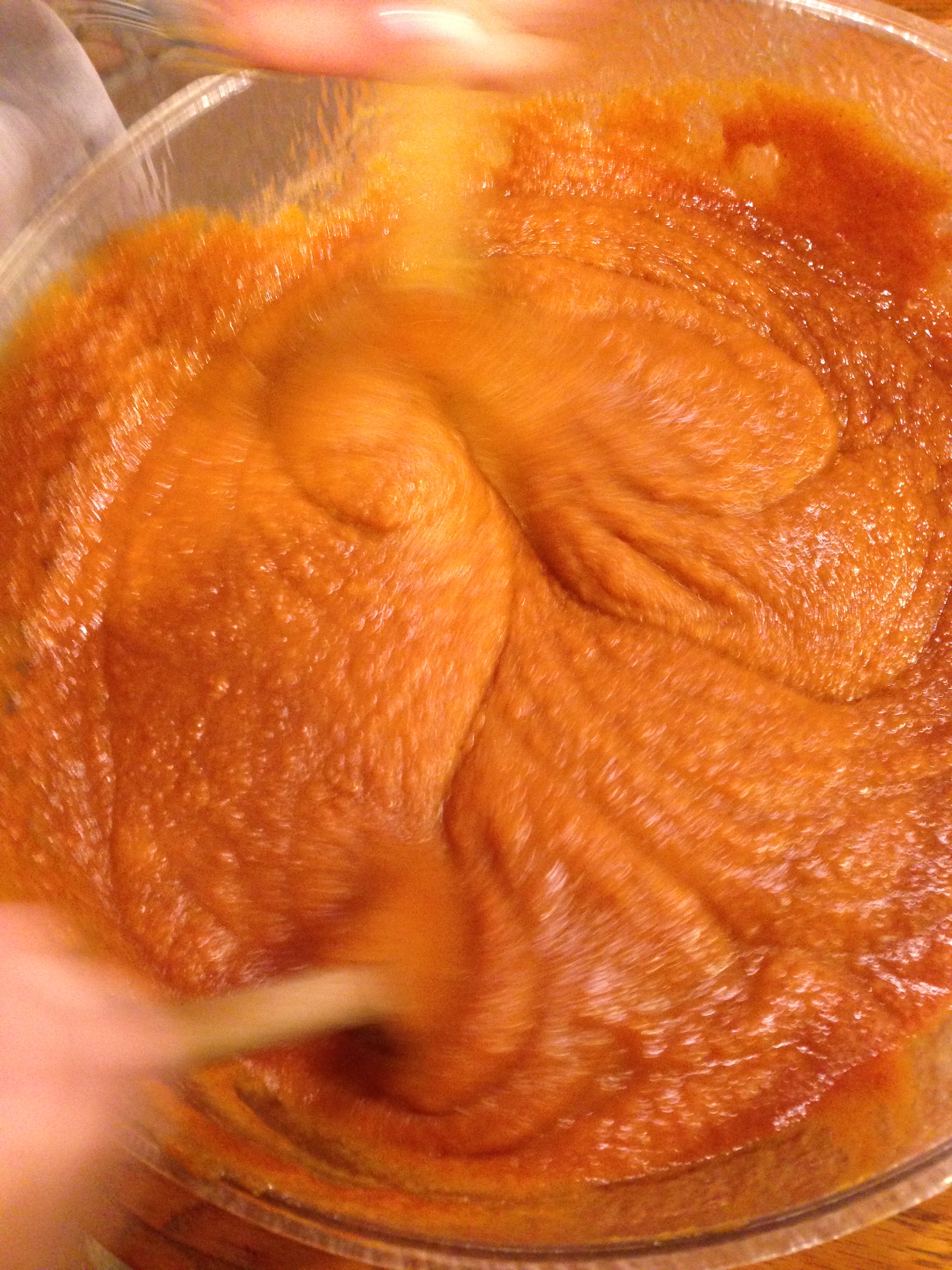
This is a vat, says Maud, stirring.
vat

There’s some swooning over old Gavin deGraw, Chariot, and amazement at the tale of a friend he plucked off the concert floor.

Some bemoaning of chipped nail polish.

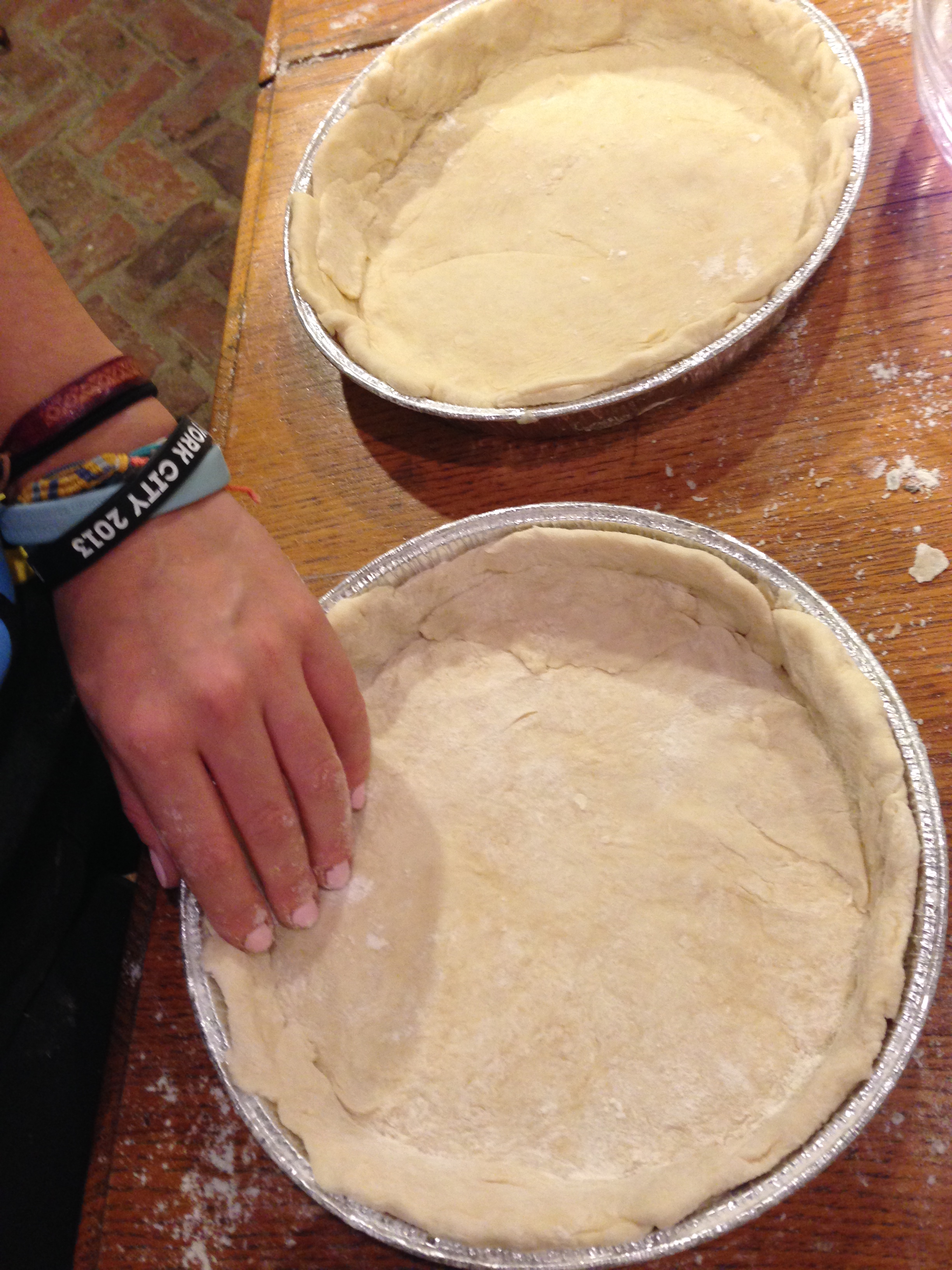
Crimping uncooperative pie dough isn’t in the customary lesson plan, but they make do pretty well.
crimping

People have different love languages, Maud says, quoting some psychologist.

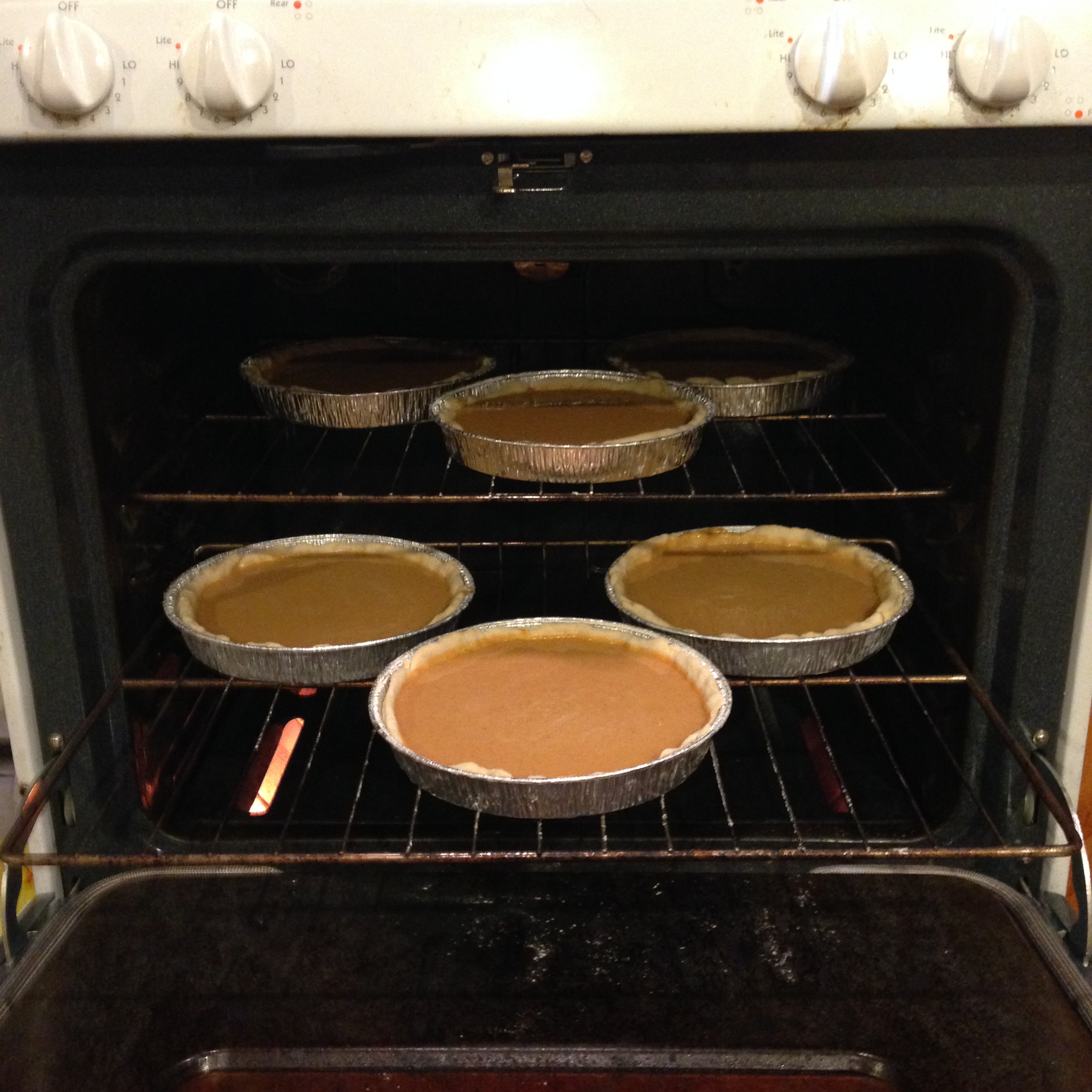
Six pies go in the oven.
oven pies 1

I’m going to bake a pumpkin pie when I go home next, says Jess, My mom’s going to freak out.

Thou swell, thou witty, thou grand.

4 Comments

Filed under Cooking, Culture, History, Home, Jean Zimmerman, Music

House Plants on Parade

There are certain people, and I won’t name them, who believe that house plants are boring.

For the most part these are men.

My Thanksgiving cactus has decided to get an early start this year, so it’s pushing out the new, light-green segments that are called “articles” with abandon, and showing off plenty of exciting hot pink buds.

thanksgiving cactus

There, reader, are you male or are you female?

Today, inspired by my Thanksgiving cactus, I went down the road to Kitchawan Farm and saw Linsay, who manages the place, and who was offering a pop-up sale of geraniums and other house plants, along with a warming fire, hot tea, fresh-dug jerusalem artichokes and the last field flowers of the year.

On my way to the stuga, the cottage where the sale was taking place, I fed an apple to a horse with a splendid white blaze named Trix, who polished it off in a single bite. We had just come from Thompson’s Cider Mill and were loaded down with heirloom apples, Crispins and Russets and Jonathans, the kind that can’t be obtained in any supermarket, plus three huge Northern Spies for pie.

red apple

Linsay knows quite a bit about house plants, among many other things. She has a hundred in her own home, and the ones on the two tables she’d set out came mainly from her own cuttings. Three dollars a pot, a good deal, expecially when it comes with a cup of hot tea on a bracing October day.

linsay with plant

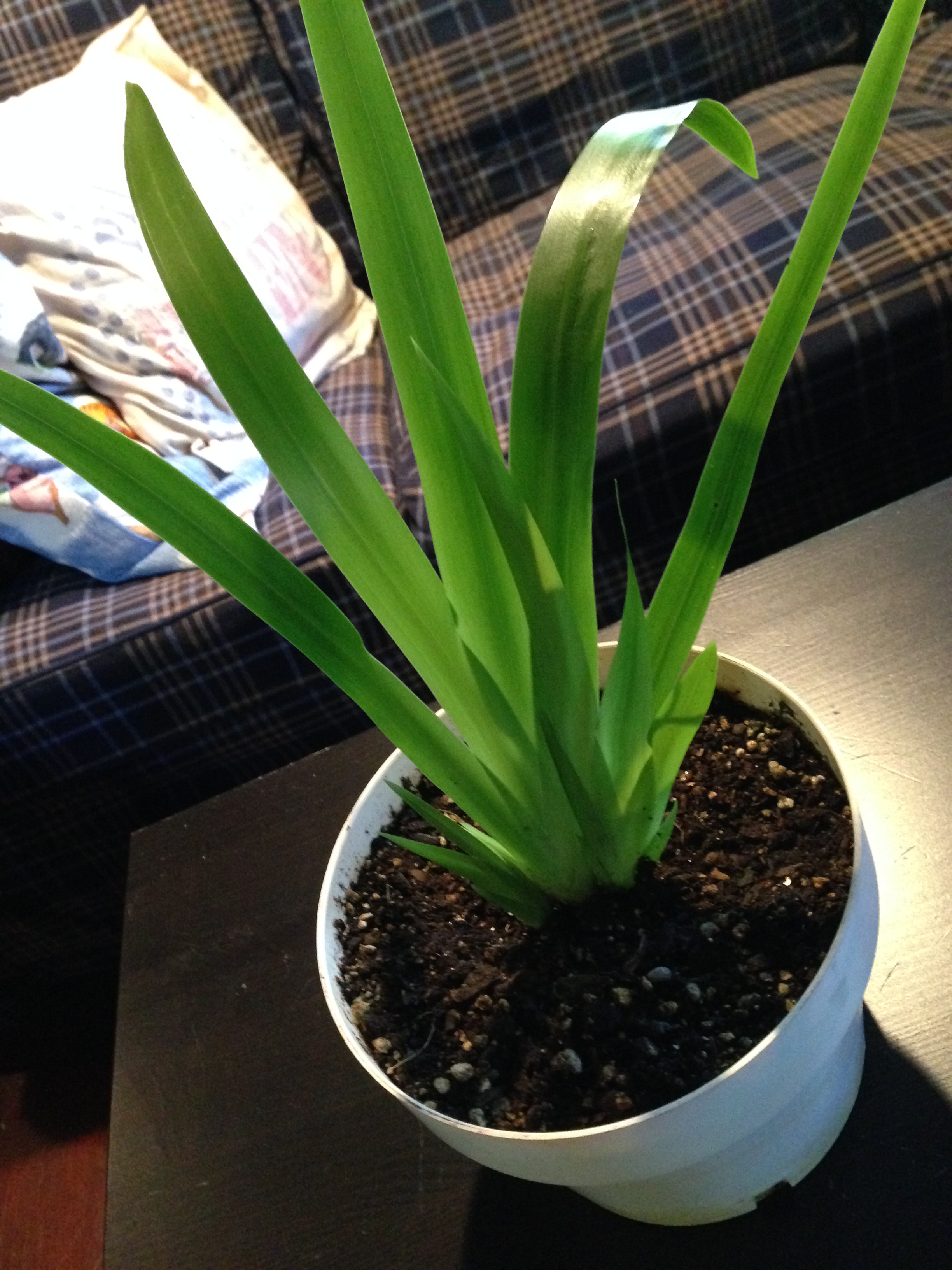
In the shade beside the stuga she explained the habit of the walking iris, which might get away from you in a garden bed. At home I’ll keep a watchful eye on it. Some day soon it’s going to give me showy flowers that look like a cross between an orchid and an iris. I hope in the dead of winter, when there are snow drifts against the window.

walking iris

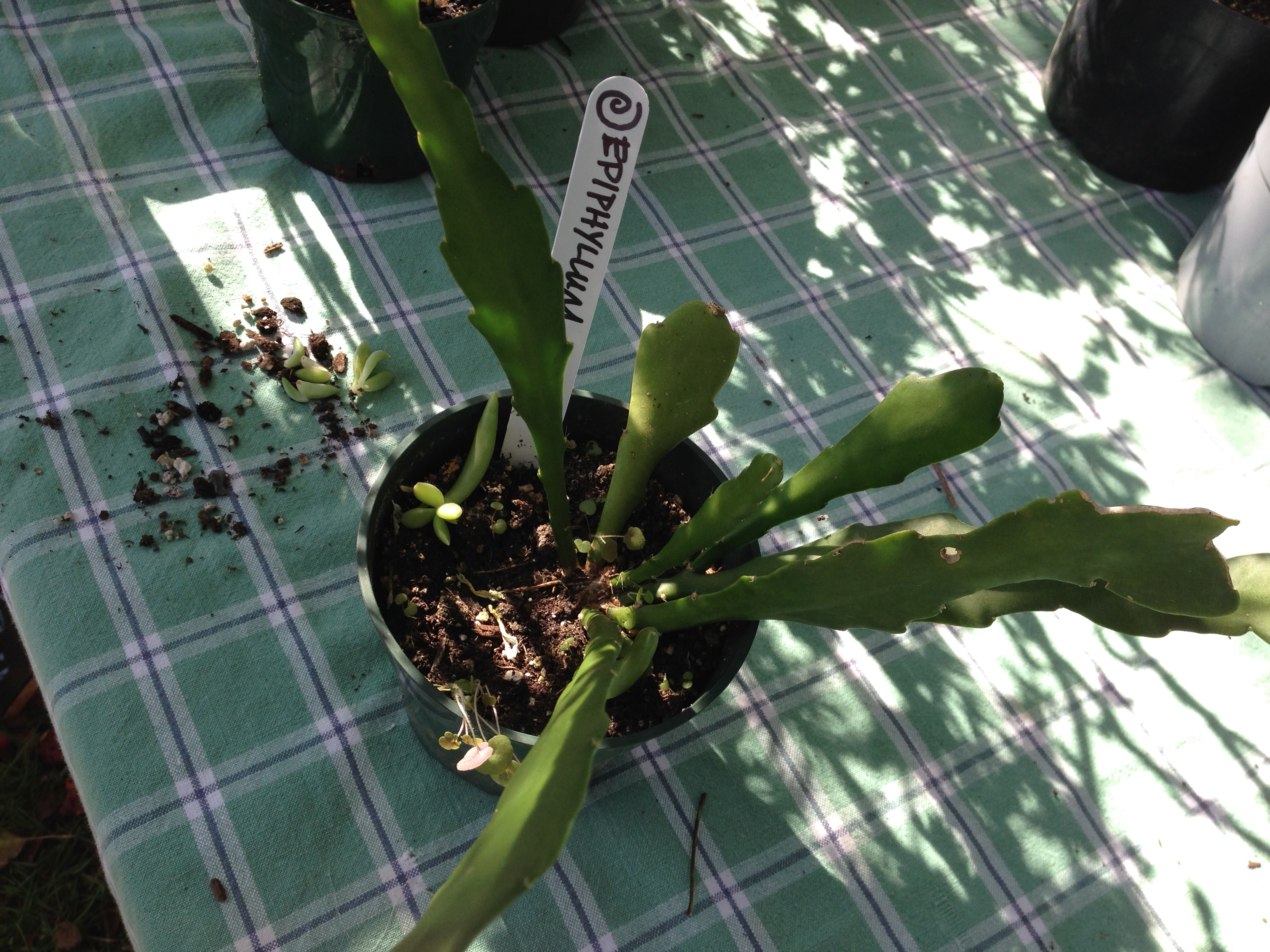
The epiphyllum, in the cactus family, hails from Central America, where it climbs trees and makes a strong hallucinogenic drink. It also promises a large red or white bloom, and, since it comes from the jungle, doesn’t expect much sun. Good, because sun is in short supply in the Cabin. Count me in.

epi

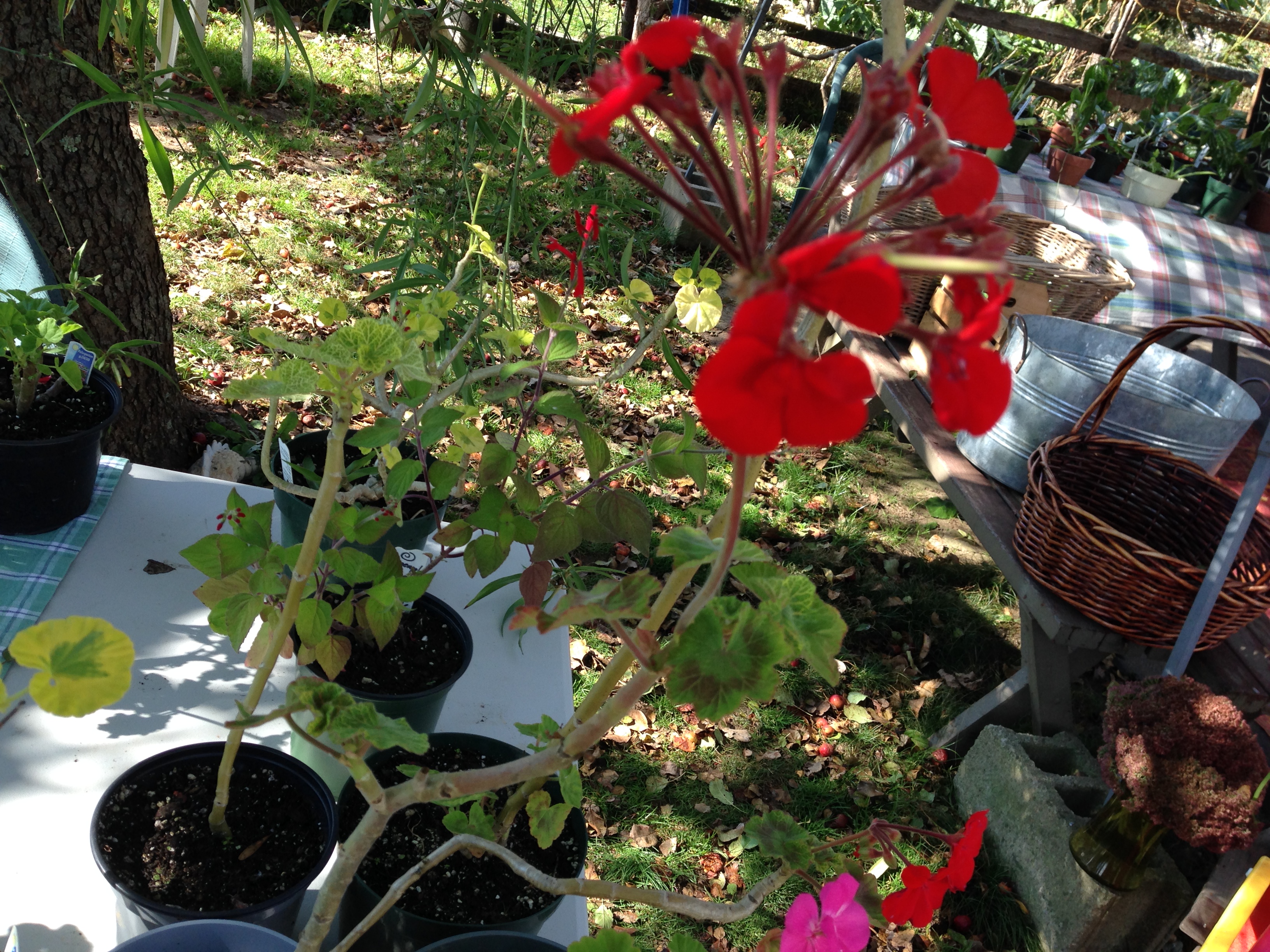
The geraniums were irresistable, especially the heirloom double rose type. Linsay has Sweden in her blood and convinced me that bright windowsills need at least one of this flower. So, realizing I did in fact have one sunlit spot, I got two.

geraniniums 2

Why is it that geraniums have become associated with old ladies? Anyway, is there anything wrong with that? Even such a hipster as Bob Dylan liked them well enough to use the turn of phrase “geranium kiss” in Sad Eyed Lady of the Lowlands.

Old ladies, I guess, have always known more about purifying the environment, keeping the air around you sweet-smelling and healthy. Spider plants as vitamins.

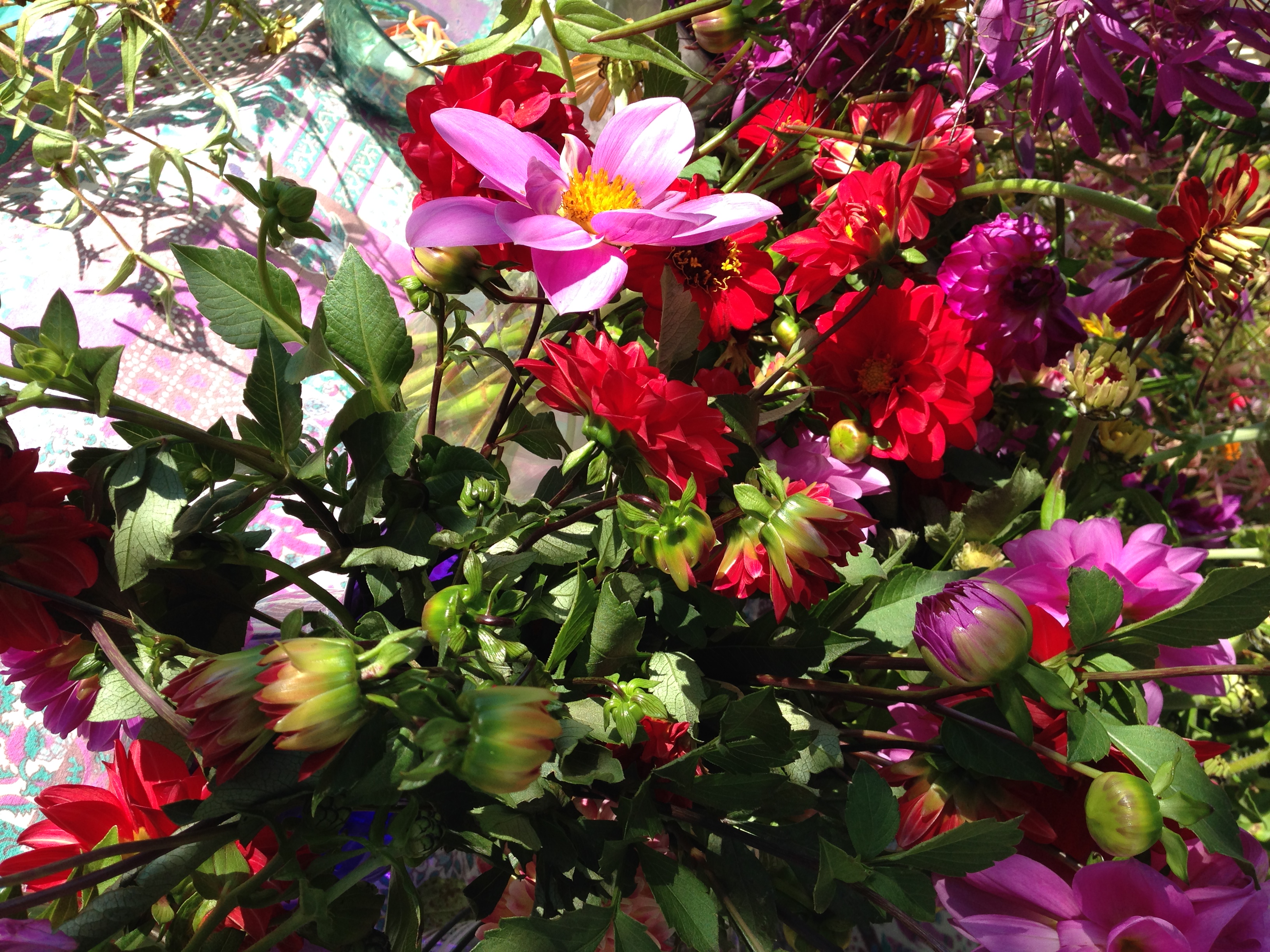
It had been a hard frost last night, the first of the year, and at Kitchawan they’d managed to harvest all the cutting flowers. Dahlias, my favorite, and zinnias, and a dozen other varieties with the spice of fall. Lavish, bursting with color, unlike the demeanor of some house plants, which might be demure and even a little forlorn at times.

flowers from the garden

Linsay was making a specially crafted bouquet for every person who bought a plant. It was kind of sad, she said, and kind of a relief for the season to be over. Now she could get to her other projects, her writing and her art, and do her other job of helping people organize their lives.

She organizes her plants with equal dedication. And here’s the thing. People who take these cuttings and nodules and hopeless-looking sections of stem, pot them up, test the soil, sprinkle in the proper quantity of water – they have a strong desire to organize, to fertilize, to nurture. To make things right. My mother, my best friends, the finest women I know have been wed to their house plants. Not that there’s anything wrong with a shockingly beautiful fresh-flower bouquet.

linsay bouquet

I’ve divided my last year’s overgrown aloe vera into four new pots, found the offspring four new homes at windows where the light is just right. I want to be an old lady.

4 Comments

Filed under Culture, History, Home, Jean Zimmerman, Music, Nature

Tweet or Not to Tweet

The gloaming is coming earlier these days. The Cabin, cozy as it is, can be small.

Halloween Cabin

Our winter is heated by wood more than sun.

wood

Fewer outdoor adventures, unless you want to really bundle up. A dive instead back into a small pink knitting project.

pink knitting

Oliver wants to lay down on the already-cold grass. I don’t.

oliver cold grass

What to do? Something new.

First I asked an intern to escort me through the twisted corridors of Twitterdom. Why do this at all? was my first thought, my eye wandering over the overwhelming Twitter feed. Well, said Carlos, my intern, you might find something interesting.

Carlos

Ahhh, that.

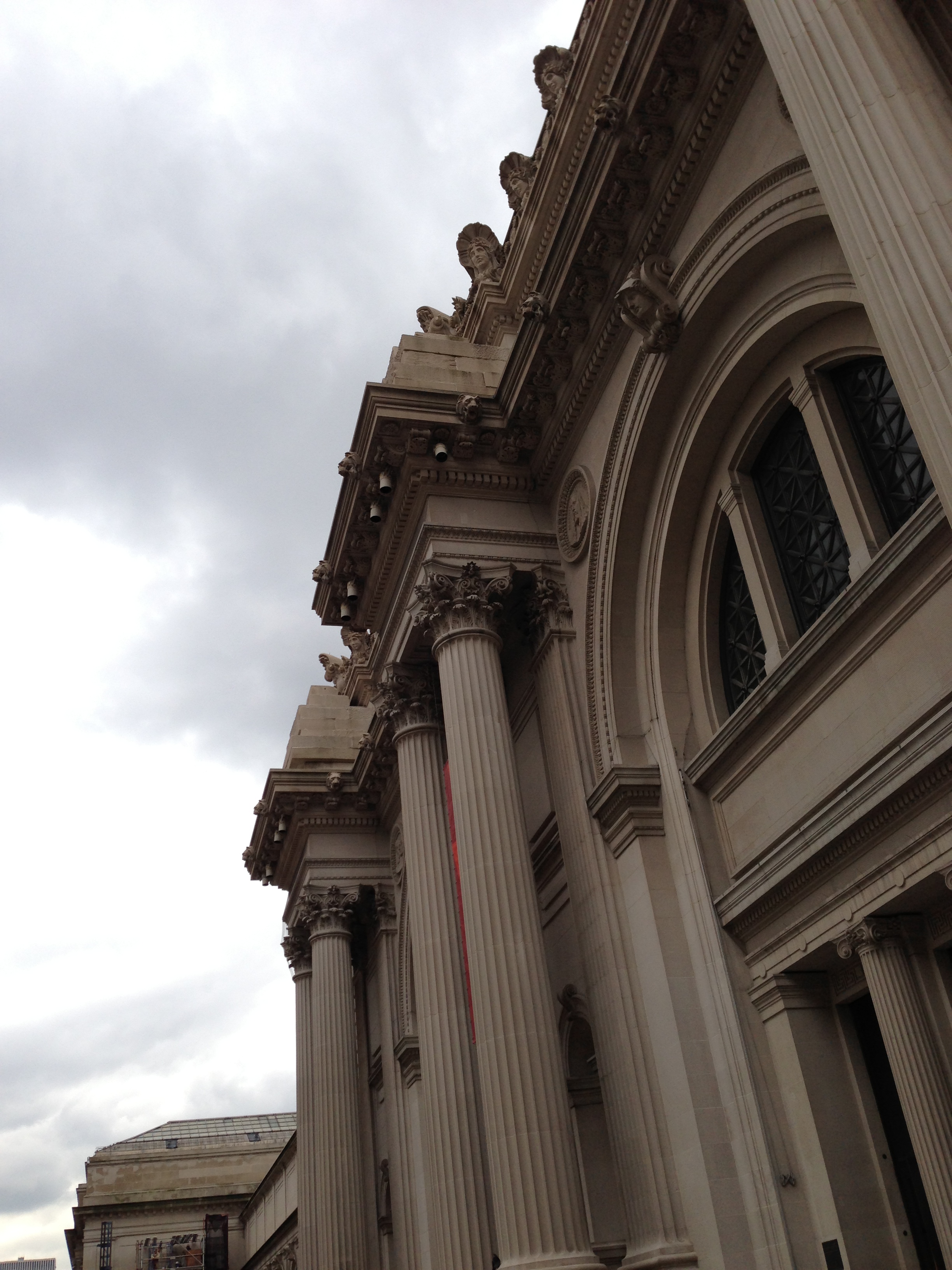
I went to the Metropolitan Museum’s profile to see who the greatest art institution in America was wont to follow, and discovered a thousand crazy, creative persons and places I didn’t know existed, that I want to know more about.

met

Only connect, as Forster said. Easy for him to say. He didn’t have FB, Twitter, Tumblr, etc., etc.

Catch me at @jeanczimmerman and we’ll tweet.

2 Comments

Filed under Art, Culture, History, Home, Jean Zimmerman, Knitting, Publishing, Writers, Writing

To Be a Ghost

Gil is an animal of many and variegated stripes. He writes nonfiction (Aftermath, Inc.Mafia Summit) and fiction (Mockman).

Gil signing

He is also expert at articulating the stories of others as their collaborator. I asked Gil some questions about the process.

Why ghostwrite?

I like to collaborate, because otherwise you’re alone in a room with a computer keyboard. Collaboration relieves that.

How do you help someone tell their story?

I ask them questions, get them to talk about themselves, record the results, transcribe it, and that’s the raw fodder for the book. Sometimes they offer other material, past interviews, diaries, historical records, all of which are good.

You’ve written for athletes, record producers, polar adventurers, and the husband of Susan Smith, the woman who drove her kids into the drink many years ago. Which one was your favorite coauthor?

My favorite is always the one I’m doing now. But I have to say Robert Swan, the adventurer, the only man who walked to both the north pole and the south pole. I like him very much. An incredible environmentalist. That book was called 2041: My Quest to Save the Earth’s Last Wilderness.

robert-swan-4

Are there any tricks of the trade?

I consider myself a success if I disappear in the prose.

Tiki Barber BookWhat determines if you get credit for your work?

I don’t think it’s important. I always believe that the people who should know I have written the book will wind up knowing, i.e. editors and agents. I’m proud of my “with”s, that’s the terminology you use when as a ghost you get a “with Gil Reavill” credit. And I’m also proud of my uncredited ghostwriting.

ruthless

What are you working on now?

I’m not at liberty to say.

Will it be a big book?

It is a big book.

I’ve written books for angry black men and I’m a timid white boy. I’ve written books for egocentric women and I’m a zelig male. To reach across the membranes of self to enter into another person’s reality is an enjoyable novelty.  The metaphor I use to talk about my ghostwriting work is a lawyer and his client. I’m there to give somebody the language that they might not have otherwise. Or I’m perhaps in some cases there to speed up the process, to allow someone to write a book in one year what it would take them ten years to do without me.

What do you think that ghosting has done for your own creative work?

Ventriloquism is always part of the creative process, even in nonfiction. What did Kafka say? We need an ax to break the ice between us. Creativity is the ax.

Franz-Kafka

What does that have to do with the question?

What is the question?

We’re all separate souls and creativity builds the bridge, whether it’s between two real people or an author and a created character. There are still bridges to be built.

3 Comments

Filed under Culture, Fiction, History, Jean Zimmerman, Publishing, Writers, Writing

Mums the Word

The kiku were fragrant, lovely to look at, cool to the touch.

buttons

I had been in a mood. My foot was slower to heal than I’d like. I had a cold. I didn’t feel like working.

strange

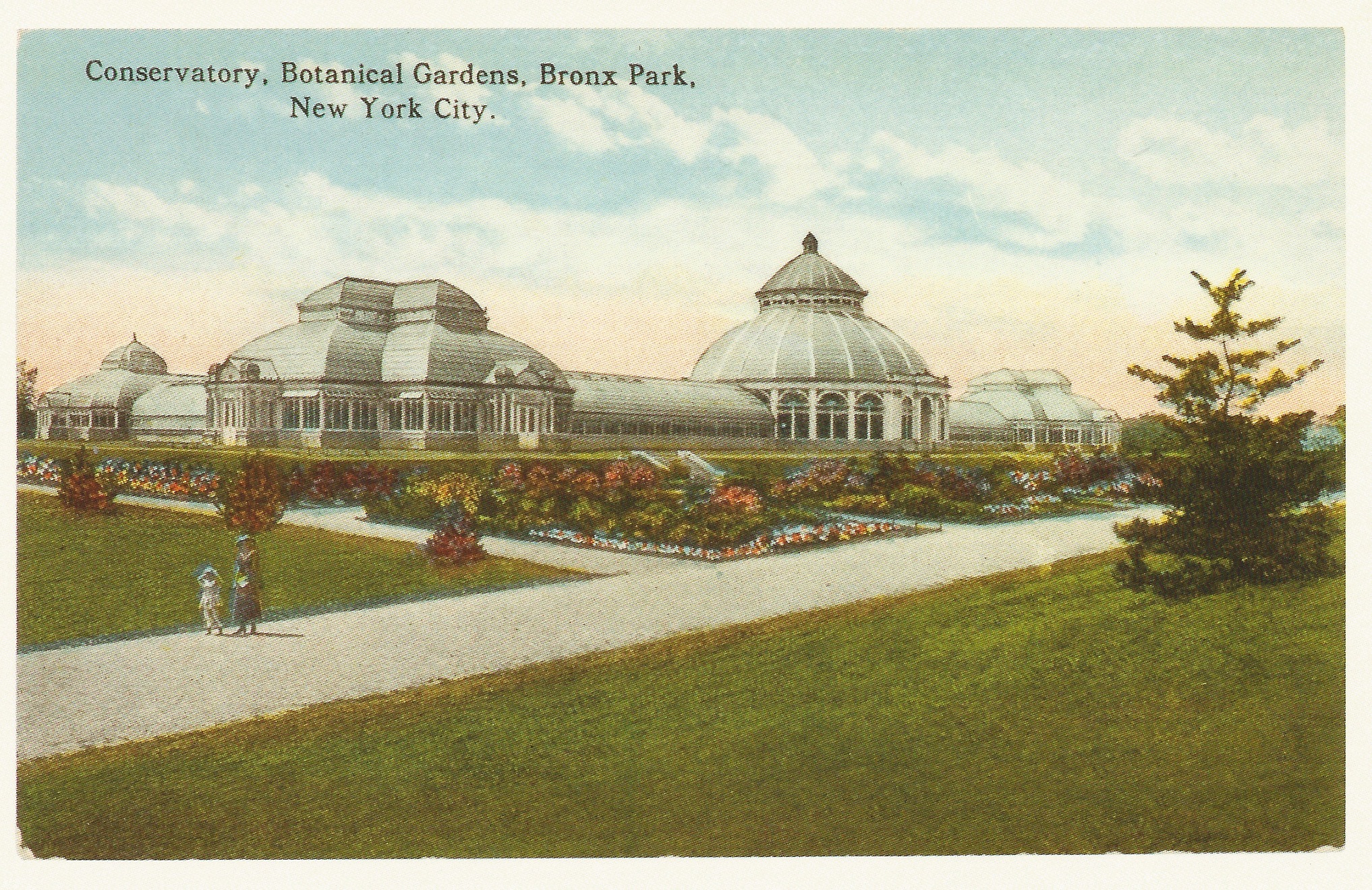
So I got myself to The New York Botanical Garden in the Bronx. It was offering its annual chrysanthemum show.

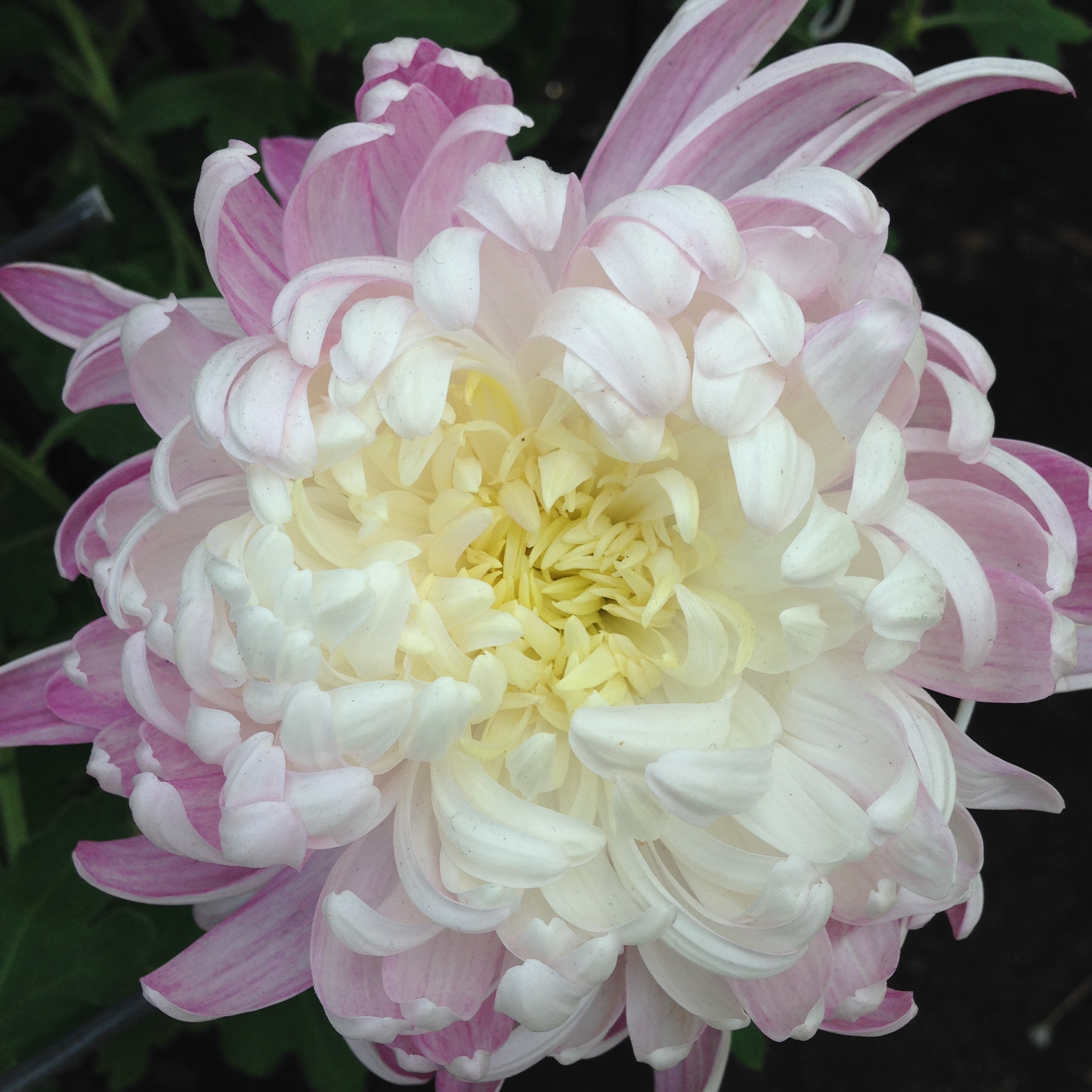
delicate white

As soon as the door swung shut behind me – the exhibit is indoors, in the haute-Victorian 1902 glass expanse of the Enid Haupt Conservatory – a feeling of bonhomie settled over me.

BG, Bronx

A feeling of chrysanthemum-induced ecstasy, a tranquil happiness enhanced by the Japanese flute music piped in to the gallery.

spangle 2

You could call on your phone for information on these amazing flowers, which had been trained for a year to be massed in geometric shapes by horticulturalists. They start with one stem, and pinch it off again and again until they wind up with a hundred flowers in rows, held in place by metal frames.

structure

That’s the back of one display. “You tell the plant how many flowers it’s going to have,” said the disembodied voice on the phone when I called for info. Called ozukuri, the practice somehow appealed to me. The human hand so obviously taming nature.

flower in frame

year by year passes

thinking of being thought of by

chrysanthemums

So mused the nineteenth century poet Masaoka Shiki in one of the poems displayed along the garden’s walkways.

I couldn’t help but be contemplative. Chrysanthemum-contemplative. Consider the Ogiku, diagonal rows of pink, yellow and white, like, they used to say, the bridle of the Japanese emperor’s horse.

rows

China introduced Japan to the flower in the fourth century, and the emperor soon made it his personal crest. In 1878 he opened an exclusive park to show off the plants grown in his garden. Since the 1920s that viewing opportunity has taken place in the Shinjuku Gyoen National Garden in Tokyo.

Chrysanthemums are members of the aster family. There are 13 species, some fat and regular, others ragged, others spider-like, others spoon shaped, the anenome with a disk for an eye. Here they all were.

Everyone was snapping pictures, as they always are, everyplace you go nowadays.

photographer

I like the big’uns.

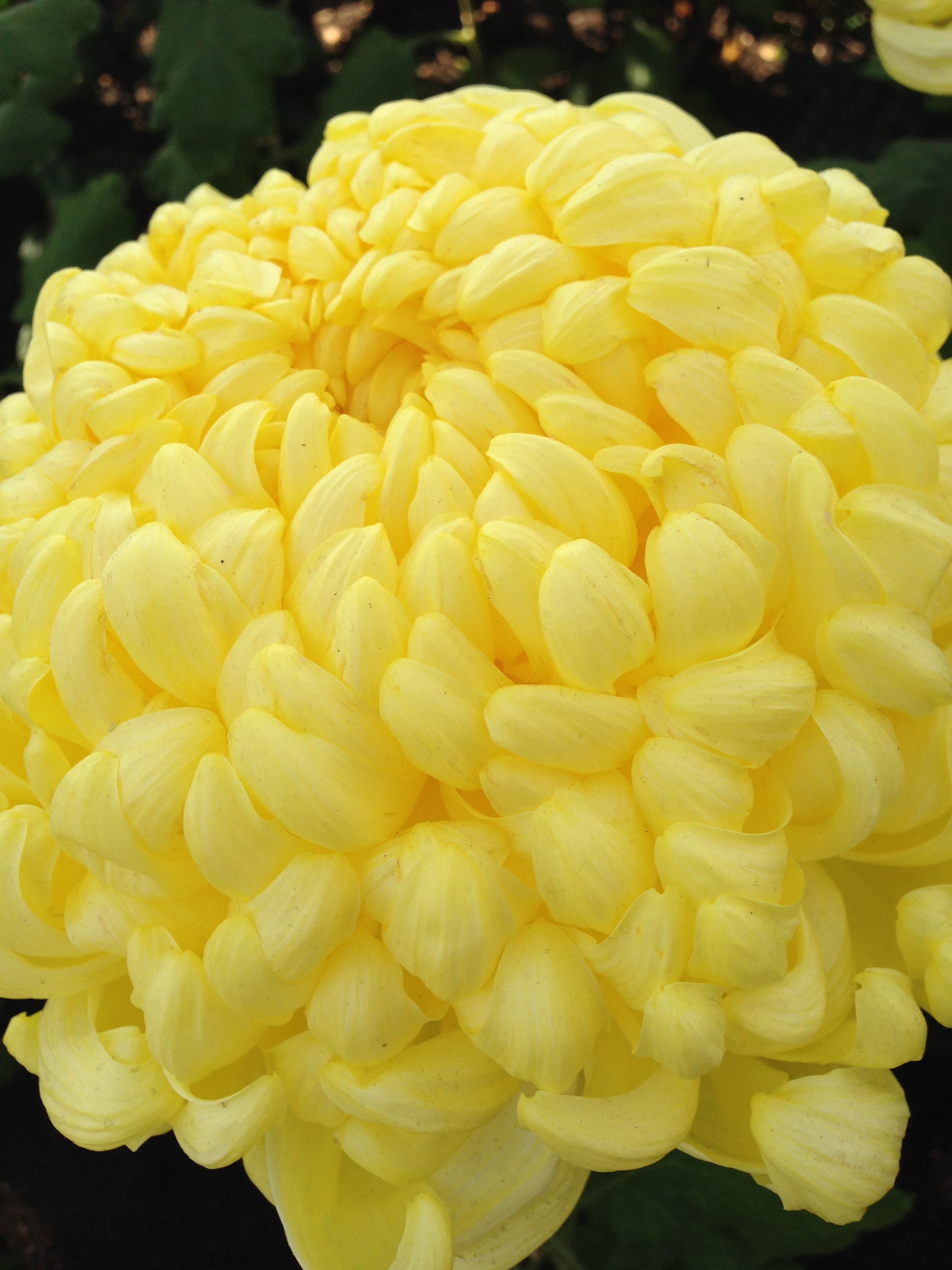
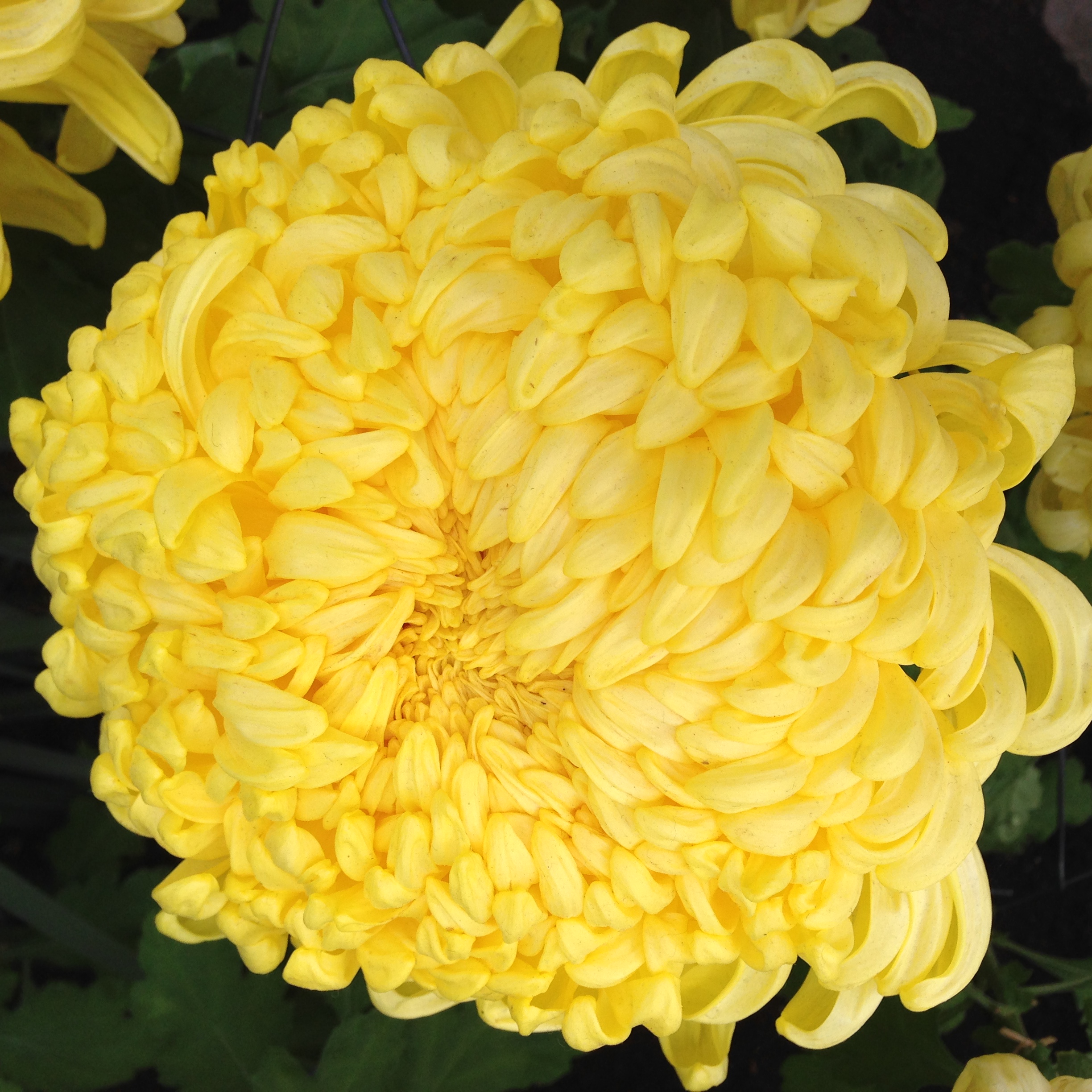
vivid yellow 2

I have to control myself not to publish all the pictures of them that I took.

white pink yellow

Some were big as a grapefruit.

fat

Some almost the size of a newborn’s head.

Like circus animals, they could be trained to do anything, even climb up a tree, an enormous flowery bonsai.

bonsai

I love their peppery, spicy scent and the cool, slightly rubbery feel of their petals. I was ready to pitch my tent and lie down to sleep beside the smooth-stone-bottomed pool that so glamorously reflected the mums’ enormous heads.

A woman crowed to her friend, “This is the color you wore to my wedding thirty years ago!” Well, yes, that butter yellow was the color of my bouquet, as it happened.

vivid yellow

Basho:

late-chrysanthemum-fragrance-

in the garden,

the worn-out sole of a shoe

Kiku plants need 14 hours of darkness every day as they develop into glamour pusses like the ones in this exhibit. They spent a lot of time with a black cloth thrown over their heads.

Now that they’re out the bees want a piece of them.

bee

I left the gallery, walked to the exit door and stopped in my tracks. You know the way you finish a book you loved and you turn to the beginning, to the first chapter, to start again? I proceeded back into the kiku gardens and took another look at everything as if for the first time.

2 Comments

Filed under Culture, History, Jean Zimmerman, Music, Nature, Photography, Poetry

What’s the Story Morning Glory?

As some things in the garden wither, others go full tilt.

purple berries cu

A friend of mine came over with a shovel and a Beautyberry plant earlier in the summer. I didn’t know how Callicarpa Americana would take to the Cabin. Now its purple berries are practically fluorescent, a perfect complement to the orange leaves that have begun to carpet the grass around the bush.

leaves

I hauled out the brown tomato plants in the sun today, the wind whoosing through the tops of the phragmites. Sorted out the tall stakes for next year. One lone green tomato dangled from a shriveled branch.

last tomato

Yet the purple cosmos are raging. And the bees are storming them.

cosmos bee

I’m cutting them by the armful and bringing them into the living room, a bit of summer still in front of a roaring fall woodfire.

The rosemary in the garden stands tall, waiting for its time in the stew pot with a leg of lamb.

rosemary

My celery is insane, a veritable hedge of the stuff. It never headed up but it still would be a great bed for a whole sea bass. I’ll have to go out and get me a fish.

celery

Most impressive, though, are the morning glories. Dozens of blossoms open every day, their petals scrunched until they unfurl in the morning sun.

morning glory opening

They don’t seem to understand that it’s fall, the time to fold up their tents. Well, they do fold up their tents, every day, since it’s the of the flower to bloom for a single day. “A morning-glory at my window satisfies me more than the metaphysics of books,” said Whitman. The Japanese have led the world historically in cultivating varieties of the morning glory, and as of this count there are 1,000 odd species.

morning glory openThe ones going crazy in my garden are Heavenly Blue. As for their hallucinogenic properties, Aztec priests started that practice, though we’re perhaps more familiar with love generation baby boomers who ingested the seeds to open themselves to new experiences, as the blossom does the bee.

1 Comment

Filed under Culture, History, Home, Jean Zimmerman, Nature, Poetry, Writers

A Pear Tree at Ground Zero

I waited a long time to go.

9:11 sign

I had all sorts of excuses. The 9/11Memorial stood behind too many fences. The lines were too long. It was filled with gawking out-of-town sightseers. But then some sightseers of my own came to visit. And off we went, to the Memorial, a broad plaza studded with small trees under the shadow of skyscrapers. It was one of a few things my sister-in-law knew she wanted to do when she hit town.

lisa

There were in fact probably a thousand people at the site on a Friday morning, including some incongruously attired tourists – incongruous for a place of mourning, not for being tourists in New York. They’re always wacky.

wtc tourists

Guards ushered us through an endless line. You could see a scrap of the Freedom Tower along the way.

freedom tower fence

Then we were there, in the open plaza with its great, deep South Pool, whose waters seem to flow down into an abyss.

pool 3

An abyss of longing, of sorrow, of wonderment? Of absence? Of wordless pain? Everyone decides for themselves. You can read about the 9/11 Memorial, you can read what I’m writing now, but you’ll only understand the power of it if you’re standing there.

We could see the Freedom Tower clearly now, still unfinished, seemingly created as a photo op.

freedom tower construction

Cameras, of course, proliferated.

bronze camera

All around were construction sites. Various projects are energetically  in progress. As is the memorial itself.

construction

And at the pool, there are the names.

bronze and rose

Taking a picture is a way of touching the nearly 3,000 names of the dead inscribed in bronze around the pools.

bomb squad

The deeply carved letters, cut out with a laser to symbolize absence, invited touching with the fingers. Touching. Wrenching, some especially.

unborn child

The names are not rendered alphabetically but instead arranged based on layers of “meaningful adjacencies,” where the deceased had been that day and the relationships they had with each other, taking into account the wishes of kinfolk.

It must have been hell to figure out. Visitors access the location of their loved ones’ names through kiosks to the side of the pools.

But powerful as the pools were, as the names were, they paled slightly for me alongside what is being called the “survivor tree.” All but one of the trees planted on the plaza are young white oaks. One, though, is different. A Callery pear tree dating to the World Trade Center plaza of the 1970s, it stood on the eastern edge of the site, near Church Street. It lived through the 9/11 devastation, though reduced to a stump of eight feet, then was nursed back to health in a city park, was uprooted by spring storms in March of 2010, but came back once again. New branches, buds, flowers, everything. Life, amazingly.

wtc pear

Now the pear tree stands beside the South Pool, braced by guide wires as it takes root, and visitors migrate across the plaza to stand beneath its thick branches, to absorb its legend, its poetry.

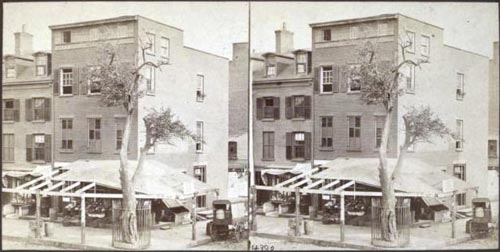
The parable of the pear tree that would not perish has its bookend in another historic Manhattan pear tree. Peter Stuyvesant, the legendary governor of New Amsterdam, planted one on his bowerie in the late 1600s. Way out in the country then, the location eventually became 10th Street and Third Avenue.

stuyvesant-tree-01

That pear tree survived the creation of the New York street grid plan in the early 1800s, and everything else the developing city had to throw at it. The tree lived over two hundred years, only giving it up when a dray mowed into it in 1867.

2513096754_5f8140c23a

The people of the city mourned the loss, as they celebrate the life of the Ground Zero pear tree today. A tree that stands, gnarled, unbowed.

3 Comments

Filed under Culture, History, Home, Jean Zimmerman, Nature, Photography

I Like Your Steamed Buns

There might be better places to get soup dumplings in New York City, but Joe’s Shanghai is irresistably close to LaGuardia if you’re carting people in from the airport around lunchtime.

dumplings

We had Gil’s sister and her husband coming in from the Midwest for Gil’s birthday. Time for some steamed buns.

We went to the Queens Chinatown, to a quiet street off Northern Boulevard.

street scene

Joe’s Shanghai hasn’t changed in years. The only difference is they have a flat-screen on the wall now.

green neon

No big crab for us today, egg or no egg.

sign

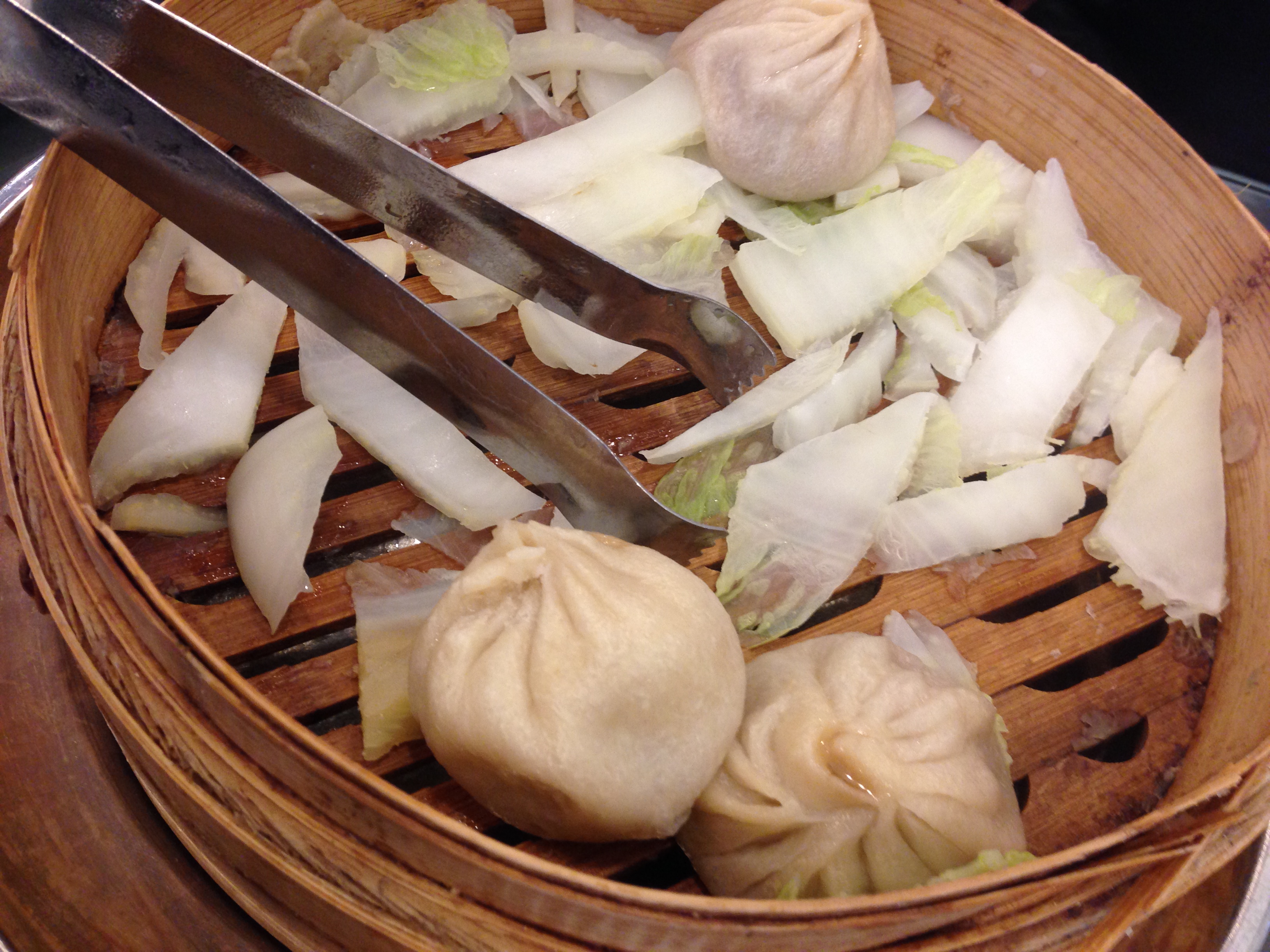
The xiaolongbao is a type of steamed bun from Shanghai and neighboring regions of China. It is traditionally steamed in a bamboo basket, hence the name (xiaolong is literally small steaming basket), and served atop shreds of napa cabbage. Xiaolongbao are often referred to as soup dumplings in English, but they are actually not considered dumplings in China. They are buns, pinched at the top before steaming, creating a dough cascade of ripples around the crown.

one dumpling

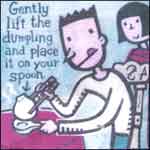
There is a science to eating them. You place one on a spoon with a pair of tongs, then bite a tiny hole in the dough to let out some of the heat. Slurp carefully and when you can stand it no longer pop the whole thing in your greedy mouth.

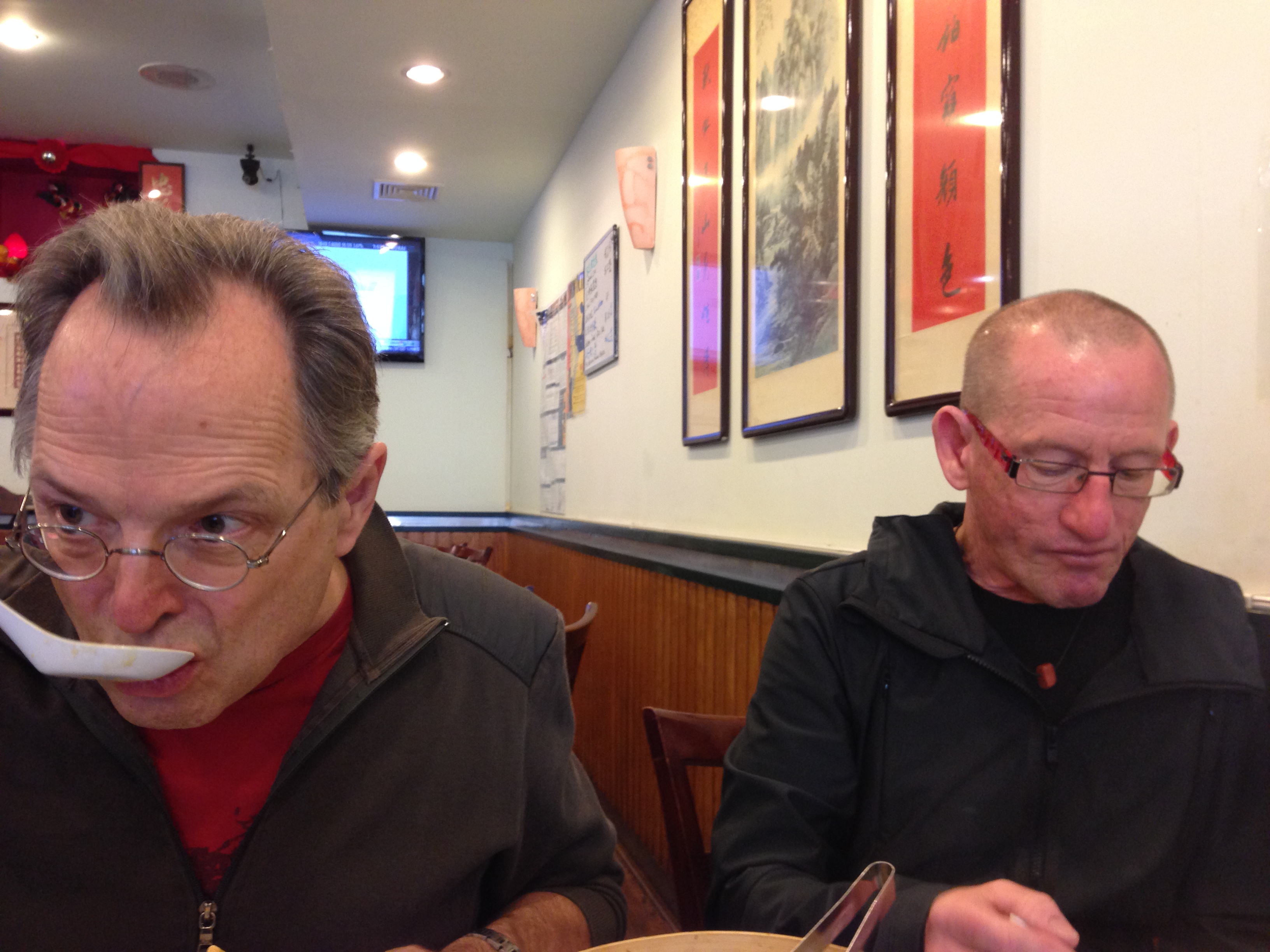
gil:rick

“They remind me of testicles,” said Rick. “There is a sexual quality about them that is definitely appealing.” He’d recommend the pork rather than the crab, if you have to make a decision between the two.

Or choose the crispy salt and pepper shrimp, amazing in the shell but not so much with the heads on. That’s okay, Gil pulled them off.

shrimp heads

But how does the boiling hot soup get into the little parcels? You can probably guess. The cook puts gelled aspic inside the bun along with a little pork or pork/crab mixture, and it melts deliciously as it steams. A dish of vinegar with ginger slivers is served alongside, but we ripped into the buns too fast to pay any attention to them.

1

2

3

4

Leave a comment

Filed under Art, Cooking, Culture, History, Jean Zimmerman

What a Wonderful House

The walls can talk in Satchmo’s house. Literally. Standing in Louis Armstrong’s den in his longtime residence in Corona, New York, we heard his perfect rumbling tones describing his inspiration for What a Wonderful World – the children of his neighborhood in Queens. The docent had pressed a button. The effect was magic.

Louis kids

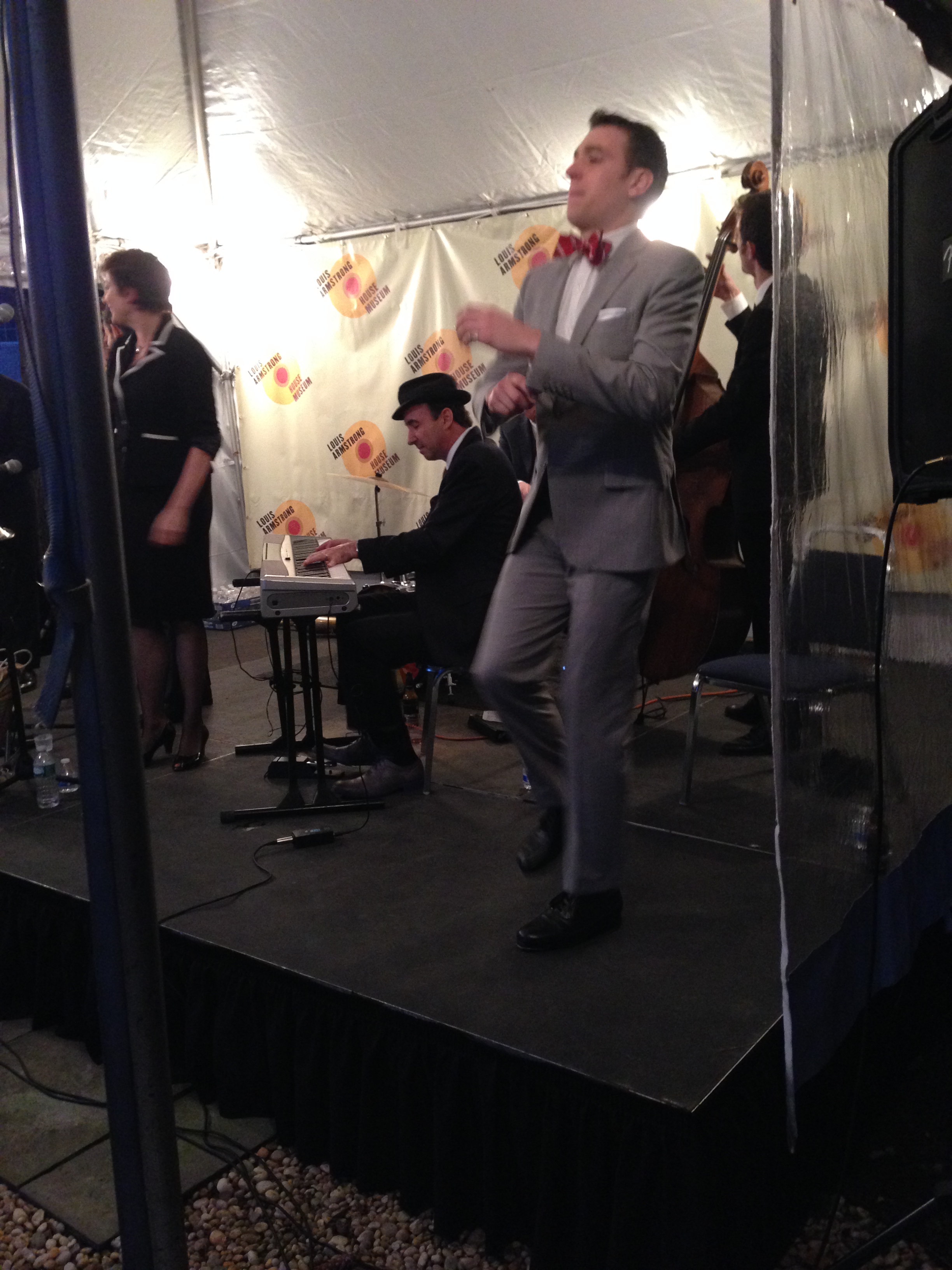
We were visiting the Louis Armstrong House Museum, where the atmosphere created by Pops and his wife Lucille has been impeccably preserved. It was the house’s tenth anniversary as a public destination. A celebration was underway. A group called The Hot Sardines had a throwback style and even a peppy tap dancer, dressed in the current men’s fashion of skinny, tight suits.

tap dancer

There was a powerful trumpet player who might have felt a bit under Armstrong’s shadow.

trumpet player

The singer called herself Miz Elizabeth and the dancer was Fast Eddy. Basin Street Blues and Ain’t Nobody’s Business mingled nicely with the jingle of the Mister Softee truck making its way through the neighborhood.

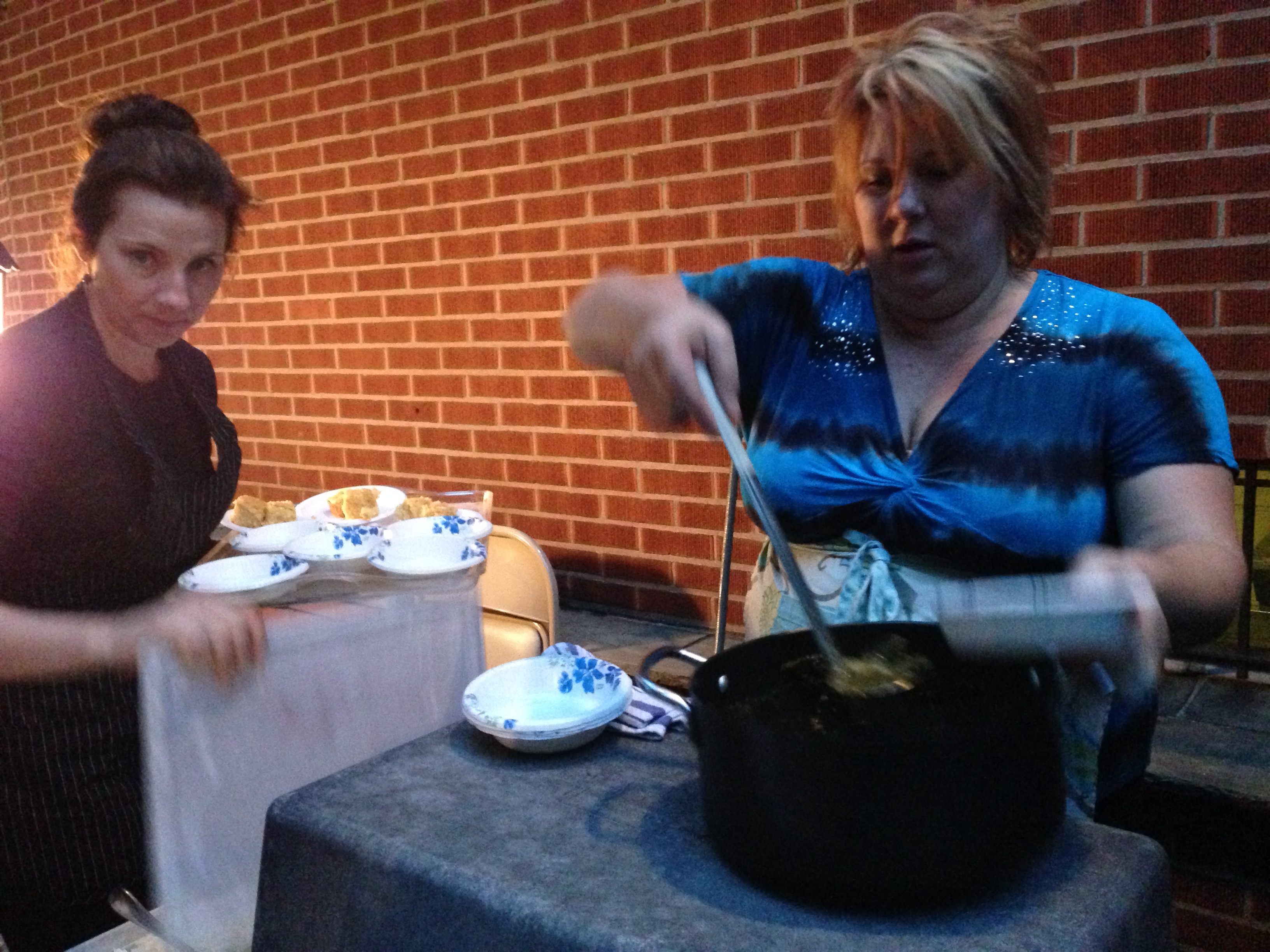
Waiters came around bearing paper bowls of gumbo — “based on Louis’s own recipe” according to the museum — prepared by The Cooking Channel’s Tamara Reynolds and her company, Van Alst Kitchen.

gumbo queen

The cornbread squares were properly crumbly-chewy. We went back for thirds on the gumbo.

“There are some people that if they don’t know, you can’t tell them,” Armstrong said. Anyone that couldn’t feel the swing in the air of this little Japanese-inflected garden in Queens would have to be unconscious.

After Miz Elizabeth delivered a soulful rendition of Sophie Tucker’s great signature tune, One of These Days, we ventured inside.

living room

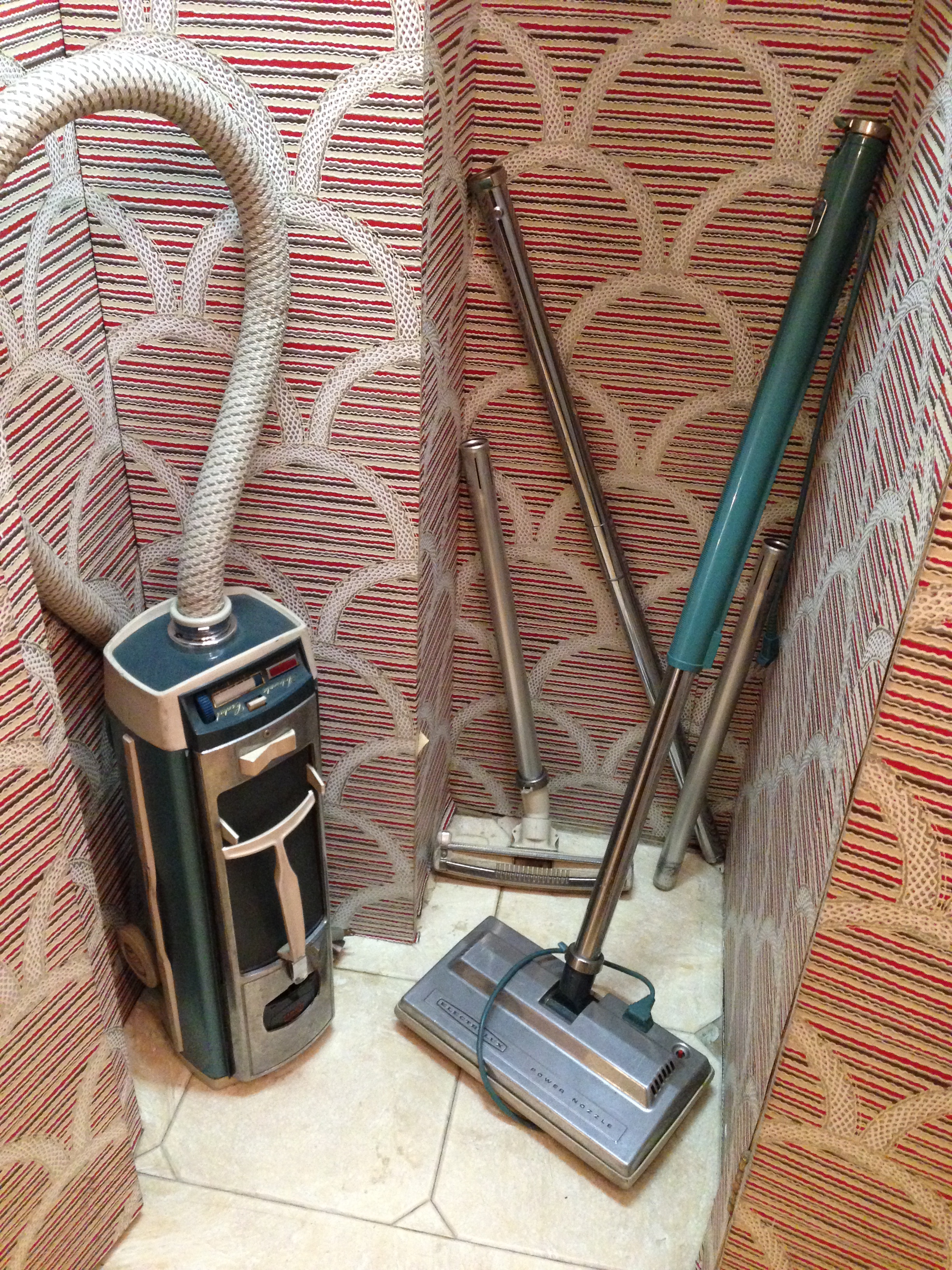
A time capsule. Everything was exactly as it had always been, down to the knick knacks and the vacuum cleaner.

vacuum

Lucille, a Cotton Club dancer, made this a showplace,  a glitzy but cozy habitat. She had found the house while Armstrong was out touring, she bought it, fixed it up, and gave him the address, so when he came back from the airport in a taxi he drove up and didn’t believe it – That’s not my house! he said. Or so a docent told us.

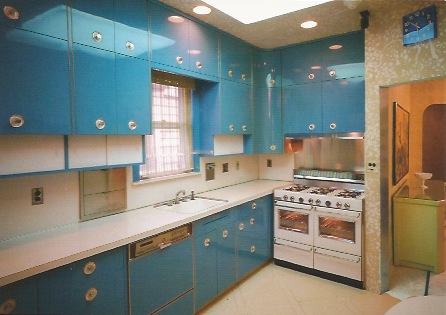
Everything is from another age. The kitchen has glossy turquoise cabinets.

Louis kitchen

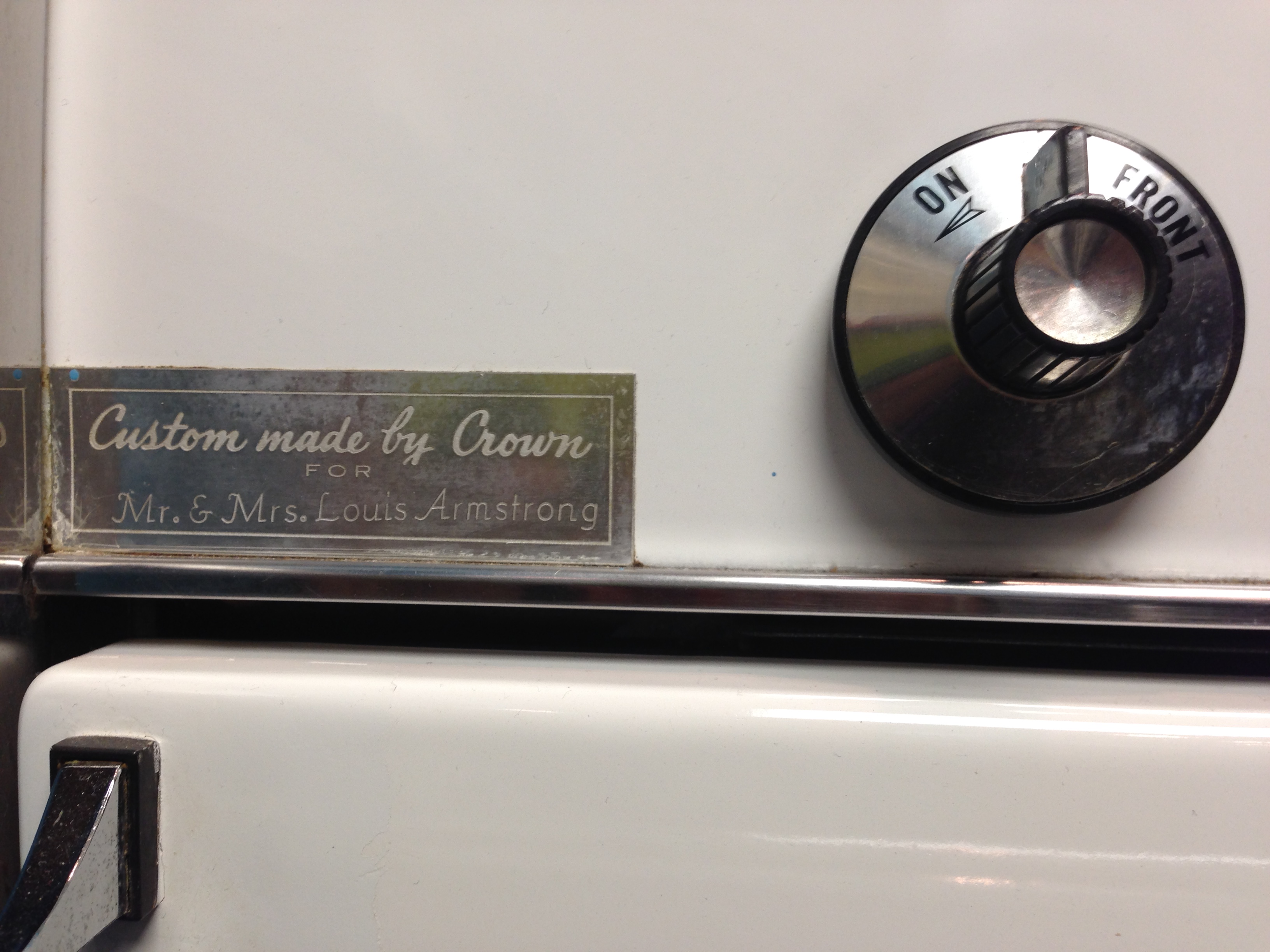
And a stove to which a personalized nameplate was affixed.

Louis stove

You could see the Armstrongs’ recipe box.

Louis recipe

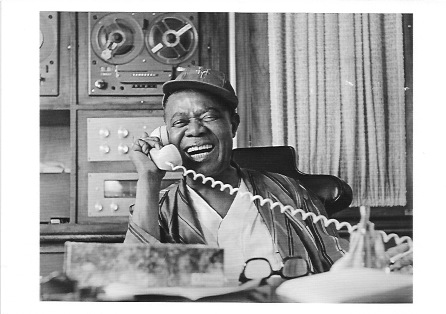
Duke Ellington called Armstrong “an American original.” Pops liked all types of music, not just jazz, and kept a well-used reel-to-reel tape deck with a collection of 750 tapes. He once made a country album and among his first recordings was a duet with Jimmie Rodgers.

Louis phone

His den was his sanctuary, the only place in the house he could smoke weed. Pot, he said, insulated him from racism.

What about that 14-carat-gold-plated bathroom? High style for Corona, Queens.

gold bathroom

A young woman with cat eye glasses was giving a guided tour to her boyfriend as we passed through the upstairs rooms. She had been there many times before. Look at the wallpaper, she said. I just love the decor, she told me, it has so much of them.

So many things change. This hasn’t. The telephone number for the museum is the original for the Armstrongs’ house.


1 Comment

Filed under Cooking, Culture, Fashion, History, Home, Jean Zimmerman, Music, Photography

A Recipe for Meatballs and Longevity

I told Gil I’d make him meatballs for his birthday. His 60th.  I assembled the beef, the pork, the eggs, the breadcrumbs. Plenty of cheese.

raw

I was making the same meatballs I always make, from the delectable recipe served at Patsy’s restaurant on 56th Street in Manhattan. Frank Sinatra’s favorite joint.

frank-sinatra460_1399108c

That was a man who knew how to age gracefully. (Maybe eating Patsy’s meatballs helped?)

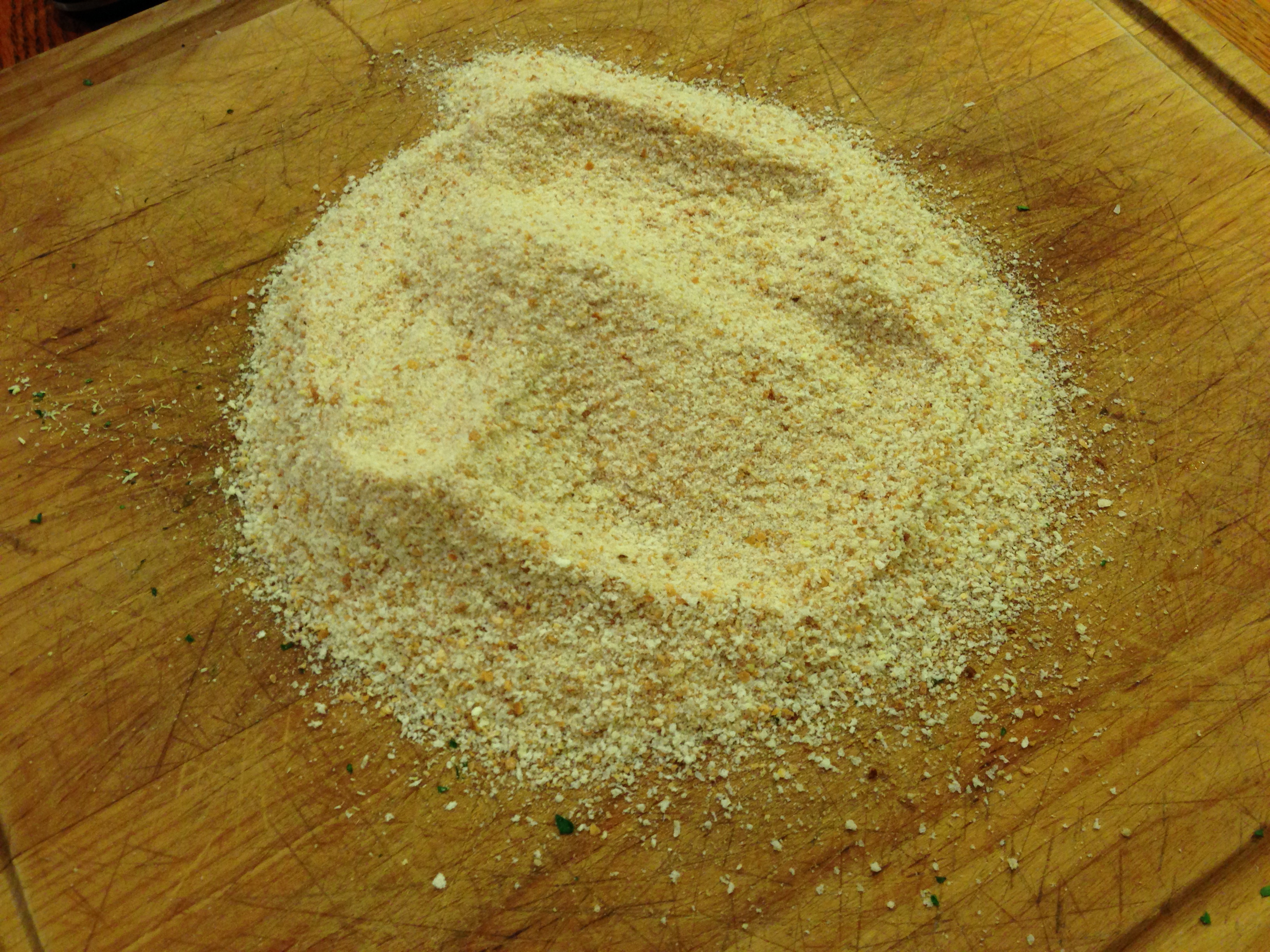
So does Gil. He said he’d take part in the meatballs’ production, though he had other things he could have been doing this afternoon. I showed him how you roll the meat in a pile of breadcrumbs. Good breadcrumbs. The better the quality, the better anything you make with them.

crumbs

I asked Gil how it felt to be almost 60.  “Quoting Danny Aiello in Once Around,” he said, “just when you feel like putting a gun in your mouth everybody wants to come over and celebrate.”

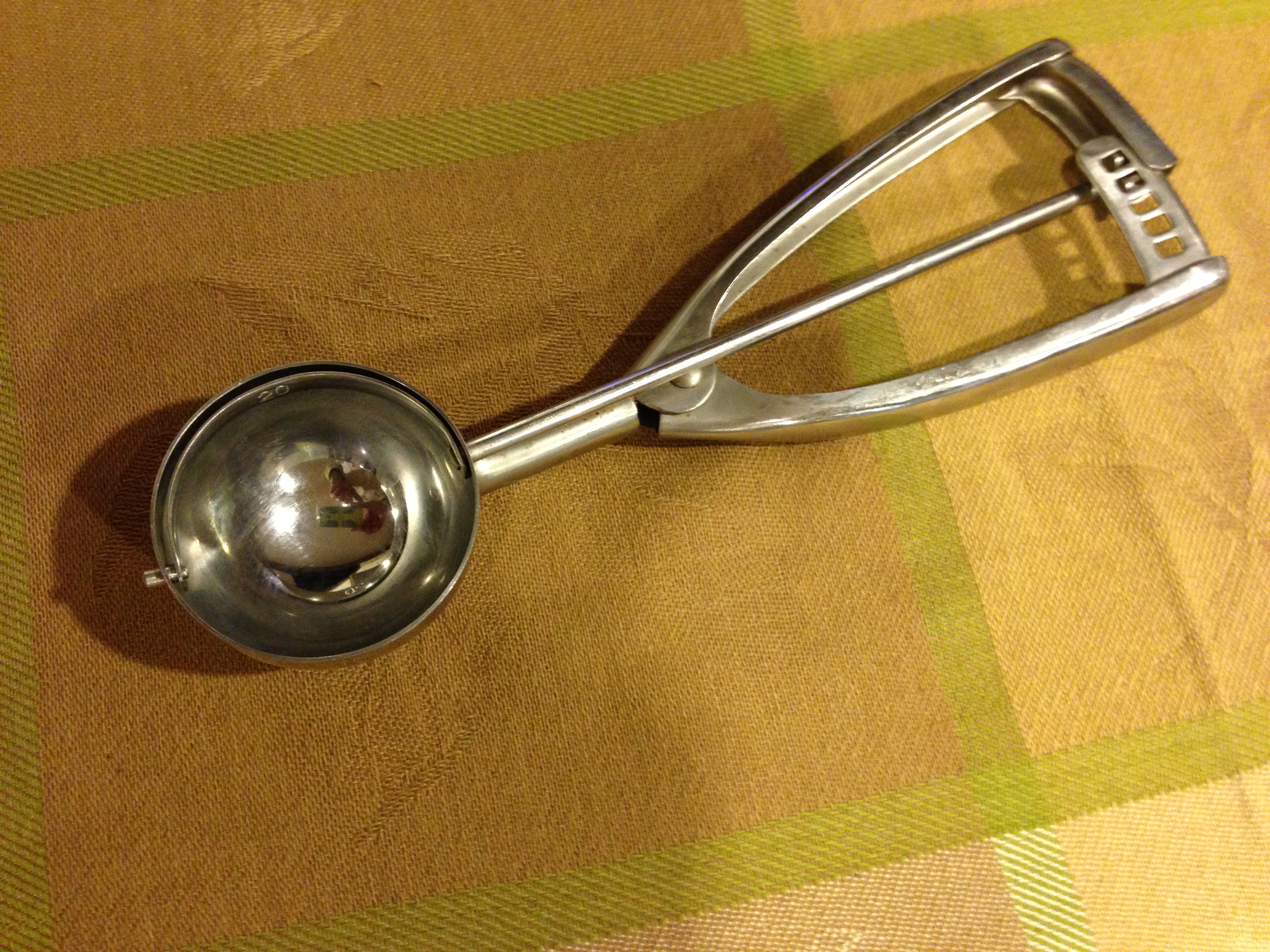
Mortality on your mind? I went on scooping meat. An ice cream scoop cures a myriad of cooking ills. The right size works for cookies and meatballs alike.

scoop

“No,” he said, “I don’t really feel like putting a gun in my mouth. But I do feel like quoting Danny Aiello.”

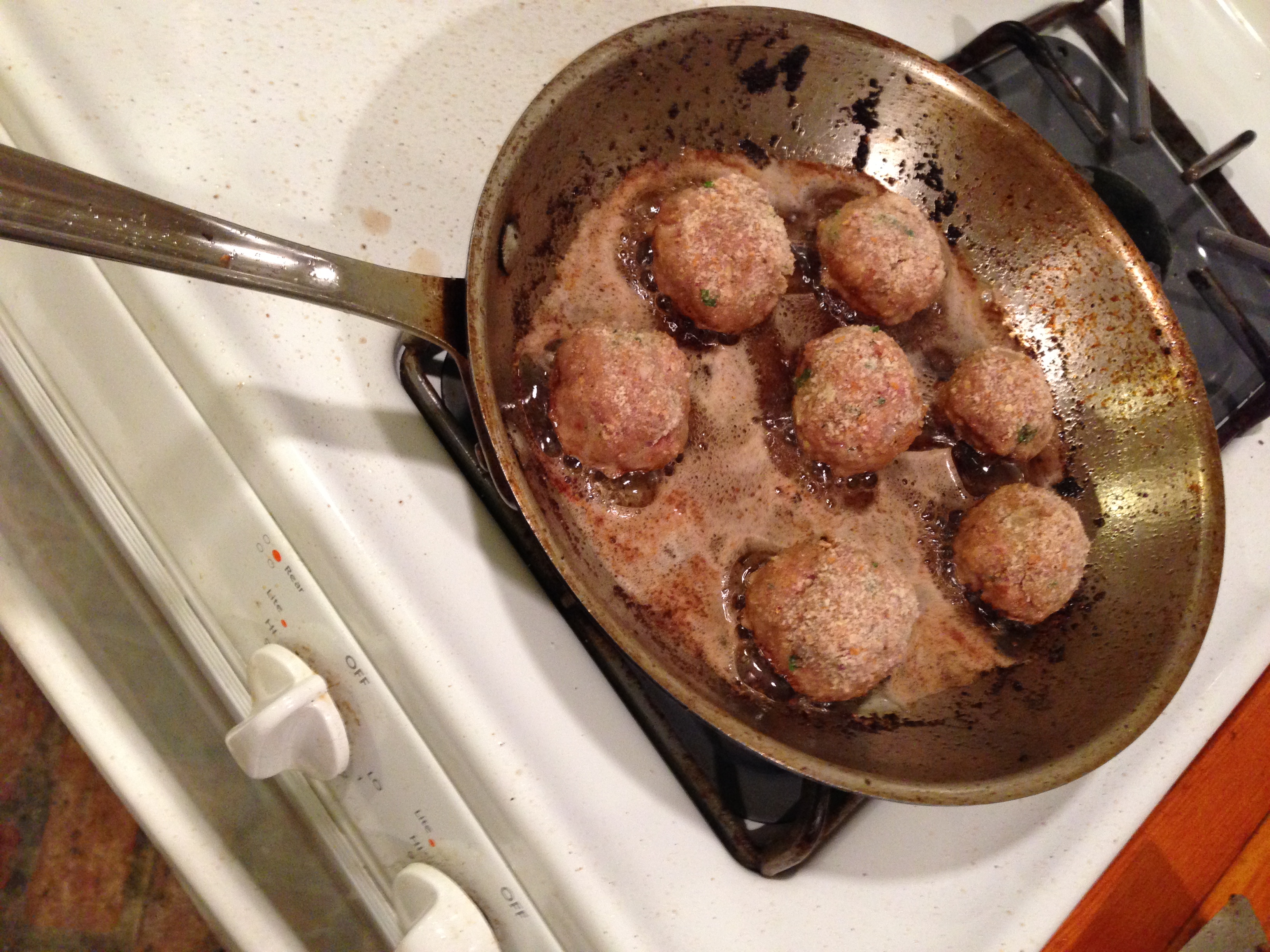
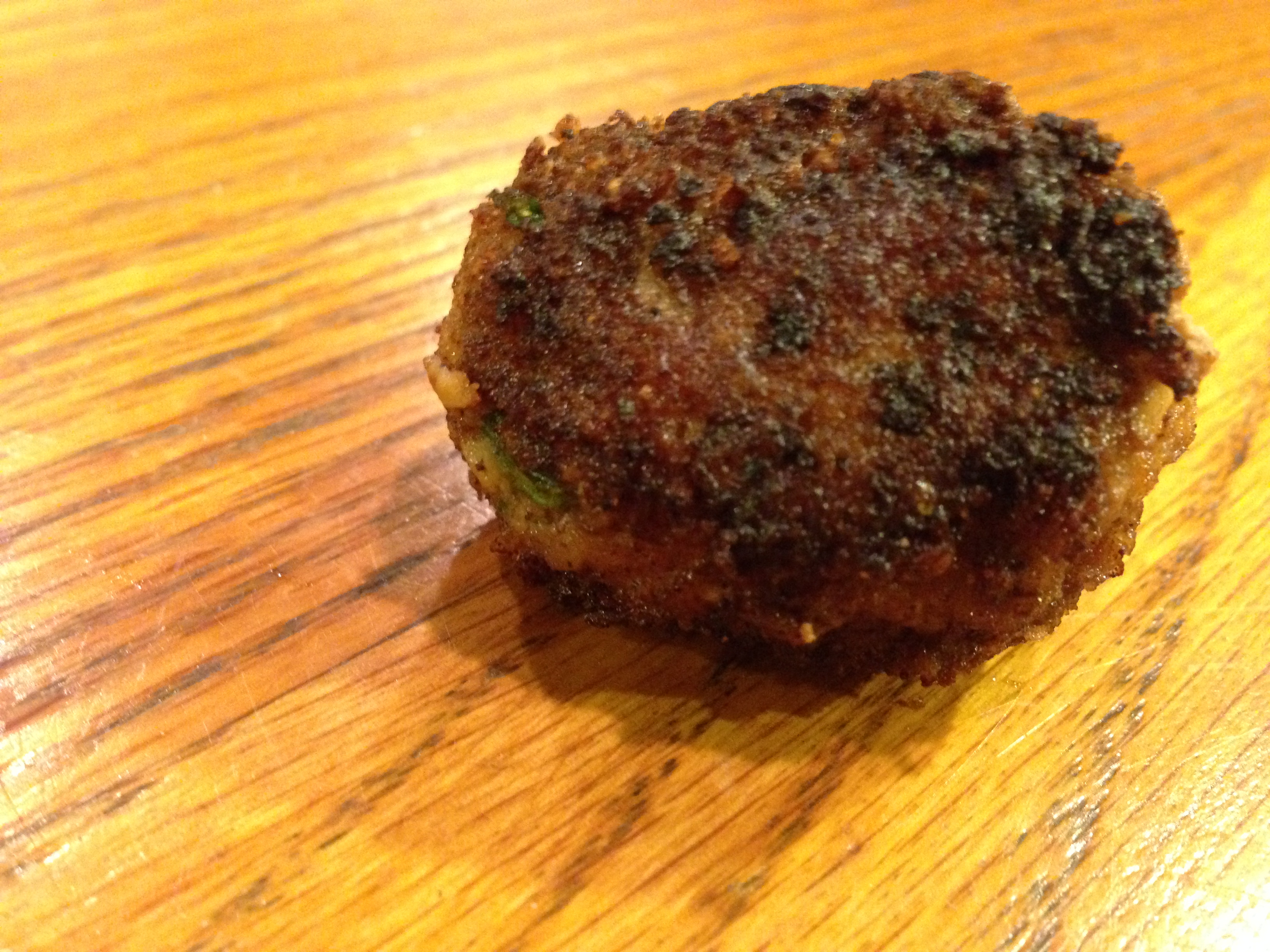
The meatballs sizzled in hot oil. We split a few open and almost burnt our mouths stealing a savory bite.

frying

“How does it really feel,” I persisted.

“It feels great,” he said. “Everyone’s telling me I look 50.”

Gil’s had a habit, ever since I’ve known him (that’s about 20 hundred years now) of doing kitchen work with a towel slung over his shoulder. “No woman ever shot a man who was doing dishes,” Gil says. Now he’s of a certain age, he could give husband-ing lessons to the younger generation. Love and marriage, love and marriage…

dishtowel

We play Ry Cooder’s One Meatball — he couldn’t afford but one meatball — and toast the perfect specimen with cider.

meatball

Gil’s someday epitaph: He chopped the onions for his own birthday meatballs.

Patsy’s Meatballs Recipe

Combine ¾ c. breadcrumbs and 6 T. whole milk in a small bowl.

Heat 2 T. oil in a skillet; fry 2 medium onions chopped fine and 6 cloves garlic chopped fine.

In a large bowl, combine 1 ½ lb. ground beef, 1 ½ lb. ground pork, 3 large eggs and 3 egg yolks, slightly beaten, 3 T. chopped parsley, 3 T. chopped oregano, 1 ½ c. grated Parmesan. Salt and pepper. Combine well.

[Now, Patsy’s recipe entails an elaborate method of rolling out the meat mixture, cutting it, rolling it, etc., which I find too burdensome. I take a simpler route, which gets the meatballs to the finish line faster.]

Roll small balls of meat mixture in bread crumbs and fry them well in oil. Invite all your friends over, as this makes around six dozen meatballs.

8 Comments

Filed under Cooking, Culture, Home, Jean Zimmerman, Music, Writers

Dam It All

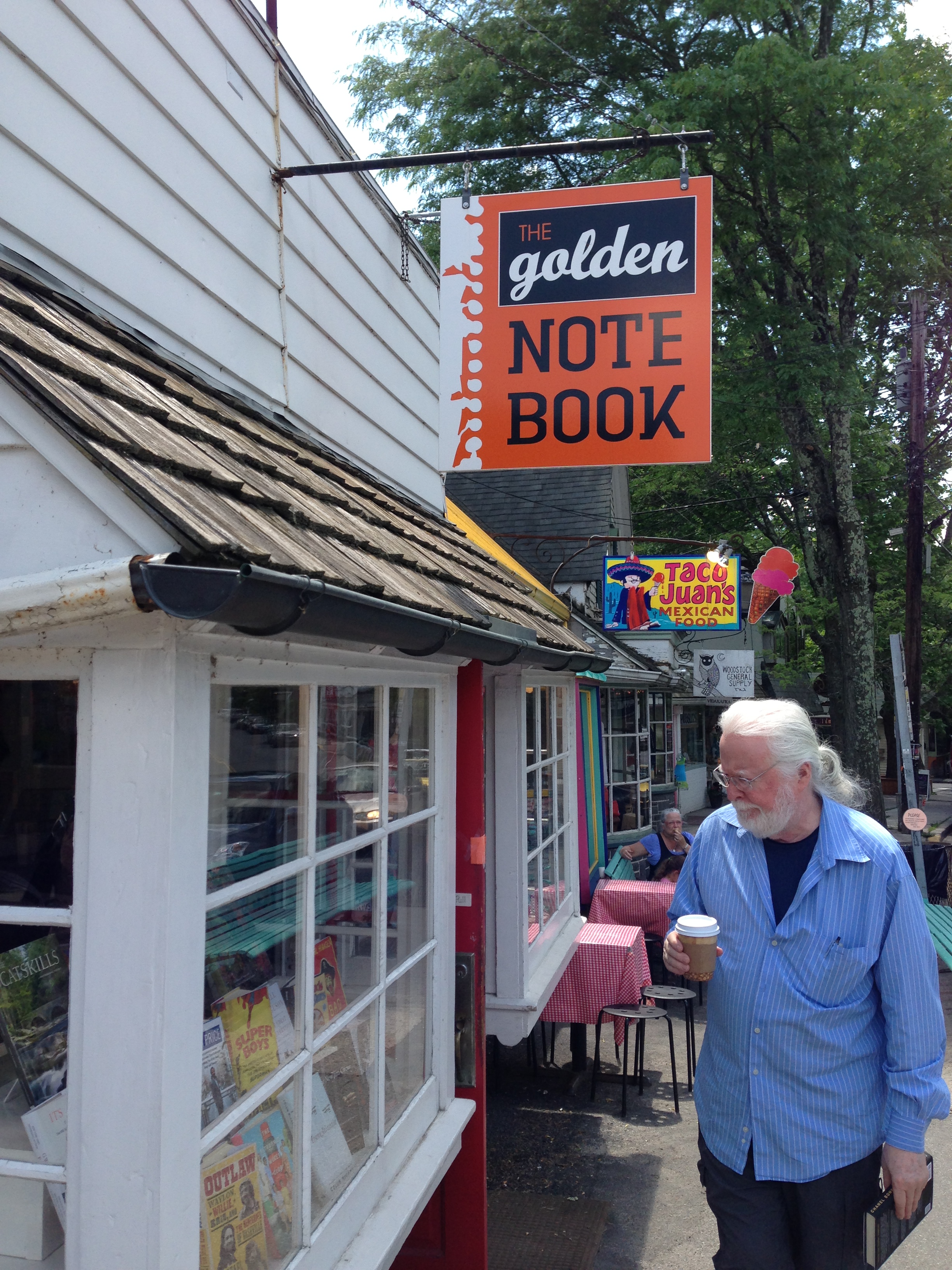
Friends in the audience, new and old. We met together upstairs at The Golden Notebook in Woodstock, New York.

golden notebook

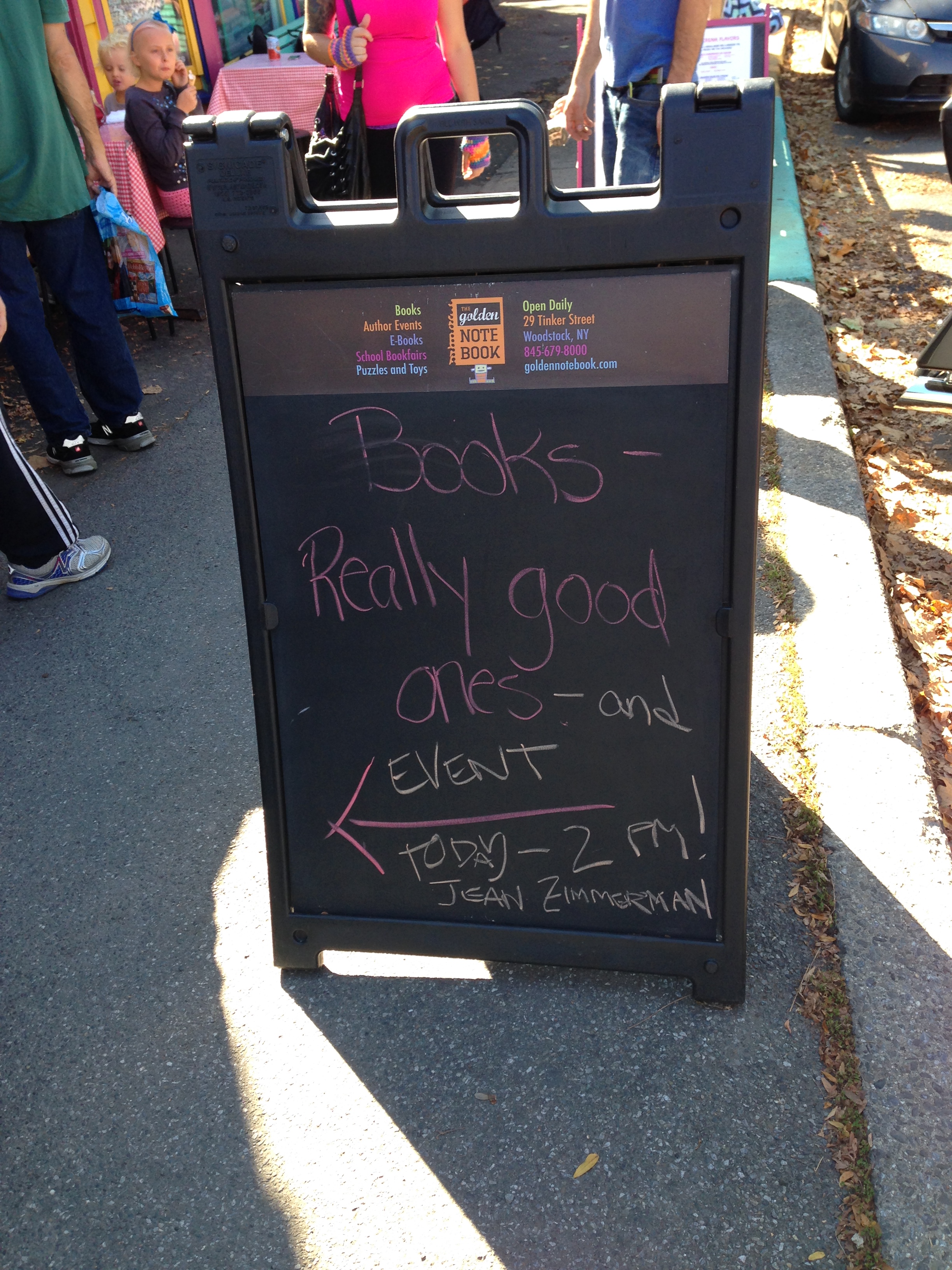
It was a warm autumn day outside, and everything had that sun-burnished appearance. In the middle was a sign that beckoned: come inside, come inside, come inside.

store sign

Afterwards I wondered just what it was that made me so fascinated by beavers that I hold forth about them in every talk I give about The Orphanmaster.

beaver1687

True, not enough has been said about beaver.

New York was built on the foundation of the shaggy, rotund rodent with the frying pan tail.

The animal was easily trapped by Native Americans in their winter dens. The pelts were then traded with Europeans for copper, guns, rum, which was called “English milk.”

Cartographers dressed up their work with the animals.

Fur_Trade map

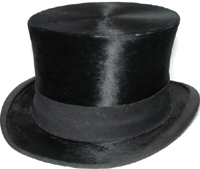
Everyone wanted to know where the beavers were. In the 1600s, traders sent hundreds of thousands of pelts back to Europe. The sole reason for this huge trade? Beaver hats.

Beaver felt

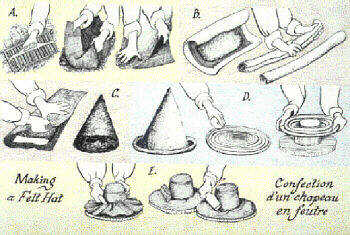
Not made from the fur proper, but from felt made from the fur, an extraordinarily complex process that involved a heavy dose of mercury, the chemical that made the Mad Hatter mad.

making_felt_hat

The felt was waterproof in an era before umbrellas. It was glossy, sturdy. The beaver – so the beaver hat was called – was the essential accoutrement for men and women of Europe. Everyone who could afford one had one, or two, or three. Beavers were bequeathed in wills.

painting of hats

In The Orphanmaster, everyone would have worn a beaver, even the women. All kinds of styles were available. Blandine, the protagonist of the story, is bent on getting rich buying and selling beaver pelts to Europe, venturing out into the woods to make her trades with Indian trappers.

Later, my friend Lloyd led us on a beaver hunt. Not to capture the animals but to see their impressive lodges.

Lloyd at his pond

Down the hill from his house was a magical if uneven path.

magic if uneven

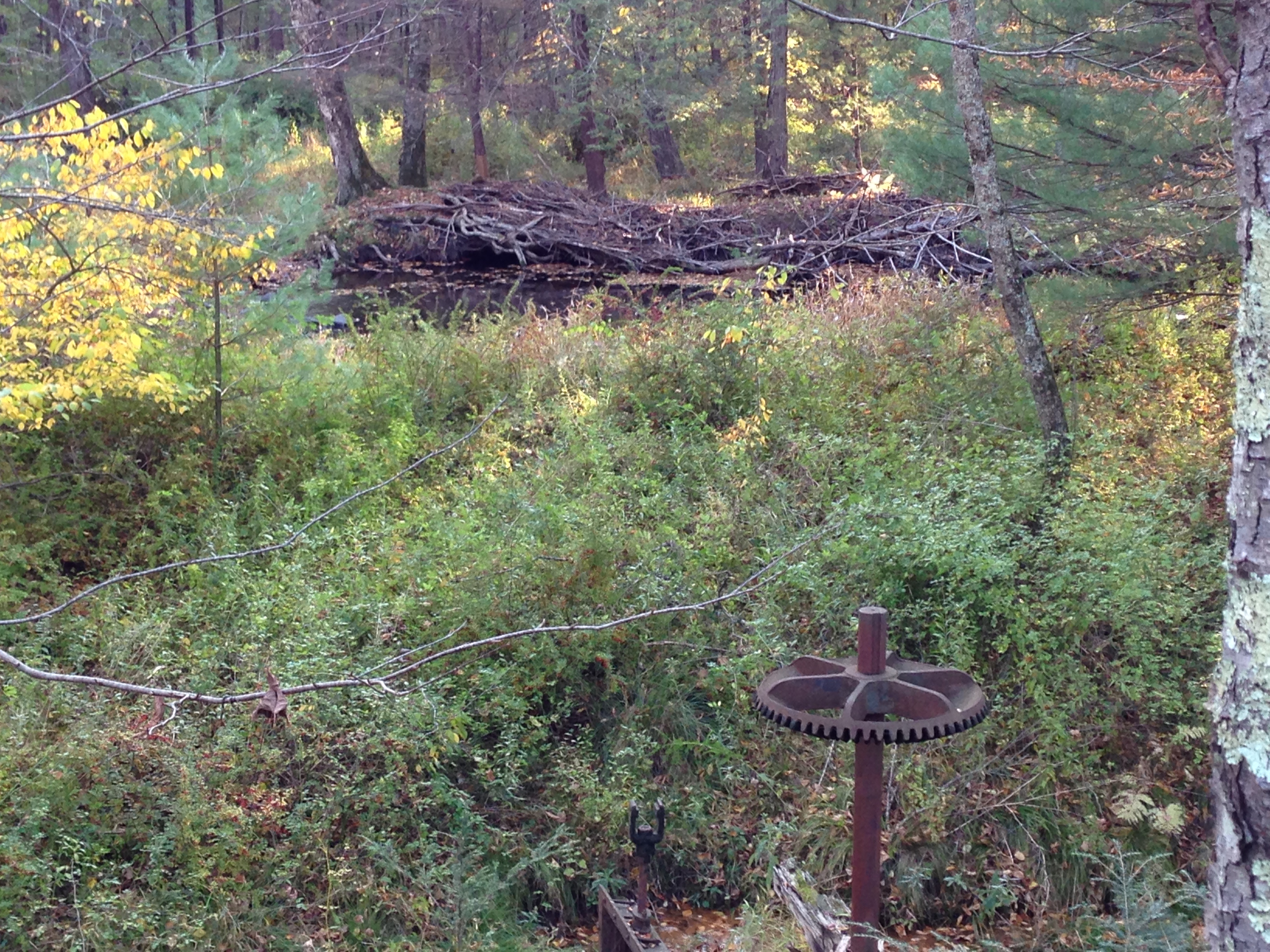
Far in the distance, across the pond, we could glimpse the rodents’ handiwork. More sun-burnishing.

distant lodge

A ways down the road,  the ruins of an ancient lumber mill.

mill:den

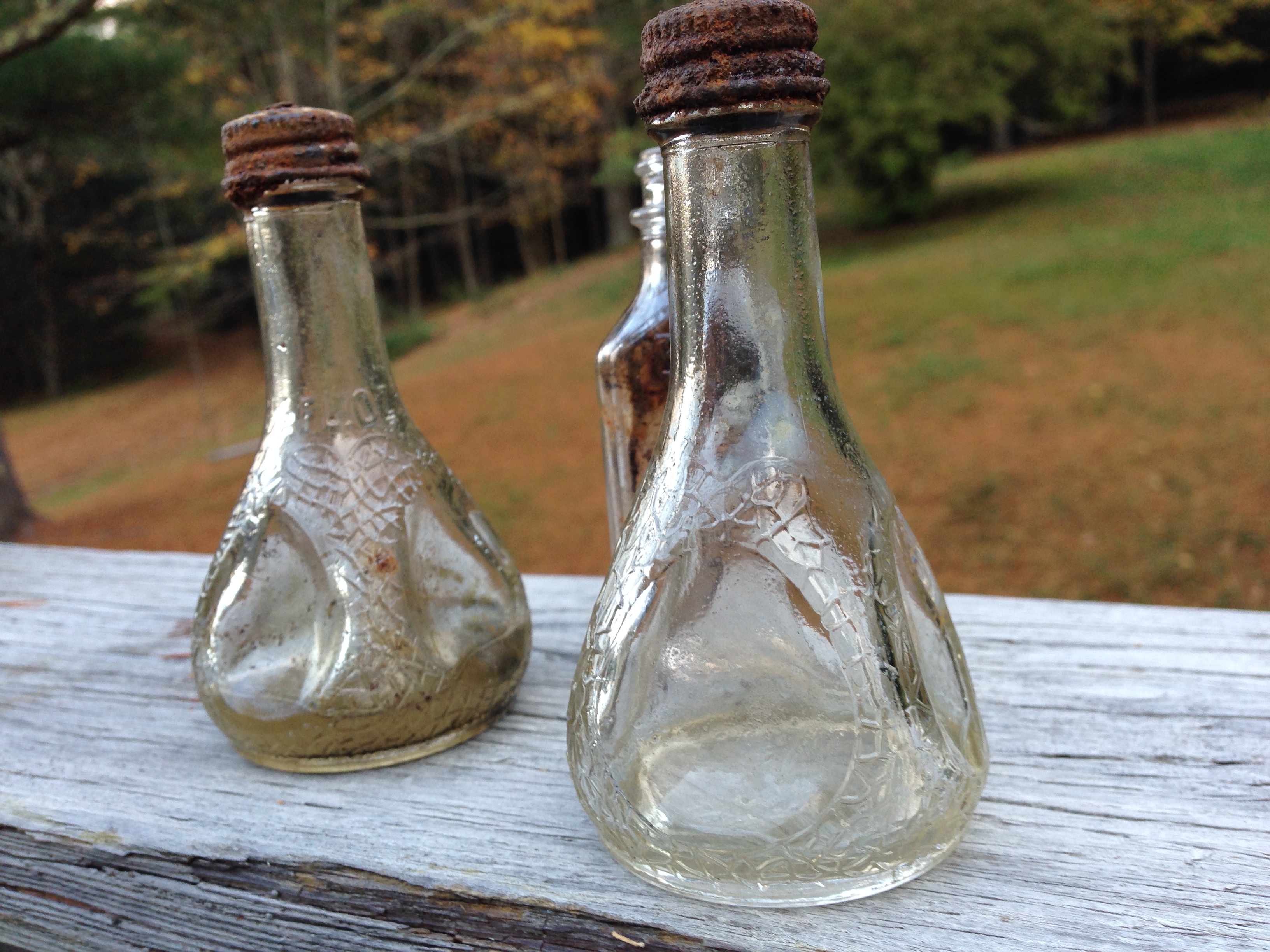
So much history of this area, the Catskill region of upstate New York, is a stumbleupon away. Like the antique bottles Lloyd’s daughter Alice excavates from the woods behind their house. Also in those woods, black bears rumble around, tearing open rotted logs to get at the creepy crawlers within.

old bottles

We saw one more lodge at Yankeetown Pond — to the right, below. David Bowie owns the mountain above. Probably has befriended a few of the beavers over the years. Like to come up for a drink? I’m Bowie.

Yankee

The finest specimen of the afternoon stood just to the side of the water, a gnawed tree that had clearly been someone’s snack.

beaver post

The beaver population was hunted out in the seventeenth century in these parts and is only just coming back today in earnest. They found one at the Bronx Zoo a few years back. No one could understand where it came from. Its name, they decided, was not Ernest, but Jose.

6 Comments

Filed under Culture, Fiction, History, Home, Nature, Photography, Publishing, The Orphanmaster, Writers, Writing

The Golden Notebook in Golden Fall

Tomorrow will be a perfect day to take in the leaves upstate as they color up. If so much natural beauty wears thin and if you happen to be near Woodstock, New York, consider coming to The Golden Notebook for my 2:00 talk on The Orphanmaster. Signing copies, too. I know there are excellent lattes down the street and I’m pretty sure the nice people in the store will allow you to nurse one in in a  paper cup while you sit back and enjoy my slide show — lots of nuggets about the way people, places and things looked in 1660s Manhattan. The raging beaver trade. The fashion of men in red-heeled pumps. What was it actually like, anyway? New York before it became New York. Imagine.

visscherDetail2k

Please do come. I’ll be up on the second floor.

4 Comments

Filed under Art, Culture, Fashion, Fiction, History, Jean Zimmerman, Nature, Publishing, The Orphanmaster, Writers, Writing

Truck Garden

125th and Broadway, 9pm on a Tuesday night. The hush of dusk is just behind us as we pull up to a red light at the intersection.

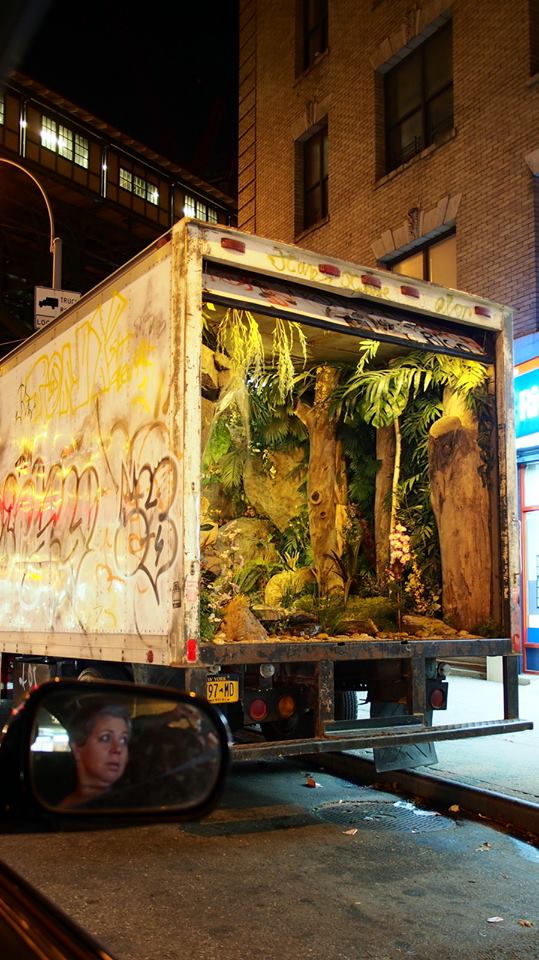
To our right, a dilapidated box truck covered with hieroglyphics of graffiti. Dirty and timeworn. The back is open, but nothing is being loaded or unloaded. Inside, we suddenly register, is a magical forest, a glistening waterfall. We can’t believe our eyes. The crack photographer Suzanne Levine, tucked in the back sea, takes out her camera.

Banksy

Gil says, Get out, you’ll get a better picture. It’s okay, she says. It’s fine this way.

And it is. (Check out my mug in the rear view.) A drive-by photo shoot in the New York City night is the perfect way to capture an artwork by, it turns out, one of the greatest creative minds and pranksters of the age.

Banksy was here.

Banksy has been turning up all over New York recently, though he’s headquartered elsewhere, with his mysterious stencilled message graffiti and now… this. A grungy delivery truck complete with a motorized waterfall and plastic butterflies. He was quoted today as saying, I should probably be somewhere more happening like Moscow or Beijing, but the pizza is better here.

The truck will make a stop at dusk each evening, but no one knows exactly where, or for how long, just as no one knows just about anything for real about Banksy. But if you want to listen to a story about the Garden of Eden in a box truck, you can call 1-800-656-4271 and press 3# at the prompt.

Manhattan comes through, just something we rolled up on in the gloaming.

2 Comments

Filed under Art, Culture, Jean Zimmerman, Nature, Photography

Going to the Chapel

I needed to get a new author photo and I wanted to pose against the neat red bricks of St. Paul’s Chapel on the campus of Columbia University. It was not difficult to set up, since Maud was the photographer and this is where she went to school.

St. Paul's

When I.N. Phelps Stokes designed St. Pauls, it was the first non-McKim, Mead and White structure erected on campus. This was 1907. A photo from the time shows it looking new and bare. It would prove to be Stokes’ greatest architectural achievement.

1905

Over a century later, the diminutive chapel’s Renaissance design still wins acclaim for its beacon-like green dome, its Italianate authenticity, its salmon-brick Guastavino vaults and its splendid acoustics. A schedule of magnificent music was posted outside the doors. People love to get hitched here.

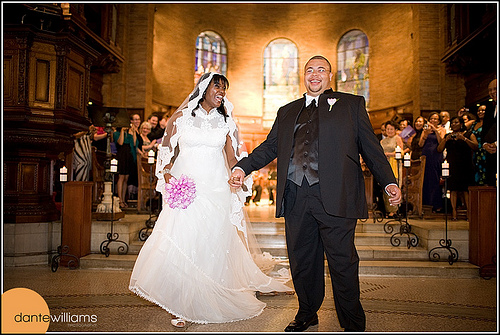
hitched

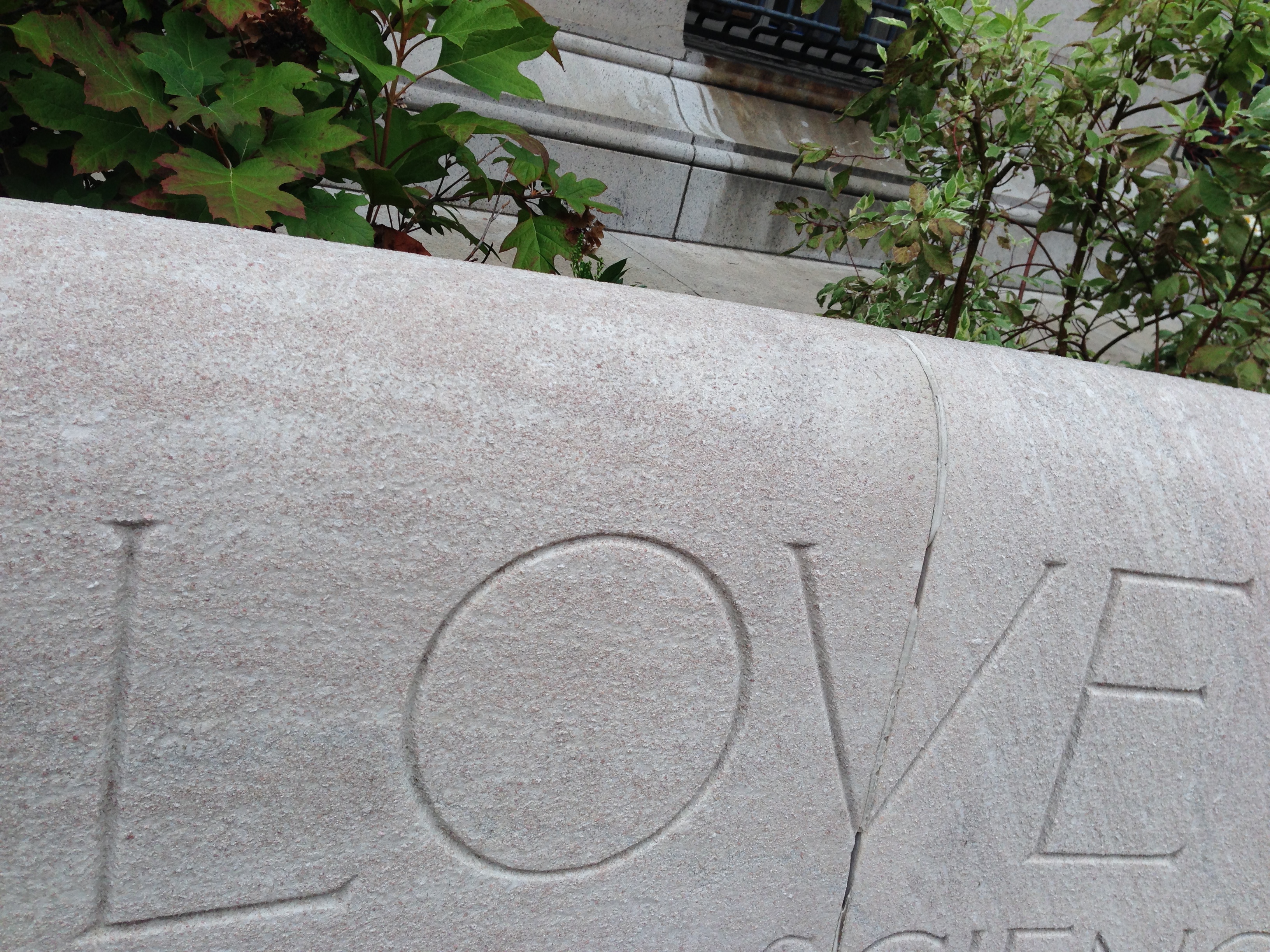
Waiting for our photo session, I took a seat–as I had many times, many years ago, when I was studying writing and this was my school–on the curving stone bench across from the Chapel.

love

It actually spells out Love Your Alma Mater, but I like the more elemental, bare-bones message.

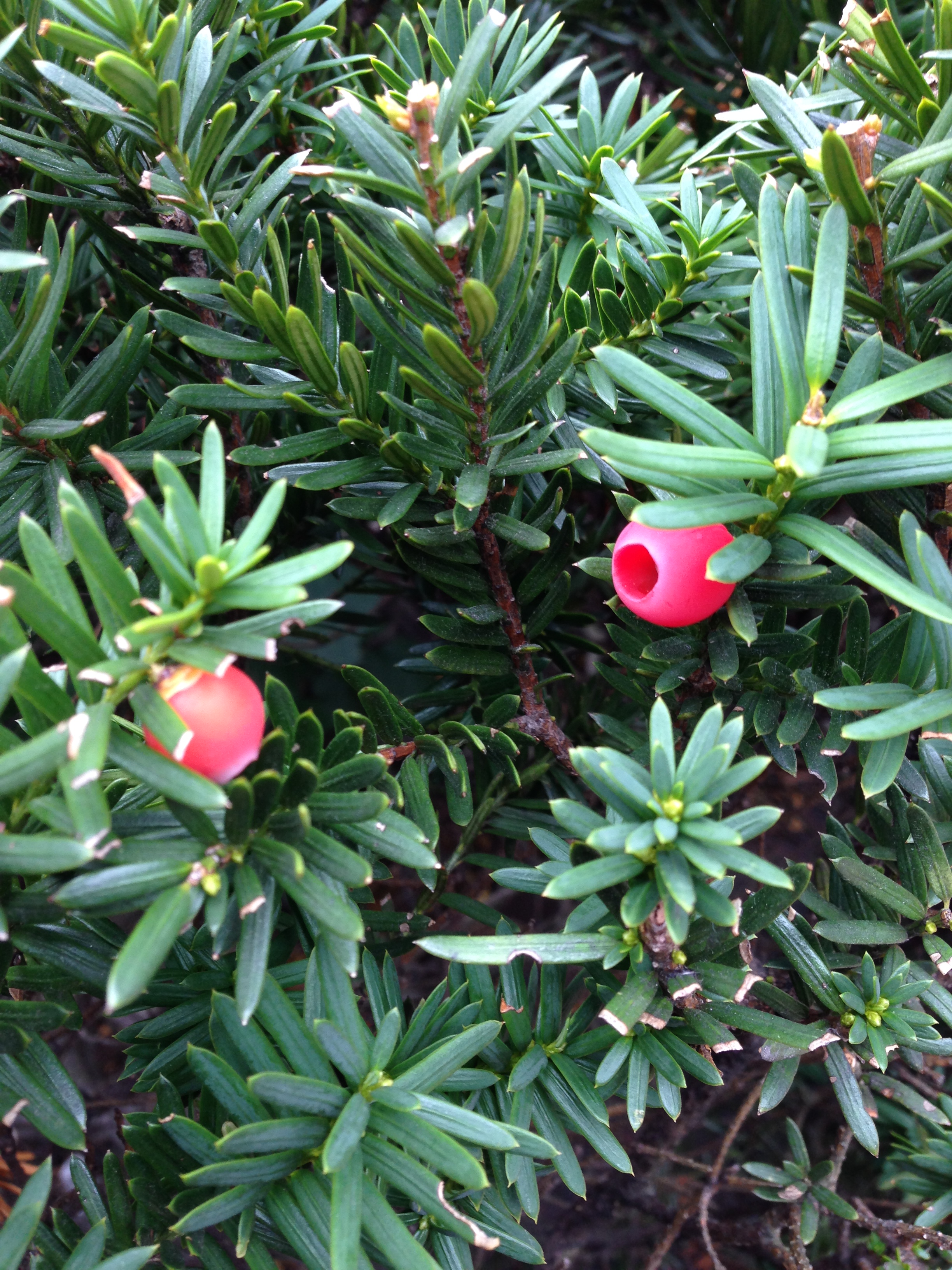
All around, the autumn hedges were producing moist red berries.

berries

They looked like pieces of candy stuck there for the taking.

I ducked inside to check out Stokes’ inspired efforts. (Not pictured here, because no pictures allowed.) He created the glossy floors of marble fragments in intricate patterns resembling those you find in Italian churches, but these patterns are purely decorative, with no symbolic meaning. Sturdy wood chairs were preferable to pews, he decided. He and Edith had toured Italy in the winter and spring of 1905 as preparation for working on St. Pauls. During the trip he decided to bring back some wine – not just a few jugs of Chianti but 50 liters of red in casks that he then had decanted into half-pint bottles.

Stokes was a meticulous man, and a driven one. He wanted the job of designing St. Paul’s. His passion for the project was shared by his altruistic aunts, immensely wealthy sisters who refused to provided the funding unless their nephew was hired on.

I hovered in the back of the Chapel while mass was conducted in the nave. Short and sweet, body, wine, done.

My pictures also came about pronto. In the background the bricks, yes, to the side of the columned portico – at the top of each of those columns is a cherub carved by Gutzon Borglum, who was responsible for Mount Rushmore.

columns

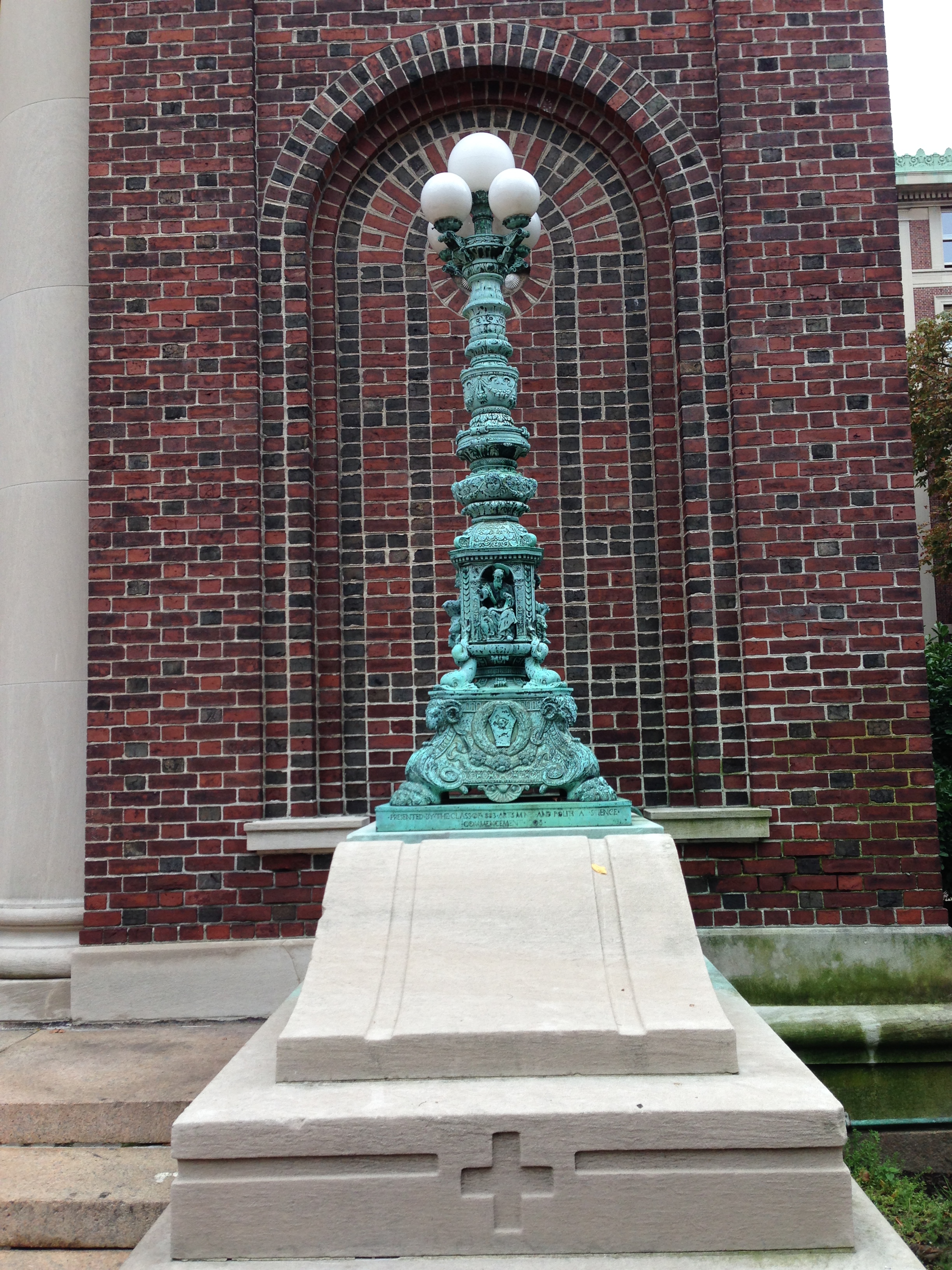
In the background of the photos stands a Quattrocento-style bronze lamp, pickled green by time, designed by sculptor Arturo Bianchini to show the four apostles of the Old Testament but also a pod of swimming dolphins.

lumiere

Of course what you’ll see most of all in Maud’s pictures is not the bricks, not the dolphins, but my smile, beaming, because it is my daughter behind the camera and we are connecting through the medium of photography.

dolphins

3 Comments

Filed under Art, Culture, History, Jean Zimmerman, Love, Fiercely, Music, Nature, Photography, Writers, Writing

A Victorian Evening

There were not enough chairs. Victorian Society guests who came in late had to huddle by the door rather than join the hundred or so in the room. I was only a little distracted by all those wide eyes in the audience, drinking in the images on the screen behind me, so entranced were they by the Gilded Age. It was a marvelous evening.

The Victorian Society New York members are a lovely bunch, very serious about their history and dedicated to preserving the built past of the nineteenth century. Talking about I.N. Phelps Stokes and his passion for Old New York, I could see that that strong interest of his resonated personally with so many of this group. That Edith “Fiercely” Minturn’s old-fashioned beauty touched them.

Minturn Girls Portrait jpeg

There were some great minds and delicate sensibilities in the crowd. The master horologist John Metcalfe – clock expert, to you — with public school English diction and an L.L. Bean bag, informed me that when Newton and Edith Stokes packed up a sixteenth-century British house in 688 boxes to export and reassemble on the coast of Connecticut, they were not the only ones.

John Metcalfe - DAY TWO

It was, apparently, a vogue at the time for those who could afford it. I knew that those of tremendous wealth paid people like Stanford White to cull the monasteries of Europe for great rooms that would be installed intact in their country houses. But I didn’t realize the wholesale shipping over of houses was a fashion for the fashionables until Mr. Metcalfe told me so.

There was the great preservationaist and historian Joyce Mendelsohn, who introduced me with the gracious admonition that listeners buy “two or three books “ and to give the extras to friends. Music to a writer’s ears.

mendelsohn-lower-author

An author herself, most recently of The Lower East Side Remembered and Revisited: A History and Guide to a Legendary New York Neighborhood, Joyce has been a pivotal presence in Victorian Society New York.

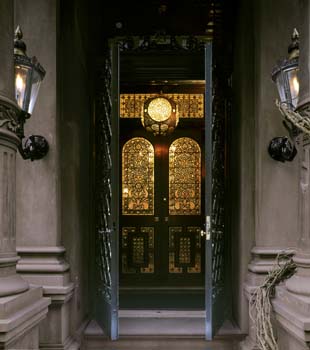
Then there was the architect-scholar David Parker, who first introduced me to the dripping-with-history Loeb house at 41 East 72 Street. David knows pretty much everything about buildings and interiors of the late nineteenth century, all of which he applied to the renovation of that brownstone, with its Herter furniture, Tiffany glass, Minton ceramics, swags of velvet and fantastically patterned wallpapers.

Loeb_01

There was a woman from Fraunces Tavern that had me sign copies of all my books at the request of her boss there. Fraunces Tavern is one of the oldest structures in Manhattan – it was first opened by Samuel Fraunces in 1767 — and I was proud to give a talk there once before.

samuel-fraunces-small

I hope I do so again soon.

One scholar present had completed a doctoral thesis called “Psychosexual Dynamics in the Ghost Stories of Henry James.”

henry james

If she had had a copy with her I would have bought it and asked her to sign it.

book signing pic

5 Comments

Filed under Art, Culture, Fashion, History, Home, Jean Zimmerman, Love, Fiercely, Photography, Publishing, Writers, Writing