Bloody Places

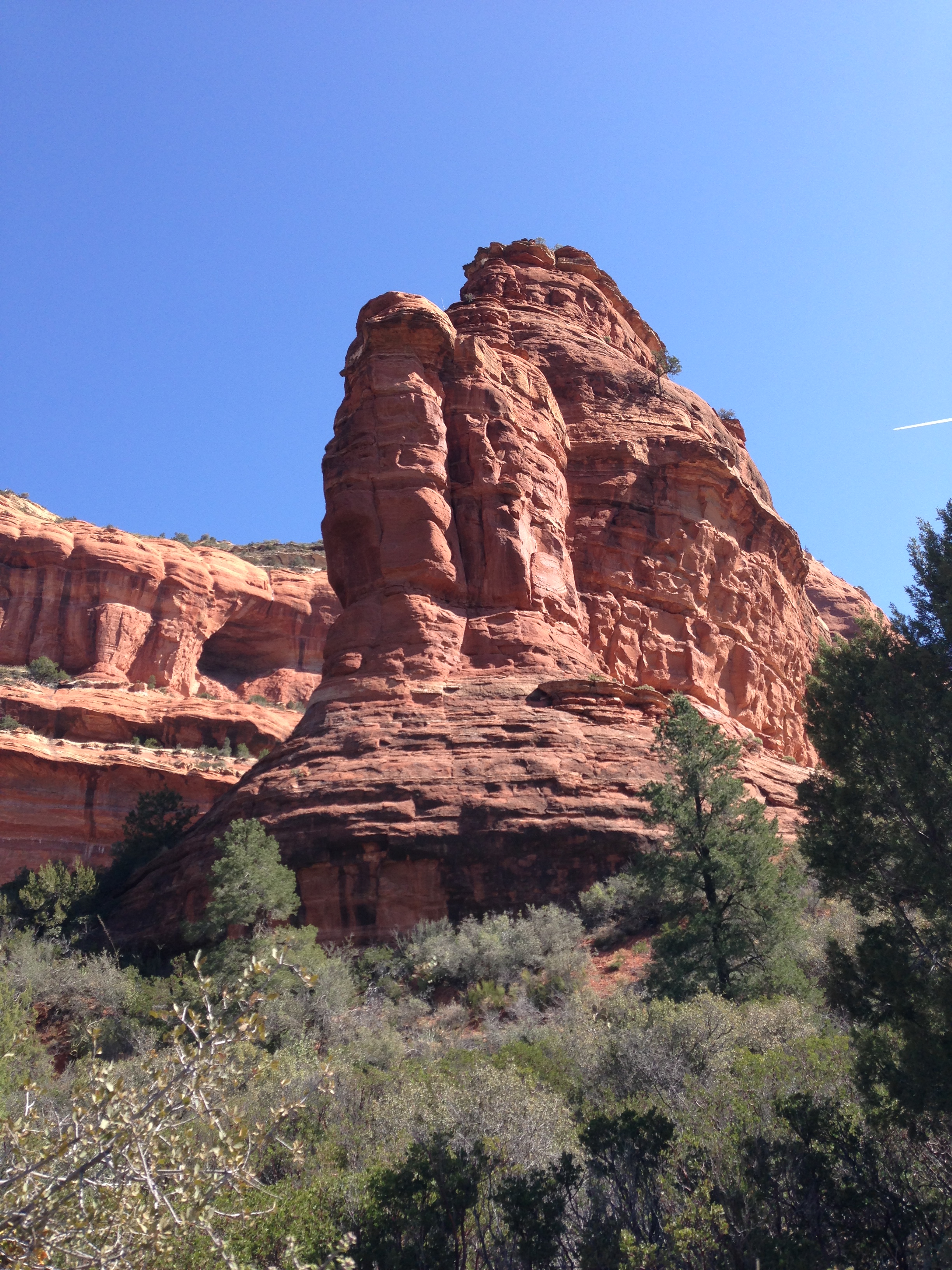
Driving south on 17 from Sedona to Phoenix is a trip through the mysteries of western place names, western places, some of them bloody. At first, all you see are the greasewood’s craggy grey branches. The red of Sedona turns tawny, like a leonine pelt. Everything looks spent.

You begin to notice the names, imbued with the past: Bloody Basin Road. Hayfield Draw. Like Margs Draw Trail in Sedona, but that Draw was named, I think, after a mule.

Quath-qua-oda, which means “sweet red round” in Yavapai. What was sweet, and what was round, has not been recorded.

You pass bulbous shapes of cedars. High chapparal: blond grasses atop mesas.

You pass descansos, roadside shrines to car crash victims – two white crosses side by side, then a black cross surrounded by yellow flowers. One lensman, David Nance, has taken some great photographs of these shrines.

descanso David B. Nance

Reminding me of the wall in the gift shop at the greasy spoon this morning, all skulls and crosses.

skull crosses

“We say that the hour of death is uncertain,” writes Proust, “but when we say this we think of that hour as situated in an obscure and distant future. It does not occur to us that it can have any connection with the day already begun or that death could arrive this same afternoon, this afternoon which is so certain and which has every hour filled in advance”.

You come to General Crook Trail. George Crook, the Indian fighting general who earned his props during the Civil War (for the North), served afterward in the Pacific Northwest before repeatedly forcing the surrender of the Arizona Apache under Geronimo.

George Crook

Brown faceless mountains. Beautifully bleak.

Badger Springs Road and Horse Thief Basin.

Ravens soaring across the highway. Ash Creek. Agua Fria.

You pass Arcosanti, still under construction all these years later, its futuristic architect Paolo Soleri continuing to design apses. I still have my green bronze bell, someplace.

Rock Springs, with its biker cafe and 20 kinds of pie, its clutter of signs and decent schlock shop.
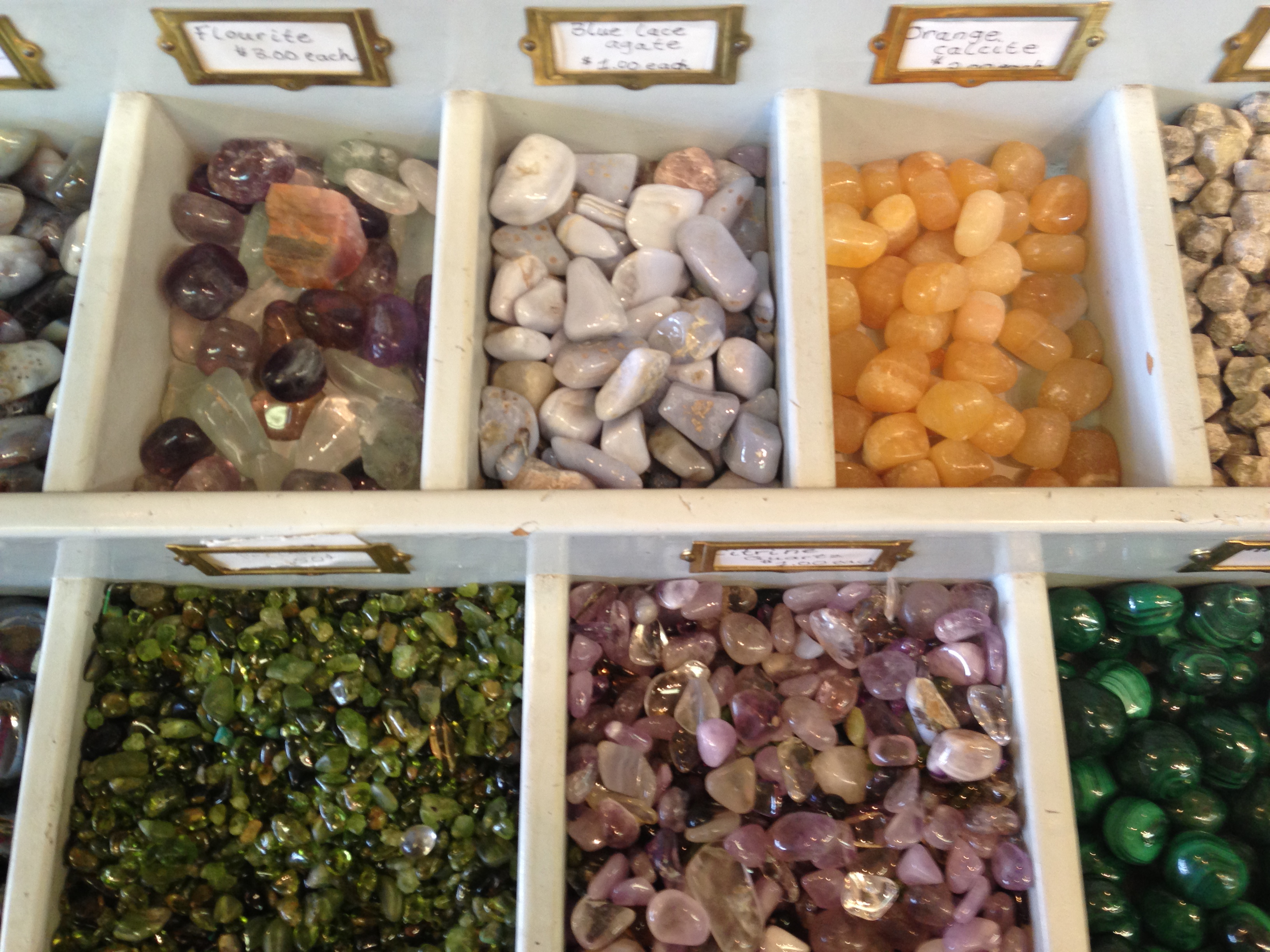
rock shop

I like coral, hard to find in these days of overharvesting. But on this trip I got a piece half the size of my pinky nail for 75 cents. Good luck to me.
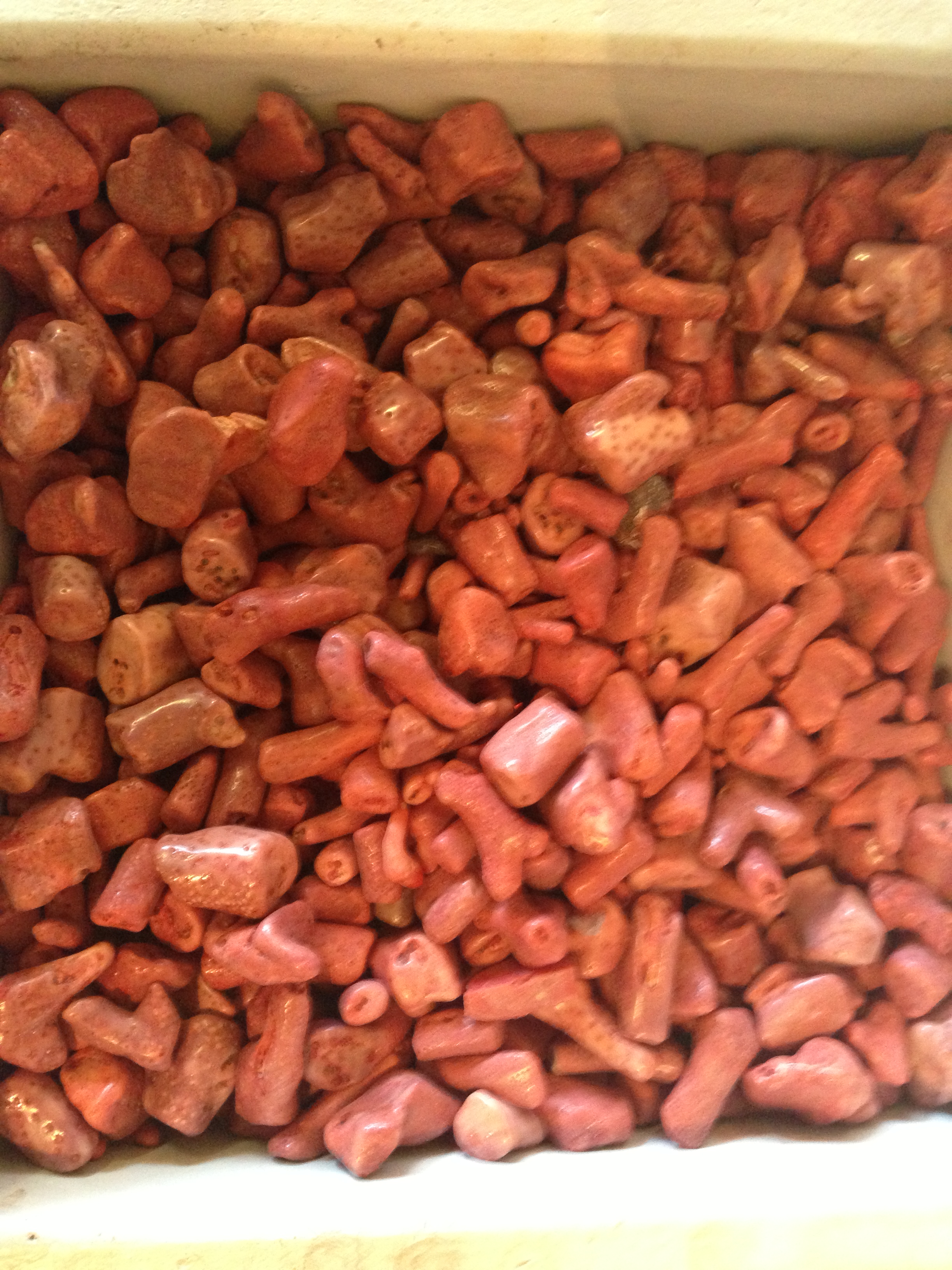
Coral

Little Squaw Creek. Moore’s Gulch.

You start to see ocatillo fly by, then Table Mesa, its top set with cactus and sagebrush.

Finally you reach Bumblebee, and with it, now you’ve dropped under 4,000 feet in altitude, the first saguaros, ranging atop the hills. Prickly pear perks up.
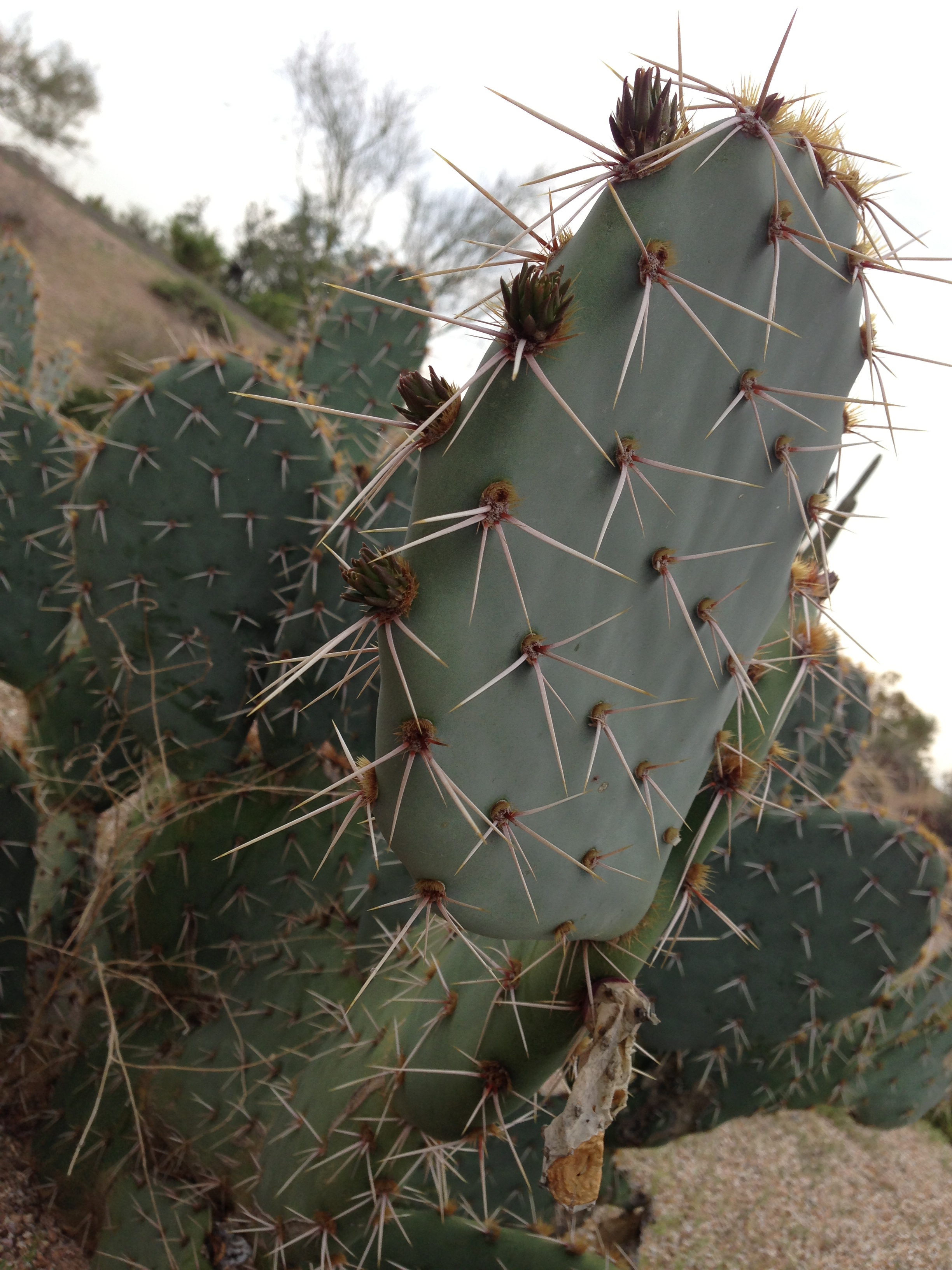
prickly pear cactus

Bumblebee, a ghost town and former stagecoach stop, still has a general store and one ranch, yet for a while it sponsored swinging jazz fests. The burg was founded, it has been said, by the maker of Carter’s Little Liver Pills.

Spring starts now: a glimpse of orange globe mallow, a scattering of yellow broom bush, dangerous cholla.

cholla

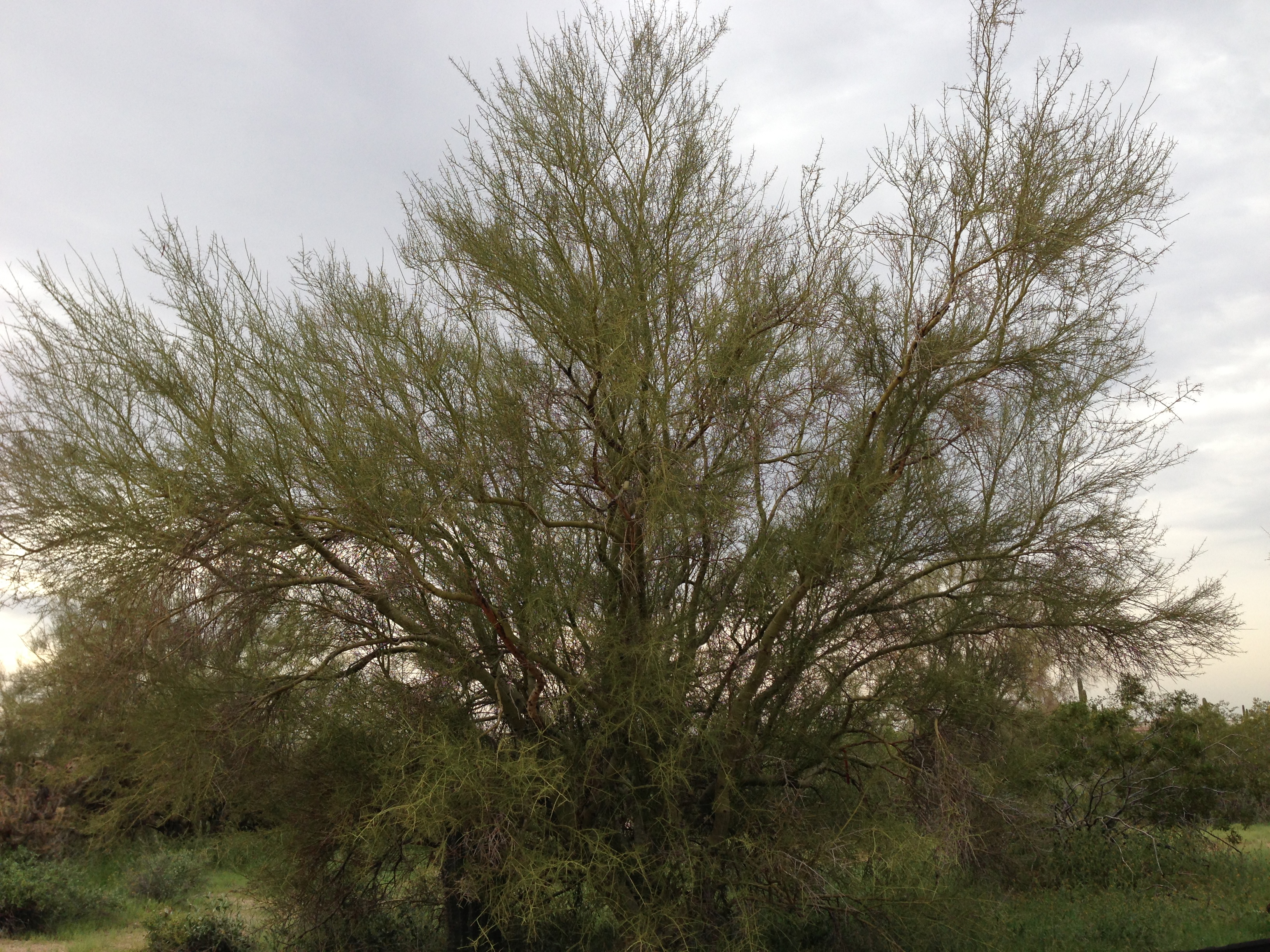
Palo verdes with green trunks.

green tree

Ironwood.

Angelita daisies.

bee on daisy

The thing about saguaros – they’re ancient, grow an inch and a half in their first eight years, then drag their asses along until they finally begin to get huge, attracting creatures in need of a fleshy home like this noisy cactus wren.

cactus wren

They produce luscious fruit.

saguaro fruit

Only when they get to be about 100 do they pop out arms, aging to 120, 180, even more than 200 years old. They can weigh six tons or more.

Occasionally one needs bracing, it’s gotten so fat.
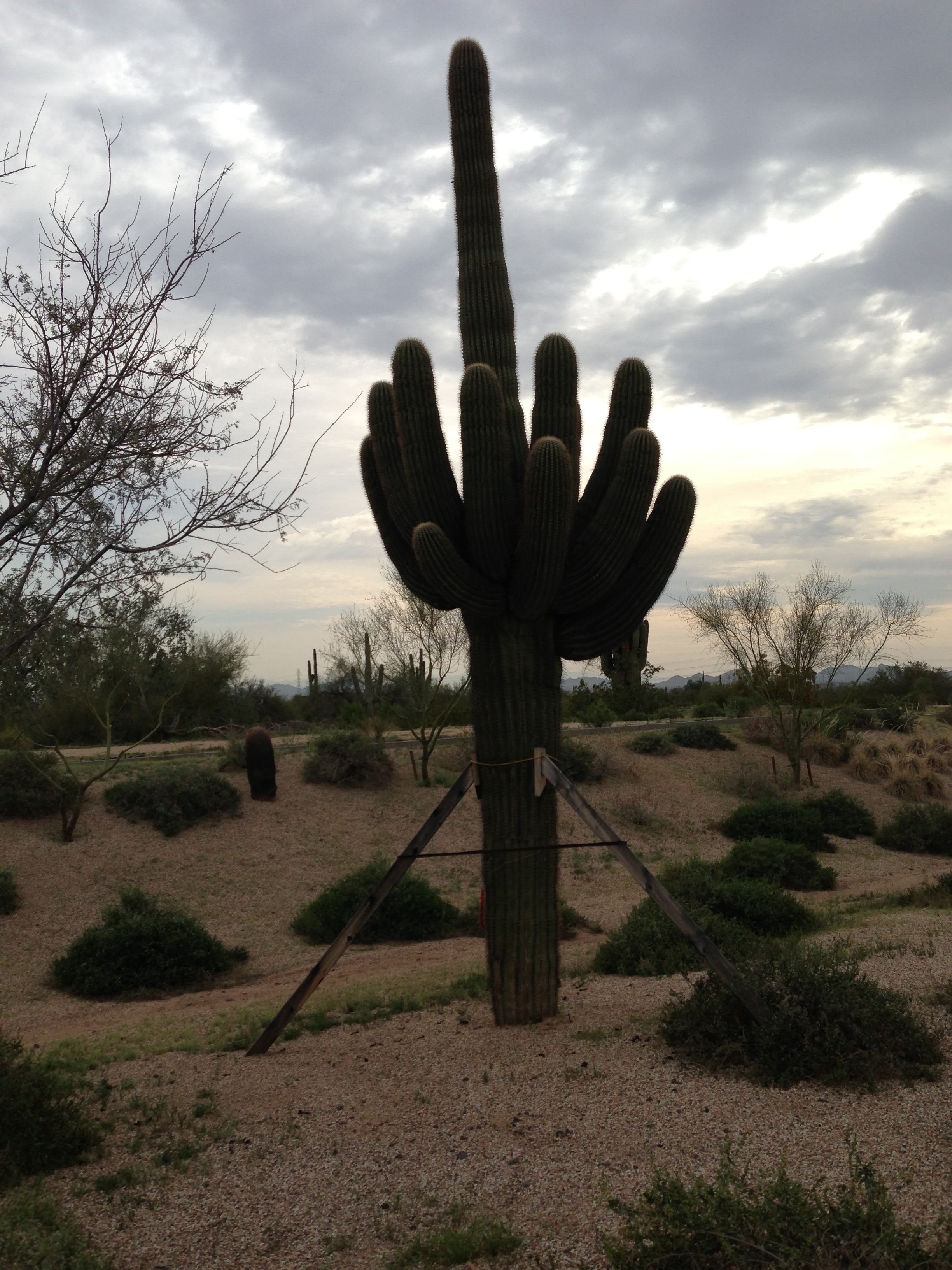
propped up saguaro

There are some saguaros standing that General Crook could easily have passed on his way to punish Geronimo.
3 Comments

Filed under History, Nature, Photography

The Indie Boom

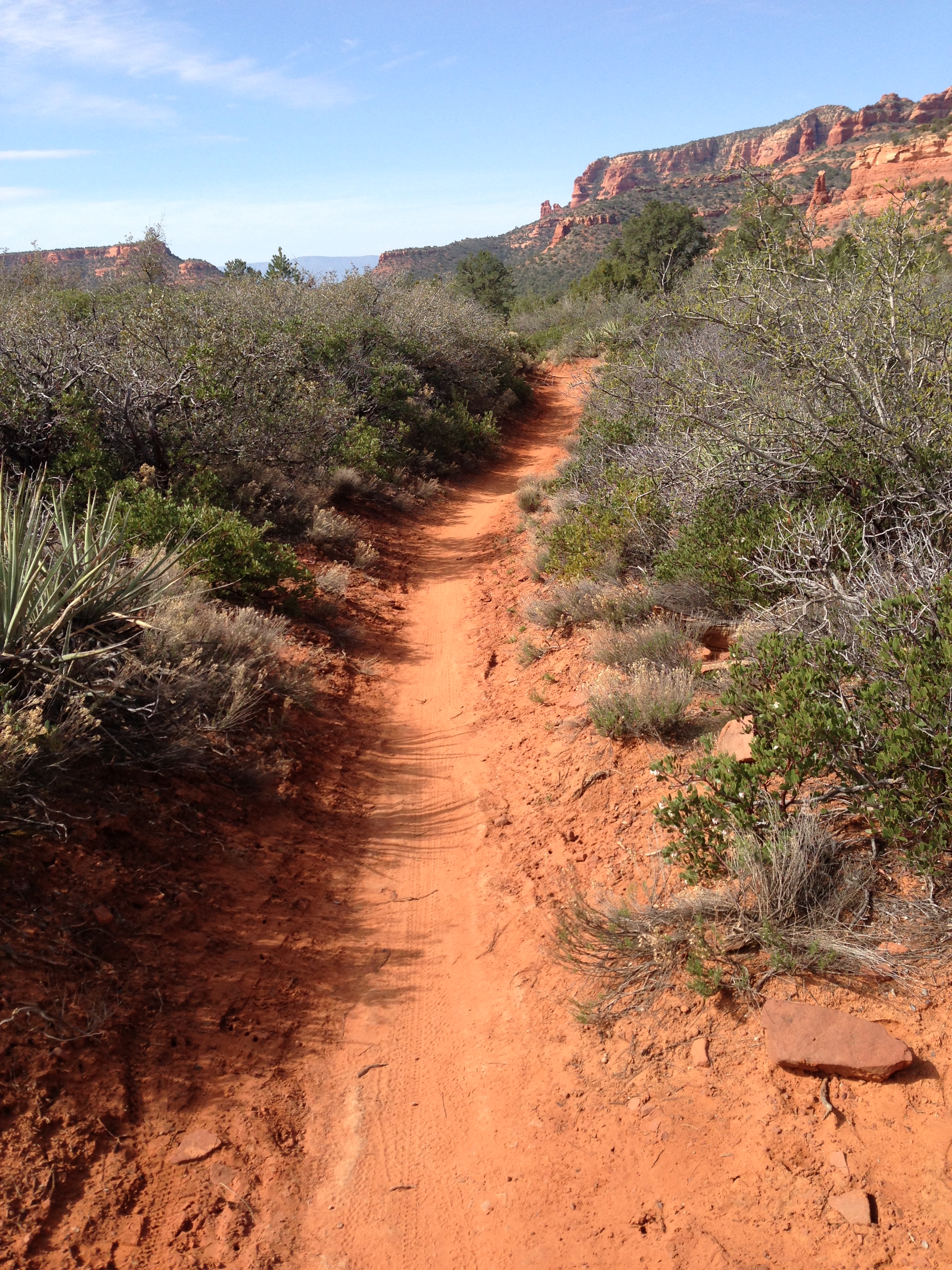
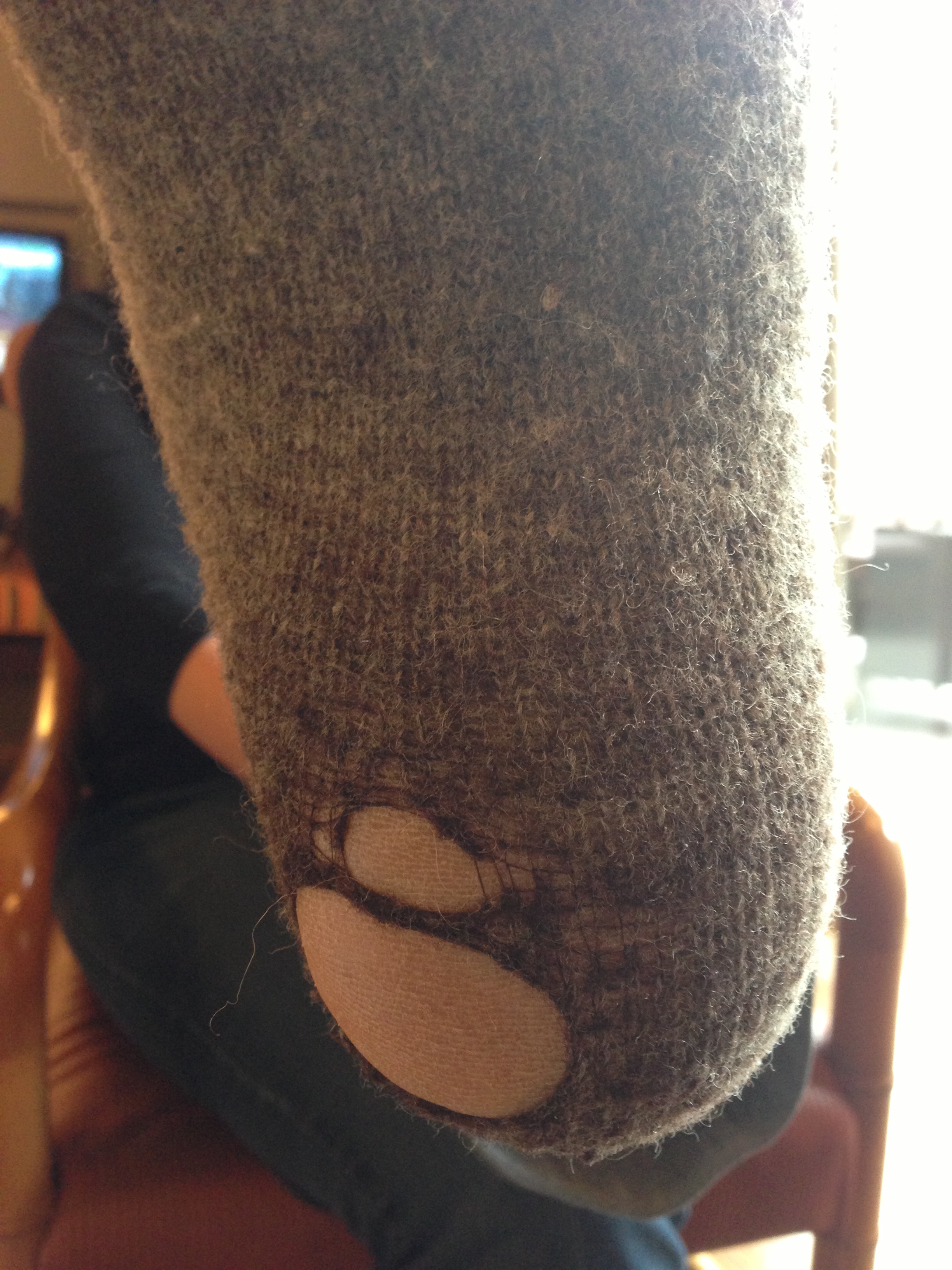
A hole in the heel of my favorite wool sock, I’m trekking along one of the most enchanting trails I’ve known, Dead Man’s Pass in Sedona, Arizona, which forks off of the Long Canyon trail toward Boynton Canyon.

Dead Man's Pass

There are open vistas all around, across the landscape of low manzanita forest toward the brick-red monuments all around, a straight route over the top of the world. It can’t help but make you consider your life. How all the pieces have come together. The luck you’ve had. The good that has inadvertently come your way, as undeserving as you might be. How we’re all in it together, somehow. Heel rubbed sore or not.

sock hole

“Human kind has not woven the web of life,” said Chief Seattle. “We are but one thread within it. Whatever we do to the web, we do to ourselves. Alll things are bound together.”

I’m thinking of sores, and bandaids. And about books.

Last year when I went around the country to talk about The Orphanmaster, I heard from so many booksellers about the challenges of their business, the wickedness of Amazon, the evils of electronic publishing. All very polite, of course. But the idea was that the goodly paper-and-ink culture of books and book selling was suffering because of all these developments and might never recover.

Now comes an article in the Christian Science Monitor that extolls independent book stores, says the trend is all good, that indies are reviving across the country. The “chief content officer” of Kobo, which connects e-readers to book stores, puts it vividly. “We absolutely believe indies are the small, fast-moving mammals in this dynamic,” says Michael Tambley.  One bookstore owner, Wendy Welch, of Tales of the Lonesome Pine in Big Stone Gap, Virginia, offers, succinctly, “2012 was the year of the ‘bookstore.’” In January 2013, the ABA reported 40 new bookstores since the previous May.

It’s not that bookstores aren’t shutting their doors; they are. But sales at existing ones have gone up and new ones are busting out bookcases with alacrity. Some of the success stems from a “shop local” trend: “All things are bound together,” as Chief Seattle put it, especially communities.

Of the 32 speaking engagements I had last year, 15 took place at independent bookstores (I also spoke at libraries, historical societies, book colloquies, clubs of various kinds, etc.). At R.J. Julia Booksellers, in Connecticut, the sparkplug owner gave me the most gracious intro I’ve had, and insisted I take a book gratis. In the Bay Area, at Book Passage, I was given cream-colored stationery engraved with my initials. A few of the businesses that received me so warmly have since seen hard times or even gone under.

But on that trip, I saw so many stores that made a writer feel welcome, that conveyed the notion that we were all part of a vast, well-wrought web of readers and authors and publishers and bookstores, Amazon and the other meanies be damned.

There was one memorable evening on August 15 at Boswell Book Company in Milwaukee.

boswellbook

The proprietor of Boswell’s is a pip.

danield green

Daniel Goldin, a young guy who worked as a buyer for Schwartz books on North Downer Avenue, bought the place when a local book chain closed after 82 years, in 2009. He had an elfin energy. He scrambled around to make the screen and chairs and lectern all fit just right in the back of the store for my presentation. He wore a shirt in a vivid shade of purple. The Christian Science Monitor relates that he refused to be photographed for their article reading a book, saying, “We don’t read in the store.” They’re simply too busy.

Boswell logo

Not too busy to make this first-time fiction author feel like a star.

And another thing about Boswell, Goldin, and the hole in my sock. The thing that got me started mulling over the whole thing in the first place: at the back of the busy store stands a tall translucent vitrine filled with a collection of vintage Bandaid boxes. Why was it there? Simply a quirk of the owner, who collects them.

60bandaid

That’s why they call booksellers independent.

3 Comments

Filed under Jean Zimmerman, Publishing, The Orphanmaster, Writing

The Fires of March

Meanwhile… back at the Cabin, a guest post from Gil:

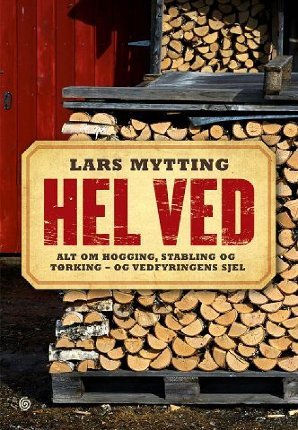
I’m thinking about Lars Mytting, who has a best-seller in Norway with his book, Solid Wood: All About Chopping, Drying and Stacking Wood — and the Soul of Wood-Burning.Hel Ved

Mytting’s book has not yet washed up upon these unenlightened shores, and the closest you can get is Thorsten Duser and Mimi Lipton’s delightful photo-essay, Stacking Wood.

One of the finest pleasures is a fire in the grate in March. With spring weather creeping up outside, the hot hearth has a bittersweet, valedictory air. The flaming chunks of wood crumble and fall apart like calving icebergs. The yellow-blue of the blaze my favorite color I think.

Ollie and Fire

Makes me remember the fires of The Orphanmaster:

They were silent for a long moment, both staring at the embers. There were cities revealed there among the coals, fiery foreign hells, countries of the damned.

We had fires almost every day over the period The Orphanmaster was written. The winter of 2010-2011, a good year for woodfires. We got our wood from our long-time purveyor, George Hauser Firewood.

Our friend Terry Lautin put us on to Hauser back in 1998 when she lived in Westchester. Later, when we started using him to supply our own fireplace in Hastings-on-Hudson, we discovered that a few of our more discerning friends used Hauser, too. This wasn’t your unseasoned, trash-wood cuttings offered by tree service and landscaping crews. This was year-old ready-to-burn hardwood.
Our pals Neil and Michelle White were talking about burning Hauser wood. I recalled Aline and R. Crumb’s masterful celebration of his tape dispenser, and said that Hauser was the “Better Packages” of firewood. A small, family-owned business that simply got it right, providing a superior product by dint of an uncompromising, old-fashioned way of doing the right thing.

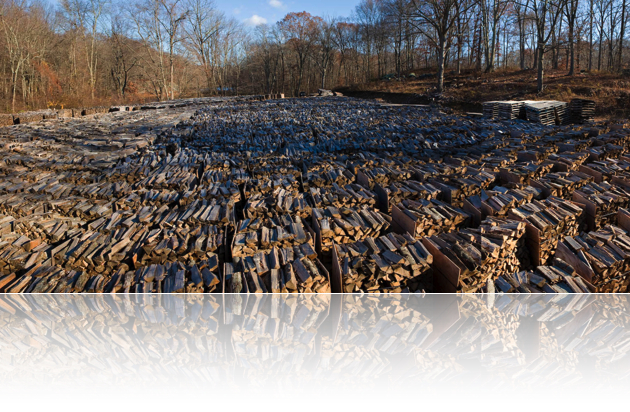
We visited his woodlot, off Route 22 in Putnam County.

Hauser Woodlot

George: “People come out here, they always quote Thoreau to me, I tell them, this wood here, I’ve been warmed up hundreds of times.”

George Hauser died last year, but his business is being carried on by his wife and son-in-law. RIP George Hauser, one of the last of a vanishing breed of American.

5 Comments

Filed under Dogs, Fiction, Home, Photography, Publishing, The Orphanmaster, Writers

A Paleo Hike

I think our family would really benefit from the Paleo diet, says Maud.

At the mouth of Boynton Canyon, the most beautiful feature of Sedona, Arizona, and probably the rest of the natural world. The dust of the trail is red, but not as red as the rocks that rim the place.

red rocks

The Anasazi, the ones that came before, and those that came after them, the Yavapai, populated these parts until  600 or so years ago, dwelling in caves beneath the circling ravens and slip of moon. Cookfire smoke still can be traced up the walls.

We walk where they walked, talking about eating nothing but meat and fat. Maybe gristle, for variety.

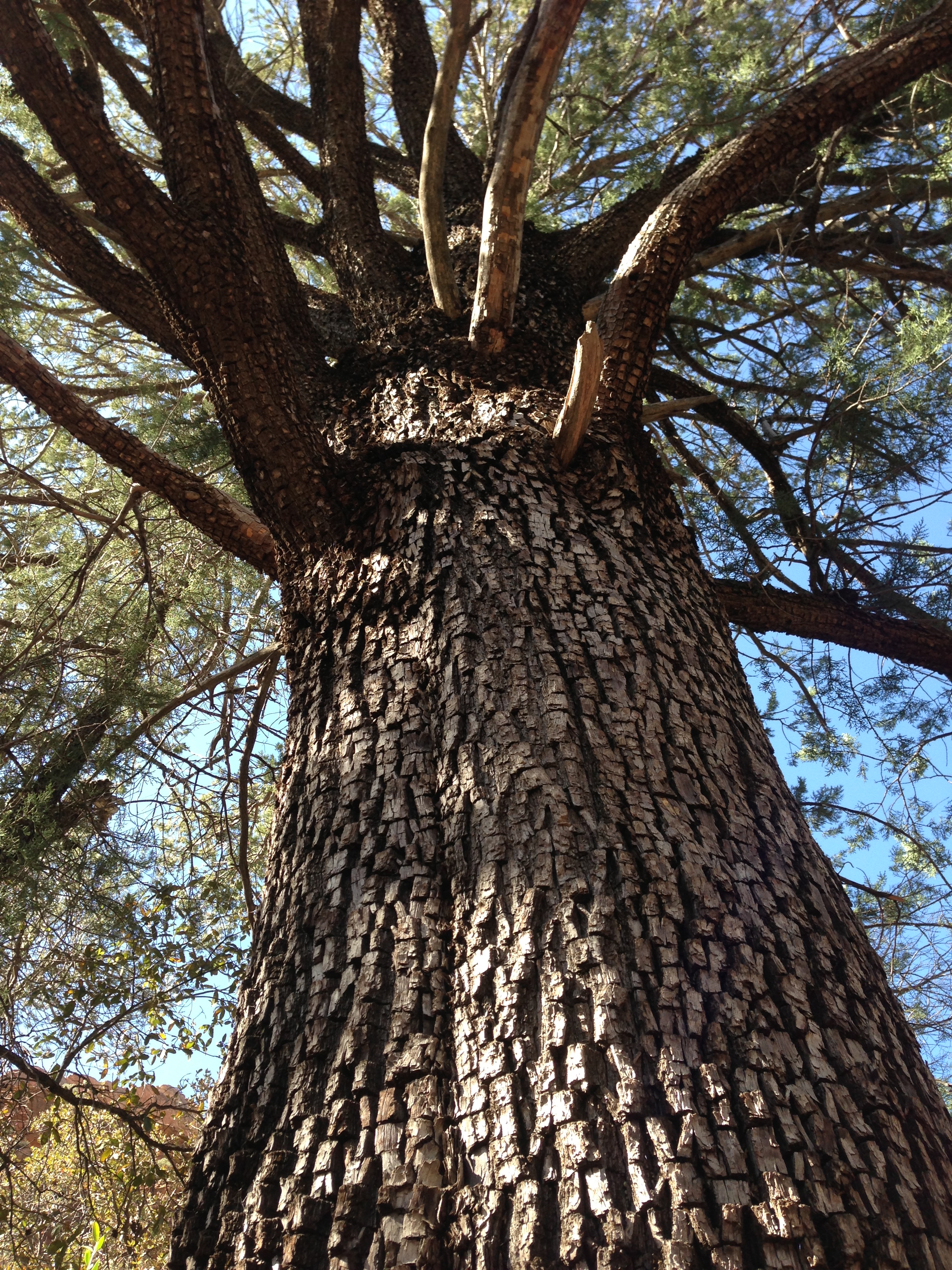
Past the alligator junipers, 300 years in the making.

alligator juniper

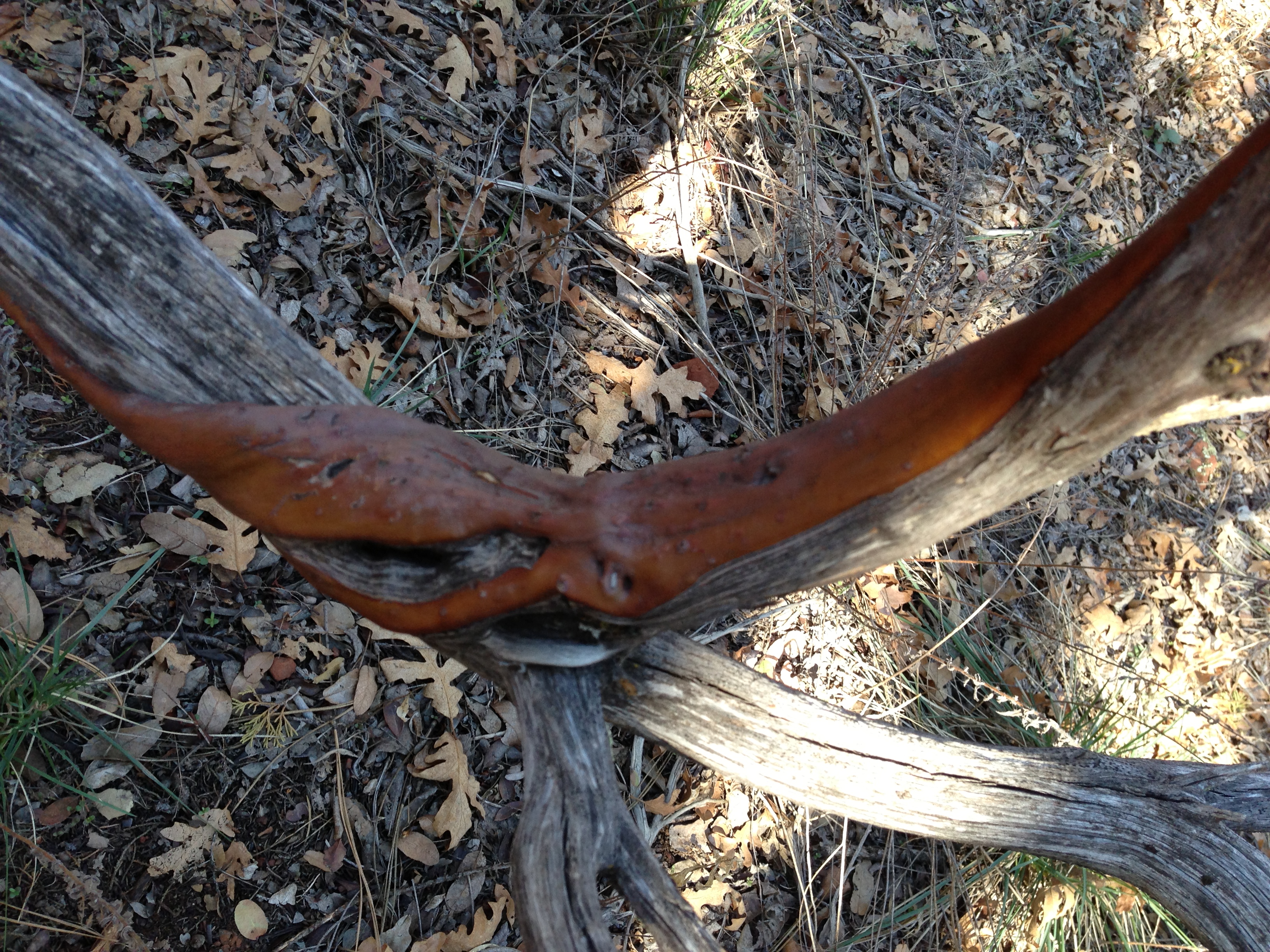
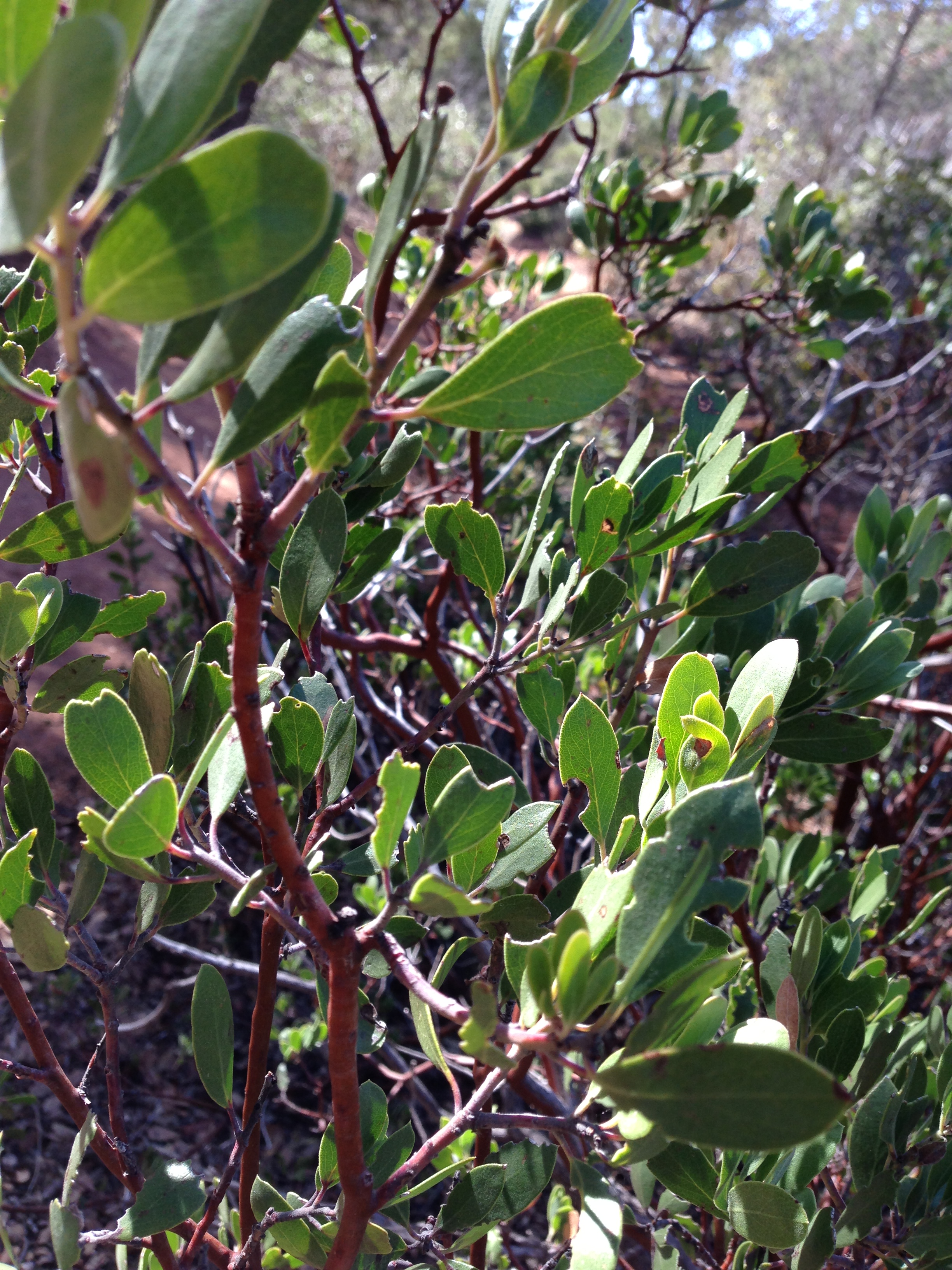
Past the manzanita, which I love because it dies and lives at one and the same time, its red, smooth, cold bark entwining with the old grey.

manzanita detail

We passed a herd of javelina coming in, blustery and shy at once, hustling their young along.

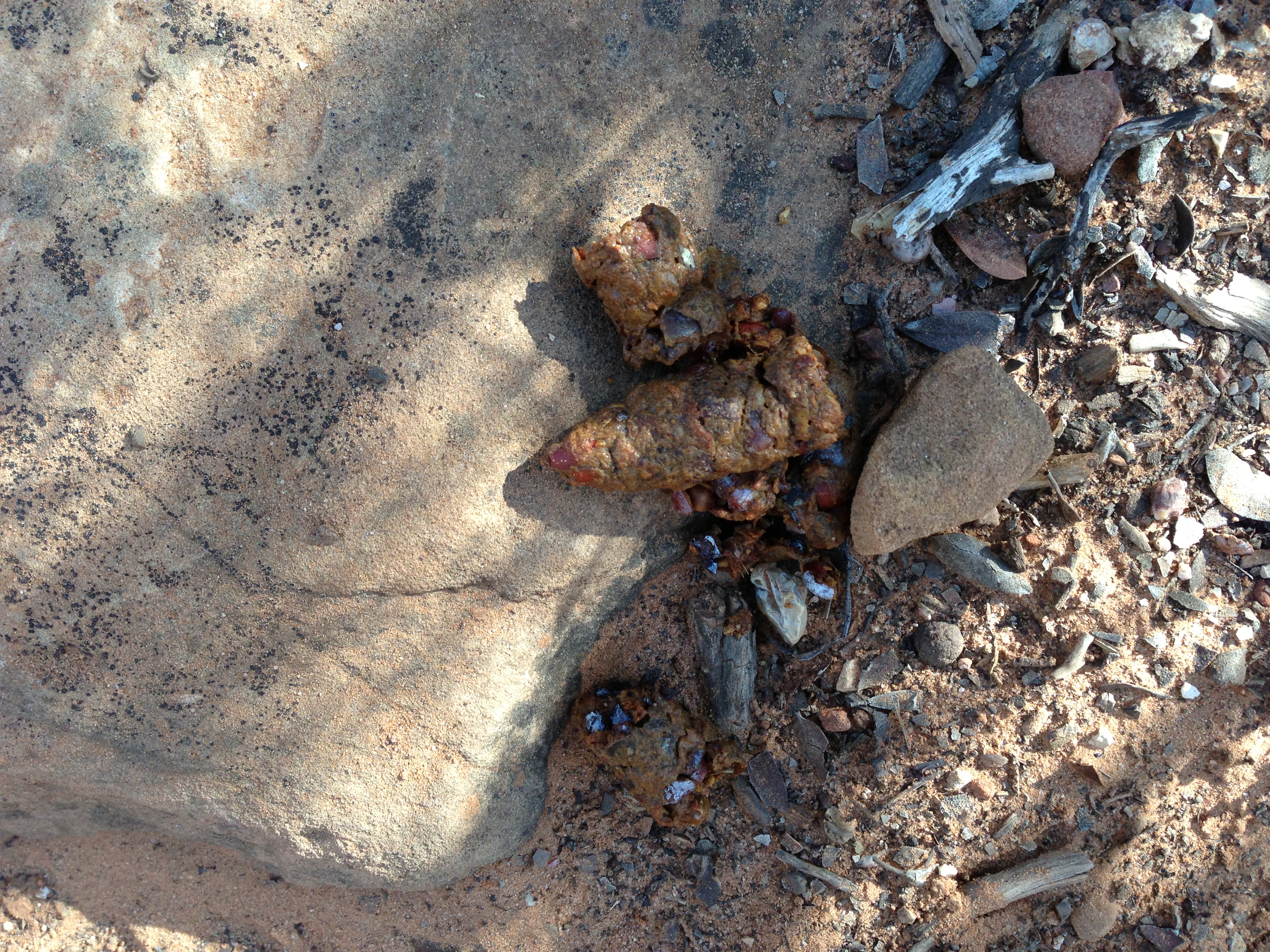
Coyote have been here, leaving blue juniper berries in their scat.

coyote scat

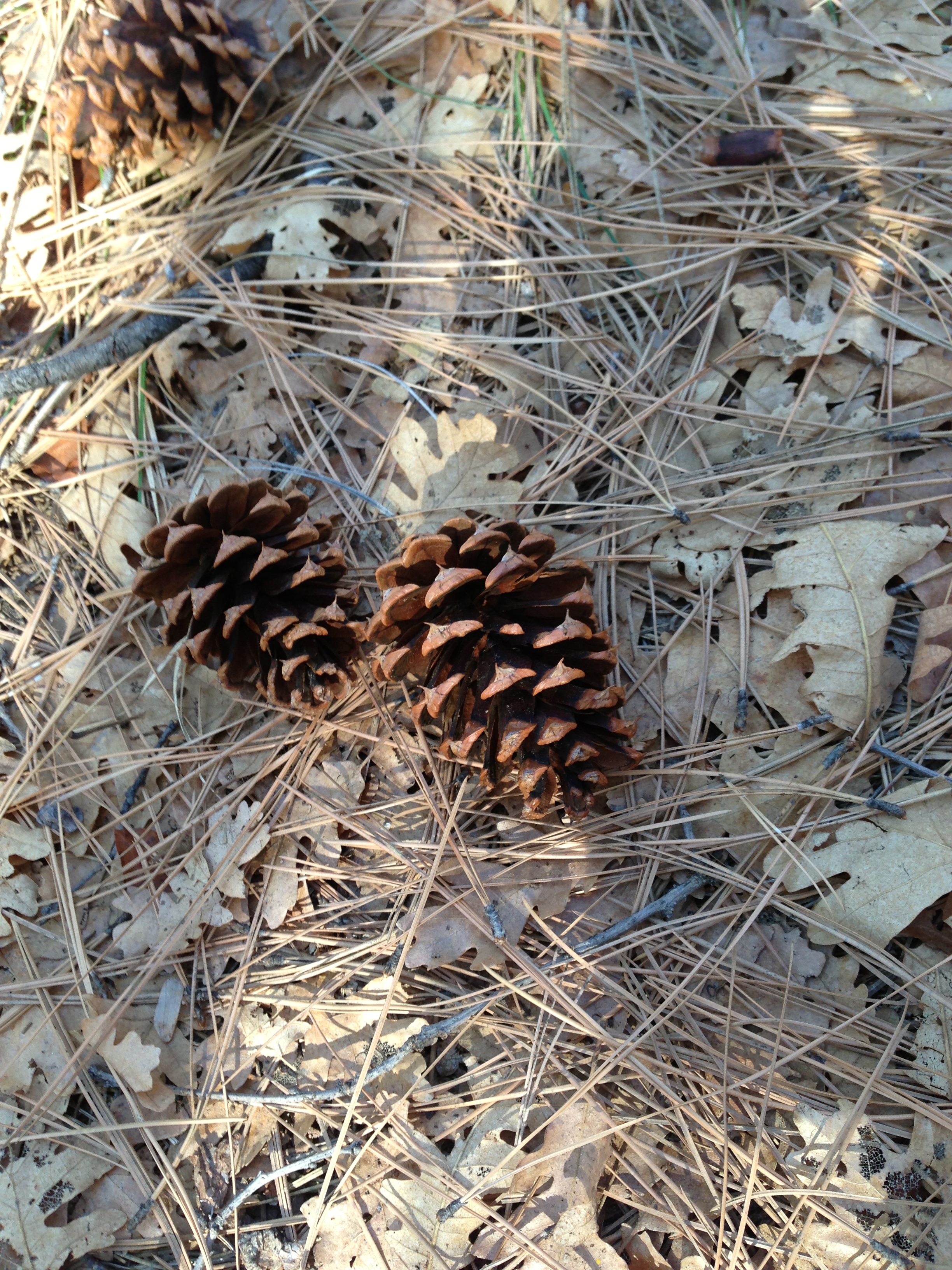
I wonder what it would be like to eat nothing but meat. No juniper berries, no salads of grizzled green grasses. Only the occasional pine nut.

pine cones

Black butterflies and white butterflies flit through the undergrowth. The towhee hops beneath the manzanita, fat red breast and coarse black and white feathers like a Renaissance cloak, then disappears.

manzanita c.u.

Meat. The oily scent of mesquite in the cool air now that the sun has come over the canyon wall. I learned recently about a perfume designer who created a concoction based on the smell of ink. Mesquite for Men?

How far is it to the back of the canyon, I ask a hiker resting on a rock.

There’s only one way to know, he says, smiling with certainty.

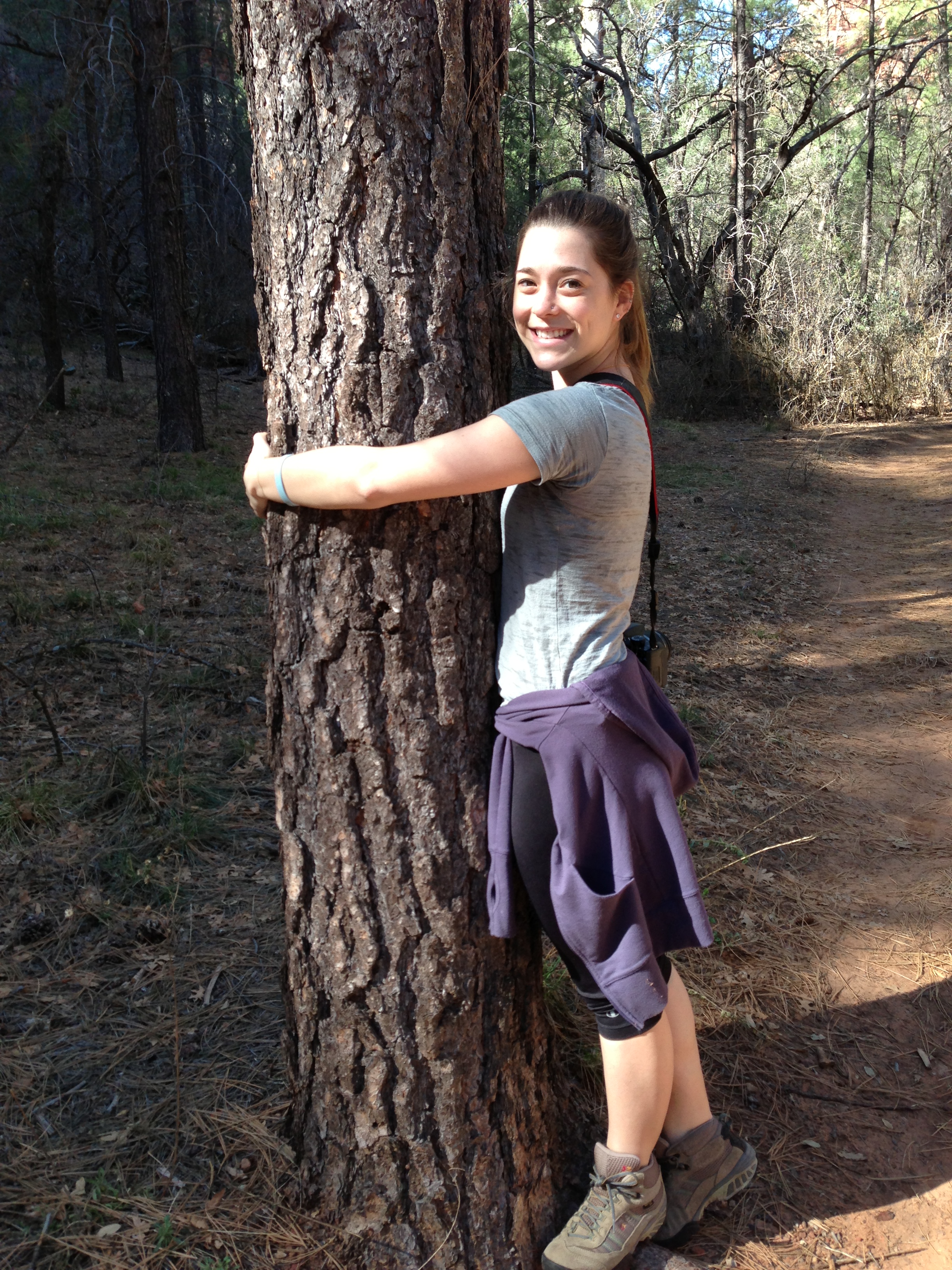
We love the Ponderosa pines, which for some reason thrive in Boynton Canyon.

maud tree

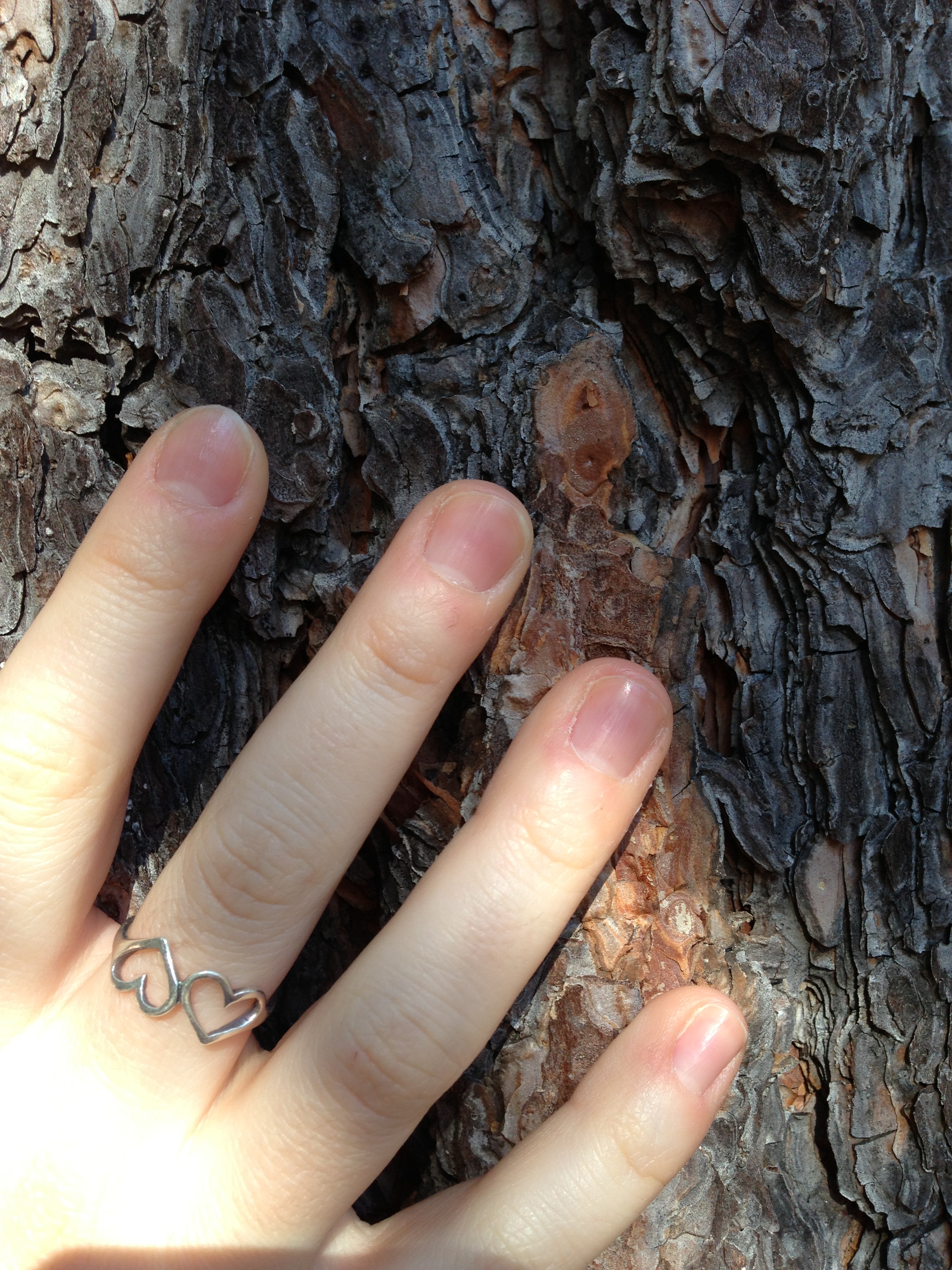
When the sun rays hit their bark, they give off the aroma of butterscotch.

Feel the hot sweat on your back. The negligible soreness in your toes. Press your nose up against a tree, and learn how to live.

Perhaps on a diet of butterscotch.

ponderosa


3 Comments

Filed under History, Nature

Play Time

A family of four sat across the aisle from me today on the flight to Phoenix. The boy had no toy, and pestered his dad with questions about whether he would rather be a polar bear or an iguana, a butterfly or a gorilla. The girl, a nugget of a toddler in pink-and-white-striped tights, contented herself with an apple and a paper bag to play with.

Toys, ubiquitous in childhood, can consist of brown paper and a piece of fruit. A stick or a stone. Or more, much more.

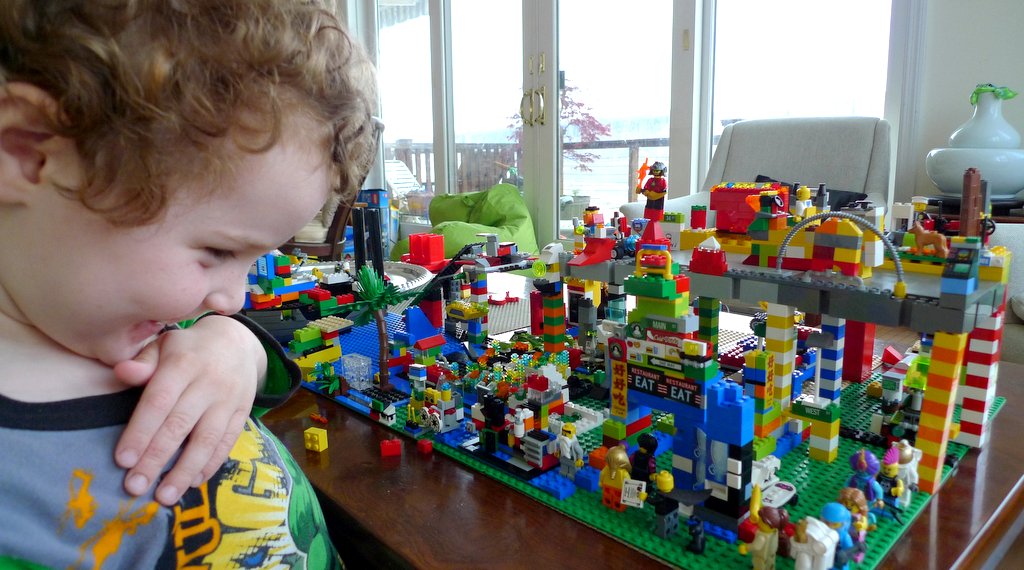
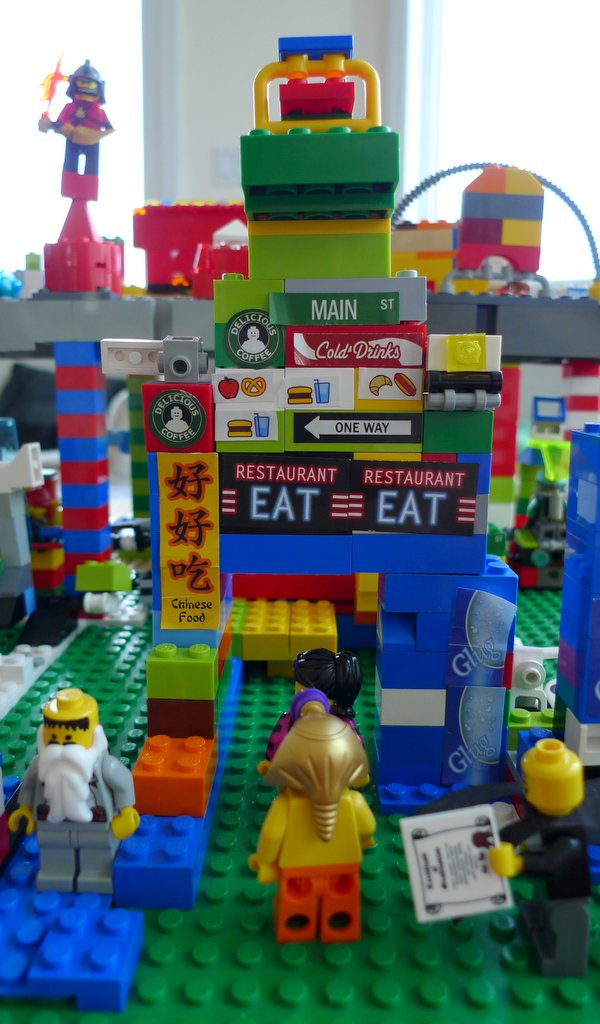
My nephew Jasper has a six-year-old’s delight in Legos. His collection of pieces numbers in the hundreds at least, probably the thousands.

Jasper w Legos

He builds worlds. I spent a fraction of play time with him recently constructing a Lego jail with barred windows and a couple of Lego bad guys. I wanted to give them green Lego fish to hold, thinking they deserved a good meal in prison, and he went along but later removed the food. It didn’t fit in his particular vision of this play world.

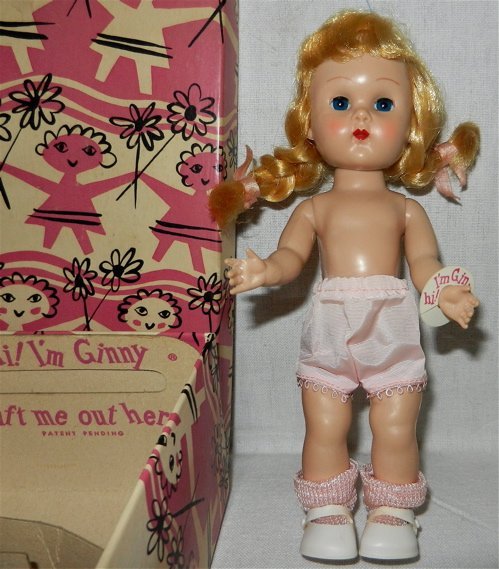
At Jasper’s age, my world was defined by dolls I fed, dressed, succored. And my dolls’ accoutrements, which I loved. I recall the deliciously plastic smell of Little Kiddle dolls, tiny figures that came in a case complete with a wardrobe, their synthetic pony tails shiny and combable. Playing with them, talking to them, in the air conditioning of my brother’s room during a heat wave. I also had vintage playmates a little bigger, Ginny dolls, courtesy of my grandmother, which came with their sliding-door closet and a perfect crib with a side you could raise or lower.

Ginny doll

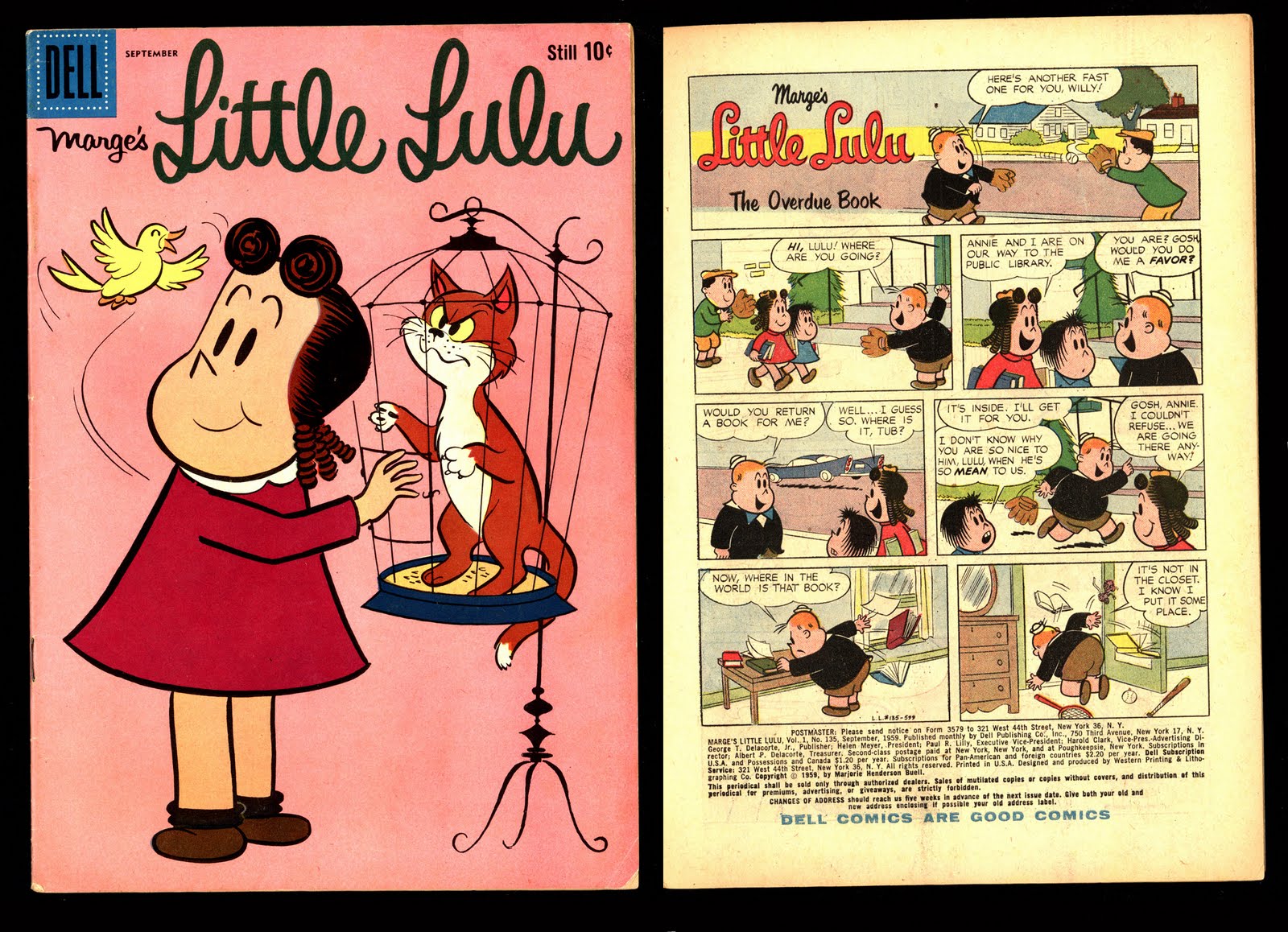
My mother favored paper dolls, the kind you punched out of heavy paper, “because you could play that by yourself.” She always was independent. In the attic of her childhood home we found metal toys, a creaky ferris wheel, mysterious Little Lulu comics.

Little Lulu 135a

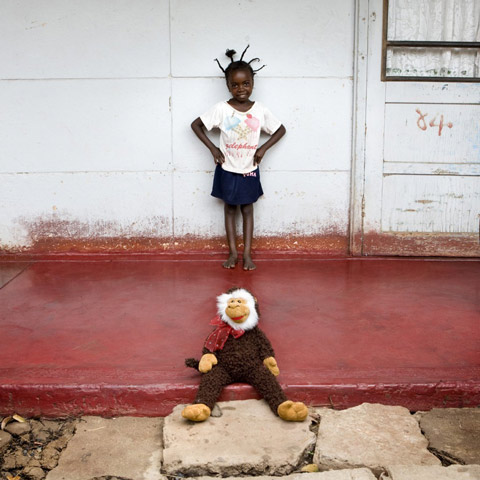
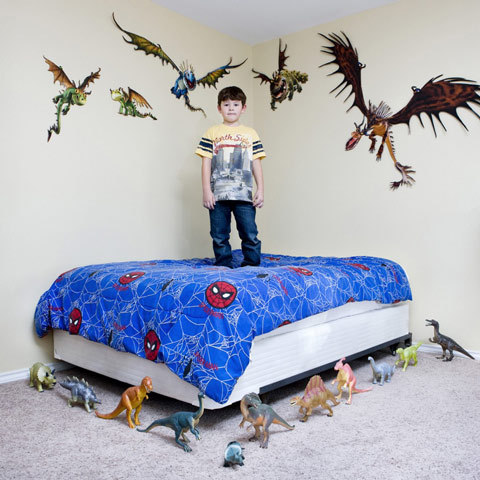
What are toys to kids? It’s easy to say: just fun. Experts disagree. The Italian photographer Gabriele Galimberti spent 18 months capturing images of children and their toys all over the world. Toy Stories bespeaks the universality of toy play, no matter if a kid lives in Malawi or China. Toys, Galimberti found, are both protective and functional, but the precise degree of either varies from culture to culture.

Botswana.

Botswana

Texas.

Texas

Italy.

Italy

And many other photos of places and children that are equally compelling.

On the plane today, the young traveler finally took out a white teddy bear and hugged it to his chest. I thought of the polar bear he’d been bugging his father about. Was this, somehow, that bear?

A child has a world in his mind and a world in his hand. That’s power. Ask Jasper.

Jasper's restaurant

7 Comments

Filed under Jean Zimmerman, Photography

West 76th Street

I’m waiting for you to come back from an appointment – waiting in a Starbucks that didn’t used to exist. The Gap is now a Chase. The Chinese is now a Japanese. Duane Reade takes up half the block. But the orange brick building remains at 76th and Columbus, just across from where I’m sitting now, the third floor windows dark and mysterious.

This is where we lived from when I was pregnant to when you were five years old.

Maud's license 1

Is there still a plastic play kitchen, a white fairy tutu, a silver sword for fighting dragons? You were such a strong little fighter. Still are. Had to have your face painted every day, to become something new.

I’m sitting on the footprint of a flower boutique where a chocolate lab with a funny name, Raisin, seemed always to be waiting for you to come pet him.

Here is the sidewalk where we walked, you on my shoulders, your grandmpa beside me with a cast on his leg.

I remember the coarse brown bread I liked, serving it to young mothers who came to visit.

The bed Gil and I shared, in the dark little back room covered with a blanket of Italian wool with black and white stripes. In the living room, side-by-side writing desks.

A green stone table left behind by the previous occupants that had to be washed with red wine, we were told. Strange gold walls.

The faded couch and rough wood coffee table where you took your first steps, holding on for support. You walked on your tiptoes. Still walk on your tiptoes.

I take a sip of milky coffee. You’re coming in the door, smiling. The snow blows in with you.

Who lives there now, on the third floor? Has any of the magic remained?

8 Comments

Filed under Home, Jean Zimmerman

Books on Loan

Just hold on.

Before you say, that’s corny, or that’s not something I would ever put the time and energy into doing, think: a lending library of my own, that I design, at my house. A library! It could be like the libraries of old, the private ones maintained by Samuel Tilden, John Jacob Astor and James Lenox. They merged theirs to form the New York Public Library, with a $24 million bequest from Tilden, in 1895. In 1906, one of the greatest libraries in the world arose from its foundations at Fifth Avenue and 42nd Street, taking the place of the Old Croton Reservoir.

NYPL, 1906

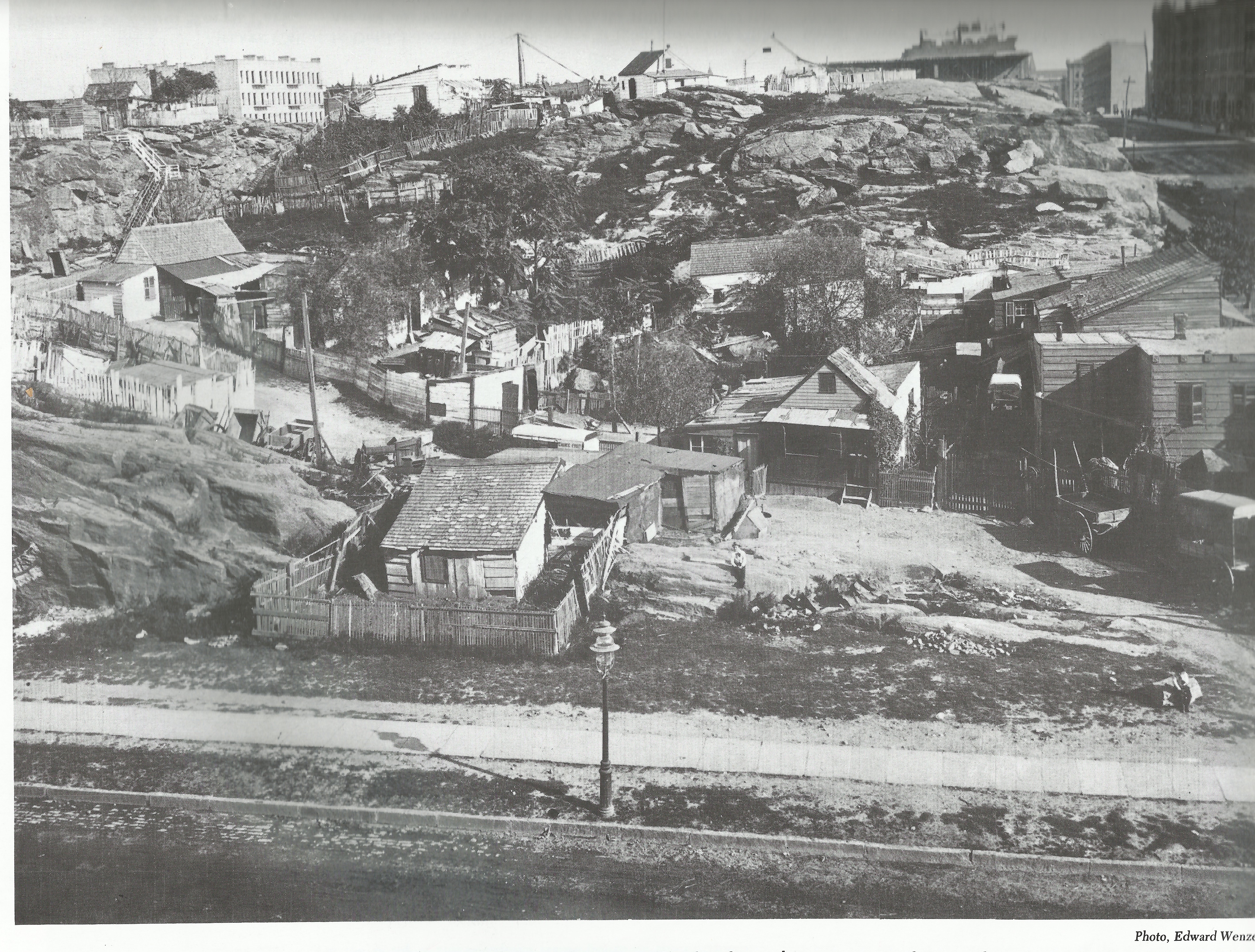
The Lenox Library sat atop a hill on Fifth Avenue between 71st and 72nd Streets, back in the 1870s when that was the boonies.

upper fifrh, 1893 1 copy

Lenox wouldn’t let just anyone into his bibliographic fortress, its contents were that precious. Scholars had to purchase a ticket.

Lenox

But you, you would admit the public, if you created a library.

Library 6

Graciously, you might even let people in to take away books without a library card.

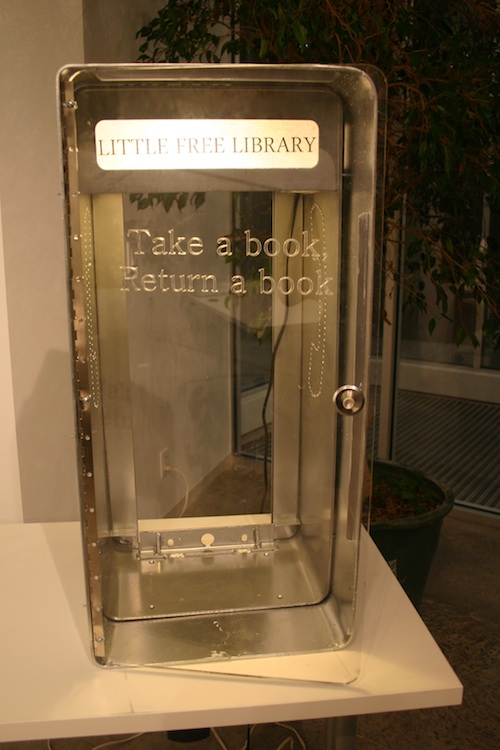
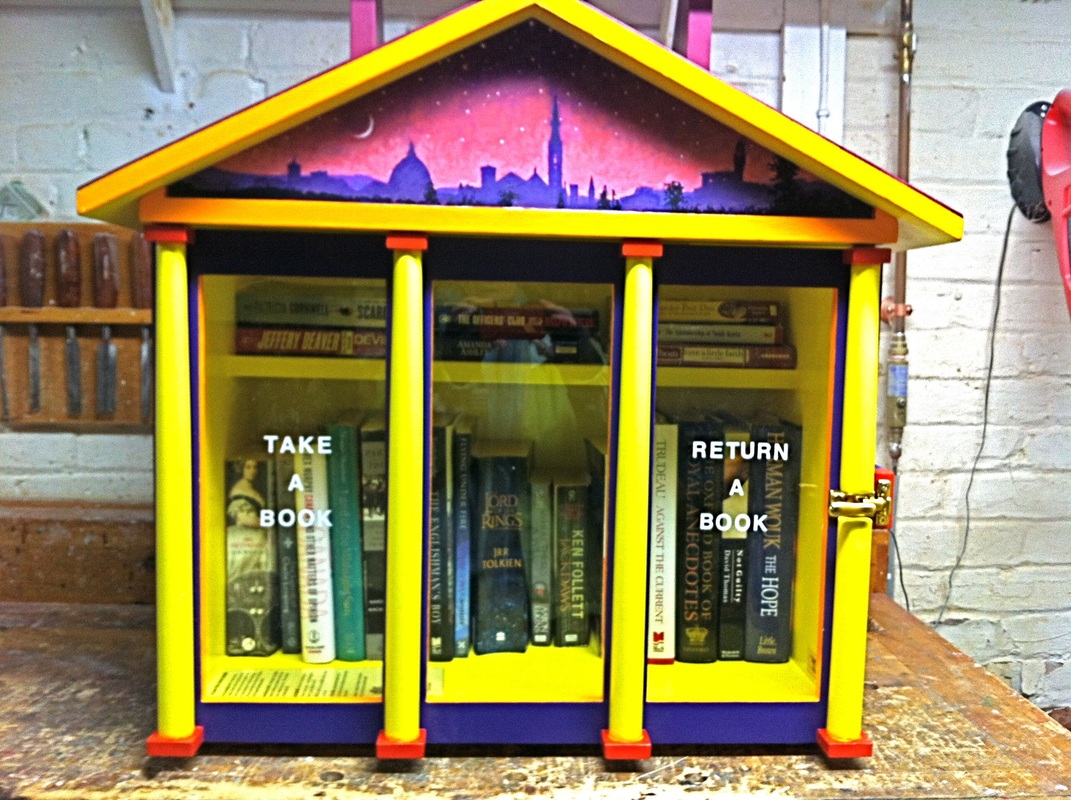
Little Free Libraries make this possible. With founders who are all about promoting literacy and community, this phenomenon has spread from the Midwest across the country, even as normal size branch libraries suffer funding cuts or close.

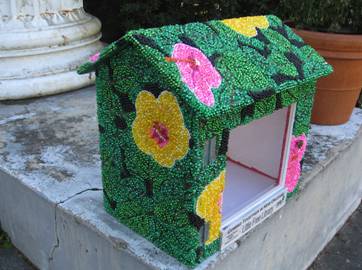
Library 1

What you do is build your own. And they will come.

Library 2

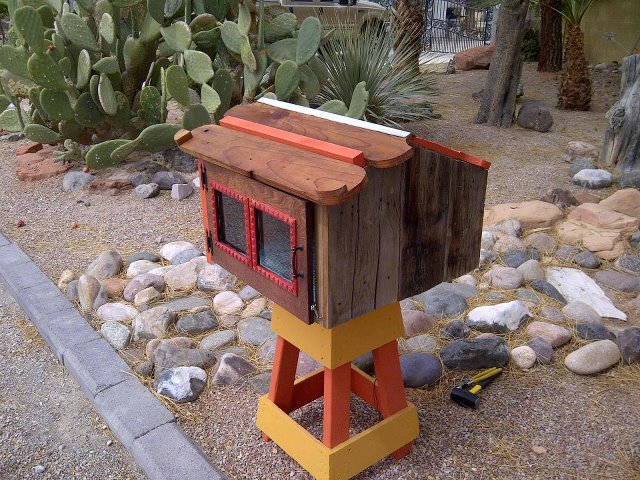
You take a crate, or some other frame, and you decorate it as you will. There are suggestions for how to build if you need them.

You can also, of course, order one pre-made. This is America.

Library 3

You set it outside your house.

Library 4

Fill it with whatever books of yours you think should be in your “collection” – because you loved them and want other people to know them, because you hate them and can’t wait to get rid of them, because they take up too much room on your shelves, whatever.

Library 5

The founders of Little Free Libraries say, “there is an  understanding that real people are sharing their favorite books with their community. These aren’t just any old books, this is a carefully curated collection and the Library itself is a piece of neighborhood art!” You can get special stickers to put in your books.

Library 7

People wandering by your house can simply take a volume. No questions asked. When they’re done with it they return in. They can add another if they wish.

Library 8

My sister-in-law Medith and her husband Thomas put this beauty in front of their home in Wisconsin. She says, “I get such kick out of seeing someone walk by, stop and go back, check out the books and then proceed on carrying their new read.”

Mimi's Little Free Library

Ellie, a neighbor, thinks it’s pretty exciting.

I wonder if she’s seen the map showing how many Little Free Libraries now throng the world?

I’m beginning to itch for one. I want to take a laminated shoebox and fill it with tiny books exclusively: miniature volumes like The Book of Whale Insults, The Incomplete Book of Dog Names, and Songs of Robert Burns. Maybe I’ll squeeze in a bound manuscript of Savage Girl. The only thing is, we don’t get any foot traffic on our dirt road through the woods.

Maybe a story hour that would appeal to squirrels?

2 Comments

Filed under Home, Publishing, Writers

The Trill of It All

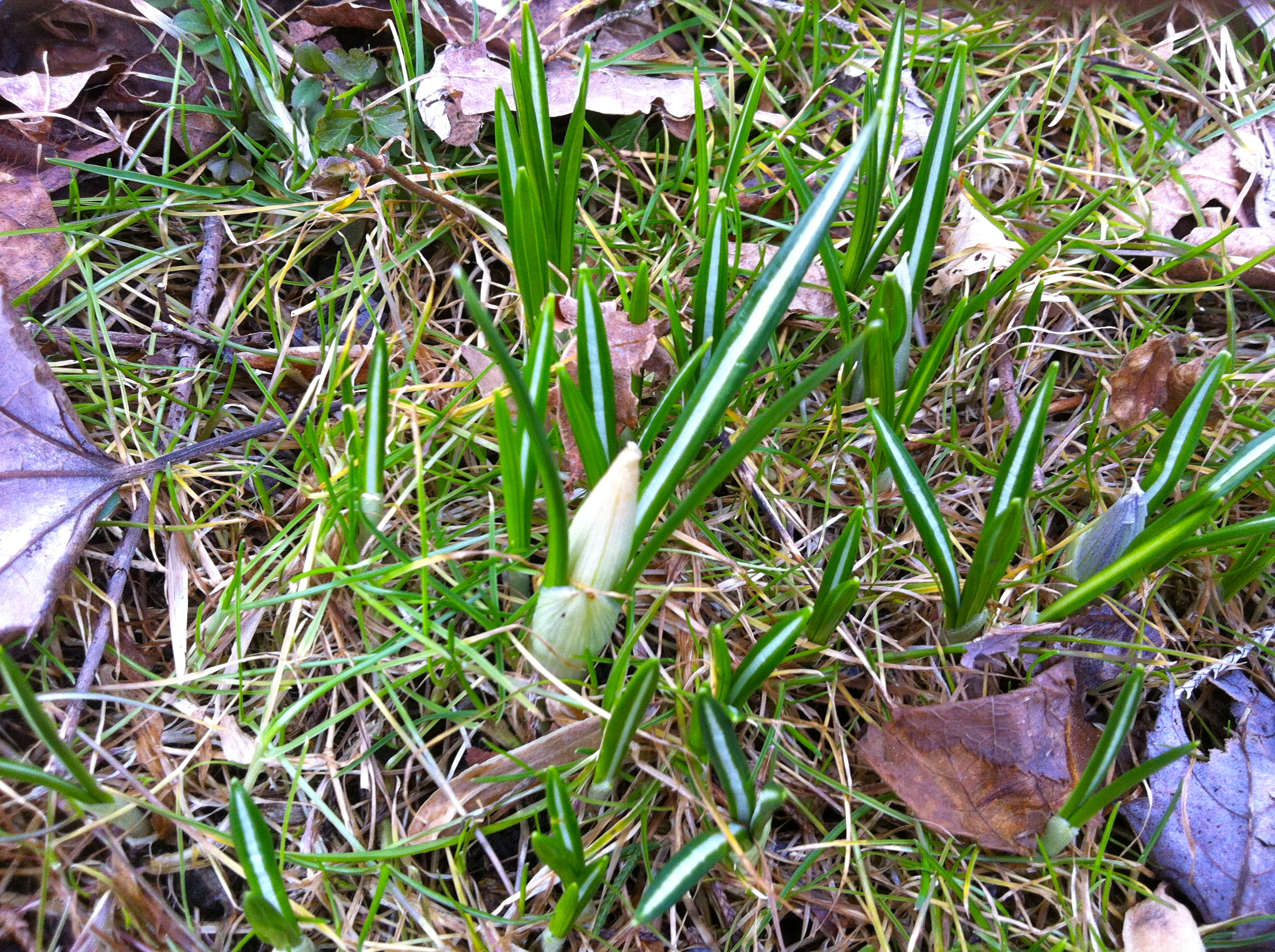
At the cabin, you still have to hunt to find the crocuses.

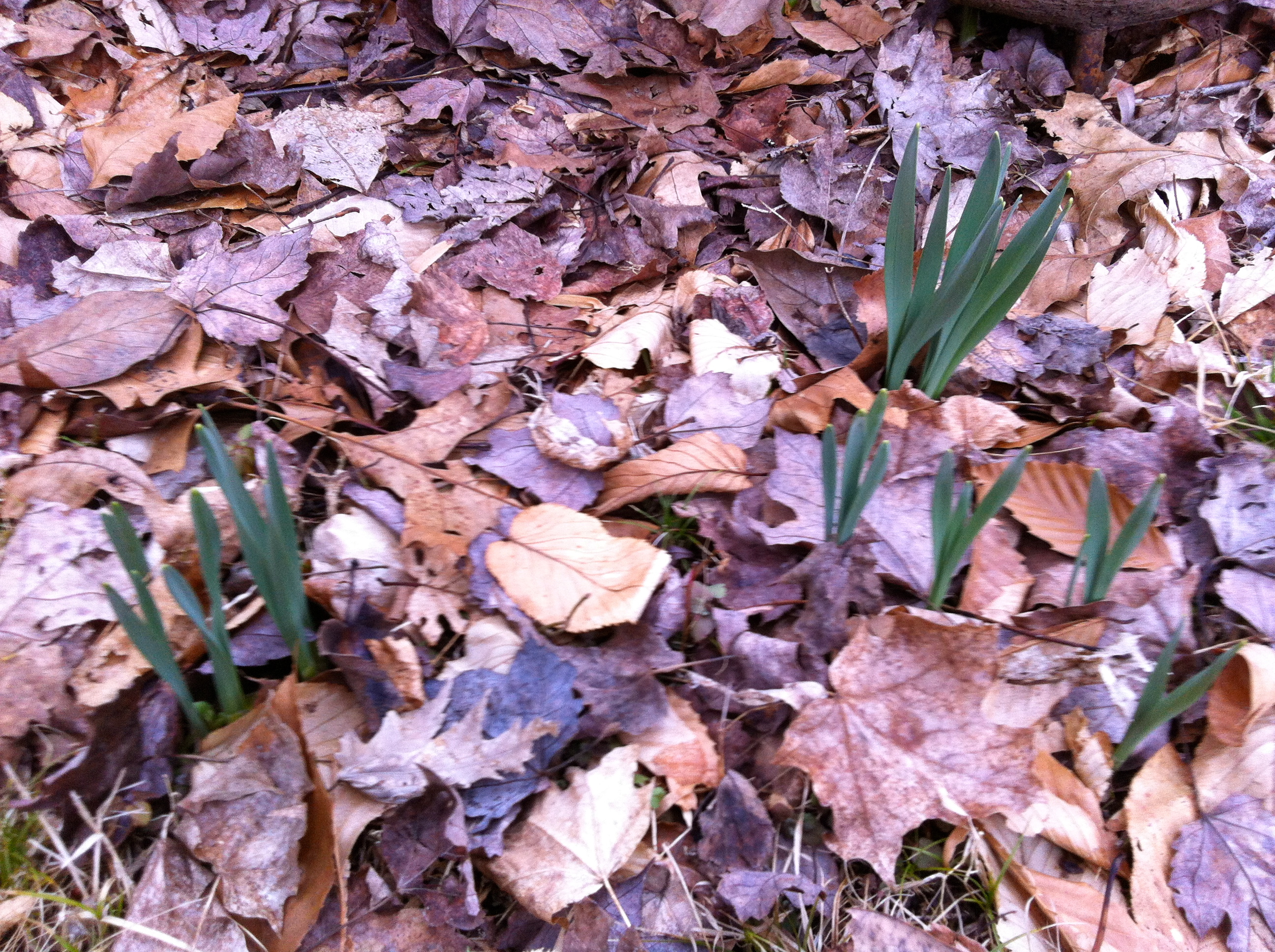
Crocus in Spring 2The daffodils are drowned by brown leaves.

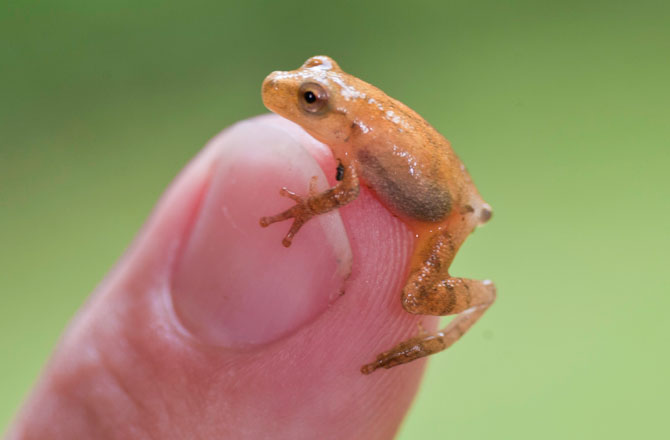
Daffs in MarchThe peepers, invisible, rage all night and most of the day. I thought they were early this year — we’re still building hearth fires every night. There is a scent of spring in the air, a lilt, but the air is cold enough to keep on with your winter jacket.

I looked back at my blog posts to see when the peepers appeared last year. To my surprise, it was the same time, to the date! The night of March 12th. I had to close the window, they were so loud, just as I did this year.

spring-peepers-1

Nature has a brain. The tiny frogs know it’s time to get out there and peep their hearts out, to find a mate, to propagate. They are all male, the frogs who peep. Waiting a moment after March 12th won’t do.

If you don’t have a marsh in your back yard, you can here the trill of the peepers here.

The painted turtles aren’t far behind. And then the snakes.

It’s almost time for a springtime party. Let’s have a pig roast and celebrate the daffodils.

8 Comments

Filed under Home, Jean Zimmerman, Nature

Why I Knit

What about me? she said. My oldest friend, Josefa. She was eyeing the slubby cowl I made for my sister-in-law.

Okay, I said. How about pink?

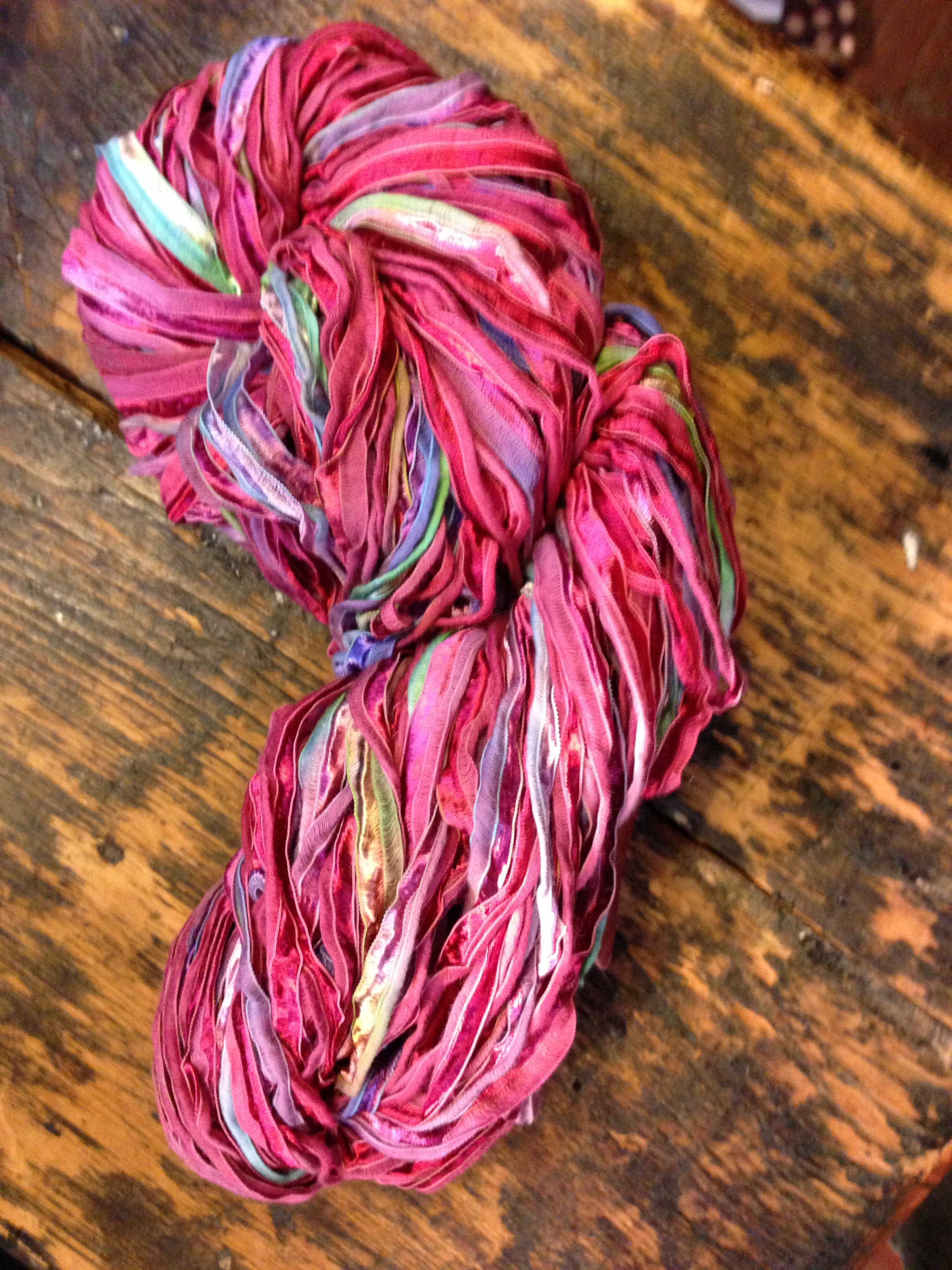
And so I was off. Seed stitch, ribbon-yarn, simple cast on with 15 stitches.

ribbon yarn copy

My friends are not knitters. It may be hard for some of them to comprehend why I have become enraptured with sticks and wool.

This, then, is why I knit.

1. Because I can ply my needles on the couch with my dog snoozing beside me.

2. Because I’m bad at it. Fumbling with needles is humbling. Every dropped stitch, every extraneous loop is a lesson in how much I have to learn, how far I have to go. You can’t be cocky when you’re ripping out a row.

3. Because it gives me goals. Long term: some day I will use a cabling needle. Make a sweater. Upholster a chair. Sit at the back table in the knitting store with the people who really know their craft, the ones bringing into being elaborate mohair sleeves. Follow a pattern off of the wonderful German knitting site Grasflecken. Or, short-term – make it to the end of this skein this evening, before bedtime. Get three lap throws done by Christmas for presents. Wind a multicolored ball using this straight-backed chair.

4. Because I have absolute authority over colors, yarn weight and texture. Slinky, silky, chunky, nubbly. The hues of daybreak or deepest shadows. The coarse, undyed wool scarf made for my brother came from a Jacob sheep and was 12 feet long. Decisions I alone made (and my brother has to live with).

5. Because gifts materialize with my love woven into them. See above, 12 feet of scarf. Someone might not like the thing you knit for them, but they always recognize the sentiment.

pink scarf close up

6. Because it connects me with history. Men knitted stockings in Renaissance England. In the Scottish Isles, turn of the twentieth century, housewives knitted as they walked. With bundles on their backs! I’m part of an honored lineage.

7. Because it gives me something to do.

8. Because it’s so unlike writing. No paper, no ink, no computer screen, no books flopped open for reference. No stagefright, no verbal errors to erase. Instead, pliable, vibrant yarn, plush in your hands, fuzzy with promise.

9. Because it’s so much like writing. Building nub upon nub of fiber, row after row after row, is the closest thing to building sentences word by word. You make mistakes. You rip them out. You choose color, texture. It’s about you and not about you. If you keep at it long enough, you get a blanket, the same as keeping at the written word gets you a book. At the end, you look at your product and say, did I do that? And smile: you did.

10. Because I can. Now. I always wanted to knit. I never thought I could learn. I believed my fingers were too inept, my hands too shaky. I had already turned 50 when I tried in earnest, asking for help – which wasn’t easy – from my nephew’s girlfriend Paula, and making swaths of nothing identifiable, with huge bulges and ladders. I’m not gonna pick up waterskiing now, at this time of my life, but I can pick up a pair of needles and land on my feet. Even make a pair of socks for those feet. Well, nearly.

This one’s for you, Josefa. Wear it with your pink pants, if you insist.

pink scarf over door

4 Comments

Filed under Jean Zimmerman, Knitting, Writing

More Nautical Mysteries

What lies beneath the Hudson River (besides a ton of PCBs) is… a trove of ships.

English navigator Henry Hudson sailed the river on behalf of the Dutch East India Company in 1609, exploring its reaches in quest of a western route to Asia. Even before that, vessels plied the brackish waters of this most beautiful estuary in the world. And not all of them made it. (Hudson himself didn’t make it, since he and his son were cast adrift in Hudson Bay by a mutinous crew. Reportedly they had scurvy and were a pain in the neck.)

00d/25/arve/g2396/005

Sloops. Revolutionary-era gunboats. Barges. They line the silty Hudson riverbed, each one encrusted with barnacles in a layer as deep as a man’s forearm. Two hundred or so shipwrecks have been found along the course of the river between the Battery in New York City and Albany. Along with railroad cars and random loads of brick. Storms sunk most of them.

Scientists probing with sonar in advance of a new bridge to replace the Tappan Zee found a wreck just north of the bridge. It’s too murky to see down there, even with a powerful light.

Where did all these boats come from? One place is the Rondout. Where the Rondout Creek spills into the Hudson, part of Kingston, New York.

The Rondout emerged in the 1820s and ’30s as the primary Hudson River port between New York City and Albany when it became the terminus of the Delaware & Hudson Canal. It was 108 miles from Carbondale, Pa., and coal men with big dreams realized if they could haul anthracite from there to the Rondout, they could bring it down the Hudson to New York City. And make a fortune.

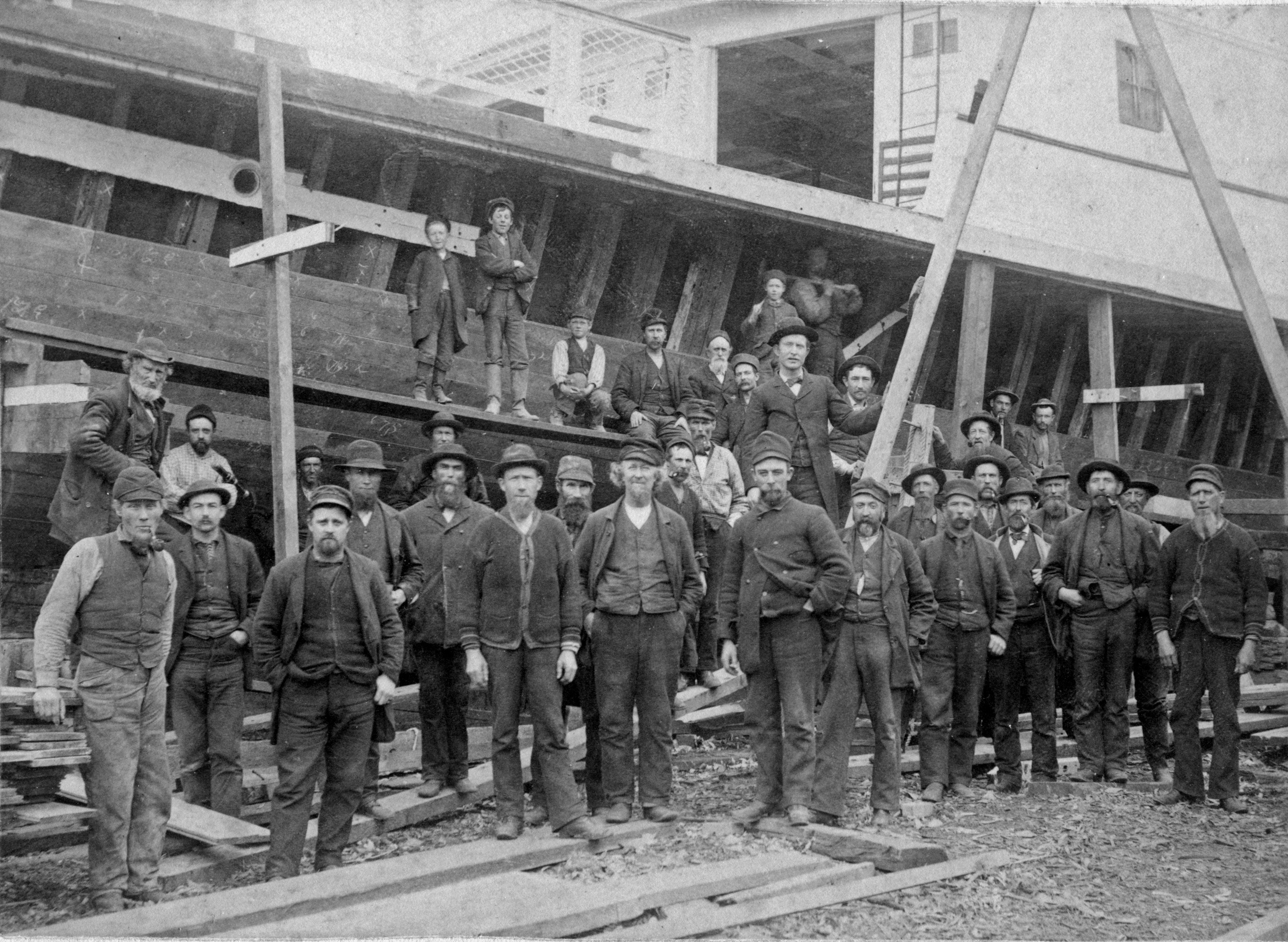
Shipbuilding concerns sprung up.

Boatbuilders at Rondout

Gristmills, boatyards, dry docks, three freighting companies and a tobacco factory. Brickmaking and ice cutting also thrived. But it was really all about coal.

coal boat, d and h

I got to know Rondout Creek when we had a house a couple of miles down Route 9W from the harbor, a sweet farmhouse in the middle of an orchard, where we were enveloped in springtime by the odor of honey from the apple blossoms. When we were not eating barbecue at a long table we brought out under the moon, surrounded by those low, gnarled trees, we’d go explore the Strand.

The shipyards had long since died away. In 1899, the D and H canal became a railroad. By the middle of the 20th century, the Rondout had fallen into its final slumber.

But boats still tie up there.

I remember boarding a crusty tugboat that belonged to a friend of a friend; this was its port of last resort. It was so exotic.

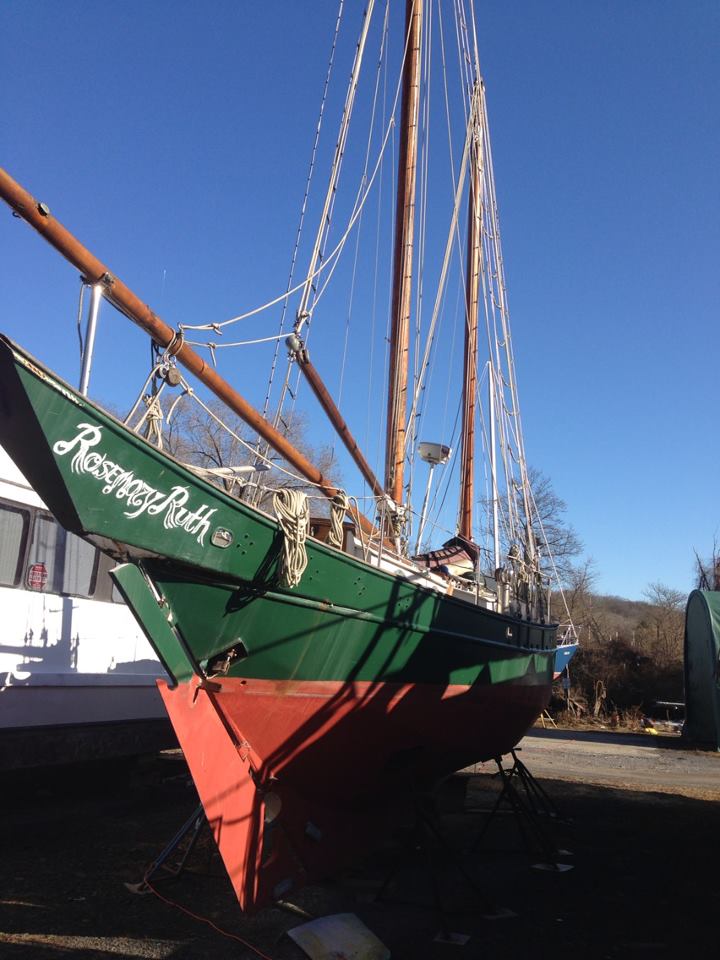
Today, my nephew spends time at the Rondout, where he is refurbishing Rosemary Ruth, a 40-year-old schooner with great lines.

Rosemary Ruth w name on stern

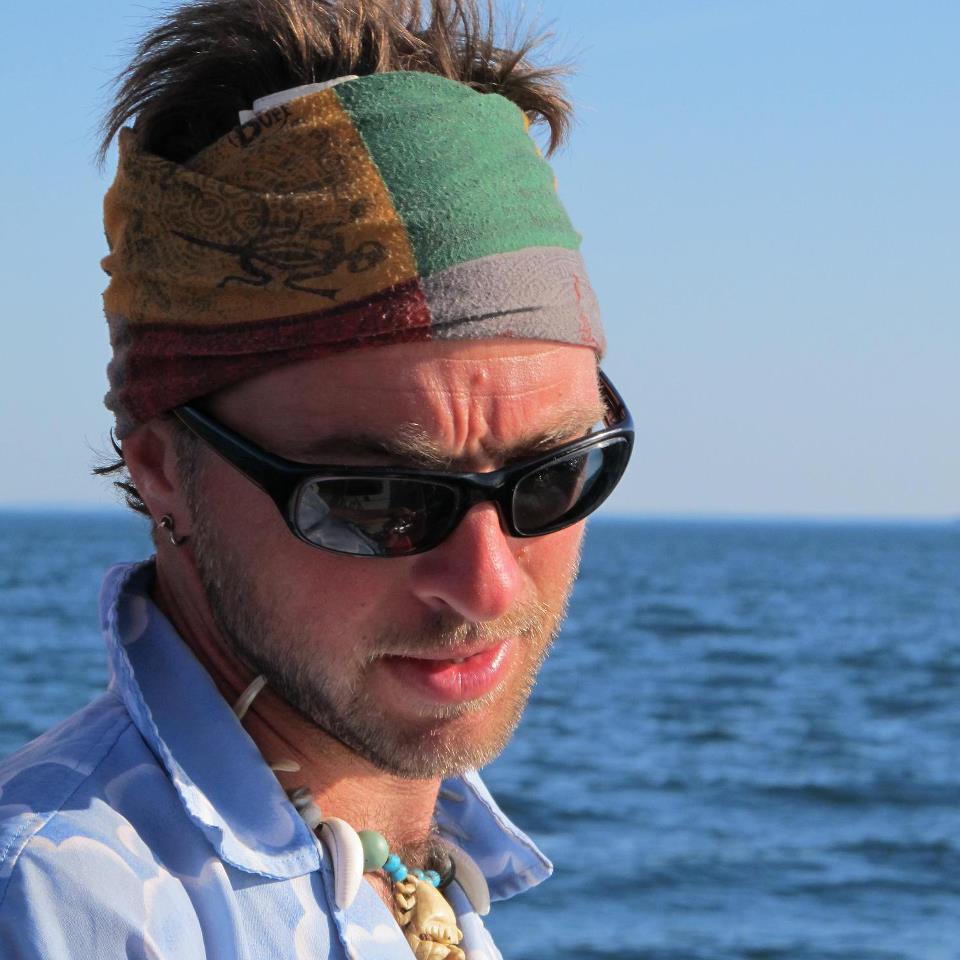
He is undertaking the grungy yet glamorous work of bringing out the inherent seaworthiness and beauty of this vessel. At least glamorous if you’re Jesse.

Jesse face

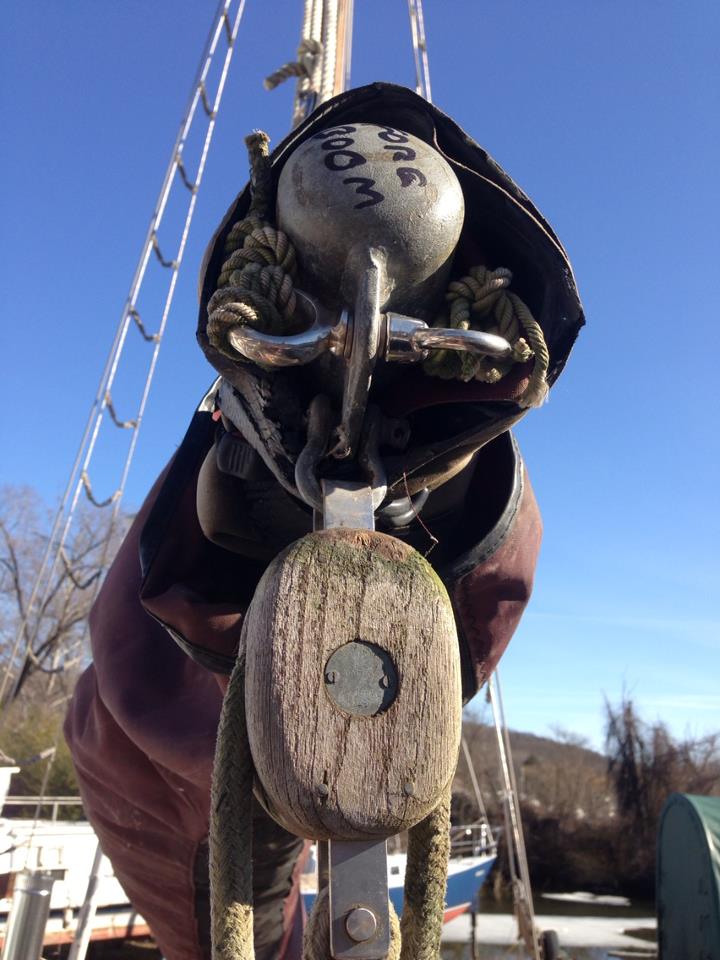
He’s been scrambling around the foresail boom, enraptured.

Foresail boom and sheet

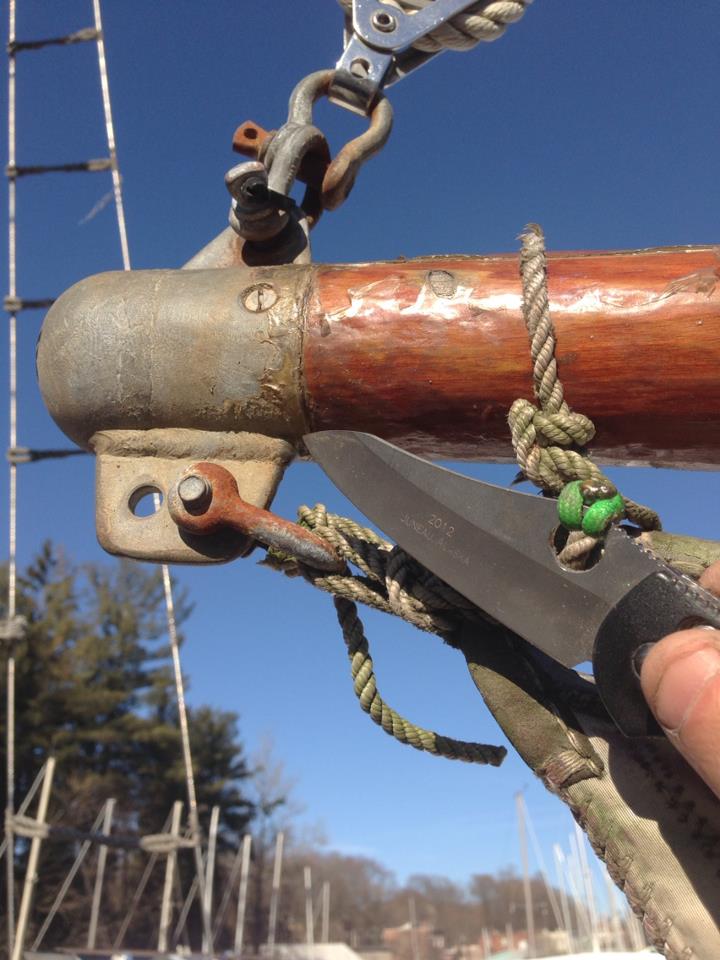
Cutting the fore gaff line.

Cutting the fore gaff line

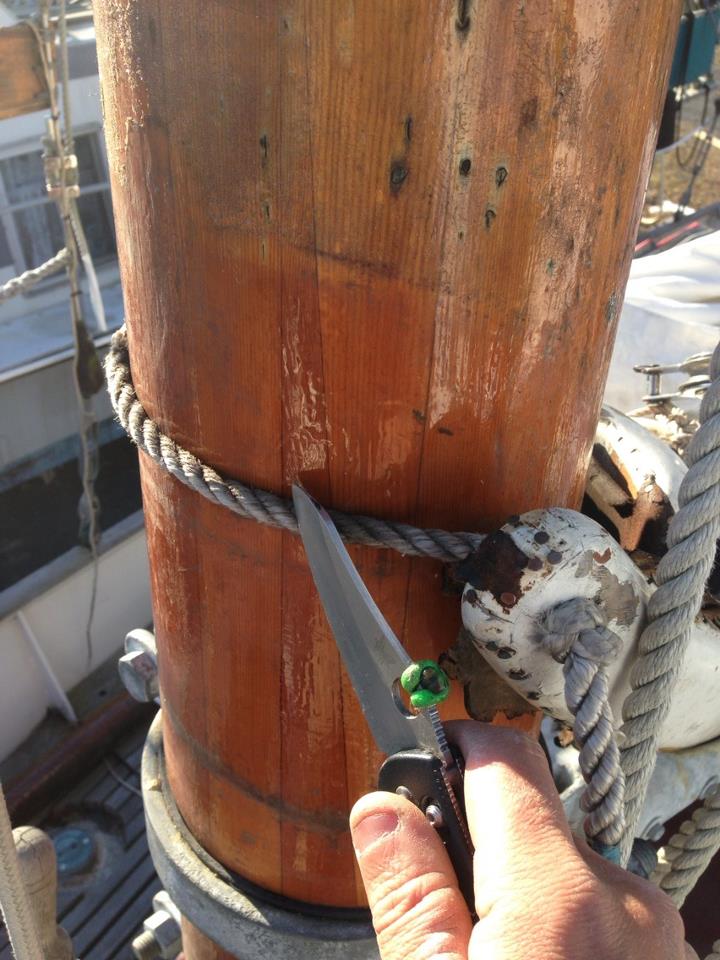
Considering what to do with the mast.

Mast Rosemary Ruth

And getting the muck of her barnacle-preventing paint all over him. There, I said it, her. I always wondered why we have to call nautical vessels her. I remember spending time on the U.S.S. Abraham Lincoln years ago, and it always seemed weird to have an aircraft carrier, one with an undeniably male name, described with a womanly modifier. Actually, one of the female jet jocks I interviewed, who was looking forward to flying off that carrier, persisted in calling the Abe the Babe.

Rosemary Ruth is obviously a girl.

Jesse plans to take her out as a charter boat on glittering, cold Lake Superior. That Maine-sized body of water is so deep that if you lost a boat in there you could never find it. Even with sonar.

Beneath the placid surface of the Hudson, evidence of its sometimes angrier face comes clear. The wreck beneath the Tappan Zee Bridge is a coal barge headed south, a hundred years old. No one was smiling in the Rondout the day it went down.

I’m glad Rosemary Ruth is traveling back to her new Midwestern home on a flatbed.


4 Comments

Filed under History

Geezing

A meeting of the New York Ship Lore and Model Club, tucked away around an alley in Chinatown.

welcome ipad

Appetites whetted by exotic bounty, we made our way through the unusually quiet streets.

dragons

chinese fruit

The occasion, a lecture on “Sailing the Northwest Passage” by Richard Hudson, captain of Issuma, a 50’ steel staysail schooner.

Issuma

The president of the club piped us in. “It’s a fabulous organization for geezing,” she said. “We gather once a month to geeze!” The filled-to-capacity room was lined with a clutter of nautical stuff, including a handsome model of a steam ship.

ship model

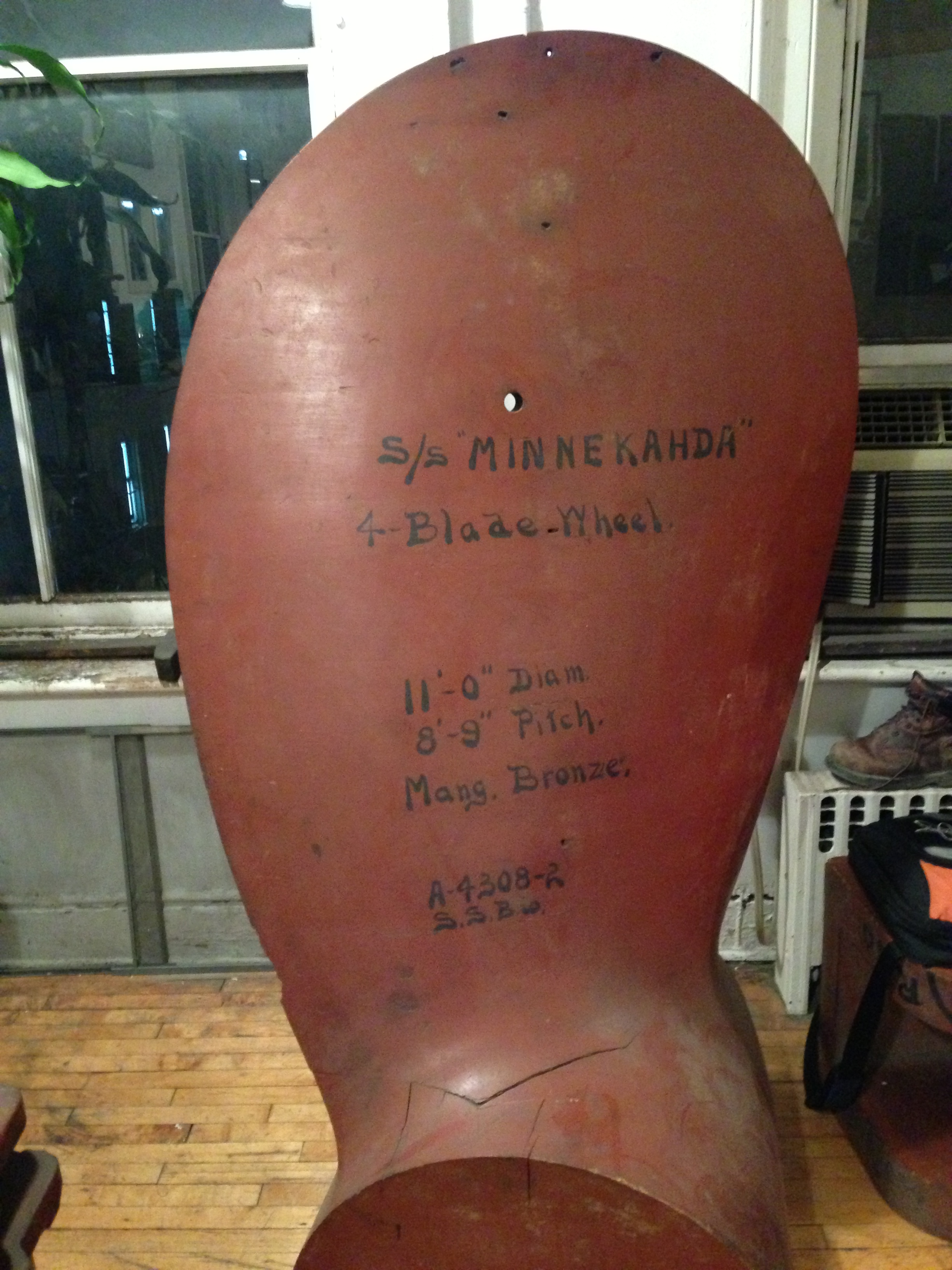
And a piece of the screw of some large vessel, now a weighty souvenir.

Screw

The audience included a cable-knit sweater or two and one magenda-locked lady, but, mainly, a number of earnest plaid-shirted hobbyists. Geezers. A woman stood to make an announcement about rehabbing old oil tankers. A man recommended an article in Outside magazine about the sinking of the replica of the HMS Bounty during Hurricane Sandy.

Hudson’s talk about his trip — from the Davis Strait in the East to the Bering Strait in the West, or Arctic Circle to Arctic Circle — had me mainly shaking my head at how little expertise I have on the subject of sailing the world’s seas. Masts broke, wires snapped, the freezing heavens conspired to keep Hudson in port after port. Roald Admundsen was the first to sail the Northwest Passage, in a wooden converted fishing boat, taking off from Norway in the middle of the night to evade his creditors. The charts were primitive, but he managed it.

Roald Engelbregt Grauning Amundsen.

But I could listen for hours to Hudson’s tales of Labrador, its whales, polar bears, the death of seal hunting and cod fisheries, its abandoned settlements along the shore. Pictures showed icebergs like giant animals carved out of limestone. A place called “Black Tickle,” it seems, takes its name from what Labradorans call a long, narrow body of water: a tickle.

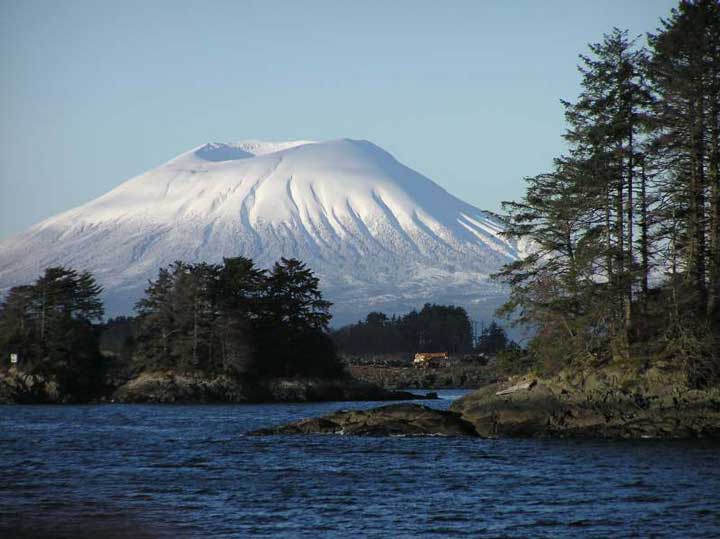
The icy majesty of Mt. Edgecumbe, the volcano near Sitka.

Mt. Edgecumbe

An Alaskan town called Tenakee, population 60, is built around a hot spring, where the male and female residents take dips on alternate days. Captain Hudson made Brazilian Caipirinhas with cachaça and ice from the local bergs. Delicious.

caipirinha1

I’d like to work the words “following wind” into my vocabulary, and my life, on a daily basis. And these northern climes have not only rainbows, but white rainbows – those slightly obscured by fog. If I heard correctly, there is a village someplace in Canada called “WillACockTalk”.

And as I’m turning these cold, splendid, gale-blown pieces of lore over in my mind. The Q and A begins.

“Was the hull flame-sprayed with zinc?”

The boat techies zero in.

“What watch schedule are you comfortable with when you’re single handling?”

This was a fifth-story loft on a narrow street in Chinatown, geezers adrift on a sea of  zinc and watch schedules. What, I wondered, was going on in all the other rooms, in all the other buildings, on all the other New York streets? What secret handshakes were making themselves felt.

4 Comments

Filed under History, Photography

A House That Stands With No Siding

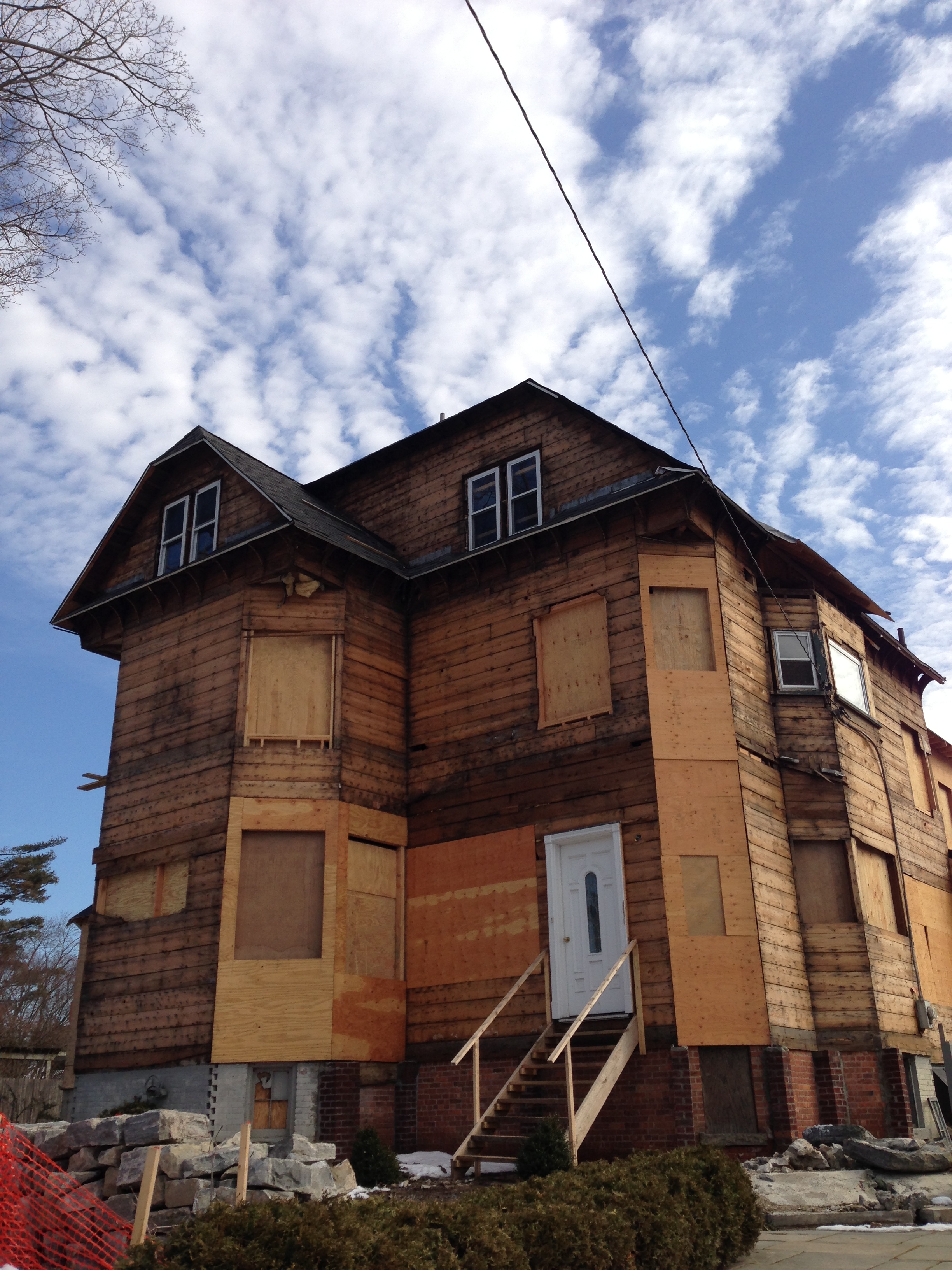
With no shell, no sheath, no skin.

house w:out siding

It can be painful, sometimes, to stand bared to the elements. Like this house by the side of a little suburban street, awaiting its spring refurbishing.

To have all your undergirding showing. The feeling, say, when some person infers that you or your work or something else you did has room for improvement. Raw.

All you can do is wait for the next coat of mail, the fresh wood planking, to grow.

Or grow it yourself.

3 Comments

Filed under Home, Jean Zimmerman

Sentimental Roadshow

Just a plate.

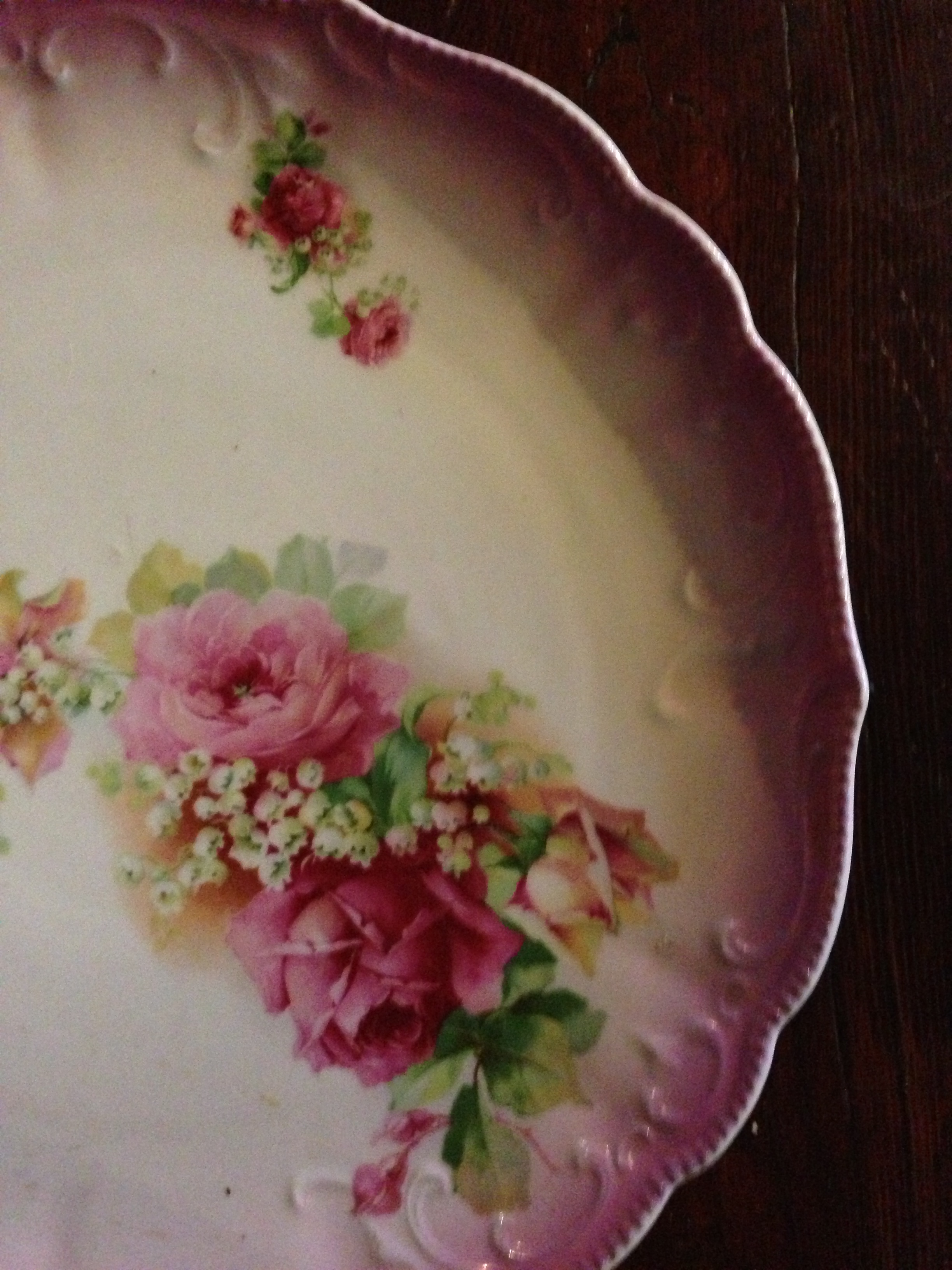
cake plate

A cake plate. A nice size, a full foot across, embellished by deep pink roses and lilies of the valley.

Just a plate. But a plate belonging to my great-great-grandmother, name of Brown Coats, resident of tiny Greenfield, Tennessee, where she lived with four generations of her family on Main Street.

Smaller Brown Coats

Apparently she served cake. But I don’t have a lot more on her than a gentle face in a faded photograph.

Today was a grand opportunity to find out a little bit, if not about Brown herself, then about her cake plate.

The Antiques Roadshow came to Dobbs Ferry – or at least Leigh Keno, one of its two hosts (with his identical twin brother Leslie) and a cohort of appraisers, who tended to a few hundred supplicants in the auditorium of the Greenburgh Hebrew Center. On my way, driving to the place, Sinatra came on the radio with “Bewitched, Bothered and Bewildered.” I began to get in the mood, thinking about all the things that bewitch and bewilder us, all the precious objects seeing the light of day for the first time in a long time and really assuming new identities.

Heirloom Discovery Day attracted people with all sorts of things.

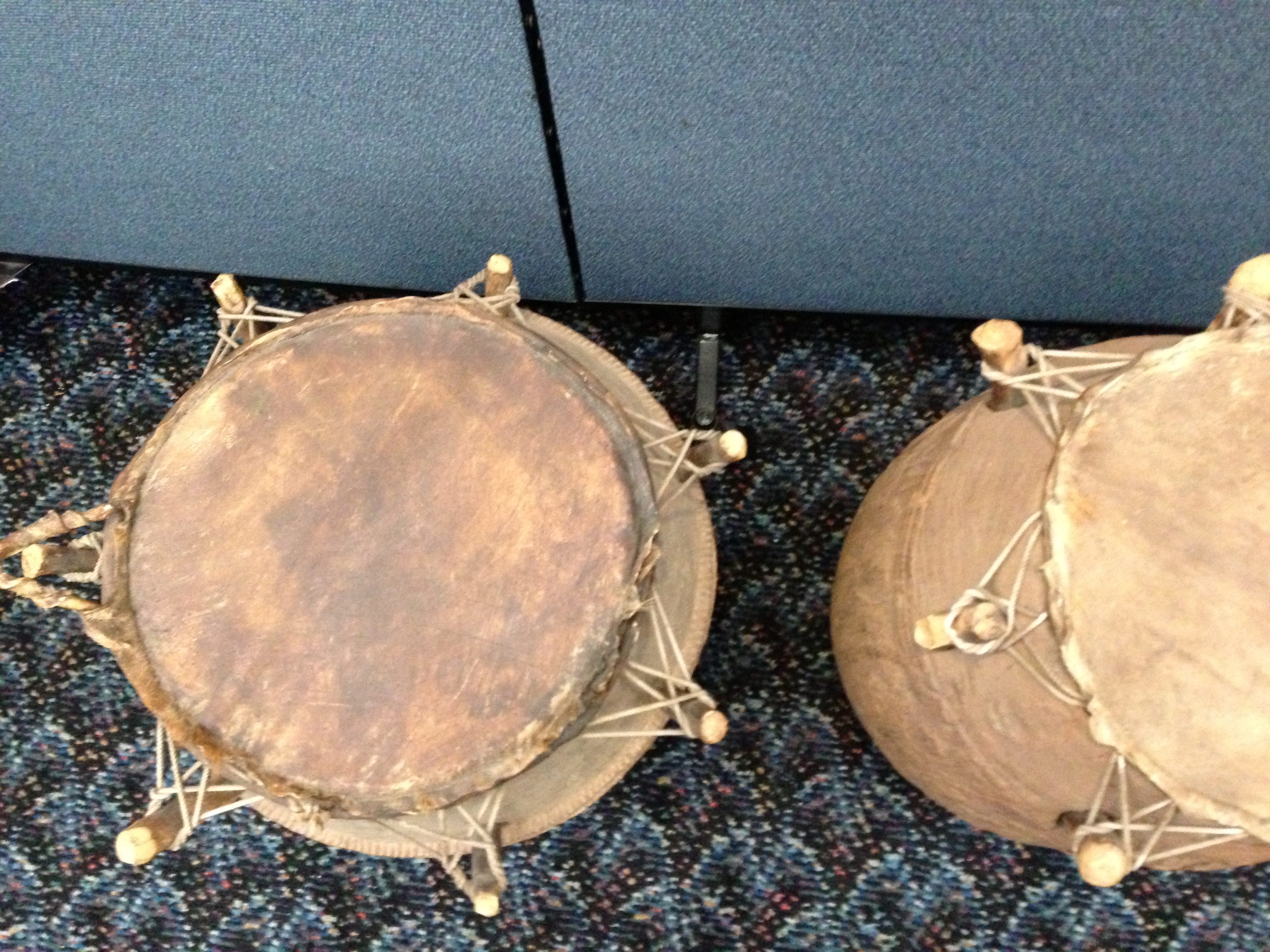
African drums.

drums

Eastern European silverplate.

silverplate

Large, bad paintings. Tasselled lamps. Elaborate tableware. People looked as if they would wait days for an appraisal, hugging packages of brown paper and bubble wrap to their chests. It wasn’t about the money, but the connection with the past that their attic-lodged belongings gave them. One woman told me about the diaphanous nude woman pictured in the oval frame she toted – her mother hid it in the basement the whole time she was growing up with her five sisters, she said, saying it was “porno,” but now at the age of 75 she claimed she’d posed for it.

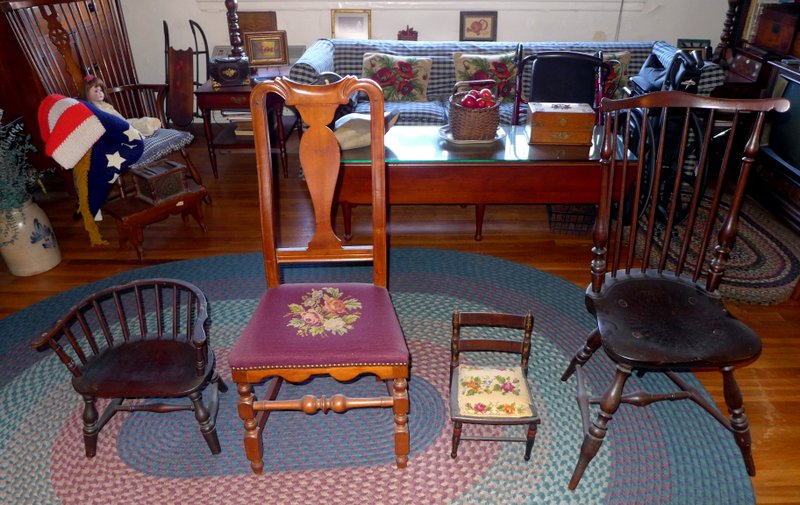
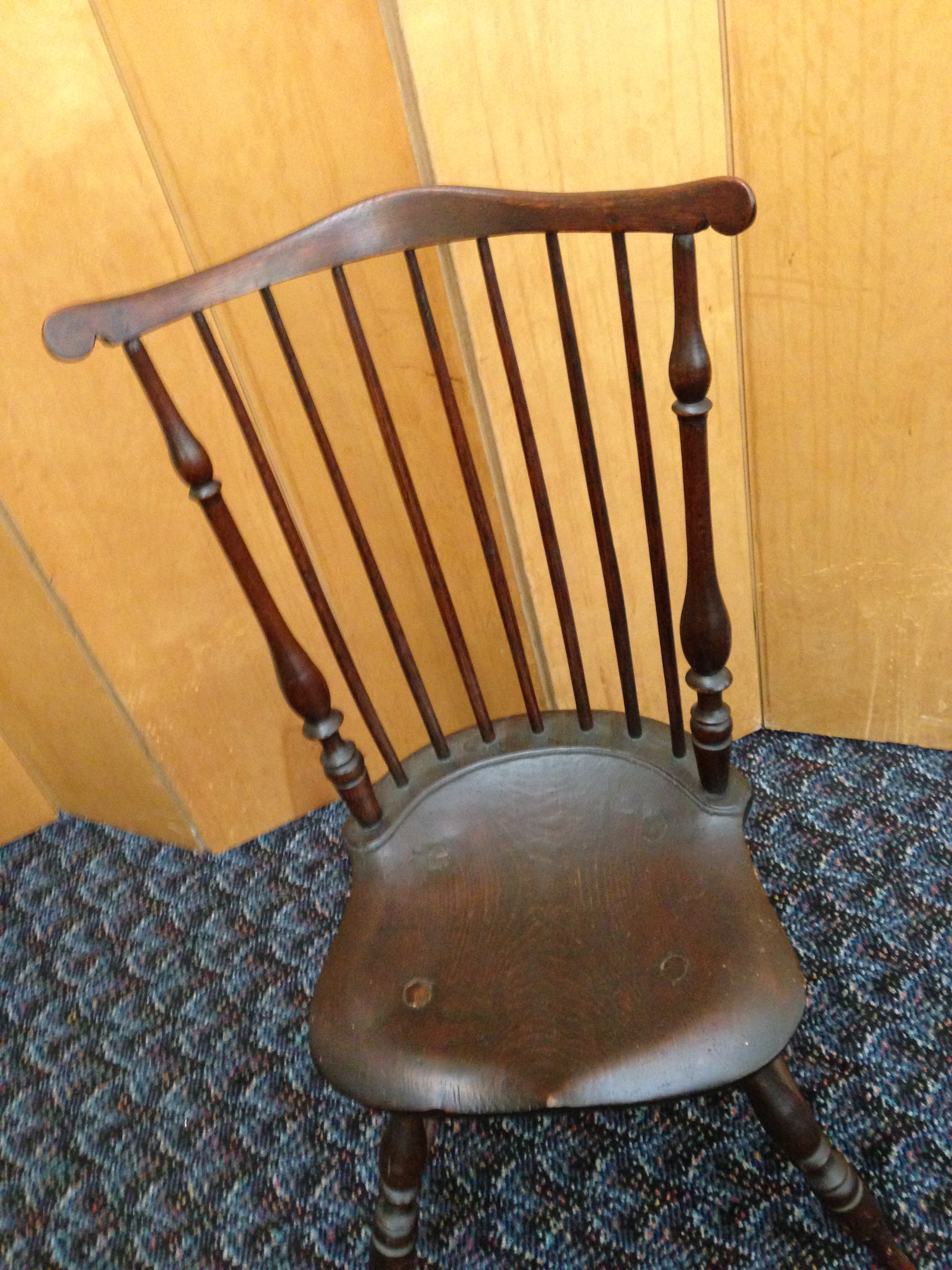
We were just as eager as everyone else. My sister-in-law Suzanne had a Windsor chair and a ceramic jug with a portrait of George Washington on its bulbous face. Her mother had been an antiques dealer. The chair, she always said, was “a good chair.”

She had a lot of similar antiques at home, big and small.

Suzanne's chairs

But how good was the Windsor?

windsor

I had the plate, as I said. My appraiser was kind.

She indicated its hairline cracks that slightly marred the back, though the hand-painted imagery and the curvature of molded scrolls and beaded edge were “very, very sweet.” Austrian, or European, she said, 1870. Originally part of a set that would have included a pitcher, creamer, dessert plates, it now stood alone, a beautiful orphan. It was “not in vogue at the moment,” she said, “not in demand.” It’s too bad, she said, these things fall out of popularity. Worth less than a hundred bucks.

I brought out my next objet.

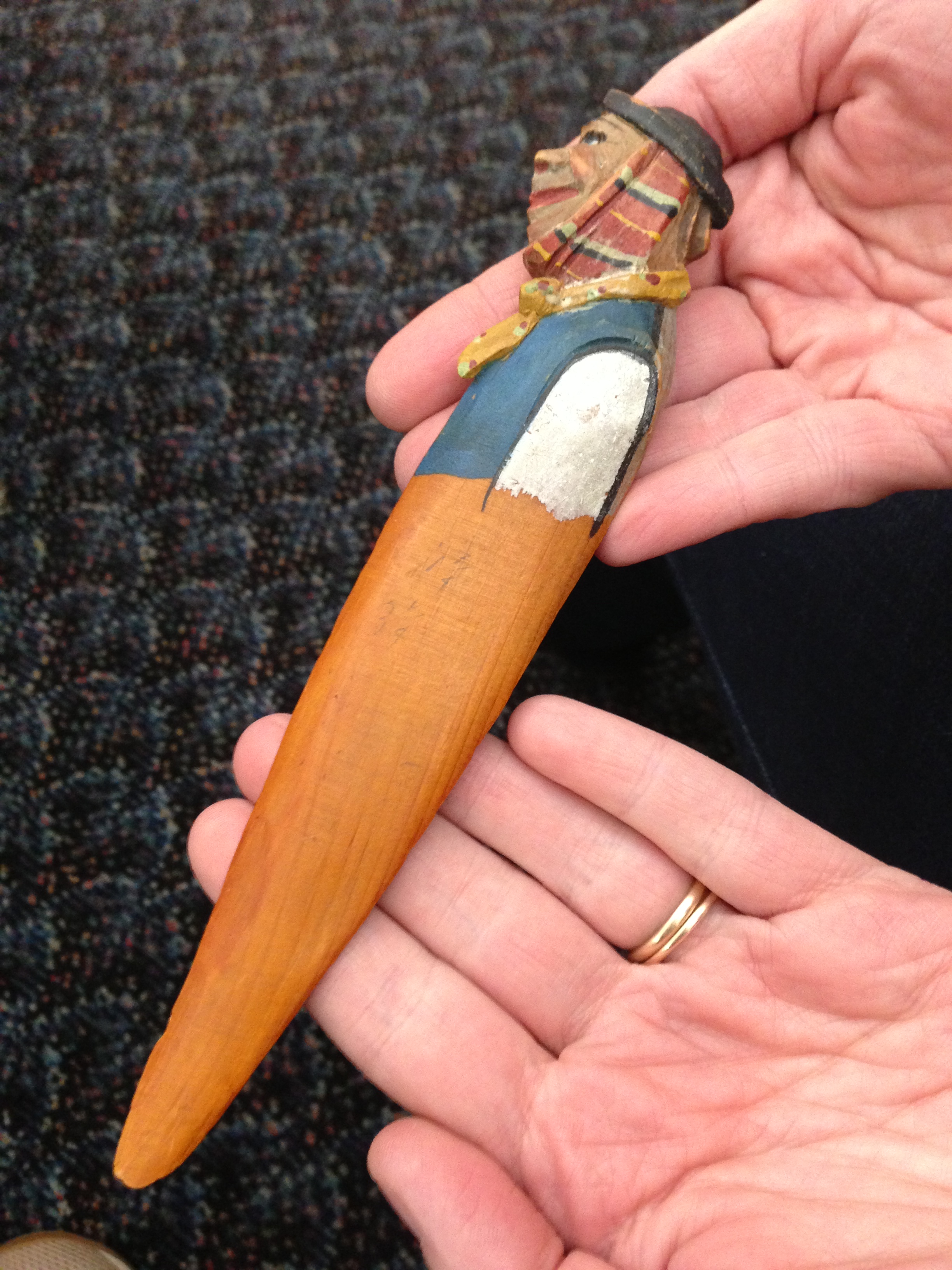
bookmark c-u

It was a “letter opener” that Gil had carried home from Wisconsin, from among his deceased mother’s belongings. I didn’t anticipate my appraiser’s slightly pursed-mouth critique. “Not so sweet,” she said.

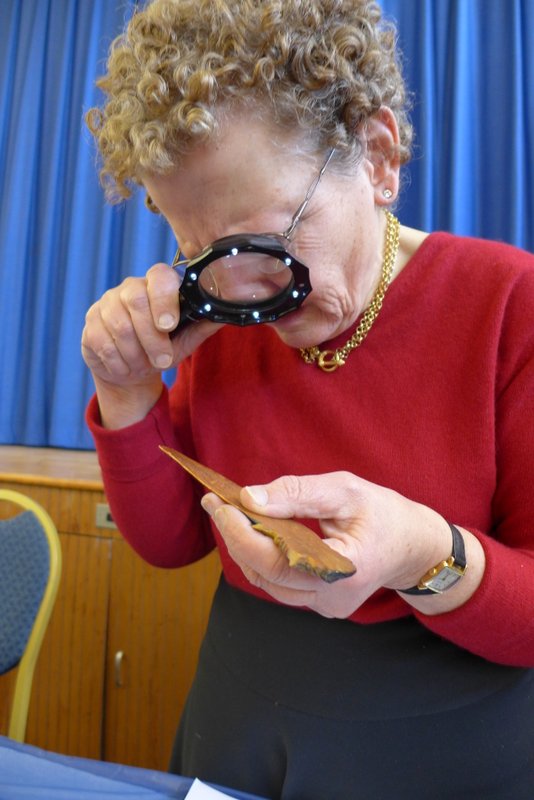
Beth appraising

She examined the reverse with a magnifying glass. The writing, she said, was half Russian, half English – the English part said Bookbinders. Its quaint decoration was a caricature that was not kind to a certain class of people. You could tell from the homely scarves, the humble cap. My father-in-law spent time in Germany in the second world war, I said. Could he have picked it up there? Yes, she said gravely, dating it to the mid-30s. “it’s something they’d been making for many, many years. It mocks peasants,” she said, “especially, you see, because the underclass can’t read, and this is a book mark.”

Well.

It was time for Keno and perhaps a less awkward meet and greet. Friendly and urbane, he ruefully explained his allergies to metals and to news clippings, “if you can imagine.” He turned over the Liverpool creamware jug in his hands, neatly dissecting its good qualities and its flaws. The Windsor chair it took him about 20 seconds to date to 1785 Massachusetts. Hickory, pine and maple gave it its delicate lines. The chair and the jug were “the two neatest things I’ve seen so far,” he told us. Hooray.

Then came the puzzle.

Jasper w buckle

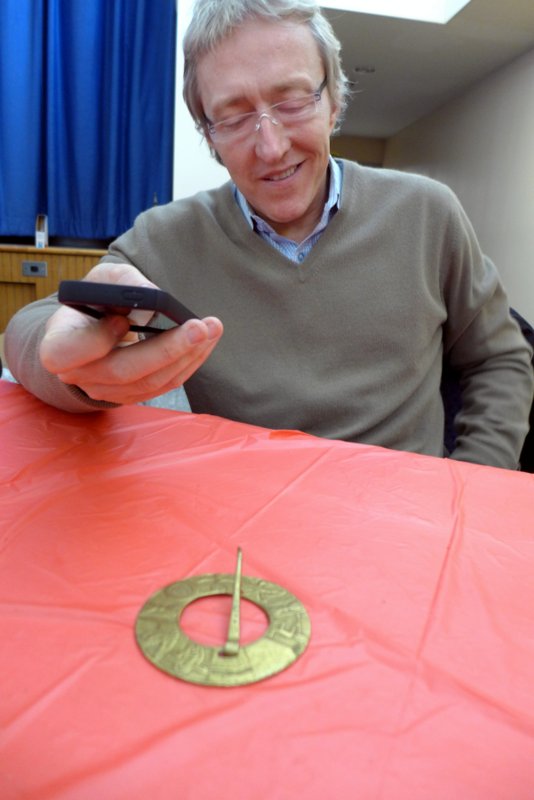
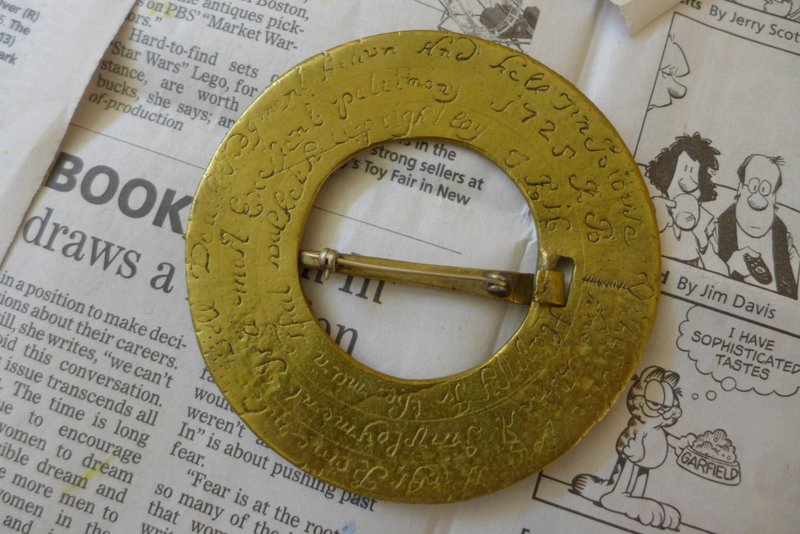
What, we wondered, was the provenance of the gold buckle with runic inscriptions all over its back and front? It already made a good monocle, according to Jasper. “That’s a baffler,” Keno said, getting out his magnifier, bending his blond head over the buckle, attempting to read the words, turning it to all sides to catch the light and generally fidgeting with excitement.

Keno appraising

It’s either a modern fake, he said, or it originated in the 17th century, in which case it would be a very exciting find. He would do some sleuthing, he promised.

buckle

I can’t wait to hear the origin of this buckle. Somehow I think it’s really an amulet of some kind, you hold it up and can fly through the hole, through history.

We joined the antique lovers trooping out of the building.

“Was it worth any money?” one called out to another.

“We still have to keep our day jobs,” jested the one with the bulky package.

Even if there were a fortune in it, in a plate, in a painting, in a chair, in an amulet-buckle, we don’t want to part with it anyway. Not for all the money there is.

6 Comments

Filed under History, Home, Jean Zimmerman

Blips of Wonderment

They were small moments of wonderment, as befits a small person. A sheltered life. Still, sudden blips bubbled up from within my romantic child mind, bouts of vague yet powerful curiosity that would seize me out of the blue. There were times when I was sure that some day I would understand the things that mystified me now. That one day I might even write about them. These are a handful of those moments.

Sitting on the stair landing of my quiet home at night, looking out the window to the quiet street, a pool of light beneath the lamppost, and needing to know what went on beyond that quiet. Wondering about the world.

Watching the wind-blown leaves of the oak in the center of our yard, standing in the kitchen,the thought consciously occuring to me, I Am Myself, and wondering about the world.

Checking out the newspaper, black squiggles on white, the landscape of adulthood that as yet made no sense to me, and wondering about the world.

Jumping in fall leaves with my neighbor-friend, then remembering the scratchiness of those leaves later, when he died at 16, and wondering about the world.

Chugging up a Swiss mountain trail through herds of belled cows to see a tiny jeweled village below, and wondering about the world.

Lying on the living room couch after school, lost in “Will You Love Me Tomorrow,” and wondering about the world.

Watching a teacher hold a boy by the hair and kick him for punishment, and wondering about the world.

A dry, awkward first kiss from a kid when I was 13, thinking hmmn, and wondering about the world.

Sewing a flannel nightgown for myself, by myself, and wondering about the world.

Feeling the heat of Marjorie Morningstar, of all things, and wondering about the world.

Driving on the highway to Baltimore, curled in the backseat, gazing out the window at the headlights of the trucks barreling towards us, asking myself where they were headed, and wondering about the world.

Taking the train along the Hudson and feeling certain that the world did not hold another river as beautiful. Something I  knew for certain, beyond all blips of curiosity or wonderment, then as I do today.

Hudson sunset

5 Comments

Filed under History, Home, Jean Zimmerman, Writing

When It’s Okay to Be List-y

There’s a great piece on Flavorwire that anthologizes ten lists “that seem like they could be poems in and of themselves.” The writers responsible for these lists are diverse. I’m reminded of a term for a writerly sin that Gil and I coined — being “list-y,” filling a passage with a bunch of wonderful facts that when run together just add up to dead weight.

But sometimes a list is a dynamic object, grocery lists, laundry lists, books to read, resolutions of every kind. Bucket lists itemizing the wonderful activities you’ll someday get around to… although I have instead a fuck-it list, things I will not in any circumstances ever do in my lifetime, the ones I refuse to consider, like bungee-jumping from a helicopter or white water rafting down a too-exciting Colorado River.

There’s nothing quite like rediscovering a scrap of paper — buried on your desk or in your bag — and realizing that you’ve actually accomplished the things on it. Ta-da. I did something! No matter how small. I returned the DVD to the library. I picked the tomatoes.

tomatoes copy

And I remember what that day was, the crumbly soil, the sun, the smell of the tomato stems when I cut them. How my lower back felt when I was done. The taste of the salad, later. It all comes back with pencilled words on a scrap of paper. A list enumerates the world.

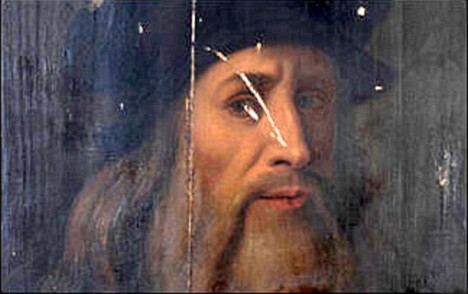
Here you can see Leonardo da Vinci present his qualifications for a job at the court of Ludovico Sforza in the early 1480s. One bullet point refers to his early designs for military tanks: “Also, I will make covered vehicles, safe and unassailable, which will penetrate the enemy and their artillery, and there is no host of armed men so great that they would not break through it.”

da vinci

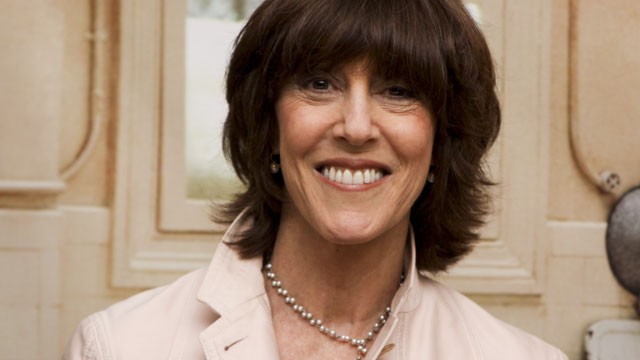
Nora Ephron writes about the things that she won’t miss when she’s gone.

Nora Ephron

Two are “washing my hair” and “the sound of the vacuum.”

Woody Guthrie gives his new year’s resolutions for 1942, including “Listen to radio a lot” and “Help win war—beat fascism.”

Folk Musician Woody Guthrie

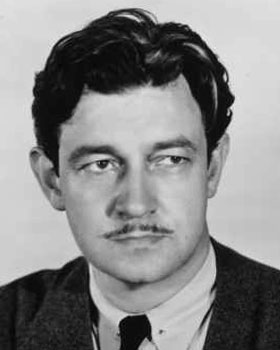
Sullivan’s Travels director Preston Sturges’s decrees “eleven rules for box-office appeal.”

preston_sturges

The whole series is great:

A pretty girl is better than an ugly one.


A leg is better than an arm.


A bedroom is better than a living room.


An arrival is better than a departure.


A birth is better than a death.


A chase is better than a chat.


A dog is better than a landscape.


A kitten is better than a dog.


A baby is better than a kitten.


A kiss is better than a baby.


A pratfall is better than anything.

Pianist Thelonius Monk takes a bold-faced approach to giving advice to musicians in 1960.

thelonious-monk-2

Two are:

STOP PLAYING ALL THOSE WEIRD NOTES (THAT BULLSHIT), PLAY THE MELODY!

and

MAKE THE DRUMMER SOUND GOOD.

What I think I like the best of this selection is Isaac Newton’s itemization of his recently committed sins, penned when he was 19 years old, in 1661 – several years before he set his mind to the principles of calculus.

isaac newton

And so I’m going to borrow from Flavorwire to run Newton’s list in its entirety, from his notebook:

Before Whitsunday 1662

Using the word (God) openly

Eating an apple at Thy house

Making a feather while on Thy day

Denying that I made it.

Making a mousetrap on Thy day

Contriving of the chimes on Thy day

Squirting water on Thy day

Making pies on Sunday night

Swimming in a kimnel on Thy day

Putting a pin in Iohn Keys hat on Thy day to pick him

Carelessly hearing and committing many sermons

Refusing to go to the close at my mothers command

Threatning my father and mother Smith to burne them and the house over them

Wishing death and hoping it to some

Striking many

Having uncleane thoughts words and actions and dreamese

Stealing cherry cobs from Eduard Storer

Denying that I did so

Denying a crossbow to my mother and grandmother though I knew of it

Setting my heart on money learning pleasure more than Thee

A relapse

A relapse

A breaking again of my covenant renued in the Lords Supper

Punching my sister

Robbing my mothers box of plums and sugar

Calling Dorothy Rose a jade

Glutiny in my sickness

Peevishness with my mother

With my sister

Falling out with the servants

Divers commissions of alle my duties

Idle discourse on Thy day and at other times

Not turning nearer to Thee for my affections

Not living according to my belief

Not loving Thee for Thy self

Not loving Thee for Thy goodness to us

Not desiring Thy ordinances

Not long {longing} for Thee in {illeg}

Fearing man above Thee

Using unlawful means to bring us out of distresses

Caring for worldly things more than God

Not craving a blessing from God on our honest endeavors.

Missing chapel.

Beating Arthur Storer.

Peevishness at Master Clarks for a piece of bread and butter.

Striving to cheat with a brass halfe crowne.

Twisting a cord on Sunday morning

Reading the history of the Christian champions on Sunday

Since Whitsunday 1662

Glutony

Glutony

Using Wilfords towel to spare my own

Negligence at the chapel.

Sermons at Saint Marys (4)

Lying about a louse

Denying my chamberfellow of the knowledge of him that took him for a sot.

Neglecting to pray 3

Helping Pettit to make his water watch at 12 of the clock on Saturday night

4 Comments

Filed under Jean Zimmerman, Writers, Writing