I think our family would really benefit from the Paleo diet, says Maud.
At the mouth of Boynton Canyon, the most beautiful feature of Sedona, Arizona, and probably the rest of the natural world. The dust of the trail is red, but not as red as the rocks that rim the place.
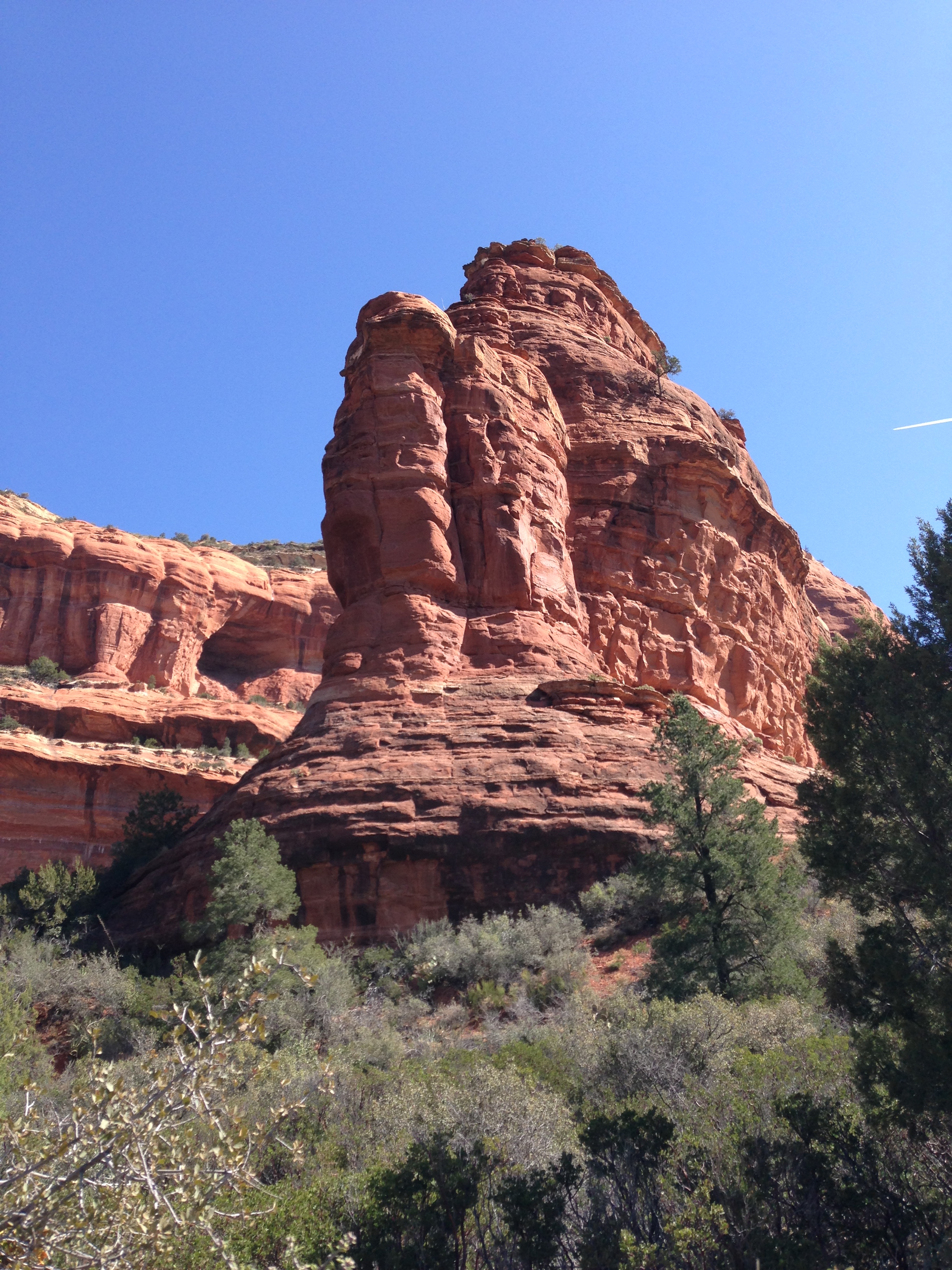
The Anasazi, the ones that came before, and those that came after them, the Yavapai, populated these parts until 600 or so years ago, dwelling in caves beneath the circling ravens and slip of moon. Cookfire smoke still can be traced up the walls.
We walk where they walked, talking about eating nothing but meat and fat. Maybe gristle, for variety.
Past the alligator junipers, 300 years in the making.
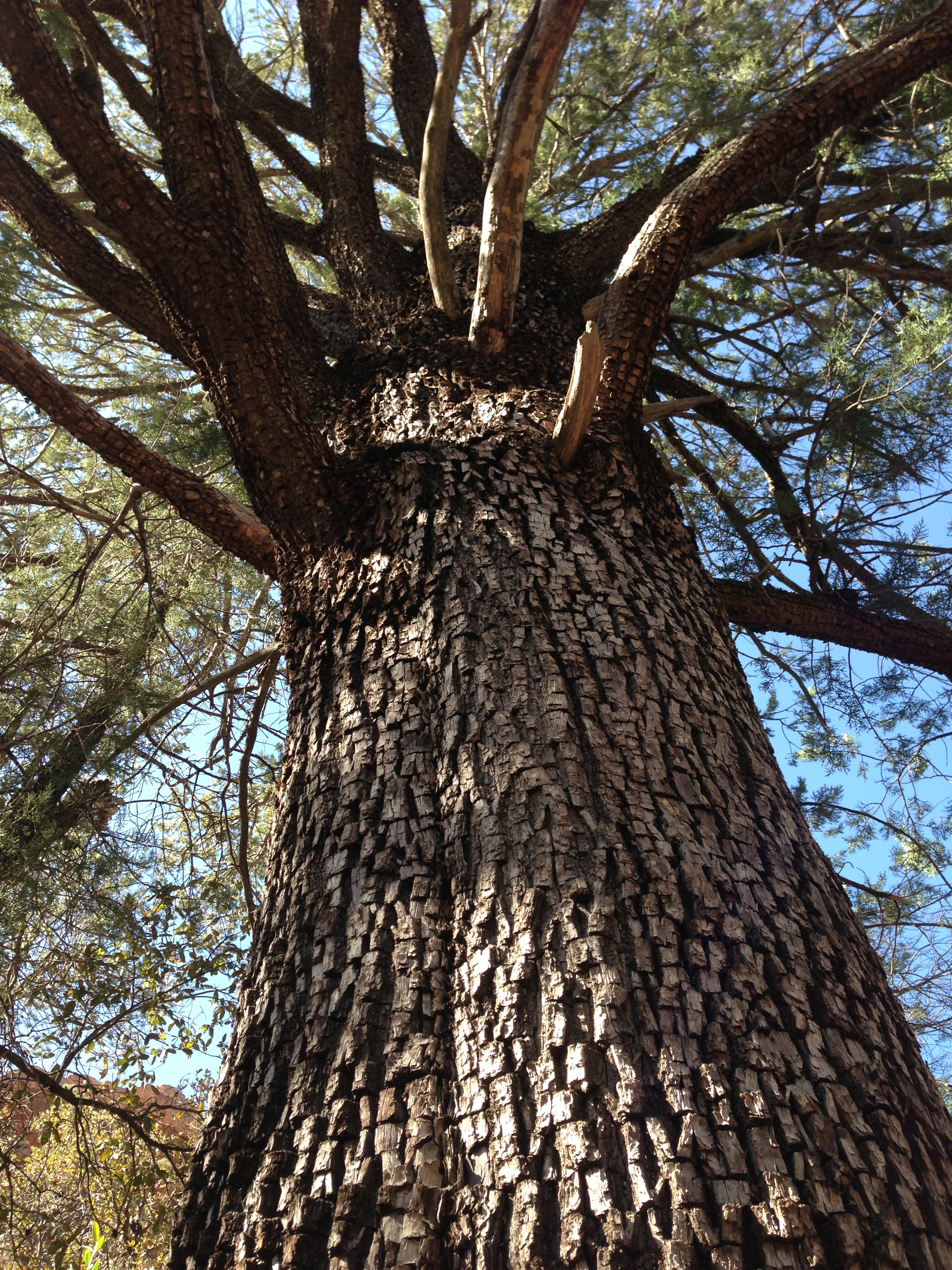
Past the manzanita, which I love because it dies and lives at one and the same time, its red, smooth, cold bark entwining with the old grey.

We passed a herd of javelina coming in, blustery and shy at once, hustling their young along.
Coyote have been here, leaving blue juniper berries in their scat.

I wonder what it would be like to eat nothing but meat. No juniper berries, no salads of grizzled green grasses. Only the occasional pine nut.
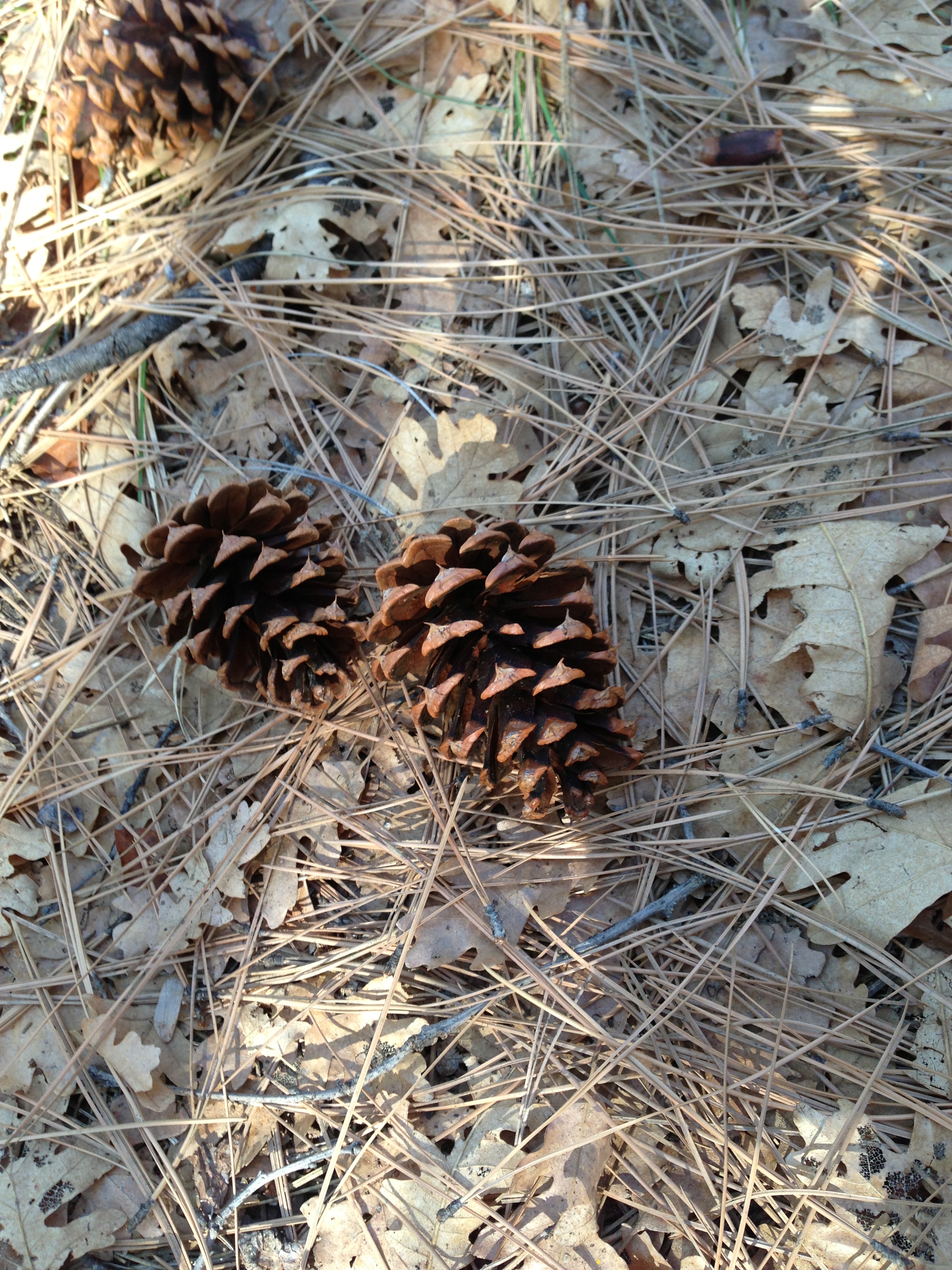
Black butterflies and white butterflies flit through the undergrowth. The towhee hops beneath the manzanita, fat red breast and coarse black and white feathers like a Renaissance cloak, then disappears.

Meat. The oily scent of mesquite in the cool air now that the sun has come over the canyon wall. I learned recently about a perfume designer who created a concoction based on the smell of ink. Mesquite for Men?
How far is it to the back of the canyon, I ask a hiker resting on a rock.
There’s only one way to know, he says, smiling with certainty.
We love the Ponderosa pines, which for some reason thrive in Boynton Canyon.
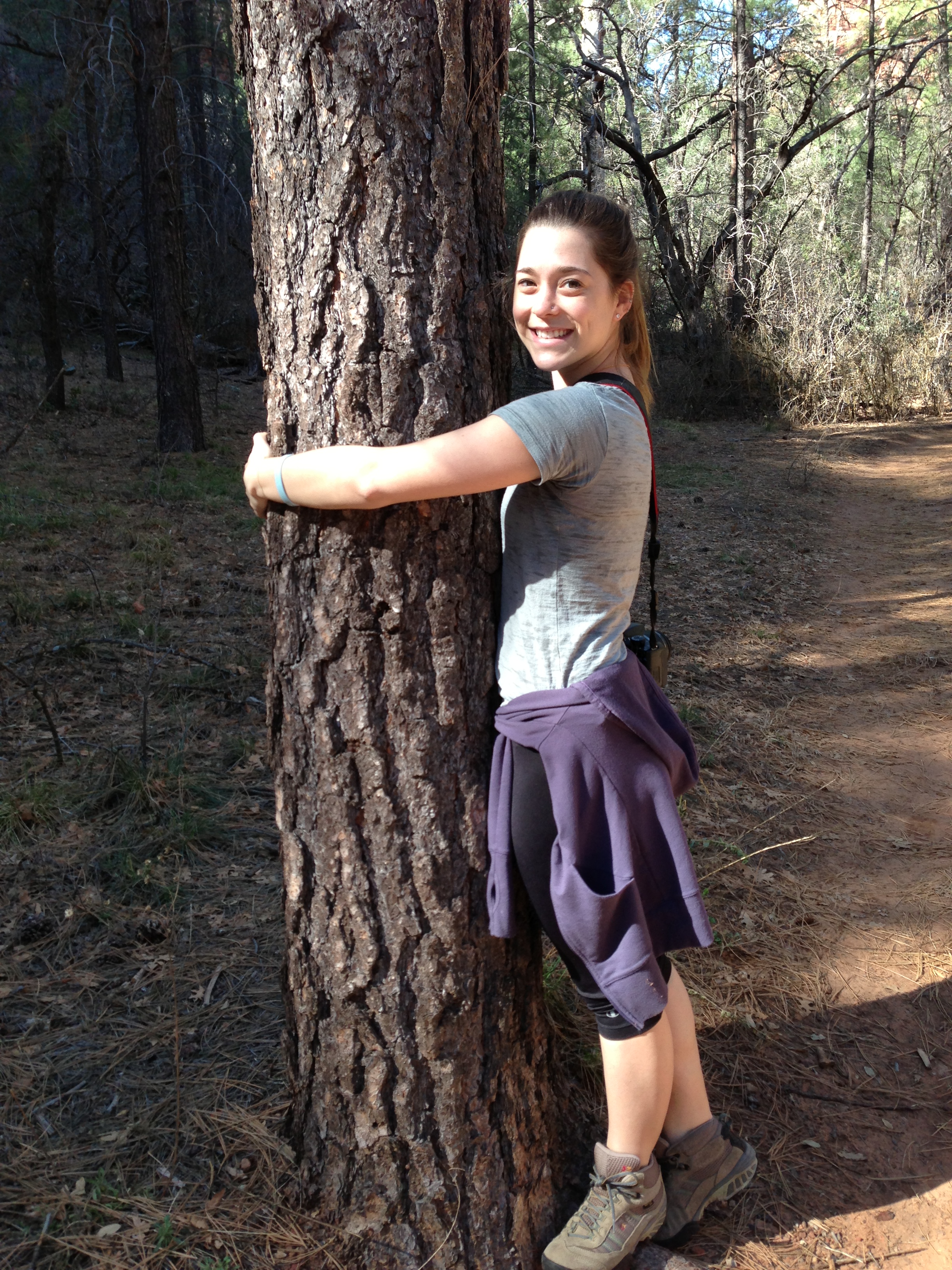
When the sun rays hit their bark, they give off the aroma of butterscotch.
Feel the hot sweat on your back. The negligible soreness in your toes. Press your nose up against a tree, and learn how to live.
Perhaps on a diet of butterscotch.
