Dirty Disney

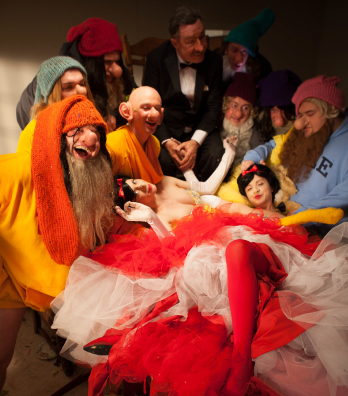
I expected the Paul McCarthy show at New York’s Park Avenue Armory to be raunchy, demented, transgressive. What I didn’t anticipate was that it would be hilarious.
Screen-Shot-2013-07-08-at-9.34.24-AM

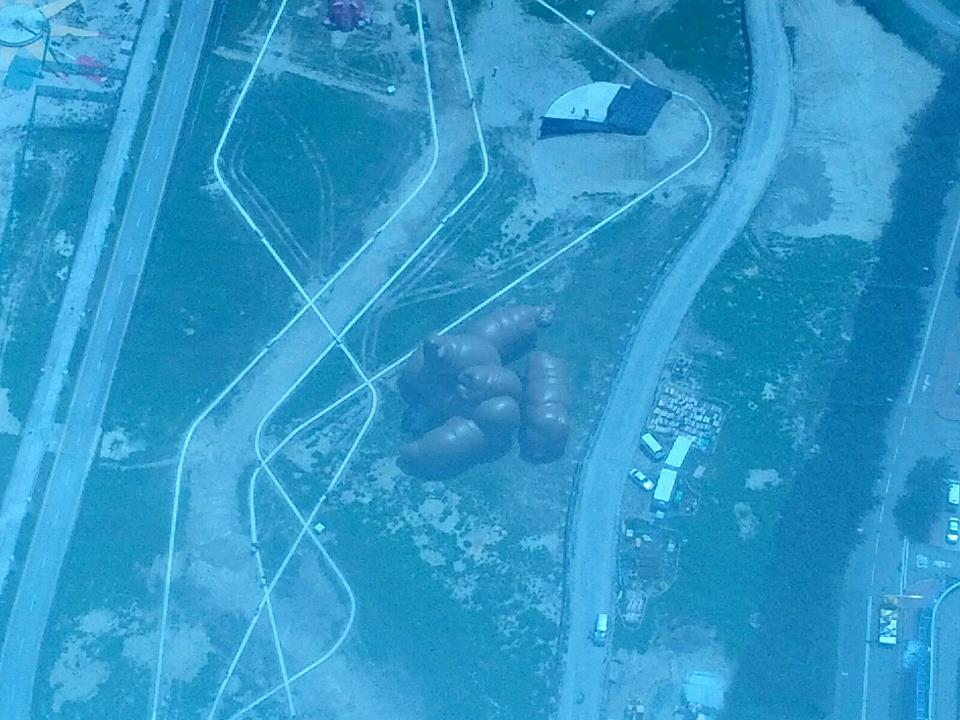
If you follow the contemporary art world you know that McCarthy excels at tweaking the public’s nose. Not long ago there was the giant inflatable “Complex Pile” he contributed to ultra-civilized monumental art shows.
poop

The fifty-one-foot dog poop went pop in a downpour one recent day in Hong Kong, but not before it had made its comment on our expectations for the public sculpture we’re used to admiring. Plastic dolls, masks and ketchup have also figured in the 68-year-old McCarthy’s oeuvre over the years.

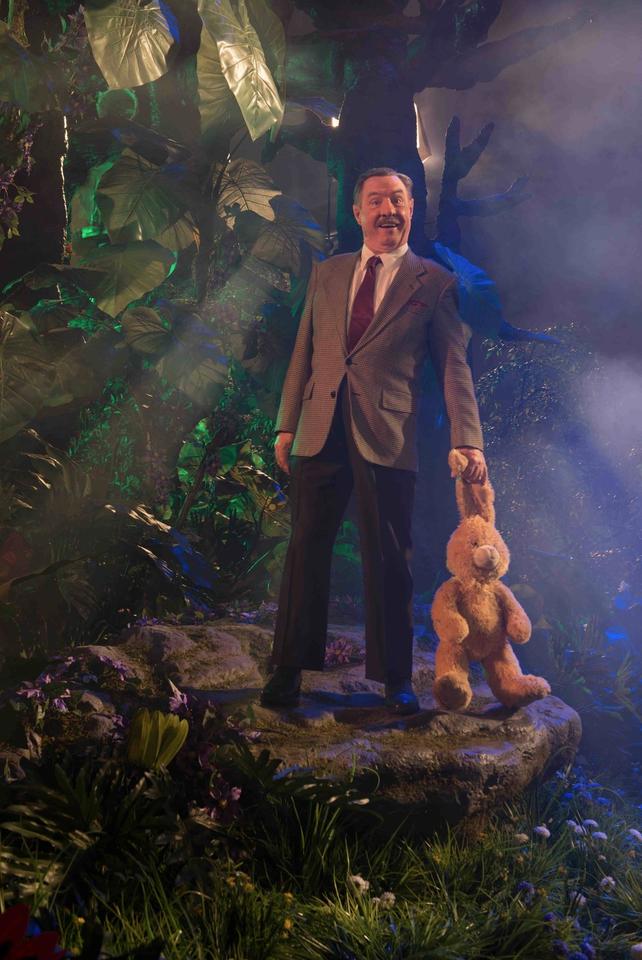
In W/S,  the largest installation the artist has ever created, we have a multimedia reimagining of the tale of Snow White and the Seven Dwarfs, its Disney iconography mashed up with elements of horror and porn and probably a few other elements I missed. In the films that are the bulwark of the show, McCarthy plays an ersatz Walt Disney, here called Walt Paul, nose prosthetiicized to the max.
061813white4

Neither Maud nor I said much as we went around the Armory’s cavernous Wade Thompson Drill Hall, one of the largest public spaces in Manhattan. The last time I visited the Armory it was for the prim and proper Winter Antiques Show, and I remember marvelling at the fancily gorgeous reception rooms designed by people like Louis Comfort Tiffany.
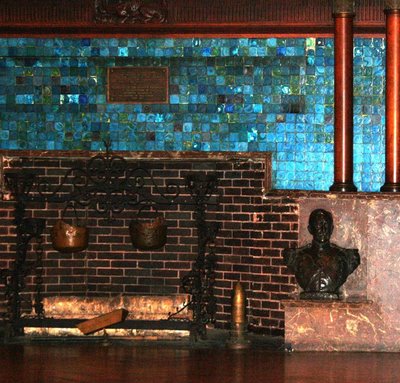
armorytiffany3

This time we heard the exhibit before we saw anything, a raucous moaning and groaning like a bloated x-rated soundtrack. The noise emanated from two gigantic screens, each as big as a drive in theater’s. On the screens, dwarves cavorted with  White Snow – McCarthy’s version of the Disney heroine — in a hectic, squalid party.

screen

Under the blast of sound we couldn’t hear each other anyway. In front of us stood a large, Wonderland-proportioned forest of painted styrofoam trees and garish monster flowers.
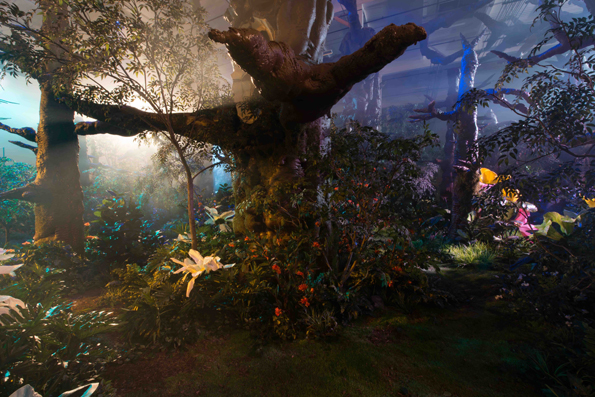
forest dark

Its lavish 8,800 square feet formed the centerpiece of the show and had served as the soundstage of the production, before it was carted to New York from Los Angeles in dozens of tractor-trailers.
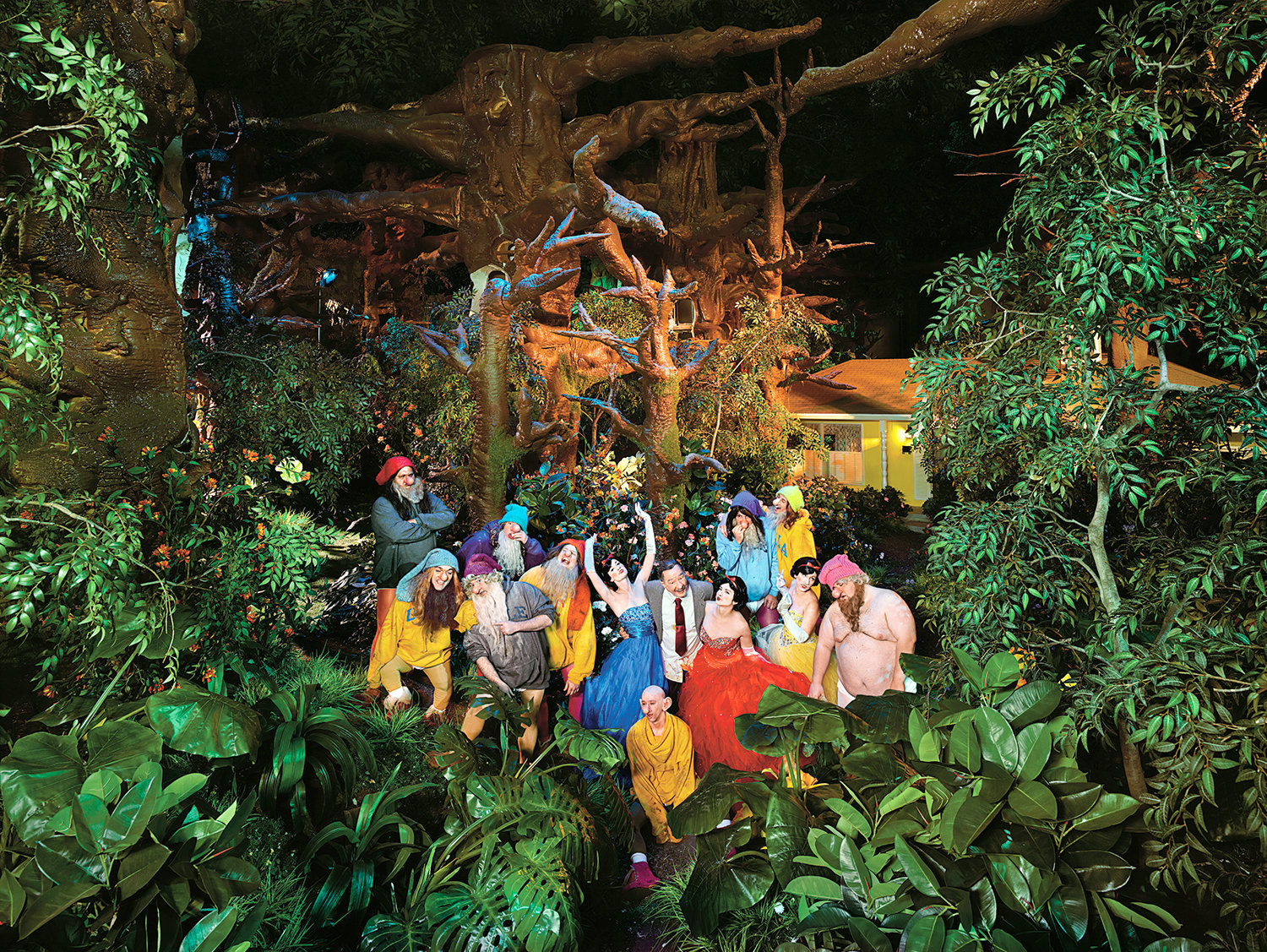
forest

A house, or “cottage,” stood in front of us, or anyway a film set version of one. The back was punctuated with a series of square peepholes like the ones you see at some major construction sites. I’ve always liked peering into those. Here there was the same suggestion of a secret view.
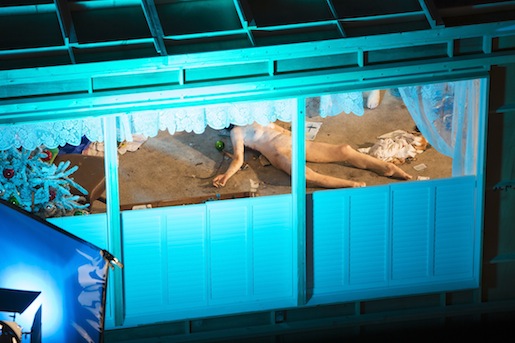
body

There were disturbing glimpses of the aftermath of something gone terribly wrong, a woman and a man collapsed in a tacky living room. But the squirt bottle of Hershey’s was the tipoff as to the display’s tomfoolery. You do know that in Hollywood, Hershey’s often substitutes for blood, don’t you?

In W/S, McCarthy exhumes Walt Disney and has him trot around getting into trouble before really getting into trouble at the hands of Grumpy, Sneezy, et al. All I could think of was a guy I knew who landed a good job working at Disney in the ‘60s before Walt personally had him fired for sporting a beard.

Now here was one of the most famous men in the world surrounded by beards and noses and genitalia and a lot of chocolate syrup, making love to a wench of a White Snow, all of them doing everything that no one would ever do in a Disney film (or theme park or corporation). It’s an upside down, inside out world, as crude and scary as the other was clean and safe. I imagine the Disney barracudas preparing their legal briefs.
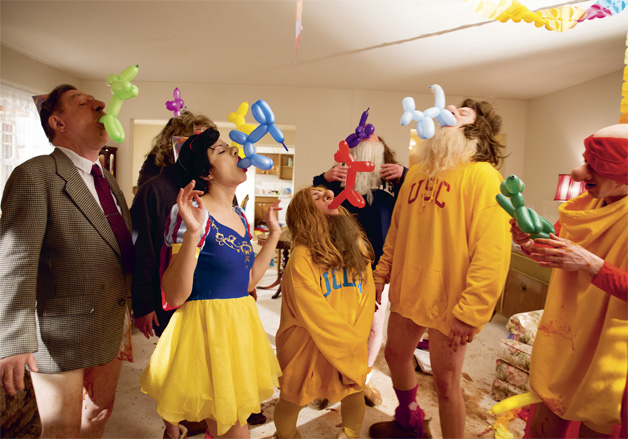
balloons

Randy Kennedy of The New York Times did a piece on the artist recently that said, “His work can – and does – provoke physical revulsion. But it is not mere provocation; it’s intended as an all-out assault, a ‘program of resistance,’ as he calls it. And the older he gets, the more explicit he has become that his target is the American entertainment-consumer economy.”

Spectators weren’t allowed in the forest, but in a smaller film arcade along the side we could observe chapters of the story. An unclothed Prince Charming wandered through its glades. Shocking events transpired. We could also visit another house in a retro ranch style that is actually a three-quarter-scale replica of McCarthy’s Salt Lake City childhood home. Alex Poots, Artistic Director of the Armory, has had a lot of explaining to do about the piece, and at one point he said, “it explores the vast and at times distressingly dark corners of the human psyche.” And the dark corners of some pretty sad vintage rooms, I would say.

screen set

Walt Paul is not Paul McCarthy – the latter lives in Pasadena with his wife of 46 years, surrounded by kids, grandkids and pets. His grown son partnered with him in putting on W/S.

portrait


McCarthy told an interviewer that the show “may have something to do with how we see reality and desire. And art. This is a kind of hyper-reality of desire. A Disneyesque landscape that does not exist. A dreamscape.” All of this styrofoam and soundstage equipment comes at a cost, of course, and the project required millions of dollars. I like to think of Walt Paul in his lumpy nose approaching potential benefactors: Well, there’s this plastic forest, see, and this Hershey’s syrup…

I read a review that said the show “put the grim back into the classic Brothers Grimm fairytale.” I saw it as a series of extravagant what-ifs. What if Snow White had a split (or triple) personality? What if there was a handsome prince who didn’t rescue her but treated her more like a centerfold than a princess? What if Walt actually appeared in his own movies alongside Bambi, say, or Cinderella? What if those beloved childhood movies were more like stag films? What if the dwarves weren’t wholesome and helpful and cute but more like your twisted Uncle Charlie?
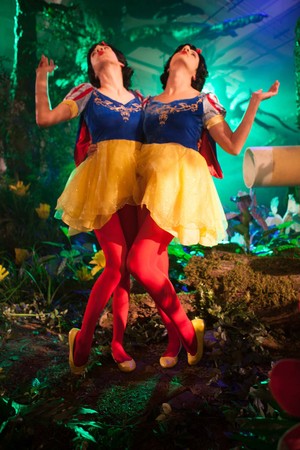
ws

The Grimm tales have always been dark. The great children’s author Philip Pullman recently came out with a new version, just in time for the 200th anniversary of their first publication.

grimm


McCarthy’s show is also unabashedly commercial, with plentiful Snow White artifacts available in the gift shop.
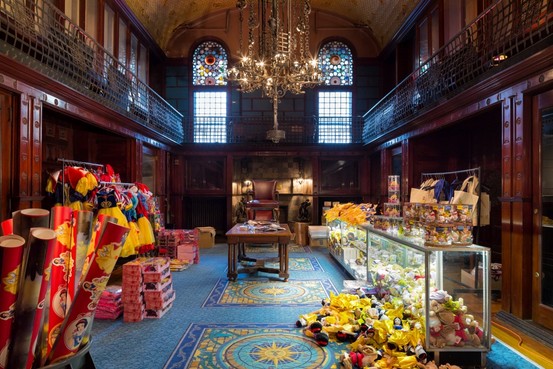
Disney stuff

Pullman’s Fairy Tales From the Brothers Grimm are punchy and elegant but also violent and raw. In his translation of Snow White, a huntsman cuts out the heart and liver of a wild boar and takes them back to the evil queen as evidence of the girl’s death. “The cook was ordered to season them well, fry them, and the wicked queen ate them all up.”

Do you recall the conversation parents have had from time to time about whether these ancient fairy tales offer an appropriate reading experience for their innocent youngsters? The answer is No, if you’re doing it right. And this version is done to a turn.


3 Comments

Filed under Art, Culture, Fiction, Film, History, Jean Zimmerman, Publishing, Writers, Writing

The Real Stuff of the Past

Ice. Bricks. Wrecks.

schultz brick

I discovered three potential novels today in a small museum in Kingston, New York. Anyway, there were artifacts that could be the seeds of novels, historical subject matter so robust and potent that some writer’s sure to climb on board. One day soon, I hope.

I was there for a festival celebrating the Hudson River, but it didn’t take place, so I was left to wander without a plan. The Hudson River Maritime Museum houses itself in a weathered brick building on Rondout Creek in Kingston, where it keeps alive the history of the area. It teems with artifacts from the D and H canal, which brought anthracite coal from the innards of the country to the Hudson between 1828 and 1898, from the steamboats that brought nineteenth-century travellers from New York City north, the tugboats which dominated this place when so much freight went by ship, and the various industries that sprang up around here in the nineteenth century.
The dock area bustled. You could see the Half Moon, the working replica of the ship Henry Hudson drove up this very river, complete down to the most persnickety detail.

hudson detail

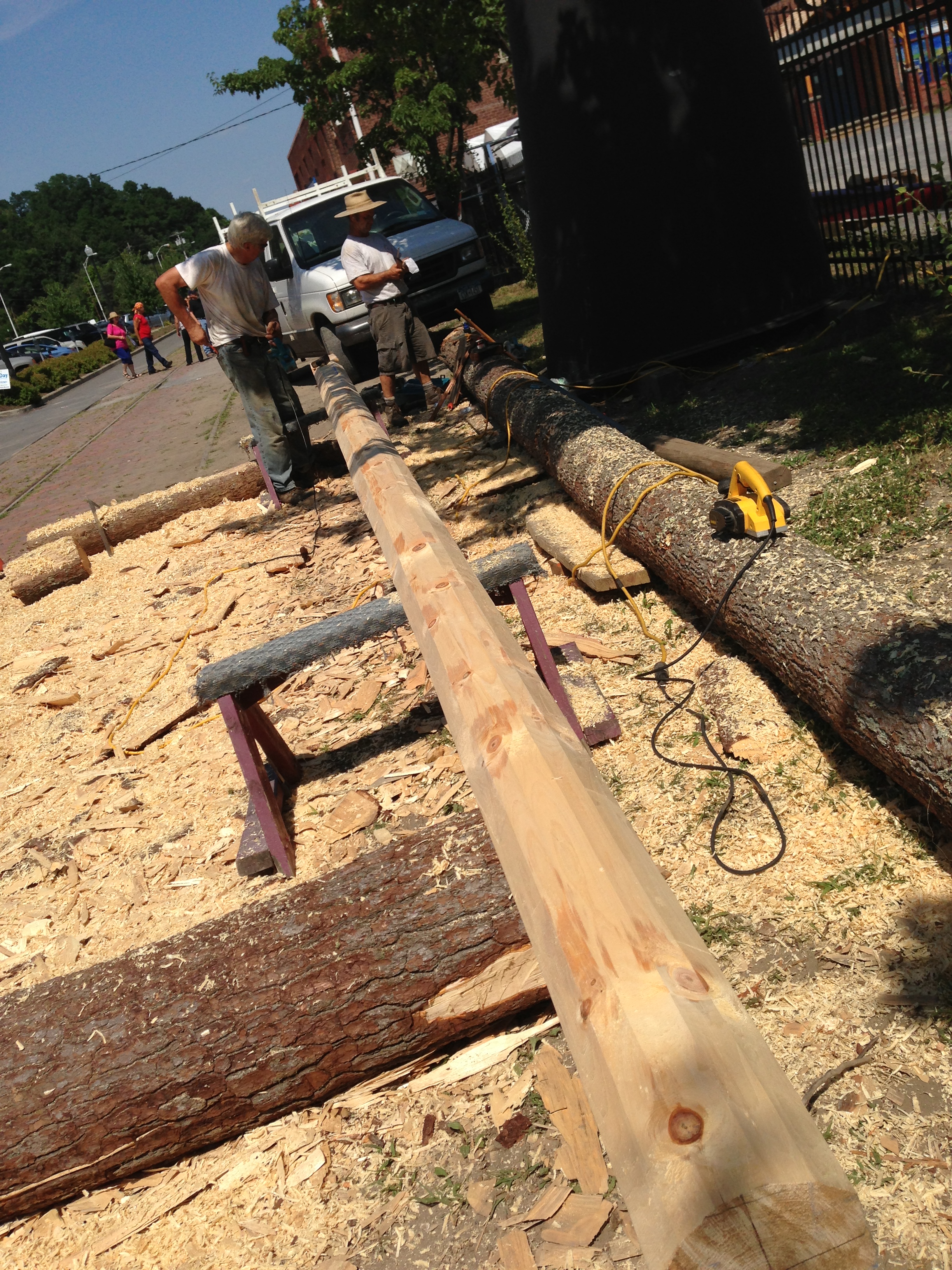
Costumed interpreters introduced jaded suburbanites to a living space smaller than the smallest New York City apartment.You could also see a new topmast being planed for the boat, by a gentleman foregoing period tools for more efficient electric sanders.

mast

There was a yellow submarine.

submarine

The Seahorse can hold two crew members and has been used for archaeological dives in Lake George.

Mammoth propellers studded the grounds.

propeller

But what I loved, going inside the chock full precincts of the museum, was the ice. Here was talk, detailed talk, of an industry that had basically vanished by mi-century but was incredibly important before.

The Kingson area was a hub for ice harvesting. And since ice was crucial for warm weather food preservation (not to mention ice cream making), it was big business.

iceharvesting

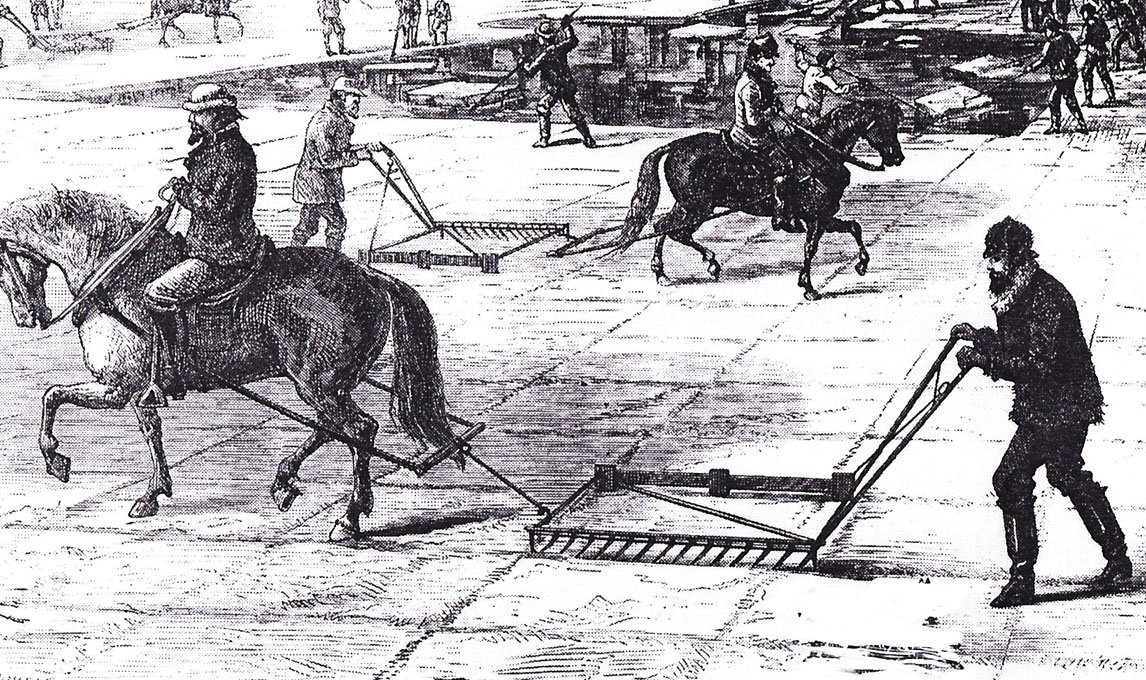
Over one hundred ice houses dotted the shores of the Hudson in 1900. Manhattan and Brooklyn consumed 1.3 million tons in 1879. Everything about the industry was big, especially the ice saws and other tools.

ice saws

One detail that especially excited me is that the same horses employed to drag huge blocks of ice off of the river during the winter would be brought down to New York City to pull the ice wagons in the summer. I’d like to follow one of those ice horses, alternate between life in two such different port cities.

ice wagon

One of my  heroines out of history, English traveller and diarist Fanny Trollope, made the comment, in the 1830s, “I do not imagine there is a home without the luxury of a piece of ice to cool the water and harden the butter.” I’d love to read more and write more about the sweat that went into that cold work.

Bricks.

2 bricks

The Dutch in New Amsterdam imported small, hard yellow bricks from Holland. Then someone realized the magnificence of the natural clay deposits in America. Along the Hudson River men molded “green brick” in wood frames, and it had to be carefully turned when drying.

turning

Imprinted names came either from the brickyard owner or could be commissioned.

brick tower

Such beautiful, beefy stuff, this brick, and the story behind it.

Then, the wrecks. Some of the steamboat capsizings on the Hudson in the middle of the 1800s were doozies. People were so excited about the new toy, a boat without sails, that they raced passenger steamers up and down the Hudson seemingly without a thought in their heads. The boats offered their genteel riders swellegant accommodations and a chance to see the breathtaking views along the way.

The Swallow, built in 1836 in Brooklyn, raced the Rochester between New York and Albany in a snow squall in 1843. Well, it stuck on a rock, ultimately breaking in two, and 15 of the 200 passengers died. In the total darkness of night, they couldn’t see that they were close enough to get easily to shore.

swallow_steamboat_burning

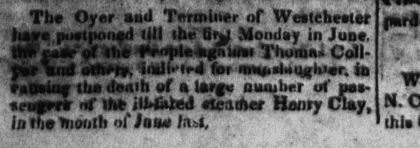
The Henry Clay disaster occurred when the boat left Albany in 1852 and began racing the Amenia, with a fire erupting at Yonkers and the craft beaching at Riverdale. Seventy men and women died, including the famous landscape architect Andrew Jackson Downing. It was, as you can imagine, a nightmare and a scandal and terrific news copy all combined.

clay

There was the Thomas Cornell (ran aground), the Daniel Drew (burned), the Trojan (burned), John H. Cordts (burned). A piece of panelling from the Cordts has been preserved. These were magnificent creatures, these vessels, costly, exciting. And doomed.

burnt detail

In the silt of the Hudson lie small boats, barges, sunken bricks, barnacled anchors. All mysterious pieces of the past, hidden from us.

Those steamboat races, though. They are fact. But they are the stuff of great fiction.

ferry sign

6 Comments

Filed under Culture, Fiction, History, Jean Zimmerman

Honest Iago

The first theatrical performance on a brand new stage. How often do you get to see that? And right on the Hudson River.
amphitheaatre

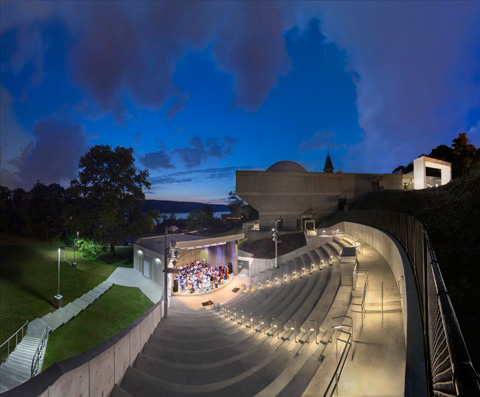
The Hudson River Museum in Yonkers, New York, opened its new amphitheatre July 4th with music and fireworks. In this its first season it has on deck jazz, films, birds of prey, a bit of everything for families.

Now, in mid-July, Othello.

Which is, it would seem, a show that is intellectually available to an audience of all ages. Will the six year olds here tonight, running around and wiggling before the show, get it?

Othello 5

Does it matter?

This Othello is staged on a U.S. Army base in Cypress. I’ve learned that this is a trend in Othello productions, to make the military contemporary and American. No tights for the guys.

The production comes to us from the Hudson Valley Shakespeare Education Tour, an arm of the plein-air Hudson Valley Shakespeare Festival in Garrison, New York. The company has just come off a busy season visiting schools in the region, and this Othello has been condensed by half its normal three hours to cater to the attention span of adolescents.

Much as I appreciate Shakespeare, I am happy with the brevity.

The audience trickles in and waits, cheerfully laying out cushions, chatting with neighbors.

Othello 4

The director of the Festival is seated in the row in front of us, in a polka-dotted shirt, looking as anticipatory as the rest of us, gazing at the unpeopled, abstract stage and waiting for the action.

Desdemona is sweet. Othello is somehow sensitive and soulful, for a big-shot general. And Iago – well, his motiveless malignity, as Coleridge described it, is a particular kind of sneering, sleek, macho variety, very now.

Othello 3

The characters leap up and down the concrete seating that angles back from the stage. Thus when Iago pronounces one of his horrid asides we are literally right there with him, face to face.

Othello 1

And at the end… well, I won’t spoil it for you. It’s devastating. The six year olds all watch movies, play video games. Is the tragedy as meaningful for them?

Shakespeare, you know, invented words. Over 1,700 of them, to be exact, including nouns made into verbs, verbs into adjectives, and connecting words. Assassination. Arouse. Gloomy. Eyeball. Just a few of the nomenclatures we wouldn’t have if it weren’t for the Bard. Part of the reason for the volume of the inventions, and simply of his vocabulary, is the sheer amount of published works he produced. Scholars have pinpointed the created words and linked them to the plays and poems they’re in. If not for Shakespeare our speech today would be much the paltrier.

And if it weren’t for Shakespeare we wouldn’t be sitting in the warm dusk on the steps of the Hudson River Museum’s Amphitheater in mid-summer, marvelling at this demonic human Iago. Motiveless malignity. We have far too much of that today.

After the play the actors took the stage for a q and a. I suggested that it looked as if Iago’s William Allgood was having a good time putting on his role and asked if he would reflect on that. He looked surprised and a little dismayed. He hadn’t seen it as fun, he said, he was trying to take the character seriously in a different way than he had in previous productions, to give a deeper take on Iago’s psychological roots. So it may have looked as if he was having fun, he said, but he was in fact working.

He made it look easy.

2 Comments

Filed under Jean Zimmerman

A Manhattan Birthday Boat

Today was my birthday. I decided to take the two adventurers closest to me and go on the high seas. An oceanographic architectural tour of Manhattan launches most days from Pier 62, on the island’s west side, and the fact that it was the hottest day of the year made a liquid frolic all the more appealing.

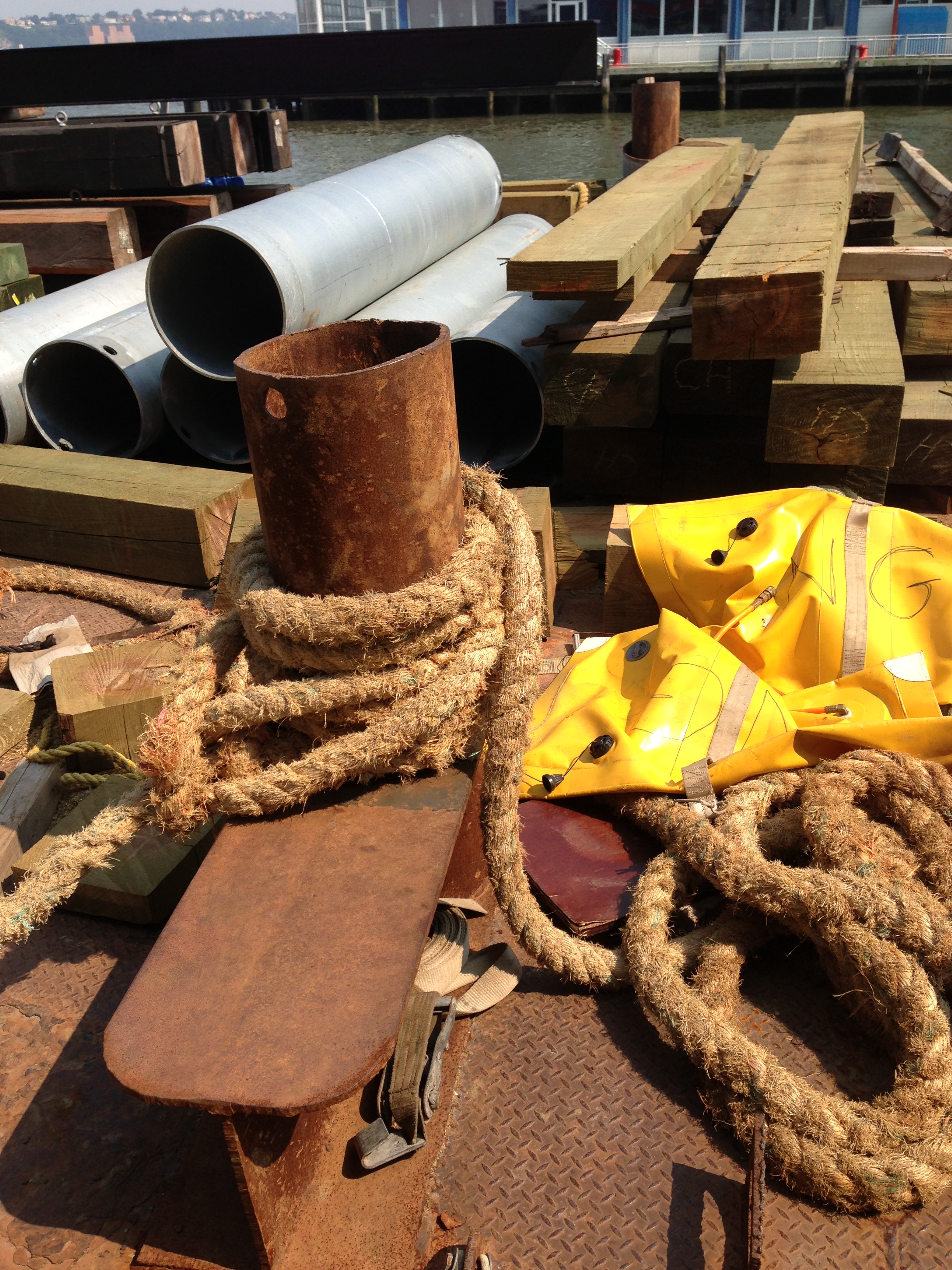
Pier 62, part of the Chelsea Piers sports complex, has some offerings for while you’re waiting for your boat to launch. You can watch hundreds of elementary-age gymnasts and soccer buffs perform in the air-conditioned splendor of a huge indoor gym. Watch deckhands spiff up the many yachts tied to the dock. Check out the picturesque marine ropes stashed at the end of the pier.

ship rope

Wonder about a Marcel du Champs-style composition of dining fork and some kind of bulbous ship hitch.

ship thing

Note the gallery of oversize photographs celebrating Chelsea Piers, including one of the Lusitania sailing out on its final, doomed voyage, with horse carriages stacked up watching it depart.

lusitania

Our boat was Manhattan, built in 2006 to resemble a 1920s riverboat, all light and gleaming wood panelling.

the manhattan

The cruise traveled south on the Hudson River to the Upper Bay, curtseyed to the Statue of Liberty, continued down around the Battery, up the East River, then retraced its steps, west again, all the way up to 125th Street, where it circled back to the starting point.

Austin, the captain, introduced the incredibly savvy architects Arthur Platt and Scott Cook, who would be narrating our journey. We wouldn’t be able to tour the very top of the island, said Austin, because of the heat: the steel of the swing bridge at Spuyten Duyvil had reached 95 degrees. If they swung it open, its expansion would make it impossible to close. On a brighter note, Hannah and Heather would be manning the bar, serving up ice-cold beverages for the next three hours, even champagne.

Maud, please, will you have some champagne for my birthday, I implored my daughter, since I myself refrain from alcohol and someone should raise a toast.

No, Mom, she said, the breeze ruffling her hair as we pulled out past Battered Bull of Georgetown, motoring into the channel. Water, she said. I want water.

Good thought. You could sit inside on this trip, in the climate-controlled saloon, and see the sights through glass. Or you could sit at the bow, on a bench outside in the red-hot sun, the New York harbor wind whipping your face. Where do you think we sat?

I learned. I learned so much. And then I forgot so much. The architects knew everything in the world about New York. And something about New Jersey too.

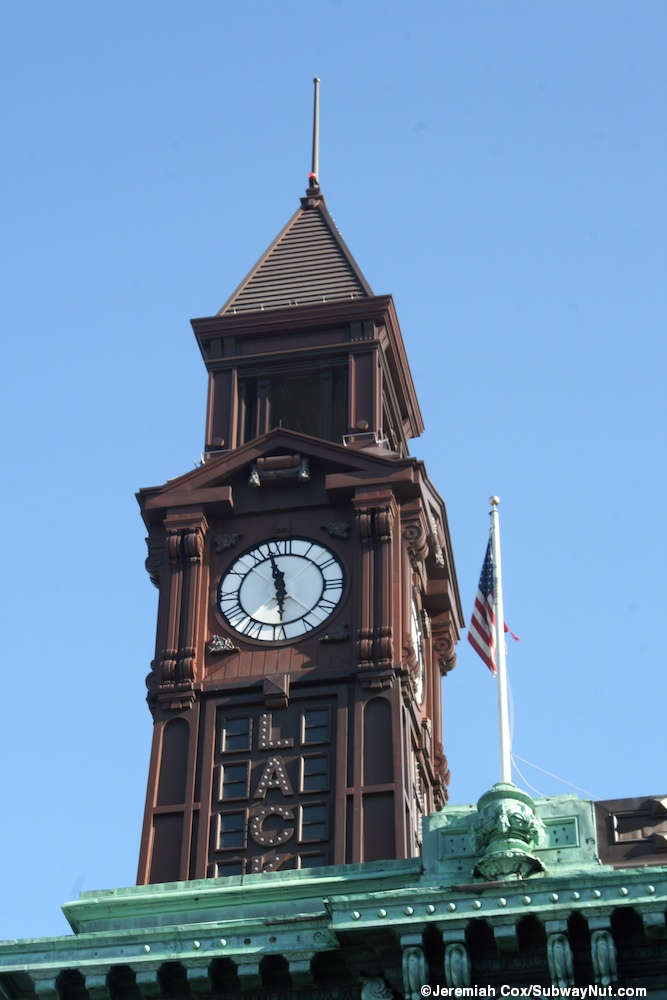
Like that the Erie Lackawanna rail terminal in Hoboken, for example, was built in 1909, and its dull brown color represents the hue of copper before it oxidizes – like the color of the Statue of Liberty originally. I never knew that.

That was a refrain that ran through my sunburned skull all day: I never knew that.

hoboken_terminal32

Or the fact that Ellis Island sits on the site of one of the harbor’s four original “oyster islands,” barely visible at high tide, and that Ellis Island, where so many American immigrants were “processed” was built first of wood and burned in 1897.

Ellis_Island_First_Bldg_Burnt_15-June-1897

That the Statue of Liberty’s skin is two pennies thin, and the torch is covered in 24 carat gold. Her sandals are upturned because Liberty is “always on the move.”

statue-of-liberty-torch1

I never knew that either.

Or the following interesting things, absorbed between cooling draughts of water.

On Governor’s Island – we talked a lot about the future of New York, not only the past — the biggest demolition project ever planned in New York, of old Coast Guard buildings, will create hills eighty feet high from which to view the Statue and Manhattan.

On the Brooklyn Waterfront, the site of Wallabout Bay, you can now take a bike tour of the Navy Yard.

We passed Williamsburg, Greenpoint – it’s “your last opportunity to look at this industrial waterfront,” said the architectural commentary. Brooklyn is developing so fast. “Bloomberg’s administration has upzoned more acreage in the history of New York than any other.” But even Bloomberg might be stymied by what was described as the “black mayonnaise” sediment of the oil-contaminated Newtown Creek.

newtown

On Roosevelt Island stands a monument, a shrine to FDR, designed by the architect Louis Kahn, who passed away in Pennsylvania Station and  “it took a while to identify him.” I certainly never knew that about Louis Kahn. In fact, I could barely believe it.

In Harlem you find the concept of “the tower in the park”, when public housing units stand solo, without a connection to the larger community.

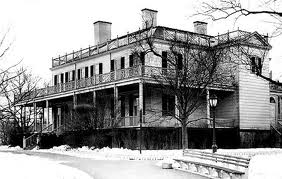
It was 1790 when Archibald Gracie built a house in what was then the countryside outside of New York City, never dreaming that his domicile would one day be the home of mayors (current mayor excluded, as he already has eleven homes).

gracie

And it was at this point that I put aside some of my adventuring spirit and stumbled inside to an air-conditioned seat. I was having fun — yet I wondered if the seasickness that has plagued me throughout my life had come back to haunt me. Then the music of fact revived me. That and the fizz of a diet Coke.

In 1909 the Metropolitan Life building with its elegant cupola was the highest in the world.

metropolitan

One difference between public and private high rises is that the private ones have balconies.

The Woolworth Building is just now having its centennial.

Gulp. Water. Is this boat rocking or is it me?

There is a very famous, ultra-cool architectural firm called SHoP. Never knew it.

One of the newer fancy buildings, of the many, many fancy buildings in New York, features an indoor dog walking court and built in nanny-cams.

Goldman Sachs employees take a private ferry every day from Manhattan to the firm’s offices in Jersey City.

The “exploded Malibu Barbie house” of artist Julian Schnabel was built on top of a stable.

NYT2008031214231288C

Fireboat 343, docked at Pier 40, was named for the 343 firefighters killed on 9/11.

343

Maybe if I were to go outside, get a breeze? Another Coke? Would my queasiness subside?

Frank Gehry’s sumptuous IAC building of smoky glass was made by “cold warping” the panels on site.

Gehry-IAC-building

There is now such a thing as a permanent window washing crane stationed atop several skyscrapers. It’s controversial, if that matters to you.

We passed a trio of kayakers at Pier 76, bobbing, no doubt very hot, but feeling very chill there in the waters of Manhattan.

And finally what the architect Scott called his favorite structure – his favorite, after all these hundreds? – the Lehigh Building. The “architects held back vertical elements at the façade,” he said, praising its “no nonsense” lines, its wraparound windows.

favorite bldg

We stumbled off the gangplank, our brains sunstruck, saturated and several pounds heavier. We collapsed.

gr after

Even youth faded in the heat.

mr after

But we revived with some time in a restaurant in an old boat called the Frying Pan.

frying pan

And taking the place of birthday cake, an ice cream sandwich with red velvet wafers and cream cheese ice cream.

red velvet

Home to dry land and cool, fragrant birthday flowers, from Maud.

birthday flowers

4 Comments

Filed under Cooking, Culture, History, Home, Jean Zimmerman, Nature, Photography

Something to Cry Over

I like to go adventuring. Small adventures or large, I’m happy if I see something new and arresting. If I have a frisson of … something… delight, wonder, whatever you want to call it. With a companion, adventuring’s the best.

So today I was a little down. Finished my work for the day, marking up an ancient, earnest screed of colonial history with a dull Sharpie, no adventure in sight. No companion either, with Gil bearing down on his writing, Maud gallivanting with a friend, other people at jobs or vacations. Only me and Oliver, and I’m not customarily invited on his adventures.

There were always the onions. I had already withdrawn to my cool underground kitchen lair to make a batch of pesto for dinner.

pesto

But now, no adventures to the fore, the onions presented themselves as a project.

onion basket

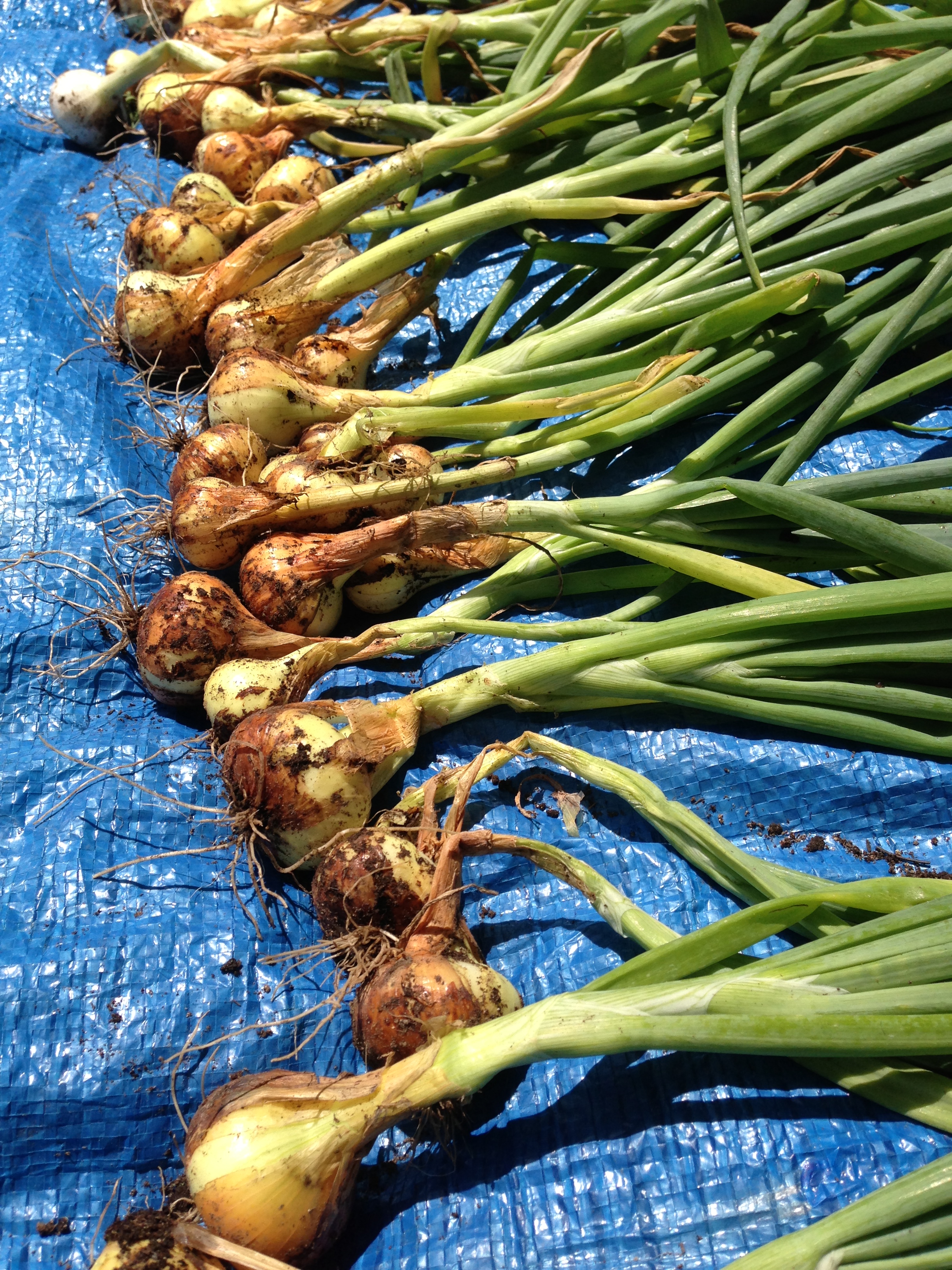
I’d never grown onions before. This summer, they grew incredibly fast. I put them out to harden on a plastic tarp under the brutal sun because I thought that’s what you do with them.

drying onions

Now to pickle them.

I had a recipe, from The Savory Way by veggie-genius Deborah Madison, that I’d made before, calling for red onions, but mine are white and from my taste test much tarter and tangier than the recipe’s onions, which turn a delicate ballet-worthy shade of pink.

Much more of a crying-over onion.

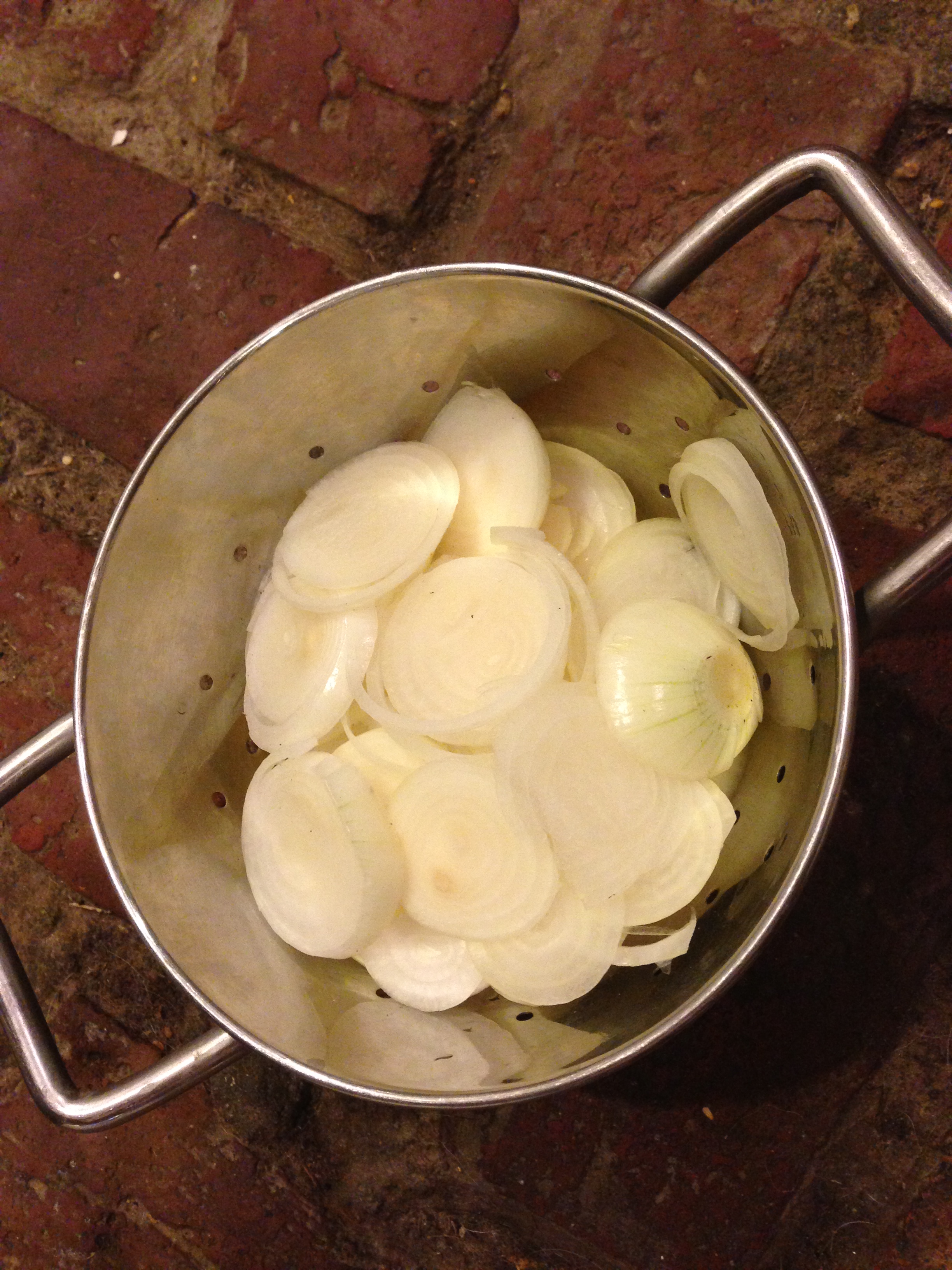
I trimmed them up, brushed the dirt from their whiskered bottoms. Sliced them in crisp rounds. Listened to Alejandro Escovado’s Castanets on the radio, a song so good it could make you cry.

The recipe calls for boiling water splashed over the onions in a colander, after which you pack the rings  in jars and douse them in a vinegar solution.

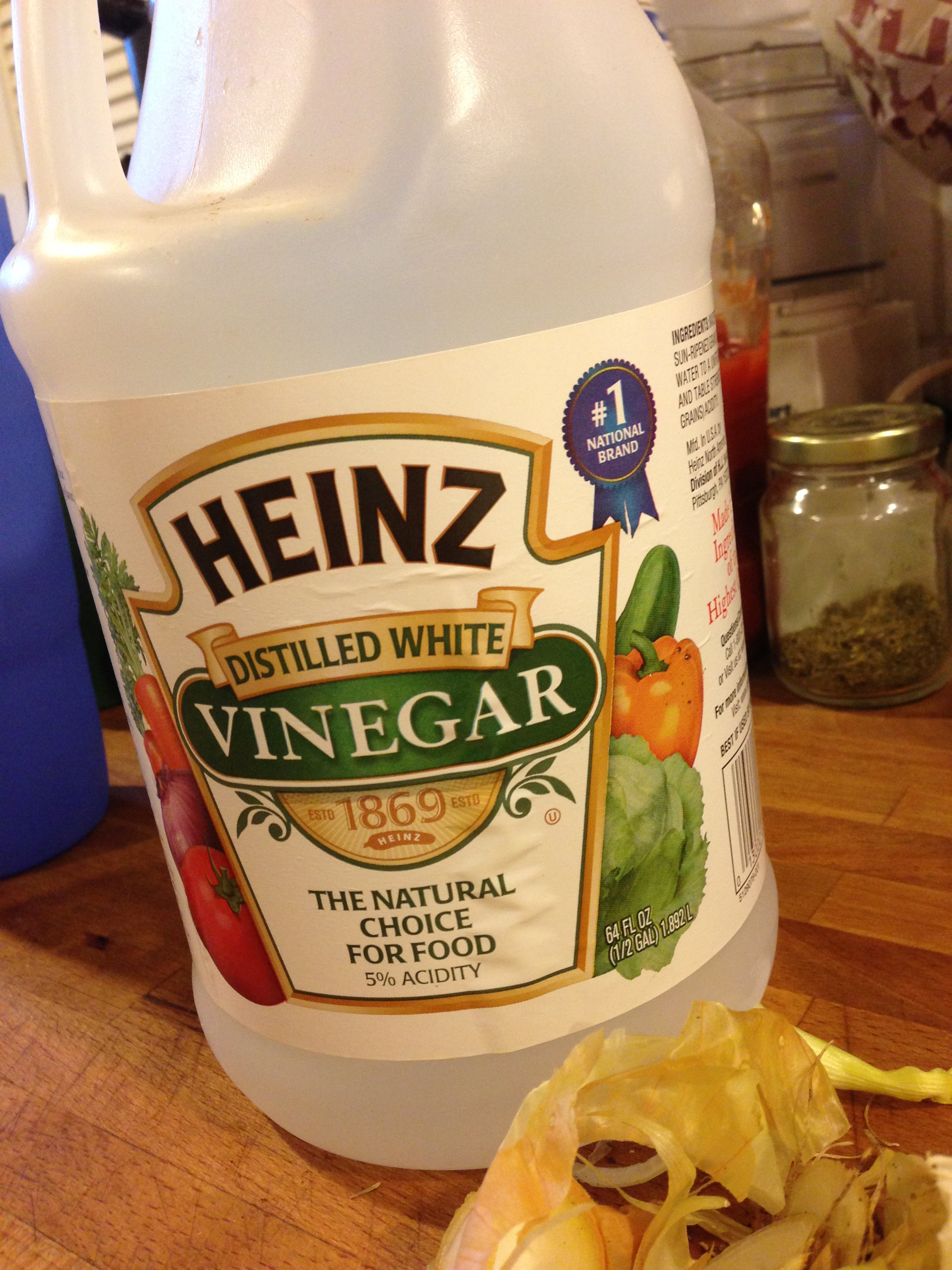
heinz

Who is not filled with a sense of well being upon viewing a fresh gallon jug of Heinz white vinegar?

Of course the success of the enterprise lies largely in the containers — all preserving being an opportunity to show off your beautiful canning jars. I picked up these pint-size blue Mason beauties in Wisconsin this summer, together with their matte zinc lids.

jars

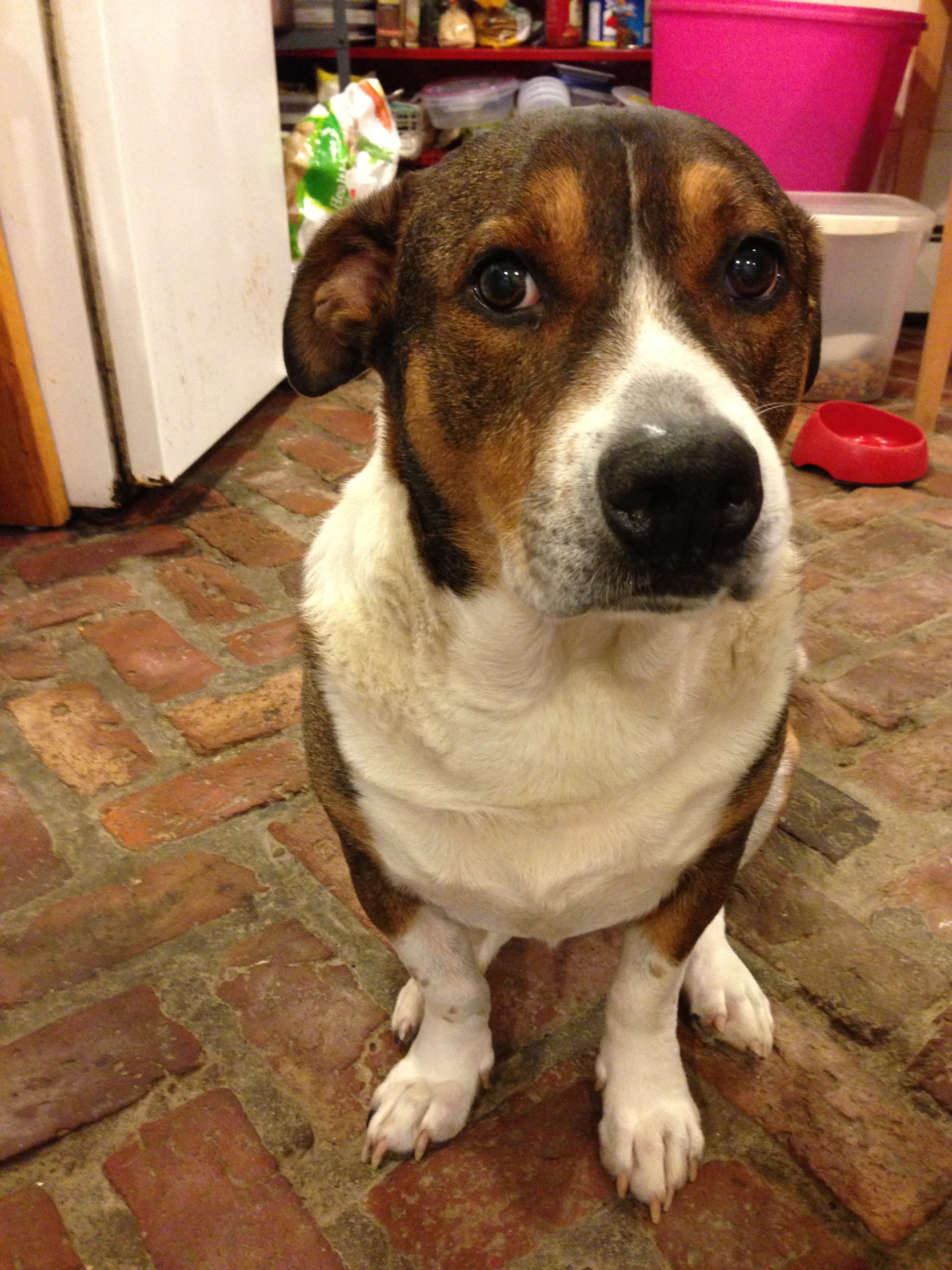
Reviewed the recipe thus far with Oliver. Placed the onions on the brick floor, just under his snout. He has been known to sample vegetables.

onions on brick

I think impassive  is the word for his expression.

oliver 1

When I politely suggested he take another look, his reaction was subtle but firm. Ears now aloft. Are you kidding me?

oliver 2

The recipe includes accoutrements that it seems have nothing to do with flavor and everything with appearance. The perfect bay leaves.

bay

The thyme I rescued from my garden, burning my bare feet to get there, wading through the weeds and getting dive bombed by a purple dragonfly. An adventure of sorts.

Traces of onions have been found in Bronze Age archaeological sites alongside date stones and the remains of figs. Workers who built the pyramids may have been fed radishes along with onions, a bitter repast for bitter work. Roman gladiators got onion juice rubdowns. In the Middle Ages wise men prescribed onions  to facilitate both bowel movements and erections — one stop shopping.

But I’ve got to get back to my kitchen adventure and pour the vinegar elixir over the slices.

final

Not the adventure I’d hoped for today, but perfect nonetheless.

5 Comments

Filed under Cooking, Culture, History, Home, Jean Zimmerman, Nature

Wild Raspberries and Free Fiction

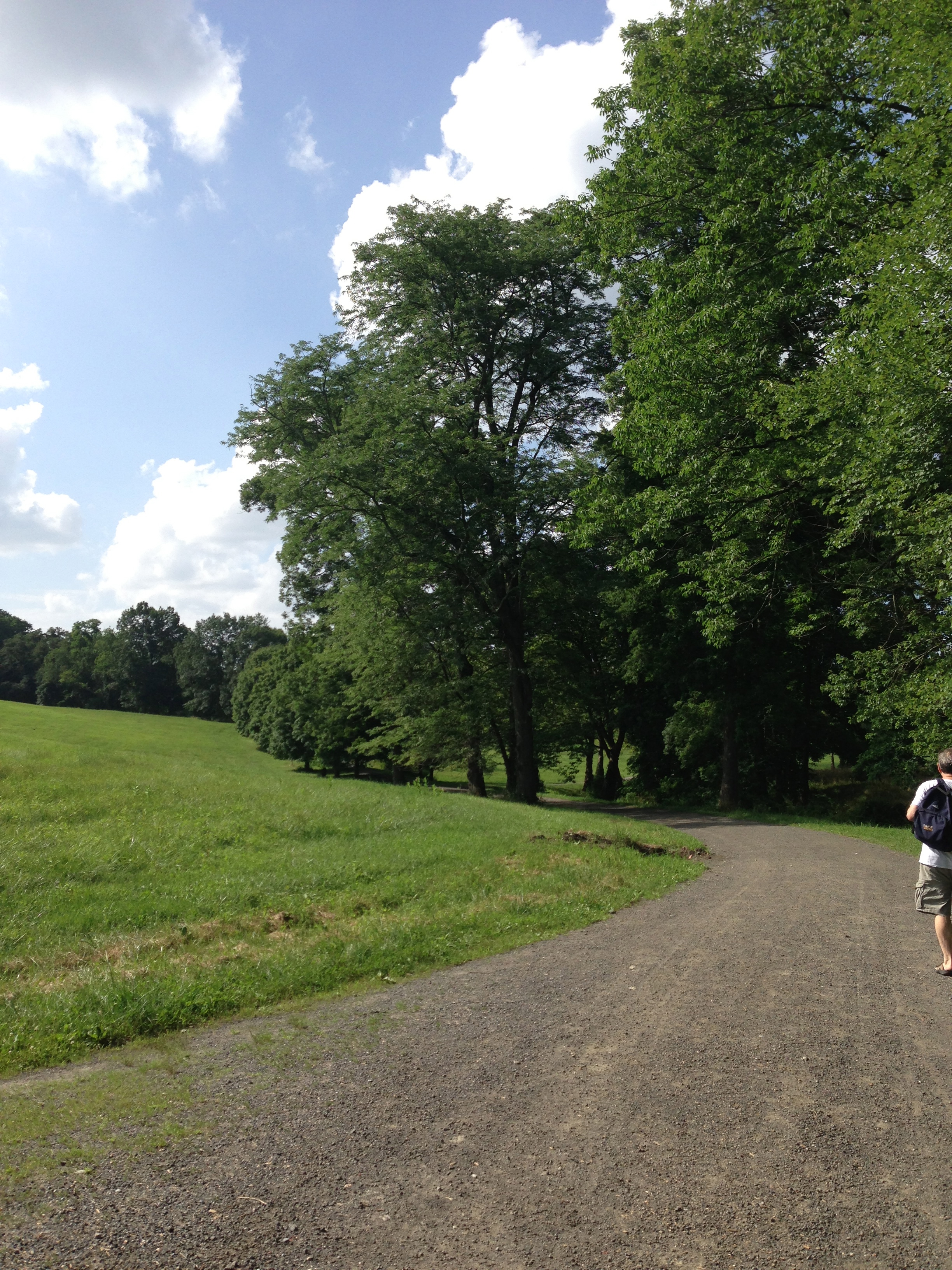
A raspberry hike. You have to get the timing right, and we rarely do.

path

The required precise moment is when the wild raspberries have developed so that the bolus is bursting with ripe fruit. If you go a few days earlier, so eager to pick, only one or two in a bunch has turned a sweet, deep red. If you go a few days too late, the berries will have been harvested by birds and you’ll bring your bucket home empty.

hillside

We take ourselves to the rolling hills and deep woods of the Rockefeller State Park Preserve in Pocantico Hills, New York.

long hillside

The late afternoon sun casts long shadows from ancient trees. Many of the fields are cut for their hay, and perhaps for their beauty.

wall

Evidence of horses abounds. We know where we’re going, the raspberry trail, the same place we go every time. There, you’re almost overwhelmed by the bushes on either side of you, and when you plunge in you can count on getting raked by canes. There is some satisfaction in picking berries in the same place every year.

berry

But there will be no fruit cobbler after this year’s berrying. Yes, we were too antsy. The handfuls we envisioned just weren’t there.

berries

Hiking back to the car, we pass the allee of lime trees that seem to mock us with their full to sagging bellies.

belly tree

We’ve already picked what we could find.

last berries

Taken a break in the heat.

bridge

Splashed around a little in Pocantico Creek.

river

Next year, we vow. Next year, we’ll choose the perfect day to come.

In the meantime, I’m thinking about the berry-picking scene from the third chapter of The Orphanmaster.

FOR A LONG TIME, to Blandine, Africans represented only one more element in the growing horde that Manhattan drew to itself. All that changed one sparkling July afternoon.

The Dutch made war upon the Esopus tribe that summer of 1659. The violence of the Esopus War, the retaliatory massacres, the burning of cornfields and villages, happened far to the north of New Amsterdam, near the town of Wildwyck. So far, nothing of it had directly touched the settlement.

Just to be safe, the schout ordained that no settler should venture out beyond the palisade wall without armed escort. But it was the high summer season, the raspberries on the hillsides only a short few leagues from town needed gathering in, and the colonists loved their summer fruit.

A band of a dozen settlers, primarily women and children but with two Company militiamen along, headed out from town through the land-gate. The militiamen carried firearms.

Blandine joined them. She enjoyed raspberries as much as anyone, and liked the easy feeling of community among the pickers. It was a tradition. She had picked every year since as a child she went with her mother and father. Blandine always relished getting beyond the confines of the colony’s northern wall to the wilder lands beyond.

The area where the tiny juicy drupelets grew seemed perfectly secure. Bouweries—the farms of the countryside—open meadows and dwelling-houses dotted the landscape, marked also by the major thoroughfare of the Post Road, the link between the southern tip of Manhattan and the territories to the north.

As the group passed Little Angola, one of the women there, Mally, hailed Blandine.

“You going berrying?” she asked, seeing the woven basket Blandine carried over her arm.

Blandine knew Mally casually, having employed her and her half-sister, Lace, to do hemming on linens she imported from Patria. The finished product—pillowcases, bed sheets, handkerchiefs—commanded a higher price than raw cloth.

Blandine saw Lace coming up behind Mally, carrying sacks for fruit. No one had any objections to the Africans joining the group, so Mally and Lace came with them.

If Africans had any status in the colony at all, they were usually called by the last name of the region from which they came. So Mally and Lace and others, too, all were given the same last name, Angola. There was no thought behind it, and it was by no choice of the ones so named. The Dutch authorities simply needed a distinguishing label to put down on paper if the Africans were ever hauled into court.

A hot July day. Insect noise swelled from the meadows, died and swelled again. Two sisters in the group, Tryntie and Aleida Bout, sang a hymn of thanks, Nederlandtsche Gedenckclanck, a new anthem celebrating the Protestant victory over the Spanish Catholics in Holland.

We gather together

To ask the Lord’s blessing

God our defender and guide

Through the past year

A few of the others picked up the song. Blandine noticed that the harsh rasping of the locusts, katydids and crickets easily drowned out the quavering human voices singing God’s praises.

She trailed behind the group. With the journey out of town, her abiding sorrow lifted a little, the sadness she suffered since she lost her family. Yet these were haunted precincts for Blandine. It had been a different, more carefree girl who traipsed through the sweet berry bushes when she was young.

The road they followed up the island led them to a small rise with a view of the wide river to the west. The water’s surface reflected back the gunmetal blue of the sky. Blandine noticed a flattened thatch of grass. Probably nothing more than a night-bed for deer.

As they diverged from the road onto a path, Blandine saw that a collection of canoes had been pulled in amid a reed-bed on the rocky Manhattan shore just below her. They stood empty, beached in a line.

From the water, she thought, no one would see the skiffs among the reeds.

The sky was patched with high white cumulus, the men had taken up the hymn along with the women, and the group entered in among the scattered cane-fields of raspberries. The fruits dangled, crimson and abundant. Emperor and hairstreak butterflies sipped on the berry-sugar. A cloud of them arose as the Dutch, crying out like children, plunged into the bushes.

In a first gluttonous spasm, the settlers didn’t bother with their baskets, they simply stuffed whole handfuls into their mouths.

With Lace and Mally, Blandine wandered away from the others. The berry trail guided them in random directions. Each prickly, laden cane led to the next, as though there would be a secret revealed at the end of the path.

Blandine left off picking. She sat on the ground amid the canes, her aproned skirts spread about her. She looked east toward the Post Road and a massive stand of jackpines that lined the way. Mentally, she calculated the worth of the trees. Masts for the navies of the world.

Far off, on the roadway, a drover herded a pair of cattle, heading toward town. Then, between one tree and the next, he abruptly disappeared. She waited for the man to show himself again. His cattle wandered down the road without him. She could hear their bells tinkling.

After a quarter hour, the clouds fully reefed the sky, hiding the sun, and a breath of cooler air rose from the river. The colonists quieted, intent on filling their baskets. Blandine struggled to maintain her lightness of heart. The cows still roamed alone. What happened to the drover?

She quickly rose to her feet.

“Mally,” she called. “Lace.” They were nearby.

“We have to—” she said, but broke off. “We should join the others.” They threaded their way back through the berry canes to where the dozen pickers worked.

Everything was all right. The clouds uncovered the sun, and the red-stained faces of her fellow townspeople reassured her. She was a ninny to be nervous. Odd how the wilderness struck her differently at different times. Glorious one moment, threatening the next.

A hand fell on Blandine’s shoulder. She jumped, surprised.

“Look within,” Patricia Reydersen said, displaying a basket nearly full with fruit. “What have ye been at? You’ve picked hardly nothing for yourself.”

“I’ve got more than anybody!” crowed the nine-year-old Reydersen daughter, Ereen. Patricia Reydersen had been one of the matrons who was kind when Blandine was newly orphaned, having been close to her mother, Maritie. Patricia’s hearth offered the hungry girl cider and cookies.

Militiaman Jerominus Tyinck, his chin blood-red with berry juice, stood nearby. Blandine approached him. “Did you mark the canoes?”

The man looked at her blankly.

“Along the shore,” she said.

“No doubt they’re over from Pavonia, lass,” Tyinck said, naming the colony across the river from Manhattan. Indians there were known to be harmless. “No need to fear.”

Tyinck dismissed her, a young goose of a girl, pulling at her curls and trying to keep her hands free of berry juice. The militiaman strode away toward an area of heavy cane. He propped his gun against a stump and worked his pipe.

Silence. Out of that silence, a shout.

Vocalizing loudly, an indian warrior appeared, running pell-mell from the concealing forest. He swung his war-club and dropped Jerominus Tyinck with a tremendous blow to the head.

Screams. As more natives showed around them, a wide-eyed panic gripped the colonists. They were outnumbered. The children clung to their mothers. The women moaned: “Neen, neen, neen.” No, no, no.

Resoluet Waldron, the other militiaman, engaged his musket. The gunshot sounded enormous in the still glade. The bullet spun one of the attackers around in a bloody whirl. But that was all. Another raider grabbed the gun out of Waldron’s hands and smashed him with it. He, too, fell to the ground.

The women and children were alone.

3 Comments

Filed under Jean Zimmerman

Legless and Liking It

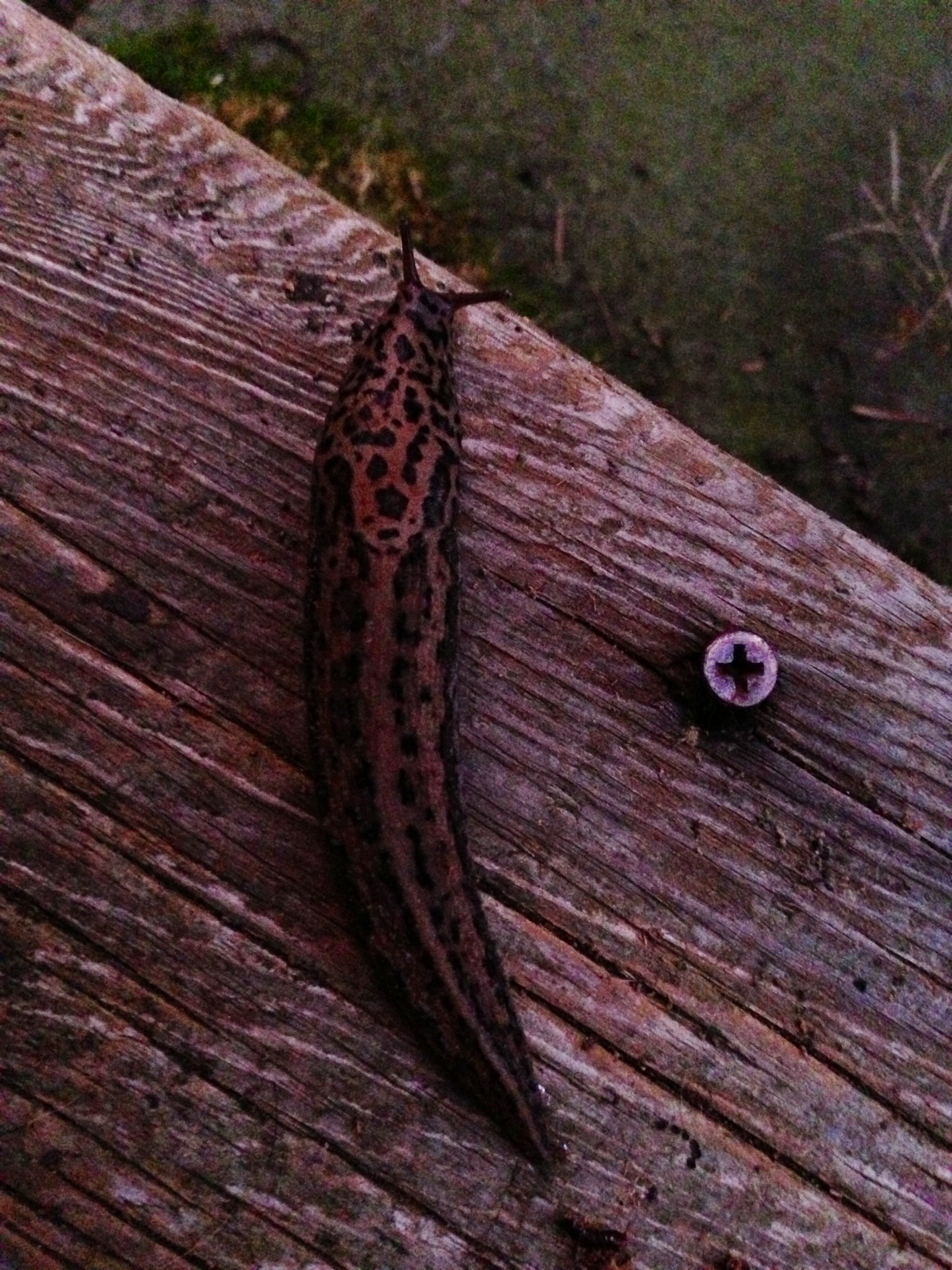
I thought the leopard slug I discovered on the porch yesterday at dusk was the worst thing I’d seen this summer.

leopard slug

Almost the length of my hand, it trailed its silvery sap behind it, creeping along the boards as though it hadn’t a care in the world. I could easily have smushed it with my bare foot, on my way to watch the fireflies.

These creatures, genus Limax, live beneath the weathered floor boards in some comfortable arrangement I imagine as including a cigar box bed out of  Mary Norton’s The Borrowers. But ookier. Hermaphrodites, the slugs have an unusual style of mating, using a thick thread of mucus to hang suspended in the air from a tree branch or other structure, an intense balcony scene to beat Shakespeare’s. The leopard slug was first spotted in the New World relatively recently, in a Philadelphia basement, in 1867.

How’d it get up to my house?

This morning, another discovery, when Gil was mowing the grass.

full length snakeskin

He laid it out on the porch. The shed skin of a snake, long and dry.

I saw this very snake not so long ago, out a window, as it travelled across the back forty towards the Cabin. Jet black and thick as my wrist. Moving in a straight shot towards me. Purposeful. We know they hole up under the clapboards at the back wall of the house because we’ve found their skins there before, left behind like a tossed-aside, too-tight jacket.

A black rat snake such as this one consumes mice and rats and sometimes even chipmunks (I noticed a decline in the chipmunk population around the cabin). It exudes an unpleasant musk as a deterrent to predators, but is known to be shy and will freeze, supposedly, if it spots you close by. It’s not poisonous, but if provoked further it will snap.

It’s sometimes identified, according to Wiki,  as:  Alleghany black snake, black chicken snake, black coluber, chicken snake, mountain black snake, mountain pilot snake, pilot, rat snake, rusty black snake, scaly black snake, cow snake, schwartze Schlange, sleepy John, and white-throated racer…

This particular schwartze Schlange was six-and-a-half feet long, from the reptile’s head — you can see its eyeholes —

snake head

to its tail.

snake tail

Perhaps the rat snake will find the leopard slug appetizing. But what will eat the rat snake?

snake sign

4 Comments

Filed under History, Home, Jean Zimmerman, Nature

Ramen in Harlem

Outside on this July afternoon it’s hot, hot, hot, but you feel as if you’re in a cool womb within Jin, the ramen bar on upper Broadway at 125th Street.

jin sign

This is Harlem, a Harlem of changes. Every neighborhood in New York experiences flux, of course, but this one is currently in crisis mode as Columbia University expands its holdings, spending $6.3 billion dollars to cut a gigantic swath across 17 acres of streets and buildings. It all takes place under the shadow of the IRT Broadway-Seventh Avenue viaduct, now over a century old.

Broadway

The goal is positive: a series of buildings that will enhance the university’s offerings in science, business and the arts. Unfortunately, the development will cause the destruction of many locally owned warehouses, factories and auto repair shops. And tenements. The old buildings are getting boarded up. There were huge protests over this.

old Harlem

I’ve always liked the old-fashioned structures of the neighborhood, crumbling as they may be. Some still stand, their paint weathered, looking as though we’ve let them down. That’s why they call it New York, because nothing is allowed to grow old here, said a spectator quoted by The New York Times as he watched the demolition of the glorious old Pennsylvania Station.

Some buildings have already disappeared, even before this latest chapter, like the diner I used to go to at the terminal point of 125th Street when I was a student here.

s_n39_bpm04512

Wedged under the West Side Highway, it was a great, funky place to look out over the Hudson and dream. It was already ancient when I drank my coffee there.

Now when you look uptown from 125th, Columbia’s mammoth cranes hover over the landscape like the skeletons of some futuristic, predatory beasts.

columbia bldg

But not to worry, Jin is here to soothe us, just short of where the redevelopment starts, at the base of the steps that lead up to the subway platform. Convenient. The train can drop you off into a puddle of steaming, flavorsome, broth.

ramen

New York has a lot of ramen parlors just at the moment. Jin is one of the finest. It’s always crowded, with students and families (babies holding soup spoons as big as their faces), young couples, singles intent upon a book and a slurp at the same time. If I were a student now, with no diner on the Hudson, I know where I’d be.

At the counter we have an up close and personal view of the process in this particular ramen kitchen.

joshua

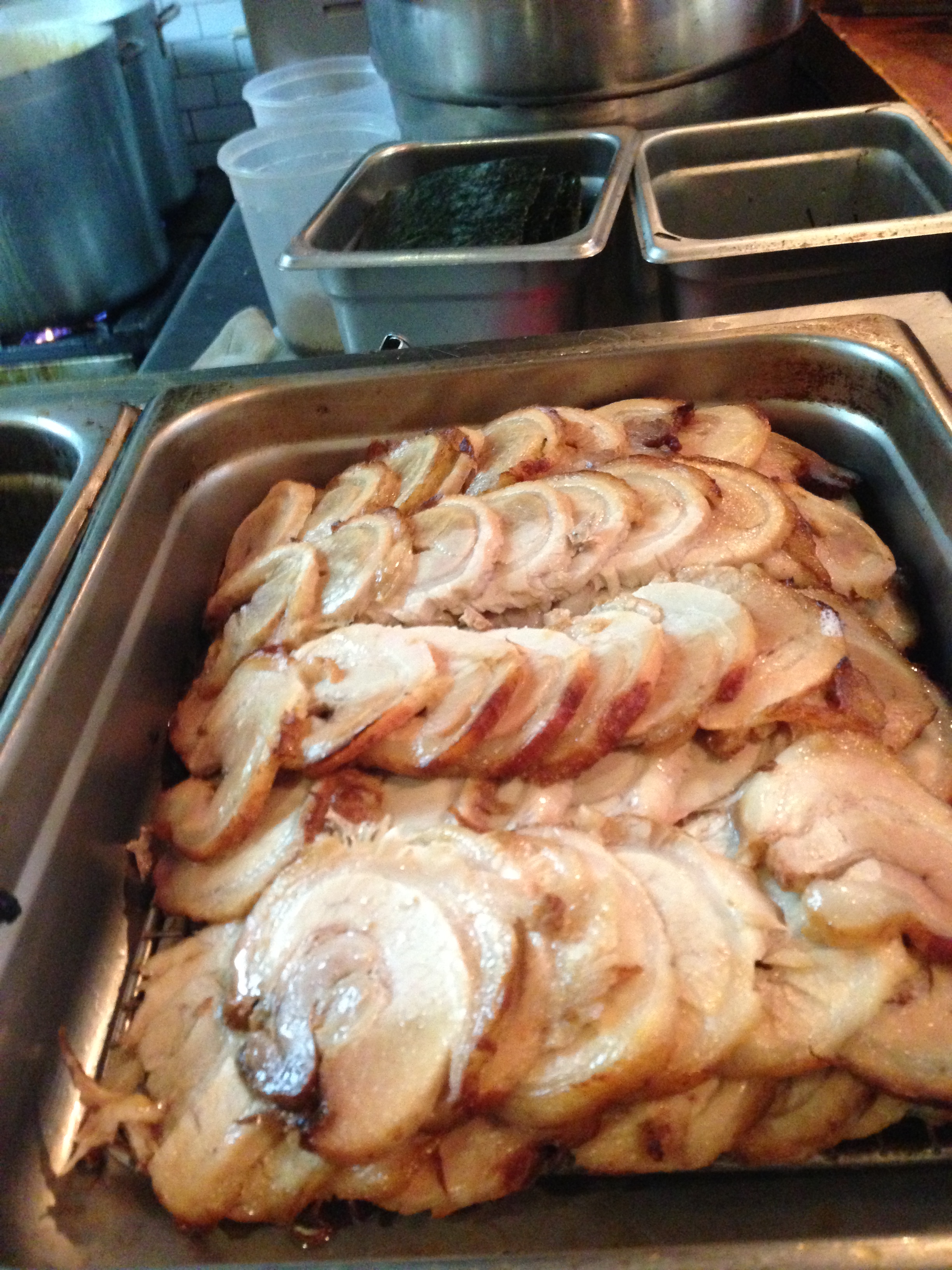
The chef. His name is Joseph. The broth pot, the size of a small boulder. At Jin, they cook the broth to make tonkotsu ramen for hours, pork bones at a high boil, resulting in a creamy texture that’s sort of like a savory gravy. They spoon it into each bowl with a giant’s ladle, then Joseph applies the fixings. The sliced pork belly.

jin pork

Called chashu, roasted for two and a half hours, it’s smoky, fatty and succulent. They can’t leave it in the heat any longer, Joseph says, or it will fall apart. And the idea is to have intact disks of the meat in each serving. Along with a soft-boiled egg, bamboo shoots, fresh scallion and of course the ramen itself. When you enter Jin, everyone is leaning over their bowls, chopsticks flailing, sucking in the long strands of noodle, which are firm, very thin, straight and white. They are unrisen, and are made with sodium bicarbonate water, of all things. If a diner has broth left over and is still not full they can order extra servings of noodles at a nominal cost. This has never happened to anyone as far as I know.

womb room

Now, not because I’m contrary – I don’t usually order the ramen at Jin. You see, the restaurant also offers the rice bowl known as char siu-don, which is one of the more delicious dishes I’ve tasted. It too has slices of pork belly, draped across a mound of perfectly sticky rice, along with a quivering sunny-side-up egg, shreds of bright red pickled ginger, shreds of sliced scallion, sesame seeds and cut nori. I order a side of the spicy garlic paste called mayu to slather all over everything. And then I am excluded from polite company for the next 48 hours.

rice bowl

Jin, if you ask the owners of the restaurant, means “benevolence” and finds its root in Confucianism.  The character that makes up the word consists of two elements, with the left side representing a human being and the right side symbolizing the numeral two. Jin is said to depict the way two people should treat one another.

Perhaps enough tonkatsu ramen can help heal the redevelopment wounds under Harlem’s rumbling IRT bridge.

1 Comment

Filed under Cooking, Culture, History, Home, Jean Zimmerman

Rapid Cycling

You’ve heard about the Citi Bikes that now throng Manhattan. There are thousands of them parked in solar-powered docks from Battery Park to Central Park. Anybody with a bank card can rent one for half an hour. (There are some bikes in the outer boroughs, too.) They’re making New York into Minneapolis or Melbourne or any of the other healthy bike-sharing cities around the world. Everybody in New York is taking a set of wheels out for a spin, tourists and natives alike.

citibikes

I said, when asked, I wouldn’t do it.

I did it.

My logic: there are a lot of things on my reverse bucket list, my fuck-it list, things I pledge never to do. Anything involving getting lofted high above the ground. No skydiving for my 60th birthday.  No bungee jumping any time at all. The list goes on.

Then there are things I will probably never do even though it’s my dream. Leaping over a fence, say, while gracefully swinging my legs out to the side. It’s not a question of being young enough — I never could do it. Too difficult.

But riding a soft-saddled steed on a Manhattan summer afternoon? This I could probably accomplish without undue shock to the system.

Gil agreed.

gil:bike

It would only be 30 minutes, after all.

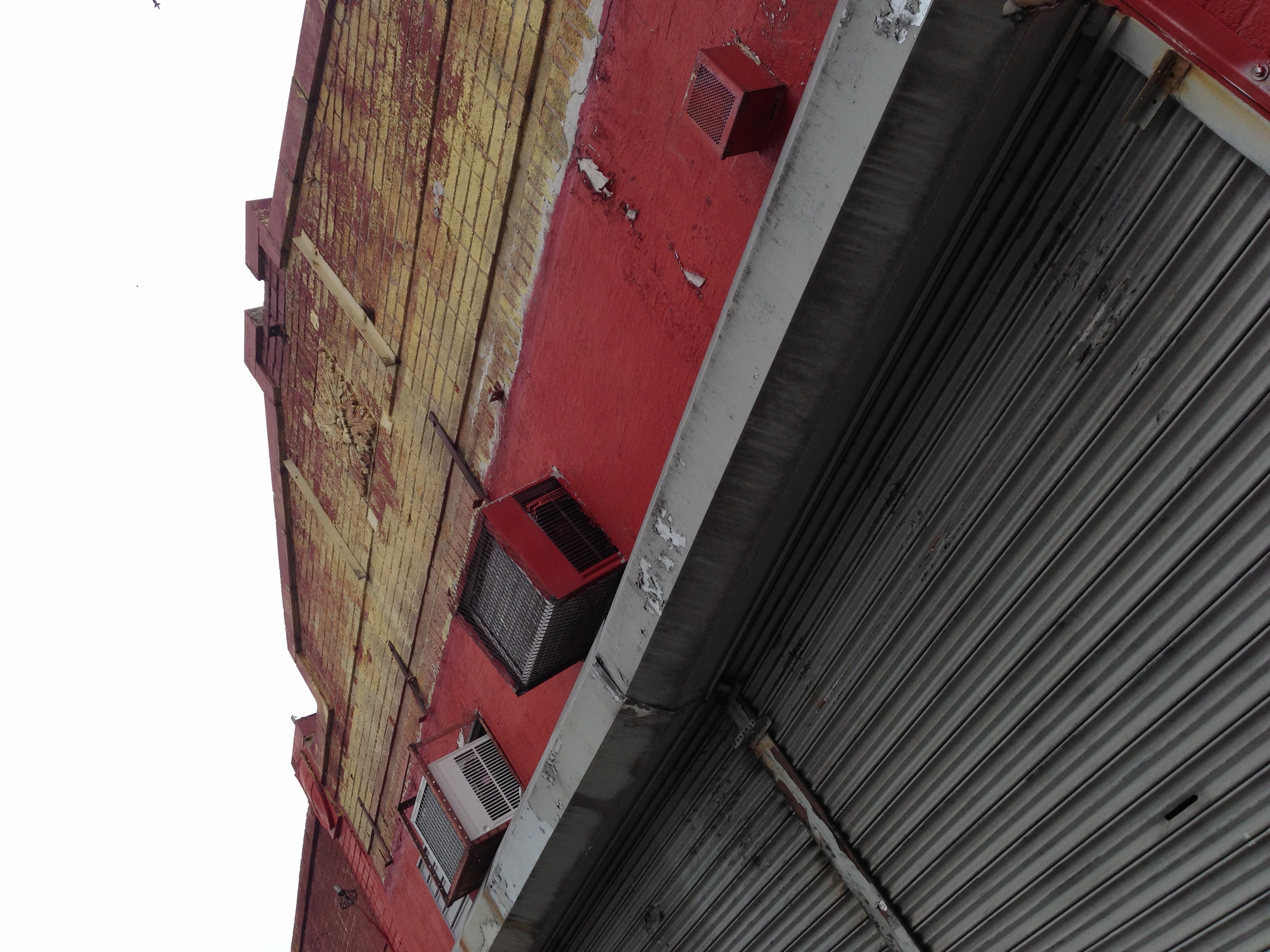
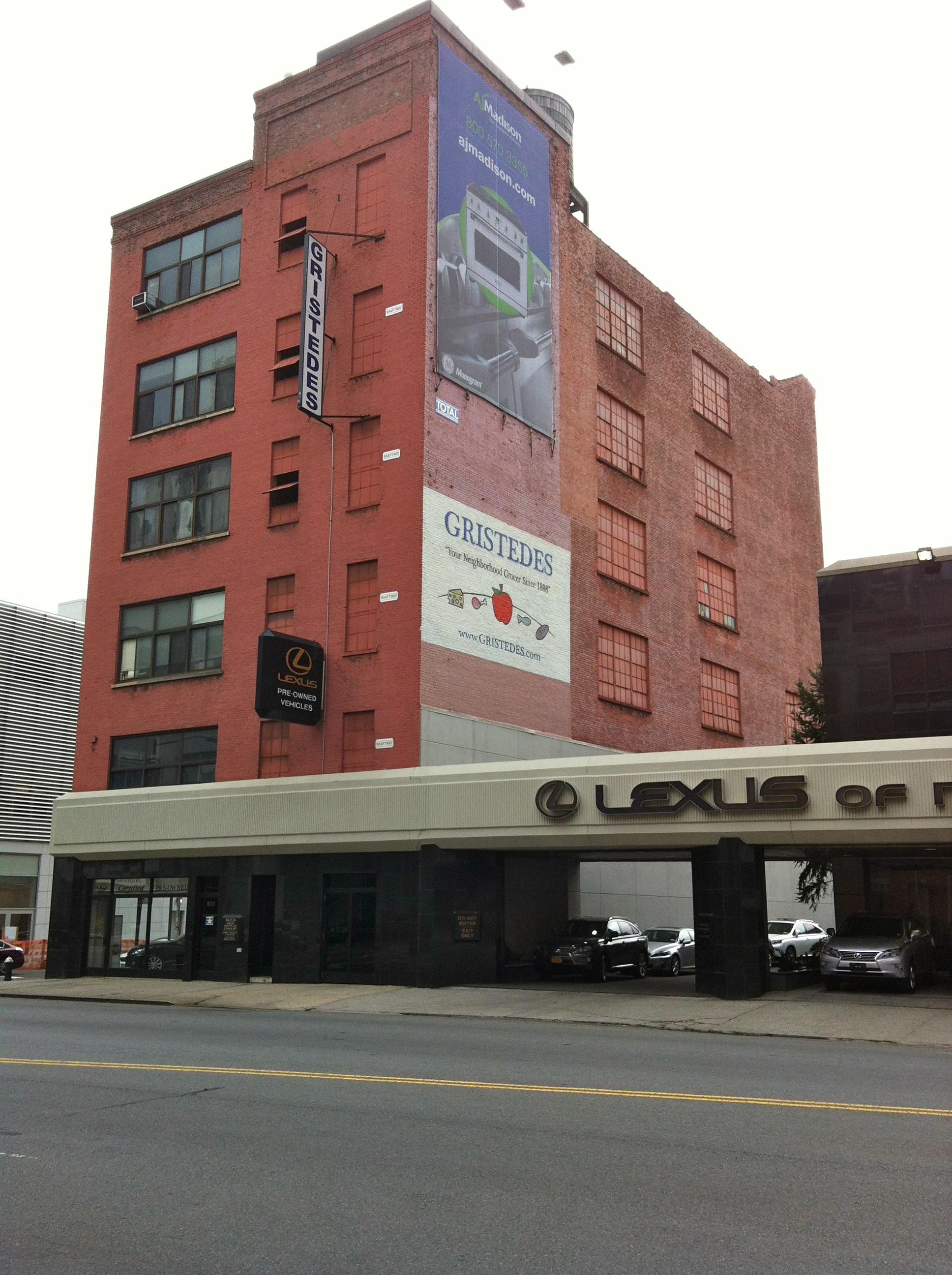
We started at luxury car alley, that stretch of Eleventh Avenue in Midtown where drivers with a fat wallet can take away  a Lexus, an Audi or a Mini. Glossy, glassy buildings on every side. But as in so many corners of New York, shreds of a past neighborhood identity can be found if you look, like old signage for a supermarket over the Lexus dealership.

IMG_0527

Someone was watching us.

IMG_0526

We’d better behave. Across the avenue from the bike rack, at 59th Street, stands a grand monument to both the subway system and steam, a full-block-square Stanford White designed industrial temple that was originally the Interborough Rapid Transit Powerhouse.

power plant

Built in 1904, it has bold Rennaissance Revival details. When it outlasted its usefulness to the subway system in the 1950s, Con Edison took is over to supply the New York City steam system.

Under the shadow of its grand façade we pedaled to the Hudson, wobbling ever so slightly and nearly getting sideswiped by several taxis. Then we joined the stream of cyclists on the pavement along the river under the West Side Highway.

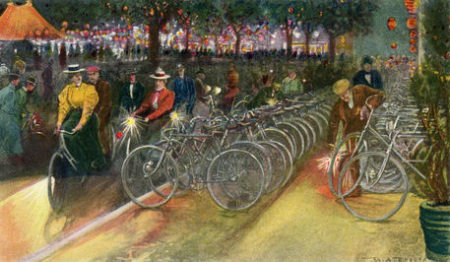
Biking is hardly a new fashion in New York City, especially for women. In the 1890s, female cyclists crowded the urban streets, and their exploits were enthusiastically described by gossip columnists. Pictures of glamorous women, the wind in their upswept hair, graced the covers of Puck, Life, Scribner’s.

1097-1510-Bicycling for Ladies_front cover_copy

A slight hitch in their pursuit of the sport lay in their mode of dress – the yardage of their ankle-length skirts had a tendency to get snagged in the wheels of the so-called “safety bicycle.” But that was okay, split skirts – bloomers – were coming in. Just ignore the consternation of cycling advocate Mrs. Mary Hopkins of Boston on the subject: “It has made wheeling just another way for a woman to make a fool of herself,” she told the New York Times. “She has made a half-way sort of creature of herself. She can’t be a man, and she is a disgrace as a woman.”

wheelsofchange1

Susan B. Anthony thought differently. She said: “I think cycling has done more to emancipate women than anything else in the world. It gives a woman a feeling of freedom and self-reliance.” Feminism before feminism, all on the mean streets of Riverside Drive.

Cyclists in New York, 1890s

“The moment she takes her seat she knows she can’t get into harm unless she gets off her bicycle, and away she goes, the picture of free, untrammeled womanhood.” I don’t know if Susan B. Anthony rode a bike herself.

sewyourownbuttons_wide

I don’t see how I could come to any harm if I got off my bike in one of New York’s new, pristine waterfront parks, aside from getting a headache from looking up at one of the oversized sculptures looking out over New Jersey.

river art

The sculpture by Benat Iglesias Lopez is one of a group installed this year called The Bathers.

I somehow prefer the art of the decrepit pilings that march along the coastline, vestiges of a different age.

nyc pilings

They’ve been there so long, and they’ve seen so much.

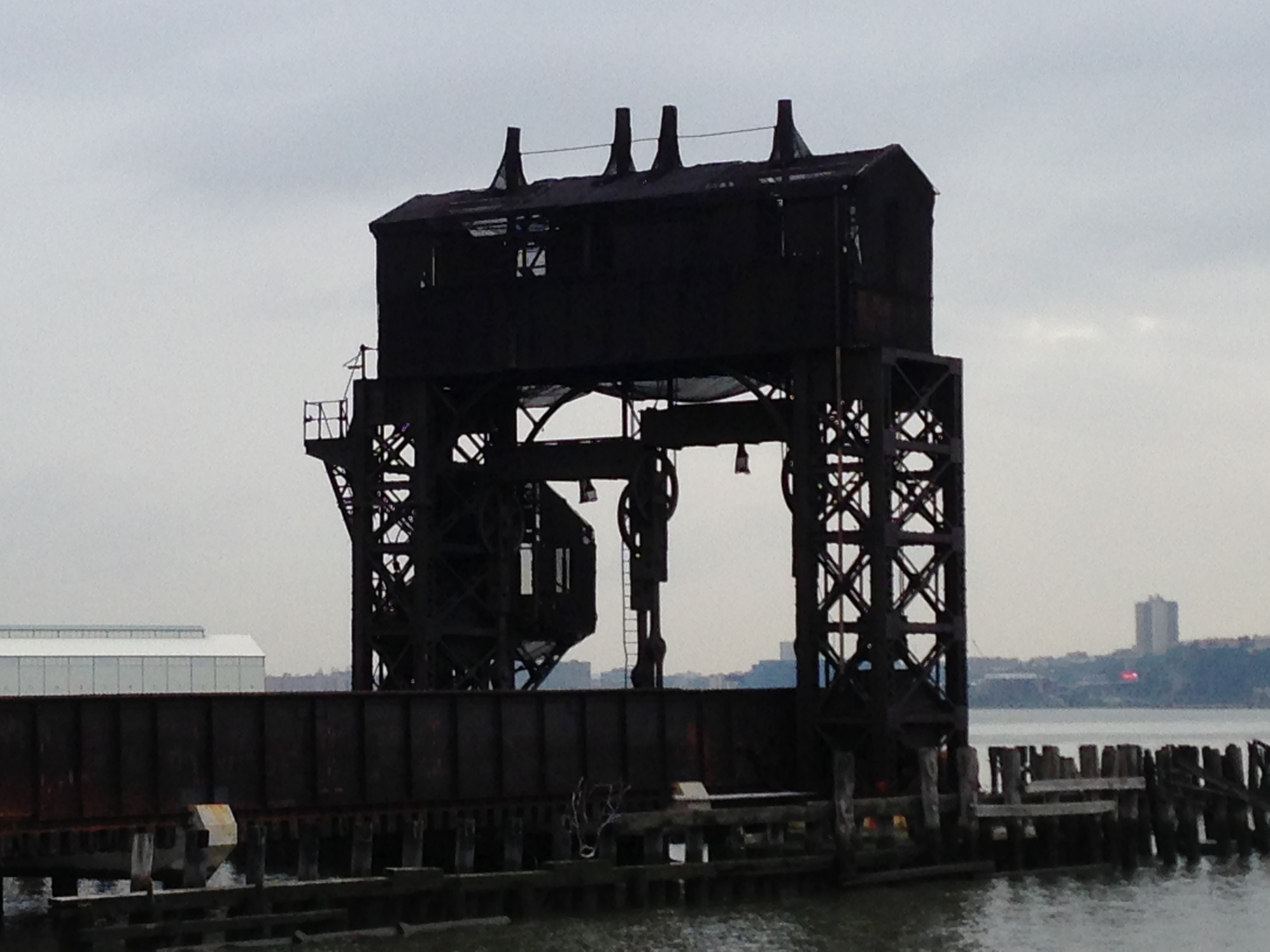
I’ve also always loved this  landmarked historic ruin, the control tower of the 69th Street Transfer Bridge, which at one time belonged to the West Side Line of the NY Central Railroad. The bridge was built in 1911 and enabled the transfer of train cars from rail to boat, to be floated across the river to the rail yards of Weehawken, New Jersey.

elevator tower

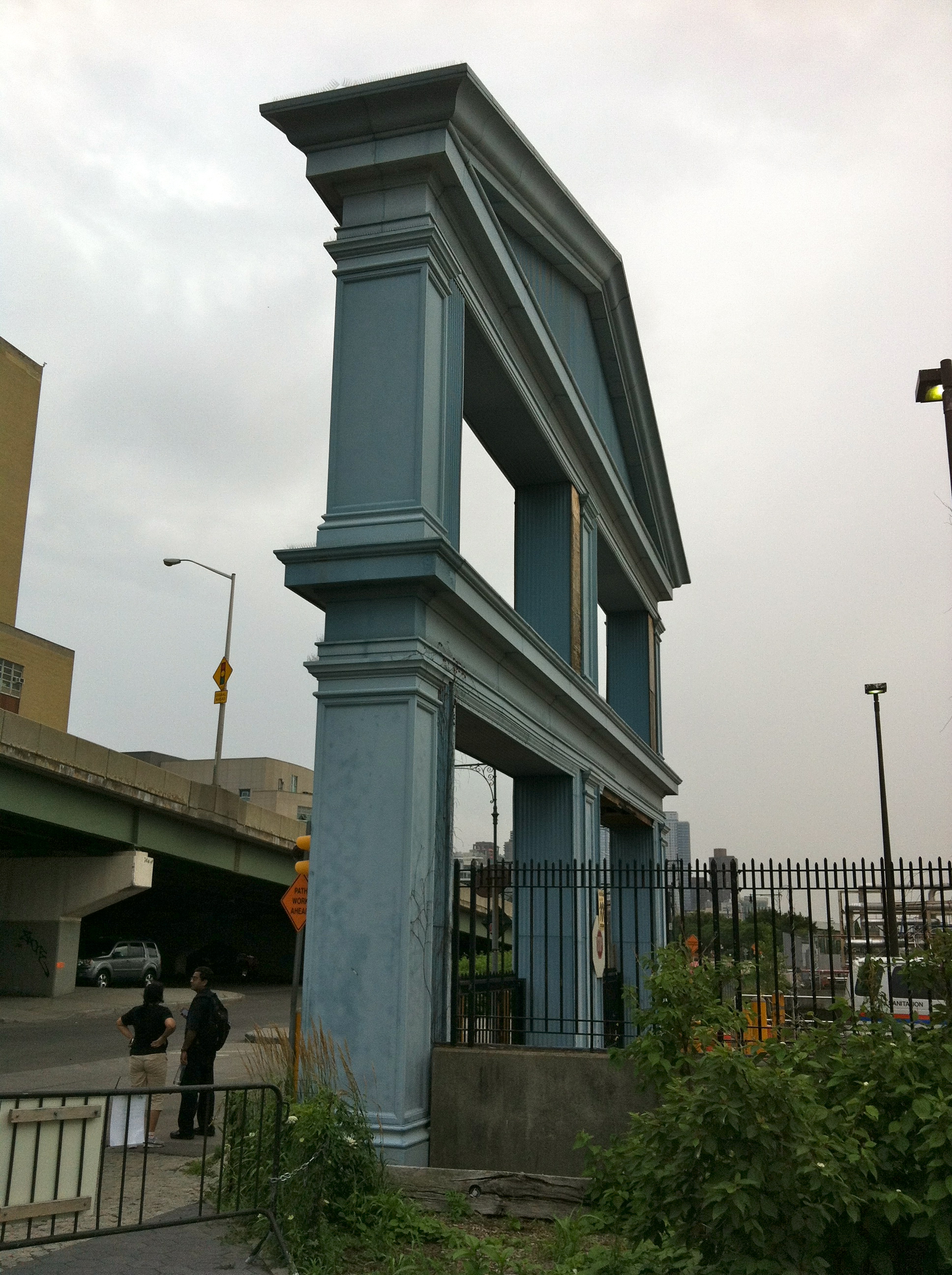
I often get a view of this spooky structure from the West Side Highway that runs alongside it at just about its level. Something else, too, that I can usually spot from the highway but now get a better view from my bike, the proud classical gateway to the Sanitation Pier at 58th Street.

IMG_0525

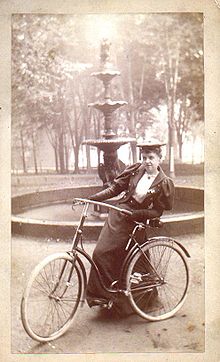
We checked our watches and found it was the moment to return, but promised ourselves this wouldn’t be the last time we risked our necks for a half hour of the Manhattan wind in our hair.  As we picked up to go, I felt a certain proud resemblance to another female cyclist of the past.

jz bike pose

Only her cycling get-up’s a little more elegant than mine.

17303653102979642

2 Comments

Filed under Culture, Fashion, History, Home, Jean Zimmerman, Photography

Phriends of Phragmites

Today I befriended my inner phragmite.

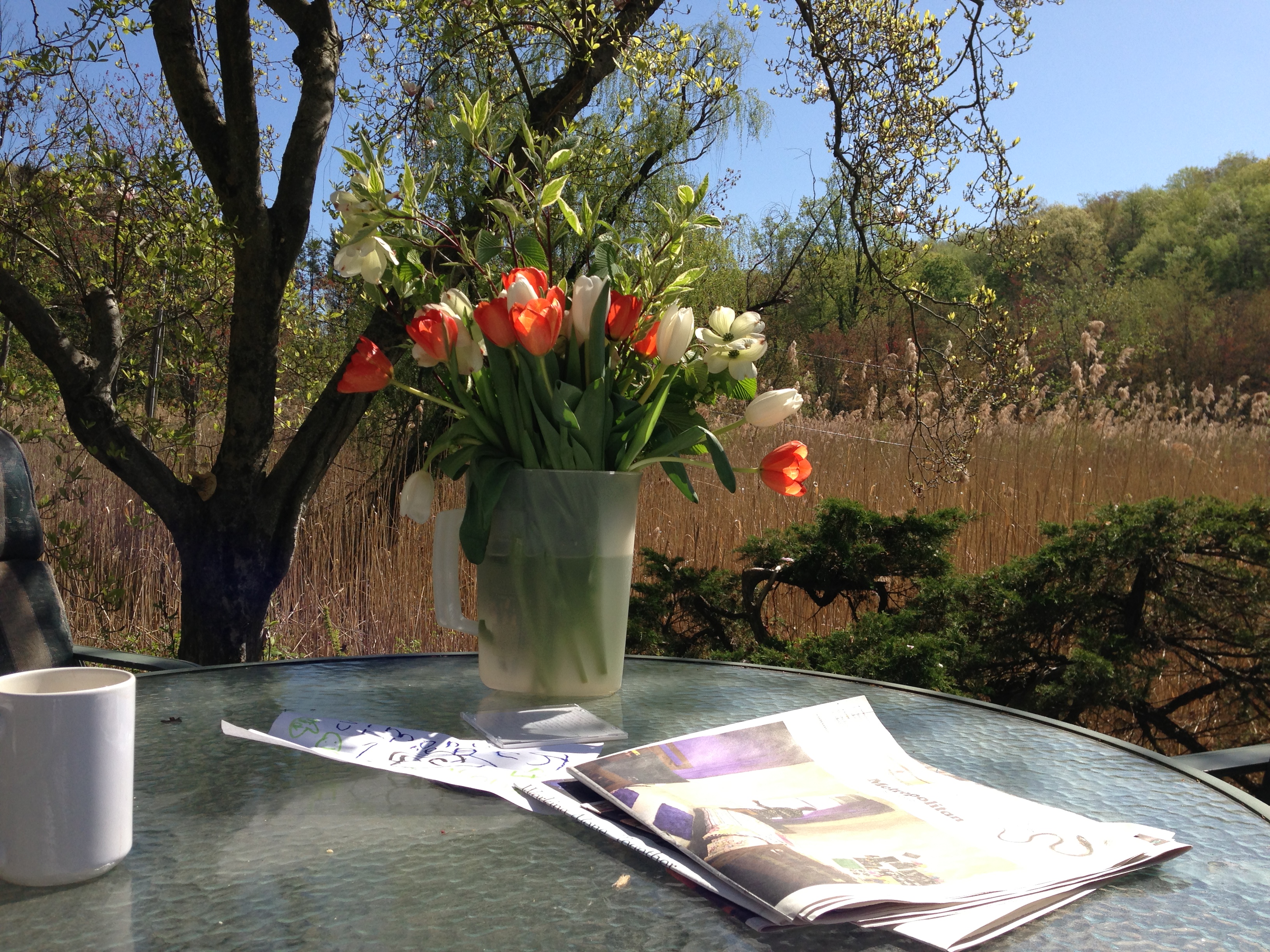
tulips and dogwood


You’ve probably seen the reeds that form the backdrop for these merry tulips hundreds of times without knowing their Latin name. Marsh grass, aka phragmites. I’ve been thinking about the reeds for a while now, since a landscape-architect friend of mine came to the Cabin and explained that they characteristically grow in “degraded” environments. It hurt a little to know that my beautiful grassy friends have some kind of noxious, invasive taint.

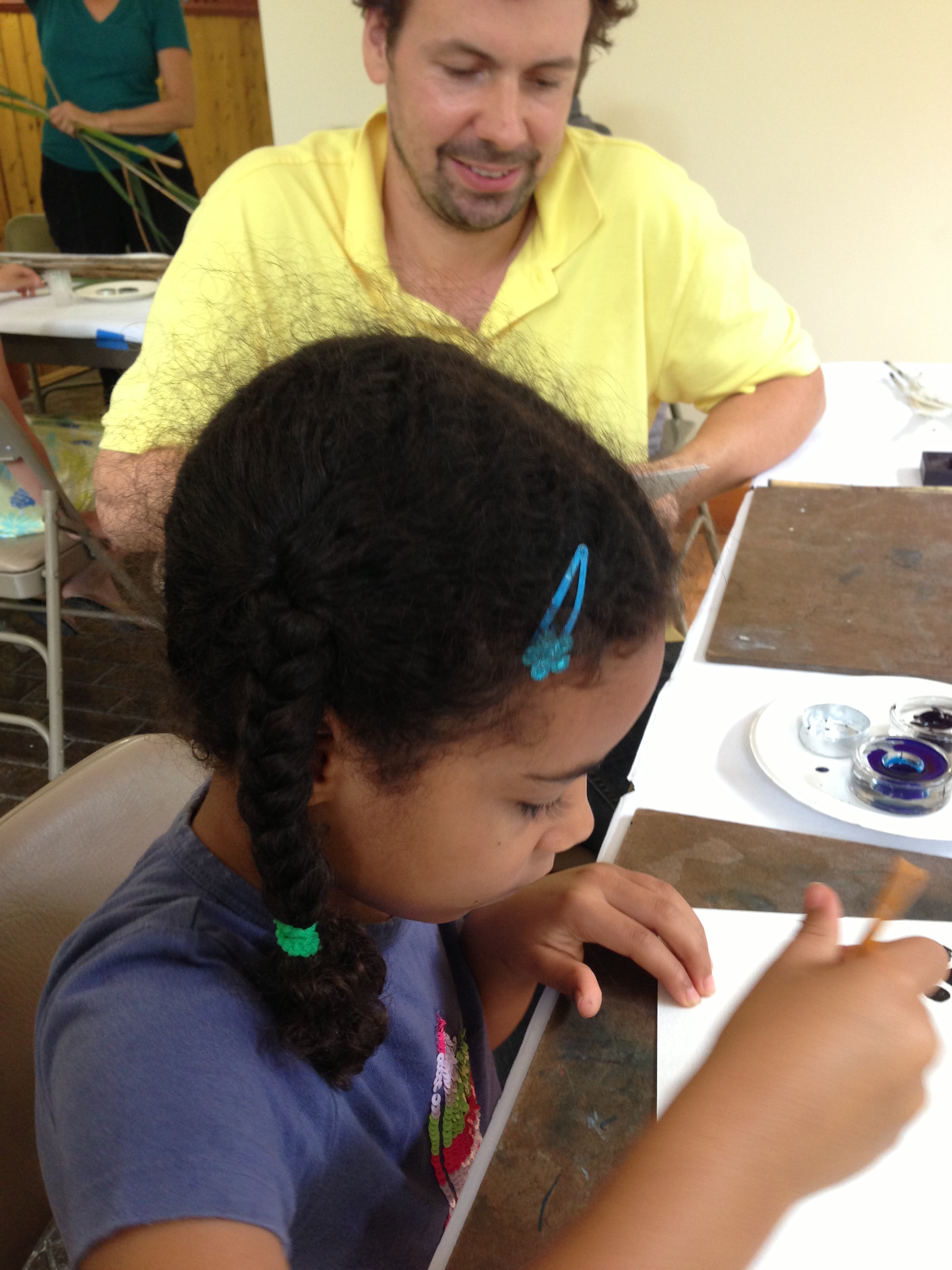
So I was glad to attend a class today that was set up to make art with phragmites and their more distinguished relative, the cattail.

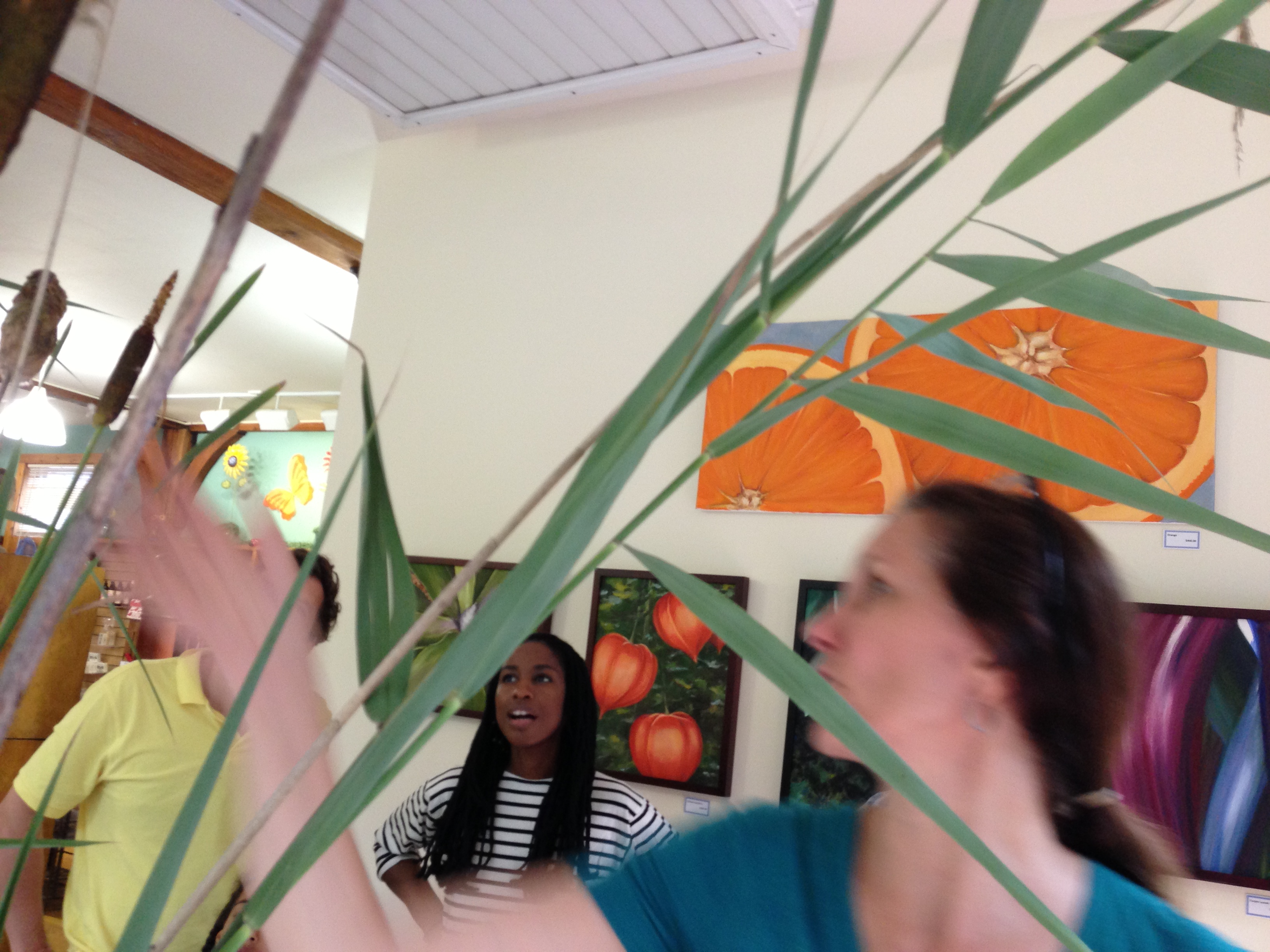
phrags:cattails


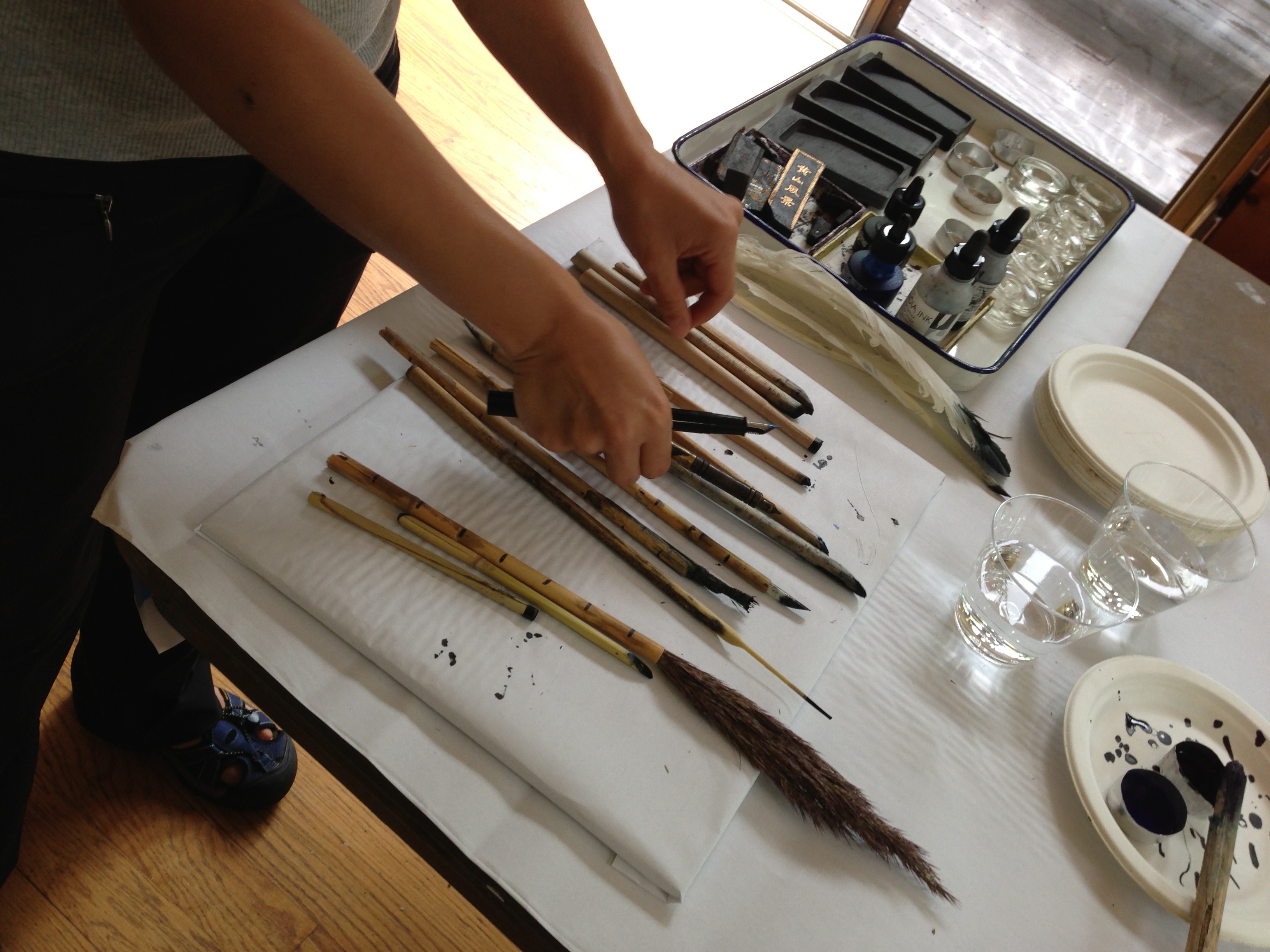
An airy display greeted my eyes upon entering the classroom, at the Teatown Lake Reservation just down the road from the Cabin. Paper and pens and brushes of all different sorts lay ready and waiting.

laying out the brushes


Laurie Seeman and Joanna Dickey were there from Strawtown Art & Garden Studio, ready to explain the differences between and the politics surrounding the different marsh grasses. Yes, there are politics surrounding marsh grasses. The two women are good at teaching about wetlands, that’s what they do at Strawtown for kids and community groups.

While phragmites are used around the world to weave mats and roof thatch, Laurie told me, she didn’t see a use for them in the art studio until she recognized them as “painting partners.” They’d been “demonized,” she said, “by the science people, but as artists we try to look upon them with the most open mind possible.”

laurie in action

What’ s the beef with the phrags? Laurie: “They’re pollution tolerant whereas cattails need cleaner water to thrive.  Certain species need the cattails, and when the phragmites take over there’s no room for them.” Said Joanna, “The phragmites grow closer together and it’s the understory that doesn’t allow the shorter plants to grow.”

The artist-teachers discovered that for their purposes, the phragmites has a hollow stem like a traditional quill pen whereas the cattail has a spongy interior “much like a magic marker,” as Laurie said. Both work for painting.

interiors


Some say the phrags  came over from China in ship holds long ago, but have proliferated in the last few decades. Some say they clean metals out of sediments — a good thing, maybe. Don’t get Laurie going about research scientists, conservation scientists, corporate scientists, biological scientists, plant scientists, marine scientists. “It’s old-school thinking that phragmites are all bad,” she said. “They have a relationship with places that have been invaded.”

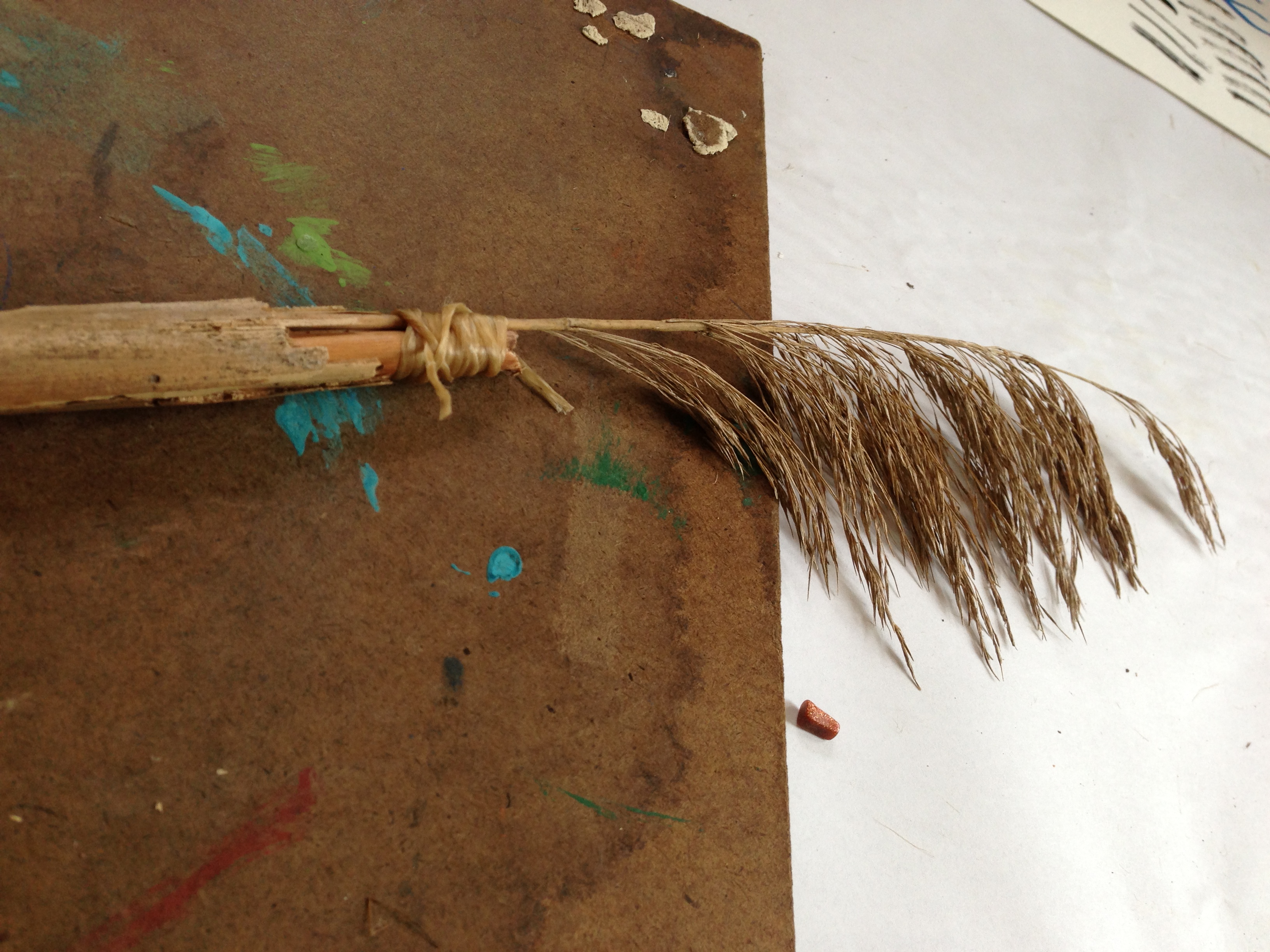
Today we’re going to appreciate them, stems and plumes alike. Gerard Manley Hopkins says, Long live the weeds, and I say, Long live the phragmites.

phrag brush


We dipped the reeds in ink.

ink


We made our own brushes if we wanted. (I wanted.) We took our time, something Joanna advocated.

joanna


Now, cattails are indigenous, and have a plump appeal. They make “comforting places for a bird to sit,” said Joanna.

cattail cu


Their roots are tubers. They’re amazing. Yes, yes, everyone loves a cattail, I know that. It would be un-American not to. But let’s not leave the phrags in the lurch.

People of all ages were pressing them into service today for art.

father:daughter


In the meantime, there are well-meaning authorities who are trying to destroy parts of venerable Piermont Marsh, just across the Hudson River, with what they’re calling an “enhancement project.” I’ve canoed there many times, and know it as a mystical place with its towering grasses. Good bye, 200 plus acres of phragmites, which have been a stable presence there for 2,500 years. The reeds protected the riverbank during Sandy.

But let’s digress for a discussion of ink. In Japan, the soot that accumulates in the eaves from a pine wood fire makes good calligraphy ink, while whale fat smoke is better for imagery. I’ve left politics behind, lost in my painting, shaking loose drops of ink from my phragmite feather like a marsh-y Jackson Pollack. Laurie introduced something she’d brought along, water in a dark bowl, what she called “water as first mirror.” She said that in ancient times dark liquid was the only source for a person’s reflection.

Laurie and Joanna had gathered branches to make frames, and as I was twisting sinew around sticks I noticed someone I knew, Marguerite, coming over to create her own frame. She was positioning four graceful, delicate boughs before even beginning on the painting it will contain.

Marguerite


Doing it her way.

Something some entities simply have to do. Even the phragmites.

jz w painting

7 Comments

Filed under Art, Culture, History, Home, Jean Zimmerman, Nature

Swedish Farm

My friend Sarah Hollister, an American who has lived in Sweden for some years now, agreed to do a guest post for me. Her perspective and her pictures are lovely. Here she is:

We’re soon leaving the Henning Mankell Gård (translated farm) up here in Härjedalen in the northwestern part of Sweden. Just one more day. One of the great things about this writing residence is that family is welcome (there’s even a sweet baby crib in one of the bedrooms) so my partner Gunnar has been here with me which has been good. This house is too big for one person.

IMG_1634

I spent the first day roaming the roominess of the house, up and down the stairs, examining the books in the library, checking out the huge laundry room, washer, dryer, and a drying closet for heavy rugs. Just enjoying the space before I settled down in my workroom on the first floor.

Gunnar and I took some day trips on the two cycles provided and discovered a number of deserted houses up here, people who had given up. Though we also saw some very prosperous looking farms.

IMG_1486

You can’t be in this part of Sweden without encountering a fäbod, (translated mountain pasture). But a fäbod is more than grass, it’s a concept, now lost, a way of living. Fäbods consist of a cluster of small weathered log houses built on a site where there was plenty of green grass for cows to graze to their heart’s content.

We visited  one just up the road from the Mankell Gård, climbing up the narrow path that led to the high pasture. I thought of cows, of many cows navigating these paths covered in roots and rocks, mooing and balking.

IMG_1536

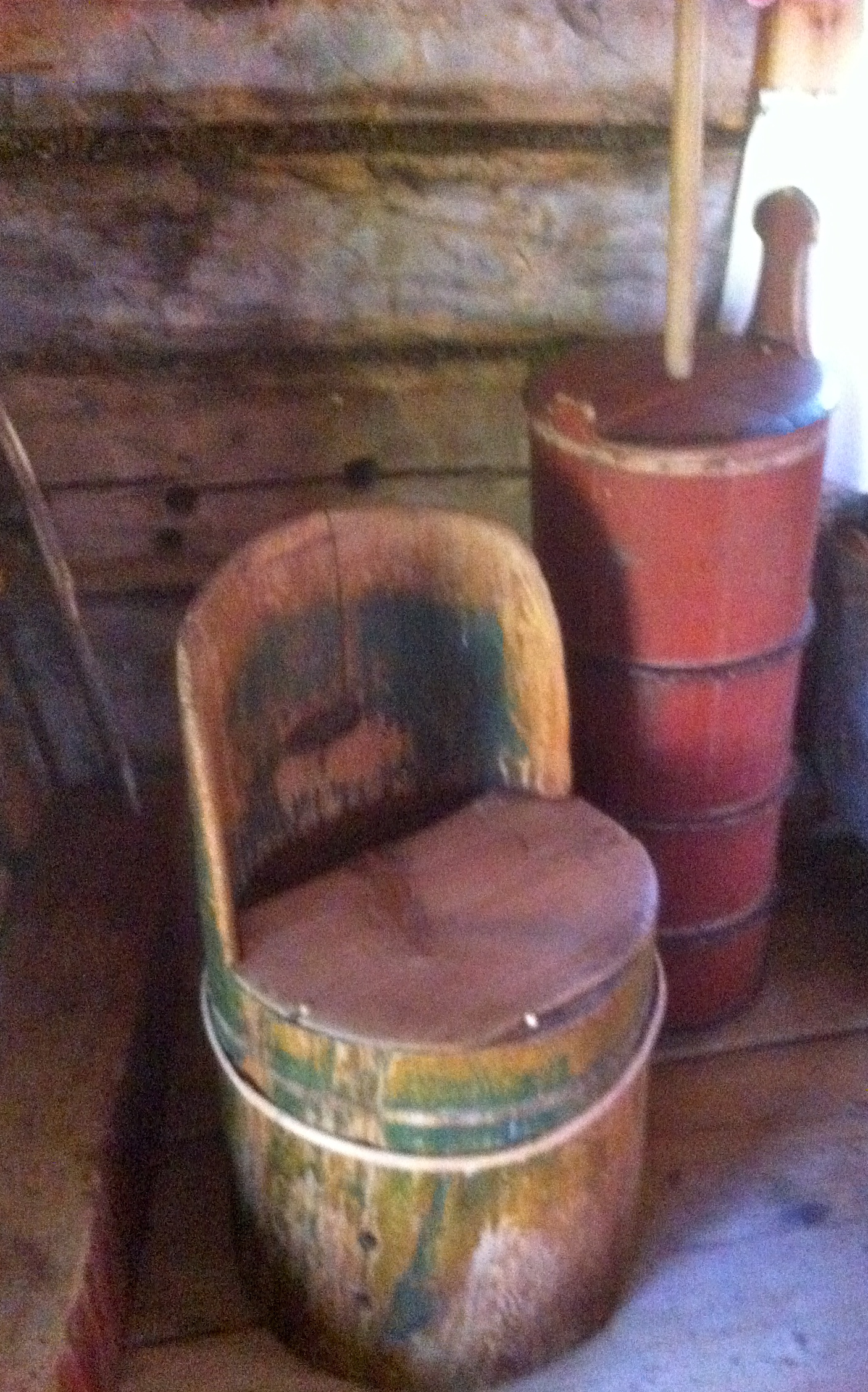
The log houses are fairly small, no bigger than a large farm shed, with low ceilings, dispelling the myth of the towering Vikings. It’s easy to bump your head if you don’t duck. Most of the buildings were built for storage, hay and wheat, milk and butter products.

IMG_1523

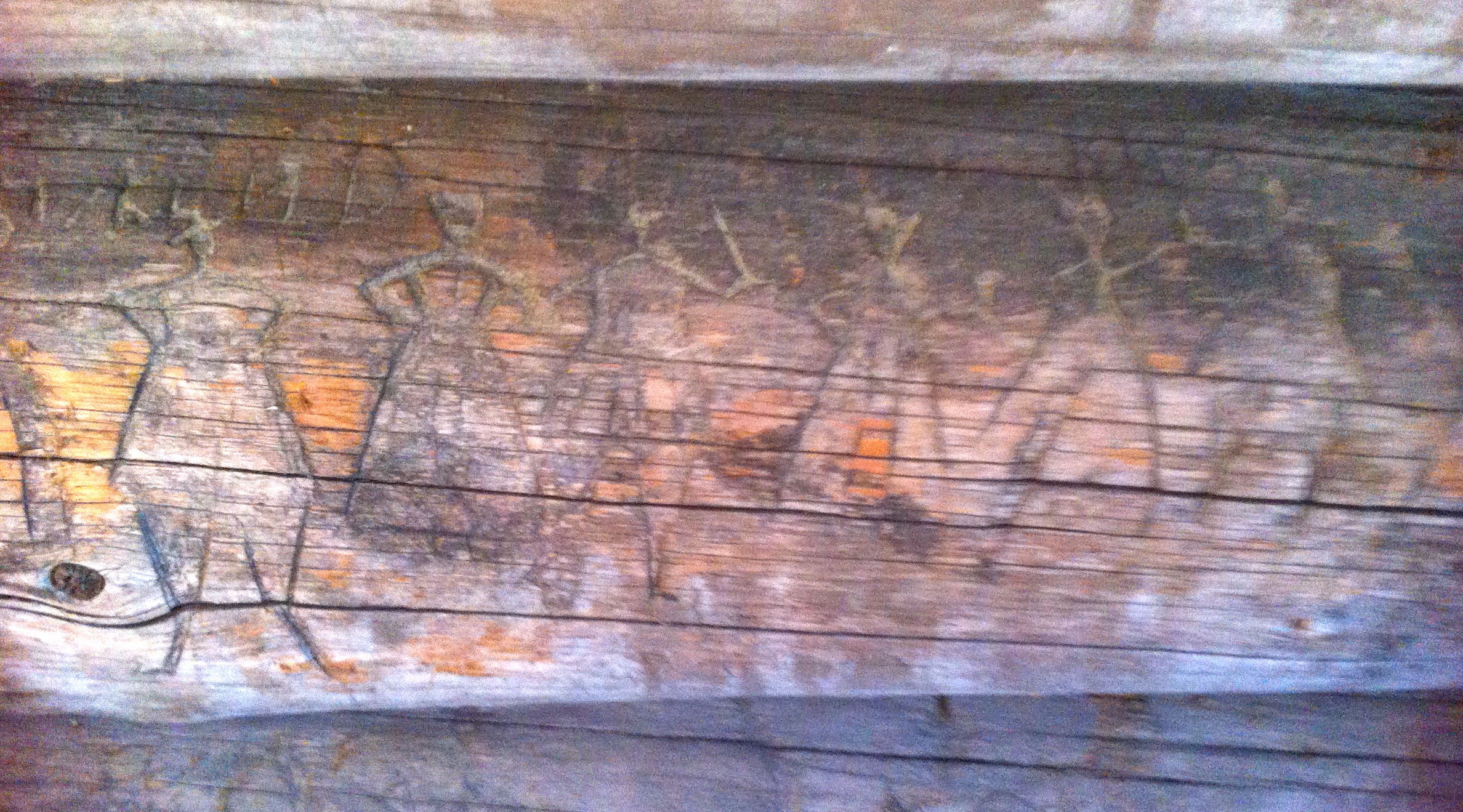
In one of the buildings, we found pictures carved into the beam logs. There was a written explanation on the door that explained the pictures were representations of the wars between Norway and Sweden, border skirmishes that took place up here in this part of Sweden. It was hard to tell though. The small figures looked like ordinary men and women to me. Someone had an interest in art.

IMG_1532There is one log house (as in every fäbod) specifically to house a young girl, the fäbodjäntan. It’s difficult to find an English translation for this word —  let’s say cow tender. She helped drive the cows up the mountain, then stayed on alone tending the cows over the long summer days.

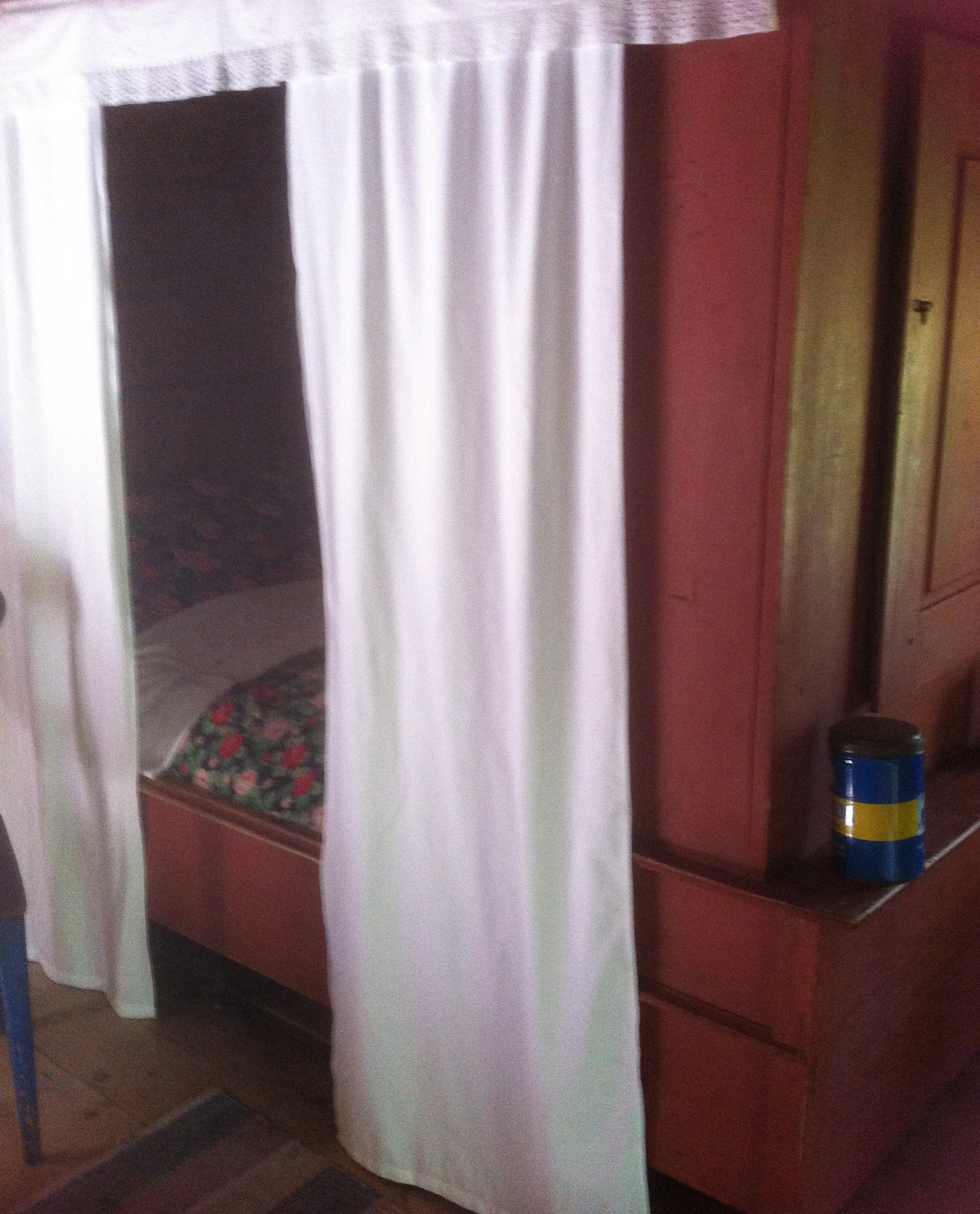
What do we know about these girls, the fäbodjäntans? They had a song they used to call out to the cows, their voices echoing up and down the hills and mountains. I like the romance of it, I admit. They slept in small beds in the small wooden houses of the fäbod. They were kept warm by a fireplace should the need arise, cooked their meals there as well and at times were allowed a visit from their fiancé if they had one. A larger bed with a curtain was available for those visits.

IMG_1518

Gunnar pointed out that morality was not so strict in those days, at least for farm girls.

IMG_1517

I’ve grown used the quiet of the mountains, the sunlight glinting off the birch leaves, shimmering, silvery. I wouldn’t mind living in a fäbod myself. They’re for sale if someone has a knack (and the money to spend) for renovation. It would be nice though to spend a whole summer in one, dreaming and writing.

IMG_1520

3 Comments

Filed under Art, Culture, History, Home, Jean Zimmerman, Nature, Photography, Writers, Writing

Blues Chicken

With every last i dotted in the proofread Savage Girl galleys, I raced to my reward, a sultry New York City where everyone, it seemed, was perambulating, doing something exciting and interesting. Gil and I would go among them, we would do something exciting and interesting, too.

Eat chicken, for one.

Questlove, the drummer and frontman for the band the Roots, has got so deep into the fried poultry business that he had some kind of a late night throwdown with Momofuko head honcho and chicken man David Chang on Late Night with Jimmy Fallon. Now the musician has opened a counter joint in New York’s Chelsea Market called Hybird that serves exclusively drumsticks, fried dumplings, biscuits and cupcakes. All the essentials for a balanced diet.

hybird

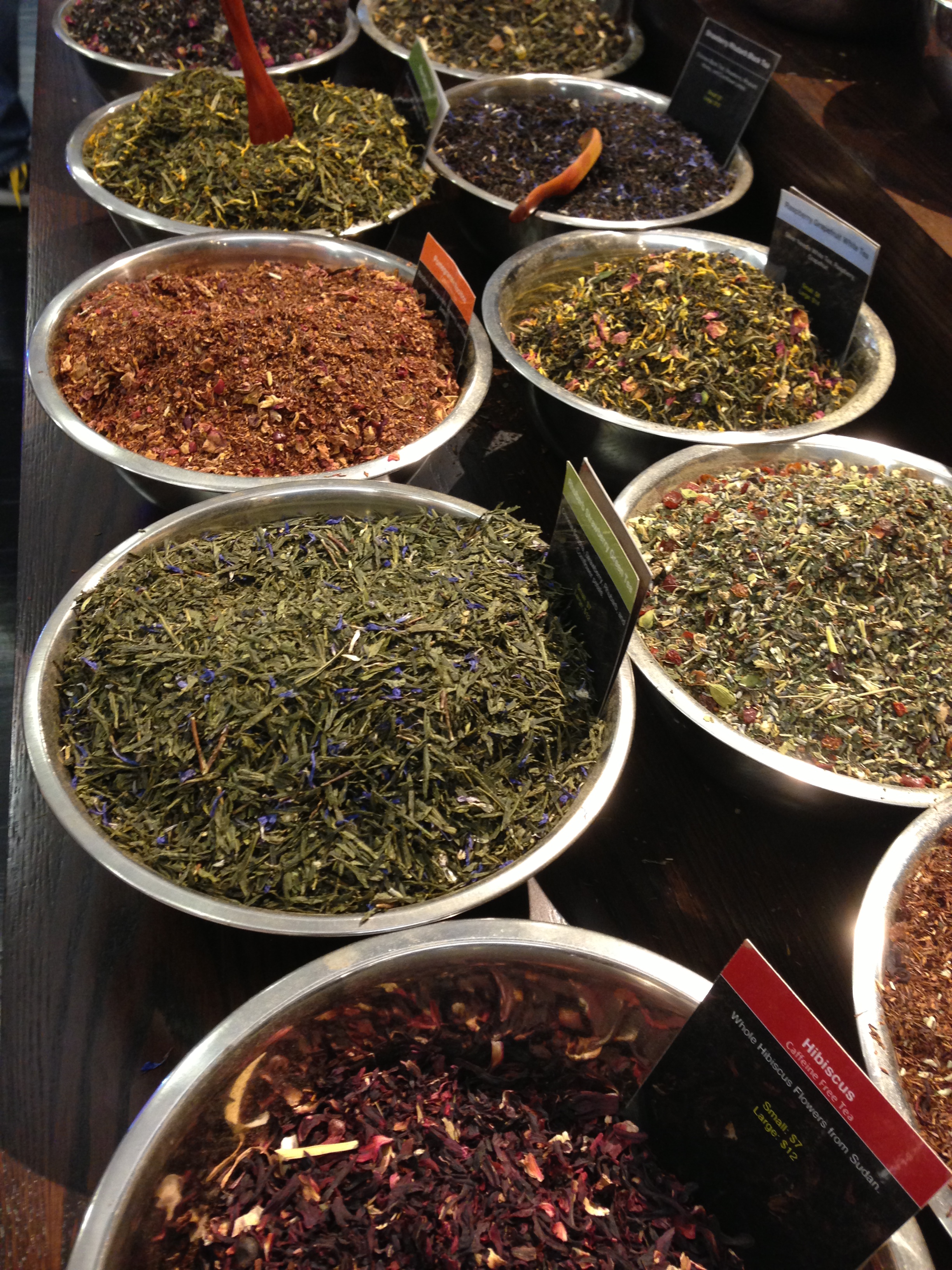
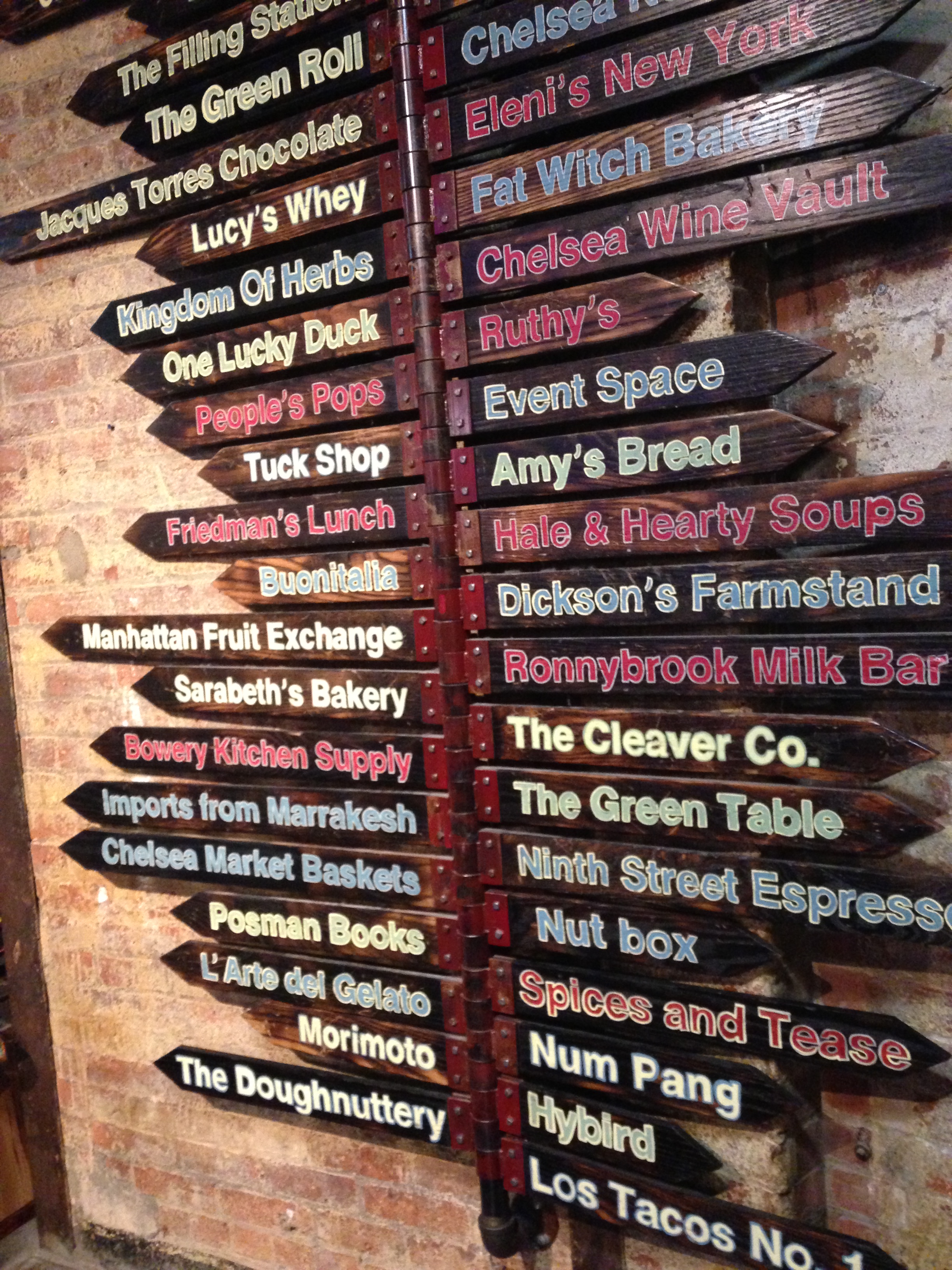
We got to the labyrinthine food concourse in midafternoon, ahead of the crowds, snaking through a corridor lined with dozens of teas, our stomachs rumbling.

tea

The enormous Chelsea Market complex is located on the premises where the Oreo was developed and perfected, lending an air of sanctity to our excursion.

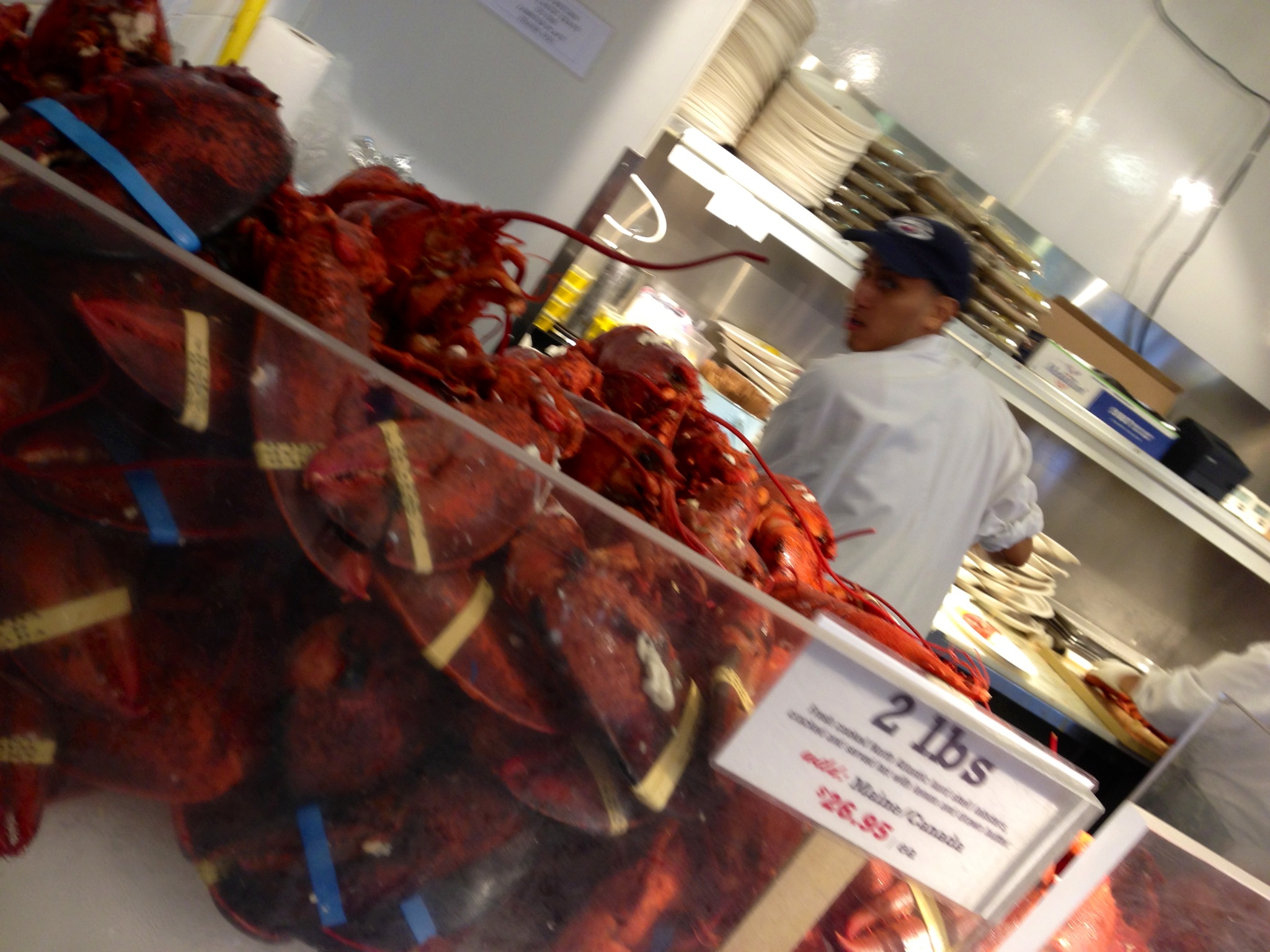
Chelsea Market features a lot of exciting things. Chilled, hefty lobsters.

lobsters

Falling water.

chelsea waterfall

Food venues. Outrageously good smells swirled around us.

bounty

What it didn’t have before is this particular chicken.

chix box

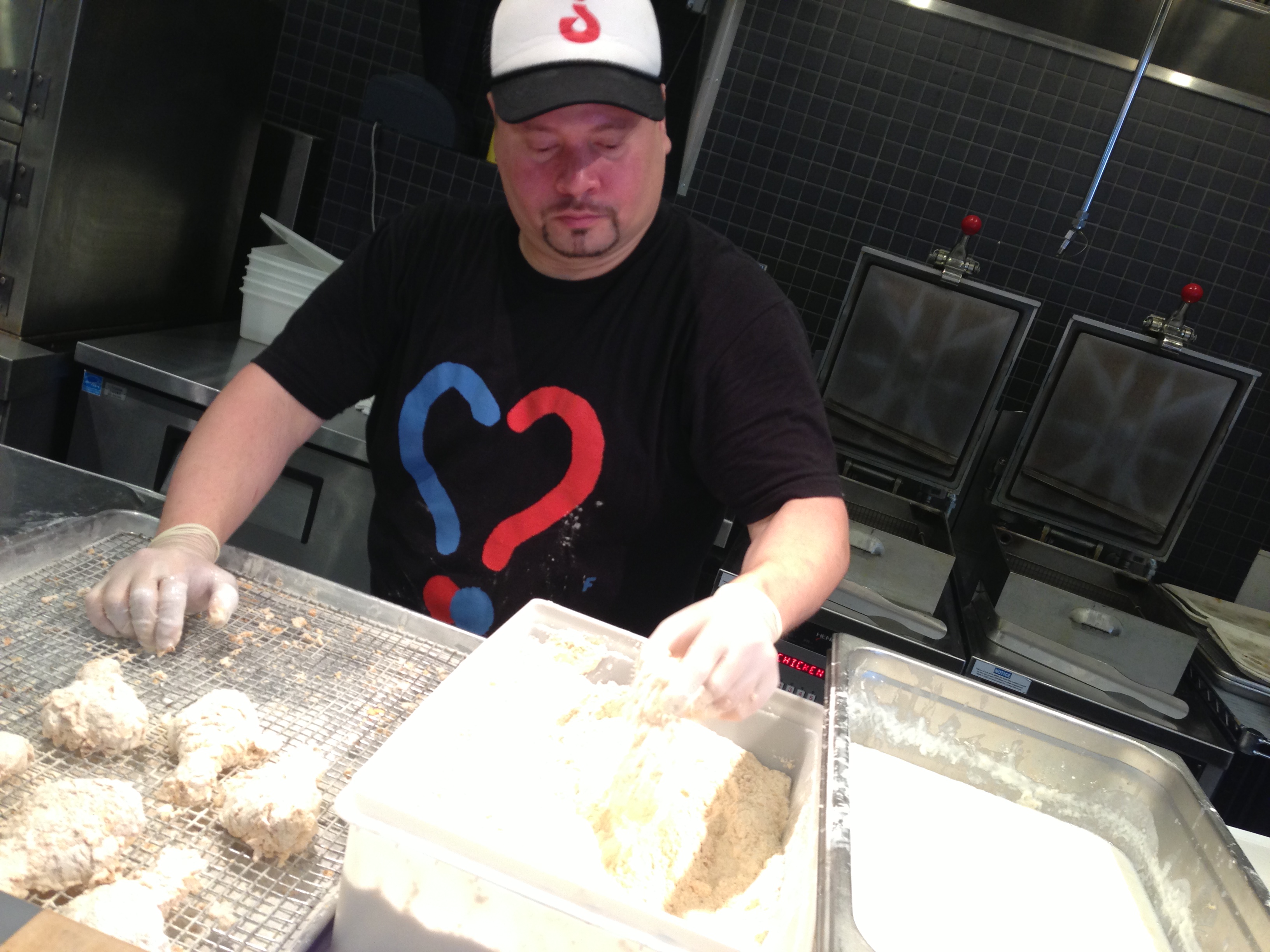
What is the seasoning, I asked Sammy, the guy double dipping chicken parts in a creamy paste behind the counter, when I managed to unstuff my mouth with chicken.

sammy

It’s a secret, Sammy said. A lady from Philadelphia comes in and mixes it up for us. She brings all the spices but she doesn’t tell us what they are.

I love a secret, especially when it tastes as good as this. The biscuit too was perfectly crumbly, smeared with honey butter, and we piled on further with crunchy dumplings that oozed out their sweet-savory crab filling when bitten.

Stencilled footsteps seemed to indicate where you should stand at Hybird, and naturally Gil was outside the lines.

feet

I saved the cupcake, whose flavor was described as “Sexual Chocolate,” for the car, a sexier environment than Chelsea Commons.

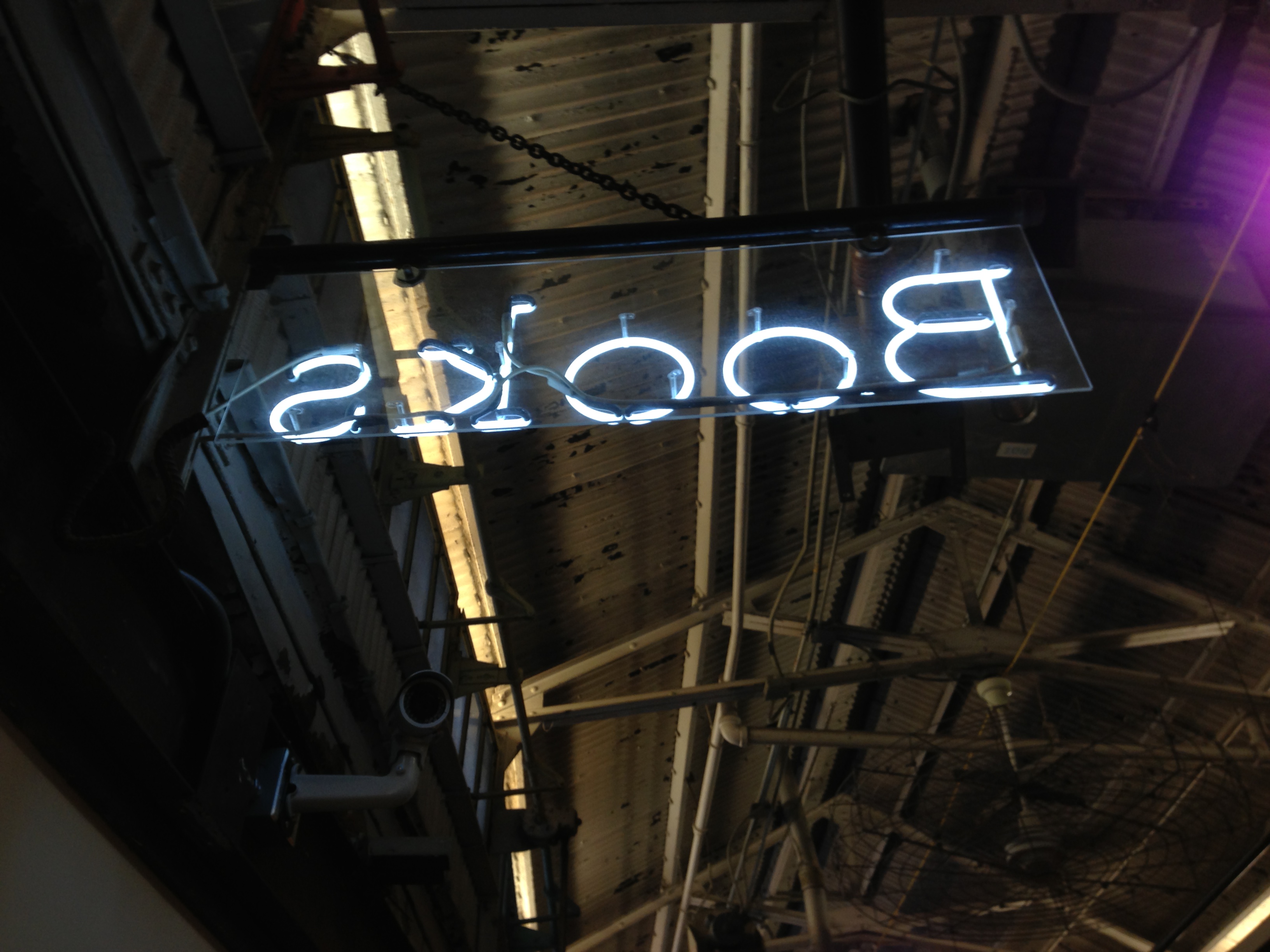
A bookstore.

books

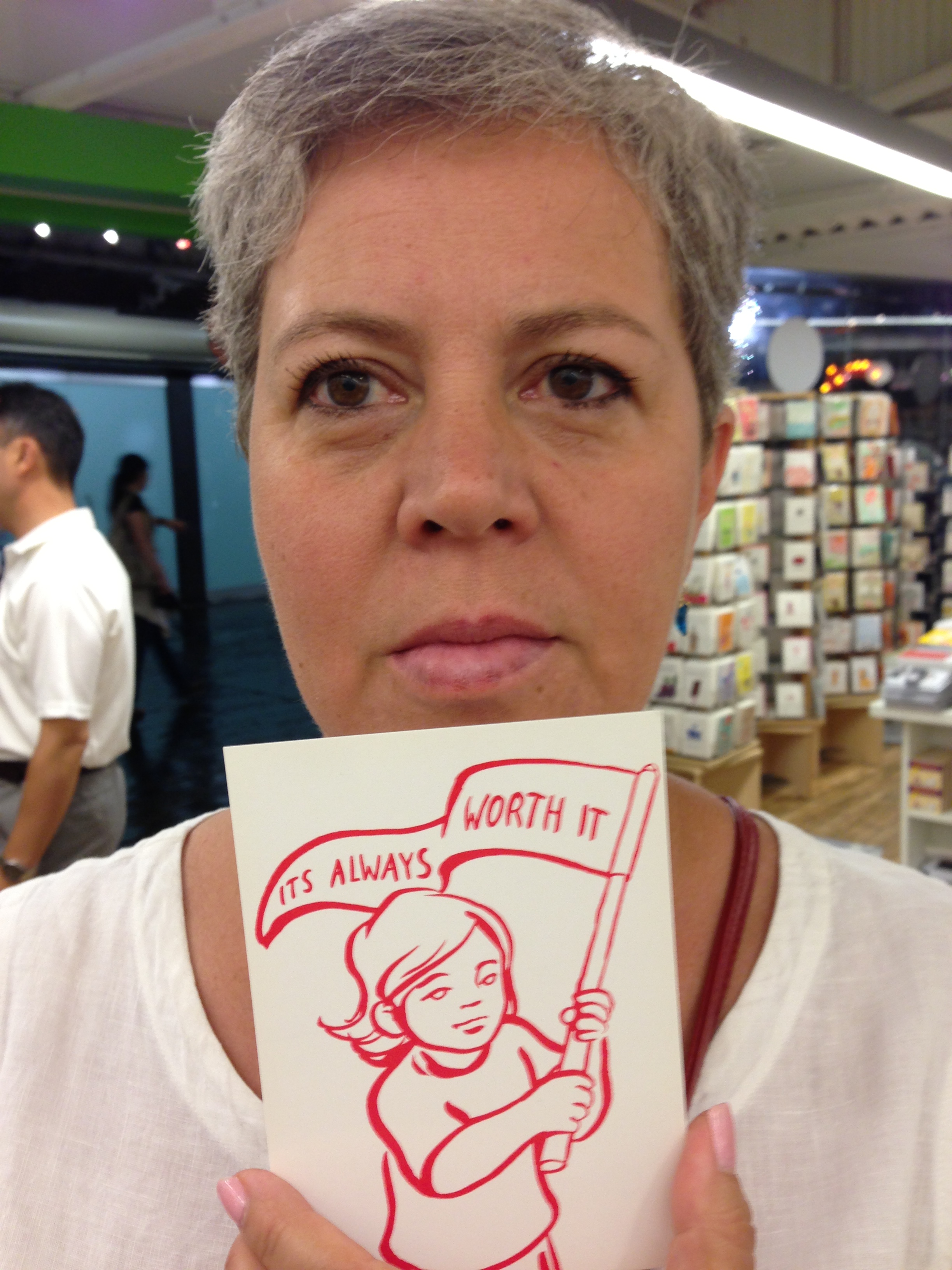
Nary a copy of The Orphanmaster in sight. It happens. I fell back on my motto, handily available on a postcard.

it's always worth it

You never know who you will meet on a summer afternoon ramble around New York. In this case a young woman wearing a pair of the new Google glasses.

google glasses

Wilma told me she’d just picked them up upstairs, in the Google offices, having won them in a contest. She said she was recording a video of me as we spoke.

Sated, Gil and I continued to the World Financial Center, in Battery Park City, directly across the Hudson from Jersey City. We were looking forward to a triple bill of bluesy rockers, or rockin’ blues players, depending on your perspective, on a public terrace that sits in the shadow of the Freedom Tower.

freedom day

The sun shone so bright and hot that half the waiting crowd put up their rain umbrellas, a spectrum of colored and patterned domes across the concrete. New Yorkers are always more slovenly than they are expected to be, and serious exhibitionists. Women flaunted the briefest sundresses up to their backsides and sweat-slicked men ran shirtless through the crowd. In the harbor a stroll away, sailboats and yachts docked, and motor boats cruised in to check out the action.

harbor

Alejandro Escovedo hit the stage with his sweet blasts of melody, punk rock in its roots. His song Sensitive Boys could make you cry, or was that the sun glare in your eyes. He brought on David Hidalgo to do a searing You Are Like a Hurricane. Alejandro called it the Canadian national anthem.

We met up with friends and family at the venue. My touselled buddy Sandra the artist-environmentalist noticed that the masts of the little boats were themselves rocking, pushed by the wind, in line with the beat of the tunes.

touseled Sandra

Los Lonely Boys, the Chicano rock band out of San Angelo, Texas, were tight. A trio of brothers, they call their music Texican Rock ‘n’ Roll. How can three guys make so much noise? marveled Gil.

Los Lonely Boys

The lead singer and guitarist Henry shouted above the applause, We appreciate it! We know you can be anywhere else!

And it was true of course, on this summer night, with this breeze and the salmon streaks of sunset glowing, in this fantastic city. We could be doing anything but we chose to be here because Heaven, their hit debut single from a decade ago, was so exciting.

How far is heaven? Los Lonely Boys sang. You know it’s right here, right now, shouted Henry, in New York City!

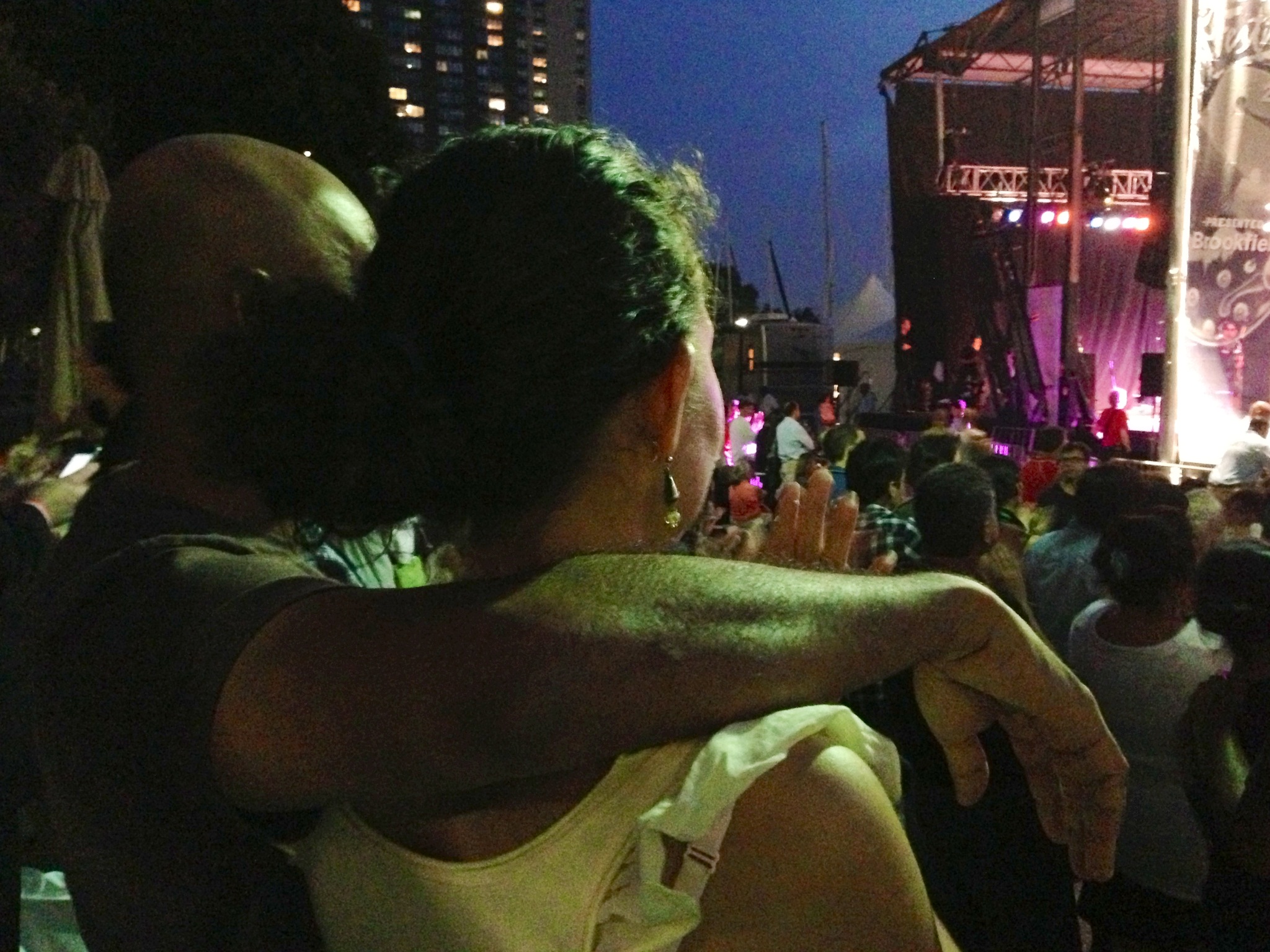
Los Lobos followed, another American Chicano group, this one from California, with considerable chops that they took no time in putting out on the stage. They’d been around since the ‘80s, after all. The sun set, the klieg lights glowed, people wrapped their arms around each other and danced.

By the time we gathered our things, the skinny minx beside me who’d been flipping her skirt in time to the beat was sweetly reunited with her man.

couple

Love and music in sun-stunned, summertime New York City. A treat as scrumptious as fried chicken.

1 Comment

Filed under Cooking, Culture, Dance, Jean Zimmerman, Music, Nature, Publishing, Savage Girl, Writers, Writing

Across the Hudson

We went walking down by the Hudson River in the town where I grew up. Hadn’t been there in a while. The beach curved around, clean and bright.

Hudson beach

When I was young the sand here was covered in beer cans and gnarled driftwood logs, strewn with broken glass and tires. The view was always great, as it is today, even in the murk of mid-July. The majestic Palisades stood proud before the kids who hung out here at the beach, kids called the river rats, who colonized this place.

pilings

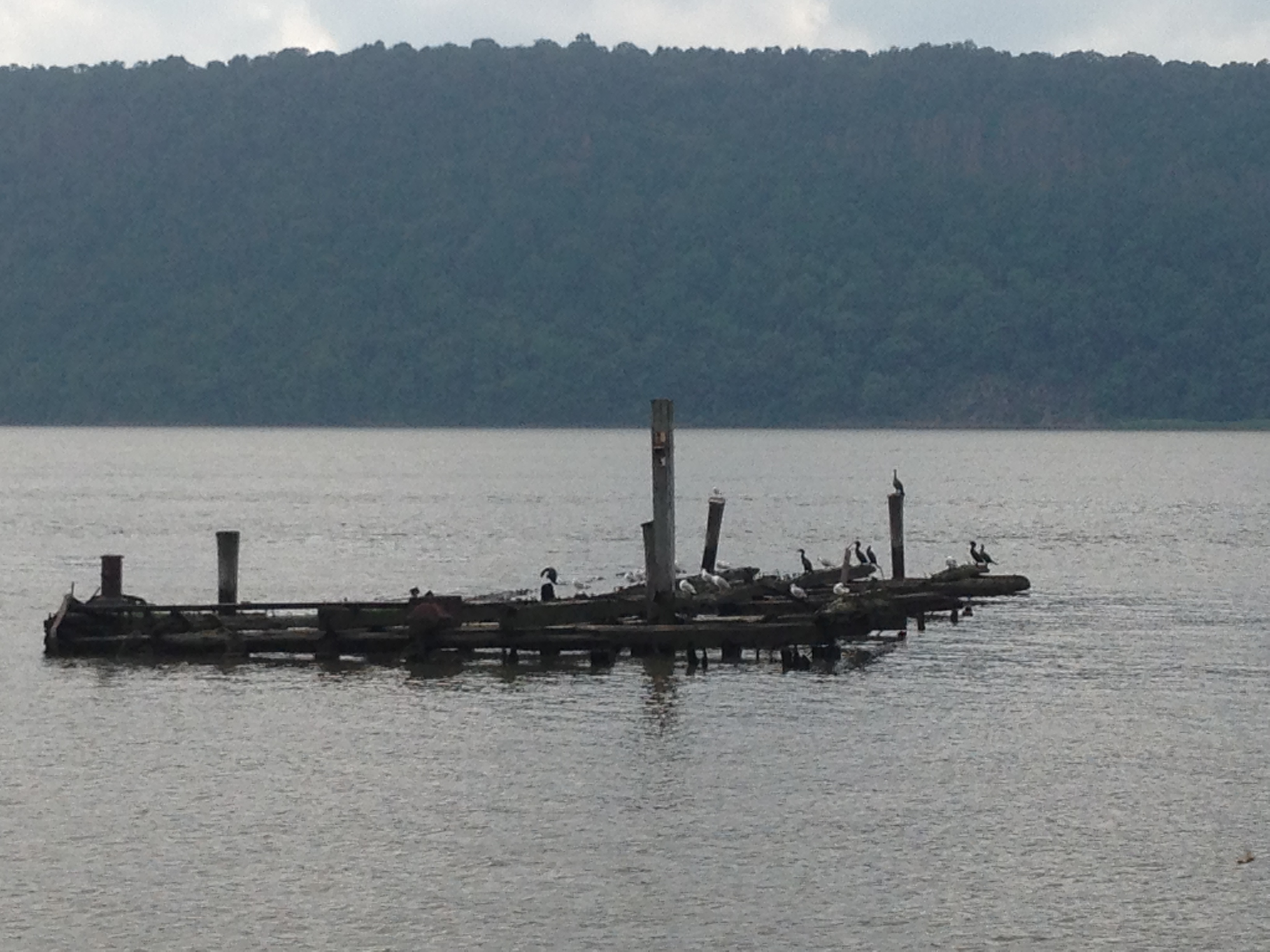
Since my childhood the village has taken back its little cove, renamed it, given it a wheelchair-friendly wooden walkway. Gulls and cormorants still post themselves atop the picturesque ruins of old docks. A park next door has a friendly playground, benches, green lawn. It’s all tidied up so that everyone can enjoy the shoreline, not just river rats.

What’s that, says Maud.

We look, out just beyond the beach, where the water gets deep.

I see it, I say.

cross

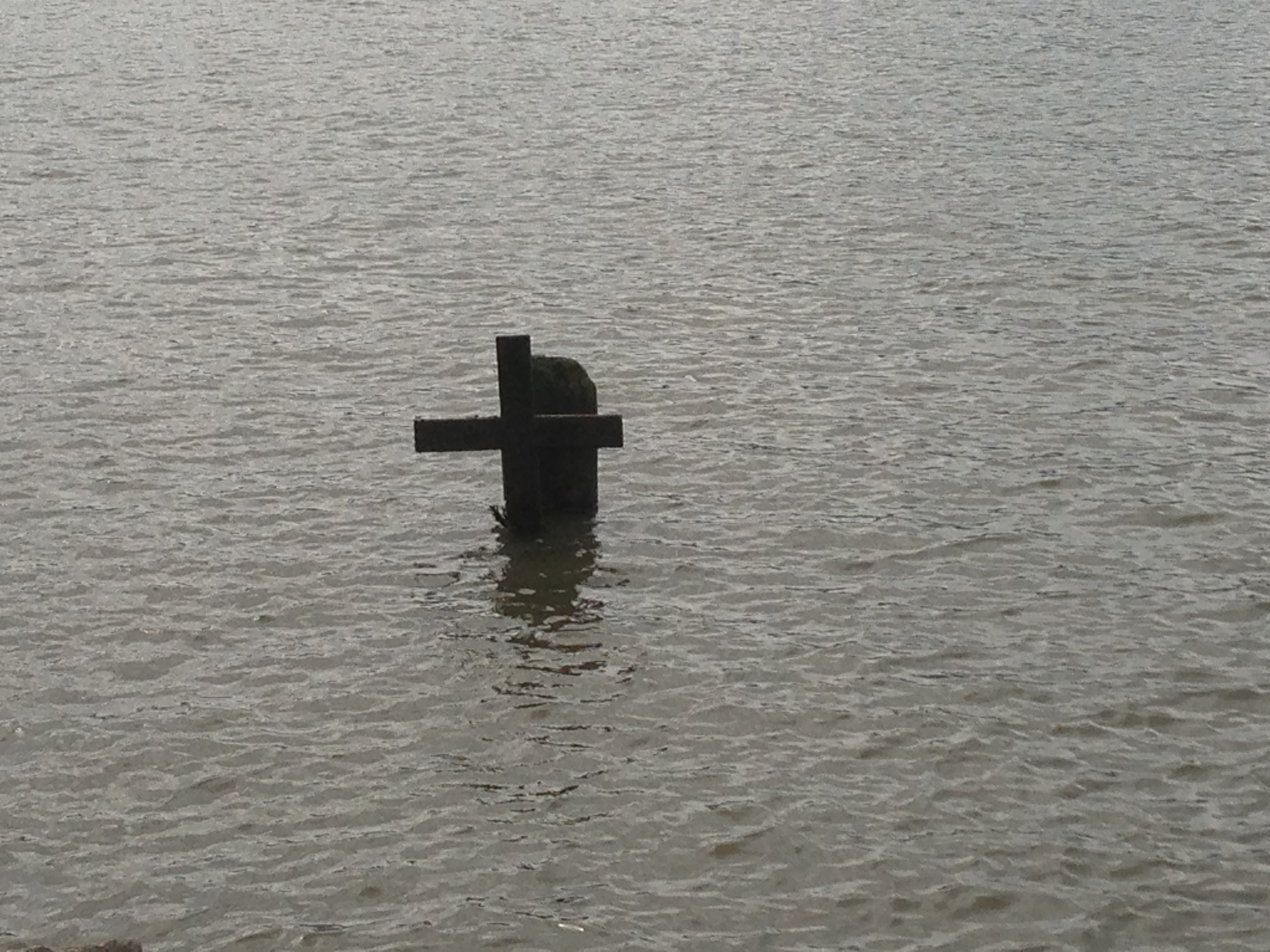
A large wooden cross, fastened to a piling, the tide lapping up against its neck.

A descanso, says Maud. She knows about descansos, the southwestern side-of-the-road memorials, crosses usually, that show where a person has died in a highway wreck. She’s been researching them for school.

A water descanso.

I remember now… some kind of boating accident, Maud says. She grew up here too, in this town, has seen the changes in the park over the years, the improvements, the things that go on under the radar, too.

The beach is pretty, the tall stone cliffs ever-beautiful, but you can’t tidy up death.

3 Comments

Filed under Culture, History, Home, Jean Zimmerman, Nature

Tuber or Not Tuber

My potatoes are ready to harvest. Knuckling up from under the crumbly soil, red, firm, practically begging to be dug.

potatoes stalks

The tops of the plants have collapsed and faded, letting me know the tubers have reached their point of ripeness.

And I’m on my knees (on my gardening pad, protecting my getting-to-be-arthritic knees) thinking about things that grow under the soil.

potatoes soil

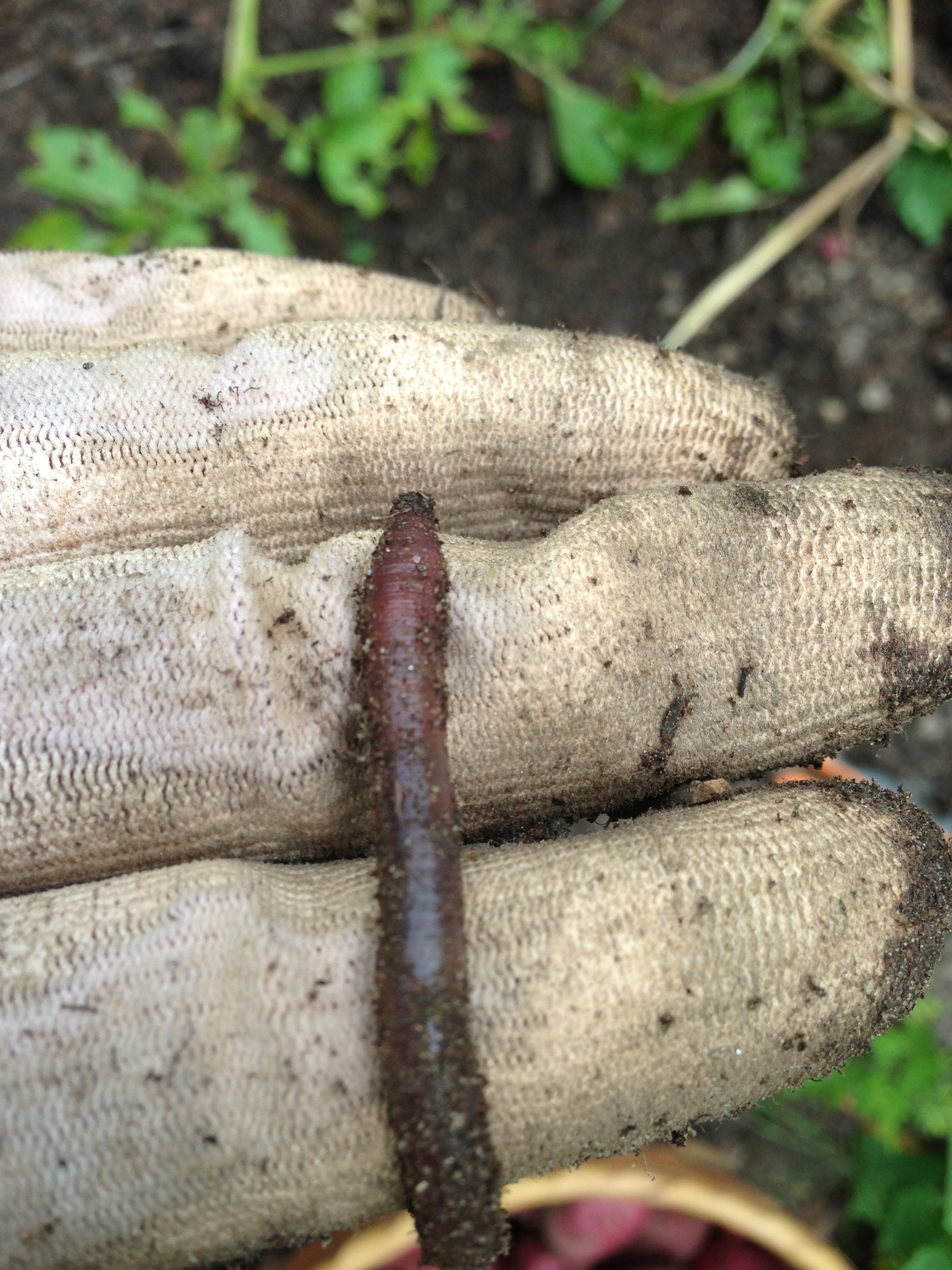
Earthworms, like the one strutting across my gloved fingers, surprised in its wanderings around the potato neighborhood. Gil tells me that earthworms are actually an invasive species and have disrupted the ecology of the forest floor.

worm

I’ve always liked earthworms, admired their digestive capabilities, and wanted them to multiply in my garden. At the same time, being a little squeamish, I’m anxious about coming across them writhing in my path.

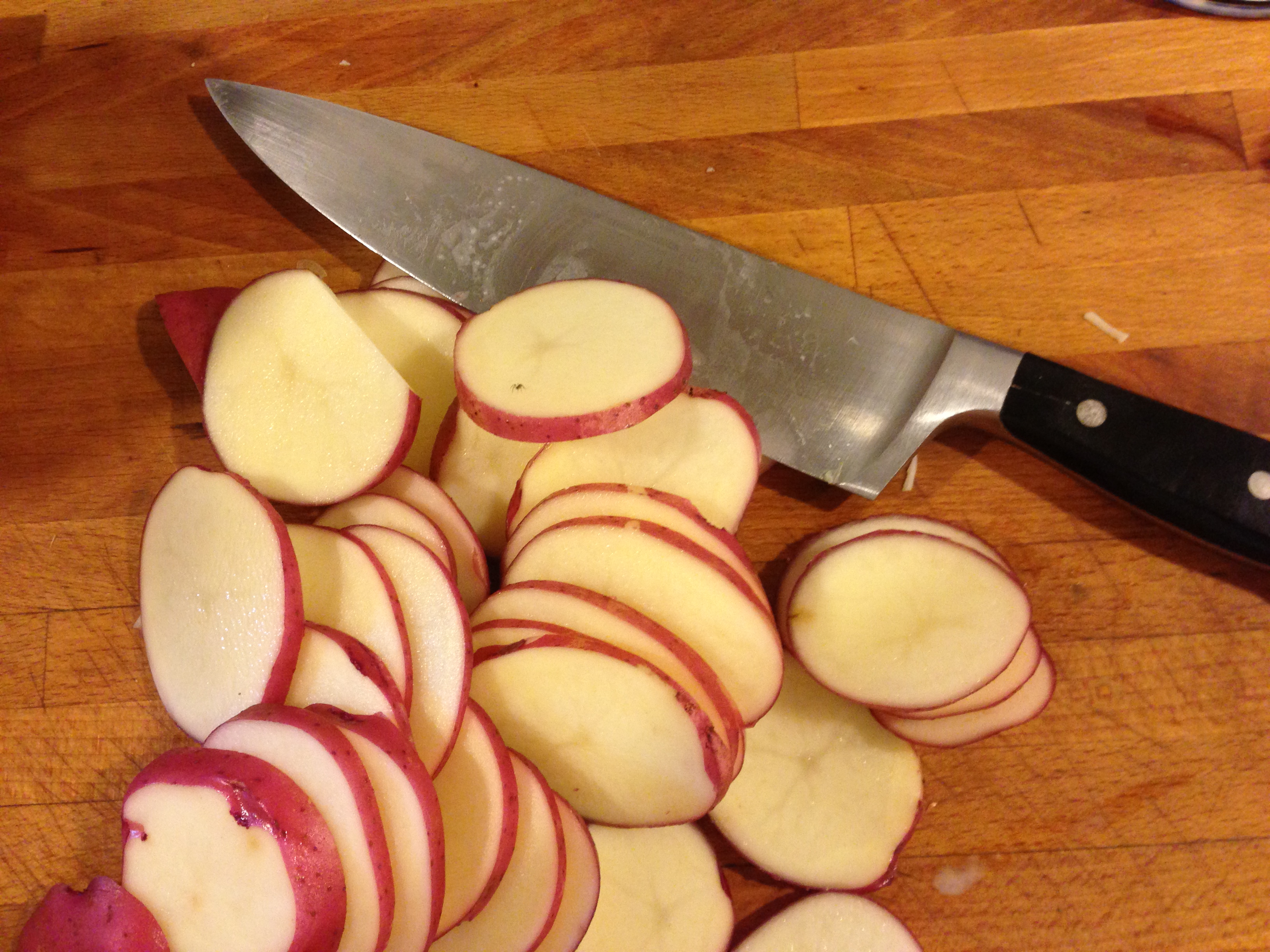
Here are potatoes, washed and sliced, for a summer gratin.

potatoes raw

So fresh they slice more like cukes or squash. Moist like just-picked tomatoes.

tomatoes

I’m thinking about anxiety, another thing that, like a potato, grows underground. You can put them aside, the things that worry you, by day. The yet-to-be-paid bills, the yet-to-be-written article, the yet-to-be-published book, the yet-to-be-proofread galleys, the yet-to-be-folded laundry. But roundabout 11pm, lying between the sheets, the air conditioner blotting out all distractions, those anxieties come back for their nightly haunting. Herbal tea, you say? Hot milk? Meds? All you can do is dig yourself out of the dirt by the next day’s sunlight.

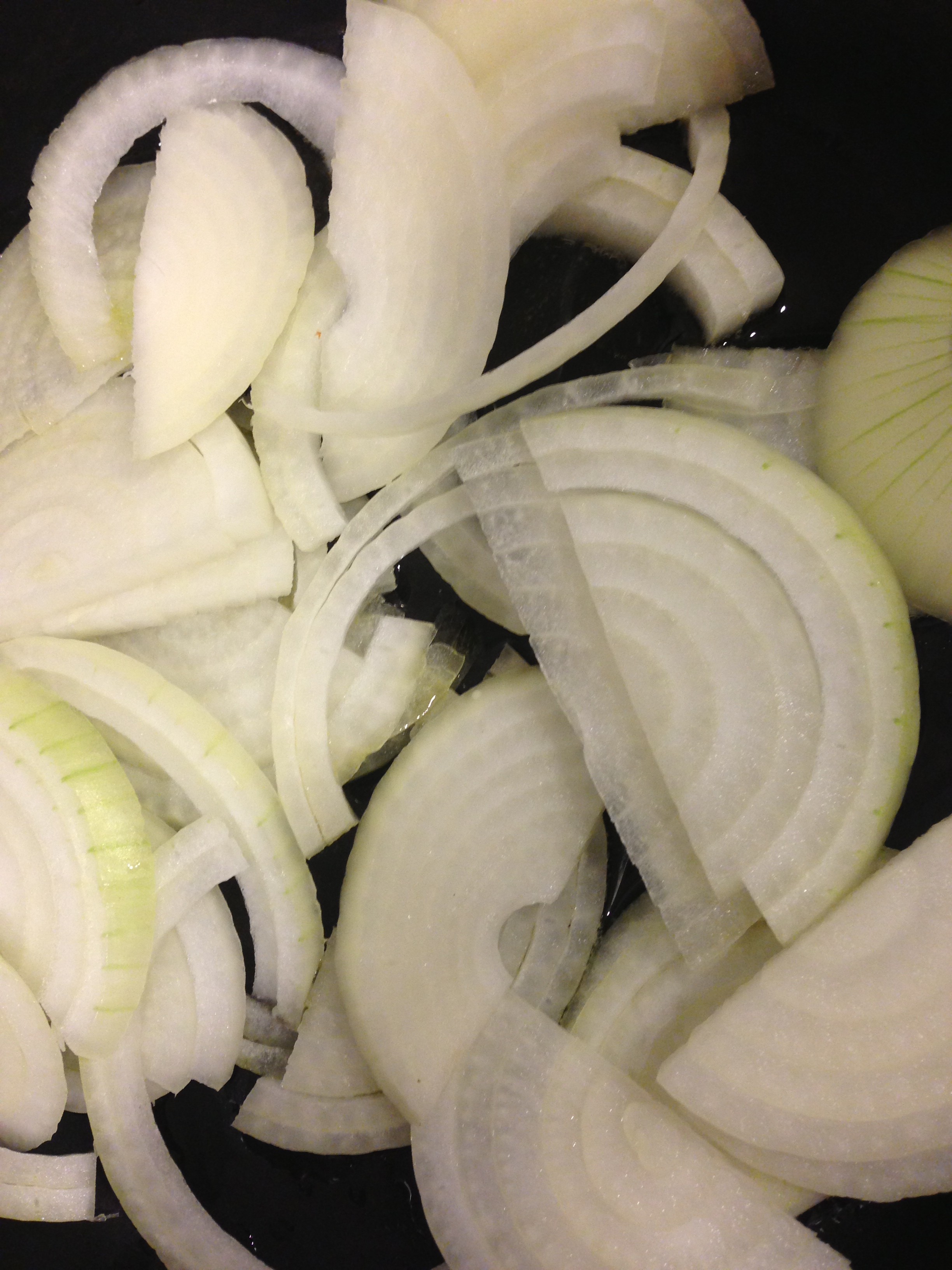
Onions swell beneath the dirt. Onions to fry in olive oil for the gratin.

onions raw

Creativity also grows underground. Say I have an idea for a new story. An idea about the way a certain neighborhood looks in a New York of a different age. A thought about a character the other characters call simply the Turk. A whaleboat loaded with cabbages. Ideas percolate under the surface and peep up occasionally. You’d better write them down in a notebook or they’ll descend back down again.

Layer the potatoes in a casserole dish. This gratin is simple. Place the rounds, spoon the onions over and then the shredded gruyere. One, two, three layers. Extra cheese on top (no anxiety about its cost or its cholesterol!).

Give anyone deserving a shred.

oliver cheese

Take a break from proofreading your galleys. Pour a pint of cream over the layers. A pinch of salt, a few grinds of pepper.

gratin

Crank the oven to 425 degrees. It’s hot in here, isn’t it? The rest of the ten pounds of  potatoes, homely and crumbly, await their cold bath. They’re dug up now, won’t ever go back. Anxiety, creativity, things to bring into the light of day. It’s their turn in the sun.

potatoes basket

4 Comments

Filed under Cooking, Culture, Dogs, Fiction, Home, Jean Zimmerman, Nature, Publishing, Writers, Writing

Piquant Spoonfuls of the Past

At a bric a brac shop in Wisconsin I came away with some new treasures for my recipe pamphlet collection.

macaroni magic

What is bric a brac, anyway? Something you love and nobody else gives a fig for. The phrase originated with the French in the early 1830s, and it literally means at random or without rhyme or reason.

Well, my affection for vintage cookery pamphlets is certainly that.

ground beef

My collection of over a hundred booklets spans the 1930s to the 1980s, but these simple illustrated bound-paper time machines were already being produced in the late 19th century, when food companies began to lure women into the kitchen with recipes that delicately enticed them to use their products. As time went on, companies like Spry (a competitor of Crisco) produced fantastic, clever efforts. Home Economics institutions also stepped in to help sort out culinary complexities, particularly during the years of the second world war, when shortages affected almost all households.

eggs

300 Ways to Serve Eggs came out  in 1940 under the auspices of the Culinary Arts Institute, “One of America’s foremost organizations devoted to the science of Better Cookery.” I love the optimistic bounty of that egg basket, and the idea embodied in the introduction to the pamphlet that this humble food can change our lives.

We know now, that they carry in their golden hearts every food element the human body needs and especially vitamin D which occurs so rarely in our everyday foods. Our only problem is to eat enough of them.

Of course the kitsch of the illustrations is great, and the nostalgia of such fare as egg frizzle (incorporating chipped beef) and noodle oyster loaf with creamed eggs, served with the ubiquitous white sauce of the age. They sound dated, but I remember growing up with the simple baked eggs found in this pamphlet, and they were delicious.

Eventually all sorts of corporate types realized that recipe books made good giveaways, and so you got pamphlets like the one produced by Wisconsin Gas Company in 1969.

gas

Now foodstuffs like wheat germ nut bread were being touted, along with the more Midwest-typical batter-dipped wieners and the promising shrimp divan supreme, which included frozen asparagus, canned shrimp, canned shrimp soup and processed American cheese. I don’t know about you, but the prospect of that dish fills me with a warm, cozy feeling.

gas 2

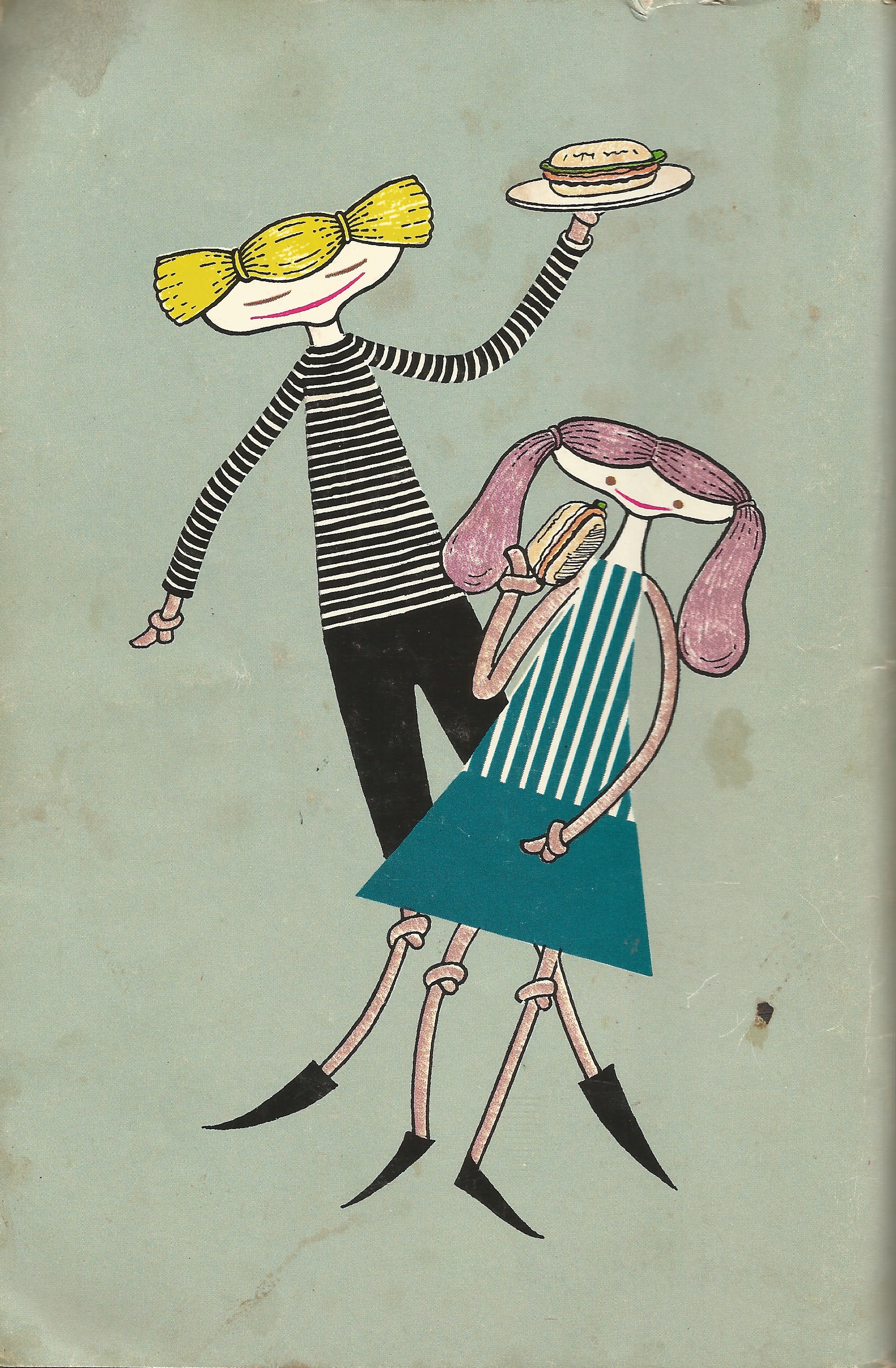
I couldn’t resist, so I went a little outside my collecting focus and picked up some petite cookbooks, each with its own charm. I admire the vintage men’s cookbooks that appeared at the middle of the century, like The Terrace Chef.

richard rosen

In this two by four inch self-published book, Rosen actually tells you in detail how to build a barbecue pit — this is 1952 — itemizing how many bags of portland cement and how many flagstones you will need. He gives equal time to recipes (steaks, clambakes and shaashlick) and to the principles of the good life.

From décolleté to dungarees, from double-damask to picnic plaids, from sterling to raffia wrapped stainless steel to the tune of brass and copper cooking ware. Away from stuffy formalities to refreshing camaraderie.

It’s somehow reassuring that the foodie culture of today had a precedent in this culinary gusto of an earlier age.

And health. Marye Dahnke’s Salad Book, published in 1954 and “tested in Marye Dahnke’s own Kraft kitchens,” is a compilation I might not just put away with my collection but dip into, now that I’m thinking plant-based.

salad book

Even if what stirs me most about it is the collection of technicolor illustrations, not the chicken-cauliflower salad or the lime light salad with molded Jello.

salad 2

Mrs. Ivere Nelson wrote her name in script on the cover of Dahnke’s comprehensive guide to salads. The least I can do, half a century later, is pick up the reins.

After all, ground beef still rules.

ground beef 2

1 Comment

Filed under Art, Cooking, Culture, History, Home, Jean Zimmerman