I’ve been thinking about voice. Not the voice of Miley Cyrus, or Roseanne Cash, or even the Russian-born soprano, Anna Netrebko, who belted out the Olympic anthem at Sochi last night. She really shook the rafters.
No, I am trying to get a handle on voice in fiction. Writing a new novel about a girl who lives in New York City during the Revolutionary War, I want to make sure I get her right. And it forces me to deal with some difficult issues.
Can I show her best in the first person or the third? That’s probably the biggest question going in, because while writing “as” my protagonist gives me access to all kinds of emotional complexity, it is also limiting. It’s writing in handcuffs. You the reader can only see what my character sees, and by its nature that is not everything. I can see a very interesting house but I can’t necessarily go into that house. If I bring my character into the house it rejiggers the plot in all kinds of ways.
I’ve determined to go down the first-person path if it kills me.
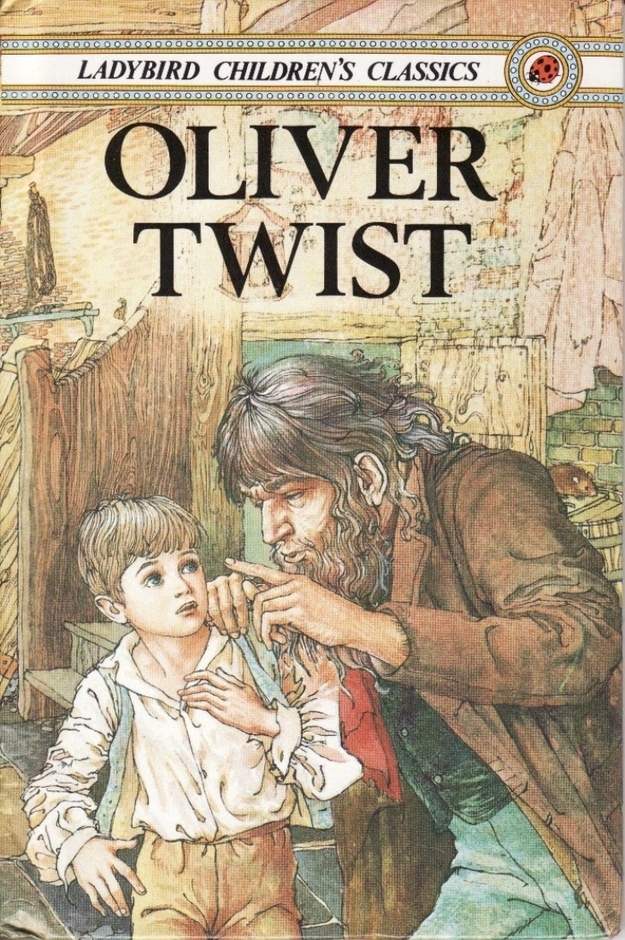
Probably the most famous use of the first-person protagonist is in Dickens’ David Copperfield, with its wonderful first line:
Whether I shall turn out to be the hero of my own life, or whether that station will be held by anybody else, these pages must show.
The myriad of other first-person first lines include Call me Ishmael in Moby Dick.
There is Notes From Underground: I am a sick man . . . I am a spiteful man.
For a long time, I went to bed early, in Proust’s Swann’s Way.
It was a queer, sultry summer, the summer they electrocuted the Rosenbergs, and I didn’t know what I was doing in New York. From Plath’s The Bell Jar.
Considering the first lines of books turns out to be incredibly interesting.
Other issues you have to address as the plot unfolds: how much does my protagonist know about the world, how sophisticated is she? My character is a teenager, but is mature beyond her years, as kids of that era were. What kind of language would she use? Should I eradicate all adverbs from the narrative? How smart-alecky is she, how wise, how snarky?
How much historically appropriate language can you get away with using without a page sinking under the weight of Ye Olde? On the other hand, is a word you’re using wrong because it was invented yesterday, and she can’t possibly have known it? I looked up “goofy” today and found that “giddy” would suit the 1776 world of my character’s speech much better.
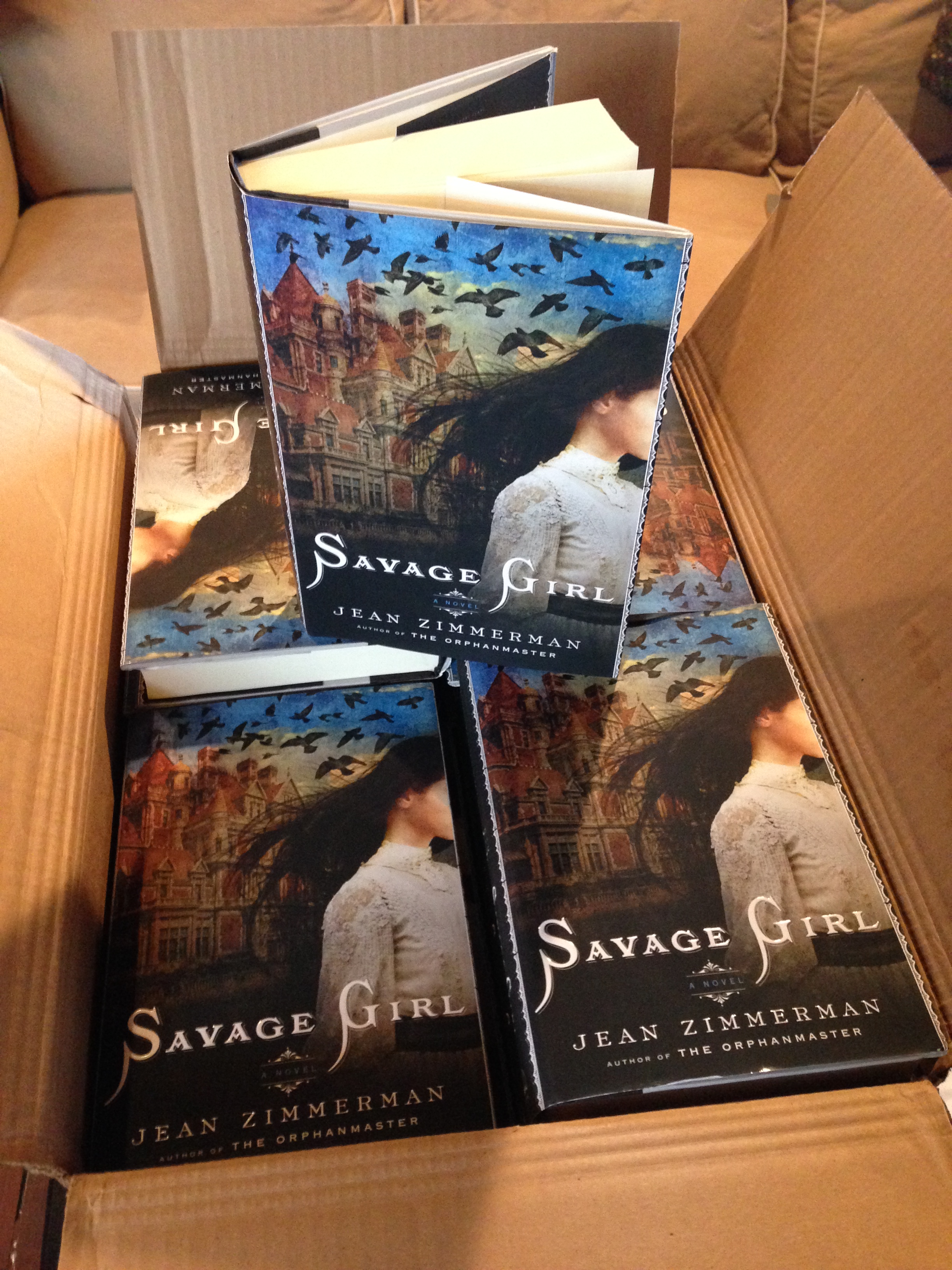
Is she addressing someone? Hugo in Savage Girl addresses his story to his lawyers. Is my character relaying the history of her life to someone, say a great granddaughter? Is it an epistolary novel, like The Sun Also Rises? Or is the text simply in her head? Is she “talking to the air,” as Gil and I put it when we discuss these questions.
All these and more are the thorns you must cross through in order to reach the fruit when you are writing a novel. Sometimes it helps to have an image as you work, a picture that reminds you of your heroine. I have adopted this 1750 painting by Pietro Rotari, Girl with a Book, which inspires me to find my character’s voice and do it justice. What draws me is not the cap nor the jewels, charming as they may be, but the wry, lovely expresssion in her eyes.















 Jean Zimmerman