Category Archives: History

Get Your Socks On

This be a sock.

new sock

I started it today, and it is one of those tasks that is absolutely simple and terrifyingly complex at the same time. The cozy pumpkin color belies the difficulty – you have to juggle these four two-pointed toothpicks and tiny-gauge sock yarn and somehow get it to all hang together. First, the ribbed top, then the body, then the heel and the gusset and a toe. I’m not even sure yet what a gusset does.

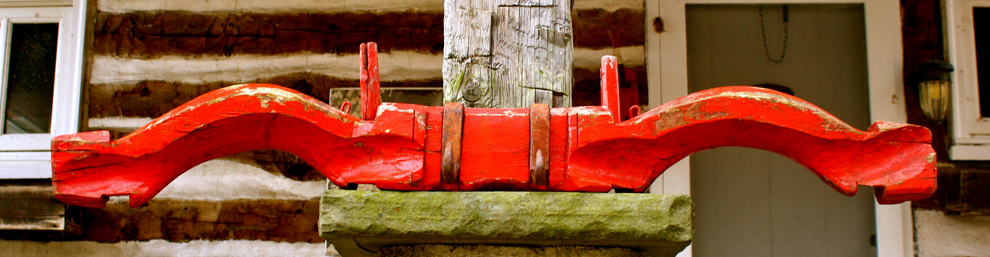
The whole time I’m beginning to learn the technique – from a master knitter – I’m distracted by the thing’s similarity to the Ojo de Dios, the God’s Eye, which originated with the Huichol Indians of Jalisco, Mexico. Also called a Sikuli, which means “the power to see and understand things unknown.” When a child is born, the central eye is woven by the father on perpendicular sticks.

gods-eye-003

Then an eye, or strand of color, is added for every year of the child’s life until the child reaches the age of five. The eye is the source of visions, power and enlightenment. The colors have different meanings: red equals life itself; yellow equals the sun, moon and stars; blue is the sky and water; brown the soil; green represents plants; black, death.

My new sock is my Sikuli. Albeit a single-tone Sikuli, a pumpkin Sikuli. Let’s say pumpkin means… calm, mellow, the value of the non-frenetic. A sacred meaning for today.

Socks have always been sacred. Historians say that the earliest evidence of knitted clothing found were fragments of socks that were made in Egypt.
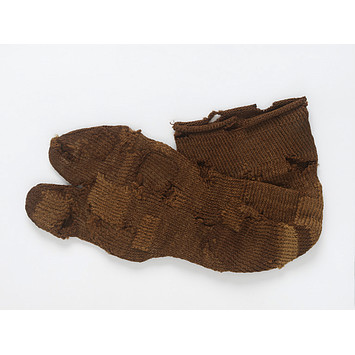
brown 2 toed socksThis two-toed number (sandal-ready) came off of a single needle but is remarkably like the knitting we see today. It was recovered in the Christian burial ground of the late Roman period in the present day city of Bahnasa in Egypt, made between 410-540 ad.

Islamic socks had dazzling designs.

historyIslamicSock

What was life like before it was possible to keep your toes warm? Try to imagine a Viking going to sea with cold-numb feet. Ancient shoes have been dug up that were stuffed with tufts of grass for warmth.

By the time the rich could afford it, in the late middle ages, stylish stockings had been devised.

historyhose1640

It was men who laboriously crafted these luxury items from 1640, with their tiny thread count and delicate designs. The first, all-male trade union devoted to knitting professionals was founded in 1527 in Paris. The business moved to England. By the late 1600s, millions of stockings were exported from Britain to various parts of Europe.

Women took it up.
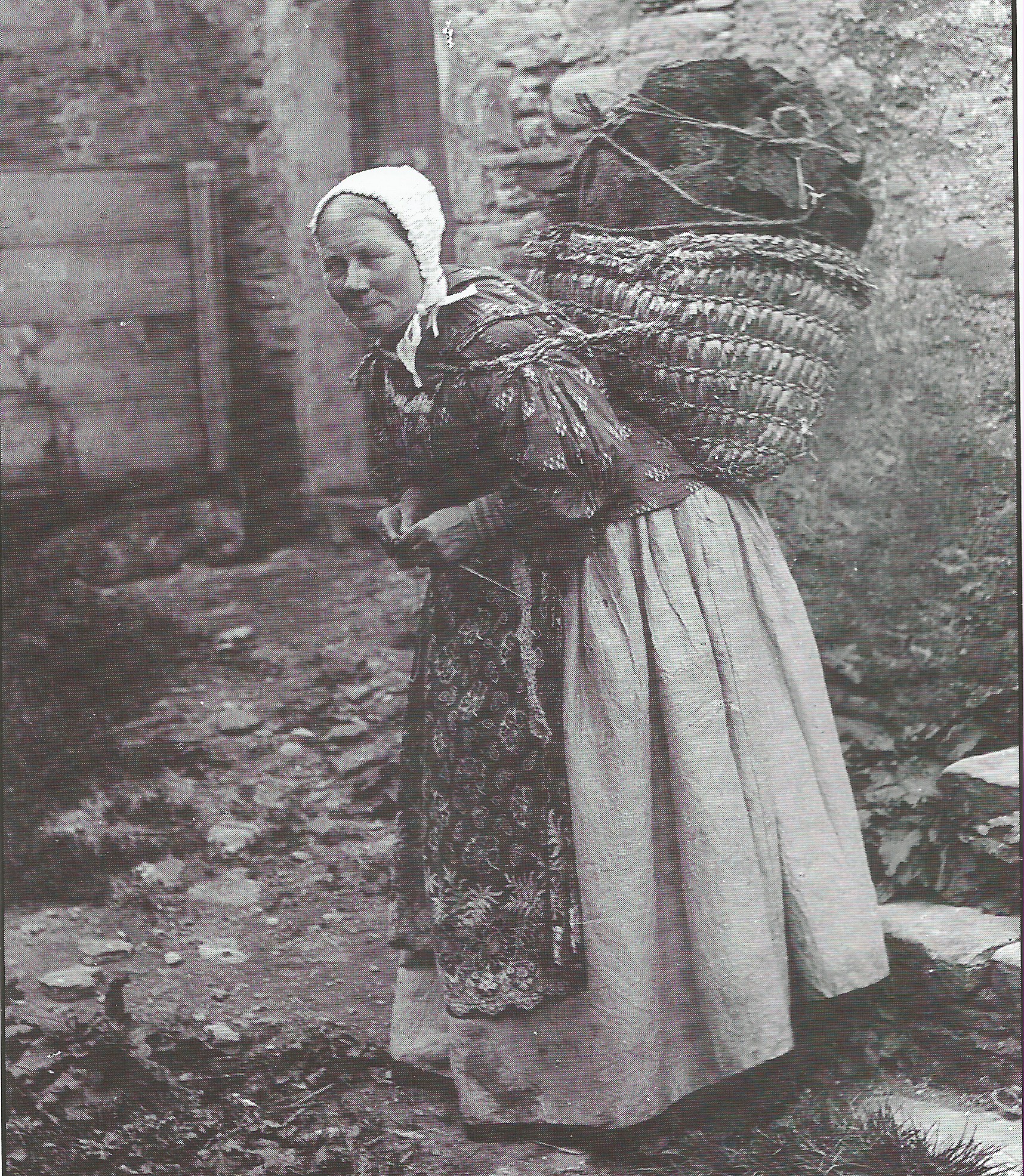
Knitter

(Shetland knitter from Nancy Bush’s formidable Folk Socks.)

Somehow we managed to walk and knit, rock a baby and knit, stir a soup and knit. Things could go wrong in a household, in a life, but everybody needed socks.

Machine knitting relieved a carpal tunnel epidemic.

14socks

By now stocks had sexy garters and such. I think I’d like to have lived in 1851 just to slip this one on.
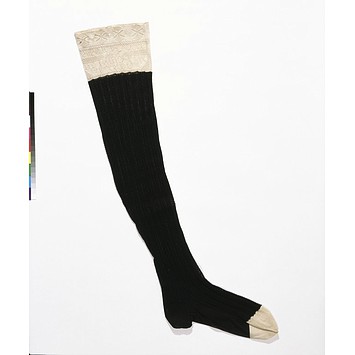
machine knitted stocking 1851

But there was still something about the hand-knit stocking, as witness this 1942 British poster. In a trench, would you rather have yer ma’s woolly sock or the cheap department store model?

1942 British poster

My favorites originated with the heritage sheep at Stone Barns, the farm near my house.
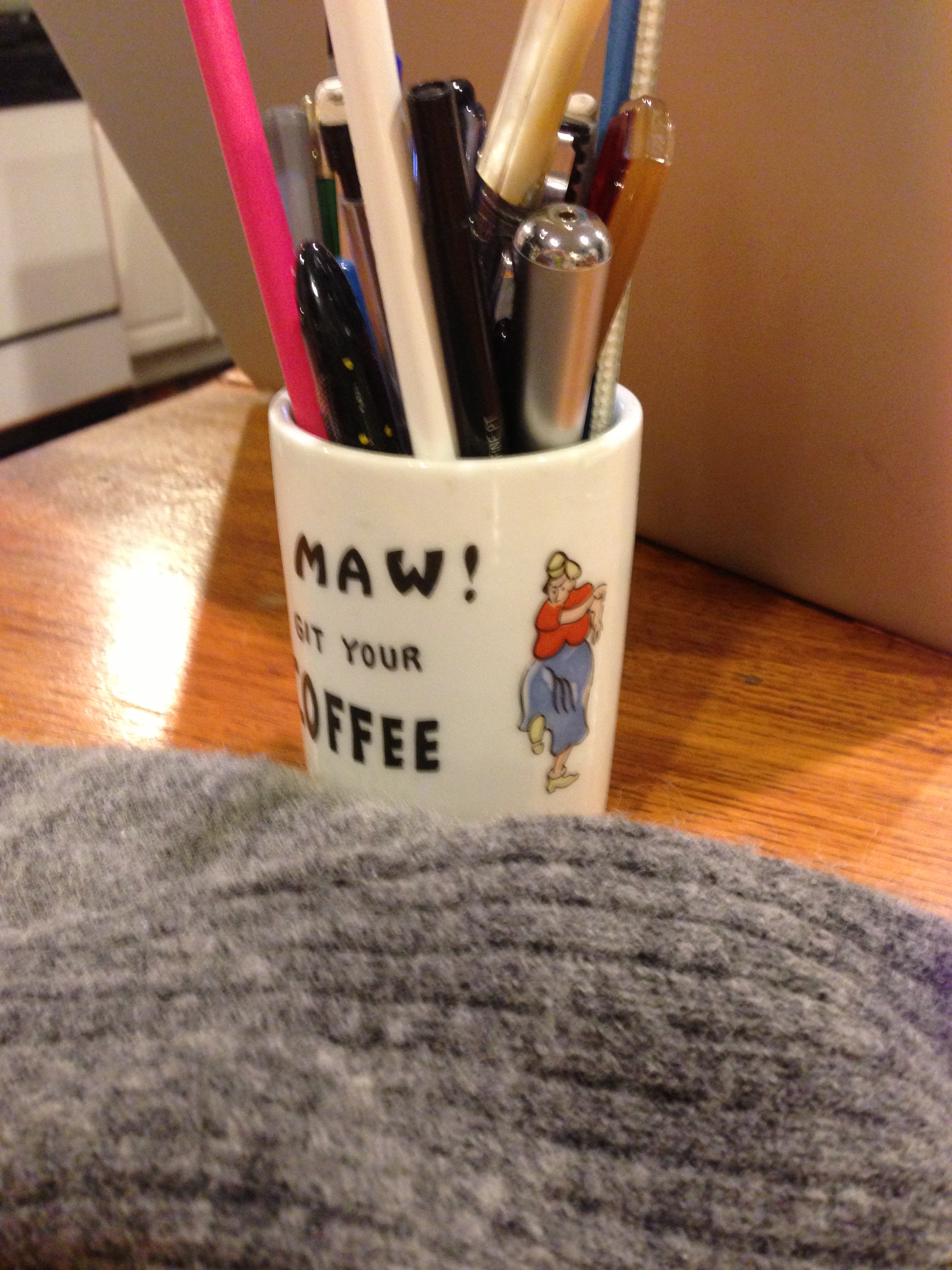
maw

So warm and natural, wearing them is almost like wrapping my feet in sun-toasted grass. They fuel my work, my play, and even my ability to knit things I’ve never knitted before.

Please knit now.

1 Comment

Filed under History, Jean Zimmerman, Knitting

Stitching Christmas

‘Twas Christmastime, 1934.

B & W Family  Xmas

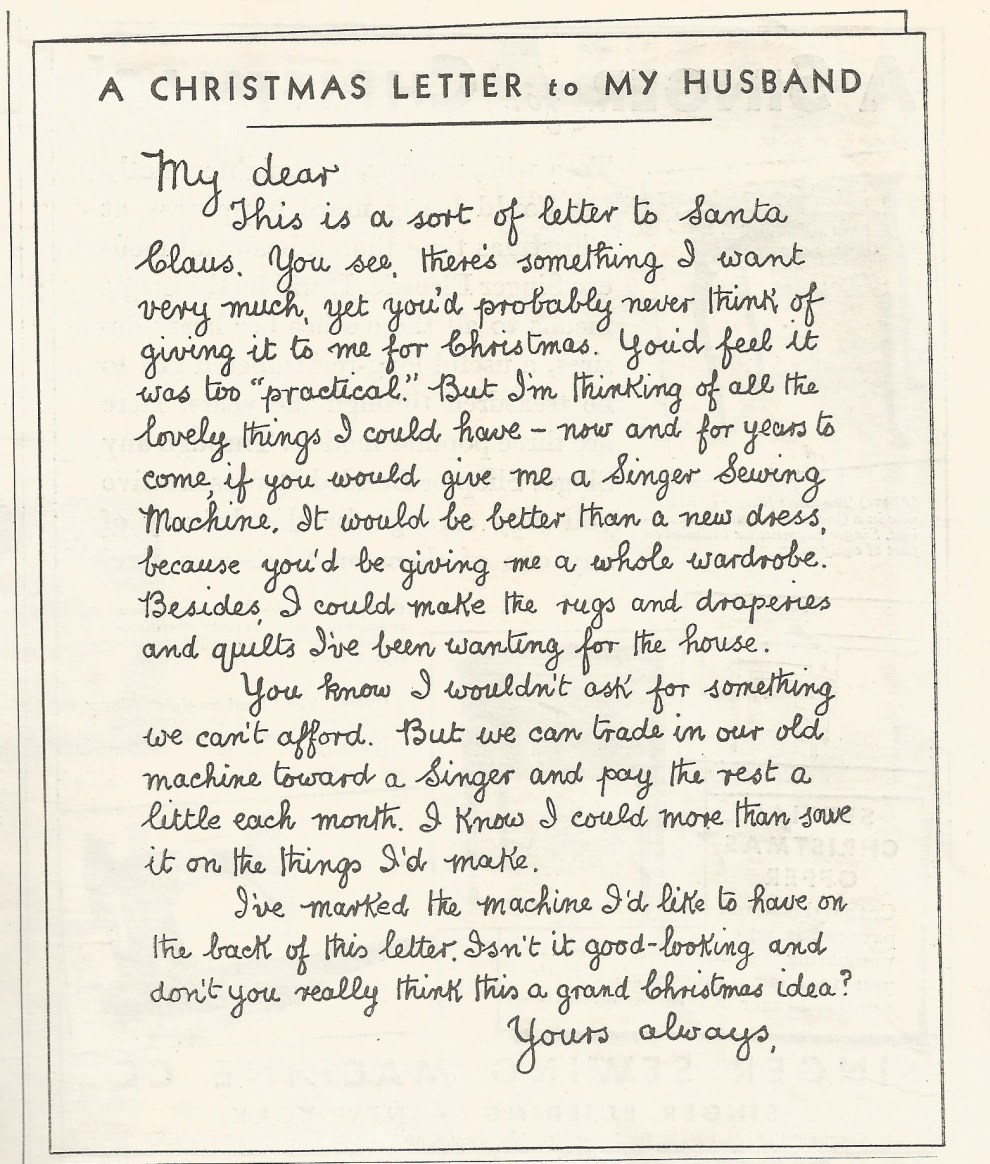
The little lady ambled out to the drug store to pick up a copy of Needlecraft: The Home Arts Magazine. Turning the pages, flipping by the ads for Listerine and Royal Baking Powder (“I’m a Widow… with 5 Children… and I can’t afford to take chances with cheap, doubtful baking powder”, for French’s Bird Seed and Biscuit, next to menu ideas for grand yet frugal holiday dinners, she read a letter that she could have written herself.

Letter to My Husband

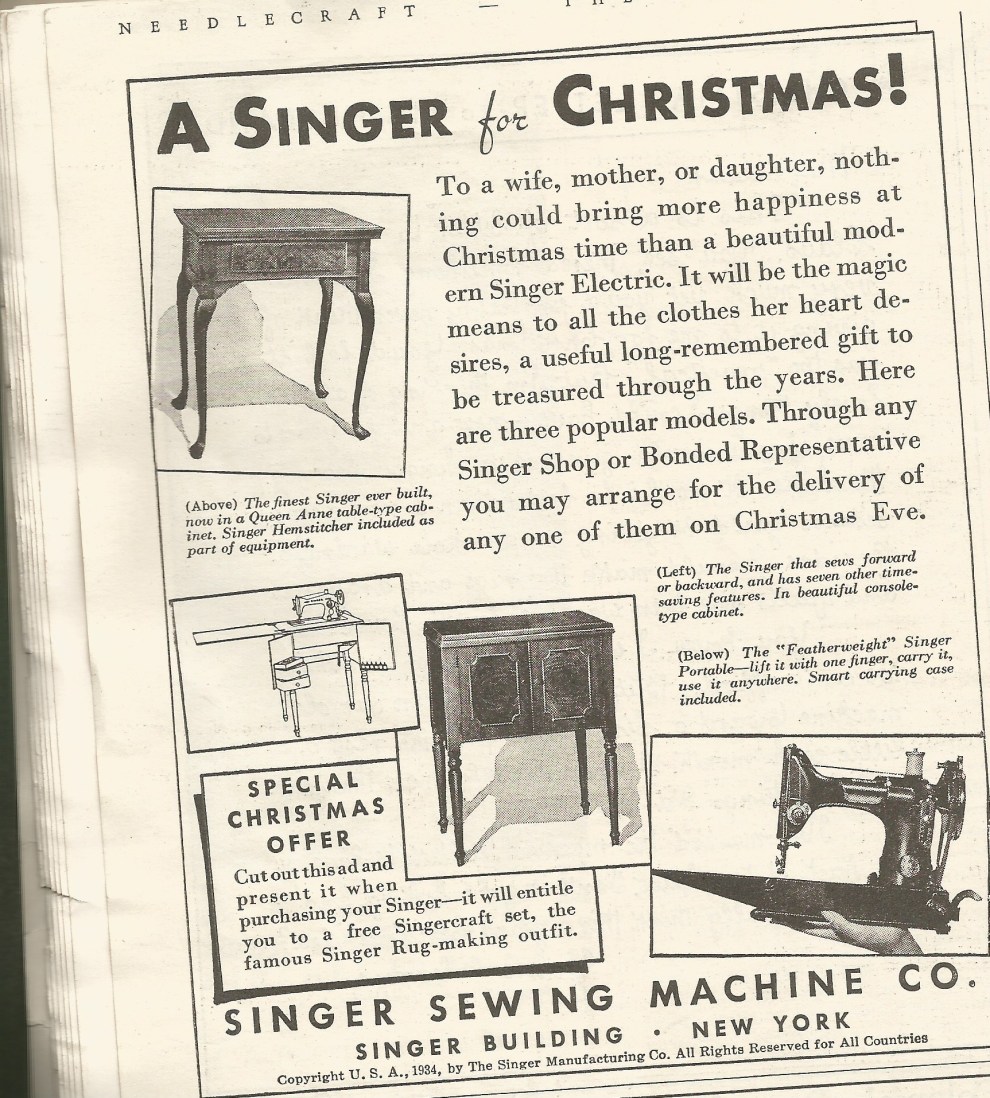
And, when she turned the page, there was the Singer itself.

A Singer for Xmas

“The magic means to all the clothes her heart desires!”A few pages further, the latest fashions.

Sketch of Three Women

Truly, anything was possible, frills and furbelows and cute red slippers to match a swirling red hem.

I inherited my grandmother’s machine, not a Singer but a Domestic, the name stamped in gilt on its wooden cabinet, a couple of bobbins still in the drawers. She sewed voraciously, making all the clothes for my mother and her sisters. At Christmastime 1934, was she mulling over her paper patterns, thinking about that material she had seen on sale recently in her little Tennessee town?

Sewing was a way of dreaming, of making your way psychically out of the deprivations and difficulties of the time. Sewing made what was hard, soft. It still works for people who remember how to thread a needle.

1 Comment

Filed under Fashion, History, Home, Jean Zimmerman

I Patina, You Patina

I think patina should be a verb, as in, the Down Town Association really patina’d tonight. To glow in an extremely historic way.

Everything, from the gleaming nickel-sized mosaic tiles at the threshold, to the polished mahogany woodwork, to the aromatic fire, to the mitred turquoise ceiling, shone out as if to say, We’ve been here on Pine Street, a Romanesque Revival facility for a distinguished New York City social club, since 1887 – don’t hate us ‘cause we’re beautiful.

Down Town Ceiling

The dress code said blazers, and I actually happened to have one on.

JZ Down Town

I kept thinking a performance of The Nutcracker might break out upon the scene at any moment, it was that Christmas-y and old-fashioned lovely.

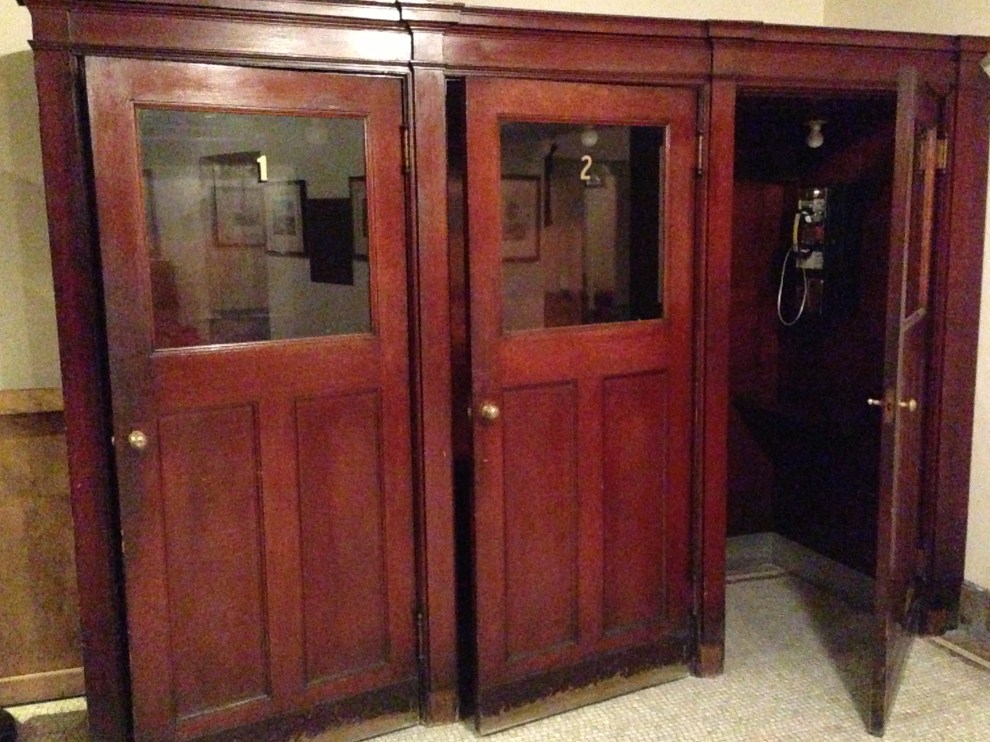
Some curiosities adorned the cloak room, which was not the nondescript entity you would expect. We found a handsome set of three old phone booths, labeled for your convenience.

Phone Booths

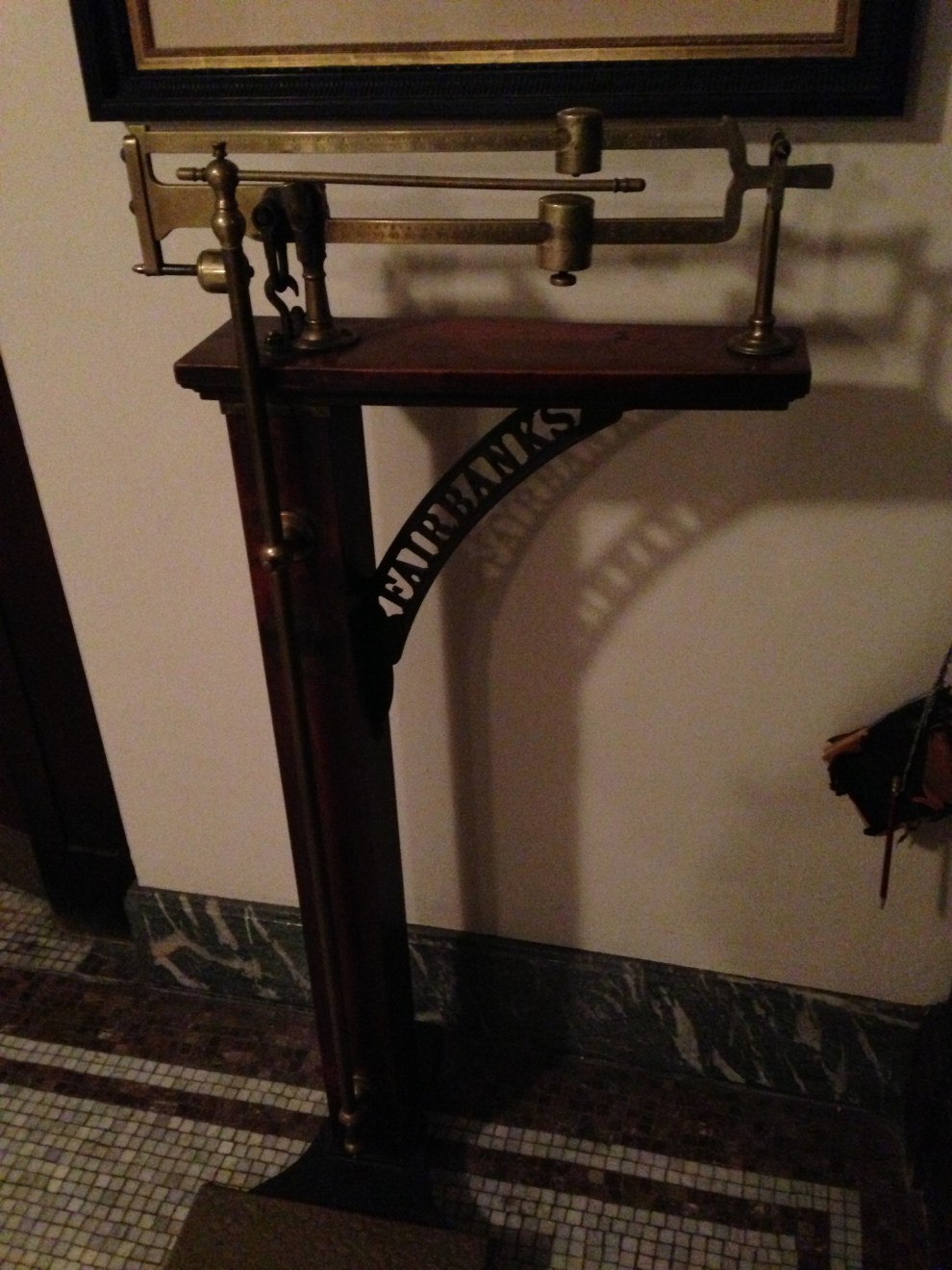
In the corner, an historic scale.

Scale

Astoundingly, hanging next to it by a chain was a tattered and flayed leather-covered notebook listing members’ names, dates and weights. Over many, many years, men had noted neatly every single day whether they had gained or lost a quarter of a pound. Would they eat a bite less capon as a result of this knowledge?

Scale Book

The walk-in humidor was locked, but free for the viewing were dozens of gorgeous old views of New York, including this one, which looks down toward the foot of the island and shows the old 42nd Street Reservoir next to the Crystal Palace.

getImage.gif

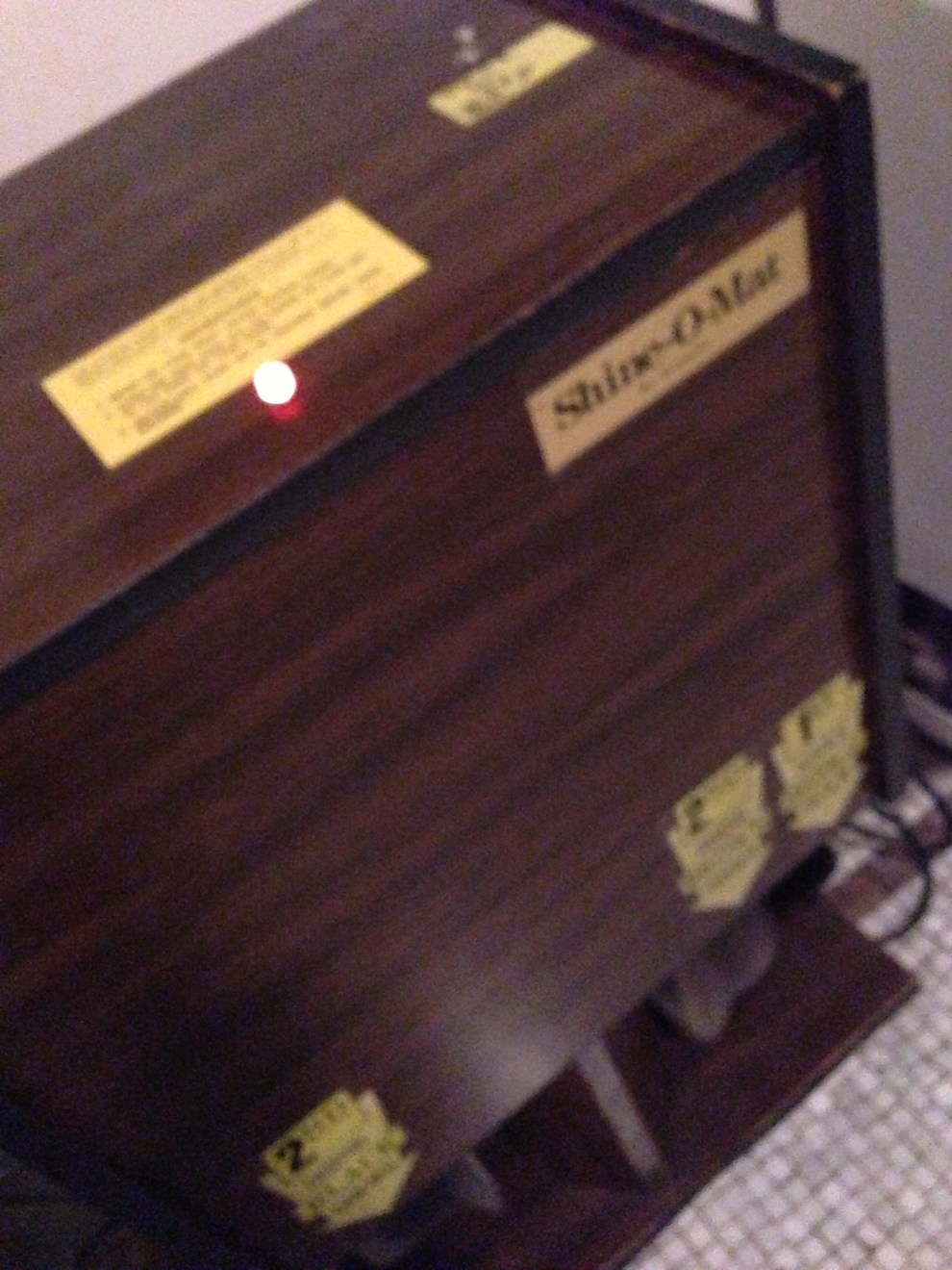
The contents of the cloak room also included a later date (‘60s? ‘70s?) automated shoe polisher, still in vigorous working order. My boots got a nice massage and now have a glossy finish suitable for use during lipstick application.

Shine-O-Mat

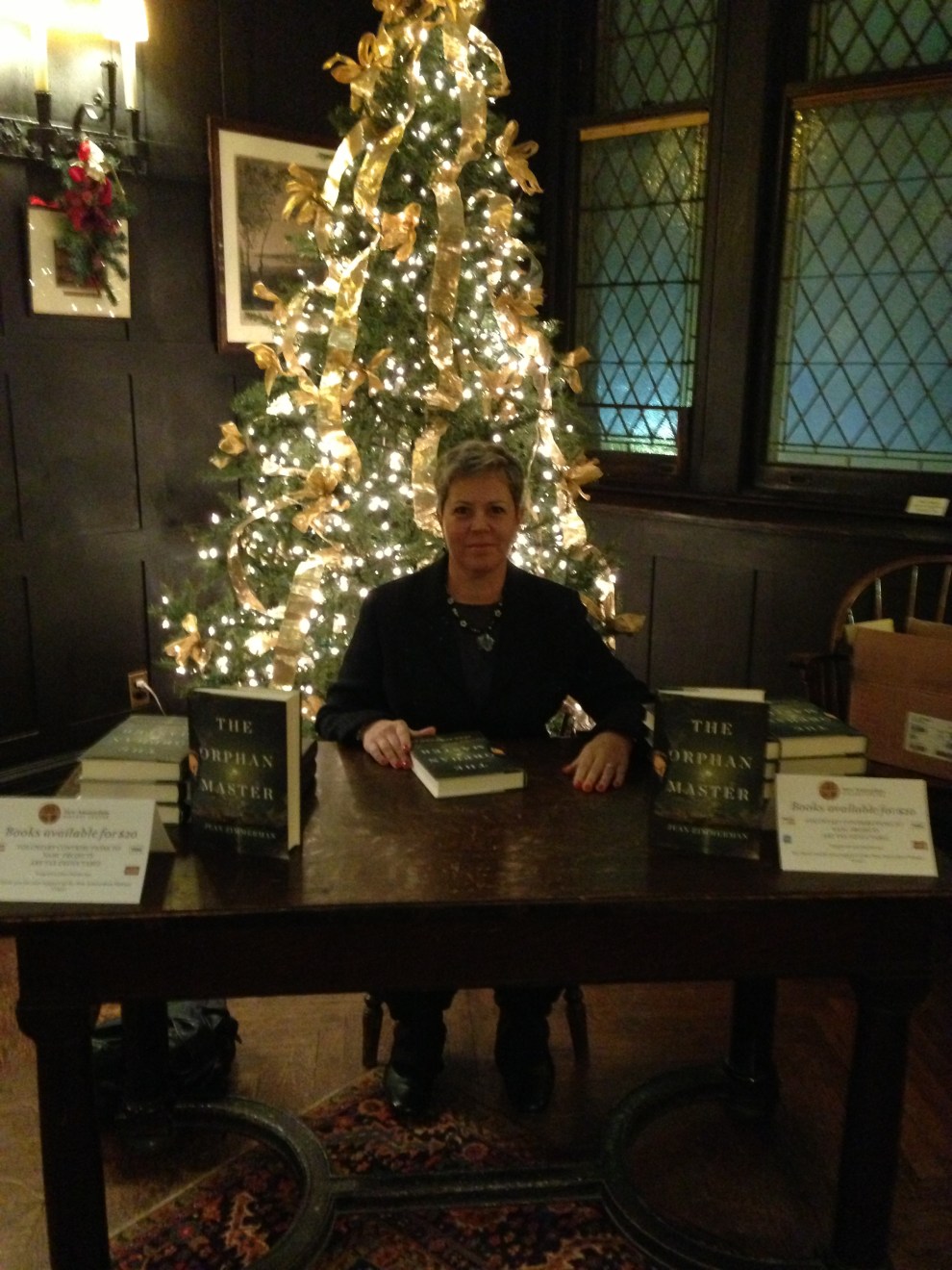
The pleasant ambience of the club made everyone jolly, and the fact that most of the audience members had some affiliation with the New Amsterdam History Center meant we all had something in common regardless of whether you had yet read The Orphanmaster: a shared affinity for the volatile, earthy, intimate, dangerous place that was lower Manhattan in the mid 17th century.

We talked and talked.

I was glad of this chunky, thick-walled old water pitcher when I was done. It patina’d just right.

Water Jug

4 Comments

Filed under History, Jean Zimmerman, The Orphanmaster

New Amsterdam History Center

Tomorrow in Manhattan:

Christopher Moore will be having a conversation with me on behalf of the New Amsterdam History Center. Chris is the Curator of the New York Public Library’s Schomburg Center for Research in Black Culture. Come one, come all to the Down Town Association at 60 Pine Street. Seven o’clock. I’ll be signing books afterwards.

Leave a comment

Filed under History, Jean Zimmerman, The Orphanmaster

Grandly Whispering

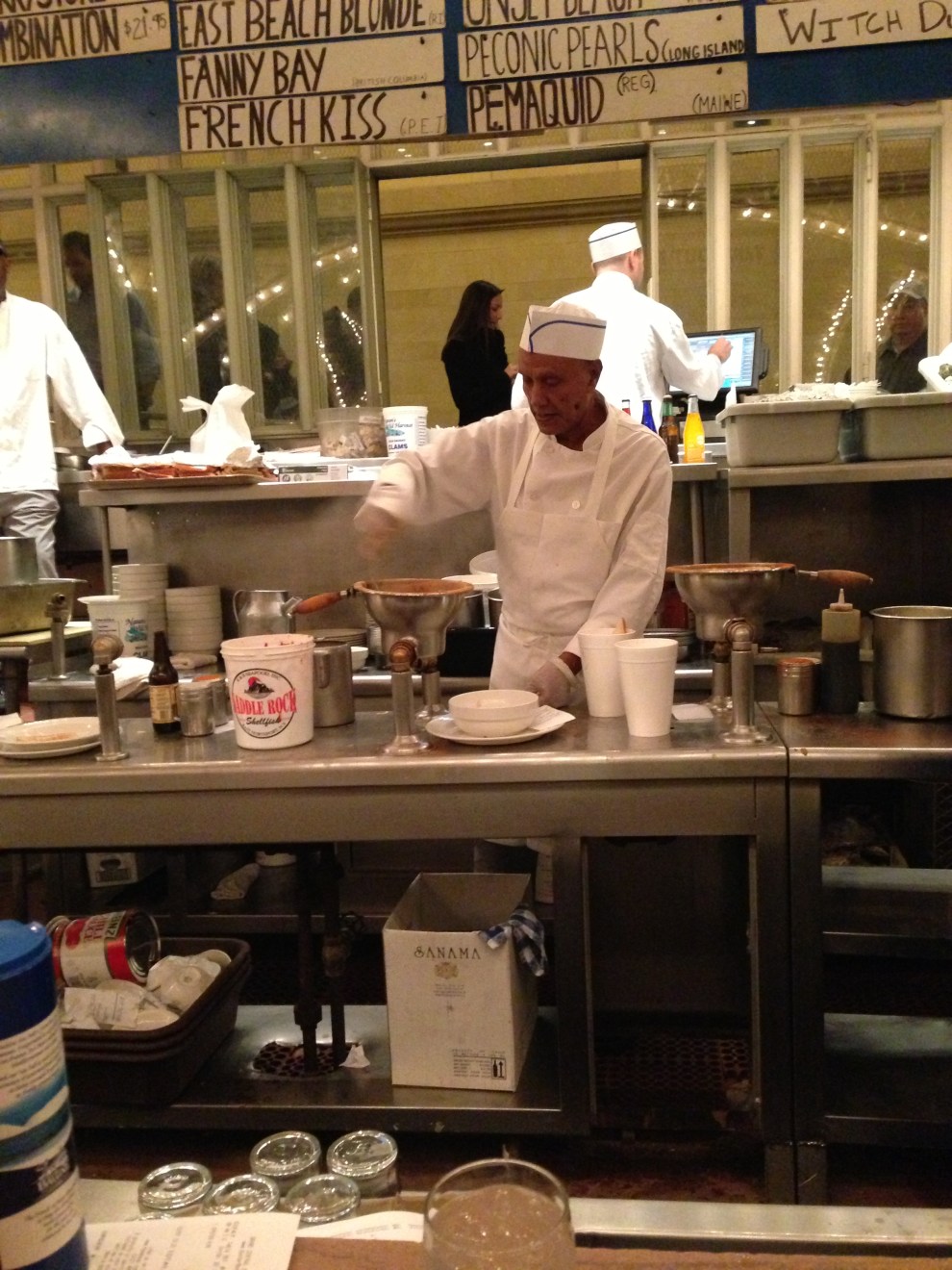
A wash of holiday feeling has come over Grand Central Station and over me as well. After a meeting for business (the business of possibly writing a new book) I went home via the train station, stopping en route at I think my favorite place in all of New York, the Oyster Bar, where the same chef has been working his station at the counter for as many years as I’ve been coming.

Oyster Bar

I did not slurp down the Fanny Bay or French Kiss shellfish or the Peconic Pearls, but I did have the oyster pan roast, a slight digression from my usual oyster stew and deliciously tomatoey.

Oyster Pan Roast

Even the dregs are delicious.

The other night at the Union League I met one of the authors of a current book about the restoration of Grand Central and the architect in charge of that effort, Grand Central: Gateway to a Million Lives. During the holiday season the place is at its most bustling, with suburbanites coming in to see The Tree — the ones in my car yesterday stoking themselves with booze on ice before strolling Fifth Avenue, and everyone very cheery about it — and Vanderbilt Hall given over to an overpriced bazaar of gift items.

Tucked in a corner by Track 42, an element of the station overlooked by all the tourists: a vintage board detailing the comings and goings of trains, in a giant vitrine high on the wall. My picture doesn’t due it justice, with its gold paint and dusty old chalk.

old grand central board

That’s one vision of Grand Central. Another is on display in the Ticketed Passenger Waiting Room.

all natural grand central

This is the all-natural Grand Central Station, made exclusively with organic materials, bark, twigs, stems, fruits, seeds, and other fibers, on loan from the New York Botanical Garden in the Bronx, which does a Holiday Train Show every year featuring iconic New York landmarks, such as the original Penn Station, Radio City Music Hall, St. Patrick’s Cathedral, The New York Public Library on 42nd Street, and the Brooklyn Bridge. If you go there you can find out how artists manage to make magnolia leaf roof shingles. This appeals to that part of me that was obsessed with the children’s book The Borrowers. I spent hours crafting furniture out of acorns and pebbles to stash Hobbit-like between the roots of trees. I love the grand houses I have been writing about but the small, slight, mysteriously miniscule appeals to me just as much.

Grand Central is, of course, grand in every way, but retains pockets of intimacy, like the 2,000-square-foot whispering gallery just outside the Oyster Bar, where I saw passersby keenly huddling to hear each other speak from one arch end to another under Guastavino’s ingeniously constructed tile vaulting. A whisper is a powerful thing on a merry afternoon in old Grand Central.

Leave a comment

Filed under Cooking, History, Jean Zimmerman, Writers, Writing

Flaps and Clips

Yesterday at the White Plains Library, after I had the excitement of meeting the Mayor, there were about 25 books that the local Barnes & Noble wanted me and the other author, Karen Engelmann, to sign. Then they put a sticker on the cover and apparently that drives business.

Gil was nice enough to flap the books for me. A term that means taking each book in turn and turning to the title page and inserting the left-hand cover flap there, making it easy and faster for the author to grab the book and turn to the right spot and just sign. No fumbling, no muss no fuss. It’s common when you come in to a book store for an event to be introduced to a staff like this: Here’s Bob, he’s going to flap the books for you.

Speaking of which, I learned yesterday about a subset of the Flappers of the ’20s called the Shifters, a group that identified themselves by the paper clips on their lapels and were renowned for a short time petting parties and other indicators of loose morals. They took up terms such as “ankling along” for taking a walk and “tomato” for a girl who likes to dance but has no brains, and some less known today, like the “destroyer,” one who dances on your feet.

Sidebar: When I trolled through the Stokes archives at the New York Public Library to research Love, Fiercely, I found that most of the pages, dating to the beginning of the 20th century, were bound together by straight pins, now somewhat rusty. I assumed that paper clips had yet to be invented, or popularized. Now I discover that paper clips had been invented in the 19th century and were in use by the 1890s — and certainly by the ’20s, the Flapper Era. Perhaps in the ’20s they represented, for the Shifters, the newest, coolest thing going.

Old-fangled Clip

Old-fangled Clip

Leave a comment

Filed under History, Jean Zimmerman, Love, Fiercely, The Orphanmaster

Wm & H’ry

If you are as fascinated by the Family James — Henry and William and Alice, but also their father Henry Sr., mother Mary, and the two younger brothers Wilkie and Bob — as I am, then you may applaud a website devoted to correspondence between the two eldest brothers. (William as a young Harvard instructor plays an important role in Savage Girl.)A scholar named J.C. Hallman is putting together a book of letters for eventual publication by the University of Iowa Press. Every day he offers raw quotes from the letters. For instance, today he shares a letter from Henry that reports on his activities with William’s wife and daughter, whom he is hosting while William is at a sanatarium being treated for a heart ailment:

“No news to add to-day but the perpetuity of our peace & harmony — a monotony of happy quiet, of walks over acres of grass & miles of meadow, with tea at Boon’s Hill, mainly as a break — to which exquisite windless weather, the last heavy stillness of ripe summer, much contributes.  Beautiful sunsets, neat, frugal dinners, evenings as peaceful as the afternoons, complete the charm.”

Check out Wm & H’ry and then I strongly recommend you go back to reread Turn of the Screw and Daisy Miller, two of my faves.

1 Comment

Filed under History, Jean Zimmerman, Savage Girl, Writers

Back to Woodstock

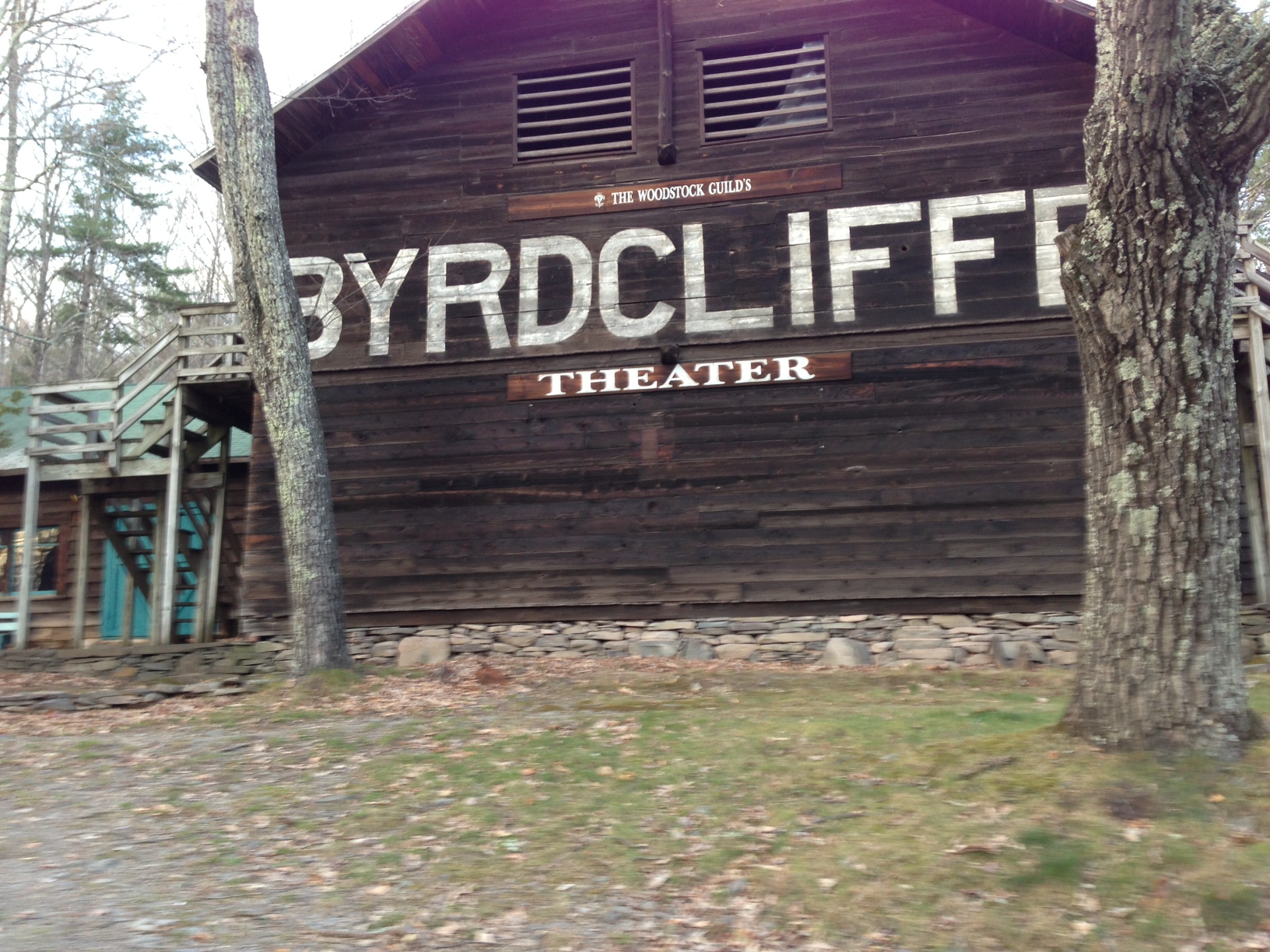
Back to Byrdcliffe. The artist’s colony in Woodstock, New York sits on the side of a mountain and consists of arts and craft style cabins in dark wood with no insulation and windows that look out on a quiet wooded landscape.

ImageWe came here 25 years ago, newlyweds, to spend a long summer hiatus writing poems and drinking blueberry daiquiris, or was that writing daiquiris and drinking blueberry poems.  Now we found our cabin none the worse for the wear.

ImageIt always reminded me of a pup tent, it was so small and narrow, only one room wide. And yet the man who founded the colony in 1902, Ralph Radcliffe Whitehead, believed strongly in the healthful properties of bathing, so our little cabin and every other was equipped with an eight-foot porcelain tub whose pipes were fed by mountain stream water.

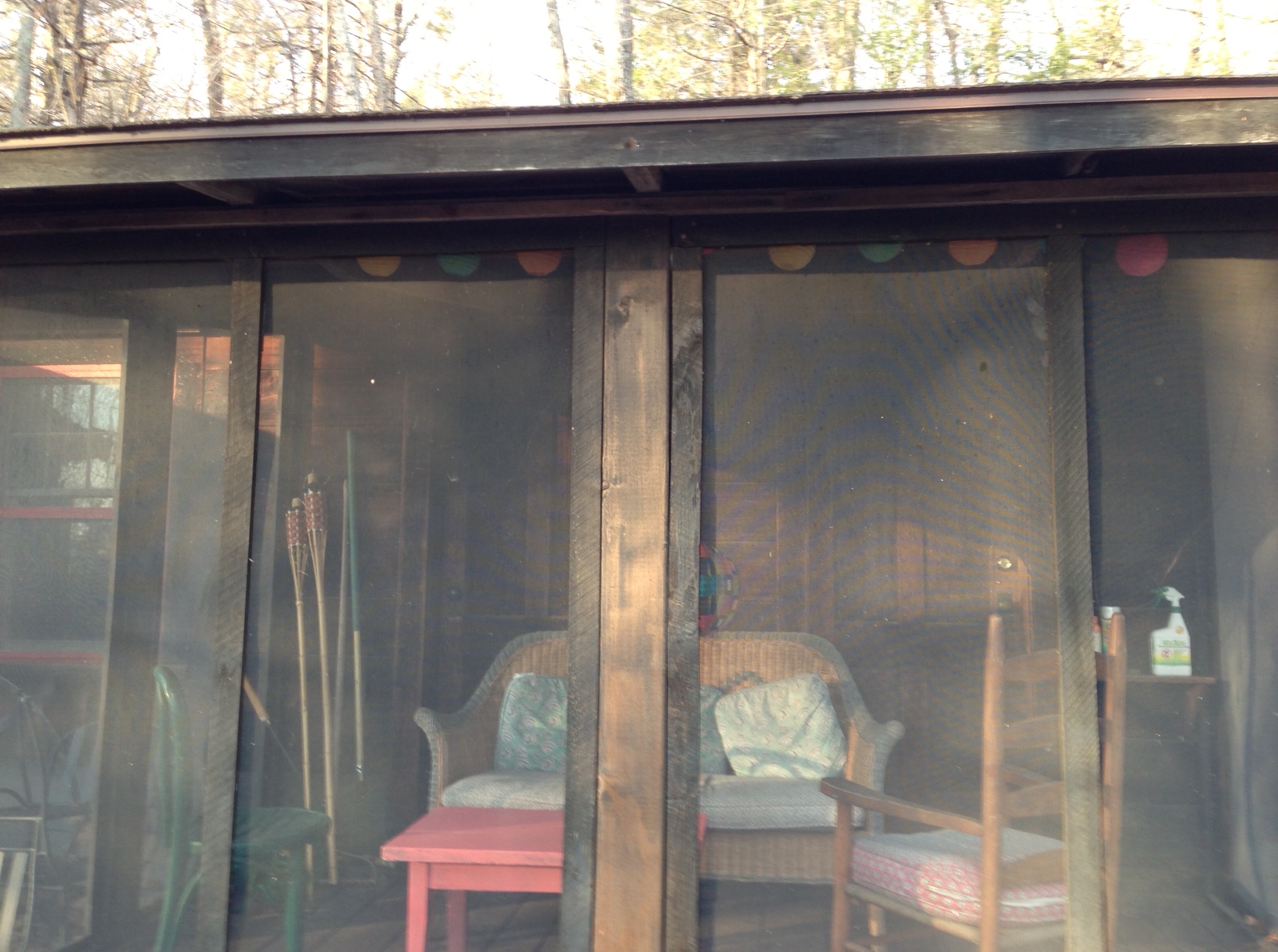
I made a summer study out of the screened-in front porch, which had sloping loose floorboards, into whose cracks Gil one day lost his new gold wedding band, sending him down on his knees to pry up the wood to find it.

ImageI thought I would be a poet forever.

The village of Woodstock had remained almost the same. This was different, though, a sign by the wayside put up by someone with a sly sense of humor.

Image

Leave a comment

Filed under History, Jean Zimmerman, Writing

Hyphenated

In Miami, lamenting my hotel view… of a sad white industrial rooftop… when I look up to see 50 fish hawks wheeling. We are a block from the water after all.

We have a guest blogger today, Gil Reavill, addressing the too-often-ignored subject of the hyphen. Here he is:

NEW HYPHEN YORK

For a long time New York had a little hitchhiker attached to it, a parasite that had wormed into its bowels, a hiccup, a connector, a missing link. During the 19th century the name of the greatest city in the world was oftentimes rendered “New-York.” Given that the earliest records of the city neglected the hyphen, and that the interior squiggle disappeared after 1890 or so, it’s tempting to think of the additional punctuation as a Gilded Age grace note. The New York Times spelled itself “The New-York Times” from its inception in 1851 until it dropped the hyphen in 1896. The New-York Historical Society, founded in 1809, still uses it.

The hyphen itself came into being via Johannes Gutenberg, in his monumental Bible of 1455. The printer used a uniform 42-line page, justified, the innovative movable type held in place by a rigid frame. When such a lock-step process necessitated a break in the middle of a word, Gutenberg inserted a simple signifier as the final element on the right side. It wasn’t today’s brutally horizontal staccato burp, either, but a more elegant tailored dash, rising at an 60-degree angle. Necessity proved the mother of invention, and the hyphen was born. In the Middle Ages, it was written as a double slash, like a tilted equal sign.

Why did the hyphen land in the middle of New York to begin with? Why then, in the 19th century, and not before, and not after? Who decided it should suddenly appear, and who ordained it should leave? Literary nit-pickers will recall that another 19th-century behemoth, Melville’s Moby-Dick, also employed a hyphen. Perhaps no explanation is required other than the dictates of whim, or fad, or fashion. To 19th-century eyes, New York might simply have looked better with a hyphen.

It’s a mystery that might yield to further research. Meanwhile, a simple rhyme states my personal sentiment about bygone punctuation.

GILDED AGE COUPLET

I much prefer life when

New-York had a hyphen.

Leave a comment

Filed under History, Jean Zimmerman, Writing

A Red Letter Day

It feels so good to sit and down with a hot latte, even though I performed only a tiny part of the cleanup. Bowne & Co. Stationers and Printers, like so much of South Street Seaport, suffered a five foot surge during Sandy, with two and a half feet submerging its invaluable stock of letterpresses and type. Bad timing, since they’ve just been expanding their print shop.

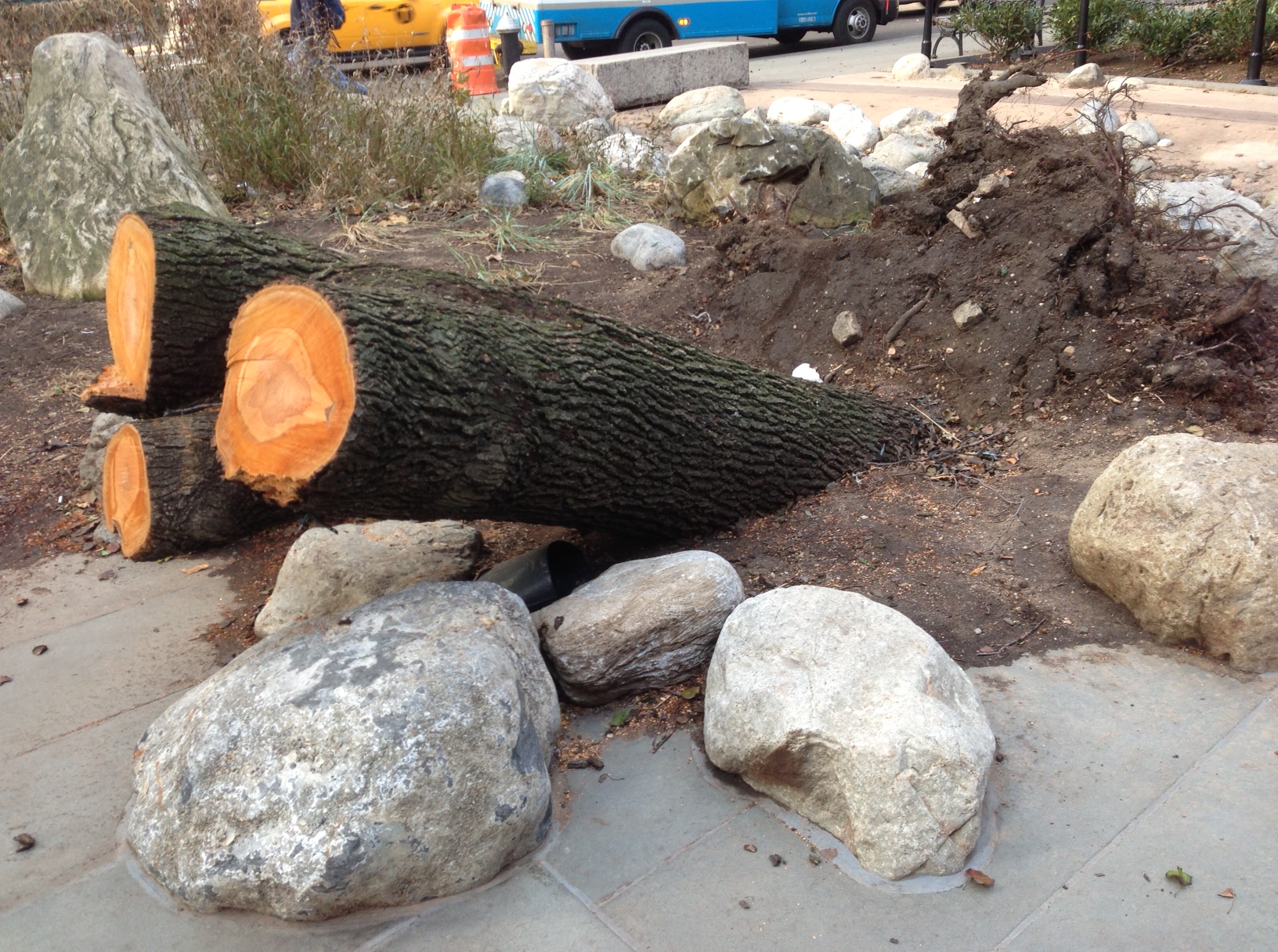
The streets and subway platforms of downtown Manhattan, I saw on my way there, still bear patches of wetness from the deluge two weeks ago. Passing an upended, truncated tree at Water Street, I reached the shop.

Arboreal Sandy Victim

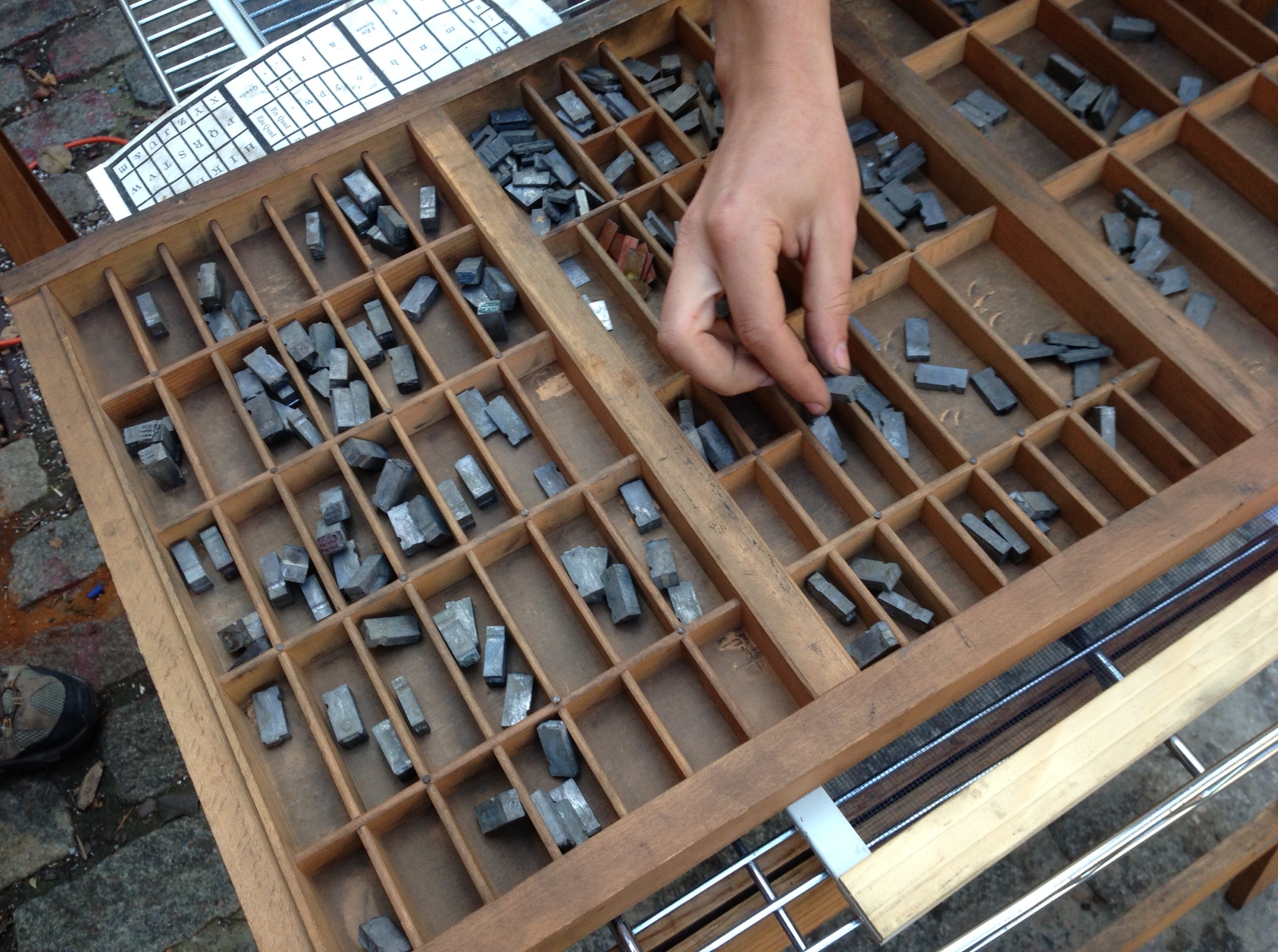
Stalwart printers Gideon Finck and Ali Osborn were guiding volunteers in a makeshift, laborious, meticulous process of bleaching wooden cases to erase their lacy spots of mold and cleansing lead type to make it usable again.

Gideon Organizing Type

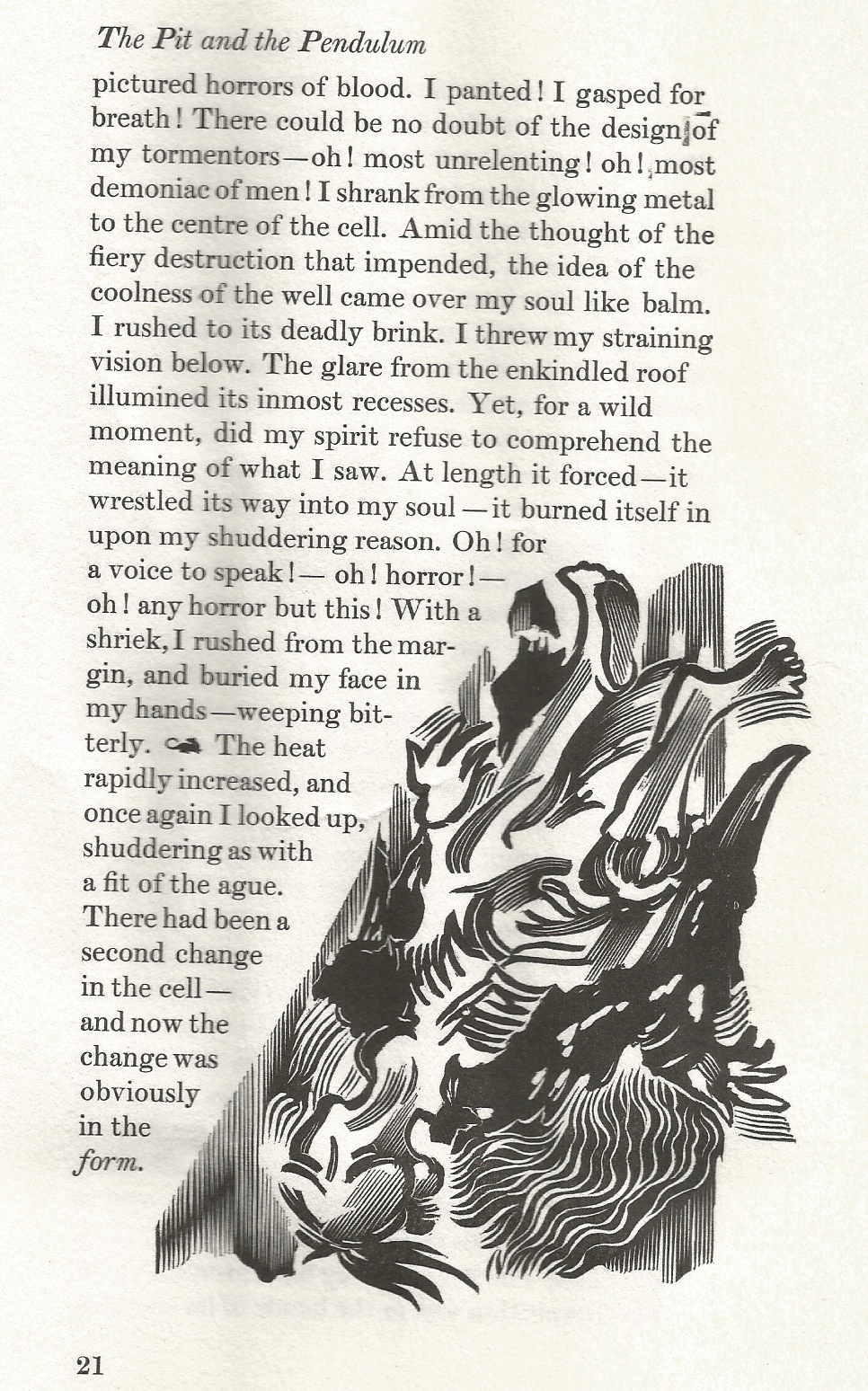
Bowne & Co. is the oldest business in NY surviving under the same name; merchant/philanthropist Robert Bowne set up shop in 1775. (Pretty sure he was one of Edith Minturn’s forbears.)  The Seaport restored the shop as a facsimile in 1970 with the flavor it might have had 200 years before before, when it would have turned out gilt-edge letter paper, tissue paper, copying paper, blank books, bill books, cargo books, bankbooks and seamen’s journals. Some of Bowne’s presses date back to 1844.

A Bit of Poe from Bowne

I’m dipping metal letters a few at a time in fresh water, then mineral spirits, then towel drying each one. A cold, oily, dirty business. The shop has 1200 cases of type, so it’s quite an enterprise, especially out on the sidewalk in a bracing, buffeting wind. But if each letter is not cared for, the historic fonts will disappear. So far, all has been salvaged.

Inside the building, in a shadowy back room with a gently buckling floor, I find an immense, robustly carved figurehead and a quantity of  rough grey planking – the hull of an ocean ship, it turns out.

I wash the oil off my hands, thinking of a young Herman Melville, the same age as the printers at Bowne, looking out at the bay, sighting along the horizon, awaiting his first seagoing job as a “boy” on a New York ship bound for Liverpool. He’s clutching a letterpress broadside as if his future depends upon it.

1 Comment

Filed under History, Jean Zimmerman

Gilding the Lily

We were watching swans eat, but I was thinking about how we used to eat swans.

For a recipe I went to Le Menagier de Paris, a 1393 guidebook that purports to be an wise older man giving advice to a newlywed wife, emphasizing the crucial theme of womanly obedience. There are instructions for preparing dishes like frumenty (a thick wheat porridge served with venison) and lardy milk (“Take milk of cows or ewes and put to boil in the fire, and throw in bits of bacon and some saffron: and have eggs, that is both white and yolk, well-beaten and throw in all at once, without stirring, and make it all boil together, and then take it off the fire and leave it to turn”). But the coup de grace is a gilded swan that might grace the table for a wedding feast.

“Take a swan and prepare it and put it on to roast until it is all cooked, then make a paste of eggs, as clear as paper, and pour it on the said swan while turning the spit so that the paste cooks on it, and be careful that no wings or thighs be broken, and put the swan’s neck as though it were swimming in water, and to keep it in this position, you must put a skewer in its head which will rest between the two wings, passing all other, until it holds the neck firm, and another skewer below the wings, and another between the thighs, and another close to the feet and at each foot three to spread the foot: and when it is well cooked and well gilded with the paste, take out the skewers, except that in the neck, then make a terrace of whole-wheat pastry, which should be thick and strong, and which is one fist thick, made with nice fluting all around, and let it be two feet long, and a foot and a half broad, or a little more, then cook it without boiling, and have it painted green like a grassy meadow, and gild your swan with a skin of silver, except for about two fingers width around the neck, which is not gilded, and the beak and the feet, then have a flying cloak, which should be of crimson sendal on the inside, and emblazon the top of said cloak with whatever arms you wish, and around the swan have banners, the sticks two and a half feet long with banners of sendal, emblazon with whatever arms you wish, and put all in a dish the size and shape of the terrace, and present it to whomever you wish.”

1 Comment

Filed under Cooking, History, Jean Zimmerman

A Tale of Two Women

Where is Auntie when I need her? My great aunt was a crafter before the shorthand existed. A home economics teacher in rural Tennessee, she taught me how to crochet as a child (I seemed constitutionally unable to learn to knit) and going to her tiny house out on the highway meant diving into closets full of fabric. She had a big field of green beans in front, a kitchen counter where we would eat buttery corn on the cob, a litter of kittens under the porch. Now that I’ve finally learned to love knitting, but lack the know-how to do much with it, I could really use her patient hands, deftly lifting the yarn and looping it back on the needle to help me out of whatever spot I’ve gotten myself in now.

After I gave a talk today at Ossining Library I began thinking about what has always made me want to write about strong women. Blandine van Couvering, Margaret Hardenbroeck, and the rest of the ladies I’ve treated in my nonfiction. Growing up with Auntie is one reason. Another is my father’s mother, also a force of nature, but in a different style. She did things her way, always. With a Polish-Jewish family only recently come to America, she ate lobster. When Joyce’s Ulysses was still banned in the U.S., she got her hands on a rare copy. She was a certifiable intellectual, a Manhattanite, with New York windows that overlooked the craggy grey outcroppings of Central Park.

They were two of my earliest heroines. What they would make of me as an adult I can’t say for sure, but I hope I’d do them proud.

3 Comments

Filed under Cooking, Fiction, History, Jean Zimmerman

Cheever and Evans et. al.

When John Cheever died, the flags in Ossining flew at half mast. He lived in Ossining from 1961 until his death in 1982 — just down Cedar Lane from the Cabin, as it happens. A vitrine dedicated to the writer occupies a wall of the Ossining Public Library, built in 2007, and many locals have a Cheever story to tell. Like the one a neighbor shared about the time John stripped naked to swim at a cocktail function and it cleared the party. Whatever his behavior, his skill and imagination had me stoked when I took a fiction writing class in college where the only  text was the writer’s Collected Stories.

Cheever wasn’t the only great artist to live in Ossining — Walker Evans resided on his sister’s farm here in 1928 (where he grew hybrid gladiolas) and intermittently in the years afterward, and he produced dozens of photographs here, including this one, in the collection of the Met.

We drive by the bank standing at this fork every time we go to the library.

Evans called himself “tourmente, serre par la sante perverse d’Amerique” — “tormented, constrained by the perverse well-being of America.”

When they first met Cheever worked as a darkroom assistant to Evans. Later Evans captured a young, penniless Cheever’s boarding house room on Hudson Street. In all the photos Walker Evans took in Ossining, he never depicted Sing Sing, the looming prison for which the town was named. And he never shot the expansive Hudson.

However, Ossining is known historically as much as a fisherman’s spot as an artist’s haven. Witness this giant sturgeon caught off the Ossining waterfront, one of nature’s monstrous creatures.

I will have the pleasure of presenting at the Ossining Public Library on Saturday at 1:30 pm, with pictures, as I customarily do. Signing copies of The Orphanmaster afterward. Come one, come all.

3 Comments

Filed under Art, Fiction, History, Jean Zimmerman, Photography, Writers

A Blast From the Past-New York Times Story

I woke up this morning and saw two things:

1. My breath in the air when I drank my coffee.

2. The article I wrote for the Times T magazine about the magical townhouse on East 72 Street in Manhattan, the one dating to the 1880s whose owners had restored it to an — imagined — former appearance, down to the velvet portierres, intricate wallpaper, sconces, mammoth china urns and brass tacks holding the leather coverings to the wall of the dining room. And the gaslamps out front, flanking the stained-glass inset front door. The 17-room brownstone is a curiosity not only for its allegiance to these details but because its owners, the Loebs, actually live a full life there, amid the antiques and fine woods, a couple and adolescent triplets! It’s a period room at the Metropolitan Museum with no velvet ropes. You can see the digital version of the article here, and don’t miss the slide show.

The disaster that has befallen New York with Sandy is not without precedent. In the first decade of the Loeb house’s existence, when cows still grazed nearby and there were basically no buildings anywhere around, a winter storm wreaked havoc here.

1888 Blizzard

The Great Blizzard of 1888 ranks as one of the most serious natural disasters ever to hit our region. The snow hit when the March weather was unseasonably mild. More than fifty inches fell, with sustained winds of more than 40 miles per hour and gusts up to 80. Drifts more than 30 feet high buried homes and shops. Afterward, everything had to be dug out by hand, with temperatures in the single digits and below. Fire departments were paralyzed so fires burned uncontrolled. Around 400 people died – plus 100 sailors whose ships were wrecked. Pictures of the traumatized city  are amazing.

Imagine the Loeb townhouse in its row of nine at the 72nd Street outpost, snows heaped to the first floor windows and no way to clear the stuff. The city used to send horse drawn carts to collect the mounds and dump them in the East River, but you can imagine the labor and time involved.

We are due for a Nor’easter on Wednesday, the weather people say. Let’s hope the snow doesn’t sock in the Cabin’s windows.

1 Comment

Filed under Art, History, Home, Jean Zimmerman, Writing

Juicing the Apple

I am inspired by a cider mill down the road that sells heirloom apples, some of which it grows and some it brings in. Weathered wooden crates hold one to two dozen varieties, bright green to deep red, all labeled with their place and date of origin.

Imagine biting into an apple Thomas Jefferson raised, about which he wrote from Paris: “they have no apples here to compare with our Newtown Pippin.”

At Thompson Cider Mill I can find apples of the perfect flavor and shape and texture to bake into the dessert I call Apple Bombs, flaky pastry fixed in a package around a whole cored apple stuffed with butter and brown sugar, so that each dinner has their own individual, spherical apple pie.

There is an intense, hard, black apple that looks beautiful in a bowl on the table. It’s so vintage, you feel you’d have to go through a worm hole back in time (not through the apple) to find it, but here it is for you in a neat shed in 2012, ready to be collected into your shopping basket.

The Apples of New York, published before the turn of the 20th century by Spencer Ambrose Beach and now digitized, spells out nearly 400 varieties of the fruit, with lavish illustrations. It is the Audobon of apples.

Thompson Cider Mill has all new machinery to press its complex, perfumey cider. You could be drinking a combination of a dozen or more varieties, including Macoun, McIntosh, Rhode Island Greening, Northwest Greening, Jonagold, Winter Banana, Golden Russet, Idared, Winesap, Jonathan, Mutsu, Monroe, Baldwin, Fuji, Cortland, Spygold, Red Spy, Northern Spy, Pippin, Seek-No-Further, or local Golden or Red Delicious. When you take a sip, you’re drinking history.

Maybe I like the place so much because I can find my namesake fruit there.

1 Comment

Filed under Cooking, History, Jean Zimmerman, Nature