Category Archives: Fiction

Savage Girl Music Mix

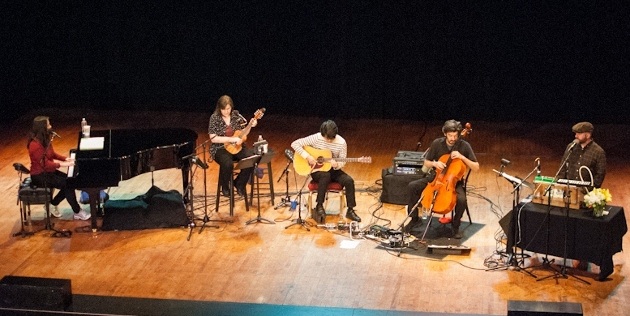
What, I thought, would be a modern-day playlist to match a Victorian savage girl’s temperament? If that makes sense. Here are some ideas, and I welcome more if you’d care to leave a comment. I plan to pass out CD’s when Savage Girl comes out in March, for anyone who likes to blast tunes in the car with the windows down. There’s a complete list of songs posted on my facebook author page; give it a like while you’re there and add to the list.

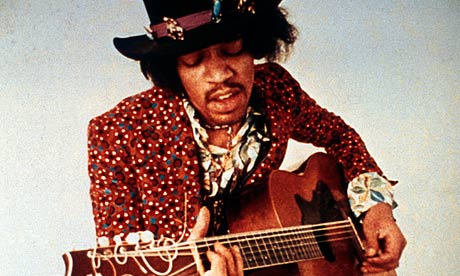
Got to lead off with Hendrix, his version of Wild Thing by the Troggs.

Jimi-Hendrix-in-1970-006

I also like this one that came out earlier this fall, Wild Child, sung by folk/pop boy-child Brett Dennen.

brettdennen1

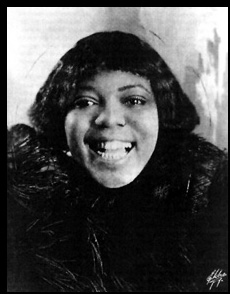
But why not jump back a little, to Bessie Smith, who sang I’m Wild About that Thing in 1929.

bessie

I think Savage Girl might quite like Etta James’ version of Born to be Wild. Anyway, it’s one of my favorite renditions of the song.

articlehero_etta_james

Lou Reed had a contemporary version of savagery in mind with Walk on the Wild Side. But when you read Savage Girl you’ll see that there’s plenty of cross-dressing in the novel, nineteenth-century style.

1383164932000-LouReed

One more. Because the heroine of my book climbs the social ladder and actually reaches its pinnacle for a moment or two, let’s listen to Queen of the Savages, by the Magnetic Fields.

magnetic-fields-front

It’s the least we can do for a mysterious girl who escapes the wild West only to wind up in wilder Manhattan.

Leave a comment

Filed under Culture, Fiction, Jean Zimmerman, Music, Savage Girl, Writers, Writing

Another Fine Dress You’ve Got Me Into

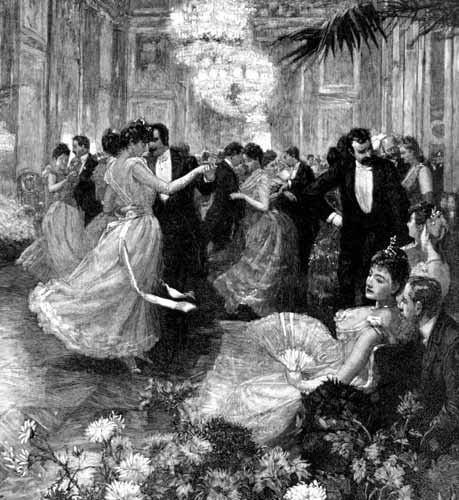
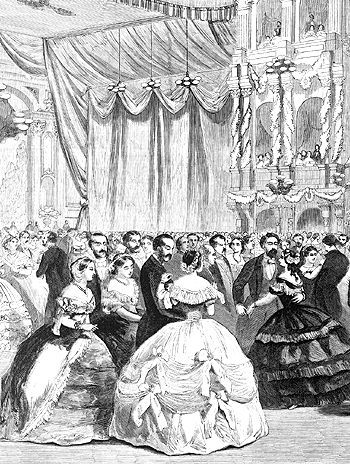
I always wondered by what means people got up their getups for fancy dress balls during the Gilded Age. A fancy dress ball didn’t mean, as it sounds, elegant gowns for the ladies and stiff black tails for the gents. They were actually masquerades, opportunities for the well-heeled to escape their own trials and tribulations – there were, in fact, economic downturns and “reversals” throughout the last decades of the 1800s – with a lot of very pricey role-playing. And to prove just how boss they were.

ball

Balls were splendid on their own. Edith Wharton described a typical scene.

Couples were already gliding over the floor beyond: the light of the wax candles fell on revolving tulle skirts, on girlish heads wreathed with modest blossoms, on the dashing aigrettes and ornaments of the young married women’s coiffures, and on the glitter of highly glazed shirt-fronts and fresh glace gloves.

For Savage Girl I looked into debutante balls, when 18-year-olds got their first taste of all the splendour that money could buy.

I first got interested in fancy-dress shenanigans, though, when I wrote about I.N. Phelps Stokes as a young man studying architecture in Paris in 1894.

Edith & Isaac

Most of the people he knew attended the spectacular Bal des Quat’z’Arts, where artists and architects partied hearty in the name of everything aesthetic and bohemian. Revelers could expect gold and silver paint slapped on bare flesh along with displays like the last days of Babylon, complete with “blackamoors,” camels and nearly naked women. Excess reigned every year.

quatzarts2

Stokes, I  learned from his generally no-nonsense memoir, wrote home to his mother demanding she ship over the black velvet dress he’d worn for a costume ball at his home the previous winter.

What, I wondered, trying to imagine Stokes be-gowned in velvet, was this slightly stiff, shy young gentleman doing cross-dressing at a balls-out ball?

It was the thing to do, though. Fancy dress celebrations were prevalent in Victorian England and Canada as welll as Paris and New York. One Canadian scholar who has studied archival material puts it this way:

The sheer number of archival photographs of people in fancy dress, as it was known, attests to the popularity of this phenomenon, as well as its importance to those who took part. These portraits reveal a great deal about Victorian morals, values, taboos and tastes regarding clothing, bodies and social behaviour. While the basic appeal of fancy dress lay in its semblance of permissiveness and escapism, this sort of amusement was controlled by a complex set of moral restrictions.

Few costumes survive, but these people were photo-obsessed and made sure to document the fancy ball madness.

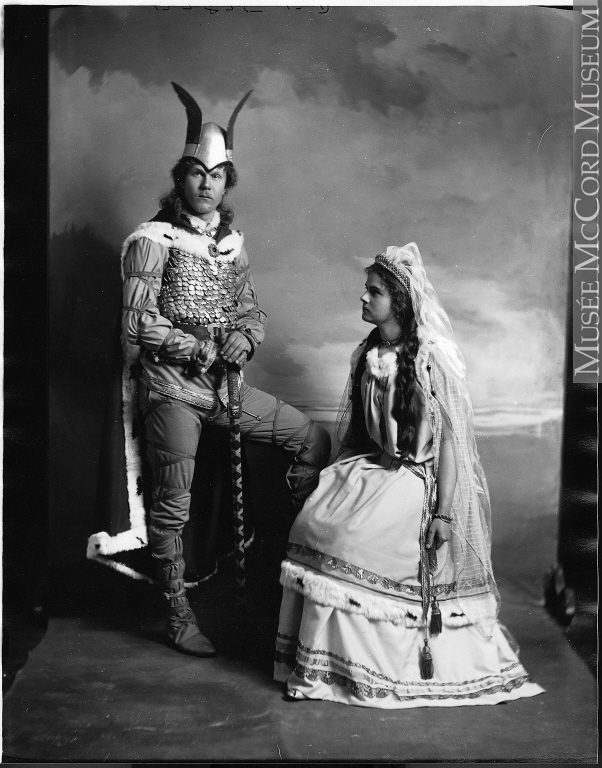
On the website of Montreal’s McCord Museum you can find startling images of partygoers dressed to the nines, such as Herbert Molson and his sister Naomi  as “Vikings,” costumed in 1898 for the Chateau de Ramezay Ball in Montreal.

Vikings

And Miss Bethune as “An Incroyable,” in Montreal, in 1881.

incroyab.e

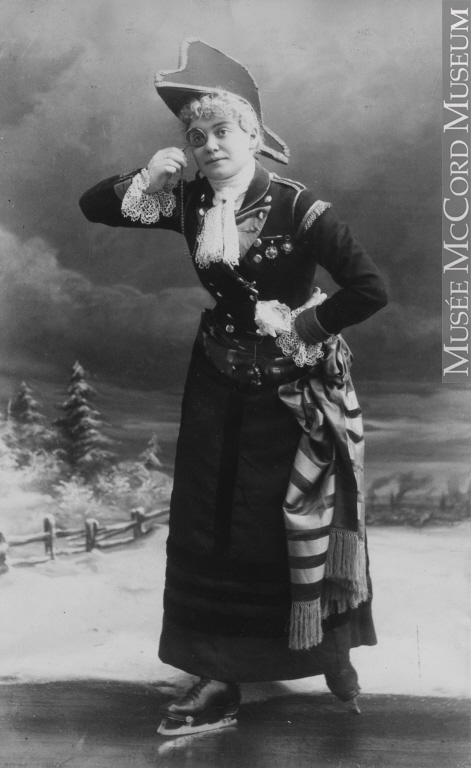
There was also the “Girl of the Period,” shot in 1870. The Victorians could really break loose on ice skates with a swinging braid and a cigarillo.

1870 photo like painting

The image was spookily familiar, and I realized it was the embodiment of a Currier and Ives print I have hanging on my wall.

currier

You can see some of these photos as a video. 

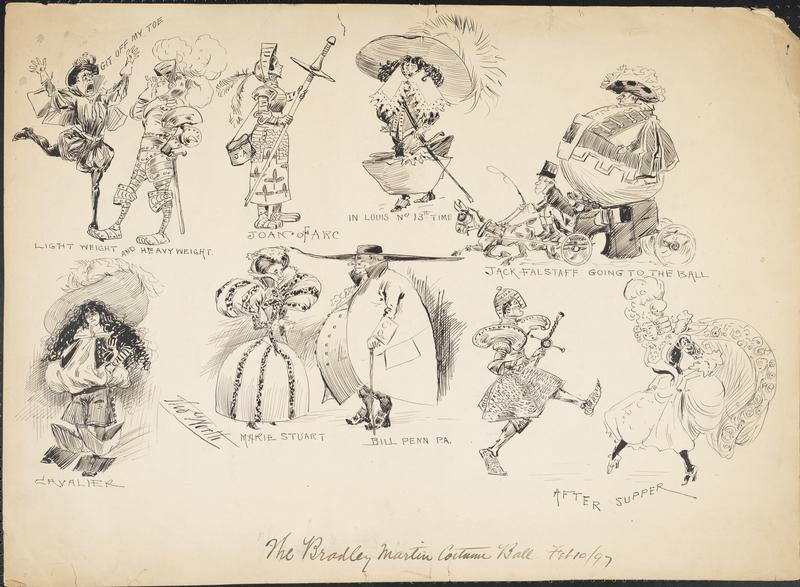
 At the end of the century,New York City could always put on the biggest fancy show. One of the most famous costume extravaganzas was the Bradley-Martin Ball, which took place at the Waldorf in February 1897. Cornelia Bradley-Martin vowed that it would be “the greatest party in the history of the city”.

bradley martin ball

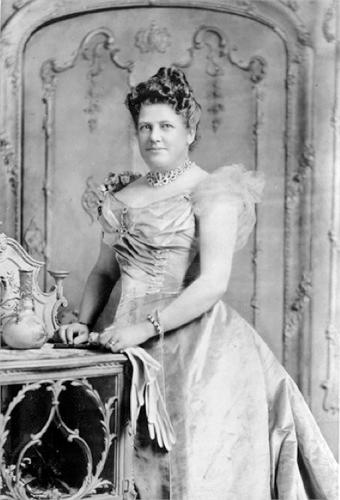
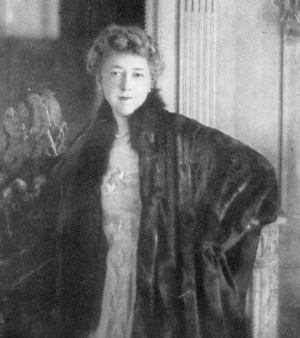
She and her husband spent nearly nine-million dollars in current money hosting eight hundred of the city’s leading lights, Astors, Schermerhorns, Morgans and Posts included. Cornelia doesn’t look like a party animal, but the fact that she is smiling slightly suggests something to me. Most people still did not smile when posing for a portrait.

Mrs.-Bradley-Martin

The ballroom was a replica of Versailles, wigmakers stood at the ready, and guests arrived as Mary, Queen of Scots, a Spanish toreador, Henry the IV. The hostess appeared with a gold, pearl and precious stone embroidered gown.

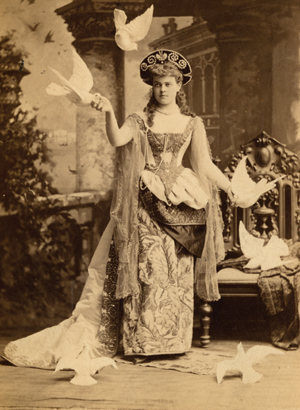
She might have managed to best the Vanderbilts’ legendary ball of 1883, thrown by Cornelius Vanderbilt II and his wife Alva to christen their new Fifth Avenue chateau. Alva sure looked good in doves.

alva vanderbilt

The Museum of the City of New York has a extensive collection of photos of people posed with all seriousness at the ball. Including Mrs. Henry T. Sloane as, I think, a witch. Probably a good witch.

Mrs. Henry T. Sloane

If you’d like to get up a Gilded Age costume there are resources at your disposal.

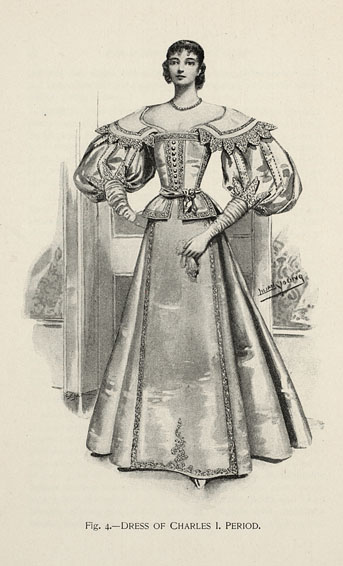
But, what are we to wear? asks a manual from 1896, accessible on line in its entirety. This is the first exclamation on receipt of an invitation to a Fancy Ball, and it is to assist in answering such questions that this volume has been compiled.

Several hundred costumes are described with every incidental novelty introduced of late, including Autumn, Bee, Gipsies, Carmen, Dominos, Esmerelda, Fire, etc.

0070

Henry James wrote:

The rooms were filling up and the spectacle had become brilliant. The ball borrowed its splendor chiefly from the shining shoulders and profuse jewels of the women, and from the voluminous elegance of their dresses.

You’ll have to invite 1,000 or so people to really get the fancy ball experience. And make sure to call your wigmaker. Everything will be rosy.

Rose Garden

2 Comments

Filed under Art, Culture, Dance, Fashion, Fiction, History, Jean Zimmerman, Love, Fiercely, Music, Photography, Savage Girl, Writers, Writing

A Goodreads Vote

Sometimes I don’t know what I’ll do with myself waiting for Savage Girl to hit the stands March 6th. We’re finalizing flap copy, rounding up quotes from other fiction writers for the cover, talking about where I’ll go to spread the word about the book. Still, it seems like a long time away.

If you’d like to know what you can do until Savage Girl comes out…

Goodreads has posted a list of the most anticipated historical fiction reads for 2014. What upcoming historical fiction are you most excited for, asks the site. Pay a visit and click on Savage Girl to place your vote! And then, please, ask your book club cronies to do the same.

Savage Girl cover-final

Leave a comment

Filed under Culture, Fiction, Jean Zimmerman, Publishing, Savage Girl, Writers, Writing

The Things We Carry

What heirloom would you bring?

I’m reading about refugees and the things that they carry (remembering the Tim O’Brien tale The Things They Carried, about the impedimenta Vietnam soldiers take with them into battle.) BBC News Magazine profiles refugees during the Nazi menace of the 1940s, asking that question.

Isabelle Rozenbaumas’s mother escaped  Nazi-overrun Lithuania, barely, with her carriage-driver father, and snuck out three class photographs from that time.

refugee photo

Julian Glowinski’s grandmother was deported from Poland to Siberia in 1940. Amazingly, she packed a sewing machine onto a cattle truck, and converted gowns into wedding dresses in her concentration camp in exchange for food.

Elke Duffy and her family fled East Prussia in January 1945. With her she took an amber necklace her mother had strung from amber she and her sister found on a Baltic beach.

 _71135868_464_amber

Ian Carr-de Avelon’s wife’s grandfather was forced onto a train in Lwow (then Poland, now Ukraine) with his wife. Rather than cherished photos he took a camp stove. A camp stove? But of course ultimately it made perfect sense.

So what to take in a hurry, with the monsters breathing down your throat?

Photos. But today they mostly stay trapped in the computer. You can’t just lift them out of an album, with yellowed tape stains on their backs. So print some, fast.

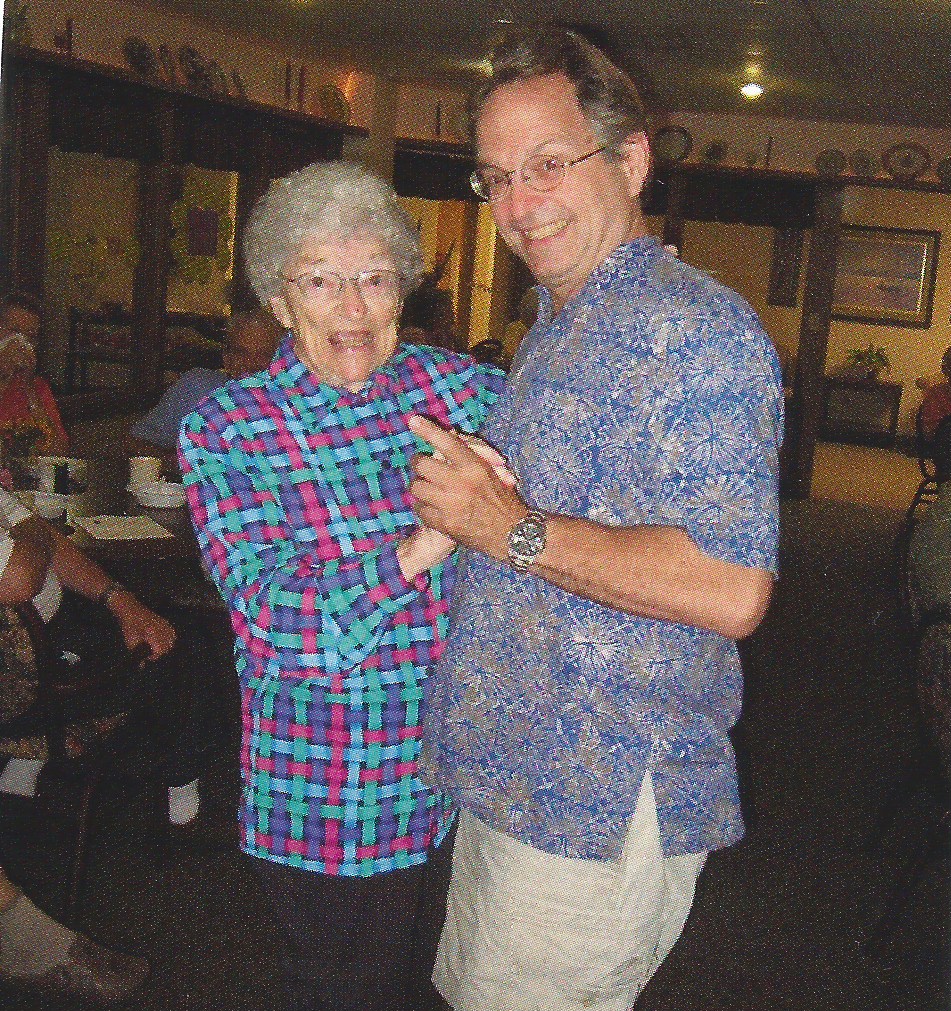
Maybe I’d take this one, if I had to take one.

Gil and Maud Hug

I’d have to take another. Mark it on the back with a Sharpie, April 1987. The engagement party.

April 1987

If I could, I’d grab more. My parents. My extended family. Gil would take this burst of joy.

el 1

Or, he says, an oilcloth Santa he remembers making when he was six.

What object would I choose? Not a sewing machine. Not an iPhone. I looked around my house, and I thought about storage. At least three dusty cardboard boxes are marked Heirlooms, mostly from a family bow-windowed breakfront now residing in a home with more space. How do you choose among the loved objects of the past?

I might take my paternal grandmother’s copy of Ulysses, by James Joyce, its cover broken off, which she bravely purchased at a time when the novel was still censored in the U.S.

Joyce Ulysses 750 wraps 1000

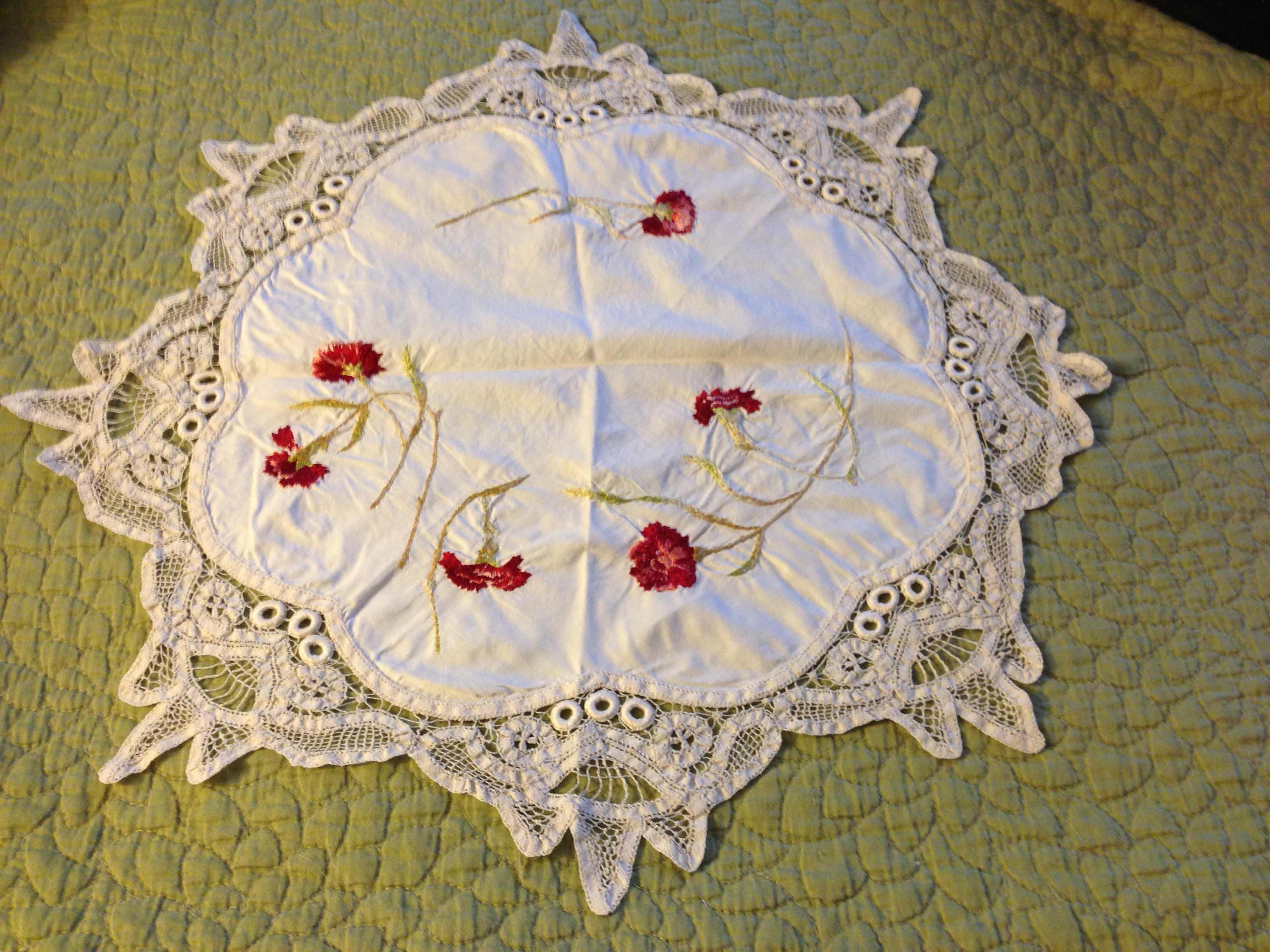
Or a scrap tatted by my ancestors, embroidered with carnations, the cloth handled by their fingers.

carnations

I could tuck that into my sock.

But if I was going to bring some bigger object – what?

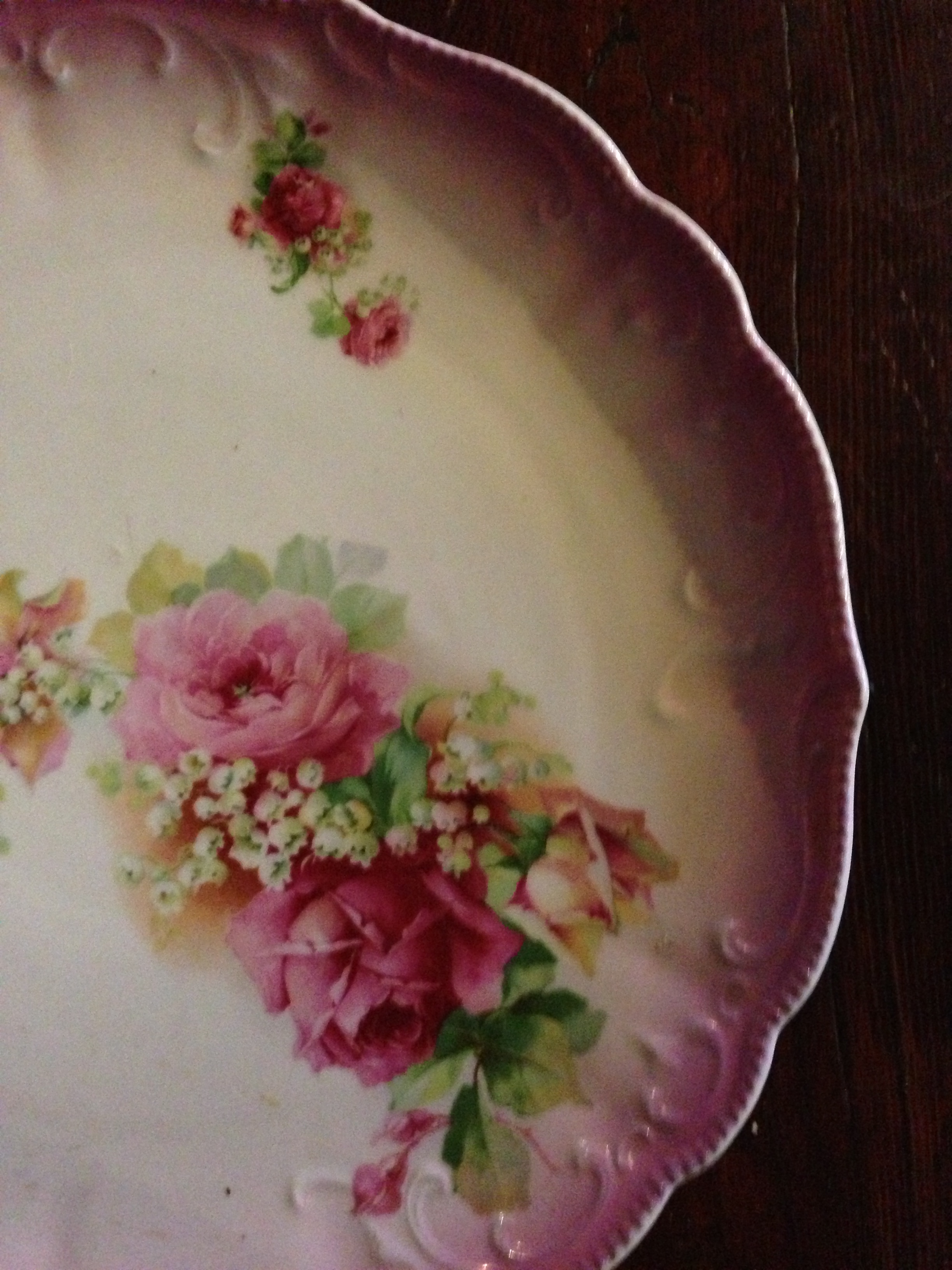
How about a china plate. A cake plate, a foot across, strewn with pink roses and lilies of the family. Utilitarian as well as cherished.

cake-plate

Just a plate. But a plate belonging to my great-great-grandmother, a woman with the interesting name of Brown Coats. A deep souvenir of family, embodying the optimistic conviction that sometime in the future, there will be cake.

Will the plate make it through the mud, the rutted roads, the mountain passes? Despite its apparent fragility, I am certain it is strong.

6 Comments

Filed under Art, Cooking, Culture, Fashion, Fiction, History, Home, Jean Zimmerman, Photography, Publishing

Victorian Waltz and Tea

Writing a novel in which Gilded Age debutantes dance with their swains in the gaslit ballrooms of fashionable New York made me want to get some nineteenth century dance moves under my belt. Or, rather, under my crinolines. So I brought my best Tigger kicks in to Manhattan for an afternoon of 1-2-3, 1-2-3.

Tigger kicks

Susan de Guardiola, our elegant yet earthy instructor, came down from Connecticut. She generally teaches what she calls Jane Austen classes – picture Keira Knightley in Pride and Prejudice, sashaying down the line, all aglow.

keira

I always preferred Matthew Macfadyen in that movie. Does he show up at any of Susan’s classes? She teaches not only English country dancing but about 12 other kinds and is a true authority in her field, with a website called Capering& Kickery  that gives all kinds of background on Victorian and Regency-era dance.

“If everyone’s good enough,” she told us at the start, “we’ll progress to jumping.” Such, I will tell you now, was not to be. It was baby steps for many of us, even as we behaved very well and tried very hard.
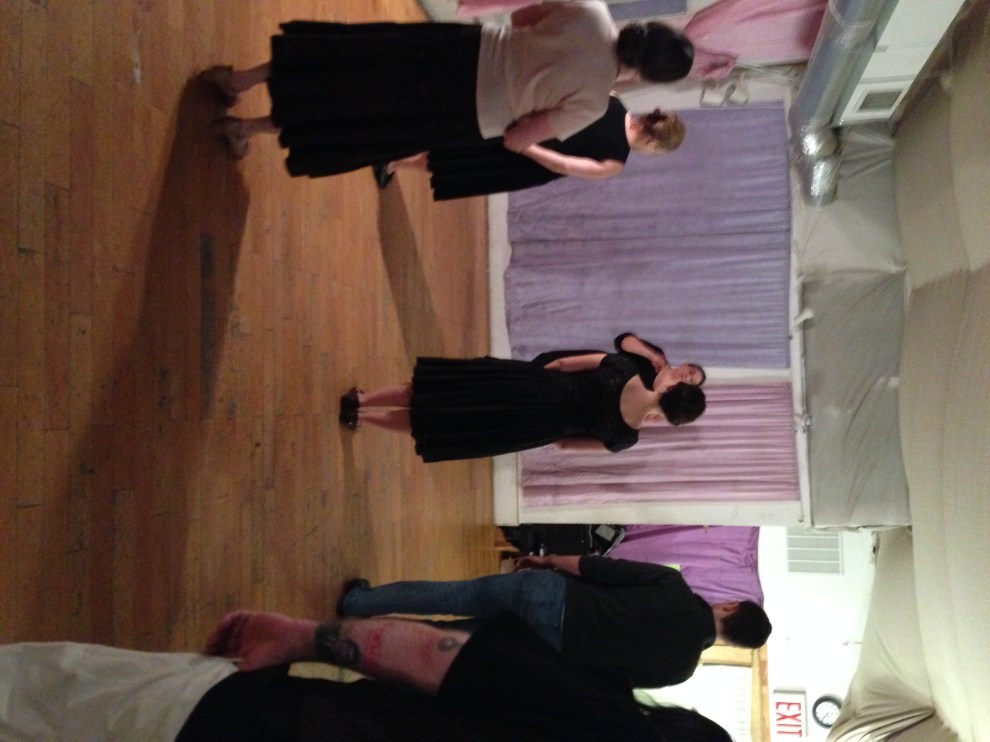
class

The last time I waltzed was in seventh grade cotillion, wearing a micro-mini dress and short white gloves. I loved it. But that was a long time ago. And a far cry from a tiny dance floor in the back room of a tile shop, in the Chelsea neighborhood of Manhattan.

ballroom

Today, some women wore black dance shoes and a man came in wearing a steampunk-style leather top hat. You don’t see that every day on the streets of New York. “Shall I put my hair up because I’ll get all hot and sweaty?” asked a curly-haired woman. “I usually do,” said Susan.

This class was offered under the auspices of the New York Nineteenth Century Society, an outfit that takes seriously its mission: it  “unites historians, scholars, artists, philosophers, dreamers, and impresarios inspired by the 19th century.” Recently they had a Nineteenth Century Extravaganza, for which everyone put on their full Victorian regalia. Next up is an archery event. Yes! Perhaps I’ll attend. Savage Girl is an expert archer, as were many young ladies of the late 1800s.
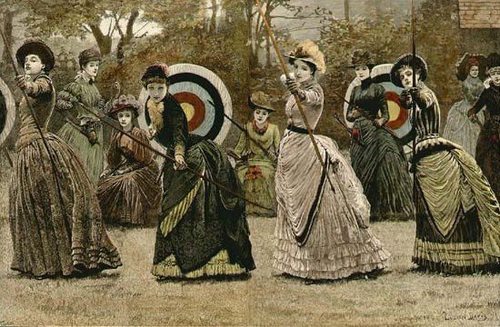
archers

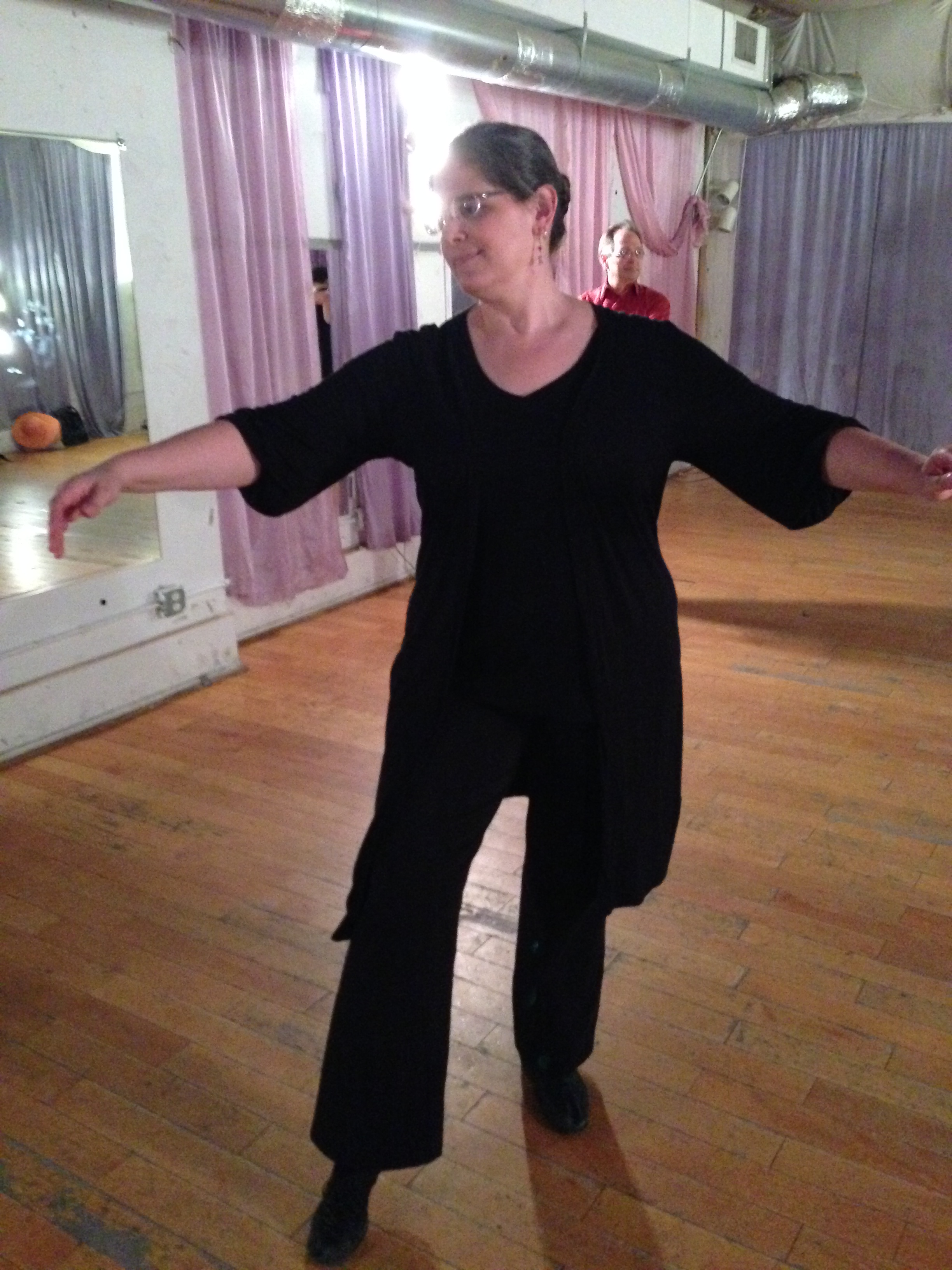
“The 1880s, 1890s were the root of modern ballroom dance,” said Susan. It turns out that the waltz changed seven or eight times in the course of its development, becoming faster, closer, more stylized. The dip back we expect from the female partner now didn’t used to exist.
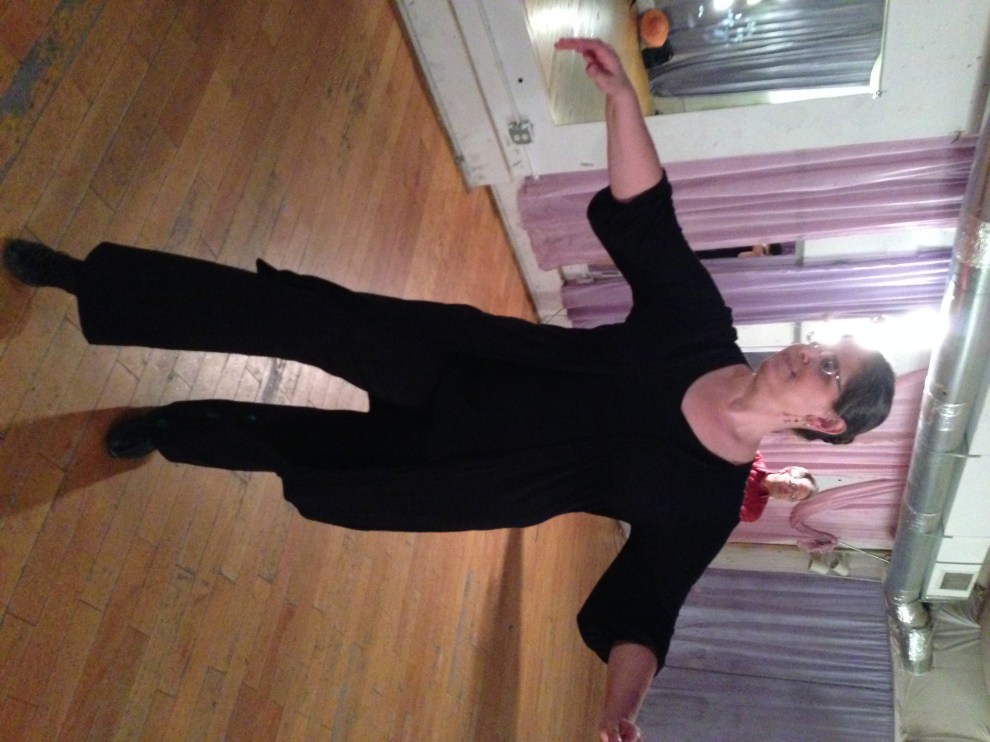
susan

“I’ll tell you the secret of this kind of dancing,” said Susan. “It works if you do it on the balls of your feet.”
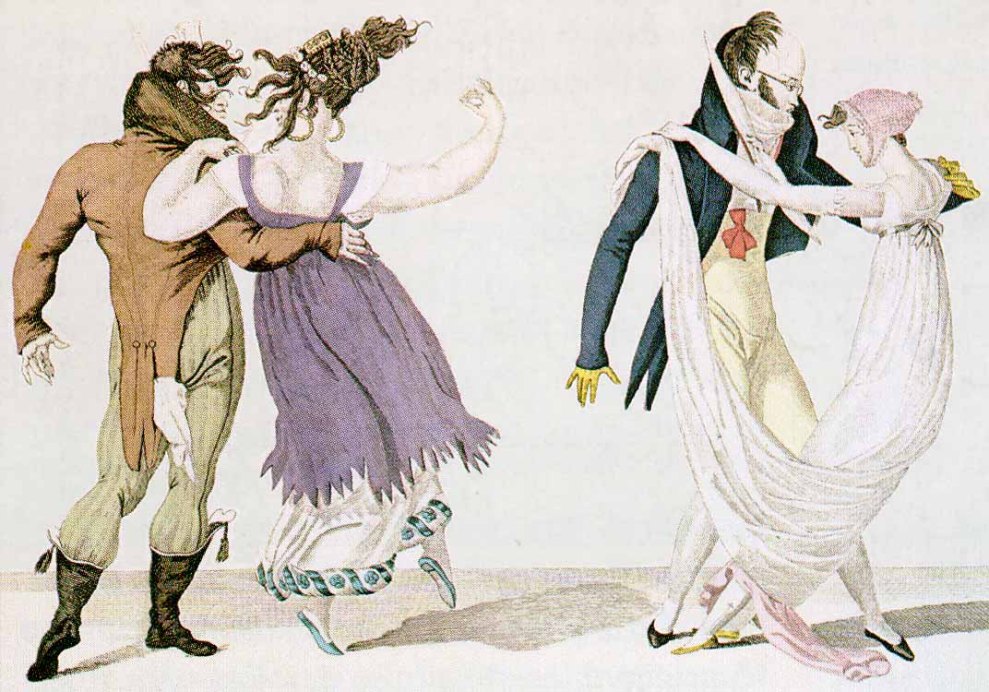
1801wals

“When this waltz gets going,” she said, “it flies around the room.” She might have been a tad optimistic.

This was a lesson in shoulder blades. The man should place his hand on the woman’s left shoulder blade (“that’s the sharp thing sticking out of her back,” said Susan) though in Victorian times when everyone wore corsets and your posture was therefore better, your partner could put his hand farther down your back. The woman holds her left hand against the man’s right shoulder, above his chest, to help push him around during the turns.

We learned the gavotte glide, a slide to the right followed by a turn, and we learned the importance of leading with your toe, Victorian style. Susan suggested we lean in and not worry about the various “bits” of us that might touch. We passed partners around the circle, dancing with utter and complete strangers, experiencing waves of cologne, perspiration, different kinds of breath, good and not-so-good manners. Everyone tried hard. I got one partner, Jake, a couple of times, and we shared laughs over each other’s clumsiness. He suggested we hold a hand behind us, as I might do holding a bunch of petticoats.

hands cocked

Jake high fived me when we came to a halt semi-successfully. Very Victorian.

jake

Lesson over, Gil and I proceeded outside, where a young dancer waiting for a tango class advised me that rubber soles such as the ones I had on might cost me an ankle. “I hope you keep it up,” she told me and Gil kindly. “Maybe I’ll see you on Dancing with the Stars.”

On the street, I asked Susan how to improve. “Practice five minutes every day,” she said. “Go to a supermarket and practice down all those wide aisles.” You don’t need to do it all at once. “Sleep on your lesson,” she said, “and you will do better the next day.”

We hadn’t had enough Victorian flavor so we went afterward for high tea at a place called Lady Mendl’s Tea Salon. It was on the first floor of a Gramercy Park hotel, The Inn at Irving Place, carved out of two adjoining brownstones that date back to 1834. Washington Irving was said to have spent some time in a house down the street, enhancing the old-fashioned aura of the neighborhood. The online reviews I read said a man would not be welcome at the establishment, so of course Gil wanted to go.

jz tea

Lights were turned down low and the whole effect was gracious and mellow and ladylike, even if there were a few male interlopers.
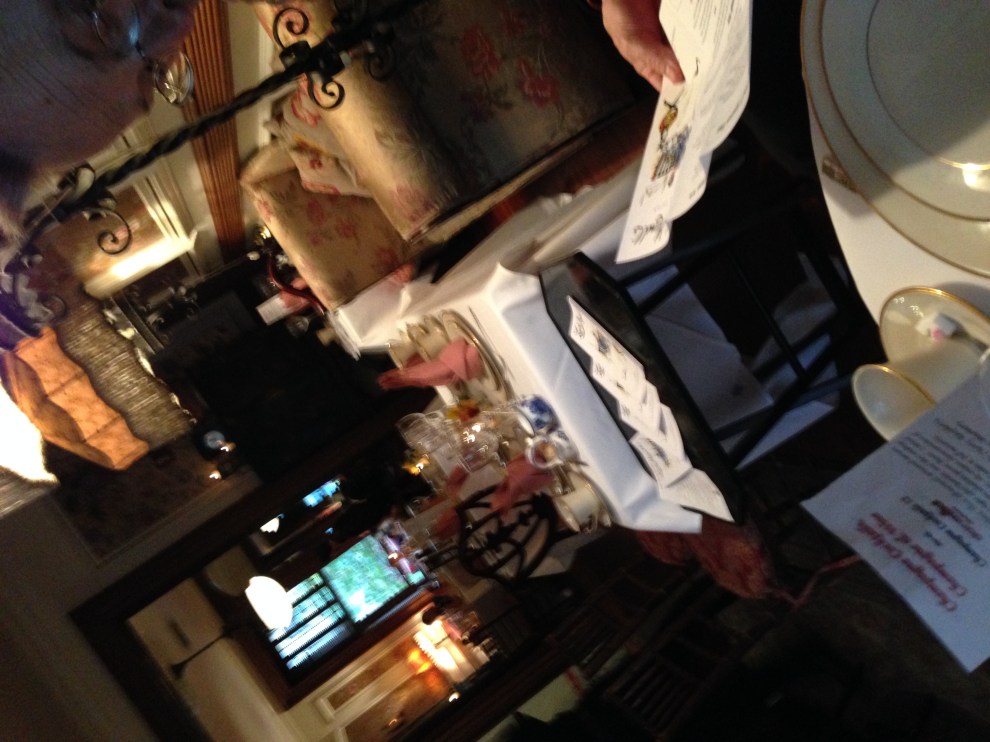
tea room

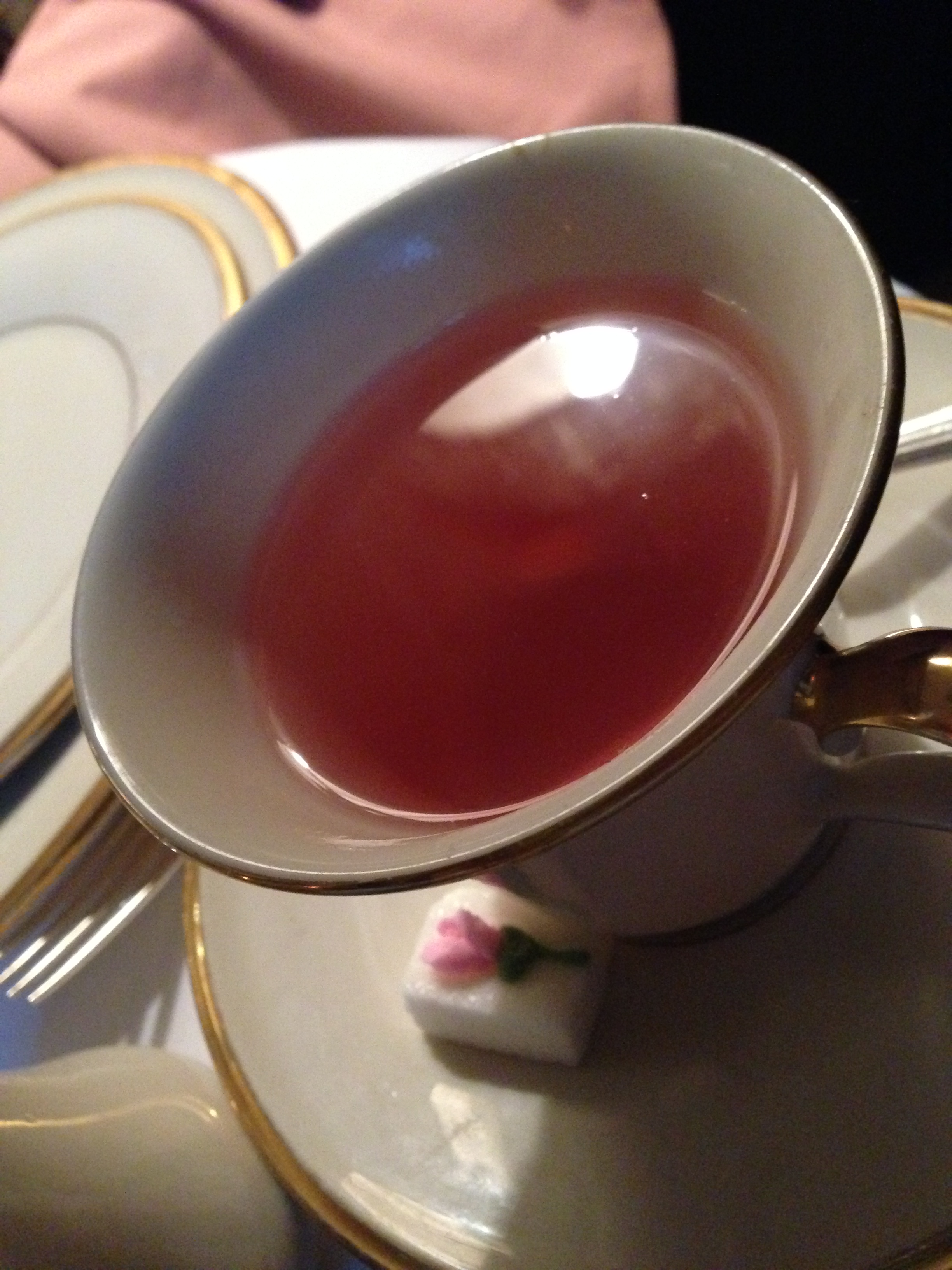
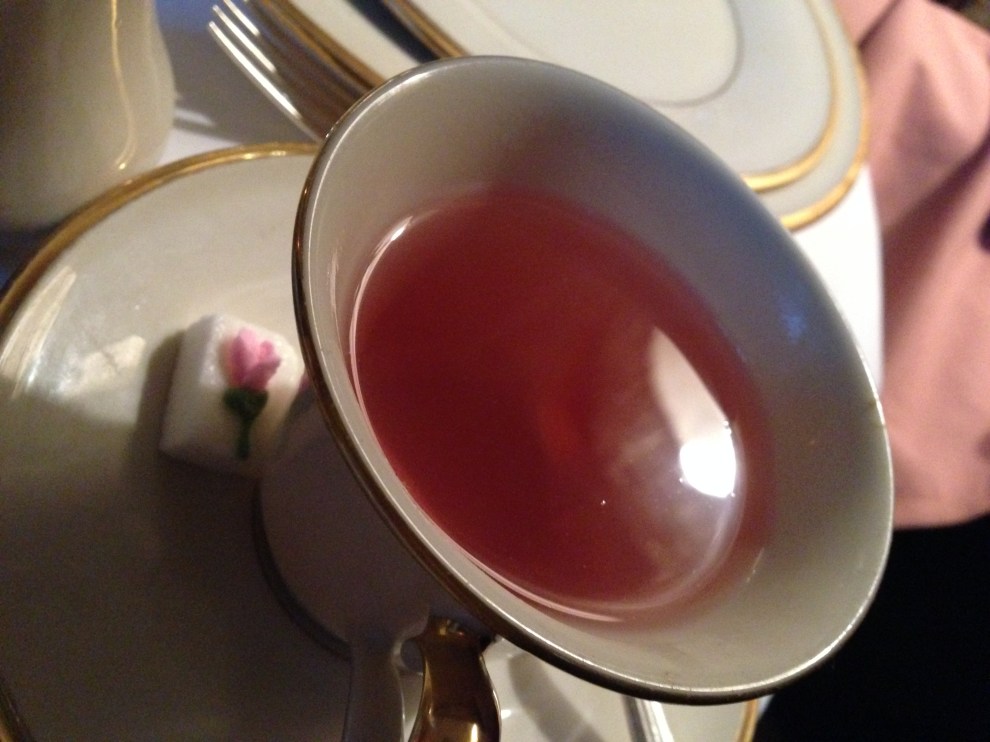
We chose our freshly steeped tea from a menu of 27 varieties. The “Lady Mendl,” which I selected, was hot and heavenly, especially after waltzing for two hours.
teacup

Darjeeling scented with bergamot, it was named after Lady Mendl herself – none other than the society woman Elsie de Wolfe, one of the first people to make her fame as an interior decorator. It’s said she had the expression “never complain, never explain” stitched on her throw pillows.

Elsiedewolfe

There was an amuse bouche consisting of a butternut squash tart with crème fraiche. Tea sandwiches. We were rolling. Everyone in the room appeared happy, or rather, high. High on hot, fragrant tea.

We reminisced about the banyan I made Gil one Christmas. Banyans are the “exotic” silk robes colonial men wore when they were at home at leisure, with their temporarily unperiwigged pates covered in caps.

banyan

There were, of course, scones and clotted cream. I ate some of the cream on a spoon to make sure it was property clotted.

scones

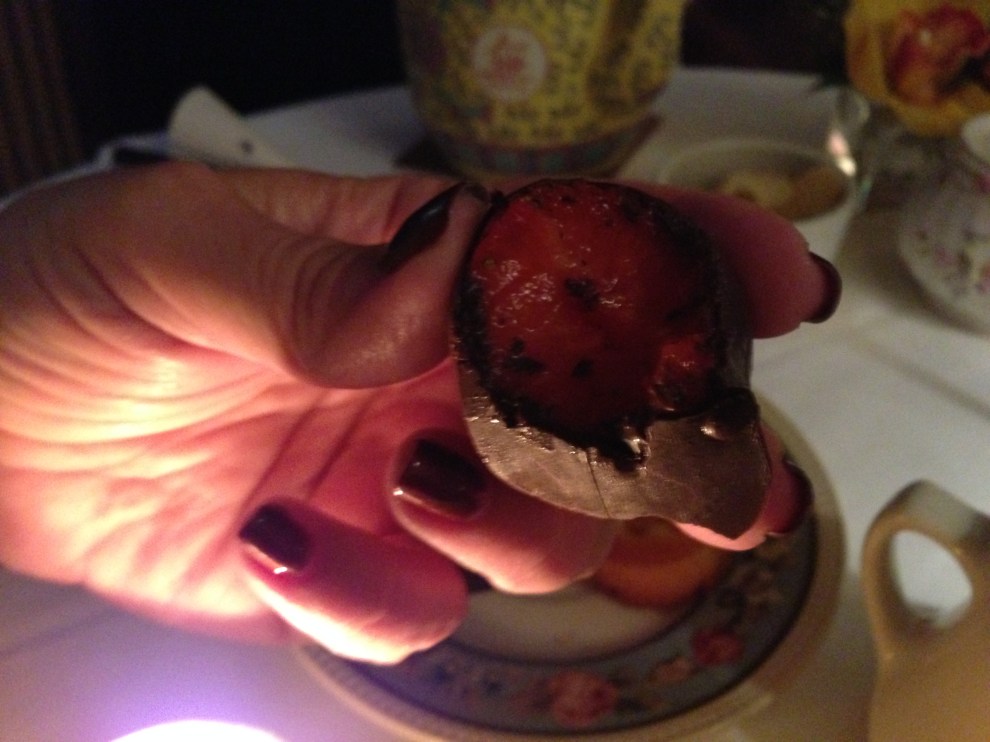
As if that wasn’t sweet enough we had millefeuille cake with more cream, and chocolate-covered strawberries. In my opinion the strawberries are a specious addition, since a century ago you couldn’t get the kind of giant fruit they dip now. Not that I’m complaining.
choc strawberry

“It’s good to do something you don’t ordinarily do,” I opined with Victorian superciliousness. “It makes you grow.”

“It makes you groan,” said Gil, ready to go back to the Cabin, put his feet up and his banyan on.
3 Comments

Filed under Culture, Dance, Fashion, Fiction, Film, History, Jean Zimmerman, Music, Publishing, Savage Girl, Writers, Writing

Author Page Debut

I wanted to let everyone know that I have set up an author’s page on Facebook, where you are welcome to go to discover news about my books both forthcoming and previously published, and also bits and pieces about the literary life, book goings on, tweets, interesting historical phenomena and other things that pertain to my life as a writer.

Please do stop by and “like” the page, and leave a comment – I’d love to see you there.

For the Facebook page, and just because I  hadn’t done so in a while, I came up with a new author photo. I wanted the picture to be less posed, more natural than my past ones, and to have some kind of a natural context.

IMG_8745 revised

Maud Reavill was prevailed upon to record her mother’s image for posterity. I stood in front of Columbia University’s St. Paul’s Chapel, designed in 1907 by I.N. Phelps Stokes, he who I profiled in my book  Love, Fiercely: A Gilded Age Romance. It’s an exquisite Italianate structure, one of Stokes’ finest accomplishments, and the first non-McKim, Mead and White building erected on campus. It’s just as beautiful inside as it is on the exterior, but the light inside didn’t favor a shot. I wrote about the chapel and getting my picture taken earlier this year.

The bricks are old. I am not.

Leave a comment

Filed under Art, Culture, Fiction, History, Jean Zimmerman, Love, Fiercely, Photography, Publishing, Writers, Writing

Children’s Books That Make Us Us

Most of the elegant exhibition vitrines at the New York Public Library’s show The ABC of It: Why Children’s Books Matter stand at a height conducive to adult viewing. And wonderful as the show is, it’s really not a place for children – with the exception of a few nooks along the way offering copies of Goodnight Moon for young ones to handle – but a place for us well above knee height to get sucked back into our literary pasts.

The winding display was chock full of books and objects from the Library’s massive collection, and it ranged over the history of juvenile literature. There were picture books from China. There were vintage, quirky numbers, like The Cries of New-York, detailing children selling “various kinds of cherries” on Manhattan in 1816.

cherries

Another book, from 1727, represented the oldest known copy of the most important English-language primer, with an array of four-syllable words, fornication surprisingly found alongside exhortation.

primer

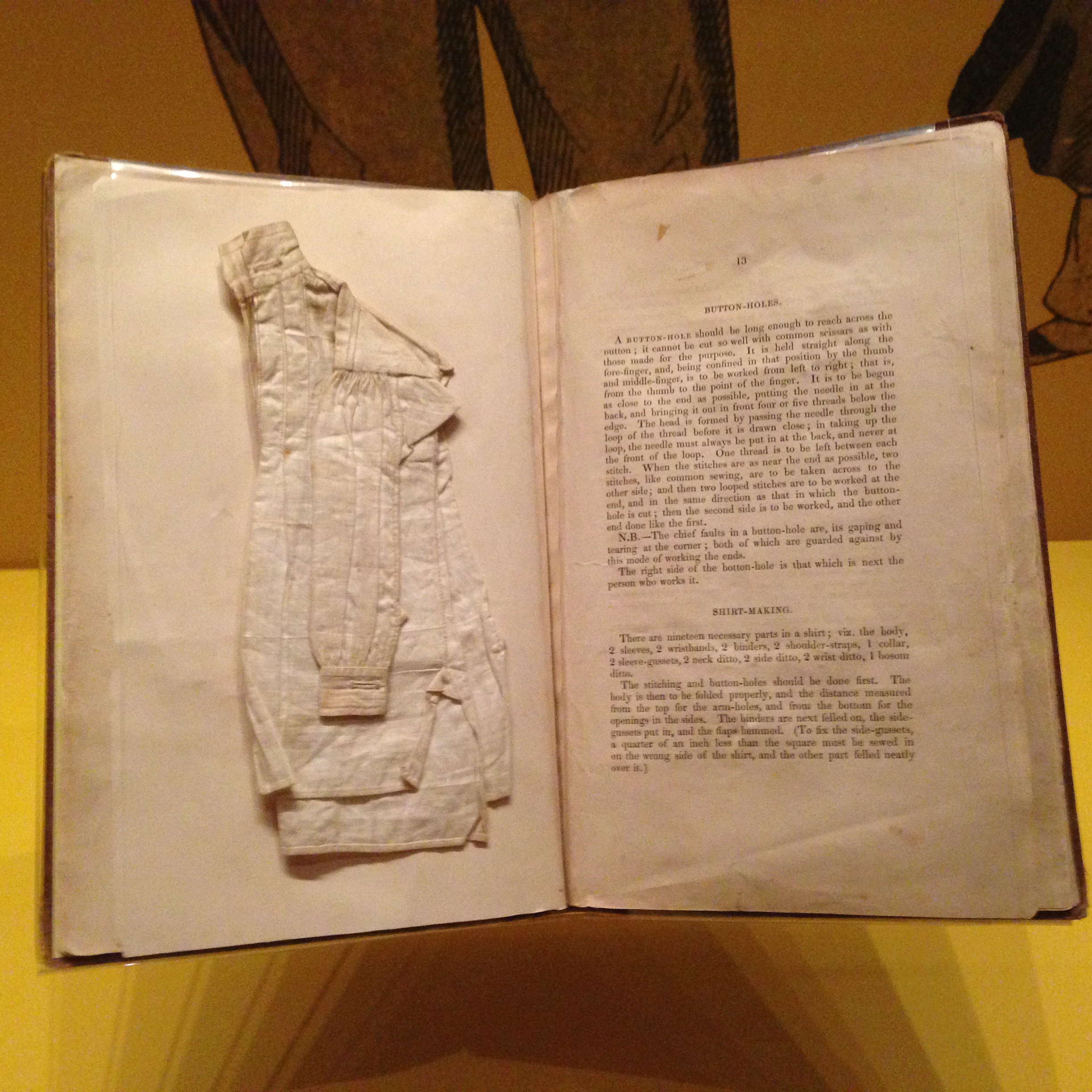
I was interested in Instructions on Needlework and Knitting, from 1847, published in London, whose valuable pages had an actual doll’s dress sewn into the book.

doll clothes

But I found myself gravitating to my tried and true, the darling books of my own important and valuable childhood, when caring people made sure my library was stocked with the perfect pages to make my imagination fly.

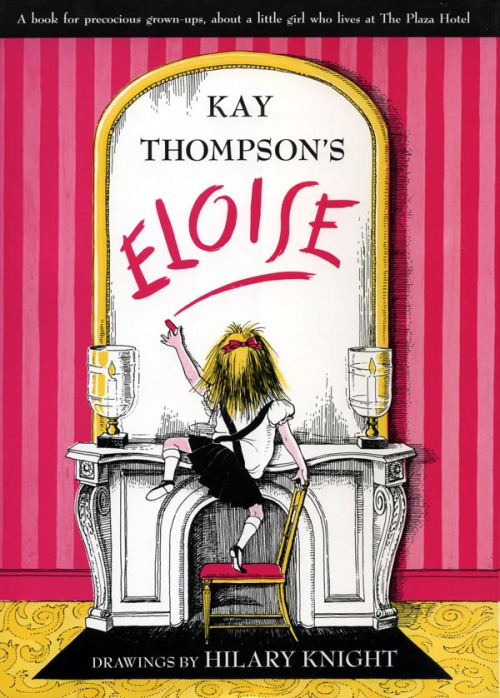
All my old favorites were here in some form or another. I saw sketches by Hilary Knight as he worked up to a published Eloise, with the scamp lying on her stomach facing  her turtle Skipperdee or making an island in the “bawth”. The collaboration between Knight and Kay Thompson was “intense, exhilarating,” I learned.

eloise-cover

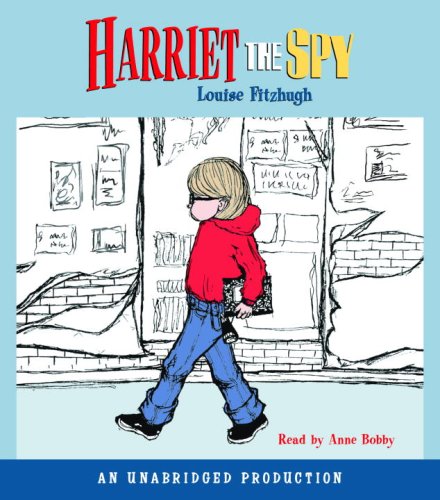
Harriet the Spy, 11-year-old brilliant tomboy, was represented along one wall with a pleasantly tattered copy of the book that could have been my own. That book taught me a lot about what it would take to grow up smart and sly in the world of adults.

harrietspy

The Phantom Tollbooth depicted a land I felt transported to when I was about ten, and going back farther, the Dick and Jane readers drew me in and gave me the creeps simulaneously.

I had forgotten about Ruth Krauss and Maurice Sendak’s A Hole Is to Dig, and the pages on display at the Library touched my heart.

sendak

Harold and the Purple Crayon. Timeless. Ferdinand. Charlotte’s Web: “Some pig.” “Terrific.” E.B. White wrote it while reporting on the founding of the U.N. for Harper’s Magazine, and it was no doubt shaped by a concern about who would save the world. The world he created was of course much more real than a big room full of serious old men.

terrific

I walked about adrift in nostalgia for my books, my bookcases, my bed where I read my books, my family’s club chair where I slouched with my summer pile from the library. “Libraries raised me,” said Ray Bradbury. I remember poring over tales of the creepy Loch Ness monster and the equally terrifying but also funny abominable snowman. I can  relate to Eudora Welty’s memory:

I read library books as fast as I could go, rushing them home in the basket of my bicycle. From the minute I reached our house, I started to read. Every book I seized on, from “Bunny Brown and His Sister Sue at Camp Rest-a-While” to “Twenty Thousand Leagues Under the Sea,” stood for the devouring wish to read being instantly granted. I knew this was bliss, knew it at the time. Taste isn’t nearly so important; it comes in its own time.

I think that when reading I imagined myself to be Mary Poppins in another life (not the children who were her charges) and so I was fascinated to see P.L. Travers’s very Mary-like green-cloth umbrella with a parrot-head handle, and the Dutch wooden doll that served as the model for the magical nanny, which her American editor gave the library in 1972. “My favorite of all!” exclaimed the mom of two girls, who commenced to sing A Spoonful of Sugar.

Mary doll

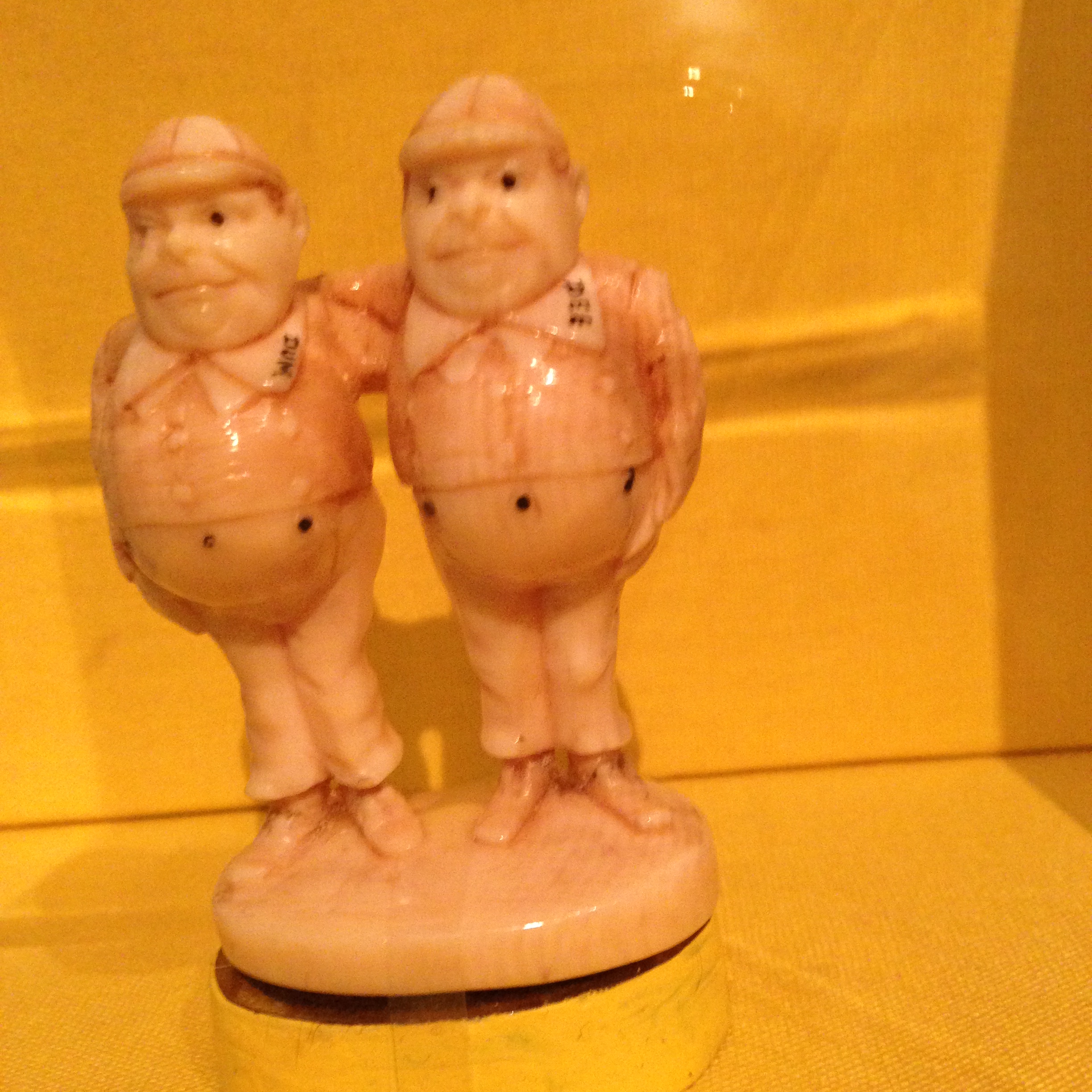
I turned the corner and bumped into another historical nugget, the Tweedledum and Tweedledee parasol handle that Lewis Carroll bequeathed upon the former Alice Liddell, now “Mrs. Hargreaves,” in 1891. The original Alice. She held that ivory in her hand.

tweedles

More heirlooms, including all the original Pooh dolls from the Milne family, which have resided at NYPL since 1987.

I was invited to craft an original story in a Mad Libs vein, with a digital setup on the wall. After I plugged in words, the narration involved a witchy persimmon and an oak turned into a sorrowful seed, reinvented from Hans Christian Anderson’s The Snow Queen. Anderson said, “Life itself is the most wonderful fairy tale.” All fun, but where are the fairy tales? Where are MY fairy tales? The ones I read and reread until the paper book jackets tore.

Oh, there, finally. The Blue Fairy Book. A first edition of the Andrew Lang collection, which had something like a dozen volumes.

blue fairy

Mom, Dad, Grandma—and I think it might have been Grandma—thank you for giving me The Blue Fairy Book, the Red, the Green, and the others, volumes I would crack open to release their dreams, their mystery and passion. Beauty and the Beast, which I read in The Blue Fairy Book, still gives me a shiver.

3 Comments

Filed under Art, Culture, Fiction, History, Home, Jean Zimmerman, Poetry, Publishing, Writers, Writing

To Be a Ghost

Gil is an animal of many and variegated stripes. He writes nonfiction (Aftermath, Inc.Mafia Summit) and fiction (Mockman).

Gil signing

He is also expert at articulating the stories of others as their collaborator. I asked Gil some questions about the process.

Why ghostwrite?

I like to collaborate, because otherwise you’re alone in a room with a computer keyboard. Collaboration relieves that.

How do you help someone tell their story?

I ask them questions, get them to talk about themselves, record the results, transcribe it, and that’s the raw fodder for the book. Sometimes they offer other material, past interviews, diaries, historical records, all of which are good.

You’ve written for athletes, record producers, polar adventurers, and the husband of Susan Smith, the woman who drove her kids into the drink many years ago. Which one was your favorite coauthor?

My favorite is always the one I’m doing now. But I have to say Robert Swan, the adventurer, the only man who walked to both the north pole and the south pole. I like him very much. An incredible environmentalist. That book was called 2041: My Quest to Save the Earth’s Last Wilderness.

robert-swan-4

Are there any tricks of the trade?

I consider myself a success if I disappear in the prose.

Tiki Barber BookWhat determines if you get credit for your work?

I don’t think it’s important. I always believe that the people who should know I have written the book will wind up knowing, i.e. editors and agents. I’m proud of my “with”s, that’s the terminology you use when as a ghost you get a “with Gil Reavill” credit. And I’m also proud of my uncredited ghostwriting.

ruthless

What are you working on now?

I’m not at liberty to say.

Will it be a big book?

It is a big book.

I’ve written books for angry black men and I’m a timid white boy. I’ve written books for egocentric women and I’m a zelig male. To reach across the membranes of self to enter into another person’s reality is an enjoyable novelty.  The metaphor I use to talk about my ghostwriting work is a lawyer and his client. I’m there to give somebody the language that they might not have otherwise. Or I’m perhaps in some cases there to speed up the process, to allow someone to write a book in one year what it would take them ten years to do without me.

What do you think that ghosting has done for your own creative work?

Ventriloquism is always part of the creative process, even in nonfiction. What did Kafka say? We need an ax to break the ice between us. Creativity is the ax.

Franz-Kafka

What does that have to do with the question?

What is the question?

We’re all separate souls and creativity builds the bridge, whether it’s between two real people or an author and a created character. There are still bridges to be built.

3 Comments

Filed under Culture, Fiction, History, Jean Zimmerman, Publishing, Writers, Writing

Making Change

It’s a good day for working. I just finished proofing the third pass Savage Girl galleys. Found some periods and commas that persisted perversely in the manuscript despite everyone’s best efforts. A few tiny, tiny changes make all the difference. If. You. Ask. Me.

Yes, it’s a good day for scrunching your forehead and working. Especially if your work is being on the lookout for deer.

scrunch

But isn’t it a better day for rolling in the grass? Those fallen leaves add a toasty texture to a run-of-the-mill back scratch.

O rolling

Closer to waist level, the sun warms the fall berries. Where do they come from? The landscape has changed. All of the sudden they’re there.

red berries

Then there are the last of the morning glories, though they don’t know it. The deer have already had at most of their leaves. Soon the blooms will fold up their tent.

glories

They mirror the arching sky. Contrails: someone’s going someplace.

blue sky

The morning glories unfurl for just a single day. Their only work is being beautiful.

This morning I revamped the front page of this site, and I invite you to visit. To improve is to change, said Churchill. To be perfect is to change often. I don’t know that I change often enough or dramatically enough, but I’d like to try something new.

For one thing, I’m settling on an up-to-date author photo. Not quite sure, but this one’s a strong possibility.  I like it because I seem bemused. Which I often am.

IMG_8745 revised

2 Comments

Filed under Dogs, Fiction, Jean Zimmerman, Nature, Photography, Publishing, Savage Girl, Writers, Writing

Dam It All

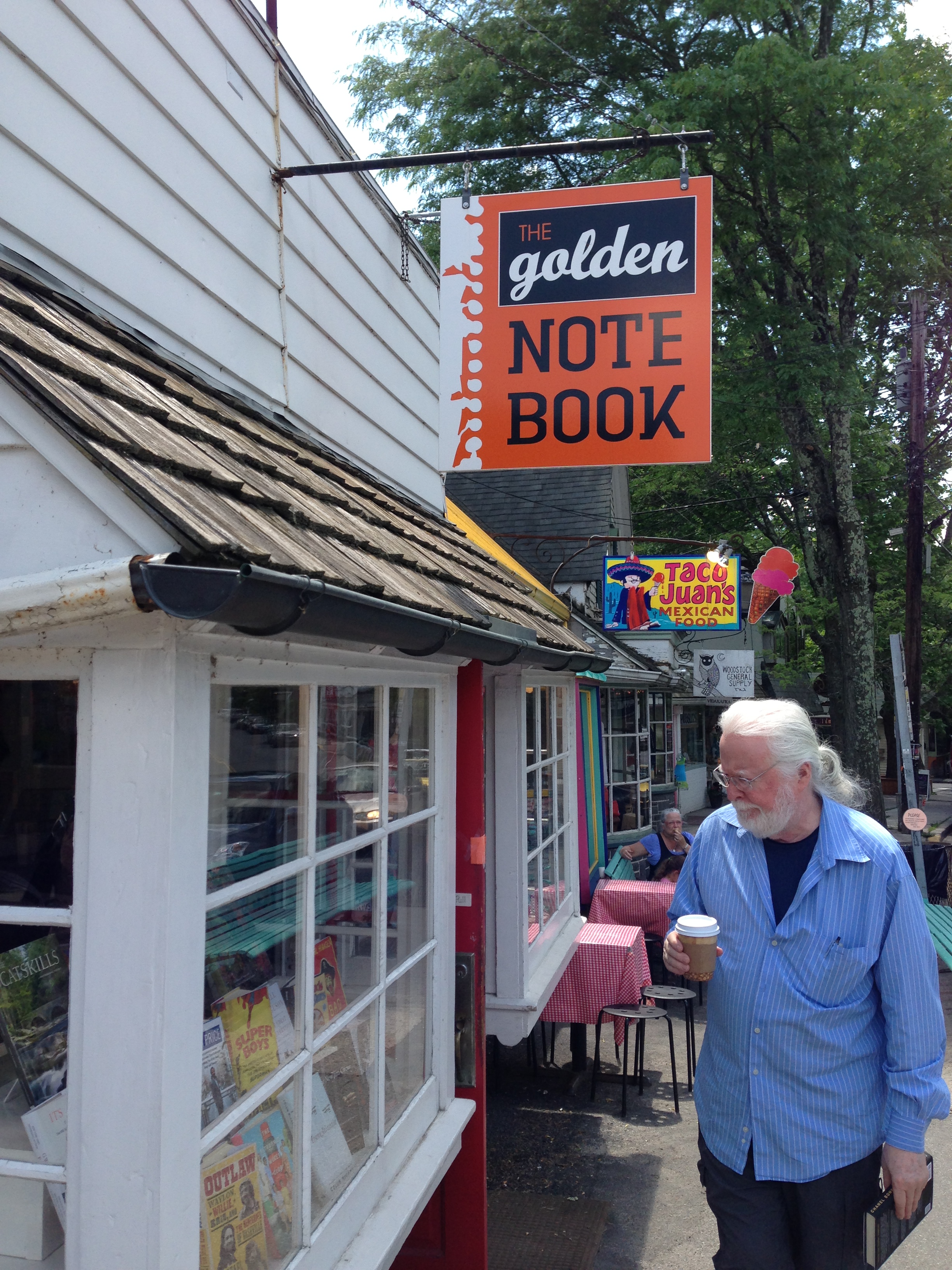
Friends in the audience, new and old. We met together upstairs at The Golden Notebook in Woodstock, New York.

golden notebook

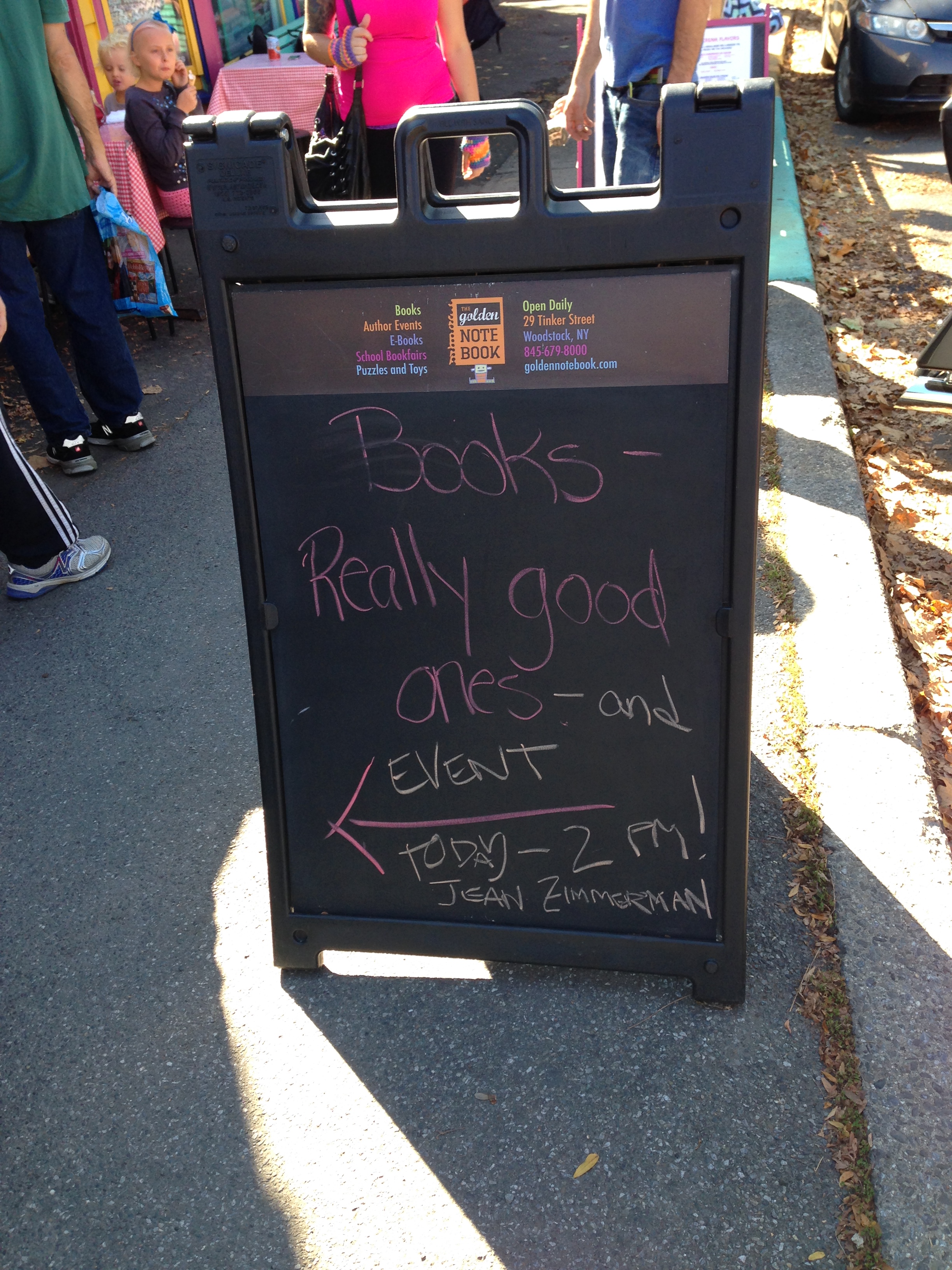
It was a warm autumn day outside, and everything had that sun-burnished appearance. In the middle was a sign that beckoned: come inside, come inside, come inside.

store sign

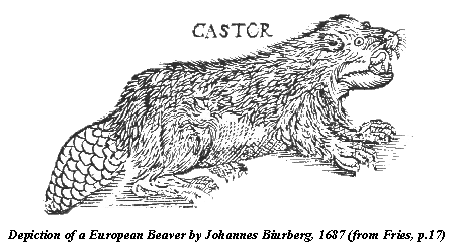
Afterwards I wondered just what it was that made me so fascinated by beavers that I hold forth about them in every talk I give about The Orphanmaster.

beaver1687

True, not enough has been said about beaver.

New York was built on the foundation of the shaggy, rotund rodent with the frying pan tail.

The animal was easily trapped by Native Americans in their winter dens. The pelts were then traded with Europeans for copper, guns, rum, which was called “English milk.”

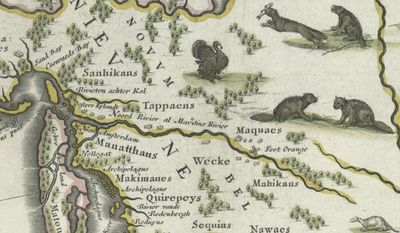
Cartographers dressed up their work with the animals.

Fur_Trade map

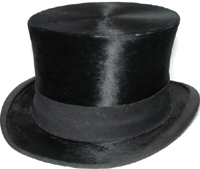
Everyone wanted to know where the beavers were. In the 1600s, traders sent hundreds of thousands of pelts back to Europe. The sole reason for this huge trade? Beaver hats.

Beaver felt

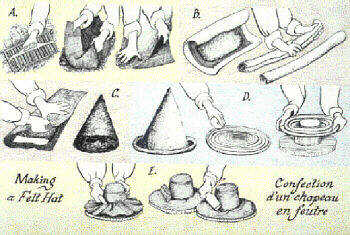
Not made from the fur proper, but from felt made from the fur, an extraordinarily complex process that involved a heavy dose of mercury, the chemical that made the Mad Hatter mad.

making_felt_hat

The felt was waterproof in an era before umbrellas. It was glossy, sturdy. The beaver – so the beaver hat was called – was the essential accoutrement for men and women of Europe. Everyone who could afford one had one, or two, or three. Beavers were bequeathed in wills.

painting of hats

In The Orphanmaster, everyone would have worn a beaver, even the women. All kinds of styles were available. Blandine, the protagonist of the story, is bent on getting rich buying and selling beaver pelts to Europe, venturing out into the woods to make her trades with Indian trappers.

Later, my friend Lloyd led us on a beaver hunt. Not to capture the animals but to see their impressive lodges.

Lloyd at his pond

Down the hill from his house was a magical if uneven path.

magic if uneven

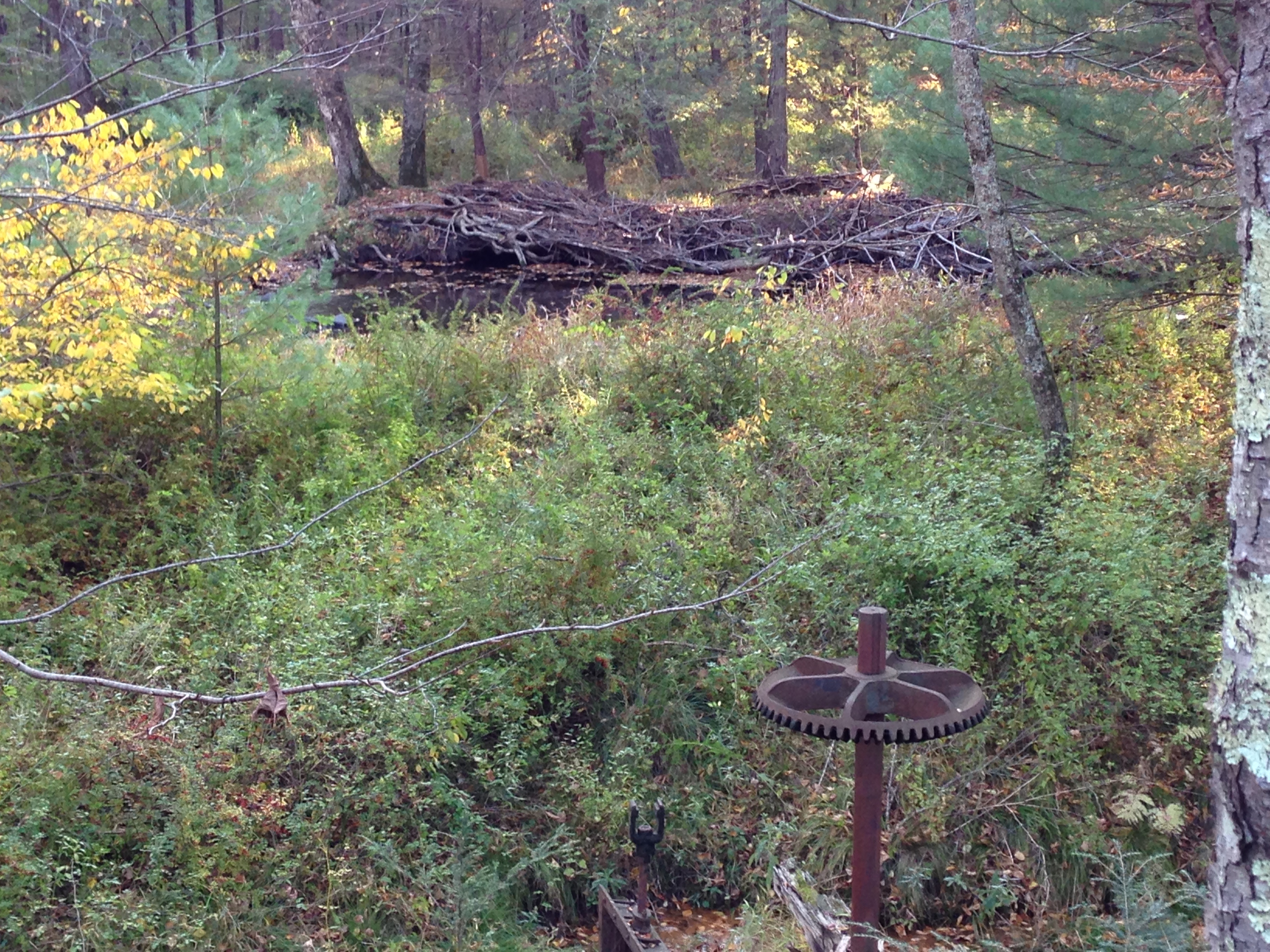
Far in the distance, across the pond, we could glimpse the rodents’ handiwork. More sun-burnishing.

distant lodge

A ways down the road,  the ruins of an ancient lumber mill.

mill:den

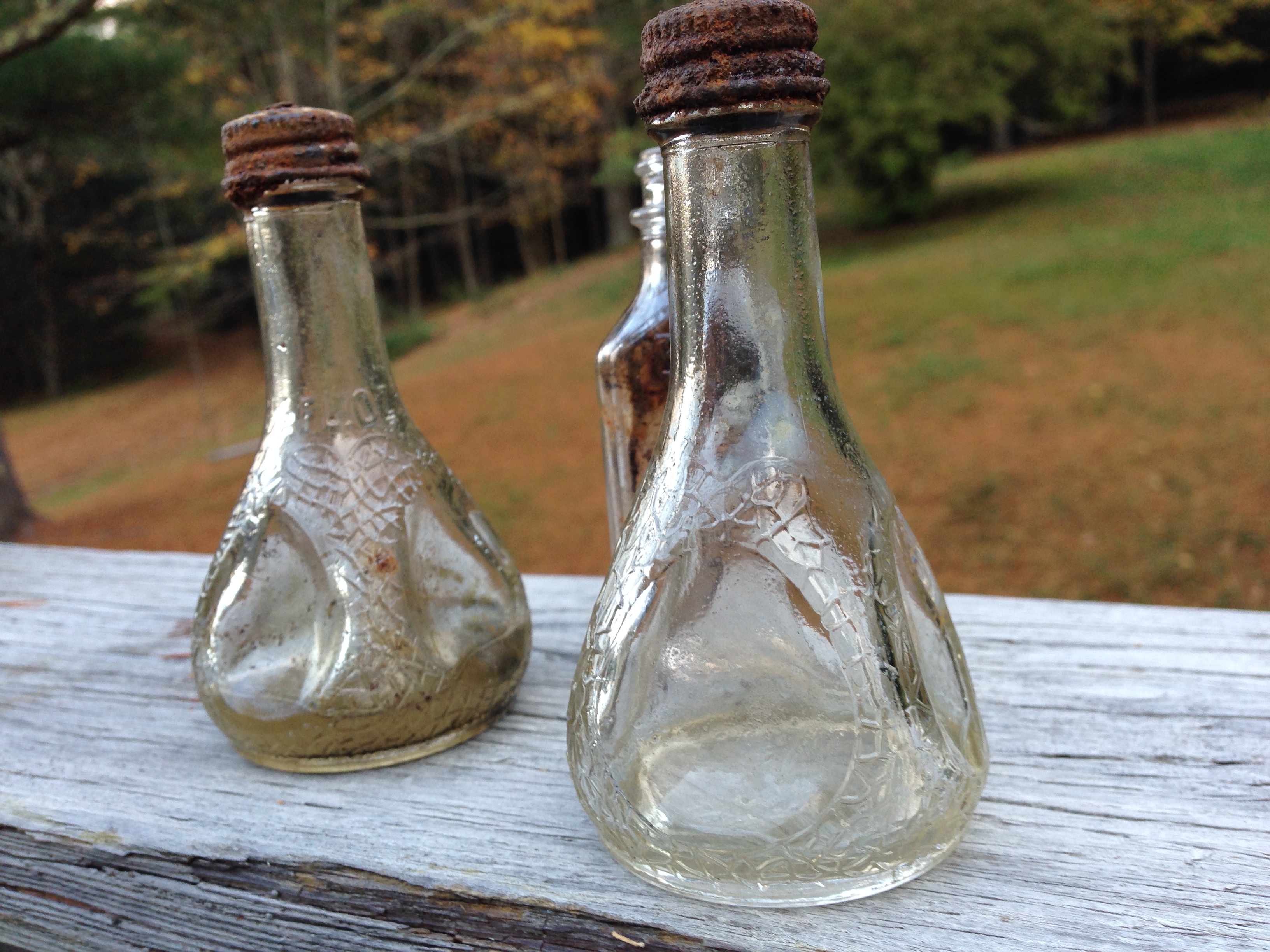
So much history of this area, the Catskill region of upstate New York, is a stumbleupon away. Like the antique bottles Lloyd’s daughter Alice excavates from the woods behind their house. Also in those woods, black bears rumble around, tearing open rotted logs to get at the creepy crawlers within.

old bottles

We saw one more lodge at Yankeetown Pond — to the right, below. David Bowie owns the mountain above. Probably has befriended a few of the beavers over the years. Like to come up for a drink? I’m Bowie.

Yankee

The finest specimen of the afternoon stood just to the side of the water, a gnawed tree that had clearly been someone’s snack.

beaver post

The beaver population was hunted out in the seventeenth century in these parts and is only just coming back today in earnest. They found one at the Bronx Zoo a few years back. No one could understand where it came from. Its name, they decided, was not Ernest, but Jose.

6 Comments

Filed under Culture, Fiction, History, Home, Nature, Photography, Publishing, The Orphanmaster, Writers, Writing

The Golden Notebook in Golden Fall

Tomorrow will be a perfect day to take in the leaves upstate as they color up. If so much natural beauty wears thin and if you happen to be near Woodstock, New York, consider coming to The Golden Notebook for my 2:00 talk on The Orphanmaster. Signing copies, too. I know there are excellent lattes down the street and I’m pretty sure the nice people in the store will allow you to nurse one in in a  paper cup while you sit back and enjoy my slide show — lots of nuggets about the way people, places and things looked in 1660s Manhattan. The raging beaver trade. The fashion of men in red-heeled pumps. What was it actually like, anyway? New York before it became New York. Imagine.

visscherDetail2k

Please do come. I’ll be up on the second floor.

4 Comments

Filed under Art, Culture, Fashion, Fiction, History, Jean Zimmerman, Nature, Publishing, The Orphanmaster, Writers, Writing

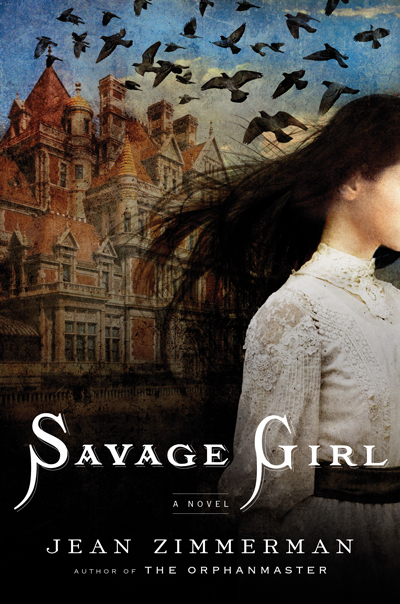
Adding Savage Girl to the Mix

I opened a new page on this site for Savage Girl yesterday… for now you can click on the tab for a description of the book, but more will come so stay tuned. The novel will be out in March 2014.

Savage Girl cover 3


I’m going to do some refreshing, refurbishing and rejiggering of the site also in the near future. As always, I welcome comments as well as suggestions for what you’d like me to cover in this personal magazine!

5 Comments

Filed under Culture, Fiction, Jean Zimmerman, Publishing, Savage Girl, Writing

The Flash Mob in My Mind

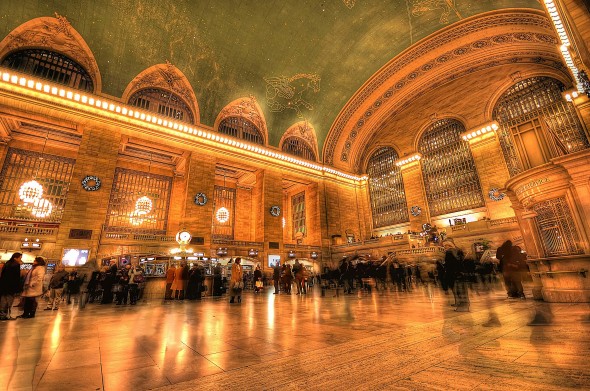
To and fro they go, all the busy, self-involved commuters. A long day at work, the usual stresses, rushing home to other responsibilities. Set faces, hurrying through Grand Central Station with barely a glance at the reaches of fluid, majestic marble, the astronomical ceiling, the hundred-year-old intricate architectural features of the main concourse.

grand centrl

Then along the slick stone floor skitters something – what is it? – a human form, not walking upright but rushing through on all fours.

harry-b-neilson-feral-child-drinking-with-wolf-cubs-3-of-5

People stand back. The human animal races pell mell all around the place, knocking into briefcases, brushing peoples’ knees. It becomes clear gradually that underneath the tangled hair and plain white shift this is a wild girl of some kind.

Voices pipe up throughout the concourse, first a few, than a chorus, and people begin stepping through the crowd, toward the center of the space, in high Victorian dress. The men have top hats and frock coats, the women wear sweeping gowns.

victorian-dresses-3

They are harmonizing a strange, old fashioned tune, a dance-hall melody with unfamiliar lyrics.

Grand Central commuters halt in the path to their gates and listen. The music swells. A cello flight emerges out of nowhere.

The savage girl skitters out of sight.

As the song continues, the throng of singers parts. Suddenly, just under the constellation of Pisces we see the savage girl, now transformed into a young woman, gliding forward,  fully upright. She is dressed spectacularly in a pearlescent floor-length dress with a train, long cream-colored gloves, glossy hair, décolletage.

victorian-era-dress

The Victorian assemblage turn to her and she joins in their melody for the final verse.

Then, as quickly as they appeared, the players vanish. Savage Girl is perhaps the last to go, and gazes one final time out at the crowd with a beautiful but remote expression on her now civilized face.

I had a conversation with my literary agent about ways of introducing Savage Girl to the world come March. I got off the phone and fantasized about a Victorian flash mob starring our girl. It might never come to be, since Grand Central is full of armed homeland security folks and german shepherds, but wouldn’t it be fantastic?

4 Comments

Filed under Art, Culture, Fashion, Fiction, History, Jean Zimmerman, Music, Publishing, Savage Girl

Melancholy and Industry

On it comes, fall, my favorite season (do I say that every season?). In yoga class today, when we did the tree posture, holding up our arms and crooking our legs, I looked in the mirror and everyone actually looked like bare-branched autumn trees. A human forest.

Things to do to jump into fall. Pull the late season carrots, whiskery and somewhat cork-like.

carrots

At the same time, admire the mess the deer have made denuding the garden. How did they pull all those bell peppers from the plants so delicately, leaving the plants intact? They left the one sunflower standing, hanging down its giant brown head.

sunflower hanging

Make plans to attend a show – we don’t do the theater too much but Romeo and Juliet is rolling onto the boards for the hundredth time, this time with movie cutie Orlando Bloom, and we’re gonna hoof it to Broadway. Maybe I’ll even be able to pull on some shoes, with a healed, streamlined foot.

romeo

What else, in fall, what are the timeworn threads of coziness you begin to weave back into your life? Put fresh sheets on the bed, the flannel ones. Shake out the comforter that’s been shoved in the closet all summer. Burrow in.

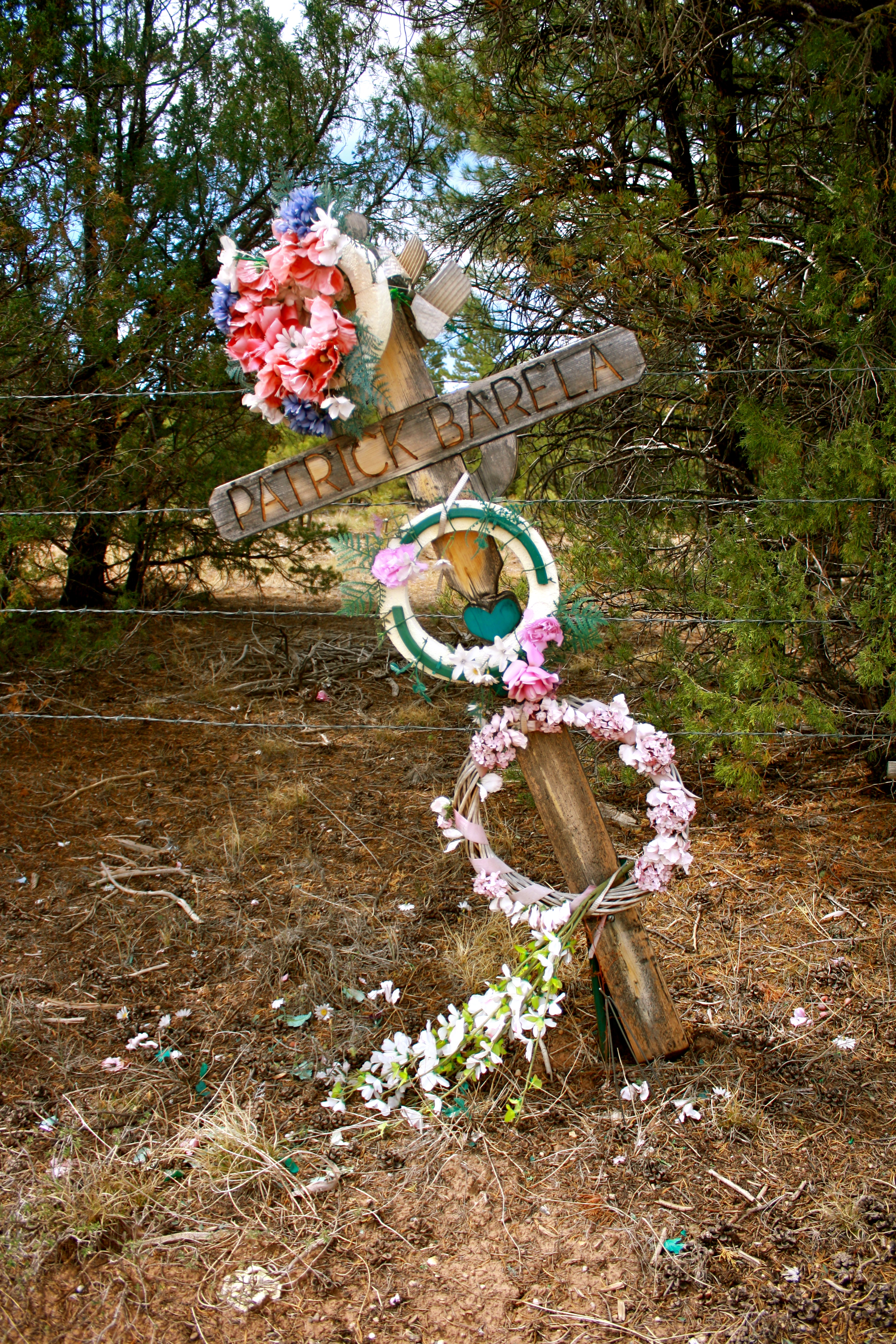
Read the first college paper of the year, if you’re lucky enough to have a student nearby. Maud’s concerns a melancholy subject she’s been attacking for her anthro major, the proliferation of descansos, roadside shrines in New Mexico. Her photos of the sites are filled with a lonely beauty.

maud shrine

The comic Louis C.K. plumbed the topic of melancholy on Conan O’Brien recently and I loved what he said about the “fall back to school depression feeling,” how he was driving in his car, listening to a Springsteen tune on the radio, getting that “forever empty” feeling, that “knowledge that it’s forever and you’re alone.” It’s a mental state I remember so well from college, and also bouncing back with insane gladness, that as Louis said “you’re lucky to have sad moments.”

Louis-CK-hosting-SNL-fun-Saturday-Night-Live-Hurricane-Sandy

Two things from college that I still resonate to all these years later, melancholy and industry.

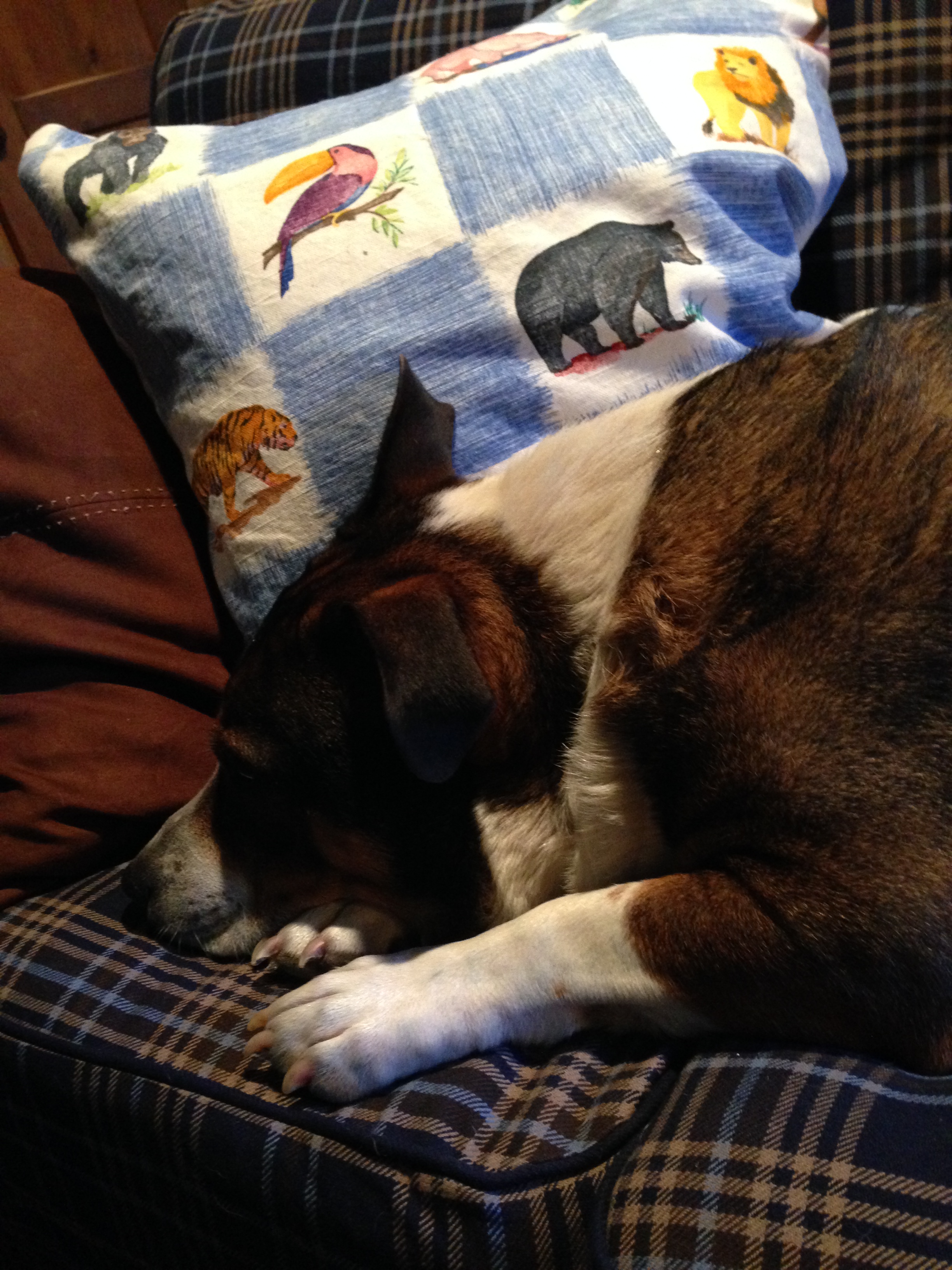
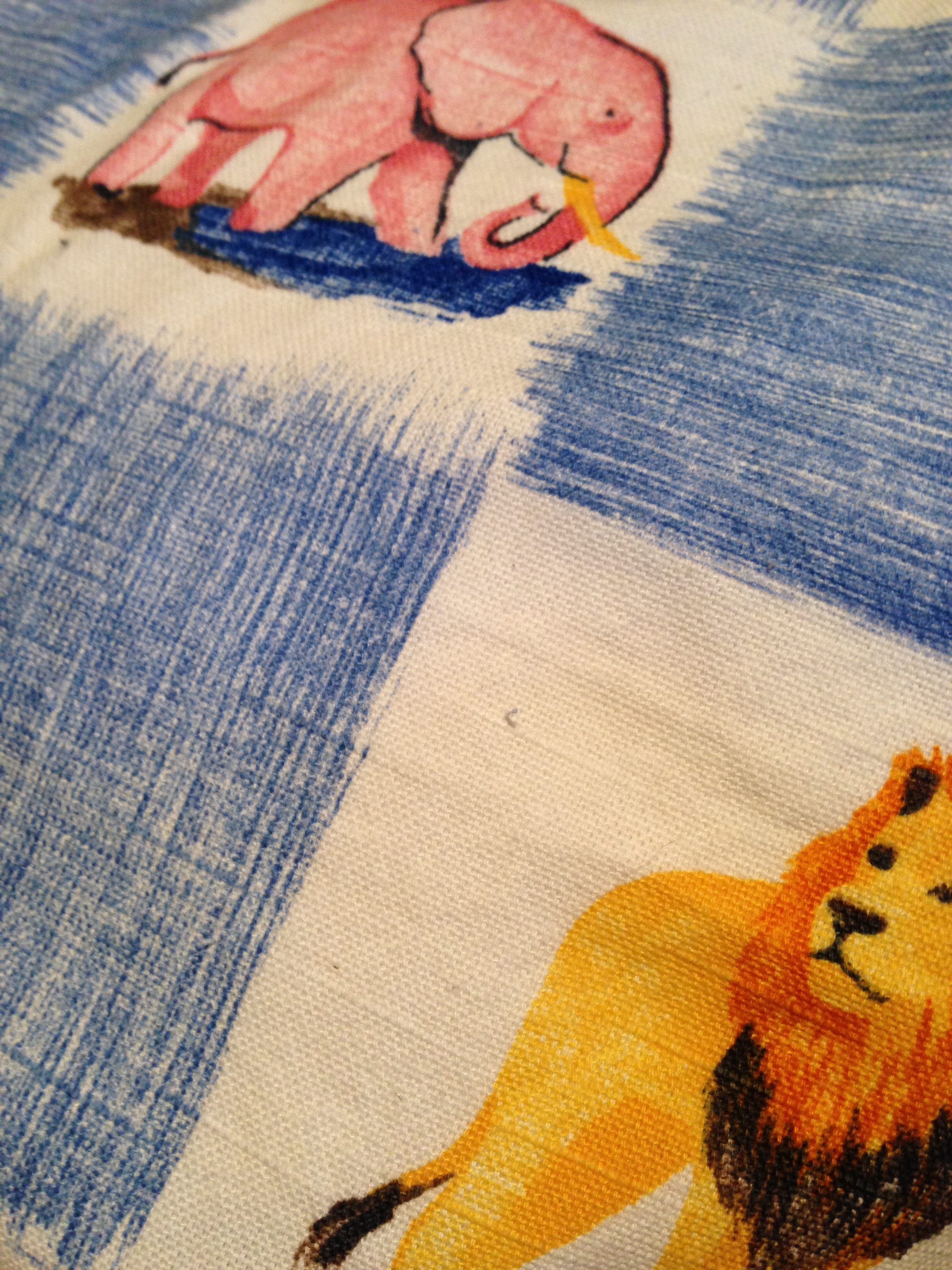
So in fall, when it gets cold and lonely, make something. Get out the trusty sewing machine, unearth some ancient fabric, make a simple pillow cover. One that Oliver will cuddle up to.

dog pillow

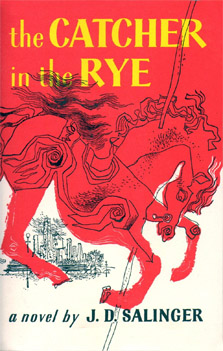
Read a new book, or revisit an old one. It’s a good time to take another look at The Catcher in the Rye – sure, an old chestnut, but with a Salinger book and movie coming out a good time as any to see if the author’s a genius or a shnook. Or both. And he knows from melancholy.

Rye_catcher

Nourish yourself. I’m stewing beef with onions, those garden carrots, garden onions and beer, not wine, because that’s what I have in the house. And fall’s about what you have in the house.

pillow fabric

4 Comments

Filed under Art, Cooking, Culture, Dogs, Fiction, History, Home, Jean Zimmerman, Nature, Photography

A Silver Signature

I made a mistake. After all my talk of streamlining my library, tossing out the old, letting in light, I winnowed too much. Books, as I wrote a few days ago, are not just about reading, but about your relationship with the volume, your history with what you hold in your hand.

I nearly threw away some vital history. After packing that big old box with dozens of titles and dropping it at the local branch library, I went home feeling liberated. My shelves were mine, filled with awesome novels and nonfiction, all the collection dusted and shiny.

Around midnight yesterday, my eyes popped open. I remembered that amid the floods of paper and cardboard around me I had held a silver-foil-covered book in my hands, turning the pages. As I stood there, I recalled reading it. Stieg Larsson’s The Girl Who Kicked the Hornet’s Nest. I’d liked it. I was over it, though, now. Into the box with the others.

the-girl-who-kicked-the-hornets-nest-by-steig-larsson-21673c0b76b9b418

But with the wee hour night thoughts closing in, I now remembered something else: a name on the first page, a small, careful signature in blue ink.

The name belonged to a friend of mine, who had presented the book to me when I was rehabbing after hip surgery three years ago. She had bought me the other two novels in Larsson’s series in paperback, but this one, in silver foil, a hardcover, belonged to her. I want that one back, she told me. We sat together in this dungeon-like rehab center, the unattainable sun outside the windows. She was one of the few friends who made it all the way there. When she left I gobbled down Larsson’s energetic creation, his tattooed girl, one volume after the next, in a slight haze of percocet, finishing the long, twisted, potent narrative before my two weeks of healing were through.

Not long after she gifted me with the Larsson trilogy, my friend passed away. Breast cancer took her way too soon. I kept the silver-foil-covered book she’d loaned me on my shelves, by now forgotten under a stack of other books. I want that one back, she’d said.

This morning I drove to the library where we’d left the giant box. The books had already been brought to a back room for sorting, the reference librarian said. We’re so sorry, she said, consoling me for the loss of the book. I felt I should be apologizing for causing so much trouble. She led the way back. Gil and I searched and searched, through stacks of hundreds of books. No silver foil. That tiny little connection, through a pop novel gift of my friend to me, had floated into the ether, and I wouldn’t see it again.

Driving home, my phone rang. The library. We have your book. Come back.

And so I reclaimed the silver foil – it had already been put on the sale cart – and brought it back to my home library. First, though, even before getting in the car, I cracked the spine and inspected the first-page signature. The hand of my friend, extending out of a book.

3 Comments

Filed under Culture, Fiction, History, Home, Jean Zimmerman, Publishing, Writers, Writing