“Kill your darlings?”
I was talking with a nonwriter about revising my Savage Girl manuscript, about the small cuts my editor had gently suggested would improve the narrative.
Kill does sound pretty violent. And why would you want to kill a darling?
It’s a well-established dictum, something of a cliché at this point. Widely attributed to William Faulkner. (So we know it’s not necessarily about chopping up long sentences.)
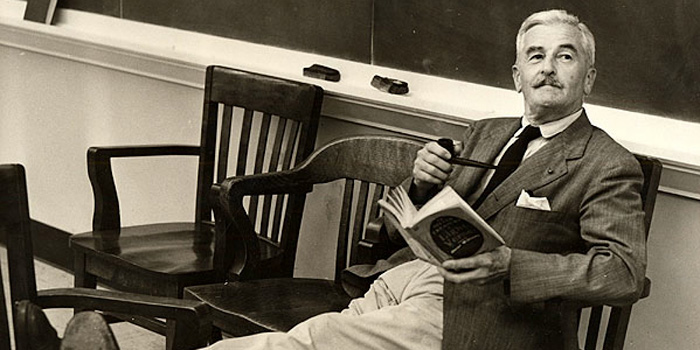
In writing, you must kill all your darlings.
It may be apocryphal, since I haven’t ever located the story behind the saying.
Faulkner would seem to have adapted the sentiment from a once-lionized writers who has since become fairly obscure.
Sir Arthur Thomas Quiller-Couch (1863-1944) was a British gentleman who published under the pen name of Q. Fiction, poetry and criticism flowed from his pen, but probably his best-known work was the Oxford Book of English Verse, 1250-1900. He also translated fairy tales from the French.
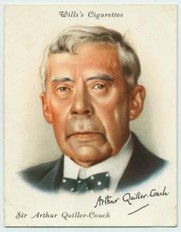
It was when discussing style in his 1916 publication On the Art of Writing that Quiller-Couch proposed the idea that style “is not—can never be—extraneous ornament.” Instead, he advised the following rule:
Whenever you feel an impulse to perpetrate a piece of exceptionally fine writing, obey it—whole-heartedly—and delete it before sending your manuscript to press. Murder your darlings.
Before Q came Samuel Johnson, who urged, Read over your compositions, and wherever you meet with a passage which you think is particularly fine, strike it out.
Stephen King jumped on the bandwagon more recently. In his 2001 book On Writing, King told writers to kill your darlings, kill your darlings, even when it breaks your egocentric little scribbler’s heart, kill your darlings.
But what does the riff mean, anyway? What does it mean for me, as I’m sitting here deciding whether or not to strike, for example, this passage:
Stepping into the lift, I had craned my head up to the purple sky above me, with just a dusting of stars emerging. Below, the blacker pit.
Perhaps cut this? asks my editor. The narrator is stepping into an elevator that will take him down a mine shaft.
Elmore Leonard once said, If I come across anything in my work that smacks of ‘good writing,’ I immediately strike it out.
The idea is that a bit you’re especially proud of will stand out as self indulgent and ruin the piece. Go to writing books, writing teachers, and so-called experts on the web and you will find any number of elaborations on this theme. One editor says, “darlings are scenes or sections that are fantastically written, funny, evocative…but don’t belong. They don’t move the story forward, or they repeat stuff we already know, or they cause problems with pacing, conflict, or characterization. And they are hard to eliminate. The fantastic writing, wit, and emotion blind us to the truth.”
A computer programmer applies it to code, saying, “If it turns out to be overwrought or too slick for the need, you should probably kill your darling and replace it with an ordinary solution that others can actually use, and not just marvel at.”
Darlings are the little pieces of glitter, the tinsel that the crow felt so proud to weave into her nest, but that turn out to be a distraction to everyone else.
I’m reminded of a word a friend of mine once coined to describe inadvertent foolishness with an overlay of conceit. Fardo, she called it. You think you’re being so smart but what you’re doing is overreaching and laughable. If I leave in that passage about the purple sky and the dusting of stars, will I be fardo?
Quick, don’t all speak up at once.
And yet. When you like something you wrote, when you feel good about that glitter you found – and doesn’t the glitter help hold together the nest, anyway? – won’t it appeal to someone else, to a reader?
I find another piece of Faulkner’s wisdom a bit more inspiring when it comes to writing or rewriting. Something he didn’t crib from an earlier author.
All of us failed to match our dreams of perfection. So I rate us on the basis of our splendid failure to do the impossible.









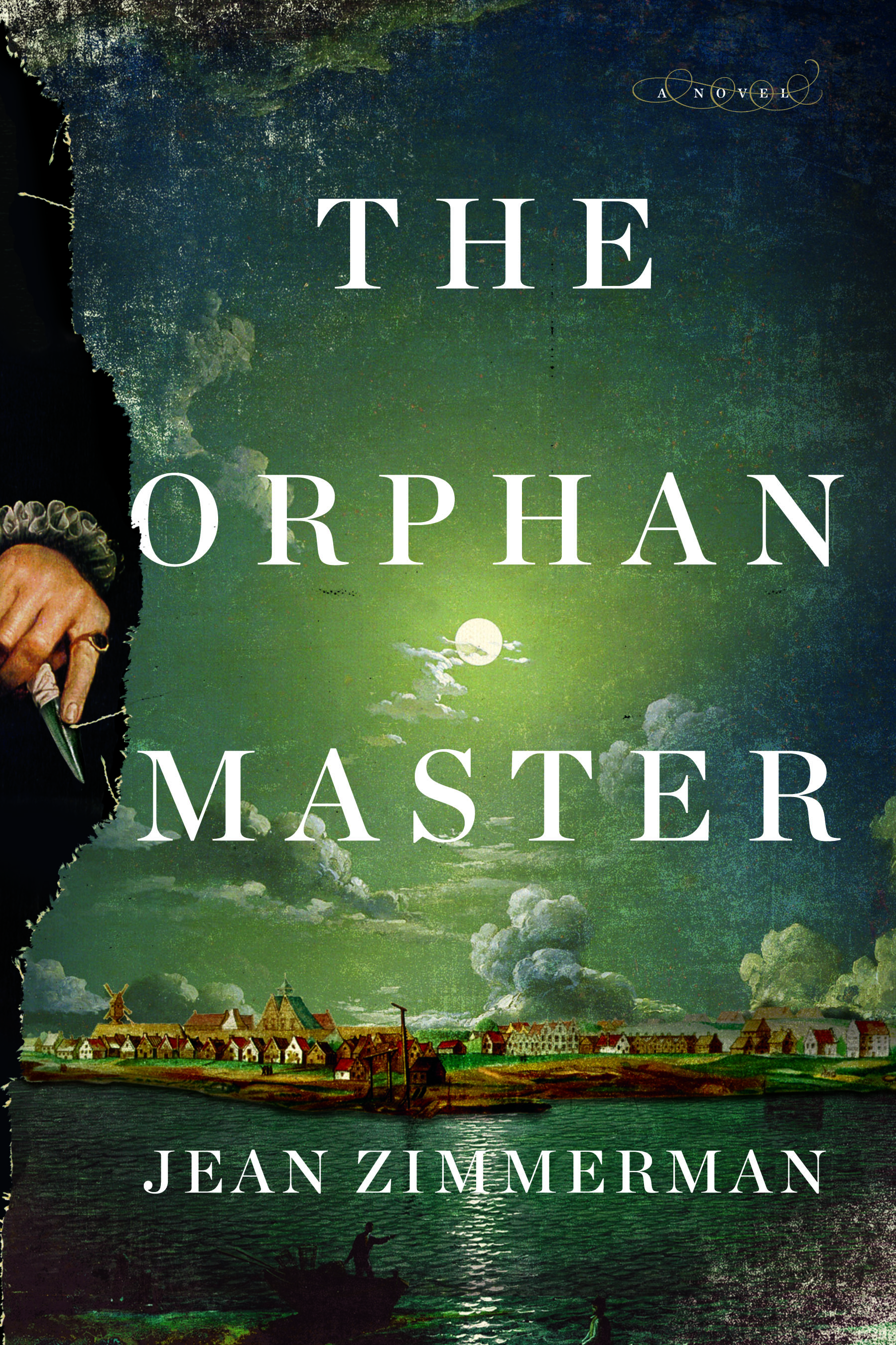


























 Jean Zimmerman