Category Archives: Writing

Reading a Golden Book

I must have been pretty young, because it was Golden Books we were after.

Poky Little Puppy

Me and Auntie, stopping in at Brasfield’s drug store in Greenfield, Tennessee on a muggy summer afternoon. Auntie, my great aunt, was an important lady, a home economics teacher whose house stood in a field of green beans. I had her all to myself when she took me to buy a book.

Auntie copy

Auntie’s father, J.P. White, another important person, owned the drugstore, smack in the middle of Front Street, just across from the sober-faced local bank. J.P. had long been the town’s pharmacist, as life-saving as anyone with a doctor’s degree in this doctor-less town.

Brasfield’s had fancy floors of black-and-white half-dollar tiles, a grand soda fountain where my grandmother, Auntie’s sister, had jerked sodas as a teenager, tables topped with marble, coca-cola chairs. Body powder and lotion and perfume lined the shelves, making Brasfield’s the place to go when you needed a present for somebody special.

soda-fountain-bottled-waste

And most important, right up at the front, a wooden rack with magazines and books. Golden Books.
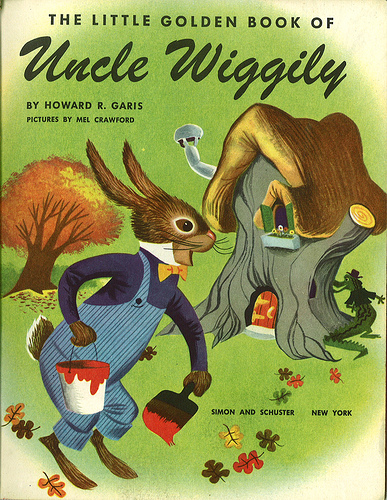
Uncle Wiggly

I’d get to choose one, take it back to hunker down with in the little living room Auntie shared with Uncle Bob or on the vast wraparound porch of my grandmother’s house, on the creaky glider.
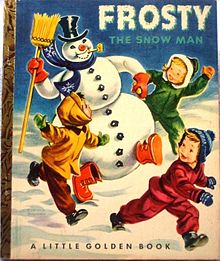
Frosty

Picking a Golden Book was my first experience of picking a book, choosing for myself what book to bring home from the cluttered selection in a store. My idea of what I wanted to read. No one else’s.

I thought of a hot summer day with Auntie and The Poky Little Puppy when I read a lovely essay by  Rebecca Makkai   in Ploughshares Literary Magazine. She writes in How to Shop at a Bookstore: An Easy 20-Step Guide for Authors 

about what happens when an author enters a shop, the jitters and the excitement that go with knowing that your name actually appears on one of the thousands of volumes there. One thing that happens is thinking back to bookstore of yesteryear. She writes:

“First, smell it. Look at the new arrivals, lined up like candy. See if, for just one second, you can remember what it was like to walk into a bookstore as a reader. Just a reader, a happy, curious reader. With no agenda, no insecurities, no history of bookstores as scenes of personal failure and triumph. Wish for a time machine.”

I recall patronizing the great Strand Bookstore on 12th Street and Broadway back thirty years ago, the smell of the paper, the sense that I could find absolutely anything there. Having known and loved the store so long made it thrilling when I found my own book there.

strand

I was delighted to read Makkai’s fresh and honest perspective.

She talks about other parts of the experience authors have in temples of literature, commercial as they are. Such as turning your book around so that shoppers see the cover rather than the spine. (Spine, by the way, is one of the simpler terms that come into play when discussing a book. For more on attributes such as wire lines, chain lines and head-pieces, take a look at 10 Terms to Describe the Anatomy of a Book

 Makkai, whose authorial experience includes the novel The Borrower (Viking, 2011) and numerous short stories, writes about the decision that’s in store for you once you get over the shock of finding yourself on the shelf.

RebeccaMakkai

“There are two copies. If there were only one, you could walk away right now. Because, you’d tell yourself, it might be sad to offer to sign their one and only paperback copy of your book, a copy they were probably planning to return to the publisher tomorrow. A copy they probably ordered by mistake. If there were five, with a lovely staff pick card right below, you could waltz confidently to the counter. But you have to do this. Because it helps the store, and it doesn’t hurt you either. And everyone knows that this is how you build relationships with booksellers.”
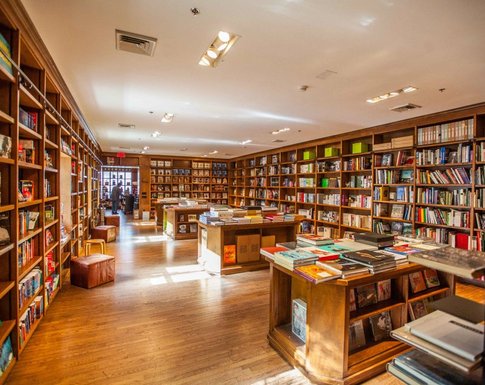
slideshow_std_h_417216_491934997486728_2085187251_n

And she’s funny talking about approaching the checkout to sign those copies: “Thank god there’s a cat on the counter. Stroke the cat manically when you approach. The fact that you hate cats is irrelevant.”

But the thing that had me thinking about Auntie and The Poky Puppy is number 18:

“As you cross the street with your bag of new books, remember the first time your mother took you to a bookstore and told you to pick something out. To keep, not borrow. You were overwhelmed by choice and wonder. Remember how you pulled things off the shelf at random because every book was equally unknown and fresh and promising.”

Today, the first discovery of books is usually glitzier than Brasfield’s drug store. You’re as likely to get your stories on a screen as you are on a page. But that’s not all bad. Check out these animated pop up books and see if they don’t give your imagination wings.

The important thing is to have an Auntie there with you to hold your hand.

4 Comments

Filed under Fiction, History, Jean Zimmerman, Publishing, Writers, Writing

Softcover Orphanmaster In Bookstores Today

It’s a beautiful day to publish a book in softcover!

o-master-p-back-cover

Today, April 30th, The Orphanmaster hits the bricks as a paperback. Less than a year ago people were introduced to my book for the first time.

It’s interesting. I’m sitting in the Ossining library researching  Revolutionary New York City for a new novel. At the same, I heard today that the copyedit for my next book, Savage Girl, to be published by Viking in early 2014, is wending its way toward me. Savage Girl‘s story is set in Gilded Age Manhattan. I’m not flummoxed, though, by all these cultures, all these stories, all these versions of New York crashing against each other.

cityroom-smoking-blog480

Like a fat, comfortable burgher in the 1664 Manhattan of The Orphanmaster, I’m taking it in stride.

4 Comments

Filed under Art, Fiction, Jean Zimmerman, Publishing, The Orphanmaster, Writing

Writing From the Nitty Gritty

Reading The New York Times today, I came across a story about archivists in the city, what a rare breed they are and what their jobs are like, and I envied them. “Specialists who snatch objects from oblivion,” as  Alison Leigh Cowan, the author of the piece, describes them, these men and women get to immerse themselves in the nitty gritty of life in a different time and place, continually. It’s an activity that as a history-obsessed writer I only get to spend part of my time doing. The archivists profiled preserve everything from teacups, to Meyer Lansky’s marriage license, to the see-through panties of Gypsy Rose Lee.

gypy

I have favorites among archival collections.

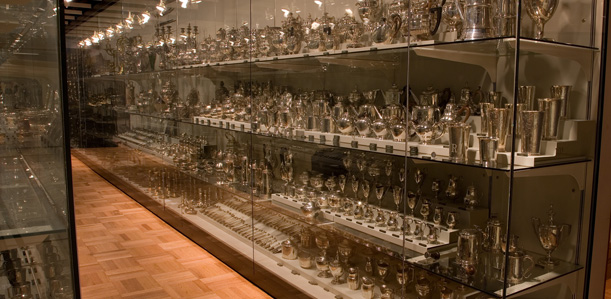
The Henry R. Luce Center for the Study of American Art at the Metropolitan Museum has on view those myriad fine art and decorative art objects that are not currently displayed in the more conventional Museum galleries. It’s a funny sort of place, an open secret, accessible to the public yet off the beaten track. Objects have been arranged in huge glass vitrines according to material (e.g. furniture and woodwork, glass, ceramics, and metalwork).

Luce

It’s a fine place to find a dozen nearly identical andirons, if you’re in the mood to see andirons, or a hundred sterling silver tumblers, or any number of porringers of yesteryear. Oh, and paintings. Any item the museum can’t find a place for at the moment gets tucked away here, in plain sight, and that includes some wonderful canvases. Even such crowd pleasers as John Singer Sargent’s Madame X sometimes cool their heels here. One day I turned a corner and came across one of my favorite paintings that I’d never seen in person, the portait of nine-year-old Daniel Verplanck by John Singleton Copley, painted in 1771.

John-Singleton-Copley-Daniel-Crommelin-Verplanck

It’s not the only boy/squirrel portrait Copley painted – there’s one in Boston, too, at the Museum of Fine Arts, a fine one, of  Henry Pelham, painted in 1765.

copley-squirrel1316573541100

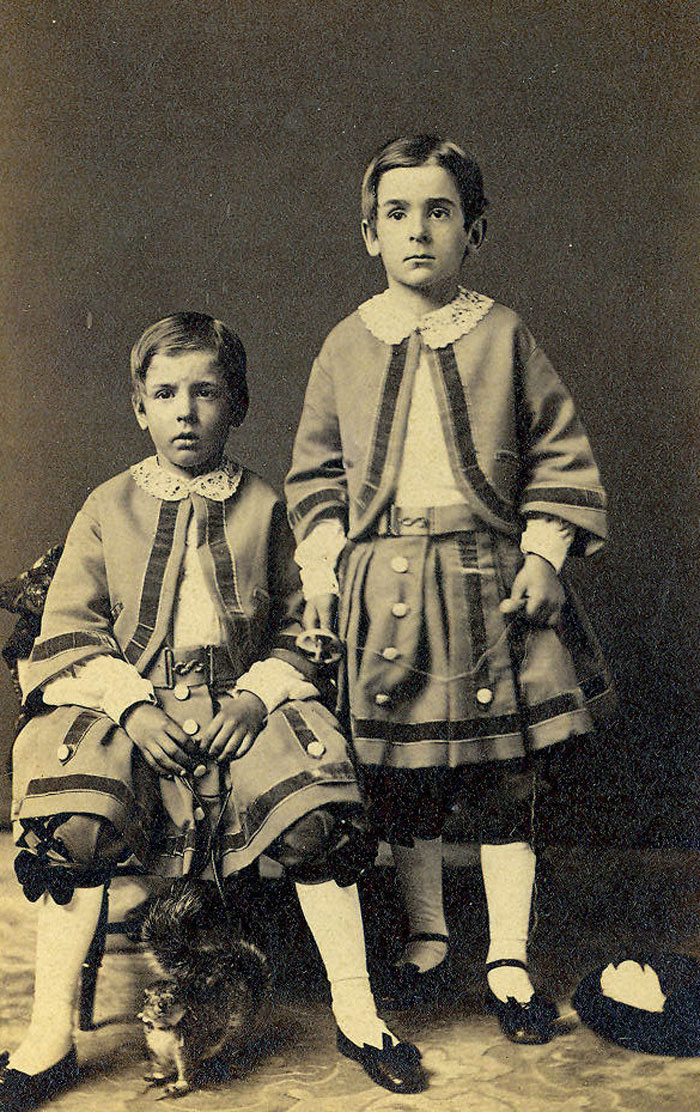
But here I had what amounted to a private viewing, just me and the boy and his pet. It seems funny now, but keeping squirrels as pets was commonplace through to the twentieth century. Before the family dog, the family squirrel. Here we have the Ridgely brothers in 1862, Howard and his younger brother Otho, the children of a wealthy landowning family in Maryland.
squirrel boys

I like to visit another kind of archive when I’m at the Met, as well. Next door to the imposing Temple of Dendur is a tiny warren of display cases that contain long rolls of linen 2000 years old, mummy linen. Here is a scrap.

mummy linen

I don’t know whether the fabric has been unrolled from the embalmed corpses or is waiting to enfold them, but it is incredible to be inches away from these archivally preserved Middle Kingdom textiles. Only slightly frayed and browned by time. Magic.

Another archival highlight. I once ventured up to the attic of the Union Church of Pocantico Hills, with the well-known rose window designed by Henri Matisse – his last work of art, dedicated on Mother’s Day 1956.

henri matisse rose window at union church

There under the eaves lay the physical archives of Historic Hudson Valley, the nonprofit organization that runs the church and other properties in Westchester County. I was there to view a painting of an elite young Mary Philipse by John Wollaston, for my book The Women of the House.

Mary

I was, luckily, sanctioned to browse around the other objects displayed on the shelves while the archivist inspected various historical maps. Some intricately decorated colonial pottery, some other paintings, including one, provenance unknown, of waves crashing against the shore at the southern tip of Manhattan around 300 years ago. And what really got me, a collection of pastel silk slippers in pristine condition, perfect for the fancy parties of the eighteenth century. All these things just breathing there, largely ignored by the world, protected in their secret little alcove atop a church.

The Manuscripts and Archives Division at the New York Public Library, when I went there to do research on I.N. Phelps Stokes for Love, Fiercely: A Gilded Age Romance, always seemed like it existed underwater, dim and calm, holding tight to its treasures. It contains over 29,000 linear feet of archival material in over 3,000 collections, of which I was accessing 36 boxes of yellowed paper.

There is something gratifying about examining letters that have not been paid attention to in a hundred years. Being the first to take them out and handle them. The papers that interested me concerned the architect/philanthropist/collector’s epic Iconography of Manhattan Island. I had already done research at the library of the New-York Historical society, where I discovered a note from Stokes imploring an influential friend for contacts to help publicize his book.

stokes p.r. letter

Also something of a gas was his 1913 campaign, revealed in a fundraising letter, to get an educational farm installed in Central Park. His sister Ethel had the idea of equipping “a diminutive group of buildings, consisting of a tiny cottage of four rooms, a cow-shed and dairy for two cows, and a chicken house for twenty-five chickens.” Everything could be “inspected through glazed openings without entering the buildings,” wrote Stokes. A negative editorial in The New York Times helped shoot down the plan.

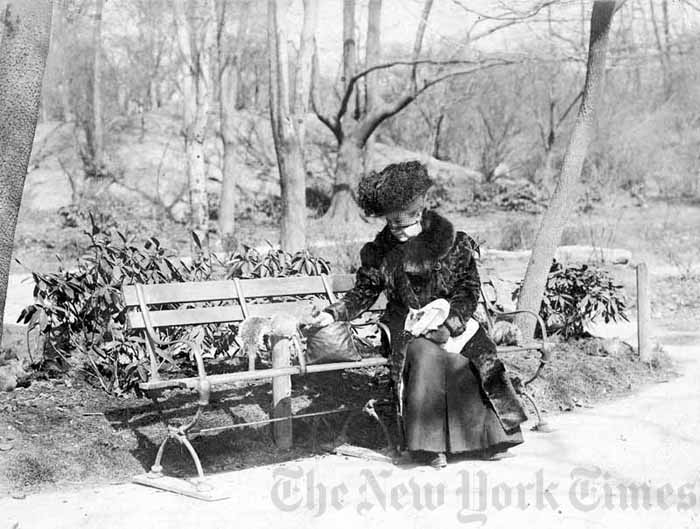
Petting squirrels was still popular in Central Park at that time, I have found.

Central Park squirrel

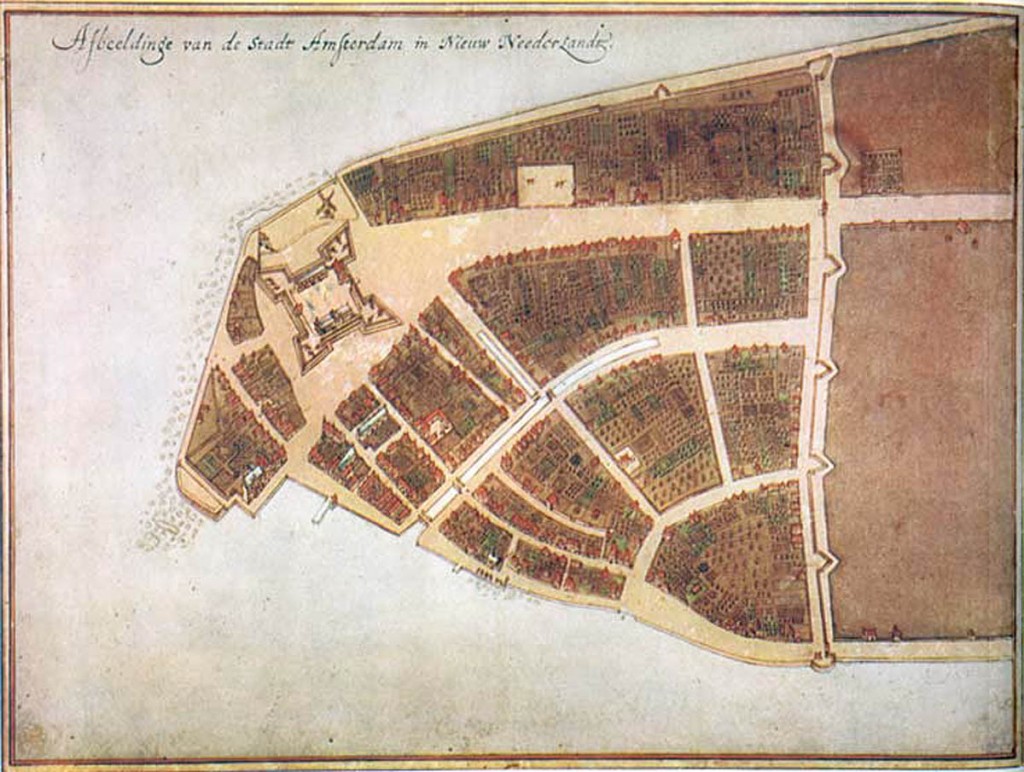
I recall the day at the NYPL Manuscripts room when I found a small envelope containing two thumb-sized black-and-white photographs depicting the very first street plan of New York, drawn in 1660.

CastelloPlanOriginal-1024x772

They were snapped by Stokes’ researcher behind a guard’s back at the Florence villa where the map was housed, and sent back over the sea to his boss in New York City. Stokes must have leapt out of his chair (also in the New York Public Library, where he had a private second-floor office) when he saw those first pics in 1916.

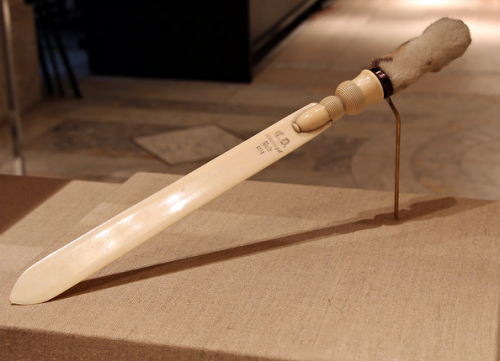
A friend of mine, the curator Thomas Mellins,  produced Celebrating 100 Years, an exhibit for the New York Public Library that brought some of its best archival artifacts out of mothballs. Did you know that this book-and-paper institution in in the possession of the walking stick Virginia Woolf had with her when she waded into the water on her last day? It floated to the surface. The Library also has such objets as Jack Kerouac’s typewriter, yes, the one on which he wrote On the Road. And my personal favorite, perhaps because I had just been reading David Copperfield when I saw it — Dickens’ personal copy of David Copperfield, the one he used when touring for the book, pocket-sized, complete with his penciled-in notations for emphasis. There is also the genius’ letter opener, topped with the taxidermied paw belonging to Dickens’ cat, Bob.

letter opener

The pleasure of handling archival materials is an emotion that you can’t experience second-hand, unfortunately. You have to be there, deep amid the tarnished porringers and the satin slippers. But there is a website I like a lot that gives you snippets of historical artifacts. Slate features a department called The Vault: Historical Treasures, Oddities, and Delights.  You can see, if not touch, pieces of history like a hand-written dance instructional from 1817, an 1893 letter promising compensation to former slaveowners, or Bram Stoker’s literary plans for Dracula. You don’t get to sit underwater at the Manuscripts Collection, true, but you can turn the virtual pages in the comfort of your living room, in your stocking feet.

4 Comments

Filed under Art, Fiction, History, Jean Zimmerman, Love, Fiercely, Photography, Publishing, Writers, Writing

Book Award to The Orphanmaster

I’m proud to say that The Orphanmaster has been selected as a 2013 Washington Irving Award Winner by the Westchester Library Association.

horse

Since 1987 the Association has gone about choosing “books of quality” written by Westchester residents, encouraging librarians in the county to encourage patrons to check them out and read them.

The Orphanmaster shares the spotlight with some great books, both fiction and non. This year the group of authors includes Don deLillo, Karen Engelmann, Esmerelda Santiago, Robert K. Massie and Dan Zevin.

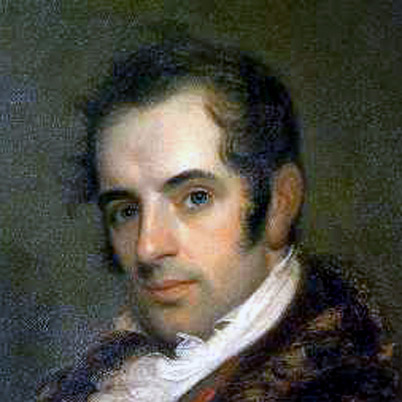
Why Washington Irving, you ask. It makes perfect sense. He’s Westchester County’s foremost literary light, historically. Though he’s pretty much known today mainly for “Rip Van Winkle,” in his day, the early 1800s, he achieved rock star status, producing  at least a dozen and a half popular histories, biographies and collections of essays as well as novels and stories.

Portrait of Washington Irving

Irving’s first major book, A History of New-York from the Beginning of the World to the End of the Dutch Dynasty, by Diedrich Knickerbocker (1809), published when he was 28, was a satire on local history and contemporary politics that ignited the public imagination. A later work, The Sketch Book of Geoffrey Crayon, Gent., out in 1819, which contained Van Winkle (written in one night, it is said) and The Legend of Sleepy Hollow, shot to international bestsellerdom. He’d been writing voraciously since he was a teenager submitting clever letters to the editor of Manhattan’s Morning Chronicle.

Irving invented the tag “Gotham” for New York City. Here is Wall Street in 1850, Irving’s home town.

wall street 1850

Some of his books lampooned early Manhattan’s manners and mores. They set up a lasting stereotype of the stalwart Dutch burgher and his stolid hausfrau partner, influencing me when I researched The Orphanmaster. Rip Van Winkle figured in this ilk, telling the tale of a man who nodded off in the Catskill Mountains for 20 years, sleeping through the American Revolution, with the world having changed irrevocably during his slumber. Another more modern rock star, Johnny Depp, appropriately brought Washington Irving out of the nineteenth century with his portrayal of Ichabod Crane in 1999 in the film Sleepy Hollow.

depp sleepy-hollow_l

Irving traveled extensively on The Continent – he served as an ambassador to Spain — as a true man of the world, feted everywhere, dazzling literati and royals alike with his intellect. When he spent time in the U.S., he lived with his nieces in a picturesque cottage called Sunnyside on the river bank in Sleepy Hollow, New York, a “snuggery” of yellowish stucco with climbing wisteria on rootstocks imported from England, a fainting couch in the parlor, and a west-facing veranda from which he could watch the sun set over the Palisades.

Sunnyside_Tarrytown_Currier_and_Ives

Irving hosted Dickens there, yet another rock star – fans grabbed tufts of Dickens’ fur coat as souvenirs — when the novelist did his American tour in 1842. When the train came through in 1851, cutting between Irving’s cottage and the Hudson River, he fumed. It ruined his bucolic view, and he never forgave it.

You can visit Sunnyside today and check out the tiny study where he sometimes nodded off, though not to wake a century later.

study old

Today the library is carefully curated by a staffer from Historic Hudson Valley, the nonprofit preservation outfit which owns the restoration. I know the librarian in charge. She is cognizant of the honor of handling the great man’s volumes.

As I am of receiving an award in his name.

5 Comments

Filed under Fiction, History, Jean Zimmerman, Publishing, The Orphanmaster, Writers, Writing

How to Be a Couple of Writers

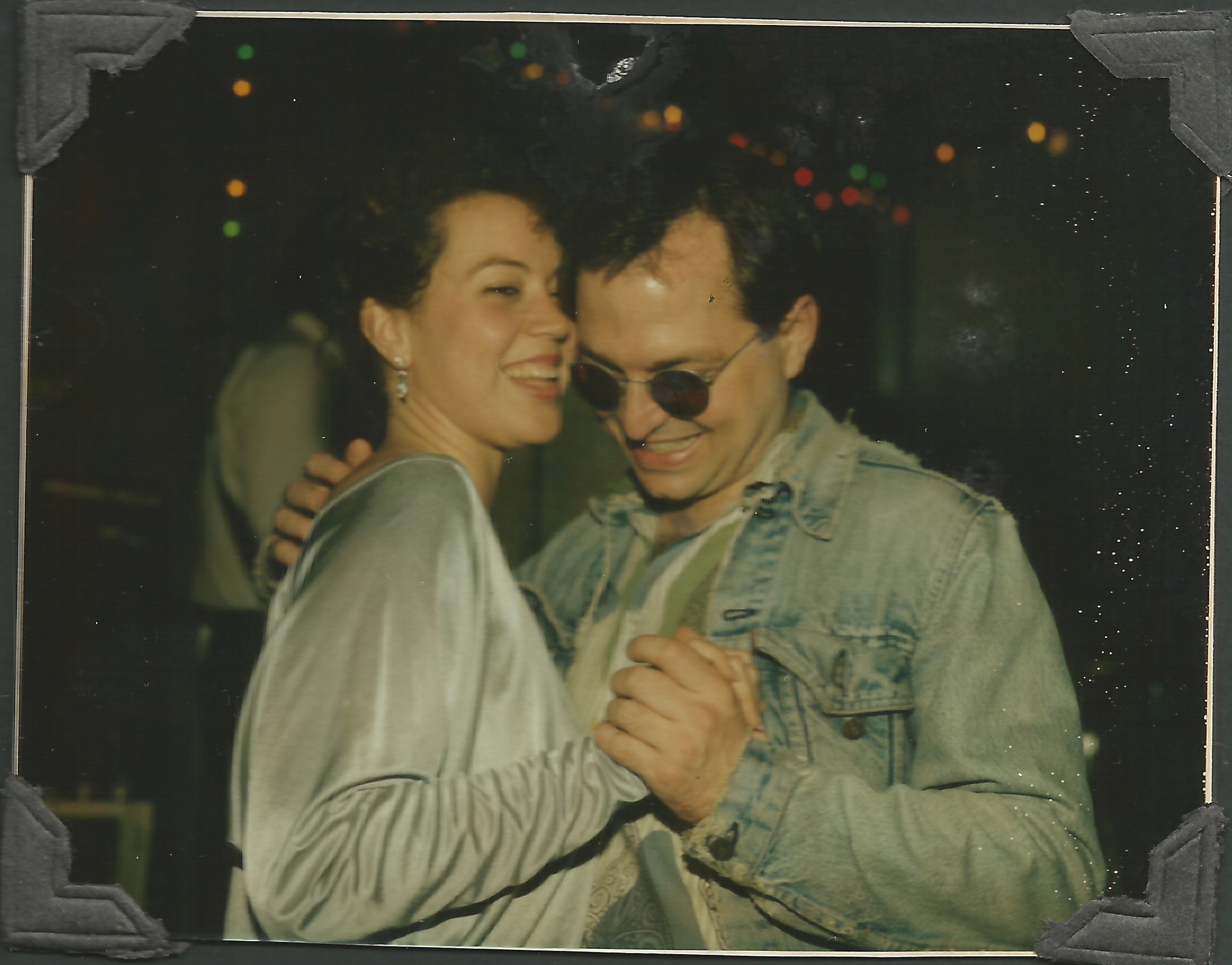
Today is our wedding anniversary. Gil and I have been married 26 years. It’s a lot of  time since our engagement party, at a Russian bar in Brighton Beach, New York!

April 1987

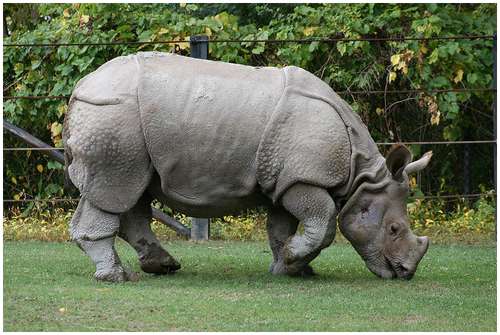
People always ask, How can you possibly stay married to another writer? It’s not something everyone does, and in fact the matrimonial union of two inkstained wretches is almost as rare as the Javan rhino, of whom less than 60 now exist.

Javan-Rhino

Some other writer-couples make it work. Novelists Paul Auster and Siri Hustvedt are a famous example. Well, they live in Brooklyn, and perhaps that artsy atmosphere gives them sustenance. Also consider the Beat poets Allen Ginsberg and Peter Orlovsky, together from 1954 until Ginsberg’s death in 1977. They chanted. They stayed loose. They were happily hip.

ginsberg

Once upon a time there was Mary Shelley (Frankenstein) and Percy Bysshe Shelley (Heaven smiles, and faiths and empires gleam,/like wrecks of a dissolving dream). It was wildly romantic, she running off with him when he was married to another woman and she was 16. Anais Nin and Henry Miller also managed to have both a torrid love affair and a meeting of the literary minds.

Anais_Nin_y_Henry_Miller

Yes, there were couples that were cursed, like Sylvia Plath and Ted Hughes. One dead by her own hand, one forever tortured by her demise. A similar dark story in Zelda and F. Scott Fitzgerald. He stole well-turned phrases from her journals, and things turned out badly (him dying of drink, her in a mental hospital fire).

fitzgerald:zelda

So what makes a writerly marriage work? Gil and I have been writing our own stuff and collaborating with each other ever since we got together. We actually met in a poetry writing workshop in New York City, led by the wonderful Sharon Olds (she won the Pulitzer for poetry this year). In the early days we didn’t have much space. I remember a tiny studio in Los Angeles with a single surface, a kitchen counter, where we set up our computers across from each other. And we produced books there. Today in the Cabin we have a bit more room, two separate offices (mine in the living room!), but we seem to often end up working side by side. Somehow our literary life together succeeds.

desk

So I will offer you my suggestions about sharing your life as a writer with another writer.

Accept debate. Disagree, argue, even fight over language. Just don’t come to blows. Try not to be hardheaded over a word or phrase or plot point. Be willing to kill your darlings, as they say, if your partner advises it. (Also praise each other’s work to the skies).

Celebrate the milestones. Little as well as large – the nice, toss-off comments of an acquaintance or the brilliant review. The copyedit as well as the first pristine hardback book copy. Raise a toast together, no matter which of you got the kudo, the contract, even the mot juste.

Ride the ups and downs. And there will be downs.Publishing is a fickle business and you can’t let the market ruin your mood or your relationship.

Embrace change. When we were married, I was an aspiring poet and Gil wrote plays that were produced off-off-Broadway. We made ends meet with editorial jobs. We grew, we branched out. We were the same people, but we became different sorts of writers. Between us, articles, screenplays, nonfiction, memoirs, fiction, even this blog…

We don’t know what will happen in the future. What writer does? Just be prepared to be perpetually surprised by your writerly mate, as you are surprised by yourself. Said Andre Maurois: In literature as in love, we are astonished at what is chosen by others.

Jean and Gil copy

16 Comments

Filed under Fiction, History, Home, Jean Zimmerman, Photography, Poetry, Publishing, Writers, Writing

The Orphanmaster Big Giveaway

It’s nearly April 30, the publication date for The Orphanmaster in softcover! I’m giving away copies.

o-master-p-back-cover

I have a stash that I would love to distribute to early readers. Drop me a comment (with your email – nobody sees that but me). I’ll get signed copies off to the first ten that respond.

13 Comments

Filed under Fiction, Jean Zimmerman, Publishing, The Orphanmaster, Writers, Writing

A Swirl of Indies

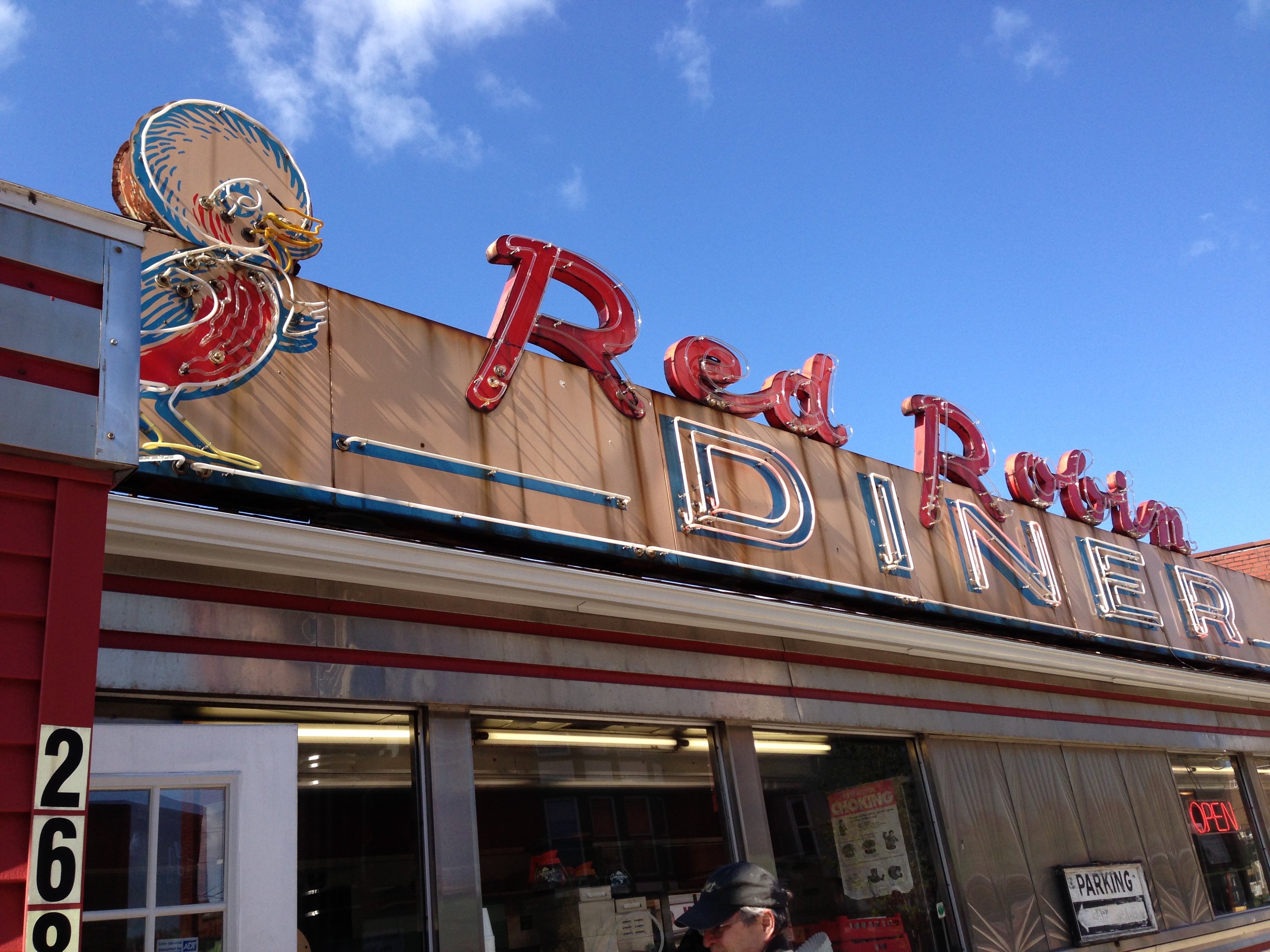
Still on the trail of indies – indigenous landscape elements – in the Binghamton area of New York, we  came to this classic diner for a classic diner breakfast.

red robin

With its fetching signage. The eggs not-so-bad, not-so-good, but a totally intact red leatherette interior, chrome that wouldn’t quit, and self-knowledge in the form of that Norman Rockwell Saturday Evening Post image “Runaway” pasted up on the wall.

runaway

A cop and a little boy on the run trade secrets while sitting atop a diner’s spinning stools, as if it was painted from life in this very diner.

It’s spring, didn’t you know? Time to get your lawn in gear.

mower

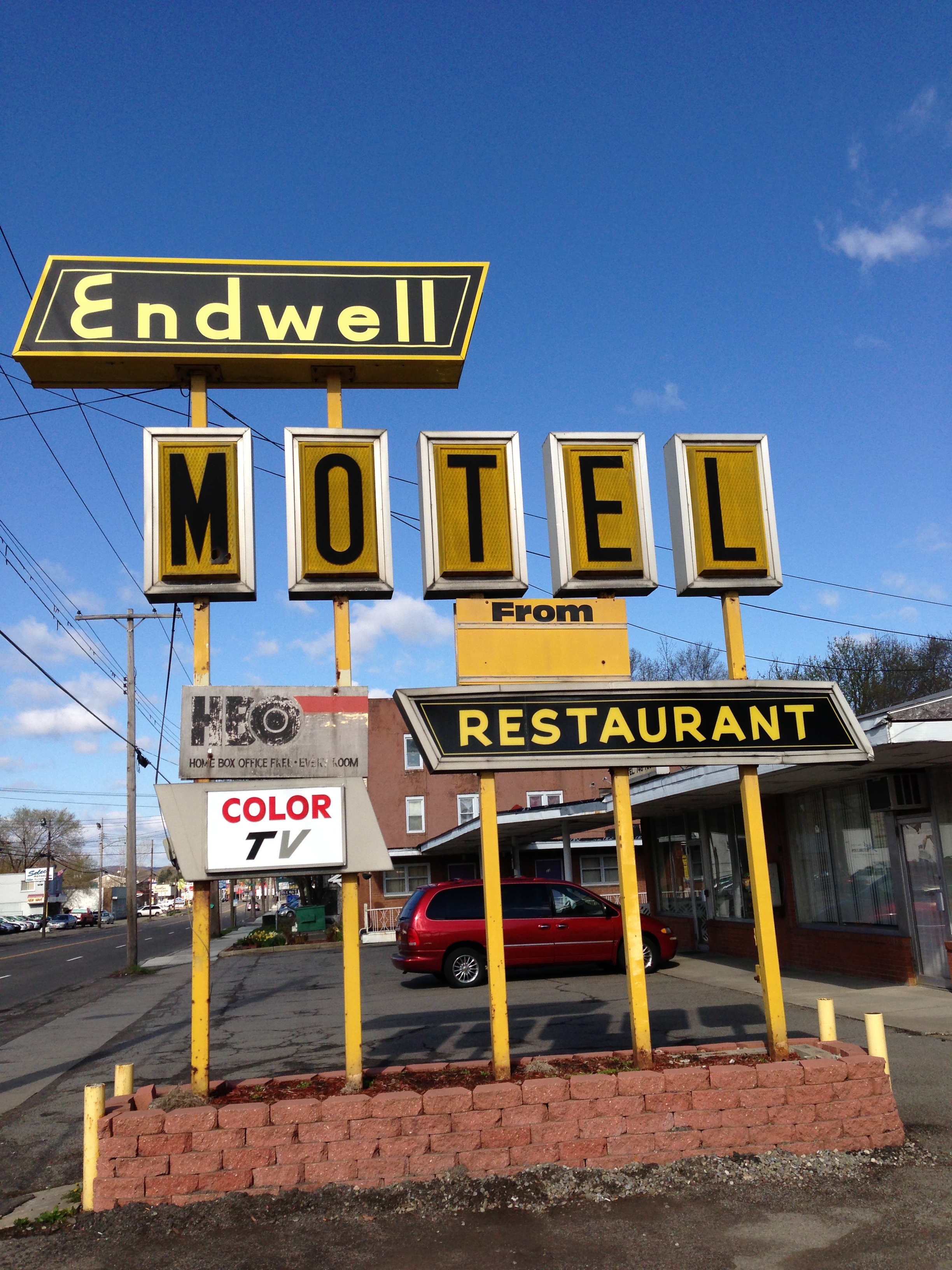
Crappy motels have the best signs.

endwell

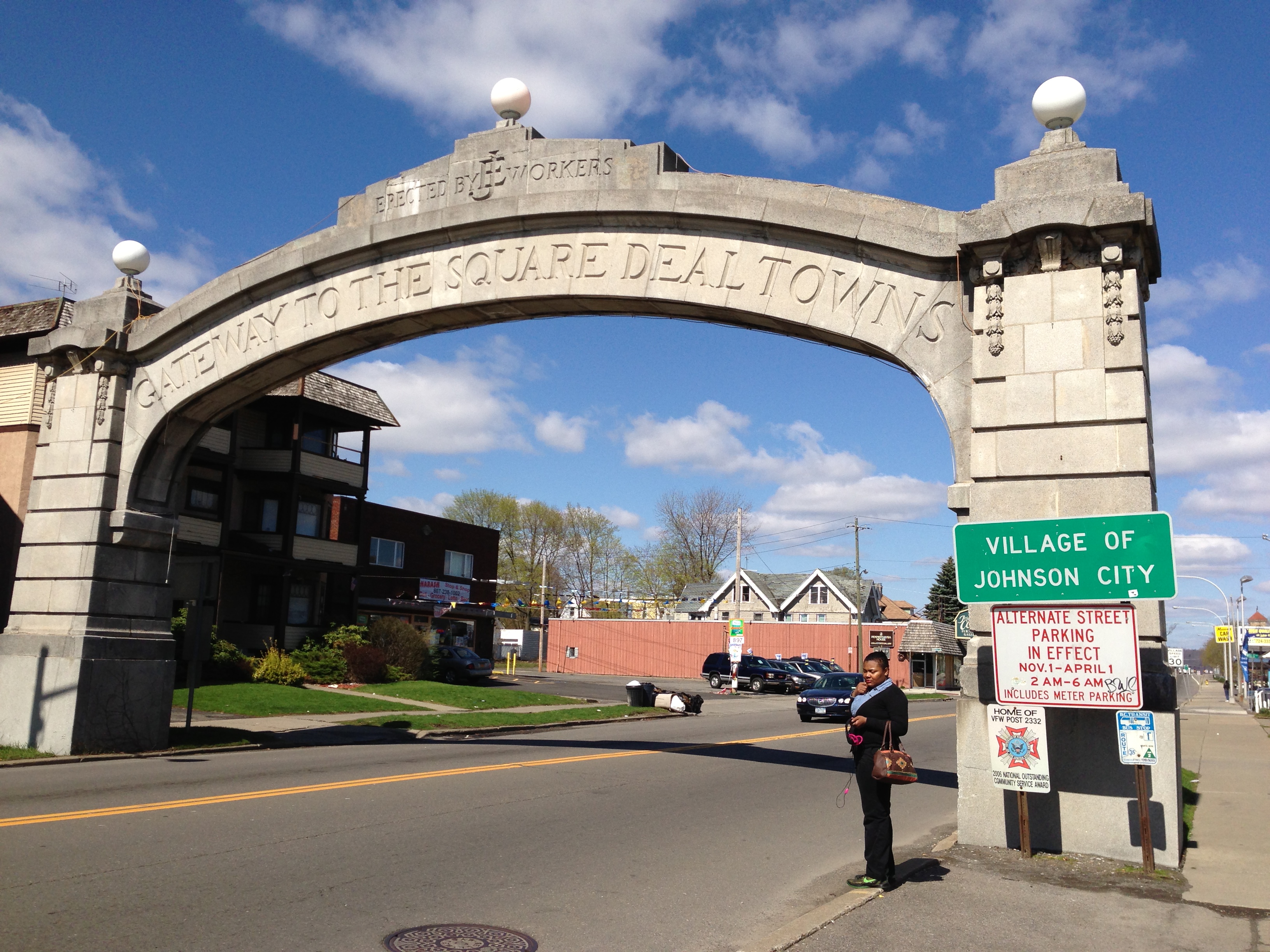
Endwell is actually the name of a town, not just the end of a famous saying, and not just how you hope it’s gonna go when you check in. Endwell, along with Endicott and Johnson City, were three communities renamed by shoe-leather magnate George F. Johnson when he took the area over in the 1920s. Endwell was a brand of shoes. Universally known as George F., the irrepressible mogul came up through the ranks of local shoe workers and, when he made it to the top, did things like build churches and schools in his effort to provide what he called the “square deal” for his workers. He installed five elaborate carousels within a 20-mile radius.

This one’s not open until Memorial Day and they keep it locked up tight.

carousel house

We wanted so badly to get in, we pressed our noses up against the windows like a couple of Norman Rockwell kids.

last ride

The carousel was built in C. Fred Johnson Park in 1923 (the Johnson name proliferated with his success) and has 72 figures four abreast, with all the carving, bevelled mirrors and scenic panels intact. We’ll have to return some time for a ride. There’s no admission, but you’re supposed to contribute a piece of litter.

best carousel

George F. wanted to keep his workers happy so they wouldn’t think of unionizing, and it seems he was successful.

gateway

“Gateway to the Square Deal Towns” reads the welcome to Johnson City.

We stopped at this bold and blocky indie sign.

library

Could this actually be the name of a small town library or was it more in the line of an exhortation? A bit of both, it turns out. Inside, there was more about the George F. era and legacy in a series of glass cabinets.

johnson

An original shoebox, from the glory days long gone.

shoebox

Your Home Library was originally built as a residence by Elijah Bridgham in 1885 with bricks from his own brickyard. Harry L., the younger brother of George F., made it an institution in 1917. Soon there were dining rooms, children’s rooms, sewing rooms. “Your Home Library was his conception of a home atmosphere and home freedom for the community,” said Rev. William MacAlpine at the dedication of the Harry L. monument in 1922. Home freedom?

All kinds of indies, everywhere you looked.

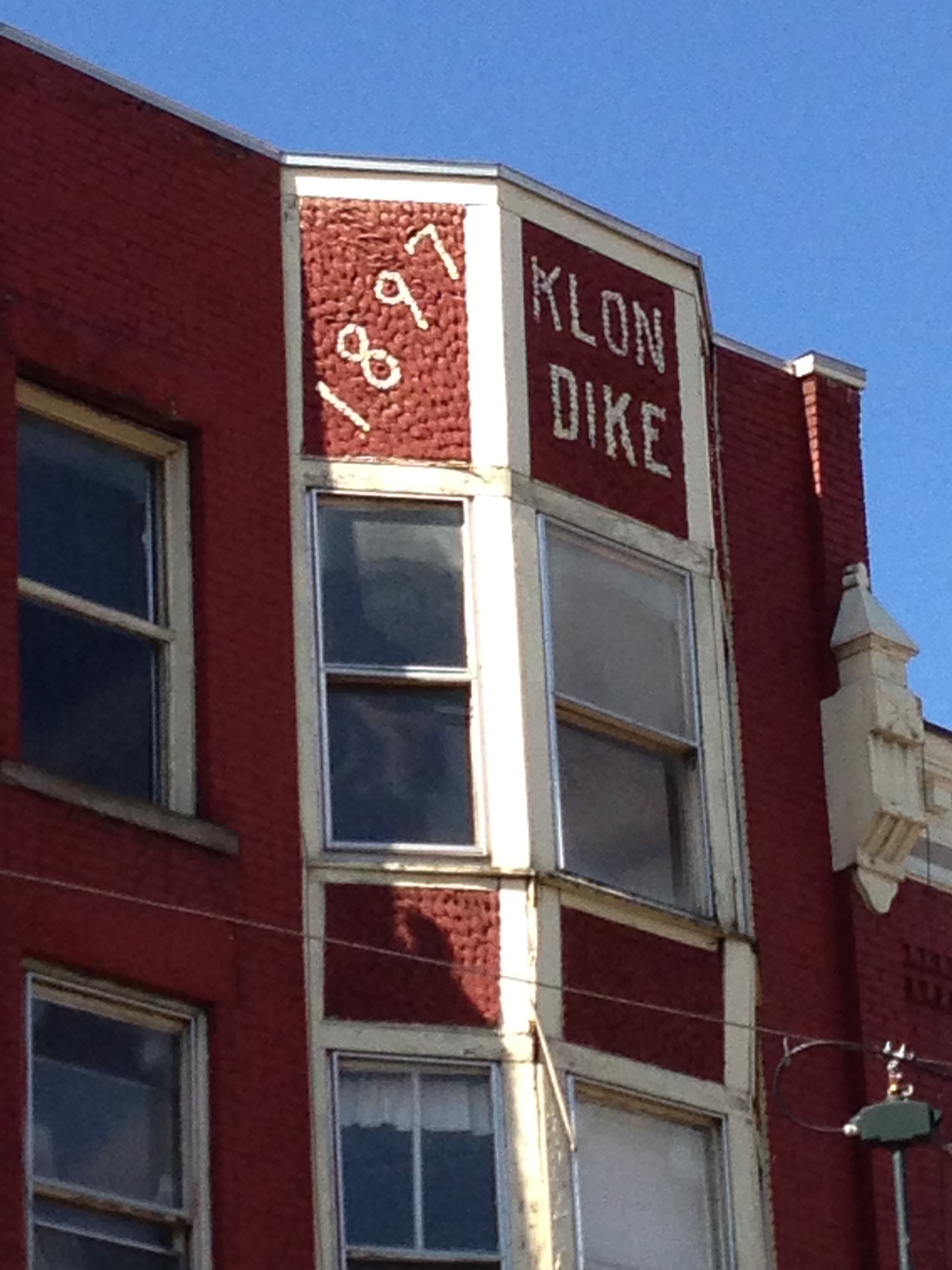
Klondike

Perhaps a building endowed by the Klondike Bar magnate? You never known in these parts.

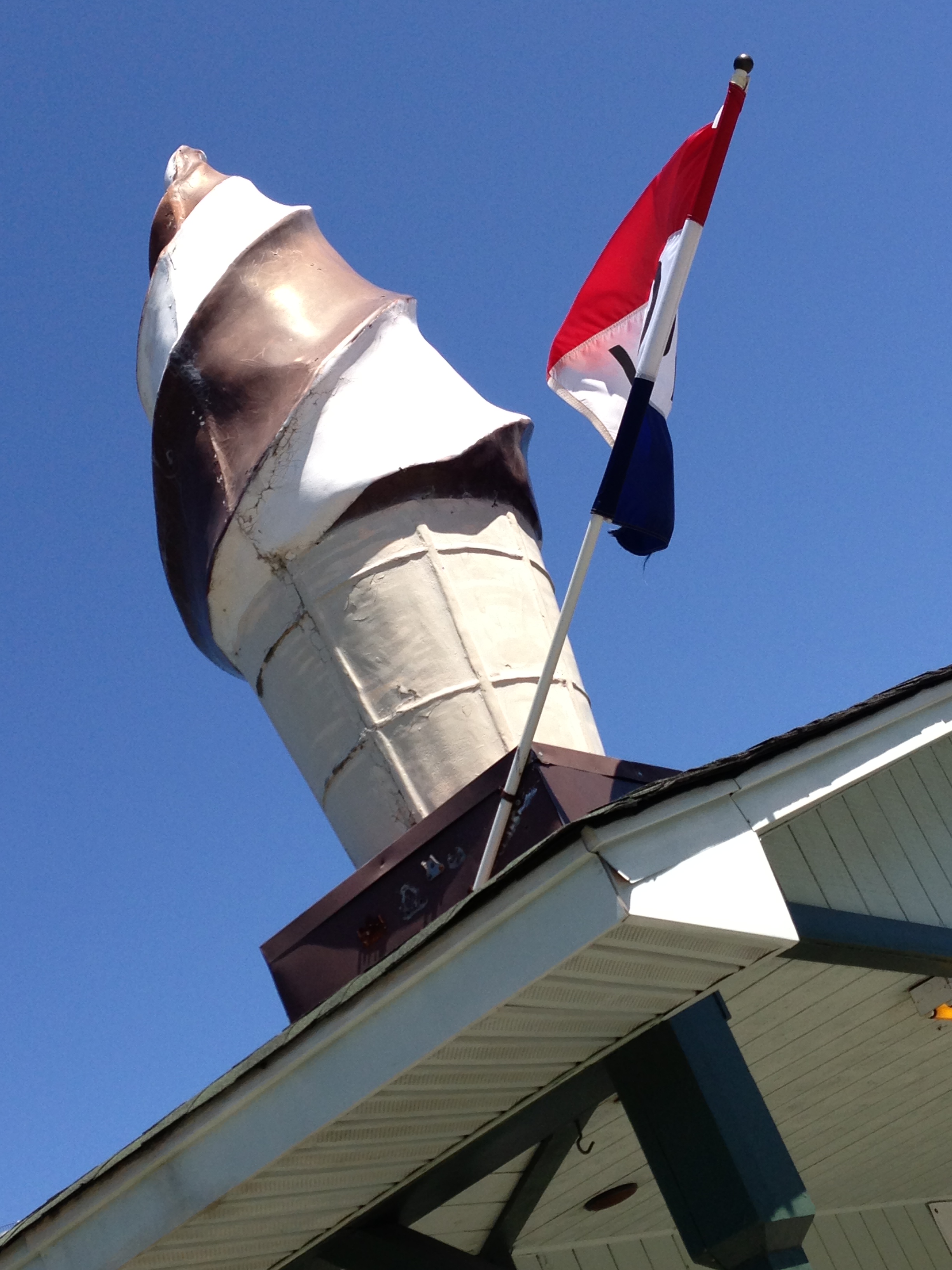
We passed several examples of the ice cream school of signage, which often presents a tasty homemade effort.

swirl

Fortunately, this was one of the soft ice cream joints that has survived intact beneath its sign. It even offers a peanut butter dip.

peanut butter cone

Vanilla shake in hand (no yellow cake or panda tracks for me) it was time to head for home. We have indigenous creations there too.

cherish


5 Comments

Filed under Art, Cooking, History, Home, Jean Zimmerman, Photography, Writing

Mob-fest at Apalachin

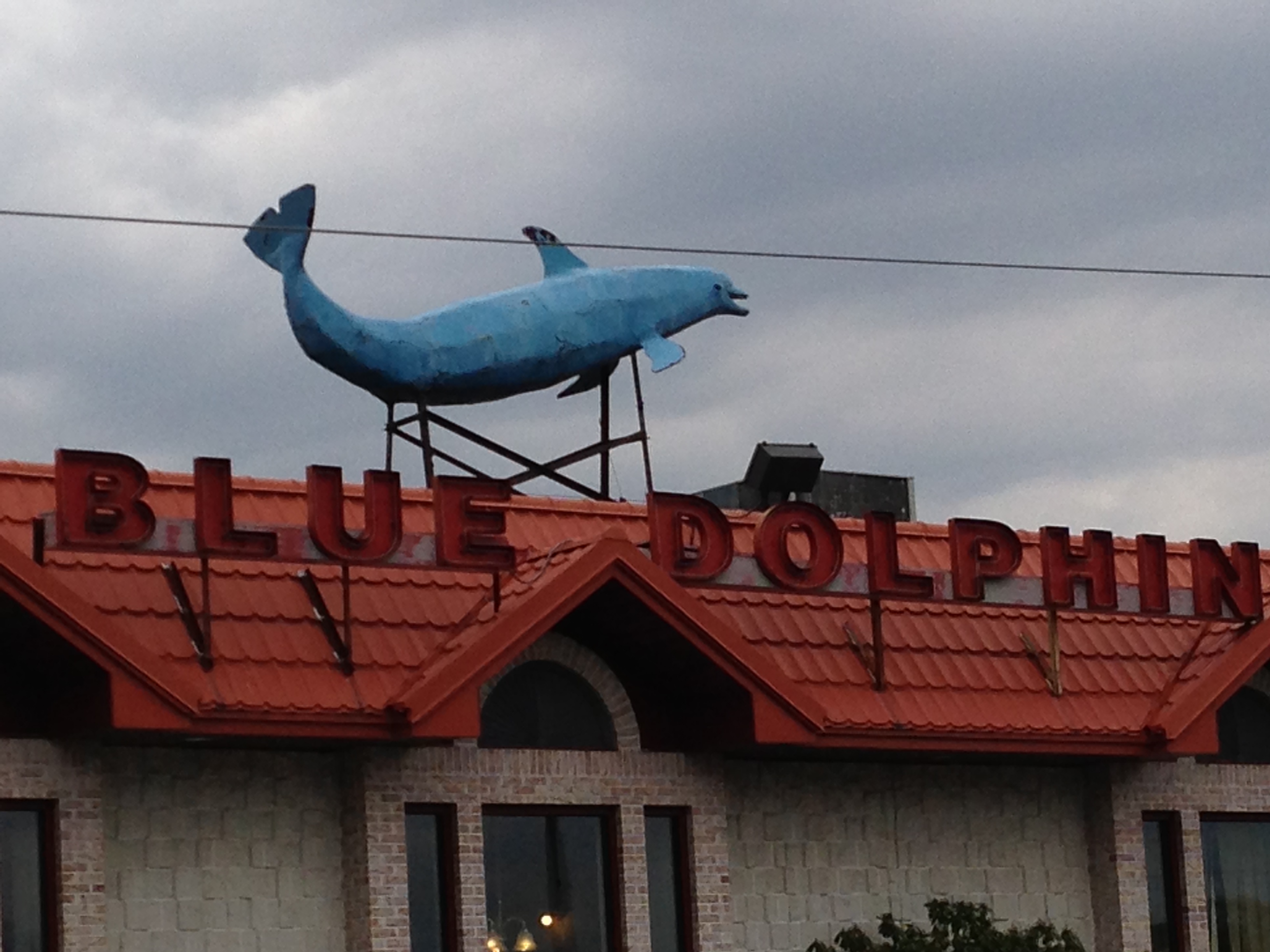
There were so many people who wanted to attend Gil’s talk on his book Mafia Summit: J.Edgar Hoover, the Kennedy Brothers, and the Meeting That Unmasked the Mob that the location had to change. From the Apalachin Library, it would now take place in the cavernous party room at a local landmark, the Blue Dolphin diner.

blue dolphin

The book had strong local interest. Gil tells the rollicking story of the 1957 mobster meeting in Tioga county, New York, the assembly parodied in the Billy Crystal/Robert de Niro movie Analyze This, where the bad guys skulk off into the muddy woods. The book’s also about the mob wars that led up to the meeting, and the drama that followed between Hoover and the Kennedy boys. People here knew the Barbara’s, the family whose paterfamilias hosted the meeting, they socialized with them, worked for them. For them, it’s not only a national saga but an intensely personal story.

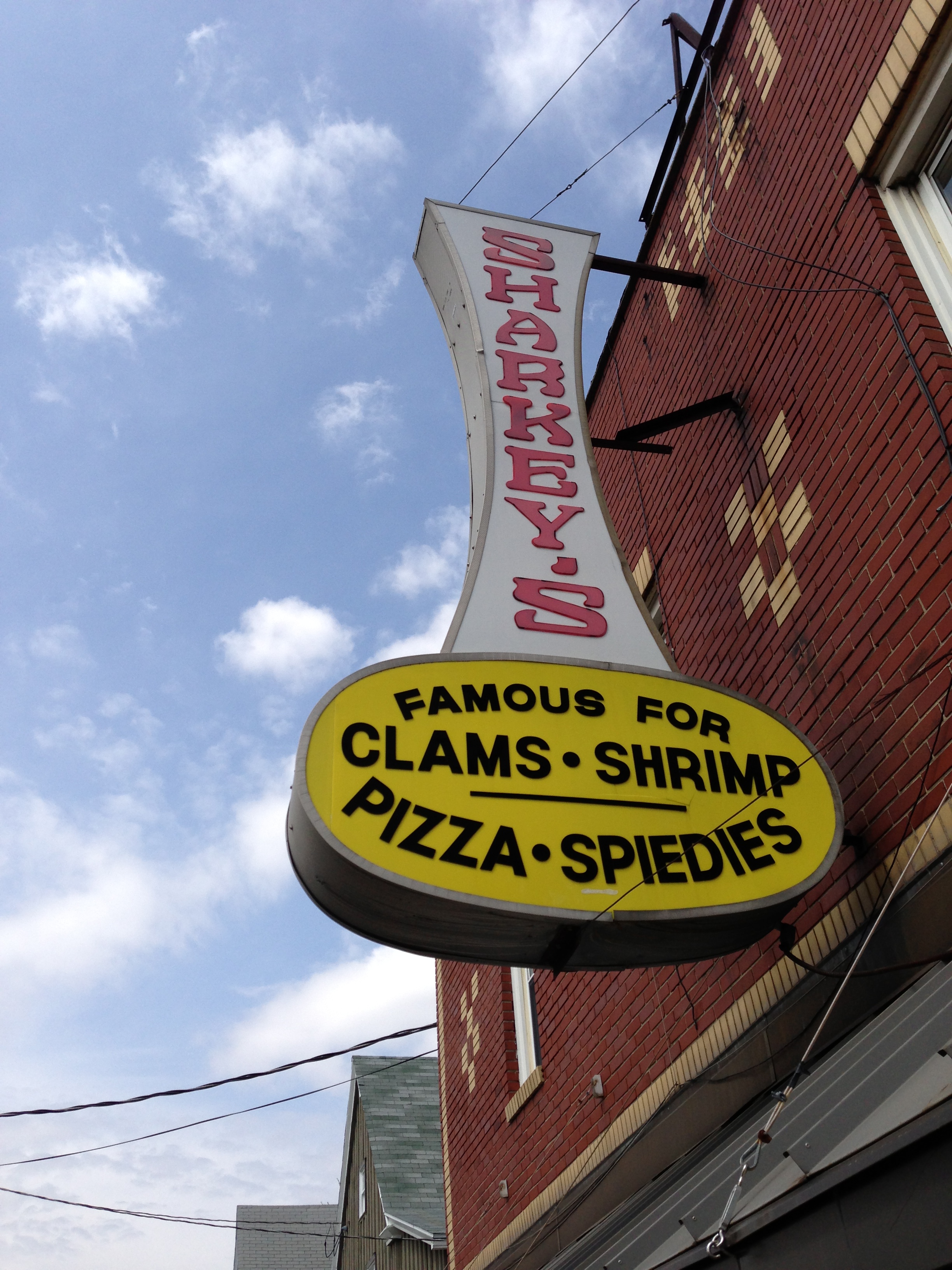
We got to Binghamton – Apalachin’s big-city neighbor – and hungrily headed for a spiedie joint.

sharkey's

Spiedies are a kind of marinated pork kebab that you squeeze between pieces of cheap, soft white bread. For some reason Sharkey’s also specializes in clams “available to go by the dozens, hundreds and bags,” boasting on its menu that, “The clams you eat today slept in the bay last night.” Since the only water nearby is the muddy, meandering Susquenna River, that gave us pause.

clams

But didn’t stop us from ingesting a dozen coarse, prehistoric-seeming steamed clams.

Just as we got ready to go, I noticed a button to the side of our old, scarred booth, a relic of another time.

button

Some kind of a magic button, maybe capable of summoning a mobster’s ghost. The place dates back to 1947, and it was probably old Joe Barbara’s cigarette smoke that stained its walls a coffee brown.

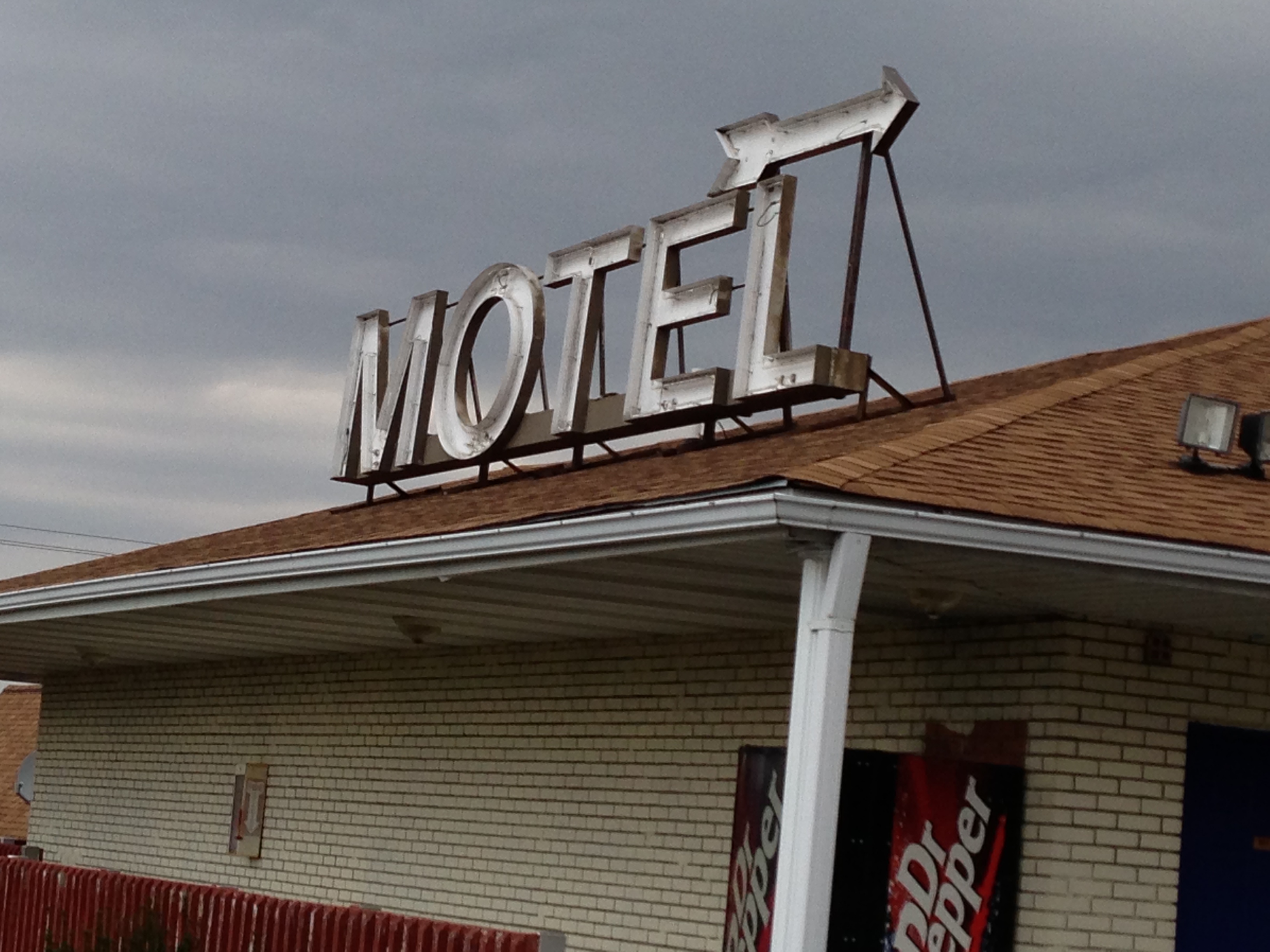
We stayed at a highway motel. Not just any highway motel, but the one where Detective Ed Croswell, the hero of Gil’s book, first intuited that something was rotten in the state of Apalachin.

motel

Croswell, there on another police matter, saw a guy in a sharkskin suit making reservations for a group attending a “convention” and hung back observing the situation until he got the information he needed.

moody motel

The motel needs a bit of a spitshine but it definitely gets you in the mood for a mob-fest, like the one at the Blue Dolphin tonight that packed the room with people who drove an hour to get there.

Gil  has some serious hand cramps in its wake.

Gil signing

5 Comments

Filed under Cooking, History, Photography, Publishing, Writers, Writing

Gil’s Best French Fry Recipe

Today I planted my potatoes.

planting potatoes

Their eyes are all sprouted, ready to go.

Unearthing them at the end of the season – and here in the northeast, it’s a long season – is one of my favorite things. You get to reach into the dark, crumbly loam and pull out the hard little orbs, detaching them delicately from the stem. You get dirt under your nails.

You get to say loam.

It’s of a kin to reaching under a hen, feeling around through the softest feathers imaginable to pull out her just laid, still-warm, golden eggs.

Once, around thirty years ago, I wrote a play called One Potato. The things I recall about it: there was a protagonist named Esmerelda, it took place in Europe during the Middle Ages, and it was actually about the invention of the dinner fork. I loved the fact that it was hard to find information on my subject (pre-web!), I had to dig (like digging potatoes) and even embroider on what I found to create a story. Barbara Tuchman, the great historian of the middle ages in A Distant Mirror, once said, “The unrecorded past is none other than our old friend, the tree in the primeval forest which fell without being heard.”

This was when I was young and poetical.

jz young

The pic was taken about that time, on a downtown rooftop in the meatpacking district, when Manhattan still had a thriving meat market that  left a slick of blood across the cobblestones  every morning. My photographer friend Jonathan Pite produced my likeness for the American Poetry Review.

I always thought he captured the yearning inside me and the grit of 1980s Manhattan in the air. It was a strange place, but great.

potato-23242

You are lucky to be invited to our house nowadays if Gil is making french fries – he takes the potato to a new level.

Gil’s Best French Fry Recipe

Take a bunch of spuds. No need to peel. “I like russet potatoes, myself.”

Wash thoroughly.

Cut in half the long way. Cut into thin strips. Cut crosswise three times. Should yield long thin french fries.

Soak in a big bowl of water with 3 T salt and ¼ tsp sugar. Make sure salt and sugar dissolve.

“Soak for as long as you have…5 minutes, 10…”

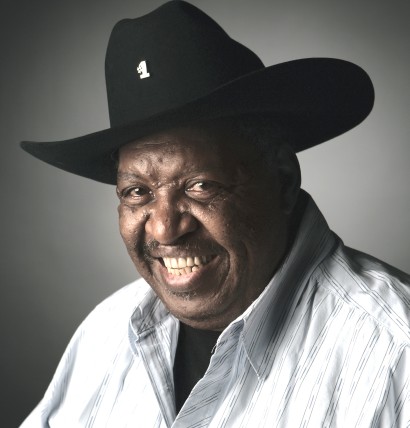
What to listen to as you work? “Always the blues, all the Slim blues players, Magic Slim…”

slim-bio

Spin potatoes dry in a salad spinner.

Heat a large pot of canola oil to smoking, enough to cover the potatoes. Fry until brown. Lift out with a wok ladle or slotted spoon.

Drain fries on brown paper bags.

Dust with salt, and/or cumin, chili powder, whatever you like.

Serve with malt vinegar, aeoli or tomato ketchup.

Says Gil: “There are five levels of how to judge the fanciness of a restaurant.

Level One: They give you ketchup in packets.

Level Two: The ketchup is in a bottle on the table.

Level Three: You ask for ketchup and they bring it in a bottle.

Level Four: You ask for ketchup and they bring in in a little silver bowl.

Level Five: You ask and they come to the tableside and make the ketchup for you.”

We generally do the Heinz. Oh, and if you’re on a diet, this year we’ll be offering spinach, too.

young spinach

3 Comments

Filed under Cooking, History, Jean Zimmerman, Photography, Poetry, Writing

Scented Letters

I went in search of the ink. As a writer, I was naturally beguiled by the idea of a perfume that was supposed to have the scent of ink on skin, from a company called Byredo. Gil said he’d give me a bottle for an early anniversary present, so we ended up at Barney’s, the department store on Madison Avenue, a glitzy place to shop but the only location that stocks the stuff in the United States.

It’s actually called M/Mink, I discovered.

mink

M/Mink, along with the rest of a line of unorthodox scents developed by a tattoo-covered Swedish basketball player turned fragrance entrepreneur (!) named Ben Gorham, “is given a clear identity and reason of being.”

bengorham

M/Mink came about in partnership with parfumiers Michael Amzalag and Mathias Augustyniak of M/M (Paris) and features such ingredients as patchouli leaf, clover honey and amber. At the counter, the clerk sprayed some M/Mink on a paper wand. I inhaled, Gil inhaled, and we shook our heads. Somehow chemical. Not right for me.

I love scent. A few years ago Maud and I visited Grasse, in southern France, whose thousands of acres of flower fields make it an ideal perfume manufacturing spot. Jasmine, rose, lavender, orange flower, and tuberose are all harvested nearby. We spent a morning at Parfumerie Galimard, which began making perfume in 1747. It actually started out providing the king with olive oil, pomades and perfumes to scent the all-important fashion accessory, the leather glove, also a historic local industry. At Galimard today, if you don’t want to purchase their Rencontre or Ma Faute, you can sit in a cubicle and be guided by a “nose” (a professional parfumier) in creating your very own scent, with the assistance of eye droppers and beakers and over 127 “notes.”

galimard workshop cu

Smells, to you. Combine the top note (peak note), the middle note (heart note) and the base note  (fond note) in the proper architecture and you get a bottle of your own to name. I came up with Plus Plus (English translation: More More). Maud’s “brand” was Bel Ete (Beautiful Summer). And it was a beautiful summer. Maud and I agree that becoming a temporary nose was one of our most enjoyable experiences. Ever.

Plus Plus

They kept my number on file in case I ever need a refill. But it gave me respect for the noses behind wonderful places like Penhaligon’s (British, also venerable, est. 1870) because it turns out you can’t just throw in some honeysuckle and some green grass and have it all turn out alright.

For a horrific nose-based thriller, try Patrick Susskind’s Perfume. The counter personnel at Barney’s would love it.

perfume

This blog post is brought to you by smell-o-vision. Today, Gil and I sniffed the other perfumes in the Byredo line, in rapid succession. Baudelaire was tasty (juniper berry, black pepper, hyacinth, leather). Pulp, a little too pulpy (bergamot, cardamom, red apple, peach flower). We tried others for good measure – Palermo and Gypsy Water were contenders – and ventured outside the line to small colored bottles of essential oils that would have cost a fortune. We learned that the salesman had a sister who rescued endangered birds. The saleswoman had suffered an acrimonious divorce in Iran.

Flowery, spicy, powdery. Figgy. Just like Chanel. Our noses were swimming.

They sprayed the scent on my fingertips. On the backs of my hands. A cup of coffee beans was proffered to cleanse my nasal palate. We were advised to take a stroll around the store to clear our heads. And we did. I do anything someone tells me when they treat me like Cleopatra.

Jean with Perfume Stick

You get along so well, said the saleswoman, rapidly waving a wand to get the perfume just dry enough to sniff. He’s so agreeable! she said to me. And he was, was Gil.

It was rather warm in there, and I realized one of the first scents I’d tried was the finest. Bal D’Afrique, which combines African marigolds with violet, jasmin petals and cyclamen in an elixir you’d almost like to drink.

Gorham accompanies each bottle with a funny little story line. The one for Bal D’Afrique goes: “The noble faces of tall and straight-backed chieftains and princes greet us, the guests. The red dirt floor, covered by the exotic furs of big game, resonates with the stomps of the bejeweled dancers…” I can’t finish, I’m laughing too hard.

We followed our noses out to the street, where my wrists and throat were now armed against the delightfully dirty New York air.

Bal D'Afrique box


5 Comments

Filed under Fashion, History, Jean Zimmerman, Nature, Writing

Little Green

Spring brings with it a kind of happy sadness. Ferns beginning to emerge.

spring ferns

And yet the air is cold, endlessly.

cold tree

We’re still looking at the downed trees in our front forty, felled during Sandy. Our neighbor took home a dozen planks from one, and it is pretty great that he could use them to build raised beds for a garden this spring. A happy eventuality.

Downed Pine

Still, I’m thinking of the haiku by Kobayashi Issa, who wrote in the early nineteenth century:

The tree will be cut


Not knowing the bird


Makes a nest

The bird will surely build another home in another tree, happily, but here this tree lies, fit only for planks.

In our woods, you now see the moss, there all winter but offering up its soft coat in spring as though you’d never seen it before.

moss

My friend Josefa told me that in Virginia, when spring came, she thought about planting moss in their yard, which was too shady for grass. She was informed by local experts that the ladies of Richmond made their guests put on ballet slippers before treading on their moss. And that they fertilized it with buttermilk. Beautiful images. Yet she was sad in Richmond, even in spring, so sad she had to move back north.

Happy sadness in spring. Poets do it best. (April is National Poetry Month.)

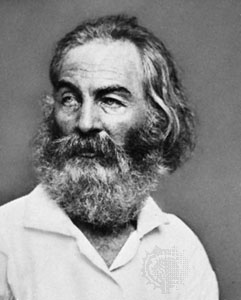
Walt Whitman, an aside in “Song of the Open Road.”

(Still here I carry my old delicious burdens,

I carry them, men and women, I carry them with me wherever I go,

I swear it is impossible for me to get rid of them,

I am fill’d with them; and I will fill them in return.)

whitman

My old delicious burdens. The piercing, pleasurable misery of April. The weight of death, of debts to pay. In the clear sunshine.

April is the cruellest month, breeding

Lilacs out of the dead land, mixing

Memory and desire, stirring

Dull roots with spring rain.

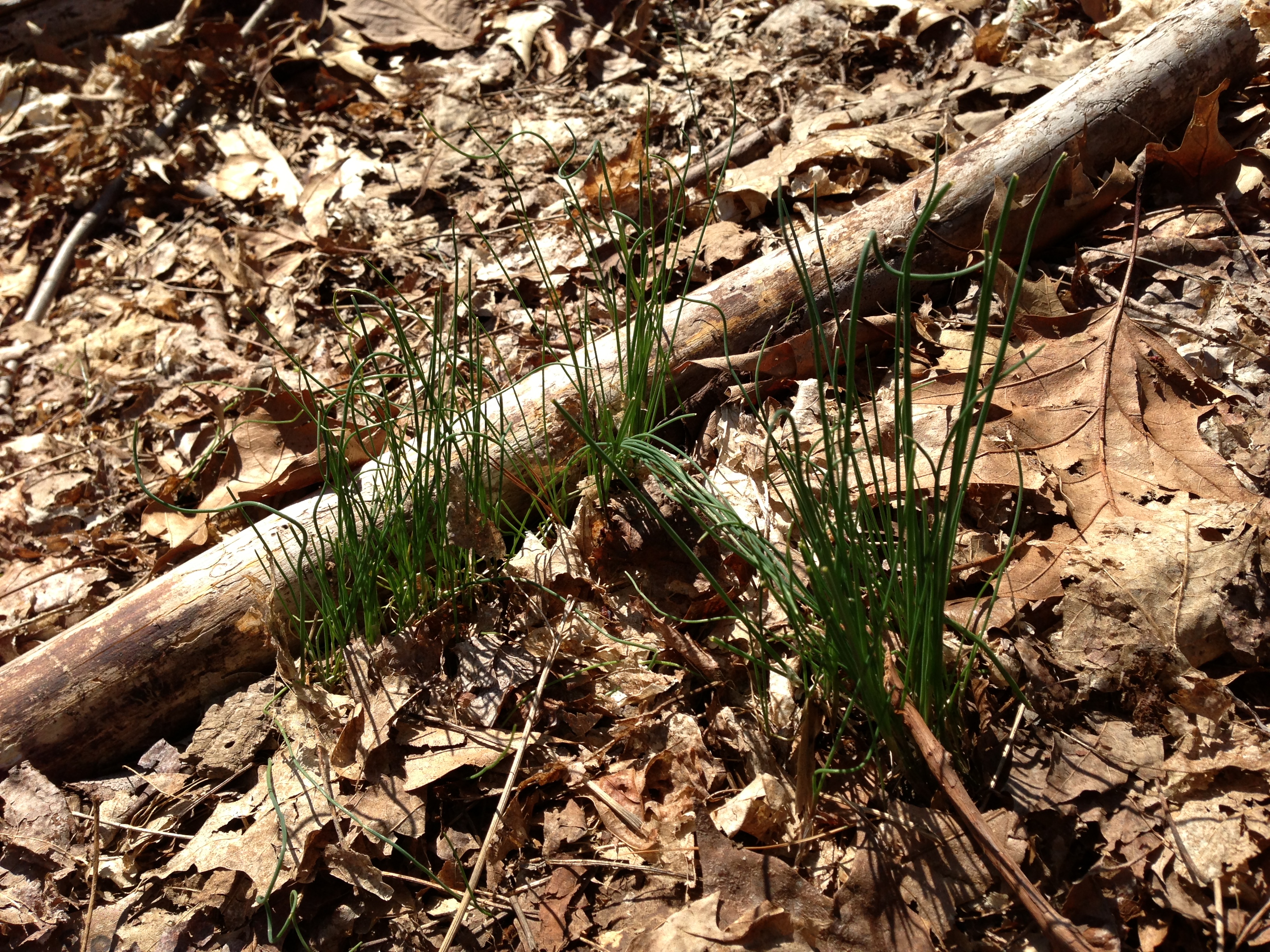
onion grass

In that poem, The Waste Land, T.S. Eliot also talks about how, In the faint moonlight, the grass is singing/Over the tumbled graves. It was a happy day, beginning in the nineteenth century, for families and lovers to take their leave of the gritty city and visit a graveyard.

green-wood-cemetery06

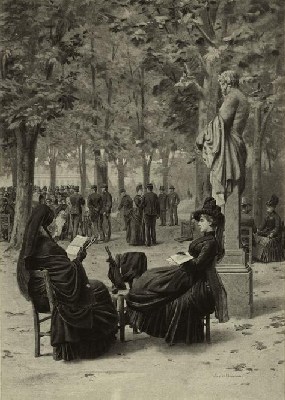
The landscaped acreage offered a garden and an art museum all in one, you could stroll or take a carriage, and whatever sadness you might feel was mitigated by your joy at being outdoors in the air, with the pristine green grass spilling over in the spring sunshine. Green-Wood Cemetery, in Brooklyn, New York, saw half a million visitors a year in the 1860s.

mourning_1888

Matsuo Basho gets at the bittersweet flavor of such a foray.

the whole family

all with white hair and canes

visiting graves

In the woods above the Cabin, we have tiny green leaves emerging out of the dusky litter of winter.

little green

“Little Green,” Joni Mitchell’s saddest song, carries within it happiness as well.

Just a little green

Like the color when the spring is born

There’ll be crocuses to bring to school tomorrow

Just a little green

Like the nights when the Northern lights perform

There’ll be icicles and birthday clothes

And sometimes there’ll be sorrow

The song, written in 1967, talks about a daughter that the 19-year-old singer gave up for adoption.

Child with a child pretending

Weary of lies you are sending home

So you sign all the papers in the family name

You’re sad and you’re sorry, but you’re not ashamed

Little green, have a happy ending

The comic Louis C.K., who manages to be soulful and raunchily hilarious all at once, gave a recent interview in which he talked about how he gets by in this world.

I don’t mind feeling sad. Sadness is a lucky thing to feel. I have the same amount of happy and sad as anyone else. I just don’t mind the sad parts as much; it’s amazing to have those feelings. I think that looking at how random and punishing life can be, it’s a privilege. There’s so much to look at, so much to observe, and there’s a lot of humor in it. I’ve had sad times, I’ve had some hard times, and I have a lot of things to be sad about, but I’m pretty happy right now.

To achieve happy sadness, we could all be more like animals, who so often mix emotions in their expressions. Yes, there are people who say  not-humans lack emotions. But I look at Oliver, the pit-hound in him tuckered out after chasing the white flag of a deer’s tail through the spring brambles. The look across his features.

deer chaser

And I think of Edith Wharton’s journal in 1924.

I am secretly afraid of animals…. I think it is because of the usness in their eyes, with the underlying not-usness which belies it, and is so tragic a reminder of the lost age when we human beings branched off and left them: left them to eternal inarticulateness and slavery. Why? their eyes seem to ask us.

Dogs do sometimes have that look in their faces – if I wasn’t so satisfied now I would cry. With Oliver I could imagine a particular happy sadness. If I caught that deer today I couldn’t chase it tomorrow, so all is well.

The Japanese christened the unique flavor called umami, something we only understand because of L-glutamate receptors on the tongue. Along with sweet, sour, salty and bitter, the names we all learned as we grew up for what goes on in the mouth when we eat, it’s one of the five basic tastes, identified by scientist Kikunae Ikeda in 1908. But it’s almost impossible to describe. It’s savory or “brothy,” found in dried bonito flakes or shitake mushrooms.

Shiitake Mushrooms

Soy sauce. Parmesan cheese. The thing about umami is that it offers a mixture of sensations that together become pleasurable on the tongue. Intense, saliva-stimulating. A powerful paradox.

Just like spring.

10 Comments

Filed under Dogs, Home, Jean Zimmerman, Nature, Photography, Writers, Writing

Pruning Links

Damn. My cup runneth over with links. My computer wouldn’t let me save another bookmark, it was so stopped up, so I had to prune. Throw out and organize. Floss. Figure out what I really needed to save, what I might need – need being a relative term – and what could be relegated to the virtual trash heap. So I’d have room for new, extra important links!

It was enlightening, actually. In embarking on this task, I found that there were three big categories that had held special importance for me in the past few years.

One was wonderful me and my wonderful work . My log cabin got its due . Even a movie (just a glimmer, but a Hollywood glimmer) had found its way into my bookmark file.

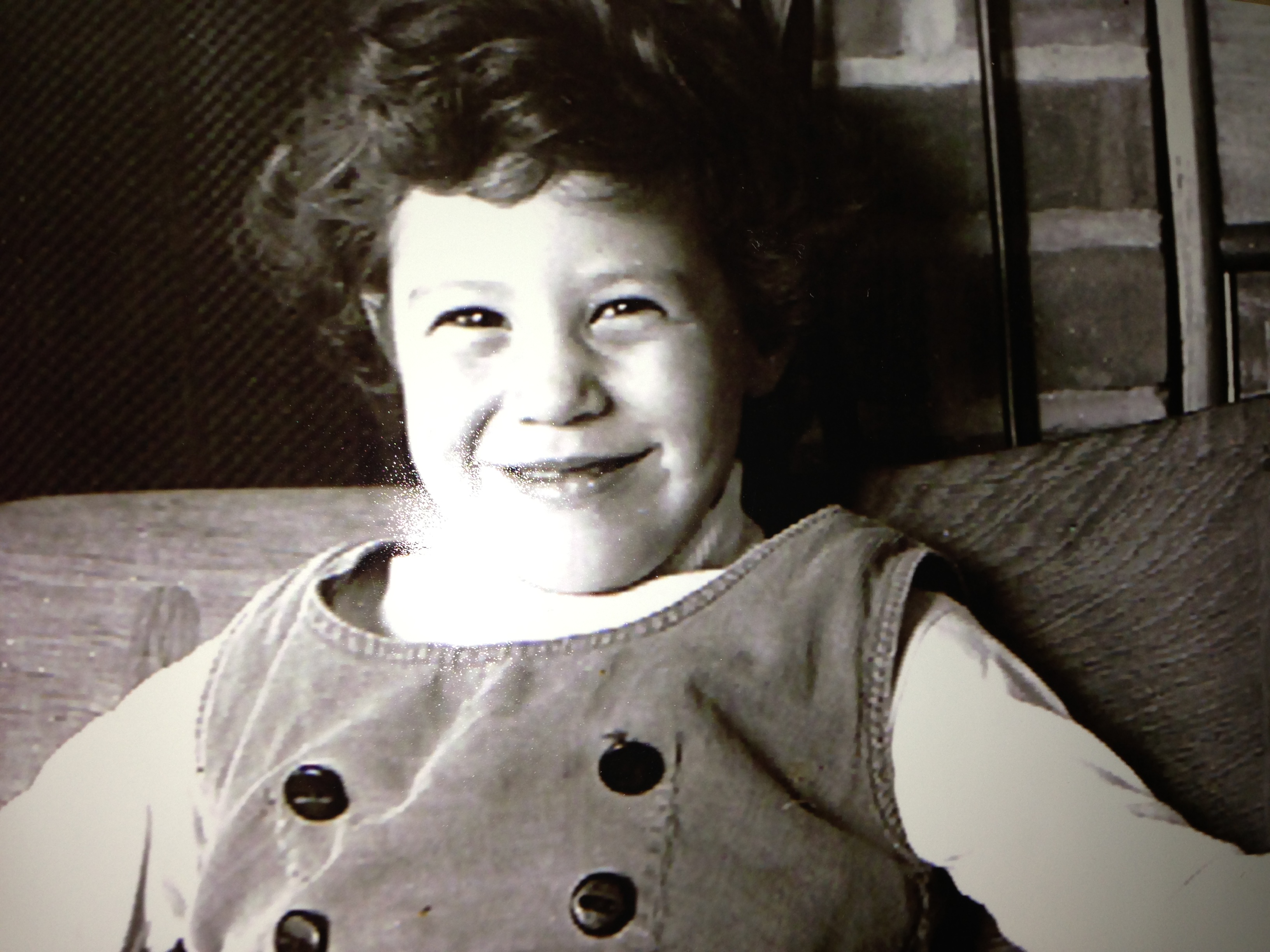
When I was a middle schooler making covers for my little hand-crafted books by binding pages into cardboard and calico with ironed wax paper, I think I would have been amazed that some day someone in the world would be interested in what I had to say. I still remember the smell of the hot wax paper as it was pressed, and the excitement that Miss Henny Penny’s Travels was going to be “published.”

young Jean

Edith Wharton tells a story in her autobiography, A Backward Glance, about going in to a book store in London when her first book, The Greater Inclination, came out in 1899 and asking the manager innocently if there was any new and interesting book she could look at. “In reply Mr. Bain handed me my own little volume, with the remark: ‘This is what everybody in London is talking about just now.’” He had no ideas who he was talking to.

Then, second, I have the category of Gertrude and Sylvia  and Simone   and the rest of the ladies who launch. And more of Stein.

U1889231

I couldn’t believe how many iterations I had of critiques, praise, profiles, pictures of the women who inspired me over the years and still fascinate me.

The third whopper of a group: scarves. Knit patterns for scarves. Especially circle scarves. Yes, cooking and knitting do take up some of my time, I admit it, unintellectual as that might make me. I’m itching to make Paula Deen’s gooey butter cake. But the scarves have it. I made seven this winter. Plus a sock.

knit

Then there is everything else. Before they go into the Older Bookmarks file, I’ll highlight a few that have grabbed my interest along the way. A self audit, as it were. And a little gift to anyone looking for something new to chew up their time.

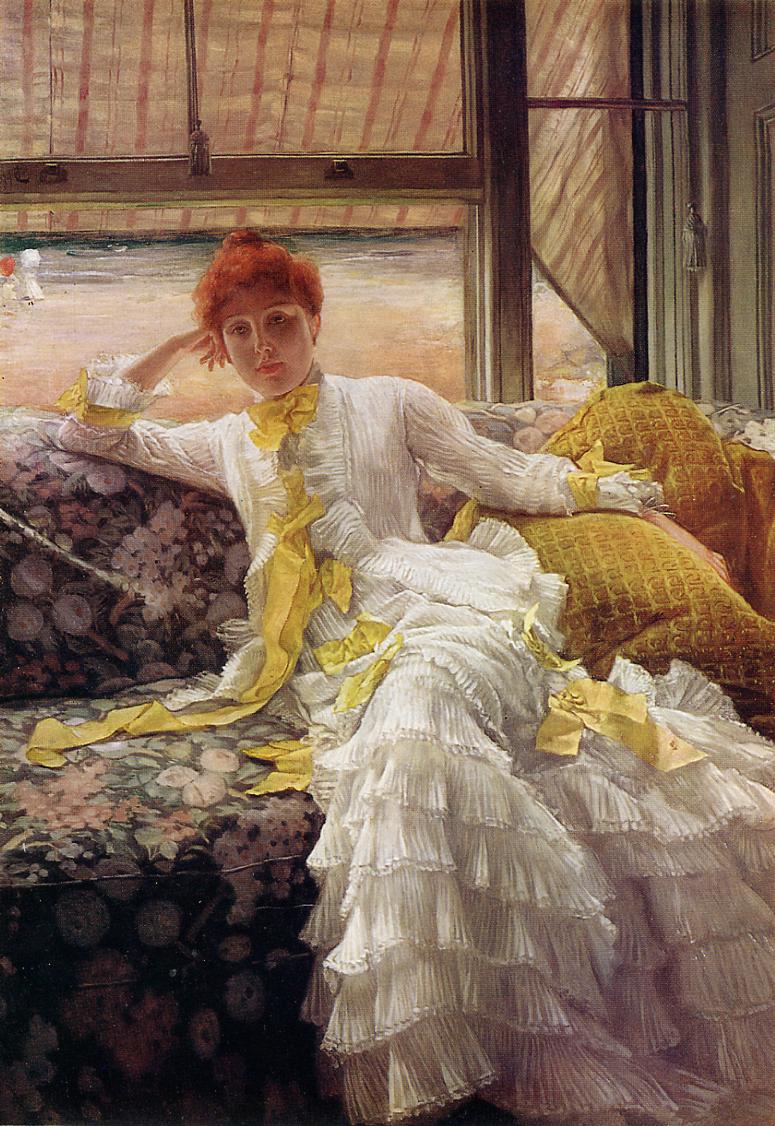
I obviously made a serious trip into Victorian America in recent months. Many times over DanceDressGetting aroundMansions, mansions, mansions. Does my time machine have an exit onto Manhattan’s Fifth Avenue in the 1870s? You bet.

James Tissot 1836-1902 - French Plein Air painter - Tutt'Art@ (8) copy

Even (or especially?) Victorian headless portraits interest me. So much of this nineteenth century arcana found its way into Savage Girl, my new novel that will be published in early 2014, which officially made it work, but it still felt like a guilty pleasure.

More research, this time for The Orphanmaster, unearthed this incredibly absorbing digital redraft of the Castello Plan. You can hover over the first street plan of New York, a drawn-to-scale view of seventeenth century New Amsterdam, and investigate what it was actually like.

I had the idea at one point that we should explore Oliver’s genetic background and see what part of him was actually pit and which part was hound. So I looked into DNA testing for dogs.

Oliver

I wondered what you’d see if you opened the refrigerator door in Bangkok or Jerusalem. I found out at Fridgewatcher.

I always find it useful to keep a library on file in case my disheveled bookshelves won’t yield it up. And so, here they are, minding their own business, various books in their entirety, like George Orwell’s Down and Out in Paris and London, one of my favorites,  and the Diary of Samuel Pepys. And it’s always good to be able to access an exhibit based on Whitman’s Leaves of Grass.

iwhitmw001p1

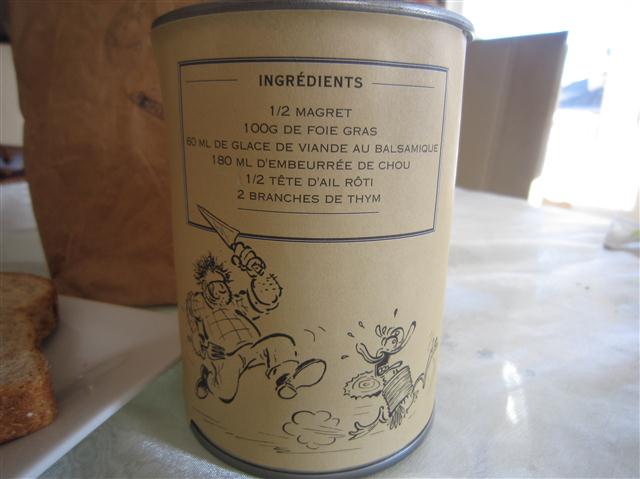
Gil and I ventured to Au Pied de Cochon in Montreal. For a while afterward we didn’t get our cholesterol levels checked. The menu  includes such delicacies as Tarragon Bison Tongue and Foie Gras Poutine (foie gras is their speciality, along with everything pig-related), all of it drenched in butter. It was here that I had the famous “duck in a can,” consisting of a duck breast, a lobe of foie gras, half a head of garlic and some kind of spectacular gravy packed into a metal can, like a soup can, and boiled.

duck in a can

Afterwards, when you’ve been sitting at your table for a while marveling at the number of trendy people there are in Montreal, the waiter opens the can at the table and dumps the whole stew onto your plate. Fabulous.

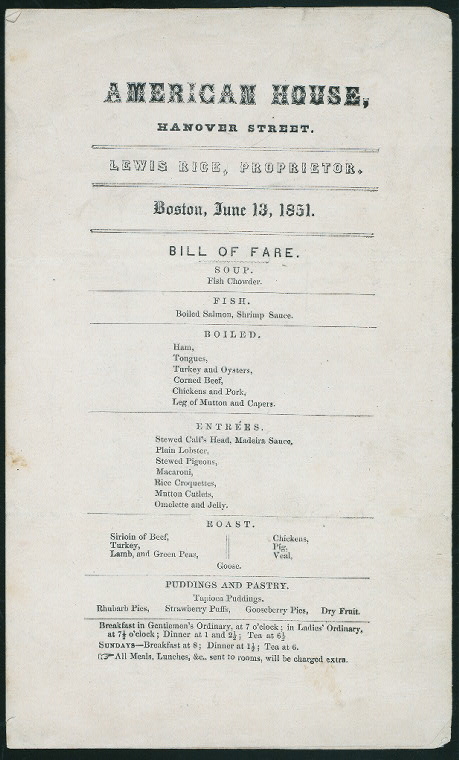
If you like menus as much as I do, you’ll go to The New York Public Library’s historic menu collection.

American House

Something I don’t want to file too far way is The Top Ten Relationship Words That Aren’t Translatable into English, assembled by a serious linguist, and including such gems as Cafuné (Brazilian Portuguese): The act of tenderly running your fingers through someone’s hair.

Probably the most delightful site I’m back-burnering. For now. Or, on the other hand, I think I’ll leave it out for a while in case I want to take it with me as a reference when I next tour the Metropolitan Museum of Art: Nipples at the Met(“updated regularly”).

nipples

All links welcome; leave them in a comment.

4 Comments

Filed under Art, Cooking, Dogs, Fashion, Fiction, History, Home, Jean Zimmerman, Knitting, Poetry, Savage Girl, The Orphanmaster, Writing

Blandine in Hollywood

I’m over the moon, even though I know it’s made of cheese.

Man in Moon

Today, this happened.

A man walks into his office. He sits at his desk – no, not a desk, that would be too quotidian. He settles himself into a Biedermeir chair behind a slab of onyx held up by columns of piled film scripts. Hollywood golden sunlight floods through the windows. A woman follows, with perfect hair and an expression that is intelligent and ambitious in equal proportions.

They are partners in a company so impossibly famous that when you go into tiny villages of squatters in the four corners of the world, they have heard of their movies.

I have something to show you, says the woman.

He holds the novel in his hands, glances down at the title.

What does it mean? he says.

There’s an American woman, and a man who’s an English spy, she says. Bad guys, good guys, accusations of witchcraft, child abductions, supernatural demons. She’s hot shit, says the woman. And it all takes place 300 years ago, in Manhattan. It was virgin forest then, she says.

I know that, he says.

A beat.

So, the mogul says, for the heroine, that blonde from Thrones, what’s her name, Kahleeza something… and the hunk… we’ll get Depp. Or maybe that guy Fassbender…

For a moment, he muses, while she goes over and adjusts the blinds so they’re no longer fucking blinded.

He opens the book. Reads the first line:

On the same day, two murders.

hollywood-sign

7 Comments

Filed under The Orphanmaster, Writing

The Bite-In-the-Ass Detail

I just finished a work of history that I found as interesting for what it was not as for what it was. In Jefferson’s Pillow: The Founding Fathers and the Dilemma of Black Patriotism, Roger Wilkins explores the disconnect between the egalitarianism of the founding fathers and the fact of their slaveholding. It delves into the experiences of black and white Americans during the Revolutionary era.  My book group loved the book. It has a personal cast as well as an academic focus, showing how the author as a black American came to respect and value the contribution of the early patriots despite their hypocrisy, which so harmed his African and American ancestors. “To be human,” he insists, “is to live with moral complexity and existential ambiguity.”

Roger Wilkens

I read the book wanting to be drawn in by the author’s careful parsing of racism then and now, and I felt moved by the telling of it. Yet I found myself wanting more. More details, more original sources. More of the bits where the author painted a picture. More crunch. Wilkins cites the fact of Thomas Jefferson, for example, being carried on a pillow as a child by slaves belonging to his wealthy family – the trope that gives the book its title. It’s a gripping image. Yet I wanted the participants’ names, the type of carriage, the destination of the procession, the fabric of the pillow.

Thomas Jefferson

We have a term in my house that gets at the fabric of the pillow. Once, Betsy Lerner, she of the keenest mind and editorial ability (she’s also my literary agent) made a comment in passing. I want more bite-in-the-ass details, she said. That’s what good writing called for.

From that day on, Gil and I knew it when we saw it. “BITADs,” as he abbreviated her counsel. Bite-in-the-ass details.

BITADs are the key to good writing. Or at least the writing I like and aspire to. I want the detail that sings, that is irresistable, unassailable.

Take hummingbirds, for example. Okay. Adriaen van der Donck was a Dutch lawyer who helped settle New Amsterdam in the mid-seventeenth century. For a book, I borrowed his thoughts from his journal on the subject of these beautiful creatures, that they were too “tender,” as he wrote, to make good pets: “We … prepare and preserve them between paper,” he explained, “and dry them in the sun, and send them as presents to our friends.” Russell Shorto, in his insightful work The Island at the Center of the World, relied heavily on Adriaen van der Donck, but left his ass unbitten by the hummingbird.

hummingbird

But the bird’s a BITAD, one that helped me show Europeans’ awed reaction to the New World when I was writing The Women of the House: How a Colonial She-Merchant Built a Mansion, a Fortune, and a Dynasty. (It was such a fine BITAD I repurposed the poor dessicated hummingbird for The Orphanmaster as a gift that a smitten suitor gives Blandine, the novel’s heroine.) Scouring the texts of seventeenth century America I have found a surfeit of BITADs, from wild grapes “as large as the joints of the fingers” to winter weather cold enough to freeze eels in a bucket of water, to six-foot lobsters harvested from the floor of the East River off Manhattan.

The details I sought out in describing early New York in The Women of House went beyond the wonders of nature. Like Wilkins, I discussed slavery, which was more prevalent on Manhattan and its environs than many people are aware of. I found myself fascinated, too, by slave rebellions of the colonial era. There were many and they were gruesome affairs. Wilkins mentions the Stono Rebellion of 1739, but somehow neglects the details that make it so arresting, a car wreck from which you cannot avert your eyes.

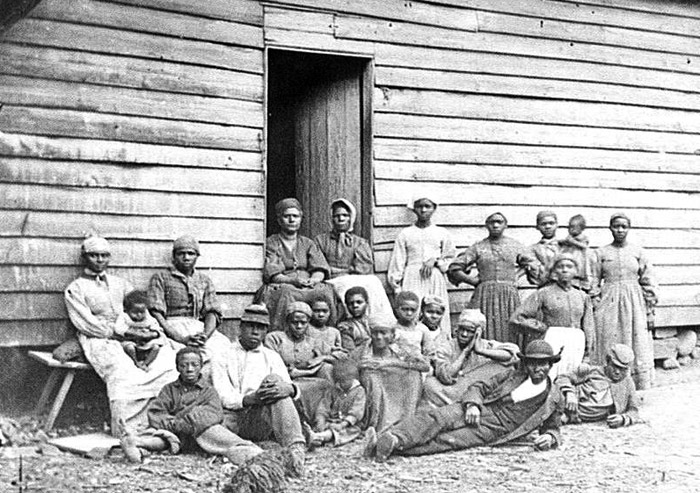
slaves

Stono took place in South Carolina, just outside Charleston. King Philip of Spain, who had colonized Florida, offered freedom to any English-owned slave who could flee to St. Augustine. Then he proposed a settlement to be founded by and for escaped slaves. It would be called Fort Moosa. All residents would be armed against their former masters.

What happened next is something that has been pretty much erased from our collective memory. Twenty Stono slaves raided a weapons depot and left the heads of two hostages on display before crossing the river to George en route to the promised land of Fort Moosa. Slaying whites and appropriating weapons at every house they passed, the crew gained ecstatic adherents along the way. Slaves joined in with shouts of “Liberty!” as the freedom fighters moved south. Then, in an open field where slaves were celebrating their new freedom with rum and dancing, government troops descended. After the killing stopped, dozens of pikes topped with rebel heads lined the main road at one-mile intervals. (That’s a BITAD.)

stono_rebellion

Stono was only one of dozens of slave rebellions during the colonial period. Some conspiracies took place in New York, where it was said that slaves poisoned the water supply or set conflagrations. The so-called Great Negro plot of 1741 involved both black and white insurgents, who congregated in a tavern nicknamed Oswego after an English trading post on the shore of Lake Ontario where the riches of Europe were bartered for those of the northern frontier. (BITAD!)

Now you get it. As a young writer I assisted a woman who was brilliant but not a professional writer, helping her get her ideas down in a book. Her idea of guiding my work was a simple phrase that frustrated me no end: “Make it compelling,” was all she would say.

There are many strategies writers use to make their work compelling. The BITAD stands at the forefront. But is slavery too somber a subject to be enlivened by writerly strategies? I think not. Every subject benefits when you find the strange and particular attributes that distinguish it.

Not just big-picture history, either. Consider how you might tell a story of your own experience. Say I want to convey my time in middle school. I’d start with the strains of Windy, by the Association, sung in chorus, kids standing on rickety wooden bleachers… Who’s peekin’ out from under a stairway, calling a name that’s lighter than air…

Windy

I’d tell about the chorus teacher, a woman with flame-orange hair in a flip. I’d tell about her bust, twin torpedos encased in a tight wool sweater. But the BITAD, I think, would be the gold watch she wore on a pendant, which dangled over the shelf of her bosom, to our endless middle-school hilarity. The detail that sings, so to speak. Above the clouds (above the clouds) Above the clouds!

4 Comments

Filed under Jean Zimmerman, The Orphanmaster, Writers, Writing

Life and Taxes

I had an errand to do and nothing could put it off. My accountant, based in lower Broadway in Manhattan, was waiting, and up Broadway we walked.

The financial district remains trapped in a purgatory between winter and spring. Mufflers and gloves abounded. The buildings themselves seemed frozen. The sound of traffic in those narrow streets formed itself into a cartoon thought-balloon above my head.

The graveyard at Trinity Church on the corner of Wall Street and Broadway had nothing like what Walt Whitman called the “beautiful uncut hair of graves.” All the grass lay shorn and grayish-brown beneath the eroded ancient stones.

trinity gravestone

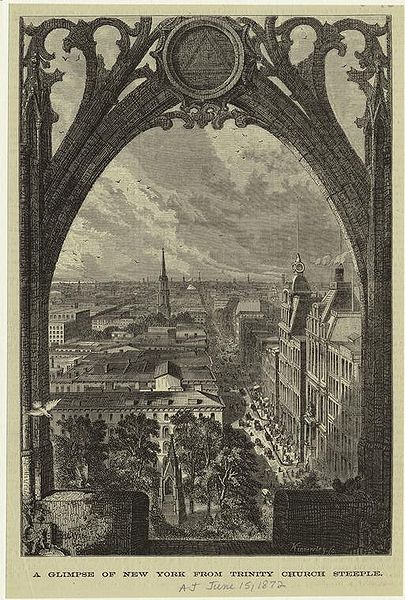
This isn’t the first Trinity Church. The original was destroyed by a fire that consumed a quarter of New York City during the Revolutionary War, leaving the steeple fallen and smoldering on the ground. The second, consecrated in 1790, was buffeted by severe snowstorms and deemed too risky to stand. The third went up in 1846. It boasted a spire that was magnificent, the tallest structure in Manhattan. The view from the church steeple became a fantastic tourist attraction and a romantic place to date.

view from trinity 1872

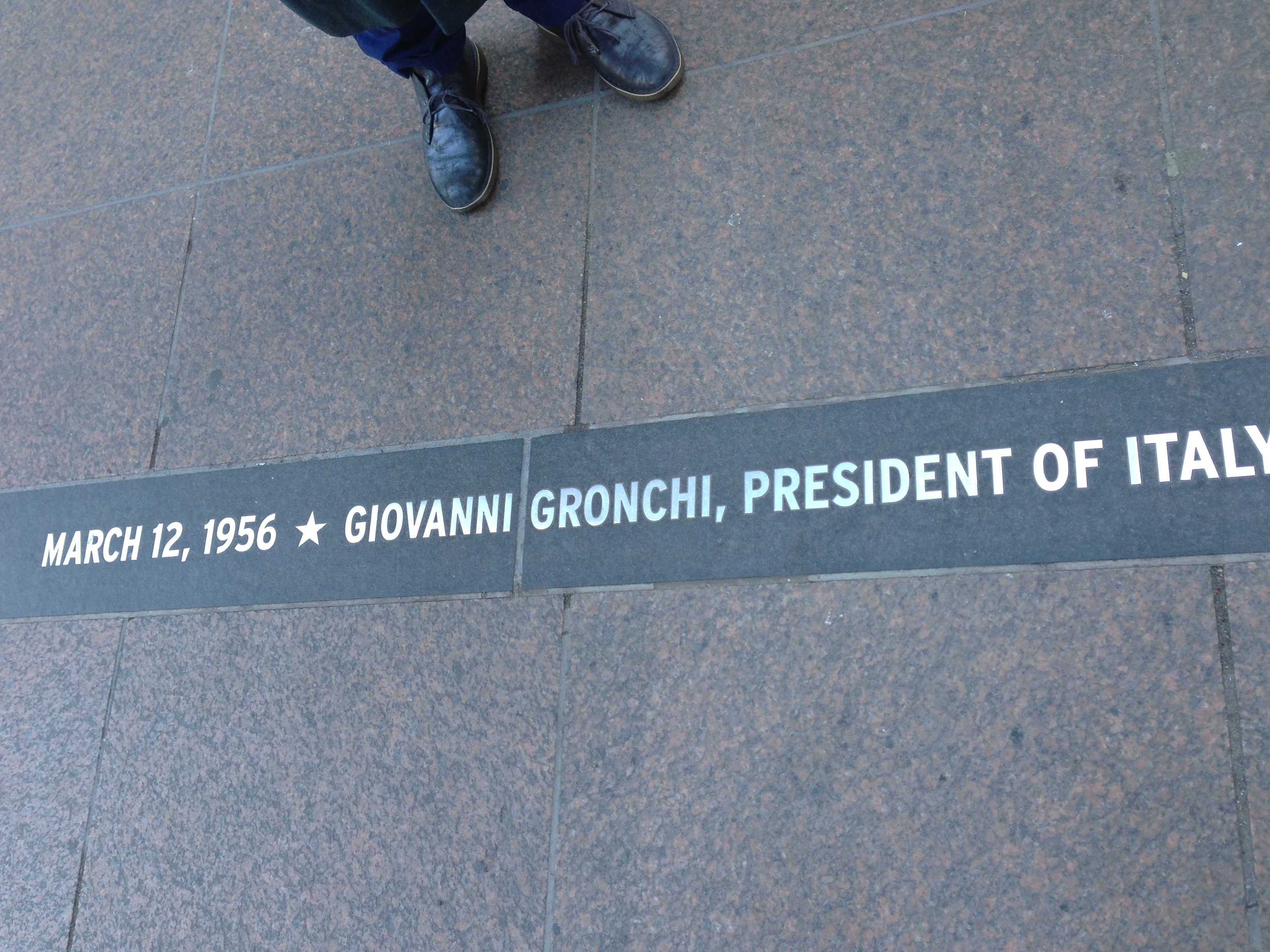
This was the Canyon of Heroes. The most recent ticker tape parade on lower Broadway celebrated  the New York Giants in honor of their Super Bowl XLVI championship in 2012, with 50 tons of confetti. And embedded in the sidewalk at regular intervals are the names of previous parade honorees.

canyon of heros

Most of them date to the 1950s, it would seem. Were we more celebratory then?

Thames Street exists. I saw it with my own eyes for the first time today. Pronounced Thaymz. A band called All Time Low did a song about it.

Thames Street,
I’ll take you out though I’m hardly worth your time,
In the cold you look so fierce, but I’m warm enough,
Because the tension’s like a fire.
We’ll head South Broadway in a matter of minutes,
And like a bad movie, I’ll drop a line,
Fall in the grave I’ve been digging myself,
But there’s room for two,
Six feet under the stars.

My accountant Sue’s office lets in the light of the harbor, though without the views. Positioned around the office were baby jade plants and elongated poinsettias left over from the holidays, depictions of angels and lollipop easter eggs. On a file cabinet, her pictured pugs, including the wiry one who kept Sue’s ill mother’s feet warm.

In front of Gil and me, untouched, a plastic bowl of peppermints. Sue can play the calculator blindfolded, one hand tied behind her back.

Sue Reda

Gil and I engaged in some chest thumping, some head hanging, some soul searching, as we always do when we review our year’s finances. What does it mean to try to make it as a professional writer in America, in New York, in mid life? Is it worth it?

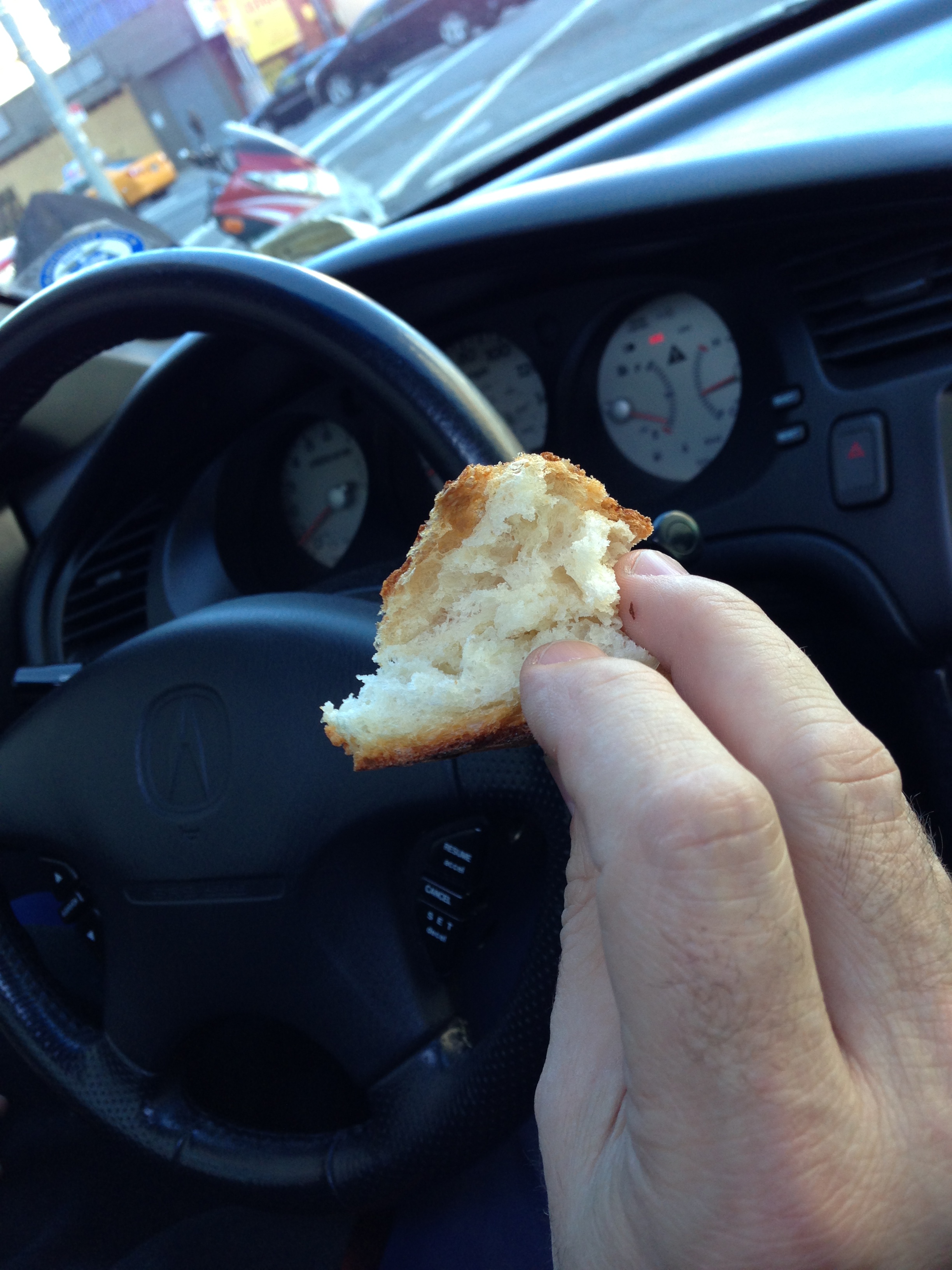
Sprung from there and resolved to keep better accounts in 2013, we stopped at Sullivan Street Bakery (located not on Sullivan Street but an industrial block in midtown). The loaf Gil brought out to the car was hot from the oven, crusty and chewy.

hot bread

We tore off the top and gulped it down, finances (nearly) forgotten.

One more errand before picking up Maud in Morningside Heights on this surprisingly good Friday. My favorite store, Fairway, where the fishmonger asked if I preferred the male or female flounder filets. The female flesh, he explained, was paler, sweeter. I think he was serious.

The fishmonger would get in trouble, he said, if he allowed me to photograph his face in the store, and he turned his back toward the sink so that management wouldn’t abuse him.

fairway

His face was beautiful.

1 Comment

Filed under History, Jean Zimmerman, Writing