Category Archives: Publishing

Softcover Orphanmaster – First Copies

I was grumping around the Cabin in my chenille socks. I had a couple of bad things troubling my mind, ranging from awful (my close friend’s mother’s demise) to just stupid (bills overdue) and issues in between. It occurred to me, too, that I was no longer on vacation. Poor me.

Oliver began to sound his bassett-style bellow, smearing his nose against the little window overlooking the driveway as though he saw the four horsemen of the apocalypse charging his way.

O at Window

But with him, you never know. It could be a sadistic chipmunk or just a change in the direction of the wind.

Anyway, the UPS truck dumped off its cargo. Inside the padded envelope, an agreeable surprise: the first two copies of The Orphanmaster’s paperback edition had rolled off the printing press and into my hands.

O-Master P-Back Cover

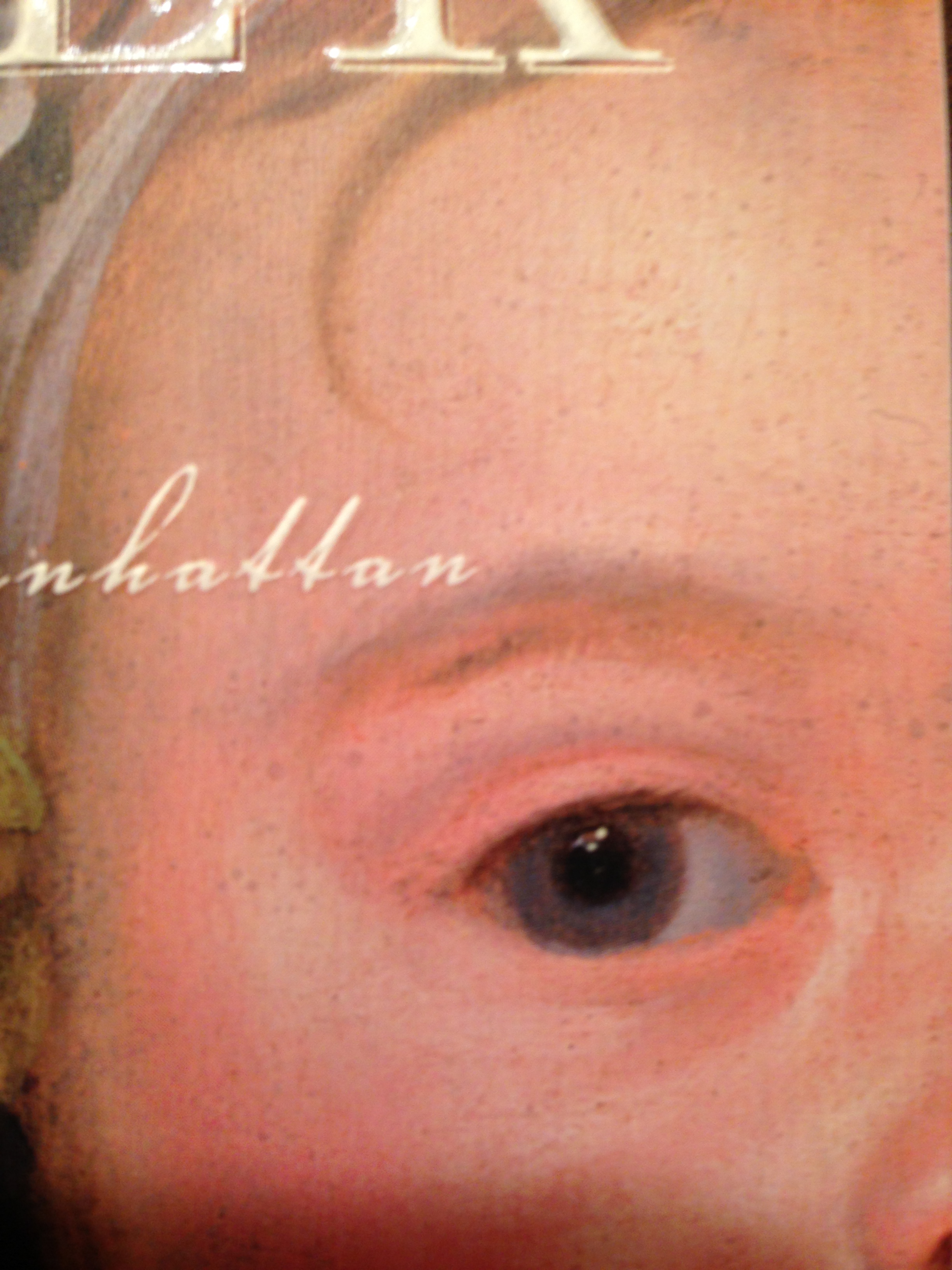
I had seen the jacket before, of course, in correspondence, but I had never run my fingers across the white raised type of the title. I hadn’t met the gray, gleaming, innocent eye of the little girl who stares out from the cover, seen her flushed cheek close up.

eye

Never seen the validating pull quote across the top of the cover:

“The ideal historical mystery for readers who value the history as much as the mystery.” – The New York Times

I hadn’t taken note of the other quotes Penguin put in to entice readers as soon as they opened the book. The words raced now through my still somewhat sluggish-from-grumpiness mind:

“Immersive first novel.” – USA Today

“A rip-roaring read.” – National Public Radio

“Teems with enough intrigue, lust, and madness to give our twenty-first-century Big Apple a run for its money.” –Sheri Holman

“A breathtaking achievement.” – Joanna Scott

“As riveting and nightmare–inducing as any Grimm’s fairy tale.” – curledup.com

And my personal favorite:

“Compulsively readable.”—Booklist

Etc., etc.

“Poetry makes nothing happen,” wrote Auden, in “In Memory of W.B. Yeats,” likely the most mournfully beautiful poem in the English language. Getting this wonderful version of my book in the mail can’t push back the shadows, pay the bills, restore life. I’m still trudging around in my socks.

But it’s a good thing. April 30th, the pub date, is not far away. Then we’ll celebrate.

8 Comments

Filed under Home, Jean Zimmerman, Poetry, Publishing, The Orphanmaster

The Indie Boom

A hole in the heel of my favorite wool sock, I’m trekking along one of the most enchanting trails I’ve known, Dead Man’s Pass in Sedona, Arizona, which forks off of the Long Canyon trail toward Boynton Canyon.

Dead Man's Pass

There are open vistas all around, across the landscape of low manzanita forest toward the brick-red monuments all around, a straight route over the top of the world. It can’t help but make you consider your life. How all the pieces have come together. The luck you’ve had. The good that has inadvertently come your way, as undeserving as you might be. How we’re all in it together, somehow. Heel rubbed sore or not.

sock hole

“Human kind has not woven the web of life,” said Chief Seattle. “We are but one thread within it. Whatever we do to the web, we do to ourselves. Alll things are bound together.”

I’m thinking of sores, and bandaids. And about books.

Last year when I went around the country to talk about The Orphanmaster, I heard from so many booksellers about the challenges of their business, the wickedness of Amazon, the evils of electronic publishing. All very polite, of course. But the idea was that the goodly paper-and-ink culture of books and book selling was suffering because of all these developments and might never recover.

Now comes an article in the Christian Science Monitor that extolls independent book stores, says the trend is all good, that indies are reviving across the country. The “chief content officer” of Kobo, which connects e-readers to book stores, puts it vividly. “We absolutely believe indies are the small, fast-moving mammals in this dynamic,” says Michael Tambley.  One bookstore owner, Wendy Welch, of Tales of the Lonesome Pine in Big Stone Gap, Virginia, offers, succinctly, “2012 was the year of the ‘bookstore.’” In January 2013, the ABA reported 40 new bookstores since the previous May.

It’s not that bookstores aren’t shutting their doors; they are. But sales at existing ones have gone up and new ones are busting out bookcases with alacrity. Some of the success stems from a “shop local” trend: “All things are bound together,” as Chief Seattle put it, especially communities.

Of the 32 speaking engagements I had last year, 15 took place at independent bookstores (I also spoke at libraries, historical societies, book colloquies, clubs of various kinds, etc.). At R.J. Julia Booksellers, in Connecticut, the sparkplug owner gave me the most gracious intro I’ve had, and insisted I take a book gratis. In the Bay Area, at Book Passage, I was given cream-colored stationery engraved with my initials. A few of the businesses that received me so warmly have since seen hard times or even gone under.

But on that trip, I saw so many stores that made a writer feel welcome, that conveyed the notion that we were all part of a vast, well-wrought web of readers and authors and publishers and bookstores, Amazon and the other meanies be damned.

There was one memorable evening on August 15 at Boswell Book Company in Milwaukee.

boswellbook

The proprietor of Boswell’s is a pip.

danield green

Daniel Goldin, a young guy who worked as a buyer for Schwartz books on North Downer Avenue, bought the place when a local book chain closed after 82 years, in 2009. He had an elfin energy. He scrambled around to make the screen and chairs and lectern all fit just right in the back of the store for my presentation. He wore a shirt in a vivid shade of purple. The Christian Science Monitor relates that he refused to be photographed for their article reading a book, saying, “We don’t read in the store.” They’re simply too busy.

Boswell logo

Not too busy to make this first-time fiction author feel like a star.

And another thing about Boswell, Goldin, and the hole in my sock. The thing that got me started mulling over the whole thing in the first place: at the back of the busy store stands a tall translucent vitrine filled with a collection of vintage Bandaid boxes. Why was it there? Simply a quirk of the owner, who collects them.

60bandaid

That’s why they call booksellers independent.

3 Comments

Filed under Jean Zimmerman, Publishing, The Orphanmaster, Writing

The Fires of March

Meanwhile… back at the Cabin, a guest post from Gil:

I’m thinking about Lars Mytting, who has a best-seller in Norway with his book, Solid Wood: All About Chopping, Drying and Stacking Wood — and the Soul of Wood-Burning.Hel Ved

Mytting’s book has not yet washed up upon these unenlightened shores, and the closest you can get is Thorsten Duser and Mimi Lipton’s delightful photo-essay, Stacking Wood.

One of the finest pleasures is a fire in the grate in March. With spring weather creeping up outside, the hot hearth has a bittersweet, valedictory air. The flaming chunks of wood crumble and fall apart like calving icebergs. The yellow-blue of the blaze my favorite color I think.

Ollie and Fire

Makes me remember the fires of The Orphanmaster:

They were silent for a long moment, both staring at the embers. There were cities revealed there among the coals, fiery foreign hells, countries of the damned.

We had fires almost every day over the period The Orphanmaster was written. The winter of 2010-2011, a good year for woodfires. We got our wood from our long-time purveyor, George Hauser Firewood.

Our friend Terry Lautin put us on to Hauser back in 1998 when she lived in Westchester. Later, when we started using him to supply our own fireplace in Hastings-on-Hudson, we discovered that a few of our more discerning friends used Hauser, too. This wasn’t your unseasoned, trash-wood cuttings offered by tree service and landscaping crews. This was year-old ready-to-burn hardwood.

Our pals Neil and Michelle White were talking about burning Hauser wood. I recalled Aline and R. Crumb’s masterful celebration of his tape dispenser, and said that Hauser was the “Better Packages” of firewood. A small, family-owned business that simply got it right, providing a superior product by dint of an uncompromising, old-fashioned way of doing the right thing.

We visited his woodlot, off Route 22 in Putnam County.

Hauser Woodlot

George: “People come out here, they always quote Thoreau to me, I tell them, this wood here, I’ve been warmed up hundreds of times.”

George Hauser died last year, but his business is being carried on by his wife and son-in-law. RIP George Hauser, one of the last of a vanishing breed of American.

5 Comments

Filed under Dogs, Fiction, Home, Photography, Publishing, The Orphanmaster, Writers

Books on Loan

Just hold on.

Before you say, that’s corny, or that’s not something I would ever put the time and energy into doing, think: a lending library of my own, that I design, at my house. A library! It could be like the libraries of old, the private ones maintained by Samuel Tilden, John Jacob Astor and James Lenox. They merged theirs to form the New York Public Library, with a $24 million bequest from Tilden, in 1895. In 1906, one of the greatest libraries in the world arose from its foundations at Fifth Avenue and 42nd Street, taking the place of the Old Croton Reservoir.

NYPL, 1906

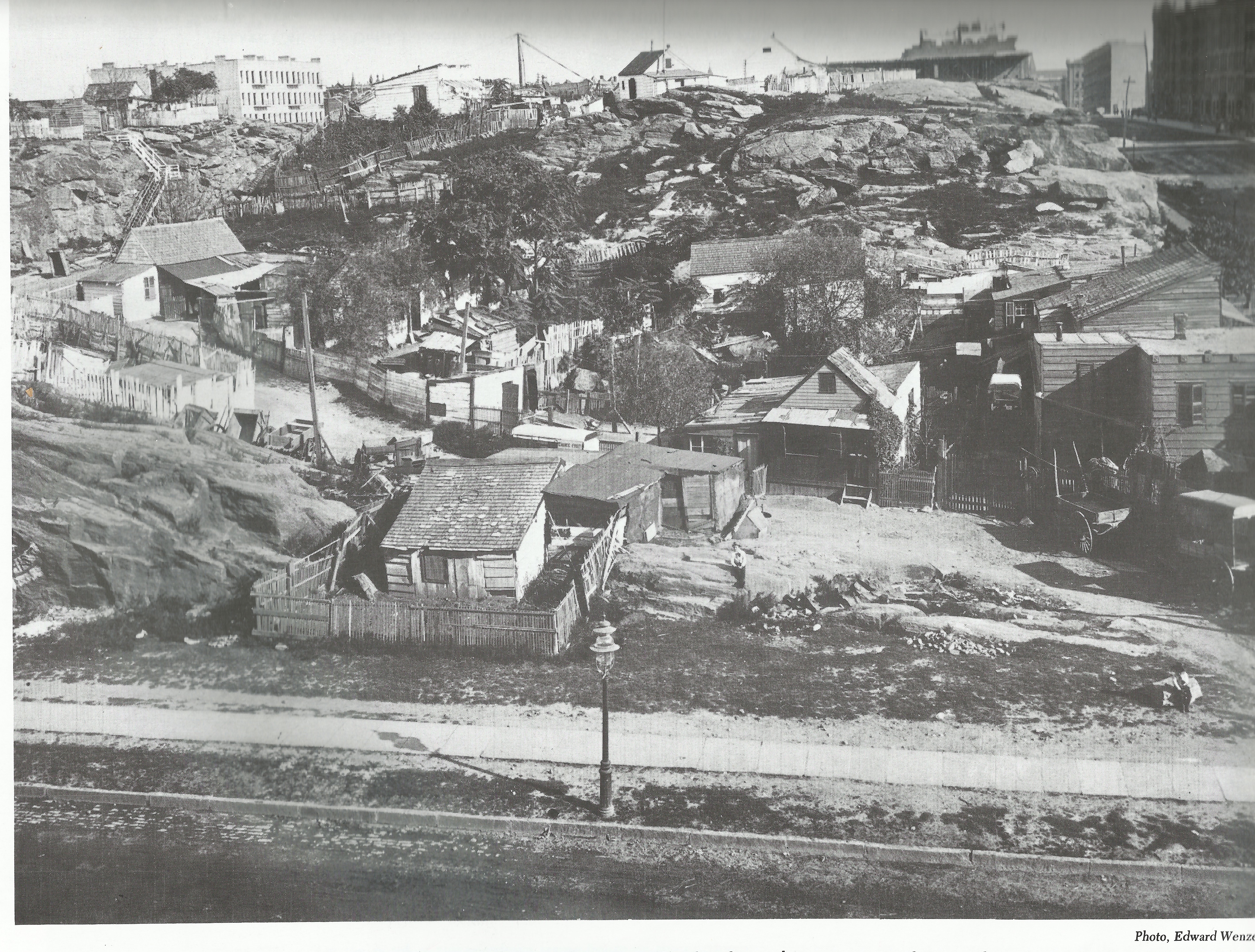
The Lenox Library sat atop a hill on Fifth Avenue between 71st and 72nd Streets, back in the 1870s when that was the boonies.

upper fifrh, 1893 1 copy

Lenox wouldn’t let just anyone into his bibliographic fortress, its contents were that precious. Scholars had to purchase a ticket.

Lenox

But you, you would admit the public, if you created a library.

Library 6

Graciously, you might even let people in to take away books without a library card.

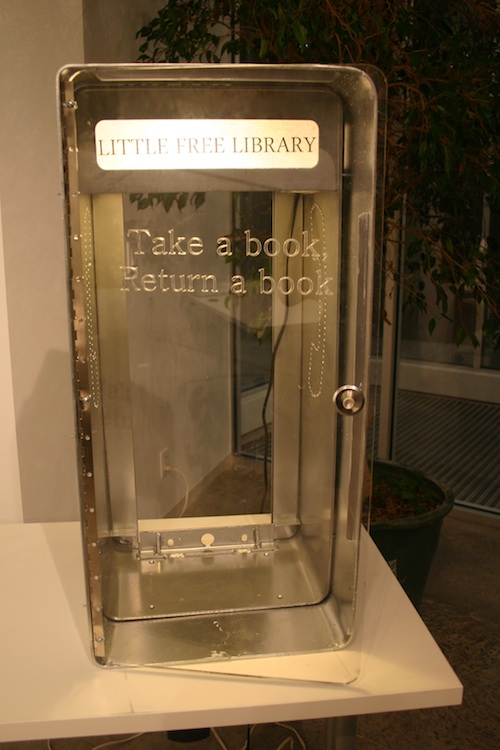
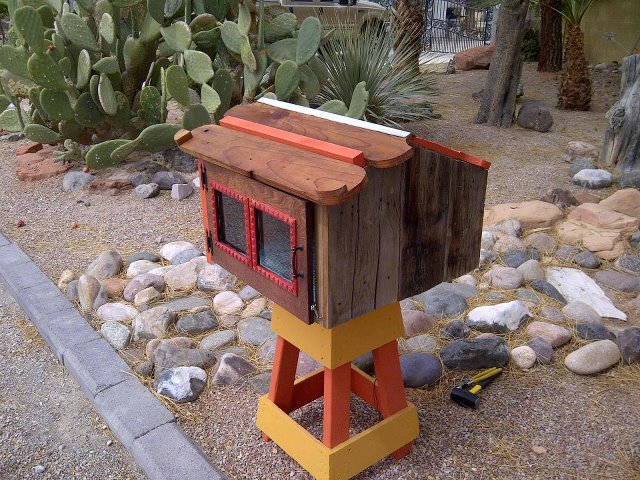
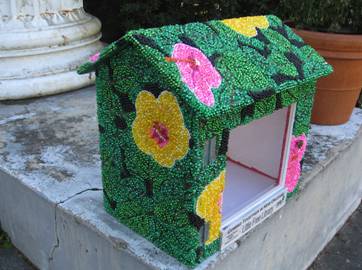
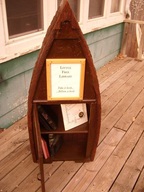
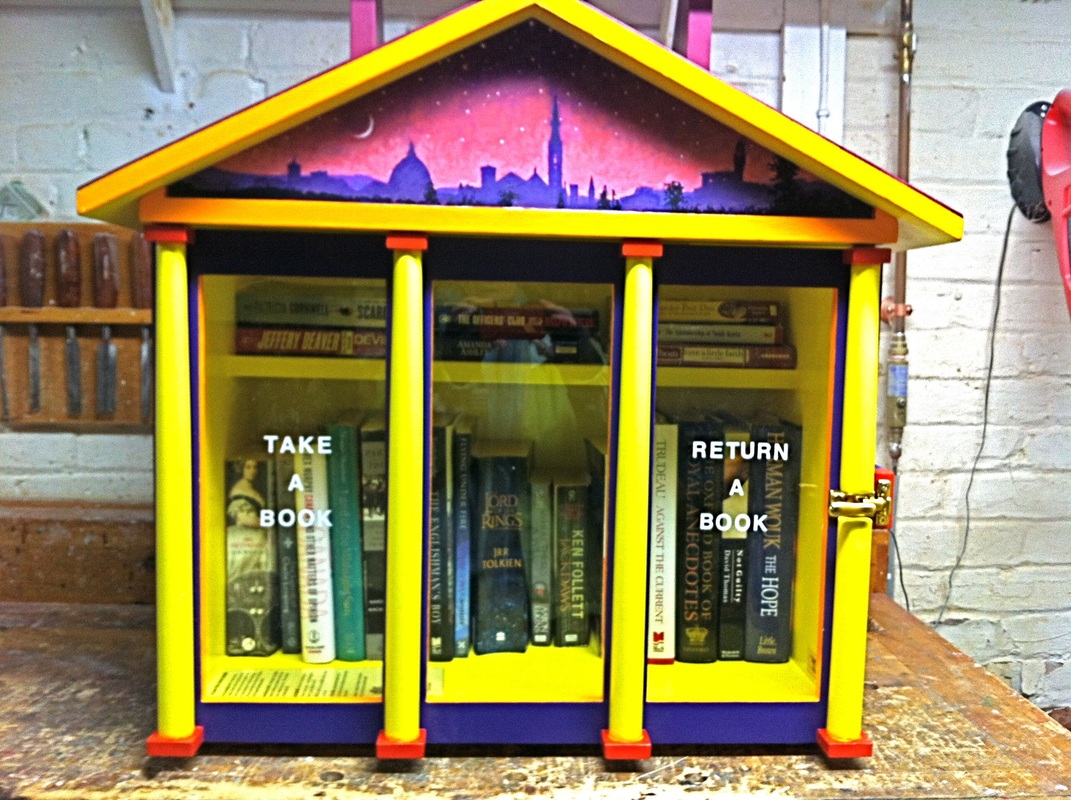
Little Free Libraries make this possible. With founders who are all about promoting literacy and community, this phenomenon has spread from the Midwest across the country, even as normal size branch libraries suffer funding cuts or close.

Library 1

What you do is build your own. And they will come.

Library 2

You take a crate, or some other frame, and you decorate it as you will. There are suggestions for how to build if you need them.

You can also, of course, order one pre-made. This is America.

Library 3

You set it outside your house.

Library 4

Fill it with whatever books of yours you think should be in your “collection” – because you loved them and want other people to know them, because you hate them and can’t wait to get rid of them, because they take up too much room on your shelves, whatever.

Library 5

The founders of Little Free Libraries say, “there is an  understanding that real people are sharing their favorite books with their community. These aren’t just any old books, this is a carefully curated collection and the Library itself is a piece of neighborhood art!” You can get special stickers to put in your books.

Library 7

People wandering by your house can simply take a volume. No questions asked. When they’re done with it they return in. They can add another if they wish.

Library 8

My sister-in-law Medith and her husband Thomas put this beauty in front of their home in Wisconsin. She says, “I get such kick out of seeing someone walk by, stop and go back, check out the books and then proceed on carrying their new read.”

Mimi's Little Free Library

Ellie, a neighbor, thinks it’s pretty exciting.

I wonder if she’s seen the map showing how many Little Free Libraries now throng the world?

I’m beginning to itch for one. I want to take a laminated shoebox and fill it with tiny books exclusively: miniature volumes like The Book of Whale Insults, The Incomplete Book of Dog Names, and Songs of Robert Burns. Maybe I’ll squeeze in a bound manuscript of Savage Girl. The only thing is, we don’t get any foot traffic on our dirt road through the woods.

Maybe a story hour that would appeal to squirrels?

2 Comments

Filed under Home, Publishing, Writers

Under Cover

I’m thinking about book covers.

Gil takes the jacket off pronto and reads the book naked. The paper covers float arouind the Cabin like disembodied spirits until we remember to replace them.

My editor at Viking was nice enough to ask me for early weigh-in, for ideas as they develop the cover for Savage Girl, my novel which is just now going into production (it’ll be out next winter). My editor did not have to do that. Tradition dictates that authors are owed a consult on the cover, no more. And my last two experiences with jacket art at Viking have been so superb that I trust them implicitly.

But since he asked, I’m thinking about book covers.

The hardcover of The Orphanmaster amazed me because it incorporated period graphics that I  thought you’d really have to be an expert to be aware of.

9780670023646_Orphanmaster_CV.indd

Someone did their homework. On the back flap is fine print that enumerates the images that appear here as a fantastic collage: (hand, detail) Pieter van Miereveld, The Bridgeman Art Library/Getty Images; (background) View of New York by Johannes Vingbooms, c. 1664, LOC[accession numbers follow]; (foreground) Moonlight Scene, Southampton, 1820 (oil on canvas), Sebasion Pether/The Bridgeman Art Library/Getty Images. The type’s so small I might have got some of this wrong, but suffice it to say the designers did their homework and the result is seamless and just  the right degree of spooky, with its moonlit view of a haunted, tiny New Amsterdam on the tip of Manhattan island so, so long ago.

I always loved that evocation. Then, looking into it a little further, I found out the designer responsible is actually a cover art magician by the name of Gregg Kulick, who has jacketed dozens if not hundreds of books, for various publishers. And is just really smart. He was straightforward when the Huffington Post asked him to name the most important element of a successful book cover: “Getting people to pick it up.”

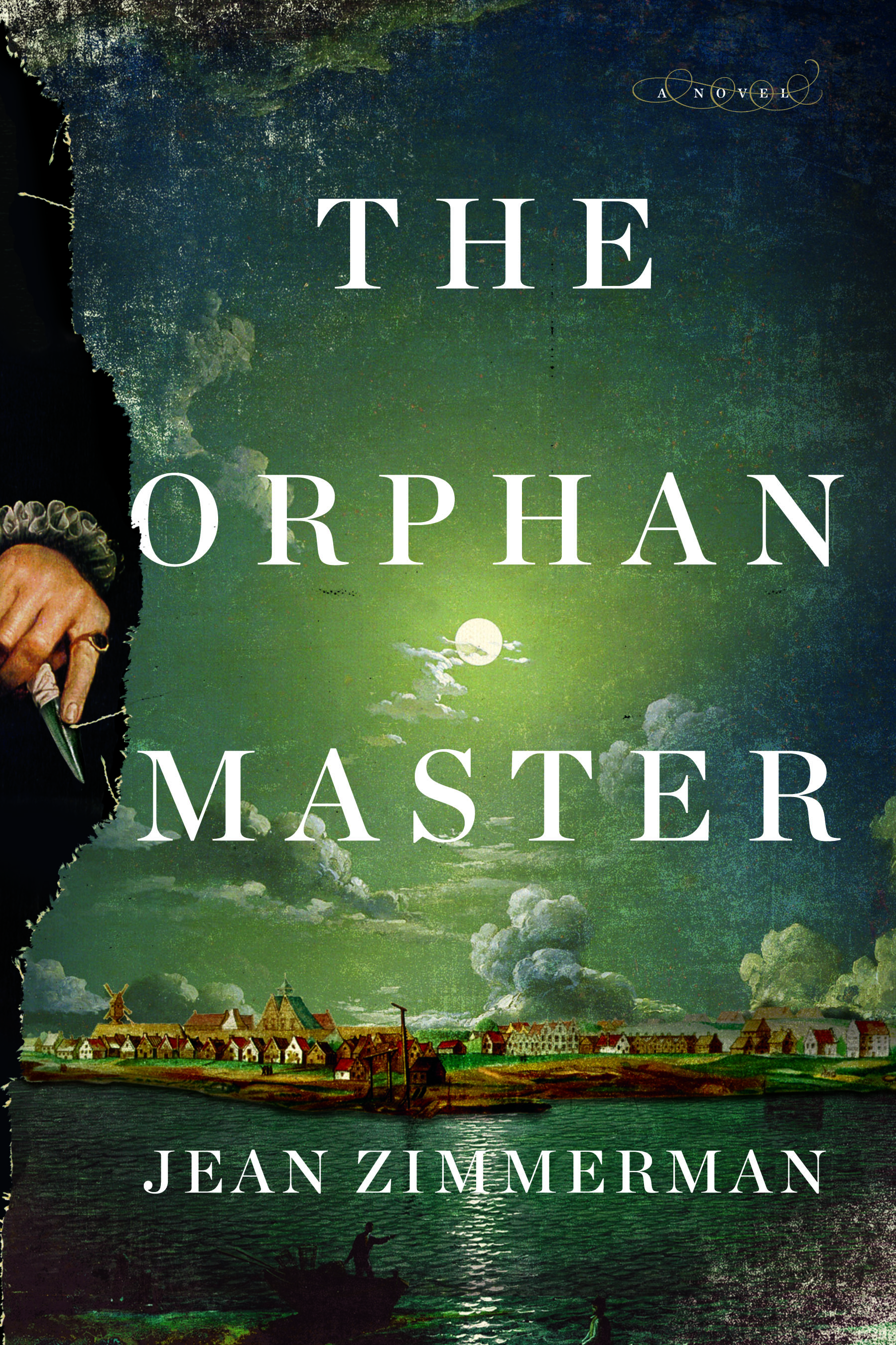
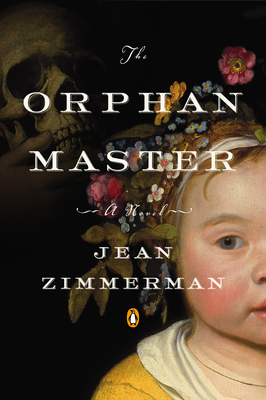
I also think highly of the cover for The Orphanmaster’s upcoming softcover edition (out April 30).

Orphanmaster Paper Official Cover copy

As an author, I feel so lucky. To me this design holds just the right balance of sweetness and terror, with the little girl’s rosy face and the skull hovering over her shoulder. I’m hoping it will attract some readers who didn’t get a chance to check out the novel the first time around. Bookclubbers, especially who wait for the softcover to pounce.

An interesting place to check out cover ideas is the web site Talking Covers, where authors and jacket designers hold forth on the development of the art for a particular book. The depth of the discussion can be really astonishing. I looked around here, and also at books on the web at the Book Cover Archive  and at Amazon and found it was hard to imagine what might be a starting approach for Savage Girl. Historical fiction, yes, murder mystery, yes, and it takes place in New York during the Gilded Age – all strong features of the book. But what images could get across my story so that a reader would, as Kulik said, “pick it up”?

I found myself liking covers with bold, striking colors, semi-abstract.

Vampires in the Lemon Grove, for example, by Karen Russell.

Vampires

Or Ben Marcus’ The Flame Alphabet.

flame alph

But did these and other disparate, attractive books have any bearing on what should design should clothe Savage Girl?

Back in the day, books did not have jackets. You would buy pages bound with cardboard – then bind the volume yourself with leather. When Fanny Trollope came out with her famous 1832 book that lampooned the United States, Domestic Manners of the Americans, London booksellers offered it in two parts, one red, one blue, cloth-bound in the latest fashion, with gilt titling on the spine. It had a huge first run printing of 1,250. Reviews in England were great, those in the U.S. stunk, and Fanny shot to the top of the bestseller list. Perhaps aided by those chic cloth covers?

I like cloth, still. Some nearly naked volumes are my favorites, like The Goede Vrouw of Mana-ha-ta, by Mrs. John King Van Rensselaer, published by Scribner’s in 1898.

Mana-ha-ta cover 1

With an especially beautiful spine.

Mana-ha-ta cover 3

(My volume was formerly loved as a library book.)

Or, more recently, Magnus Nilsson’s Faviken, its cloth stamped with black flora and fauna.

Faviken cover 1

Cloth or paper-bound, though, a book should jump into your hand from the bookstore shelf. It should warm your lap as you read it; it should purr. A book jacket has to live.

Whether I go to my editor proposing a pearly satin debut gown or a bloody pawprint — two images that pop into my mind when I think of the Savage Girl story–my ideas on their own won’t make much sense. What matters is your designer, your brillant designer of book jackets, and whatever blooms in his head.
3 Comments

Filed under Art, Fiction, Jean Zimmerman, Publishing, Savage Girl, The Orphanmaster

Mud Pies and Other Delicacies

I think this is my favorite season. It’s actually an inter-season, when the last of the snow has nearly melted and the reeds of last summer still stand tall and blond and dry.

old snow

winter reeds

And yet… the canes of bushes like these raspberries are reddening.

red canes

Tiny fringes of green poke through rotted leaves.

new grass

You can almost hear the sap rising in the trees. The end of winter. The beginning of spring.

I’m impatient to have the warm weather here. At five in the morning the birds are beginning to tune up. I am ready for the warm-weather mud.

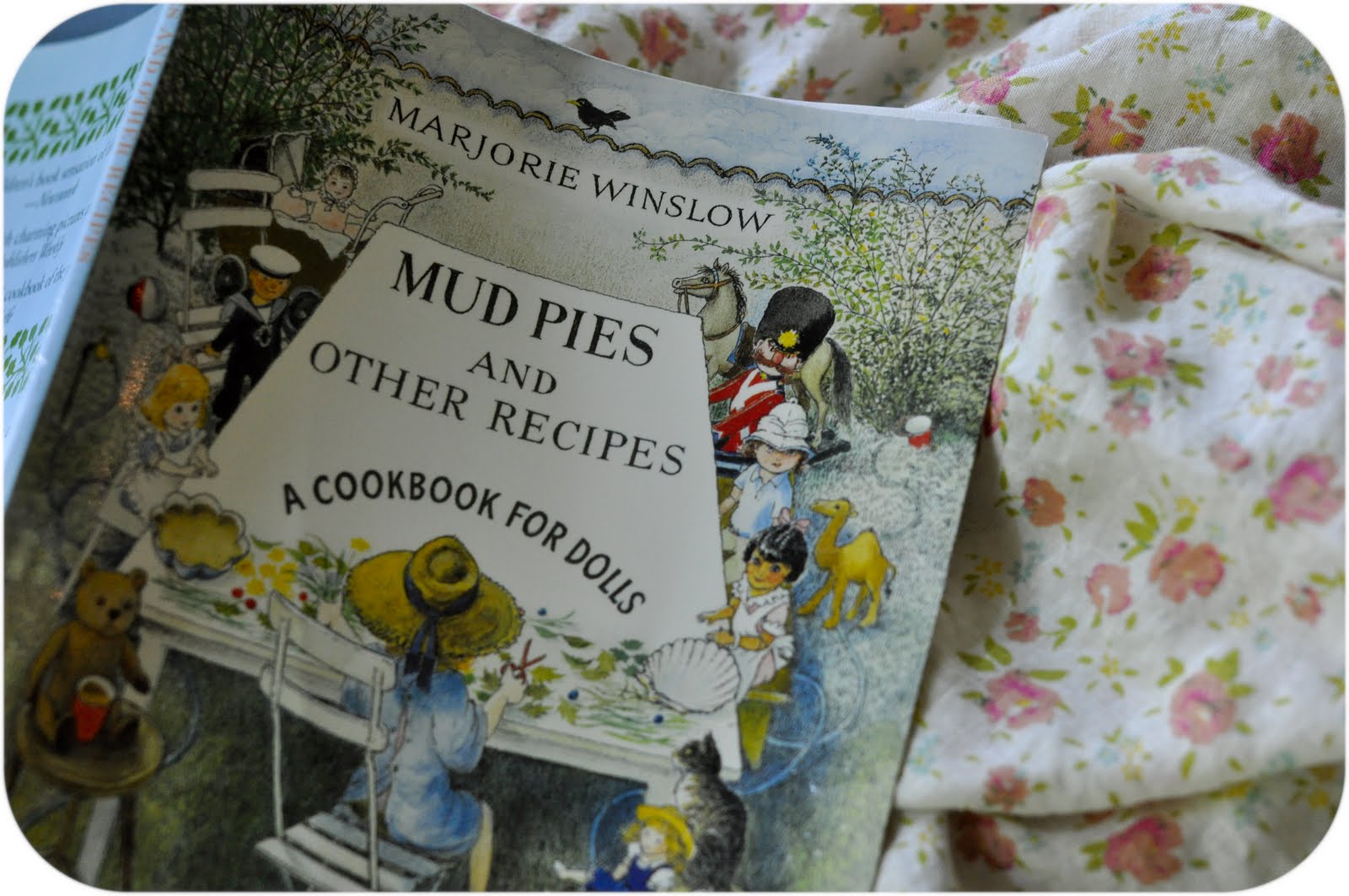
I still think of a book I obsessed over when I was a child, called Mud Pies and Other Recipes. The author, Marjorie Winslow, spelled out instructions that called for raindrops (to make “fried water”) and crushed dry leaves, flower petals and pine needles (for appetizers, to serve prettily in baking cups cut from shirt cardboard). I dreamed over that book.

mud pies and other recipes cover

There was, naturally, plenty of mud. For “wood chip dip” you must “mix dirt with water until it is as thick as paste. Place this bowl on a platter surrounded by wood shavings. Scoop the dip with the chip.” For a kid who liked to build homes out of acorn shells between the roots of trees, this was heady stuff.

The landscape around the Cabin, especially in this inter-season, makes me wonder what magic Winslow would concoct here.

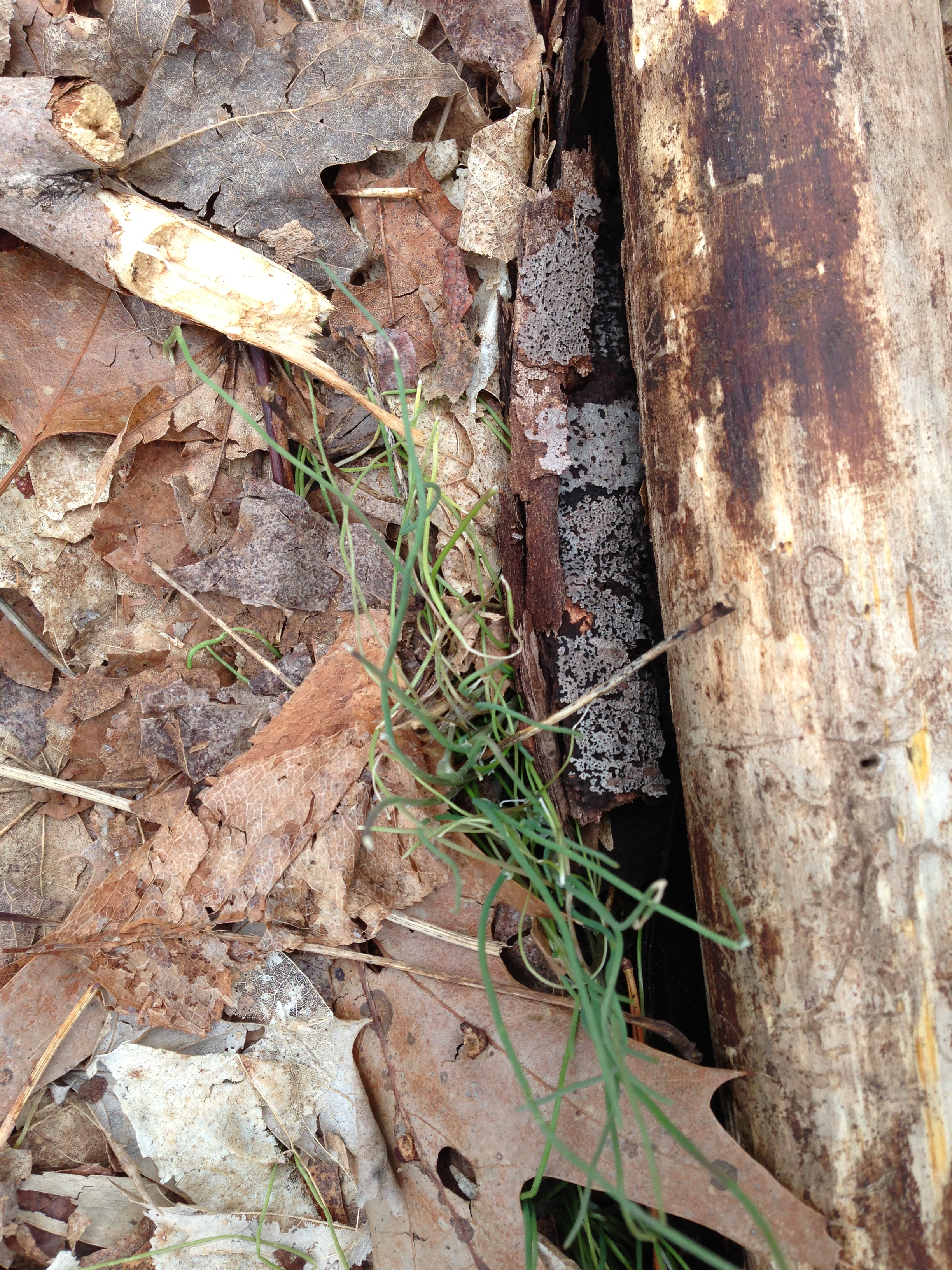
fallen bark

How about a bark sandwich?

bark sandwich

But let’s try to leave babyish games behind.

One of the best-known young Scandinavian chefs, Magnus Nilsson, brings nature into his decidedly grownup cuisine, with meals people travel into the remote Swedish hinterlands to experience. Marigold petals are as much staples of his kitchen as they are in the world of Mud Pies, along with ingredients like birch syrup and moose-meat powder.

MagnusNilsson_2354943b

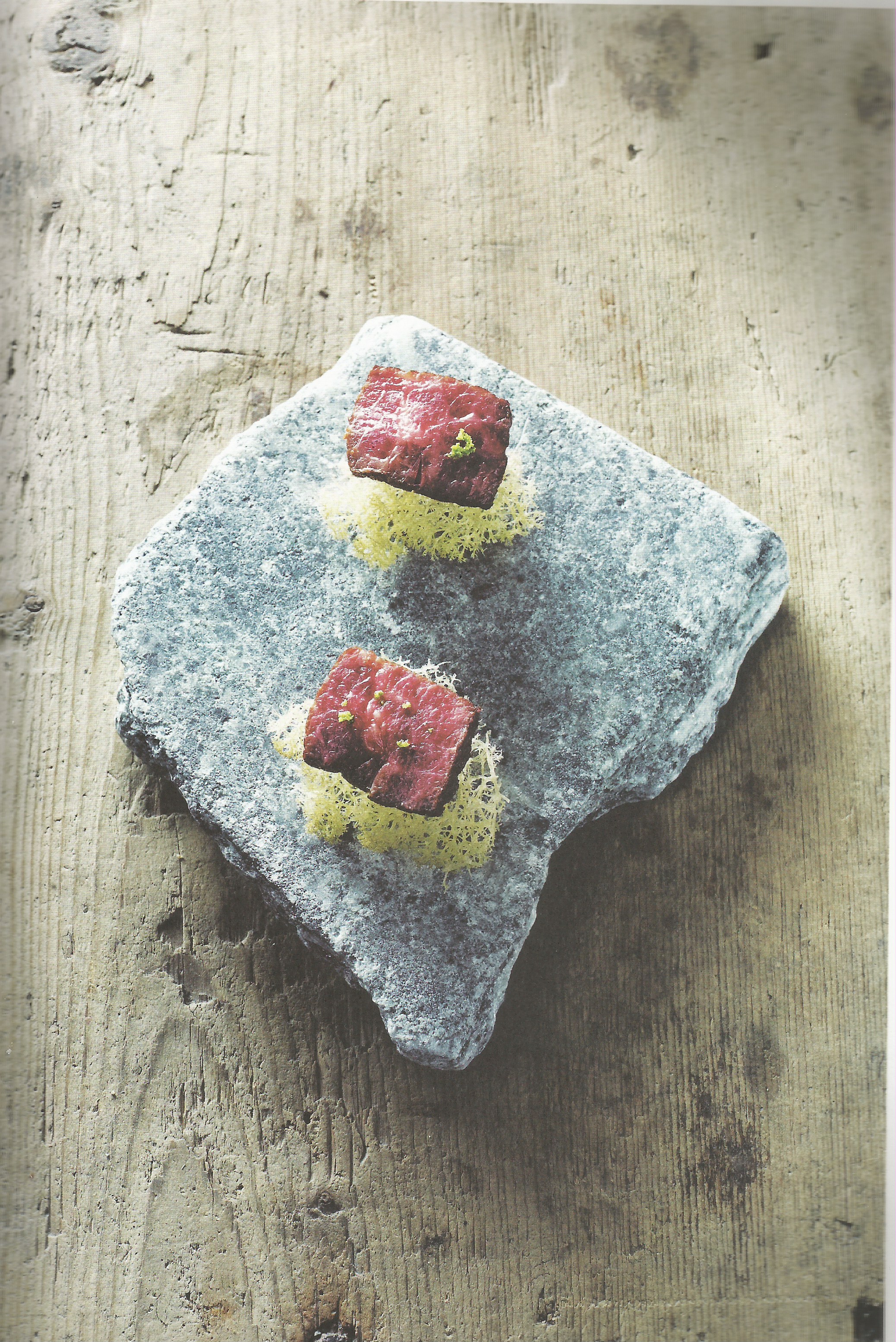
He has recently come out with a cookbook, Faviken, that evokes fairy tales through its approach to food preparation. The book delineates the secrets of Faviken Magasinet, the fabled restaurant Nilsson runs, giving recipes with surprisingly narrative titles, like “Marrow and heart with grated turnip and turnip leaves that have never seen the light of day, grilled bread and lovage salt.” He explains, about this dish, that “the main ingredients are a perfectly fresh femur and an equally fresh cow’s heart.” Not something I’m going to try at home, but possessed of a mythic poetry. Or how about this one? “A tiny slice of top blade from a retired dairy cow, dry aged for nine months, crispy reindeer lichen, fermented green gooseberries, fennel salt.”

nillson 1

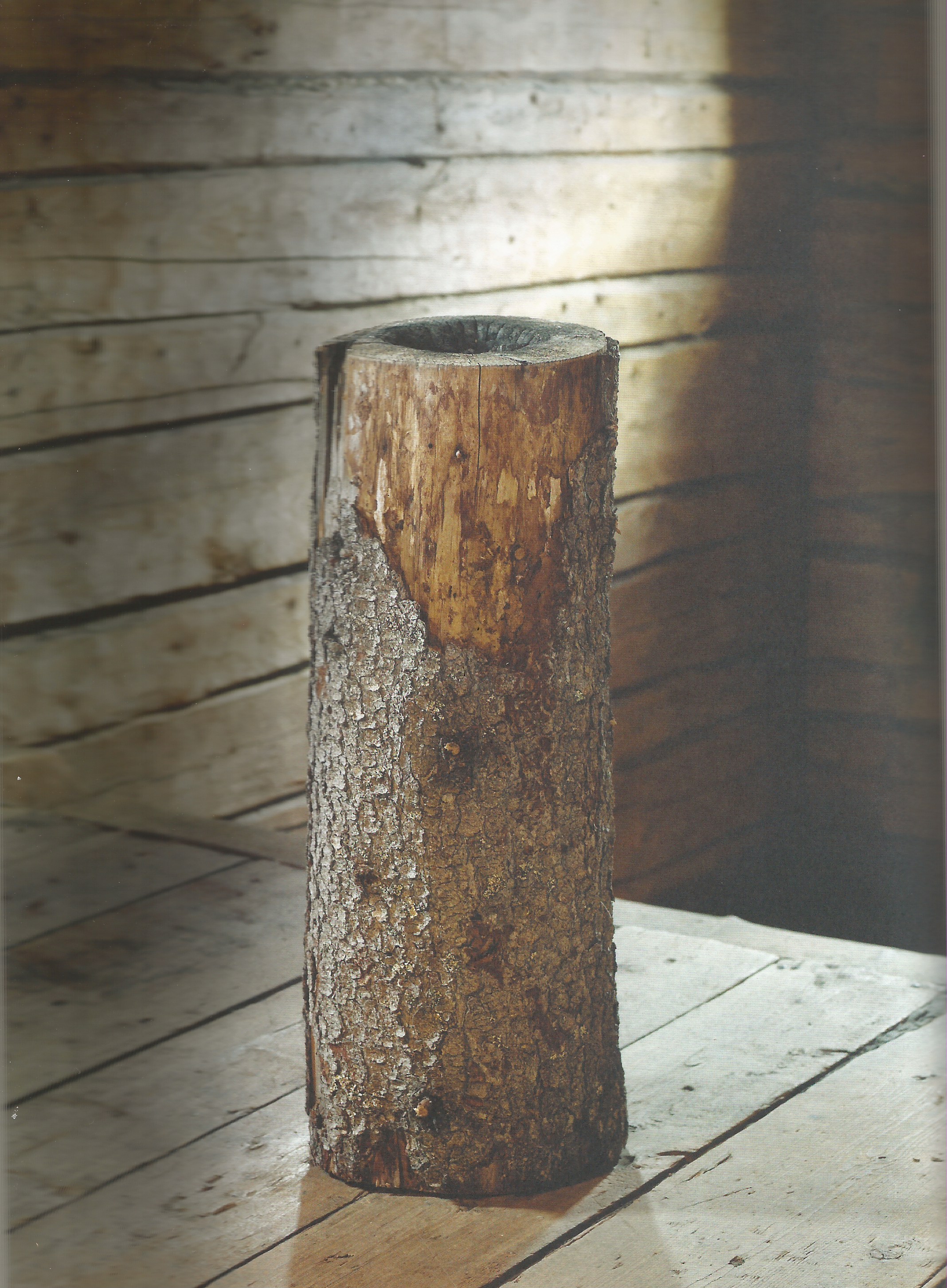
Magnus Nilsson loves lichen. He loves all the ingredients from Mud Pies, it would seem. A typical recipe: “Pine mushroom, lamb’s kidney, pickled marigold.” Wild plants distinguish his cooking. “Vegetables cooked with autumn leaves.” And perhaps the most spectacular yet absolutely simple preparation: “Vinegar matured in the burnt-out trunk of a spruce tree.”

nillson 1 1

I bet I could put together some pretty good acorn furniture for the base.

acorns

10 Comments

Filed under Cooking, Home, Jean Zimmerman, Nature, Photography, Publishing

Hungarian Reprint: The Orphanmaster

Introducing the book jacket for the Hungarian edition of The Orphanmaster:

Hungarian Cover- ElhagyatvaTo me, it looks so exotic, those mysterious half-smiling girls above the dark, spooky ships with their tangle of masts…


2 Comments

Filed under Publishing, The Orphanmaster

The Orphanmaster-edition Francais

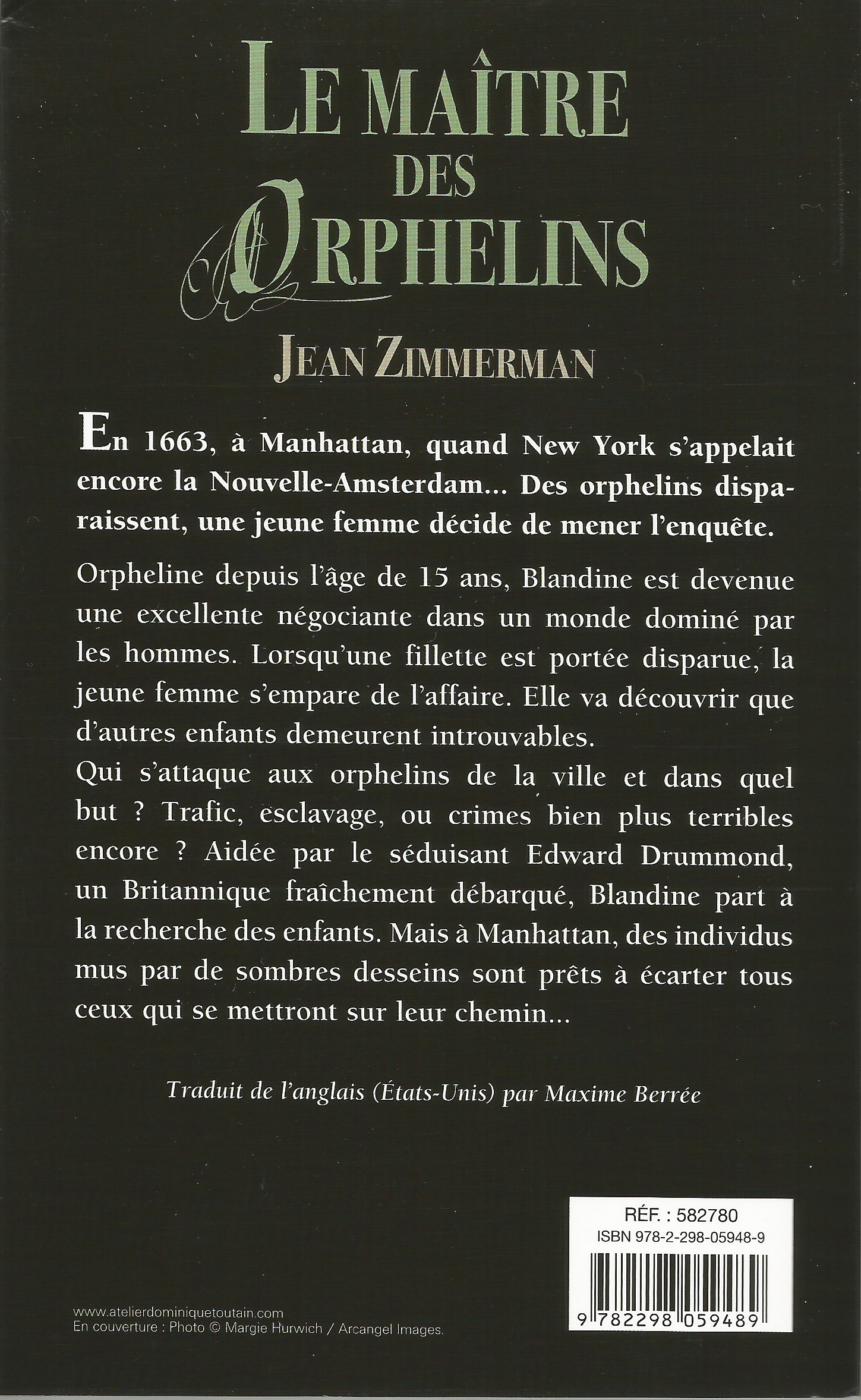
The French advance reading copy of The OrphanmasterLe Maitre des Orphelins – has landed on my doorstep. The publisher 10/18 will bring it out in May. Isn’t the cover art terrifying?

Lucky Peach 2

The Orphanmaster has already come out in Holland and will soon be published in Italy, Hungary and Taiwan as well. So cool to think of people from all corners of the world voyaging in their minds to 1663 Manhattan.

Lucky Peach 3

The jacket designers at 10/18 and Viking must have been drinking the same KoolAid. Look at the art for The Orphanmaster’s softcover… it hits the stands in America April 30.

Orphanmaster Paper Official Cover

I don’t know if the vulnerable child in either image is meant to represent a specific character in the story, but all I can think of is one of my favorite characters, the toddler Sabine, known as “the Bean,” she with the winning way and persistent lisp, holding up her just-baked “tookie,” blissfully unconscious of the evil that stalks her. Luckily she’s got Blandine van Couvering covering her back.

4 Comments

Filed under Fiction, Jean Zimmerman, Publishing, The Orphanmaster, Writing

Liberty Cracks

The greatest Leonard Cohen lines:

“Ring the bells that still can ring
Forget your perfect offering
There is a crack, a crack in everything
That’s how the light gets in.”

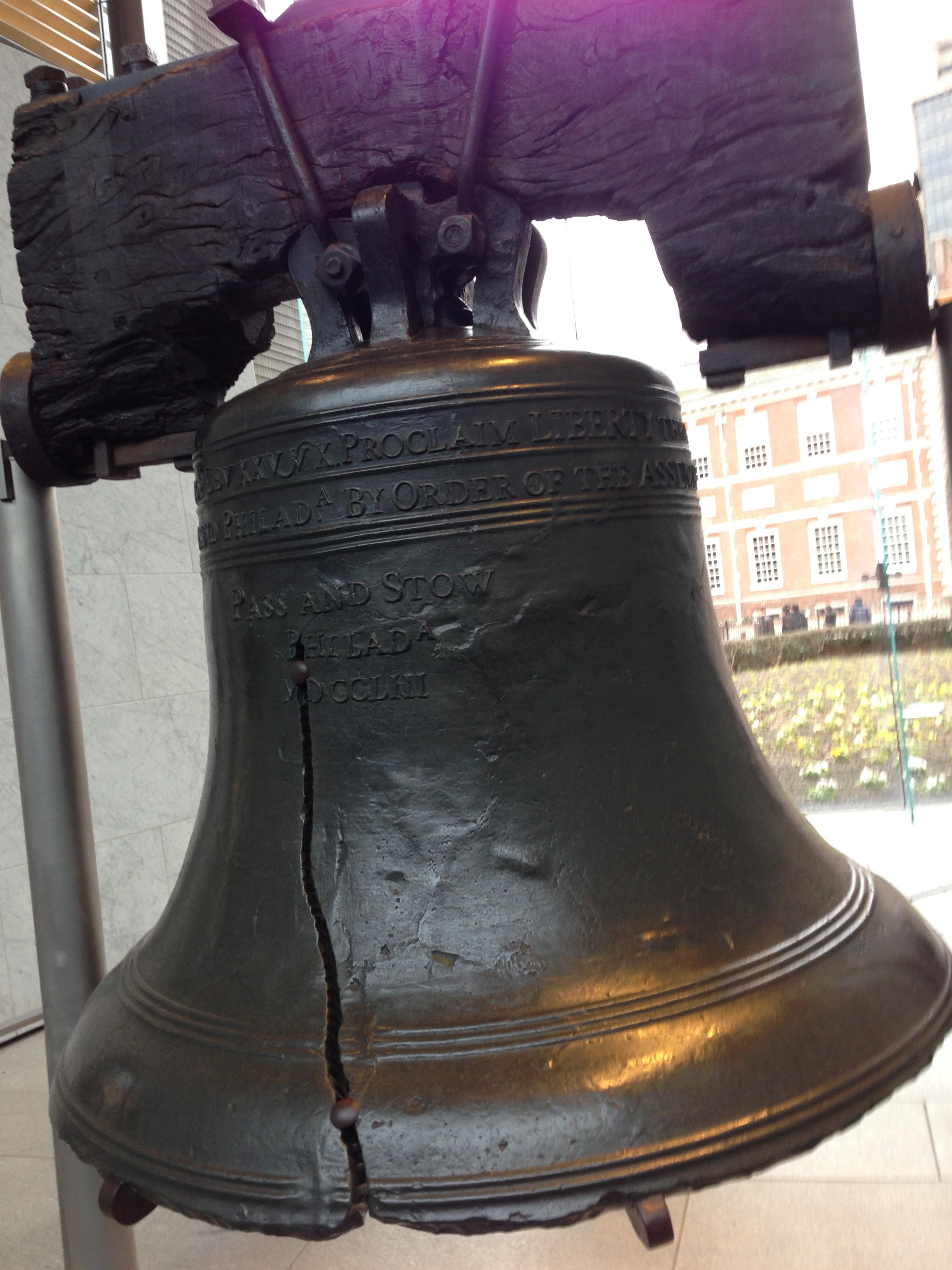
Saw the actual, original, iconic cracked bell in Philadelphia today. The Liberty Bell. “Proclaim Liberty throughout all the land unto all the inhabitants thereof.”

lib bell

Funny thing about it. The bell got little hairline cracks in it since its creation in  1751. Just small seams, which were “bored out” and superficially repaired. But the repairs themselves damaged the metal so that when they attempted to ring it in 1846 for George Washington’s birthday it went totally silent, absolutely broken and never to be fixed again. According to the Philadelphia Public Ledger, “It gave out clear notes and loud, and appeared to be in excellent condition until noon, when it received a sort of compound fracture in a zig-zag direction through one of its sides which put it completely out of tune and left it a mere wreck of what it was.”

Isn’t all liberty personal, first and foremost? Across the street from the Liberty Bell we saw a raised planter with a private shrine that had been maintained for years, as fastidiously as its more famous iconic neighbor. Someone was free to mourn, free to celebrate this Woody as they chose.

Woody

Personal liberty. After Gil gave his book interview at the local NPR station, we took the turnpike north. We listened to our new poet laureate, Richard Blanco, read from his lofty yet intimate inaugural poem, “One Today.” I’m excited that I heard Blanco read from his work only a few months ago at the Miami Book Fair, where he sat in a small room on a panel with some other terrific poets. He was unassuming and personable. He delivered a wonderful poem about what it was like to grow up gay in a Latin household under the eagle eye of his grandmother. I can’t get a link to those lines at the moment, but here is another poem he read that day, “The Gulf Motel,” a beautiful paean to a place he spent time at with his family. For the president to select a young man (only 44) who is openly gay and who delves into his rich ethnic background for his work — this is liberating for us all.

Philadelphia was quiet and cold. All of its energy seemed to be sucked away to Washington, D.C. But there were still philly cheesesteaks at jam-packed Reading Terminal Market — I wolfed mine down so fast I didn’t have time to take a picture. There was time to buy ox-tails, smoked pork backs and blood-red chicken meat for dogs, something I had a hankering to do since admiring Oliver’s likeness in stone on the way to the Market.

oliver in stone

Oliver represents perfect liberty, the freedom to eat bloody chicken, roll on his back in the icy snow, chew things up, growl, yelp, yap at will. Don’t fence him in.

Blanco:

“…Hear: the doors we open
for each other all day, saying: hello, shalom,
buon giorno, howdy, namaste, or buenos días
in the language my mother taught me—in every language
spoken into one wind carrying our lives
without prejudice, as these words break from my lips.”

I guess I could wish for a little more dog in that sentiment. Otherwise it’s just about perfect.

1 Comment

Filed under History, Jean Zimmerman, Music, Poetry, Publishing

De weeskinderen

The Orphanmaster (De weeskinderen) comes out in Holland!

Leave a comment

Filed under Jean Zimmerman, Publishing, The Orphanmaster, Writing

NPR Shows Some Love for The Orphanmaster

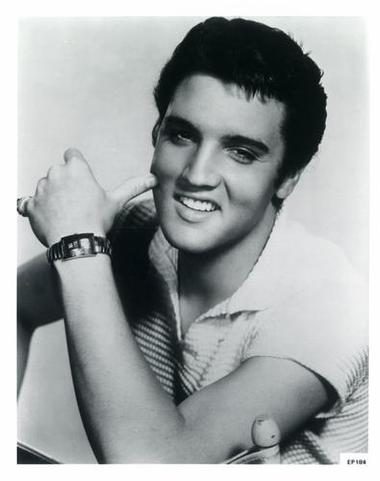
“You can’t just stand there like a statue.” Elvis’ response to accusations of vulgarity when he was just launching his career.

elvis-presley

Earlier this week I found out that NPR chose The Orphanmaster as one of the six best historical fiction titles of 2012.

Yes! In the same league with Hilary Mantel, incredible.

“Jean Zimmerman’s The Orphanmaster is a rip-roaring read, packed with action and dark suspense,” went the review.  “I was captivated by Zimmerman’s unforgettable evocation of New Amsterdam.”

Now, “rip-roaring,” that’s not standing there like a statue.

3 Comments

Filed under Jean Zimmerman, Publishing, The Orphanmaster, Writing

The Orphanmaster Tour

I was a little embarrassed when an author who was about to embark on a book tour asked me what stop I’d liked best, and I didn’t have a ready answer. It’s partly because I visited so many places – it will be 32 by Christmas, with more to come in the New Year – and also probably because of my intense self-scrutiny when going “on stage” – e.g., Do I have salad dressing on my top?, Will I mangle the names of the central characters in The Orphanmaster? But some of the stores and other places I spoke at are honestly a little blurry.

So many books...

So many books…

Not so, these:

R.J.Julia Booksellers, Madison, CT, where the sparkplug owner of the shop had me upstairs behind the scenes to chat until just time to start

Book Passage, Corte Madeira, CA, which presented me with initial-engraved stationery as a keepsake as I went out the door

Bryant Park Reading Room, NYC, in the immense shadow of the New York Public Library I love so much

The Hudson Library, Hudson OH, a new, immaculate cathedral of a place that drew hordes of readers to my talk

The University Settlement Society,, where I spoke about Love, Fiercely, and met an outspoken descendant of my subject, I.N. Phelps Stokes

A stint at the continuing care facility where my folks live, with beaming, encouraging faces all through the audience

And finally the Miami Book Fair, a swirling, euphoric chaos of books and authors, where volunteers held the doors open for me when I entered the author hospitality suite and made me feel like a queen.

These are just a few highlights of the tour for which I am so thankful, which made me appreciate anew the affection people have for reading and for books, and even sometimes for authors.

Leave a comment

Filed under Jean Zimmerman, Love, Fiercely, Publishing, The Orphanmaster, Writers

White Plains/The Orphanmaster

Leave a comment

November 29, 2012 · 10:03 am

Continuing Care

Today I’ll be speaking at Kendal on Hudson, in Sleepy Hollow, New York. It’s a continuing care retirement community, which means, if my prior experience visiting one is any guide, that it’s filled with older yet peppy people who are fairly avid readers. Like many of us they prefer to check books out from the library rather than go ahead and purchase a copy. Still, I know I will have gracious and intent faces in the crowd at Kendal, and an abundance of questions. I hope that they will appreciate hearing a story so few people know — that of I.N. Phelps Stokes and Edith Minturn, their intellect, eccentricity, altruism and love of beauty, among other traits.

Here they are as young marrieds, a picture in my slide show.

2 Comments

Filed under Jean Zimmerman, Love, Fiercely, Publishing

So long, Miami

Goodbye, Port of Miami.

20121119-103528.jpg
Goodbye, sparkling light and women’s perfume and Latin everything. I rode the Hilton elevator with Annie Lamott, the last wisp of the Book Fair. Now, back to books.

1 Comment

Filed under Jean Zimmerman, Publishing, Writers