Category Archives: Publishing

The Body Parts of Vesalius

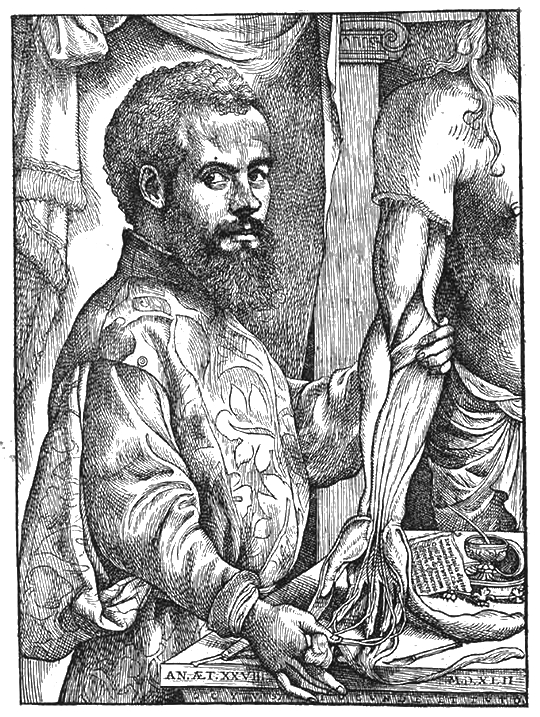
In Savage Girl, the Harvard student and aspiring anatomist Hugo Delegate spends untold hours over his drawing table, making pictures of whatever body parts he is lucky enough to get ahold of: human bones, hearts, hands, the cerebellum of a child killed tragically in a streetcar accident. The body is a mystery to him, one he wants earnestly to plumb. Aiding him in his self education is the work of a sixteenth-century anatomist named Andreas Vesalius, a Flemish physician based in Brussels who published a book called De Humani Corporis Fabrica in which the human body was for the first time demystified.

vesalius portrait

The fruit of untold hours of dissection and learning, the Fabrica went against the scholarly approach heretofore used to teach medical students. It exposed the body to the light with an exactitude that shocked and dismayed the day’s scientists.

vesalius 1

Vesalius performed the dissections but did not execute the illustrations. Those he supervised closely at his own expense in the Venice studio of Titian. In the text, he used metaphor to describe parts of the body, some of which did not yet have names. To talk about muscles, he used such images as a fish, a pyramid, a cleaver. Other parts were described as pumpkin vines and pigeon coops. It might seem odd, this combination of metaphor with so graphic visuals, but he was trying to discover a language that didn’t exist yet. After the work’s publication he took a position in the court of Emperor Charles V, where he had to put up with the jibes of other physicians calling him a barber (in fact, barbers were usually surgeons in those days, termed chirurgeons in English).

vesalius 2

The circumstances of Vesalius’ death have been debated over the years. Scholars once thought he died after performing an autopsy on a nobleman whose heart was still beating and was sentenced to death. Now it is believed that In 1564 Vesalius went on pilgrimage to the Holy Land. Returning, he died when his ship wrecked on the island of Zakynthos. He was just 50 years old, and so broke that a benefactor came forward to pay for his burial, somewhere on the island of Korfu. Recently Vesalius’ own personal copy of the Fabrica has been discovered, complete with the scientist’s marginal annotations, which prove that he went on exploring long after his great work had been published.

3 Comments

Filed under Art, Culture, History, Jean Zimmerman, Nature, Publishing, Savage Girl, Writers, Writing

Publishers Weekly Interview w/Jean Zimmerman

PW 1

PW 2

2 Comments

Filed under Culture, Fiction, Jean Zimmerman, Publishing, Savage Girl, Writers, Writing

The Power of Words

Martin Luther King, Jr. Day is an occasion that celebrates among other things the power of words.

martin-luther-king-2

The man was a Shakespeare for our day.

And so I really like this post by someone who talks about how some good novels lead us, as Wordsworth once put it, “toward obliterating the vulgarity of exclusiveness.” I urge you to check it out. There is a list of 19 books that speak truth to prejudice. The recommendations are far ranging. They include Julie, or the New Heloise by Jean Jacques Rousseau.

rousseau

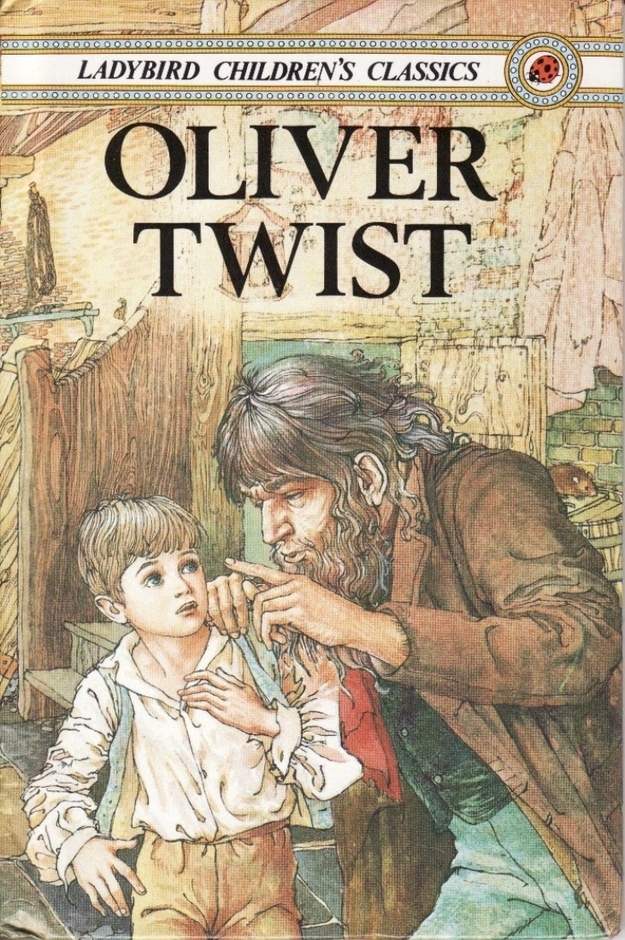
Dickens’ Oliver Twist.

twist

Uncle Tom’s Cabin.

stowe

Ralph Ellison’s Invisible Man.

ellison

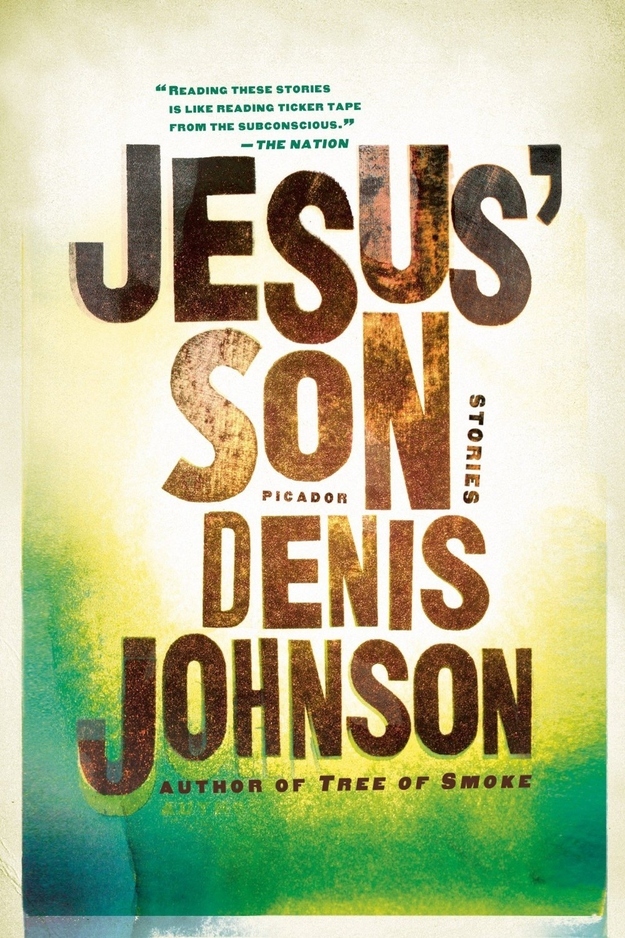
And, interestingly, Jesus’ Son by Denis Johnson.

jesus son

You may have read one or two of these selections before. Let’s read them again, for their politics as well as their poetry.

1 Comment

Filed under Culture, History, Jean Zimmerman, Poetry, Publishing, Writers, Writing

Helicopter Meat Loaf

I always hear people complain about memory loss. Do you forget where you put your keys? That’s how the problem is often phrased. There is an idea that age itself muddies the waters of the brain, causing the things we need to sink. Or maybe it’s your meds, another villain. I always go with the theory that faulty memory is a function of having just too important stuff to keep track of. When you’re younger, you don’t have as much going on, daily or in the bigger picture, so finding your mascara or coming up with words is easier. Think about how much your day-to-day has in it, mid lifers – is it any wonder that you can’t find things when you need them, that a familiar face lacks a ready name, that the perfect word remains at the tip of your tongue but stubbornly refuses to come out of your mouth?

little guy

A few years back, concerned about the occasional memory glitch when I was speaking in front of people, I came up with a solution. When I came to a place in my remarks when I simply could not come up with the word I wanted, I would utter a different word: Helicopter. And then I would continue with my remarks. Helicopter was my go-to utterance, my transition from one known figure of speech to the next. To me, it was better than umn. I trusted that no one would be listening closely enough to note the absurdity. And I’d be free of the anxiety that hits you: oh, no, what was it I wanted to say, I can’t think of it, it was like something that I can almost put my finger on, duh!

When you write there is a brilliant way to hold your place while you come up with the correct word or phrase, the one you really want to use. TK means “to come,” and is a printing and journalism reference used to signify that additional material will be added at a later date. The reason: very few words use this combination of letters, and so you can easily search for TK when the time comes to put in the proper locution. If you were to write out  “to come” the words might be mistaken at some point as a deliberate part of the text. That would be weird. So in writing this paragraph, for example, I might say that the useful term TK was invented in TK, and then come back later to fill in the missing date. I use this trick more often than I can say, because it allows me to push straight through with a thought and not be caught in a frustrating wordless moment. It only doesn’t work if you’re writing about latkes or catkins. (Gil says he wants TK to be his epitaph.)

Helicopter was sort of a verbal TK, an admission that my fishing line was not going to come up with a trout in the immediate future. There are some foods that lend themselves to a helicopter strategy, too, culinary specialties for which you can put in a TK and scramble for the right term a little later. A recipe for meat loaf, for example, doesn’t have to be perfect. There are a thousand, maybe a million ways of preparing it, and probably most of them taste fine. Good Housekeeping did a study in 2007 and found that meat loaf was the seventh-favorite dish in the U.S., but I think it probably really ranks higher as comfort food enjoys its usual resurgence.

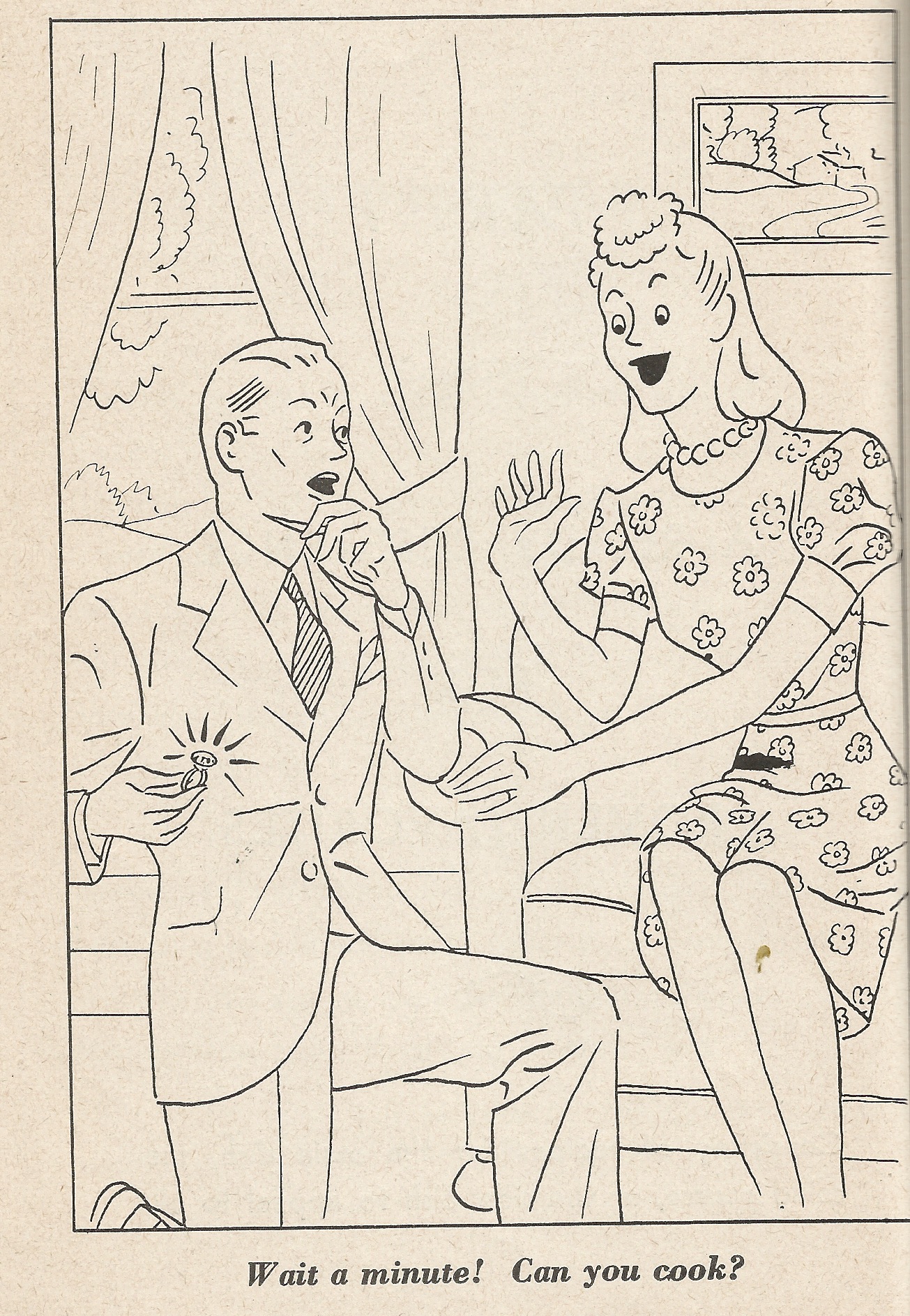
can you cook

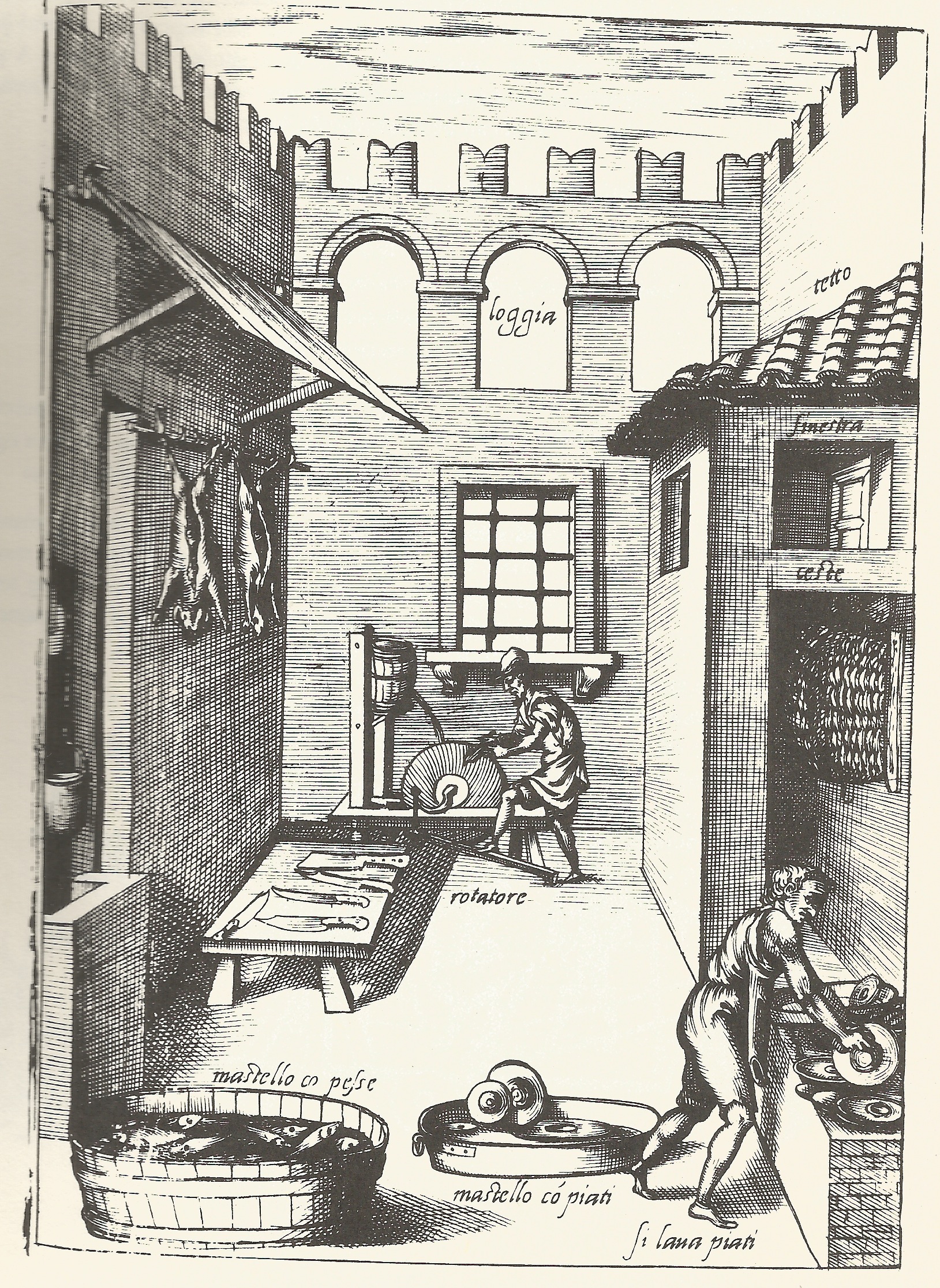
The Romans made it as early as the fifth century. In his cookbook, De Re Coquinaria, Apicius cited a patty formed of chopped meat combined with spices, wine-soaked bread and pine nuts. Cooks of the Middle Ages continued to fruit-ify it, as was their wont.

Meatloaf 9

All over Europe people have come up with different preparation methods. In America, food scholars date it to the Southern dish of scrapple, mixing ground pork – including lungs, liver, and heart– and cornmeal. During the Great Depression some bread crumbs, broken crackers or oatmeal stretched the meat dollar.

take over

In the 1890s the mechanical meat grinder was invented. Shortly thereafter meatloaf was first mentioned in print in the U.S.  Then the recipes began to flood. I looked through my collection of community cookbooks and historical cooking pamphlets to find a wealth of options for meat loaf mavens looking to fill a TK in their approach.

Meatloaf 3

In Old Timey Recipes, a handwritten “collection from some of the best cooks of The Carolinas, The Virginias, Tennessee, and Kentucky” that was published in 1969, we find a version that incorporates corn flakes and tomato juice. From the 1967 Talk About Good!, put together in Lafayette, Louisiana, there’s Hattie’s Meat Loaf, a plain-jane variety with ground beef, eggs and bell pepper. The Search Light Recipe Book, published by The Household Magazine in Topeka, Kansas, includes both crackers and milk (those might also be nice alongside the entree). The pamphlet produced by the Ladies’ Village Improvement Society in East Hampton, New York in 1948 adds tapioca.

A Man’s Cook Book: For Outdoors and Kitchen (1950) dresses up the usual beef with Karo syrup and a can of Carnation milk.

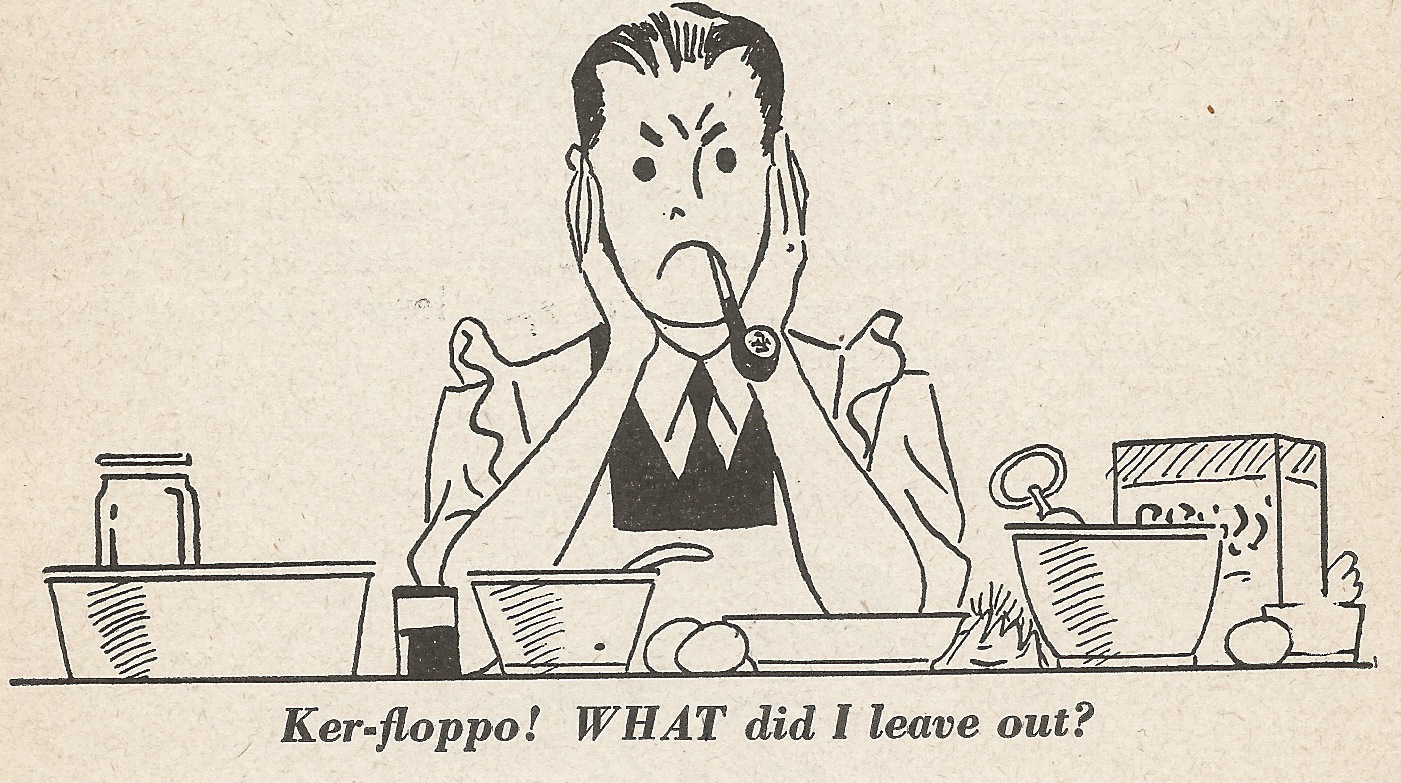
what did i leave out

Another favorite of mine, Mrs. Rasmussen’s Book of One-Arm Cookery, explains how to insert cooked eggs into the raw meat mixture so that “the slices of meat loaf will have a perfect slice of hard-boiled egg in the middle.” The author adds, “This dish keeps well—if you got a padlock!” A self-published spiral-bound Hilltop Housewife Cookbook by Hazel B. Corliss offers not one but seven recipes for the dish, including Hidden Treasure Meat Loaf that cunningly conceals “little squares of cheese.” One bare-bones book came out in 1929, when the first recipe instruction was to “Chop the steak.” That task would flummox probably 99 percent of American cooks today.

face

Even the Metropolitan Museum got in on the home cooking racket in 1973, with A Culinary Collection: Recipes from Members of the Board of Trustees and Staff, one that includes a sophisticated Bloody Mary Meat Loaf. The timeless Ground Beef Cookbook, of course, runneth over with meat loaf ideas. In fact, there is a whole section on “Loaves.” It’s a good place to go when you crave a recipe for banana meat loaf or cranberry meat loaf or meat loaf with applesauce folded in. Very complex, tastewise. By comparison, in the Porter Church Cook Book of 1904, between the beefsteak omelette and the roast heart, I discovered a simple veal loaf, one accented delicately with nutmeg.

I actually have one cookbook named specifically for the subject: Padre Kino’s Favorite Meatloaf: And other recipes from Baja, Arizona. Incorporating chorizo and cheddar, Kino proves that you can add a TK somewhere along the process of mixing your meat and come up with something rather tasty.

platter

When I make meat loaf I start with the same essential ingredients, then I revert to helicopter mode, substituting what I can vaguely remember from the last time I concocted the recipe and also what seems like the best strategy given the constraints of my fridge or pantry. I’ll combine a couple of pounds of meat – beef, pork, chicken, veal or turkey, whatever’s available– then add some eggs and bread crumbs. And then… what else? Can’t remember? Try onions, red pepper, shredded cabbage. Anything but applesauce. Believe me, whatever you add, when it comes out of the oven you will need a padlock.

Helicopter Meat Loaf

2 lbs. mixed ground beef, veal and pork

2 lbs. ground turkey

2 chopped onions, sauteed slightly

1 red onion, chopped and sauteed with onion

¼ head cabbage, shredded, sauteed with onion

4 eggs

2 cups bread crumbs

1 c. ketchup

½ c. mustard

salt and pepper to taste

Combine all ingredients. Shape into a loaf in a jellyroll pan. Bake at 375, 20 minutes/lb.

4 Comments

Filed under Cooking, Culture, History, Home, Jean Zimmerman, Publishing

Bound vs E-Books Revisited

How many books do you have stacked on your nightstand? Or piled on the bedroom floor, or scattered across the coverlet? Does your coffee table hold bound books or yesterday’s papers or riffled copies of Vanity Fair? Do you tuck a paperback into your bag when you go to wait in the doctor’s office, or do you slip in your IPad? When you go out to power walk, are you also power listening to a wonderful story?

stack

If you absorbed a book in some form you are in the majority – so did 76 percent of American adults last year. That surprises me, actually. Fully 24 percent of us read no book at all? Who are those people? I guess the ones poring over Vanity Fair. The new Pew Study that identified the 76 percent also found that the “typical American adult” read or listened to five books in a year’s time and that the average for all adults was 12 books. Not bad. A figure that hasn’t changed recently.

Something that will gratify both the hearts of Luddites and of independent book store sellers is that print is still the medium of choice. Even people who read e-books (28 percent) also often read the paper variety. Just four percent of readers confessed themselves to be exclusively e-book.

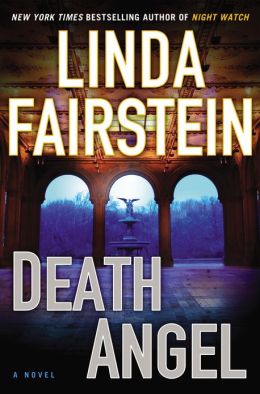
I like my several-years-old Kindle, now slightly weather-battered. I like that I’m carrying around a library of 100 volumes and can dip into any of them at will, at any time.  I love that I can send an electronic file of a book I’m working on to my Kindle and read it in one hand, rather than printing out clumsy manuscript pages. Or having ready access to the draft of her novel a friend wants me to read. So easy. The prose sings with the Kindle’s light behind it. And I love ordering stuff to read on it with just a click and feel cool that I can do so on a whim. Sometimes I get junk food, like the Central Park murder mystery Death Angel by Linda Fairstein. It’s like a box of New York chocolates I might not pick up in a store.

death angel

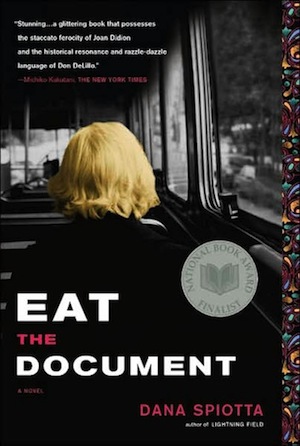
If someone at a dinner or over coffee mentions a more obscure or older title, say The Alligators of Abraham, by Robert Kloss, or The Dinner, a novel by Herman Koch, or Eat the Document by Dana Spiotta, I’m off and running.

EatTheDocument

These are works I wouldn’t necessarily find browsing at my local shop, The Village Bookstore in Pleasantville, New York. Though I know they would always be helpful about ordering them. More lucrative for the proprietors that I go in and order stacks of new hardcovers. Which I have been known to do.

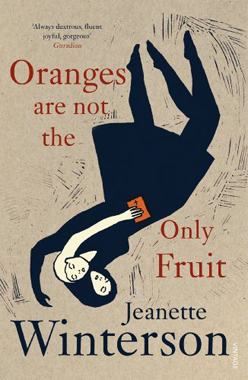
An example of a lesser-known item in my digital library: Jeanette Winterson’s Oranges Are Not the Only Fruit. People had been mentioning this book to me for a long time and it won all kinds of prizes when it came out in 1985.

oranges-1

The British author also wrote the novel Sexing the Cherry. The book begins:

Like most people I  lived for a long time with my mother and father. My father liked to watch the wrestling, my mother liked to wrestle; it didn’t matter what. She was in the white corner and that was that.

White corner?Alright, I’m in. And Winterson goes on, portraying a world I have never imagined that that if it wasn’t for an electronic device I would never experience.

But then sometimes I dip into a book I’ve downloaded to my device and say, Why? What in a million years possessed me to gather this title into my library? The novel I’m trying to read is kind of hiding within the cold glass front of this machine and therefore I can’t access it mentally. A book like Cloud Atlas by David Mitchell (I know, everyone loves this one) begs to have its secrets revealed in a stack of actual pages. Not being able to touch paper numbed me to its charms.

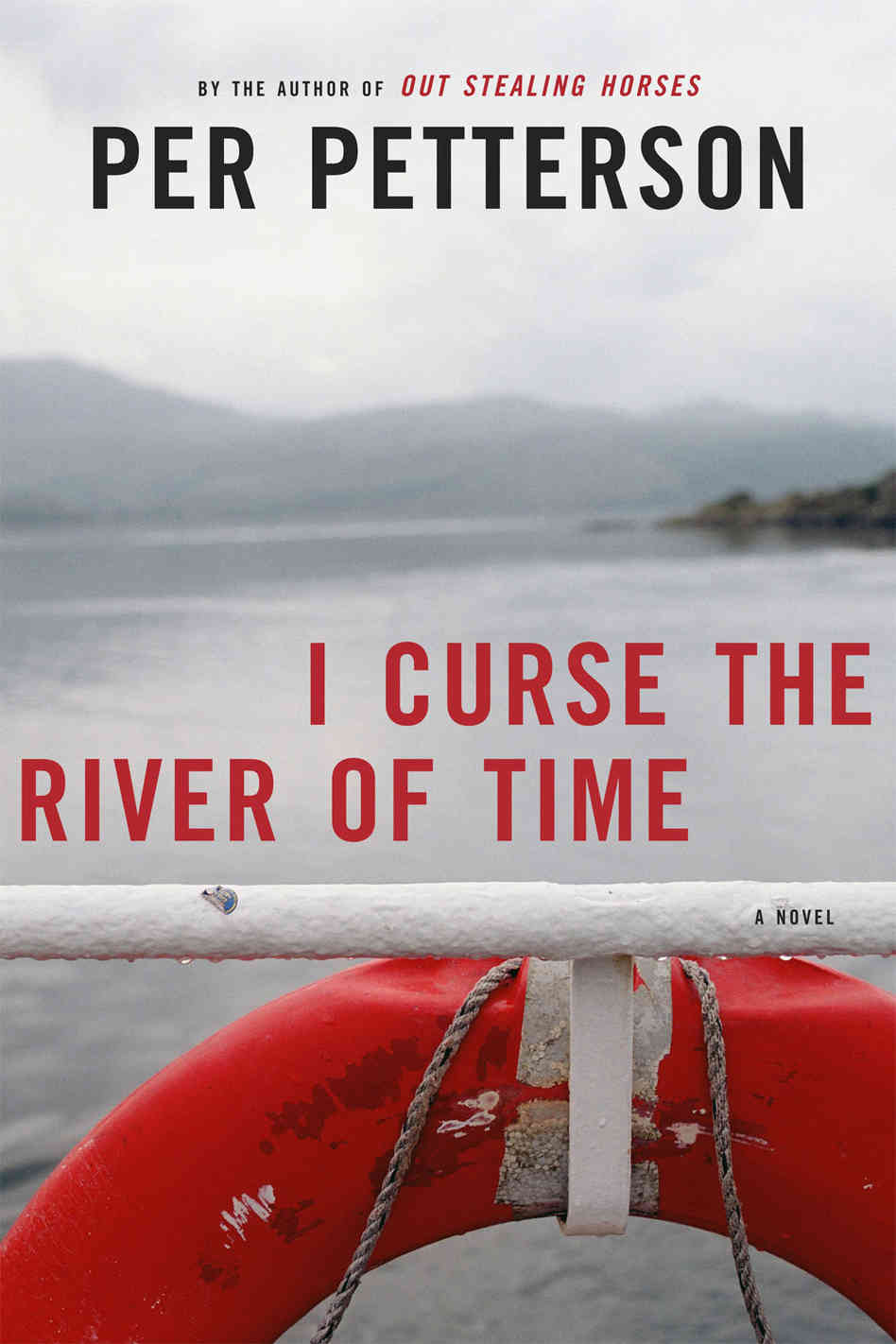
Real books, I find, tomes of paper and ink, with beautifully designed jackets or with soft covers whose spine you feel okay about breaking when you plow through with vehemence – real books tend to hold my interest much more. And I find that when I’m reading a book on my Kindle that I really like, my strong impulse is to rush out to a store and buy a print copy. The phenomenal  Book of Ages: The Life and Opinions of Jane Franklin, say, by Jill Lepore. Or Per Petterson’s pitch-perfect I Curse the River of Time. The whole time I was reading I wished I held paper.

august_patterson_riveroftime

Or The Glass Castle by Jeanette Walls. I want to hold the book in my hands, flip the pages back and forth, cradle it on my chest when I read it in bed. I read in bed a lot and I bet if Pew studied the phenomenon they would find that of the 76 percent of Americans who read any kind of books in the past year, 75 percent of them did so comfily and cozily in their beds.

4 Comments

Filed under Culture, Fiction, Home, Jean Zimmerman, Publishing, Writers, Writing

Savage Girl Review in Library Journal

Woo hoo! This just in, from Library Journal, its Feb. 1 issue:

Wealthy socialite Hugo Delegate and his family rescue the “Savage Girl” from a carnival sideshow and bring her back to their mansion in 1870s New York. Reportedly captured as a child and raised by a Comanche tribe, she instantly captivates Hugo with her boldness and energy. The Delegates undergo a campaign to socialize Savage Girl with limited success. Meanwhile, violence follows this young woman across the country, as men she flirts with end up mutilated and dead. In this follow-up to her acclaimed debut, The Orphanmaster, Zimmerman offers a fanciful and occasionally surreal take on a Gilded Age New York that is reminiscent of Caleb Carr’s The Alienist or even Edgar Allan Poe. Most of the novel is narrated by Hugo recounting events in an extended flashback, which feels jarring and out of place. More successful are the action-packed final chapters. VERDICT This is best for fans of Zimmerman’s first novel and readers who like their historical novels tinged with darkness.

Savage Girl cover

Leave a comment

Filed under Culture, Fiction, Jean Zimmerman, Publishing, Savage Girl, The Orphanmaster, Writers, Writing

Starred Review for Savage Girl

Publishers Weekly has come out with a starred review for Savage Girl. The reviewer says:

The prologue of Zimmerman’s superior historical thriller will suck most readers in instantly. On the night of May 19, 1876, 22-year-old Hugo Delegate awaits the arrival of the police at a house overlooking Manhattan’s Gramercy Park, the site of a savage murder committed by either him or a “girl murderess.” Hugo soon reveals that the victim, a “longtime acquaintance and sometime friend,” is but the latest in a series, and after his arrest, he presents the complex backstory to his defense attorney. Flashback to June 1875. Hugo, a Harvard student recently released from a sanatorium, accompanies his family on a cross-country trip. In Virginia City, Nev., he becomes fascinated with a sideshow freak, the so-called Savage Girl, allegedly raised by wolves. Hugo’s parents decide to civilize the girl, and introduce her into society on their return to New York. Zimmerman (The Orphanmaster) keeps the truth hidden until the end, combining suspense with an unsettling look into a tormented mind. Agent: Betsy Lerner, Dunow, Carlson, and Lerner. (Mar.)

Savage Girl cover

8 Comments

Filed under Culture, Fiction, Jean Zimmerman, Publishing, Savage Girl, Writers, Writing

When Fifth Avenue Was Quiet

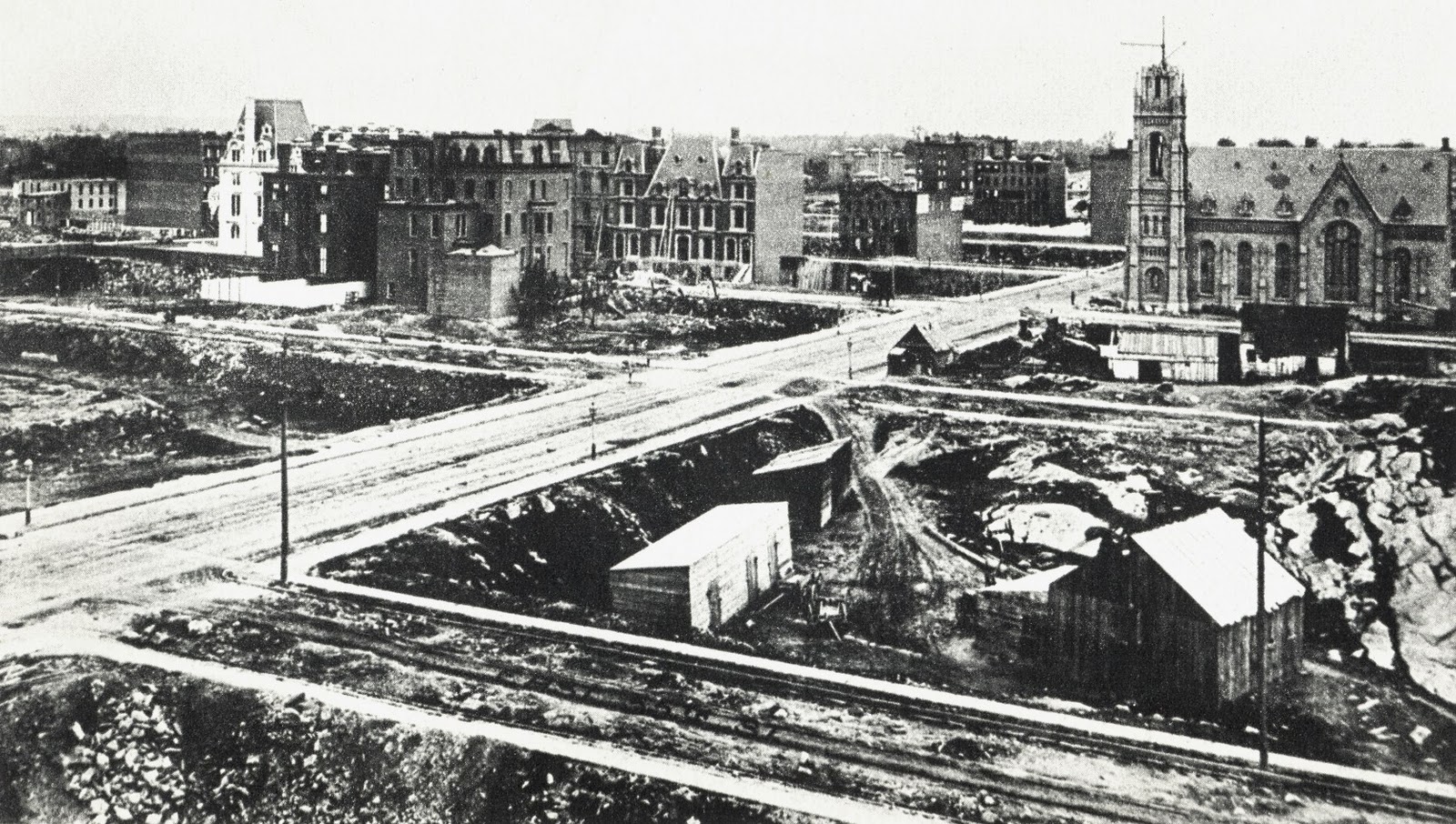
I like to think sometimes about what Manhattan was like in middle of the nineteenth century. Especially the upper East side, upper Fifth Avenue, the venue for my book Savage Girl. It fascinates me because it is so different than our image of New York. The environs were almost completely undeveloped.

In 1842, James Renwick designed the gargantuan Croton Reservoir (also referred to as the Murray Hilll Distributing Reservoir) at 42nd Street. It was far from the center of town. He ran a promenade along the top rim of its forty-one- and-a-half foot high slanted walls. The walkway became a hit society destination. You could get an ice cream afterward across the street at Croton Cottage.

currier-ives-print-of-croton-reservoir

North of the reservoir stretched the undeveloped city. If you look at a picture made in 1863,  facing south from the site of what would become Central Park, you can see the still-pastoral nature of uptown.

valentines-manuel-1858-5-ave-s-from-63-st

Fifth Avenue, to the left, heads determinedly north, flanked by buildings in its lower reaches but by nothing but fields and cattle farther up. A few homes dot the landscape, but more dominant are the ungainly freestanding charitable institutions that would not be accommodated farther downtown. You can see the massive shapes of St. Luke’s Hospital, between 54th and 55th Streets, and the unfortunately named Deaf and Dumb Asylum. Behind St. Luke’s stands the Colored Orphan Asylum, which was attacked in the horrific week-long Draft Riots of 1863 (five years after this image was made). Saint Patrick’s, the landmark we associate with midtown Fifth Avenue, was not begun until 1858.

To give an idea what the surroundings were like, consider Madison Avenue, a block over from Fifth, as it made its way north from 55th Street around this time.

ne from mad and 55

A thirty-acre farm owned by the prosperous Lenox family dominated the neighborhood, with a stolid white tenant farmhouse located between 71 and 72 near Fifth Avenue. Cows grazed nearby and market crops grew in rows. Lying on the outskirts of town this far north were slaughterhouses, stockyards and tanneries, enterprises fashionable downtown folks did not want near their homes. The Lenox Library, a handsome block-long structure designed by star-architect Richard Morris Hunt, went up in 1875 at Fifth Avenue and 71st Street, an outpost of civilization.

As of 1865, the city was moving uptown, but slowly.

NYC1865

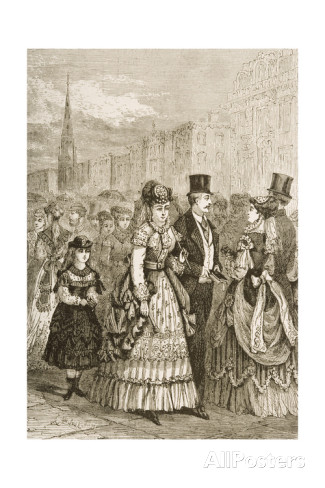
New Yorkers took the air on Fifth Avenue, promenading as always with vigor. The Easter Parade was only one opportunity to admire and be admired.

1870 fifth-avenue-new-york-in-c-1870-from-american-pictures-published-by-the-religious-tract

But while the uppertens (upper ten percent) of New York built their urban villas and stolid brownstones to the south, wide open stretches of the boulevard north of 60th Street still seemed off limits for luxury development. At the time of Savage Girl, more than 340 private residences had been constructed up to 59th Street but none above.

The lack of elegant homes didn’t mean people didn’t live there. Those precincts had long been settled by African Americans and German and Irish squatters who occupied shanty towns where the principle businesses were bone boiling, glue, soap and candlemaking. Eventually they were  eliminated from the area both by the development of Central Park and rising real estate prices.

 by Ralph Albert Blakelock

Central Park, built in the 1860s and opened officially in 1873, made inroads in “civilizing” the neighborhood; but it still seemed too much like a savage wilderness for the upper crust to build there.

There were a few exceptions, wealthy home builders that for their own reasons decided to go above 42nd Street. But mansions towered over shacks.

Mary Mason Jones, a distant relation of Edith Wharton’s – personified in The Age of Innocence by Mrs. Manson Mingott — built a row of mansions on Fifth Avenue bet. 58th and 57th Streets, completing them in 1870. A remarkably independent, wealthy, well-travelled woman, she had the first bathtub in NY installed in her home on Chambers Street, and her choice of venue for her new residence was equally offbeat. Five homes were constructed of gleaming white marble, with a two-story mansard roof that had green copper trim.

Marble Row, built 58th and 5th 1870

By the time the fictional Delegates, the family at the center of Savage Girl, settle into their house in the early 1870s at the intersection of Fifth Avenue and 63rd Street, all was still quiet, devoid of built structures, undiscovered by Knickerbocker Society. The Delegates are pioneers. I decided to situate them there because the choice makes them outliers, risk takers, iconoclasts in a society they see as conformist. I wanted to show them as the first to build a grand residence, one that would outshine all the others in the city.

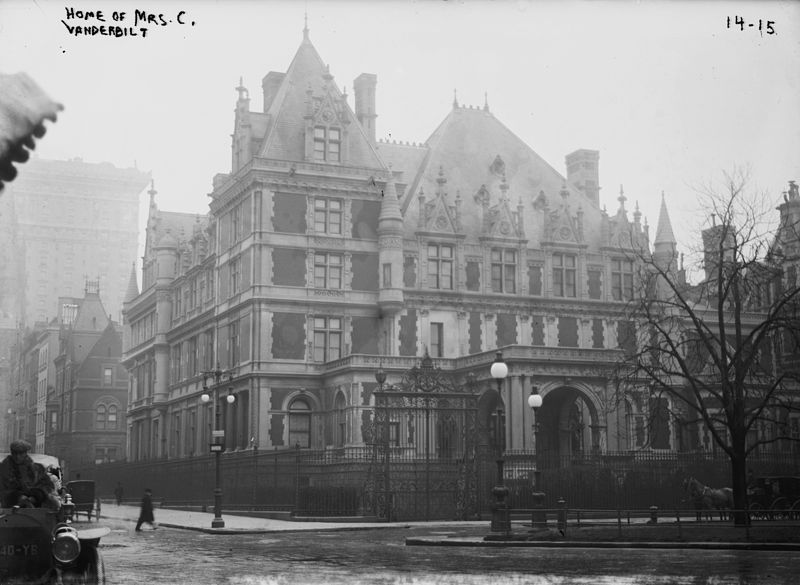
I couldn’t resist borrowing from some of the later residential masterworks to design the Delegate house, even though they would not be erected for a few more years. The various Vanderbilt homes offered the kind of opulence I felt the Delegates’ place would embody. I was especially impressed by the mansion Cornelius Vanderbilt II put up at 58th Street and 5th Avenue in 1883,  the largest private residence ever built in New York City. A full block long, designed by George B. Post, it stood sentry until 1927, as one mansion after another followed it up the avenue.

corneliusvanderbiltiimansion

Actually, I’m being slightly inaccurate. For the record, in the early 1870s one house did stand on Fifth Avenue at 63rd Street, above the 59th Street divide, just across the street from the still forbidding Park. A narrow townhouse circa 1871, it was built speculatively by one Runyon Martin, hardly a mogul. It didn’t last long.

The Delegates knocked it down to put up their turretted, mulberry-colored, block-long twin palaces.

5 Comments

Filed under Culture, Fiction, History, Home, Jean Zimmerman, Nature, Publishing, Savage Girl, Writers, Writing

Brilliant Books for Your Consideration

I hate year-end rankings. You find them in every newspaper and magazine and web site, and I generally ignore them. In fact, rankings in general rub me the wrong way. Especially when it’s books that are touted as the best, second best, etc.

These are some of my unranked favorites from the past year. In no particular order. Some of them aren’t even 2013 titles, but things I decided to take up only recently. They are all books that captured my imagination, that made me want to crack them open day after day and keep reading. Alright, I didn’t crack my Kindle open, that wouldn’t be smart.

I’m not a fast reader except when I’m on deadline, but I’m quick to throw a book across the room if the writing exasperates me. So these are selections you can be sure I really wanted to spent some time with.

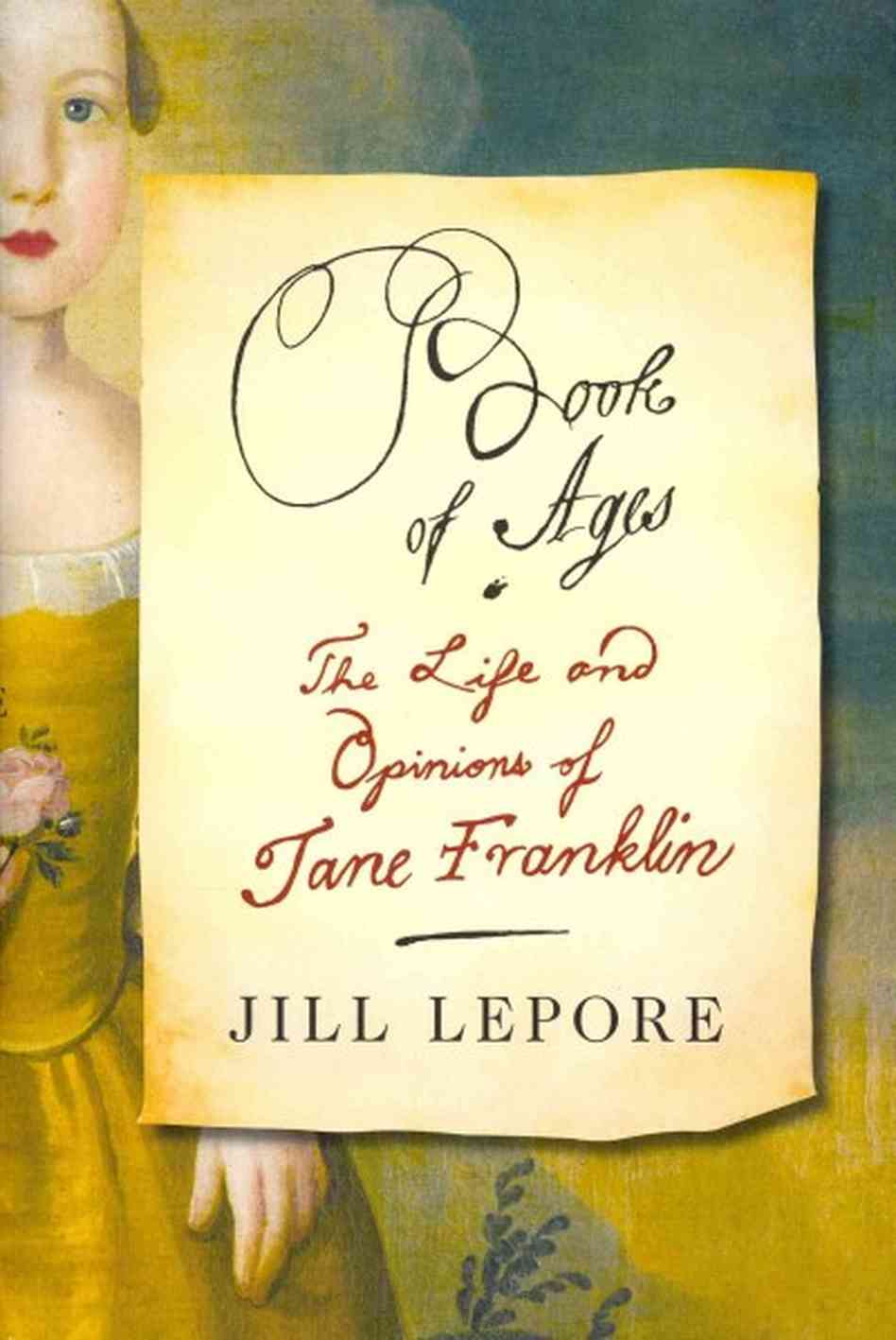
The Book of Ages: The Life and Opinions of Jane Franklin, Jill Lepore, 2013.
9780307958341_custom-7751a3156c4328fa0e767f9b4b34edffa01b94a0-s6-c30

This luminous telling of the life of Benjamin Franklin’s little sister Jane is animated by the letters the two exchanged from youth through old age, but it goes beyond biography to become a study of the arts of reading, writing, and living for eighteenth century American women.

Tenth of December, George Saunders, 2013. Eery, dark, compelling and unexpectedly humorous, these stories are to be savored even as they haunt you.

george-saunders-tenth-of-december

The Master, Colm Toibin, 2010. I avoided this biography for a few years even though I heard it was fantastic, as I didn’t feel Henry James had granted me access to his head. But this intimate life is so terrifically well done that I was glad I picked it up.

Portrait of Lady, Henry James, 1881. The third time I’ve read the Master’s masterpiece, and I get something new from it with every immersion – I think this time Isabel Archer’s rise and fall meant more to me because my own daughter is about the same age as the lovely, lively, rebellious young American lady.

Stoner, John Williams, 1965.

9781590171998_custom-720959a94dbc1c987522844b06d27e6780e2d61f-s6-c30

A new French translation of this odd, underappreciated novel has caused something of a stir in literary circles. Set in 1920s-era academia, it’s about an English professor’s slog through academia and marriage, but the writing is so refined and austere that reading his story is a transfixing experience.

Nothing to Envy: Ordinary Lives in North Korea, Barbara Demick, 2010. I decided to take up this journalistic work out of book club loyalty, and I was so glad I did. The author starts with a satellite photo of the two halves of Korea by night, the north in total blackout, and goes on to tell the intimate stories of citizens who are trying to escape the horrific conditions there. Compelling and totally readable.

The Twelve Tribes of Hattie, Ayana Mathis, 2012. A stirring novel lays out the lives of the Shepherd family, parents and nine children, with pitch-perfect authority and grace.The Great Northern Migration of African-Americans becomes real. Does a much-talked-about book (an Oprah pick) deserve the ballyhoo? In this case, yes.

The Flamethrowers, Rachel Kushner, 2013.

9781439142004_custom-7e81f0840812e7c2097afb8f1ed7955662489442-s6-c30

In which a 20-something art maven and biker babe hits the downtown scene of 1970s New York City. I resisted a bit before getting sucked in to the story of a girl getting sucked in to a scene that’s perhaps not as cool as she thinks it is.

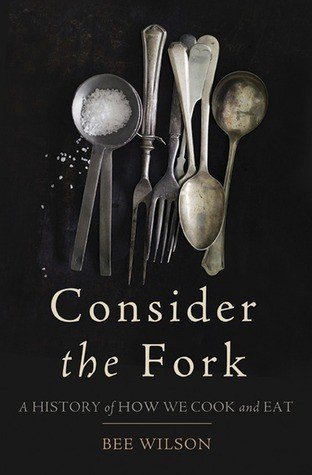
Consider the Fork: A History of How We Cook and Eat, Bee Wilson, 2012. I make it a practice of dipping in to these confectionary morsels of information when I need a respite from heavier thoughts. It’s easy to give in to mini-surveys of how such day-to-day implements as cooking pots and kettles came about.
la-dd-cookbook-watch-consider-the-fork-2012101-001

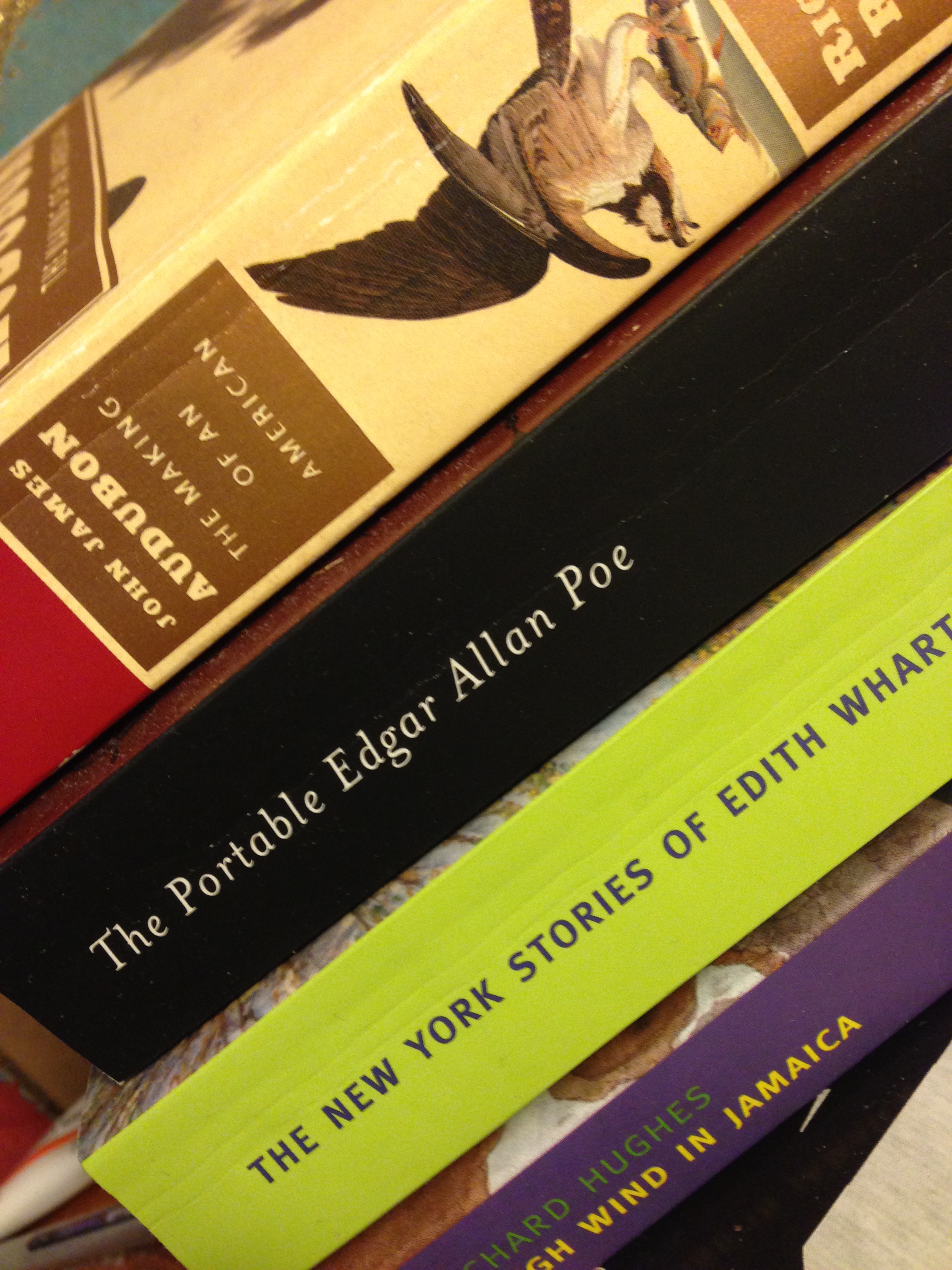
The New York Stories of Edith Wharton, esp. “The Other Two.” Wharton’s short fiction rarely reaches the heights of her novels, but some of her attempts stick with me, like this narrative about a twice-married woman and her beleaguered third husband. So fascinating to observe his anguished humiliation at the idea that his wife has had sexual relations prior to their life together.

The Portable Edgar Allen Poe, esp. “The Tell-Tale Heart.” After visiting the Poe exhibit at the Morgan Library I went back to his writings to find that some of them were just as hypnotic and chilling as they’d been on first reading. I actually found myself terrified by a story that had first been published in 1843.

The Catcher in the Rye, J.D. Salinger, 1945. Was all the brouhaha over Salinger this year (massive biography, in depth documentary, articles galore) deserved? I thought I’d better go back to Catcher. A nice little novel, I think you’ll like it.

The Painted Girls, Cathy Marie Buchanan, 2013. Edgar Degas’s life intersects with those of two adolescent ballerina sisters in Belle Epoque Paris. I loved the funky details and the narrators’ voices.

9781594486241_custom-5864569c19efa3014fe4122c5fd149e320b924c9-s6-c30

Witches, Midwives and Nurses: A History of Women Healers, Barbara Ehrenreich and Deirdre English, 1973. Long, long ago, in the 1970s, feminism was a lens through which to view subjects like the history of medicine. This tasty fruit of that approach is something I’m drawing upon for work on a new novel, and it’s made me think about the power of women midwives in a whole new way.

Fever, Mary Beth Keane, 2013. I’d always wondered about Typhoid Mary, and this novel gave me a glimpse into her inner life – very stoic, very sad. It’s about New York, too, at the turn of the century. I found myself totally there.

I Curse the River of Time, Per Petterson, 2010.

i-curse-the-river_custom-s6-c30

I’m bringing this one to my book group for discussion and I’m pretty sure they’ll like it. In 1989 Norway, a man in his late 30s has lost his way – his mother is dying and he revisits his youthful experiences to try to achieve some foothold on his present. Sound dark? It is, but I assure you Arvid’s story is heart rending.

This Is How You Lose Her, Junot Diaz, 2012. If I’d known how dazzled I would be by these interconnected stories I’d have jumped on the book when it first came out. The prose offers ribald, irrepressible poetry about the power of love.

The Last Banquet, Jonathan Grimwood, 2013.

Last-Banquet-cartonato_Layout-1-399x600

The sexy Frenchman in this foodie novel braises a wolf whose neck he has broken in the woods, corresponds with Voltaire and becomes Lord Master of the Menagerie at Versailles. Historical fiction at its sensual best.
6 Comments

Filed under Cooking, Culture, Dance, Fiction, History, Home, Jean Zimmerman, Publishing, Writers, Writing

Wonderful Characters

It’s the time of year when literary critics tote up the outstanding reads of the previous year, as well as some of the failures. I’m never into ranking books, though I might at some point on this site share a few of those that really knocked me out in recent months. For now, I thought I’d recommend — strongly recommend — something you won’t find on any of the 2013 best books lists. Yet there’s nothing else remotely as charming as a title issued in 1869 in London under the byline of one J.C. Hotten.

title

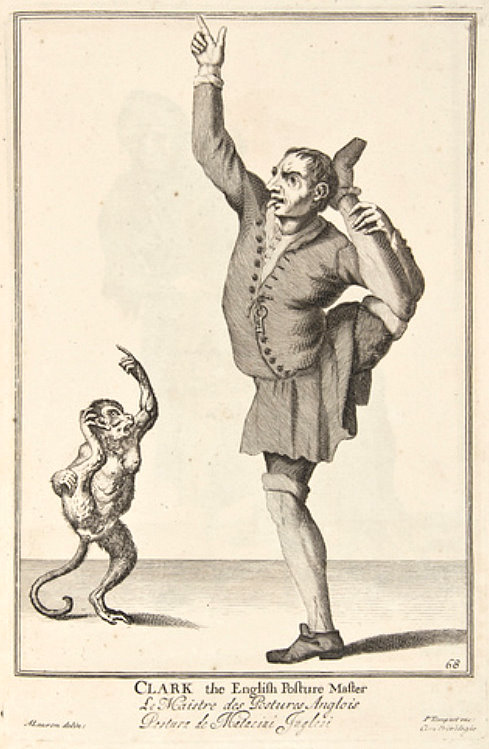
The Book of Wonderful Characters, Memoirs and Anecdotes of Remarkable and Eccentric Persons in All Ages and Countries, now digitized, was the fruit of many years of enterprise for Hotten, who had begun publishing illustrated books about remarkable persons in 1788 and continued through the early decades of the nineteenth century.

Clark-The-English-Posture-Master-And-Uncle-Boris

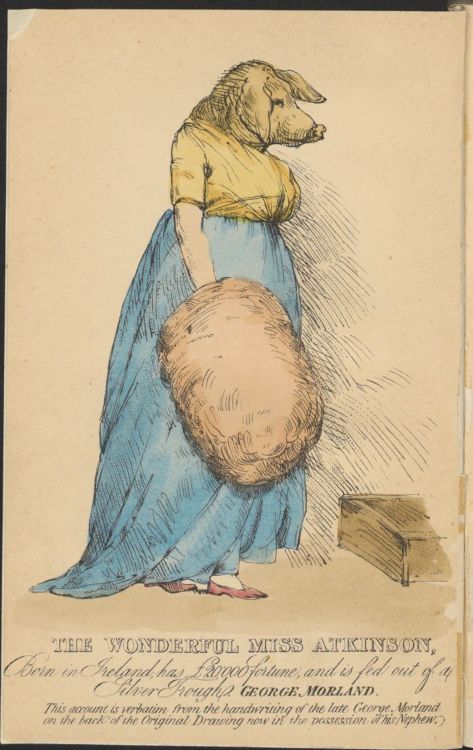
More than 40 years after his death this volume was republished. Engravings illustrate some truly amazing characters, like a woman who lived upon the smell of flowers and a man who died at the age of 152.

pig face

Hotten begins “With a few Words upon Pig-faced Ladies,” then goes on to an “extraordinary Stone Eater” with a detour for fire eaters and knife swallowers. I think you might be glad to make the acquaintance of the Vain Dwarf or the Man Who Crucified Himself. Or a particularly creepy ghost.

ghostWe all still like to creep out, I think, we just do it via TV and movies rather than encyclopedic illustrated weirdfests. Maybe some genius will rise to the occasion and we’ll see a book like this in 2014.

3 Comments

Filed under Art, Culture, Film, History, Jean Zimmerman, Publishing, Writers, Writing

A Grimm Tale

Recently I checked out my reader reviews for The Orphanmaster – not always a good thing for a writer to do, but Amazon makes it so easy – and after the wonderful, wonderful, wonderfuls I was stopped short by this extremely erudite criticism: Yick. One of my readers actually had to put the book down and erase it from her e-reader, she was so offended by the novel’s instances of violence and depravity.

Alright, you got me. Loving, brave Blandine and valiant, dashing Drummond and adorable little Sabine aren’t the only beings in the story. There are bogeymen lurking in the New Amsterdam shadows, crouching in the forest, maybe even hiding somewhere in your house, perhaps inside the groot kamer itself.

O-Master P-Back Cover

No one in The Orphanmaster is entirely safe. It’s our job (through the actions of the characters we adopt as our totems) to crush those towering monsters and let the light shine in for another day. There’s a crack in everything, wrote Leonard Cohen, That’s how the light gets in.

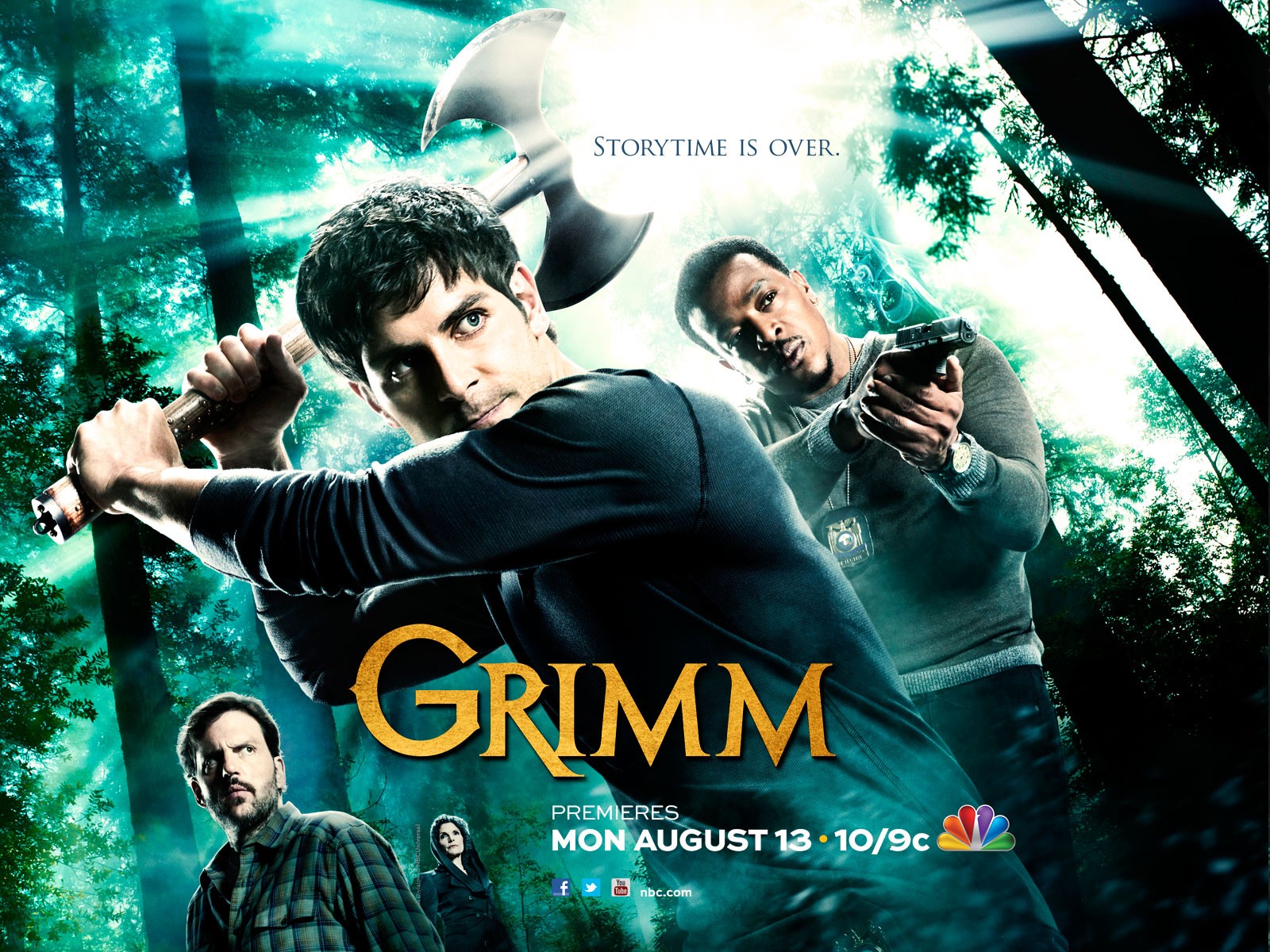
Why do some writers, like me, want to show the monsters, expose them, and crush them? Why are some people drawn to a TV gorefest like The Walking Dead? I know I am. Monsters are with us at the core of our psyches. A lot of viewers are eating up the NBC prime time show Grimm, which puts a procedural spin on nailing fairy-tale creatures.

grimm

It’s actually amazing that we manage to find anything remotely more interesting to tell stories about.

Today is the anniversary of the first publication of Grimm’s Fairy Tales. This literary landmark, originally titled Children’s and Household Tales, first appeared in Germany on December 20th, 1812 – just in time for Christmas shoppers, right?
Grimm's_Kinder-_und_Hausmärchen,_Erster_Theil_(1812).cover

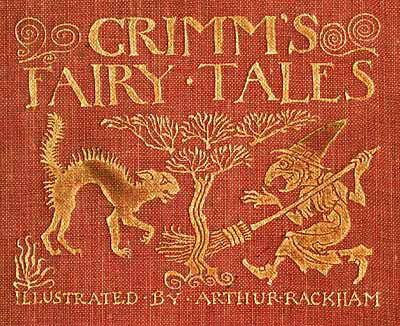
Jacob and Wilhelm Grimm were not the first to publish fairy tales, but their versions enshrined the “folk” aspect of the material – the down and dirty part, the cruelty, the yick factor. The brothers went out to the countryside and collected folk tales from peasants, unsanitized, terrifying and utterly compelling.

Arthur-Rackham-Grimm-Fairy-Tales

Many of the details in the original versions of the stories were more ghastly than those we recognize from Disney – for one minor example, in the Grimms’ Cinderella, two heavenly doves help the heroine get dressed for the big ball in a gold dress and slippers – then fly down to peck out the eyeballs of the evil stepsisters.

Cinderella-(Cinderella_III)

Yick. But brilliant. The tales have found their way into 160 languages in the last 200 years. A recent translation of 50 of them by children’s writer Philip Pullman manages to be as elegant as it is gory. As far as I know, there is no witika in Grimm, no towering, green-skinned, long-fanged, cannabilistic spirit of the woods such as the being that torments 1663 Manhattan in The Orphanmaster.

wendigo_char_c1

Yick. Yum.

3 Comments

Filed under Art, Culture, Fiction, Film, History, Home, Jean Zimmerman, Nature, Publishing, The Orphanmaster, Writers, Writing

Bit by Bit

Stitch after stitch. The easiest in knitting is the knit stitch, worked over and over, row after row, dignified by its pattern name the garter stitch. Time honored and simple, it’s the foundation of sweaters and scarves all around the world. I man the couch (woman the couch?), man up (woman up?) to knit stitch after stitch, a surprise length of comfort for someone who deserves every form of it.

garter

Song after song. Pandora seems to have decided that Ella, Aretha and Etta, with a sprinkling of Emmy Lou Harris, are the mainstays of my acoustic pantheon. Which is fine, as long as Etta James sings Just a Little Bit.

I don’t want much,

I just want a little bit

I don’t want it all babe

I just want a little bit

Just a teeny weeny bit, just a itty bitty bit of your love

Flake by flake. The snowstorm hits. The snow doesn’t give a soft white damn whom it touches, wrote E.E. Cummings. That’s the twisted magic of a white winter, after all, the stuff is so impersonal, impervious, and yet we extrapolate all soft and fuzzy feelings from it. Since I was a child I’ve made snow cream: put out a pot and collect the clean flakes, then mix the white stuff with milk, sugar and vanilla for a wintry treat that’s better than ice cream, especially if you’re a red-cheeked little kid.

Tweet by tweet. You stretch your brain a little and it keeps you young. That’s how it is with me and Twitter, which I’ve been dipping a toe into and coming up sometimes with a sparkly pedicure and sometimes a crab bite. Stephen King just opened a Twitter account, got twenty thousand followers instantly. “On Twitter at last,” he offered, not fully utilizing his 140 characters, “and can’t think of a thing to say. Some writer I turned out to be.” But it all comes down less to what you have to say than to the links, one by one, you make with other people. So follow me. Or at least tweet at me, @jeanczimmerman. And while you’re at it, tweet at Stephen.

Note by note. So much of publishing books is about the relationships with people you have along the way – writers and editors, writers and bookstore people. As an author you’re a cog in a bigger, complicated machine, one whose purpose is to put great books in the hands of eager readers. So I’m writing little remember-me’s to all the friendly, supportive booksellers I met while touring with The Orphanmaster. Letting people know about Savage Girl, that it’s coming out in March, and to look for it. Feral children have always fascinated me, I’m telling booksellers.

feral child

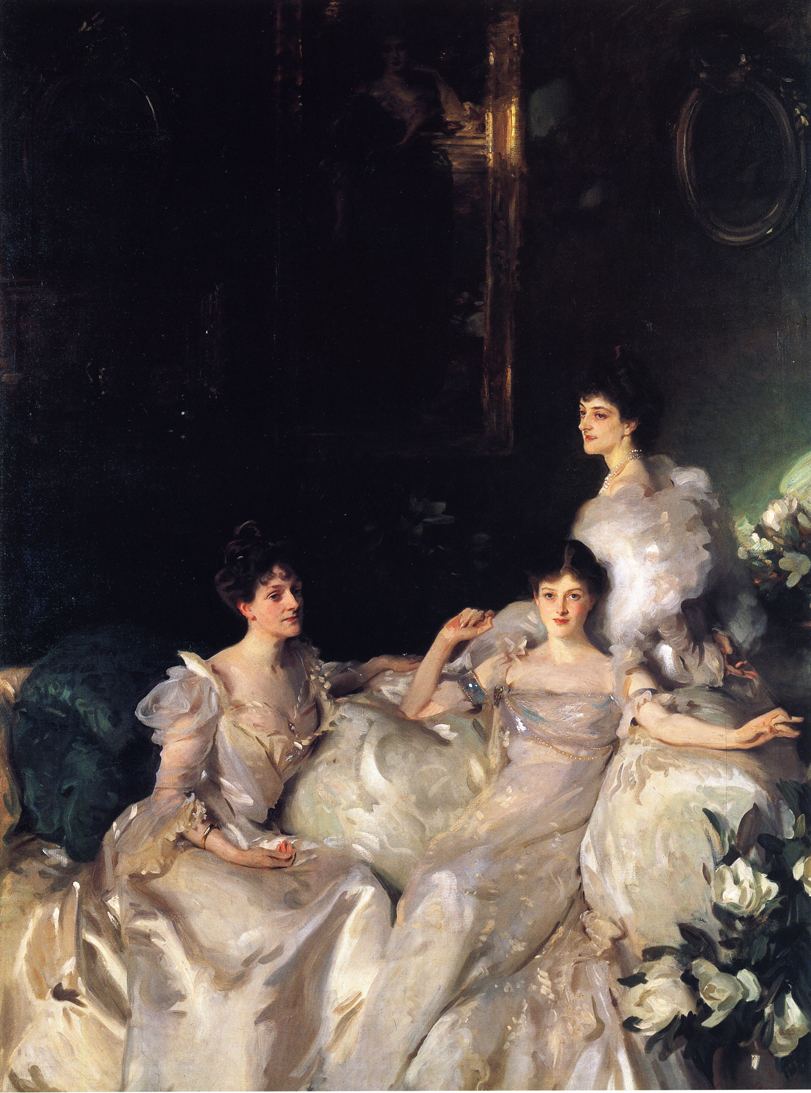
– but in NYC, in a world of Gilded Age opulence? An irresistable mashup.

the-wyndham-sisters-1899

I hope you fall for my Savage Girl, I’m telling my bookseller friends.

And little by little. The bones in my left foot are healing but won’t withstand an ounce of pressure or weight. It’s a good place to be, my couch, with my foot on a pillow, Etta on the box, a rollerball pen in my hand, knitting bag by my side, a fire in the hearth and a curtain of snow out the window. Bit by bit we move along, and today that’s just about right.

2 Comments

Filed under Art, Cooking, Culture, Fashion, Fiction, Home, Jean Zimmerman, Knitting, Music, Nature, Poetry, Publishing, Savage Girl, Writers, Writing

A Dollop of Trollope

During a single month in the fall of 1831, a 52-year-old woman named Frances Milton Trollope—Fanny—labored feverishly over a book in a rotting Middlesex farmhouse. She cherished the hope her work would somehow extract her and her family from the grip of poverty. She had no experience as an author. Nothing in her past gave any hint that her writing would do anything but sink unremarked into obscurity.

Instead, a miracle occurred. Domestic Manners of the Americans became an instant, runaway success, a travel book like no other.

trollope title page

Although the term “best seller” would not be coined for another half century, some authors were already experiencing strong sales and public acclaim. In Fanny’s day, the public measured literary accomplishment in how many editions a book went through and how fast those editions flew out a bookseller’s doors. Walter Scott, James Fenimore Cooper and Lord Byron were the John Grisham, James Patterson and Stephen King of their time.

Unknown

The reading public knew these authors and waited impatiently for their latest works, whereas Fanny Trollope was anything but a household name. So it was even more remarkable that Domestic Manners, by a wholly unknown author, went through four English and four American editions in the first year alone. Shops could not keep books stocked. Domestic Manners beguiled the reading public. Fanny Trollope suddenly found herself among the most well-known figures of the day, feted, celebrated and wealthier than she had ever known herself to be. In her first year as an author, she earned six hundred English pounds, over a hundred thousand dollars in today’s money.

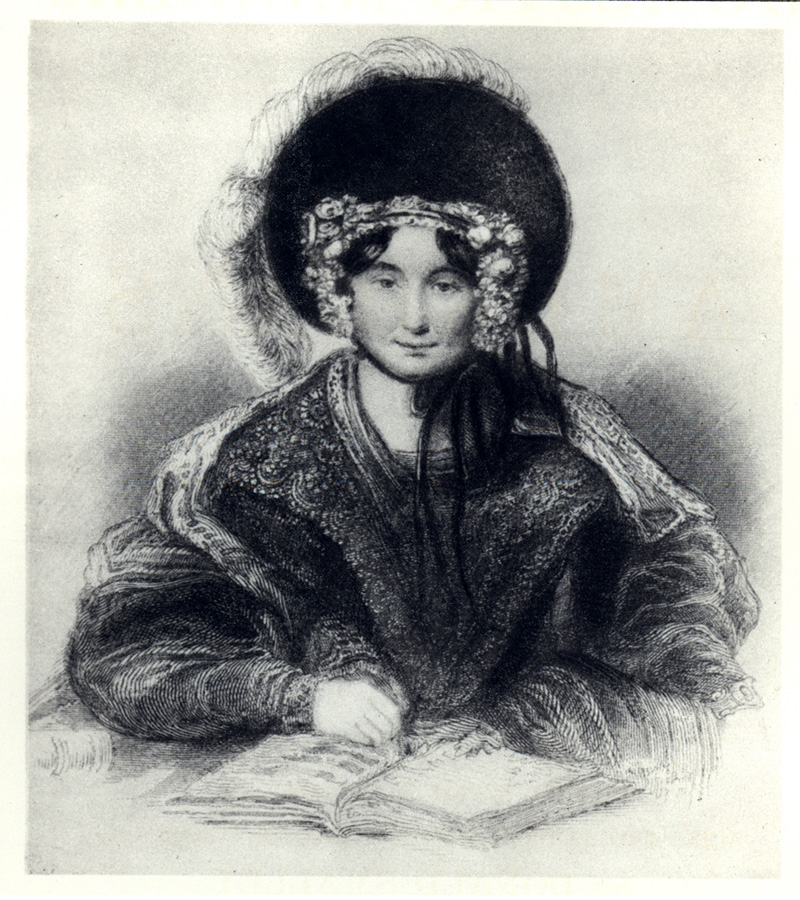
mrs-trollope_2

Fanny Trollope has almost totally faded from the intellectual tapestry of this country’s history — for one thing she is overshadowed by her novelist son Anthony — but to my mind that makes her only the more fascinating.

Fanny’s Domestic Manners of the Americans captured the strange, sharp-cornered realities of the bold new Jacksonian landscape of the United States. Four-hundred-and-six pages long, divided into thirty-four brisk chapters, featuring twenty-four Hogarthian illustrations in pen and ink (done by a traveling companion/protector/lover), the book took readers from Cincinnati, a boom town on the western frontier, to the raw northeastern spectacle of Niagara Falls.

a_Examining_a_Slave_for_Sale_in_Virginia_1830._Frances_Trollope_Domestic_manners_of_the_Americans_London_1832_vol._2_facing_p._18_

The author clearly hated aspects of what she had encountered in the new nation, the myriad social injustices, the denigration of women, the racism, the low taste, the filth. But Fanny Trollope loved the boundlessness of this fresh terrain. Its possibilities tantalized her, its contradictions stimulated her thinking. With this work, she opened a window upon an aspect of the United States that had never been treated before, certainly not by Tocqueville, her contemporary. For Fanny concerned herself with the everyday, the mundane, the overlooked details of American life. Readers loved getting a peek behind the supercilious, jingoistic façade to expose an earthier reality, its table manners, social niceties (and not-so-niceties), its mundane days and ways. Domestic Manners of the Americans was, beyond anything else, written with a female’s eye.

American ill.

During the course of her travels, Fanny’s shambolic entourage included her three hungry, ragamuffin children, two chronically unpaid servants and—much to the consternation of prudish observers—the French artist confederate who was her constant companion. Her arrival in Cumberland, say, a small outpost in the state of Maryland, or perhaps Wheeling, Virginia, or Washington, D.C., invariably injected a blast of the outlandish into struggling, hard-scrabble realms. The Trollope circus had come to town.

At the head of the troupe was Fanny herself, an eminently likeable but unlikely heroine, a crone Cinderella (fifty years, in that time period, qualified a woman for crone-dom), one who would play her own fairy godmother and totally transform her life. To strangers Fanny presented a strange, almost disturbing vision: a middle-aged woman with bad teeth, growing thinner by the minute via the vagaries of starvation, totally on her own, with nary a guiding male hand in evidence (a French artiste? Who—or what—was that?), loud, flamboyant, all over the place, rampaging across the rough and tumble world of the frontier.

Unknown-1

Fanny Trollope took her place as the first among a troupe of European critics of the American scene. Other observers crossed the ocean around the same time as she did, men already possessed of fame, Tocqueville and, a little later, Dickens, making their tours, literary beetles crawling across the flank of the Republic, picking at its scabs, inspecting, interpreting, judging. Fanny, perhaps more than the others, got the details right.

When Fanny toured the U.S., one thing she hated (she also despised slavery, sexism and Andrew Jackson’s vanquishing of Native Americans from their homelands) was the manners of its menfolk. The men returned the favor. One gentleman described Fanny as “singularly unladylike,” labeling her “robust and masculine” and critiquing her long walks in the pouring rain or midday sun. She was, another noted, often sarcastic. After Trollope’s visit, a “trollope” came to mean any kind of behavior the writer had lampooned–for example, the widespread practice of gentlemen hocking streams of yellow tobacco juice in their elegant theater boxes, a particular bugaboo she had. I think we should bring the term back. Fanny was the original snark, and there’s a lot to be snarky about today.

6 Comments

Filed under Culture, Fashion, History, Home, Jean Zimmerman, Publishing, Writers, Writing

Of Hand Muffs and Weather Masks

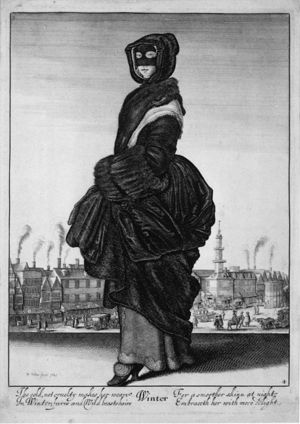
Wenceslas Hollar, the finest etcher and printmaker of the seventeenth century, had a thing about fur hand muffs. He had nearly 3,000 prints to his credit, having fled war-torn central Europe for England in 1636 under the patronage of the Earl of Arundel.

sun expelling mask

The extremely fashionable London lady in Hollar’s “Winter” Dress from 1643-44, in the collection of the British Museum, sports a voluptuous muff and is draped in furs besides, but perhaps the most curious thing about her is her facial accoutrement. Beneath the image runs the legend:

The cold, not cruelty makes her wear

In Winter, furs and Wild beasts hair

For a smoother skin at night,

Embrace her with more delight.

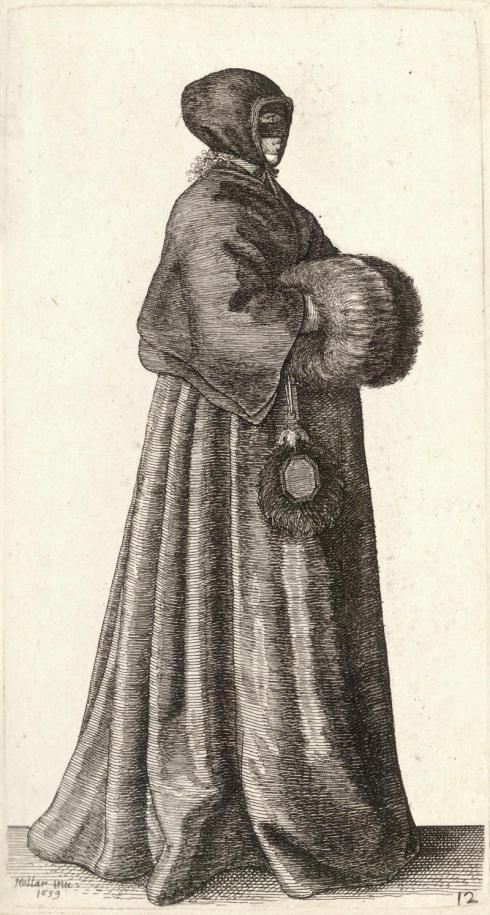
She wears what was called a sun-expelling mask, intended to protect her “smoother skin” from the elements.

In America, Dutch settler Adriaen Van der Donck deemed the lustrous coat of the black bear “proper for muffs.”

Fox or mink would do as well.

Another sun expelling mask.

sun expelling 2

In The Orphanmaster, Blandine and Drummond stand on the New Bridge overlooking the East River one frosty morning, each of them with their hands shoved into their muffs – fashionable men made them part of their wardrobes just as women did.

Another woman by Hollar, without mask, looks as though she is wearing her overwarm muff inside.

another hollar muff

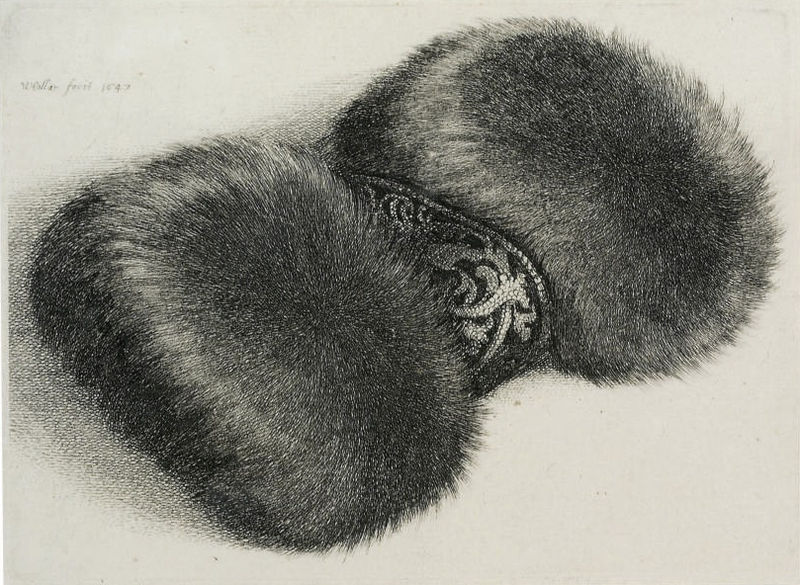
Hollar was so infatuated with fur hand muffs that he frequently made them the sleek stars of his work, leaving human subjects out in the cold. These are just a few. The University of Toronto has more in an in-depth Hollar digital collection.

hollar muff

Wouldn’t you like to stick your cold hands in one of these?

hollar muffs 1

Piles of luxurious fur.

hollar muffs 2

Hollar was in London during the Great Fire of 1666. His scenes of the city after the conflagration are amazing. His skills were all the more incredible given an infirmity — Hollar was almost blind in one eye. You feel in these images though that as important to him was his sense of touch.

2 Comments

Filed under Art, Culture, Fashion, Fiction, History, Jean Zimmerman, Publishing, The Orphanmaster

Hudson River Haunts and Hustlings

For my whole life I’ve lived up and down the Hudson River, in Hastings, in Ulster Park, in Ossining. New York City crouches on its shoreline, and I lived there for twenty years. The Hudson happens to be my favorite river in the world – although to be precise it is an estuary.

I’ve written about its history, in both nonfiction and fiction — about the rubble-stone house of Margaret Hardenbroeck, in Yonkers, about Blandine berry-picking on a Manhattan bluff, and other people whose lives I placed against this magical backdrop. But I haven’t just told stories about a place. I’ve lived it.

I was thinking about some of the things I’ve actually done along the Hudson’s reaches. What helped me in my imaginings. How the Hudson Valley has informed my life.

I’ve taken a canoe out through ancient marshes at the river’s edge. Had picnics along its shores. Dined in fine restaurants. Rode a bike. Collected beach glass.

sea-glass-on-the-beach

Kissed. Thrown sticks for a swimming dog. Gone swimming myself. Taken the train, that glorious route down the river’s eastern flank. Snoozed on that train and missed my stop.

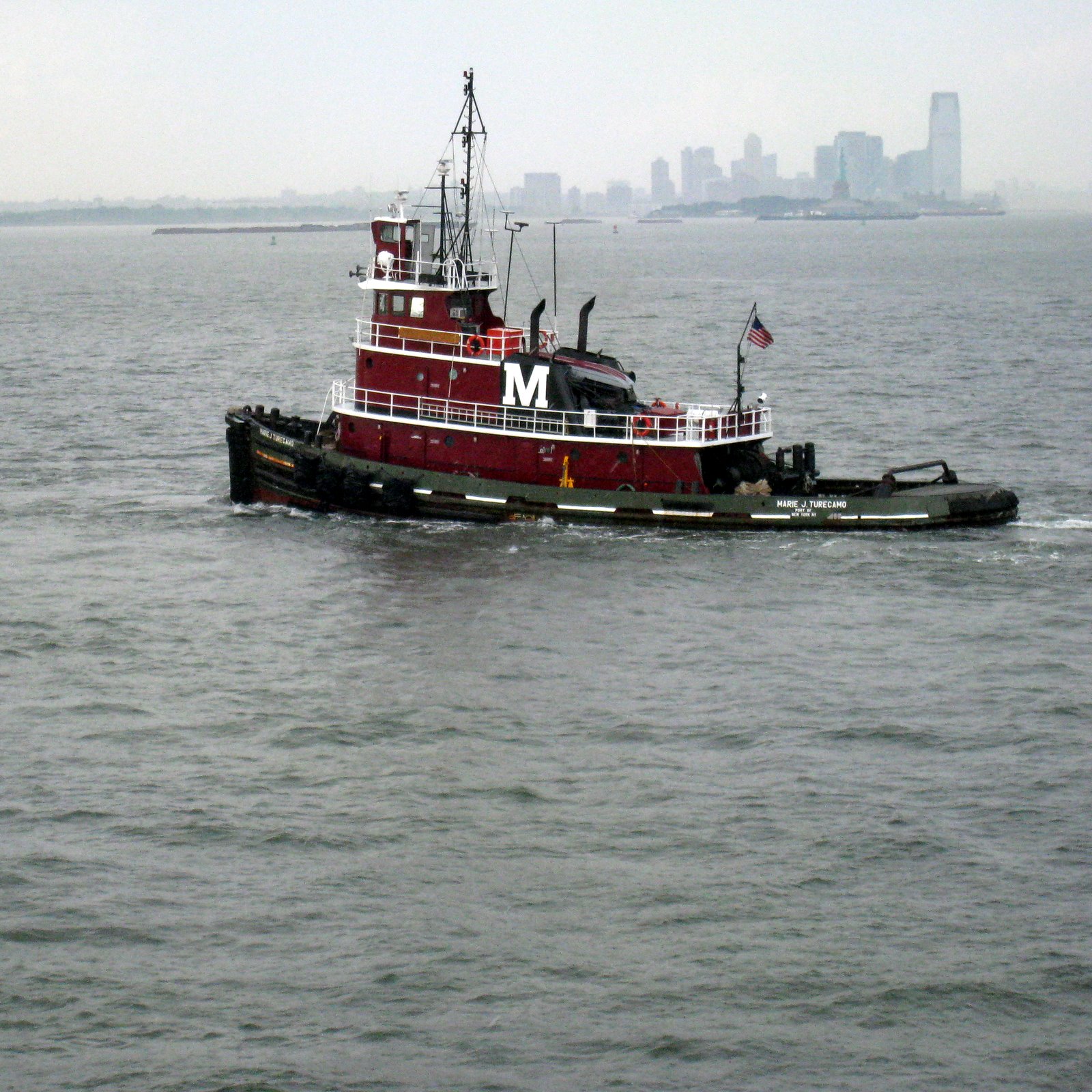
Watched fisherman pull out catfish. Careened along the Henry Hudson Parkway above the river in a series of second-hand cars. Visited a yacht house in winter, warmed by a wood stove. Hitched a ride on a tugboat.

tug

Walked the George Washington Bridge–it sways terrifically. Learned to hula hoop.

Peter hula

Heard blasting rock and roll concerts on ancient piers. Wandered a factory ruin from the nineteenth century. Did I mention throwing a stick for the best cattle dog in America?

Sugar

Saw fireworks explode up from every little Catskills town down the river’s length one Fourth of July. We sat on an escarpment far, far above the river coursing below.

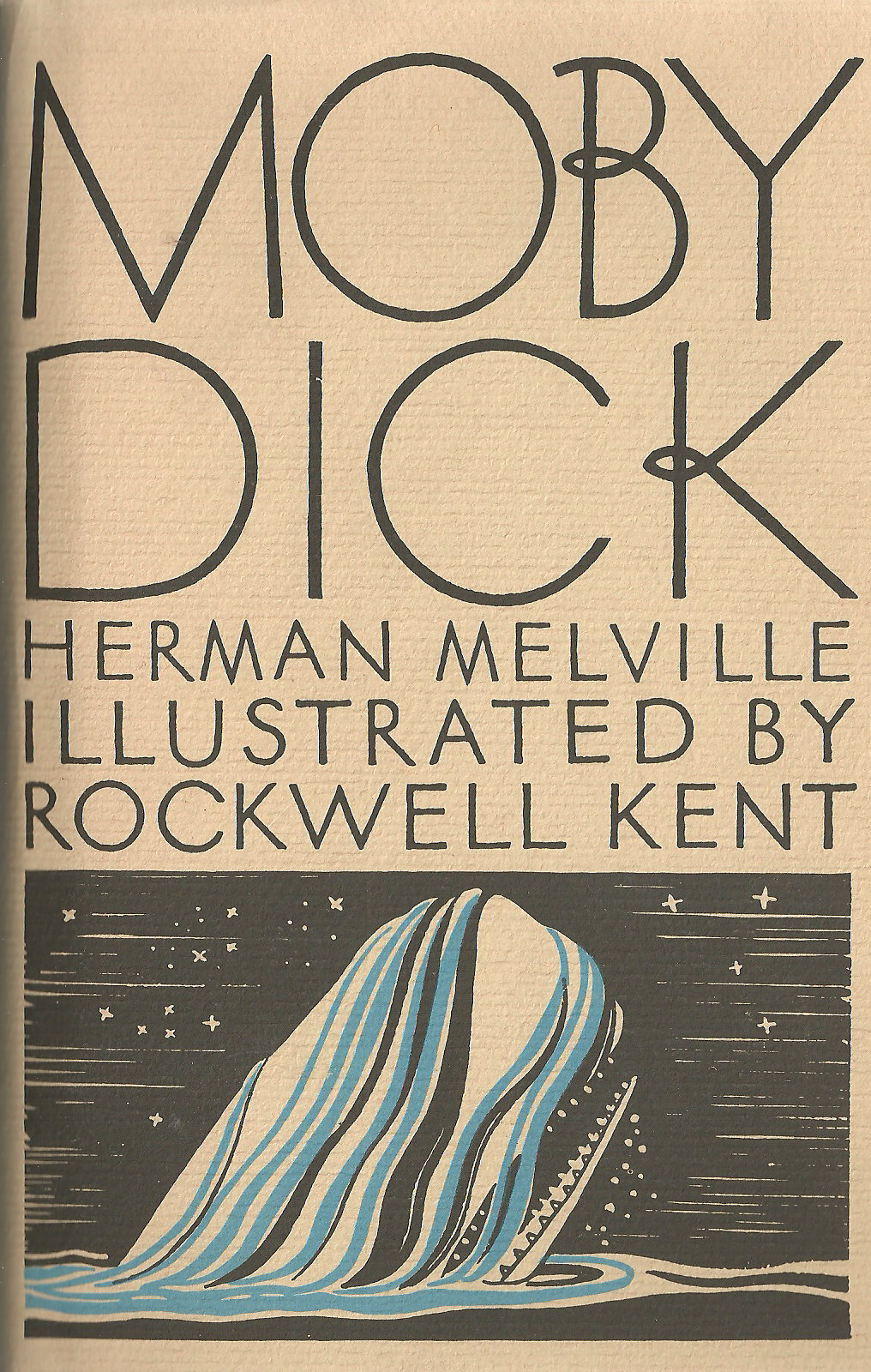
As an adolescent, I read classic books in a library overlooking the water.

moby-dick-rockwell-kent-illus

Later, bought paperbacks at library sales. Talked about my own books in library all-purpose rooms.

Watched my three-year-old get gleefully wet under a sprinkler at a city park in Manhattan’s Upper West Side. Devoured garlicky Dominican mofungo at a lunch counter a block from the water in Sleepy Hollow.

Hiked the Breakneck Ridge Trail, which rises 1,250 feet in a three-quarter mile stretch and hovers over the river as it winds. Experienced vertigo and rapture at one and the same time.

SONY DSC

Admired thousands of sunsets.

Praised the mighty Palisades. Daydreamed. Considered the water’s surface, olive green, deep black, cobalt, covered in crashed-together ice floes. Seen eagles ride the ice floes (an untruth – I’ve always wanted to, it’s in my bucket, but I never have managed it).

eagles-on-ice-018

Admired art on walls with river views. Experienced the unicorn tapestries, in awe. Taught children to make art. Touched cattails. Bought hanging plants from Garden Club ladies. Watched my teenager kill it in soccer games on a field watched over by the Palisades. Stood on the porch of Washington Irving’s stucco cottage, Sunnyside, imagining the 1840s river the way he must have seen it, appalled when the railroad went through.

sunnyside_and_hudson-300x225Skipped stones, clumsily. Never could master that. Threw a stick for a dog. Considered the white-tailed deer swimming across to New Jersey – diaries describe the phenomenon in the seventeenth century. A long time back, but a drop in the bucket for the old, bountiful Hudson.

What have you done along the Hudson–or your own personal favorite river? Leave a comment, will you?

12 Comments

Filed under Art, Cooking, Culture, Dogs, Fiction, History, Home, Jean Zimmerman, Music, Nature, Publishing, The Orphanmaster, Writers, Writing