Category Archives: Jean Zimmerman

On the Wing

Our neighbors came to lunch with their personable, twin four-year-old misters – to dine on a melange of kale, sweet potato, cous cous and shitake mushrooms – no, the tots didn’t eat that, of course, though they managed a bite of grilled cheese.

Creatures great and small. Small, the twin boys. Smaller still, the neighbors’ two-week-old chicks, fur balls, feathers just beginning to sprout.

Whitlinger's chick

A half dozen all told, they represent a handful of varieties, all adorable and all soon enough to be productive egg layers.

On the way up the hill to see the baby birds, looking up into the brimming sky, just by the shy, shallow daytime moon, a creature  stretched its wings, bright white head to bright white tailfeathers. A bald eagle, performing swoop de doo’s with its dun-colored mate. Crisscrossing the air, coming together, falling apart, coming together again in a sequence of performance moves you’d have to be a raptor in love to understand.

Yes, spring is coming, I swear it.

6 Comments

Filed under Cooking, Jean Zimmerman, Nature

The Invisible Game

“Hey, are you invisible?”

gamers

That gets my attention. Here I am, humdrum paper-cup coffee and bland NYT magazine in hand, waiting for yoga class to start at the gym. A half hour to kill amid chrome and plastic, the café.

Across from me sit two teenagers, talking over their devices.

“Yeah I’m invisible!” responds the second kid.

I think of Emily Dickinson.

I’m Nobody! Who are you?

Are you—Nobody—too?

Two fifteen-year-old boys, with their thatched fifteen-year-old boy hair, regulation jeans and sweatshirts, a shot of individuality in one’s neon red shoelaces.

“Do you like my piggies? I have piggies!”

Dickinson, who knew a little about being invisible:

Then there’s a pair of us!

Don’t tell! they’d advertise—you know!

Red Shoelaces: “I have a saw!”

Invisible Boy: “The worst is getting lightning over and over again.”

I know how that can be. Sip of boring coffee. Bite of workaday bran muffin.

The two focus intently on their phones. I can barely see them, they are so far off, paddling around in a crystalline universe populated by pigs, saws, lightning and who knows what else. “I’m just stating a fact,” says Red Shoelaces. “Just a fact, that’s all.” A fact in fantasy.

I didn’t go to yoga. I flew up into the air, away from coffee, newspaper, away from self, and disappeared.

How dreary – to be – Somebody!

How public – like a Frog – 

To tell one’s name – the livelong June – 

To an admiring Bog!

1 Comment

Filed under Jean Zimmerman, Poetry

The Orphanmaster-edition Francais

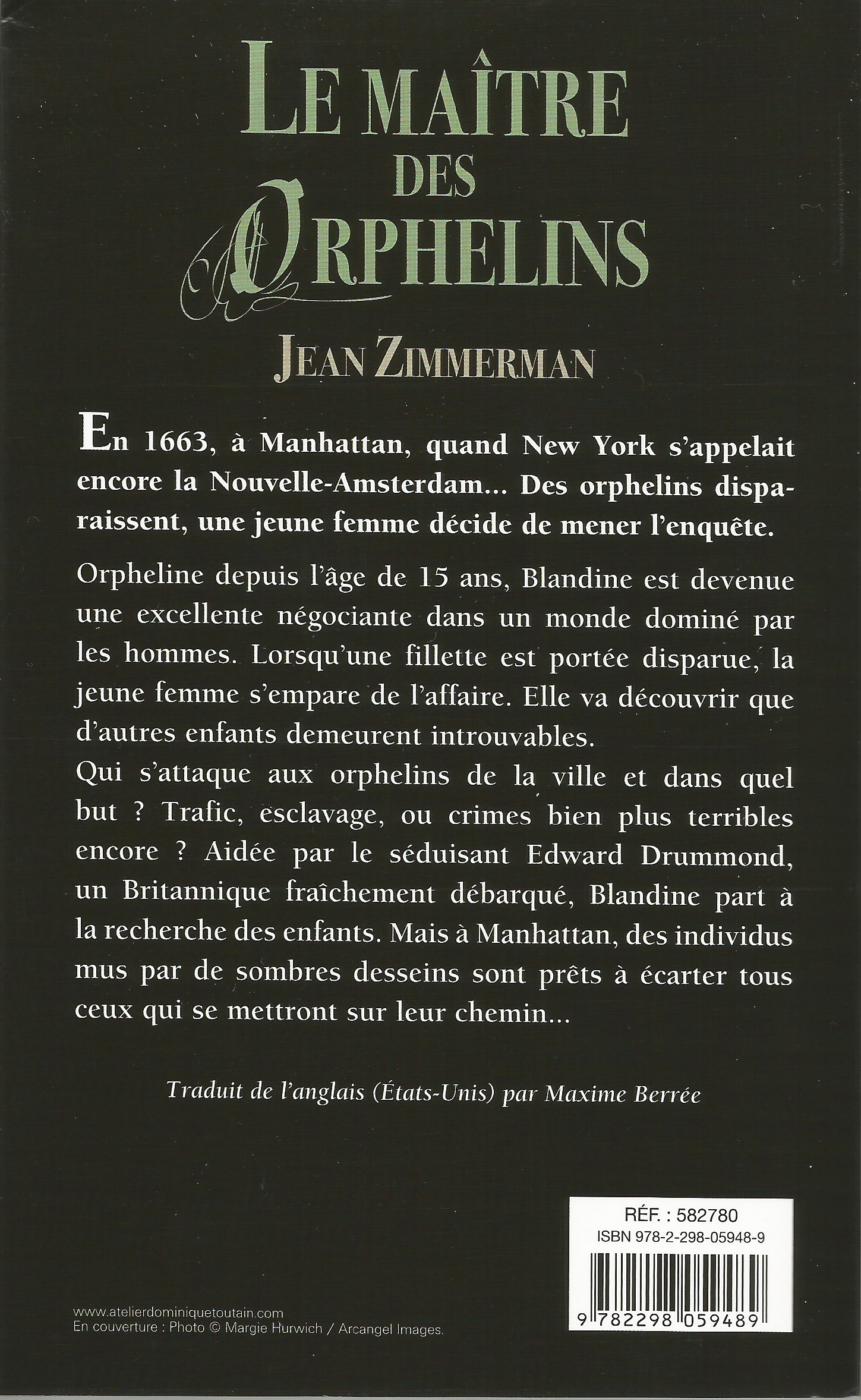
The French advance reading copy of The OrphanmasterLe Maitre des Orphelins – has landed on my doorstep. The publisher 10/18 will bring it out in May. Isn’t the cover art terrifying?

Lucky Peach 2

The Orphanmaster has already come out in Holland and will soon be published in Italy, Hungary and Taiwan as well. So cool to think of people from all corners of the world voyaging in their minds to 1663 Manhattan.

Lucky Peach 3

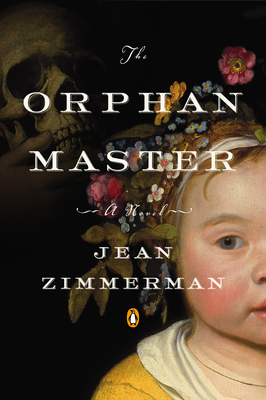
The jacket designers at 10/18 and Viking must have been drinking the same KoolAid. Look at the art for The Orphanmaster’s softcover… it hits the stands in America April 30.

Orphanmaster Paper Official Cover

I don’t know if the vulnerable child in either image is meant to represent a specific character in the story, but all I can think of is one of my favorite characters, the toddler Sabine, known as “the Bean,” she with the winning way and persistent lisp, holding up her just-baked “tookie,” blissfully unconscious of the evil that stalks her. Luckily she’s got Blandine van Couvering covering her back.

4 Comments

Filed under Fiction, Jean Zimmerman, Publishing, The Orphanmaster, Writing

Mr. Darcy Cooks

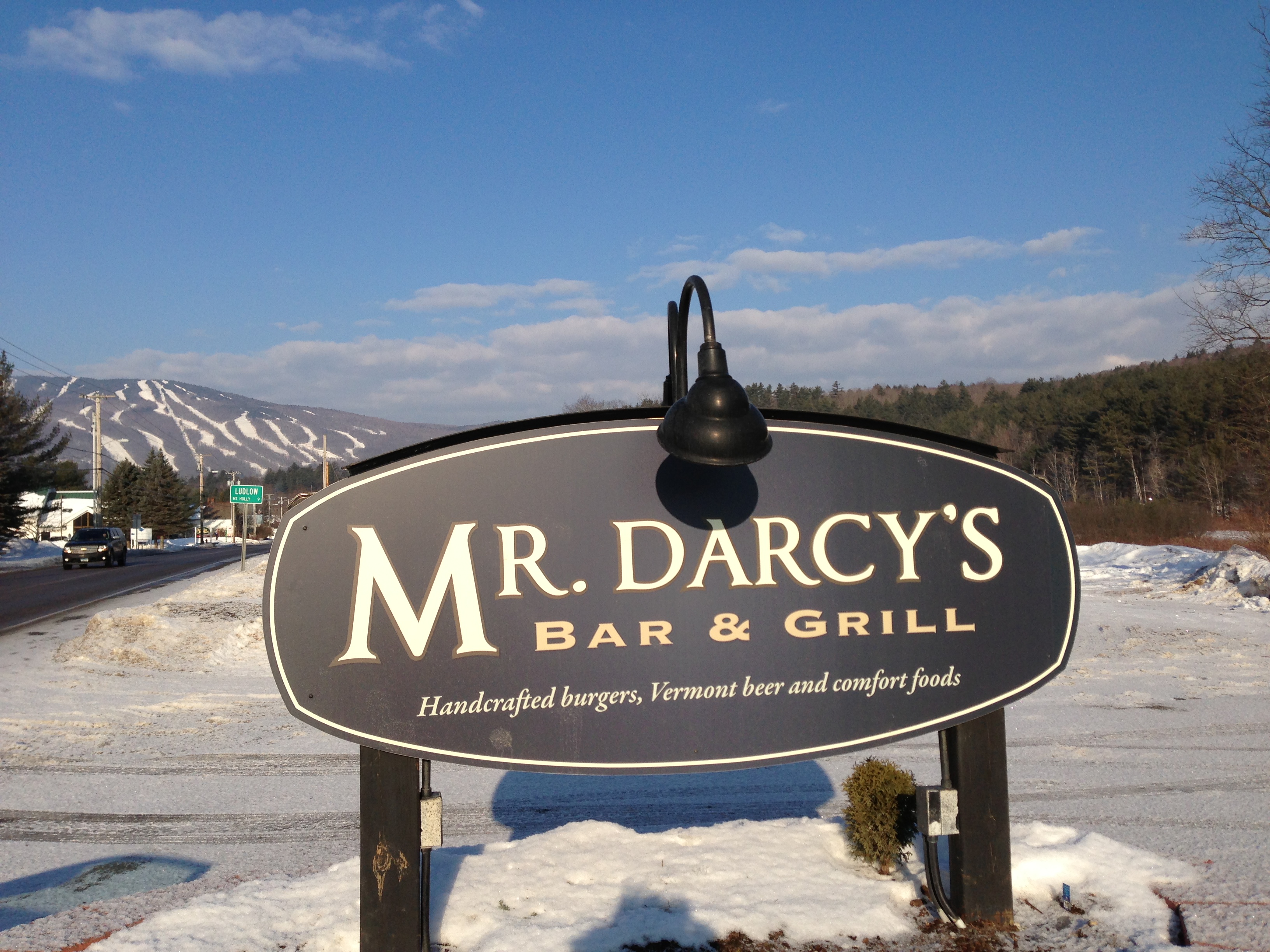
Mr. Darcy's

And I wondered what happened to Darcy after he was run off of Pemberley for feather spanking that chambermaid. He’s peeling potatoes in the shadow of Mount Okemo in Ludlow, Vermont.

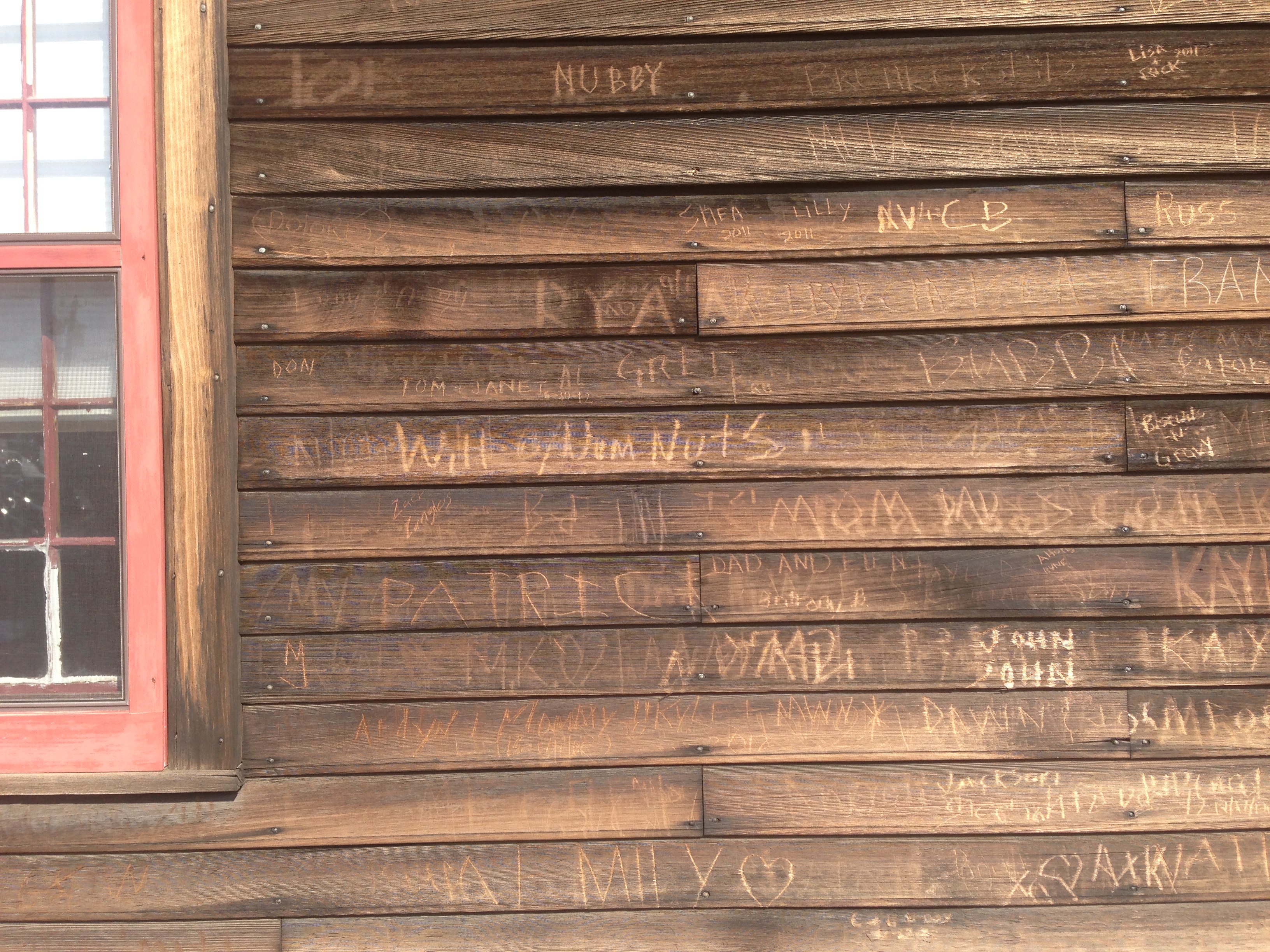
Today we found a place that served not only crispy french fried potatoes and sweet belly clams but was a haven of sorts for writers.

Wall

It’s an anthology based in South Deerfield, Mass., and we’re now a part of it.

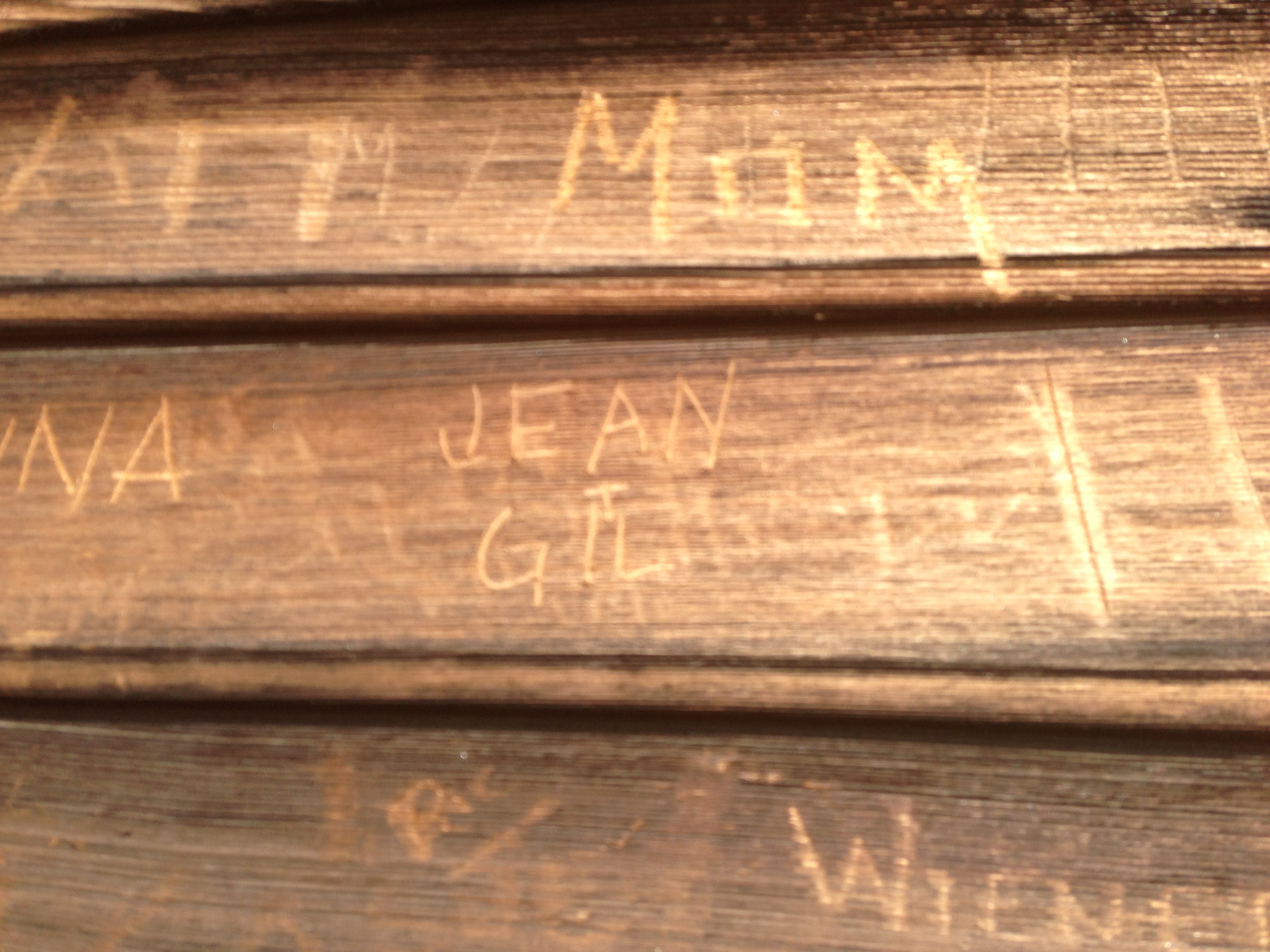
Jean:Gil

If you’re going to leave your name behind, it’s probably better for longevity’s sake to put it down in stone rather than wood. I remember the escarpment high above the Hudson River at North-South Lake, the site of the venerable long-gone Catskill Mountain House, which a hotelier built there to take advantage of the views up and down the river. That was in 1823.

Catskill Mountain House

One Victorian guest observed, on reaching “the broad tabular rock upon which the House is set”:

“We could hardly realize it. After threading in the dark for two or three hours in a perfect wilderness, without a trace save our narrow road, to burst thus suddenly upon a splendid hotel and, glittering with lights, and noisy with the sound of the piano and the hum of gaiety – it was like enchantment.”

Long after the hotel was razed, in 1963, we spent a July 4 on those flat rocks, watching the bursts of firework displays in the little communities north and south along the river. The pyrotechnics looked like tiny faraway flowers blossoming briefly in the darkness.

Carved in the stone beneath our feet, the names of  visitors, a guest book that reaches back to the beginning of the nineteenth century.

Catskill Mountain House graffiti

Another rock pic

The older the calligraphy, the more likely the letters are to be engraved in a serif font. I’ve always thought that in the quiet that surrounds this spectacular vista you can hear the voices of the people who etched their names above it all.

I can even see Fitzwilliam Darcy here, in a frock coat, politely tapping his chisel into the stone.

1 Comment

Filed under Fiction, History, Jean Zimmerman, Photography, Writers, Writing

I Heart Hearts

A Swedish massage by a masseuse with head-to-toe tattoos. A restaurant in a castle, a 1905 grey gneiss mansion, the first home in Vermont wired for electricity. A gas-jet fire in the hearth. Rare lambchops. Chocolate mousse. Cherry hearts.

candy hearts

A hammy piano player in the dining room. Romance, ro-schmaltz, circa 2013, with my husband, who made the day a surprise. It was the bomb.

2 Comments

Filed under Cooking, History, Jean Zimmerman

Evesdropping

Valentine’s eve. All the last-minuters are ordering roses, and the line in the chocolate shop was out the door. I know something nice will happen tomorrow, but I think I like the anticipation better than the day itself, the taste of candy before it’s in my mouth.

kiss

I have always liked holiday eves. Usually more than the day that follows.

Christmas eve. Stockings up. Easter eve. Baskets open.

Most of the food prepared and plenty of butter in the fridge.

A quiet house, a quiet trail to hike the day before the holiday hits.

New Year’s Eve. Now that’s a different story. I really like New Year’s Eve eve, with the champagne as yet uncracked.

Evening, too, surpasses both night and day in my estimation. Not a dusk goes by that my daughter Maud doesn’t say, that’s my favorite time of day. We agree. The gloaming. The rind of the day. Blue shadows and, at our house in spring, flitting redwings. I’m already waiting for spring. Today, this month, this season is the eve of spring. Red tulips in a vase against white snow, a valentine to spring. Or red firecracker jackets in the snow, Chinese New Year. The eve of the year of the snake.

year-of-the-snake-2013-chinese-happy-new-year-vector-1075480

Speaking of serpents, Adam gave Eve her name (Heb. hawwah) “because she was the mother of all living.” The name may go back as far as the Hurrian goddess Kheba, who was worshippped in Jeruselem during the Bronze Age, and before that to a woman named Kubau who reigned during the Third Dynast of Kish. Variations abound, including the Gaelic Aoife, which means “radiant, beautiful” in Scotland and Ireland.

Eve by Hans Baldung Grien

In spring, snakes will return to the Cabin, entwining themselves under the hose spigot, black and shy. Of an evening, we’ll watch going barefoot, even while breathing in that radiant sky. Every day is the eve of the next day, and that day’s the eve of the next.

1 Comment

Filed under History, Jean Zimmerman, Nature

The Proper Get-Up to Meet Your God

I was irritated by the story in today’s Times about the 10 women carted away from the Wailing Wall because they were wearing “men’s” ritual duds, prayer shawls. It’s not the first time this has happened. Then I turned the page and came upon the Pope in long white gown and a red velvet stole trimmed with gold. I believe that anybody should be able to wear anything they want to worship, be it a prayer shawl, a gown, six-inch mules or a shower curtain.

12pope_1-popup

5 Comments

Filed under Fashion, History, Jean Zimmerman

A Snowman

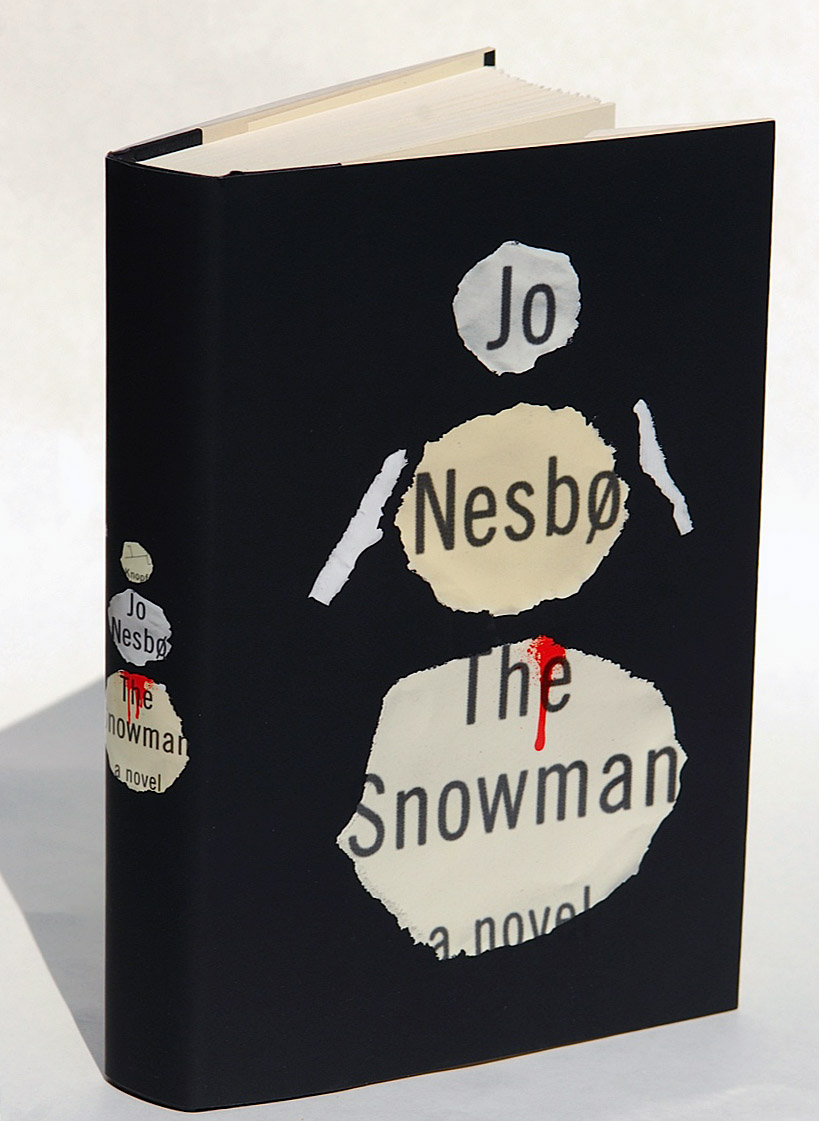
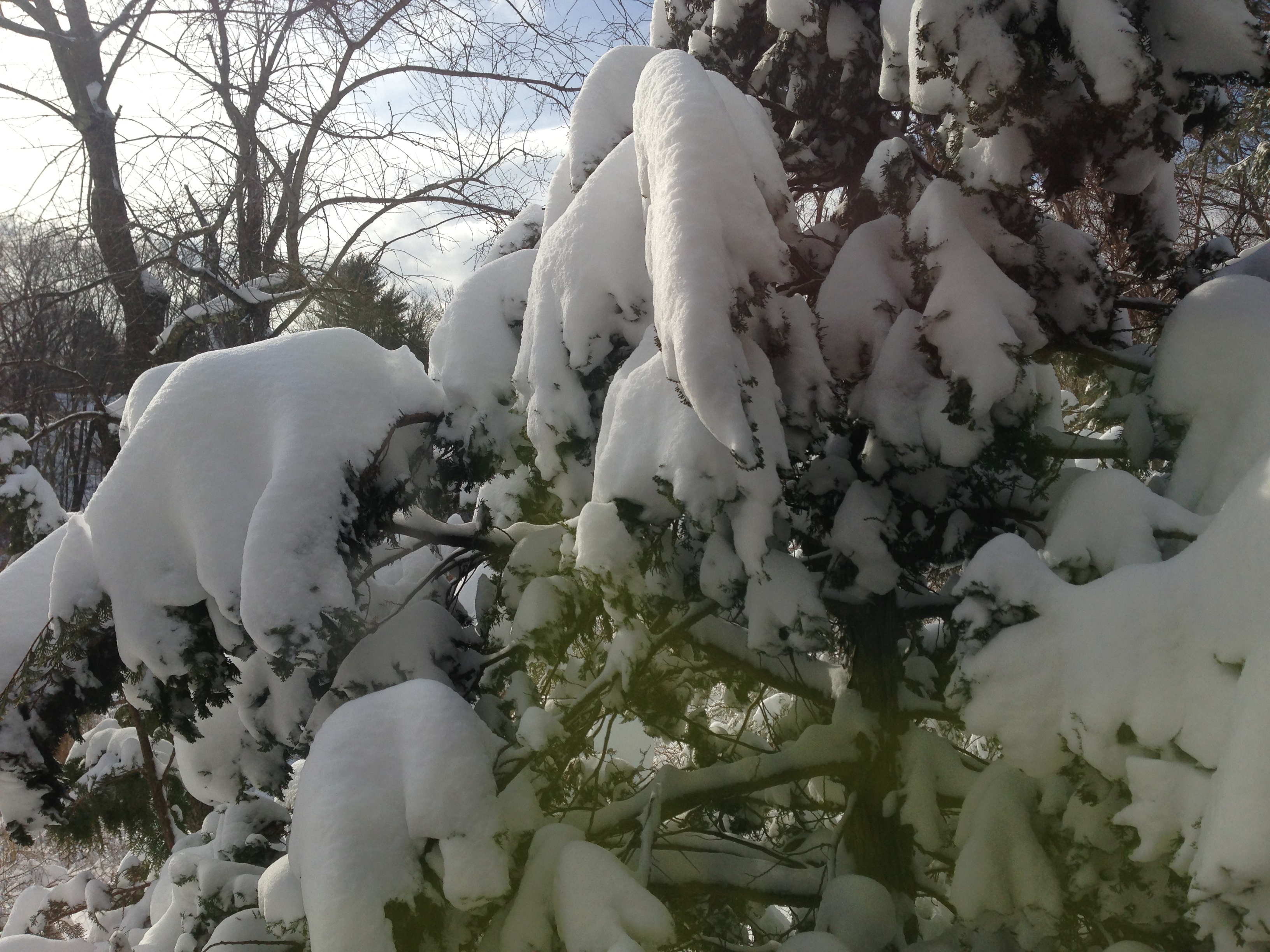
Yesterday as I was shovelling out a path from the cabin to the car the thought came to me, What about building a snowman? The snow was so perfectly packable and clean. But then just as quick, a terrible fear of the idea… because, you see, I’d just been reading The Snowman by Jo Nesbo, which depicts a viscious killer who employs snowmen in the course of his work. And this book activated my fear center so much I only reached page 40 before I actually hid the book in a different room. Fight or flight? I’ve already flown. Who knows when I’ll go back.

Nesbo Snowman

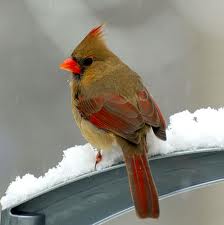
Even today, gazing out the window at the birdfeeder, at the pretty female cardinal plumping herself from branch to branch of the magnolia against the peaceful background of deep snow… did you say snow?

cardinal

The snowman! Oh, no…

And this coming from someone who recently wrote a novel about a mad killer who likes the taste of human flesh.

What is it that causes one tale rather than another to terrify a particular person? I remember as a teenager having to put aside The Lord of the Flies, after turning the pages in bed at night, it struck me with such force.  Nesbo has said he relates to that book: “The first novel that I made my father read to me was Lord of The Flies by William Golding. A Nobel Prize winner. I wish I could say I chose that book because I have good taste, but I liked the cover. It was a pig’s head on a stake.” From an interview with The Millions last year.

jonesbo_author

Nesbo has said The Snowman’s his scariest story, and it’s really  horror-crime. The writing is smart, crisp and yet earthy at the same time, and the whole cold world of Norway draws me in.

I may have to finish The Snowman. But not at night.

2 Comments

Filed under Fiction, Jean Zimmerman

A Basho Snow

Come, let’s go

snow-viewing

till we’re buried.

–Basho

How do you make snow sing? The great haiku artist Basho knew how to wring meaning out of the simplest natural detail.

blizzard morning

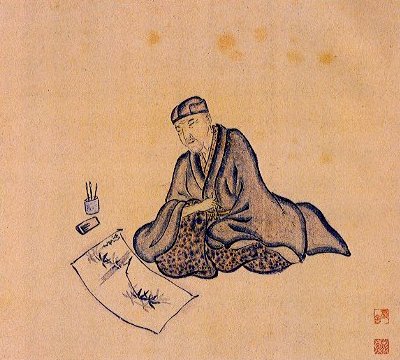
Born Matsuo Kinsaku in 1644, the Japanese poet later known simply as Basho established himself in his lifetime as the foremost Japanese writer of a collaborative style of verse called haikkai no renga, but he would forever be known as the genius of haiku. (Which was essentially the first three lines of a haikkai.) His followers built him a series of rustic huts to live in, but he couldn’t stay put, he went on one after another long rambles through the Japanese countryside at a time when travel was neither safe nor easy – getting killed by bandits was a real possibility. He wrote as he went, poetic travelogues about what he was experiencing, treating the delicate convergence between external observation and sensitive introversion.

Basho_by_Basho_by_Sugiyama_Sanpû_1647-1732

Basho’s final book, The Narrow Road to the Interior, depicted in prose and verse a 150-day hike he took to the Northern Provinces and along the coastline of the island, about 1,500 miles. It is considered his most brilliant achievement. I like this article by writer Howard Norman, who followed in Basho’s path on that journey, accompanied by beautiful pictures by Michael Yamashita, a photographer Gil and I worked with on the guidebook Manhattan (Compass American) many years ago.

This is one of Basho’s huts, on Camellia Hill.

Basho's hut on Camellia Hill

One of the finest of Basho’s haikus:

Even  in Kyoto—

hearing the cuckoo’s cry—

I long for Kyoto.

3 Comments

Filed under Jean Zimmerman, Nature, Poetry

Awaiting Snow and Book

Firewood, check. Water, check. Milk, check. Generator, check. Gas in car, gas for generator. Candles. Chicken for pot pie.

The storm advances, and all that’s left to do is put out a pot to catch snow for snow cream (snow plus sugar plus milk plus vanilla; stir).

Small flakes fall, but the big snow isn’t supposed to strike until tonight.

Waiting. Hunkered in a cozy house with a pile of books (The Snowman by Jo Nesbo on the top of the pile, The Unexpected Houseplant, the next one down.)

Plenty of books, and one of my own on its way this spring. The Orphanmaster comes out in softcover on April 30th.

Orphanmaster Paper Official Cover

What a cover. It sets even me atremble.

4 Comments

Filed under Cooking, Jean Zimmerman, Nature, The Orphanmaster, Writers

The Chicken and the Whale

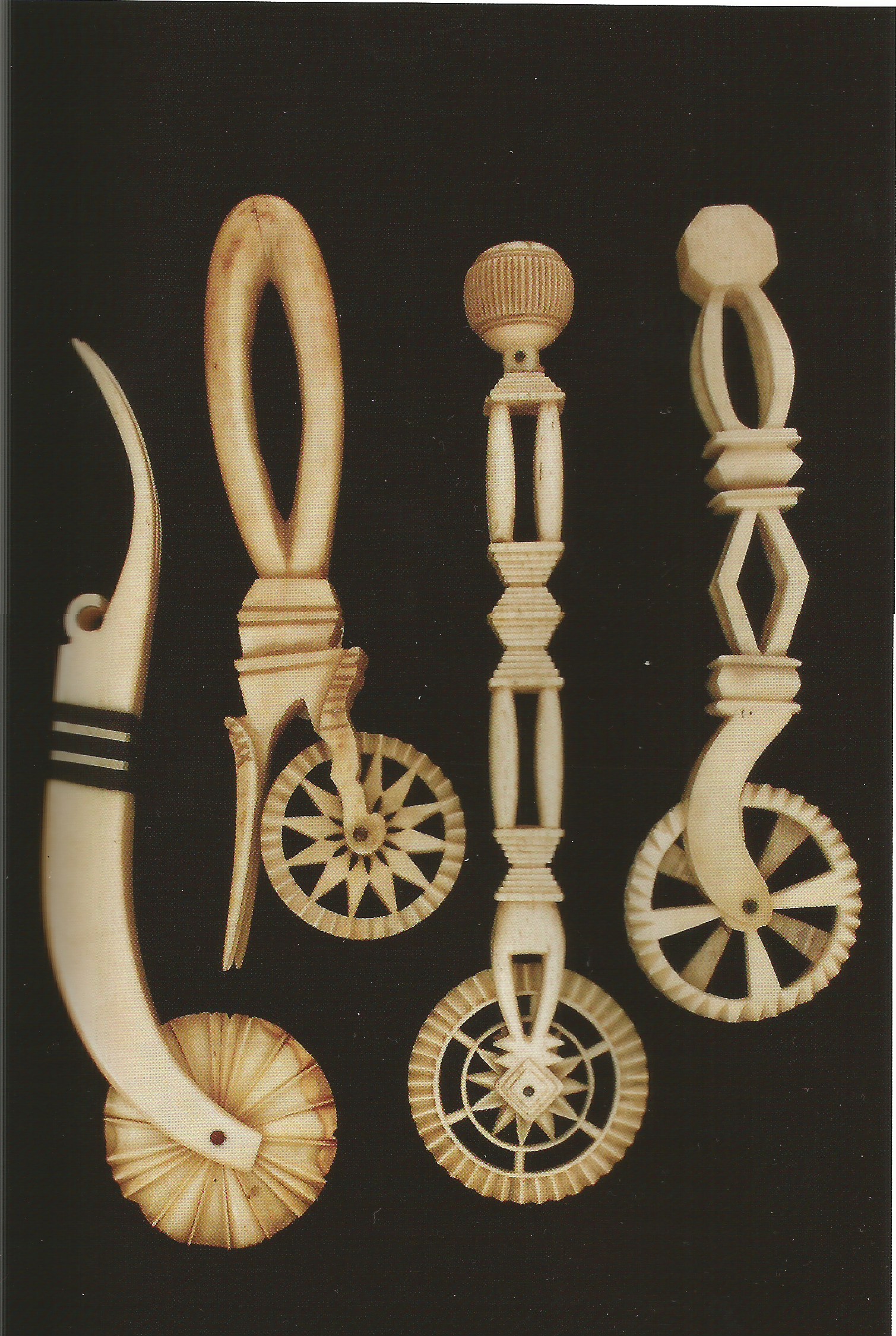
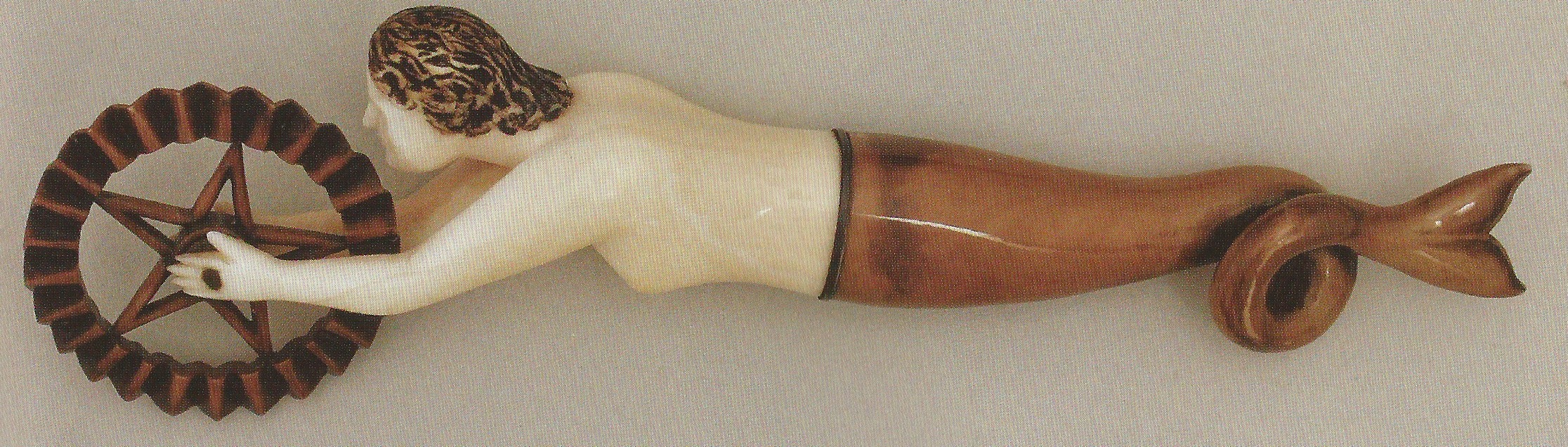
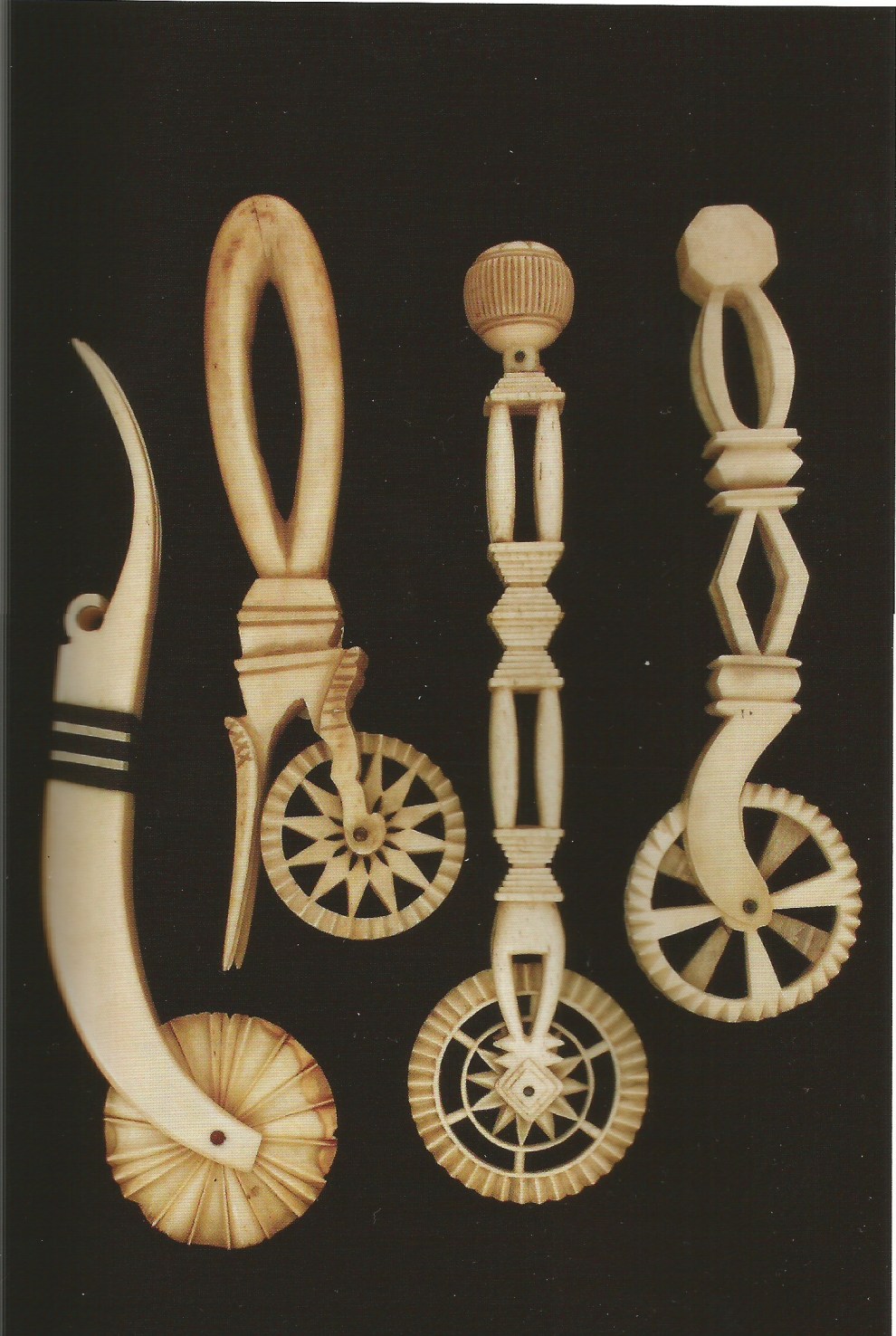
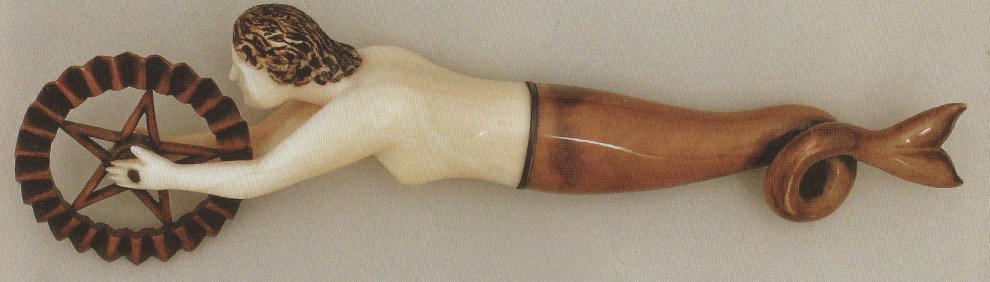
If I had the wherewithal to collect anything seriously, it would be scrimshaw. Not just any scrimshaw, but scrimshaw pie crimpers.
scrim 1

Sailors on whaling ships in the 19th century crafted crimpers by the thousand as presents for the wives, mothers, aunts, sisters-in-law they missed while at sea. Museum conservators who inherit these artifacts report flour residue clinging to the delicate yet utilitarian objects, evidence that they made a most practical kind of souvenir.

My favorite presents are they kind you wind up using every day. Humble beauty is the finest.
scrim 1 1

Crimpers could be made from whale teeth, walrus ivory, whalebone or wood. We don’t know who fabricated most of the ones that have been salvaged and catalogued, but we can imagine the artists liked their pie. If you go to Ingenious Contrivances, Curiously Carved:  Scrimshaw in the New Bedford Whaling Museum, a book recently out that inspires with its photographs of beautiful, one-of-a-kind artifacts, you will find a startling number of these mellowed-by-time curiosities.

Pie. Inspired by pie. These guys, out at sea for weeks or months at a time, eating insect-drilled hardtack, were driven by visions of the pie at home to make their superlative crimpers. Pie can do that to people.

flaky pie crust

Any ingredient can be folded into a savory pie– steak or lobster, kidneys, parsnip and oysters. Whatever good stuff you have on hand. The Williamsburg Art of Cookery, or Accomplish’d Gentlewoman’s Companion was first printed in the year 1742. The author, William Parks, gives us a squab or robin pie, advocating braising the birds first, putting in the cavity of each a hard-boiled egg (chopped in the case of the tiny robin) adding butter, cream and bread crumbs and covering with a “rich Crust” before baking.

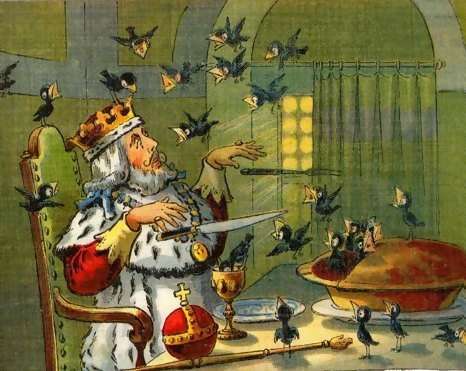
People of the Middle Ages loved their poultry pie, then called a coffin, and sometimes actually filled with the 4 and 20 birds of nursery rhyme fame. You’d bake the pie first, insert the birds, cut open the top in company and let them fly out to everyone’s awe. But so you wouldn’t be “altogether mocked,” according to a cookbook of the time, you’d best quick get out and serve an actual pie as well.
songofsixpenc

That pies in America were long stored in chests called “safes” attests to their near-mystical importance to our cuisine. As the country grew, a slice nearly always made itself available for a quick snack, eaten just as avidly for breakfast as dessert and often consumed at every meal.

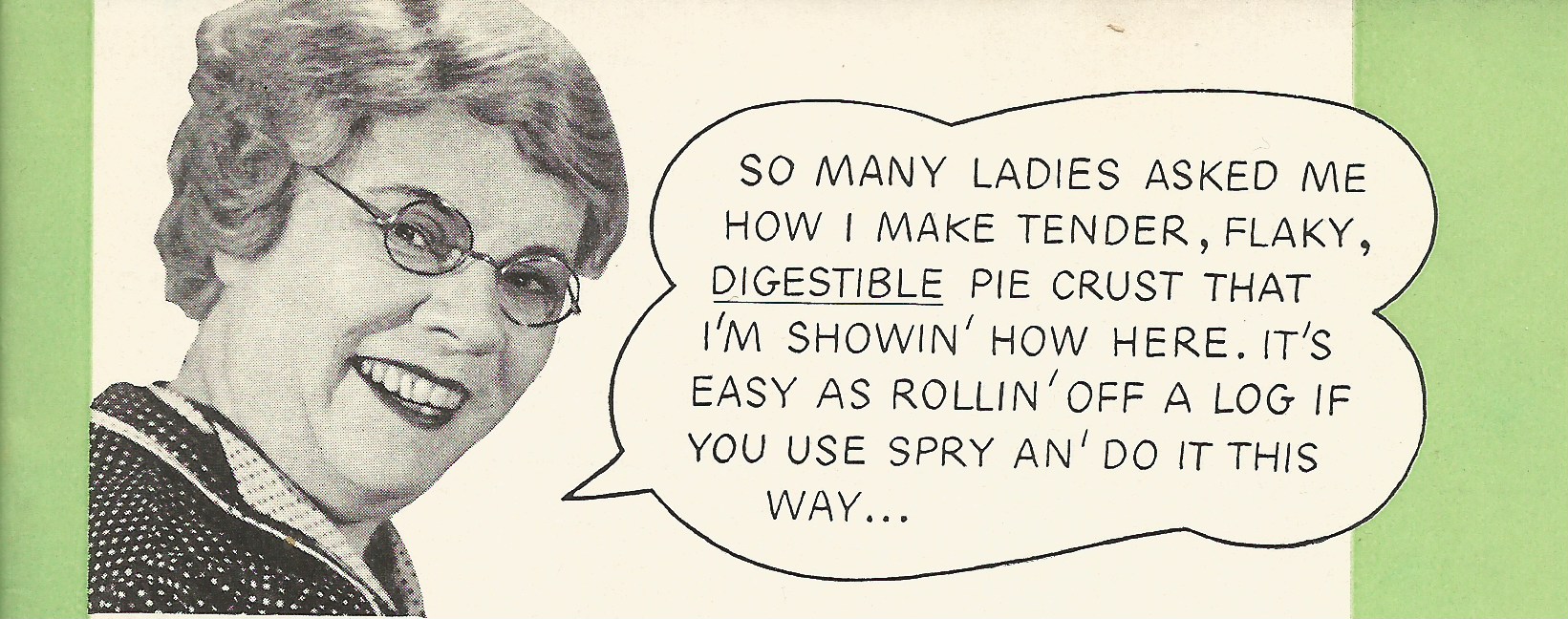
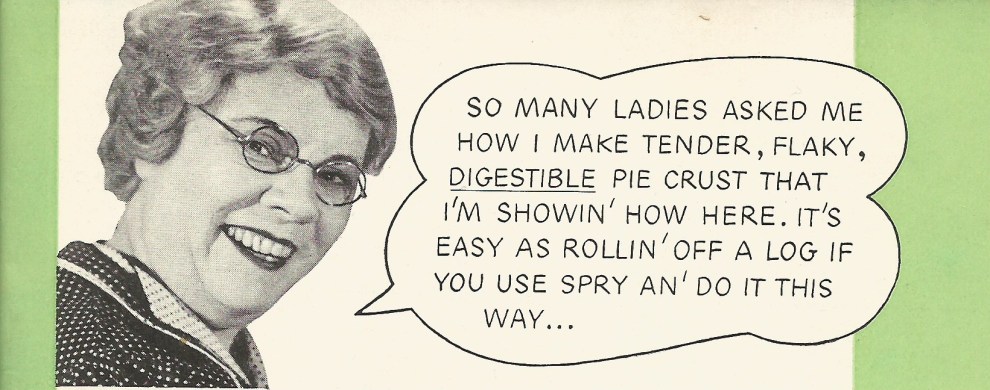
But baking a pie intimidates home cooks today, hence the tasteless premade shells in supermarket dairy cases. “Be Swift and Deft” in handling pie dough, advised The American Woman’s Cookbook of 1945, and slash your top crust well. These are skills many of us lack, despite all the baking competitions on TV.
digestible pie crust

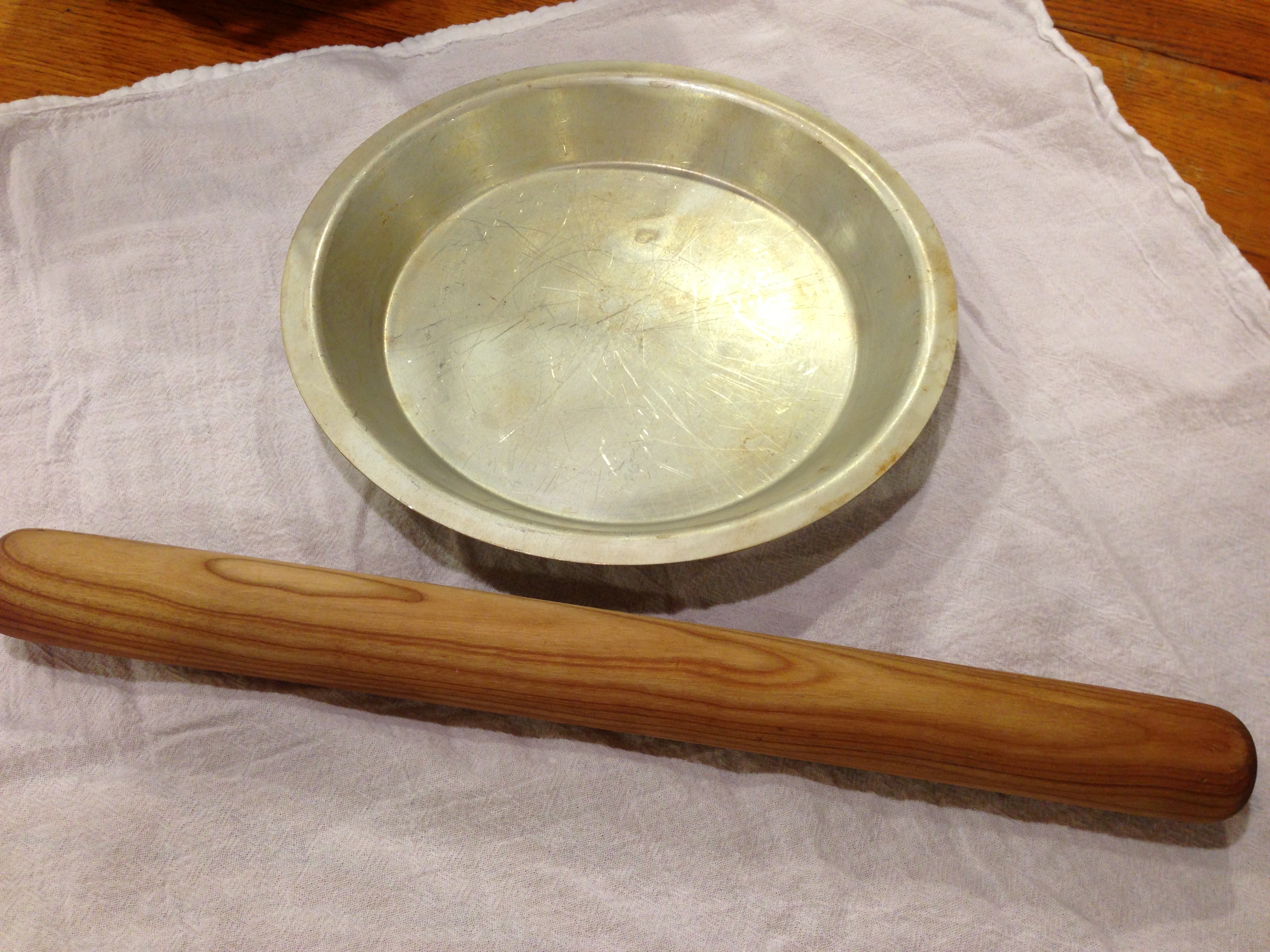
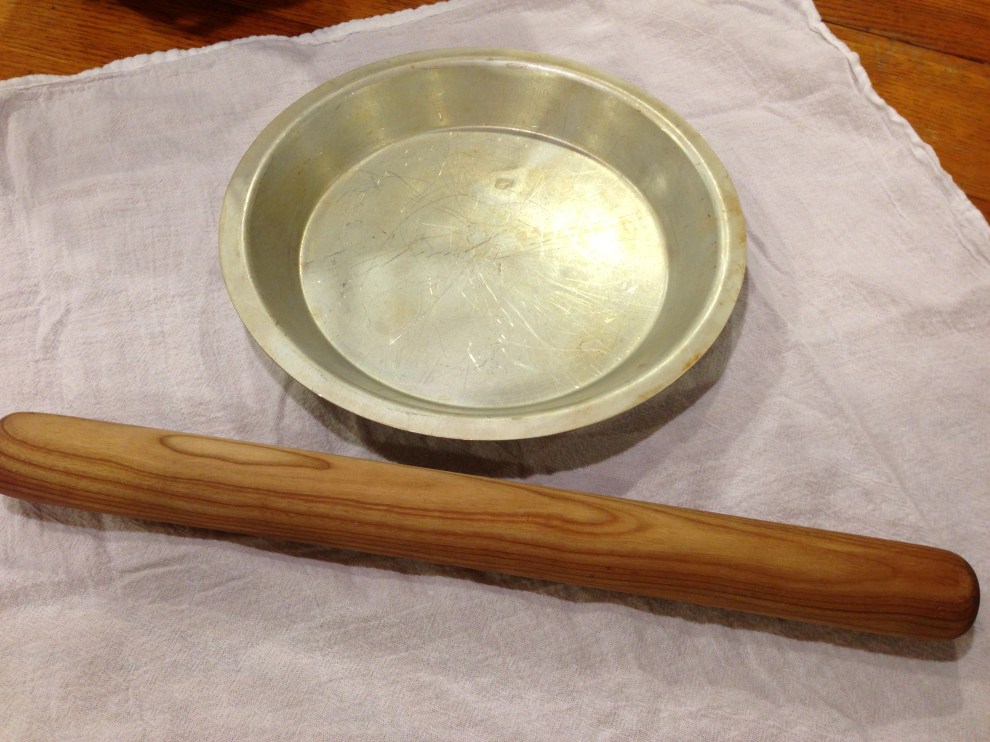
For those new to this blog, it’s unlikely you‘ll find me writing about climbing Kilimanjaro here; I don’t have the equipment or expertise. I can, however, scale a pie, in the privacy of my kitchen. Or your kitchen, for that matter, but I’d like to bring my hand-turned rolling pin with me, the finest in the land. (Also this basic aluminum pan, courtesy of Norske Nook in Osseo, Wisconsin, where they offer two dozen pies daily to stay or to go.)
pie pan

A hint: leaf lard is the name for the fat taken from around the pigs kidneys and while it’s not a necessary ingredient in pie crust, using a bit gives the finished pastry a succulent snap. You won’t find leaf lard in the local Stop and Shop, only on the web or, if you’re as lucky as me, a local farmer’s market. Otherwise Crisco will have to do.

Simple Chicken Pot Pie

My family is pretty happy when this aroma wafts through the house.

For the crust, cut one stick sweet butter and a third cup leaf lard or shortening into three cups King Arthur flour and a couple pinches salt with a pastry cutter until it has the texture of coarse cornmeal. Add one cup (more or less) cold water (you can cool it with an ice cube) mixing with a fork until it the dough comes together. Form a ball and chill while you make the filling.

In a big skillet, saute two medium onions, chopped coarsely, in 2 T butter and 2 T oil. When the onions are lightly brown stir in a scant handful flour. Gradually add 3 to 4 cups broth (homemade if you have it, Swanson’s if not). Cook down until creamy. Season with generous salt and pepper.

Chop a couple of carrots and a couple of sticks of celery to taste, and about two cups of potatoes. Blanch them til barely tender, just a few minutes, in salted water. Drain.

Cut up about three cups of cooked chicken. You can now combine chicken and vegetables in the gravy. Throw in some frozen peas to taste.

Roll out the dough for the bottom crust and, picking it up on the edge of your rolling pin, fit it in the pie pan. Lay in the filling. Top it off with the second crust. Crimp the edges and poke some decorative holes in the top so the steam can escape.

Bake at 375 for an hour or until brown.

Tuck into a slice heartily, as if you’re a Nantucket sailor who just earned his sweetheart’s love with a whale tooth pie crimping wheel.
10 Comments

Filed under Art, Cooking, History, Jean Zimmerman

Call Me Axamit

I visited a clothing shop today that was holding a sale on velvet. Long, flowy dresses with a thick wine nap, inky, blousy trousers, tunics in burnt umber that made your neck feel cossetted. Velvet draws me. I have a long, coat-like jacket in royal blue with garniture around the wrists and covered velvet buttons – I rarely wear it but I would never bid it goodbye. You don’t part with velvet, you prize it.

My New York grandmother was a Levy, one of the commonest names I could imagine. Her parents, I always thought, had brought the name with them from Poland when they arrived in this country at the turn of the 20th century.

Or not.

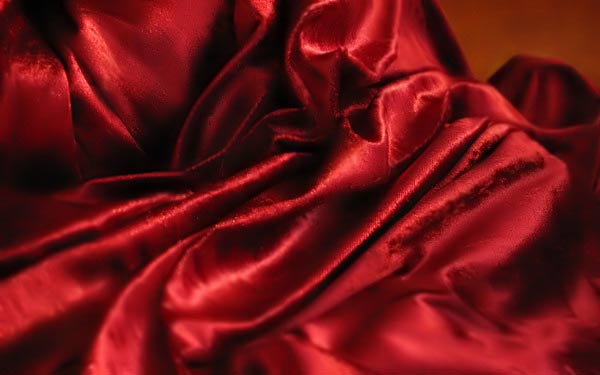
I discovered through my brother’s sleuthing a few years ago that the family name, the name that came over the sea from the shtetls of Europe, was actually Axamit. The word means velvet.

VelvetMainBottoms600x375

Somewhere along the line my family were textile workers, velvet makers, perhaps somewhere around Lodz, where the family hailed from.

I love to think about the velvet in my background. The fabric has a long tenure – it’s been manufactured for almost 4,000 years in one form or another. It  requires more thread to manufacture than other fabrics, as well as multiple steps. And it’s traditionally made with silk thread. So it’s always been a luxury material, from the Ottoman Dynasty on. Of course, velvet came about rather late in the game of cloth-making – sewing needles have been discovered dating to 40,000 years ago in France, and fertility figures famously wear girdles of thread.

Ottoman Dynasty gold thread embroidery on velvet

Turkey is thought to be the site of the oldest known woven cloth, just a piece of linen found wrapped around an antler, dating to around 7,000 BC.

But velvet. That’s different. An inventory list from 809 AD, of treasures belonging to one Caliph Haroun al-Rashid in Persia, includes five hundred bolts of velvet.

The ancient Turks learned to produce the fabric on looms that had a raised series of loops. When you cut them, that produced the rich, deep pile that distinguishes the stuff.

Antique Turkish velvet with silver thread ca 1453-1922

The Italians took up the craft during the Rennaisance and all of Europe coveted what they produced. They took their patterns seriously, embellishing with ripe pomegranate fruits, artichokes, or thistle blossoms. It was all done by hand, of the finest silk. Methods were top secret. Affordable only by the very wealthiest noblemen and women.

16th century Italian Velvet

I imagine the men (and women?) of my family bent over their looms, cutting the fibers with razor-sharp shears, experts in their domain.

The Industral Revolution made all that drape and sheen available to mere mortals.

1880 women's red velvet jacket

Did the new era drive my hand-crafting ancestors out of the velvet business? As far as I know they didn’t bring their textile ingenuity to these shores. And they left the name, the velvet signifier, Axamit, behind when they stepped onto Ellis Island.

When I touch the scarf I brought home today, blush-pink and soft as thick rose petals, I connect to the warp and weft of my ancestors.

blush scarf

3 Comments

Filed under Fashion, History, Jean Zimmerman

All This and Guacamole Too

I attended my first meeting of our neighborhood book club tonight. I have always had a slight hesitation about attending a reading group because I thought I would shoot my mouth off – though politely, of course – and somehow embarrass myself. But recently, having visited with some groups to talk with them about The Orphanmaster, I saw how much fun people were having talking about books, the very thing that I love. In a group. Rather than just Gil and I sitting around talking about books. Which is fun, too. Still.

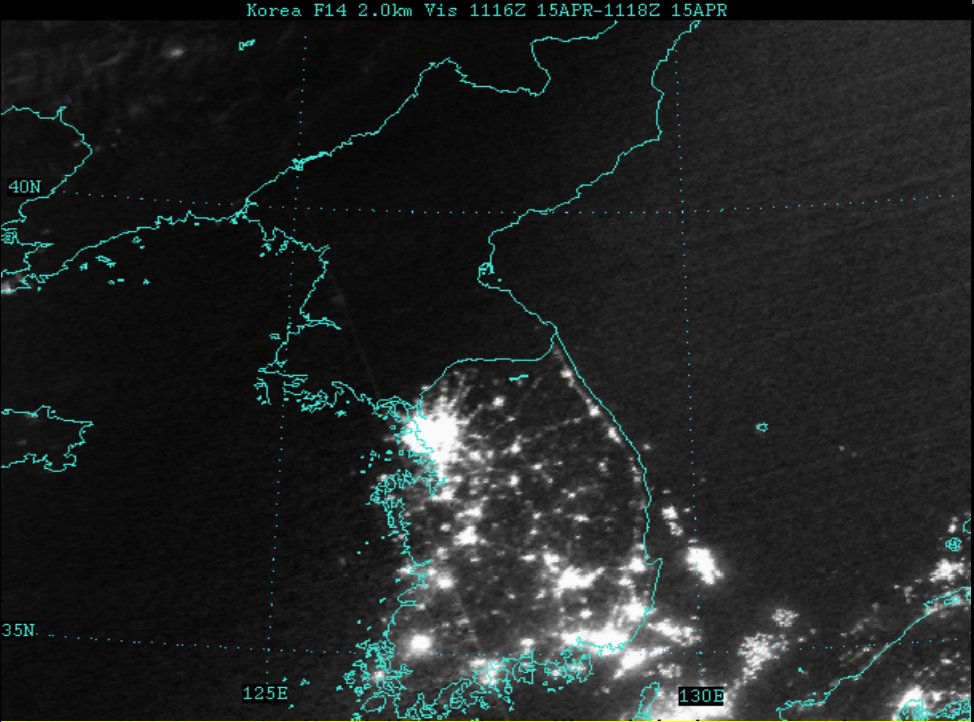
So I went. The book for this month, as it happens, depicts North Korea in all its repression and suffering, but manages to pull it off as a relative page turner. Nothing to Envy: Ordinary Lives in North Korea had journalist Barbara Demick interviewing scores of North Koreans who had escaped to South Korea in the past 10 years or so. It’s gripping from the first page, when she describes how the country goes black at night; there is literally no electrical grid.

dark north korea

Her ability to capture the perfect detail in describing everything from spare, crumbling apartments to bodies decaying in the street to the typical day’s menu is spectacular. Especially the day’s menu – much of the book is about food, getting it, processing it, starving when it’s not available. The people Demick profiles literally eat grass and tree bark to (just barely) survive. But their spiritual starvation is perhaps more profound, as the state exerts its totalitarian stranglehold on personal liberty.

north-korea-is-best-korea-0b88c

My fellow readers tonight parsed all this carefully, thoughtfully and with a sense of humor – especially when we were temporarily diverted by the subject of Beyonce’s halftime gyrations – and I came away better informed than when I got there. It was a little weird to sit around munching on cashews and guacamole as we talked about scavenging for twigs. Yet I felt a strange sense of wellbeing,  too, that this particular author, Barbara Demick, had cut through whatever concertina-wire of red tape she found in order to document this sordid, complicated chapter of life on our planet and had done it admirably. It didn’t cancel out the deprivations/nuclear threat of North Korea, but the fact that she did it offered a different, counter story, that someone was willing and able to research and create such a book. It is a tribute to the human imagination and the powers of empathy.

Nothing_to_Envy

2 Comments

Filed under History, Jean Zimmerman, The Orphanmaster, Writers

Tight Ends and Dips

Seriously, why don’t I make spinach-artichoke dip every day?

dip

A good pinch of cayenne sticks it. Is there a law that you make something so good only for consuming during games?

I’m going to play my own game while everyone watches theirs. I’m planning to knit. A piece the color of wet cement. P2tog, leave stitches on left needle, bring yarn to back of work and k2tog through the same stitches from left needle.

cement

Of course I’ll check out the action every so often, at the grave risk of dropping a stitch. Got to see what those tight ends are up to. Keep an eye on that spinach dip, too. Go Ravens!

4 Comments

Filed under Cooking, Jean Zimmerman, Knitting

The Front Lines

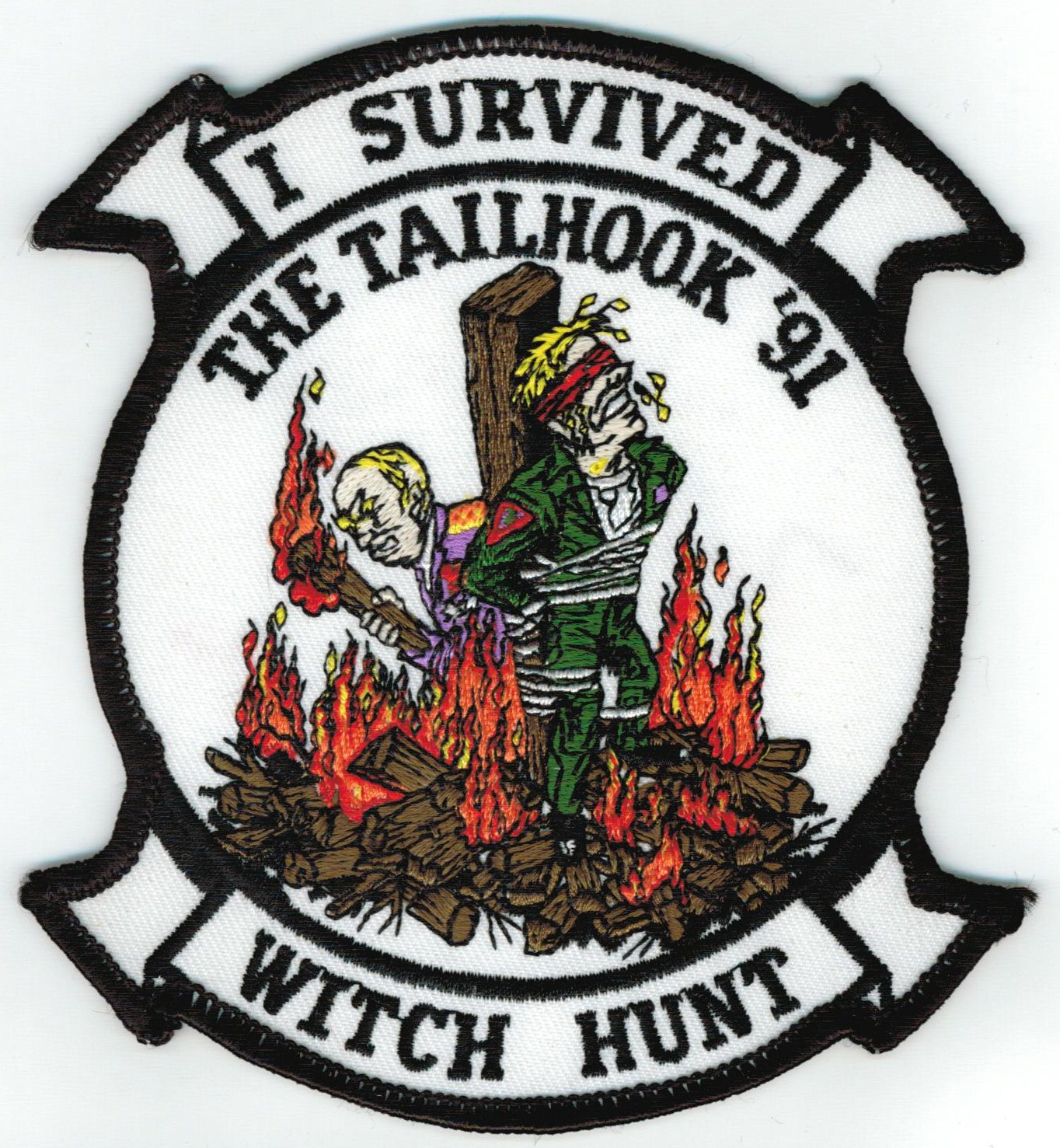
In 1991 I began working on my first book, Tailspin: Women at War in the Wake of Tailhook.

tailspin

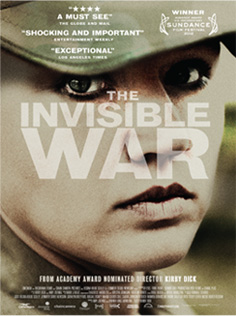
I recalled the experience of getting up close to the U.S. Navy (they gave me unprecedented access) when I saw a disturbing film today that treated the epidemic of rape in the U.S. military. The Invisible War profiled a dozen women and a few men of the thousands who have been assaulted by their fellow soldiers and whose cases were then dismissed or left to languish by the powers that be. It showcased the suffering that results when women in the armed services experience this violation at the hands of people they see as their peers and brothers and (often) their commanders, the very people that are supposed to watch out for their interests.

the invisible war

The movie explored antecedents for the current situation, beginning with the Tailhook scandal of 1991. I’m not an expert on military rape but I do know something about that sordid case, having covered it for Tailspin. At an outrageous, hard-partying, booze-fueled convention of naval aviators at a Las Vegas Hilton, women who were officers and jet jocks found themselves groped – too polite a term – by their peers. There was an endless corridor, a line up infamous as The Gauntlet. Afterwards, the victims were scapegoated and ignored when they went to seek redress for their experiences.

Tailhook #2

The story of that night only got grosser as I learned more about it. But one aspect grew more arresting and eventually took over the narrative. That was the issue that has now once again exploded on the front pages, the question of women in combat. In 1992, when I wrote Tailspin, people in the U.S. Navy were puzzling out whether or how more positions in the service should be opened to women on the front lines. It seemed to me that the link between the two subjects was obvious: sexual harrassment, the bane of the Tailhook scandal, would diminish as women were integrated into military roles that would earn them increased respect from men, roles at the heart of the warfighting business.

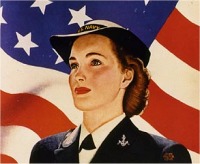
In the post-Tailhook era, the Navy changed its policies on recruitment, retention, training and selection of occupational fields to be “gender neutral to the maximum extent possible.” Women could now serve in all combat positions except SEAL commando units and submarines, and the top brass was putting them on aircraft carriers methodically, albeit slowly. Of course, women had long served honorably, and they had earned this expanded role.

women-navy

This has been a thorny issue for feminists. As Gloria Steinem was quoted recently in The New York Times, “We kept saying we hope no one will be in combat, but, if they are, women should be there, too.”

One person I profiled in Tailspin still speaks to me – in my thoughts, not in reality, because she died as the book was going to press.

kara close up

Kara Hultgreen trained as an F-14 Tomcat pilot alongside men when she didn’t know if she would ever get to serve as anything other than as an instructor. Now that the Navy had changed its rules for women, she would get the chance to go out on real missions. Hultgreen was rangy and brash and smart, like so many of her male counterparts in Navy flying. I had spent hours with her, much because so many people I had interviewed said, Kara, she’s the one you should talk to. She’s the real thing. A real Top Gun. Her handle was The Hulk. Now she had carrier qualified (brought her F-14 to land on the deck of the carrier with its tailhook catching the wire stretched across the deck) and she’d joined the Black Lions of VF-213, who were getting ready to deploy to the Persian Gulf.

I was writing the last few pages of Tailspin, writing about Kara and the future of naval aviation’s women, when I opened the Times on October 26, 1994 to see her picture. During a practice run over the Pacific, as Hultgreen was readying her plane to land, the aircraft suddenly lost altitude, dropping into the sea, and she was not able to eject in time. “She was a smart girl. I know she knew the chances she was taking,” said her grandmother.

Women in today’s military know the chances they are taking. But the 20 percent of female veterans who say they have been sexually assaulted shouldn’t have to take that kind of risk. Symbolism matters. Once equal opportunities for women as warfighters open in all fields, from the Army’s front lines to submarines’ cramped quarters, they’ll get the respect they deserve.

1 Comment

Filed under History, Jean Zimmerman, Writing