Category Archives: Jean Zimmerman

Some Neruda for Now

Today I stood by a graveside and listened to a priest speaking over his heavy book, watched the people carefully place their cut roses and carnations atop the casket, and wondered. Why do the words we say when someone dies seem so slight, so irrelevant to the task at hand. Why is there so little inspiration, usually, in the ceremonies of death? The one who dies, whatever happens to their body, wherever their soul flies, surely deserves more poetry.

To me these lines of Neruda’s, from the poem “Too Many Names,” would fit the bill, somehow, perfectly. It doesn’t precisely talk about death, but I think the awareness of our finite lives informs it.

This means that we have barely

disembarked into life,

that we’ve only just now been born,

let’s not fill our mouths 
with so many uncertain names,

with so many sad labels,

with so many pompous letters,

with so much yours and mine,

with so much signing of papers.


I intend to confuse things,

to unite them, make them new-born

intermingle them, undress them,

until the light of the world

has the unity of the ocean,

a generous wholeness,

a fragrance alive and crackling.

3 Comments

Filed under Jean Zimmerman, Poetry

Life and Taxes

I had an errand to do and nothing could put it off. My accountant, based in lower Broadway in Manhattan, was waiting, and up Broadway we walked.

The financial district remains trapped in a purgatory between winter and spring. Mufflers and gloves abounded. The buildings themselves seemed frozen. The sound of traffic in those narrow streets formed itself into a cartoon thought-balloon above my head.

The graveyard at Trinity Church on the corner of Wall Street and Broadway had nothing like what Walt Whitman called the “beautiful uncut hair of graves.” All the grass lay shorn and grayish-brown beneath the eroded ancient stones.

trinity gravestone

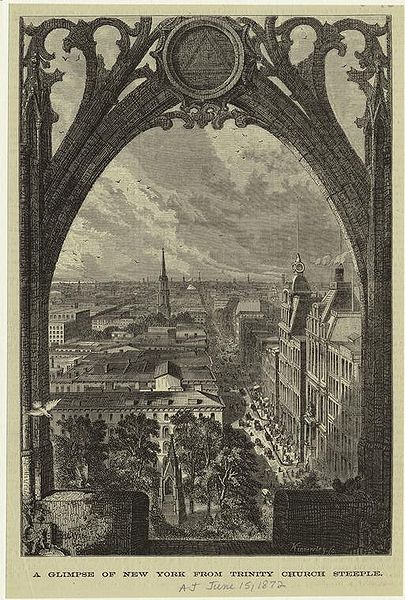
This isn’t the first Trinity Church. The original was destroyed by a fire that consumed a quarter of New York City during the Revolutionary War, leaving the steeple fallen and smoldering on the ground. The second, consecrated in 1790, was buffeted by severe snowstorms and deemed too risky to stand. The third went up in 1846. It boasted a spire that was magnificent, the tallest structure in Manhattan. The view from the church steeple became a fantastic tourist attraction and a romantic place to date.

view from trinity 1872

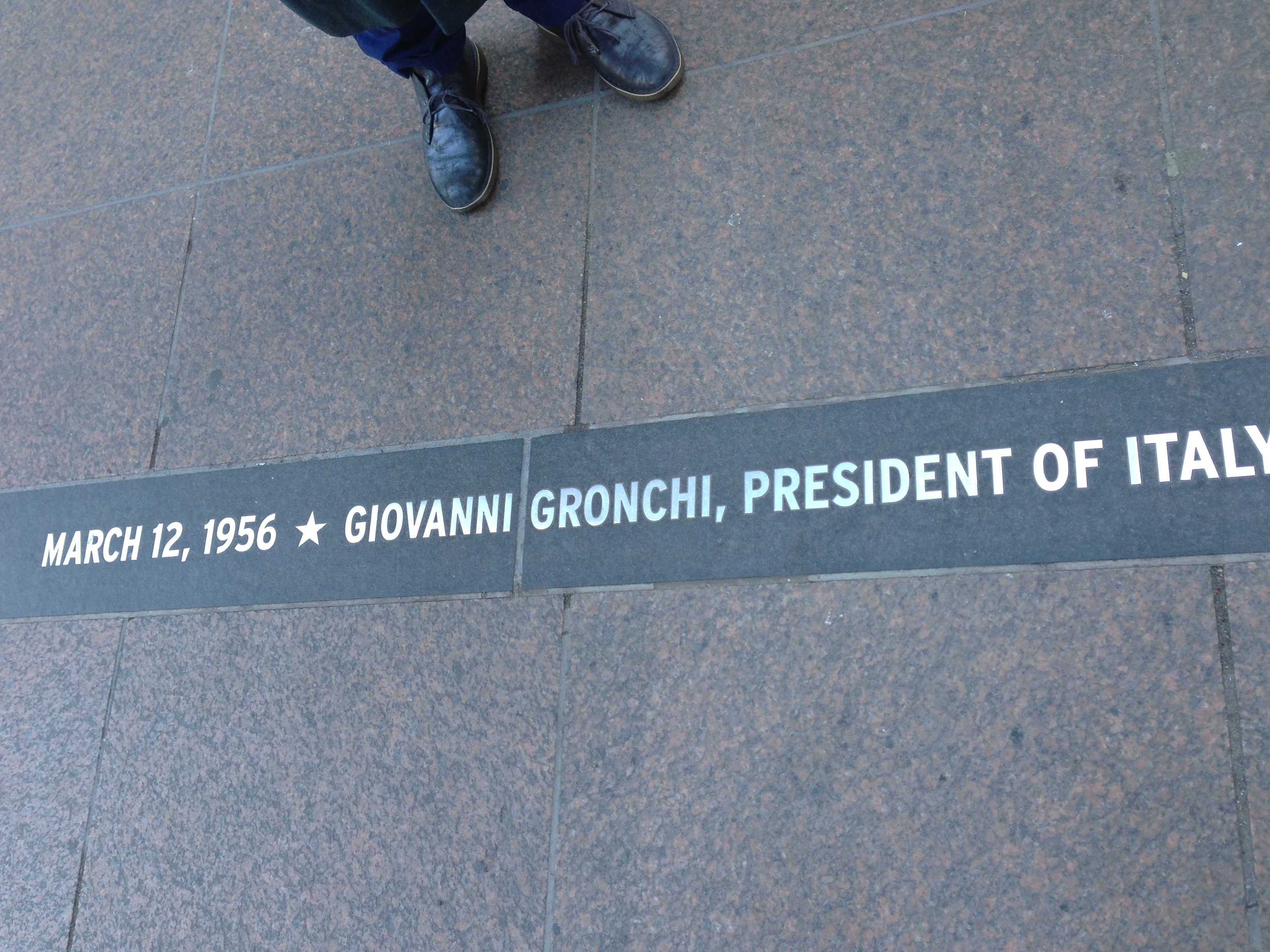
This was the Canyon of Heroes. The most recent ticker tape parade on lower Broadway celebrated  the New York Giants in honor of their Super Bowl XLVI championship in 2012, with 50 tons of confetti. And embedded in the sidewalk at regular intervals are the names of previous parade honorees.

canyon of heros

Most of them date to the 1950s, it would seem. Were we more celebratory then?

Thames Street exists. I saw it with my own eyes for the first time today. Pronounced Thaymz. A band called All Time Low did a song about it.

Thames Street,
I’ll take you out though I’m hardly worth your time,
In the cold you look so fierce, but I’m warm enough,
Because the tension’s like a fire.
We’ll head South Broadway in a matter of minutes,
And like a bad movie, I’ll drop a line,
Fall in the grave I’ve been digging myself,
But there’s room for two,
Six feet under the stars.

My accountant Sue’s office lets in the light of the harbor, though without the views. Positioned around the office were baby jade plants and elongated poinsettias left over from the holidays, depictions of angels and lollipop easter eggs. On a file cabinet, her pictured pugs, including the wiry one who kept Sue’s ill mother’s feet warm.

In front of Gil and me, untouched, a plastic bowl of peppermints. Sue can play the calculator blindfolded, one hand tied behind her back.

Sue Reda

Gil and I engaged in some chest thumping, some head hanging, some soul searching, as we always do when we review our year’s finances. What does it mean to try to make it as a professional writer in America, in New York, in mid life? Is it worth it?

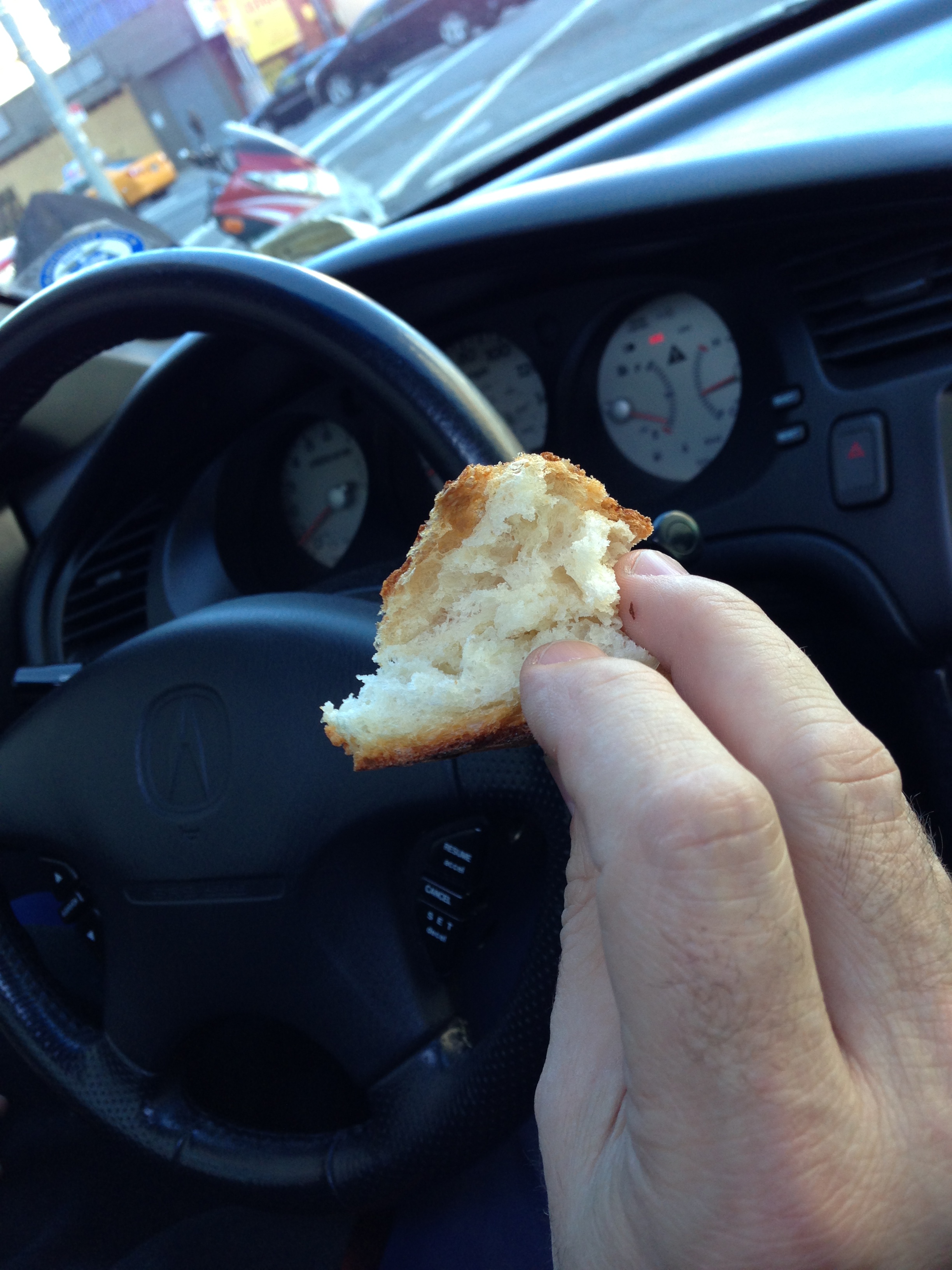
Sprung from there and resolved to keep better accounts in 2013, we stopped at Sullivan Street Bakery (located not on Sullivan Street but an industrial block in midtown). The loaf Gil brought out to the car was hot from the oven, crusty and chewy.

hot bread

We tore off the top and gulped it down, finances (nearly) forgotten.

One more errand before picking up Maud in Morningside Heights on this surprisingly good Friday. My favorite store, Fairway, where the fishmonger asked if I preferred the male or female flounder filets. The female flesh, he explained, was paler, sweeter. I think he was serious.

The fishmonger would get in trouble, he said, if he allowed me to photograph his face in the store, and he turned his back toward the sink so that management wouldn’t abuse him.

fairway

His face was beautiful.

1 Comment

Filed under History, Jean Zimmerman, Writing

100 Books About Books

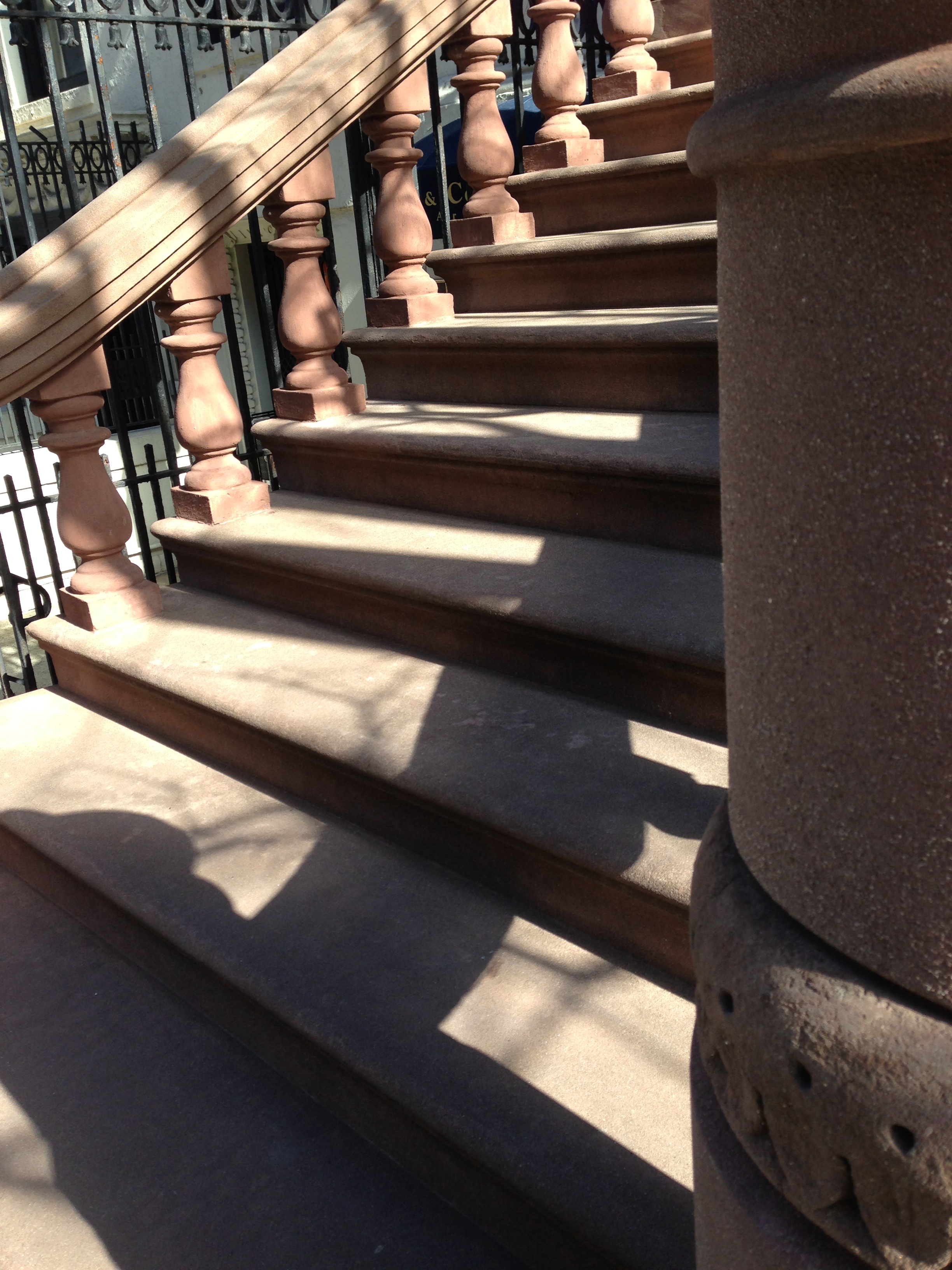
I climbed the stairs of the brownstone at 72nd Street and Madison thinking about what it was like when the house was new, in the 1880s, and surrounded but nothing but cow meadows and truck gardens.

brownstone steps

Once inside, I noted that the interior was as fabulous as it had been when I was first introduced to it and wrote an article on it for The New York Times some months back. It hadn’t been a figment of my imagination. It was all there, the gleaming mahogany, the sumptuous velvet portierres, the sparkling sunflowers spread across the wallpaper. The gold and cranberry crystal remained perfectly organized in its tall glass cabinet, ready for punch, just as it was when the Mayer family had the place in the Victorian era.

cranberry crystal

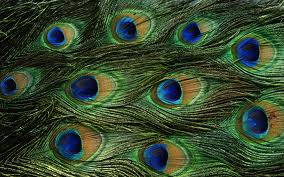
Now how to put all this fabulousness in book form? That was the agenda of the meeting, attended by architect David Parker and an independent publisher of illlustrated books who just might be interested in showcasing the brownstone so the world can admire it. How would a book look, what size should it be, how many photographs should it include? Durston Saylor, who shot the photos for the Times, might play the same role with an illustrated book. What kind of cover? What sort of endpapers? Should they resemble embossed leather – or peacock feathers (an emblem of the Aesthetic Movement)?

peacock

Still mulling over books, I left the townhouse and checked out the Edward Ruscha show at the Gagosian Gallery. There I encountered published works that were about as far from the 1880s as they could possibly be.

ruscha and his books

Ruscha is the conceptual artist who created his first book in 1962, inspired by the humble volumes he found on street stalls during a trip to Europe.

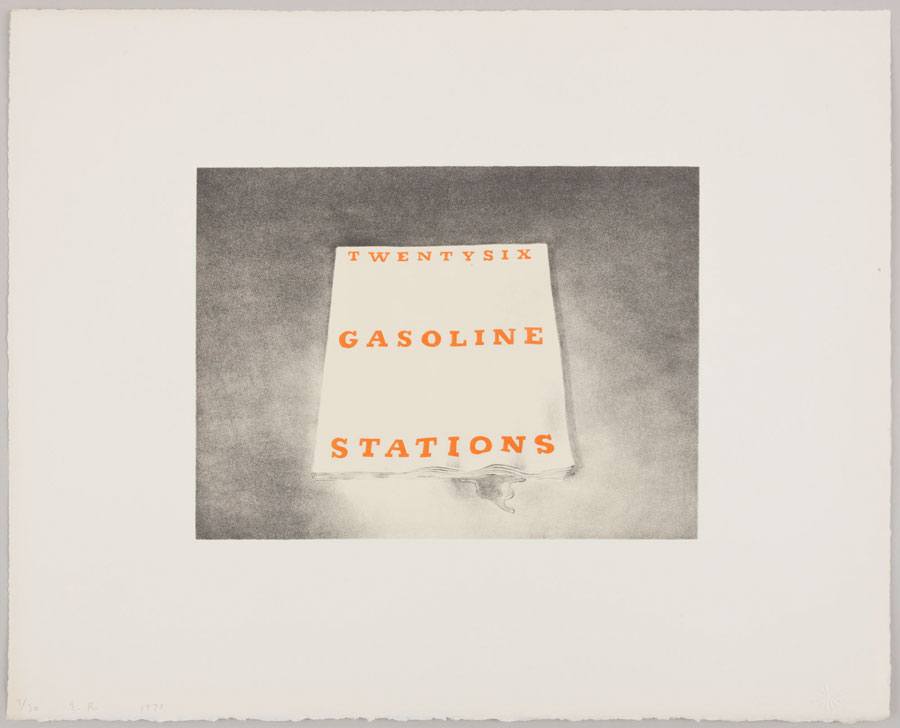
26 gasoline stations

Twentysix Gasoline Stations featured 26 photos of gas stations with simple captions denoting their brand and location. A common denominator: they were all on Route 66.

In the decades since he has published many more of these short, photographic monographs, unintimidated by the Library of Congress’ refusal to copyright Twentysix Gas Stations, due to its “unorthodox form and supposed lack of information.” His greatest hits include Some Los Angeles Apartments (1965), Nine Swimming Pools and a Broken Glass (1968), Real Estate Opportunities (1970), Various Small Fires and Milk (1964), and Thirty-four Parking Lots (1967), all minimalist, all deadpan, all brilliant.

He did something a little different but that I love in 1969 with Stains, a copy of which is in the collection of the Museum of Modern Art. Here you have a portfolio of diverse smeared substances, from L.A. tap water to sulfuric acid to egg white to parsley to cinnamon oil. All carefully listed.

stains

The art world eventually took notice of Ruscha’s mischief, and the exhibit at Gagosian displays dozens of homages to his works, many of them dangling from chains on the walls so that you can hold them and flip the pages.

gagosian

Here are some: 149 Business Cards, by John Trembley. Every Letter in ‘The Sunset Strip,’ by Derek Sullivan in 2008, which features anagrams like Enthuses Script and Persistent Huts. Mark Wyse, in 2002, assembled 17 Parked Cars in Various Parking Lots Along Pacific Coast Highway Between My House and Ed Ruscha’s. It was a small edition, only 10 printed. John Waters made his contribution in 1999 with 12 Assholes and a Dirty Foot. The exhibit goes on. There are Ten Convenience Stores, Fifteen Pornography Companies,  Nineteen Potted Palms, Twenty-six Abandoned Jackrabbit Homesteads and Every Coffee I Drank in January 2010. (The photos feature only the dripped-on take-out lids.)

Ruscha once said, “Good art should elicit a response of ‘Huh? Wow!’ as opposed to ‘Wow! Huh?'”

Also on view is Jerry McMillan’s Photographs of Ed Ruscha 1958-1972, including one of the artist as a cowboy and one wearing a bunny suit.

ruscha as cowboy

Taking the train home, my head was filled with books. Across from me, a guy wearing a crewcut, reading a thick copy of Debt: the First 10,000 Years and devouring a sloppy sub. If this were a car of Ruscha-ites, we’d all be eating a variety of hoagie and reading things like Furry Animals: The First Quarter Century and Cranberry Crystal: The First 120 years.

Ruscha

4 Comments

Filed under Art, Jean Zimmerman, Photography, Publishing, Writing

Spring, Sprang, Sprung

Finally, full-blown crocuses.

crocuses

Pine cones, scales open, strewn about, at the last stage of their life cycle.

pine cones 2

The sun, hot beams through the still-cold air.

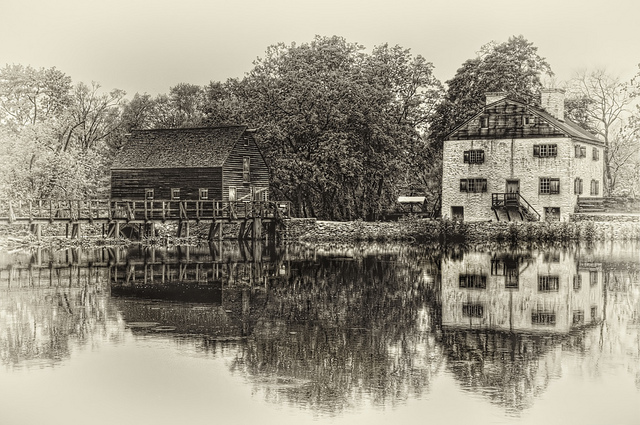
We pulled around to the back of Phillipsburg Manor, a historical restoration in Sleepy Hollow with a mill pond and a still-working farm, and got out of the car to look over the fence. A dozen sheep grazed, several of them fatly pregnant, while one tiny white lamb hid behind the herd. The first of the new babies.

philipsburg manor

I was very familiar with this place, this scene. A library stands on the property, housed in a white clapboard, colonial-style home. It contains the archive where I researched The Women of the House, where I went to investigate the lives of one New York family, the Philipse clan, and its wonderfully headstrong matriarch, Margaret Hardenbroeck Philipse. I remember that I would lift up my face from the heady dust of crumbling manuscript pages to take a break, and go to look out the window, where the early spring lambs bleated and raced around on their still clumsy legs, the white flags of their uncut tails flopping in the breeze.

It made a wonderful juxtaposition, the ancient and the new.

As a longtime nonfiction writer, and now historical fiction, I have spent, cumulatively, I think, whole years of my life in libraries, and I know that some of the best days in my life have been in libraries. I’ve not only dug in to books and manuscripts, taken thousands of pages of notes, and written many chapters, but even eaten and drank within different libraries’ hallowed halls.

I’ve also taken some great naps, with fantastic dreams.

Libraries are in my blood. Some of my favorites over the years: my hometown library, overlooking the Hudson River, which had a conservative collection but the perfect books I needed growing up, the Virginia Woolf and Lawrence Stern and Melville that made me the writer and person I am today.

hastings library view

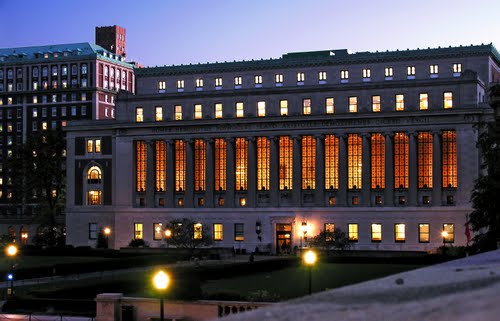
Then there were the stacks at Columbia University’s Butler Library when I was an undergraduate– what a thrill it was to step through that heavy portal and prowl among the tiers of volumes with their sweetly musty aroma of aged book paper.

butler

I have to mention the New York Public Library, where for 30 years I have made pilgrimmages to the Rose Reading Room, to the Manuscripts Collection and most recently to the Allen Room, which allows authors with book contracts the privacy and quiet to make progress on their projects. The NYPL – all that chunky Vermont marble and golden oak can’t help but inspire a writer.

rose

But I digress. It is spring, still brisk, but time to think about spending afternoons outside, not inside even the most magical library’s walls. I know I’ve told this story of Gertrude Stein before but it bears repeating.

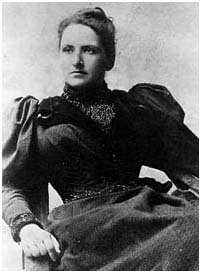
When Stein was an undergraduate at Radcliffe, in the 1890s, studying under psychologist William James — she was a young woman, conventional at least on the outside, not the close-cropped Amazon she would some day become —  the day came to take the course’s final exam. Here is how she tells the story in The Autobiography of Alice B. Toklas:

“It was a very lovely spring day, Gertrude Stein had been going to the opera every night and going also to the opera in the afternoon and had been otherwise engrossed and it was the period of the final examinations, and there was the examination in William James’ course. She sat down with the examination paper before her and she just could not. Dear Professor James, she wrote at the top of her paper. I am so sorry but really I do not feel a bit like an examination paper in philosophy to-day, and left.

young

“The next day she had a postal card from William James saying, Dear Miss Stein, I understand perfectly how you feel I often feel like that myself. And underneath it he gave her work the highest mark in his course.”

It’s spring. Let’s cut school. Let’s cut work. Let’s get out there and smell the crocuses.

1 Comment

Filed under Jean Zimmerman, Writers, Writing

Softcover Orphanmaster – First Copies

I was grumping around the Cabin in my chenille socks. I had a couple of bad things troubling my mind, ranging from awful (my close friend’s mother’s demise) to just stupid (bills overdue) and issues in between. It occurred to me, too, that I was no longer on vacation. Poor me.

Oliver began to sound his bassett-style bellow, smearing his nose against the little window overlooking the driveway as though he saw the four horsemen of the apocalypse charging his way.

O at Window

But with him, you never know. It could be a sadistic chipmunk or just a change in the direction of the wind.

Anyway, the UPS truck dumped off its cargo. Inside the padded envelope, an agreeable surprise: the first two copies of The Orphanmaster’s paperback edition had rolled off the printing press and into my hands.

O-Master P-Back Cover

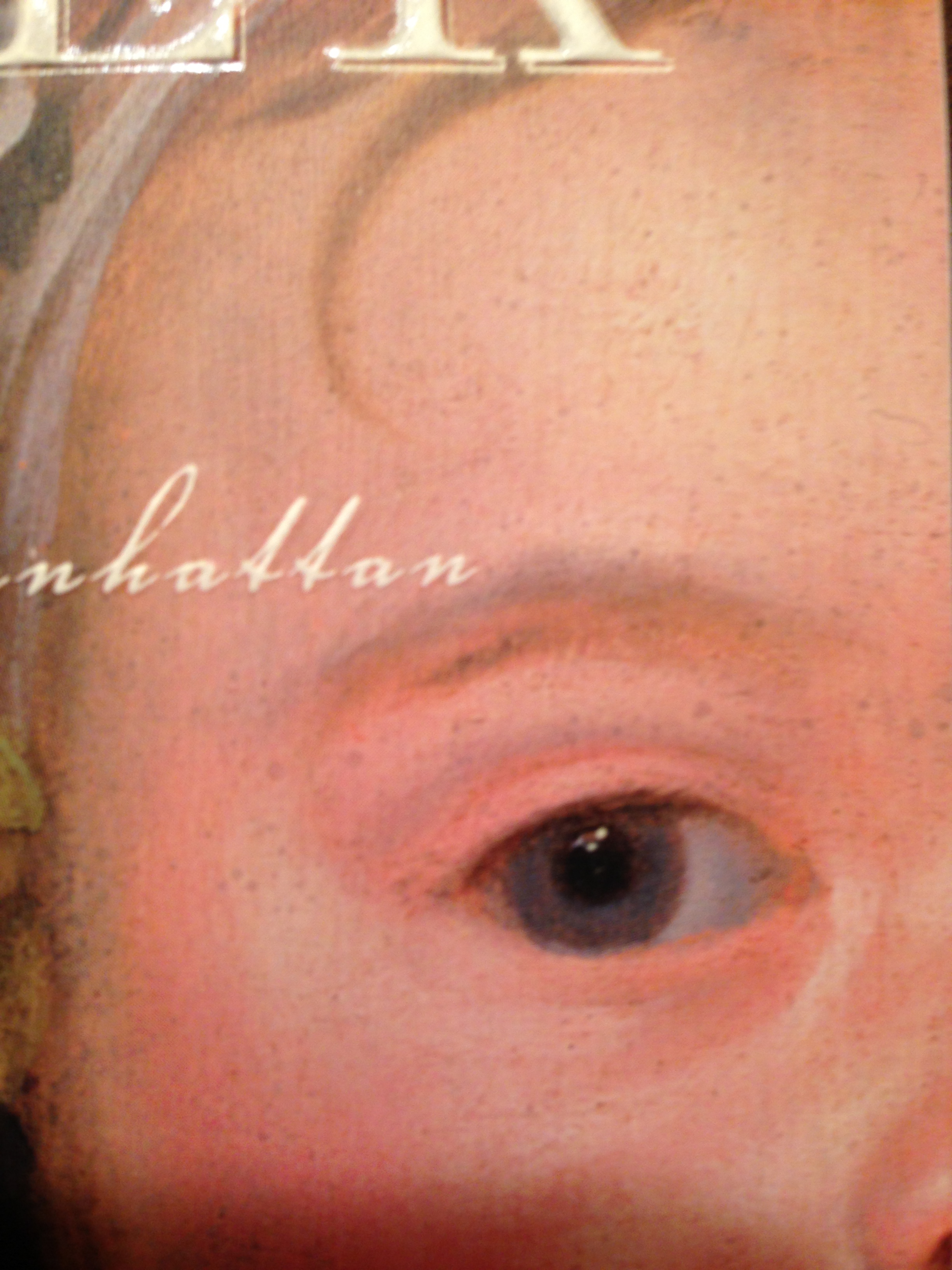
I had seen the jacket before, of course, in correspondence, but I had never run my fingers across the white raised type of the title. I hadn’t met the gray, gleaming, innocent eye of the little girl who stares out from the cover, seen her flushed cheek close up.

eye

Never seen the validating pull quote across the top of the cover:

“The ideal historical mystery for readers who value the history as much as the mystery.” – The New York Times

I hadn’t taken note of the other quotes Penguin put in to entice readers as soon as they opened the book. The words raced now through my still somewhat sluggish-from-grumpiness mind:

“Immersive first novel.” – USA Today

“A rip-roaring read.” – National Public Radio

“Teems with enough intrigue, lust, and madness to give our twenty-first-century Big Apple a run for its money.” –Sheri Holman

“A breathtaking achievement.” – Joanna Scott

“As riveting and nightmare–inducing as any Grimm’s fairy tale.” – curledup.com

And my personal favorite:

“Compulsively readable.”—Booklist

Etc., etc.

“Poetry makes nothing happen,” wrote Auden, in “In Memory of W.B. Yeats,” likely the most mournfully beautiful poem in the English language. Getting this wonderful version of my book in the mail can’t push back the shadows, pay the bills, restore life. I’m still trudging around in my socks.

But it’s a good thing. April 30th, the pub date, is not far away. Then we’ll celebrate.

8 Comments

Filed under Home, Jean Zimmerman, Poetry, Publishing, The Orphanmaster

Monsters in the Garden

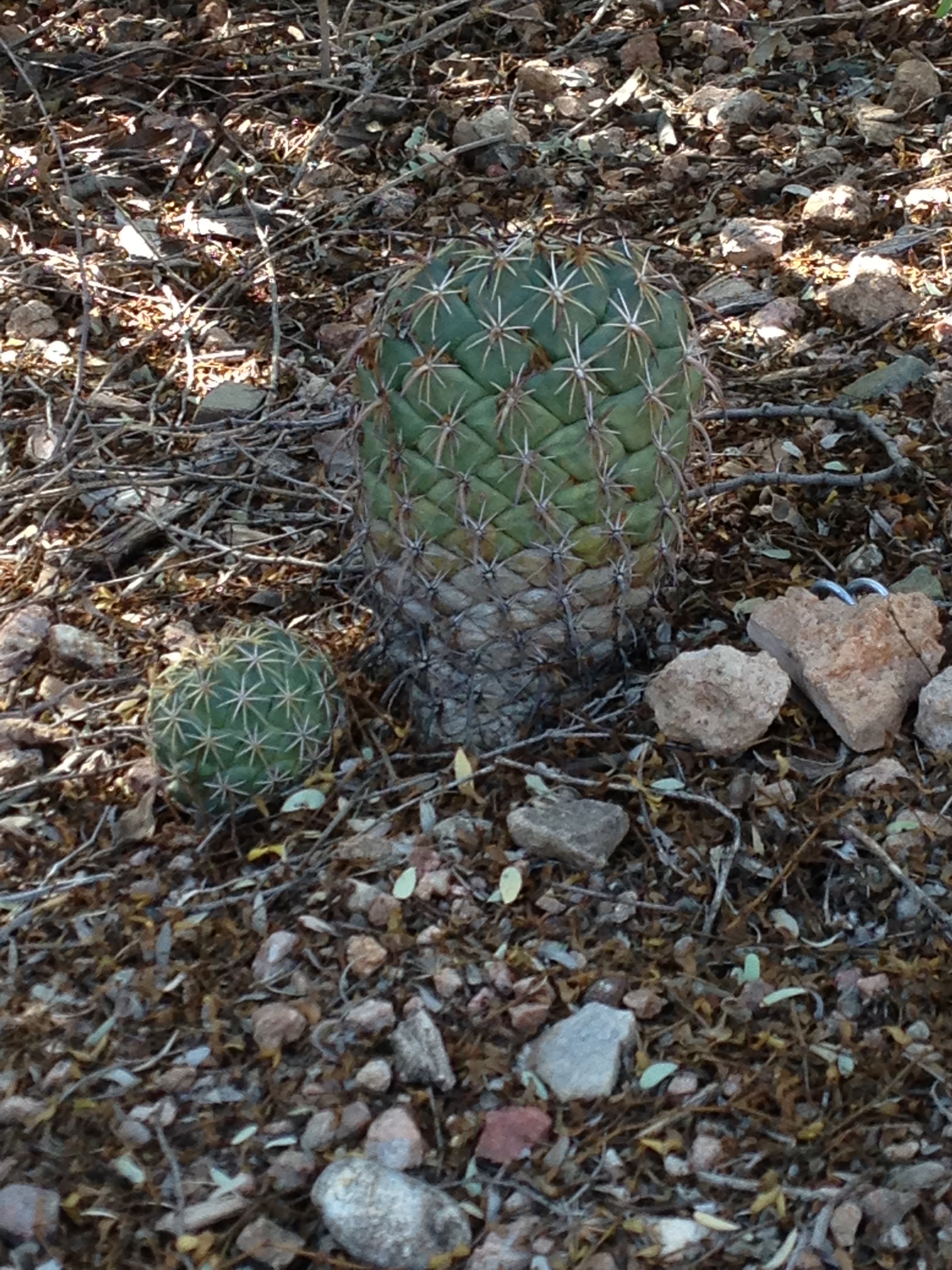
I had been looking for days for an infant saguaro, knowing that they began tiny, nested under bigger, more mature, spreading nurse plants like mesquite trees. Not a one.

I found other babies.

other baby cactus

But not those of the saguaro. It was almost as if the giant cactii sprang full grown from the body of the earth. But I was determined. At the Desert Botanical Garden in Phoenix, I buttonholed a gardener who looked like a dashing, red-scarfed gent I once knew named Jorge.

desert gardener

He had silver duct tape holding together the crown of his straw hat,and when I first saw him he was supervising the planting of a smallish saguaro in a bed near the parking lot. In replanting, says my mother, you need to position them so that they face in precisely the same direction they did in the first part of their lives, or else they wither and die. Saguaros have to have the same relationship to the sun, always.

I knew this gardener knew saguaros. Could he point me in the direction of a baby? I asked. He led me through the winding walkways of the Garden. I wanted to find one that was no more than a nub growing out of the ground, just starting out. Jorge seemed to know exactly where it was.

We went through the grove of barrel cactus with its yellow fruit.

barrel cactus with fruit

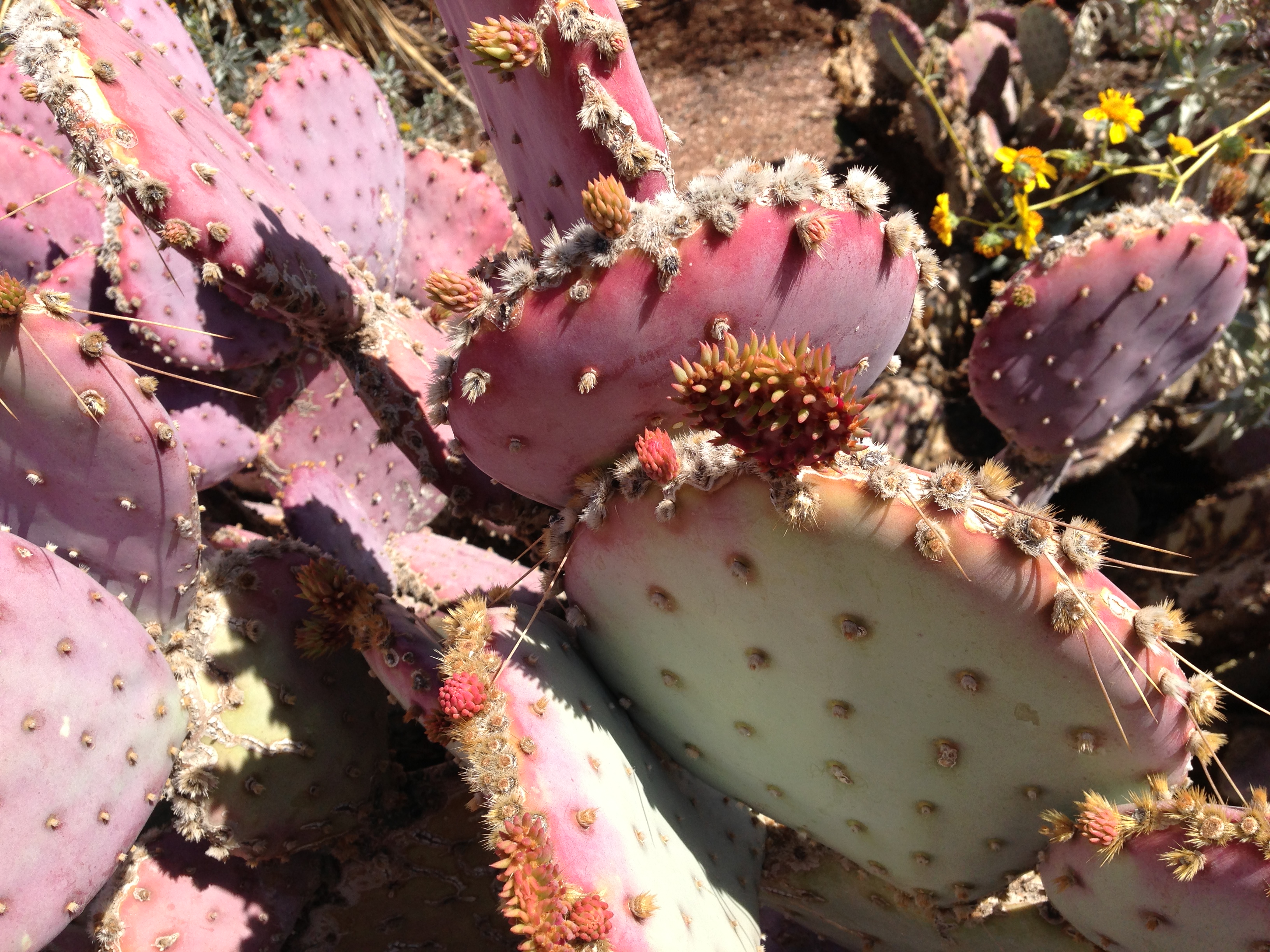
Past the blushing prickly pear.

red prickly pear

Past the half-hidden nest of an absent bird.

Nest

There it is, Jorge said. He pointed beneath a sheltering shrub, which protected the saguaro like a baby Jesus in a creche.

baby saguaro

Not quite an infant, he said. About five years old. It would take ten years to grow that big in the wild, he added with a touch of  pride. The Garden waters their plants so assiduously that they shoot up tall and bright, a technicolor green compared with the black and white of the desert that stretches all around.

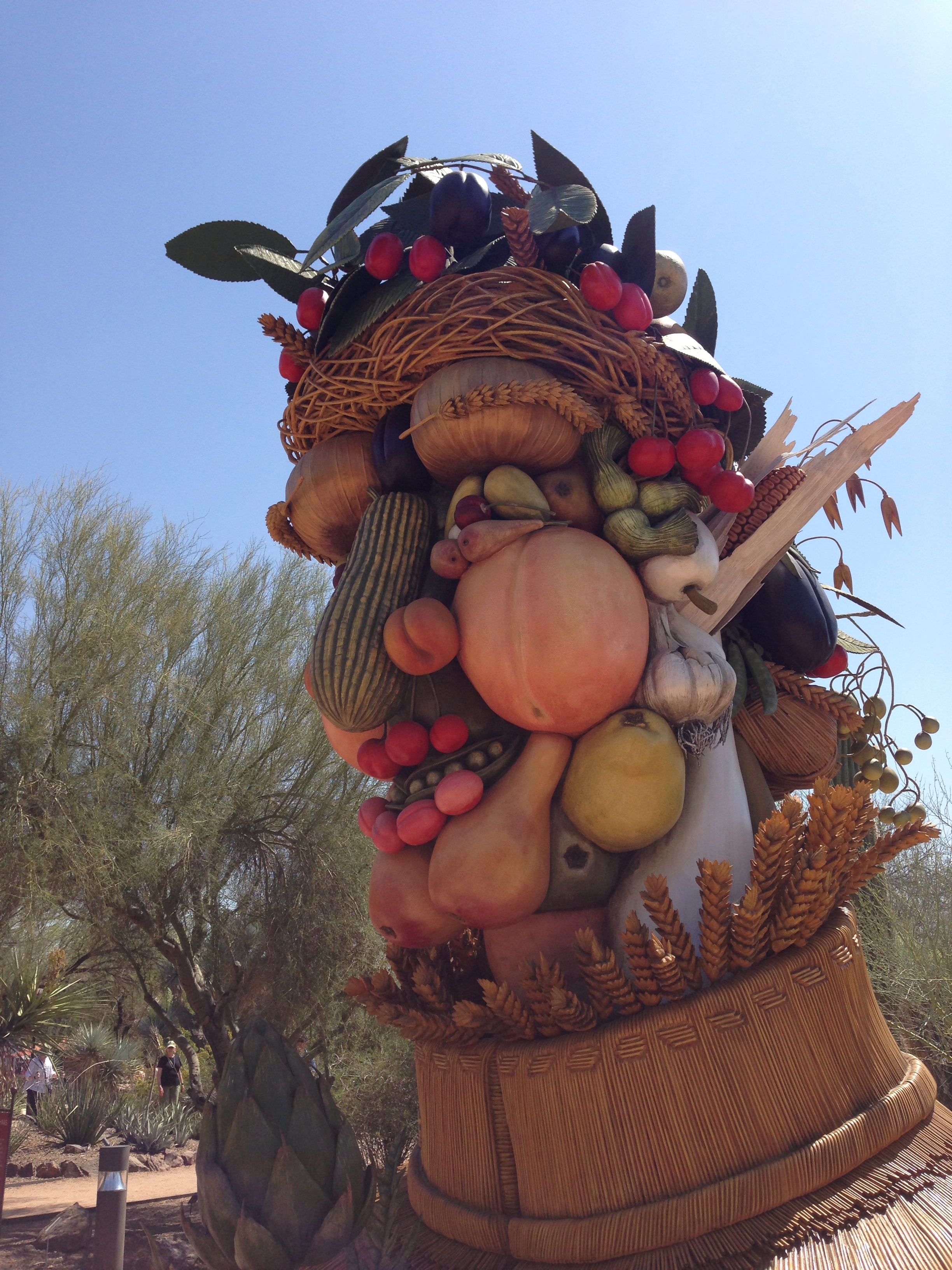
Now that I had found my toddler saguaro, I could pay attention to the other fascinations of the Garden. An ebony-colored wood beetle chased us down the path, buzzing furiously. Art was everywhere.

woman plant sculpture

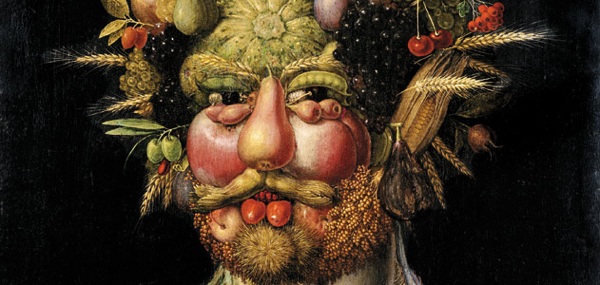
This piece, of course, suggests the Renaissance produce painter Arcimboldo.

arcimboldo

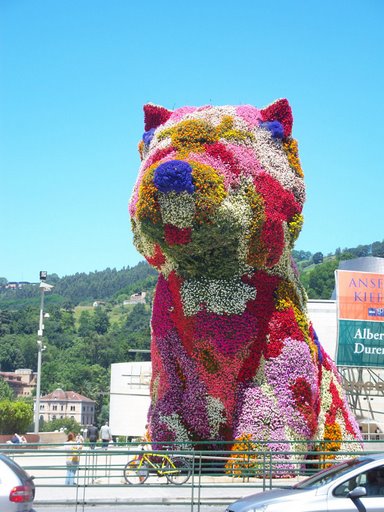
And Jeff Koons in his puppy flower phase.

Jeff koons puppy

My eyes were dazzled with not only organic but plenty of nonorganic growth, furnished by major sculptors.

pink sculpture

The soft green and hard metal played off each other.

sculpture:cactus

No, said my mother, I don’t like it. She was looking up at the Dale Chihuly forest of glass that welcome visitors to the place. It’s gilding the lily, she said.

Chihuly glass

I liked all that green glass. But maybe because the work was, first of all, monstrous, as were so many of the large-scale works scattered about.

I like monstrous.

Secondly, I was acquainted with Chihuly back in the early ’80s, when I visited his Pilchuck hot shop outside Seattle as a lowly member of a film production team, about the time he returned from the East Coast and blew up into a  legend. I was impressed with his pirate demeanor. And also with my experience of blowing a little glass, anything but monstrous, assisted by another dashing fellow, a tall long-haired Chihuly-ite gaffer who stood behind me and steadied my hands on the pipe. I thought that the keepsake I created would be mine forever. The thick-walled cup I made held exactly the right amount of vodka on the rocks, before it fell and smashed at about the same time I quit drinking a decade or so ago.

But maybe the natural vegetation was extreme enough. Lipstick cactus.

lipstick cactus

Dazzling enough in its nude simplicity. Agave.

agave

Some specimens remained from the opening of the garden more than 70 years ago.

historical desert garden

We had to go see how the butterflies responded, now that springtime had revealed its face to Arizona.

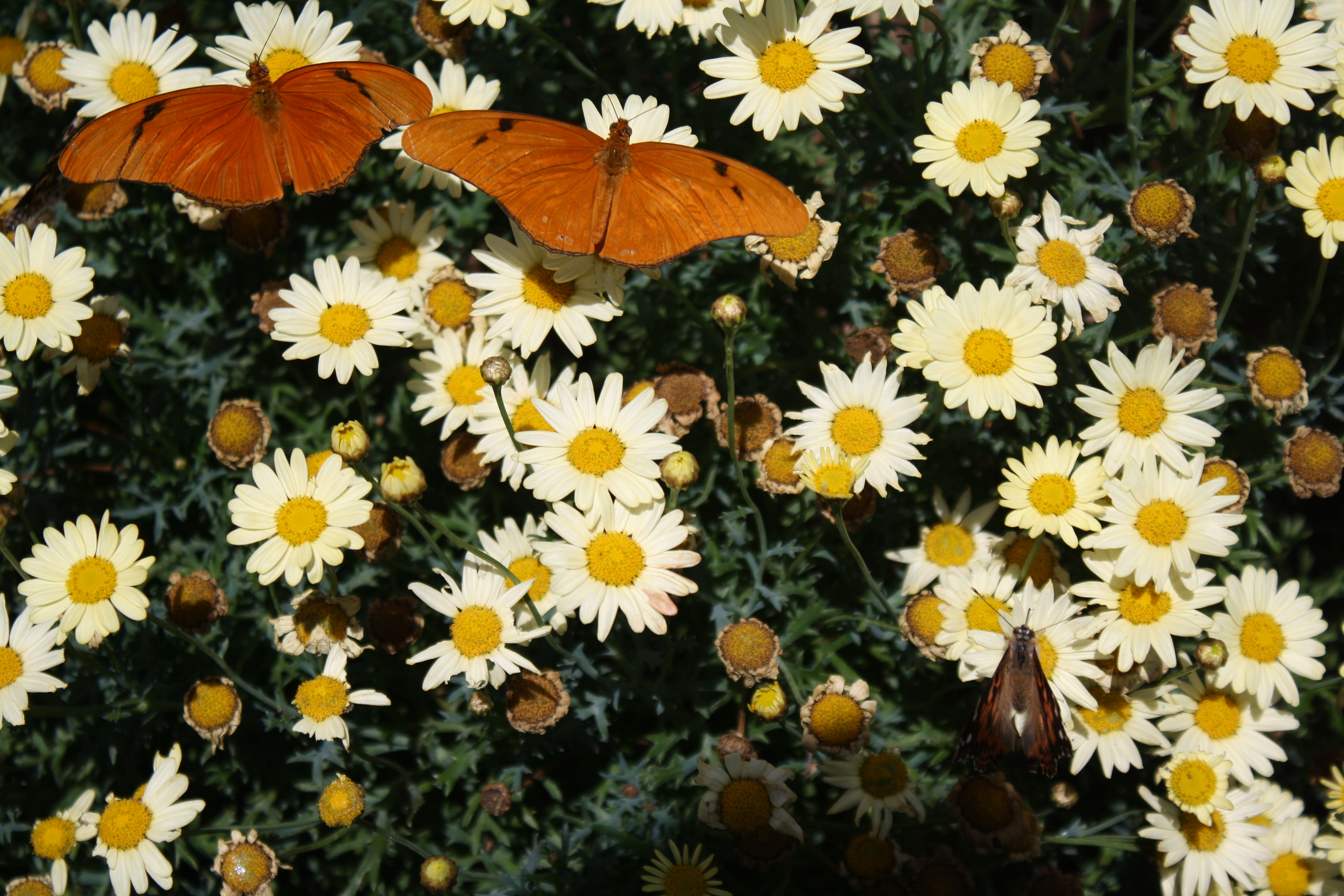
orange butterflies

Who doesn’t like butterflies? As we waited to enter their enclosure, I felt I could hear the throb of wings.

They kind of make me nervous, said Maud.

Good for you, the docent told my mother, in her white t shirt. They like white shirts. And they’re very partial to redheads.

None of us had red hair, but I hoped in my peacock-feather-painted blouse to be a landing strip.

The netted area had been planted, surprisingly, with swiss chard, which appeared to be uninteresting to the butterfly population as a food source. The butterflies drank instead from the cups of flowers. They seemed to be half in the process of coming alive and half in the process of dying.

black butterfly

Leaving them behind rather sooner than I thought we would – They make some people uncomfortable, they’re insects after all! said a staff person – we progressed toward the Garden exit through the gray-green fleshy fields of cactii.

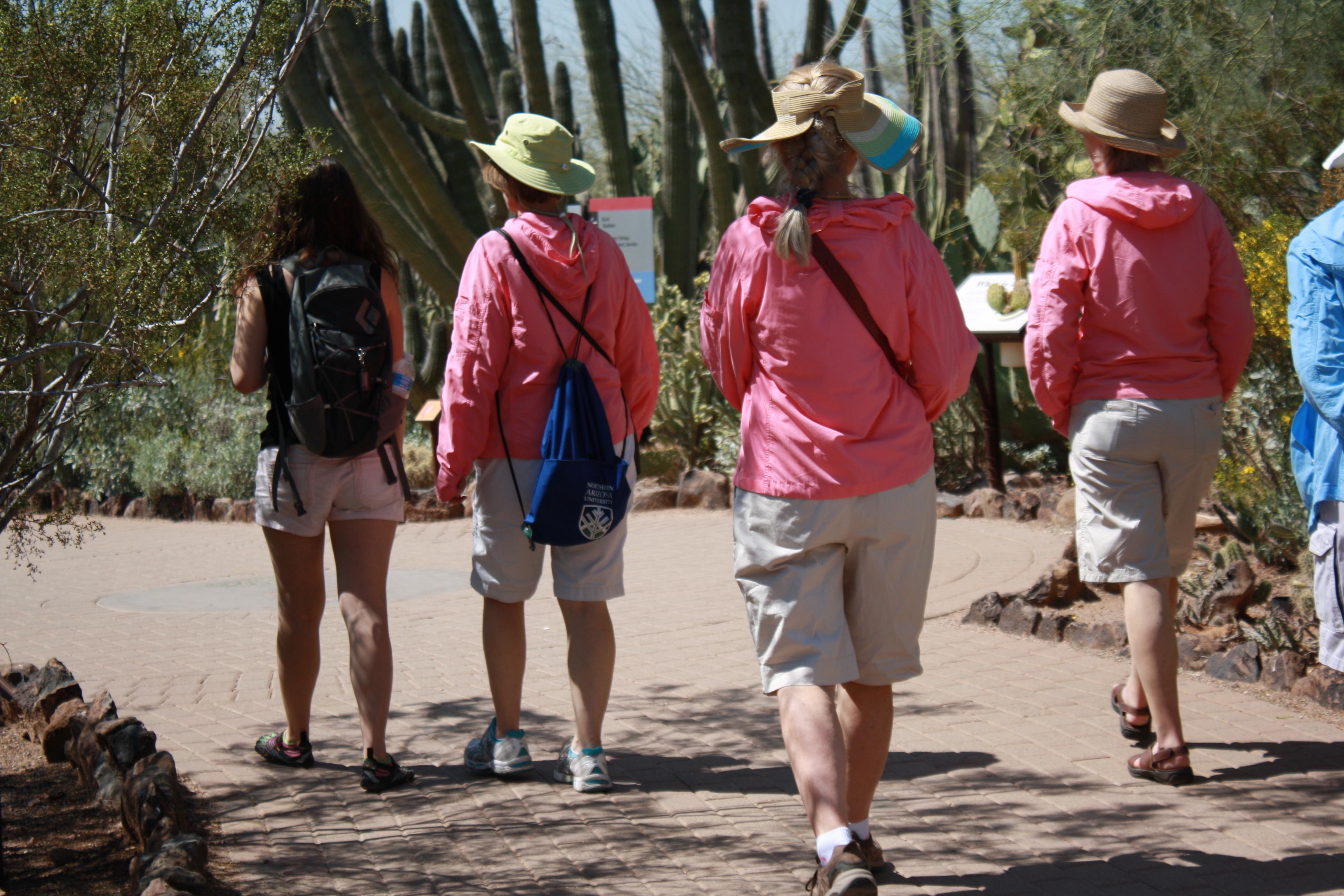
Three more butterflies hovered ahead of us.

pink ladies

Triplets, middleaged, each attired in a powder-pink windbreaker, cargo shorts and a floppy sun hat. I always wonder about multiples who dress alike above the age when their mothers outfit them. A matched pair of senior citizens used to roam Manhattan’s upper west side, mirror images in couture, nylons and cat-frame glasses. Related in spirit, the married couple who used to bike the streets to forage for horse manure for a Garden of Eden they planted on Eldridge Street, in the 1980s, when New York City was a simpler place.

Purple garden

Their names were Adam and Eve Purple. Their garden seemed to come out of nowhere. They dressed themselves, the two of them, in … purple.

17 Comments

Filed under Art, History, Jean Zimmerman, Nature, Photography

No Horse

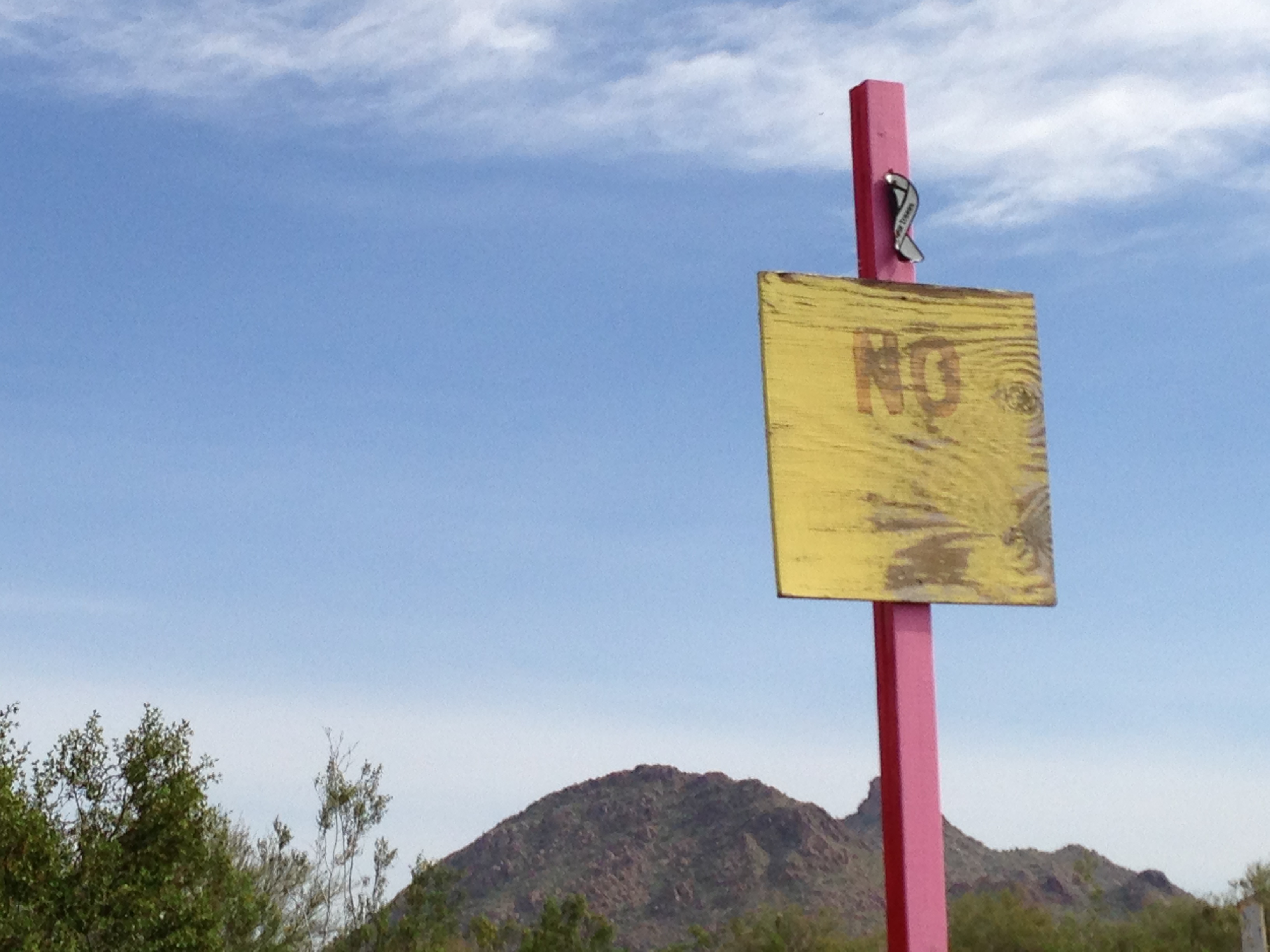
Sweet hand-painted signage in southern Arizona.

No Sign

The guy who owns the 95-acre lot at Pima and Happy Valley Roads in North Scottsdale, Henry Valentine Becker, has been on a longstanding rampage against the Coalition of Pinnacle Peak, which seeks to prevent him from commercially developing his property. He’s been there since 1995, putting up signs and making himself a nuisance.

No what? you may ask. The message has been lost to time, and now suggests, at least to me, a kind of quintessentially Arizonan plywood sentiment … no to gun control, no to “illegals,” no to same-sex marriage, etc. etc. But I like the mysterious No on its own. The signs rim the lot and insist upon their own importance.

Becker has put up other painted signs as well.

Cowboy sign

Wranglers. Kachinas. Lizards. I collect painted signs as long as they’re free. Brought one home off a telephone pole in a Midwest cornfield one time years ago. It reads Cherish.

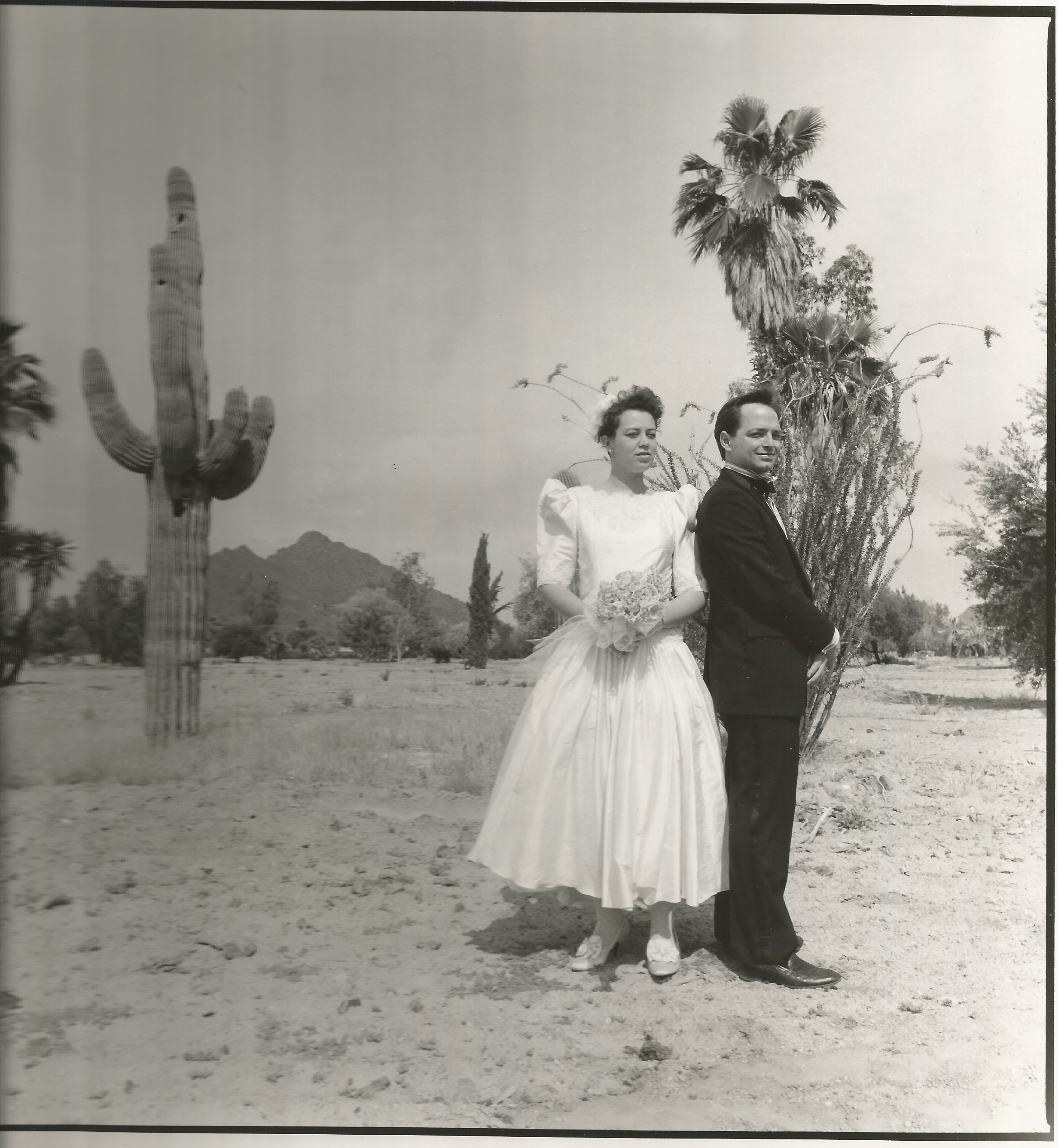
Becker’s property, within the insistent boundary of signs, remains pristine. It reminds me of nothing so much as the as-yet-undeveloped lot across town where Gil land I took our wedding photos 25 years ago.

J & G in April

Among the saguaros, in a time when Scottsdale was more known for horse farms than tacky shopping centers.

pristine

Becker lives in comfort, fairly near the property in question, in a conventional home, if ideosyncratically littered with yellow Post-It notes. The weatherbeaten signs call attention to his plight, get his story across to the millions of cars that jam Pima.

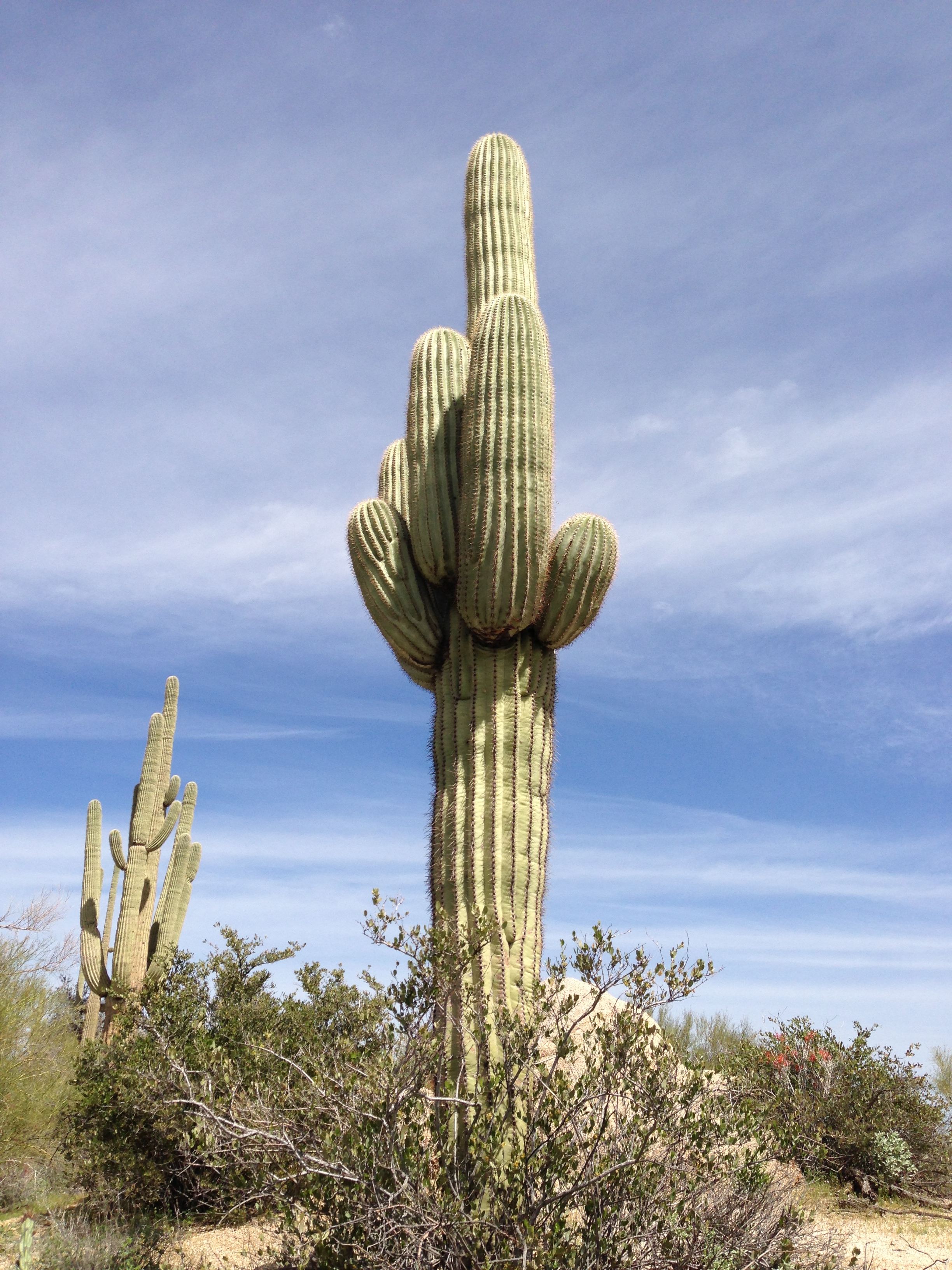
Everything weathers here, even the proud-standing saguaros, the ones giving the finger to the sky.

finger saquaro

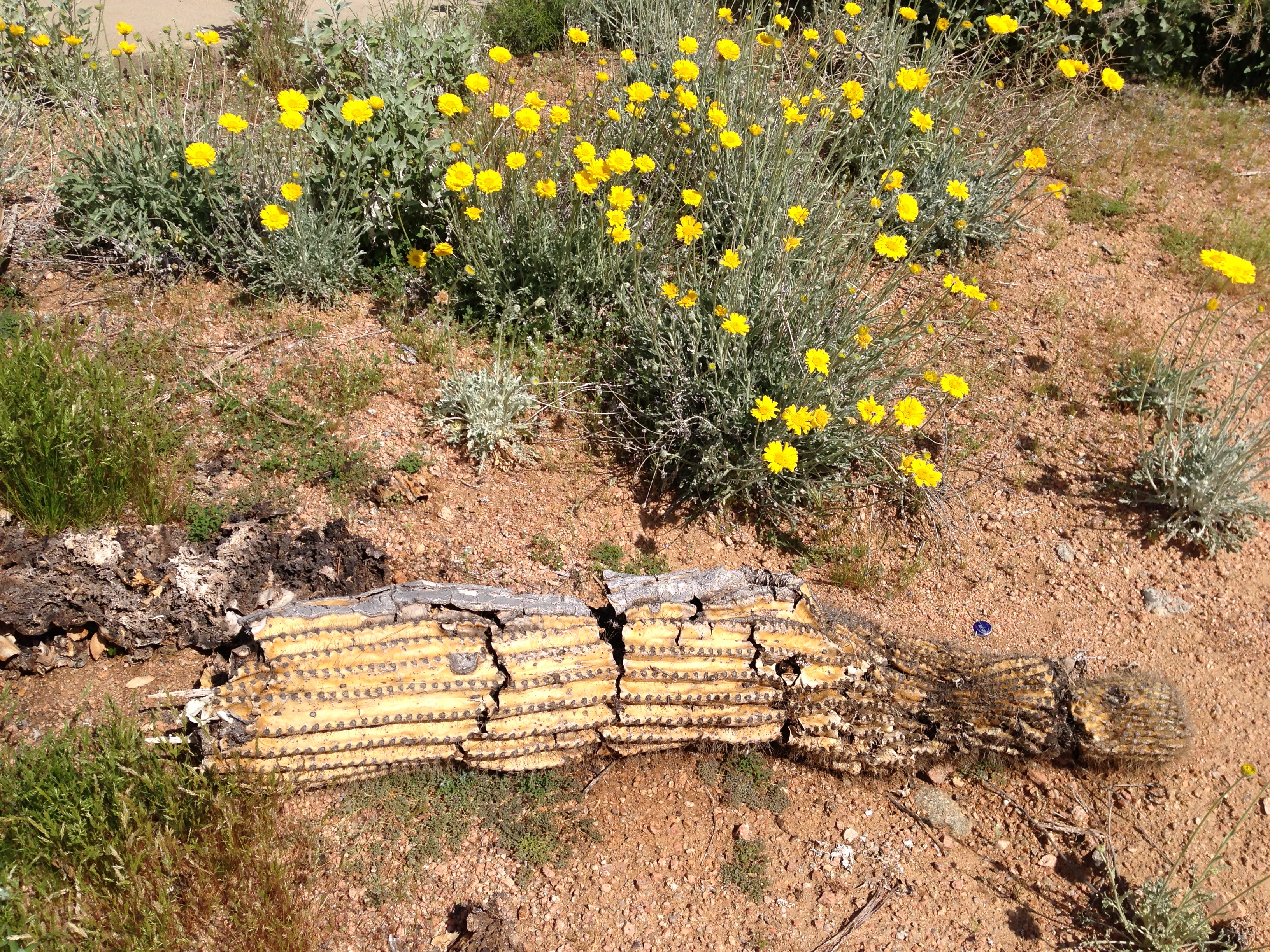
You see their skeletons everywhere littering the ground.

weathered saguaro

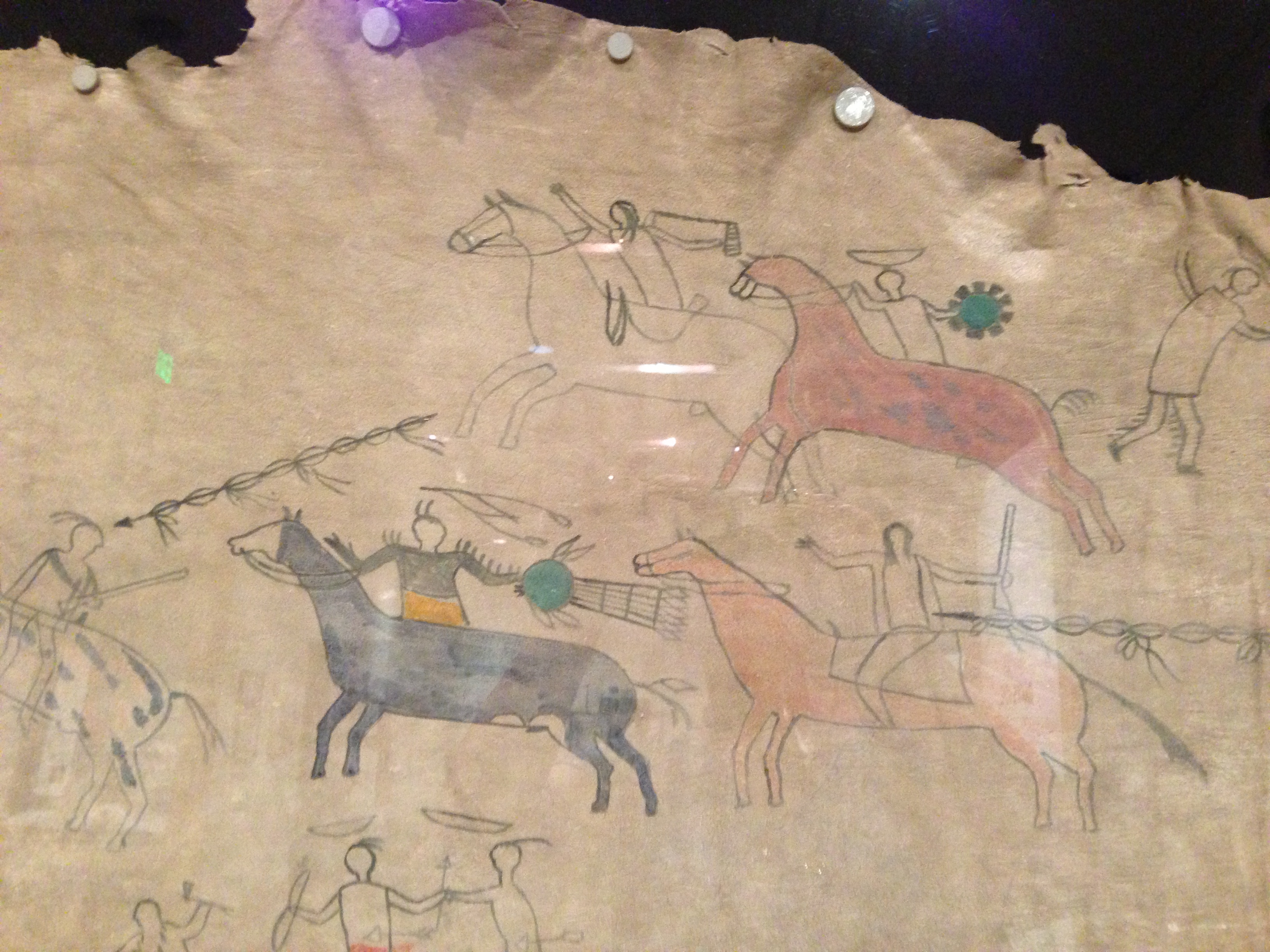
Different, of course, yet similar to Becker’s faded attempts, the ledger art of the Plains Indians, a phenomenon through which artists got their story out between about 1865 and 1935. Originally, the tanned skins of bison were used for painting individual scenes or narratives, using natural pigments. This one dates from 1880, and shows a battle between the Cheyenne and the Pawnee.

hide

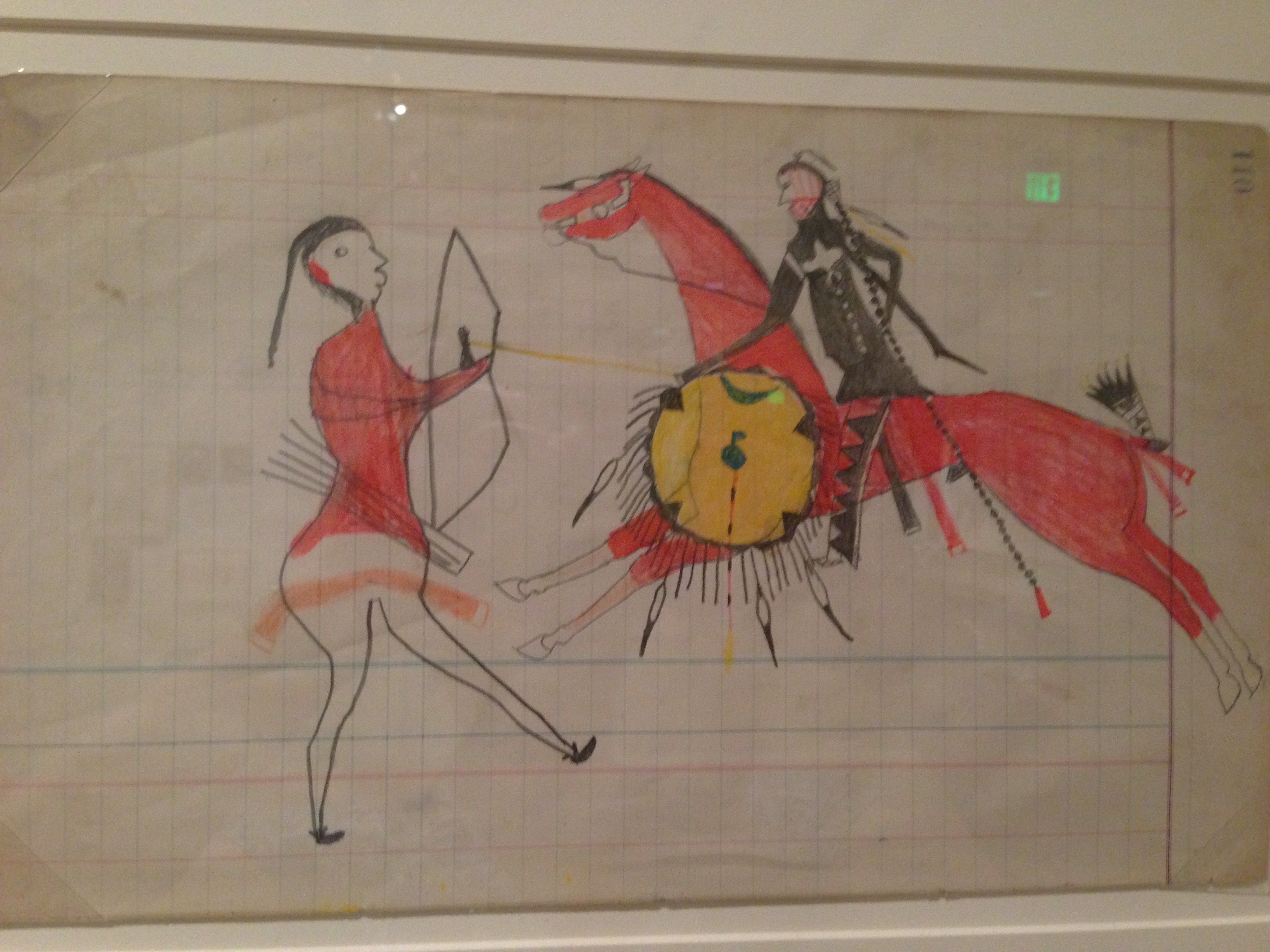
The U.S. government initiated a mass slaughter of the bison in order to reduce the central food source of the Plains people. So no more natural canvas. Artists transferred their pictogram paintings to either muslin, woven canvas or, most interestingly, paper ledger books, the ordinary kind businesses used to keep their accounts.

They had to get their story across.

ledger sheet

I love the transgressive nature of these illlustrations, which explode off the pages of the staid, “civilized” lined paper.

ledger 2

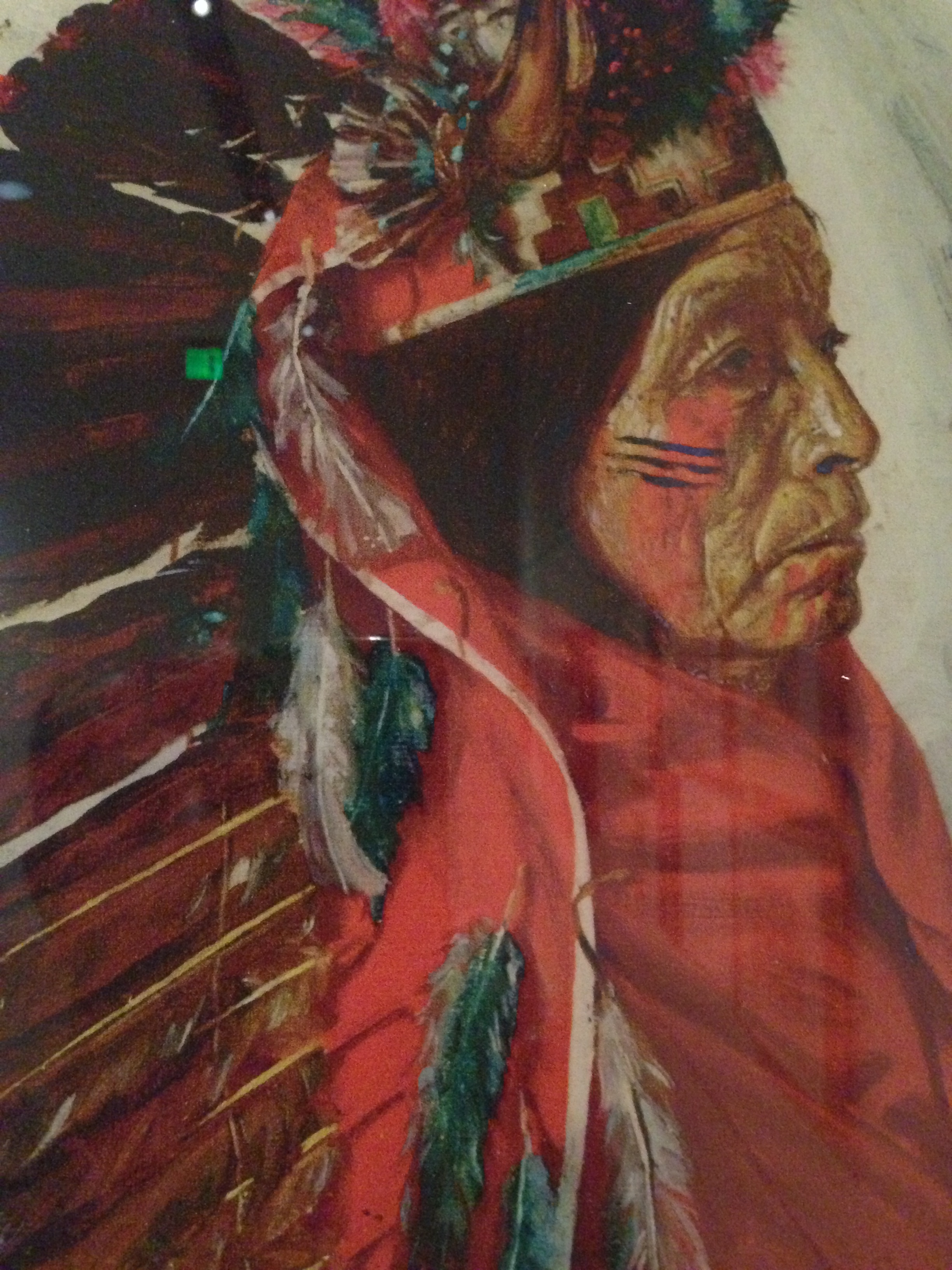
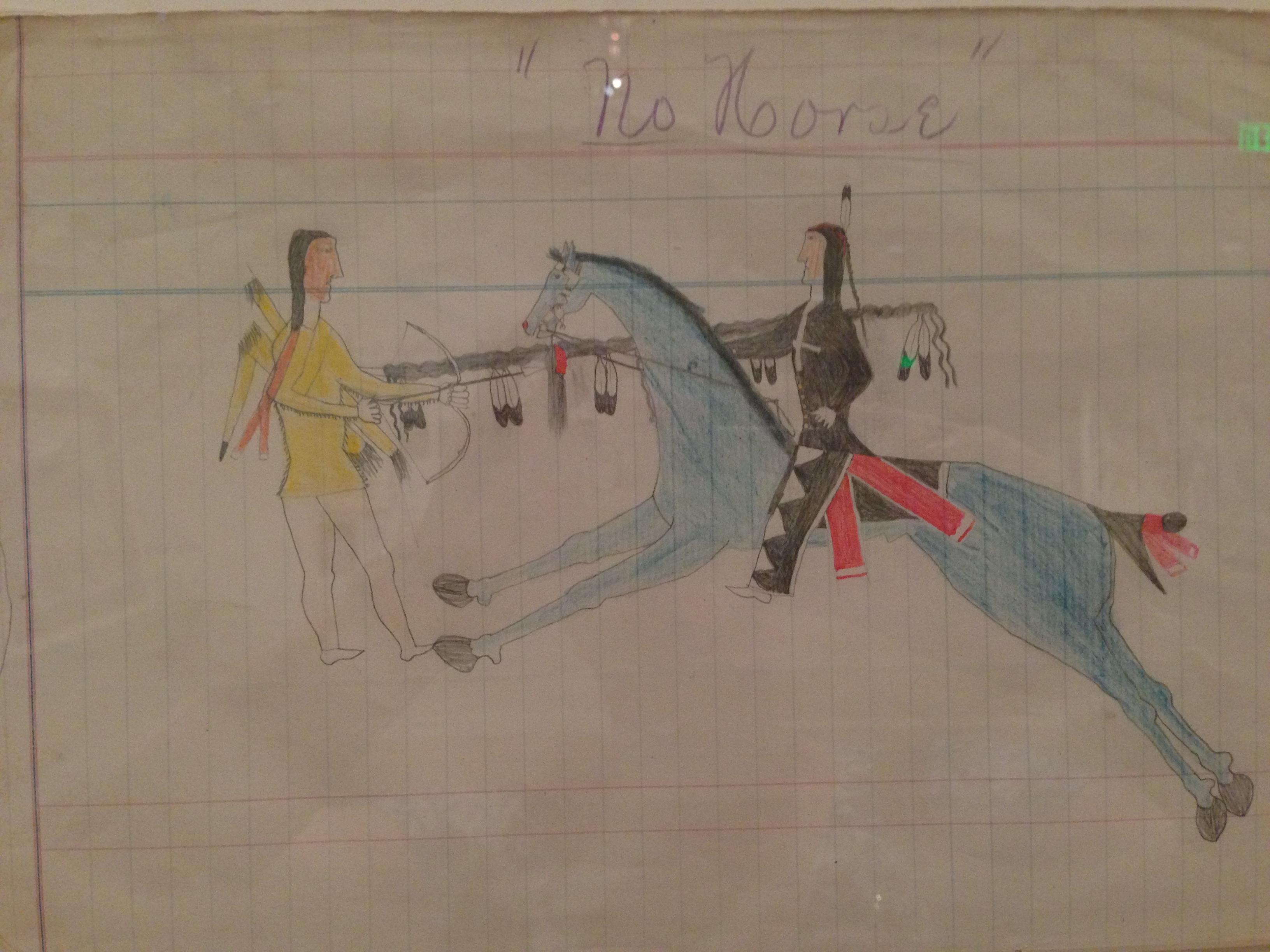
Chief Chief Killer distinguished himself among ledger-book artists.

chief killer

Educated at the Carlisle Indian School in Pennsylvania, the Cheyenne went back to the reservation in Oklahoma as a farmer, butcher, policeman and teamster.

He excelled at scenes of ceremonial life, landscapes and cityscapes. Collected in a ledger book cryptically titled No Horse are a series of accounts or heroism in battle.

no horse

According to his last will and testament, when Chief Chief Killer died in 1923 he left one grandson a spring wagon, one a bay horse, his granddaughter a set of light harness, but neither he nor his descendents had the funds for his burial, which the government covered to the tune of one hundred bare-bones dollars.

The new Heard Museum offshoot in North Scottsdale has a beautiful exhibit of ledger books.

One of my favorite pieces of research for The Women of the House years ago was the 18th century ledger book of the Albany fur trader Everett Wendell, which I felt privileged to handle at the New-York Historical Society, wearing white cotton gloves. Wendell indicated the furry merchandise to be exchanged with pictograms that he and the non-English speaking Alquonquin trappers would both understand: three little beavers, for example, or two bears.

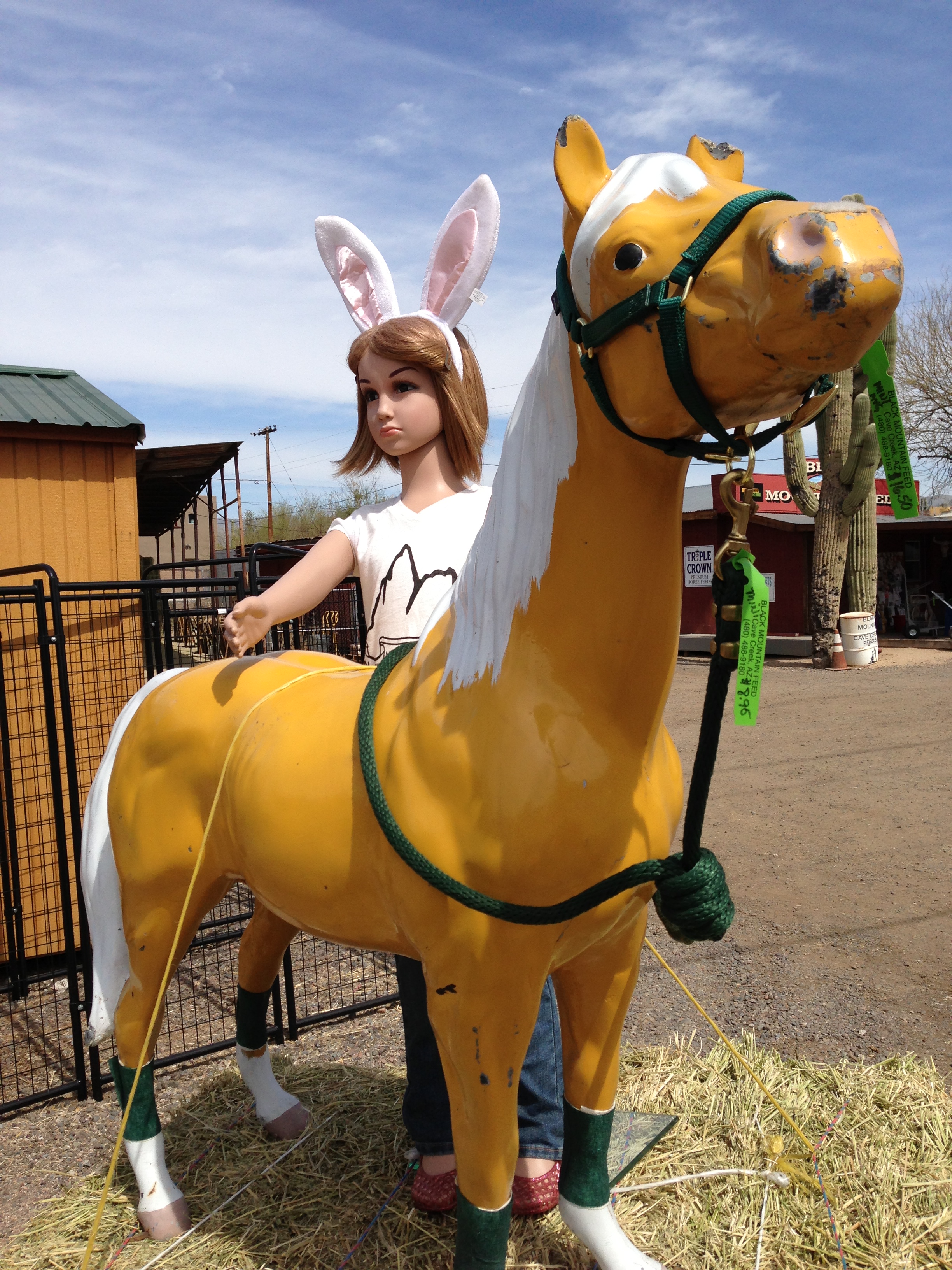
Big hand-lettered signs  or pictures on ledger paper make a clear statement. What statement does this figure make?

feed store

The life-size mannequin stands outside a feed store in Cave Creek, sporting her Easter finery, advising motorists that they better come in and make hay while the sun shines.

Maybe all those No signs could be reconfigured… No Horse.

no horse sheet

5 Comments

Filed under Art, History, Jean Zimmerman, Nature

The Indie Boom

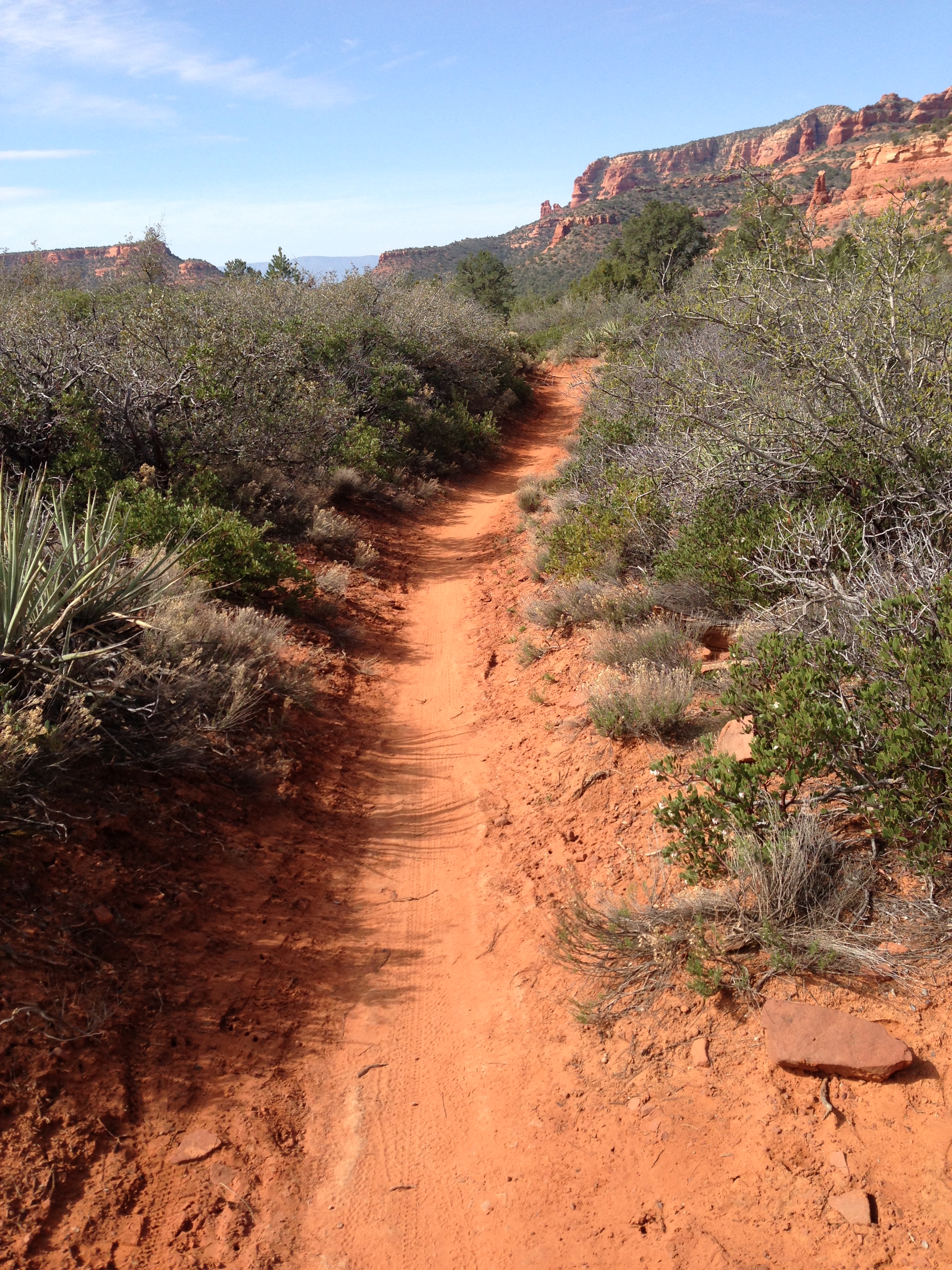
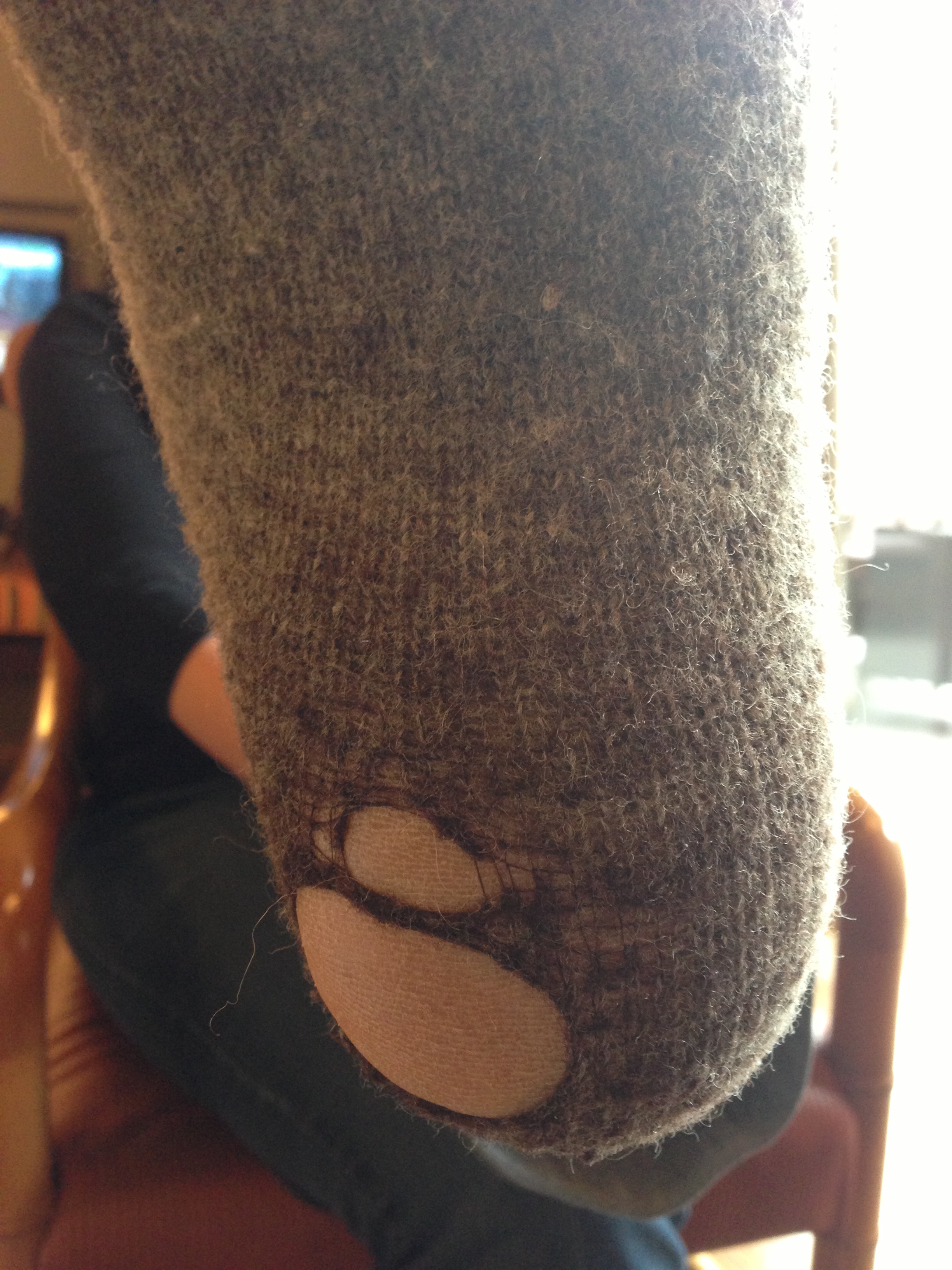
A hole in the heel of my favorite wool sock, I’m trekking along one of the most enchanting trails I’ve known, Dead Man’s Pass in Sedona, Arizona, which forks off of the Long Canyon trail toward Boynton Canyon.

Dead Man's Pass

There are open vistas all around, across the landscape of low manzanita forest toward the brick-red monuments all around, a straight route over the top of the world. It can’t help but make you consider your life. How all the pieces have come together. The luck you’ve had. The good that has inadvertently come your way, as undeserving as you might be. How we’re all in it together, somehow. Heel rubbed sore or not.

sock hole

“Human kind has not woven the web of life,” said Chief Seattle. “We are but one thread within it. Whatever we do to the web, we do to ourselves. Alll things are bound together.”

I’m thinking of sores, and bandaids. And about books.

Last year when I went around the country to talk about The Orphanmaster, I heard from so many booksellers about the challenges of their business, the wickedness of Amazon, the evils of electronic publishing. All very polite, of course. But the idea was that the goodly paper-and-ink culture of books and book selling was suffering because of all these developments and might never recover.

Now comes an article in the Christian Science Monitor that extolls independent book stores, says the trend is all good, that indies are reviving across the country. The “chief content officer” of Kobo, which connects e-readers to book stores, puts it vividly. “We absolutely believe indies are the small, fast-moving mammals in this dynamic,” says Michael Tambley.  One bookstore owner, Wendy Welch, of Tales of the Lonesome Pine in Big Stone Gap, Virginia, offers, succinctly, “2012 was the year of the ‘bookstore.’” In January 2013, the ABA reported 40 new bookstores since the previous May.

It’s not that bookstores aren’t shutting their doors; they are. But sales at existing ones have gone up and new ones are busting out bookcases with alacrity. Some of the success stems from a “shop local” trend: “All things are bound together,” as Chief Seattle put it, especially communities.

Of the 32 speaking engagements I had last year, 15 took place at independent bookstores (I also spoke at libraries, historical societies, book colloquies, clubs of various kinds, etc.). At R.J. Julia Booksellers, in Connecticut, the sparkplug owner gave me the most gracious intro I’ve had, and insisted I take a book gratis. In the Bay Area, at Book Passage, I was given cream-colored stationery engraved with my initials. A few of the businesses that received me so warmly have since seen hard times or even gone under.

But on that trip, I saw so many stores that made a writer feel welcome, that conveyed the notion that we were all part of a vast, well-wrought web of readers and authors and publishers and bookstores, Amazon and the other meanies be damned.

There was one memorable evening on August 15 at Boswell Book Company in Milwaukee.

boswellbook

The proprietor of Boswell’s is a pip.

danield green

Daniel Goldin, a young guy who worked as a buyer for Schwartz books on North Downer Avenue, bought the place when a local book chain closed after 82 years, in 2009. He had an elfin energy. He scrambled around to make the screen and chairs and lectern all fit just right in the back of the store for my presentation. He wore a shirt in a vivid shade of purple. The Christian Science Monitor relates that he refused to be photographed for their article reading a book, saying, “We don’t read in the store.” They’re simply too busy.

Boswell logo

Not too busy to make this first-time fiction author feel like a star.

And another thing about Boswell, Goldin, and the hole in my sock. The thing that got me started mulling over the whole thing in the first place: at the back of the busy store stands a tall translucent vitrine filled with a collection of vintage Bandaid boxes. Why was it there? Simply a quirk of the owner, who collects them.

60bandaid

That’s why they call booksellers independent.

3 Comments

Filed under Jean Zimmerman, Publishing, The Orphanmaster, Writing

Play Time

A family of four sat across the aisle from me today on the flight to Phoenix. The boy had no toy, and pestered his dad with questions about whether he would rather be a polar bear or an iguana, a butterfly or a gorilla. The girl, a nugget of a toddler in pink-and-white-striped tights, contented herself with an apple and a paper bag to play with.

Toys, ubiquitous in childhood, can consist of brown paper and a piece of fruit. A stick or a stone. Or more, much more.

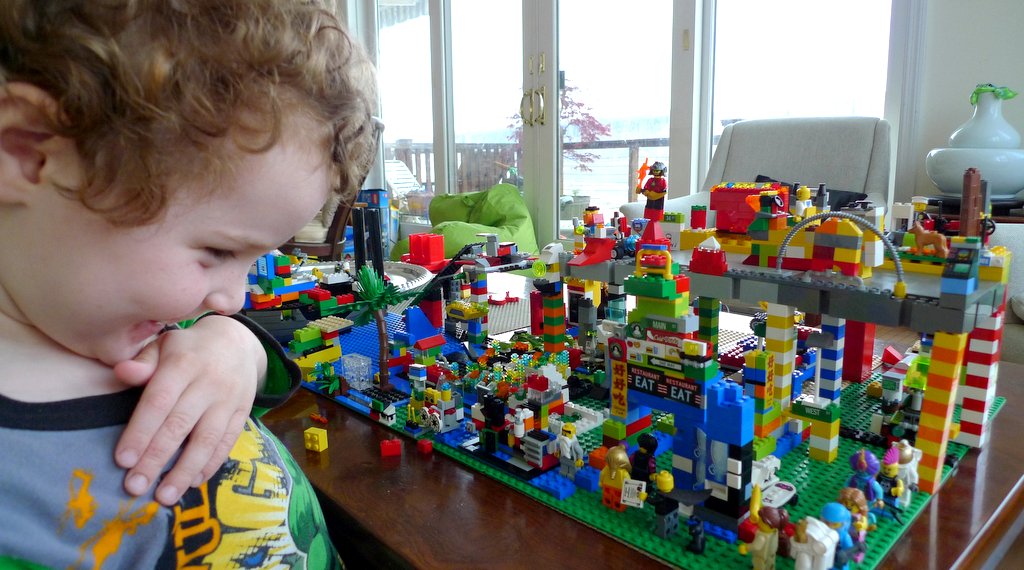
My nephew Jasper has a six-year-old’s delight in Legos. His collection of pieces numbers in the hundreds at least, probably the thousands.

Jasper w Legos

He builds worlds. I spent a fraction of play time with him recently constructing a Lego jail with barred windows and a couple of Lego bad guys. I wanted to give them green Lego fish to hold, thinking they deserved a good meal in prison, and he went along but later removed the food. It didn’t fit in his particular vision of this play world.

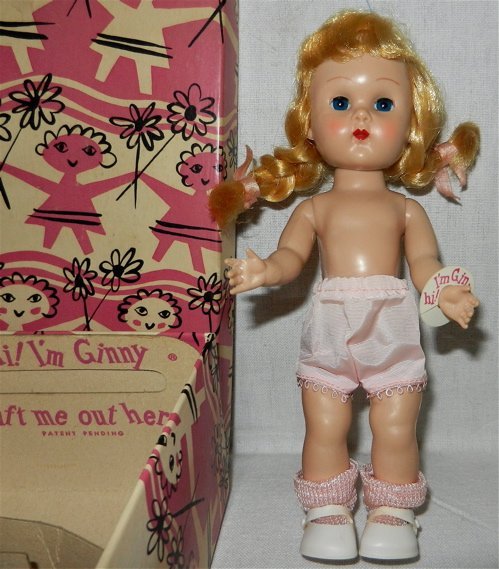
At Jasper’s age, my world was defined by dolls I fed, dressed, succored. And my dolls’ accoutrements, which I loved. I recall the deliciously plastic smell of Little Kiddle dolls, tiny figures that came in a case complete with a wardrobe, their synthetic pony tails shiny and combable. Playing with them, talking to them, in the air conditioning of my brother’s room during a heat wave. I also had vintage playmates a little bigger, Ginny dolls, courtesy of my grandmother, which came with their sliding-door closet and a perfect crib with a side you could raise or lower.

Ginny doll

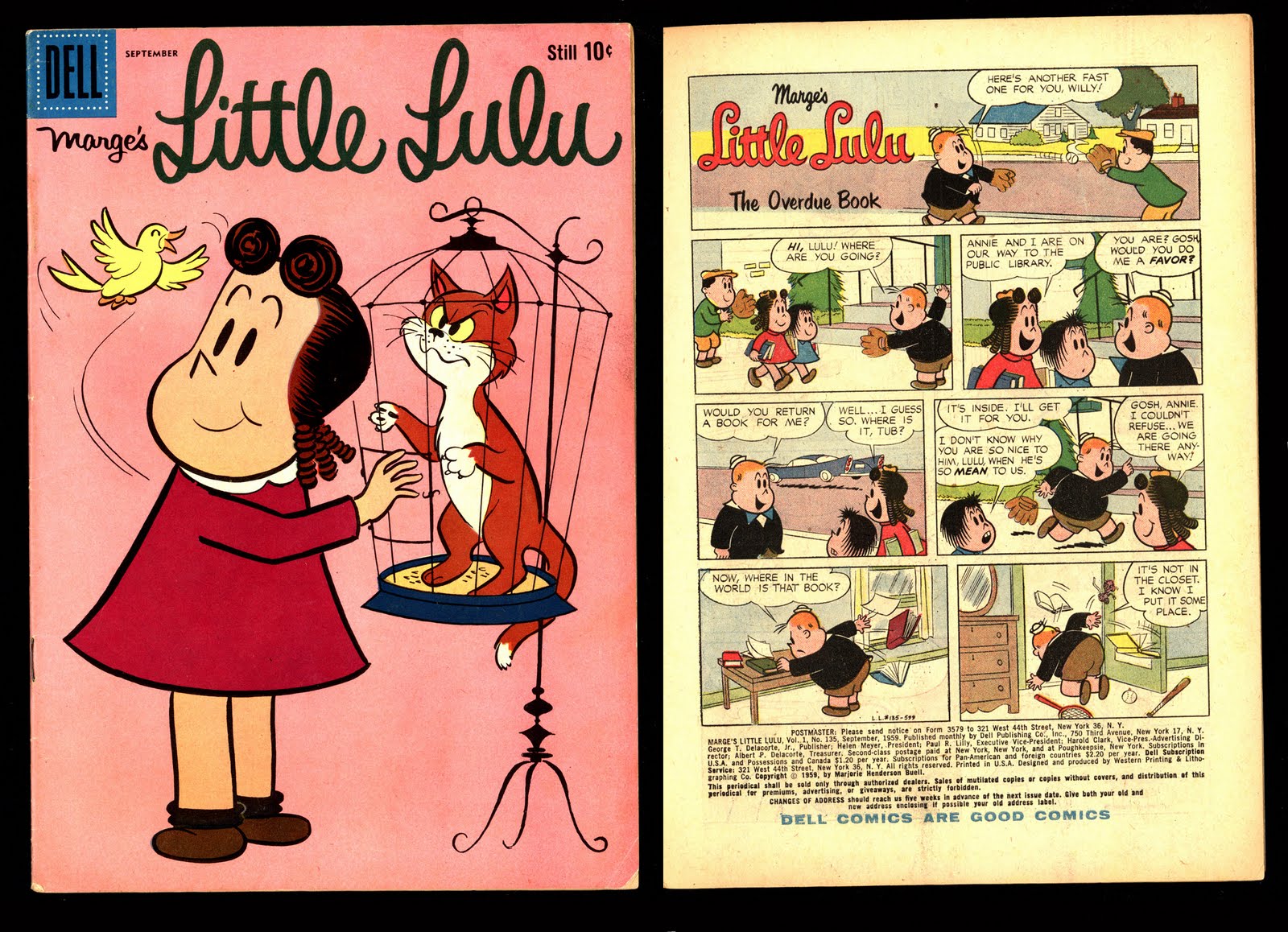
My mother favored paper dolls, the kind you punched out of heavy paper, “because you could play that by yourself.” She always was independent. In the attic of her childhood home we found metal toys, a creaky ferris wheel, mysterious Little Lulu comics.

Little Lulu 135a

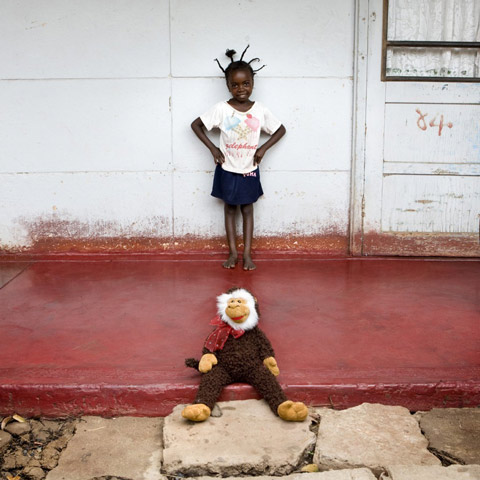
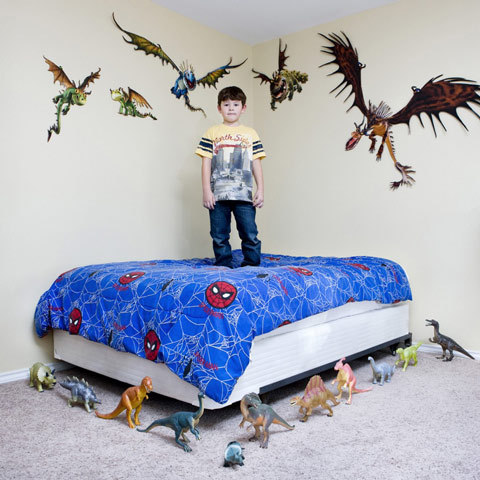
What are toys to kids? It’s easy to say: just fun. Experts disagree. The Italian photographer Gabriele Galimberti spent 18 months capturing images of children and their toys all over the world. Toy Stories bespeaks the universality of toy play, no matter if a kid lives in Malawi or China. Toys, Galimberti found, are both protective and functional, but the precise degree of either varies from culture to culture.

Botswana.

Botswana

Texas.

Texas

Italy.

Italy

And many other photos of places and children that are equally compelling.

On the plane today, the young traveler finally took out a white teddy bear and hugged it to his chest. I thought of the polar bear he’d been bugging his father about. Was this, somehow, that bear?

A child has a world in his mind and a world in his hand. That’s power. Ask Jasper.

Jasper's restaurant

7 Comments

Filed under Jean Zimmerman, Photography

West 76th Street

I’m waiting for you to come back from an appointment – waiting in a Starbucks that didn’t used to exist. The Gap is now a Chase. The Chinese is now a Japanese. Duane Reade takes up half the block. But the orange brick building remains at 76th and Columbus, just across from where I’m sitting now, the third floor windows dark and mysterious.

This is where we lived from when I was pregnant to when you were five years old.

Maud's license 1

Is there still a plastic play kitchen, a white fairy tutu, a silver sword for fighting dragons? You were such a strong little fighter. Still are. Had to have your face painted every day, to become something new.

I’m sitting on the footprint of a flower boutique where a chocolate lab with a funny name, Raisin, seemed always to be waiting for you to come pet him.

Here is the sidewalk where we walked, you on my shoulders, your grandmpa beside me with a cast on his leg.

I remember the coarse brown bread I liked, serving it to young mothers who came to visit.

The bed Gil and I shared, in the dark little back room covered with a blanket of Italian wool with black and white stripes. In the living room, side-by-side writing desks.

A green stone table left behind by the previous occupants that had to be washed with red wine, we were told. Strange gold walls.

The faded couch and rough wood coffee table where you took your first steps, holding on for support. You walked on your tiptoes. Still walk on your tiptoes.

I take a sip of milky coffee. You’re coming in the door, smiling. The snow blows in with you.

Who lives there now, on the third floor? Has any of the magic remained?

8 Comments

Filed under Home, Jean Zimmerman

The Trill of It All

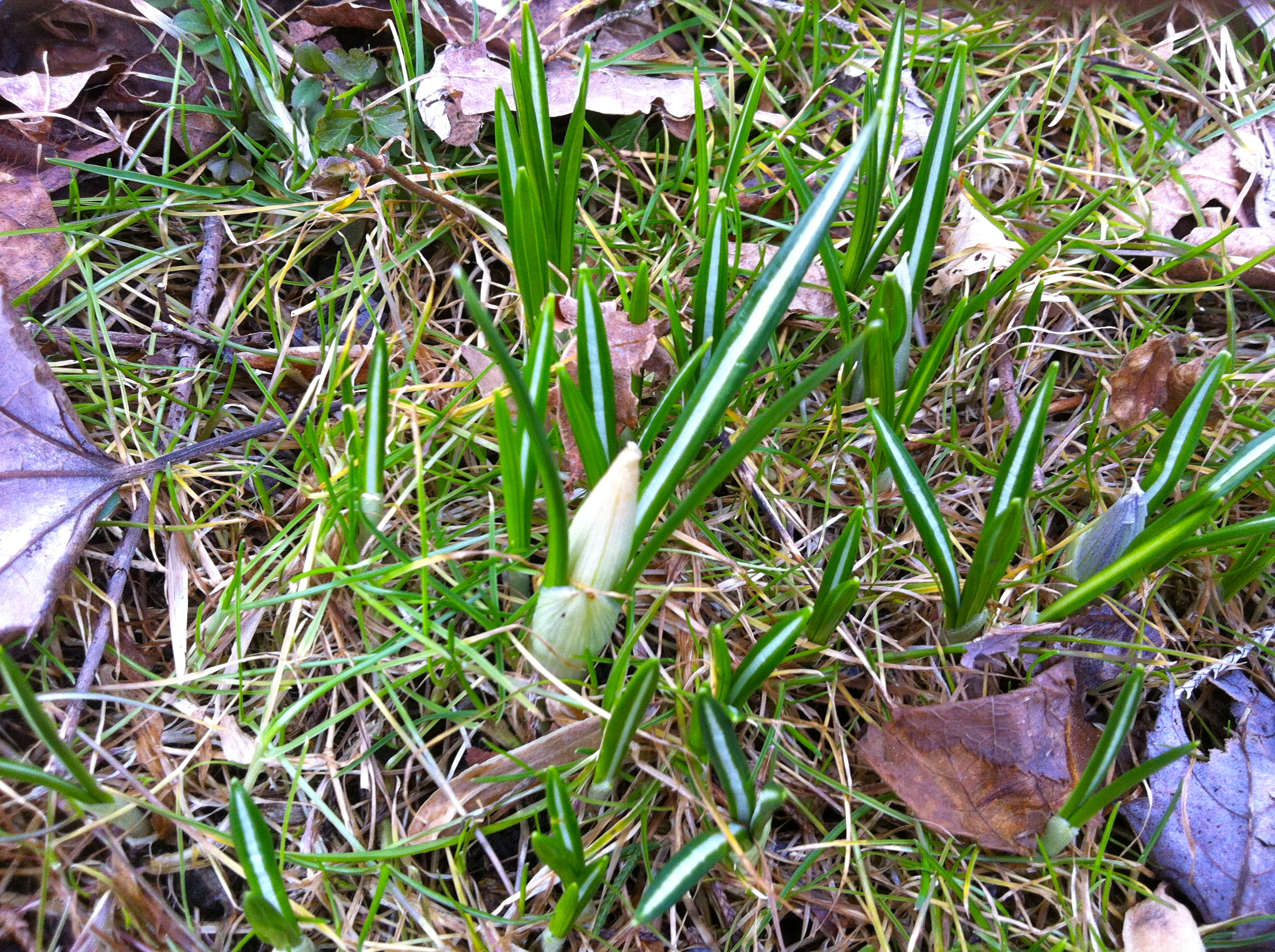
At the cabin, you still have to hunt to find the crocuses.

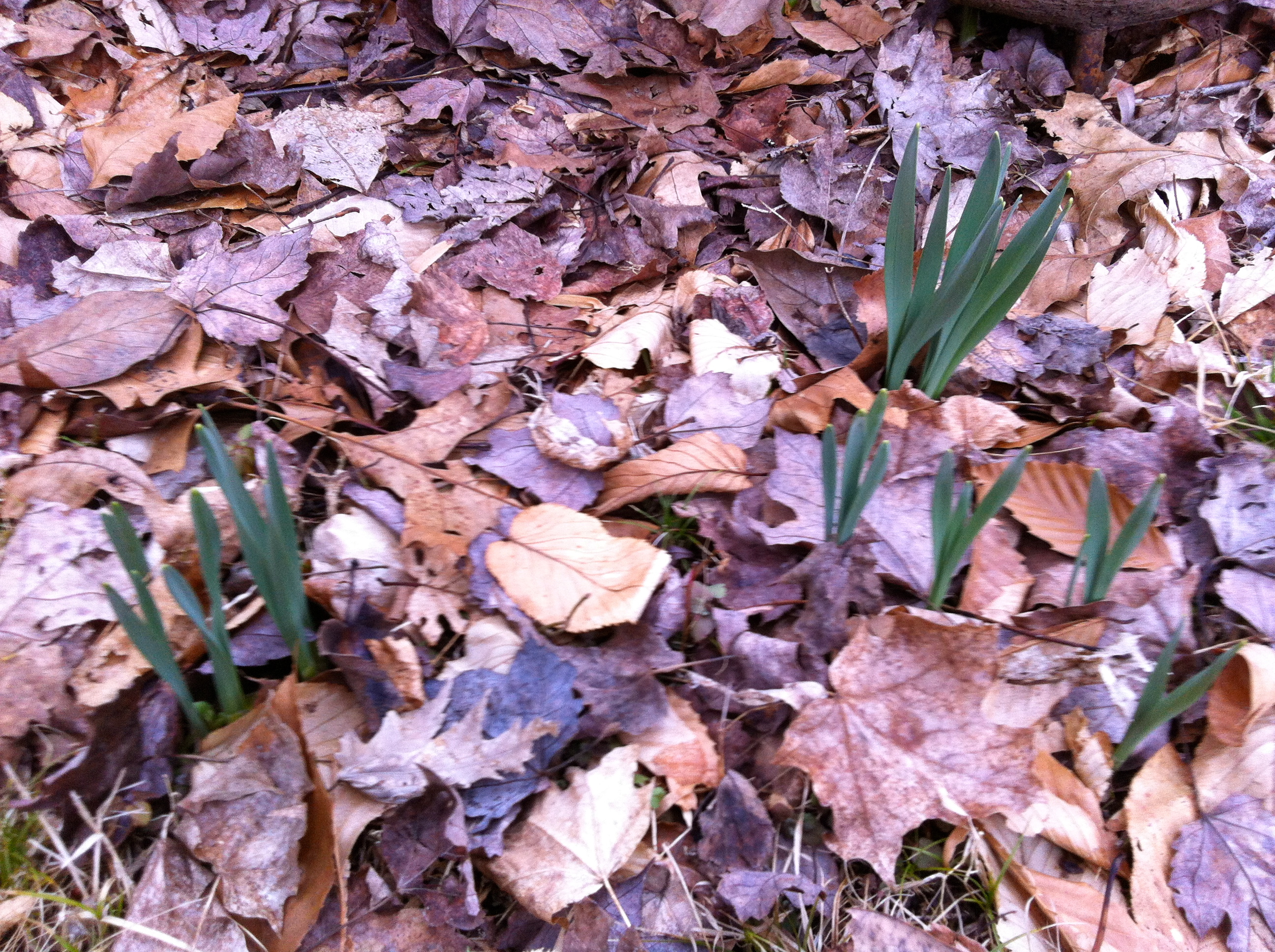
Crocus in Spring 2The daffodils are drowned by brown leaves.

Daffs in MarchThe peepers, invisible, rage all night and most of the day. I thought they were early this year — we’re still building hearth fires every night. There is a scent of spring in the air, a lilt, but the air is cold enough to keep on with your winter jacket.

I looked back at my blog posts to see when the peepers appeared last year. To my surprise, it was the same time, to the date! The night of March 12th. I had to close the window, they were so loud, just as I did this year.

spring-peepers-1

Nature has a brain. The tiny frogs know it’s time to get out there and peep their hearts out, to find a mate, to propagate. They are all male, the frogs who peep. Waiting a moment after March 12th won’t do.

If you don’t have a marsh in your back yard, you can here the trill of the peepers here.

The painted turtles aren’t far behind. And then the snakes.

It’s almost time for a springtime party. Let’s have a pig roast and celebrate the daffodils.

8 Comments

Filed under Home, Jean Zimmerman, Nature

Why I Knit

What about me? she said. My oldest friend, Josefa. She was eyeing the slubby cowl I made for my sister-in-law.

Okay, I said. How about pink?

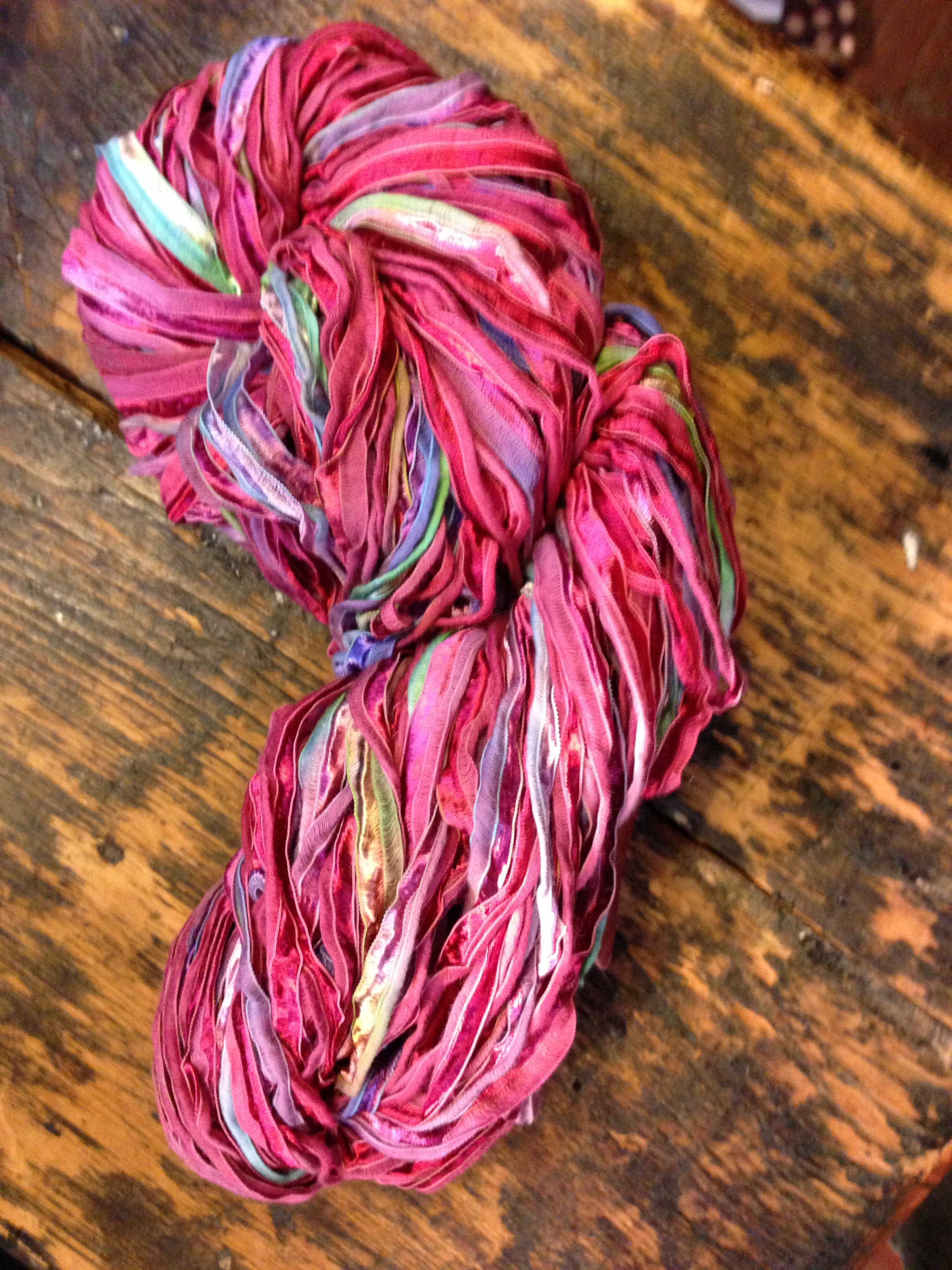
And so I was off. Seed stitch, ribbon-yarn, simple cast on with 15 stitches.

ribbon yarn copy

My friends are not knitters. It may be hard for some of them to comprehend why I have become enraptured with sticks and wool.

This, then, is why I knit.

1. Because I can ply my needles on the couch with my dog snoozing beside me.

2. Because I’m bad at it. Fumbling with needles is humbling. Every dropped stitch, every extraneous loop is a lesson in how much I have to learn, how far I have to go. You can’t be cocky when you’re ripping out a row.

3. Because it gives me goals. Long term: some day I will use a cabling needle. Make a sweater. Upholster a chair. Sit at the back table in the knitting store with the people who really know their craft, the ones bringing into being elaborate mohair sleeves. Follow a pattern off of the wonderful German knitting site Grasflecken. Or, short-term – make it to the end of this skein this evening, before bedtime. Get three lap throws done by Christmas for presents. Wind a multicolored ball using this straight-backed chair.

4. Because I have absolute authority over colors, yarn weight and texture. Slinky, silky, chunky, nubbly. The hues of daybreak or deepest shadows. The coarse, undyed wool scarf made for my brother came from a Jacob sheep and was 12 feet long. Decisions I alone made (and my brother has to live with).

5. Because gifts materialize with my love woven into them. See above, 12 feet of scarf. Someone might not like the thing you knit for them, but they always recognize the sentiment.

pink scarf close up

6. Because it connects me with history. Men knitted stockings in Renaissance England. In the Scottish Isles, turn of the twentieth century, housewives knitted as they walked. With bundles on their backs! I’m part of an honored lineage.

7. Because it gives me something to do.

8. Because it’s so unlike writing. No paper, no ink, no computer screen, no books flopped open for reference. No stagefright, no verbal errors to erase. Instead, pliable, vibrant yarn, plush in your hands, fuzzy with promise.

9. Because it’s so much like writing. Building nub upon nub of fiber, row after row after row, is the closest thing to building sentences word by word. You make mistakes. You rip them out. You choose color, texture. It’s about you and not about you. If you keep at it long enough, you get a blanket, the same as keeping at the written word gets you a book. At the end, you look at your product and say, did I do that? And smile: you did.

10. Because I can. Now. I always wanted to knit. I never thought I could learn. I believed my fingers were too inept, my hands too shaky. I had already turned 50 when I tried in earnest, asking for help – which wasn’t easy – from my nephew’s girlfriend Paula, and making swaths of nothing identifiable, with huge bulges and ladders. I’m not gonna pick up waterskiing now, at this time of my life, but I can pick up a pair of needles and land on my feet. Even make a pair of socks for those feet. Well, nearly.

This one’s for you, Josefa. Wear it with your pink pants, if you insist.

pink scarf over door

4 Comments

Filed under Jean Zimmerman, Knitting, Writing

A House That Stands With No Siding

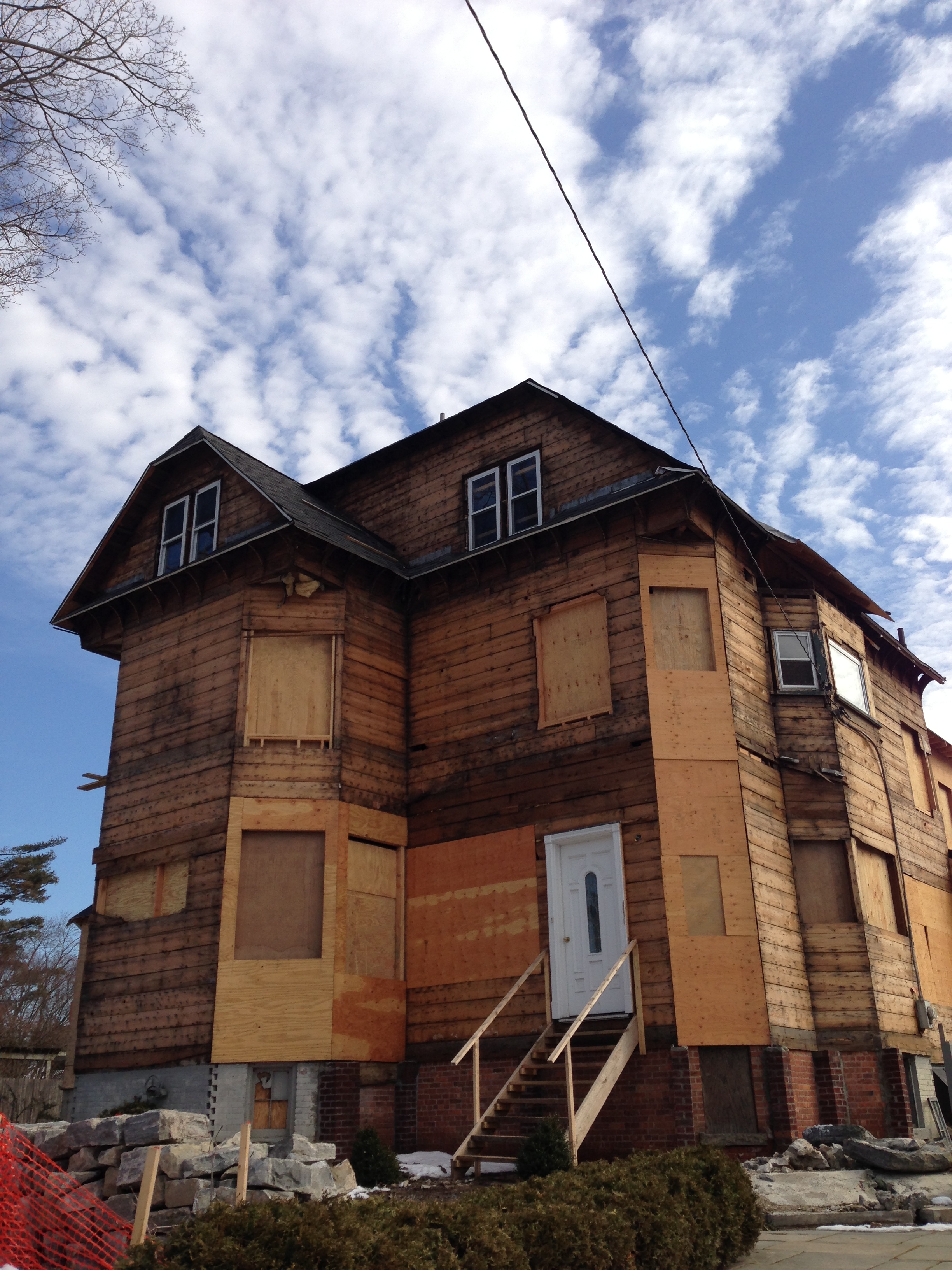
With no shell, no sheath, no skin.

house w:out siding

It can be painful, sometimes, to stand bared to the elements. Like this house by the side of a little suburban street, awaiting its spring refurbishing.

To have all your undergirding showing. The feeling, say, when some person infers that you or your work or something else you did has room for improvement. Raw.

All you can do is wait for the next coat of mail, the fresh wood planking, to grow.

Or grow it yourself.

3 Comments

Filed under Home, Jean Zimmerman

Sentimental Roadshow

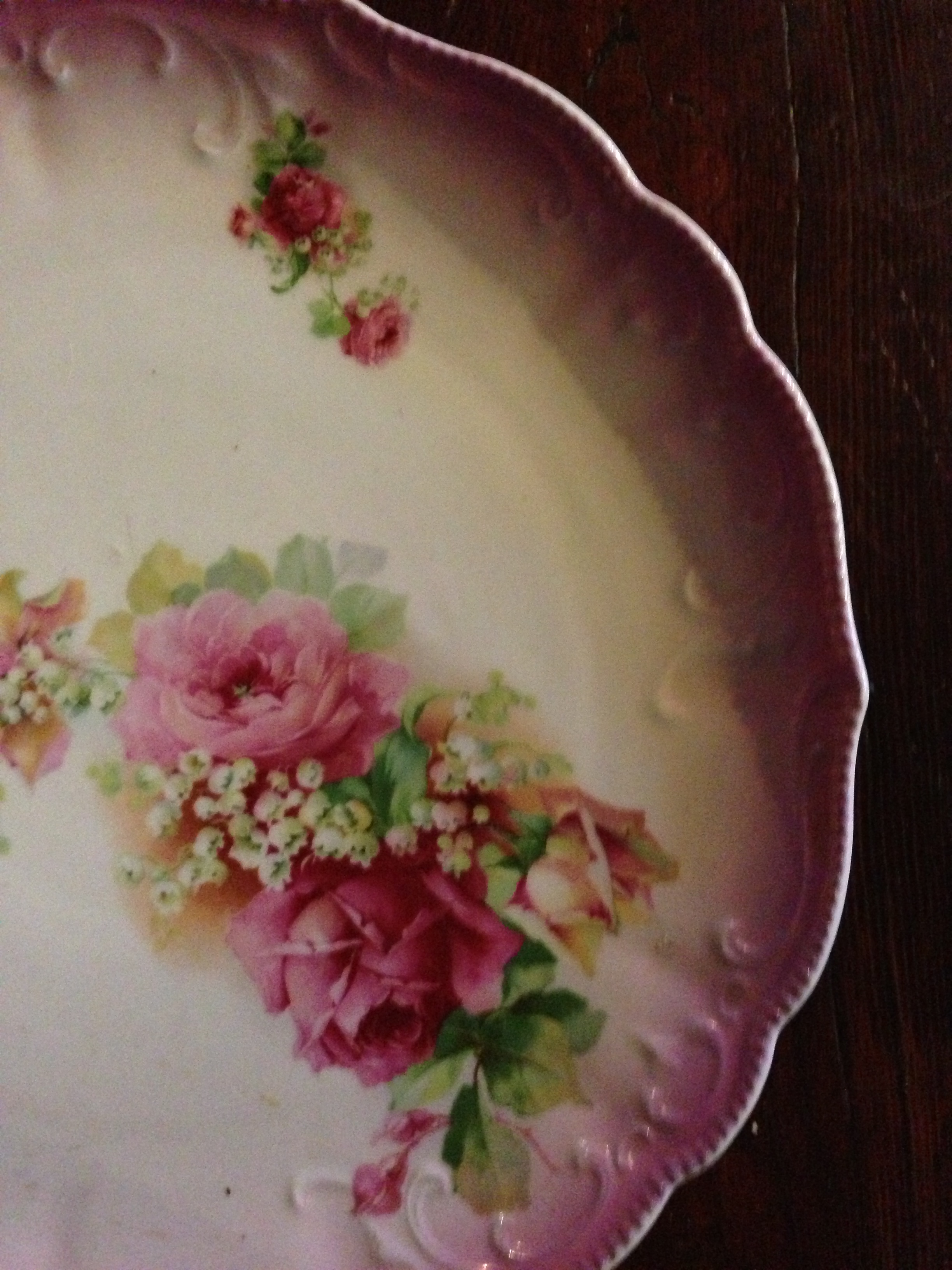
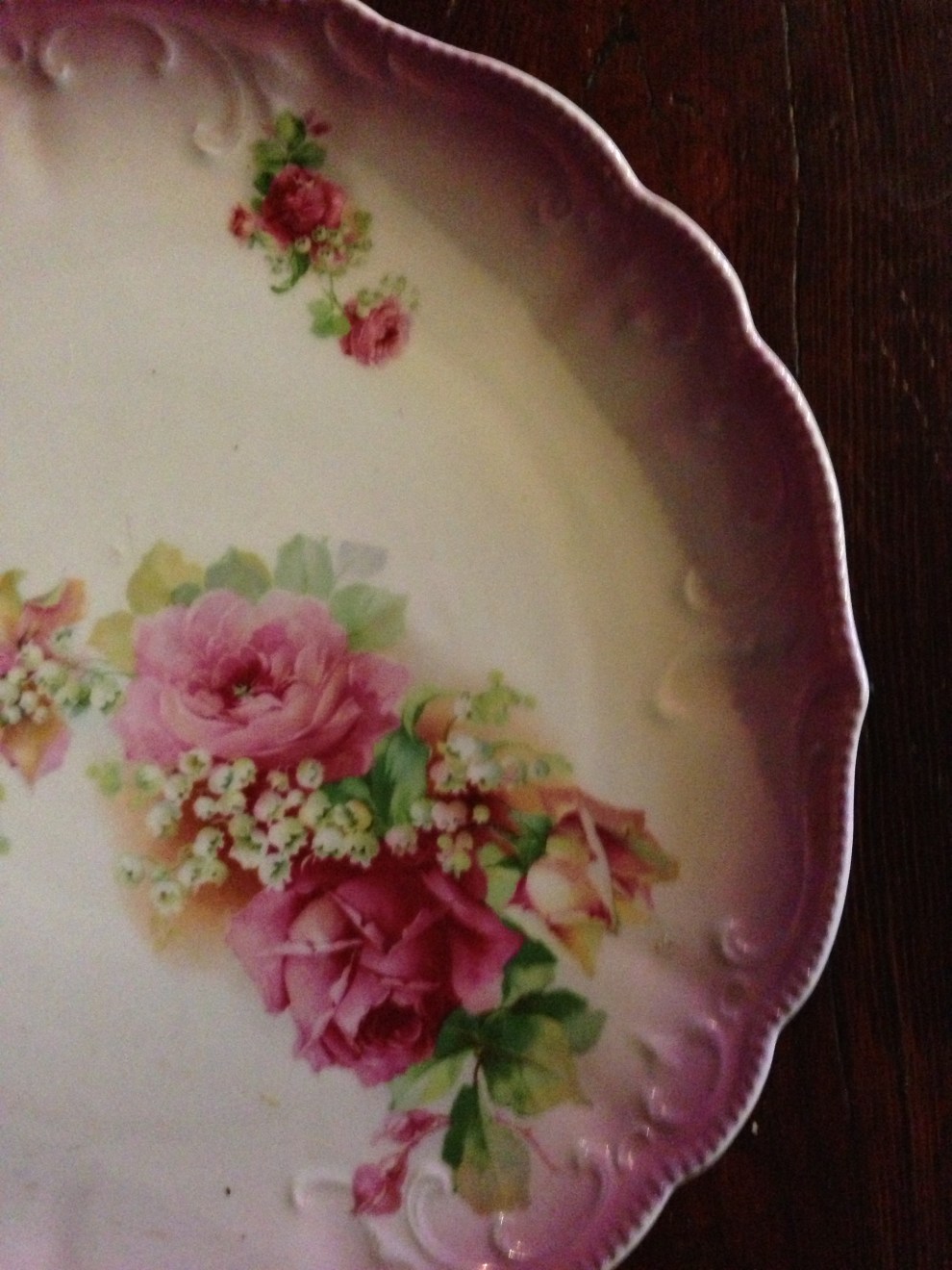
Just a plate.

cake plate

A cake plate. A nice size, a full foot across, embellished by deep pink roses and lilies of the valley.

Just a plate. But a plate belonging to my great-great-grandmother, name of Brown Coats, resident of tiny Greenfield, Tennessee, where she lived with four generations of her family on Main Street.
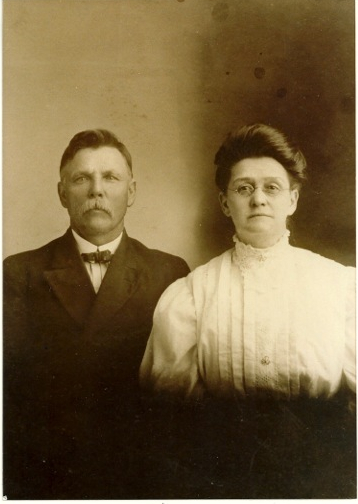
Smaller Brown Coats

Apparently she served cake. But I don’t have a lot more on her than a gentle face in a faded photograph.

Today was a grand opportunity to find out a little bit, if not about Brown herself, then about her cake plate.

The Antiques Roadshow came to Dobbs Ferry – or at least Leigh Keno, one of its two hosts (with his identical twin brother Leslie) and a cohort of appraisers, who tended to a few hundred supplicants in the auditorium of the Greenburgh Hebrew Center. On my way, driving to the place, Sinatra came on the radio with “Bewitched, Bothered and Bewildered.” I began to get in the mood, thinking about all the things that bewitch and bewilder us, all the precious objects seeing the light of day for the first time in a long time and really assuming new identities.

Heirloom Discovery Day attracted people with all sorts of things.

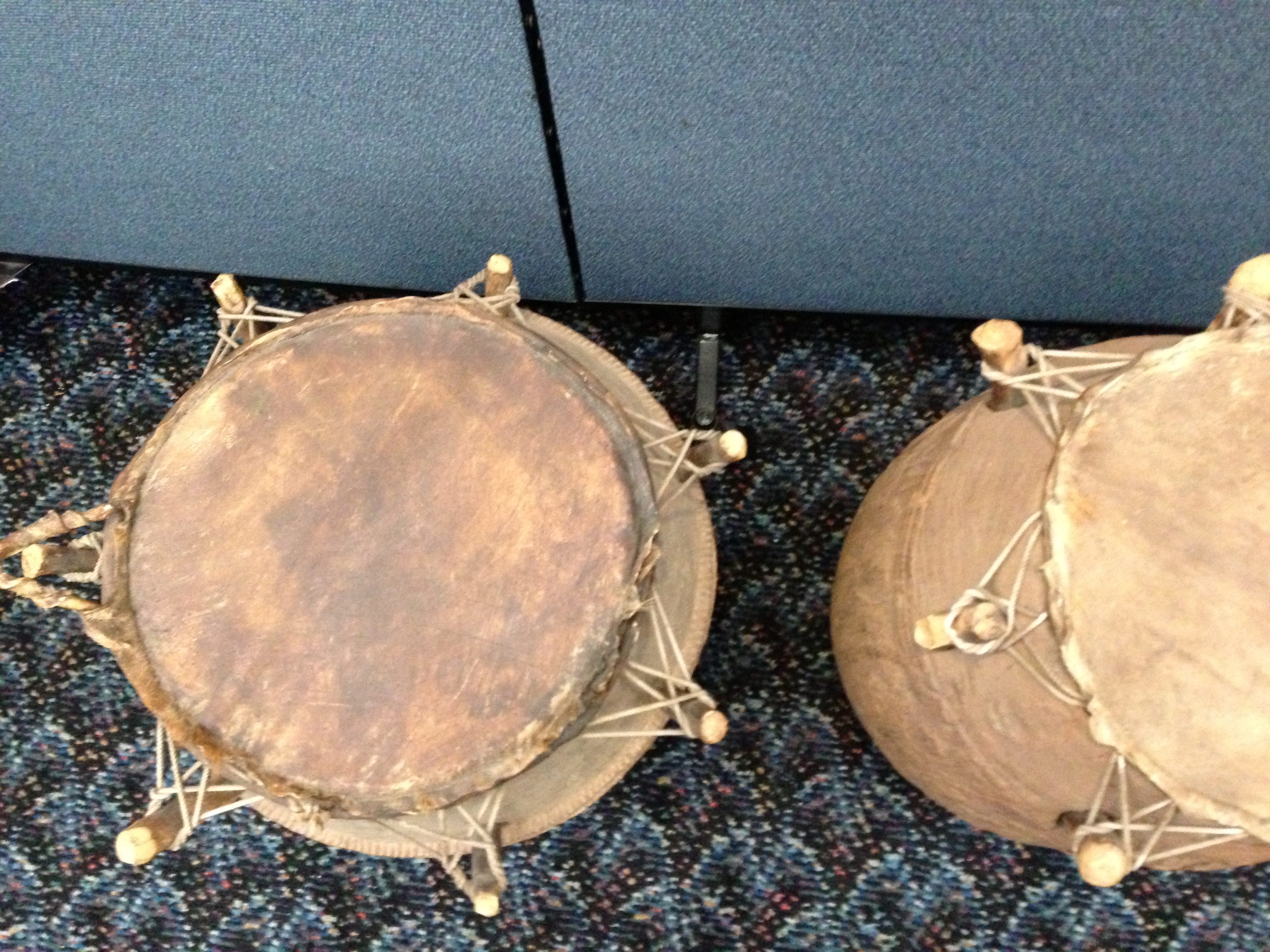
African drums.
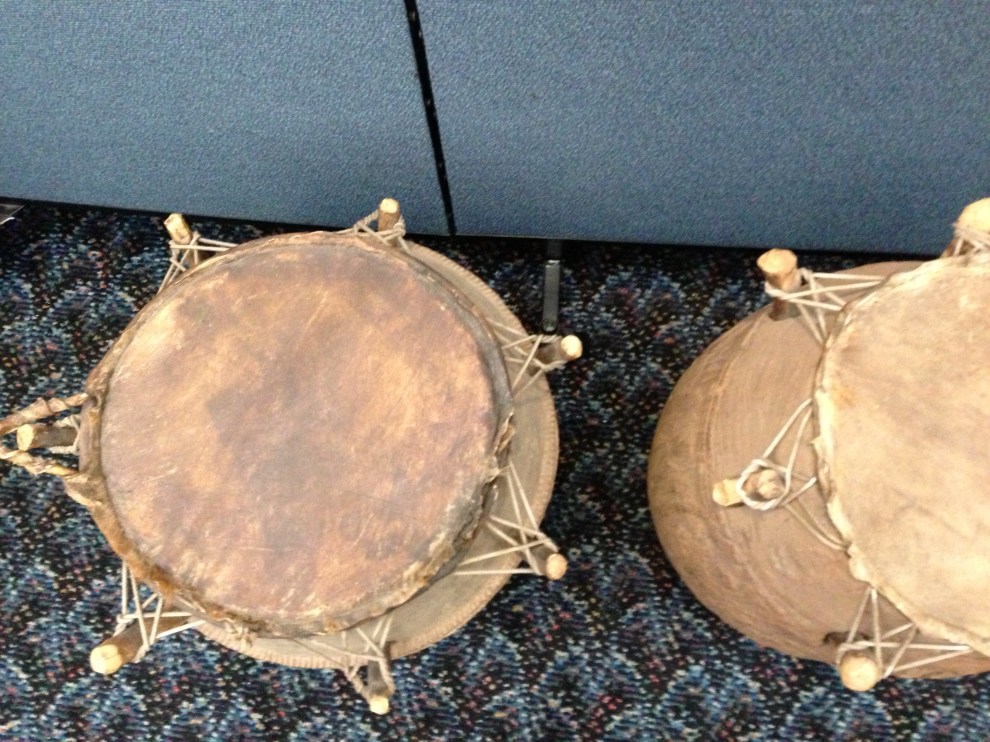
drums

Eastern European silverplate.

silverplate

Large, bad paintings. Tasselled lamps. Elaborate tableware. People looked as if they would wait days for an appraisal, hugging packages of brown paper and bubble wrap to their chests. It wasn’t about the money, but the connection with the past that their attic-lodged belongings gave them. One woman told me about the diaphanous nude woman pictured in the oval frame she toted – her mother hid it in the basement the whole time she was growing up with her five sisters, she said, saying it was “porno,” but now at the age of 75 she claimed she’d posed for it.

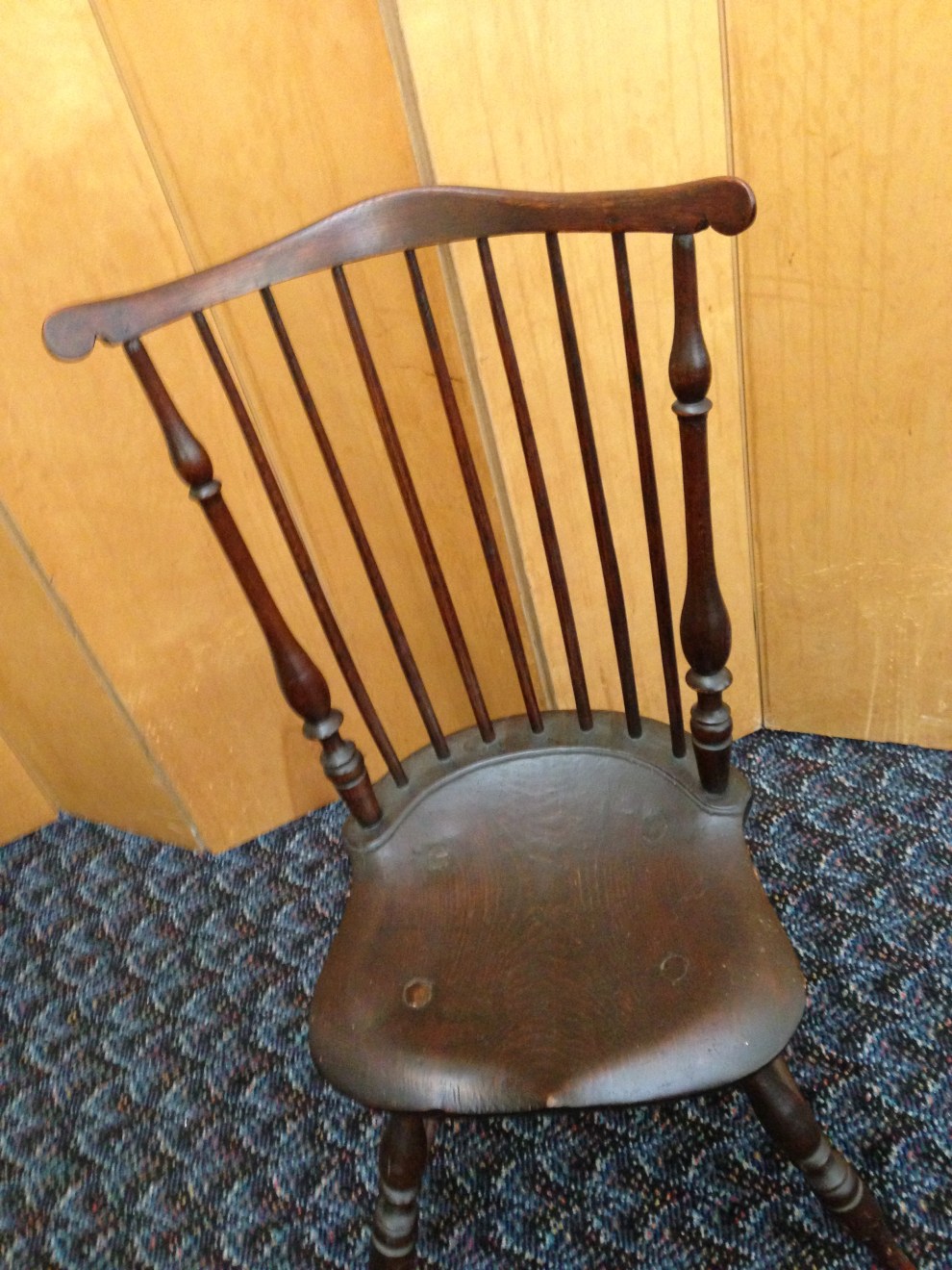
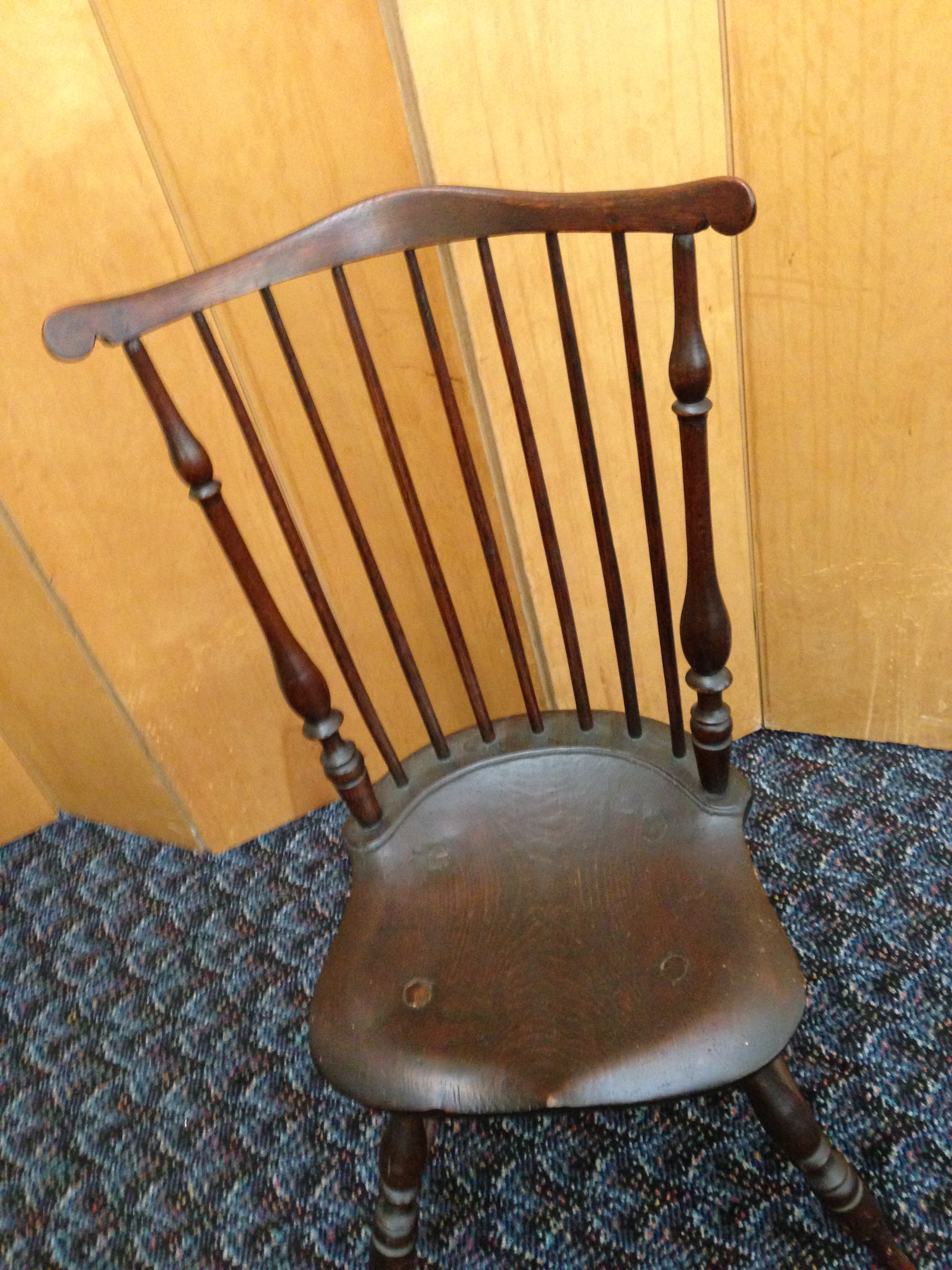
We were just as eager as everyone else. My sister-in-law Suzanne had a Windsor chair and a ceramic jug with a portrait of George Washington on its bulbous face. Her mother had been an antiques dealer. The chair, she always said, was “a good chair.”

She had a lot of similar antiques at home, big and small.
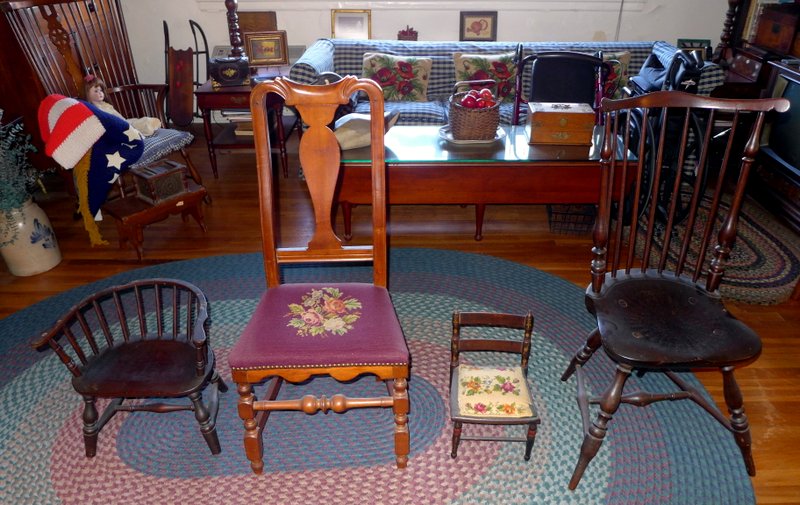
Suzanne's chairs

But how good was the Windsor?

windsor

I had the plate, as I said. My appraiser was kind.

She indicated its hairline cracks that slightly marred the back, though the hand-painted imagery and the curvature of molded scrolls and beaded edge were “very, very sweet.” Austrian, or European, she said, 1870. Originally part of a set that would have included a pitcher, creamer, dessert plates, it now stood alone, a beautiful orphan. It was “not in vogue at the moment,” she said, “not in demand.” It’s too bad, she said, these things fall out of popularity. Worth less than a hundred bucks.

I brought out my next objet.

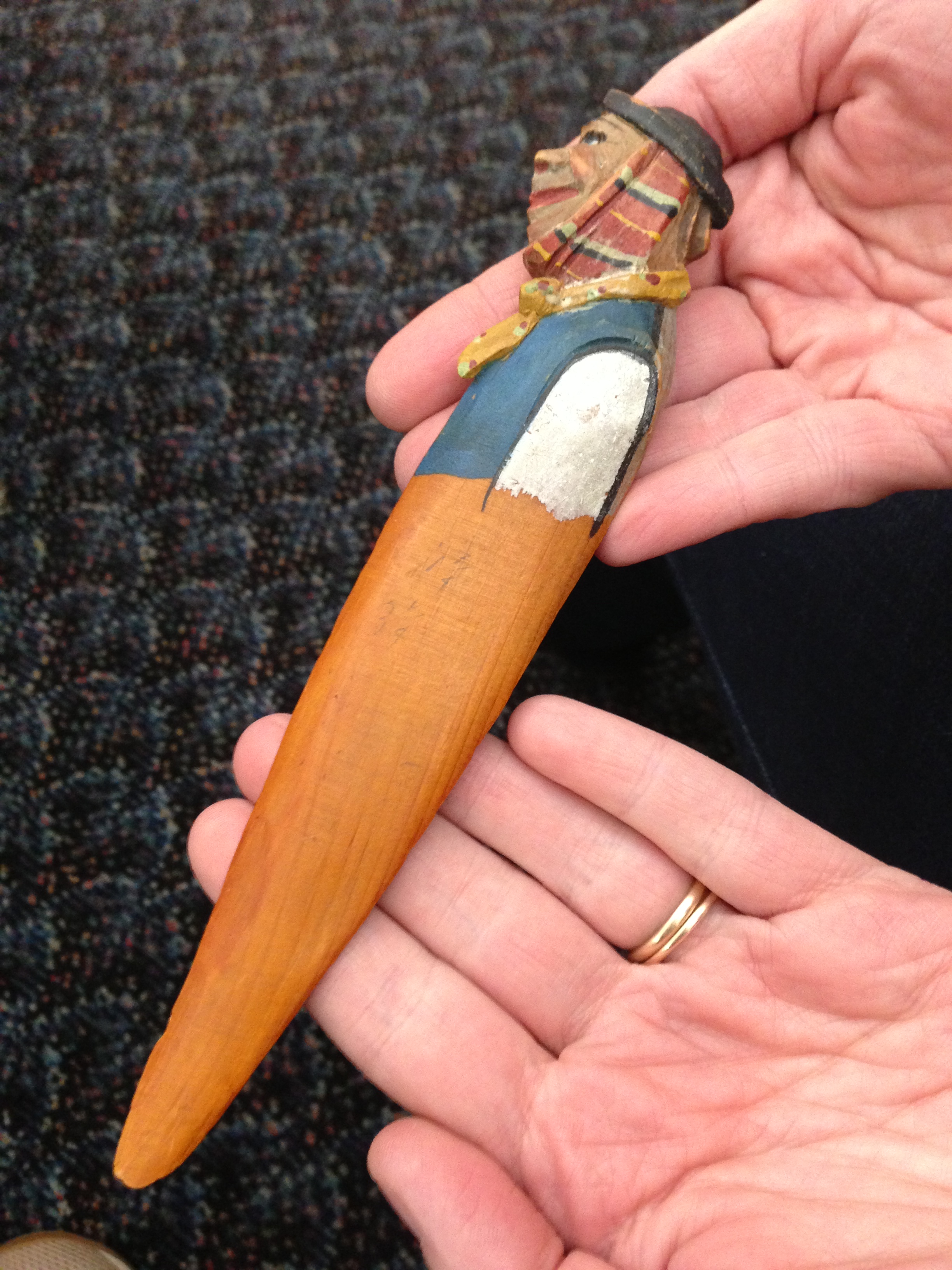
bookmark c-u

It was a “letter opener” that Gil had carried home from Wisconsin, from among his deceased mother’s belongings. I didn’t anticipate my appraiser’s slightly pursed-mouth critique. “Not so sweet,” she said.
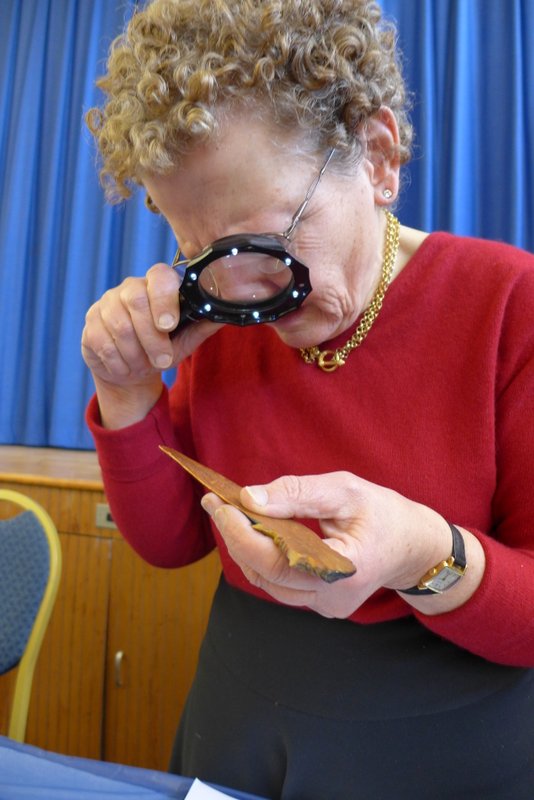
Beth appraising

She examined the reverse with a magnifying glass. The writing, she said, was half Russian, half English – the English part said Bookbinders. Its quaint decoration was a caricature that was not kind to a certain class of people. You could tell from the homely scarves, the humble cap. My father-in-law spent time in Germany in the second world war, I said. Could he have picked it up there? Yes, she said gravely, dating it to the mid-30s. “it’s something they’d been making for many, many years. It mocks peasants,” she said, “especially, you see, because the underclass can’t read, and this is a book mark.”

Well.

It was time for Keno and perhaps a less awkward meet and greet. Friendly and urbane, he ruefully explained his allergies to metals and to news clippings, “if you can imagine.” He turned over the Liverpool creamware jug in his hands, neatly dissecting its good qualities and its flaws. The Windsor chair it took him about 20 seconds to date to 1785 Massachusetts. Hickory, pine and maple gave it its delicate lines. The chair and the jug were “the two neatest things I’ve seen so far,” he told us. Hooray.

Then came the puzzle.
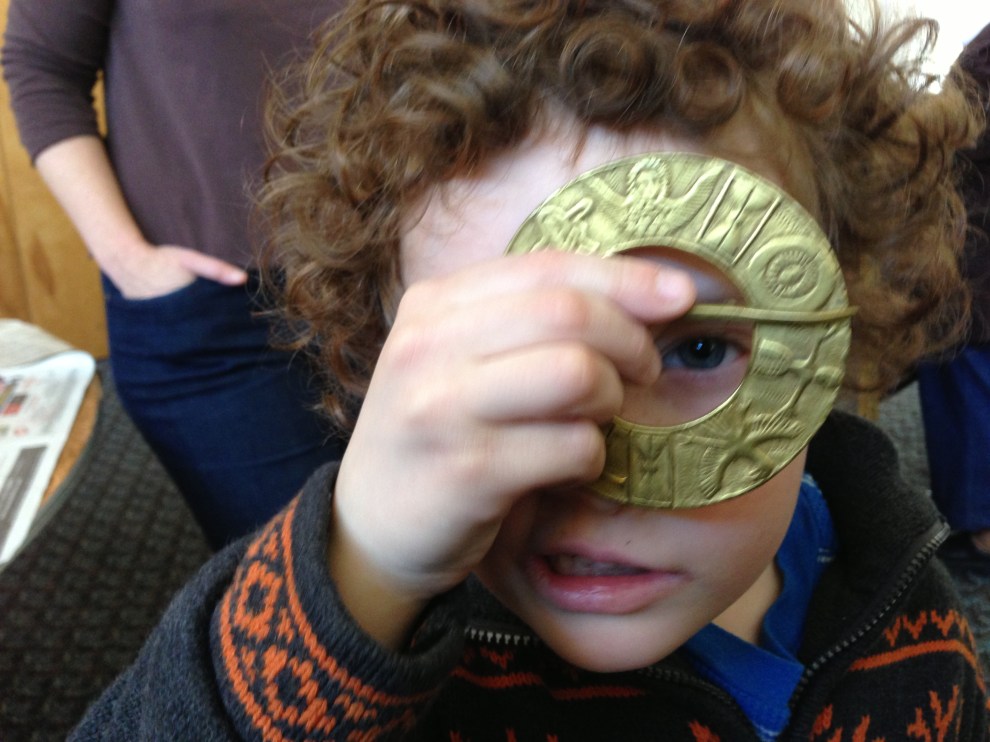
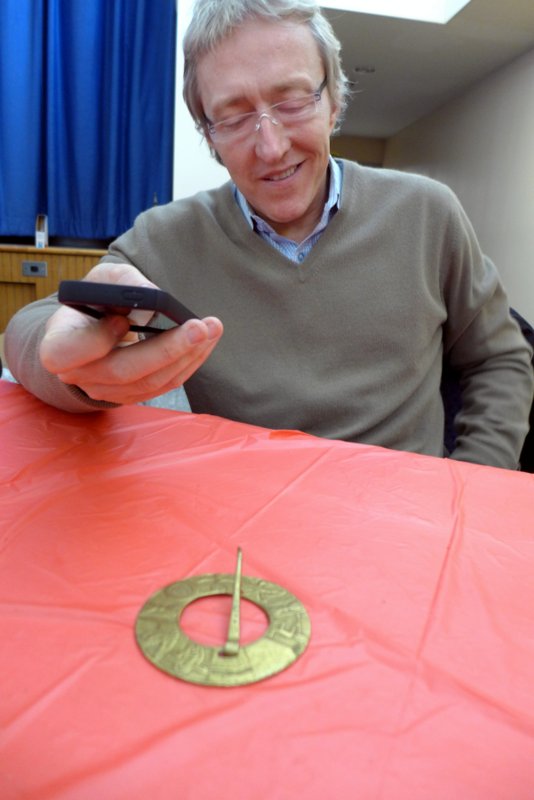
Jasper w buckle

What, we wondered, was the provenance of the gold buckle with runic inscriptions all over its back and front? It already made a good monocle, according to Jasper. “That’s a baffler,” Keno said, getting out his magnifier, bending his blond head over the buckle, attempting to read the words, turning it to all sides to catch the light and generally fidgeting with excitement.

Keno appraising

It’s either a modern fake, he said, or it originated in the 17th century, in which case it would be a very exciting find. He would do some sleuthing, he promised.
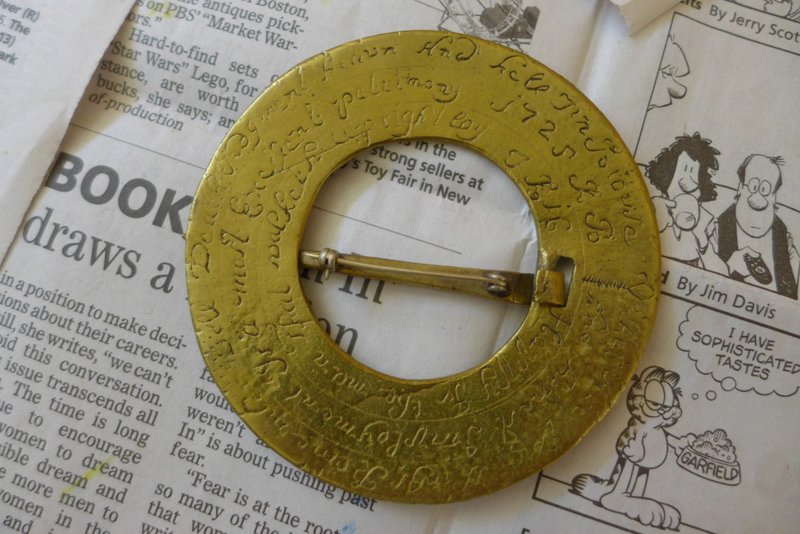
buckle

I can’t wait to hear the origin of this buckle. Somehow I think it’s really an amulet of some kind, you hold it up and can fly through the hole, through history.

We joined the antique lovers trooping out of the building.

“Was it worth any money?” one called out to another.

“We still have to keep our day jobs,” jested the one with the bulky package.

Even if there were a fortune in it, in a plate, in a painting, in a chair, in an amulet-buckle, we don’t want to part with it anyway. Not for all the money there is.
6 Comments

Filed under History, Home, Jean Zimmerman

Blips of Wonderment

They were small moments of wonderment, as befits a small person. A sheltered life. Still, sudden blips bubbled up from within my romantic child mind, bouts of vague yet powerful curiosity that would seize me out of the blue. There were times when I was sure that some day I would understand the things that mystified me now. That one day I might even write about them. These are a handful of those moments.
Sitting on the stair landing of my quiet home at night, looking out the window to the quiet street, a pool of light beneath the lamppost, and needing to know what went on beyond that quiet. Wondering about the world.
Watching the wind-blown leaves of the oak in the center of our yard, standing in the kitchen,the thought consciously occuring to me, I Am Myself, and wondering about the world.

Checking out the newspaper, black squiggles on white, the landscape of adulthood that as yet made no sense to me, and wondering about the world.

Jumping in fall leaves with my neighbor-friend, then remembering the scratchiness of those leaves later, when he died at 16, and wondering about the world.

Chugging up a Swiss mountain trail through herds of belled cows to see a tiny jeweled village below, and wondering about the world.

Lying on the living room couch after school, lost in “Will You Love Me Tomorrow,” and wondering about the world.

Watching a teacher hold a boy by the hair and kick him for punishment, and wondering about the world.

A dry, awkward first kiss from a kid when I was 13, thinking hmmn, and wondering about the world.

Sewing a flannel nightgown for myself, by myself, and wondering about the world.

Feeling the heat of Marjorie Morningstar, of all things, and wondering about the world.

Driving on the highway to Baltimore, curled in the backseat, gazing out the window at the headlights of the trucks barreling towards us, asking myself where they were headed, and wondering about the world.

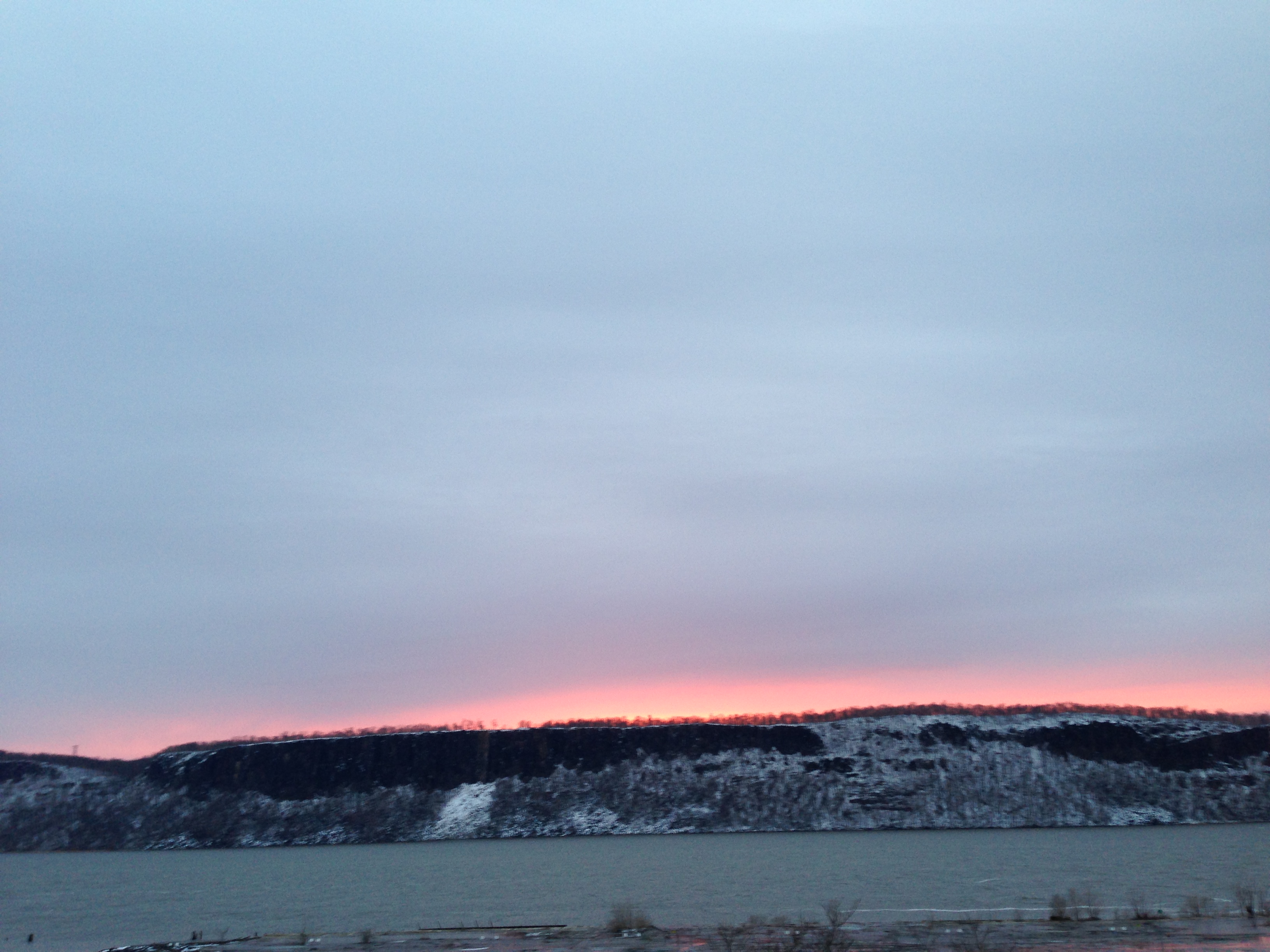
Taking the train along the Hudson and feeling certain that the world did not hold another river as beautiful. Something I  knew for certain, beyond all blips of curiosity or wonderment, then as I do today.

Hudson sunset

5 Comments

Filed under History, Home, Jean Zimmerman, Writing