Category Archives: History

R.H. Macy’s Tattoo

We’ve arrived at Macy’s Herald Square to test out the mattresses. Outside in the rain, some typical New Yorkers loiter, including a beautiful bald woman in a gold lame miniskirt with scarification marks across her cheek. The aisles are thronged; New Yorkers love bargains and today is a big January sale day. Elevator up to the ninth floor, hike all the way down the way to the proper department, and beneath our feet the floor changes to deep, wide, richly varnished old boards. We have the space to ourselves, it seems, and the space around us here under the roof is high-ceilinged and grand.

The bed salesman deftly sells us on a Sealy at the same time as he clues us in to some Macy’s history. The founder, he tells us, Rowland H. Macy, was run out of Boston after a series of failed stores, then set up shop in 1858 in Manhattan in a brownstone on 14th Street and 6th Avenue with a dry goods store selling stockings, shoes and gloves, necessities of the time in New York City.

macy's shoes

No gold lame skirts at that point. First-day sales totaled $11.06. The eventual retail giant grew, in 1902 opening up at 34th Street and spreading to the full block it still occupies. The polished wood I hiked along was thronged with the ghosts of that time, when the flagship was so far uptown that it had to import downtown ladies and gentlemen via steam wagonette to get there. (Customers also rode the wooden escalators, vestigial early technology that appears unaccountably elegant to me today.) This picture dates to 1907.

Macy's 1907

That red star you see in all the store’s merchandising? That’s been in use from the beginning, a replica of R.H. Macy’s tattoo, a souvenir between the thumb and forefinger of his right hand from when he worked on a Nantucket whaling ship at the age of 15. A faded Harlem wall sign more than a hundred years old shows it still.

macys.redstar

We came away from 34th Street with a little history and a decent bed for a young woman who is about to move into her first New York City apartment.

2 Comments

Filed under Art, Culture, Fashion, History, Home, Jean Zimmerman, Photography

Doppelgänger Photos

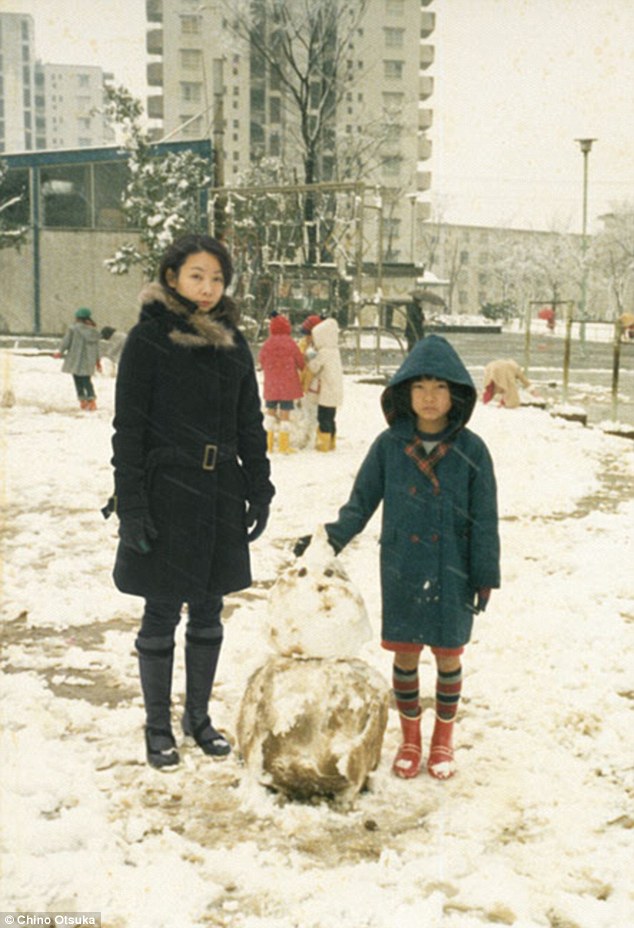
“The digital process becomes a tool, almost like a time machine as I’m embarking on the journey to where I once belonged and at the same time becoming a tourist in my own history.” So says Tokyo-born, London-based photographer Chino Otsuka. She created an evocative series of images called Imagine Finding Me in which she digitally inserted the grown-up version of herself into scenes of her childhood. I find the work eerie, dreamlike, and immensely affecting. I can only imagine creating some form of this with my own image. It might be like they say about a doppelganger – your meet yours and you both explode. More of Otsuka’s photos can be seen here; what follows are just a few.

Paris

1982 and 2005, Paris, France.

Beach 2

1976 and 2005, Kamakura, Japan.

Spain

1975 and 2005, Spain.

Japan snowman

1980 and 2009, Nagayama, Japan.

Leave a comment

Filed under Art, Culture, History, Home, Jean Zimmerman, Photography

Bread and Circuses

In the summer of 1977 I ran away to join the circus. I didn’t have to run too far–it was located in New York City, my back yard, where I went to college. The Big Apple Circus was just being born, and I served as a lowly gal friday for the new entity, first in its office in SoHo and later, when the tent went up, at the circus itself, at Battery Park, the lower west side of Manhattan, on a desolate, gritty stretch of landfill in the shadow of the World Trade Towers. Not a circus person, not an acrobat or a performer of any kind – an aspiring writer who did more dreaming than writing – I found myself in awe of the charismatic, enterprising young men who ran the enterprise, Paul Binder and Michael Christensen, street performers just back from doing their ultracool juggling act in Paris.

Paul Binder:Michael Christensen

That July 18, we opened the one-ring, European-style circus with its old-fashioned green canvas big top. No animals, just clowns and tumblers, people I watched balance and jump and stretch as they rehearsed, sweating in the hot early summer weather, some of them street kids seemingly made out of elastic, recruited from some of the less tony precincts of New York.

first tent

I would turn twenty the day after the circus opened. I remember selling tickets out of the office/trailer a stone’s throw from the tent alongside an intense, frizzy-haired kid who taught me the meaning of the term Ashkenazi. Funny the things you recall learning at odd times in your life. The Battery was a magical place to be. Dusk would fall, the hazy sun setting red over New Jersey, shadows would stretch across the landfill, and we would be waiting there, just hoping for an audience for the evening performance.

Earlier, a peak experience came when I somehow got assigned to hop into the cab of the rig that drove into town to deliver the gigantic tent. As I tried to guide the truck around the curve of the Battery to the circus entrance we bumped up over the median with a lurch, and I’m not sure that we didn’t crush it. Oops, don’t send the writer out to get technical with an 18-wheeler.

I came upon these turn of the century circus photos by F.W. Glasier, a commercial photographer in Brockton, Mass., who shot promotional photos of the various circuses that came through town over the years, and I was reminded of that time in the late 1970s when one small-town circus was in its infancy.

Here are strongwomen from 1904.

strongwoman1904

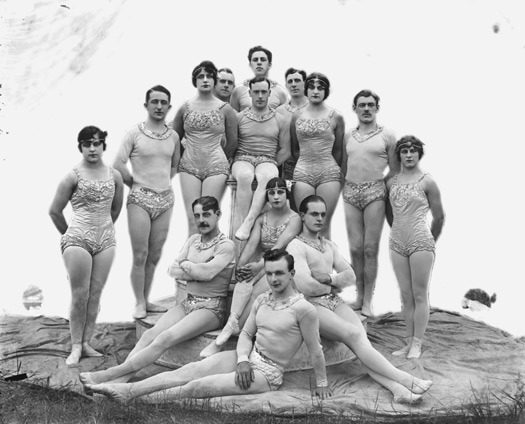
A troupe of performers in 1906.

troupe 1906

1907 trapeze work.

Trapeze 1907

A snake handler working it in 1901.

snake1901

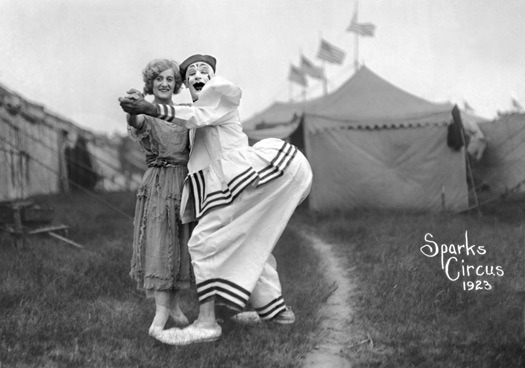
The raw energy of clowning.

sparks

A mistress of the wire.

wire 1908

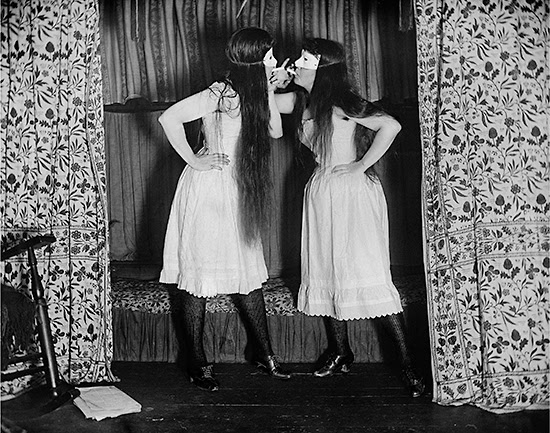
And, from the 1920s, circus twins who look to me like they have the world on a string.

twins 1920s1

Leave a comment

Filed under Culture, History, Home, Jean Zimmerman, Photography, Writers, Writing

Long Winter’s Nap

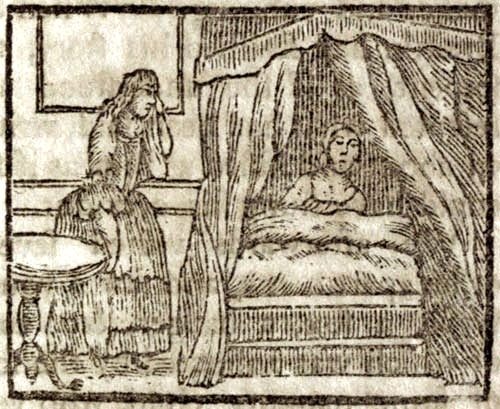
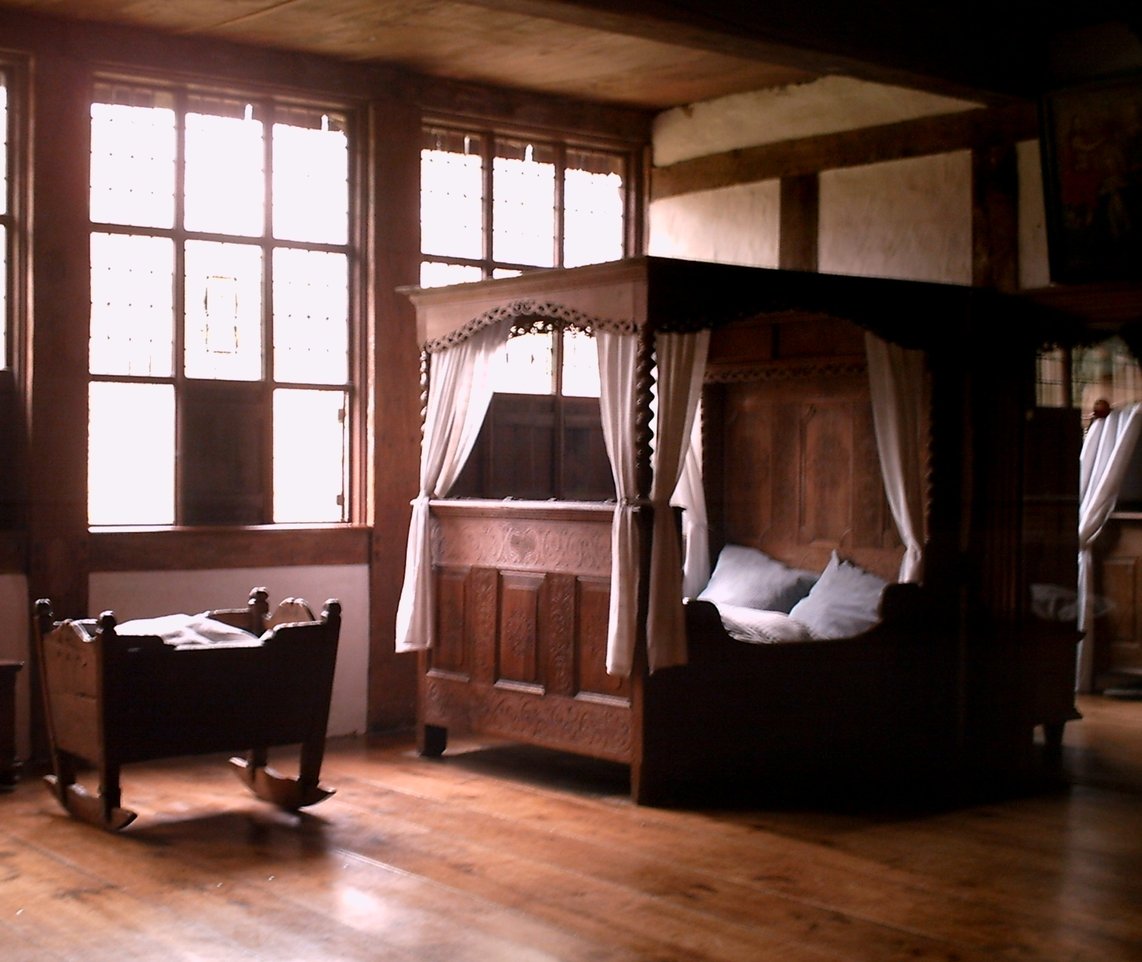
I’ve taken the polar express right upstairs to my bedroom, since my downstairs office is a good 15 degrees colder. Computer, books, coffee, check. The only thing I lack here is a canopy bed such as the kind they built during the middle ages.

medieval block print

Long curtains to pull around the sides kept you cozy.

DV IMAGE

Sleeping might not have been so comfortable today as it involved straw-stuffed, weevil-engorged mattresses. But it was better, I think, than earlier, when the Romans laid themselves out on planks.

Roman Beds

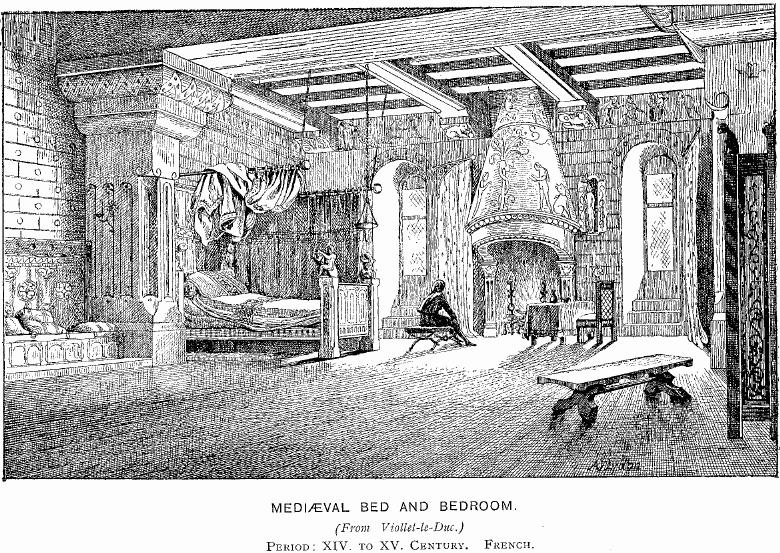
Especially for the wealthier sort in the Middle Ages, drapery offered privacy. Nice when servants and even livestock slept in the same great hall as you did.

med bed and bedroom

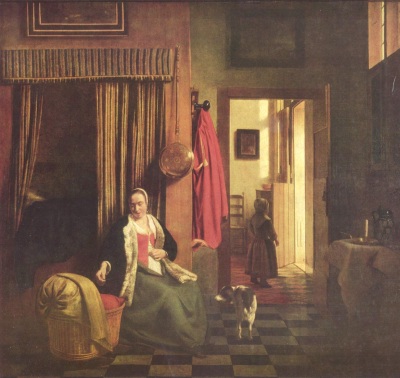
I’ve always liked the Dutch version of the canopy, which often appears in Golden Age art with a cradle right near by.

Woman cradle de Hooch

And often a dog. Here there’s also an idea I’d like to bring back tonight, a warming pan into which you place hot coals, then swish it fast between your sheets before you slide between them.

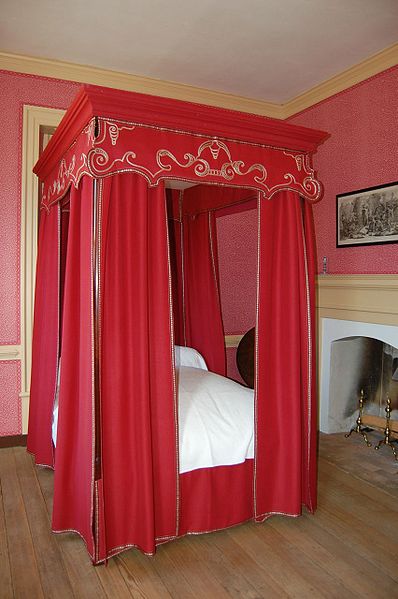
I’ve frequently been tempted  to crawl right in to a bedstead in Colonial museum or historic house. Especially nice is the idea of a blazing fire right nearby.

colonial williamsburg canopy bed

I could hide. Pull the brocade, stay quiet and nobody would find me.

1800 New England bed w curtains and valance

Though they might hear me swiffing the warming pan around.

Van Cortlandt House bed

Wait until spring comes, yank back the curtains, roll out. A survivor of the cold snap of 2014.

2 Comments

Filed under Art, Culture, Dogs, History, Home, Jean Zimmerman, Nature, Writers, Writing

The Hearth of the Matter

Oh, why am I out, seeking sushi sustenance, on the coldest day of the year?

Because I have a touch of cabin fever, and because Maud all but forcibly pulled me out, plunked me on my scooter, and got me to a hot bowl of miso soup at Okinawa nearby.

miso

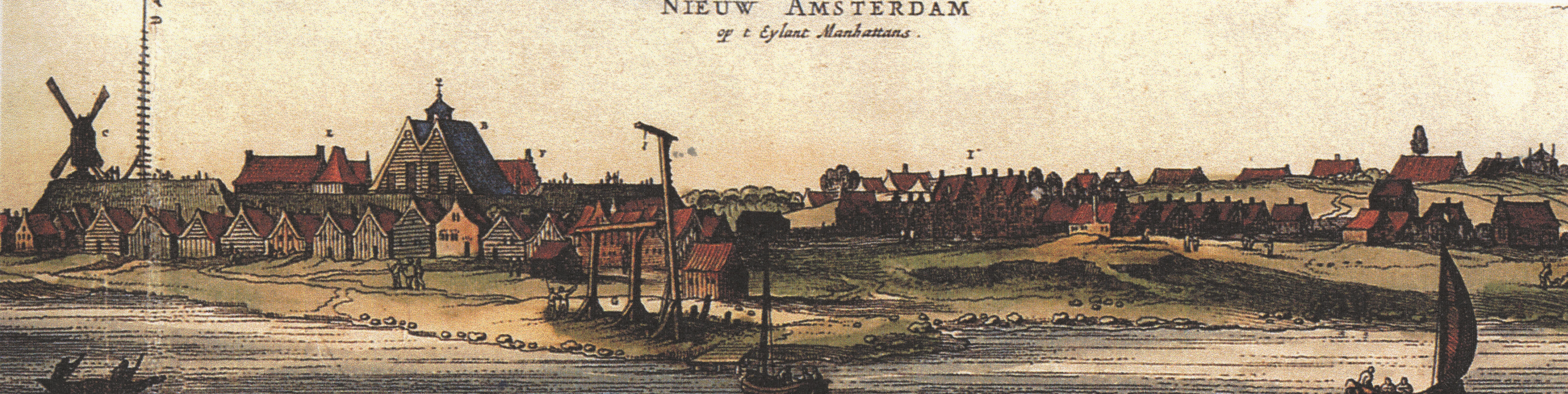
Living in the Cabin, even with central heating, we spend a lot of time in front of a fire stoked with very good hardwood. I can’t help but imagine the hearths of the past when New York was Dutch, when New Amsterdam was 15 streets and 2,000 residents. When a fire was the only heat source in a long, bitter winter.

1  1655 Manhattan View

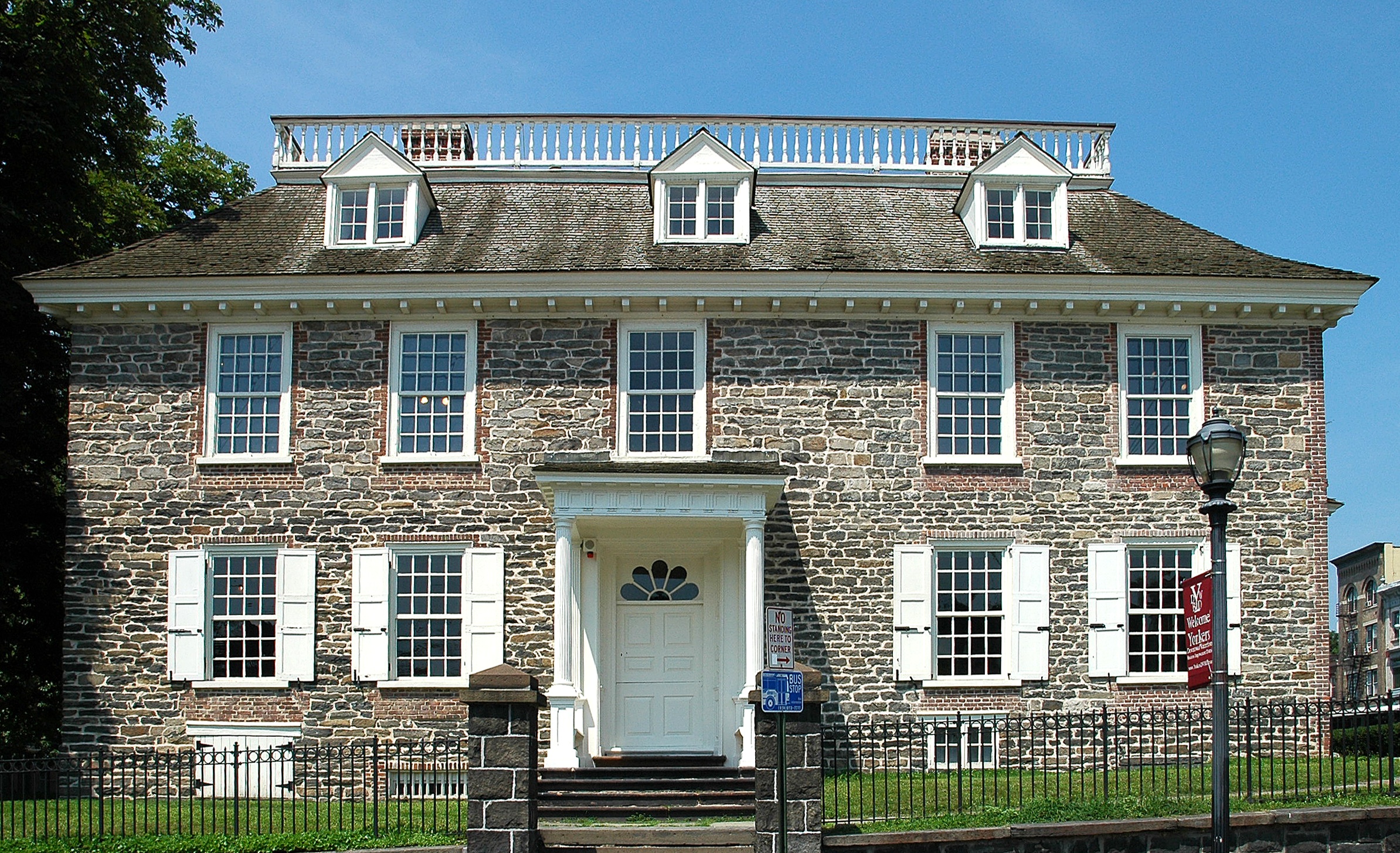
Not much remains of that era’s built environment. But one impressive hearth specimen remains from the 1680s, twenty miles up the Hudson from Manhattan in Yonkers, New York. Now known as Philipse Manor Hall, it was then the house  Margaret Hardenbroeck built. I wrote about her, her female descendants and her home, constructed of coursed rubblestone masonry in the then-wilderness, for my history The Women of the House. Hardenbroeck and her husband Frederick Philipse had negotiated for tens of thousands of acres with the local Lenape Indians.

17  PMH South Facade

In her new home’s first-flour room — seen here to the left — with its corner view of the river and the majestic Palisades, she installed a fireplace of bricks held together by plaster fortified with horsehair. It was huge, designed in the style of fireplaces of the day, so big a person could duck inside and see the clear cobalt heavens through the brick-framed top. A tongue of flagstone extended into the room, providing a generous space to prepare meals. A slightly more genteel version of her hearth can be seen at New York’s Van Cortlandt House– the oldest house in the Bronx — built some years later, in 1748.

van cortlandt house, nyc

Despite the heat that must have escaped up the chimney, the occupants of Hardenbroeck’s house, out in the woods, all by themselves, with no neighbors, no local tavern, no welcoming church, would surely stay warm.

How do you think the Dutch in America survived the cold winters? I asked Maud as we tucked into hot coffee.

Maud sips

They wore plenty of furs, she said.

Right. It didn’t hurt that Hardenbroeck made her living as a fur trader – one of the most successful of the age. This could be a likeness of her engaging in her business, beaver hat set squarely on her head.

1643NieuAmSlave

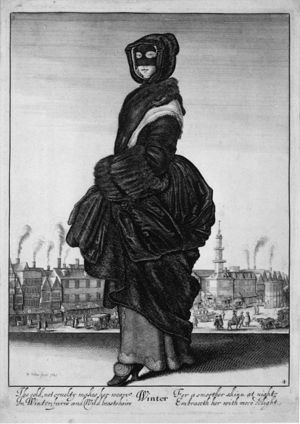
She traveled from the island of Manhattan up the Hudson to Albany to acquire beaver pelts from Native American trappers and returned south to ship the furs off to Holland, sometimes traveling on board to keep an eye on her merchandise. She made a fortune, more than enough to build her solid Yonkers pied a terre and to clothe herself in furs as well. She was a crack businesswoman and I always liked to see her signature at the bottom of contracts.11 Margarets SignatureShe could definitely drape herself in all the furs she wanted to, like this well-cloaked London fashionista from the era, portrayed by Wenceslas Hollar. The mask is to keep her complexion fresh.

sun-expelling-mask

Something odd struck me about Hardenbroeck’s fireplace when I first saw it. Most Dutch hearths have a decorative surround of Delft tiles.

Delft Tile 15

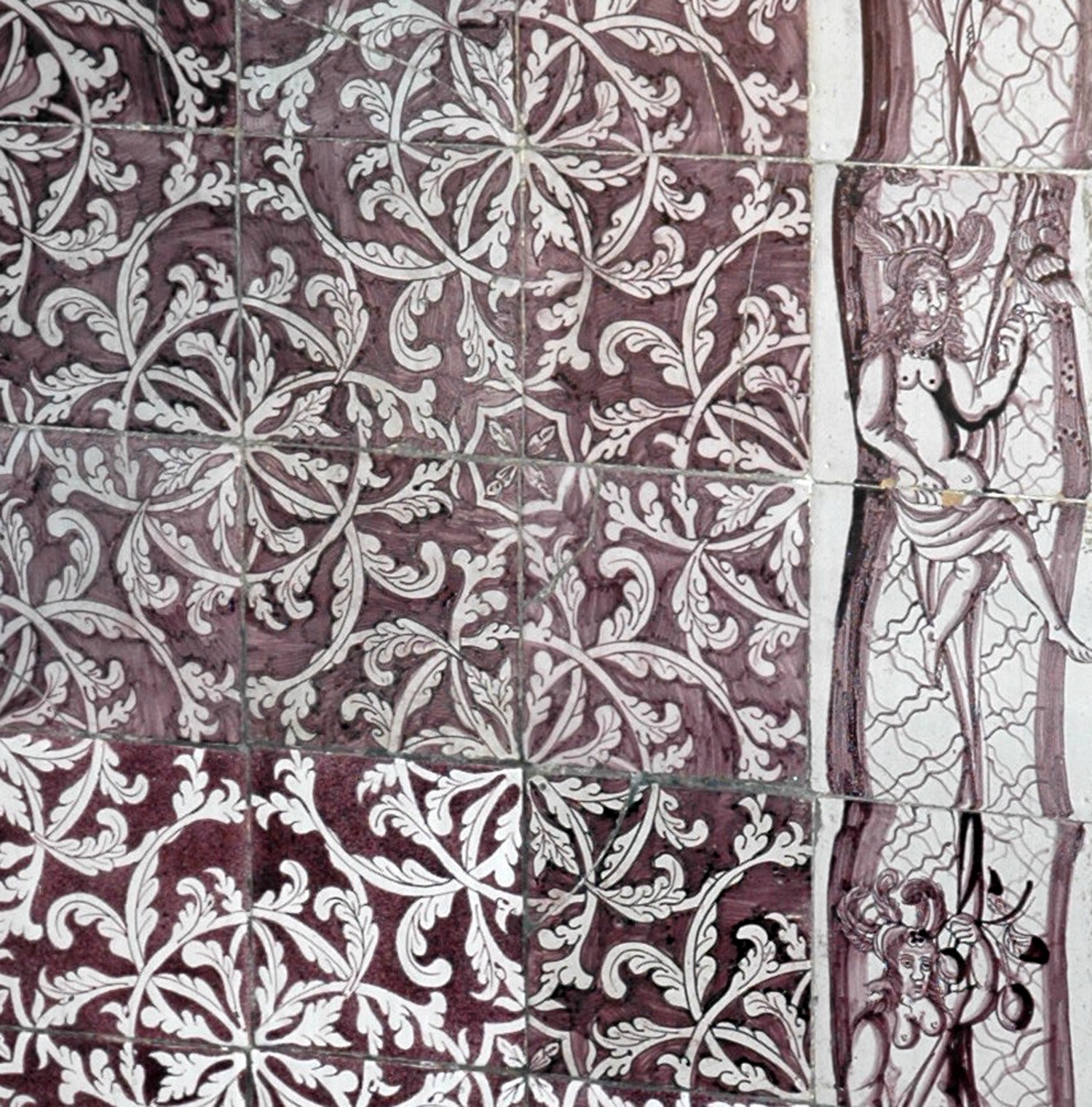
Staid Dutch burghers usually employed tilework in pure white or sober biblical allegories in safe shades of blue. Hardenbroeck’s, on the other hand, was framed by painted tiles that she might have found especially chic, with exotic pictures in a stylish minor-key tint called manganese that resembled the magenta-blue-brown of a fading bruise. Off shades called “sad” persisted as high fashion in the clothes of this period, denoting not necessarily gray or black but muddier earth tones, whether russet, plummy red, or the golden brown called ‘tawney.’ Even some pewter plates received the descriptor “sad-colored.”

Hardenbroeck chose a theme  with some Delft craftman’s cracked vision of the wilden of the New World: heavy-lidded hermaphrodites frolicking on animal feet, breasts bulging, carrying fruits that resembled ripe melons and accompanied by old-style griffins. These images reflected the era, which paired intensive high-seas exploration and scientific curiosity with tenacious ancient beliefs in monsters.

PMH Fireplace Tile

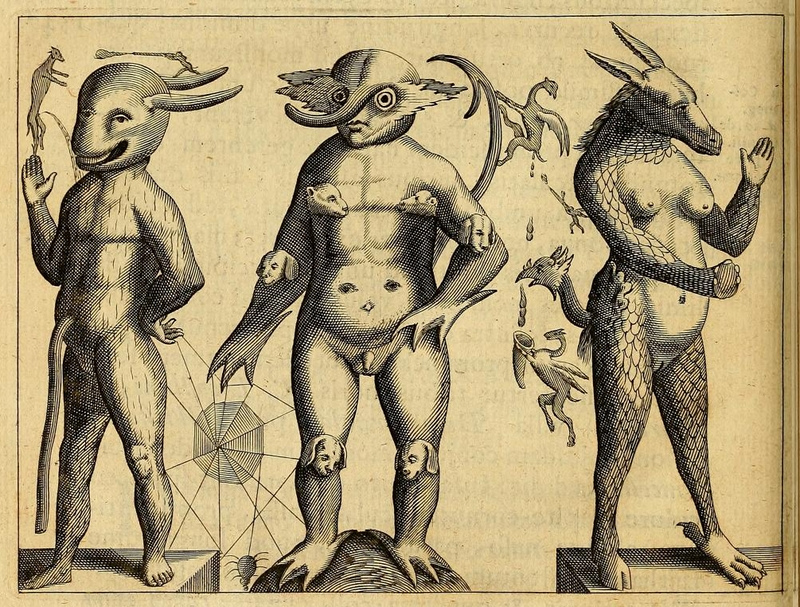
Artists and writers without firsthand knowledge of lands abroad still portrayed the scenery of America as crowded with Cyclopes and unicorns and other odd beasts, like those of Fortunio Liceti, who was sharing his creations with the world at around the same time.

1

The fanciful renderings on Hardenbroeck’s hearth tiles offer an ironic counterpoint to the house’s site, centered among the ghosts of ancient native villages whose all-too human inhabitants had perished of fevers, plagues and violence. New Amsterdam, where Hardenbroeck spent most of her time, was relatively cosmopolitan – for America. These were people, not only Dutch but a range of nationalities, who had braved all sorts of dangers to settle here, and now they lived clustered together in relative safety. They even bartered and socialized with the local Indians, when they weren’t making war on them.

But did the fur trader’s hearth fires keep her warm against the seventeenth century equivalent of our polar vortex? We have to assume they did. Folksy colonial historian Alice Morse Earle quoted a poem in one of her many books about the Dutch in Manhattan.

Shut in from all the world about,

We sat at the clean-winged hearth about,

Content to let the north wind roar

In baffled rage at pane and door,

While the red logs before us beat

The frost-line back with tropic heat;

And ever, when a louder blast

Shook beam and rafter as it passed,

The merrier up its roaring draught

The great throat of the chimney laughed,

The house dog on his paws outspread

Laid to the fire his drowsy head…

Hardenbroeck kept her up-river lodgings until her death in 1691, at the age of 54, and the house stayed in the family for a century after that, until the loyalist Philipses were driven off their estate after the Revolution, back to England. Hardenbroeck used the house at Yonkers throughout her career-intensive years as a stopover on her way to and from the fur fair at Albany, storing goods in a dry, paved cellar, no doubt happy to warm her hands by a blazing fire for a couple of days en route.

The sushi has arrived.

sushi

Cold fish on a cold day, how nice. We are fond of our fresh fish, here along the Hudson in the winter of 2014. No doubt, the Dutch denizens of New York also appreciated their seafood more than 300 years ago. After all, the harbor at New Amsterdam was stocked with foot-long oysters.

Jakob_Gillig_-_Freshwater_Fish

1 Comment

Filed under Art, Cooking, Culture, Dogs, Fashion, History, Home, Jean Zimmerman, Nature, Writers, Writing

Oddities of Nature Circa 1665

I’ve been thinking about oddities of nature, feral children and other beings that have captured peoples’ imagination over time. I came across some illustrations by an artist who really delved into the what ifs of human and animal existence.

1

Fortunio Liceti published De Monstris in 1665. He held a doctorate in philosophy and medicine and was widely published. Galileo, a friend, once loaned him money.

2

His drawings depicted monstrosities in nature, and apparently inspired widespread interest in what ifs: mermaids, pygmies and other marvels of the natural world. What I like is that it seemed in that early time as though anything was possible. People could grow arms out of their necks.

3

The Public Domain Review offers quite a few of these marvels for your perusal. Here is a taste.

4

2 Comments

Filed under Art, Culture, History, Jean Zimmerman, Nature

When Fifth Avenue Was Quiet

I like to think sometimes about what Manhattan was like in middle of the nineteenth century. Especially the upper East side, upper Fifth Avenue, the venue for my book Savage Girl. It fascinates me because it is so different than our image of New York. The environs were almost completely undeveloped.

In 1842, James Renwick designed the gargantuan Croton Reservoir (also referred to as the Murray Hilll Distributing Reservoir) at 42nd Street. It was far from the center of town. He ran a promenade along the top rim of its forty-one- and-a-half foot high slanted walls. The walkway became a hit society destination. You could get an ice cream afterward across the street at Croton Cottage.

currier-ives-print-of-croton-reservoir

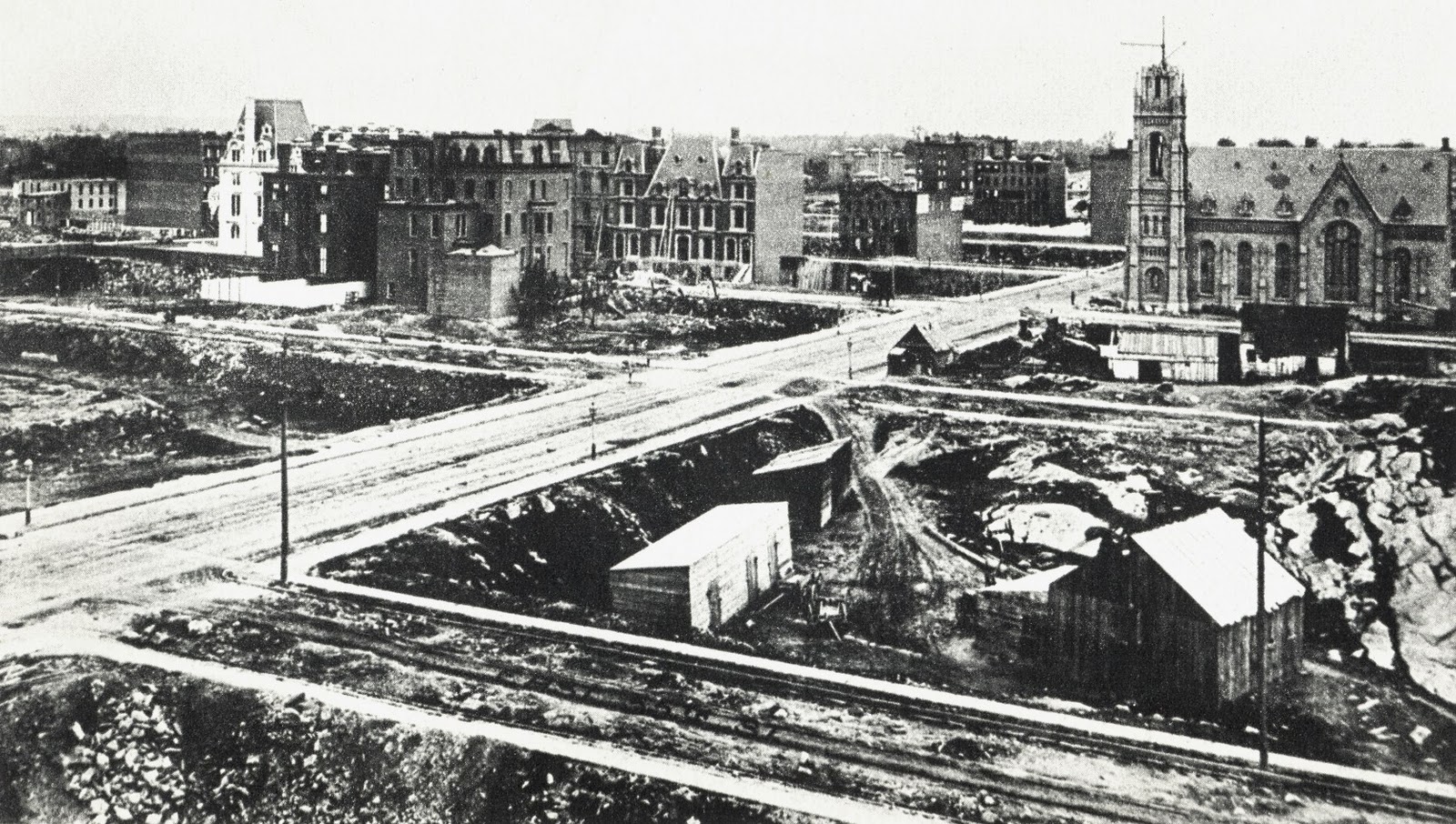
North of the reservoir stretched the undeveloped city. If you look at a picture made in 1863,  facing south from the site of what would become Central Park, you can see the still-pastoral nature of uptown.

valentines-manuel-1858-5-ave-s-from-63-st

Fifth Avenue, to the left, heads determinedly north, flanked by buildings in its lower reaches but by nothing but fields and cattle farther up. A few homes dot the landscape, but more dominant are the ungainly freestanding charitable institutions that would not be accommodated farther downtown. You can see the massive shapes of St. Luke’s Hospital, between 54th and 55th Streets, and the unfortunately named Deaf and Dumb Asylum. Behind St. Luke’s stands the Colored Orphan Asylum, which was attacked in the horrific week-long Draft Riots of 1863 (five years after this image was made). Saint Patrick’s, the landmark we associate with midtown Fifth Avenue, was not begun until 1858.

To give an idea what the surroundings were like, consider Madison Avenue, a block over from Fifth, as it made its way north from 55th Street around this time.

ne from mad and 55

A thirty-acre farm owned by the prosperous Lenox family dominated the neighborhood, with a stolid white tenant farmhouse located between 71 and 72 near Fifth Avenue. Cows grazed nearby and market crops grew in rows. Lying on the outskirts of town this far north were slaughterhouses, stockyards and tanneries, enterprises fashionable downtown folks did not want near their homes. The Lenox Library, a handsome block-long structure designed by star-architect Richard Morris Hunt, went up in 1875 at Fifth Avenue and 71st Street, an outpost of civilization.

As of 1865, the city was moving uptown, but slowly.

NYC1865

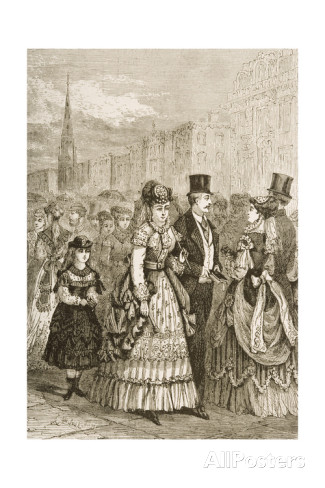
New Yorkers took the air on Fifth Avenue, promenading as always with vigor. The Easter Parade was only one opportunity to admire and be admired.

1870 fifth-avenue-new-york-in-c-1870-from-american-pictures-published-by-the-religious-tract

But while the uppertens (upper ten percent) of New York built their urban villas and stolid brownstones to the south, wide open stretches of the boulevard north of 60th Street still seemed off limits for luxury development. At the time of Savage Girl, more than 340 private residences had been constructed up to 59th Street but none above.

The lack of elegant homes didn’t mean people didn’t live there. Those precincts had long been settled by African Americans and German and Irish squatters who occupied shanty towns where the principle businesses were bone boiling, glue, soap and candlemaking. Eventually they were  eliminated from the area both by the development of Central Park and rising real estate prices.

 by Ralph Albert Blakelock

Central Park, built in the 1860s and opened officially in 1873, made inroads in “civilizing” the neighborhood; but it still seemed too much like a savage wilderness for the upper crust to build there.

There were a few exceptions, wealthy home builders that for their own reasons decided to go above 42nd Street. But mansions towered over shacks.

Mary Mason Jones, a distant relation of Edith Wharton’s – personified in The Age of Innocence by Mrs. Manson Mingott — built a row of mansions on Fifth Avenue bet. 58th and 57th Streets, completing them in 1870. A remarkably independent, wealthy, well-travelled woman, she had the first bathtub in NY installed in her home on Chambers Street, and her choice of venue for her new residence was equally offbeat. Five homes were constructed of gleaming white marble, with a two-story mansard roof that had green copper trim.

Marble Row, built 58th and 5th 1870

By the time the fictional Delegates, the family at the center of Savage Girl, settle into their house in the early 1870s at the intersection of Fifth Avenue and 63rd Street, all was still quiet, devoid of built structures, undiscovered by Knickerbocker Society. The Delegates are pioneers. I decided to situate them there because the choice makes them outliers, risk takers, iconoclasts in a society they see as conformist. I wanted to show them as the first to build a grand residence, one that would outshine all the others in the city.

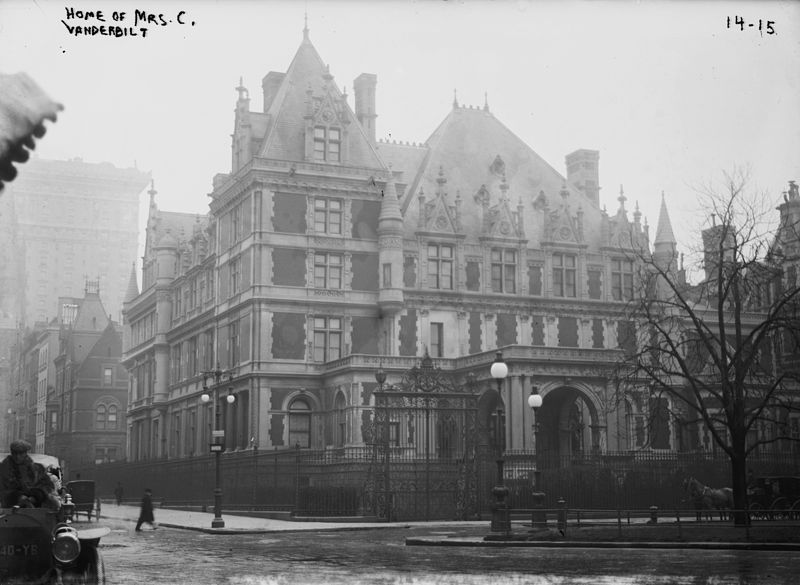
I couldn’t resist borrowing from some of the later residential masterworks to design the Delegate house, even though they would not be erected for a few more years. The various Vanderbilt homes offered the kind of opulence I felt the Delegates’ place would embody. I was especially impressed by the mansion Cornelius Vanderbilt II put up at 58th Street and 5th Avenue in 1883,  the largest private residence ever built in New York City. A full block long, designed by George B. Post, it stood sentry until 1927, as one mansion after another followed it up the avenue.

corneliusvanderbiltiimansion

Actually, I’m being slightly inaccurate. For the record, in the early 1870s one house did stand on Fifth Avenue at 63rd Street, above the 59th Street divide, just across the street from the still forbidding Park. A narrow townhouse circa 1871, it was built speculatively by one Runyon Martin, hardly a mogul. It didn’t last long.

The Delegates knocked it down to put up their turretted, mulberry-colored, block-long twin palaces.

5 Comments

Filed under Culture, Fiction, History, Home, Jean Zimmerman, Nature, Publishing, Savage Girl, Writers, Writing

A Recipe for Snow Cream

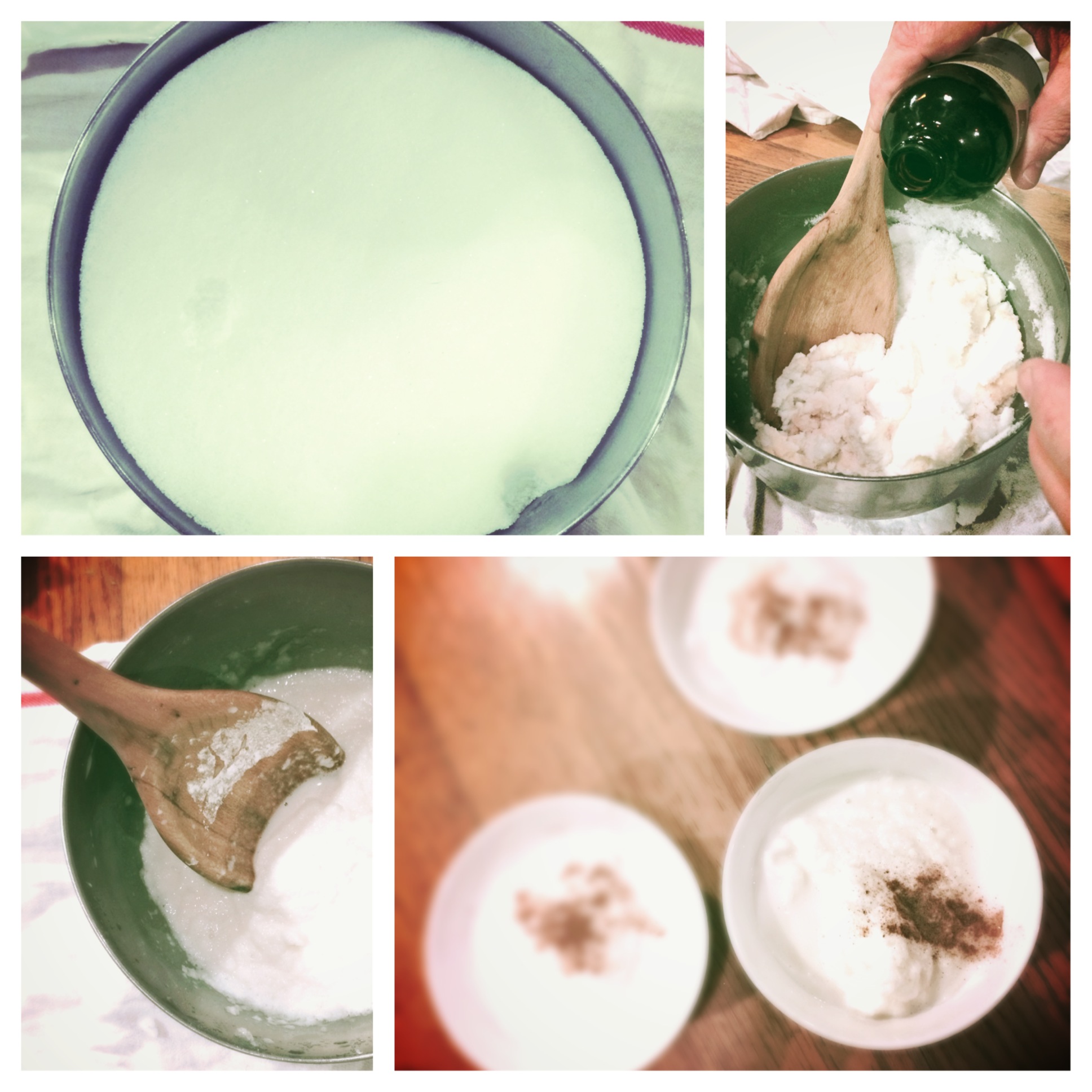
Some people make snow angels, some build snow men. But even if you’re a snow-shy person like me you can enjoy snow cream. We made this delicacy when I was growing up, and it’s still a snowstorm staple in my house. I like the sweet simplicity of ingesting snowflakes.

Snow Cream

Put out a pot once the blizzard starts.

snow

When you’re hungry, collect the snow and stir in some milk. Add sugar and vanilla to taste. Sprinkle with cinnamon if you like.

Distribute in bowls or eat out of the pot.

snow cream

Then, take a walk among the trees in the champagne powder as blue shadows fall.

trees

If you want to make something fancier, try this.

Berry Snow Cones

2 1/2 cups raspberries (6 ounces)

3 cups blueberries (10 ounces)

1/2 cup sugar

1/2 cup water

8 cups lightly packed snow

Mash 1 1/2 cups raspberries and 2 cups blueberries with sugar and water in a 2- to 3-quart heavy saucepan using a potato masher. Bring to a boil, stirring, then boil, uncovered, stirring occasionally, 3 minutes. Transfer to a blender and purée until almost smooth, about 1 minute (use caution when blending hot liquids). Pour berry mixture through a sieve into a bow.  Discard solids. Cool syrup, then chill, until cold, about 1 hour.

For each serving, spoon 3 tablespoons syrup over 1 cup snow and top with 1/4 cup of remaining mixed berries.

Or make an old fashioned treat.

Snow Candy

Roll a bit of honey or maple syrup in some snow. It will get hard enough to suck and be as round as any hard candy.

1 Comment

Filed under Cooking, History, Home, Jean Zimmerman, Nature

Savage Girl’s Central Park

The Central Park, as it was known in the nineteenth century, had only been officially open for two years when Savage Girl arrives at the Delegate mansion in 1875. The scrupulously landscaped plot of 843 acres, designed by Frederick Olmsted and Calvert Vaux, was set in the middle of the island of Manhattan with the idea that the creeping city would eventually reach far enough uptown to surround it, even though the locus of mid-1800s New York was much farther downtown.

centralparkmap1863

In 1853, when the Park was born by legislative fiat, the land between 59th and 110th Streets was occupied largely by poor squatters who according to one observer “lived off the refuse of the city, which they daily conveyed in small carts, chiefly drawn by dogs.”

NY shantytown

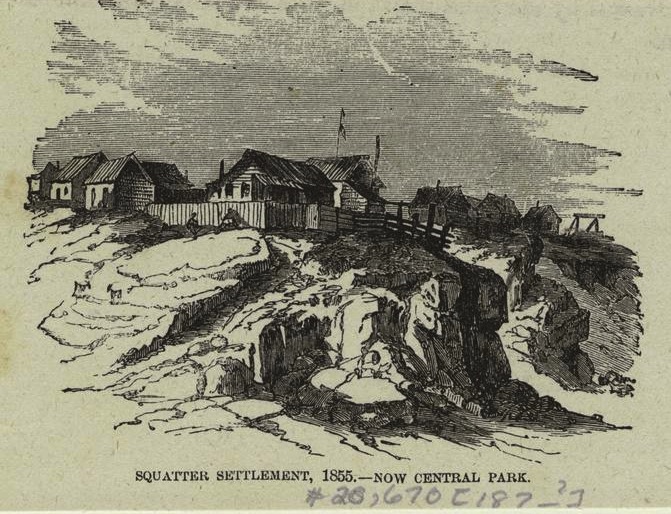
German gardeners and Irish pig farmers occupied shanty towns known as Dutch Hill, Dublin Corners, and the Piggery, and a well-established African-American community called Seneca Village stood at what is now Columbus Avenue and 82nd Street — all of whom were displaced when the Park came in.

centralparksquatters1855

Among the more arcane activities of denizens was the nineteenth-century trade of “bone boiling,” which produced a byproduct used in sugar refining. The area encompassed swamps and bluffs, wooded areas, and massive rock outcroppings.

The Greensward Plan of Olmsted and Vaux was eight feet long and three feet wide, covered with stipple points designating vegetation, rock accents, footpaths and carriageways. A topographical tool and work of art all at once, the map specified structures that still exist today. The three and a half million square foot plot of land has remained remarkably the same, despite ideas that have been floated over time for such new things as stadiums, additional athletic fields, model farms and airplane landing strips.

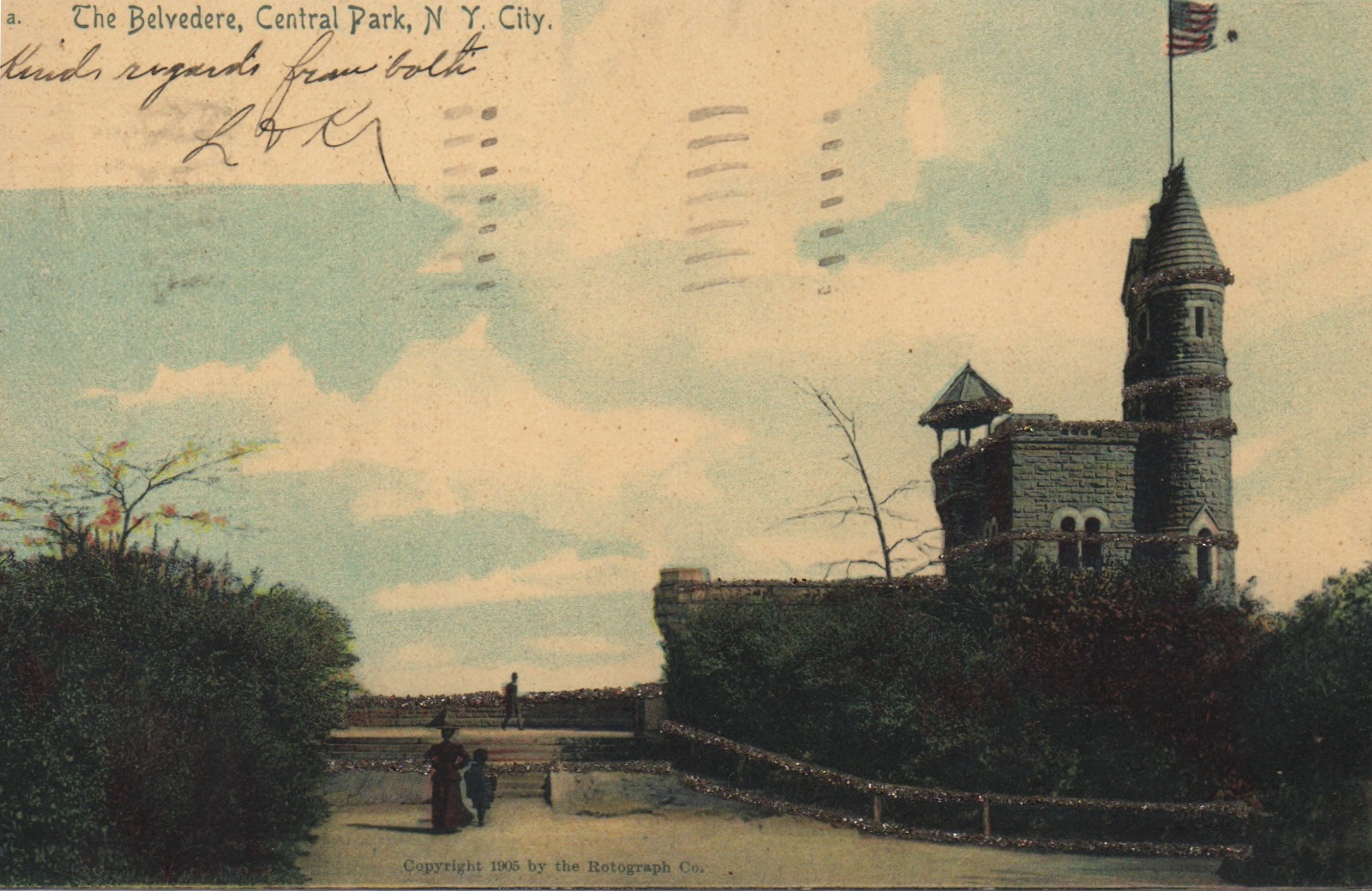
The Park has 250 acres of lawns, seven bodies of water and 80 acres of woodlands. The Greensward plan called for some 36 bridges, all designed by Vaux, ranging from rugged spans of schist or granite to neo-gothic cast iron. The Mall’s double allée of elms comes to a stop at the Bethesda Terrace, whose centerpiece is the Bethesda Fountain. When Calvert Vaux designed the romantic Belvedere Castle in 1869, it was as one of the Park’s many whimsical structures, intended as a lookout to the reservoir to the north and the Ramble to the south.

belvederecastle

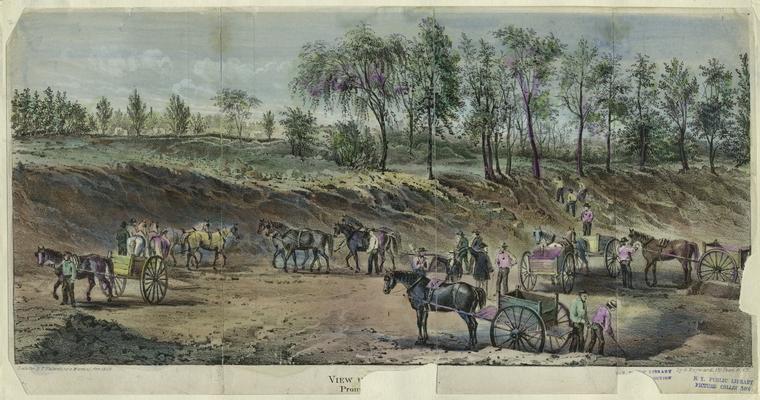
The charms of the Park’s landscaping are largely man-made. During construction, 1,800 cubic yards of top soil were carted in from New Jersey to establish plantings. Laborers planted more than four million trees, shrubs and plants. More gunpowder was used to clear the area than was used at the battle of Gettysburg during the  Civil War.

workers building central park

From the start, leisure activities reigned in the Park. There was ice-skating on the Pond at 59th Street and Fifth Avenue, in front of a much earlier version of the Plaza Hotel.

carriages central park

Elite New Yorkers flew in their coaches down the winding drives. They strolled in the Ramble. They enjoyed such novelties as goat carts, here portrayed in a 1870 lithograph.

goatcart 1870 litho central park

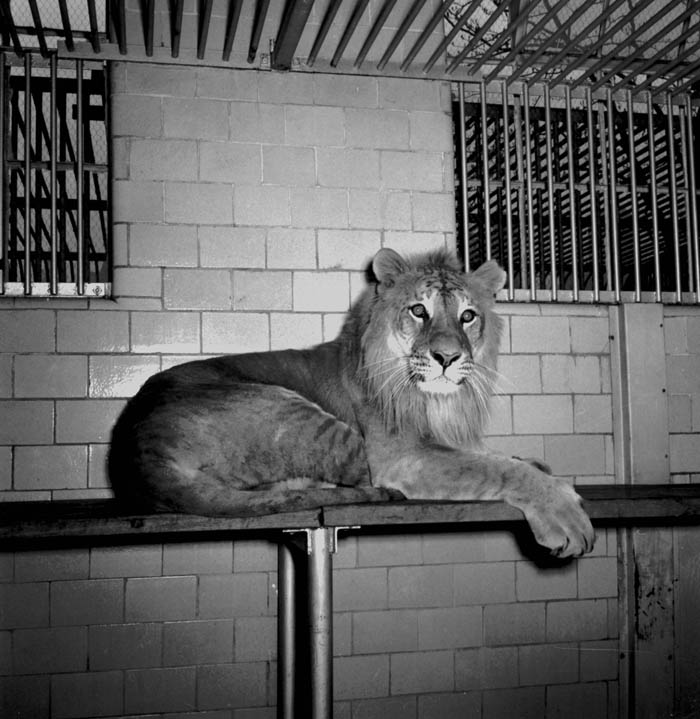
Children sailed toy boats on the Reservoir Pond at 72nd Street just as they do today. The Central Park Zoo was chartered in 1875, and depended largely on the exotic gifts of wealthy benefactors. General Custer gave the zoo a rattlesnake, and General Sherman offered an African Cape buffalo, one of the spoils of his march through Georgia. One of the zoo’s most exotic donations was Charles the tigon,donated to the City in 1938. the offspring of a female African lioness and a male Siberian tiger.

Charles Tigon

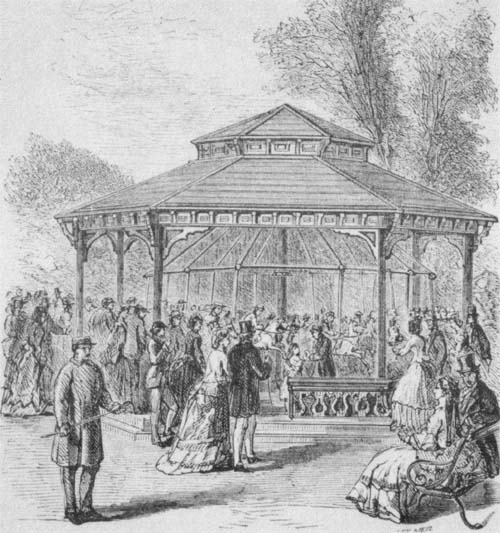
The Carousel went up when the Park opened. Mules beneath the flooring provided the horsepower to pull the decorated wooded horses above, as pictured here in 1872 in Applebee’s Journal.

1872 carousel appleton's journal

A flock of pedigreed Southdown and Dorset sheep grazed on the Sheep Meadow from the 1860s until 1934. I wonder what they’d make of a tigon in the Central Park Zoo.

8 Comments

Filed under Culture, History, Jean Zimmerman, Nature, Savage Girl

Woody Guthrie’s Resolutions

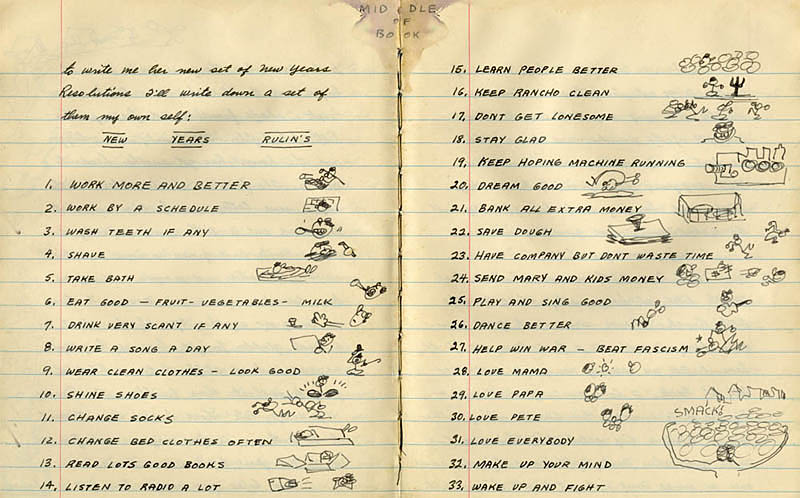
The finest list of New Year’s Resolutions to be had – or  New Years Rulins’ as he called them – penned by Woody Guthrie in 1942 at the age of 30. A few of these are far beyond me, writing a song a day for example, but I think I could benefit by staying glad and dancing better.

woodyguthrie

1. Work more and better

2. Work by a schedule

3. Wash teeth if any

4. Shave

5. Take bath

6. Eat good — fruit — vegetables — milk

7. Drink very scant if any

8. Write a song a day

9. Wear clean clothes — look good

10. Shine shoes

11. Change socks

12. Change bed cloths often

13. Read lots good books

14. Listen to radio a lot

15. Learn people better

16. Keep rancho clean

17. Dont get lonesome

18. Stay glad

19. Keep hoping machine running

20. Dream good

21. Bank all extra money

22. Save dough

23. Have company but dont waste time

24. Send Mary and kids money

25. Play and sing good

26. Dance better

27. Help win war — beat fascism

28. Love mama

29. Love papa

30. Love Pete

31. Love everybody

32. Make up your mind

33. Wake up and fight

13 Comments

Filed under Culture, Dance, History, Home, Jean Zimmerman, Music, Writers, Writing

Let’s Celebrate

May you have a warm, happy and little bit crazy New Year’s…

1891 alice austen

and a 2014 that is full of good things.

NB: This is an 1891 photo from the fabulous but now somewhat obscure Staten Island photographer Alice Austen, who took 8,000 photographs over 40 years, usually gems of street photography, then went broke with her work unsung, then was rediscovered in time to move her out of the poorhouse for a celebration of her work in the 1950s.

My vow for 2014: to continue finding gems like the life of Alice Austen and reviving them for the present.

6 Comments

Filed under Art, Culture, History, Home, Jean Zimmerman, Photography

Brilliant Books for Your Consideration

I hate year-end rankings. You find them in every newspaper and magazine and web site, and I generally ignore them. In fact, rankings in general rub me the wrong way. Especially when it’s books that are touted as the best, second best, etc.

These are some of my unranked favorites from the past year. In no particular order. Some of them aren’t even 2013 titles, but things I decided to take up only recently. They are all books that captured my imagination, that made me want to crack them open day after day and keep reading. Alright, I didn’t crack my Kindle open, that wouldn’t be smart.

I’m not a fast reader except when I’m on deadline, but I’m quick to throw a book across the room if the writing exasperates me. So these are selections you can be sure I really wanted to spent some time with.

The Book of Ages: The Life and Opinions of Jane Franklin, Jill Lepore, 2013.
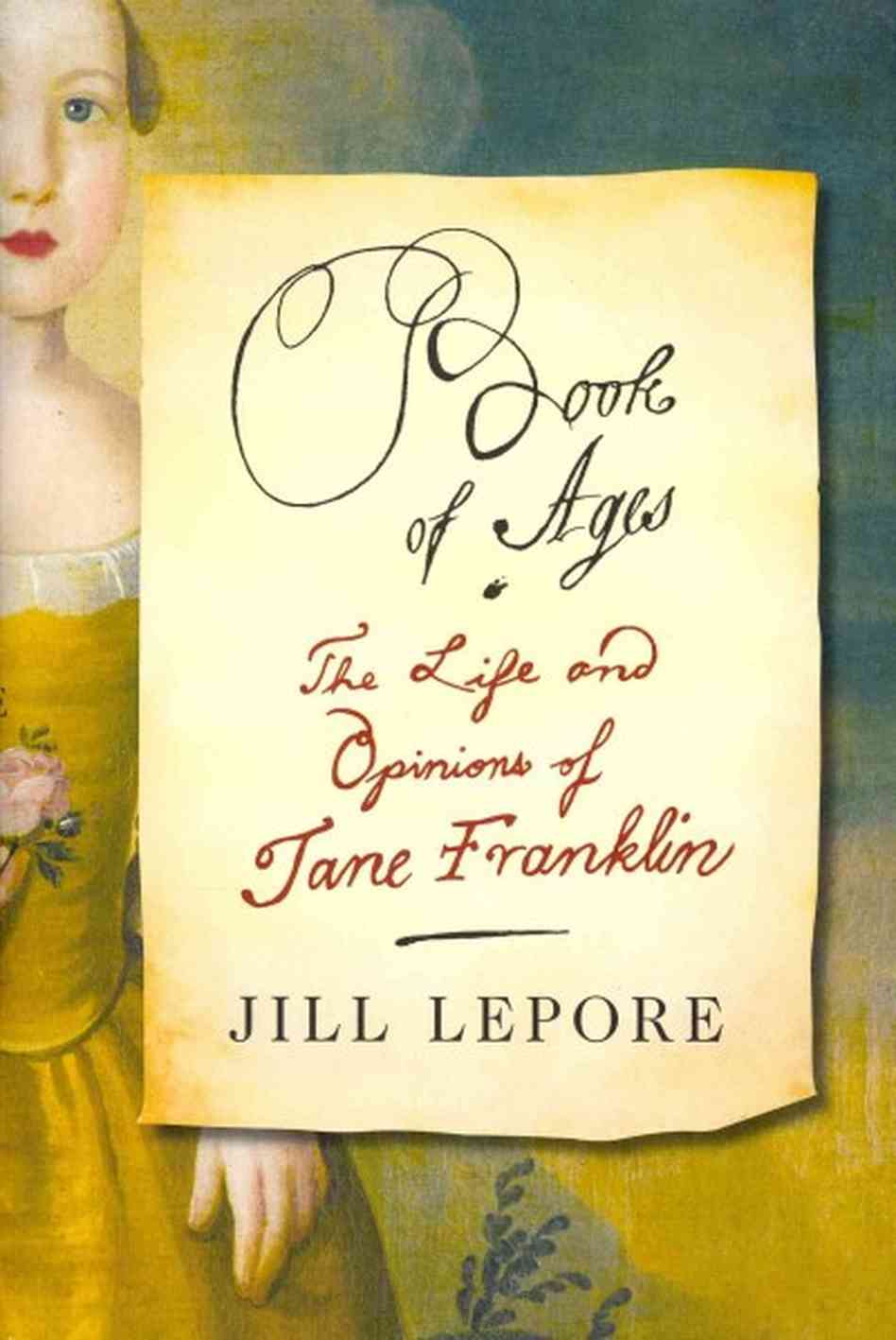
9780307958341_custom-7751a3156c4328fa0e767f9b4b34edffa01b94a0-s6-c30

This luminous telling of the life of Benjamin Franklin’s little sister Jane is animated by the letters the two exchanged from youth through old age, but it goes beyond biography to become a study of the arts of reading, writing, and living for eighteenth century American women.

Tenth of December, George Saunders, 2013. Eery, dark, compelling and unexpectedly humorous, these stories are to be savored even as they haunt you.

george-saunders-tenth-of-december

The Master, Colm Toibin, 2010. I avoided this biography for a few years even though I heard it was fantastic, as I didn’t feel Henry James had granted me access to his head. But this intimate life is so terrifically well done that I was glad I picked it up.

Portrait of Lady, Henry James, 1881. The third time I’ve read the Master’s masterpiece, and I get something new from it with every immersion – I think this time Isabel Archer’s rise and fall meant more to me because my own daughter is about the same age as the lovely, lively, rebellious young American lady.

Stoner, John Williams, 1965.

9781590171998_custom-720959a94dbc1c987522844b06d27e6780e2d61f-s6-c30

A new French translation of this odd, underappreciated novel has caused something of a stir in literary circles. Set in 1920s-era academia, it’s about an English professor’s slog through academia and marriage, but the writing is so refined and austere that reading his story is a transfixing experience.

Nothing to Envy: Ordinary Lives in North Korea, Barbara Demick, 2010. I decided to take up this journalistic work out of book club loyalty, and I was so glad I did. The author starts with a satellite photo of the two halves of Korea by night, the north in total blackout, and goes on to tell the intimate stories of citizens who are trying to escape the horrific conditions there. Compelling and totally readable.

The Twelve Tribes of Hattie, Ayana Mathis, 2012. A stirring novel lays out the lives of the Shepherd family, parents and nine children, with pitch-perfect authority and grace.The Great Northern Migration of African-Americans becomes real. Does a much-talked-about book (an Oprah pick) deserve the ballyhoo? In this case, yes.

The Flamethrowers, Rachel Kushner, 2013.

9781439142004_custom-7e81f0840812e7c2097afb8f1ed7955662489442-s6-c30

In which a 20-something art maven and biker babe hits the downtown scene of 1970s New York City. I resisted a bit before getting sucked in to the story of a girl getting sucked in to a scene that’s perhaps not as cool as she thinks it is.

Consider the Fork: A History of How We Cook and Eat, Bee Wilson, 2012. I make it a practice of dipping in to these confectionary morsels of information when I need a respite from heavier thoughts. It’s easy to give in to mini-surveys of how such day-to-day implements as cooking pots and kettles came about.

la-dd-cookbook-watch-consider-the-fork-2012101-001

The New York Stories of Edith Wharton, esp. “The Other Two.” Wharton’s short fiction rarely reaches the heights of her novels, but some of her attempts stick with me, like this narrative about a twice-married woman and her beleaguered third husband. So fascinating to observe his anguished humiliation at the idea that his wife has had sexual relations prior to their life together.

The Portable Edgar Allen Poe, esp. “The Tell-Tale Heart.” After visiting the Poe exhibit at the Morgan Library I went back to his writings to find that some of them were just as hypnotic and chilling as they’d been on first reading. I actually found myself terrified by a story that had first been published in 1843.

The Catcher in the Rye, J.D. Salinger, 1945. Was all the brouhaha over Salinger this year (massive biography, in depth documentary, articles galore) deserved? I thought I’d better go back to Catcher. A nice little novel, I think you’ll like it.

The Painted Girls, Cathy Marie Buchanan, 2013. Edgar Degas’s life intersects with those of two adolescent ballerina sisters in Belle Epoque Paris. I loved the funky details and the narrators’ voices.

9781594486241_custom-5864569c19efa3014fe4122c5fd149e320b924c9-s6-c30

Witches, Midwives and Nurses: A History of Women Healers, Barbara Ehrenreich and Deirdre English, 1973. Long, long ago, in the 1970s, feminism was a lens through which to view subjects like the history of medicine. This tasty fruit of that approach is something I’m drawing upon for work on a new novel, and it’s made me think about the power of women midwives in a whole new way.

Fever, Mary Beth Keane, 2013. I’d always wondered about Typhoid Mary, and this novel gave me a glimpse into her inner life – very stoic, very sad. It’s about New York, too, at the turn of the century. I found myself totally there.

I Curse the River of Time, Per Petterson, 2010.

i-curse-the-river_custom-s6-c30

I’m bringing this one to my book group for discussion and I’m pretty sure they’ll like it. In 1989 Norway, a man in his late 30s has lost his way – his mother is dying and he revisits his youthful experiences to try to achieve some foothold on his present. Sound dark? It is, but I assure you Arvid’s story is heart rending.

This Is How You Lose Her, Junot Diaz, 2012. If I’d known how dazzled I would be by these interconnected stories I’d have jumped on the book when it first came out. The prose offers ribald, irrepressible poetry about the power of love.

The Last Banquet, Jonathan Grimwood, 2013.

Last-Banquet-cartonato_Layout-1-399x600

The sexy Frenchman in this foodie novel braises a wolf whose neck he has broken in the woods, corresponds with Voltaire and becomes Lord Master of the Menagerie at Versailles. Historical fiction at its sensual best.
6 Comments

Filed under Cooking, Culture, Dance, Fiction, History, Home, Jean Zimmerman, Publishing, Writers, Writing

Portraitist Julia Margaret Cameron

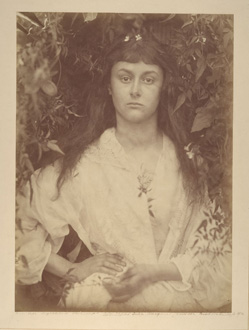
The face in the photograph might seem familiar.

Pomona Alice Liddell

It is Alice Liddell, the original inspiration for Alice in Wonderland, whose visage was captured many times by the author of that book, Charles Dodgson (pen name Lewis Carroll) – somewhat provocatively, as he liked to depict many of his young-girl subjects.

Alice Liddell:Dodgson

Here, though, in 1872, Liddell appears through the lens of a very different photographer, one whose somewhat eccentric approach to the medium resulted in some beautifully hazy images that bring out the sensitivity, even the soul, of the subject.

Julia_Margaret_Cameron_enhanced

Julia Margaret Cameron was born in Calcutta in 1815, and during her life in Britain became friends with some of the leading lights of the Victorian Age. Out of a family of diplomats and aristocrats, she was one of three sisters—the others celebrated for their beauty while she was know for her talent. She was the mother of six, deeply religious, literary and intellectual as well as privileged. However, it wasn’t until Cameron reached 48 that she was gifted with her first camera by her daughter and son-in-law, in 1863. A hobby transmogrified into a passion. Her career spanned just eleven years, until she returned to India and died, it has come down to us, of a “chill”. (Virginia Woolf, incidentally, was her great niece.) “From the first moment I handled my lens with a tender ardour,” she wrote, “and it has become to me as a living thing, with voice and memory and creative vigour.” It took her only 18 months to sell eighty prints to the Victoria and Albert Museum, set up a studio there, and make arrangements with the a West End printseller to market her photographs.

Reviewers gave Cameron mixed notices. She deliberately avoided the crystalline resolution and tiny detail that her albumen silver prints from glass negatives would have allowed, instead preferring soft light and long exposures that showed her subjects’ slight movements. In other words, things got blurry. Deliberately so. The effect was one of actual life rather than starchily posed pictures you sometimes see from that era. And the work had a strong pre-Raphaelite flavor.

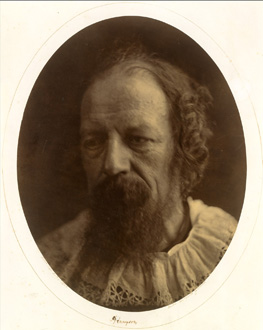
She had three major bodies of interest: great figures of the day, such as Afred, Lord Tennyson, who called her subjects “victims” for the discomfort they experienced in the lengthy posing process.

Alfred Lord Tennyson

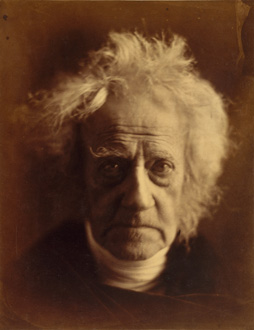
Others included Robert Browning, Ellen Terry, Charles Darwin. Leading lights of the age. For some of her subjects she was the only photographer of note, and so her work has an invaluable documentary as well artistic value. Sir John Herschel, for example, whom she captured in 1867, the British scientist whose talents embraced math, astronomy, chemistry and botany.

Sir John Herschel

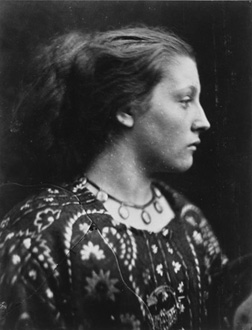
Then, also, Cameron immortalized family members or friends or household staff, with photograph titles that suggested subjects from history, myth or the bible. This portait of one housemaid she called “The Mountain Nymph Sweet Liberty.”

The Mountain Nymph Sweet Liberty

Another photo she titled “Sappho.” She elevated the subject through the name she bestowed upon her.

Sappho

She also assembled groupings to illustrate literary and religious themes. Her husband, Charles Hay Cameron, who was twenty years her senior, she posed in 1872 with, again, Alice Liddell, and two other young women — as Lear and his three daughters.

King Lear Alotting His Kingdom to His Three Daughters

“I longed to arrest all the beauty that came before me,” Cameron said, “and at length the longing has been satisfied.” Seeing several dozen of these extraordinary images in person is a highly unusual opportunity – they are rarely shown – so if you can manage it, I urge you to get to the Metropolitan Museum before January 5th.

3 Comments

Filed under Art, Culture, Fiction, History, Jean Zimmerman, Photography, Writers, Writing

Wonderful Characters

It’s the time of year when literary critics tote up the outstanding reads of the previous year, as well as some of the failures. I’m never into ranking books, though I might at some point on this site share a few of those that really knocked me out in recent months. For now, I thought I’d recommend — strongly recommend — something you won’t find on any of the 2013 best books lists. Yet there’s nothing else remotely as charming as a title issued in 1869 in London under the byline of one J.C. Hotten.

title

The Book of Wonderful Characters, Memoirs and Anecdotes of Remarkable and Eccentric Persons in All Ages and Countries, now digitized, was the fruit of many years of enterprise for Hotten, who had begun publishing illustrated books about remarkable persons in 1788 and continued through the early decades of the nineteenth century.

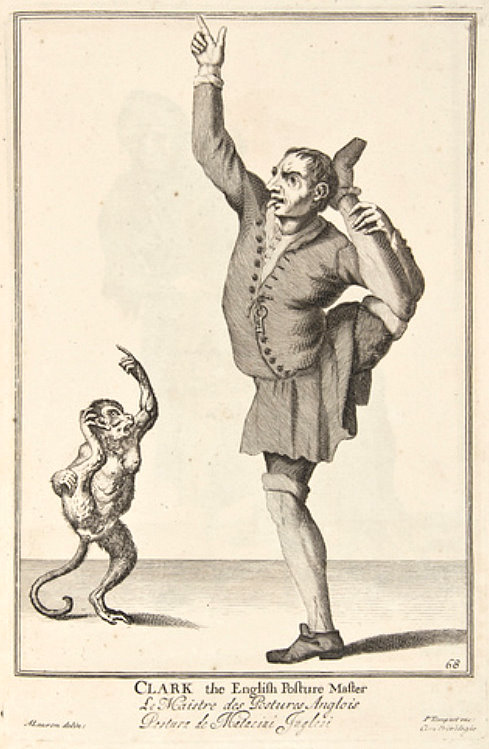
Clark-The-English-Posture-Master-And-Uncle-Boris

More than 40 years after his death this volume was republished. Engravings illustrate some truly amazing characters, like a woman who lived upon the smell of flowers and a man who died at the age of 152.

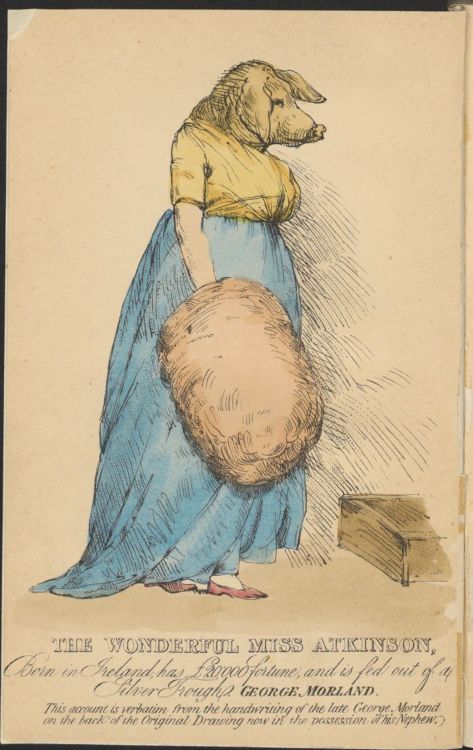
pig face

Hotten begins “With a few Words upon Pig-faced Ladies,” then goes on to an “extraordinary Stone Eater” with a detour for fire eaters and knife swallowers. I think you might be glad to make the acquaintance of the Vain Dwarf or the Man Who Crucified Himself. Or a particularly creepy ghost.

ghostWe all still like to creep out, I think, we just do it via TV and movies rather than encyclopedic illustrated weirdfests. Maybe some genius will rise to the occasion and we’ll see a book like this in 2014.

3 Comments

Filed under Art, Culture, Film, History, Jean Zimmerman, Publishing, Writers, Writing

Mirror on the Wall

It was a tiny room in the middle of the vast museum. An intimate space.

We had already paid obeisance to the Neapolitan Christmas Tree, the eighteenth-century confection that materializes each year in the courtyard at the Metropolitan Museum of Art.

tree

We had admired the intricate architecture of huts and sheepfolds leading up to the manger, finding ourselves in the swim of holiday museumgoers, amid the echo of chirping camera shutters under the towering ceiling. This was, as usual, an event – for forty years the terra cotta creche figurines have been set up here around the spruce, the gift of one collector, Loretta Hines Howard, who worked on assembling new configurations each year  along with her daughter, who since her mother’s death prepares the tree with her own daughter. It’s the world’s most heavenly dollhouse.

jesus

Now we were drifting. It was Boxing Day, and I felt I’d been whisked away on vacation to a foreign country, there was so little English being spoken by the crowds all around.

Wandering at the Met without a timetable, without any responsibilities. What will you discover?

6 Le Bonheur du jour ou Les Graces  la modeBarbier

This time, a tiny room, one filled with an exhibit devoted to our devotion to our good looks. Metropolitan Vanities: The History of the Dressing Table told the story of how we’ve organized the notion of the toilette over the many thousands of centuries, beginning, long before dressing tables proper, with ancient boxes. One, here, fashioned of terra cotta, one of ivory, one woven of basket reeds.

basket box

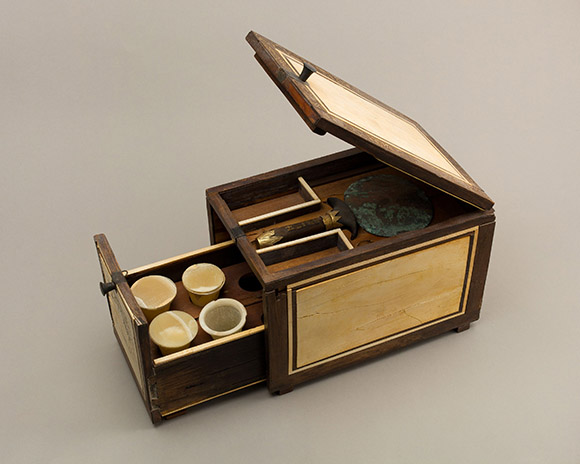
Most amazing, the Egyptian Middle Kingdom box of cedar and ebony – survived, I guess, in the dryness of the desert – the Cosmetic Box of the Cupbearer Kemeni, embellished by a picture of Kemeni himself presenting ointment to the Pharaoh Amenemhat IV. Twenty thousand years old.

1.-Cosmetic-box-of-the-Cupbearer-Kemeni

Inside were the cosmetics and salves and balms and oils the king would lavish on himself before heading out into the world to lead his people.

The exhibit featured a faded drawing by Chippendale himself of a Chippendale piece, from when the toilette evolved from a box to a table. Then it evolved again, to a table with a box, preferably a golden, bejeweled necessaire filled with miniature, personal grooming tools.

vanity box

We saw a young lady, one Mademoisellle Marsollier, holding such a box, getting ready to employ its implements – or perhaps she had just employed them, she looked so freshened up. That she and her mother were draped in fabric has something to do with the fact that the man of the household was an important textile merchant.
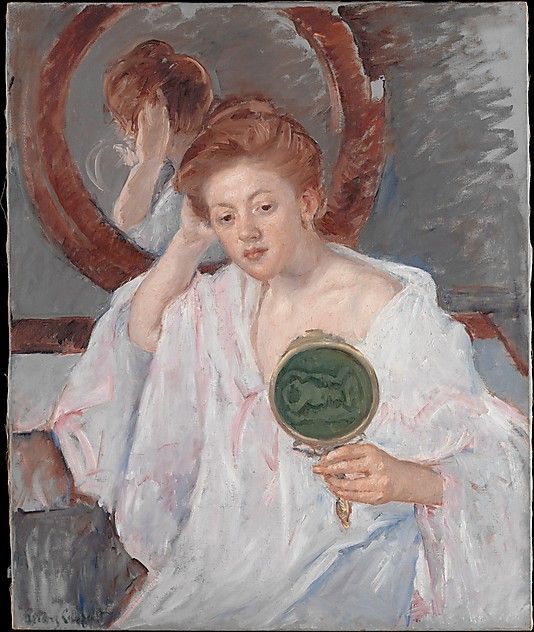
painting

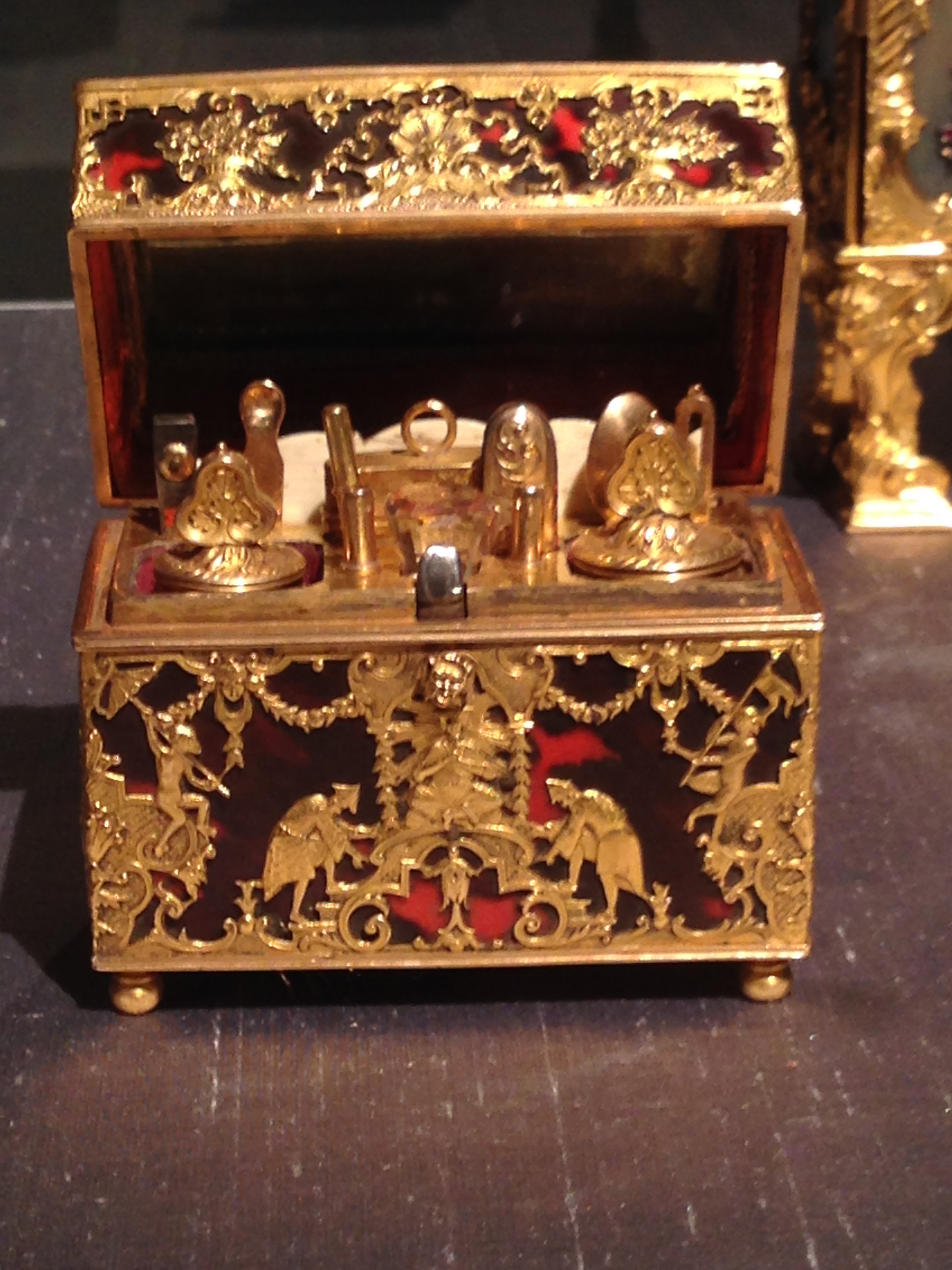
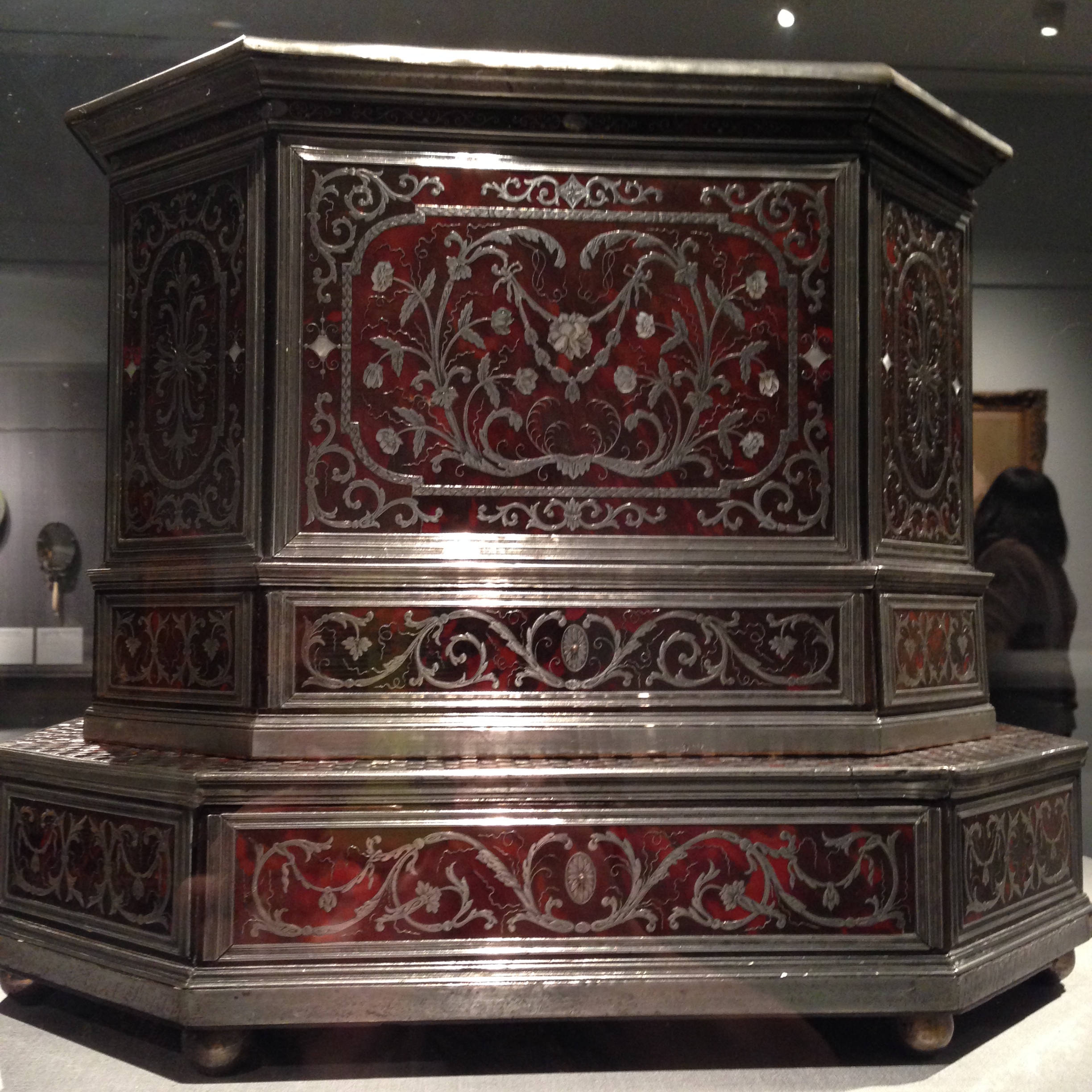
Another kind of box entirely, a wig cabinet from 1685, had been crafted of oak, walnut, ebony, pewter, mother of pearl, horn, paint, and silver, with parts simulated to resemble tortoiseshell.

wig box

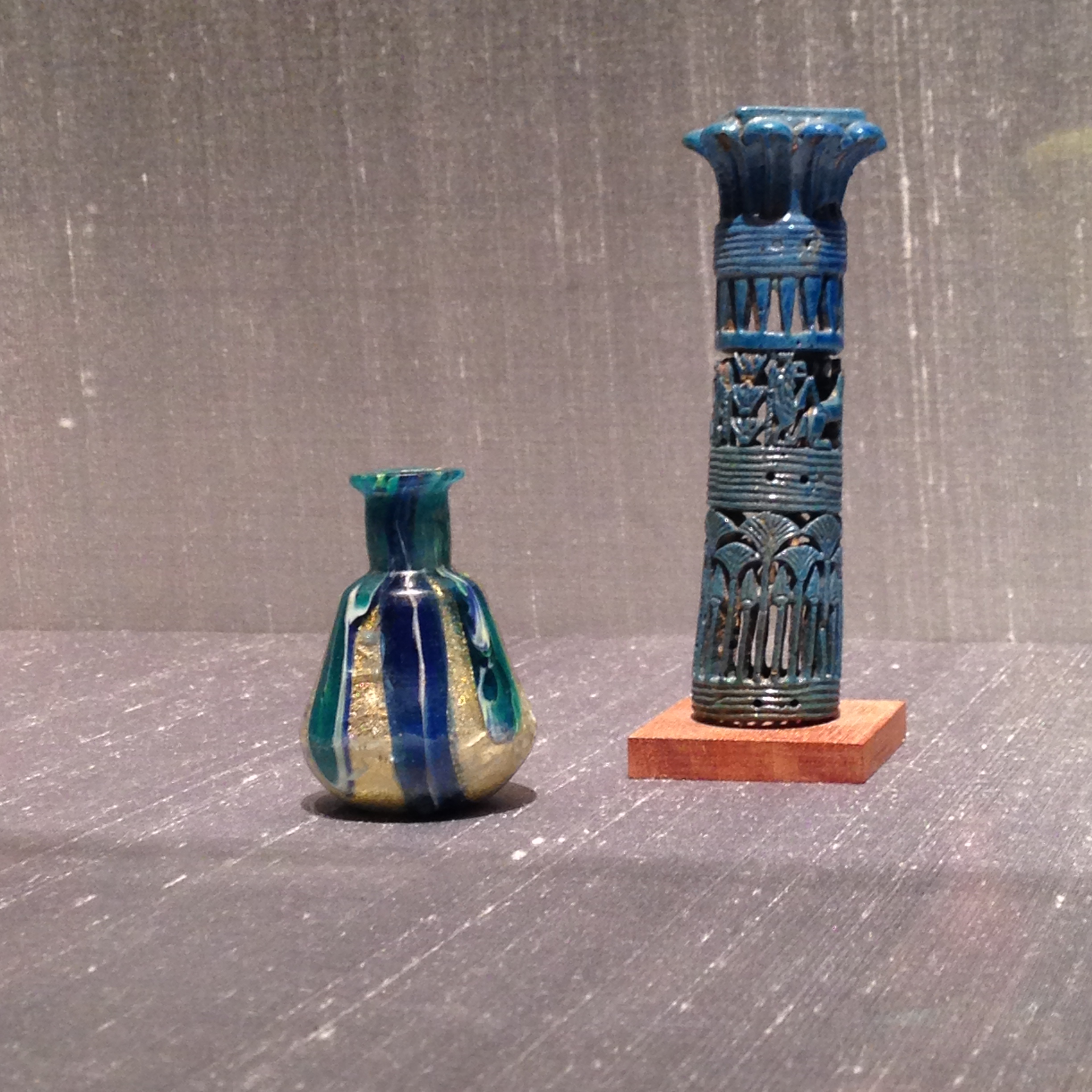
A gentleman would stash his brushes, combs, perfumed powder and pins inside. Other containers, works of art in themselves, held makeup – a lot of thought went into the packaging of kohl, which diluted with water was also used as a bug repellent.

kohl containers

What I felt most drawn to were the mirrors. The idea that we were looking into a mirror looked into by so many other faces over the centuries.

G J Mirror

Historic personages, like Madame de Pompadour, presiding over her deluxe expandable vanity. Madame de Pompadour’s servants, looking over her shoulders as they styled her fantastic locks. Or mirrored furniture that is really sculpture, designed by artists such as Armand-Albert Rateau in 1925. Armand-Albert Rateau 1925

Or Duncan Phyfe at the turn of the nineteenth century. Even the names of the woods he used are beautiful: satinwood, kingwood, mahogany, yellow poplar.

Duncan Phyfe

Or representing all of modernity, with the mirror tucked away neatly inside, like Raymond Lowey did it in 1969.

Loewy

But the more discreet hand mirrors impressed me more. Ancient, carved, heavy. Before silvered glass, mirrors were made of polished bronze, silver and iron. The one displayed from twelfth-century China could double as a serious doorstop.

I’ve always found it magical, the idea of life before mirrors as we know them now. Peering into a pool of water and seeing a rippling reflection, like Narcissus. Gazing into the eyes of Cupbearer Kemeni to powder your nose. The surfaces of hanging mirrors that have crackled are beautiful to me. As is the idea of having nothing to see of yourself but a faint, soft-focus, burnished image in metal. When I was growing up, my family had an ancient hand mirror in the house, a 300 year old Japanese work of art, bronze with a bamboo-bound handle.

japanese fan

You could see your image exactly as you wished to appear. There was a lot of that in a tiny room yesterday in a vast museum.

the-metropolitan-museum-of-art-denise-at-her-dressing-table-1368331598_b

1 Comment

Filed under Art, Culture, Fashion, History, Home, Jean Zimmerman