Category Archives: Writers

Writing From the Nitty Gritty

Reading The New York Times today, I came across a story about archivists in the city, what a rare breed they are and what their jobs are like, and I envied them. “Specialists who snatch objects from oblivion,” as  Alison Leigh Cowan, the author of the piece, describes them, these men and women get to immerse themselves in the nitty gritty of life in a different time and place, continually. It’s an activity that as a history-obsessed writer I only get to spend part of my time doing. The archivists profiled preserve everything from teacups, to Meyer Lansky’s marriage license, to the see-through panties of Gypsy Rose Lee.

gypy

I have favorites among archival collections.

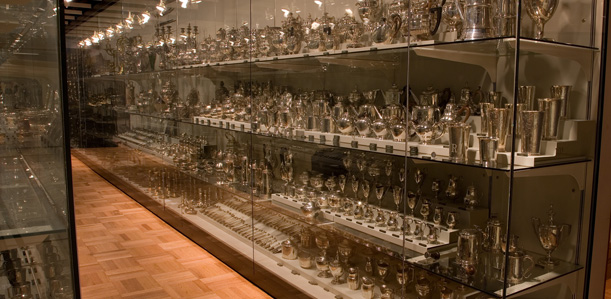
The Henry R. Luce Center for the Study of American Art at the Metropolitan Museum has on view those myriad fine art and decorative art objects that are not currently displayed in the more conventional Museum galleries. It’s a funny sort of place, an open secret, accessible to the public yet off the beaten track. Objects have been arranged in huge glass vitrines according to material (e.g. furniture and woodwork, glass, ceramics, and metalwork).
Luce

It’s a fine place to find a dozen nearly identical andirons, if you’re in the mood to see andirons, or a hundred sterling silver tumblers, or any number of porringers of yesteryear. Oh, and paintings. Any item the museum can’t find a place for at the moment gets tucked away here, in plain sight, and that includes some wonderful canvases. Even such crowd pleasers as John Singer Sargent’s Madame X sometimes cool their heels here. One day I turned a corner and came across one of my favorite paintings that I’d never seen in person, the portait of nine-year-old Daniel Verplanck by John Singleton Copley, painted in 1771.

John-Singleton-Copley-Daniel-Crommelin-Verplanck

It’s not the only boy/squirrel portrait Copley painted – there’s one in Boston, too, at the Museum of Fine Arts, a fine one, of  Henry Pelham, painted in 1765.

copley-squirrel1316573541100

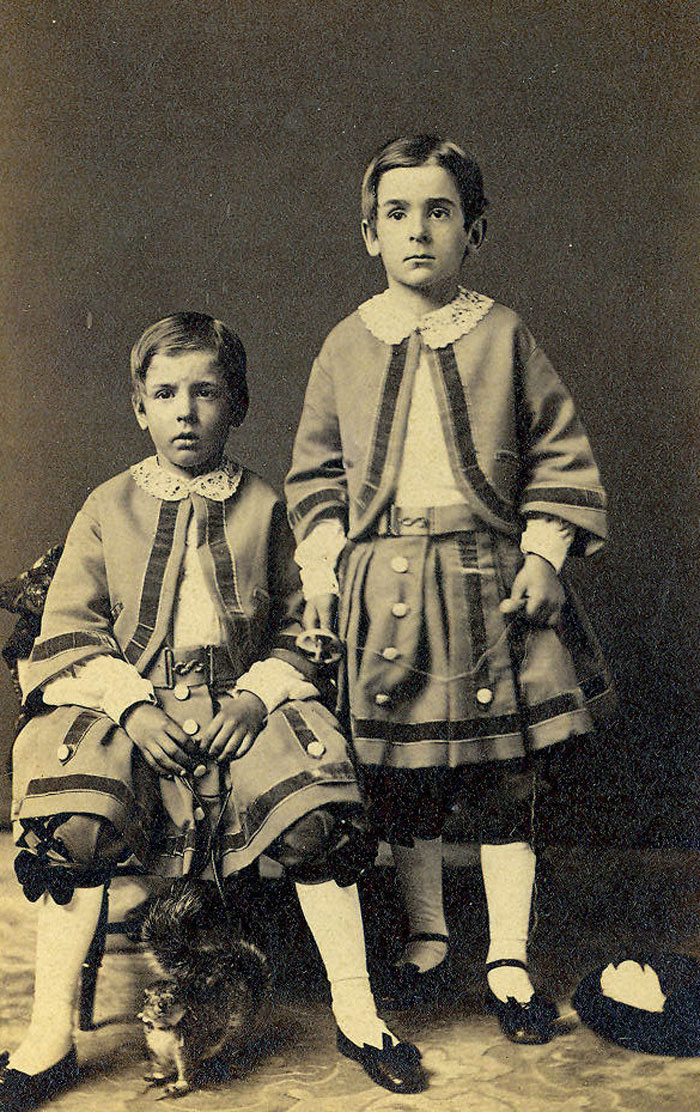
But here I had what amounted to a private viewing, just me and the boy and his pet. It seems funny now, but keeping squirrels as pets was commonplace through to the twentieth century. Before the family dog, the family squirrel. Here we have the Ridgely brothers in 1862, Howard and his younger brother Otho, the children of a wealthy landowning family in Maryland.
squirrel boys

I like to visit another kind of archive when I’m at the Met, as well. Next door to the imposing Temple of Dendur is a tiny warren of display cases that contain long rolls of linen 2000 years old, mummy linen. Here is a scrap.

mummy linen

I don’t know whether the fabric has been unrolled from the embalmed corpses or is waiting to enfold them, but it is incredible to be inches away from these archivally preserved Middle Kingdom textiles. Only slightly frayed and browned by time. Magic.

Another archival highlight. I once ventured up to the attic of the Union Church of Pocantico Hills, with the well-known rose window designed by Henri Matisse – his last work of art, dedicated on Mother’s Day 1956.

henri matisse rose window at union church

There under the eaves lay the physical archives of Historic Hudson Valley, the nonprofit organization that runs the church and other properties in Westchester County. I was there to view a painting of an elite young Mary Philipse by John Wollaston, for my book The Women of the House.

Mary

I was, luckily, sanctioned to browse around the other objects displayed on the shelves while the archivist inspected various historical maps. Some intricately decorated colonial pottery, some other paintings, including one, provenance unknown, of waves crashing against the shore at the southern tip of Manhattan around 300 years ago. And what really got me, a collection of pastel silk slippers in pristine condition, perfect for the fancy parties of the eighteenth century. All these things just breathing there, largely ignored by the world, protected in their secret little alcove atop a church.

The Manuscripts and Archives Division at the New York Public Library, when I went there to do research on I.N. Phelps Stokes for Love, Fiercely: A Gilded Age Romance, always seemed like it existed underwater, dim and calm, holding tight to its treasures. It contains over 29,000 linear feet of archival material in over 3,000 collections, of which I was accessing 36 boxes of yellowed paper.

There is something gratifying about examining letters that have not been paid attention to in a hundred years. Being the first to take them out and handle them. The papers that interested me concerned the architect/philanthropist/collector’s epic Iconography of Manhattan Island. I had already done research at the library of the New-York Historical society, where I discovered a note from Stokes imploring an influential friend for contacts to help publicize his book.

stokes p.r. letter

Also something of a gas was his 1913 campaign, revealed in a fundraising letter, to get an educational farm installed in Central Park. His sister Ethel had the idea of equipping “a diminutive group of buildings, consisting of a tiny cottage of four rooms, a cow-shed and dairy for two cows, and a chicken house for twenty-five chickens.” Everything could be “inspected through glazed openings without entering the buildings,” wrote Stokes. A negative editorial in The New York Times helped shoot down the plan.

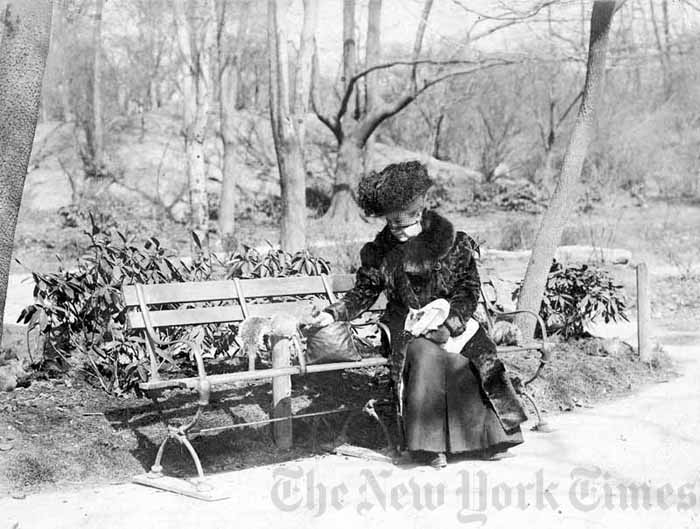
Petting squirrels was still popular in Central Park at that time, I have found.
Central Park squirrel

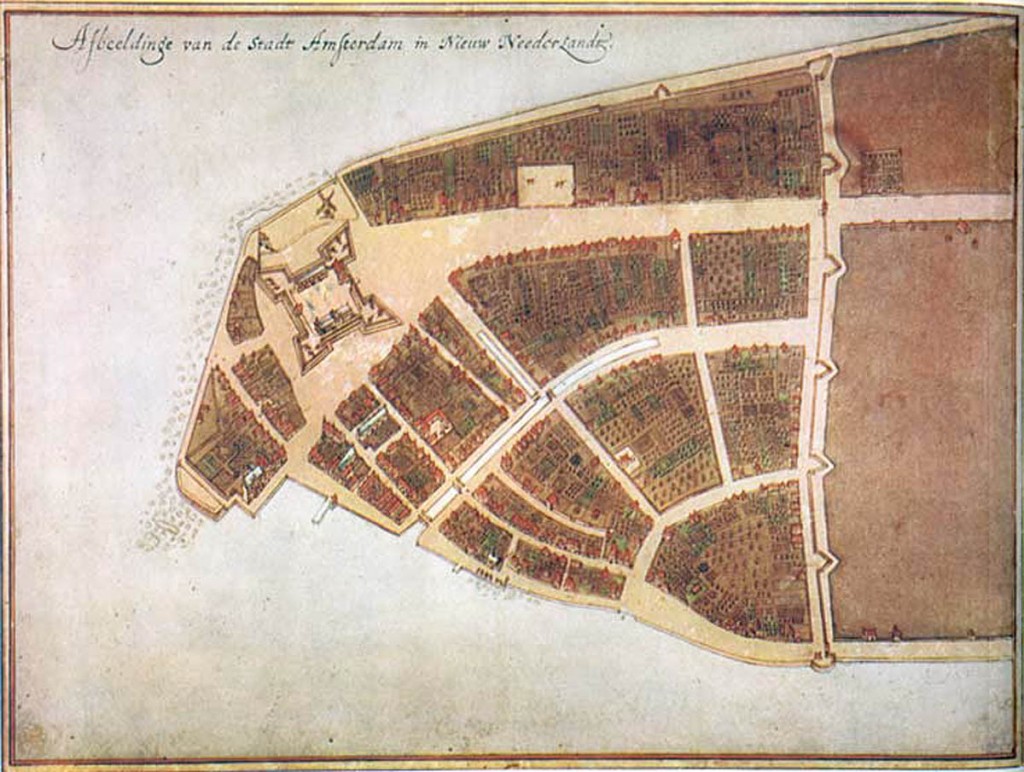
I recall the day at the NYPL Manuscripts room when I found a small envelope containing two thumb-sized black-and-white photographs depicting the very first street plan of New York, drawn in 1660.
CastelloPlanOriginal-1024x772

They were snapped by Stokes’ researcher behind a guard’s back at the Florence villa where the map was housed, and sent back over the sea to his boss in New York City. Stokes must have leapt out of his chair (also in the New York Public Library, where he had a private second-floor office) when he saw those first pics in 1916.

A friend of mine, the curator Thomas Mellins,  produced Celebrating 100 Years, an exhibit for the New York Public Library that brought some of its best archival artifacts out of mothballs. Did you know that this book-and-paper institution in in the possession of the walking stick Virginia Woolf had with her when she waded into the water on her last day? It floated to the surface. The Library also has such objets as Jack Kerouac’s typewriter, yes, the one on which he wrote On the Road. And my personal favorite, perhaps because I had just been reading David Copperfield when I saw it — Dickens’ personal copy of David Copperfield, the one he used when touring for the book, pocket-sized, complete with his penciled-in notations for emphasis. There is also the genius’ letter opener, topped with the taxidermied paw belonging to Dickens’ cat, Bob.
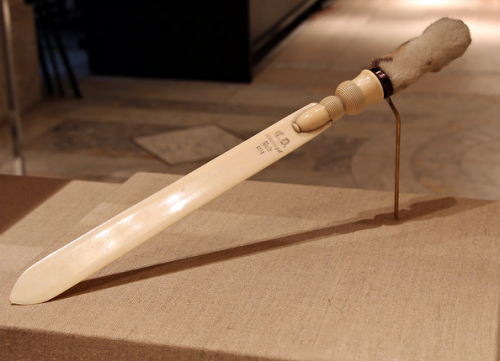
letter opener

The pleasure of handling archival materials is an emotion that you can’t experience second-hand, unfortunately. You have to be there, deep amid the tarnished porringers and the satin slippers. But there is a website I like a lot that gives you snippets of historical artifacts. Slate features a department called The Vault: Historical Treasures, Oddities, and Delights.  You can see, if not touch, pieces of history like a hand-written dance instructional from 1817, an 1893 letter promising compensation to former slaveowners, or Bram Stoker’s literary plans for Dracula. You don’t get to sit underwater at the Manuscripts Collection, true, but you can turn the virtual pages in the comfort of your living room, in your stocking feet.

4 Comments

Filed under Art, Fiction, History, Jean Zimmerman, Love, Fiercely, Photography, Publishing, Writers, Writing

Book Award to The Orphanmaster

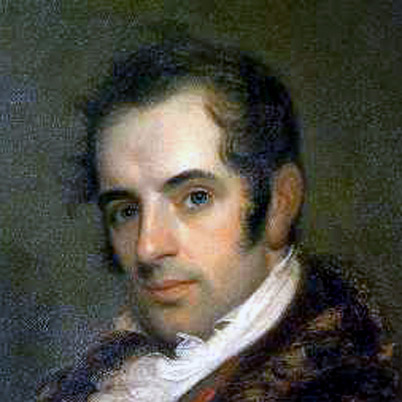
I’m proud to say that The Orphanmaster has been selected as a 2013 Washington Irving Award Winner by the Westchester Library Association.

horse

Since 1987 the Association has gone about choosing “books of quality” written by Westchester residents, encouraging librarians in the county to encourage patrons to check them out and read them.

The Orphanmaster shares the spotlight with some great books, both fiction and non. This year the group of authors includes Don deLillo, Karen Engelmann, Esmerelda Santiago, Robert K. Massie and Dan Zevin.

Why Washington Irving, you ask. It makes perfect sense. He’s Westchester County’s foremost literary light, historically. Though he’s pretty much known today mainly for “Rip Van Winkle,” in his day, the early 1800s, he achieved rock star status, producing  at least a dozen and a half popular histories, biographies and collections of essays as well as novels and stories.

Portrait of Washington Irving

Irving’s first major book, A History of New-York from the Beginning of the World to the End of the Dutch Dynasty, by Diedrich Knickerbocker (1809), published when he was 28, was a satire on local history and contemporary politics that ignited the public imagination. A later work, The Sketch Book of Geoffrey Crayon, Gent., out in 1819, which contained Van Winkle (written in one night, it is said) and The Legend of Sleepy Hollow, shot to international bestsellerdom. He’d been writing voraciously since he was a teenager submitting clever letters to the editor of Manhattan’s Morning Chronicle.

Irving invented the tag “Gotham” for New York City. Here is Wall Street in 1850, Irving’s home town.

wall street 1850

Some of his books lampooned early Manhattan’s manners and mores. They set up a lasting stereotype of the stalwart Dutch burgher and his stolid hausfrau partner, influencing me when I researched The Orphanmaster. Rip Van Winkle figured in this ilk, telling the tale of a man who nodded off in the Catskill Mountains for 20 years, sleeping through the American Revolution, with the world having changed irrevocably during his slumber. Another more modern rock star, Johnny Depp, appropriately brought Washington Irving out of the nineteenth century with his portrayal of Ichabod Crane in 1999 in the film Sleepy Hollow.

depp sleepy-hollow_l

Irving traveled extensively on The Continent – he served as an ambassador to Spain — as a true man of the world, feted everywhere, dazzling literati and royals alike with his intellect. When he spent time in the U.S., he lived with his nieces in a picturesque cottage called Sunnyside on the river bank in Sleepy Hollow, New York, a “snuggery” of yellowish stucco with climbing wisteria on rootstocks imported from England, a fainting couch in the parlor, and a west-facing veranda from which he could watch the sun set over the Palisades.

Sunnyside_Tarrytown_Currier_and_Ives

Irving hosted Dickens there, yet another rock star – fans grabbed tufts of Dickens’ fur coat as souvenirs — when the novelist did his American tour in 1842. When the train came through in 1851, cutting between Irving’s cottage and the Hudson River, he fumed. It ruined his bucolic view, and he never forgave it.

You can visit Sunnyside today and check out the tiny study where he sometimes nodded off, though not to wake a century later.

study old

Today the library is carefully curated by a staffer from Historic Hudson Valley, the nonprofit preservation outfit which owns the restoration. I know the librarian in charge. She is cognizant of the honor of handling the great man’s volumes.

As I am of receiving an award in his name.

5 Comments

Filed under Fiction, History, Jean Zimmerman, Publishing, The Orphanmaster, Writers, Writing

How to Be a Couple of Writers

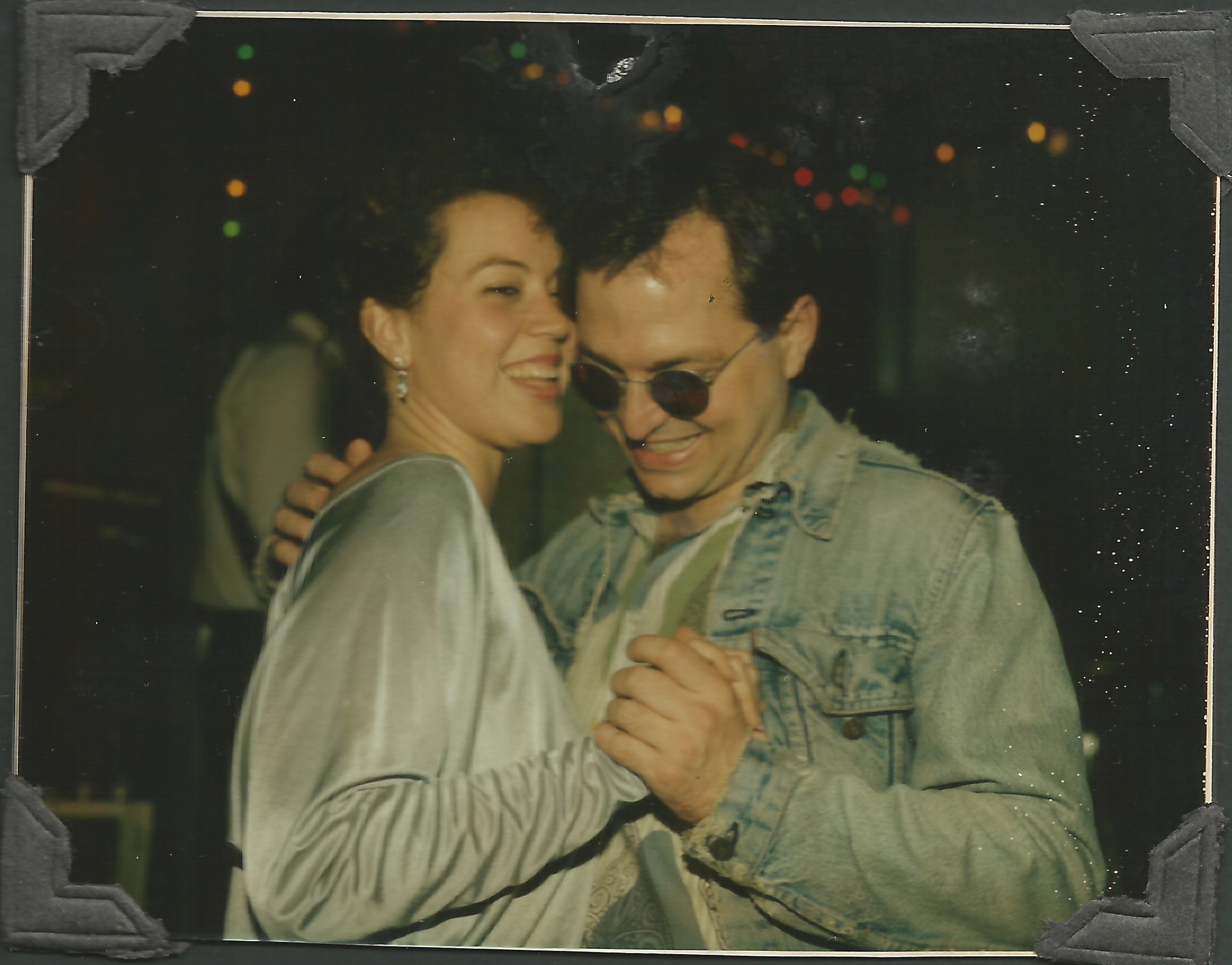
Today is our wedding anniversary. Gil and I have been married 26 years. It’s a lot of  time since our engagement party, at a Russian bar in Brighton Beach, New York!

April 1987

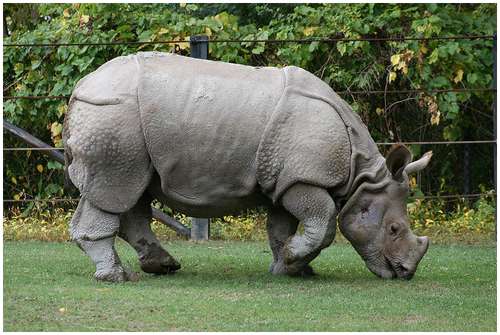
People always ask, How can you possibly stay married to another writer? It’s not something everyone does, and in fact the matrimonial union of two inkstained wretches is almost as rare as the Javan rhino, of whom less than 60 now exist.

Javan-Rhino

Some other writer-couples make it work. Novelists Paul Auster and Siri Hustvedt are a famous example. Well, they live in Brooklyn, and perhaps that artsy atmosphere gives them sustenance. Also consider the Beat poets Allen Ginsberg and Peter Orlovsky, together from 1954 until Ginsberg’s death in 1977. They chanted. They stayed loose. They were happily hip.

ginsberg

Once upon a time there was Mary Shelley (Frankenstein) and Percy Bysshe Shelley (Heaven smiles, and faiths and empires gleam,/like wrecks of a dissolving dream). It was wildly romantic, she running off with him when he was married to another woman and she was 16. Anais Nin and Henry Miller also managed to have both a torrid love affair and a meeting of the literary minds.

Anais_Nin_y_Henry_Miller

Yes, there were couples that were cursed, like Sylvia Plath and Ted Hughes. One dead by her own hand, one forever tortured by her demise. A similar dark story in Zelda and F. Scott Fitzgerald. He stole well-turned phrases from her journals, and things turned out badly (him dying of drink, her in a mental hospital fire).

fitzgerald:zelda

So what makes a writerly marriage work? Gil and I have been writing our own stuff and collaborating with each other ever since we got together. We actually met in a poetry writing workshop in New York City, led by the wonderful Sharon Olds (she won the Pulitzer for poetry this year). In the early days we didn’t have much space. I remember a tiny studio in Los Angeles with a single surface, a kitchen counter, where we set up our computers across from each other. And we produced books there. Today in the Cabin we have a bit more room, two separate offices (mine in the living room!), but we seem to often end up working side by side. Somehow our literary life together succeeds.

desk

So I will offer you my suggestions about sharing your life as a writer with another writer.

Accept debate. Disagree, argue, even fight over language. Just don’t come to blows. Try not to be hardheaded over a word or phrase or plot point. Be willing to kill your darlings, as they say, if your partner advises it. (Also praise each other’s work to the skies).

Celebrate the milestones. Little as well as large – the nice, toss-off comments of an acquaintance or the brilliant review. The copyedit as well as the first pristine hardback book copy. Raise a toast together, no matter which of you got the kudo, the contract, even the mot juste.

Ride the ups and downs. And there will be downs.Publishing is a fickle business and you can’t let the market ruin your mood or your relationship.

Embrace change. When we were married, I was an aspiring poet and Gil wrote plays that were produced off-off-Broadway. We made ends meet with editorial jobs. We grew, we branched out. We were the same people, but we became different sorts of writers. Between us, articles, screenplays, nonfiction, memoirs, fiction, even this blog…

We don’t know what will happen in the future. What writer does? Just be prepared to be perpetually surprised by your writerly mate, as you are surprised by yourself. Said Andre Maurois: In literature as in love, we are astonished at what is chosen by others.

Jean and Gil copy

16 Comments

Filed under Fiction, History, Home, Jean Zimmerman, Photography, Poetry, Publishing, Writers, Writing

The Orphanmaster Big Giveaway

It’s nearly April 30, the publication date for The Orphanmaster in softcover! I’m giving away copies.

o-master-p-back-cover

I have a stash that I would love to distribute to early readers. Drop me a comment (with your email – nobody sees that but me). I’ll get signed copies off to the first ten that respond.

13 Comments

Filed under Fiction, Jean Zimmerman, Publishing, The Orphanmaster, Writers, Writing

Mob-fest at Apalachin

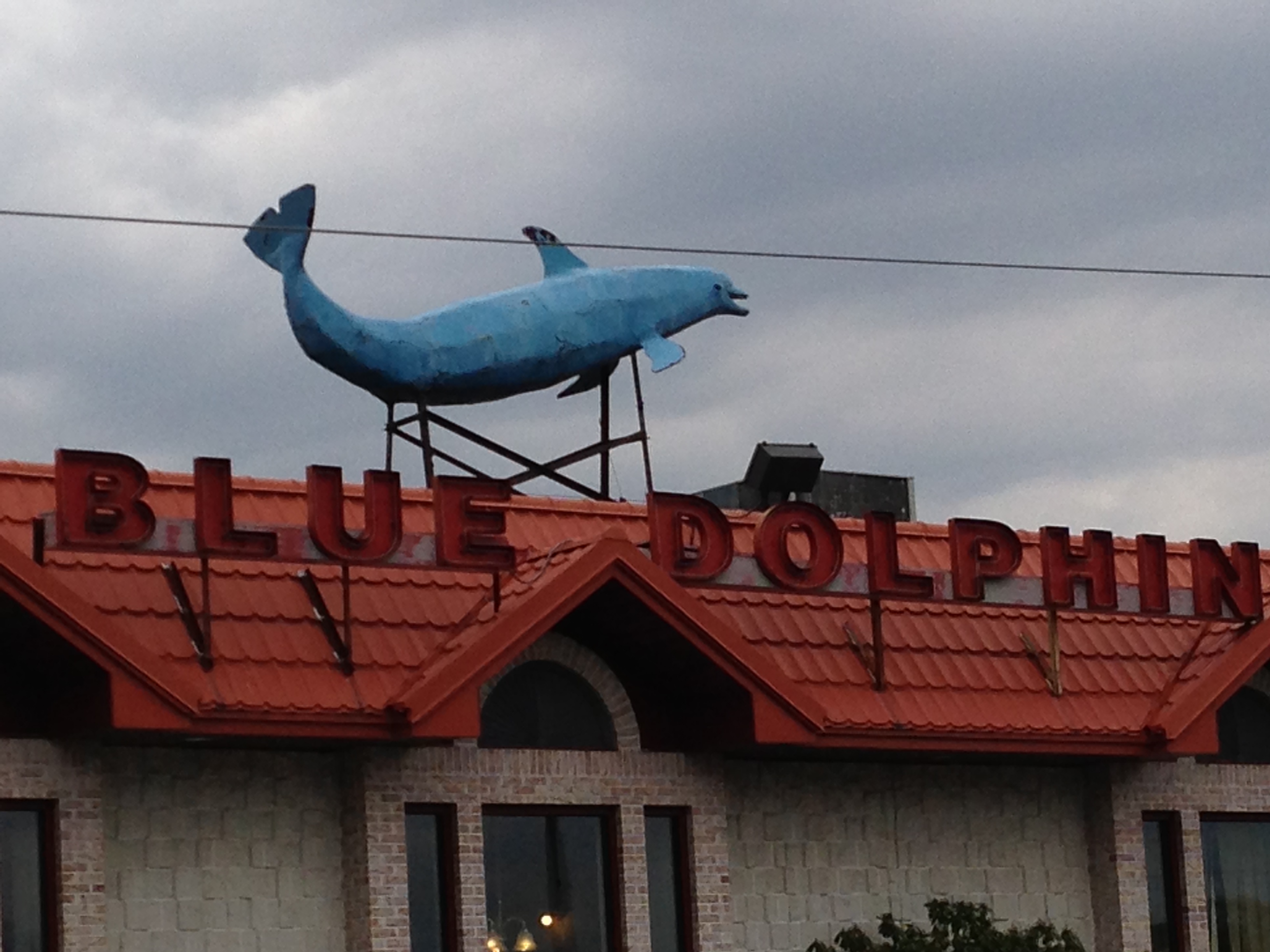
There were so many people who wanted to attend Gil’s talk on his book Mafia Summit: J.Edgar Hoover, the Kennedy Brothers, and the Meeting That Unmasked the Mob that the location had to change. From the Apalachin Library, it would now take place in the cavernous party room at a local landmark, the Blue Dolphin diner.

blue dolphin

The book had strong local interest. Gil tells the rollicking story of the 1957 mobster meeting in Tioga county, New York, the assembly parodied in the Billy Crystal/Robert de Niro movie Analyze This, where the bad guys skulk off into the muddy woods. The book’s also about the mob wars that led up to the meeting, and the drama that followed between Hoover and the Kennedy boys. People here knew the Barbara’s, the family whose paterfamilias hosted the meeting, they socialized with them, worked for them. For them, it’s not only a national saga but an intensely personal story.

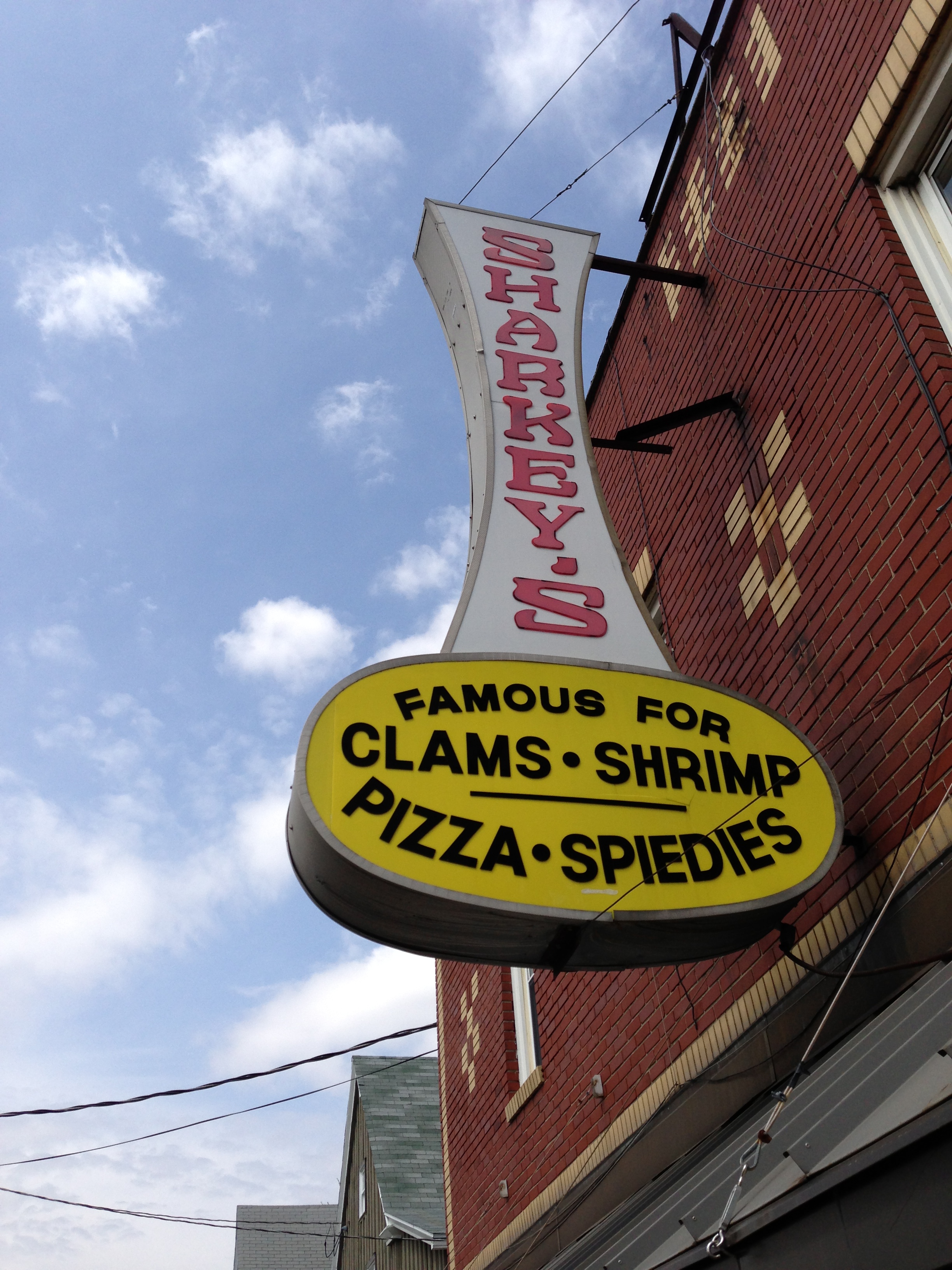
We got to Binghamton – Apalachin’s big-city neighbor – and hungrily headed for a spiedie joint.

sharkey's

Spiedies are a kind of marinated pork kebab that you squeeze between pieces of cheap, soft white bread. For some reason Sharkey’s also specializes in clams “available to go by the dozens, hundreds and bags,” boasting on its menu that, “The clams you eat today slept in the bay last night.” Since the only water nearby is the muddy, meandering Susquenna River, that gave us pause.

clams

But didn’t stop us from ingesting a dozen coarse, prehistoric-seeming steamed clams.

Just as we got ready to go, I noticed a button to the side of our old, scarred booth, a relic of another time.

button

Some kind of a magic button, maybe capable of summoning a mobster’s ghost. The place dates back to 1947, and it was probably old Joe Barbara’s cigarette smoke that stained its walls a coffee brown.

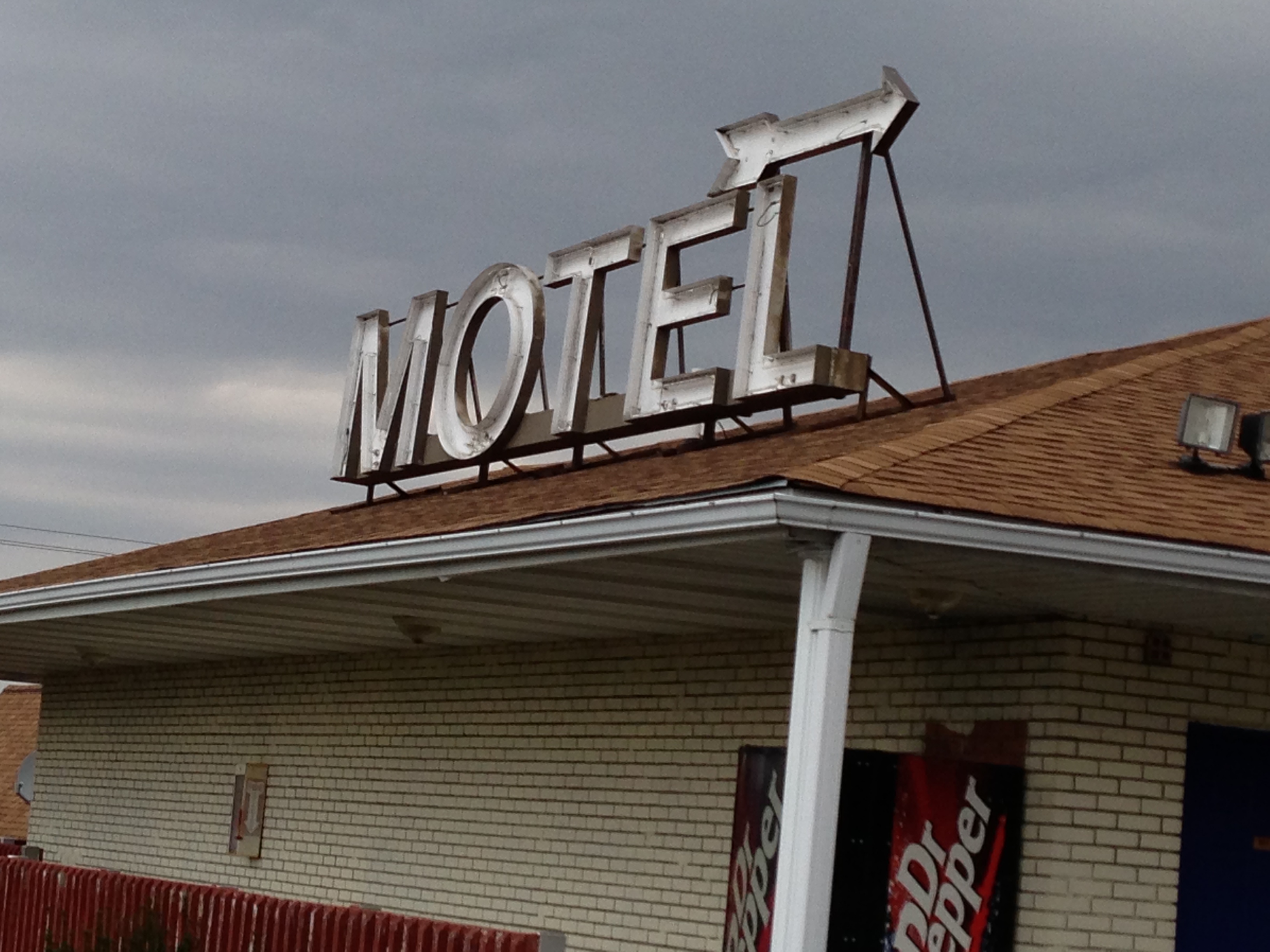
We stayed at a highway motel. Not just any highway motel, but the one where Detective Ed Croswell, the hero of Gil’s book, first intuited that something was rotten in the state of Apalachin.

motel

Croswell, there on another police matter, saw a guy in a sharkskin suit making reservations for a group attending a “convention” and hung back observing the situation until he got the information he needed.

moody motel

The motel needs a bit of a spitshine but it definitely gets you in the mood for a mob-fest, like the one at the Blue Dolphin tonight that packed the room with people who drove an hour to get there.

Gil  has some serious hand cramps in its wake.

Gil signing

5 Comments

Filed under Cooking, History, Photography, Publishing, Writers, Writing

Witika or Wendigo, I’m Scary

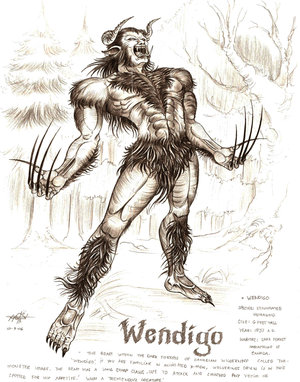
I am the voice of the Witika. Sometimes I am called the Wendigo, sometimes the Weetigo or Wetiko or other variants. It all depends on the region you’re from and the belief system you share. I roam the frozen north especially, northern Minnesota, the wastes of Canada, and New York State in the snowy winters.

wendigo7

The Wendigo, the Wendigo

I saw it just a friend ago

Last night it lurked in Canada

Tonight on your veranada!

So wrote none other than Ogden Nash.

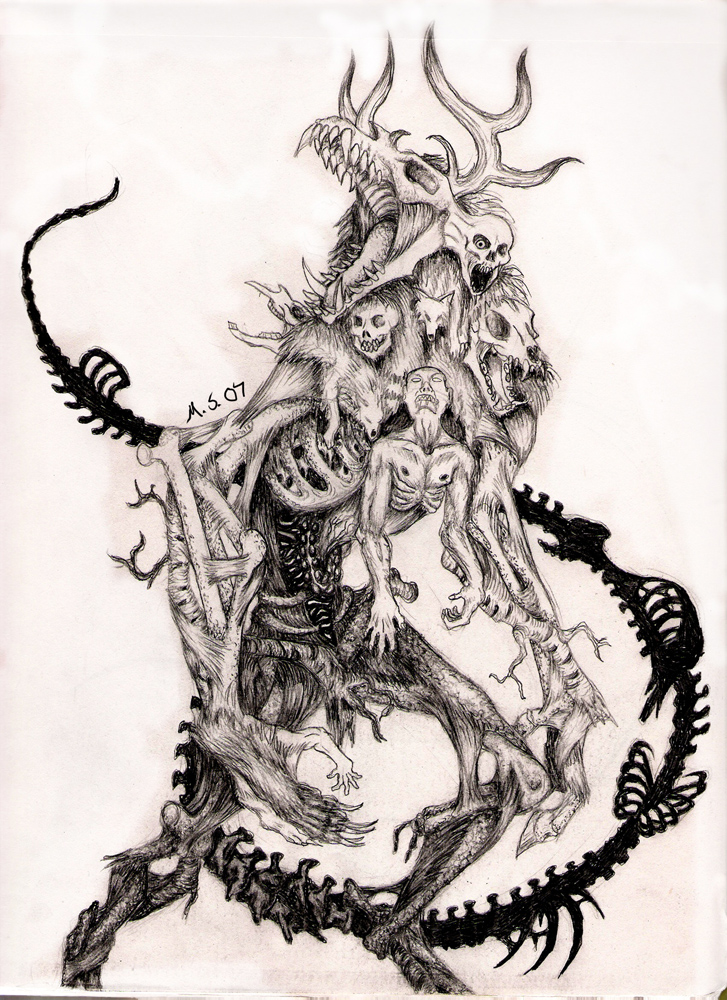
I make an appearance in The Orphanmaster as the vicious monster the European settlers find themselves terrorized by when children start to go missing from the colony.

Howl_of_the_Wendigo_by_Moonshadow01

As everyone in New Amsterdam knows, I stand around nine feet tall, with greenish, putrid skin, long fangs, and a voracious appetite for human flesh. The Algonquins made me part of their belief system. The name is thought to mean “the evil spirit that devours mankind.”

Wendigo_by_artstain

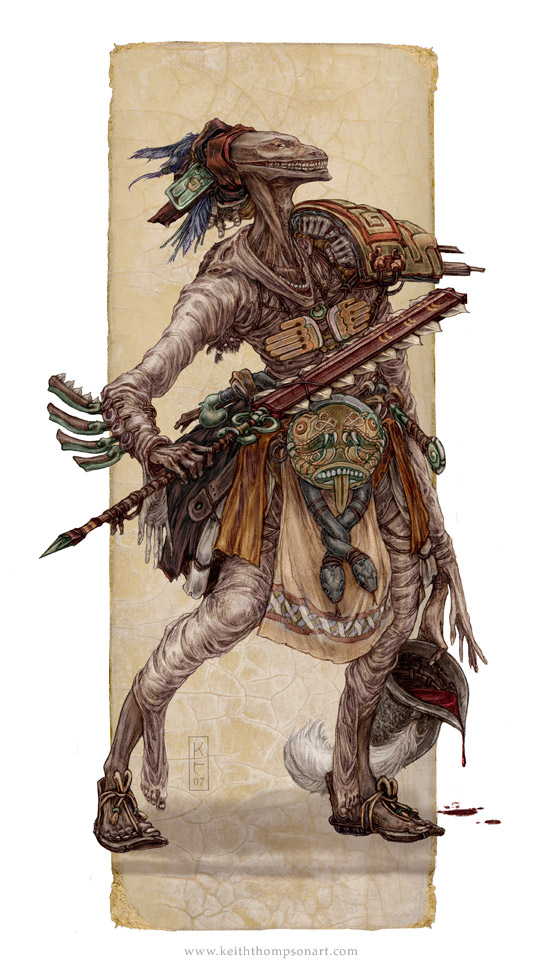
I’ve been the subject of fantasy in literature, movies, video games, anime and comic books. Artists have had a field day with me.

wendigo_char_C1

In Marvel comics, I have faced off against the Hulk and other superheros.

comic

The Dark Horse Comic Series has a different portrayal.

dark horse

In Stephen King’s Pet Sematary, I haunt the path leading to the Indian burial ground.

215px-Pet_sematary_poster

I had a whole movie to myself in the 2001 Wendigo.

wenpos

Even literati Louise Erdrich wrote a poem, “Windigo,” about melting my frozen heart.

I star in the fantasies of countless gamers.

gamers

Read your newspapers after reading The Orphanmaster, and you’ll see more cannibal stories than you’d expect.

I’m not the only monster. “Wendigo psychosis” is a mental disorder which has actually been observed among several Algonquian peoples. It describes cases where people kill and eat humans (often relatives) indiscriminately, when there’s no famine whatsoever. They do it because my spirit infests them.

These people take on the characteristics of the monster Witika. Me.

Like a Big Foot or a Loch Ness monster, I may be what mythologists call a cryptid. Or I may be real.

Biologists think the urge to cannibalize has roots in Kuru, Kreuzfeldt-Jakob or other brain diseases, which can show themselves as a form of psychosis.

But really, it’s all about the power of suggestion.

wendigo

2 Comments

Filed under Art, Fiction, History, Jean Zimmerman, Poetry, The Orphanmaster, Writers

Of Blooms and Brooches

When the old magnolia by the Cabin blooms, I am rendered speechless.

magnolias

Here is an exquisite poem for an exquisite spring day, by Robert Louis Stevenson.

I Will Make You Brooches

I will make you brooches and toys for your delight

Of bird-song at morning and star-shine at night.

I will make a palace fit for you and me

Of green days in forests and blue days at sea.


I will make my kitchen, and you shall keep your room,

Where white flows the river and bright blows the broom,

And you shall wash your linen and keep your body white

In rainfall at morning and dewfall at night.


And this shall be for music when no one else is near,

The fine song for singing, the rare song to hear!

That only I remember, that only you admire,

Of the broad road that stretches and the roadside fire


(Thanks to Beth Levin, who seeks out and shares many wonderful things.)

6 Comments

Filed under Home, Nature, Poetry, Writers

Little Green

Spring brings with it a kind of happy sadness. Ferns beginning to emerge.

spring ferns

And yet the air is cold, endlessly.

cold tree

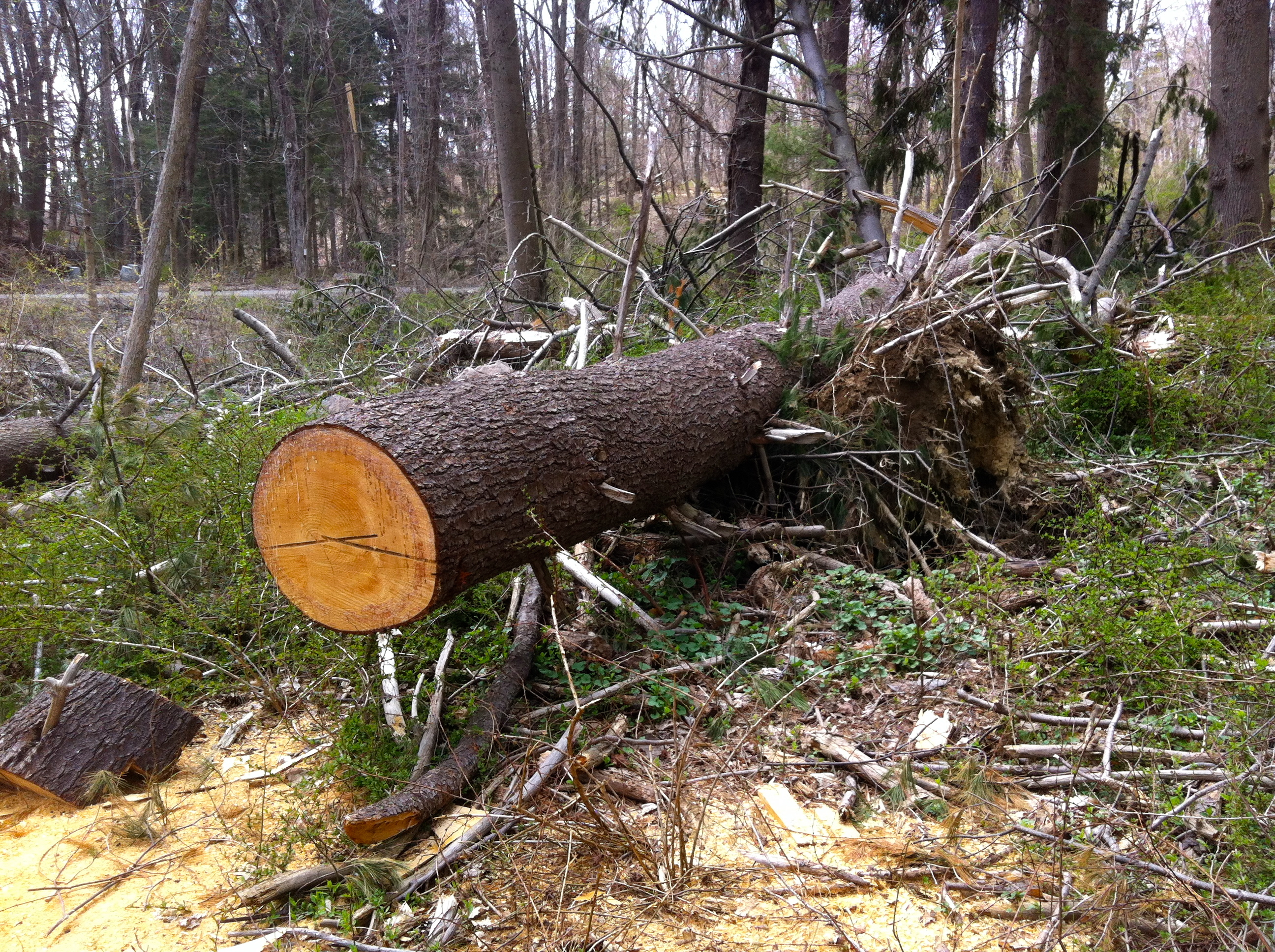
We’re still looking at the downed trees in our front forty, felled during Sandy. Our neighbor took home a dozen planks from one, and it is pretty great that he could use them to build raised beds for a garden this spring. A happy eventuality.

Downed Pine

Still, I’m thinking of the haiku by Kobayashi Issa, who wrote in the early nineteenth century:

The tree will be cut


Not knowing the bird


Makes a nest

The bird will surely build another home in another tree, happily, but here this tree lies, fit only for planks.

In our woods, you now see the moss, there all winter but offering up its soft coat in spring as though you’d never seen it before.

moss

My friend Josefa told me that in Virginia, when spring came, she thought about planting moss in their yard, which was too shady for grass. She was informed by local experts that the ladies of Richmond made their guests put on ballet slippers before treading on their moss. And that they fertilized it with buttermilk. Beautiful images. Yet she was sad in Richmond, even in spring, so sad she had to move back north.

Happy sadness in spring. Poets do it best. (April is National Poetry Month.)

Walt Whitman, an aside in “Song of the Open Road.”

(Still here I carry my old delicious burdens,

I carry them, men and women, I carry them with me wherever I go,

I swear it is impossible for me to get rid of them,

I am fill’d with them; and I will fill them in return.)

whitman

My old delicious burdens. The piercing, pleasurable misery of April. The weight of death, of debts to pay. In the clear sunshine.

April is the cruellest month, breeding

Lilacs out of the dead land, mixing

Memory and desire, stirring

Dull roots with spring rain.

onion grass

In that poem, The Waste Land, T.S. Eliot also talks about how, In the faint moonlight, the grass is singing/Over the tumbled graves. It was a happy day, beginning in the nineteenth century, for families and lovers to take their leave of the gritty city and visit a graveyard.

green-wood-cemetery06

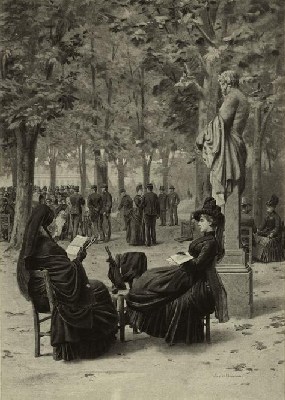
The landscaped acreage offered a garden and an art museum all in one, you could stroll or take a carriage, and whatever sadness you might feel was mitigated by your joy at being outdoors in the air, with the pristine green grass spilling over in the spring sunshine. Green-Wood Cemetery, in Brooklyn, New York, saw half a million visitors a year in the 1860s.

mourning_1888

Matsuo Basho gets at the bittersweet flavor of such a foray.

the whole family

all with white hair and canes

visiting graves

In the woods above the Cabin, we have tiny green leaves emerging out of the dusky litter of winter.

little green

“Little Green,” Joni Mitchell’s saddest song, carries within it happiness as well.

Just a little green

Like the color when the spring is born

There’ll be crocuses to bring to school tomorrow

Just a little green

Like the nights when the Northern lights perform

There’ll be icicles and birthday clothes

And sometimes there’ll be sorrow

The song, written in 1967, talks about a daughter that the 19-year-old singer gave up for adoption.

Child with a child pretending

Weary of lies you are sending home

So you sign all the papers in the family name

You’re sad and you’re sorry, but you’re not ashamed

Little green, have a happy ending

The comic Louis C.K., who manages to be soulful and raunchily hilarious all at once, gave a recent interview in which he talked about how he gets by in this world.

I don’t mind feeling sad. Sadness is a lucky thing to feel. I have the same amount of happy and sad as anyone else. I just don’t mind the sad parts as much; it’s amazing to have those feelings. I think that looking at how random and punishing life can be, it’s a privilege. There’s so much to look at, so much to observe, and there’s a lot of humor in it. I’ve had sad times, I’ve had some hard times, and I have a lot of things to be sad about, but I’m pretty happy right now.

To achieve happy sadness, we could all be more like animals, who so often mix emotions in their expressions. Yes, there are people who say  not-humans lack emotions. But I look at Oliver, the pit-hound in him tuckered out after chasing the white flag of a deer’s tail through the spring brambles. The look across his features.

deer chaser

And I think of Edith Wharton’s journal in 1924.

I am secretly afraid of animals…. I think it is because of the usness in their eyes, with the underlying not-usness which belies it, and is so tragic a reminder of the lost age when we human beings branched off and left them: left them to eternal inarticulateness and slavery. Why? their eyes seem to ask us.

Dogs do sometimes have that look in their faces – if I wasn’t so satisfied now I would cry. With Oliver I could imagine a particular happy sadness. If I caught that deer today I couldn’t chase it tomorrow, so all is well.

The Japanese christened the unique flavor called umami, something we only understand because of L-glutamate receptors on the tongue. Along with sweet, sour, salty and bitter, the names we all learned as we grew up for what goes on in the mouth when we eat, it’s one of the five basic tastes, identified by scientist Kikunae Ikeda in 1908. But it’s almost impossible to describe. It’s savory or “brothy,” found in dried bonito flakes or shitake mushrooms.

Shiitake Mushrooms

Soy sauce. Parmesan cheese. The thing about umami is that it offers a mixture of sensations that together become pleasurable on the tongue. Intense, saliva-stimulating. A powerful paradox.

Just like spring.

10 Comments

Filed under Dogs, Home, Jean Zimmerman, Nature, Photography, Writers, Writing

The Bite-In-the-Ass Detail

I just finished a work of history that I found as interesting for what it was not as for what it was. In Jefferson’s Pillow: The Founding Fathers and the Dilemma of Black Patriotism, Roger Wilkins explores the disconnect between the egalitarianism of the founding fathers and the fact of their slaveholding. It delves into the experiences of black and white Americans during the Revolutionary era.  My book group loved the book. It has a personal cast as well as an academic focus, showing how the author as a black American came to respect and value the contribution of the early patriots despite their hypocrisy, which so harmed his African and American ancestors. “To be human,” he insists, “is to live with moral complexity and existential ambiguity.”

Roger Wilkens

I read the book wanting to be drawn in by the author’s careful parsing of racism then and now, and I felt moved by the telling of it. Yet I found myself wanting more. More details, more original sources. More of the bits where the author painted a picture. More crunch. Wilkins cites the fact of Thomas Jefferson, for example, being carried on a pillow as a child by slaves belonging to his wealthy family – the trope that gives the book its title. It’s a gripping image. Yet I wanted the participants’ names, the type of carriage, the destination of the procession, the fabric of the pillow.

Thomas Jefferson

We have a term in my house that gets at the fabric of the pillow. Once, Betsy Lerner, she of the keenest mind and editorial ability (she’s also my literary agent) made a comment in passing. I want more bite-in-the-ass details, she said. That’s what good writing called for.

From that day on, Gil and I knew it when we saw it. “BITADs,” as he abbreviated her counsel. Bite-in-the-ass details.

BITADs are the key to good writing. Or at least the writing I like and aspire to. I want the detail that sings, that is irresistable, unassailable.

Take hummingbirds, for example. Okay. Adriaen van der Donck was a Dutch lawyer who helped settle New Amsterdam in the mid-seventeenth century. For a book, I borrowed his thoughts from his journal on the subject of these beautiful creatures, that they were too “tender,” as he wrote, to make good pets: “We … prepare and preserve them between paper,” he explained, “and dry them in the sun, and send them as presents to our friends.” Russell Shorto, in his insightful work The Island at the Center of the World, relied heavily on Adriaen van der Donck, but left his ass unbitten by the hummingbird.

hummingbird

But the bird’s a BITAD, one that helped me show Europeans’ awed reaction to the New World when I was writing The Women of the House: How a Colonial She-Merchant Built a Mansion, a Fortune, and a Dynasty. (It was such a fine BITAD I repurposed the poor dessicated hummingbird for The Orphanmaster as a gift that a smitten suitor gives Blandine, the novel’s heroine.) Scouring the texts of seventeenth century America I have found a surfeit of BITADs, from wild grapes “as large as the joints of the fingers” to winter weather cold enough to freeze eels in a bucket of water, to six-foot lobsters harvested from the floor of the East River off Manhattan.

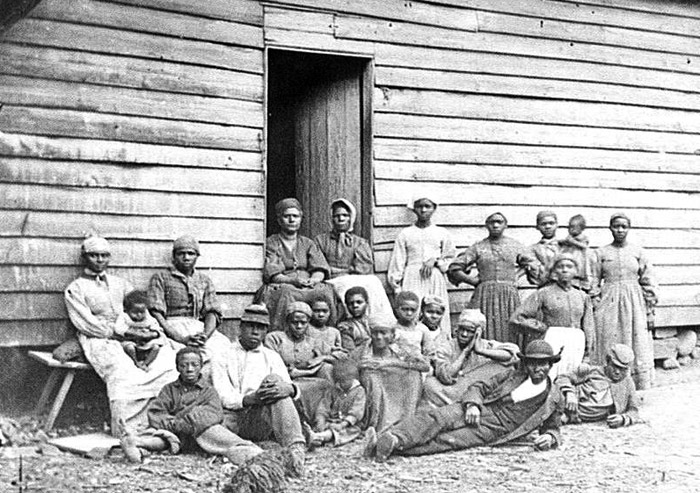
The details I sought out in describing early New York in The Women of House went beyond the wonders of nature. Like Wilkins, I discussed slavery, which was more prevalent on Manhattan and its environs than many people are aware of. I found myself fascinated, too, by slave rebellions of the colonial era. There were many and they were gruesome affairs. Wilkins mentions the Stono Rebellion of 1739, but somehow neglects the details that make it so arresting, a car wreck from which you cannot avert your eyes.

slaves

Stono took place in South Carolina, just outside Charleston. King Philip of Spain, who had colonized Florida, offered freedom to any English-owned slave who could flee to St. Augustine. Then he proposed a settlement to be founded by and for escaped slaves. It would be called Fort Moosa. All residents would be armed against their former masters.

What happened next is something that has been pretty much erased from our collective memory. Twenty Stono slaves raided a weapons depot and left the heads of two hostages on display before crossing the river to George en route to the promised land of Fort Moosa. Slaying whites and appropriating weapons at every house they passed, the crew gained ecstatic adherents along the way. Slaves joined in with shouts of “Liberty!” as the freedom fighters moved south. Then, in an open field where slaves were celebrating their new freedom with rum and dancing, government troops descended. After the killing stopped, dozens of pikes topped with rebel heads lined the main road at one-mile intervals. (That’s a BITAD.)

stono_rebellion

Stono was only one of dozens of slave rebellions during the colonial period. Some conspiracies took place in New York, where it was said that slaves poisoned the water supply or set conflagrations. The so-called Great Negro plot of 1741 involved both black and white insurgents, who congregated in a tavern nicknamed Oswego after an English trading post on the shore of Lake Ontario where the riches of Europe were bartered for those of the northern frontier. (BITAD!)

Now you get it. As a young writer I assisted a woman who was brilliant but not a professional writer, helping her get her ideas down in a book. Her idea of guiding my work was a simple phrase that frustrated me no end: “Make it compelling,” was all she would say.

There are many strategies writers use to make their work compelling. The BITAD stands at the forefront. But is slavery too somber a subject to be enlivened by writerly strategies? I think not. Every subject benefits when you find the strange and particular attributes that distinguish it.

Not just big-picture history, either. Consider how you might tell a story of your own experience. Say I want to convey my time in middle school. I’d start with the strains of Windy, by the Association, sung in chorus, kids standing on rickety wooden bleachers… Who’s peekin’ out from under a stairway, calling a name that’s lighter than air…

Windy

I’d tell about the chorus teacher, a woman with flame-orange hair in a flip. I’d tell about her bust, twin torpedos encased in a tight wool sweater. But the BITAD, I think, would be the gold watch she wore on a pendant, which dangled over the shelf of her bosom, to our endless middle-school hilarity. The detail that sings, so to speak. Above the clouds (above the clouds) Above the clouds!

4 Comments

Filed under Jean Zimmerman, The Orphanmaster, Writers, Writing

The Widening Day

Springtime. Easter. Our days stretch. The song of frogs mating fills all of the night and most of the day.

Annie Dillard writes:

The day widened, pulled from both ends by the shrinking dark, as if darkness itself were a pair of hands and daylight a skein between them, a flexible membrane, and the hands that had pressed together all winter—praying, paralyzed with foreboding—now flung wide open.

It’s not, probably, that the first of the daffodils bloomed at the Cabin today, but that today, Easter, is when I first saw them.

daffs

Despite my intention of having a nonEaster this year, rebirth fills my head.

Eggs. Shatter the shells.

shells

Pull apart the whites and the yolks.

eggs

Devil those eggs. Place them in crystal. We will feast.

1 Comment

Filed under Cooking, Home, Writers

Spring, Sprang, Sprung

Finally, full-blown crocuses.

crocuses

Pine cones, scales open, strewn about, at the last stage of their life cycle.

pine cones 2

The sun, hot beams through the still-cold air.

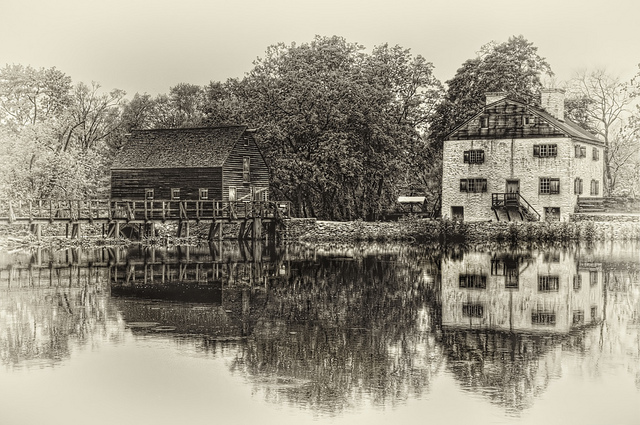
We pulled around to the back of Phillipsburg Manor, a historical restoration in Sleepy Hollow with a mill pond and a still-working farm, and got out of the car to look over the fence. A dozen sheep grazed, several of them fatly pregnant, while one tiny white lamb hid behind the herd. The first of the new babies.

philipsburg manor

I was very familiar with this place, this scene. A library stands on the property, housed in a white clapboard, colonial-style home. It contains the archive where I researched The Women of the House, where I went to investigate the lives of one New York family, the Philipse clan, and its wonderfully headstrong matriarch, Margaret Hardenbroeck Philipse. I remember that I would lift up my face from the heady dust of crumbling manuscript pages to take a break, and go to look out the window, where the early spring lambs bleated and raced around on their still clumsy legs, the white flags of their uncut tails flopping in the breeze.

It made a wonderful juxtaposition, the ancient and the new.

As a longtime nonfiction writer, and now historical fiction, I have spent, cumulatively, I think, whole years of my life in libraries, and I know that some of the best days in my life have been in libraries. I’ve not only dug in to books and manuscripts, taken thousands of pages of notes, and written many chapters, but even eaten and drank within different libraries’ hallowed halls.

I’ve also taken some great naps, with fantastic dreams.

Libraries are in my blood. Some of my favorites over the years: my hometown library, overlooking the Hudson River, which had a conservative collection but the perfect books I needed growing up, the Virginia Woolf and Lawrence Stern and Melville that made me the writer and person I am today.

hastings library view

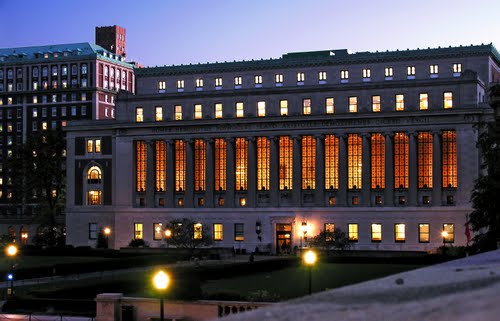
Then there were the stacks at Columbia University’s Butler Library when I was an undergraduate– what a thrill it was to step through that heavy portal and prowl among the tiers of volumes with their sweetly musty aroma of aged book paper.

butler

I have to mention the New York Public Library, where for 30 years I have made pilgrimmages to the Rose Reading Room, to the Manuscripts Collection and most recently to the Allen Room, which allows authors with book contracts the privacy and quiet to make progress on their projects. The NYPL – all that chunky Vermont marble and golden oak can’t help but inspire a writer.

rose

But I digress. It is spring, still brisk, but time to think about spending afternoons outside, not inside even the most magical library’s walls. I know I’ve told this story of Gertrude Stein before but it bears repeating.

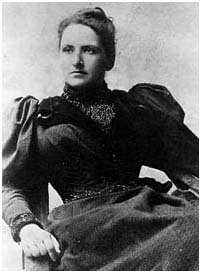
When Stein was an undergraduate at Radcliffe, in the 1890s, studying under psychologist William James — she was a young woman, conventional at least on the outside, not the close-cropped Amazon she would some day become —  the day came to take the course’s final exam. Here is how she tells the story in The Autobiography of Alice B. Toklas:

“It was a very lovely spring day, Gertrude Stein had been going to the opera every night and going also to the opera in the afternoon and had been otherwise engrossed and it was the period of the final examinations, and there was the examination in William James’ course. She sat down with the examination paper before her and she just could not. Dear Professor James, she wrote at the top of her paper. I am so sorry but really I do not feel a bit like an examination paper in philosophy to-day, and left.

young

“The next day she had a postal card from William James saying, Dear Miss Stein, I understand perfectly how you feel I often feel like that myself. And underneath it he gave her work the highest mark in his course.”

It’s spring. Let’s cut school. Let’s cut work. Let’s get out there and smell the crocuses.

1 Comment

Filed under Jean Zimmerman, Writers, Writing

The Fires of March

Meanwhile… back at the Cabin, a guest post from Gil:

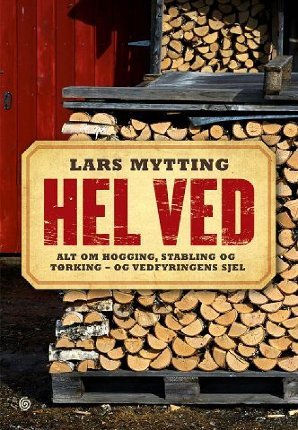
I’m thinking about Lars Mytting, who has a best-seller in Norway with his book, Solid Wood: All About Chopping, Drying and Stacking Wood — and the Soul of Wood-Burning.Hel Ved

Mytting’s book has not yet washed up upon these unenlightened shores, and the closest you can get is Thorsten Duser and Mimi Lipton’s delightful photo-essay, Stacking Wood.

One of the finest pleasures is a fire in the grate in March. With spring weather creeping up outside, the hot hearth has a bittersweet, valedictory air. The flaming chunks of wood crumble and fall apart like calving icebergs. The yellow-blue of the blaze my favorite color I think.

Ollie and Fire

Makes me remember the fires of The Orphanmaster:

They were silent for a long moment, both staring at the embers. There were cities revealed there among the coals, fiery foreign hells, countries of the damned.

We had fires almost every day over the period The Orphanmaster was written. The winter of 2010-2011, a good year for woodfires. We got our wood from our long-time purveyor, George Hauser Firewood.

Our friend Terry Lautin put us on to Hauser back in 1998 when she lived in Westchester. Later, when we started using him to supply our own fireplace in Hastings-on-Hudson, we discovered that a few of our more discerning friends used Hauser, too. This wasn’t your unseasoned, trash-wood cuttings offered by tree service and landscaping crews. This was year-old ready-to-burn hardwood.

Our pals Neil and Michelle White were talking about burning Hauser wood. I recalled Aline and R. Crumb’s masterful celebration of his tape dispenser, and said that Hauser was the “Better Packages” of firewood. A small, family-owned business that simply got it right, providing a superior product by dint of an uncompromising, old-fashioned way of doing the right thing.

We visited his woodlot, off Route 22 in Putnam County.

Hauser Woodlot

George: “People come out here, they always quote Thoreau to me, I tell them, this wood here, I’ve been warmed up hundreds of times.”

George Hauser died last year, but his business is being carried on by his wife and son-in-law. RIP George Hauser, one of the last of a vanishing breed of American.

5 Comments

Filed under Dogs, Fiction, Home, Photography, Publishing, The Orphanmaster, Writers

Books on Loan

Just hold on.

Before you say, that’s corny, or that’s not something I would ever put the time and energy into doing, think: a lending library of my own, that I design, at my house. A library! It could be like the libraries of old, the private ones maintained by Samuel Tilden, John Jacob Astor and James Lenox. They merged theirs to form the New York Public Library, with a $24 million bequest from Tilden, in 1895. In 1906, one of the greatest libraries in the world arose from its foundations at Fifth Avenue and 42nd Street, taking the place of the Old Croton Reservoir.

NYPL, 1906

The Lenox Library sat atop a hill on Fifth Avenue between 71st and 72nd Streets, back in the 1870s when that was the boonies.

upper fifrh, 1893 1 copy

Lenox wouldn’t let just anyone into his bibliographic fortress, its contents were that precious. Scholars had to purchase a ticket.

Lenox

But you, you would admit the public, if you created a library.

Library 6

Graciously, you might even let people in to take away books without a library card.

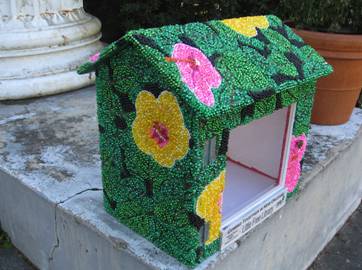
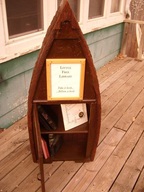
Little Free Libraries make this possible. With founders who are all about promoting literacy and community, this phenomenon has spread from the Midwest across the country, even as normal size branch libraries suffer funding cuts or close.

Library 1

What you do is build your own. And they will come.

Library 2

You take a crate, or some other frame, and you decorate it as you will. There are suggestions for how to build if you need them.

You can also, of course, order one pre-made. This is America.

Library 3

You set it outside your house.

Library 4

Fill it with whatever books of yours you think should be in your “collection” – because you loved them and want other people to know them, because you hate them and can’t wait to get rid of them, because they take up too much room on your shelves, whatever.

Library 5

The founders of Little Free Libraries say, “there is an  understanding that real people are sharing their favorite books with their community. These aren’t just any old books, this is a carefully curated collection and the Library itself is a piece of neighborhood art!” You can get special stickers to put in your books.

Library 7

People wandering by your house can simply take a volume. No questions asked. When they’re done with it they return in. They can add another if they wish.

Library 8

My sister-in-law Medith and her husband Thomas put this beauty in front of their home in Wisconsin. She says, “I get such kick out of seeing someone walk by, stop and go back, check out the books and then proceed on carrying their new read.”

Mimi's Little Free Library

Ellie, a neighbor, thinks it’s pretty exciting.

I wonder if she’s seen the map showing how many Little Free Libraries now throng the world?

I’m beginning to itch for one. I want to take a laminated shoebox and fill it with tiny books exclusively: miniature volumes like The Book of Whale Insults, The Incomplete Book of Dog Names, and Songs of Robert Burns. Maybe I’ll squeeze in a bound manuscript of Savage Girl. The only thing is, we don’t get any foot traffic on our dirt road through the woods.

Maybe a story hour that would appeal to squirrels?

2 Comments

Filed under Home, Publishing, Writers

When It’s Okay to Be List-y

There’s a great piece on Flavorwire that anthologizes ten lists “that seem like they could be poems in and of themselves.” The writers responsible for these lists are diverse. I’m reminded of a term for a writerly sin that Gil and I coined — being “list-y,” filling a passage with a bunch of wonderful facts that when run together just add up to dead weight.
But sometimes a list is a dynamic object, grocery lists, laundry lists, books to read, resolutions of every kind. Bucket lists itemizing the wonderful activities you’ll someday get around to… although I have instead a fuck-it list, things I will not in any circumstances ever do in my lifetime, the ones I refuse to consider, like bungee-jumping from a helicopter or white water rafting down a too-exciting Colorado River.

There’s nothing quite like rediscovering a scrap of paper — buried on your desk or in your bag — and realizing that you’ve actually accomplished the things on it. Ta-da. I did something! No matter how small. I returned the DVD to the library. I picked the tomatoes.

tomatoes copy

And I remember what that day was, the crumbly soil, the sun, the smell of the tomato stems when I cut them. How my lower back felt when I was done. The taste of the salad, later. It all comes back with pencilled words on a scrap of paper. A list enumerates the world.

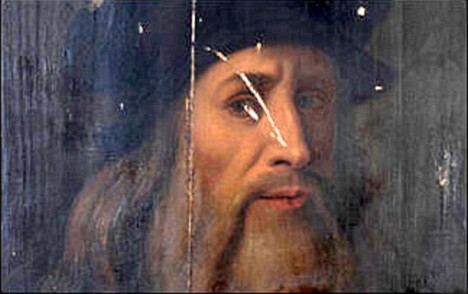
Here you can see Leonardo da Vinci present his qualifications for a job at the court of Ludovico Sforza in the early 1480s. One bullet point refers to his early designs for military tanks: “Also, I will make covered vehicles, safe and unassailable, which will penetrate the enemy and their artillery, and there is no host of armed men so great that they would not break through it.”

da vinci

Nora Ephron writes about the things that she won’t miss when she’s gone.

Nora Ephron

Two are “washing my hair” and “the sound of the vacuum.”

Woody Guthrie gives his new year’s resolutions for 1942, including “Listen to radio a lot” and “Help win war—beat fascism.”

Folk Musician Woody Guthrie

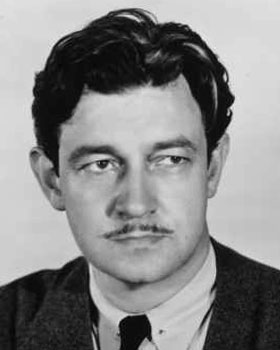
Sullivan’s Travels director Preston Sturges’s decrees “eleven rules for box-office appeal.”

preston_sturges

The whole series is great:

A pretty girl is better than an ugly one.


A leg is better than an arm.


A bedroom is better than a living room.


An arrival is better than a departure.


A birth is better than a death.


A chase is better than a chat.


A dog is better than a landscape.


A kitten is better than a dog.


A baby is better than a kitten.


A kiss is better than a baby.


A pratfall is better than anything.

Pianist Thelonius Monk takes a bold-faced approach to giving advice to musicians in 1960.

thelonious-monk-2

Two are:

STOP PLAYING ALL THOSE WEIRD NOTES (THAT BULLSHIT), PLAY THE MELODY!

and

MAKE THE DRUMMER SOUND GOOD.

What I think I like the best of this selection is Isaac Newton’s itemization of his recently committed sins, penned when he was 19 years old, in 1661 – several years before he set his mind to the principles of calculus.

isaac newton

And so I’m going to borrow from Flavorwire to run Newton’s list in its entirety, from his notebook:

Before Whitsunday 1662

Using the word (God) openly

Eating an apple at Thy house

Making a feather while on Thy day

Denying that I made it.

Making a mousetrap on Thy day

Contriving of the chimes on Thy day

Squirting water on Thy day

Making pies on Sunday night

Swimming in a kimnel on Thy day

Putting a pin in Iohn Keys hat on Thy day to pick him

Carelessly hearing and committing many sermons

Refusing to go to the close at my mothers command

Threatning my father and mother Smith to burne them and the house over them

Wishing death and hoping it to some

Striking many

Having uncleane thoughts words and actions and dreamese

Stealing cherry cobs from Eduard Storer

Denying that I did so

Denying a crossbow to my mother and grandmother though I knew of it

Setting my heart on money learning pleasure more than Thee

A relapse

A relapse

A breaking again of my covenant renued in the Lords Supper

Punching my sister

Robbing my mothers box of plums and sugar

Calling Dorothy Rose a jade

Glutiny in my sickness

Peevishness with my mother

With my sister

Falling out with the servants

Divers commissions of alle my duties

Idle discourse on Thy day and at other times

Not turning nearer to Thee for my affections

Not living according to my belief

Not loving Thee for Thy self

Not loving Thee for Thy goodness to us

Not desiring Thy ordinances

Not long {longing} for Thee in {illeg}

Fearing man above Thee

Using unlawful means to bring us out of distresses

Caring for worldly things more than God

Not craving a blessing from God on our honest endeavors.

Missing chapel.

Beating Arthur Storer.

Peevishness at Master Clarks for a piece of bread and butter.

Striving to cheat with a brass halfe crowne.

Twisting a cord on Sunday morning

Reading the history of the Christian champions on Sunday

Since Whitsunday 1662

Glutony

Glutony

Using Wilfords towel to spare my own

Negligence at the chapel.

Sermons at Saint Marys (4)

Lying about a louse

Denying my chamberfellow of the knowledge of him that took him for a sot.

Neglecting to pray 3

Helping Pettit to make his water watch at 12 of the clock on Saturday night

4 Comments

Filed under Jean Zimmerman, Writers, Writing

Mr. Darcy Cooks

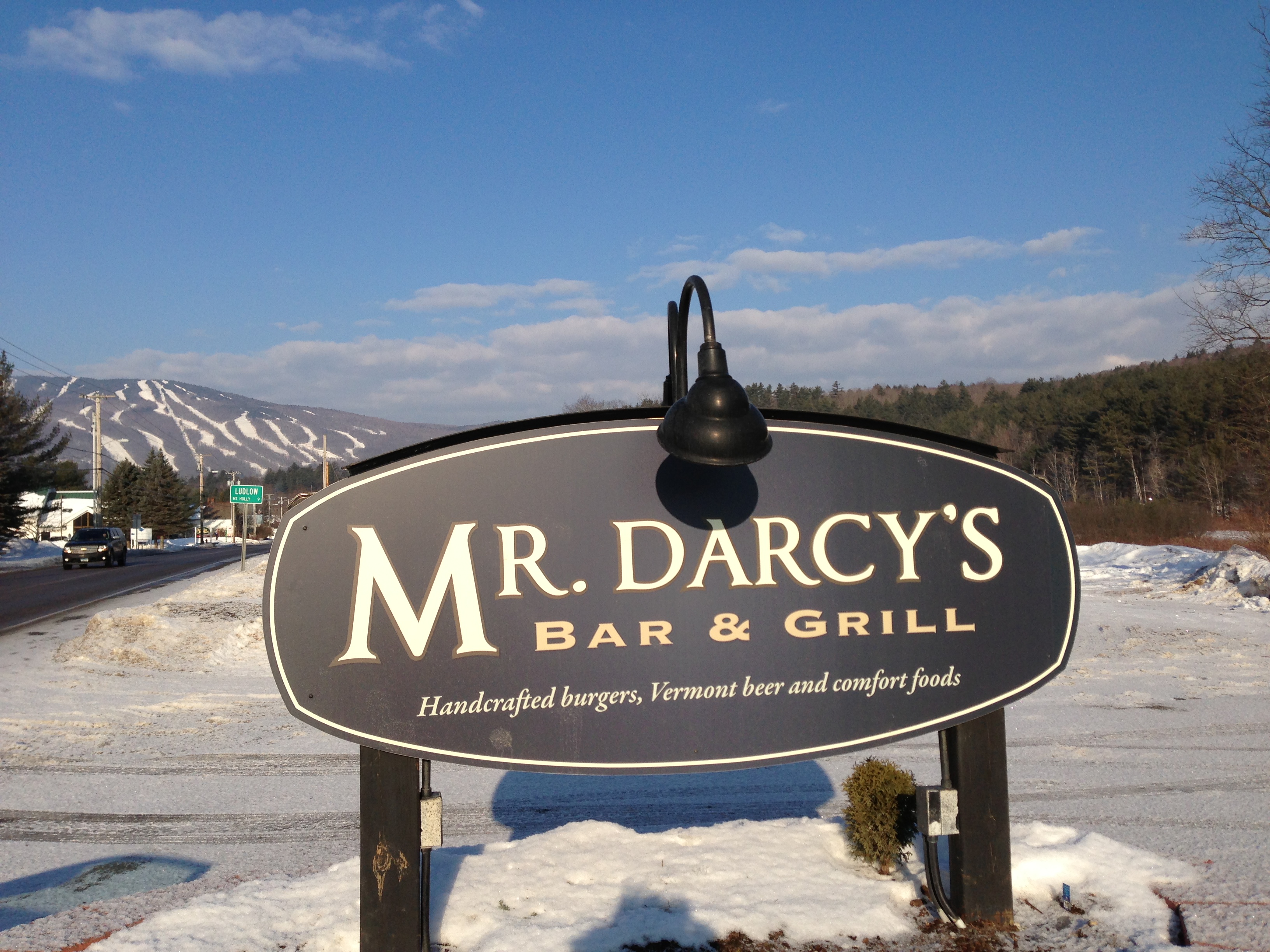
Mr. Darcy's

And I wondered what happened to Darcy after he was run off of Pemberley for feather spanking that chambermaid. He’s peeling potatoes in the shadow of Mount Okemo in Ludlow, Vermont.

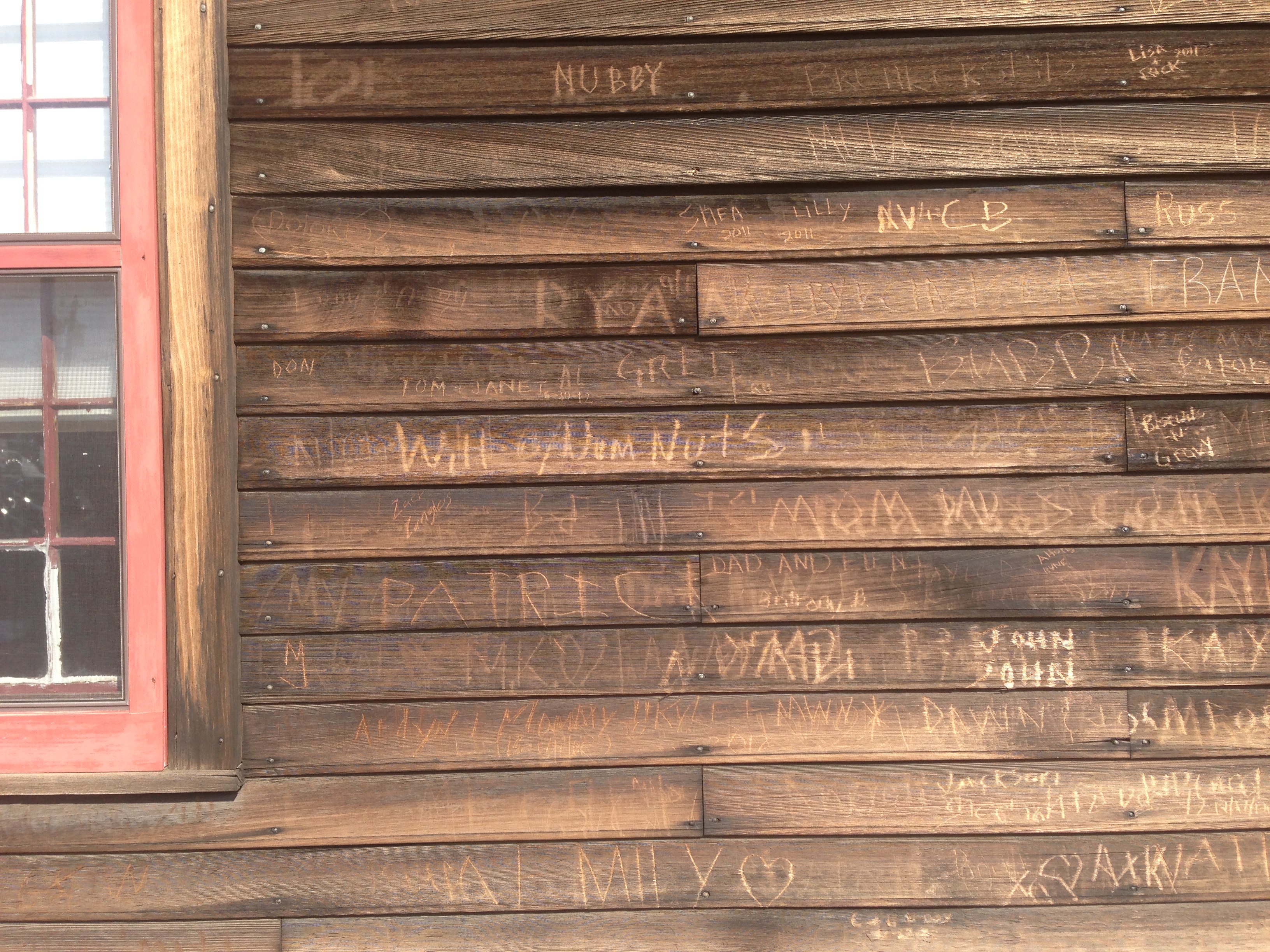
Today we found a place that served not only crispy french fried potatoes and sweet belly clams but was a haven of sorts for writers.

Wall

It’s an anthology based in South Deerfield, Mass., and we’re now a part of it.

Jean:Gil

If you’re going to leave your name behind, it’s probably better for longevity’s sake to put it down in stone rather than wood. I remember the escarpment high above the Hudson River at North-South Lake, the site of the venerable long-gone Catskill Mountain House, which a hotelier built there to take advantage of the views up and down the river. That was in 1823.

Catskill Mountain House

One Victorian guest observed, on reaching “the broad tabular rock upon which the House is set”:

“We could hardly realize it. After threading in the dark for two or three hours in a perfect wilderness, without a trace save our narrow road, to burst thus suddenly upon a splendid hotel and, glittering with lights, and noisy with the sound of the piano and the hum of gaiety – it was like enchantment.”

Long after the hotel was razed, in 1963, we spent a July 4 on those flat rocks, watching the bursts of firework displays in the little communities north and south along the river. The pyrotechnics looked like tiny faraway flowers blossoming briefly in the darkness.

Carved in the stone beneath our feet, the names of  visitors, a guest book that reaches back to the beginning of the nineteenth century.

Catskill Mountain House graffiti

Another rock pic

The older the calligraphy, the more likely the letters are to be engraved in a serif font. I’ve always thought that in the quiet that surrounds this spectacular vista you can hear the voices of the people who etched their names above it all.

I can even see Fitzwilliam Darcy here, in a frock coat, politely tapping his chisel into the stone.

1 Comment

Filed under Fiction, History, Jean Zimmerman, Photography, Writers, Writing