Category Archives: Publishing

An ARC and a Boost

There’s type and then there’s type.

SG SA

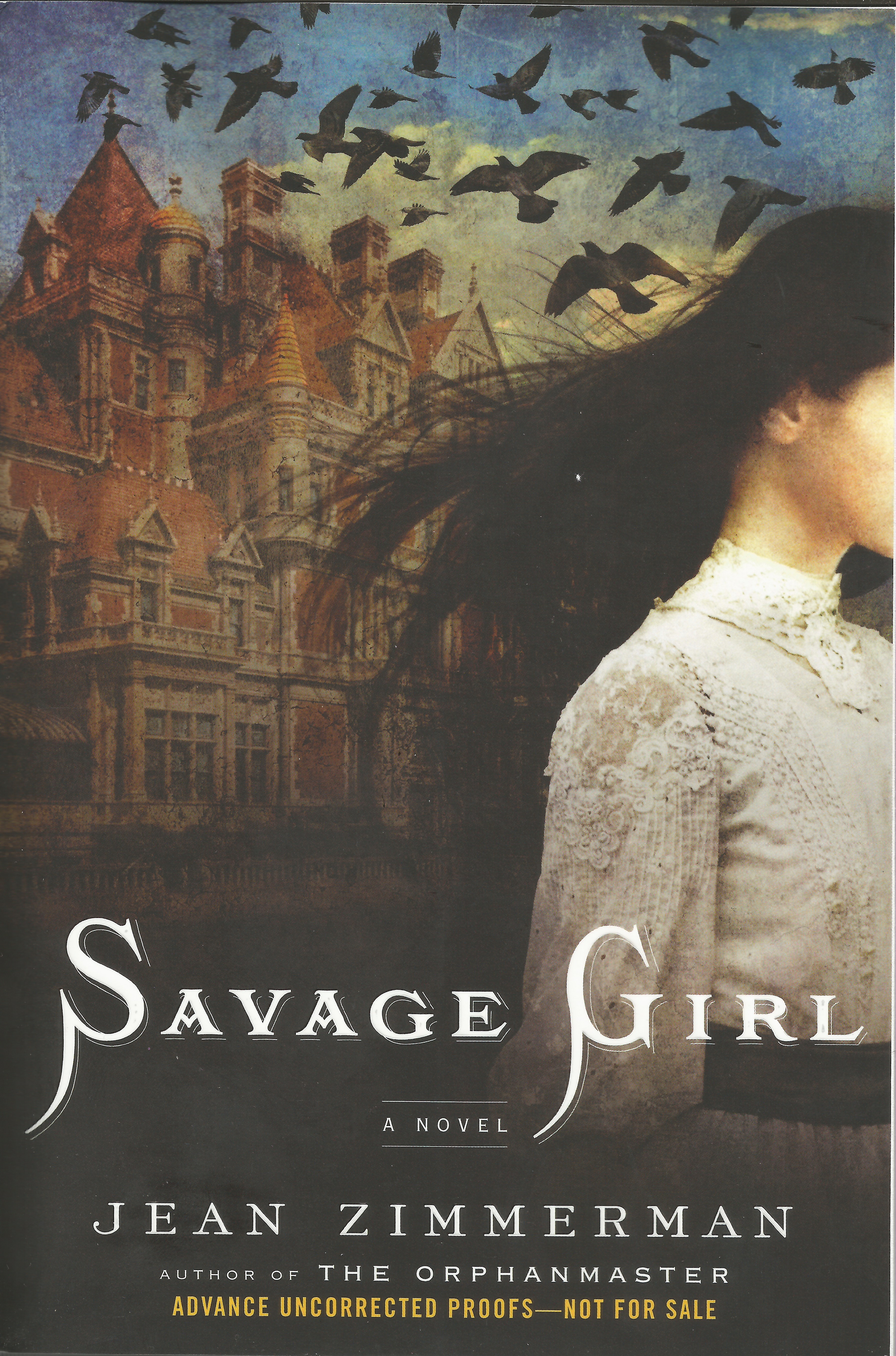
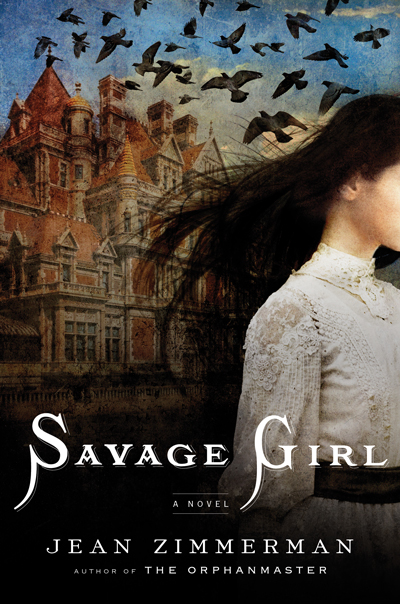
After another day of slogging off and onto the couch, I opened the mail. In among the junk, two gems, two volumes I’ve been waiting for. Two Advance Reading Copies of Savage Girl. Two ARCs. The novel will be out in March 2014. But it’s alive and breathing in its beautiful jacket even as we speak. This is the copy that will go out to early commenters and reviewers, bloggers and big mouths, so we want for it to be gorgeous.

arc cover

And that type. That’s what pops. The image of the girl and the mansion resonate, but the type’s what brings it to life. The title announces itself in a virginal white whose lines also embody the savagery of the title, and the two words are embossed, smooth under your fingertips  as I didn’t know they would be when I simply saw the cover proof. Now its typography renders the package dazzling.

Crack it open and you get the prologue, the first outlines of the mystery the narrator Hugo unfolds.

SG first page

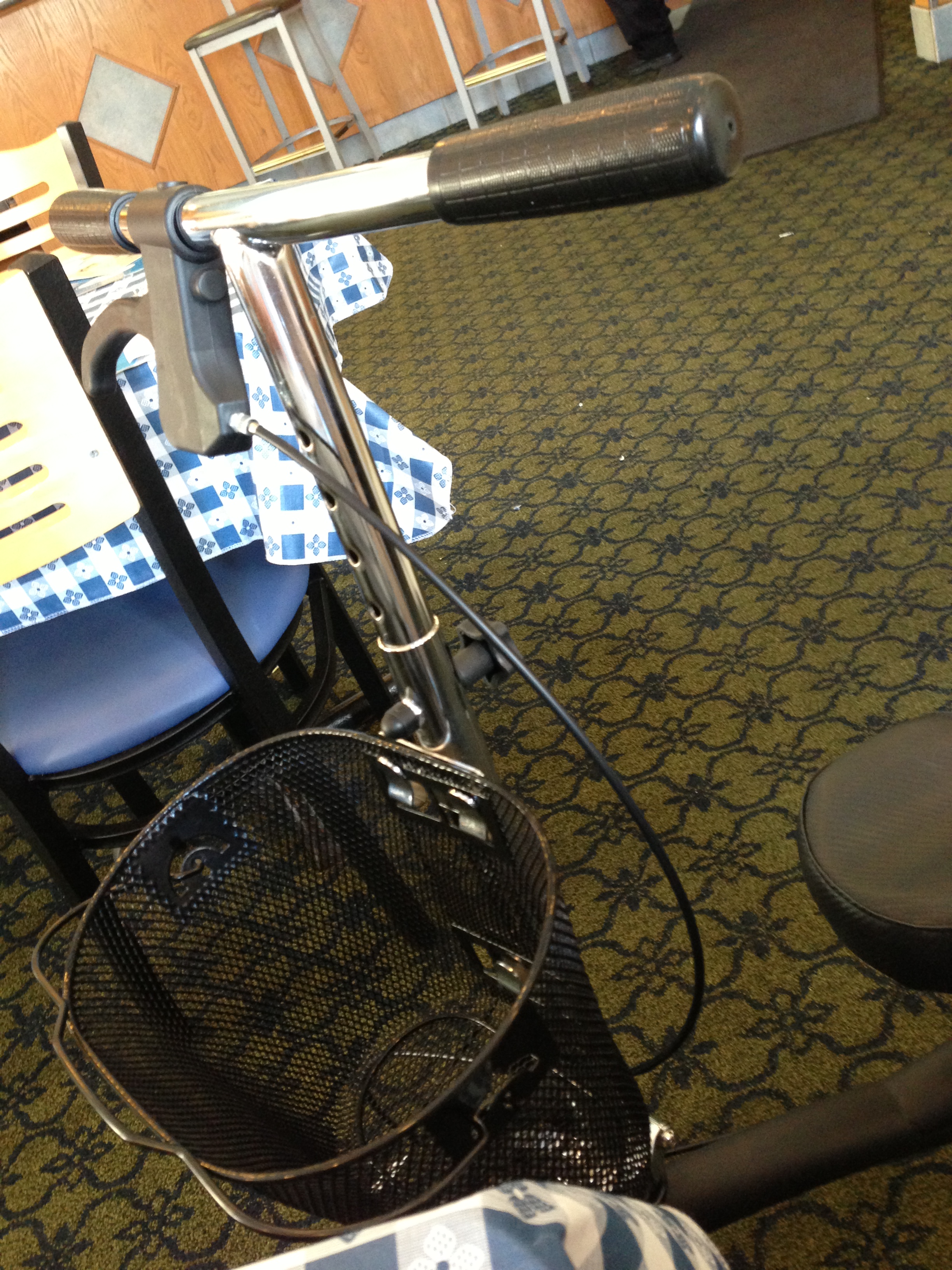
The type popped. Now I’m going to have some pizzazz, too. Gil and I picked up a scooter I’d reserved for rental at the drug store. It waited patiently at the Greek restaurant we like while we downed our sandwiches and skordalia.

scooter

Then it came home with us – and boy, do cars stop for pedestrians when they see a scooter.

It’s somewhat easier to get around than crutches and I’ll be freer to exit my couch and have adventures. I think I’ll call it the Bloke. Right now the Bloke is in the back of the Suburu, waiting for me.

6 Comments

Filed under Cooking, Culture, Fiction, Home, Jean Zimmerman, Publishing, Savage Girl, Writers, Writing

Day 1-In Which I Learn to Hobble

It was a success, the surgery, though I awoke from the anesthesia blubbering like a baby. It’s normal, said the orthopedic surgeon, come to check on me. A lot of people cry. Then it was hip, hop, on to the wheelchair, on to the crutches, off to my new full-time lair, my living room, my foot on pillows above the couch.

cast

My snouted nursemaid wedged beside me.

ollie nurse

My other nursemaids scurry to my orders. My computer, please! My muffin! My book! Put it close, I’ve got to get an NPR review done this week. Could you please turn that light off? Or on?

I have a good view of Maud’s metallic blue fighter fish, Brussels, making his small way around the bowl.

brussels

Somehow, thinking about the immediate future, though I never had much patience for that fish, I now feel kindly toward it. Brussels reminds me of myself in my own little living room bowl. Except I hobble, can’t float at all, when I want to go brush my teeth.

Trying to stretch myself outside this world, adventuring via pictures of the past to the motor adventure taken in 1918 by John Burroughs, Thomas Edison, Henry Ford and Harvey Firestone.

This brilliant crew took a 12-day car camping trip in Burroughs’ automobile when he was 81.

NoondayRestFinal.jpg.CROP.article920-large

John Burroughs, less well known today than the others, was ragingly popular by that time in his life. Gil and I used to visit his country retreat, a tiny cabin called Slabsides that stood beside a celery marsh in West Park, New York.

slabsides

Burroughs’ fans have kept it intact, so you can see it as he did. Being there always made me want to inhabit a cabin, and now  mine is virtually like his.

burroughs-at-slabsides

… I was offered a tract of wild land, barely a mile from home, that contained a secluded nook and a few acres of level, fertile land shut off from the vain and noisy world by a wooded precipitous mountain… and built me a rustic house there, which I call ‘Slabsides’, because its outer walls are covered with slabs. I might have given it a prettier name, but not one more fit, of more in keeping with the mood that brought me thither … Life has a different flavor here. It is reduced to simpler terms; its complex equations all disappear.

Young college women used to travel in hordes by train to Slabsides to pay homage to the great man, a pioneer of nature writing who published some 25 volumes, of which a million and a half volumes were sold during his lifetime.

In 1918, a convoy of eight vehicles accompanying the brainy colleagues toured Pennsylvania, West Virginia, Tennessee, and Virginia, stopping to camp on farms, examine old industrial sites, take hikes along rivers, and measure farming implements for fun, documenting as they went.

Some shooting entertained Ford and Firestone.

ford and firestone shooting

At night around the campfire the two industrialists, the naturalist and the inventor wound down by chewing over Shakespeare, Thoreau, chemistry. Don’t you wish you could have been there? In a way, you can, because photos from the trip are stored at Harvard’s Widener Library, with a smaller portfolio at my favorite website, Slate’s The Vault.

Closer to home yet exotic in its own way, the wool I am sending away for to keep my hands busy during this nonambulatory period.

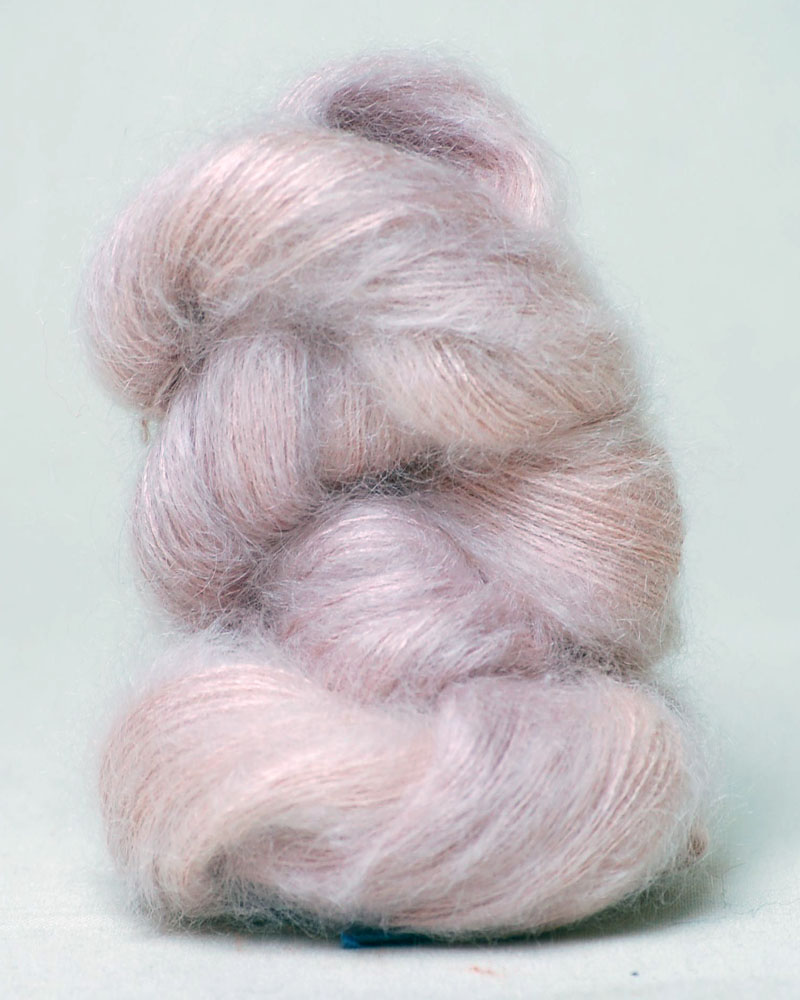
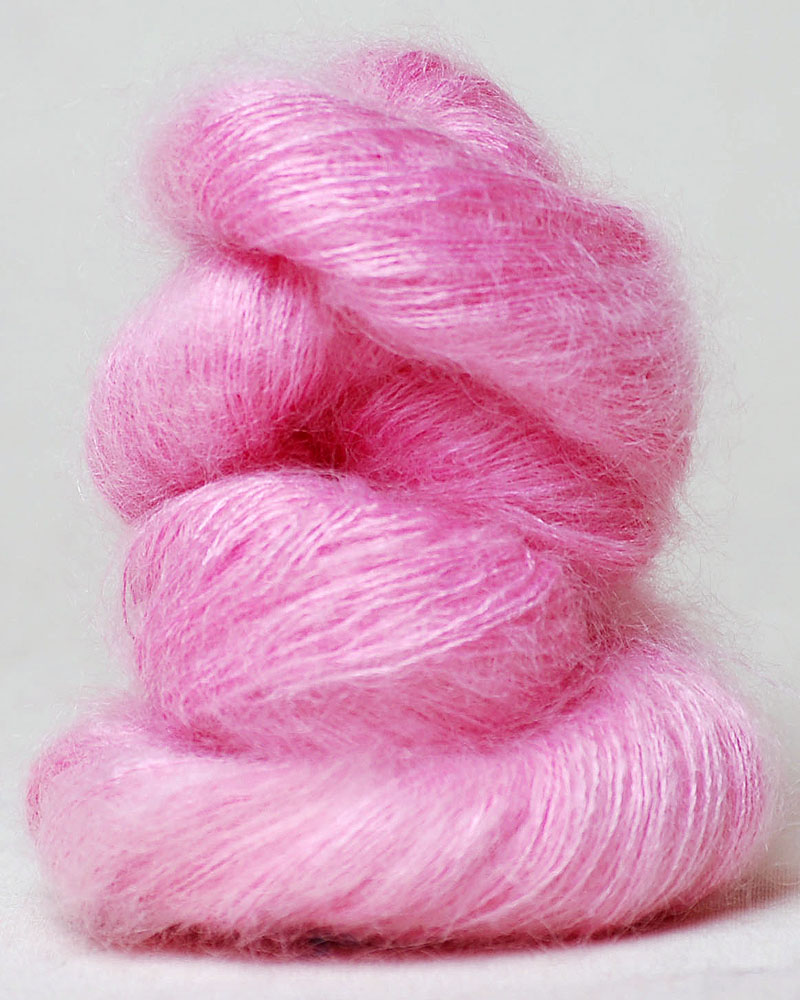
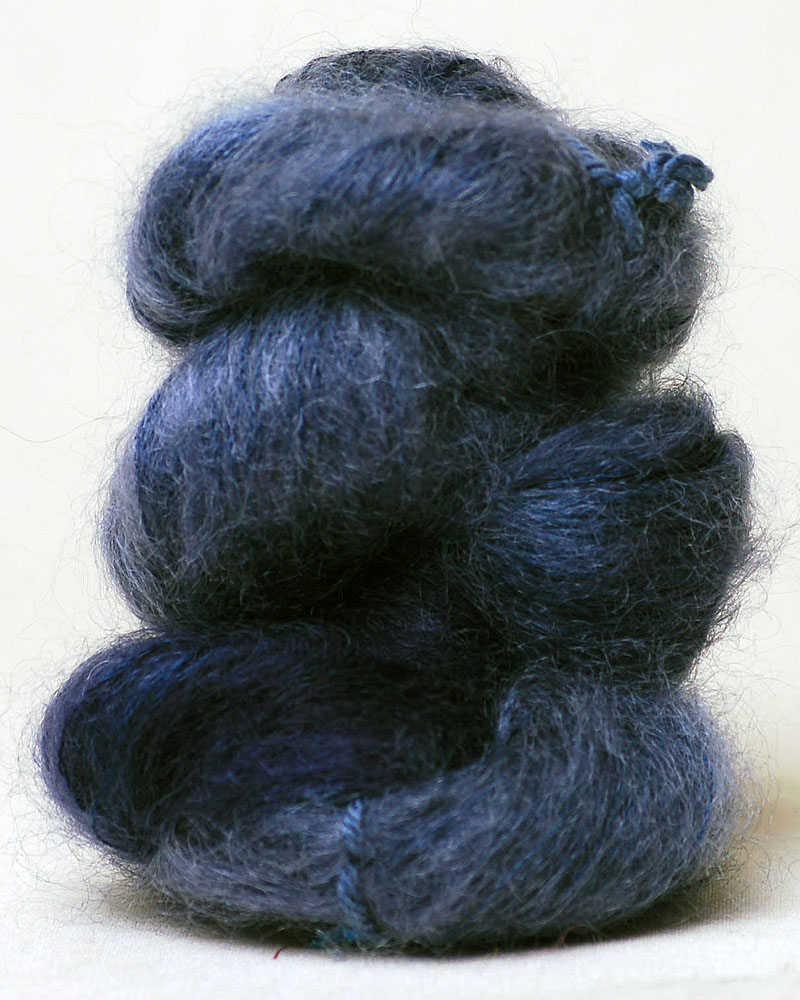
What is mohair, anyway, I wonder, as I fawn over the silk and mohair skein available from the chicest yarn store I know, Purl in Soho, New York City.

It’s from a line called Haiku made by a company called Alchemy. The shade is called Teardrop. Is that not irrisistable?

Alchem's Haiku-Teardrop

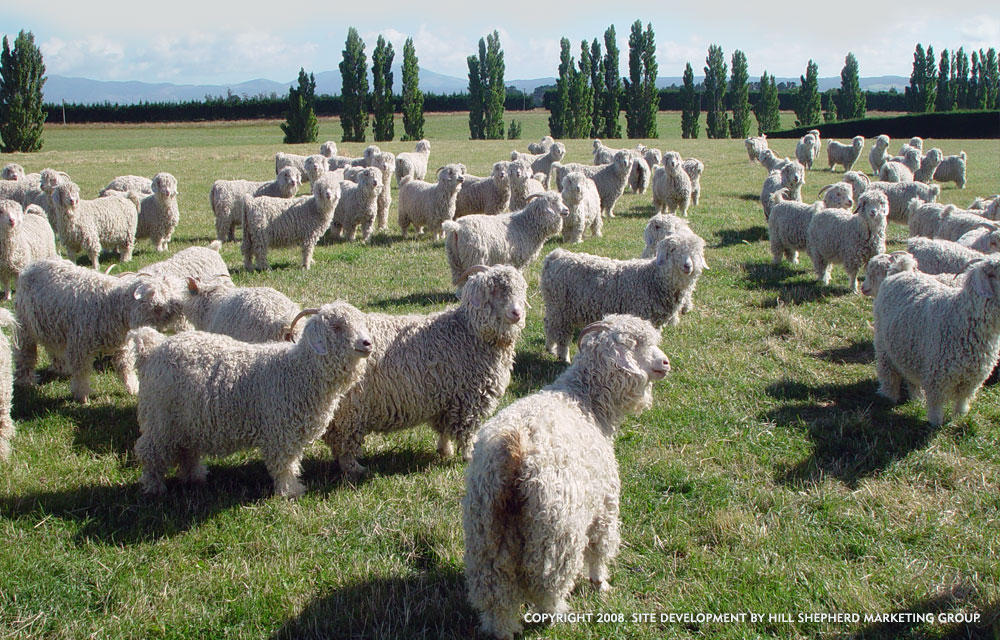
The yarn comes not from a sheep but a goat, the Angora, which emigrated from Tibet to Turkey in the 16th century, and it’s one of the oldest textile materials in use. It’s made of keratin, like hair, wool, horns and skin. Mohair is warm in winter, while remaining cool in summer. It is flame resistant, crease resistant, and does not felt. The goats are mainly bred in South Africa now.

angora_goat_11_12

And it is of course beautifully luxurious. Makes your fingers sing. Should I choose this color instead? It’s for a slip of an elegant bandana, not the kind you’d wear around a Slabsides campfire. Evening Pink.

Haiku-Evening Pink

If Firestone and Ford and Edison were on their way over to roast weenies, maybe a scarf in this hue would be more refined: Blue Jay Way.

Haiku-Blue Jay Way

So many choices when your leg is up and all you’ve got to do is dream.

2 Comments

Filed under Art, Culture, Dogs, Fashion, History, Home, Jean Zimmerman, Knitting, Nature, Photography, Publishing, Writers, Writing

NPR: Great Historical Fiction for Summer 2013

I liked digging into recent historical fiction for my summer round-up on NPR, which is hot off the presses. I knew some of the authors’ work already, and some novels I discovered for this assignment. I tried for a balance of time periods and styles when I selected the books to review. What I was really going for, though, was fiction that took off from specific fact, historical personae or events that grounded the work.

So these were the books I reviewed.

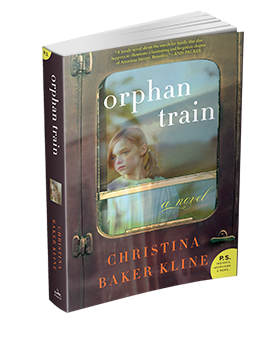
Orphan Train by Christina Baker Kline.

orphan train

The Black Country by Alex Grecian.

black country

The Blood of Heaven by Kent Wascom.

blood of heaven

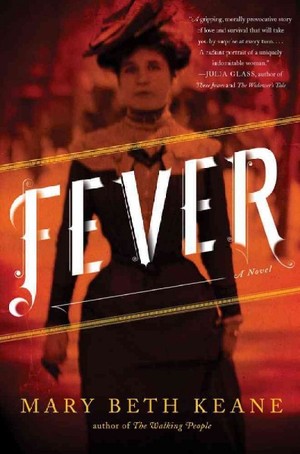
Fever by Mary Beth Keane.

fever

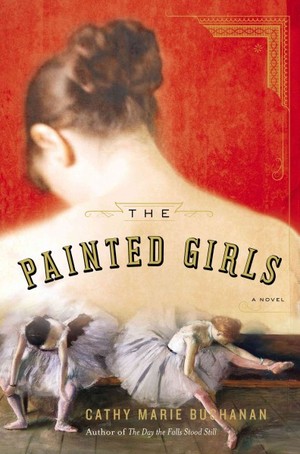
The Painted Girls by Cathy Marie Buchanan.

painted girls

I hope you enjoy your summer reading, whether it takes place in a lawn chair, on a beach towel, or on the couch in front of the air conditioner!

10 Comments

Filed under Culture, Fiction, Jean Zimmerman, Publishing, Writers, Writing

Dirty Disney

I expected the Paul McCarthy show at New York’s Park Avenue Armory to be raunchy, demented, transgressive. What I didn’t anticipate was that it would be hilarious.

Screen-Shot-2013-07-08-at-9.34.24-AM

If you follow the contemporary art world you know that McCarthy excels at tweaking the public’s nose. Not long ago there was the giant inflatable “Complex Pile” he contributed to ultra-civilized monumental art shows.

poop

The fifty-one-foot dog poop went pop in a downpour one recent day in Hong Kong, but not before it had made its comment on our expectations for the public sculpture we’re used to admiring. Plastic dolls, masks and ketchup have also figured in the 68-year-old McCarthy’s oeuvre over the years.

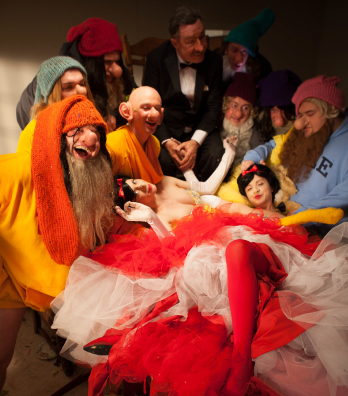
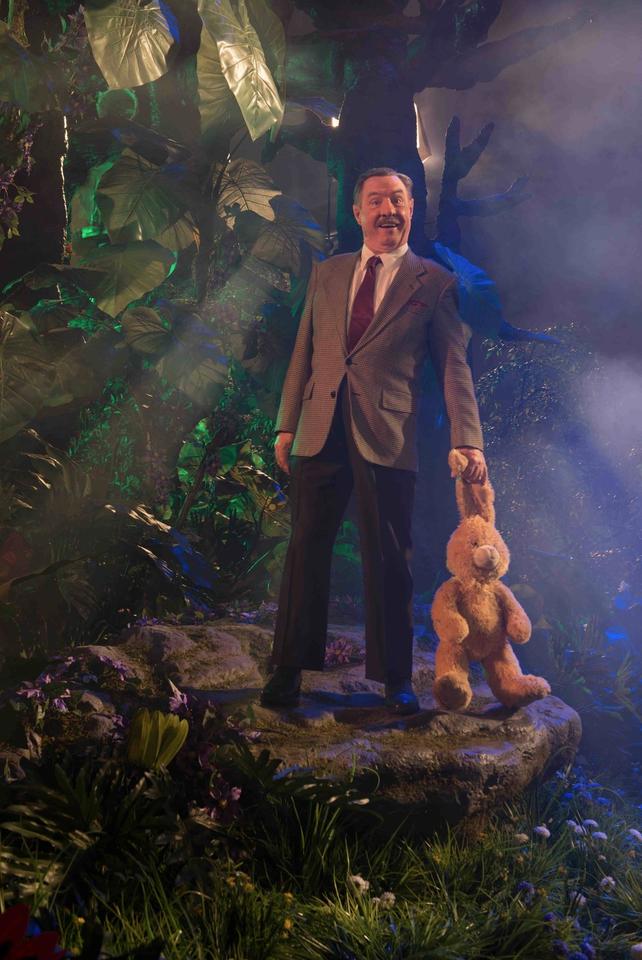
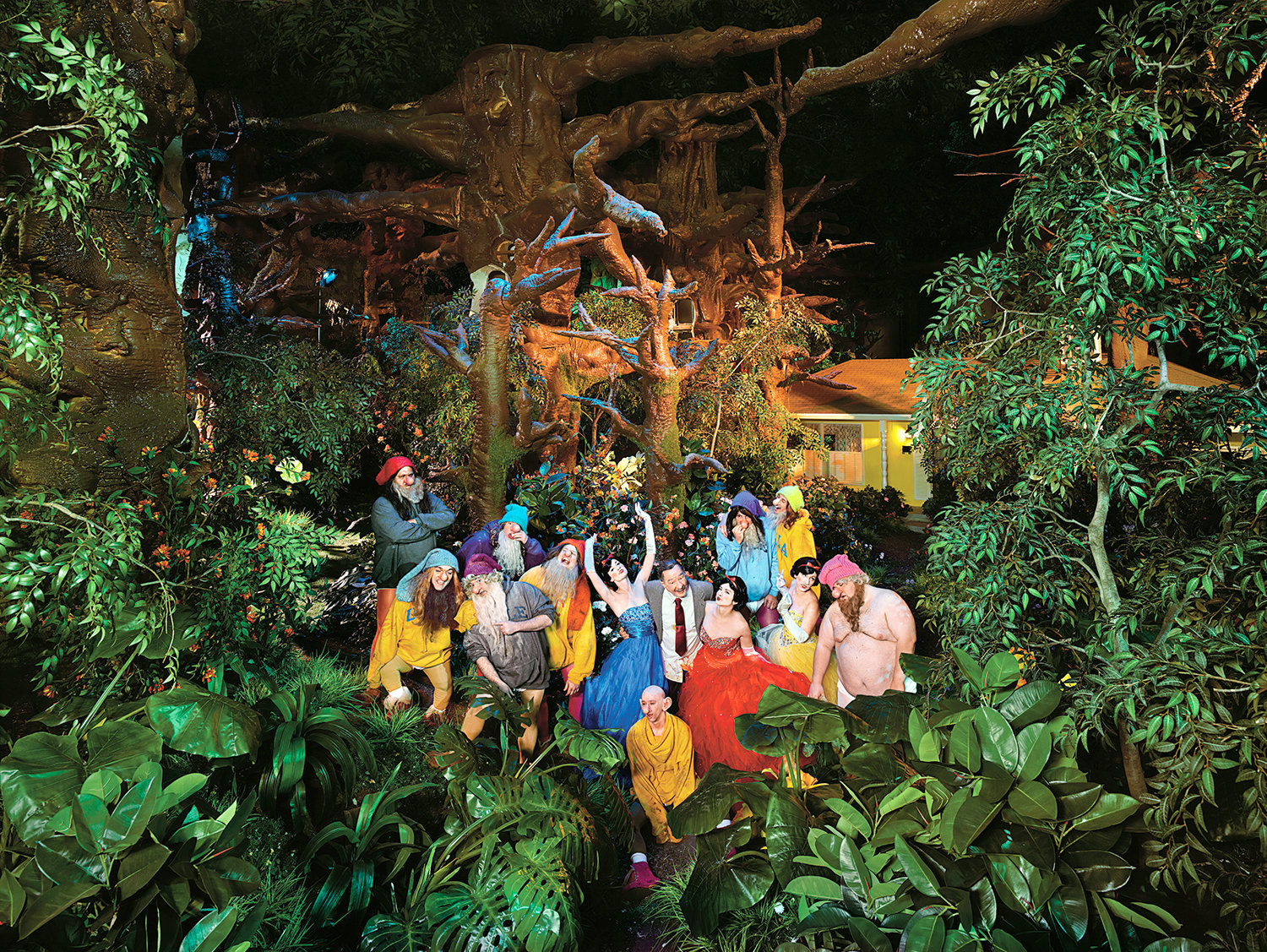
In W/S,  the largest installation the artist has ever created, we have a multimedia reimagining of the tale of Snow White and the Seven Dwarfs, its Disney iconography mashed up with elements of horror and porn and probably a few other elements I missed. In the films that are the bulwark of the show, McCarthy plays an ersatz Walt Disney, here called Walt Paul, nose prosthetiicized to the max.

061813white4

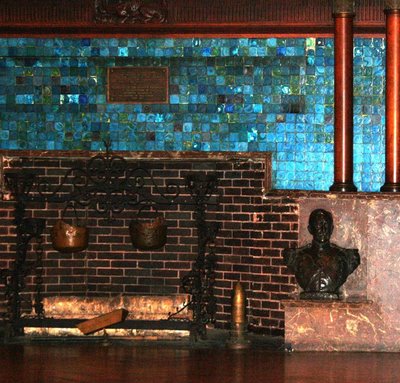
Neither Maud nor I said much as we went around the Armory’s cavernous Wade Thompson Drill Hall, one of the largest public spaces in Manhattan. The last time I visited the Armory it was for the prim and proper Winter Antiques Show, and I remember marvelling at the fancily gorgeous reception rooms designed by people like Louis Comfort Tiffany.

armorytiffany3

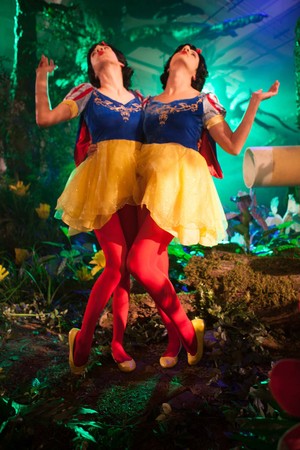
This time we heard the exhibit before we saw anything, a raucous moaning and groaning like a bloated x-rated soundtrack. The noise emanated from two gigantic screens, each as big as a drive in theater’s. On the screens, dwarves cavorted with  White Snow – McCarthy’s version of the Disney heroine — in a hectic, squalid party.

screen

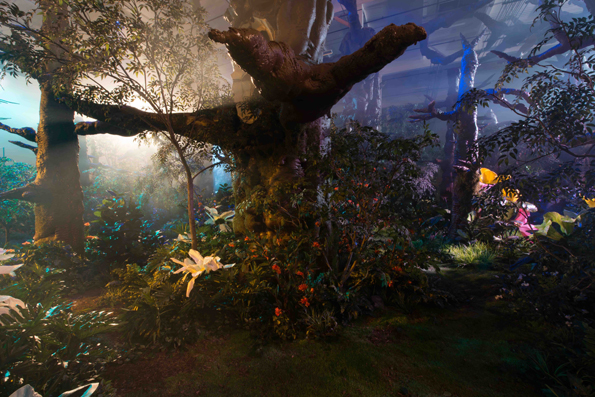
Under the blast of sound we couldn’t hear each other anyway. In front of us stood a large, Wonderland-proportioned forest of painted styrofoam trees and garish monster flowers.

forest dark

Its lavish 8,800 square feet formed the centerpiece of the show and had served as the soundstage of the production, before it was carted to New York from Los Angeles in dozens of tractor-trailers.

forest

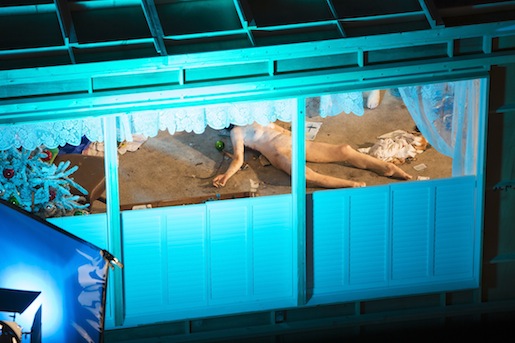
A house, or “cottage,” stood in front of us, or anyway a film set version of one. The back was punctuated with a series of square peepholes like the ones you see at some major construction sites. I’ve always liked peering into those. Here there was the same suggestion of a secret view.

body

There were disturbing glimpses of the aftermath of something gone terribly wrong, a woman and a man collapsed in a tacky living room. But the squirt bottle of Hershey’s was the tipoff as to the display’s tomfoolery. You do know that in Hollywood, Hershey’s often substitutes for blood, don’t you?

In W/S, McCarthy exhumes Walt Disney and has him trot around getting into trouble before really getting into trouble at the hands of Grumpy, Sneezy, et al. All I could think of was a guy I knew who landed a good job working at Disney in the ‘60s before Walt personally had him fired for sporting a beard.

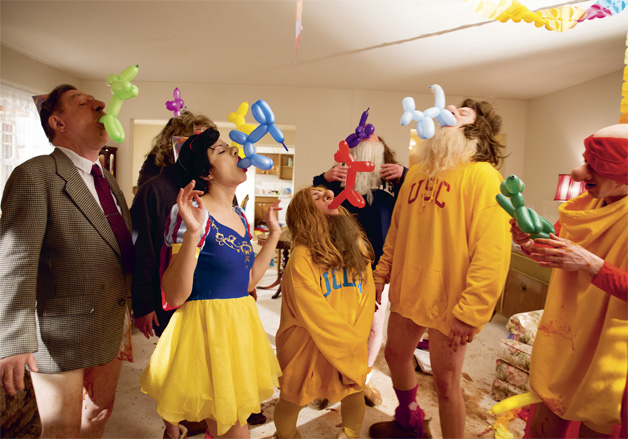
Now here was one of the most famous men in the world surrounded by beards and noses and genitalia and a lot of chocolate syrup, making love to a wench of a White Snow, all of them doing everything that no one would ever do in a Disney film (or theme park or corporation). It’s an upside down, inside out world, as crude and scary as the other was clean and safe. I imagine the Disney barracudas preparing their legal briefs.

balloons

Randy Kennedy of The New York Times did a piece on the artist recently that said, “His work can – and does – provoke physical revulsion. But it is not mere provocation; it’s intended as an all-out assault, a ‘program of resistance,’ as he calls it. And the older he gets, the more explicit he has become that his target is the American entertainment-consumer economy.”

Spectators weren’t allowed in the forest, but in a smaller film arcade along the side we could observe chapters of the story. An unclothed Prince Charming wandered through its glades. Shocking events transpired. We could also visit another house in a retro ranch style that is actually a three-quarter-scale replica of McCarthy’s Salt Lake City childhood home. Alex Poots, Artistic Director of the Armory, has had a lot of explaining to do about the piece, and at one point he said, “it explores the vast and at times distressingly dark corners of the human psyche.” And the dark corners of some pretty sad vintage rooms, I would say.

screen set

Walt Paul is not Paul McCarthy – the latter lives in Pasadena with his wife of 46 years, surrounded by kids, grandkids and pets. His grown son partnered with him in putting on W/S.

portrait


McCarthy told an interviewer that the show “may have something to do with how we see reality and desire. And art. This is a kind of hyper-reality of desire. A Disneyesque landscape that does not exist. A dreamscape.” All of this styrofoam and soundstage equipment comes at a cost, of course, and the project required millions of dollars. I like to think of Walt Paul in his lumpy nose approaching potential benefactors: Well, there’s this plastic forest, see, and this Hershey’s syrup…

I read a review that said the show “put the grim back into the classic Brothers Grimm fairytale.” I saw it as a series of extravagant what-ifs. What if Snow White had a split (or triple) personality? What if there was a handsome prince who didn’t rescue her but treated her more like a centerfold than a princess? What if Walt actually appeared in his own movies alongside Bambi, say, or Cinderella? What if those beloved childhood movies were more like stag films? What if the dwarves weren’t wholesome and helpful and cute but more like your twisted Uncle Charlie?

ws

The Grimm tales have always been dark. The great children’s author Philip Pullman recently came out with a new version, just in time for the 200th anniversary of their first publication.

grimm


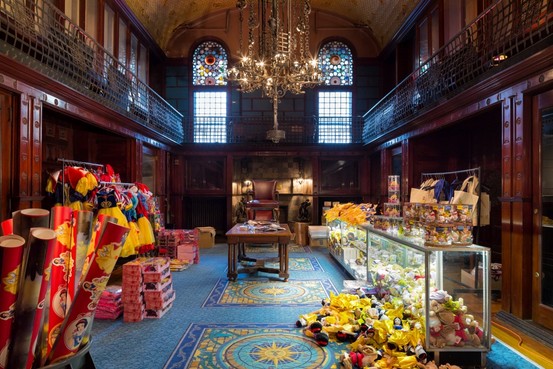
McCarthy’s show is also unabashedly commercial, with plentiful Snow White artifacts available in the gift shop.

Disney stuff

Pullman’s Fairy Tales From the Brothers Grimm are punchy and elegant but also violent and raw. In his translation of Snow White, a huntsman cuts out the heart and liver of a wild boar and takes them back to the evil queen as evidence of the girl’s death. “The cook was ordered to season them well, fry them, and the wicked queen ate them all up.”

Do you recall the conversation parents have had from time to time about whether these ancient fairy tales offer an appropriate reading experience for their innocent youngsters? The answer is No, if you’re doing it right. And this version is done to a turn.


3 Comments

Filed under Art, Culture, Fiction, Film, History, Jean Zimmerman, Publishing, Writers, Writing

Blues Chicken

With every last i dotted in the proofread Savage Girl galleys, I raced to my reward, a sultry New York City where everyone, it seemed, was perambulating, doing something exciting and interesting. Gil and I would go among them, we would do something exciting and interesting, too.

Eat chicken, for one.

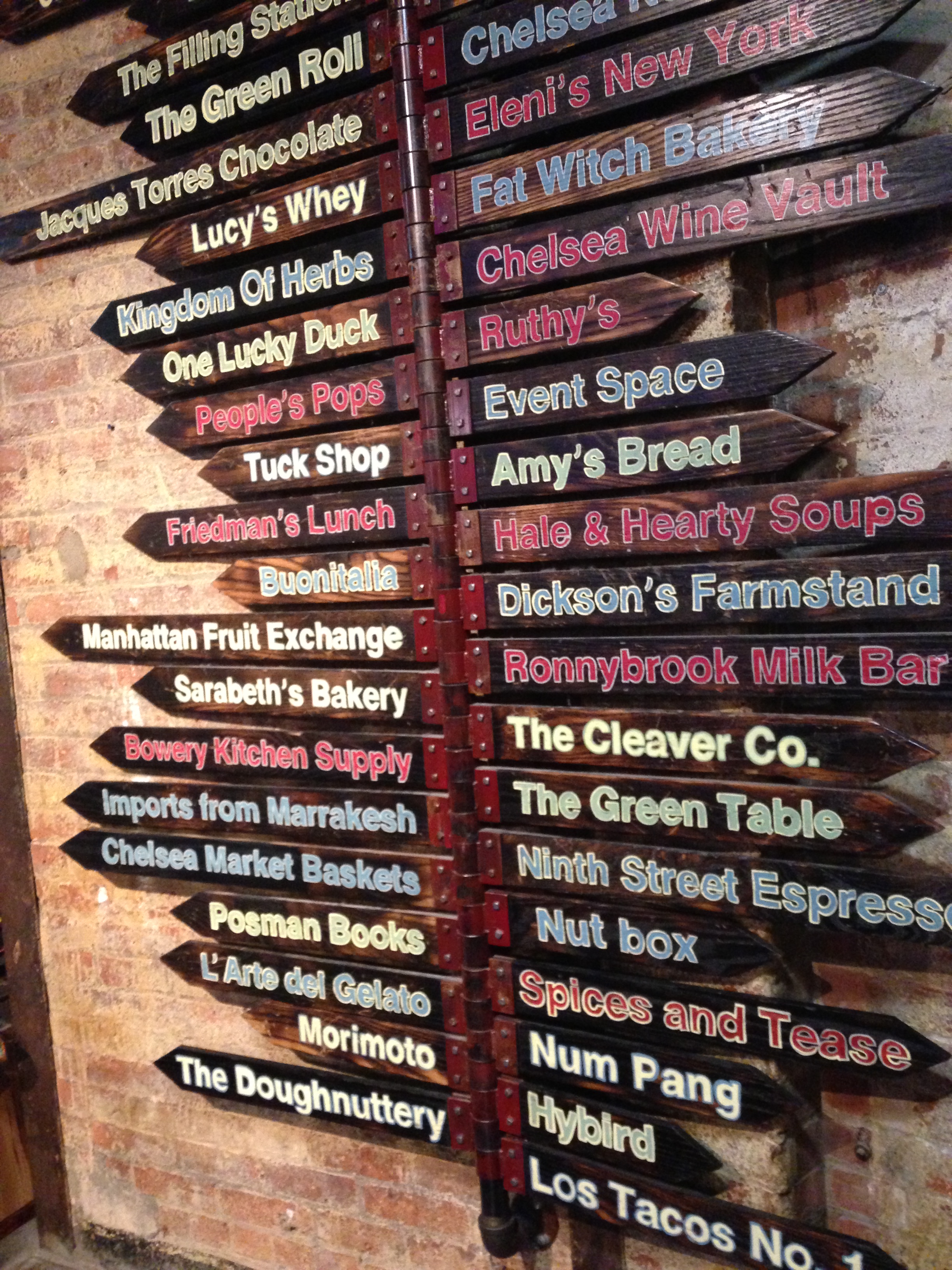
Questlove, the drummer and frontman for the band the Roots, has got so deep into the fried poultry business that he had some kind of a late night throwdown with Momofuko head honcho and chicken man David Chang on Late Night with Jimmy Fallon. Now the musician has opened a counter joint in New York’s Chelsea Market called Hybird that serves exclusively drumsticks, fried dumplings, biscuits and cupcakes. All the essentials for a balanced diet.

hybird

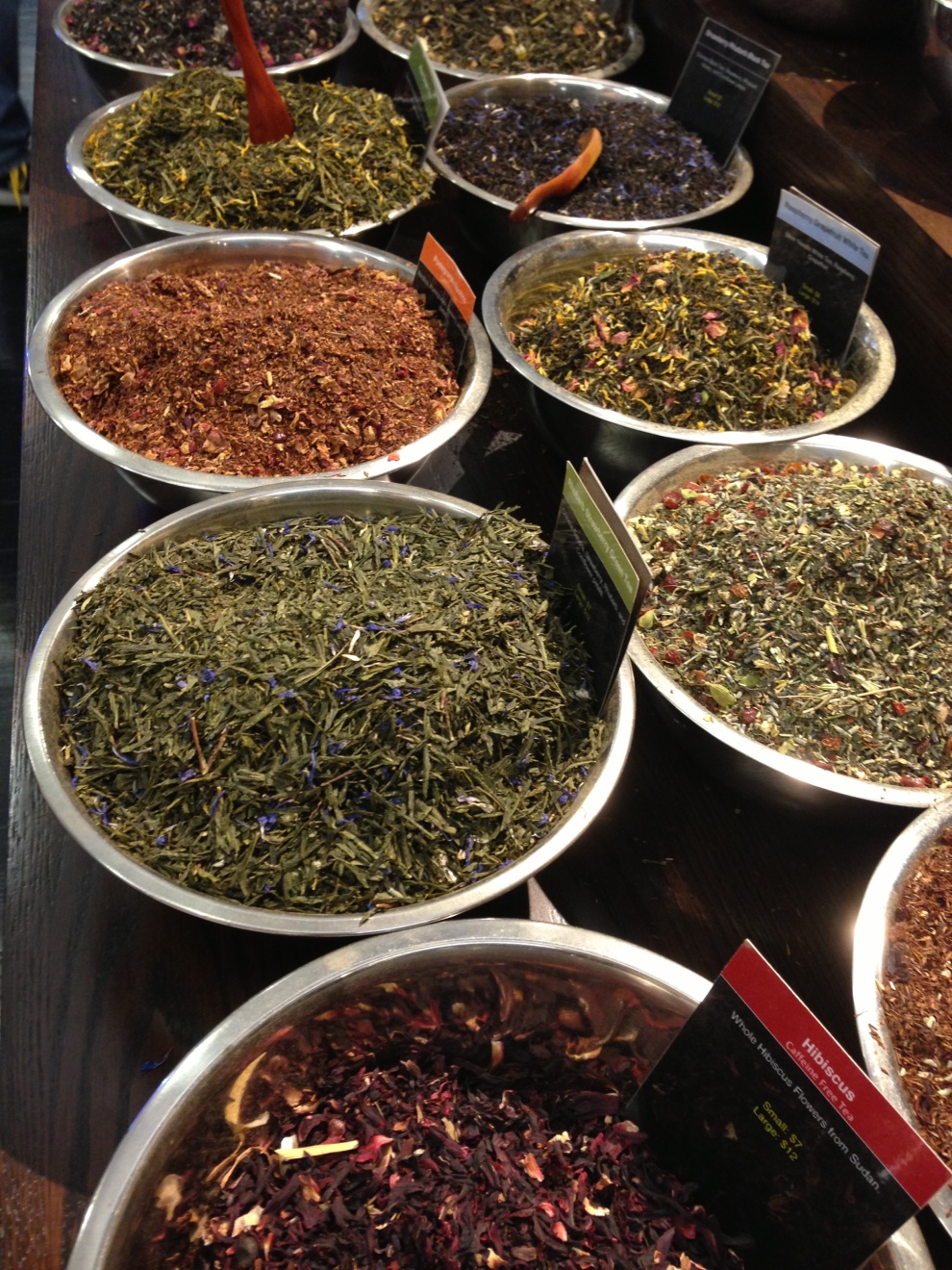
We got to the labyrinthine food concourse in midafternoon, ahead of the crowds, snaking through a corridor lined with dozens of teas, our stomachs rumbling.
tea

The enormous Chelsea Market complex is located on the premises where the Oreo was developed and perfected, lending an air of sanctity to our excursion.

Chelsea Market features a lot of exciting things. Chilled, hefty lobsters.

lobsters

Falling water.

chelsea waterfall

Food venues. Outrageously good smells swirled around us.

bounty

What it didn’t have before is this particular chicken.

chix box

What is the seasoning, I asked Sammy, the guy double dipping chicken parts in a creamy paste behind the counter, when I managed to unstuff my mouth with chicken.

sammy

It’s a secret, Sammy said. A lady from Philadelphia comes in and mixes it up for us. She brings all the spices but she doesn’t tell us what they are.

I love a secret, especially when it tastes as good as this. The biscuit too was perfectly crumbly, smeared with honey butter, and we piled on further with crunchy dumplings that oozed out their sweet-savory crab filling when bitten.

Stencilled footsteps seemed to indicate where you should stand at Hybird, and naturally Gil was outside the lines.

feet

I saved the cupcake, whose flavor was described as “Sexual Chocolate,” for the car, a sexier environment than Chelsea Commons.

A bookstore.

books

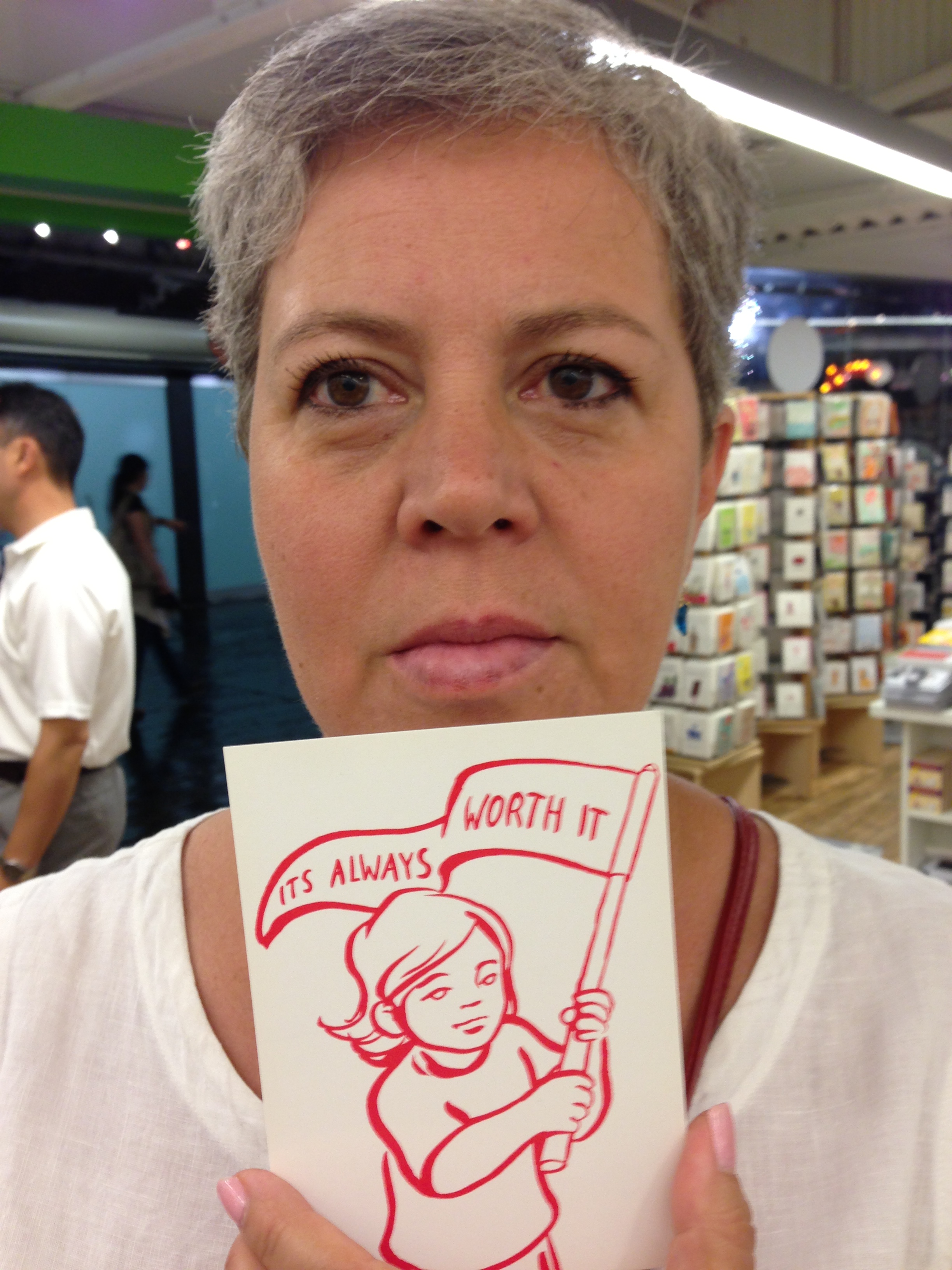
Nary a copy of The Orphanmaster in sight. It happens. I fell back on my motto, handily available on a postcard.

it's always worth it

You never know who you will meet on a summer afternoon ramble around New York. In this case a young woman wearing a pair of the new Google glasses.

google glasses

Wilma told me she’d just picked them up upstairs, in the Google offices, having won them in a contest. She said she was recording a video of me as we spoke.

Sated, Gil and I continued to the World Financial Center, in Battery Park City, directly across the Hudson from Jersey City. We were looking forward to a triple bill of bluesy rockers, or rockin’ blues players, depending on your perspective, on a public terrace that sits in the shadow of the Freedom Tower.

freedom day

The sun shone so bright and hot that half the waiting crowd put up their rain umbrellas, a spectrum of colored and patterned domes across the concrete. New Yorkers are always more slovenly than they are expected to be, and serious exhibitionists. Women flaunted the briefest sundresses up to their backsides and sweat-slicked men ran shirtless through the crowd. In the harbor a stroll away, sailboats and yachts docked, and motor boats cruised in to check out the action.

harbor

Alejandro Escovedo hit the stage with his sweet blasts of melody, punk rock in its roots. His song Sensitive Boys could make you cry, or was that the sun glare in your eyes. He brought on David Hidalgo to do a searing You Are Like a Hurricane. Alejandro called it the Canadian national anthem.

We met up with friends and family at the venue. My touselled buddy Sandra the artist-environmentalist noticed that the masts of the little boats were themselves rocking, pushed by the wind, in line with the beat of the tunes.

touseled Sandra

Los Lonely Boys, the Chicano rock band out of San Angelo, Texas, were tight. A trio of brothers, they call their music Texican Rock ‘n’ Roll. How can three guys make so much noise? marveled Gil.

Los Lonely Boys

The lead singer and guitarist Henry shouted above the applause, We appreciate it! We know you can be anywhere else!

And it was true of course, on this summer night, with this breeze and the salmon streaks of sunset glowing, in this fantastic city. We could be doing anything but we chose to be here because Heaven, their hit debut single from a decade ago, was so exciting.

How far is heaven? Los Lonely Boys sang. You know it’s right here, right now, shouted Henry, in New York City!

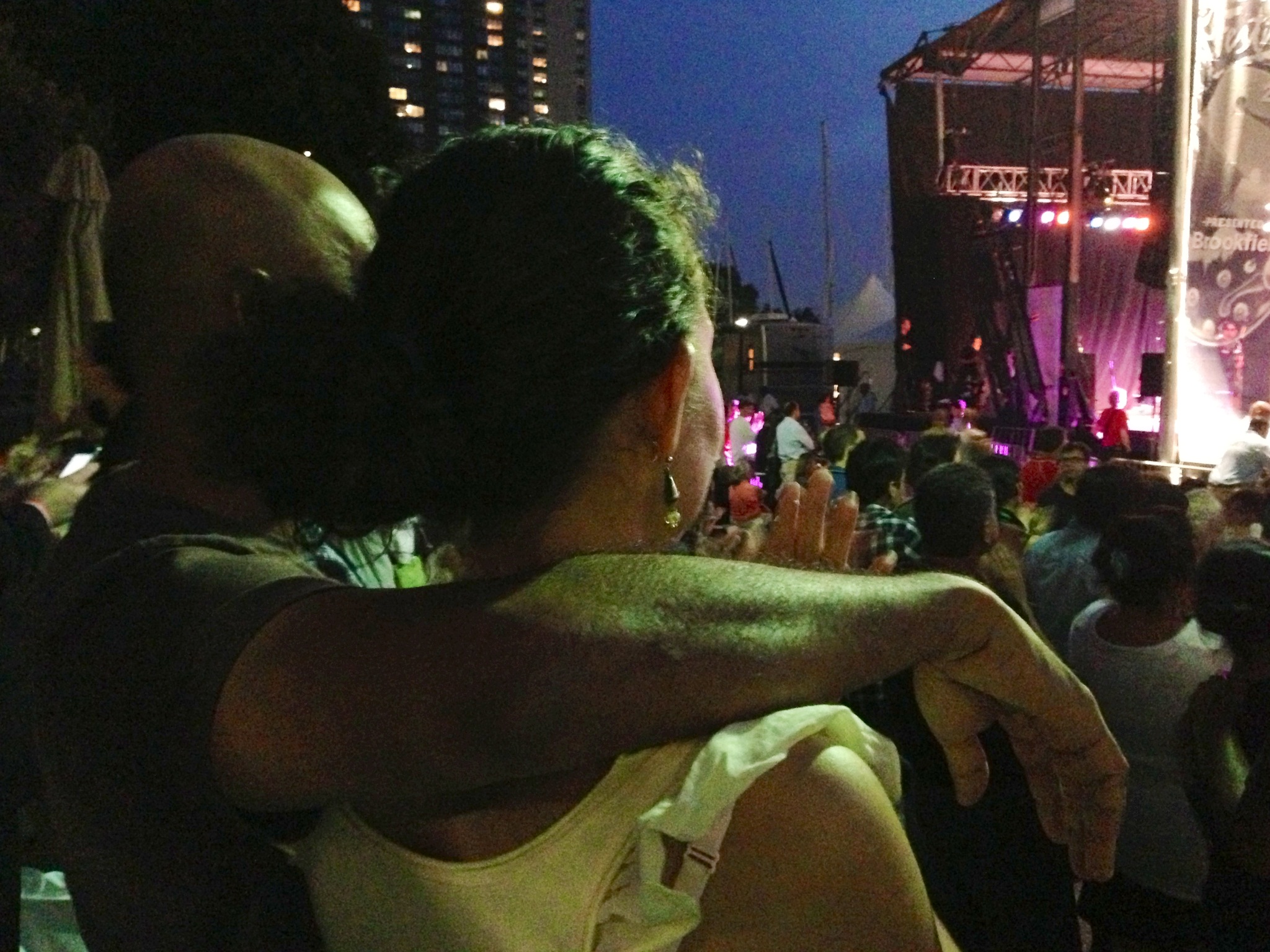
Los Lobos followed, another American Chicano group, this one from California, with considerable chops that they took no time in putting out on the stage. They’d been around since the ‘80s, after all. The sun set, the klieg lights glowed, people wrapped their arms around each other and danced.

By the time we gathered our things, the skinny minx beside me who’d been flipping her skirt in time to the beat was sweetly reunited with her man.

couple

Love and music in sun-stunned, summertime New York City. A treat as scrumptious as fried chicken.

1 Comment

Filed under Cooking, Culture, Dance, Jean Zimmerman, Music, Nature, Publishing, Savage Girl, Writers, Writing

Tuber or Not Tuber

My potatoes are ready to harvest. Knuckling up from under the crumbly soil, red, firm, practically begging to be dug.

potatoes stalks

The tops of the plants have collapsed and faded, letting me know the tubers have reached their point of ripeness.

And I’m on my knees (on my gardening pad, protecting my getting-to-be-arthritic knees) thinking about things that grow under the soil.

potatoes soil

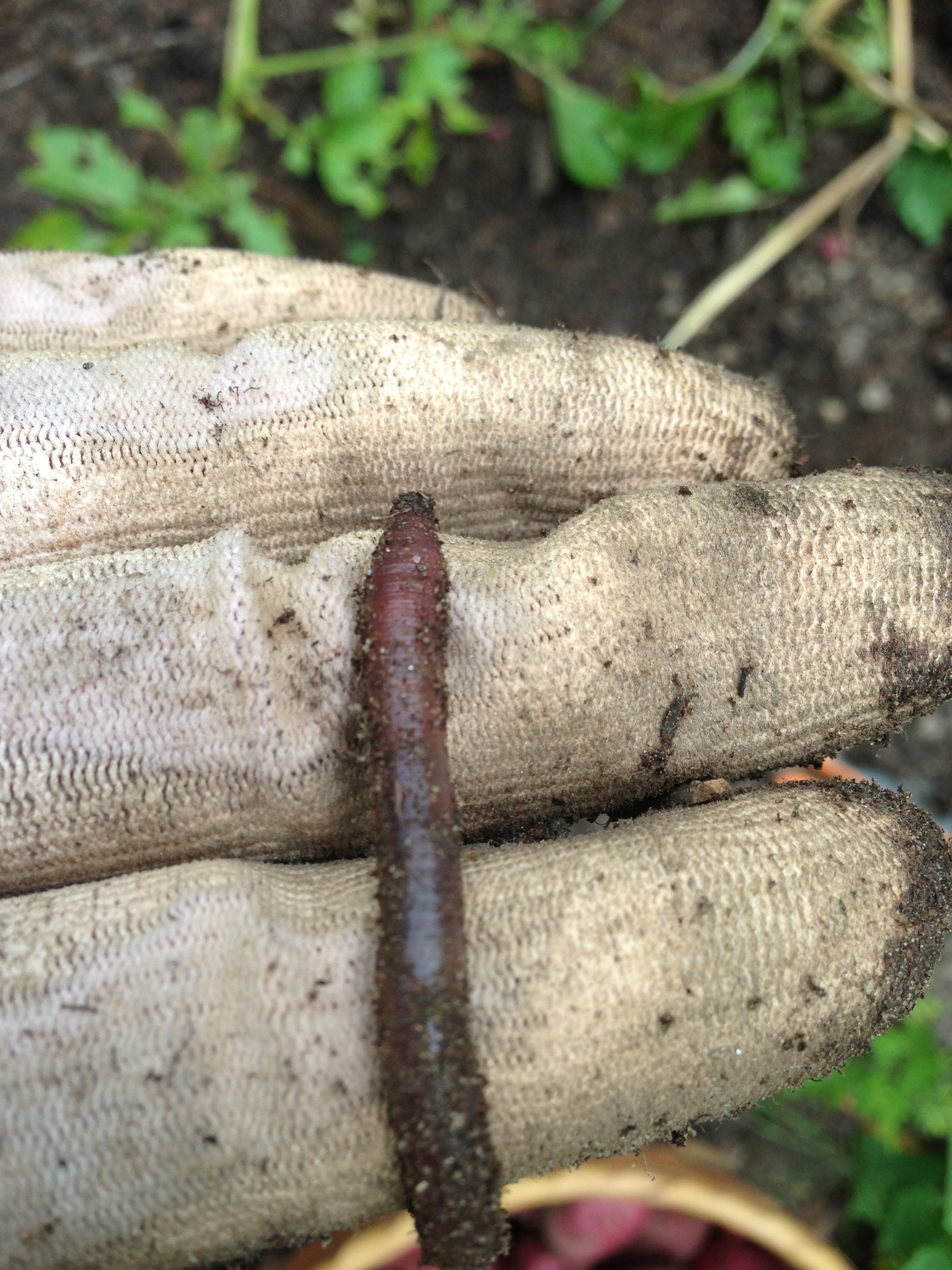
Earthworms, like the one strutting across my gloved fingers, surprised in its wanderings around the potato neighborhood. Gil tells me that earthworms are actually an invasive species and have disrupted the ecology of the forest floor.

worm

I’ve always liked earthworms, admired their digestive capabilities, and wanted them to multiply in my garden. At the same time, being a little squeamish, I’m anxious about coming across them writhing in my path.
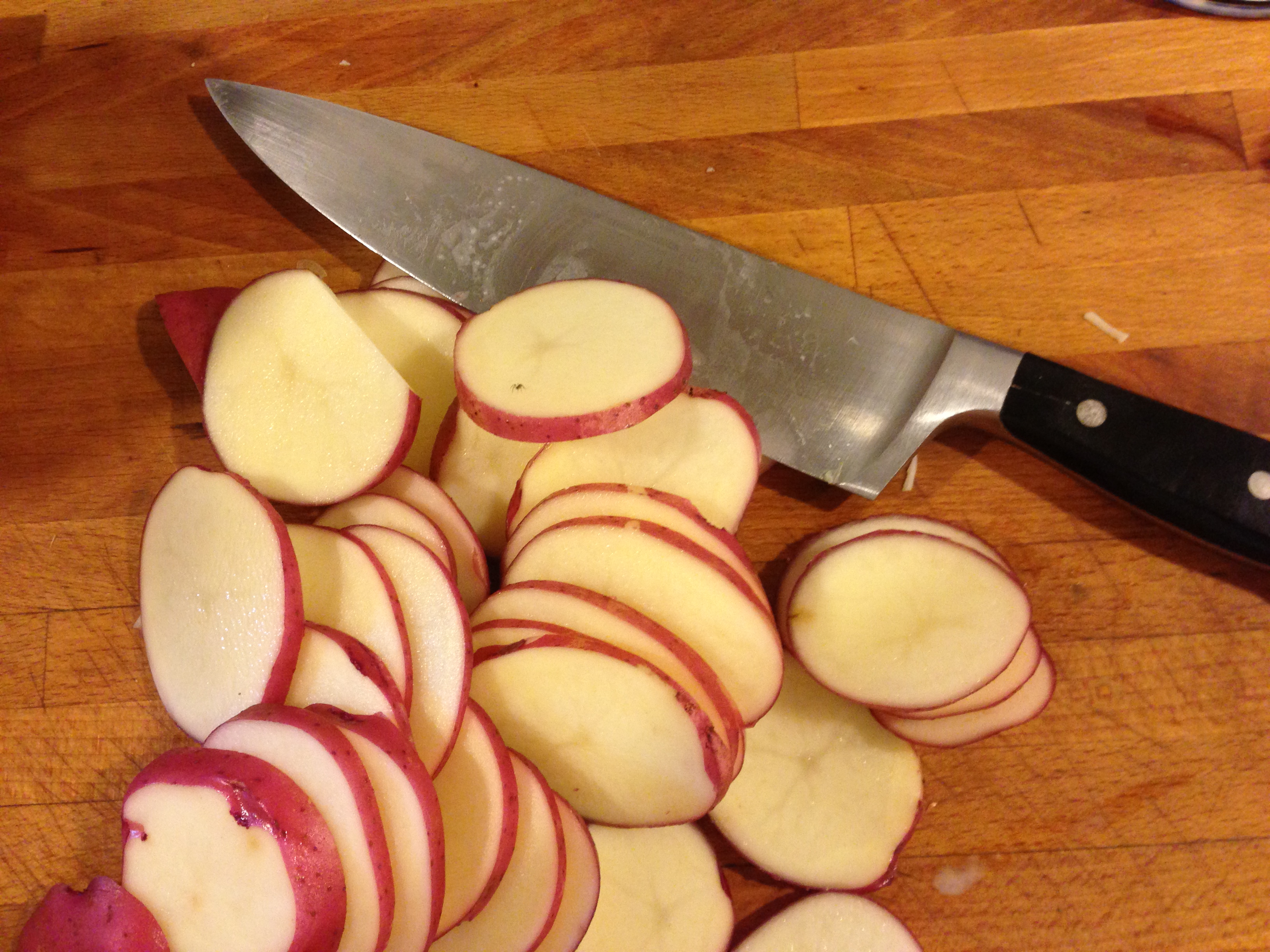
Here are potatoes, washed and sliced, for a summer gratin.

potatoes raw

So fresh they slice more like cukes or squash. Moist like just-picked tomatoes.

tomatoes

I’m thinking about anxiety, another thing that, like a potato, grows underground. You can put them aside, the things that worry you, by day. The yet-to-be-paid bills, the yet-to-be-written article, the yet-to-be-published book, the yet-to-be-proofread galleys, the yet-to-be-folded laundry. But roundabout 11pm, lying between the sheets, the air conditioner blotting out all distractions, those anxieties come back for their nightly haunting. Herbal tea, you say? Hot milk? Meds? All you can do is dig yourself out of the dirt by the next day’s sunlight.

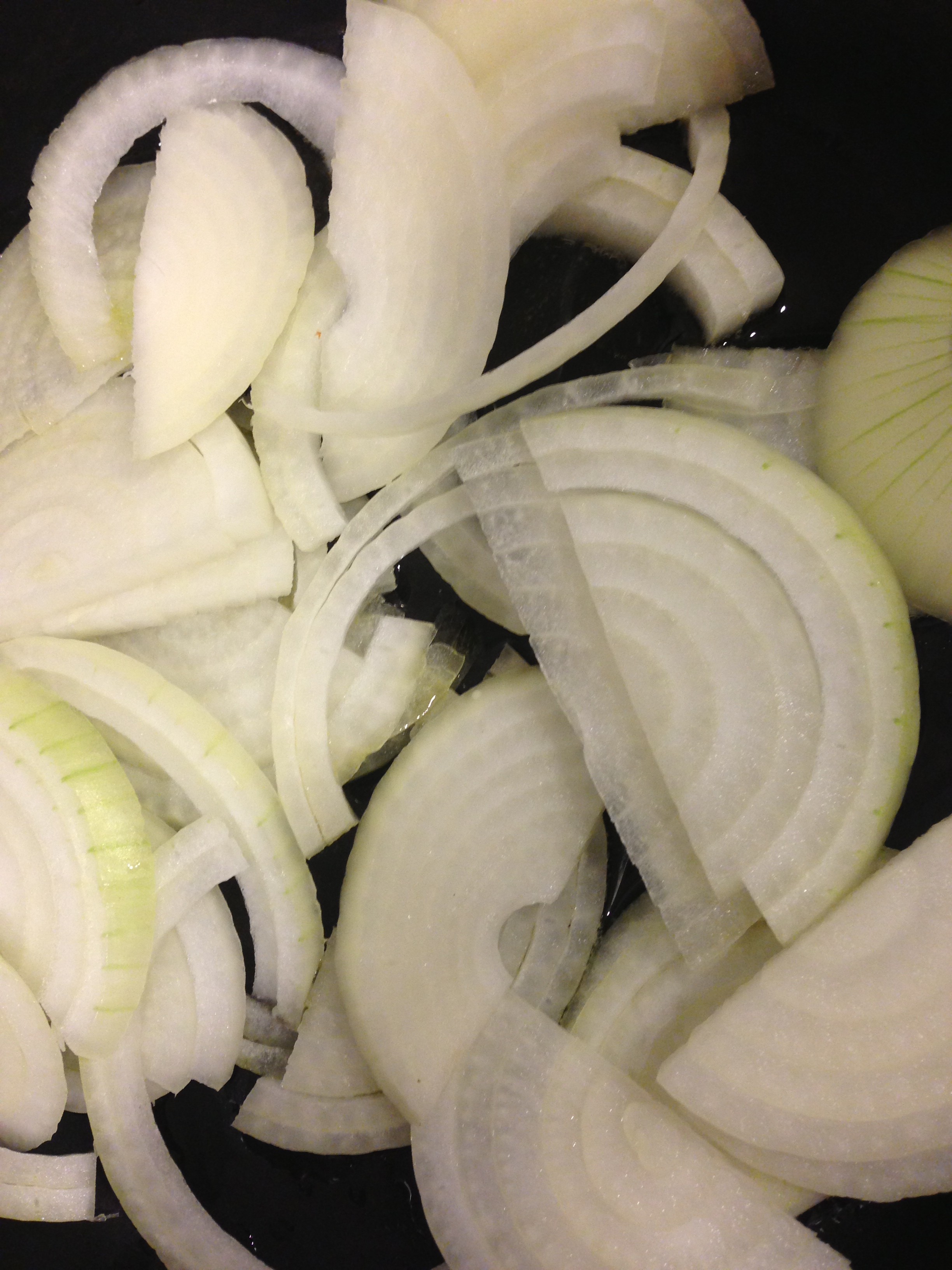
Onions swell beneath the dirt. Onions to fry in olive oil for the gratin.

onions raw

Creativity also grows underground. Say I have an idea for a new story. An idea about the way a certain neighborhood looks in a New York of a different age. A thought about a character the other characters call simply the Turk. A whaleboat loaded with cabbages. Ideas percolate under the surface and peep up occasionally. You’d better write them down in a notebook or they’ll descend back down again.

Layer the potatoes in a casserole dish. This gratin is simple. Place the rounds, spoon the onions over and then the shredded gruyere. One, two, three layers. Extra cheese on top (no anxiety about its cost or its cholesterol!).

Give anyone deserving a shred.

oliver cheese

Take a break from proofreading your galleys. Pour a pint of cream over the layers. A pinch of salt, a few grinds of pepper.

gratin

Crank the oven to 425 degrees. It’s hot in here, isn’t it? The rest of the ten pounds of  potatoes, homely and crumbly, await their cold bath. They’re dug up now, won’t ever go back. Anxiety, creativity, things to bring into the light of day. It’s their turn in the sun.

potatoes basket

4 Comments

Filed under Cooking, Culture, Dogs, Fiction, Home, Jean Zimmerman, Nature, Publishing, Writers, Writing

Il Rituale dei Bambini Perduti

Italy has weighed in.

anteprima-il-rituale-dei-bambini-perduti-L-fp4Qio

My Italian publisher’s visual interpretation of the drama of The Orphanmaster is not perhaps what I would have expected. It’s baroque. It’s scary.

It’s amazing to think of people sitting down with a copy of Il Rituale dei Bambini Perduti, so far from the island of Manhattan in 1664.

If you can read the language, check out a book blog.

13 Comments

Filed under Culture, Fiction, Jean Zimmerman, Publishing, The Orphanmaster, Writing

The Taksim Square Book Club

In  Turkey, people are reading books. In public.

Which is amazing, considering the country’s recent history.

Taksim Square Book Club

People are afraid of losing freedoms. And they’re finding a clever way to meet in public when demonstrations have been banned. Book clubs as free speech.

From Ataturk – which means Father of the Turks – who founded the Republic in 1922, all the way up to the present day, the country has had strong secular leadership.

ataturk3

Now the hardliners have come in. In Tacsim square the prime minister wanted to destroy part of a park for “redevelopment.” Somehow that struck a chord with the public and hundreds of thousands of people took to the streets.

The complexities of this story are better left for a political writer, but the numbers have already reached these totals, according to one source: 4,500,000 people provided their support for the Gezi Park Resistance; there were 603 protests in 77 provinces; at least 75 people were arrested; at least 1,750  injured; 3 people including one police officer died. There is an excellent visual timeline of the “ten days of resistance.” New developments are not promising.

Taksim Square Book Club

As an alternative to the violence, the Turkish performance artist Erdem Gunduz chose to stand with his hands in his pockets, facing the Ataturk Cultural Centre in Taksim Square for eight hours.

erdem-gunduz-kimdir-gezi-parki-duran-adam-4746497_1628_o

Gunduz become the symbol of the resistance movement. Thousands of people emulated his action, standing still for minutes or hours around the country. “The Taksim Square Book Club” dovetailed with the still postures, and the books people are choosing form a reflection of their thoughtfulness in the face of this tremendous cultural upheaval. Albert Camus, The Myth of Sisyphus, about God and meaning. Gabriel Garcia Marquez’s Leaf Storm. Nineteen eighty-four. Turkish writer Tezer Oslu’s short story collection Old Garden-Old Love. When Nietzche Wept, a historical novel by Irvin David Yalom. Again, Nineteen eighty-four.

Taksim Square Book Club

What would you hold?

8 Comments

Filed under Culture, Fiction, History, Jean Zimmerman, Photography, Publishing, Writers, Writing

Sneak Peak

It’s a long time, the final gestation of my novel Savage Girl. Nine months until its publication date in March 2014. But I’m already excited. The book has been written. Edited. Copyedited. We now have a cover.
Savage Girl cover 3

And even some catalog copy. It gives the gist of the story, which is both a tangled web and clear as day. It tells of

the dramatic events that transpire when an alluring, blazingly smart eighteen-year-old girl named Bronwyn, reputedly raised by wolves in the wilds of Nevada, is adopted in 1875 by the Delegates, an outlandishly wealthy Manhattan couple, and taken back East to be civilized and introduced into high society.

This girl

hits the highly mannered world of Edith Wharton-era Manhattan like a bomb. As she takes steps toward her grand debut, a series of suitors find her irresistable. But the willful girl’s illicit lovers begin to turn up murdered.

Savage Girl would not be the same story, would not be so much fun, were it not for its narrator, Hugo Delegate, a Harvard medical student and the scion of the family that takes Bronwyn in.

The tormented, self-dramatizing Hugo Delegate speaks from a prison cell where he is prepared to take the fall for his beloved Savage Girl. This narrative – a love story and a mystery with a powerful sense of fable – is his confession.
So says the catalog description. When the book pops out of the oven next winter you’ll have a chance to judge for yourself.


4 Comments

Filed under Art, Fiction, Jean Zimmerman, Publishing, Savage Girl, Writers, Writing

Serene and Green

I wondered how it would work, so I went to find out. A literary event in a clothing store in Yonkers, New York. A literary event that had nothing to do with fashion, actually: Reeve Lindbergh, the author of family memoirs, essays and children’s books, would be reading excerpts from the latest volume of her mother Anne Morrow Lindbergh’s writings, Against Wind and Tide:Letters and Journals 1947-1986.

against

The store was Green Eileen, an offshoot of Eileen Fisher where I often go to replenish my wardrobe.

colorful clothes

The clothes Eileen Fisher designs are elegant and serene, with unstructured lines and natural fabrics. If you like linen and silk, this is the place for you. It’s definitely the place for me, but by the same token I often wonder if I can live up to my clothes.

Maybe I like this place so much because the company’s ads showcase graceful  silver foxes alongside the usual younger models. Grey is the new brunette, or didn’t you know?

jean grey

There was an elegant buffet and wine. Reeve began. She read from the book, but even more interesting was the patter that pulled those passages together.

reeve

She told us about her mother’s ever-present blue notepads, containing carbon paper to make three copies, one for the letter recipient, one for her personal archives and one for the master archive at Yale (open to all as of April, as it happens). Anne Morrow Lindbergh often wrote three to four long letters in a day, yet despaired of getting enough writing done. Reeve remembers banging on the door of her mother’s “writing house” and how mad her father got – that’s the only time she had to write, he reminded his daughter.

The title of this volume is a quote from Harriet Beecher Stowe, who claimed that writing, for a wife and mother, is “rowing against wind and tide.” When Reeve herself became a writer, at one point she tragically lost a child and was afraid she would never put pen to paper again. Her mother’s reassurances “probably saved my life,” she told us. “Mom said stop reading the things you think you should be reading and instead write on little scraps of paper the things going on around you.” Reeve still makes this a practice, she said.

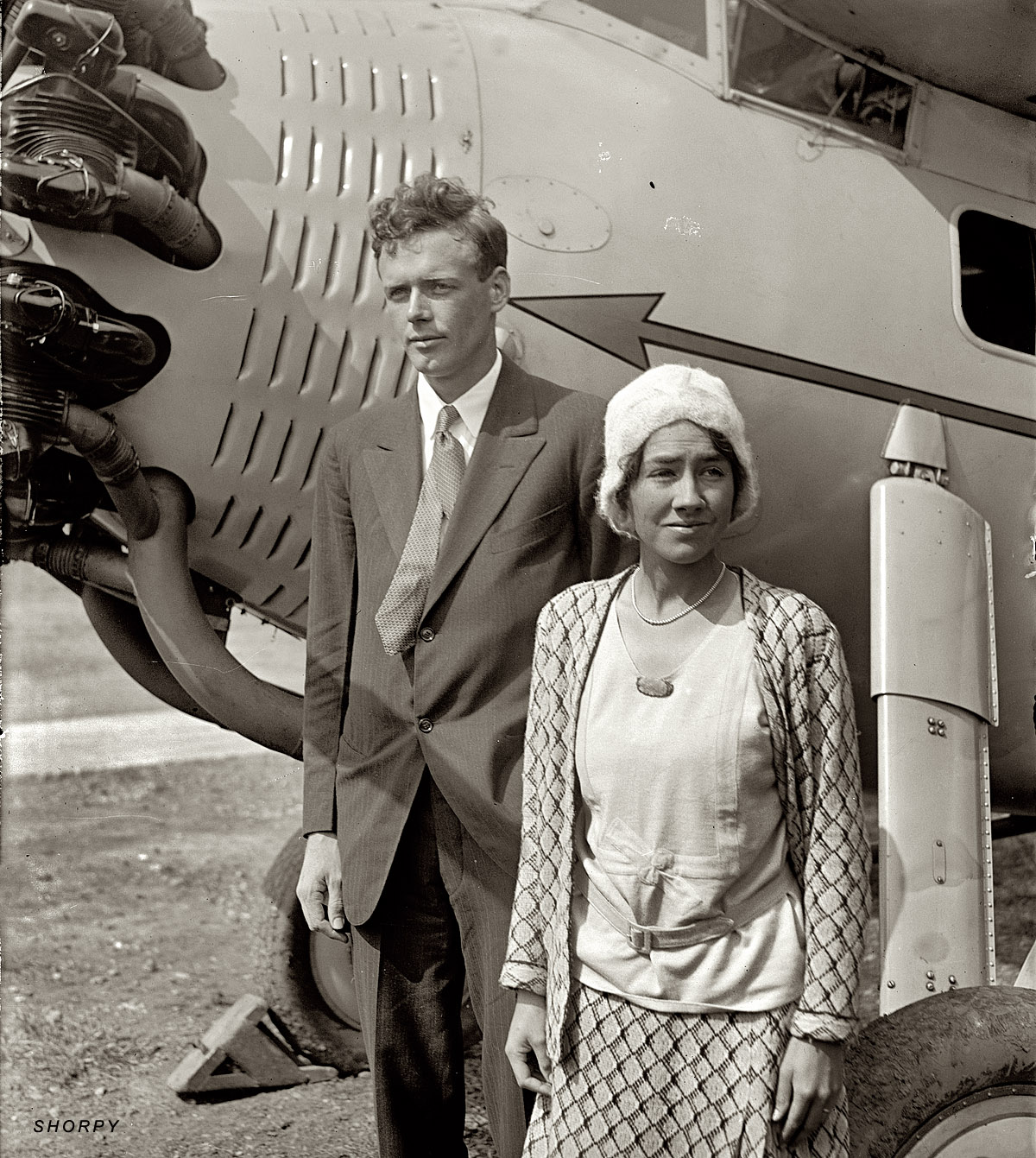
lindberghs

Anne Morrow married Charles Lindbergh, then the most famous man in the world, in 1927, and got her own pilot’s license the following year. They flew the world over while she continued to produce nonfiction, fiction, articles and poetry, with the 1955 Gift From the Sea a seminal work of feminism and environmentalism, never having gone out of print.  A book mothers give to their daughters, who give it to their daughters in turn.

Gift from the Sea

Reeve spoke about her father’s comings and goings, even his infidelities, about the “strong and interdependent relationship” the Lindberghs had nonetheless over 40 some odd years. Charles Lindbergh “showed us a world – his world – that he wanted us to see,” said Reeve of the family, but he could definitely be difficult. Reeve’s mother, she said, always felt her husband’s controversial opinions about Hitler and the Second World War had been misconstrued.

In this volume, Anne Morrow Lindberg talks about her pregnancies, about considering an abortion, about a miscarriage. She rewrites her wedding vows: “Since I know you are not perfect I will not worship you,” is one. “Marriage is not a solution to but a mirror of problems,” another. She wrote a lot about the need for aloneness –how important it is.

“I see life as a journey toward insight,” said Anne Morrow Lindbergh in a speech at the Cosmopolitan Club when she was 75.

Reeve’s editor on the new volume sat in a front row and nodded as she detailed how together they had combed through the archives at Yale to fill the book. All the material was handwritten and had to be typed before the painstaking selection.

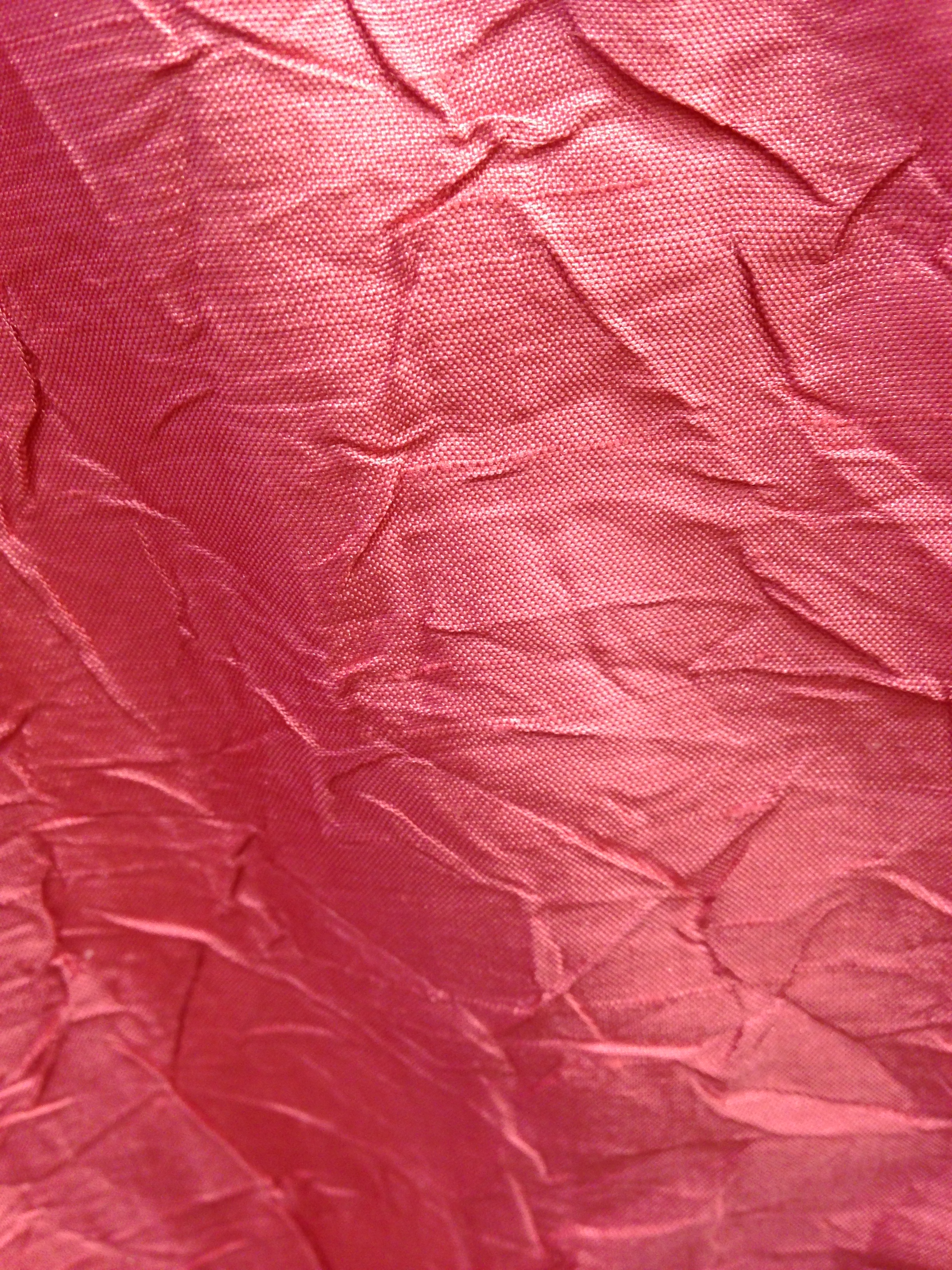
The presentation concluded, and I wandered among the garments that lined the store like bright, clean flags. I’d love to be a person to wear textured pink silk.

pink shirt

Two books were being sold: Against Wind and Tide and a children’s book by Reeve Lindbergh called Homer, the Library CatTen bucks from the sale of each book would go to the Eileen Fisher Foundation.

Jen Beato, the Store Leader, told me why a presentation of the work of Anne Morrow Lindbergh fits the setting of Green Eileen. Every book wouldn’t make sense, she said, but this one shows “how challenges she faced are similar to today’s challenges.”

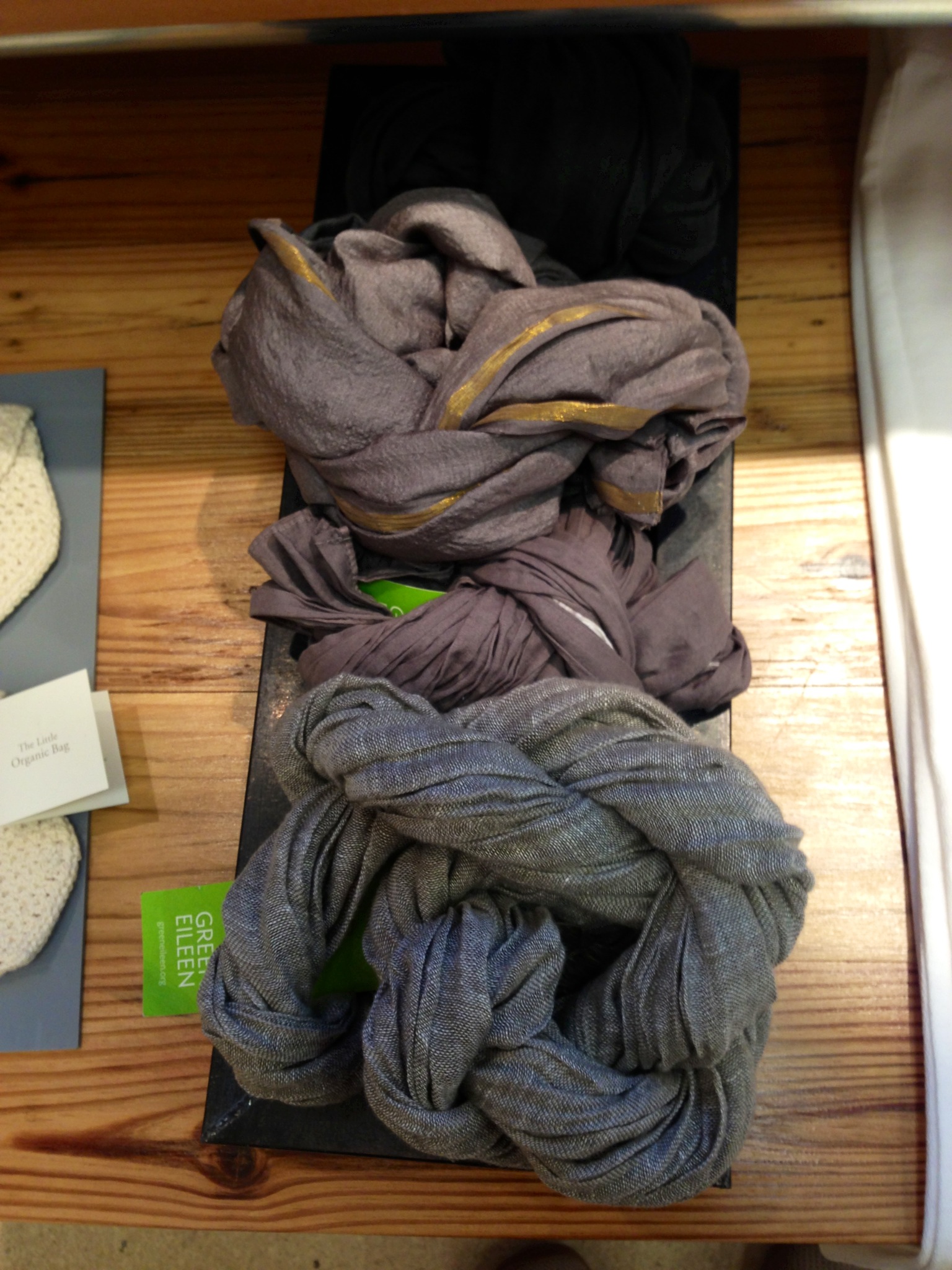
knots

Green Eileen accepts contributions of gently used Eileen Fisher clothing – say you lose some weight, or gain some weight, and you can no longer fit into that perfect pair of pajama-y palazzo pants — which it recycles and sells at an affordable price, with the proceeds going to causes for women and girls locally, nationally and around the world. The National Women’s History Museum,  the New York Women’s Foundation and Planned Parenthood, among many others.

The company makes good points, so I feel virtuous running my fingers over that sleek textured silk.

pink

The average American throws away 68 pounds of clothes per year. Over 4% of global landfills are filled with clothing and textiles. Almost 100% of used clothing is in fact recyclable.

Green Eileen has a pretty cool blog. The store is always sponsoring workshops about crazy things like recycling your wool, cashmere and silk into fabric jewelry. Maybe I’ll go to one sometime.

As night fell, inspired and on my way to insight, I wandered past the rack of beautiful castoffs, now reclaimed.

white clothing

In a simple white bag, I toted my virtuous purchase. Not the pink silk, but  a knee-skimming shift of white linen that will look serene and elegant on my daughter. Then I’ll take something out of my closet to give back to the store.

7 Comments

Filed under Culture, Fashion, History, Home, Jean Zimmerman, Publishing, Writers, Writing

A Bookish Brunch

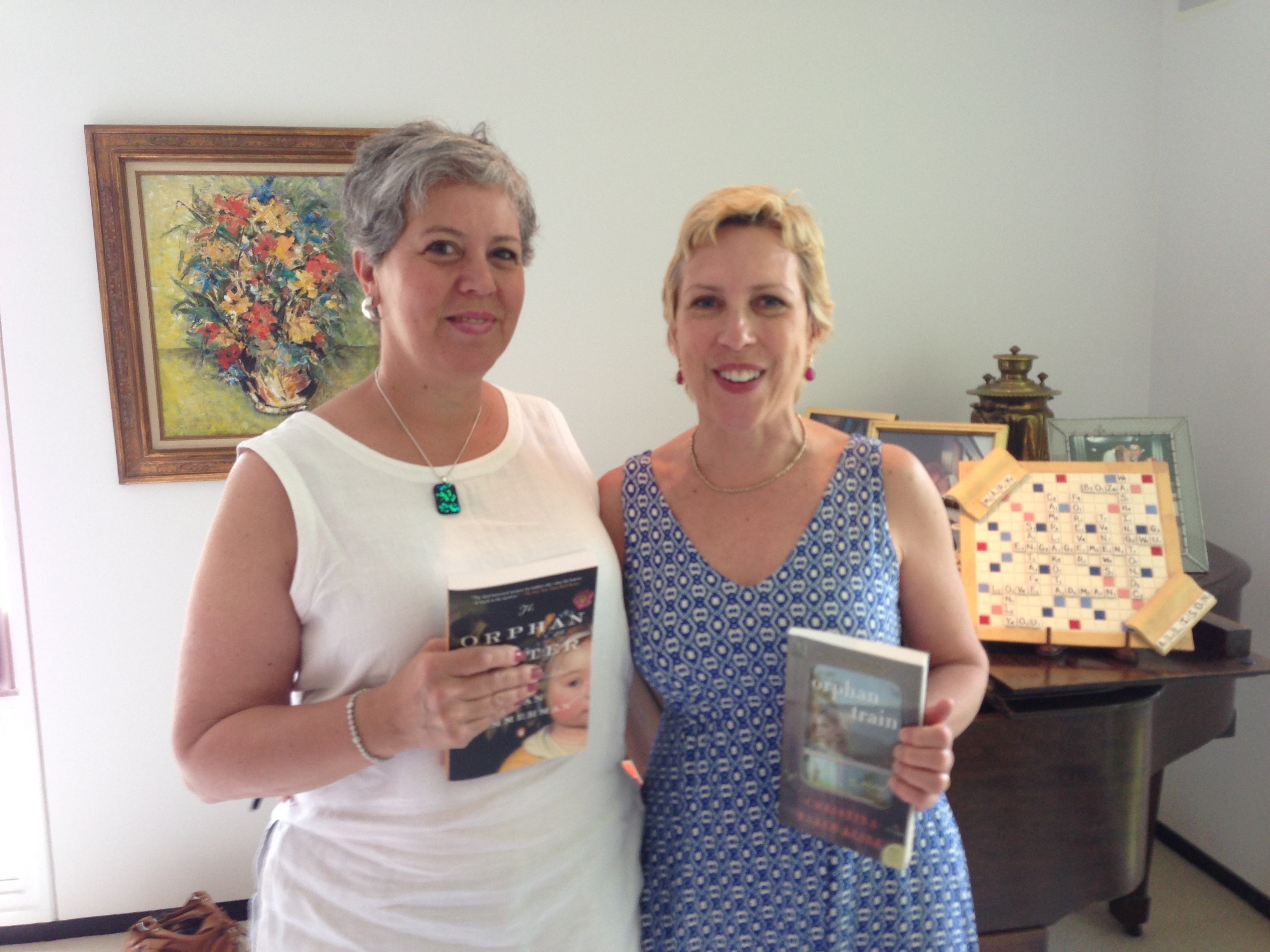
Christina Baker Kline’s book Orphan Train was released on April 2nd by William Morrow, and I was lucky enough to attend a brunch in her honor today. As the intuitive and scrappy Allison Gilbert, our nonfiction-writing hostess, put it, “Writing a book is like pushing a mountain through your head.” An event like this, she said, can show people that a book exists from the ground up. “That’s what we writers do for each other.” Indeed. The house in Irvington, New York was filled with bookish well wishers.

Christina

Orphan Train has hit the best seller lists of both USA Today and The New York Times, Goodreads saluted it as a 2013 beach read, and it has been brought out in a special edition by Target, for which Christina had to sign thousands of copies.

orphan trainShe had come in from a meeting with the powerhouse biographer Robert K. Massie and would go off to be the keynote speaker at an event held by Books New Jersey, but spared a chunk of time in the noon hour to describe her book and the process by which it went from Henry James’ “germ of a story” to a full-blown narrative.

Christina stumbled on to the phenomenon of orphan trains 10 years ago.

orphan-train

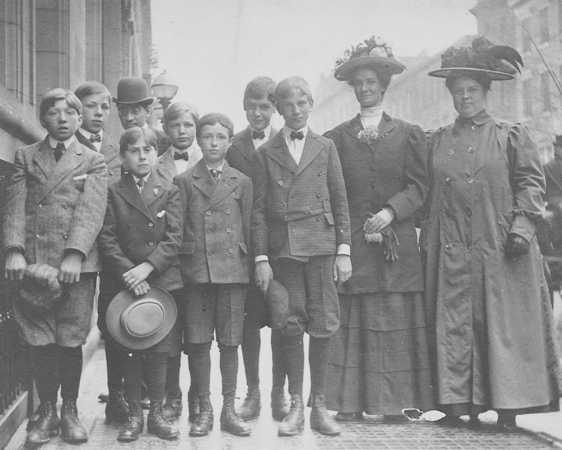
It seems her husband’s North Dakota grandfather was one of “riders.” Most  kids were plucked off the streets of New York between 1854 and 1929 and shipped to the Midwest as free labor for farm families. Ultimately there would be 250,000.

orpans with women


Some of them, actually about 60 percent, were not legitimately parentless, but their single parents, usually their mothers, simply couldn’t afford to feed and house them. Civil War widows, in particular, couldn’t hack the expenses of parenthood, and there were no social programs to help them. Today the original orphans have two million descendants in this country.

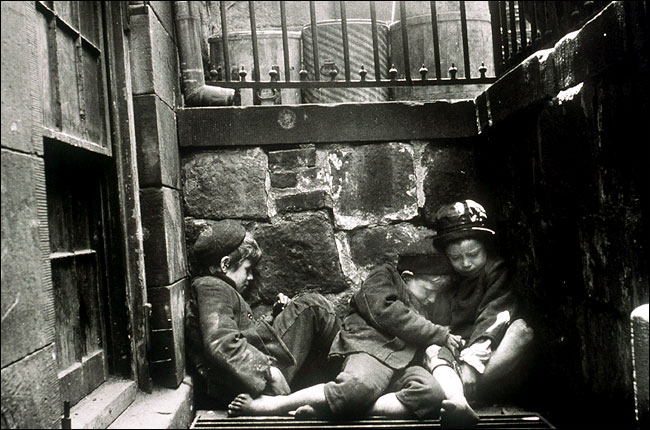
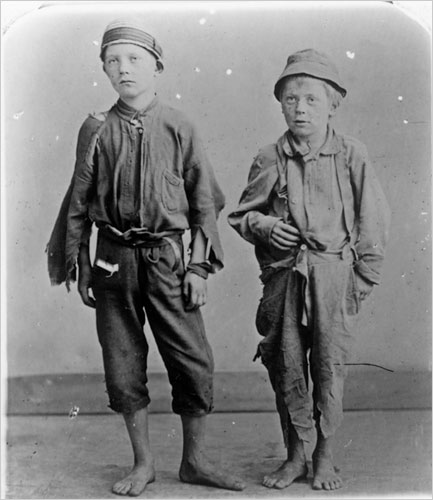
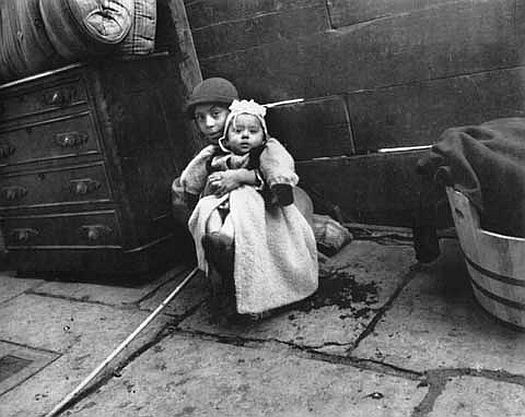
Jacob Riis made devastating pictures late in the 19th century of some of these lost New York street children.

jacob riis boys

The older they were, the more desirable they were for the farmers who took them in. Better workers.

riis grown boys


Babies were popular too.

riis boy and baby


Girls, not so much. A threat to the women in the household. This little girl Riis captured is beyond sad.

riis girl

Now Christina has taken this powerful material and made a story out of it, centered in the relationship between a troubled 17-year-old girl and an aging Irish immigrant who keeps her orphan train memories in an attic trunk.

Christina and I talked over aspects of bringing out a book, including the fact that we both take a powerpoint with us when we hit the road to talk about our work, something not every fiction writer does but that seems appealing to fans of historical fiction. I liked something she said about the writing process, about creating the structure for a story: “We need to build too much, explain too much, before we take that scaffolding away in the revision process.”

I can’t wait to read Orphan Train, to see what commonalities exist between her children of the late-19th century to the early 20th century and the parentless waifs of The Orphanmaster‘s 17th-century New Amsterdam. Novelist Helen Schulman  said Orphan Train “makes for compulsive reading,” and The Orphanmaster has been called “compulsively readable,” so we have a bond. It’s too bad Adam Johnson couldn’t be sharing bagels and lox with us at Allison’s house today.

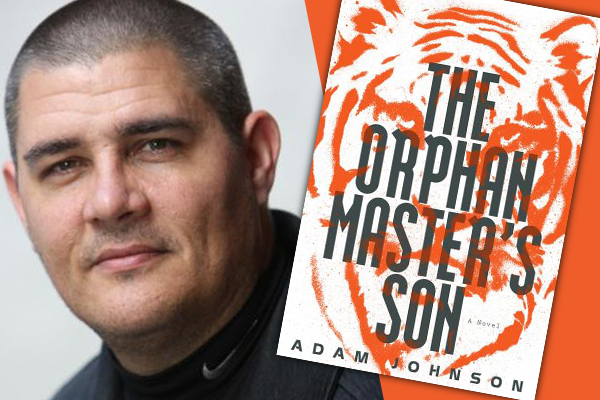
orphanmastersson

His book, The Orphanmaster’s Son, won the 2013 Pulitzer Prize for fiction. I have found myself in the interesting position since the award was announced of having people congratulate me for my “recent honor.” Well… no. But you’ve got to think that this hat trick of orphan novels suggests something in the cultural water. Andre Gide said, Not everyone can be an orphan. I salute Adam, whose book is supposed to be as terrifying as it is wonderful. But for now, it’s just Christina and me in the picture.

j and c


7 Comments

Filed under Cooking, Fiction, History, Jean Zimmerman, Photography, Publishing, Writers, Writing

Rock Paper Scissors Book

Kids write books. They just don’t appear on Kindle.

And they couldn’t. They’re hand-wrought. Messy. One of a kind.

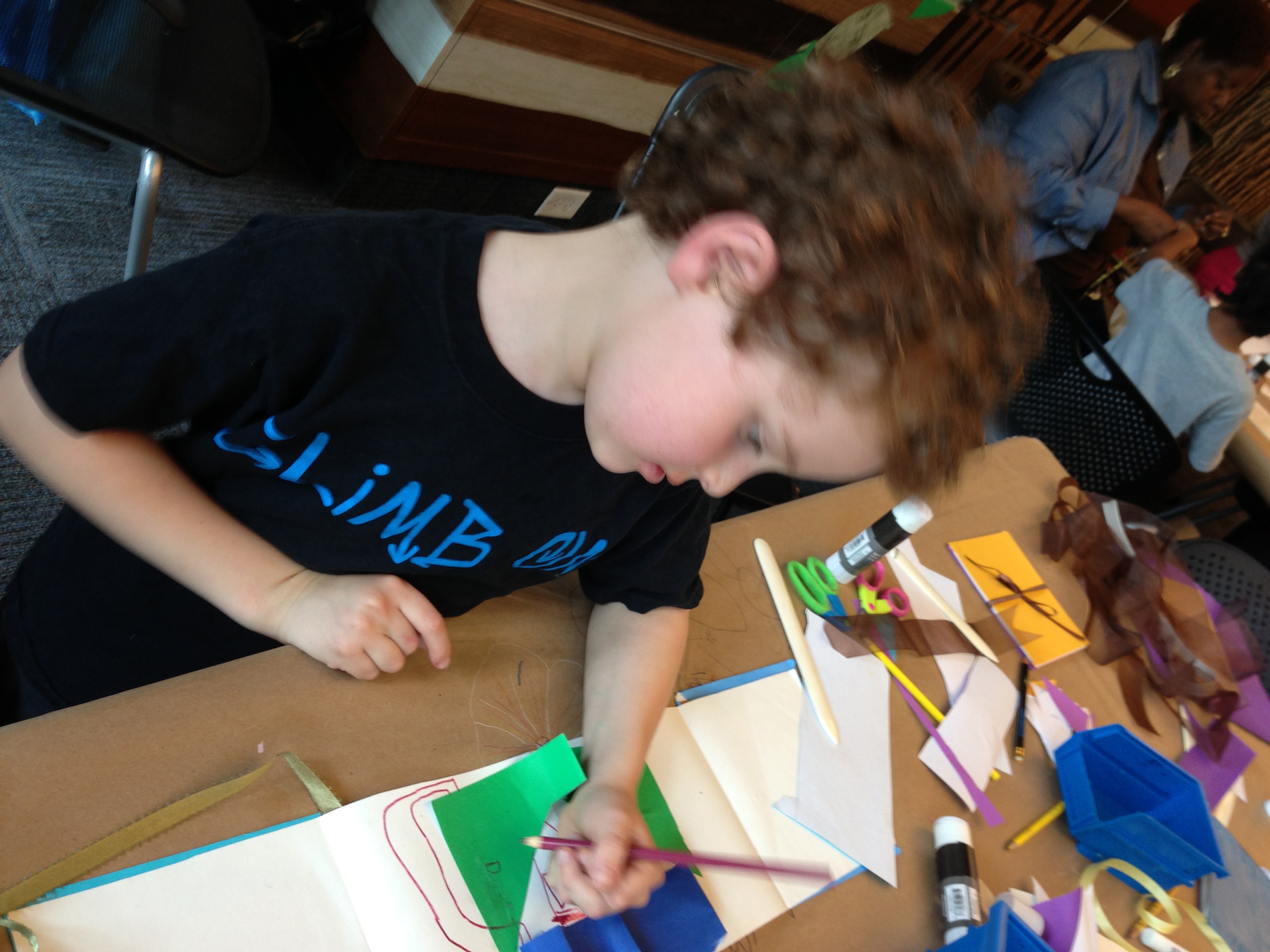
We took our nephew Jasper to a book-making class for children today at the Cooper-Hewitt Museum’s Design Center in Harlem. Jasper is a lefty — is that why he has a creative streak, or is it because he’s my nephew? Just asking.

lefty


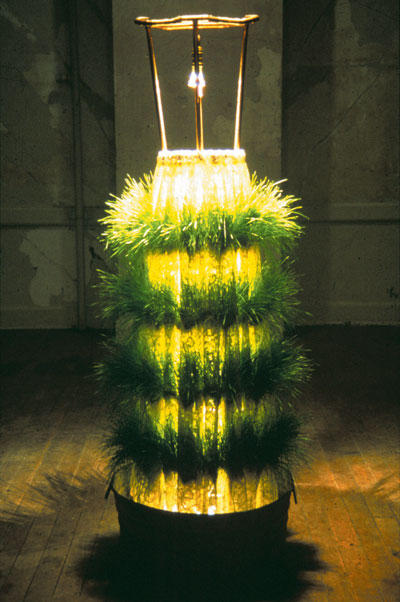
The ever-patient instructor was an artist named Michele Brody, who is well known for producing site-specific installations, including many  involving plants and water.

brody

She likes to show the entire life cycle, she told me, including the decay and death of the plants.

Michele Brody


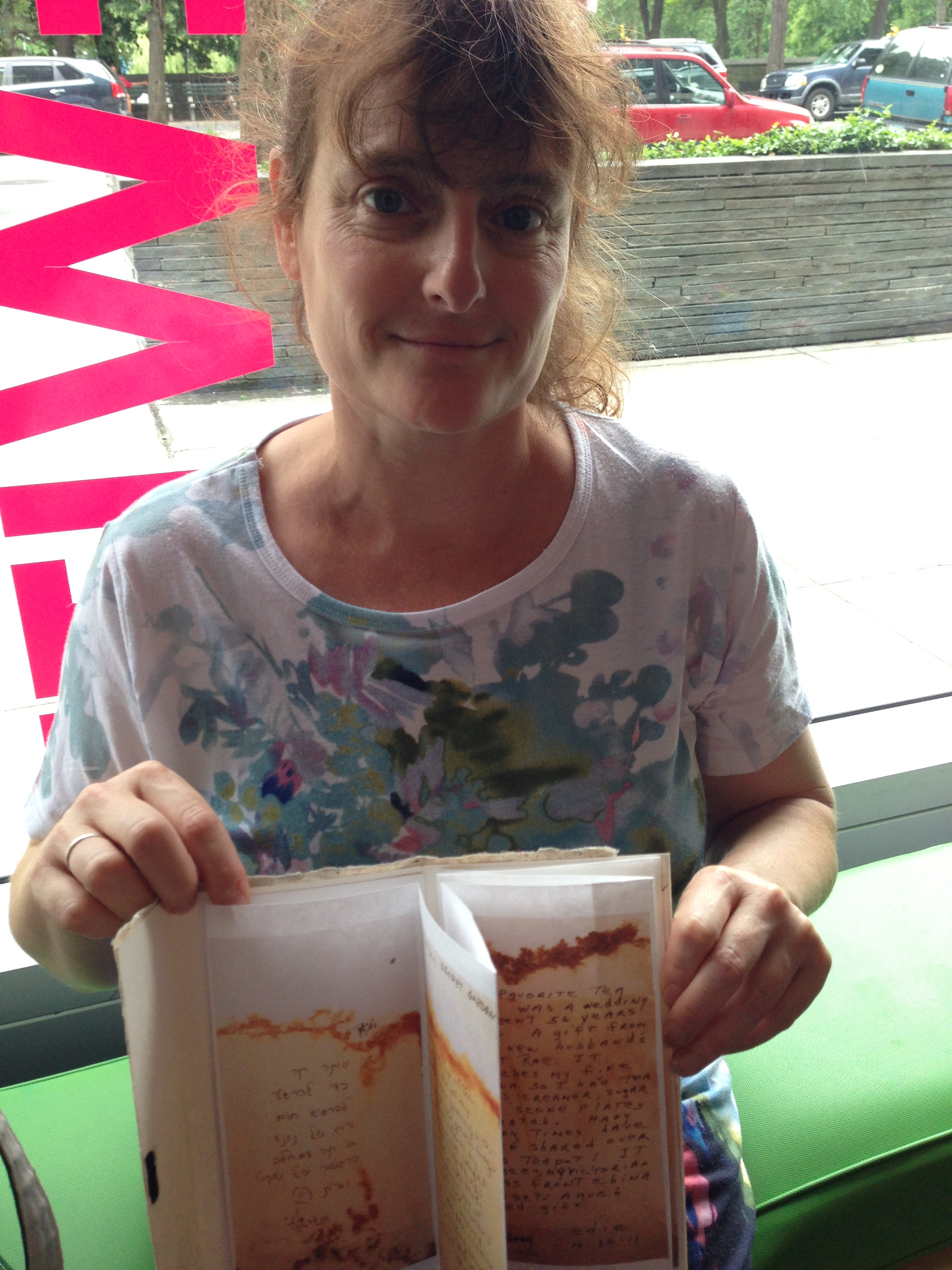
But she’s also  produced art volumes about tea and stained by tea, so she knows about putting together books from scratch. Today she introduced me to a novel concept, that of the bone folder.

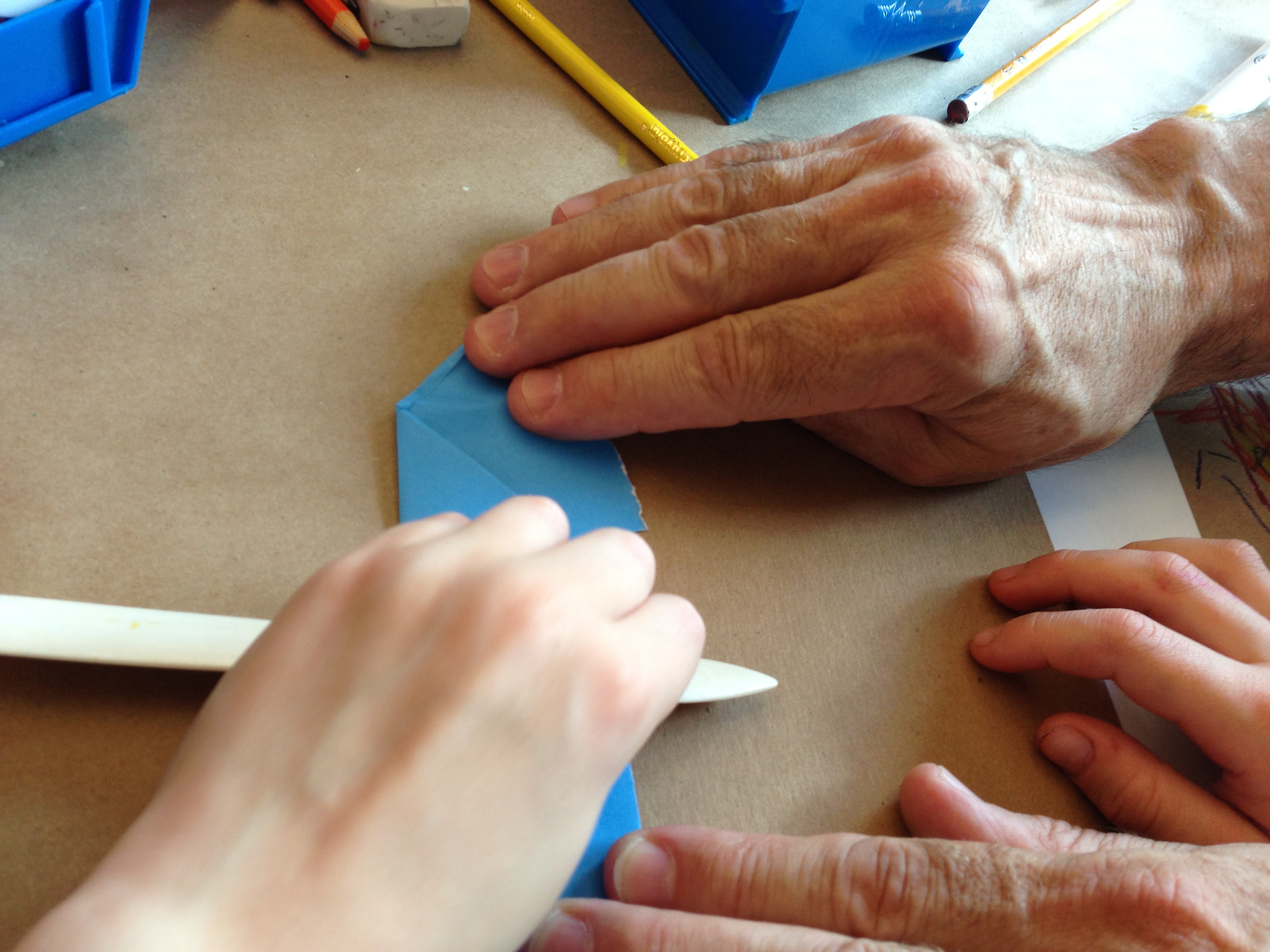
bone folder

The bone folder is a smooth ivory tool that allows you get a nice sharp crease in the paper you’re using to bind your book, and to smooth out any bubbles that might appear in the glueing process. How satisfying, sliding the tool along those bubbles.

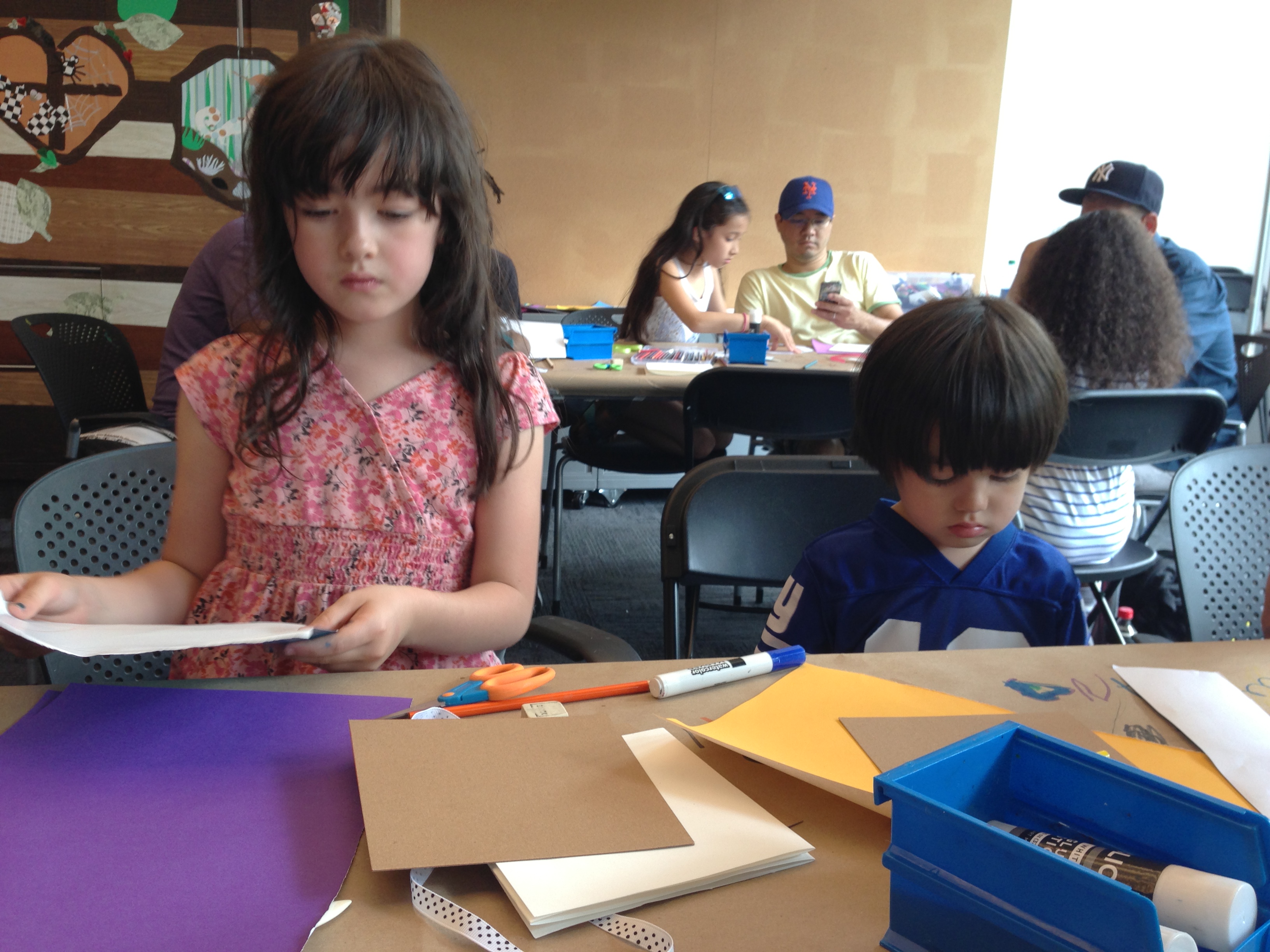
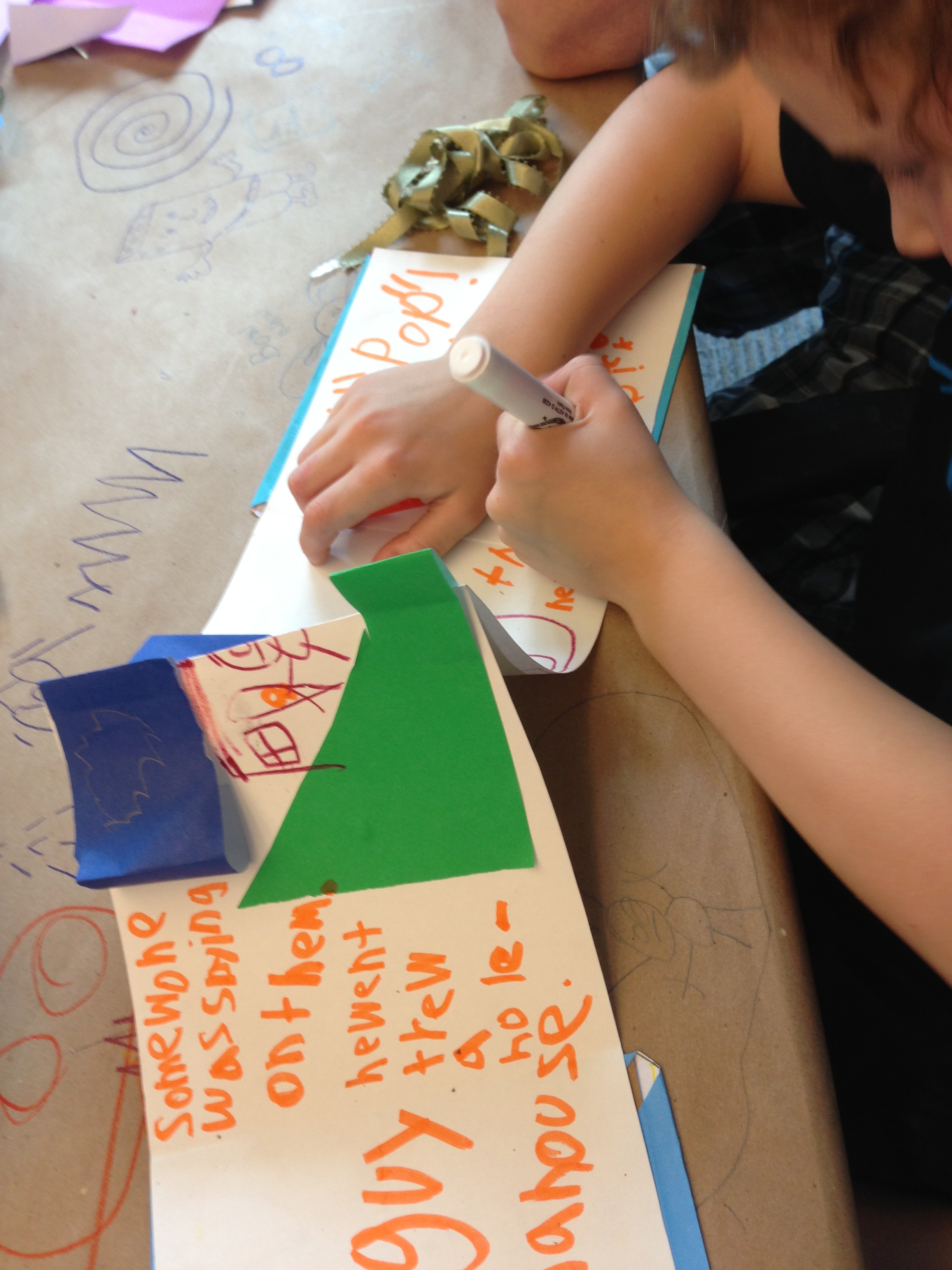
The children in the class dove in with cardboard, markers and ribbons every which way. Siblings Aidan and Molly — “silly and active,” according to Jasper —  did better than I did. I watched their creations materialize across the table.

Molly:Aidan


Jasper’s book was crammed with action and surprises. If he could only write a single book in his life, this one would be enough, but of course he’s already written hundreds.

Pop!


What did he like best about writing a book, I inquired.

The kid’s answer was immediate. The pop-ups, he said. He has always liked building pop-ups into his works. Architectural, three-dimensional, crazy blasts from another dimension.

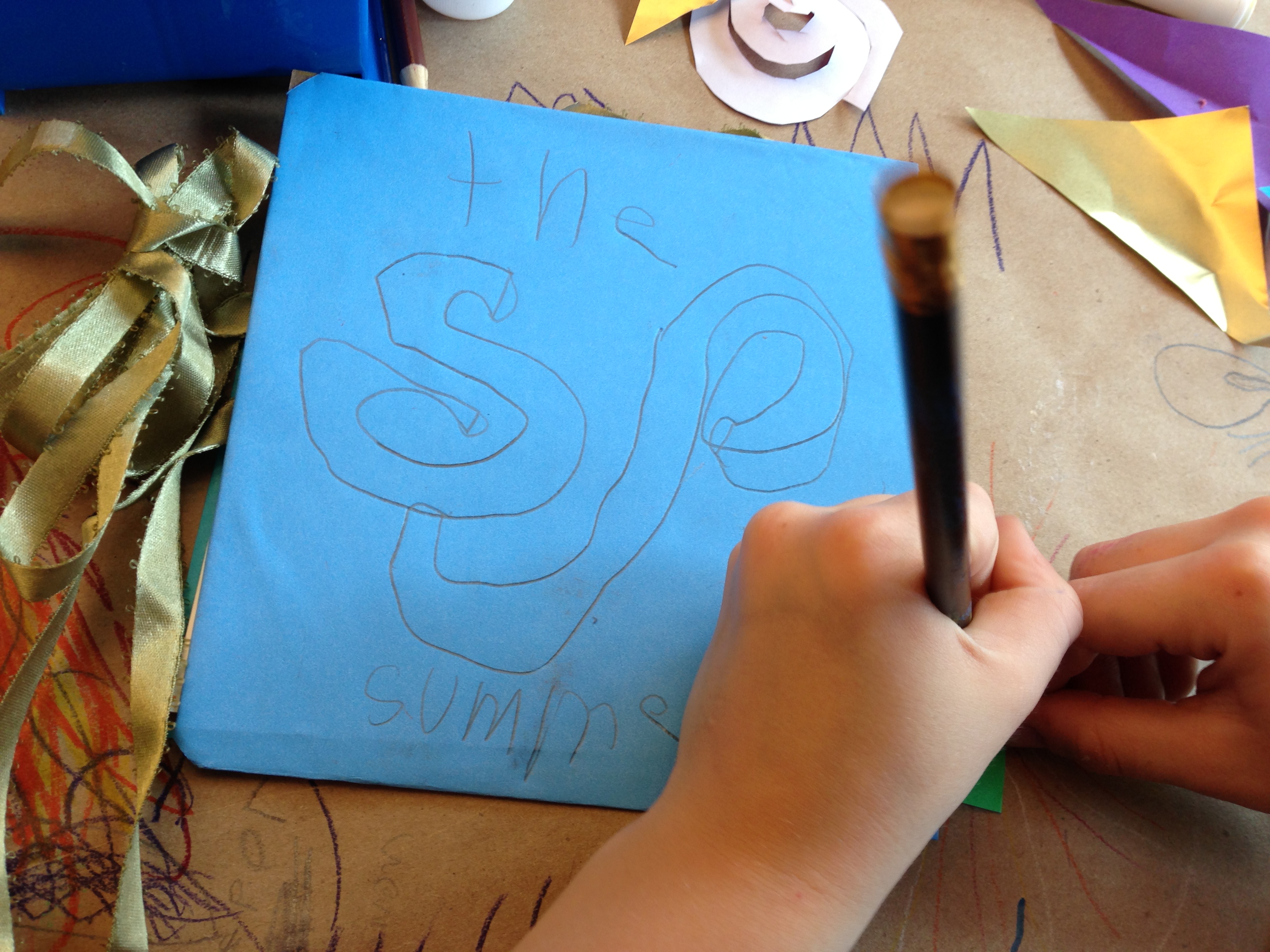
Kindle just can’t accommodate construction-paper pop-ups. And that is why you will never be able to order Jasper Zimmerman’s The Spy in Summer from Amazon. It’s the story of a spy who steals the bad guy’s jewelry, then eats him — well, that last part is not actually in this volume, says the author, but it will be in the sequel.

the spy in summer


That one will have pop-ups, too.


2 Comments

Filed under Art, Culture, Fiction, Jean Zimmerman, Publishing, Writers, Writing

The Highest Bidder

“There have been horror films set in storage facilities,” says Gil.

“I can only imagine,” says Maud.

Gil likes to run the cart through to our storage locker, especially if he’s got Maud for a passenger.

gil running

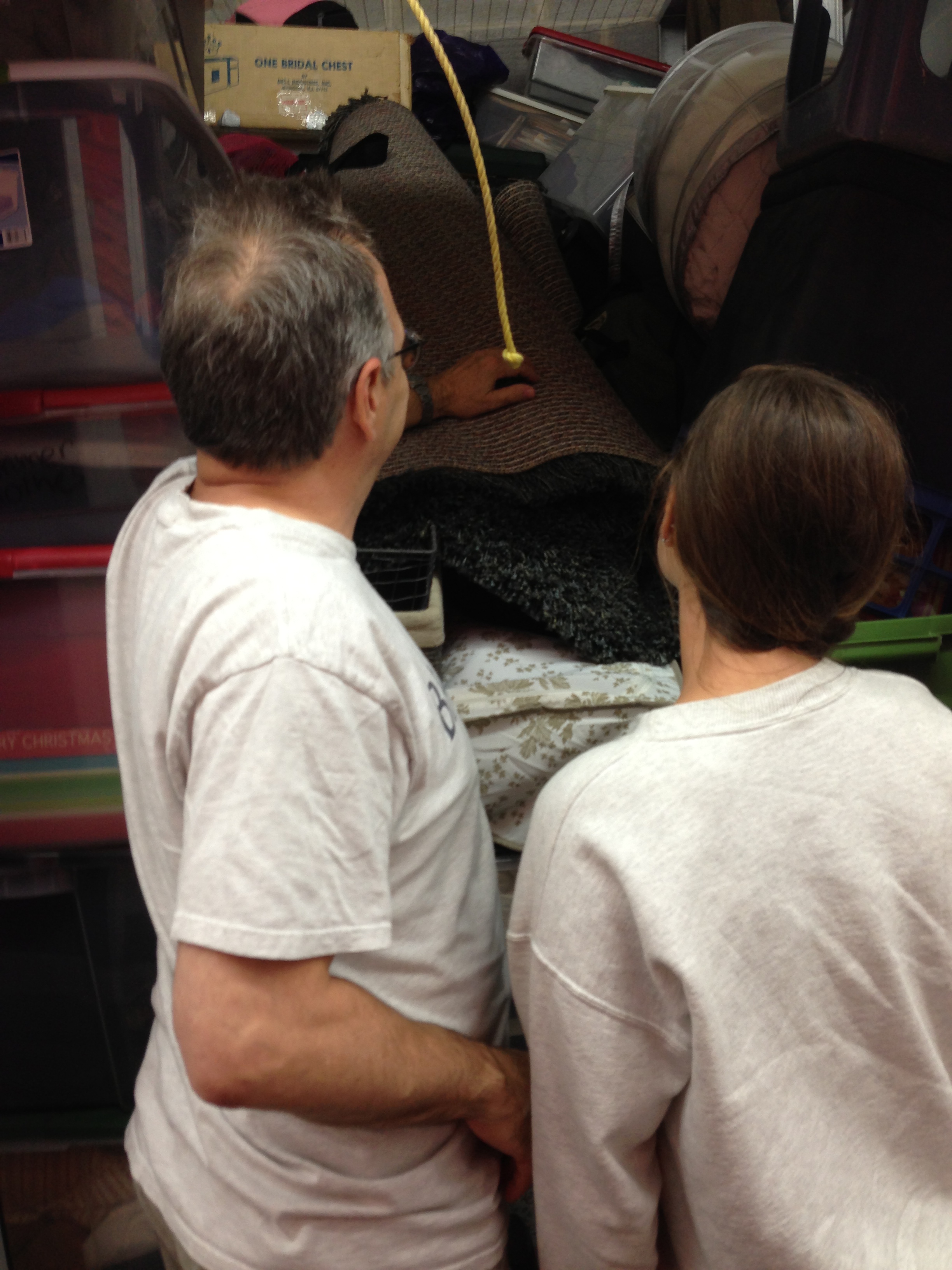
We’ve kept about half our belongings in the deep freeze since moving to the Cabin.

gil:maud

Too. Much. Stuff.

“Every increased possession loads us with new weariness,” said John Ruskin. What did John Ruskin know about it? Between the English countryside and Mayfair, he had plenty of space to stash his private editions and his watercolors.

gil:stuff

Will we ever find Maud’s backpack and sleeping pad so she’ll be equipped for her next adventure? She’s going to New Mexico to conduct research for her senior thesis, on descansos, the elaborate roadside shrines that mark auto fatalities. In New Mexico they’re very grand and very sad.

In A&E’s “Storage Wars,” people bid on the contents of repossessed storage lockers after looking for ten minutes at just the front of the container. Bidders get excited and spend a lot on what turns out to be junk. Our locker wouldn’t inspire much action.

Television also brings us a scene in “Breaking Bad” where Walter White opens a typically bland looking locker to find his wife has used it to hide an enormous brick of cash, probably 4′ by 10′ by 10′. Only thing about it is they can’t spend this treasure or he’ll go to jail. For a long time. Walt asks how much is there and Skyler says, I have no idea.

You could say that about the number of books stored in our cage.

“Is there anything we put away in storage that you miss having?” I ask Maud.

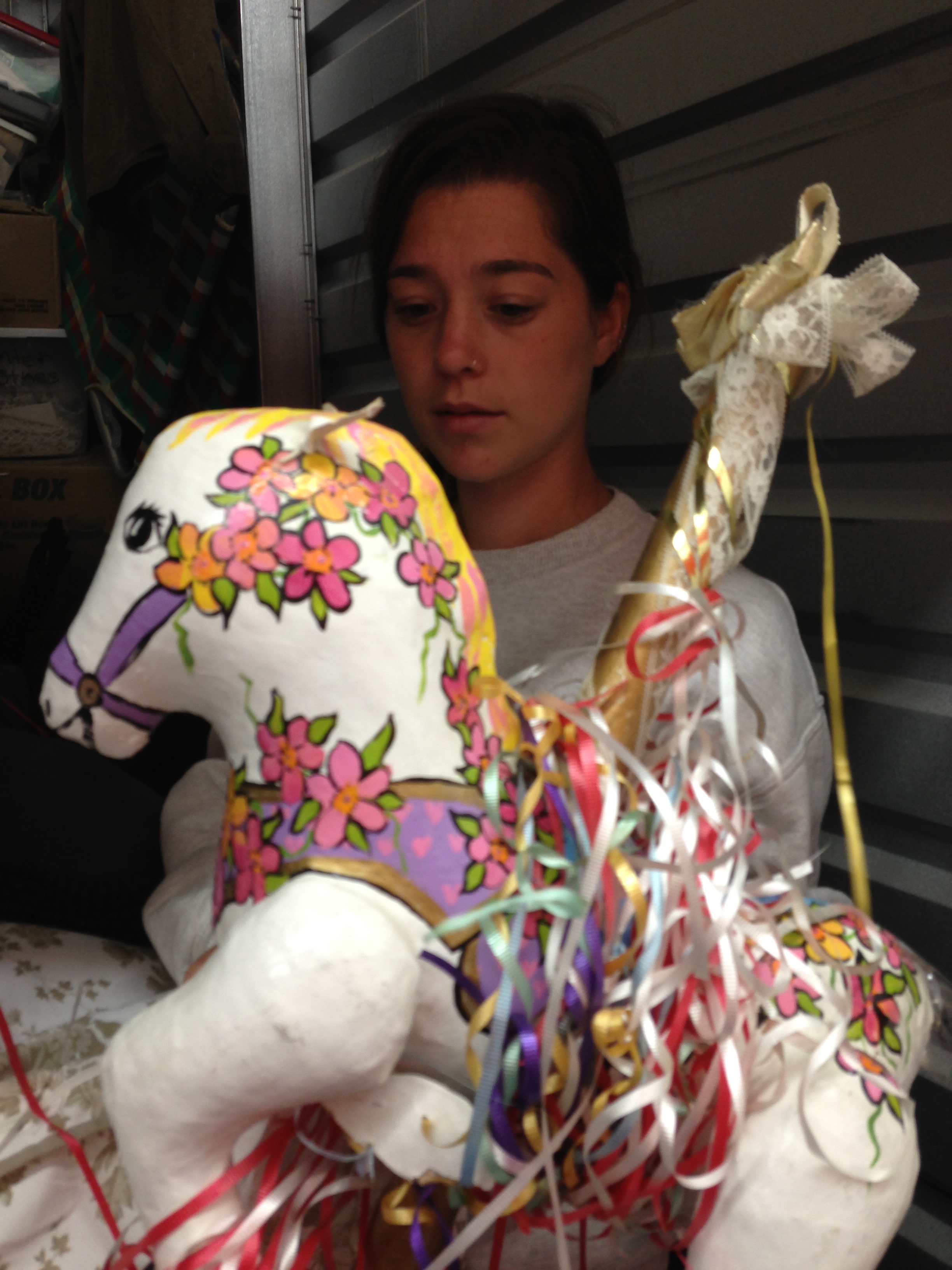
“My birthday piñata,” she says. We had a “nonviolent” piñata commissioned for Maud’s 5th birthday, its papier mache in the shape of a carousel horse. There were ribbons for the little tykes to pull to release the candy rather than bashing it with sticks. The horse had a breastplate with Maud’s name on it. We knew it was in storage someplace with its tail broken off, the tail floating  someplace in storage too.

“Is there anything you would want out of here?” I ask Gil.

“One thing I desperately want to have right now,” he said, “but won’t be able to find, is the picture of my mother and my father in their 20’s. I want to display it at my mom’s memorial service. But it’s lost in there.” That picture proved to 14-year-old Gil that his parents were young once, his dad holding a pipe and his mom looking devilish.

“Maud, what do you think is in all those boxes?”

maud's back

“Books, clothing, photos. Dead bodies.”

Sure, there have been evil deeds in storage lockers. We saw a thriller once in which a serial killer kept the clothing trophies of his victims in a locker. And in Silence of the Lambs Jodie Foster enters one to find a head in a jar.

But we find good things. Better than good. Softball gear, from Maud’s high school varsity team. Tents. We went to North-South Lake, remember that, our fragrant late night campfires? A wedding dress, still lovely in its ever-browning box. Copies of books we wrote, with passion. Gently used snorkeling gear. Let’s go, let’s go away somewhere warm and sandy sometime!

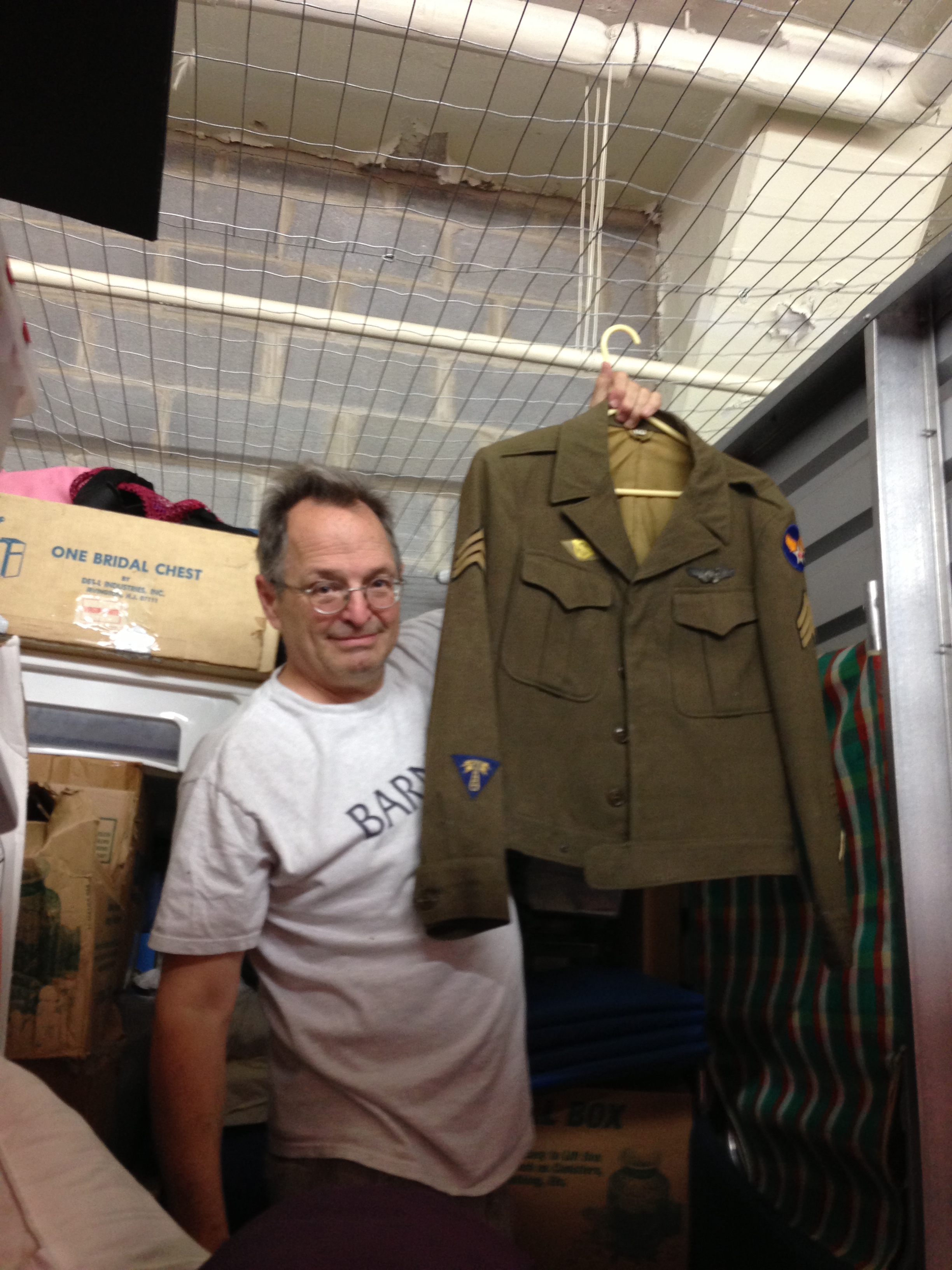
Gil finds the army jacket of Acton, his father.

acton's jacket

Maud finds her carousel horse.

maud:horse

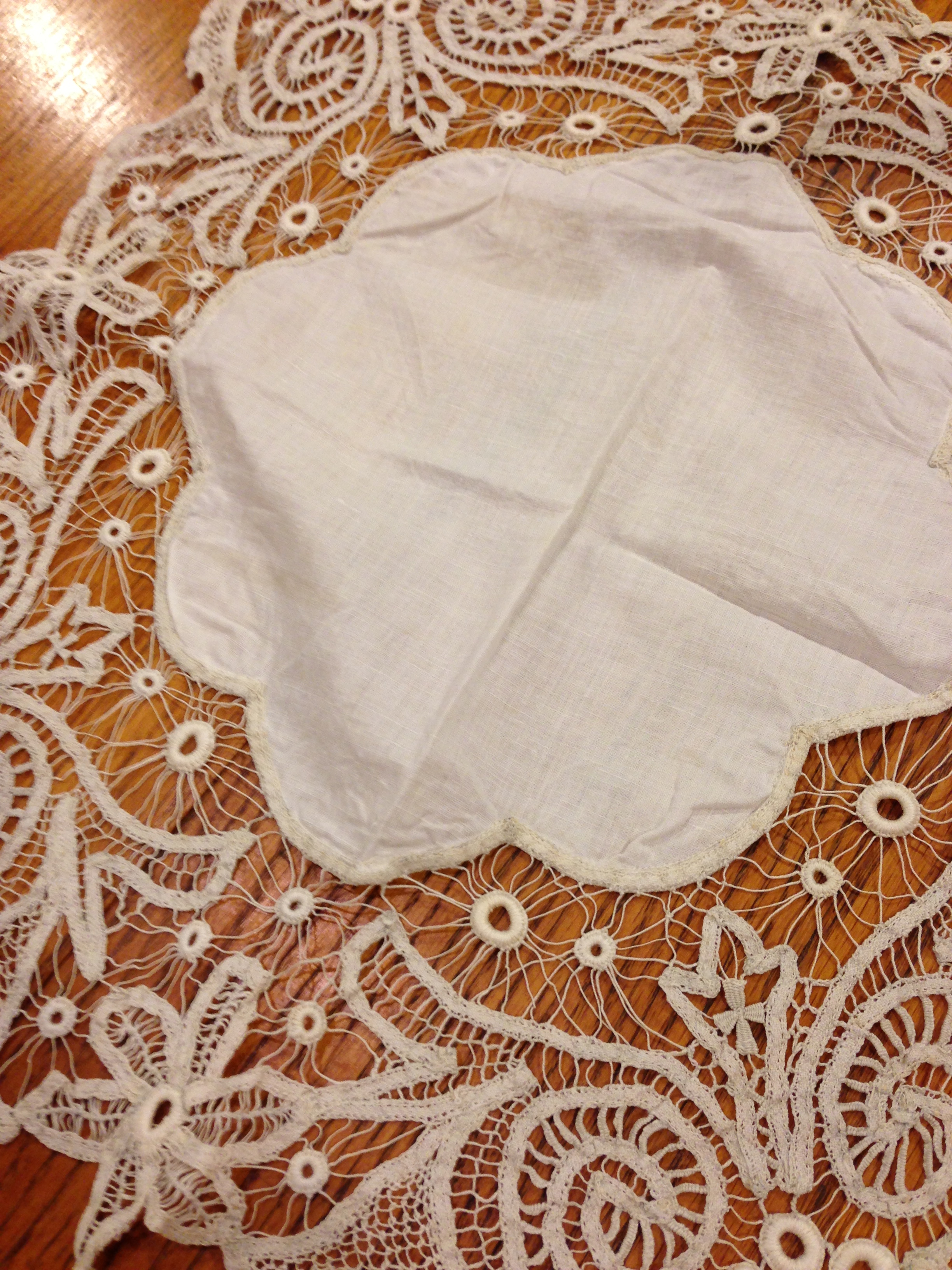
I lift down something precious, the lacework made by my Tennessee matriarchs. “Really?” says Gil. Our house is so small. For some reason I need this work by me, from the deep freeze to my warm house.

lace from storage

We have a conversation. “How much of this stuff would you remember if it all disappeared one day?” said Gil. “How much of it would you really miss.”

red

“All of it,” I say. “I’d remember it all.”

elevator

6 Comments

Filed under Art, Culture, Fashion, Film, Home, Jean Zimmerman, Publishing

Emily in the Garden

The heat feels good. All ninety-nine degrees of it.

The pole beans twist themselves around the bamboo supports, under the arcing sun.

pole beans

The pansies on the front porch of the Cabin salute.

pansies

Even Oliver likes to move his luxuriating form outdoors, having decided that sun-warmed gravel is a choice nap mat. Along the lines of ancient cultures whose people slept comfortably with their heads on carved blocks of wood or stone.

Oliver gravel prone

All the quiet and heat and a sense of the plants feverishly growing brings to mind the work and life of Emily Dickinson, she who was, according to one scholar, “known more widely as a gardener, perhaps, than as a poet” during her time. Dickinson conscientiously tended the flower garden at the Homestead in Amherst, Massachusettes, where she spent her whole life, assembling. a collection of pressed plants in a sixty-six page leather-bound book which contained 424 pressed flower specimens organized according to the Linnaean system.

Dickinson is usually thought of the way she appears in the iconic photo taken when she was about eighteen.

Emily_Dickinson_daguerreotype-e1346874482904

Recently another portrait materialized in an archive, with the poet on the left and her friend Kate Scott Turner on the right.

Emily Dickinson

She would have been well into her genius years, both in terms of writing and gardening.

The Homestead garden was famous in its time, at least among the neighbors. Dickinson’s niece, Martha Dickinson Bianchi, remembered “carpets of lily-of-the-valley and pansies, platoons of sweetpeas, hyacinths, enough in May to give all the bees of summer dyspepsia. There were ribbons of peony hedges and drifts of daffodils in season, marigolds to distraction—-a butterfly utopia.” Dickinson loved scented exotic flowers, writing that she “could inhabit the Spice Isles merely by crossing the dining room to the conservatory, where the plants hang in baskets.” She liked to send friends bunches of blooms with verses attached, but complained mildly that “they valued the posy more than the poetry.”

Dickinson went everywhere, apparently, with her brown Newfoundland Carlo, a gift from her father in the fall of 1849. “My shaggy ally” she called him in a letter.

A lovely animation gives the perfect flavor of the poem “I started early—took my dog.”

Emily was so mysterious, endlessly elliptical.

Presentiment is that long shadow on the lawn

Indicative that suns go down;

The notice to the startled grass

That darkness is about to pass.

Less than a dozen of Dickinson’s 1,800 poems were published in her lifetime. Among the rest were 40 pieced-together and hand-sewn books she had assembled in the years before her death.

Wild Nights

That’s the fascicle-bound manuscript page for the passionate, rhapsodic poem Wild Nights!:

Wild nights! Wild nights! 
Were I with thee, 
Wild nights should be 
Our luxury!

Futile the winds 
To a heart in port, 
Done with the compass, 
Done with the chart.

Rowing in Eden! 
Ah! the sea! 
Might I but moor 
To-night in thee!

In her final years Dickinson also wrote on scraps of paper, chocolate wrappers, the margins of books, and even envelopes she received in the mail. A book documenting these envelope poems is due out this coming October, to be titled Gorgeous Nothings. A related appreciation and performance can be enjoyed even before the book is published.

Emily

2 Comments

Filed under Dogs, Home, Jean Zimmerman, Nature, Poetry, Publishing, Writers, Writing

Le Maitre des Orphelins in Bookstores

I opened a plain brown packing box and saw something beautiful.

It is so exciting to see The Orphanmaster translated into French, published by the publishing house 10/14.

French O-Master Cover

It’s a great company that has introduced such English-speaking authors as Khaled Hosseini, Haruki Murakami, Bret Easton Ellis, Jim Harrison and Colum McCann, not forgetting Nobel laureates such as Toni Morrison. The house has always had a particular reputation for its detective literature.

And yes, this is the second time I’ve announced a French edition – it came out already as a book club offering from France Loisirs. There’s also De Weeskinderen, from Holland. And I’m eagerly awaiting the Hungarian version.

Hungarian Cover- Elhagyatva copy

And the Italian and the Taiwanese.

Holding it in your hand, the 10/18 edition is the chunkiest version so far – fully 500 pages!

Very fulfilling to think of Blandine and Drummond making their way around the world.

7 Comments

Filed under Fiction, Jean Zimmerman, Publishing, The Orphanmaster