Category Archives: Jean Zimmerman

Lavender and Mud

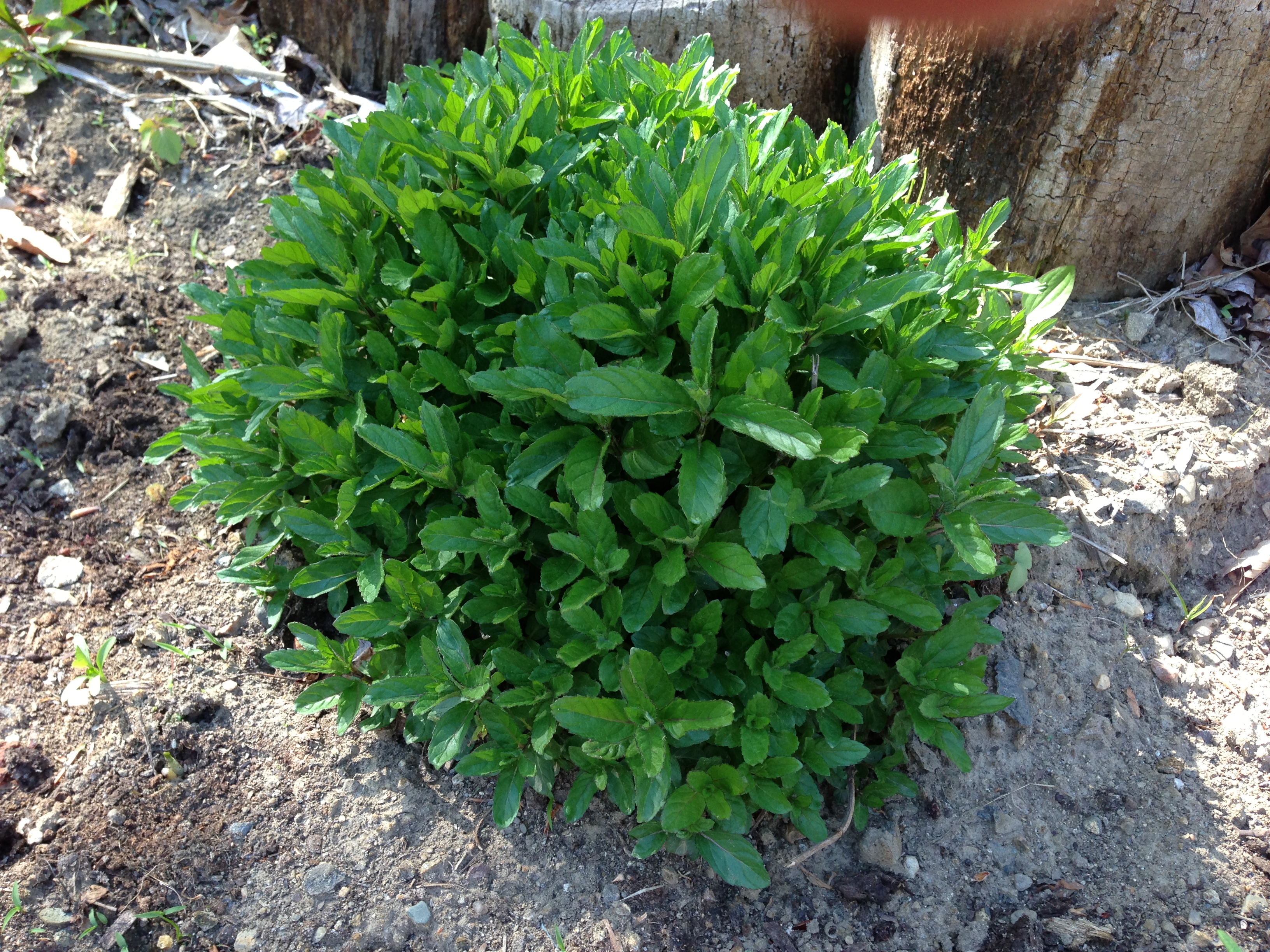
My mint weathered the winter. In fact, it’s so impossibly bushy already I plan to give it regular haircuts throughout the warm weather and make many pitchers of iced tea. Sit in my favorite dilapidated garden chair and watch it grow some more.

mint

Rosemary, sage and the rest are all tucked in place. I put in fringed lavender as well as the commonplace kind. Fringed lavender, also known as French lavender, is the kind you want for butterflies. Also potpourri. And I do want potpourri.

fringed lavendar

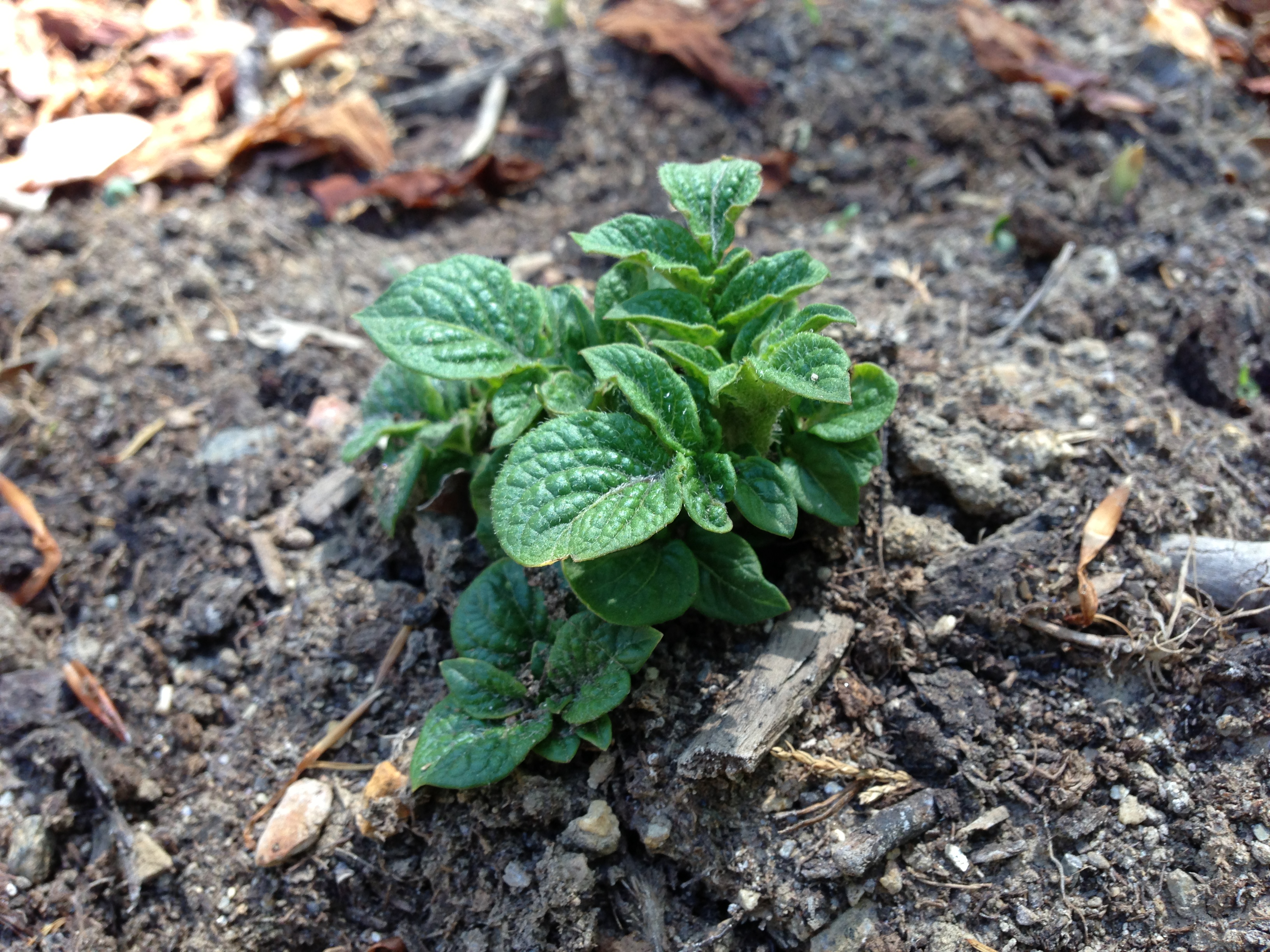
And now my mizuna, radishes, carrots and potatos have sprouted. The potatoes are mucho macha.

potato

And onions. The green of spring onions.

Puts me in mind of Booker T. & the M.G.’s, their Green Onions released on Stax Records in October of 1962. It reached number 33 on the Pop Albums chart in the month of its release but of course is a perennial.

The only sound I can hear now, sitting on my funky old chair next to the potatoes and the onions, is the tiny, crinkling noise of the reeds growing in the marsh. It’s a constant, but you can only hear it if you stay very, very quiet. That and the chip-chip of the cardinals having one of their cardinal parties.

Now if only it would rain. We haven’t had water from the sky in weeks and no one’s sure when it’ll come. A sprinkler’s never the same.

Puts me in mind of these people at The Year of Mud, who make building cob, straw bale and timber frame houses look impossibly glamorous. I might actually like to build a cob oven, like they are giving courses on this coming summer. Gil’s been wanting to bake pizza outdoors. Biscuits from the cob? Sounds impressive. A little smoky, though? With Ziggy as a guide, they’d probably be perfect.

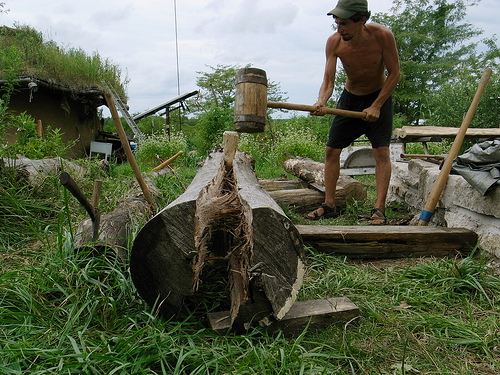
Ziggy (his real name is Brian Liloia, but that’s what he’s called) documented his time building a cob house called ‘Gobcobatron’ at a place named Dancing Rabbit Ecovillage, in Rutland, Missouri.

Exif_JPEG_PICTURE

He says, “I think I have it figured out. I’ve boiled life down to the most elemental action. As I see it now, life is basically an on-going series of moving objects around.” He’s talking about moving clay and sand and straw onto a foundation, moving wood into the shape of a roof, moving soil and compost to make a garden bed, etc.

gobcob

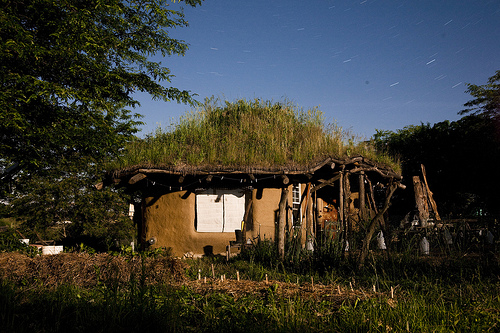
His place sounds and looks amazing, outside and in.

Exif_JPEG_PICTURE

There might have been mud in the making of it, but now this wonderful dwelling is pristine.

3 Comments

Filed under Cooking, Home, Jean Zimmerman, Nature

All This and a Hand-Crafted Marshmallow Recipe

The day after. All that’s left of the pig roast are the party tulips and the dogwood stars.

tulips and dogwood

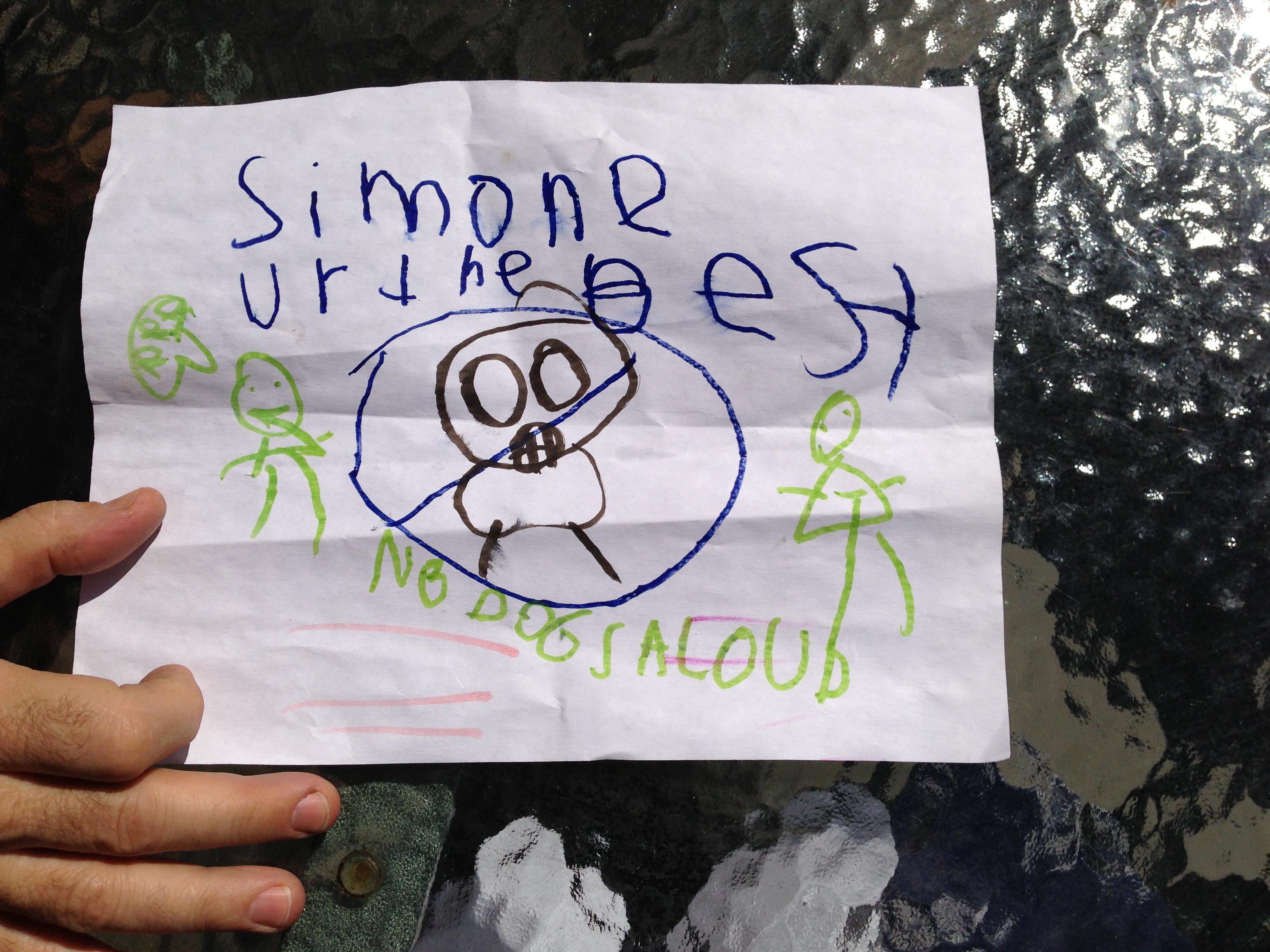
And a drawing by doting 6-year-old Jasper for winsome three-year-old Simone.

Simone picture

Oliver was locked away until the waning hours, when he was let out in all his growly glory, with a  muzzle and a leash, and petted by the braver partygoers. Says something about the loving spirit of this particular gathering.

OLYMPUS DIGITAL CAMERA

The love reached its apotheosis in the marshmallows.

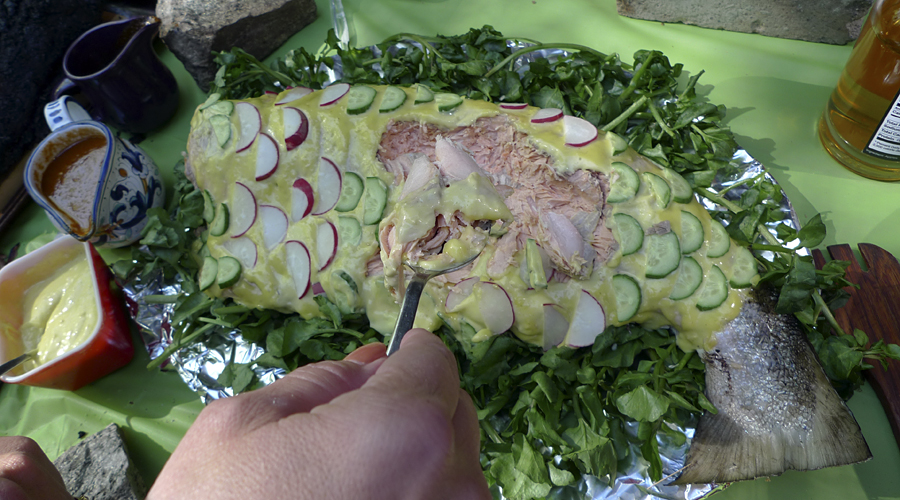
I was almost too busy replenishing food on the buffet to have a conversation, let alone to document anything, and the hours of the pig roast sailed by in something of a haze. Josefa gave me this photo of my salmon, thickly coated with rich horseradish mayonnaise and scales of radish and cucumber. The fish, not the photo.

salmon josefa

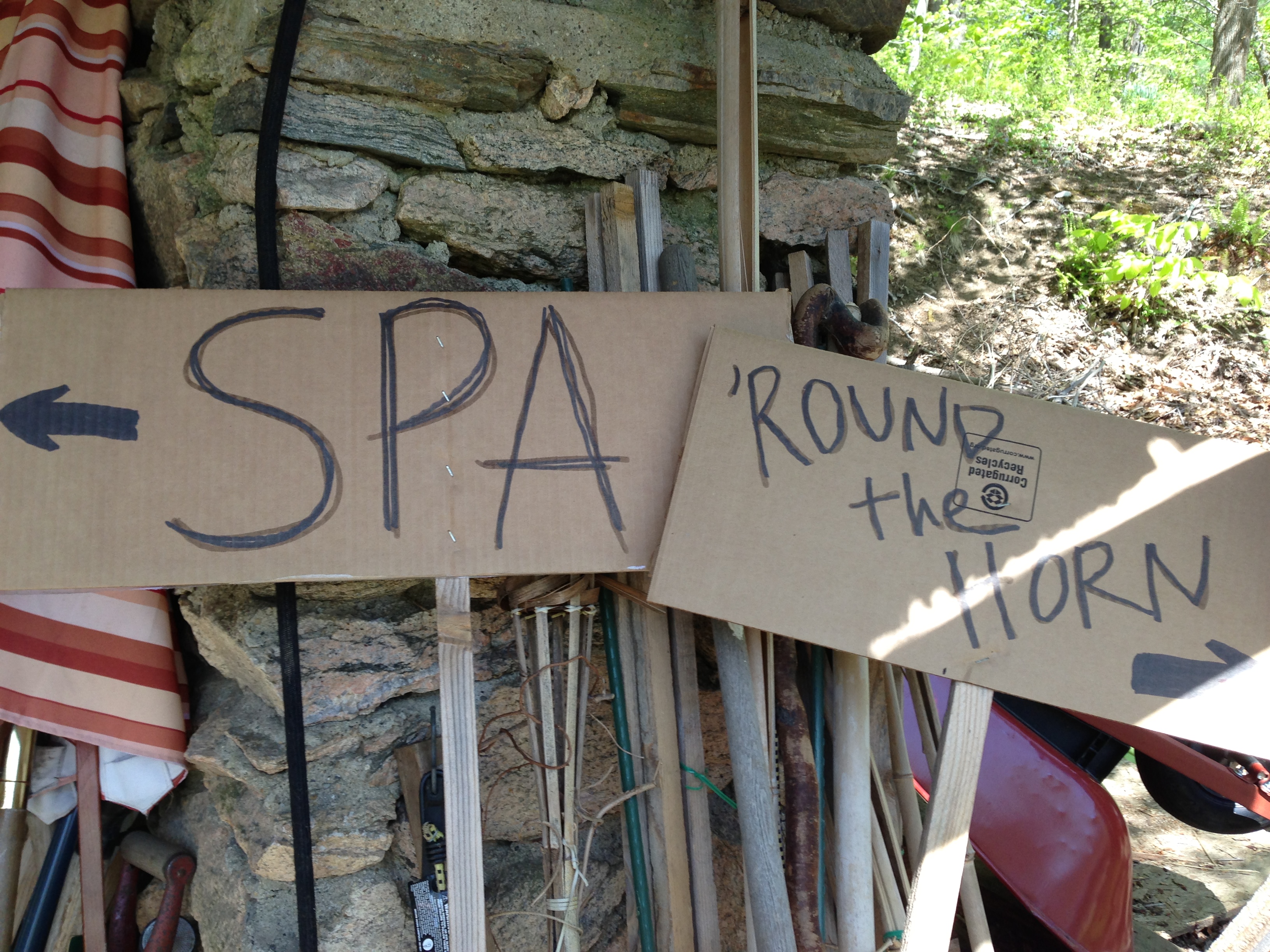
The signs we put up around the property are taken down.

signs

The Spa, of course, which Gil had dug out of the swamp. As far as I know, unutilized for a mud bath. ‘Round the Horn, where you could hike around a promontory, past the pachysandra groves, and wind up back at the Cabin.

Human gatherings are so ephemeral. Did you talk to so-and-so? No? I had an intimate conversation with him I didn’t intend upon. Little epiphanies, most of them forgotten by the next morning.

Gary found a skull.

Rat? Rabbit?

The music  boomed, especially near the speaker, which hovered in a window above the food. George Jones’ essential question: Who’s gonna chop my baby’s kindling when I’m gone? Who indeed?

The rum was drained.

Nora-marshmallows

You would think that after the huge smoked brisket, the salmon and the cripy pig, the fava beans and asparagus with Pecorino, and the spicy blue cheese slaw, people’s stomachs would be full to bursting.

Gil in the pit

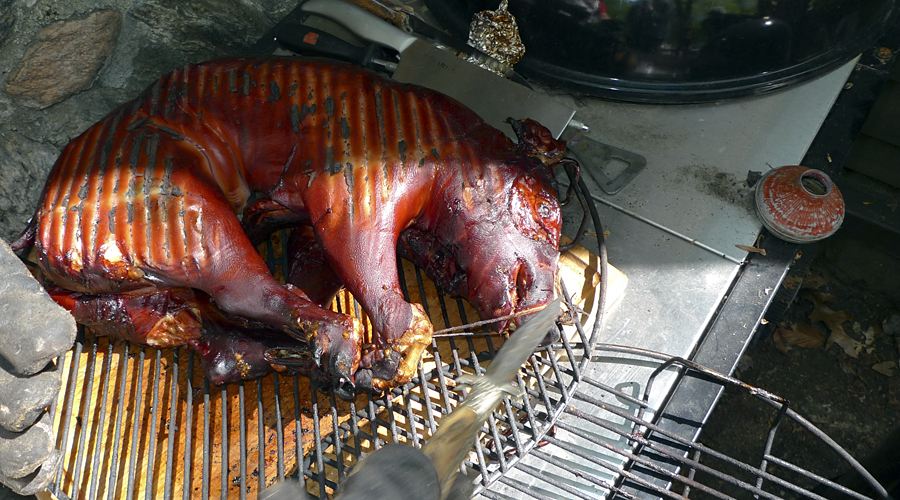
Gil, down in the Pit, pulled the pig off the fire at just the right golden moment.

pig

And the biscuits. I took a gamble on whole wheat biscuits this time. I think they disappeared even before the rest of the platters were set down. A sparkling day builds an appetite. And shoe golf.

shoe golf

That’s Josefa’s picture. Somehow she caught the shoe flying through the air on its way to the hole, a plastic bin set some 10 yards away. Far enough to make people look ridiculous taking a shot at it. Even college students lowered themselves to try.

OLYMPUS DIGITAL CAMERA

But the marshmallows. It was as if people had never seen a marshmallow before. As if they had never seen food before. You can make those? I never knew.

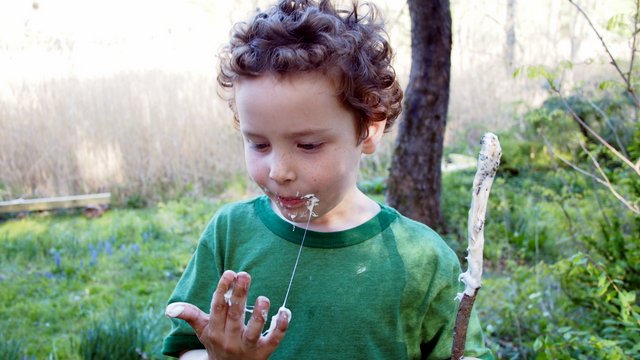
We had cut young green branches up in the woods yesterday morning, and now all the adults were acting like kids, standing over the fire and toasting Gil’s home-made marshmallows with glee.

marshmallow

Everyone had drips of white around their mouths.

OLYMPUS DIGITAL CAMERA

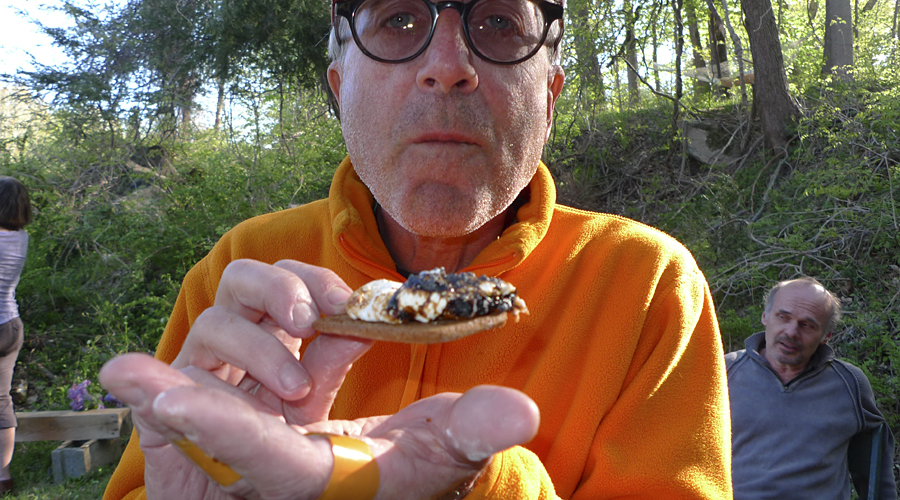
Grown men made s’mores. (Gil concocted his version of home-made graham crackers, too.) We layered in slivers of salted caramels.

gary

Our friend Stu left us with a mix-cd that has party tunes, including Ray Wylie Hubbard with the lyrics: Only two things that money can’t buy, that’s true love and home-grown tomatos. I would add a  third, hand-crafted marshmallows.

Hand-Crafted Marshmallows

6 packages gelatin (the unflavored kind, GoBio has an organic product)

2 cups icewater

3 cups granulated sugar

2 cups corn syrup (Wholesome Sweeteners organic brand has a little vanilla in it)

½ teaspoon salt

2 tsp vanilla extract

½ cup confectioners sugar

½ cup cornstarch

(Optional flavorings: almond extract, lavender drops, orange extract, etc)

In the bowl of an electric mixer with a whisk attachment combine the gelatin with half the ice water.

Combine in a saucepan: the rest of the ice water, the sugar and the salt. Using a candy thermometer, cook until mixture reaches 240 degrees (soft-ball stage). Remove from heat, pour into bowl with gelatin and whisk on slow speed to combine. Increase speed to high and whisk for fifteen minutes. Add vanilla and optional flavorings at end and whisk for a minute to combine.

Pour into greased 9 x 13 pan that’s also well dusted bottom and sides with the half-and-half mixture of the confectioners sugar and cornstarch. Spread evenly with a lightly oiled spatula. Let stand uncovered overnight.

Turn out onto cutting board dusted with the confectioners sugar and cornstarch. Cut into cubes with a pizza wheel dusted with the confectioners sugar and cornstarch. Dust with the confectioners sugar and cornstarch (mix up more if necessary).

Makes about sixty marshmallows. Enough for a roiling pig roast.

2 Comments

Filed under Cooking, Dogs, Home, Jean Zimmerman, Music, Nature, Photography

Bringing Home the Bacon

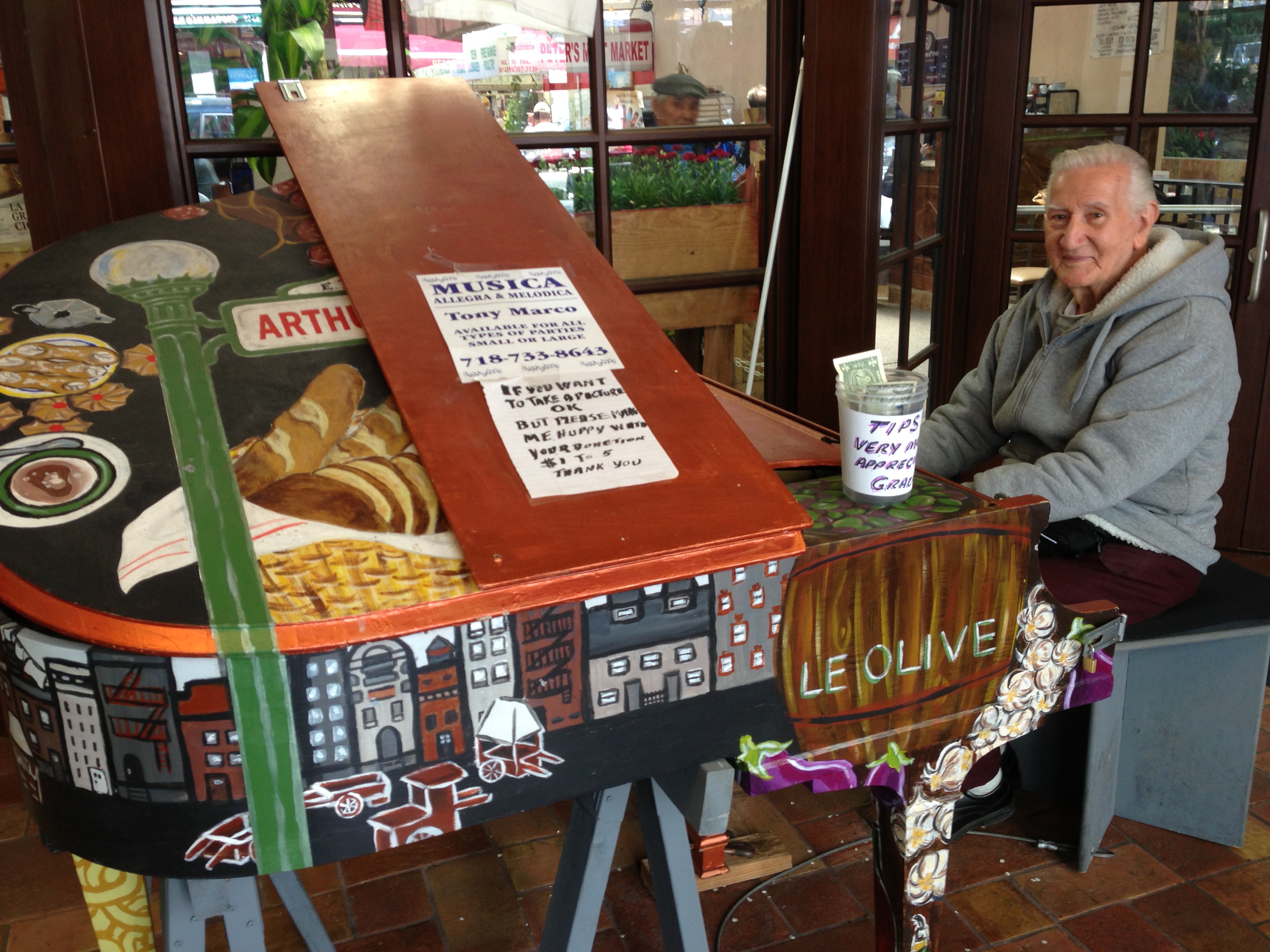
O happy day… on Arthur Avenue, the Little Italy of the Bronx. Where a gentleman at a piano entertained us with Danny Boy, asking only a dollar (we gave him two).

piano

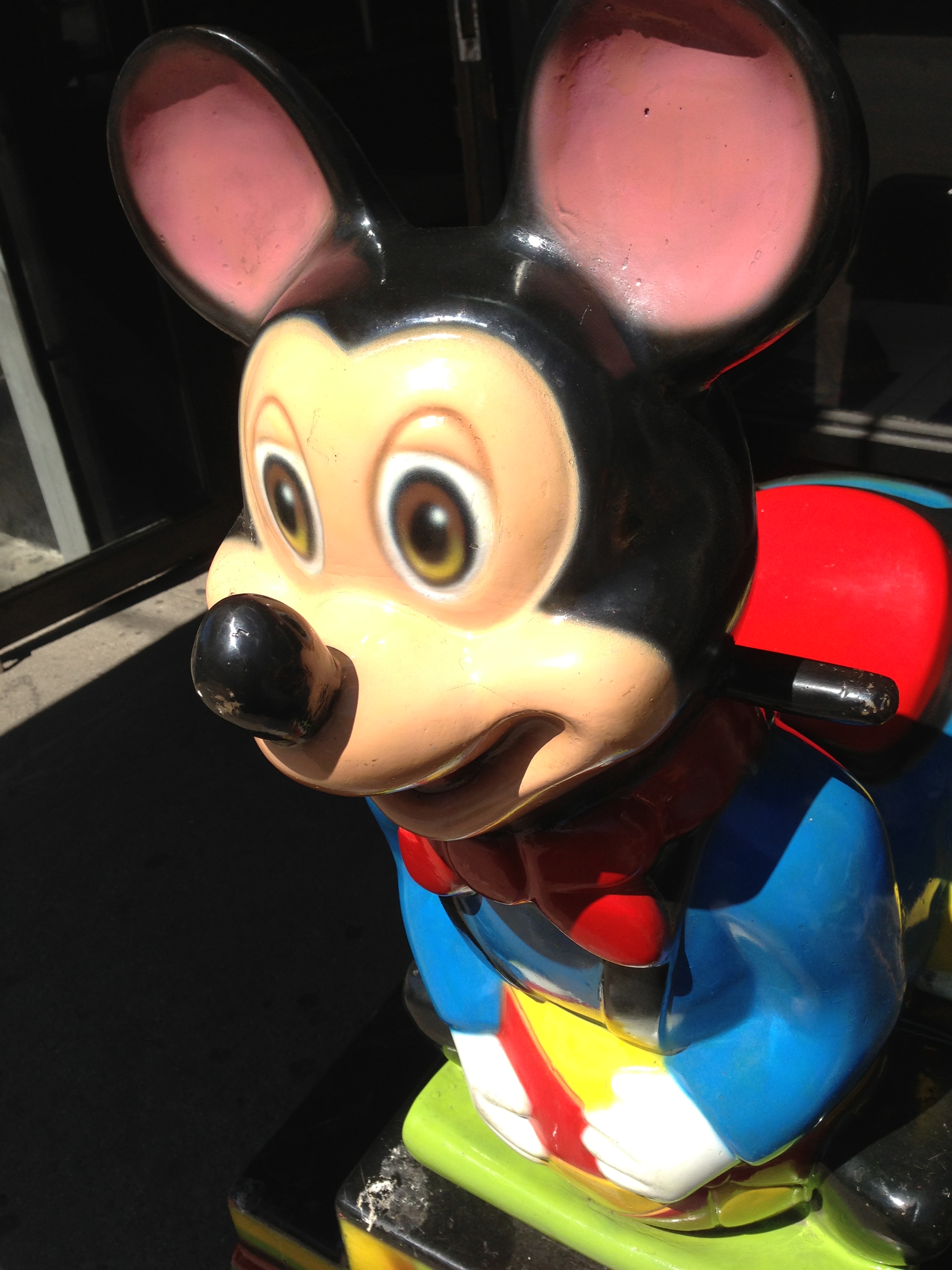
And where an Italian Mickey outside a grocery store had a few hours of peace and quiet, since all the children were still in school.

mickey

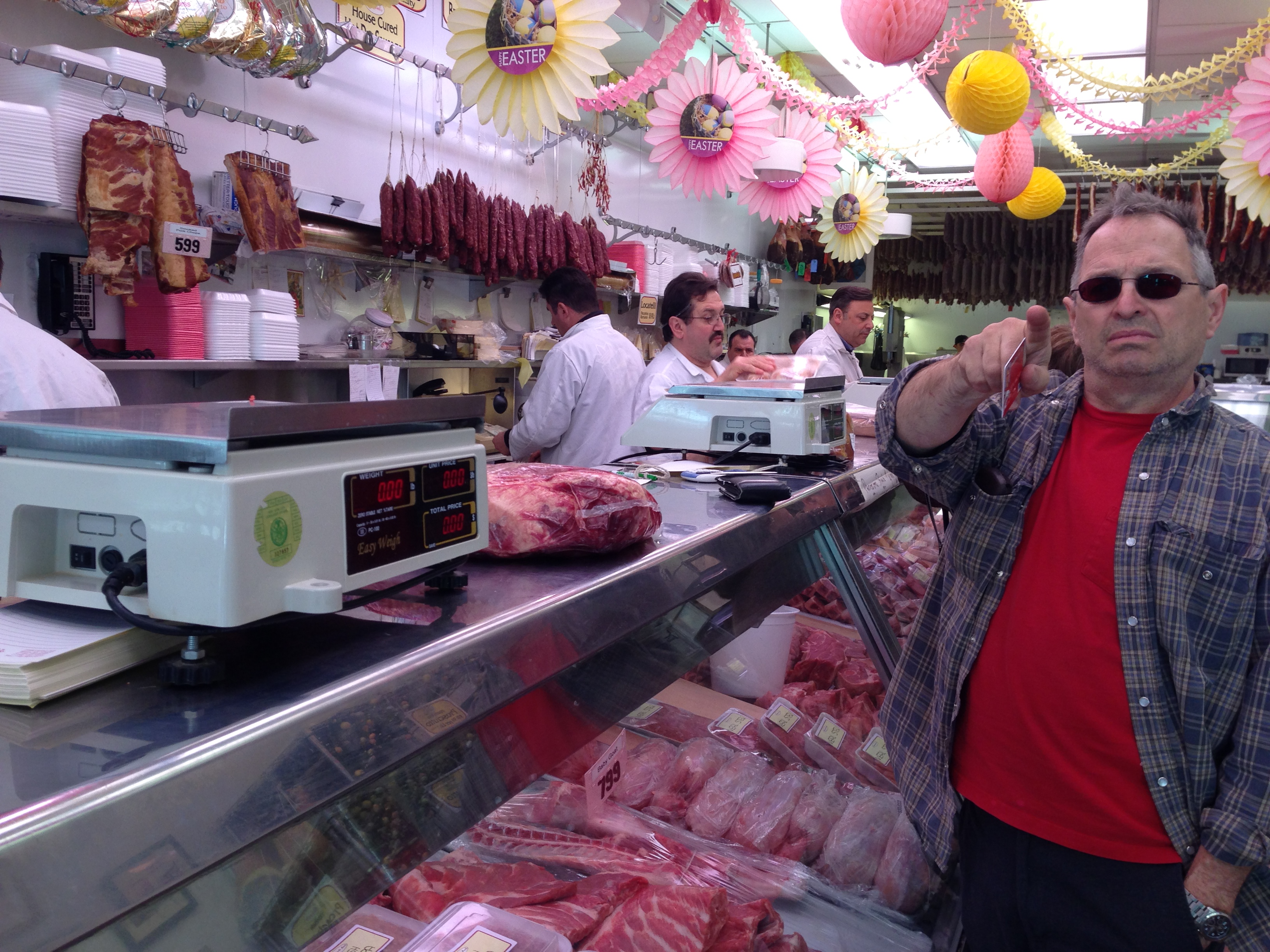
Everyone is a connoisseur on Arthur Avenue. In the butcher shop, where they also stock some cheese, the main man walked around to the display with me to explain that the Pecorino the store had was made from sheep’s milk, yes, but the peppercorns with which it was studded made it unacceptable for use in a salad of fava beans. In other words, he dissuaded me from buying something at his store.

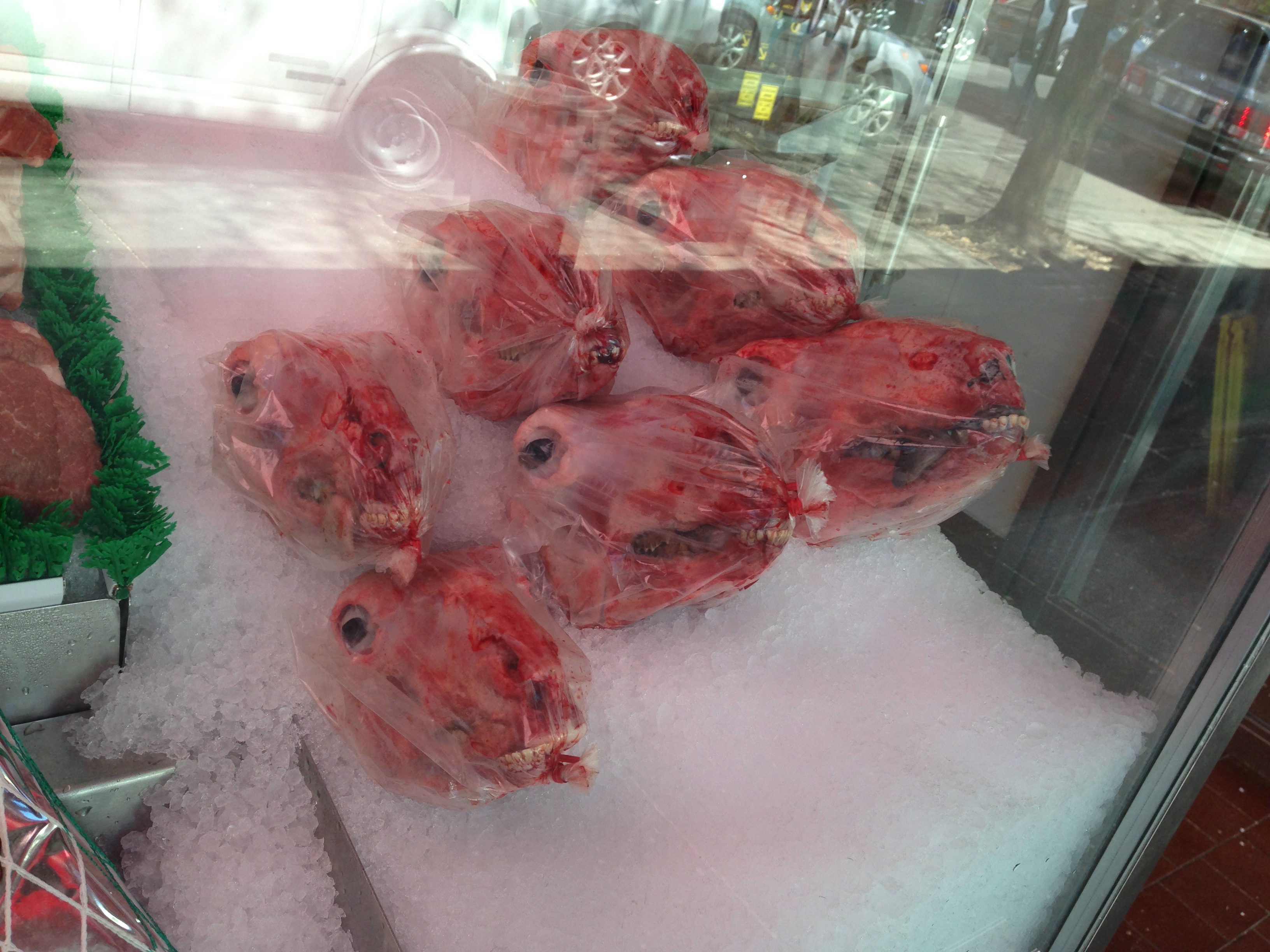
I didn’t ask him about the heads in the window.

sheep heads

Whether they belonged to sheep or goats. He will put the sheep on his right and the goats on his left, will the Son of the Lord — at least so it says in Matthew. But here, it didn’t matter. We were there for a pig. Gil explained exactly how he planned to roast it.

gil:butcher

And the butcher acceded to our request to buy it.

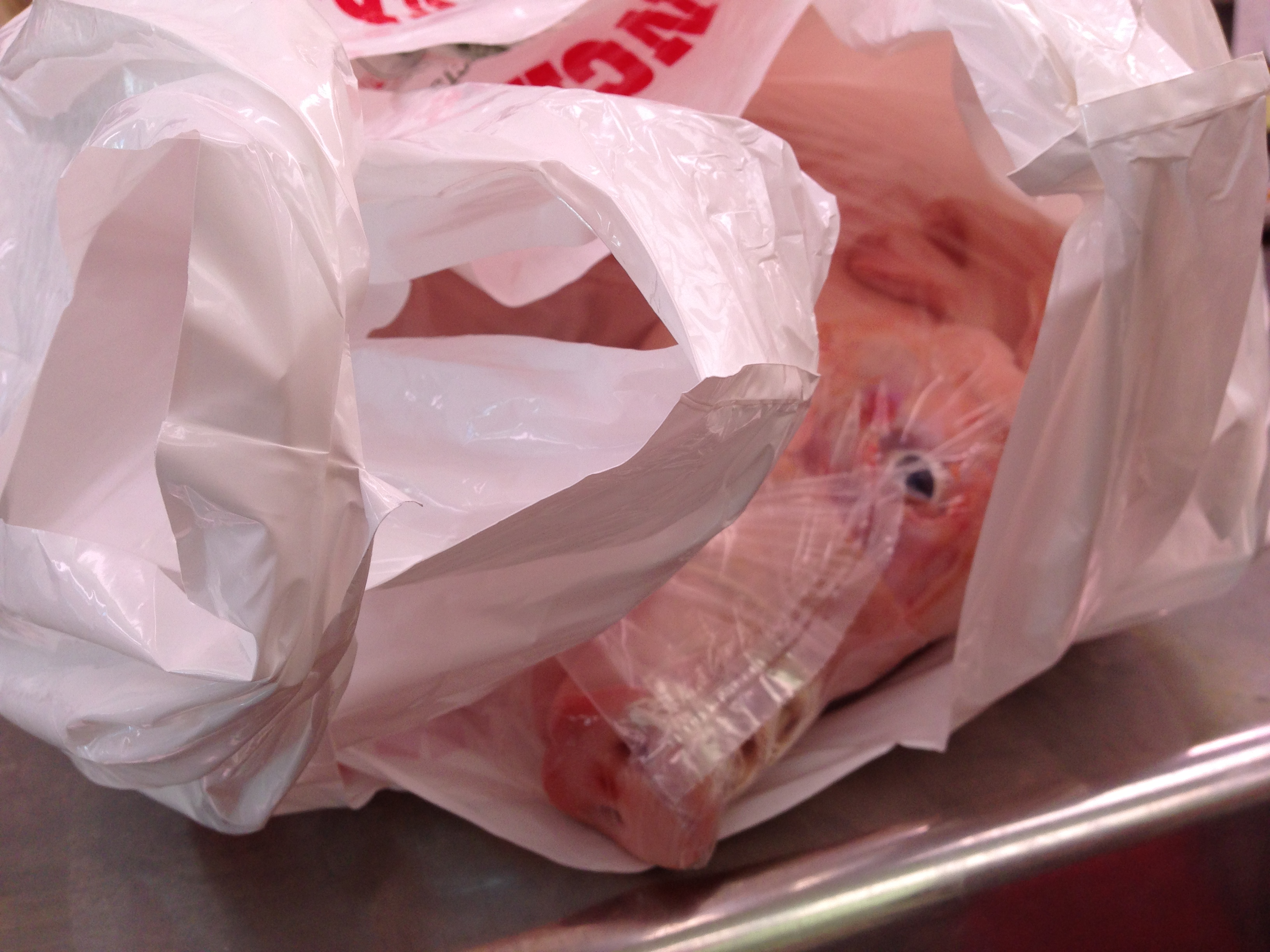
pig

Hey, you like bacon, don’t you? Say hello.

Down the street, at Teitel Bros., in business since 1915, where the butcher recommended we go for cheese, we found a Star of David in mosaic at the entrance. Austrian, Yiddish-speaking immigrants Jacob and Morris Teitel opened the place, which is now an institution.

star

The latest generation of Teitels wanted every detail about the pig roast. On the Weber grill? No kidding. Just turn it over, said Gil. Hmn, you don’t say. He took out the Pecorina Toscano. No problem. He knew everything about everything already.

In the nearby arcade, many of the businesses have been around forever, and they too know exactly what they’re doing. Fantastic, Old-World vegetable vendors.

artichokes

Everything larger than life. The Romano cheese. The picture can’t do justice to its girth.

cheese

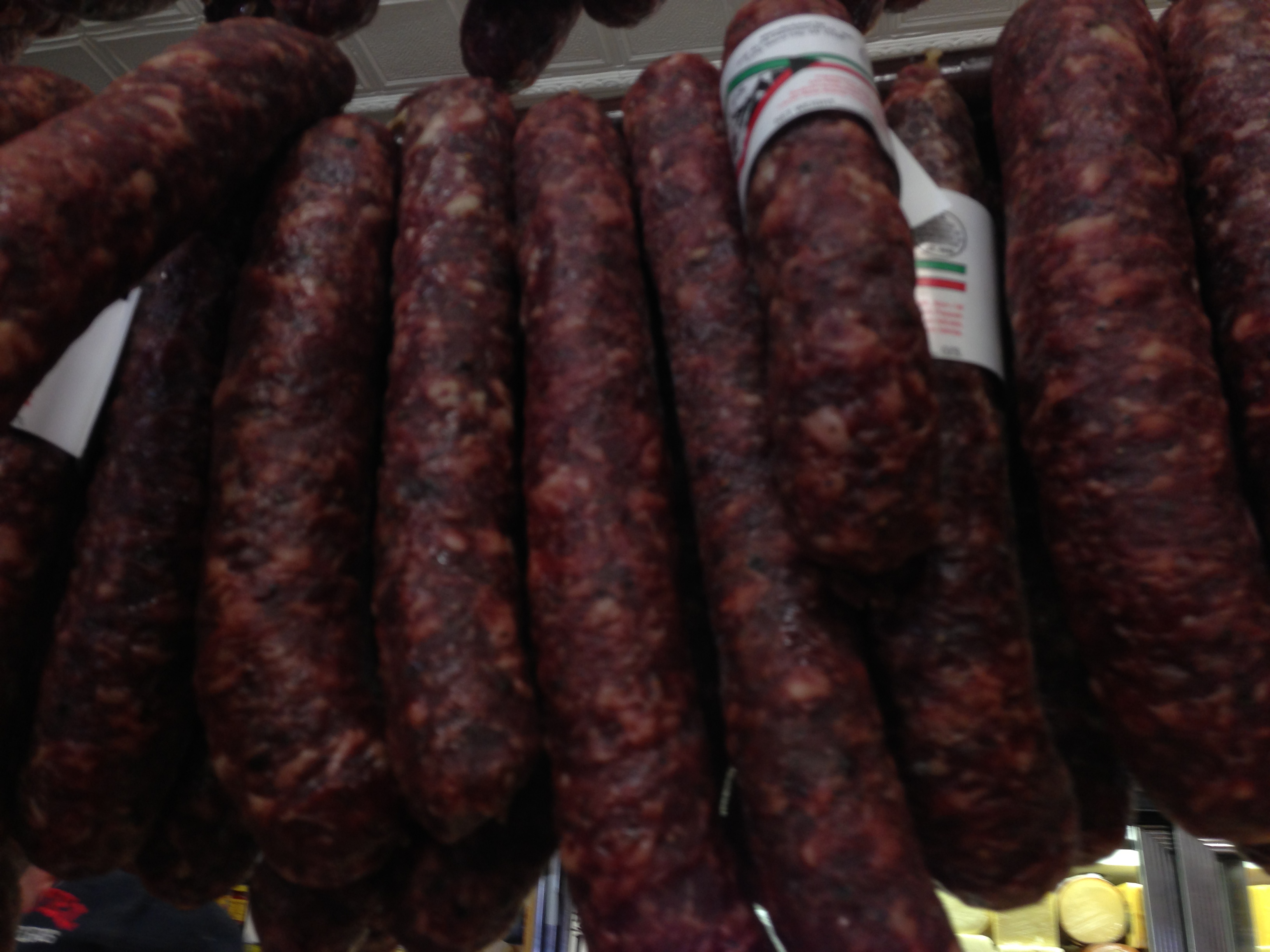
The pepperonis.

pepperoni

Extra, extra long pasta. Really, only Gargantua could wind these around a fork.

pasta

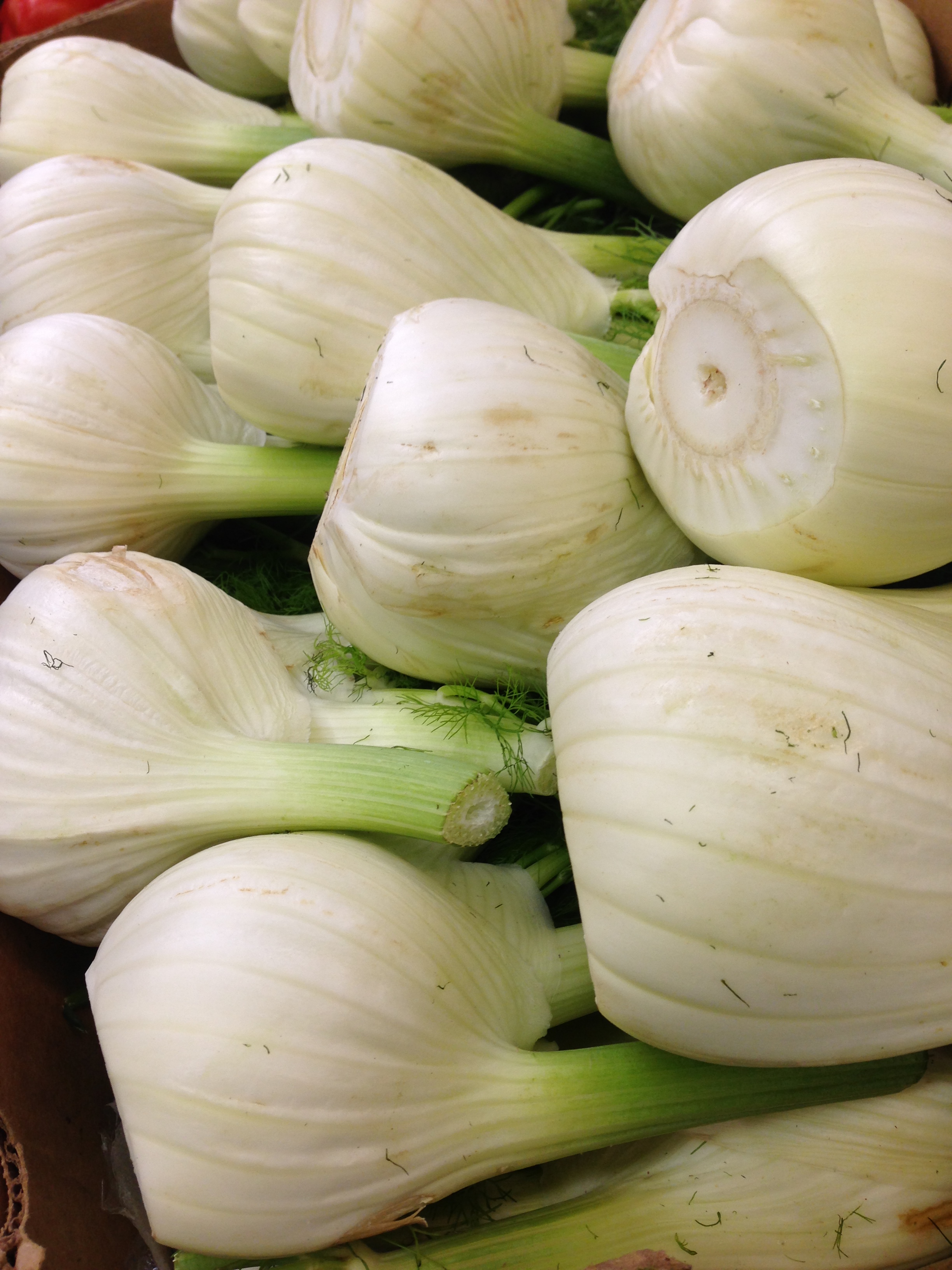
Especially the bulbous fennel.

fennel

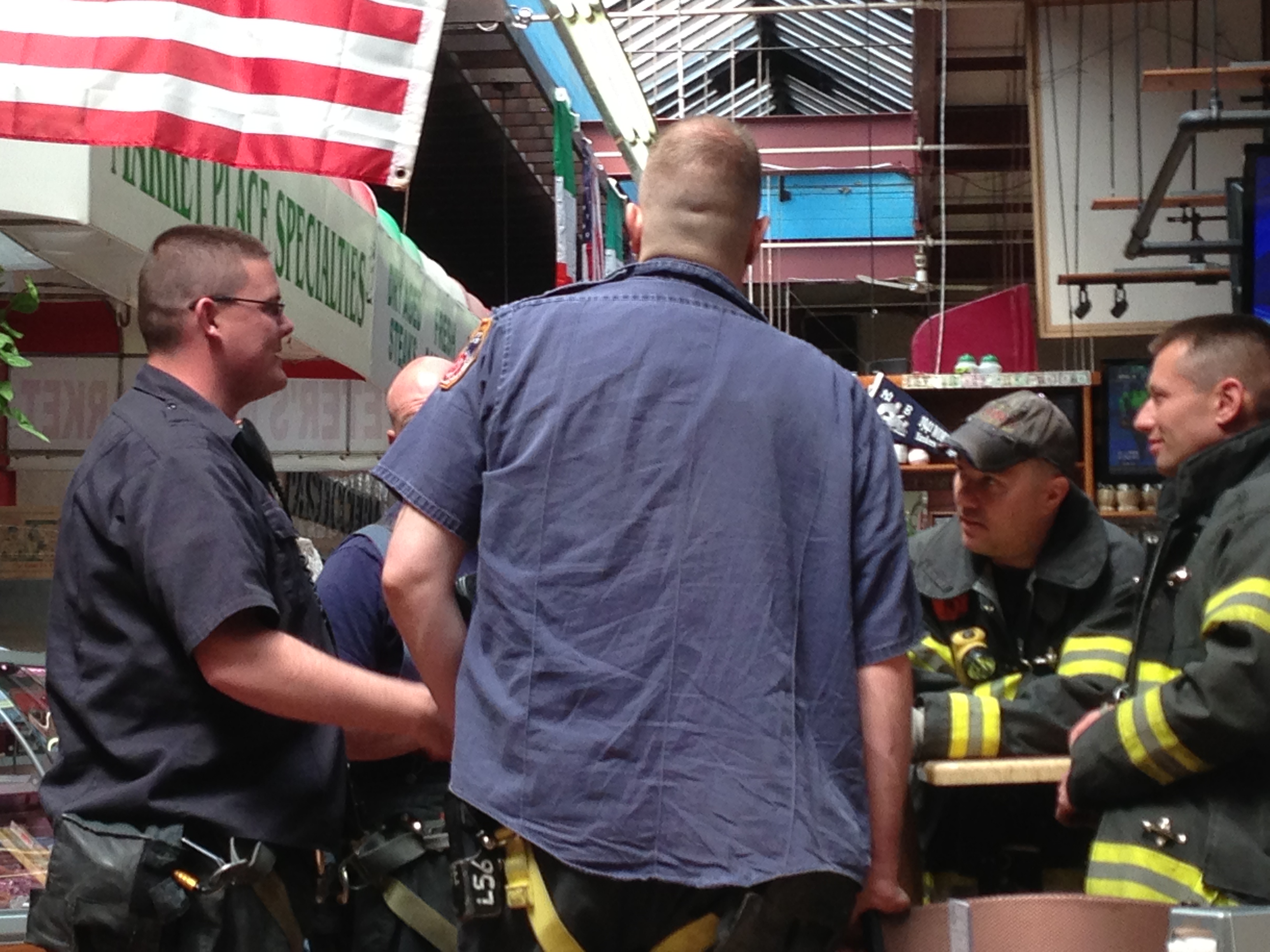
All the guys, the uniformed guys, the ones with badges, pick up their food there. They’ve got our backs. But here I’ve got at least one of theirs.

guys

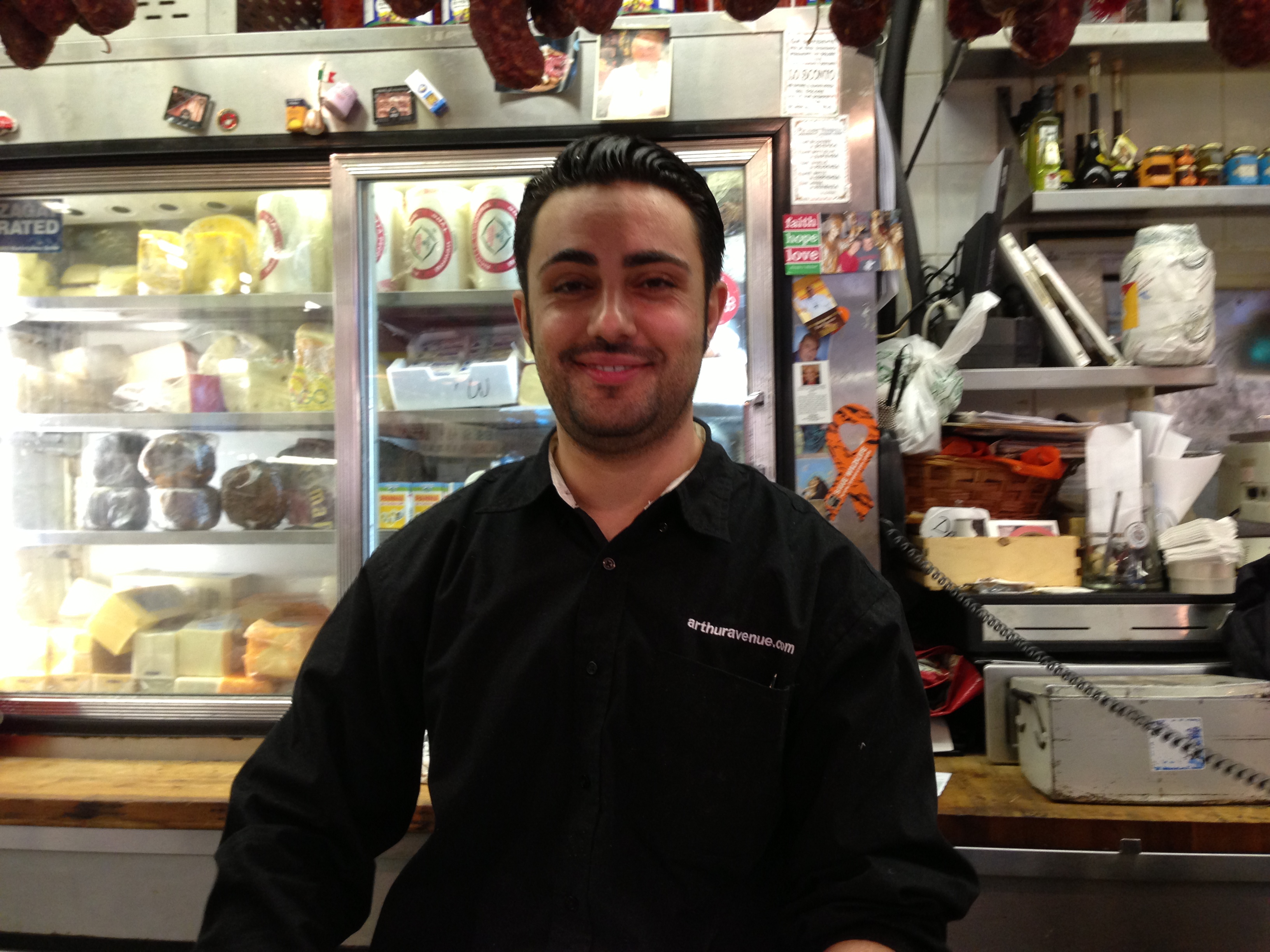
At Mike’s Deli, which sounds like the ordinary place on the corner but is anything but, we got a sandwich of aged provolone, soppressatta, sweet and hot peppers. A little bit of olive oil and balsamic vinegar. An angel made it for us. An angel connoisseur. Sicilian olive oil, the best for salads, he said, with certainty.

angel

We took our paper plate to a wooden table nearby where we had a good view of people buying lamb shanks and two-inch thick steaks.

Good, I said, my mouth full.

I don’t think that quite describes it, said Gil. Thirty seconds and the sandwich was gone.

Time to go roast a pig.


3 Comments

Filed under Cooking, History, Home, Jean Zimmerman

Marsh Mellow

Anticipating guests, Gil goes into superhero mode. Building a spa in the swamp.

gil swamp

Or maybe it’ll be a time machine. I don’t know.

gil swamp cu

Making handcrafted marshmallows.

gil marshmallow

Hanging hammocks.

While I rake leaves, water johnny-jump-ups, inspect sprouting radishes.

radishes

Bake a carrot cake. Write a haiku.

Magnolia petals

Fall from the blossoming tree

Even as I sweep

Gil can write a mean haiku, too.

Admit it, we have
Life down pat at the moment
The hummingbird feeds

Oliver stays on the lookout for rascally animals.

oliver swamp

Or a stinky place to roll around. One or the other.

Finally I wind up drinking strong coffee with my old friend Barbara.

coffee beans

This place roasts its own beans and welcomes dogs — not mine though, he’d menace the others.

Sundown, the most beautiful day of the spring, a little cool with warmth threaded through it. Inspiring enough for a haiku. You try.

reeds swamp

11 Comments

Filed under Cooking, Dogs, Home, Jean Zimmerman, Nature

Fabulous Brownie Recipe

Everybody has a favorite brownie recipe.

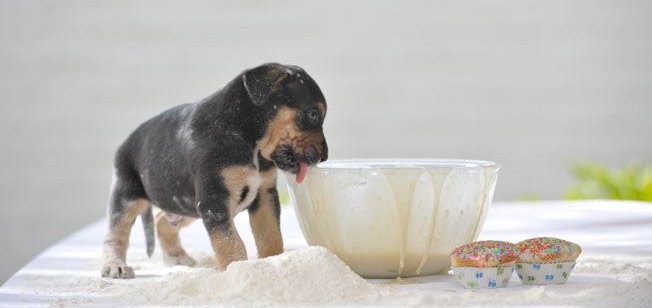
Is there a food that makes children, or guests, or the cook herself, happier? Lick that bowl.

lickthebowl_01

Last year I learned how to make a brownie in a cup, in the microwave, but it’s not the same. Neither are the brownies you buy in a store, whether the supermarket or a bakery. The ones wrapped in plastic. (Although the Riviera Bakehouse, near me, does a pretty good job.) Any manufacturer outside the home kitchen never uses enough butter.

butter

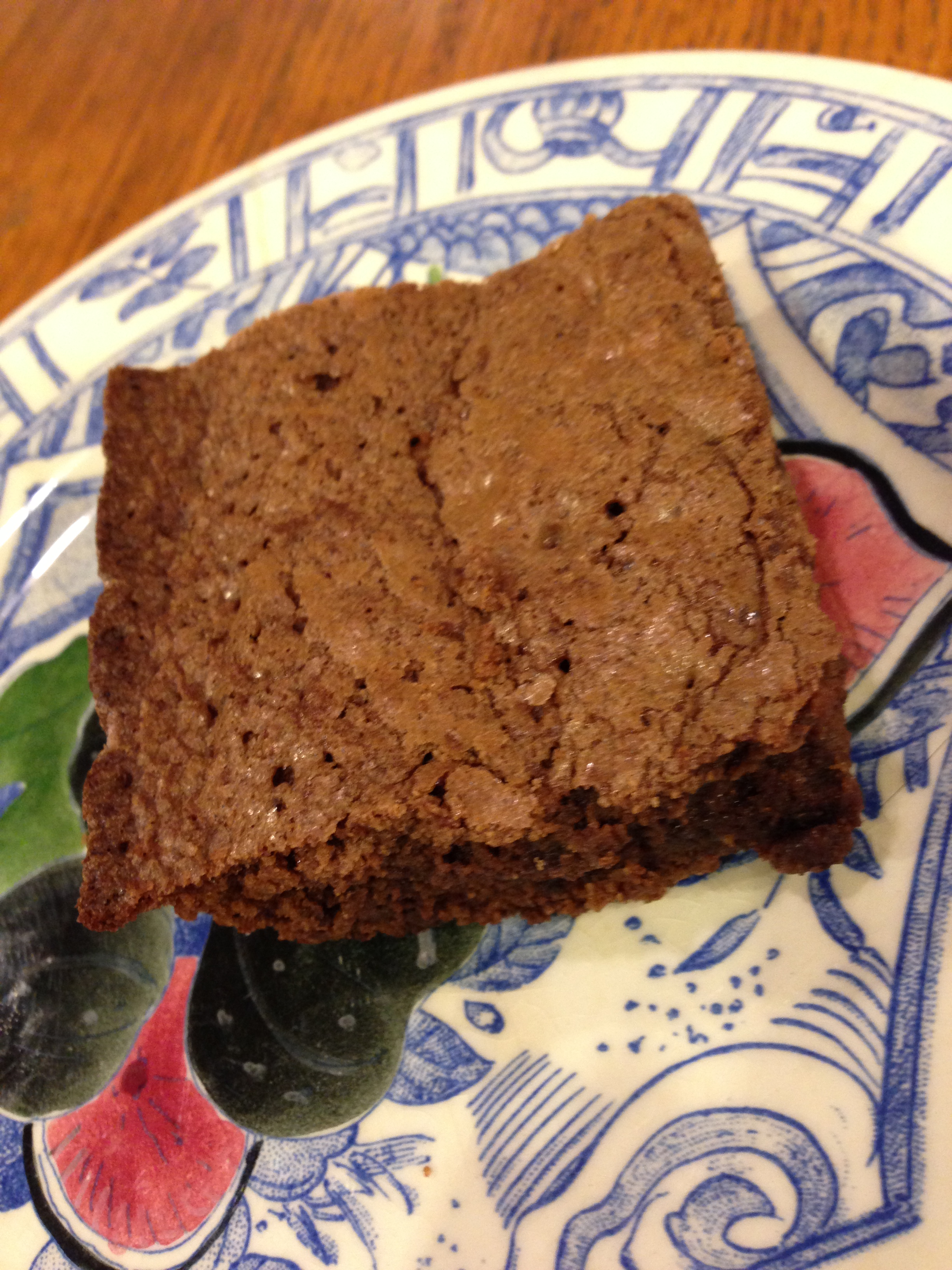
In my favorite recipe, you need a pound. When you eat your brownie and grab your middle and say, Oh, I must have put on a pound, think of those four sticks of butter. Could you have possibly added that volume to your body? Doubtful. So have another brownie.

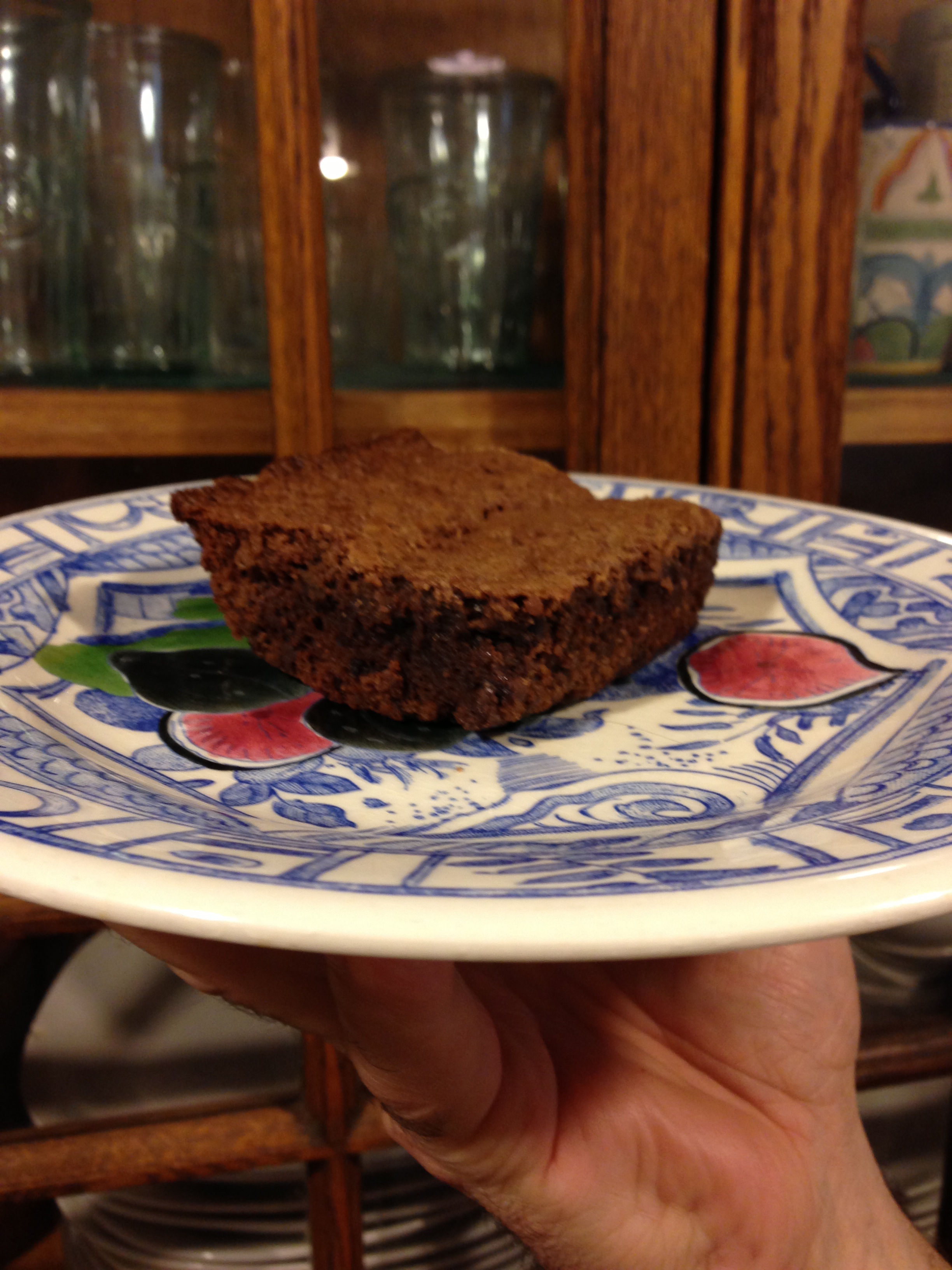
brownie plate cu

You simply have got to make your own. And for that, you have to have a great recipe.

The provenance of brownies has never been established. Americans consume over two billion every year. People have their theories about the origin of the ultimate pick-up-able chocolate dessert, all pinpointing the turn of the twentieth century.

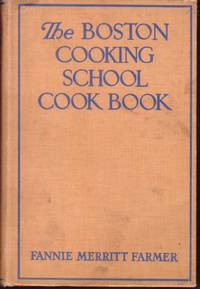
Some attribute the original to the pivotal 1896 Boston Cooking-School Cook Book, written by Fannie Merritt Farmer.

Boston CookBook

I say no. That was made with molasses and baked in fluted marguerite molds. The first published chocolate-based brownie didn’t appear until The Boston Cooking-School Cook Book of 1906.

A version a bit richer called Bangor Brownies followed in 1907, in Lowney’s Cook Book Illustrated, by Maria Willet Howard. It’s basically a flattened choco-cake.

But a more exotic story references a chef at the luxurious Palmer House hotel in Chicago acceding to socialite owner Bertha Palmer’s request for a dessert, cake-like but more petite, that lady guests could consume in box lunches. Where were they going, I wonder? On what genteel adventure?

In my novel Savage Girl, to be published next winter, I depict the Palmer House of that time. It figures in the action of the story.

Palmer House stood like the gilded queen of Chicago, enthroned at State and Monroe Streets, all sparkling jewels, flounces and good bones, regal amid the innocuous streetside shops and restaurants. Freshly rebuilt, seven stories tall, with a grand lobby ceiling in Moroccan tile and a fire-proof guarantee that was, given the town’s recent conflagration, a comfort to its guests. The floor of the hotel’s barber shop was embedded with silver dollars.

Palmer House still serves its stylish version, glazed with apricot and studded with walnuts.

Some myths have it that the first brownie baker forgot to add baking powder or flour to the recipe, or added too much chocolate.

I find with my recipe, clipped from the newspaper a long time ago, that it all goes better if I start with my favorite bowl, the opposite of fancy, blue plastic with the perfect handle, brought home from the supermarket by Gil on a whim.

blue bowl

Believe me, my kitchen has ceramic and stainless vessels galore, but this cheap is my favorite.

Have plenty of eggs on hand, cold out of the fridge or room temp, it doesn’t matter.

eggs

I’ve never quite understood why eggs have to be brown to be good.

These directions are basically foolproof, another reason to love the recipe. The chewiest, densest, fudgiest brownies I know.

They will hurt your teeth. I promise.

Fabulous Brownies

4 cups sugar

I T and 1 tsp vanilla

1 pound (4 sticks) sweet butter

8 eggs

2 cups unsifted flour

1 1/3 cups cocoa, sifted

1 tsp baking powder

1 tsp salt

2 cups semisweet chocolate chips

Pre-heat oven to 350 degrees.

Grease a 9 by 13 inch baking pan (I recommend a larger one to make them flatter.)

In a large bowl, combine the sugar and vanilla. Stir until sugar is completely coated with vanilla.

Add the melted butter.

In a separate bowl, beat the eggs lightly. Add to the sugar mixture.

In a third bowl, stir together the flour, cocoa, baking powder and salt. Add to the sugar mixture and beat until smooth.

Stir in the chocolate chips.

Spread mixture evenly in the pan.

Bake 30 minutes, just until the center of the brownies is set.

brownie plate

You’ll have plenty to give your friends so they won’t resort to factory-made brownies. And they will love you even more than they do already.

4 Comments

Filed under Jean Zimmerman

Softcover Orphanmaster In Bookstores Today

It’s a beautiful day to publish a book in softcover!

o-master-p-back-cover

Today, April 30th, The Orphanmaster hits the bricks as a paperback. Less than a year ago people were introduced to my book for the first time.

It’s interesting. I’m sitting in the Ossining library researching  Revolutionary New York City for a new novel. At the same, I heard today that the copyedit for my next book, Savage Girl, to be published by Viking in early 2014, is wending its way toward me. Savage Girl‘s story is set in Gilded Age Manhattan. I’m not flummoxed, though, by all these cultures, all these stories, all these versions of New York crashing against each other.

cityroom-smoking-blog480

Like a fat, comfortable burgher in the 1664 Manhattan of The Orphanmaster, I’m taking it in stride.

4 Comments

Filed under Art, Fiction, Jean Zimmerman, Publishing, The Orphanmaster, Writing

Writing From the Nitty Gritty

Reading The New York Times today, I came across a story about archivists in the city, what a rare breed they are and what their jobs are like, and I envied them. “Specialists who snatch objects from oblivion,” as  Alison Leigh Cowan, the author of the piece, describes them, these men and women get to immerse themselves in the nitty gritty of life in a different time and place, continually. It’s an activity that as a history-obsessed writer I only get to spend part of my time doing. The archivists profiled preserve everything from teacups, to Meyer Lansky’s marriage license, to the see-through panties of Gypsy Rose Lee.

gypy

I have favorites among archival collections.

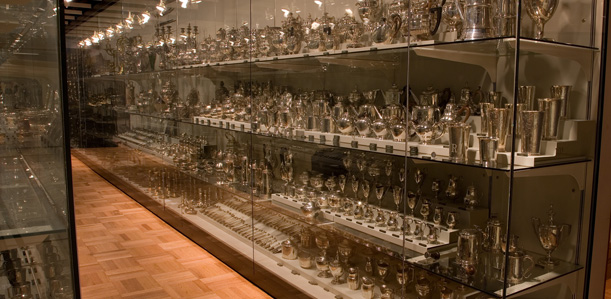
The Henry R. Luce Center for the Study of American Art at the Metropolitan Museum has on view those myriad fine art and decorative art objects that are not currently displayed in the more conventional Museum galleries. It’s a funny sort of place, an open secret, accessible to the public yet off the beaten track. Objects have been arranged in huge glass vitrines according to material (e.g. furniture and woodwork, glass, ceramics, and metalwork).

Luce

It’s a fine place to find a dozen nearly identical andirons, if you’re in the mood to see andirons, or a hundred sterling silver tumblers, or any number of porringers of yesteryear. Oh, and paintings. Any item the museum can’t find a place for at the moment gets tucked away here, in plain sight, and that includes some wonderful canvases. Even such crowd pleasers as John Singer Sargent’s Madame X sometimes cool their heels here. One day I turned a corner and came across one of my favorite paintings that I’d never seen in person, the portait of nine-year-old Daniel Verplanck by John Singleton Copley, painted in 1771.

John-Singleton-Copley-Daniel-Crommelin-Verplanck

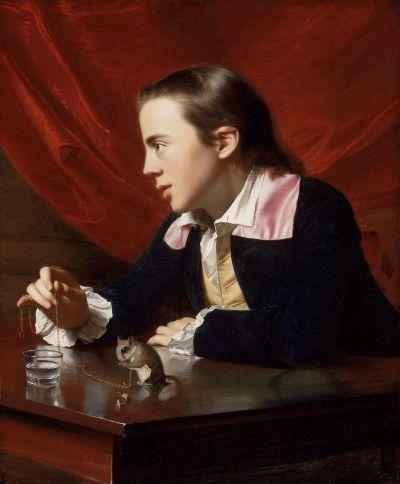
It’s not the only boy/squirrel portrait Copley painted – there’s one in Boston, too, at the Museum of Fine Arts, a fine one, of  Henry Pelham, painted in 1765.
copley-squirrel1316573541100

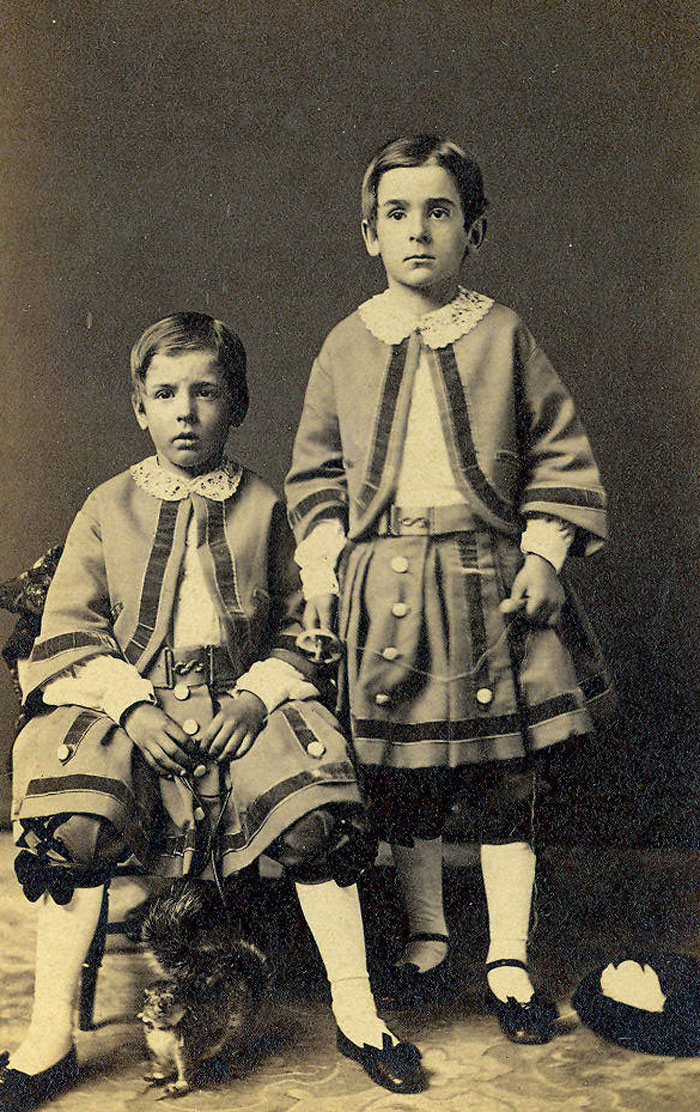
But here I had what amounted to a private viewing, just me and the boy and his pet. It seems funny now, but keeping squirrels as pets was commonplace through to the twentieth century. Before the family dog, the family squirrel. Here we have the Ridgely brothers in 1862, Howard and his younger brother Otho, the children of a wealthy landowning family in Maryland.
squirrel boys

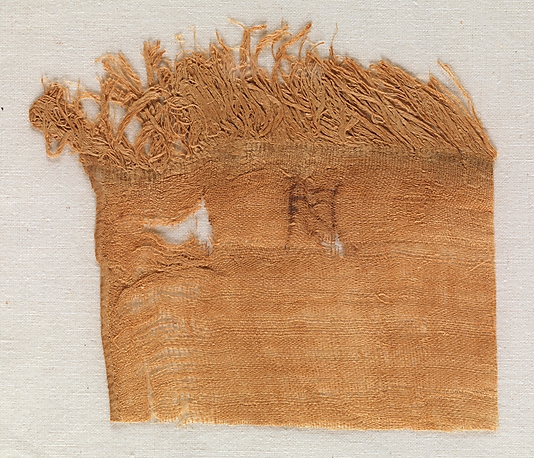
I like to visit another kind of archive when I’m at the Met, as well. Next door to the imposing Temple of Dendur is a tiny warren of display cases that contain long rolls of linen 2000 years old, mummy linen. Here is a scrap.
mummy linen

I don’t know whether the fabric has been unrolled from the embalmed corpses or is waiting to enfold them, but it is incredible to be inches away from these archivally preserved Middle Kingdom textiles. Only slightly frayed and browned by time. Magic.

Another archival highlight. I once ventured up to the attic of the Union Church of Pocantico Hills, with the well-known rose window designed by Henri Matisse – his last work of art, dedicated on Mother’s Day 1956.

henri matisse rose window at union church

There under the eaves lay the physical archives of Historic Hudson Valley, the nonprofit organization that runs the church and other properties in Westchester County. I was there to view a painting of an elite young Mary Philipse by John Wollaston, for my book The Women of the House.

Mary

I was, luckily, sanctioned to browse around the other objects displayed on the shelves while the archivist inspected various historical maps. Some intricately decorated colonial pottery, some other paintings, including one, provenance unknown, of waves crashing against the shore at the southern tip of Manhattan around 300 years ago. And what really got me, a collection of pastel silk slippers in pristine condition, perfect for the fancy parties of the eighteenth century. All these things just breathing there, largely ignored by the world, protected in their secret little alcove atop a church.

The Manuscripts and Archives Division at the New York Public Library, when I went there to do research on I.N. Phelps Stokes for Love, Fiercely: A Gilded Age Romance, always seemed like it existed underwater, dim and calm, holding tight to its treasures. It contains over 29,000 linear feet of archival material in over 3,000 collections, of which I was accessing 36 boxes of yellowed paper.

There is something gratifying about examining letters that have not been paid attention to in a hundred years. Being the first to take them out and handle them. The papers that interested me concerned the architect/philanthropist/collector’s epic Iconography of Manhattan Island. I had already done research at the library of the New-York Historical society, where I discovered a note from Stokes imploring an influential friend for contacts to help publicize his book.

stokes p.r. letter

Also something of a gas was his 1913 campaign, revealed in a fundraising letter, to get an educational farm installed in Central Park. His sister Ethel had the idea of equipping “a diminutive group of buildings, consisting of a tiny cottage of four rooms, a cow-shed and dairy for two cows, and a chicken house for twenty-five chickens.” Everything could be “inspected through glazed openings without entering the buildings,” wrote Stokes. A negative editorial in The New York Times helped shoot down the plan.

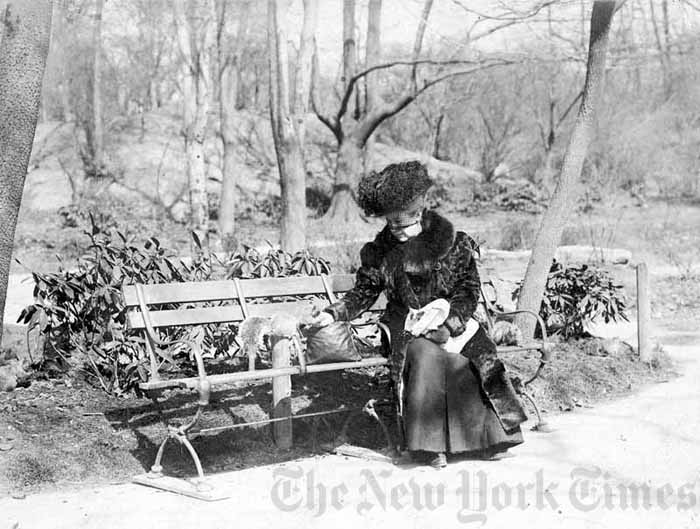
Petting squirrels was still popular in Central Park at that time, I have found.
Central Park squirrel

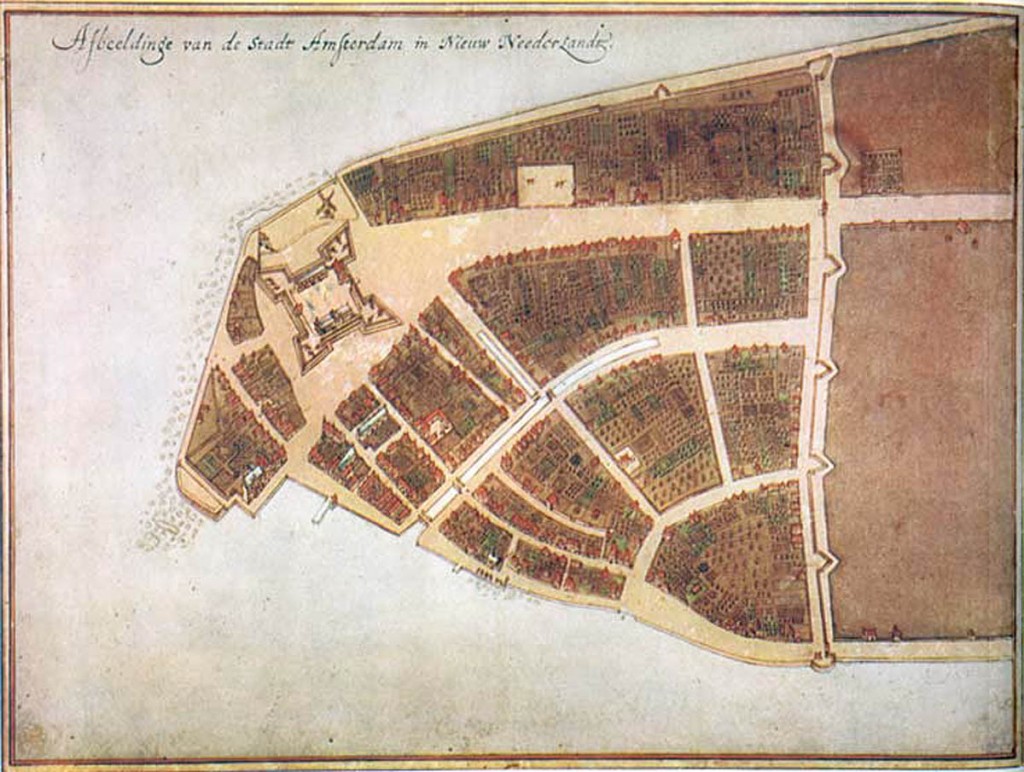
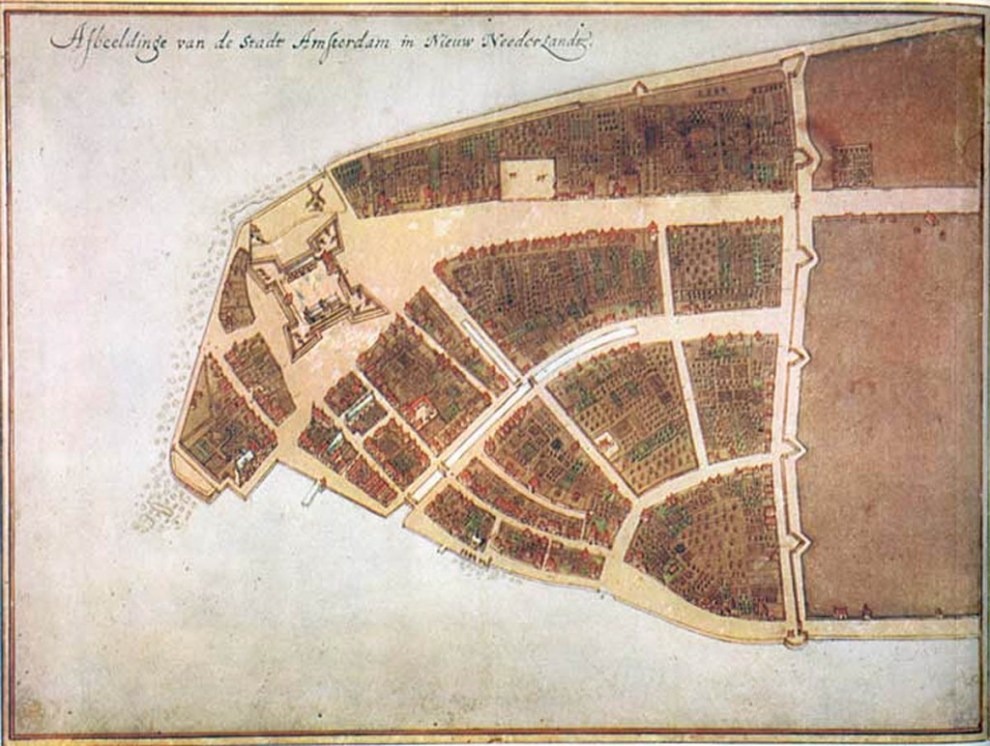
I recall the day at the NYPL Manuscripts room when I found a small envelope containing two thumb-sized black-and-white photographs depicting the very first street plan of New York, drawn in 1660.
CastelloPlanOriginal-1024x772

They were snapped by Stokes’ researcher behind a guard’s back at the Florence villa where the map was housed, and sent back over the sea to his boss in New York City. Stokes must have leapt out of his chair (also in the New York Public Library, where he had a private second-floor office) when he saw those first pics in 1916.

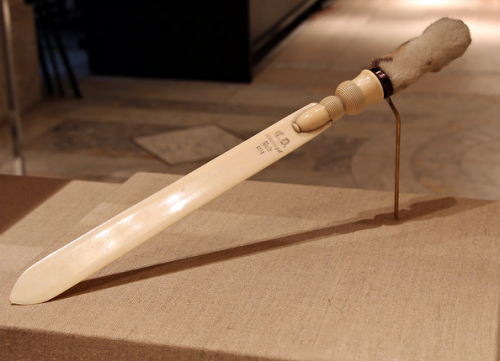
A friend of mine, the curator Thomas Mellins,  produced Celebrating 100 Years, an exhibit for the New York Public Library that brought some of its best archival artifacts out of mothballs. Did you know that this book-and-paper institution in in the possession of the walking stick Virginia Woolf had with her when she waded into the water on her last day? It floated to the surface. The Library also has such objets as Jack Kerouac’s typewriter, yes, the one on which he wrote On the Road. And my personal favorite, perhaps because I had just been reading David Copperfield when I saw it — Dickens’ personal copy of David Copperfield, the one he used when touring for the book, pocket-sized, complete with his penciled-in notations for emphasis. There is also the genius’ letter opener, topped with the taxidermied paw belonging to Dickens’ cat, Bob.

letter opener

The pleasure of handling archival materials is an emotion that you can’t experience second-hand, unfortunately. You have to be there, deep amid the tarnished porringers and the satin slippers. But there is a website I like a lot that gives you snippets of historical artifacts. Slate features a department called The Vault: Historical Treasures, Oddities, and Delights.  You can see, if not touch, pieces of history like a hand-written dance instructional from 1817, an 1893 letter promising compensation to former slaveowners, or Bram Stoker’s literary plans for Dracula. You don’t get to sit underwater at the Manuscripts Collection, true, but you can turn the virtual pages in the comfort of your living room, in your stocking feet.
4 Comments

Filed under Art, Fiction, History, Jean Zimmerman, Love, Fiercely, Photography, Publishing, Writers, Writing

An Artistic Amble

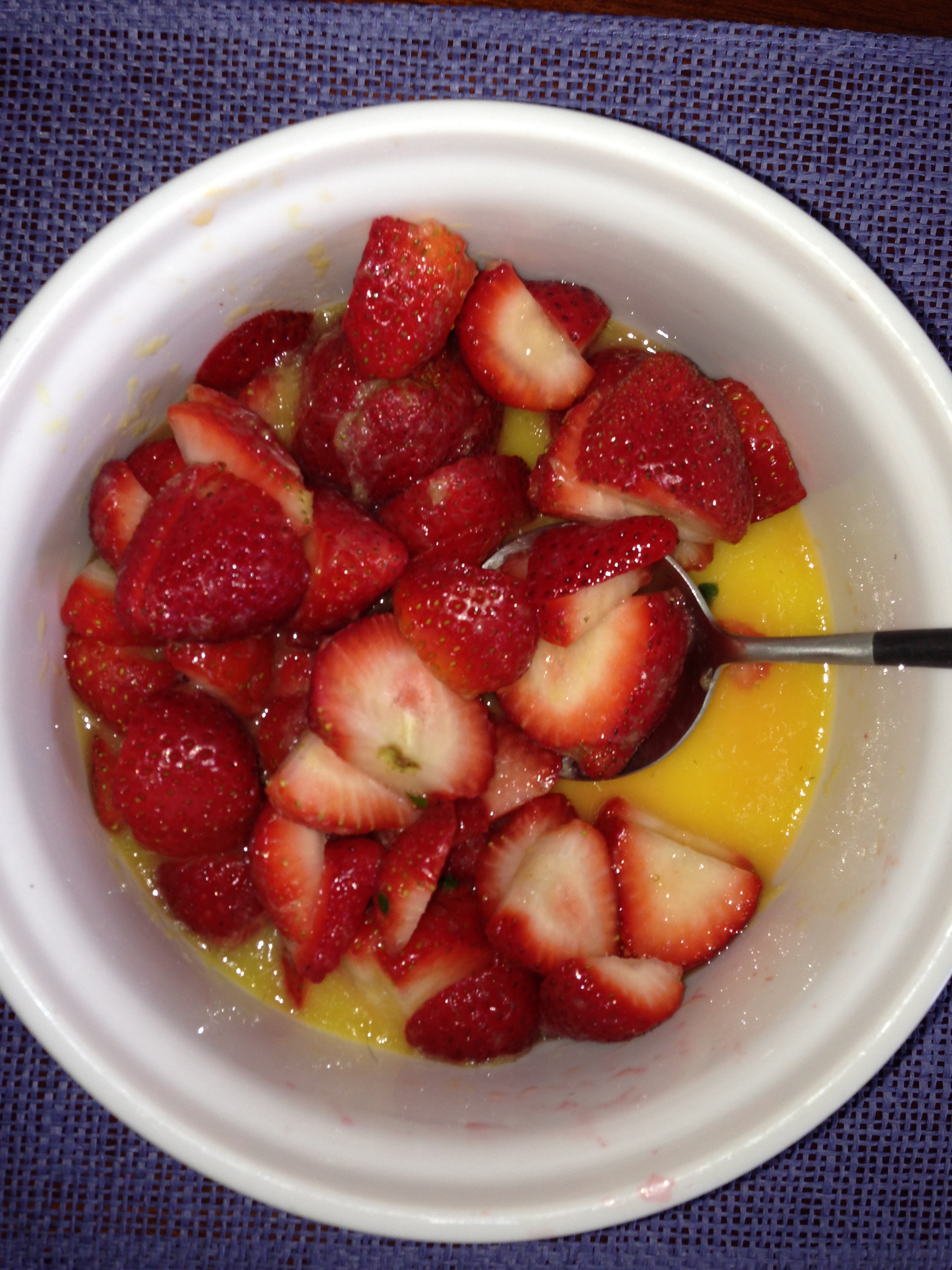
The morning began with vivid red strawberries and the day continued with even brighter colors.

strawberries

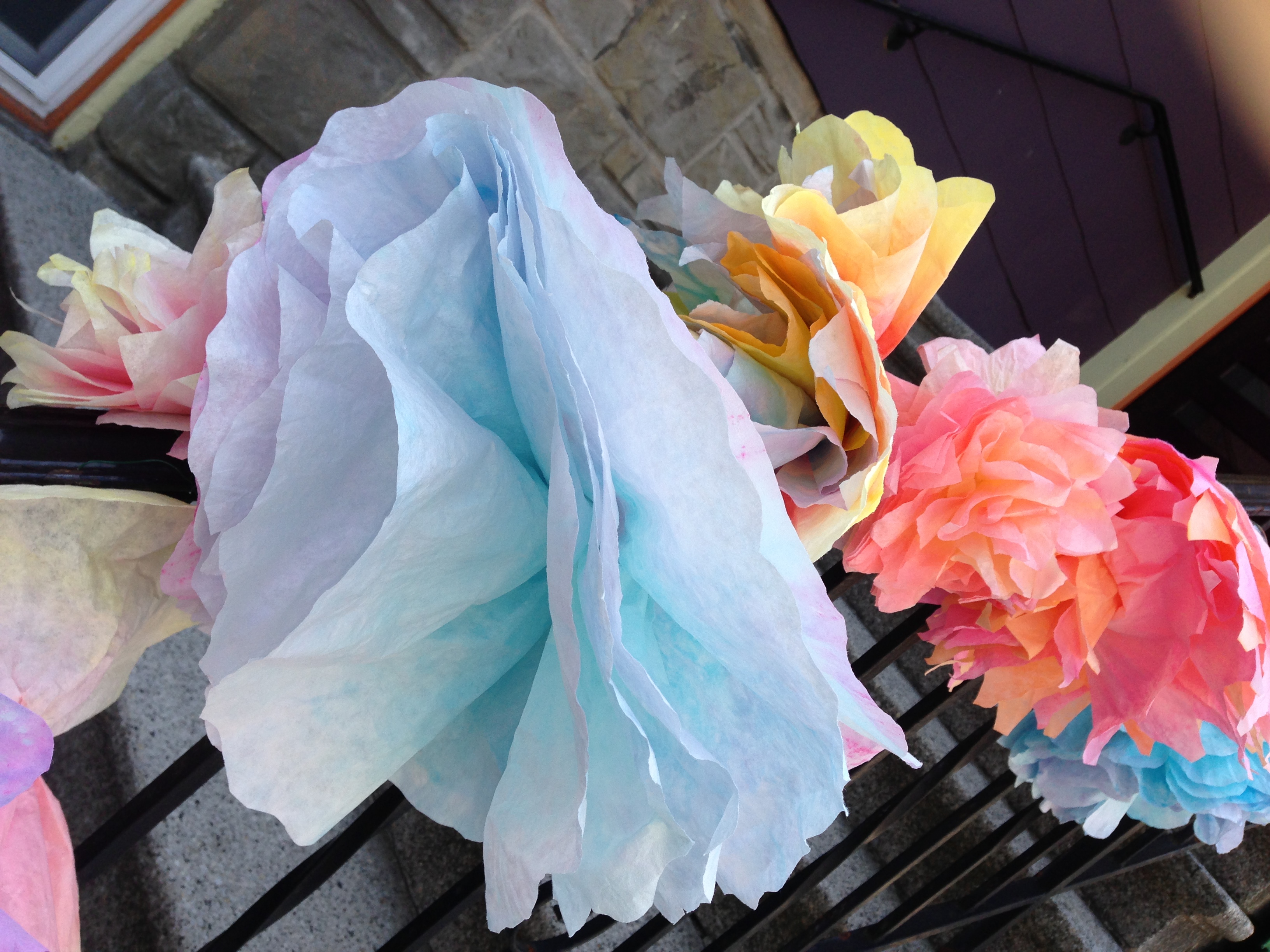
Tie-dyed flowers crafted from paper coffee filters festooned the stairway to the first exhibit of our journey.

paper filter flowers

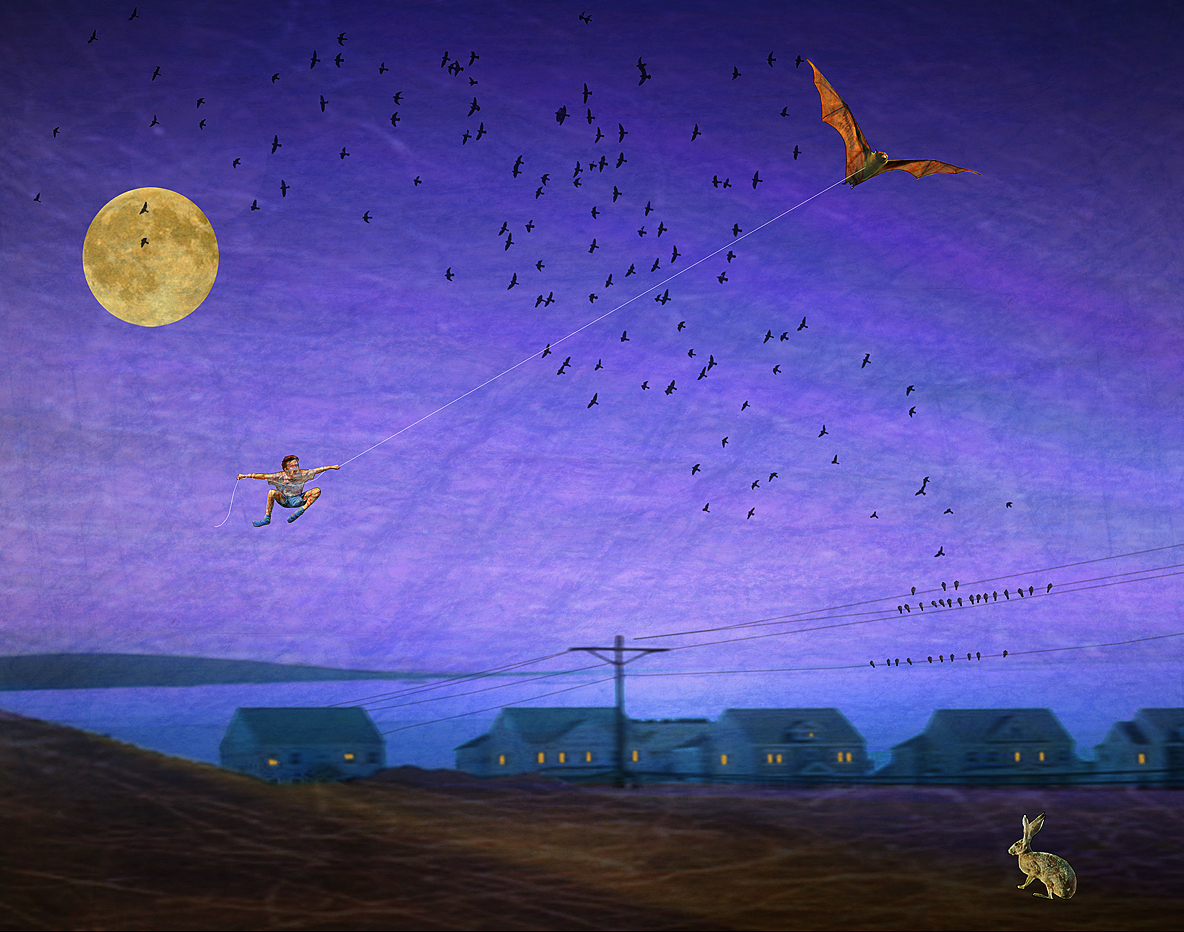
This was open studio day in the Rivertowns, an artsy neck of the Westchester County woods. My friends Josefa and Suzanne had art displayed in a converted church. Josefa made this fantastic image originally for a children’s book.

josefa

We drove to a factory building perched above the Hudson River, now housing everything from bagpipers to potters, originally constructed for the Anchor Brewing Company in 1889. We wedged ourselves between the weedy denizens to park.

red truck

The longest white stretch I’ve ever seen, now abandoned, snapped simultaneously by Suzanne, who is a first-rate photographer.

stretch

And, on the side of a truck, an omen I chose to see as excellent.

zim

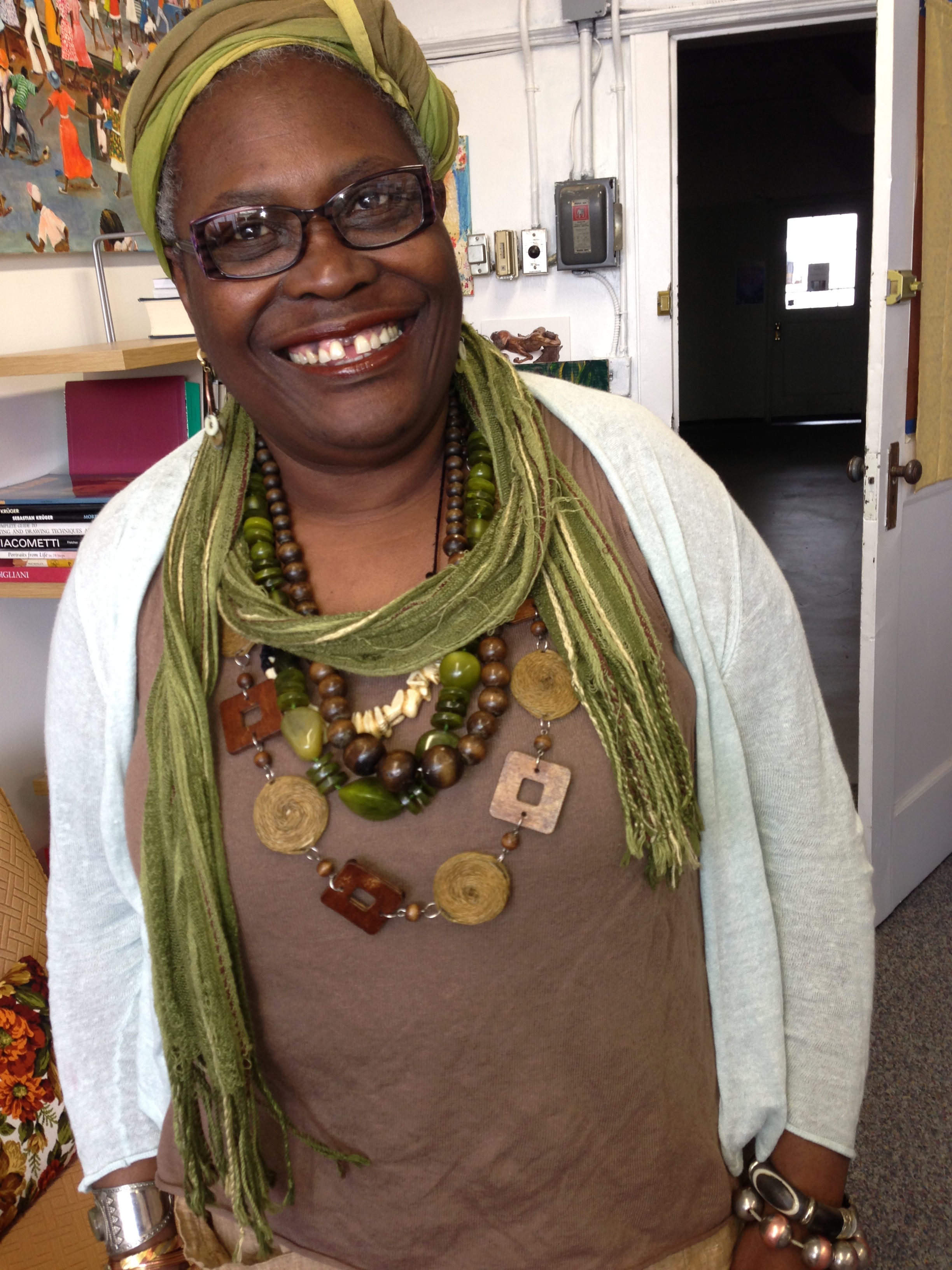
In the first studio I was introduced to the artist Madge Scott — she knows my friends — who unexpectedly wrapped her arms around me, hugged me hard, then grasped and held my hand while staring into my face and uttering one word, Wow, over and over again for several minutes. Rapturous views out the floor-to-ceiling windows, and the rapturous feeling of been “seen” by another human being.

Madge

Her canvases, some of them depicting her native Jamaica, tell powerful stories.

madge painting

Mama’s Boy has a woman about to make dinner with her children around her. That’s a bucket of water. The key hangs on the nail behind her, Madge told me, because the family doesn’t have the wherewithal to go out much, they don’t have reason to lock their door. “It was hard to make a painting like this,” says Madge, “but I had to at the time.”

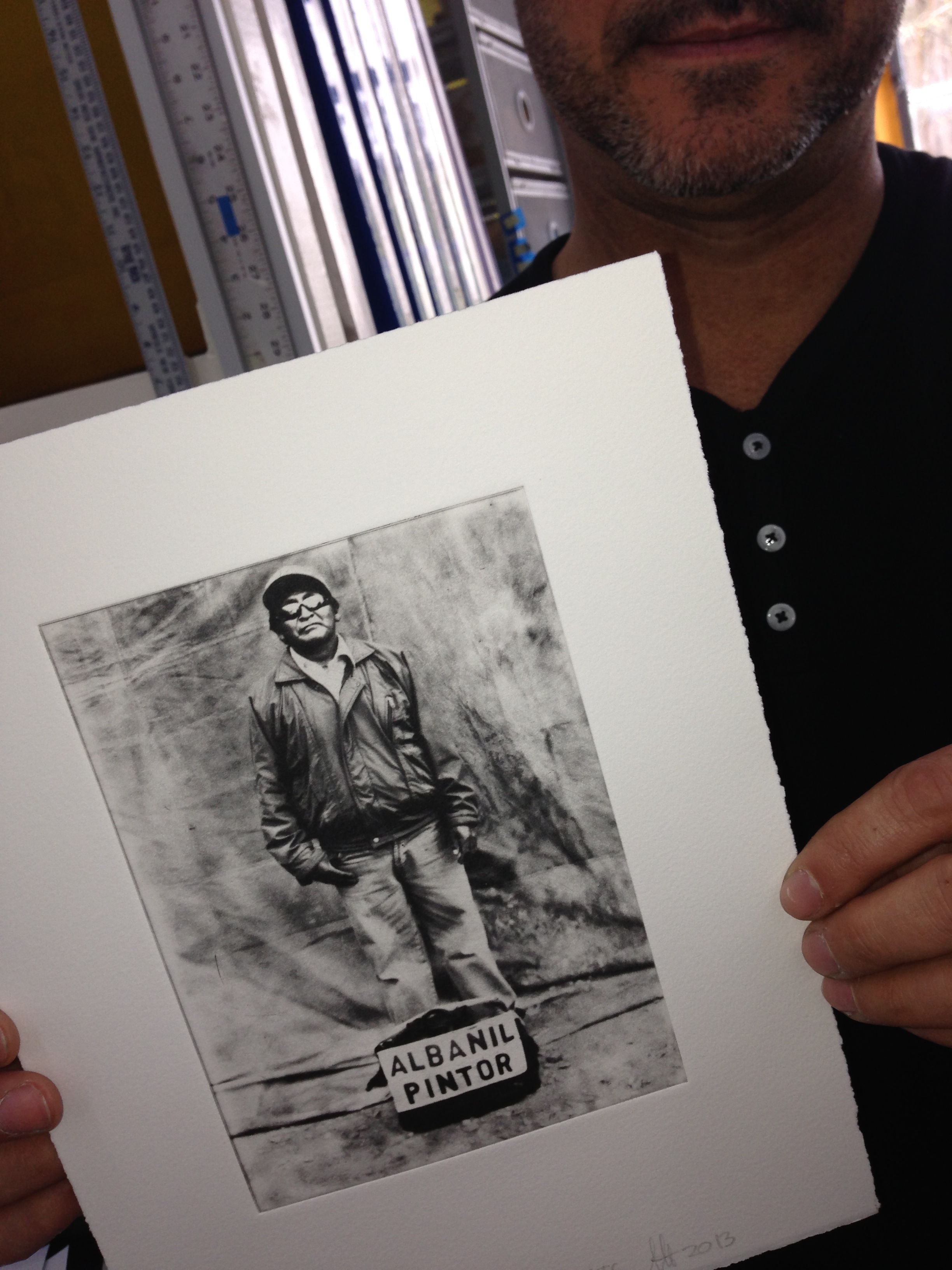
At Coronado Print Studio we saw the arresting photos of Edward Endress, shot in La Paz, Bolivia.

pepe

There are nine in his series, Portraits in the Yunga’s Market, and each one shows a day laborer waiting for work, his bag spelling out his specialty: plumber, electrician, painter, etc.

We spent time with Eleanor Goldstein, who had tidied up her space for guests, but still had her oils out as though she might dive back into a project at any moment.

goldstein's paints

Eleanor talked about the inspiration she derives from flying, how she furiously sketches in pastels as the plane banks before landing, and transfers that inspiration later to her painted canvases. You can see the curve of the earth over her shoulder.

eleanor goldstein

Inspiration comes from many places. Ellen Hopkins Fountain, a renowned painter of Hudson River views, says that “sometimes it’s an out of body experience.” You might feel, as I do, looking at her work, that somehow the familiar estuary flows exactly as it should, that it is the perfect image of itself.

fountain easel

Ellen’s studio, in her lovely house’s light-flooded garret, had grown crowded with visitors by the time we got there in mid-afternoon.

She was indefatigable, showing fans her beautiful watercolors. Many of them depicted the Palisades, that range of rocks that faces lower Westchester across the broad, calm river.

ellen hopkins fountain

Pleasant, open and no nonsense, she gives visual artists a good name. “Some painters transform the sun into a yellow spot,” said Picasso, a bit obscurely, “Others transform a yellow spot into the sun.” Fountain does the latter.

In Ardsley stood a house by a cult architect, Martin Lowenfish, whose white stucco exterior had been augmented by a handsome addition the multitalented Suzanne had actually designed last year for Christina Griffin Architects. A new master suite, kitchen and art studio sheathed in stone. Very nice.

addition

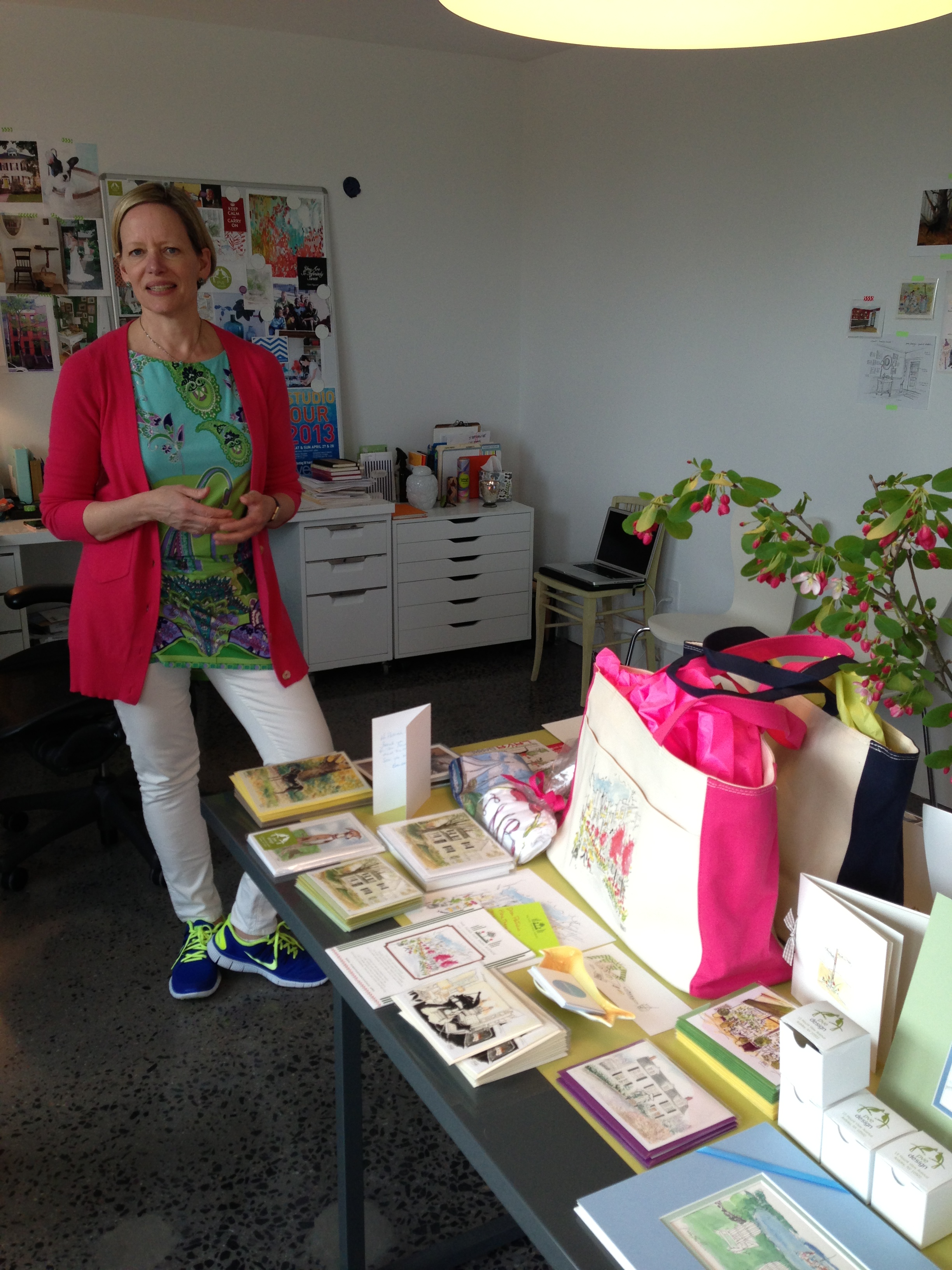
Inside, Patricia van Essche displayed her upbeat graphic products.

patricia

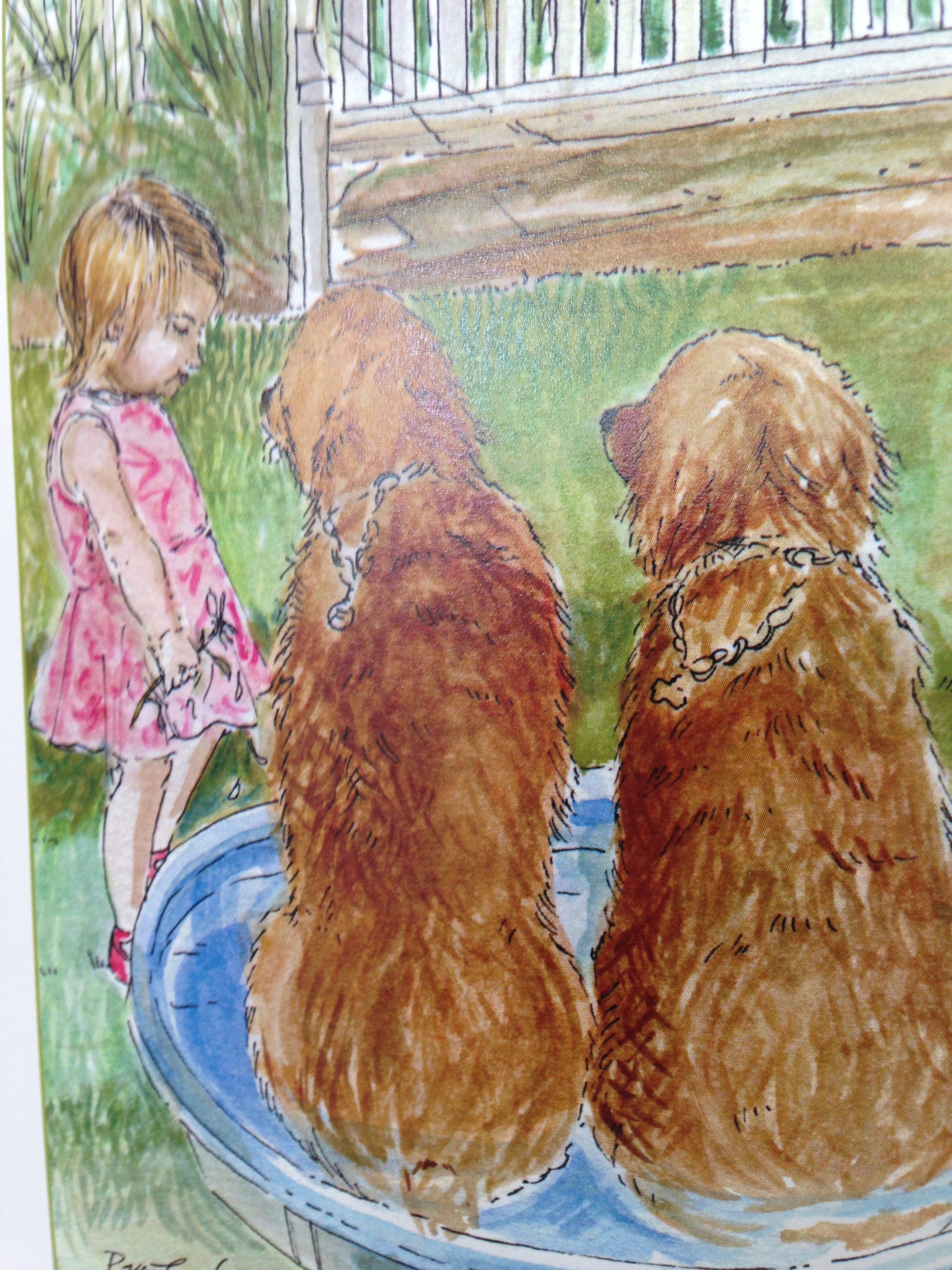
“Design, create and inspire an artful life,” is her motto. This mega blogger will create a handsome portrait of your dog – or two dogs, if you have them, and if they happen to be sitting in a swimming pool.

patricia's dogs

One more stop, and one that had some mystery about it. We were going to visit textile artist Arle Sklar-Weinstein, in Hastings-on-Hudson, and I had the vague feeling that I had once actually studied under her, as a teenager. I was interested in learning how to weave, and with the rental of a table loom and some instruction from a local artist I was able to achieve my dream.

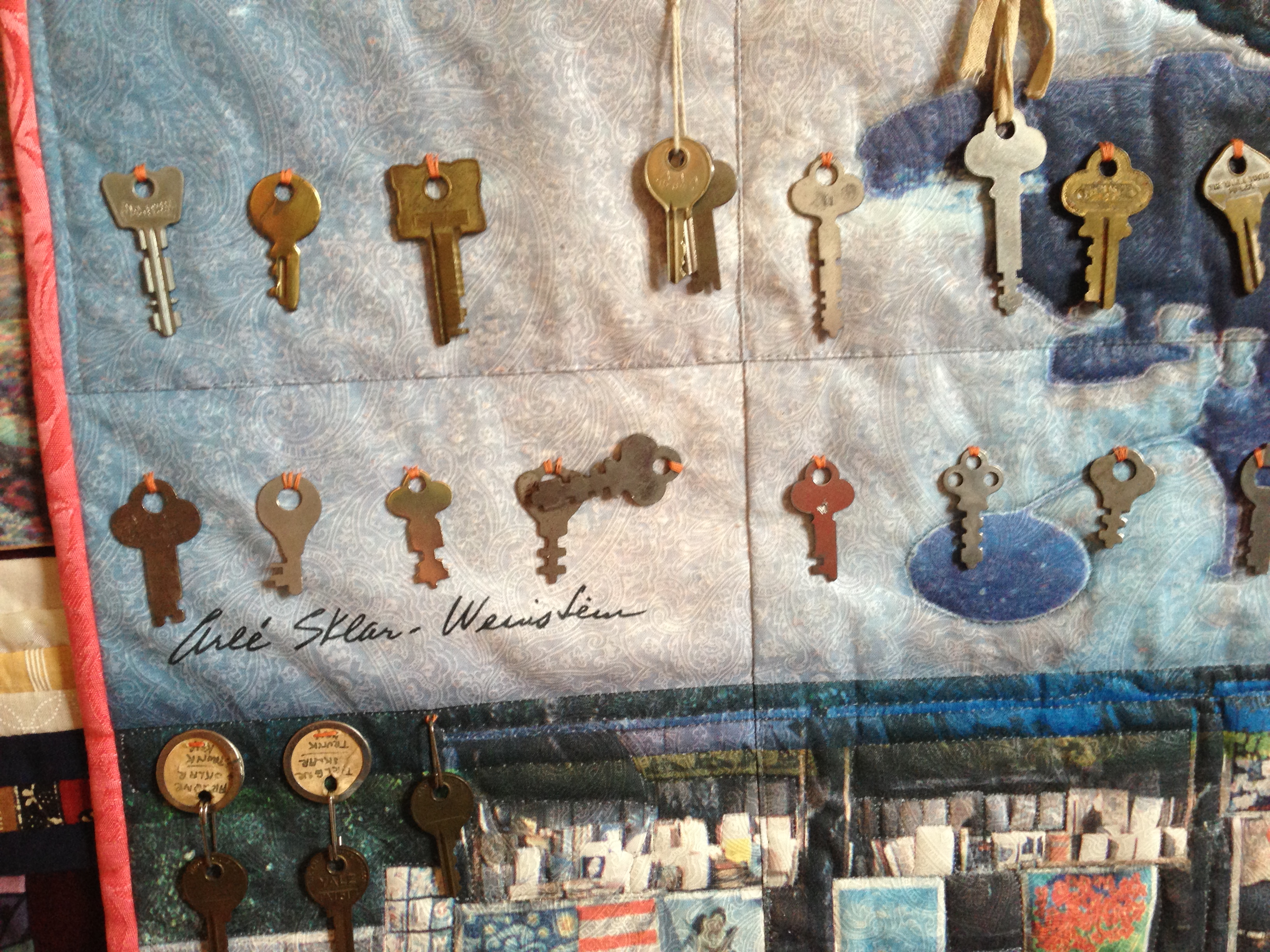
But Arle had to disappoint me. I asked her. She confirmed that my idea, my image of the past, was mistaken. But though she was never my teacher, I discovered some fascinating things at her studio. She has been making quilts with and without photographic images for decades. She incorporates objects, in this case a set of her mother’s household keys.

sklar-weinstein keys

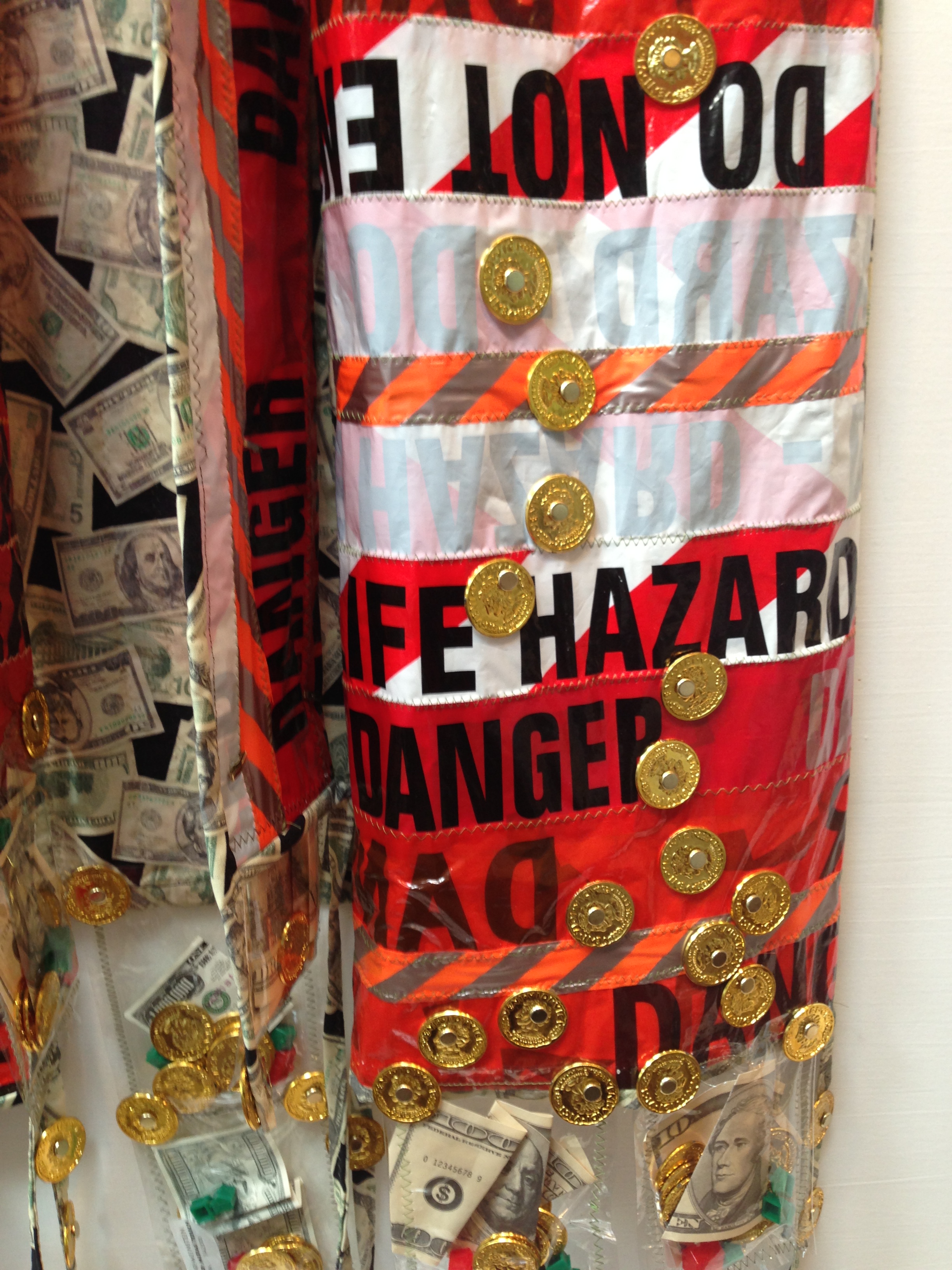
Her most recent work involves outsize kimonos she stitches together from plastic and fabric. It was exciting to see a project she’d embarked on just six months before. Starting something brand new and then inviting people into your studio to see it? That’s brave. “I’m stimulated and excited by things I see in the environment,” she told us. “I’m more political than ever before.”

sklar-weinstein cu

The one with the gold coins, in this close up,  is called “Life Hazard: Midas Touch.”

I didn’t come away from this day of art any richer, except on the inside.


9 Comments

Filed under Art, Jean Zimmerman, Photography

Book Award to The Orphanmaster

I’m proud to say that The Orphanmaster has been selected as a 2013 Washington Irving Award Winner by the Westchester Library Association.

horse

Since 1987 the Association has gone about choosing “books of quality” written by Westchester residents, encouraging librarians in the county to encourage patrons to check them out and read them.

The Orphanmaster shares the spotlight with some great books, both fiction and non. This year the group of authors includes Don deLillo, Karen Engelmann, Esmerelda Santiago, Robert K. Massie and Dan Zevin.

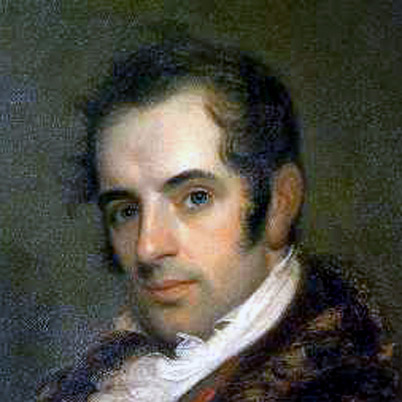
Why Washington Irving, you ask. It makes perfect sense. He’s Westchester County’s foremost literary light, historically. Though he’s pretty much known today mainly for “Rip Van Winkle,” in his day, the early 1800s, he achieved rock star status, producing  at least a dozen and a half popular histories, biographies and collections of essays as well as novels and stories.

Portrait of Washington Irving

Irving’s first major book, A History of New-York from the Beginning of the World to the End of the Dutch Dynasty, by Diedrich Knickerbocker (1809), published when he was 28, was a satire on local history and contemporary politics that ignited the public imagination. A later work, The Sketch Book of Geoffrey Crayon, Gent., out in 1819, which contained Van Winkle (written in one night, it is said) and The Legend of Sleepy Hollow, shot to international bestsellerdom. He’d been writing voraciously since he was a teenager submitting clever letters to the editor of Manhattan’s Morning Chronicle.

Irving invented the tag “Gotham” for New York City. Here is Wall Street in 1850, Irving’s home town.

wall street 1850

Some of his books lampooned early Manhattan’s manners and mores. They set up a lasting stereotype of the stalwart Dutch burgher and his stolid hausfrau partner, influencing me when I researched The Orphanmaster. Rip Van Winkle figured in this ilk, telling the tale of a man who nodded off in the Catskill Mountains for 20 years, sleeping through the American Revolution, with the world having changed irrevocably during his slumber. Another more modern rock star, Johnny Depp, appropriately brought Washington Irving out of the nineteenth century with his portrayal of Ichabod Crane in 1999 in the film Sleepy Hollow.

depp sleepy-hollow_l

Irving traveled extensively on The Continent – he served as an ambassador to Spain — as a true man of the world, feted everywhere, dazzling literati and royals alike with his intellect. When he spent time in the U.S., he lived with his nieces in a picturesque cottage called Sunnyside on the river bank in Sleepy Hollow, New York, a “snuggery” of yellowish stucco with climbing wisteria on rootstocks imported from England, a fainting couch in the parlor, and a west-facing veranda from which he could watch the sun set over the Palisades.

Sunnyside_Tarrytown_Currier_and_Ives

Irving hosted Dickens there, yet another rock star – fans grabbed tufts of Dickens’ fur coat as souvenirs — when the novelist did his American tour in 1842. When the train came through in 1851, cutting between Irving’s cottage and the Hudson River, he fumed. It ruined his bucolic view, and he never forgave it.

You can visit Sunnyside today and check out the tiny study where he sometimes nodded off, though not to wake a century later.

study old

Today the library is carefully curated by a staffer from Historic Hudson Valley, the nonprofit preservation outfit which owns the restoration. I know the librarian in charge. She is cognizant of the honor of handling the great man’s volumes.

As I am of receiving an award in his name.

5 Comments

Filed under Fiction, History, Jean Zimmerman, Publishing, The Orphanmaster, Writers, Writing

How to Be a Couple of Writers

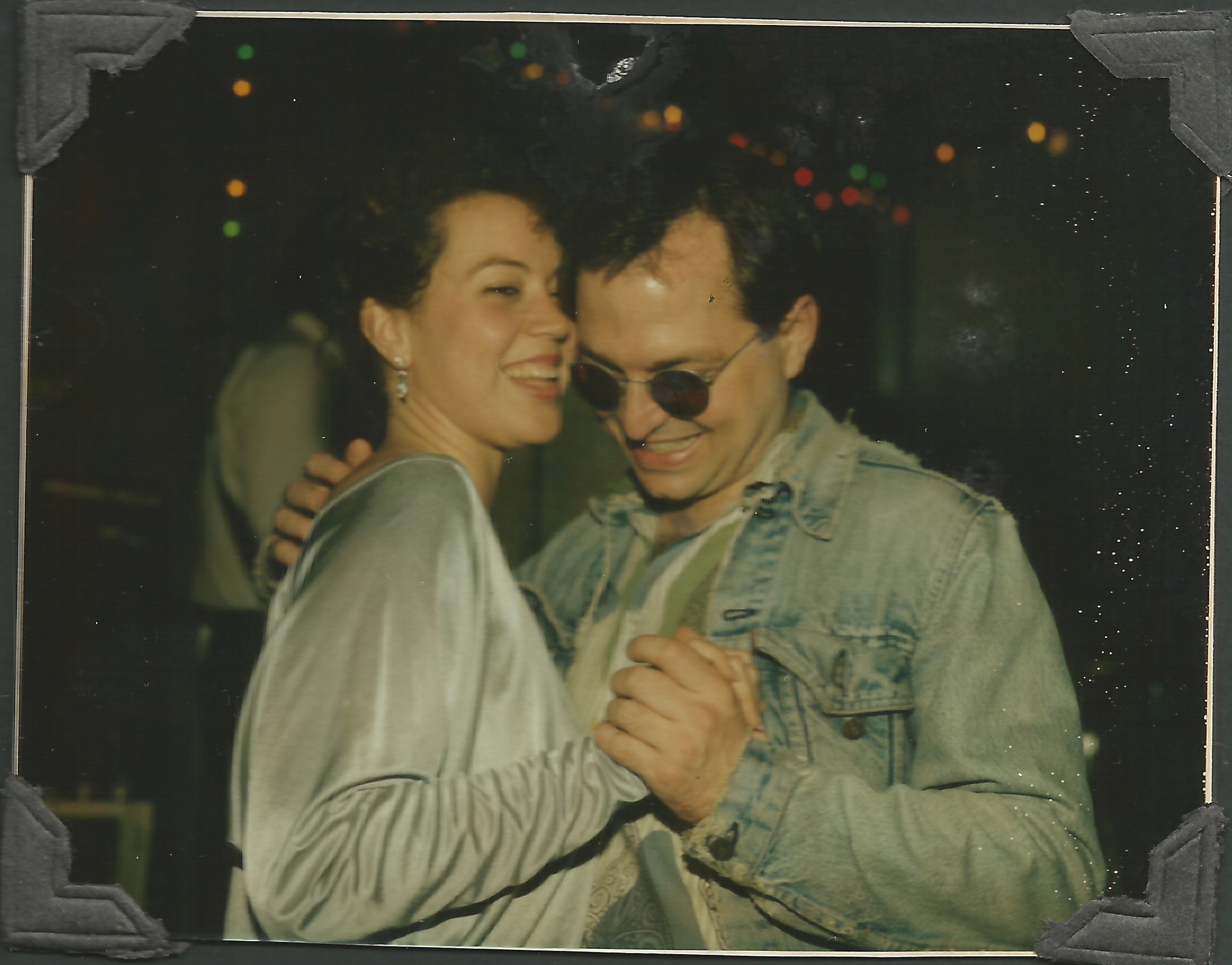
Today is our wedding anniversary. Gil and I have been married 26 years. It’s a lot of  time since our engagement party, at a Russian bar in Brighton Beach, New York!

April 1987

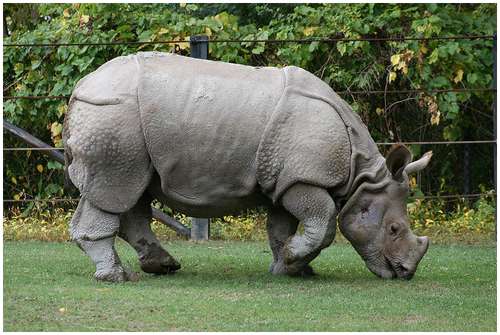
People always ask, How can you possibly stay married to another writer? It’s not something everyone does, and in fact the matrimonial union of two inkstained wretches is almost as rare as the Javan rhino, of whom less than 60 now exist.

Javan-Rhino

Some other writer-couples make it work. Novelists Paul Auster and Siri Hustvedt are a famous example. Well, they live in Brooklyn, and perhaps that artsy atmosphere gives them sustenance. Also consider the Beat poets Allen Ginsberg and Peter Orlovsky, together from 1954 until Ginsberg’s death in 1977. They chanted. They stayed loose. They were happily hip.

ginsberg

Once upon a time there was Mary Shelley (Frankenstein) and Percy Bysshe Shelley (Heaven smiles, and faiths and empires gleam,/like wrecks of a dissolving dream). It was wildly romantic, she running off with him when he was married to another woman and she was 16. Anais Nin and Henry Miller also managed to have both a torrid love affair and a meeting of the literary minds.

Anais_Nin_y_Henry_Miller

Yes, there were couples that were cursed, like Sylvia Plath and Ted Hughes. One dead by her own hand, one forever tortured by her demise. A similar dark story in Zelda and F. Scott Fitzgerald. He stole well-turned phrases from her journals, and things turned out badly (him dying of drink, her in a mental hospital fire).

fitzgerald:zelda

So what makes a writerly marriage work? Gil and I have been writing our own stuff and collaborating with each other ever since we got together. We actually met in a poetry writing workshop in New York City, led by the wonderful Sharon Olds (she won the Pulitzer for poetry this year). In the early days we didn’t have much space. I remember a tiny studio in Los Angeles with a single surface, a kitchen counter, where we set up our computers across from each other. And we produced books there. Today in the Cabin we have a bit more room, two separate offices (mine in the living room!), but we seem to often end up working side by side. Somehow our literary life together succeeds.

desk

So I will offer you my suggestions about sharing your life as a writer with another writer.

Accept debate. Disagree, argue, even fight over language. Just don’t come to blows. Try not to be hardheaded over a word or phrase or plot point. Be willing to kill your darlings, as they say, if your partner advises it. (Also praise each other’s work to the skies).

Celebrate the milestones. Little as well as large – the nice, toss-off comments of an acquaintance or the brilliant review. The copyedit as well as the first pristine hardback book copy. Raise a toast together, no matter which of you got the kudo, the contract, even the mot juste.

Ride the ups and downs. And there will be downs.Publishing is a fickle business and you can’t let the market ruin your mood or your relationship.

Embrace change. When we were married, I was an aspiring poet and Gil wrote plays that were produced off-off-Broadway. We made ends meet with editorial jobs. We grew, we branched out. We were the same people, but we became different sorts of writers. Between us, articles, screenplays, nonfiction, memoirs, fiction, even this blog…

We don’t know what will happen in the future. What writer does? Just be prepared to be perpetually surprised by your writerly mate, as you are surprised by yourself. Said Andre Maurois: In literature as in love, we are astonished at what is chosen by others.

Jean and Gil copy

16 Comments

Filed under Fiction, History, Home, Jean Zimmerman, Photography, Poetry, Publishing, Writers, Writing

The Orphanmaster Big Giveaway

It’s nearly April 30, the publication date for The Orphanmaster in softcover! I’m giving away copies.

o-master-p-back-cover

I have a stash that I would love to distribute to early readers. Drop me a comment (with your email – nobody sees that but me). I’ll get signed copies off to the first ten that respond.

13 Comments

Filed under Fiction, Jean Zimmerman, Publishing, The Orphanmaster, Writers, Writing

A Swirl of Indies

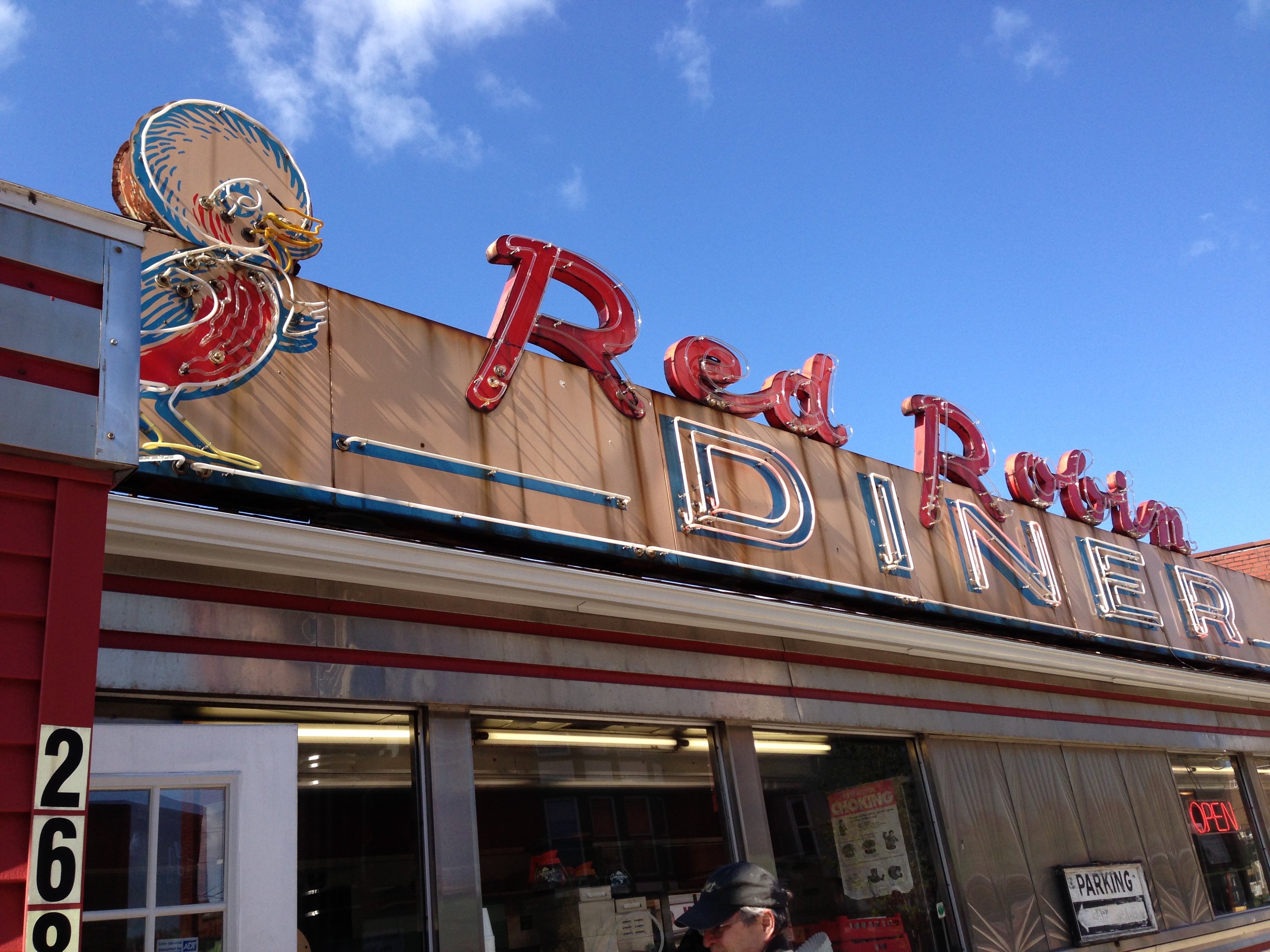
Still on the trail of indies – indigenous landscape elements – in the Binghamton area of New York, we  came to this classic diner for a classic diner breakfast.

red robin

With its fetching signage. The eggs not-so-bad, not-so-good, but a totally intact red leatherette interior, chrome that wouldn’t quit, and self-knowledge in the form of that Norman Rockwell Saturday Evening Post image “Runaway” pasted up on the wall.

runaway

A cop and a little boy on the run trade secrets while sitting atop a diner’s spinning stools, as if it was painted from life in this very diner.

It’s spring, didn’t you know? Time to get your lawn in gear.

mower

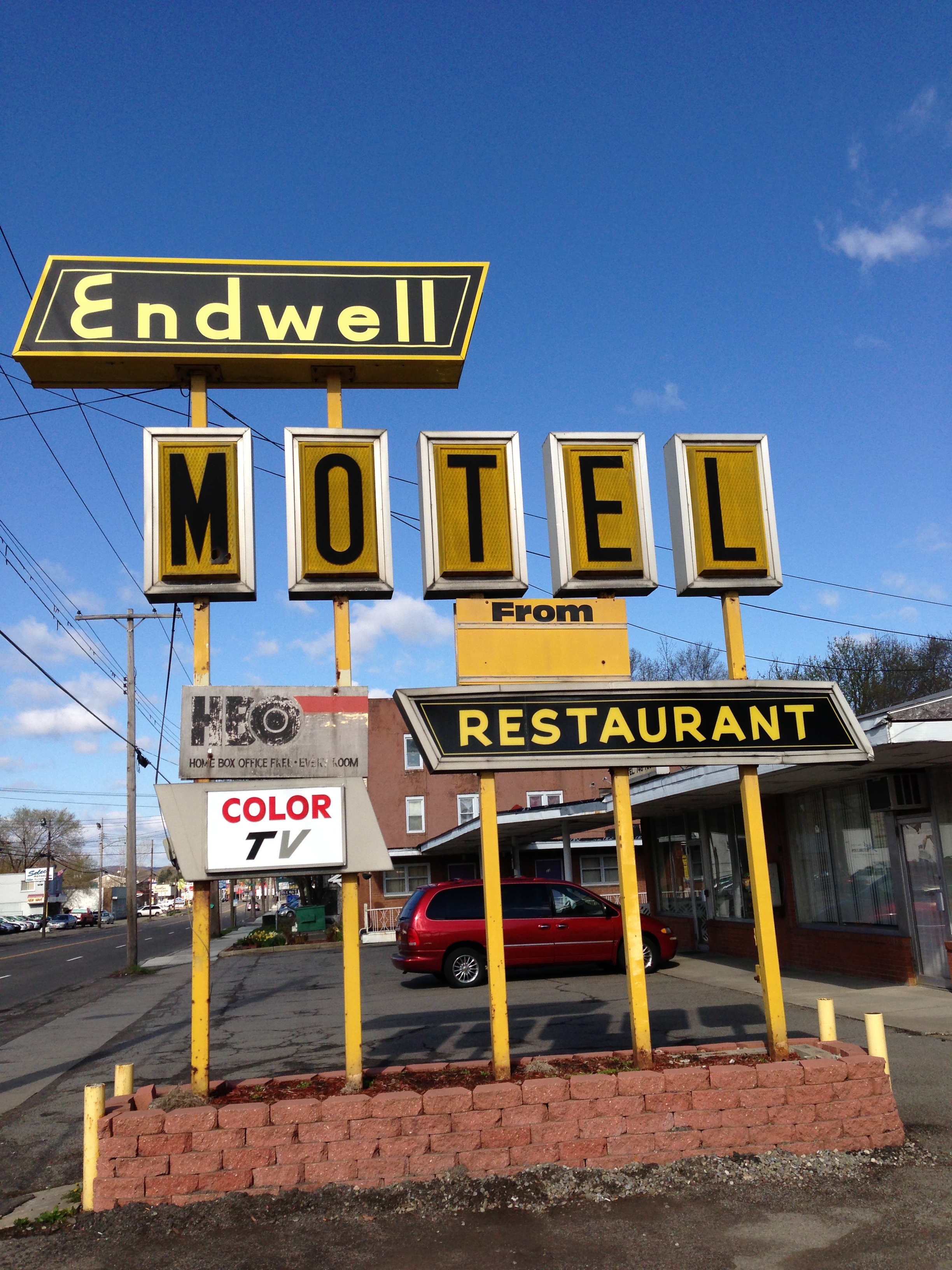
Crappy motels have the best signs.

endwell

Endwell is actually the name of a town, not just the end of a famous saying, and not just how you hope it’s gonna go when you check in. Endwell, along with Endicott and Johnson City, were three communities renamed by shoe-leather magnate George F. Johnson when he took the area over in the 1920s. Endwell was a brand of shoes. Universally known as George F., the irrepressible mogul came up through the ranks of local shoe workers and, when he made it to the top, did things like build churches and schools in his effort to provide what he called the “square deal” for his workers. He installed five elaborate carousels within a 20-mile radius.

This one’s not open until Memorial Day and they keep it locked up tight.

carousel house

We wanted so badly to get in, we pressed our noses up against the windows like a couple of Norman Rockwell kids.

last ride

The carousel was built in C. Fred Johnson Park in 1923 (the Johnson name proliferated with his success) and has 72 figures four abreast, with all the carving, bevelled mirrors and scenic panels intact. We’ll have to return some time for a ride. There’s no admission, but you’re supposed to contribute a piece of litter.

best carousel

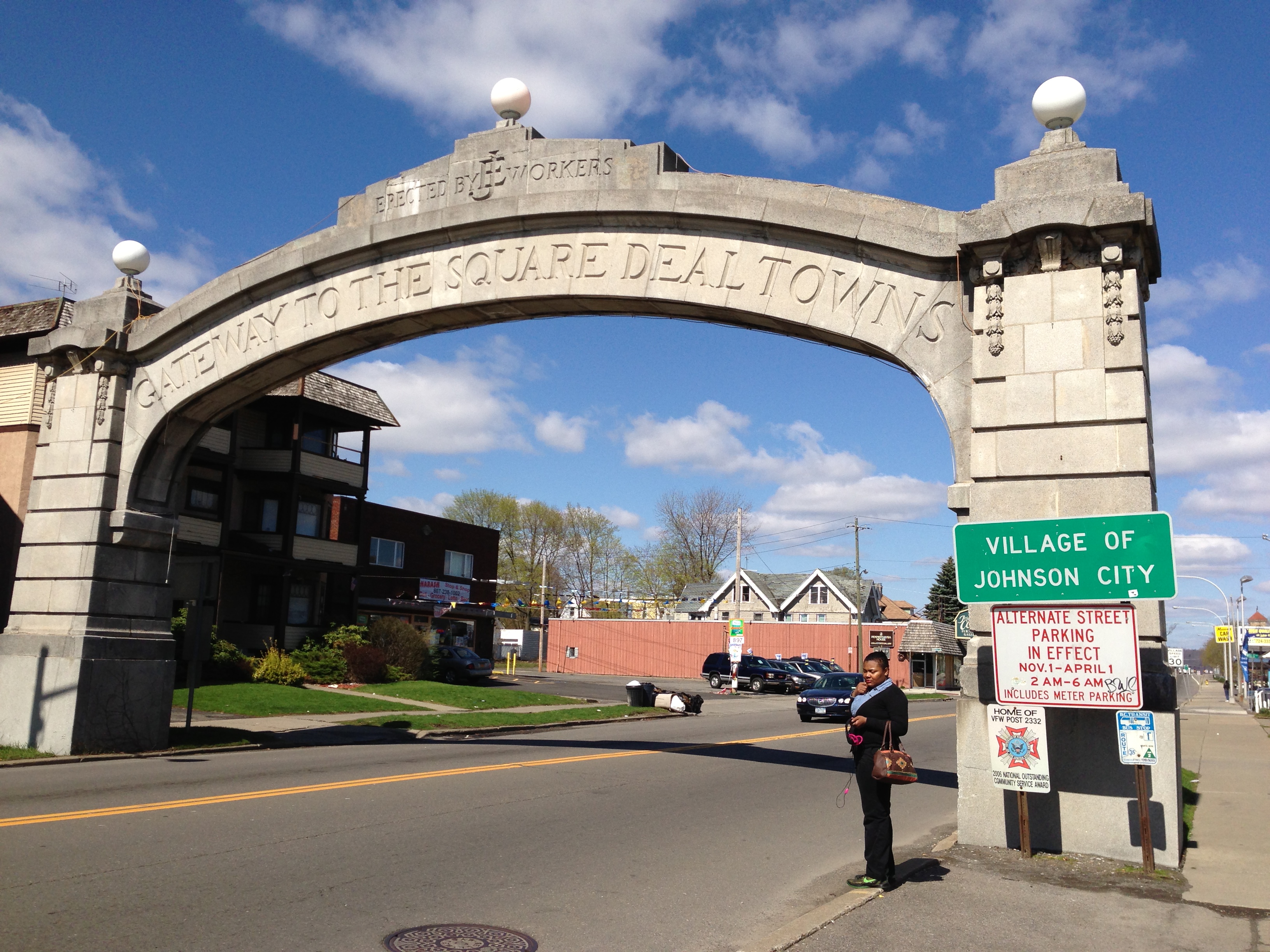
George F. wanted to keep his workers happy so they wouldn’t think of unionizing, and it seems he was successful.

gateway

“Gateway to the Square Deal Towns” reads the welcome to Johnson City.

We stopped at this bold and blocky indie sign.

library

Could this actually be the name of a small town library or was it more in the line of an exhortation? A bit of both, it turns out. Inside, there was more about the George F. era and legacy in a series of glass cabinets.

johnson

An original shoebox, from the glory days long gone.

shoebox

Your Home Library was originally built as a residence by Elijah Bridgham in 1885 with bricks from his own brickyard. Harry L., the younger brother of George F., made it an institution in 1917. Soon there were dining rooms, children’s rooms, sewing rooms. “Your Home Library was his conception of a home atmosphere and home freedom for the community,” said Rev. William MacAlpine at the dedication of the Harry L. monument in 1922. Home freedom?

All kinds of indies, everywhere you looked.

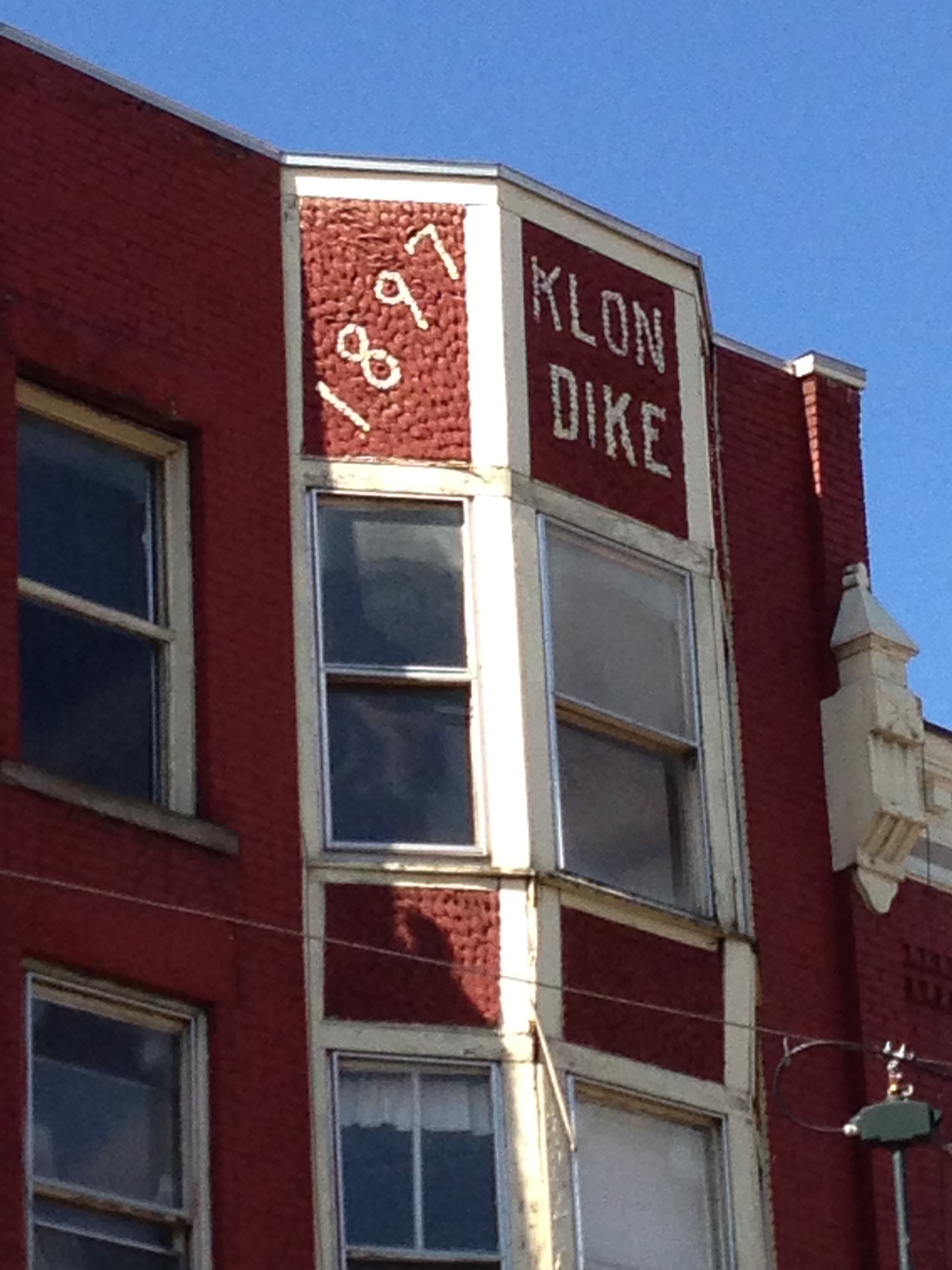
Klondike

Perhaps a building endowed by the Klondike Bar magnate? You never known in these parts.

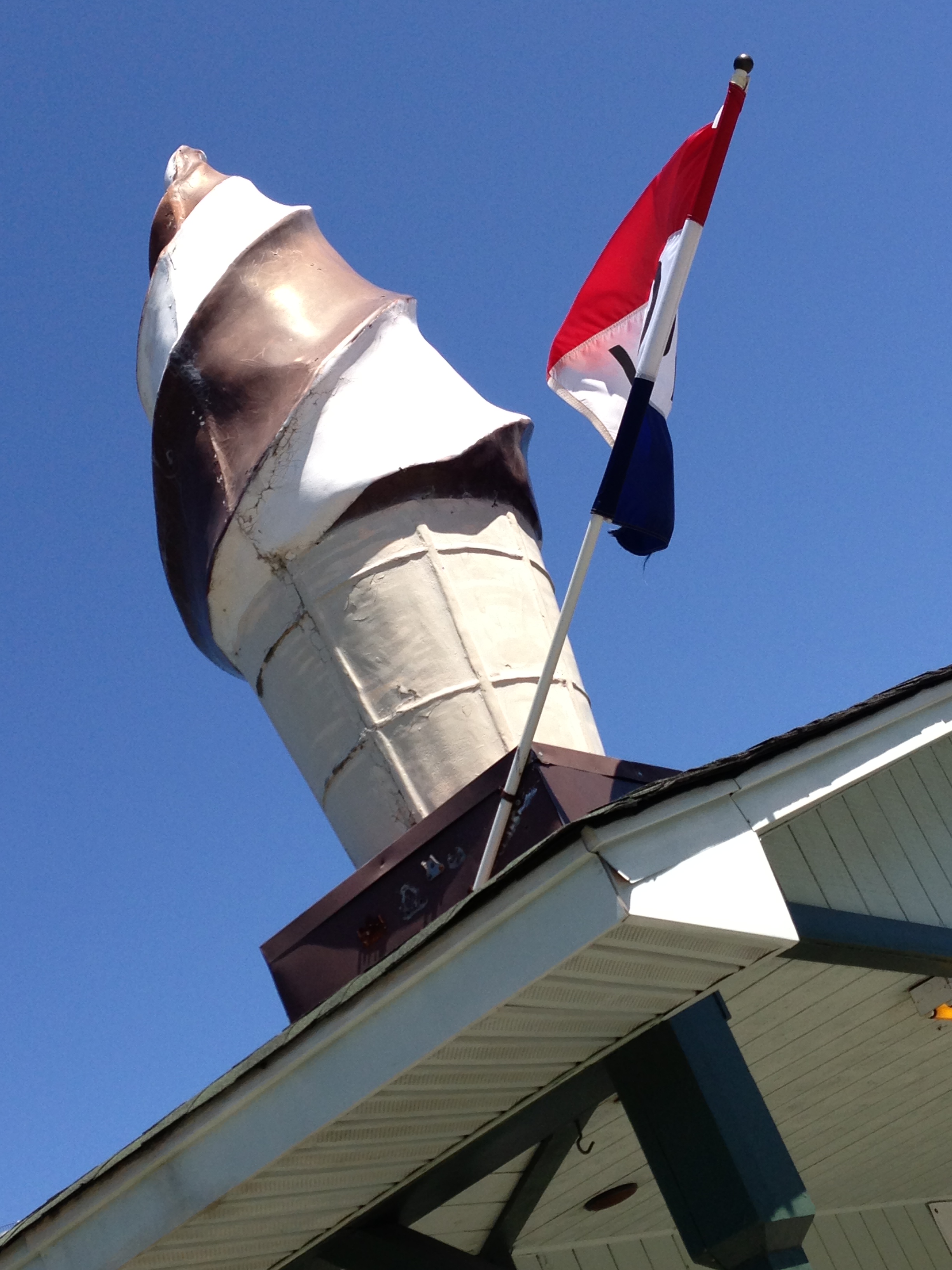
We passed several examples of the ice cream school of signage, which often presents a tasty homemade effort.

swirl

Fortunately, this was one of the soft ice cream joints that has survived intact beneath its sign. It even offers a peanut butter dip.

peanut butter cone

Vanilla shake in hand (no yellow cake or panda tracks for me) it was time to head for home. We have indigenous creations there too.

cherish


5 Comments

Filed under Art, Cooking, History, Home, Jean Zimmerman, Photography, Writing

Witika or Wendigo, I’m Scary

I am the voice of the Witika. Sometimes I am called the Wendigo, sometimes the Weetigo or Wetiko or other variants. It all depends on the region you’re from and the belief system you share. I roam the frozen north especially, northern Minnesota, the wastes of Canada, and New York State in the snowy winters.

wendigo7

The Wendigo, the Wendigo

I saw it just a friend ago

Last night it lurked in Canada

Tonight on your veranada!

So wrote none other than Ogden Nash.

I make an appearance in The Orphanmaster as the vicious monster the European settlers find themselves terrorized by when children start to go missing from the colony.

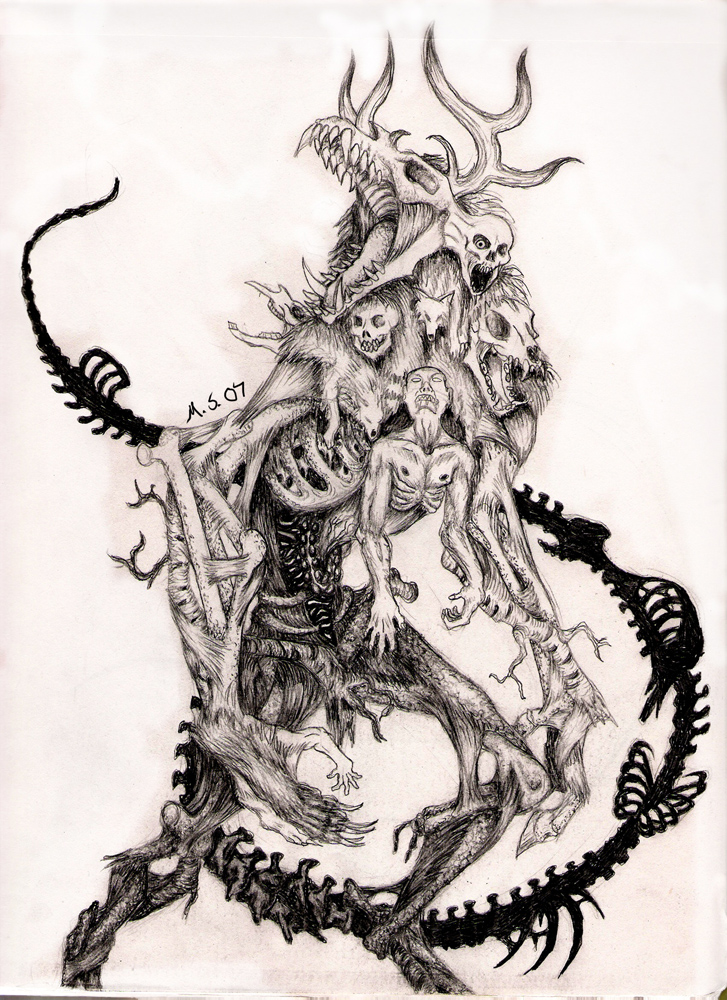
Howl_of_the_Wendigo_by_Moonshadow01

As everyone in New Amsterdam knows, I stand around nine feet tall, with greenish, putrid skin, long fangs, and a voracious appetite for human flesh. The Algonquins made me part of their belief system. The name is thought to mean “the evil spirit that devours mankind.”

Wendigo_by_artstain

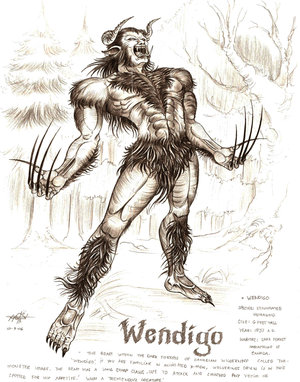
I’ve been the subject of fantasy in literature, movies, video games, anime and comic books. Artists have had a field day with me.

wendigo_char_C1

In Marvel comics, I have faced off against the Hulk and other superheros.

comic

The Dark Horse Comic Series has a different portrayal.

dark horse

In Stephen King’s Pet Sematary, I haunt the path leading to the Indian burial ground.

215px-Pet_sematary_poster

I had a whole movie to myself in the 2001 Wendigo.

wenpos

Even literati Louise Erdrich wrote a poem, “Windigo,” about melting my frozen heart.

I star in the fantasies of countless gamers.

gamers

Read your newspapers after reading The Orphanmaster, and you’ll see more cannibal stories than you’d expect.

I’m not the only monster. “Wendigo psychosis” is a mental disorder which has actually been observed among several Algonquian peoples. It describes cases where people kill and eat humans (often relatives) indiscriminately, when there’s no famine whatsoever. They do it because my spirit infests them.

These people take on the characteristics of the monster Witika. Me.

Like a Big Foot or a Loch Ness monster, I may be what mythologists call a cryptid. Or I may be real.

Biologists think the urge to cannibalize has roots in Kuru, Kreuzfeldt-Jakob or other brain diseases, which can show themselves as a form of psychosis.

But really, it’s all about the power of suggestion.

wendigo

2 Comments

Filed under Art, Fiction, History, Jean Zimmerman, Poetry, The Orphanmaster, Writers

Gil’s Best French Fry Recipe

Today I planted my potatoes.

planting potatoes

Their eyes are all sprouted, ready to go.

Unearthing them at the end of the season – and here in the northeast, it’s a long season – is one of my favorite things. You get to reach into the dark, crumbly loam and pull out the hard little orbs, detaching them delicately from the stem. You get dirt under your nails.

You get to say loam.

It’s of a kin to reaching under a hen, feeling around through the softest feathers imaginable to pull out her just laid, still-warm, golden eggs.

Once, around thirty years ago, I wrote a play called One Potato. The things I recall about it: there was a protagonist named Esmerelda, it took place in Europe during the Middle Ages, and it was actually about the invention of the dinner fork. I loved the fact that it was hard to find information on my subject (pre-web!), I had to dig (like digging potatoes) and even embroider on what I found to create a story. Barbara Tuchman, the great historian of the middle ages in A Distant Mirror, once said, “The unrecorded past is none other than our old friend, the tree in the primeval forest which fell without being heard.”

This was when I was young and poetical.

jz young

The pic was taken about that time, on a downtown rooftop in the meatpacking district, when Manhattan still had a thriving meat market that  left a slick of blood across the cobblestones  every morning. My photographer friend Jonathan Pite produced my likeness for the American Poetry Review.

I always thought he captured the yearning inside me and the grit of 1980s Manhattan in the air. It was a strange place, but great.

potato-23242

You are lucky to be invited to our house nowadays if Gil is making french fries – he takes the potato to a new level.

Gil’s Best French Fry Recipe

Take a bunch of spuds. No need to peel. “I like russet potatoes, myself.”

Wash thoroughly.

Cut in half the long way. Cut into thin strips. Cut crosswise three times. Should yield long thin french fries.

Soak in a big bowl of water with 3 T salt and ¼ tsp sugar. Make sure salt and sugar dissolve.

“Soak for as long as you have…5 minutes, 10…”

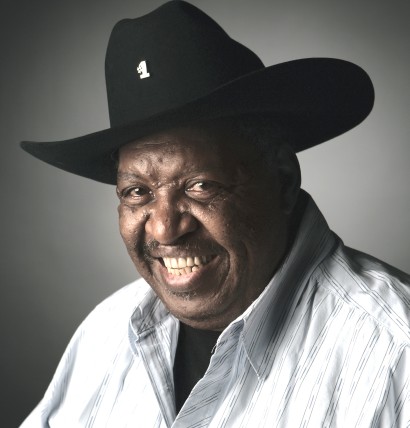
What to listen to as you work? “Always the blues, all the Slim blues players, Magic Slim…”

slim-bio

Spin potatoes dry in a salad spinner.

Heat a large pot of canola oil to smoking, enough to cover the potatoes. Fry until brown. Lift out with a wok ladle or slotted spoon.

Drain fries on brown paper bags.

Dust with salt, and/or cumin, chili powder, whatever you like.

Serve with malt vinegar, aeoli or tomato ketchup.

Says Gil: “There are five levels of how to judge the fanciness of a restaurant.

Level One: They give you ketchup in packets.

Level Two: The ketchup is in a bottle on the table.

Level Three: You ask for ketchup and they bring it in a bottle.

Level Four: You ask for ketchup and they bring in in a little silver bowl.

Level Five: You ask and they come to the tableside and make the ketchup for you.”

We generally do the Heinz. Oh, and if you’re on a diet, this year we’ll be offering spinach, too.

young spinach

3 Comments

Filed under Cooking, History, Jean Zimmerman, Photography, Poetry, Writing

Water, Dirty and Clean

Today’s is a two–part post, all about water.

water

Number One: Man puts junk in water.

No man is an island. But out in the middle of the Pacific Ocean, man has created an island. An island of trash.

I heard of this phenomenon some time ago, and I found my mind circling back to it occasionally. It sounded farfetched, incredible, too disgusting to be true. But I finally decided to learn what was what.

It’s easy to put something out of your mind that takes place a thousand miles off the coast of California, in the middle of a stretch of sea that is an oceanic desert of sorts, filled mainly with plankton. Fishermen or recreational sailors rarely come through the central North Pacific Ocean. Currents there rotate in a ceaseless gyre.

That is where you find the Great Pacific Garbage Patch, as it is technically known. Enormous gross plastic sludge, to the less scientific-minded.

North Pacific Gyre

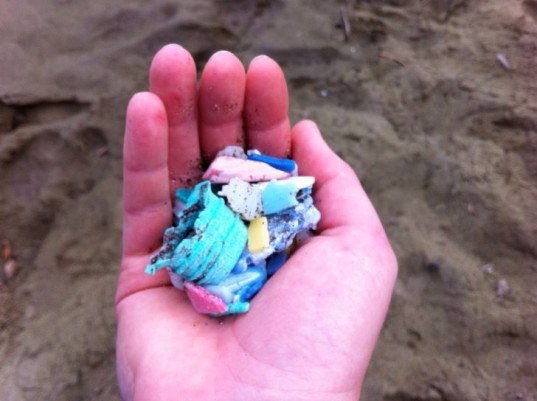
It’s a floating mass of plastics, chemicals, and astronomical numbers of disintegrated  grocery bags – the largest landfill in the world. The mess has been trapped in the pervasive currents, which pull garbage into their vortex from households far away.

The size of the Patch has been put at twice the area of Texas. Yes, that’s what I said.

San Diego’s Scripps Institution of Oceanography found recently that plastic in the Great Pacific Garbage Patch had increased by 100 times the amount of what was found in the region 40 years ago.

In 1997, a sailor named Charles Moore was returning home from a race when he came upon a stretch of debris of monstrous dimensions, most of it suspended below the surface, in a configuration that’s been called “confetti-like”.

confetti

It’s been estimated that 80 percent of the stuff comes from North America and Japan, while another 20 comes from cruise ships – your typical 3,000-passenger cruise ship dumps up to eight tons of solid waste weekly. But fishing nets find their way into the gyre too. Turning and turning in the widening gyre, wrote Yeats in his apocalyptic poem “The Second Coming.”

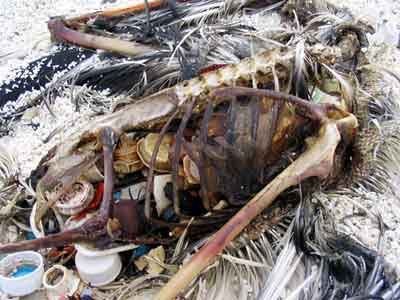
One hundred million tons of trash. That’s what it is. Broken down into small-enough pieces to be ingested by marine critters like the sea turtle and the black-footed albatross, when the current brings garbage from the gyre to the Midway Atoll.

albatross

Captain Moore, who can be heard giving a TED talk, now heads a foundation to clean up all the plastic.

Moore w plastic tray

In America, we use two million plastic beverage bottles every five minutes – but what’s worse than bottles is bottle caps. That’s what albatross moms feed their chicks, thinking they’re food.

Part Two: Man cleans up water.

Or rather woman cleans up water. Young genius woman. With the help of oysters. In New York City.

Isn’t this great: a landscape architect named Kate Orff had an idea that respects history and the environment all at once.

Kate_Orff

Under the auspices of a project called Oyster-texture, she and her team at Scape/Landscape Architecture P.L.L.C. are attempting to reinstall oyster archipelagos in Gowanus Canal, Brooklyn, currently a toxic Superfund site. It’s an effort to blend urbanism and ecology in a new and exciting way, on a working pier, in the middle of the polluted harbor.

Up until 100 years ago, the palm-size bivalves were a mainstay of New York’s gastronomy, its economy, and, it turns out, its ecology.

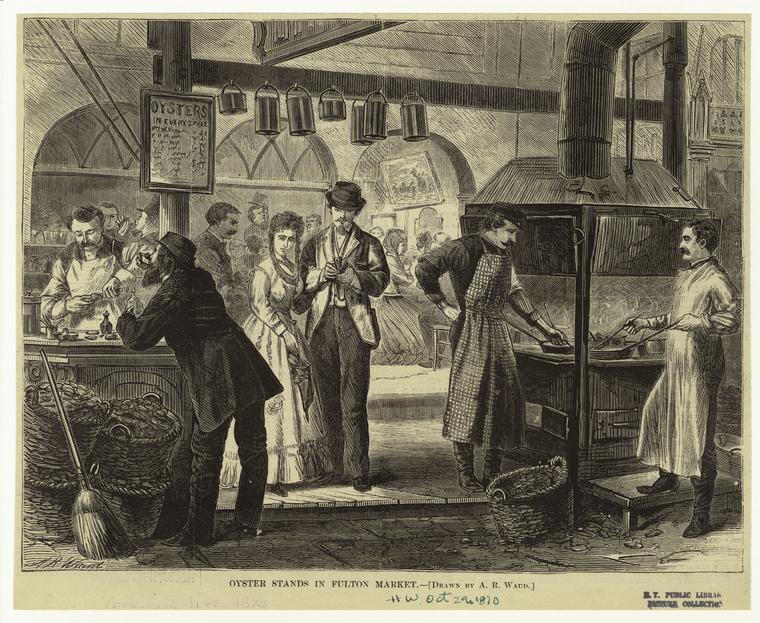
Fulton Market, 1870

You’d get oysters from a street peddlar the way you get a hot dog now.

oyster houses-bowery boys

Oysters were so healthy, back when New Amsterdam was first settled, they could be found as big as a dinner plate. Manhattan’s indians consumed them in such quantitites, you’d find huge middens of shells all over the island. The Gowanus Creek in particular was a harvesting place for the succulent shellfish – they were so good, they were harvested by the Dutch and shipped back to Europe.

Then, of course, the waterways surrounding New York got dirty. In 1927 the last oyster bed  closed. As Thomas Wolfe wrote  in You Can’t Go Home Again, in 1940, “It is the old Gowanus Canal, and that aroma you speak of is nothing but the huge symphonic stink of it, cunningly compacted of unnumbered separate putrefactions.”

Oysters died off. No more local oysters at the Oyster Bar in Grand Central Station, one of my favorite haunts. Oyster reefs used to cover a quarter of New York harbor. Now, none of it.

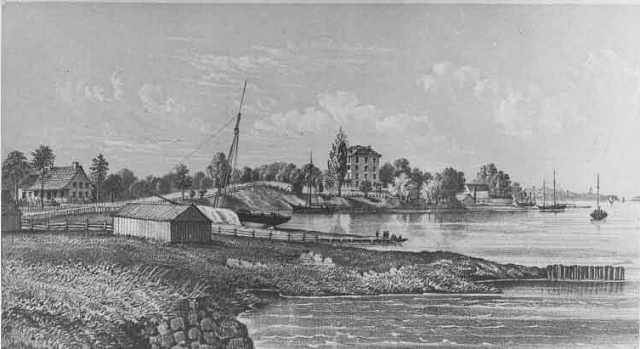
ships in gowanus bay-1867-Brooklyn Public Library

But the thing about that was – and this is where Kate Orff comes in – it was the oysters themselves in large part that were cleaning the water! So the thing to do, as she sees it, is reinstall them, carefully, so they’ll survive and build reefs. (The babies are called spats.) The oyster has a natural, what Orff calls a “beautiful, glamorous set of stomach organs” that take in algae and contaminants on one end and filter out clean water. She wants to “harness the biological power of the creatures that live in the harbor and the people who live in the city to make change now.”

oyster_diagram

She decided to use a cheap marine mainstay she refers to as “fuzzy rope” and build nets for the shellfish to cling to. (They brought knitters in to weave prototypes in the studio rather than drawing them.) Ultimately the reefs will serve as storm surge protectors and habitat for sea birds.

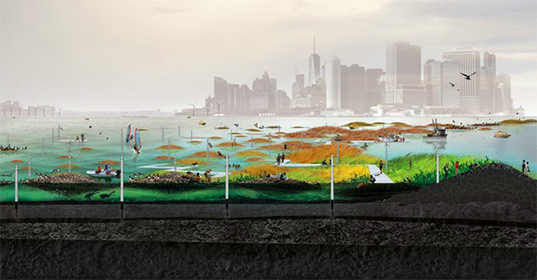
oyster-tecture-mollusk-park-for-nyc

Orff has big plans. She did a project for the Museum of Modern Art that laid out what could happen in Brooklyn if the oysters took hold. Ultimately there would be a floating raft with oyster nurseries below and recreational opportunities above. You can hear all about it in, yes, her TED lecture .

Clean water, local oyster slurping (far from now, probably).

the love of oysters

Scuba diving. A watery jog-park. But, mainly, clean water.

7 Comments

Filed under Cooking, History, Jean Zimmerman, Knitting, Nature