Category Archives: Home

A Swirl of Indies

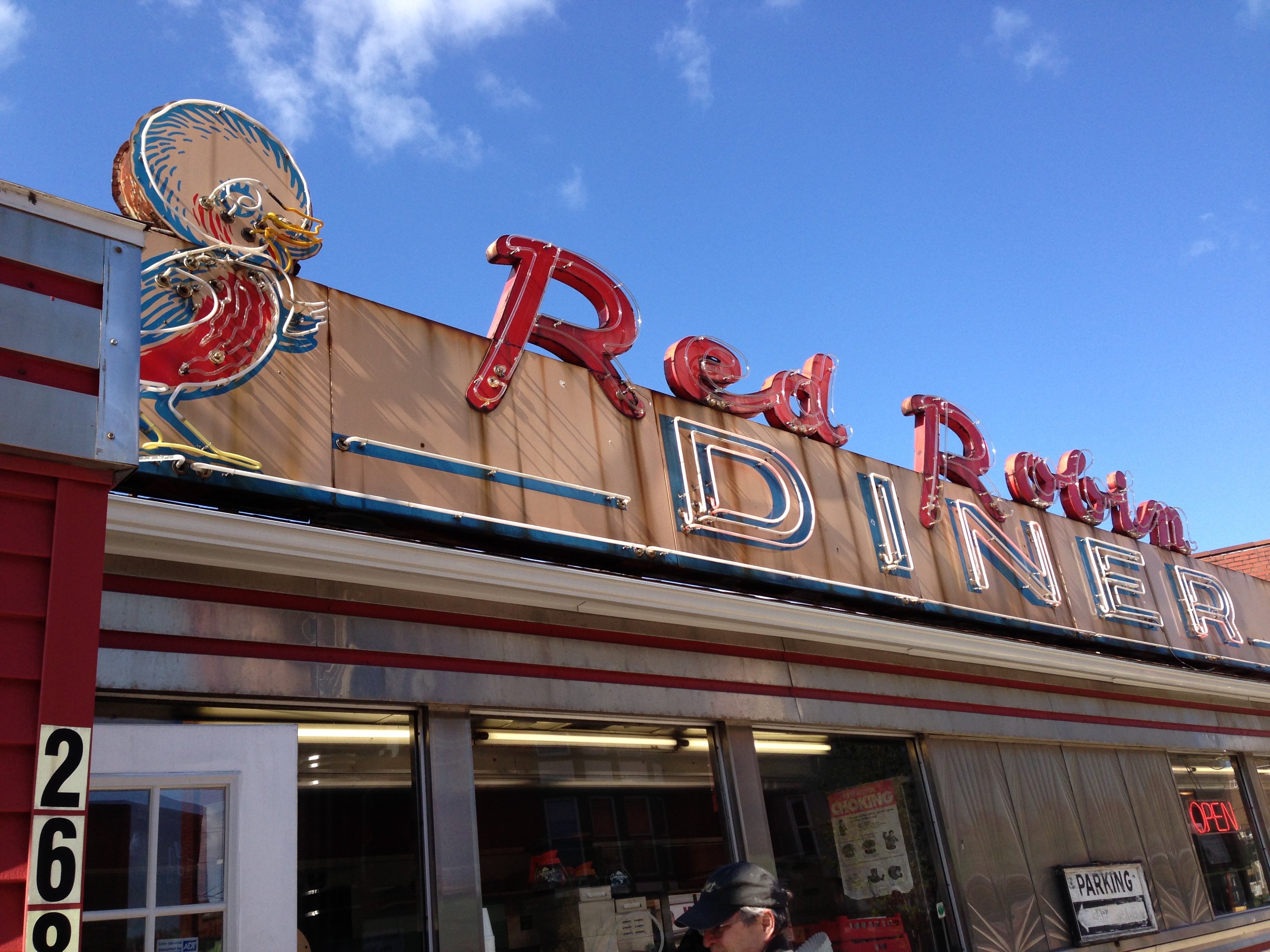
Still on the trail of indies – indigenous landscape elements – in the Binghamton area of New York, we  came to this classic diner for a classic diner breakfast.
red robin

With its fetching signage. The eggs not-so-bad, not-so-good, but a totally intact red leatherette interior, chrome that wouldn’t quit, and self-knowledge in the form of that Norman Rockwell Saturday Evening Post image “Runaway” pasted up on the wall.

runaway

A cop and a little boy on the run trade secrets while sitting atop a diner’s spinning stools, as if it was painted from life in this very diner.

It’s spring, didn’t you know? Time to get your lawn in gear.

mower

Crappy motels have the best signs.

endwell

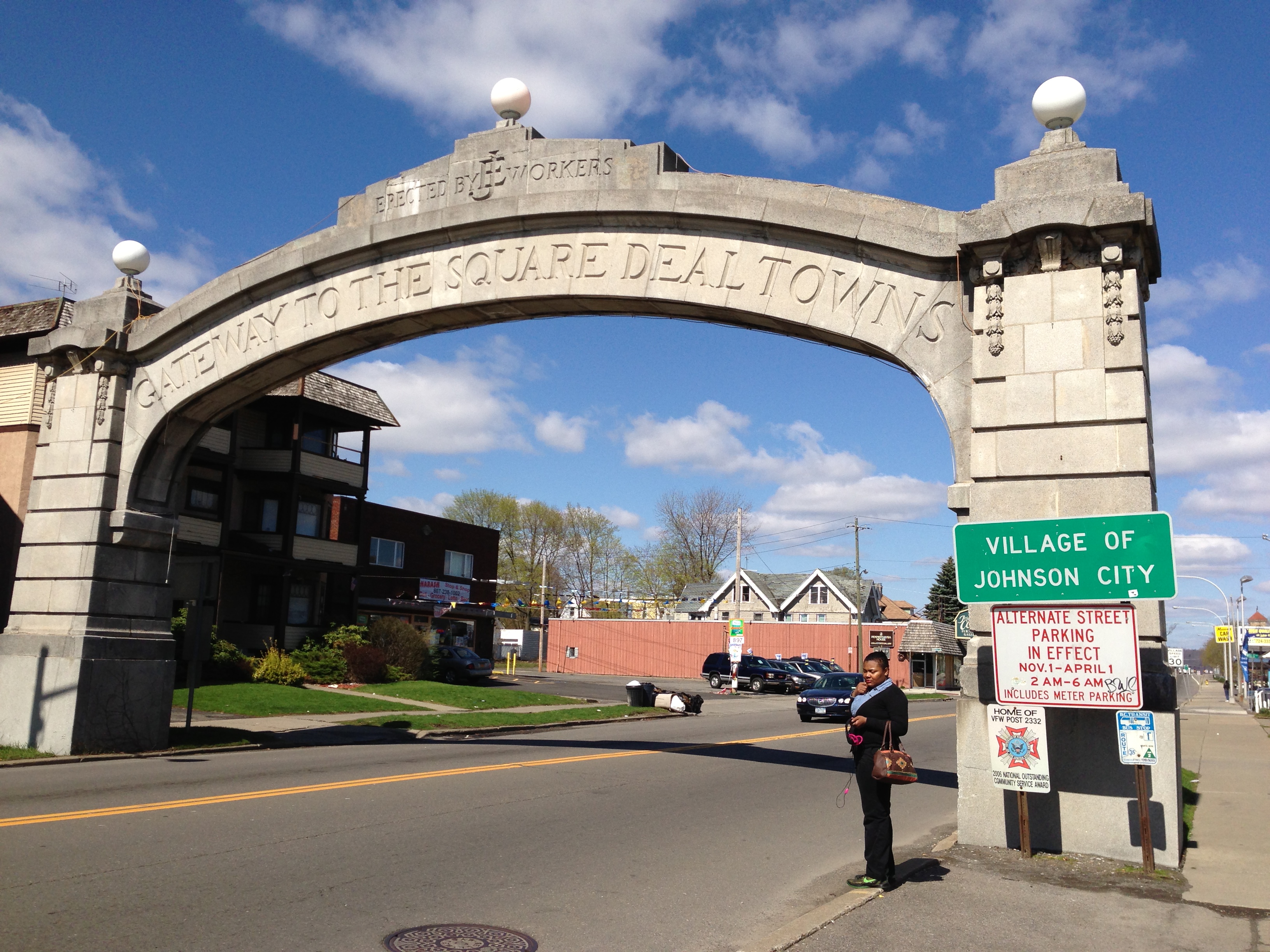
Endwell is actually the name of a town, not just the end of a famous saying, and not just how you hope it’s gonna go when you check in. Endwell, along with Endicott and Johnson City, were three communities renamed by shoe-leather magnate George F. Johnson when he took the area over in the 1920s. Endwell was a brand of shoes. Universally known as George F., the irrepressible mogul came up through the ranks of local shoe workers and, when he made it to the top, did things like build churches and schools in his effort to provide what he called the “square deal” for his workers. He installed five elaborate carousels within a 20-mile radius.

This one’s not open until Memorial Day and they keep it locked up tight.

carousel house

We wanted so badly to get in, we pressed our noses up against the windows like a couple of Norman Rockwell kids.

last ride

The carousel was built in C. Fred Johnson Park in 1923 (the Johnson name proliferated with his success) and has 72 figures four abreast, with all the carving, bevelled mirrors and scenic panels intact. We’ll have to return some time for a ride. There’s no admission, but you’re supposed to contribute a piece of litter.

best carousel

George F. wanted to keep his workers happy so they wouldn’t think of unionizing, and it seems he was successful.
gateway

“Gateway to the Square Deal Towns” reads the welcome to Johnson City.

We stopped at this bold and blocky indie sign.

library

Could this actually be the name of a small town library or was it more in the line of an exhortation? A bit of both, it turns out. Inside, there was more about the George F. era and legacy in a series of glass cabinets.

johnson

An original shoebox, from the glory days long gone.

shoebox

Your Home Library was originally built as a residence by Elijah Bridgham in 1885 with bricks from his own brickyard. Harry L., the younger brother of George F., made it an institution in 1917. Soon there were dining rooms, children’s rooms, sewing rooms. “Your Home Library was his conception of a home atmosphere and home freedom for the community,” said Rev. William MacAlpine at the dedication of the Harry L. monument in 1922. Home freedom?

All kinds of indies, everywhere you looked.
Klondike

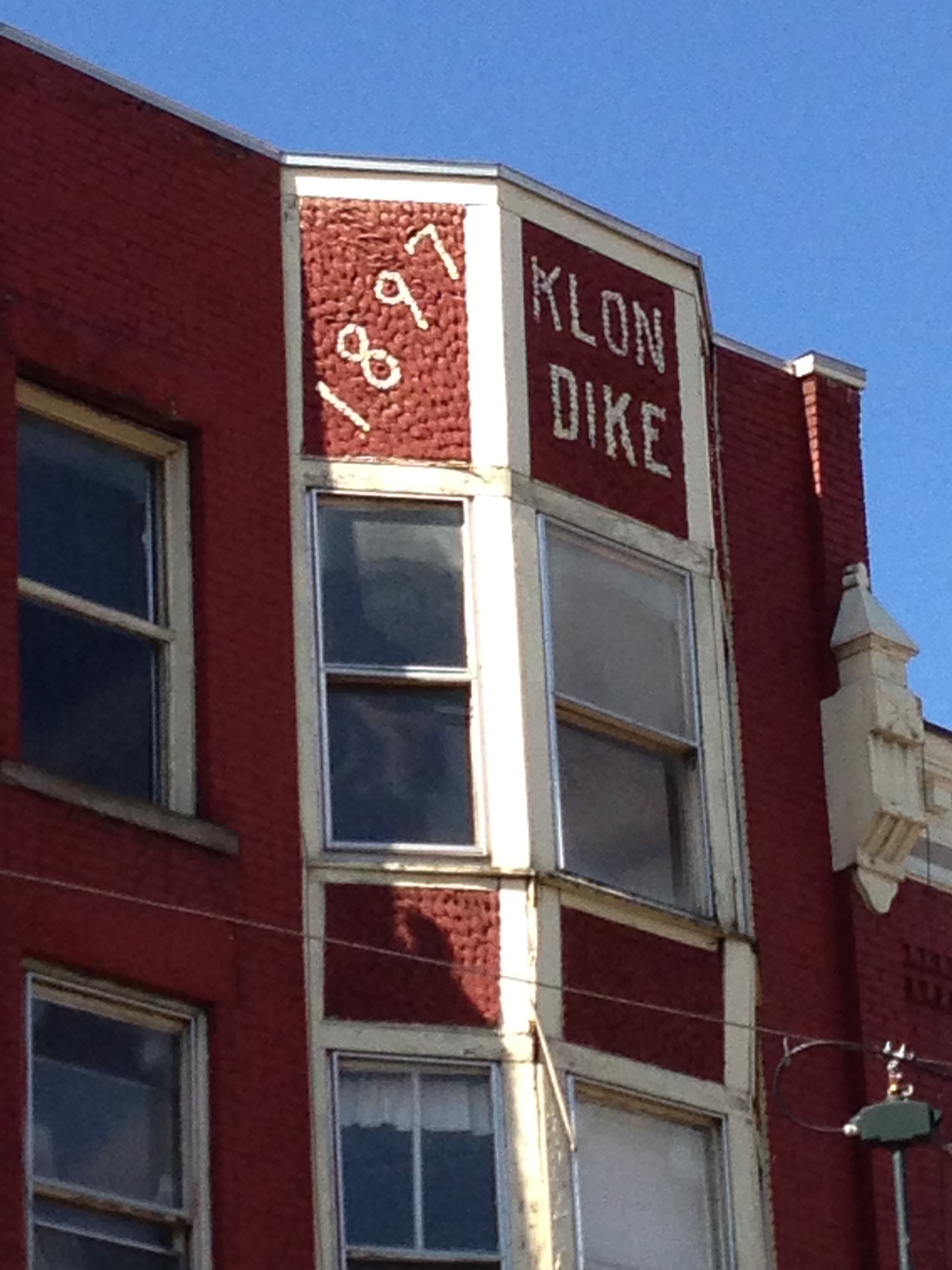
Perhaps a building endowed by the Klondike Bar magnate? You never known in these parts.

We passed several examples of the ice cream school of signage, which often presents a tasty homemade effort.
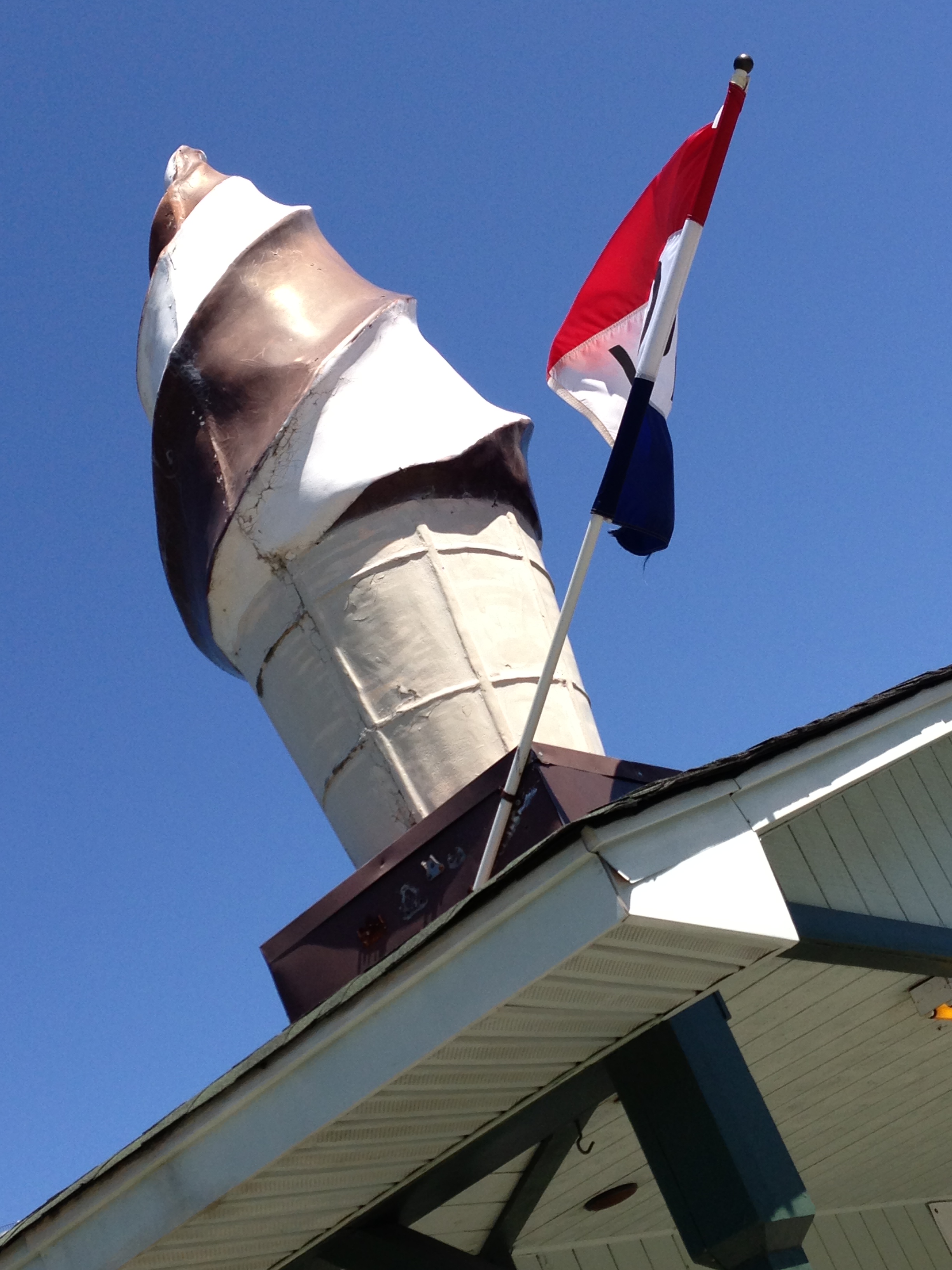
swirl

Fortunately, this was one of the soft ice cream joints that has survived intact beneath its sign. It even offers a peanut butter dip.

peanut butter cone

Vanilla shake in hand (no yellow cake or panda tracks for me) it was time to head for home. We have indigenous creations there too.

cherish


5 Comments

Filed under Art, Cooking, History, Home, Jean Zimmerman, Photography, Writing

Of Blooms and Brooches

When the old magnolia by the Cabin blooms, I am rendered speechless.

magnolias

Here is an exquisite poem for an exquisite spring day, by Robert Louis Stevenson.

I Will Make You Brooches

I will make you brooches and toys for your delight

Of bird-song at morning and star-shine at night.

I will make a palace fit for you and me

Of green days in forests and blue days at sea.


I will make my kitchen, and you shall keep your room,

Where white flows the river and bright blows the broom,

And you shall wash your linen and keep your body white

In rainfall at morning and dewfall at night.


And this shall be for music when no one else is near,

The fine song for singing, the rare song to hear!

That only I remember, that only you admire,

Of the broad road that stretches and the roadside fire


(Thanks to Beth Levin, who seeks out and shares many wonderful things.)

6 Comments

Filed under Home, Nature, Poetry, Writers

Start Spreading Manure

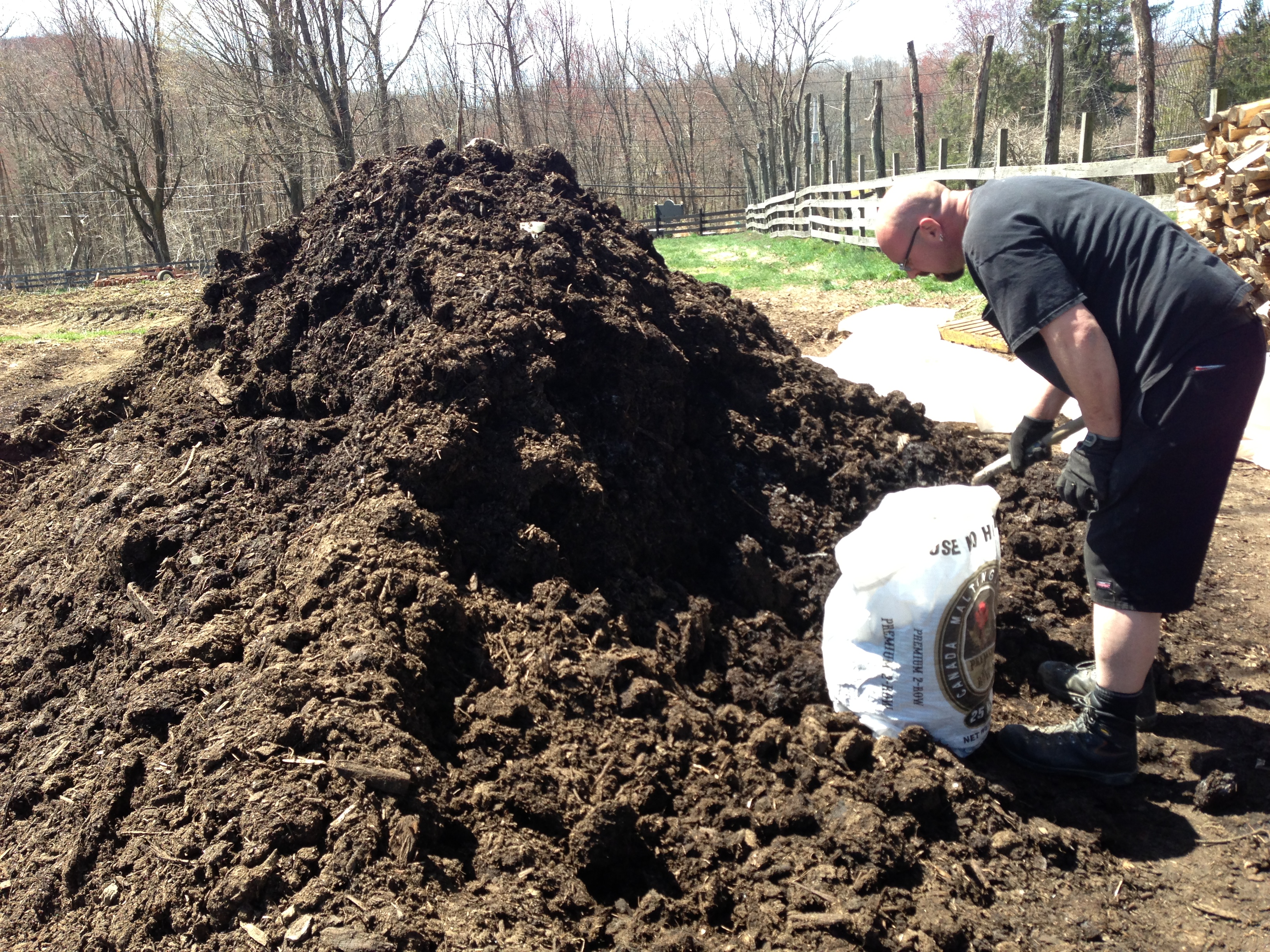
What’s in that, anyway, I asked.

Chris

You mean what kinds? said Chris, who was busy shoveling a big brown pile of composted manure into 50 lb. bags for us to drive home. Oh, he said. Cattle. Chicken. Pig. And other stuff too. Innards.

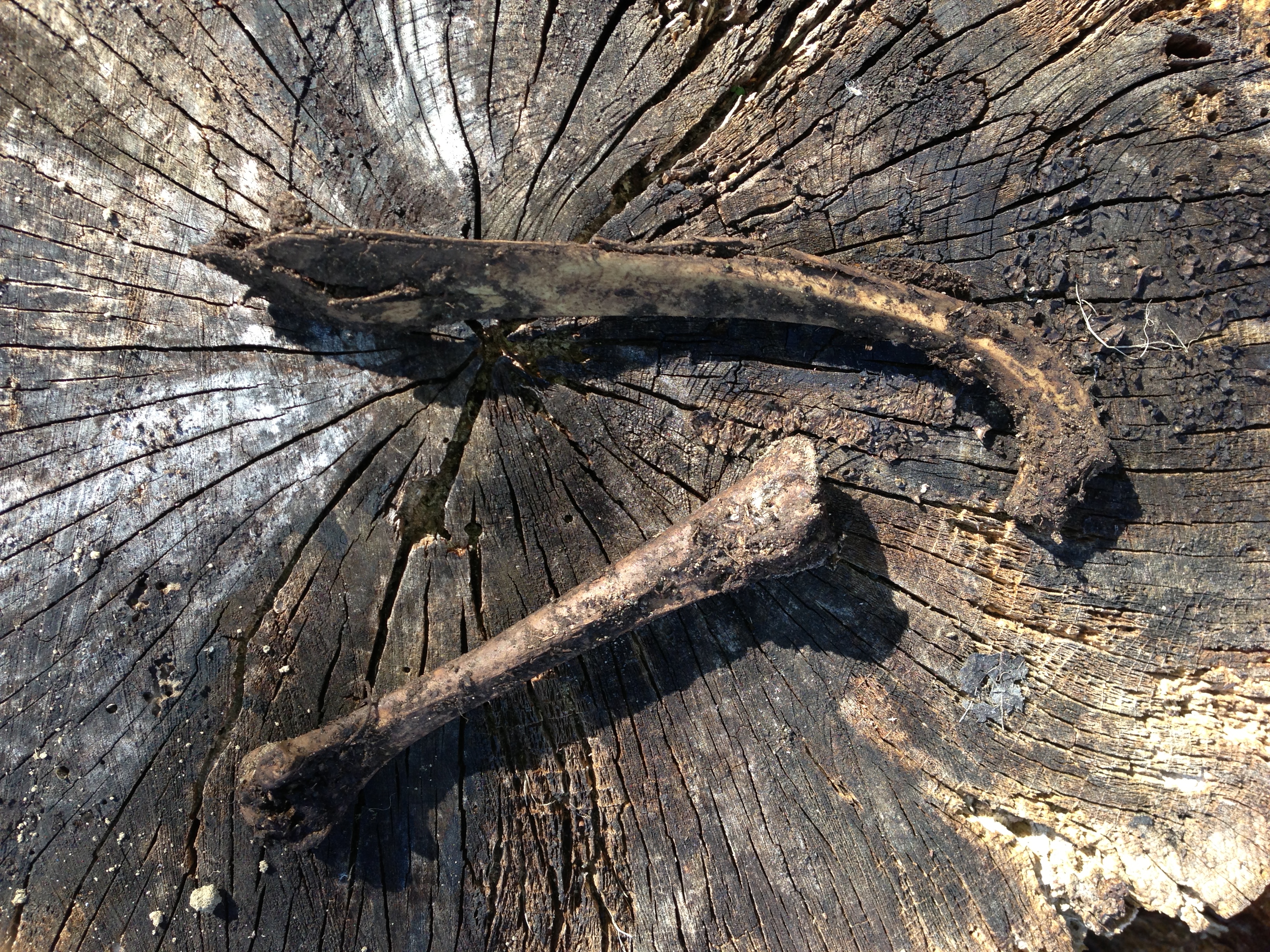
He told me he once found a jawbone in the compost.

Last year our garden at the Cabin was, truth be told, kind of weeny. Sallow tomatos hung off spindly vines. This will be the macha season of vegetables, helped along by plenty of fertilizer and more diligent weeding. I’m determined.

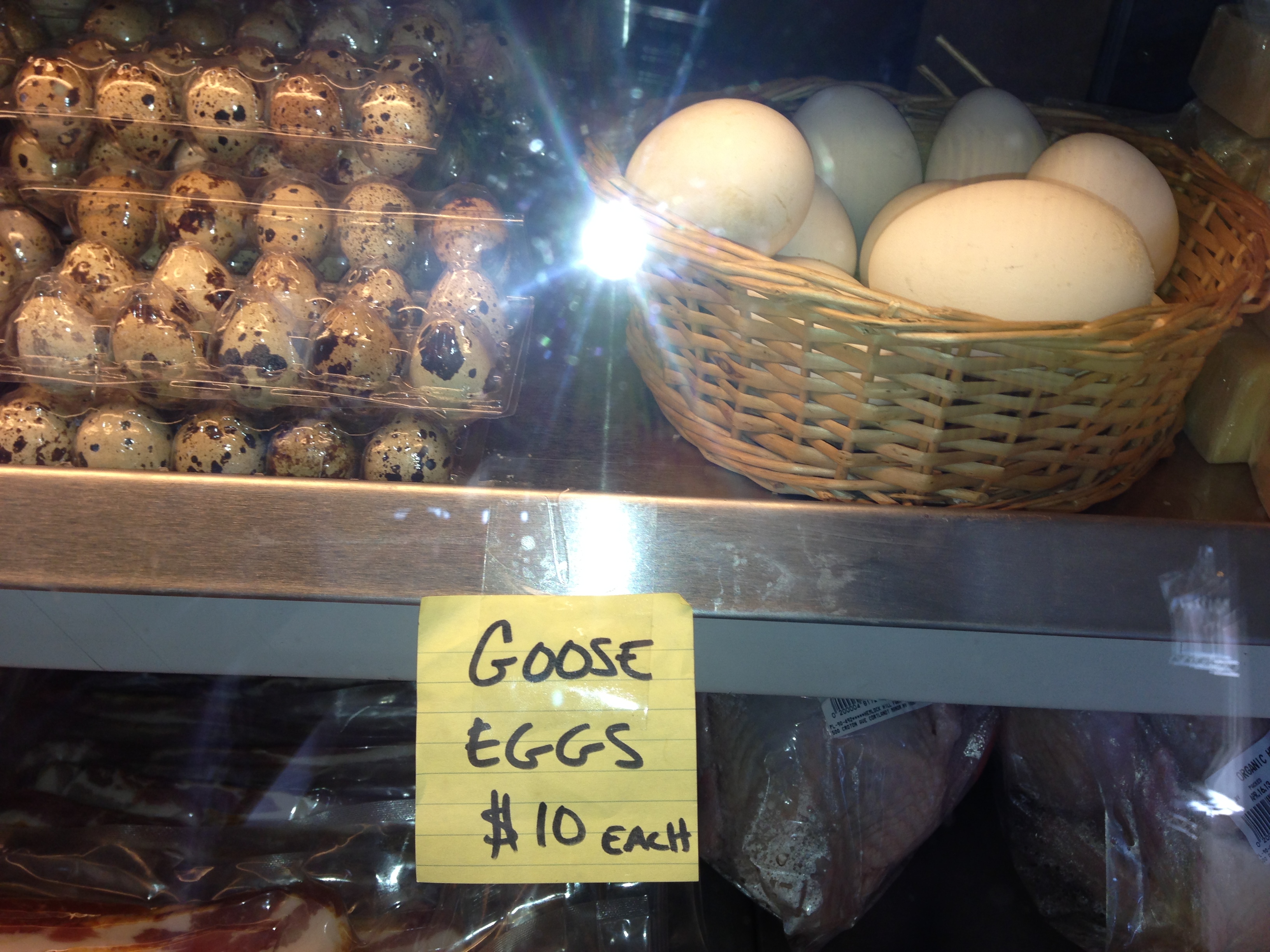
Hemlock Hill Farm  stocks seasoned manure as well as lots of other fortifying things. A variety of eggs, chicken, duck, quail and goose.

goose eggs

Fresh chickens (the bird we brought home today for dinner was running around yesterday). Johnny Jump Ups, with their little lion faces. “There’s pansies, that’s for thoughts,” said Ophelia. In her day, pansies were wild and small, and sometimes known as heart’s ease or love-in-idleness.

johnny jump ups

The farm, on 120 acres in Cortlandt Manor, New York, has been owned by the De Maria family since 1939. There is a beautiful hillside to its south, near a spa of sorts for its chickens, which recline on clean straw underneath a shady quonset. It’s good to have an organic farm you can trust in your neighborhood.

Hemlock Farm

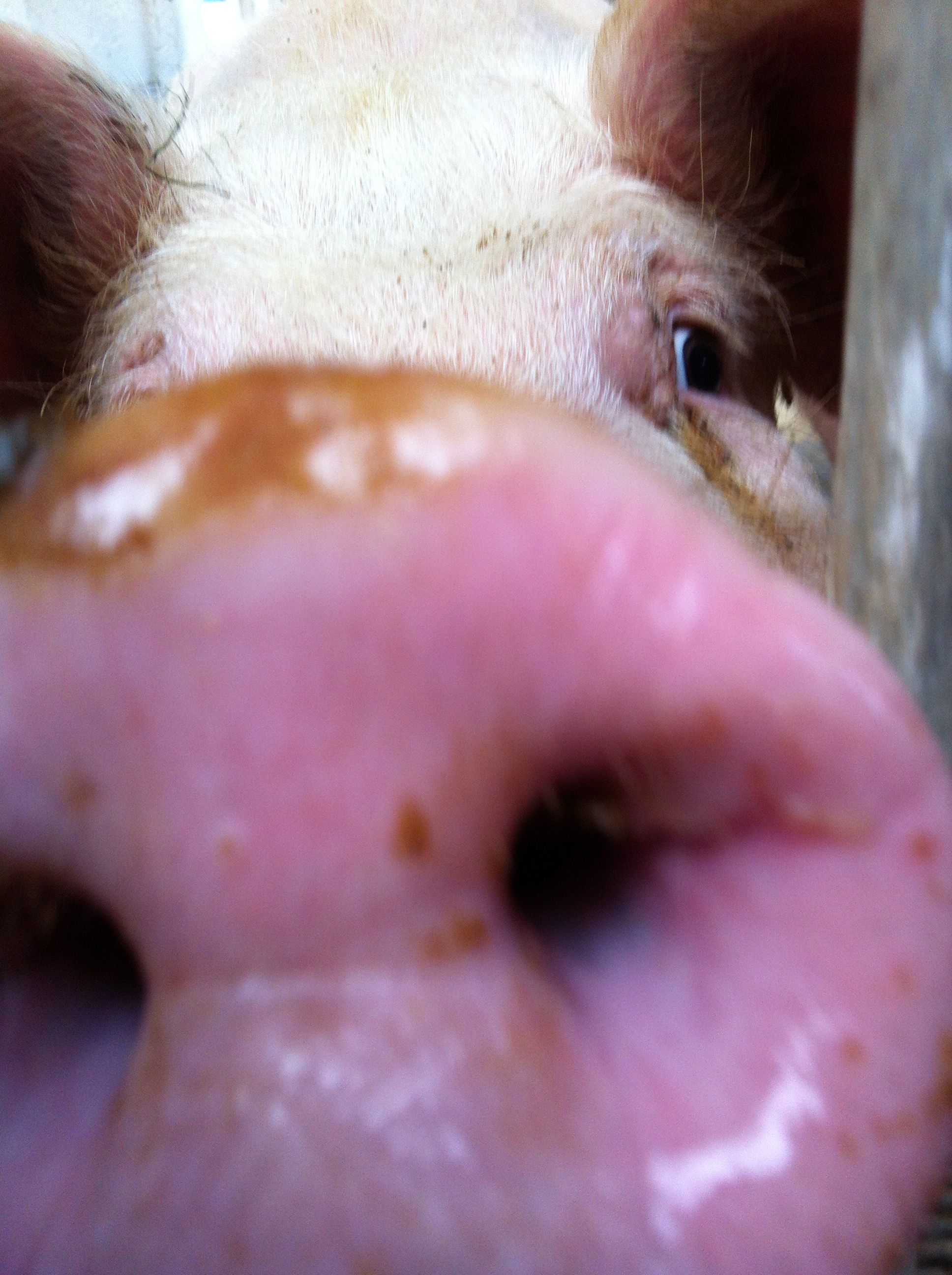
We visited the pigs.

Pig Snout

I’ll admit to mixed emotions, seeing the spring piglets scamper up to the fence, knowing that we have a pig roast planned in our near future. They’re such magnificent animals. Didn’t one of them write Animal Farm?

Wary Pig

Our 300 pounds of Hemlock manure laid the foundation for this year’s vegetable patch. A garden store near us, Sprainbrook Nursery,  has fallen on hard times, but the owner, Al Krautter, is making a go of it despite financial strictures, sending an inspiring e-newsletter and cultivating  a variety of spring plants when he could not afford water or heat in the greenhouses all winter. Krautter is the guru of organic fertilizer. We were advised.

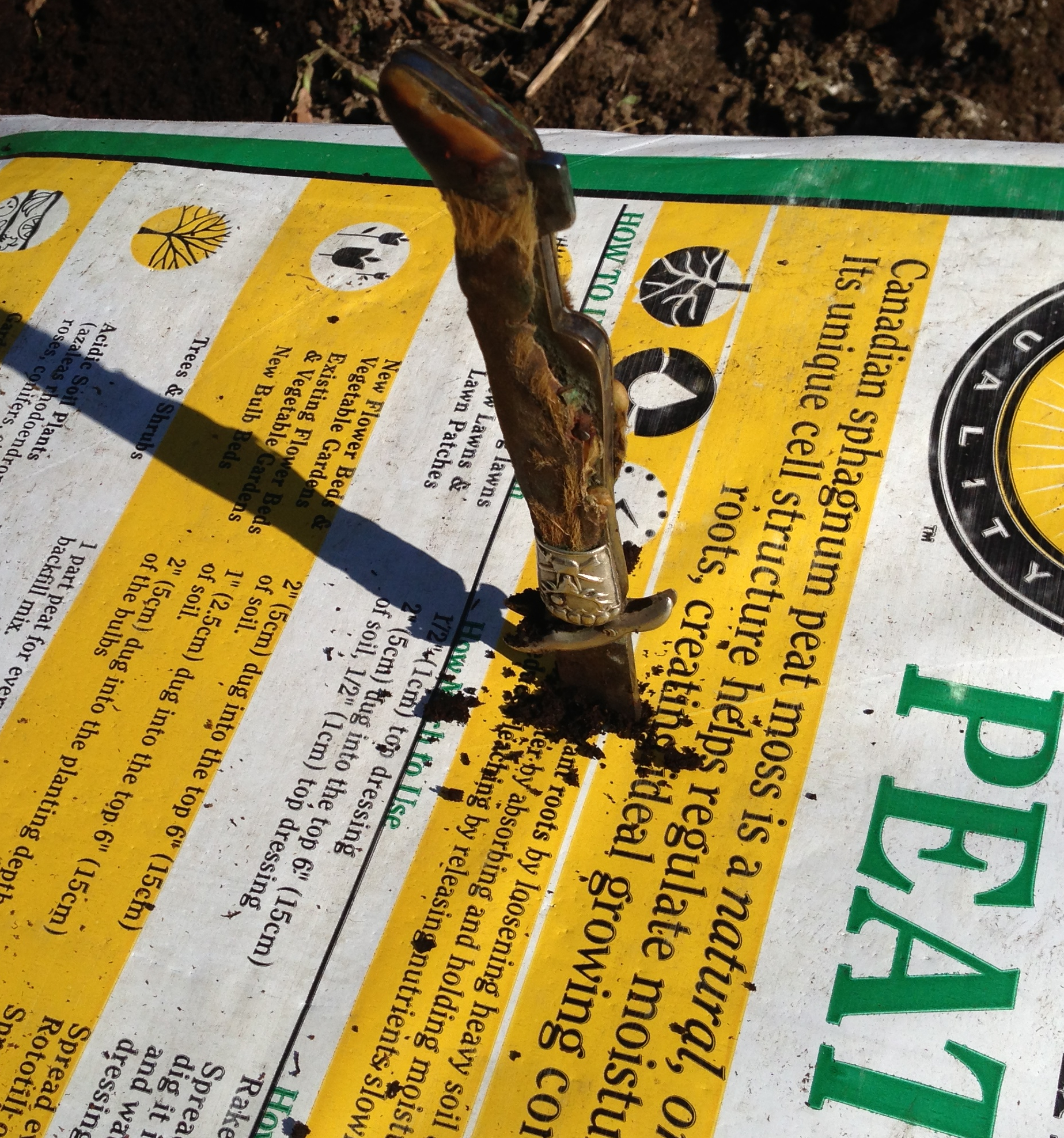
Peat moss, which Gil cut open with his father Acton’s deer hoof knife.

Deer Knife

Not only peat moss, but lime and bone meal and Plant-Tone went into our E-Z Bake topsoil, plus a vinegary smelling mineral rock dust, plus decomposed lobster, plus some stuff they import from Maine that has a mixture of decayed blueberry, mussels and salmon mixed with sphagnum peat. Work it in or cook with it? Whatever you do, be sure you wear gloves.

We toiled all afternoon (Gil sweating hard over the rototill, me somewhat less so over the windowboxes).

Taking a break only to examine the still-uncomposted bones in our garden soil.

bones

8 Comments

Filed under Cooking, Home, Jean Zimmerman, Nature

Little Green

Spring brings with it a kind of happy sadness. Ferns beginning to emerge.

spring ferns

And yet the air is cold, endlessly.

cold tree

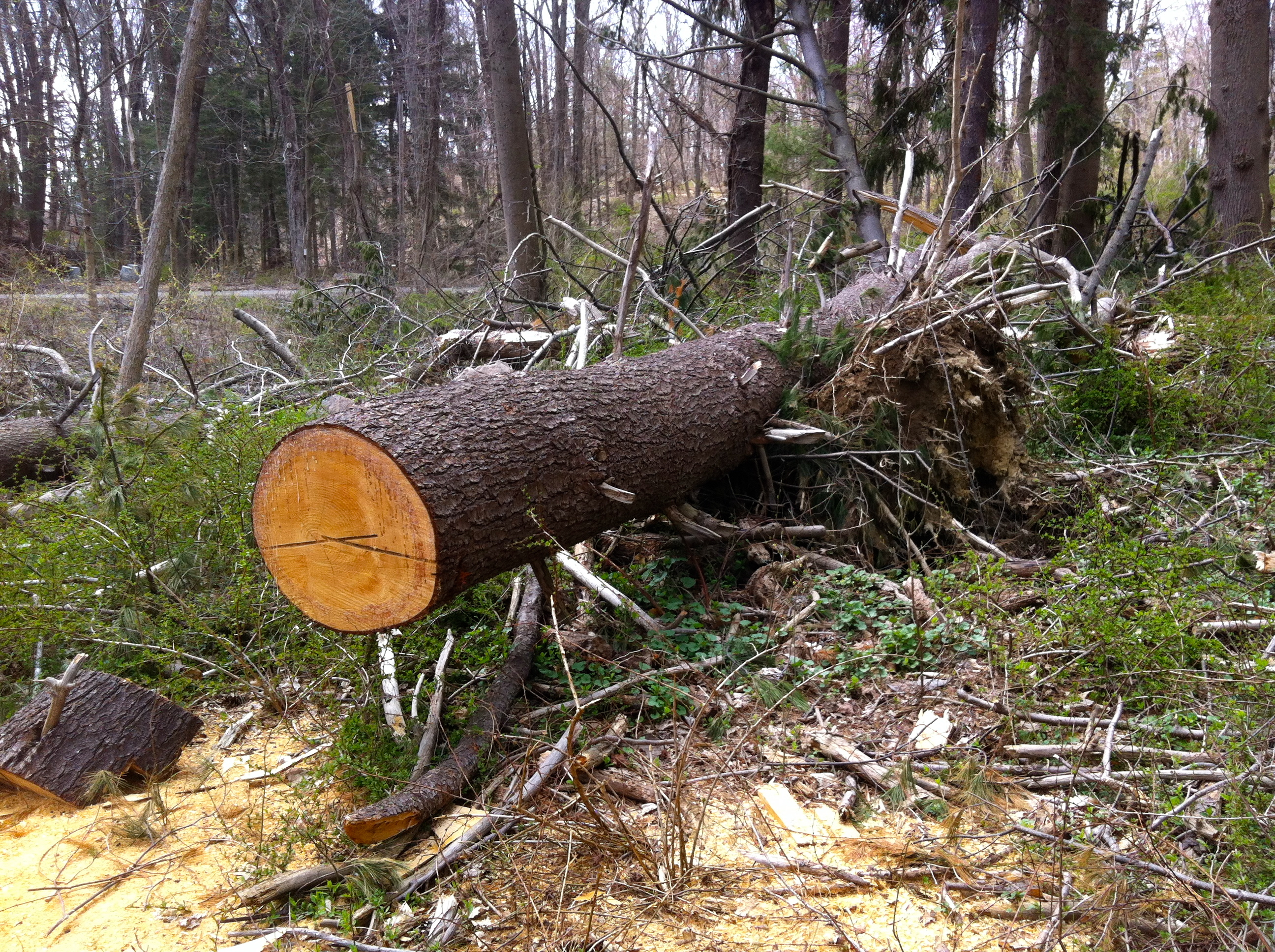
We’re still looking at the downed trees in our front forty, felled during Sandy. Our neighbor took home a dozen planks from one, and it is pretty great that he could use them to build raised beds for a garden this spring. A happy eventuality.

Downed Pine

Still, I’m thinking of the haiku by Kobayashi Issa, who wrote in the early nineteenth century:

The tree will be cut


Not knowing the bird


Makes a nest

The bird will surely build another home in another tree, happily, but here this tree lies, fit only for planks.

In our woods, you now see the moss, there all winter but offering up its soft coat in spring as though you’d never seen it before.

moss

My friend Josefa told me that in Virginia, when spring came, she thought about planting moss in their yard, which was too shady for grass. She was informed by local experts that the ladies of Richmond made their guests put on ballet slippers before treading on their moss. And that they fertilized it with buttermilk. Beautiful images. Yet she was sad in Richmond, even in spring, so sad she had to move back north.

Happy sadness in spring. Poets do it best. (April is National Poetry Month.)

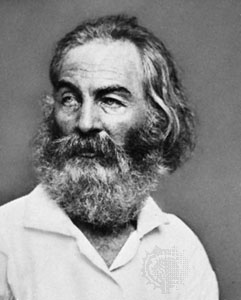
Walt Whitman, an aside in “Song of the Open Road.”

(Still here I carry my old delicious burdens,

I carry them, men and women, I carry them with me wherever I go,

I swear it is impossible for me to get rid of them,

I am fill’d with them; and I will fill them in return.)

whitman

My old delicious burdens. The piercing, pleasurable misery of April. The weight of death, of debts to pay. In the clear sunshine.

April is the cruellest month, breeding

Lilacs out of the dead land, mixing

Memory and desire, stirring

Dull roots with spring rain.

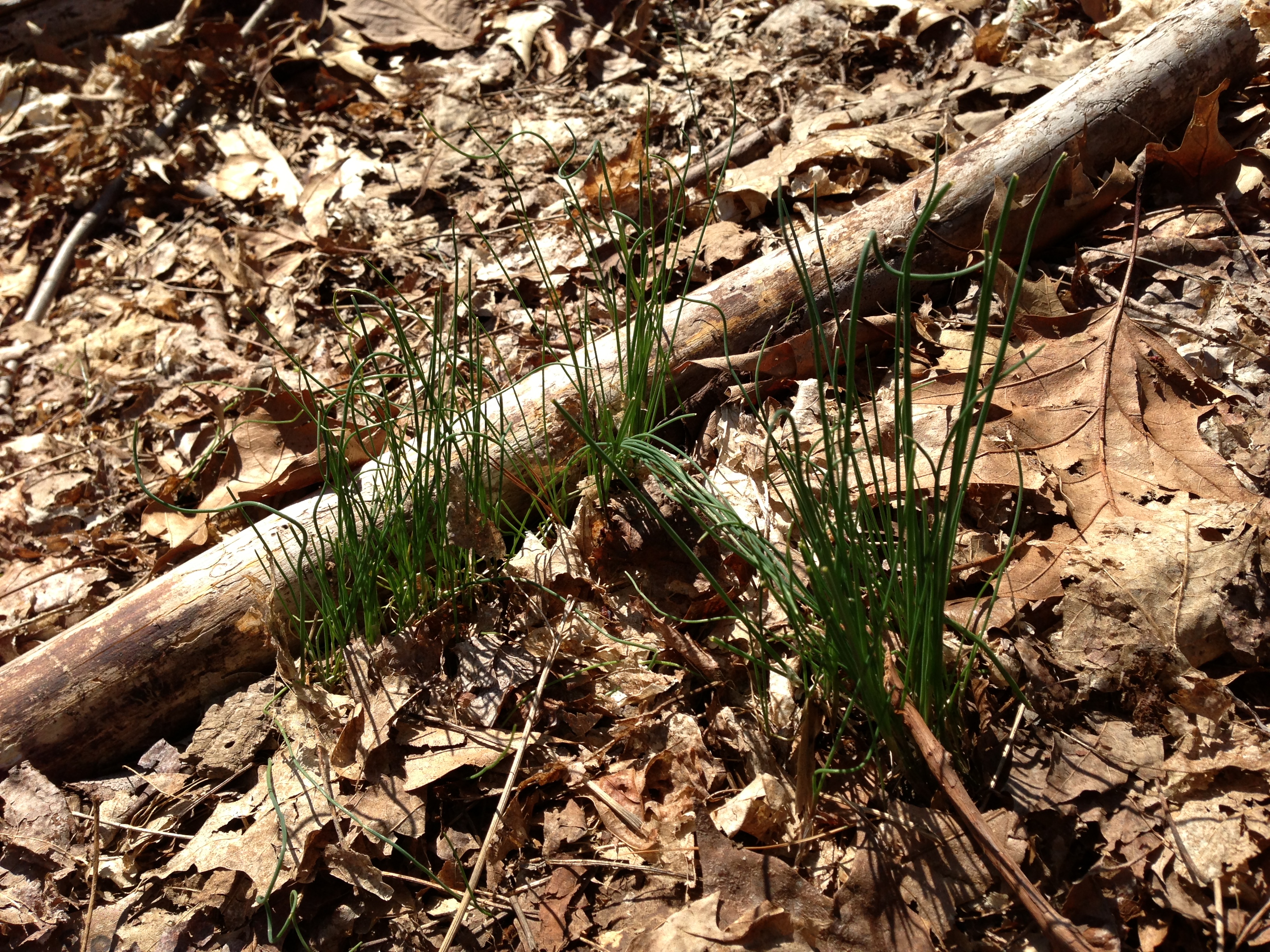
onion grass

In that poem, The Waste Land, T.S. Eliot also talks about how, In the faint moonlight, the grass is singing/Over the tumbled graves. It was a happy day, beginning in the nineteenth century, for families and lovers to take their leave of the gritty city and visit a graveyard.

green-wood-cemetery06

The landscaped acreage offered a garden and an art museum all in one, you could stroll or take a carriage, and whatever sadness you might feel was mitigated by your joy at being outdoors in the air, with the pristine green grass spilling over in the spring sunshine. Green-Wood Cemetery, in Brooklyn, New York, saw half a million visitors a year in the 1860s.

mourning_1888

Matsuo Basho gets at the bittersweet flavor of such a foray.

the whole family

all with white hair and canes

visiting graves

In the woods above the Cabin, we have tiny green leaves emerging out of the dusky litter of winter.

little green

“Little Green,” Joni Mitchell’s saddest song, carries within it happiness as well.

Just a little green

Like the color when the spring is born

There’ll be crocuses to bring to school tomorrow

Just a little green

Like the nights when the Northern lights perform

There’ll be icicles and birthday clothes

And sometimes there’ll be sorrow

The song, written in 1967, talks about a daughter that the 19-year-old singer gave up for adoption.

Child with a child pretending

Weary of lies you are sending home

So you sign all the papers in the family name

You’re sad and you’re sorry, but you’re not ashamed

Little green, have a happy ending

The comic Louis C.K., who manages to be soulful and raunchily hilarious all at once, gave a recent interview in which he talked about how he gets by in this world.

I don’t mind feeling sad. Sadness is a lucky thing to feel. I have the same amount of happy and sad as anyone else. I just don’t mind the sad parts as much; it’s amazing to have those feelings. I think that looking at how random and punishing life can be, it’s a privilege. There’s so much to look at, so much to observe, and there’s a lot of humor in it. I’ve had sad times, I’ve had some hard times, and I have a lot of things to be sad about, but I’m pretty happy right now.

To achieve happy sadness, we could all be more like animals, who so often mix emotions in their expressions. Yes, there are people who say  not-humans lack emotions. But I look at Oliver, the pit-hound in him tuckered out after chasing the white flag of a deer’s tail through the spring brambles. The look across his features.

deer chaser

And I think of Edith Wharton’s journal in 1924.

I am secretly afraid of animals…. I think it is because of the usness in their eyes, with the underlying not-usness which belies it, and is so tragic a reminder of the lost age when we human beings branched off and left them: left them to eternal inarticulateness and slavery. Why? their eyes seem to ask us.

Dogs do sometimes have that look in their faces – if I wasn’t so satisfied now I would cry. With Oliver I could imagine a particular happy sadness. If I caught that deer today I couldn’t chase it tomorrow, so all is well.

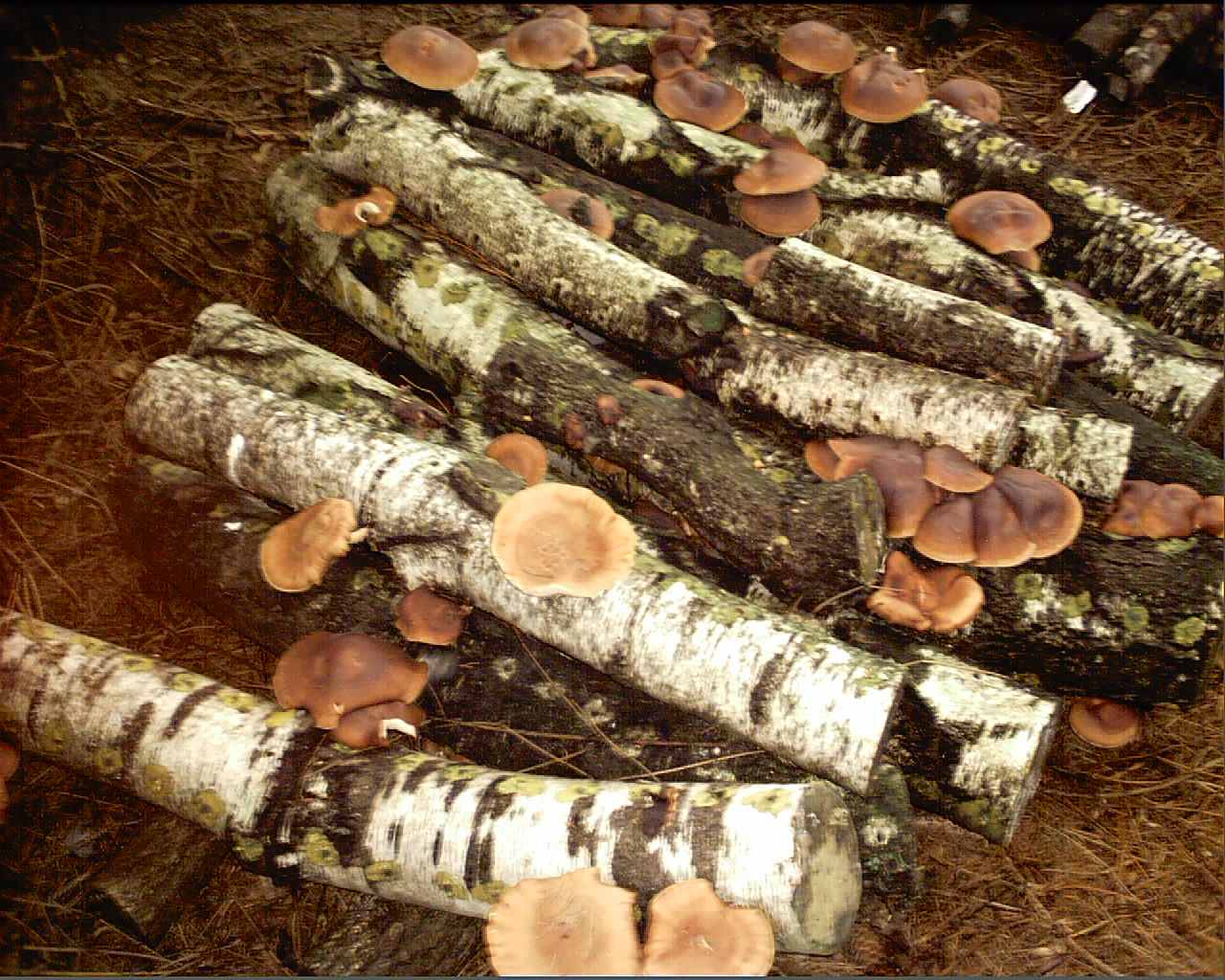
The Japanese christened the unique flavor called umami, something we only understand because of L-glutamate receptors on the tongue. Along with sweet, sour, salty and bitter, the names we all learned as we grew up for what goes on in the mouth when we eat, it’s one of the five basic tastes, identified by scientist Kikunae Ikeda in 1908. But it’s almost impossible to describe. It’s savory or “brothy,” found in dried bonito flakes or shitake mushrooms.

Shiitake Mushrooms

Soy sauce. Parmesan cheese. The thing about umami is that it offers a mixture of sensations that together become pleasurable on the tongue. Intense, saliva-stimulating. A powerful paradox.

Just like spring.

10 Comments

Filed under Dogs, Home, Jean Zimmerman, Nature, Photography, Writers, Writing

Pruning Links

Damn. My cup runneth over with links. My computer wouldn’t let me save another bookmark, it was so stopped up, so I had to prune. Throw out and organize. Floss. Figure out what I really needed to save, what I might need – need being a relative term – and what could be relegated to the virtual trash heap. So I’d have room for new, extra important links!

It was enlightening, actually. In embarking on this task, I found that there were three big categories that had held special importance for me in the past few years.

One was wonderful me and my wonderful work . My log cabin got its due . Even a movie (just a glimmer, but a Hollywood glimmer) had found its way into my bookmark file.

When I was a middle schooler making covers for my little hand-crafted books by binding pages into cardboard and calico with ironed wax paper, I think I would have been amazed that some day someone in the world would be interested in what I had to say. I still remember the smell of the hot wax paper as it was pressed, and the excitement that Miss Henny Penny’s Travels was going to be “published.”

young Jean

Edith Wharton tells a story in her autobiography, A Backward Glance, about going in to a book store in London when her first book, The Greater Inclination, came out in 1899 and asking the manager innocently if there was any new and interesting book she could look at. “In reply Mr. Bain handed me my own little volume, with the remark: ‘This is what everybody in London is talking about just now.’” He had no ideas who he was talking to.

Then, second, I have the category of Gertrude and Sylvia  and Simone   and the rest of the ladies who launch. And more of Stein.

U1889231

I couldn’t believe how many iterations I had of critiques, praise, profiles, pictures of the women who inspired me over the years and still fascinate me.

The third whopper of a group: scarves. Knit patterns for scarves. Especially circle scarves. Yes, cooking and knitting do take up some of my time, I admit it, unintellectual as that might make me. I’m itching to make Paula Deen’s gooey butter cake. But the scarves have it. I made seven this winter. Plus a sock.

knit

Then there is everything else. Before they go into the Older Bookmarks file, I’ll highlight a few that have grabbed my interest along the way. A self audit, as it were. And a little gift to anyone looking for something new to chew up their time.

I obviously made a serious trip into Victorian America in recent months. Many times over DanceDressGetting aroundMansions, mansions, mansions. Does my time machine have an exit onto Manhattan’s Fifth Avenue in the 1870s? You bet.

James Tissot 1836-1902 - French Plein Air painter - Tutt'Art@ (8) copy

Even (or especially?) Victorian headless portraits interest me. So much of this nineteenth century arcana found its way into Savage Girl, my new novel that will be published in early 2014, which officially made it work, but it still felt like a guilty pleasure.

More research, this time for The Orphanmaster, unearthed this incredibly absorbing digital redraft of the Castello Plan. You can hover over the first street plan of New York, a drawn-to-scale view of seventeenth century New Amsterdam, and investigate what it was actually like.

I had the idea at one point that we should explore Oliver’s genetic background and see what part of him was actually pit and which part was hound. So I looked into DNA testing for dogs.

Oliver

I wondered what you’d see if you opened the refrigerator door in Bangkok or Jerusalem. I found out at Fridgewatcher.

I always find it useful to keep a library on file in case my disheveled bookshelves won’t yield it up. And so, here they are, minding their own business, various books in their entirety, like George Orwell’s Down and Out in Paris and London, one of my favorites,  and the Diary of Samuel Pepys. And it’s always good to be able to access an exhibit based on Whitman’s Leaves of Grass.

iwhitmw001p1

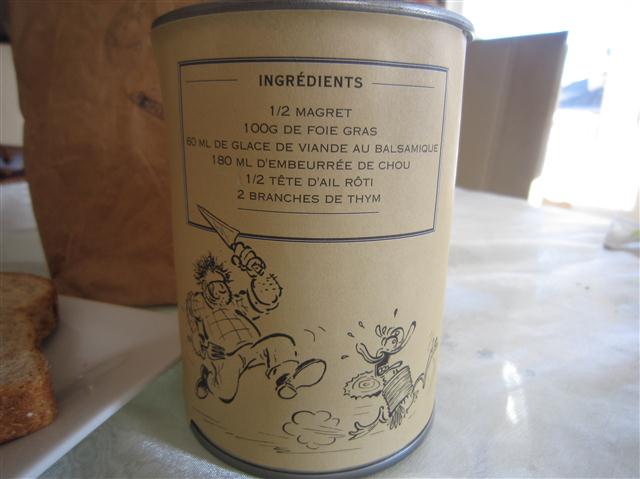
Gil and I ventured to Au Pied de Cochon in Montreal. For a while afterward we didn’t get our cholesterol levels checked. The menu  includes such delicacies as Tarragon Bison Tongue and Foie Gras Poutine (foie gras is their speciality, along with everything pig-related), all of it drenched in butter. It was here that I had the famous “duck in a can,” consisting of a duck breast, a lobe of foie gras, half a head of garlic and some kind of spectacular gravy packed into a metal can, like a soup can, and boiled.

duck in a can

Afterwards, when you’ve been sitting at your table for a while marveling at the number of trendy people there are in Montreal, the waiter opens the can at the table and dumps the whole stew onto your plate. Fabulous.

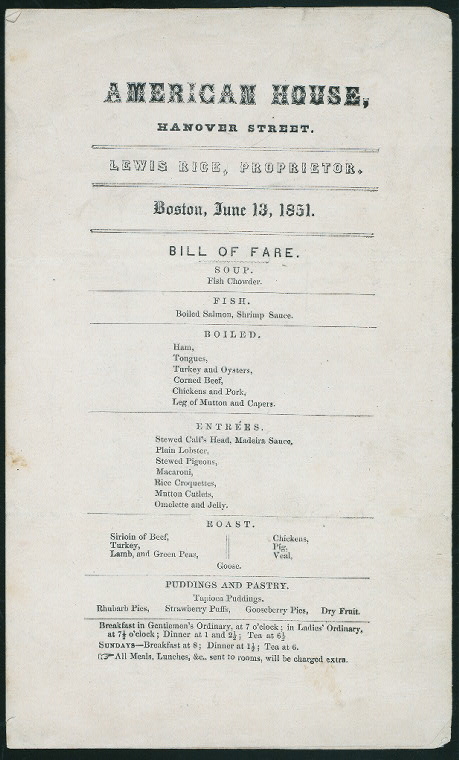
If you like menus as much as I do, you’ll go to The New York Public Library’s historic menu collection.

American House

Something I don’t want to file too far way is The Top Ten Relationship Words That Aren’t Translatable into English, assembled by a serious linguist, and including such gems as Cafuné (Brazilian Portuguese): The act of tenderly running your fingers through someone’s hair.

Probably the most delightful site I’m back-burnering. For now. Or, on the other hand, I think I’ll leave it out for a while in case I want to take it with me as a reference when I next tour the Metropolitan Museum of Art: Nipples at the Met(“updated regularly”).

nipples

All links welcome; leave them in a comment.

4 Comments

Filed under Art, Cooking, Dogs, Fashion, Fiction, History, Home, Jean Zimmerman, Knitting, Poetry, Savage Girl, The Orphanmaster, Writing

Apron Strings

My mother Betty has been good enough to pitch in with a guest post today. She attended a presentation at the residential community were she lives by a traveling apron-enthusiast.

sunflowers

I would have liked to see and touch these beautiful heirlooms but I’m 2,000 miles away.

sunflower cu

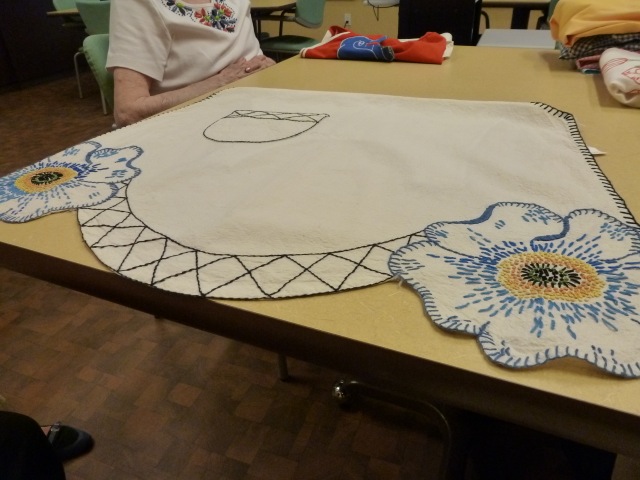
Bobbie Schafer’s medicine show includes a slide presentation and a wicker chest bursting with vintage aprons. Betty brought a Christmas apron embroidered for her by my great aunt in the late 40s early 50s, topped with a round of plastic.

Auntie's apron

Yes, her waist was that small.

All the photos to follow are my mother’s. Hit it, Betty!

The original style of apron was called a “butcher” apron.  It had a bib top, and covered the dress  almost completely, to keep the garment from getting soiled. Washing dresses was not easy then.  The homesteaders brought aprons (and rifles) into use.

In Victorian times, matrons created their aprons with silk, often with lace.  Obviously, the lady of the house used them for adornment, not real use.

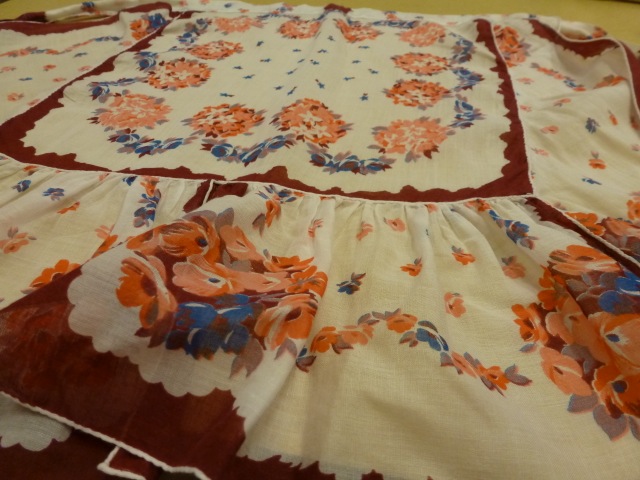
Matching handkerchiefs were sewn together in the 1920s to make hankie aprons.

hankie apron

In the ’30s the apron still covered the whole dress.  The painting by Grant Wood, “American Gothic,” is an example, also including the use of rickrack, new in the ’30s.  Some women wore two aprons, so that when you answered the door, you could quickly shed the outer one and appear in a fresh one.

rick rack

The ’40s brought shorter dresses. The government told you how long a dress could be. [Note: You’ve got to be kidding!]  The amount of material used was less, and because of wartime, it was less easily available.  The aprons were accordingly shorter and smaller — often made of only one yard.  They were still the full, or bibbed style, sometimes pinafore style. “Victory” aprons appeared during the war, with red, white and blue designs.  Polka-dots, plaids and rickrack became very popular.  (An interesting side story. During wartime, ladies alway wore hose, and because nylons weren’t available, they used an eye pencil to paint the seam down the backs of their legs.)

cross stitch

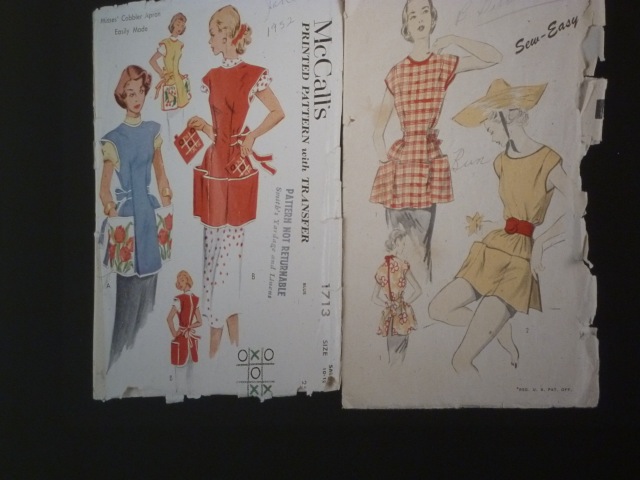
Also in the ’40s, the first patterns for aprons became available, from companies like McCall’s and Simplicity.

apron patterns

There were iron-on transfer patterns with designs for embroidery and appliqués.

girl apron pattern

In the ’50s hostess aprons were popular, often made of taffeta.  These were party or cocktail aprons.  Often they had hearts, spades, clubs appliquéd on them, for use at ladies’ card parties.  Sometimes women wore holiday aprons, and some had aprons for each holiday.

mexican apron

There were also cobbler aprons, or hobby aprons, with lots of pockets for holding tools, etc.  And for the first time, aprons for MEN!  (These were back to butcher-style.)  Real aprons for women went out of favor, as TV dinners had been invented, and women didn’t cook as much.

mexican apron cu

In the ’60s, The washing machine meant aprons didn’t need to cover the dress.  Women started wearing pants and with the women’s movement, women decided to throw away their aprons, anyway!

In the ’70s, the pinafore style became popular again.  Now the apron is back.  There are more patterns available than there were 10 years ago.  They are popular, even on college campuses, and in stores like Target.

cross stitch:applique

9 Comments

Filed under Cooking, Fashion, History, Home, Jean Zimmerman

A Lion, a Pit-Hound, a Bud

The warmth has hit. The sun pours down. The day reminded me of the scene on a Mexican plate from the early 1800s that I saw recently at the Hispanic Society.

Mexican plate

Except I was sporting a ball cap rather than a parasol and my companion was a pit-hound rather than a lion.

Gil and I took some time outside to rake the pachysandra beds and clear away crumbled leaves from a set of rather magical stone steps that lead to a sunset ridge near the front porch. There’s a wood bench at the top. I plan to colonize it this summer, mint iced tea in one hand, Emily Dickinson in the other.

steps

We sat on the patio late in the day. It faces east, over the marsh. A hawk soared, its breast glinting white. The peepers were even less polite than usual. This spring has been so long to come, but the about-to-bloom magnolia knows when the time is right.

magnolia budJust when you couldn’t wait any longer.


8 Comments

Filed under Art, Dogs, Home, Jean Zimmerman, Nature, Poetry

Tiny Houses

Walled with dark wood logs, topped off with dark wood rafters, with dark wood planks underfoot, the Cabin can be a shadowy place sometimes. Especially when all outside is calling crazily that spring is here. I look out the window over my desk and see the bright glow of the marsh reeds, the heady blue of the sky, the sunlight cast over everything, and I can’t help but feel that the house I live in is… small.

spring indoor cabin

Magical, yes. But dainty.

We have about a thousand square feet. Some of that number, I have to say, is stairs. I know people whose total window area measures larger. My friend Josefa tells me that how to live in so small a space is the way they do on ships, stowing everything when it’s not in use.

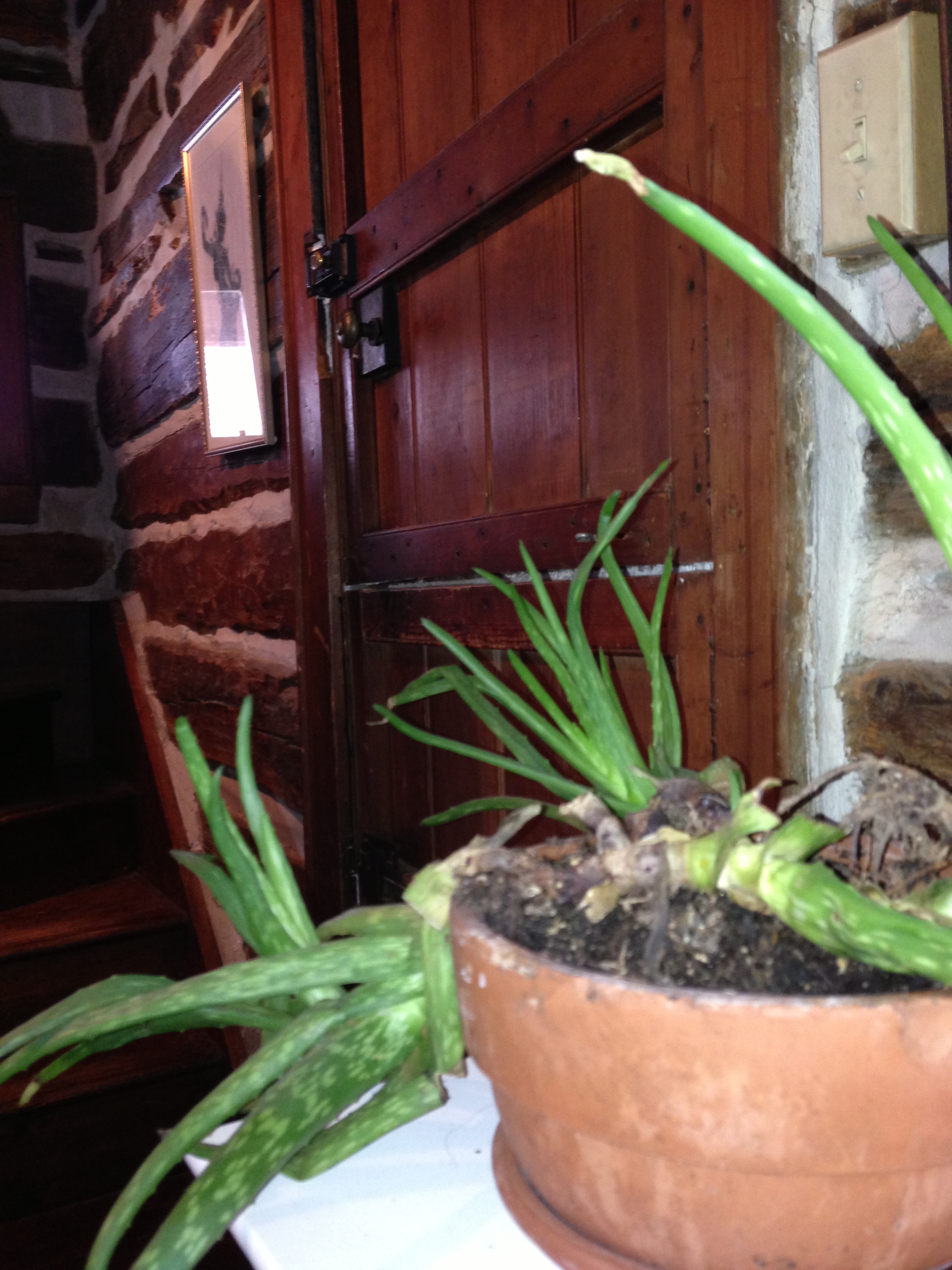
I never liked shipboard life. All our cubbies are full to bursting, plus we have out and available all the things we’re interested in at any one time. We scoot in between pieces of furniture, and sometimes have to tuck in our feet so they don’t get stepped on. Books clutter every surface. (Don’t say clutter though, that’s a negative, suggesting untidy or disordered – try “a wealth of books” instead.) I can barely see the surface of my narrow desk, covered as it is with slips of paper, notebooks, folders and stacks of books. Pots live out in the open in the kitchen, the cupboards won’t fit them. I just realized the aloe plant I proudly acquired and nurtured this winter has to be moved so the dutch door will open this summer.

aloe

I like to write about peoples’ houses, and some of them have been big enough to fit the Cabin into many times over. Shadow Brook, for example, which the Stokes family built in 1893 in Stockbridge, Massachusetts. The rambling stone castle cost one million dollars to construct, and had an acre of floor space on each of four floors.

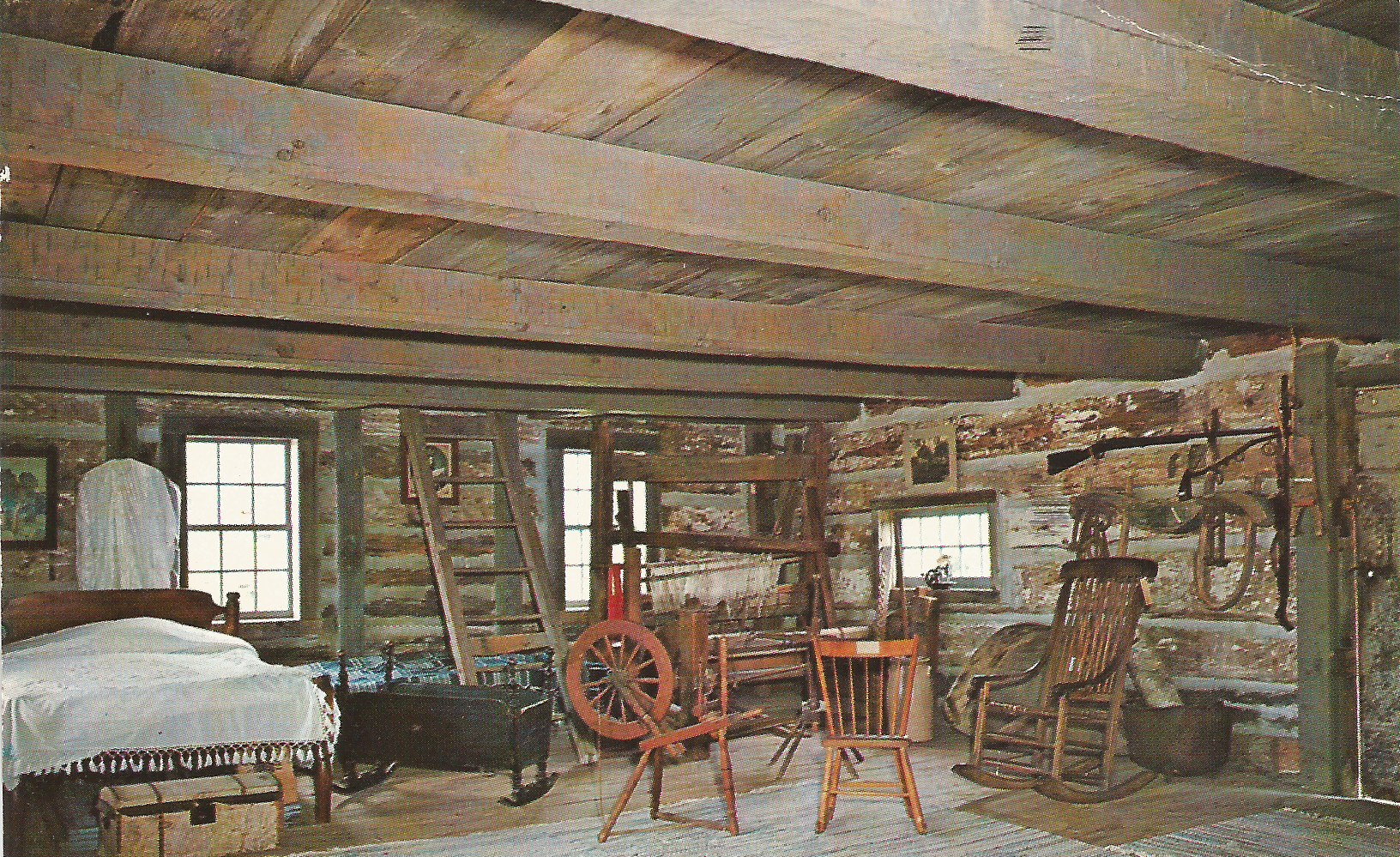
In Vermont a cabin built by a family named Hyde has stood since 1783. It’s a twin to ours, built during the same era, with similar materials in a near identical layout.

Hyde cabin

We do have another floor, also tiny, and a kitchen in the basement, neither of which was there when the Cabin first went up. It must have felt like such a haven when you came in with wet boots around 1800 to the fire roaring in the hearth and maybe a chicken on the spit.

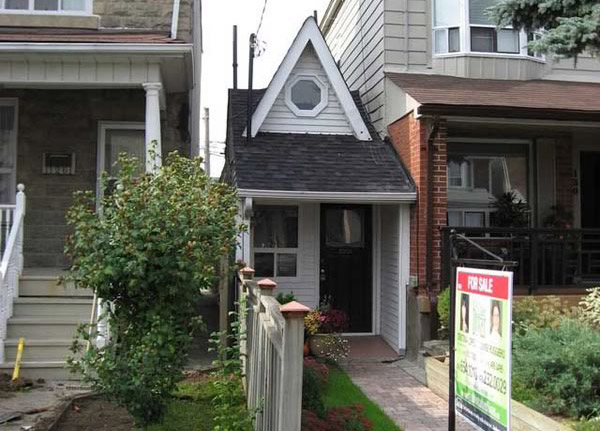
Ours isn’t quite the tiniest home. I know because I’ve done a little sleuthing.

tiny home outside

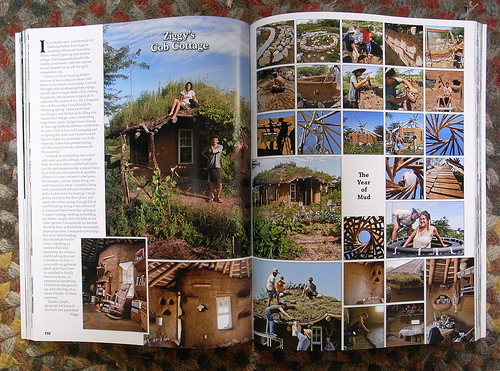
Last spring I visited a publishing convention in southern California, where I manned a table with advance copies of The Orphanmaster to be signed and given away. Just across from me, I noticed in between conversations, was a constant throng of people. When they cleared momentarily I saw that the author at that table was signing copies of Tiny Homes: Simple Shelter, a large-format book that was beautifully illustrated with pictures of places that some might say were suitable only for Tom Thumb.

At the book conference, every time I looked across the way there was the Tiny Homes author, replenishing the stacks that towered on his table from the cardboard boxes behind his chair.

Lloyd_Kahn

Lloyd Kahn, the author, was once upon a time the shelter editor of the Whole Earth Catalog and has spent his life building green structures out of interesting materials (sod roofs, poured concrete walls, plywood and aluminum geodesic domes), when he wasn’t surfing. At the convention, he also had adorable palm-sized souvenirs of his book, tiny books about tiny homes, one of which I took back to my own home.


Cover

It made me wonder. The fantasy of a tiny home. All these people lining up for a glimpse into the peanut world presented to them by Lloyd Kahn. Who actually wants to live the tiny life? Besides Gil and me?

house between two

People who live in tiny homes see life as an adventure.

tiny homes simple shelter 1

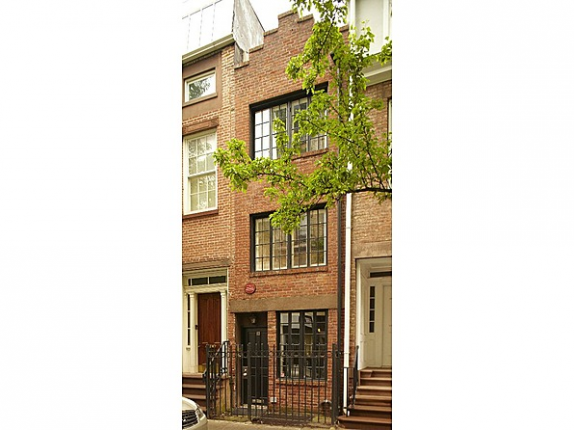
Edna St. Vincent Millay lived at 75.5 Bedford Street, in Greenwich Village, which was then and now Manhattan’s skinniest house. “Please give me some good advice in your next letter,” wrote the poet. “I promise not to follow it.” Her narrow domicile had only 999 square feet and was 9.5 feet across in the front. Last I heard it was on the market for 3.95 million dollars.

75.5-Bedford-Skinny-Front-574x430

I checked out a web site for people who want to buy, sell and rent tiny structures. Tiny House Listings offers homes of 1,000 square feet or less.

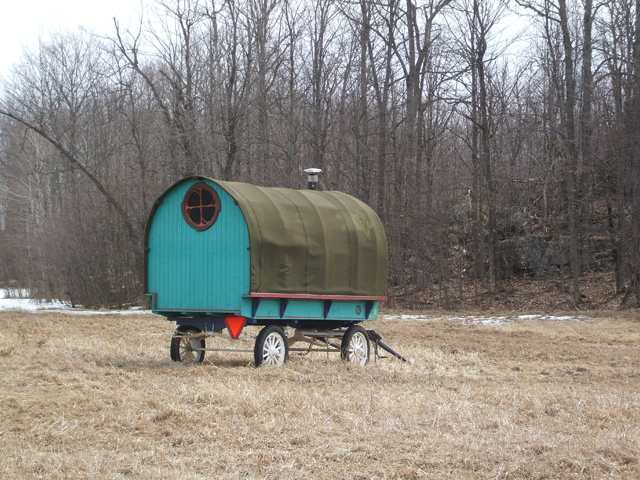
Could anyone not love this caravan? A kind of giant beer barrel on wheels.

Bears Caravan

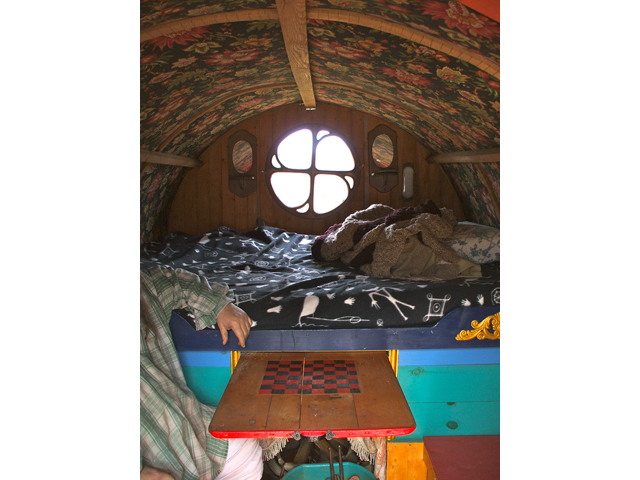
Five hundred square feet. Yours for $29,000. Siloam Springs, Arkansas. Checkers included.

Bears Interior

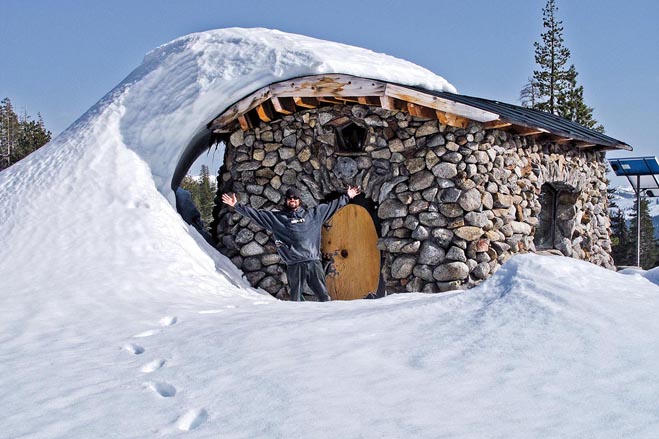
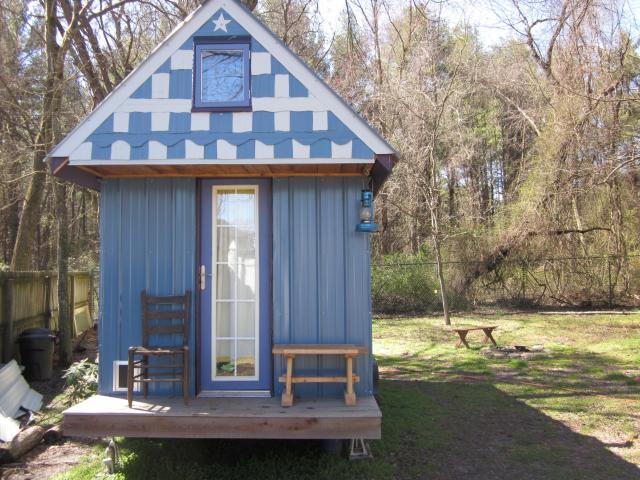
For a bit more you could have this hobbit house, an A-frame in Granite Falls, Washington.

A Frame

Or rent. For 400 a month you can stash your stuff in this green house’s cubbies.

Or rent

The web site allows you to dip inside and get the big picture, so to speak, before you commit to the Tom Thumb lifestyle.

interior rental

For a galley, it looks more spacious than the Cabin. Maybe it’s all that clean, smooth, un-lived-in pine.

1 Comment

Filed under History, Home, Jean Zimmerman, Publishing, The Orphanmaster

The Widening Day

Springtime. Easter. Our days stretch. The song of frogs mating fills all of the night and most of the day.

Annie Dillard writes:

The day widened, pulled from both ends by the shrinking dark, as if darkness itself were a pair of hands and daylight a skein between them, a flexible membrane, and the hands that had pressed together all winter—praying, paralyzed with foreboding—now flung wide open.

It’s not, probably, that the first of the daffodils bloomed at the Cabin today, but that today, Easter, is when I first saw them.

daffs

Despite my intention of having a nonEaster this year, rebirth fills my head.

Eggs. Shatter the shells.

shells

Pull apart the whites and the yolks.

eggs

Devil those eggs. Place them in crystal. We will feast.

1 Comment

Filed under Cooking, Home, Writers

Softcover Orphanmaster – First Copies

I was grumping around the Cabin in my chenille socks. I had a couple of bad things troubling my mind, ranging from awful (my close friend’s mother’s demise) to just stupid (bills overdue) and issues in between. It occurred to me, too, that I was no longer on vacation. Poor me.

Oliver began to sound his bassett-style bellow, smearing his nose against the little window overlooking the driveway as though he saw the four horsemen of the apocalypse charging his way.

O at Window

But with him, you never know. It could be a sadistic chipmunk or just a change in the direction of the wind.

Anyway, the UPS truck dumped off its cargo. Inside the padded envelope, an agreeable surprise: the first two copies of The Orphanmaster’s paperback edition had rolled off the printing press and into my hands.

O-Master P-Back Cover

I had seen the jacket before, of course, in correspondence, but I had never run my fingers across the white raised type of the title. I hadn’t met the gray, gleaming, innocent eye of the little girl who stares out from the cover, seen her flushed cheek close up.

eye

Never seen the validating pull quote across the top of the cover:

“The ideal historical mystery for readers who value the history as much as the mystery.” – The New York Times

I hadn’t taken note of the other quotes Penguin put in to entice readers as soon as they opened the book. The words raced now through my still somewhat sluggish-from-grumpiness mind:

“Immersive first novel.” – USA Today

“A rip-roaring read.” – National Public Radio

“Teems with enough intrigue, lust, and madness to give our twenty-first-century Big Apple a run for its money.” –Sheri Holman

“A breathtaking achievement.” – Joanna Scott

“As riveting and nightmare–inducing as any Grimm’s fairy tale.” – curledup.com

And my personal favorite:

“Compulsively readable.”—Booklist

Etc., etc.

“Poetry makes nothing happen,” wrote Auden, in “In Memory of W.B. Yeats,” likely the most mournfully beautiful poem in the English language. Getting this wonderful version of my book in the mail can’t push back the shadows, pay the bills, restore life. I’m still trudging around in my socks.

But it’s a good thing. April 30th, the pub date, is not far away. Then we’ll celebrate.

8 Comments

Filed under Home, Jean Zimmerman, Poetry, Publishing, The Orphanmaster

Ghosts of Garments Past

I visited my parents in the  desert. My mother shared her wisdom on various things.

The efflorescing flora all around.

Mexican Golden Poppies

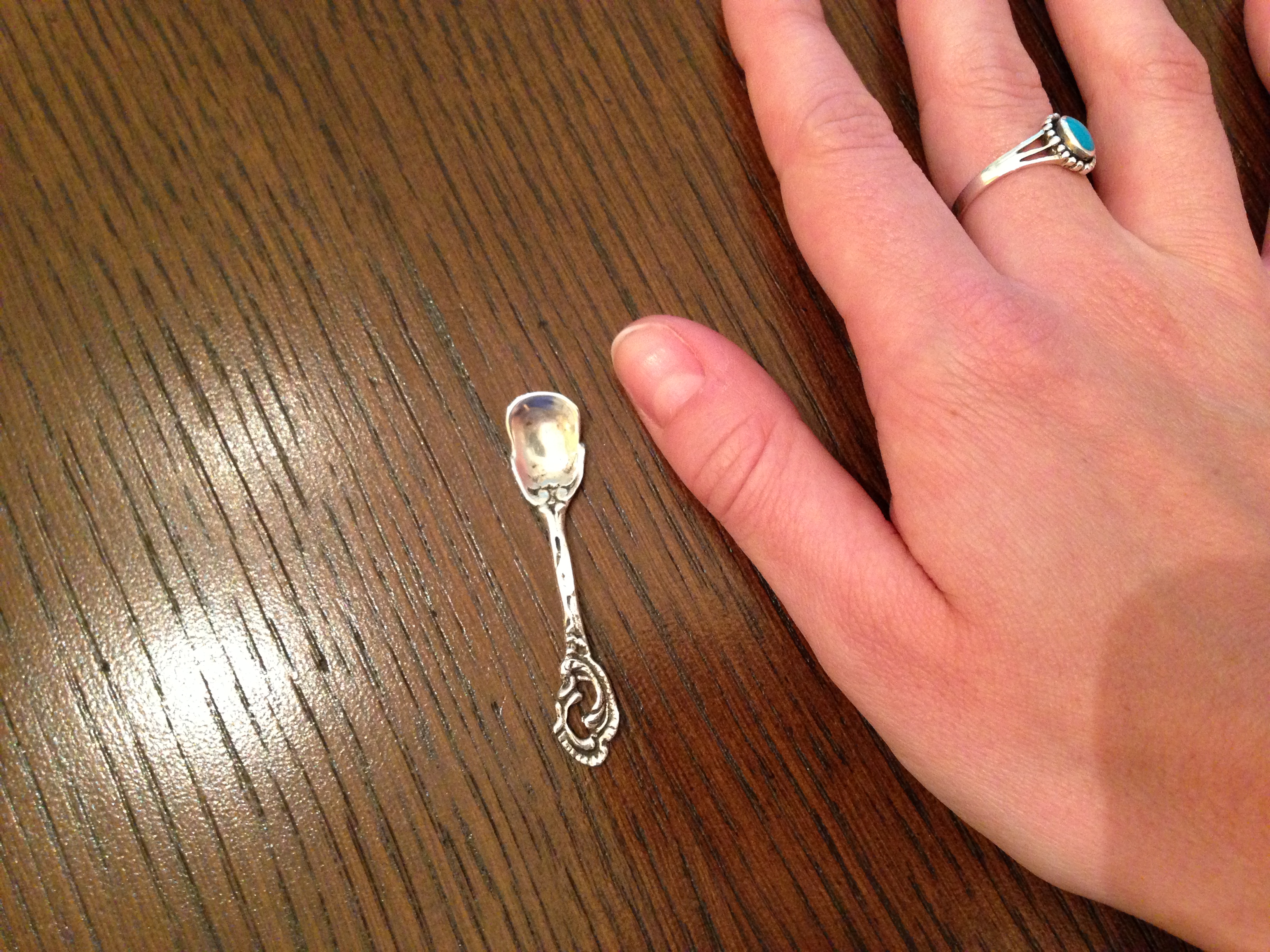
Family history, seen through a series of silver demitasse spoons.

silver spoon

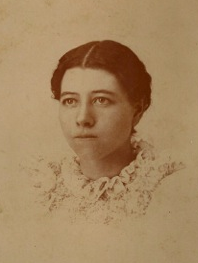
They belonged to Lockie Hilllis Coats, my great grandmother, shown here in 1894.

Lottie

The personalities of various seniors my mother lives with, who mingle and gossip like kids in a college dorm. She and my father have a charmed life at their retirement community. Though that sounds like almost too technical a name for a place with stretching gardens, a comfortable, well-thumbed library and big open doors onto a sun-flooded patio. They adore it.

Silverstone-Arches-Toward-Mountains

I began to miss them even before I stepped on the plane back.

My mother shared something else with me. Her collection of hand-knitted sweaters. Some are the cherished work of matriarchs on both sides of my family. Each branch seems to have had a gene for needlework, or perhaps it was just in the water of their generation. To an avid novice knitter like me they gave great inspiration.

sweater 1

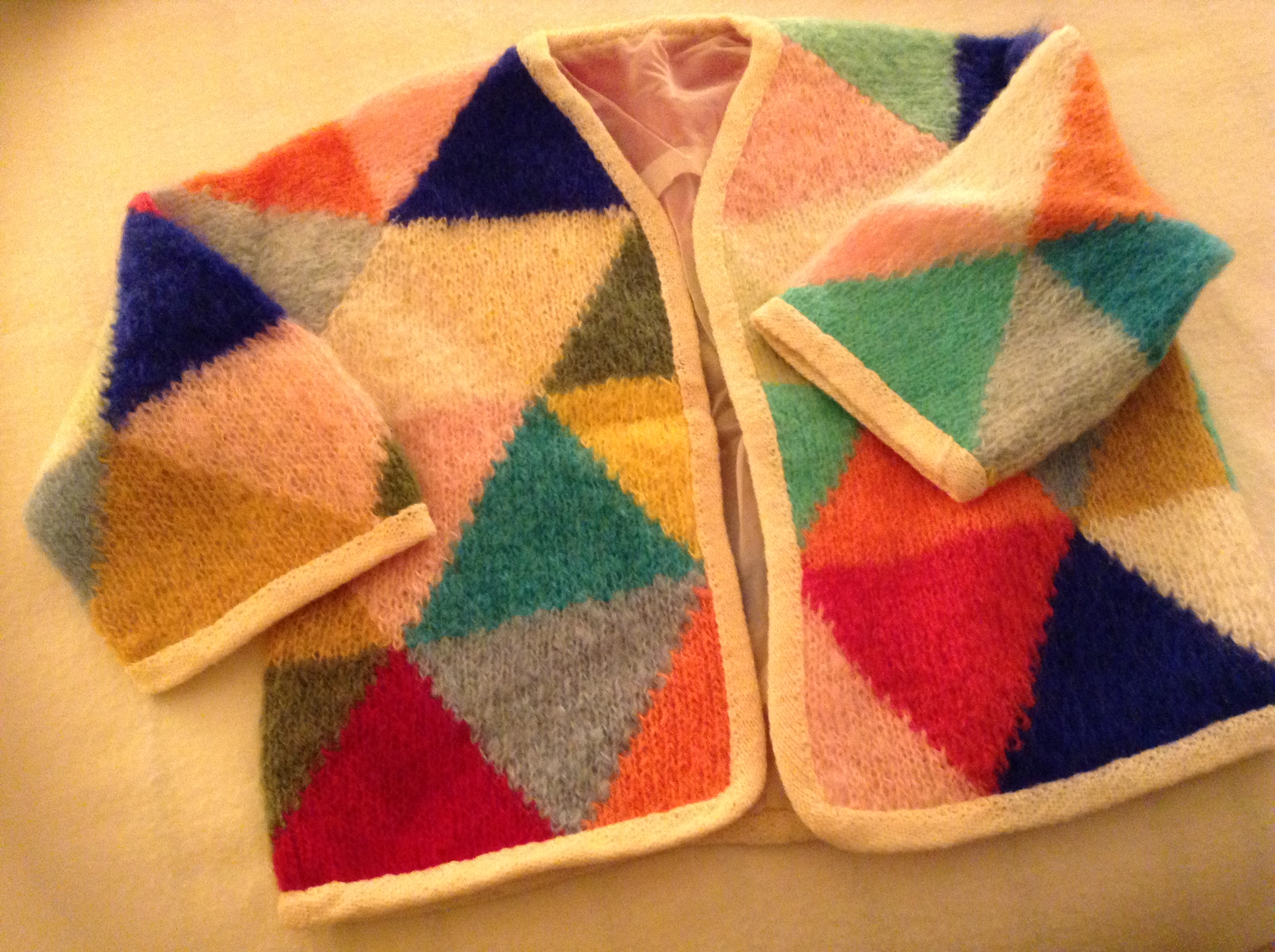
My great aunt, known to me as Auntie, produced a color blast of a harlequin-patterned cardigan for my mother. Auntie became a renowned home ec teacher in rural Tennessee and was the kind of adept who could knit and purl in a pitch-black movie theater without dropping a stitch. Tatting was her main thing, and carefully put away in storage I have the openwork pieces she wrought – in the dozens, if not hundreds.

Auntie

For the triangle-themed sweater my mother laid out on her bed, Auntie took a different approach.

auntie's sweater

There was not only this one, it seems, but identical garments for two other women, my mother’s sister Sandra and her mother Virginia. Were they intended to wear them all at once? My mother pronounced the pattern gaudy if beautiful. Good for the circus, not for her.

On the other side of the family, the delicate crochet-work stole of my Aunt Gus, my grandfather’s sister, posed prettily here with Jack.

Gus and Jack

Yellowed now but preserved in one of my mother’s sensible moth-guarding plastic bags.

sweater 6 cu

And a knitted short-sleeved sweater decorated with appliqued circles like suns and tiny pearls. Perfect size and retro styling for Maud, who has it now at school.

gus sweater

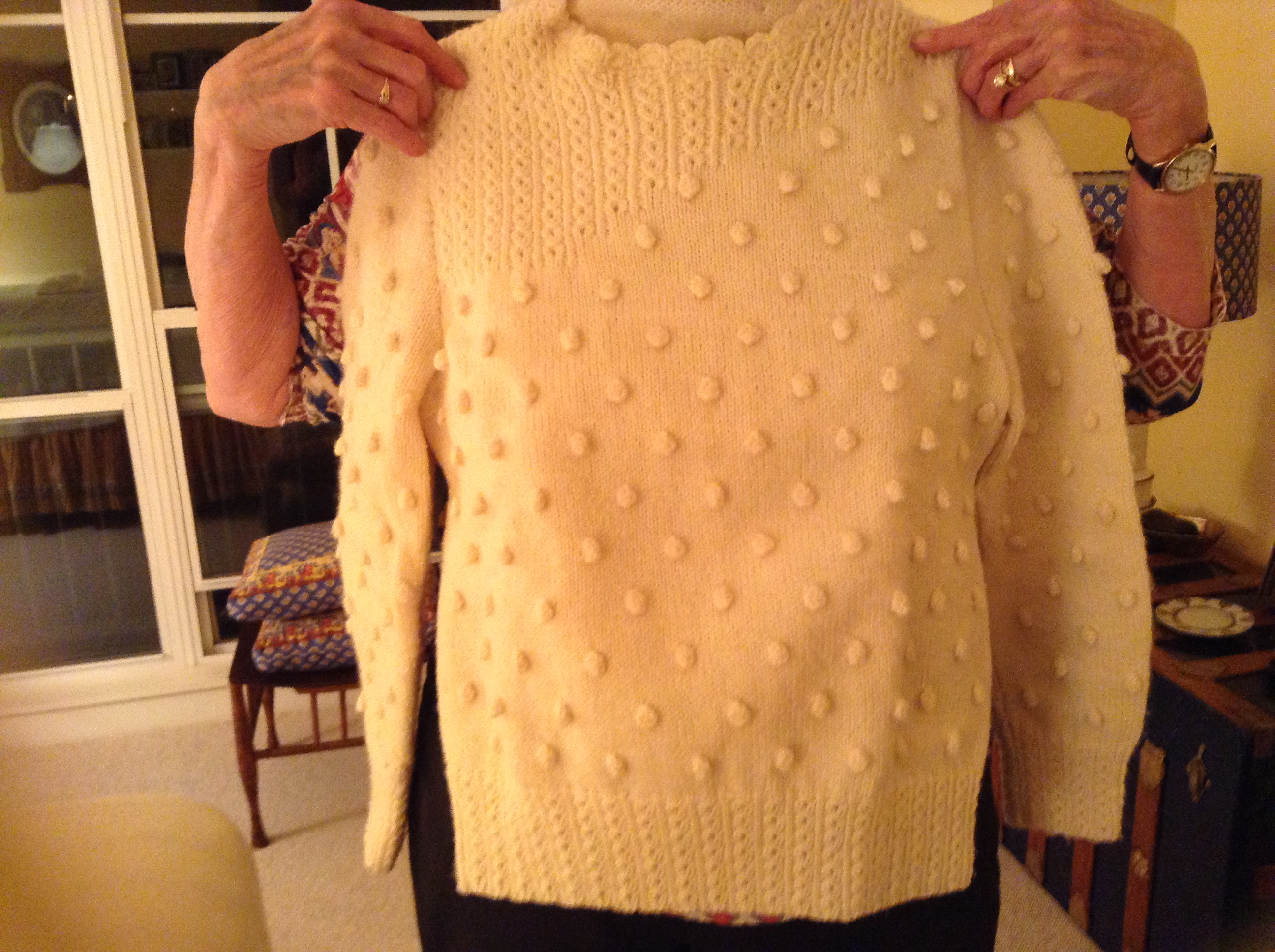
Then, moving away from family, came the popcorn sweater from New Zealand.

popcorn 2

Each wool bubble intricately worked out of the body of the sweater.

popcorn 1

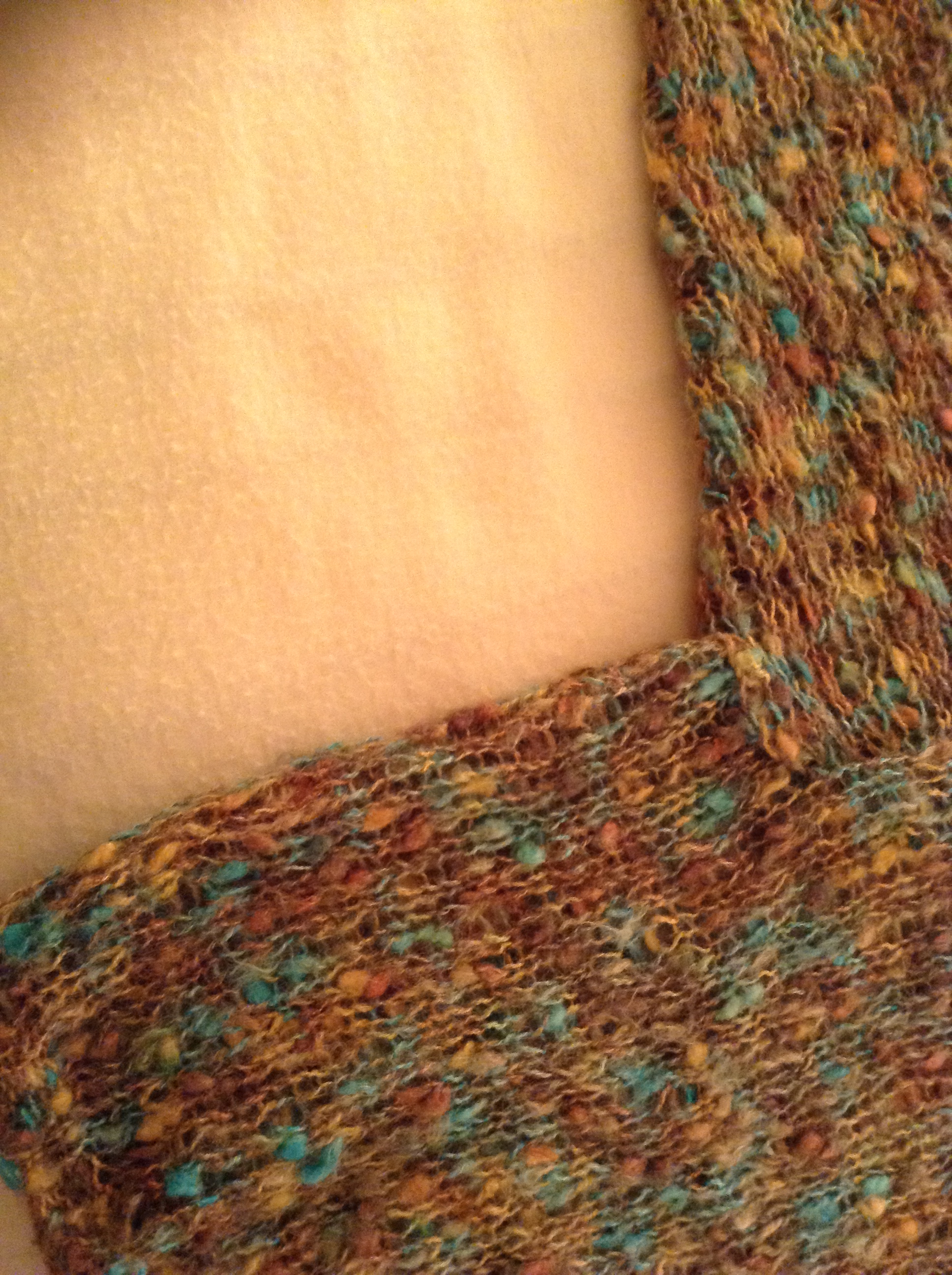
Also from New Zealand, this blue and brown beauty.

sweater 4

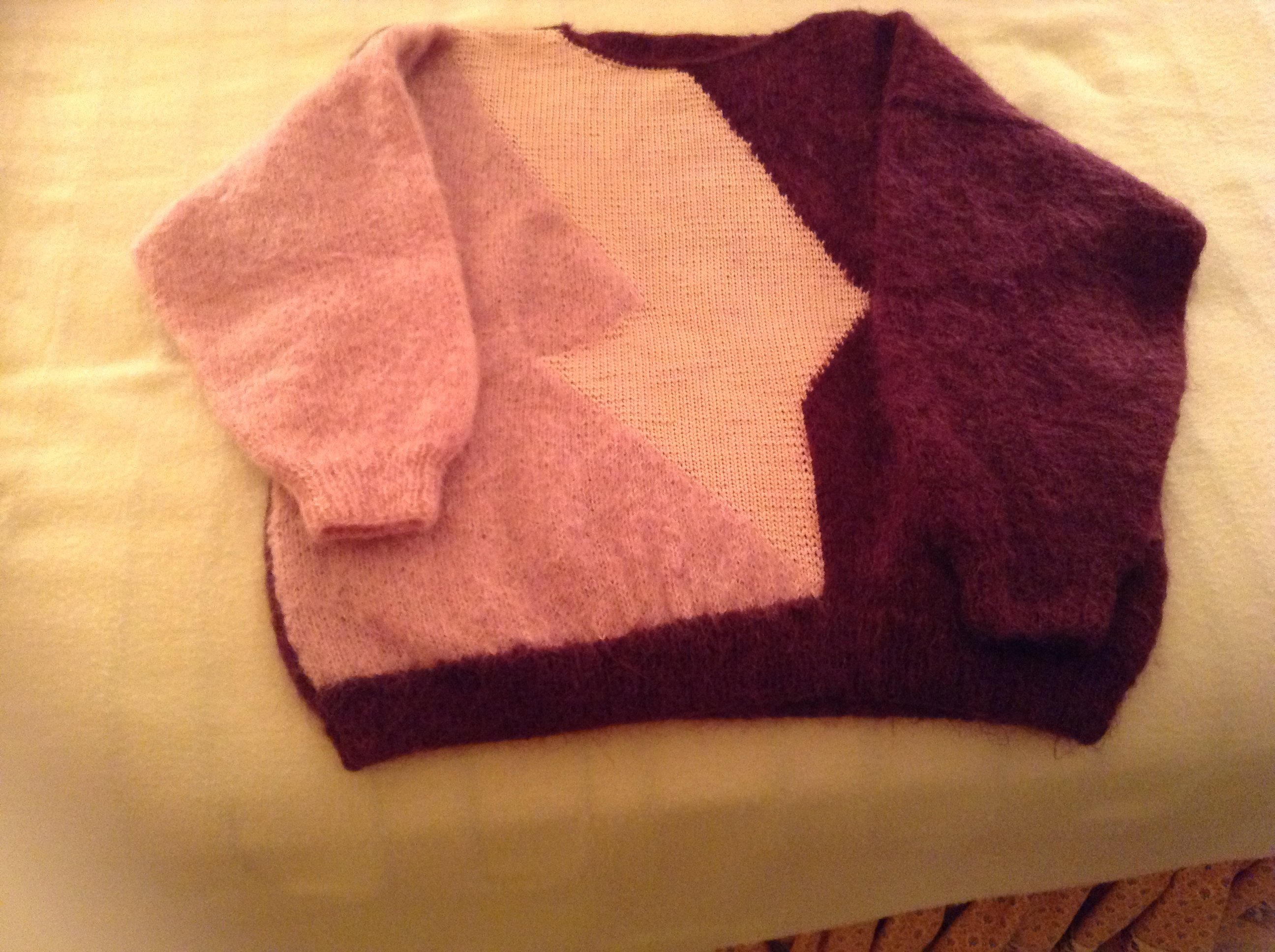
And a lacy pink number with ballooning sleeves that has appeared at various special occasions.

sweater 5 cu

Pink, also, but kind of crazy, the zig zags hailing from Holland, where my mother tells me she saw all the women sit out on their stoeps and ply their needles.

sweater 3

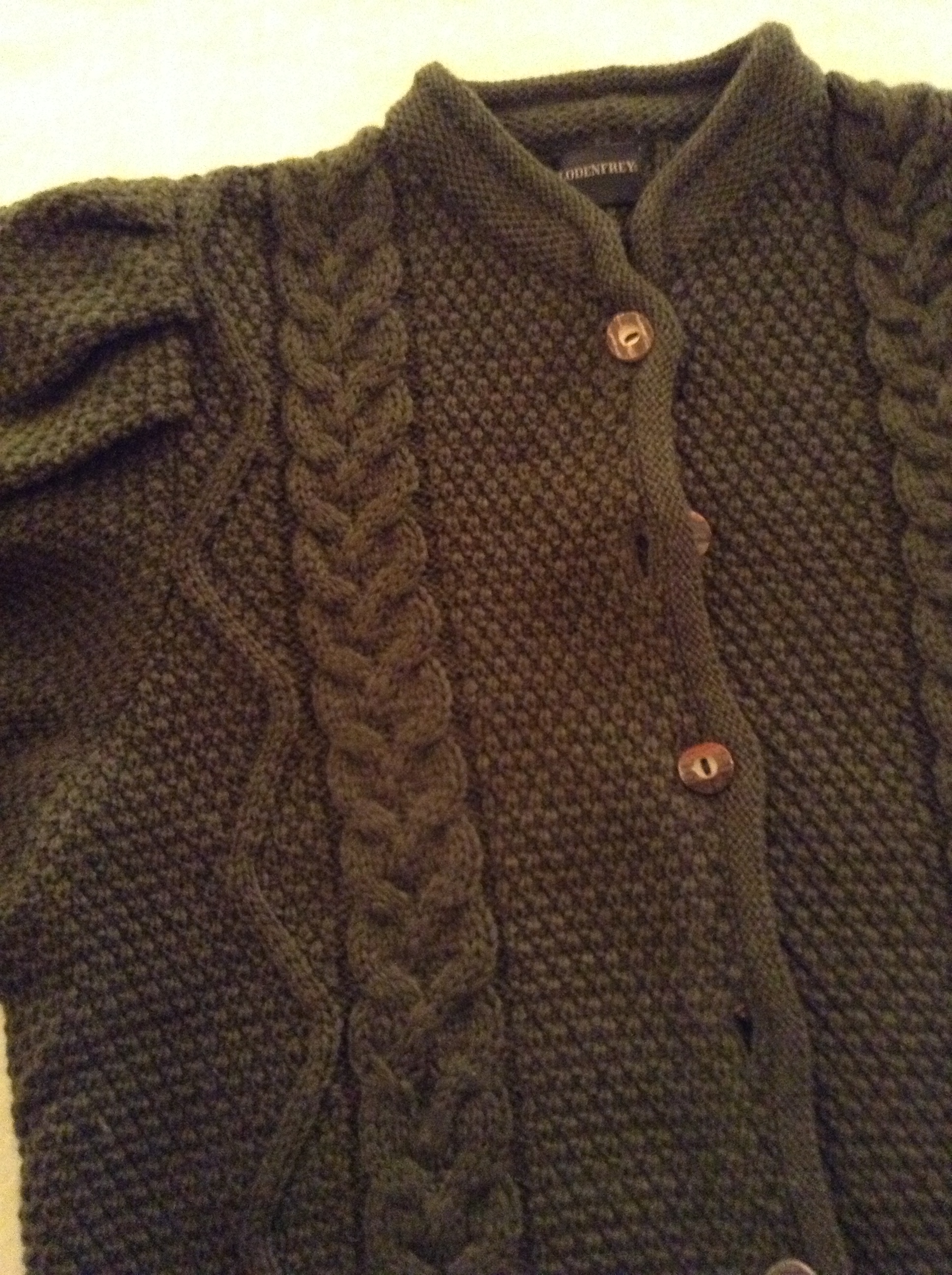
A loden from Germany with the kind of cables I long to make.

sweater 8

And the oldest one, from Italy, darkest blue and fuzzy yet almost scratchy.

sweater 7

Touching the handiwork of women from around the world, created so many years ago, is a rich experience, shared in a bedroom in the desert.

Then my mother brought out a wrap, teal ribs, with not-well-hidden knots where the yarn was joined. Amateur hour.

You made this for me, she said. In college or maybe in high school.

teal stole

Big question mark. I’ve only just learned to knit, in my 50s, I’m as sure of that as I am of anything in the world. When I was that young the notion of wielding pointy sticks was unfathomable. I was also too silly and distracted to sit still to knit.

Jean-High School

But my mother insisted. You did this, she said. You.

So was this actually knit? Was it crochet? Which I did have the patience for back then. Or woven out from some other material, or done in some secret life I have no memory of, or something that my mother in her wisdom invented? Or imagined?

It is teal, it is made by hand, and she has worn it many times. That’s what matters.

9 Comments

Filed under Fashion, History, Home, Knitting

The Fires of March

Meanwhile… back at the Cabin, a guest post from Gil:

I’m thinking about Lars Mytting, who has a best-seller in Norway with his book, Solid Wood: All About Chopping, Drying and Stacking Wood — and the Soul of Wood-Burning.Hel Ved

Mytting’s book has not yet washed up upon these unenlightened shores, and the closest you can get is Thorsten Duser and Mimi Lipton’s delightful photo-essay, Stacking Wood.

One of the finest pleasures is a fire in the grate in March. With spring weather creeping up outside, the hot hearth has a bittersweet, valedictory air. The flaming chunks of wood crumble and fall apart like calving icebergs. The yellow-blue of the blaze my favorite color I think.

Ollie and Fire

Makes me remember the fires of The Orphanmaster:

They were silent for a long moment, both staring at the embers. There were cities revealed there among the coals, fiery foreign hells, countries of the damned.

We had fires almost every day over the period The Orphanmaster was written. The winter of 2010-2011, a good year for woodfires. We got our wood from our long-time purveyor, George Hauser Firewood.

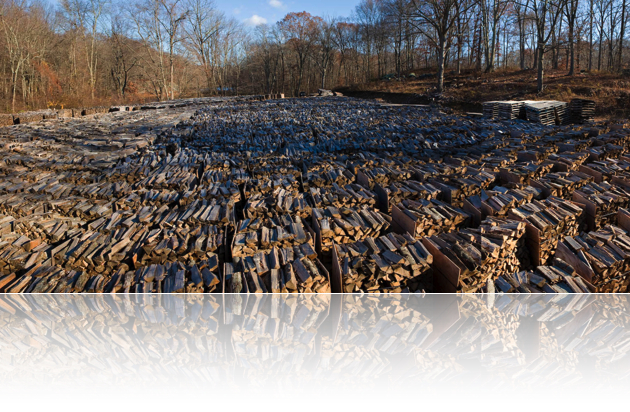
Our friend Terry Lautin put us on to Hauser back in 1998 when she lived in Westchester. Later, when we started using him to supply our own fireplace in Hastings-on-Hudson, we discovered that a few of our more discerning friends used Hauser, too. This wasn’t your unseasoned, trash-wood cuttings offered by tree service and landscaping crews. This was year-old ready-to-burn hardwood.
Our pals Neil and Michelle White were talking about burning Hauser wood. I recalled Aline and R. Crumb’s masterful celebration of his tape dispenser, and said that Hauser was the “Better Packages” of firewood. A small, family-owned business that simply got it right, providing a superior product by dint of an uncompromising, old-fashioned way of doing the right thing.

We visited his woodlot, off Route 22 in Putnam County.

Hauser Woodlot

George: “People come out here, they always quote Thoreau to me, I tell them, this wood here, I’ve been warmed up hundreds of times.”

George Hauser died last year, but his business is being carried on by his wife and son-in-law. RIP George Hauser, one of the last of a vanishing breed of American.

5 Comments

Filed under Dogs, Fiction, Home, Photography, Publishing, The Orphanmaster, Writers

West 76th Street

I’m waiting for you to come back from an appointment – waiting in a Starbucks that didn’t used to exist. The Gap is now a Chase. The Chinese is now a Japanese. Duane Reade takes up half the block. But the orange brick building remains at 76th and Columbus, just across from where I’m sitting now, the third floor windows dark and mysterious.

This is where we lived from when I was pregnant to when you were five years old.

Maud's license 1

Is there still a plastic play kitchen, a white fairy tutu, a silver sword for fighting dragons? You were such a strong little fighter. Still are. Had to have your face painted every day, to become something new.

I’m sitting on the footprint of a flower boutique where a chocolate lab with a funny name, Raisin, seemed always to be waiting for you to come pet him.

Here is the sidewalk where we walked, you on my shoulders, your grandmpa beside me with a cast on his leg.

I remember the coarse brown bread I liked, serving it to young mothers who came to visit.

The bed Gil and I shared, in the dark little back room covered with a blanket of Italian wool with black and white stripes. In the living room, side-by-side writing desks.

A green stone table left behind by the previous occupants that had to be washed with red wine, we were told. Strange gold walls.

The faded couch and rough wood coffee table where you took your first steps, holding on for support. You walked on your tiptoes. Still walk on your tiptoes.

I take a sip of milky coffee. You’re coming in the door, smiling. The snow blows in with you.

Who lives there now, on the third floor? Has any of the magic remained?

8 Comments

Filed under Home, Jean Zimmerman

Books on Loan

Just hold on.

Before you say, that’s corny, or that’s not something I would ever put the time and energy into doing, think: a lending library of my own, that I design, at my house. A library! It could be like the libraries of old, the private ones maintained by Samuel Tilden, John Jacob Astor and James Lenox. They merged theirs to form the New York Public Library, with a $24 million bequest from Tilden, in 1895. In 1906, one of the greatest libraries in the world arose from its foundations at Fifth Avenue and 42nd Street, taking the place of the Old Croton Reservoir.

NYPL, 1906

The Lenox Library sat atop a hill on Fifth Avenue between 71st and 72nd Streets, back in the 1870s when that was the boonies.

upper fifrh, 1893 1 copy

Lenox wouldn’t let just anyone into his bibliographic fortress, its contents were that precious. Scholars had to purchase a ticket.

Lenox

But you, you would admit the public, if you created a library.

Library 6

Graciously, you might even let people in to take away books without a library card.

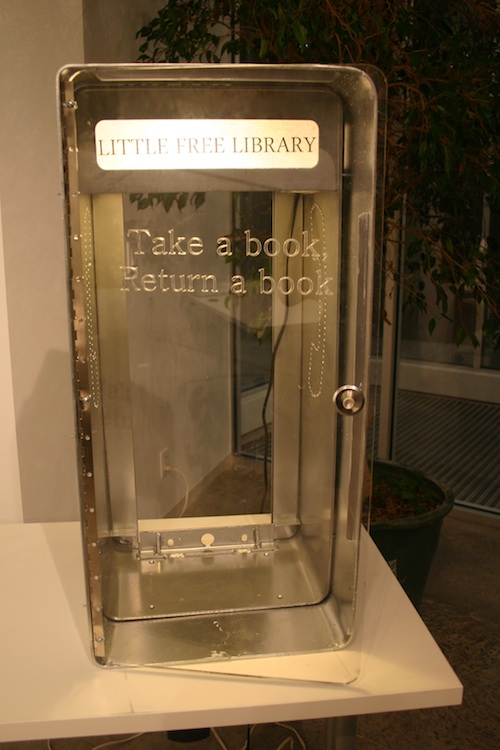
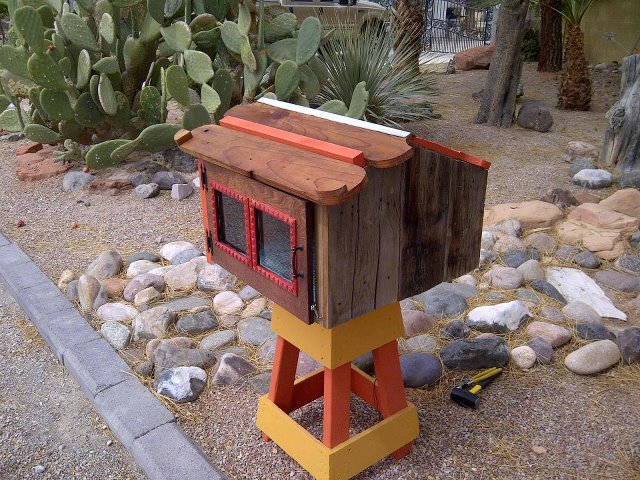
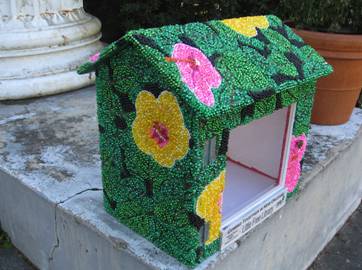
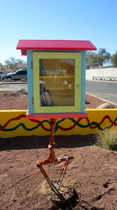
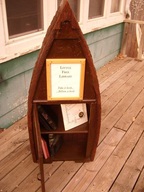
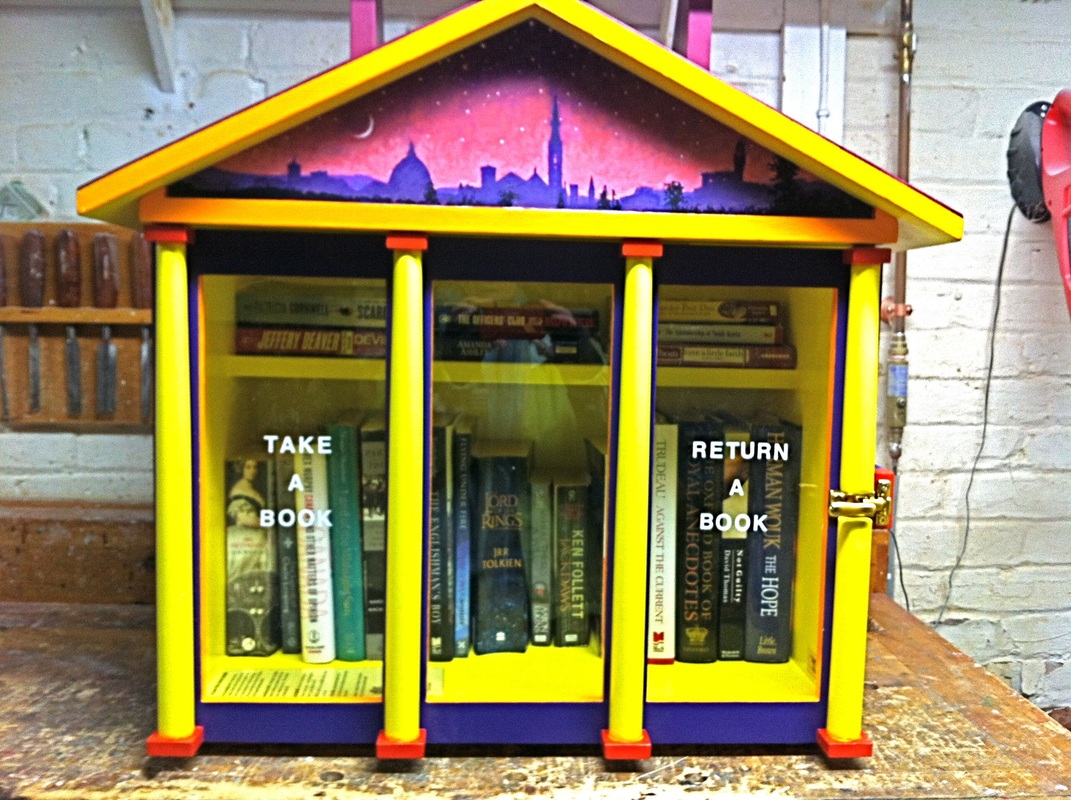
Little Free Libraries make this possible. With founders who are all about promoting literacy and community, this phenomenon has spread from the Midwest across the country, even as normal size branch libraries suffer funding cuts or close.

Library 1

What you do is build your own. And they will come.

Library 2

You take a crate, or some other frame, and you decorate it as you will. There are suggestions for how to build if you need them.

You can also, of course, order one pre-made. This is America.

Library 3

You set it outside your house.

Library 4

Fill it with whatever books of yours you think should be in your “collection” – because you loved them and want other people to know them, because you hate them and can’t wait to get rid of them, because they take up too much room on your shelves, whatever.

Library 5

The founders of Little Free Libraries say, “there is an  understanding that real people are sharing their favorite books with their community. These aren’t just any old books, this is a carefully curated collection and the Library itself is a piece of neighborhood art!” You can get special stickers to put in your books.

Library 7

People wandering by your house can simply take a volume. No questions asked. When they’re done with it they return in. They can add another if they wish.

Library 8

My sister-in-law Medith and her husband Thomas put this beauty in front of their home in Wisconsin. She says, “I get such kick out of seeing someone walk by, stop and go back, check out the books and then proceed on carrying their new read.”

Mimi's Little Free Library

Ellie, a neighbor, thinks it’s pretty exciting.

I wonder if she’s seen the map showing how many Little Free Libraries now throng the world?

I’m beginning to itch for one. I want to take a laminated shoebox and fill it with tiny books exclusively: miniature volumes like The Book of Whale Insults, The Incomplete Book of Dog Names, and Songs of Robert Burns. Maybe I’ll squeeze in a bound manuscript of Savage Girl. The only thing is, we don’t get any foot traffic on our dirt road through the woods.

Maybe a story hour that would appeal to squirrels?

2 Comments

Filed under Home, Publishing, Writers

The Trill of It All

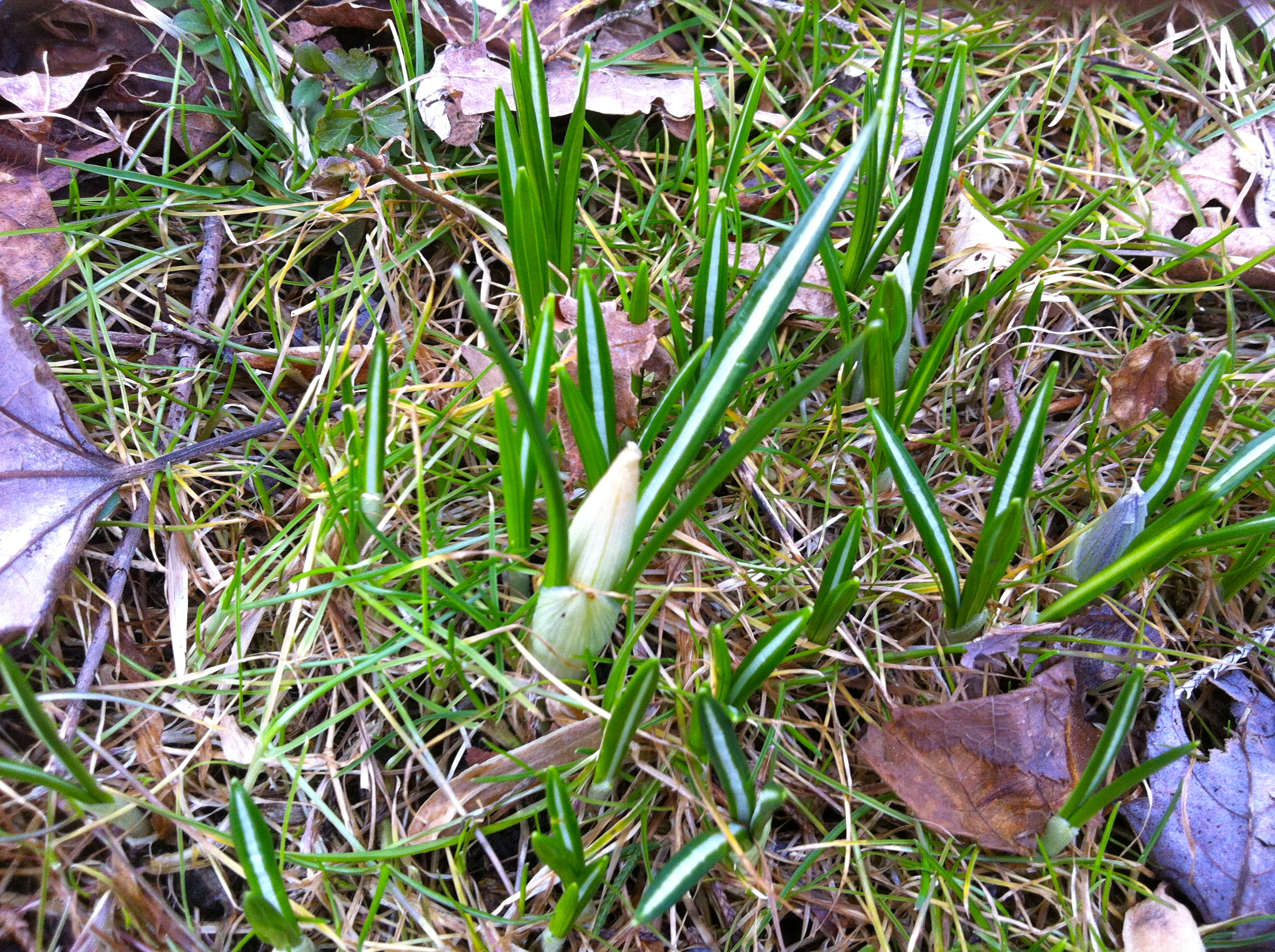
At the cabin, you still have to hunt to find the crocuses.

Crocus in Spring 2The daffodils are drowned by brown leaves.

Daffs in MarchThe peepers, invisible, rage all night and most of the day. I thought they were early this year — we’re still building hearth fires every night. There is a scent of spring in the air, a lilt, but the air is cold enough to keep on with your winter jacket.

I looked back at my blog posts to see when the peepers appeared last year. To my surprise, it was the same time, to the date! The night of March 12th. I had to close the window, they were so loud, just as I did this year.

spring-peepers-1

Nature has a brain. The tiny frogs know it’s time to get out there and peep their hearts out, to find a mate, to propagate. They are all male, the frogs who peep. Waiting a moment after March 12th won’t do.

If you don’t have a marsh in your back yard, you can here the trill of the peepers here.

The painted turtles aren’t far behind. And then the snakes.

It’s almost time for a springtime party. Let’s have a pig roast and celebrate the daffodils.

8 Comments

Filed under Home, Jean Zimmerman, Nature