Category Archives: Fashion

Life’s a Beach

Visiting Jones Beach today was like being on a public strand circa the 1950s, the bright beach bags, chairs, umbrellas, suits (except the suits were skimpier, even on the less than skimpy subathers).

beach first shot

Families with their chairs drawn around in big circles. Teenagers jumping around, full of beans. Grandpas dozed. Mothers and daughters plunked themselves down  just like me and Maud, who immediately tugged her towel into the perfect rectangle, the perfect protected zone for her to sun her bod.

maud blanket

The middleaged couple next to us seemed to be mooning over each other for the first hour we were there, then disappeared into a dome tent whose sides wobbled along to their muted boom box: I’ve Had the Time of My Life, sung by Bill Medley and Jennifer Warnes, the finale song from Dirty Dancing.

The hardest working man on Jones Beach came around in his Ray Bans and sweaty tee shirt, hoisting his cooler.

ice cream man

Ice cream, Chipwich, frozen fruit bar! he called out. “Is this a picture for the winter?” he asked me as I captured his likeness for my personal magazine. The strawberry FrozFruit was like a rock, like a sweet Antarctica iceberg, until it melted all at once in sticky swirls around my mother-daughter friendship rings.

fruit bar

The whoosh of the waves rolling in and out. Hypnotic. The sun that penetrated even under my floppy hat brim. Snooooooze. Flip through a magazine. Is anything really worth reading?

Music. Manna for a twenty-one year old.

maud arms

I am beginning to wonder what effect Taylor Swift has had on her generation, a group of closet romantics.

Stay stay stay

I’ve been loving you for quite some time…

You took the time to memorize me my fears my hopes and dreams

I just like hanging out with you all the time

All those times that you didn’t leave it’s been occuring to me

I would like to hang out with you for my whole life

The cool soft grit of the sand as I paddle through it with my contented toes.

feet sand

The waves? Too cold, except for an ankle bath. I like my fruit bar chilly, not my Atlantic Ocean. As long as the air is pure. As long as I come home with salt caked in my hair and sand dusting my ankles. Do you know what I like about Jones Beach? You lean back and close your eyes and listen to people laugh.

3 Comments

Filed under Culture, Fashion, Jean Zimmerman, Music, Nature

Pogo Schtick NYC

By the time we arrived, the Big Air finals had ended. Pogopalooza 10 was barreling towards its final couple of hours. None of the participants, it seemed, were tired. They were hardly breaking a sweat. It was as if the 10th Annual World Championships of Extreme Pogo, held in venues around New York City over the past day and a half, had just barely begun.

nyc

The crowd surged around the cordoned-off performance area in Union Square Park, on Broadway between 14th and 17th Streets. Because it was New York, where everything happens, twin ferrets made an appearance in the bustling audience, a distraction that was pretty much overlooked.

ferrets

The real attraction was the lineup of Xpogo stars, the ones hoping to break Guinness Records or at least achieve their personal best. This was the largest pogo stick event world wide, and all the pro athletes were here.

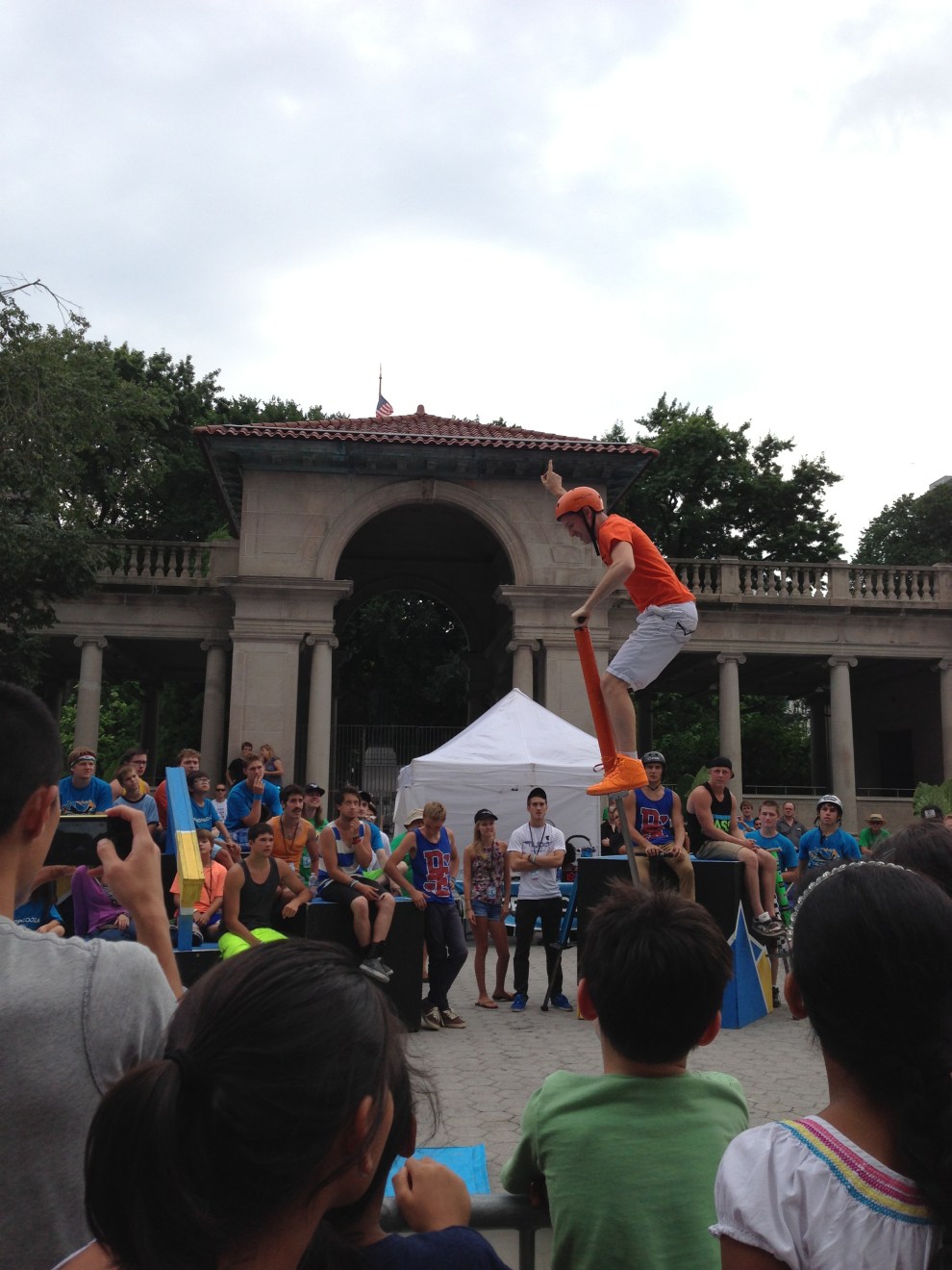
First came a practice period, with a break in the middle for one brave pogoer to take the mike and propose marriage to his pogo-fan girlfriend. He dropped to one knee and spoke of his happiness, and the crowd applauded. A guy in an orange helmet jumped by the couple: “Hey, congrats,” he said with a grin. (The two betrothed are pictured in the middle.)
jack jump

Then a yellow-hatted, yellow-tied, yellow-suspendered master of ceremonies out of a Wizard of Oz  remake introduced a contestant who had pogoed 23.22 miles, and broken a Guinness record with 70,271 bounces (seven straight hours). The athlete made  a pitch for his charity, Bounce to a Cure.

Next came the the Best Trick competition. The dozen or so contestants ranged in age from 16 to28 and in looks from movie-star handsome to pretty darn cute. Fluorescent garb seemed somewhat de rigeur, as were sturdy helmets.

crowd w mc

When I was about 10, I ruled on the pogo stick, setting records on my driveway with 100 jumps at a time. I didn’t put a lot of air between my stick and the blacktop, it just felt good to go boing-a-boing-a-boing. To keep that balance for so long. To hold on when it looked like I might crash down.

grow_to_pro_pogo_stick_4

The athletes now acquiescing to pre-Tricks interviews had bigger plans. Some of them, after all, could take themselve fully nine feet in the air, just for a start. There was Wacky Chad from Syracuse, the one in the fluorescent orange helmet and kicks.

jack cu

Also, a qualifier known as Manchild, who jumps his pogo backwards but had no name as of yet for his move. There was Michael Mena, who called his move the “Manchild” out of respect for his colleague. The other contestants gave previews of their tricks: the under the leg bar spin, the infinity wrap, the double 180 wrap, the grisly whip. “You’ll just have to wait and see,” said one fellow who had stripped to the waist, with a mischievous expression.

The Ramones song Judy is a Punk blared from the speakers as the action began.

“None of these tricks have been landed before!” announced the mc.

mc cu

And I noticed that this sport looked fun and all, but was anything but safe. You could injure your body, yes, but you could even more easily bruise your ego. One after the other, the jumpers broke the line and came out into the center, boing-a, boing-a, going through their moves. And invariably, each one wiped out. Dusted himself off. Rejoined the line.

Beck’s Loser was now in the air, a fitting soundtrack for these redblooded competitors who seemed immune to failture.

A guy in sunglasses came out and tripped himself up almost before he began – every single time. “It’s a very technical move,” said the mc, “Give him a hand.”

pogo_stick

A duo on a double pogo tried over and over again to achieve a back flip—and they did manage to nail it, only they landed with their feet on the ground rather than the stick’s pedals.

pogo duo better

Manchild came so close, so many times.

manchild jumping

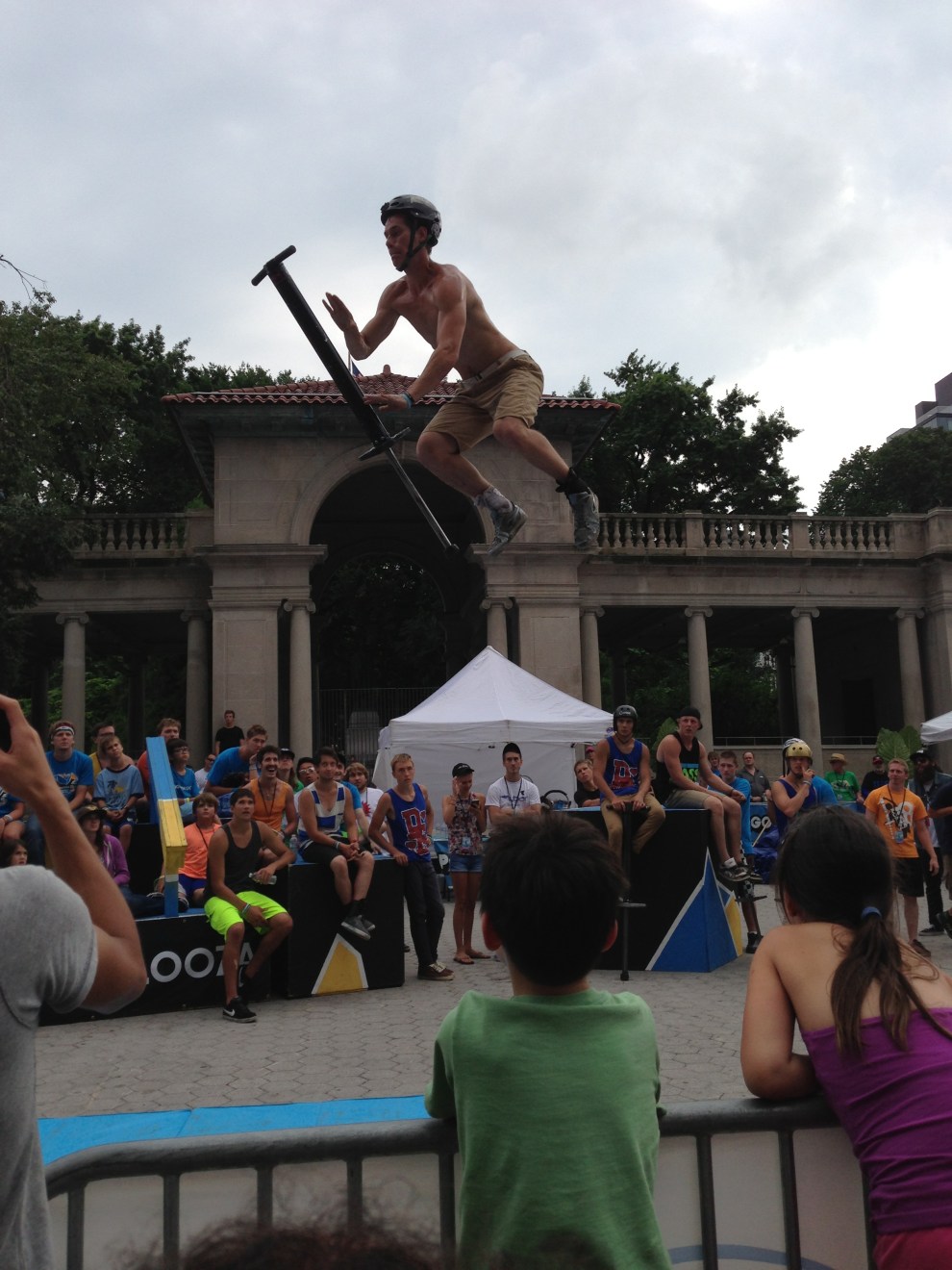
Dan Mahoney, from Nova Scotia, the bare-chested athlete with the wry smile, at 20 is a veteran jumper.

dan hand up better

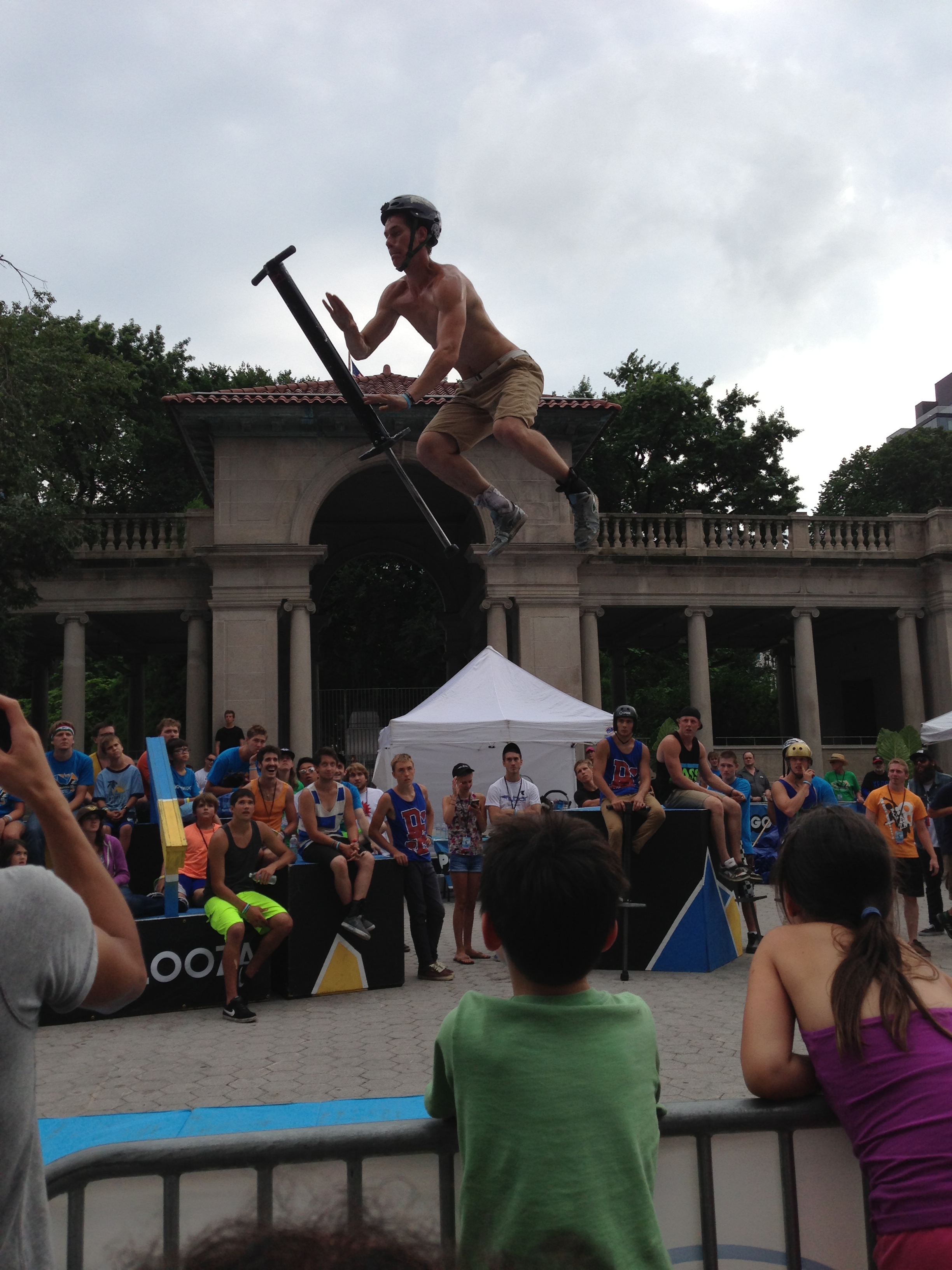
He held the world record for highest jump on a pogo stick (9’6”). He went high, high, high, with his trick at Union Square, he flew, and the figure he cut was so complex that a second after he’d done it I couldn’t even figure out what he did. Still, he failed.
dan jump better

Until he made it. Yes! Glory. The crowd erupted. Yet the competition continued, as the judges would assess the overall performances at the end of the period and make a cumulative judgment.

The Black Keys Howling for You, their big stadium hit, pounded from the amplifiers now as a backdrop for a sport in a smaller stadium, a struggling extreme sport whose people have performed in Beijing, Rome, London, Japan. Can pogoing ever achieve the respect given snowboarding or skateboarding?

Another champion, Biff Hutchinson of Burley, Idaho, jumped into the fray, accomplishing a back flip, then another, then another. Earlier he had taken first in the Big Air contest.

nasty air prize

No one wanted to stop. Even Wacky Chad had to come out for one more ride.

Finally, the end. I watched Mahoney remove his sneaks and socks and carefully examine his feet. He had developed a small limp in the course of the contest. Now he went forward to collect his prize. Do his interview. “When I think of a trick,” the athlete told the audience, “I can see it in my head.” He’s won this prize for four years now. “I love you all,” he said.

Fail and try again. Fail, and win. That was the spirit of the day. But did I dare?

I approached the open pogo area, where brash little pink skirted toddlers and perplexed looking middle agers tried to develop some confidence on the stick.

free pogo area

I was the last in line for the day.

I’d done it before. Yes, several decades before. But give me a moment to collect myself, we’d see who still had the chops.

jz pogo jump

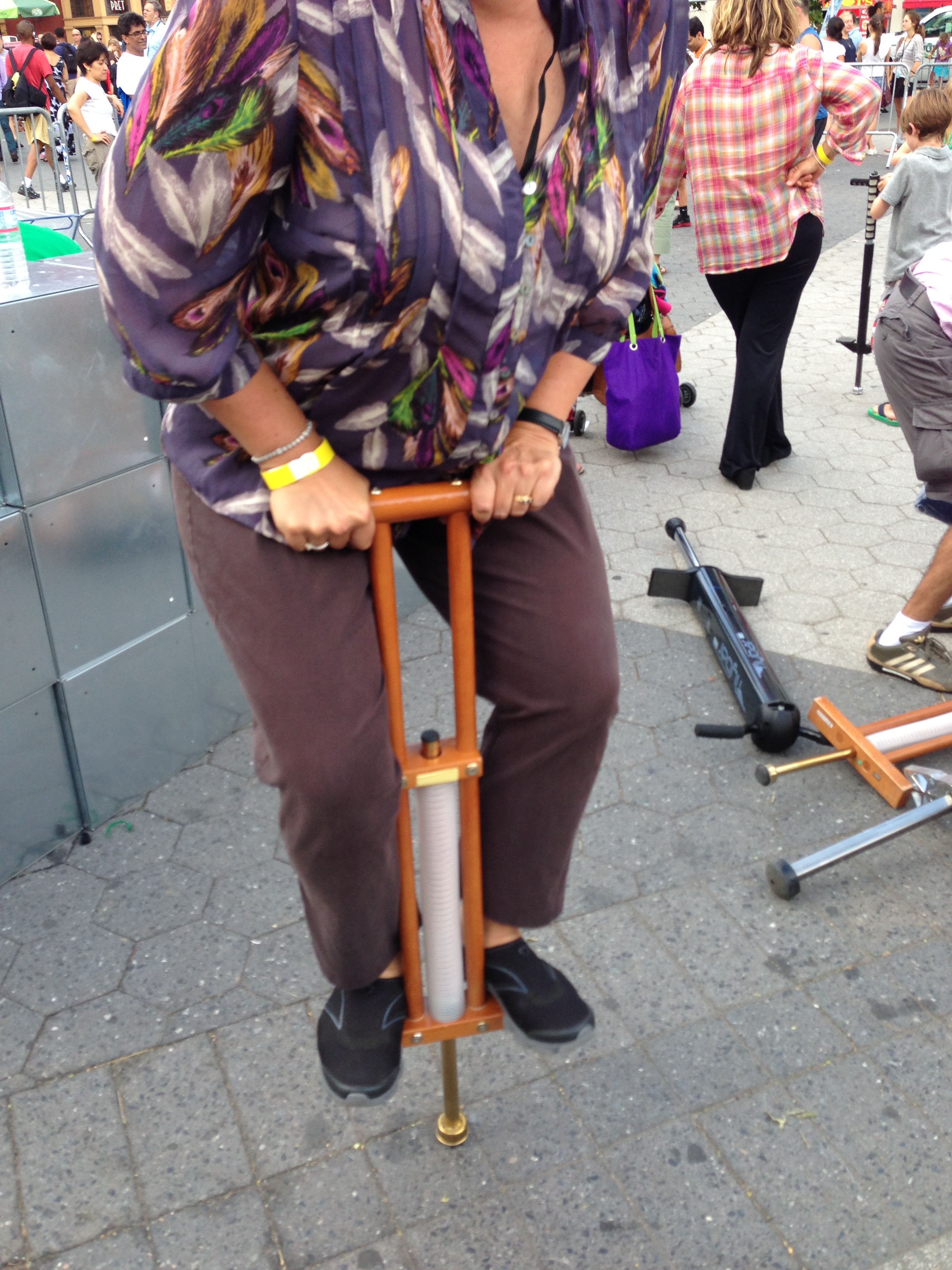
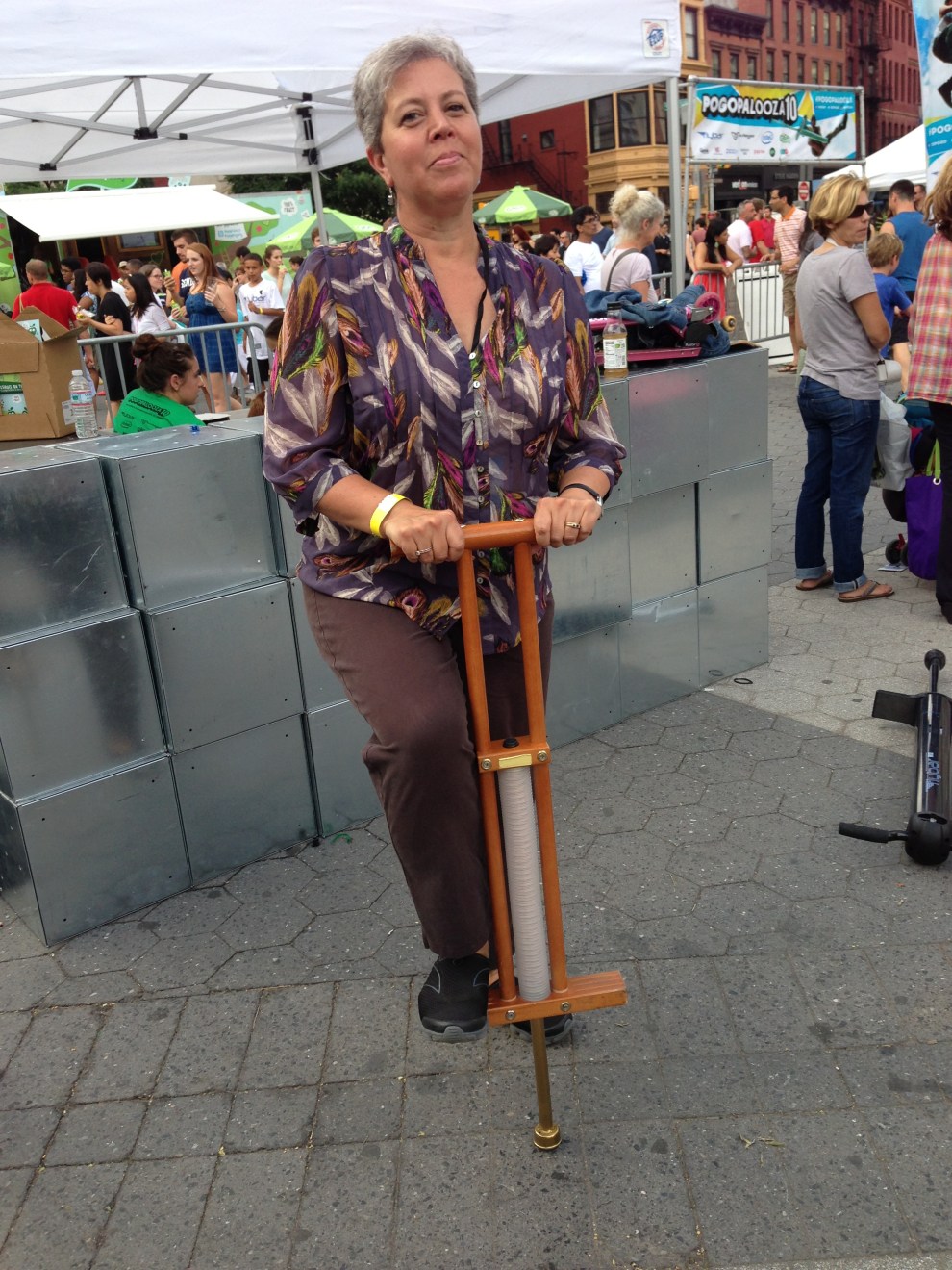
I left my fluorescents at home. I still had my boing-a attitude, though. I asked to use one of the big bazookas but was told by a helper, “That’s what they use,” pointing to the professional pogo pit. That was okay. I mounted my steed and managed not one, not two, but eight jumps. I fell off, then I got up. I dusted myself off.
jz pogo smug

Eight good bounces. Only 92 more to go.
5 Comments

Filed under Culture, Fashion, History, Home, Jean Zimmerman, Photography

Lincoln Center Whirl and Twirl

It is about the dance. It is about the crowd. It is about the dance.

The dance, choreographed by Mark Dendy, is called “Ritual Cyclical,” and it takes place at Lincoln Center, at the north end of its outdoor plaza, on the Upper West Side of Manhattan.

Not at the fountain. That would be too conventional.

fountain

It takes place at the pool, the rectangular, shallow reflecting pool crowned with a sculpture by Henry Moore.

We know the dance is supposed to mysteriously start out of nowhere so as soon as Josefa and I get there we start looking for signs.

It’s hard, because New York is all signs. We have heard there will be some eighty dancers in this flash-mob-ish piece, so anyone could be a performer. Everyone is facing the pool, then someone dressed in business clothes will bolt behind you, a hand on your shoulder. A dancer.

A disembodied voice welcomes us: How to see this piece? Fluidly, moving along, circulating, there is no front, it’s all around, constantly shifting, and changing, and the audience needs to change with it.

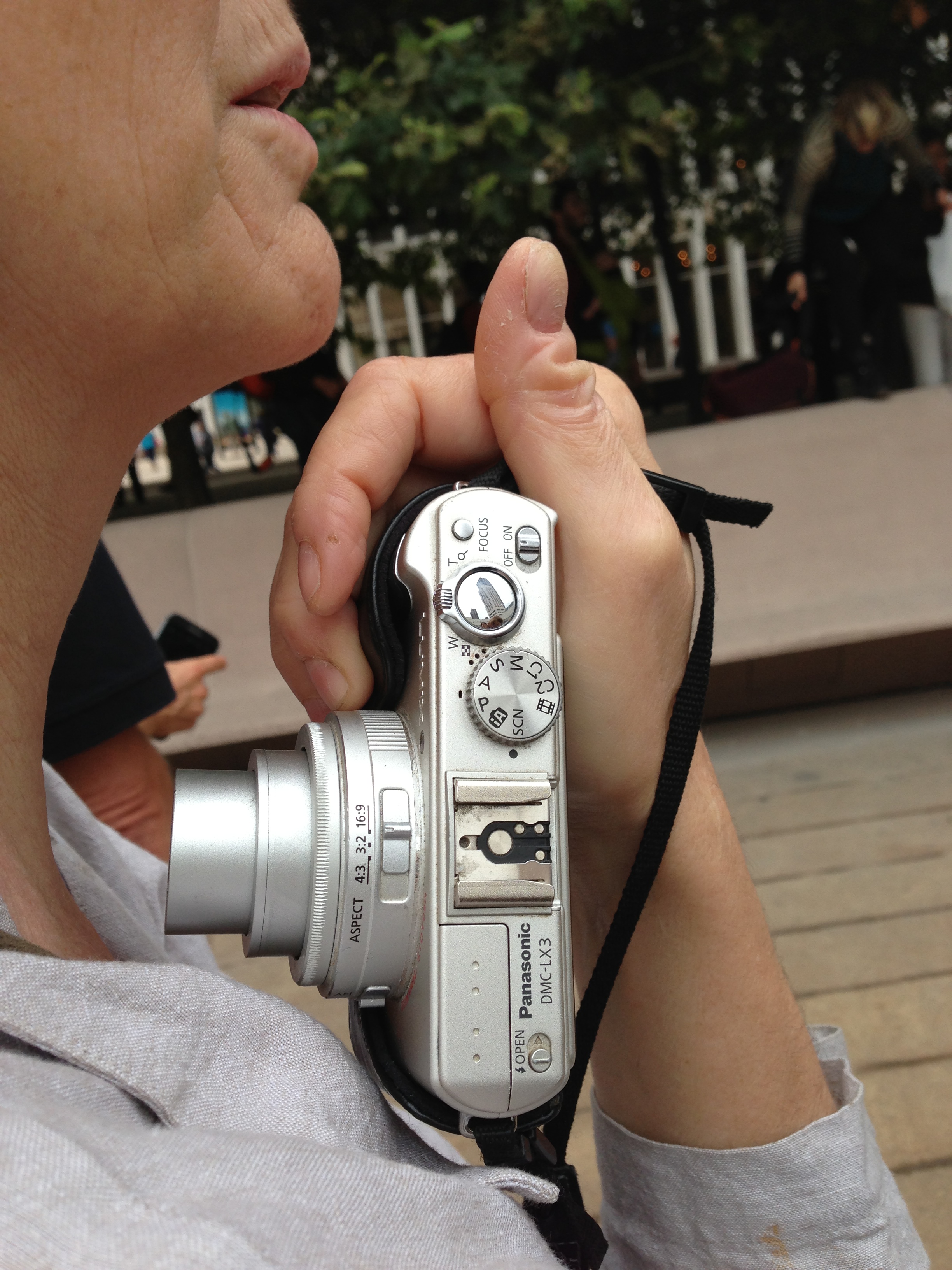
We talk about cameras. Josefa has a great camera and a better eye, and most of these are her images.

josefa camera

How to get the best shot here, where good shots are difficult? I complain that I can’t get a long-distance picture and Josefa tells me a little about the debate over the telephoto lens. In the world of photography, she says, there is thinking going on about what is the responsible way to document something. Is it intimate in a way that is not so good to shoot from far away, rather than close to the subject? The telephoto might be dishonest.

Around peoples’ heads, around  peoples’ cameras, we see people holding their hands up to the sky, waggling their fingers.

hands

It’s as if they are hailing a space ship. The music of the Kronos Quartet soars from speakers all around. It’s six o’clock, just past the afternoon and still not dusk. An hour of expectation, and this piece seems to be a lot about expectation. We’re all crushed up against one another, against hair and shoulders, bellies, hips. It isn’t so bad, strangely.

summer new yorker

New Yorkers in their summer finery.

red glasses

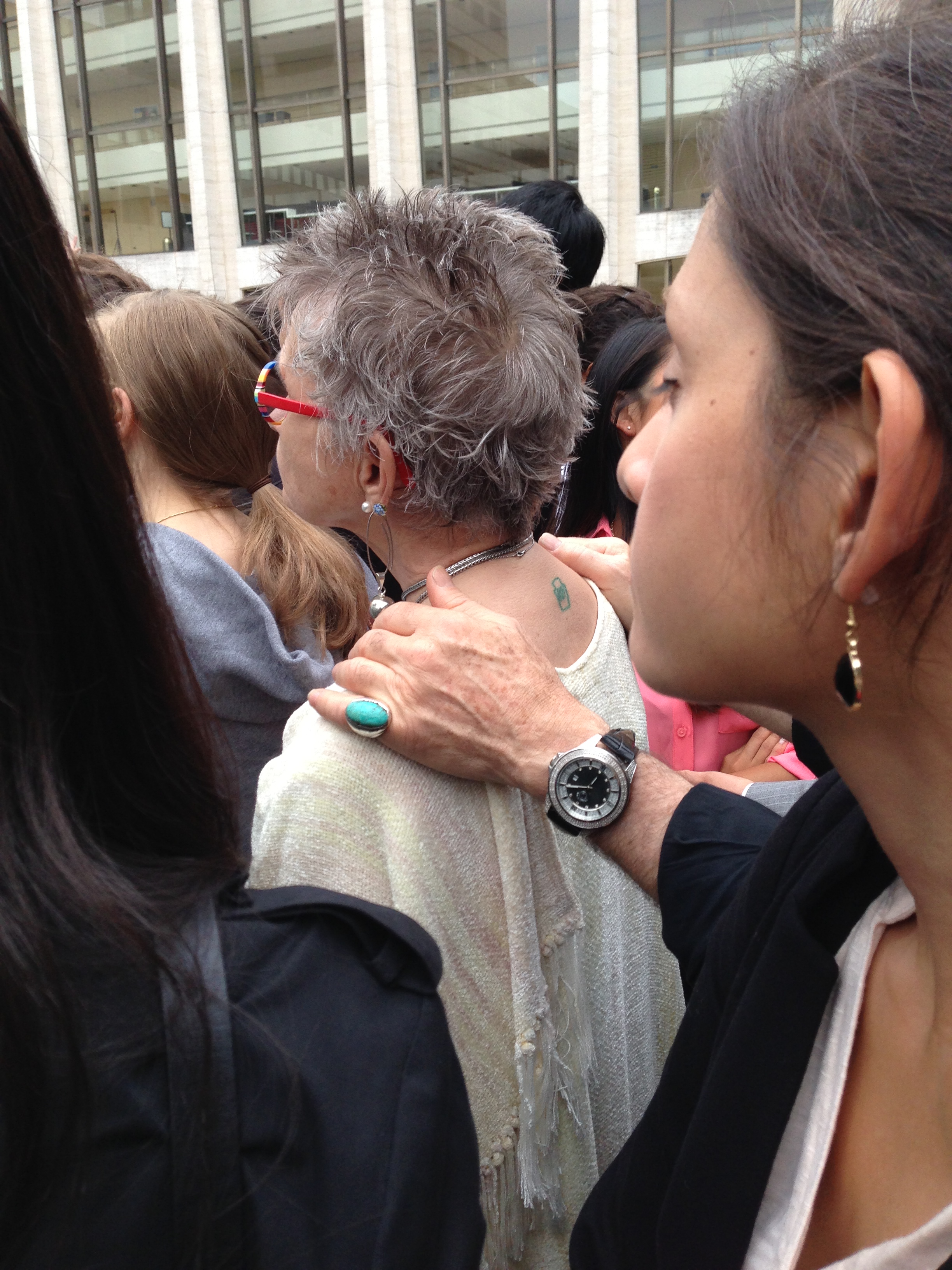
The woman with red glasses has a green tatto of a number on the back of her neck. Josefa always wonders what the numbers mean.

Kids in fatigues already barked at spectators to stand back, clear the area. But the crowds surge.

camouflage

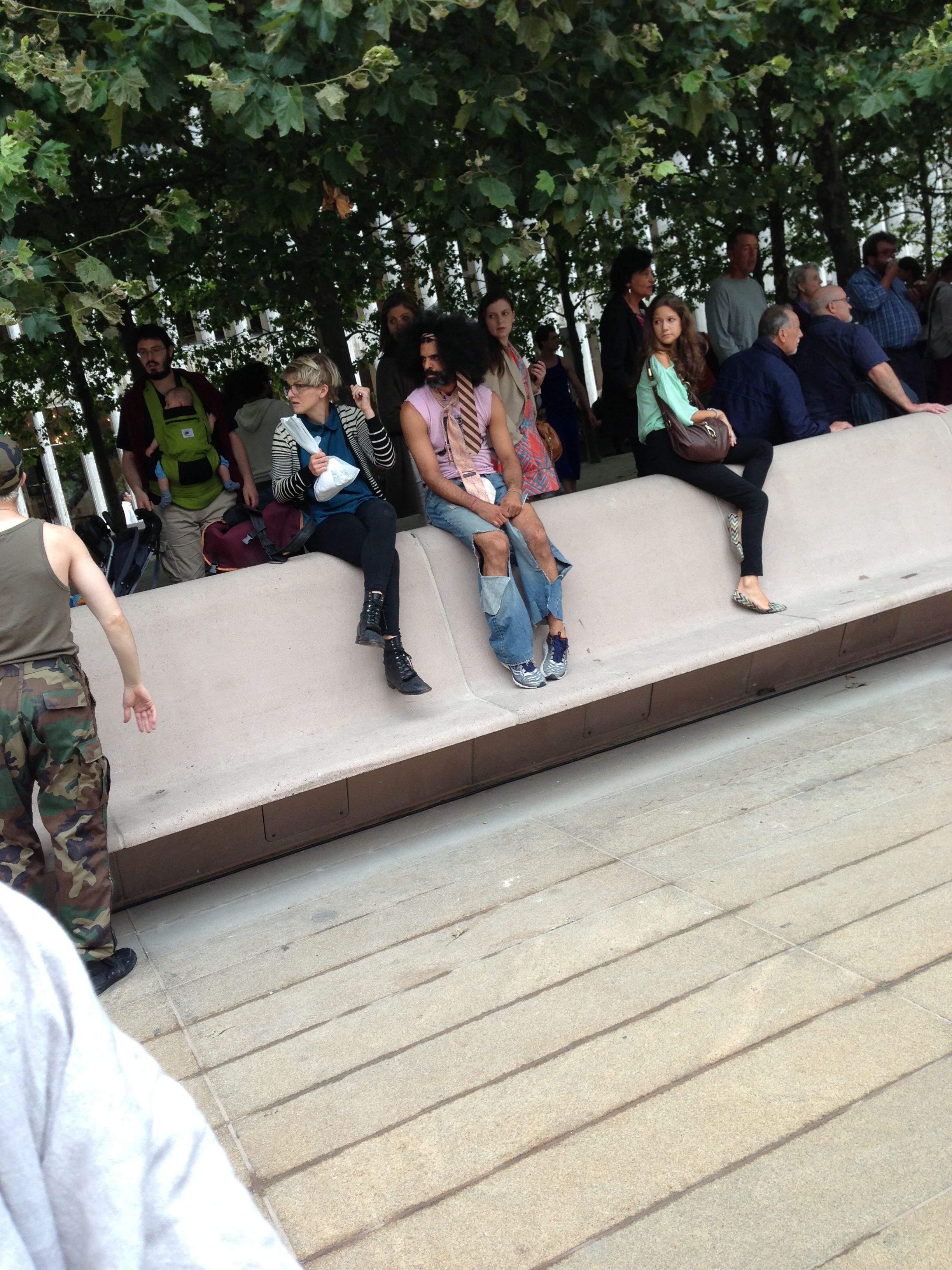
There’s a bum sitting on a concrete bench. Should he be here? Really. Harrumph.

bum sitting

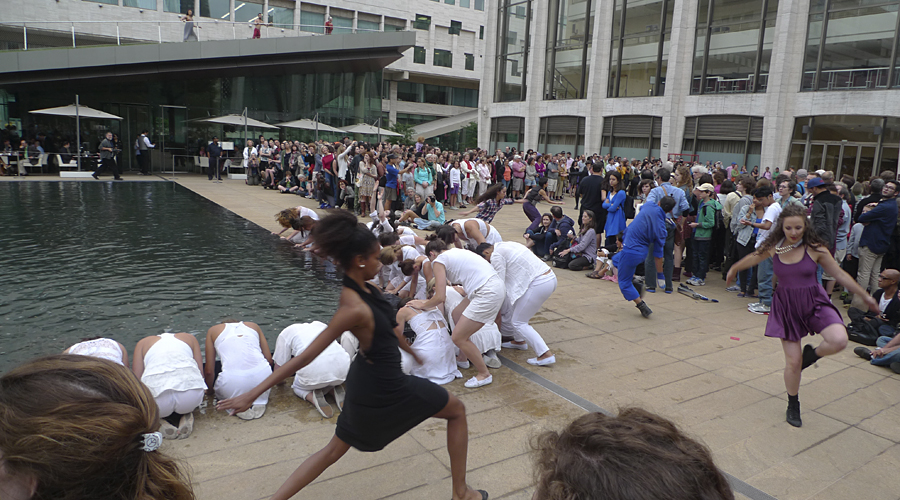
Now girls in white are caressing the water, dripping it across their bodies. A beautiful white-shirted man removes a golden crown from his head.

white girls in water

The dance has begun.

It proceeds on all surfaces, all around, people writhing and twirling, in all manner of costume.

pool dancer

A young man and woman splash and play and court in the middle of the water. She goes piggyback. Up on the green grass plane above the pool, an audience of three dancers stretch their bodies, do what dancers do.

white boy and girl

Then the crowd shifts to the grove of small trees just to the south. Human forms in blue, grey trunks. Josefa: It must be nice to dance against trees like that.

blue dancers

They collapse, and other dancers erupt, doing Latin steps next door.

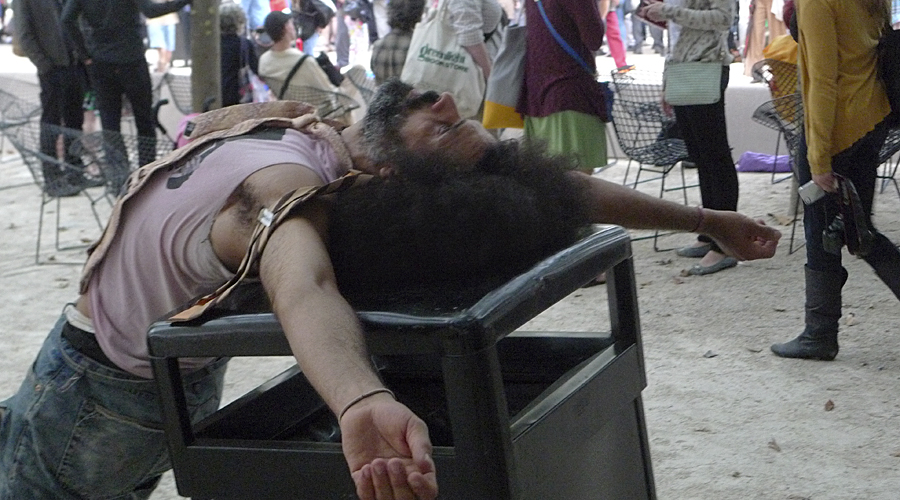
We have a realization. The bum is a dancer. He has appeared everywhere, and is not an interoper, except in our consciousness.

bum blur

His clothes are dirty, he picks up trash from the ground. A dirty dancer. Josefa takes pictures as he twirls, relishing his intransigence.

bum:can

Is he homeless? a man asks me.

No, he’s a dancer.

The homeless dance? he says.

For a finale there is a stage in front of the New York Public Library for the Performing Arts and American tunes: The Battle Cry of Freedom, Dixieland, Elvis, Hendrix.

USA! USA! The performers yell. The crowd presses up close yet everyone gives each other room, room to breathe.

boy:shoulders

We can smell sweat – the dancers’? Our own?

iwo

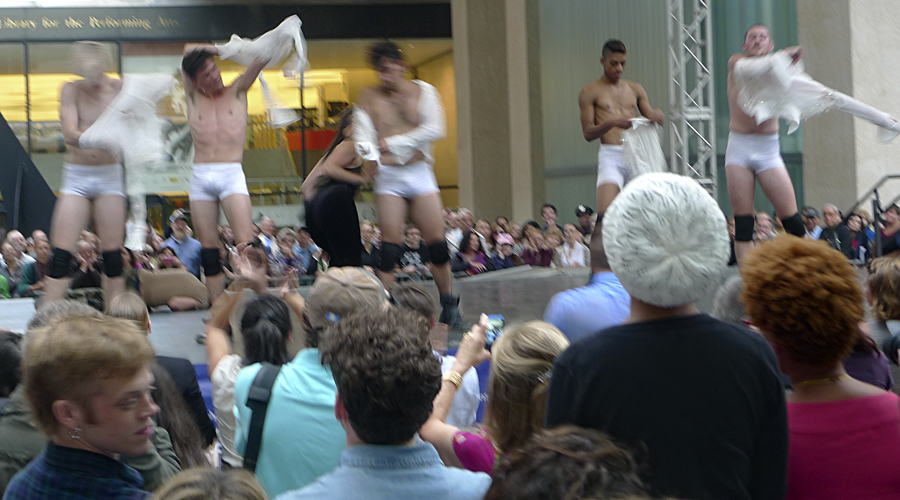
They hoist a flag a la Iwo Jima. American uniforms, then, wow, the vogue-ing, marching dancers strip to their briefs and pitch their shirts and pants out to the audience like rock stars.

clothes

We don’t care, we’re New Yorkers, but still it’s pretty cool.

Mark Dendy told The New Yorker, “Every day, every New Yorker comes into contact with about two hundred thousand other people, and they all depend on each other. So in this piece we do this thing called New York City together.”

Do they ever.

9 Comments

Filed under Dance, Fashion, Jean Zimmerman, Music, Photography

Portals Into Other Worlds

I’m thinking about how you can visit other times and places on the web, peeking through portals the way you peer through a cutout in the plywood surrounding a construction site. Here are fifteen visits I’ve made lately that I’d recommend.

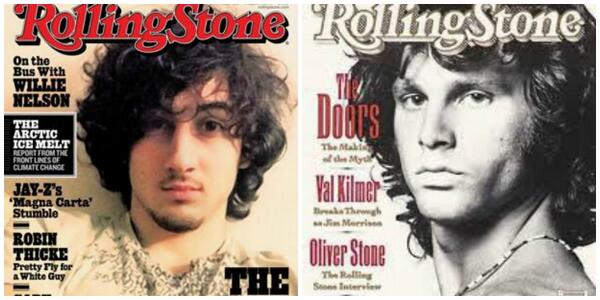
It was a mistake for Rolling Stone to make a rock star out of a creep.

jahar:jim

That doesn’t mean the article that goes with the picture is not good journalism. And don’t we want to know, don’t we have to know, what makes terrorists tick, in order to know how to combat the evil they do? If you don’t feel like patronizing Rolling Stone at the moment to read the piece, if you’re interested in long-form reportage on all kinds of subjects, from a history of the famous indie rock club Maxwell’s to a star 16-year-old pitcher in Japan, go to Longform.org, which reprints new and classic nonfiction from around the web.

Amazon-Kindle1

Admit it, you want to know the inside story of the Kindle. What brainiacs came up with this gizmo that might mean the end of books as we know and love them? (I actually have a Kindle Fire and don’t find it hasn’t stifled my desire to read print on paper, just saying.)

It sounds almost banal, but I guarantee that when you hook into The Evolution of Love Songs (1904-2007) you will not be able to quit. I’m waiting for part 2, 2008-2013.

Up my alley, and I hope yours, a view of how the lives of American women changed over the 19th century through the art of the time.  In particular, life on the farm, complete with Winslow Homerian milkmaids.

Winslow Homer (American artist, 1836-1910) The Milk Maid


There are so many food blogs. I like npr’s the salt.

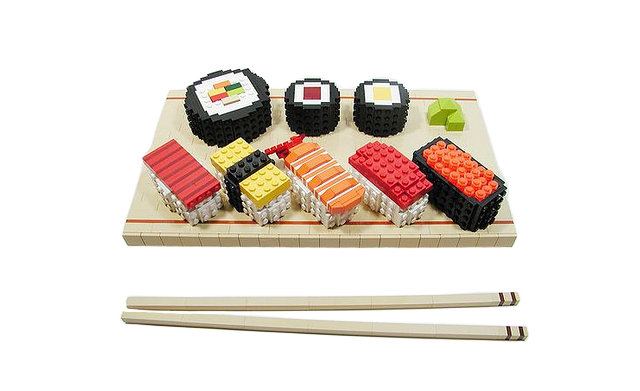
A view into a different world would include the minds of people who make Lego their personal idiom. They do things like make plastic sushi and other amazing Lego food creations. 

Lego sushi

I’m interested in the alternate lives of feral children, especially since my next novel Savage Girl  describes all the trouble one can get into in Gilded Age New York. Like how do you participate in a refined dinner party when you’re accustomed to tearing meat apart with your fingers? Every now and then a contemporary wild child surfaces with an interesting story. You can read about Marina Chapman, a British housewife who claims she was raised by monkeys in Colombia.

 marina chapman

Want to know about neolithic cooking? The Rambling Epicure tells you, and it starts with “one bucket wild spinach leaves.” The excellent food site gives you a recipe from Jane Le Besque’s cookbook, Un Soufflé de Pollen: Livre de Cuisine et de Peinture. A painter, Le Besque lives in the Pays de Gex in the foothills of the Jura mountains, and this is her “artistic vision” of primitive cuisine.

See how other people connect — passionately — with the past. Reenactors get their due with 36 photos from around the world.

reenactors

Here, actors and actresses from Iere Theatre Productions play the roles of indentured East Indian laborers and British constabulary police during a reenactment of the first arrival of East Indians to Trinidad and Tobago, on Nelson Island in the Gulf of Paria off the west coast of Trinidad.

It’s not all about Gettsyburg, clearly.

reenactors 2

These children are taking part in a mock military parade at an amusement park in Pyongyang to mark International Children’s Day, in this photo taken on June 1, 2013.

Okay, the squeamish should not tune in to7 Bio-Artists Who Are Transforming the Fabric of Life Itself” at the site io9.

rabbit

It’s about how some provocative artists today deal with biotechnology. Working with scientists and engineers, these geniuses transform living tissue and even their own bodies into works of art. For example, Brazilian-American “transgenic artist” Eduardo Kac took a rabbit and implanted it with a Green Fluorescent Protein (GFP) found in jellyfish. When placed under a blue light, the rabbit glows an otherworldly hue.

On the lighter side, see the longest domino chain in the world made of books: 2,131 of them.

 My dog is named a very modern Oliver. He looks exactly like his name.

oliver about to copy

Medievalists.net has a well-researched piece on ancient pet names, such as dogs called Sturdy, Whitefoot, Hardy, Jakke, Bo and Terri, and a cat in England named Gyb – the short form of of Gilbert –  or one named Mite, who prowled around Beaulieu Abbey in the 13th century, or Belaud, a grey cat belonging to Joachim du Bellay in the 16th century. Isabella d’Este owned a cat named Martino. I bet nobody died their animals green.

Buzzfeed has 16 noble photos of women writers at work, including a great one of Anne Sexton immersed in her craft.

anne sexton

From MessyNessyChic.com, the story of an artist whose work was discovered in the trash 50 years after his death.

Charles Dellschau

This grouchy butcher by trade, an immigrant named Charles Dellschau, had secretly been busy assembling thousands of intricate drawings of flying machines, sewn together in homemade notebooks with shoelaces.

And for anyone who didn’t catch this when it went big on the web, Dustin Hoffman showed us his softer side in reminiscing about Tootsie and what playing a woman meant to him. The interview is a window into the psyche of someone whose brilliant work opened a window into a psyche we were lucky to see.

tootsie25

3 Comments

Filed under Art, Cooking, Culture, Dogs, Fashion, Fiction, History, Home, Jean Zimmerman, Nature, Poetry, Savage Girl, Writers, Writing

Rapid Cycling

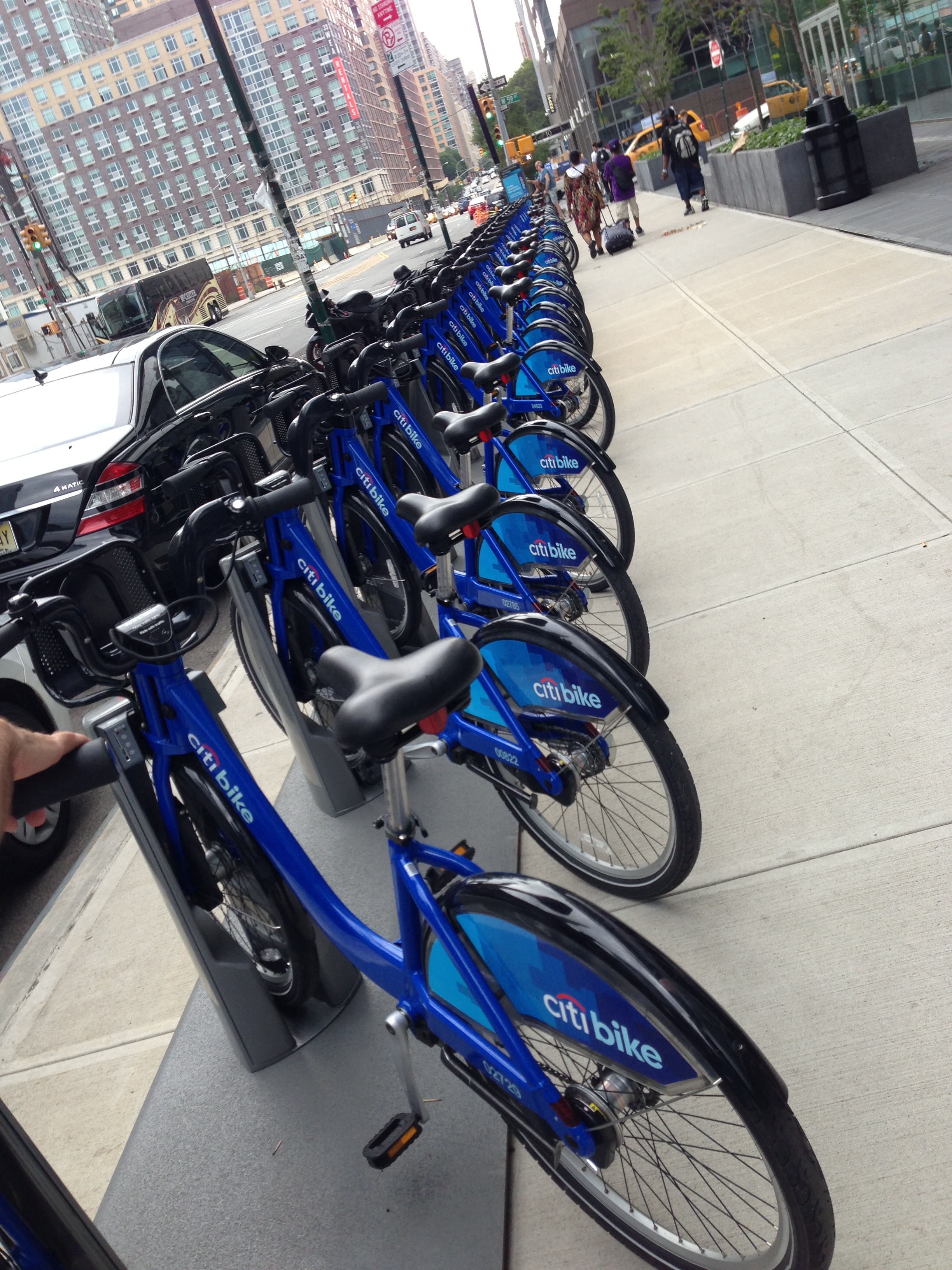
You’ve heard about the Citi Bikes that now throng Manhattan. There are thousands of them parked in solar-powered docks from Battery Park to Central Park. Anybody with a bank card can rent one for half an hour. (There are some bikes in the outer boroughs, too.) They’re making New York into Minneapolis or Melbourne or any of the other healthy bike-sharing cities around the world. Everybody in New York is taking a set of wheels out for a spin, tourists and natives alike.

citibikes

I said, when asked, I wouldn’t do it.

I did it.

My logic: there are a lot of things on my reverse bucket list, my fuck-it list, things I pledge never to do. Anything involving getting lofted high above the ground. No skydiving for my 60th birthday.  No bungee jumping any time at all. The list goes on.

Then there are things I will probably never do even though it’s my dream. Leaping over a fence, say, while gracefully swinging my legs out to the side. It’s not a question of being young enough — I never could do it. Too difficult.

But riding a soft-saddled steed on a Manhattan summer afternoon? This I could probably accomplish without undue shock to the system.

Gil agreed.

gil:bike

It would only be 30 minutes, after all.

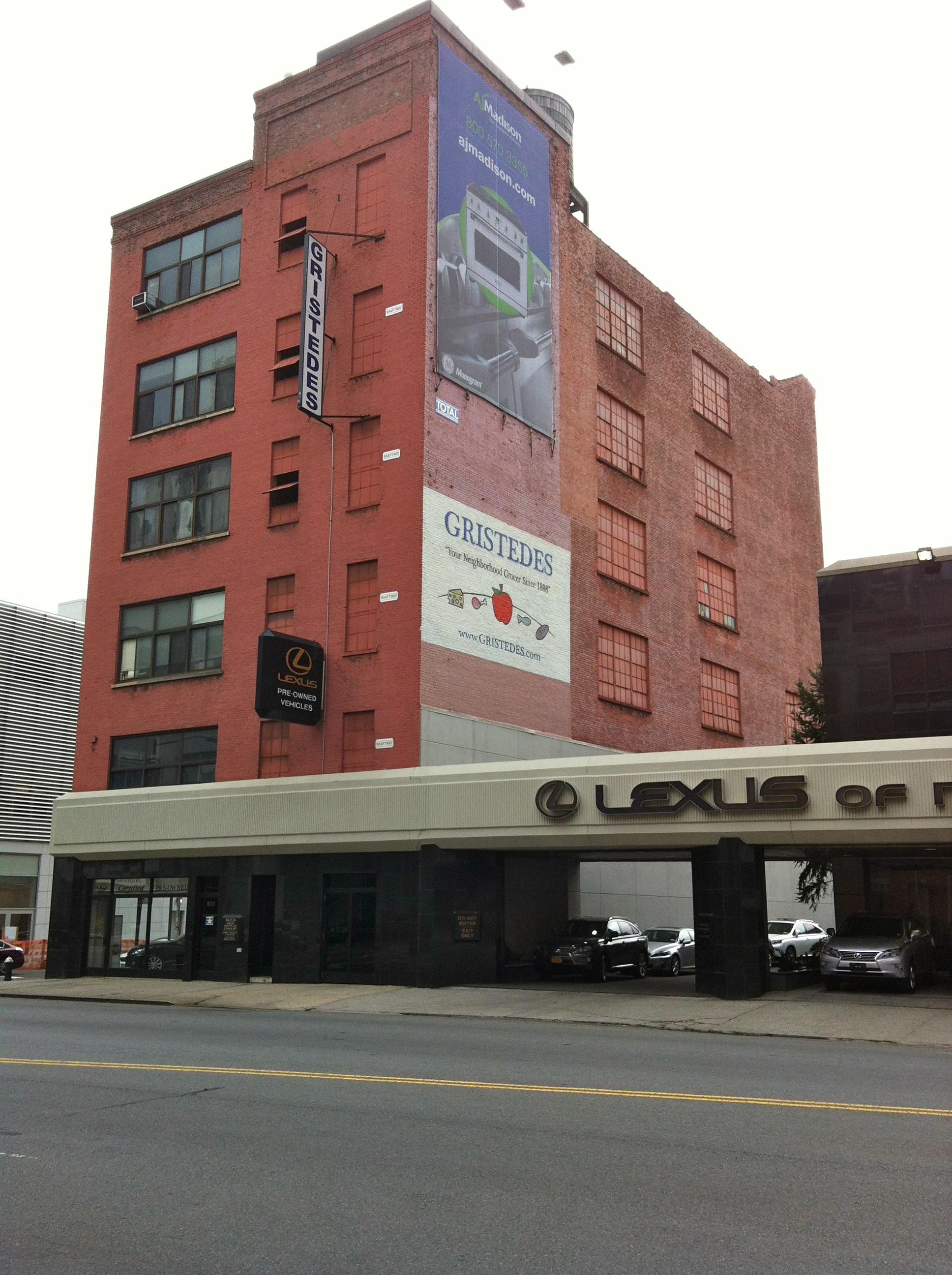
We started at luxury car alley, that stretch of Eleventh Avenue in Midtown where drivers with a fat wallet can take away  a Lexus, an Audi or a Mini. Glossy, glassy buildings on every side. But as in so many corners of New York, shreds of a past neighborhood identity can be found if you look, like old signage for a supermarket over the Lexus dealership.

IMG_0527

Someone was watching us.

IMG_0526

We’d better behave. Across the avenue from the bike rack, at 59th Street, stands a grand monument to both the subway system and steam, a full-block-square Stanford White designed industrial temple that was originally the Interborough Rapid Transit Powerhouse.

power plant

Built in 1904, it has bold Rennaissance Revival details. When it outlasted its usefulness to the subway system in the 1950s, Con Edison took is over to supply the New York City steam system.

Under the shadow of its grand façade we pedaled to the Hudson, wobbling ever so slightly and nearly getting sideswiped by several taxis. Then we joined the stream of cyclists on the pavement along the river under the West Side Highway.

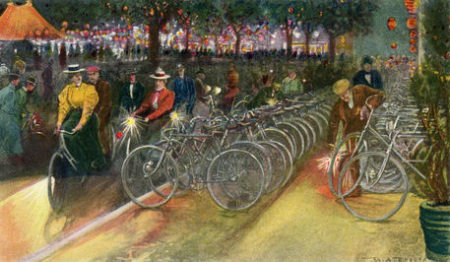
Biking is hardly a new fashion in New York City, especially for women. In the 1890s, female cyclists crowded the urban streets, and their exploits were enthusiastically described by gossip columnists. Pictures of glamorous women, the wind in their upswept hair, graced the covers of Puck, Life, Scribner’s.

1097-1510-Bicycling for Ladies_front cover_copy

A slight hitch in their pursuit of the sport lay in their mode of dress – the yardage of their ankle-length skirts had a tendency to get snagged in the wheels of the so-called “safety bicycle.” But that was okay, split skirts – bloomers – were coming in. Just ignore the consternation of cycling advocate Mrs. Mary Hopkins of Boston on the subject: “It has made wheeling just another way for a woman to make a fool of herself,” she told the New York Times. “She has made a half-way sort of creature of herself. She can’t be a man, and she is a disgrace as a woman.”

wheelsofchange1

Susan B. Anthony thought differently. She said: “I think cycling has done more to emancipate women than anything else in the world. It gives a woman a feeling of freedom and self-reliance.” Feminism before feminism, all on the mean streets of Riverside Drive.

Cyclists in New York, 1890s

“The moment she takes her seat she knows she can’t get into harm unless she gets off her bicycle, and away she goes, the picture of free, untrammeled womanhood.” I don’t know if Susan B. Anthony rode a bike herself.

sewyourownbuttons_wide

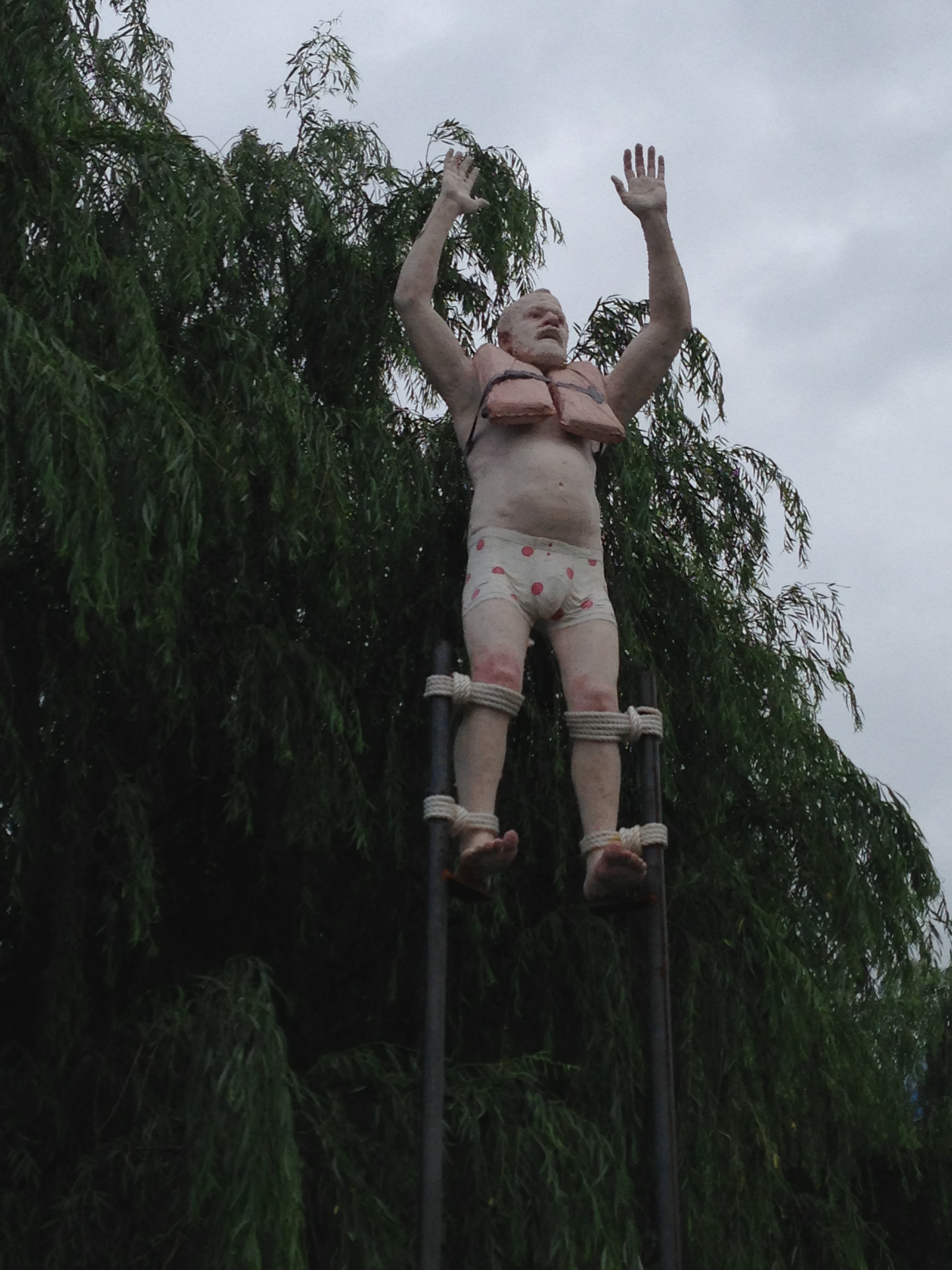
I don’t see how I could come to any harm if I got off my bike in one of New York’s new, pristine waterfront parks, aside from getting a headache from looking up at one of the oversized sculptures looking out over New Jersey.

river art

The sculpture by Benat Iglesias Lopez is one of a group installed this year called The Bathers.

I somehow prefer the art of the decrepit pilings that march along the coastline, vestiges of a different age.

nyc pilings

They’ve been there so long, and they’ve seen so much.

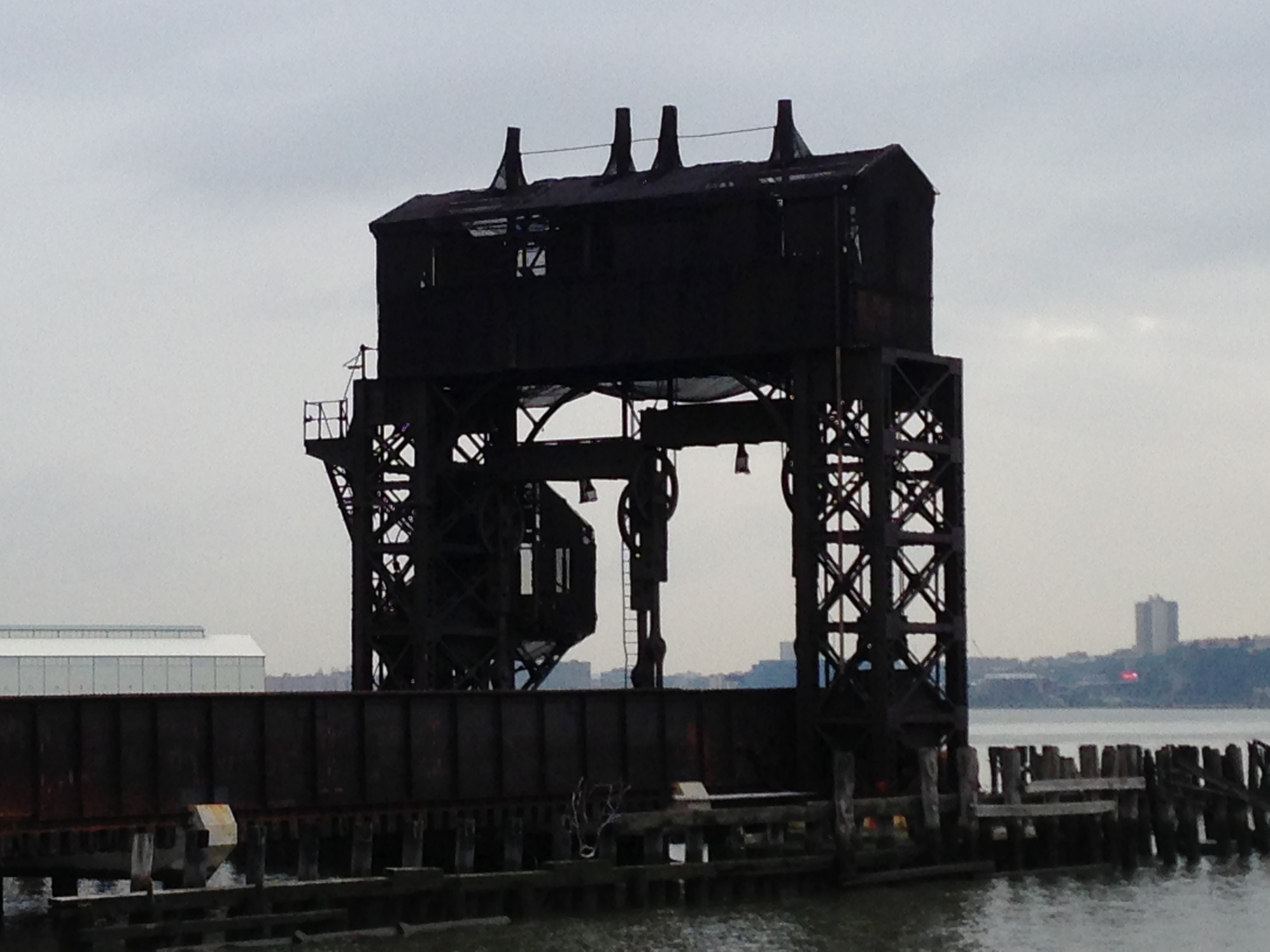
I’ve also always loved this  landmarked historic ruin, the control tower of the 69th Street Transfer Bridge, which at one time belonged to the West Side Line of the NY Central Railroad. The bridge was built in 1911 and enabled the transfer of train cars from rail to boat, to be floated across the river to the rail yards of Weehawken, New Jersey.

elevator tower

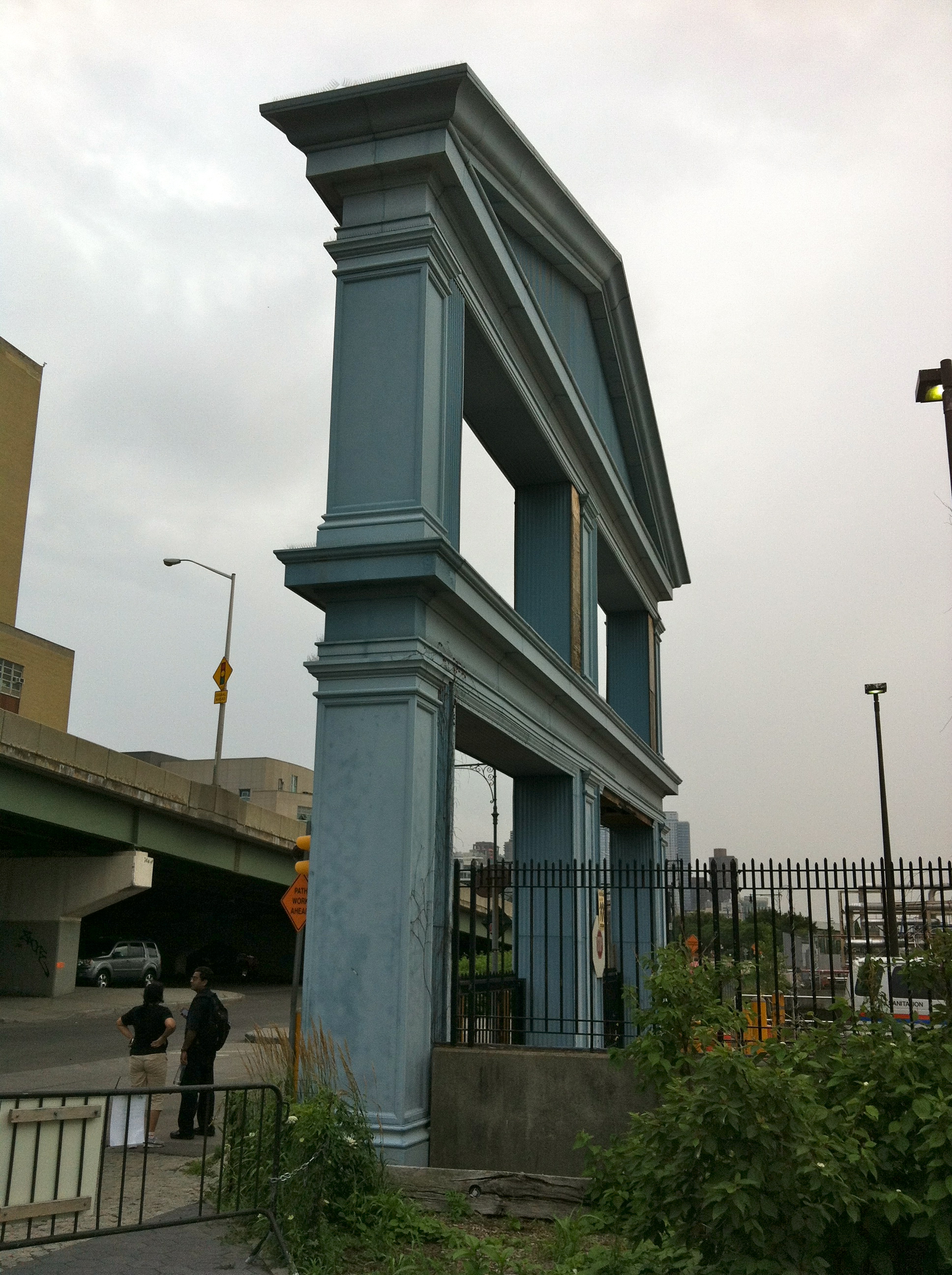
I often get a view of this spooky structure from the West Side Highway that runs alongside it at just about its level. Something else, too, that I can usually spot from the highway but now get a better view from my bike, the proud classical gateway to the Sanitation Pier at 58th Street.

IMG_0525

We checked our watches and found it was the moment to return, but promised ourselves this wouldn’t be the last time we risked our necks for a half hour of the Manhattan wind in our hair.  As we picked up to go, I felt a certain proud resemblance to another female cyclist of the past.

jz bike pose

Only her cycling get-up’s a little more elegant than mine.

17303653102979642

2 Comments

Filed under Culture, Fashion, History, Home, Jean Zimmerman, Photography

Deep Purple

No better place to be on a mild summer night in Wausau, Wisconsin.

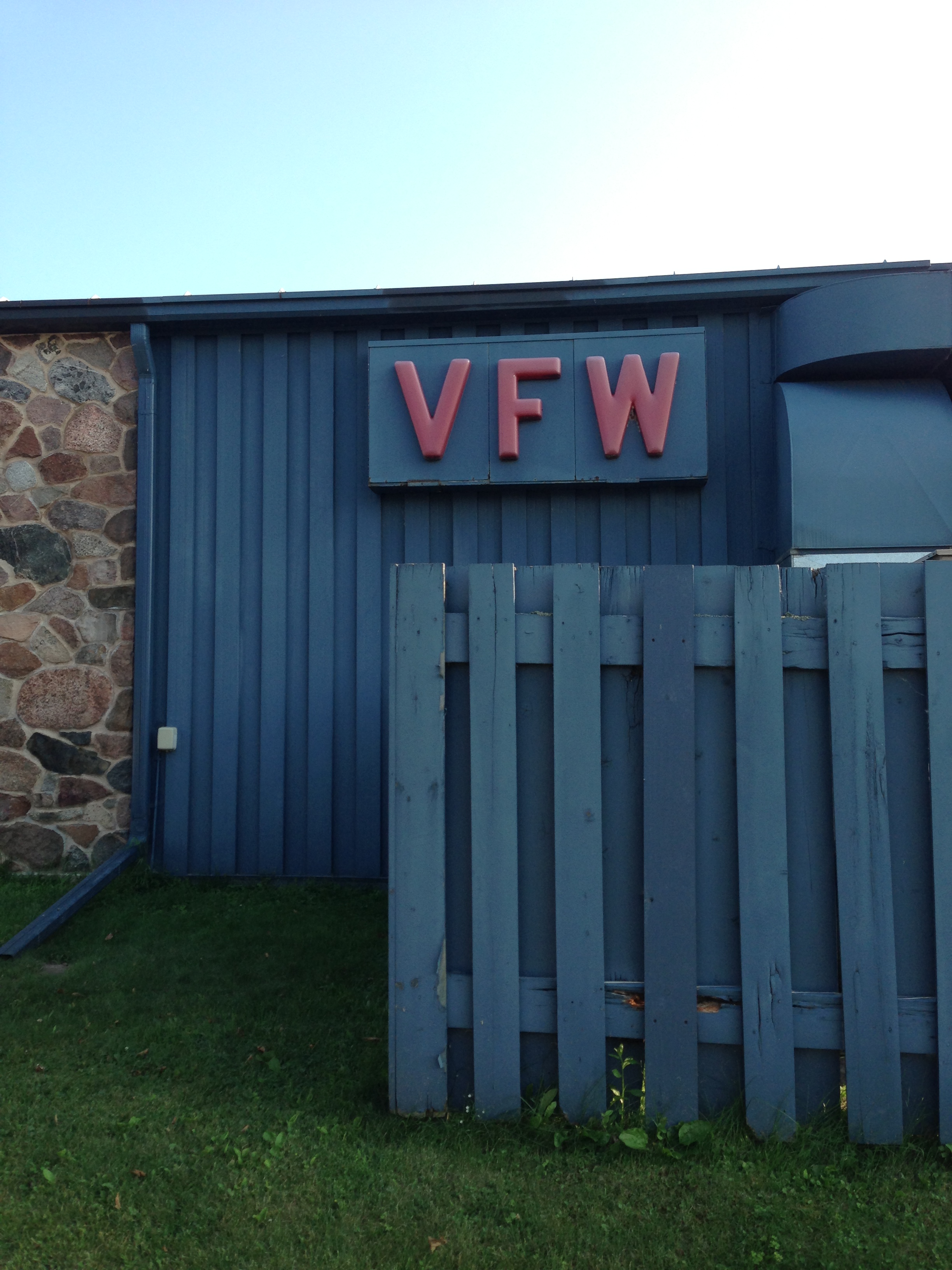
fish fry signOne place allows you to do more than chow down on walleye.

vfw


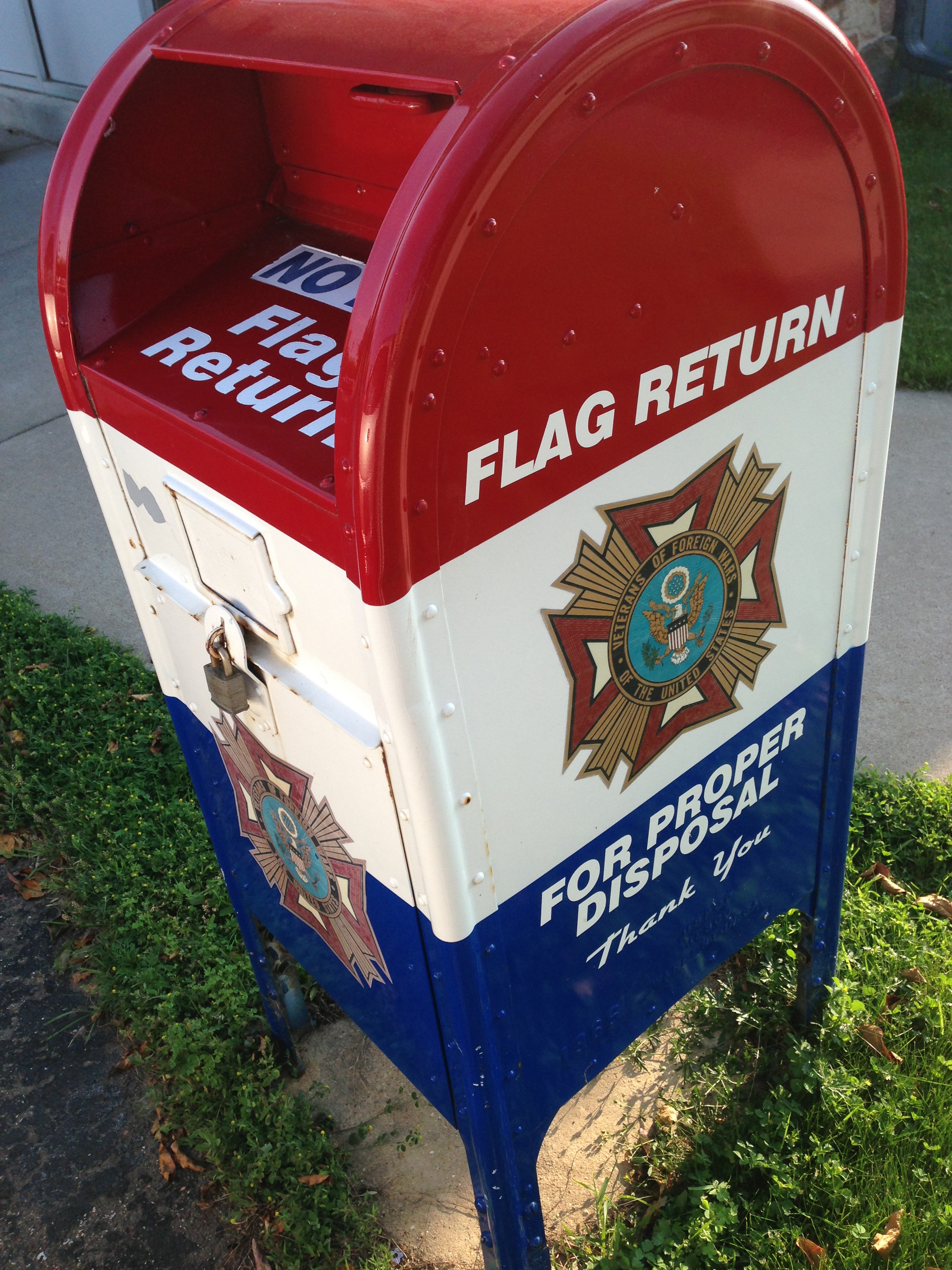
Return a flag.

flag returnHug a military sculpture.

Rick

Make like a pinup girl in front of a valuable Air Force Corsair II that made its bones in Southeast Asia 40 years ago.

plane

There is fellowship over fish. Sisters who trekked here for their cousin Eloise’s memorial service tomorrow.

lois:janetEloise loved purple. Some people wear purple.

quinn

The Old Fashioned cocktail is analyzed, quaffed. Don Draper’s choice. You can drink one sweet, with cherries, or sour, with mushrooms. Let’s order a round.

tom collins


Bet you can’t drink just one.

lydia


Reunions.

jesse:gil


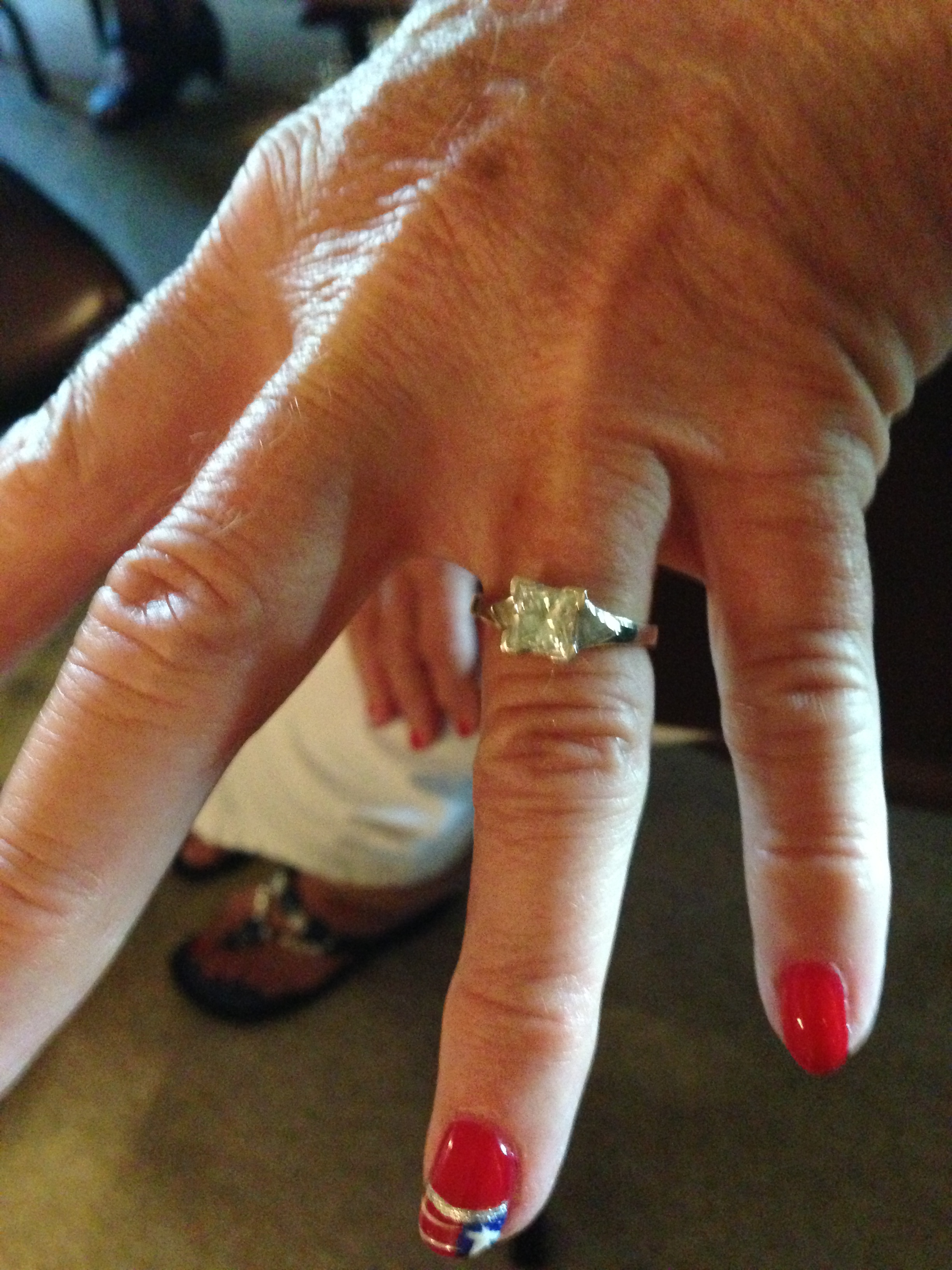
Mid-life romance, second marriage engagement bling.

bling


A couple of accordion players who will perform Deep Purple at the church.

accordion


More sisters, more gab.

sisters


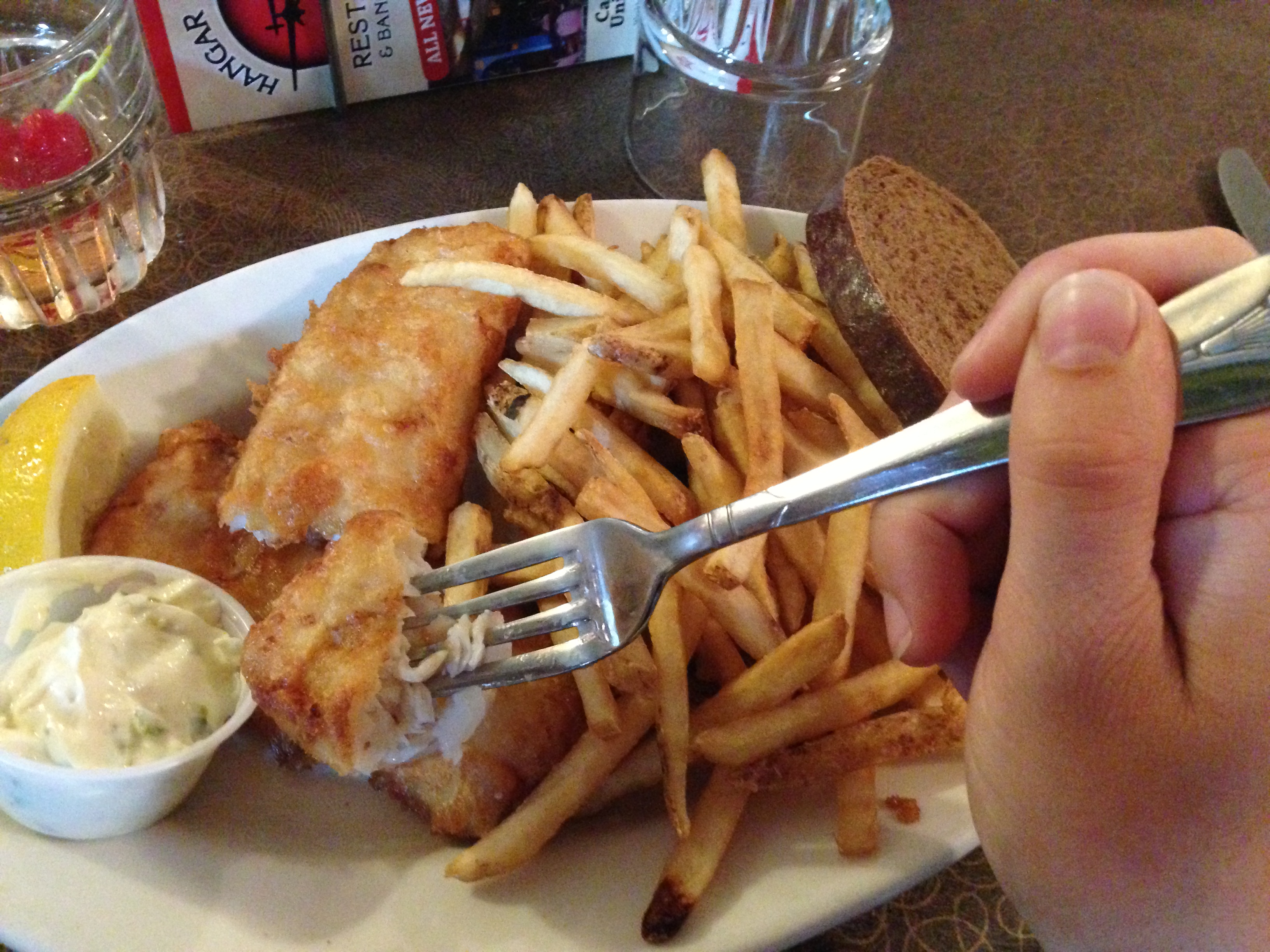
And finally the fish.

fish plate


A mellow night.

thomas


A memorable lady who is missed tonight.


If you want to stay longer, says the waitress, you can go drink in the lounge.

lounge


2 Comments

Filed under Art, Cooking, Culture, Fashion, History, Home, Jean Zimmerman, Music

A Stitch in Time

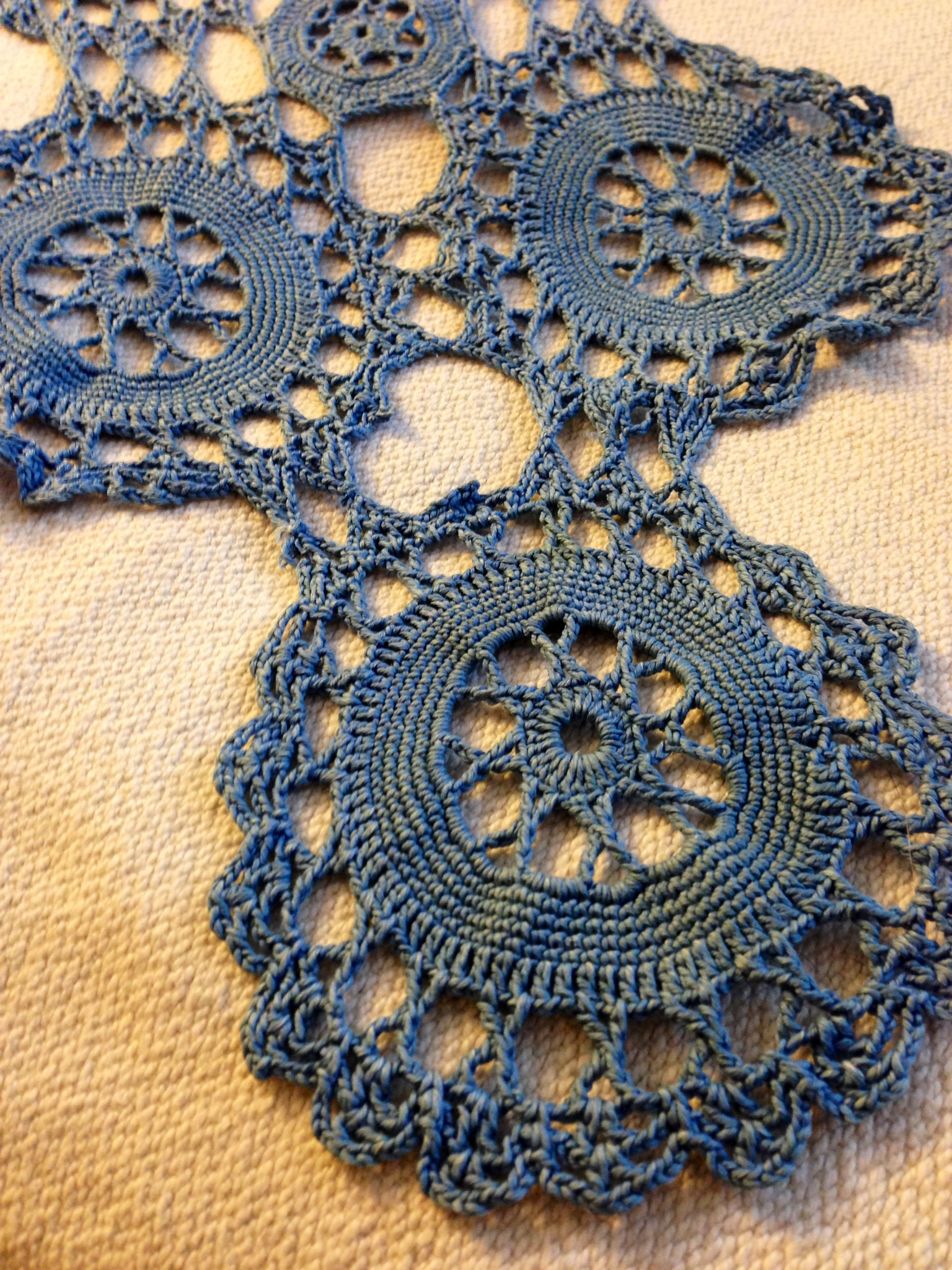
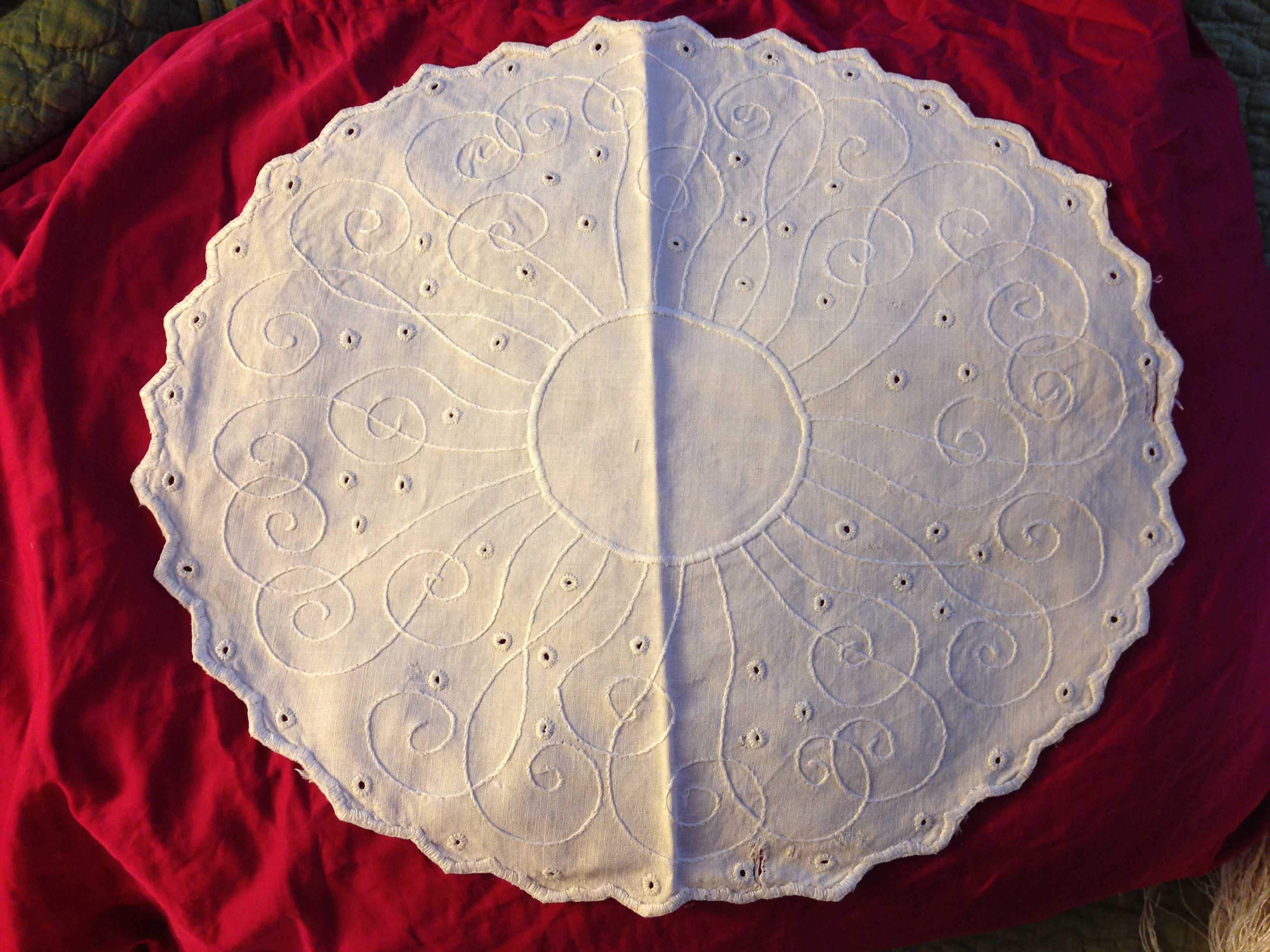
I keep in storage a box filled with 94 vintage pieces of linen and lace, and an antique silk flowered shawl with long, swaying fringes.

shawl

All heirlooms, all worked by the matriarchs of the White and Coats families, small-town Tennessee residents. Artists.

circle lace on green

The women of my family. Who specifically made these creations we can’t be sure, though my great aunt is a good bet. She was known as an adept with textiles. A tatting shuttle and a crochet hook were surely in her arsenal.

circle lace cu

I take them out these pieces now and again. Take a moment from my contemporary concerns. Pause. Lay them out on the bed.

lace cu 2

Stand back to admire them.

three

How intricate.

lace cu

The colors. Pink.

pink lace

Blue.

blue lace

Run my fingers over the bumps of the embroidery, the open work of the tatting. I think I am in love with this lace and its delicate carnations. Do you like the fragrance of a carnation as much as I do?

carnations

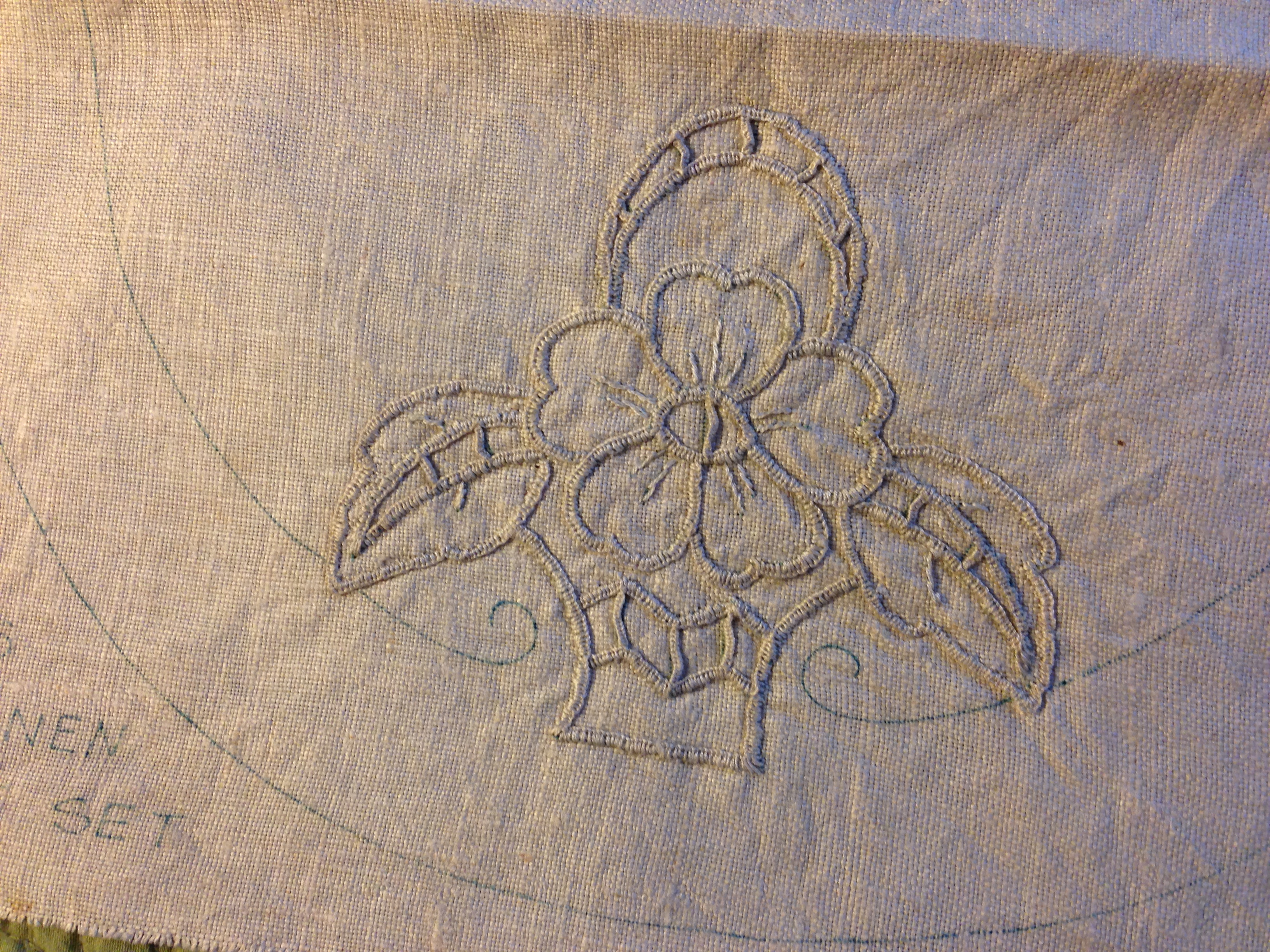
Someone, sometimes, followed a ready-made pattern – you can see the ink on half-finished fabric.

kit 2

I wonder, what inspiration drove the women who came before me to make these brilliant textile works? Because it surely wasn’t necessity. No one could use this many antimacassars or table runners, this many doilies.

lace on green

Although I do see something occasionally that bespeaks everyday life, and these pieces leave me utterly moved. A woven brassiere. (A training bra? So small!)

brassiere

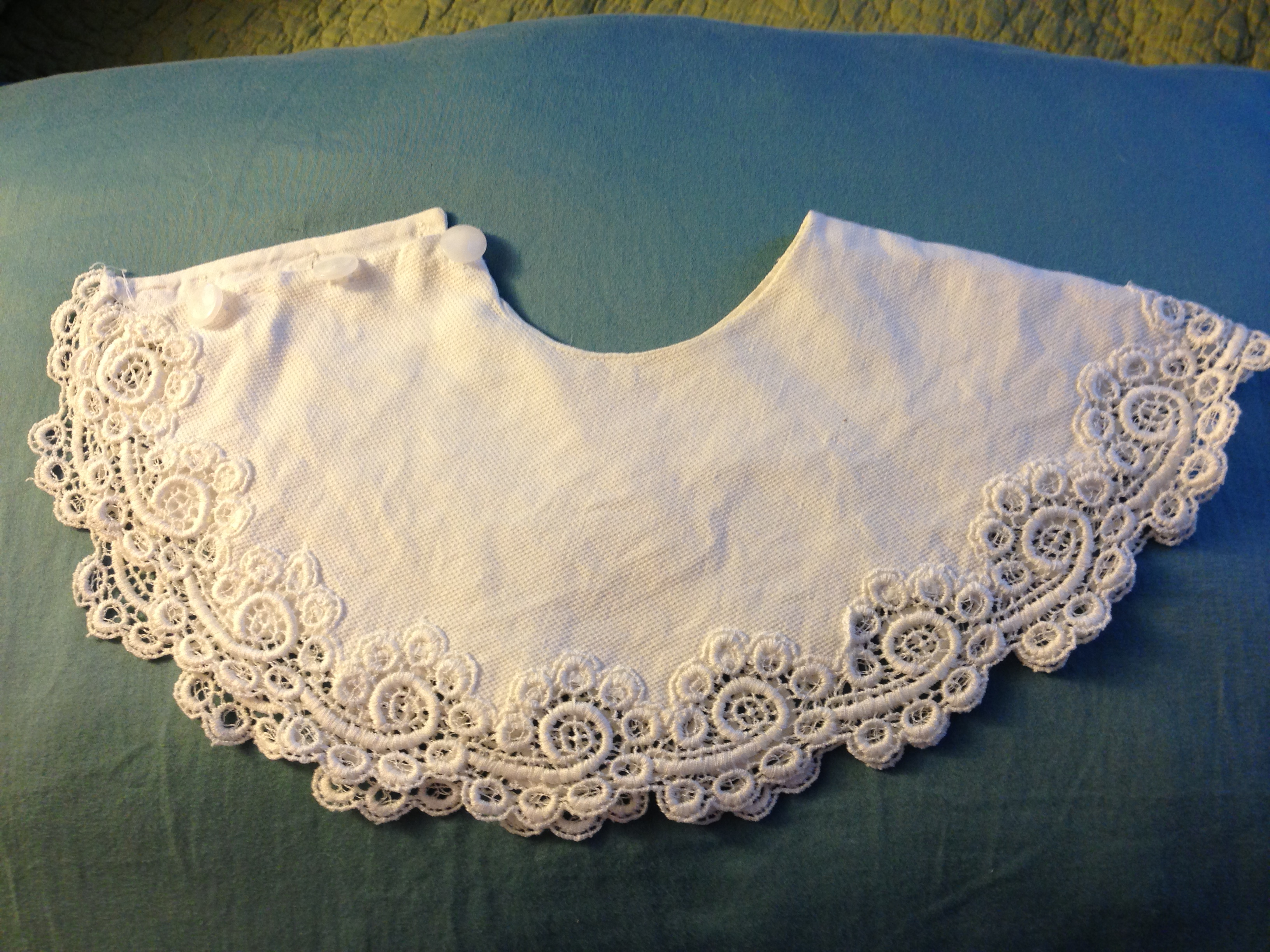
A linen collar with mother-of-pearl buttons.

collar

In the rural America of the early twentieth century, there were beans to be snapped, pickles to be put up, floors to be mopped, and even chickens to be wrung by the neck. Yet these people took time, so much time, to make beauty with flash out of plain thread and cloth.

circle

10 Comments

Filed under Art, Culture, Fashion, History, Home, Jean Zimmerman

Lowdown on the High Line

New York City’s High Line park is totally overexposed. I’m going to expose it further.

walking

I walk with three menfolk from the top to the bottom of this new icon of the Manhattan landscape, stunned by the native plantings that seem to find city soil the best fertilizer in the world.

yellow flowers

I spent a day in the country looking at wildflowers and saw no profusion like this.

cone

Superflowers.

purple flowers

And a planting of bamboo, which has to be tightly constrained by a metal guard to keep it happy in its place. Kind of the opposite of Jesse, who isn’t happy unless he’s on the open seas or in some other free environment.

jess:bamboo

The High Line was  built between 1929 and 1934 from Gansevoort to 34th Streets to lift dangerous freight trains above the traffic. For years, meat, produce and dairy products were shipped to town and arrived at the third floor level of plants. That might have been a little inconvenient, but the situation previous was insupportable. In the nineteenth century, people actually called Tenth Avenue “Death Avenue” because the street-level railroad caused so many accidents. Men in an outfit called the “West Side Cowboys” were hired to ride in front of trains and wave red flags to warn traffic off.

cowboy

In 1980 the last train came through with a load of frozen turkeys. Then the rail bed deteriorated. Gil, who lived in the city then, says, “It was the high line, alright, everyone was getting high.” What grew there was what the High Line people now politely call a “self sown landscape.” In other words, weeds. Weeds, condoms, syringes.

Now there are trees, grasses and flowers, and I think even Larry, who lives on a farm surrounded by midwestern forest, is impressed.

larry

The gardeners of the High Line transformed the place, beginning in 1999. It’s a classic urban place to stop and smell the roses.

climbing roses

Wild roses are fairest, said Louise May Alcott, and nature a better gardener than art. The High Line has nature, art and a third thing, a deep industrial past.

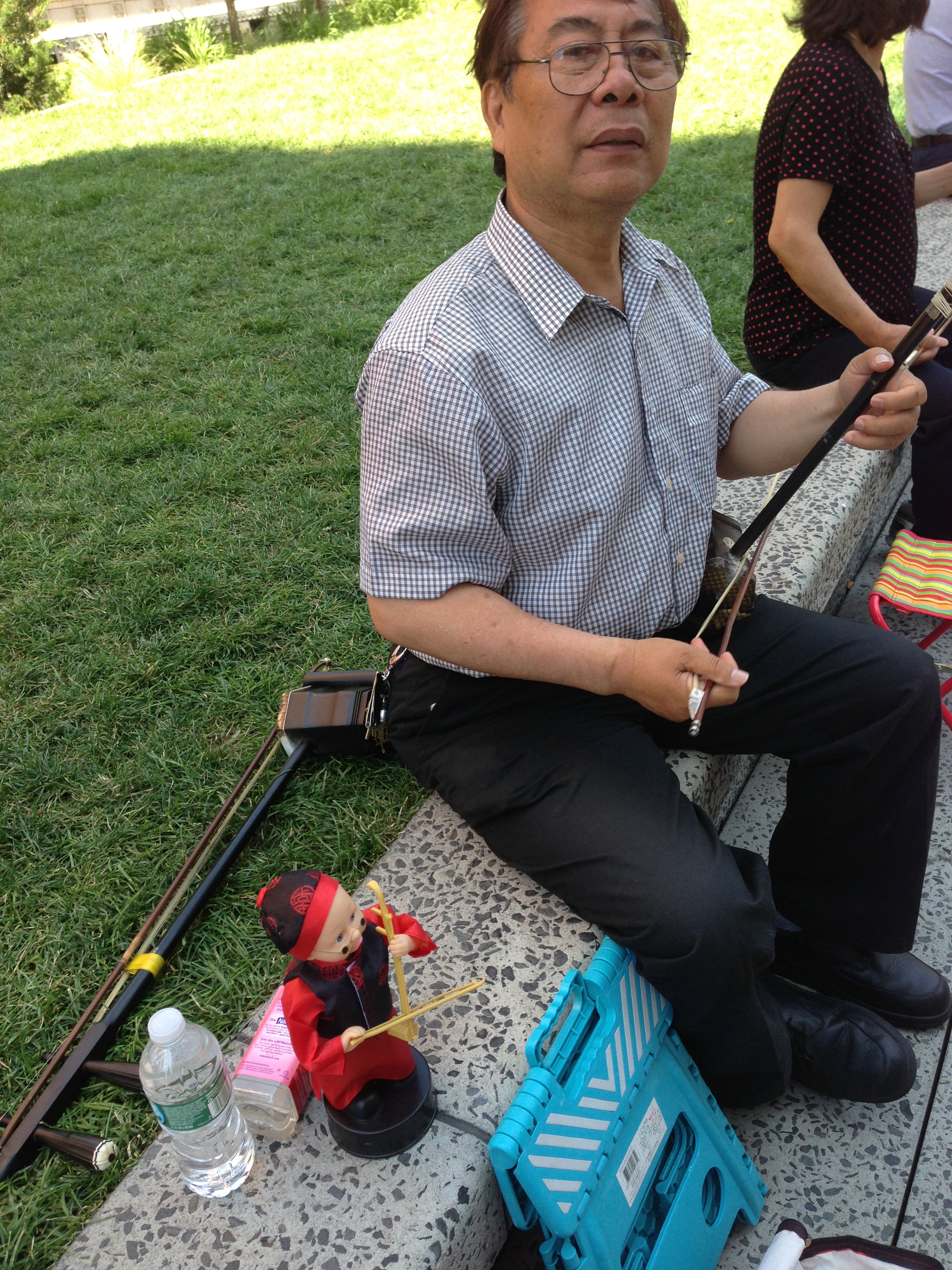
There are musicians.

asian musician

Painters.

painter

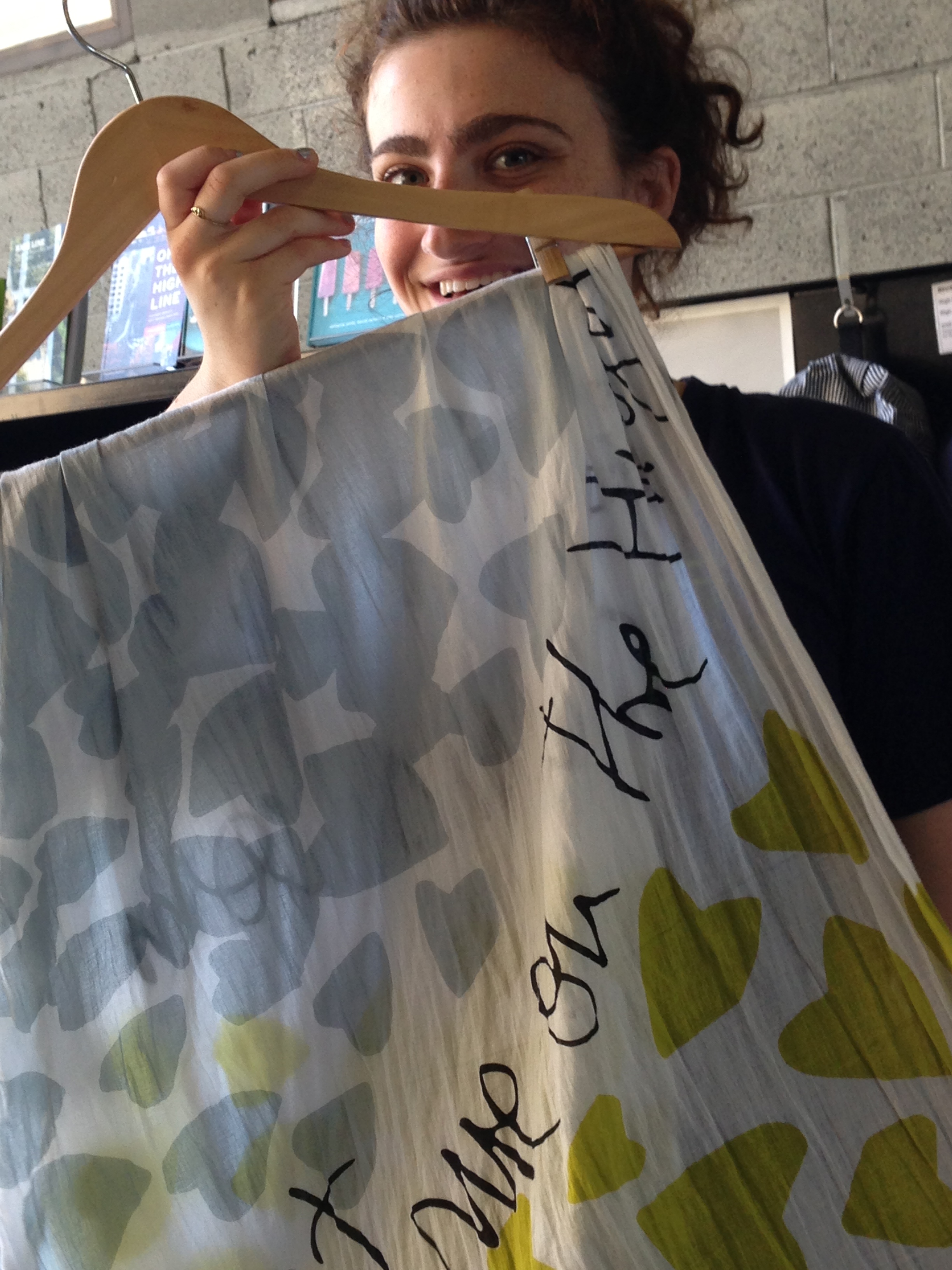
It even has its own clothing franchise, with sarongs that read “Dreams Come True on the High Line.”

sarong

Sculpture rises up along the walkway.

funny sculpture

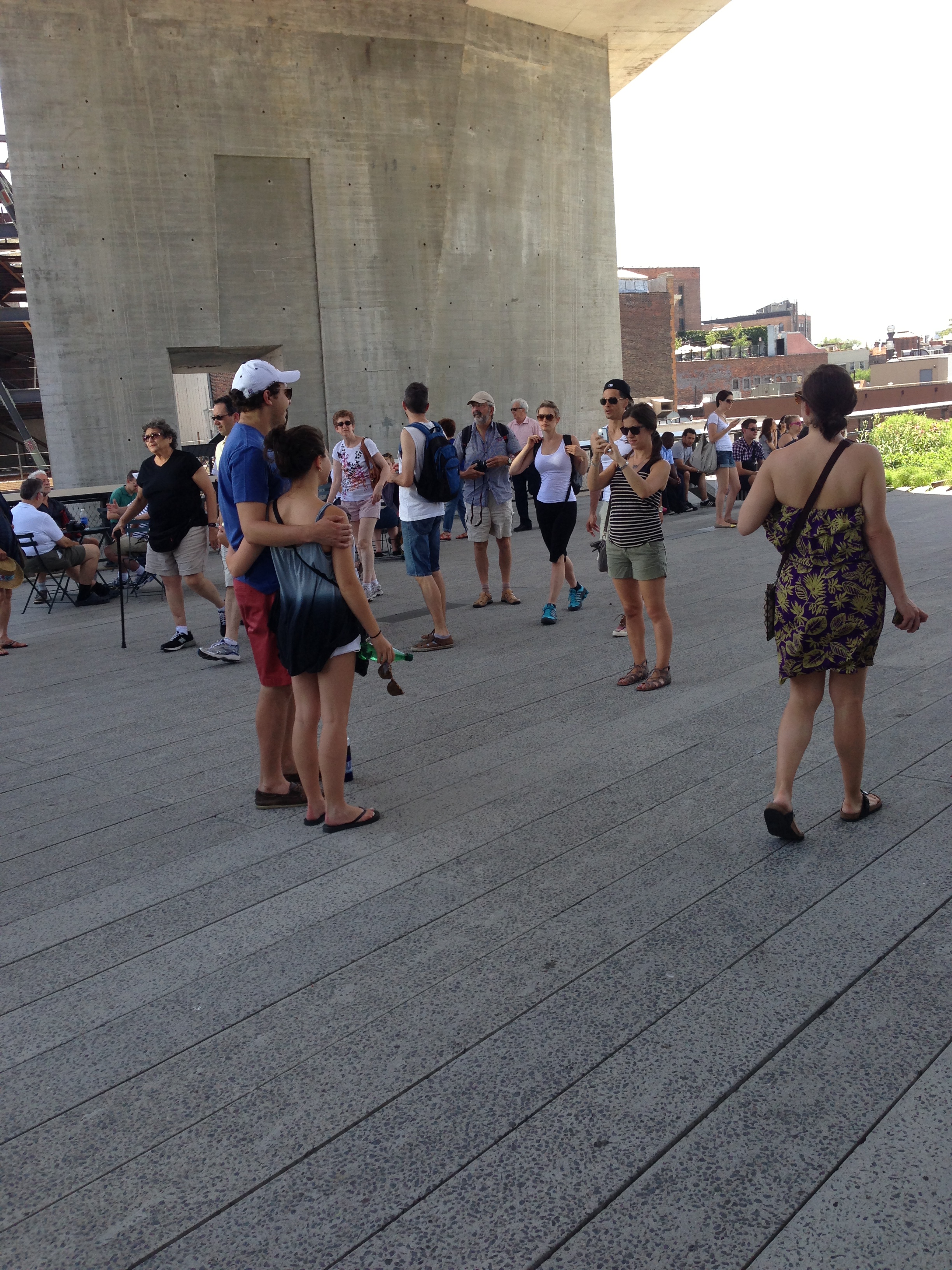
And human sculpture, as people freeze for pictures. What the High Line should have next to the fresh fruit ice pops stand is a camera kiosk. Someone would get rich. Tourists throng — you can walk a long way down the path and not hear a word of English.

taking pictures

With the new, there’s the old – a mysterious pattern of bricks.

bricks

And a towering old painted sign: BONDED. Across it a tag reads REVS, shortened from REVLON, a famous graffitti artist. “It’s got to be on the edge, where it’s not allowed,” REV has said. There’s room on the High Line for all vintages.

old sign

The Gehry-designed IAC Building, at 555 West 18th Street, with its milky, origami exterior, has been open since 2007. Vanity Fair called it the world’s most attractive office building. It’s especially great to see it in tandem with structures of other vintages, including the old-fashioned piedmont of a lower one whose top is flush with the park.

Gehry

The Standard Hotel soars above. It gained some notoriety when High Line strollers realized they could look up and see happy exhibitionists making whoopee in the floor-to-ceiling windows.

the standard

(When Chuck Barris was looking for a word to meet the network censors’ standards on the Newlywed Game, the term ultimately settled upon was whoopee.) Meat trolleys for hanging beeves still exist if you look closely. Right along the Standard, in the shadows, a rusted remnant of the  district’s sanguinary past.

beeves

But one essential thing about the High Line is the views.

cityview

In the nineteenth century, landscape architects carved out pastoral views on grand country estates, cropping trees advantageously to accentuate vistas of rivers, mountains, or other natural elements. The High Line is the 21st century equivalent, with quirky street perspectives all around, framed from this tall iron structure.

bridge

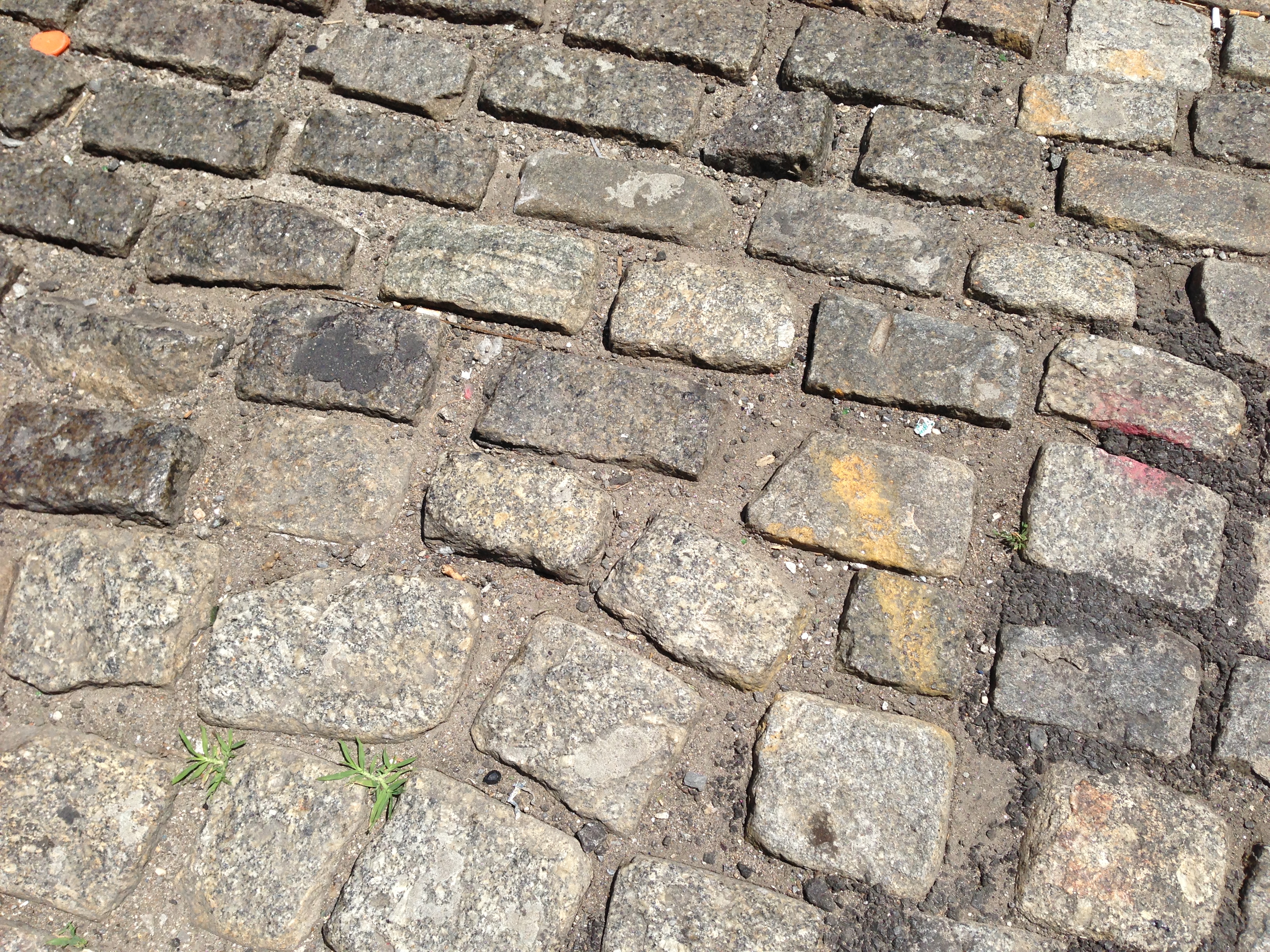
After our promenade, we descend to vintage New York cobbles. A remnant of the lost city.

cobbles

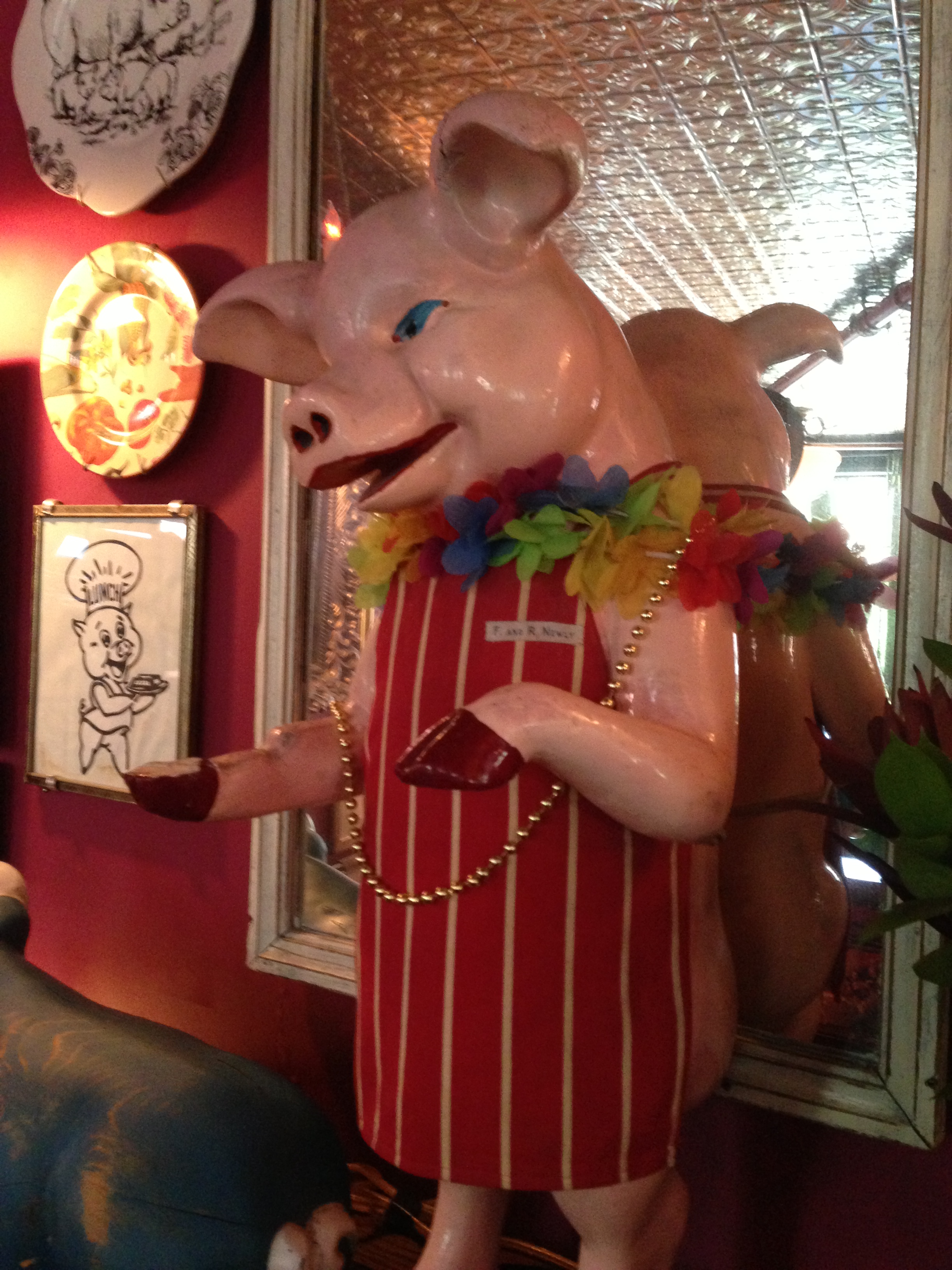
We refuel at a restaurant called The Spotted Pig.

pig

The eggs it serves are divine, with crunchy flecks of sea salt.

egg

I am tired after our sun-blasted walk of a two miles. Jesse is wide awake, which he always is, except when he’s asleep.

jess eyes

And the french fries… well, it is hard to shovel them in fast enough.

fries

The chef strews the shoestrings here with shreds of rosemary. Everything tastes better after the High Line. An ordinary pinapple smoothie from a new perspective.

smoothie

A fantastic church frieze overhead. Had it always been there? I can’t recall. The galleries of Chelsea are closed on Sunday, but that doesn’t mean the great sidewalks of New York are closed for business.

girl graffiti

Too much graffiti has been scrubbed off in recent years. Manhattan is the new Minneapolis. Now we have clean, healthy biking all over town. In Greenpoint, Brooklyn,  where I visited a week ago, it’s a different – and more colorful – story, as it hasn’t quite shed its industrial past and makes a fine canvas for folks who do outdoor outsider art.

slut tribe

Here in the Meatpacking District we find a few worthy efforts.

boy graffitti

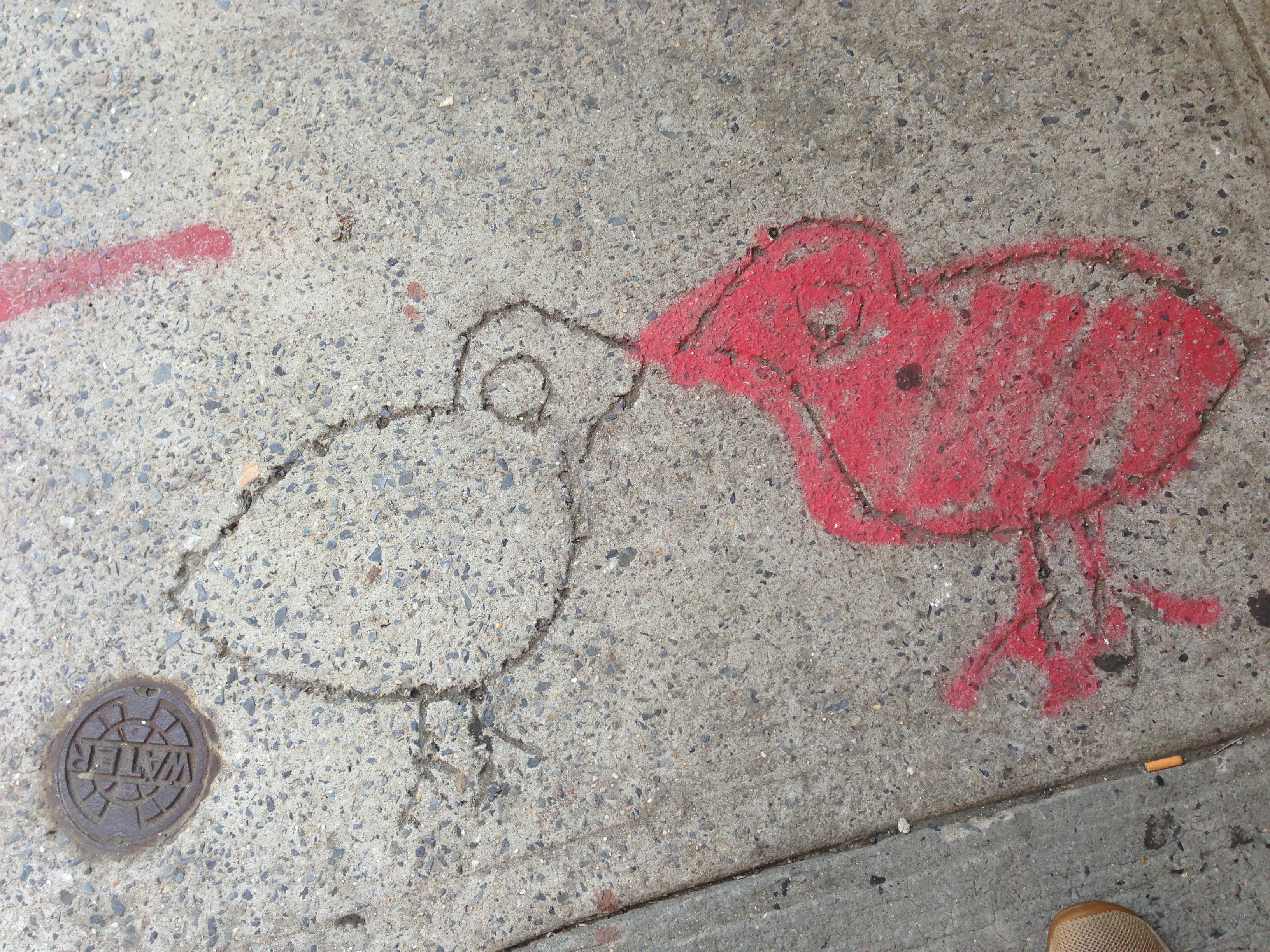
Two chicks etched on the sidewalk beneath our feet.

chick sidewalk art

For some reason I like these simple birds, making kissy next to their little water fountain.

The all-seeing eye. The Eye of Providence.

evil eye

On the island of Manhattan, if you let your vision wander up, you see some marvelous things. A blue horizon chockablock with architects’ freshest concoctions. Pieces of old New York, dusty red bricks that have miraculously been saved from the wrecking ball. Climbing roses, if you’re walking the High Line. From that same pathway, a glimpse of a well-to-do fanny in a chic hotel window. And there are still wooden water towers.

water tower

Just two companies, Rosenwach Tank Company and Isseks Bros., manufacture the tanks, which are unpainted and made with untreated wood. A new water tower is a leaky water tower, as it takes time for the material to become saturated and watertight. Chelsea has one, completely dry of course, that has recently been transformed into an exclusive club called Night Heron. You can see it from the High Line.

1 Comment

Filed under Art, Cooking, Culture, Fashion, History, Jean Zimmerman, Nature, Photography, Writers, Writing

Serene and Green

I wondered how it would work, so I went to find out. A literary event in a clothing store in Yonkers, New York. A literary event that had nothing to do with fashion, actually: Reeve Lindbergh, the author of family memoirs, essays and children’s books, would be reading excerpts from the latest volume of her mother Anne Morrow Lindbergh’s writings, Against Wind and Tide:Letters and Journals 1947-1986.

against

The store was Green Eileen, an offshoot of Eileen Fisher where I often go to replenish my wardrobe.

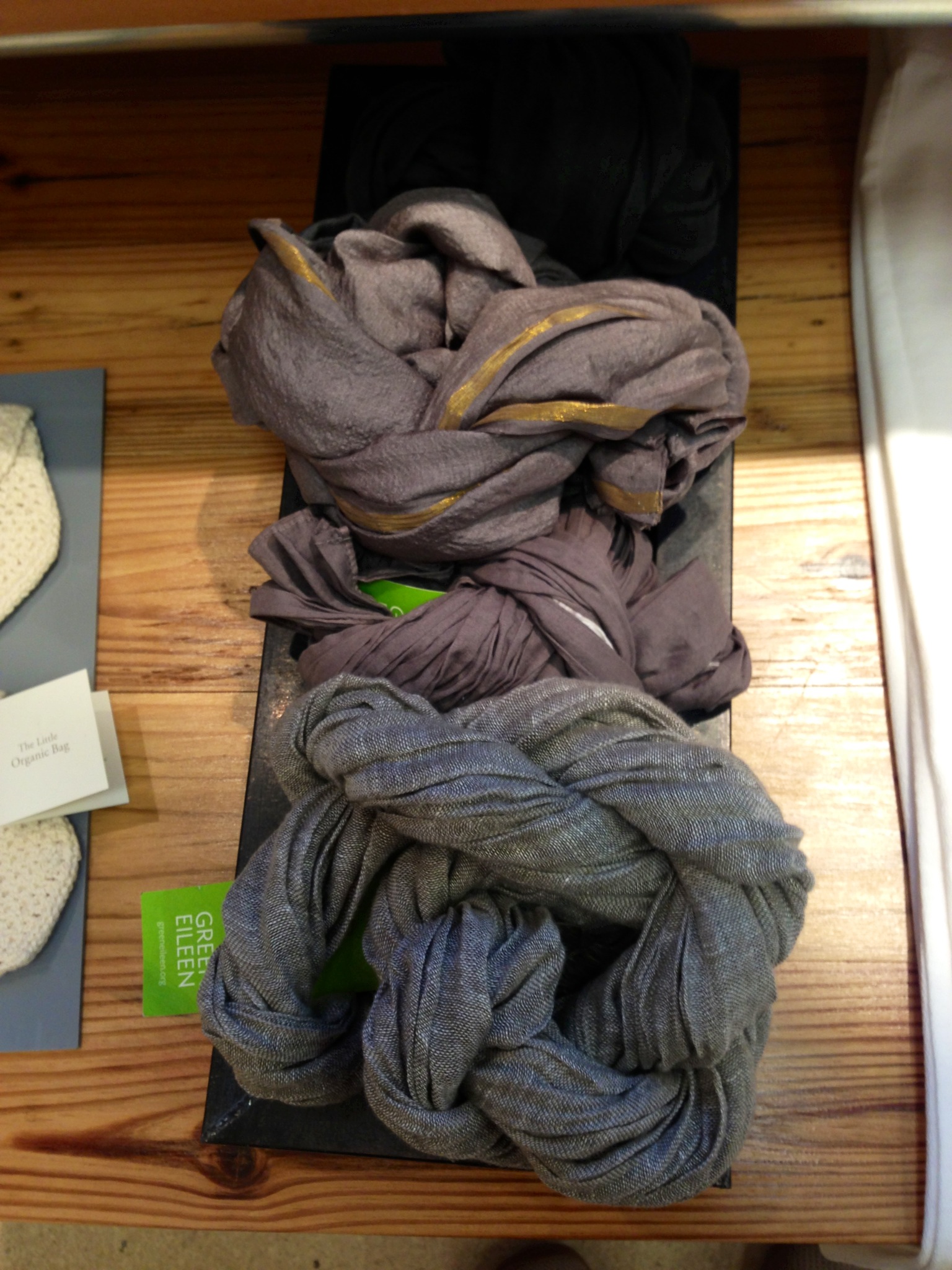
colorful clothes

The clothes Eileen Fisher designs are elegant and serene, with unstructured lines and natural fabrics. If you like linen and silk, this is the place for you. It’s definitely the place for me, but by the same token I often wonder if I can live up to my clothes.

Maybe I like this place so much because the company’s ads showcase graceful  silver foxes alongside the usual younger models. Grey is the new brunette, or didn’t you know?

jean grey

There was an elegant buffet and wine. Reeve began. She read from the book, but even more interesting was the patter that pulled those passages together.

reeve

She told us about her mother’s ever-present blue notepads, containing carbon paper to make three copies, one for the letter recipient, one for her personal archives and one for the master archive at Yale (open to all as of April, as it happens). Anne Morrow Lindbergh often wrote three to four long letters in a day, yet despaired of getting enough writing done. Reeve remembers banging on the door of her mother’s “writing house” and how mad her father got – that’s the only time she had to write, he reminded his daughter.

The title of this volume is a quote from Harriet Beecher Stowe, who claimed that writing, for a wife and mother, is “rowing against wind and tide.” When Reeve herself became a writer, at one point she tragically lost a child and was afraid she would never put pen to paper again. Her mother’s reassurances “probably saved my life,” she told us. “Mom said stop reading the things you think you should be reading and instead write on little scraps of paper the things going on around you.” Reeve still makes this a practice, she said.

lindberghs

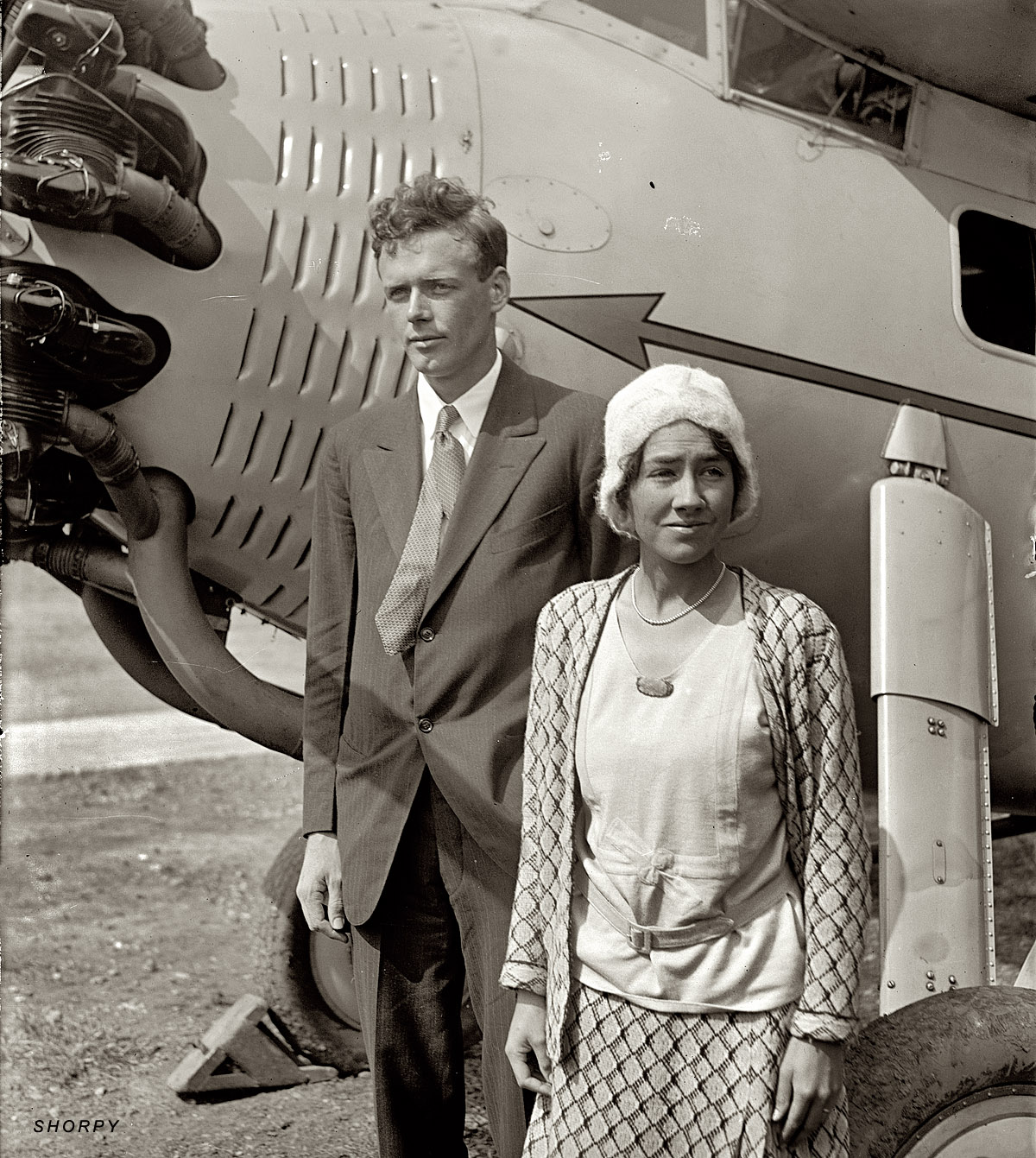
Anne Morrow married Charles Lindbergh, then the most famous man in the world, in 1927, and got her own pilot’s license the following year. They flew the world over while she continued to produce nonfiction, fiction, articles and poetry, with the 1955 Gift From the Sea a seminal work of feminism and environmentalism, never having gone out of print.  A book mothers give to their daughters, who give it to their daughters in turn.

Gift from the Sea

Reeve spoke about her father’s comings and goings, even his infidelities, about the “strong and interdependent relationship” the Lindberghs had nonetheless over 40 some odd years. Charles Lindbergh “showed us a world – his world – that he wanted us to see,” said Reeve of the family, but he could definitely be difficult. Reeve’s mother, she said, always felt her husband’s controversial opinions about Hitler and the Second World War had been misconstrued.

In this volume, Anne Morrow Lindberg talks about her pregnancies, about considering an abortion, about a miscarriage. She rewrites her wedding vows: “Since I know you are not perfect I will not worship you,” is one. “Marriage is not a solution to but a mirror of problems,” another. She wrote a lot about the need for aloneness –how important it is.

“I see life as a journey toward insight,” said Anne Morrow Lindbergh in a speech at the Cosmopolitan Club when she was 75.

Reeve’s editor on the new volume sat in a front row and nodded as she detailed how together they had combed through the archives at Yale to fill the book. All the material was handwritten and had to be typed before the painstaking selection.

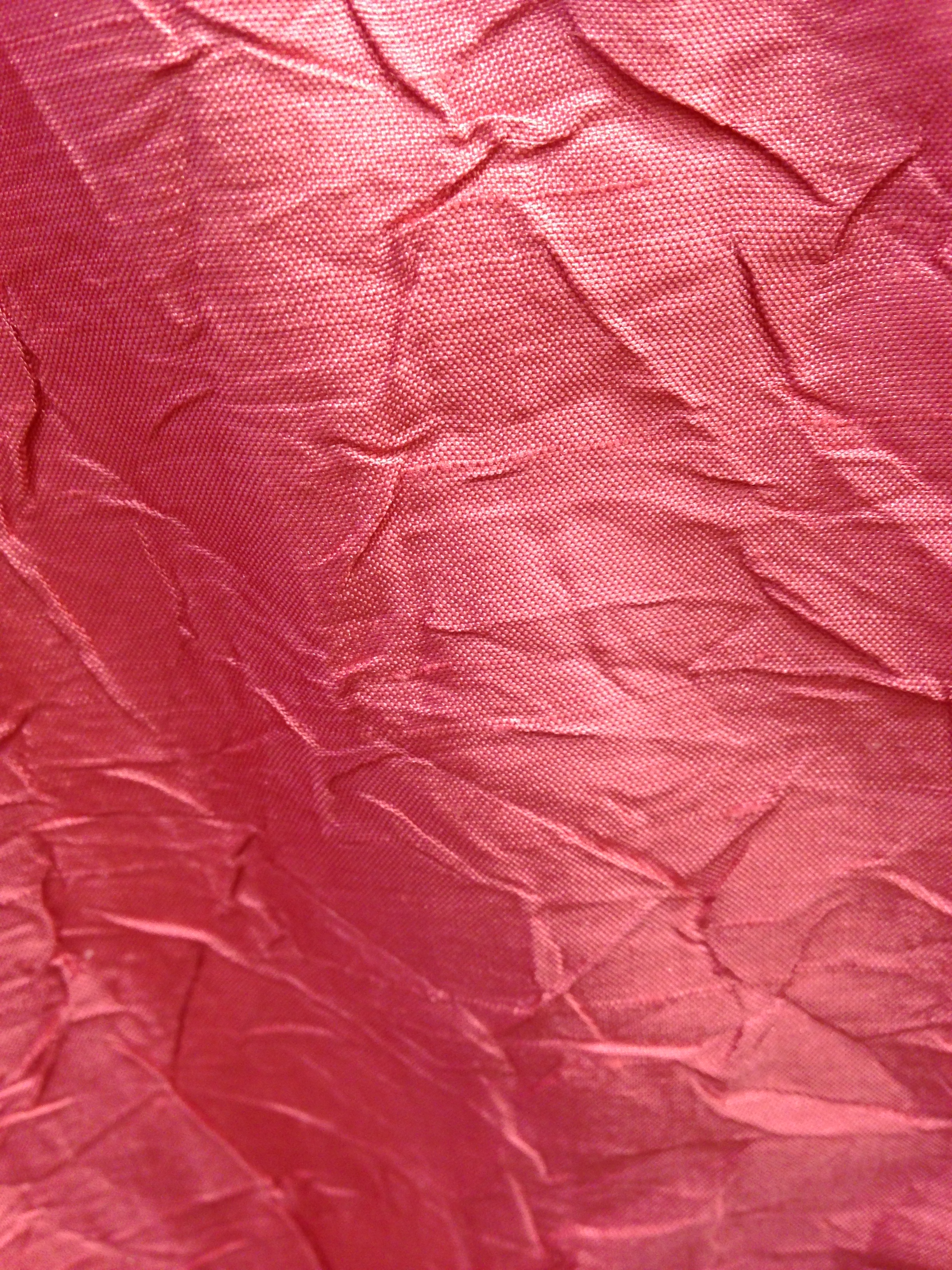
The presentation concluded, and I wandered among the garments that lined the store like bright, clean flags. I’d love to be a person to wear textured pink silk.

pink shirt

Two books were being sold: Against Wind and Tide and a children’s book by Reeve Lindbergh called Homer, the Library CatTen bucks from the sale of each book would go to the Eileen Fisher Foundation.

Jen Beato, the Store Leader, told me why a presentation of the work of Anne Morrow Lindbergh fits the setting of Green Eileen. Every book wouldn’t make sense, she said, but this one shows “how challenges she faced are similar to today’s challenges.”

knots

Green Eileen accepts contributions of gently used Eileen Fisher clothing – say you lose some weight, or gain some weight, and you can no longer fit into that perfect pair of pajama-y palazzo pants — which it recycles and sells at an affordable price, with the proceeds going to causes for women and girls locally, nationally and around the world. The National Women’s History Museum,  the New York Women’s Foundation and Planned Parenthood, among many others.

The company makes good points, so I feel virtuous running my fingers over that sleek textured silk.

pink

The average American throws away 68 pounds of clothes per year. Over 4% of global landfills are filled with clothing and textiles. Almost 100% of used clothing is in fact recyclable.

Green Eileen has a pretty cool blog. The store is always sponsoring workshops about crazy things like recycling your wool, cashmere and silk into fabric jewelry. Maybe I’ll go to one sometime.

As night fell, inspired and on my way to insight, I wandered past the rack of beautiful castoffs, now reclaimed.

white clothing

In a simple white bag, I toted my virtuous purchase. Not the pink silk, but  a knee-skimming shift of white linen that will look serene and elegant on my daughter. Then I’ll take something out of my closet to give back to the store.

7 Comments

Filed under Culture, Fashion, History, Home, Jean Zimmerman, Publishing, Writers, Writing

Links in the Chain

A handful of links for a rainy day.

A beautiful look at hand paintings by Moscow-based artist and poet Svetlana Kolosova.

surrealfairytalepalmpaintingsbysvetlanakolosova6

Info about the Biblewalk and Living Bible Museum in Mansfield, Ohio.

OHMANbible12_jobJob appears real!

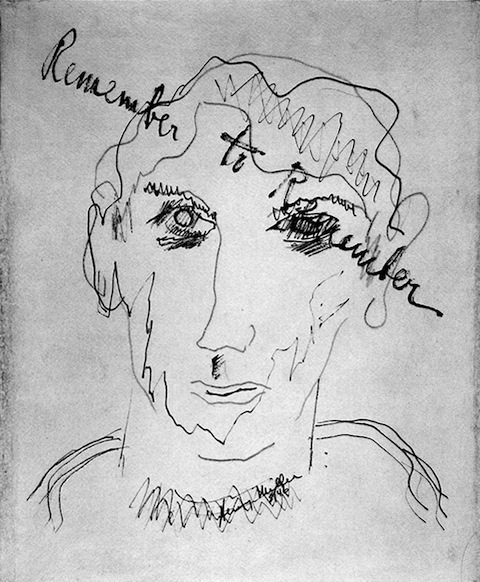
Amazing self-portraits by writers. Henry Miller drew his in 1946.
4b-millerselfportrait


The story of how the Kindle came to be, from an insider’s point of view.

An article on a blog about the history of makeup that discusses whether cosmetics of the past poisoned the women who wore them with ingredients like lead and mercury.

Bildnis-von-Elizabeth-Gunning-Herzogin-von-Argyll-von-Allan-Ramsay-31966


Ten ultra-secluded underground locations, for those times when you’ve disclosed government secrets and need a private place to crash.

And finally, three Japanese hotels that have been in business for a thousand years.

tl-inset_webThis one, Nisiyama Onsen Keiunkan, was built around a hot spring that supposedly has curing powers. Maybe it cured women with makeup-induced illnesses.


3 Comments

Filed under Art, Culture, Fashion, History, Home, Jean Zimmerman, Writers, Writing

The Highest Bidder

“There have been horror films set in storage facilities,” says Gil.

“I can only imagine,” says Maud.

Gil likes to run the cart through to our storage locker, especially if he’s got Maud for a passenger.

gil running

We’ve kept about half our belongings in the deep freeze since moving to the Cabin.

gil:maud

Too. Much. Stuff.

“Every increased possession loads us with new weariness,” said John Ruskin. What did John Ruskin know about it? Between the English countryside and Mayfair, he had plenty of space to stash his private editions and his watercolors.

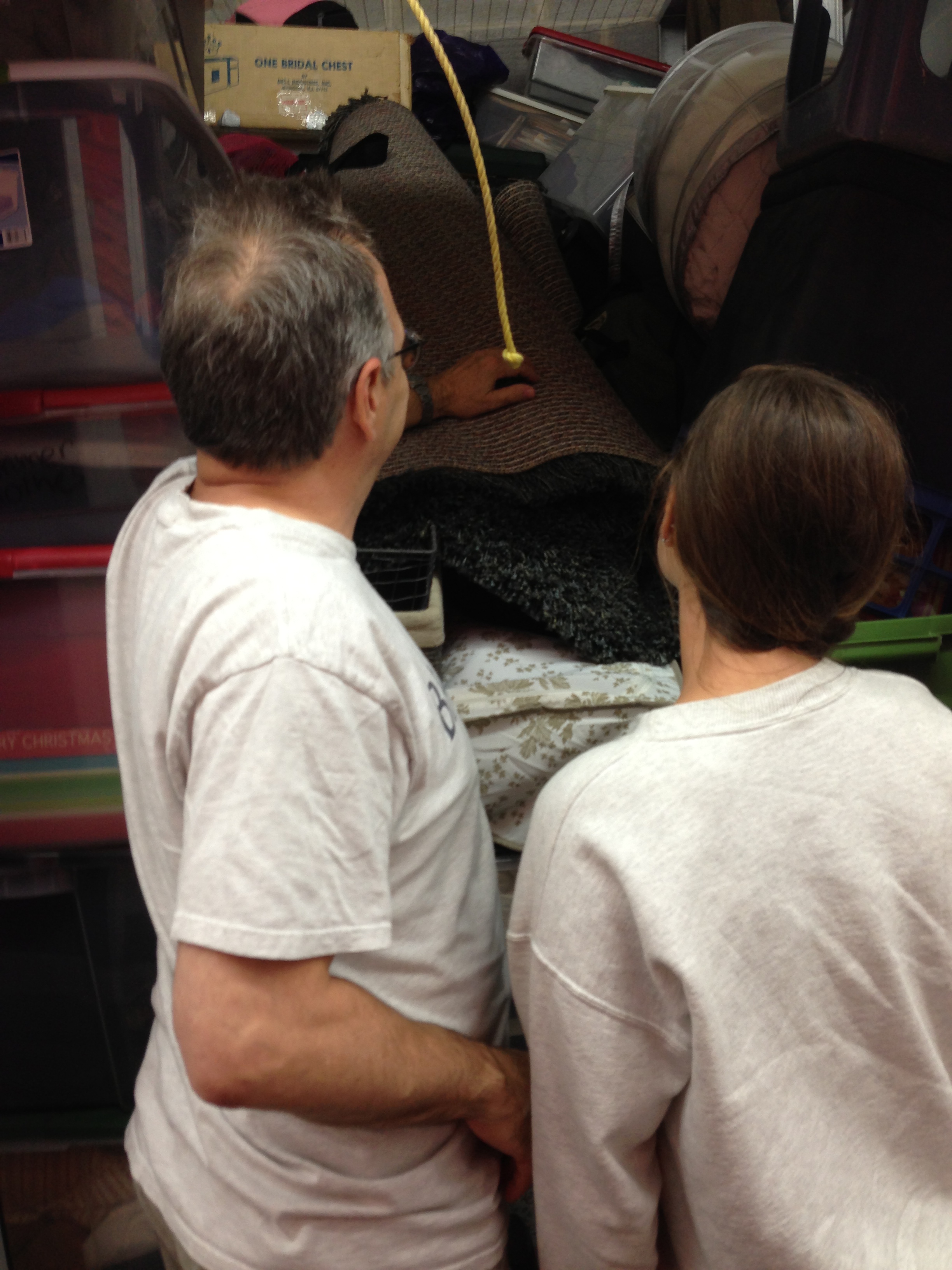
gil:stuff

Will we ever find Maud’s backpack and sleeping pad so she’ll be equipped for her next adventure? She’s going to New Mexico to conduct research for her senior thesis, on descansos, the elaborate roadside shrines that mark auto fatalities. In New Mexico they’re very grand and very sad.

In A&E’s “Storage Wars,” people bid on the contents of repossessed storage lockers after looking for ten minutes at just the front of the container. Bidders get excited and spend a lot on what turns out to be junk. Our locker wouldn’t inspire much action.

Television also brings us a scene in “Breaking Bad” where Walter White opens a typically bland looking locker to find his wife has used it to hide an enormous brick of cash, probably 4′ by 10′ by 10′. Only thing about it is they can’t spend this treasure or he’ll go to jail. For a long time. Walt asks how much is there and Skyler says, I have no idea.

You could say that about the number of books stored in our cage.

“Is there anything we put away in storage that you miss having?” I ask Maud.

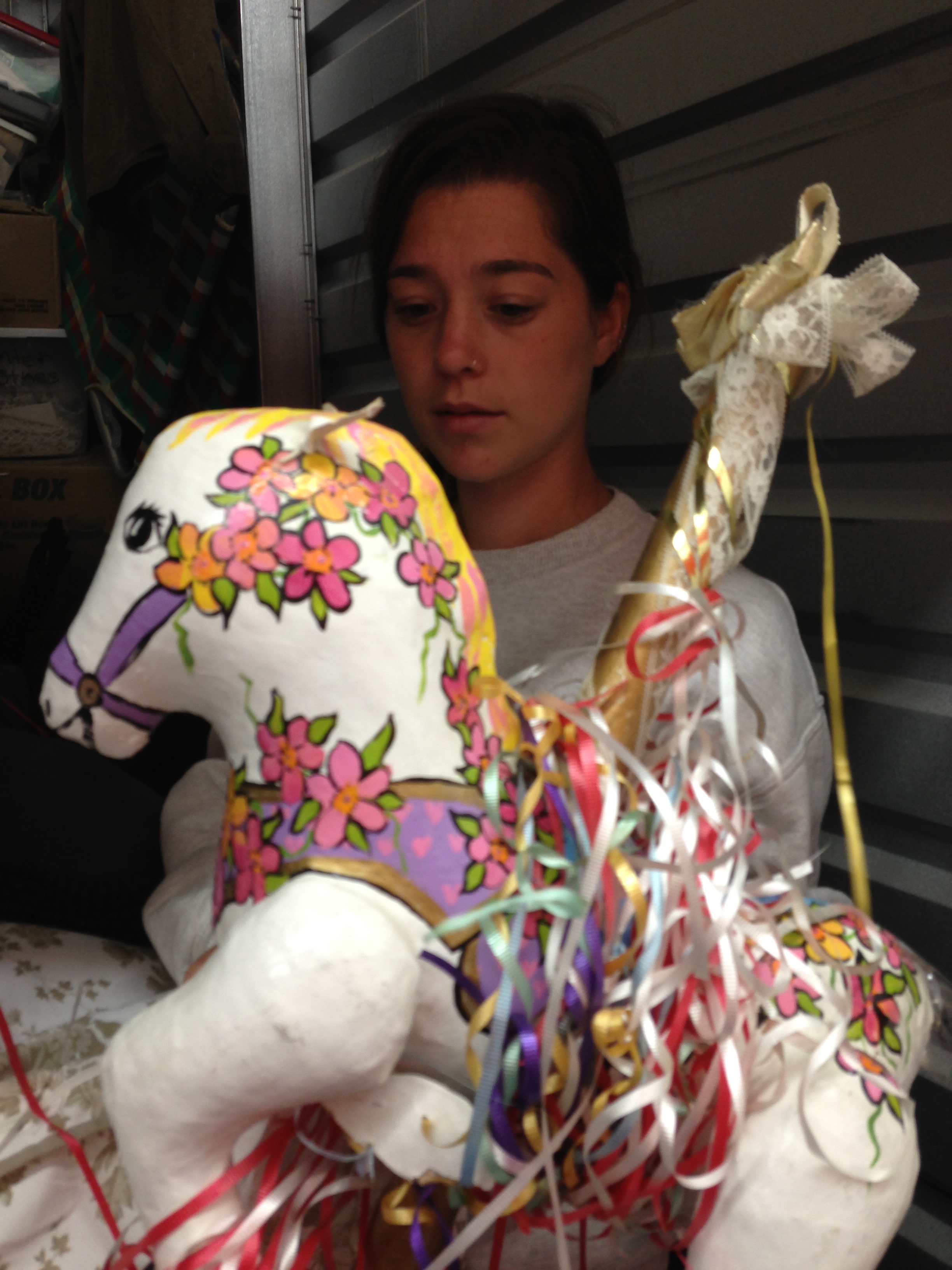
“My birthday piñata,” she says. We had a “nonviolent” piñata commissioned for Maud’s 5th birthday, its papier mache in the shape of a carousel horse. There were ribbons for the little tykes to pull to release the candy rather than bashing it with sticks. The horse had a breastplate with Maud’s name on it. We knew it was in storage someplace with its tail broken off, the tail floating  someplace in storage too.

“Is there anything you would want out of here?” I ask Gil.

“One thing I desperately want to have right now,” he said, “but won’t be able to find, is the picture of my mother and my father in their 20’s. I want to display it at my mom’s memorial service. But it’s lost in there.” That picture proved to 14-year-old Gil that his parents were young once, his dad holding a pipe and his mom looking devilish.

“Maud, what do you think is in all those boxes?”

maud's back

“Books, clothing, photos. Dead bodies.”

Sure, there have been evil deeds in storage lockers. We saw a thriller once in which a serial killer kept the clothing trophies of his victims in a locker. And in Silence of the Lambs Jodie Foster enters one to find a head in a jar.

But we find good things. Better than good. Softball gear, from Maud’s high school varsity team. Tents. We went to North-South Lake, remember that, our fragrant late night campfires? A wedding dress, still lovely in its ever-browning box. Copies of books we wrote, with passion. Gently used snorkeling gear. Let’s go, let’s go away somewhere warm and sandy sometime!

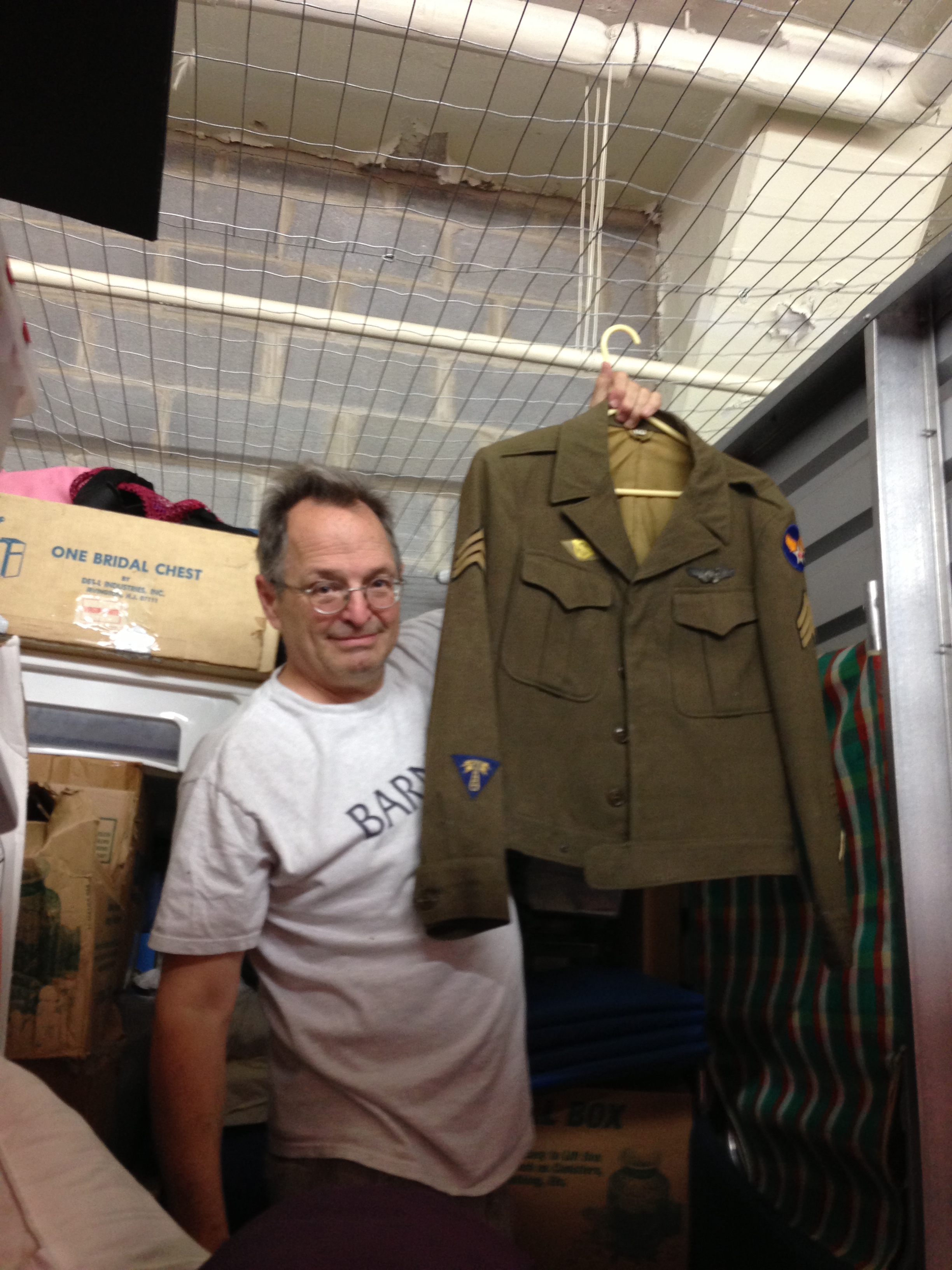
Gil finds the army jacket of Acton, his father.

acton's jacket

Maud finds her carousel horse.

maud:horse

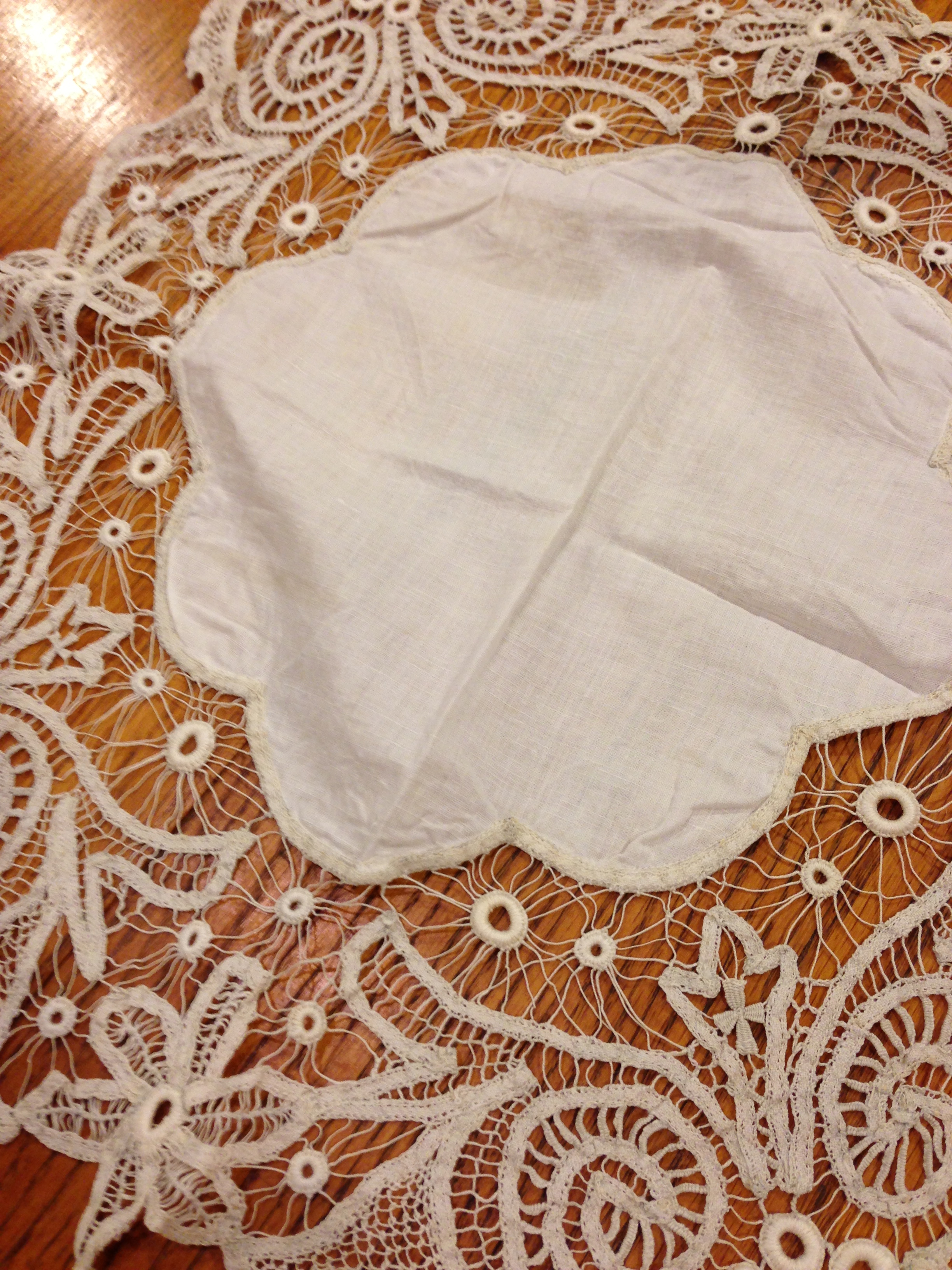
I lift down something precious, the lacework made by my Tennessee matriarchs. “Really?” says Gil. Our house is so small. For some reason I need this work by me, from the deep freeze to my warm house.

lace from storage

We have a conversation. “How much of this stuff would you remember if it all disappeared one day?” said Gil. “How much of it would you really miss.”

red

“All of it,” I say. “I’d remember it all.”

elevator

6 Comments

Filed under Art, Culture, Fashion, Film, Home, Jean Zimmerman, Publishing

For Art’s Sake

The art of the perfect egg cream.

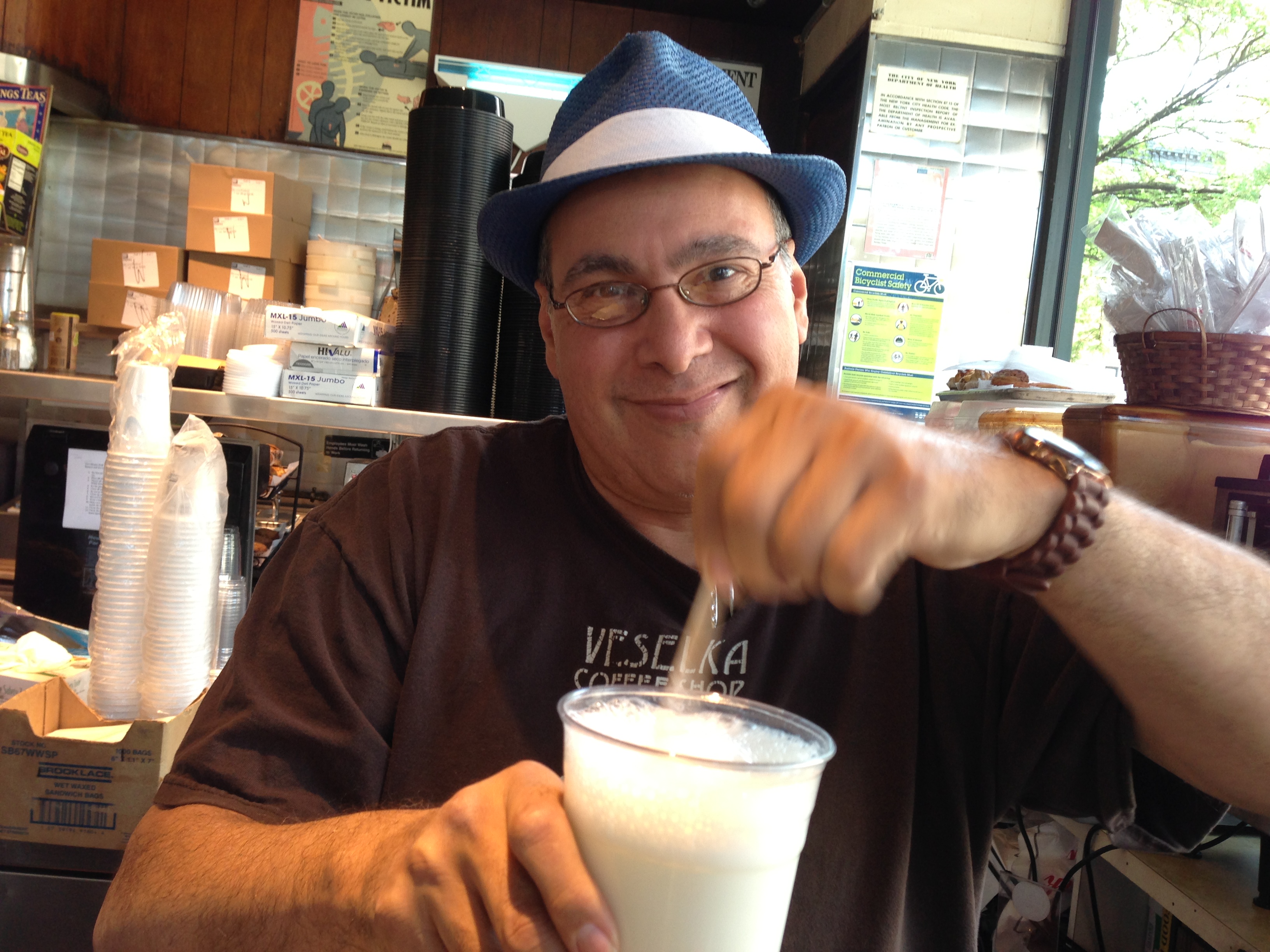
At Veselka Coffee Shop in New York City’s East Village, Eddie explained that we came in at just the right time, because his is the real deal. None better.

How long did it take you to reach perfection, I asked, watching him furiously stir the seltzer, vanilla and milk into a froth. A few years, he said, ha ha. Everybody loves Eddie, said the waitress. Eddie, said the counterman, your wife is calling on line one.

Eddie

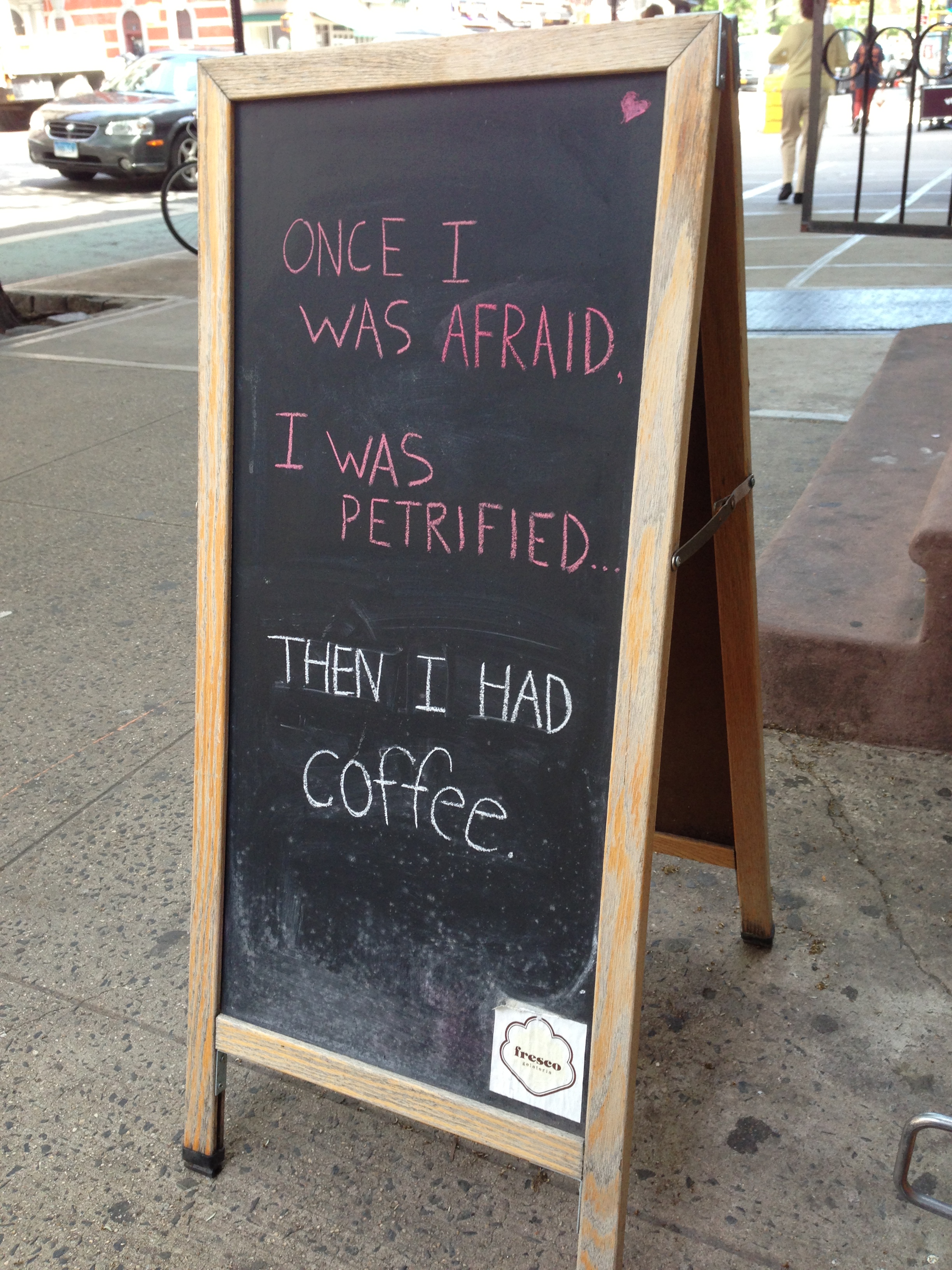
The art of coffee in a takeout cup.

coffee

There are those people who truly grok a to-go cup, light, no sugar, and others who will never understand. Those who get it will survive.

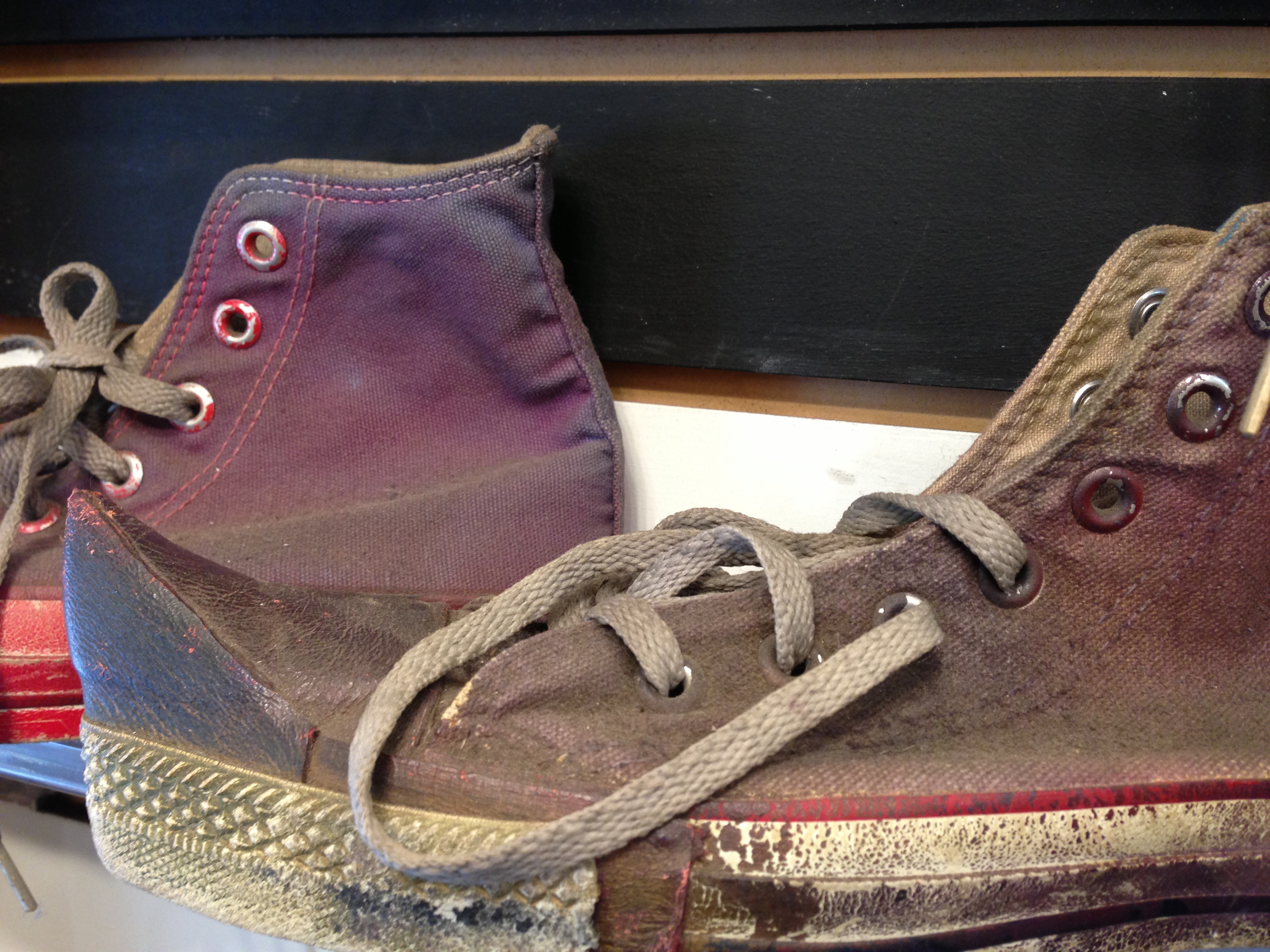
The art of the handcrafted athletic shoe. Boris works out of shoebox of a shop on St. Mark’s Place, customizing Converse sneakers. This must be one of his masterpieces.

converse

The art of the display window.

doll window

Maud and I made our way all around the East Village today but couldn’t convince ourselves to venture inside this storefront. I do, however, believe in the cause of Free Pussy Riot, the truncated message displayed on the sign – two of the three rockers are still in jail in Russia on some trumped up charge of fomenting unrest and making people think. Free Pussy Riot!

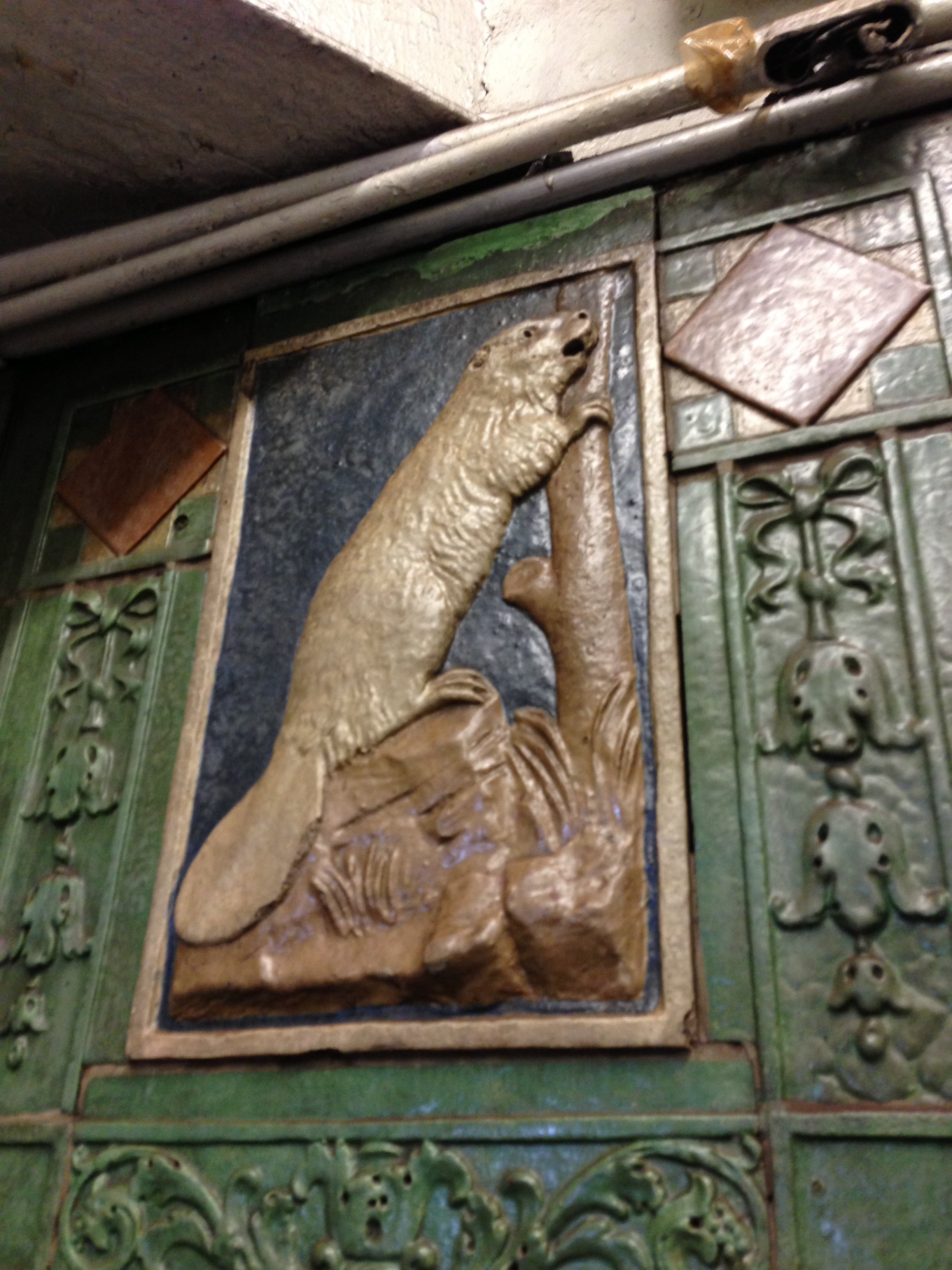
The art of the subway mosaic.

astor place beaver

New York’s subways house some splendid creative works, usually related to the locale of the stop. The Astor Place subway walls display ceramic plaques of beavers — made by the Grueby Faience Company in 1904 — because fur baron John Jacob Astor’s mansion stood nearby, and his fortune derived from the beaver-pelt trade.

The art of the old-time luncheonette.

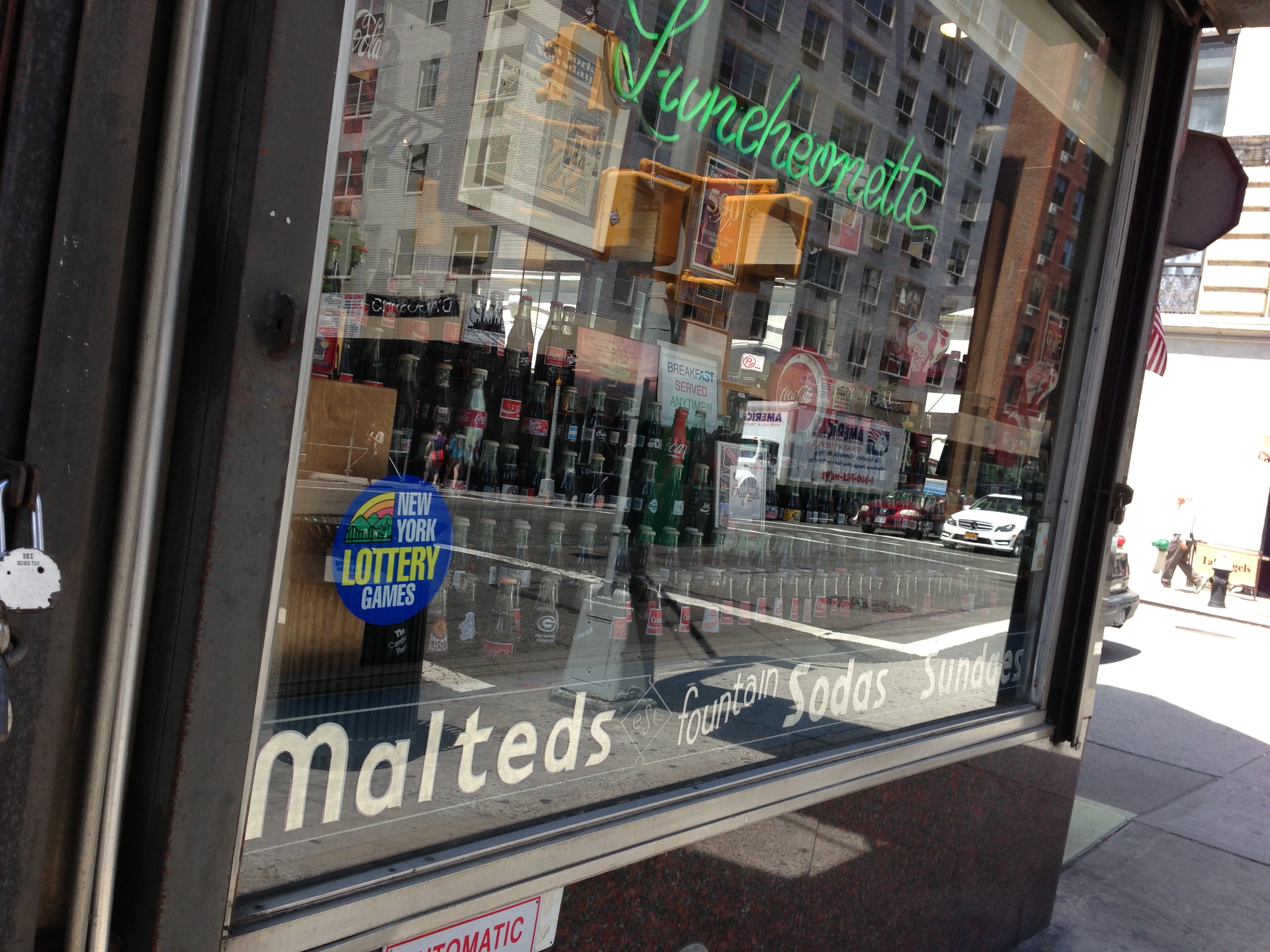
It sometimes seems as though everything old, dear, and genuine in Manhattan has been driven out, but once in a while a gem like the Lexington Candy Shop Luncheonette survives. It has been serving up milk shakes and lemonade since 1925.

lexington luncheonette

The art of the tooth-hurting truffle.

We grazed the cherry caramel samples at the counter of Vosges Haut-Chocolat, which sounds French but is actually out of Chicago.

caramels

Admired the pure silk hankies they use to wrap up the really important custom gifts.

silk

Then we each had a truffle of our own. Maud’s was the Rooster, with taleggio cheese, Tahitian vanilla and organic walnuts. Mine was a Woolloomooloo, featuring coconut and macadamia nuts. Gil’s getting a bacon/chocolate confection for Father’s Day.

The art of instilling disquiet.

rooftop people

The rooftop garden at the Metropolitan Museum currently features one of the most wonderful, most disturbing installations I’ve seen. The Pakistani artist Imran Qureshi was inspired by escalating bombings in Lahore when he spilled and splattered blood-red acrylic paint across the nearly 8,000-square-foot open space of the Metropolitan’s deck. Elegantly dressed European tourists traipsed across the blossoms of blood as if they were nothing.

rooftop paint 2

To me they called up the times I’ve come upon a recent deer/car collision on the highway, with the pavement still a wash of gore. Or the searing images from Gil’s book Aftermath, Inc., in which he describes the stains that occurred following trauma events, such as murder or suicide. The artist Qureshi has said, “Yes, these forms stem from the effects of violence. They are mingled with the color of blood, but at the same time this is where a dialogue with life, with new beginnings and fresh hope start.”

The art of water vapor.

cloud

Far above the paint, the New York clamor, the scene, serene, inviolable, sublime. Art for art’s sake.

8 Comments

Filed under Art, Culture, Fashion, History, Jean Zimmerman, Nature, Photography, Writing

Out of Africa

Maud is back from Malawi.

back from malawi

Wearing a chichinge, a wrap skirt of block-printed African cloth. Her resilient muscles are only a little sore, and she seems impervious to jet lag after 20  hours in the air.

Maud and her group from buildOn, working with hundreds of village men, laid a foundation and raised a quarter of the walls for a new school block that will allow the town of Mpandakila to educate its 5th and 6th graders. So that after 4th grade the kids will not drop out rather than hike the six kilometers to the nearest school.

Maud ate nsima — corn porridge — pumpkin greens and soupy beans for 12 days, sleeping on a bamboo mat in a very special homestead. Her hosts were one of the chiefs of the community and his wife and their five precocious daughters. Also grandma, the babies of the two eldest daughters, and a two-day-old goat that cried for its mom all night. 

A hen slept in the room with Maud and her friend Claire, laying its eggs while they were sleeping.  The chief offered the young women a chicken as they left, which they took and sold to the bus driver who took them six hours back to Lilongue. They fed it ground nuts (peanuts), which they picked fresh from the vine every morning.

Dancing was a big thing in the village, to the pounding of drums and the ululations of the older women. The whole village loved learning the Macarena.

What Maud loved learning about the most was how to carry water atop her head — and dirt, and bricks. A woven circle of straw helped her balance. 

water carrier

It felt so far away, but at the same time there was a human familiarity about it all — a smile as you walked by someone, the  bossiness of the sisters. Maud didn’t come away with any answers about the best way to go about helping other countries, without imposing your will or encouraging dependency. What matters is asking the questions, and coming away with more.

Zikomo kwambiri means thank you very much in Chichewa.

6 Comments

Filed under Cooking, Culture, Fashion, History, Home, Jean Zimmerman, Music

Meatpacking Amble

We started and ended our Manhattan amble in the Meatpacking District, that venerable neighborhood from around 14th  down to Gansevoort Street that has been totally gentrified in recent years. This is a place that in 1900 had 250 slaughterhouses and packing plants lining its streets. The paving stones under the butchers’ awnings used to actually lie slick with lard and blood when I first came to New York in the late ’70s. Now Diane von Furstenberg has a building of refurbished brick with lavender windows and a penthouse that looks like a geodesic glass bubble on top, and there are eateries like Bubby’s opening that pride themselves on their farm-to-table cuisine.

Bubby's

The sign announcing the imminent arrival of the joint puts across it’s down home, wry message: Defending the American Table (also, we steal recipes from grandmas.)

With illustrations around the side that already seem faded as a pair of farmer’s Levi’s.

Bubby's 2

It reminded me of a sign we saw up in also gentrifying Morningside Heights recently, on Broadway near 125th Street.

Barbershop sign

There was a man on scaffolding outside and we weren’t sure whether he was taking down an old sign or putting up a new one with an exquisitely vintage look. The sign down below left us equally confused.

Prices 2

Maybe you can figure it out.

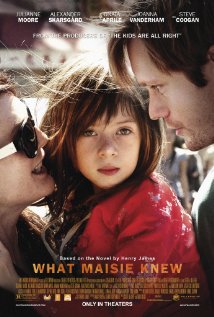
Anyway, on from the Meatpacking District to see a movie on Houston Street, at the northern lip of Soho. “What Maisie Knew” is based on a novella  written by Henry James in 1897 about a classic dysfunctional family. Sad, sad, film.

maisie

It features Julianne Moore as a self-absorbed rock vocalist married to a self-absorbed art dealer played by Steve Koogan. At the heart of the story is their seven-year-old daughter, Maisie, who is being torn apart by the breakup of her parents’ marriage. The two adults literally abandon her places – the story takes place in contemporary Manhattan — when they tire of her. I wondered what James would have made of the profane adaptation.

portrait

The novelist was a theater aficionado and aspiring playwright. Couldn’t he be satisfied with being the most brilliant prose stylist of his day? He never got the reception on the boards that he so very much wanted. Movies might really have rocked his world. We think of him as fusty now, but Edith Wharton writes in her memoir A Backward Glance about how much James loved to “motor.” Yes, driving in the new, perpetually breaking-down automobiles, feeling the wind in his pate, was just about his favorite thing.

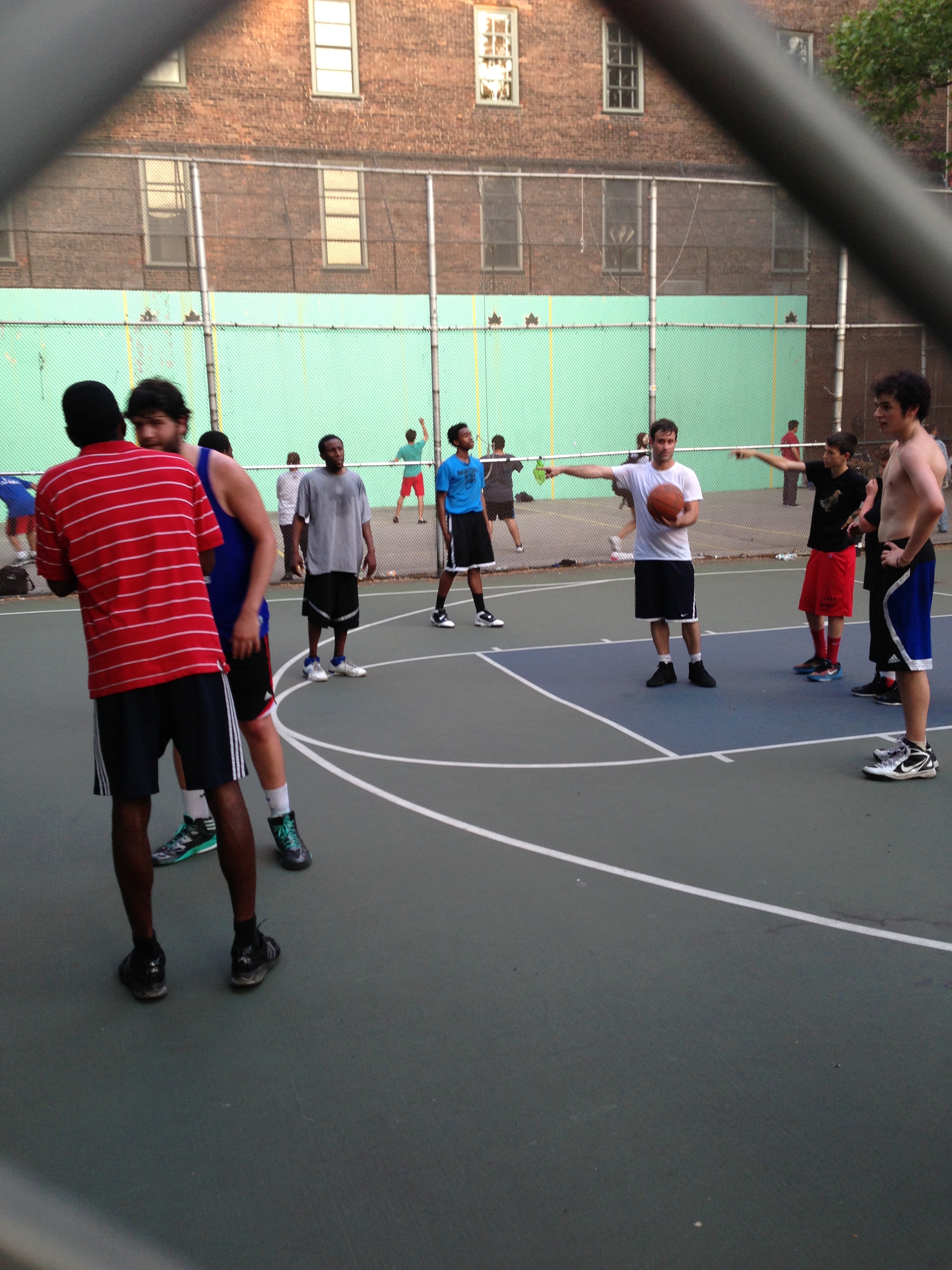
Making our way north, we grabbed a schnitzel and a wurst at a little German joint. En route, we passed the phenomenon that has been around longer than anything else I know in New York: the basketball game at West 4th Street and Sixth Avenue, also known as the Cage.

basketball

Anybody can play and there are fierce tournaments. The supports for the baskets are actually padded with duct tape to mitigate injury to players who stuff.

Under the High Line, where we had earlier found parking (who said it’s tough to get along in New York? Come with me, I have the best parking karma in the city) night had fallen.

high line

A park so beautiful that even Manhattanites are impressed, the High Line was once quite different. An old elevated freight line for meat packers, built under the aegis of Robert Moses, it ran through the buildings of the district, raised up above the streets underneath. The rail bed had long since fallen on hard times when I first saw it decades ago. It was basically a long, winding, dispiriting field of syringes, condoms and weeds. Some brilliant dreamers fought to bring it back to life as a park planted throughout with native plants, meticulously cared for, ingeniously designed. The first section of the park opened in 2009. Now people throng to it day and night, both to walk and to lounge on the massive wooden chaise lounges found along its length.

Gil climbed the stairs and waved down from the dark trees above. I was content looking up past the old, weathered, still-extant butcher’s awning at the winking moon.

moon over meatmarket

4 Comments

Filed under Cooking, Fashion, Fiction, Film, History, Jean Zimmerman, Nature, Writers

Scented Letters

I went in search of the ink. As a writer, I was naturally beguiled by the idea of a perfume that was supposed to have the scent of ink on skin, from a company called Byredo. Gil said he’d give me a bottle for an early anniversary present, so we ended up at Barney’s, the department store on Madison Avenue, a glitzy place to shop but the only location that stocks the stuff in the United States.

It’s actually called M/Mink, I discovered.

mink

M/Mink, along with the rest of a line of unorthodox scents developed by a tattoo-covered Swedish basketball player turned fragrance entrepreneur (!) named Ben Gorham, “is given a clear identity and reason of being.”

bengorham

M/Mink came about in partnership with parfumiers Michael Amzalag and Mathias Augustyniak of M/M (Paris) and features such ingredients as patchouli leaf, clover honey and amber. At the counter, the clerk sprayed some M/Mink on a paper wand. I inhaled, Gil inhaled, and we shook our heads. Somehow chemical. Not right for me.

I love scent. A few years ago Maud and I visited Grasse, in southern France, whose thousands of acres of flower fields make it an ideal perfume manufacturing spot. Jasmine, rose, lavender, orange flower, and tuberose are all harvested nearby. We spent a morning at Parfumerie Galimard, which began making perfume in 1747. It actually started out providing the king with olive oil, pomades and perfumes to scent the all-important fashion accessory, the leather glove, also a historic local industry. At Galimard today, if you don’t want to purchase their Rencontre or Ma Faute, you can sit in a cubicle and be guided by a “nose” (a professional parfumier) in creating your very own scent, with the assistance of eye droppers and beakers and over 127 “notes.”

galimard workshop cu

Smells, to you. Combine the top note (peak note), the middle note (heart note) and the base note  (fond note) in the proper architecture and you get a bottle of your own to name. I came up with Plus Plus (English translation: More More). Maud’s “brand” was Bel Ete (Beautiful Summer). And it was a beautiful summer. Maud and I agree that becoming a temporary nose was one of our most enjoyable experiences. Ever.

Plus Plus

They kept my number on file in case I ever need a refill. But it gave me respect for the noses behind wonderful places like Penhaligon’s (British, also venerable, est. 1870) because it turns out you can’t just throw in some honeysuckle and some green grass and have it all turn out alright.

For a horrific nose-based thriller, try Patrick Susskind’s Perfume. The counter personnel at Barney’s would love it.

perfume

This blog post is brought to you by smell-o-vision. Today, Gil and I sniffed the other perfumes in the Byredo line, in rapid succession. Baudelaire was tasty (juniper berry, black pepper, hyacinth, leather). Pulp, a little too pulpy (bergamot, cardamom, red apple, peach flower). We tried others for good measure – Palermo and Gypsy Water were contenders – and ventured outside the line to small colored bottles of essential oils that would have cost a fortune. We learned that the salesman had a sister who rescued endangered birds. The saleswoman had suffered an acrimonious divorce in Iran.

Flowery, spicy, powdery. Figgy. Just like Chanel. Our noses were swimming.

They sprayed the scent on my fingertips. On the backs of my hands. A cup of coffee beans was proffered to cleanse my nasal palate. We were advised to take a stroll around the store to clear our heads. And we did. I do anything someone tells me when they treat me like Cleopatra.

Jean with Perfume Stick

You get along so well, said the saleswoman, rapidly waving a wand to get the perfume just dry enough to sniff. He’s so agreeable! she said to me. And he was, was Gil.

It was rather warm in there, and I realized one of the first scents I’d tried was the finest. Bal D’Afrique, which combines African marigolds with violet, jasmin petals and cyclamen in an elixir you’d almost like to drink.

Gorham accompanies each bottle with a funny little story line. The one for Bal D’Afrique goes: “The noble faces of tall and straight-backed chieftains and princes greet us, the guests. The red dirt floor, covered by the exotic furs of big game, resonates with the stomps of the bejeweled dancers…” I can’t finish, I’m laughing too hard.

We followed our noses out to the street, where my wrists and throat were now armed against the delightfully dirty New York air.

Bal D'Afrique box


5 Comments

Filed under Fashion, History, Jean Zimmerman, Nature, Writing