Category Archives: Art

Strangers on a Carousel

I get to see the carousel horses at Binghamton.
george w girlThe Triple Cities, actually — Johnson City, Endicott and Binghamton. A part of the world that strikes me as sort of a blank, a cipher.

blank sign 2Some houses crumble and gape, seemingly lost in time.

sad house


Others are spruced up as garishly as 42nd Street tarts.
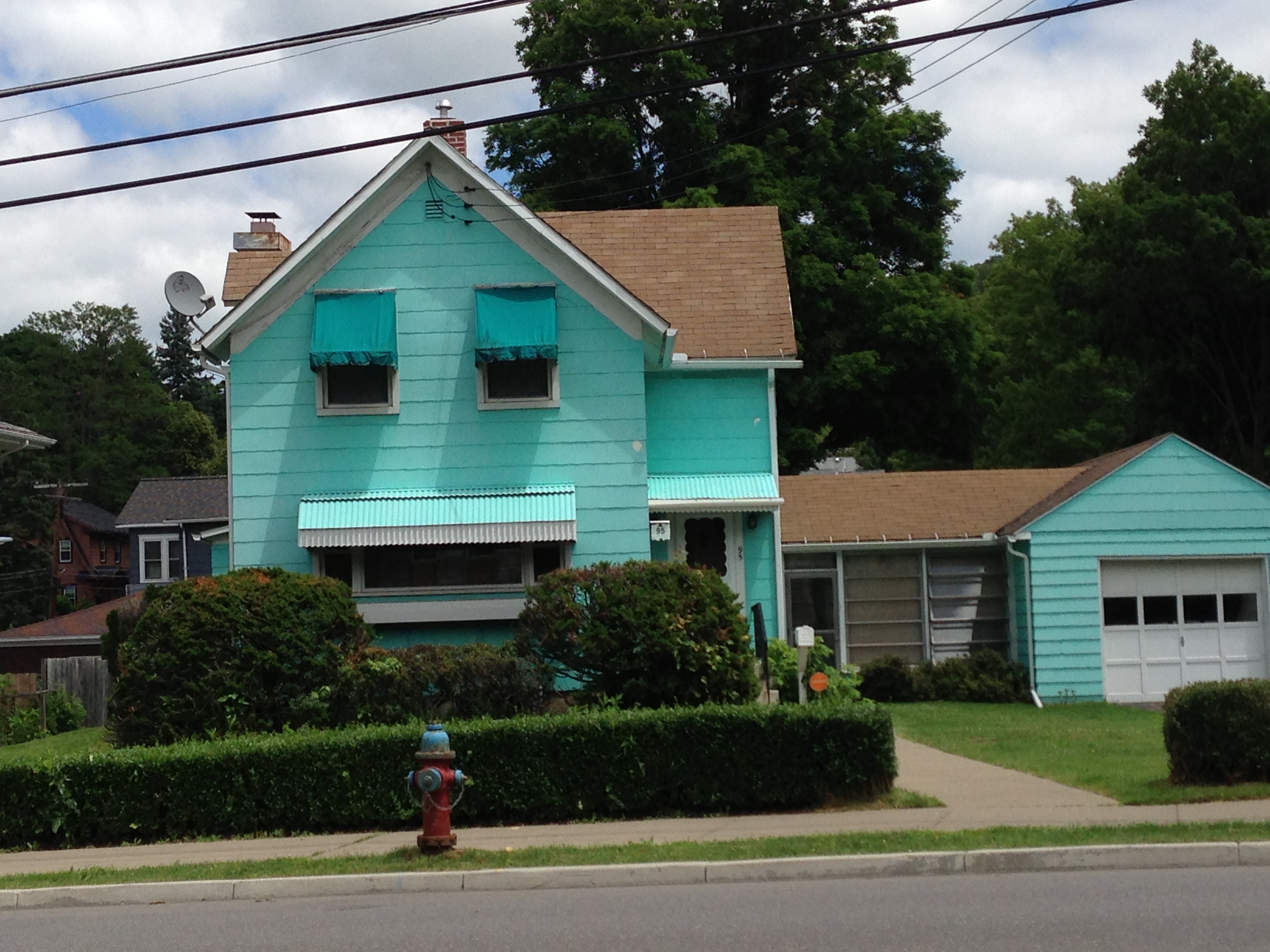
blue houseOf course, some of this decrepitude I love. A weatherbeaten sign with “international” flair.

signA space-age car dealership with weeds sprouting up.

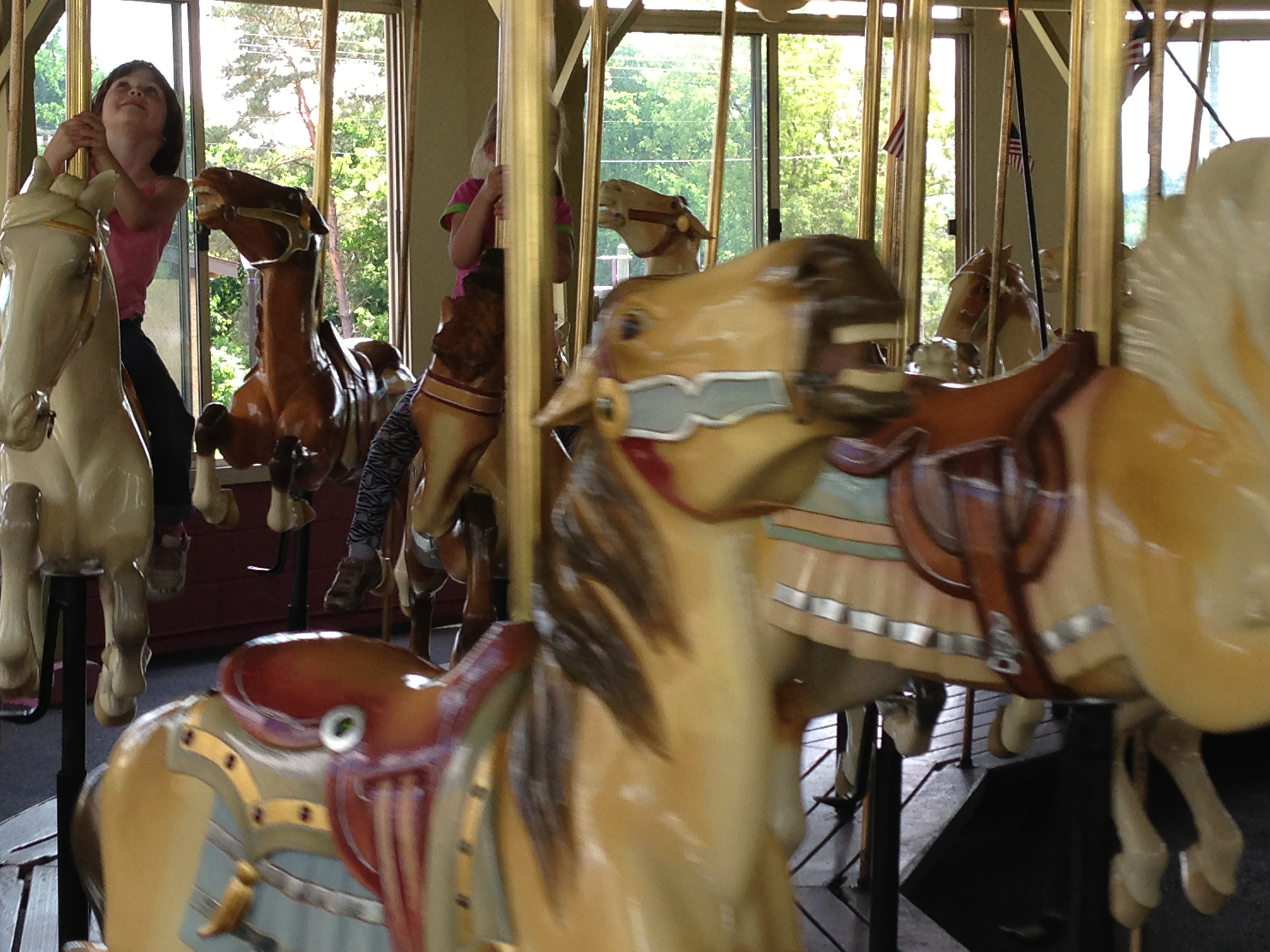
card dealerAll thoughts of the crumbling present go away when we visit four of the six  heirloom merry-go-rounds that still grace the Binghamton area (out of 150 in North America). The first one was installed in 1920, and sits next to a  little zoo — you see and smell a big black pig in its pen as you go ’round. The Ross Park carousel is completely unadvertised, a secret gem known to only a few, reached via a flower-bordered path. The horses, “jumpers,” as they’re called, are a little tattered.
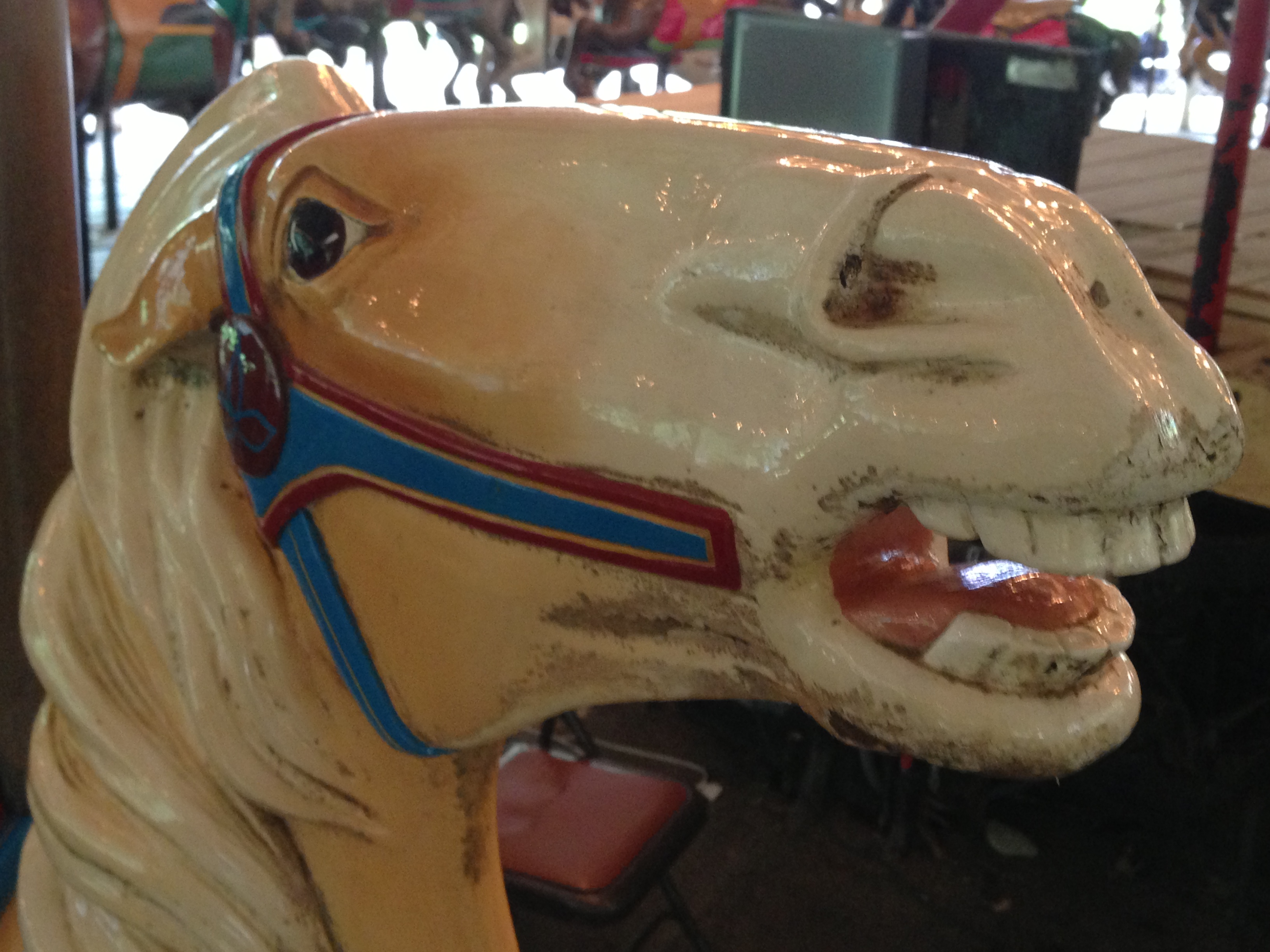
zoo horse 2Gently worn. Still, the original 51-key Wurlitzer Military Band Organ sends you around, and the chariots are flanked by a bathing beauty and an ape, which we sit next to for the whole ride, not noticing its dramatic visage until we rise, slightly rocky, to our feet.

zoo apeA young Tobey-Maguire-in-a-shaved-head-role lookalike blows a whistle, the carousel comes to a halt and we jump off.

The richest men of the city, the Johnson men, funded these spectacular rides of hand-carved wood, made by the Allan Herschell Companies of North Tonawanda, New York. You can visit them all in a day if you get there at the right times, as we do, fueled by a long set of Captain Beefheart on the university radio station. Another of the carousels, in Endicott’s Little Italy, projects a more demure ambiance. It’s housed conveniently next to both a swimming pool (“No Wet Clothing Allowed”) and a window for home-made frozen custard, where a girl is in the middle of changing out the Holy Cannoli for the Watermelon on the flavor board when we arrive.
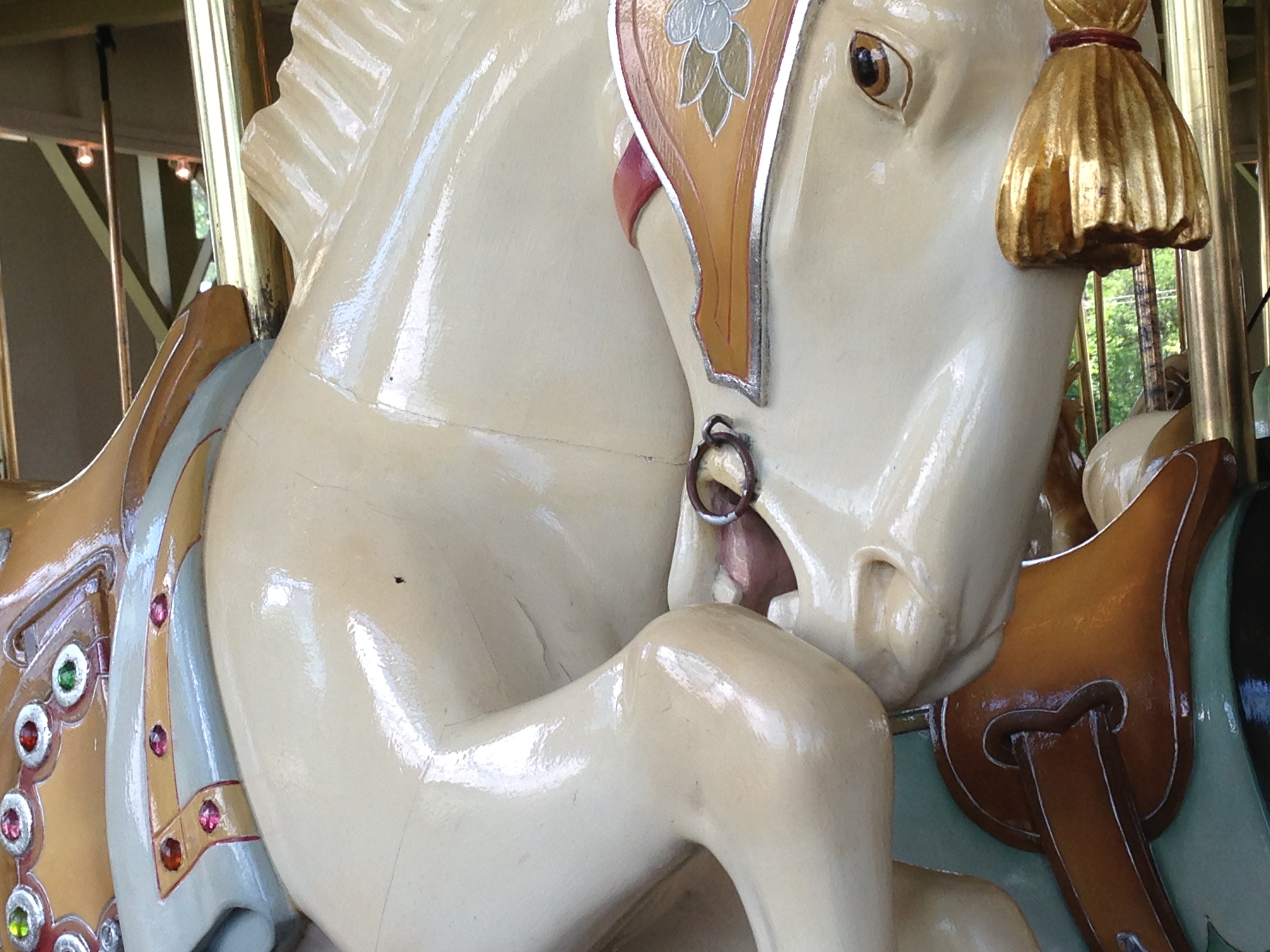
george horseCare has been taken to preserve and restore the beasts over the years. They are pretty, high-stepping it around the ring. Once upon a time you had to pay admission — a piece of litter! — to get a ride. Now it’s free to all and you can leave your trash in the can where it belongs.

Suddenly, the pavilion gets very quiet. All the kids vamoosed. Is there anything spookier than a silent carousel, especially one that will be 80 years old next year? Then again, calliope music can seem manic, even deranged, and the whole atmosphere fraught — see Strangers on a Train, when the whole ride flies off its axis.

And the horses go around and around, around and around. In Savage Girl I tell the tale of New York’s Central Park carousel, which once upon a time was drawn in its circle by mules trudging in a basement beneath the platform. True story.

Another carousel, this one at “the Rec”, one of the area’s most used parks,  unexpectedly has a series of rounding boards which feature scenes from Rod Serling’s Twilight Zone. They were painted by artist Cortlandt Hull during a refurbishing in 2011.
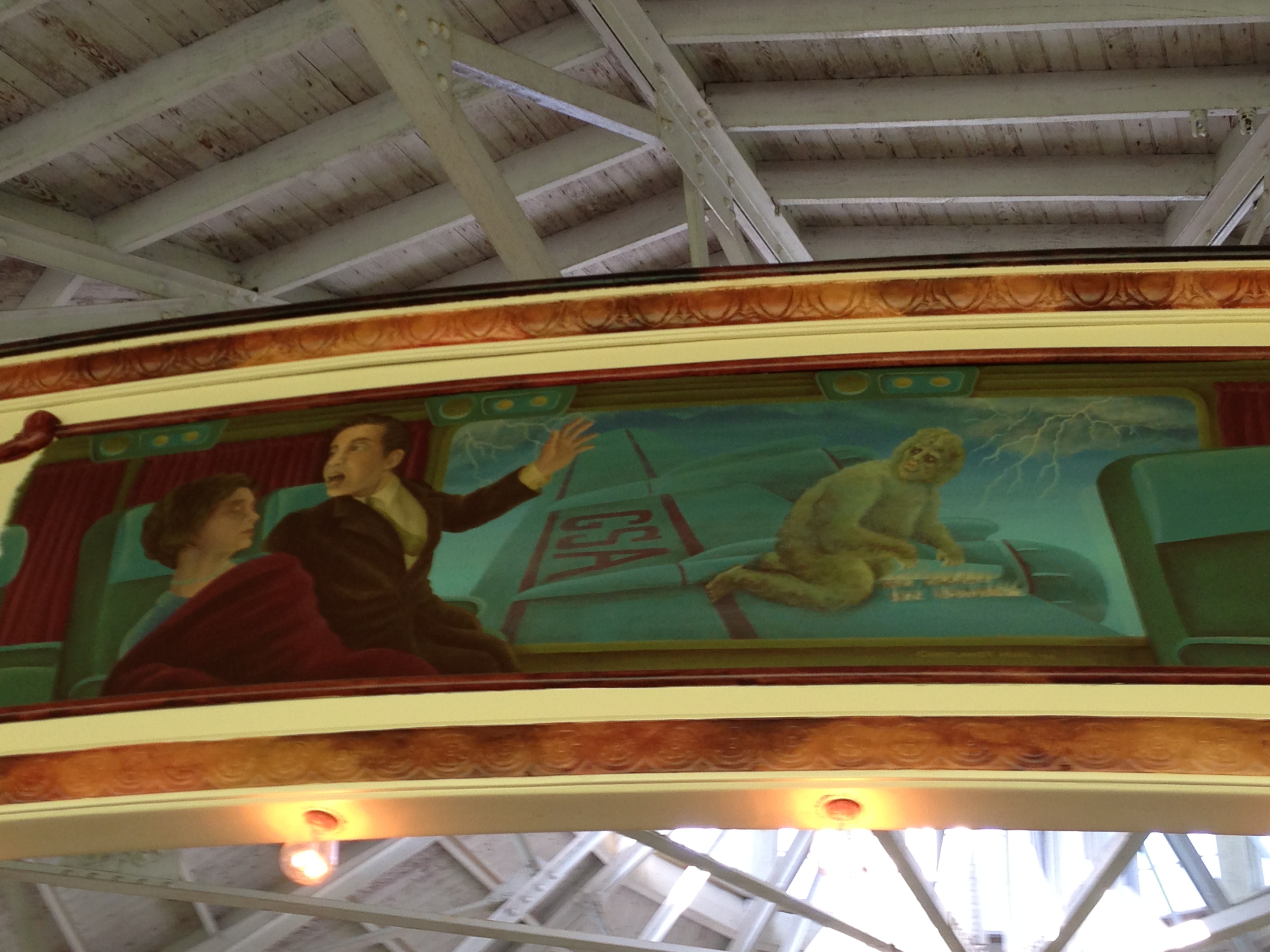
twi 3The carousel came to Recreation Park in 1925, well before the TV series, but Serling grew up in Binghamton riding the carousel, so it all makes sense. There’s even a picture of the carousel itself– a scene from the show or a fictive portrait of Serling in his old stomping grounds?
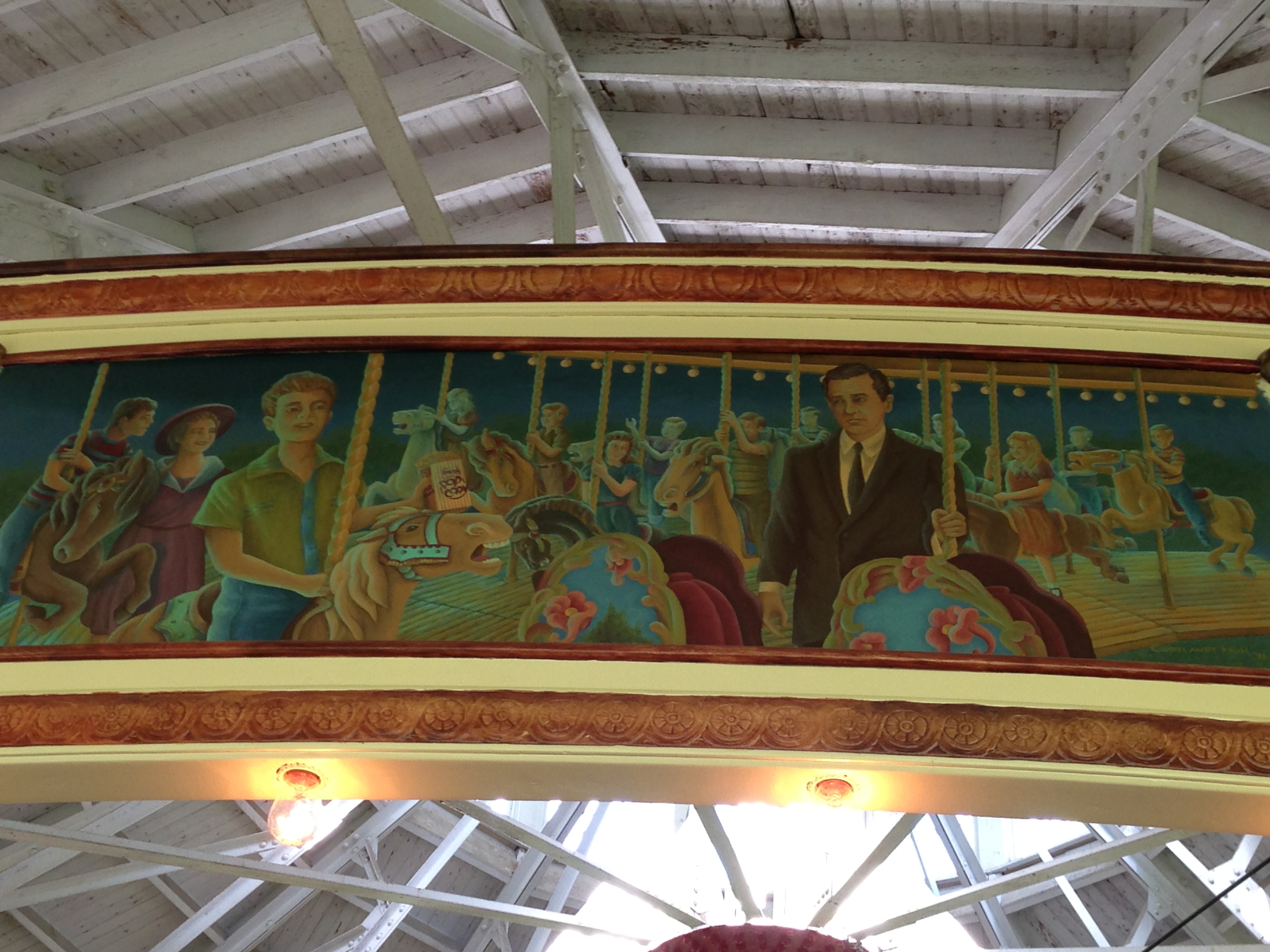
twi 2Endicott-Johnson, the company that earned fortunes for the family that built these beauties, was so big, it made every pair of boots that outfitted American soldiers in world war one. George F. Johnson, the company’s big daddy, in 1916 mandated a 40-hour-work week. Generous, for the time. So was giving his 24,000 workers carousels.

Jack Dougherty, ready with his whistle on a lanyard, told me that they have to be careful at the Rec, closing it up when some rowdy middle schoolers come raging around every afternoon.

Jack

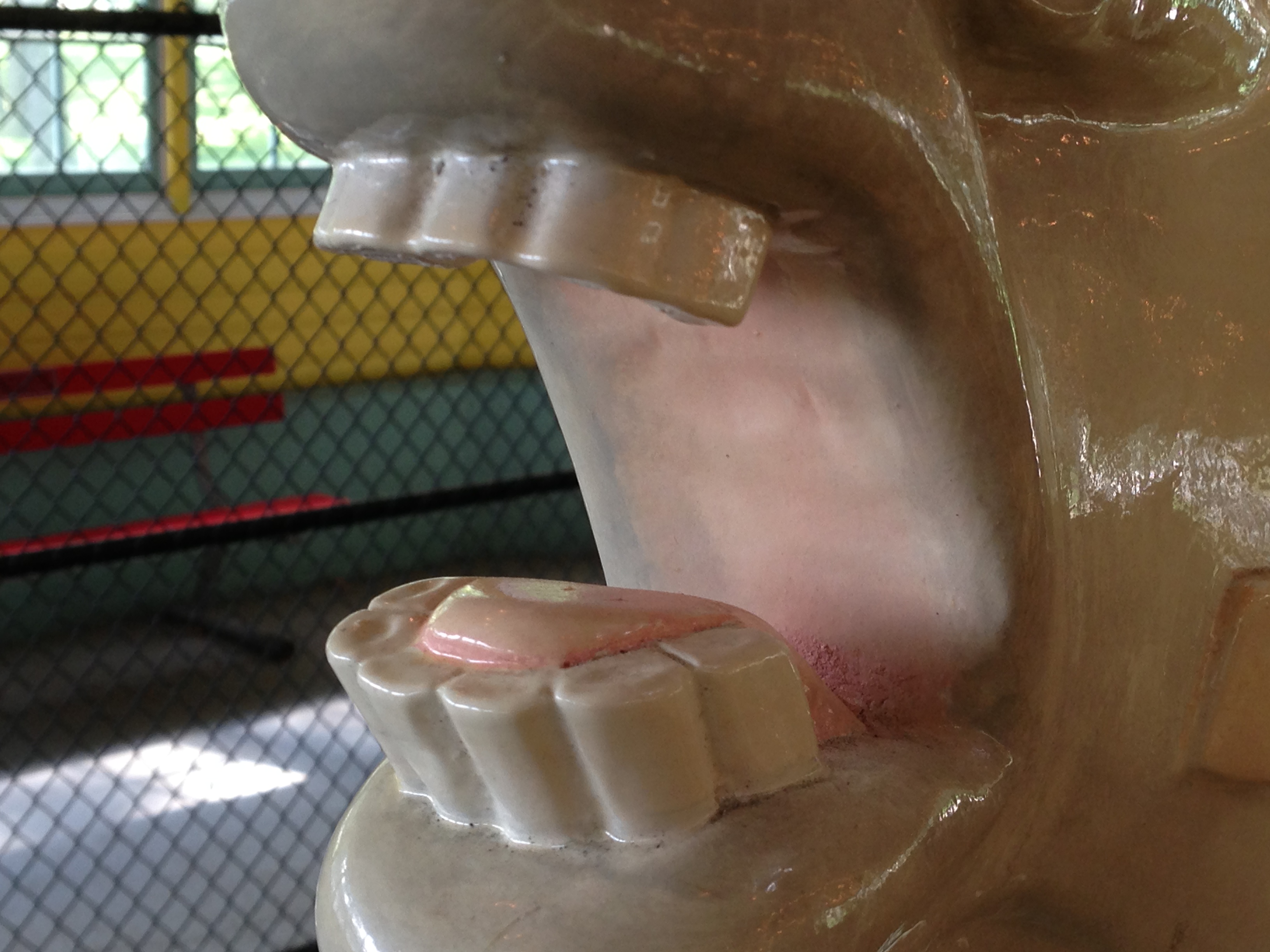
Can’t risk damage to the jumpers. The detail is really exquisite.
twilight chompers


They seem much more sturdy than they are. They’re real/not real.

I wonder if the children of the Triple Cities are somehow happier because of all the carousels in their midst? On the day his namesake merry-go-round opened in 1934, more than 500 neighborhood children paraded to George W. Johnson’s house with a bouquet of flowers to show their gratitude.
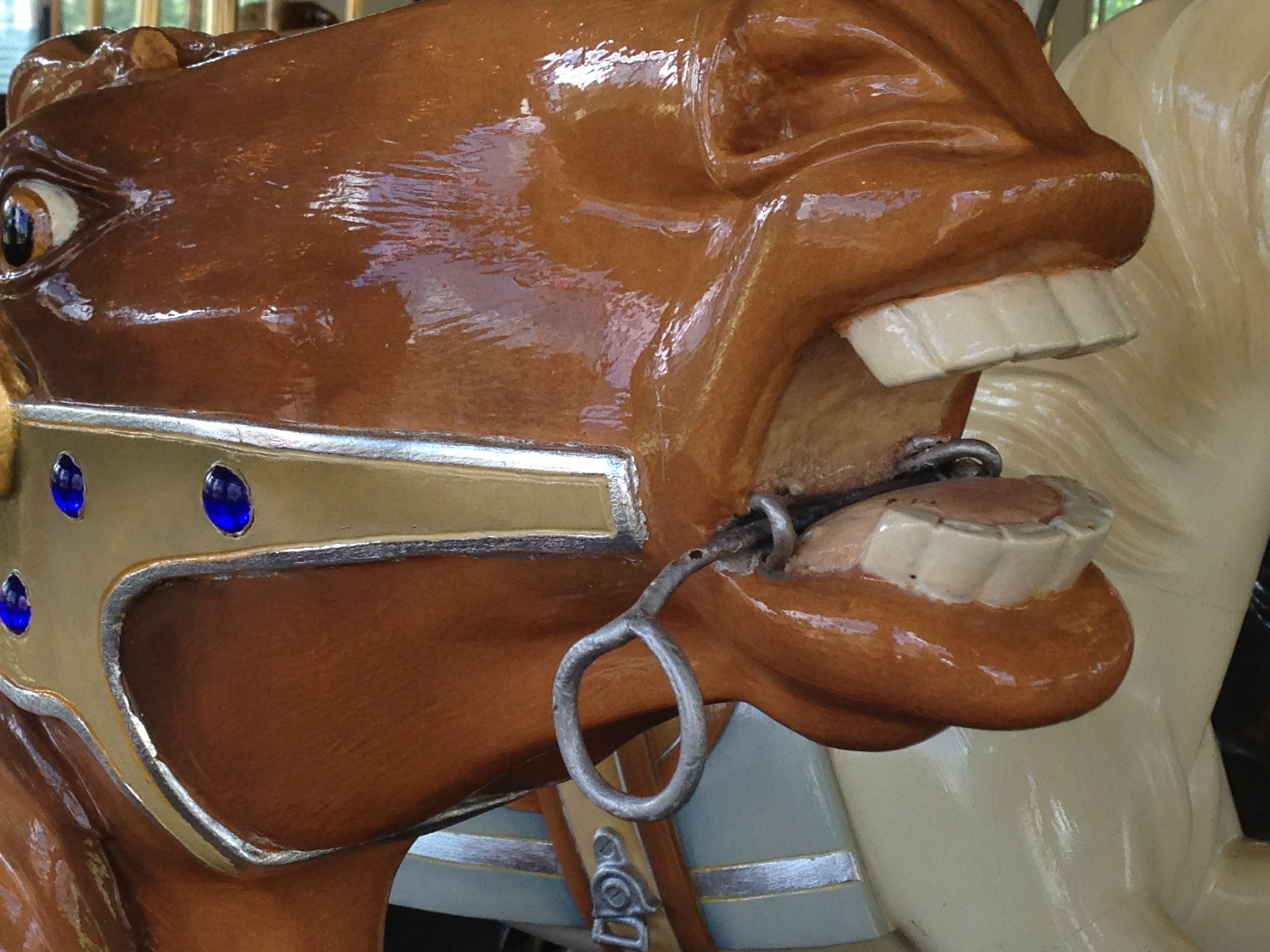
george brown horse


Made by human hands, each of them, so brawny and so delicate.
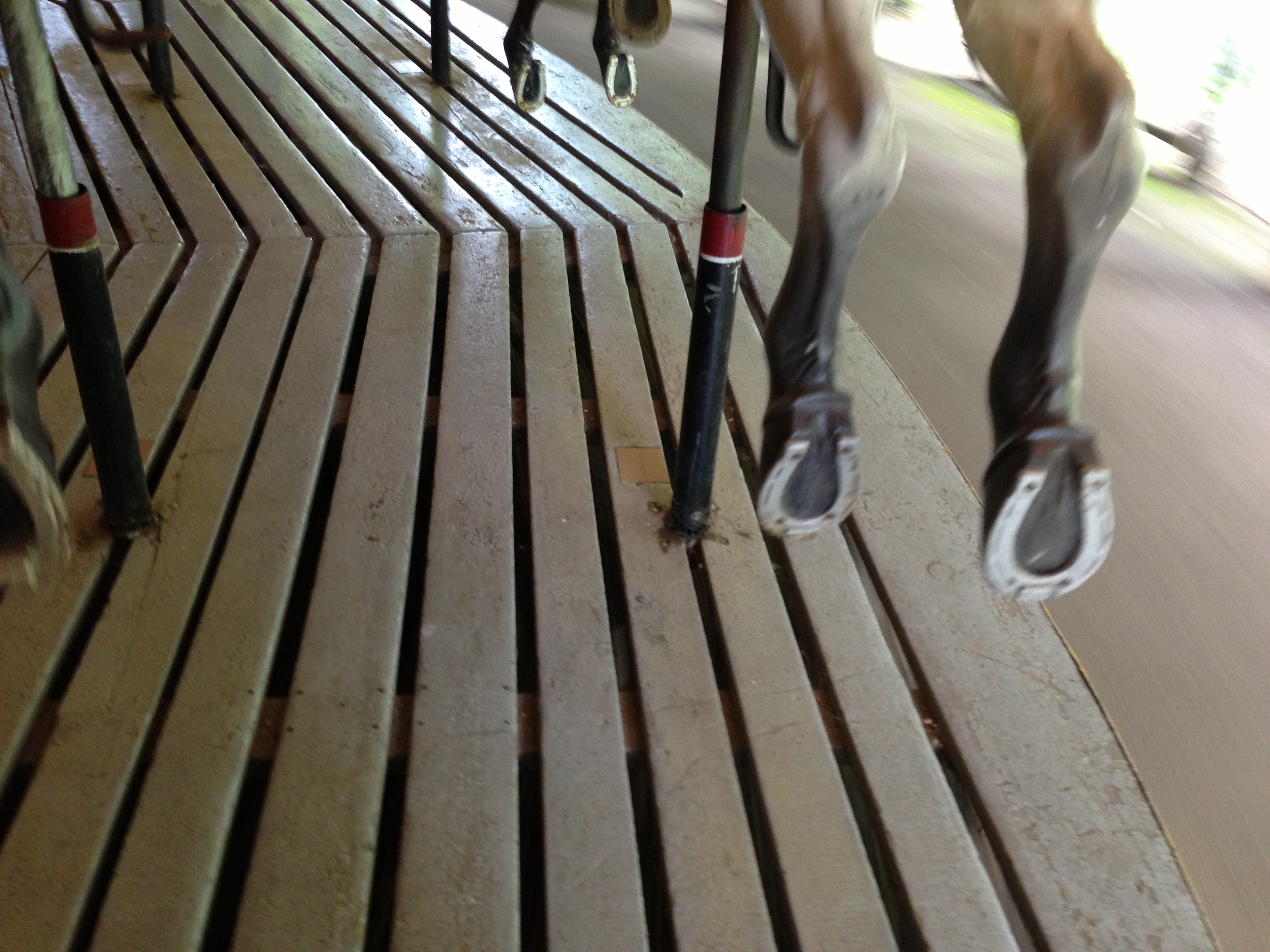
zoo hoofs


5 Comments

Filed under Art, Culture, Fiction, History, Jean Zimmerman, Savage Girl

Links in the Chain

A handful of links for a rainy day.

A beautiful look at hand paintings by Moscow-based artist and poet Svetlana Kolosova.

surrealfairytalepalmpaintingsbysvetlanakolosova6

Info about the Biblewalk and Living Bible Museum in Mansfield, Ohio.

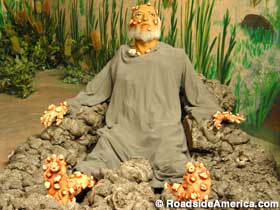
OHMANbible12_jobJob appears real!

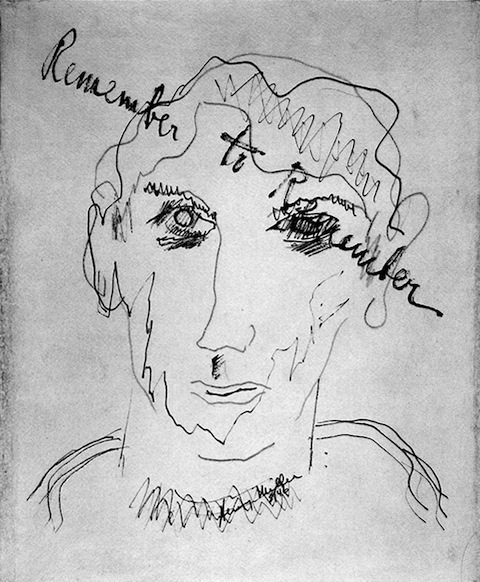
Amazing self-portraits by writers. Henry Miller drew his in 1946.

4b-millerselfportrait


The story of how the Kindle came to be, from an insider’s point of view.

An article on a blog about the history of makeup that discusses whether cosmetics of the past poisoned the women who wore them with ingredients like lead and mercury.

Bildnis-von-Elizabeth-Gunning-Herzogin-von-Argyll-von-Allan-Ramsay-31966


Ten ultra-secluded underground locations, for those times when you’ve disclosed government secrets and need a private place to crash.

And finally, three Japanese hotels that have been in business for a thousand years.

tl-inset_webThis one, Nisiyama Onsen Keiunkan, was built around a hot spring that supposedly has curing powers. Maybe it cured women with makeup-induced illnesses.


3 Comments

Filed under Art, Culture, Fashion, History, Home, Jean Zimmerman, Writers, Writing

Rock Paper Scissors Book

Kids write books. They just don’t appear on Kindle.

And they couldn’t. They’re hand-wrought. Messy. One of a kind.

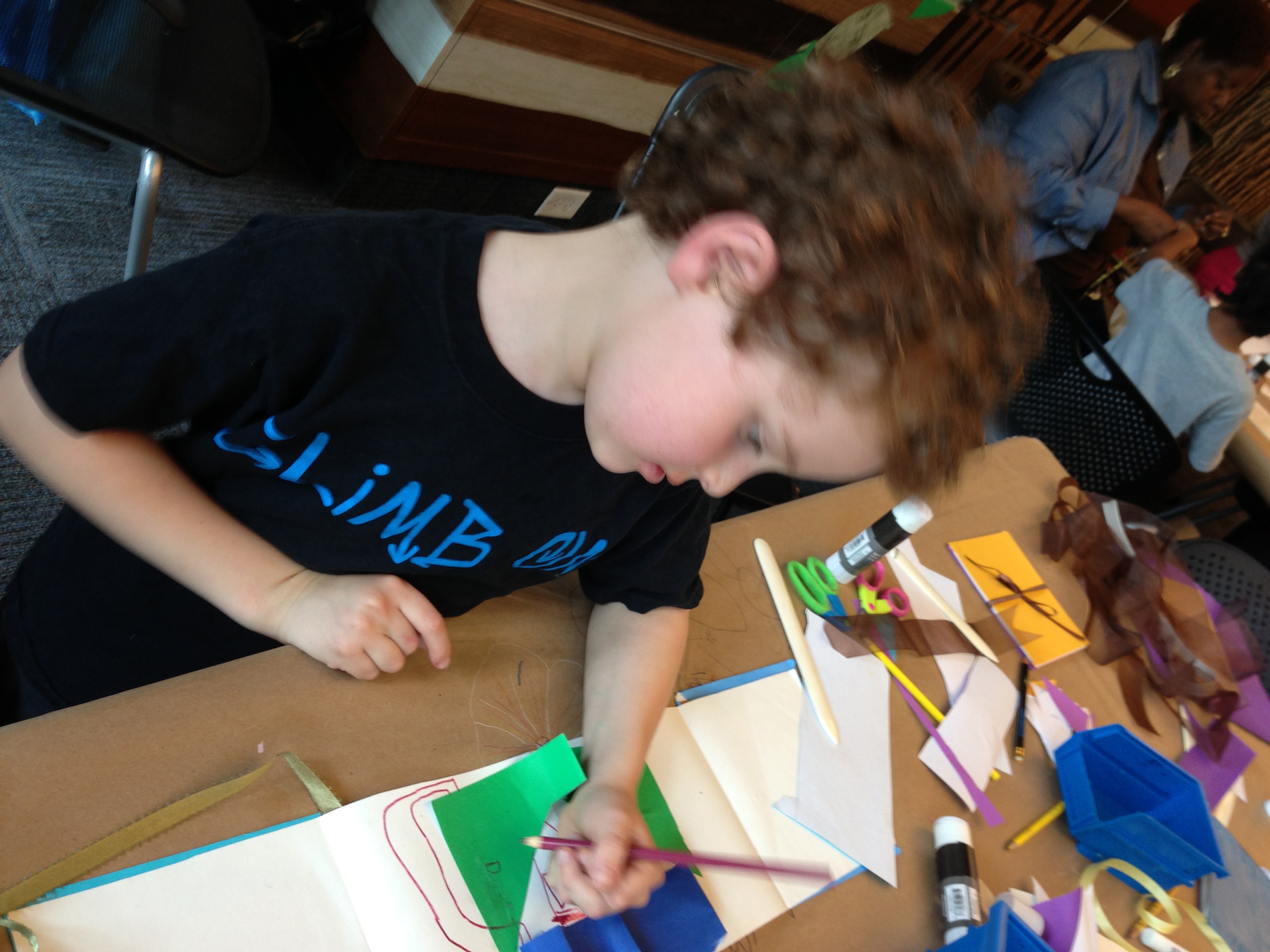
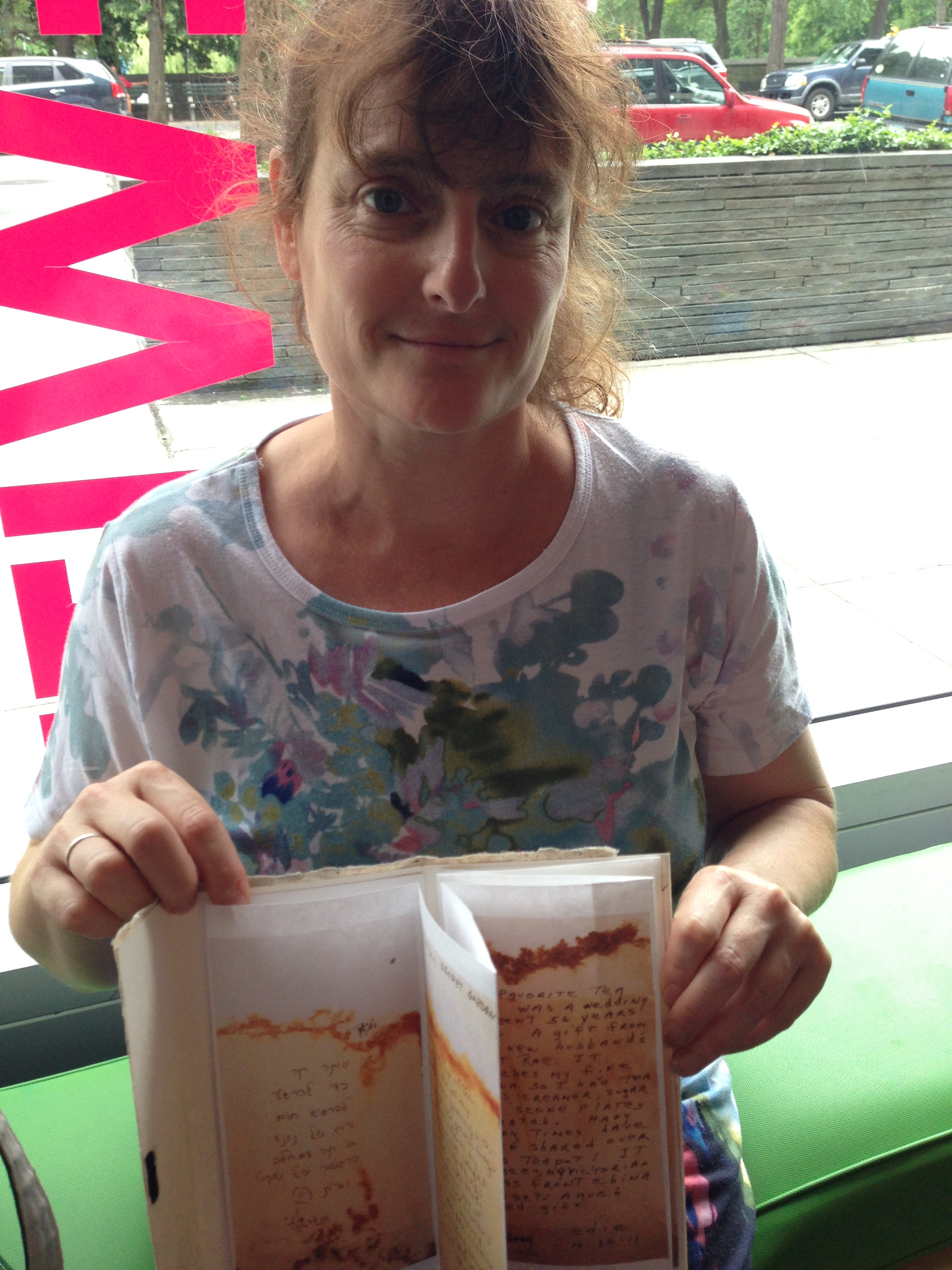
We took our nephew Jasper to a book-making class for children today at the Cooper-Hewitt Museum’s Design Center in Harlem. Jasper is a lefty — is that why he has a creative streak, or is it because he’s my nephew? Just asking.

lefty


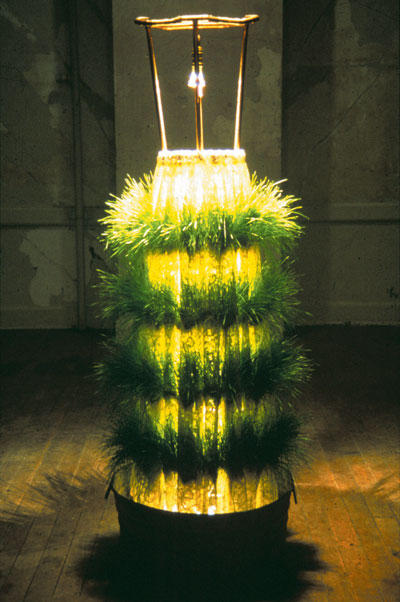
The ever-patient instructor was an artist named Michele Brody, who is well known for producing site-specific installations, including many  involving plants and water.

brody

She likes to show the entire life cycle, she told me, including the decay and death of the plants.

Michele Brody


But she’s also  produced art volumes about tea and stained by tea, so she knows about putting together books from scratch. Today she introduced me to a novel concept, that of the bone folder.

bone folder

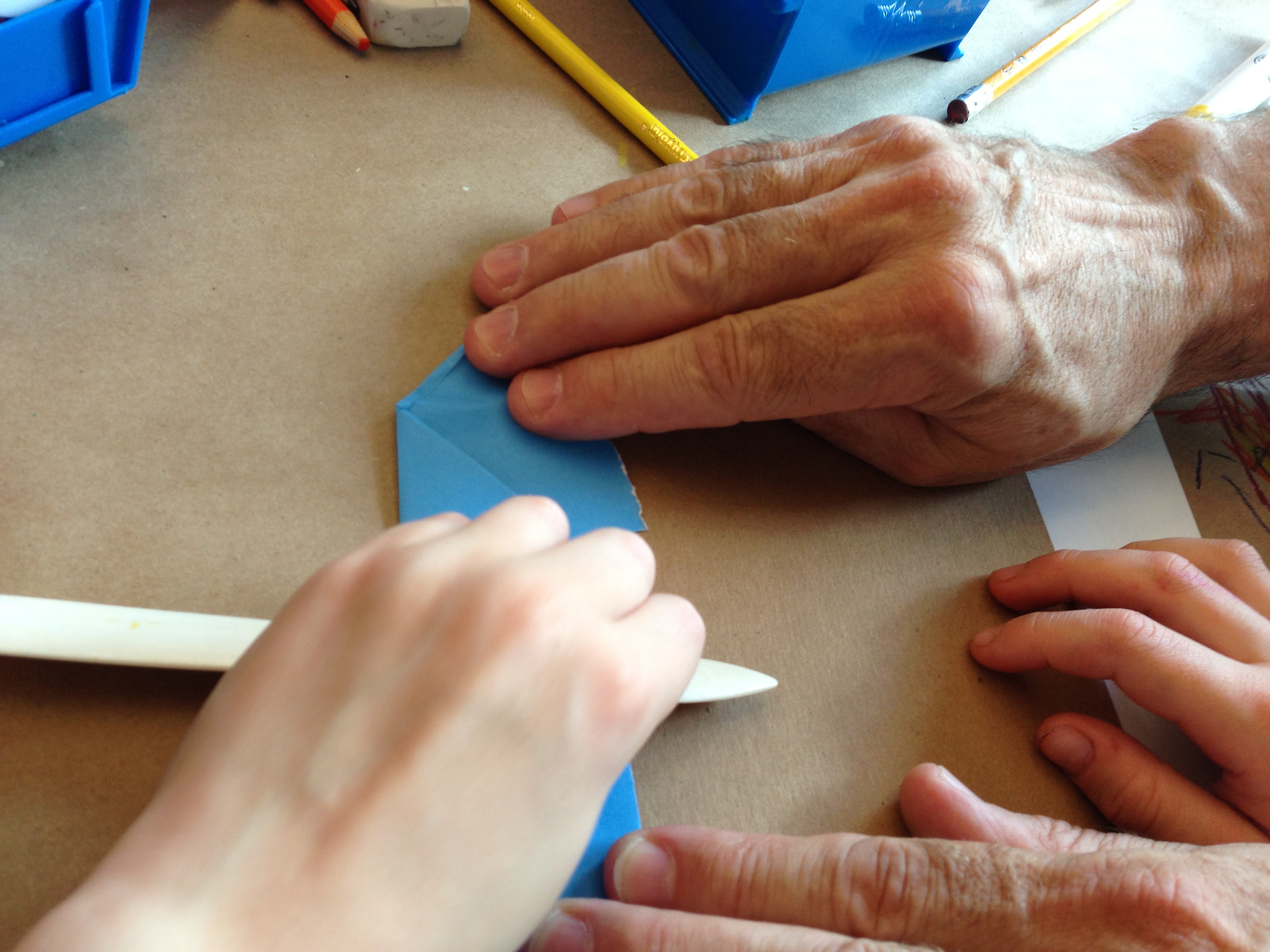
The bone folder is a smooth ivory tool that allows you get a nice sharp crease in the paper you’re using to bind your book, and to smooth out any bubbles that might appear in the glueing process. How satisfying, sliding the tool along those bubbles.

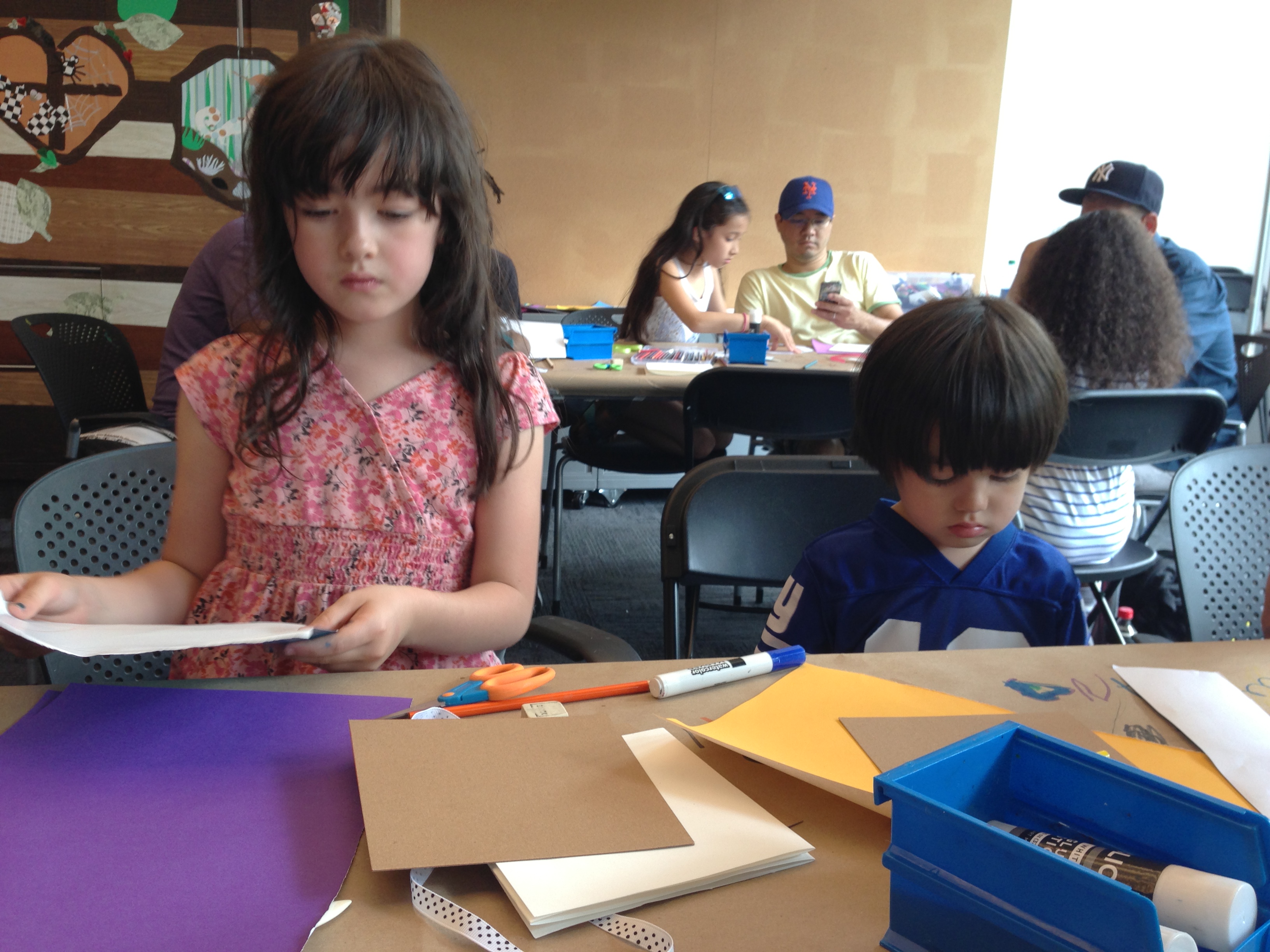
The children in the class dove in with cardboard, markers and ribbons every which way. Siblings Aidan and Molly — “silly and active,” according to Jasper —  did better than I did. I watched their creations materialize across the table.

Molly:Aidan


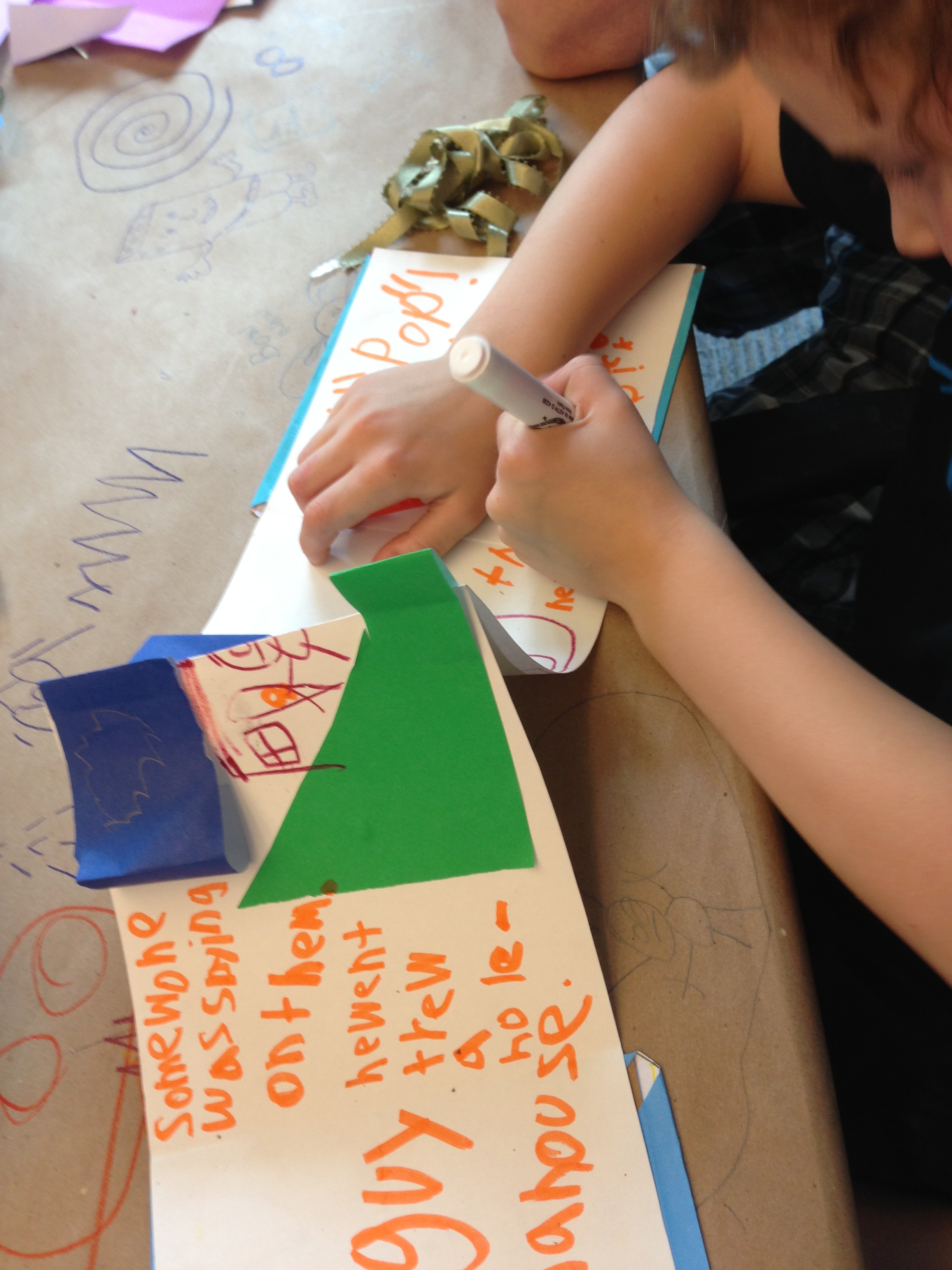
Jasper’s book was crammed with action and surprises. If he could only write a single book in his life, this one would be enough, but of course he’s already written hundreds.

Pop!


What did he like best about writing a book, I inquired.

The kid’s answer was immediate. The pop-ups, he said. He has always liked building pop-ups into his works. Architectural, three-dimensional, crazy blasts from another dimension.

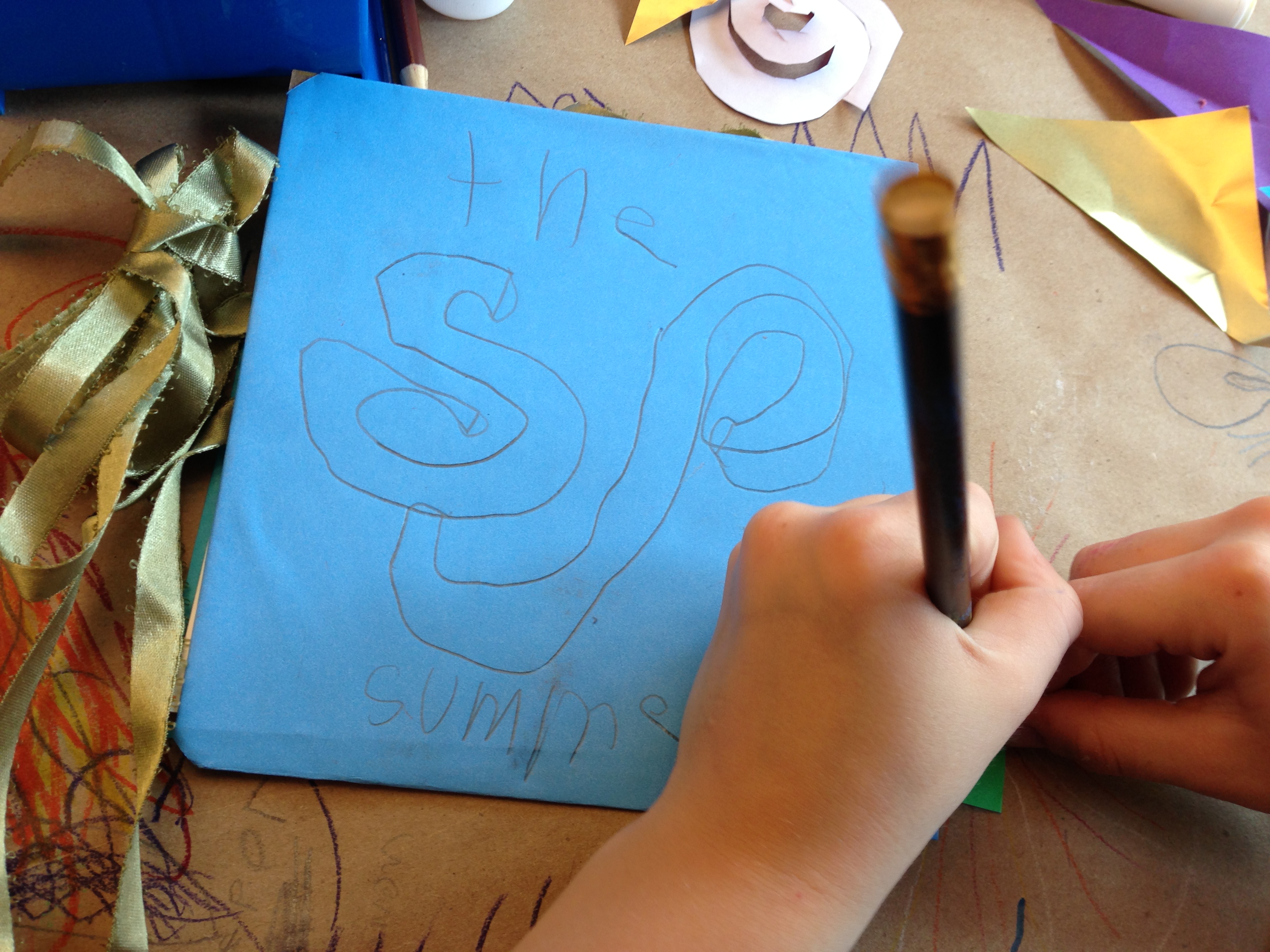
Kindle just can’t accommodate construction-paper pop-ups. And that is why you will never be able to order Jasper Zimmerman’s The Spy in Summer from Amazon. It’s the story of a spy who steals the bad guy’s jewelry, then eats him — well, that last part is not actually in this volume, says the author, but it will be in the sequel.

the spy in summer


That one will have pop-ups, too.


2 Comments

Filed under Art, Culture, Fiction, Jean Zimmerman, Publishing, Writers, Writing

The Highest Bidder

“There have been horror films set in storage facilities,” says Gil.

“I can only imagine,” says Maud.

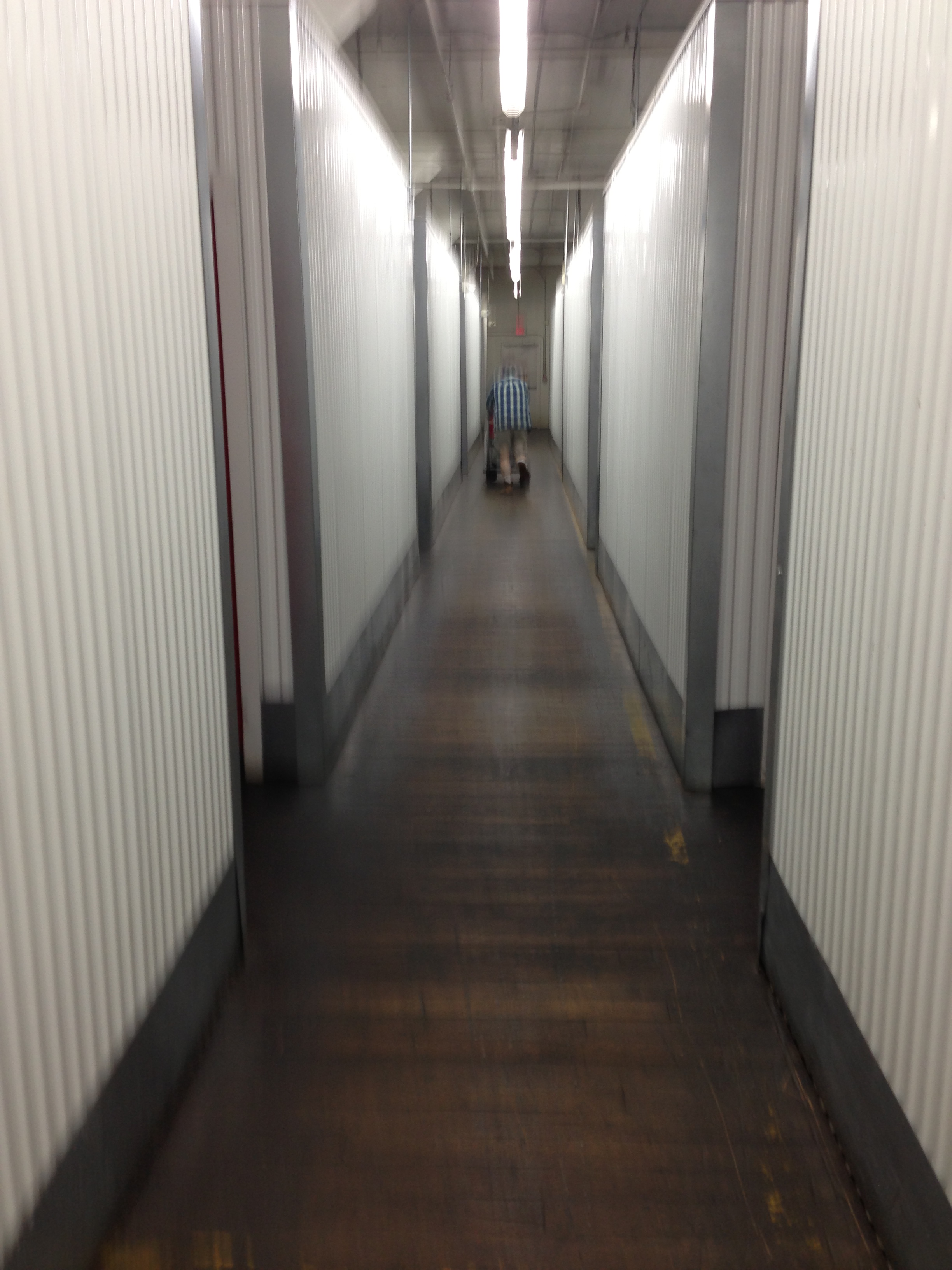
Gil likes to run the cart through to our storage locker, especially if he’s got Maud for a passenger.

gil running

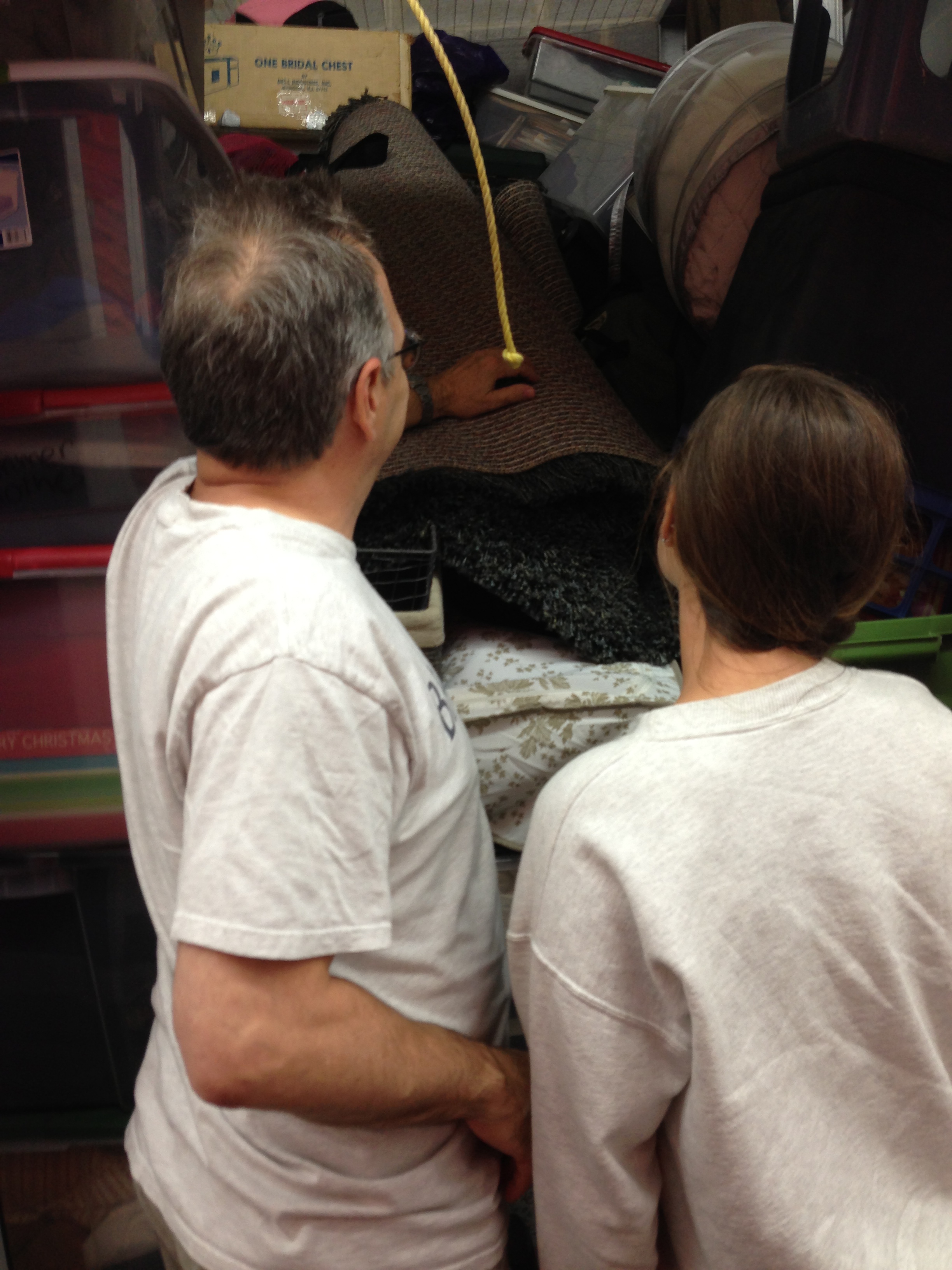
We’ve kept about half our belongings in the deep freeze since moving to the Cabin.

gil:maud

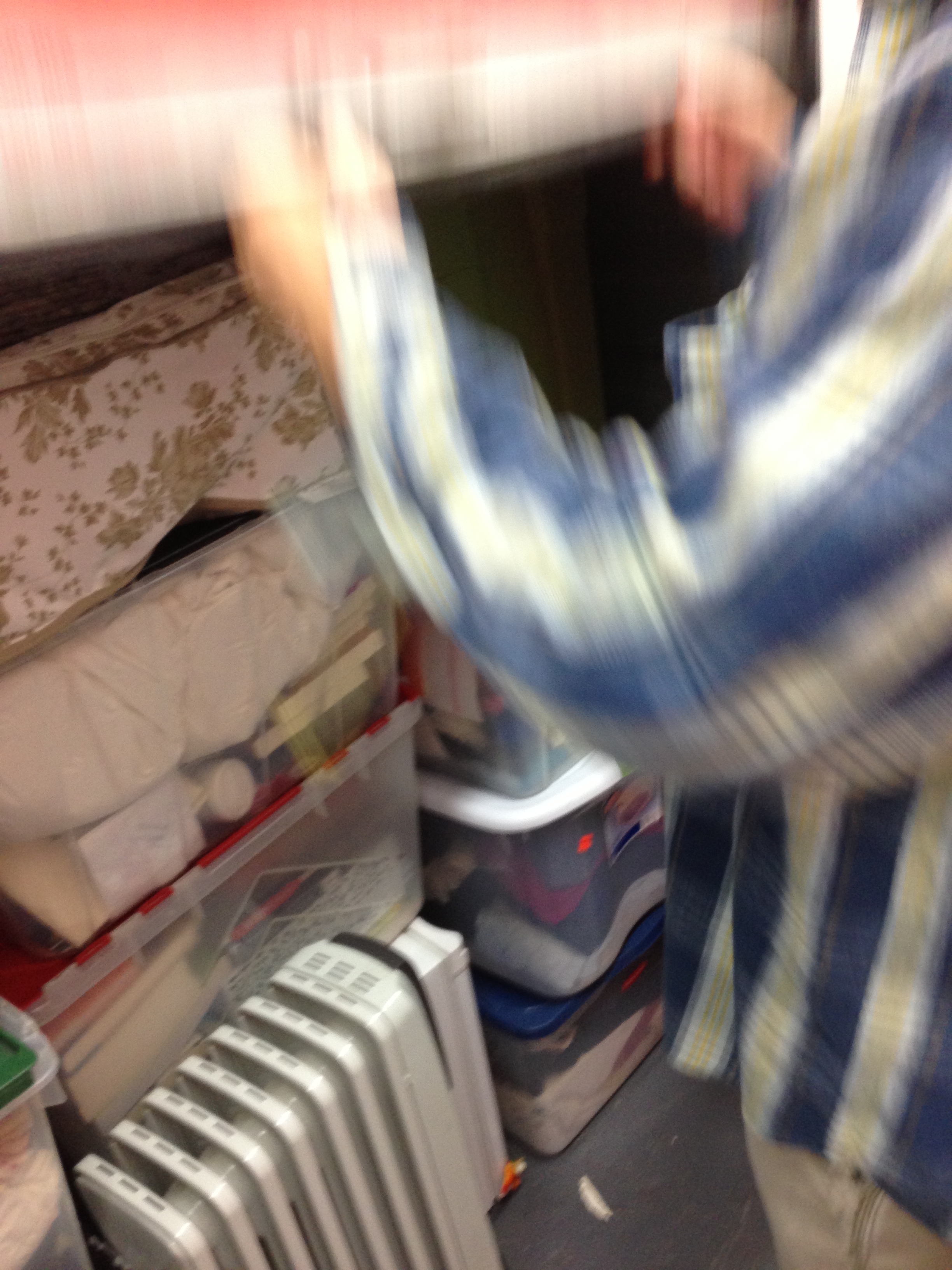
Too. Much. Stuff.

“Every increased possession loads us with new weariness,” said John Ruskin. What did John Ruskin know about it? Between the English countryside and Mayfair, he had plenty of space to stash his private editions and his watercolors.

gil:stuff

Will we ever find Maud’s backpack and sleeping pad so she’ll be equipped for her next adventure? She’s going to New Mexico to conduct research for her senior thesis, on descansos, the elaborate roadside shrines that mark auto fatalities. In New Mexico they’re very grand and very sad.

In A&E’s “Storage Wars,” people bid on the contents of repossessed storage lockers after looking for ten minutes at just the front of the container. Bidders get excited and spend a lot on what turns out to be junk. Our locker wouldn’t inspire much action.

Television also brings us a scene in “Breaking Bad” where Walter White opens a typically bland looking locker to find his wife has used it to hide an enormous brick of cash, probably 4′ by 10′ by 10′. Only thing about it is they can’t spend this treasure or he’ll go to jail. For a long time. Walt asks how much is there and Skyler says, I have no idea.

You could say that about the number of books stored in our cage.

“Is there anything we put away in storage that you miss having?” I ask Maud.

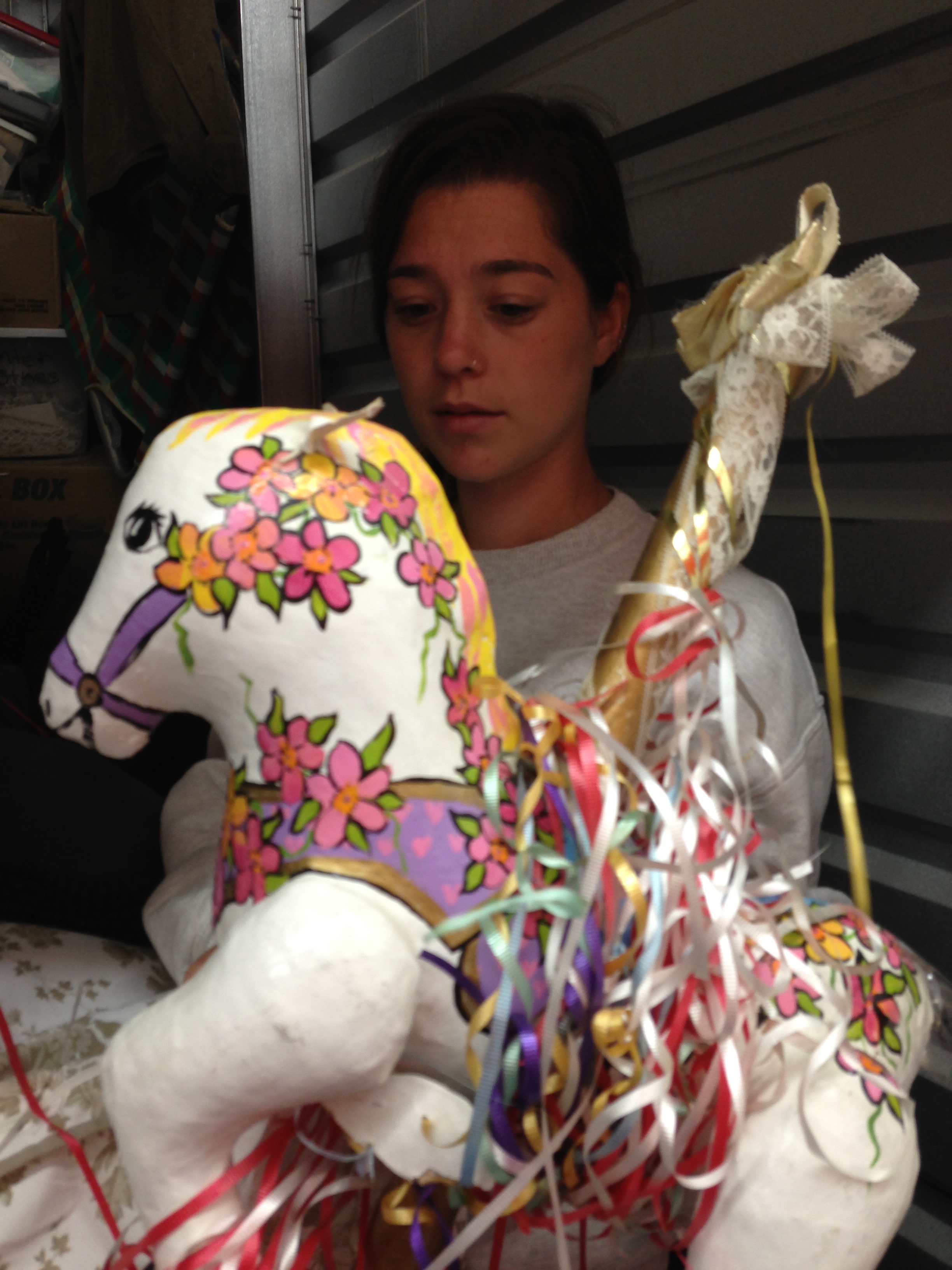
“My birthday piñata,” she says. We had a “nonviolent” piñata commissioned for Maud’s 5th birthday, its papier mache in the shape of a carousel horse. There were ribbons for the little tykes to pull to release the candy rather than bashing it with sticks. The horse had a breastplate with Maud’s name on it. We knew it was in storage someplace with its tail broken off, the tail floating  someplace in storage too.

“Is there anything you would want out of here?” I ask Gil.

“One thing I desperately want to have right now,” he said, “but won’t be able to find, is the picture of my mother and my father in their 20’s. I want to display it at my mom’s memorial service. But it’s lost in there.” That picture proved to 14-year-old Gil that his parents were young once, his dad holding a pipe and his mom looking devilish.

“Maud, what do you think is in all those boxes?”

maud's back

“Books, clothing, photos. Dead bodies.”

Sure, there have been evil deeds in storage lockers. We saw a thriller once in which a serial killer kept the clothing trophies of his victims in a locker. And in Silence of the Lambs Jodie Foster enters one to find a head in a jar.

But we find good things. Better than good. Softball gear, from Maud’s high school varsity team. Tents. We went to North-South Lake, remember that, our fragrant late night campfires? A wedding dress, still lovely in its ever-browning box. Copies of books we wrote, with passion. Gently used snorkeling gear. Let’s go, let’s go away somewhere warm and sandy sometime!

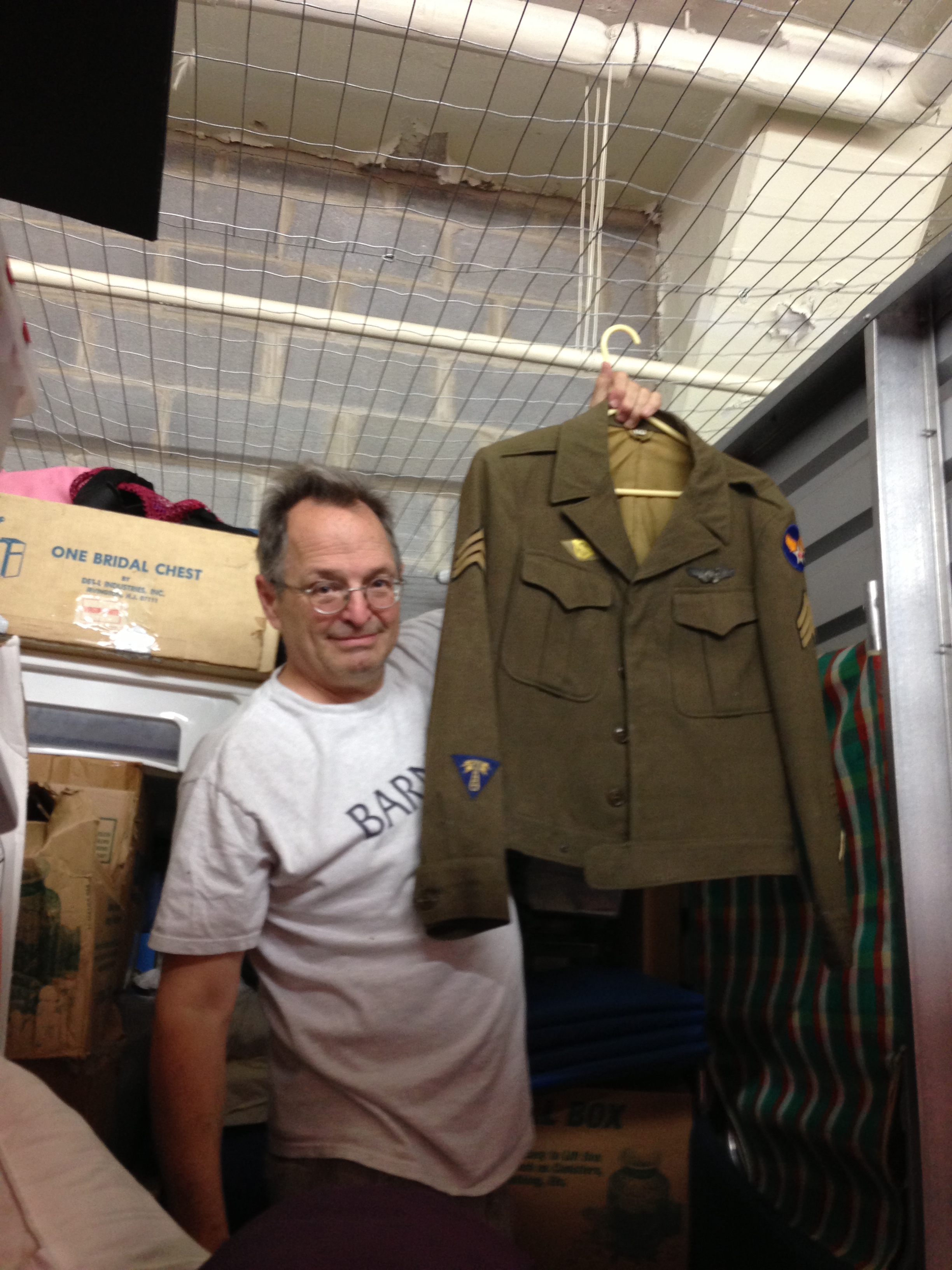
Gil finds the army jacket of Acton, his father.

acton's jacket

Maud finds her carousel horse.

maud:horse

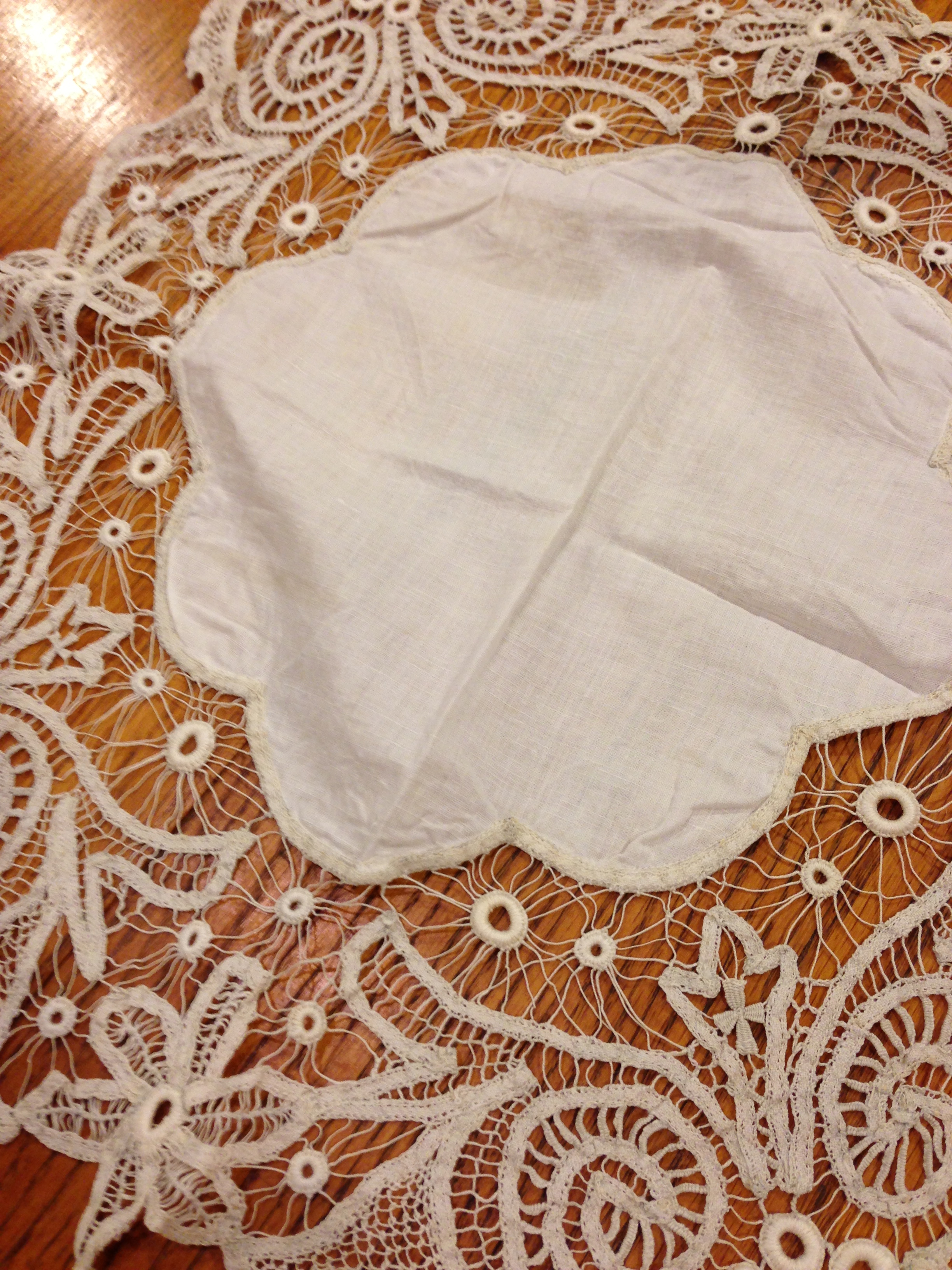
I lift down something precious, the lacework made by my Tennessee matriarchs. “Really?” says Gil. Our house is so small. For some reason I need this work by me, from the deep freeze to my warm house.

lace from storage

We have a conversation. “How much of this stuff would you remember if it all disappeared one day?” said Gil. “How much of it would you really miss.”

red

“All of it,” I say. “I’d remember it all.”

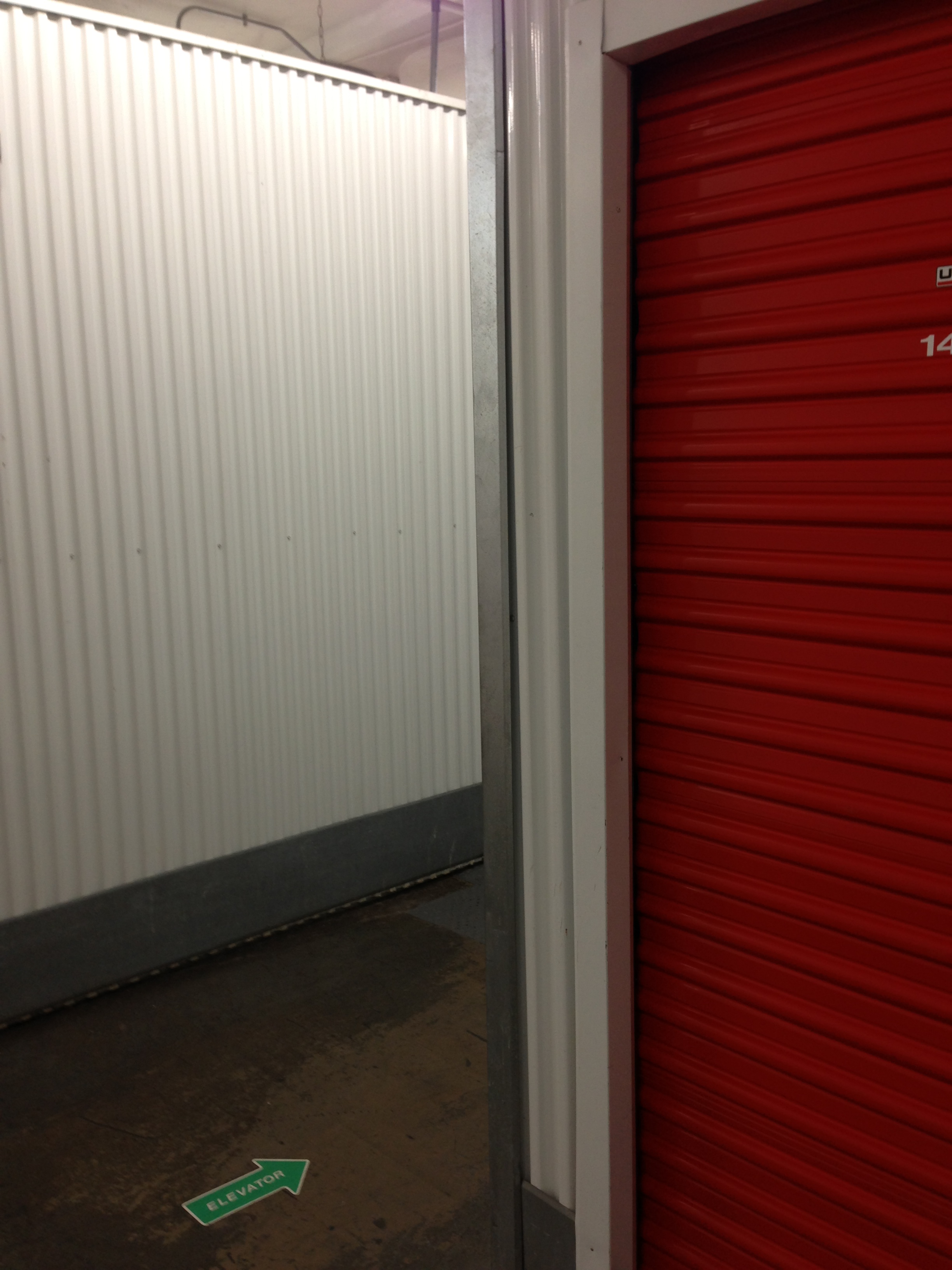
elevator

6 Comments

Filed under Art, Culture, Fashion, Film, Home, Jean Zimmerman, Publishing

For Art’s Sake

The art of the perfect egg cream.

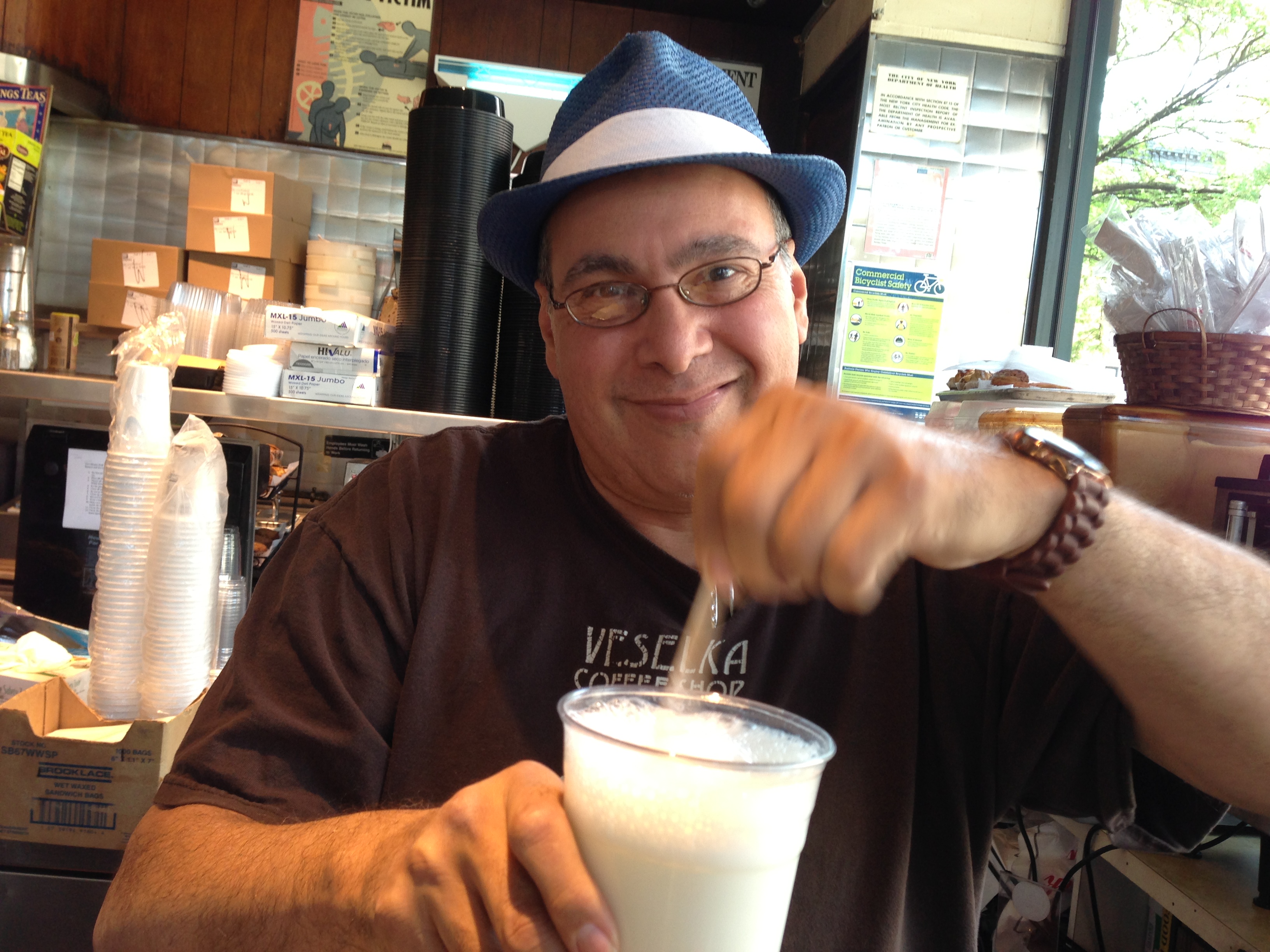
At Veselka Coffee Shop in New York City’s East Village, Eddie explained that we came in at just the right time, because his is the real deal. None better.

How long did it take you to reach perfection, I asked, watching him furiously stir the seltzer, vanilla and milk into a froth. A few years, he said, ha ha. Everybody loves Eddie, said the waitress. Eddie, said the counterman, your wife is calling on line one.

Eddie

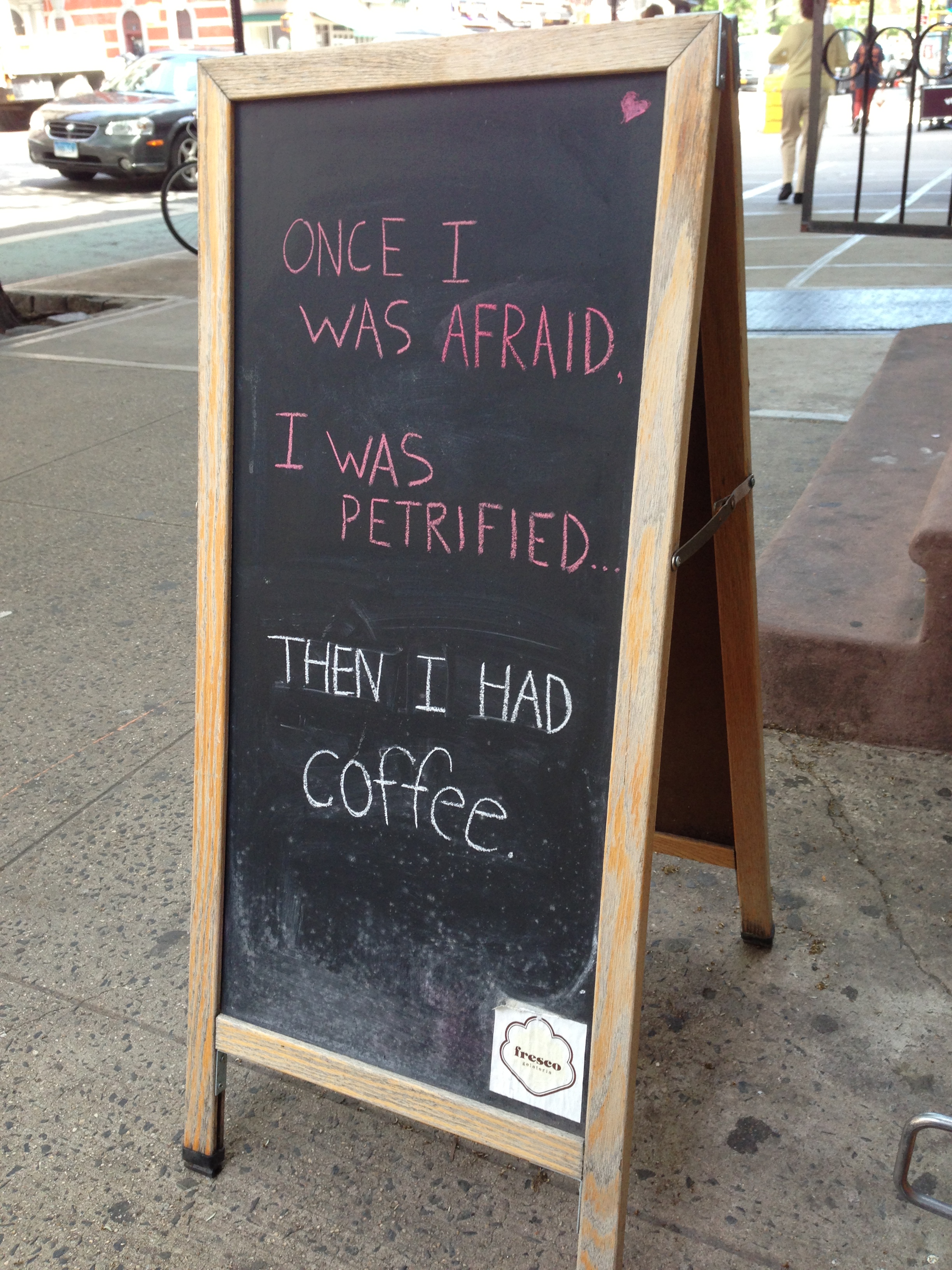
The art of coffee in a takeout cup.

coffee

There are those people who truly grok a to-go cup, light, no sugar, and others who will never understand. Those who get it will survive.

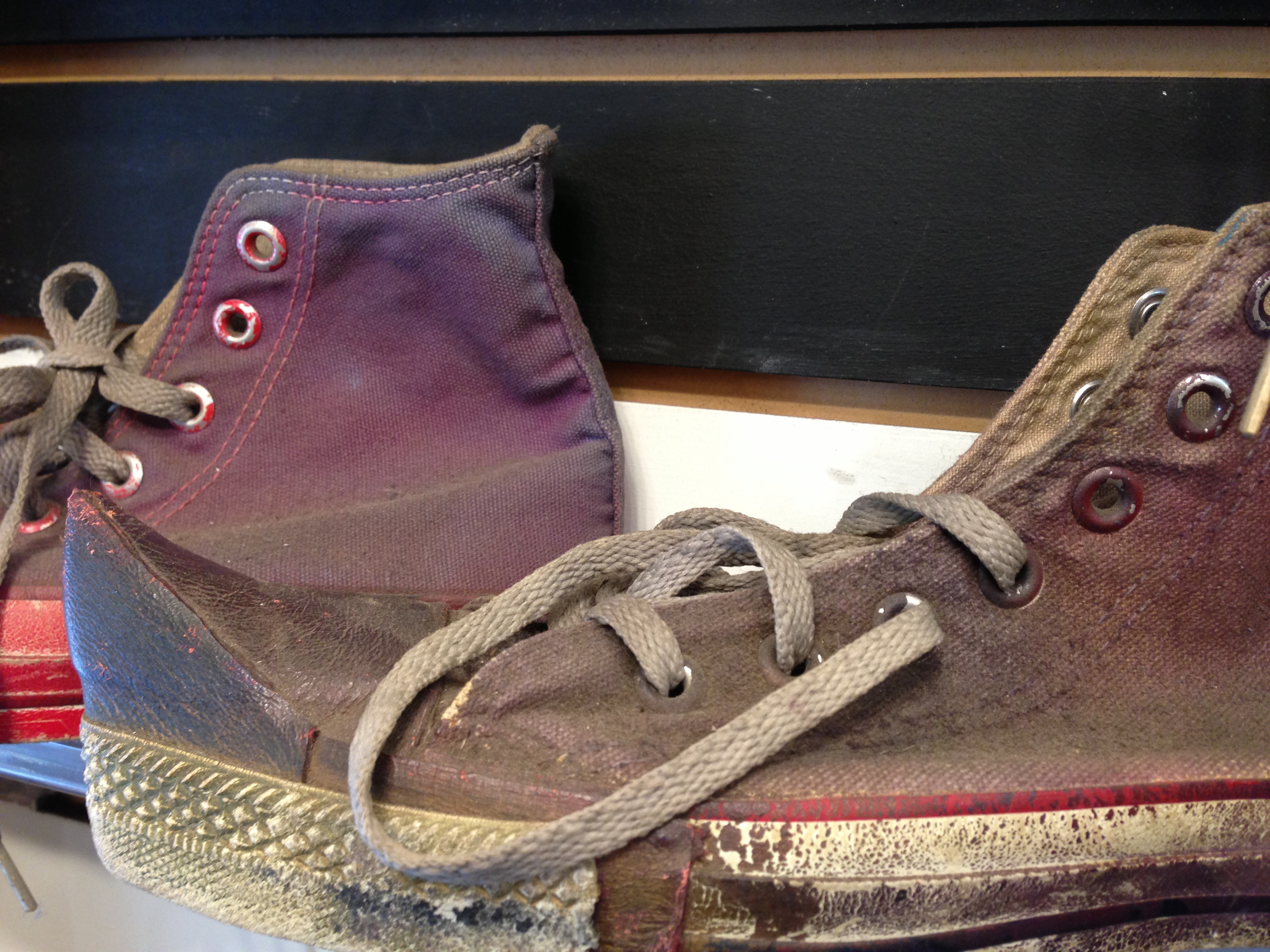
The art of the handcrafted athletic shoe. Boris works out of shoebox of a shop on St. Mark’s Place, customizing Converse sneakers. This must be one of his masterpieces.

converse

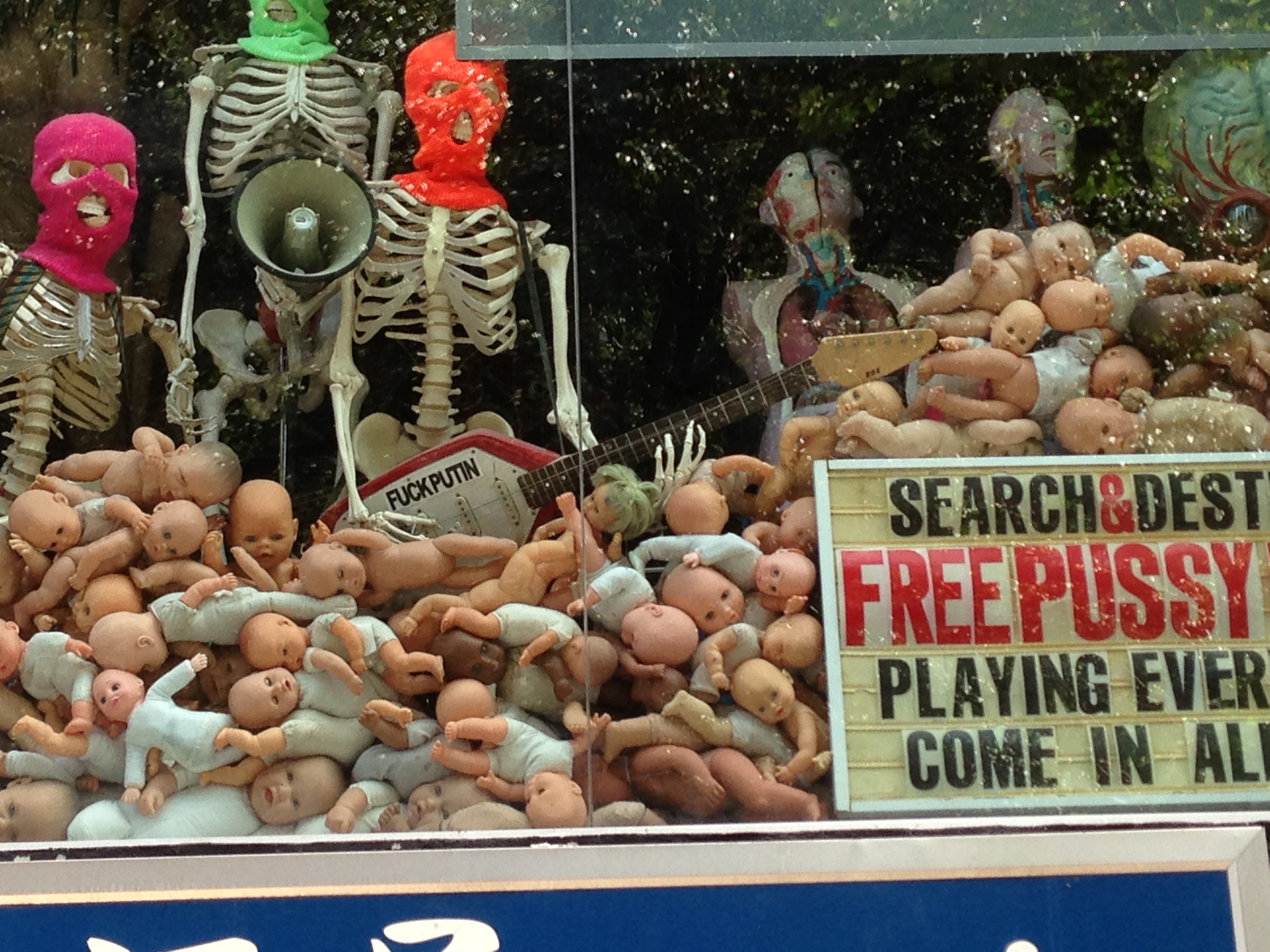
The art of the display window.

doll window

Maud and I made our way all around the East Village today but couldn’t convince ourselves to venture inside this storefront. I do, however, believe in the cause of Free Pussy Riot, the truncated message displayed on the sign – two of the three rockers are still in jail in Russia on some trumped up charge of fomenting unrest and making people think. Free Pussy Riot!

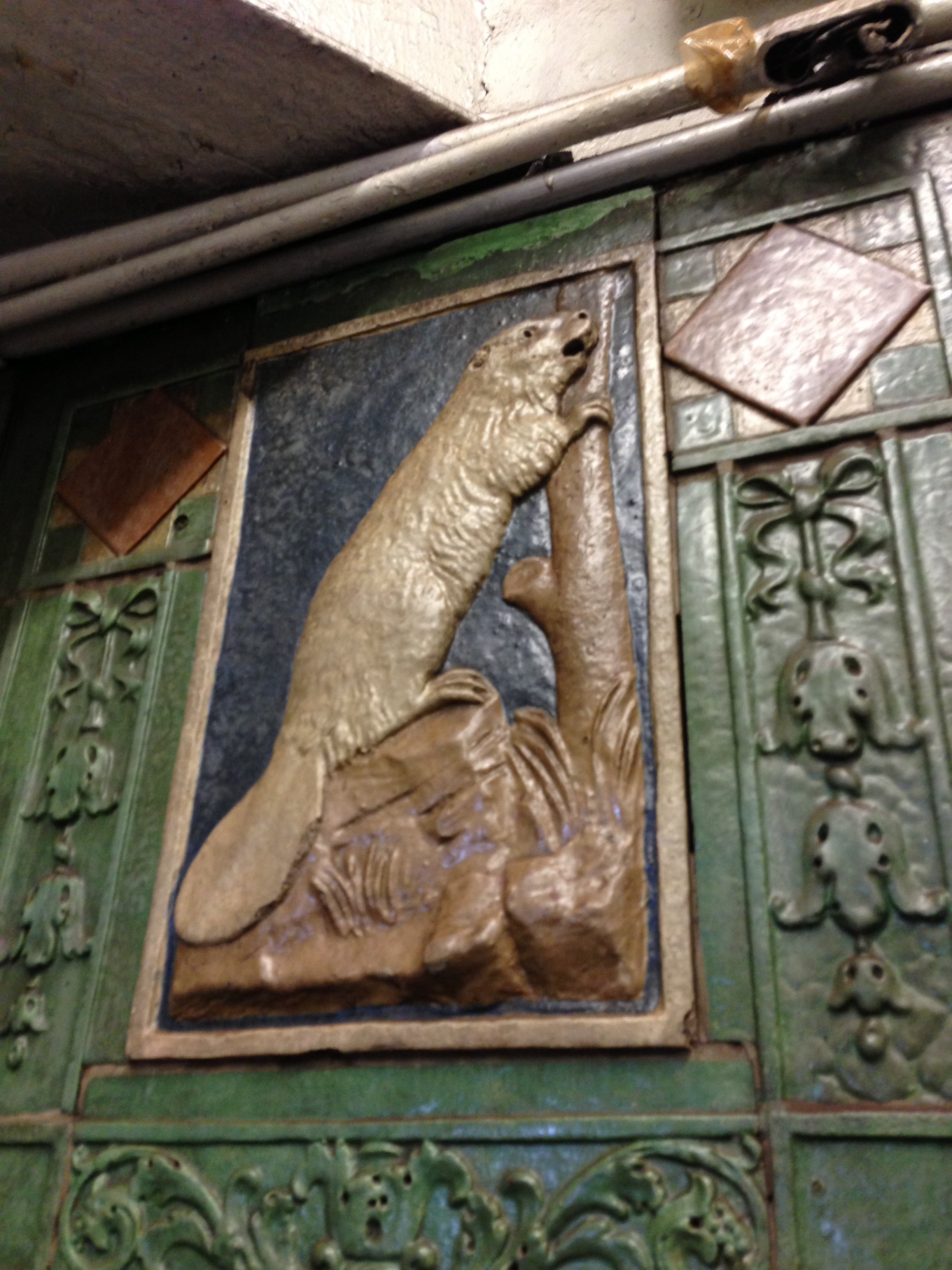
The art of the subway mosaic.

astor place beaver

New York’s subways house some splendid creative works, usually related to the locale of the stop. The Astor Place subway walls display ceramic plaques of beavers — made by the Grueby Faience Company in 1904 — because fur baron John Jacob Astor’s mansion stood nearby, and his fortune derived from the beaver-pelt trade.

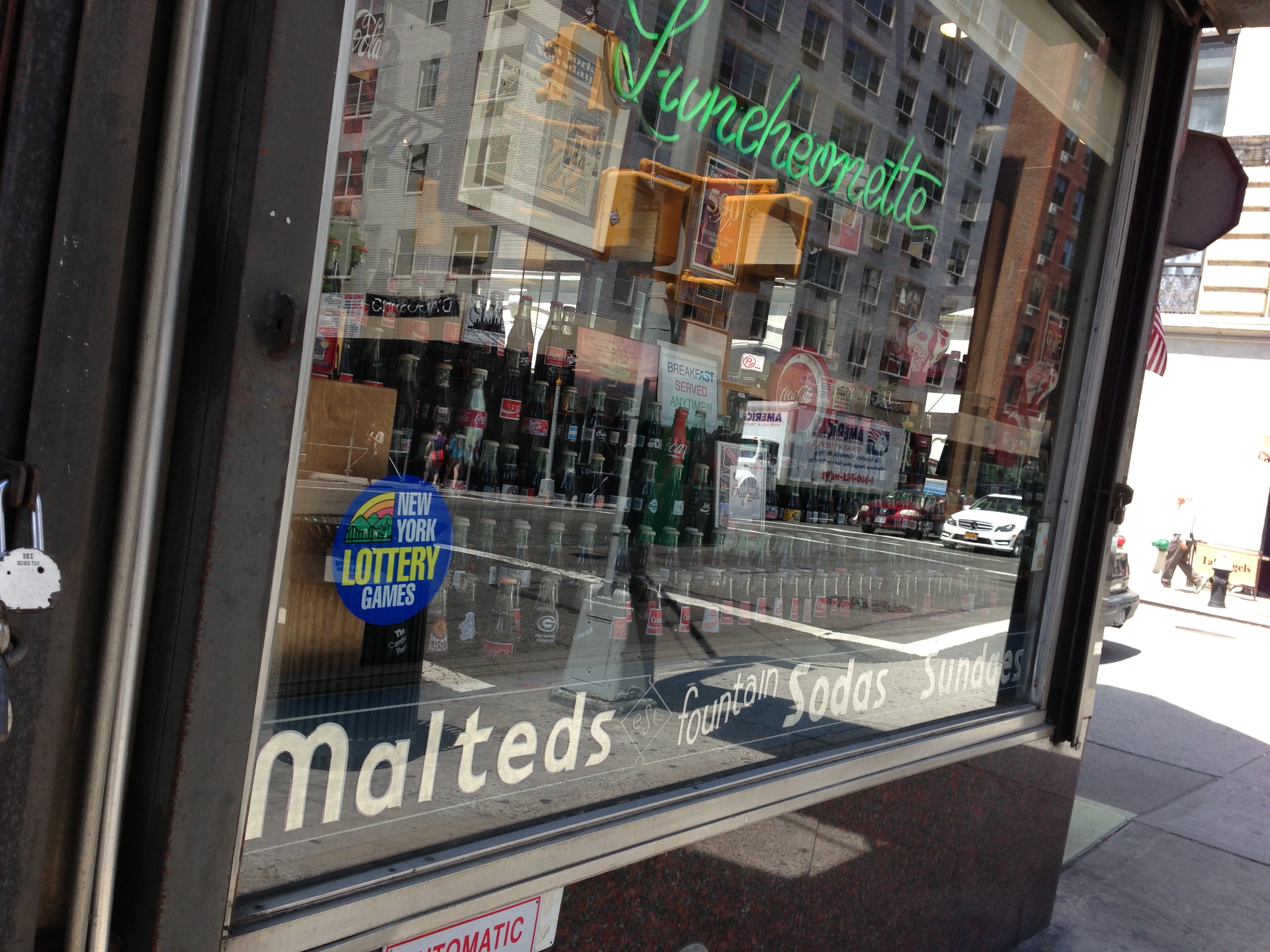
The art of the old-time luncheonette.
It sometimes seems as though everything old, dear, and genuine in Manhattan has been driven out, but once in a while a gem like the Lexington Candy Shop Luncheonette survives. It has been serving up milk shakes and lemonade since 1925.

lexington luncheonette

The art of the tooth-hurting truffle.

We grazed the cherry caramel samples at the counter of Vosges Haut-Chocolat, which sounds French but is actually out of Chicago.
caramels

Admired the pure silk hankies they use to wrap up the really important custom gifts.

silk

Then we each had a truffle of our own. Maud’s was the Rooster, with taleggio cheese, Tahitian vanilla and organic walnuts. Mine was a Woolloomooloo, featuring coconut and macadamia nuts. Gil’s getting a bacon/chocolate confection for Father’s Day.

The art of instilling disquiet.

rooftop people

The rooftop garden at the Metropolitan Museum currently features one of the most wonderful, most disturbing installations I’ve seen. The Pakistani artist Imran Qureshi was inspired by escalating bombings in Lahore when he spilled and splattered blood-red acrylic paint across the nearly 8,000-square-foot open space of the Metropolitan’s deck. Elegantly dressed European tourists traipsed across the blossoms of blood as if they were nothing.

rooftop paint 2

To me they called up the times I’ve come upon a recent deer/car collision on the highway, with the pavement still a wash of gore. Or the searing images from Gil’s book Aftermath, Inc., in which he describes the stains that occurred following trauma events, such as murder or suicide. The artist Qureshi has said, “Yes, these forms stem from the effects of violence. They are mingled with the color of blood, but at the same time this is where a dialogue with life, with new beginnings and fresh hope start.”

The art of water vapor.

cloud

Far above the paint, the New York clamor, the scene, serene, inviolable, sublime. Art for art’s sake.

8 Comments

Filed under Art, Culture, Fashion, History, Jean Zimmerman, Nature, Photography, Writing

Playground Nightmares

As if those clanking swing chains weren’t somehow spooky enough, and those boink-y critters that tended to throw you off when you least expected it, here we have, from Russia, some playground elements that are worthy of a horror film.

Do. Not. Go. To.

These playgrounds.

Ever.

For more images, see 11 Terrifying Images of Old Soviet Playgrounds | Mental Floss.

2 Comments

Filed under Art, Culture, History, Jean Zimmerman

Boxcar Boy

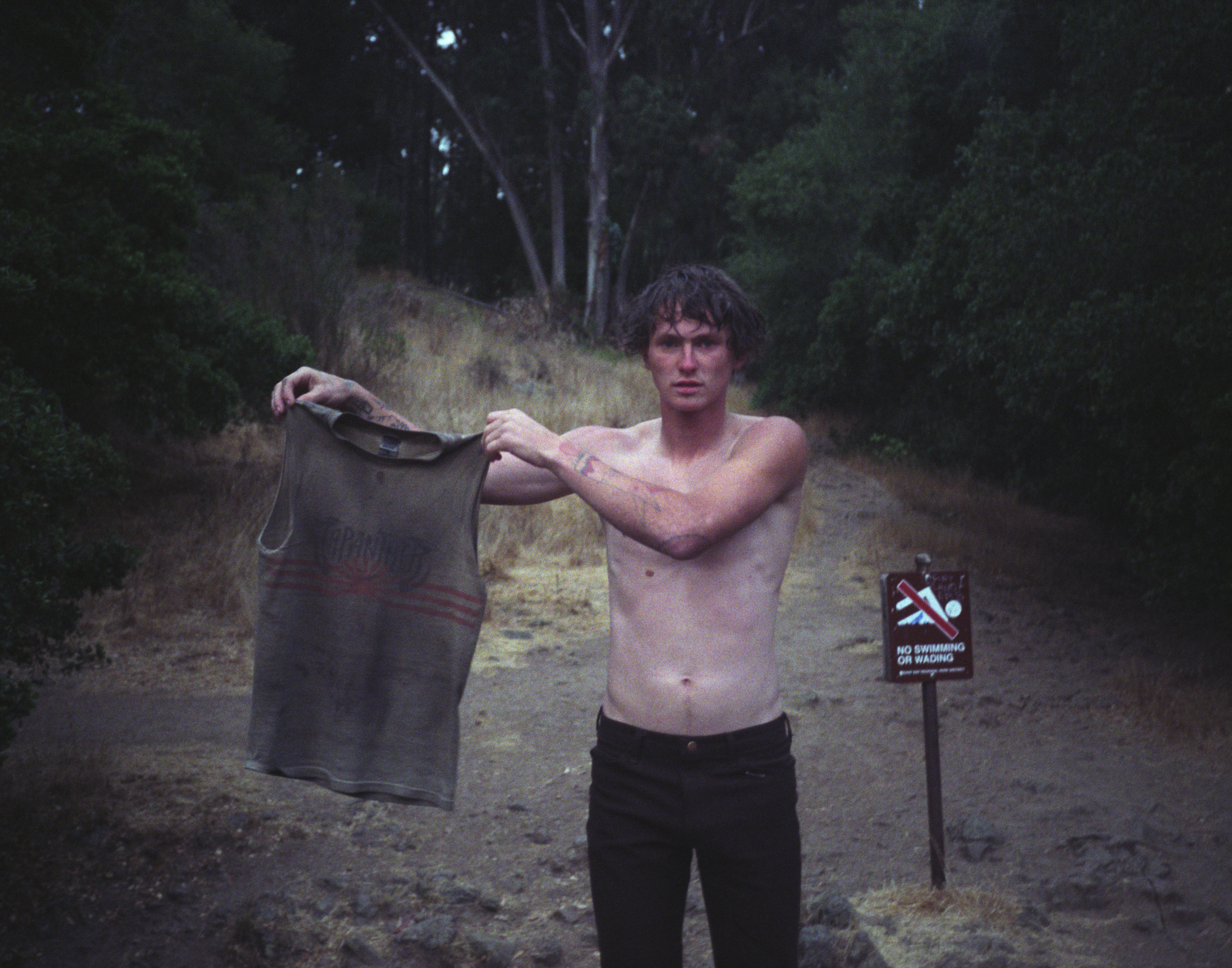
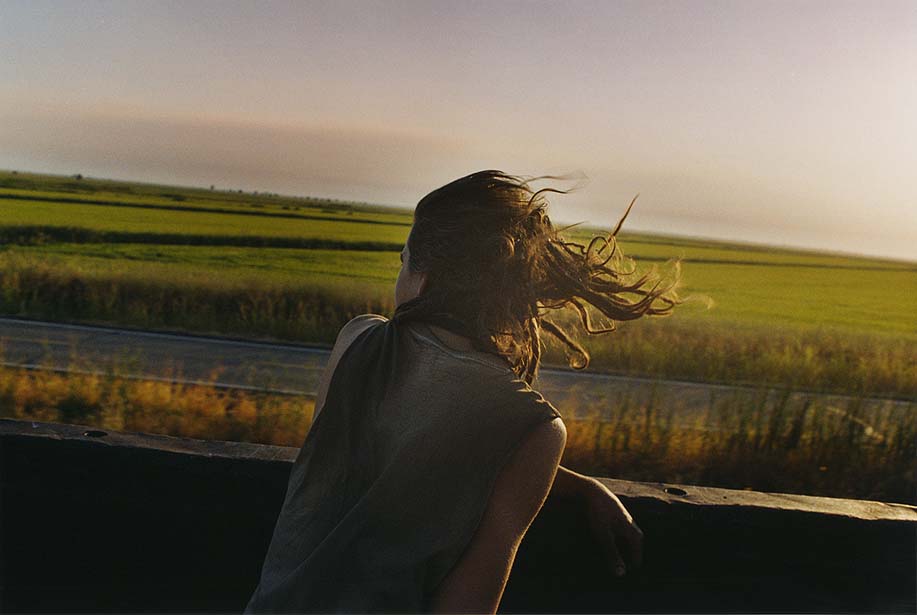
Mike Brodie is not making pictures any more. He left that behind along with a life on the rails, wind in his hair, the dirt of the road.

girl's hair

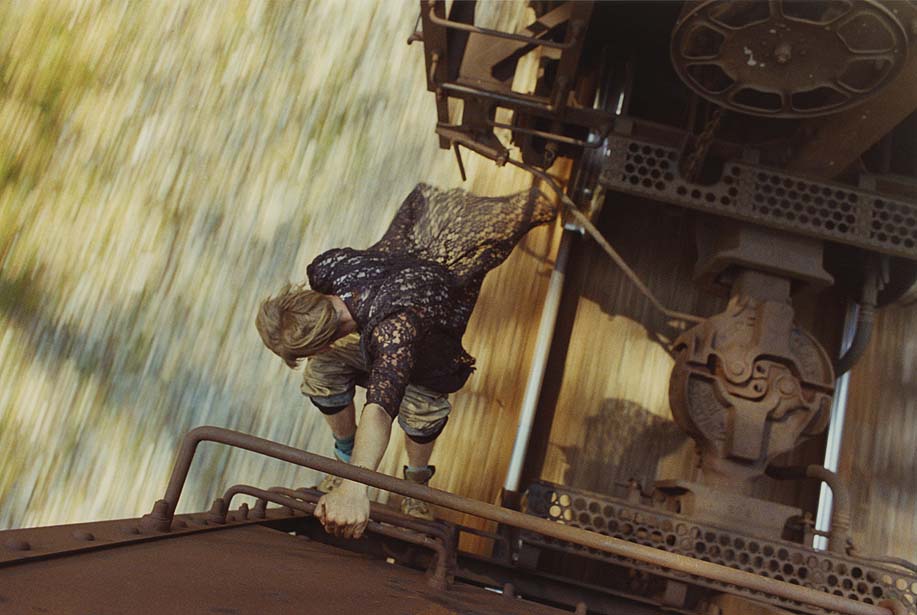
But for almost five years, since he was 17, he used a Polaroid and then a 1980s 35mm camera to document the world of young freight-train hoppers, his peers, in some searing and sweet images.

two figures on train

As I was cleaning my house today I thought, What if I didn’t have a house to clean? What if I didn’t have a counter to scrub, a coffee table to dust? I love home, the idea and the reality. But what if it was all suddenly swept away and I could just fly.

boy on train

Drift.

kids w map

Brodie traveled 50,000 miles through 46 states, catching a lift on more than 170 long-haul freight trains, and capturing the tiny details of life that usually don’t mean anything to anyone outside the people themselves. He had no experience as a photographer, he first picked up a discarded camera left behind in a car and just started to shoot his friends. One of his cronies took this portrait of him along the way.

mike-brodie-self

“There was nowhere to go but everywhere, so just keep on rolling under the stars.” So wrote Kerouac. His words have never felt less dated.

train

Brodie’s photos are romantic, edgy, authentic, and might make someone uncomfortable.

stain

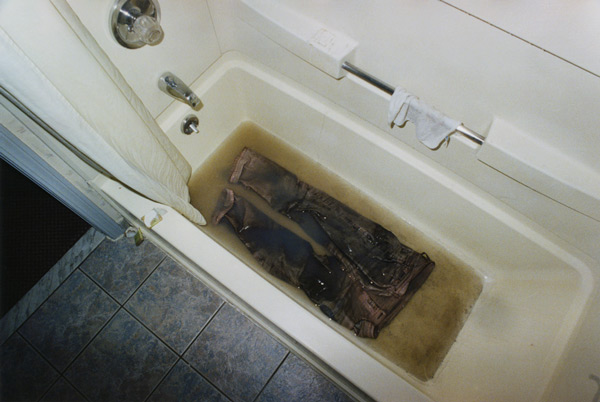
All right. You’re shocked. I’m shocked. Youth shocks, it demands attention. Brodie documents arrests and injuries, squats, disheveled car interiors (trains are only part of this story). Dirt. I love this one.

bathtub

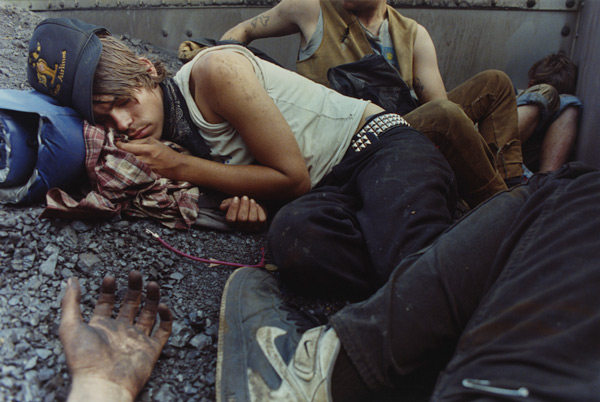
Some photos are grim. One reviewer described the work as “stolen glances.” There’s some truth to that. These are raw depictions of a ramshackle but exhilarating life.

boy sleeping

Whitman’s Song of the Open Road, another chestnut that begs to accompany these pictures:

Henceforth I ask not good-fortune,

I myself am good-fortune,

Henceforth I whimper no more, postpone no more, need nothing,

Done with indoor complaints, libraries, querulous criticisms,

Strong and content I travel the open road.

The result of Brodie’s adventure is a photo book called A Period of Juvenile Prosperity, published by Twin Palms, with coinciding exhibits in art galleries on both coasts. He and his friends apparently have mixed emotions seeing his intimate work appear in the mainstream. “You have a lot of worlds colliding right there,” Brodie told The Guardian.

A Period 2

This is not Never Never Land. Whitman knew the truth. Some of my favorite lines in literature, also from Song of the Open Road:

(Still here I carry my old delicious burdens,

I carry them, men and women, I carry them with me wherever I go,

I swear it is impossible for me to get rid of them,

I am fill’d with them, and I will fill them in return.)

People in the recovery business talk about the uselessness of the “geographical cure” by which you try to escape your problems by changing your location. But still, some lucky people are flying, mostly by choice, rolling under the stars, true angels with dirty faces, thrilling to the open road.

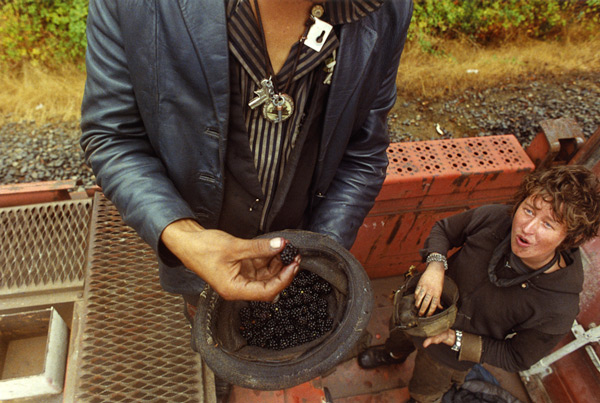
Can you imagine how sweet these berries tasted?

fruit

Cormac McCarthy, in his work of apocalyptic genius, The Road: “Then they set out along the blacktop in the gunmetal light, shuffling through the ash, each the other’s world entire.”

sleepers

Mike Brodie has said the inspiration for his work was “from the folks I was hangin’ out with in Pensacola. The punk scene, like radical anarchists and all these feminist girls, at the time, their ideas and way of life were really interesting and inspiring to me and really gave me the push to think for myself and, well, hit the road.” It was a tight tribe, he says, and nobody was “actually homeless.” Instead, “We took what we could get to make it through one more day or to get to the next town.” He reminisced to the Los Angeles Times about the “sound of a high-priority Z train whizzing by you at 70 mph in the middle of a cornfield in Nebraska, zooom zooom, zooom…”

In an essay for his book, he writes that “I don’t want to be famous, but I hope this book is remembered forever.” He has announced that he will not take any more photographs. He has graduated from the Nashville Auto-Diesel College and now works as a mobile diesel mechanic out of his silver ’93 Dodge Ram.

Mike. Please pick up a camera. Maybe show us the secret world of auto mechanics. Or any secret world you choose.

6 Comments

Filed under Art, Fiction, Photography, Poetry, Writing

Suzanne Takes You Down to Her Place by the River

Allow me to introduce a photographer whose work needs to be better known.

Susie's sky

Suzanne Levine. For decades she has gone nowhere without a camera in her hand.

Suzanne

She happens to be family to me, my sister-in-law, and lives with her husband and son in Hastings-on-Hudson, New York, where I grew up and lived for years.

People in-the-know know that she is one of the most talented photographers around.

cactus at night

Thank goodness, the explosion of social media means for one thing that fantastic photographers don’t have to labor in obscurity. Much less likely, the possibility of overlooking a Vivien Maier, the recently discovered shutterbug who worked for years in the 1950s as a nanny while walking the streets with her Rollieflex, photographing everyone from  well-dressed shoppers to street bums, producing gorgeous images that no body ever saw.

Vivien Maier

Street photography isn’t Suzanne Levine’s chosen discipline – though she is great with the human form.

5-7-13

More her bent is landscape, and particularly, I think, articulating a vision of the Hudson River.

red Palisades

Her living room window overlooks the tracks headed south along the shore and the Palisades beyond, so it’s got to be a lot on her mind.

rains

Her usual interpretations of the Palisades are fluid and soulful, soft yet strong.

blue Palisades

Rothko-esque.

Suzanne is sensitive to the venerable Palisades-depicting tradition in Hastings, beginning with Jasper Cropsey, who painted this canvas in 1887.

CropseyPalisades

“It’s hard to do it in a meaningful way,” she says. “Particularly with photography, a landscape may be technically skillful, but empty.  The detail and the majesty can be overbearing; too much of a hard sell.  When I see an image like that I think, that’s not how you make a picture of the Palisades.”

green Palisades

You can see a series of Suzanne’s Palisades images here.

She is also an intuitive mom-photographer, with a knack for “getting” what’s going on with her son. Jasper’s now six, a  gabby, literate, lego obsessed energy bundle, and she captures the bright light of his personality.

now we are six

One recent body of work Suzanne called postcards.

Suzanne's postcard 1

Works that threw two images together, shook em up, poured em out as the perfect visual cocktail. She started to make them as portraits of Facebook friends, both those she knew personally and those she had met on line. “Are you a psychic?” asked a friend she hadn’t seen since high school.

Suzanne's postcard 2

She must have done a hundred of these.

Suzanne's postcard 3

Each one more interesting than the next.

Suzanne's postcard 4

Suzanne has recently begun using an Olympus OM-D E-M5, a Micro Four Thirds interchangable lens camera, a step-up from the compact digital cameras she’d been using the past few years.  Once in a while she still employs a one-megapixel camera, when she wants to go lo-fi.  She still keeps a 35mm Nikon F and a Rolleiflex TLR, as well as a collection of vintage cameras. Her favorite: a Newman & Guardia view camera, which was the camera of choice for polar explorers because of its innovative spring-powered pneumatic shutter.

You can see more of these photos. You can share work with Suzanne or to talk about getting a print made. Leave a comment for me here and I’ll make sure she gets your information.

Just don’t distract her too much from the sweet, moody, serene, soulful river that runs through her world.

16 Comments

Filed under Art, Home, Jean Zimmerman, Nature, Photography

It Makes Perfect Sense

About to be Mother’s Day. The night before, Saturday night, we go into Manhattan just as the thunder starts to roll. Fissures of lightning streak the sky.

As is my mother’s prerogative, I let Gil do the driving.

We check out a movie not for the weak of stomach.

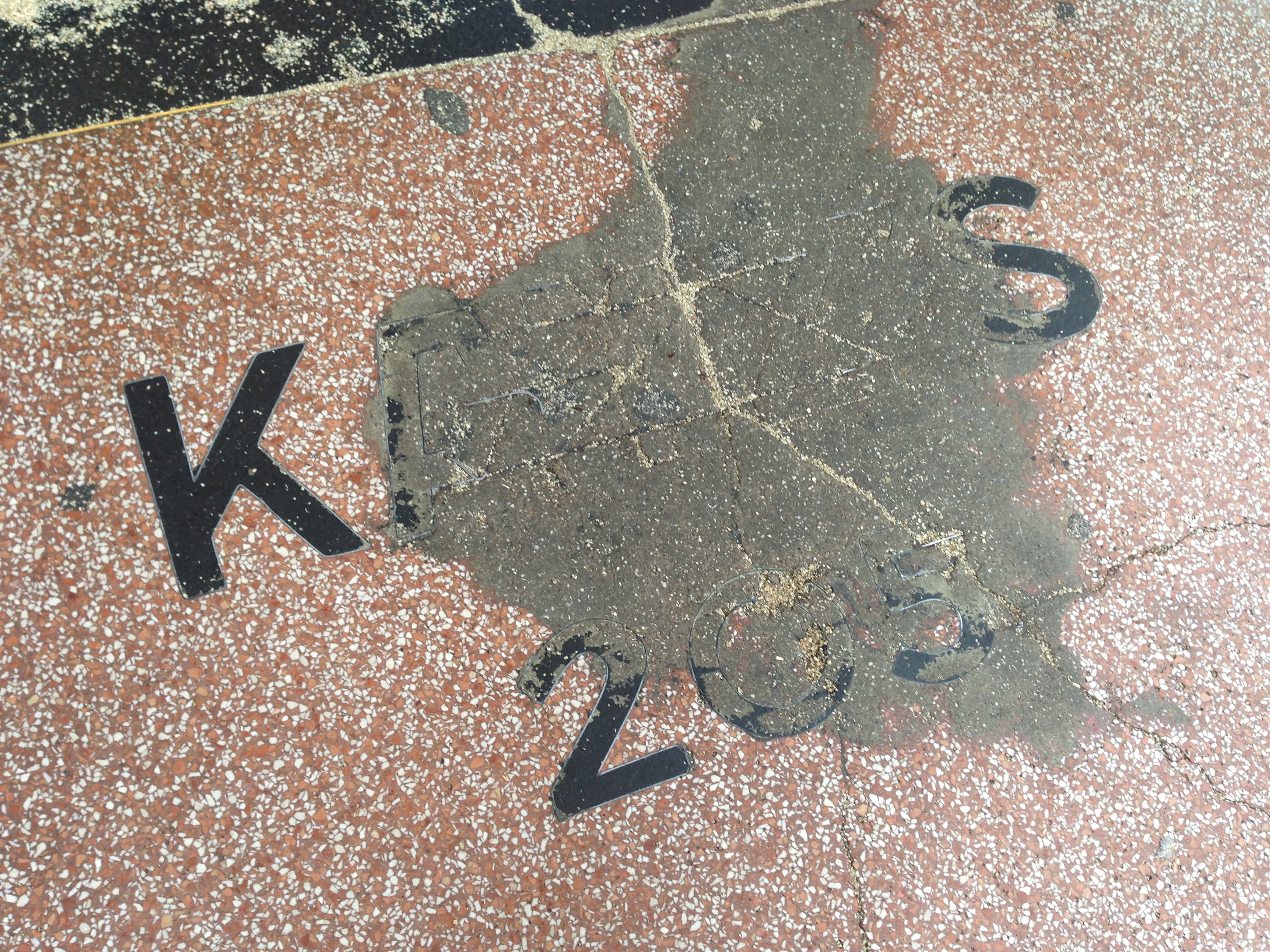
Then take dinner at Katz’s, founded in 1888 on Houston Street, its threshold long worn-out.

katz's door jamb

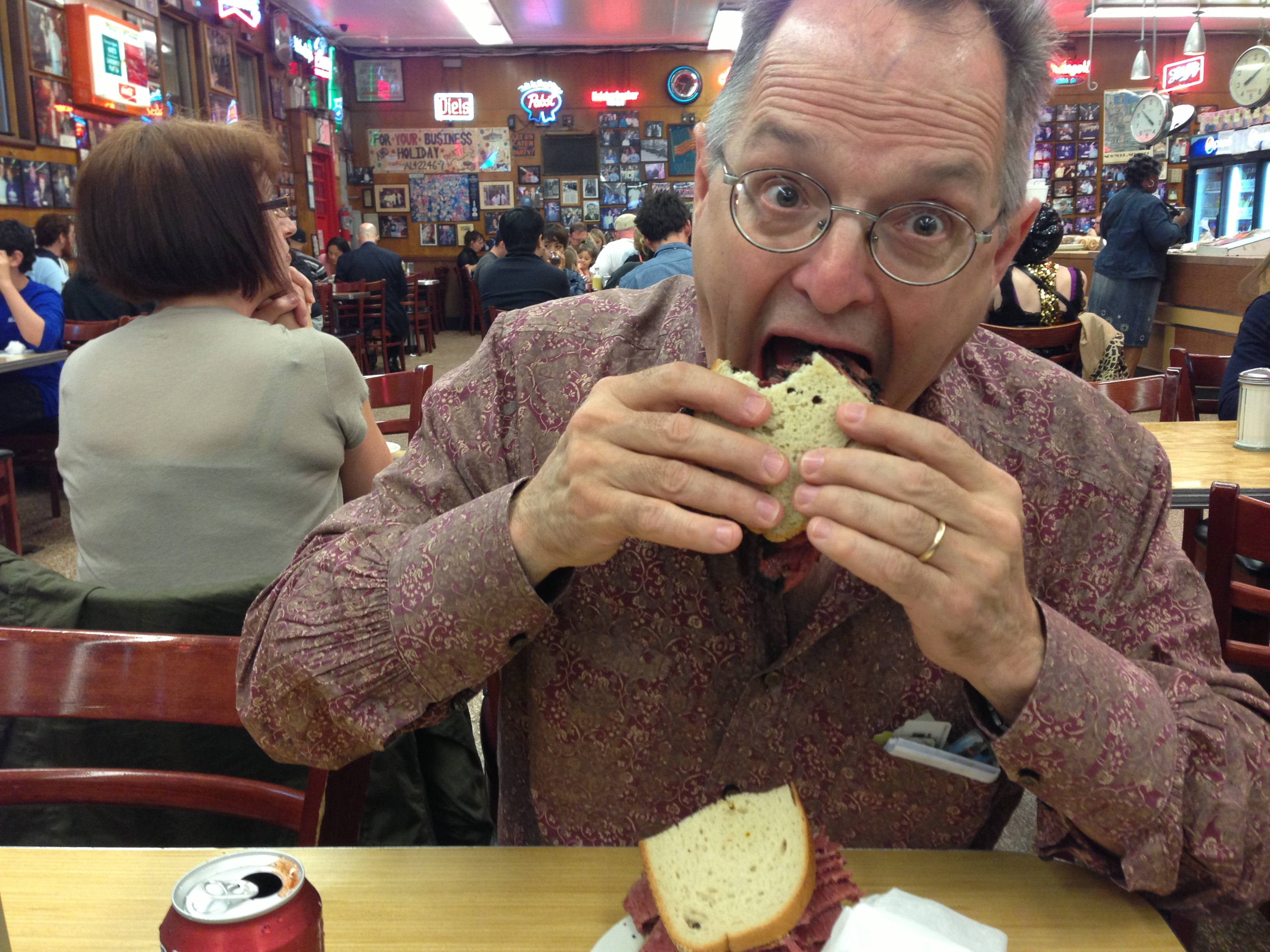
There is really no reason to go anywhere in New York for dinner except Katz’s.

gil sandwich

You wait on line for your carver to finish your sandwich and he pushes a hot little slice of pastrami across the counter at you. It makes perfect sense. A morsel to whet your appetite.
carving

David has worked his station since ’02.

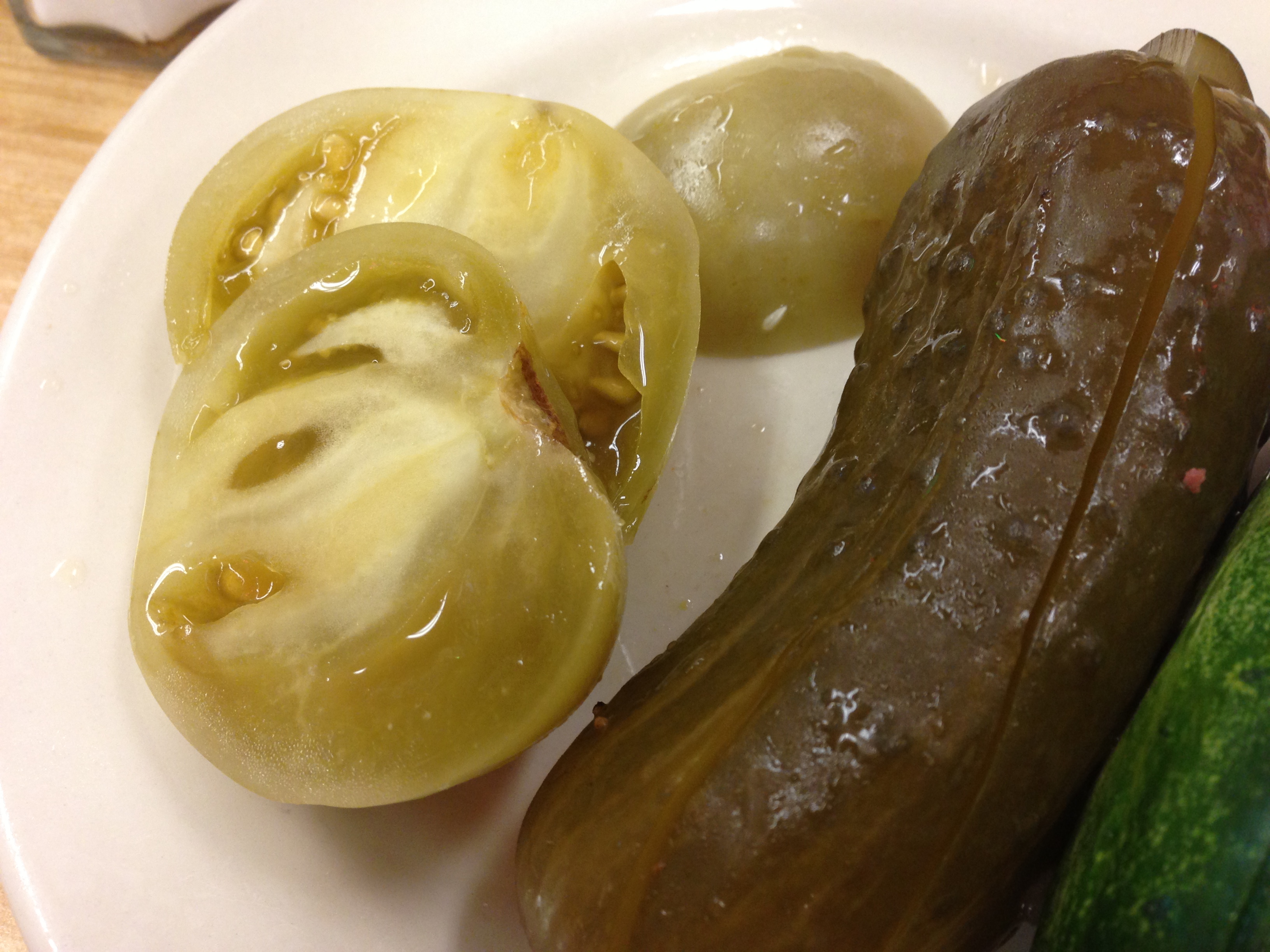
The pickles are luscious. Green tomato, sour dill and new.

pickles

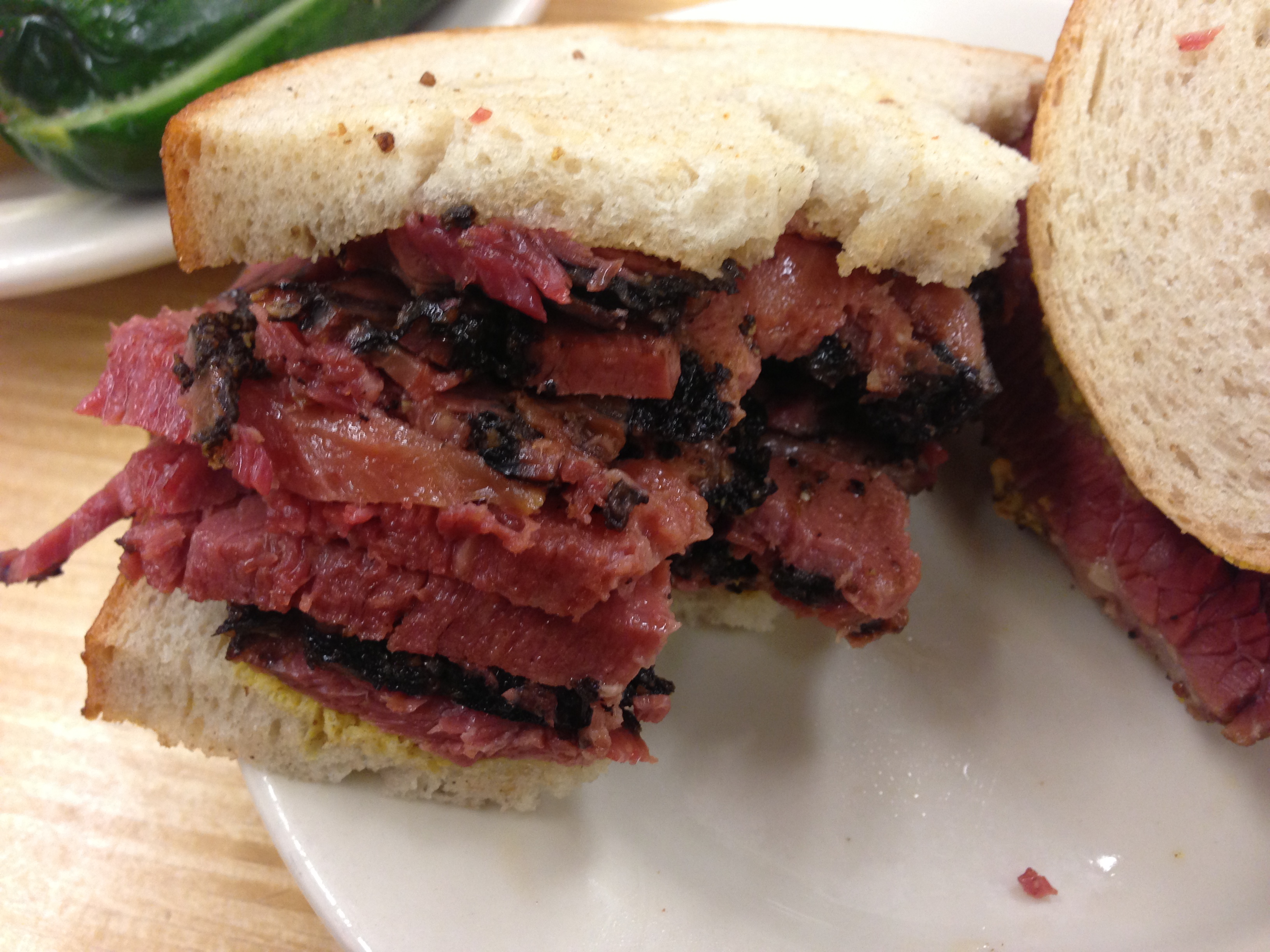
But they can’t match the pastrami. As Sinead O’Connor sang, Nothing compares to you.

pastrami

Anyone can sit at the Where Harry Met Sally table. We did. It makes sense to do it if you can.

where harry met sally

Outside I was surprised to see a sign on the side of the building that read WURST FABRIC.

wurst fabric

Was Katz once in the textile business?
 Michael Stern, the road food genius, schooled me.
 Fabric is an Americanization of the Yiddish term meaning home-made.

Our pre-mom’s day Gastro-crawl continued on 23rd St. right next door to the Chelsea Hotel, scene of so much poetry and debauch over the years.

Now we have the Donut Plant. Gourmet donuts done right. 
Proctology cushions  covered with fabric (home-made in yiddish) covered the wall.

donut walls

Perfect coffee, Mother’s Day specials.

donut sign

Rose petals in donuts. Could it be a joke?
 Yes, but it made a weird kind of sense.

rose donut

There were in fact petals baked into the dough. I was transported to the Middle Ages. Or the middle of India and its rosewater delicacies.
 I don’t know if biting into one made me feel more maternal or just trendy. Anyway, I liked it.

Right across the street, the historic home of the Communist Party in America, 235 west 23 street,
was hosting a musical extravaganza. 
A group called Legacy Women performed Afro Dominican palo and Afro Puerto Rican bomba for a rapt,  folky audience that shushed us numerous times.

legacy-women

These women rocked. One song they announced was for mothers, and they belted out the chorus, mama-ah. 
Another sounded like they were singing put your pants on in some native dialect.

Hitting the street again, the rain had all cleared away, leaving things new.

I looked across the street to the Chelsea Hotel, 
now sadly being modernized, made into condos, its art collection all sold off. 
I thought of Alejandro Escovedo’s song about the Chelsea, Chelsea Hotel ’78.

It makes no sense, he sings, it makes perfect sense.

6 Comments

Filed under Art, Cooking, History, Home, Music, Poetry, Writers

Softcover Orphanmaster In Bookstores Today

It’s a beautiful day to publish a book in softcover!

o-master-p-back-cover

Today, April 30th, The Orphanmaster hits the bricks as a paperback. Less than a year ago people were introduced to my book for the first time.

It’s interesting. I’m sitting in the Ossining library researching  Revolutionary New York City for a new novel. At the same, I heard today that the copyedit for my next book, Savage Girl, to be published by Viking in early 2014, is wending its way toward me. Savage Girl‘s story is set in Gilded Age Manhattan. I’m not flummoxed, though, by all these cultures, all these stories, all these versions of New York crashing against each other.

cityroom-smoking-blog480

Like a fat, comfortable burgher in the 1664 Manhattan of The Orphanmaster, I’m taking it in stride.

4 Comments

Filed under Art, Fiction, Jean Zimmerman, Publishing, The Orphanmaster, Writing

Writing From the Nitty Gritty

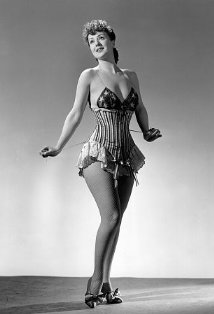
Reading The New York Times today, I came across a story about archivists in the city, what a rare breed they are and what their jobs are like, and I envied them. “Specialists who snatch objects from oblivion,” as  Alison Leigh Cowan, the author of the piece, describes them, these men and women get to immerse themselves in the nitty gritty of life in a different time and place, continually. It’s an activity that as a history-obsessed writer I only get to spend part of my time doing. The archivists profiled preserve everything from teacups, to Meyer Lansky’s marriage license, to the see-through panties of Gypsy Rose Lee.

gypy

I have favorites among archival collections.

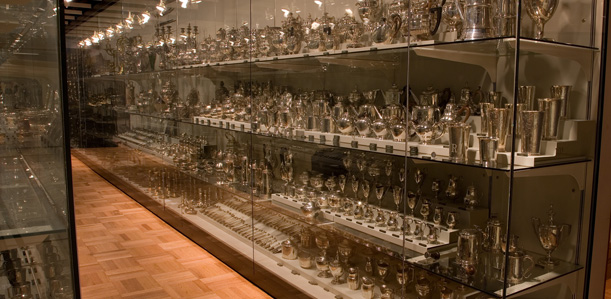
The Henry R. Luce Center for the Study of American Art at the Metropolitan Museum has on view those myriad fine art and decorative art objects that are not currently displayed in the more conventional Museum galleries. It’s a funny sort of place, an open secret, accessible to the public yet off the beaten track. Objects have been arranged in huge glass vitrines according to material (e.g. furniture and woodwork, glass, ceramics, and metalwork).

Luce

It’s a fine place to find a dozen nearly identical andirons, if you’re in the mood to see andirons, or a hundred sterling silver tumblers, or any number of porringers of yesteryear. Oh, and paintings. Any item the museum can’t find a place for at the moment gets tucked away here, in plain sight, and that includes some wonderful canvases. Even such crowd pleasers as John Singer Sargent’s Madame X sometimes cool their heels here. One day I turned a corner and came across one of my favorite paintings that I’d never seen in person, the portait of nine-year-old Daniel Verplanck by John Singleton Copley, painted in 1771.

John-Singleton-Copley-Daniel-Crommelin-Verplanck

It’s not the only boy/squirrel portrait Copley painted – there’s one in Boston, too, at the Museum of Fine Arts, a fine one, of  Henry Pelham, painted in 1765.

copley-squirrel1316573541100

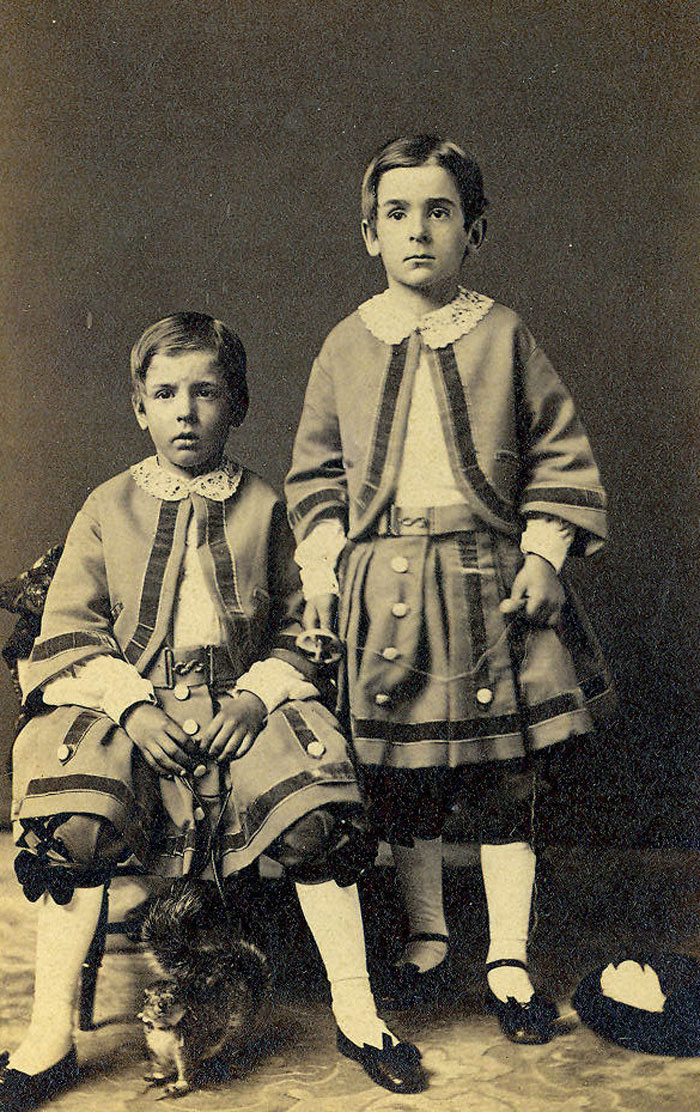
But here I had what amounted to a private viewing, just me and the boy and his pet. It seems funny now, but keeping squirrels as pets was commonplace through to the twentieth century. Before the family dog, the family squirrel. Here we have the Ridgely brothers in 1862, Howard and his younger brother Otho, the children of a wealthy landowning family in Maryland.

squirrel boys

I like to visit another kind of archive when I’m at the Met, as well. Next door to the imposing Temple of Dendur is a tiny warren of display cases that contain long rolls of linen 2000 years old, mummy linen. Here is a scrap.

mummy linen

I don’t know whether the fabric has been unrolled from the embalmed corpses or is waiting to enfold them, but it is incredible to be inches away from these archivally preserved Middle Kingdom textiles. Only slightly frayed and browned by time. Magic.

Another archival highlight. I once ventured up to the attic of the Union Church of Pocantico Hills, with the well-known rose window designed by Henri Matisse – his last work of art, dedicated on Mother’s Day 1956.

henri matisse rose window at union church

There under the eaves lay the physical archives of Historic Hudson Valley, the nonprofit organization that runs the church and other properties in Westchester County. I was there to view a painting of an elite young Mary Philipse by John Wollaston, for my book The Women of the House.

Mary

I was, luckily, sanctioned to browse around the other objects displayed on the shelves while the archivist inspected various historical maps. Some intricately decorated colonial pottery, some other paintings, including one, provenance unknown, of waves crashing against the shore at the southern tip of Manhattan around 300 years ago. And what really got me, a collection of pastel silk slippers in pristine condition, perfect for the fancy parties of the eighteenth century. All these things just breathing there, largely ignored by the world, protected in their secret little alcove atop a church.

The Manuscripts and Archives Division at the New York Public Library, when I went there to do research on I.N. Phelps Stokes for Love, Fiercely: A Gilded Age Romance, always seemed like it existed underwater, dim and calm, holding tight to its treasures. It contains over 29,000 linear feet of archival material in over 3,000 collections, of which I was accessing 36 boxes of yellowed paper.

There is something gratifying about examining letters that have not been paid attention to in a hundred years. Being the first to take them out and handle them. The papers that interested me concerned the architect/philanthropist/collector’s epic Iconography of Manhattan Island. I had already done research at the library of the New-York Historical society, where I discovered a note from Stokes imploring an influential friend for contacts to help publicize his book.

stokes p.r. letter

Also something of a gas was his 1913 campaign, revealed in a fundraising letter, to get an educational farm installed in Central Park. His sister Ethel had the idea of equipping “a diminutive group of buildings, consisting of a tiny cottage of four rooms, a cow-shed and dairy for two cows, and a chicken house for twenty-five chickens.” Everything could be “inspected through glazed openings without entering the buildings,” wrote Stokes. A negative editorial in The New York Times helped shoot down the plan.

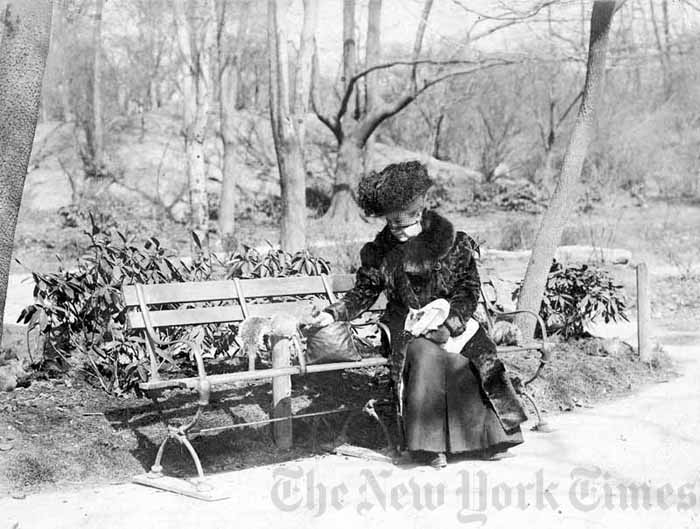
Petting squirrels was still popular in Central Park at that time, I have found.

Central Park squirrel

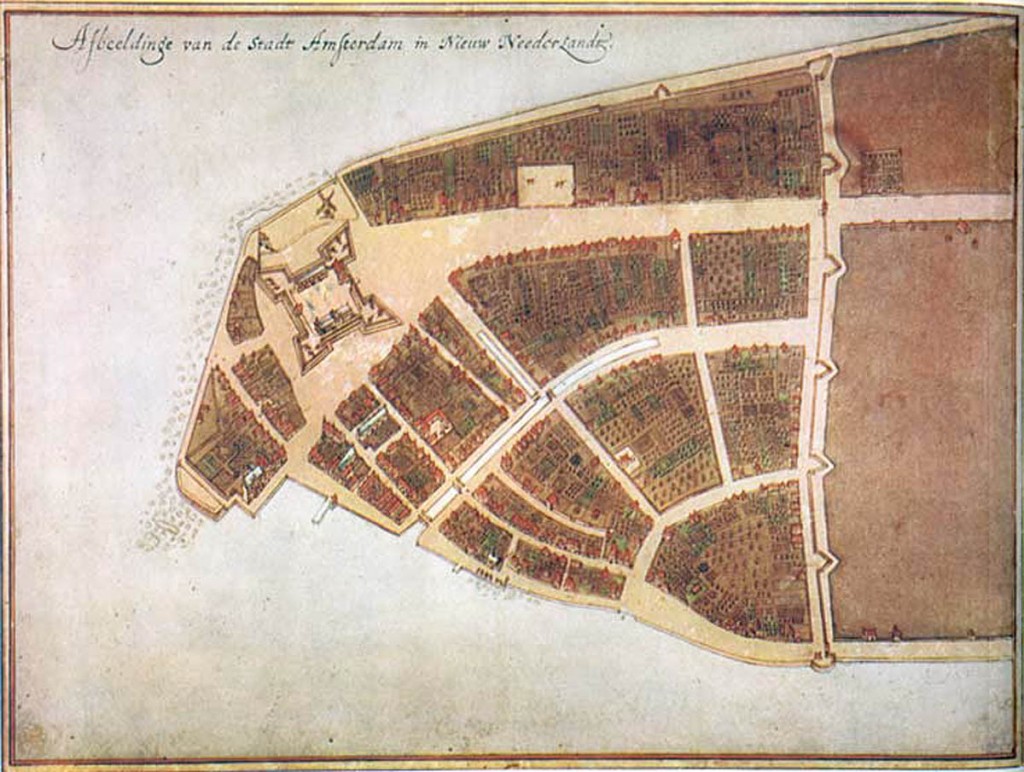
I recall the day at the NYPL Manuscripts room when I found a small envelope containing two thumb-sized black-and-white photographs depicting the very first street plan of New York, drawn in 1660.

CastelloPlanOriginal-1024x772

They were snapped by Stokes’ researcher behind a guard’s back at the Florence villa where the map was housed, and sent back over the sea to his boss in New York City. Stokes must have leapt out of his chair (also in the New York Public Library, where he had a private second-floor office) when he saw those first pics in 1916.

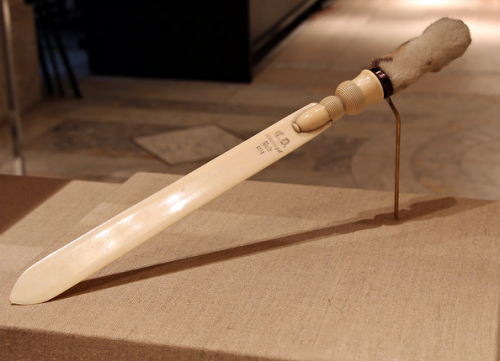
A friend of mine, the curator Thomas Mellins,  produced Celebrating 100 Years, an exhibit for the New York Public Library that brought some of its best archival artifacts out of mothballs. Did you know that this book-and-paper institution in in the possession of the walking stick Virginia Woolf had with her when she waded into the water on her last day? It floated to the surface. The Library also has such objets as Jack Kerouac’s typewriter, yes, the one on which he wrote On the Road. And my personal favorite, perhaps because I had just been reading David Copperfield when I saw it — Dickens’ personal copy of David Copperfield, the one he used when touring for the book, pocket-sized, complete with his penciled-in notations for emphasis. There is also the genius’ letter opener, topped with the taxidermied paw belonging to Dickens’ cat, Bob.

letter opener

The pleasure of handling archival materials is an emotion that you can’t experience second-hand, unfortunately. You have to be there, deep amid the tarnished porringers and the satin slippers. But there is a website I like a lot that gives you snippets of historical artifacts. Slate features a department called The Vault: Historical Treasures, Oddities, and Delights.  You can see, if not touch, pieces of history like a hand-written dance instructional from 1817, an 1893 letter promising compensation to former slaveowners, or Bram Stoker’s literary plans for Dracula. You don’t get to sit underwater at the Manuscripts Collection, true, but you can turn the virtual pages in the comfort of your living room, in your stocking feet.

4 Comments

Filed under Art, Fiction, History, Jean Zimmerman, Love, Fiercely, Photography, Publishing, Writers, Writing

An Artistic Amble

The morning began with vivid red strawberries and the day continued with even brighter colors.

strawberries

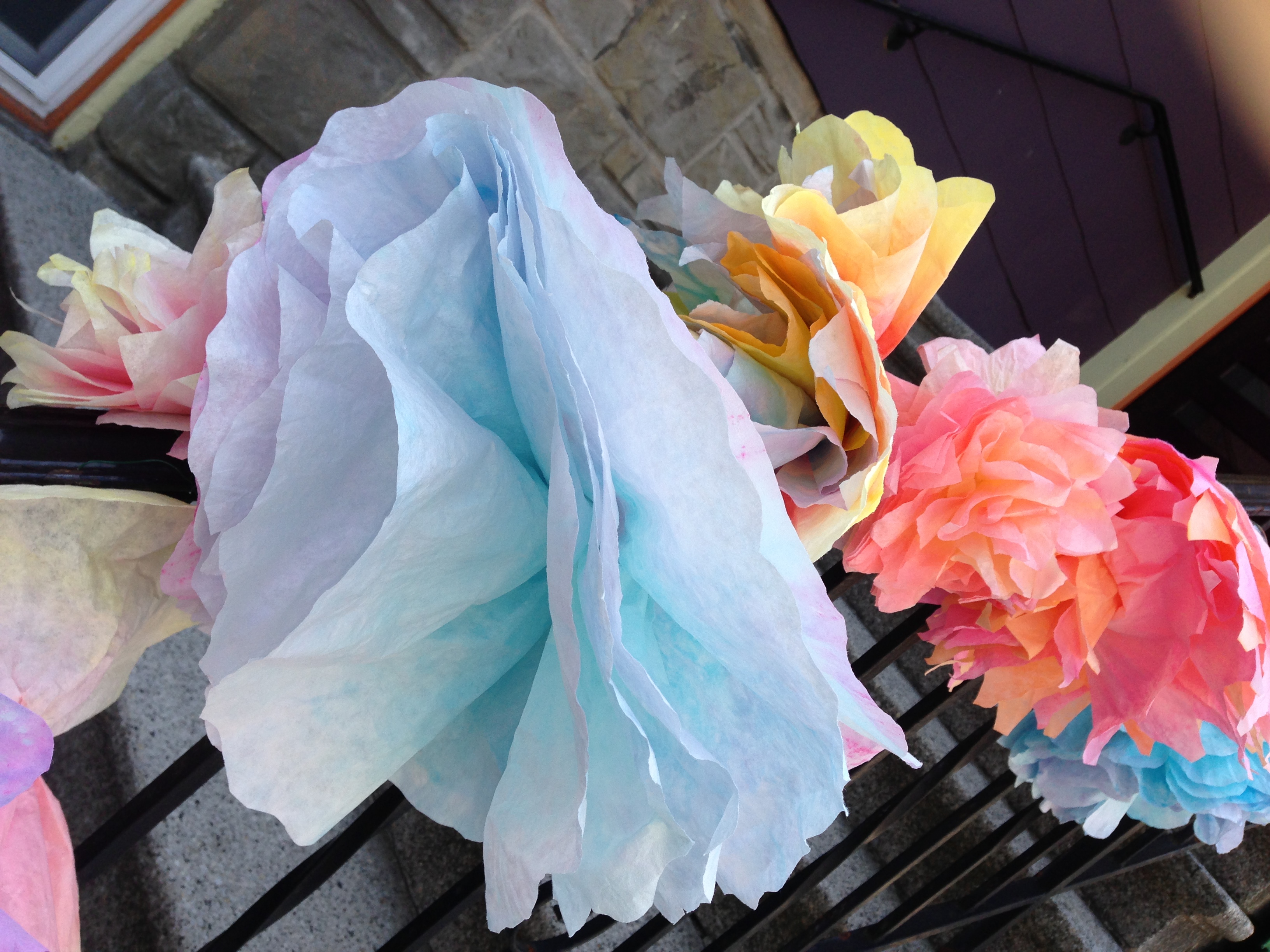
Tie-dyed flowers crafted from paper coffee filters festooned the stairway to the first exhibit of our journey.

paper filter flowers

This was open studio day in the Rivertowns, an artsy neck of the Westchester County woods. My friends Josefa and Suzanne had art displayed in a converted church. Josefa made this fantastic image originally for a children’s book.

josefa

We drove to a factory building perched above the Hudson River, now housing everything from bagpipers to potters, originally constructed for the Anchor Brewing Company in 1889. We wedged ourselves between the weedy denizens to park.

red truck

The longest white stretch I’ve ever seen, now abandoned, snapped simultaneously by Suzanne, who is a first-rate photographer.

stretch

And, on the side of a truck, an omen I chose to see as excellent.

zim

In the first studio I was introduced to the artist Madge Scott — she knows my friends — who unexpectedly wrapped her arms around me, hugged me hard, then grasped and held my hand while staring into my face and uttering one word, Wow, over and over again for several minutes. Rapturous views out the floor-to-ceiling windows, and the rapturous feeling of been “seen” by another human being.

Madge

Her canvases, some of them depicting her native Jamaica, tell powerful stories.

madge painting

Mama’s Boy has a woman about to make dinner with her children around her. That’s a bucket of water. The key hangs on the nail behind her, Madge told me, because the family doesn’t have the wherewithal to go out much, they don’t have reason to lock their door. “It was hard to make a painting like this,” says Madge, “but I had to at the time.”

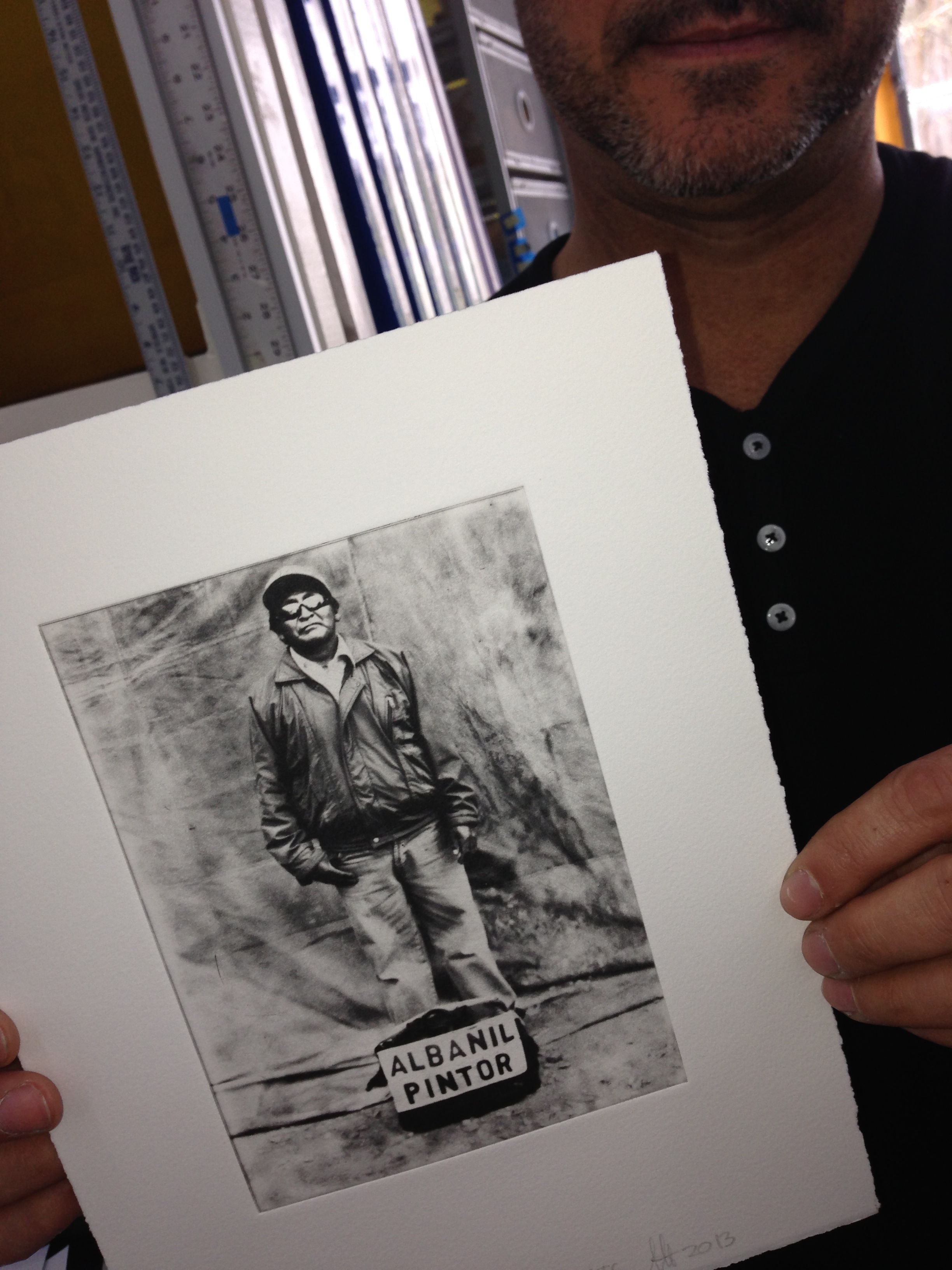
At Coronado Print Studio we saw the arresting photos of Edward Endress, shot in La Paz, Bolivia.

pepe

There are nine in his series, Portraits in the Yunga’s Market, and each one shows a day laborer waiting for work, his bag spelling out his specialty: plumber, electrician, painter, etc.

We spent time with Eleanor Goldstein, who had tidied up her space for guests, but still had her oils out as though she might dive back into a project at any moment.

goldstein's paints

Eleanor talked about the inspiration she derives from flying, how she furiously sketches in pastels as the plane banks before landing, and transfers that inspiration later to her painted canvases. You can see the curve of the earth over her shoulder.

eleanor goldstein

Inspiration comes from many places. Ellen Hopkins Fountain, a renowned painter of Hudson River views, says that “sometimes it’s an out of body experience.” You might feel, as I do, looking at her work, that somehow the familiar estuary flows exactly as it should, that it is the perfect image of itself.

fountain easel

Ellen’s studio, in her lovely house’s light-flooded garret, had grown crowded with visitors by the time we got there in mid-afternoon.

She was indefatigable, showing fans her beautiful watercolors. Many of them depicted the Palisades, that range of rocks that faces lower Westchester across the broad, calm river.

ellen hopkins fountain

Pleasant, open and no nonsense, she gives visual artists a good name. “Some painters transform the sun into a yellow spot,” said Picasso, a bit obscurely, “Others transform a yellow spot into the sun.” Fountain does the latter.

In Ardsley stood a house by a cult architect, Martin Lowenfish, whose white stucco exterior had been augmented by a handsome addition the multitalented Suzanne had actually designed last year for Christina Griffin Architects. A new master suite, kitchen and art studio sheathed in stone. Very nice.

addition

Inside, Patricia van Essche displayed her upbeat graphic products.

patricia

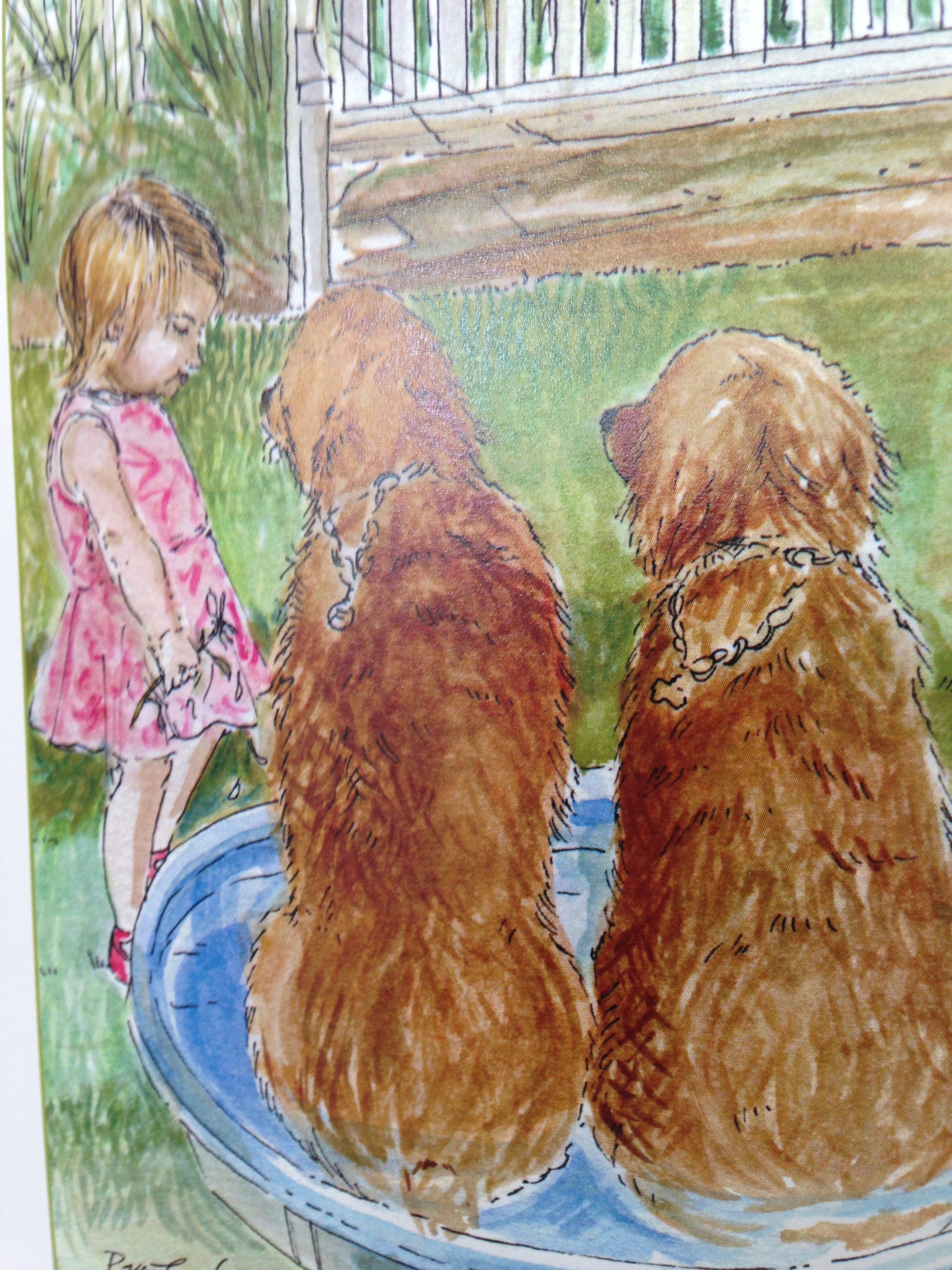
“Design, create and inspire an artful life,” is her motto. This mega blogger will create a handsome portrait of your dog – or two dogs, if you have them, and if they happen to be sitting in a swimming pool.

patricia's dogs

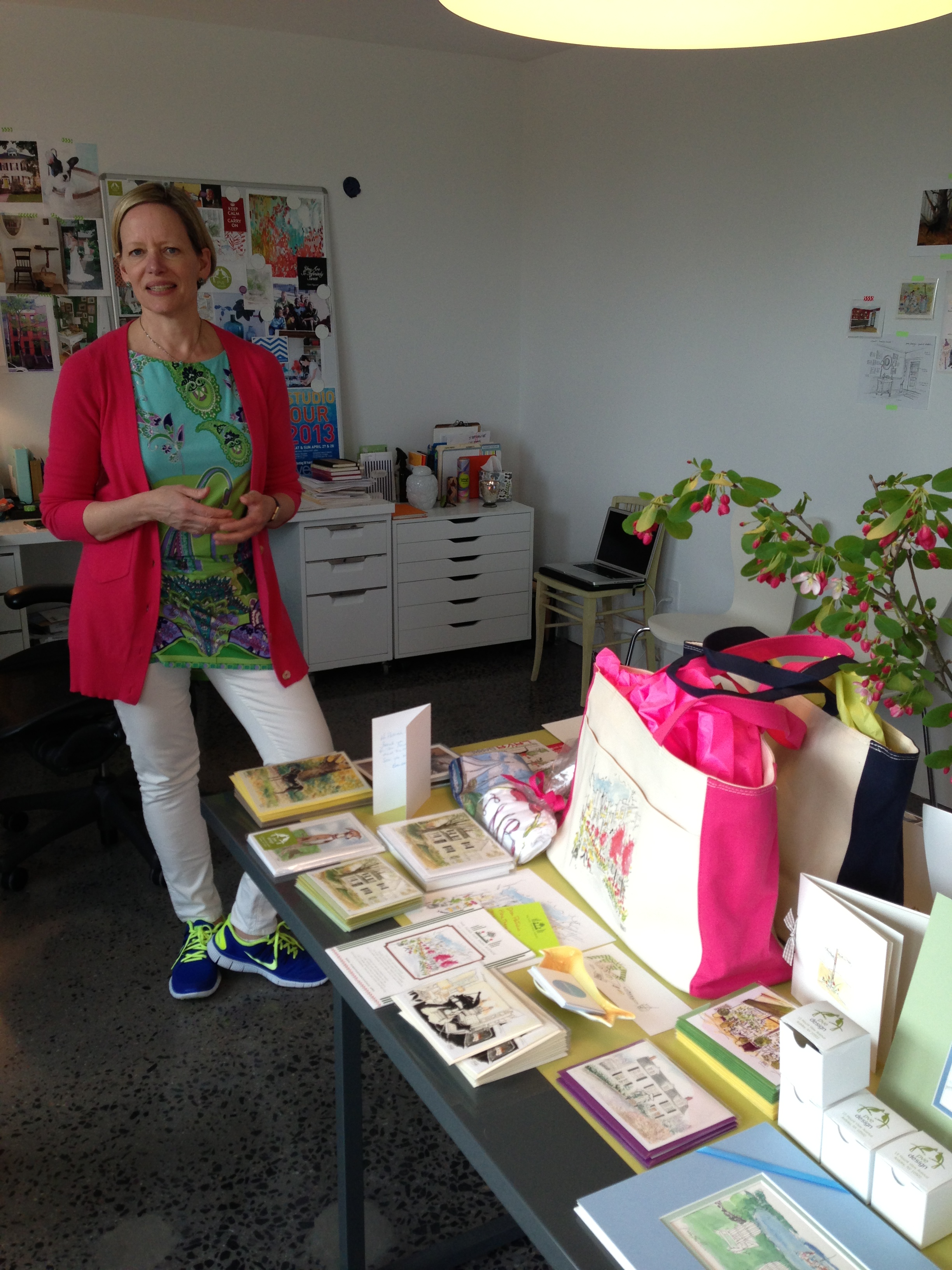
One more stop, and one that had some mystery about it. We were going to visit textile artist Arle Sklar-Weinstein, in Hastings-on-Hudson, and I had the vague feeling that I had once actually studied under her, as a teenager. I was interested in learning how to weave, and with the rental of a table loom and some instruction from a local artist I was able to achieve my dream.

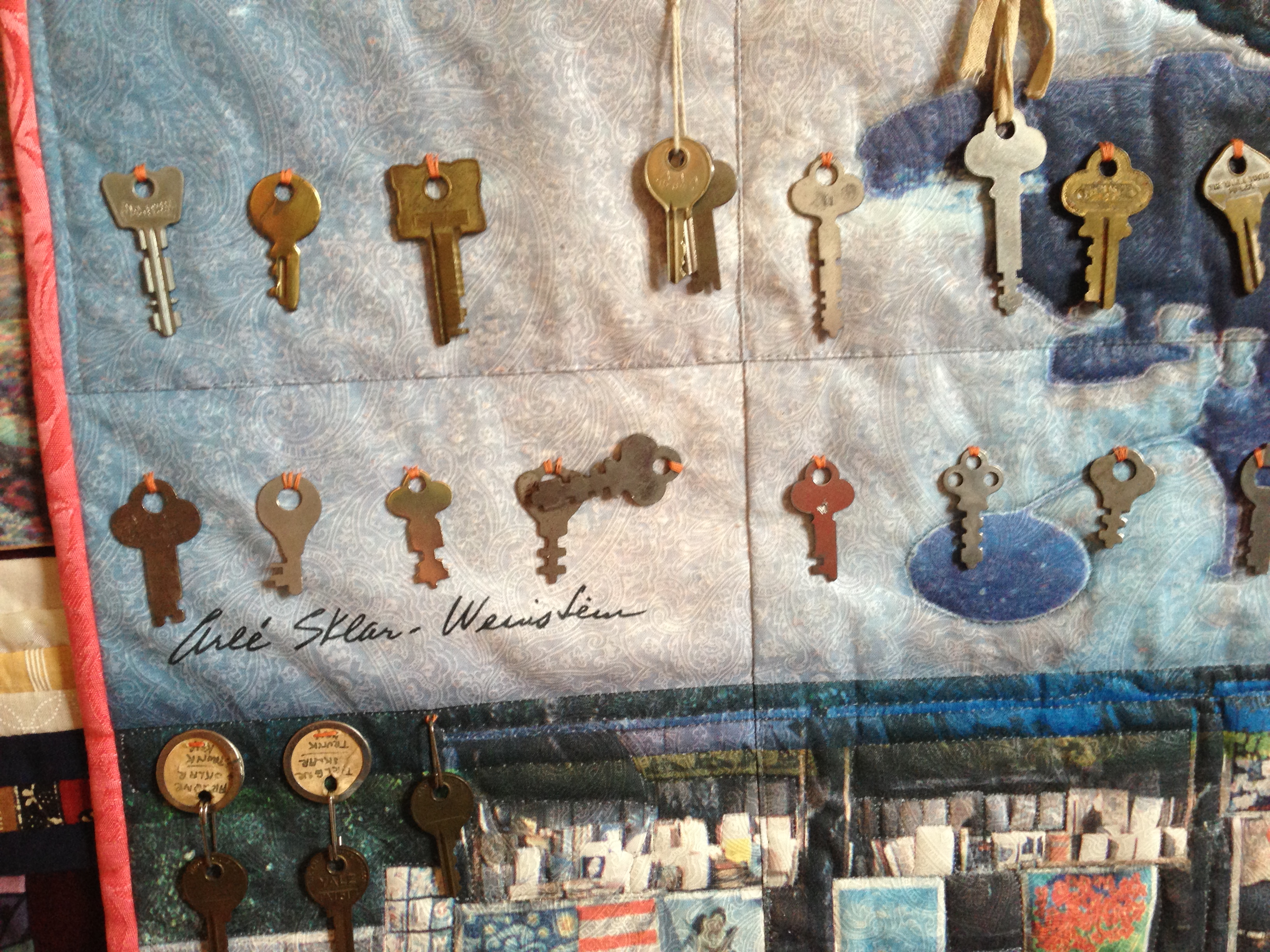
But Arle had to disappoint me. I asked her. She confirmed that my idea, my image of the past, was mistaken. But though she was never my teacher, I discovered some fascinating things at her studio. She has been making quilts with and without photographic images for decades. She incorporates objects, in this case a set of her mother’s household keys.

sklar-weinstein keys

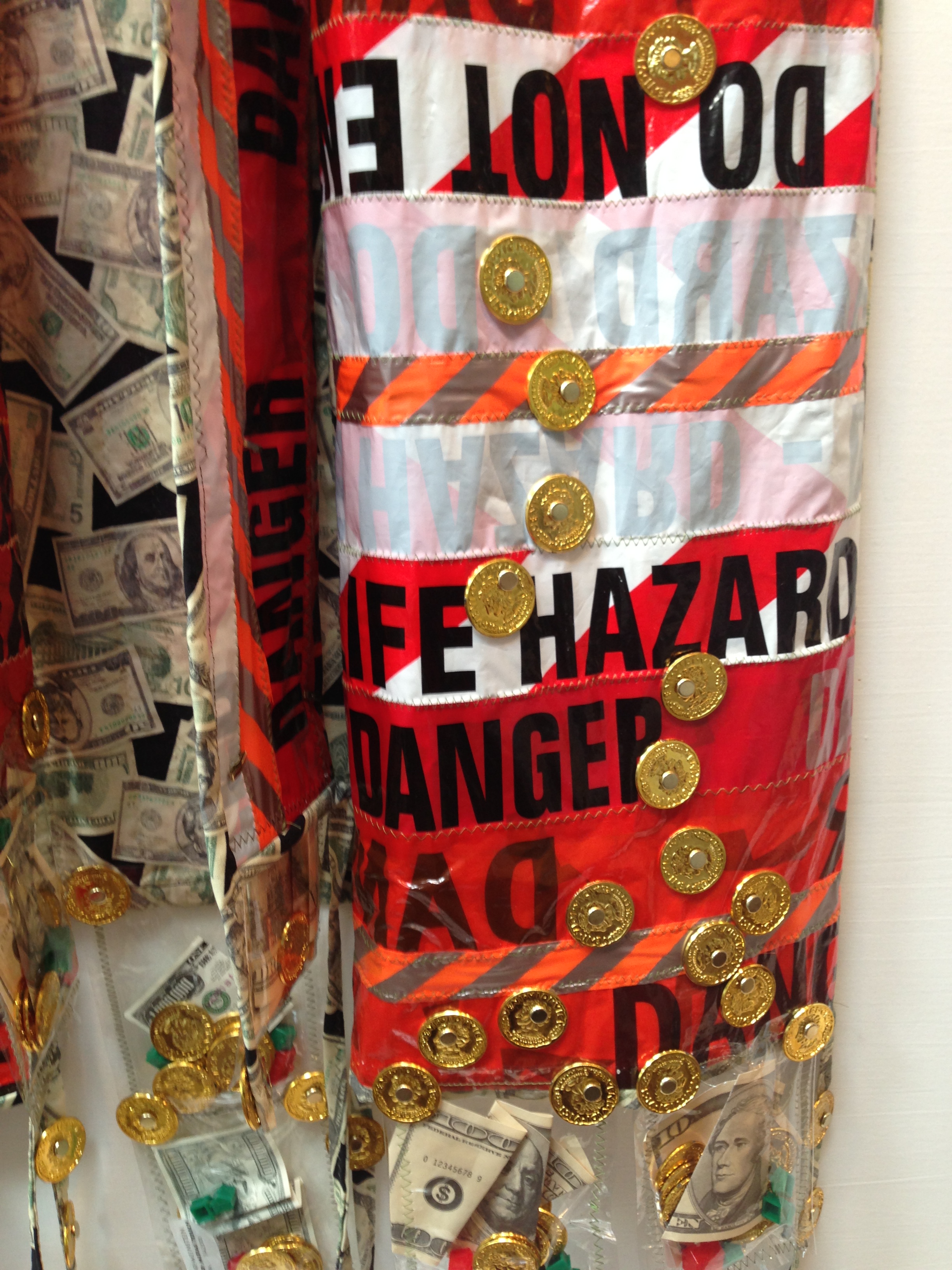
Her most recent work involves outsize kimonos she stitches together from plastic and fabric. It was exciting to see a project she’d embarked on just six months before. Starting something brand new and then inviting people into your studio to see it? That’s brave. “I’m stimulated and excited by things I see in the environment,” she told us. “I’m more political than ever before.”

sklar-weinstein cu

The one with the gold coins, in this close up,  is called “Life Hazard: Midas Touch.”

I didn’t come away from this day of art any richer, except on the inside.


9 Comments

Filed under Art, Jean Zimmerman, Photography

A Swirl of Indies

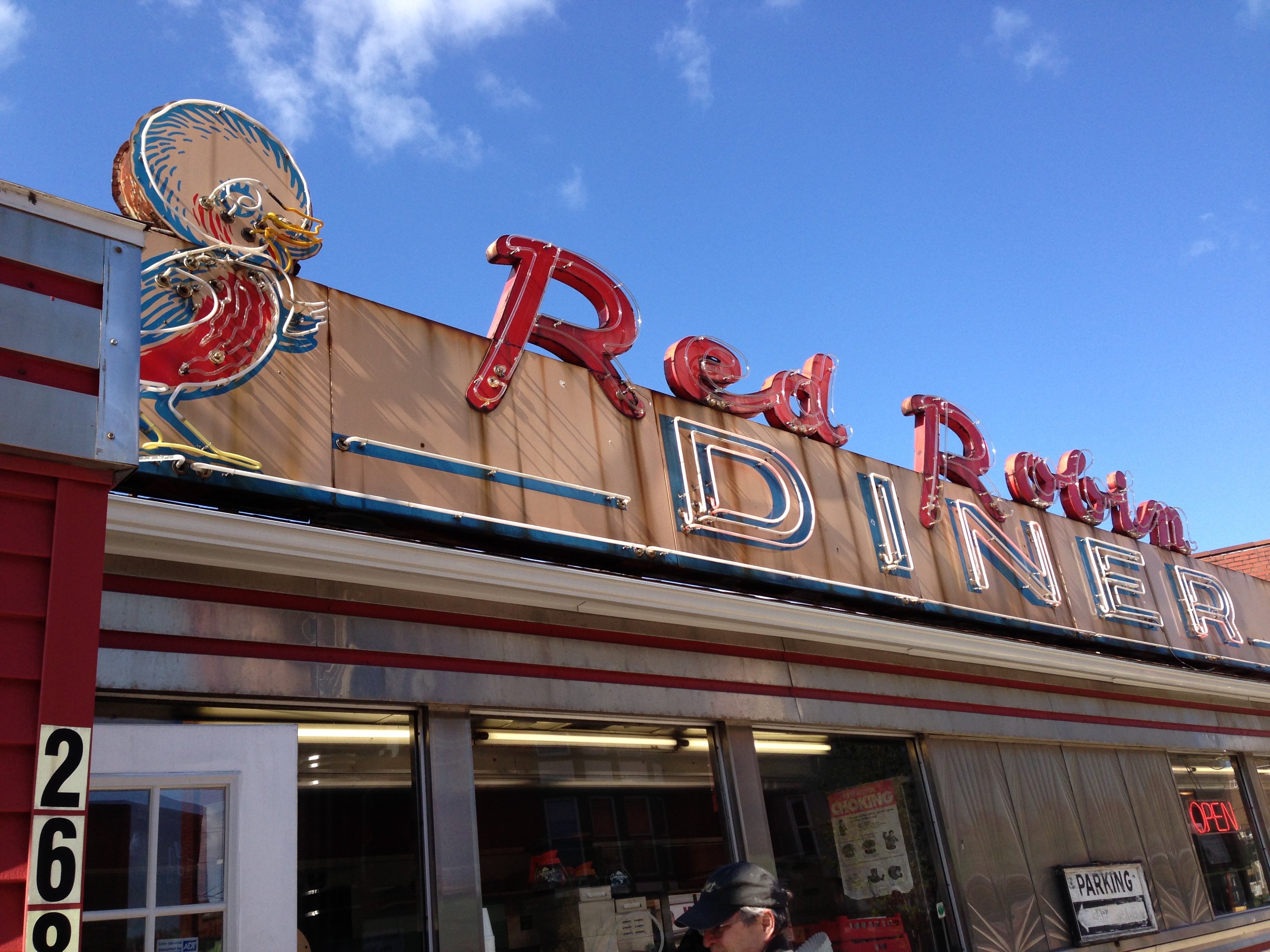
Still on the trail of indies – indigenous landscape elements – in the Binghamton area of New York, we  came to this classic diner for a classic diner breakfast.

red robin

With its fetching signage. The eggs not-so-bad, not-so-good, but a totally intact red leatherette interior, chrome that wouldn’t quit, and self-knowledge in the form of that Norman Rockwell Saturday Evening Post image “Runaway” pasted up on the wall.

runaway

A cop and a little boy on the run trade secrets while sitting atop a diner’s spinning stools, as if it was painted from life in this very diner.

It’s spring, didn’t you know? Time to get your lawn in gear.

mower

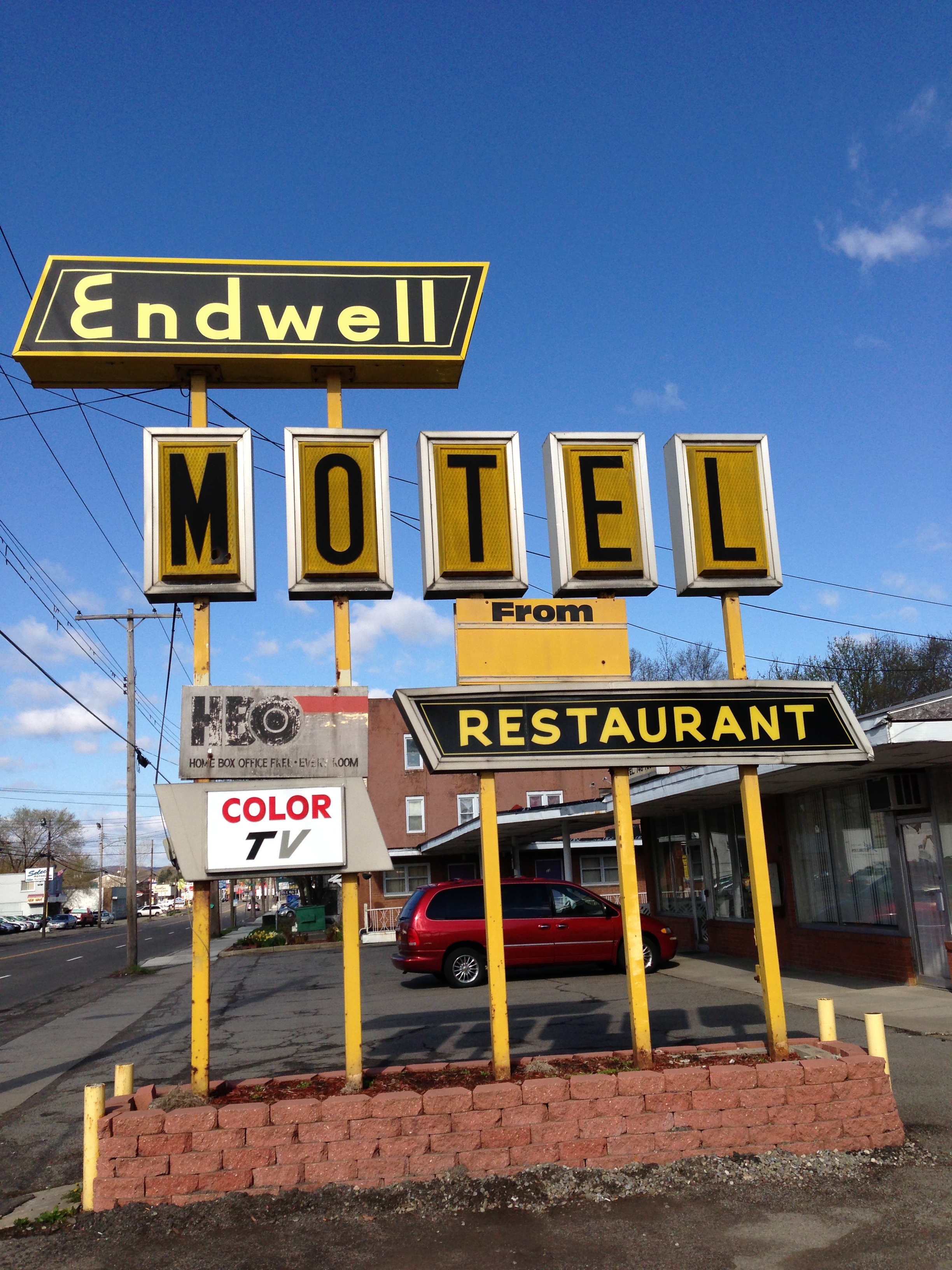
Crappy motels have the best signs.

endwell

Endwell is actually the name of a town, not just the end of a famous saying, and not just how you hope it’s gonna go when you check in. Endwell, along with Endicott and Johnson City, were three communities renamed by shoe-leather magnate George F. Johnson when he took the area over in the 1920s. Endwell was a brand of shoes. Universally known as George F., the irrepressible mogul came up through the ranks of local shoe workers and, when he made it to the top, did things like build churches and schools in his effort to provide what he called the “square deal” for his workers. He installed five elaborate carousels within a 20-mile radius.

This one’s not open until Memorial Day and they keep it locked up tight.

carousel house

We wanted so badly to get in, we pressed our noses up against the windows like a couple of Norman Rockwell kids.

last ride

The carousel was built in C. Fred Johnson Park in 1923 (the Johnson name proliferated with his success) and has 72 figures four abreast, with all the carving, bevelled mirrors and scenic panels intact. We’ll have to return some time for a ride. There’s no admission, but you’re supposed to contribute a piece of litter.

best carousel

George F. wanted to keep his workers happy so they wouldn’t think of unionizing, and it seems he was successful.

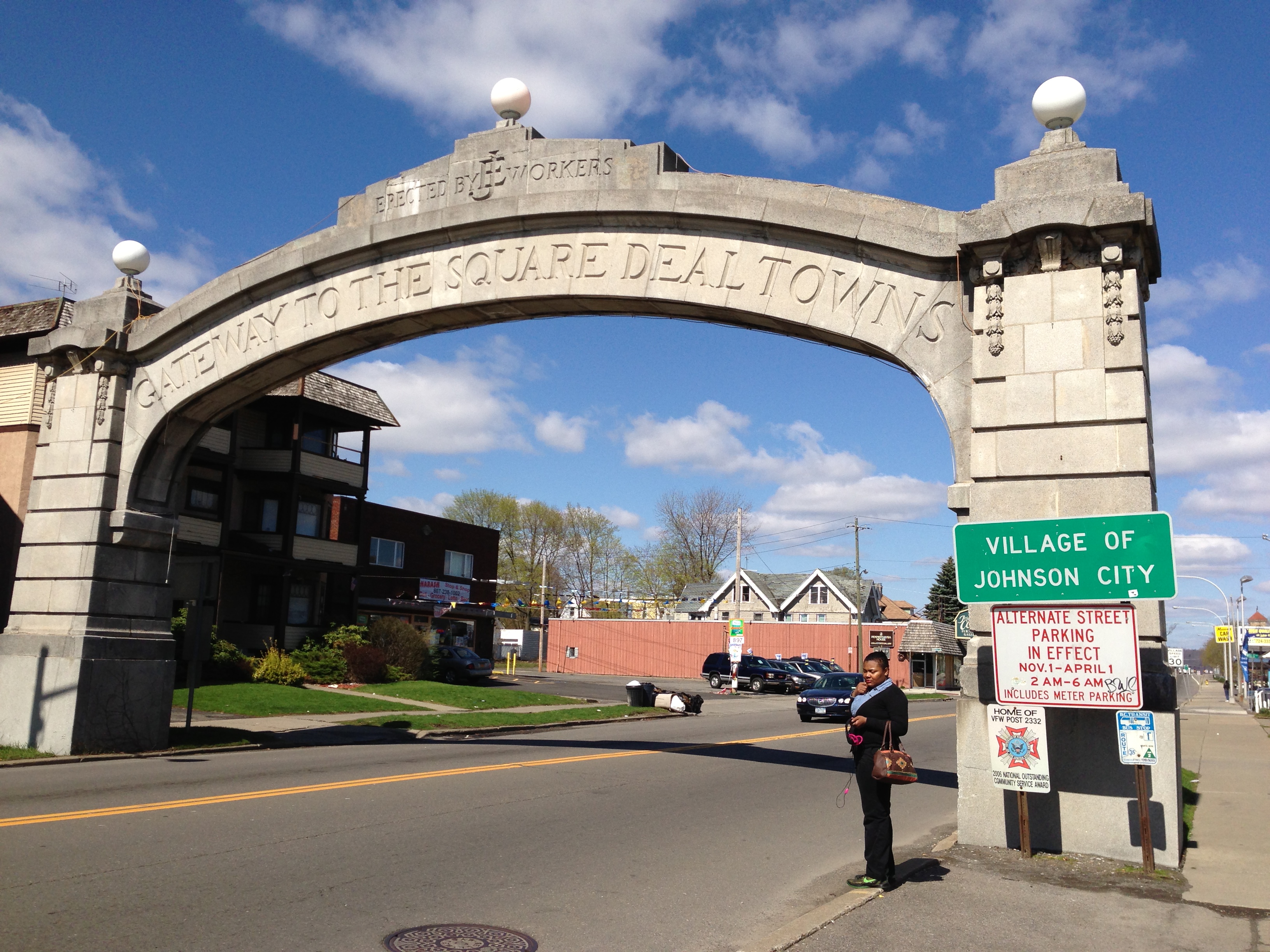
gateway

“Gateway to the Square Deal Towns” reads the welcome to Johnson City.

We stopped at this bold and blocky indie sign.

library

Could this actually be the name of a small town library or was it more in the line of an exhortation? A bit of both, it turns out. Inside, there was more about the George F. era and legacy in a series of glass cabinets.

johnson

An original shoebox, from the glory days long gone.

shoebox

Your Home Library was originally built as a residence by Elijah Bridgham in 1885 with bricks from his own brickyard. Harry L., the younger brother of George F., made it an institution in 1917. Soon there were dining rooms, children’s rooms, sewing rooms. “Your Home Library was his conception of a home atmosphere and home freedom for the community,” said Rev. William MacAlpine at the dedication of the Harry L. monument in 1922. Home freedom?

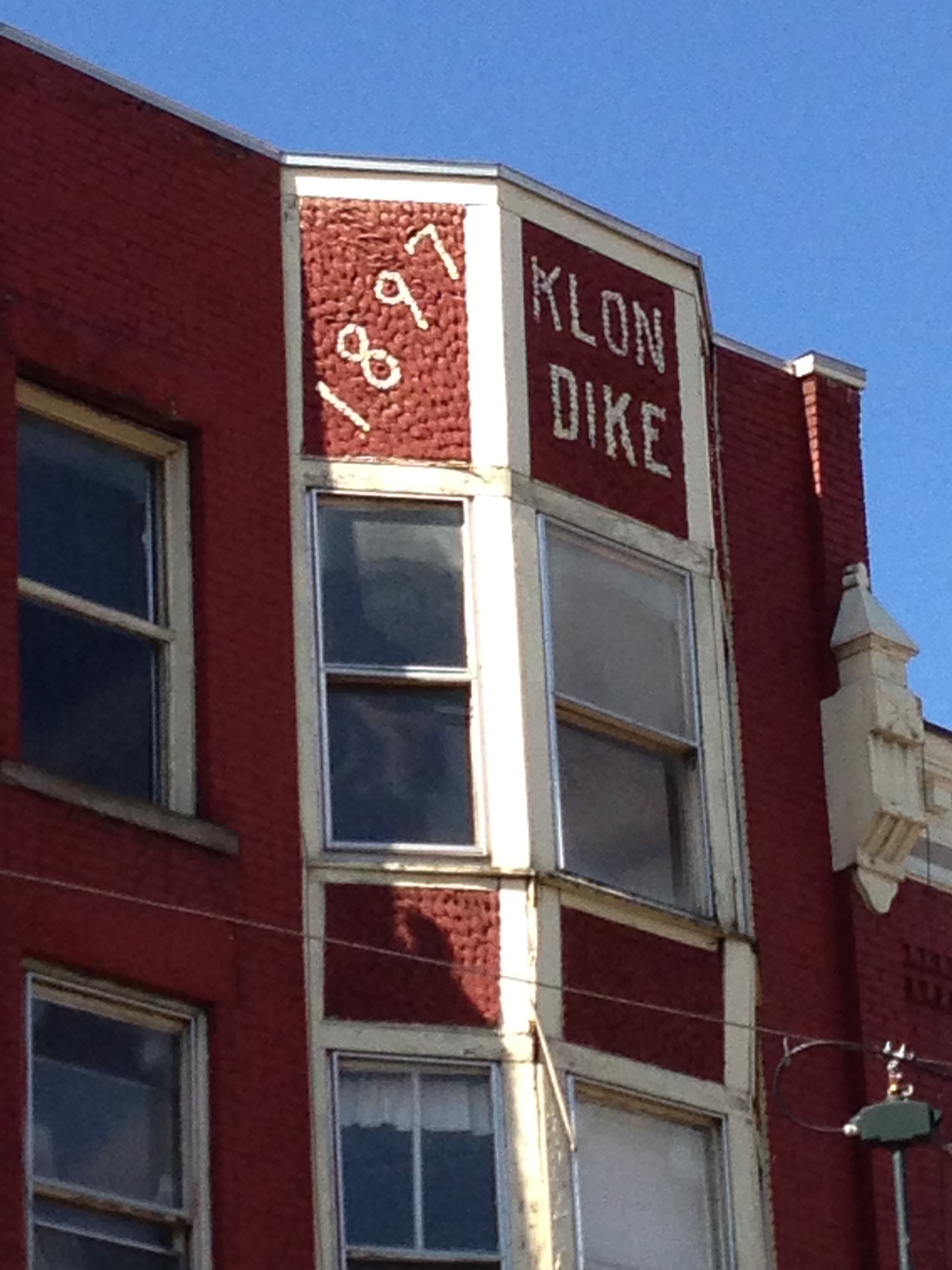
All kinds of indies, everywhere you looked.

Klondike

Perhaps a building endowed by the Klondike Bar magnate? You never known in these parts.

We passed several examples of the ice cream school of signage, which often presents a tasty homemade effort.

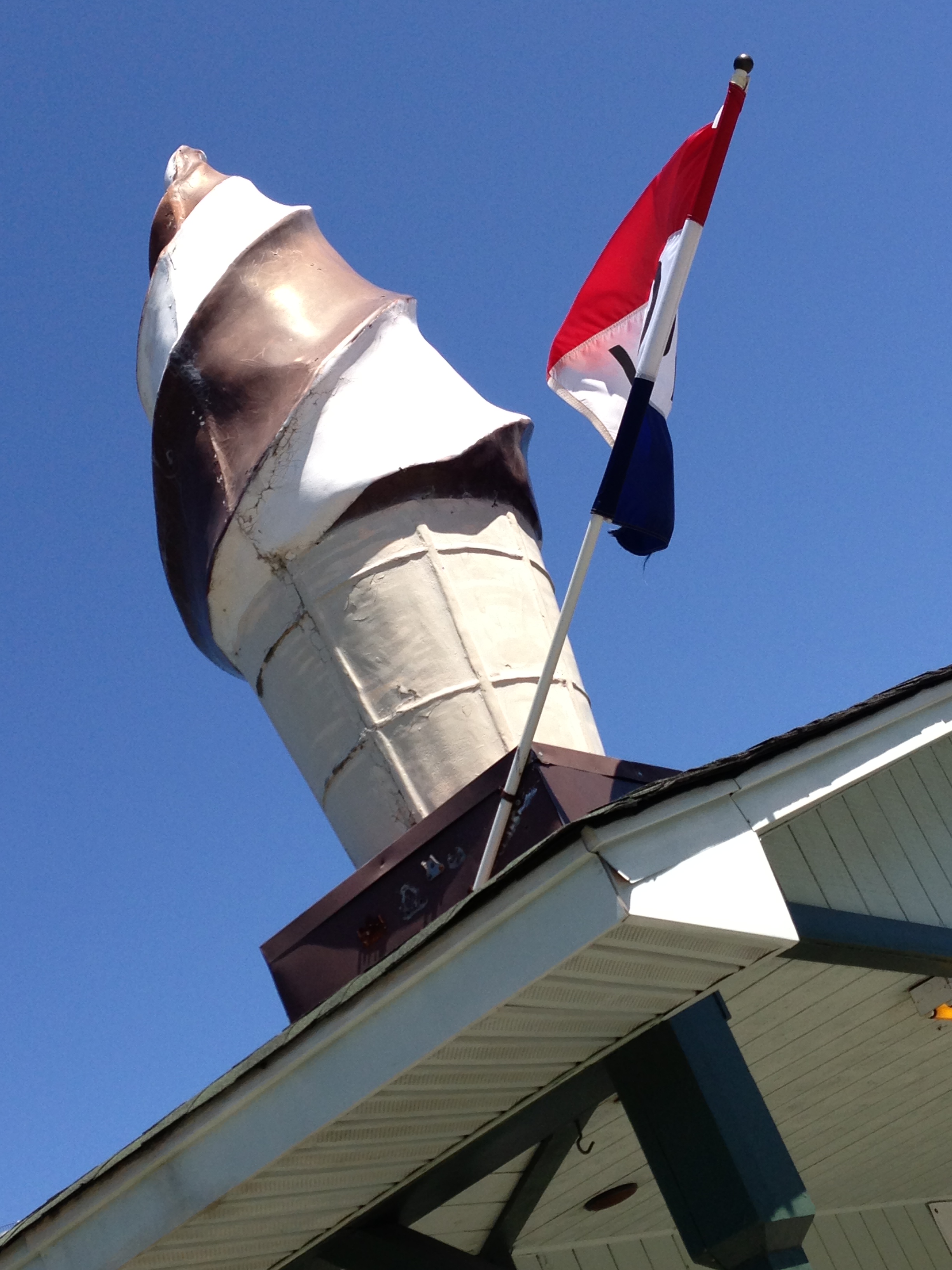
swirl

Fortunately, this was one of the soft ice cream joints that has survived intact beneath its sign. It even offers a peanut butter dip.

peanut butter cone

Vanilla shake in hand (no yellow cake or panda tracks for me) it was time to head for home. We have indigenous creations there too.

cherish


5 Comments

Filed under Art, Cooking, History, Home, Jean Zimmerman, Photography, Writing

Witika or Wendigo, I’m Scary

I am the voice of the Witika. Sometimes I am called the Wendigo, sometimes the Weetigo or Wetiko or other variants. It all depends on the region you’re from and the belief system you share. I roam the frozen north especially, northern Minnesota, the wastes of Canada, and New York State in the snowy winters.

wendigo7

The Wendigo, the Wendigo

I saw it just a friend ago

Last night it lurked in Canada

Tonight on your veranada!

So wrote none other than Ogden Nash.

I make an appearance in The Orphanmaster as the vicious monster the European settlers find themselves terrorized by when children start to go missing from the colony.

Howl_of_the_Wendigo_by_Moonshadow01

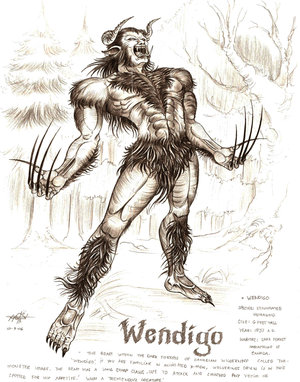
As everyone in New Amsterdam knows, I stand around nine feet tall, with greenish, putrid skin, long fangs, and a voracious appetite for human flesh. The Algonquins made me part of their belief system. The name is thought to mean “the evil spirit that devours mankind.”

Wendigo_by_artstain

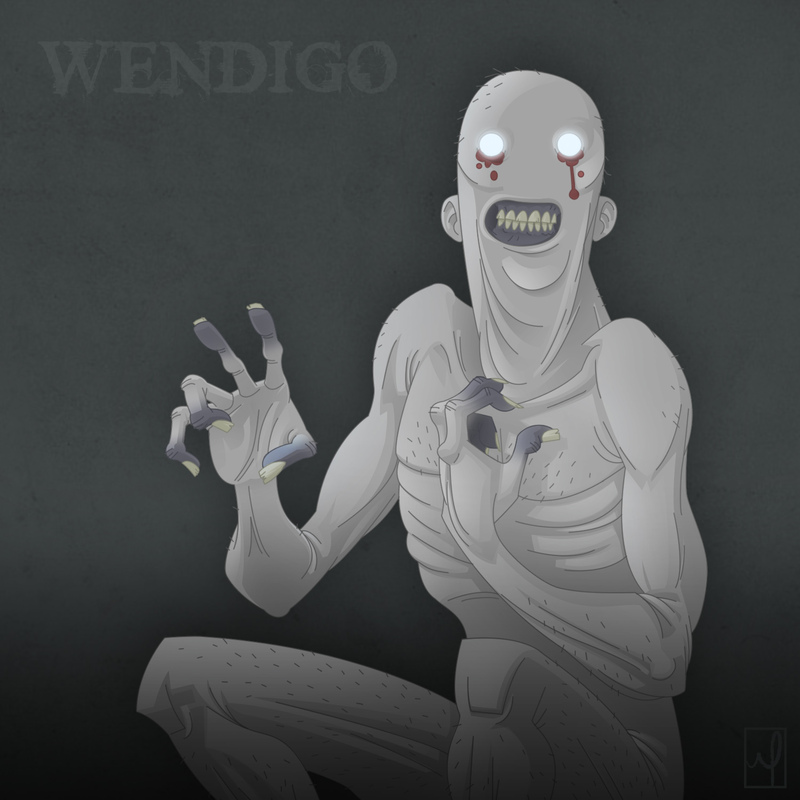
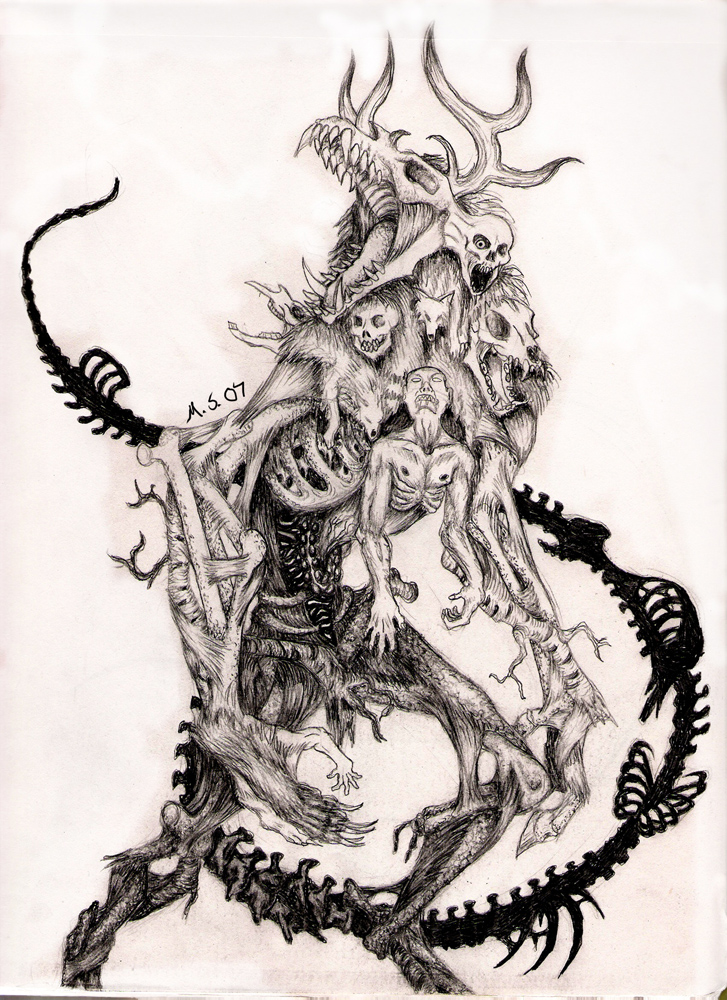
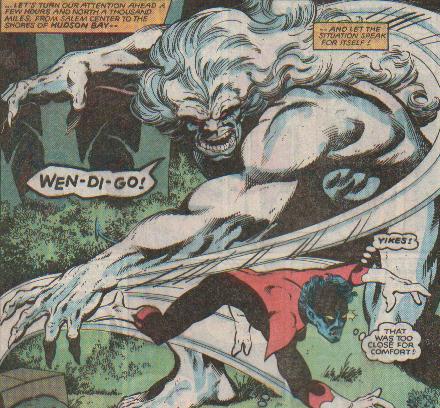
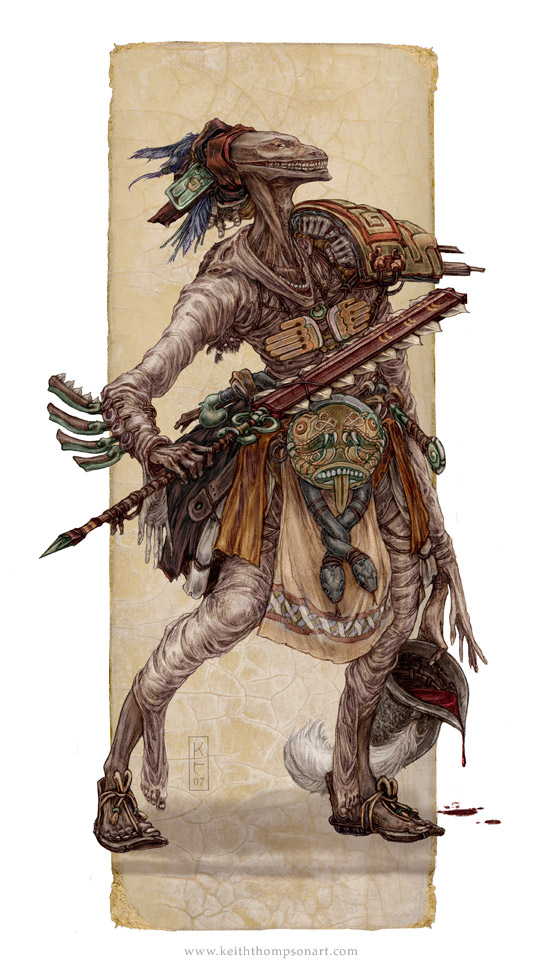
I’ve been the subject of fantasy in literature, movies, video games, anime and comic books. Artists have had a field day with me.

wendigo_char_C1

In Marvel comics, I have faced off against the Hulk and other superheros.

comic

The Dark Horse Comic Series has a different portrayal.

dark horse

In Stephen King’s Pet Sematary, I haunt the path leading to the Indian burial ground.

215px-Pet_sematary_poster

I had a whole movie to myself in the 2001 Wendigo.

wenpos

Even literati Louise Erdrich wrote a poem, “Windigo,” about melting my frozen heart.

I star in the fantasies of countless gamers.

gamers

Read your newspapers after reading The Orphanmaster, and you’ll see more cannibal stories than you’d expect.

I’m not the only monster. “Wendigo psychosis” is a mental disorder which has actually been observed among several Algonquian peoples. It describes cases where people kill and eat humans (often relatives) indiscriminately, when there’s no famine whatsoever. They do it because my spirit infests them.

These people take on the characteristics of the monster Witika. Me.

Like a Big Foot or a Loch Ness monster, I may be what mythologists call a cryptid. Or I may be real.

Biologists think the urge to cannibalize has roots in Kuru, Kreuzfeldt-Jakob or other brain diseases, which can show themselves as a form of psychosis.

But really, it’s all about the power of suggestion.

wendigo

2 Comments

Filed under Art, Fiction, History, Jean Zimmerman, Poetry, The Orphanmaster, Writers

Turning It Around

I  can’t believe it, I said to Gil. I cannot believe I’m 55 years old and don’t know the proper time to plant a sunflower seed.

Well, he said, it’s no big deal. I’m 59 years old and I don’t know either.

It got me to thinking, how many new things, simple things, nothing earthshaking, come into my life every day, even at my advanced age.

It’s a question of noticing.

Today I prowled around the boonies upstate, in Dutchess County, with my brother Peter – these photos include his — seeing some small things I hadn’t seen before.

Pete

We spent most of our time in Tivoli, a tiny village near the Hudson River that dates back to 1872 but avoids all dustiness, with its free-thinking, artistic, intellectual inhabitants.  Nearby Bard College sends over a constant scruffy stream of  students, not to mention professors.

Pete introduced me to a monument in the cemetery of St. Paul’s Episcopal Church in Tivoli, where the stones seem dominated by the Hudson  Valley families DePeyster and Livingston.

statuary

An exquisite stone carving to represent the soul of a remarkable woman, Estelle Elizabeth de Peyster Toler, who was born in 1844 in Red Hook and died 45 years later in Manhattan. Descended from the cream of New York society — De Lanceys, Van Cortlandts and Coldens — she was known for her piety and philanthropy. Her husband died the day after her death of a broken heart. Estelle’s marker reads, from the Proverbs, “A perfect example in life of the ideal virtuous woman.”

dePester

But I found the inscription on the base of the praying girl more moving.

sister baby

With its sweet embellishments of lichen and moss: SISTER–BABY.

Another grave, more modest, this one in a field of grass off a country highway.

Molly

Was this Molly also a virtuous woman? A virtuous pet? It’s an odd place for a burial but oddly peaceful.

Coffee break.

I’ve had plenty of fancy cappuccinos, like this one at Tivoli’s Murray’s café, designed by stylish barrista Michelle.

cap

Pretty good, she said under her breath, checking her work, deadpan. Not the best I’ve done.

But I’ve never before had borscht made with garbanzos rather than beef to complement its beet chunks. Topped with a spoonful of organic sour cream, it was scrumptious.

And before today I never had a perfectly-designed, shot-silk carryall for knitting needles such as I brought home from  the yarn shop on the tiny stretch of Broadway that is the heart of Tivoli. Fabulous Yarn offers luscious skeins (“fibers for fanatics”).

yarn

And whimsical taste. Under one cheery roof.

yarn store

Down the street, a tavern called the Black Swan, currently under repair.

black sway

Attitude will remain unchanged.

all our visitors

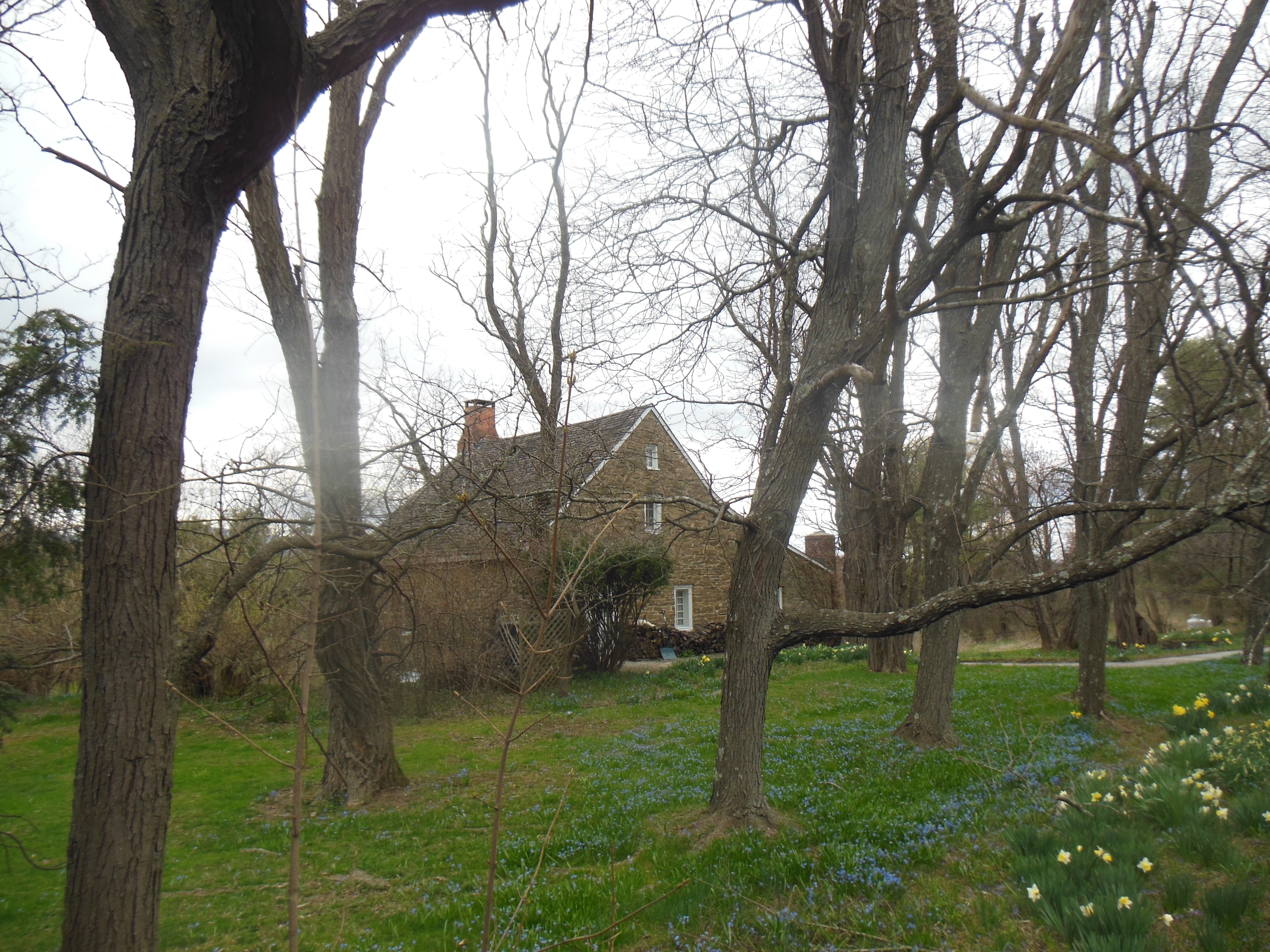
Before today, I had never laid eyes on the brick-and-stone construct of architectural genius that is the historic Stone Jug House in Clermont, housing families since 1752. Local stone, I knew. Weathered brick, sure. Together, gorgeous.

jug

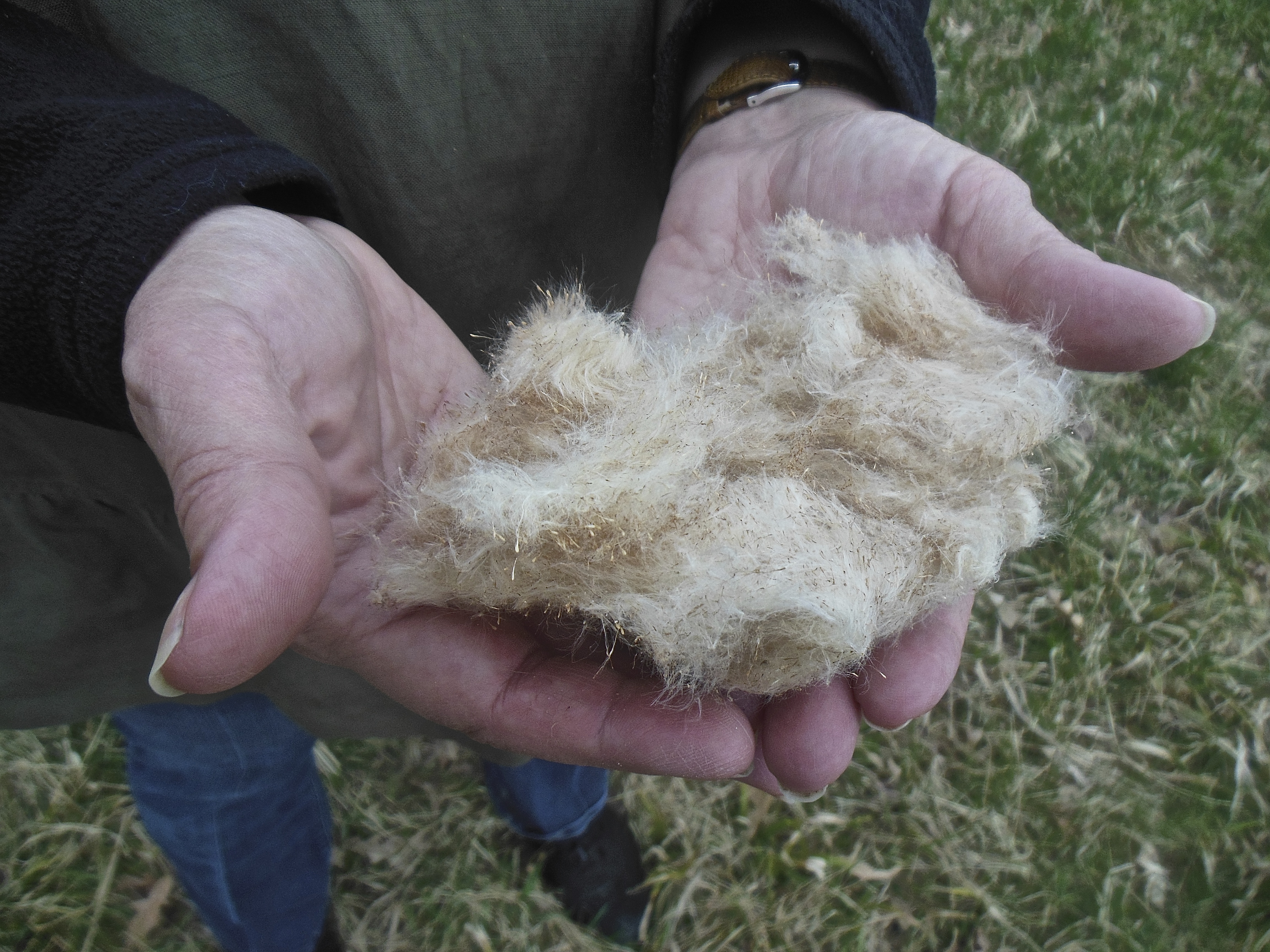
I looked around today for something I’d seen a hundred times, but always loved: a painted turtle. But the large one Peter knew of refused to show his face at the pond, the weather being cloudy. Still, there was something to see, an exploded cattail.

cattail

Like cotton wool laced with cornmeal. It was something I’d never touched before.

cattail cu

Sometimes if you simply turn something around, it’s totally new.

lovewisdomgracepeace

Love.

4 Comments

Filed under Art, Cooking, History, Jean Zimmerman, Knitting, Nature, Photography