Wood and water

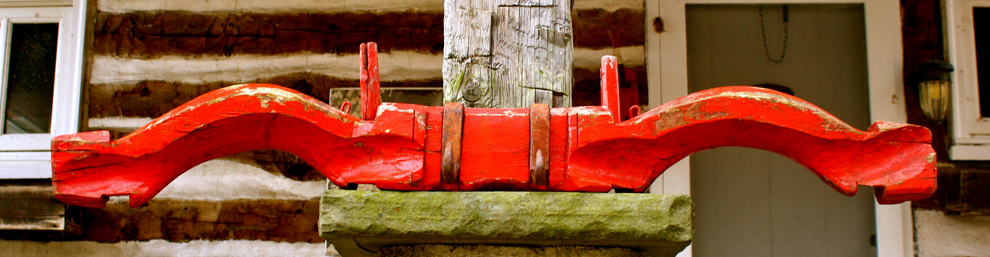
Look at the header of this blog and you’ll see a familiar shape, familiar in the way things of some vintage seem to be, something that you have inherited a knowledge of but can’t quite put your finger on. Still retaining its glossy red paint after what must be many decades – or even a century or two – it was given us by by my brother and sister-in-law and adorned the cabin porch in the time we lived there. It seemed to fit in an abode that dated back to the 1790s.

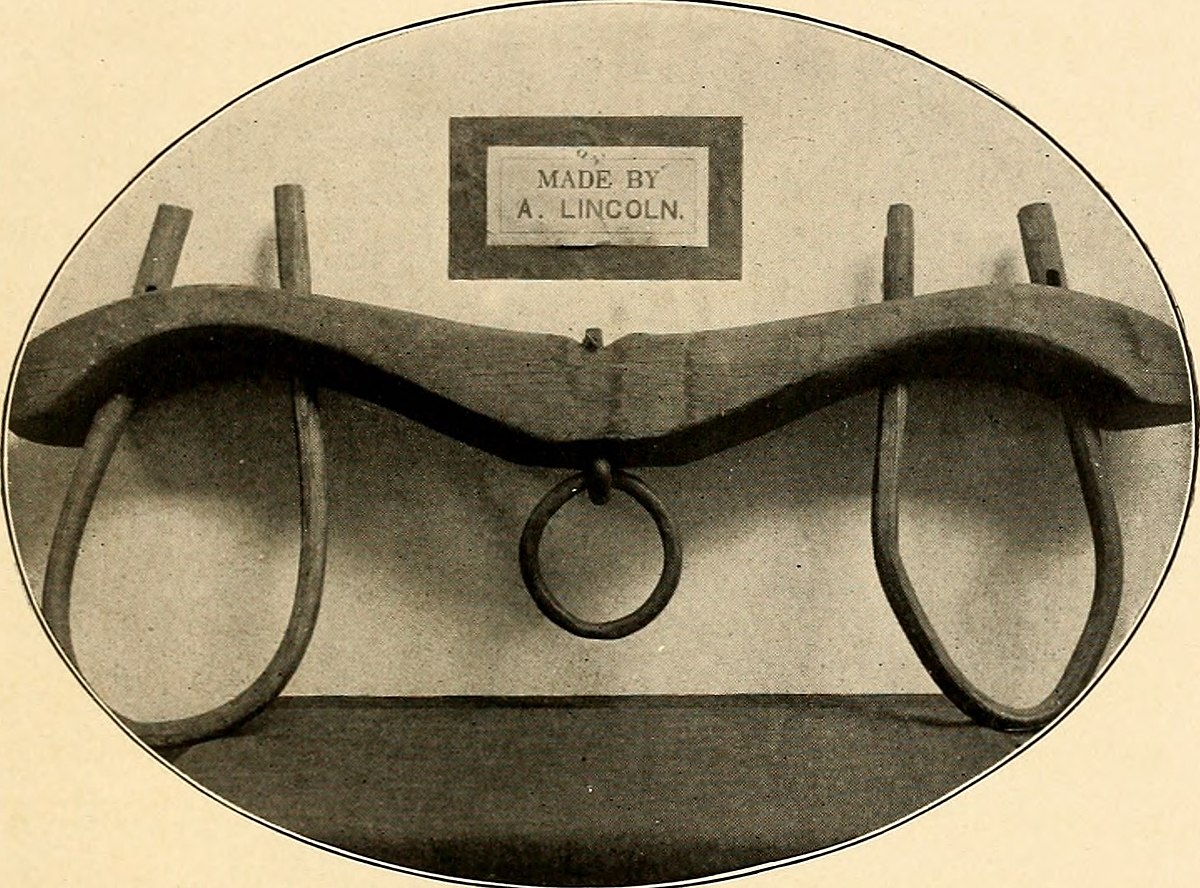
A yoke, together with an oxbow, comprised critical farming equipment until the beginning of the twentieth century, when machinery took over. (Some “rusticators” still keep a team.) The ox is apparently a creature that despite its tremendous strength and iffy moods can be tamed with a wooden apparatus fitted around its neck. The word yoke dates back to the twelfth century.

Yoke beams were traditionally fashioned of the wood of the hornbeam, Carpinus carolinia, a hardwood tree in the birch family, because of its strength and durability. It’s also sometimes known as blue-beech, ironwood or musclewood. An old English name, the word’s two syllables denote, first, hardness and horn, and second, the old English word for tree, beam. It doesn’t get any more basic than that. I find that what I like beyond trees themselves is the culture of trees, what they’ve been used for, how they’ve been used and consumed over time. The relationship between people and trees. Coach wheels, piano actions and the pegs of windmills have seen the benefit of the hornbeam’s durability, but the wood is nearly impossible to carve.

Another kind of oxbow has nothing to do with farming – or pianos or windmills, for that matter. An oxbow is the meander of a river, stream or creek that has come separated from the main artery. 

Oxbows store excess water that might otherwise flood an area, filter water and provide a habitat for wildlife. In Iowa, the Nature Conservancy is working with partners to restore three different watersheds. They identify places where oxbows once existed, then work with the locals to excavate the original U-shape, making it possible for small fish to move in and get protection from larger predatory fish. Dozens of kinds of fish have spawned in oxbows, including the fathead minnow, the green sunfish and the Federally endangered Topeka shiner. Waterfowl also find it to be a felicitous nesting site.

Of wood or water, an oxbow just makes sense.
1 Comment

Filed under Jean Zimmerman

Ruff around the edges

The Frick is getting renovated, so it poured its collection of great works into the museum on Madison Avenue that was originally the Whitney and then the Met Breuer. I’d like to see the machinations that went into bringing the precious art objects across town and then down a few blocks. Must have been a lot of Brinks guards.

I’ve heard it said that New Yorkers love the Frick more than any other museum in town. The mansion that hosts the collection, built for industrialist Henry Clay Frick at the beginning of the 20th century, is the last remaining of the grand houses that populated Fifth Avenue and Madison in the Gilded Age, and it is truly scrumptious in its details. I don’t know if the magnolia trees were there when the house was built, but they are truly magnificent. It even has a bowling alley in the basement, where ordinary visitors never set foot.

It’s weird to see paintings you have known in another setting, especially an intimate century-old one, hung on modern white walls.

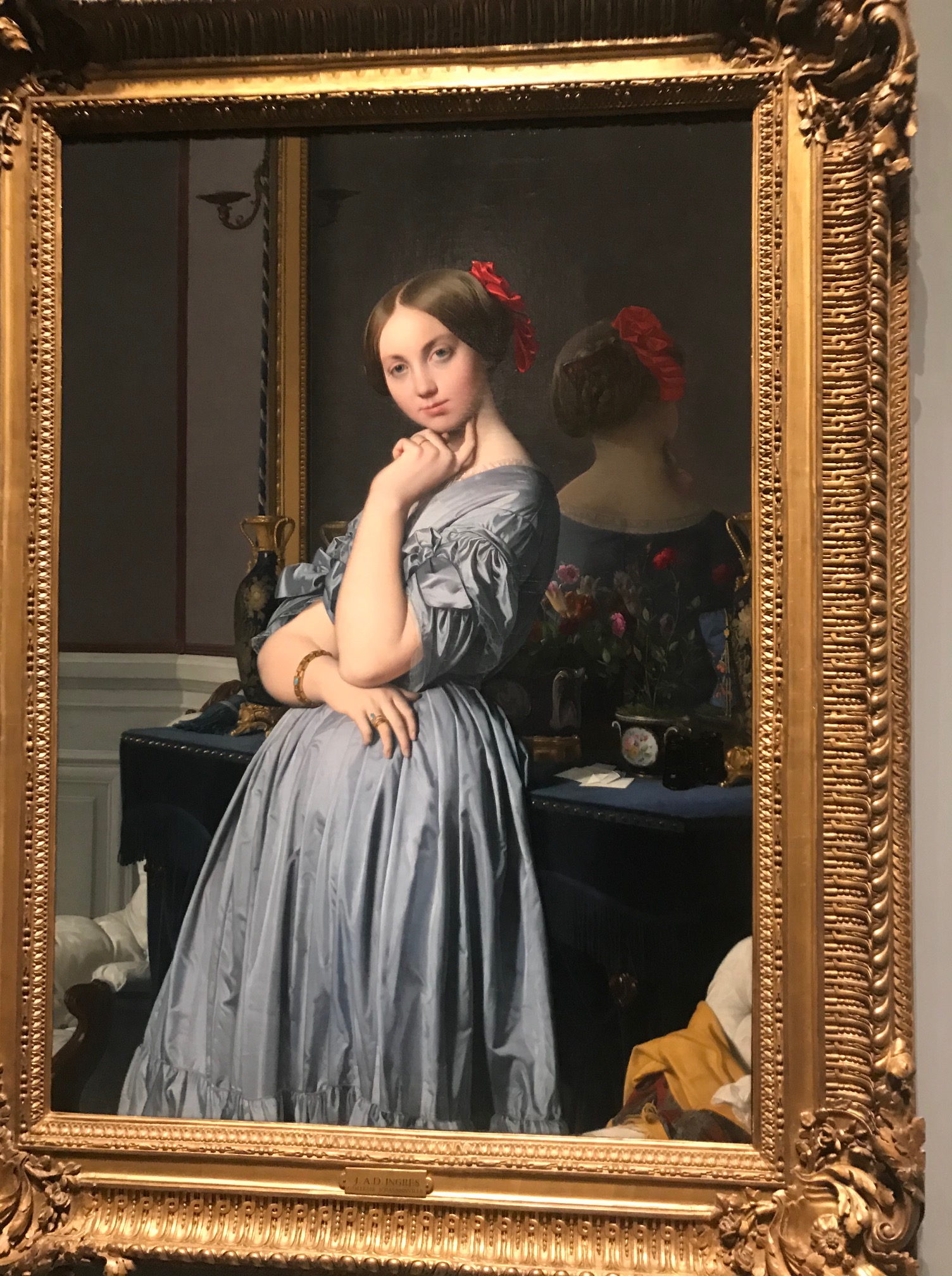
I’ve always loved this portrait by Jean-Auguste-Dominique Ingres of an inscrutable young woman posed against a mirror. (Yes, the name is a mouthful. But it doesn’t compare with the given name of another artist, whom we know as Pablo Picasso. He was christened Pablo Diego José Francisco de Paula Juan Nepomuceno María de los Remedios Cipriano de la Santisima Trinidad Martyr Patricio Clito Ruíz. Fed his ego a little?).

The friend who accompanied me to the Frick exhibit said what she really liked about these classic canvases is how the painters treated fabric. In this Ingres you can see why, with its gleaming grayish purple satin folds and a suggestion of a ruffle at the bottom of the gown. It’s almost hard to think of the clothing as paint.

The Frick collection contains many old Dutch masters, quite a few wearing the garment that was au courant in the 17th century: the ruff.

Why? we say now. Why would someone, male or female, want to go out with a circle of immaculately white linen around their neck?  A large one, sometimes called a millstone ruff, could take 18 or 19 yards of fine cambric to make. But you can see that these elites made it an integral part of their wardrobes along with all the satin and velvet. Luckily there were servants to keep the ruff stiff, using an implement called a goffering iron to set the pleats. Starch was key.

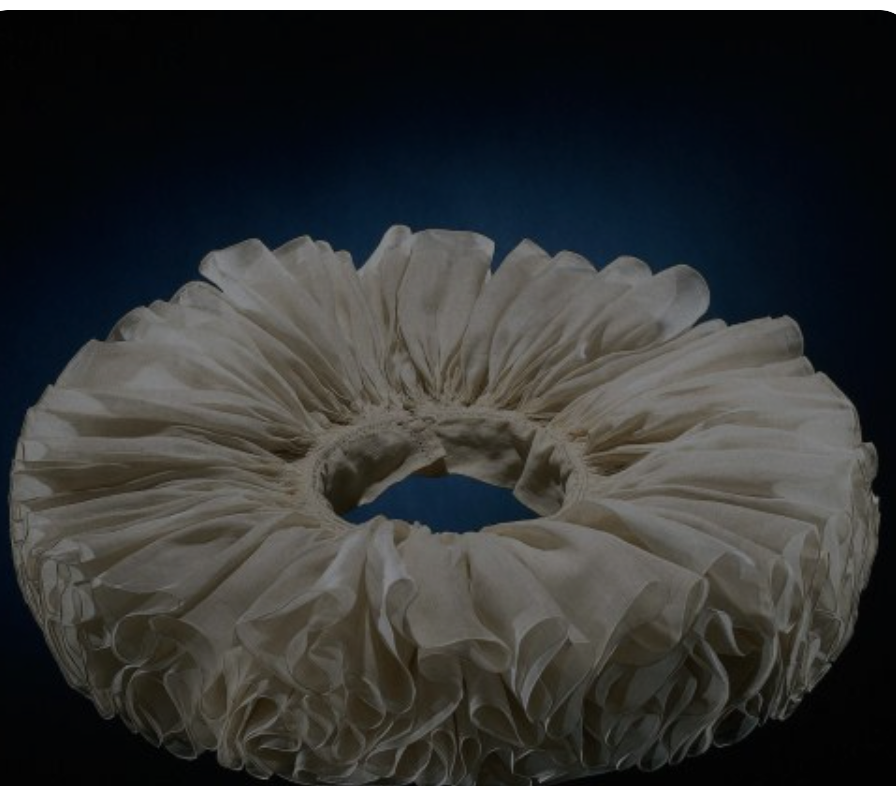
These paintings endure, but fabric deteriorates, and amazingly, there is all only a single ruff surviving from that time, carefully preserved in a vitrine in a Dutch museum. Looks like the starch has fallen out a little. But it never fails to excite, seeing a vestige of women’s work, the painstaking labor of sewing, so important to our lives throughout history and yet taken for granted.

1 Comment

Filed under Jean Zimmerman

Gloriousness

It’s kind of murky on this St. Patrick’s Day in the Hudson Valley of New York. Let’s get a little color with a bougainvillea gone haywire:

And a little inspiration from Seneca:

The whole future lies in uncertainty: live immediately.

1 Comment

Filed under Jean Zimmerman

Foolish snowdrops

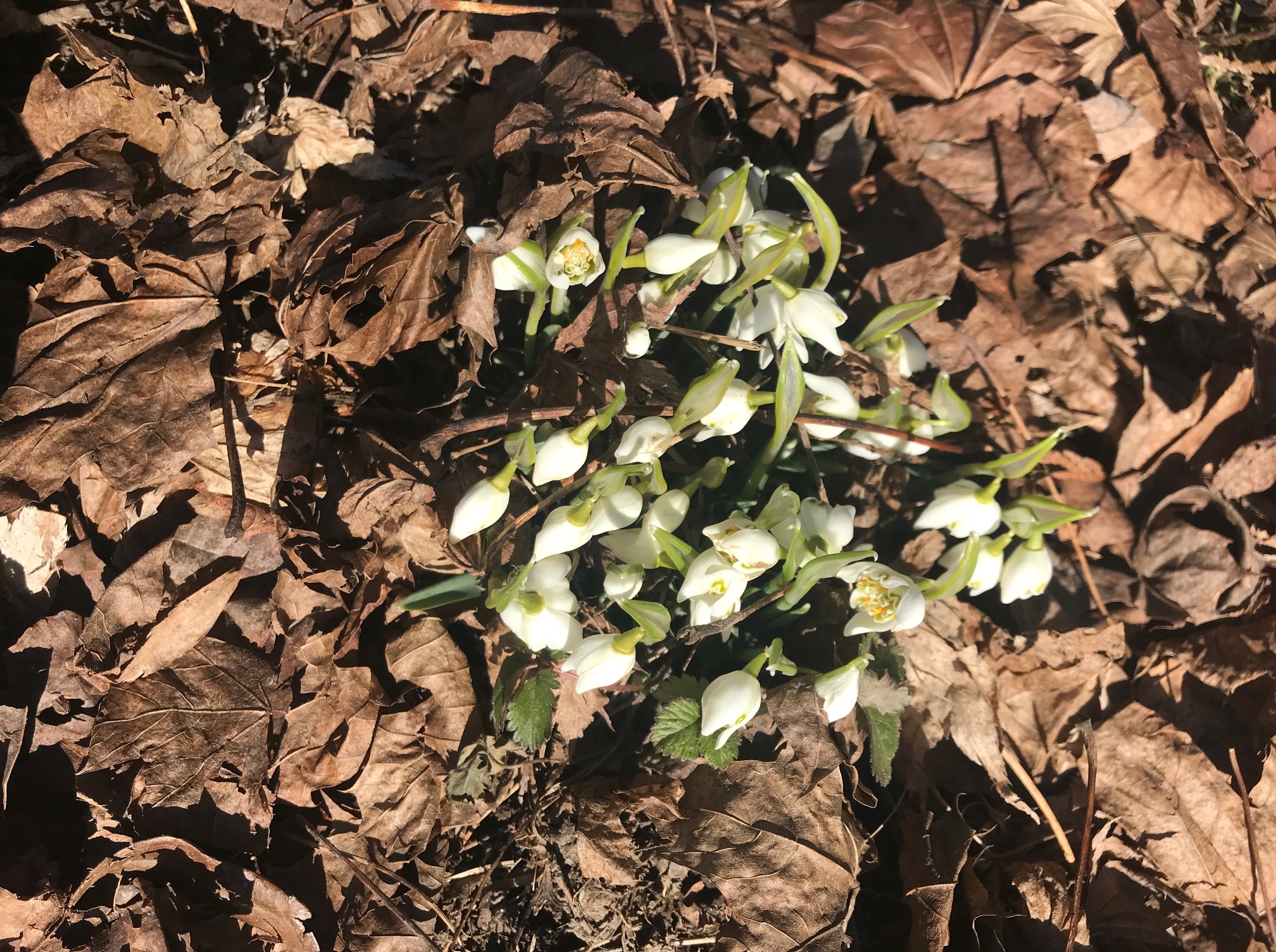
We walked along the Aqueduct, where the snow and ice were still sloppy and slippery, and saw the first snowdrops by the side of the trail. Snowdrops (Galanthus) come up so valiantly through the duff on their slender stems and you feel if they can do that, anyone can do anything. If they pulled through the winter, anyone can pull through their own winter.

But listen to Basho’s haiku:

All this foolishness

About moons and blossoms

Pricked by the cold’s needle.

It takes a lot of stamina to lift up your head, especially with a crumb of crumpled leaf like a hat upon it. It’s almost spring. Will we forget all about the life we’ve been living and go back to the way we were? Snowdrops come up through a storm. Can we?

4 Comments

Filed under Jean Zimmerman

An Ichthyologist’s delight

The Hudson River Almanac, compiled by a sage named Tom Lake, covers the Hudson River and everything that flies above it, swims in it or roams its banks, from the High Peaks of the Adirondacks to New York Harbor. “It seeks to capture the river’s spirit, magic and science by presenting observations from many individuals who delight in the diversity of nature in the Hudson Valley.” It’s crowd-sourced by a bunch a nature nuts. Dip in and have a happy day.

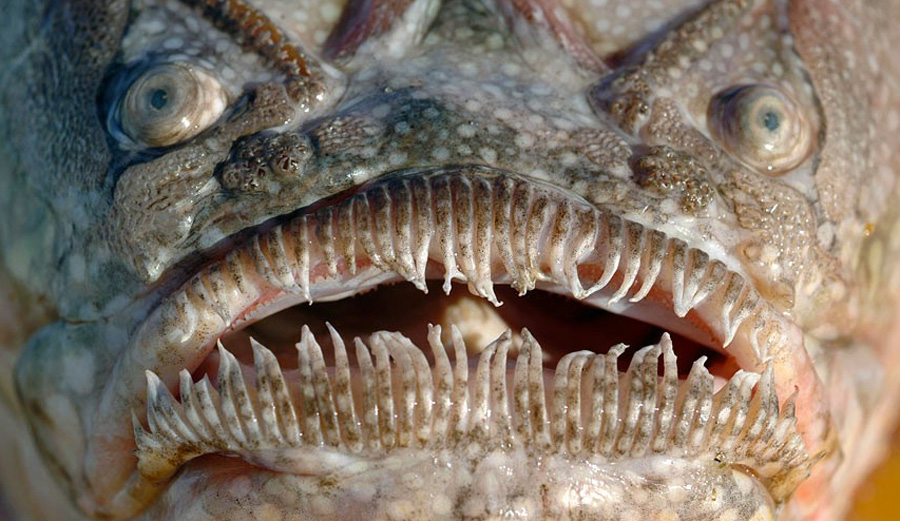
To illustrate, recently the “Fish of the Week” was the northern stargazer. I had never heard of it but once introduced couldn’t get it out of my mind.

Ichthyologist C. Lavett Smith, I learned, calls the northern stargazer “a bizarre fish.” They are somewhat like the oyster toadfish and somewhat like the goosefish. “They have a nearly vertical mouth surrounded by fringed lips,” The Hudson River Almanac tells me. “Much of their body mass is in their head and they will eat pretty much whatever they can fit in their huge mouth. They bury themselves in the sand with their eyes and mouth sticking out just enough, aimed skyward (star-ward) and wait for prey. When something appealing swims by, the stargazer uses its large mouth to create a vacuum to suck it in.”

Also, these appealing creatures have an organ in their head that can deliver an electric charge that can stun prey and perhaps ward off predators. Their genus, Astroscopus, comes from Latin as one that “aims at the stars.” Their trivial name, guttatus, comes from Latin as “speckled,” like raindrops.

To subscribe to this always surprising publication, go here: Hudson River Almanac . In the meantime, keep your fingers and toes in the boat.

2 Comments

Filed under Jean Zimmerman

Gil’s book is out today

And I have an inside track with one of the authors. He answered a few questions.

What made you want to write a Nordic noir – about a place so far from home?

I’d always wanted to write about an American detective in a Scandinavian context. I had a lot of different plot lines. I thought it would be great to have a stranger in a strange land. I pitched the idea to my friend Sarah Hollister and we developed it together.

What can you say about the book’s approach?

There are supposed to be two kinds of plots – either a stranger comes into town or  somebody leaves town. This Land Is No Stranger turned out to be a combination of the two.

You‘ve written novels with a female detective at the forefront before. How is Veronika Brand different than Layla Remington?

She’s much more of a mess. Remington is even-tempered, level headed. Brand is half off her rocker.

Is she likable? Can we relate to her?

It depends how much you like going-on-40 speed freak suspended NYC detectives.

 What was it like collaborating with someone halfway around the world?

Sarah is great. In a story about a NYC detective in Sweden, she supplied the Sweden while I was more about the NYC detective.

Did you always agree?

I used to tell her that if I agreed with her then we’d both be wrong. I’m not a real day-at-the-beach as a cowriter.

What do you think is the most interesting part of the book?

That’s like asking who is your favorite child.

Do you plan to go on writing in this vein?

Yes, there are two more books planned with Veronica Brand and Krister Hammar as heros.

Is the book coming out in Sweden at the same time?

Yes, in English, and later on in the fall there will be a Swedish edition.

Note: You can order the book from Amazon today!

Use the link pasted below to scroll through the beginning of the book. 

2 Comments

Filed under Jean Zimmerman

A hoo-hoo in the darkness

As if she wasn’t cool enough already, Harriet Tubman, christened Moses by abolitionist William Lloyd Garrison, used owl calls to alert freedom seekers about whether they could run or stay put. (I think there is some question about whether her acolytes actually used that moniker, as they do in the movie version of Tubman’s life. But like so many history-bytes, it’s too good to deny. Let’s believe everyone did call her that.)

At the Harriet Tubman Underground Railroad State Park, one historian says that an owl call would “blend in with the normal sounds you would hear at night. It wouldn’t create any suspicion.”

Scout, spy, guerilla soldier and nurse for the Union Army, Tubman was also a naturalist. She grew up in an area of wetlands, swamps and upland forest. As an enslaved domestic servant at the age of seven her jobs included wading into the swamps to check on the muskrat traps. She worked the timber fields with her brothers and father.

She famously made 13 trips from the north to Maryland between 1850 and 1860 to lead people to freedom. And her earlier experiences in those forests and timber fields helped her read the map of the outdoors and employ the sounds she knew by heart.

The North Star and the Big Dipper were also crucial when it came to traveling under cover of night. And she knew the rivers she and her followers would have had to travel in order to throw off their scent when the tracking dogs came.

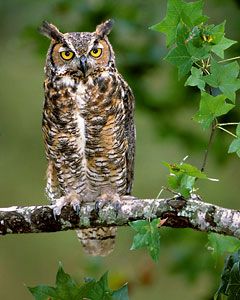
We don’t know for sure what kind of owls she emulated — a barred owl or “hoot owl”, probably, though a great horned owl is a possibility. Certainly not these babies, that only peep. Harriet’s “hoo-hoo” was a sound that a fortunate few got to hear and respond to.

3 Comments

Filed under Jean Zimmerman

Oak makes headlines

That is, when the trees are centuries-old and are being harvested to rebuild the spire of Notre Dame.

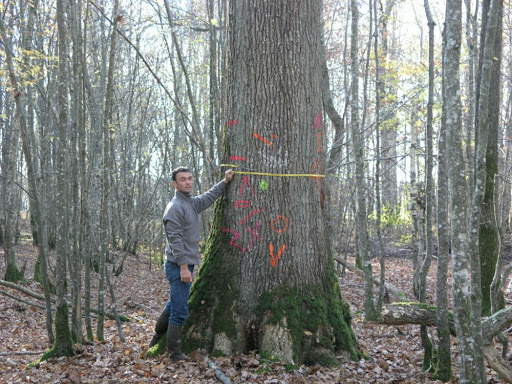
They come from a former royal forest, and the process is beginning with a 230-year-old Sessile oak tree, Quercus petraea, with 1,000 more trees to be collected by the end of March, before the sap rises and the wood contains too much moisture. They’ll be air dried for 12-18 months before being cut into shape. This lumber will replace other lumber that was centuries old.

Most are perfectly straight and large enough to support the weight of the spire, the result of careful work in a forest that originally supplied timber to the French navy.

Oak trees have been central to French culture forever. There was a custom traditionally in French villages called affouage — residents could cut an allocation of firewood from communal land every year. The trees would be marked accordingly. Even now, though they look natural, the oaks in French forests were planted deliberately. They are regularly culled so that the straightest, fastest-growing and healthiest remain.

If you’ll remember, the cathedral’s original roof contained so many oak beams it was called “la foret.”

3 Comments

Filed under Jean Zimmerman

A true Amazonia

Matriarchies are a thing of the past.

Not.

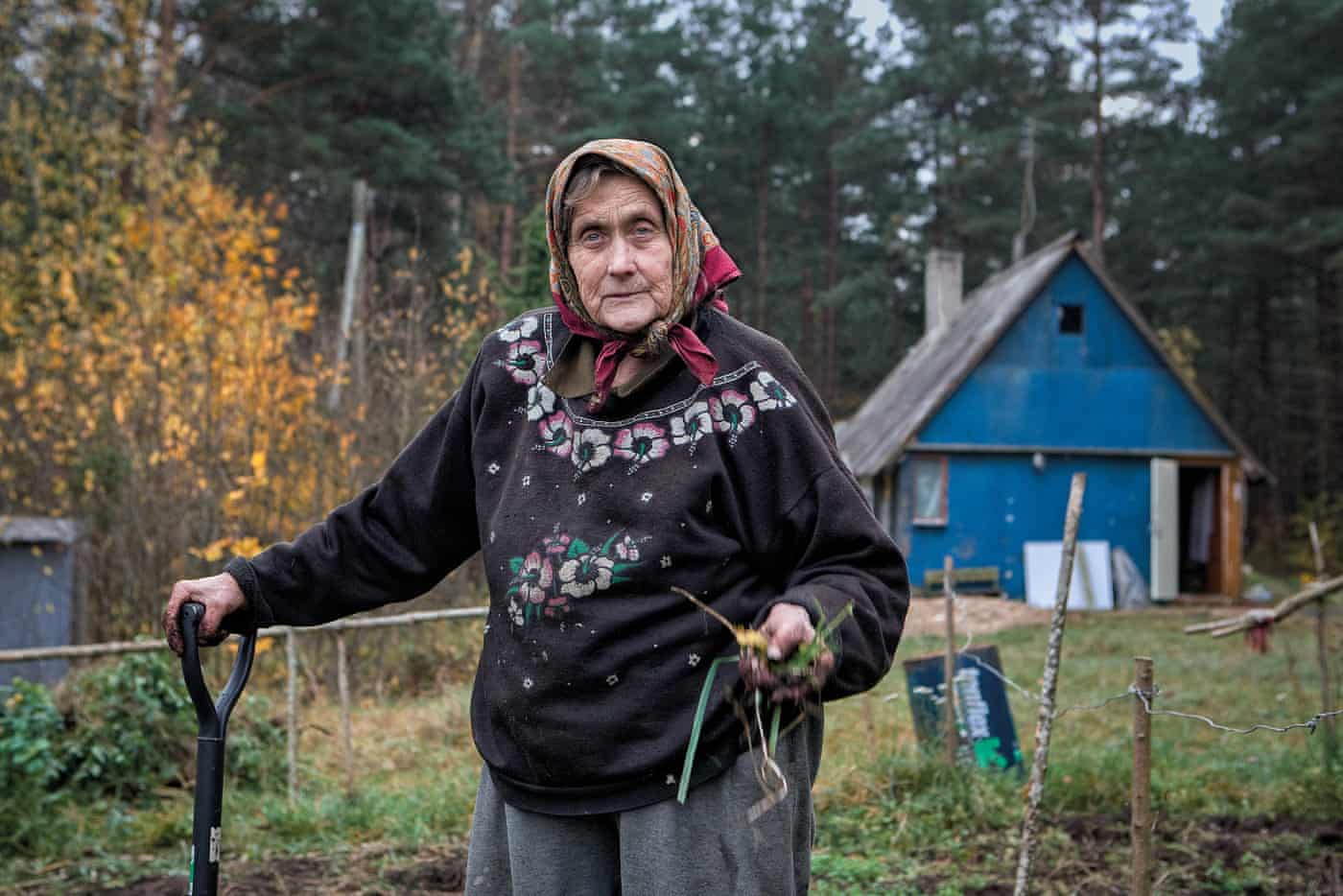
A photographer with a wonderful eye travelled to the remote Estonian islands of Kihru and Manja in the Baltic Sea, where she spent time with a community of women, who collectively kept things together while their men went to fish. All elderly, all strong, they inhabited a world that had remained the same for ages. The photographer is Anne Helene Gjelstad, and her book is Big Heart, Strong Hands (published by Dewi Lewis).

Vahtia Helju, 2008

This female stronghold is sometimes pestered by tourists, but Vahtia Helju does not mind posing with her favorite cow.

We all know that the Amazons of Rome were mythical, and the same could be said of the women who dominated Basque culture at one point, Celtic, various indigenous peoples — well, all over the world, actually. But if you’re so sure it’s all fantasy, go to Estonia.

Jarsumae Vive

Jarsumae Vive at the age of 81 decided to take up skydiving. At that age, men have often already died. Women persist, to conduct their lives as they always have. When they pass away, here in Estonia, they are grieved by their sisters, and carried out the door feet first.

Kolski Leiday, recently deceased

Do you have mothers or grandmothers who have gone on past the point when anyone thought they would? The difference here is community, the love that keeps them going. And a favorite dairy cow.

1 Comment

Filed under Jean Zimmerman

The virtues of age

Like some other people, maybe, the older I get the younger I feel. It doesn’t matter that I can no longer leap over a wall with only a hand to support me — oh wait, could I ever do that? — or that I have a brain fart now and then. In my mind’s eye I am as juvenile and smart and sassy, not to mention as beautiful, as ever. Does everyone out there feel this way?

It makes me think of a certain tree.

This grande dame is an olive tree that is 3,000 years old — the oldest olive tree, I think, in the world — and she is still producing olives. Funny, she looks to be all root. Maybe rootedness is what preserved her.

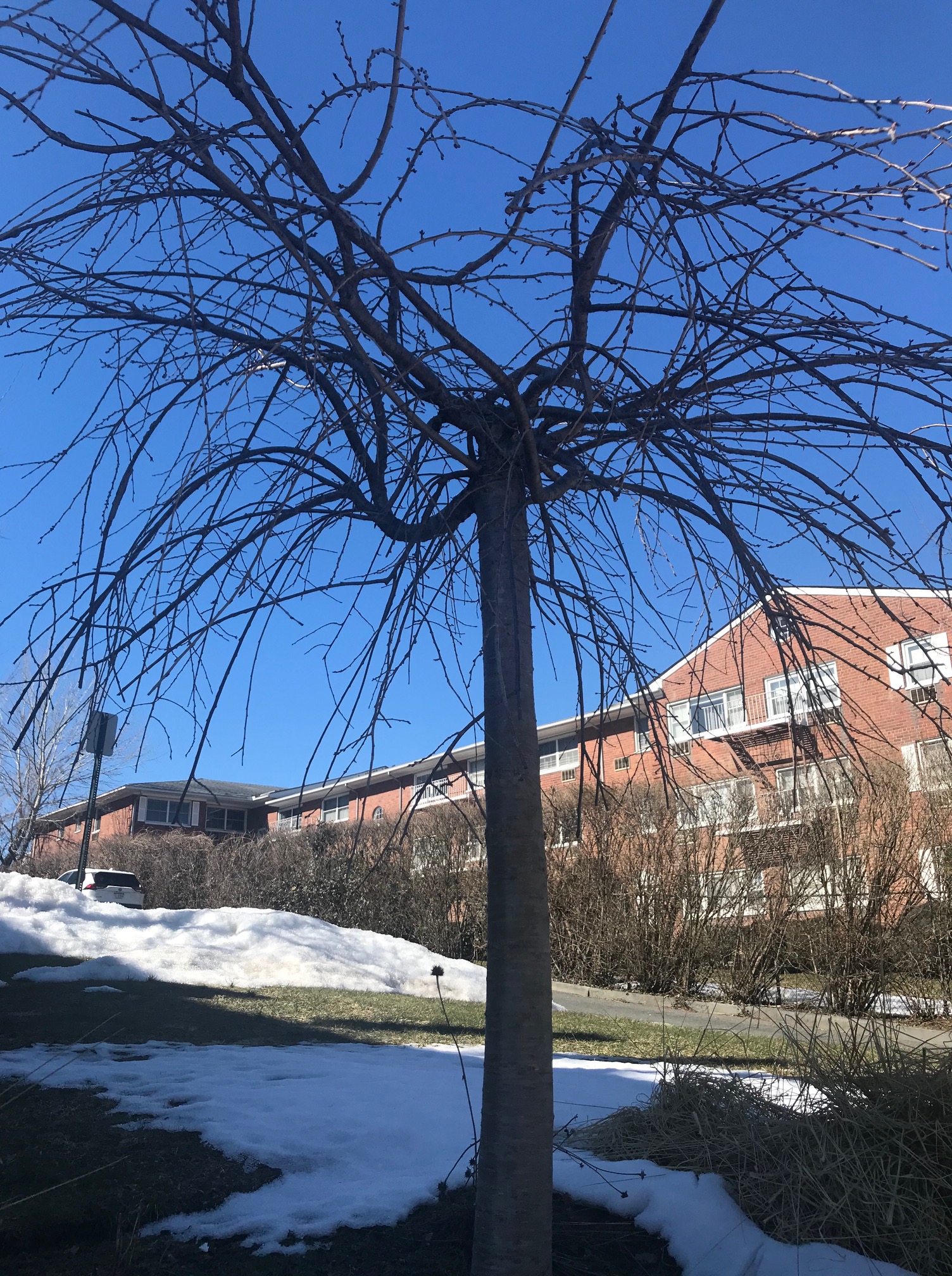
Yet young trees are as admirable as old ones. An old tree fell across the street from my house, and it was replaced by this sweet little weeping cherry.

No, she’s not going to produce olives anytime soon, or even cherries. But seeing her keeps me young.

1 Comment

Filed under Jean Zimmerman

Honoring the Chipko

Probably for a lot of people reading Richard Powers’ powerful, Pulitzer-winning novel The Overstory, the term tree hugger might come to mind. Some of the book is set during the Timber Wars of the Pacific Northwest, and a few of the characters actually spend days, weeks, months (as I recall) at the top of one of the giants out there.

Richard Powers and his best-selling book

It’s funny, the longer it’s been since I put the book down, the more I like it. It’s got some indelible characters and a shattering ending, and if you haven’t read it go do so now.

One thing the novel is short on is history, deep history. I think this being Women’s History Month it’s only right to honor the original tree huggers, 294 men and 69 women belonging to the Bishnois branch of Hinduism who took it upon themselves to protect the trees in their village from being carved up for a palace and were massacred by foresters. They literally clung to the trees, and died for their bravery. Happy ending, the government decreed there would be no tree cutting in any Bishnoi village, and now the place is a happy green oasis amid an otherwise barren landscape.

That story sounds like it might be a little burnished by time. But the next chapter of tree huggerism is indisputable.

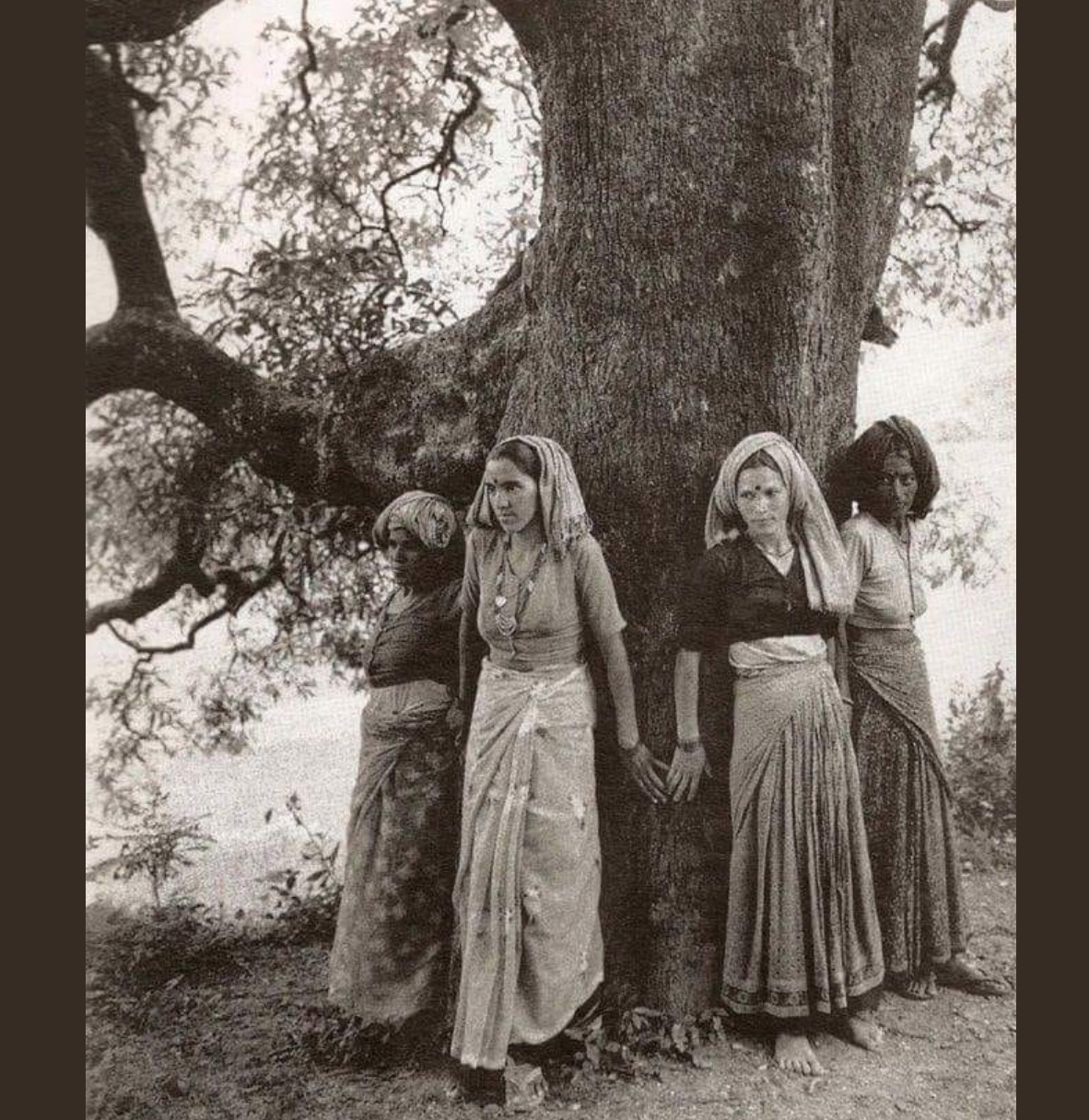
Chipko women

A group of peasant women in the 1970’s in the Himalayan hills of northern India took inspiration from those earlier tree huggers when they fought to have the trees in the vicinity preserved, throwing their arms around the trunks to do so. This was the Chipko movement. “Chipko” means “to cling” in Hindi. They had success; before long there was a tree felling moratorium in Himalaya. The tactic, called tree satyagraha, had spread across India and forced reforms.

Women did it. It worked. It happened to be trees they were protecting, but that smart, vigilant, protective, determined spirit can be admired throughout history and up to the present as we celebrate Women’s History Month. Let’s make it Women’s History Year. Or why put any boundaries on it? Let’s just say History and always highlight the achievements of women.

1 Comment

Filed under Jean Zimmerman

The green roof

Here is my buddy Michael in his logo gear — SavATree fleece and mask — standing on the roof of 687 Myrtle Avenue in Brooklyn, where Bed-Stuy meets Williamsburg and Clinton Hill. You’ll have to imagine the 360 degree views of Brooklyn and Manhattan that wrap around, for the pleasure of those who dwell in the 45 lofts below, places with enormously banks of windows and hardwood floors and walls as white as toothpaste.

We’re surveying the site at the behest of a property manager who has had tenants complain about the condition of the roof when it gets hot in summer. It’s brown. Can we make it greener? That remains to be seen.

I find out this condominium is the old Chocoline factory, built in 1947, and in fact people still call it The Chocolate Factory. Inside, machinery was made that was used in the production of chocolate.

Trying and failing to discover an old shot of the factory, I learn that chocoline is also the brand name for a kind of Spanish Fly. An aphrodisiac is an aphrodisiac, I guess.

Now, looking over the roof all the way to the street below, I see a sea of black hats, blacker than chocoline — all the Hasidic men on their way to their studies, crowded onto the sidewalks.

Leave a comment

Filed under Jean Zimmerman

Believe it or not, Spring is coming

2 Comments

March 1, 2021 · 2:55 pm

To live inside a tree

The story of The Cabin is one that you might typically find in this blog. Being inside it always felt like residing inside a tree.

Early spring at the cabin

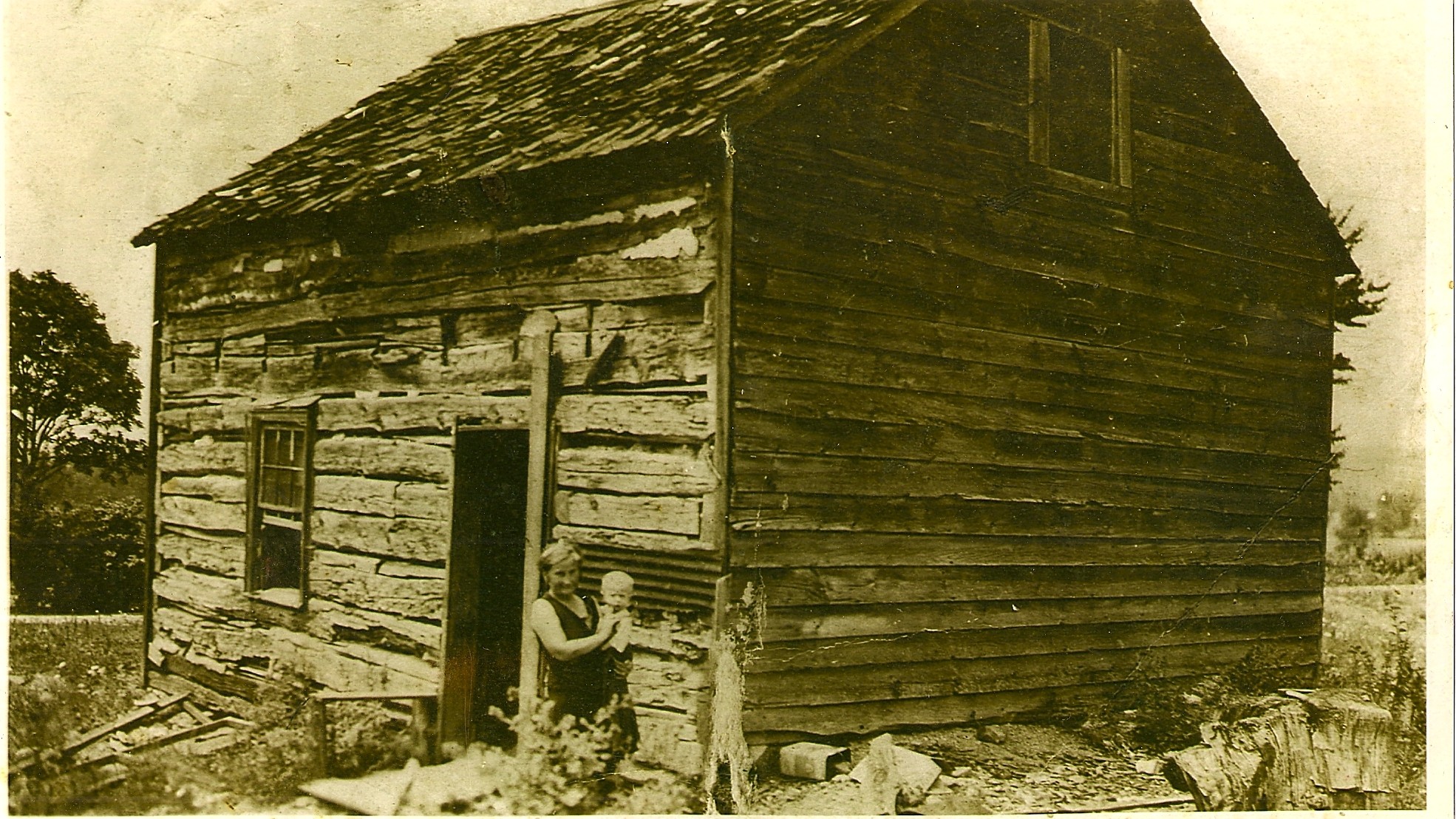
The mystery behind it: it wasn’t originally built where it is now, but carried to its place in the Hudson Valley over seventy-five years ago. It was the kind of job that only a twenty-something with a lot of energy would attempt. In 1935, at the height of the Depression, a young man managed to move it, lock, stock and barrel, from the Delaware Water Gap to New York. Two rooms, one upstairs, one down, no indoor kitchen or plumbing. Built in the 1780s, the structure stood for a century and a half before it was dismantled log by log and transported a hundred miles to the east. The story goes that he relocated to be near his aunt, who lived just across the swamp from where the little cabin now sits atop a small hill. Someone else might question why anyone would move an ancient structure with all its dents and wrinkles, rather than just build anew. For me, it makes perfect sense.

Original Delaware Water Gap site

The past for me is a series of mysteries within mysteries, endless Chinese boxes. In my work, and in Blog Cabin, I try to crack these open. You go into a mansion of a hundred rooms, say. Enter one room to start. What furniture is there, what hangs on the walls, what style is the hearth (there are as many kinds of hearth as there are houses)? Are the walls plaster? Is that a series of framed miniatures hung beside the mantel? Whom do they depict? Outside, on the façade, do you see Georgian brickwork, Tudor stone or simple clapboard? Dark wood, probably chestnut. Of course, learning all of this detail serves to unlock the character of the people who live inside. And we haven’t even gotten to the petticoats yet. If ever I haven’t made progress in my writing, I have a simple solution. Do more research. A surefire remedy for writer’s block. Life is more exciting too if you track down the history of the thing.

4 Comments

Filed under Jean Zimmerman

Gale Force

The wind won’t stop. Trash blows through the air, all around the towering projects, skitters along the sidewalk, chasing scraps of paper, cardboard boxes and gust-inflated store bags, black and white. I hide from the cold in my car, awaiting trees to guard. Today excavation goes on in the street, too remote from the London plane and yellowoods to endanger them. I’ve already checked on all the trees on my site, which are safely ensconced in their protective wood frames. 

The wind blows grit against the skin of my face, in my eyes. I nearly got whacked on the head by a metal store sign that had come loose and was flapping back and forth. Young people in safety vests walk the street with a garbage container on wheels and long handled dustpans, but they can’t possibly pick up all the trash as it swirls around them. The city doesn’t bother with public trash containers in the Bronx, it seems.

Workers build houses under the ground so the trench won’t collapse in on them as they work. 

These below ground cabins are muddy on the bottom but otherwise strike me in my innocence as looking very cozy.

The first thing I saw this morning was a man throwing a kitten out the door of his bodega, then coming out to shoo it down the street. The baby tabby shivered in the wind looking back toward the shop door before racing away into the wind. While this went on the usual troubled man stood outside the store by the ice machine, barking and muttering and throwing his head back on his neck.

Here on Webster at East 169 St., men in cars drive up to the tire emporium and jump out to admire the rims for sale. It’s a fascination for them. Stacks upon stacks of tires have been piled beneath the mosaic of silver rims hanging on the storefront . If you can decide, you can get the job done right there in front of the store.

A few blocks away the fortuneteller has had to take her sign down out of the wind. 

The soothsayer reads palms in the back of the smoke shop, waiting all day for a customer. I’ve never been in to see her, much as I obsess about my future. Maybe sometime, if this wind ever dies down.

3 Comments

Filed under Arborist, Culture, History, Home, Jean Zimmerman, Nature, New York City, Trees, Writers, Writing