Category Archives: Jean Zimmerman

A Beautiful Yarn

This afternoon I had what felt like a covert assignation alongside a sheepfold in Putnam County, meeting a woman named Fern to conduct business out of the trunk of her Ford sedan. The purpose: wool. Yarn, to be specific, yarn that she had hand spun from the wool of heirloom sheep into soft and sturdy all-natural skeins. Fern is an expert modern shepherdess, if you could call her that, with a family business called Snook Farm that raises Jacob and Cotswold sheep, both antique varieties that happen also to be endangered species. I found the wool ravishing, gleaming in its homespun hominess, slubs and all. I chose these skeins that looked as though the prettiest girl in town could have knitted a wrap with them in about the 12th century.
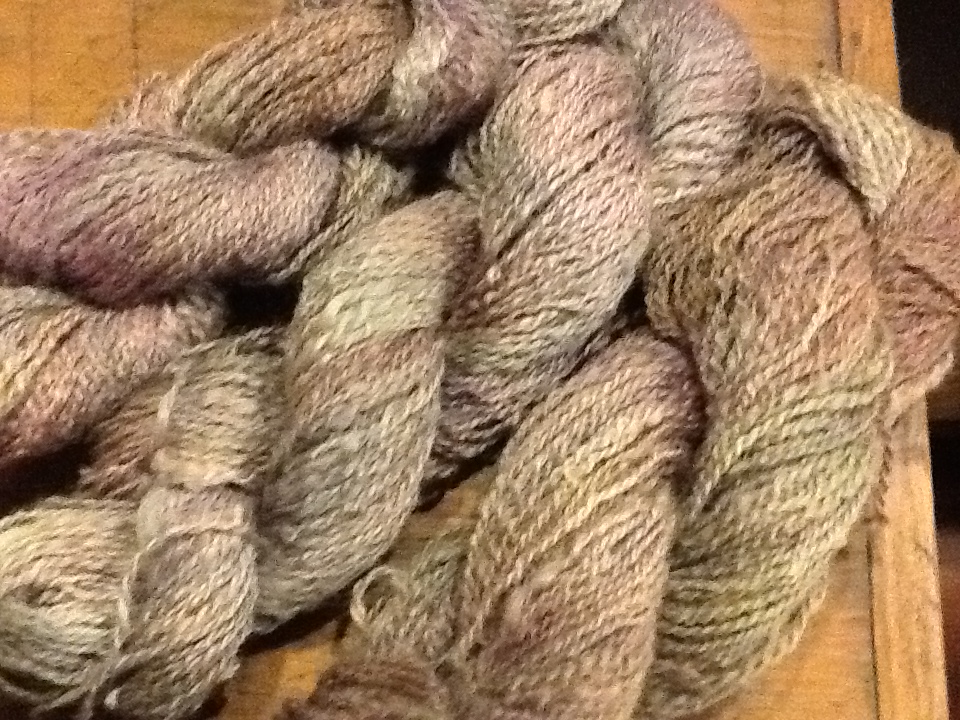
Fern spun the stuff of Cotswold wool, then dyed it using onion skins and almonds, dipping it again and again into the colored liquid to give it its variegated appearance. About the Cotswold, its coat has a subtle golden tint. Apparently Florentine merchants made pilgrimages to England in the 13th century to bring back the shiny, linen-like wool. And even before that it was woven with delicate wires of gold to make  garments for ancient priests and kings (really, see Exodus 39:1-3).
Leave a comment

Filed under Jean Zimmerman, Knitting

New York Times on University Settlement

James Barron of The New York Times wrote a good story about the University Settlement celebration I spoke at the other day.

Leave a comment

Filed under Jean Zimmerman, Love, Fiercely

A Window Into a New Life

The event last night at University Settlement was just fabulous… a nice big screen to show my pictures of Newton and Edith and their world, a big crowd, lots of attentive faces. They even got my jokes.

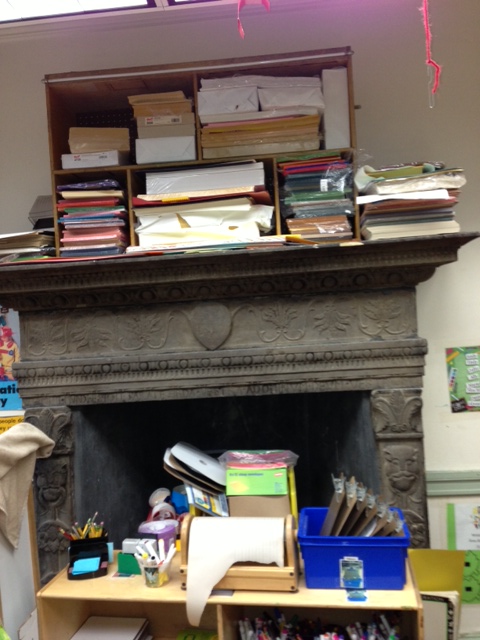
Before my talk I got a tour of the premises, including the original 1898 boardroom upstairs, a space now given over to preschoolers, where the grand old mantelpiece imported from Europe still stands, buried in the necessary detritus of the classroom. Wonder what old Stokes would make of it. I bet he’d be pleased to see that the building he put so much heart and love into (it was his first commission as an architect) has found continued life serving the underprivileged of New York City.

Something about the light of the building strikes me as particularly wonderful. Stokes obviously knew what a commodity ample natural light was for people of the slums, like those Jacob Riis portrayed in dank, dark tenements. To come to the University Settlement with its soaring windows must have been a correlative for the worlds opening up to immigrants there.

Leave a comment

Filed under History, Jean Zimmerman, Love, Fiercely

Secret Receipts

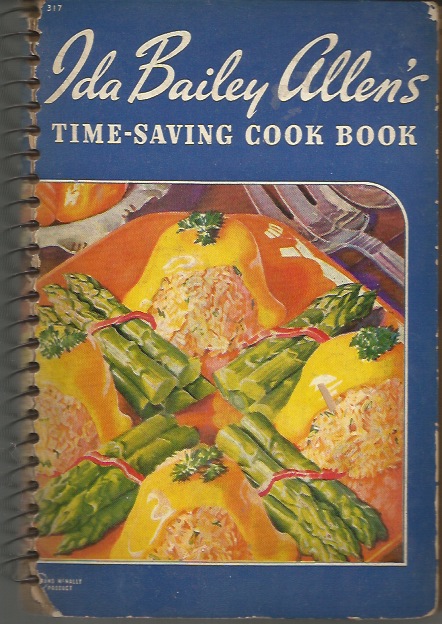
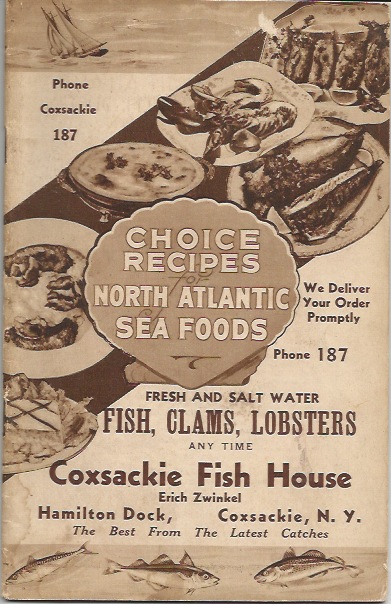
There is something I’ve always loved about collecting vintage softbound cookbooks — whether put out by community organizations or companies to hawk a product — in addition to their lavish artwork and insane notions of food. That is the always hoped-for moment when an old fashioned, hand scribbled “receipt” (as they used to say) flutters out of the pages onto the kitchen countertop. Whether describing the method for putting up  green tomato pickles or for baking a strawberry-Jello cake, these faded, spidery notations have always seemed to me a lifeline to the past, a past that is hurtling away from us so quickly that soon we’ll only read about the matriarchs who personalized their recipes in books. It’s hard to say which is sweeter, the notes of my own forbears, my grandmother or great aunt or mother-in-law, or the cooking wisdom of a homemaker I’ll never identify. In any case, I tuck each artifact back into its place between the pages, so I don’t have one to show off here at the moment. I can display some of the cookbooks, though…

Check out this nice piece by Michael Popek on this subject in the Huffington Post, illustrating his attempt to “keep the cycle alive.” He even had the sense to document the recipes before sticking them back in their time capsules.

Leave a comment

Filed under Art, Cooking, Home, Jean Zimmerman

Settling In

A reminder for anyone on the Lower East Side of Manhattan that I will be giving a talk tomorrow at 6:30 about the background for Love, Fiercely, I.N. Phelps Stokes and Edith Minturn, and the University Settlement Society whose new headquarters was the first building Stokes designed in 1898. Here is more information about the event and the Society.

Leave a comment

Filed under Jean Zimmerman, Love, Fiercely

A Baaaaad Day

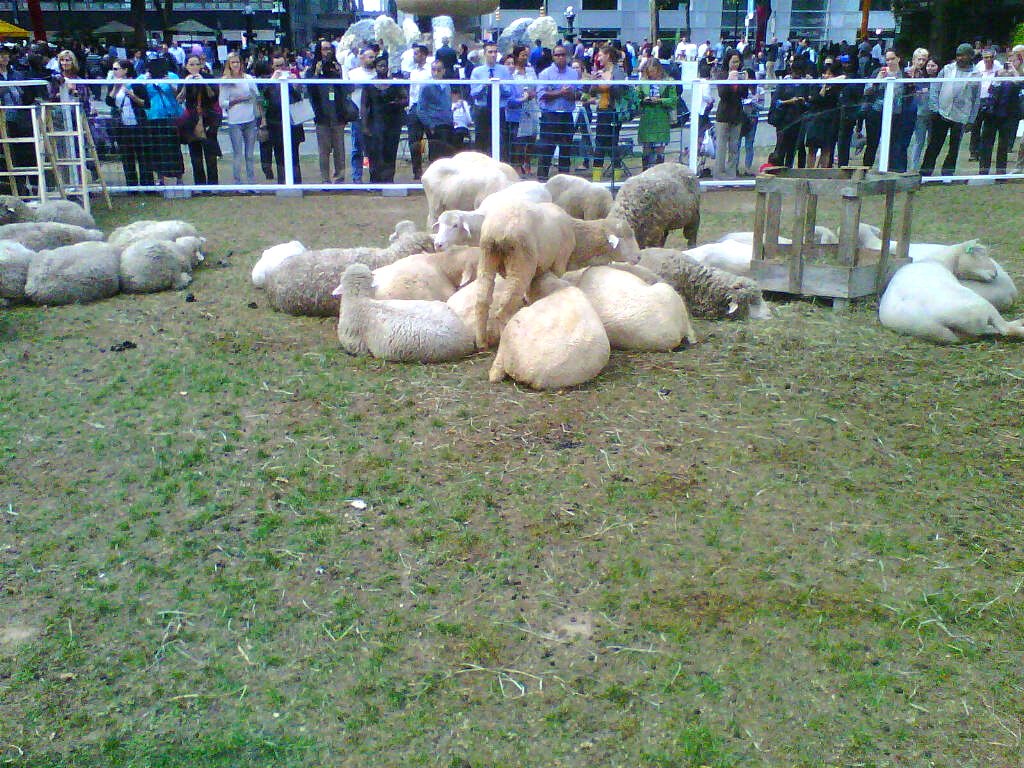
Before we left for Italy we swung through Manhattan to see something surprising: a flock of sheep grazing within a fence in Bryant Park, on Avenue of the Americas behind the New York Public Library. It was an art installation of sorts, sponsored by British royalty, which also included a wool-wrapped marble fountain and tea-cozyish squares enveloping the back of the rickety park chairs. New Yorkers, not dumbstruck by any phenomenon, shook their heads and went back to their bag lunches. I was happy to see sheep in midtown, leaning against each other and walking aimlessly around, as they would have 300 or so years ago.

It also reminded me of the time I was researching the colonial at the Historic Hudson Valley library in Sleepy Hollow, New York, which happened to abut the restored Philipse house/farm complex. Emerging from the dusty archives on an early spring day I would look out the kitchen window and see the new lambs kicking up their heels, bleating, their still-long tails dangling. It was another conjoining of books and sheep (like the sheep out back of the NYPL) – perhaps a pairing preordained somehow by nature?

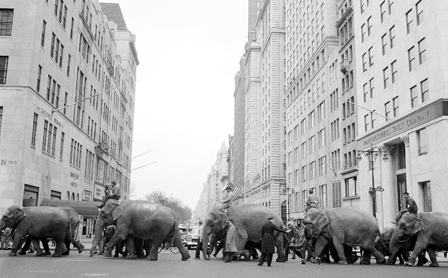
The question naturally arises of how the flock got to midtown. Were they English sheep? Had they crossed the Atlantic? Or had they made their way in to Manhattan by way of the Midtown Tunnel like the circus animals traditionally do on their way to Madison Square Garden?

The question we had looking at the scene in Bryant Park was, who were the real sheep on the scene?

Leave a comment

Filed under History, Jean Zimmerman, Photography

The Harvest

Back to the States, to a head cold, to the chill of fall.

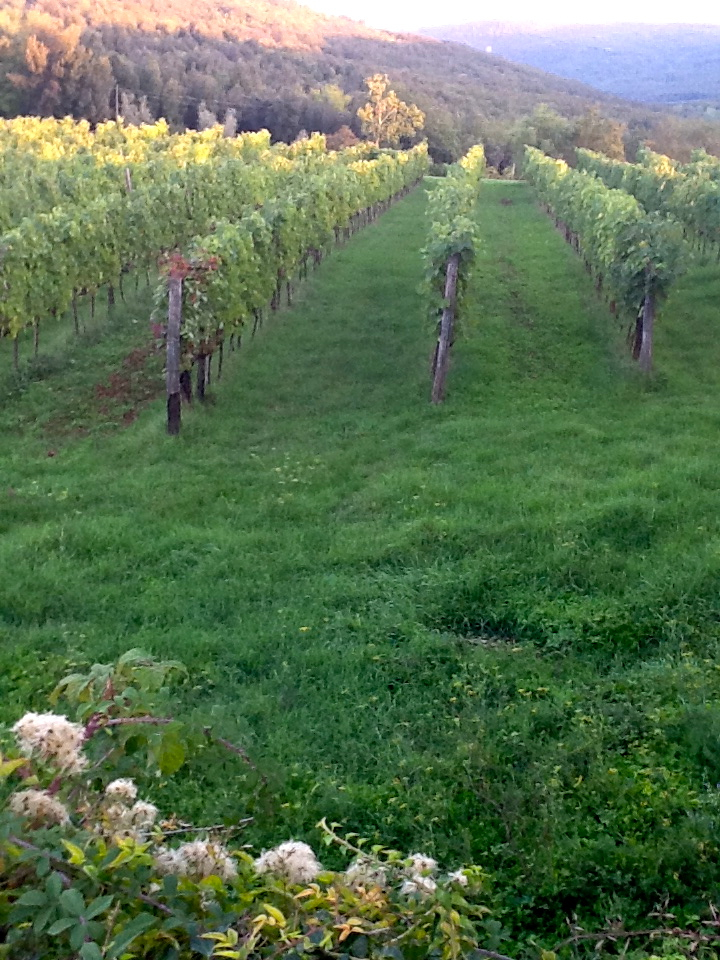
Tuscany beautiful in a rough-hewn, ancient, wine-ripe sort of way. We had a silver full moon for three nights casting a piercing light over the grape vines below our farmhouse. Cows lowed in the distance. Mornings, the grass between the lines of bulging purple grapes was wet.

Harvest Time in Tuscany

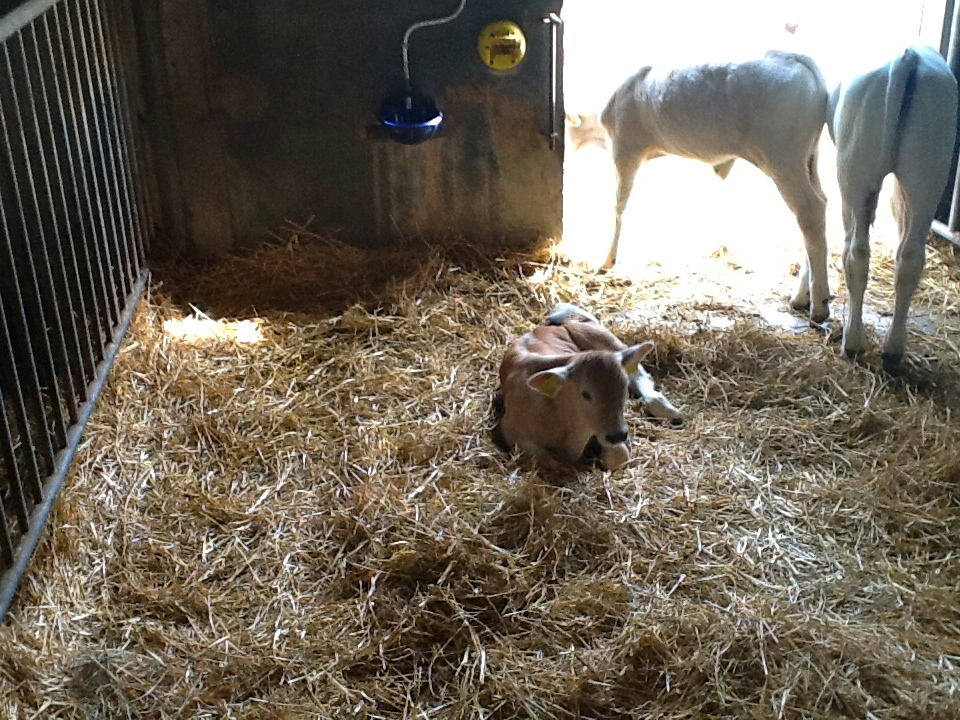
At a winery that hosted us for lunch we gazed across at the lofty skyline of San Gimignano and visited with a two-week-old calf from ancient, white-coated, thick-horned forbears.

Etruscan Calf

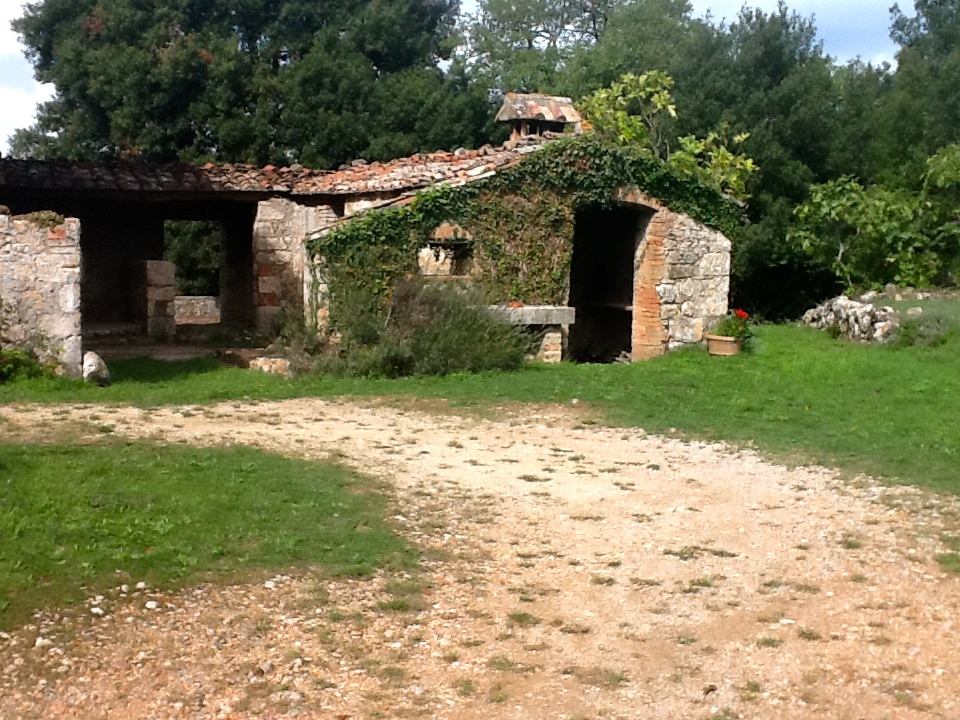
We ate wild boar sausage, red and raw-tasting. Made pizza in an old wood-burning oven outside that had seen lots of dough in its day.

Oven Shelter

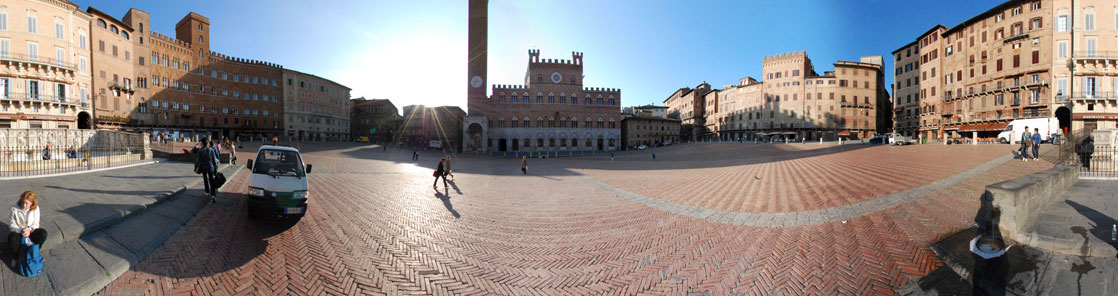
Traipsed through an abandoned castle in the woods. Drank cappuccinos at the edge of Siena’s red slanted Campo, its central square.

Il Campo, Siena

Also caught this guy on a wall in Siena:

Siena Head Banger

Etruscan ruins nestled in the southern walled hill towns, and we climbed ramparts manned by soldiers 800 years ago, the scent of wine and mint and rosemary in the air…

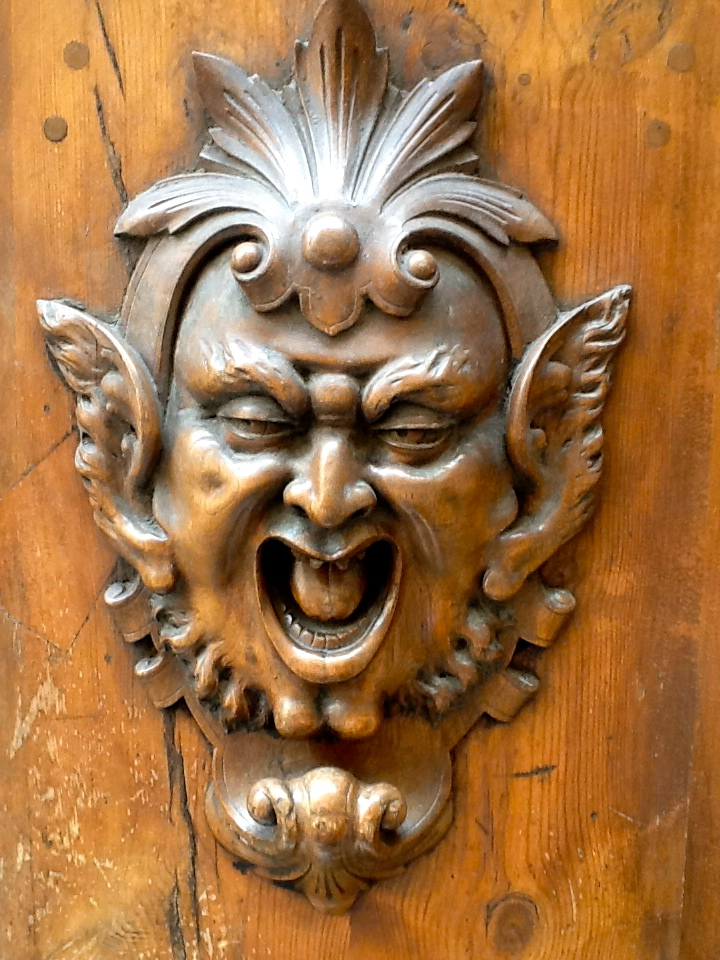
In Florence, a fearful message from a medieval past.

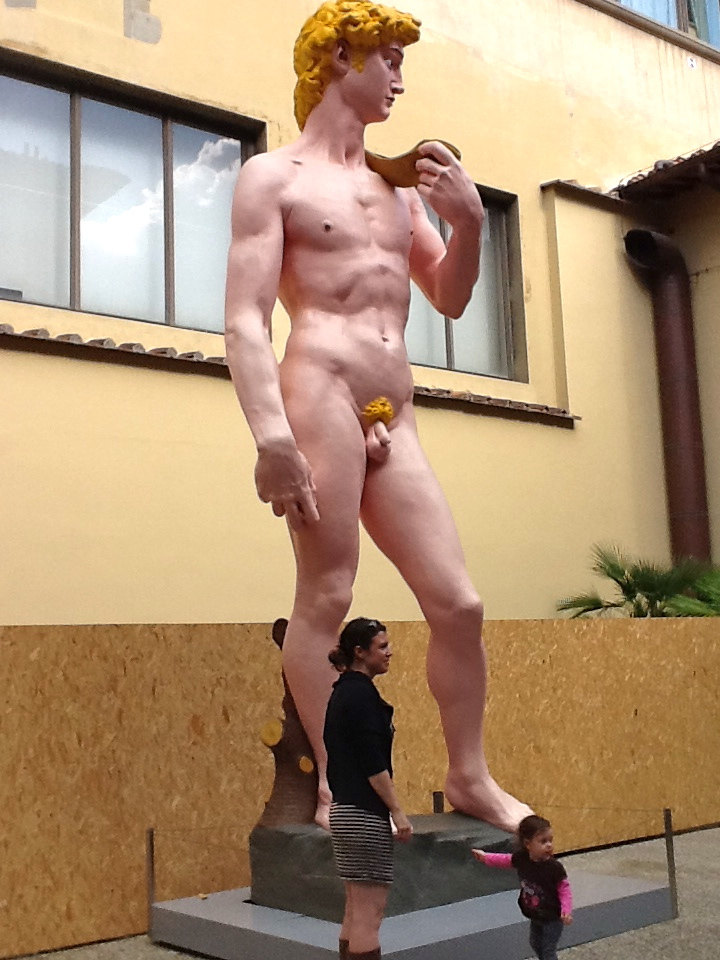
While a modern David stood tall and unperturbable in the Accademia.

David

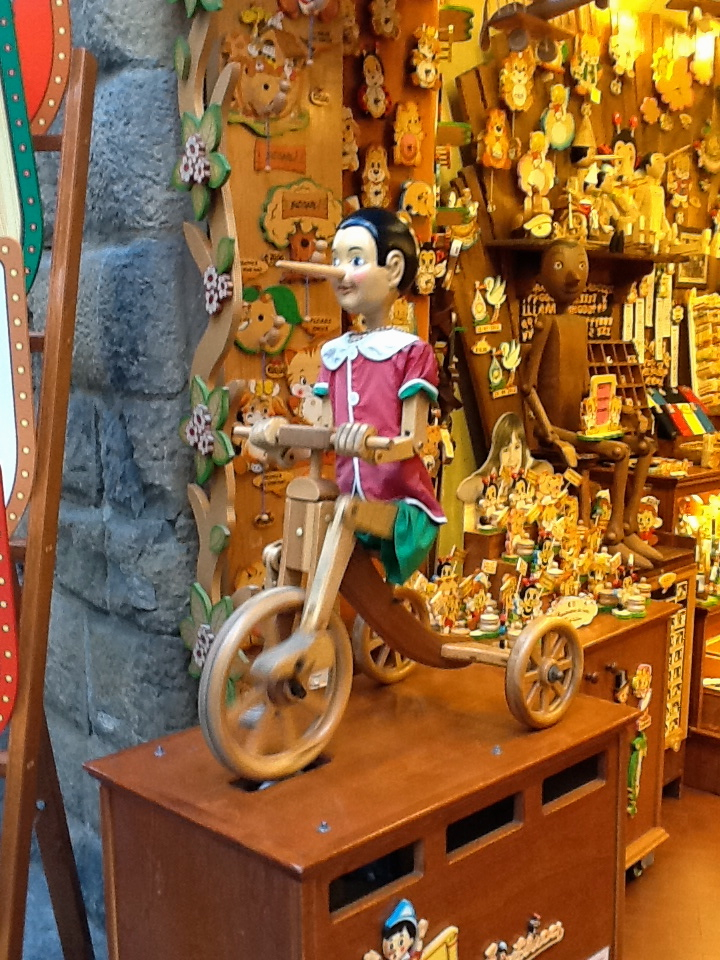
 As Pinocchio, the patron saint of these parts, pedaled on his way.

Toy Story

But Florence had a piquant salutation for us as soon as we crossed the Arno, in a delicate bit of graffiti.

1 Comment

Filed under Art, History, Jean Zimmerman

James in Siena

I’m off to the countryside near Siena, Italy, and I will attempt to post from there.

I am psyched.

Henry James went to Siena and imagined the interior monologue of the houses there, “silvered by moonlight”: “We are very old and a trifle weary, but we were built strong and piled high, and we shall last for many an age. The present is cold and heedless, but we keep ourselves in heart by brooding over our store of memories and traditions. We are haunted houses in every creaking timber and aching stone.”

1 Comment

Filed under Jean Zimmerman, Writers, Writing

University Settlement Celebrates

On October 11th I’ll take part in an interesting event, at the University Settlement in Manhattan. This is the organization’s 125th birthday; it has worked for over a century to help integrate and educate immigrants on New York’s Lower East Side. My involvement? I.N. Phelps Stokes designed the brick-and-limestone University Settlement building at 184 Eldridge Street. It was his first architectural commission, when he returned to the States with Edith Minturn after their extended honeymoon in Paris.

Newton and Edith

A clean and classical creation, still extant, the building at 184 Eldridge rose grandly, and improbably, above the swirl of street life below. On the Lower East Side at the time, Russian and Polish pedestrians jostled speakers of Italian and Yiddish; narrow, cobbled streets teemed with horse-drawn wagons, electric cars and horse cars; and pushcarts hawked everything from tomatoes to tin cups.

In this dingy neighborhood, among jumbled, decrepit tenements, there now stood a fresh, elegant new structure, Newton’s debut architectural contribution. What made it even more amazing than its appearance, though, was its function. It had been commissioned by people who intended to improve, if not revolutionize, the conditions all around it. —Love, Fiercely, p. 165

It was a different era. While local denizens streamed into the building to use the baths or take English lessons, well-heeled volunteers resided in elegant top-floor digs — it was a badge of honor among certain young aristocratic idealists to put in time at University Settlement.

University Settlement Building

To celebrate the birthday, the group is getting together descendants of the original donors to the cause, with names like Rockefeller, Warburg and Huntington, for a portrait and champagne. Here is the original document listing names and amounts.

University Settlement Building Donors 1899

If you want to know more about the event, go to the New York Social Diary for September 26 and scroll down. If you are a descendant or know one, let me know and I’ll pass the name along!

For a review of Love, Fiercely, in which I describe the story of building the Settlement House, click on the Social Diary for Monday, September 24 and scroll down.

Rich philanthropists putting their hearts into fixing the slums. Now there’s an idea.

Leave a comment

Filed under History, Jean Zimmerman, Love, Fiercely, Publishing, Writers, Writing

A River Flows Through It

Philipse Manor Hall still sits on its bluff in the city of Yonkers, where it was constructed in 1682 by Margaret Hardenbroeck and her husband Frederick Philipse, at the junction of the Hudson River and a rushing stream local Indians called the Nepperhan. The couple was already extraordinarily wealthy from trading furs, and would eventually own 57,000 acres of land stretching from Spuyten Duyvil up to the Croton River. Successive generations of Philipses lived in the house, enlarged it, decorated it, planted rose gardens outside its front door and tended a deer park out back. When the American Revolution concluded, the family’s members, staunch Loyalists all, were “attaindered for treason,” booted out of the new country in 1783 with little more than the clothes on their backs. Most fled to England, leaving Philipse Manor Hall to the state of New York, which cleaved the huge property into 287 parcels and sold them to the tenant farmers who had always worked the land.

The Manor Hall and its environs looked almost paradisiacal then, with the Nepperhan River rushing down to the Hudson.

Philipse Manor Hall, 1784

Flash forward one hundred years. The handsome house still stands, but Yonkers has been bit by the bug of industry, in a big way. Everything from pencils to hats to elevators are making residents rich, with factories that employ the Nepperhan’s surging water power. The river grows polluted by factory waste. People who live and work on its banks get sick. The city fathers won’t have it. By 1868, Philipse Manor Hall has been transferred from private hands and is now Village Hall. What shall we do about the river?

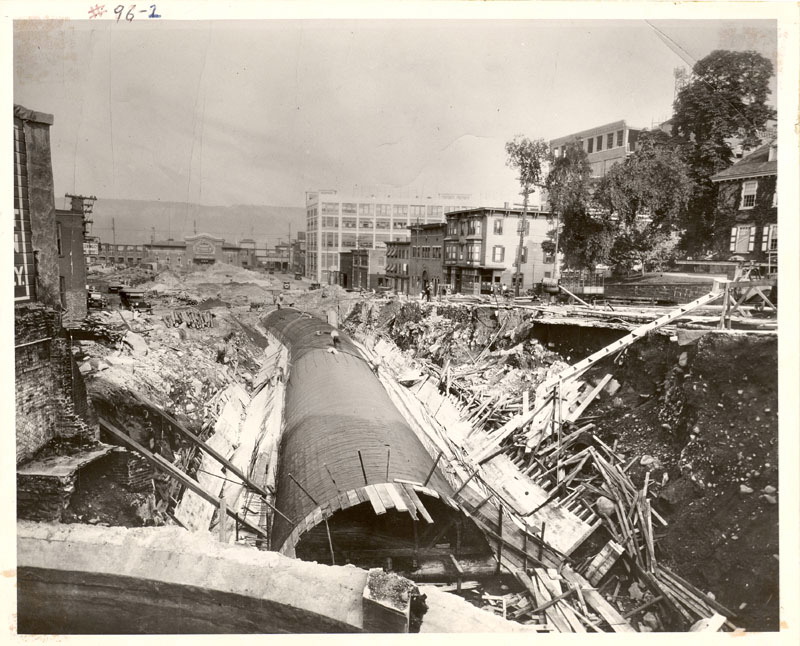
The Nepperhan, 1920s

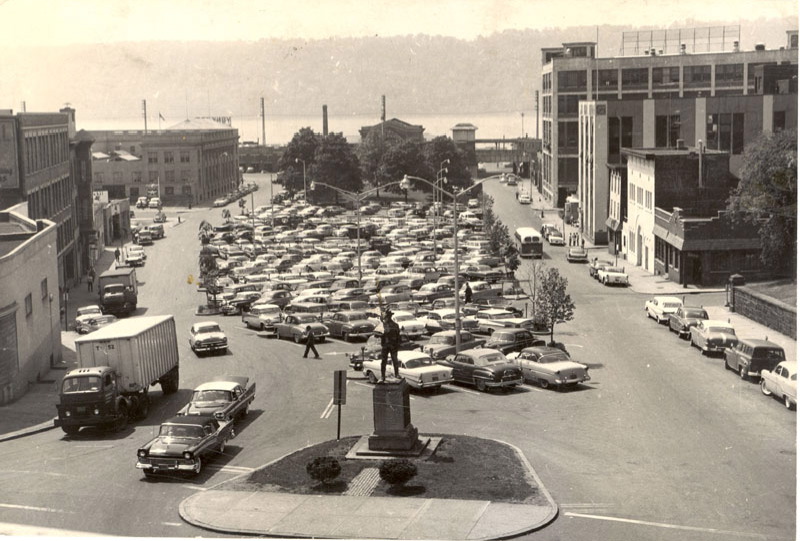
Bury it. That solves two problems at once, giving us an hygienic environment and more parking.

Yonkers Downtown Parking with Hudson View

From the 1920s until today, the Nepperhan ran under the city of Yonkers in its flume, secret and silent, largely forgotten.

But something remarkable happened. People decided they wanted the river back. The Nepperhan has been “daylighted,” the term that means opening up the long-disappeared river to run aboveground once more, a feat of mental magic and engineering acumen.

Philipse Manor Hall, 2012

Many people made it happen, including Groundwork Hudson Valley. The plants along the river’s banks are still immature. And this new incarnation lacks the strenuous rapids and waterfalls of the old river. But the Nepperhan has reclaimed its place in front of Philipse Manor Hall, a reunion to warm the hearts of anyone who has a sense of historical justice.

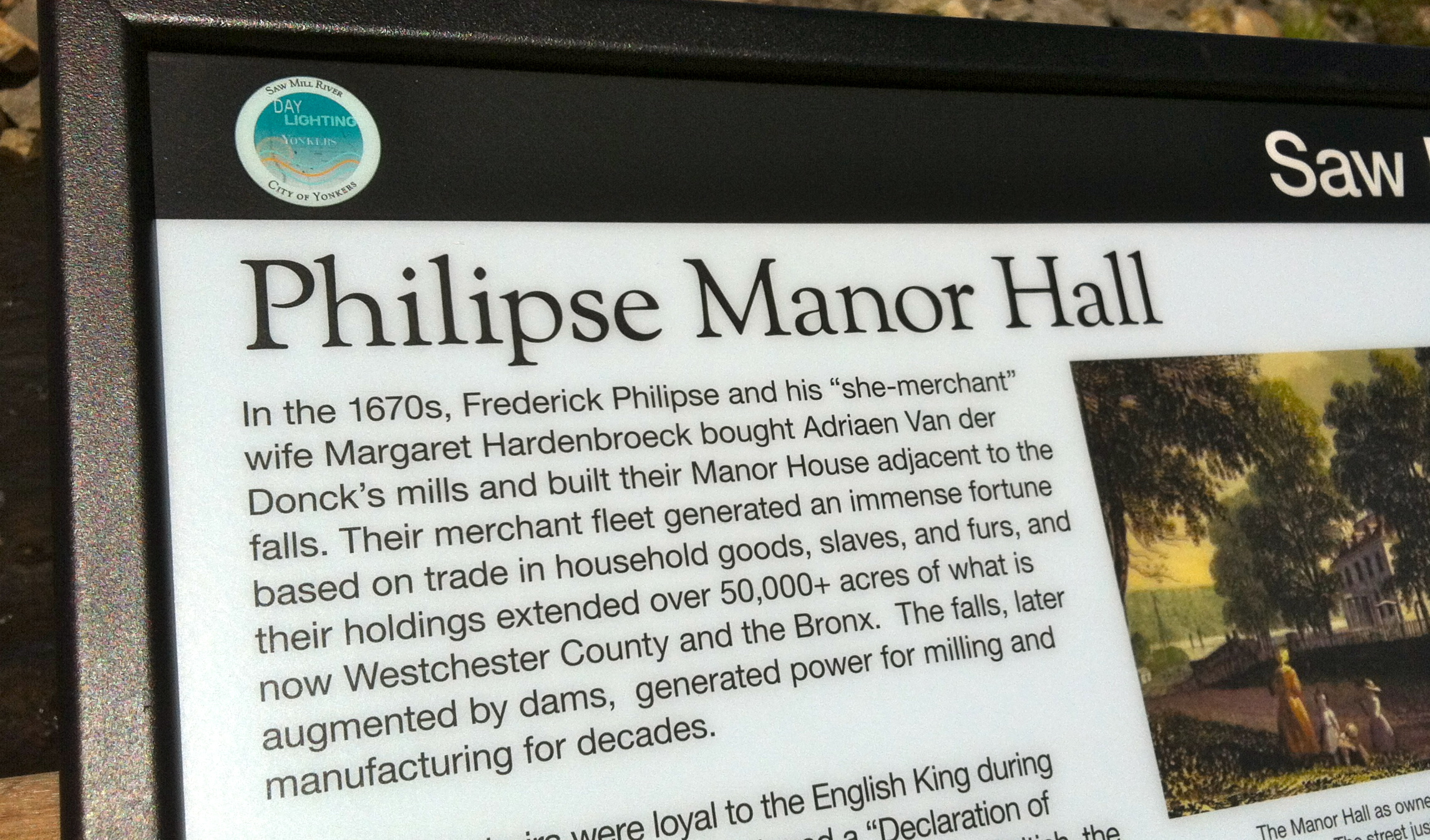
And something to warm my heart in particular: an explanatory sign that cites Margaret Hardenbroeck as a she-merchant. I like to think that I had some small hand in bringing Hardenbroeck out of obscurity with my book The Women of the House.

1 Comment

Filed under History, Jean Zimmerman, Photography

The Frog Who Wouldn’t Leave

This guy simply sat there on the porch, just outside the front door, as Gil, Oliver and I passed him back and forth this morning. Awaiting an invitation?

“Theories pass. The frog remains.”    Jean Rostand, biologist

2 Comments

Filed under Home, Jean Zimmerman, Nature

At Sea

Some interesting things at the South Street Seaport Museum today in an exhibit they have going with the Folk Art Museum. Including a history of the Titanic sinking written out entirely on patched together paper napkins. And plenty of scrimshaw, my favorite. A room is also devoted to an exhibit based on the book Mannahatta and showing New York as it would have looked in 1609, in gigantic, beautiful green “photos.” What I liked best though was the part of the museum that preserved the timbers of the old nineteenth century rooming house that used to be housed there, so you could imagine the cramped existence of the seagoing men. Three patterns of tattered wallpaper fell off the plaster walls in strips. There were drunken ghosts there, I swear it.

Leave a comment

Filed under Art, History, Jean Zimmerman

Got You Covered

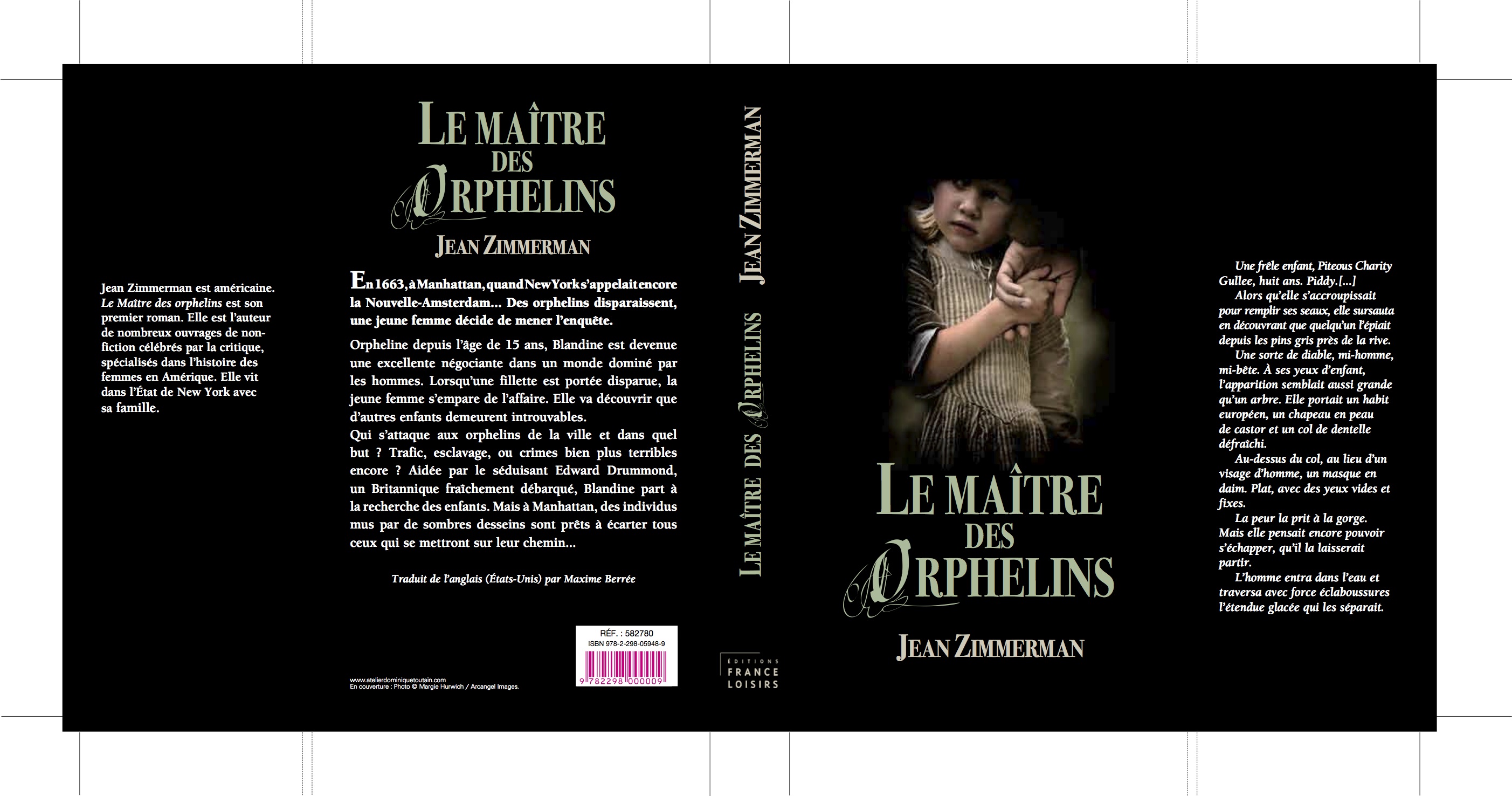
I’ve just heard that The Orphanmaster is to be published in Hungary … now along with Italy, France, Holland and Taiwan.

The cover for the French edition really spooks me:

But wait until you see the cover for the U.S. softcover, due out in May! That is some scary artwork. I’ll share it when  it’s finalized.

Leave a comment

Filed under Jean Zimmerman, Publishing, The Orphanmaster, Writing

A Little Bit of Not Much

Mini-tornados whipping the treetops, branches cracking to the ground, frogs jumping across the wet roads… when you’re inside watching movies about wind and trees and wet roads…

Leave a comment

Filed under Home, Jean Zimmerman, Nature

In Stitches

Knitting.

I love to knit.

That doesn’t mean I am any good at it. It is my great dream that somehow, someday, the genius of the soft clickety clack of needles will come to me. I have a short bucket list, but near the top is cable knit. (I have a much longer fuck-it list, things I refuse to do before I die — like bungee jump.)

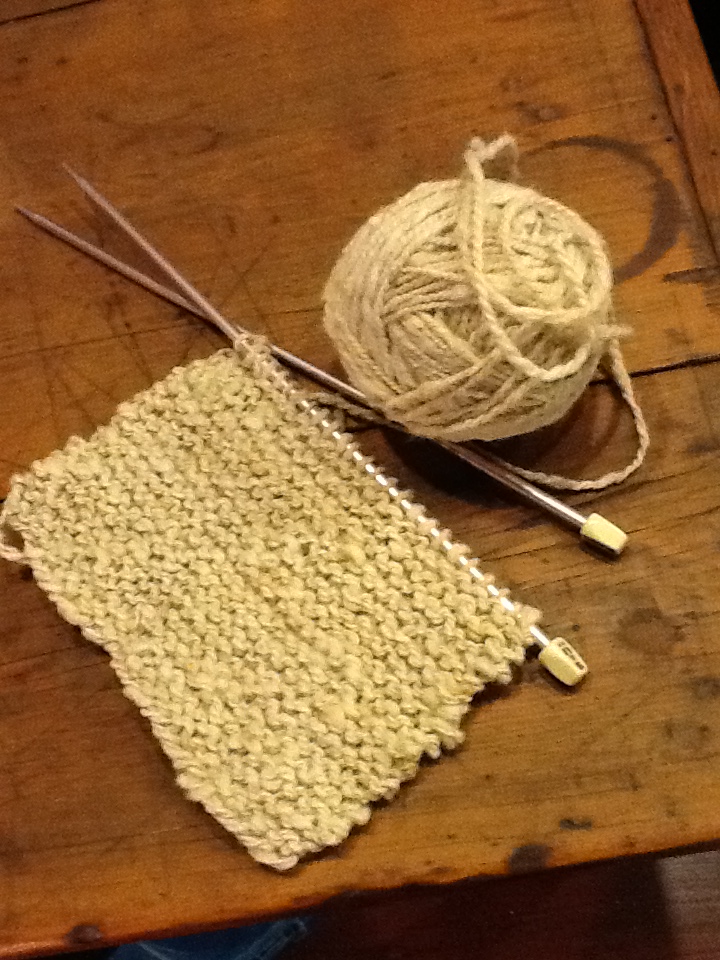
For now, I am making lemonade out of lemons by cultivating the simplest of scarves. My stitch is the absolute base point of knitting: the garter stitch, which is comprised only of knit stitch, over and over again. Do not laugh; master knitter Elizabeth Zimmerman (no relation) published a whole book of garter stitch designs.

And I’m using the wool of the Jacob Sheep, an heirloom, small, piebald (white and black) sheep that boasts between four and six horns. (The biblical Jacob bred spotted and speckled sheep.) My un-died wool is handsome in a coarse way, spun the morning I bought it from her by the woman who raised the sheep. Plenty of slubs, and even some burrs.

Plain, plain, plain, this scarf, like the one a young, lonely David Copperfield would have wrapped around his neck in the middle of the nineteenth century. Exquisite and homely, intertwined.

Leave a comment

Filed under Jean Zimmerman, Knitting