Category Archives: Home

Found Wanting

Here is what I don’t miss about living the life of a writer, the life I lived for 25 years of adulthood. I realized recently that even when I was happy and fulfilled, publishing my work, novels and nonfiction, I was continually in a state of wanting.

I wanted to write a good sentence.

… wanted to write a good paragraph.

…wanted … a page, a chapter, a book.

I wanted a jackpot, to win the lottery of book advances, to have publishers wrangle over my work.

I wanted my editor to pay attention to me .

… wanted him to love my book.

… wanted my publishing company to go all in on it, devote thought and resources to promoting it. I wanted to punish them when they didn’t: want, want, want.

Oh, you’re a writer, people always said. And it was fantastic to be that creature, a writer. Except when it wasn’t.

I wanted to see my book in the world.

I wanted to see the cover in a bookstore window.

I wanted readers.

… wanted readers to love my book.

… wanted readers to talk about my book, to talk to me about my book.

I wanted to talk about my book.

… wanted to talk to readers about me.

… wanted to talk in front of audiences.

… wanted to hear applause.

I wanted my book to be reviewed.

… reviewed in The New York Times.

…(USA Today would be okay.)

…I wanted notices in Publishers Weekly and Library Journal.

…I wanted those reviews to be starred.

…I wanted people to read the reviews and buy my book.

I wanted my peers to read my book.

I wanted people to see me in my book.

Oddly enough, I got all these things, just not enough. Could it ever be enough?

When I decided to take a hiatus from publishing I freed myself from all the wants. I didn’t know it would happen, that I would become an arborist, just that I needed a job and loved the idea of saving trees.

fall leaves

Wants are painful, even if you get what you want some of the time. You know the jewel-toned leaves on the forest floor, dreams right in front of you? You can touch them, but you can’t possibly collect them all. I was always caught up in the desire, and the reality invariably fell short. Gautama Buddha: Desire is the cause of all evil.

What do I want now that my work is so different? I want to be wantless. What’s right in front of me every day: a strong cup of coffee. A restroom near the site. Clear weather. Protecting a root. Seven hours of sleep. The foreman smiling at me, chewing his cigar. (He doesn’t know I’m a writer, and couldn’t care.) Not having to endure too much of a logjam on the drive back home. And again, saving a root. Simple.

Saving a root, I am saving myself.

13 Comments

Filed under Arborist, Fiction, Home, Jean Zimmerman, Nature, New York City, Publishing, Writers, Writing

Feed the Tree

If you believe in the power of coincidence it won’t surprise you that the song I heard in my car on my way back from apple picking today, by Belly, the ’90s rock band, was Feed the Tree:

So take your hat off

When you’re talking to me

And be there when I feed the tree

I went apple picking in the most incongruous orchard I have ever seen — and I have seen orchards in my time. We lived for a while in a farmhouse in the middle of an old orchard upstate, where we were intoxicated every spring by the ineffable honey of apple blossoms (and the taste of blueberry dacquiries).

“You’ll like it – it’s a little different!” my brother Peter told me when we talked about going picking there. That was an understatement. Edward Gorey might have created Mr. Apples, which is run by a man named Philip Apple in High Falls, at the edge of the Catskills. There were ghost barns.

ghost barn

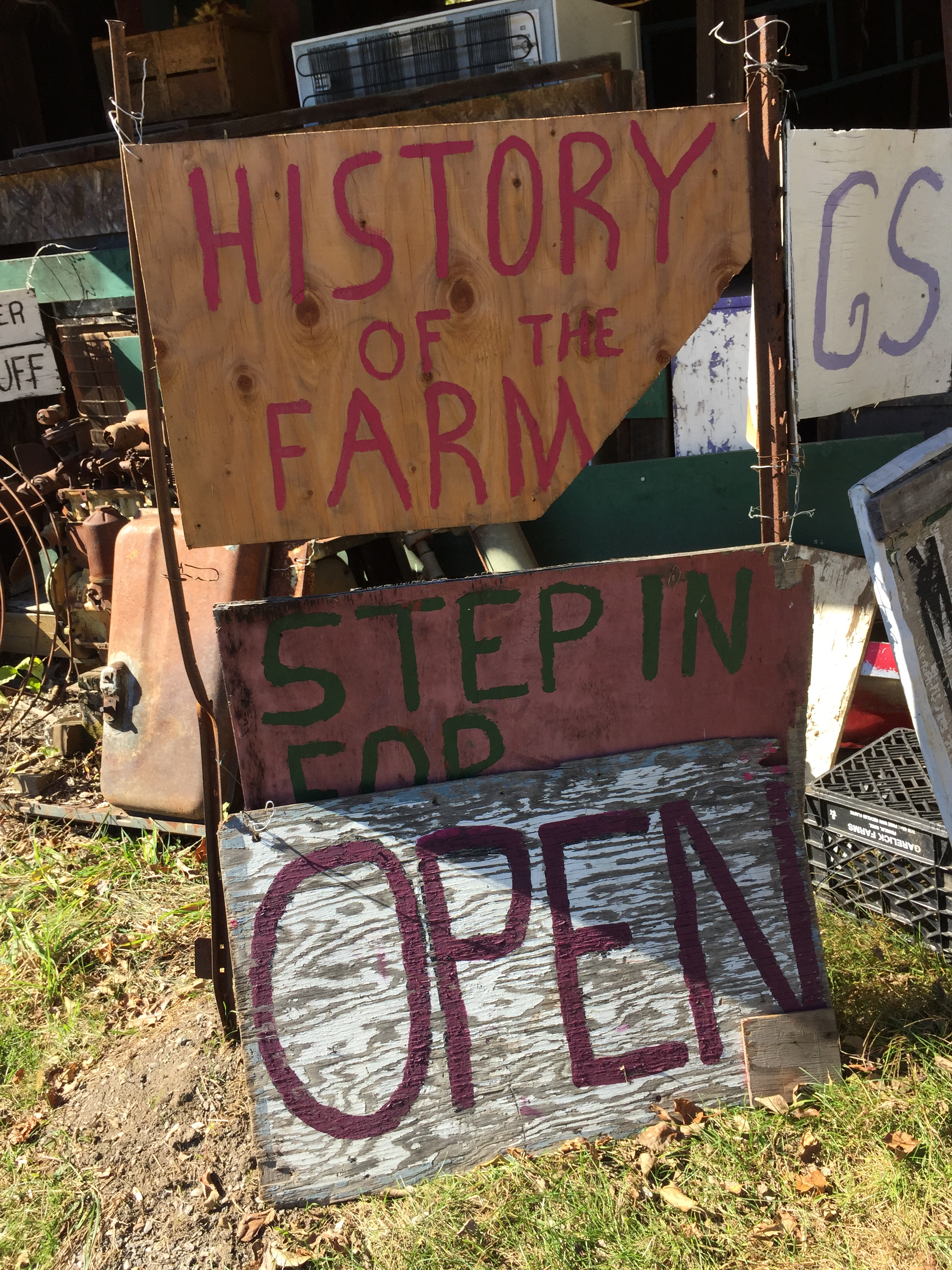
Mr. Apples had just two things available for purchase: pick your own apples and cider vinegar. His signage covered the place.

history of the farm

The trees themselves were overgrown, twisted and blackened, their leaves gone, and their apples had fallen to the ground in drifts of blemished fruit.

orchard drifts

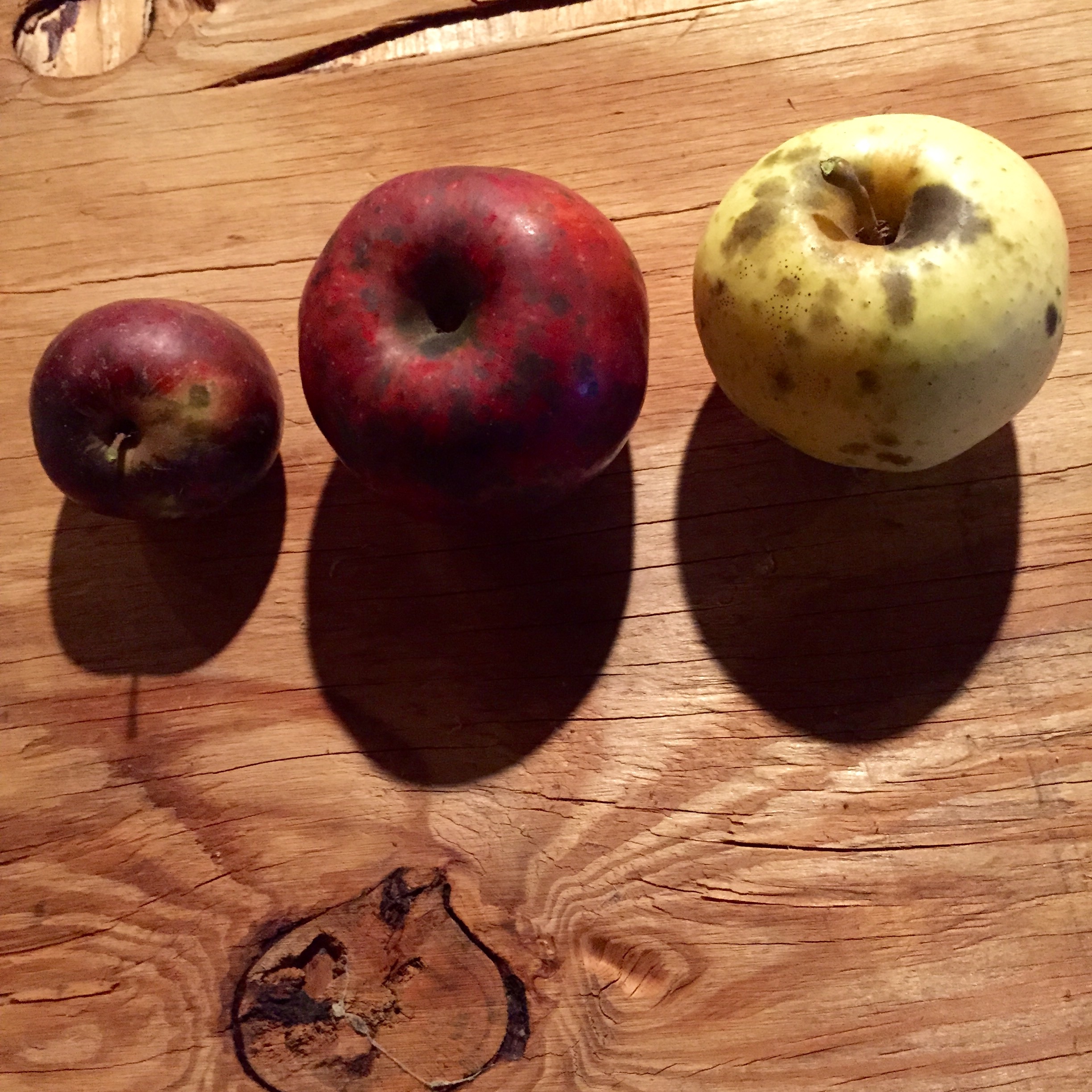
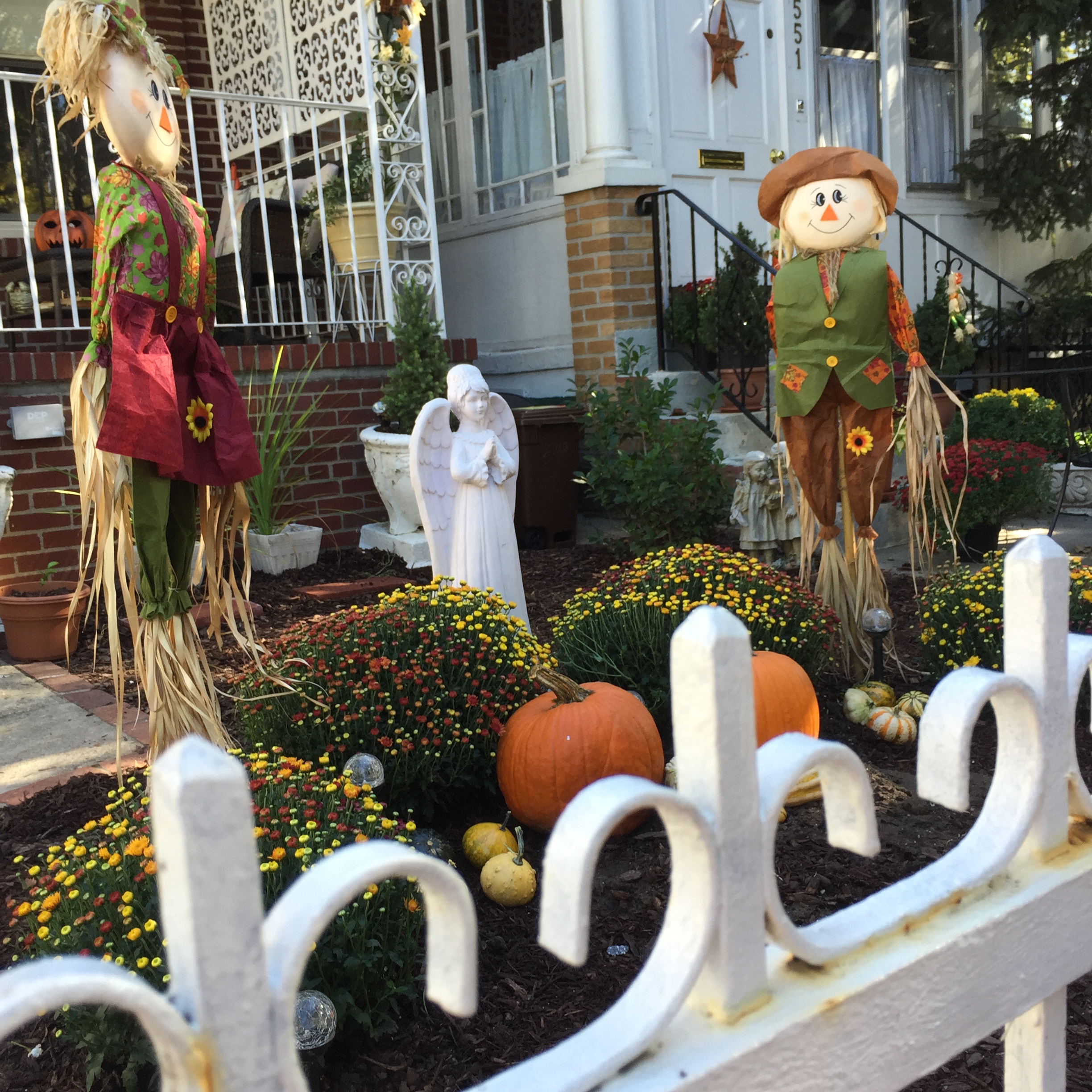
I loved this place, if only because it was so different from the corn maze-smiling scarecrow-fake pumpkin patch orchards you usually find in the Hudson Valley. It was a little hard to get past the produce, though. “There are some black spots,” said Mr. Apples. “When you get home, brush them with a cloth and the spots will come off.”

spotted apples

I can tell you that no amount of rubbing would take the spots off. “Organic style apple” was how he billed his product, and he said the spots were caused by humidity. They looked like they came out of Snow White. I bought half a bushel and will find some use for the poor things, maybe apple sauce.

After Apple Picking is Robert Frost’s fabulous poem about, yes, harvesting apples, but also about human frailty, a woodchuck and death, among other things.

But I am done with apple-picking now.

Essence of winter sleep is on the night,

The scent of apples: I am drowsing off.

 It is so complex and wonderful that you must take yourself to the Poetry Foundation and read it.

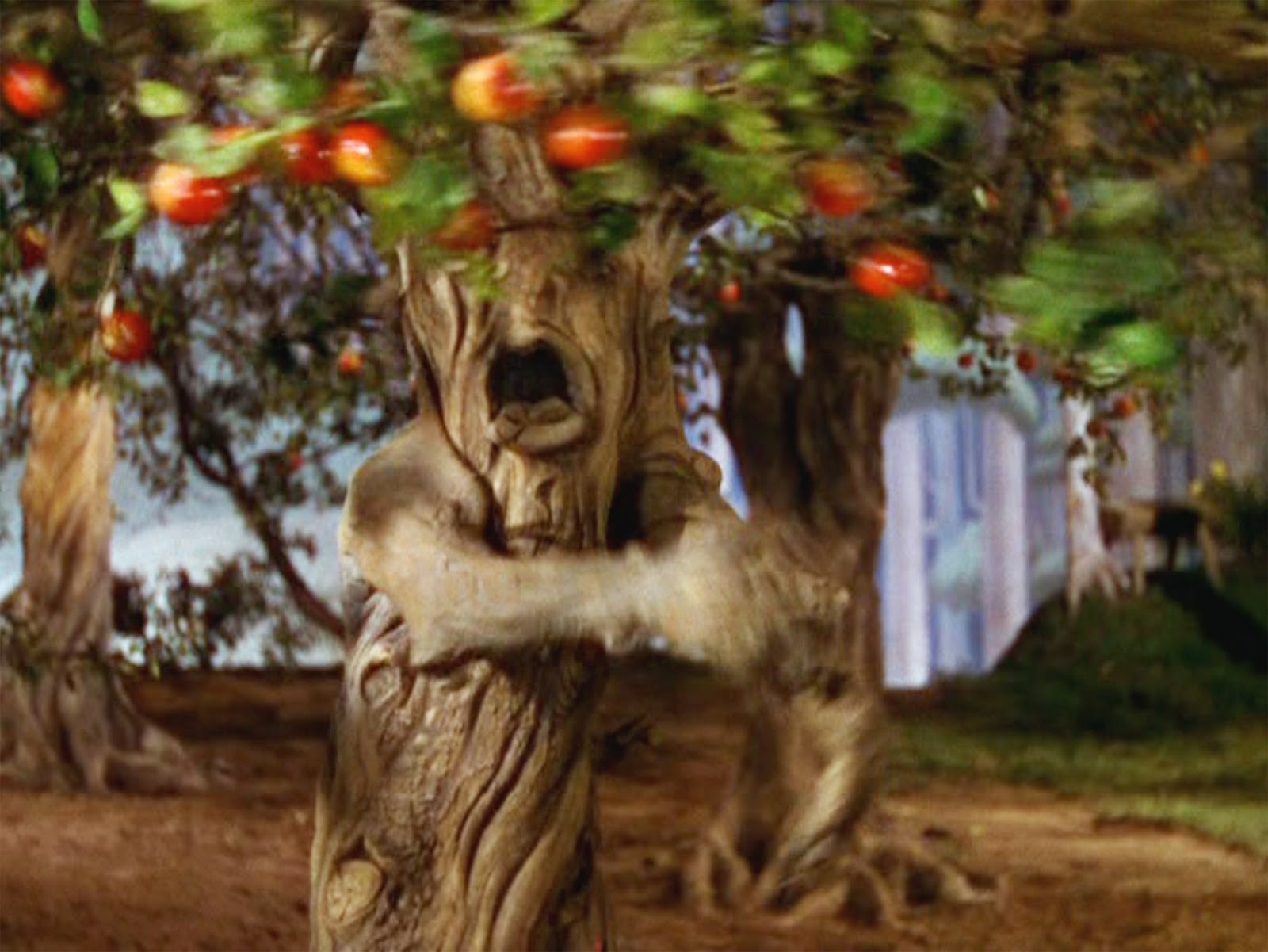
Since I began working as an arborist, the image comes into my head quite often: the tantrumming trees in The Wizard of Oz hurling apples.

WizardOfOz_167Pyxurz

The fruit I saw today would be suitable for throwing. And that’s a good thing. Joni Mitchell: Hey farmer, farmer, put away your DDT. Give me spots on my apples but leave me with the birds and bees.

6 Comments

Filed under Arborist, Culture, Home, Jean Zimmerman, Nature, Poetry, Trees, Writing

Ms. Wiggy

I saw some striking wigs today. Gleaming, glinting, brunette, raven black, strawberry blonde. They don’t resemble real hair, and maybe that’s the point.

kosher wig

My job site was on the corner of Dayhill Road and 53rd Street, in the Borough Park neighborhood of Brooklyn. The two Zelkova trees I was there to watch over had gnarled roots pushing up the sidewalk, important issues to attend to, but it wasn’t yet time to attend to them. So I spent the early  morning watching the parade of moms dropping off their kids at the 3-in-1 school on the corner. The Al and Sonny Gindi Barkal Yeshiva, Tomer Deborah Girls School, and the Jack and Grace Cayre Elementary School.

Being Orthodox, the women all came out in the morning in their wigs. I have often wondered why, if the point of hiding one’s hair from the world is to be modest, to reserve its beauty for one’s husband only, why do these women wear kosher locks that are so flashy, which would seem only to call more attention from men outside the marriage bed. (Some Hasidic women actually shave their heads.) One of the mysteries, and just thinking about it shows my insensitivity, I’m sure.

A great wig is a rare find. I remember accompanying my friend Deb after her chemotherapy to one of the best wigmakers in Manhattan, near Columbus Circle. It was a glamorous place (they did a lot of show biz extensions) and she was treated like a queen as she had two wigs fitted, one her “good” wig and one her “bad” wig. In either one she looked as good as she ever had — beautiful — but there was still a slight brassiness to the hair’s texture.

wigs

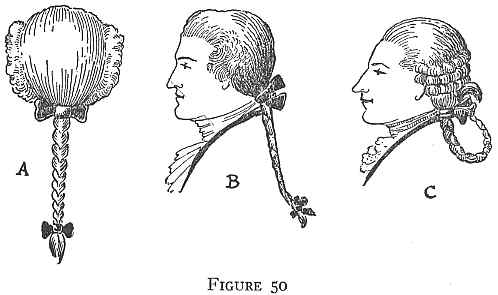
I sat behind a man wearing a rug recently in a theater and the gloss of his hair nearly blinded me. His was plain. When periwigs were mainstays for men, in the eighteenth century, you could choose from dozens of imaginatively named styles, from the Adonis to the Cauliflower to the Ramilies, a romantic number that sported a black silk bow on its ponytail. If human hair was unavailable, the peruke maker would substitute materials from horse hair to fine metal wire.

ramalies

It’s almost impossible to get a wig right.

Here come the moms, at school dismissal, and here comes their hair. So sleek and straight. Maybe the smoothness is what makes it look so artificial. I would bet that a hefty percentage of their wearers have soft, luscious waves framing their faces when the wigs come off, like Deb had before her chemo. But we’ll never know, will we?

4 Comments

Filed under Arborist, Culture, Fashion, History, Home, Jean Zimmerman, New York City, Trees, Writers

Tree Wounds

How do you differentiate between ailing and healing, suffering and facing down adversity? Yesterday I was called in to evaluate the tree of a friend’s neighbor. It was a remarkable specimen.

tree barnacle

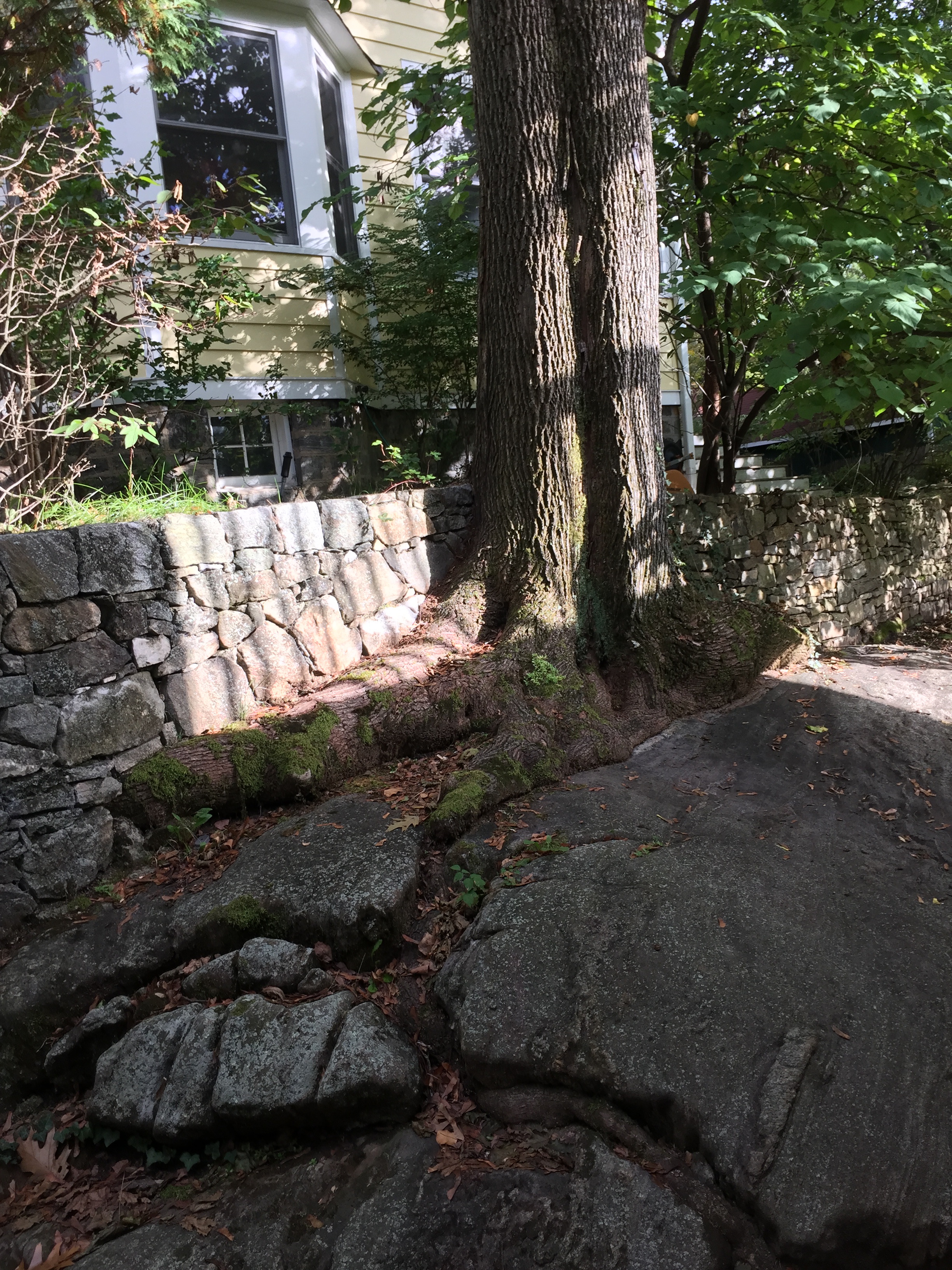
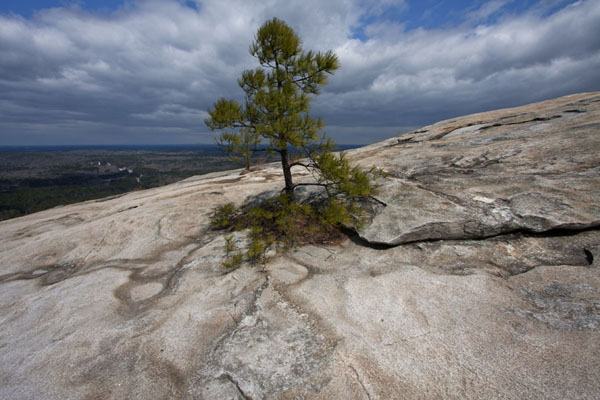
A mammoth Norway Maple probably 70 feet tall and more than 75 years old, it had grown into the wall behind it and onto the bulging bedrock below it like a barnacle. It looked as if its roots had nothing but rock as a base, no soil. Of course trees the world over grow in stone. Georgia’s Stone Mountain is home to trees for which life would seem improbable.

georgia's stone mountain

But this maple had had some carpenter ants around its base, said the neighbor, a genial man who had just moved in with his young family. There was a hand-sized hole that felt damp on the inside. And above our heads, high up the trunk, bulged a just-birthed cream-colored fungus that he felt was suspicious.

To me the tree looked as solid as a brick. It had stood for 75 years, after all. This nice young man wanted me to tell him to take it down, afraid it was going to topple off its rock pedestal onto his house.

What about the wet hole, the fungi? They can indicate biotic problems. The hole can be an entrance for wood-rotting organisms, and sometimes appears watersoaked and has a bad odor ( I didn’t smell it.) The fungi isn’t a sign of peak health either.

Compartmentalization, I told him. Trees have an amazing capacity to heal themselves. They limit the spread of discoloration and decay by erecting walls beneath and above and on either side of the stressor. This is why you see so many otherwise healthy trees with holes in them – they suffered a wound in the past but patched themselves up. Trees are smart.

Something I could aspire to. When I’m jangled, my walls don’t necessarily partition off the wound and the disturbance of mind can spread unchecked.

Today, another tree wound, this one in autumn-mad Bay Ridge, Brooklyn.

Bay Ridge

The Sugar Maple stood in its cramped tree pit, surrounded by concrete pourers, gnarly roots braided around its base.

pouring concrete

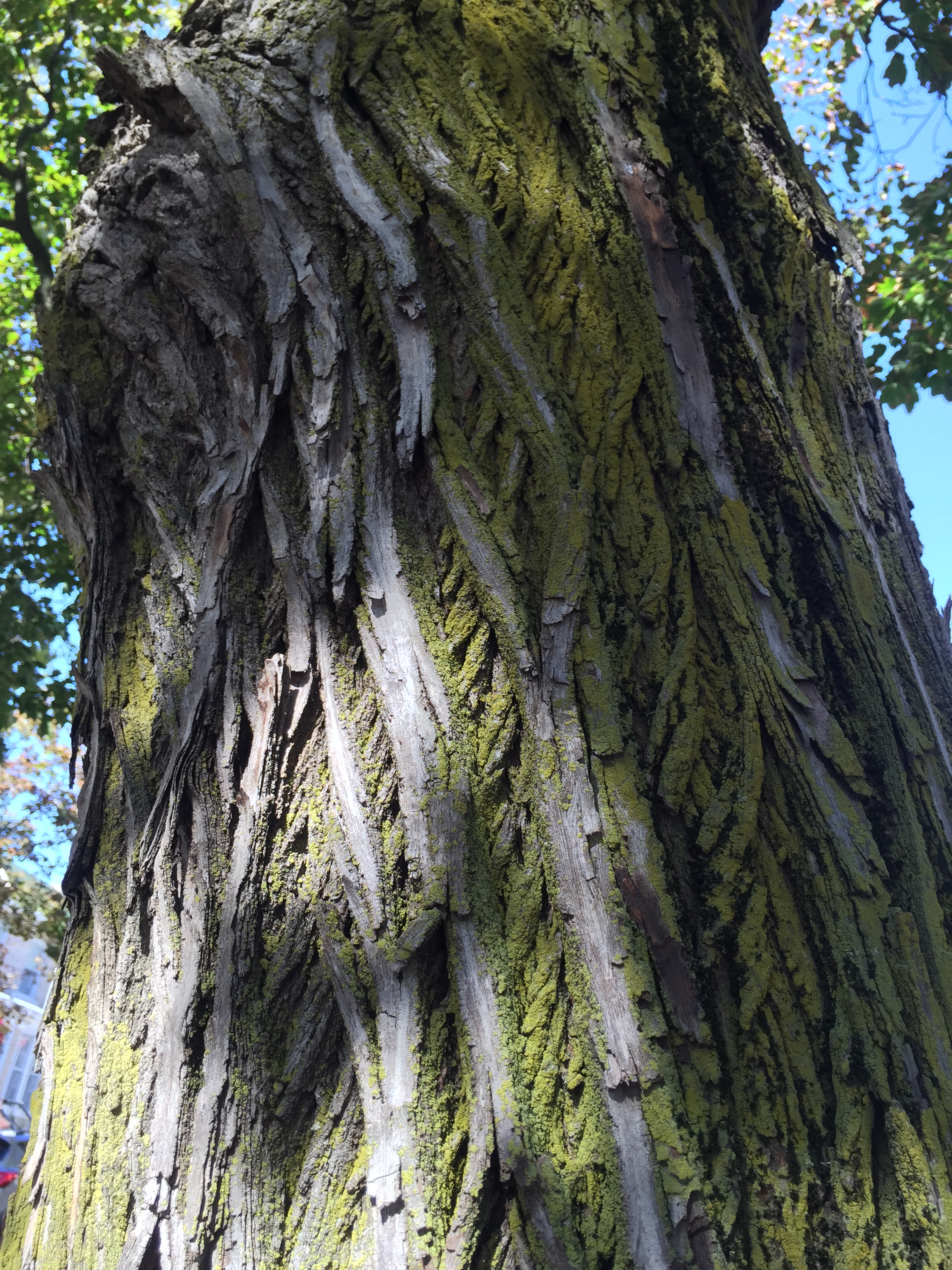
The talk began, on the part of watchful neighbors and some of the crew. This swarthy maple had a fine coating of thick green lichen.

sugar maple lichen

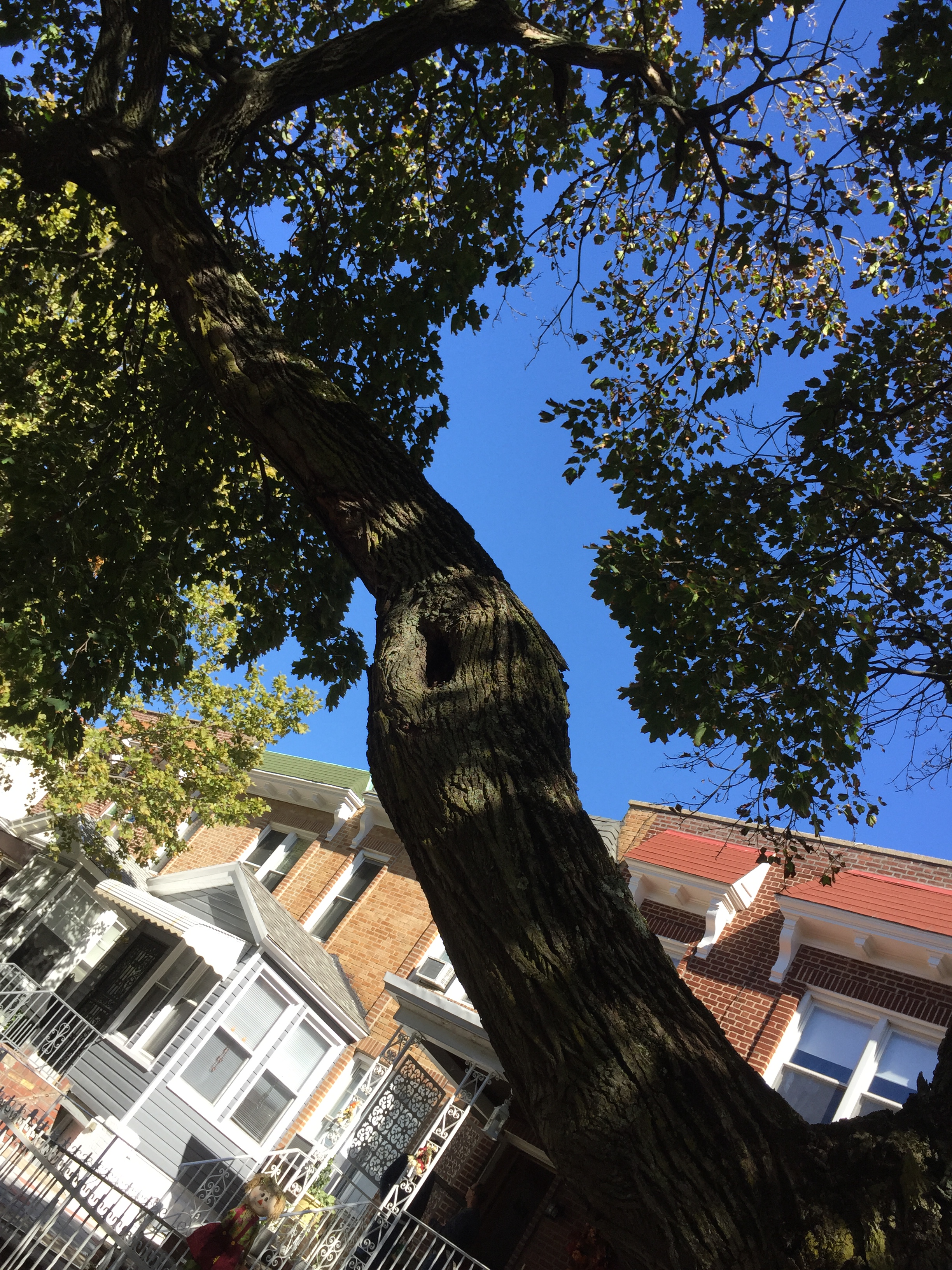
It looked ancient, probably half a century or more of thrusting those gangly branches into the air. But, but… in one of the branches was a sizable hole. Not only one hole, but two connecting ones on either side of the limb so that you could actually see through it if you stood on your tiptoes.

sugar maple hole

Was it a victim of disease? Would the branch drop and pulverize a car? “This year, for sure,” one old timer said. Or was it a wounded soldier that given some patience would persevere? Could the maple compartmentalize its drastic (but poetic, I thought) wound? How do you predict what will happen? You can’t take down all the trees.

In the city or the suburbs – “the sticks” as my friend’s neighbor called his new environs – when will a wound get better? I wish I could say for sure. Tree, arborist, heal thyself.

1 Comment

Filed under Arborist, Culture, Home, Jean Zimmerman, Nature, New York City, Trees, Writing

The Memorial Birch

I love mementos. A pinkie size painted remembrance of a trip to Florence, a miniature silvered lucky acorn, an AA 3-month recovery coin – these all lurk around my desktop, giving me what I feel is some sort of immunity or talismanic power. Perhaps the oddest memento in the cabin, however, is a chunk of birch that was presented to Gil after both his parents had died.


memorial birch


His sister and her husband contrived this memorial candle holder, and made another one for each of their parents’ progeny. Embedded beneath both beeswax candles are the intermixed ashes of my parents-in-law.

This tree-urn seems magical and eery by turns. Do you light the candles or not? We tried once, I think, but it just seemed too strange.

candle

Also, where do you keep the honorary log? I’m thinking yule log, here, but it’s not going to go in the fireplace, obviously, or on the coffee table, or on the table when we eat dinner. We want the memorial close, but not too close. We’ve come up with a compromise placement, on the porch, where the birch mirrors the logs of the house. The candles have gotten a little dusty, a little cobwebbed out there, but it’s all natural.

People often cast their loved ones’ ashes someplace beautiful, often over water. But it makes sense to me that my my in-laws are buried in wood. They loved forests and were environmentalists before their time. Also, even standard-issue coffins are wood. I’d like to be buried in a pine casket, That is, if I am not wrapped in a shroud and laid in a deep, worm-thick hole. It’s natural to want to become wood, be a part of a tree, because a tree is probably the best part of our world.

oak

I heard in Nature magazine that a team of 38 scientists recently found our planet is home to 3.04 trillion trees, many more than the previous estimate of 400 billion. Shocking. There are 422 trees for every living person. Plenty for wood coffins, and plenty for birch ash-urns.

And plenty too for another mode of burial I recently heard of. In Italy, a pair of designers invented a unique method which actually transforms the body of the deceased into a tree. It’s called the Capsula Mundi Project. The corpus, it is said, changes into nutrients for the tree that allow it to grow healthfully.

pod

You get to pick the kind of tree you want planted above the pod in which you will be encased, in a fetal position. The capsule is completely biodegradable. The outcome is what the inventors are calling a memory forest, an alternative to lines of granite tombstones.


memory forest

If we had this already, our memorial birch wouldn’t seem quite so lonely.

Leave a comment

Filed under Arborist, Culture, Home, Jean Zimmerman, Nature, Trees

Cowlin’ for You

I ventured out today. After two and a half weeks in a foot cast, I was ready. The sky was an egg, the fall breeze fresh, the sun silky on my arm propped up at the passenger window of the car. There was sushi, at our local place not usually the best, but which tasted great today. There were errands, to the grocery, to the library. I admit, I stayed in my seat and let Gil do the honors, crutches not being my strong suit.

But I did make it out of the vehicle and into my neighborhood knit shop in Tarrytown, New York, on my sticks.

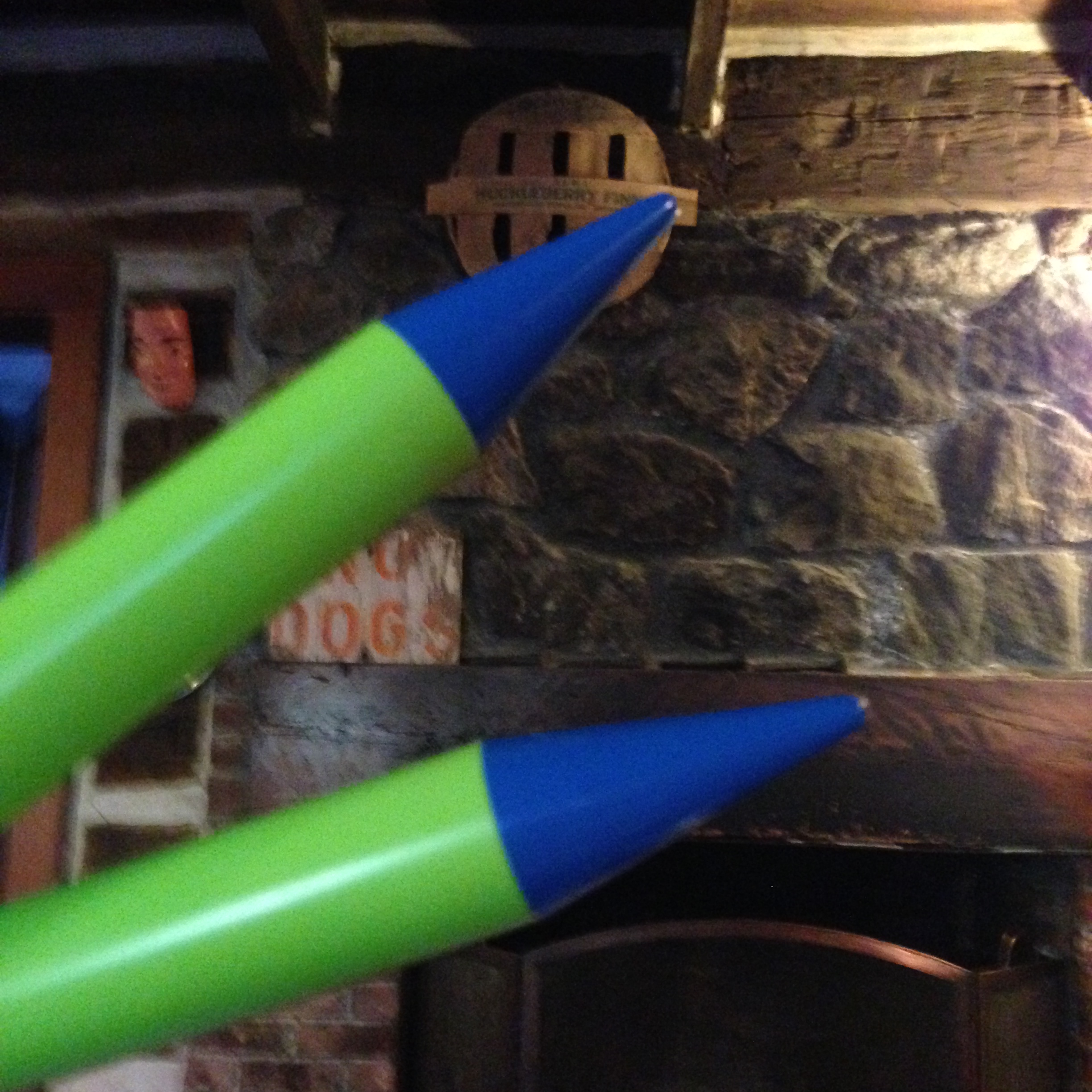
There I got the largest needles in the world, a different kind of sticks, in a size 50.

size 50

On Ravelry, the site for knitting devotees, I’d found a pattern for an Outlander cowl, oversize, chunky and earthy. Based on one Claire wears in the Starz series.

Outlander1-223x300

The yarn I found is virgin wool and acrylic, charcoal, heather grey, black and a tinge of blue. Colors one might find worn in the Scottish Highlands 300 years back? I really don’t know, but I like to imagine it.

charcoal

According to one patron of the shop, Flying Fingers, whose friend is crafting a similar cowl, the Outlander look is a craze that’s catapulting across the knitways of our nation.

I may be consigned to the couch for the near future, but I’m glad to be part of a larger purpose, fitting us all out in history-inspired gigantic wool neckpieces for the first cold snap.

3 Comments

Filed under Culture, Fashion, History, Home, Jean Zimmerman, Knitting

The Exquisite Realism of Pleats

Hiatus. Mine was a long one, at least in the terms of this daily blog. I took off in the spring to research my new novel, then to write the novel, then to take a break after writing the novel, then putting the novel on the market. Now, with my foot up after a third time under the knife (yes, I have three feet), I’m back.

The daffodils came and went, the waves crashed at the beach, but I feel I’ve been inside these months much more than outside. Inside my cranium. The seasons have changed largely without me, and now along comes Fall.

I don’t work at night. The Cabin resides in a quiet, still, isolated pocket of land at the edge of an insect-buzzing marsh. We’re cloistered in the middle of nowhere. Or at least it feels like that, which is remarkable since we’re less than an hour from the lights of New York City. My point is, there’s not a lot of hubbub around, not a lot of human distractions. So after dinner, with Oliver keeping a lookout out at our feet, we either read or consume a fair dose of high-concept binge fare.

O beseeching

We visit different worlds.

It’s hard to get history right on tv. Often it’s too cheesy to watch, whether because of the dialogue, scenery, fashions or some combination that makes you say, I know it wasn’t like that. And turn it off. Go read some good historical fiction instead!

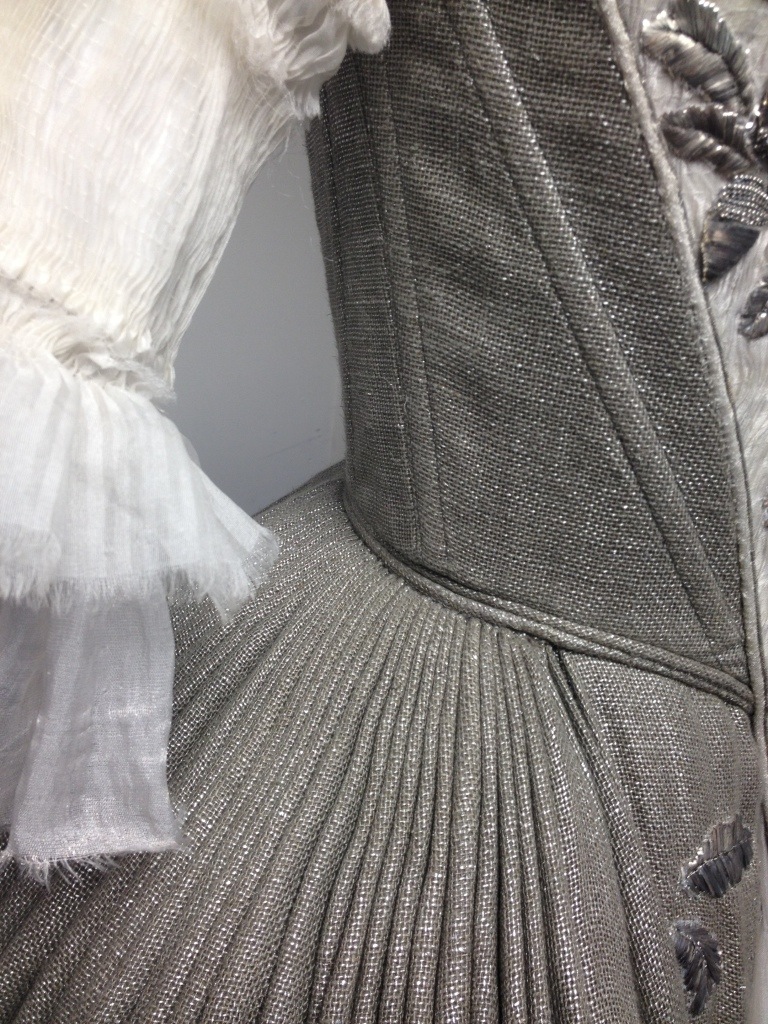
But I’ve been watching a show that manages to have a little cheese and a fair amount of heart at the same time, along with exquisite attention to detail. The premise is time travel, my favorite subject.The Outlander series takes a young English woman just after World War One (she’s a battlefield nurse) and sends her through a witchy wormhole (actually a Stonehenge-like circle of obelisks) back to 1740s Scotland. Adventures and romance ensue. What interests me is the devotion to detail on the part of the producers, down to the beautiful and so carefully sewn pleats in the wedding gown of the protagonist, Claire. Apparantly they are entirely consistent with the real McCoy. There are plenty of people out there waiting to pounce on you if you don’t do it right, but so far a war hasn’t broken out between the pleats and the pin tucks, so we’re okay.


pleats-e1411911658528-768x1024

As a writer of historical fiction, I know that you must constantly make choices about where to nail the absolute fact and when you can fudge. In fact, sometimes you must fudge, because the absolute fact would be unpalatable for contemporary readers. It fascinates me to hear about the choices made by the costume designer for Outlander, Terry Dresbach. (How’s that for a fitting name?)

5 Comments

Filed under Culture, Fashion, Fiction, History, Home, Jean Zimmerman, Publishing, Writers, Writing

Slowdown Saturday

A knuckle-sized frog hopped straight by the woodpile.

A butterfly lit on a thistle.

Chickadees flocked around the bird feeder, making off with safflower seeds.

A long day, reading a long novel.

Excitement: Oliver thundering from the porch toward the rabbit he’ll never catch.

It grew cool, deep shadows stretched across the grass.

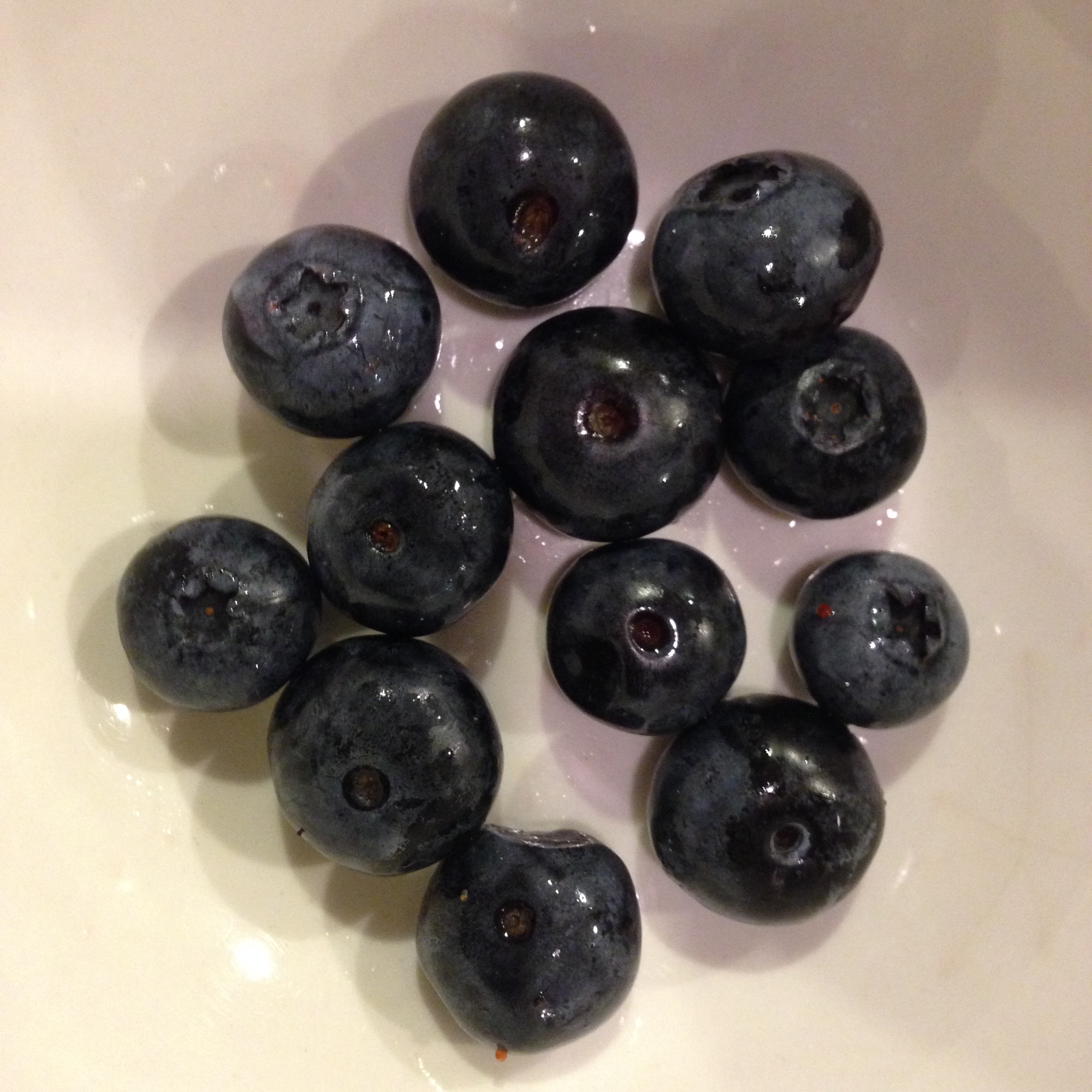
Then there were dinner pancakes, made with fresh-laid eggs from the good neighbor’s coop and local blueberries, soaked in a friend’s home-tapped maple syrup.

blues

“Summer afternoon, summer afternoon,” said Henry James. “To me those have always been the two most beautiful words in the English language.”

1 Comment

Filed under Cooking, Culture, Dogs, Home, Jean Zimmerman, Nature, Writers, Writing

Leafy Air and Cheese

I can breathe again. I took a trip to Michigan and Wisconsin, the Great North Woods, which has leafy air worthy of inhaling.

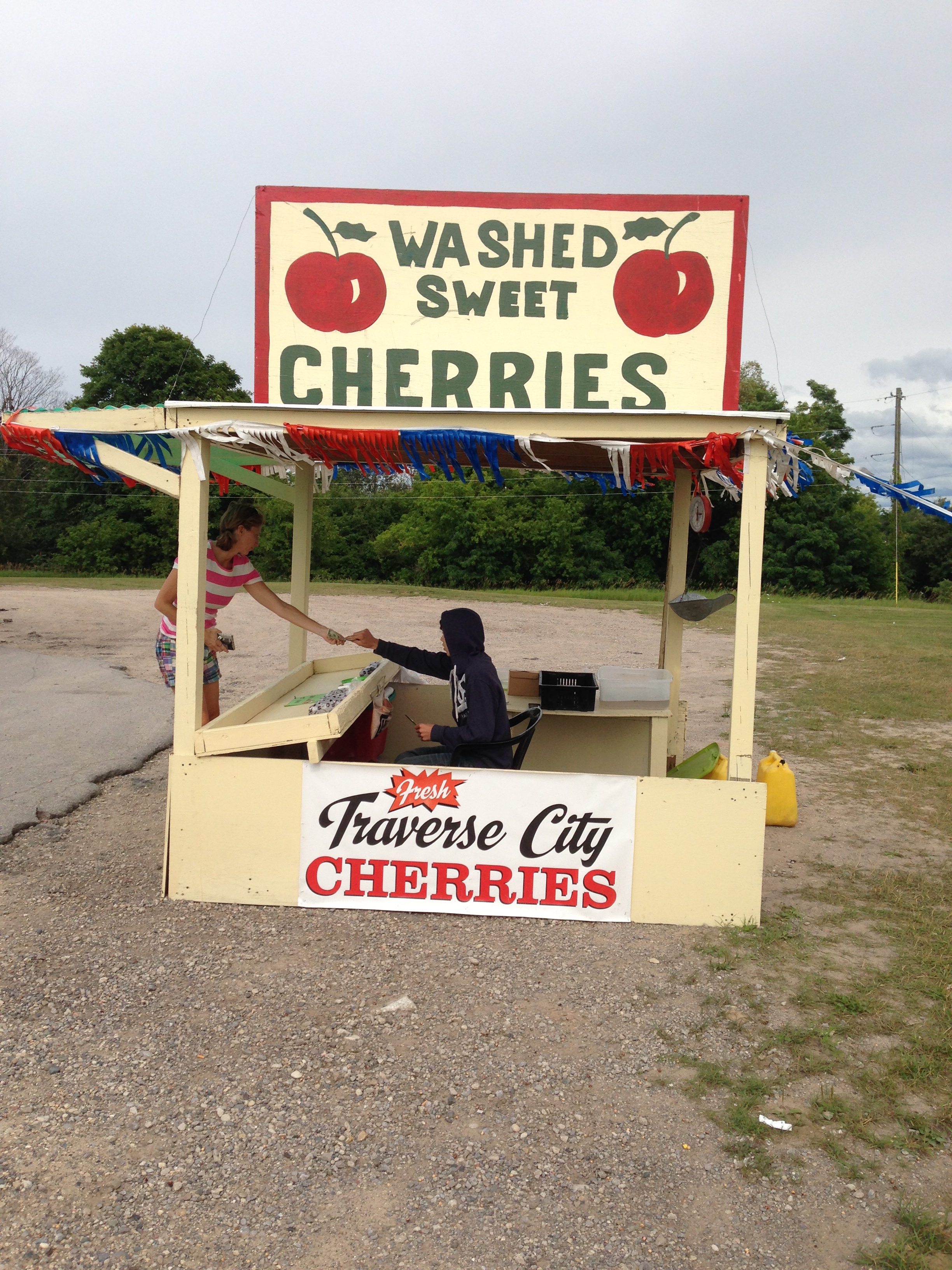
Also, sweet black cherries worthy of devouring. They sell them, washed, plump and juicy, from little stands at gas stations.

cherries

I experienced a hailstorm that hit just as our sailboat anchored in that lovely private lagoon a ways into Lake Superior. Just enough to put every wet person on board in stitches.

I can breathe again because I turned in the manuscript of my new novel and my editor said he likes it. A lot. That’s an outsize sigh of relief. It made me open to everything around me.

I found that lying in bed on the shore of Lake Michigan, I could feel every delicious cotton fiber with my toes.

I saw the sights, hugged family, brought home souvenirs from people who had made them with their hands.

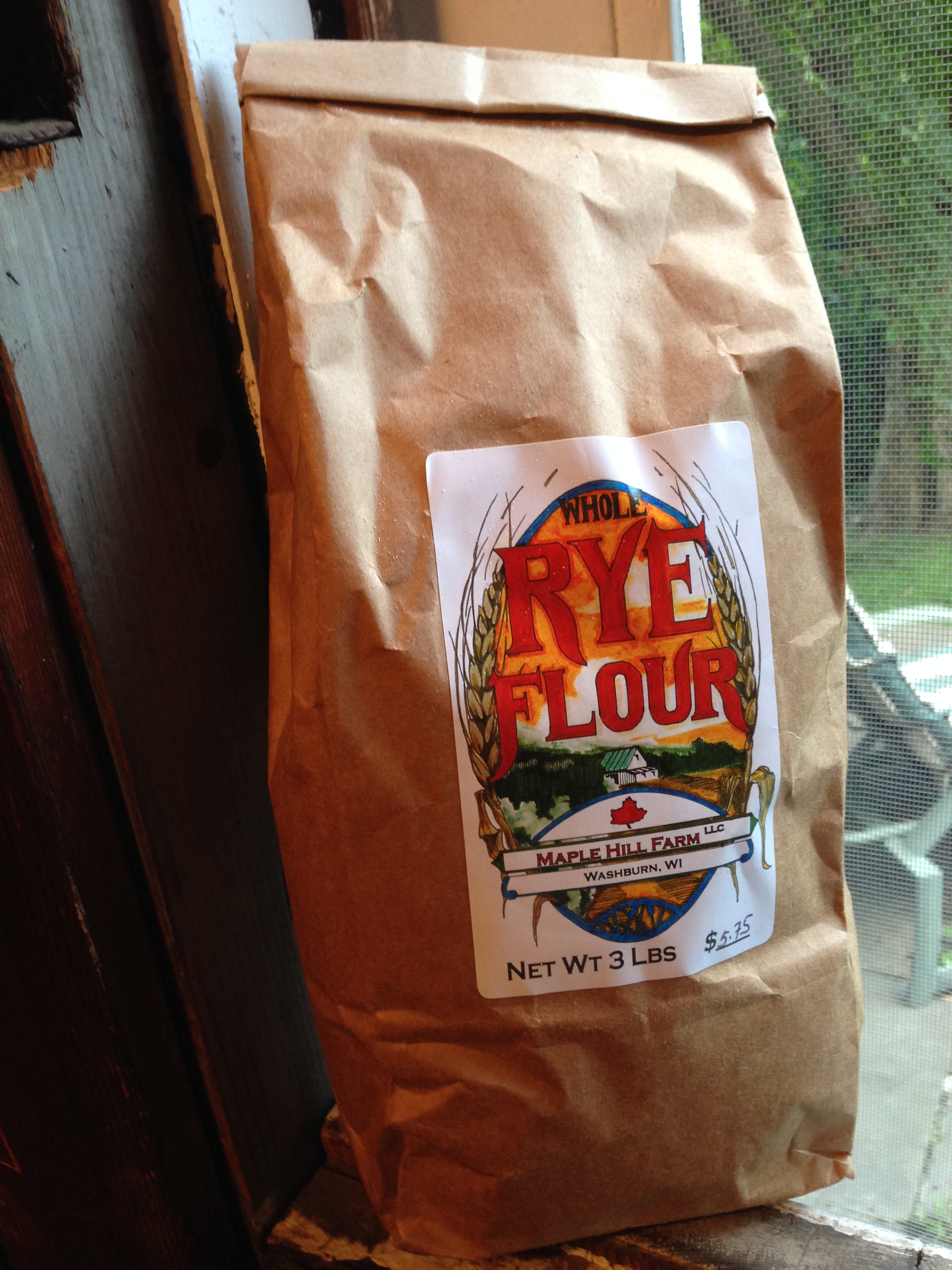
rye

There was rye flour from the farmer who grew it, at Maple Hill Farm in Washburn, Wisconsin.

And fingerless gloves knitted by his wife. She sewed a pad of suede on the palm for good gripping.

fingerless

The Northland is kind, even its rusty old trucks.

kindness

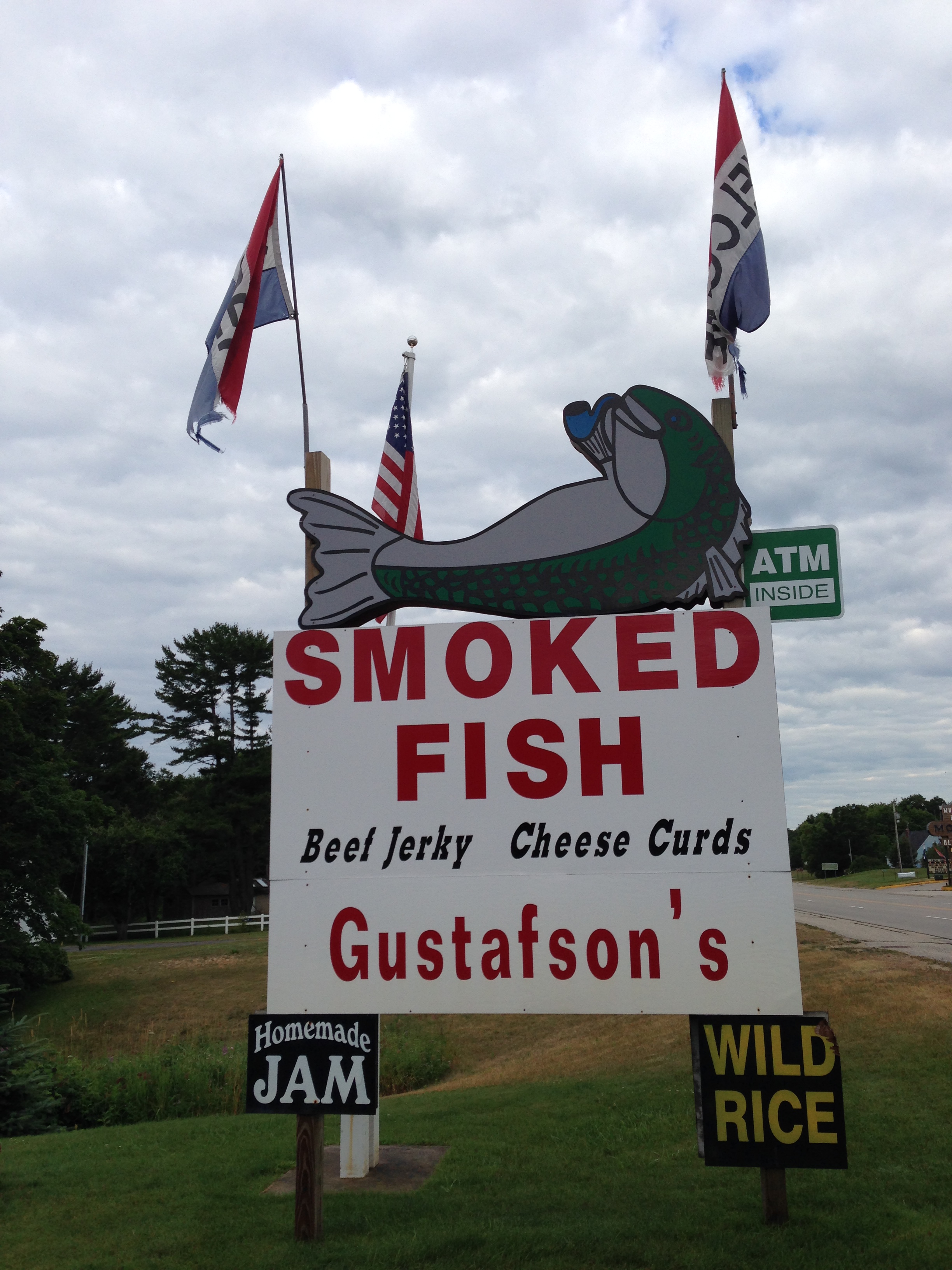
The region loves its fish. Smoked, fried or souped.

whitefish

It offers a hundred different moccasins.

bambi

Thrives on pop (drive-in menu, top right). Known to us North Easterners as soda.

pop

Then, of course, there is the cheese. I tasted a Michigan dairy’s Colby-style specimen, bright orange and moist, that was produced from a 1915 recipe.

Did I mention that my editor liked it? The novel, I mean, not the cheese.

8 Comments

Filed under Cooking, Culture, Fiction, History, Home, Jean Zimmerman, Knitting, Nature, Publishing, Writers, Writing

Finding Rosebud

I told myself I would have it done by the time the roses bloomed.

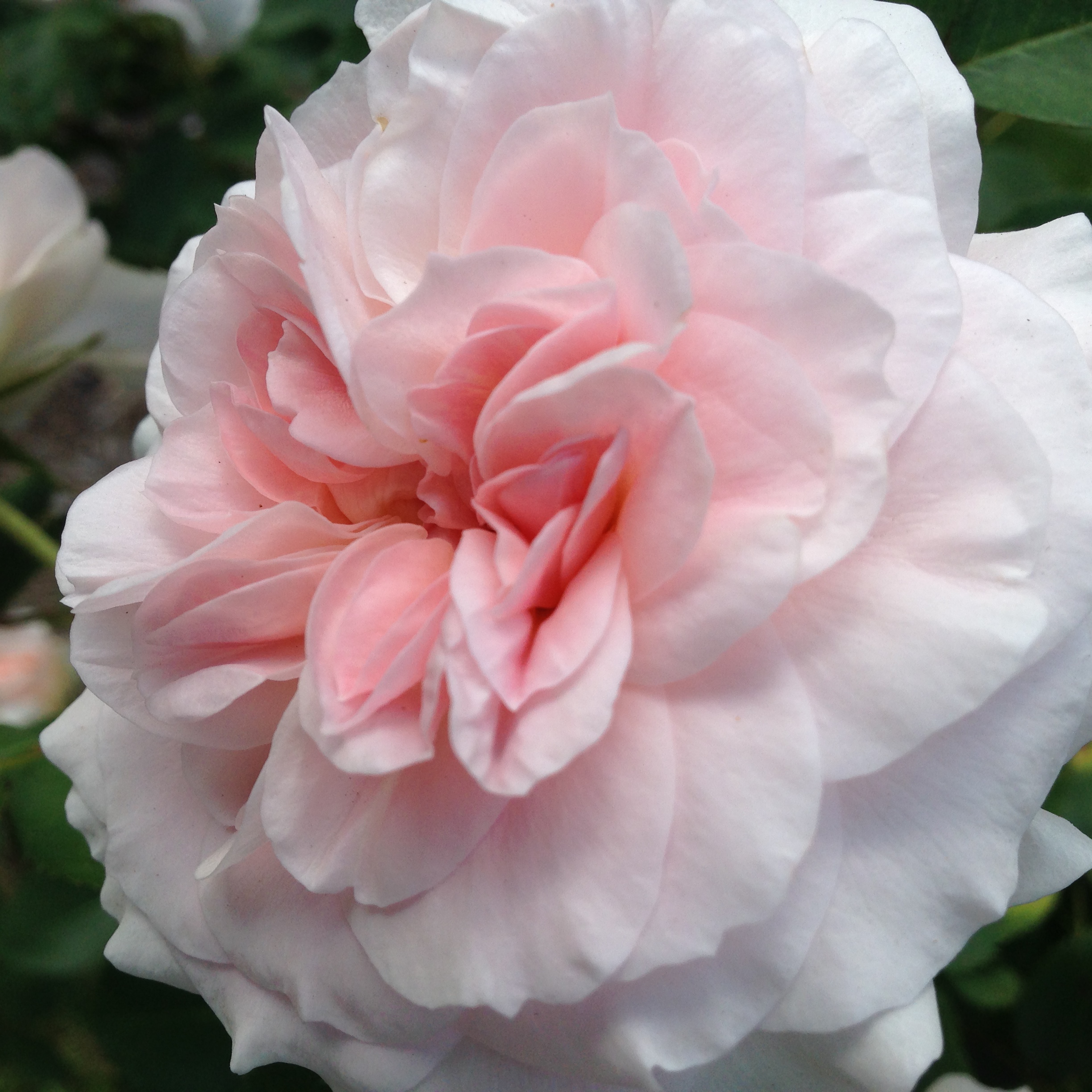
soft rose

My new novel, that is.

I do that sometimes, set an arbitrary time of year – not a date, never a date – when I will finish a book. It gives me something to shoot for. When the trees turn red. When the first snow falls. A seasonal moment which my project will match with its completion.

When the roses bloom.

I have been working for some time on a manuscript that shows some signs that it wants to be finished. But I still have chapters to revise before I can call it done. Yet it’s Spring, high rose season.

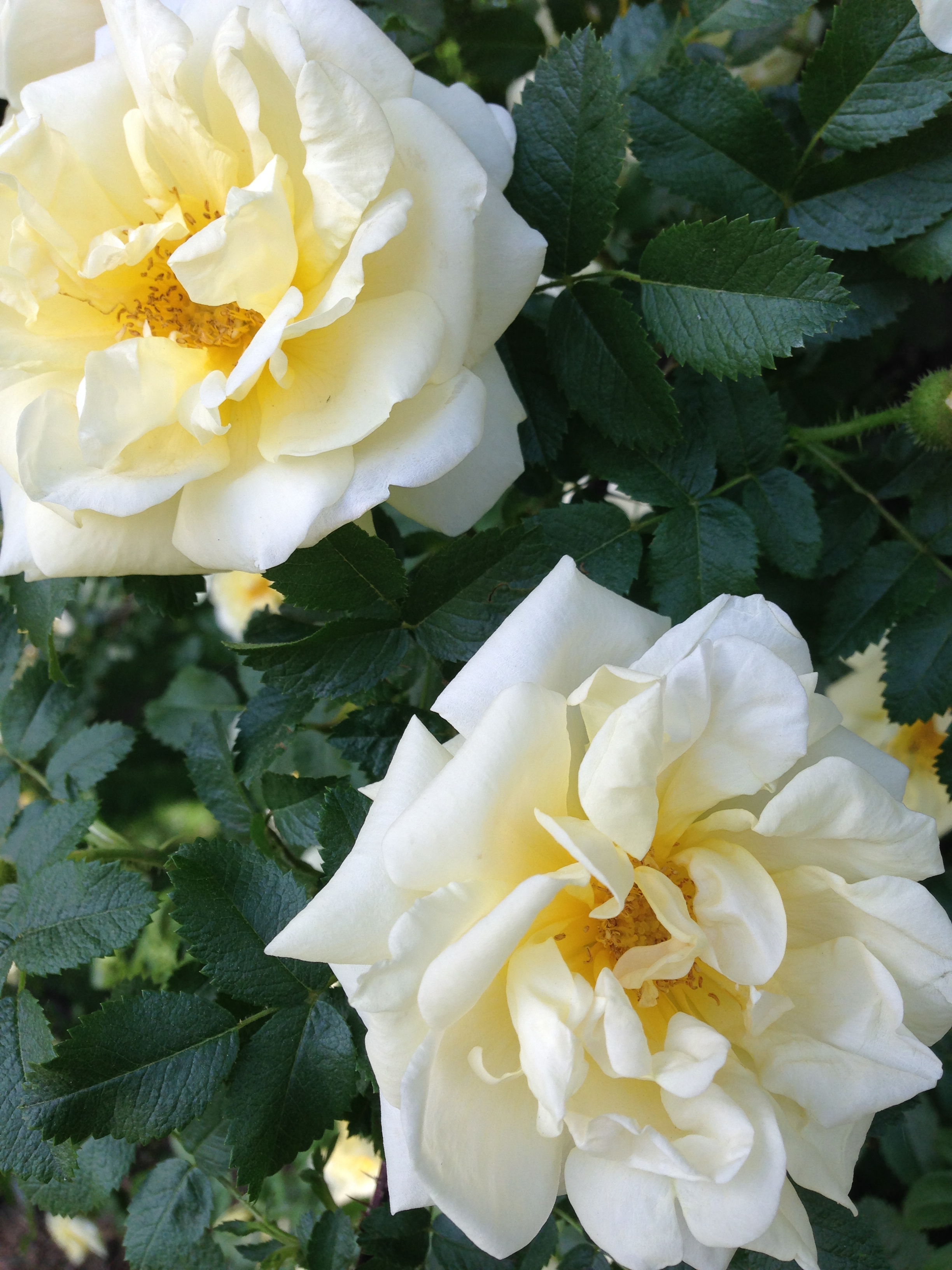
Just to see where things stood, how far behind I was, I thought I would pay a visit to the lovely grounds of Lyndhurst, the historic site near my house. This was the estate of the robber baron Jay Gould, and the old mansion is grey and gothic and not to my taste, though the huge specimen trees and plantings always astound. There is a fantastic heirloom rose garden there, one that I usually seem to get to too late to enjoy the blooms at their height.

This year the place was nearly deserted, and the circle of plants looked suspiciously green as I approached across the perfect lawn. There were two visiting matrons; one said, You must not miss the yellow blossoms on that bush, they smell like lemon.

yellow roseos

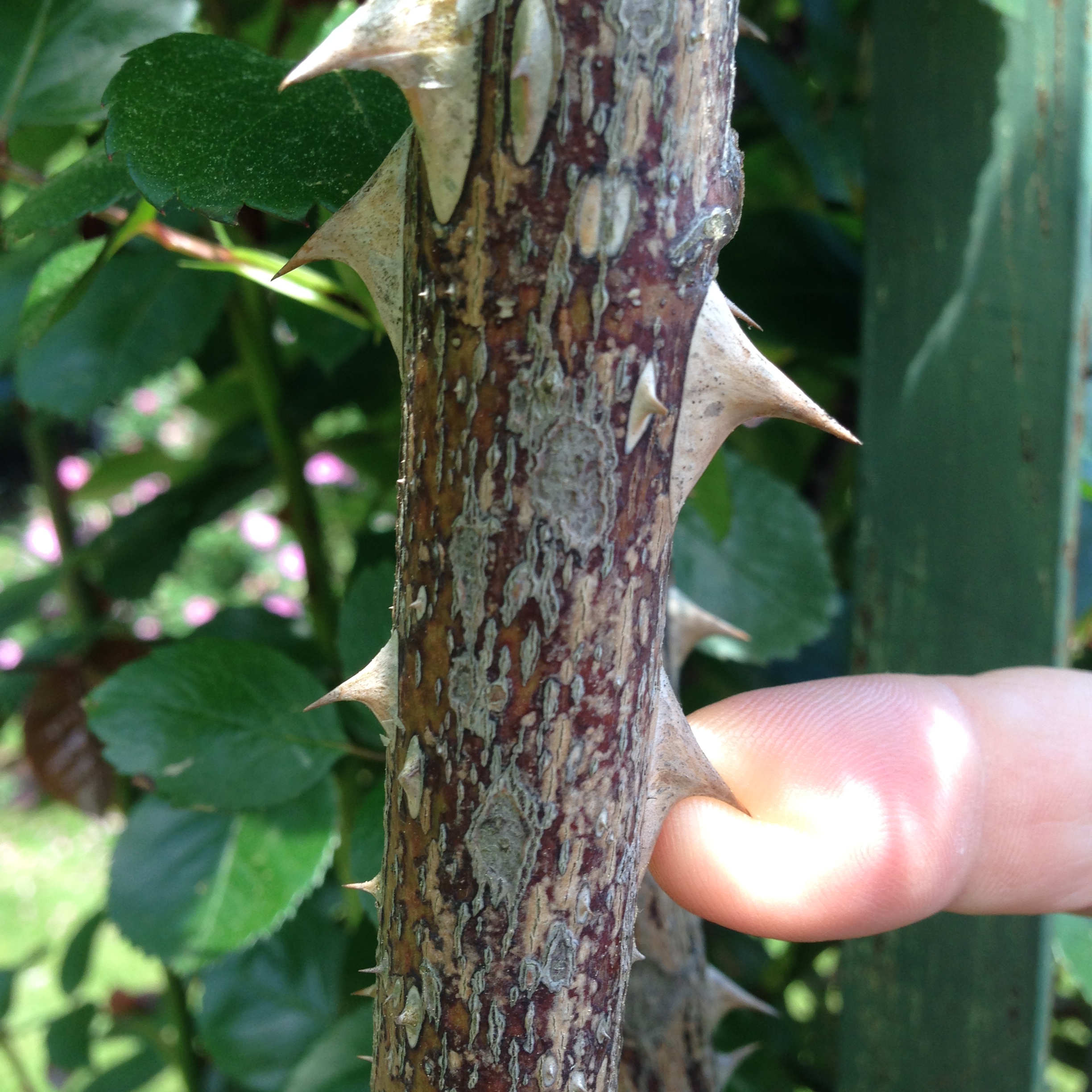
And they did. But the lemon roses were one of only a few shrubs out of dozens there that were actually in bloom. Others offered wicked thorns.

thorns

Or buds so tightly sewn up it was hard to imagine them ever opening.

buds

I’ve come across some thorns and some sewn-tight problems in the narrative I’m working on, so I could appreciate them. I wished I could have seen Lyndhurst’s roses, lush, exploded, lemon, yes, but also vanilla, musk and all the other scents that don’t have proper names imagined yet.

More than anything, though, I felt happy. Because the roses had not yet bloomed, and my novel will bloom when they do.

3 Comments

Filed under Fiction, History, Home, Jean Zimmerman, Nature, Photography, Publishing, Writers, Writing

First Shoots

Someone said, Don’t.

Someone said, You’ll do too much.

Someone said You’ll re-injure your foot.

Someone said, Take a load off. Sit in the sun and read.

But a nice neighbor said, I noticed your garden. If you want some help raking it out, I’m here.

That set me off. My garden did indeed need raking, and when I dug under the dry, sun-baked surface of the leaves, I found things that made me glad to be up on my feet.

carrots

Forgotten carrots from last summer, baby nuggets that survived this harsh winter in all their delicacy.

A necklace of new strawberry plants I hadn’t noticed before, hidden as they were in the verdancy of the herb garden.

strawberries

Spearmint. I won’t dignify the overgrown rascal with a photo, but got to give it props for its muscular thriving. Mint will inherit the earth when we’re gone, I’m sure of it.

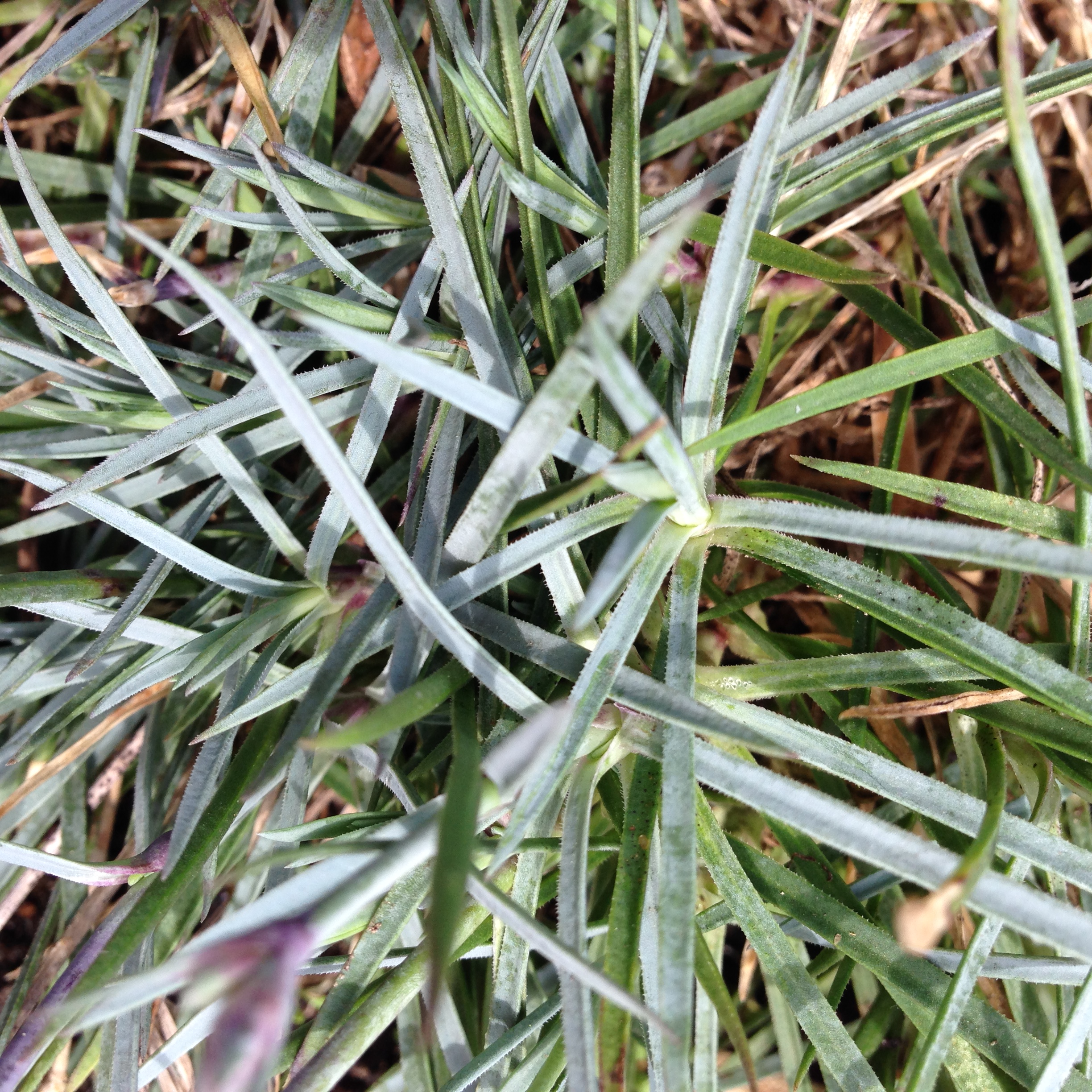
And the pinks, fluffy and greening up with just a hint of silver.

pinks

I tousled their tops for luck, then leaned my rake against a stump and headed to the Cabin to rest my foot. I had accomplished half. The rest wasn’t going anywhere.

1 Comment

Filed under Home, Jean Zimmerman, Nature

The Beginning of the Beginning

As if summoned by the chorus of spring peepers, tiny plants rise up out of the forest leaf scatter. This is the first green I’ve seen this year.

green

And this the first purple. I knew it would be there. I knew the deer wouldn’t get it. But still I waited with bated breath. I didn’t believe.

crocus


And then I believed.

2 Comments

Filed under Home, Jean Zimmerman, Nature

Deep in the Novel Cave

Sshhh. I can’t hear you. I am writing a book. Or as Father John Misty said in a song last year, “I’m writing a novel, because it’s never been done before.”

I want to make amends for letting my daily posts slide a bit recently. It’s partly that I’m preoccupied by the release of Savage Girl, yes. But more relevant, perhaps, I have been deep in novel-writing, a process that in my experience tends to zone out most other activity. Like laundry, dishes, housekeeping.

My new book tells the story of a girl in 1776 New-York (back when the city had a hyphen), and I have been spending all my time in that British-occupied city.

Let me tell you what it is like in my household when Gil and I are writing books.

We wake. Let Oliver out the door. Let Oliver back in.

winsome OIiver

Coffee, lots of it. We sit down at the computer. Get up for lunch, the lightest lunch possible so that we won’t be sluggish in the afternoon. Sit down once more at the computer. Knock off in the late afternoon. Let Oliver take us for walk. Dinner. Game of Thrones reruns. A fitful, novel-haunted sleep.

Next morning, begin again.

It is boring. It is fascinating. To me, anyway, if to no one else.

“There are three rules for writing a novel. Unfortunately, no one knows what they are.” Thus quoth Somerset Maugham. And so it is really a matter of creating new rules, a new language, every single day until you get your 450 manuscript pages finished. You never know what you’re doing. It’s insecurity raised to the max, alternating with momentary blips of glee that you got something right. Got something write. Ha.

Anything outside that process is hard to fathom, hard to incorporate – the spring buds on the trees, the return of the birds, social beckonings, exercise, even cooking good food, something that for me almost never falls by the wayside.

I remember years ago attending a party with a book freshly done, wiped out, eyes bleary, toasted to a turn, and thinking that it was impossible to even have a social conversation with someone who had not just finished a book. I simply could not relate to a book-less human being.

“There is nothing to writing,” said Hemingway, “All you do is sit down at a typewriter and bleed.” A mite melodramatic, are we?

Once upon a time, the novelist Amy Tan’s house burned down with her manuscript in it. She didn’t have another copy. She said she had no interest in talking to anybody whose house had not burned down, she was so consumed by what had happened.

So Gil and I retreat into our little cave, better known as the Cabin. The only thing in the Cabin is, right now, a pair of computers. And a dog. (Oliver refuses incontrovertibly to fall by the wayside.) There is the odor of hyacinth in the air, a strangely chemical smell, if beautiful. And a new page to be written, with words I cannot yet imagine.

5 Comments

Filed under Cooking, Culture, Dogs, Fiction, Home, Jean Zimmerman, Nature, Publishing, Savage Girl, Writers, Writing

Wolf Boys and Girls

Feral children, wild children, human beings raised by wolves… or bears… or goats… or rats… How credible are the stories of their existence?

They’ve inflamed the popular imagination for centuries. Surely it is impossible to believe that a mama wolf will take in a human baby and suckle it with her own. Surely it is outlandish for a little boy or girl to come in from the wild, hale and fed if not very well groomed, with the claim of having been nurtured from infancy by animals. Yet their demeanor would seem to lend credence to the claim – no human language of any kind, an alien affect, absolutely zero table manners.

Stories of feral children surface up to the present day. The archetype might originate with Romulus and Remus.

rom-rem

Roman legend has it that the twin sons of Rhea Silvia, a priestess, and the god Mars were raised by wolves. When it was found that she had been pregnant and had children, King Amulius, who had usurped her father’s throne, ordered her to be buried alive and for the twins to be killed. Instead, they were set in a basket on the Tiber, where a she-wolf found them and raised them until the boys were discovered as toddlers.

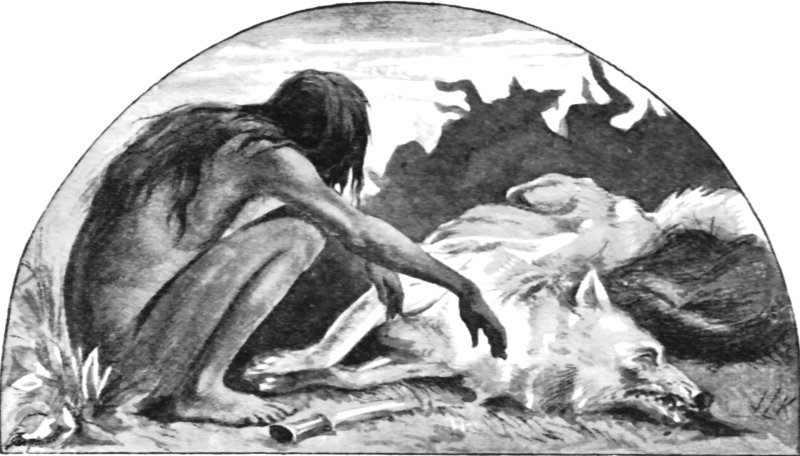
Probably the best known wild child today is fictional. Mowgli, invented by the protagonist of Rudyard Kipling’s The Jungle Book stories in the 1890s, became a contemporary star with Disney’s 1967 massive hit animated film of the same name. According to Kipling’s hugely successful telling, Mowgli lost his parents in a tiger attack in Central India and is adopted by Mother and Father Wolf.

junglebookblog2

A tiger wants to adopt him, a panther befriends him, and Mowgli wins the respect of all through his unique ability to extricate thorns from the paws of his wolf brothers.
Lockwood-kipling-red-dog-illustration

He is ultimately adoped by human parents and brought into civilized society.

In the Disney version, Mowgli, “man-cub,” wants nothing more than to remain in the carefree forest among his baboon, elephant, sloth and panther friends, even after he has been told by many that he must return to the Man-Village. He only goes when he becomes smitten by young girl and follows her back to civilization.

disney-mowgli-and-baloo

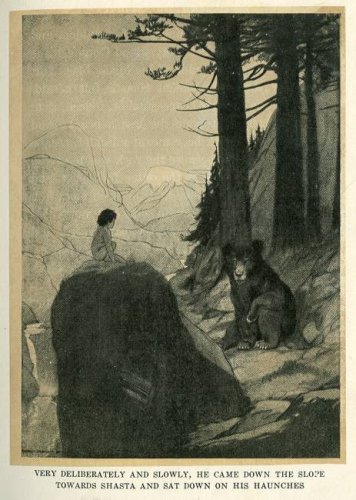
A similar feral child novel from slightly later than Kipling is Shasta of the Wolves. In Shasta, a boy raised by a pack in the Pacific Northwest goes back and forth between a human tribe and his wolf clan… ultimately deciding to stay with the pack.
shasta illustration

Mowgli has always been seen as a major influence on Edgar Rice Burroughs in developing his own feral child story Tarzan.

tarzan:jane

Appearing first in 1914 and followed by fully 25 sequels, Burroughs’ Tarzan of the Apes captured the American imagination. The movies expanded the franchise — Between 1918 and 2008, 89 movies starred Tarzan, with the most famous portrayal being that of Olympic swimmer Johnny Weissmuller. Tarzan is the quintessential noble savage, a man who manages to navigate two worlds with ease.

Orphaned as a child, Tarzan finds himself adoped by the leader of the ape tribe that killed his father – while Tarzan is his ape name, his English name is John, Clayton, Viscount Greystoke. As a young adult, Tarzan falls in with Jane, an American whose father and the rest of their party have been marooned in the jungle. They fall in love and he follows her back to the United States, marries her and the couple return to Africa, where they have a son. Intelligent, handsome, athletic, Tarzan lives up to his noble background though in the guise of a forest creature. His loin cloth is all he needs for clothes, a tree branch his preferred bed, raw meat the nutrient he favors. His upbringing represents the opposite of deprivation – this child of nature gained agility, speed, endurance and strength from his ape family – and yet, when he returns to civilization, he is able to adapt, learn languages, speak grammatically and make his way in civilized society.

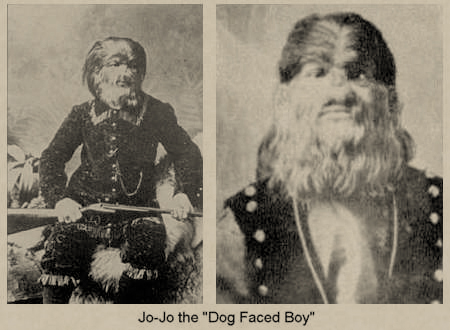
Before the mythic creations of Mowgli and Tarzan, other, real, historical feral children fueled the public imagination. One related phenomenon is that of people afflicted with the genetic condition known as hypertrichosis, which causes an individual to resemble an animal in the growth of fur all over the body. Many children with the condition were exhibited in American side shows in an earlier period.
jojo-713518

But non-hairy wild children fueled public fascination the world over. The best known, Victor of Aveyron, lived at the turn of the nineteenth century in rural France.
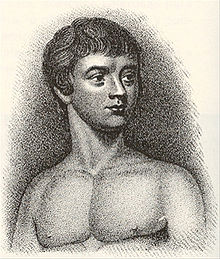
Victor

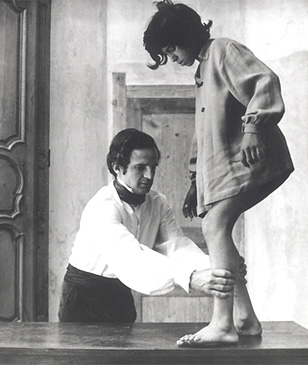
He was prepubescent when he emerged from the woods near Saint-Sernin-sur-Rance in 1798, having been spotted by a trio of hunters. How he had lived during his childhood was unknown, but that he only grunted, that he showed no modesty about his nakedness, that he periodically returned to the forest, that he had numerous scars on his body, that he seized potatoes hot from the hire, told his captors that his was a feral childhood. Shortly after he came in from the woods he was seen frolicking nude in the snow – a sign that he could tolerate exposure.That and the central feature of his existance, his lack of speech. It was clear that he could hear. A young physician named Jean Marc Gaspard Itard adopted the boy and worked with him for five years to teach the boy and the case became a cause celebre.

victor_itard

Whether the boy could learn language inflamed the debate over what distinguished man from animal. Did the Wild Boy of Aveyron exist in a pure state of nature? Could he be civilized? Ultimately, Victor learned only two phrases : lait (milk) and Oh, Dieu (Oh, God). Itard published his A Historical Account of the Discovery and Education of a Savage Man in 1802. Today we know of Victor and kindly Dr. Itard through L’Enfant sauvage, The Wild Child, Francois Truffaut’s masterful 1970 film.

Peter of Hanover wandered out of the woods near the town of Hamelin, near Hanover in Germany, in 1726 — or was hunted down; accounts differ — and soon became the talk of Europe. He was around fourteen, naked, mute, and resistant, when he arrived in London and came under the protection of King George I and his court. The child had a predilection for acorns, and was fascinated upon hearing a watch strike the hour for the first time. George I did not speak English himself, and hailed from the same part of Germany as this mysterious wild child, explaining some of his attraction.
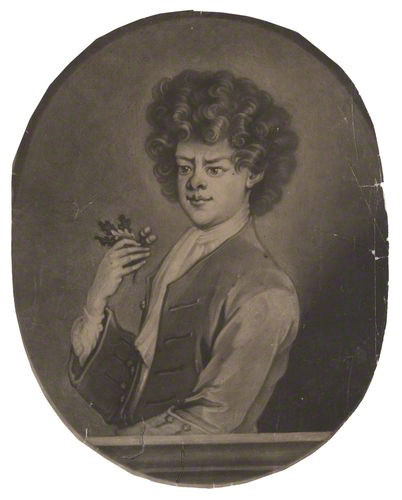
NPG D3895; Peter the Wild Boy by John Simon, after  William Kent

Plus, anthropology had come in vogue, with people bringing back accounts from foreign lands about savages, Hottentots, children reared by animals. Was Peter truly human or was he more along the lines of an orangutang? The media went wild over Peter, commenting on his primitive demeanor, wondering at his forest upbringing, marveling that the King adopted him as a kind of court pet. Writers hailed him as a wonder of nature and his likeness thrilled visitors to a celebrated was museum. Daniel Defoe proclaimed him the only truly sensible person alive. Peter never learned to utter a word, and eventually spent a long life being cared for on a farm in the country.

Another feral child was even more mysterious. Kaspar Hauser simply appeared one day in 1828 at the city gate of German’s Nuremberg, strangely dressed and, once again, mute.

kaspar hauser

He was around 17, and he carried a letter asking that he be given a place in the calvary. He could write his name, but he would eat only bread and butter and preferred to spend his days seated on the floor playing with toy horses. Philosophers visited him to try to understand what could have caused his strange, dull behavior (no swinging on vines for this one). The fascination has continued up to our time, with a 1974 movie done on his life, The Enigma of Kaspar Hauser by Werner Herzog.
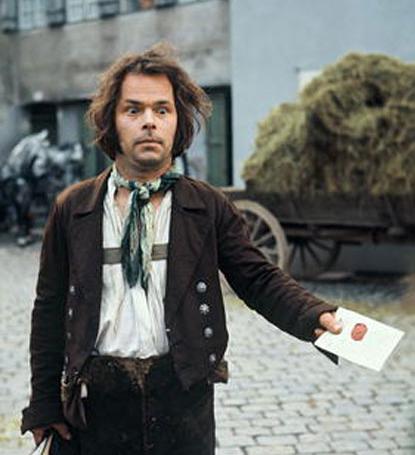
review_BrunoS_KasparHauser

The foundling did manage some speech, developed a love for music, and became a skilled horseman, and eventually the memory returned of his childhood, having been imprisoned in a dark room, fed by a man he never saw. Not a child raised by wolves, but by a predatory human. He was eventually murdered in a public park by a stranger at the age of 22.

Feral children are not all boys. One famous wild child of the eighteenth century was Marie-Angélique Memmie Le Blanc, who was born in 1712 and became known as The Wild Child of Songy. Born into a Native American community and brought from Canada to Marseilla during the bubonic plague epidemic of 1720, the girl survived for ten years walking through the forests of France.

feral girl

She survived not by living with wolves but by battling them with a club. Captured, she went for ten years without speaking but eventually did take up words. Accounts of her life were widespread – popular pamphlets, books by historians and naturalists all fed the maw of interest in her feral upbrininging.

Of the many more instances of children who managed to survive in the wild, some have been discounted outright. Still, it is fascinating to see the interest that embraces those nurtured by all different sorts of animals. Nineteenth-century men and women devoured tales about the Lobo Girl of the Devil’s River, captured after her wolf sojourn, who managed an escape in 1846 and was last spotted at age 17 in 1852. Earlier, people hungered for tales of an Irish boy brought up by sheep, recorded by Nicaolaes Tulp in 1672. There was the Bear-Girl of Krupina, Slovakia, dating to 1767. The Ostrich Boy, named Hadara, lost in the Sahara by his parents at the age of two and reclaimed ten years later. The Chilean boy raised by pumas. Robert, who lived with vervet monkeys for three years when orphaned during the Ugandan Civil War. A Peruvian boy nurtured by goats. I have even heard of a girl raised by rats.

So nothing in Savage Girl should inspire disbelief, no matter how farfetched it sounds. No, nothing at all.
Leave a comment

Filed under Culture, Fiction, Film, History, Home, Jean Zimmerman, Nature, Publishing, Savage Girl, Writers, Writing

Talk-Ossining, NY Public Library

It will be a special pleasure to give a talk about Savage Girl at my local library, where I have spent untold hours doing research, writing, and dreaming out the windows. If you are somewhere nearby on this Wednesday, March 26, please come!

Jean Zimmerman Flier (March 2014)

1 Comment

Filed under Culture, Fiction, Home, Jean Zimmerman, Publishing, Savage Girl, Writers, Writing