Category Archives: Nature

Big Ol’ Brick of Books

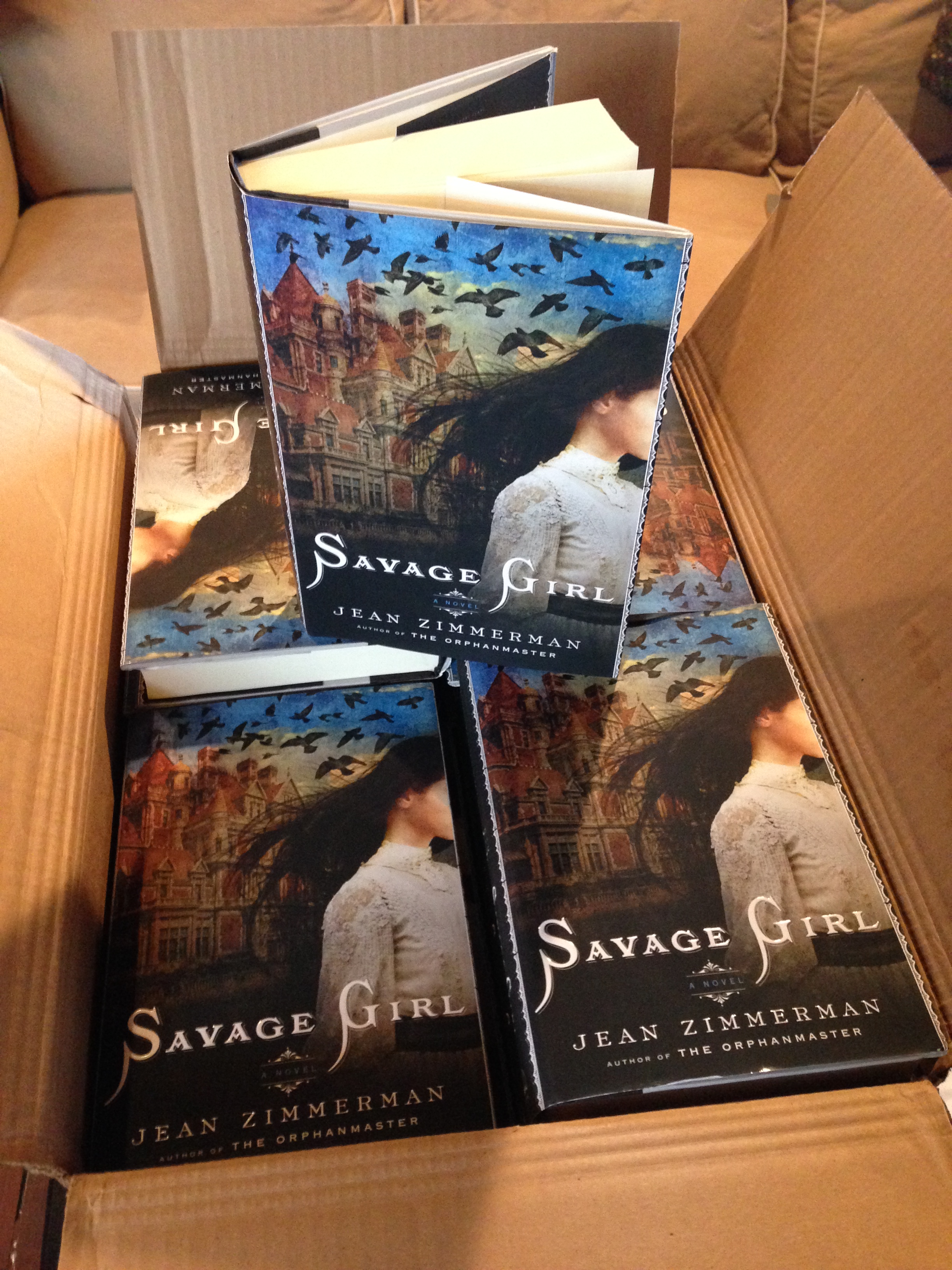
A brick of books. Author copies. Twenty-eight, to be exact, sitting where UPS dumped the box, in the fresh, deep pile of snow at the head of the driveway. The cardboard was soaked around the edges.

But the books were dry, miraculously. That novel is watertight.

open

2 Comments

Filed under Art, Culture, Fiction, Home, Jean Zimmerman, Nature, Publishing, Savage Girl, Writers, Writing

An Elegant Silhouette

I saw something intriguing at the Winter Antiques Show.

silhouette

A silhouette, definitely old, refined looking as all such silhouettes are, but somehow mysterious in the way the cut-out man held an unidentifiable object up against his body. It reminded me of the 21st century art of silhouette-artist Kara Walker.

kara_walker

Walker has exploded the conventions of the silhouette. She has created numerous black and white scenarios that suggest the depravities of race relations in a mythical Old South. Disturbingly beautiful, beautifully disturbing.

kara-walker-renaissance-society installationinstallation-1997-cut-paper-and-adhesive

I learned from the gentleman offering the Antiques Show silhouette for sale that it was in fact the work of a well-known French artist of the nineteenth century. Auguste Amant Constant Fidele Edouart was his elegant name. Born just before the Revolution, he became proficient in his craft at a time well before photography, when this simple depiction of an individual was a cherished “snapshot” as much as a work of art. The portrait before me had been identified as the British Field Marshal Colin Campbell, 1st Baron Clyde, who lived from 1792 to 1863 and had a distinguished career, assuming the role of Commander-in-Chief of India in 1856. That odd object in his silhouette: his military hat.

colin campbell

Edouart began his career in London, cutting out full-length likenesses in black paper, before moving on to Edinburgh and finally the U.S. He travelled the country creating hundreds of portraits as he went.

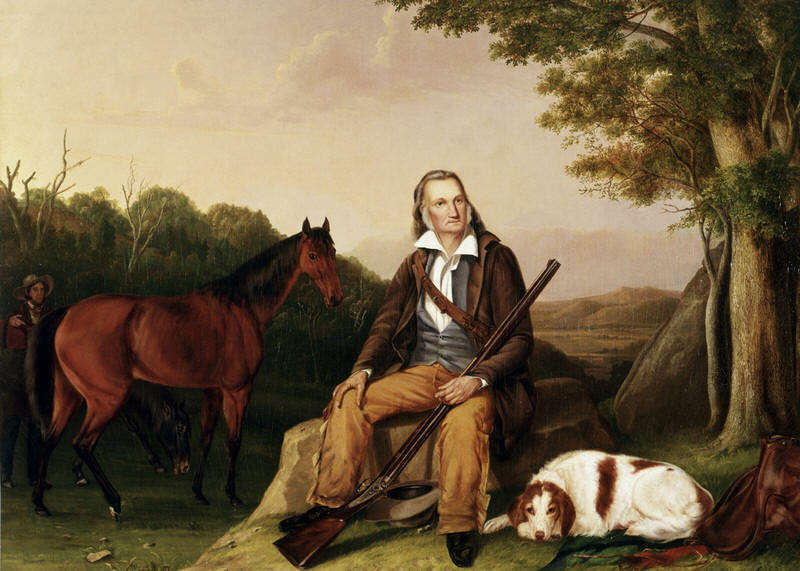
Something about the itinerant portrait maker touched my imagination. I’ve been reading a biography of John James Audubon. I always imagined the great man making his way stealthily through the woods, sneaking up and capturing the birds he would bring home to paint in such vibrant pictures.

John James Audubon

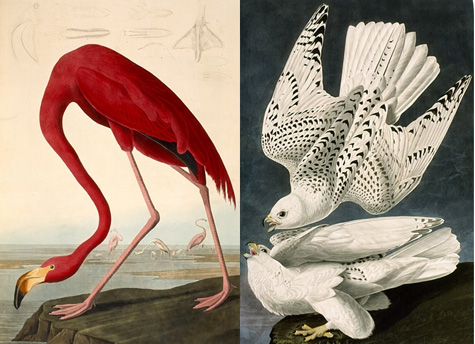
It turned out I was wrong on many scores. Isn’t it wonderful when you are wrong and reality is so much more interesting than your naïve imaginings? Audubon did go into the woods, many woods, all around the country, but he rarely caught anything per se. Instead he shot birds, sometimes dozens at a time. Ironic, perhaps, that the person for whom the Audubon Society was named was so avid a hunter. He would keep a few of his prey for dinner (he went hungry a lot at during some lean years of his life) and posed others with a rig he invented. It was a board with pins and string that held the bird in a position that mimicked life.

Audubon-birds

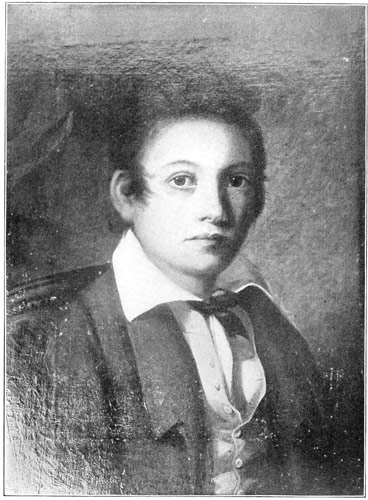
What interested me as much as his technique was that The Birds of America, the mammoth series of ornithological color plates we recognize him for now, was for many years a sideline, a labor of love. He couldn’t make money at it. So he traveled around to cities and backwaters on the frontier, in Missouri, Kentucky, Pittsburgh, New Orleans, getting a few dollars to draw peoples’ likenesses and so put food on the table. I would love to see some of these portraits, but the only sketches of Audubon’s I’ve been able to find are depictions of his family. Here is his son Victor Gifford Audubon.

victor gifford audubon

And here is a self portrait.

audubon by audubon

In the days before photos, people craved having an image of a loved one and a good-sized town would likely have a half dozen artists who were able to provide the service. Audubon was never totally satisfied with his ability to capture the human animal in pencil. I wonder if he ever considered cutting silhouettes.

3 Comments

Filed under Art, Culture, History, Jean Zimmerman, Nature, Photography

Sweetly Wild

Animal Planet produced a popular program Raised Wild that profiles people who have been nurtured by monkeys, by a pack of dogs, by a flock of chickens. In researching Savage Girl I came across parental bears and goats and even a girl raised by rats. The mythology goes back to Romulus and Remus, boys suckled by the same she-wolf. The two man-cubs eventually went on to rule Rome. Nothing that takes place in my novel should shock anybody who has viewed Raised Wild. But it might surprise the Savage Girl herself to come across a box of Valentine’s-packaged Wild Child candy hearts.

wild child hearts

3 Comments

Filed under Art, Cooking, Culture, Fiction, History, Jean Zimmerman, Nature, Publishing, Savage Girl, Writing

A Fresh and Juicy Book

The dog woke up. It was mid-afternoon.

sleepy oliver

He barked. I looked out the window. A UPS truck. More important, snow.

snow cabin

I didn’t want to go outside to get a package. I wasn’t expecting anything. I’d stay in my socks.

Do the trees feel cold? On this day they would have.

trees

The UPS guy whistled a tune as he headed from the Cabin back to the truck, winding his way through the snow banks.

Have you ever handled The First Book, fresh from the package? No?

When Gil came home he told me something had come for me, out on the porch. He slit open the plastic.

A hardcover of Savage Girl fell out, fresh and juicy as a ripe apple and cold as though it had been plucked from a tree in fall. The jacket, of course, was no surprise, as my publisher had involved me in the design process. But so many little details seemed different, the exact shade of blue on the back cover, the smidgen of lace along the edge. The spine, with my book’s title and my name and “A NOVEL” all perfectly proportioned.

jean book

There are a number of peak moments when you write books. The day you jot down a note and think about all it might be. The first page you write. Getting halfway done. Turning it in. Turning it in again after you revise it. Seeing the typeface. Paging through a galley.

No matter how many milestones you’ve passed, nothing can prepare you for the heft of the hardcover, holding this object in your hand, the ephemeral idea you had so long ago transformed into a tactile reality.

2 Comments

Filed under Art, Fiction, Jean Zimmerman, Nature, Publishing, Savage Girl, Writers, Writing

Wild Peter

What is it that fascinates people about feral children? As far back as the 1700s men and women went crazy over the idea of an individual who was raised in the wild and then drops in to civilization only later in life.

A mute, naked adolescent was discovered by a party of hunters in the German forest in 1726 – near Hamelin, of Pied Piper legend —  and Wild Peter soon became the talk of Europe. His background was unknown. King George I brought him from Hanover to his court in London, where the child liked to play with acorns and grew excited over hearing a clock strike. King George himself hailed from Germany and spoke little English; perhaps that explains his sense of kinship with the boy.

NPG D3895; Peter the Wild Boy by John Simon, after  William Kent

Anthropology had lately come in vogue, with people bringing back accounts from foreign lands about monsters, Hottentots, unfamiliar animals. Was Peter truly human or was he more along the lines of an orangutang? He walked on all fours, after all. The press went wild, commenting on his primitive demeanor, wondering at his forest upbringing, marveling that he had become a kind of court pet.

This mysterious creature inspired satiric commentary by Swift and a pamphlet by Daniel Defoe, who proclaimed him the only truly sensible person alive. The painter William Kent included Peter in a mural of the royal court that even today hangs beside a staircase at Kensington Palace, with the wild child modeling a civilized green coat, grasping a bunch of oak leaves and acorns. His likeness also graced a celebrated wax museum. Wild Peter never spoke, but he became an expert pick-pocket.

4 Comments

Filed under Art, Culture, History, Jean Zimmerman, Nature, Savage Girl

The Body Parts of Vesalius

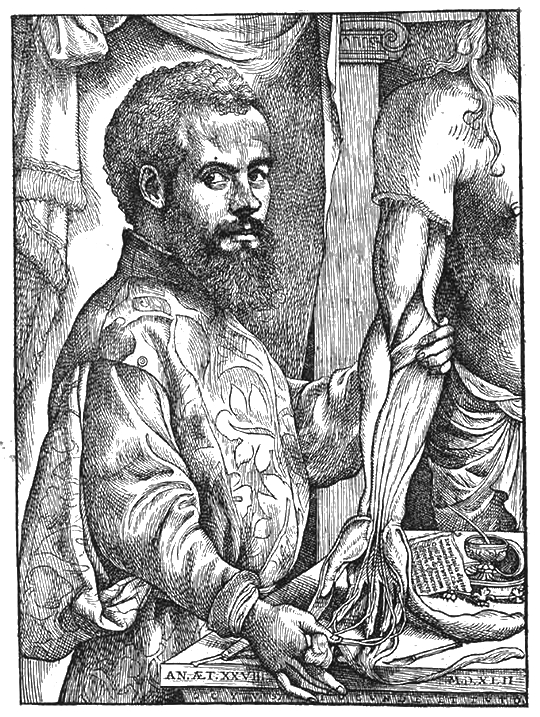
In Savage Girl, the Harvard student and aspiring anatomist Hugo Delegate spends untold hours over his drawing table, making pictures of whatever body parts he is lucky enough to get ahold of: human bones, hearts, hands, the cerebellum of a child killed tragically in a streetcar accident. The body is a mystery to him, one he wants earnestly to plumb. Aiding him in his self education is the work of a sixteenth-century anatomist named Andreas Vesalius, a Flemish physician based in Brussels who published a book called De Humani Corporis Fabrica in which the human body was for the first time demystified.

vesalius portrait

The fruit of untold hours of dissection and learning, the Fabrica went against the scholarly approach heretofore used to teach medical students. It exposed the body to the light with an exactitude that shocked and dismayed the day’s scientists.

vesalius 1

Vesalius performed the dissections but did not execute the illustrations. Those he supervised closely at his own expense in the Venice studio of Titian. In the text, he used metaphor to describe parts of the body, some of which did not yet have names. To talk about muscles, he used such images as a fish, a pyramid, a cleaver. Other parts were described as pumpkin vines and pigeon coops. It might seem odd, this combination of metaphor with so graphic visuals, but he was trying to discover a language that didn’t exist yet. After the work’s publication he took a position in the court of Emperor Charles V, where he had to put up with the jibes of other physicians calling him a barber (in fact, barbers were usually surgeons in those days, termed chirurgeons in English).

vesalius 2

The circumstances of Vesalius’ death have been debated over the years. Scholars once thought he died after performing an autopsy on a nobleman whose heart was still beating and was sentenced to death. Now it is believed that In 1564 Vesalius went on pilgrimage to the Holy Land. Returning, he died when his ship wrecked on the island of Zakynthos. He was just 50 years old, and so broke that a benefactor came forward to pay for his burial, somewhere on the island of Korfu. Recently Vesalius’ own personal copy of the Fabrica has been discovered, complete with the scientist’s marginal annotations, which prove that he went on exploring long after his great work had been published.

3 Comments

Filed under Art, Culture, History, Jean Zimmerman, Nature, Publishing, Savage Girl, Writers, Writing

Long Winter’s Nap

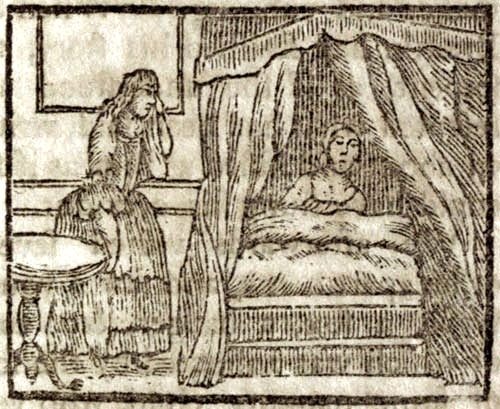
I’ve taken the polar express right upstairs to my bedroom, since my downstairs office is a good 15 degrees colder. Computer, books, coffee, check. The only thing I lack here is a canopy bed such as the kind they built during the middle ages.

medieval block print

Long curtains to pull around the sides kept you cozy.

DV IMAGE

Sleeping might not have been so comfortable today as it involved straw-stuffed, weevil-engorged mattresses. But it was better, I think, than earlier, when the Romans laid themselves out on planks.

Roman Beds

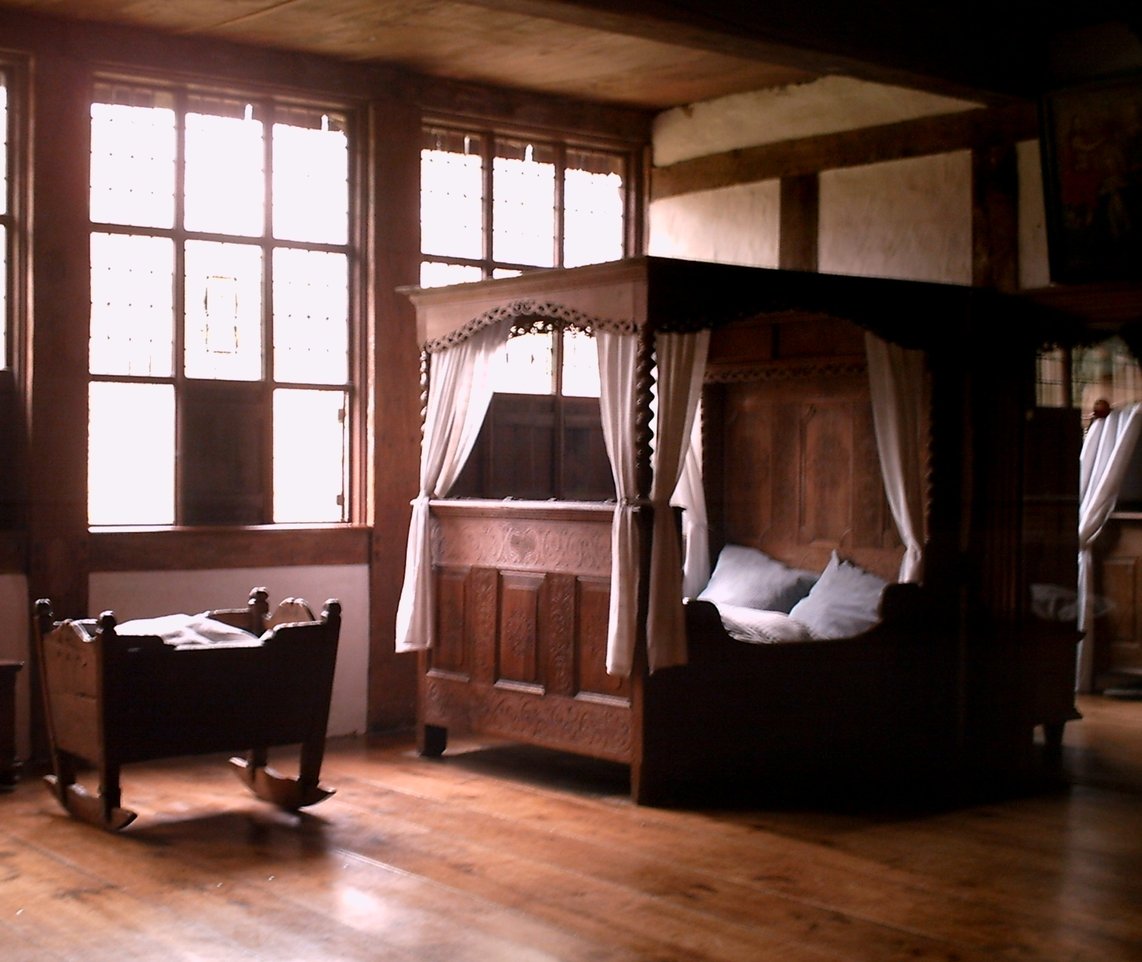
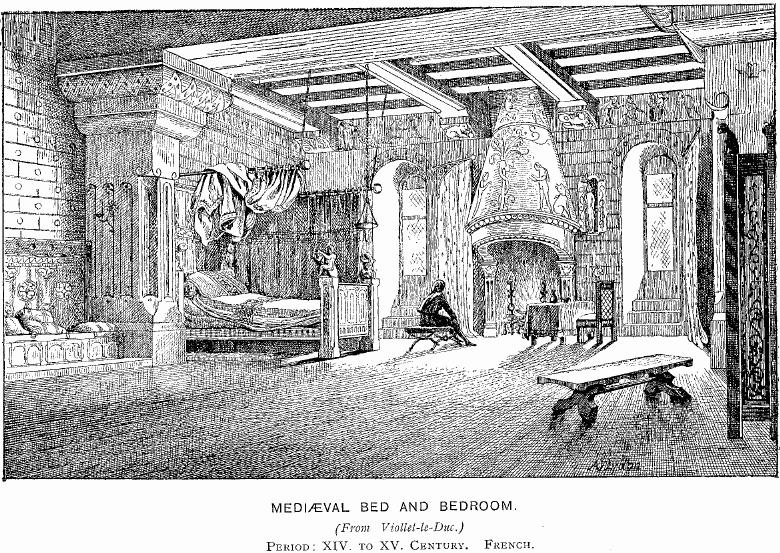
Especially for the wealthier sort in the Middle Ages, drapery offered privacy. Nice when servants and even livestock slept in the same great hall as you did.

med bed and bedroom

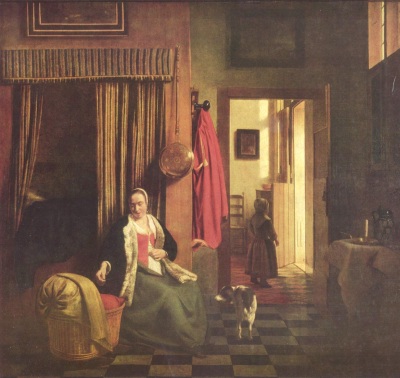
I’ve always liked the Dutch version of the canopy, which often appears in Golden Age art with a cradle right near by.

Woman cradle de Hooch

And often a dog. Here there’s also an idea I’d like to bring back tonight, a warming pan into which you place hot coals, then swish it fast between your sheets before you slide between them.

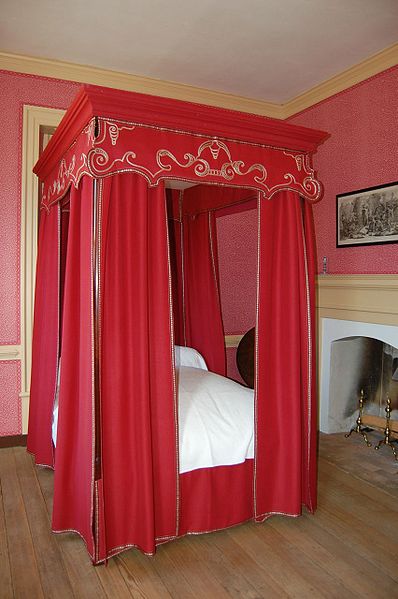
I’ve frequently been tempted  to crawl right in to a bedstead in Colonial museum or historic house. Especially nice is the idea of a blazing fire right nearby.

colonial williamsburg canopy bed

I could hide. Pull the brocade, stay quiet and nobody would find me.

1800 New England bed w curtains and valance

Though they might hear me swiffing the warming pan around.

Van Cortlandt House bed

Wait until spring comes, yank back the curtains, roll out. A survivor of the cold snap of 2014.

2 Comments

Filed under Art, Culture, Dogs, History, Home, Jean Zimmerman, Nature, Writers, Writing

The Hearth of the Matter

Oh, why am I out, seeking sushi sustenance, on the coldest day of the year?

Because I have a touch of cabin fever, and because Maud all but forcibly pulled me out, plunked me on my scooter, and got me to a hot bowl of miso soup at Okinawa nearby.

miso

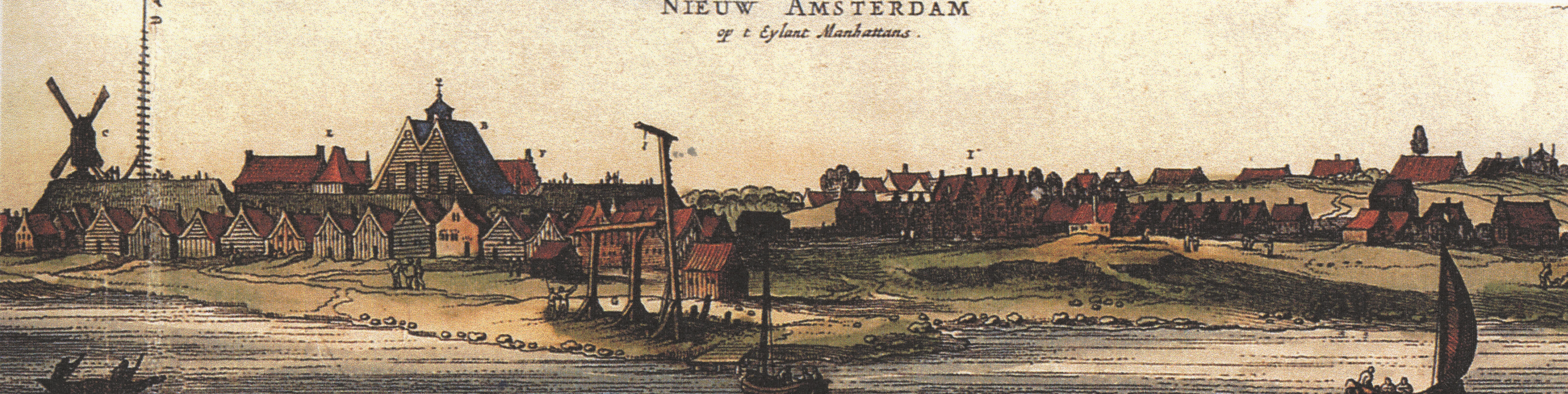
Living in the Cabin, even with central heating, we spend a lot of time in front of a fire stoked with very good hardwood. I can’t help but imagine the hearths of the past when New York was Dutch, when New Amsterdam was 15 streets and 2,000 residents. When a fire was the only heat source in a long, bitter winter.
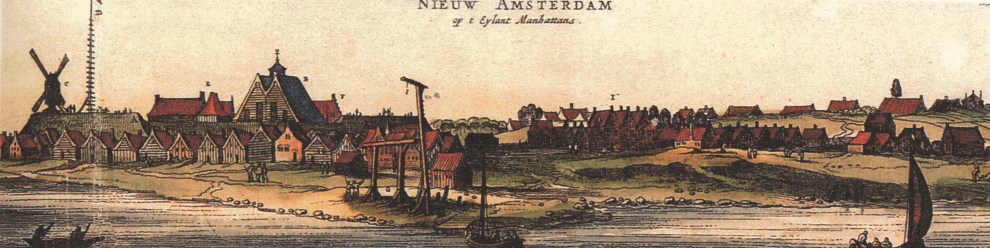
1  1655 Manhattan View

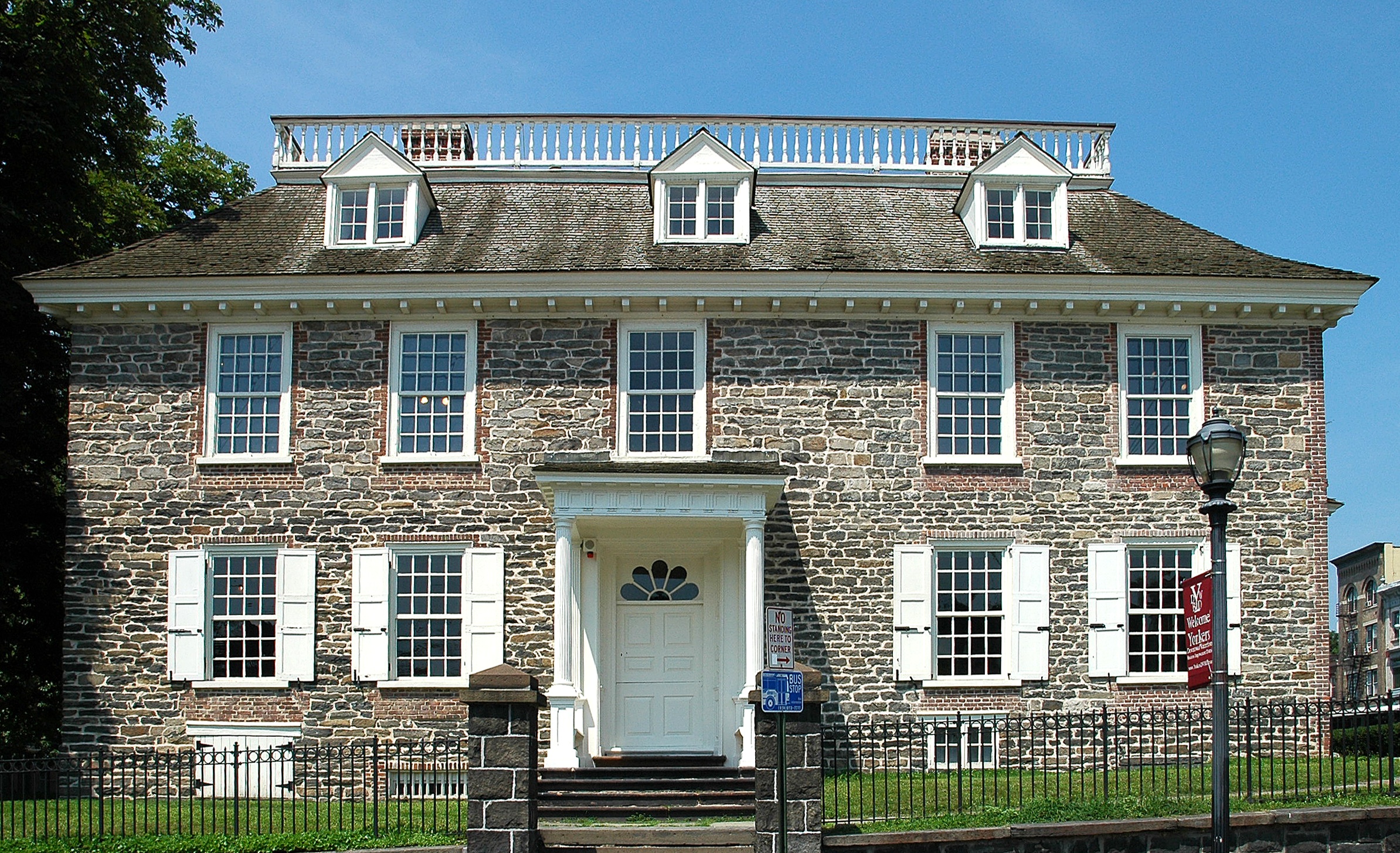
Not much remains of that era’s built environment. But one impressive hearth specimen remains from the 1680s, twenty miles up the Hudson from Manhattan in Yonkers, New York. Now known as Philipse Manor Hall, it was then the house  Margaret Hardenbroeck built. I wrote about her, her female descendants and her home, constructed of coursed rubblestone masonry in the then-wilderness, for my history The Women of the House. Hardenbroeck and her husband Frederick Philipse had negotiated for tens of thousands of acres with the local Lenape Indians.
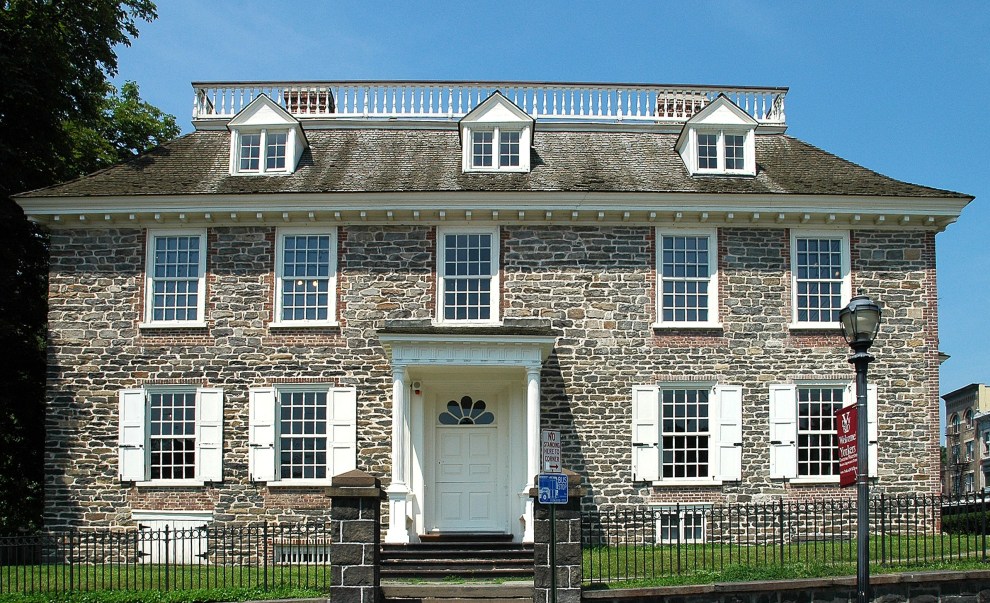
17  PMH South Facade

In her new home’s first-flour room — seen here to the left — with its corner view of the river and the majestic Palisades, she installed a fireplace of bricks held together by plaster fortified with horsehair. It was huge, designed in the style of fireplaces of the day, so big a person could duck inside and see the clear cobalt heavens through the brick-framed top. A tongue of flagstone extended into the room, providing a generous space to prepare meals. A slightly more genteel version of her hearth can be seen at New York’s Van Cortlandt House– the oldest house in the Bronx — built some years later, in 1748.

van cortlandt house, nyc

Despite the heat that must have escaped up the chimney, the occupants of Hardenbroeck’s house, out in the woods, all by themselves, with no neighbors, no local tavern, no welcoming church, would surely stay warm.

How do you think the Dutch in America survived the cold winters? I asked Maud as we tucked into hot coffee.
Maud sips

They wore plenty of furs, she said.

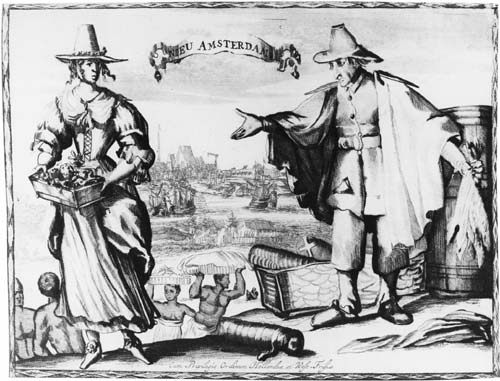
Right. It didn’t hurt that Hardenbroeck made her living as a fur trader – one of the most successful of the age. This could be a likeness of her engaging in her business, beaver hat set squarely on her head.
1643NieuAmSlave

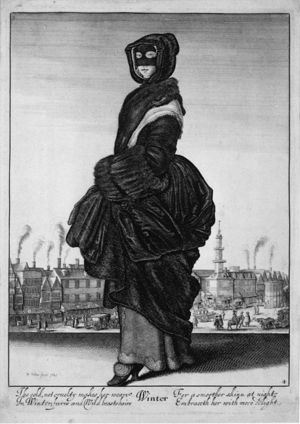
She traveled from the island of Manhattan up the Hudson to Albany to acquire beaver pelts from Native American trappers and returned south to ship the furs off to Holland, sometimes traveling on board to keep an eye on her merchandise. She made a fortune, more than enough to build her solid Yonkers pied a terre and to clothe herself in furs as well. She was a crack businesswoman and I always liked to see her signature at the bottom of contracts.11 Margarets SignatureShe could definitely drape herself in all the furs she wanted to, like this well-cloaked London fashionista from the era, portrayed by Wenceslas Hollar. The mask is to keep her complexion fresh.
sun-expelling-mask

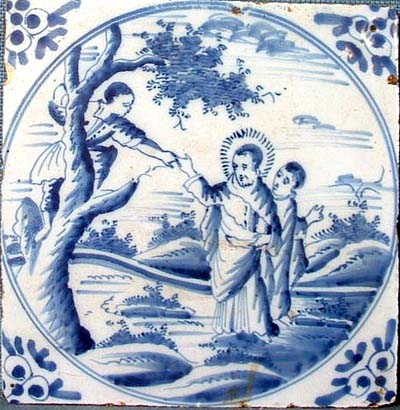
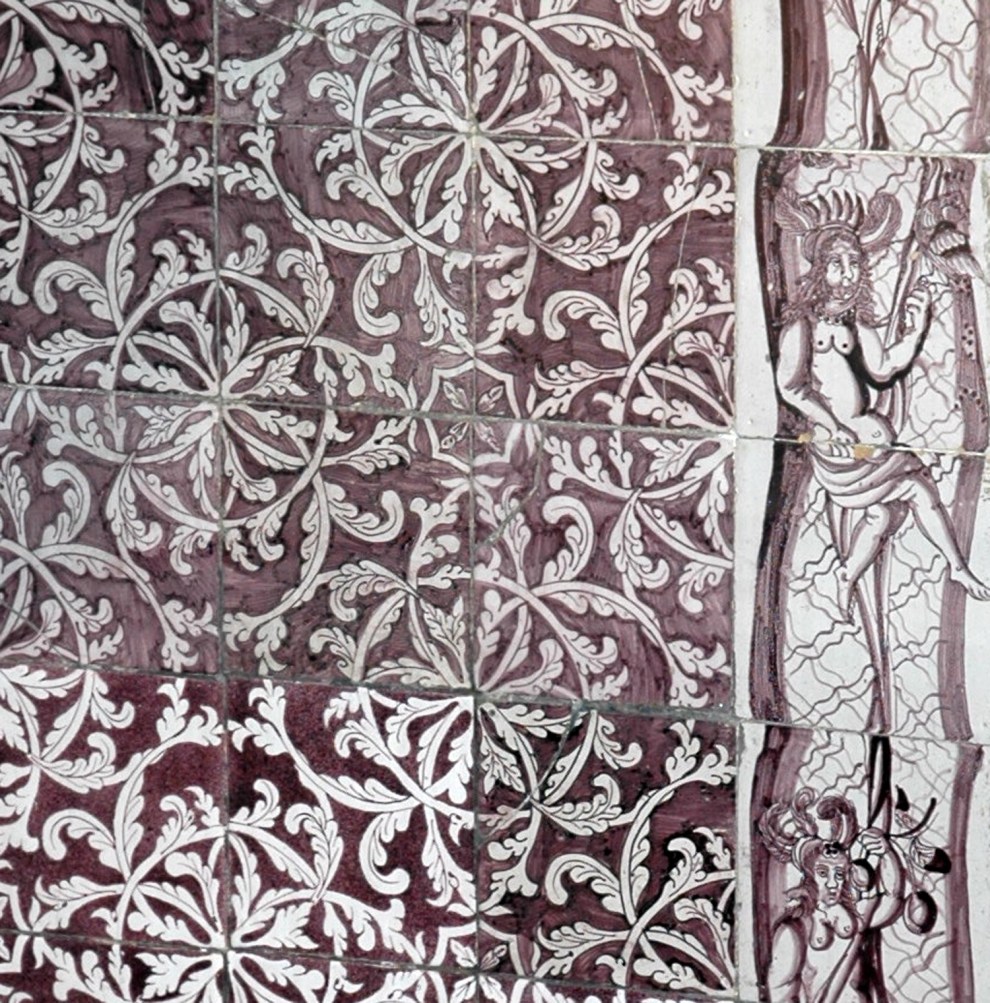
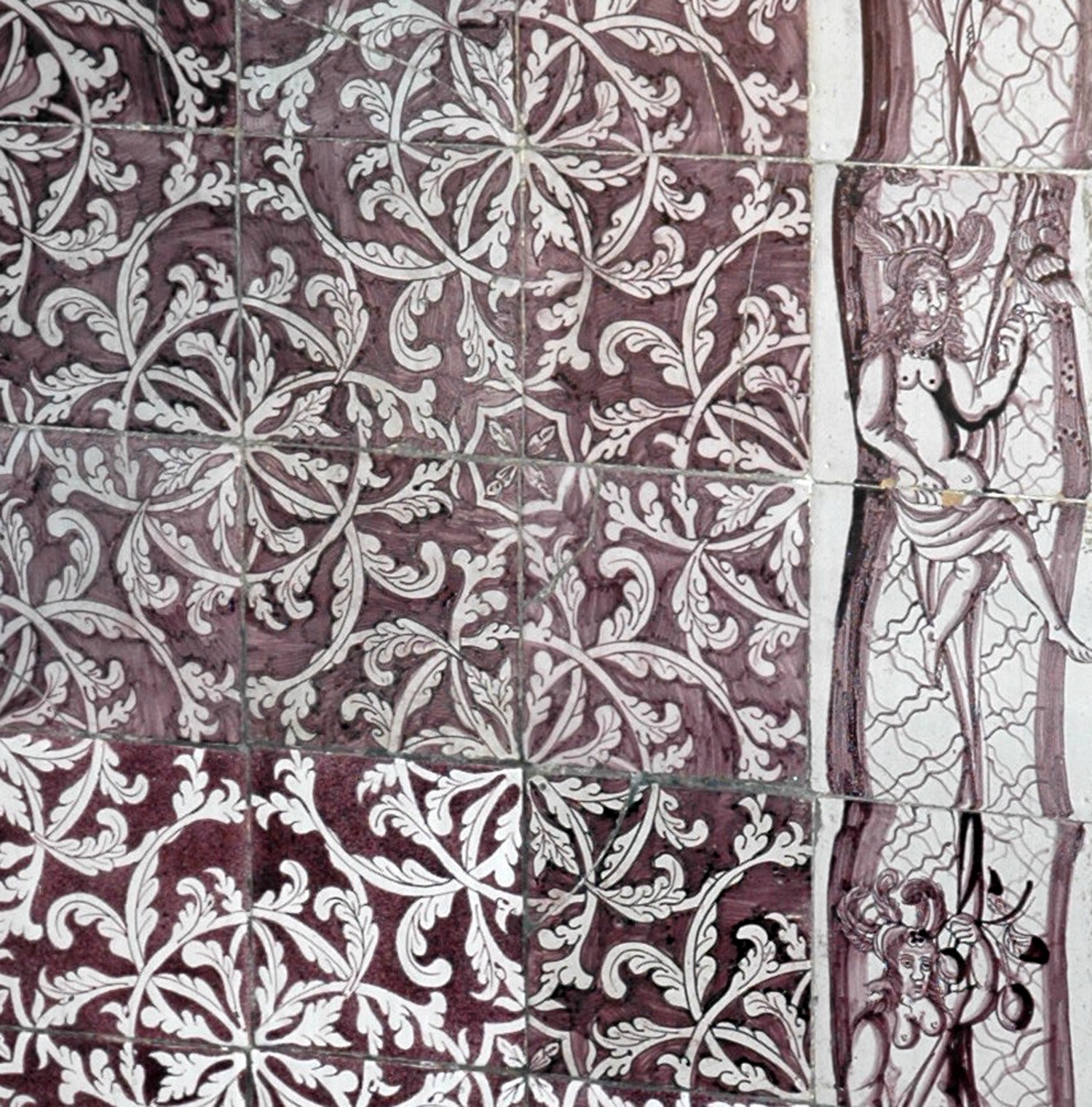
Something odd struck me about Hardenbroeck’s fireplace when I first saw it. Most Dutch hearths have a decorative surround of Delft tiles.

Delft Tile 15

Staid Dutch burghers usually employed tilework in pure white or sober biblical allegories in safe shades of blue. Hardenbroeck’s, on the other hand, was framed by painted tiles that she might have found especially chic, with exotic pictures in a stylish minor-key tint called manganese that resembled the magenta-blue-brown of a fading bruise. Off shades called “sad” persisted as high fashion in the clothes of this period, denoting not necessarily gray or black but muddier earth tones, whether russet, plummy red, or the golden brown called ‘tawney.’ Even some pewter plates received the descriptor “sad-colored.”

Hardenbroeck chose a theme  with some Delft craftman’s cracked vision of the wilden of the New World: heavy-lidded hermaphrodites frolicking on animal feet, breasts bulging, carrying fruits that resembled ripe melons and accompanied by old-style griffins. These images reflected the era, which paired intensive high-seas exploration and scientific curiosity with tenacious ancient beliefs in monsters.
PMH Fireplace Tile

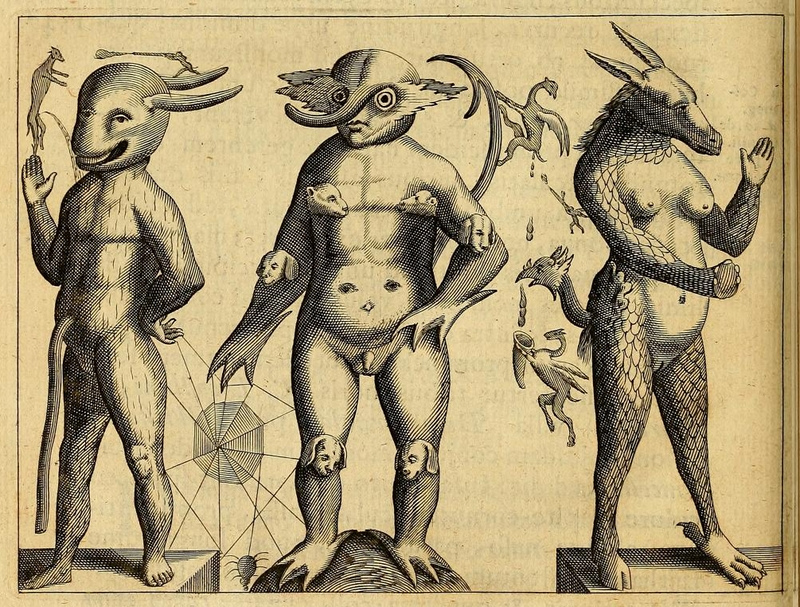
Artists and writers without firsthand knowledge of lands abroad still portrayed the scenery of America as crowded with Cyclopes and unicorns and other odd beasts, like those of Fortunio Liceti, who was sharing his creations with the world at around the same time.

1

The fanciful renderings on Hardenbroeck’s hearth tiles offer an ironic counterpoint to the house’s site, centered among the ghosts of ancient native villages whose all-too human inhabitants had perished of fevers, plagues and violence. New Amsterdam, where Hardenbroeck spent most of her time, was relatively cosmopolitan – for America. These were people, not only Dutch but a range of nationalities, who had braved all sorts of dangers to settle here, and now they lived clustered together in relative safety. They even bartered and socialized with the local Indians, when they weren’t making war on them.

But did the fur trader’s hearth fires keep her warm against the seventeenth century equivalent of our polar vortex? We have to assume they did. Folksy colonial historian Alice Morse Earle quoted a poem in one of her many books about the Dutch in Manhattan.

Shut in from all the world about,

We sat at the clean-winged hearth about,

Content to let the north wind roar

In baffled rage at pane and door,

While the red logs before us beat

The frost-line back with tropic heat;

And ever, when a louder blast

Shook beam and rafter as it passed,

The merrier up its roaring draught

The great throat of the chimney laughed,

The house dog on his paws outspread

Laid to the fire his drowsy head…

Hardenbroeck kept her up-river lodgings until her death in 1691, at the age of 54, and the house stayed in the family for a century after that, until the loyalist Philipses were driven off their estate after the Revolution, back to England. Hardenbroeck used the house at Yonkers throughout her career-intensive years as a stopover on her way to and from the fur fair at Albany, storing goods in a dry, paved cellar, no doubt happy to warm her hands by a blazing fire for a couple of days en route.

The sushi has arrived.

sushi

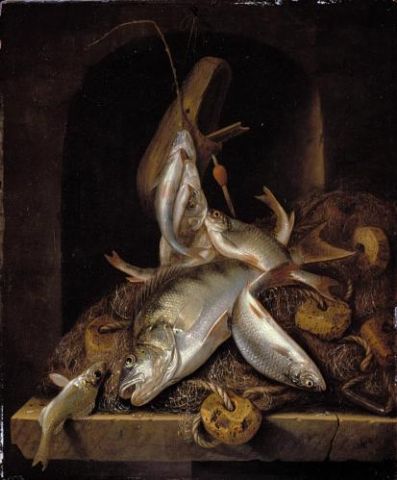
Cold fish on a cold day, how nice. We are fond of our fresh fish, here along the Hudson in the winter of 2014. No doubt, the Dutch denizens of New York also appreciated their seafood more than 300 years ago. After all, the harbor at New Amsterdam was stocked with foot-long oysters.

Jakob_Gillig_-_Freshwater_Fish

1 Comment

Filed under Art, Cooking, Culture, Dogs, Fashion, History, Home, Jean Zimmerman, Nature, Writers, Writing

Oddities of Nature Circa 1665

I’ve been thinking about oddities of nature, feral children and other beings that have captured peoples’ imagination over time. I came across some illustrations by an artist who really delved into the what ifs of human and animal existence.

1

Fortunio Liceti published De Monstris in 1665. He held a doctorate in philosophy and medicine and was widely published. Galileo, a friend, once loaned him money.

2

His drawings depicted monstrosities in nature, and apparently inspired widespread interest in what ifs: mermaids, pygmies and other marvels of the natural world. What I like is that it seemed in that early time as though anything was possible. People could grow arms out of their necks.

3

The Public Domain Review offers quite a few of these marvels for your perusal. Here is a taste.

4

2 Comments

Filed under Art, Culture, History, Jean Zimmerman, Nature

When Fifth Avenue Was Quiet

I like to think sometimes about what Manhattan was like in middle of the nineteenth century. Especially the upper East side, upper Fifth Avenue, the venue for my book Savage Girl. It fascinates me because it is so different than our image of New York. The environs were almost completely undeveloped.

In 1842, James Renwick designed the gargantuan Croton Reservoir (also referred to as the Murray Hilll Distributing Reservoir) at 42nd Street. It was far from the center of town. He ran a promenade along the top rim of its forty-one- and-a-half foot high slanted walls. The walkway became a hit society destination. You could get an ice cream afterward across the street at Croton Cottage.

currier-ives-print-of-croton-reservoir

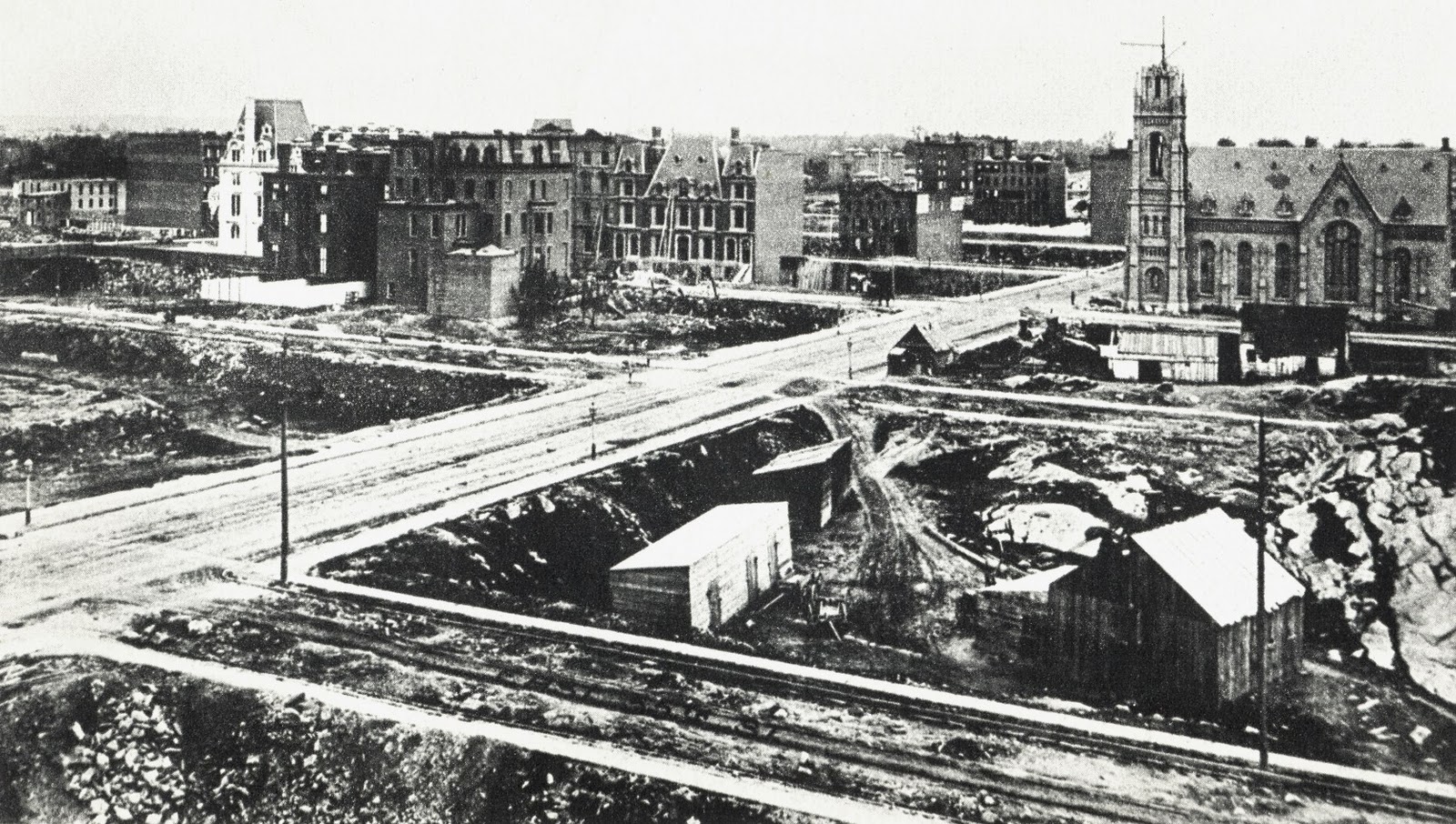
North of the reservoir stretched the undeveloped city. If you look at a picture made in 1863,  facing south from the site of what would become Central Park, you can see the still-pastoral nature of uptown.

valentines-manuel-1858-5-ave-s-from-63-st

Fifth Avenue, to the left, heads determinedly north, flanked by buildings in its lower reaches but by nothing but fields and cattle farther up. A few homes dot the landscape, but more dominant are the ungainly freestanding charitable institutions that would not be accommodated farther downtown. You can see the massive shapes of St. Luke’s Hospital, between 54th and 55th Streets, and the unfortunately named Deaf and Dumb Asylum. Behind St. Luke’s stands the Colored Orphan Asylum, which was attacked in the horrific week-long Draft Riots of 1863 (five years after this image was made). Saint Patrick’s, the landmark we associate with midtown Fifth Avenue, was not begun until 1858.

To give an idea what the surroundings were like, consider Madison Avenue, a block over from Fifth, as it made its way north from 55th Street around this time.

ne from mad and 55

A thirty-acre farm owned by the prosperous Lenox family dominated the neighborhood, with a stolid white tenant farmhouse located between 71 and 72 near Fifth Avenue. Cows grazed nearby and market crops grew in rows. Lying on the outskirts of town this far north were slaughterhouses, stockyards and tanneries, enterprises fashionable downtown folks did not want near their homes. The Lenox Library, a handsome block-long structure designed by star-architect Richard Morris Hunt, went up in 1875 at Fifth Avenue and 71st Street, an outpost of civilization.

As of 1865, the city was moving uptown, but slowly.

NYC1865

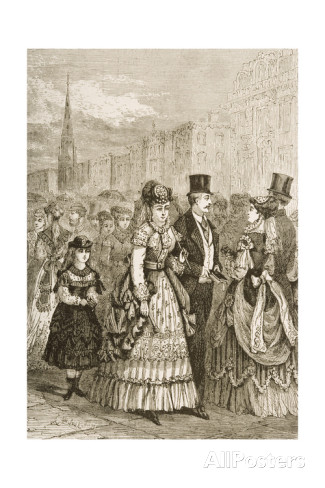
New Yorkers took the air on Fifth Avenue, promenading as always with vigor. The Easter Parade was only one opportunity to admire and be admired.

1870 fifth-avenue-new-york-in-c-1870-from-american-pictures-published-by-the-religious-tract

But while the uppertens (upper ten percent) of New York built their urban villas and stolid brownstones to the south, wide open stretches of the boulevard north of 60th Street still seemed off limits for luxury development. At the time of Savage Girl, more than 340 private residences had been constructed up to 59th Street but none above.

The lack of elegant homes didn’t mean people didn’t live there. Those precincts had long been settled by African Americans and German and Irish squatters who occupied shanty towns where the principle businesses were bone boiling, glue, soap and candlemaking. Eventually they were  eliminated from the area both by the development of Central Park and rising real estate prices.

 by Ralph Albert Blakelock

Central Park, built in the 1860s and opened officially in 1873, made inroads in “civilizing” the neighborhood; but it still seemed too much like a savage wilderness for the upper crust to build there.

There were a few exceptions, wealthy home builders that for their own reasons decided to go above 42nd Street. But mansions towered over shacks.

Mary Mason Jones, a distant relation of Edith Wharton’s – personified in The Age of Innocence by Mrs. Manson Mingott — built a row of mansions on Fifth Avenue bet. 58th and 57th Streets, completing them in 1870. A remarkably independent, wealthy, well-travelled woman, she had the first bathtub in NY installed in her home on Chambers Street, and her choice of venue for her new residence was equally offbeat. Five homes were constructed of gleaming white marble, with a two-story mansard roof that had green copper trim.

Marble Row, built 58th and 5th 1870

By the time the fictional Delegates, the family at the center of Savage Girl, settle into their house in the early 1870s at the intersection of Fifth Avenue and 63rd Street, all was still quiet, devoid of built structures, undiscovered by Knickerbocker Society. The Delegates are pioneers. I decided to situate them there because the choice makes them outliers, risk takers, iconoclasts in a society they see as conformist. I wanted to show them as the first to build a grand residence, one that would outshine all the others in the city.

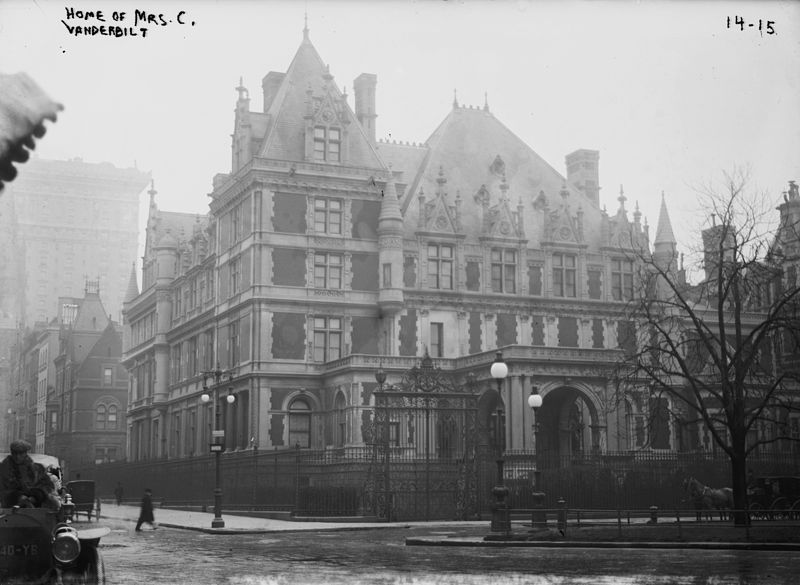
I couldn’t resist borrowing from some of the later residential masterworks to design the Delegate house, even though they would not be erected for a few more years. The various Vanderbilt homes offered the kind of opulence I felt the Delegates’ place would embody. I was especially impressed by the mansion Cornelius Vanderbilt II put up at 58th Street and 5th Avenue in 1883,  the largest private residence ever built in New York City. A full block long, designed by George B. Post, it stood sentry until 1927, as one mansion after another followed it up the avenue.

corneliusvanderbiltiimansion

Actually, I’m being slightly inaccurate. For the record, in the early 1870s one house did stand on Fifth Avenue at 63rd Street, above the 59th Street divide, just across the street from the still forbidding Park. A narrow townhouse circa 1871, it was built speculatively by one Runyon Martin, hardly a mogul. It didn’t last long.

The Delegates knocked it down to put up their turretted, mulberry-colored, block-long twin palaces.

5 Comments

Filed under Culture, Fiction, History, Home, Jean Zimmerman, Nature, Publishing, Savage Girl, Writers, Writing

A Recipe for Snow Cream

Some people make snow angels, some build snow men. But even if you’re a snow-shy person like me you can enjoy snow cream. We made this delicacy when I was growing up, and it’s still a snowstorm staple in my house. I like the sweet simplicity of ingesting snowflakes.

Snow Cream

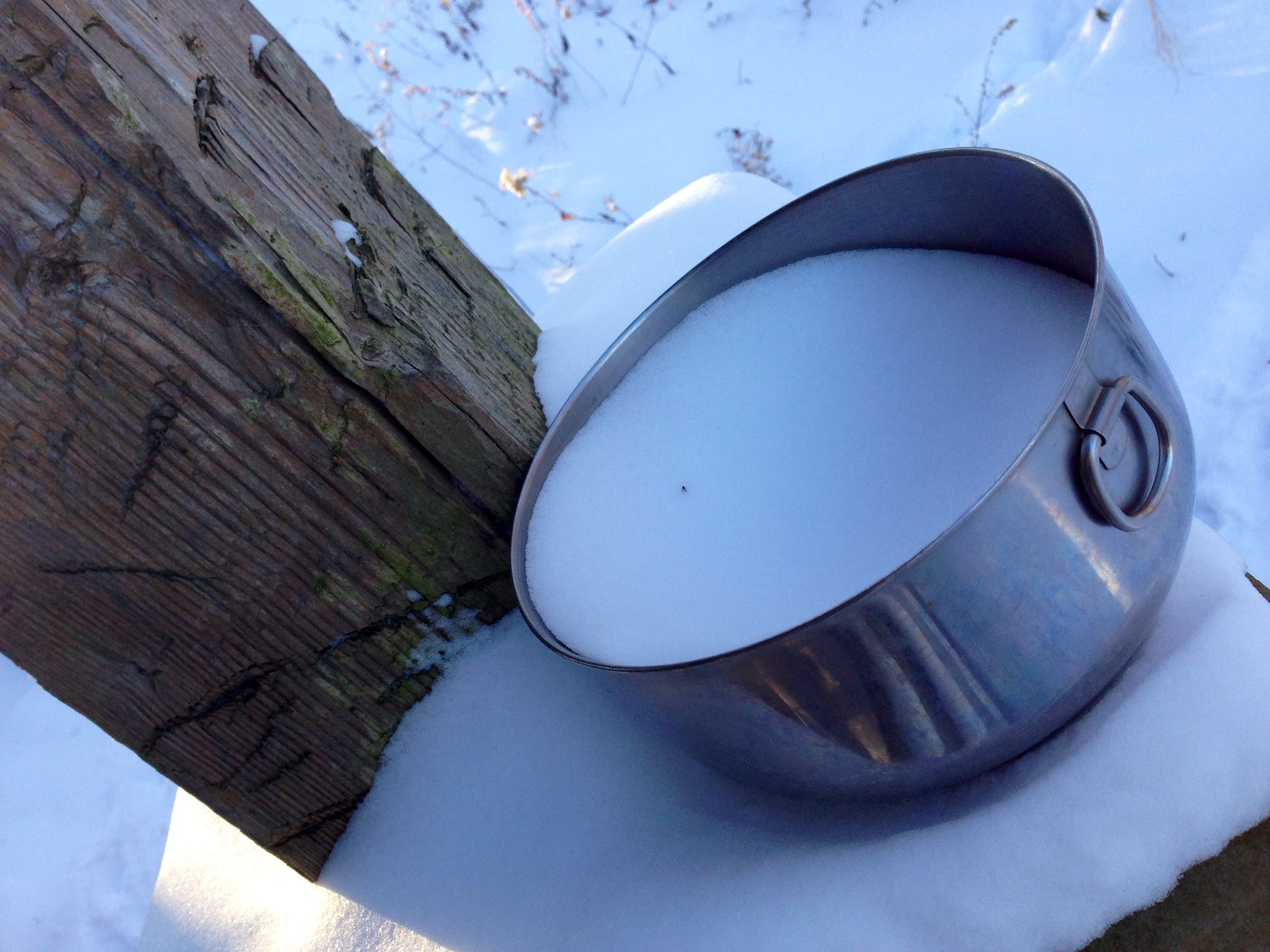
Put out a pot once the blizzard starts.

snow

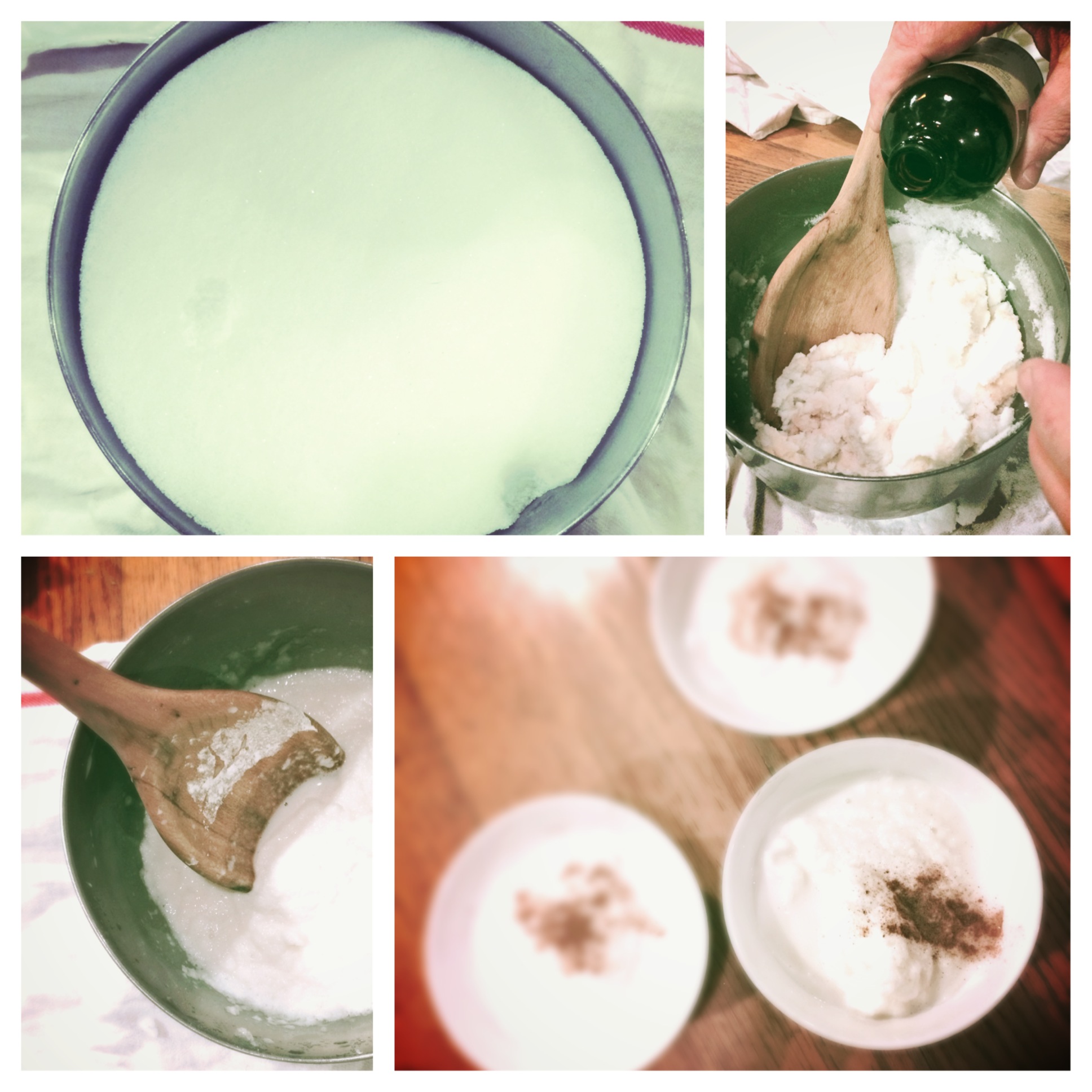
When you’re hungry, collect the snow and stir in some milk. Add sugar and vanilla to taste. Sprinkle with cinnamon if you like.

Distribute in bowls or eat out of the pot.

snow cream

Then, take a walk among the trees in the champagne powder as blue shadows fall.

trees

If you want to make something fancier, try this.

Berry Snow Cones

2 1/2 cups raspberries (6 ounces)

3 cups blueberries (10 ounces)

1/2 cup sugar

1/2 cup water

8 cups lightly packed snow

Mash 1 1/2 cups raspberries and 2 cups blueberries with sugar and water in a 2- to 3-quart heavy saucepan using a potato masher. Bring to a boil, stirring, then boil, uncovered, stirring occasionally, 3 minutes. Transfer to a blender and purée until almost smooth, about 1 minute (use caution when blending hot liquids). Pour berry mixture through a sieve into a bow.  Discard solids. Cool syrup, then chill, until cold, about 1 hour.

For each serving, spoon 3 tablespoons syrup over 1 cup snow and top with 1/4 cup of remaining mixed berries.

Or make an old fashioned treat.

Snow Candy

Roll a bit of honey or maple syrup in some snow. It will get hard enough to suck and be as round as any hard candy.

1 Comment

Filed under Cooking, History, Home, Jean Zimmerman, Nature

Savage Girl’s Central Park

The Central Park, as it was known in the nineteenth century, had only been officially open for two years when Savage Girl arrives at the Delegate mansion in 1875. The scrupulously landscaped plot of 843 acres, designed by Frederick Olmsted and Calvert Vaux, was set in the middle of the island of Manhattan with the idea that the creeping city would eventually reach far enough uptown to surround it, even though the locus of mid-1800s New York was much farther downtown.

centralparkmap1863

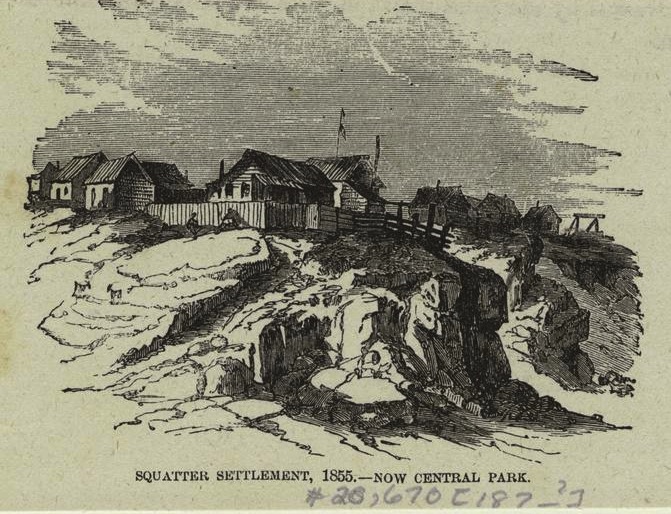
In 1853, when the Park was born by legislative fiat, the land between 59th and 110th Streets was occupied largely by poor squatters who according to one observer “lived off the refuse of the city, which they daily conveyed in small carts, chiefly drawn by dogs.”

NY shantytown

German gardeners and Irish pig farmers occupied shanty towns known as Dutch Hill, Dublin Corners, and the Piggery, and a well-established African-American community called Seneca Village stood at what is now Columbus Avenue and 82nd Street — all of whom were displaced when the Park came in.

centralparksquatters1855

Among the more arcane activities of denizens was the nineteenth-century trade of “bone boiling,” which produced a byproduct used in sugar refining. The area encompassed swamps and bluffs, wooded areas, and massive rock outcroppings.

The Greensward Plan of Olmsted and Vaux was eight feet long and three feet wide, covered with stipple points designating vegetation, rock accents, footpaths and carriageways. A topographical tool and work of art all at once, the map specified structures that still exist today. The three and a half million square foot plot of land has remained remarkably the same, despite ideas that have been floated over time for such new things as stadiums, additional athletic fields, model farms and airplane landing strips.

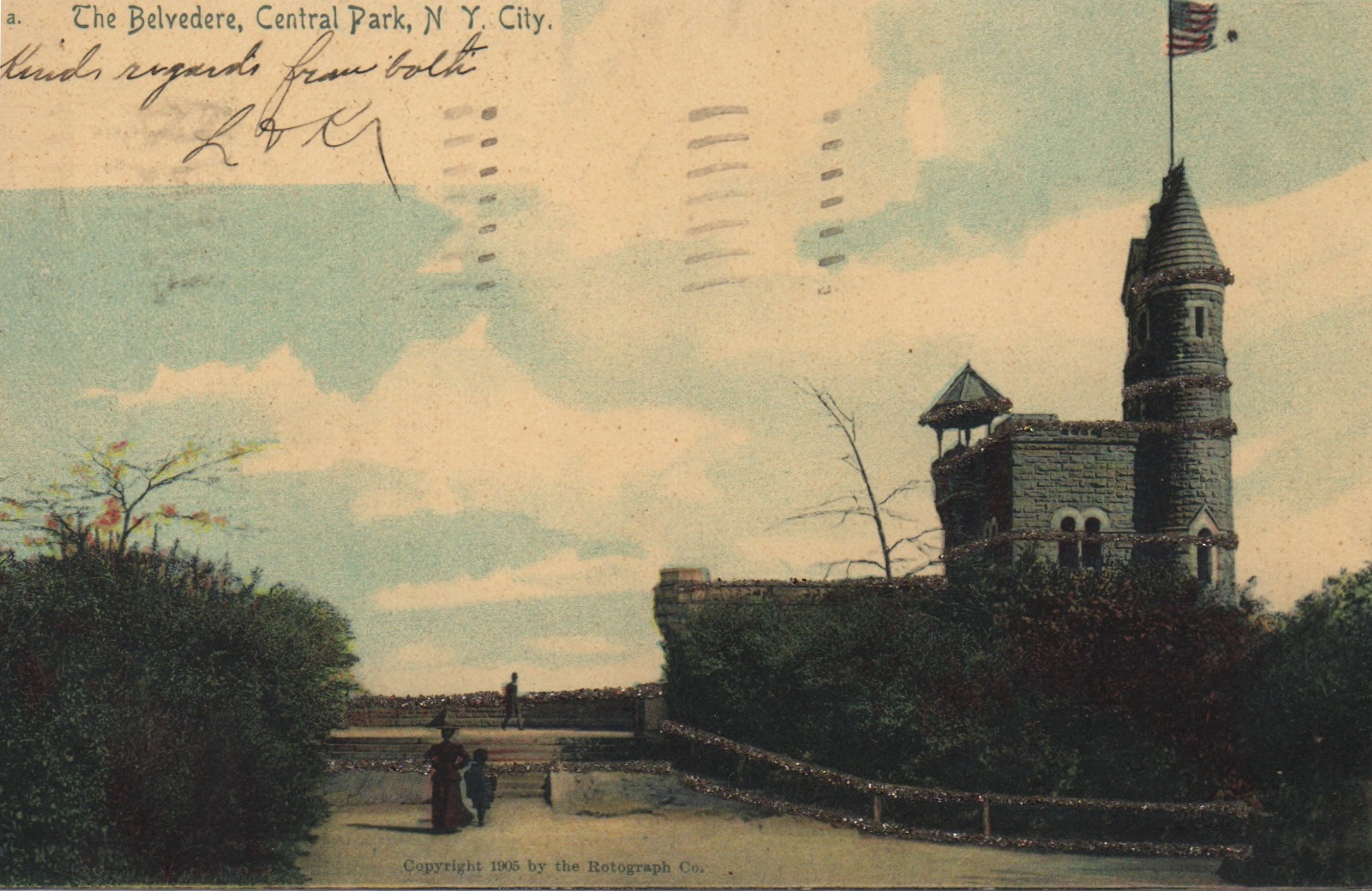
The Park has 250 acres of lawns, seven bodies of water and 80 acres of woodlands. The Greensward plan called for some 36 bridges, all designed by Vaux, ranging from rugged spans of schist or granite to neo-gothic cast iron. The Mall’s double allée of elms comes to a stop at the Bethesda Terrace, whose centerpiece is the Bethesda Fountain. When Calvert Vaux designed the romantic Belvedere Castle in 1869, it was as one of the Park’s many whimsical structures, intended as a lookout to the reservoir to the north and the Ramble to the south.

belvederecastle

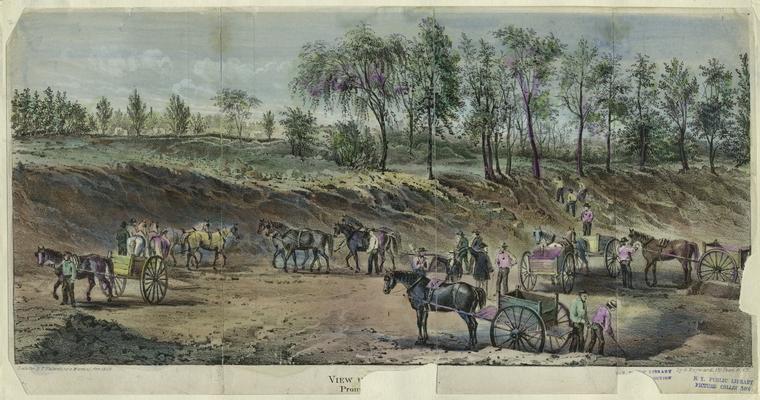
The charms of the Park’s landscaping are largely man-made. During construction, 1,800 cubic yards of top soil were carted in from New Jersey to establish plantings. Laborers planted more than four million trees, shrubs and plants. More gunpowder was used to clear the area than was used at the battle of Gettysburg during the  Civil War.

workers building central park

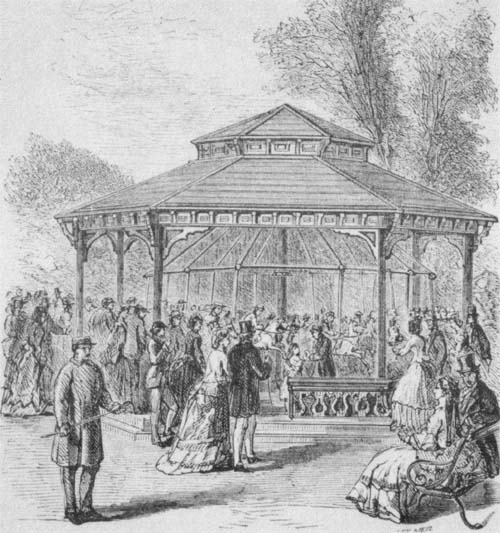
From the start, leisure activities reigned in the Park. There was ice-skating on the Pond at 59th Street and Fifth Avenue, in front of a much earlier version of the Plaza Hotel.

carriages central park

Elite New Yorkers flew in their coaches down the winding drives. They strolled in the Ramble. They enjoyed such novelties as goat carts, here portrayed in a 1870 lithograph.

goatcart 1870 litho central park

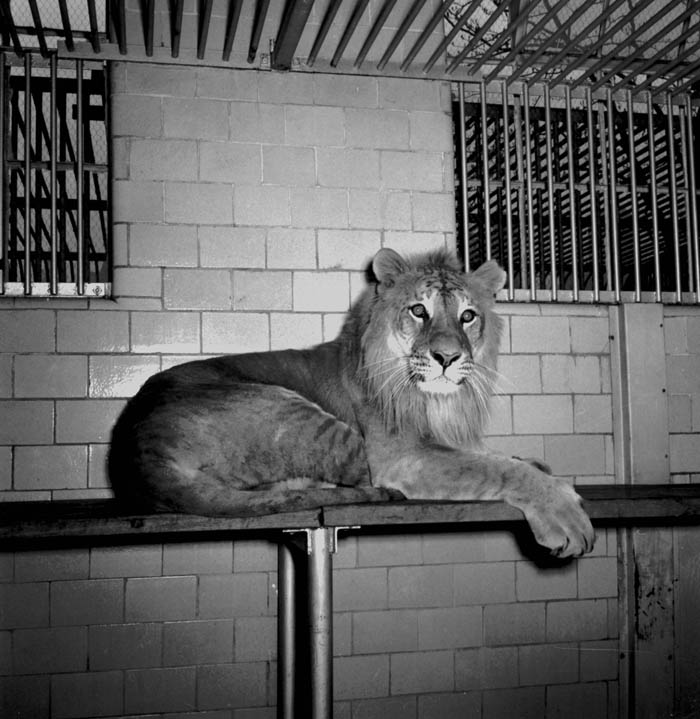
Children sailed toy boats on the Reservoir Pond at 72nd Street just as they do today. The Central Park Zoo was chartered in 1875, and depended largely on the exotic gifts of wealthy benefactors. General Custer gave the zoo a rattlesnake, and General Sherman offered an African Cape buffalo, one of the spoils of his march through Georgia. One of the zoo’s most exotic donations was Charles the tigon,donated to the City in 1938. the offspring of a female African lioness and a male Siberian tiger.

Charles Tigon

The Carousel went up when the Park opened. Mules beneath the flooring provided the horsepower to pull the decorated wooded horses above, as pictured here in 1872 in Applebee’s Journal.

1872 carousel appleton's journal

A flock of pedigreed Southdown and Dorset sheep grazed on the Sheep Meadow from the 1860s until 1934. I wonder what they’d make of a tigon in the Central Park Zoo.

8 Comments

Filed under Culture, History, Jean Zimmerman, Nature, Savage Girl

Knitting and Giving

Here is a Christmas tale involving soft wool, magic sticks and a sense of loving duty.

lady w scarf

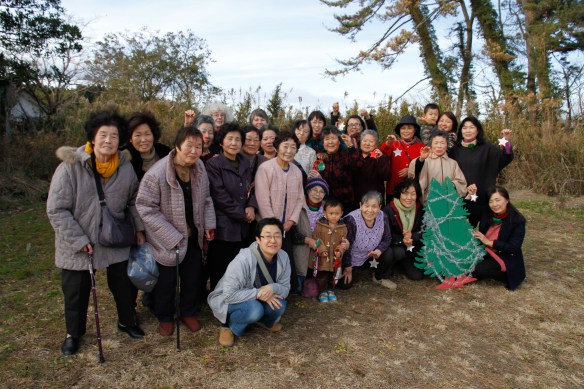
A missionary working in Shichigahama, Japan, a place devasated by the tsunami in March 2011, instigated an outreach program called Yarn Alive that brought thousands of skeins of donated wool and a little knitting instruction to the people of the area.

mittens

The displaced, mainly elderly women who met weekly were living in shelter situations, with no personal possessions and little privacy, having lost loved ones and having had nightmarish experiences during  the disaster. Now, according to one of the participants,  they “knit and chat and comfort each other one stitch at a time.”

yarn alive class

It’s a fellowship. And the ladies are not only creating sweaters for themselves but gifts for others – cozy afghans laid across the chairs of the local postal workers, for example.

Now, as their brilliant 2013 Christmas gift to the world, the women of Yarn Alive have turned their sights farther afield – they’re helping the children of Syrian refugees in Jordan, sending over 200 articles of clothing to keep them warm.

syrian baby hats

Not only that, plans are underway to send knitting supplies to the Syrian ladies in Jordan so they can stay busy and productive too in their own difficult time.

syriaIf you would like to donate yarn, here is where to send it:

Yarn Alive
#36 TBC
Hanabuchihama
Shichigahama Machi
Miyagi-ken
Japan
985-0803

United States, Japan, Syria, all knitted together by the willing hands of women who  are helping each other, helping themselves.

ornament

5 Comments

Filed under Culture, History, Home, Jean Zimmerman, Knitting, Nature

A Grimm Tale

Recently I checked out my reader reviews for The Orphanmaster – not always a good thing for a writer to do, but Amazon makes it so easy – and after the wonderful, wonderful, wonderfuls I was stopped short by this extremely erudite criticism: Yick. One of my readers actually had to put the book down and erase it from her e-reader, she was so offended by the novel’s instances of violence and depravity.

Alright, you got me. Loving, brave Blandine and valiant, dashing Drummond and adorable little Sabine aren’t the only beings in the story. There are bogeymen lurking in the New Amsterdam shadows, crouching in the forest, maybe even hiding somewhere in your house, perhaps inside the groot kamer itself.

O-Master P-Back Cover

No one in The Orphanmaster is entirely safe. It’s our job (through the actions of the characters we adopt as our totems) to crush those towering monsters and let the light shine in for another day. There’s a crack in everything, wrote Leonard Cohen, That’s how the light gets in.

Why do some writers, like me, want to show the monsters, expose them, and crush them? Why are some people drawn to a TV gorefest like The Walking Dead? I know I am. Monsters are with us at the core of our psyches. A lot of viewers are eating up the NBC prime time show Grimm, which puts a procedural spin on nailing fairy-tale creatures.

grimm

It’s actually amazing that we manage to find anything remotely more interesting to tell stories about.

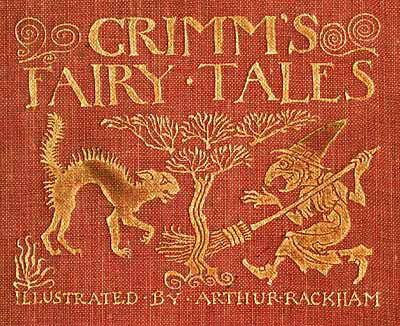
Today is the anniversary of the first publication of Grimm’s Fairy Tales. This literary landmark, originally titled Children’s and Household Tales, first appeared in Germany on December 20th, 1812 – just in time for Christmas shoppers, right?

Grimm's_Kinder-_und_Hausmärchen,_Erster_Theil_(1812).cover

Jacob and Wilhelm Grimm were not the first to publish fairy tales, but their versions enshrined the “folk” aspect of the material – the down and dirty part, the cruelty, the yick factor. The brothers went out to the countryside and collected folk tales from peasants, unsanitized, terrifying and utterly compelling.

Arthur-Rackham-Grimm-Fairy-Tales

Many of the details in the original versions of the stories were more ghastly than those we recognize from Disney – for one minor example, in the Grimms’ Cinderella, two heavenly doves help the heroine get dressed for the big ball in a gold dress and slippers – then fly down to peck out the eyeballs of the evil stepsisters.

Cinderella-(Cinderella_III)

Yick. But brilliant. The tales have found their way into 160 languages in the last 200 years. A recent translation of 50 of them by children’s writer Philip Pullman manages to be as elegant as it is gory. As far as I know, there is no witika in Grimm, no towering, green-skinned, long-fanged, cannabilistic spirit of the woods such as the being that torments 1663 Manhattan in The Orphanmaster.

wendigo_char_c1

Yick. Yum.

3 Comments

Filed under Art, Culture, Fiction, Film, History, Home, Jean Zimmerman, Nature, Publishing, The Orphanmaster, Writers, Writing

Desert Desperados

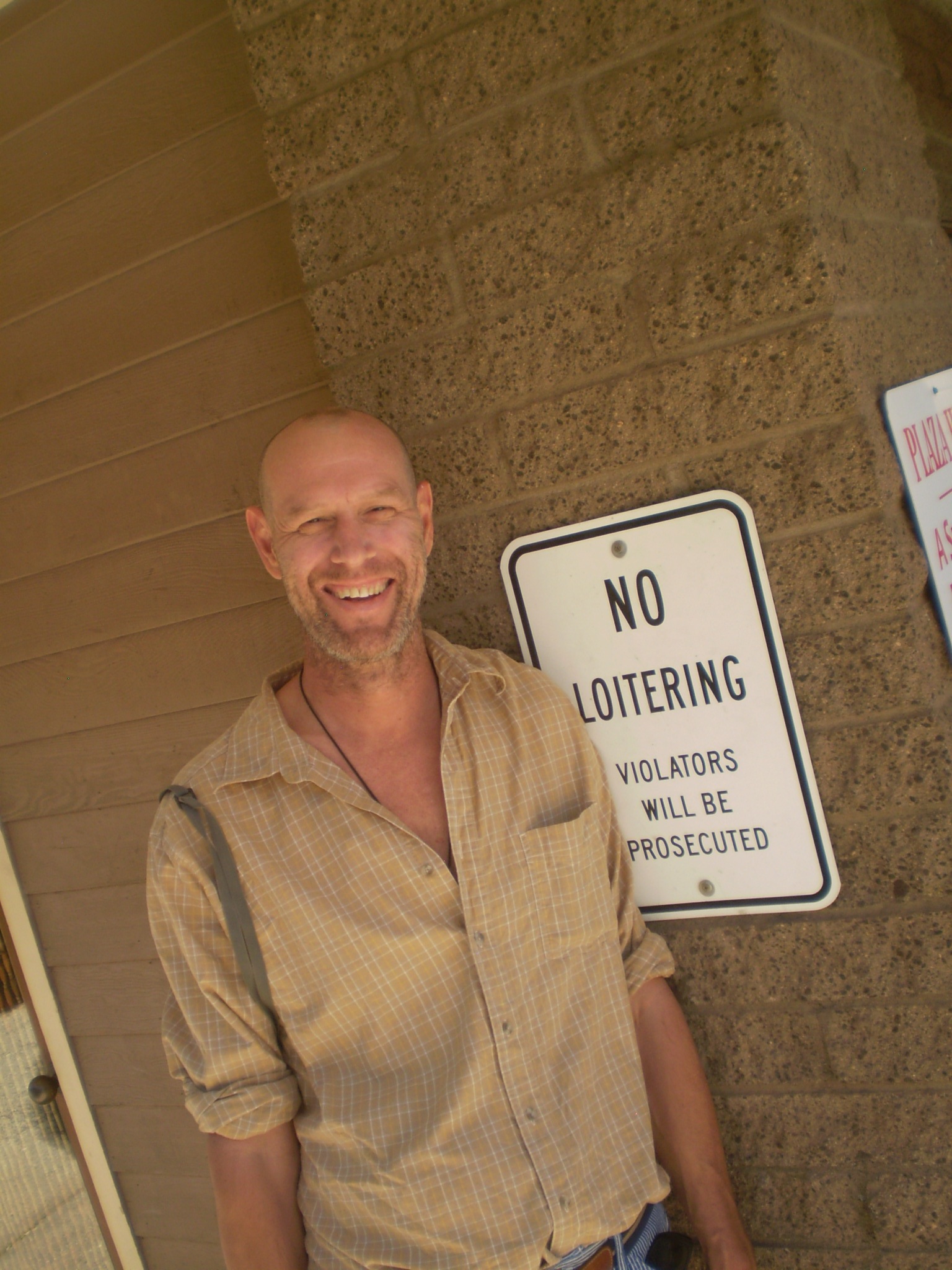
My favorite blogger-in-arms Peter Zimmerman is tall, lean, sun-loving and more than occasionally prickly.

OLYMPUS DIGITAL CAMERA

So I knew that when he wanted to write about the saguaro there would be no better perspective on the cactus.

pic1Hard to believe [he writes] that it’s been 43 years since I saw my first saguaro. I was twelve years old at the time that the Zimmerman family took a whirlwind trip “out West.” We flew to Colorado Springs and, in a packed rental car, by way of the Grand Canyon, Las Vegas, Yosemite, and Santa Barbara, ended up in L.A., where we took in a Supremes concert at Disneyland!

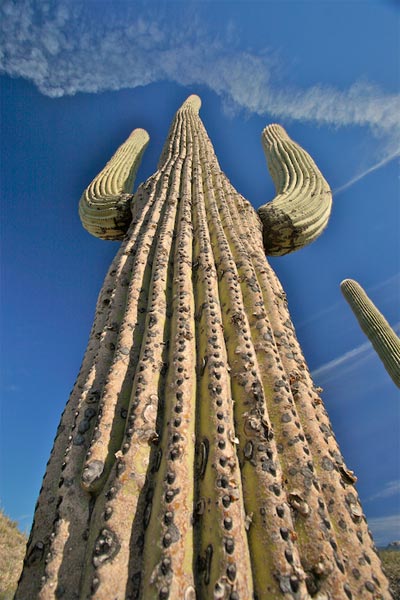
They don’t call it a Cereus giganteus for nothing. Saguaros can grow as tall as 70 feet.
bird1(woodpecker)
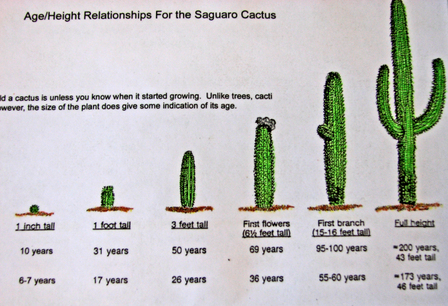
Saguaros have a relatively long life span. They may grow their first side arm at anywhere from 50 to 75 years of age (some lives to be 150 years old), but some never grow one at all. A saguaro without arms is called a spear.
pic2
The rare crested saguaro is perhaps the result of a genetic mutation, or lightning, or freezing weather. Scientists don’t know.
OLYMPUS DIGITAL CAMERA
As a result of their formidable height, it’s very hard to take a picture of a saguaro bloom, located on the top of this stately if comical-looking cactus. Plus they tend to bloom at night.
pic3
I once spent the better half of an afternoon driving the mountainous loop road at Saguaro National Monument, trying in vain to take a picture of a bloom. Try shooting down on a 30-foot-tall plant. I mean, cereus-ly. But elsewhere, I succeeded!
saguaro in bloom
Saguaros are pollinated by bats, primarily the lesser long-nosed variety.
They come in all shapes and forms.
allshapes
Like other cacti, saguaros are water hoarders. Whenever it rains, they soak up the rainwater. The cactus will visibly expand. It conserves the water and slowly consumes it.
Sag. Natl park3

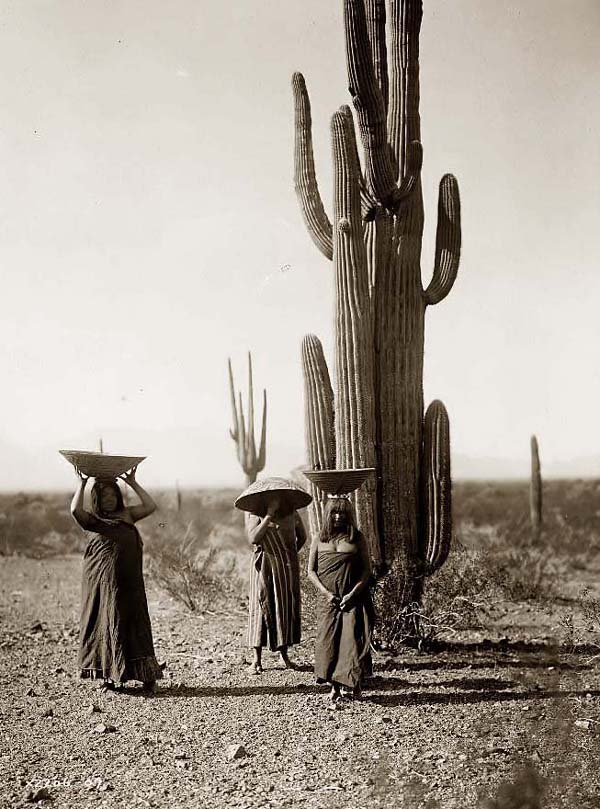
The Tohono O’odham tribes celebrate the beginning of their summer growing season with a ceremony using a fermented drink made from the bright red fruit to summon rains, vital for the crops.
indians
They used the ribs — the skeleton — for building houses. The Seri people of northwestern Mexico used the plant which they call mojépe for a number of purposes.Birds live inside holes in saguaros.
bird3(owelet)
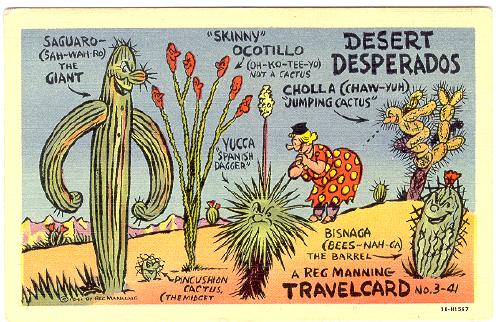
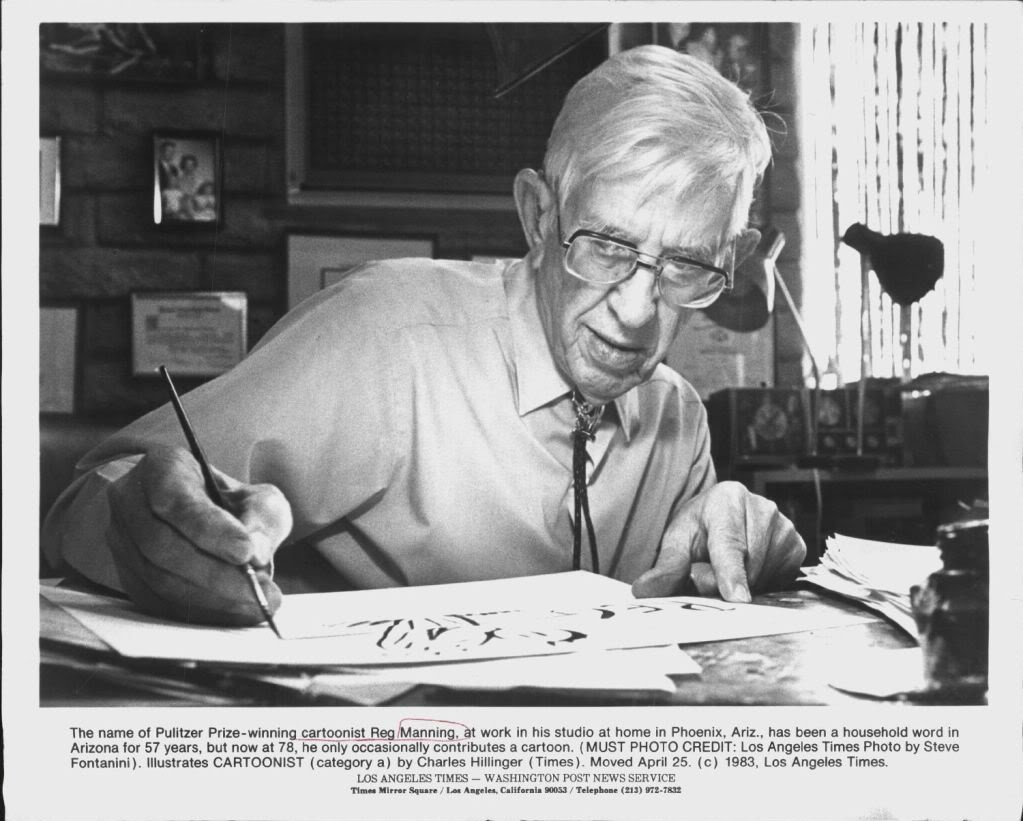
The saguaro has appeared in many Westerns, especially at Monument Valley. Commercially, the saguaro’s silhouette is found on the label of Old El Paso brand products. Old-timey cartoonist Reg Manning made his bread and butter drawing pictures of cacti.manning

His most famous book is What Kind of Cactus Izzat?

1 Comment

Filed under Art, Culture, History, Jean Zimmerman, Nature, Photography