Category Archives: Nature

The Trill of It All

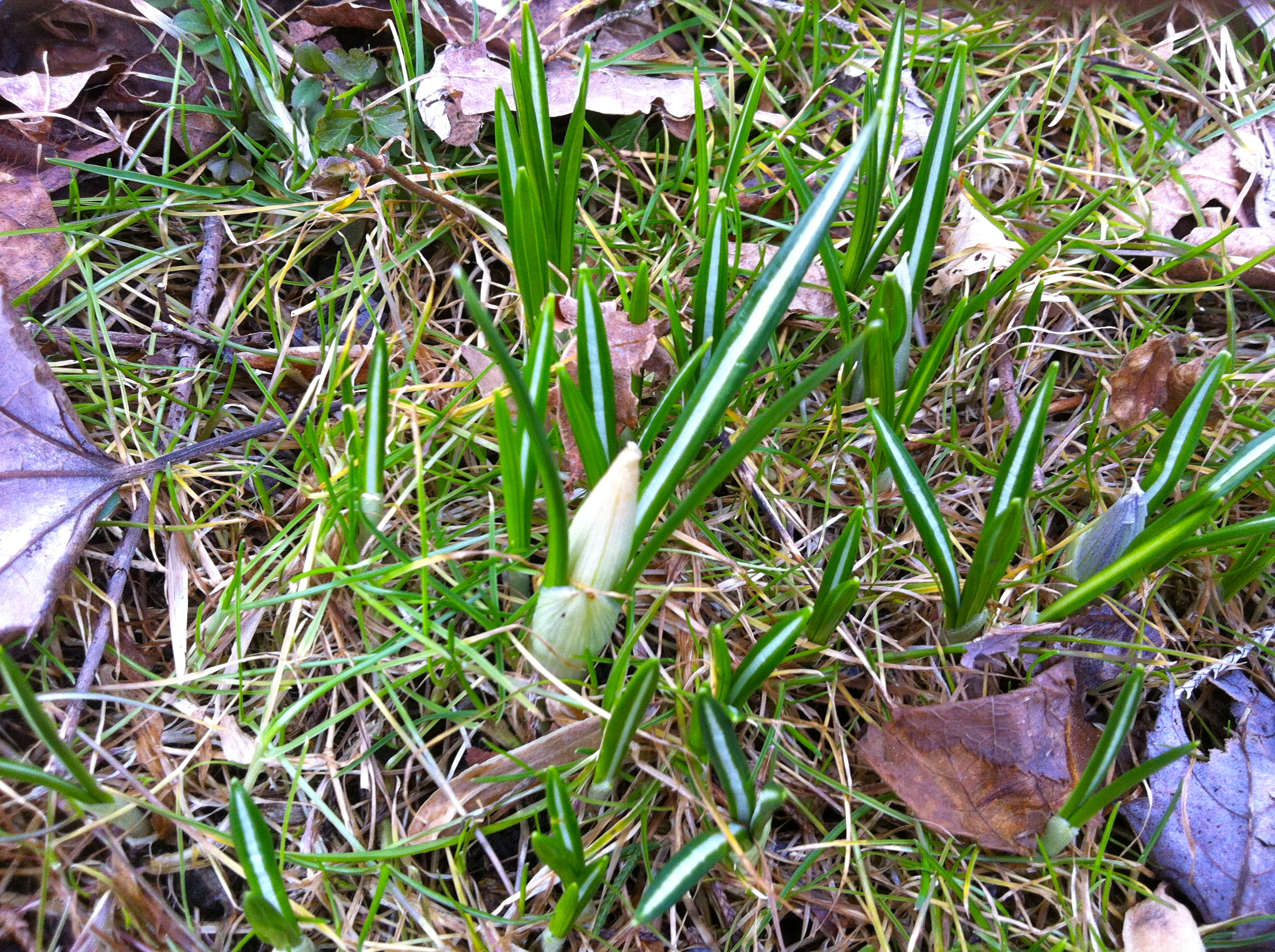
At the cabin, you still have to hunt to find the crocuses.

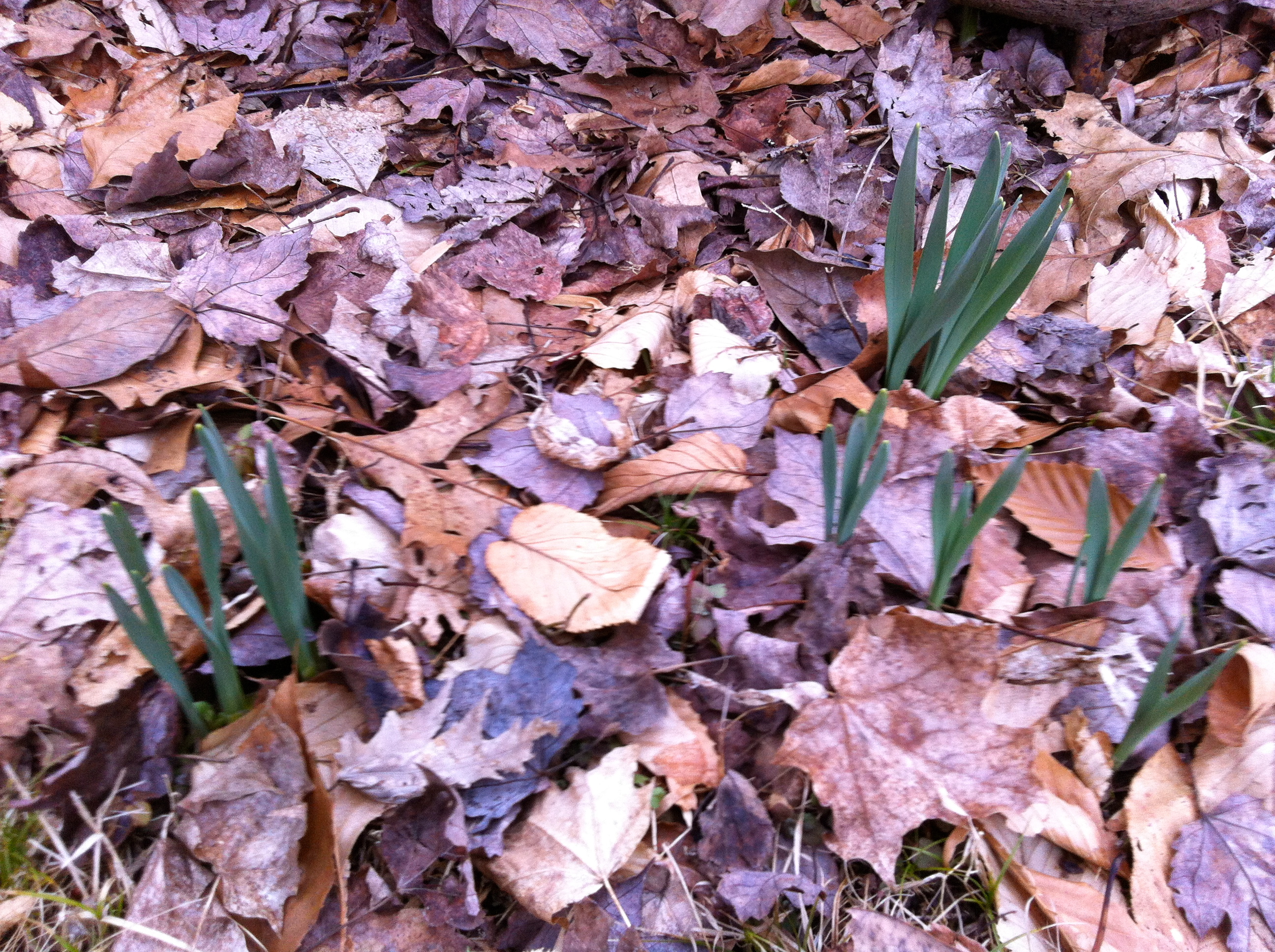
Crocus in Spring 2The daffodils are drowned by brown leaves.

Daffs in MarchThe peepers, invisible, rage all night and most of the day. I thought they were early this year — we’re still building hearth fires every night. There is a scent of spring in the air, a lilt, but the air is cold enough to keep on with your winter jacket.

I looked back at my blog posts to see when the peepers appeared last year. To my surprise, it was the same time, to the date! The night of March 12th. I had to close the window, they were so loud, just as I did this year.

spring-peepers-1

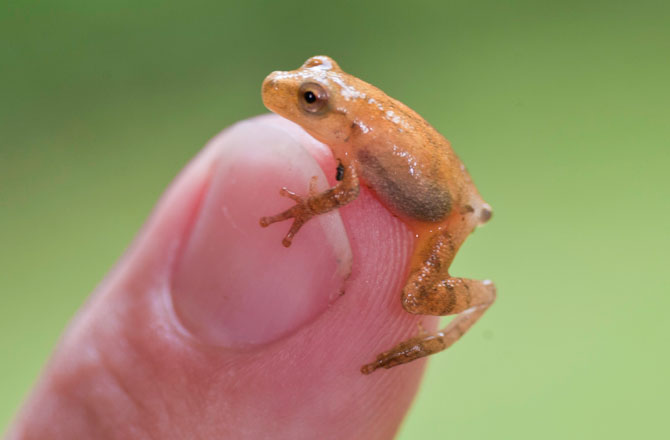
Nature has a brain. The tiny frogs know it’s time to get out there and peep their hearts out, to find a mate, to propagate. They are all male, the frogs who peep. Waiting a moment after March 12th won’t do.

If you don’t have a marsh in your back yard, you can here the trill of the peepers here.

The painted turtles aren’t far behind. And then the snakes.

It’s almost time for a springtime party. Let’s have a pig roast and celebrate the daffodils.

8 Comments

Filed under Home, Jean Zimmerman, Nature

Mud Pies and Other Delicacies

I think this is my favorite season. It’s actually an inter-season, when the last of the snow has nearly melted and the reeds of last summer still stand tall and blond and dry.

old snow

winter reeds

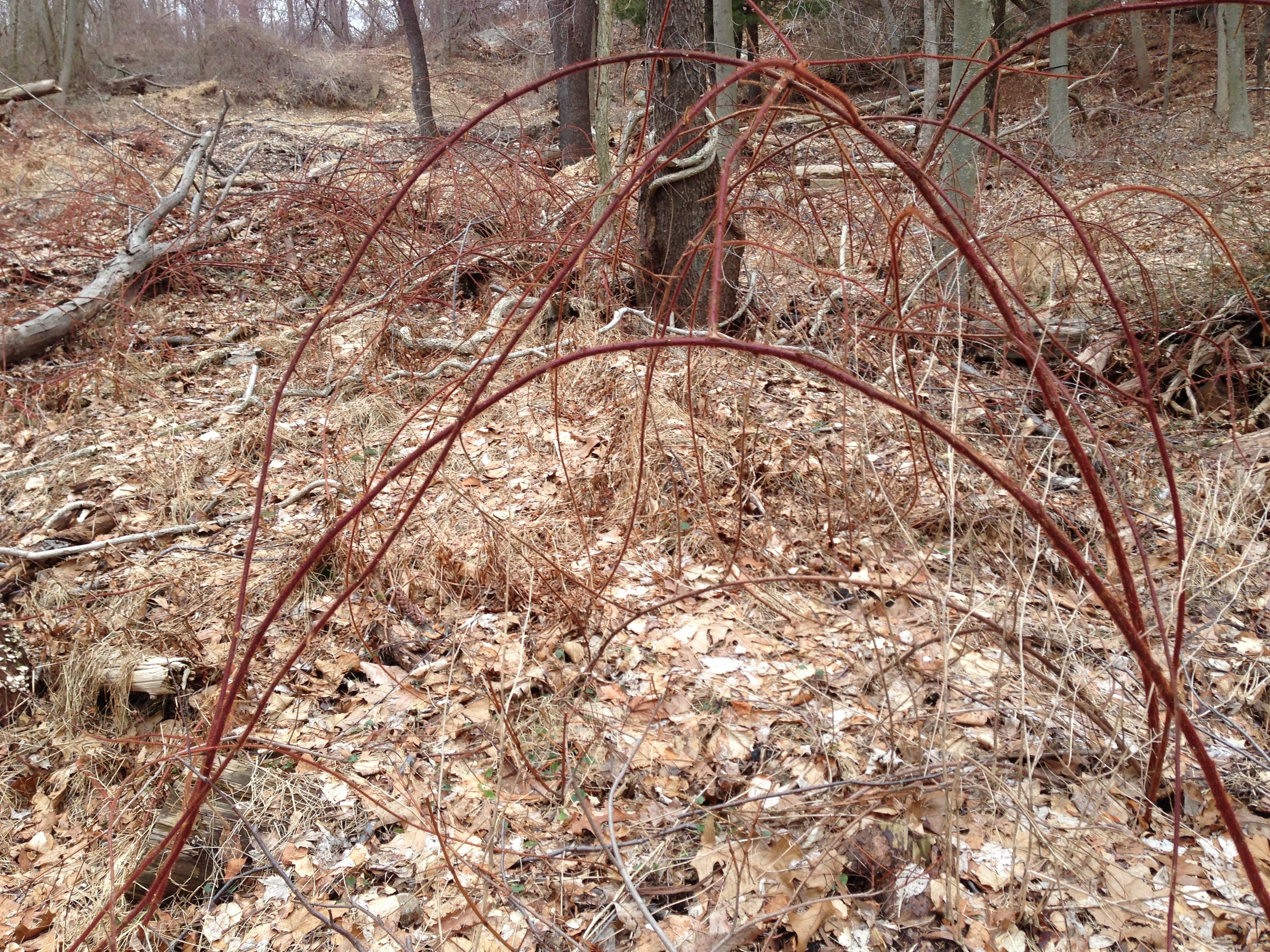
And yet… the canes of bushes like these raspberries are reddening.

red canes

Tiny fringes of green poke through rotted leaves.

new grass

You can almost hear the sap rising in the trees. The end of winter. The beginning of spring.

I’m impatient to have the warm weather here. At five in the morning the birds are beginning to tune up. I am ready for the warm-weather mud.

I still think of a book I obsessed over when I was a child, called Mud Pies and Other Recipes. The author, Marjorie Winslow, spelled out instructions that called for raindrops (to make “fried water”) and crushed dry leaves, flower petals and pine needles (for appetizers, to serve prettily in baking cups cut from shirt cardboard). I dreamed over that book.

mud pies and other recipes cover

There was, naturally, plenty of mud. For “wood chip dip” you must “mix dirt with water until it is as thick as paste. Place this bowl on a platter surrounded by wood shavings. Scoop the dip with the chip.” For a kid who liked to build homes out of acorn shells between the roots of trees, this was heady stuff.

The landscape around the Cabin, especially in this inter-season, makes me wonder what magic Winslow would concoct here.

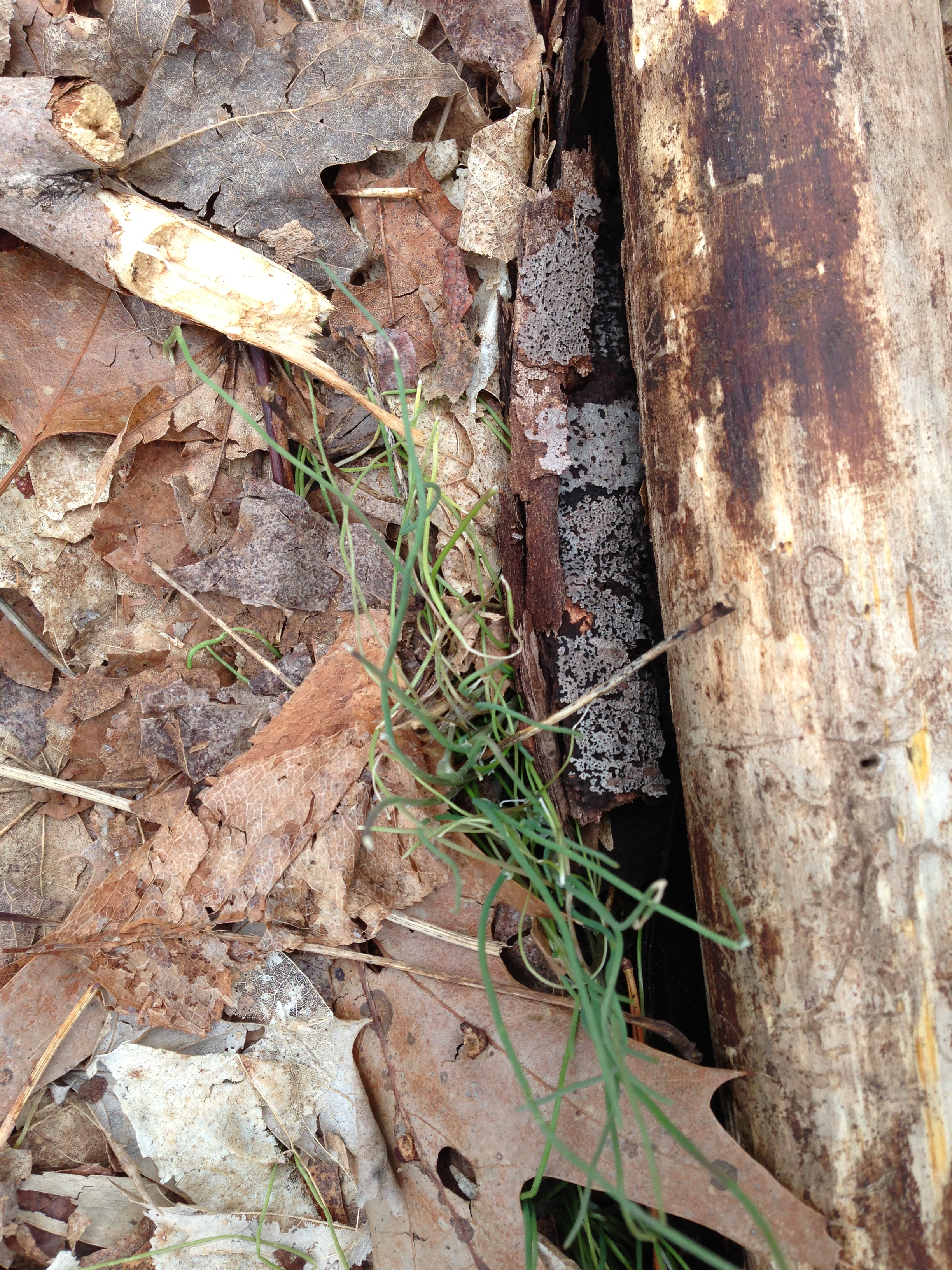
fallen bark

How about a bark sandwich?

bark sandwich

But let’s try to leave babyish games behind.

One of the best-known young Scandinavian chefs, Magnus Nilsson, brings nature into his decidedly grownup cuisine, with meals people travel into the remote Swedish hinterlands to experience. Marigold petals are as much staples of his kitchen as they are in the world of Mud Pies, along with ingredients like birch syrup and moose-meat powder.

MagnusNilsson_2354943b

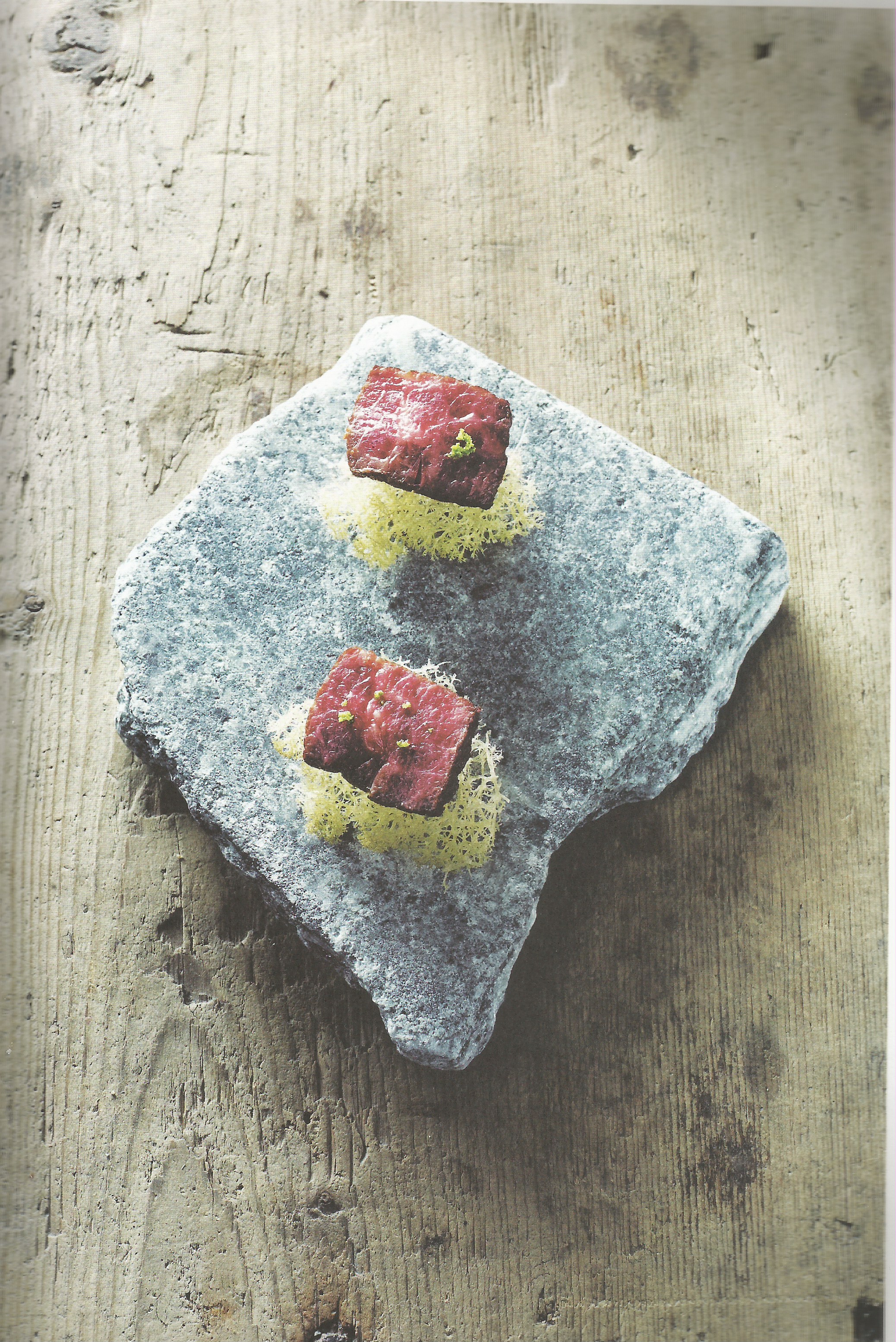
He has recently come out with a cookbook, Faviken, that evokes fairy tales through its approach to food preparation. The book delineates the secrets of Faviken Magasinet, the fabled restaurant Nilsson runs, giving recipes with surprisingly narrative titles, like “Marrow and heart with grated turnip and turnip leaves that have never seen the light of day, grilled bread and lovage salt.” He explains, about this dish, that “the main ingredients are a perfectly fresh femur and an equally fresh cow’s heart.” Not something I’m going to try at home, but possessed of a mythic poetry. Or how about this one? “A tiny slice of top blade from a retired dairy cow, dry aged for nine months, crispy reindeer lichen, fermented green gooseberries, fennel salt.”

nillson 1

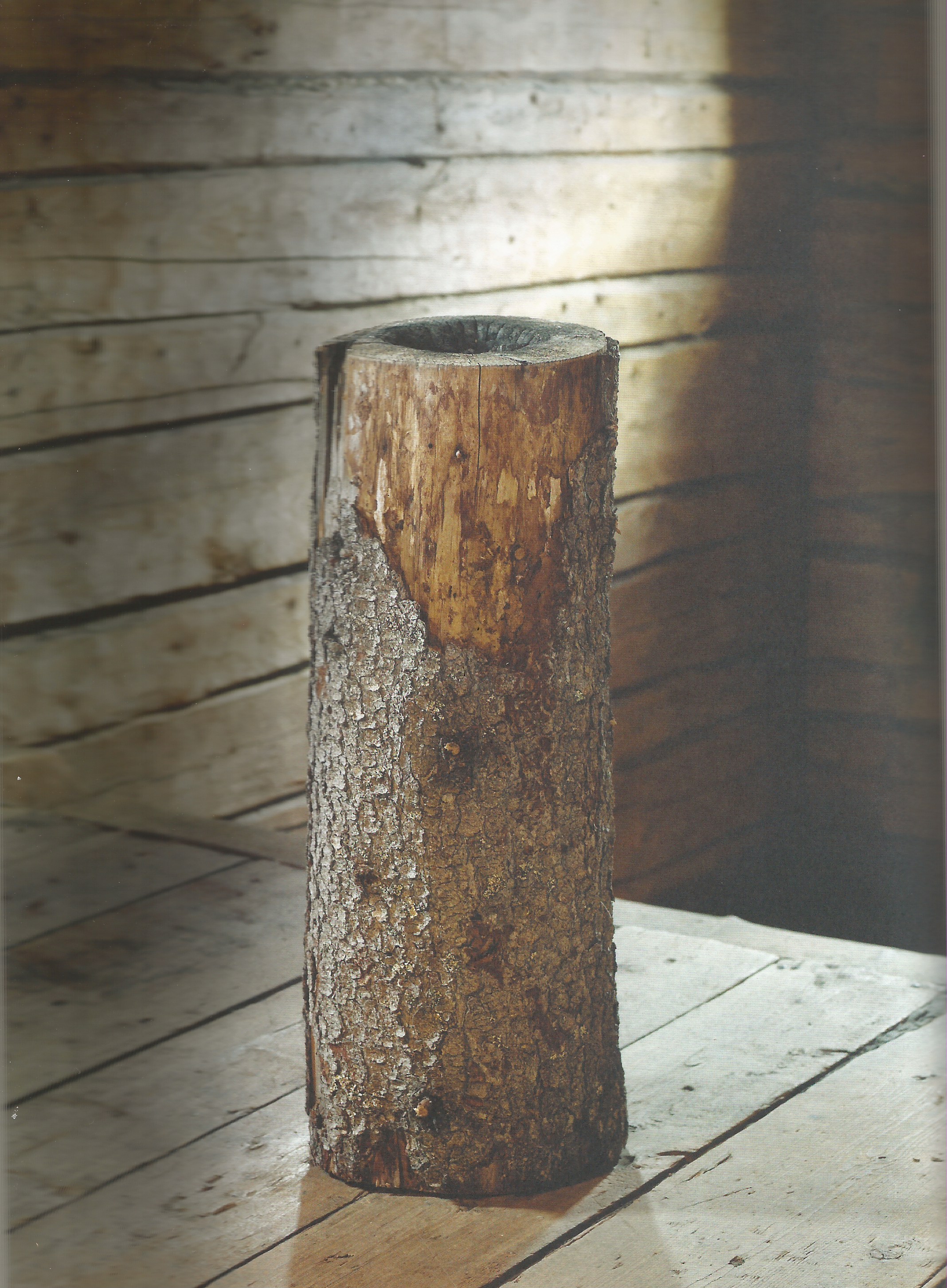
Magnus Nilsson loves lichen. He loves all the ingredients from Mud Pies, it would seem. A typical recipe: “Pine mushroom, lamb’s kidney, pickled marigold.” Wild plants distinguish his cooking. “Vegetables cooked with autumn leaves.” And perhaps the most spectacular yet absolutely simple preparation: “Vinegar matured in the burnt-out trunk of a spruce tree.”

nillson 1 1

I bet I could put together some pretty good acorn furniture for the base.

acorns

10 Comments

Filed under Cooking, Home, Jean Zimmerman, Nature, Photography, Publishing

Beasts of the Prehistoric Wild

A lunchtime conversation yesterday with some science-heads got me to thinking about prehistoric mammals and how we got along with them way back when. Evidence of Pleistocene-age man coexisting with “megafauna”—gnarly, gigantic beasts–can be found the world over.

Woolly mammoths, sabertooth tigers and giant sloths thrived up until 12,000 or so years ago and we thrived alongside them. But they weren’t the only oversize creatures. How about dire wolves, giant beavers, the stag-moose, the giant polar bear and the saber-tooth salmon? No joke. As if polar bears aren’t big enough today. And the auroch, the ox-like creature which actually survived in Europe until the middle ages.

auroch

I’m always amazed to think that in The Odyssey, when the characters constantly throw meat on the fire, Homer is probably referring to flavorful cuts of the gigantic auroch. (If you’ve seen Beasts of the Southern Wild, the mythical animal called an auroch is simply a blown-up potbellied pig.)

aurochs_beasts

To me, all these shaggy, heavy-footed animals are both more fascinating and more terrifying than any Tyrannosaurus Rex.

Bits of their story – and ours – continue to surface. Monte Verde, Chile, for example, was excavated beginning more than 30 years ago, when the remains of mastodons were discovered right alongside stone artifacts and nearly a dozen house foundations. A bog sealed over the site, protecting the wooden relics from decay. Archaeologists have even found seeds and fruits in mortars, suitable for crushing.

All this in the middle of an Ice Age that created ice fields two miles high.

Wouldn’t you like to reach out and touch a woolly mammoth?

Woolly_mammoth_Mammuthus_primigenius_-_Mauricio_Antón

It sounds ridiculous, but a lot of people would, for real, and scientists have been trying for years to clone one from the bodies they find buried, usually in Siberian permafrost. The problem is, no viable DNA has yet been discovered. That may soon change. A team from Russia’s North-Eastern Federal University recently found a set of well-preserved remains, including the fur and bone marrow that may contain living cells, during a paleontological trip in the  province of Yakutia. The living cells would contain an intact nucleus, which would be inserted into an elephant embryo, and coaxed into becoming a mammoth clone. Interesting feature on cloning mammoths here.

I don’t know, though, I think I’d rather see a real, live Pleistocene cave lion, 11 and a half feet in length and 700 pounds, like the kind depicted in Werner Herzog’s mesmerizing documentary about paintings in the Chauvet cave in France, Cave of Forgotten Dreams. Inhabitants of the cave rendered the cats in detail, including the scrotum of the male, alongside their own beautiful signature handprints.

CaveArtLion

The cave lion fed, it would appear from evidence in similar caves in Romania, on giant cave bears, whose hibernation nests have been found alongside the skeletons of giant hyenas. Horses rounded out their diet.

4 Comments

Filed under History, Jean Zimmerman, Nature

A Burning Issue

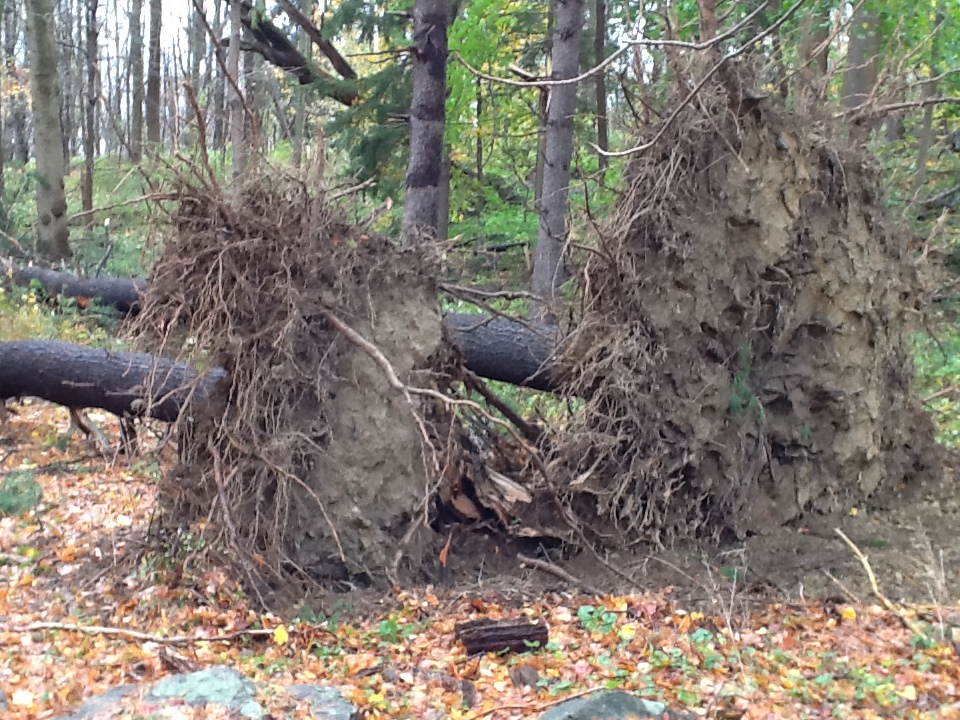
Our neighbor said he will bring his chainsaw and come slice the giant, hurricane-fallen trees on our land to make rough boards. He’ll use them to frame up raised vegetable beds this spring.

twin tall trees

That will be quite a job. The trees are fifty feet long, with a diameter of almost a yard. We’d get some firewood out of it, too, for next year, once it cures. This year’s need for logs to burn is almost over, and just in time, as our woodpile has shrunk to almost nothing.

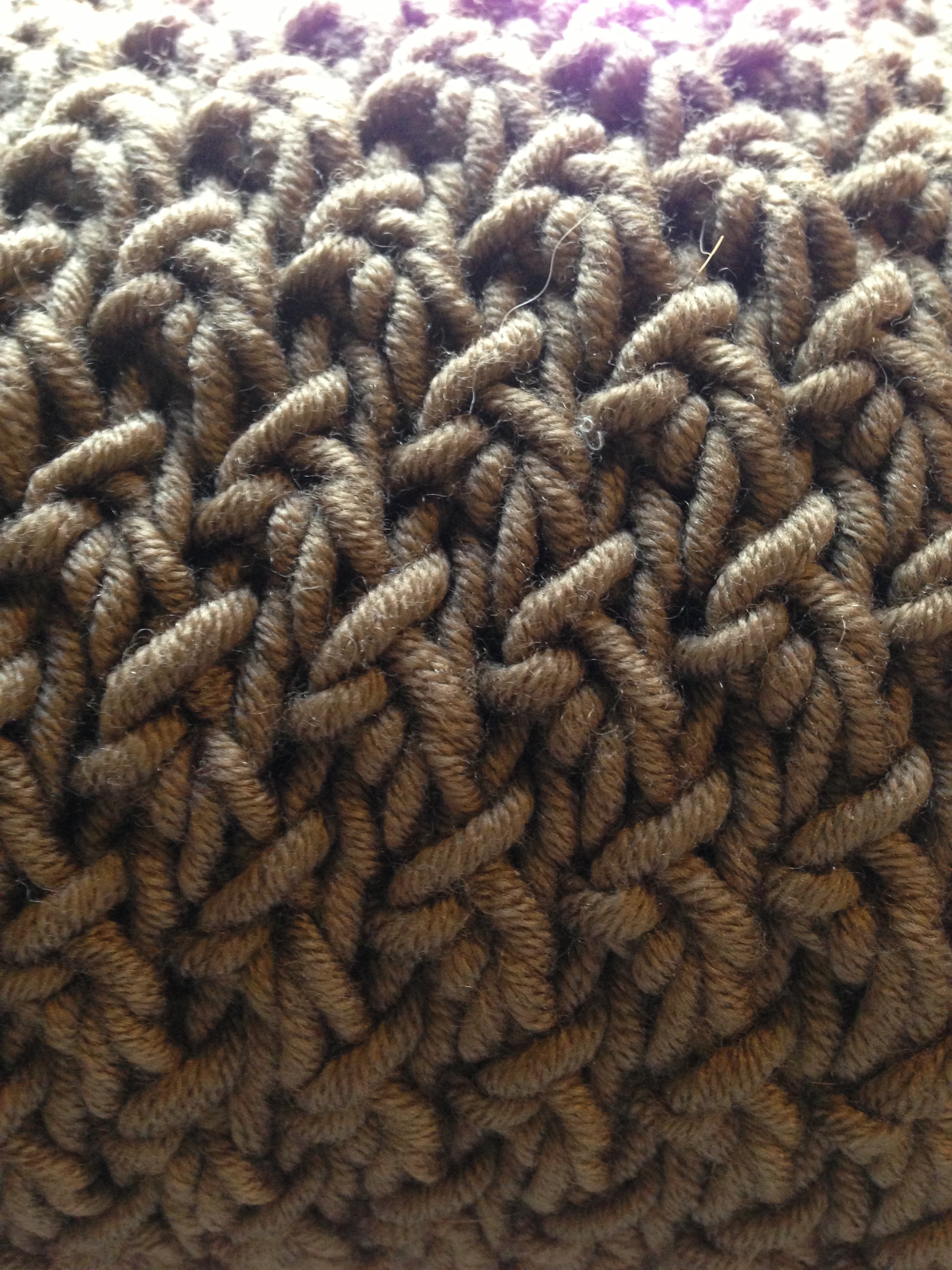
Somehow it’s been an especially good year for fires. For immersion in movies in front of the hearth, for eating too many cookies, too much buttered popcorn, warmed by the flames. For knitting and purling on a cozy piece of work stretched across my lap, glancing up now and then at the flickering, crackling hardwood.

knitwork

Every fire holds worlds within it.

fireplace

We’ve stayed inside the Cabin a lot this winter, since it’s been cold, working, dreaming. Eating, as I said.

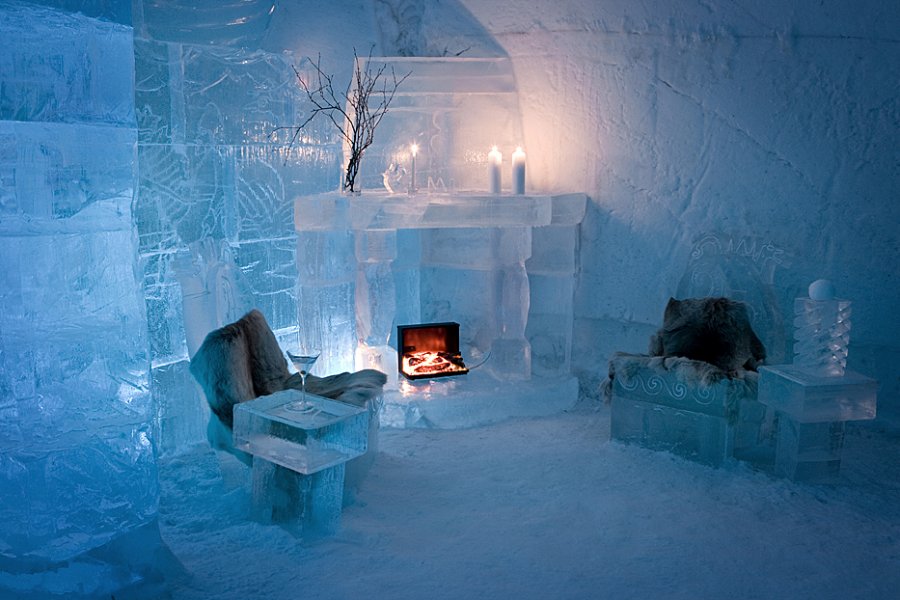
So many people who still have hearths have converted to gas, but it’s just not the same. Good article today in the Times about the cult of firewood in Norway. The subject is practical, historical, even mystical. People there have to stay warm, especially at the Sorrisnivia Igloo Hotel in Alta.

Sorrisniva Igloo Hotel

A Norwegian TV show probed the proper way to cut and stack lumber. After all the discussion, a fire burned onscreen all night long. Viewers found it as thrilling as Downton. Nearly a million people tuned in. Afterwards an expert, the author of a bestseller titled Solid Wood, opined, “One thing that really divides Norway is bark.”

Meaning, should it lie up or down on the pile? A heated argument, so to speak, could be made for either.

1 Comment

Filed under Home, Jean Zimmerman, Knitting, Nature

Phragging on the Hudson

We sat at a long, cloth-covered table set alongside the marsh as the early spring light began to fade. Roast lamb, devoured, salad consumed. Plenty of beer swallowed. I always wonder about these reeds, I said.

A good friend of mine seated just down the way, a landscape architect, turned to me. They’re common reeds, she said. Phragmites. They only grow in a degraded environment.

marsh:magnolia

Boink. Maybe because my friend is beautiful, wise and knows her stuff, my heart just sank. Our marsh. Degraded? No, it’s not degraded. Turtles migrate through the stalks of the reeds, out of the watersoaked ground to lay eggs in our lawn. Red-winged blackbirds hang on the reeds’ wispy heads doing acrobatic stunts and emitting their check-check call. And what about the black snakes that slither to and fro over the long warm season? That environment isn’t degraded.

Her comment has haunted me ever since, when I look out over my desk to the buff-colored legions of stems – bleak and pale now, in winter – or when I lay prone on the patio in the September dusk and listen to the soft rustle of the blue-green leaves in the breeze. So I just had to see what she meant.

And here it is.

Phragmites australis, the common reed, originated in Europe and came over to North America sometime in the 1800s, probably in ship ballast. There’s a native variety of Phragmites, too, one that Indians used to make ceremonial objects, cigarettes, musical instruments and thatch for mats. But what my friend referrred to is the invasive version, which greedily takes over brackish or freshwater wetlands and pushes out the native variety. They’re quite different than cattails, Typha, those honorable brown-velvet-headed grasses we see when we walk down by the Hudson. Stands of the towering Phragmites abound in these parts.

They’re like the wild rose, Rosa multiflora, that originally came to our shores as an ornamental plant, a flower border staple, and ended up taking over the world, just two weeks of delicious scent offsetting a year-round gift of monster-growth and prickers. It turned out to be a true thing, my friend’s observation, that Phragmites is more likely to be found in disturbed sites, such as along roadsides, near construction sites.

Starting a vegetable garden last summer at the edge of the marsh, I could see the reeds encroach. I couldn’t stop digging up their long pointy rhizomes whenever I planted. Still,working in the shadow of the fluffy plumes, the beauty of the unfortunate marsh grass drew me.

I have a bit of a fascination with trash amid grandeur. I love the idea that priceless architectural treasures come from trash pits, waste recepticles. I’ve always wanted to document the last lonely house, the last one standing between two faceless skyscrapers or next to the crummy highway (Emmy Lou Harris suggests that idea beautifully in her song Gulf Coast Highway: “The only thing we’ve ever owned is this old house here by the road”), the last shabby cottage that refuses to be displaced by shopping mall strips. Ugly and useless as these structures seem now, they once were loved.

Even Phragmites has a mythic past. When Apollo changed King Midas’ ears into the ears of an ass, Midas was ashamed and swore his barber to secrecy, but the barber could not stand to keep the secret and dug a hole in the ground where he whispered the story – and the reeds that grew there repeated the tale in whispers.

Who would be here to tell the tale if not for rude, terrible Phragmites?
2 Comments

Filed under Jean Zimmerman, Nature

On the Wing

Our neighbors came to lunch with their personable, twin four-year-old misters – to dine on a melange of kale, sweet potato, cous cous and shitake mushrooms – no, the tots didn’t eat that, of course, though they managed a bite of grilled cheese.

Creatures great and small. Small, the twin boys. Smaller still, the neighbors’ two-week-old chicks, fur balls, feathers just beginning to sprout.

Whitlinger's chick

A half dozen all told, they represent a handful of varieties, all adorable and all soon enough to be productive egg layers.

On the way up the hill to see the baby birds, looking up into the brimming sky, just by the shy, shallow daytime moon, a creature  stretched its wings, bright white head to bright white tailfeathers. A bald eagle, performing swoop de doo’s with its dun-colored mate. Crisscrossing the air, coming together, falling apart, coming together again in a sequence of performance moves you’d have to be a raptor in love to understand.

Yes, spring is coming, I swear it.

6 Comments

Filed under Cooking, Jean Zimmerman, Nature

Evesdropping

Valentine’s eve. All the last-minuters are ordering roses, and the line in the chocolate shop was out the door. I know something nice will happen tomorrow, but I think I like the anticipation better than the day itself, the taste of candy before it’s in my mouth.

kiss

I have always liked holiday eves. Usually more than the day that follows.

Christmas eve. Stockings up. Easter eve. Baskets open.

Most of the food prepared and plenty of butter in the fridge.

A quiet house, a quiet trail to hike the day before the holiday hits.

New Year’s Eve. Now that’s a different story. I really like New Year’s Eve eve, with the champagne as yet uncracked.

Evening, too, surpasses both night and day in my estimation. Not a dusk goes by that my daughter Maud doesn’t say, that’s my favorite time of day. We agree. The gloaming. The rind of the day. Blue shadows and, at our house in spring, flitting redwings. I’m already waiting for spring. Today, this month, this season is the eve of spring. Red tulips in a vase against white snow, a valentine to spring. Or red firecracker jackets in the snow, Chinese New Year. The eve of the year of the snake.

year-of-the-snake-2013-chinese-happy-new-year-vector-1075480

Speaking of serpents, Adam gave Eve her name (Heb. hawwah) “because she was the mother of all living.” The name may go back as far as the Hurrian goddess Kheba, who was worshippped in Jeruselem during the Bronze Age, and before that to a woman named Kubau who reigned during the Third Dynast of Kish. Variations abound, including the Gaelic Aoife, which means “radiant, beautiful” in Scotland and Ireland.

Eve by Hans Baldung Grien

In spring, snakes will return to the Cabin, entwining themselves under the hose spigot, black and shy. Of an evening, we’ll watch going barefoot, even while breathing in that radiant sky. Every day is the eve of the next day, and that day’s the eve of the next.

1 Comment

Filed under History, Jean Zimmerman, Nature

A Basho Snow

Come, let’s go

snow-viewing

till we’re buried.

–Basho

How do you make snow sing? The great haiku artist Basho knew how to wring meaning out of the simplest natural detail.

blizzard morning

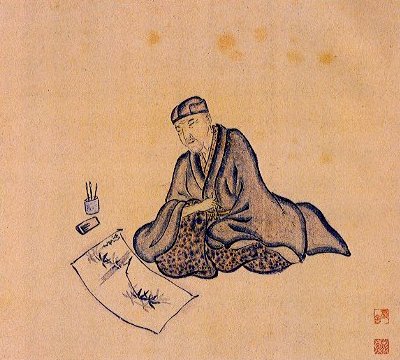
Born Matsuo Kinsaku in 1644, the Japanese poet later known simply as Basho established himself in his lifetime as the foremost Japanese writer of a collaborative style of verse called haikkai no renga, but he would forever be known as the genius of haiku. (Which was essentially the first three lines of a haikkai.) His followers built him a series of rustic huts to live in, but he couldn’t stay put, he went on one after another long rambles through the Japanese countryside at a time when travel was neither safe nor easy – getting killed by bandits was a real possibility. He wrote as he went, poetic travelogues about what he was experiencing, treating the delicate convergence between external observation and sensitive introversion.

Basho_by_Basho_by_Sugiyama_Sanpû_1647-1732

Basho’s final book, The Narrow Road to the Interior, depicted in prose and verse a 150-day hike he took to the Northern Provinces and along the coastline of the island, about 1,500 miles. It is considered his most brilliant achievement. I like this article by writer Howard Norman, who followed in Basho’s path on that journey, accompanied by beautiful pictures by Michael Yamashita, a photographer Gil and I worked with on the guidebook Manhattan (Compass American) many years ago.

This is one of Basho’s huts, on Camellia Hill.

Basho's hut on Camellia Hill

One of the finest of Basho’s haikus:

Even  in Kyoto—

hearing the cuckoo’s cry—

I long for Kyoto.

3 Comments

Filed under Jean Zimmerman, Nature, Poetry

Awaiting Snow and Book

Firewood, check. Water, check. Milk, check. Generator, check. Gas in car, gas for generator. Candles. Chicken for pot pie.

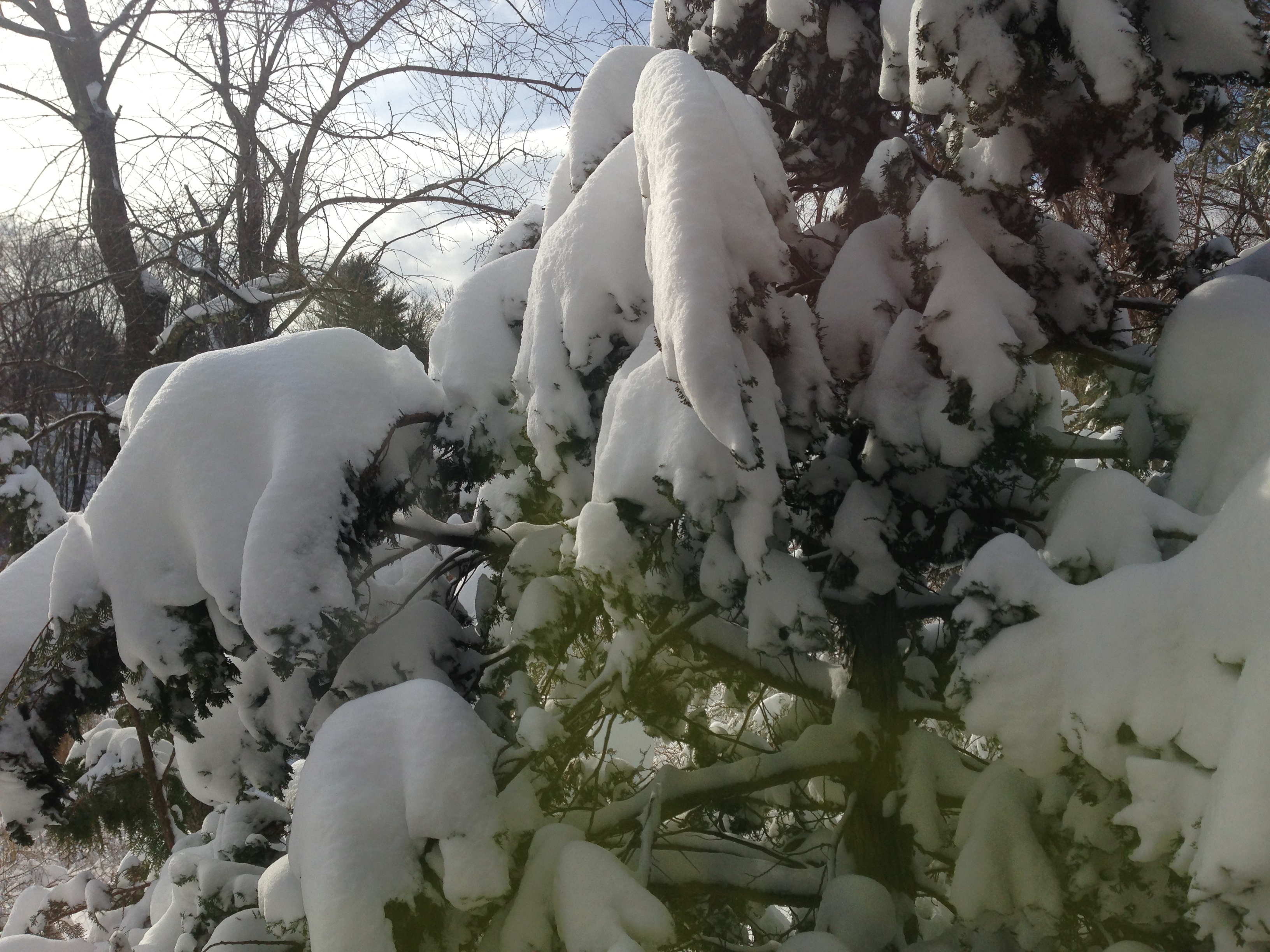
The storm advances, and all that’s left to do is put out a pot to catch snow for snow cream (snow plus sugar plus milk plus vanilla; stir).

Small flakes fall, but the big snow isn’t supposed to strike until tonight.

Waiting. Hunkered in a cozy house with a pile of books (The Snowman by Jo Nesbo on the top of the pile, The Unexpected Houseplant, the next one down.)

Plenty of books, and one of my own on its way this spring. The Orphanmaster comes out in softcover on April 30th.

Orphanmaster Paper Official Cover

What a cover. It sets even me atremble.

4 Comments

Filed under Cooking, Jean Zimmerman, Nature, The Orphanmaster, Writers

Sticks on Fire

Killer plant on the loose.

This was a typical quiet Sunday morning, one spent calming myself through yoga at the gym (though my mind always spins too fast for the relaxation exercise), reading the papers (happily, Gil’s book is excerpted and reviewed in two), spoiling the dog and drinking too much coffee.

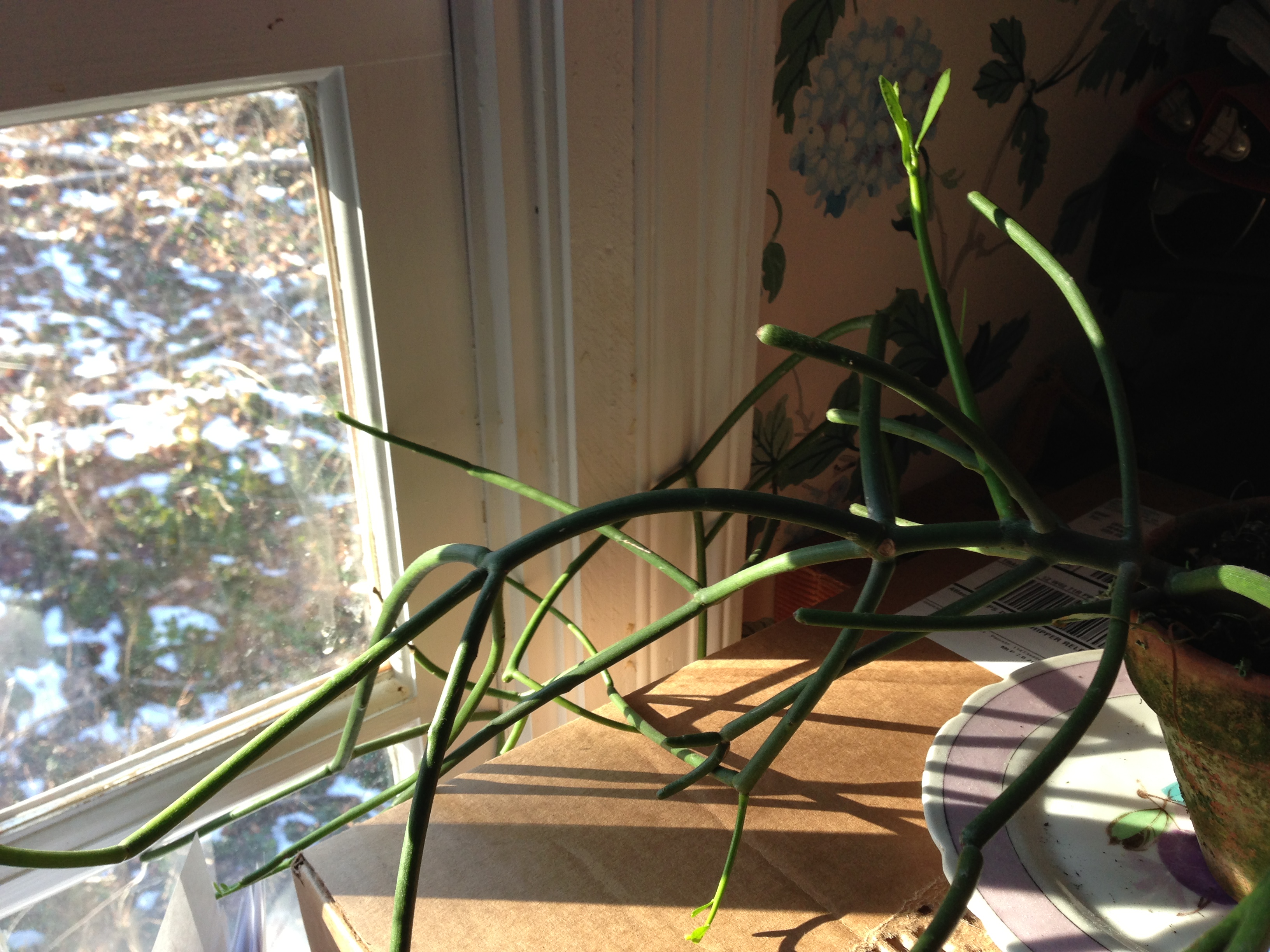
I had a plant I couldn’t identify that I had picked up last month when the nursery near the Cabin went out of business. A weird-looking creature, all green sticks, which sprawled so far around itself that it always threatened to tip over its ceramic pot. It started to sprout little leaf-like appendages that I thought might be flowers. Sweet.
my euphorbia

When I asked my brother, an expert with house plants, what it might be, he said immediately, Euphorbia. That was a pretty name, and I was glad I had this distinctive specimen.

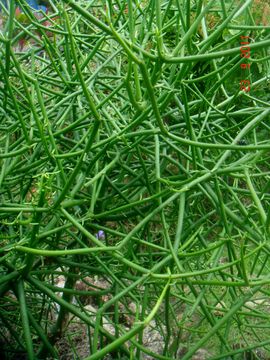
Euphorbia_tirucalli_Blanco1_210b-original

This morning, to get a little more information on Euphorbia’ growing needs, I checked on line.

Turns out it’s a monster. Masquerading under many names: African milkbush, Fingertree, Indian Tree Spurge, Milkbush, Milkhedge, Penchtree, Petroleum-plant, Rubber Euphorbia, Firestick Plant, Naked Lady, Pencil Tree, Stick on Fire. Native to Madagascar and Africa, it squirts out its sap, a kind of white poison pus, when cut. The stuff can cause severe burning if it comes in contact with your skin, send you to the emergency room. A drop in your eye can blind. No wonder they use it as fencing in countries where there’s no Home Depot.
Euphorbia

One neuroradiologist advises washing thoroughly and instantly with soap and water. However, “Don’t wash over dirty dishes in the sink-you don’t want to ingest even a tiny amount of residue from this powerful toxin.” Yet they’re widely sold as nice little house plants — toxic time bombs — with no warning label attached.

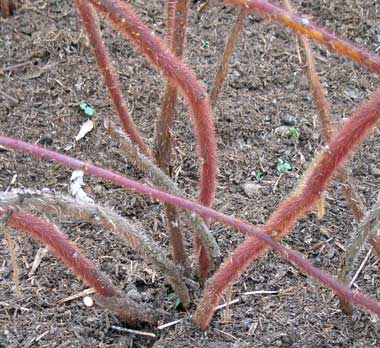
Out for a hike this afternoon to the perimeter of our land we found ourselves caught in angry nets of pricker bushes so thick and extensive it took will to shove through to a clearing. I got my hands (held up in a defensive posture) raked by the curving red stalks, and had thorns in my shoe by the time we reached home.

Raspberry-canes

Here was a plant to rival Euphorbia in noxious temperament.

The difference being that the raspberry canes will give us beautiful juicy berries in July.

Euphorbia lies in the trash, long live Euphorbia.

1 Comment

Filed under Jean Zimmerman, Nature

The Thaw

Birds on promenade in this wet warm weather: a downy woodpecker and a cardinal side by side on the magnolia this morning, each with their bright red, and a humbler chickadee foraging on the ground.

Yesterday a ring-necked pheasant fluttered across the road in front of the car, its bottle-green collar glowing in the dusk.

Oliver tracks furiously through the woods, camouflaged perfectly against the leaves, bark and black earth.

woods

The deer better take cover.

Oliver in leaves

Leave a comment

Filed under Dogs, Jean Zimmerman, Nature

Blood on the Tracks

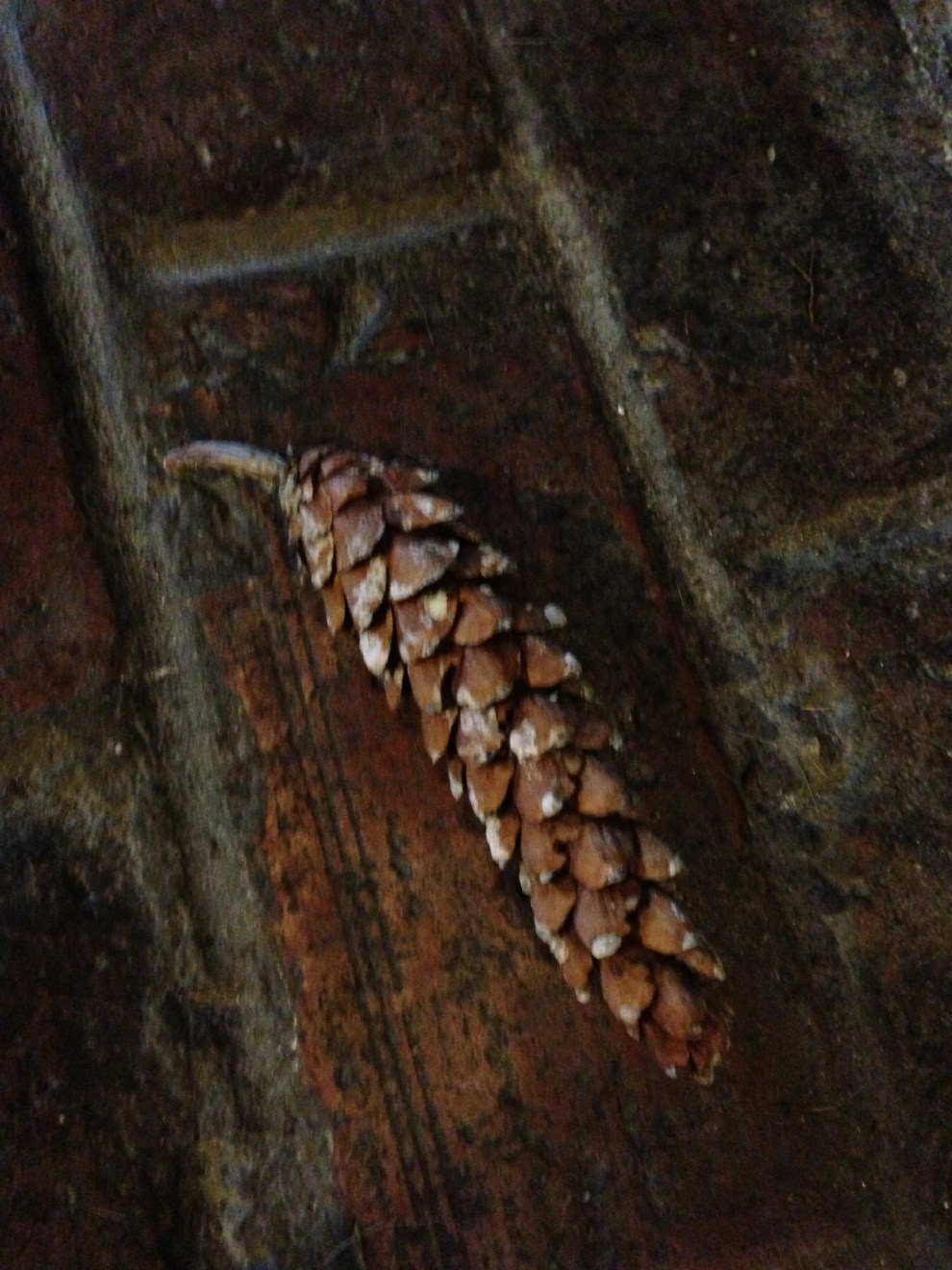
A trail of blood drops through shallow snow, crossing and re-crossing the trail from the Cabin to the clearing. At one point there is a big gout of red, before the trail heads off down through rocks, pine cones and brambles.

cone

A mystery. Oliver sniffs all around the red pockmarks; if he knows, he can’t explain to humans.

A neighbor comes up with a possible story. Bow season on public land just ended. A wounded deer, a frantic flight from the hunter.

It’s not that I love deer so much, want to Bambi-ize them, we have too many for that. Their tracks are as thick across our land as the flakes in a snowstorm. But I can’t help but imagine this animal staggering under its injury, or bounding through the night, strong with adrenaline as its blood spills and its life seeps away. We have a healthy buck in our woods, and I wouldn’t want that to be his last trek.

1 Comment

Filed under Jean Zimmerman, Nature

A Porcupine in Snow

Herein, a squib from one of my favorite e-newsletters, the Hudson River Almanac:

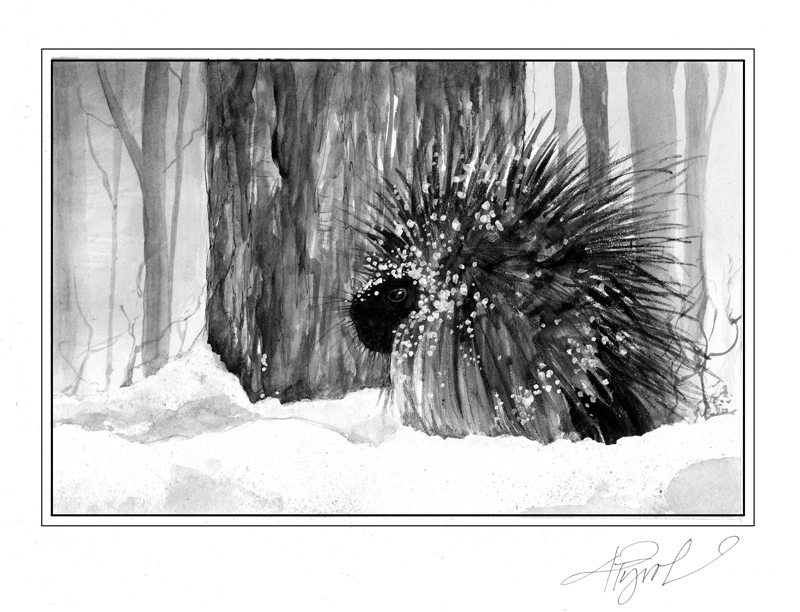
“Air temperatures in the teens the last few nights had frozen up most of the lakes and ponds. Snow covered the Adirondack High Peaks but there was just a dusting on the ground in town. Animals were getting ready for winter as demonstrated by our encounter with a porcupine today: My colleague and I found one apparently trying to use one of our kayaks for a winter den. We were putting boats into winter storage and when we went to pick up the kayak we were startled by some movement and noise. It seems that a porcupine thought the bow of a kayak was the perfect place to keep out of the winter weather. We thought about letting it stay where it was but the amount of fecal matter and urine in the kayak made us think the boat would be unusable, or certainly not pleasant to use, if we let the animal remain there for an entire season. Hopefully it found something more suitable. Porcupines do not hibernate during winter; they depend on body fat (up to 60% of their body mass), their ability to get nutrition from some poor quality foods, and spending their time either eating or resting in their dens.”

I so like to think of the porcupine “resting” in its kayak den as the flakes fall around and about. Maybe muttering to itself a little.

porcupinepix

1 Comment

Filed under Jean Zimmerman, Nature

Plants and Prints

The prize find of the day.

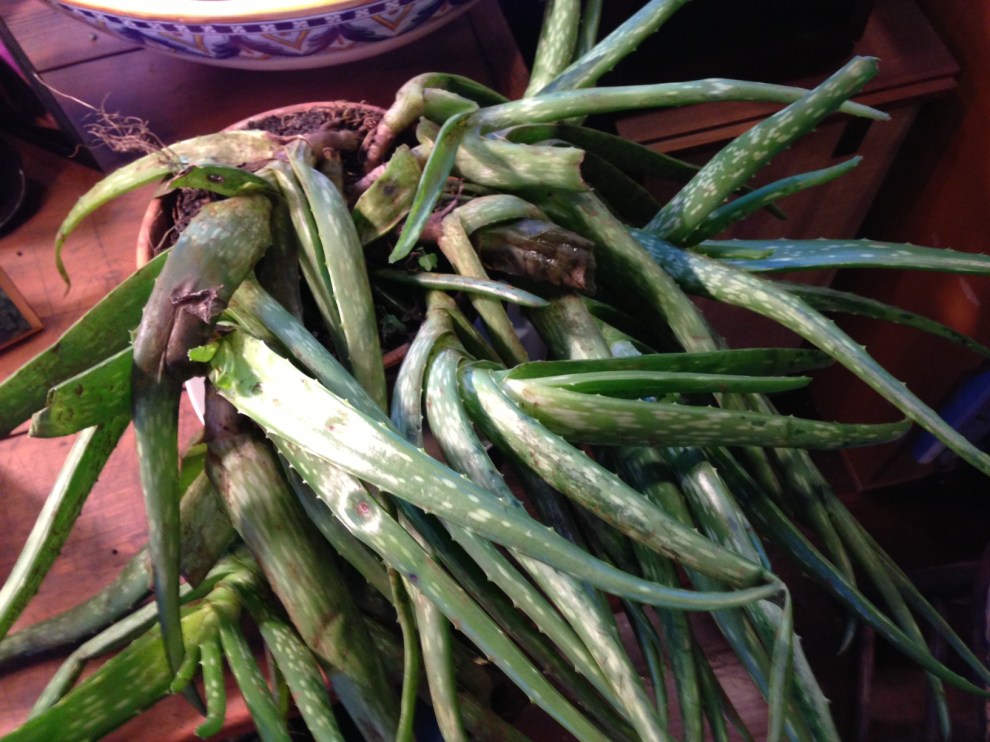
Aloe

This old grandmother of an aloe must be 25, that’s about as old as they get, and she’s so heavy and covered with pups — what you call the fledgling aloe sprouts — that she’s weighed down to sprawling. When I got her, for free, at the plant nursery that was going out of business, she was covered with mud splatters. Seen better times. Kind of like the nursery itself, which just could not make a go of it any more. Supposedly getting replaced by condos. A beautiful place, even with now-bare shelves.

nursery empty shelves

I was touring the sad, magical stops of lower Westchester with my photographer friend Josefa (she made the above image) and this was the last place we went, with its half-off fertilizer and unwanted boxes of pine cones, its frowzy ferns and cold-shocked begonias. The heat had been off for a week. It’s amazing my aloe survived.

Earlier in the morning we visited an estate sale in a condo with wide open views of the Hudson. An artist had lived there, an aged woman who’d died a year ago according to her nephew. He was warily standing guard over a studio cluttered with evidence of her inspired relationship with the world.

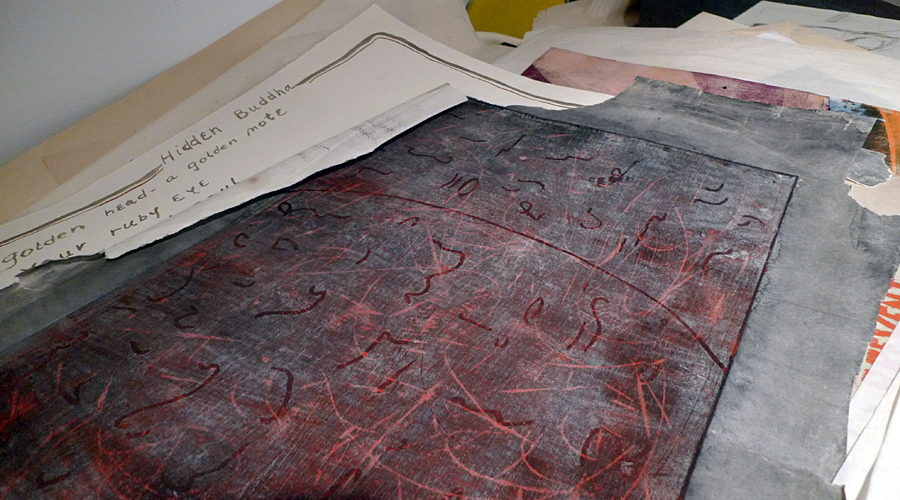
my print

There were hundreds of wood block prints and all the intricate tools she’d used to create their templates.

nude

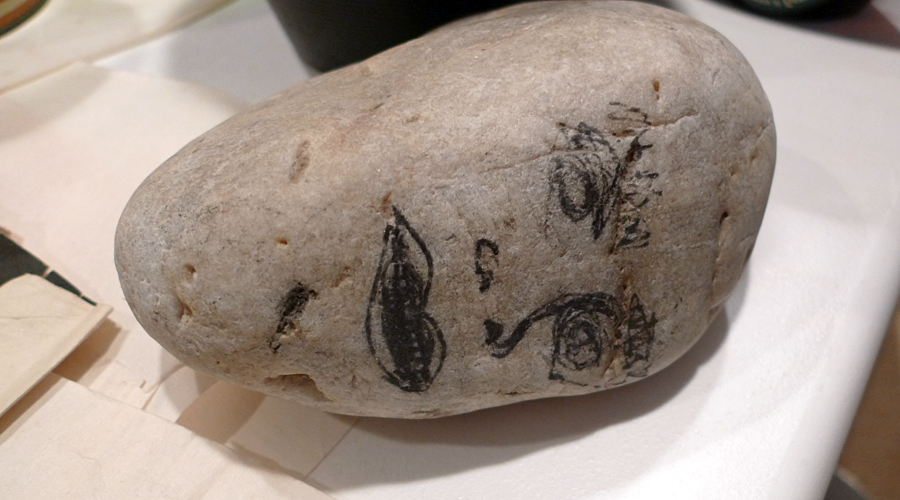
Nudes. Expressive rocks.

rock face

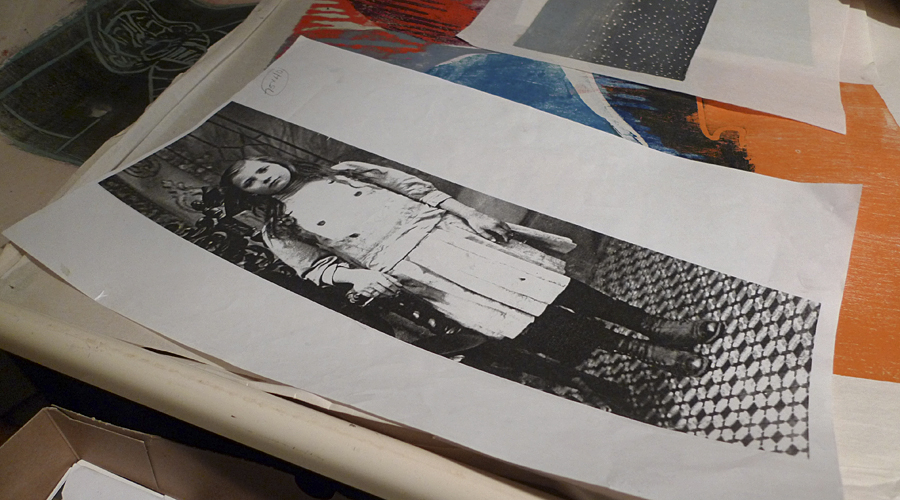
The things that got her going, baskets of bones and patina’d photos.

bones

girl

A single bed with a rumpled afghan was pulled into the corner, giving a sense of a person who lived, literally, with her work, in that cluttered cloister overlooking the river. An easel, a paint-spattered stepstool. The things that were hers. Her name: Murray.

paint stool

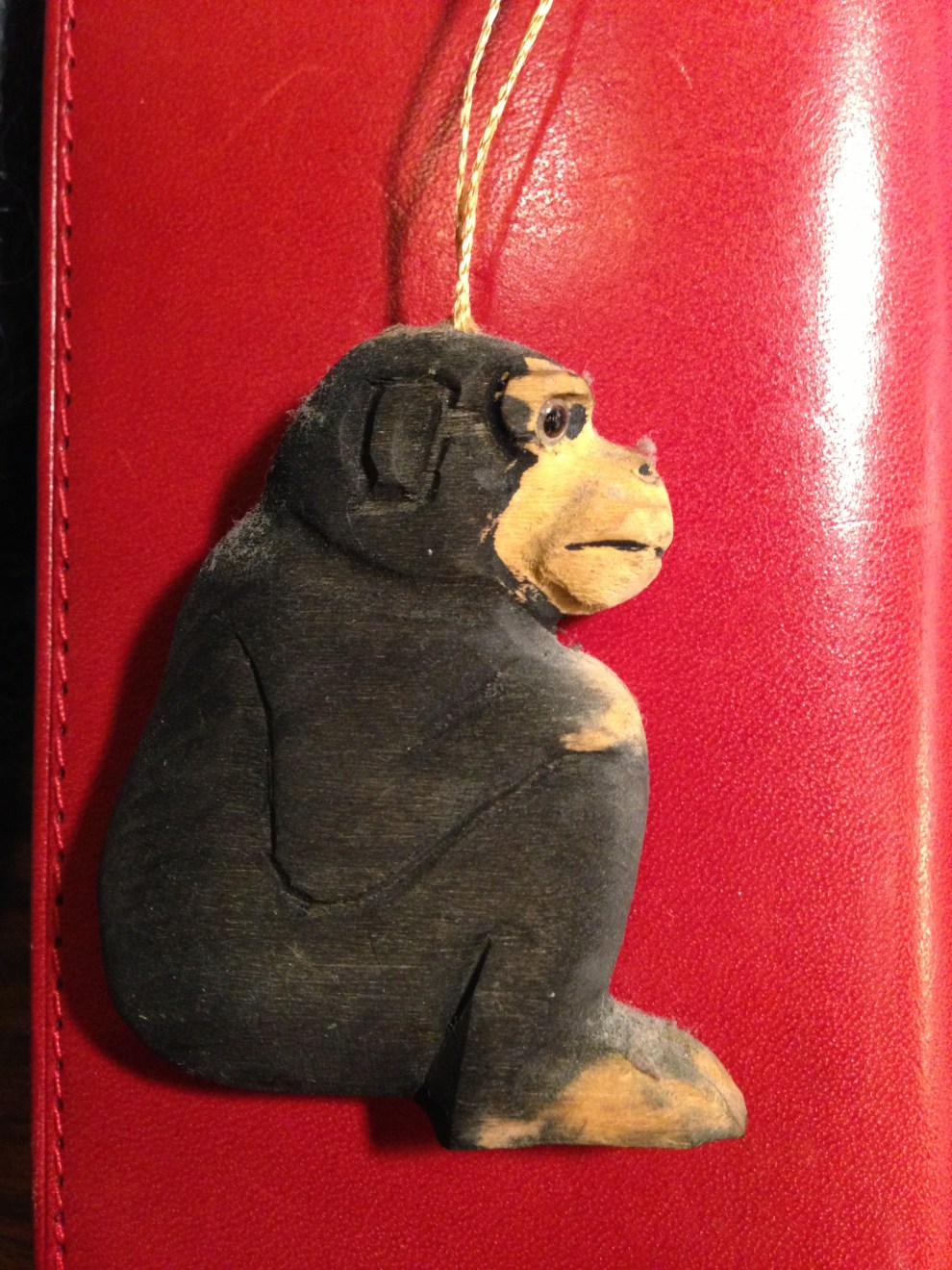
Upstairs, the more conventional life. Tables and chairs, pots and pans. I bought a trinket, an ornament, her tree to mine.

ape

Merry Christmas, Murray. I hope they have carving tools, wherever you find yourself now.

2 Comments

Filed under Art, Home, Jean Zimmerman, Nature

The Raptor

Vultures devouring corpses deliberately left in a public place to have their bones picked. And that’s a good thing. So I hear in this remarkable story about Mumbai, and how residents are trying to restore a ritual that was lost because the Advil patients got in hospitals before they died was killing off the raptors that were supposedly feeding on them… it’s a bit convoluted, but brings me to a question I’ve had in the last couple of years. Has the number of raptors in our region changed? Specifically, has it increased? We walked out to get the mail yesterday and a big, fat hawk flew low over our heads and perched on a branch, preening. There are always so many hawks and vultures in the sky, along the roads. I don’t remember noting their presence in the past. Or was I just insensate?

2 Comments

Filed under Jean Zimmerman, Nature