Category Archives: Home

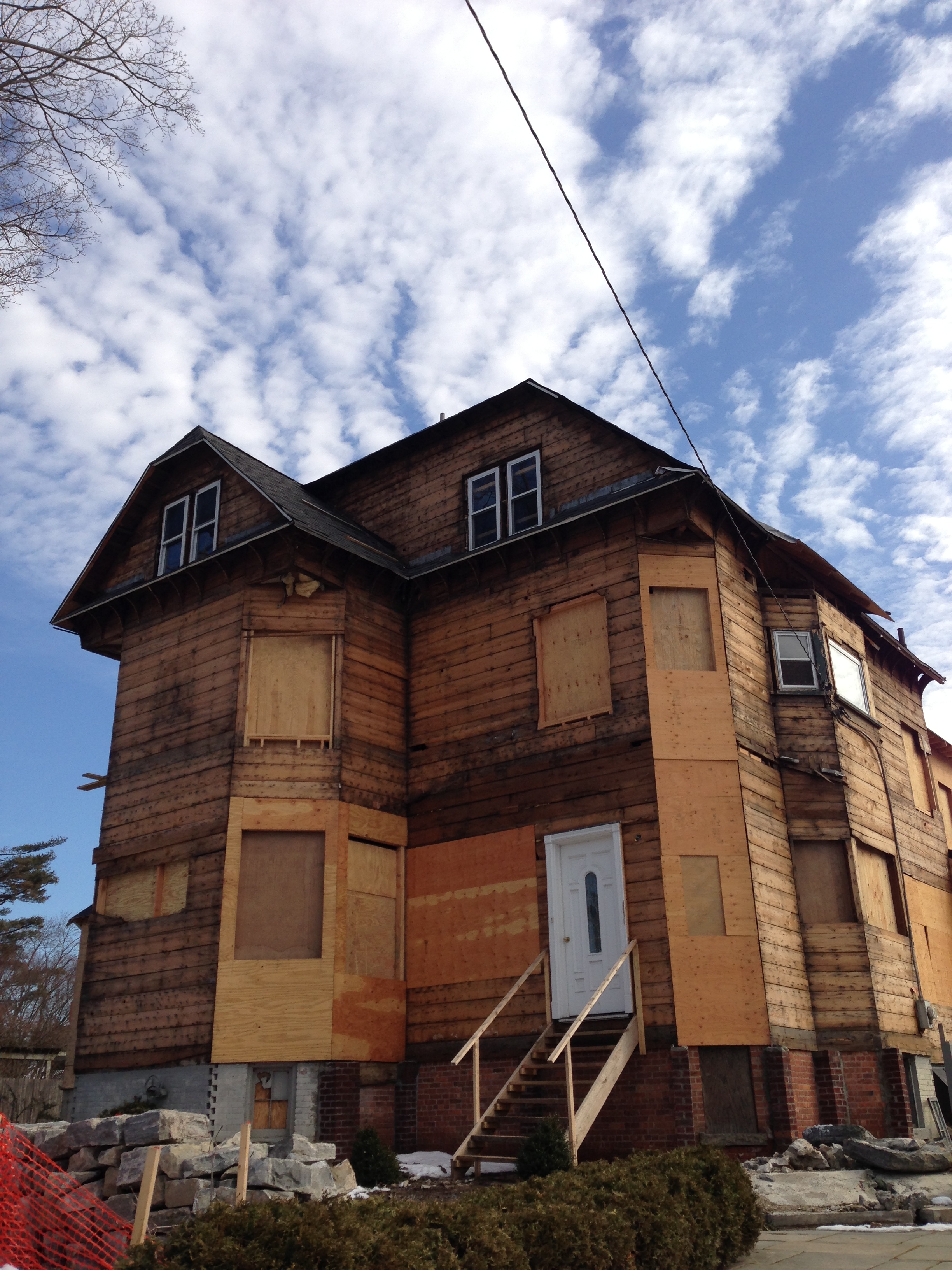
A House That Stands With No Siding

With no shell, no sheath, no skin.

house w:out siding

It can be painful, sometimes, to stand bared to the elements. Like this house by the side of a little suburban street, awaiting its spring refurbishing.

To have all your undergirding showing. The feeling, say, when some person infers that you or your work or something else you did has room for improvement. Raw.

All you can do is wait for the next coat of mail, the fresh wood planking, to grow.

Or grow it yourself.

3 Comments

Filed under Home, Jean Zimmerman

Sentimental Roadshow

Just a plate.

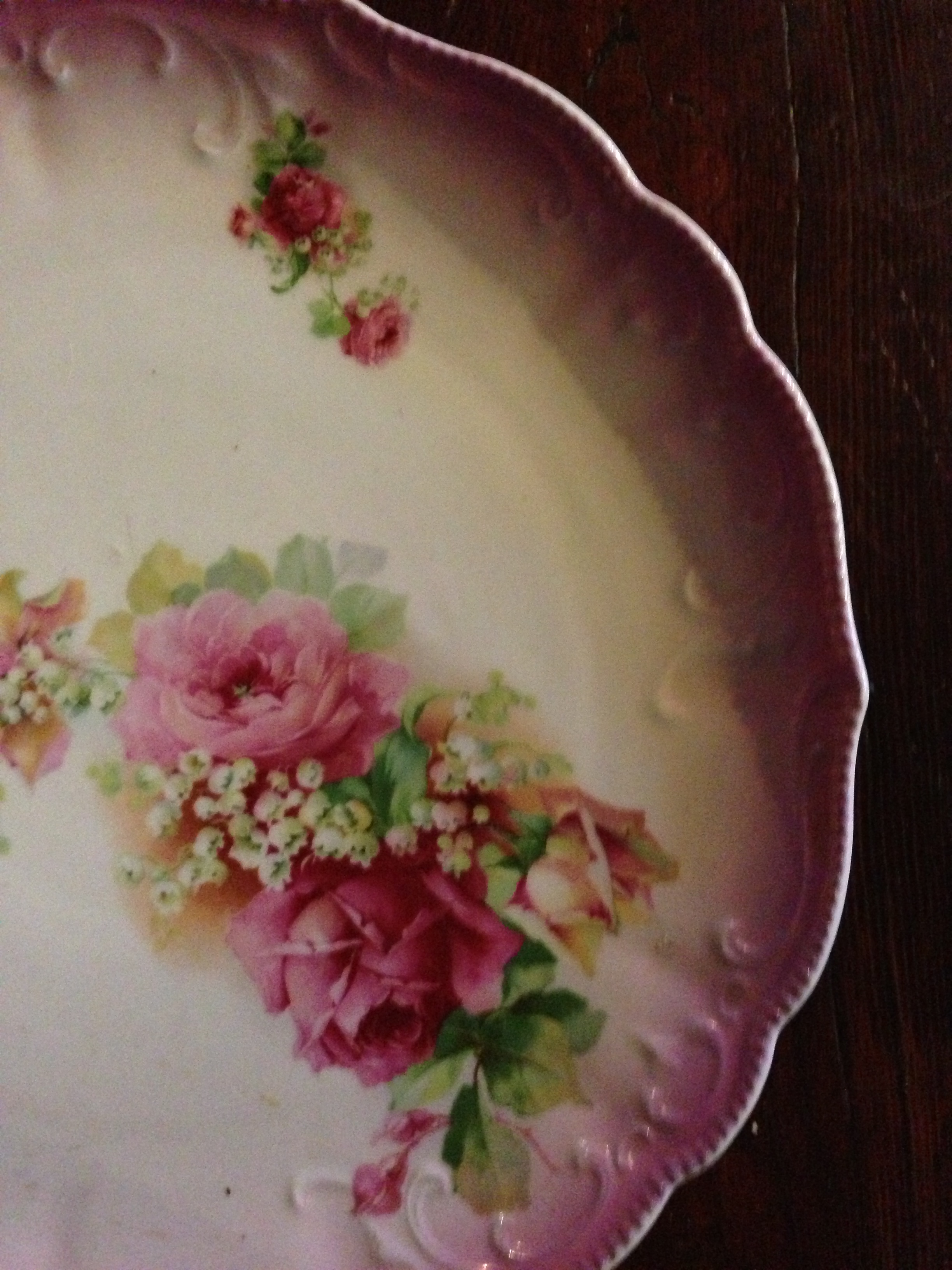
cake plate

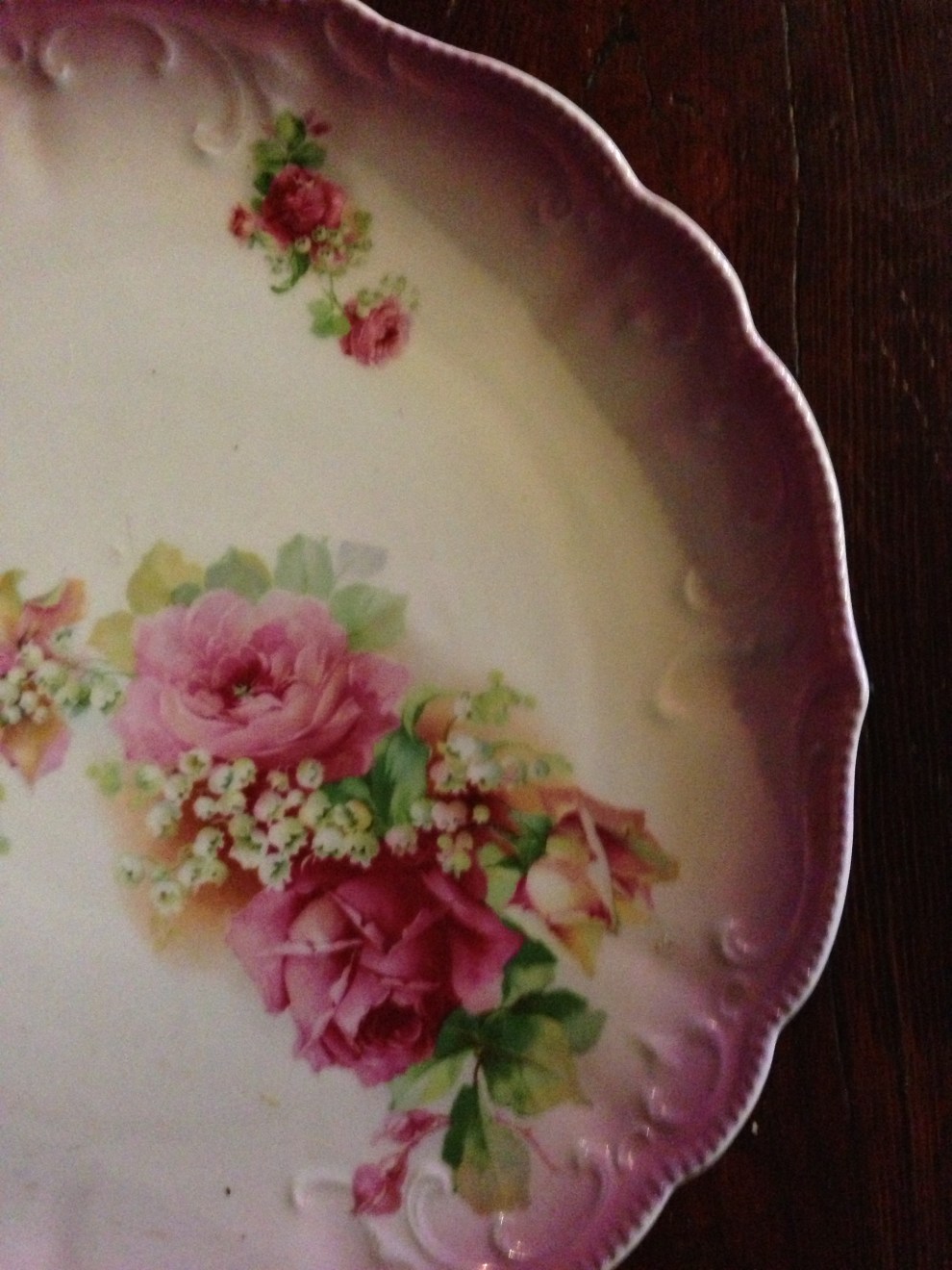
A cake plate. A nice size, a full foot across, embellished by deep pink roses and lilies of the valley.

Just a plate. But a plate belonging to my great-great-grandmother, name of Brown Coats, resident of tiny Greenfield, Tennessee, where she lived with four generations of her family on Main Street.
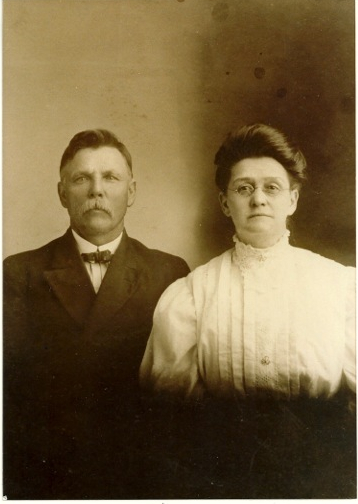
Smaller Brown Coats

Apparently she served cake. But I don’t have a lot more on her than a gentle face in a faded photograph.

Today was a grand opportunity to find out a little bit, if not about Brown herself, then about her cake plate.

The Antiques Roadshow came to Dobbs Ferry – or at least Leigh Keno, one of its two hosts (with his identical twin brother Leslie) and a cohort of appraisers, who tended to a few hundred supplicants in the auditorium of the Greenburgh Hebrew Center. On my way, driving to the place, Sinatra came on the radio with “Bewitched, Bothered and Bewildered.” I began to get in the mood, thinking about all the things that bewitch and bewilder us, all the precious objects seeing the light of day for the first time in a long time and really assuming new identities.

Heirloom Discovery Day attracted people with all sorts of things.

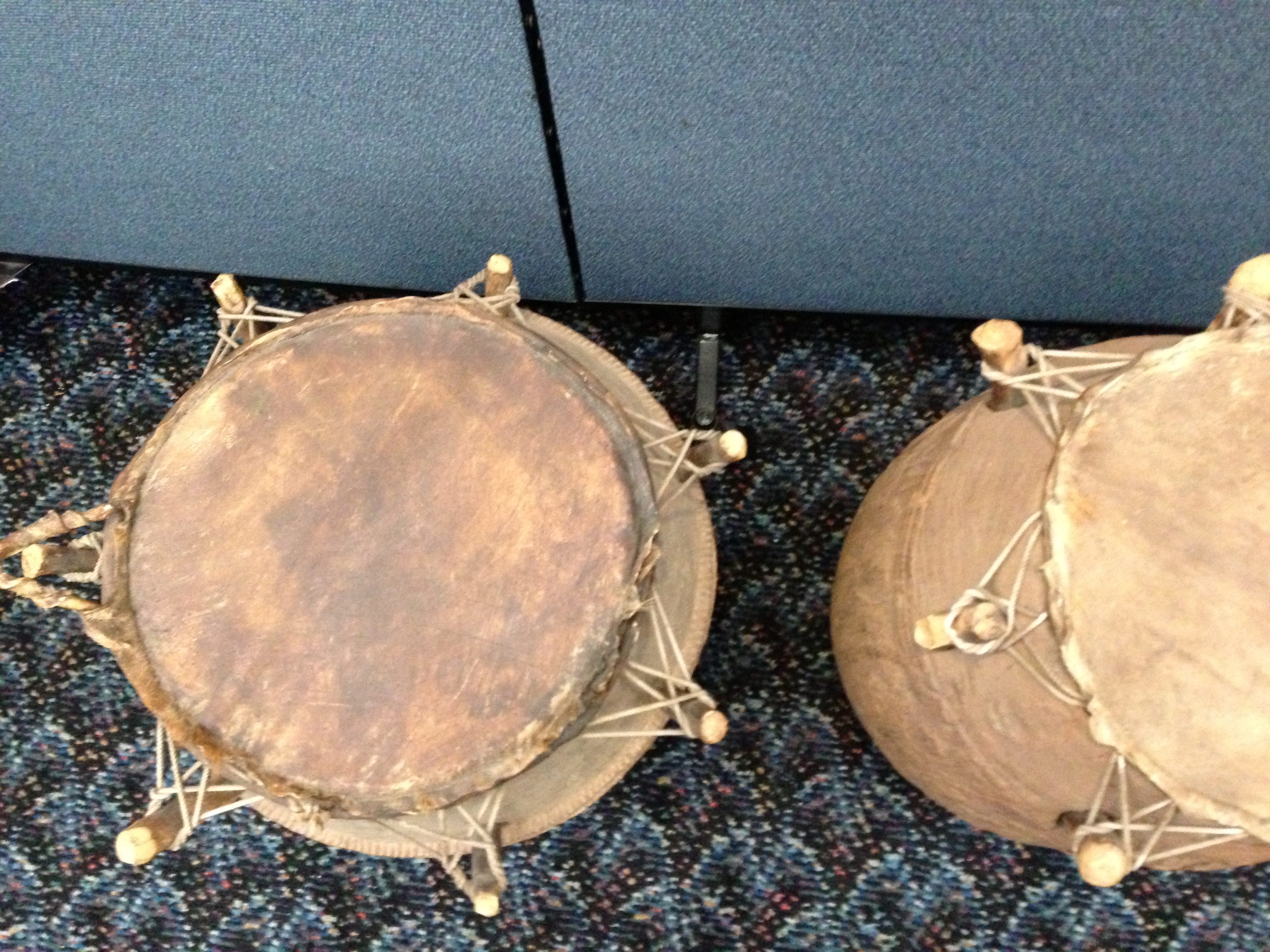
African drums.
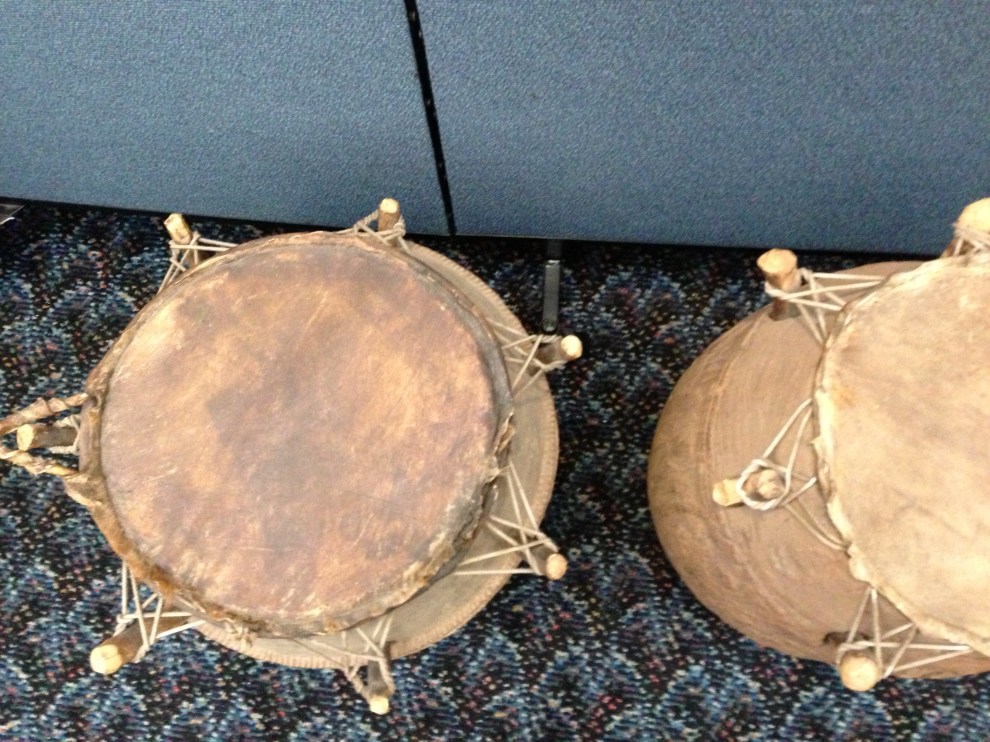
drums

Eastern European silverplate.

silverplate

Large, bad paintings. Tasselled lamps. Elaborate tableware. People looked as if they would wait days for an appraisal, hugging packages of brown paper and bubble wrap to their chests. It wasn’t about the money, but the connection with the past that their attic-lodged belongings gave them. One woman told me about the diaphanous nude woman pictured in the oval frame she toted – her mother hid it in the basement the whole time she was growing up with her five sisters, she said, saying it was “porno,” but now at the age of 75 she claimed she’d posed for it.

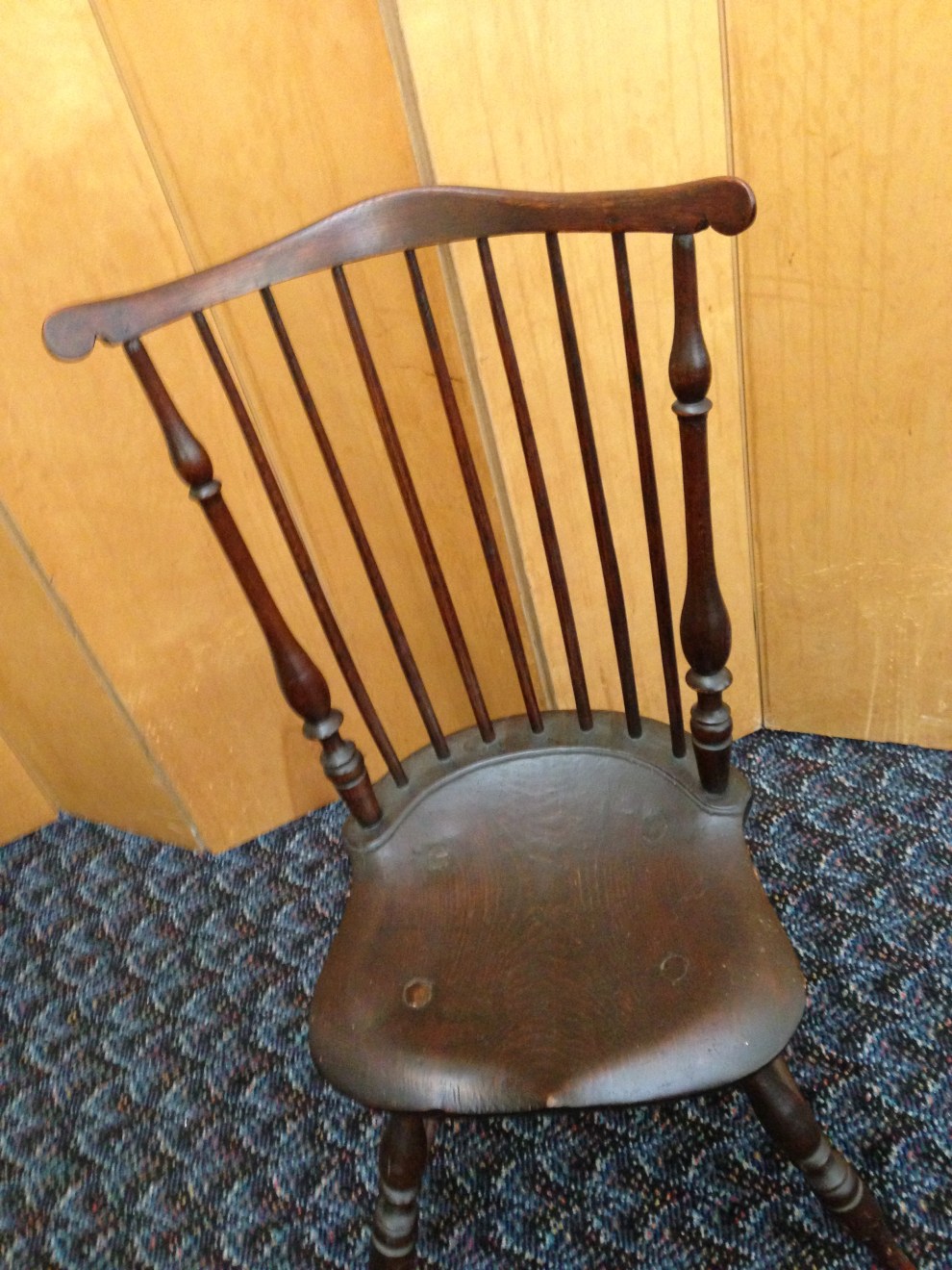
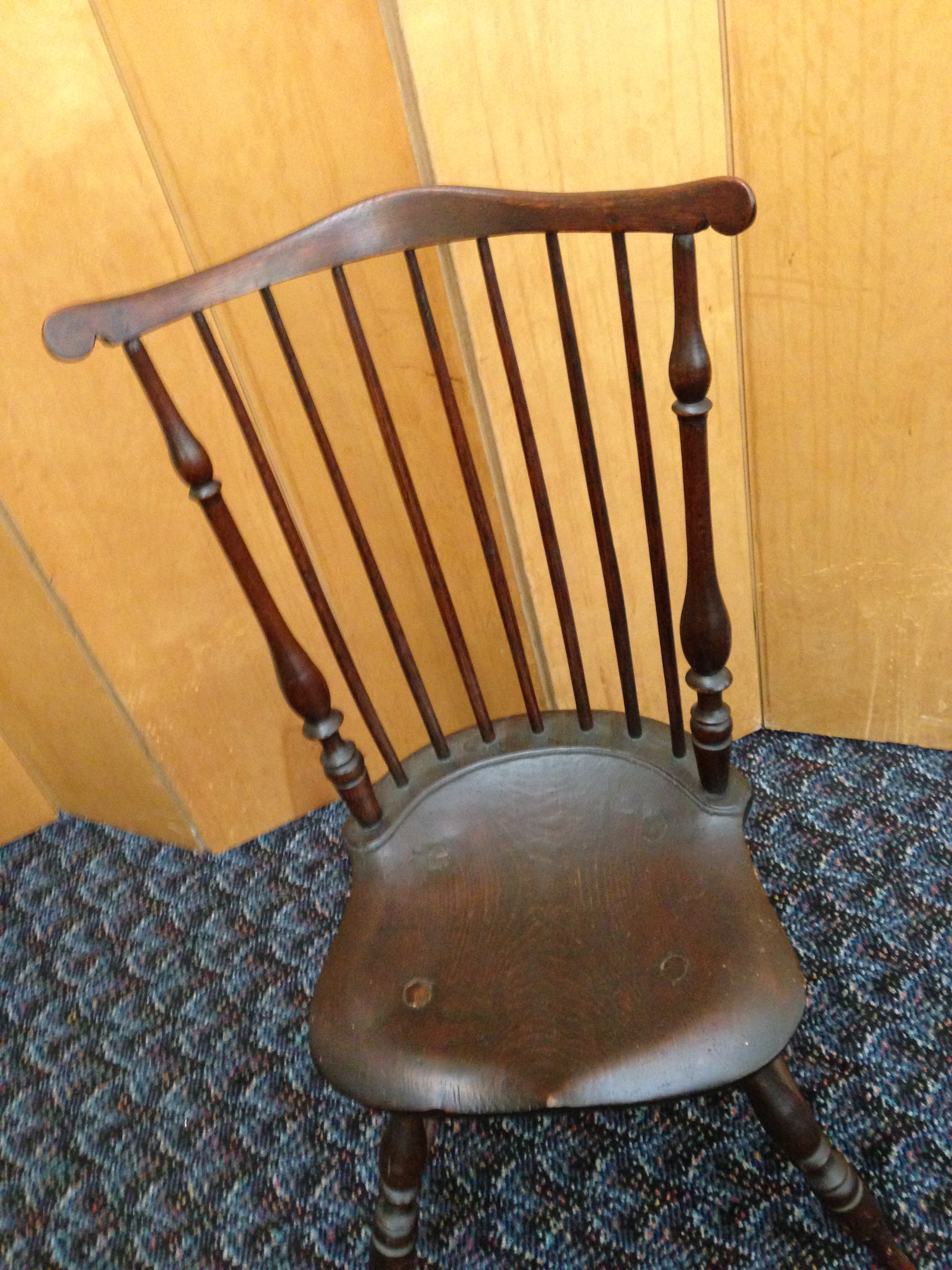
We were just as eager as everyone else. My sister-in-law Suzanne had a Windsor chair and a ceramic jug with a portrait of George Washington on its bulbous face. Her mother had been an antiques dealer. The chair, she always said, was “a good chair.”

She had a lot of similar antiques at home, big and small.
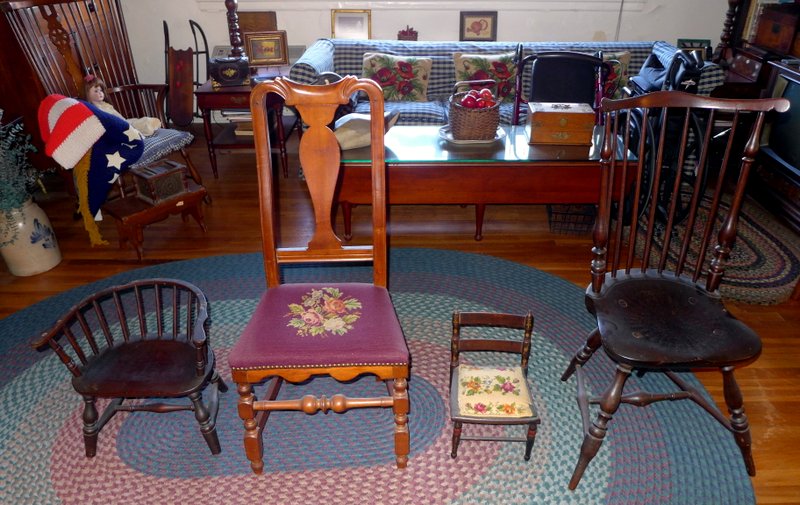
Suzanne's chairs

But how good was the Windsor?

windsor

I had the plate, as I said. My appraiser was kind.

She indicated its hairline cracks that slightly marred the back, though the hand-painted imagery and the curvature of molded scrolls and beaded edge were “very, very sweet.” Austrian, or European, she said, 1870. Originally part of a set that would have included a pitcher, creamer, dessert plates, it now stood alone, a beautiful orphan. It was “not in vogue at the moment,” she said, “not in demand.” It’s too bad, she said, these things fall out of popularity. Worth less than a hundred bucks.

I brought out my next objet.

bookmark c-u

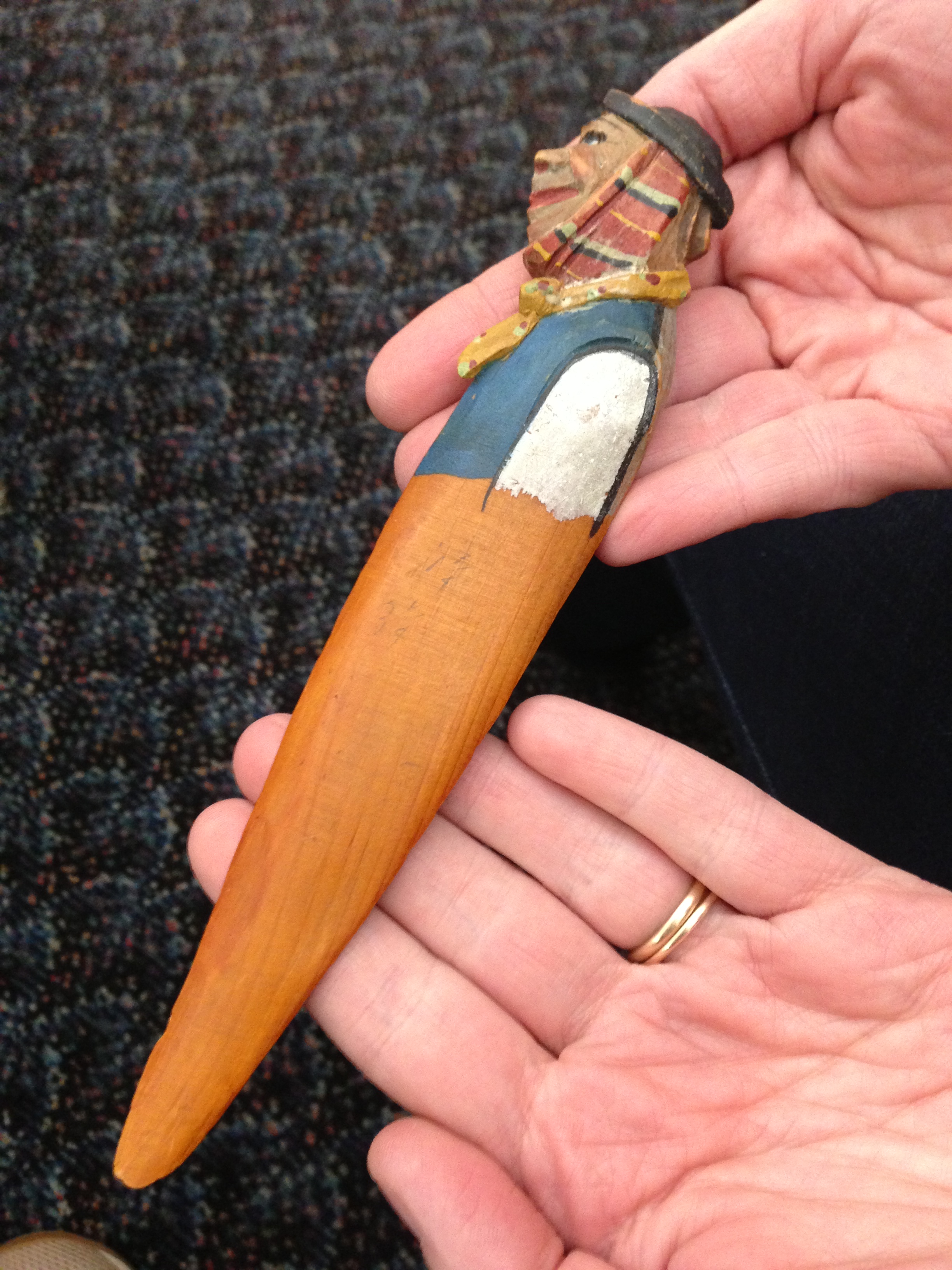
It was a “letter opener” that Gil had carried home from Wisconsin, from among his deceased mother’s belongings. I didn’t anticipate my appraiser’s slightly pursed-mouth critique. “Not so sweet,” she said.
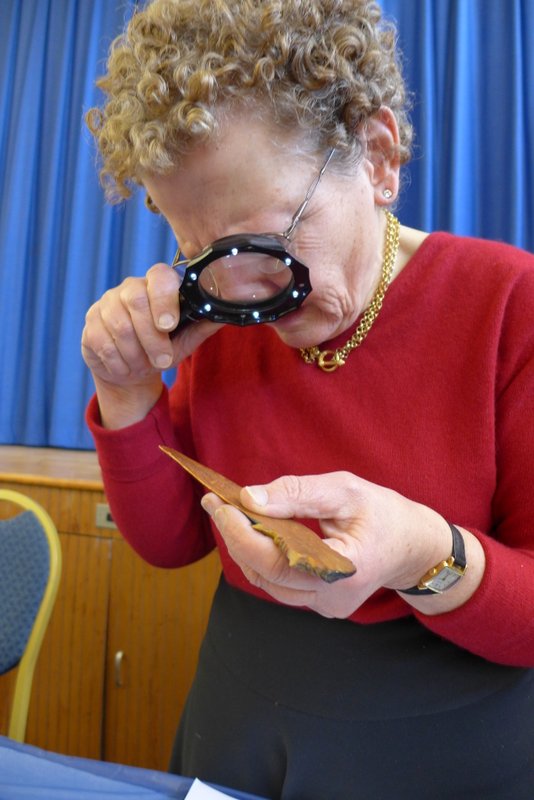
Beth appraising

She examined the reverse with a magnifying glass. The writing, she said, was half Russian, half English – the English part said Bookbinders. Its quaint decoration was a caricature that was not kind to a certain class of people. You could tell from the homely scarves, the humble cap. My father-in-law spent time in Germany in the second world war, I said. Could he have picked it up there? Yes, she said gravely, dating it to the mid-30s. “it’s something they’d been making for many, many years. It mocks peasants,” she said, “especially, you see, because the underclass can’t read, and this is a book mark.”

Well.

It was time for Keno and perhaps a less awkward meet and greet. Friendly and urbane, he ruefully explained his allergies to metals and to news clippings, “if you can imagine.” He turned over the Liverpool creamware jug in his hands, neatly dissecting its good qualities and its flaws. The Windsor chair it took him about 20 seconds to date to 1785 Massachusetts. Hickory, pine and maple gave it its delicate lines. The chair and the jug were “the two neatest things I’ve seen so far,” he told us. Hooray.

Then came the puzzle.
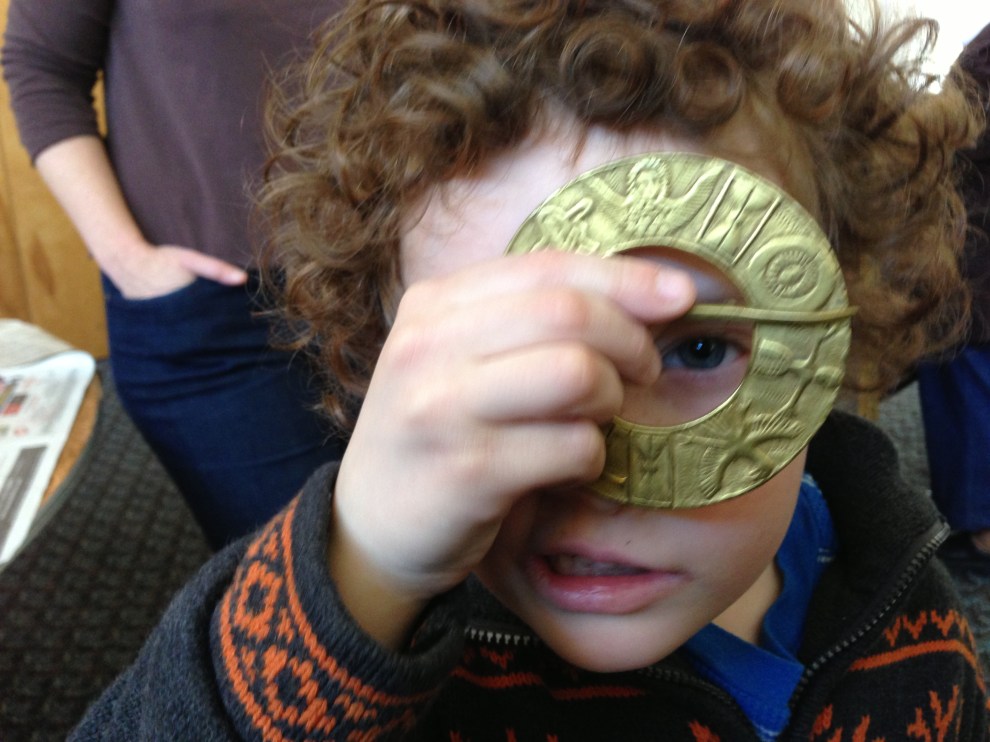
Jasper w buckle

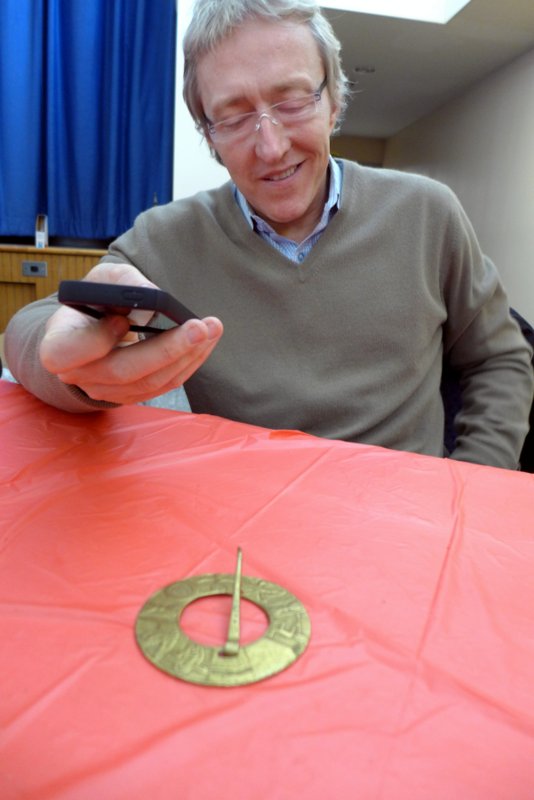
What, we wondered, was the provenance of the gold buckle with runic inscriptions all over its back and front? It already made a good monocle, according to Jasper. “That’s a baffler,” Keno said, getting out his magnifier, bending his blond head over the buckle, attempting to read the words, turning it to all sides to catch the light and generally fidgeting with excitement.

Keno appraising

It’s either a modern fake, he said, or it originated in the 17th century, in which case it would be a very exciting find. He would do some sleuthing, he promised.
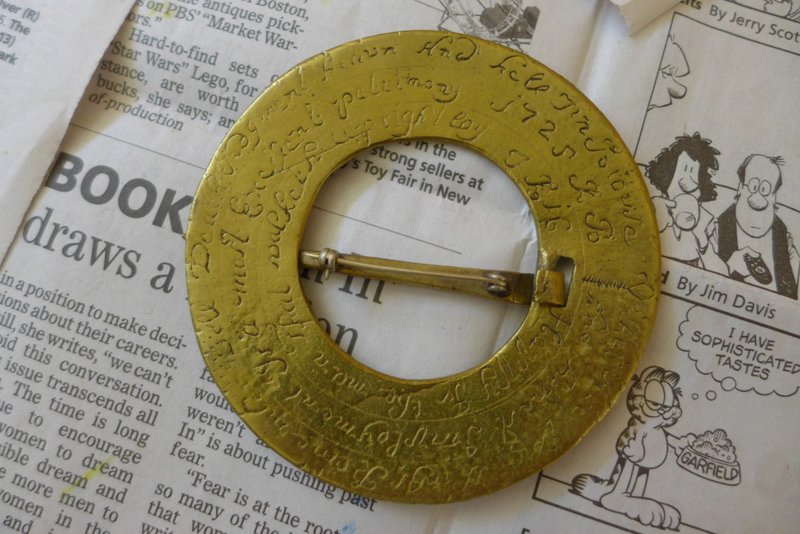
buckle

I can’t wait to hear the origin of this buckle. Somehow I think it’s really an amulet of some kind, you hold it up and can fly through the hole, through history.

We joined the antique lovers trooping out of the building.

“Was it worth any money?” one called out to another.

“We still have to keep our day jobs,” jested the one with the bulky package.

Even if there were a fortune in it, in a plate, in a painting, in a chair, in an amulet-buckle, we don’t want to part with it anyway. Not for all the money there is.
6 Comments

Filed under History, Home, Jean Zimmerman

Blips of Wonderment

They were small moments of wonderment, as befits a small person. A sheltered life. Still, sudden blips bubbled up from within my romantic child mind, bouts of vague yet powerful curiosity that would seize me out of the blue. There were times when I was sure that some day I would understand the things that mystified me now. That one day I might even write about them. These are a handful of those moments.
Sitting on the stair landing of my quiet home at night, looking out the window to the quiet street, a pool of light beneath the lamppost, and needing to know what went on beyond that quiet. Wondering about the world.

Watching the wind-blown leaves of the oak in the center of our yard, standing in the kitchen,the thought consciously occuring to me, I Am Myself, and wondering about the world.

Checking out the newspaper, black squiggles on white, the landscape of adulthood that as yet made no sense to me, and wondering about the world.

Jumping in fall leaves with my neighbor-friend, then remembering the scratchiness of those leaves later, when he died at 16, and wondering about the world.

Chugging up a Swiss mountain trail through herds of belled cows to see a tiny jeweled village below, and wondering about the world.

Lying on the living room couch after school, lost in “Will You Love Me Tomorrow,” and wondering about the world.

Watching a teacher hold a boy by the hair and kick him for punishment, and wondering about the world.

A dry, awkward first kiss from a kid when I was 13, thinking hmmn, and wondering about the world.

Sewing a flannel nightgown for myself, by myself, and wondering about the world.

Feeling the heat of Marjorie Morningstar, of all things, and wondering about the world.

Driving on the highway to Baltimore, curled in the backseat, gazing out the window at the headlights of the trucks barreling towards us, asking myself where they were headed, and wondering about the world.

Taking the train along the Hudson and feeling certain that the world did not hold another river as beautiful. Something I  knew for certain, beyond all blips of curiosity or wonderment, then as I do today.

Hudson sunset

5 Comments

Filed under History, Home, Jean Zimmerman, Writing

Mud Pies and Other Delicacies

I think this is my favorite season. It’s actually an inter-season, when the last of the snow has nearly melted and the reeds of last summer still stand tall and blond and dry.

old snow

winter reeds

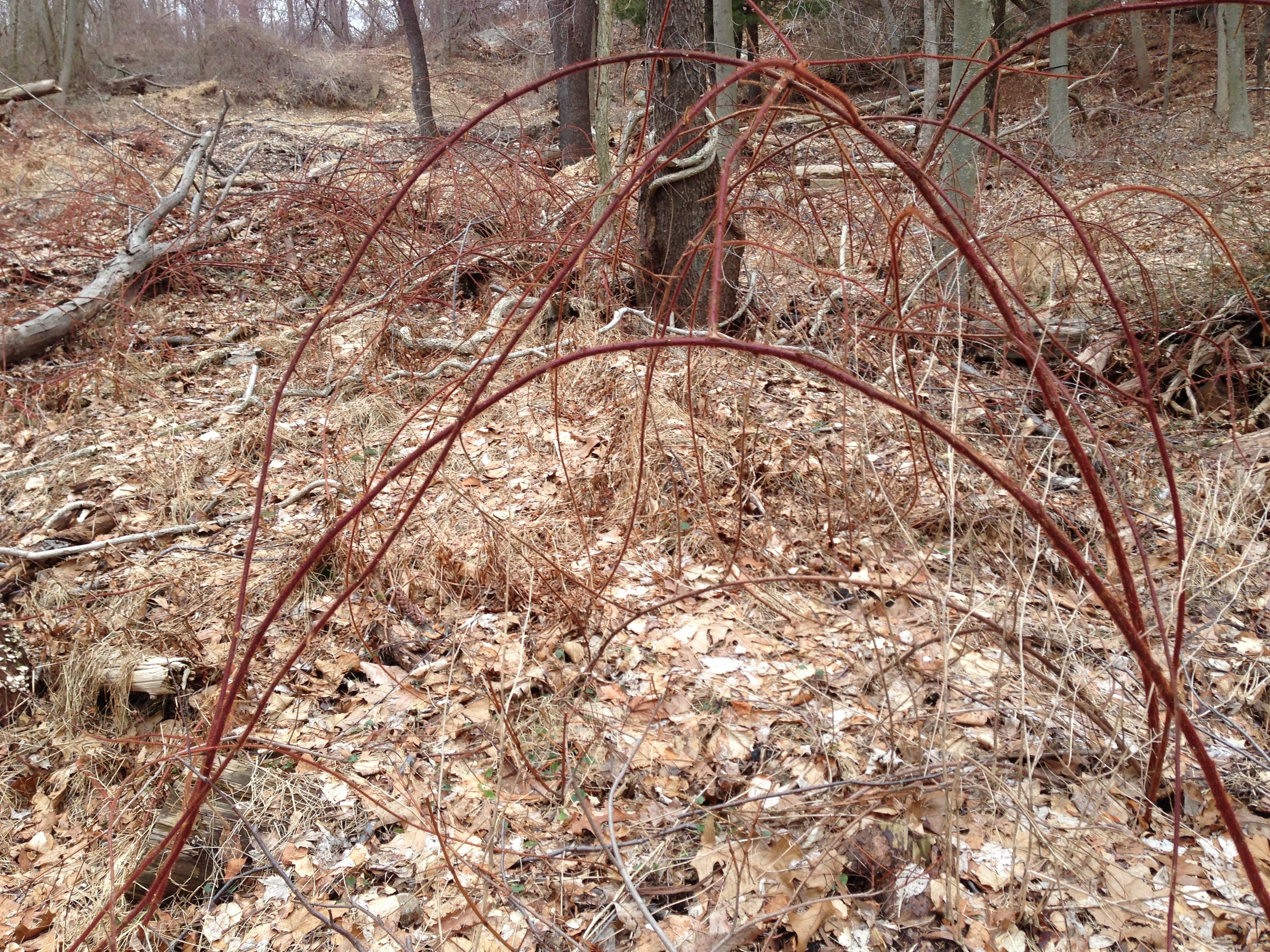
And yet… the canes of bushes like these raspberries are reddening.

red canes

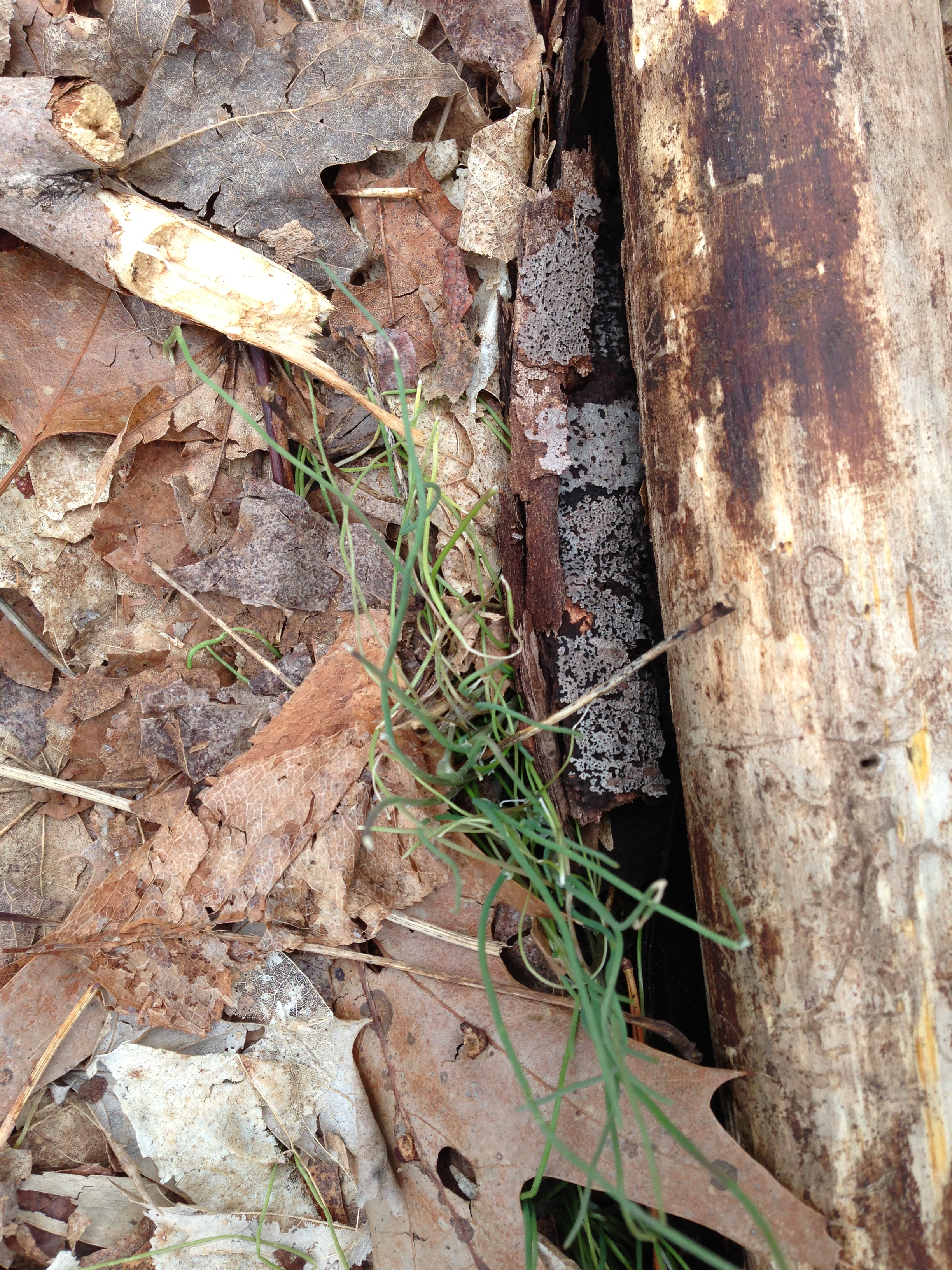
Tiny fringes of green poke through rotted leaves.

new grass

You can almost hear the sap rising in the trees. The end of winter. The beginning of spring.

I’m impatient to have the warm weather here. At five in the morning the birds are beginning to tune up. I am ready for the warm-weather mud.

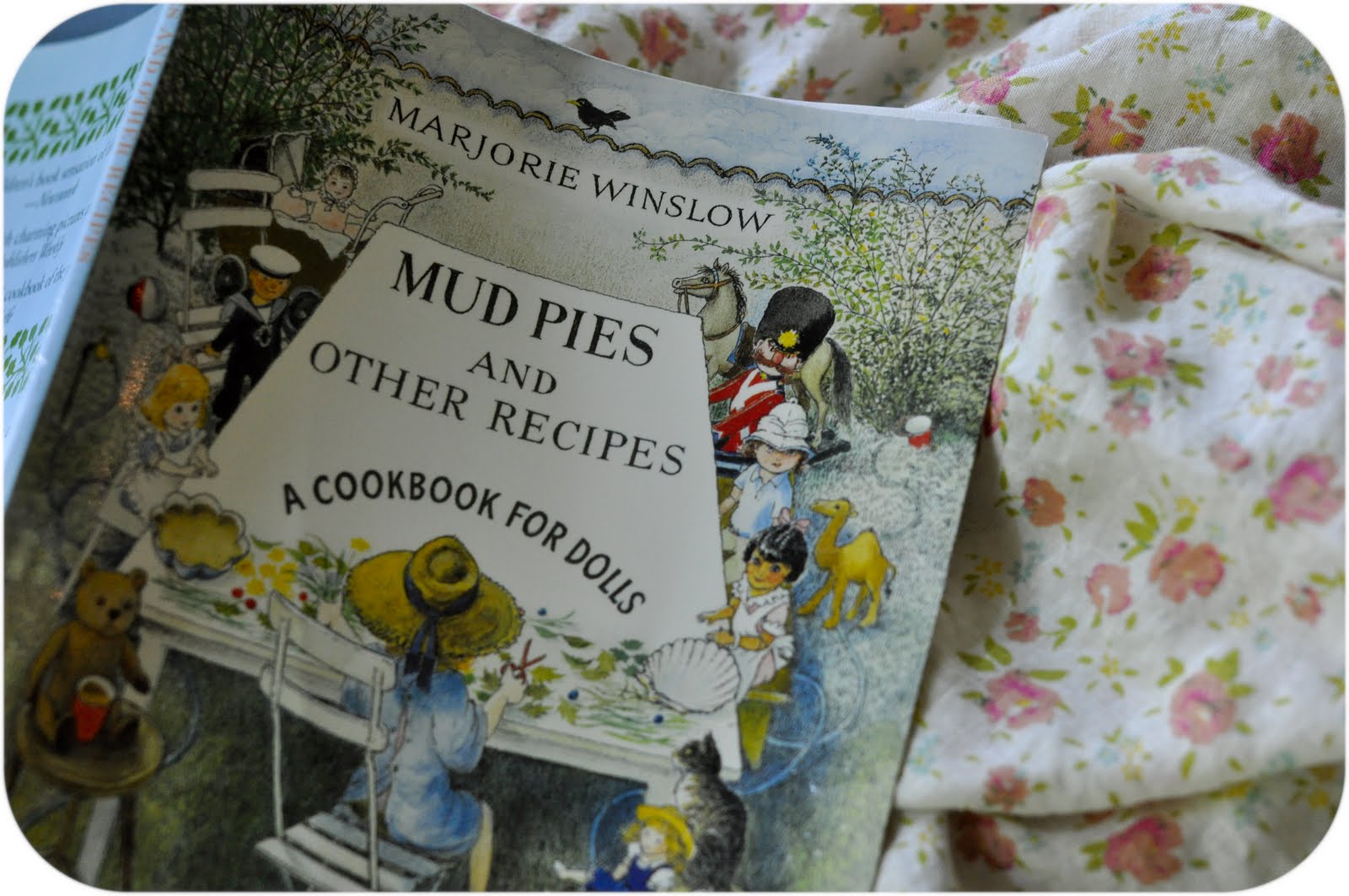
I still think of a book I obsessed over when I was a child, called Mud Pies and Other Recipes. The author, Marjorie Winslow, spelled out instructions that called for raindrops (to make “fried water”) and crushed dry leaves, flower petals and pine needles (for appetizers, to serve prettily in baking cups cut from shirt cardboard). I dreamed over that book.

mud pies and other recipes cover

There was, naturally, plenty of mud. For “wood chip dip” you must “mix dirt with water until it is as thick as paste. Place this bowl on a platter surrounded by wood shavings. Scoop the dip with the chip.” For a kid who liked to build homes out of acorn shells between the roots of trees, this was heady stuff.

The landscape around the Cabin, especially in this inter-season, makes me wonder what magic Winslow would concoct here.

fallen bark

How about a bark sandwich?

bark sandwich

But let’s try to leave babyish games behind.

One of the best-known young Scandinavian chefs, Magnus Nilsson, brings nature into his decidedly grownup cuisine, with meals people travel into the remote Swedish hinterlands to experience. Marigold petals are as much staples of his kitchen as they are in the world of Mud Pies, along with ingredients like birch syrup and moose-meat powder.

MagnusNilsson_2354943b

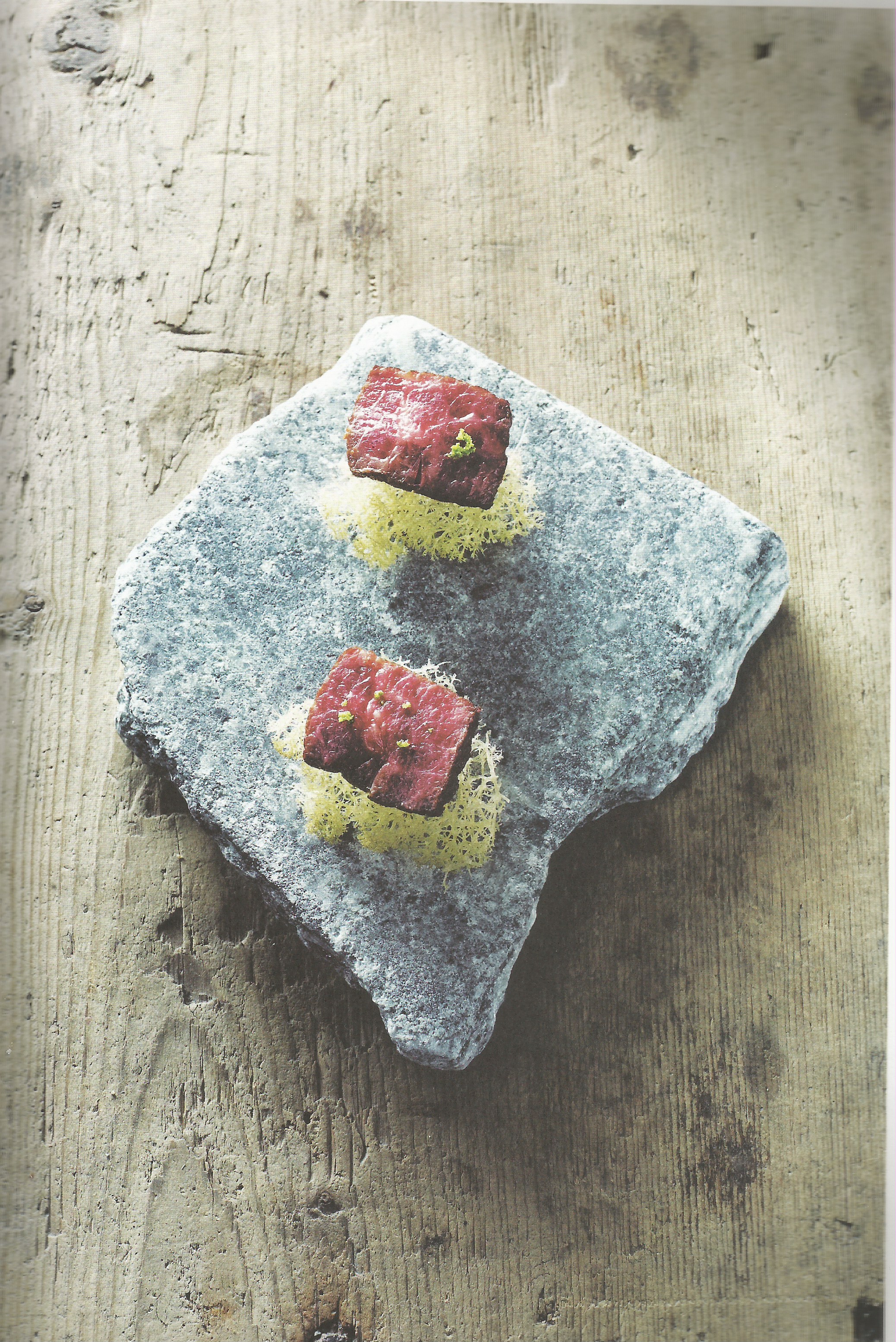
He has recently come out with a cookbook, Faviken, that evokes fairy tales through its approach to food preparation. The book delineates the secrets of Faviken Magasinet, the fabled restaurant Nilsson runs, giving recipes with surprisingly narrative titles, like “Marrow and heart with grated turnip and turnip leaves that have never seen the light of day, grilled bread and lovage salt.” He explains, about this dish, that “the main ingredients are a perfectly fresh femur and an equally fresh cow’s heart.” Not something I’m going to try at home, but possessed of a mythic poetry. Or how about this one? “A tiny slice of top blade from a retired dairy cow, dry aged for nine months, crispy reindeer lichen, fermented green gooseberries, fennel salt.”

nillson 1

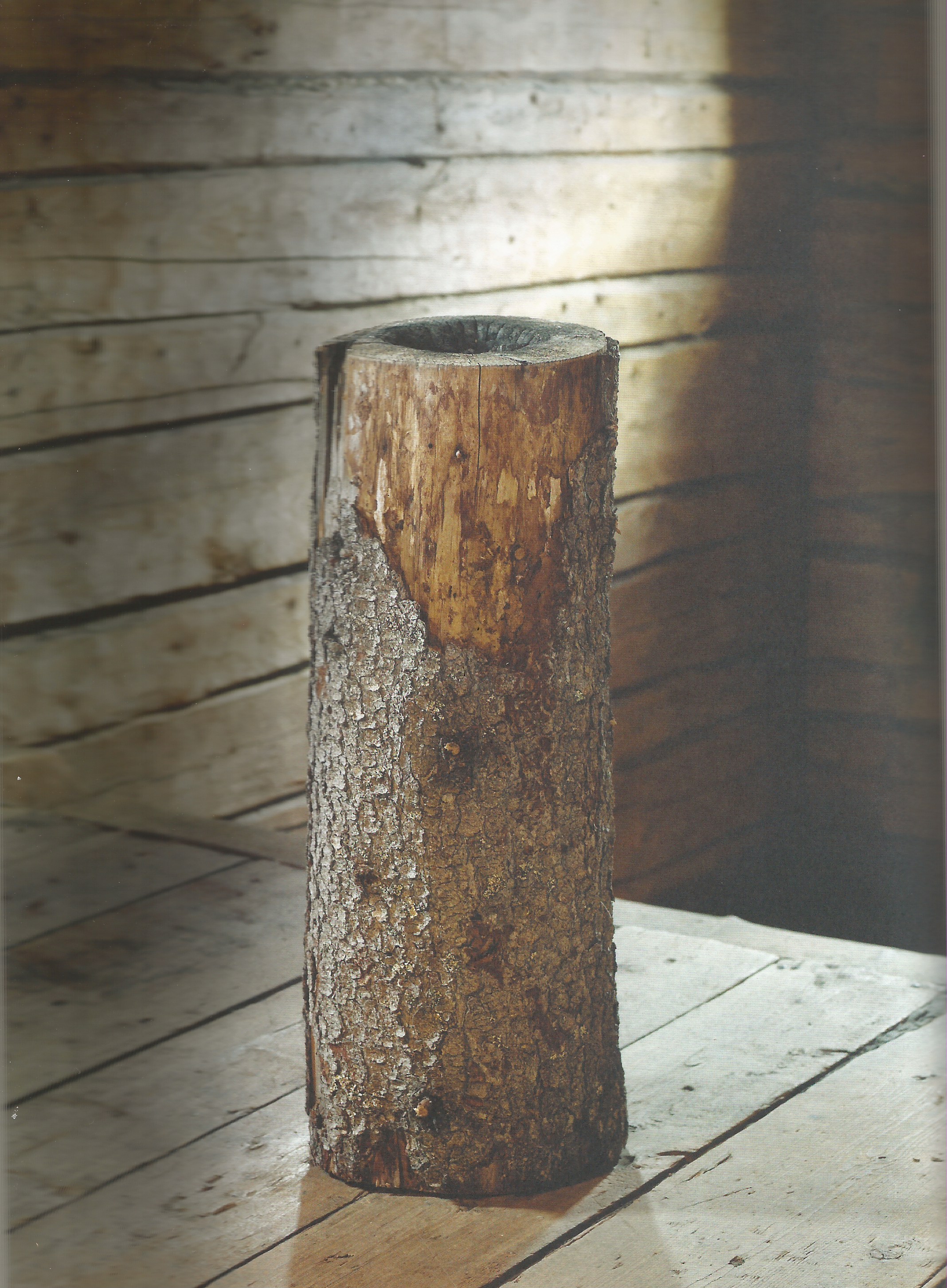
Magnus Nilsson loves lichen. He loves all the ingredients from Mud Pies, it would seem. A typical recipe: “Pine mushroom, lamb’s kidney, pickled marigold.” Wild plants distinguish his cooking. “Vegetables cooked with autumn leaves.” And perhaps the most spectacular yet absolutely simple preparation: “Vinegar matured in the burnt-out trunk of a spruce tree.”

nillson 1 1

I bet I could put together some pretty good acorn furniture for the base.

acorns

10 Comments

Filed under Cooking, Home, Jean Zimmerman, Nature, Photography, Publishing

A Burning Issue

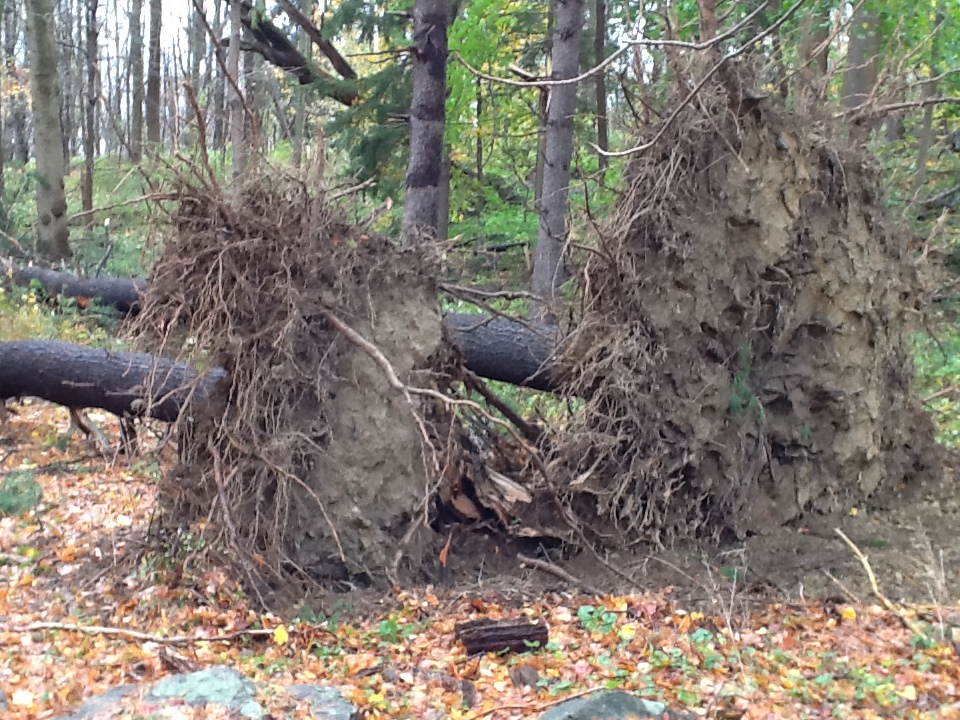
Our neighbor said he will bring his chainsaw and come slice the giant, hurricane-fallen trees on our land to make rough boards. He’ll use them to frame up raised vegetable beds this spring.

twin tall trees

That will be quite a job. The trees are fifty feet long, with a diameter of almost a yard. We’d get some firewood out of it, too, for next year, once it cures. This year’s need for logs to burn is almost over, and just in time, as our woodpile has shrunk to almost nothing.

Somehow it’s been an especially good year for fires. For immersion in movies in front of the hearth, for eating too many cookies, too much buttered popcorn, warmed by the flames. For knitting and purling on a cozy piece of work stretched across my lap, glancing up now and then at the flickering, crackling hardwood.

knitwork

Every fire holds worlds within it.

fireplace

We’ve stayed inside the Cabin a lot this winter, since it’s been cold, working, dreaming. Eating, as I said.

So many people who still have hearths have converted to gas, but it’s just not the same. Good article today in the Times about the cult of firewood in Norway. The subject is practical, historical, even mystical. People there have to stay warm, especially at the Sorrisnivia Igloo Hotel in Alta.

Sorrisniva Igloo Hotel

A Norwegian TV show probed the proper way to cut and stack lumber. After all the discussion, a fire burned onscreen all night long. Viewers found it as thrilling as Downton. Nearly a million people tuned in. Afterwards an expert, the author of a bestseller titled Solid Wood, opined, “One thing that really divides Norway is bark.”

Meaning, should it lie up or down on the pile? A heated argument, so to speak, could be made for either.

1 Comment

Filed under Home, Jean Zimmerman, Knitting, Nature

James and James, Inc.

In the Scarsdale library today while I was browsing in the fiction aisles my glance fell on H. James – as it always seems to, no matter the thousands of authors there. I connected with my favorites, The American, The Europeans, as well as the ones everyone else loves best, The Wings of a Dove, The Golden Bowl, then noticed that nudged up next to the first of Henry’s volumes there on the shelf, Washington Square, stood 50 Shades Darker, by E.L. James. Then a line of 50 Shades volumes. Side by side, the two authors with their two big sellers, on the left a thoroughly contemporary exploration of happily abused womanhood, and then the equally popular vision from 1880 of  a young woman suffering psychological abuse at the hands of her favorite suitor, a bounder. Washington Square, of course, is perennially refreshed as The Heiress, now on Broadway with Jessica Chastain as Catherine Sloper.

Jessica_Chastain

Women are always getting their virtue endangered, and that predicament is always finding its way into literature. Who will save her? The question fascinates us.

Before James and James there were young ladies with better things to do than dally with bad men.

I speak of needlework.

embroidery

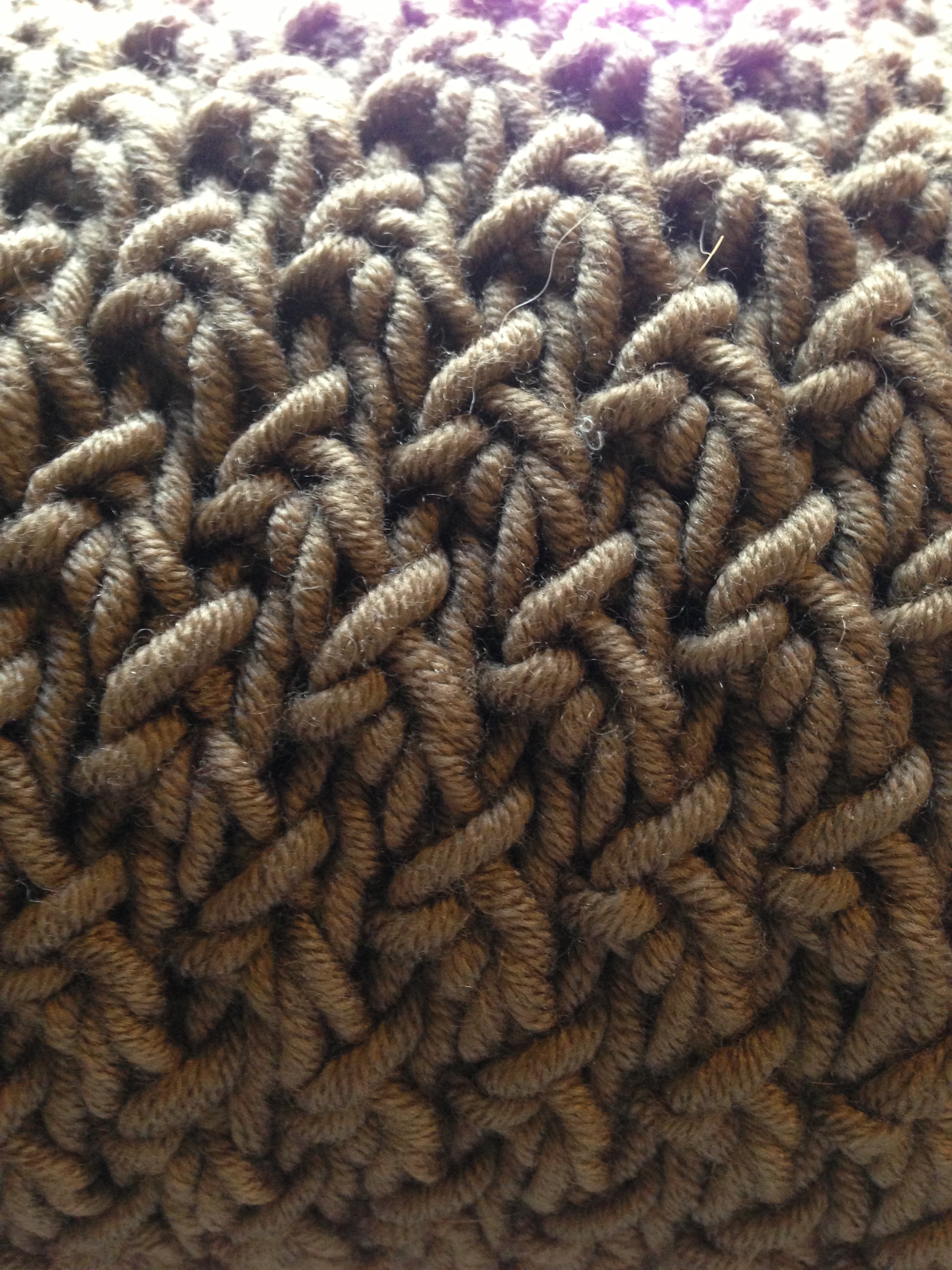
Visiting the Winter Antiques Show gave me a new appreciation of the subtleties within the craft, and of just how driven were its practitioners. My photo of a corner of just one piece suggests the three-dimensional artistry that a young girl could bring to her work at the beginning of the nineteenth century. This was the Austen era – when female industry with a needle was almost worshipped.

What I never knew before was how many different types of work there were. At the Show, Stephen and Carol Huber of Old Saybrook, Connecticut displayed a range far beyond your typical cross-stitched sampler, achieved by young students in schools on a linen background. No wonder they bill themselves as “America’s Preeminent Source for Girlhood Embroideries.”

silk embroidered picture

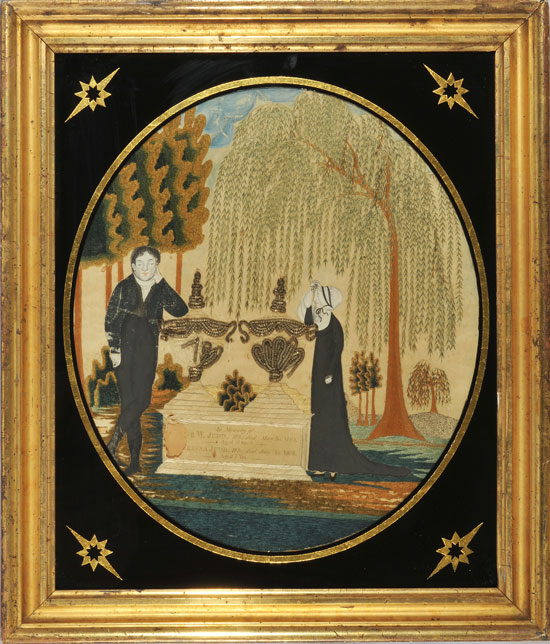
Some pictures display silk or chenille thread on a silk background that was painted with watercolors rather than worked with a needle, and depicted stories out of the bible or mythology. Some were memorials, the ones you see with a tomb or a weeping willow, sad subjects that were the expected mental domain of young cultured girls between 1780 and 1840.

Judd-memorial

Then there were canvaswork pictures. Huge and now highly collectible tableaux, often of hunt scenes but always with a pastoral background.

canvaswork

Even stumpwork: if you didn’t know, that means  a type of needlework from the mid seventeenth century. Some pieces have lasted and lasted as if it wrought in metal. They were made with heart.

stumpwork

When girls, young ladies, saved their own selves by the work of their hands, long before James and James.

1 Comment

Filed under Art, Fiction, History, Home, Jean Zimmerman

A Walking Antique

There was scrimshaw, of course. In all its various guises, carved on the plank-like jaw of a whale or sculpted into curio-style walking stick tops.

scrimshaw

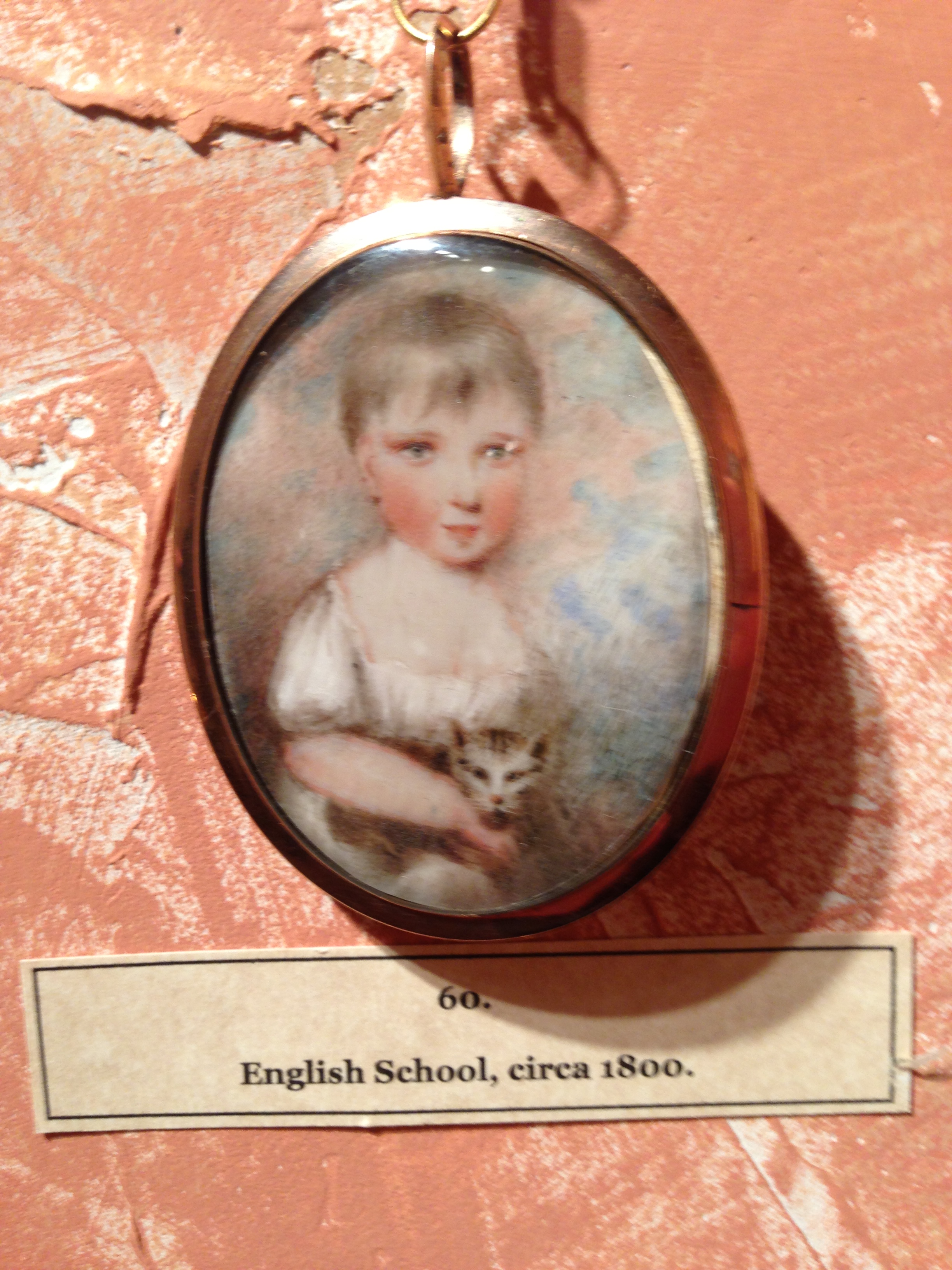
The 59th Annual Winter Antiques show had art from around the world and of every vintage, from the ancients to the ‘60s.  My friend Suzanne and I inspected miniature portraits, some with locks of hair tucked into secret locket pockets.

miniature girl

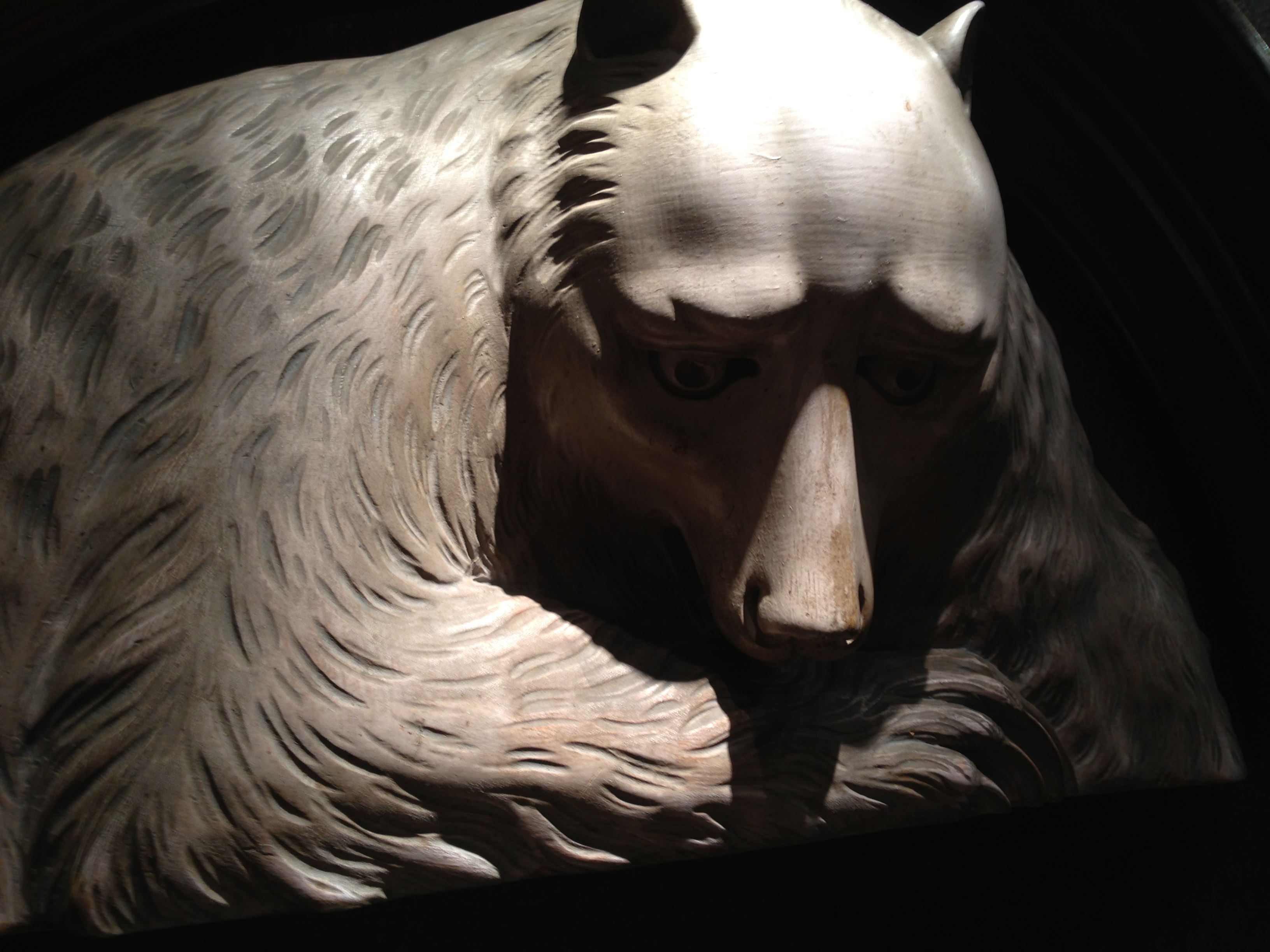
It was the story that drew us again and again, not the craft of the piece, which could be exquisite but nonetheless leave you unmoved. I loved the moth bitten tale about the grizzly bear of carved wood that once graced the top of a doorway in northern California, the entry to a masonic lodge. Made in the mid-1800s, it was a highly unusual find (and was looking for a highly unusual collector to take it home).

wood bear

Serious shoppers in spectacles and tweed prowled the Armory building on Manhattan’s upper east side, peering at objets. Discreetly tucked to one side, a café where you could get strong coffee, fresh grapefruit juice or the perfect crème brulee. “She’s a hypnotist collector,” sings Dylan, “You are a walking antique.”

We came upon a colonial-era painting that showed two ladies seemingly snuggling – “The Lovers.” was written in script across the bottom. A similar trope was visible in a tiny twin cameo on a gold ring, with the two female faces etched in milky glass. It dated from Rome in the time of the Caesars. Who were the women, mother and sister? Two darling daughters? “The Lovers”? You write the story.

true love

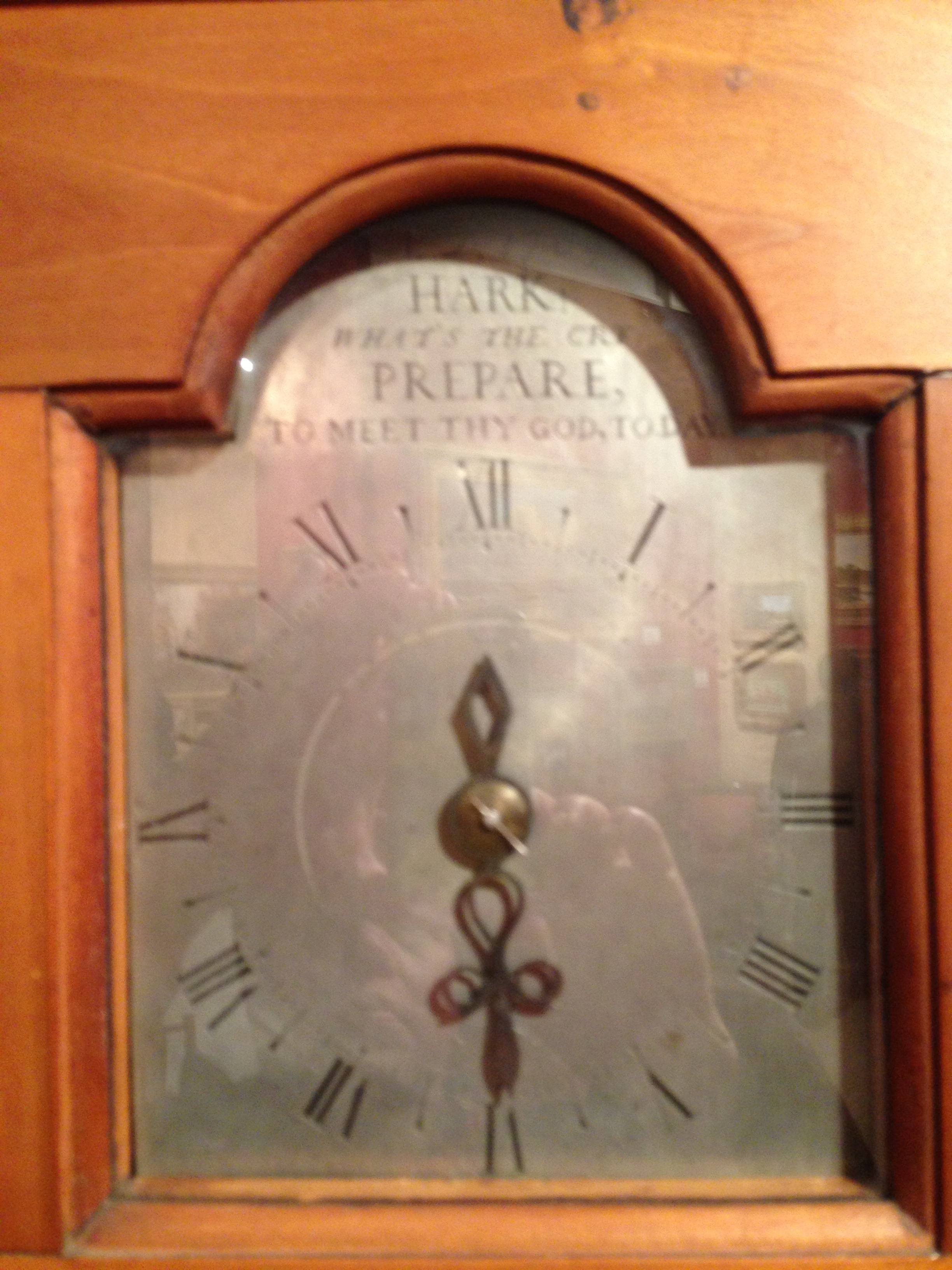
A tall, plain clock made in a family woodworking shop in East Hampton, practically unvarnished, admonishing admirers with its stern legend, was displayed in a stall run by a family business called Delaney Antique Clocks. Two centuries ago the clock was created for by a sea captain who had lost five children under the age of five. Hark, What’s the Cry: Prepare to Meet They God, Today.

clock

Then there was the cat-head doll. We used to tell terrifying stories about such creatures when I was a child. Was this a voodoo doll of sorts?

cat doll

Also a bit fierce, a set of Salvadore Dali-designed silverware, with forks like retractable claws.

dali silver

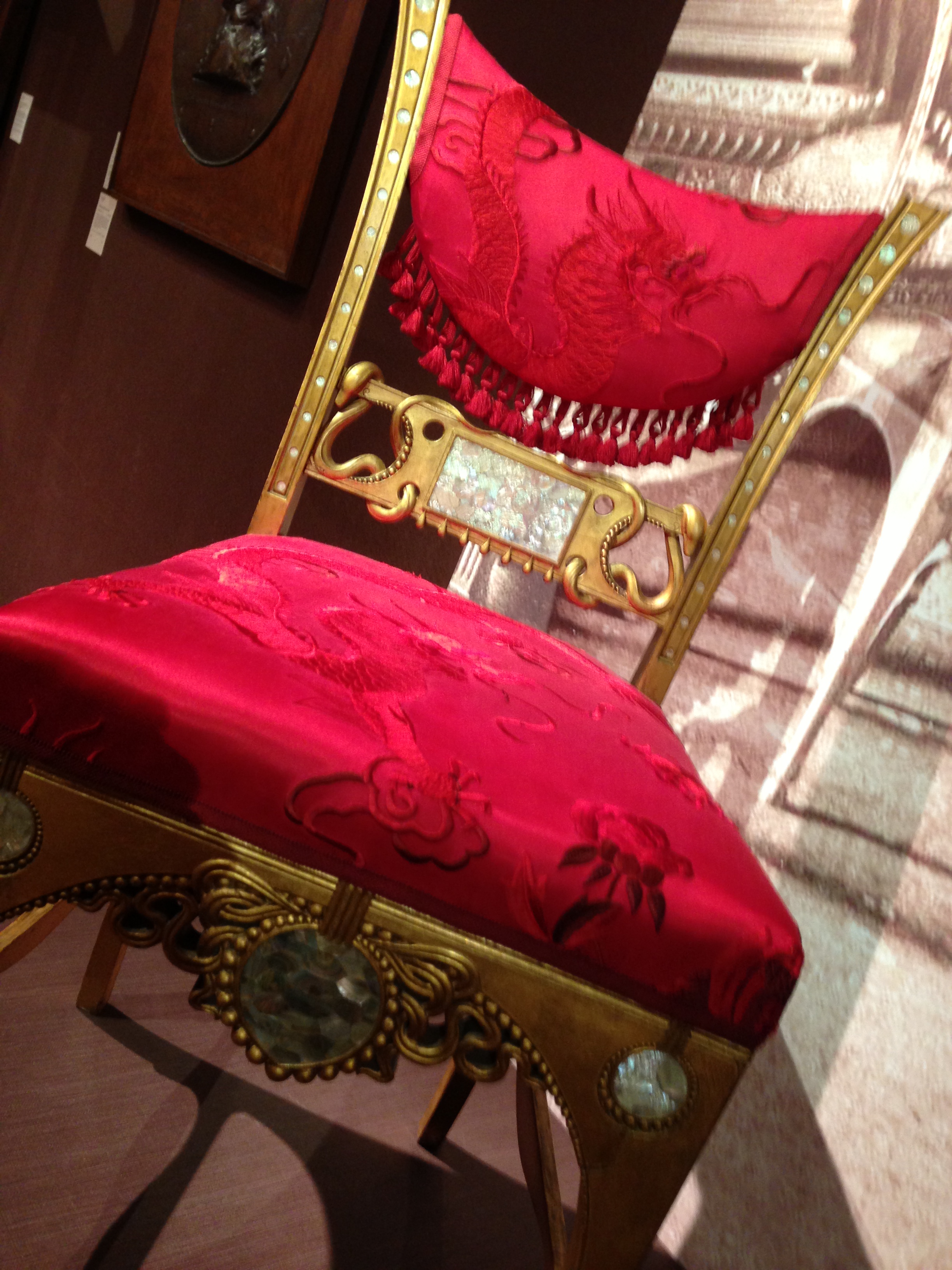
At the booth run by the expert David Parker, for the enterprise called Associated Artists, we saw a striking, red satin chair atop a platform. Here was a story.

vanderbilt chair

Crafted of gilded maple, the cloven-footed, serpent-entwined chair was a jewel in the living space of the tycoon William H. Vanderbilt, whose residence on Fifth Avenue at Fifty-first Street was the most magnificent home in America during the Gilded Age. The house was also the crowning achievement of Herter Brothers, the most important furniture makers/interior designers of the era. The Herter chair appeared in the self-published Mr. Vanderbilt’s House and Collection, which documented the great man’s stuff for all the many people who might not ever get inside the house to take a look for themselves. Circular mother-of-pearl accents on the chair reflected the just-come-in electric lights that only the very wealthy could afford.

Vanderbilt book

The chair also found a place in another book about the houses of the rich and famous, Artistic Houses, of which only 500 were published in the early 1880s.  Andy Warhol owned a copy.

Also on display at Associated Artists, a vase designed by Christopher Dresser that in its particular angularity suggests Dresser’s preoccupations as a botanist … he was famous in the latter part of the nineteenth century, a polymath and household name among the intelligentsia, though only the favored few remember his story now.

dresser vase

We knew it was time to leave the land of William Morris carpets and genteel pillboxes and good, old stories when it suddenly turned six and all the many collectible clocks in the place chimed… not in synchronicity, mind you, but all just slightly off, one minute at a time.

3 Comments

Filed under Art, History, Home, Jean Zimmerman

Happy Happy!

That my beautiful daughter turned 21 years old yesterday somehow makes me feel 21 years younger!

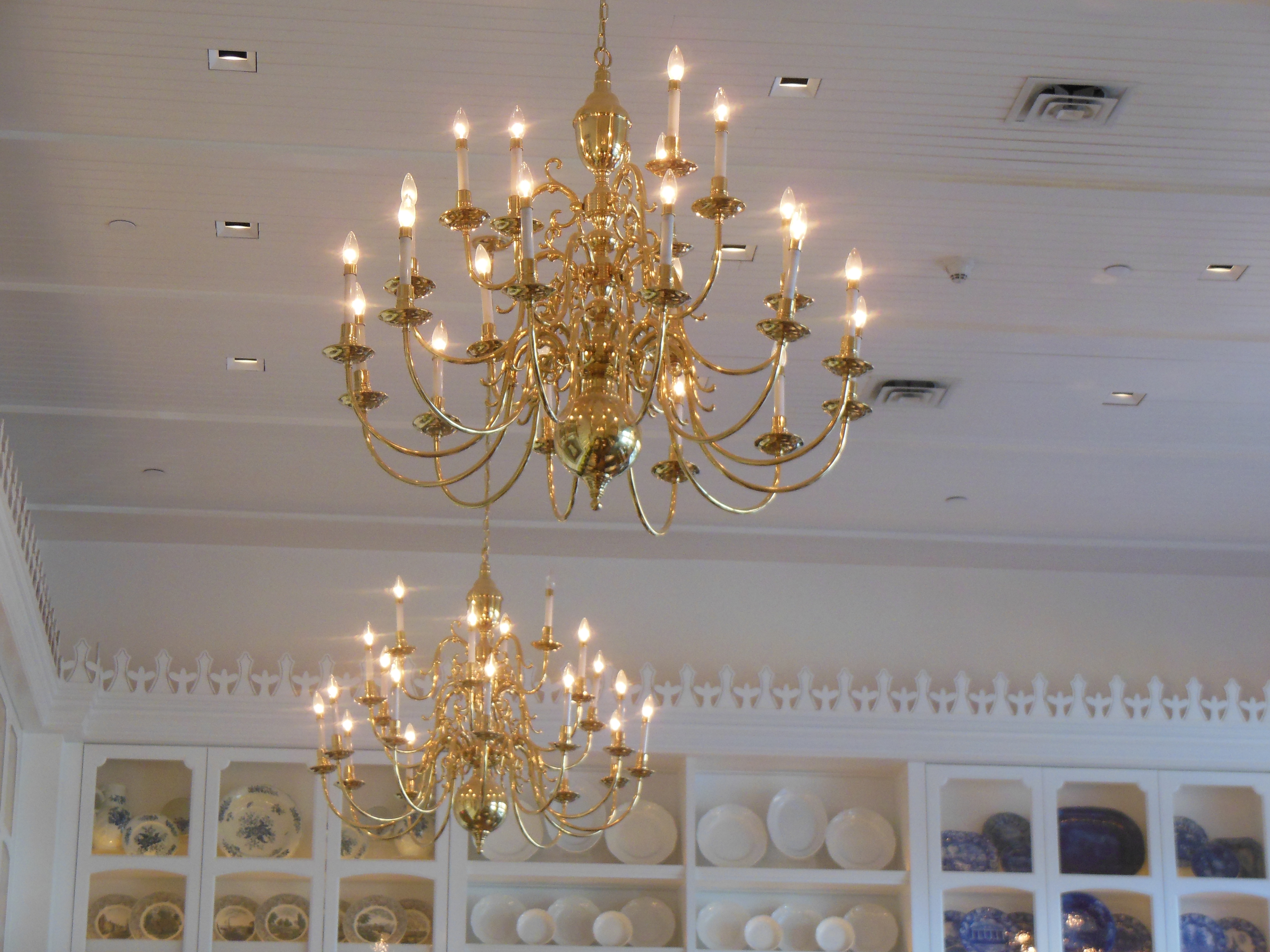
We had brunch at a restaurant with over-the-top chandeliers.

restaurant chandeliersThe spiciest bloody maries.

bloody mary

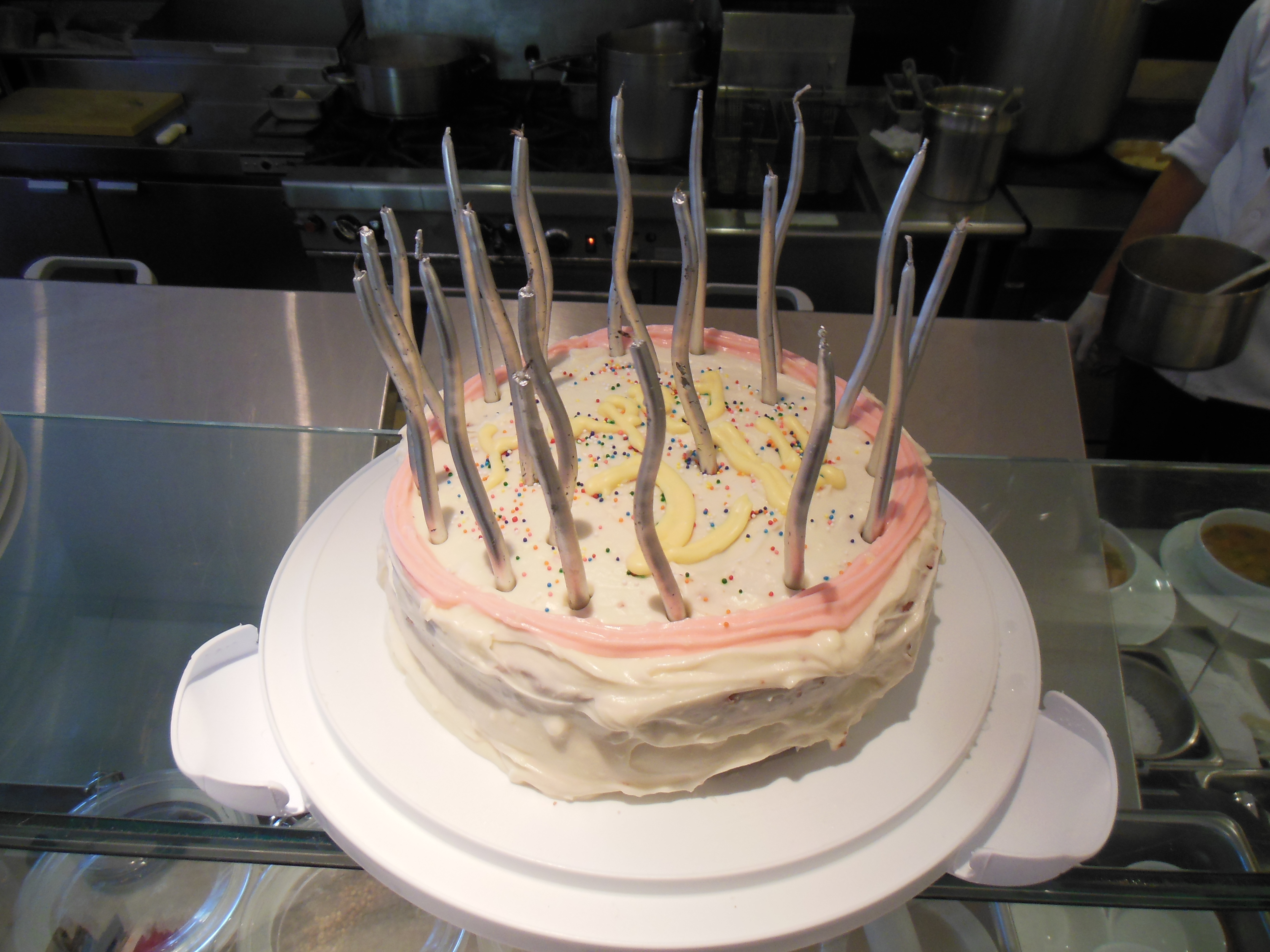
Birthday cake, red velvet with cream cheese icing, and grand candles.

Maud's birthday cake

Maud glowed.

just Maud 21:2

She even cried when she read our card detailing all we love about her, tears of blushing joy.

It all couldn’t have been nicer.

2 Comments

Filed under Home, Jean Zimmerman

Sounds of Silence

This morning I sat on the couch and listened to all the sounds encased in the still cabin.

cabin wall

The tap-tap of the walls settling.

The rasp of bamboo knitting needles against soft wool.

The faint snore of the dog beside me.

The electronic bleat of my phone getting a message.

The distant rumble of the highway.

The gurgle of the sump pump.

The rustle of newsprint from downstairs, where Gil is reading the paper in the kitchen.

Then: pots clatter in the sink.

A singing voice swells, Marianne Faithfull, with soulful, stern urgency: “The mystery of love belongs to you.”

tree

Leave a comment

Filed under Home, Jean Zimmerman, Music

Between the Shelves

Les Liaisons Dangereuses.  The Chicago World’s Fair of 1893: A Photographic Record (a Dover original). Just Kids, by Patti Smith, with its winsome pair on the cover. The lilting new version of Fairy Tales of the Brothers Grimm.

My stacks. A cross-section.

goode vrouw

I always get kind of alarmed when I hear about people who organize their bookshelves perfectly by color. Or by the height of the spine. Or even by subject. I guess I feel kind of abashed because my shelves look like someone just threw a bunch of volumes into them and the way they landed is the way they stuck.

I expect the stately, big public libraries I visit to be properly arranged. At the New York Public Library on 42nd Street, I insist that the chit I hand in for a research item lead unfailingly  to a number on the overhead board, a 155, say, that corresponds to the book I will then pick up at the wood-framed window. I don’t like to wait, even in the lovely caramel-smelling ambience of the Rose Reading Room, where I can spend my time gazing up at the fluffy clouds floating in azure. And, though I love wandering the mysterious stacks at Columbia University’s Butler Library, I expect to set my hands on the thing cited in the catalogue where  and when I want it. As with the following super-polished domestic book sanctuaries, everything is organized.

one library

three library

Not so at my home.

My own library, as I said, is a shambles. Gardens of the Gilded Age is wedged next to A Confederacy of Dunces, which is neighbor to The Goode Vrouw of Mana-ha-ta, by Mrs. John King Van Rensselaer (Scribner’s, 1898, signed by the author). The Goode Vrouw was a priceless source to me for everything I’ve written about Dutch colonial women. Some of my favorite books, like the latter, are end of the line library volumes, dumped when the branch needed room for contemporary titles. Some are by friends: Yodel-Ay-Ee-Oooo: The Secret History of Yodeling Around the World, by foremost authority Bart Plantenga. On my shelf, it sits somewhat awkwardly next to Roderick Nash’s Wilderness and the American Mind.

Living in the Cabin, where every inch of space is precious, meant giving up dozens of cartons of books.  Some to the library, some to the Strand (for precious little resale value), some for pennies at the yard sale. Painful as it was to do it — and with boxes still in storage — we survived,  managing to to keep, say, one in twenty. There is a bookcase about the size of a coffin along the wall of the living room. That is all. Are those, the books favored enough to keep, the ones that I read? Do I turn and re-turn the pages, hold them, go back to them?

Infrequently.

Library hardbacks in their glossy sheaths, the dozens of e-books that hide themselves in my Kindle, the occasional irresistible find on the table at a great independent book store. Those go by my bedside, not my winnowed, cherished chums on the bookshelves. Occasionally I’ll return to Tristram Shandy (the first novel I really fell for with, in high school), or one of the two brilliant Alices, Gertrude Stein’s Autobiography of Alice B. Toklas or The Diary of Alice James. I might dive down into the disordered waves and come up with a gem. But otherwise the books on the cabin’s shelves — in chaos — are only to keep, to have, to save, to nurse a taste for, the way you might keep a bar of divinely dense chocolate in the refrigerator for the day you need to take a bite.

It needn’t be perfect to be delicious.

two library

Leave a comment

Filed under Home, Jean Zimmerman, Writers, Writing

Stitching Christmas

‘Twas Christmastime, 1934.

B & W Family  Xmas

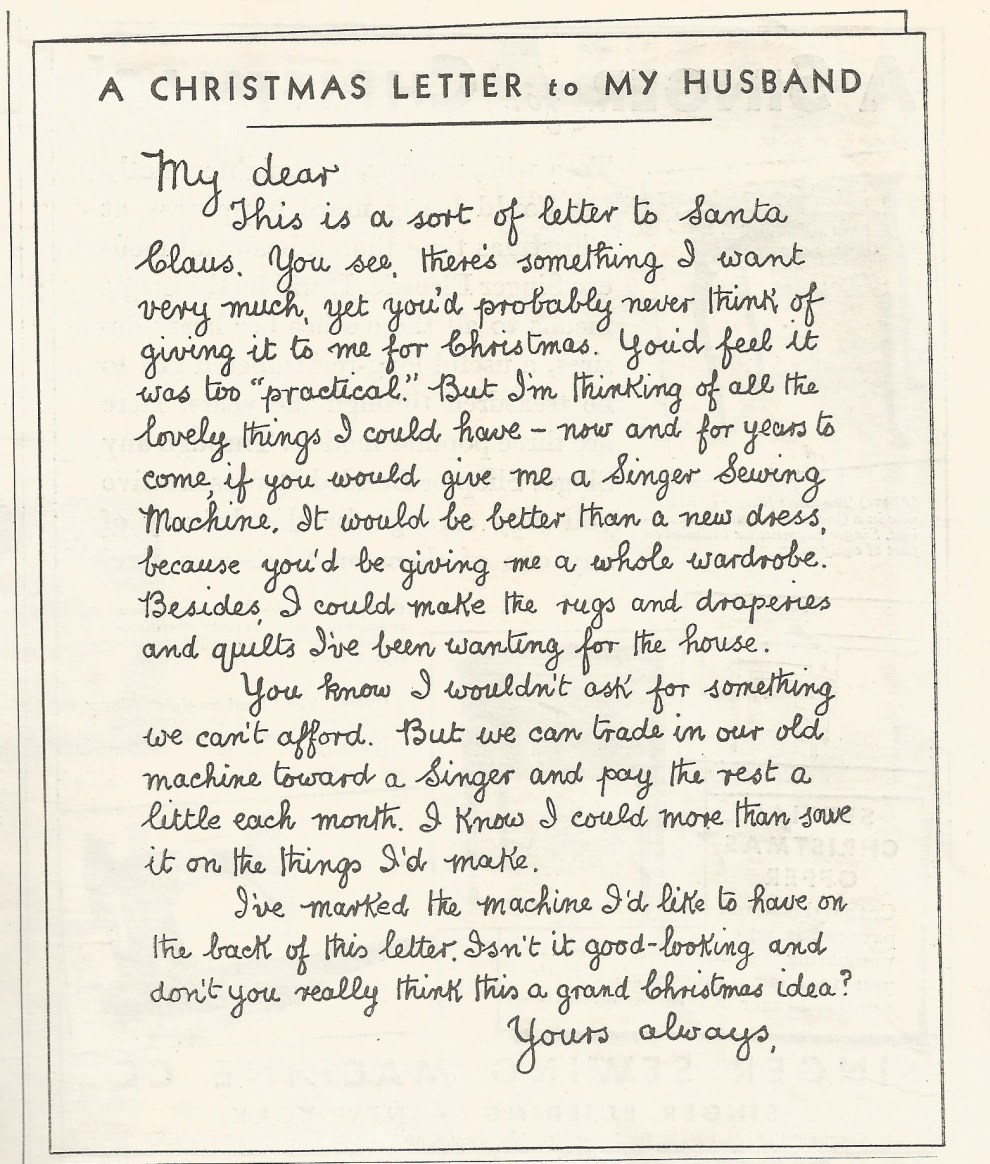
The little lady ambled out to the drug store to pick up a copy of Needlecraft: The Home Arts Magazine. Turning the pages, flipping by the ads for Listerine and Royal Baking Powder (“I’m a Widow… with 5 Children… and I can’t afford to take chances with cheap, doubtful baking powder”, for French’s Bird Seed and Biscuit, next to menu ideas for grand yet frugal holiday dinners, she read a letter that she could have written herself.

Letter to My Husband

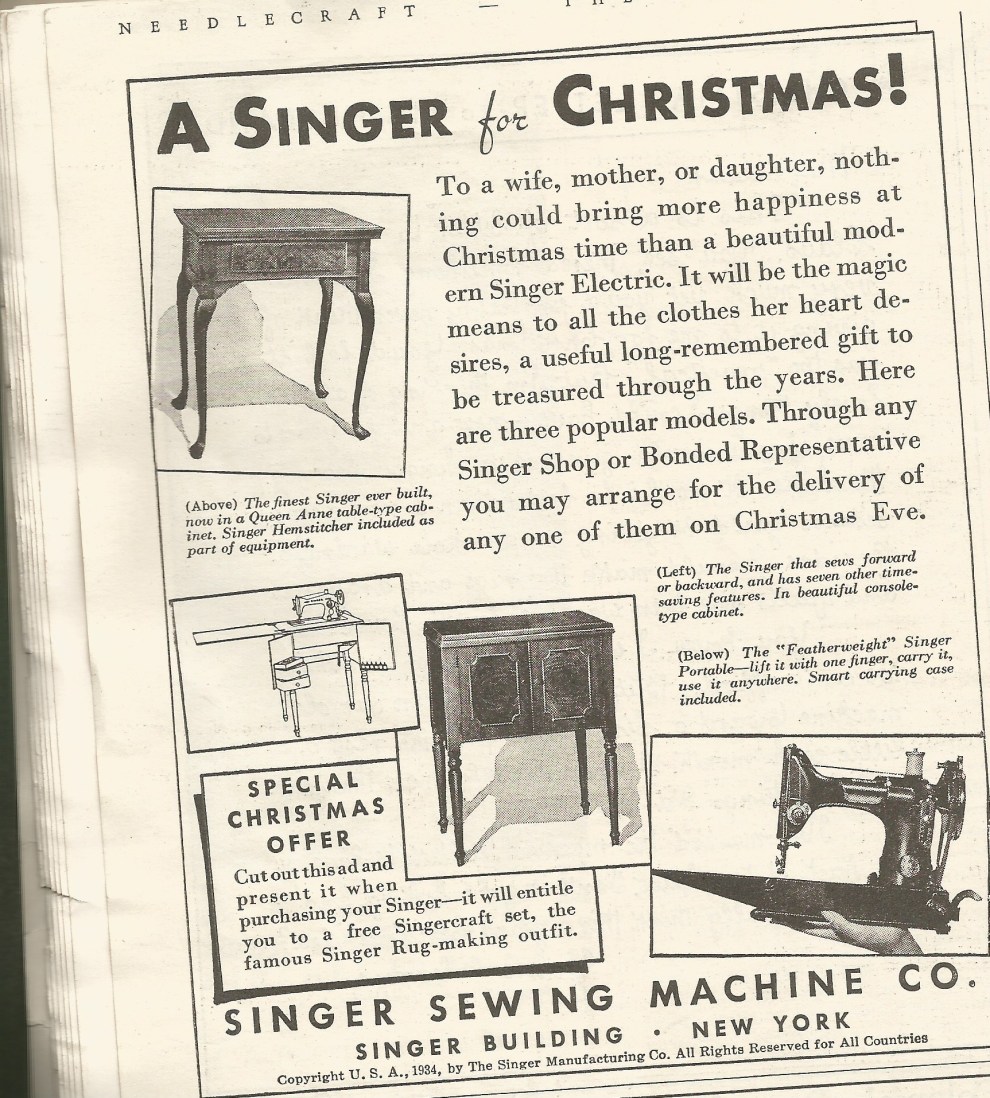
And, when she turned the page, there was the Singer itself.

A Singer for Xmas

“The magic means to all the clothes her heart desires!”A few pages further, the latest fashions.

Sketch of Three Women

Truly, anything was possible, frills and furbelows and cute red slippers to match a swirling red hem.

I inherited my grandmother’s machine, not a Singer but a Domestic, the name stamped in gilt on its wooden cabinet, a couple of bobbins still in the drawers. She sewed voraciously, making all the clothes for my mother and her sisters. At Christmastime 1934, was she mulling over her paper patterns, thinking about that material she had seen on sale recently in her little Tennessee town?

Sewing was a way of dreaming, of making your way psychically out of the deprivations and difficulties of the time. Sewing made what was hard, soft. It still works for people who remember how to thread a needle.

1 Comment

Filed under Fashion, History, Home, Jean Zimmerman

Plants and Prints

The prize find of the day.

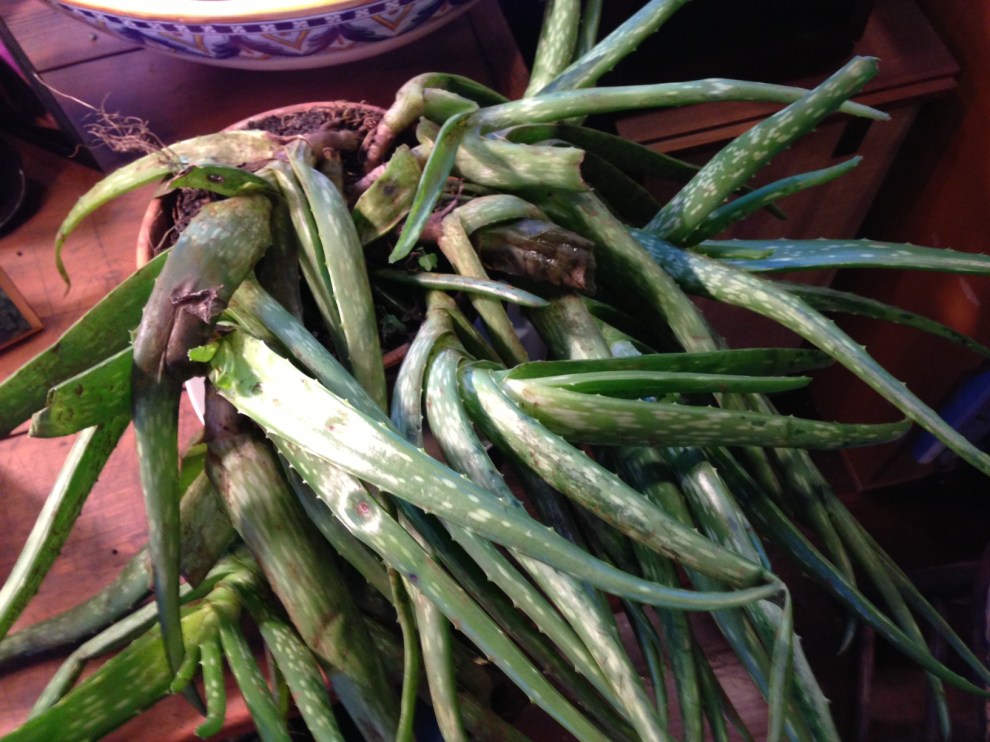
Aloe

This old grandmother of an aloe must be 25, that’s about as old as they get, and she’s so heavy and covered with pups — what you call the fledgling aloe sprouts — that she’s weighed down to sprawling. When I got her, for free, at the plant nursery that was going out of business, she was covered with mud splatters. Seen better times. Kind of like the nursery itself, which just could not make a go of it any more. Supposedly getting replaced by condos. A beautiful place, even with now-bare shelves.

nursery empty shelves

I was touring the sad, magical stops of lower Westchester with my photographer friend Josefa (she made the above image) and this was the last place we went, with its half-off fertilizer and unwanted boxes of pine cones, its frowzy ferns and cold-shocked begonias. The heat had been off for a week. It’s amazing my aloe survived.

Earlier in the morning we visited an estate sale in a condo with wide open views of the Hudson. An artist had lived there, an aged woman who’d died a year ago according to her nephew. He was warily standing guard over a studio cluttered with evidence of her inspired relationship with the world.

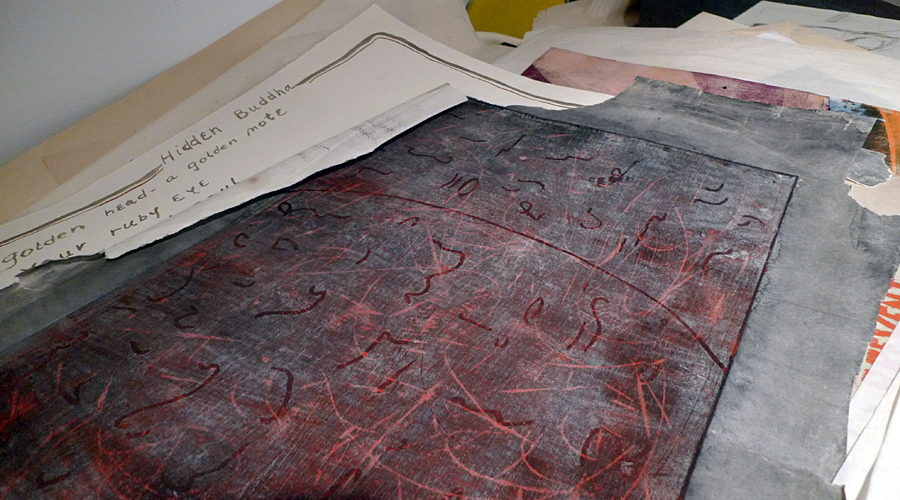
my print

There were hundreds of wood block prints and all the intricate tools she’d used to create their templates.

nude

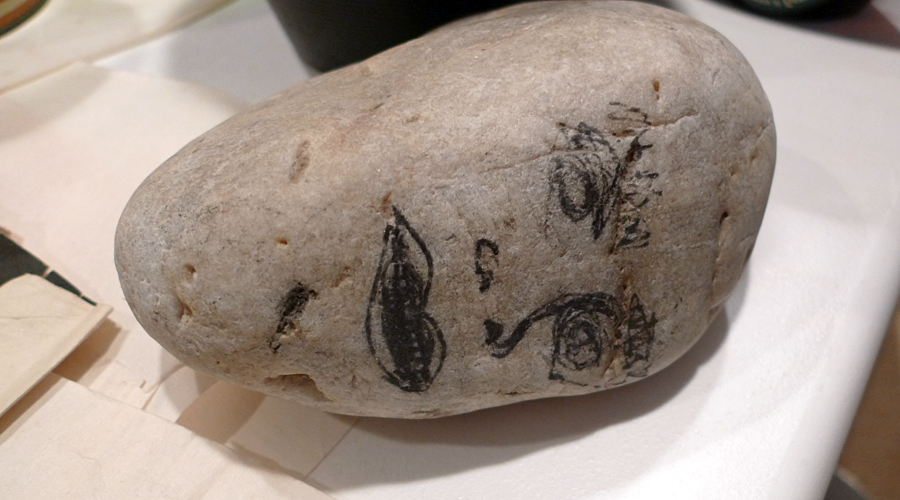
Nudes. Expressive rocks.

rock face

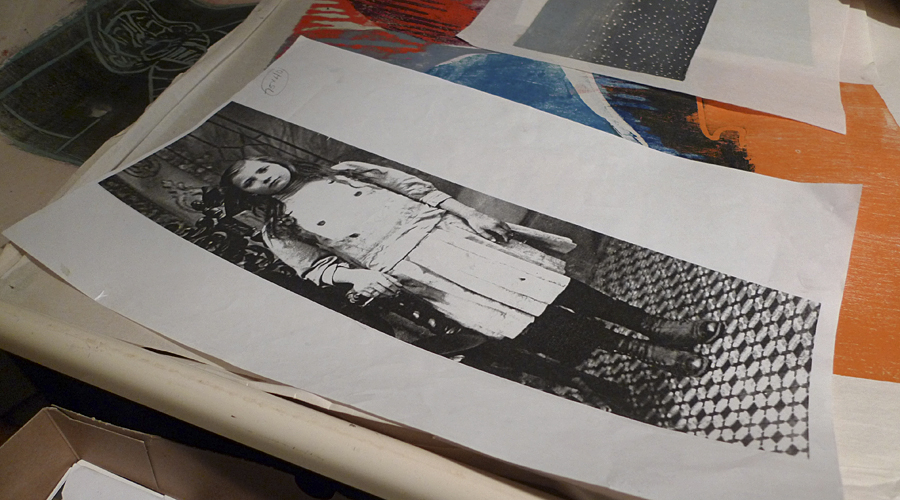
The things that got her going, baskets of bones and patina’d photos.

bones

girl

A single bed with a rumpled afghan was pulled into the corner, giving a sense of a person who lived, literally, with her work, in that cluttered cloister overlooking the river. An easel, a paint-spattered stepstool. The things that were hers. Her name: Murray.

paint stool

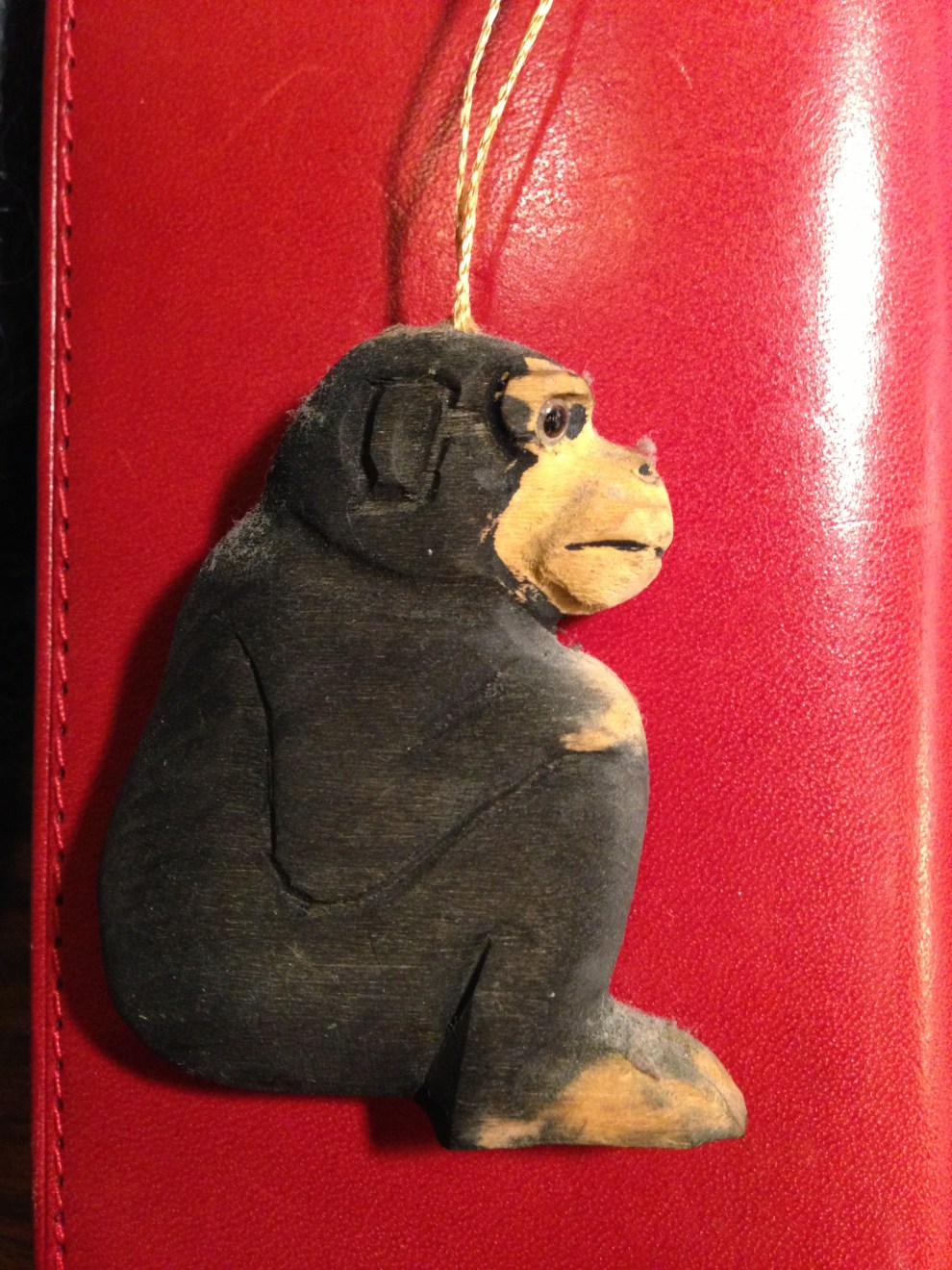
Upstairs, the more conventional life. Tables and chairs, pots and pans. I bought a trinket, an ornament, her tree to mine.

ape

Merry Christmas, Murray. I hope they have carving tools, wherever you find yourself now.

2 Comments

Filed under Art, Home, Jean Zimmerman, Nature

Apple Bombs

I made these Apple Bombs — buttery pastry-wrapped whole apples, like individual apple pies — when friends came over, but you don’t have to wait for that. A brilliant cook friend gave me the recipe. They are the perfect holiday something. Trust me. Serve with vanilla ice cream.

BOMBS

Apple Bombs

6 apples

2 1/2 c flour

pinch salt

2 sticks cold butter

cold water as needed.

1/2 cup brown sugar

1/2 tsp cinnamon (or more)

1 teas. grated lemon zest

slightly beaten egg white

sugar for sprinkling

Peel and core apples, leaving a bit of the stem end in tact.

Process 1 1/2 sticks butter, flour and salt, sprinkle water to form dough.  Wrap in plastic and set in fridge 1/2 hr.

Meanwhile, cream together rest of butter,  sugar, cinnamon and zest.  Spoon into apple cavities.

Set oven to 375 degrees.  Roll out dough into 12 x 18 rectangle.  Place apples on top of rectangle, cut side up  and equidistant from each other.  Cut dough into six squares.  Wet edges of each square with a little cold water, then pull each corner on top of the apple, enclosing apple. I like to shape the dough into little peaks.

Brush pastry with slightly beaten egg white and sprinkle with sugar.  Bake until pastry brown and apples soft, about 30 min.  Let rest 15 min.

A tip:  Helps to let the dough warm a bit so you can stretch it over apples; try to cover apples with dough so that sugar mixture is held in; go heavy on the egg white and sugar – since the dough is not particularly sweet, the sugar on top is good.

Leave a comment

Filed under Cooking, Home, Jean Zimmerman

Ornamental

We had a cappuccino at a local cafe.

caffe latte

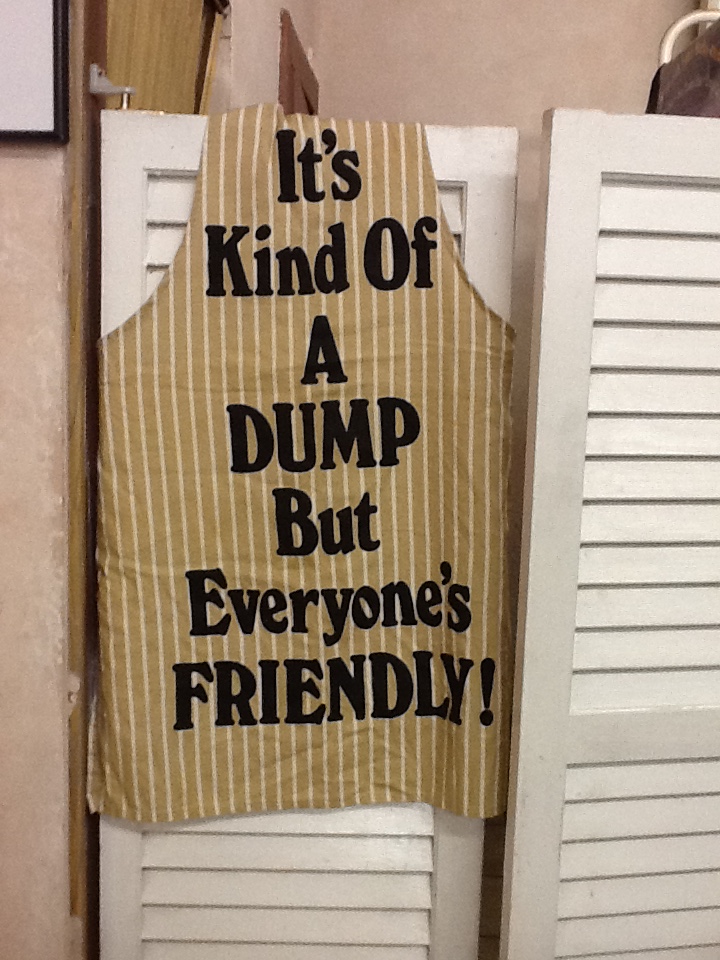
Basilio ornamented the place with a saying we could have at the cabin.

cheesy saying

But not so much of a dump tonight, now that we’ve put up our ornaments. The right whale is the show stopper decoration of the season. The glittering, lit-up tree hovers over my narrow desk so I will have holiday dreams both night and day. And balsam needles crunching underfoot.

whale ornnament

Leave a comment

Filed under Home, Jean Zimmerman

All Kinds of Good

On a wintry day we drive the back roads to Thompson’s Cider Mill for Geoff Thompson’s last day of the season. We buy gallons of cider to keep on the porch. Arkansas Blacks available, the first I’ve brought home this year, hard as rocks and dark as soot. On the way we pass through Croton Gorge, some surprising old light industry on the left.

Gen Splice

I didn’t know the general had his headquarters in Croton.

A handsome hawk swoops up from the gutter of the road, carrying its prey.

A shimmer of ice across the lake at Teatown Nature Preserve.

Those apple muffins from the Cider Mill sure taste good on a cold morning.

1 Comment

Filed under Home, Jean Zimmerman