I think this is my favorite season. It’s actually an inter-season, when the last of the snow has nearly melted and the reeds of last summer still stand tall and blond and dry.


And yet… the canes of bushes like these raspberries are reddening.

Tiny fringes of green poke through rotted leaves.

You can almost hear the sap rising in the trees. The end of winter. The beginning of spring.
I’m impatient to have the warm weather here. At five in the morning the birds are beginning to tune up. I am ready for the warm-weather mud.
I still think of a book I obsessed over when I was a child, called Mud Pies and Other Recipes. The author, Marjorie Winslow, spelled out instructions that called for raindrops (to make “fried water”) and crushed dry leaves, flower petals and pine needles (for appetizers, to serve prettily in baking cups cut from shirt cardboard). I dreamed over that book.

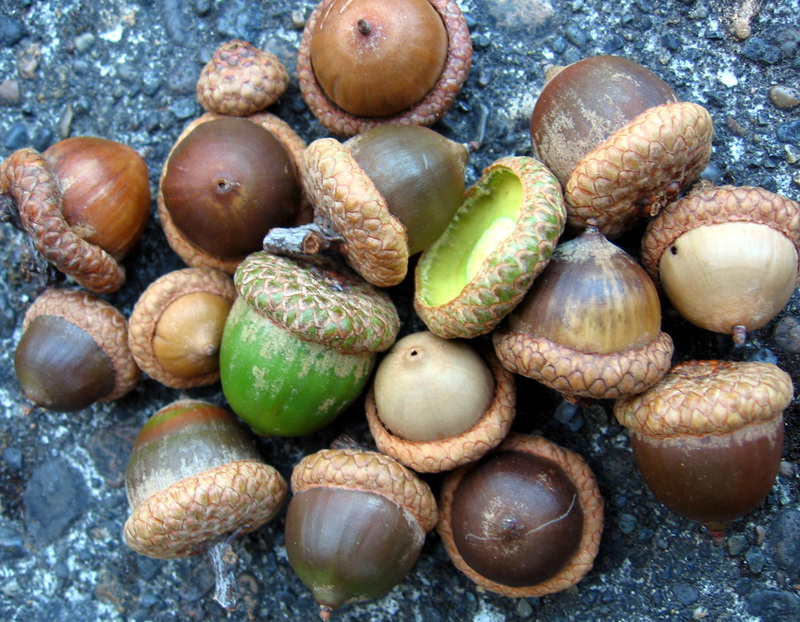
There was, naturally, plenty of mud. For “wood chip dip” you must “mix dirt with water until it is as thick as paste. Place this bowl on a platter surrounded by wood shavings. Scoop the dip with the chip.” For a kid who liked to build homes out of acorn shells between the roots of trees, this was heady stuff.
The landscape around the Cabin, especially in this inter-season, makes me wonder what magic Winslow would concoct here.

How about a bark sandwich?

But let’s try to leave babyish games behind.
One of the best-known young Scandinavian chefs, Magnus Nilsson, brings nature into his decidedly grownup cuisine, with meals people travel into the remote Swedish hinterlands to experience. Marigold petals are as much staples of his kitchen as they are in the world of Mud Pies, along with ingredients like birch syrup and moose-meat powder.

He has recently come out with a cookbook, Faviken, that evokes fairy tales through its approach to food preparation. The book delineates the secrets of Faviken Magasinet, the fabled restaurant Nilsson runs, giving recipes with surprisingly narrative titles, like “Marrow and heart with grated turnip and turnip leaves that have never seen the light of day, grilled bread and lovage salt.” He explains, about this dish, that “the main ingredients are a perfectly fresh femur and an equally fresh cow’s heart.” Not something I’m going to try at home, but possessed of a mythic poetry. Or how about this one? “A tiny slice of top blade from a retired dairy cow, dry aged for nine months, crispy reindeer lichen, fermented green gooseberries, fennel salt.”
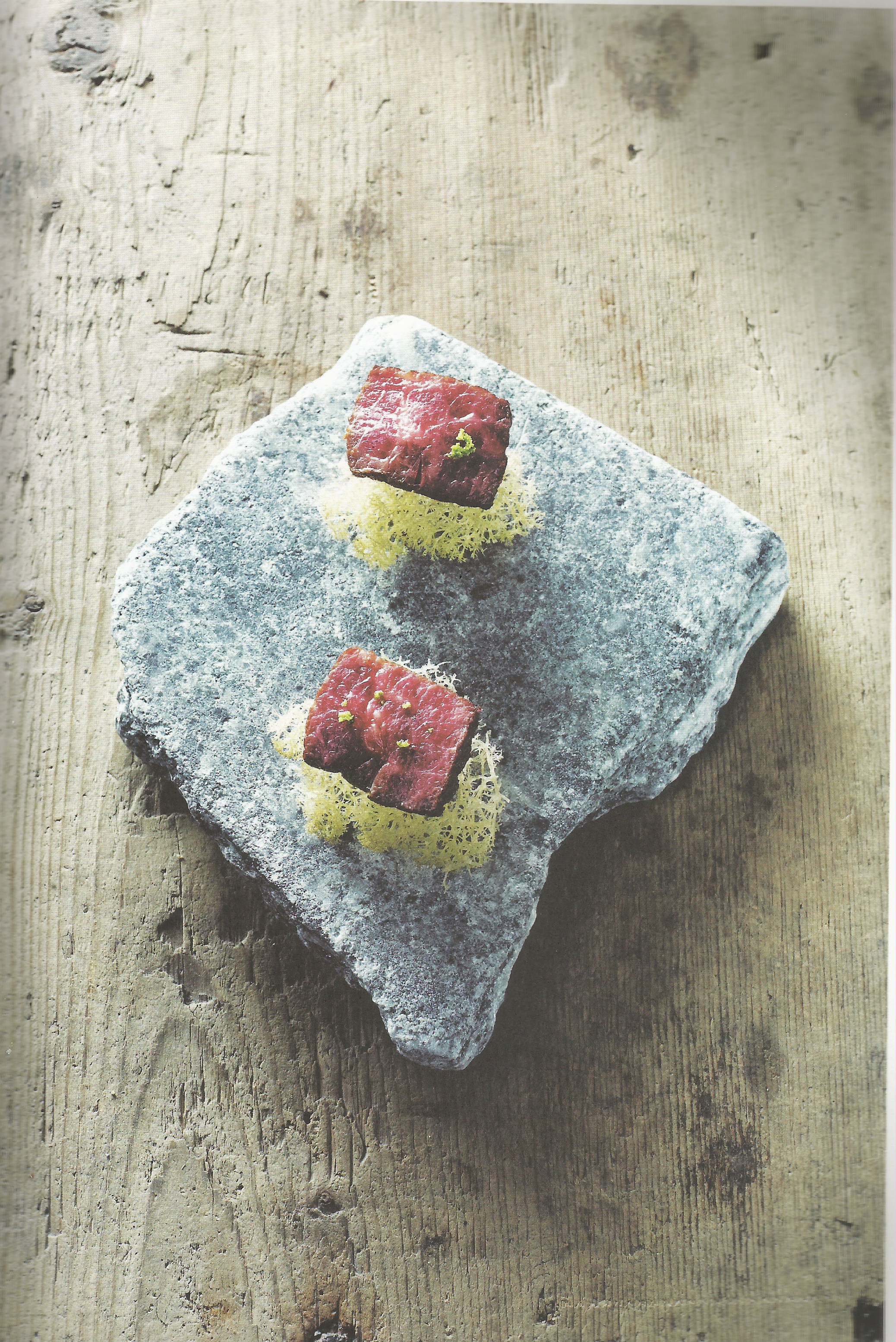
Magnus Nilsson loves lichen. He loves all the ingredients from Mud Pies, it would seem. A typical recipe: “Pine mushroom, lamb’s kidney, pickled marigold.” Wild plants distinguish his cooking. “Vegetables cooked with autumn leaves.” And perhaps the most spectacular yet absolutely simple preparation: “Vinegar matured in the burnt-out trunk of a spruce tree.”

I bet I could put together some pretty good acorn furniture for the base.


Leave a Reply