Tag Archives: Wave Hill

Winter color so vivid all around

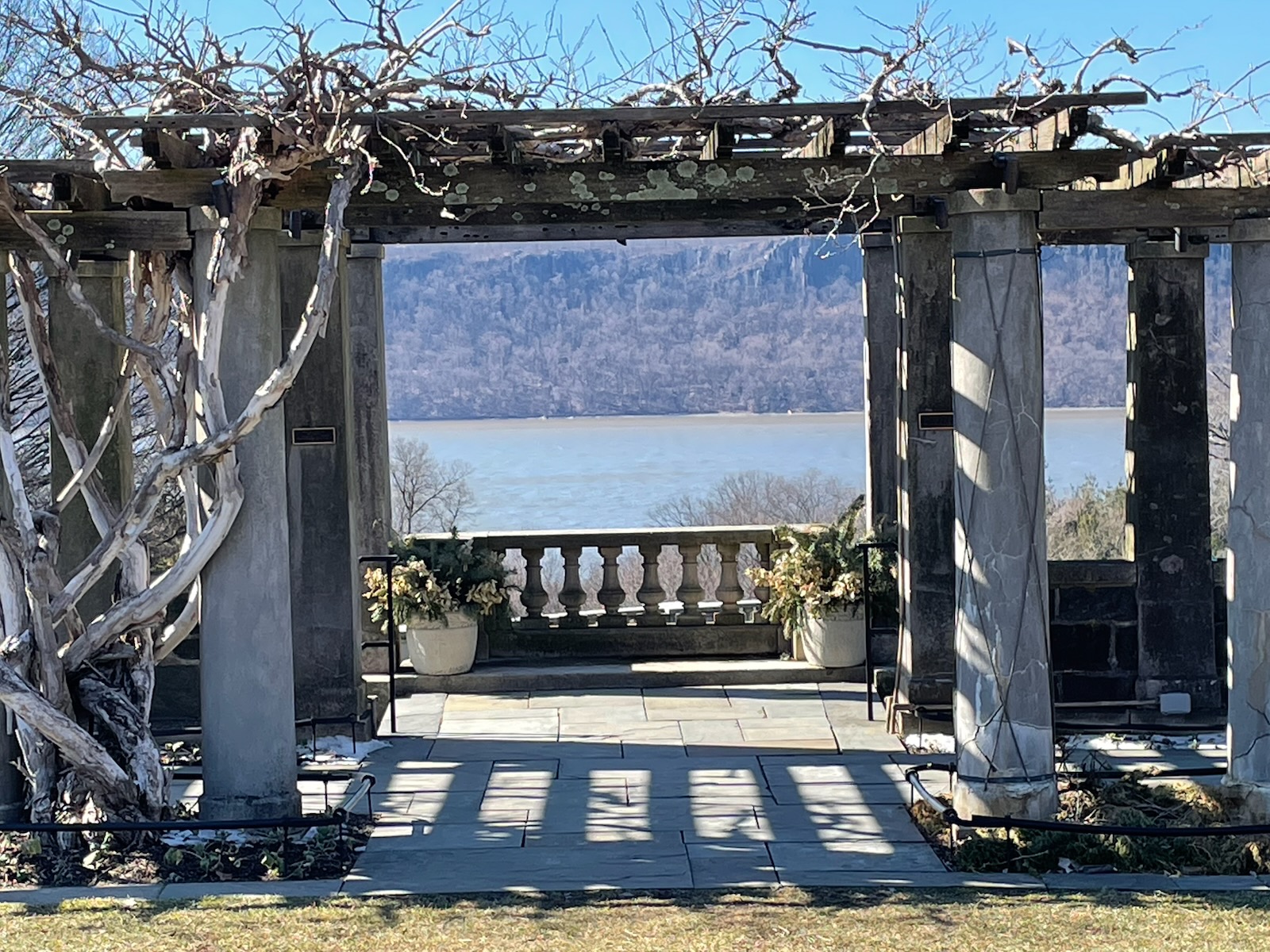
at Wave Hill, the historic estate in Riverdale, the Bronx. Always a magnificent public-access arboretum, but perhaps especially beautiful on this brisk early afternoon in mid-December.
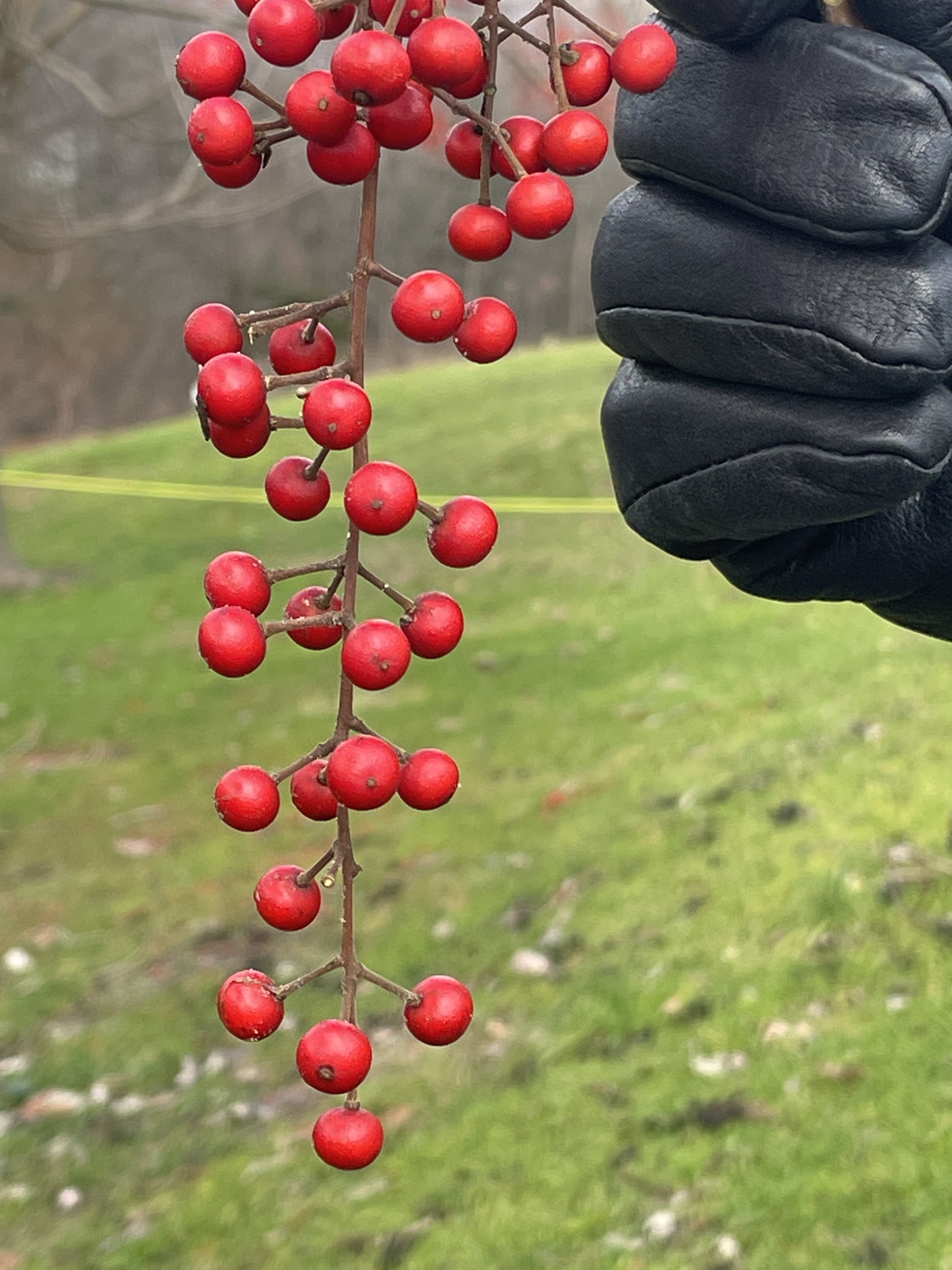
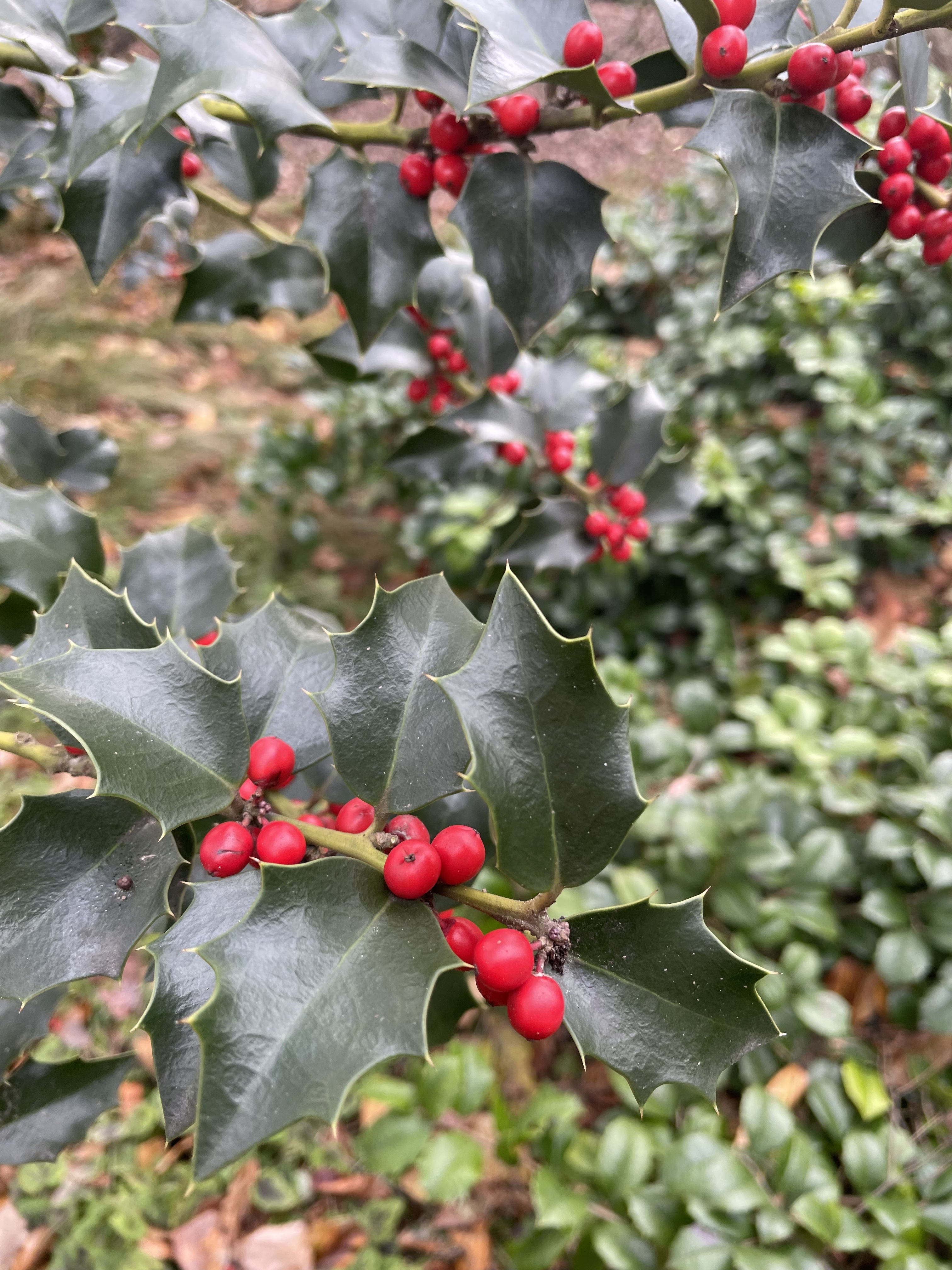
Berries all around. Not only crimson holly, perfect for the season.
But purple. The aptly named beautyberry.

Shakespeare wrote about boughs which shake against the cold,/Bare ruin’d choirs, where late the sweet birds sang. He might have been describing one of the most majestic trees here, a weeping beech.

The birds, though, are still at Wave Hill in full force.
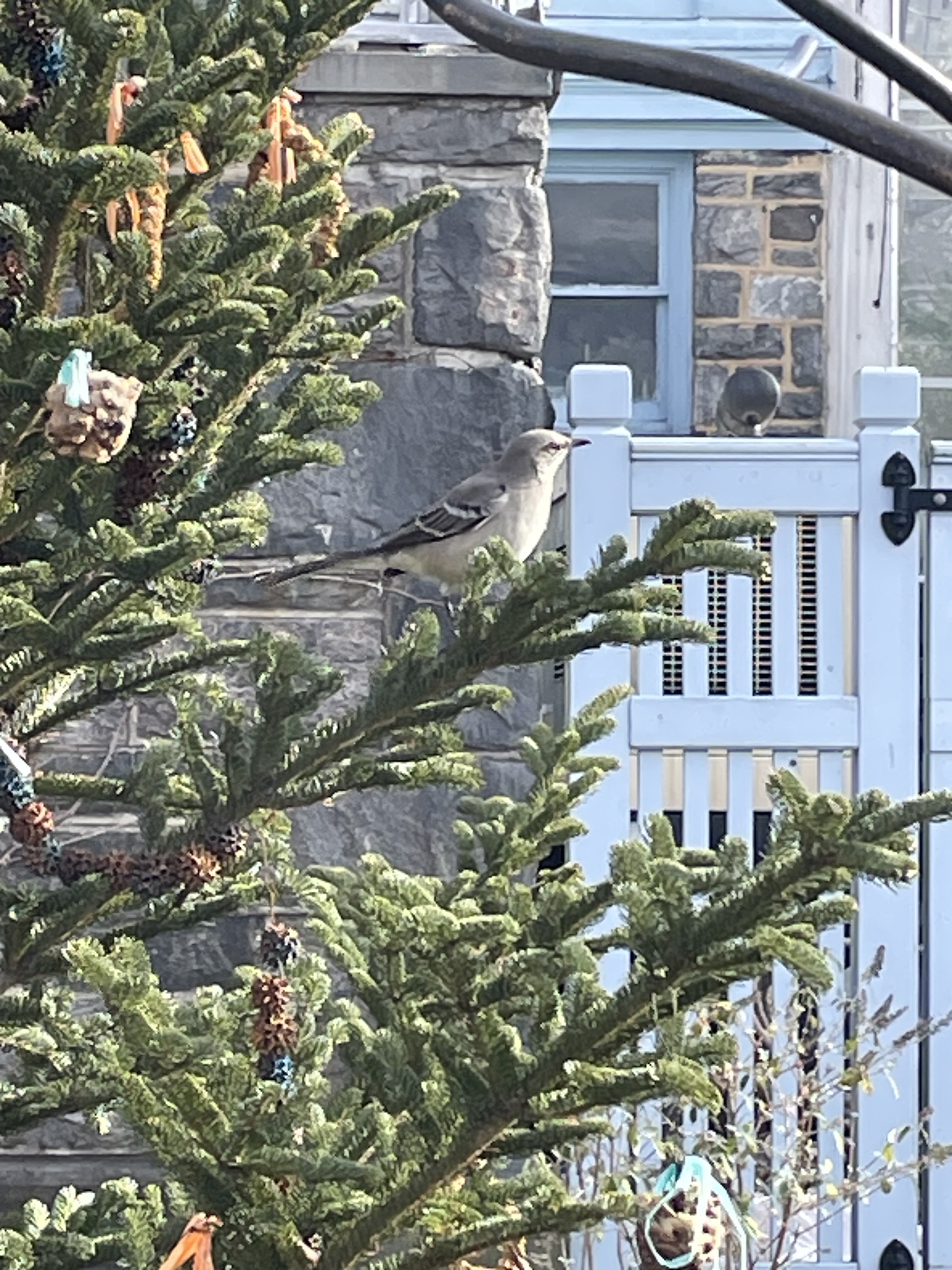
Making a mad racket and perching on branches specially decorated for them.
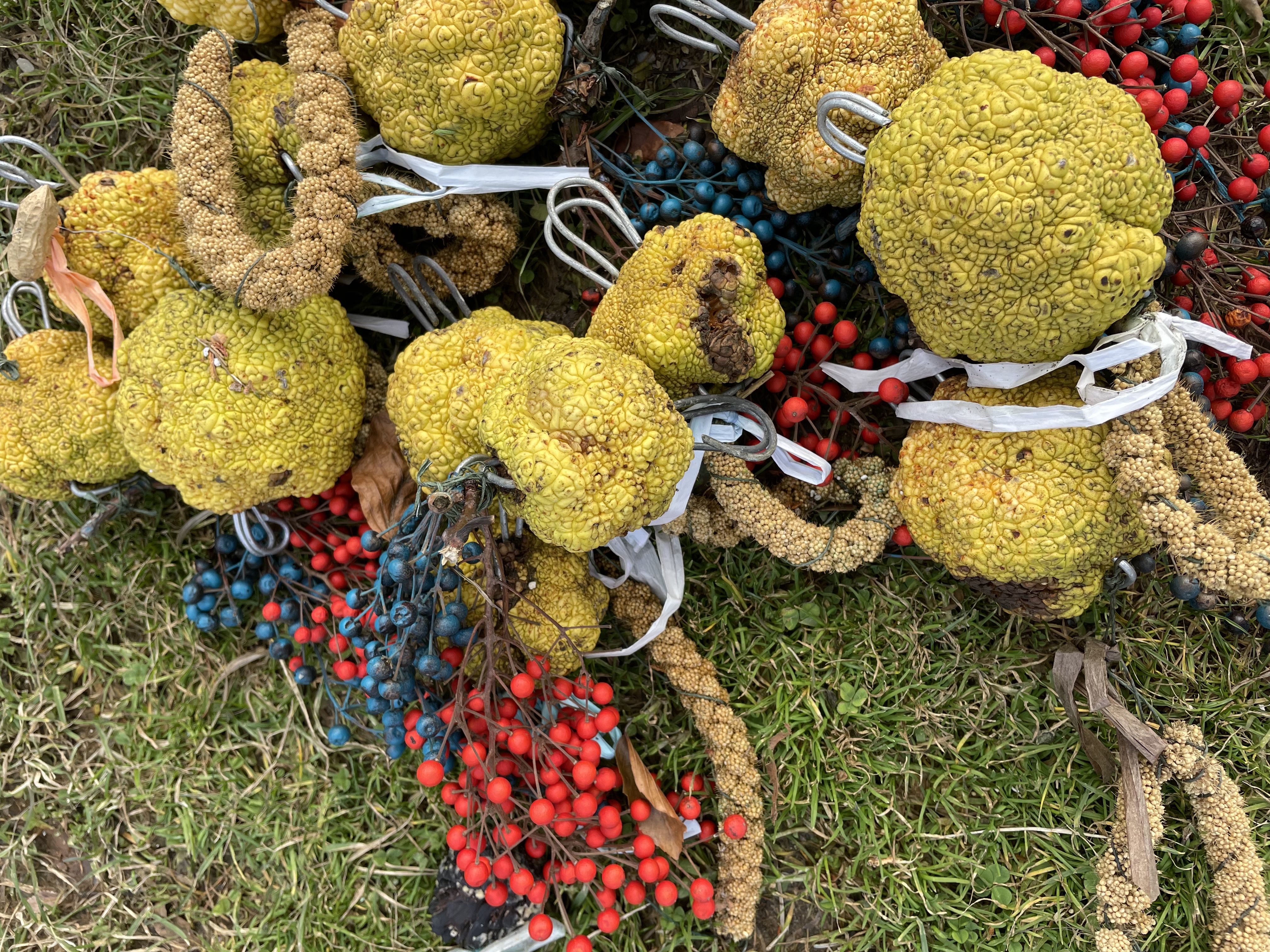
Garlands of things they love to eat. Berries, yes. Also, even more delectable for them, the fruits of the Osage orange. An ancient species that dates back to at least the last ice age, when seeds were most likely spread by mastodons, sloths and other creatures that consumed them.

Squirrels like the seedballs too, hence the one we find partially devoured along our way.

To celebrate the fir tree season, we pay a visit to the conifer grove.
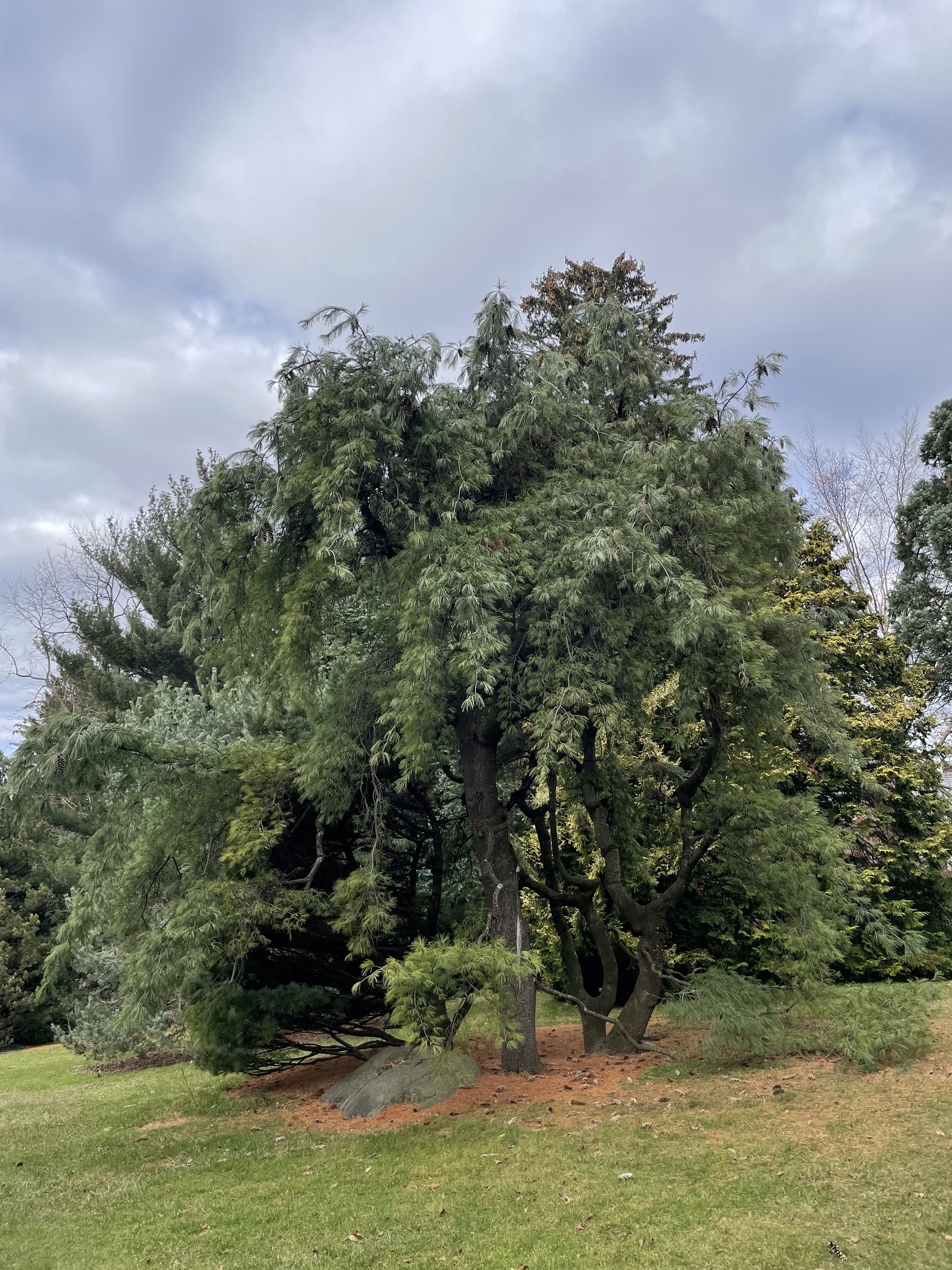
Gorgeous specimens all around.
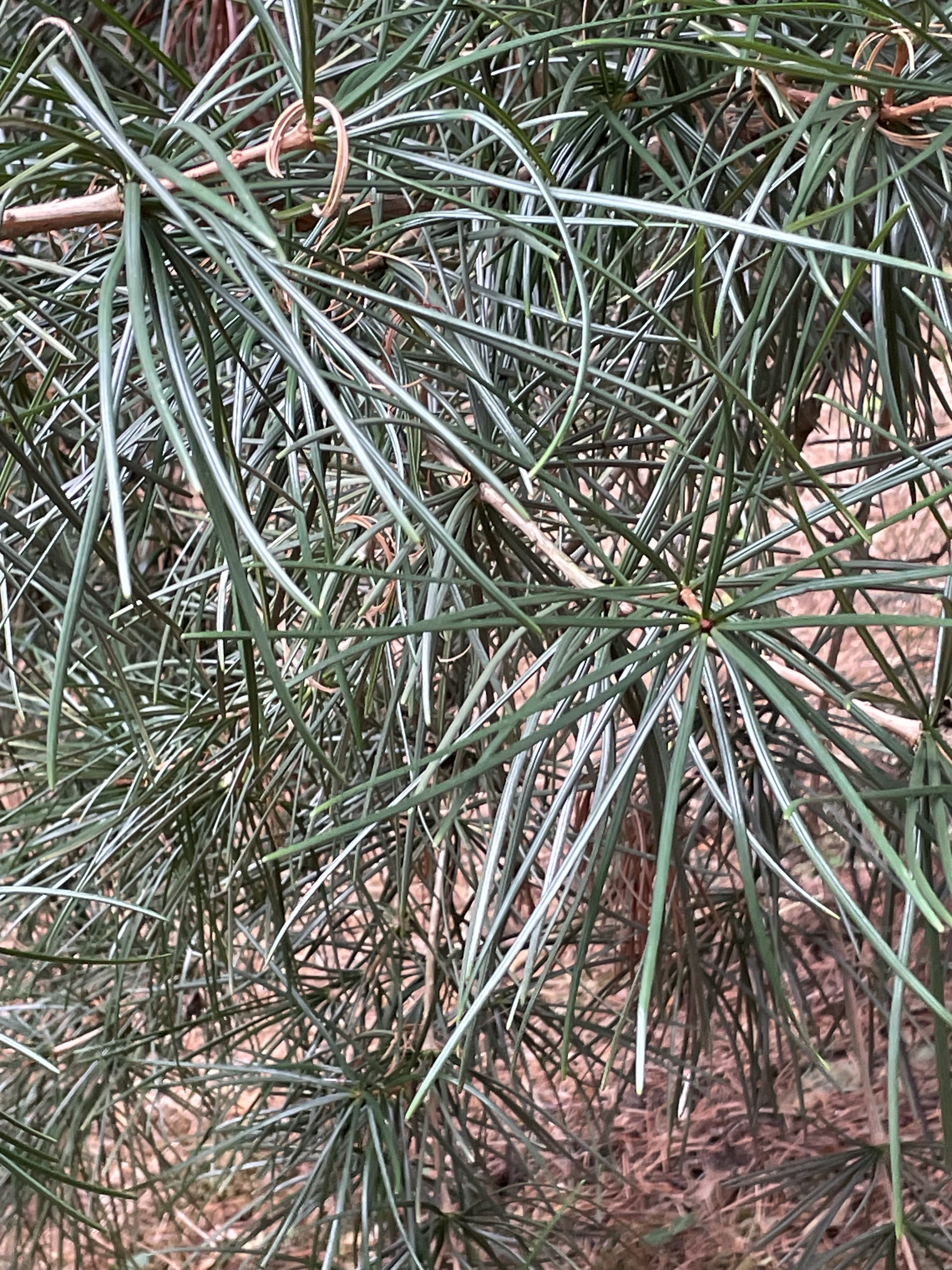
So many different species.
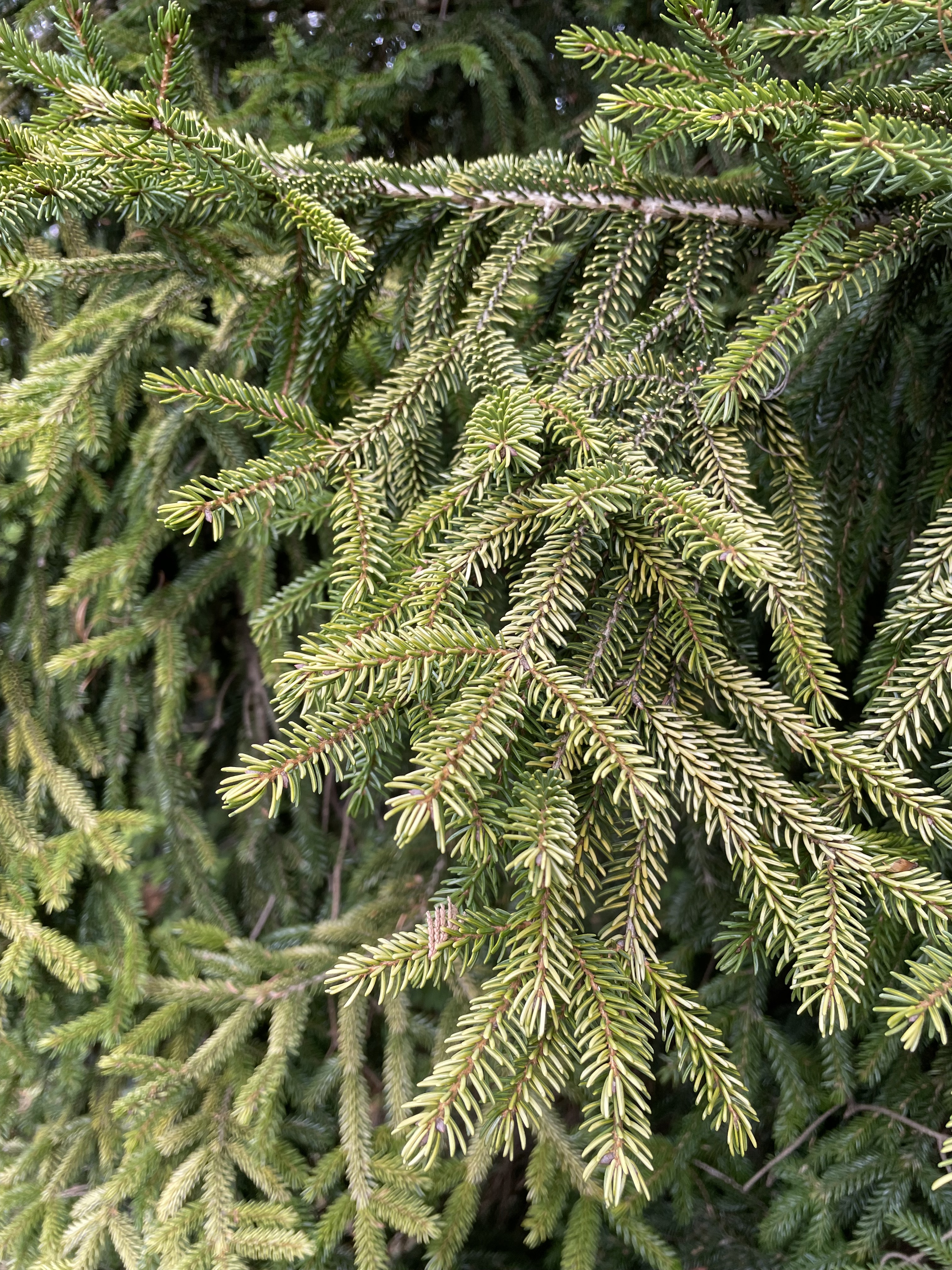
Each beautiful in its own way
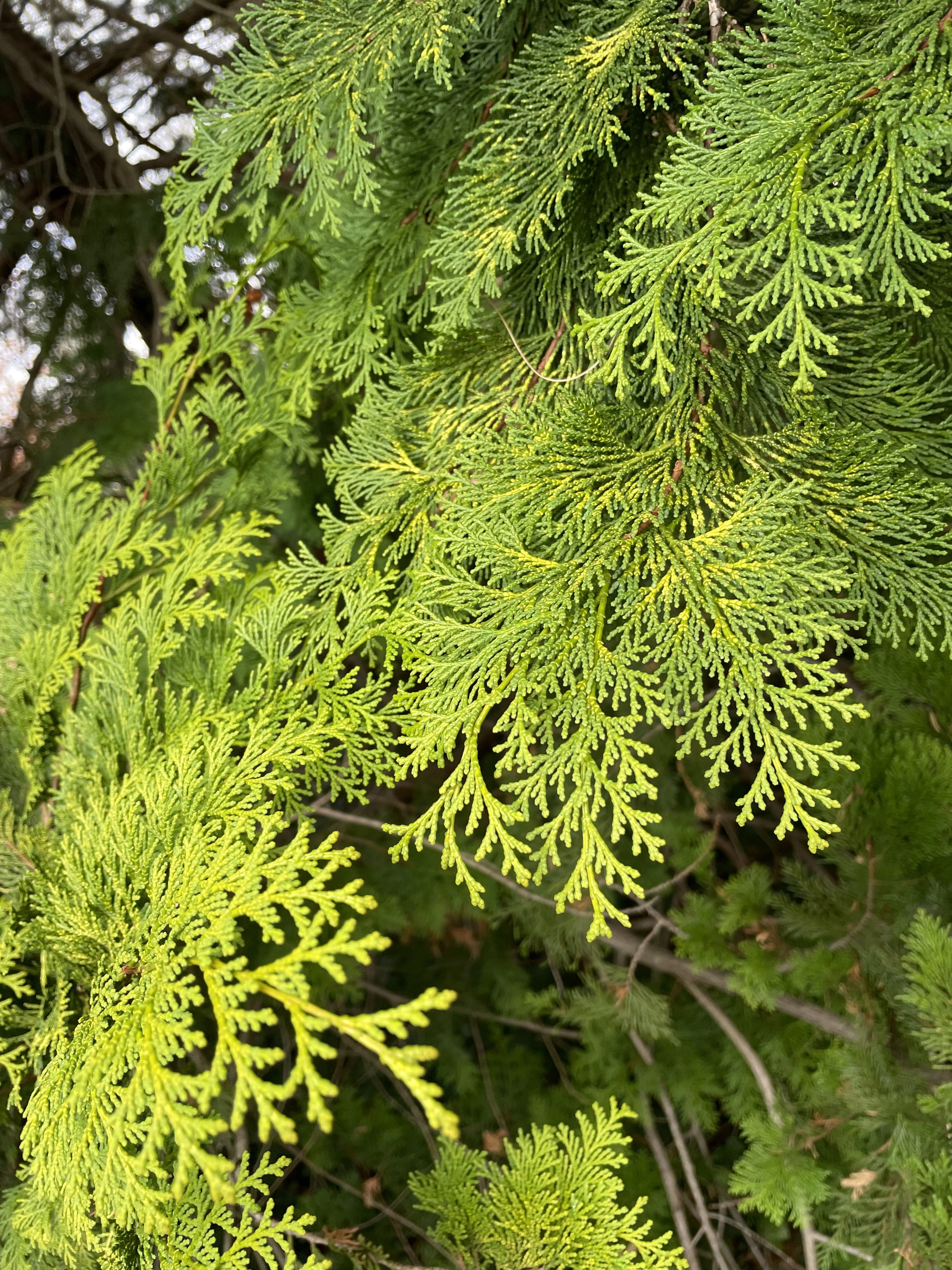
Some exotic, like a China fir.

There is even a giant redwood cultivar. A real redwood, like they have on the West Coast.

Is it possible to overuse the descriptor beautiful? On this day, no. Everything is beautiful.

We take the Woodland Trail, which winds along the edge of the property. We see evidence of the human hand tucked into the corners. This isn’t an old-growth forest, after all!

A private school adjoins the property. We hear children shrieking on a playground as we go, having fun at recess. Find a gazebo — nice place to sit and reflect, if that’s your thing. Ours is more along the lines of walking to stay warm on this cold early afternoon.

Someone was here before and loved someone.

A hand-hewn belvedere. Think about the people employed here to build it long ago, probably old-world stonemasons who gifted our country with their expertise.
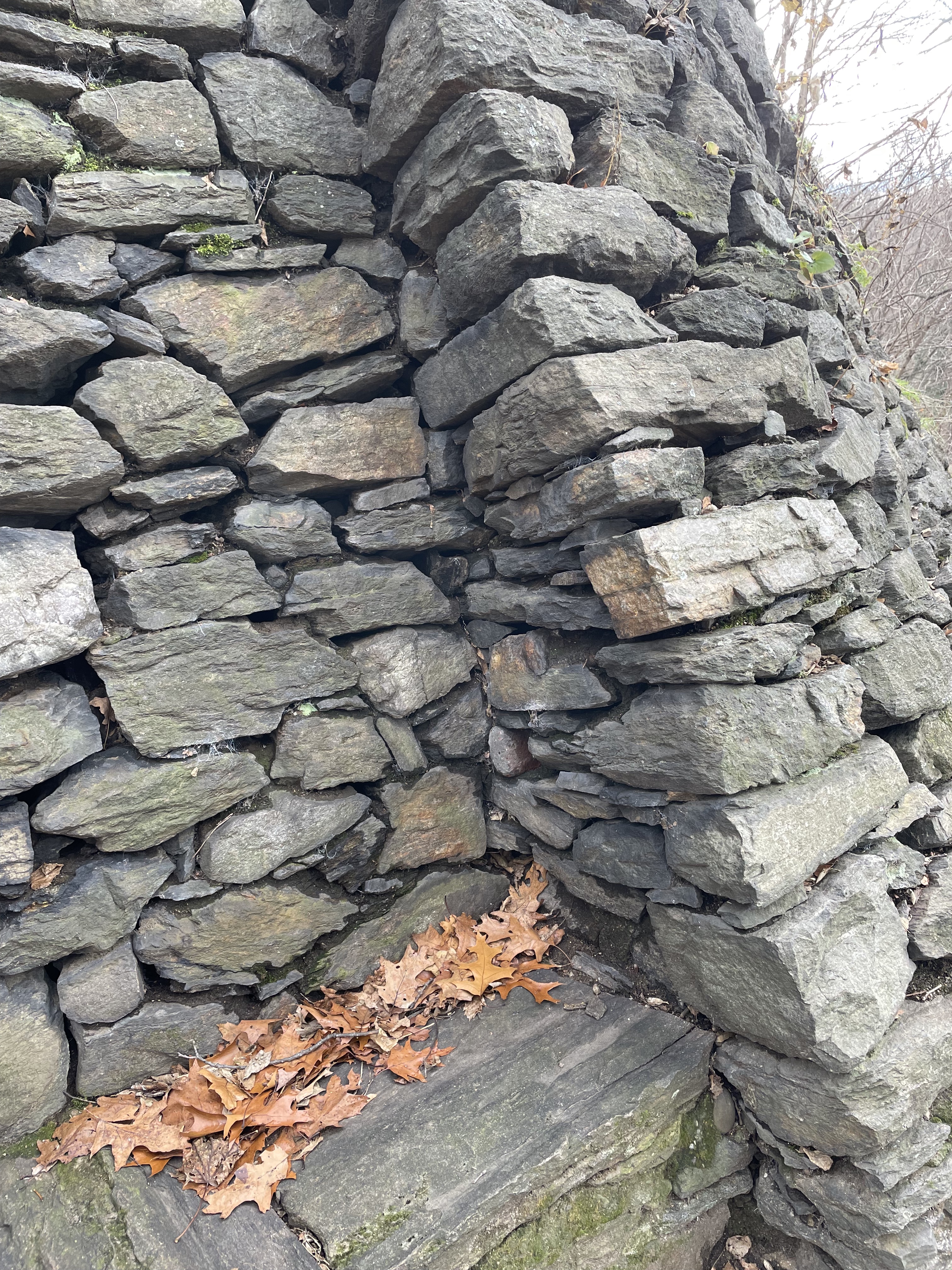
So much texture in these woods.

Hackberry.
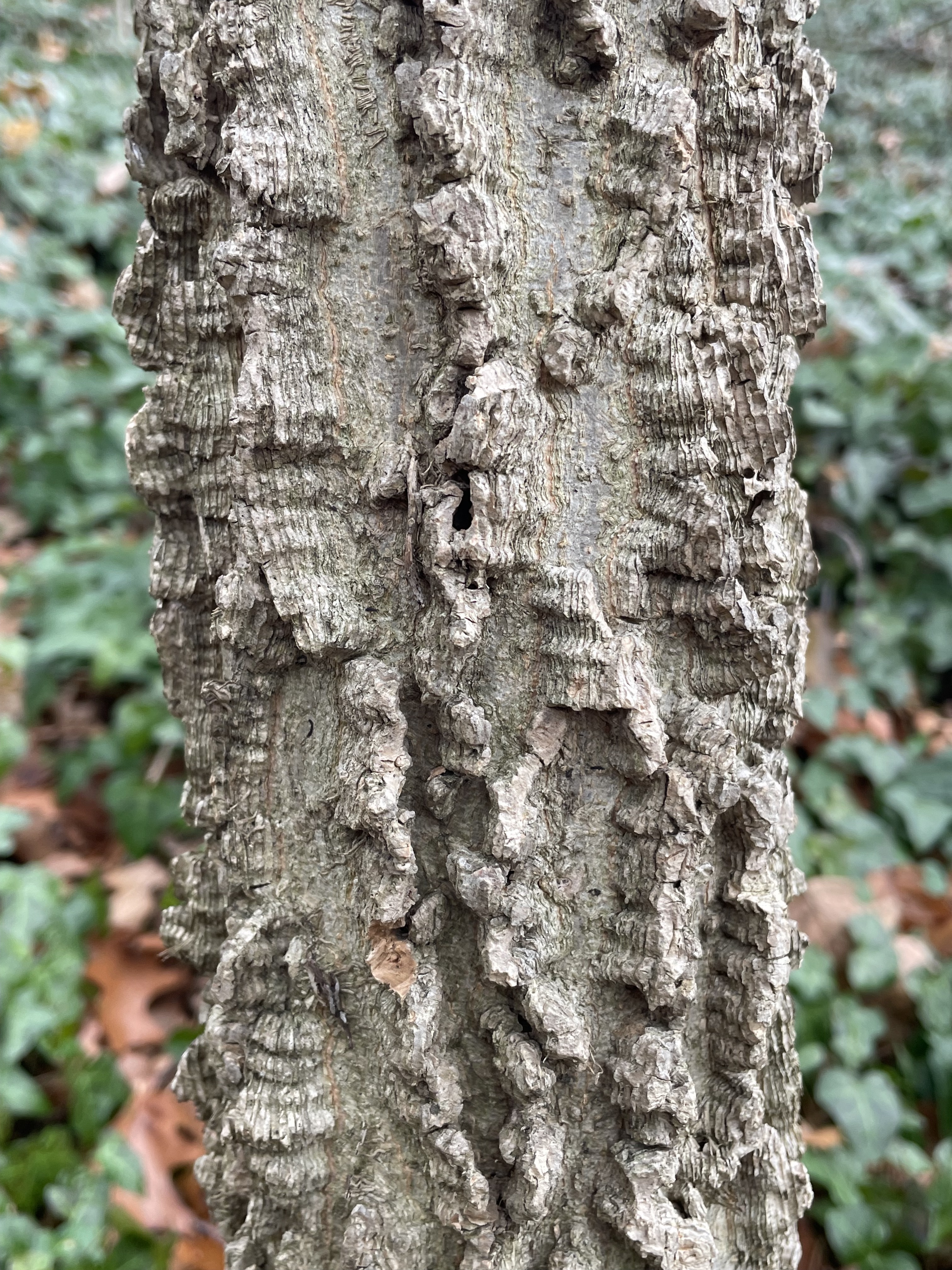
Black cherry.

Sweet birch.

Lichen.

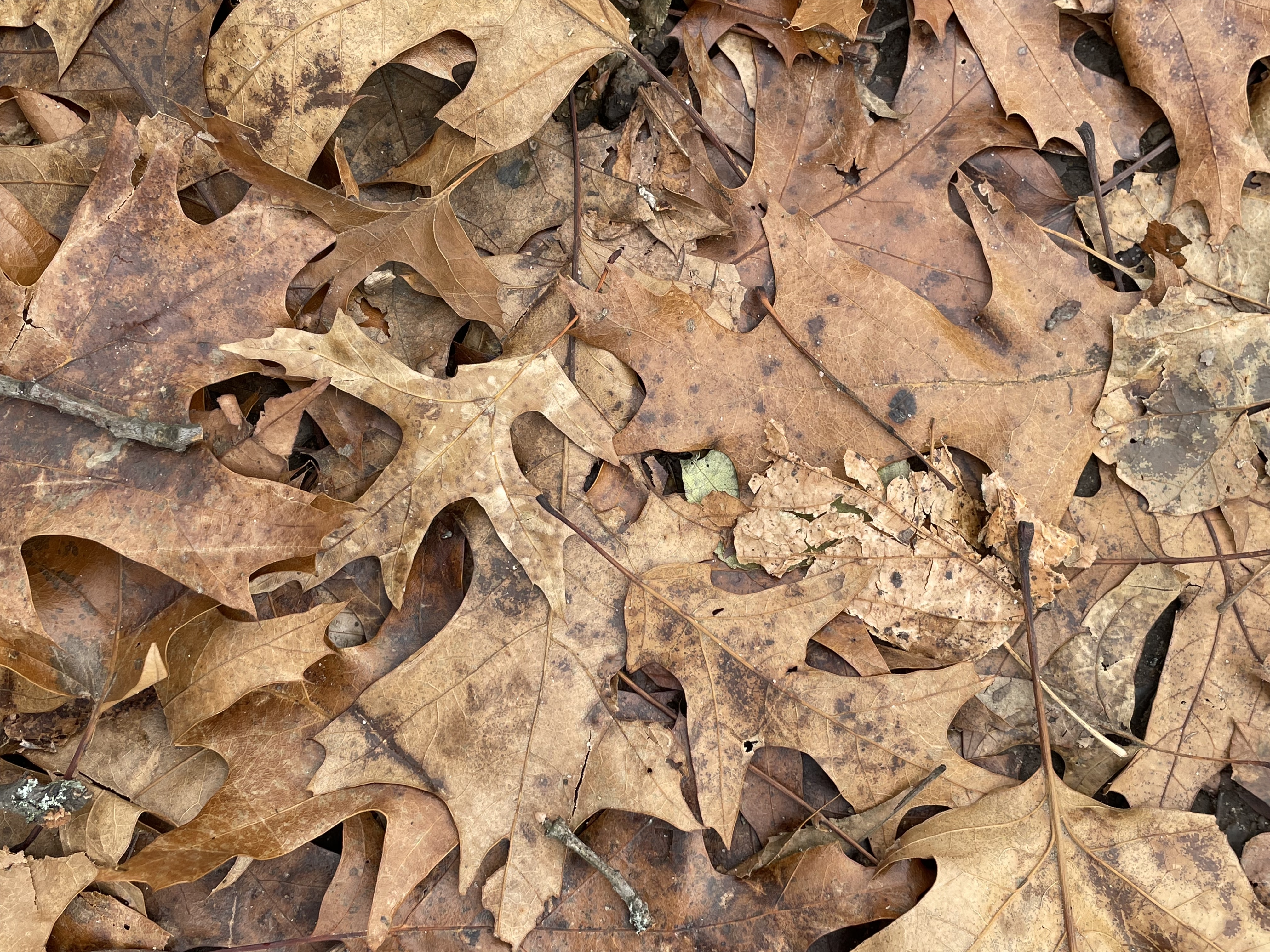
The intricate embroidery of oak leaves underfoot.
Something odd, a measuring tape around a trunk.

Wonder if someone trying to get a DBH left this tool by mistake. This is an arboretum, after all. Or are they trying to girdle the tree so that it will fall over time? Nah, who would do that to a fine old Northern red oak?

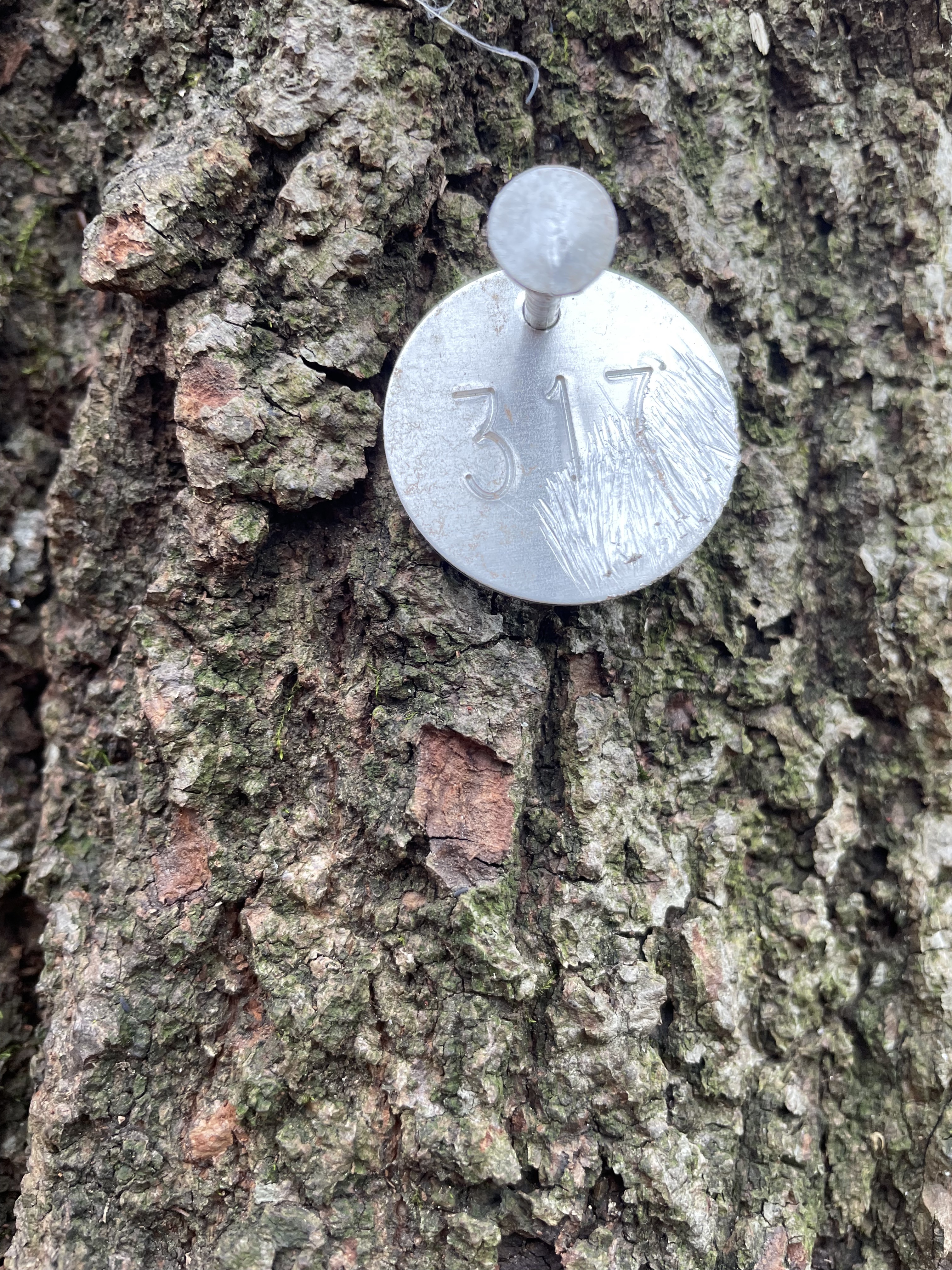
Mysteries. Who tagged this tree and for what inventory?
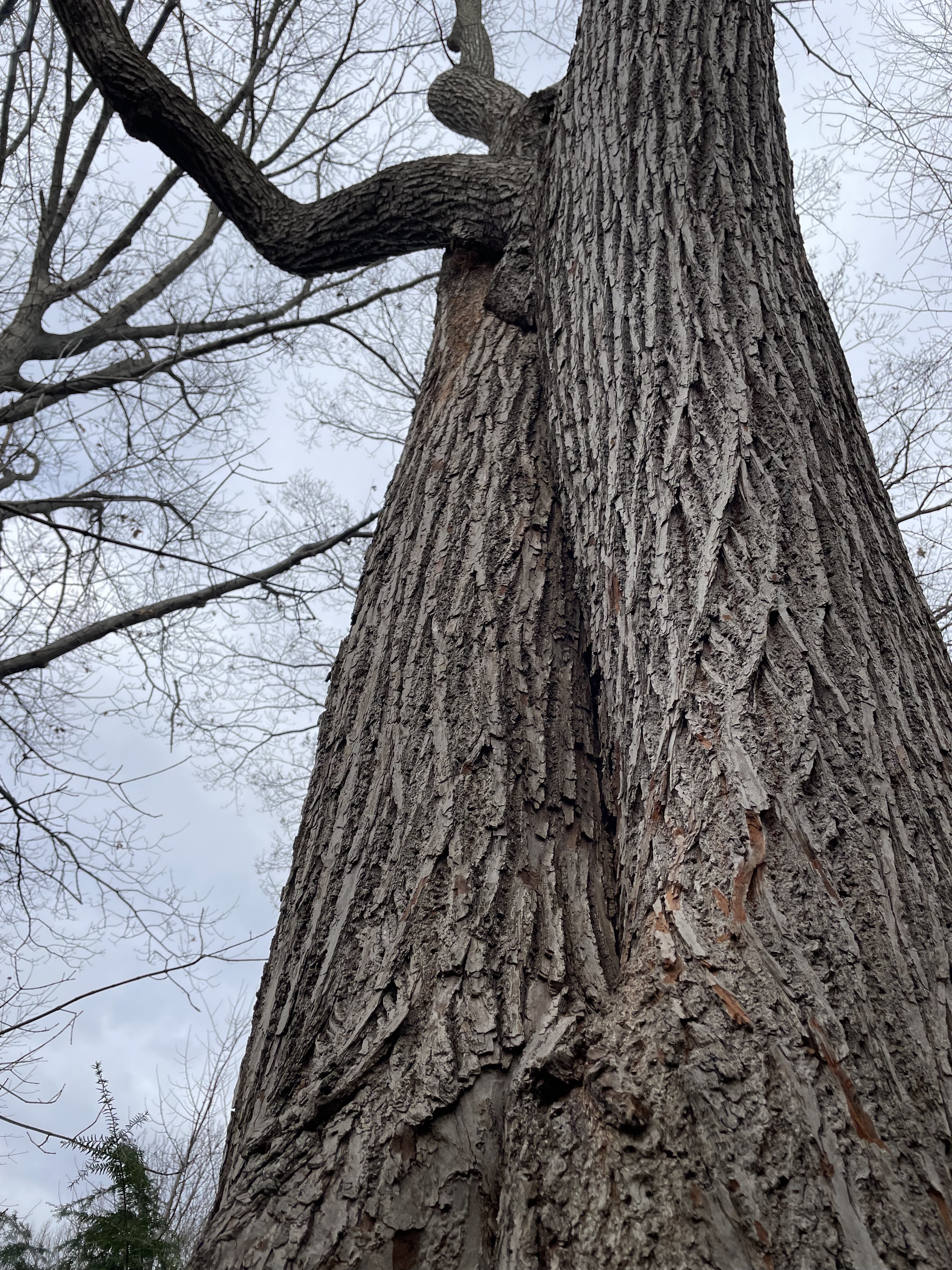
How could any tree be as beautiful as this one with braided twin trunks? Tell me if you find one.
Wave Hill isn’t only about trees and plants. There’s history here too. Illustrious visitors spent time on the estate, with an overnight guest list including Thomas Huxley and Charles Darwin. A teenage Teddy Roosevelt summered here. Later, as governor of the state, he became very active in preserving the view across the river.

Did Roosevelt’s  Wave Hill summers have anything to do with his adult efforts to create the National Parks system? Inquiring minds want to know.
Arturo Toscanini also put in some time here. He’d play concerts on the lawn. His guests included Queen Elizabeth II and John Foster Dulles. Mark Twain stayed at Wave Hill between 1901 and 1903.

There are numerous historic buildings, and I’ve often wondered where specifically Twain resided. We know that he set up a writing retreat in the branches of a chestnut tree.

In her memoir, his daughter Clara quoted Twain as saying: I believe we have the noblest roaring blasts here I have ever known on land; they sing their hoarse song through the big tree-tops with a splendid energy that thrills me and stirs me and uplifts me and makes me want to live always.

We go in to get warm in one of the buildings, the one with a ballroom and a great old fireplace decorated for the holidays.

Twain also wrote, This dining-room is a paradise, with the flooding sunshine, the fire of big logs.

I greet old friends at Wave Hill, great trees I’ve visited time and time again over the years. The grand littleleaf linden.

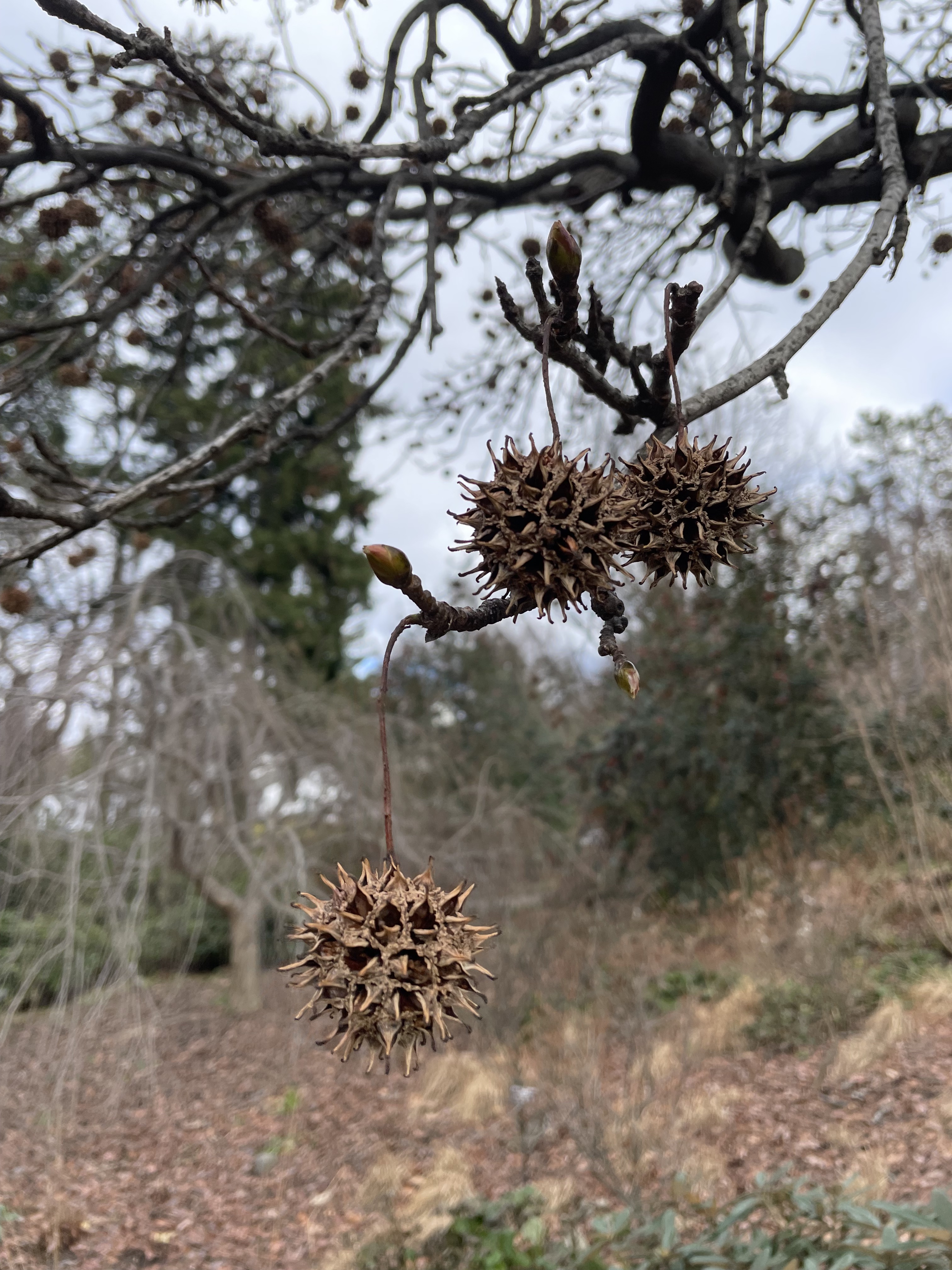
A particular sweetgum.
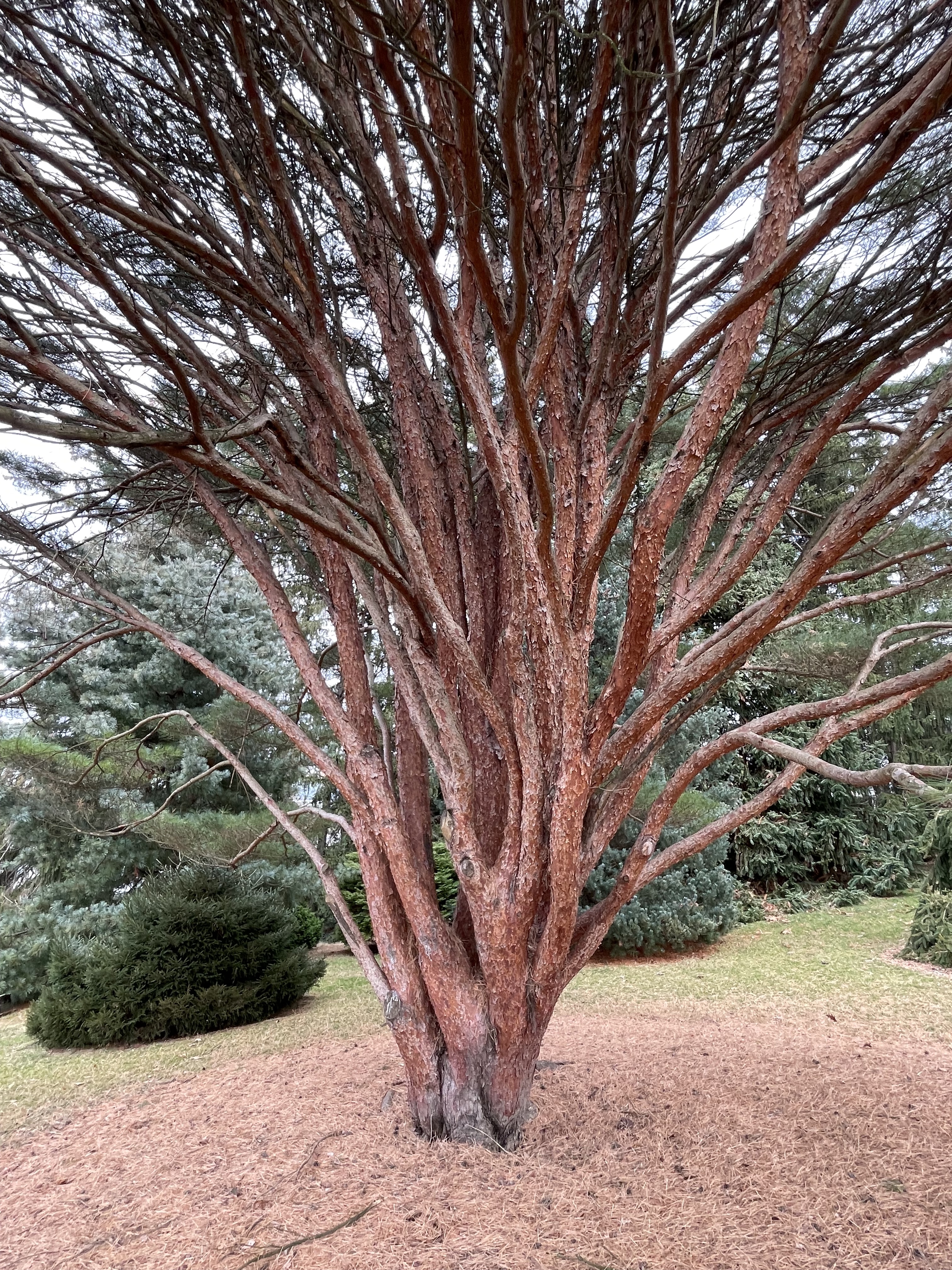
The crazy looking red of the Japanese red pine .
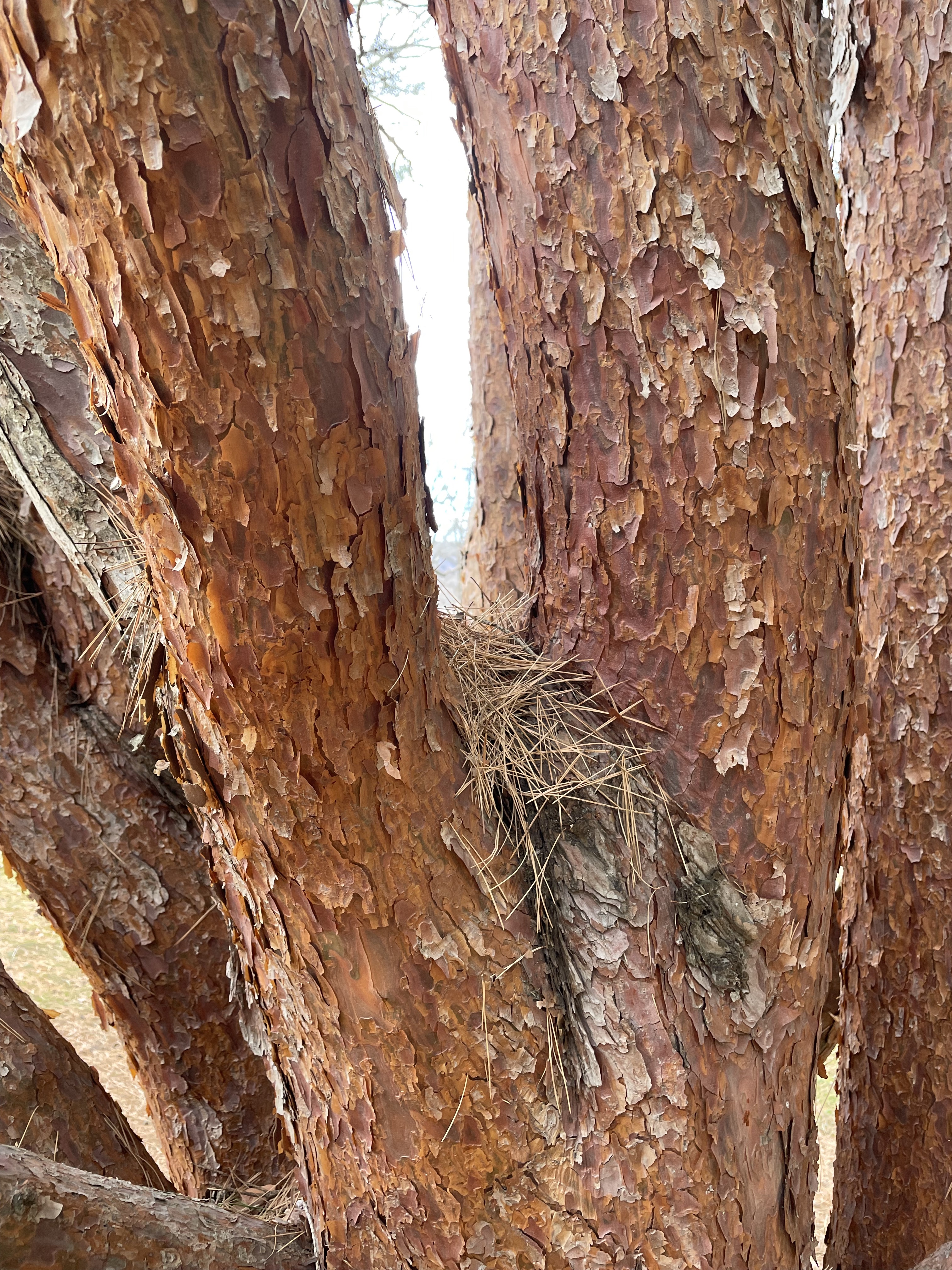
Go up close and see the delicately beautiful thatch of needles in its crook.
We pass a quiet place where spring bulbs slumber. I’ve seen this careful sign before.

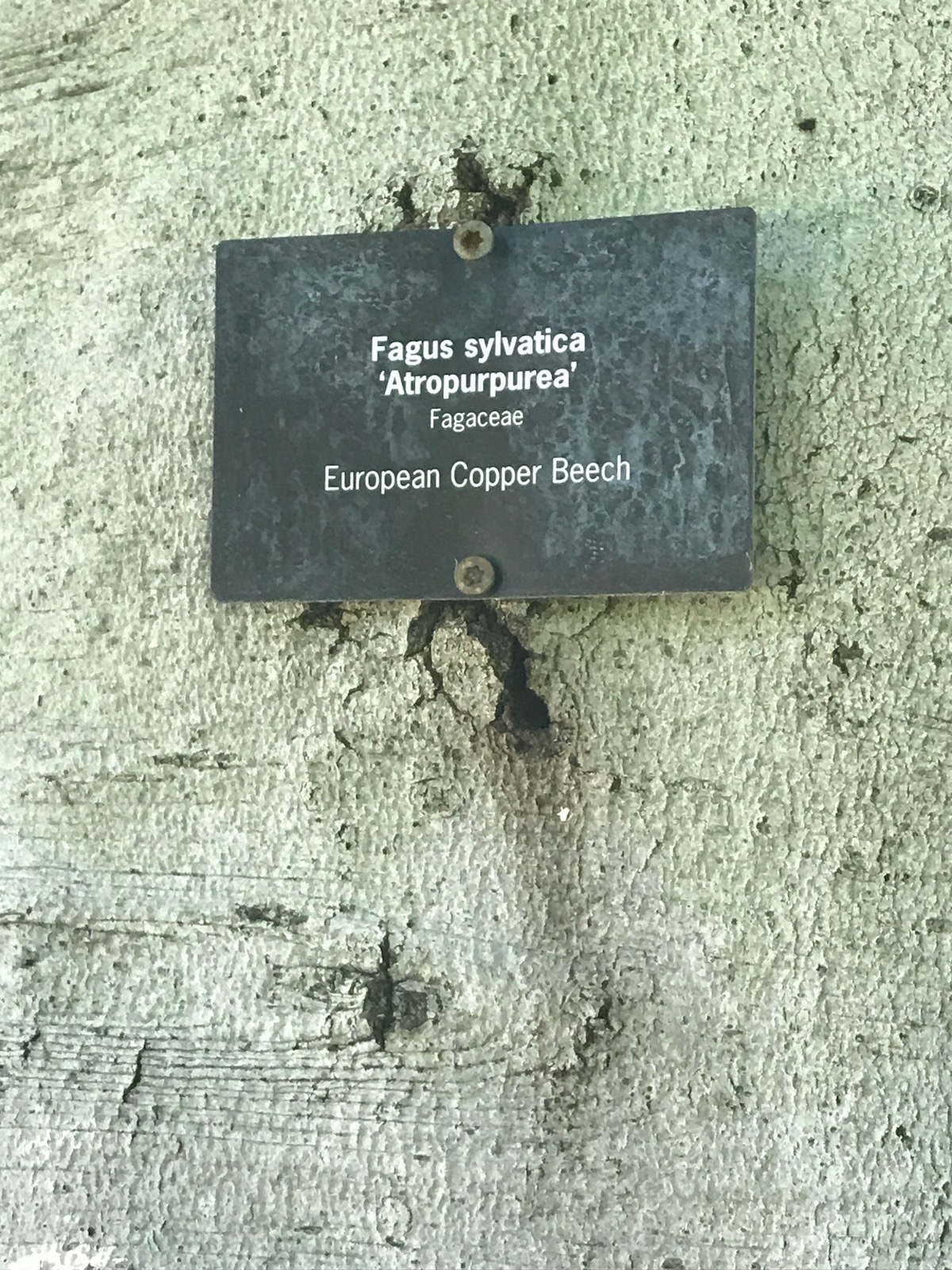
Then, at the end of our walk, the copper beech. There are two here, actually. One is perfectly balanced, untouched by time.
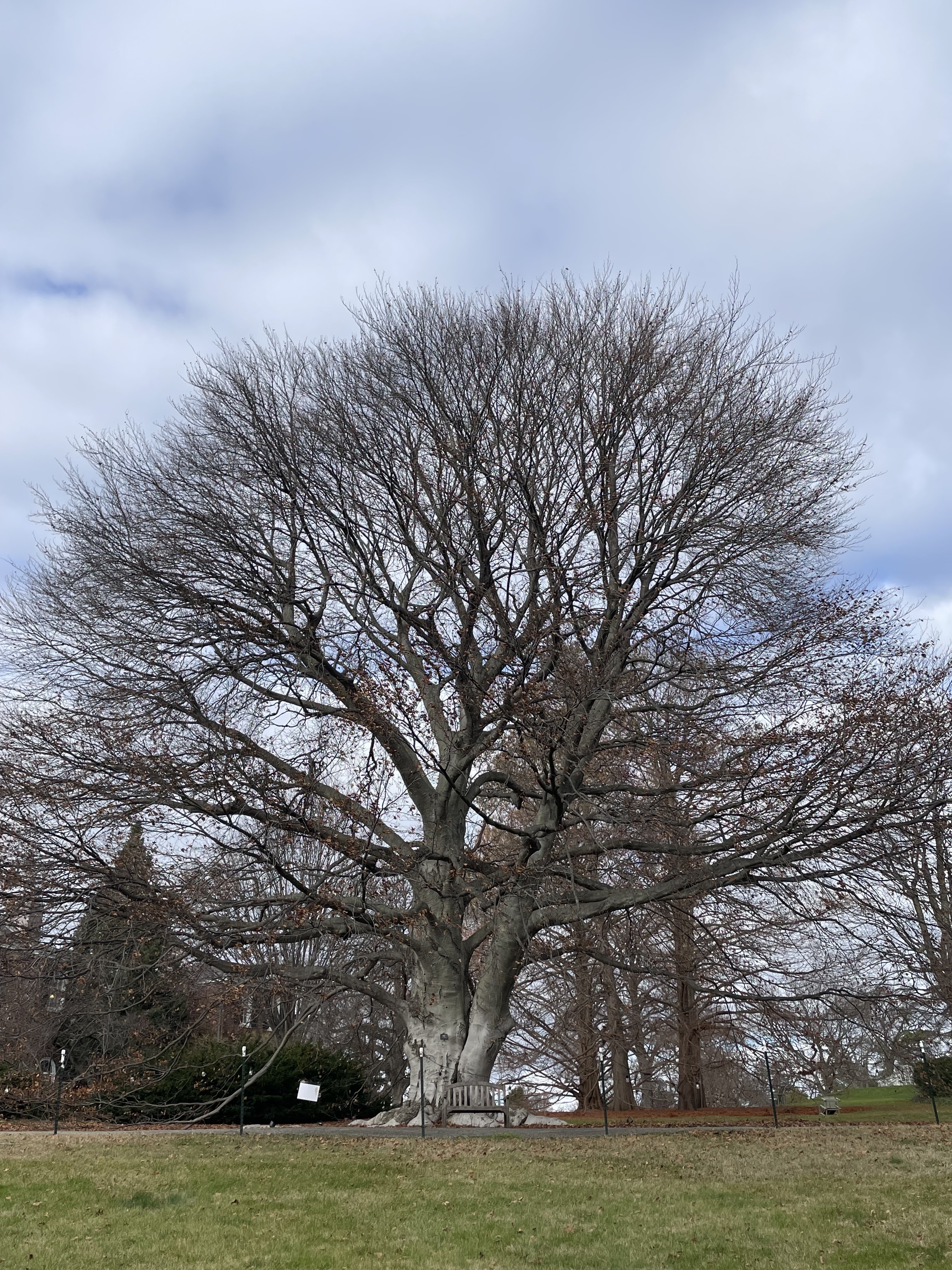
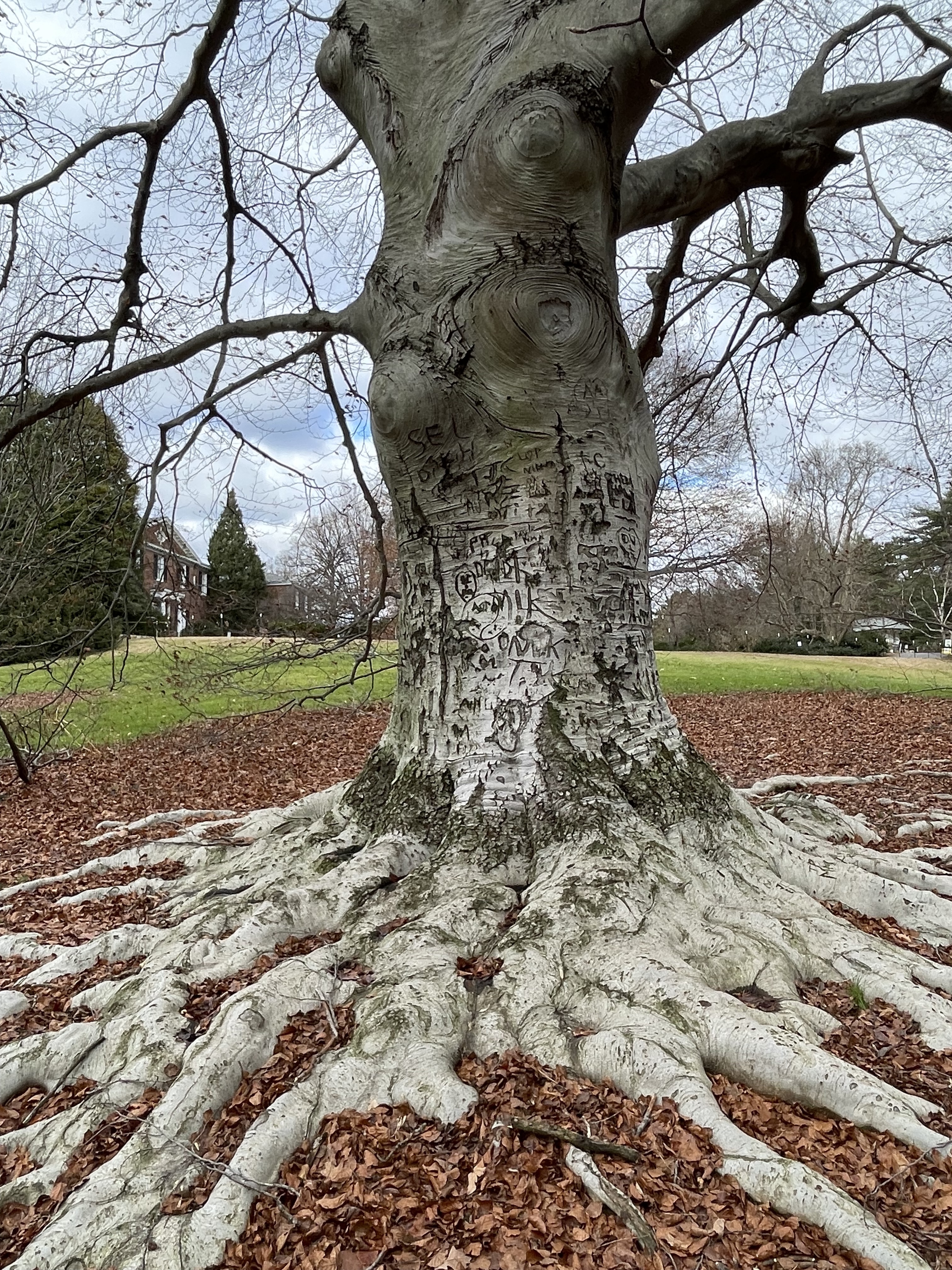
The other, though, down a slope, I like just as much. She has bark that has been scarified over the years by people engraving their initials and hearts.
In her book about the beech, Casting Deep Shade, poet C.D. Wright tells us that the druids grew wise eating the nuts of the species. This being a mast year, I find tons of beechnuts underfoot at Wave Hill.

Some tree folks don’t like these autobiographical messages on beech bark, opining that the practice of carving disrupts the tree’s vascular system. But look at the health of this tree, probably two hundred years old. I like the engraved graffiti, because to me it proves people’s strong, abiding connection with trees.

It seemed a mere toss-up whether she said, “I love you,” or whether she said, “I love the beech-trees,” or only “I love—I love,” wrote Virginia Woolf in Night and Day

Thoreau wrote, I frequently tramped eight or ten miles through the deepest snow to keep an appointment with a beech-tree, or a yellow birch, or an old acquaintance among the pines.
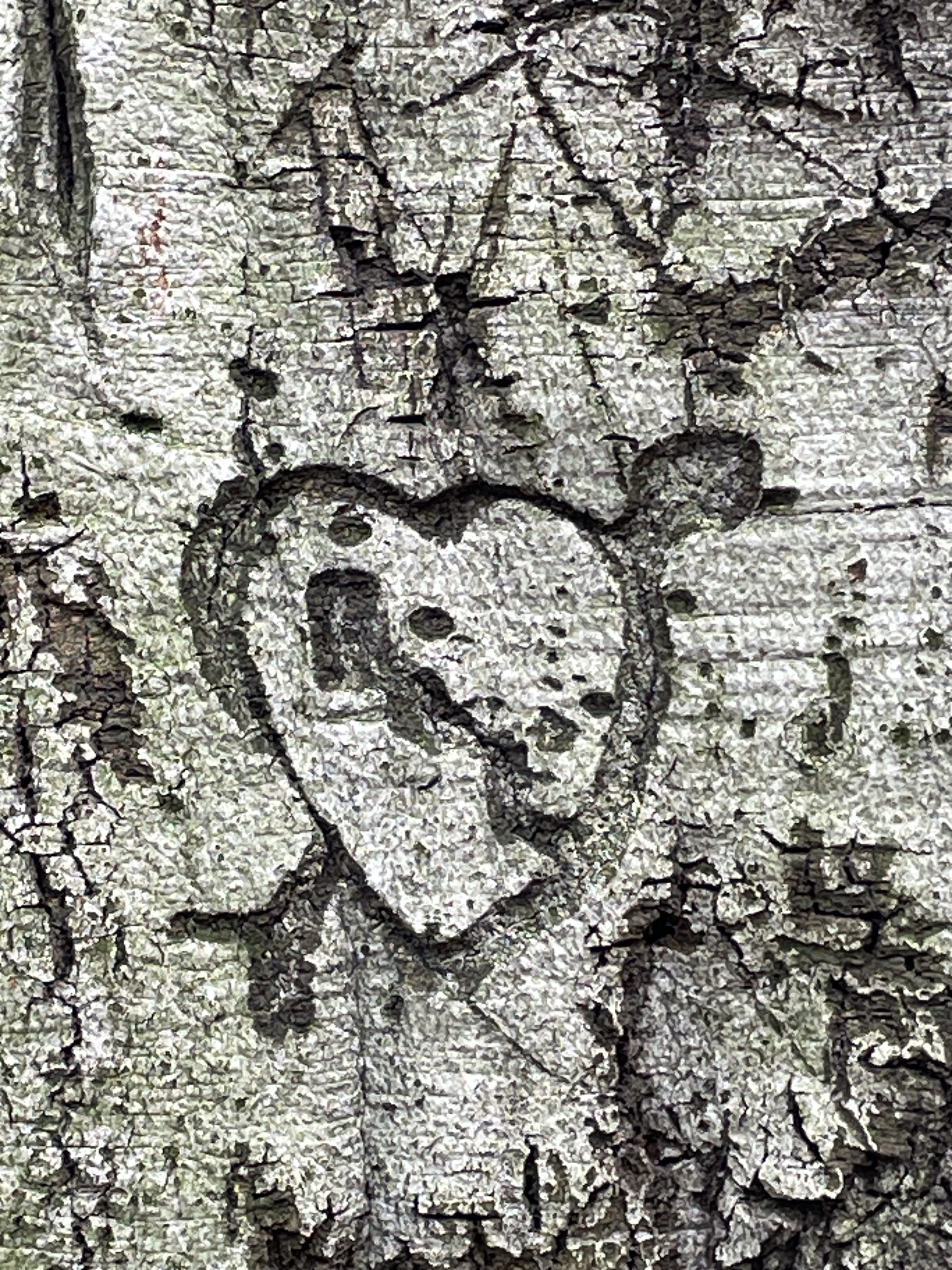
Love is like a tree, wrote Victor Hugo. It grows of its own accord, it puts down deep roots into our whole being. I like to think of some lost soul tramping miles through a forest, too shy to unburden himself to the person he cares for, and surreptitiously taking switchblade out of pocket to pronounce, indelibly, the sentiment I love—I love.
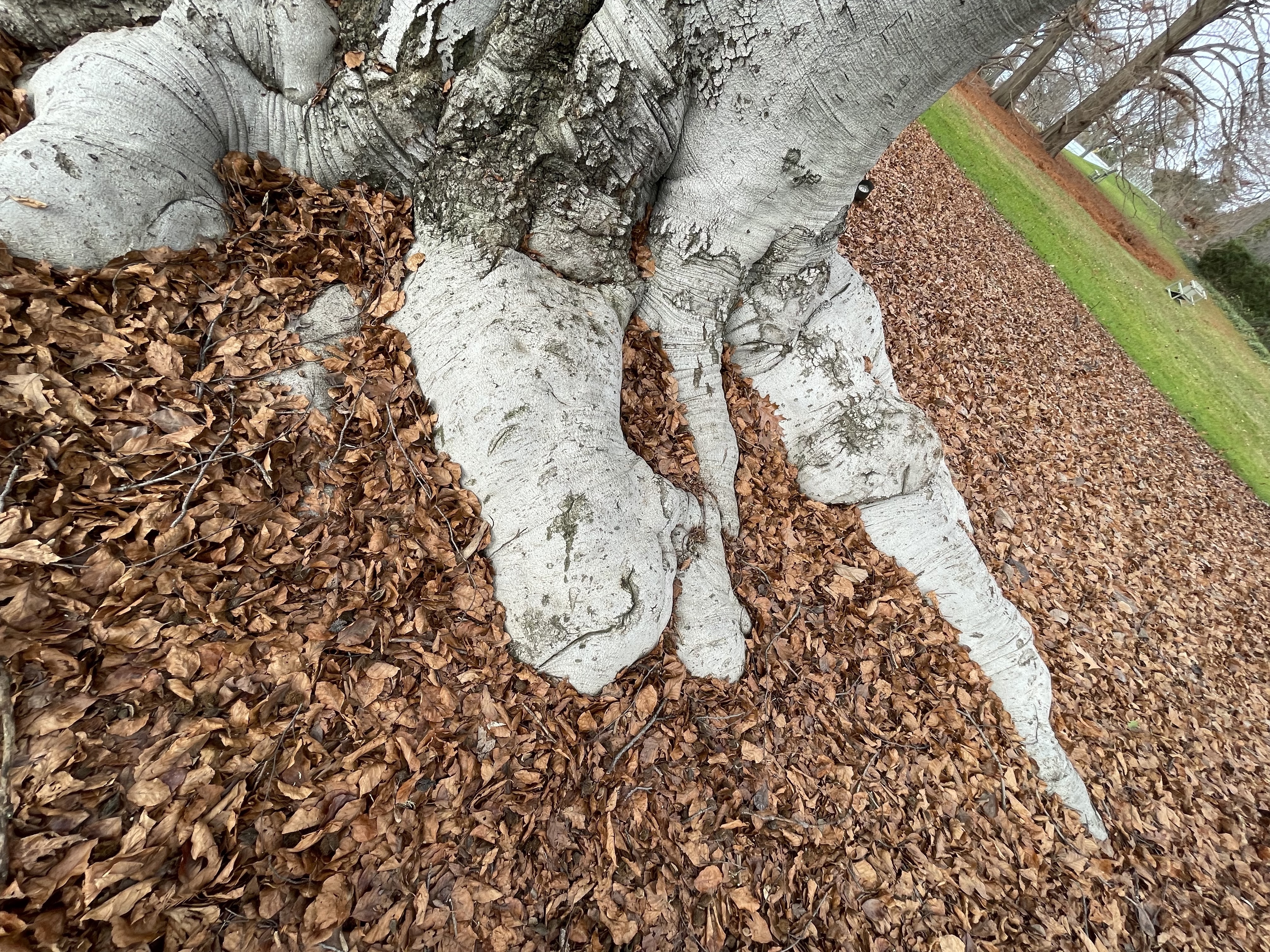
Herman Hesse wrote, When we have learned how to listen to trees, then the brevity and the quickness and the childlike hastiness of our thoughts achieve an incomparable joy.

We leave the estate.

Passing by more beauty as we go.
Wind up at a favorite deli only a few blocks away for some sustenance after our poetic excursion —somewhat less poetically, with one of the best sandwiches in New York City. This pastrami might be historic. Even beautiful, if you consider its taste in your mouth.

Almost historic, almost as beautiful as the landscapes of Wave Hill.
2 Comments

Filed under Jean Zimmerman

“I celebrate myself, and sing myself”

in the inimitable phrasing of Walt Whitman back in 1892.

I just received news that I have been awarded a residency at Catwalk Institute in the Hudson Valley this May to work on my upcoming nonfiction book Heartwood (about Americans’ complicated love affair with our forests) – pure unalloyed time to focus and write. So I celebrate myself by visiting Wave Hill, the botanical garden in the Riverdale neighborhood of the Bronx.

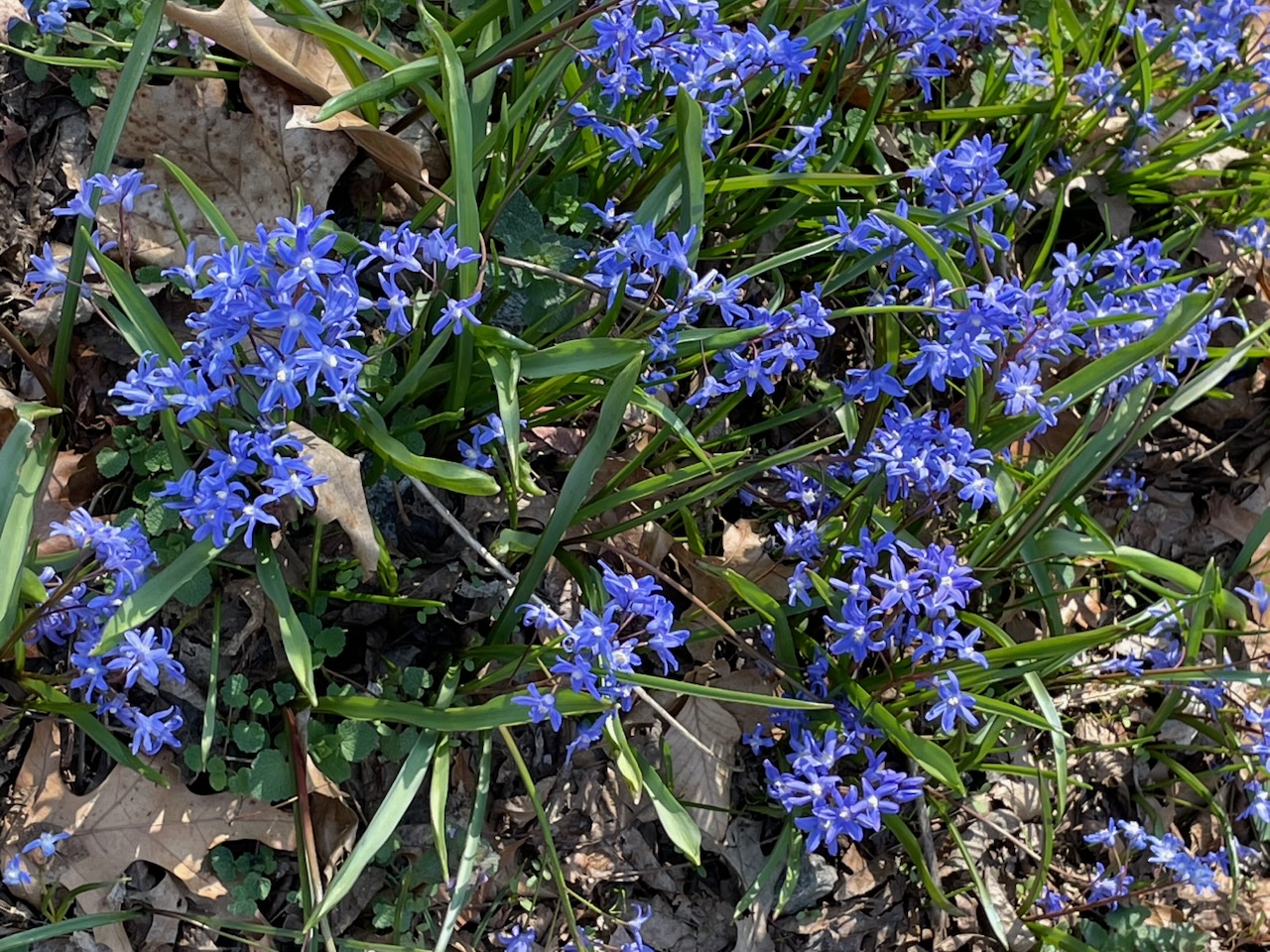
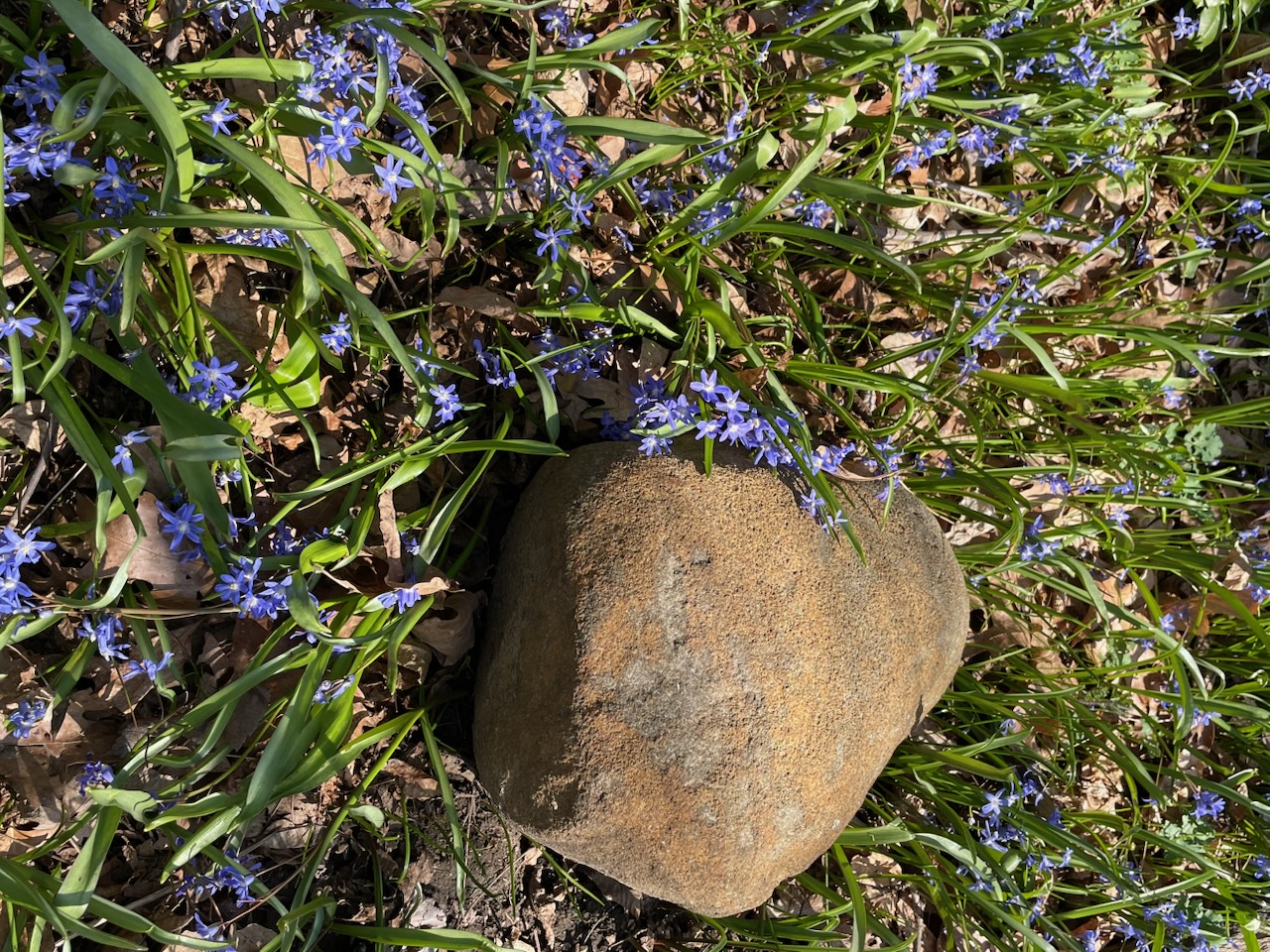
There, also as Walt had it in Song of Myself, I loafe and invite my soul. Early spring is always thrilling, but Wave Hill has every wondrous element of the season in spades. First and foremost, the glory-of-the-snow. Aka Scilla luciliae. I might be wrong about that, I’m often wrong.

One thing I’m right about is that the plant is fantastic here at Wave Hill, carpeting the grounds, every place you look. Closer.

Even closer.

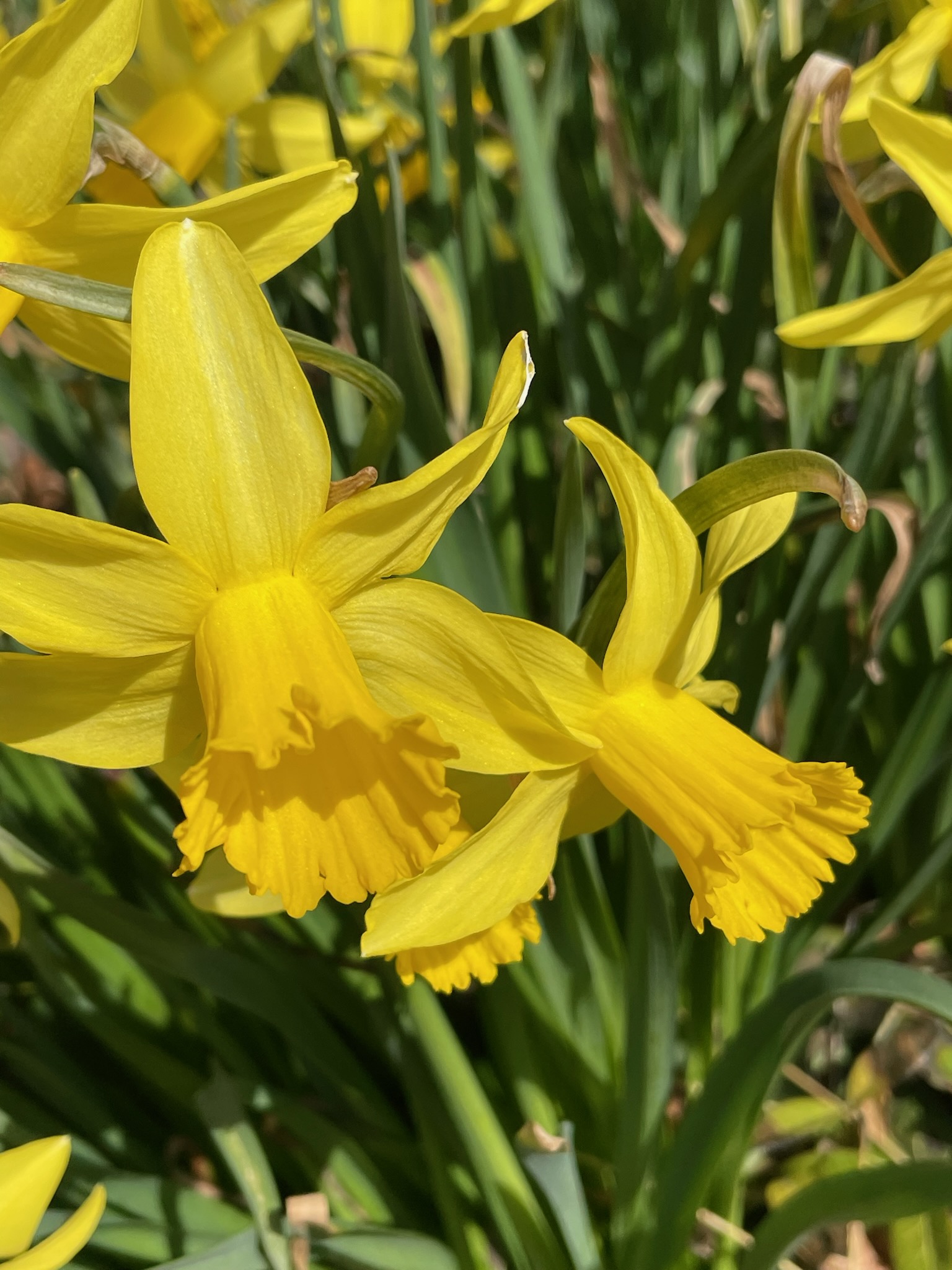
And all else just as exquisite in the cold late-March air, accompanied by bird song. The daffodils.

Crocuses.

The atmosphere is not a perfume, it has no taste of the distillation, it is odorless,

It is for my mouth forever, I am in love with it,

I will go to the bank by the wood and become undisguised and naked,

I am mad for it to be in contact with me.

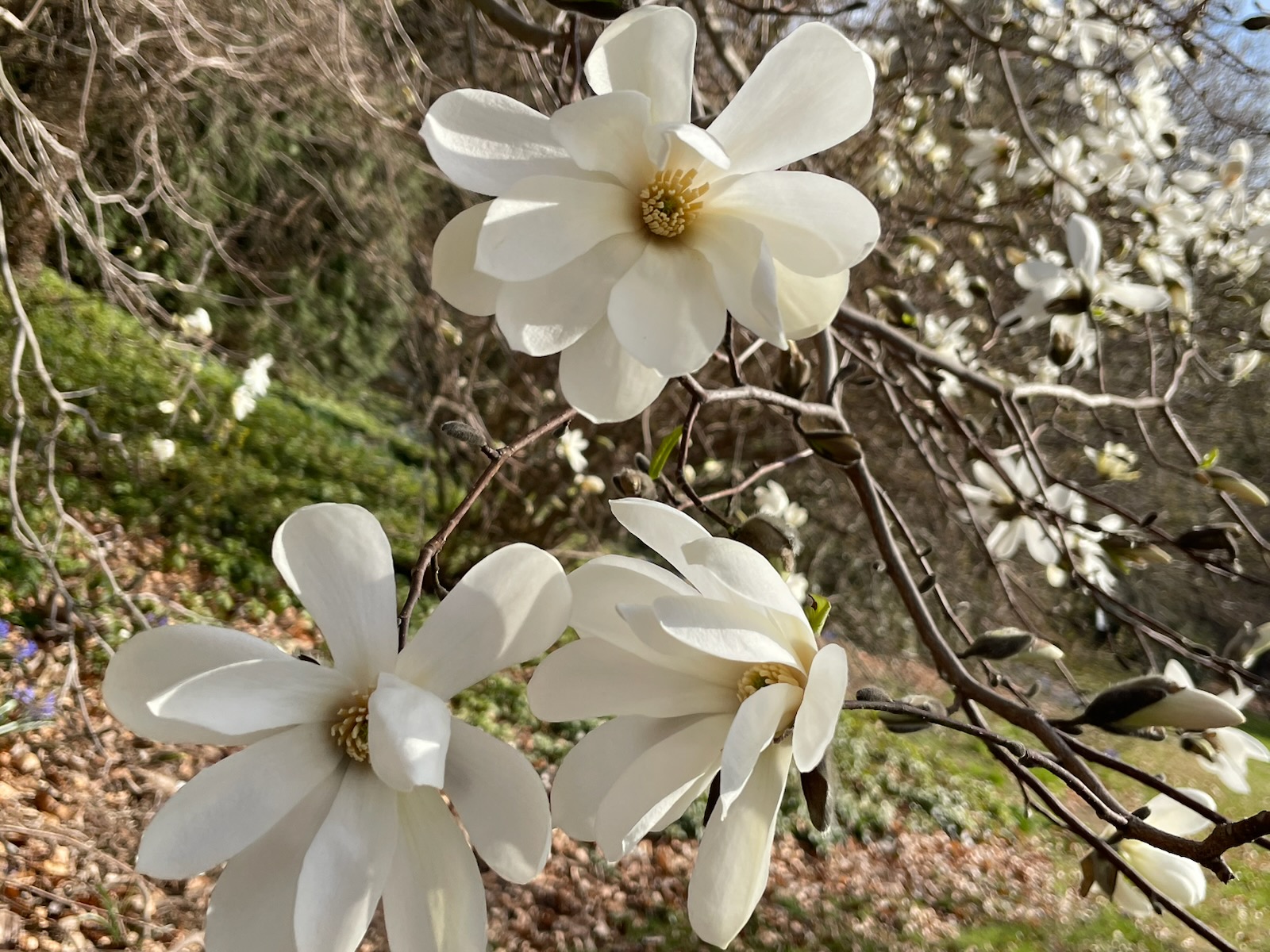
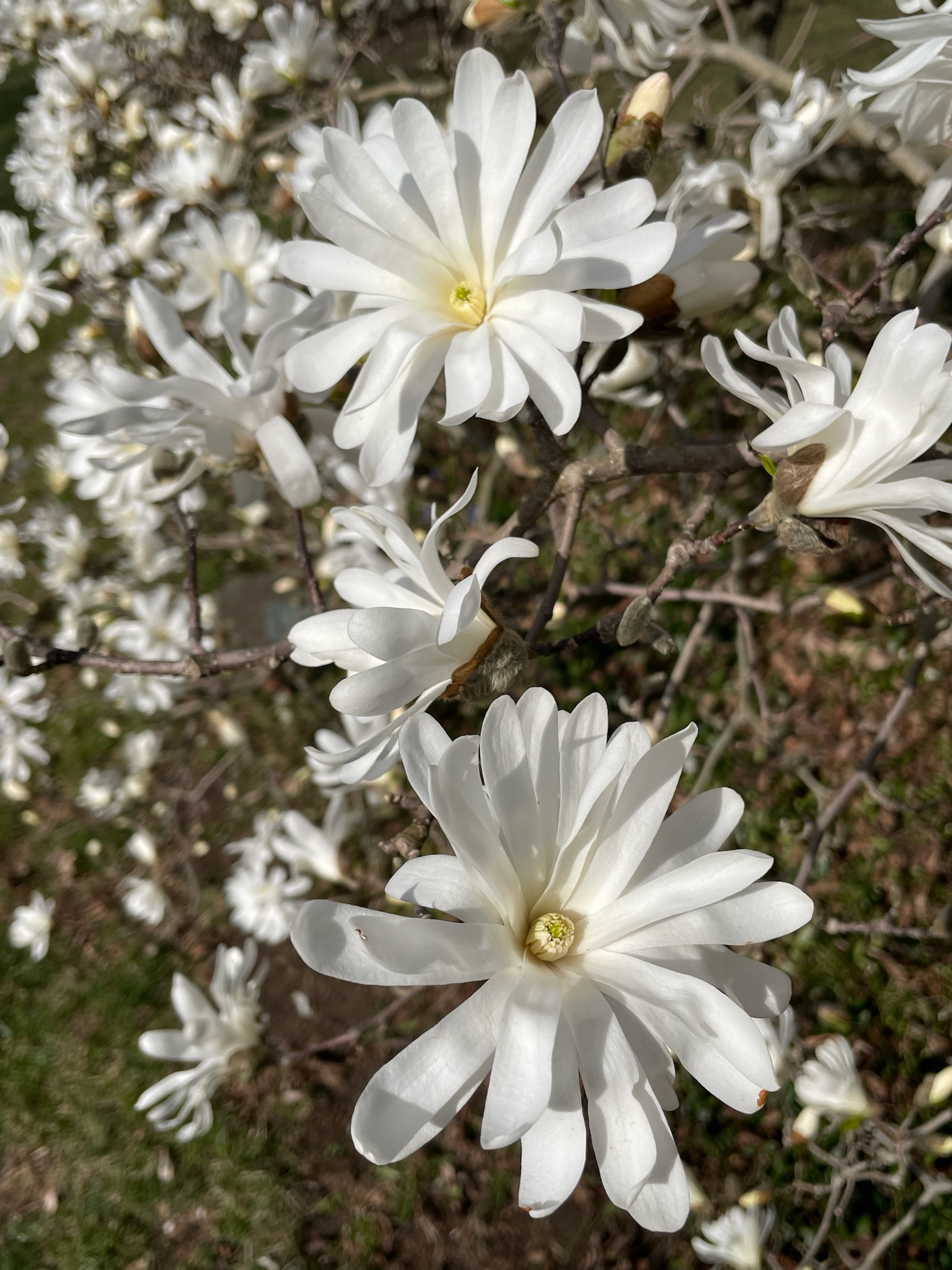
So many different magnolias. Magnolia x loebneri.

All of them awesome.

The first, freshest forsythia.

Even the lowly dandelion is stupendous here.

The mighty old linden I always admire. So buff.

I love the contrast with its delicate buds, that red harbinger of all that is to come.

That feeling in the air.

Clear and sweet is my soul, and clear and sweet is all that is not my soul.

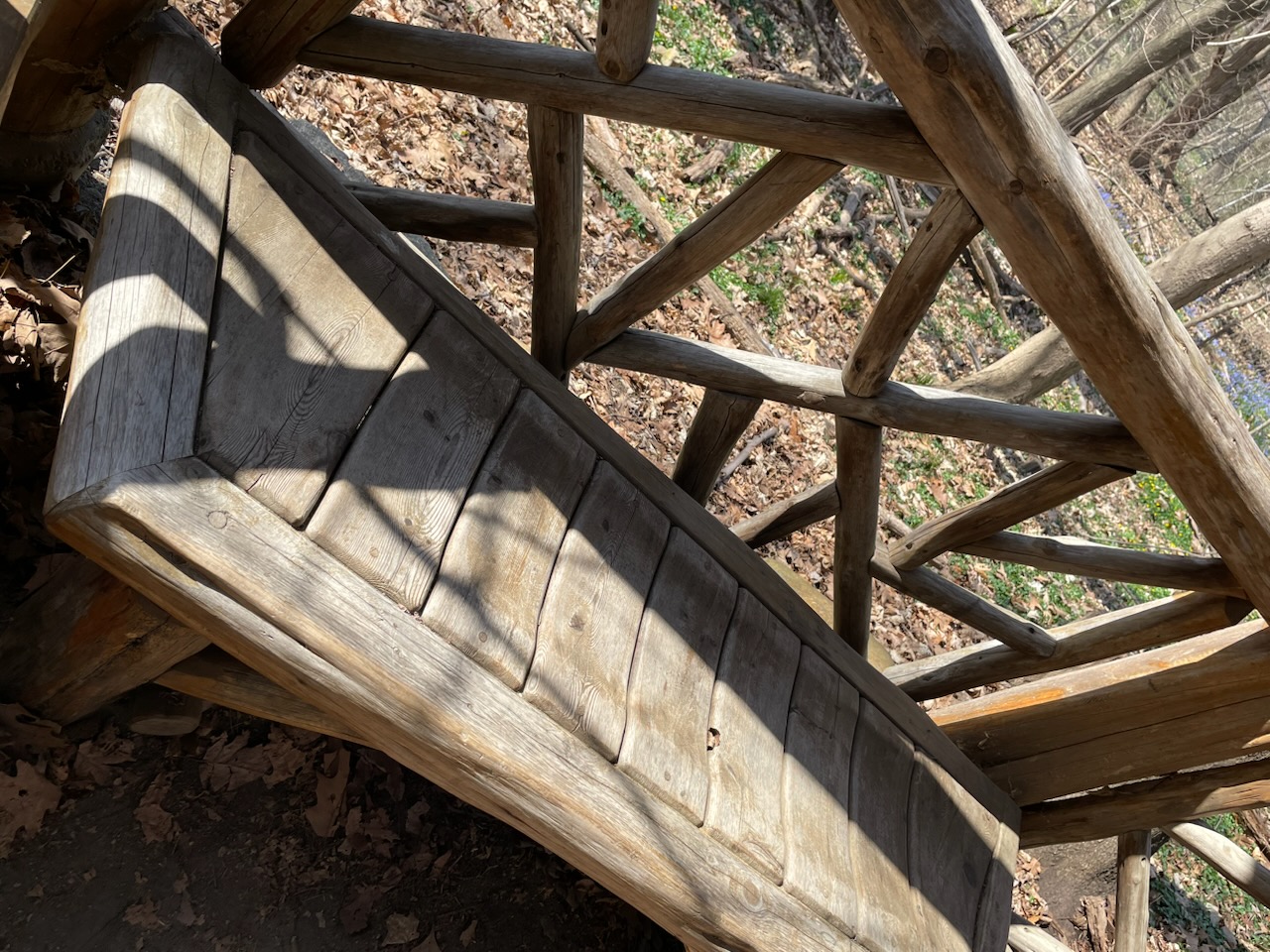
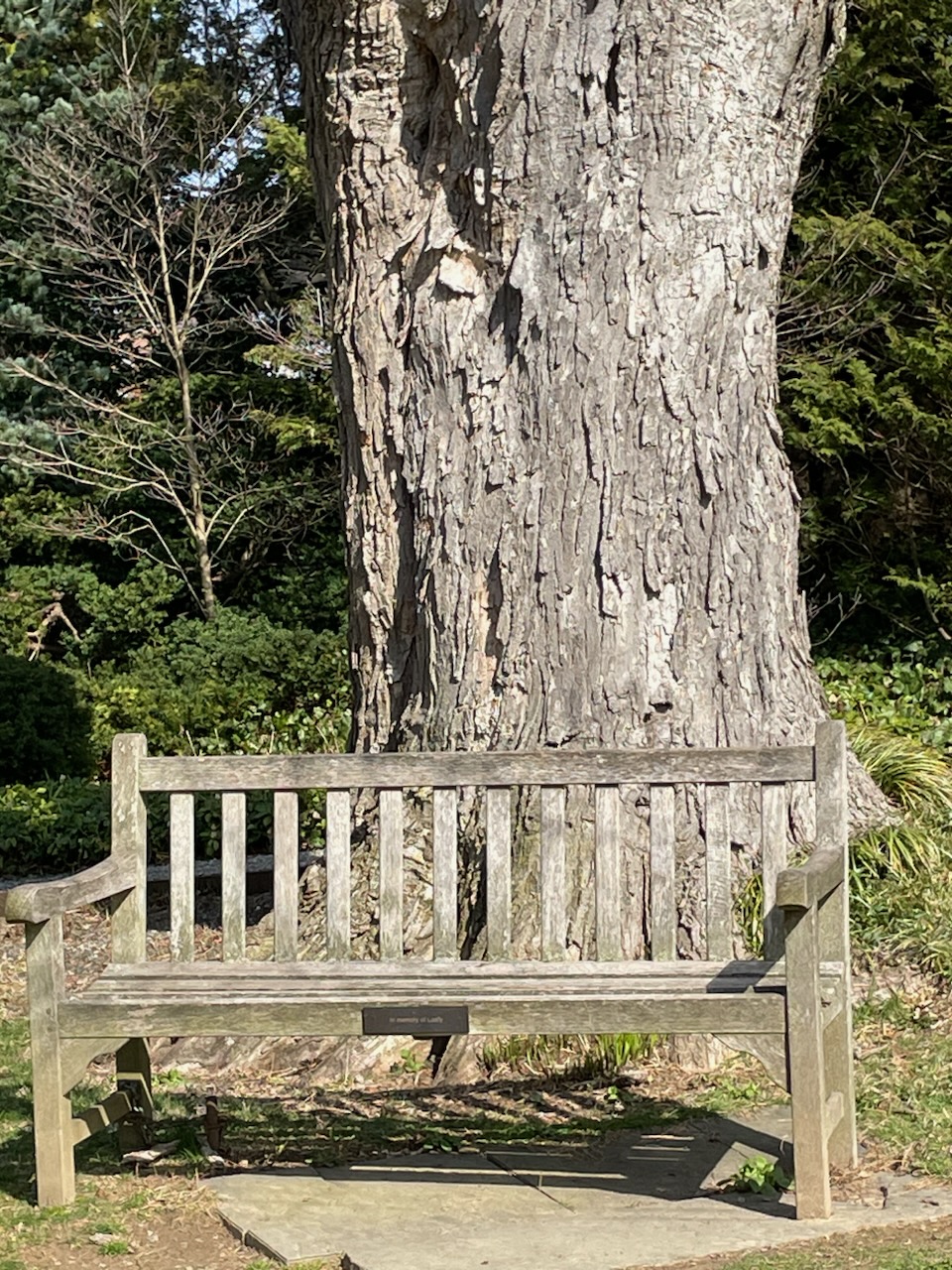
Plenty of spots to rest your weary legs.

That’s an especially nice aspect of Wave Hill. They say that it’s okay to sit and do nothing once in a while, especially under a massive old sugar maple.
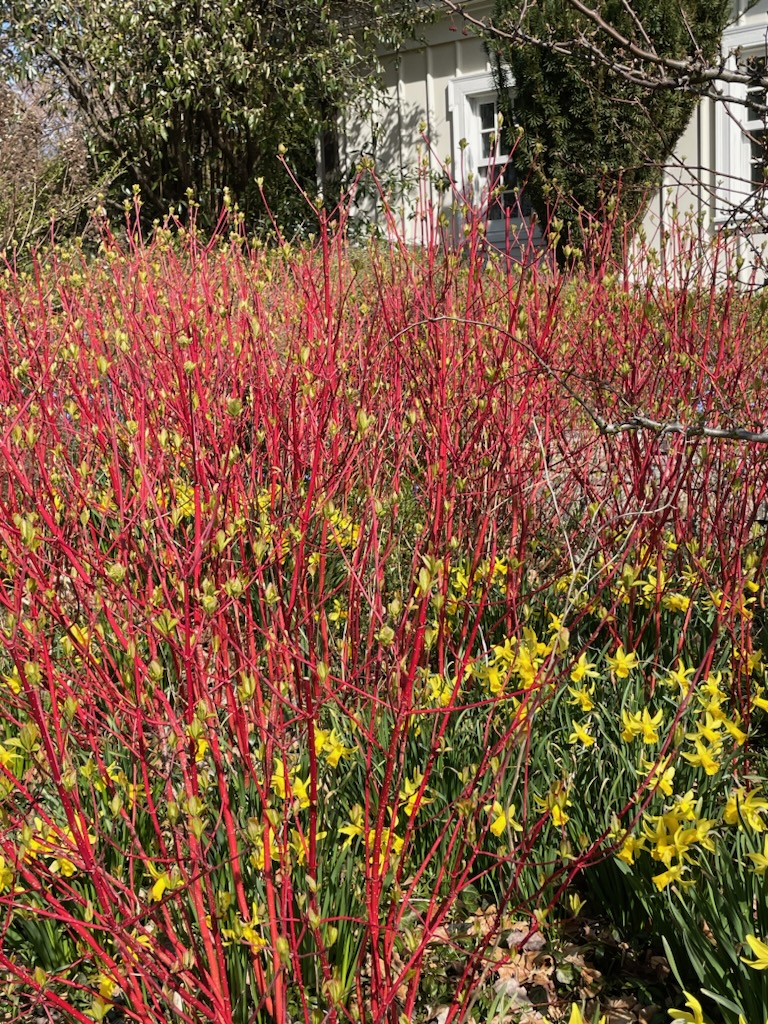
Colors effervesce. Cornus alba ‘Westonbirt’.

Crazy chartreuse needles hang in the air.

Yes, always more blue, blue, blue.

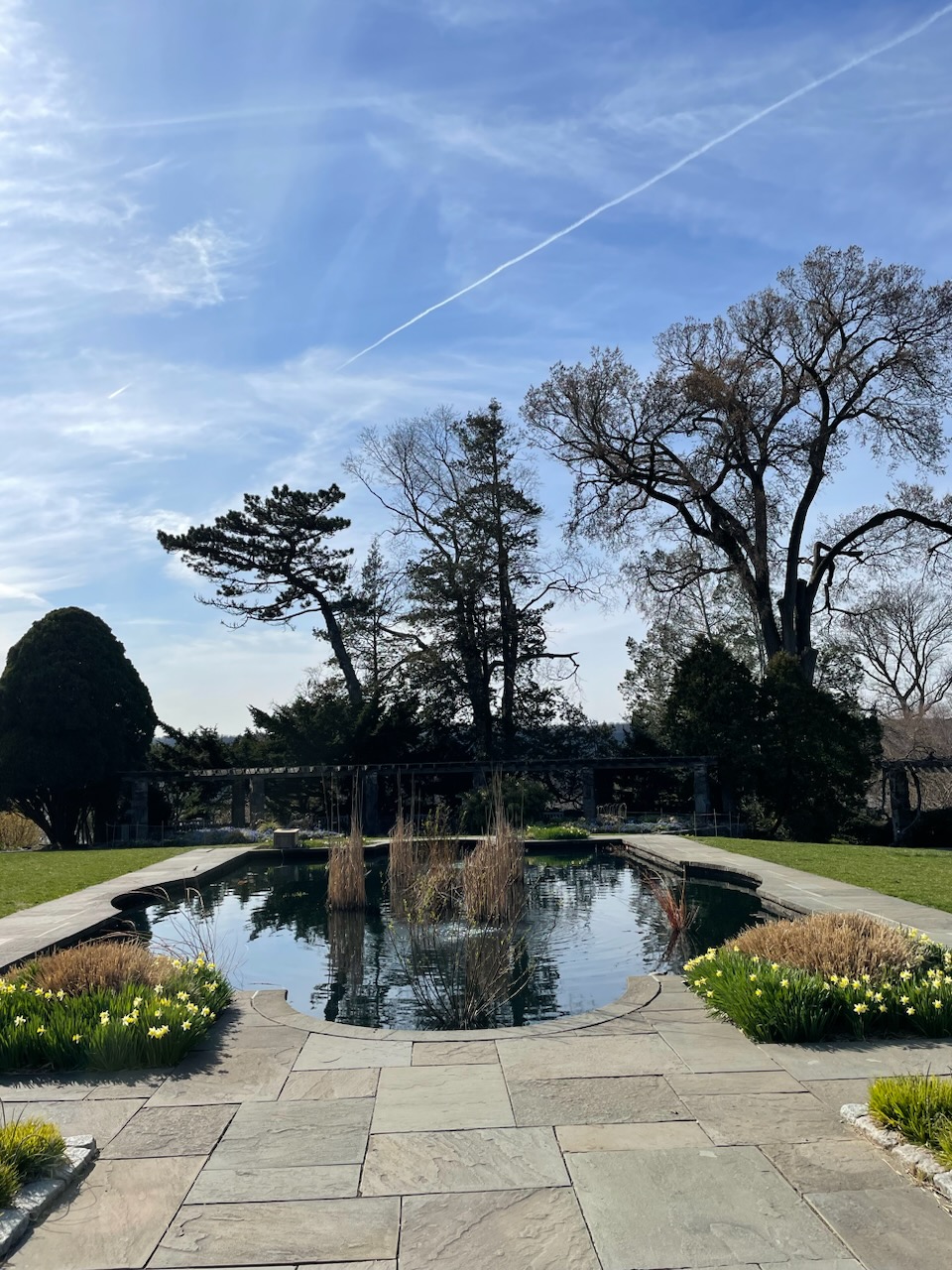
A reflecting pool, so quiet, a good place to contemplate future gladness.

What is commonest, cheapest, nearest, easiest, is Me,

Me going in for my chances, spending for vast returns,

Adorning myself to bestow myself on the first that will take me,

Not asking the sky to come down to my good will,

Scattering it freely forever.

But with all that me, me, me, let’s not forget that we share the earth — especially its trees — with other critters.

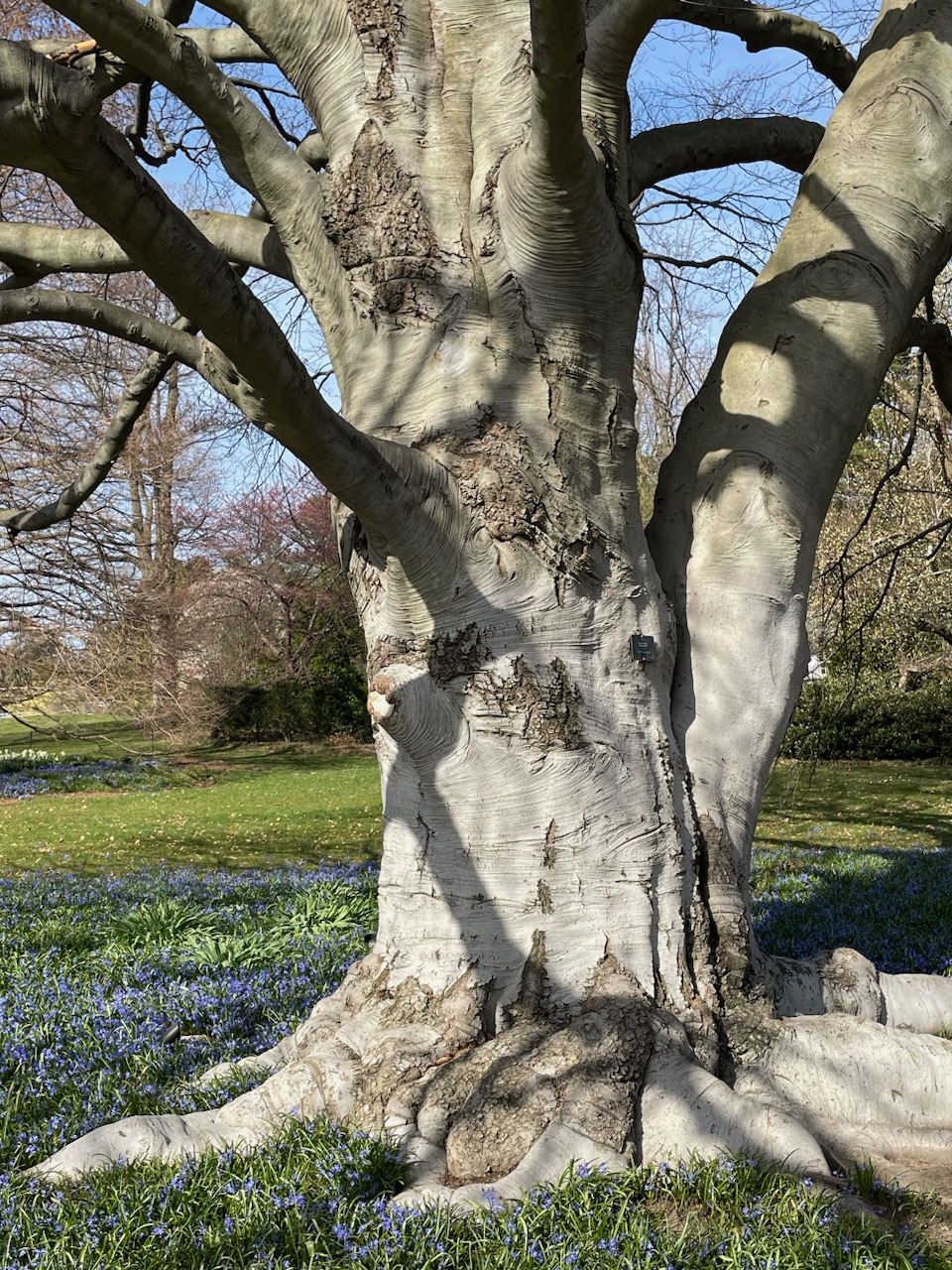
And yes, my favorite copper beeches are ready for their moment. The sheer scale astounds.

The silver of her trunk.

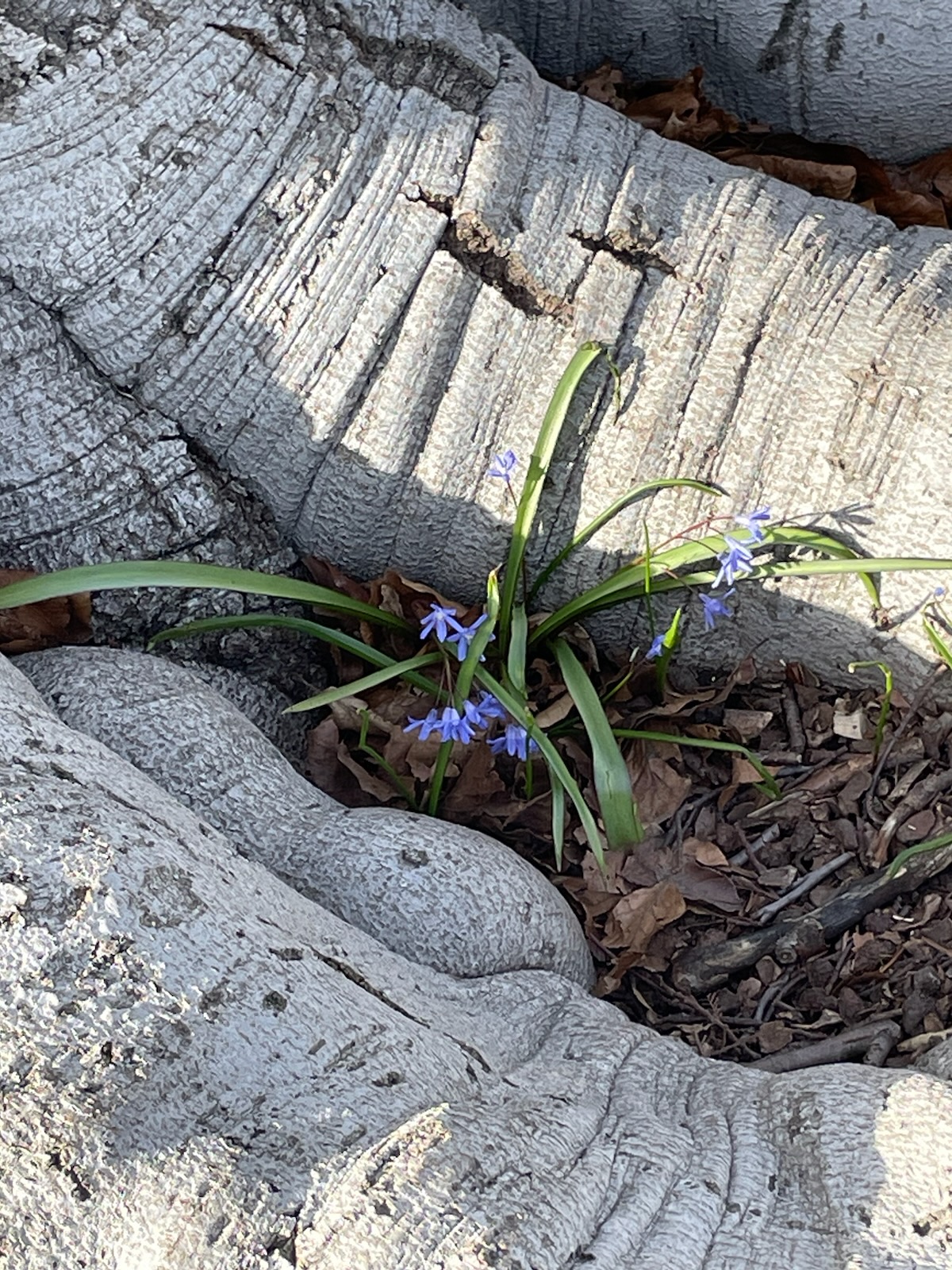
Glory-of-the-snow snuggles between the roots.

Perfection.

Do you take it I would astonish?

Does the daylight astonish? does the early redstart twittering through the woods?

Do I astonish more than they?

This hour I tell things in confidence,

I might not tell everybody, but I will tell you.

In the distance, the sheen of river and sky.

I am happy.

7 Comments

Filed under Jean Zimmerman

An iconic tree in the imagination

or in memory or right in front of your eyes can be remarkable.

Trees can be so personal, loved by an individual, as well as public and admired by many. Almost everyone, I’ve found, remembers one particular tree—it burns in hindsight as vividly as any madeleine Proust ever consumed. I’ve realized this in teaching arborists writing skills, learning from peoples’ stories how many treasure the memory of a certain Malus domestica in their childhood which was their formative experience with dendrology. When I encounter a wizened backyard apple it still gives me a jolt of pleasure.

It’s not only arborists though. Some trees attain a broader symbolic meaning for many, many people above and beyond those whose professional lives are tinted green. Some aged specimens, by way of their habit, their hue, their history, just stand out.

Douglas Still, understanding this truth, recently created the podcast This Old Tree to highlight heritage trees and the human stories behind them. Drawing upon his experience as City Forester for Providence, Rhode Island, as well as stints for NYC Parks Department and as past president of the Society of Municipal Arborists, Doug focuses on the meaning and importance of such standouts as the majestic redwood Luna, Thoreau’s Concord Elm, and the 9/11 Survivor Trees.

He has said, In our psyche, we know trees are more than just functionally important. What drives me most is the thought that trees will outlast us, provide comfort and inspiration for 100 years or more, and connect life experiences between generations. Every city forester has witnessed the emotional bonds between residents and their trees. Trees create a sense of place; they shape our experience of historic landscapes, as well as our own streets and backyards. Old trees are especially valuable, meaningful and irreplaceable.

Great stuff.

I was privileged to share a short piece about an icon that meant a lot to me as one of half a dozen accounts collected in the most recent This Old Tree episode. You can check out “Tree Story Shorts” at https://www.buzzsprout.com/2044179/11838723 and here is a rough approximation of my piece in that spoken segment:

My favorite tree would have to be the silvery-barked copper beech, Fagus sylvatica Atropurpurea. When I was growing up in a little town in New York’s Hudson Valley, we would gather beneath what we called “The Elephant Tree.” (Photo courtesy of Hastings Historical Society.)

The landmark stood on the overgrown lawn of the long abandoned mansion of Billie Burke, famed as Glinda, the Good Witch in the Wizard of Oz.

The tree drew kids of all ages to congregate beneath its distinctive umbrella-like branches. In her book about the beech, Casting Deep Shade, poet C.D. Wright tells us that the Druids grew wise eating the nuts of the species. And that in dreams, the tree signifies both wisdom and death. The Copper Beech. Tree guru Michael Dirr chooses it as “one of my great plant loves,” and from childhood it has been one of mine, too. Recently, thinking about that tree, at an age when some folks are starting to contemplate a condo in Florida or (more my style) retiring to a groovy vintage Airstream, I have fallen again for the beech tree the way I fell for an Adonis in my seventh-grade class. All I want to do is swoon.

A sixty-foot local attraction well-known in my home town, the Elephant Tree’s knob-kneed trunk resembled nothing so much as the columnar legs of its namesake animal. Here was every kid’s dream: a private, self-contained refuge from the wider world. From the outside, long branches twisted sinuously from the crown to the ground, spreading outward like a hoop-skirt. Inside this protected space we found ethereal cathedral light and branches that were perfect for climbing. Kids hid there, gossiped there, made out there. The trunk, as with so many beeches, was hashed with initials and hearts. Here is a similar one.

Brought to America in the 1600s, the towering, always impressive European Beech tops out at a full 70’. The cultivar atropurpurea shares the species characteristics but is distinct in color. While not a street tree, it takes its place among many landmarked gardens and properties. The grand homes of Newport are known for their beeches. Lyndhurst in Tarrytown, New York, the former estate of robber baron Jay Gould, boasts an imposing collection. Wave Hill, the public garden in New York City’s Riverdale section of the Bronx, features two Copper Beeches that sit across park lane from each other like kissing cousins.

“We don’t know much about the beeches except that they were probably planted after 1890, when the property came under the same ownership,” Louis Bauer, former Director of Horticulture at Wave Hill, told me once. With an unparalleled view across the Hudson River to the Palisades, Wave Hill has a storied past, including notable occupants such as Theodore Roosevelt and Mark Twain.

The latter said of the estate: “I believe we have the noblest roaring blasts here I have ever known on land; they sing their hoarse song through the big tree-tops with a splendid energy that thrills me and stirs me and uplifts me and makes me want to live always.”

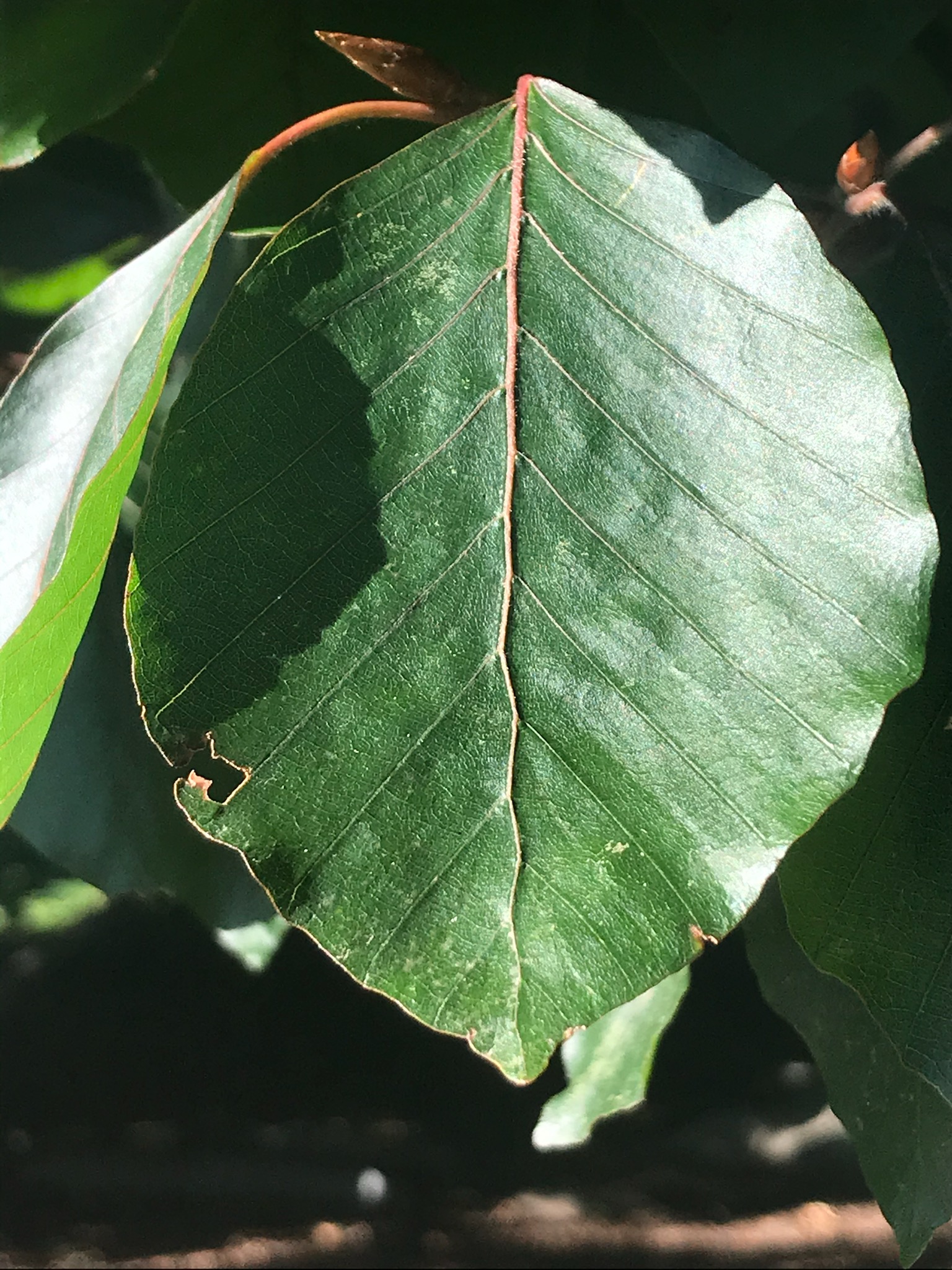
Copper might be a slight mischaracterization the hue of the tree’s leaves, which can change over the course of a season from a reddish purple in spring to blackish purple by summer.

The deciduous, simple leaf is elliptic and blunt, appearing wavy, with five to nine veins on each side. Each cultivar presents itself slightly differently in color and shape. When I have visited Wave Hill’s copper beeches they were really more full forest green, with only a slight a metallic tinge.

As for those “knees.”

The older trunks have bulges and burls that are quite unlike any other tree.

Of the silvery grey bark, beech lover Dirr writes of  “a beauty unmatched by the bark of other trees.” Something about that bark begs for the jack-knives of starry-eyed young romantics. (“Your name and mine inside a heart” promise the lyrics of ‘Walk Away, Renee,’ one of the ultimate paeans to teenage love.)

At Wave Hill, the trunk of one tree has been pretty well graffiti-gouged.

While the other cousin is pristine. A mystery as to why.

We know that people since time immemorial have fallen for beech trees, their smooth grey bark, eminently useful for leaving your mark. On an old stage road in Tennessee, Daniel Boone once killed a bear. Nearby stood a huge beech tree, and Boone carved into its trunk: “D. Boone Cilled a Bar in 1760.”

Virginia Woolf name-checked to the beech in Night and Day. “It seemed a mere toss-up whether she said, ‘I love you,’ or whether she said, ‘I love the beech-trees,’ or only ‘I love—I love.’”

I have discovered carved beeches in what was supposedly an unspoiled old-growth forest. Some tree people find autobiographical messages on beech bark annoying. I don’t. Thoreau said, ”I frequently tramped eight or ten miles through the deepest snow to keep an appointment with a beech-tree, or a yellow birch, or an old acquaintance among the pines.” I like to think of some lost soul slogging miles through a mysterious, tangled forest, too shy to unburden himself to the person he cares for, and surreptitiously taking switchblade out of pocket to pronounce, on bark, indelibly, the sentiment I love-I love.

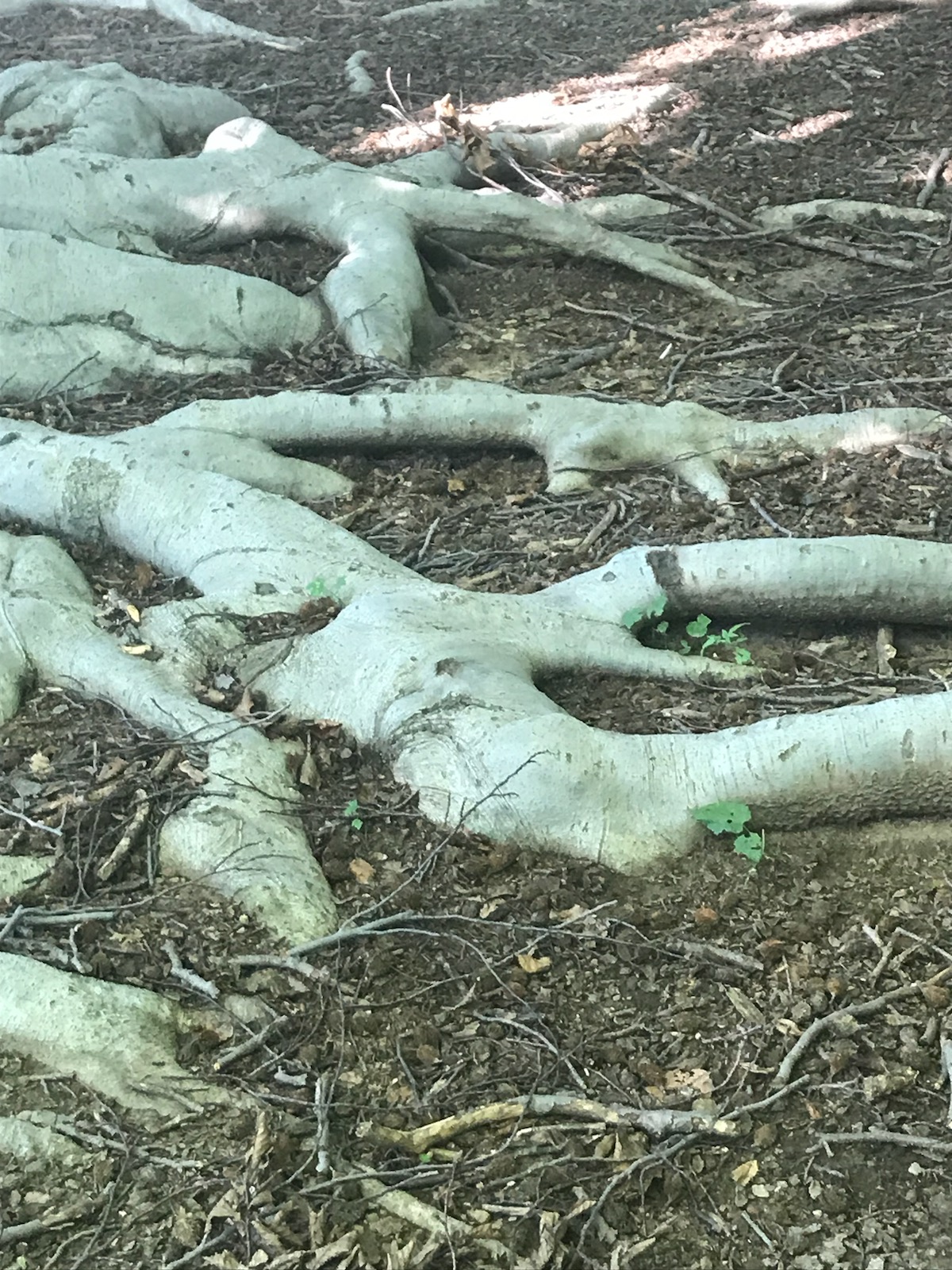
Atropurpurea has no taproot. Instead, in the open understory beneath the low-hanging branches, a pattern of interlacing roots rise close to the surface.

For flowers, the tree offers a small female cluster, and a male cluster that hangs on a shorter stem than the American Beech. The nut has long, angular sides and a deep brown color, encased in a bristly husk. Beech nuts can be consumed by deer and bears as well as by birds and rodents – and by humans, who have been known to roast and brew them in place of coffee.

A nice place to drink a cup would be under the sweeping, twisted, copper-green branches of an “Elephant Tree.”

Ghosts of Mark Twain, Daniel Boone and Virginia Woolf, you are cordially invited.

Leave a comment

Filed under Jean Zimmerman