Tag Archives: Trees

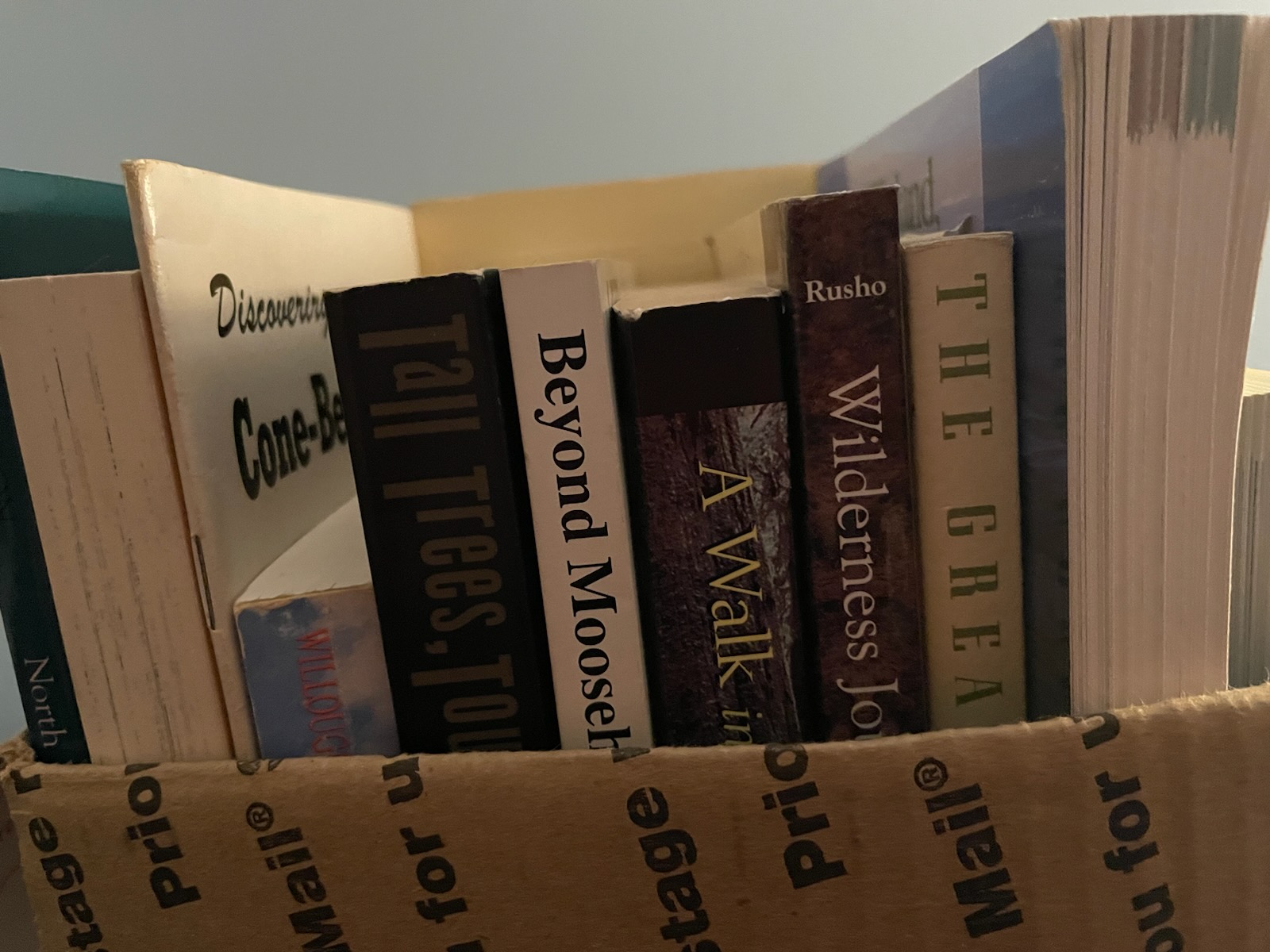
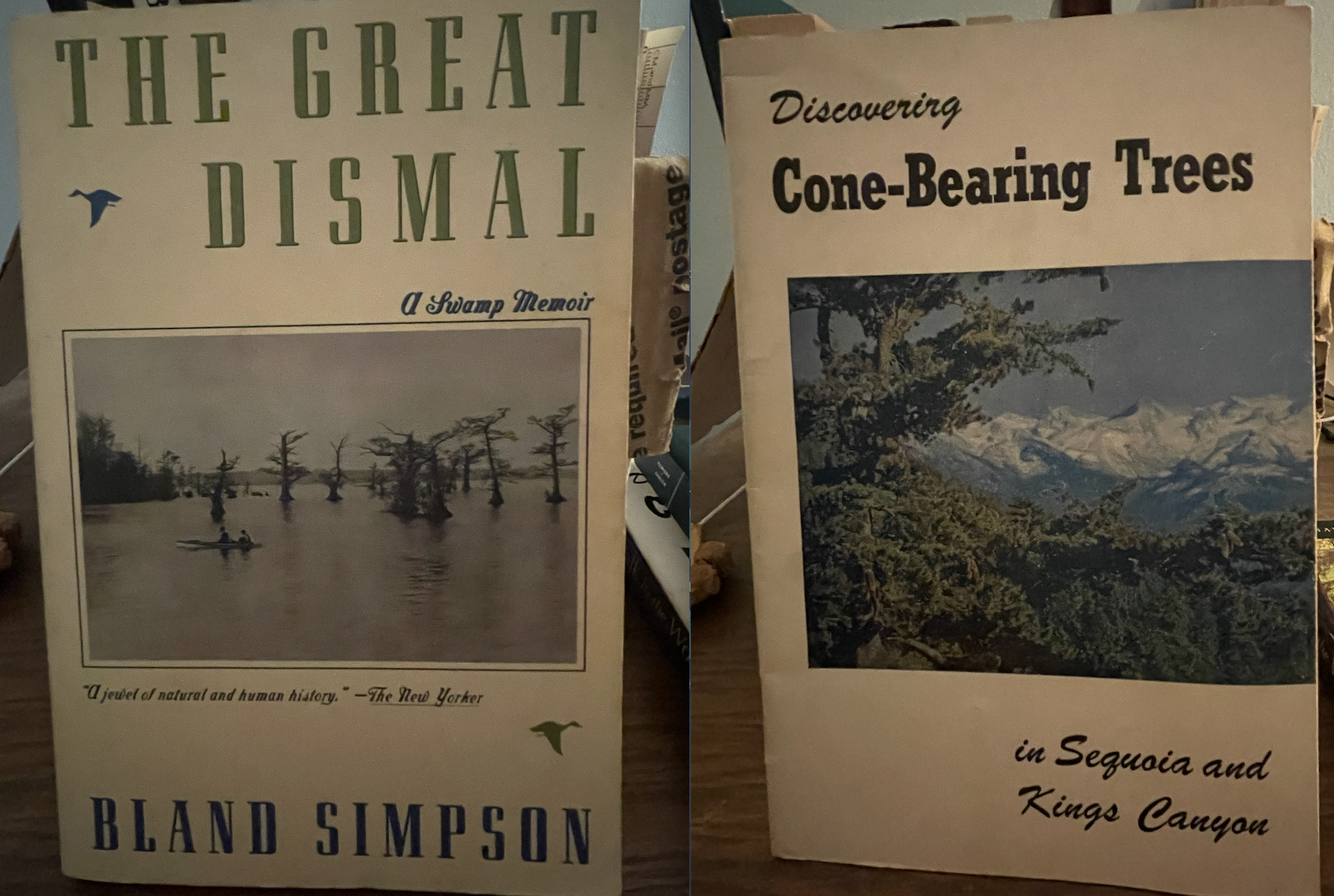
I was gifted with tree books recently

and it’s not even Christmas!

My brother the vagabond decided to clean out his storage space, getting rid of books among other things. Knowing I was writing a book about trees and forests, he thought of me. I get it. We just did the same – winnowed down storage and some books had to go, whether to sell to the Strand in New York City or to donate to the local PTSA. It’s hard to part with books you love if you’re a writer, or a reader.

I take a walk with my writer friend Barbara to clear my head. Exquisite waterfront park in charming Irvington, New York.

Right by the Hudson.

On the other side, the southbound train.

Everything picturesque.

Do you have a friend you walk with? Nice to speak of things that matter, and also things that don’t matter so much. The holidays, recipes, health challenges, problems, possibilities, writing. Books. Some of the books my brother gave me are famous, like Bryson’s A Walk in the Woods. Others not so much.

But still sure to be fascinating. So many tree books on the shelf already!

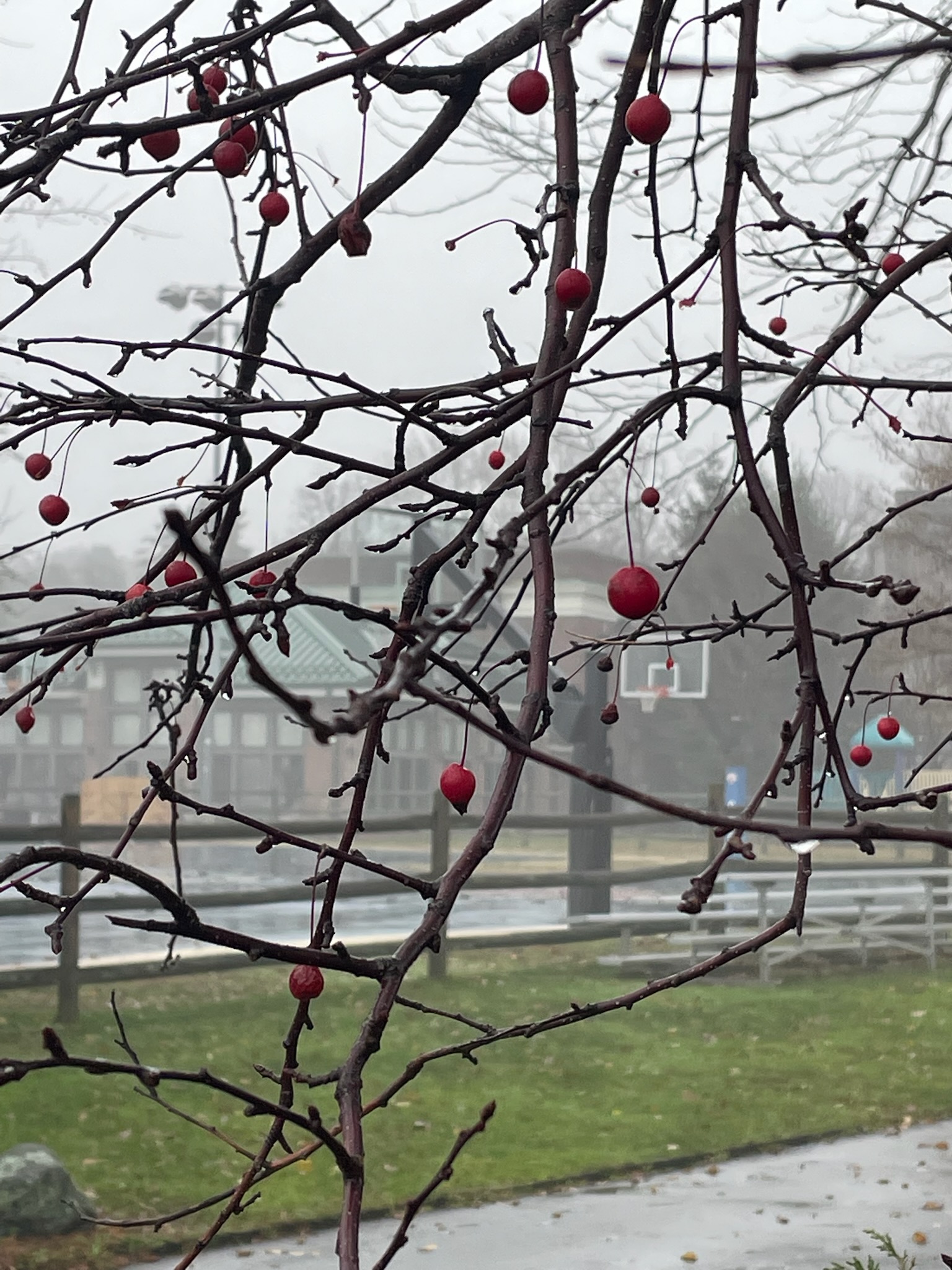
So many trees in the park. Dazzling zelkovas with their rain-drop jewelry.

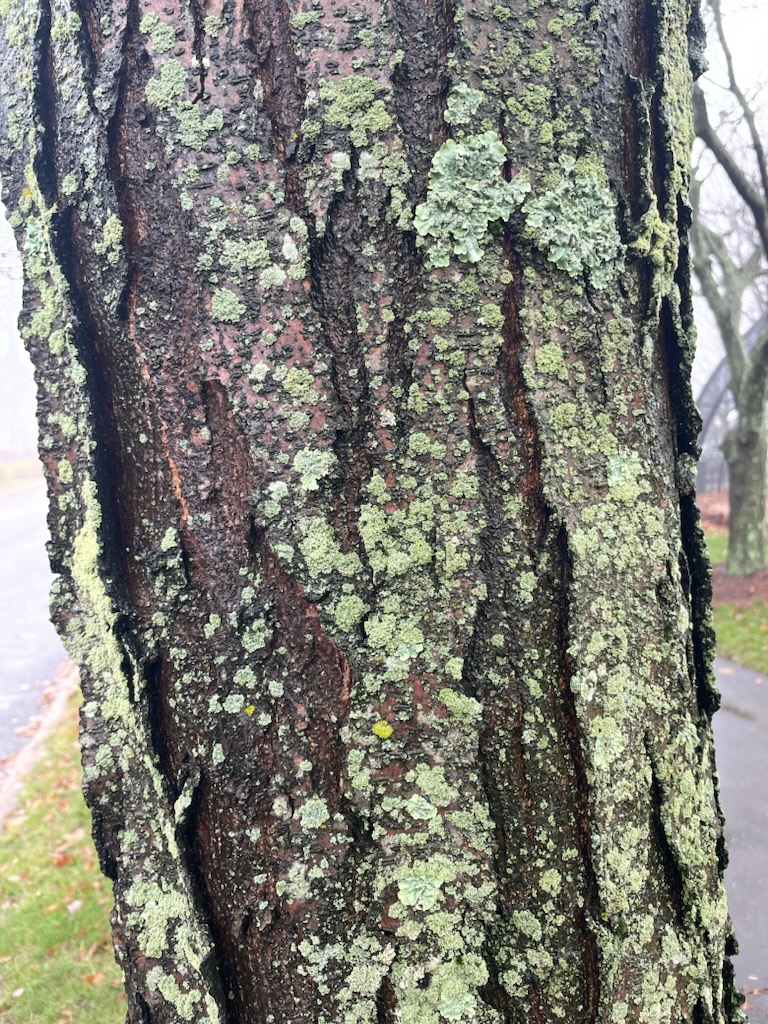
Honey locust, always over the top with its textured bark.

Gorgeous plant life all around.

We pass one tree after the next, talking, talking.

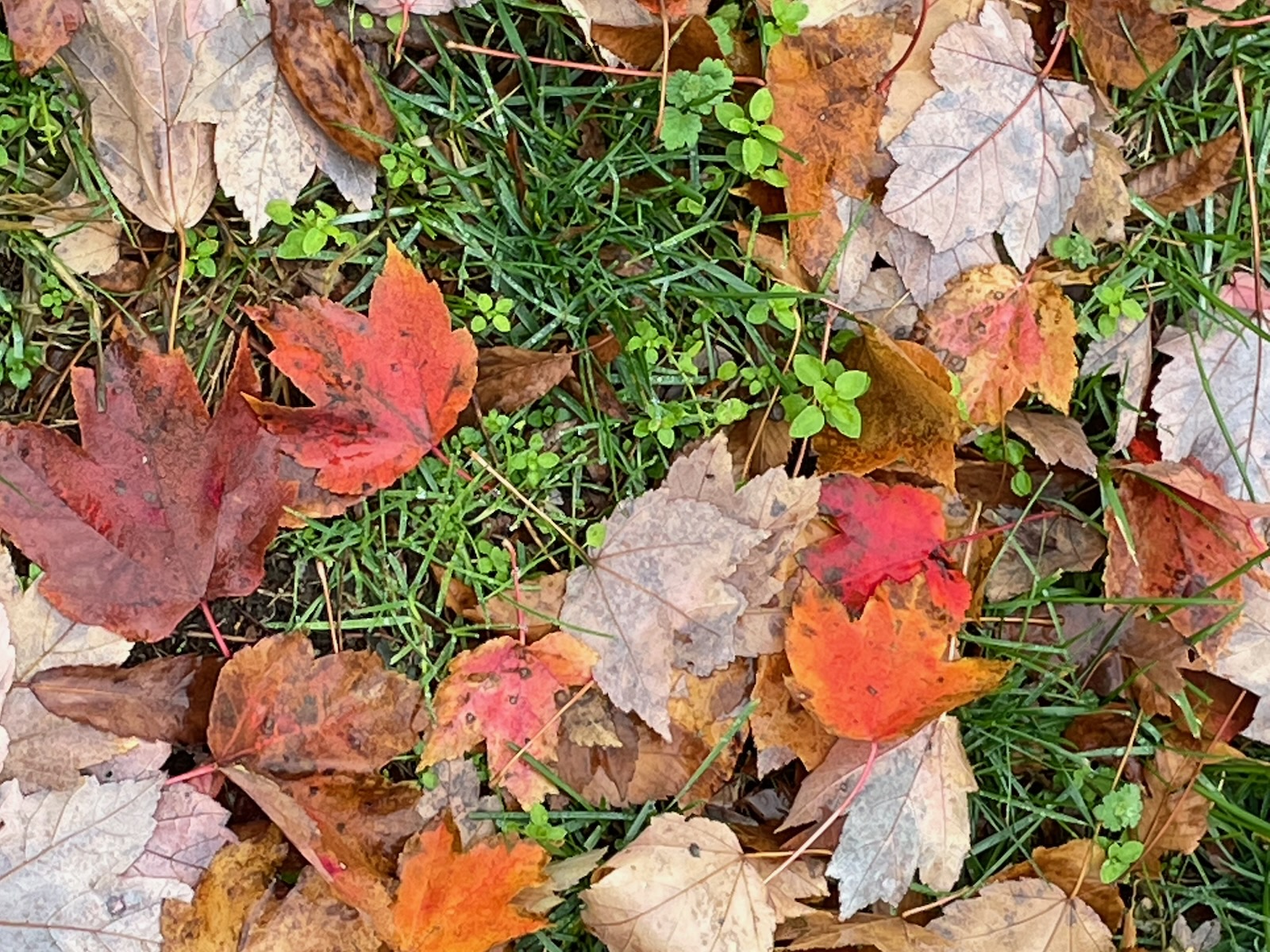
Good to look down once in a while as well as up.

As the weather changes, it’s good to come home to a book. To give a book – it doesn’t have to be about trees. My brother’s book, The Jazz Masters: Setting the Record Straight, would be a nice choice for a Christmas present. He interviewed the finest musicians, now elderly, and got some fascinating stories.

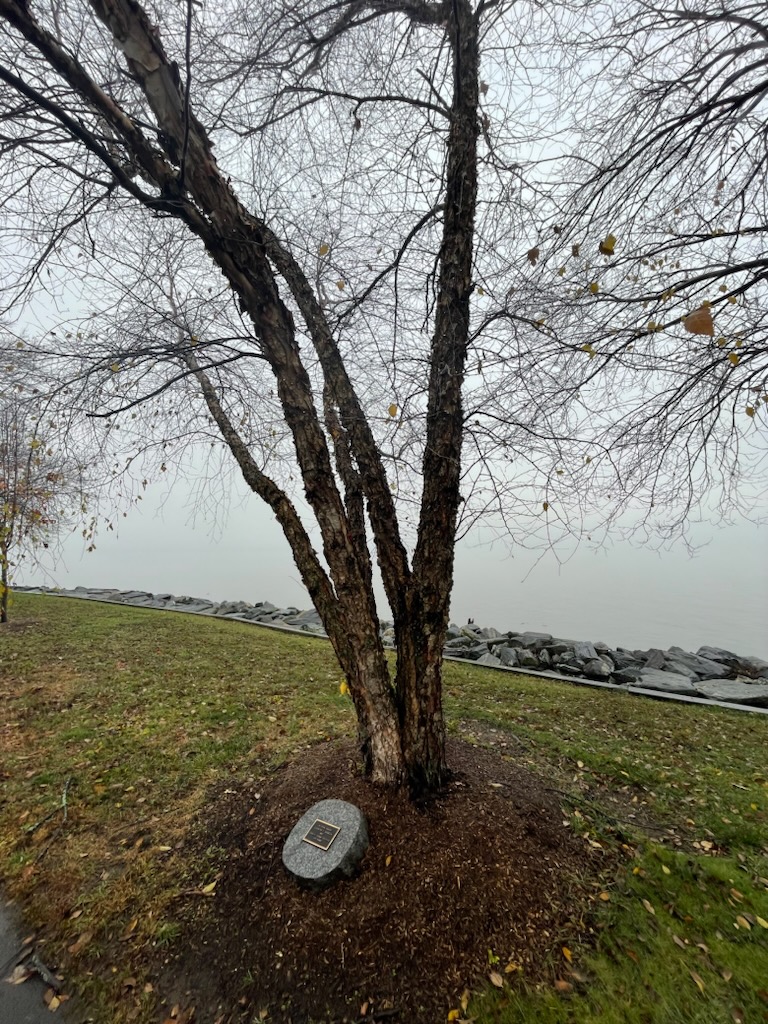
Most of the trees in this park have dedications inscribed at the base.

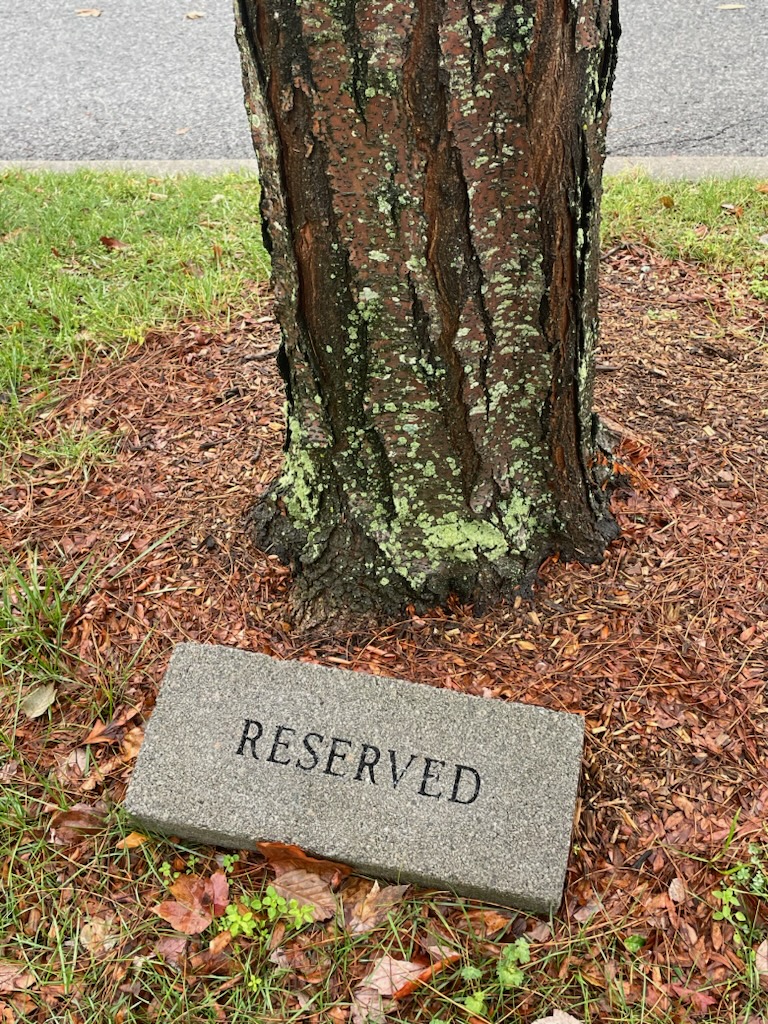
One is still available.

As if it were a library. Reserve yours today.

Leave a comment

Filed under Jean Zimmerman

A rainy tree day is better than no tree day at all

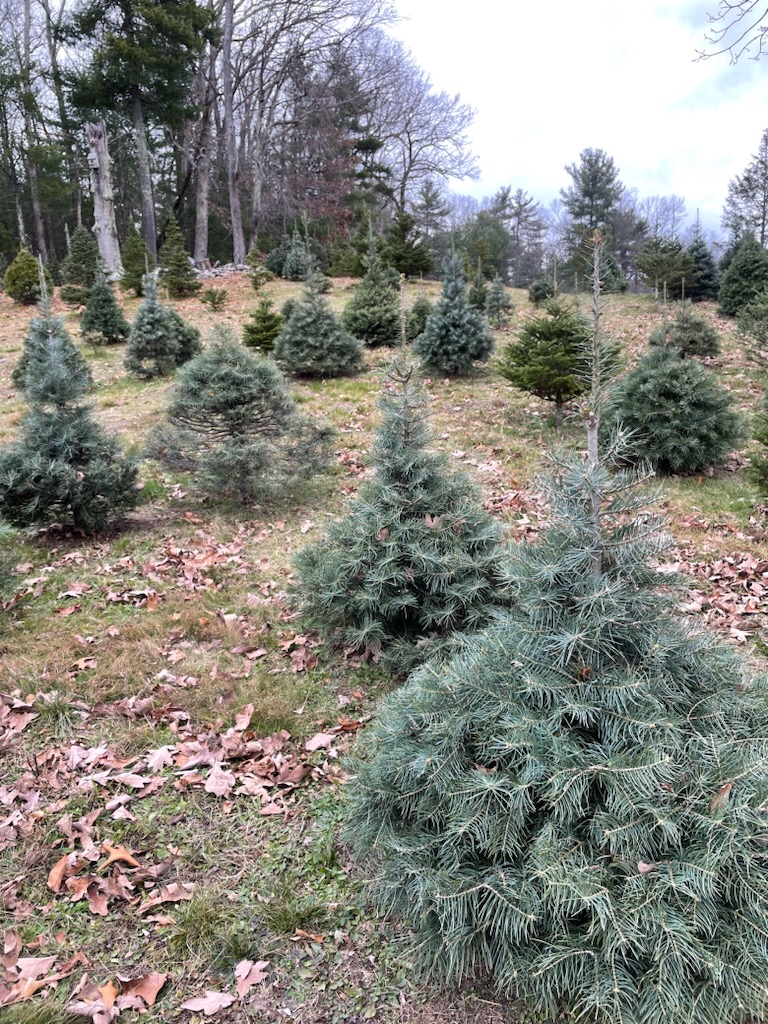
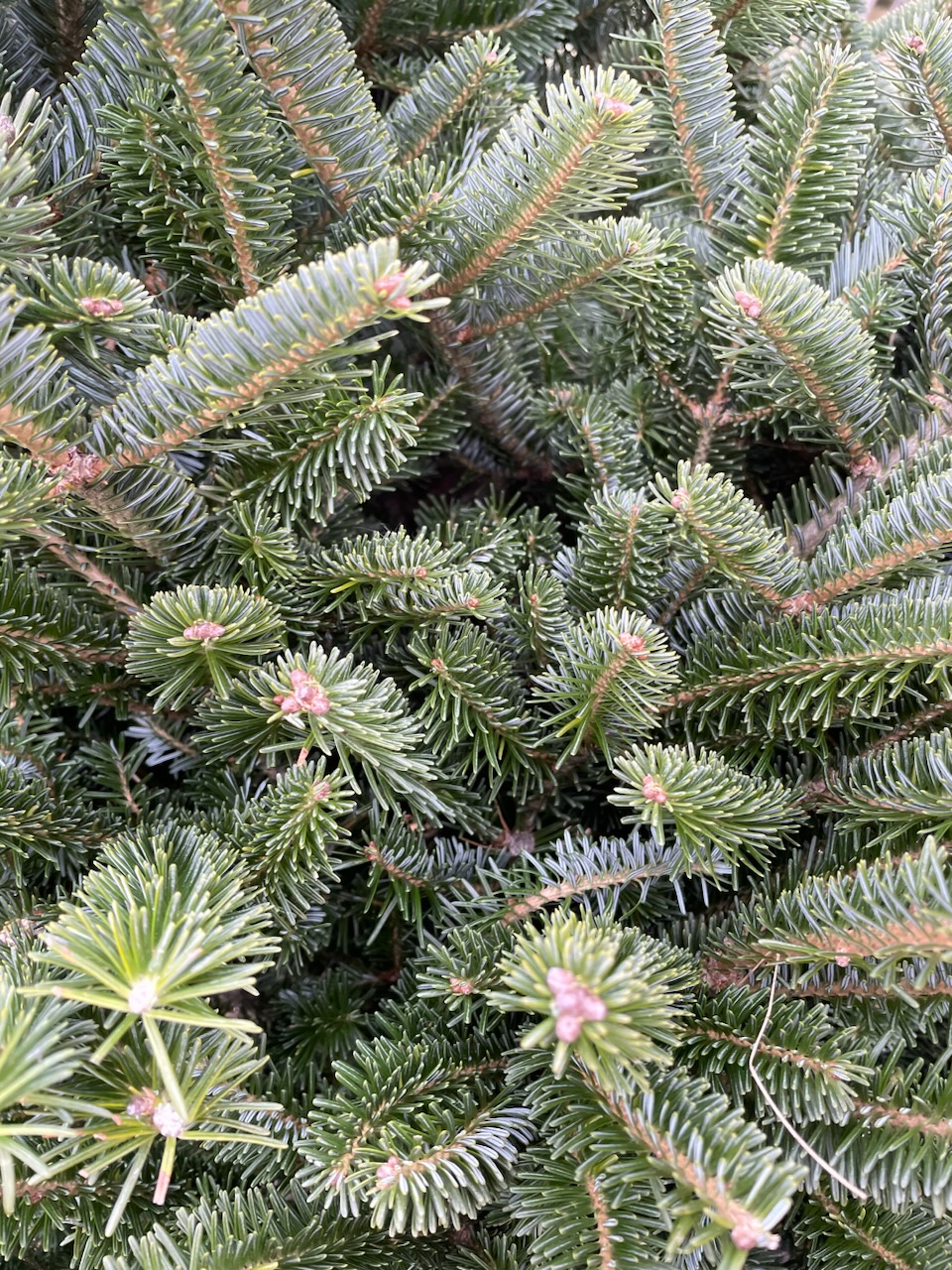
if you happen to be heading north to New England for your holiday Concolor, the evergreen that gifts your home with the scent of citrus.

Is there anything cornier than a Christmas tree farm?

Sleighbell’s, in Sutton, Massachusetts, even has a food truck with corn on the menu…28 different varieties of kettle corn, including Coal in Your Stocking, Buffalo Bang and Bananas Foster.

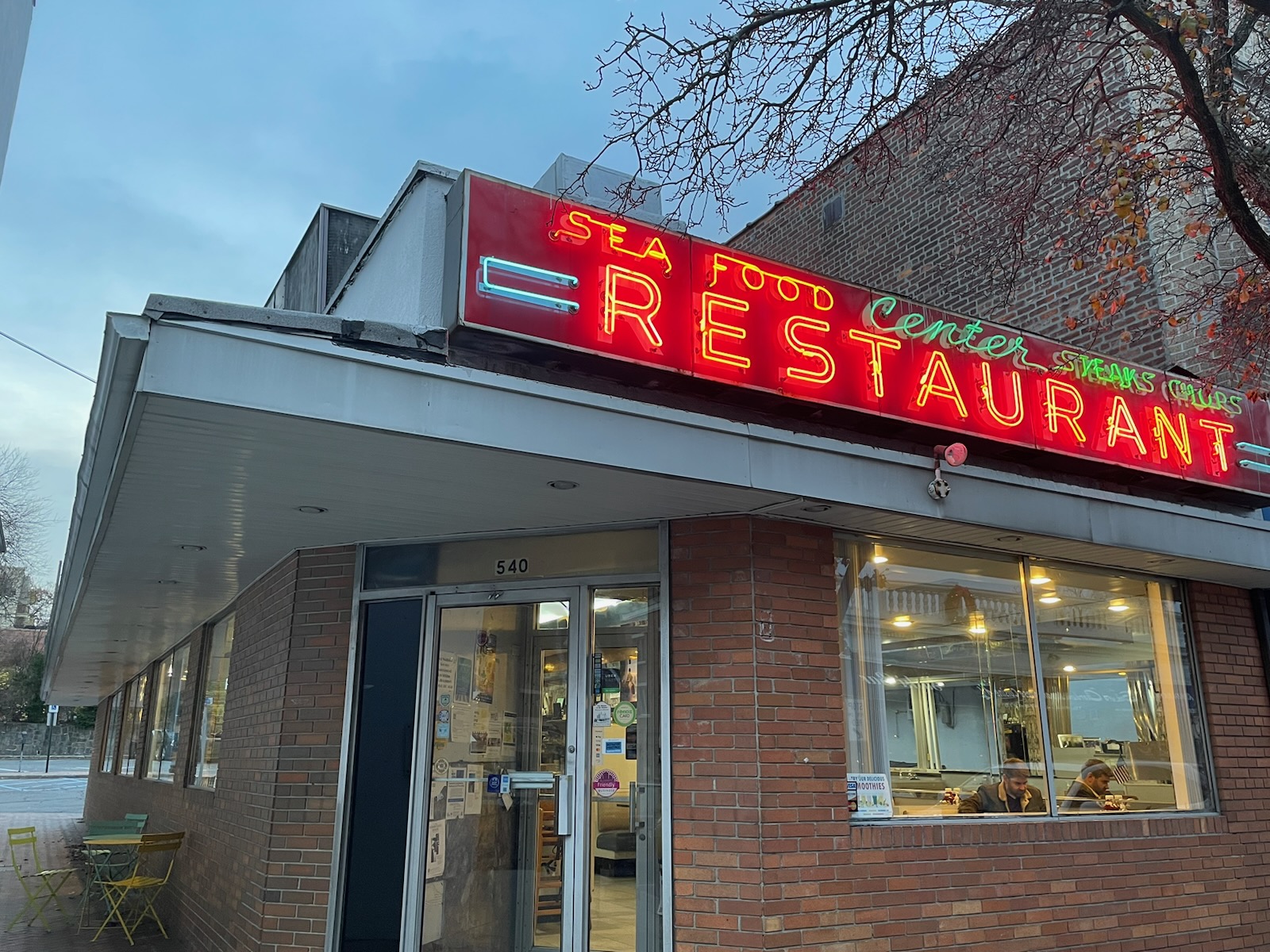
Better get an early start, while the neon on the sign of our Village’s main drag diner still glows.

This is the smallest tree farm I’ve visited, with mainly pipsqueak specimens.

Have the larger ones been harvested already this year? All that are left come about up to your chin. Time to reimagine the look of your holiday great room.

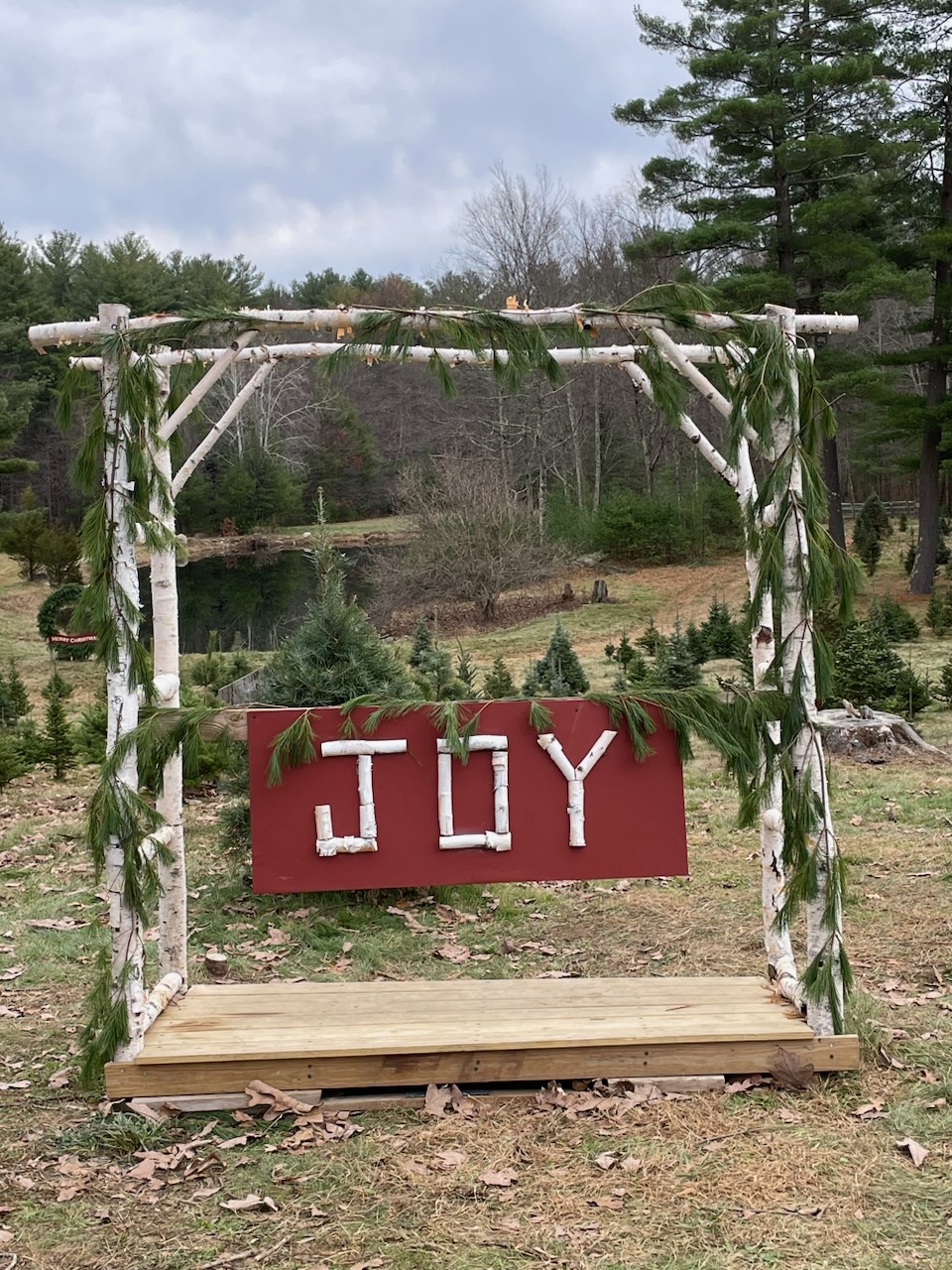
If you have a great room. We don’t, so we’re fine with what Santa has made available to us this holiday. What’s here is undeniably hokey. The air in the shop is thick with sentiment and has a toy train running and a great vintage display.

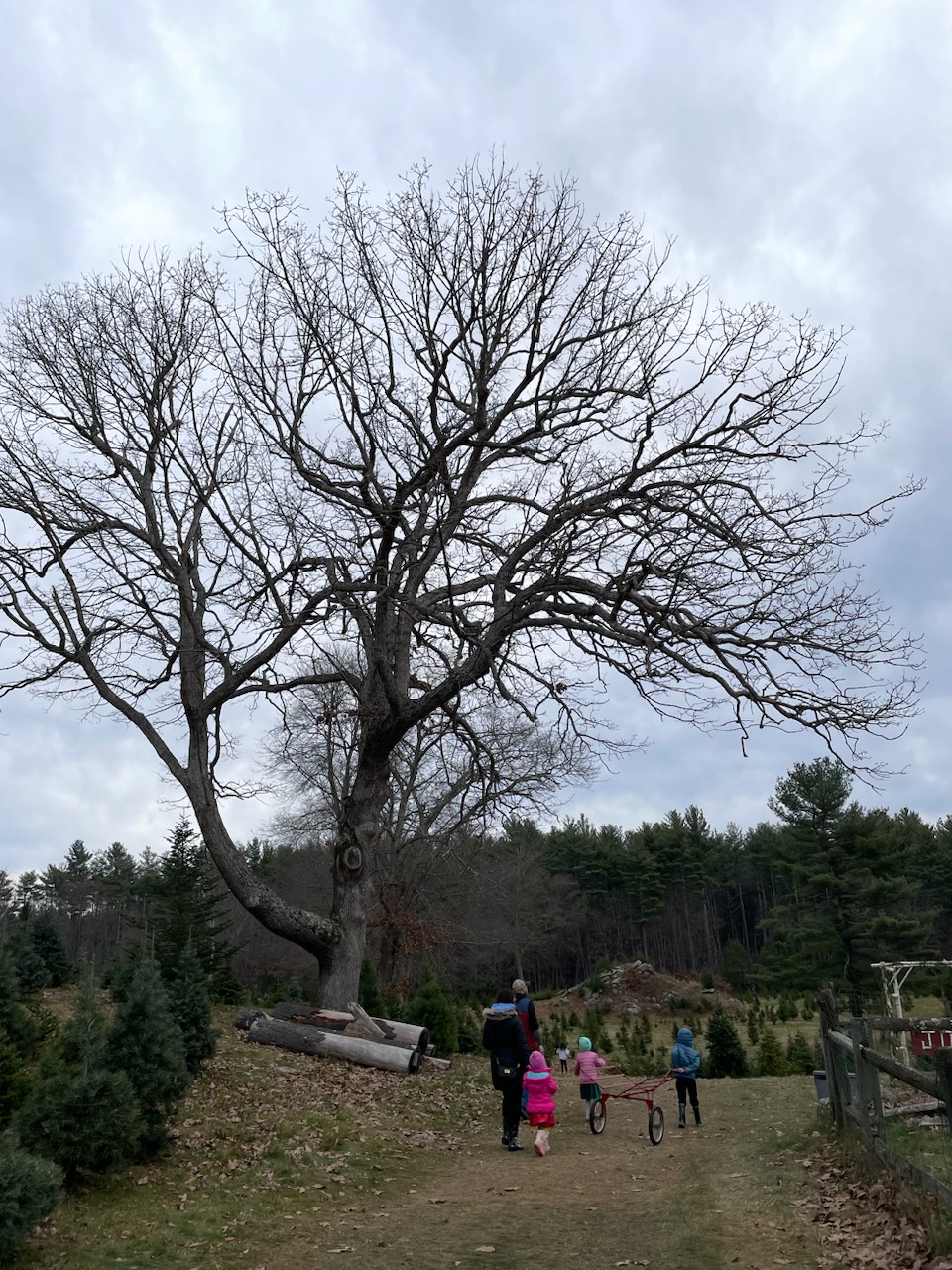
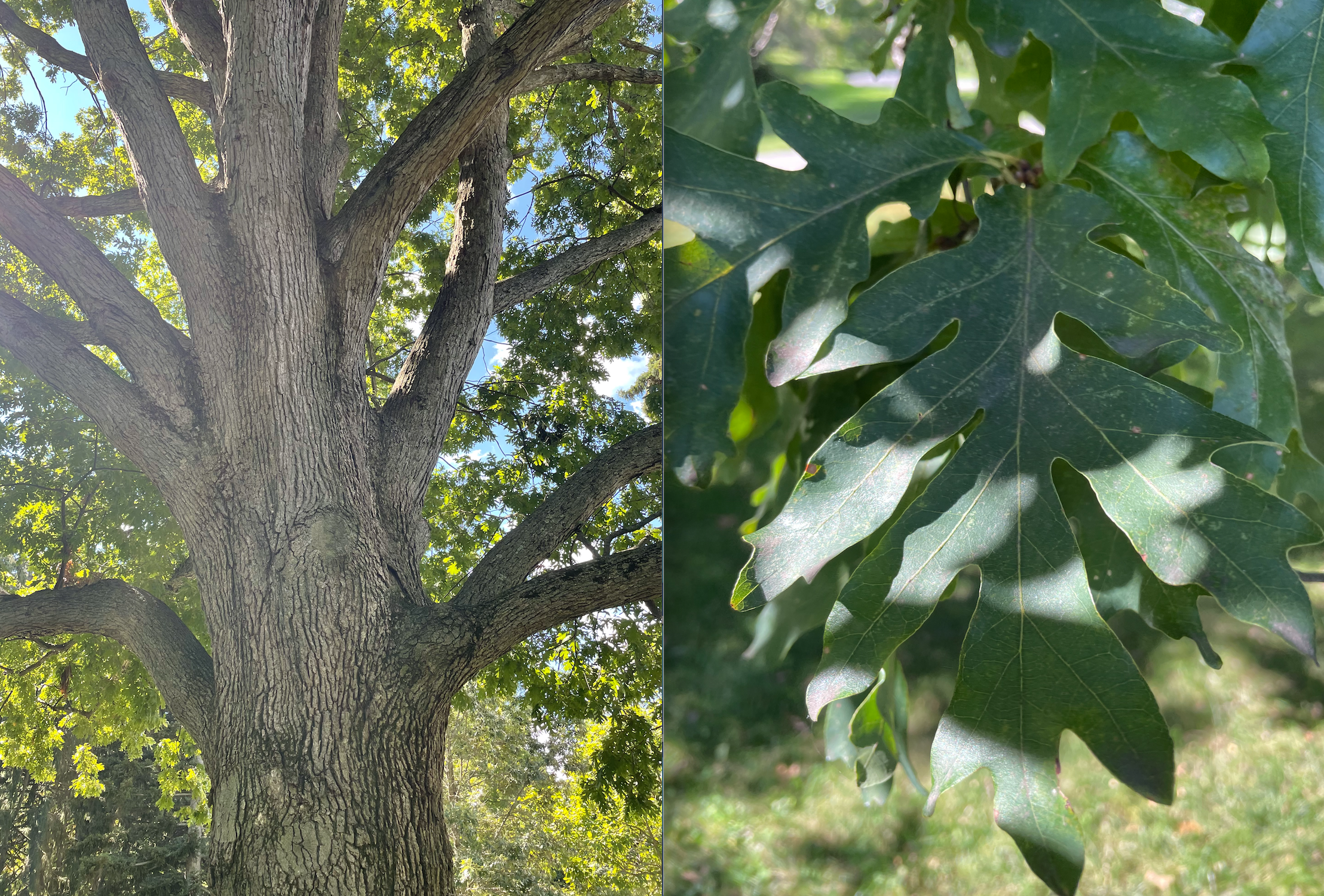
But still, less corny than some places. There is real atmosphere under the lowering skies. A mammoth white oak muscling up over it all.

A pond, beyond.

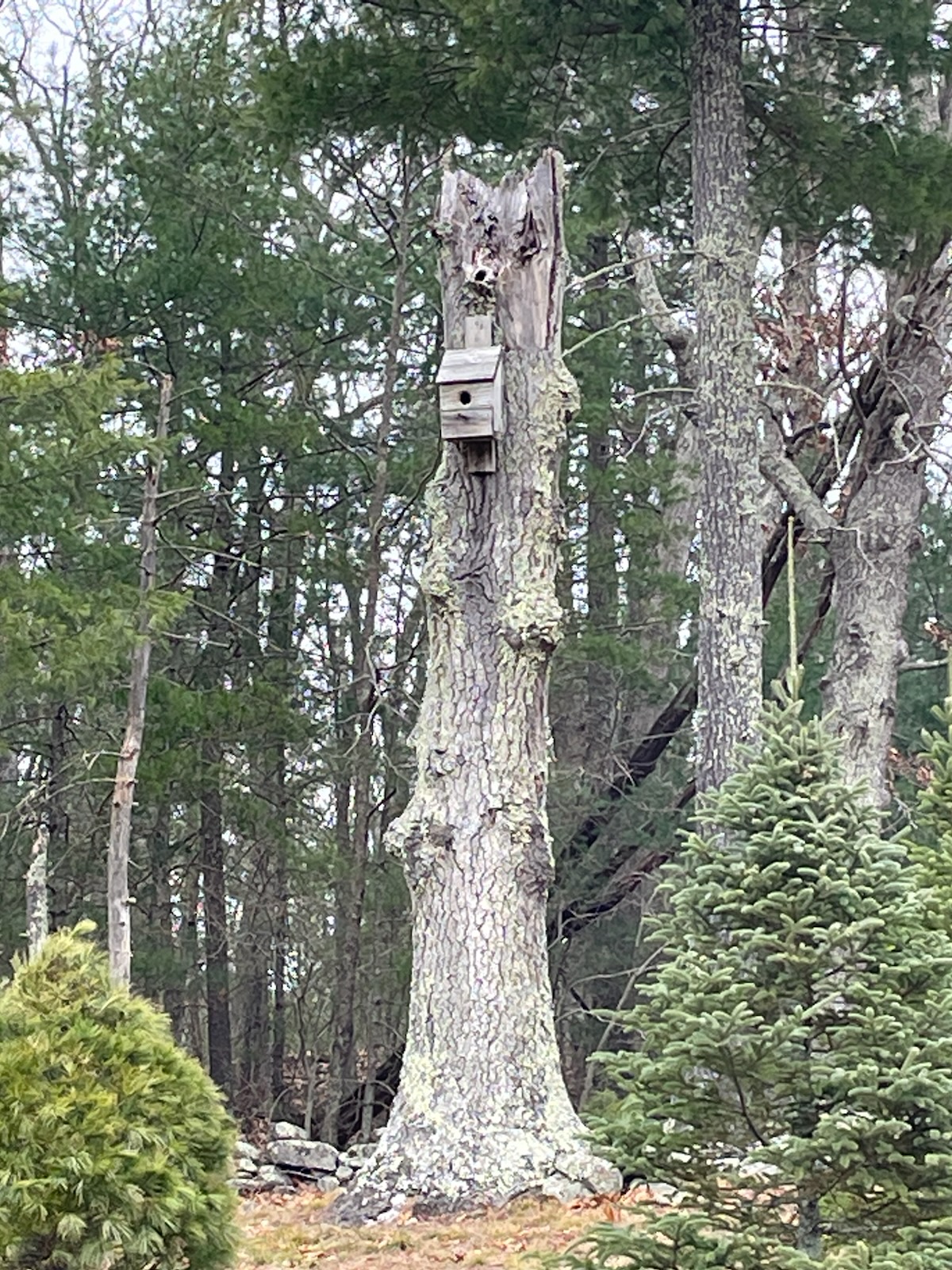
A nifty bird house.

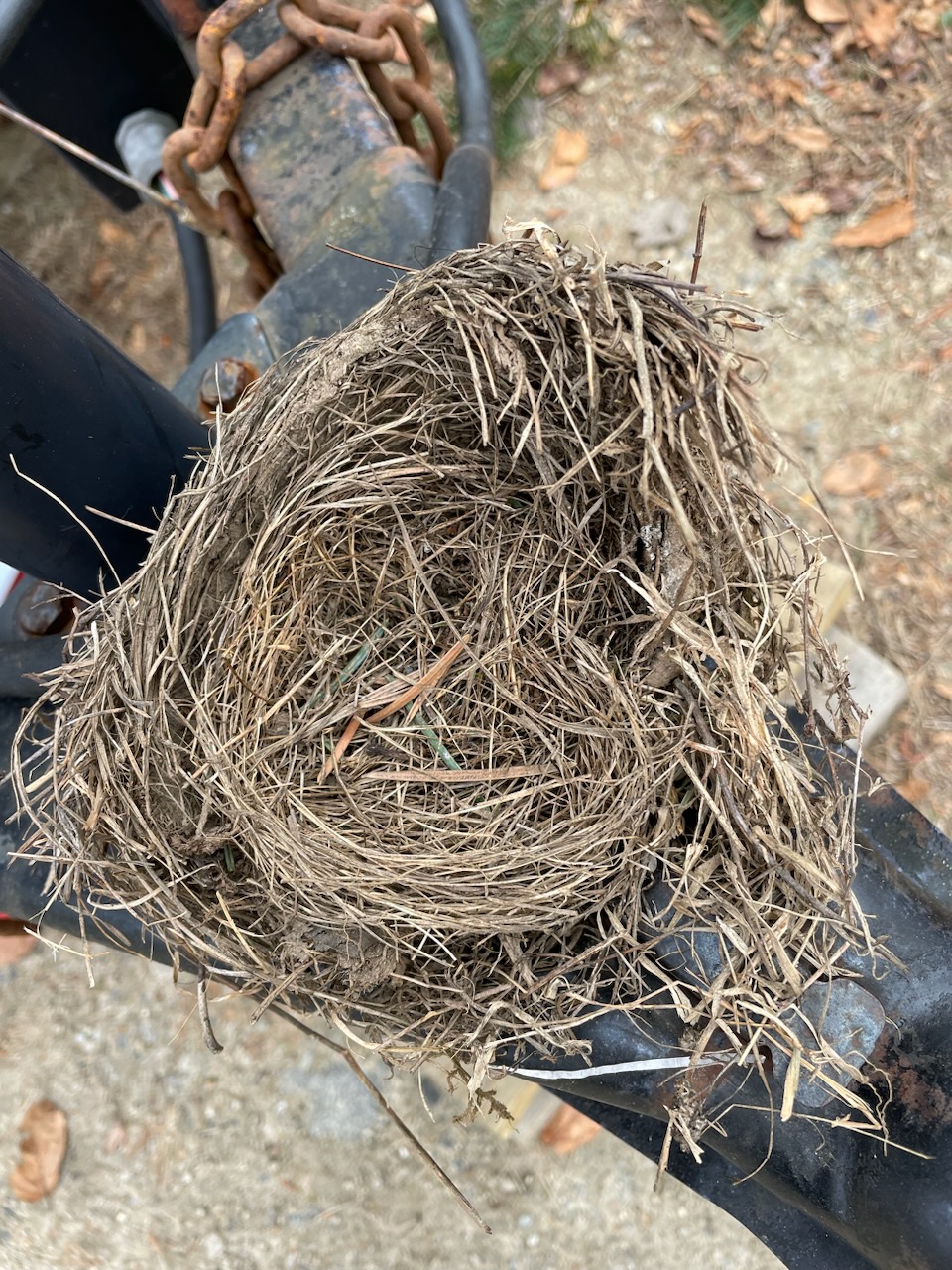
A bird’s nest someone saved, displayed on a perfect spot, a trailer hitch.

A warming fire where you can chow down on your turkey sandwich picnic. Mulled cider, bourbon optional.

A very nice young couple with a very nice couple of dogs.

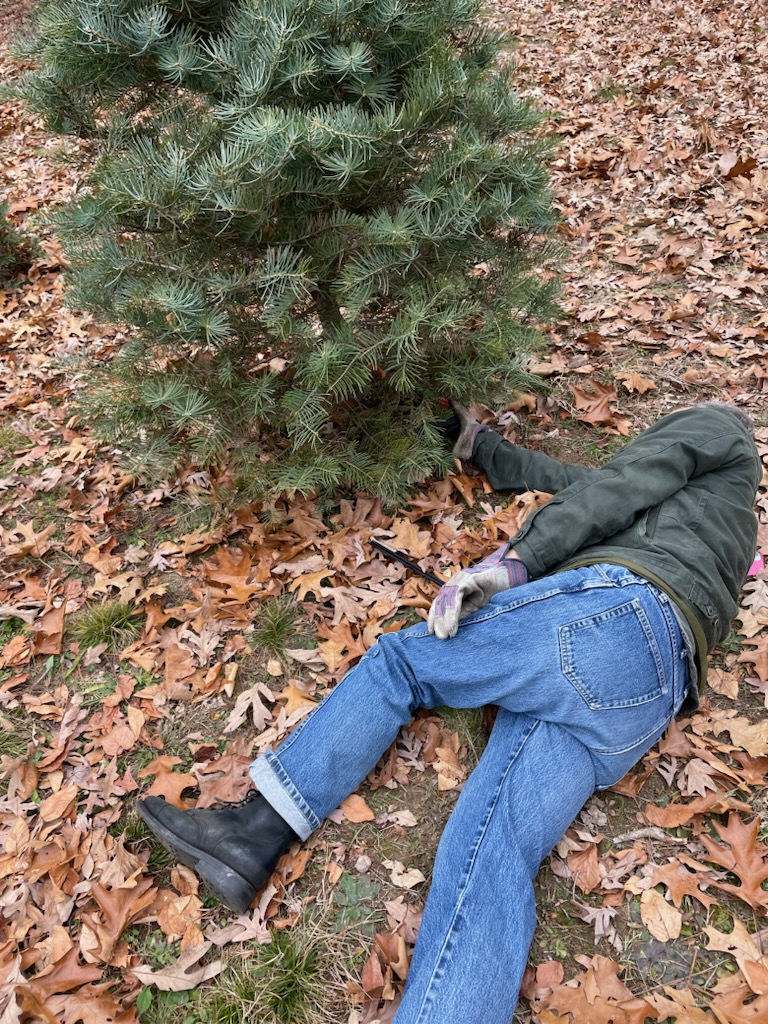
Oh, wait, they’re the ones we’re meeting here! Maud and Dan. Gus and Ottie. Excellent. Saws for all.

When your tree is small you only need to take one or two rest breaks while cutting it. Easy for me to say.

Inhale.

As if that’s not enough corn, a trip to Vaillancourt in Sutton, the long-time, globally celebrated designer of snazzy ornaments, shipped all over the world. The store is also a museum and a workshop where little old ladies paint Santa’s and snowmen and Christmas trees as if their livelihoods depended upon it. Which they do. Mr. Vaillancourt happened to be giving a presentation and he spoke about an employee who decided to call it quits at the age of 85. He said to her, Why are you retiring so early?

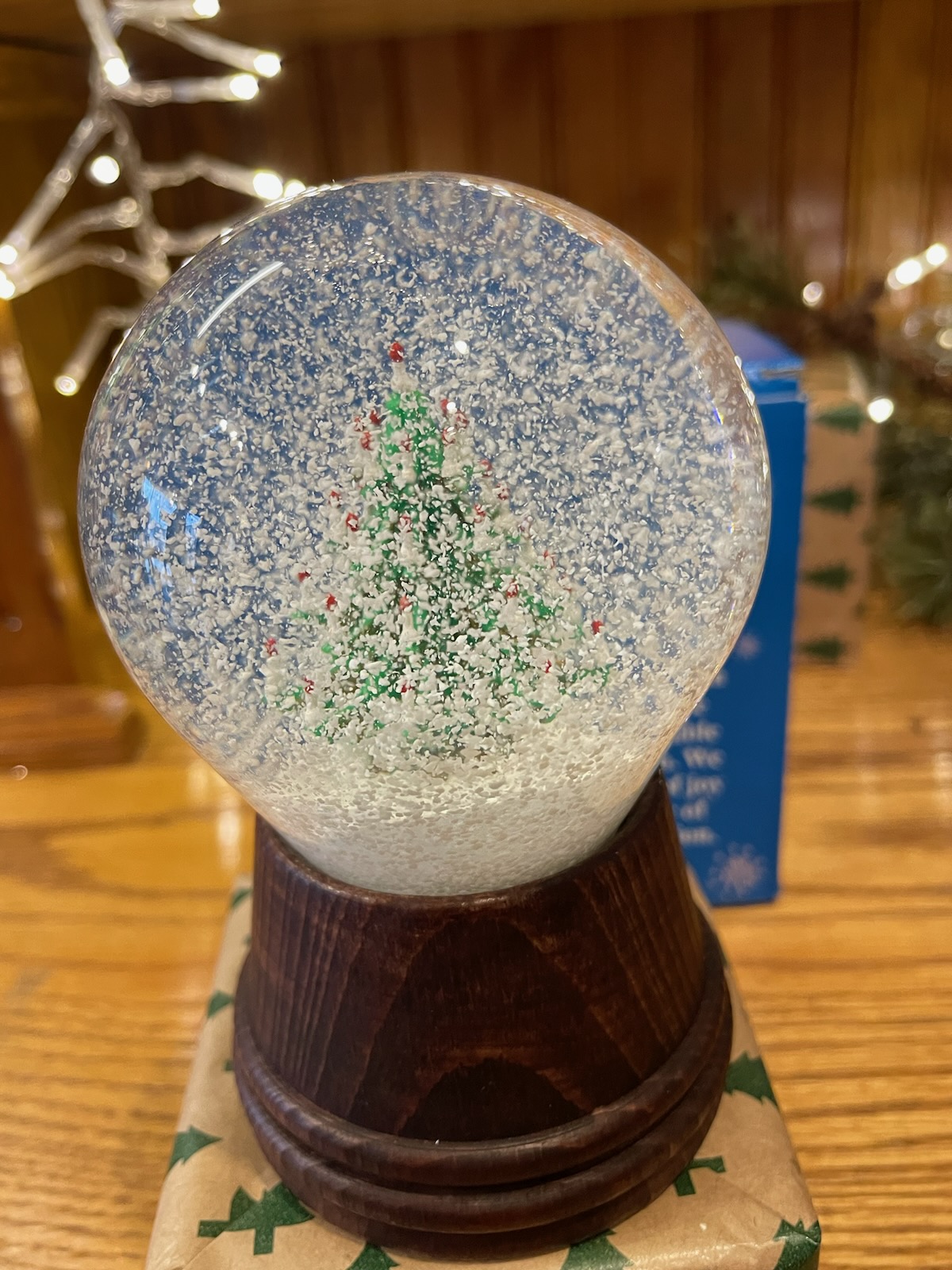
Snow globes galore. I’ve been dreaming about how I’d like to move into a cozy snow globe, shut out the world, perhaps with a fire and a couple of puppies and guests I like. A private life of magic.

Hard to figure which are the most amazing.

Sometimes spooky items for sale here.

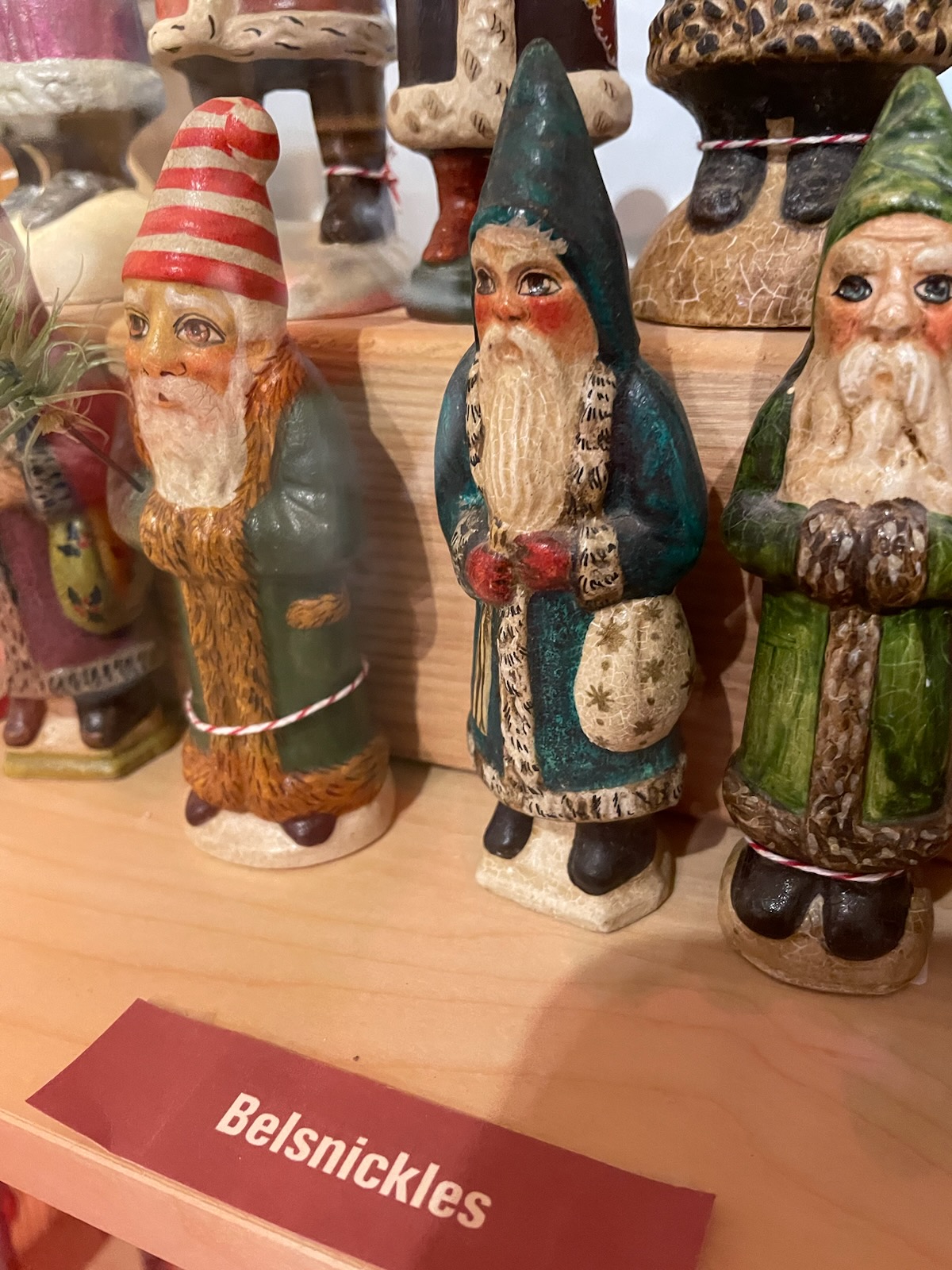
Plenty of Belsnickles, anyway.

All I know is that at 100 or more dollars a handcrafted trinket they are too precious and too rich for my blood.

The rain held off until the long highway slog home. Would be nice to have some of that Buffalo Bang right about now. Time to shake out the tree, throw on the lights, string cranberries. We’ll make our own corn at home.

1 Comment

Filed under Jean Zimmerman

Bald eagle on the turnpike this morning

swooping up into the crown of a tree. Omen, sign, portent?

I believe in marvels, antithetical as such ideas might be in our modern rational age.

There is always a new unravelling of old mysteries. Naturalists have just come to the realization that prehistoric mastodons brought the honey locust with them to West Virginia 10,000 years ago.

Being partial to both grazing mastodons and spiky honey locusts, I am happy that the connection has at last been made.

I visited Bainbridge Island, floating just off the coast of Washington State, when I spent time in Seattle this past week. Bainbridge is a place of mysteries, the center of Suquamish Ancestral Territory, peopled for thousands of years and rich in archaeological sites. Made a pilgrimage to Fay Bainbridge beach, a place overlooking Puget Sound where thousands of bare, huge driftwood logs have washed up on the shore. Where do they come from? Why here? You need to pick your way over them as you make your way to the surf, they are so thick across the sand.

The eminently quotable Thoreau: We often love to think now of the life of men on beaches, at least in midsummer, when the weather is serene; their sunny lives on the sand, amid the beach-grass and bayberries, their companion a cow, their wealth a jag of driftwood or a few beach plums, and their music the surf and the peep of the beech-bird.

In the old times this place was called Salagwep, base of spit where butt end of trees are lying. Other parts of Bainbridge had different names: Xwadzus, Sharp face, or Daxkdsaxb, Place where water gets jumping, or Yeboalt, Fighter’s home where north and south winds tussle.

Even in the cold weather, now, in November, the jag of driftwood speaks. There are some telephone poles here also, obviously thinking they belong among the imperfect tree trunks. Someone has built a fortress, a home, a gathering place. Simple and ingenious.

In Danish the expression is hygge, meaning a cozy quality that makes a person feel content and comfortable. During the long, dark winters when Danes retreat inside their homes, hygge is what brings a sense of comfort and joy. Same in Norway, except there they call it koselig.

(Knowing a little about Scandinavian habits, I have a feeling it usually involves strong coffee also). Hygge usually refers to an indoor environment, but I think the structure at Fay Bainbridge is also a place of succor, the beach-y equivalent. A shelter from the storm for whoever built it or whoever came after and hung out here.

Dylan:

I was burned out from exhaustion, buried in the hail
Poisoned in the bushes an’ blown out on the trail
Hunted like a crocodile, ravaged in the corn
Come in, she said
I’ll give ya shelter from the storm
.

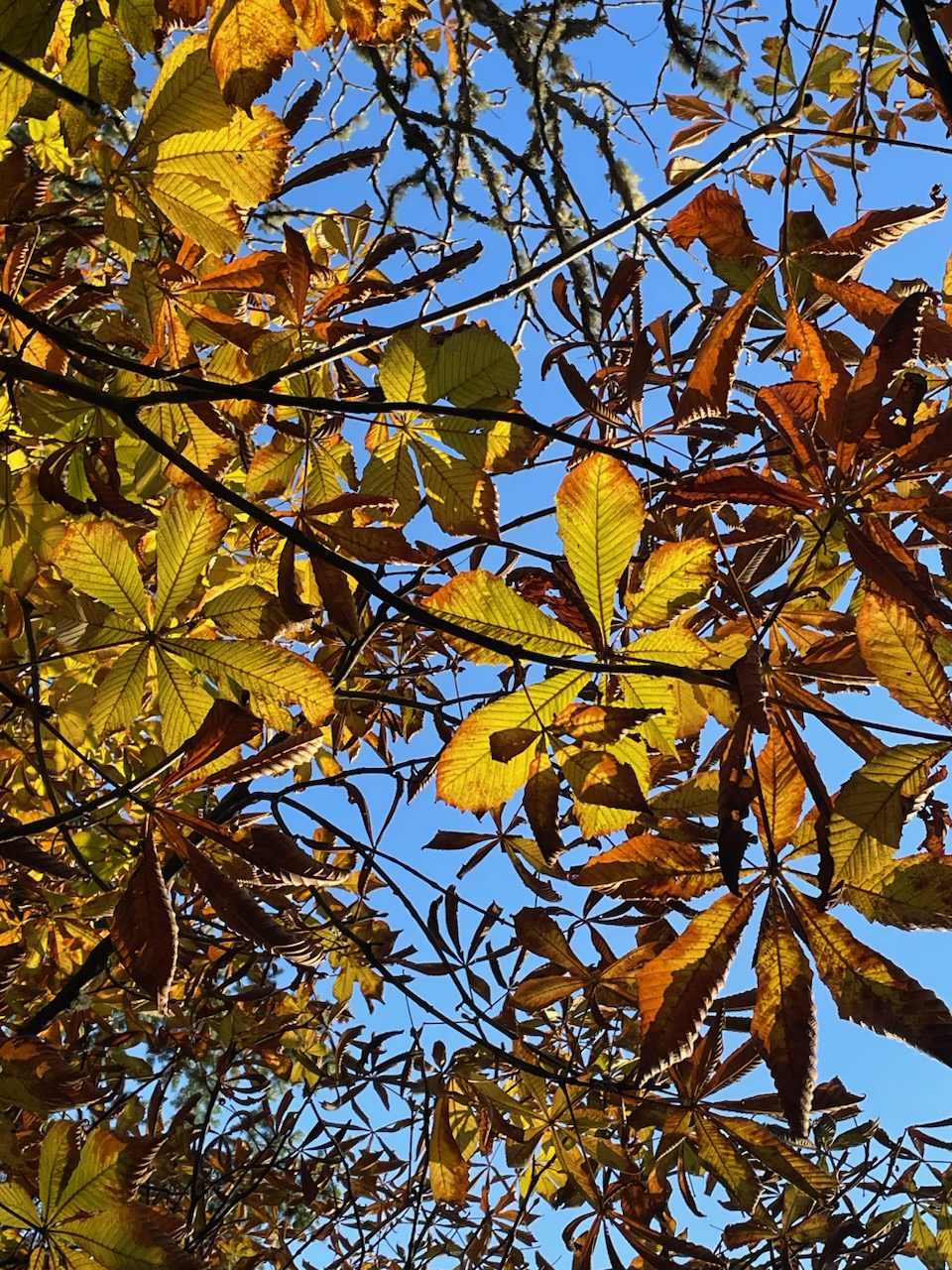
Elsewhere on Bainbridge, horse chestnut leaves hold the autumn light.

Mysteries. No one is here. Even a bit of plant fluff can appear miraculous atop a human hand.

A puff of breath in the cold air can seem miraculous. So can someone sighing in their sleep. The miracle of Klimt.

What is he dreaming? It can only be good. I wonder sometimes, do I sigh in my sleep? I don’t think so. I sleep like a rock, when I sleep at all. I take my dreams in the daytime, thank you very much.

Returning from Bainbridge, we see Mount Rainier rising in the distance. It looked the same to ancient eyes.

But what did the sight of a snowy, iconic mountain on a clear, crisp day such as this portend? We can only imagine.

At Ellis island, touring the measles ward, one person said he was sure he was tapped on the shoulder by an unseen presence. Another guest said she smelled chocolate in a room where no one had been for 100 years. What do these occurrences signify? Are they portents?

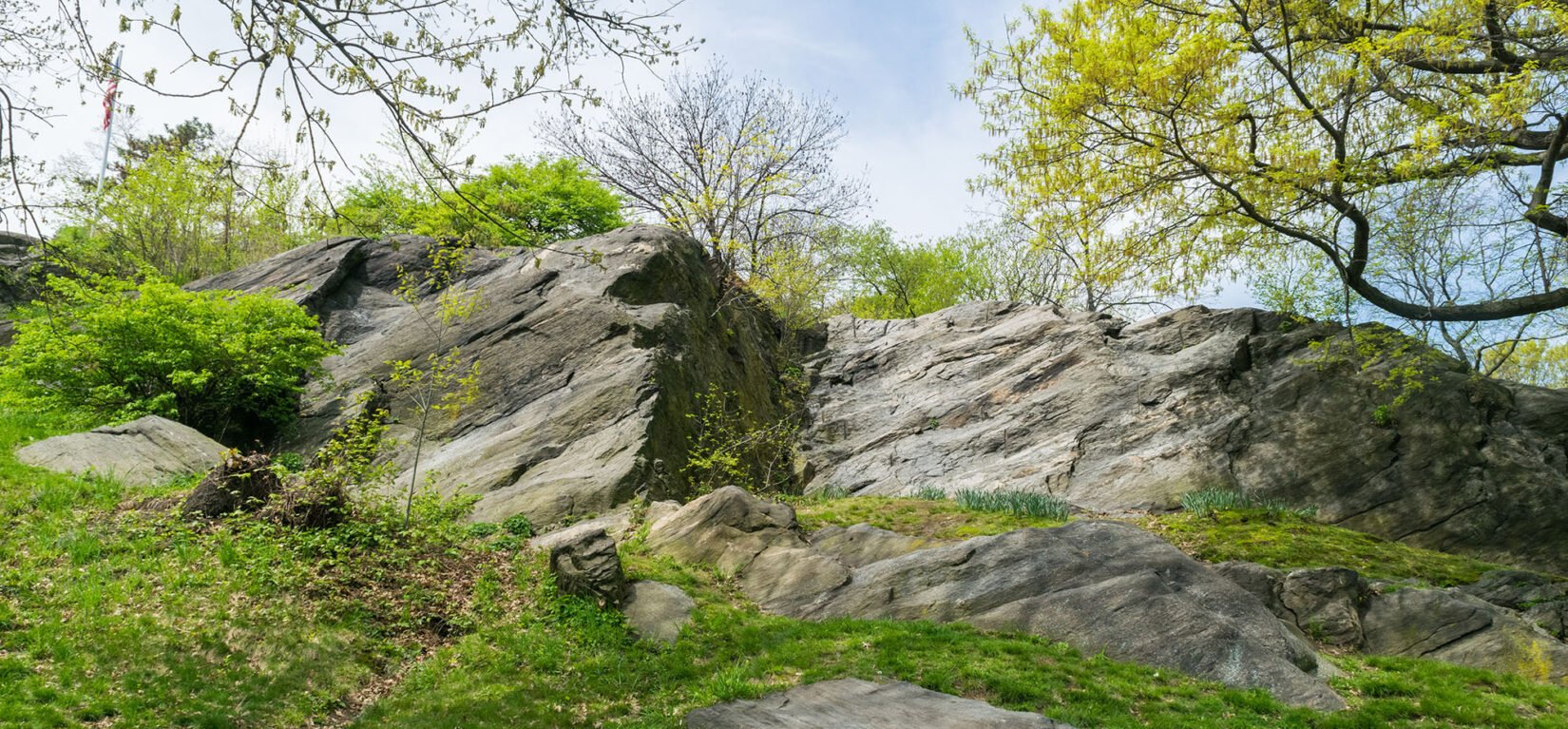
If you listen, things speak to you. Today, I heard my grandmother’s voice. She hasn’t been alive for 30 years. Yes, it was all in my mind. That didn’t make it unreal. She told me to re-read Ulysses, by James Joyce, her now-tattered copy, bought as a first edition in Paris a century ago. She was so smart – she came from nothing, and wound up living well on New York City’s Upper West Side. I remember climbing on the big Manhattan schist boulders across Central Park West. You could see them from her window.

The rocks, were they signposts? Central Park would be an integral part of my life eventually. Did those rocks speak to me even then?

There are marvels wherever you look. Sometimes they’re audible. Don’t we always find signs in songs?

When Ella scat-warbles Chelsea Bridge, does it send a shiver down your spine? Is it a sign? Is it important? It’s mysterious. Or, if you prefer, Leon Russell singing Tightrope.

The wire seems to be
The only place for me
A comedy of errors and I’m falling
Like a rubber-neck giraffe
You look into my past
Well maybe you’re just too blind to see

 I loved it when someone once told me I had a musical soul. But doesn’t everybody have a musical soul? It’s just the music that differs. For me, When Something Is Wrong With My Baby, the duet sung by Otis Redding and Carla Thomas. Incomparable. Doesn’t that just wring your heart out? Or Julia, by The Flatlanders, also referencing a circus, a different kind.

Night wind blows
Stars above the blue
Heaven knows
Only love will do

Or do you prefer Do You Realize, by The Flaming Lips – Do you realize/That you have the most beautiful face? Or, of course, Smokey Robinson, Ooh, Baby Baby. The Miracles, indeed. The Beach Boys, that big whomp of a single drum beat at the beginning of Wouldn’t It Be Nice, what does it signify? Everything, I think. Or J.S. Bach, Concerto in D Minor.

Whatever music makes you both smile and cry. Listening to a transistor radio late at night as a child, under the sheets, so no one would know. Private. Secret. I want to hold your hand. Mysterious. Did I say secret?

The marvel of scent. The fragrance of wood smoke. Whatever smells hold magic, release magic.

I saw a newly released Polish film, EO, about a donkey, in which a circus performer memorably presses her smooth face against her donkey co-performer’s rough fur.

A very sad movie, very scary, but still something so magical about the animal’s eyes. Polish poetry.

A 16-year-old girl on my Ellis Island tour after peppering me with questions the whole time: I’m sorry for asking so many questions, but I just really want the answers! Yes, so do I, missy. When I was younger I thought of mysteries as things that must be solved. Something to get to the bottom of. Now…

I’ve always resonated to cabinets of curiosities, those neatly arranged treasures you find depicted in artwork of earlier centuries. Like the famous collection of one professor of medicine in Copenhagen, a studio stuffed with animals, plants and minerals and including both a crocodile and an armadillo.

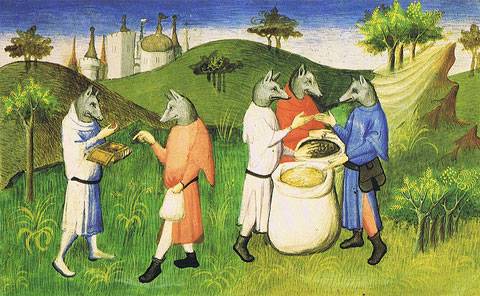
The sole purpose of the Wunderkammern was to elicit awe. The wondrous was a cult that combined “variety, whimsy, and extravagance “ in the description of one of my favorite books, Wonders and the Order of Nature 1150-1750, by Lorraine Daston and Katharine Park. Unicorn horns (really narwhal tusks) and griffin claws (bison horns) were prized along with nautilus shells and sharks’ teeth. Churches suspended giant eggs, teeth and bones from their vaults to prompt admirationem. Folks also believed in exotic human races, including the Cynocephali, dog-headed inhabitants of the Andaman Islands.

Debate existed about whether they were civilized and rational or cruel cannibals who preferred the meat of strangers raw and highly spiced.

Marvels, wherever you look. From bald eagles to dog-faced humans to hovering pink clouds.

Another ho-hum sunset over the Palisades just across from my home. A talisman of… you tell me.
3 Comments

Filed under Jean Zimmerman

Melancholy and rapture

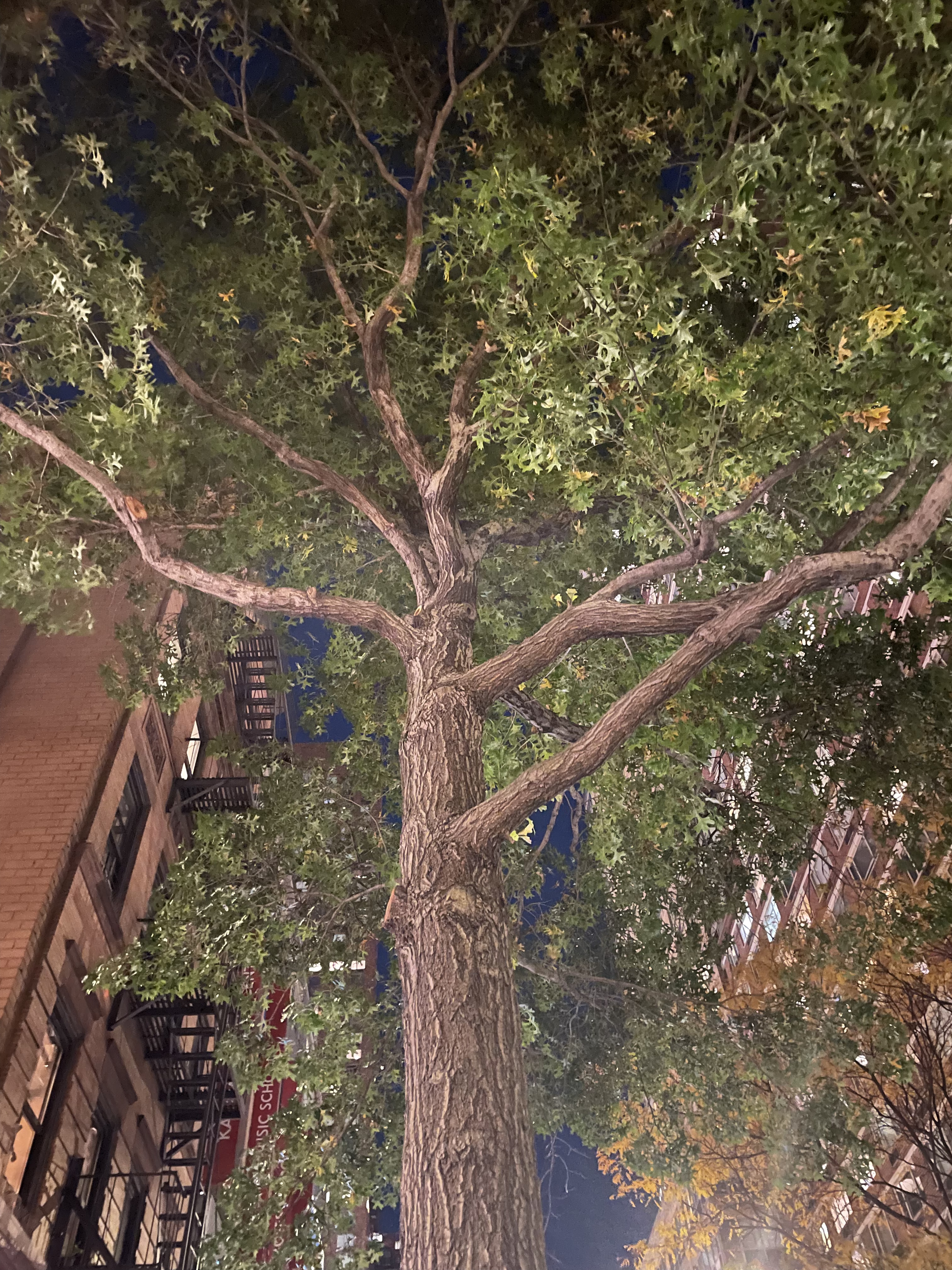
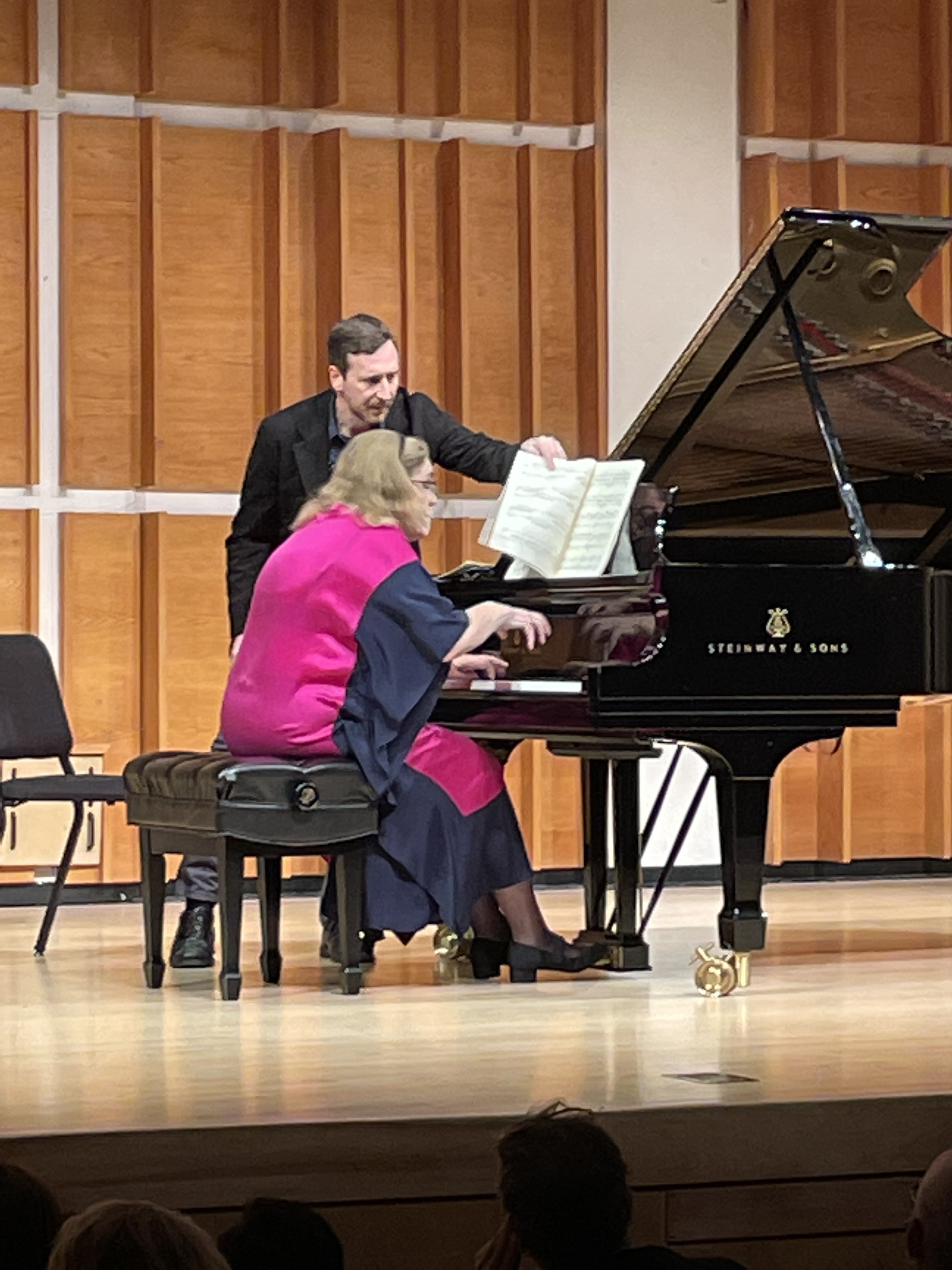
would be pretty good words to characterize the music I heard recently, performed by my friend pianist Beth Levin at Merkin Hall in Manhattan. Outside the concert venue, pin oaks held tight to their leaves in the autumn gloaming.

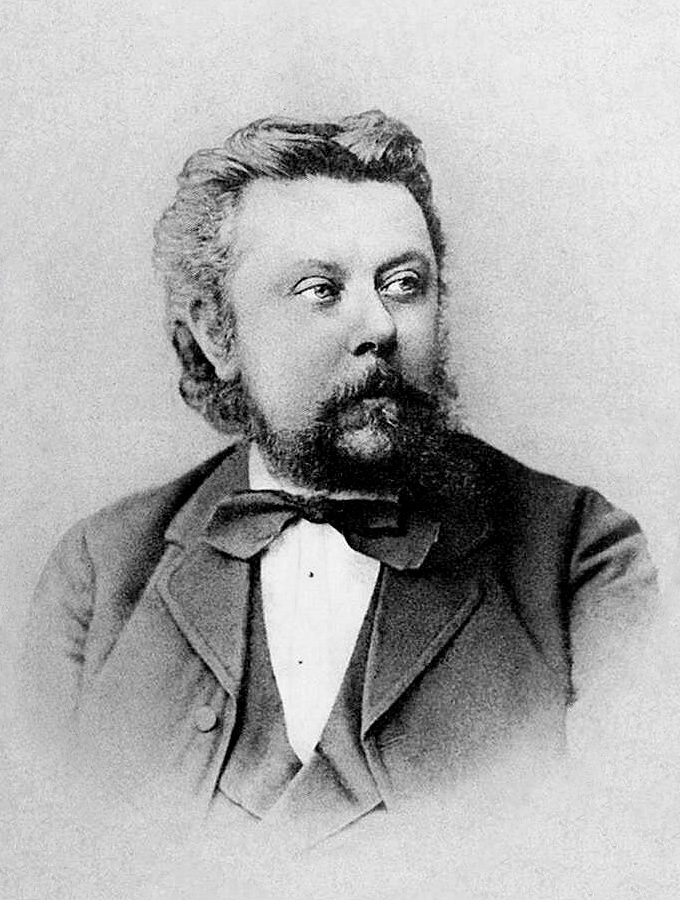
The piece Beth played, Pictures at an Exhibition, by Modest Petrovich Mussorgsky, has stayed with me. The composer was a product of the Russian nationalist movement of the late nineteenth century, but remains fresh today.
Beth’s self effacement in person is matched by her thunder as a performer.

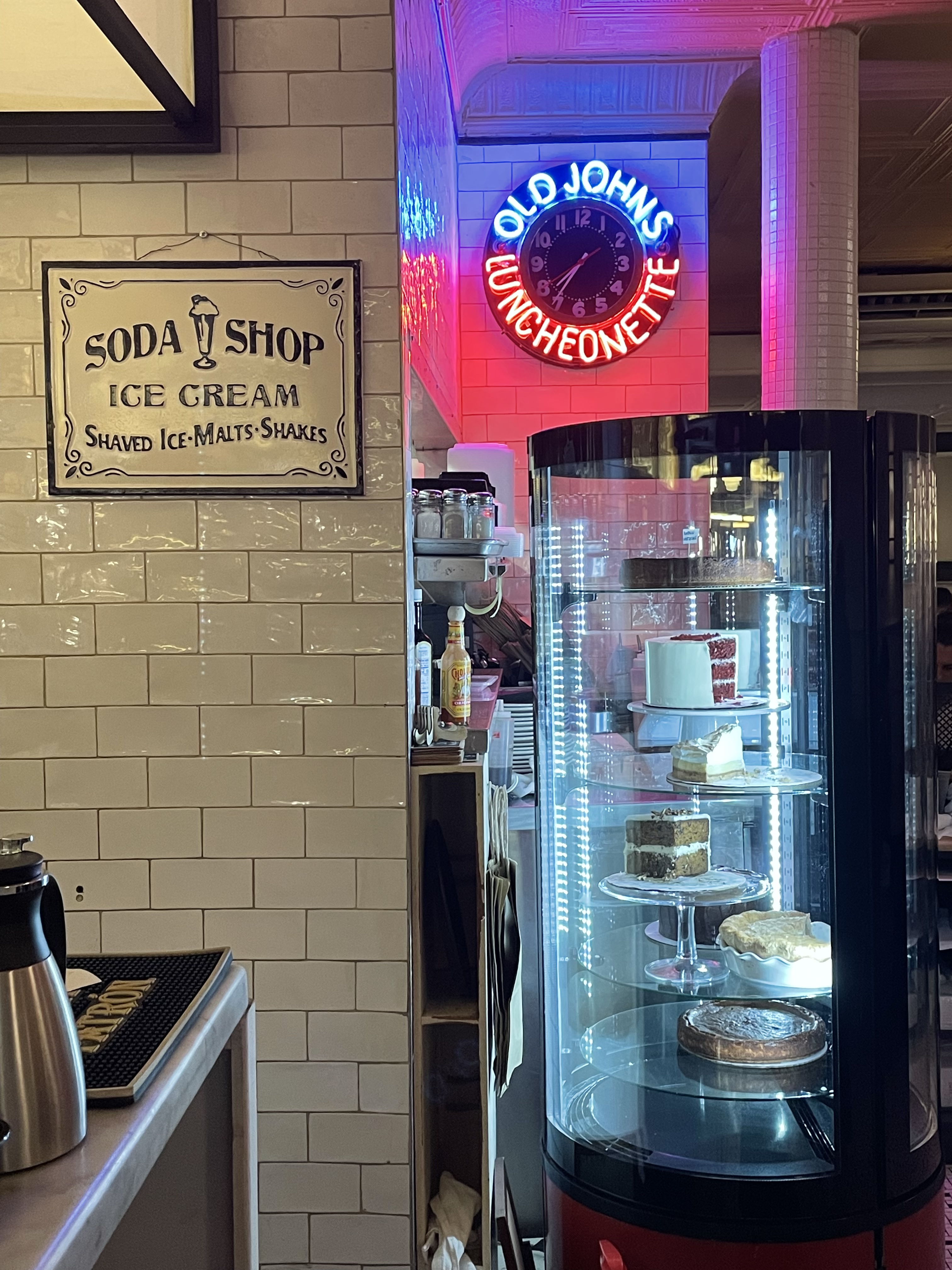
We treated ourselves to dessert beforehand at the classic New York diner Old John’s Luncheonette, across West 67th Street.

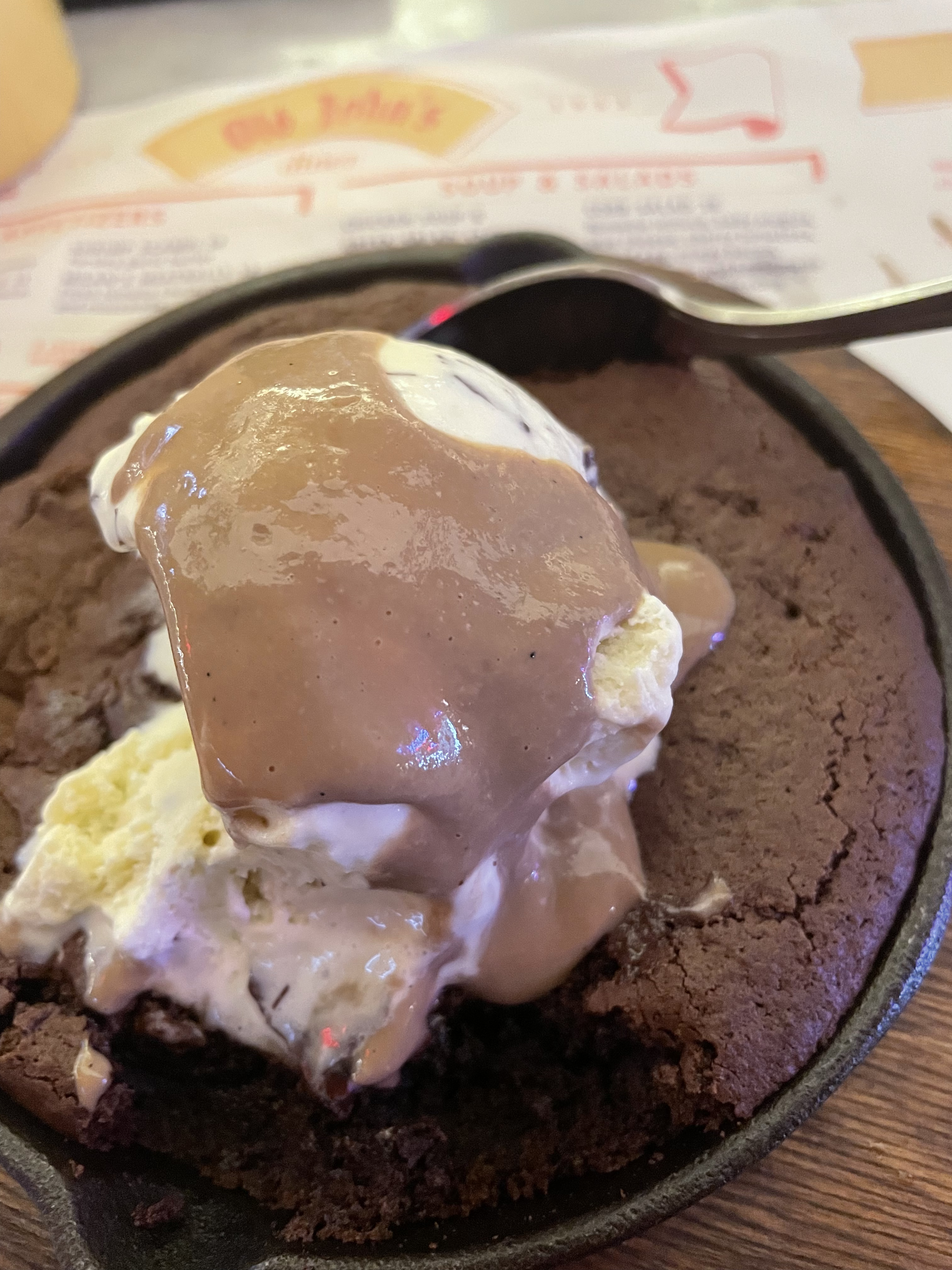
Good place to go if you want a Broadway mojito (rum, muddled lime, mint, soda), or a brief Prossecco, or a ginger ale, or “momma’s meat loaf.” Or, more my speed, a warm brownie with fresh mint chocolate chip ice cream and mocha crème anglais.

These days I mainly consume rabbit food. Maybe the ice cream qualified, it was in fact made with fresh mint and so tasted a little medicinal, though scrumptious with a brownie right out of the oven.

The ticket-taking usher on being told we had pie: Pie is always a good thing.

Yes, and so is Pictures at an Exhibition. Mussorgsky wrote it to honor his friend Viktor Hartmann after the artist’s unexpected death from a brain aneurism in 1873 at the age of 39.

The suite of ten short pieces was inspired by a postmortem exhibit mounted in St. Petersburg of Hartmann’s work, with the central conceit of promenading past the different works of art. As interpreted by the solo piano version it is both intimate and grand – and incredibly difficult, requiring stamina as well as passion. Beth has both in spades.

Walking in the quiet of a fall afternoon, thinking back to this haunting elegy, one creative person pouring out his soul to another.

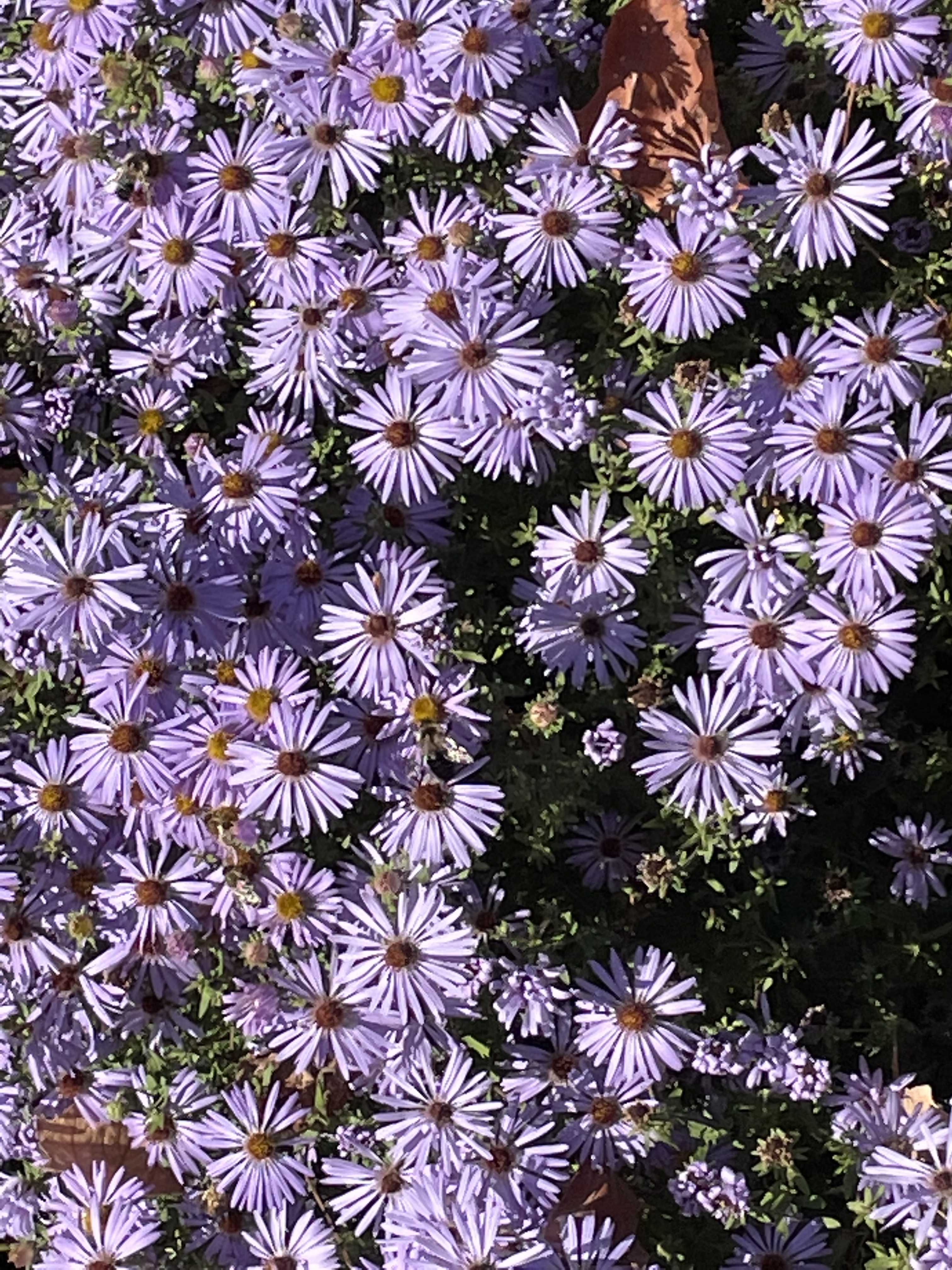
In fall, the melancholy that is always with us as humans seems pronounced. How do you capture the feeling in art? In music? In fall the flowers keep coming.

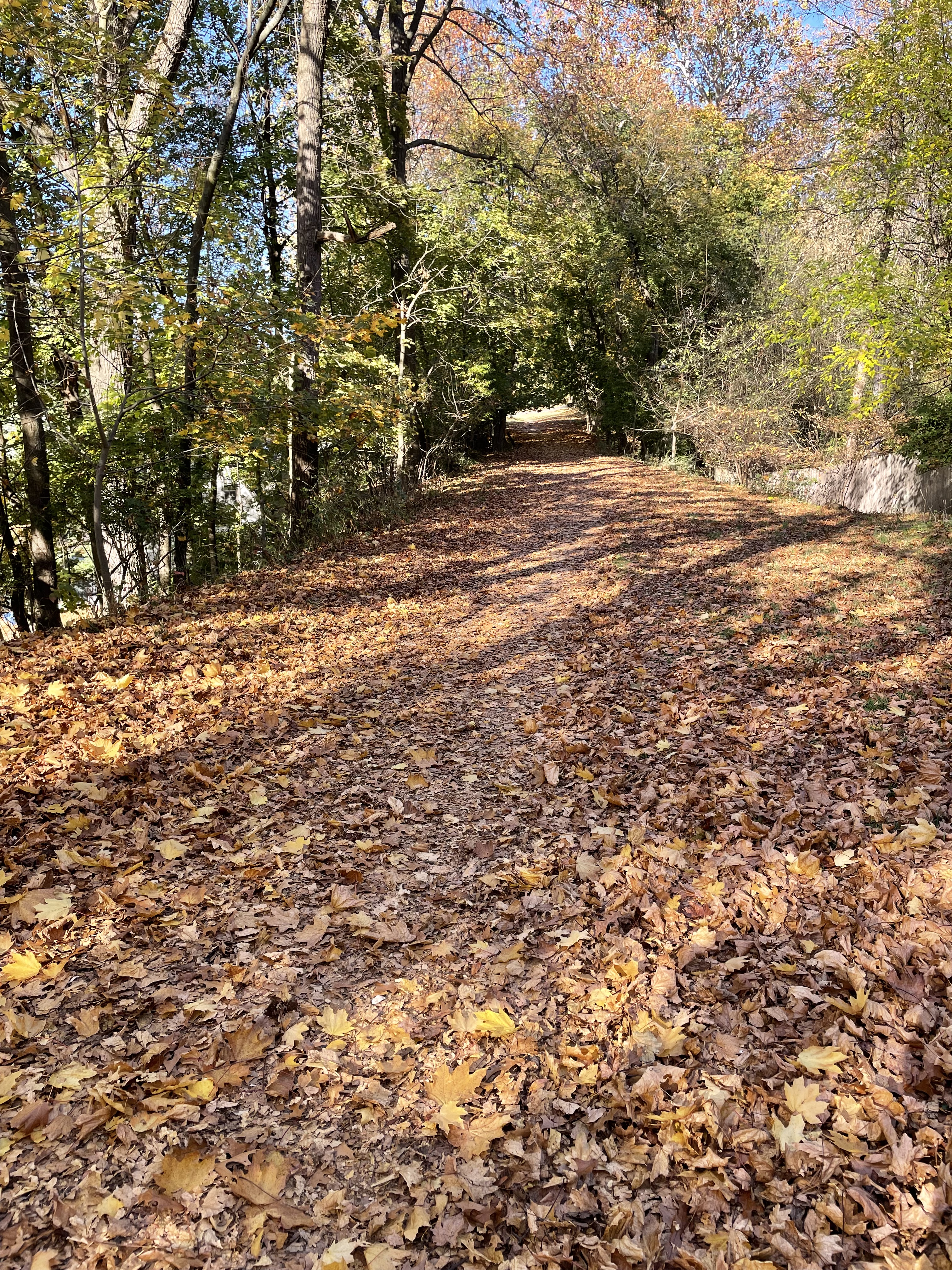
Will this beauty never stop? I stalk a black squirrel around the trunk of a big black locust. The sound your shoes make sloshing through crisp autumn drifts.

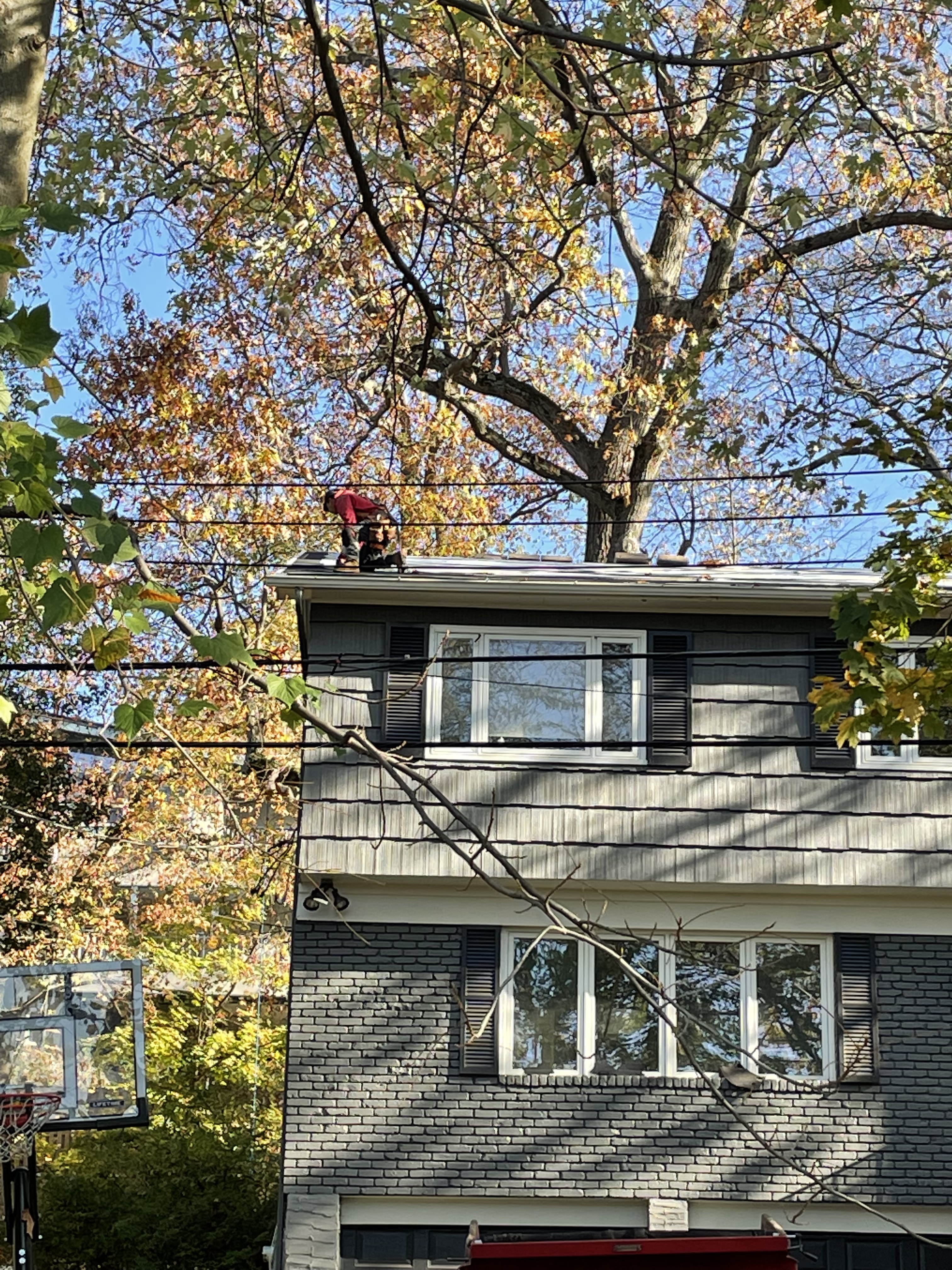
The sound of hammering just off the trail — workmen snugging down a roof before winter comes.

Plantanus offers its astonishing platter-size leaves.

One of the most affecting passages in Pictures is “The Ballet of the Unhatched Chicks in Their Shells,” and it’s also one of the few extant pieces of art on which Mussorgsky based his music, a watercolor featuring costumes for a children’s production.

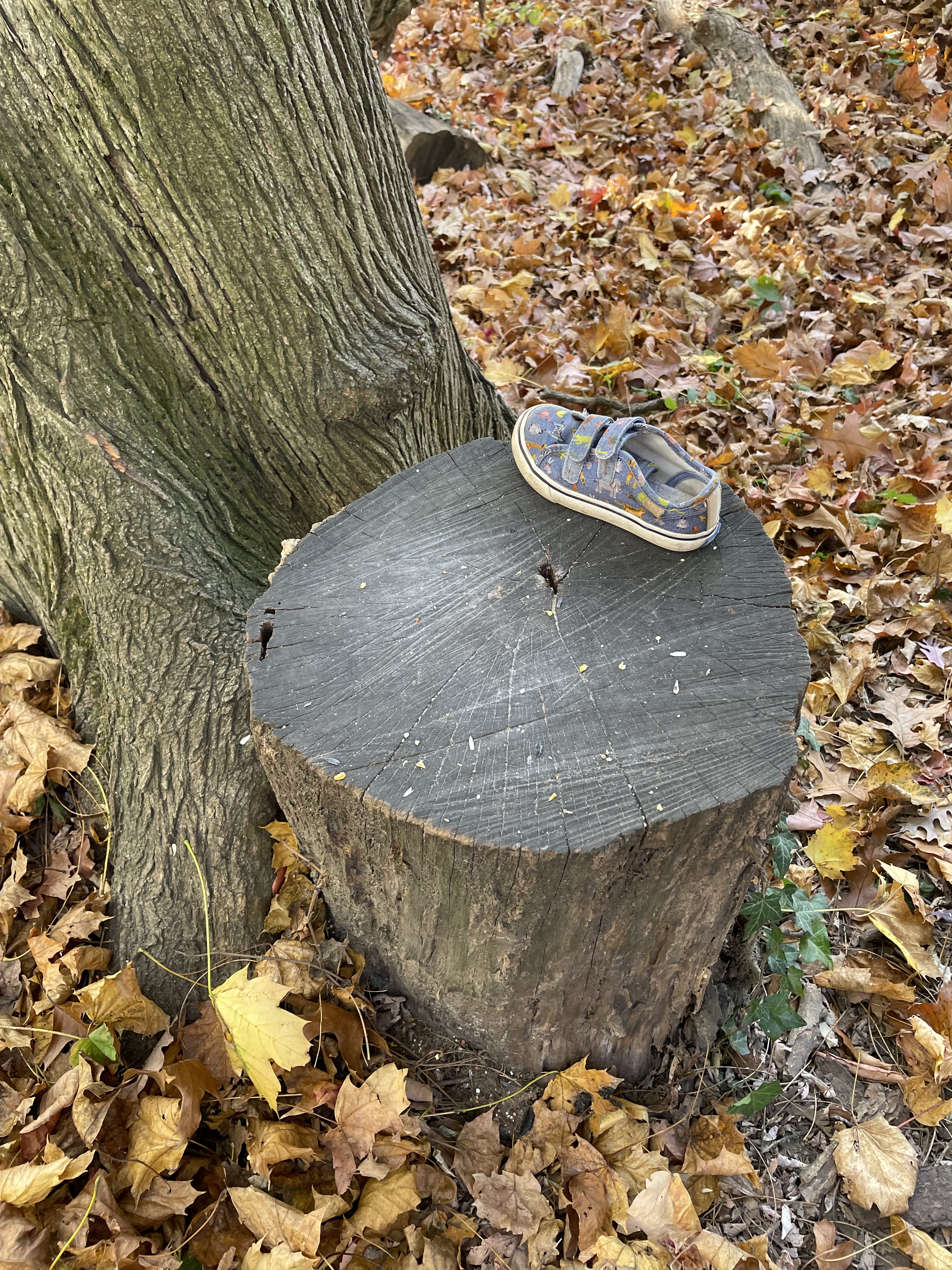
The things you come across as you promenade. A child’s lost shoe.

Hemingway, it is said, once wrote a six-word story on a bet: “For sale: baby shoes, never worn.” A writer who knew a little bit about melancholy.

Mussorgsky ventures into the Catacombs of Paris after his friend’s dark and umbrous painting.

He wrote in the score: “The creative genius of the late Hartmann leads me to the skulls and apostrophizes them. The skulls begin to glow.” Sad, sadder, saddest. In fall we think about friends we’ve lost too young. How happy we were.

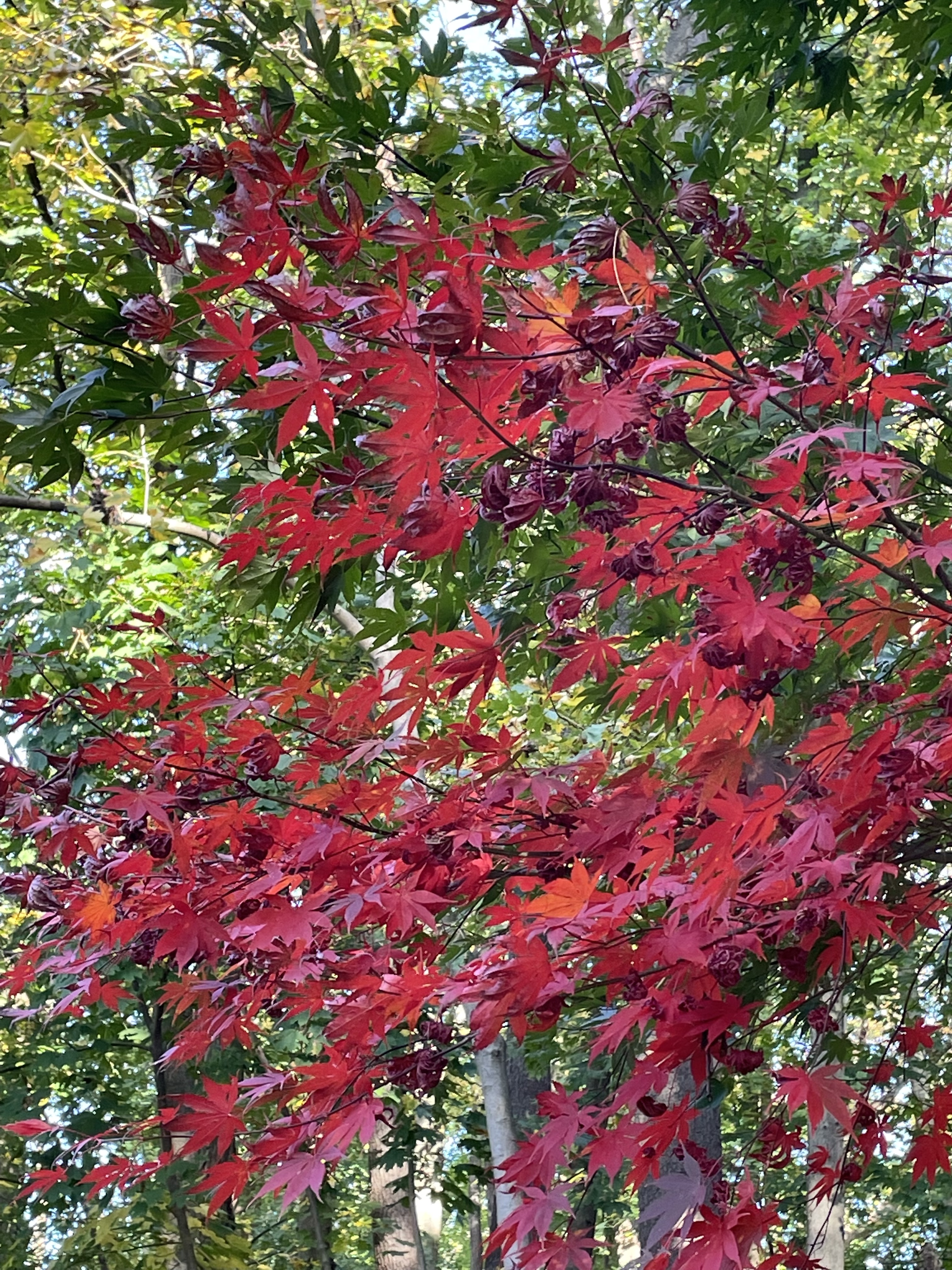
Winnowing down storage, coming across journals I kept as a much younger woman, replete with both melancholy and rapture in gouts that are so great as to be embarrassing. I remember feeling euphoria at the sight of a plate of ripe sliced tomatoes on a diner counter. Today, the red heartbeat of the Japanese maple.

Only connect, from E.M. Forster, served as my adolescent mantra. If you had told me at 24 I would be still connecting as a writer I think I’d be hornswalloped.

Mussorgsky never heard Pictures performed – he died six years after composing it at age 42, almost as young as his friend Hartmann. The piece would have faded from the culture entirely if it hadn’t been orchestrated in 1922 by Maurice Ravel. Beauty is Truth, Truth beauty. Keats’ perfect adage, always relevant. I meet the my new favorite cocker spaniel on the trail, Pepper. A little melancholic herself. She wouldn’t be bothered with me, but why should she be?

Scraps of saved letters surface in dusty boxes. Missives from Maud as an itty bitty.

Promenade past pictures, promenade past trees. Birches glowing in the autumn sun, bright as skulls.

As long as you make sure to promenade. Wherever you’re likely to find melancholy and rapture.

Intertwined.

Leave a comment

Filed under Jean Zimmerman

Do you like dead trees? I do

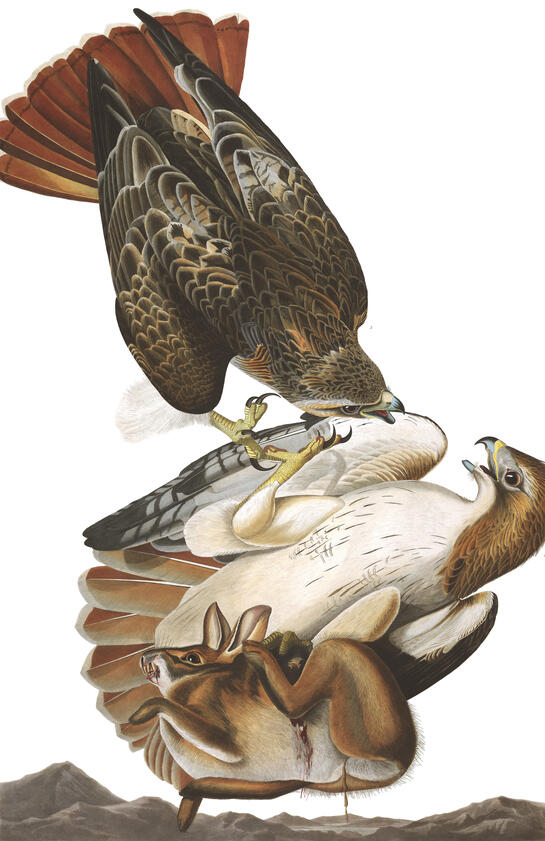
and especially, it seems, when they stand sentinel along the New Jersey Turnpike. Every day I see a big old hawk on a big old tree along the highway. The perfect spot for waiting to catch your supper. Vision is the art of seeing what is invisible to others. Jonathan Swift said that.

When I first started working as an arborist, I felt all the trees along the road should be alive and magnificent, and I was almost offended if I saw a bare branch sticking up out of the canopy.

Now I know that trees cope with their living conditions in different ways. Cladoptosis is the process by which trees shed their branches or “self-prune” as part of their normal physiology or in response to stress. All large trees will have some dead branches, it’s part of their life cycle. There’s even a phenomenon known as Sudden Branch Drop, first identified in 1882 by a botanist named Kellogg, who wrote of trees “said to burst with a loud explosion, and strong limbs…(which) unexpectedly crash down, the fracture disclosing not the least cause of weakness.” Of course when you drive along the highway you might be seeing the effects of emerald ash borer or beech leaf disease, two current scourges of the forest. Not good.

But sometimes in nature death and life intertwine, as is the case with one of my favorite phenomenons, the manzanita, grey and red braided together as the plant grows.

Hawks’ habit of perching perfectly still, making use of those bare branches, impresses me. They are doing anything but nothing. It’s so hard to maintain that kind of patience. I’ve observed it also with seagulls that hang out on the secret bridge at Ellis Island.

Sometimes as I drive across a gull will fly over with a crab, but they usually just pose with drops of harbor water hanging from their beaks. They are intensely focused, gazing out with that reptilian look they have, waiting, waiting.

It’s hard to be patient. The gulls and hawks teach us that patience is an art. It takes a lot of time to be a genius. You have to sit around so much, doing nothing, really doing nothing. So said Gertrude Stein. Hard to stay waiting for someone to return.

Waiting to consume the pie until it cools from the oven. Waiting for the soup dumplings to cool so you won’t burn your tongue on the delectable broth inside.

Waiting for the coffee to brew. For beauty to unfurl.

For some special someone to smile. I feel that all the time on my tours, as I wait for a visitor to crack a smile, to respond. Waiting for my daughter to have children. Drop your babies already! You know you’ll be happy when you do! But no, it’s on somebody else’s timeline, not mine—as it should be.

Waiting to grow up. We’ve all been through that. And then, later, you wonder why you wanted to hurry.

The patience to wait before opening a present. Or even (especially?) an envelope when you know there’s a holiday check inside. I love presents but you can’t rush it.

Waiting for the Bartlett pears to ripen, the pineapple. Hard to fathom when a pineapple will ripen, or an avocado. You cannot rush it. Waiting for a book to find a publisher.

The patience you need when someone is slow to forgive you. The patience you need to begin forgiving somebody. Patience is not learned in safety, says Buddhist nun Pema Chodron.

Had I gone looking for some particular place rather than any place, I’d have never found this spring under the sycamores. Since leaving home, I felt for the first time at rest, wrote William Least Heat-Moon. Sitting full in the moment, I practiced on the god-awful difficulty of just paying attention. It’s a contention of my father’s—believing as he does that anyone who misses the journey misses about all he’s going to get—that people become what they pay attention to. Our observations and curiosity, they make and remake us.

Soon the trees will lose their leaves, and we won’t even know which branches are dead and which ones aren’t. When snowfall comes, the pristine white that coats every branch will be just as beautiful.

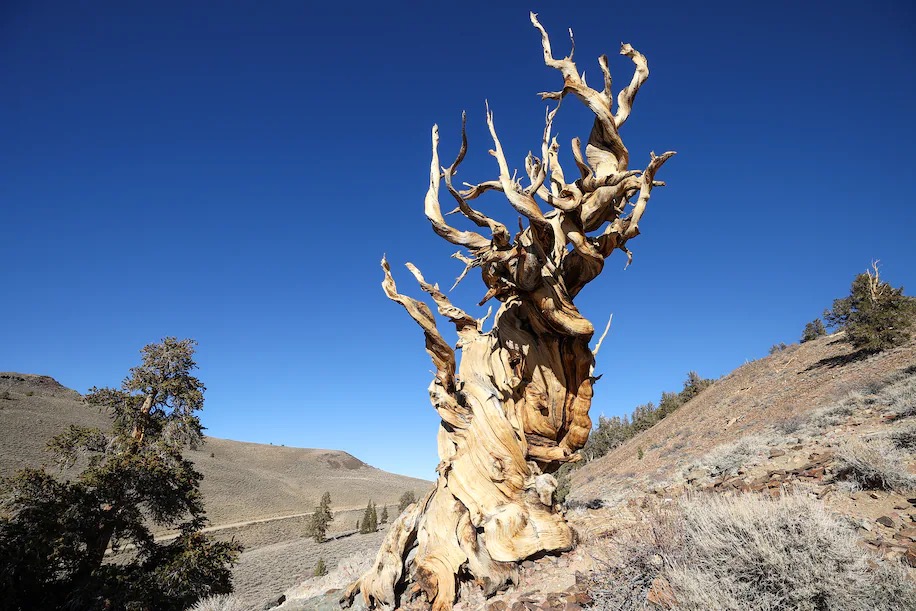
The age of the bristlecone pine called Methuselah, which stands in Inyo National Forest in California, has been gauged at 4,600 years. Somehow it seems to be both alive and dead, a natural miracle.

I am paying attention.

Leave a comment

Filed under Jean Zimmerman

The finest mofongo in New York City

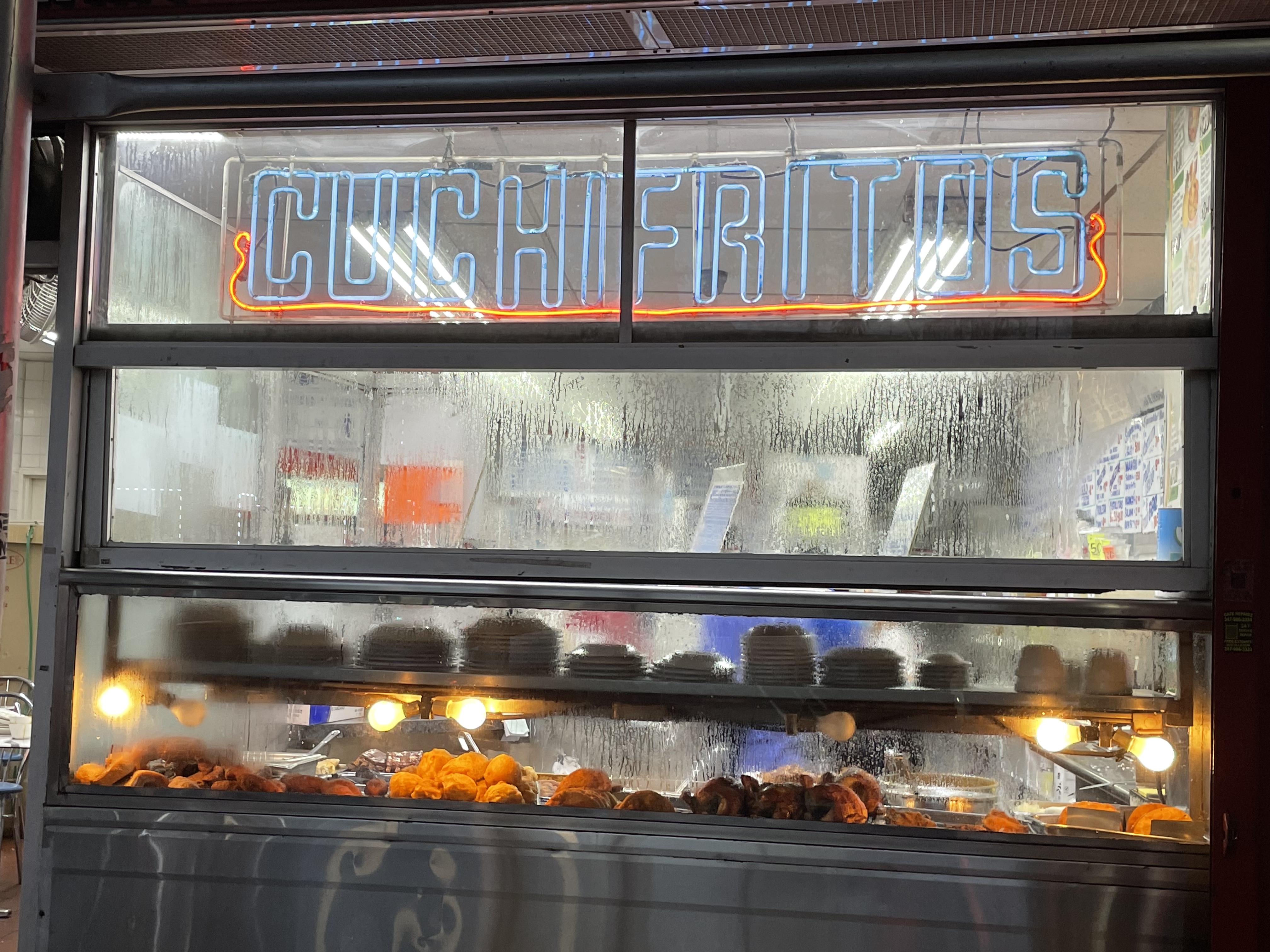
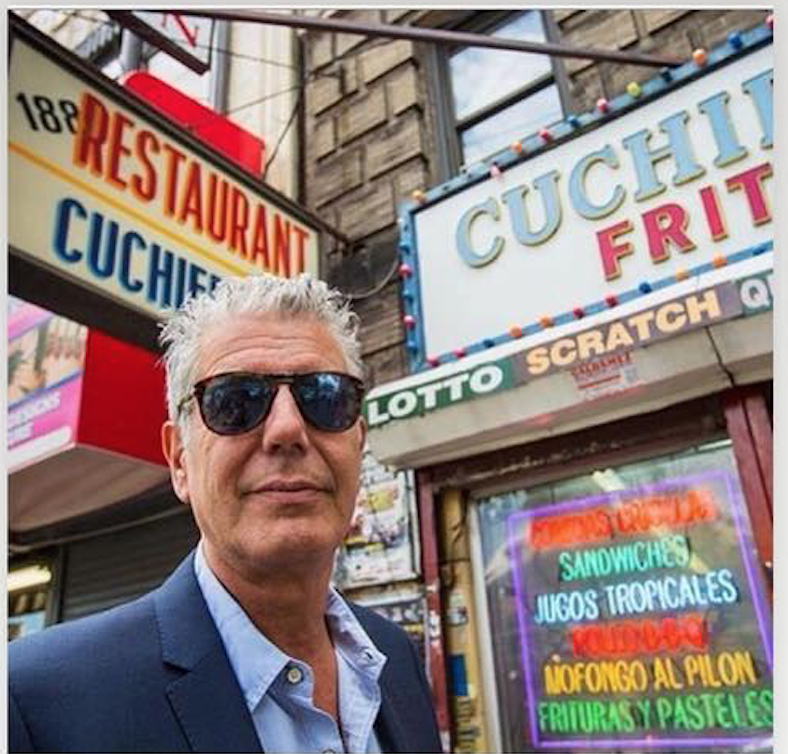
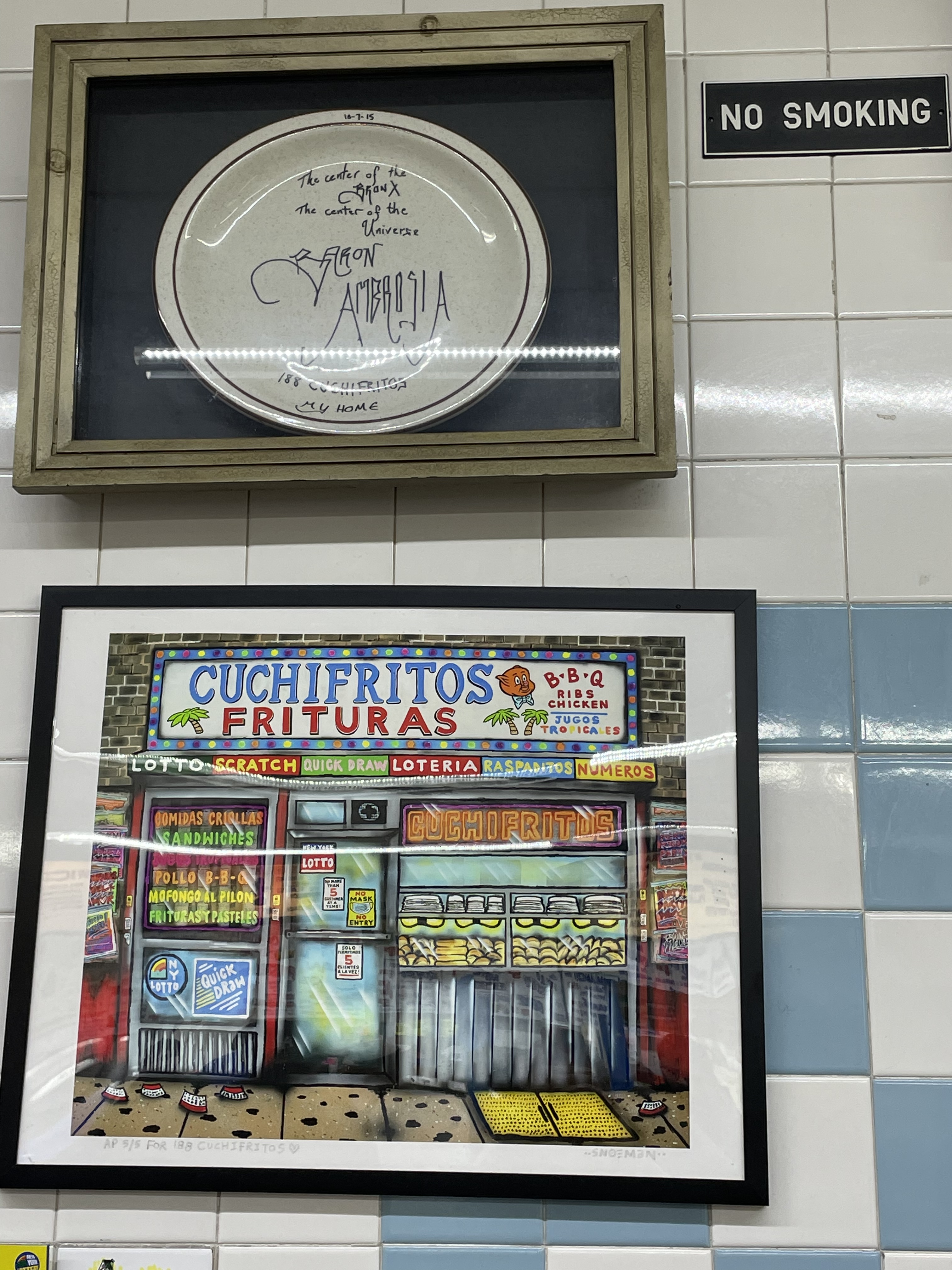
would be hard to identify, there is so much fine mofongo in New York. But I have a hunch it might be prepared in the unassuming kitchen of 188 Bakery Cuchifritos, on 188 Street, just off of Grand Concourse in the Bronx. 

I worked around the corner for six months last year protecting trees, meeting some incredible people along the way.

Anthony Bourdain agreed with me, chowing down here in Parts Unknown, and his signed glossy adorns one wall of the joint, where patrons customarily ignore it and go on with their ordering and chewing.

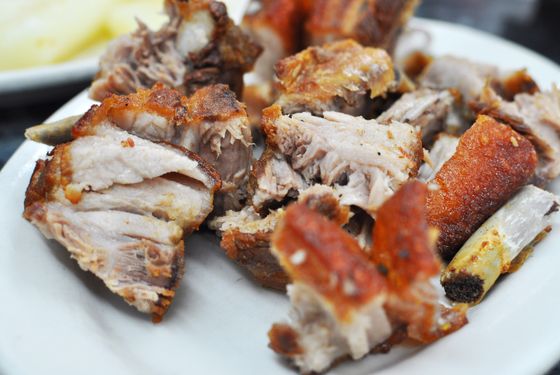
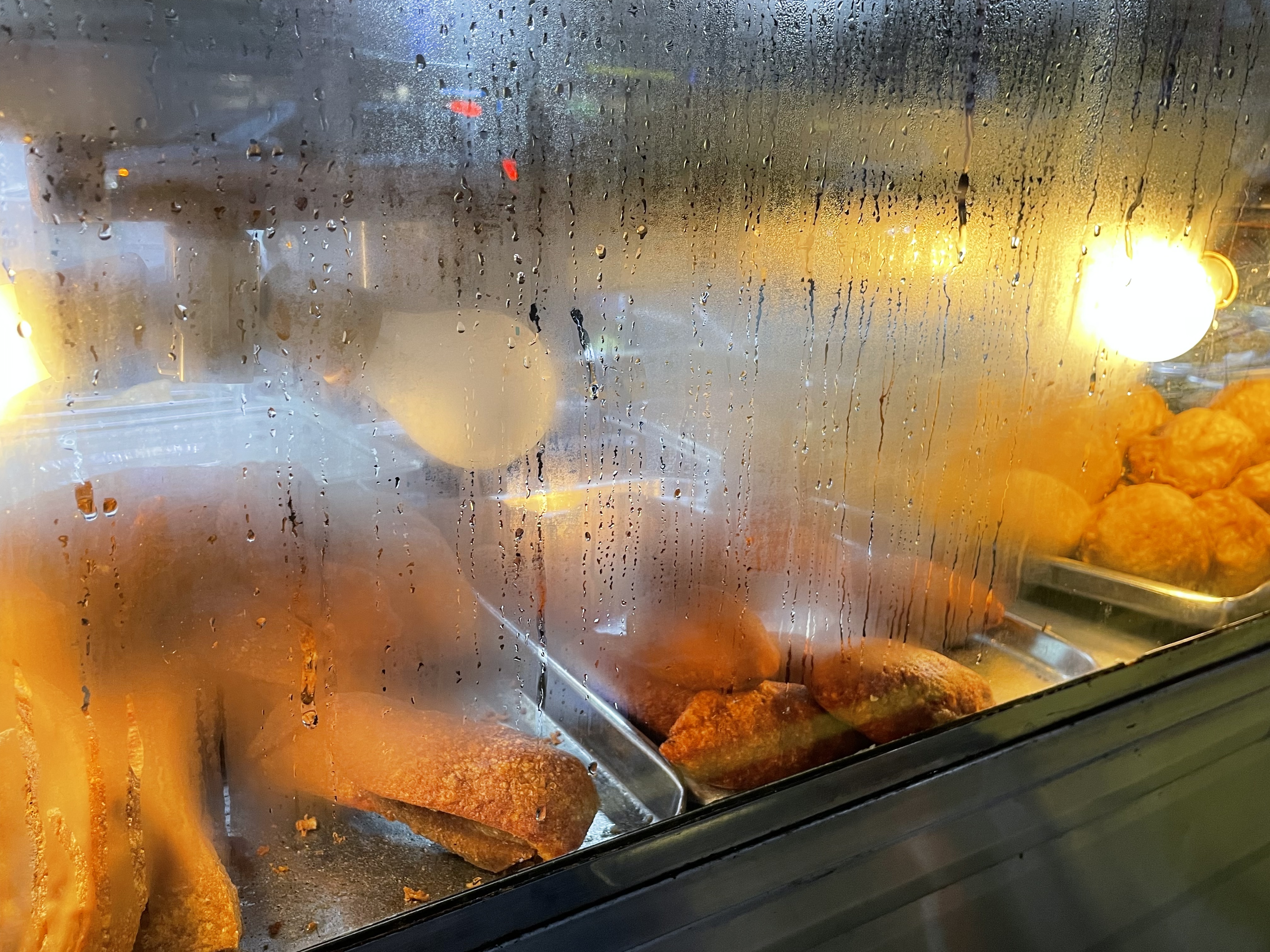
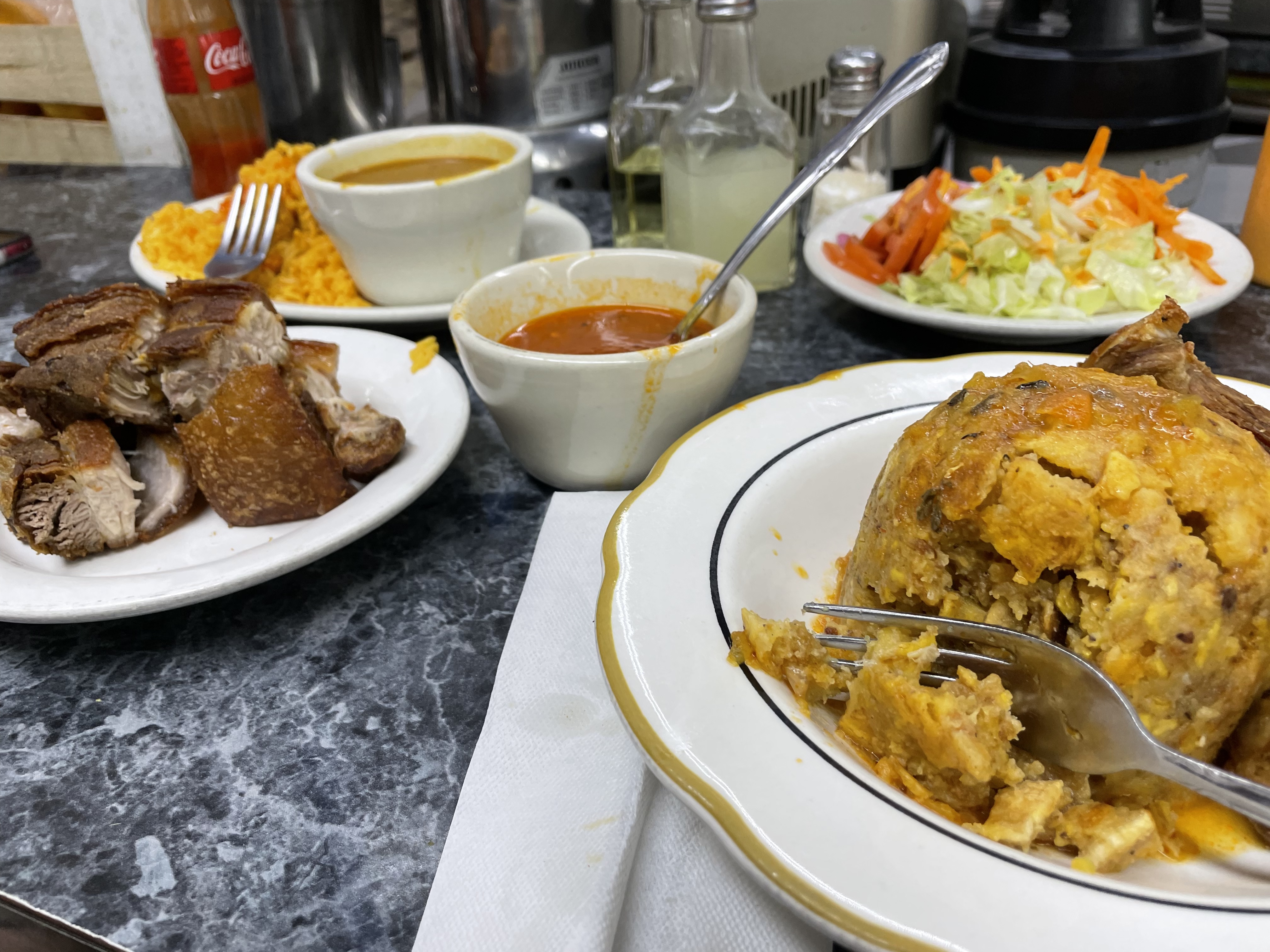
The specialty is Puerto Rican/Latin cuisine. The crunchy pork chicharrons Dominicano are out of this world, a nice challenge to your Lipitor. It’s a boomerang of a bone, cleaver-chopped and served in bite-size wedges of crispy skin, meat and fat.

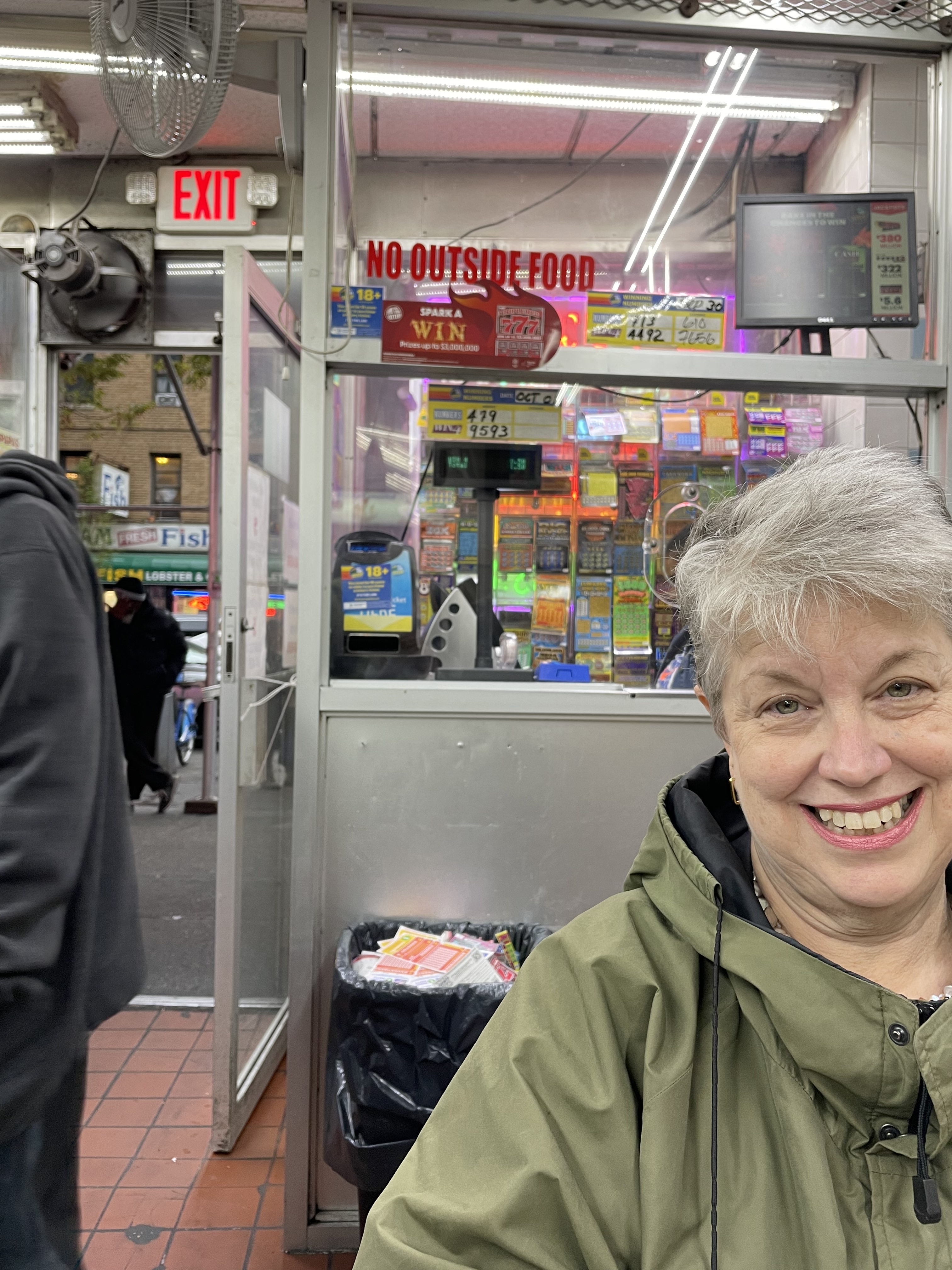
The place has other distinctions. It is as far as I have seen the only restaurant in town with a dedicated Lotto booth on the premises. A busy one, too. Made a former New Yorker happy by taking her here to dinner.

You can fill your stomach here every day of the year, from 9 am to 11 pm. It has been in business for 30 years, and even has a Facebook page. Whether you go for breakfast or dinner it is jammed, a line for takeout snaking through the door. The counter people efficiently juggle phone orders and packing up meals.

I tend to like any handwritten sign, so the menu board at 188 Cuchifritos is a delight.

Customers cut across a wide swathe of the population.

Usually there is a fairly high proportion of street people wandering in and hoping for a handout, alongside the paying customers. The common denominator here is a craving for sustenance.

The mofongo al pilon – a plantain dish derived from Spanish, Taino and West African cuisines–is stuffed with pork cracklings and served with a tomato-and-garlic infused gravy. The cook mashes starchy platanos in a classic wooden mortar and pestle and it comes to the table as a dome that you explode with your fork. One foodie reviewer described the taste with the buzz-word umami, and I think that as pretentious as that is, it’s not far off.

While waiting for the mofongo to emerge from the kitchen you might study the cartoon tiles on the wall. I have translated some of them, albeit clumsily.

Married man, spoiled donkey.

Two children and a mother are three devils for the father.

The guests are happy but that’s when they leave.

Okay. I never claimed to study Spanish in school, and anyway my mouth is watering too much to make good sense of the jokes. There is also some fine artwork on display.

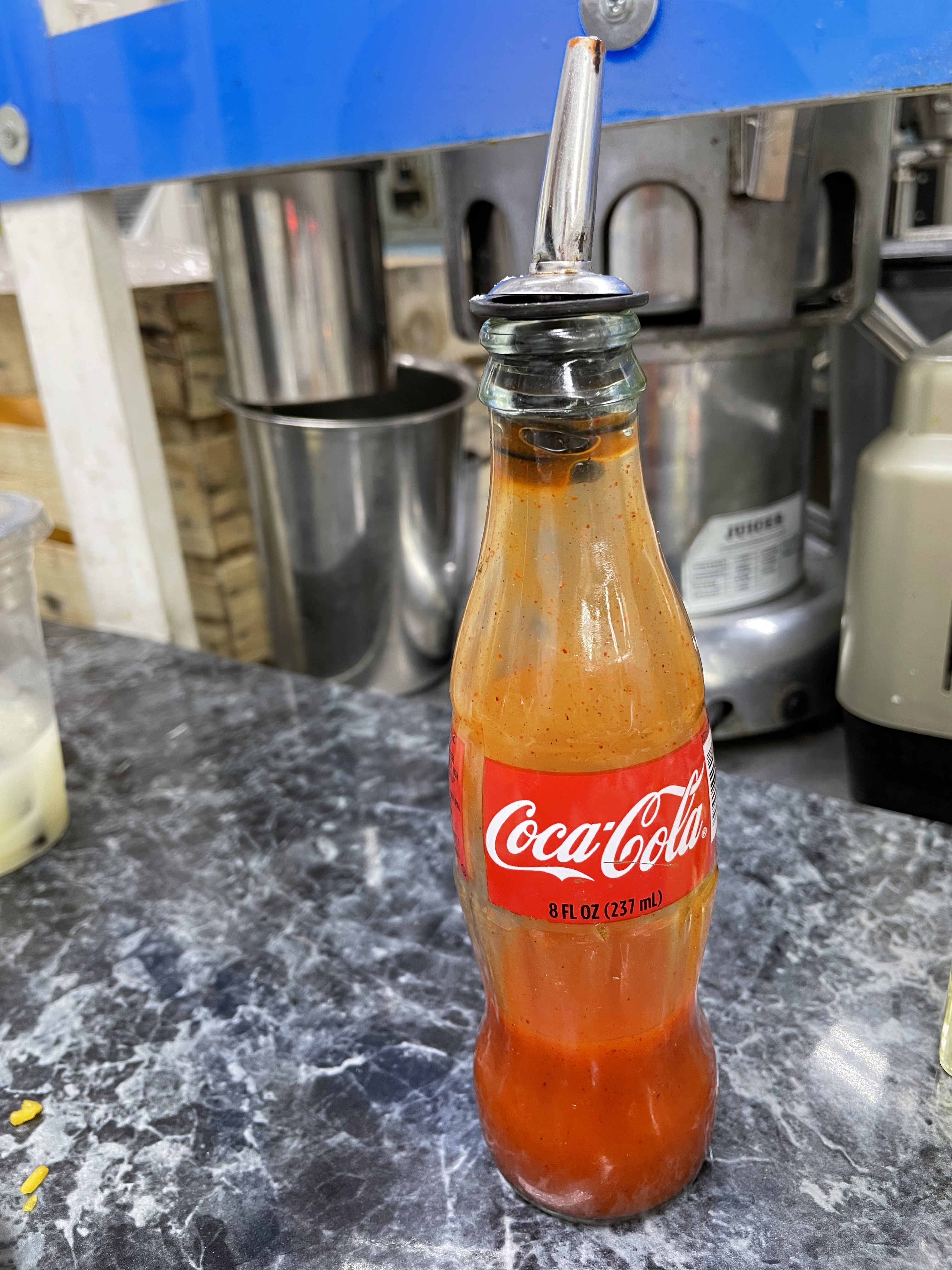
Home-made hot sauce readily available and in an awesome recycled container.

The frituras, fried snacks displayed in the window, include one I love but don’t know the name of.

I just tell the wise waitress “the football shaped one,” indicating the oblate spheroid with hand gestures, and she knows what I mean.

I have now done research and found that it is more correctly alcapurria, a yucca fritter stuffed with picadillo, the classic Latin American blend of beef, tomatoes, and olives. I’ll try to remember that for next time.

It is possible to order pig ears, tongue, or stomach, though I haven’t done so. Yet.

I can’t decide which I like better, the counter or the five or so tiny tables. The service is always superb no matter where you sit. If you order like we do you and sit at the counter, though, you can barely fit all the plates in front of you. Yes, you can even get a salad to cut the fat if you insist. Plenty of rice and beans to take home, though of course you’ll have to eat without the cartoons for entertainment.

“I don’t know any place porkier,” was Bourdain’s summation. I would just add: when you are next in the Bronx, get lucky and go.

Leave a comment

Filed under Jean Zimmerman

I set my intention to notice kindness

as we amble off through the Thain Forest–the largest enduring old-growth tract in the New York City vicinity–at the New York Botanical Garden, paying heed to the recorded forest bathing app the Garden has thoughtfully provided. These woodlands offer just some of NYBG’s 30,000 trees.

I’ve been thinking about kindness. Have been telling folks on tours at Ellis Island that back in the hospital’s heyday, people were kind to each other. Were they really? Are they still? Here at the NYBG, they’ve been kind to one of the iconic tulip trees, bandaging it up against the exigencies of old age. The equally senescent little-leaf linden, brawny as it is old, doesn’t need any help, thank you very much.

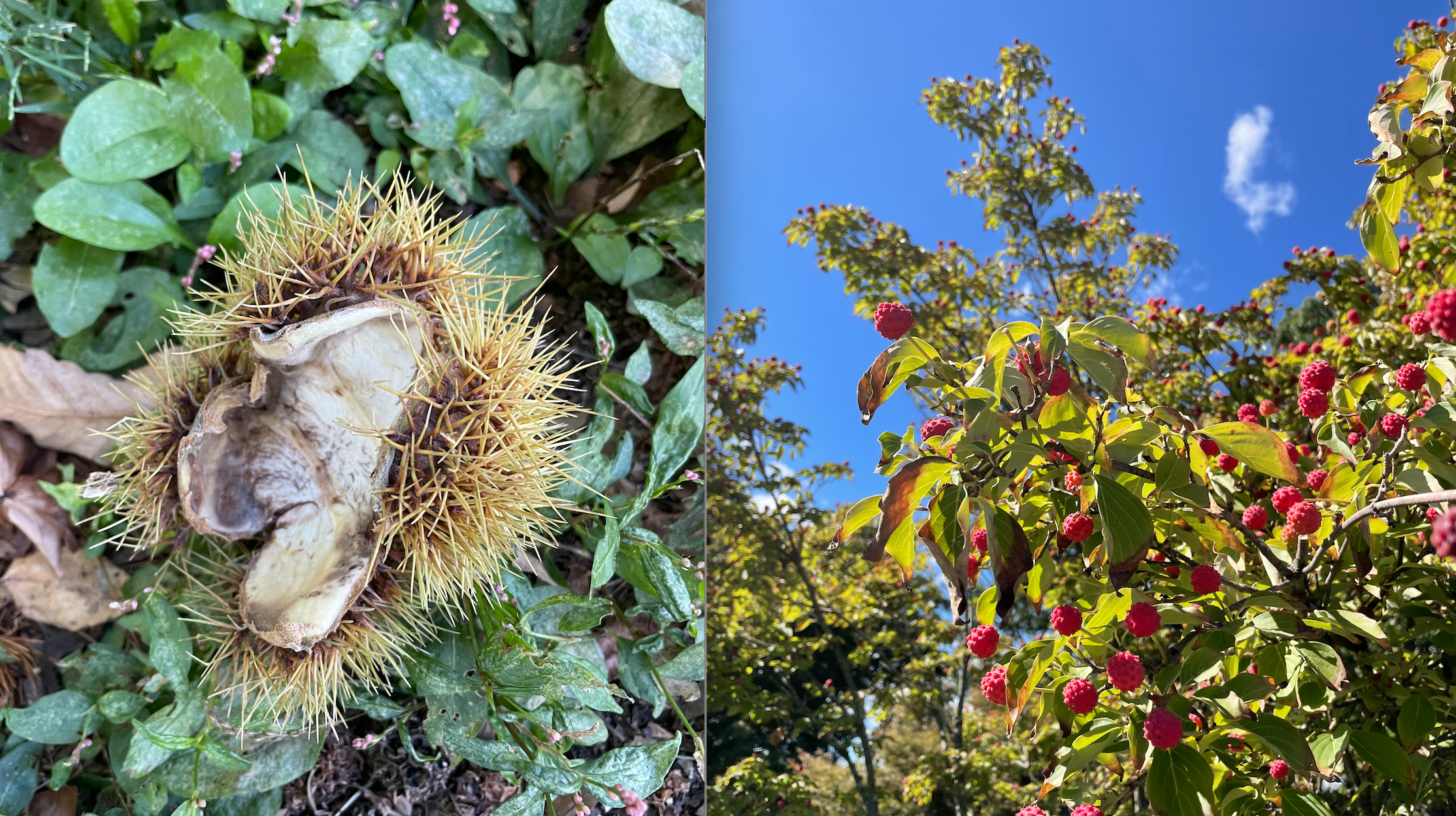
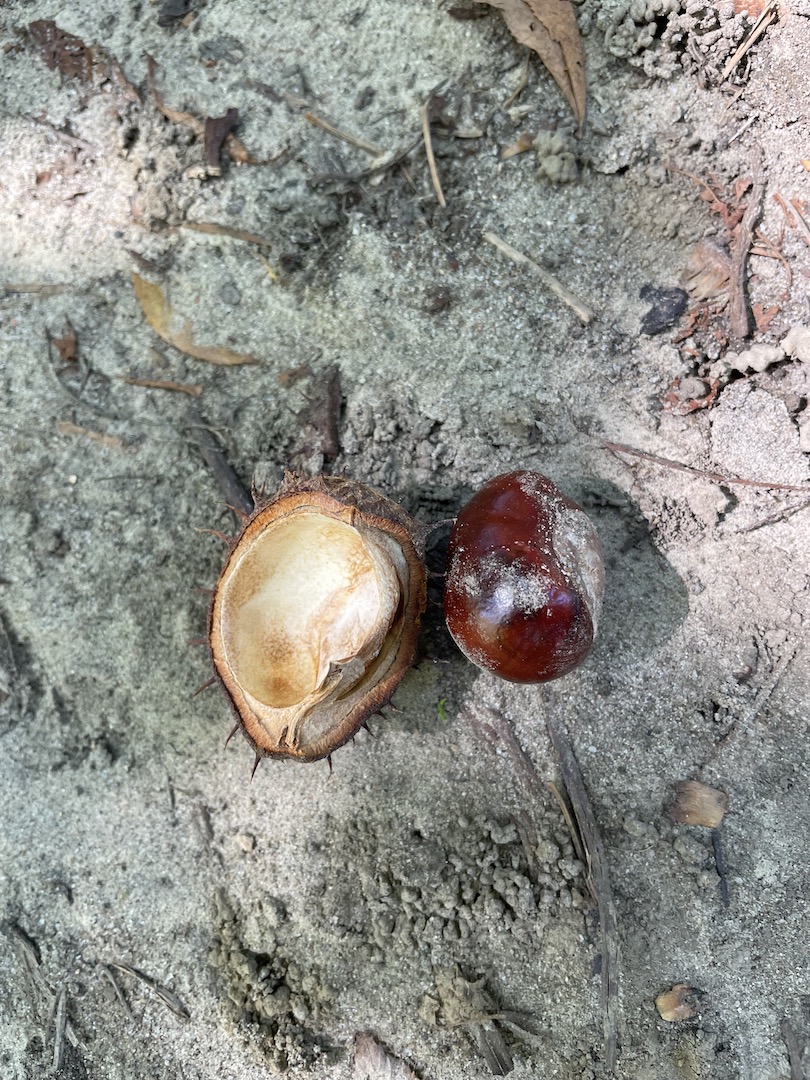
I see a sweet chestnut hull. It had been kind to its seed, cushioning it and fending off attackers with its prickers. Kousa dogwood offers its fruit so generously for the birds.

It’s a quiet day, cool, calm, lucid. The season offers its early-autumn bounty.

A gentleman shows off his skills with a stick. Good for your balance, and your fingers! he tells me with a smile.

At the NYBG farmer’s market, a person generously offers worms for composting, to the strains of a nearby harp – something you do not see every day in the Five Boroughs, a kindness here in the Bronx.

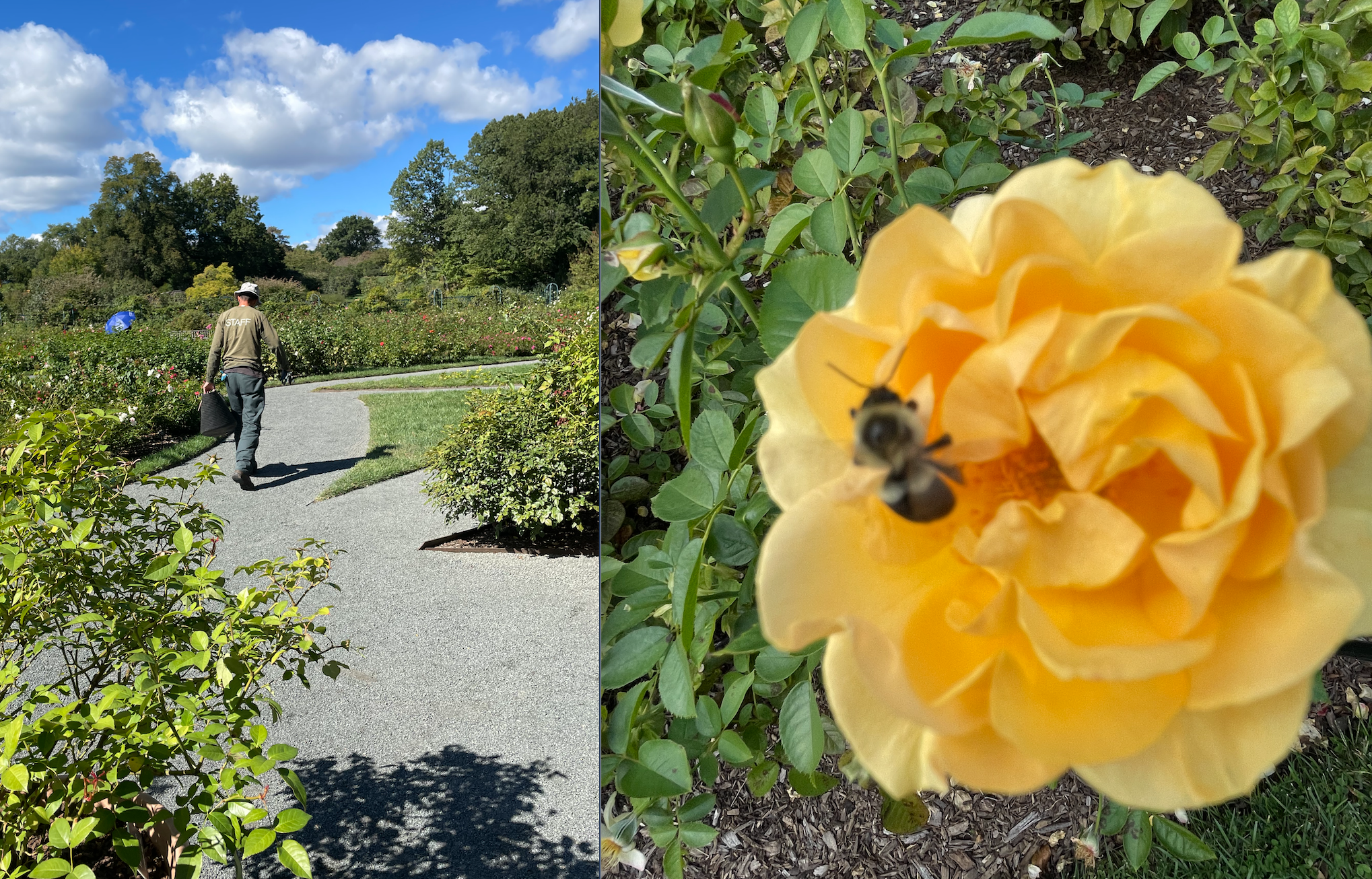
We find ourselves distracted by the rose garden. The kindness of the head gardener, who although camera shy and quite busy with raking mulch takes a little time to talk about the various cultivars on hand. Wish it were possible to capture fragrance in a photo.

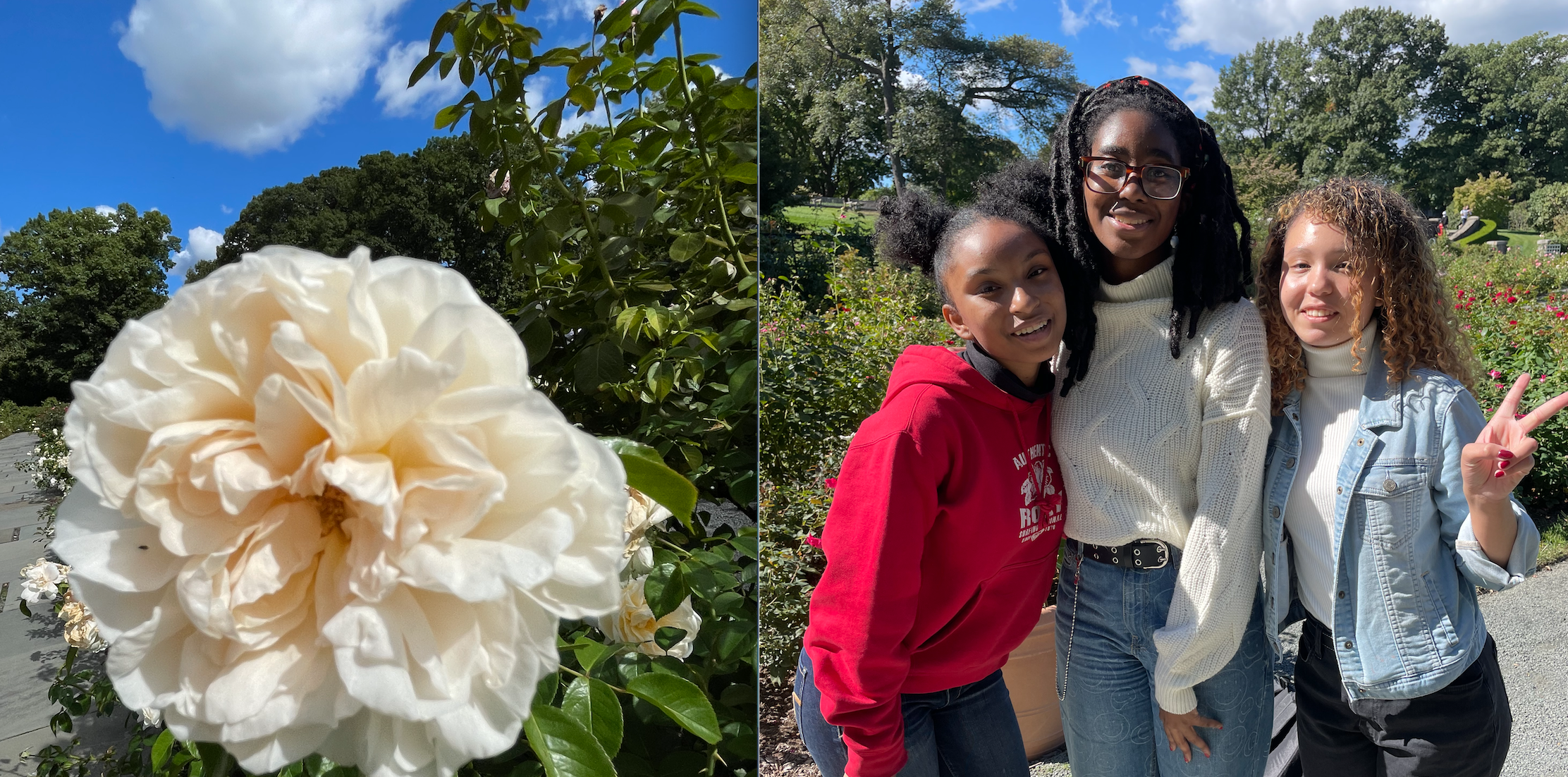
The kindness of schoolgirls willing to pose for an old fogey with an Iphone, their faces blossoms.

In Thain Forest, the forest bathing app drones: Bring your attention to your ears…feeling whatever sensations are happening…be aware of the sounds around you… you might feel tingling sensations…all that matters is that you notice them…and drift away…

NYBG cares for the oldest, the biggest, like one impressive American elm – and also the smallest and most vulnerable, in their plant nursery.

Be kind to the bedding plants! Water on hand, ready to provide protection even in the virgin forest, which is after all really a part of New York City.

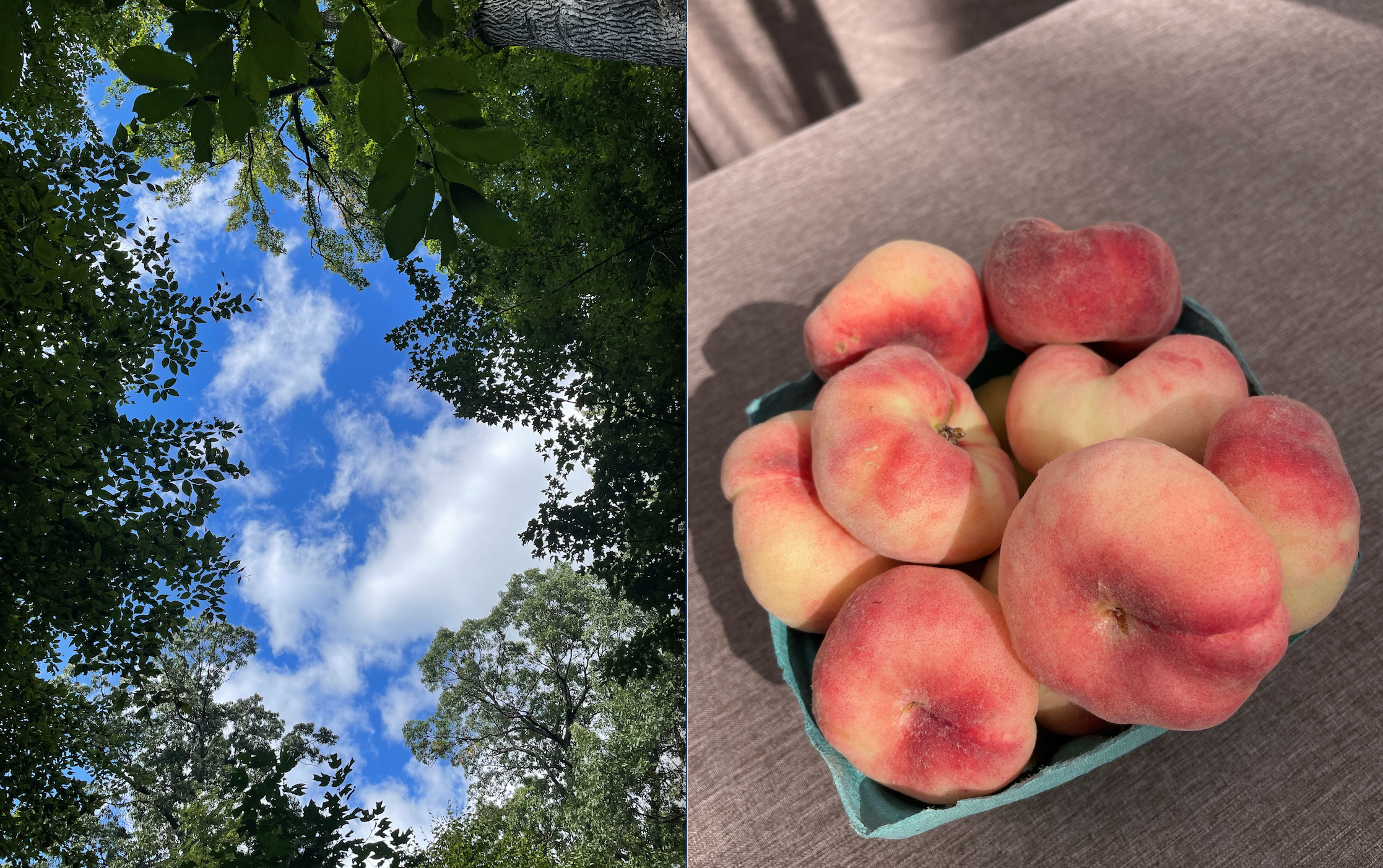
We took our time. The farm stands are winding down. One is kind enough to sell eleven dollar’s worth of yellow onions and white donut peaches as they pack it in for the day.

Sometimes – not always – kindness abounds.

Leave a comment

Filed under Jean Zimmerman

When I said my favorite color was brown

one time, everybody laughed.

In writing class, teachers use a prompt to get everybody’s creative juices flowing. I hiked the Old Croton Aqueduct trail today, using brown as a prompt.

The familiar sandy light brown soil. Hadn’t been here for a while. The sound of the mid-afternoon breeze rustling the leaves, late summer insects’ buzz. Black cherry trunks snake up, brown.

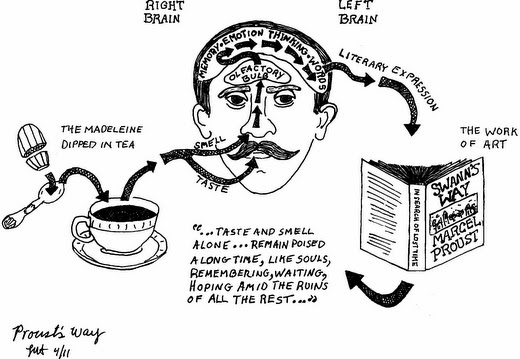
Underfoot, my own personal school-days madeleine, a horse chestnut, glossy brown in its miracle of a small spiky package. 

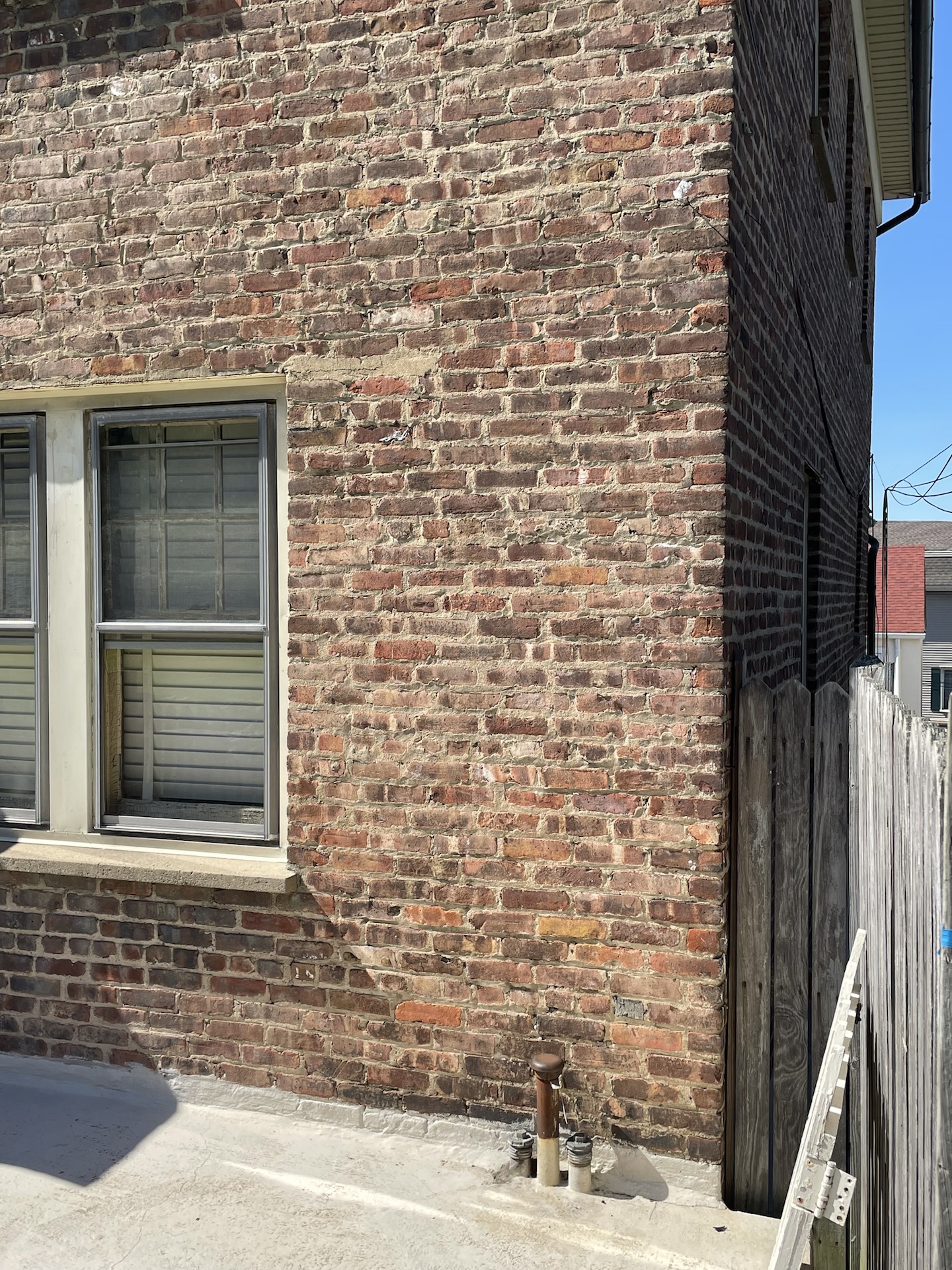
Sun-browned old brick from one of the brickyards along the Hudson, a booming business back in the day.

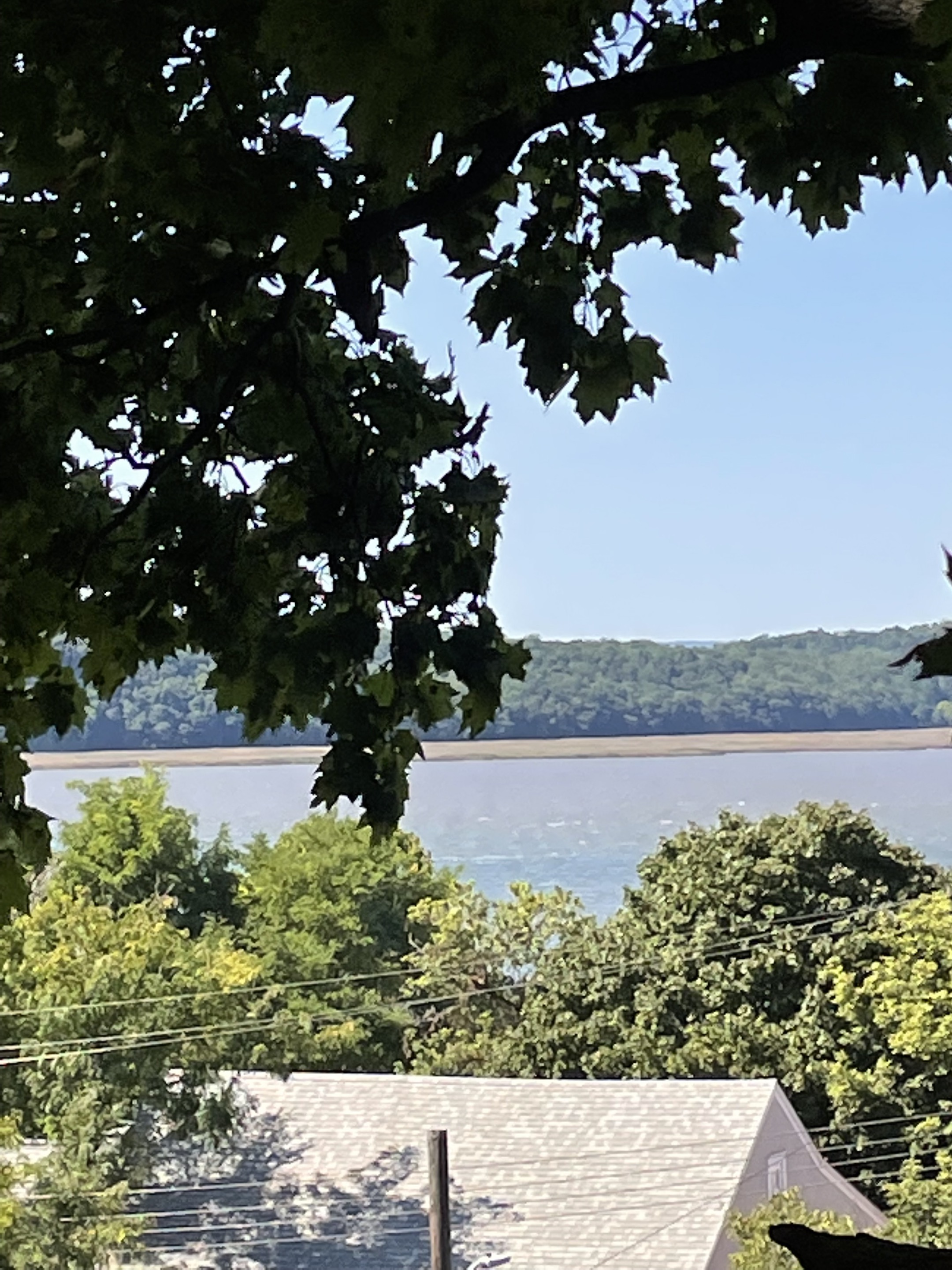
Across the river, the light brown strip of the Piermont marshes, ancient, brackish, mysterious in a canoe.

Thinking about dog-nose brown.

Iced-coffee brown. Always great, but especially when consumed recently at MoMa before paying homage to Matisse’s magnificent canvas The Red Studio.

I’m not saying how much coffee I drink, only that if it keeps me up, the more interesting thoughts I get to have. Recently stumped by midnight riddle: what would happen if you combined orange soda with grape soda? The answer? Plenty of sugar buzz. But also the color brown, carbonated.

Thinking about young-hair brown.

On the trail, wizened mulberry trunk brown. Where I live, somebody petitioned the Village wanting to remove an elderly specimen from their property, saying the fallen berries were “messy.” Really? Messy is good, it’s what makes us alive.

I love mulberry trees with their misshapen mitten leaves.

Brown shadows. In the immortal lyrics of John Prine, Shadows. Shadows!

Fungi brown.

Fruiting bodies, if you want to sound like a supercool arborist.

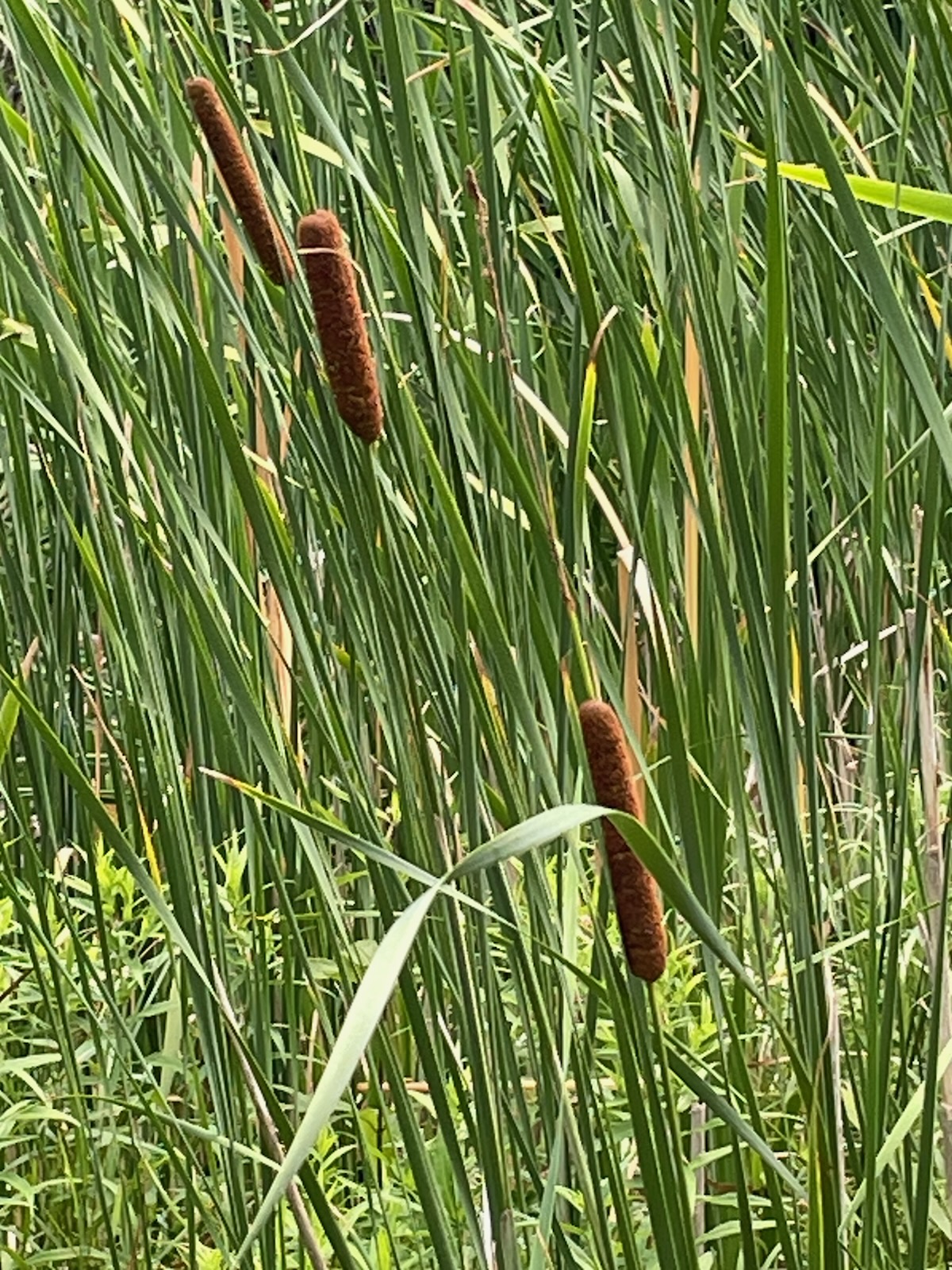
Thinking of cattail brown.

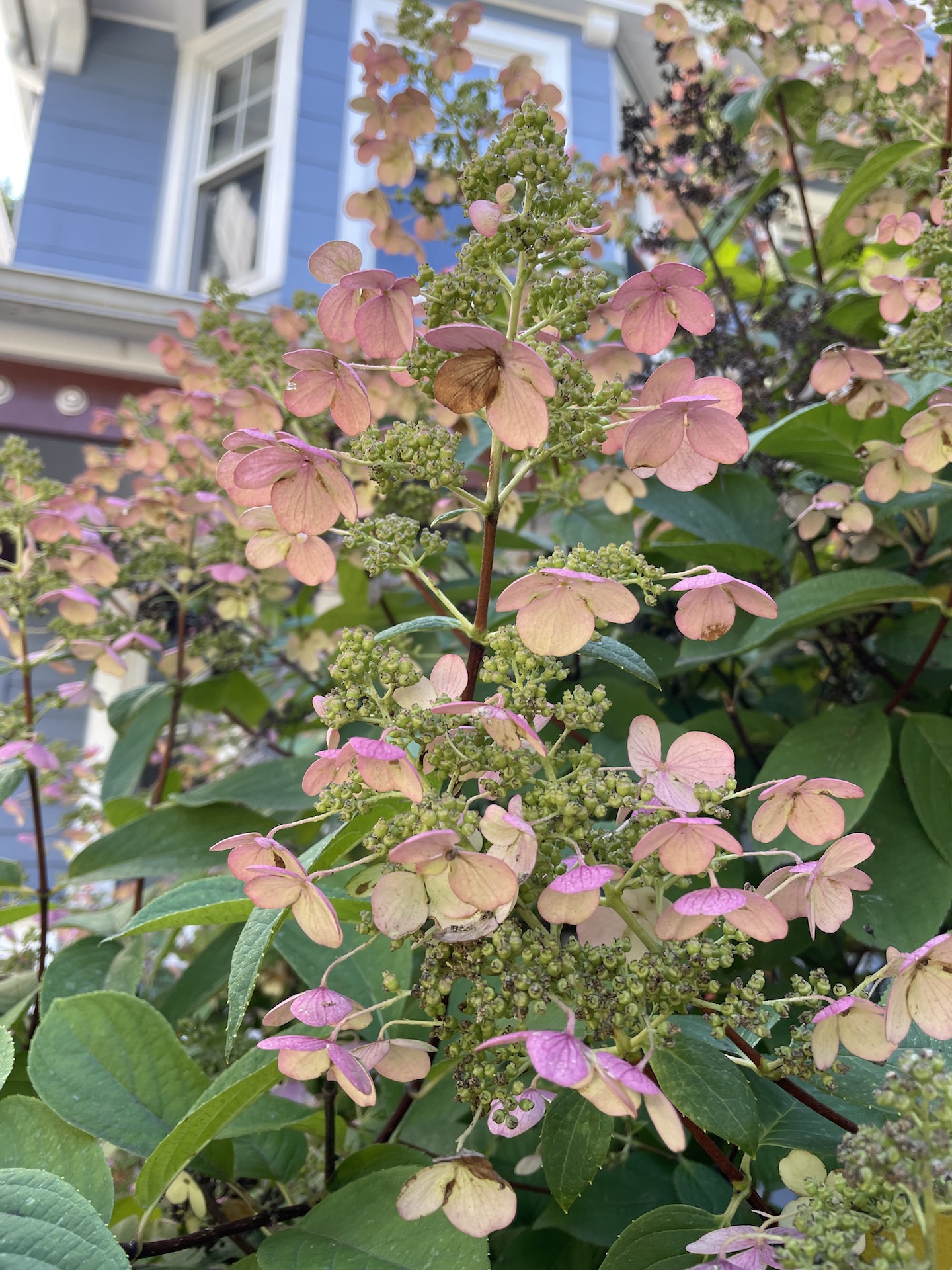
Peegee hydrangeas’ pink tinged ever so slightly brown.

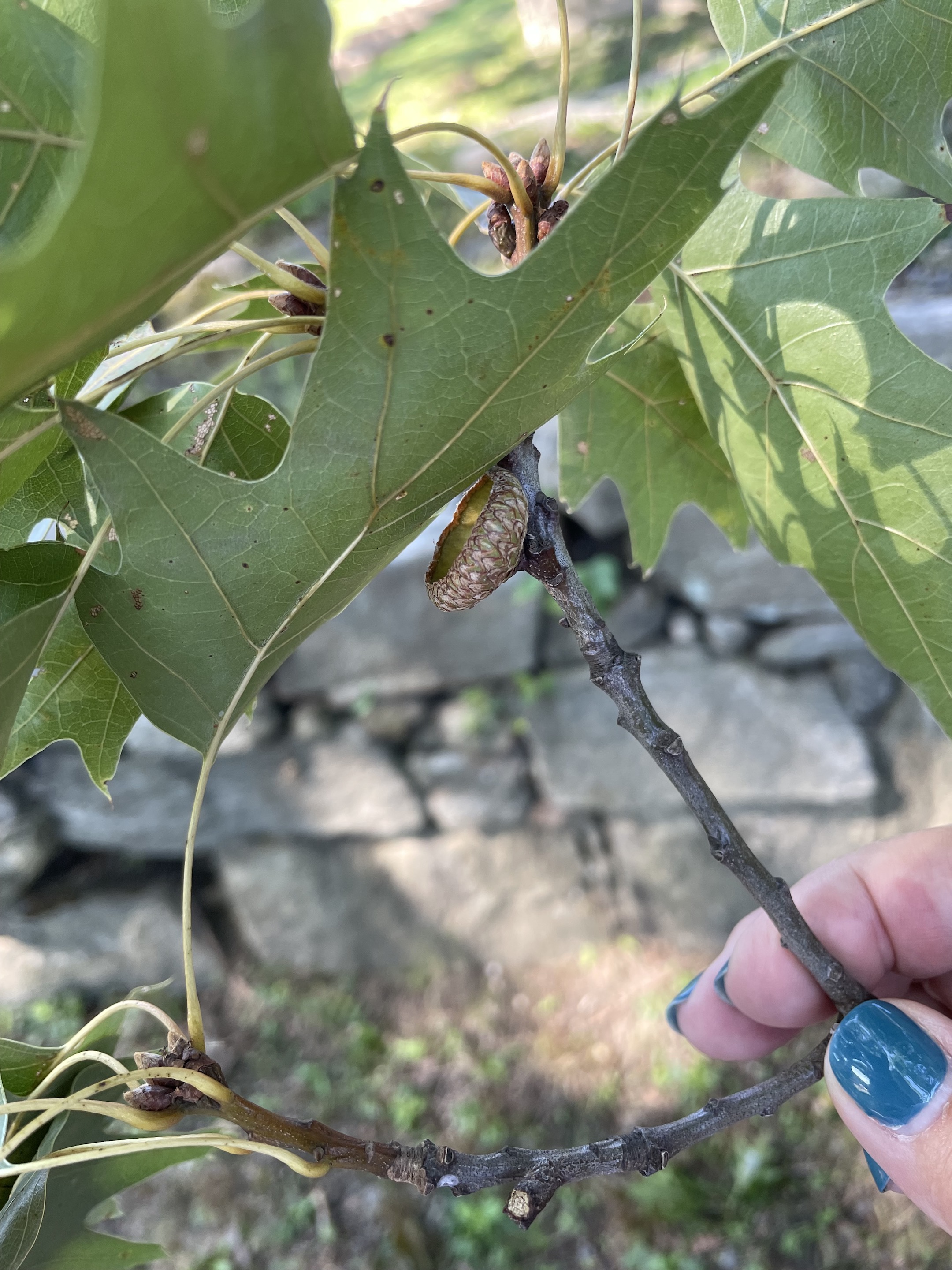
Oak leaves verdant, still, yet stems and acorn cap brown.

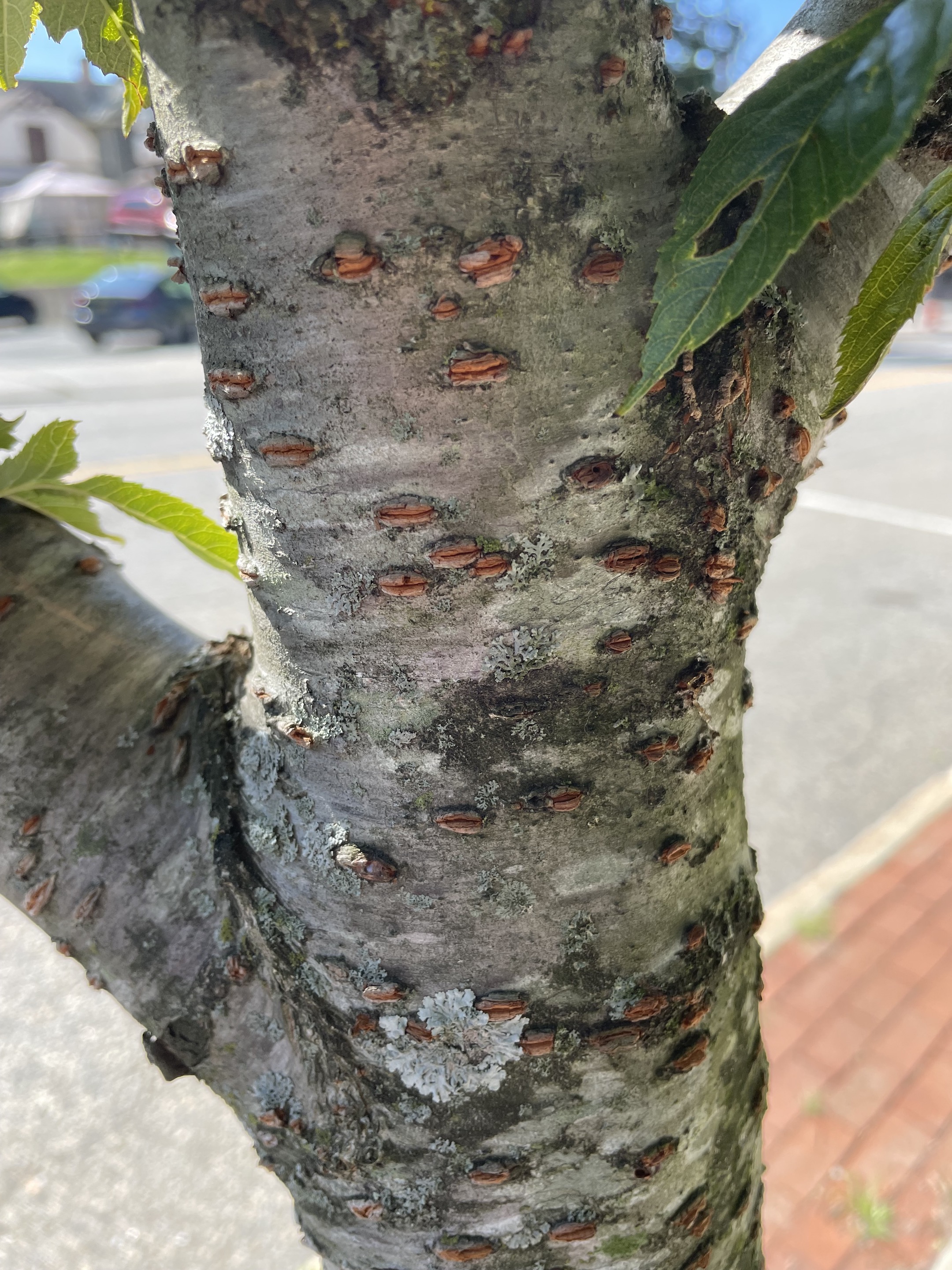
Grey cherry trunk with its delicate brown lenticels, my favorite feature, the stitch-like pores that allow oxygen in and carbon dioxide out.

Finally, coming home, the brown face of a late-summer sunflower.

You may have your run-of-the-mill rainbows. I will take my beautiful brown all around.

2 Comments

Filed under Jean Zimmerman

Boat rockers unite!

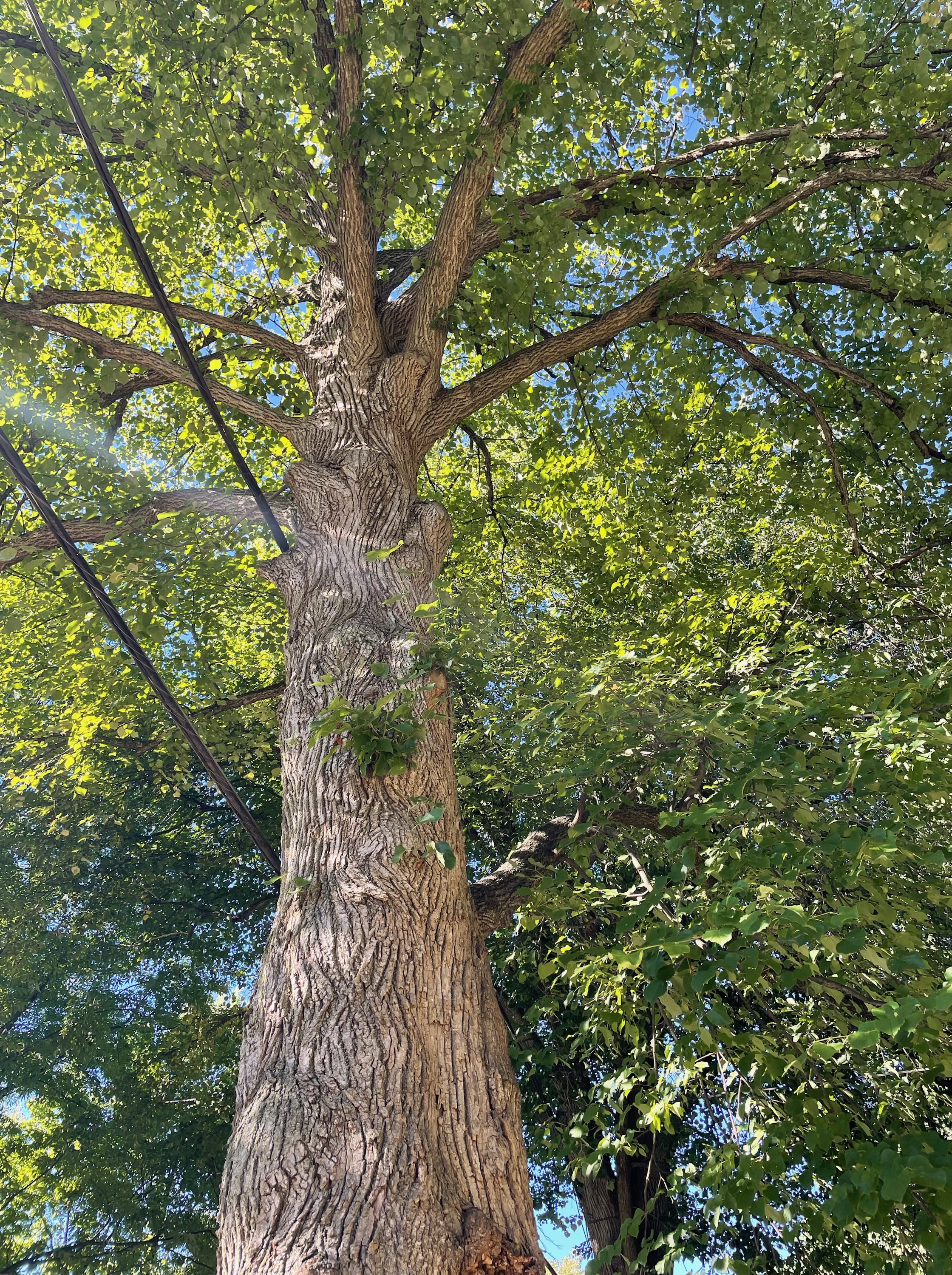
I have been going around with a smile on my face all day. Why? Because today I saved a tree. A big, beautiful linden in my home town. Yes, utility wires thread through its branches, but it has so far avoided becoming entangled.

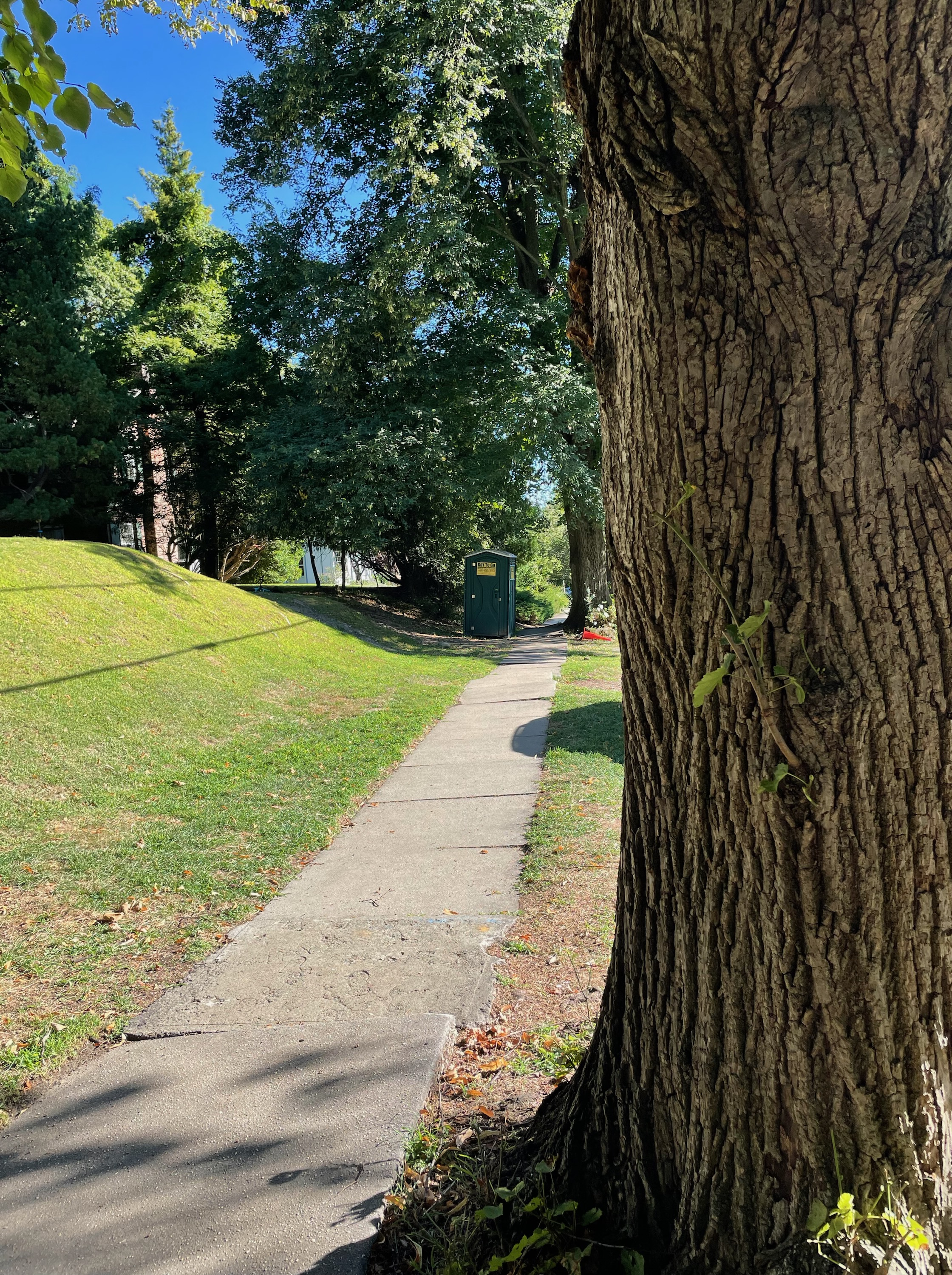
It stands lined up with two other mature lindens on the tree lawn in front of a house on Euclid Avenue, the nicer part of town. Its diameter is large enough that I am far from being able to touch my fingers together when I wrap my arms around it.

It could be that I care about this tree in part for sentimental reasons. Growing up, I had a friend who lived in the house, and there were parties… well, suffice it to say the lindens stood there back then, though they were of course a bit less impressive.

A new homeowner contacted the Village to say he was worried about the tree. A landscaping company examined it and – surprise, surprise – said it was a hazard and had to be removed. Tree companies, counterintuitively, always seem eager to cut down trees, especially when they can convince some responsible but naïve resident who worries that a big old tree might crash onto his house in the dead of night. Tree removal is tree companies’ bread and butter.

My town has a lot of people who like trees. It’s a long-time Tree City USA, with  a conservation-minded municipal government and many citizens who are dyed-in-the-wool green. We have an active Tree Preservation Board (at the moment I chair it). All of it couldn’t necessarily equate to keeping this particular tree alive. It turns out the other Tree Board members also thought that perhaps this tree was on its way out. It featured a burl and a cavity. Why rock the boat?

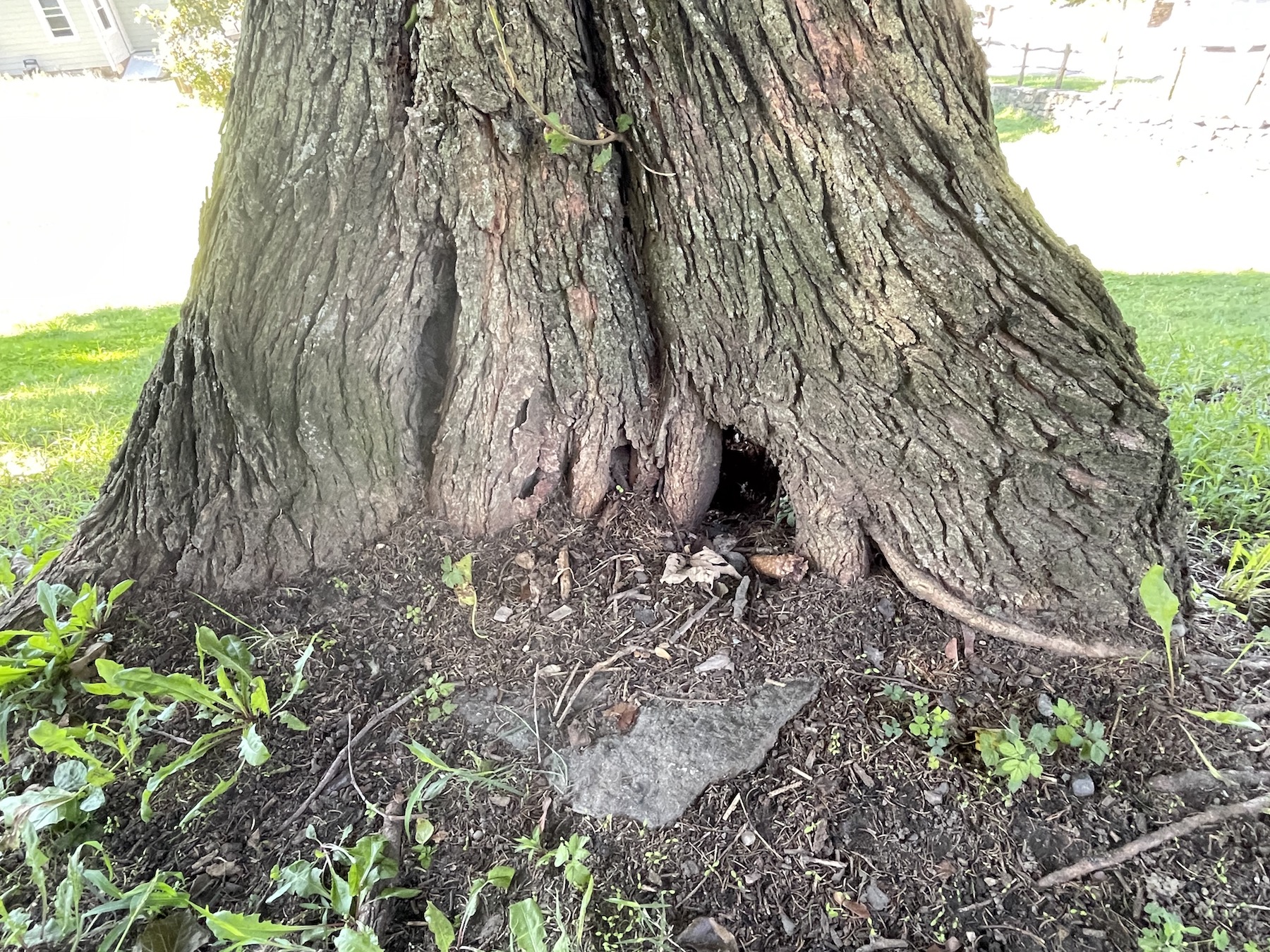
While birds and other critters love cavities in trunks, humans can be very afraid of a hole in a tree. People, compartmentalization is a thing, okay? According to what tree people call CODIT (compartmentalization of decay in trees, of course), when a tree is wounded it begins to protect itself by slowing or preventing the spread of disease and decay by forming “walls” around the wounded area. Suffice it to say that the walls run in every direction, ingeniously. So a tree can live and prosper with a hole, even a big hole, in its gut.

I called up my friend, a brainy DEC forester, who told me that while the state is not permitted to conduct such evaluations, he would take a look. There was indeed some decay, he observed, describing the linden as a “high-value” tree. Get a licensed consultant to do a level 3 Tree Risk Assessment, he said. I appealed (nice word for my continued agitation) to the Village. Finally, finally, they brought in their favored professional arborist, an impartial expert who put a stop to all the funny stuff and said the tree must stay.

Hurray!

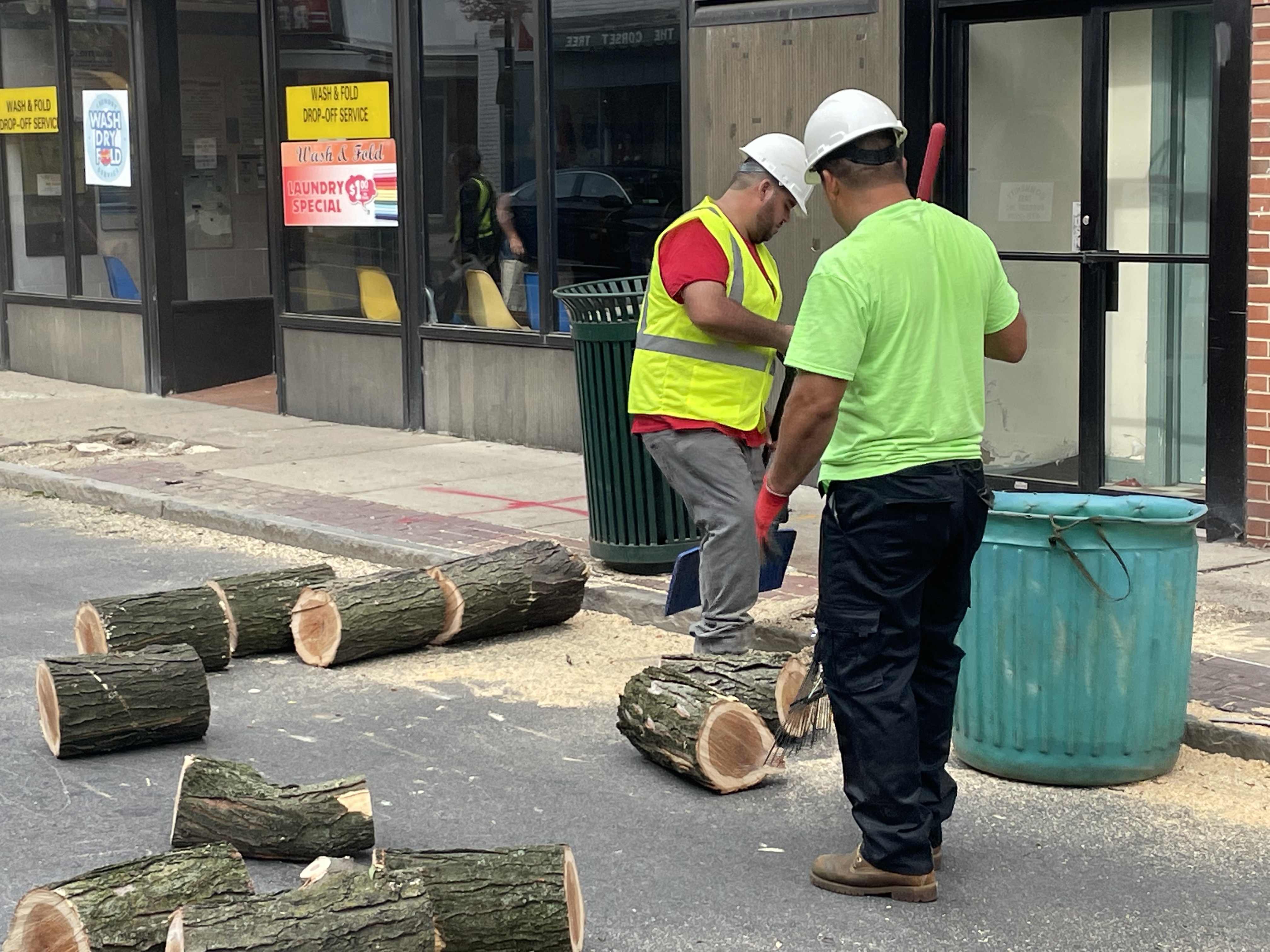
Boat rocking doesn’t always work. I recently lost a battle to save trees that were being removed from our leafy downtown streets in order to lay new sidewalks. That was unfortunate, and I grieved. 

Now, lindens are beautiful trees. Not the most beautiful, to me – beeches are. “It seemed a mere toss-up whether she said, ‘I love you,’ or whether she said, ‘I love the beech-trees,’ or only ‘I love—I love.’” That’s Virginia Woolf, one of my favorite writers, from Night and Day. We know that people since time immemorial have fallen for beech trees, their smooth grey bark, eminently useful for leaving your mark. 

Thoreau said, ”I frequently tramped eight or ten miles through the deepest snow to keep an appointment with a beech-tree, or a yellow birch, or an old acquaintance among the pines.” I like to think of some lost soul tramping miles through a mysterious, tangled forest, too shy to unburden himself to the person he cares for, and surreptitiously taking switchblade out of pocket to pronounce, on bark, indelibly, the sentiment I love-I love.

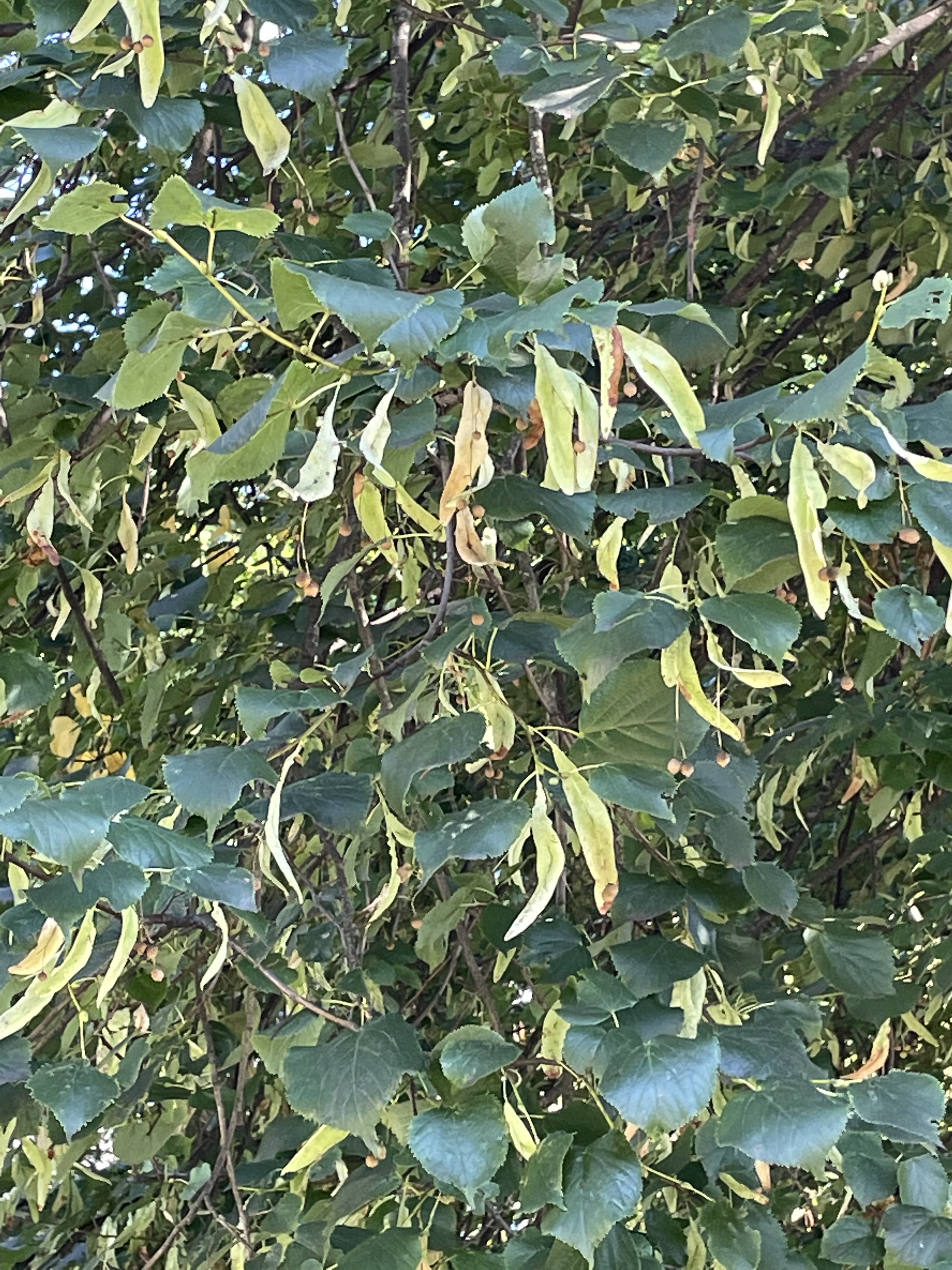
So beeches are great. But lindens come pretty close, with their heart-shaped leaves, their dangling bracts, their grey-grooved bark.

Everyone deserves to have a favorite tree the way everyone deserves to have a favorite birthday cake.

Yours might be a yellow sponge cake, mine might be a fudge tunnel cake. Or a strawberry cake–the best kind, made Southern-style with white cake mix, jello and oleomargarine. Or even a gourmet hazelnut torte. It’s up to you.

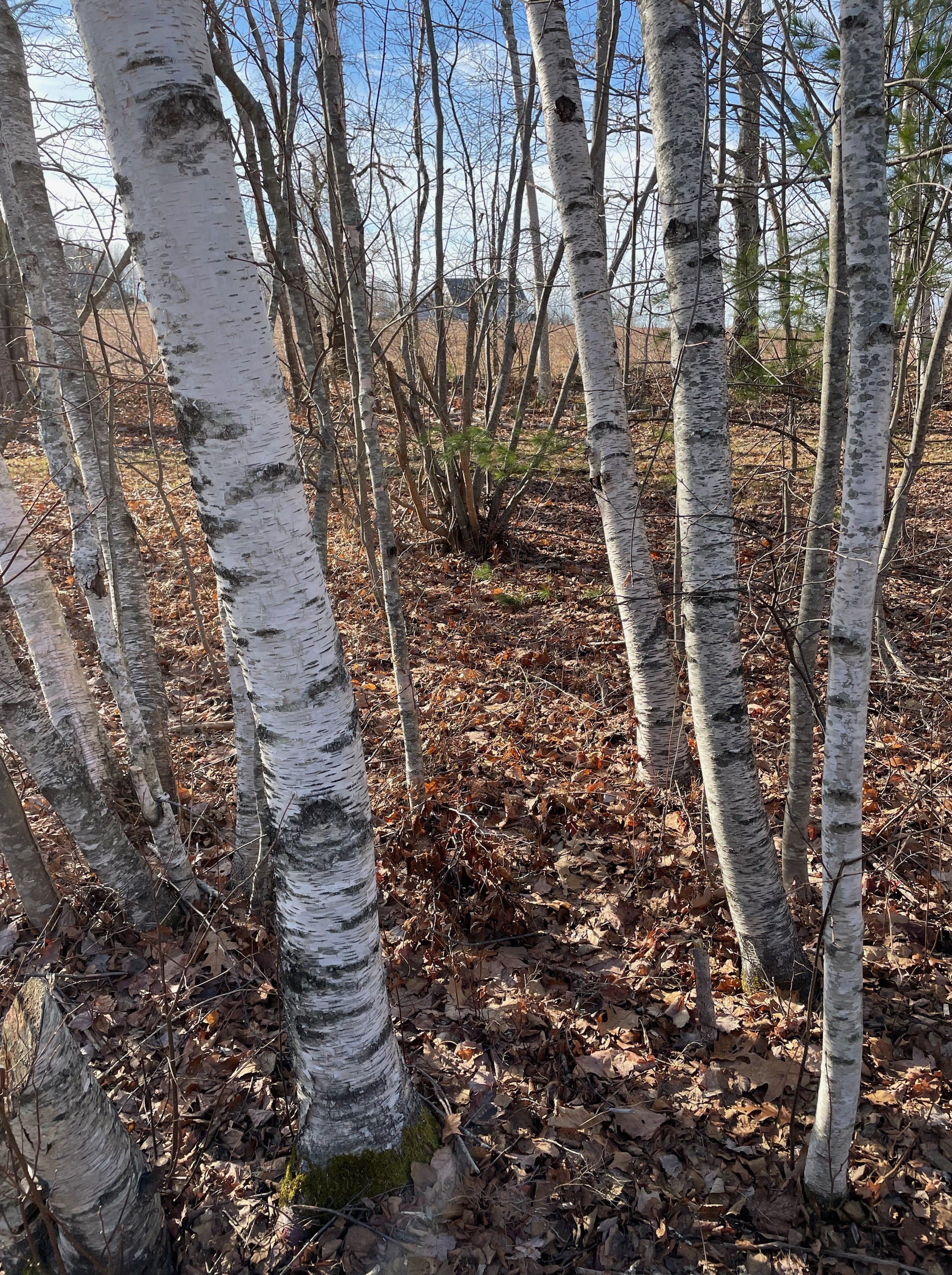
You might be a birch person.

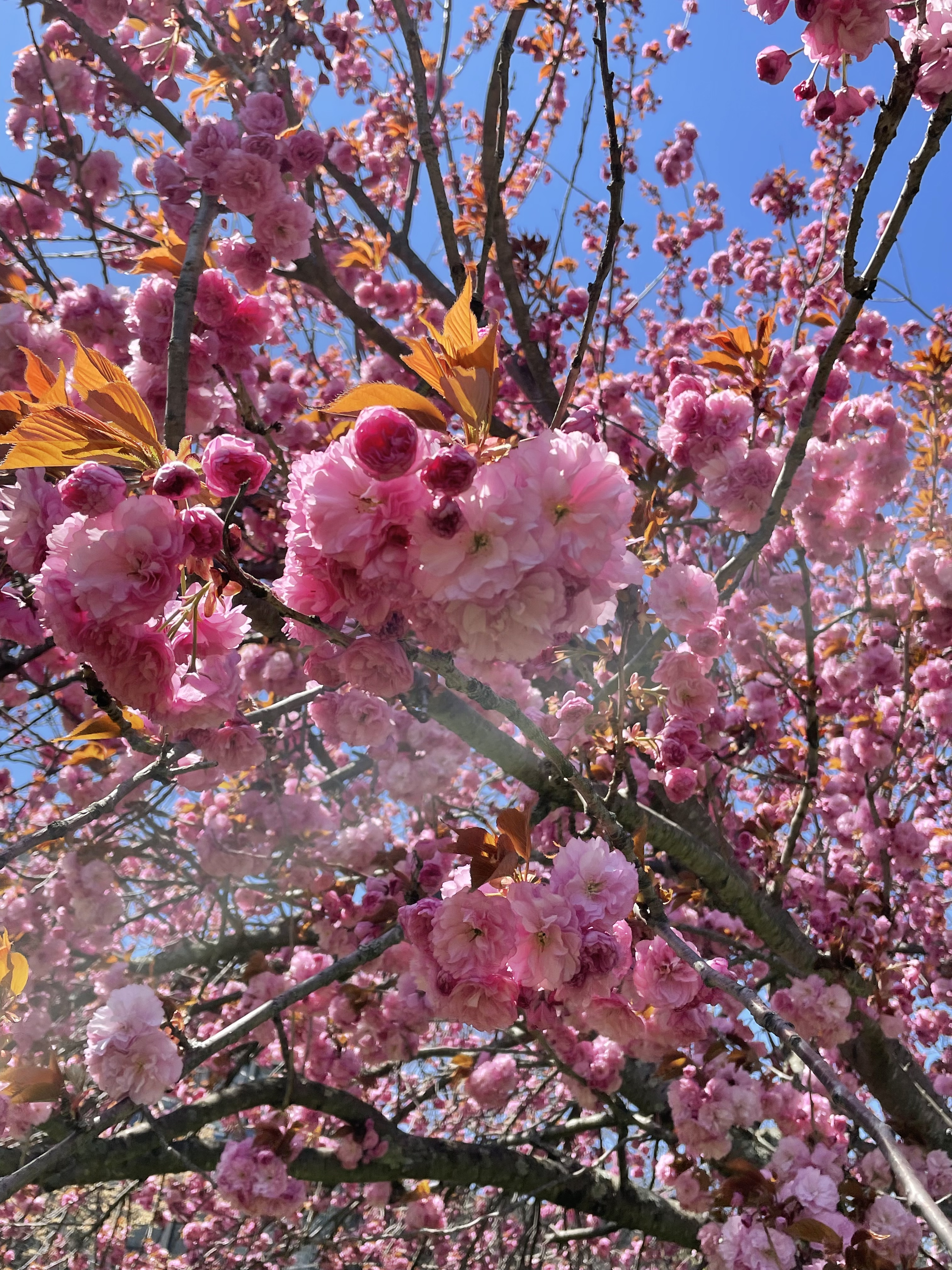
Perhaps flouncy cherries do it for you. They can be pretty irresistible at their peak.

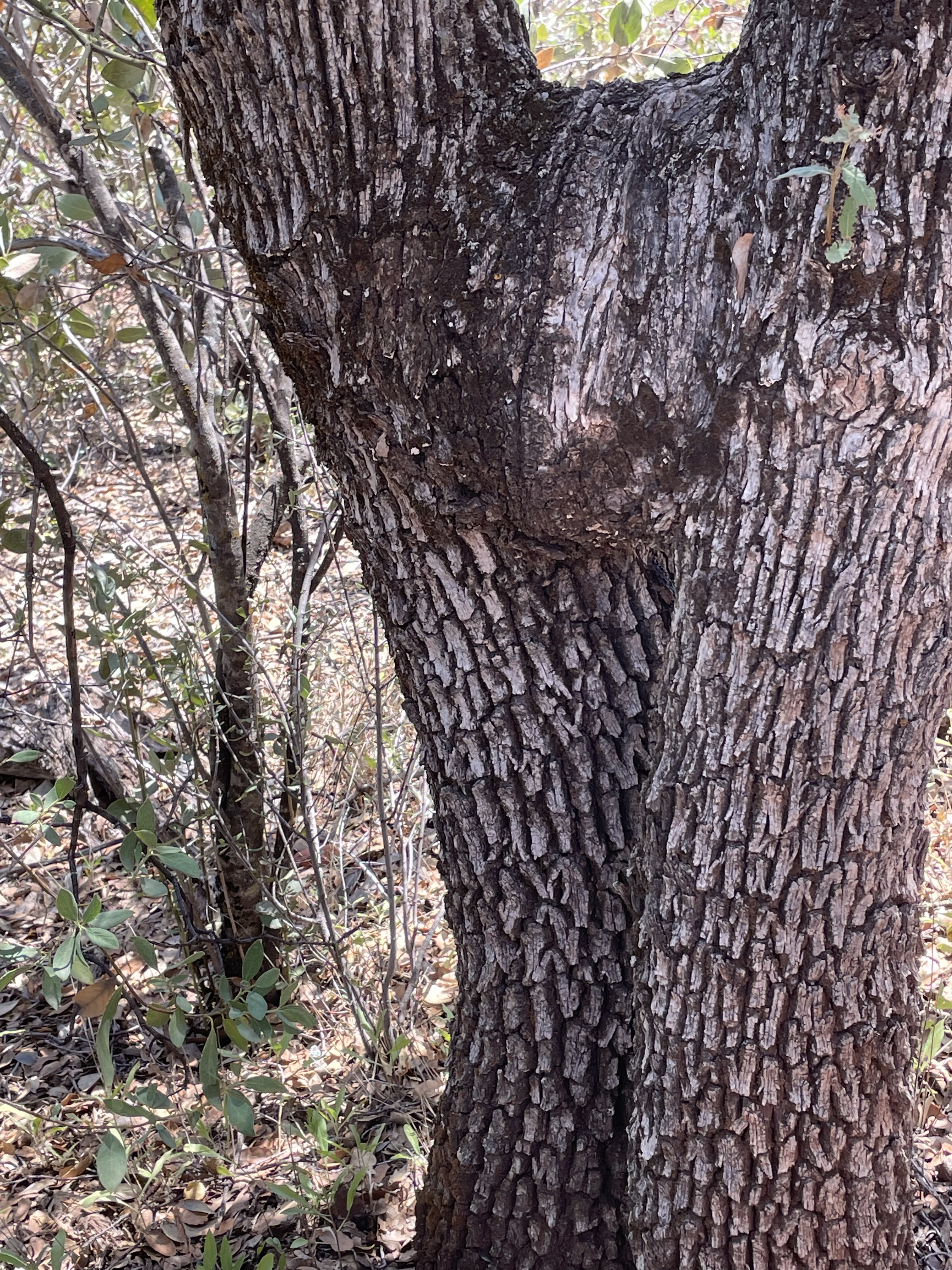
Or you might have a thing for the alligator juniper, the species that favors coming together with other alligator junipers for a little pleaching party.

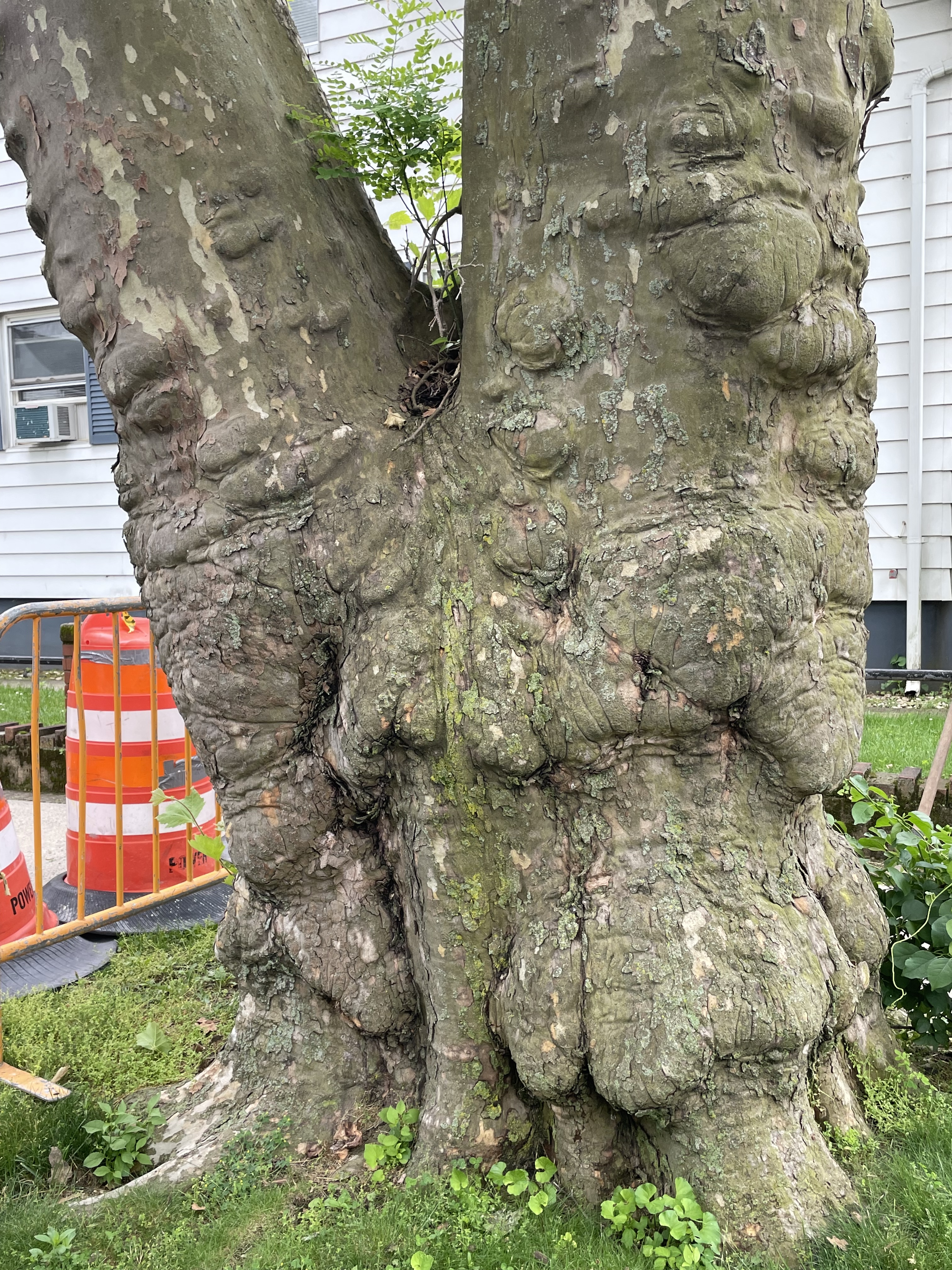
You might even favor the saggy, baggy London plane, a sentinel of our city streets. 

If you live in the southwest, you might eschew real trees altogether in favor of the imposter saguaro, which also stands sentinel, though in deserts. That’s your right.

In any case, you need to protect what you love. Probably for a lot of people reading Richard Powers’ Pulitzer-winning novel The Overstory, the term tree hugger might resonate. What about the original tree huggers? In 1730, 294 men and 69 women belonging to the Bishnoi branch of Hinduism took it upon themselves to shield the trees in their Indian village from being mowed down for a palace, and were massacred by foresters. They literally clung to the trees, and died for their bravery. Happy ending, the government decreed there would be no tree cutting in any Bishnoi village, and now the place is a green oasis amid an otherwise barren landscape.

That story sounds like it might be a little burnished by time. But the next chapter of tree huggerism is indisputable. A group of peasant women in the 1970s in the Himalayan hills of northern India took inspiration from those earlier folks when they fought to have the trees in the vicinity preserved, throwing their arms around the trunks to do so. This was the Chipko movement. “Chipko” means “to cling” in Hindi.

They had success; before long there was a tree-felling moratorium in Himalaya. The tactic, called tree satyagraha, had spread across India and forced reforms. 

Satyagraha! The original boat rockers.

The future is vast, and we don’t know what awaits us. But one thing is for sure. It feels good to save a tree, a large old linden that wasn’t doing anybody any harm. It was just being beautiful. And will go on being beautiful. If I have anything to say about it.

4 Comments

Filed under Jean Zimmerman

If you are a perpetual learner

(I am) this is the job for you.

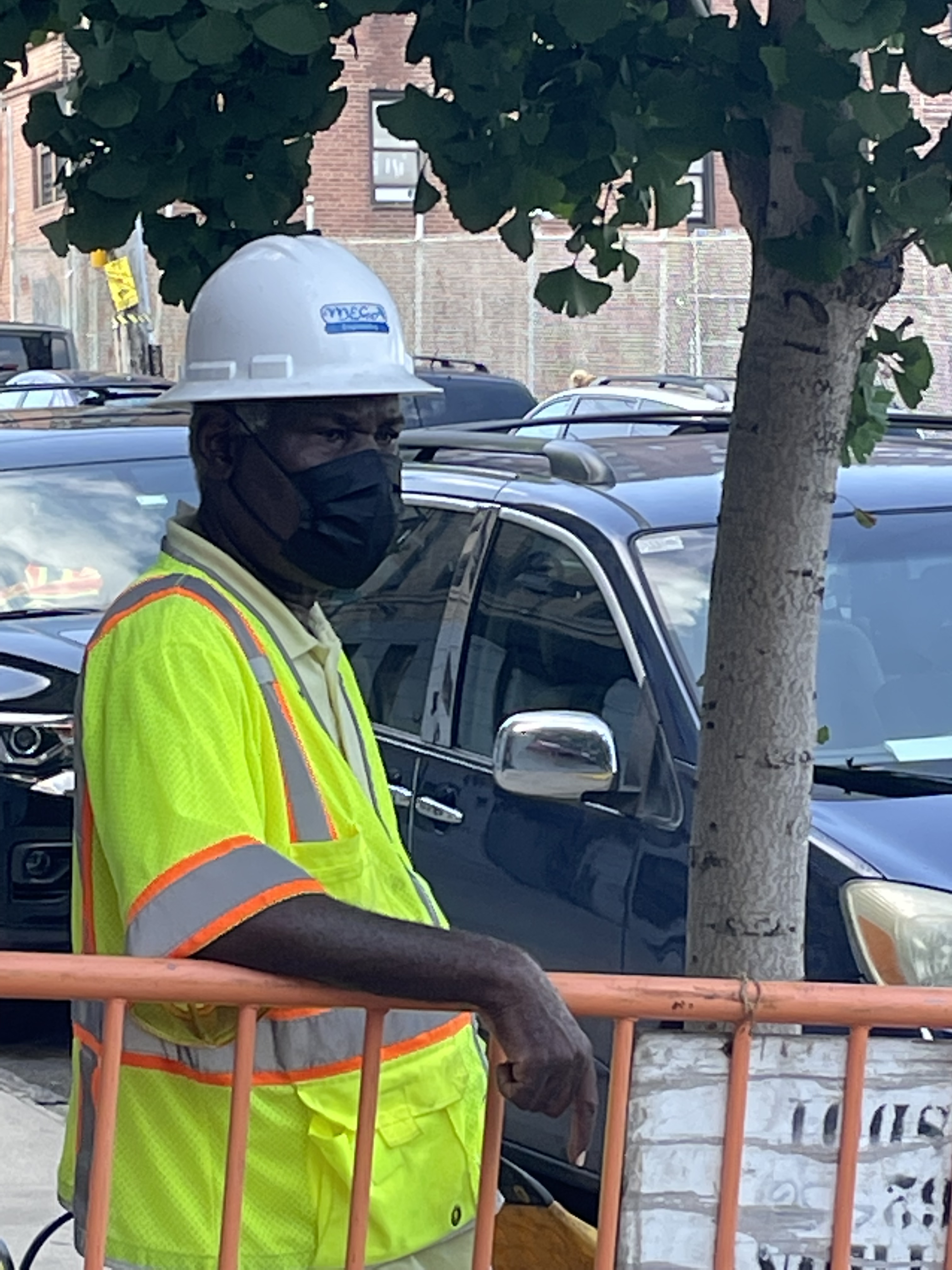
Haitian Inspector’s name is Jean, too. Jean-Robert, he tells me. Explains that where he comes from, the Catholic church would put the name Jean first in front of all the boys’ names because men should be in front of women. Doesn’t happen these days, he says. Phew, good to hear. Jean-Robert is one of the careful New Yorkers who still wears his mask shield religiously.

Start location today, corner of Orloff Avenue and Cannon Place in the Bronx. Little crinkum-crankum streets in this neighborhood that someone outside New York would probably not expect. Two juvenile Eastern redbuds flank the entrance to Van Cortlandt Library. One might stand in the way of a pedestrian ramp to be constructed here. Hence the presence of a tree consultant.

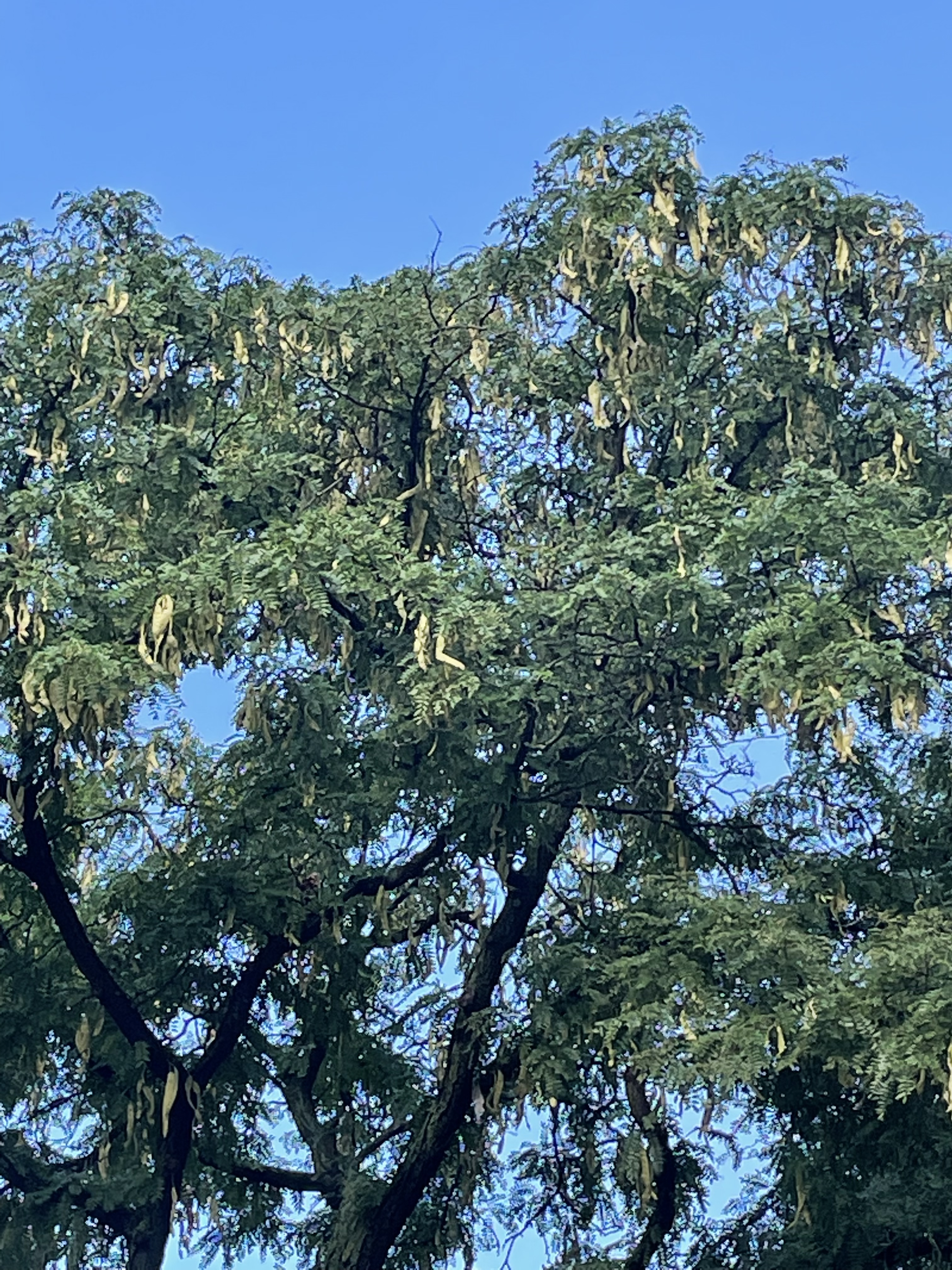
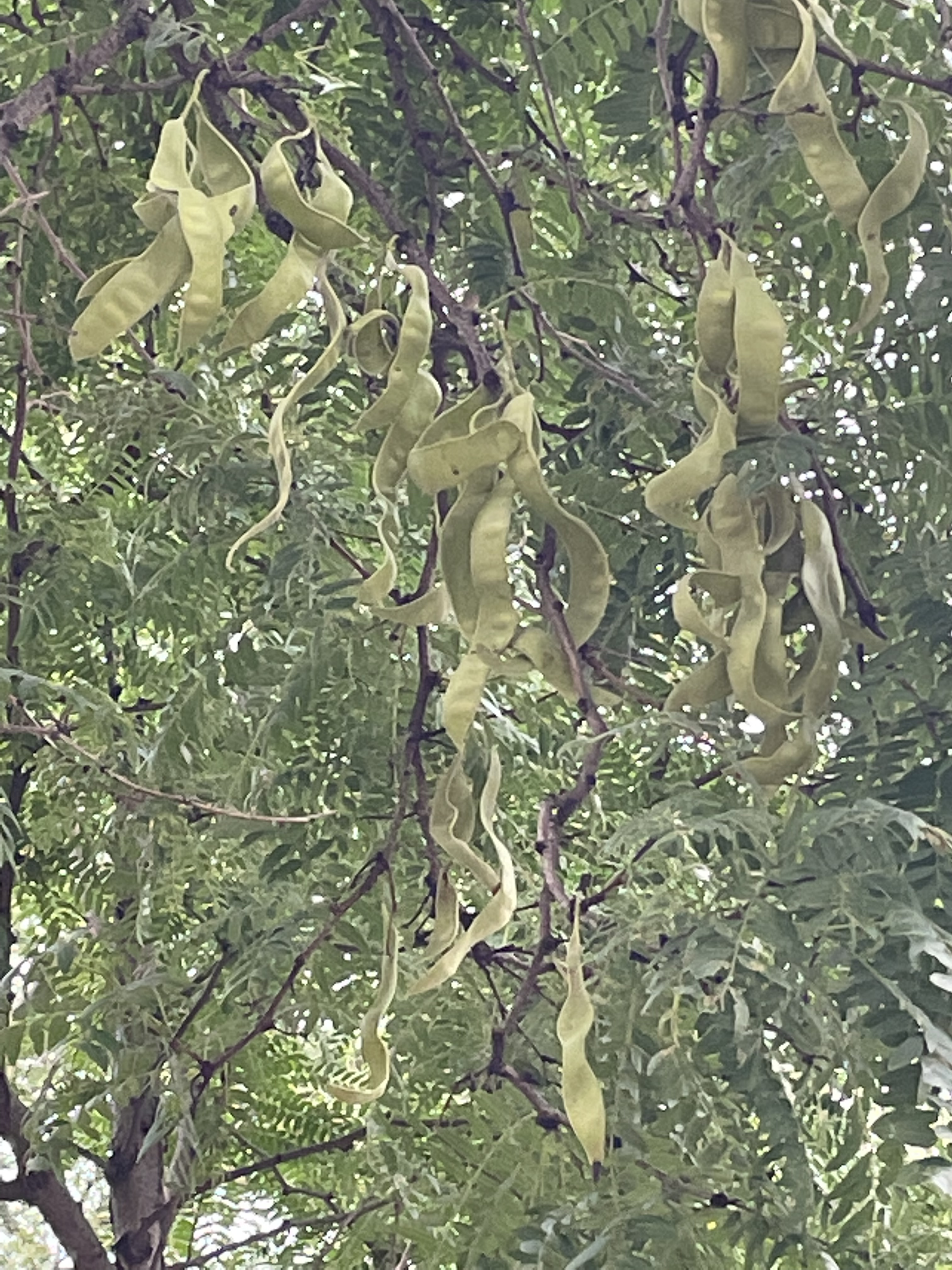
Nearby, honey locust dangles its acid-green seed pods. One worker on a previous site was intent upon the question of whether these seed pods are edible. He brought one home to investigate. People are curious, no matter how jaded we might think everyone is.

In fact, when the legume of Gleditsia triacanthos ripens, its gooey green contents may be devoured by cattle. Digesting the pulp, cows and horses then part with the hard, tannin-rich seeds contained within the pod, and so junior honey locusts are born. Not, of course, in the Bronx. Native Americans had a use for the pod–they had a use for everything, of course– it was utilized for food and medicine and also for tea. Europeans had the bright idea of using the tree’s thorns as treenails for shipbuilding.

Success always demands a greater effort. Thus spake Winston Churchill, a man whose greater effort customarily required great quantities of alcohol. We have a doctor’s note to be used on the statesman’s trip to the U.S. during Prohibition.

In a letter to his wife, Churchill mentions drinking “champagne at all meals & buckets of claret & soda in between.” There was also the beverage his children called a “Papa Cocktail”: a tipple of Johnnie Walker Red to cover the bottom of a glass, to be filled with water and sipped throughout the day. However, as is well known, the man loved champagne the best. And Cuban cigars. Perhaps he would like this shirt on display in a Bronx shop window.

Thinking recently about when I first transitioned into the field of arboriculture and had a lot of learning to do, a major effort. In the tree industry as in other fields you need a credential to define you, and so I devoted many late nights to preparing for my certification exam, offered by the International Society of Arboriculture. I remember that I couldn’t quite believe I was studying for a multiple-choice test, at my stage in life—and that the material was so grueling. The memorization is challenging, even for people who have had years in the field. There were late nights spent at my desk studying diagrams of xylem and phloem, fortified by repeat listenings of a pop song by the band TV on the Radio that had as its chorus Everything’s gonna be okay! Everything’s gonna be okay!

That wee bit of hypomania I had been diagnosed with decades before now worked its charms. My love of language trailed me into the profession like the long shadow of a tall old pin oak, Quercus palustris. Would I really have to learn Latin? AP English had been more my speed back in the day. When I was growing up, what I knew of trees confined itself to the apple tree I climbed as a child and the oak tree by the driveway in whose crevice I created domestic worlds out of acorn caps and twigs. I was to find later on, teaching writing to arborists, that many had a Malus in their childhood which was their formative experience with dendrology, that the wizened backyard apple they encountered as an adult was their madeleine.

Now, even if I had wanted to I could not shake my obsession with the names of the exotica I was learning, terms like lion tailing, thimble, water sprouts, whoopie sling, gymnosperm, cow hitch, come-along grip, antigibberellins.  Yes, Winston, greater effort.

I newly fathomed the phrase, “You must go on. I can’t go on. I’ll go on.” (Mr. Samuel Beckett, of course.)

Clevis, inflorescence, bucking!

By day I mused over the petiole, the slender stalk that connects a leaf with its stem; my night dreams overflowed with phosphorus, oxygen, h2o. I filled my Five Star composition notebook (once the incubator for my book ideas) with the qualities of biotic diseases such as fire blight, nematode, black vine weevil, frass borer and  adelgids, leafhoppers. I still wasn’t sure if I’d be able to identify gummosis in the field, but now I knew at least that it was the exudation of sap or gum from a wound or other opening in the bark. Asterisk! Important! Field-grown no longer brought to mind farm-fresh green beans or juicy tomatoes but ball-and-burlap saplings that would survive transplant shock, no fertilization necessary. And of course, to the repeated rock-and-roll exhortation Everything’s gonna be okay!, the vital necessity of organic mulch. Yikes! How would I remember it all? Later I was to learn that even the most grizzled arborists customarily looked up the more arcane facts, there was no shame in it.

I recall sitting in front of a computer terminal at a bland Manhattan testing site near Grand Central Terminal and sweating over the questions, not sure I could make the grade. All around me people were proving their worth as correctional officers and real estate brokers, probably going on to great things, not grubbing in the arboricultural dirt (yes, tree people do call it that, not the more p.c. soil.) Yet I was excited. This project of mine was blowing up – it was heady, it was real. And, somehow, I passed.

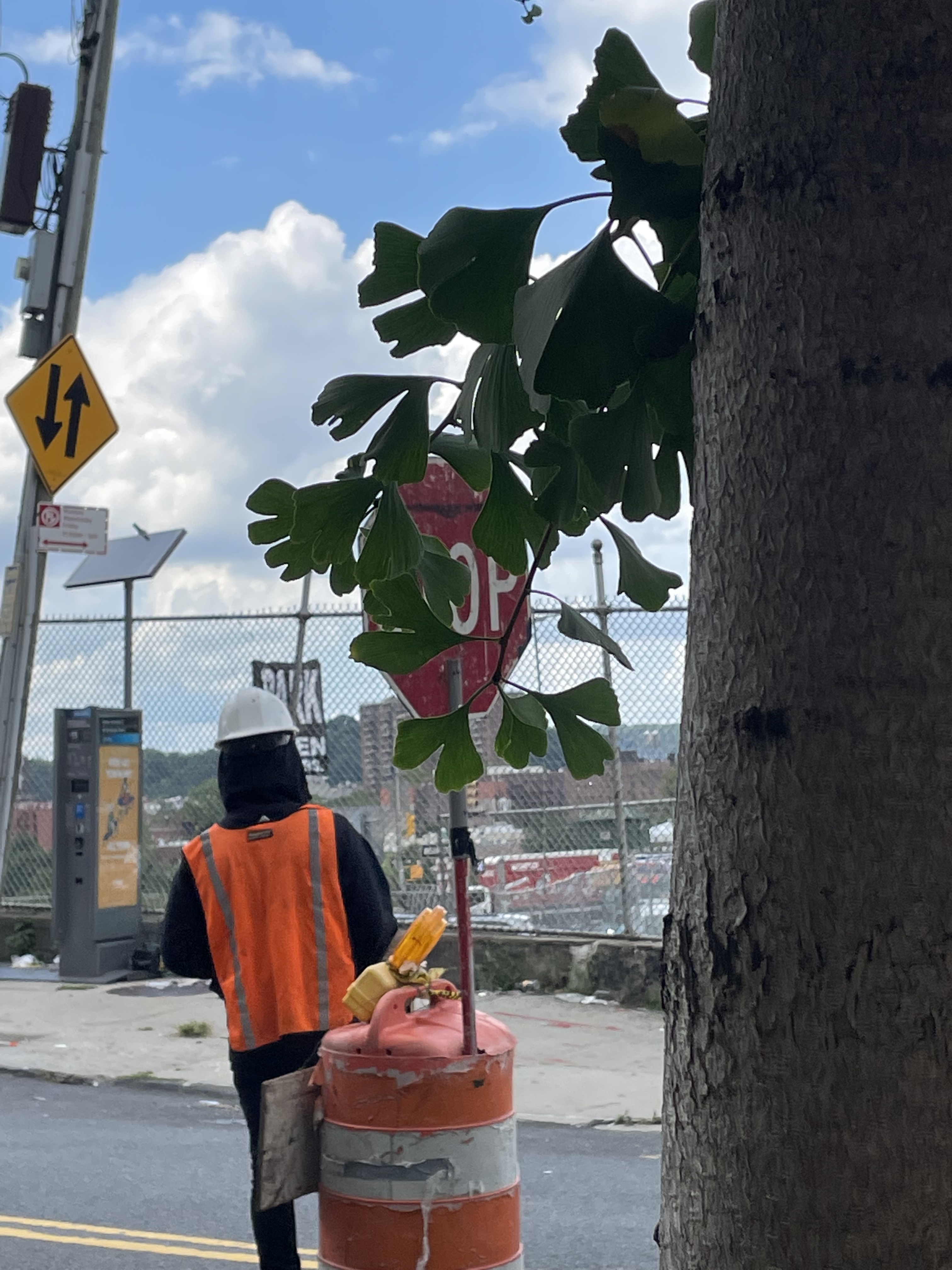
On to the Bronx, years later, where ginkgo leaves flutter.

As do the latest fashions.

Haven’t had to use a cow hitch yet.

Leave a comment

Filed under Jean Zimmerman

Road trip revelations big and small

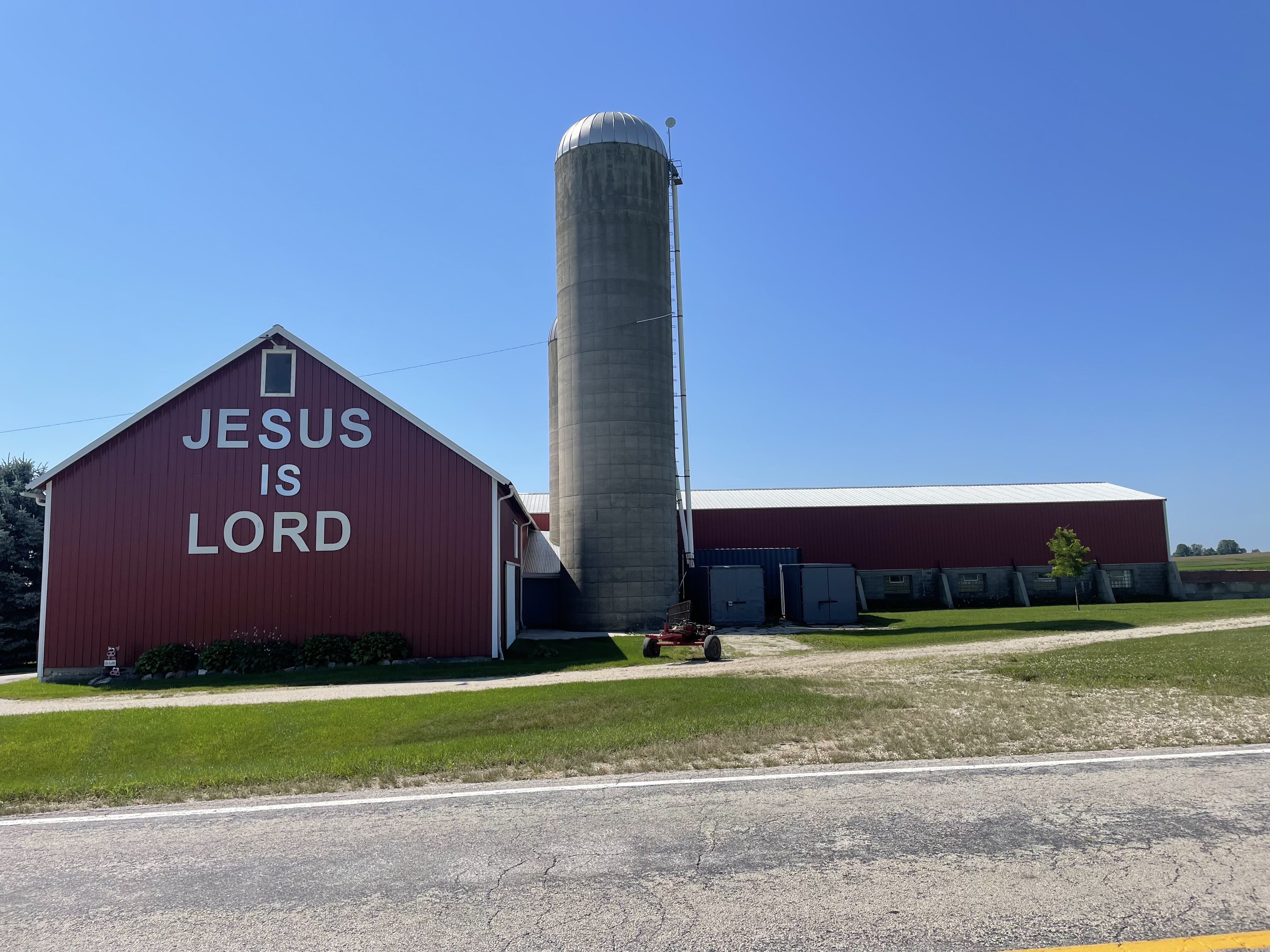
included some arresting sights, such as the Wisconsin highway barn painted in mile-high letters by people who obviously wanted to get their message across. These guys should work on Madison Avenue. OKAY, WE HEAR YOU!

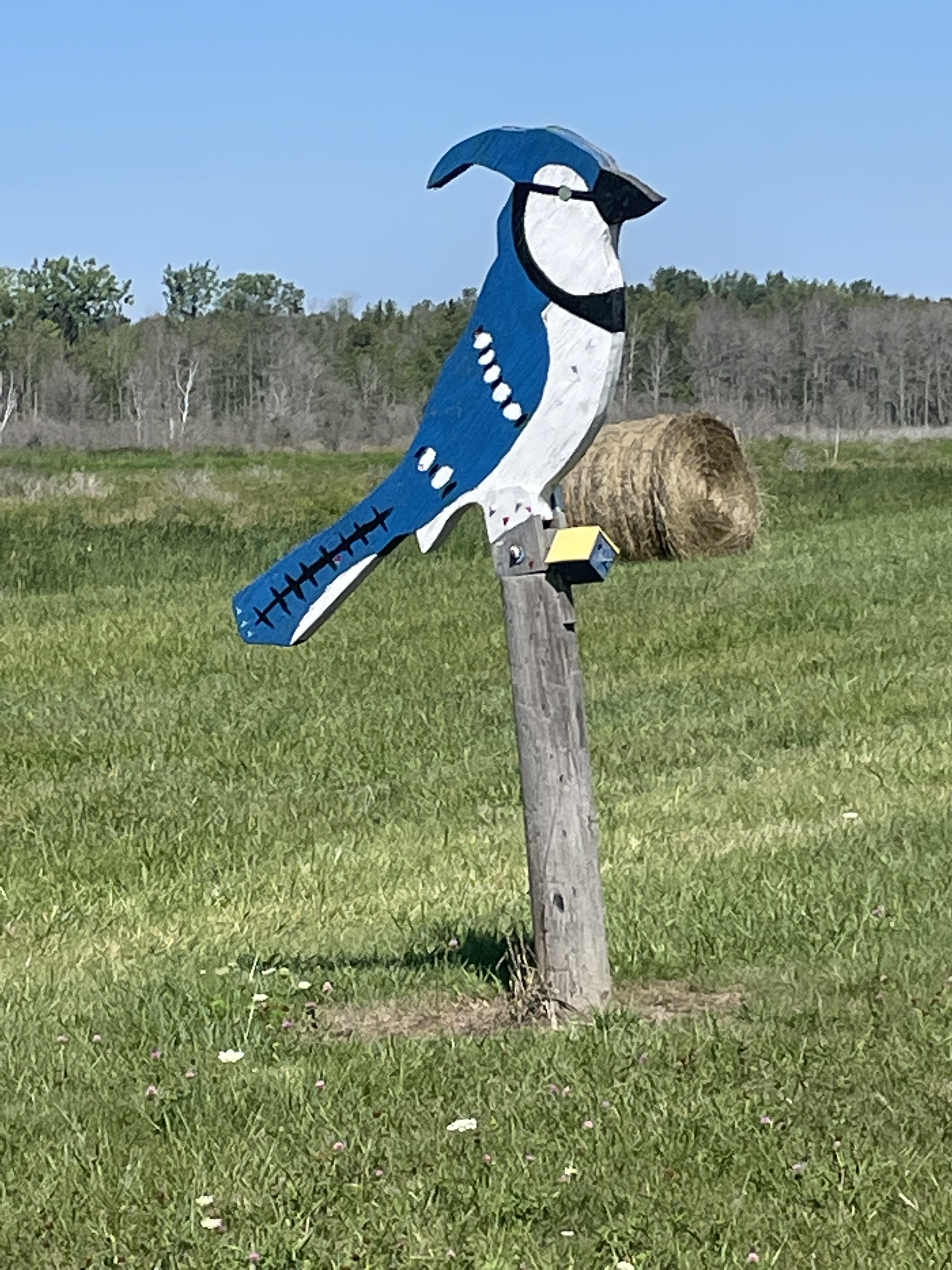
A flock of blue jays, one of which left a memento behind for someone (me) desiring signs and best wishes for the future.

Earlier on our journey, another blue jay, by the road side. Good effort to whomever created it, and good tidings to all travelers passing by.

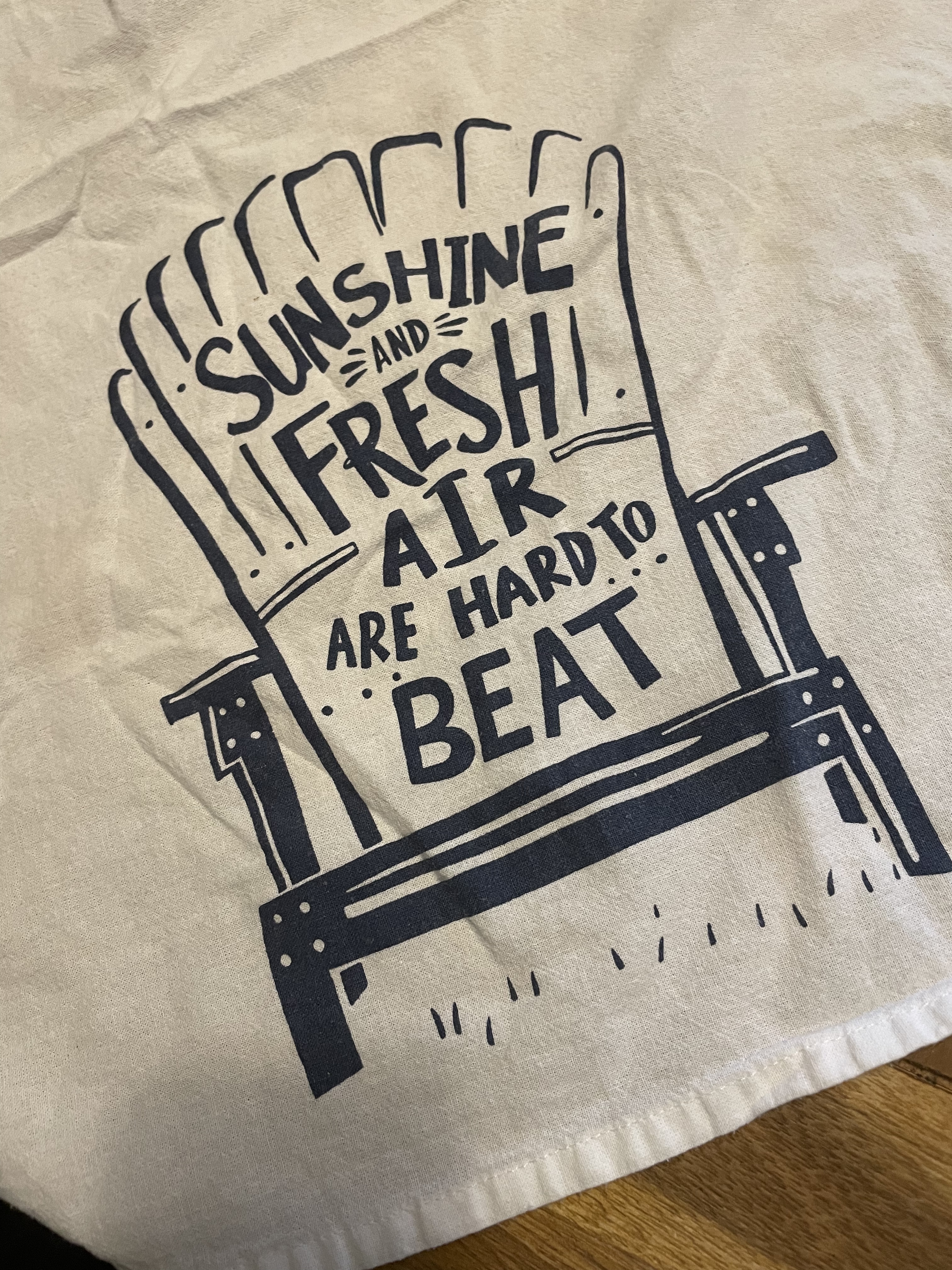
A message dishtowel I seem to have absconded with from the family reunion cottage on Green Bay. Yes! Agreed.

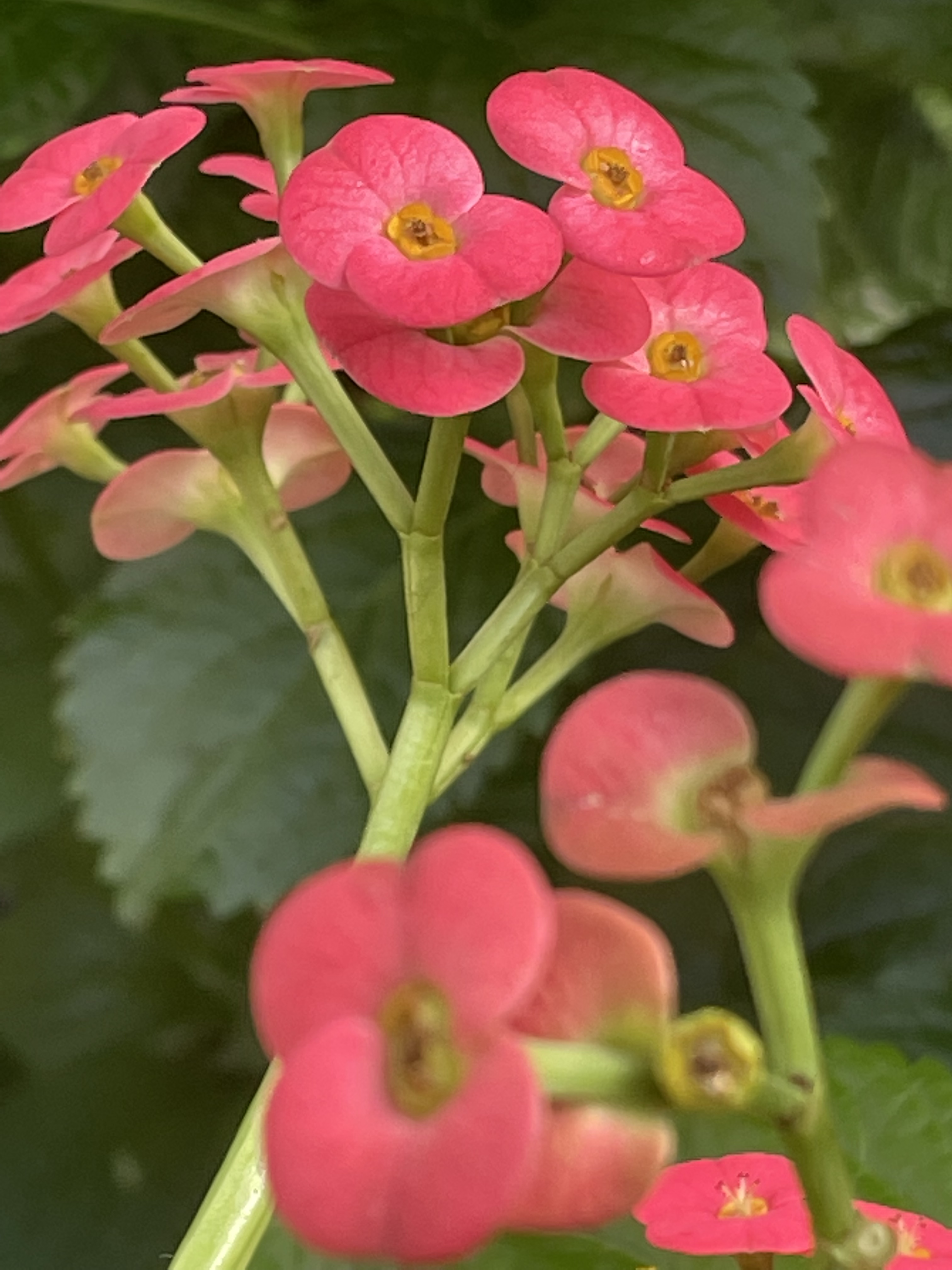
Flowers lush, fresh, unexpected. Euphorbia milli.

A rainbow, always a good harbinger, this time at what is called the American Falls at Niagara. Eschewing the yellow ponchos they give out to tourists who stop under the torrent, I looked down over the whole scene and was impressed by a) the majesty, of course and b) the tawdriness of the surroundings. Have three quarters of all commercial establishments (hotels, restaurants, etc.) shut down during the pandemic, or does it just seem that way?

Wanted to find a memorial to Annie Edson Taylor, the 63-year-old nearly penniless widow from Bay City, Michigan who thought she’d achieve fame and fortune by braved the Horseshoe Falls in a barrel in 1901. Challenged by a reporter to reveal the skimpy outfit she might wear to make the journey, Taylor responded, it would be unbecoming a woman of my refinement and my years to parade before a holiday crowd in an abbreviated skirt!

Apparently her only monument stands in Oakwood Cemetery in Niagara Falls, where she died as a public charge – only 17 minutes of fame for her and no gold at the end of the rainbow (bad manager blamed). A schoolteacher, she fitted herself out in barrel weighted down with a 100-pound anvil and went for the ride of her life, only getting slightly banged up.

Farm-stand raspberries just picked, before being gobbled down. Summertime, summertime…

WOW! Seemingly defunct art gallery in Manetowac, just before the Canadian border. Peeking in, dusty easels and all.

Apple plucked from the grass beneath an old-old tree, the kind of fruit people used to go crazy for in the days before candy for everybody all the time – mainly sour, cottony, with skin of leather, instantly oxidizing – which I ate down to the core before tossing out the window.

Johnny Appleseed fantasies. An interesting fellow, not a myth. John Chapman, born in 1774, was a pioneer nurseryman who introduced apple trees to large parts of the eastern U.S. He was also a missionary and when he traveled around to various states distributed materials about the New Church along with his apple seeds, giving sermons that cautioned against such indulgences as calico fabric and imported tea. 

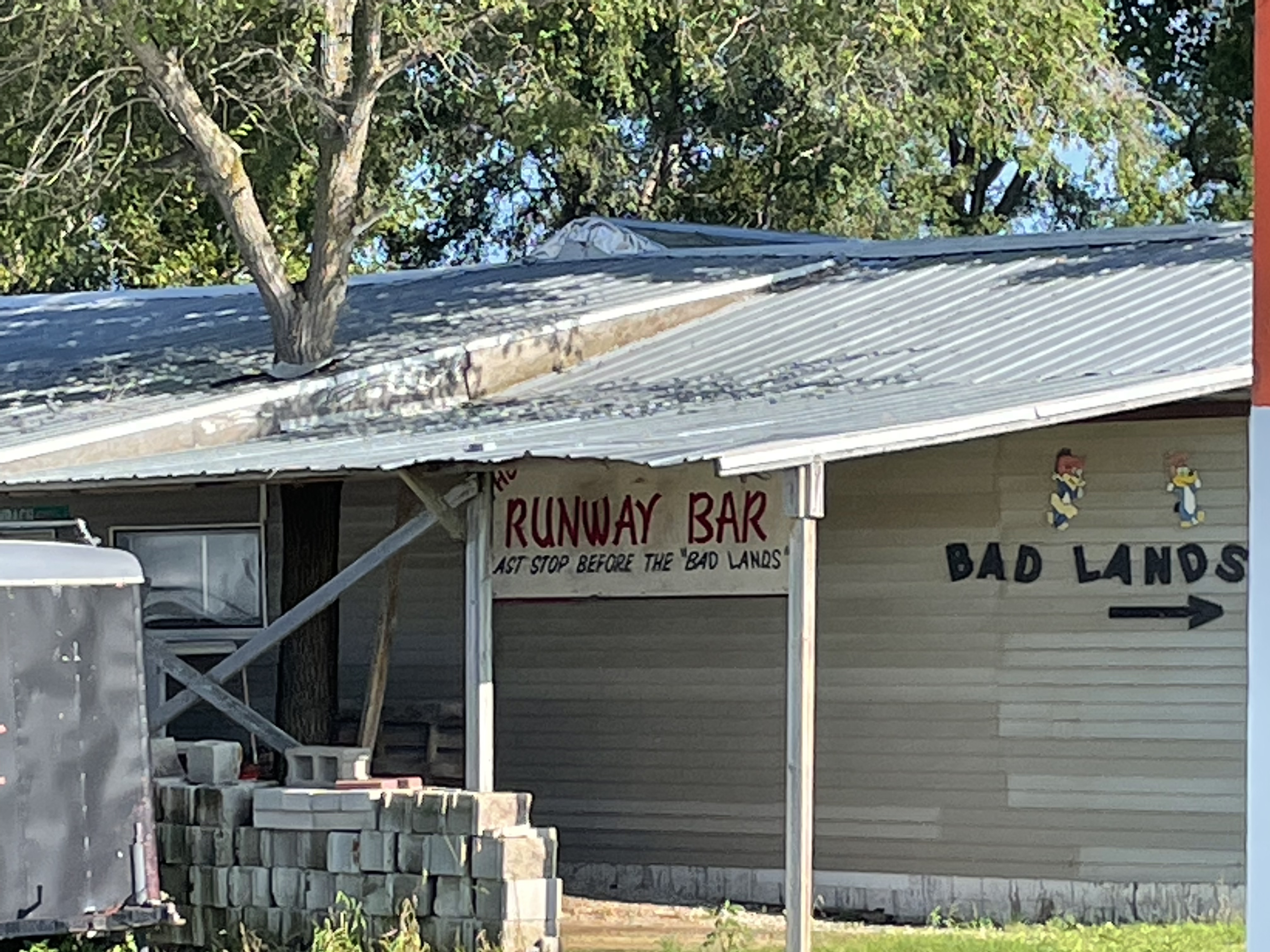
The Runway Bar in Door County at the small airport for private planes, Bad Lands in the back (bordello?), shut down in the ‘90s but still offering a side-of-the-road sight for sore eyes, tree busting through the roof and all. A dive bar that took a nose dive, says Gil.

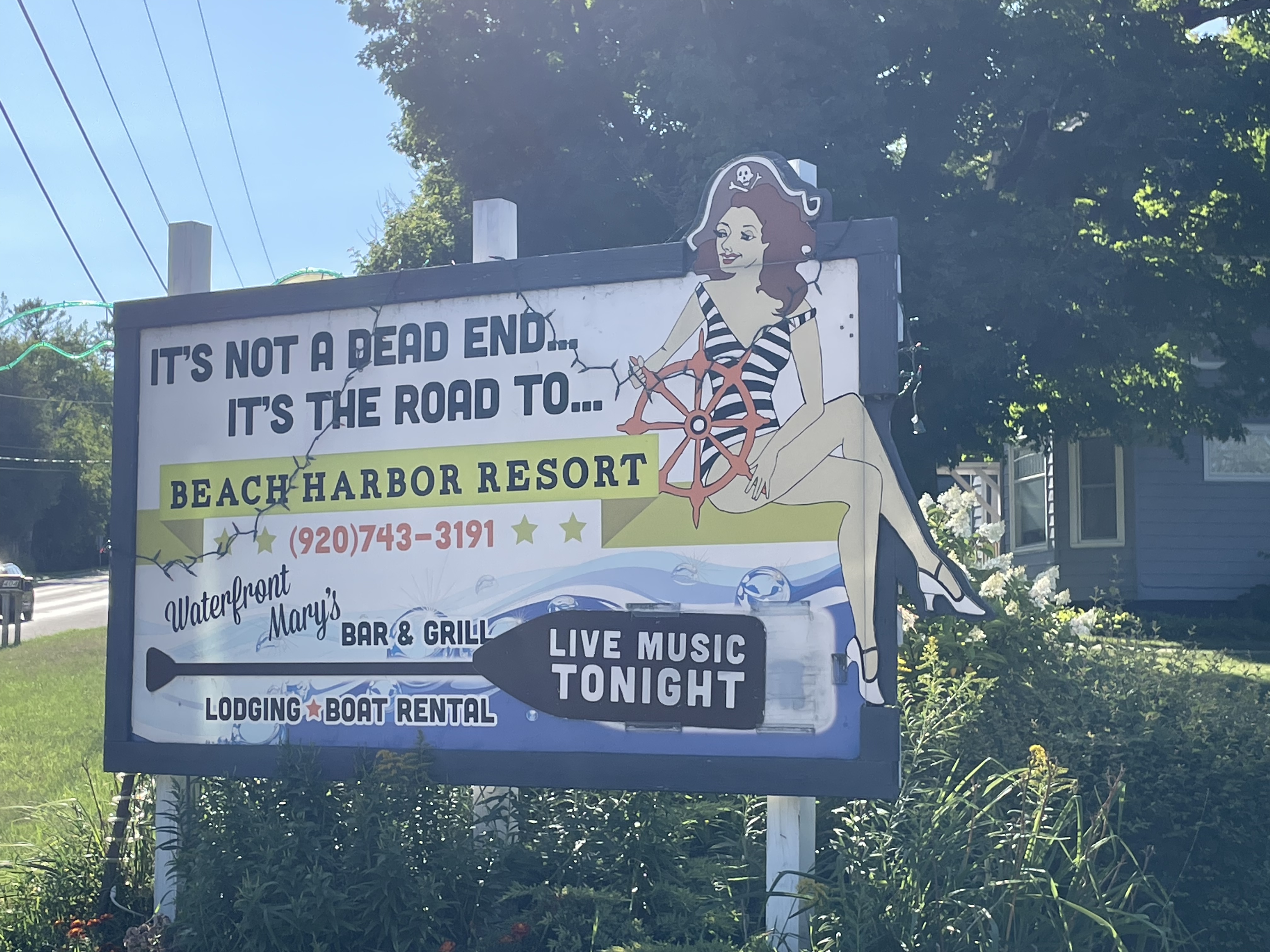
Another way sign I grew instantly fond of. Beach Harbor, baby. Let’s go.

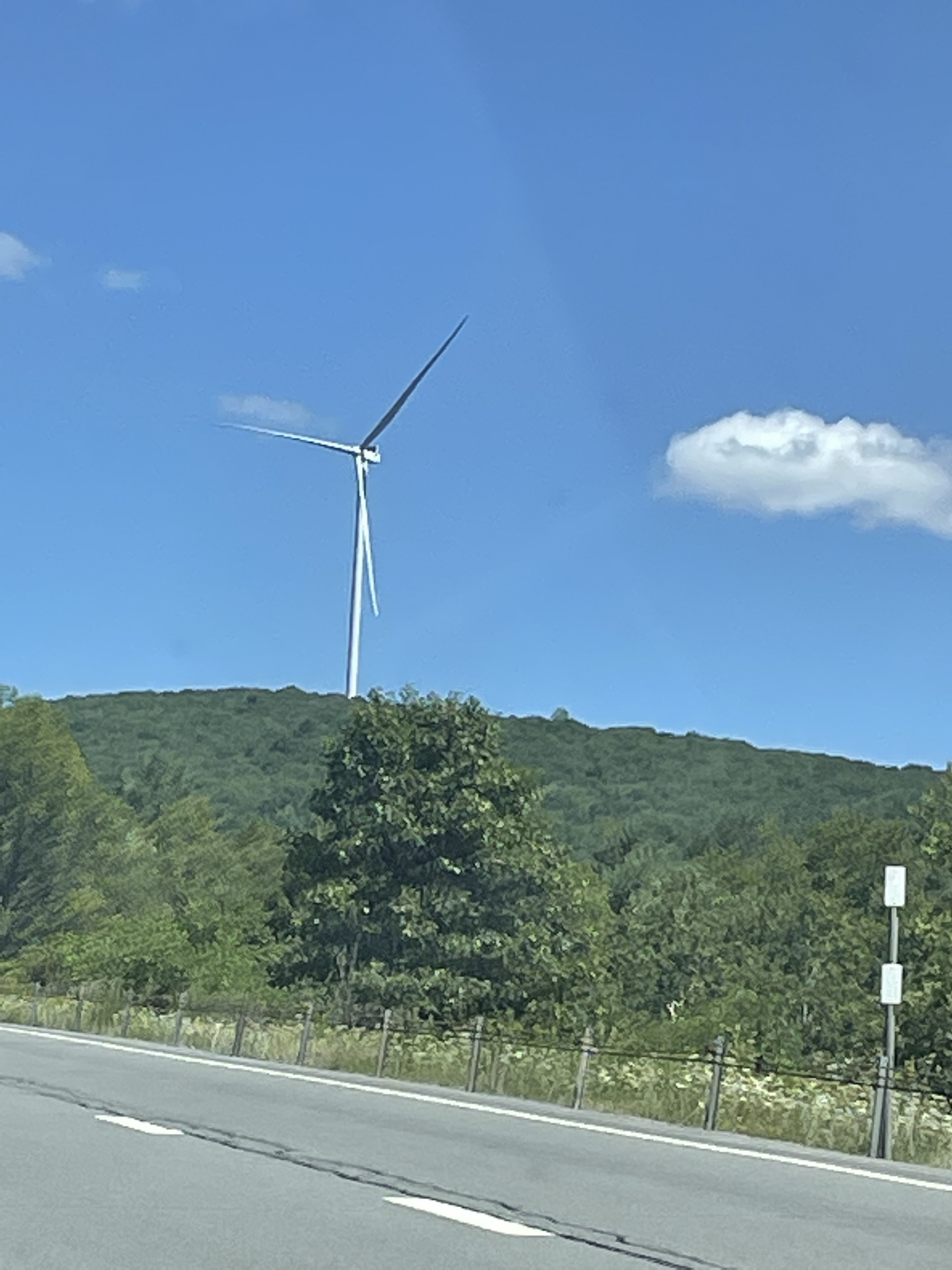
Sleek windmills all along the highway. I’m told not by Cervantes not to tilt at them — they might be evil giants — but I insist. Saw some on the road being transported, accompanied by a robust police convoy.

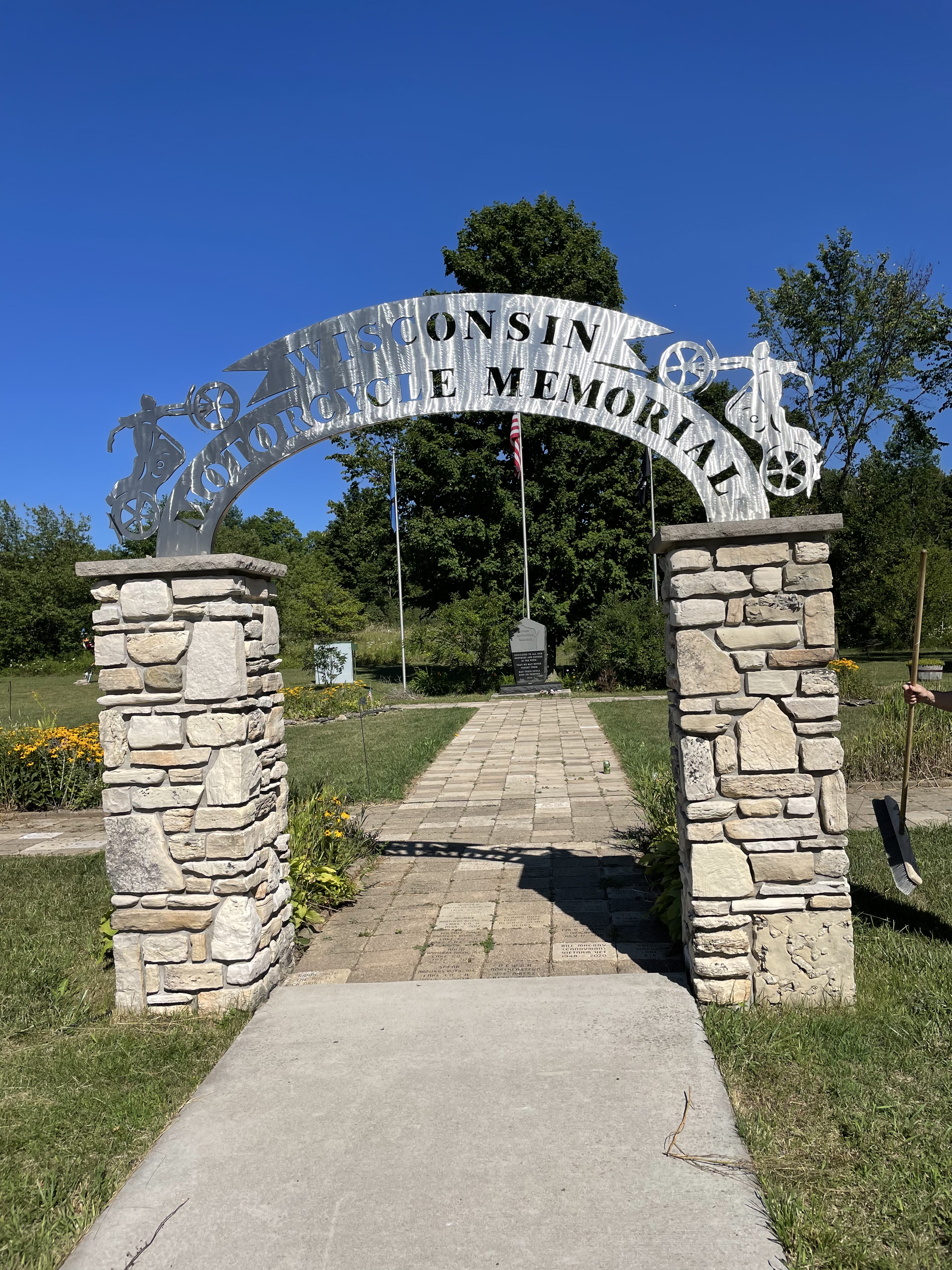
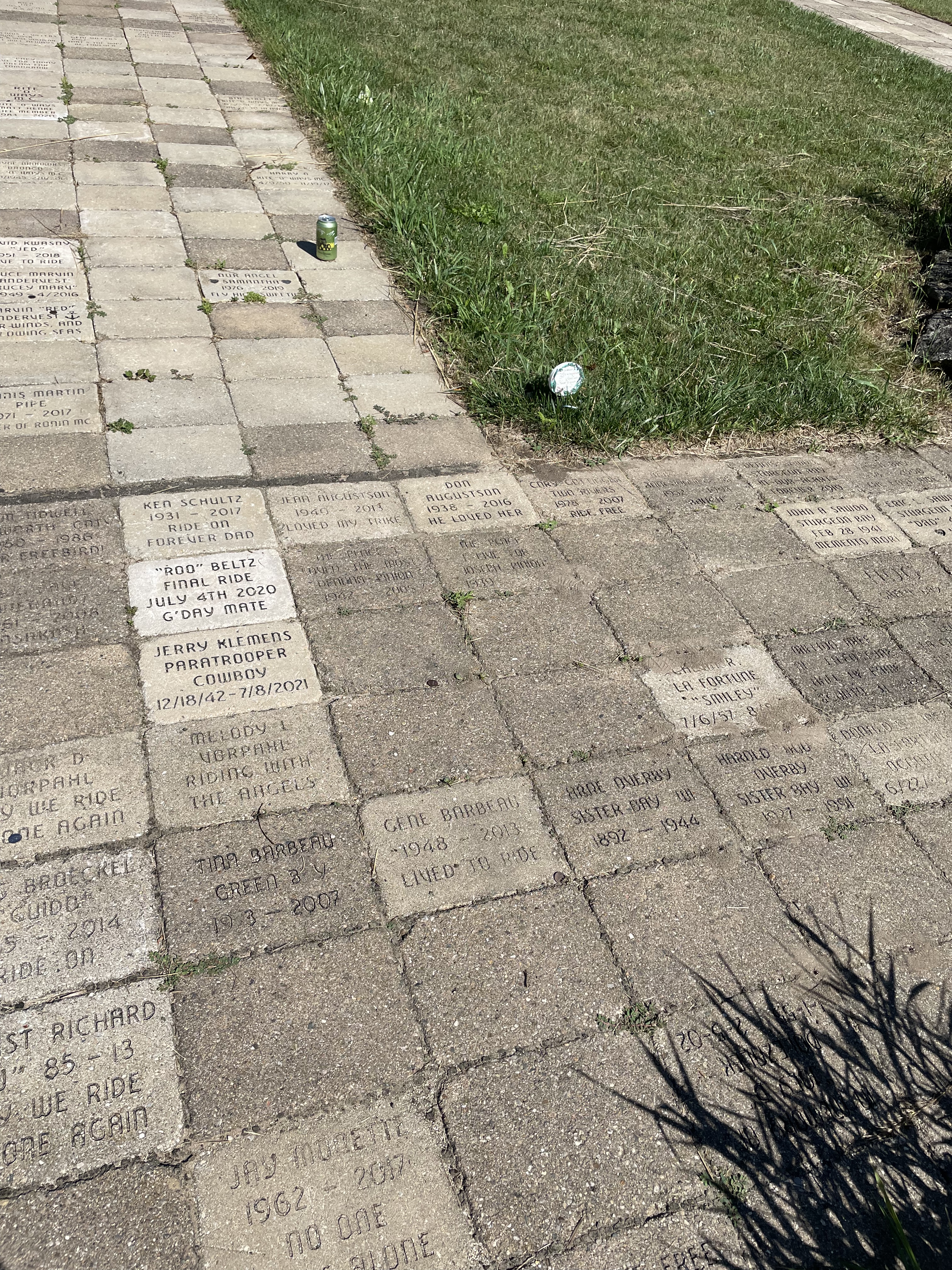
Well-groomed Motorcycle Memorial Park way off the road.

A place to raise a beer to fallen comrades, apparently. But remember, bikers don’t let bikers drive drunk.

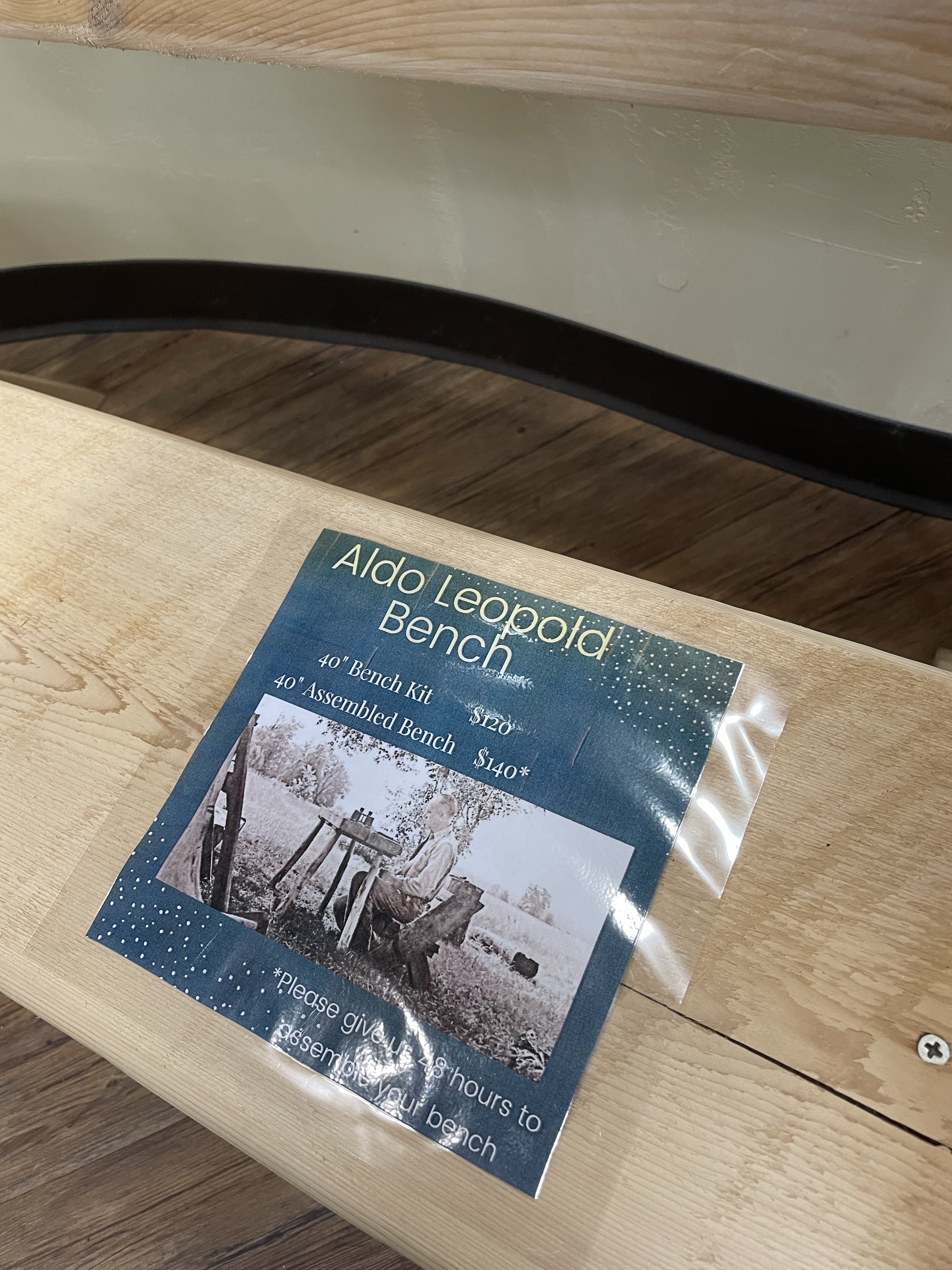
Aldo Leopold bench kit at The Ridges nature center at Bailey’s Harbor – 120 bucks will get conservation-minded carpenters the great naturalist’s name brand for their garden.

A canoe setting sail with family members at sunset. Sweet dreams are made of this, as the Eurythmics would have it.

In other boating news, a homemade flotilla and race at Sturgeon Bay – only plywood and caulk allowed – and almost all sink to general, gentle Midwestern hilarity.

In still more boating news, a Gideon’s bible graces the cabin on the coal-fired ferry from Manetowac, Wisconsin to Luddington, Michigan, across the great lake. Will put reading that old thing on my to-do list.

Odd tree habits. I don’t get this, but I love it. Maybe there is a biblical allegory here?

The moon that followed us as it waxed, flaming yellow and orange, so close you could see the ancient, impossible face. No Iphone pic can do justice to this fever dream of an evening sky. Truly the magic hour.

It was hard to get enough of Ottilie the German short-hair pointer taking cat naps in the back seat.

But don’t mention cats to Ottie, who has a thing about cats and other small creatures. This great bird dog, without a hunting trip to focus her, once put a chicken out of its misery at doggie day care.

And speaking of dogs, nine puppies for sale at a crossroads farm – parentage impeccable, Red Aussie/Red Heeler/ English Shepherd/ Border Collie.

Like fur-covered jelly beans, all of six weeks old. Callie the home-schooled farm girl (not sure what grade I’m in — ninth, I think?) shares a picture of the father. Pretty formidable presence, I’d say.

Will we adopt one of his progeny? I am currently petitioning my dog-loving husband, who cherishes his freedom now that all our prior dogs have crossed the rainbow bridge, as some people like to put it. Probably originated with some of the same people that put up the JESUS IS LORD barn message.

Perhaps the blue jays will bring me luck.

Leave a comment

Filed under Jean Zimmerman

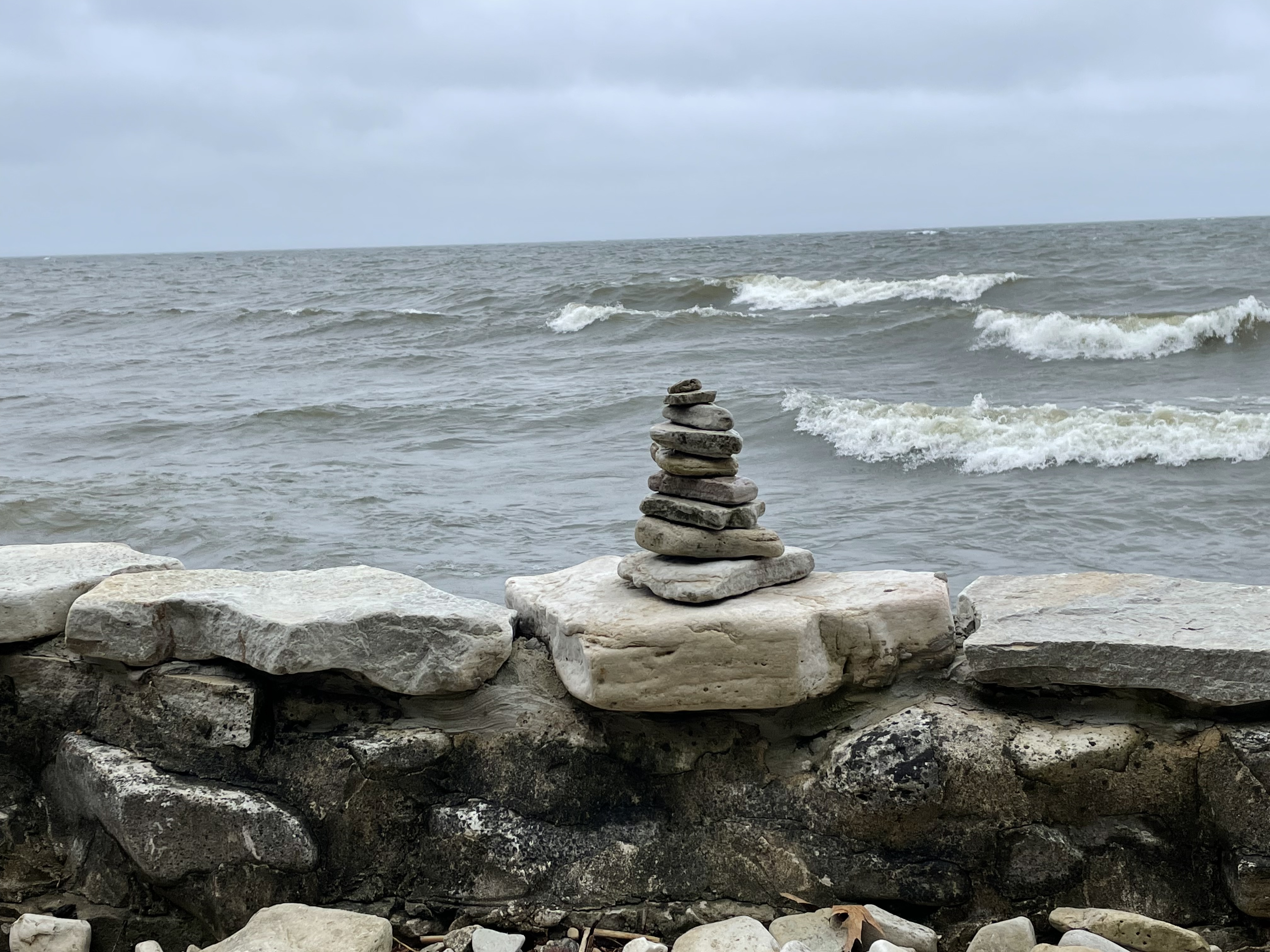
The meaning of a cairn

is debatable. It’s a marker or a meditation of some kind, says Sarah.

An ode to the fact that people have been here. Yes. Sarah swims in the cold, rough ocean, and knows something about everything.

Traditionally, in the Andes or Mongolia, say, rock cairns were used to mark routes to safety, to food, and to villages. Three or more stones piled up, usually.

Thomas believes that they were first used to prevent marauding predators from defiling corpses, but remembers that in Boy Scouts, hiking, they built them to use as a sign for those who follow. That must surely have been fun.

Finding your way in the world can be fun. Or not. It’s always an adventure. Even pain lets you know you’re alive. Can help you find your way.

All kinds of signs, not just cairns, in this Midwestern sortie. The wall leading to the beer hall restroom.

The supermarket aisle, full of Midwestern cute-isms.

The roadside wayfinder to the coming old-time thresheree. Missing it. Rats.

Even the fish store has its own signpost, useful for dinnertime filet crust-creators.

Something called a chambered cairn in ancient times featured a grave underground and a cairn above.

Marking your way, finding your way, figuring out where the heck you should go. You probably have heard that men and women organize space differently, and wend their ways differently when they take to the road. Women determine where they’re going by landmarks, men by maps.

Here on the shore of Green Bay, sticks and stones.

Sticks and stones won’t hurt you. Stones might. Hundreds of thousands of spiders swarm the shore and clamber whooshingly into the cracks when you make your way across.

Sculptor Andy Goldsworthy is known for his sculpture at Storm King sculpture center in New York. With the help of five men he built a wall 2,278 feet long out of rough stone dug from local fields—1,579 tons of rock. Incorporating an old farm wall, it wends its way through groves of trees before “disappearing” into a lake and “emerging” at the other side. Goldsworthy has noted, Trees, stone, people—these are the ingredients of the place and the work. The stones connect to past and present. Touching the wall can bring luck, as Maud knows well.

Past and present. Mimi told me that cheese shops were commonly built at the crossroads in rural Wisconsin. Whaaat? Gil and I call such facts when used in written works bite-in-the-ass-details. Almost too delectable to be true. BITAD’s.

But I checked in with Rick, a Midwesterner born and bred. His grandpa was a cheese professional – got his degree in cheese-craft at the University of Wisconsin-Madison in the 1930s, then went about the cheese business in rural Wisconsin at crossroads cheese factories. Seriously.

What if you find yourself at a cheese crossroads?

Sometimes –usually — a hammock is the best place to reflect on the tides of life.

My proposal for a book about American forests is out there, wending its way through the publishing quagmire, looking for a home. Waiting to find a home is hard, but I like to think I’ve done good work and the rest will come.

Over every mountain, there is a path, although it may not be seen from the valley. That’s what Theodore Roethke said. Lyn said that she recalls a kind minister helping her overcome some of her shyness by appointing her the church’s liturgist – she didn’t foresee that path but will always be grateful.
Charlie used cairns as a backpacking counselor. One trail was on Bomber Mountin in the Bighorns of Wyoming. The group found the WW2 wreckage near a peak, then cairns guided them down a 1,500 foot descent to safety.

Only one thing for certain: there will be peach upside-down cake for dessert.

How many more perfect sunsets will you view in your life?

How many perfect cedar skies?

How many slices of peach upside-down cake? How many Midwestern Van Gogh sunflowers kissing the light?

How many cheeks will you kiss? How many times will your own face be kissed? 

How many sweet summer vacations? I hate to break it to you, the number is finite. 

The ways are innumerable, though, I hope. Keep an eye out for signposts.

2 Comments

Filed under Jean Zimmerman

“Intuitive meandering”

read the words on the Cook-Albert Fuller Nature Center blackboard. Is there a better kind?

Jane Whitney, citizen-scientist, makes every tiny detail on our meander come alive.

Consummate guide, she leads an ungainly gaggle down a boardwalk at The Ridges preserve in Door County to goggle at things both tiny and large. Not the wilderness of a John Muir, but accessible to those with mobility issues. And that is important.

It’s an orchid-y place, she says. Citizen-scientists have been conducting an inventory with GPS and found 29 kinds here. None blooming now, unfortunately. Otherwise we would see the blossoms of the ram’s head lady slipper, about as big as your little finger. Orchids, it turns out, will not germinate without a fungal partner in the soil. Something she says that I distractedly miss about a baby and a lunchbox. Sounds amazing but my tummy still hurts from all the chocolate-covered almonds I ingested at the bonfire last night. Each orchid contains a fairy dust of 10,000 dust-like seeds. Just DNA on the wing.

Now you’ve got my attention. You know, of course, that Latin names exist for all these plants. Those are for smart alecks, not for us. Did you take Latin in school? It was all I could do to master AP English.

Cat-tails. Where we live, back east, these have all been replaced by phragmites, noxious invasives.

The hardest part of being a citizen-scientist is getting down and getting up again, she says, especially when you’re in your eighth decade.

Ridges and swales, the geographic features of this biome. Turns out this discrete spot in Door County thinks it’s much farther north, and thus earns the title of boreal forest, hosting a northern community of plants and 17 species of warbler that nest here because they think it’s north. Silly warblers. Bailey’s Harbor offers a straight shot down to Chicago. A paleolythic boreal forest, and we’re in it. That must be the magic I sensed. Even the soil beneath our feet is special.

Jane shows us Joe Pye weed, a wonderful plant for your garden – a monarch magnet, and swamp candle a native kind of loosestrife, and therefore okay, not like the purple loosestrife that haunts the byways of America. Joe Pye, named after a New England man who used the plant medicinally for helping people with typhus fever.

Boneset, its close cousin. Self-deprecatingly, our guide points out little short plants on the ground – where else would they be, Jane? Dwarf lake iris, with a purple-yellow bloom in May, this was shoreline once.

Cedars are manifold. The bark, people once knew, could cure scurvy.

Now it is only picturesque.

Only? Differ.

And makes a trail like this give off an aroma better than the finest chi-chi spa.

Even Mimi, a teensy bit anxious to get us here on time. is becalmed.

Goldenrod gets blamed for allergies but ragweed is the culprit when pollen gets up your snoot. Spatter dock. Narrow-leafed loosestrife. Water parsnip. The poetry of wild plants, now forgotten by all but a few. Kalm’s Saint John’s Wort used to be used medicinally by ancient people, the smart people. Kalm traveled to North America from Sweden in 1747 and wrote the first scientific papers on Niagara Falls and on the 17-year cicada, among other marvels. He identified 60 new plant species.

We see tufty things. Standing beside the harebell, my pen runs out of ink, and Jane kindly lends me an extra from Door County Eye Associates. I am reminded of the tours I give at Ellis when she heads us into the shade. You need to be comfortable when learning about the doodlebug, or ant lion, one of nature’s premier engineers, which always goes backwards into an ant hill and knows perfectly the angle of repose. Funny, I thought I had the skinny on that.

A sedge meadow is a good place for mating dragonflies. Or mating anything, if there’s no room at the inn.

Spurred gentian doesn’t get any prettier than this – it’s just a blush, non-spectacular. Yes, gotcha, we all have those days.

In case you worried (I did), the only reason the lower branches of the cedars look dead is because the tree in shade finds it’s too much effort to maintain needles for photosynthesis.

But there are particular signs of continued life for this conifer forest. A recent wind-throw caused a canopy opening that was a gift to the forest floor, making a place for baby balsams to grow. Nurse logs coated in moss sprout seedlings, so if you have a wood lot, leave your wind-throw down. I hear wives rib their husbands: I don’t think you’re going to do that anytime soon. The usual guy-who-knows-everything points out berries that even Jane didn’t see. Mansplaining as popular a pastime in the Midwest as anyplace else.

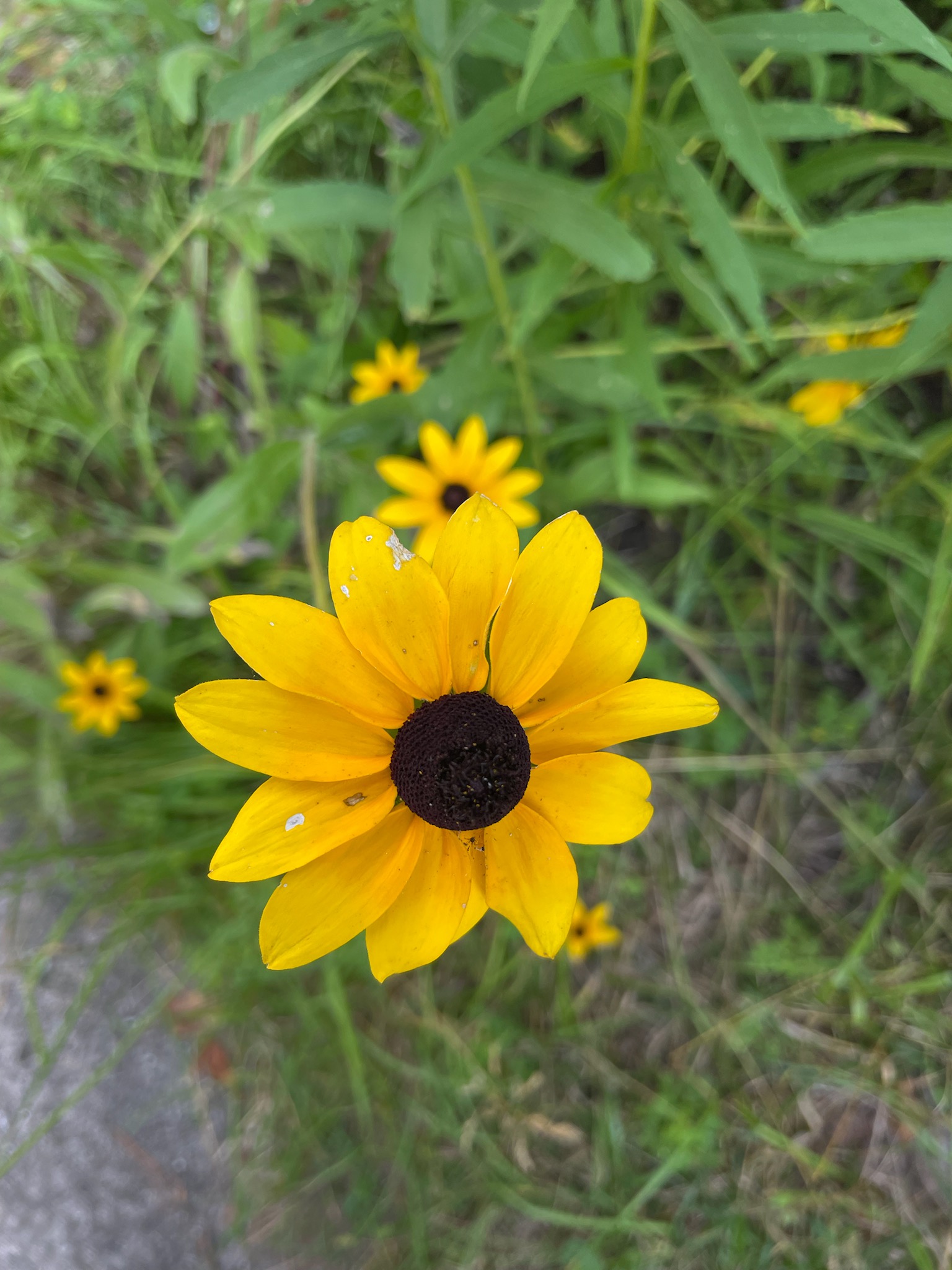
The black-eyed susans are having a great time. Happy plants. Did you know that lilies of the valley are that modern curse word, invasive, also daisies, brought by European settlers?

I want to take a hot second and talk about… the tour is almost done, time to think about heading to the local brewery. This is Wisconsin, after all.

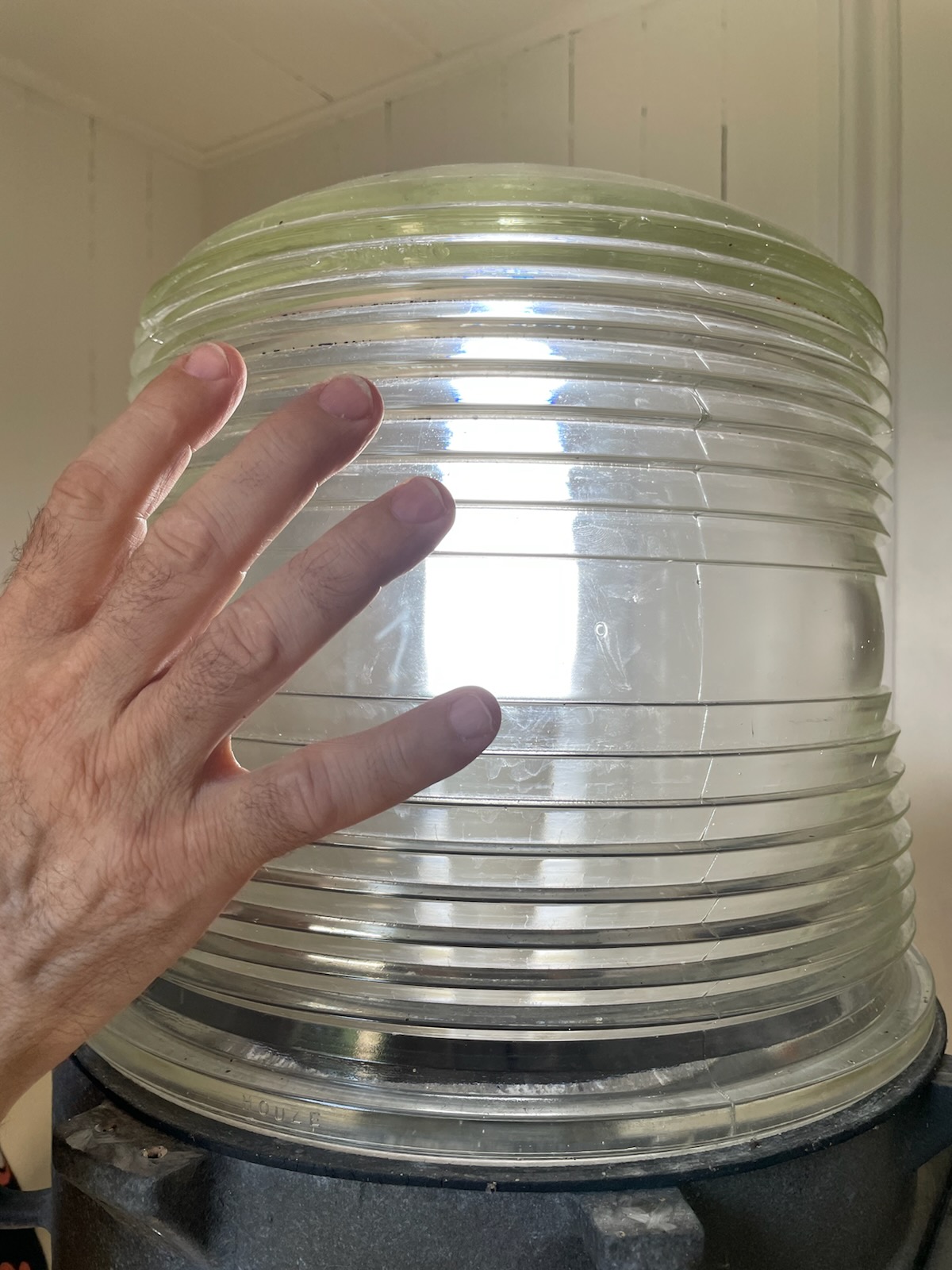
First, though, the old-old lighthouse with its amazingly small lens.

Its history of being powered by lard, its nationally recognized outhouse.

It’s not all about the wildflowers, you know. But they’re the best. Especially with common names.

Leave a comment

Filed under Jean Zimmerman

You can read an old-growth forest

if you can interpret signs. It’ll still be tough, they’re so mysterious.

It’s easier if a very astute naturalist has come before you and shown everyone how important it is to preserve these ancient environments. In this case, A.B. Williams, who embraced a stand of woods in Ohio, with the great name North Chagrin Reservation, in the 1930s.

Williams was working toward his doctorate and established a trailside museum here (since burned down and replaced). It’s a maze of a forest rich in 300- and 400-year old beeches, sugar maples, tulip trees, hemlocks and other species. The United Nations has defined old-growth forests as naturally regenerated stands of native tree species where there are no clearly visible indications of human activity and the ecological processes are not significantly disturbed.

Not all trees in an old-growth forest, also called a climax community, are old. Counterintuitive, but true.

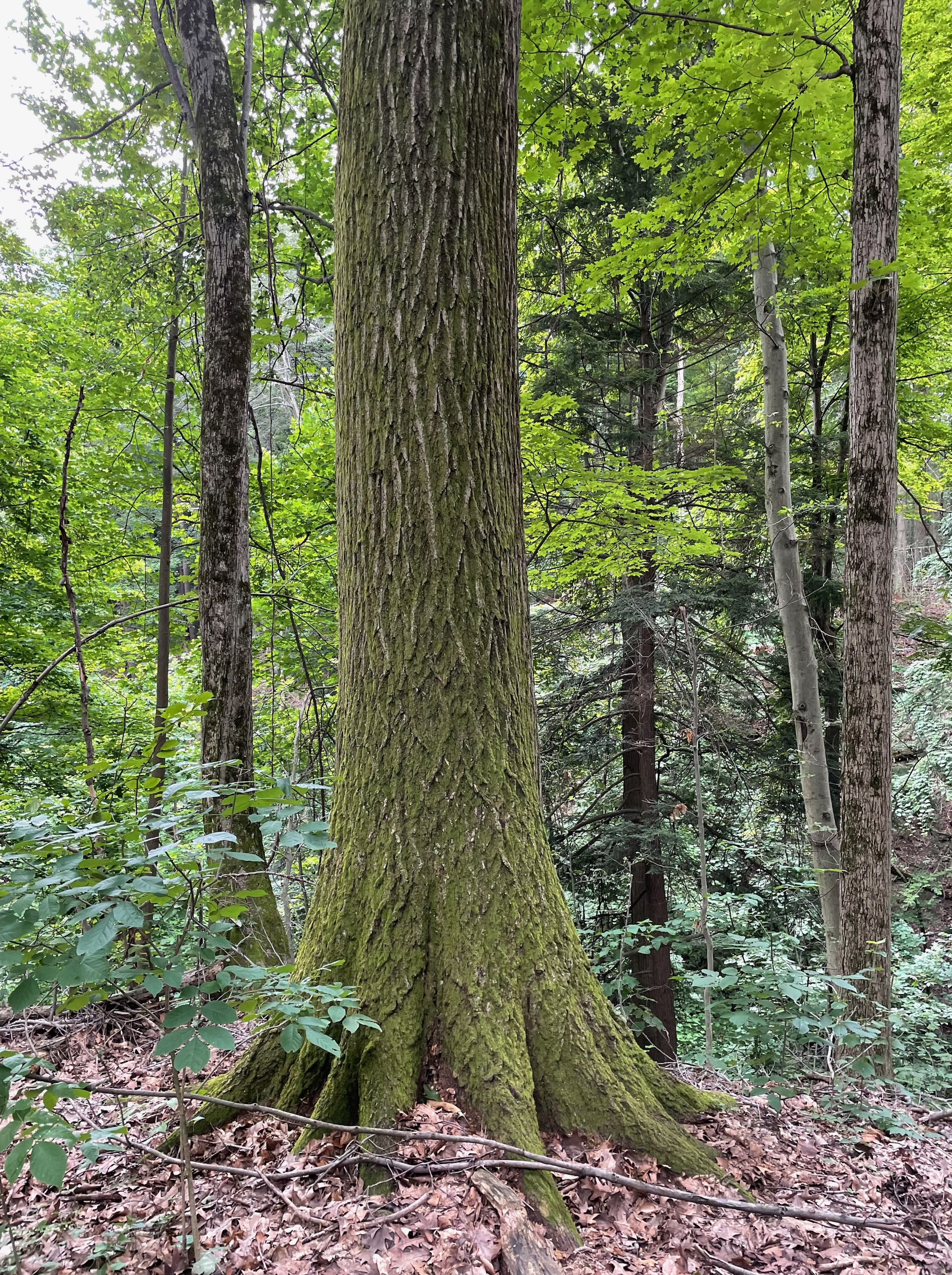
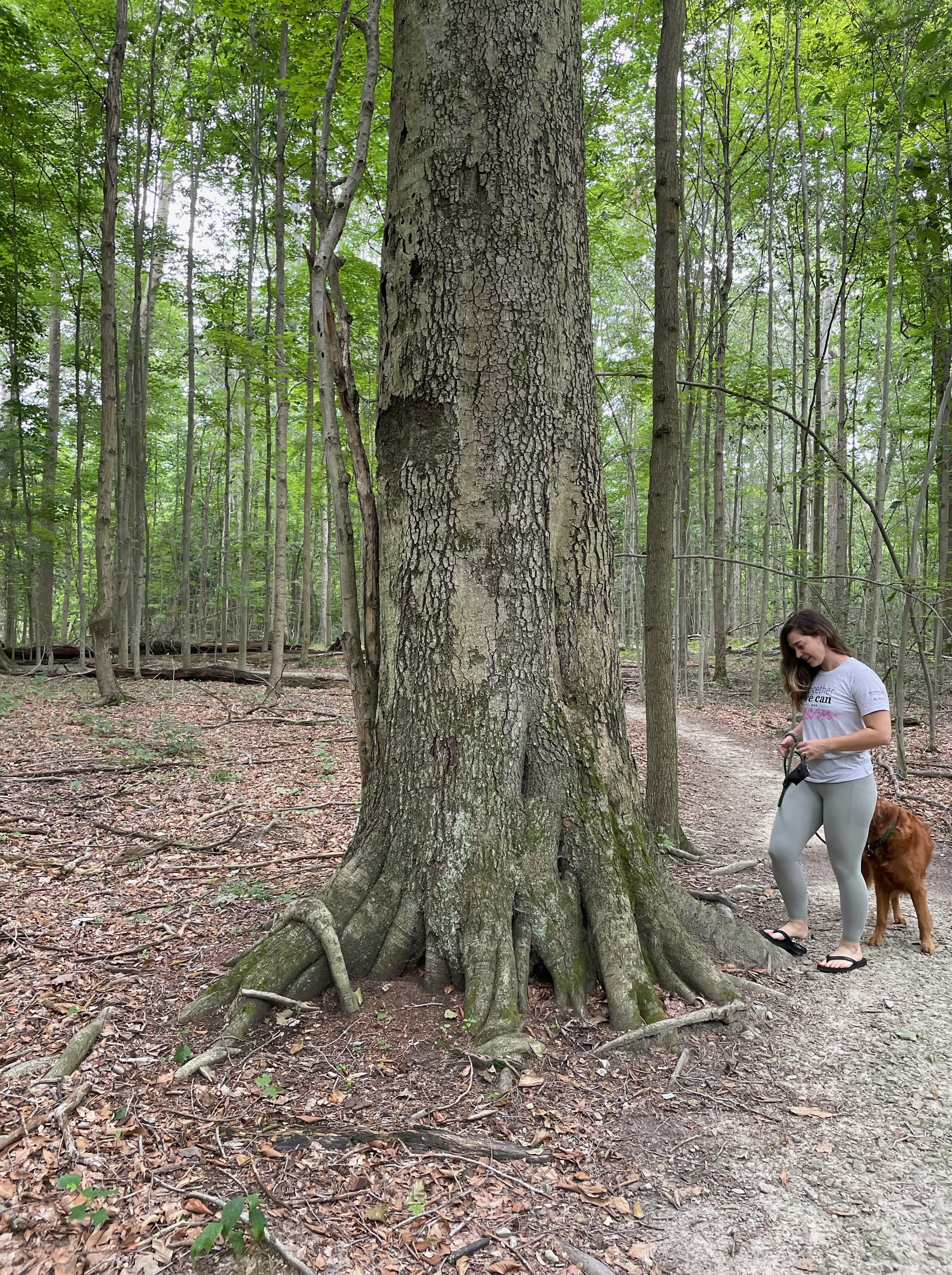
Some are though, big old honkers.

This one has significant wounds. It’s still alive! says Maud, looking up.

Compartmentalization. Something trees are great at, humans not so much. What happens is that, according to what tree people call CODIT (compartmentalization of decay in trees, duh), when a tree is wounded it begins to protect itself by slowing or preventing the spread of disease and decay by forming “walls” around the wounded area. Getting into the specifics of this process would take a year and a day, but suffice it to say that the walls run in every direction, ingeniously.

Maud has spent some time in emergency rooms as an r.n. How to deal with deaths there? Yep, that is what she says, compartmentalization. How a person stays sane when there is insanity all around. I know quite a few people now that are having a very hard time dealing with our current dire political situation. They can’t eat, can’t sleep, dream of taking up a new life in Canada or on Fiji, et cetera. They might do well to emulate the trees. Put aside a set amount of time each day to wring your hands and think dark thoughts. Then you can at least enjoy your dinner, and catch some sleep at night.

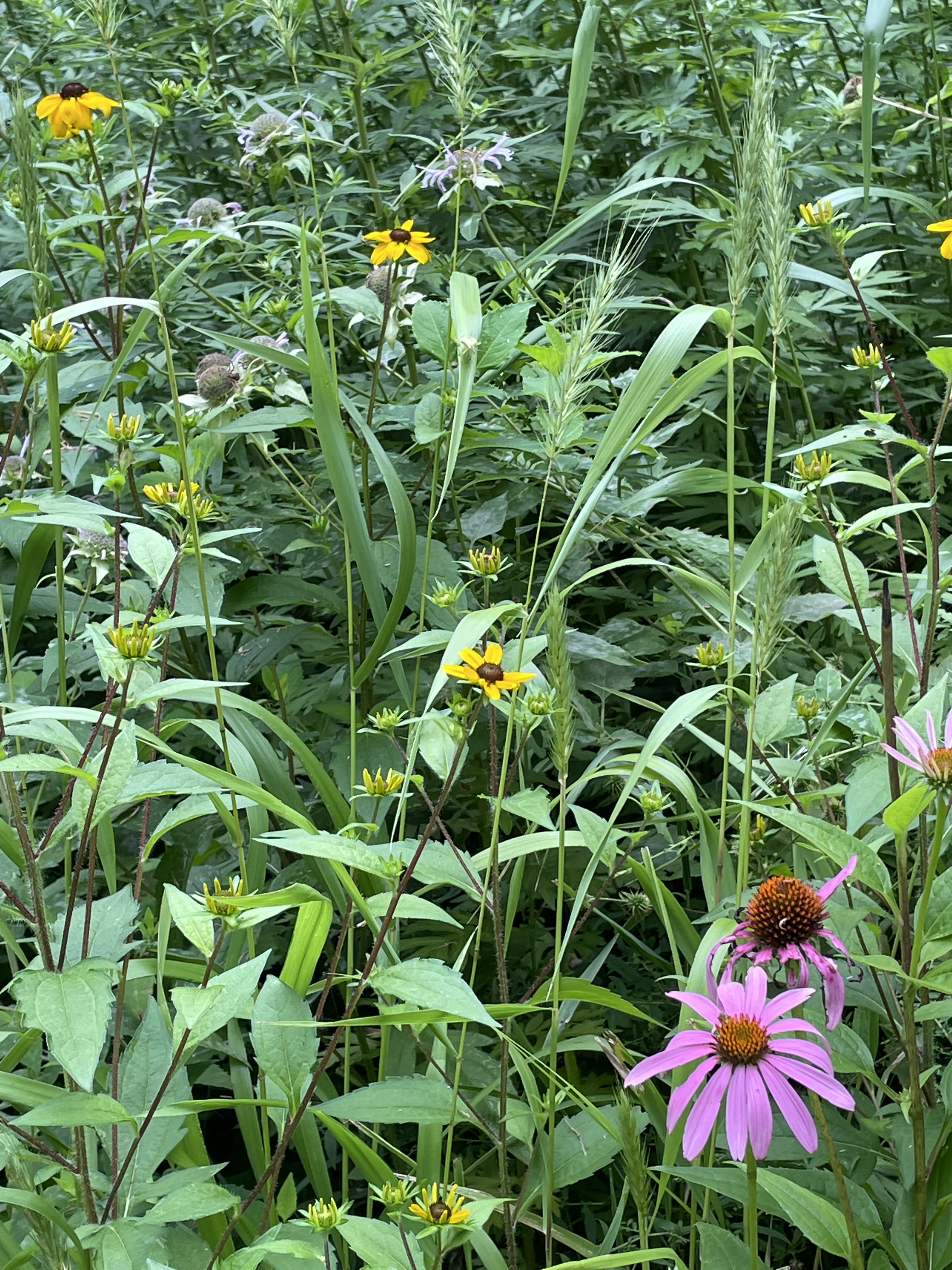
Wildflowers fringe the forest.

Here in North Chagrin, there are some signs that are a bit inscrutable. How to explain this marking on bark? All suggestions welcome. A map created by druids?

Or this stretch of marked ground where a fallen tree decayed. Looks like someone dragged a body through here.

The hills have eyes. So do some young trees.

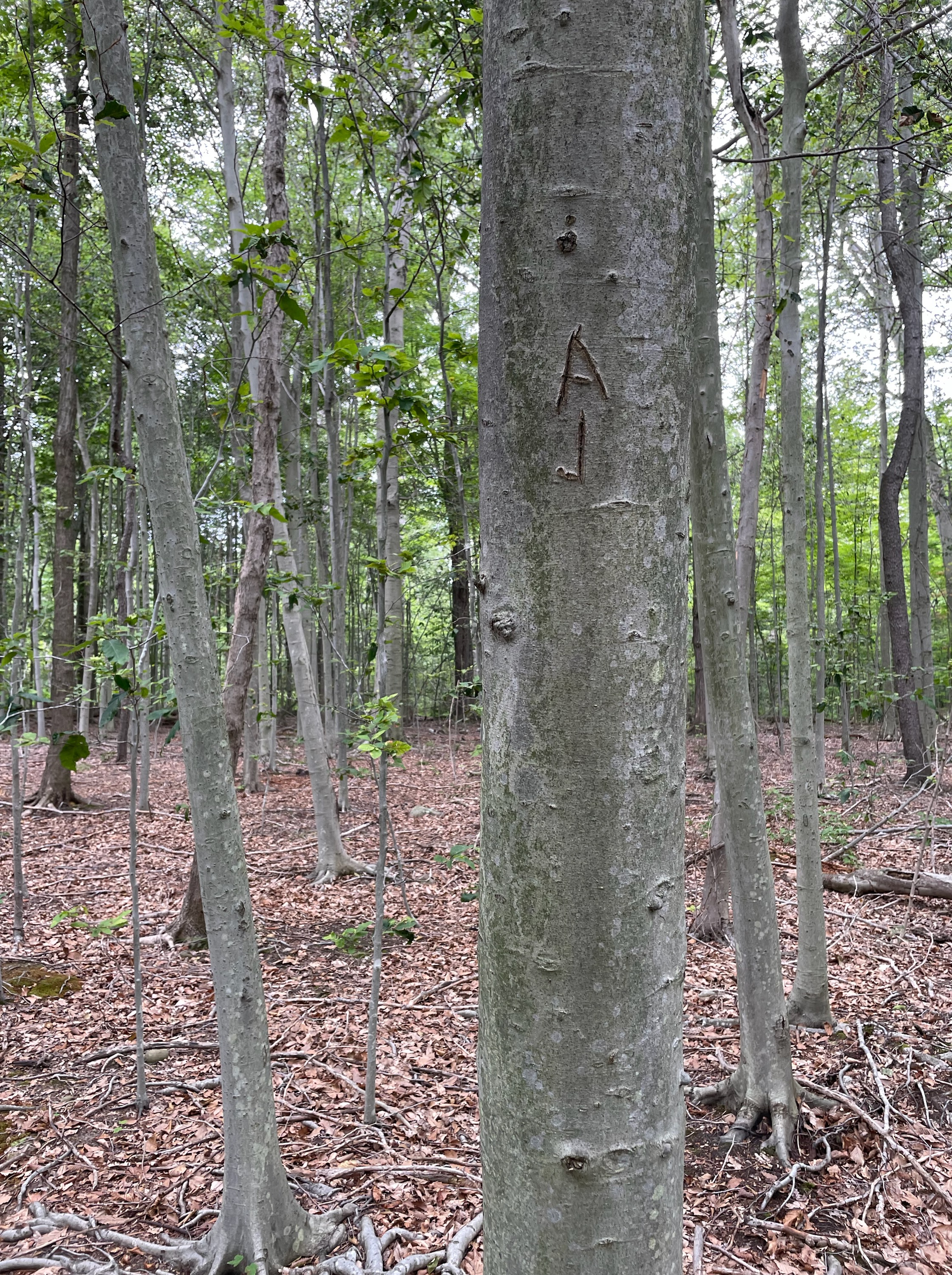
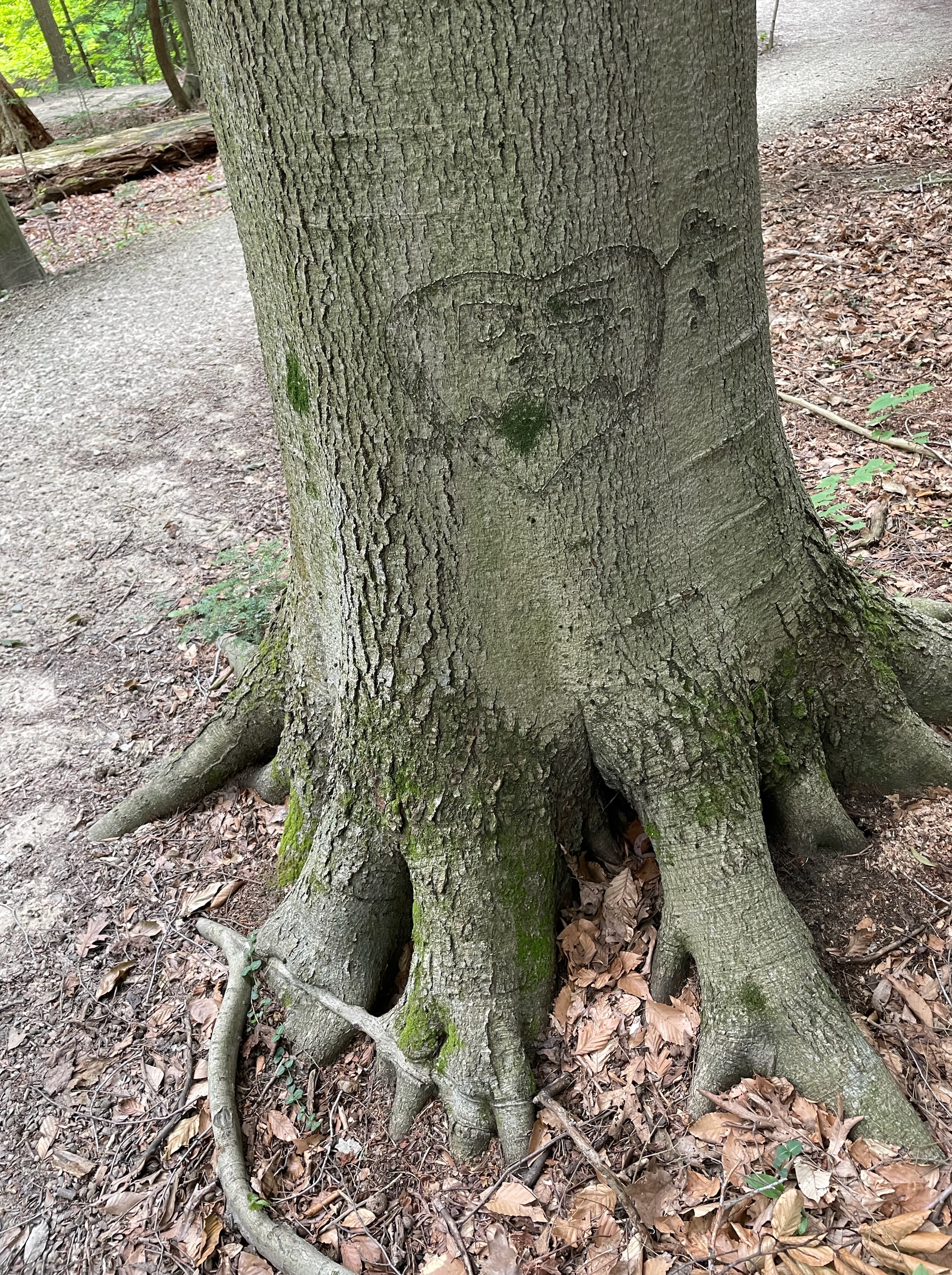
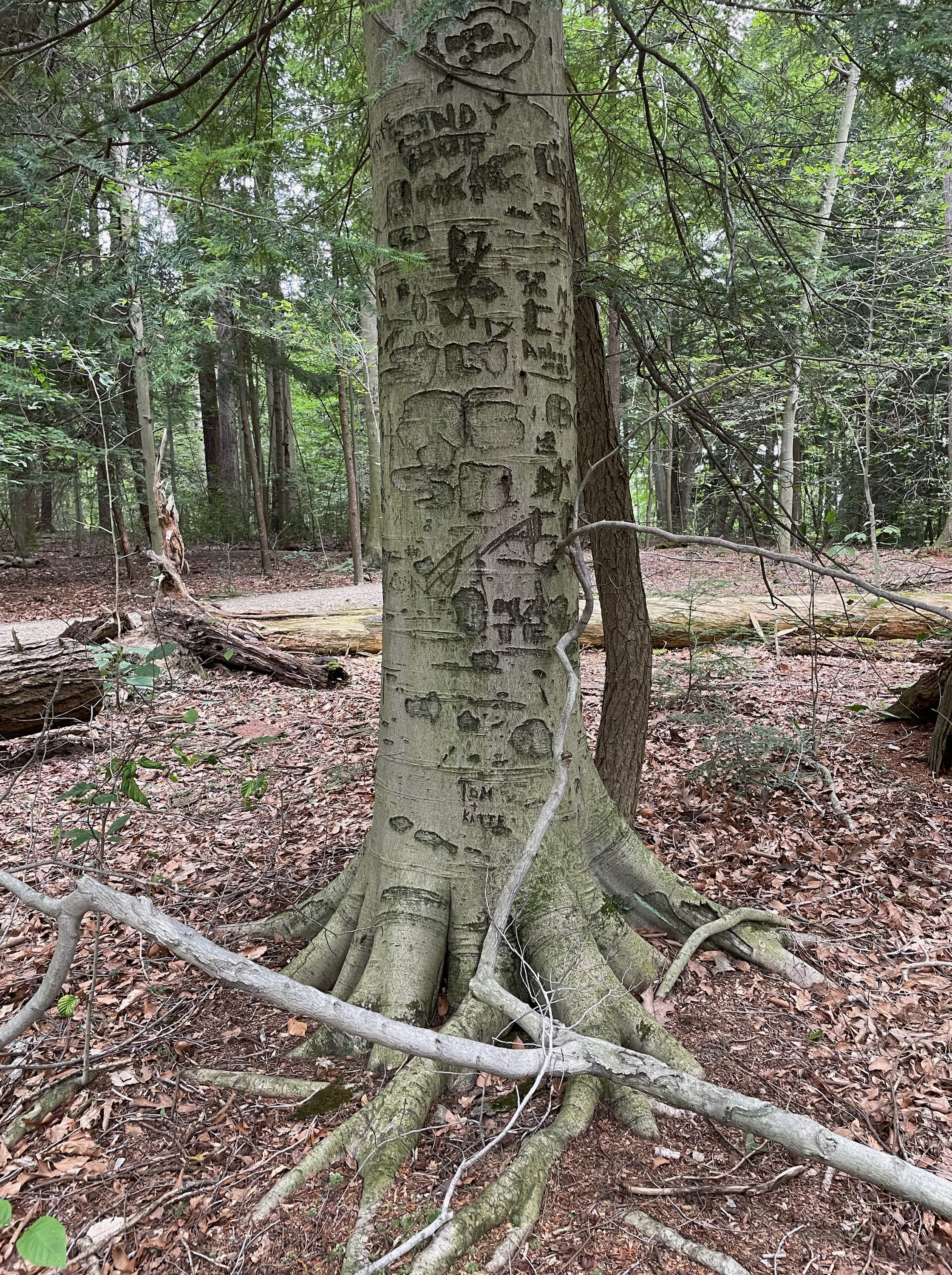
We know that people love beech trees, their smooth grey bark, useful for leaving your mark. It seemed a mere toss-up whether she said, ‘I love you,’ or whether she said, ‘I love the beech-trees,’ or only ‘I love—I love.‘ That’s Virginia Woolf, from Night and Day.

Despite the fact that this forest is old growth, that doesn’t in this case mean unspoiled. Some people find peoples’ autobiographical messages on beech bark annoying. I don’t. Thoreau said, I frequently tramped eight or ten miles through the deepest snow to keep an appointment with a beech-tree, or a yellow birch, or an old acquaintance among the pines. I like to think of someone tramping some miles through North Chagrin, too shy to unburden himself to someone he cares for, and surreptitiously taking switchblade out of pocket to say I love-I love.

There are also black cherries here, some of them quite opinionated. What are you trying to say though, standing there akimbo?

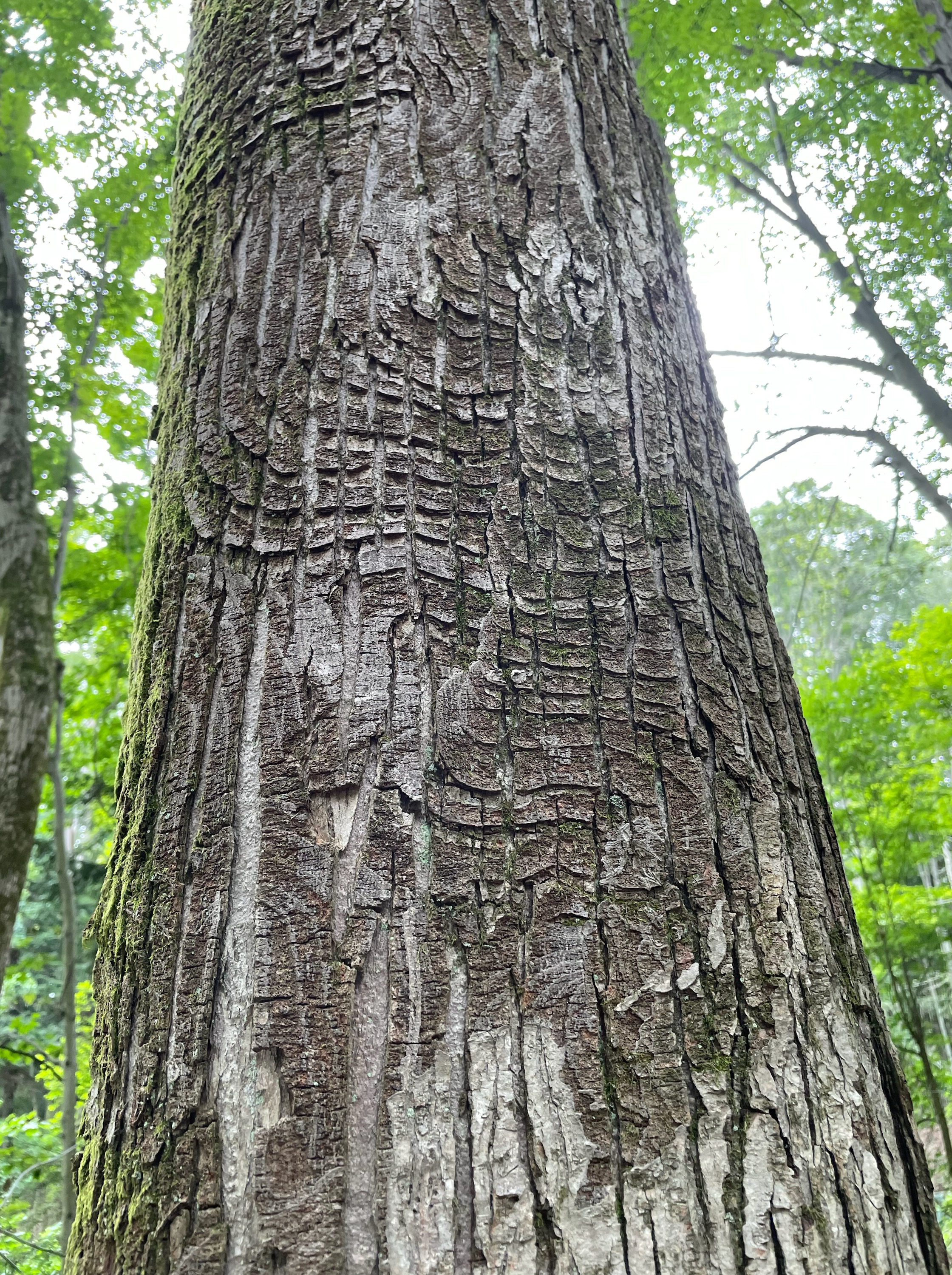
Gigantic hemlocks. Bark that is positively prehistoric.

Soaring tulip trees. They can reach 200 feet tall. Indigenous Americans used their straight solid trunks to build dugout canoes.

Delicate leaves.

Toadstools/mushrooms (your pick) thrive here in the humus.

Craggy roots lay upended, fairy tale characters.

All around, insects buzz. The only sound, aside from the panting of excited dogs. We fall quiet. Why are there trees I never walk under but large and melodious thoughts descend upon me? Walt Whitman, Song of the Open Road.

Here is shagbark hickory, bearing fruit.

There aren’t that many trees whose names denote their appearance. Think: apple, linden, oak, pine, chestnut, on and on. Shagbark is what it is.

When a tree falls in an old-growth forest, you let it lie. Well, most of the time. If it crosses a trail, it’s only mannerly to remove it.

Old-growth forests in the United States are rare. One estimate holds that stands of century-old forest now account for only seven percent of forest cover in America. Another expert puts it at less than four percent. Yet another, six percent. Whatever, it is indisputedly small. Since 1600, 90% of the virgin forests that once covered much of the lower 48 states have been cleared away. It’s sad because they harbor extraordinary amounts of biodiversity, including rare species. The percentage of the world’s forests that are old growth is a bit larger– 21 percent, according to the World Resources Institute.

Occasionally a view opens up, appearing out of nowhere.

Let’s try to interpret the signs. Preserve the canopy, the rot, even the bark scars (nothing is perfect, and sometimes imperfection is wonderful). Visit an old-growth forest near you and place your palms on the trunk of one of these giants.

Fall silent. Dream.

Leave a comment

Filed under Jean Zimmerman

The most pathetic park in the Bronx

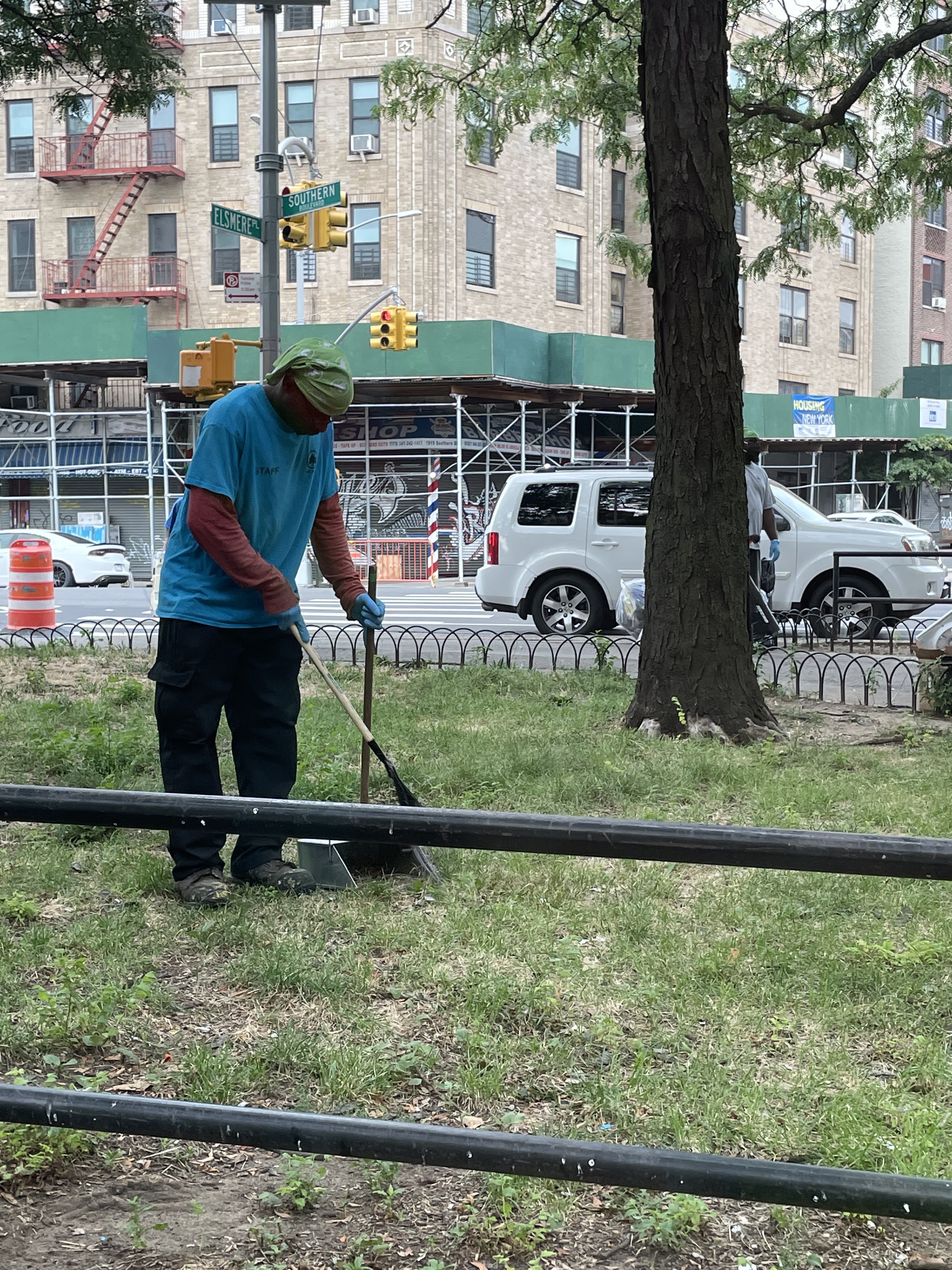
might be Corona Parkway Malls, at Southern Boulevard and Elsmere Place. Pathetic as in pathos, evoking pity or sadness.

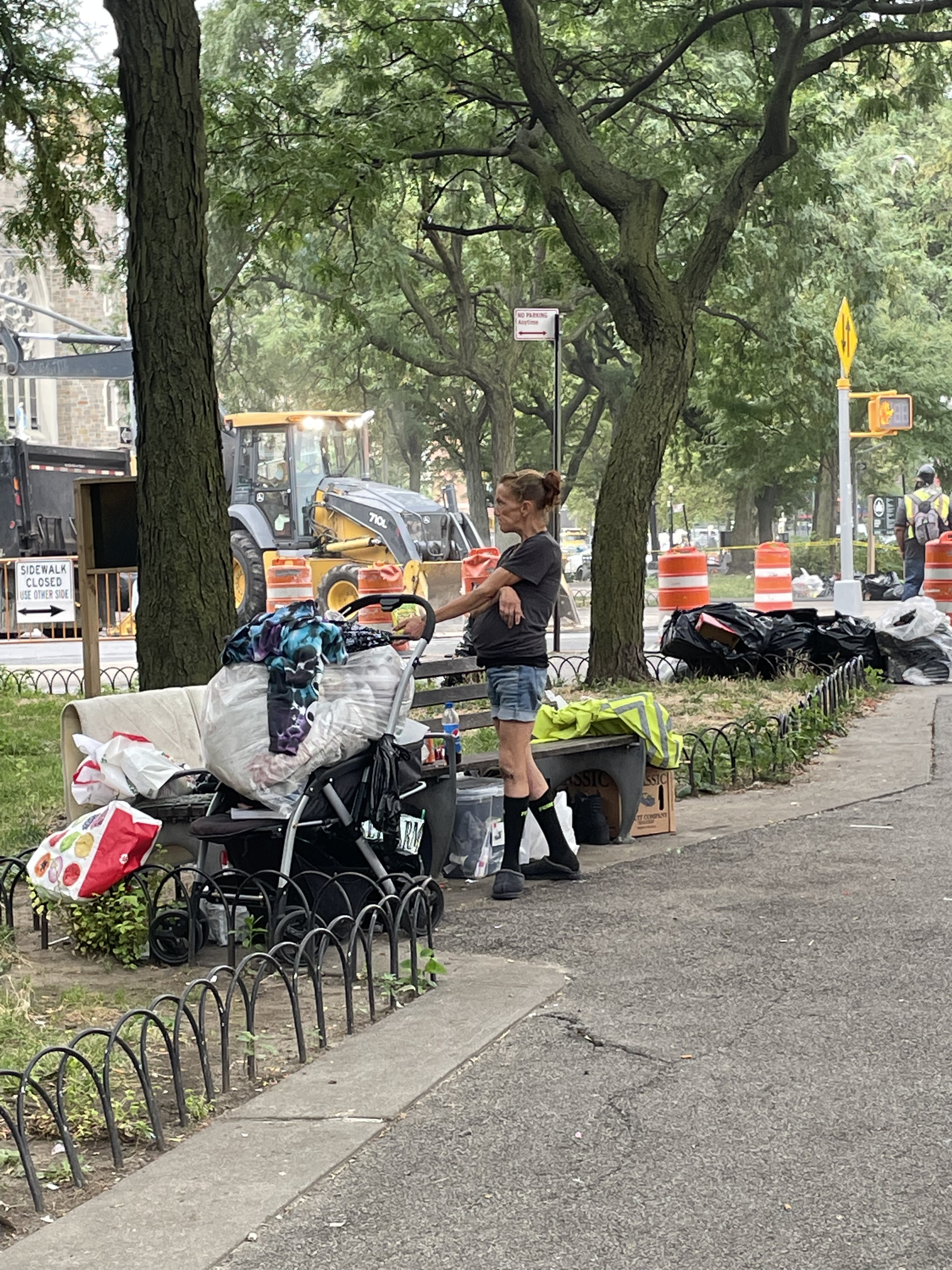
Never visited? Trash is everywhere.

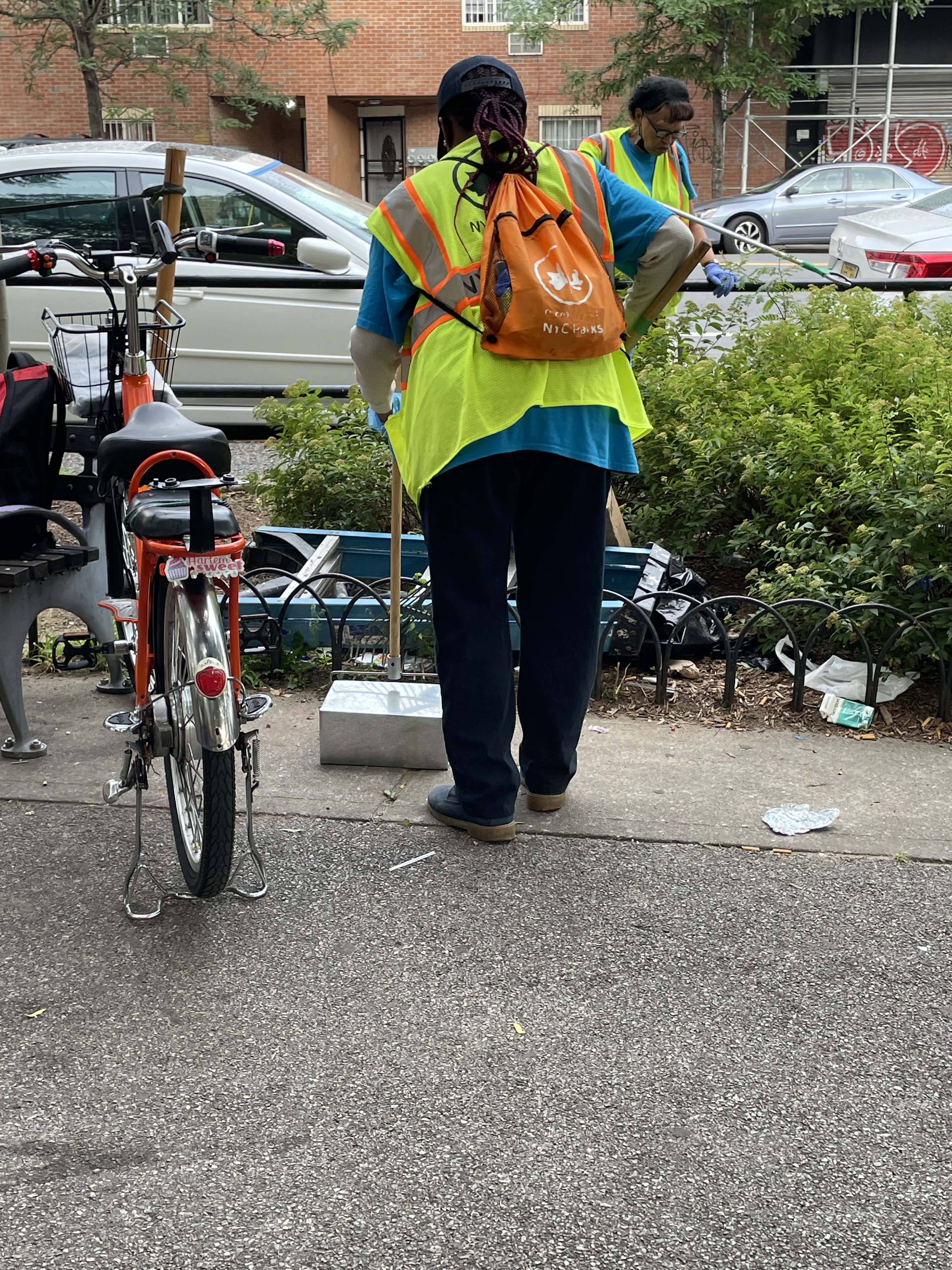
Despite avid, well-peopled efforts by the Parks Department to keep it clean.

I snapped her photo right before she told me No photos allowed. Really?

Lots of people make this park their home. People that don’t have a roof over their heads are up early, combing their hair, performing ablutions. Washing up at a fire hydrant. Fresh NYC water, among the best in the country (ranked 13th if you must know). Delivered from pristine reservoirs in the Catskills, and furthermore treated with fluoride, chlorine and ultraviolet light so it’s safe to drink.

Nodding out, first fix of the day. Good morning. On to another New York City day collecting bottles. This is what they refer to as an underserved community. Underserved? An understatement, that.

There might be a better city in which to be homeless. But how would you get there? Without anything in your wallet?

One person smoking, scowling, scratching, weeping, dancing by her bench in the style of Indian mudra, delineating shapes in the air with her hands and fingers. Wasted. Grime-tan. I watch her for a while, can’t help myself. She takes her time opening a sleeve of crackers, then polishes them off. Hard to know where crackers go in that skinny little body.

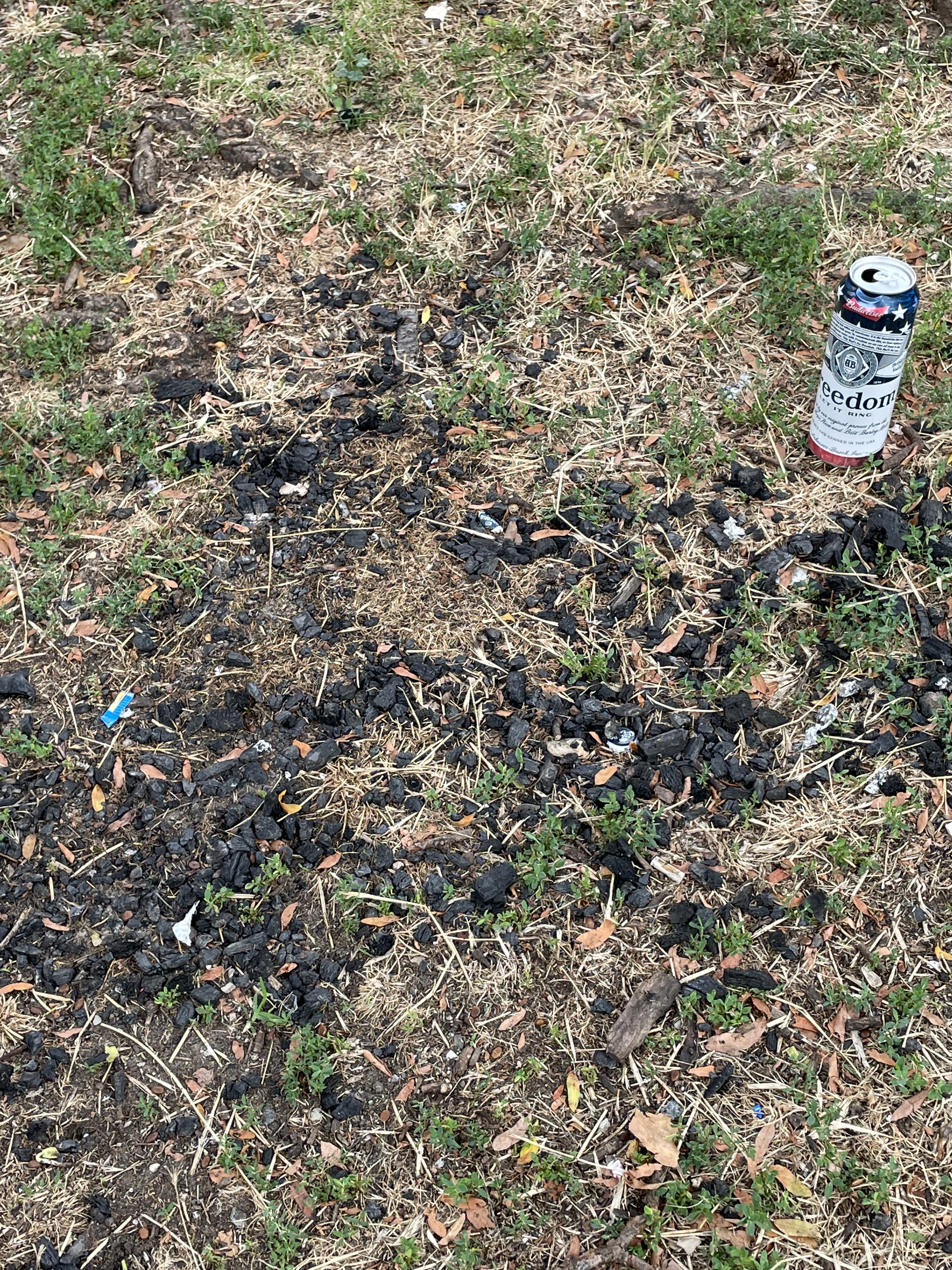
Waiting for my man. (Lou Reed, of course.) This Man comes through in a spiffy pork pie hat and anime tee shirt, collecting fistfuls of cash and deposit ing product in palms. Someone had an open fire one recent night. At 7am, only cinders remain. And a half-full beverage

Amid the wreckage, beauty. Life. Even nature. Red in tooth and claw. (Tennyson.) Pigeons walking the tightrope of a branch. A young London plane.

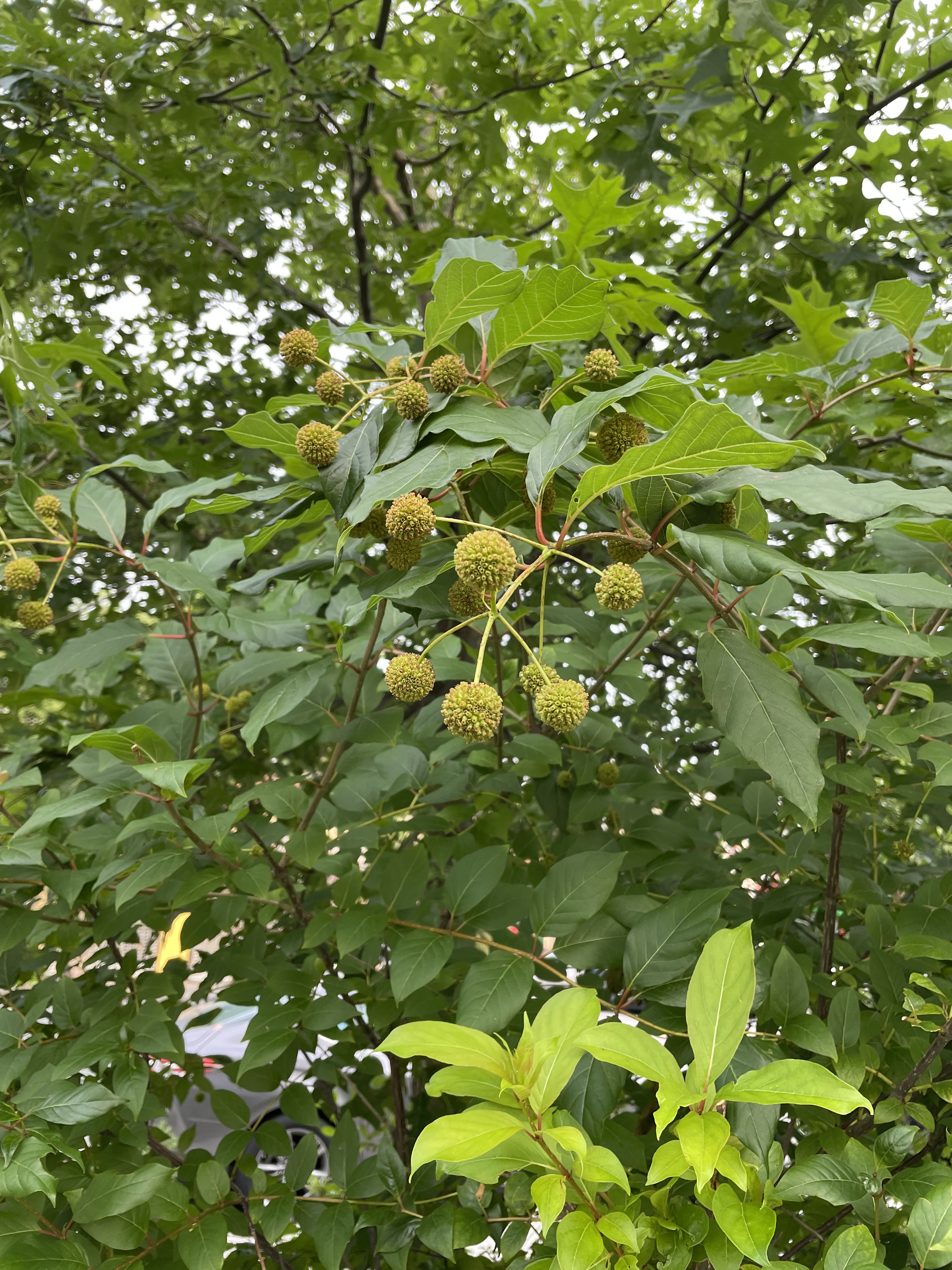
Common buttonbush – Cephalanthus occidentalis.

Buttonbush in the wild can attract more than two dozen species of bird, including kingbirds, towhees and hummingbirds.

Everlasting roses.

This is Jade. She sticks close, doesn’t need a leash. Nuff said.

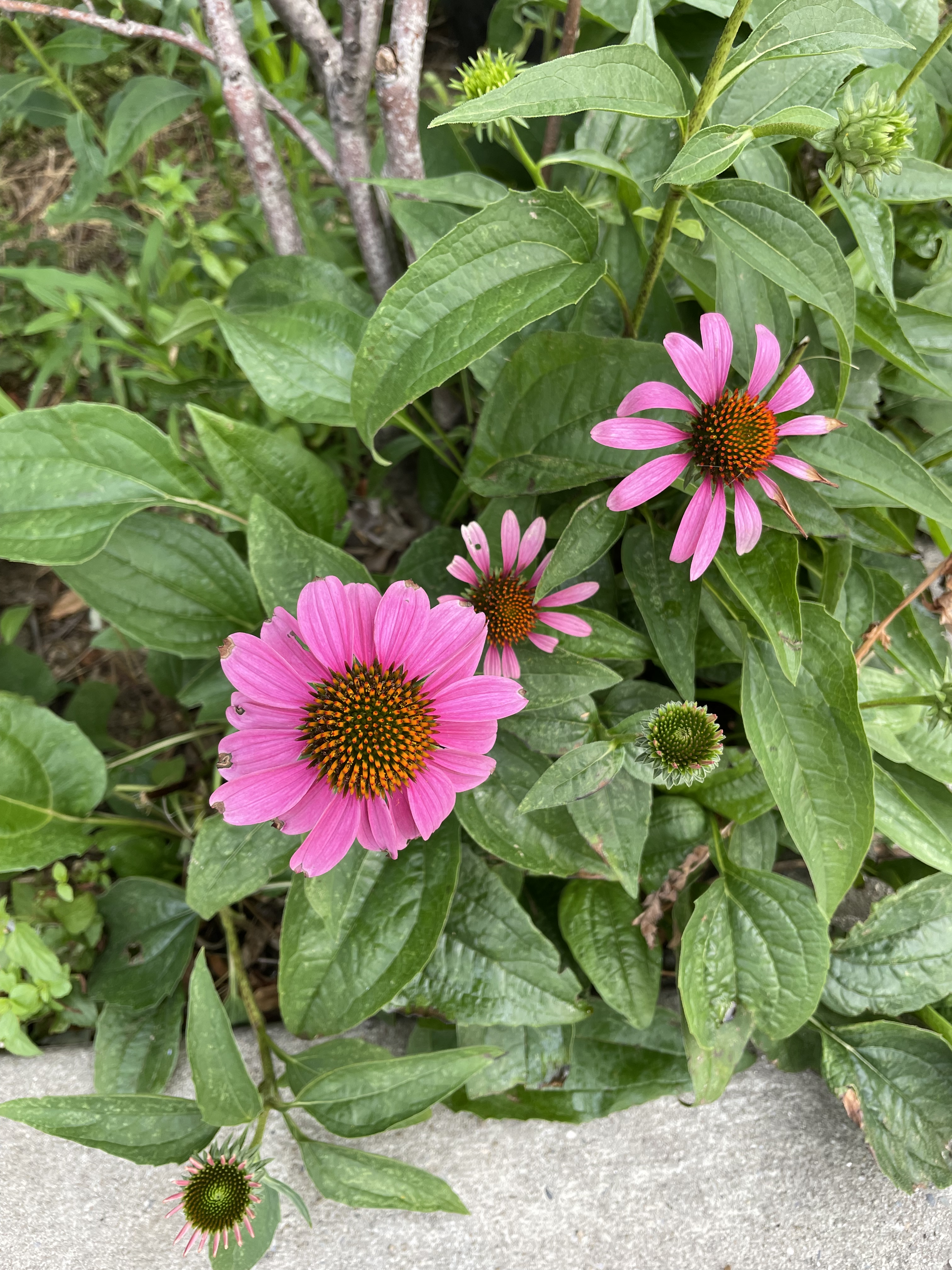
Coneflowers that would present the same glowing amethyst countenance in a luckier person’s country garden.

A well-endowed shrine on the site of a historical obelisk.

Memorializing two loved ones short-term visitors to the neighborhood will never know.

Lest you wonder what I’m doing here, I have a job — inspecting the site of a working sidewalk construction crew to make sure no trees in their path some to harm.

So far, no harm, no foul. I’m watching over a 90″ American elm, doing my best to shield it from the ravages.

What is compassion? Is a trait we reserve for humans (sometimes!) or does it extend to trees? Trees care for us, of course – they cannot help it, it’s the way they roll.

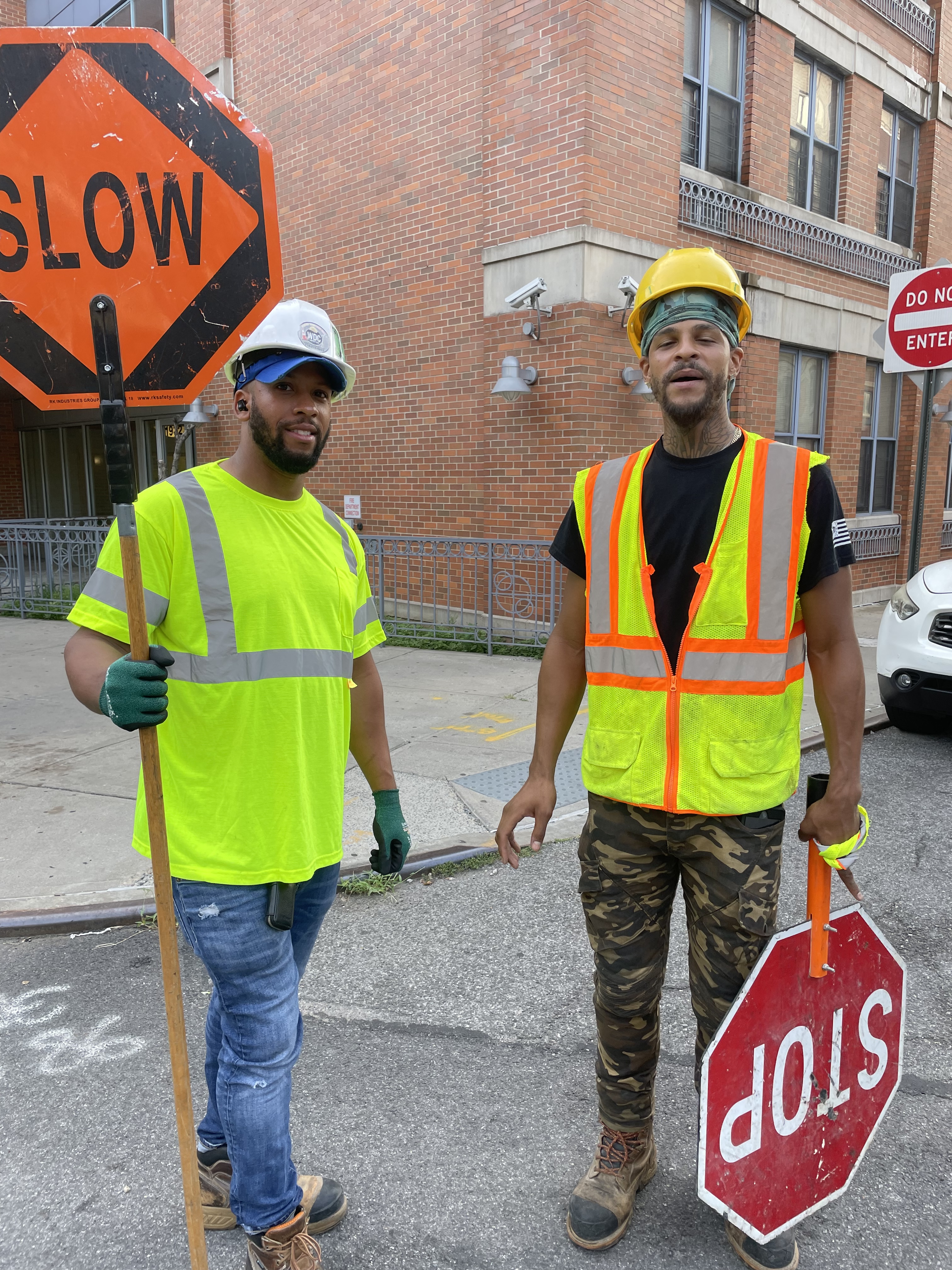
Flaggers, lifeblood of the construction industry. Keeping us all safe. Thank you, men. (These flaggers happen to be male, but the women flaggers I’ve met are some of the most fierce mama bears in existence.)

You’d have to work pretty hard and pretty carelessly to break a honey locust. Here they are bringing forth their young seed pods. Cattle in another place like to feed on the green goo that grows inside once they ripen and fall.

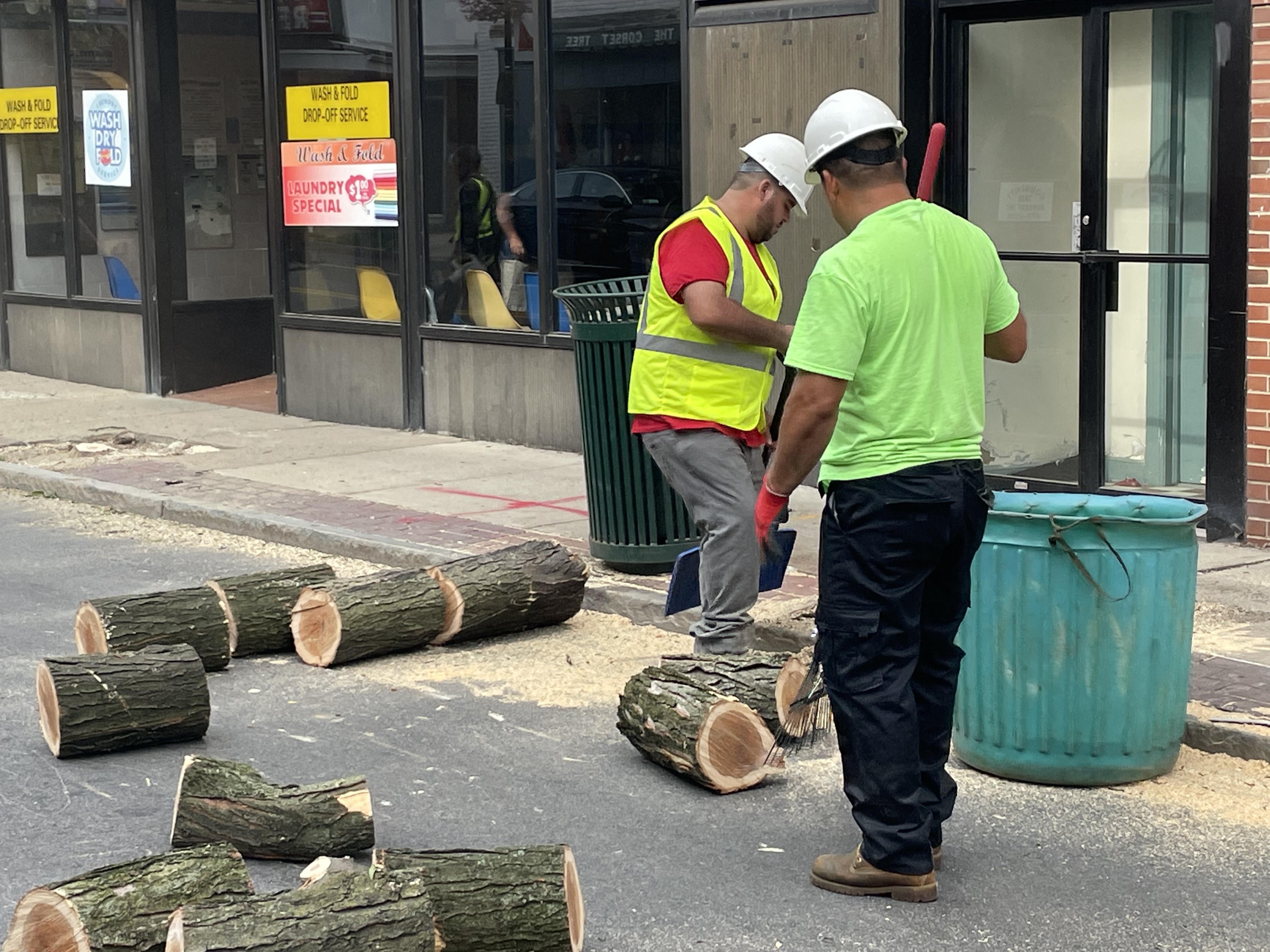
Great as these trees might be for urban areas, the powers that be where I live have seen fit to demolish mature honey locust trees in our downtown in order to install new sidewalks. Including half a dozen mature, shade-throwing specimens.

Here in Corona, honey locusts thrive. To the credit of a powerful Parks Department, we do not damage trees in New York City, let alone cut them down.

The shade they cast has been proven crucial to keeping people alive in the sizzling temperatures we have had recently, as the earth fries.

We all need canopy. It’s not an extra, an add-on. It is a life preserver.

Bystanders like to check out what’s going on. Take the morning air, catching what faint breeze there is.

A lucky tree – hurting, perhaps, damaged, yet soldiering on. As if the tree pit wasn’t small enough already, you can see three types of unwanted material dumped at its base. Yet it grows.

Is there still a chance to do better by these folks who call Corona Parkway Malls home? Tree canopy is a start. That goes for everyone, not just the most obviously broken. Which is why it’s a privilege to do a little something to protect this tiny piece of the land, this patch of urban forest, even if only to ensure the backhoe keeps away from the roots.

Leave a comment

Filed under Jean Zimmerman