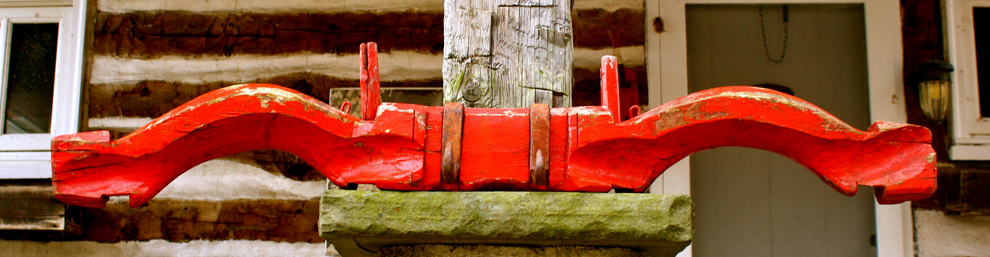
Natch. I get everywhere early. In this case to a field trip for a conference I’m attending in the Finger Lakes region of New York. It’s to learn all about plants and trees and sustainability – you know, eco-concerns.

Yet for me it feels like so much more than the science. So many things I see and smell and feel are delicious.

And this visit reminds me of all the things I like about life. Well not all, of course, that would entail an encyclopedia. But some.
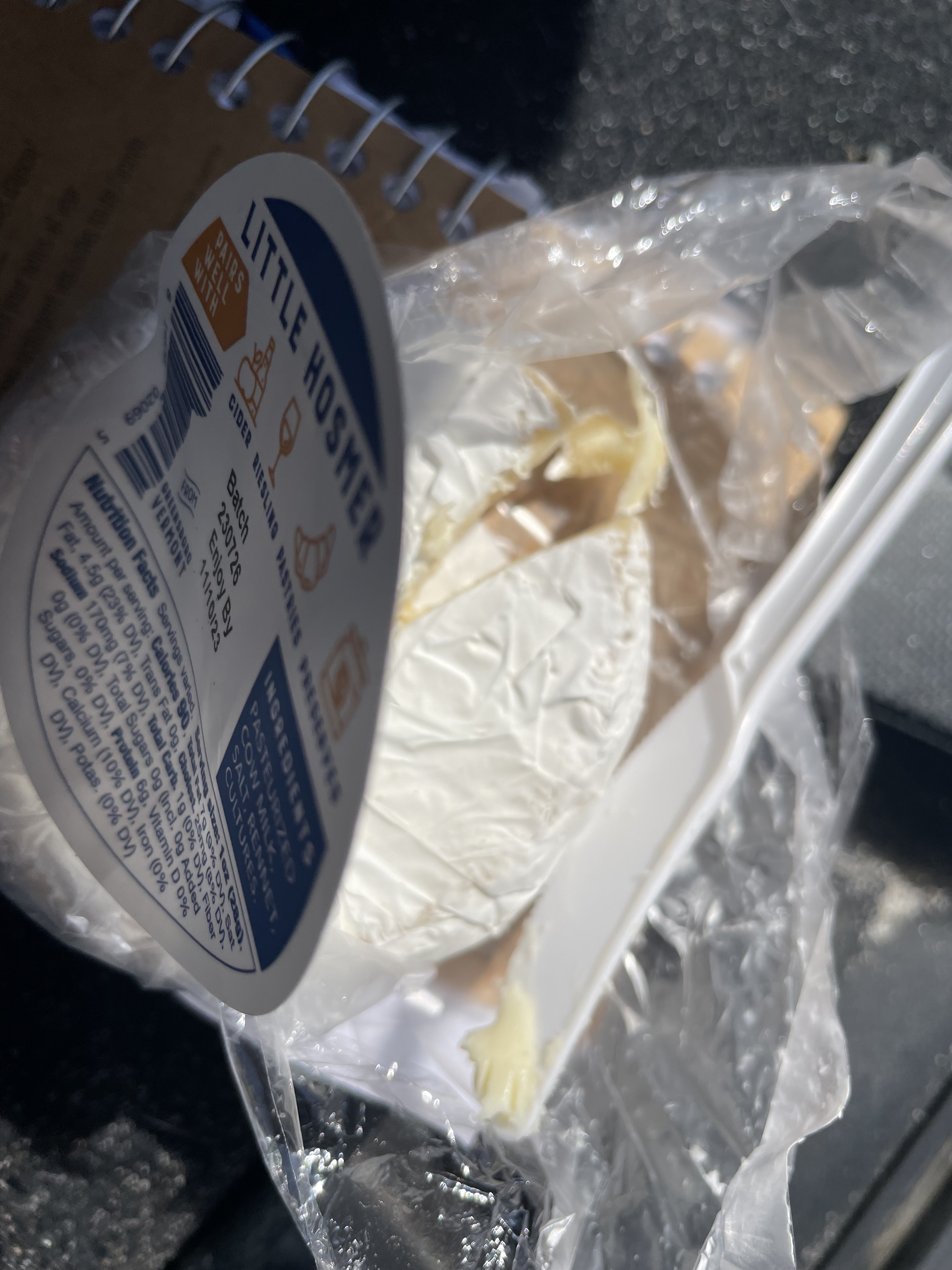
First, I have a private tailgate picnic in the parking lot with my favorite organic cheese (of course), crackers and a plastic knife. Wait for my fellow visitors to arrive.
Listen to the wind rustling the leaves.
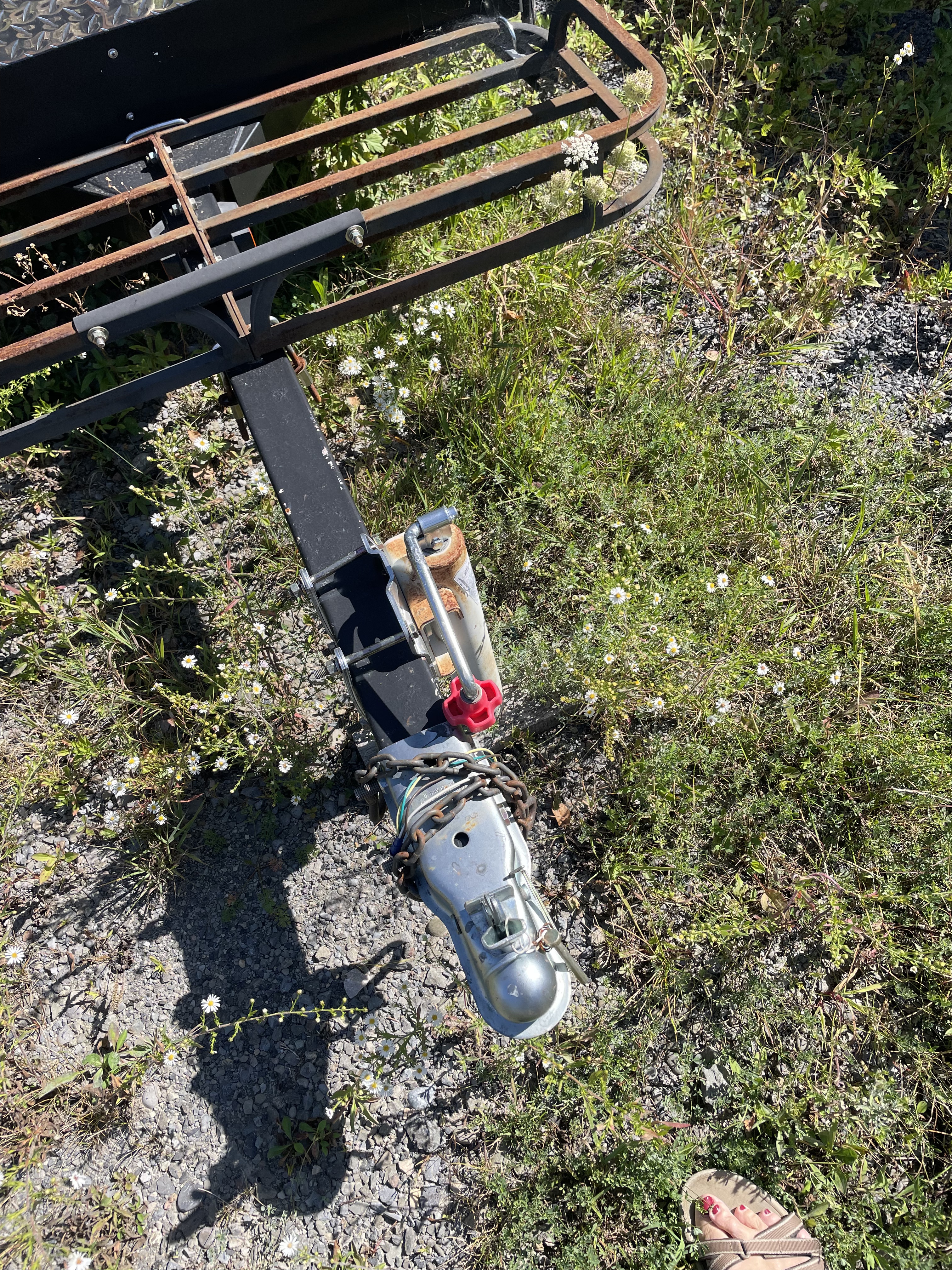
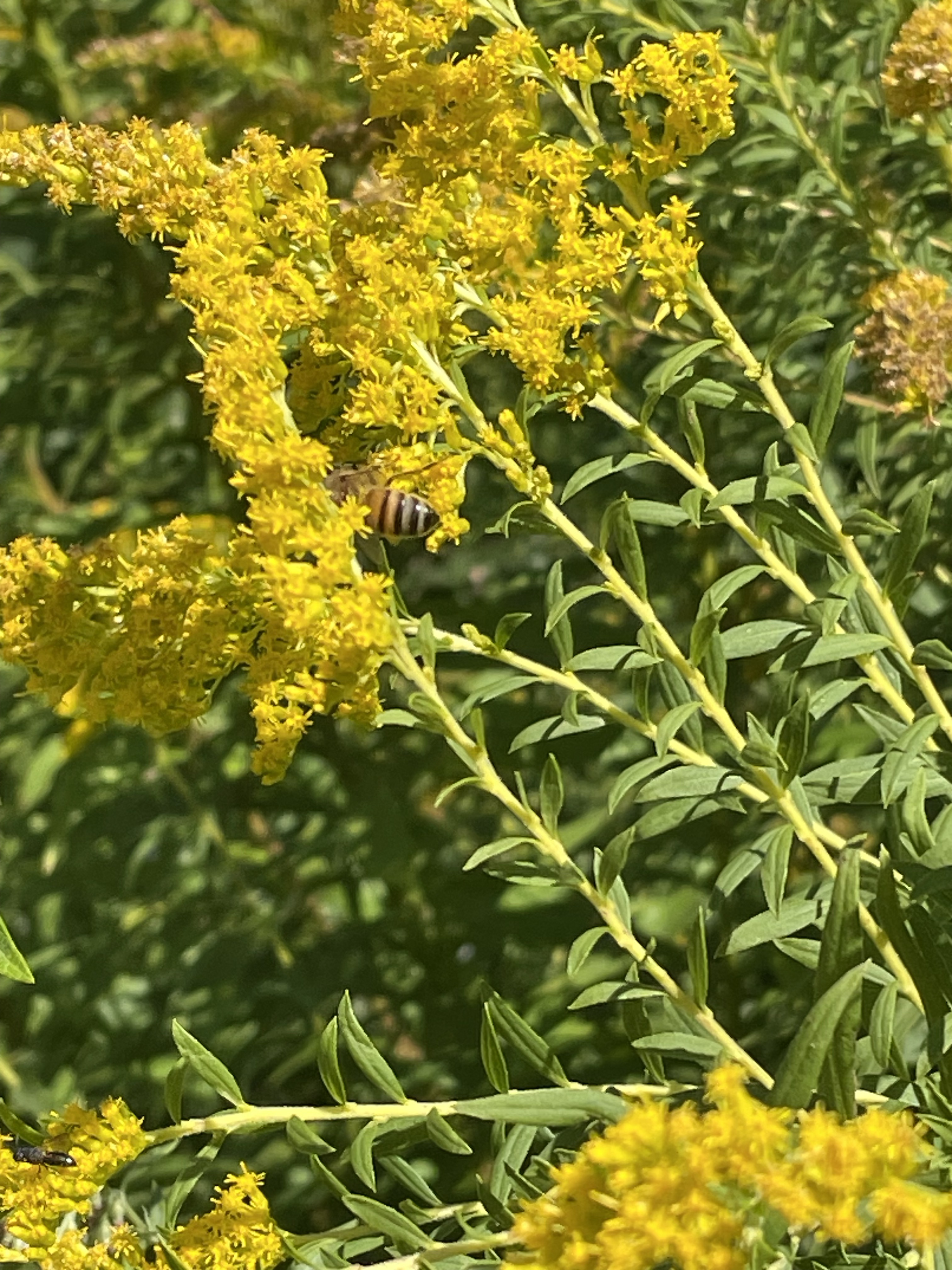
Sit me down on a rusted old trailer hitch. Commune with bees in the goldenrod.
Admire the gourds ripening in a small field nearby.
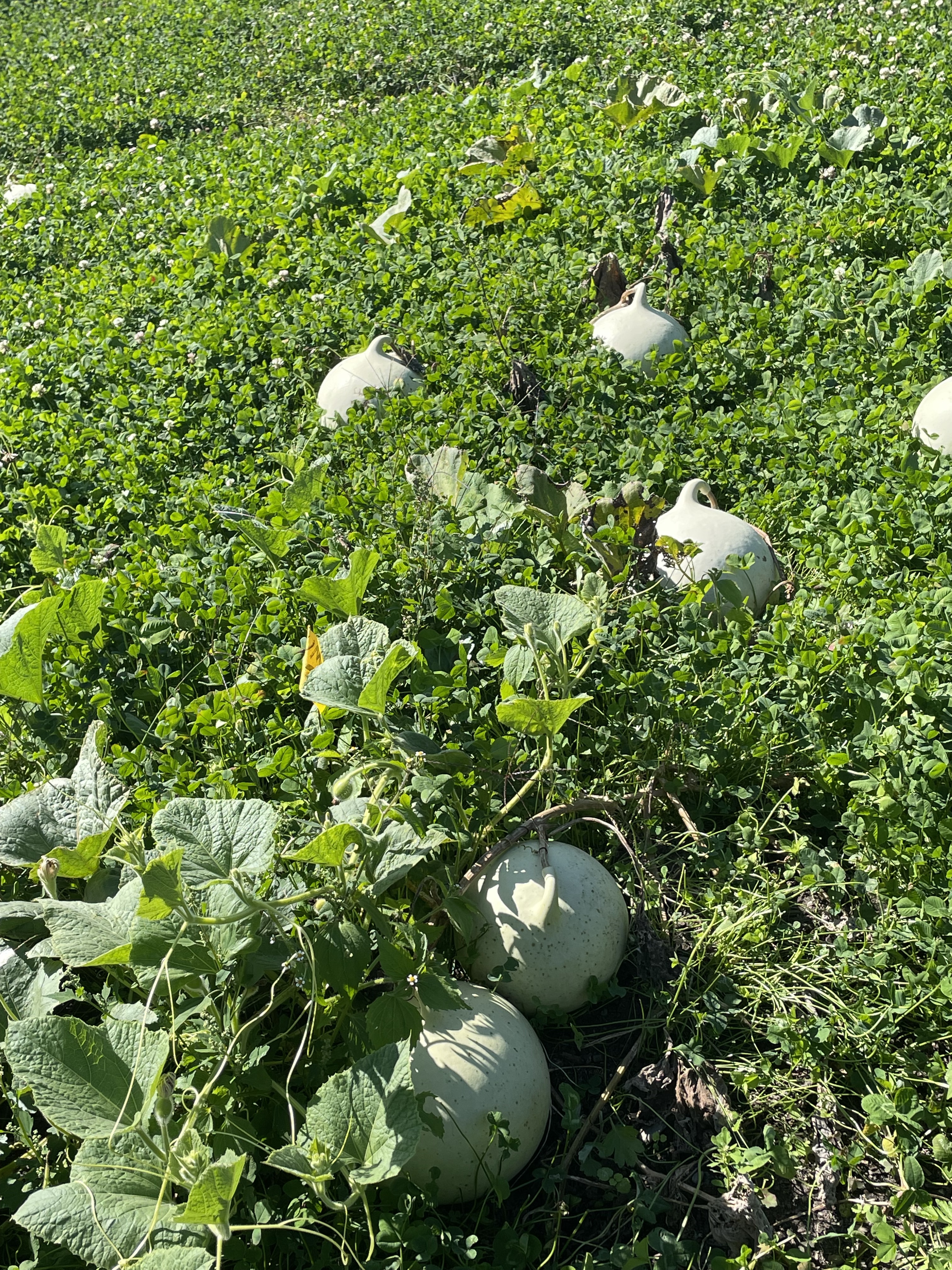
They’re here for a practical reason, as source material for artists at Gourdlandia. At least to the extent of which art is practical.

I think about gourds. They have magical significance – in Africa the celestial phenomenon we know as the Big Dipper is called the Drinking Gourd, and escaped enslaved people in America were advised to follow the drinking Gourd to their freedom.
Still waiting, munching crackers, mentally ticking off the things I like.
I like taking notes on my phone.
Taking phone pics of things I like.
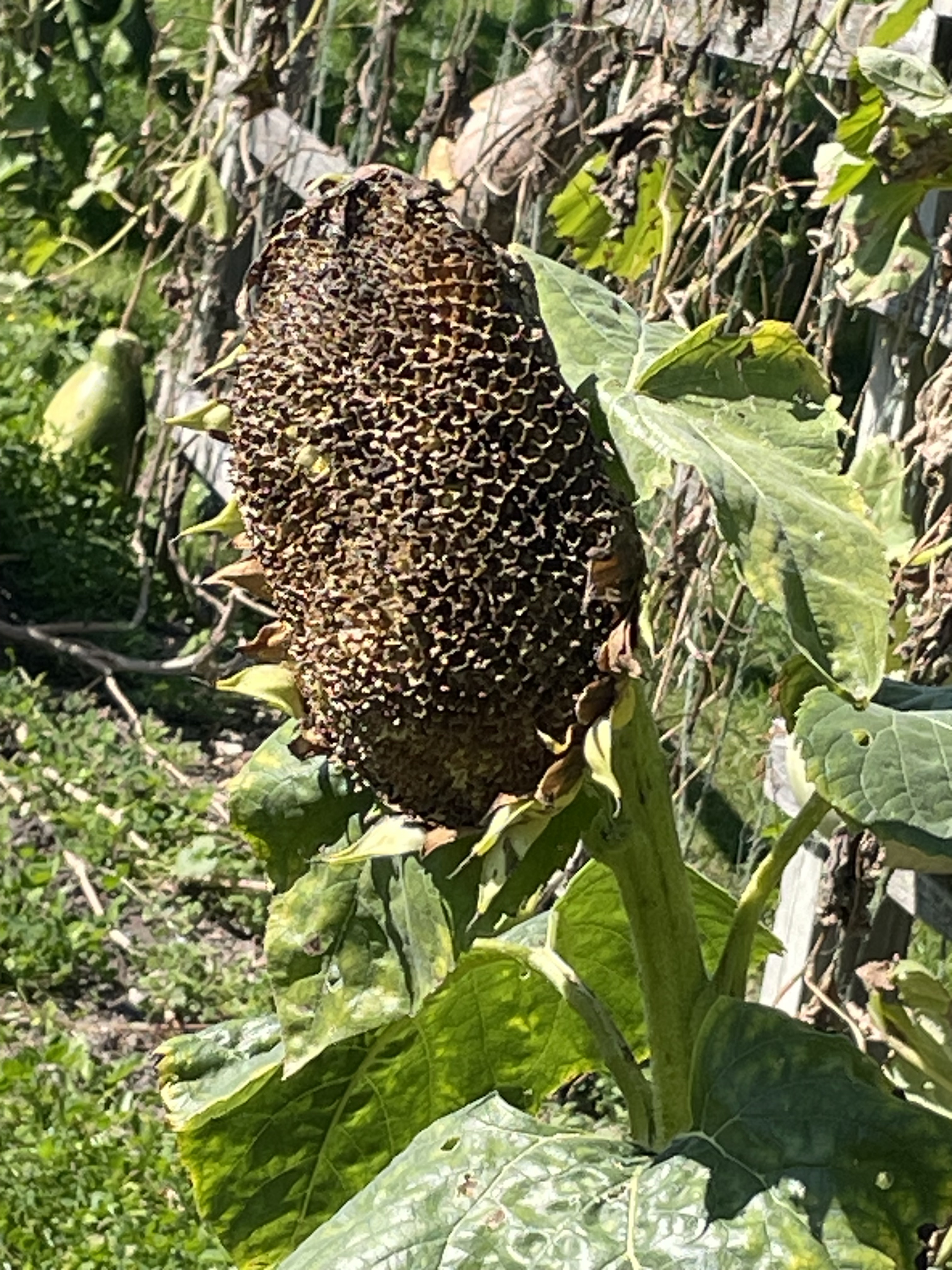
Small things. A multitude of small delights constitute happiness. Baudelaire said that.
Quotes. I like them, too.
Asters.
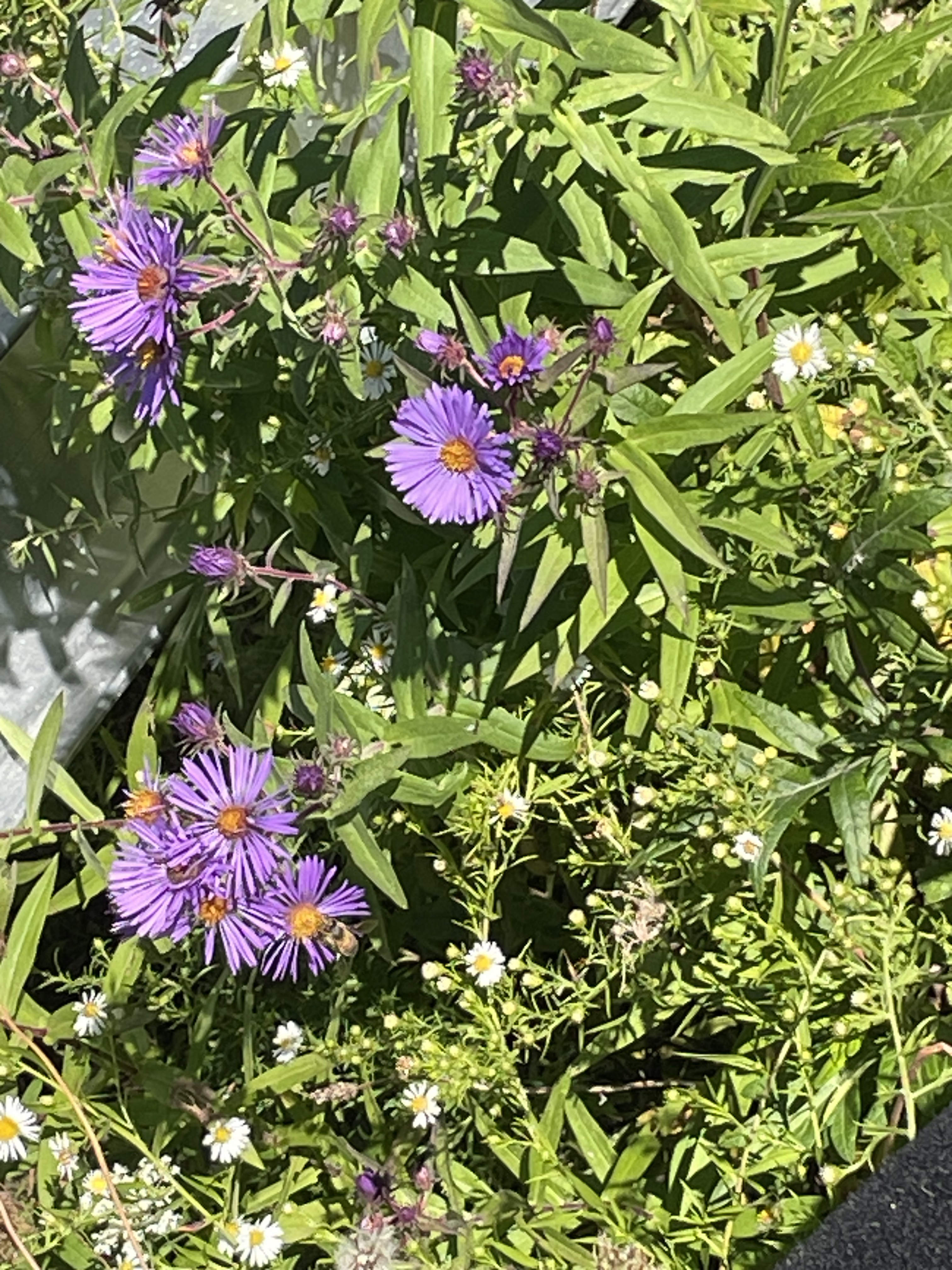
Crickets buzzing all around in latest summer.
I see flowers everywhere on this trip. A dahlia with personality to spare.
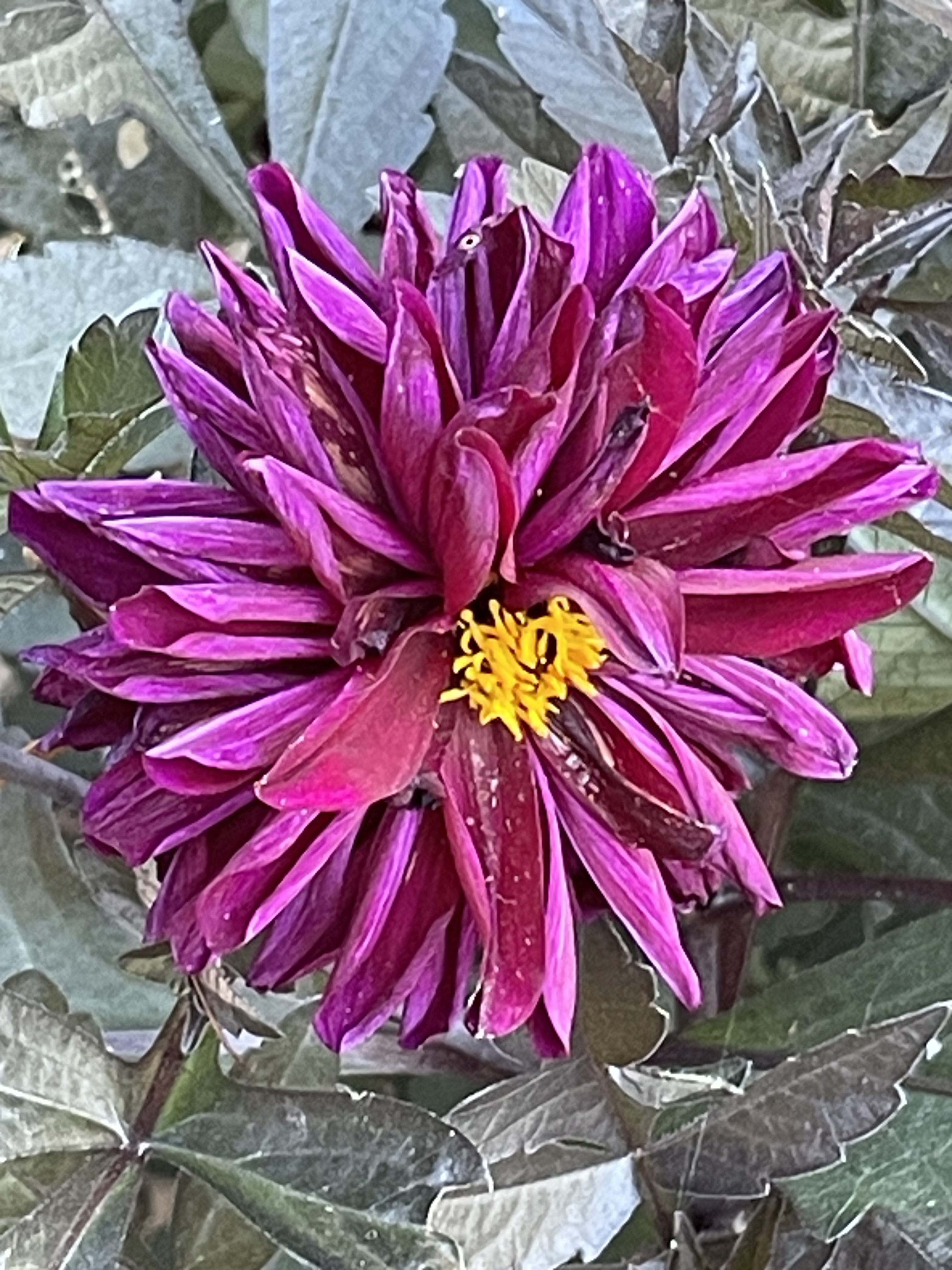
Hallucinatory in its vibrant beauty. Thoreau wrote, Live in each season as it passes; breathe the air. Drink the drink. Taste the fruit. And resign yourself to the influence of the earth.

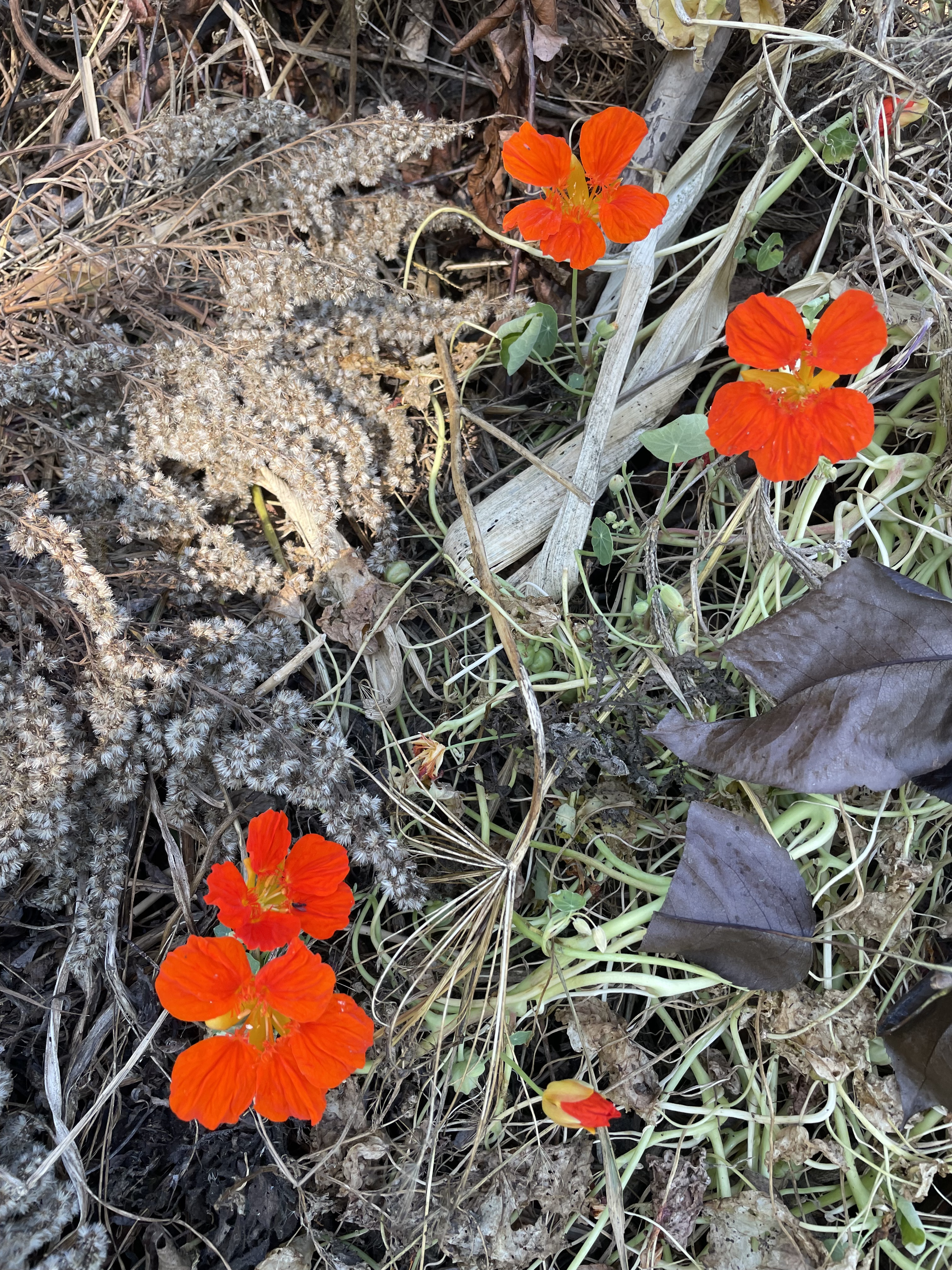
I visit a sustainable farm. Nasturtiums sprout in the compost.
There are cattails.

Mysterious plant markers.

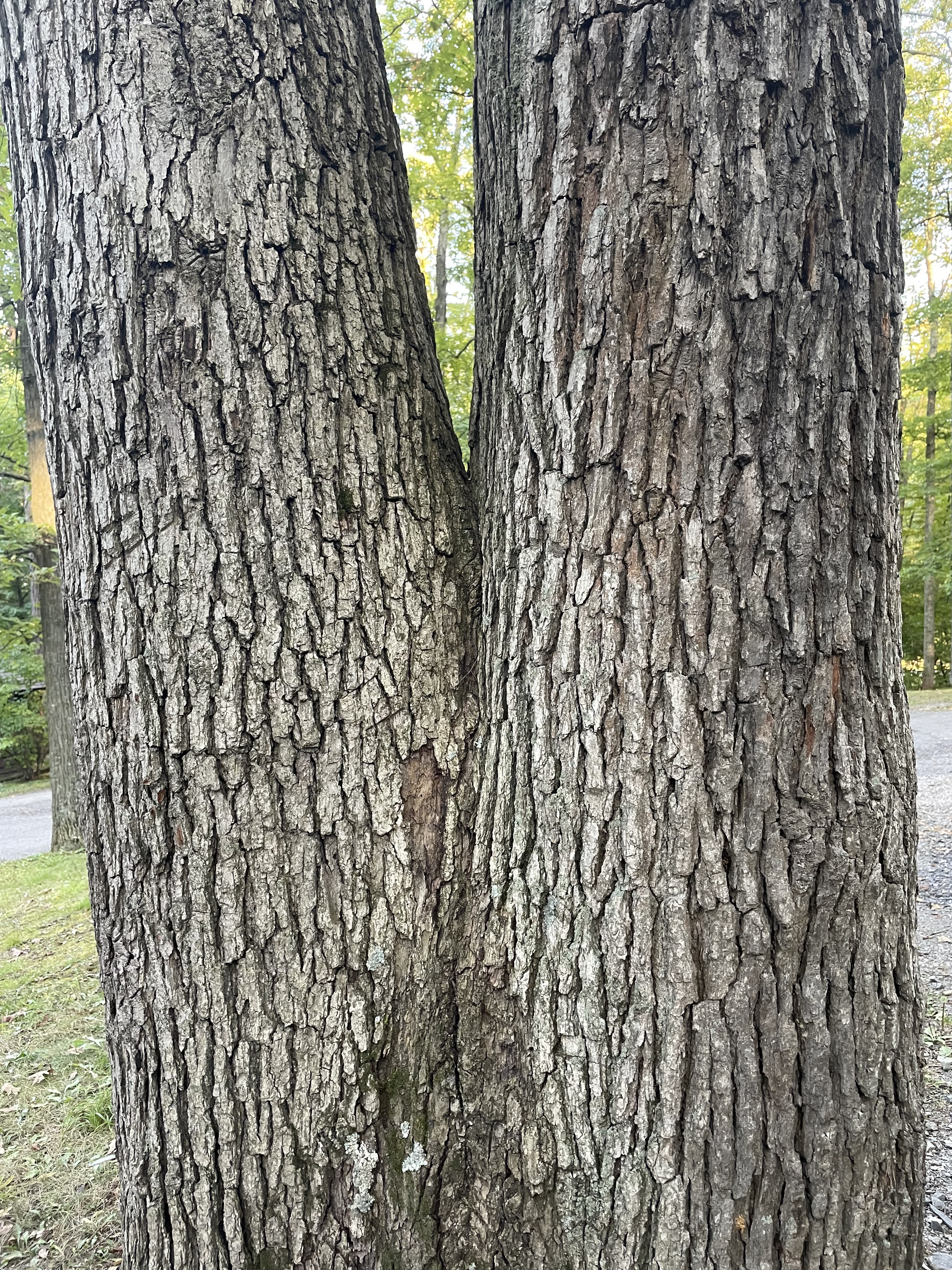
I stay in a cabin near a waterfall, overlooking Cayuga Lake. Just outside my door, soaring conjoined white oaks, planted there a hundred years ago. How did they know I was coming?
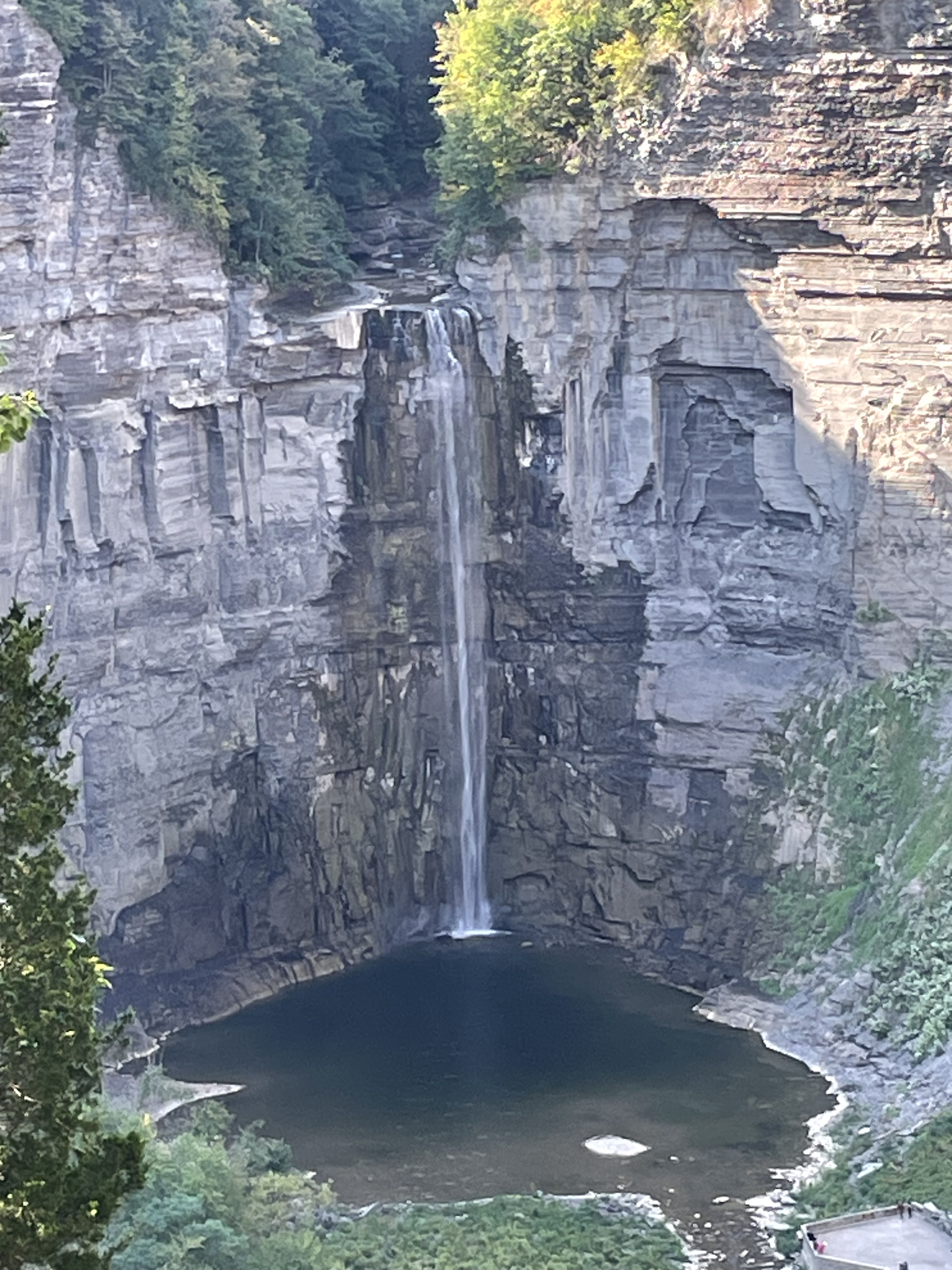
The waterfall, a local friend reminds me, is just water running over a rock, but still fabulous. After all, Taughannock is the highest waterfall east of the Rockies.
All around, a grove of shagbark hickory, which I’ve always loved because the name so exactly captures the way it looks.

The view of water through the trees.

I like initials carved anyplace, like the ones that have been sternly painted over on the front pillars of my cabin. I like the idea of people wanting to leave their mark, plant their flag.
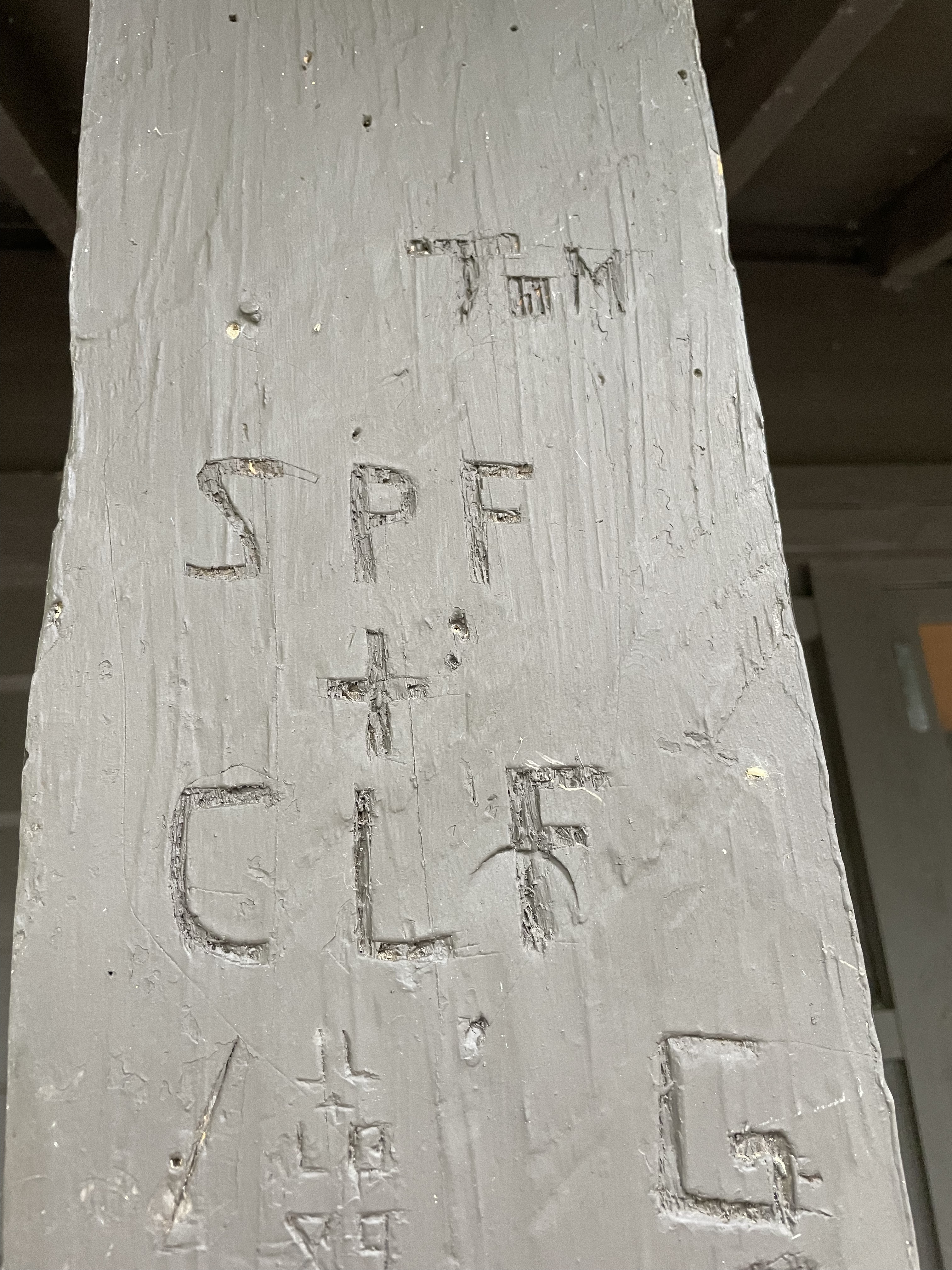
If you do that at this state campground you’ll be fined five hundred dollars.
Something else I like, being warm in a sleeping bag when the air is cold. I think this must be the thing most universally loved.
And the dreams you have before you fall asleep at night.
Wearing my father’s thick flannel shirt.

Textures. The crunchy cotton of an old quilt newly thrown across my bed for the change in season.

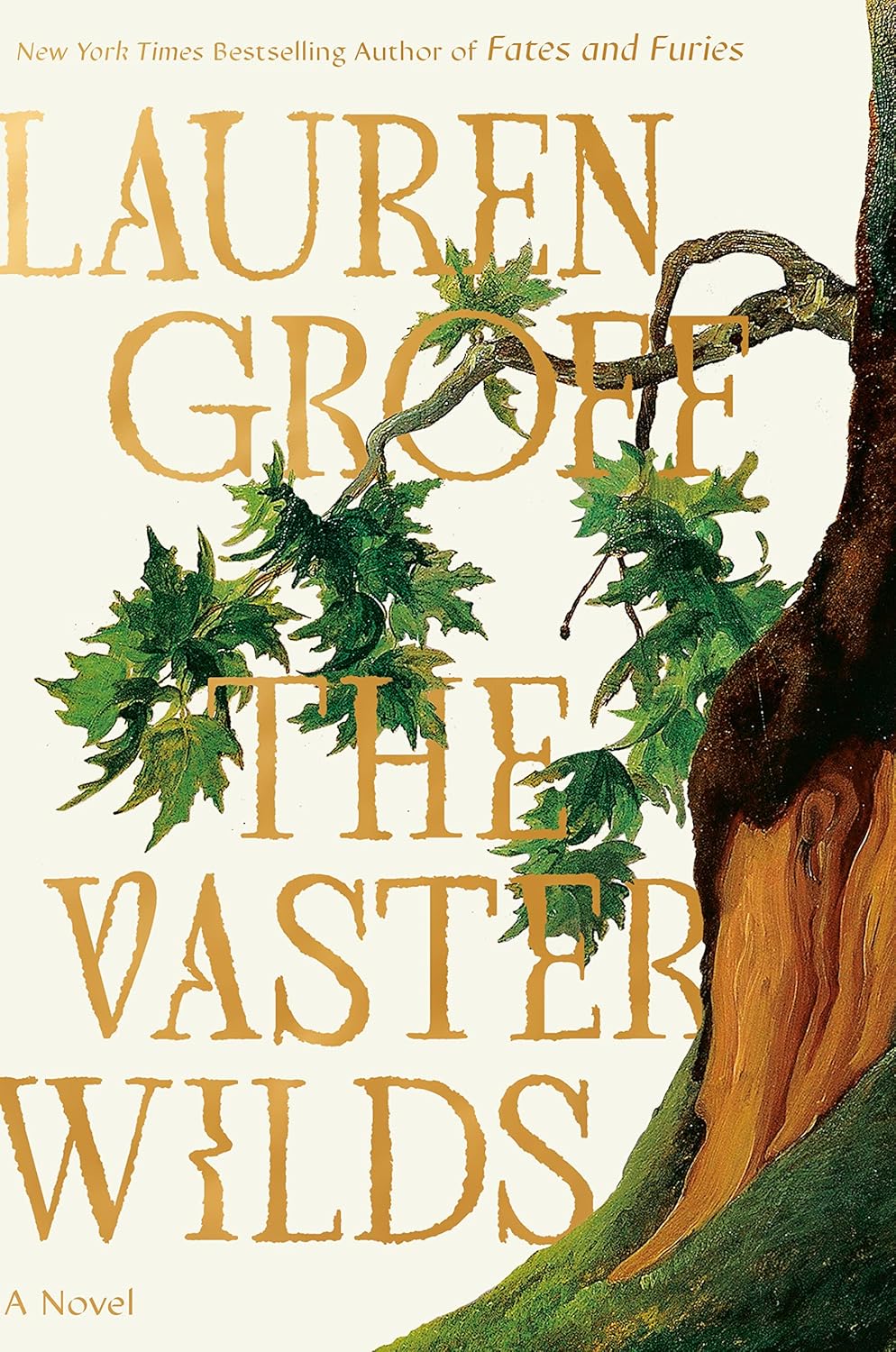
Also, reading late into the night. Especially reading something so good you wish you wrote it. As with my current obsession, a novel called The Vaster Wilds, by Lauren Groff, about a girl brave enough to escape 1600s Jamestown, who runs off through the scary forests of the time.
Hurkle-durkling – lounging in bed when you’ve got stuff you really should be doing – though that happens rarely in my life. I’m usually up and at ‘em. I get a chance to hurkle-durkle in my cabin.
The first gulp of coffee in the morning. Especially camping.
Peeing outside. It’s a must when you’re camping. But I like to do it whenever possible just to prove that though I’m female it’s nothing to go en plein air.
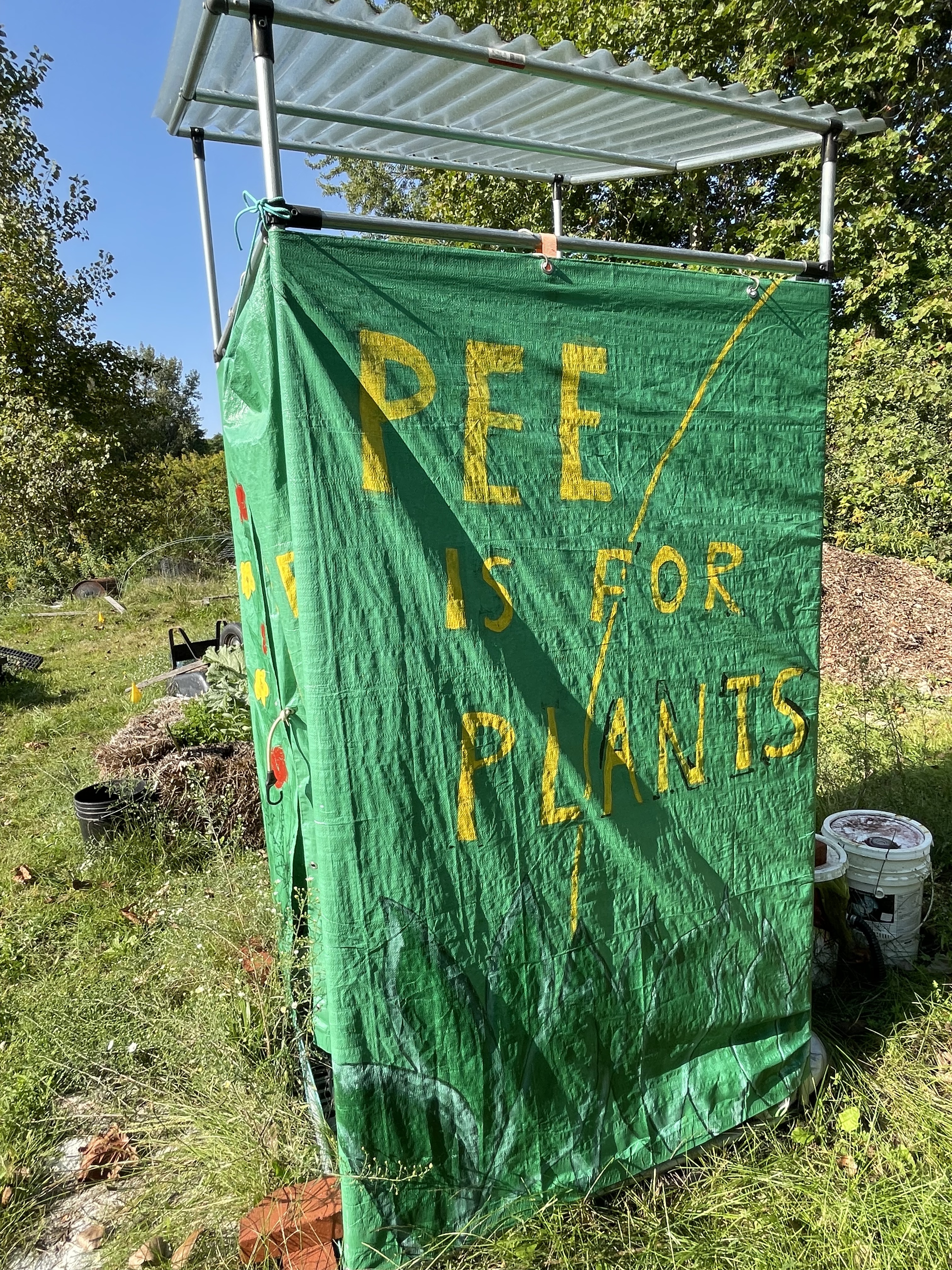
I visit a site that’s all about combining art and science, called Marshy Gardens. They have a urination station outside.
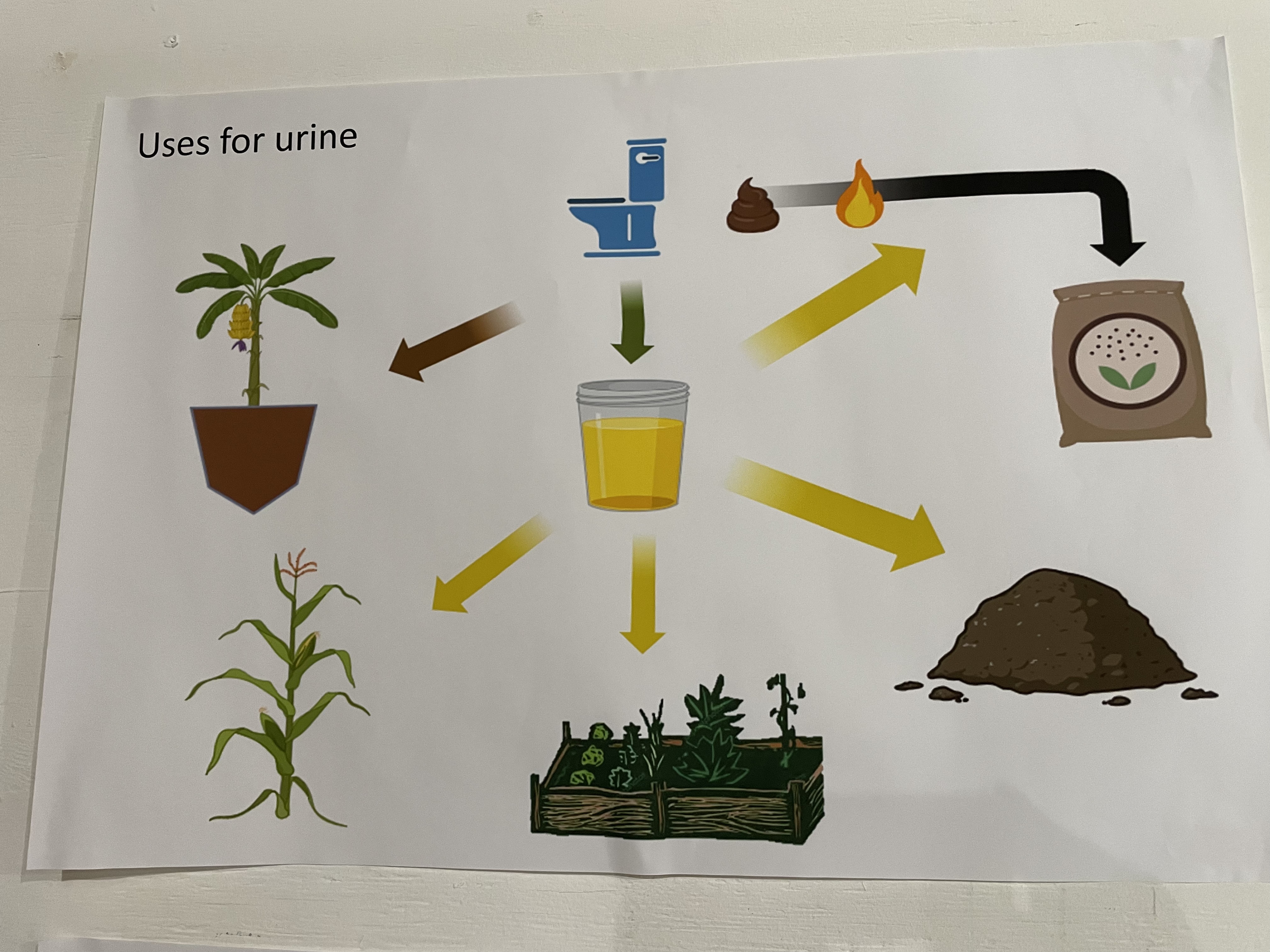
And a diagram in an art space delineating the pertinent science.
I’ve always resonated to the lyrics of the great Lucinda Williams in her song Sweet Old World, written for a friend who ended his own life, citing those experiences a person misses if they leave us too soon. Among them, the breath from your own lips/the touch of fingertips and the pounding of your heart’s drum/together with another one. Simple things, but oh so important.
Some inspiration tacked on the wall.

In the native wildflower beds, a suspended spider web.
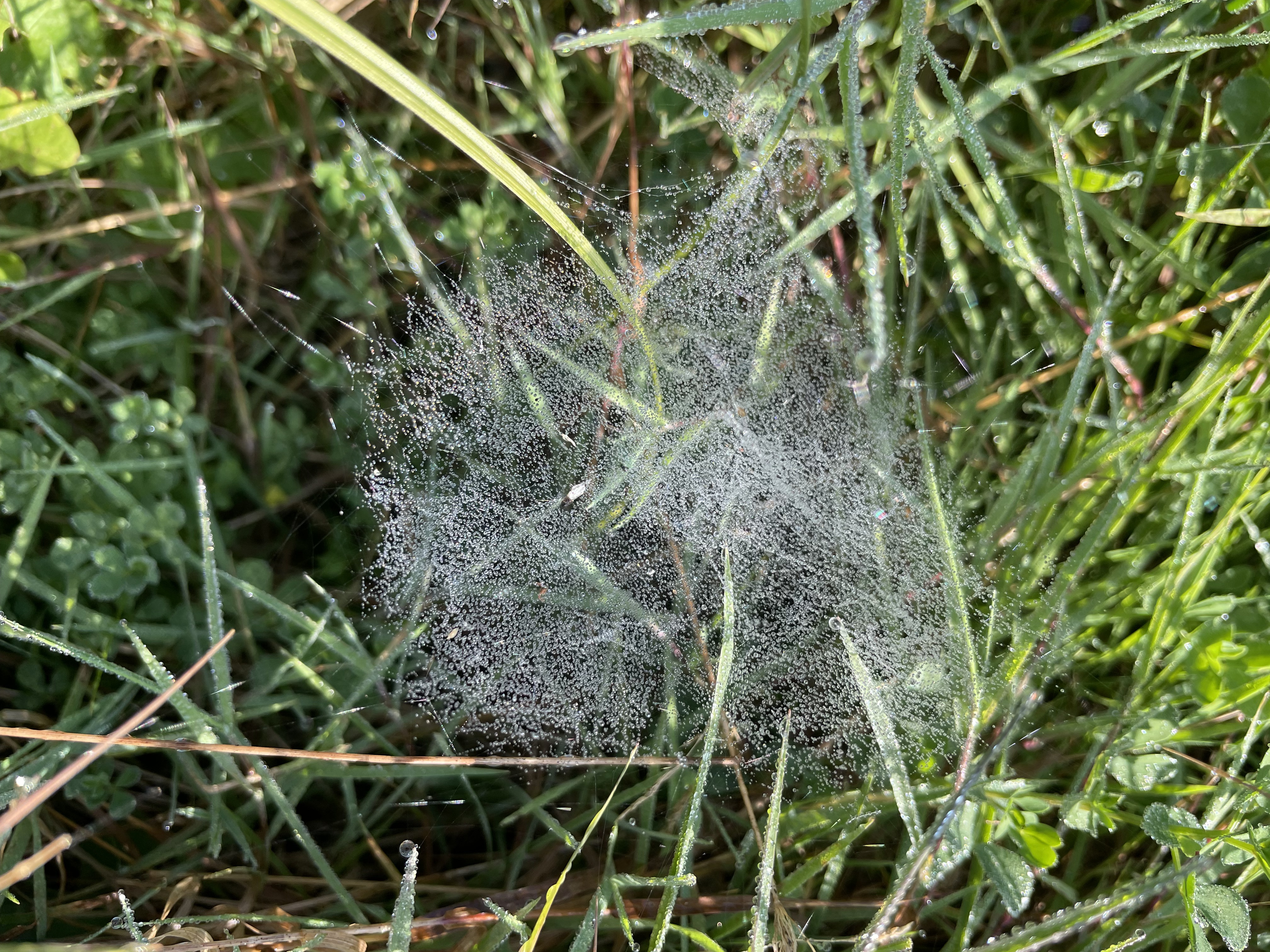
I like everything about spiders. These particular intricate efforts, I learn, are created either by the black-tailed red sheetweaver or the bowl and doily spider. Of course.
All that I hope to say in books, all that I ever hope to say, is that I love the world. So said E. B. White, author of Charlotte’s Web, the book that probably taught me most of what I know about life.
More flowers. This one with a yellow-collared scape mothy perched on top. Perhaps it is sleeping. wonder what it’s dreaming of?
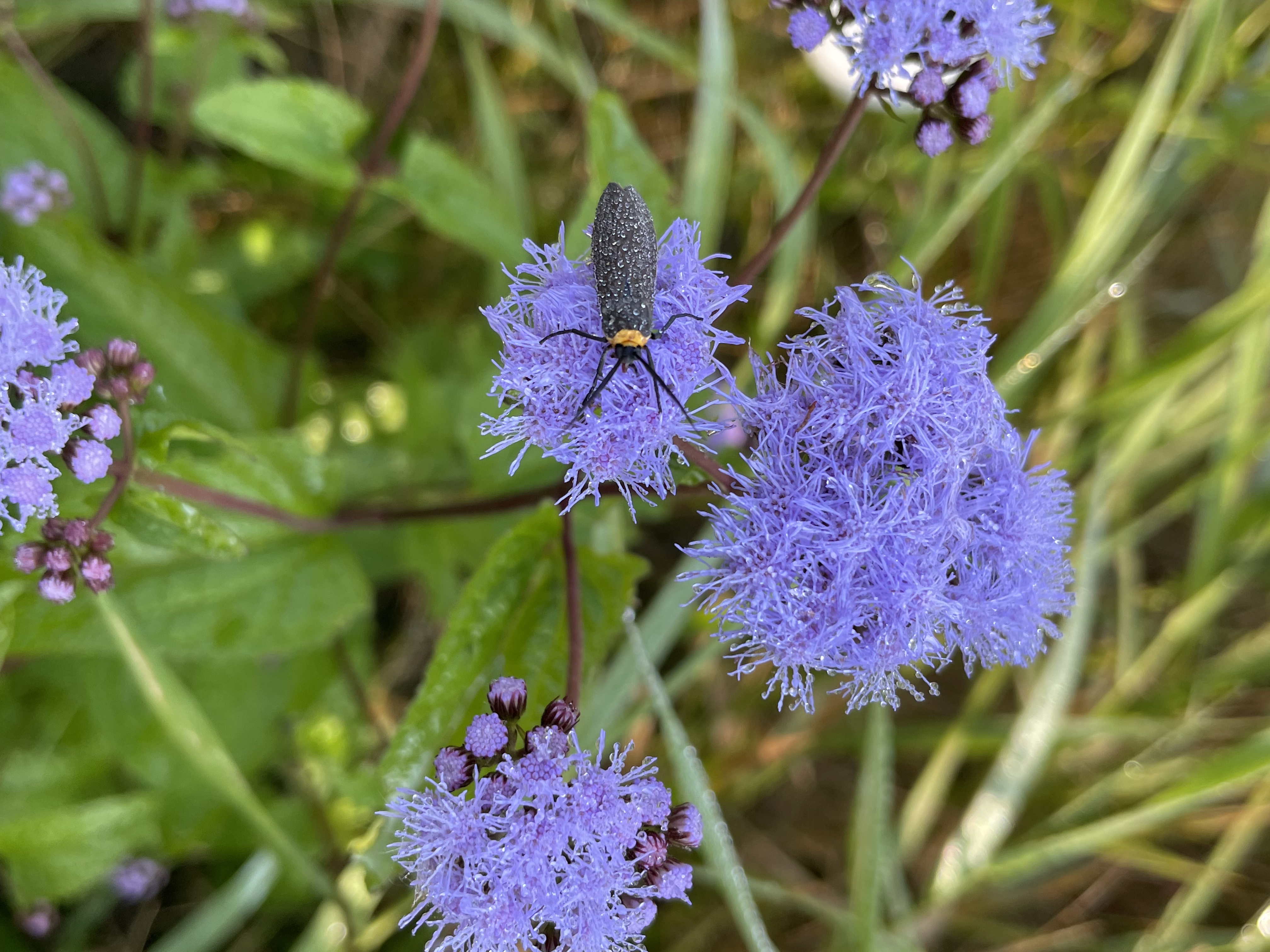
I really like flowers.
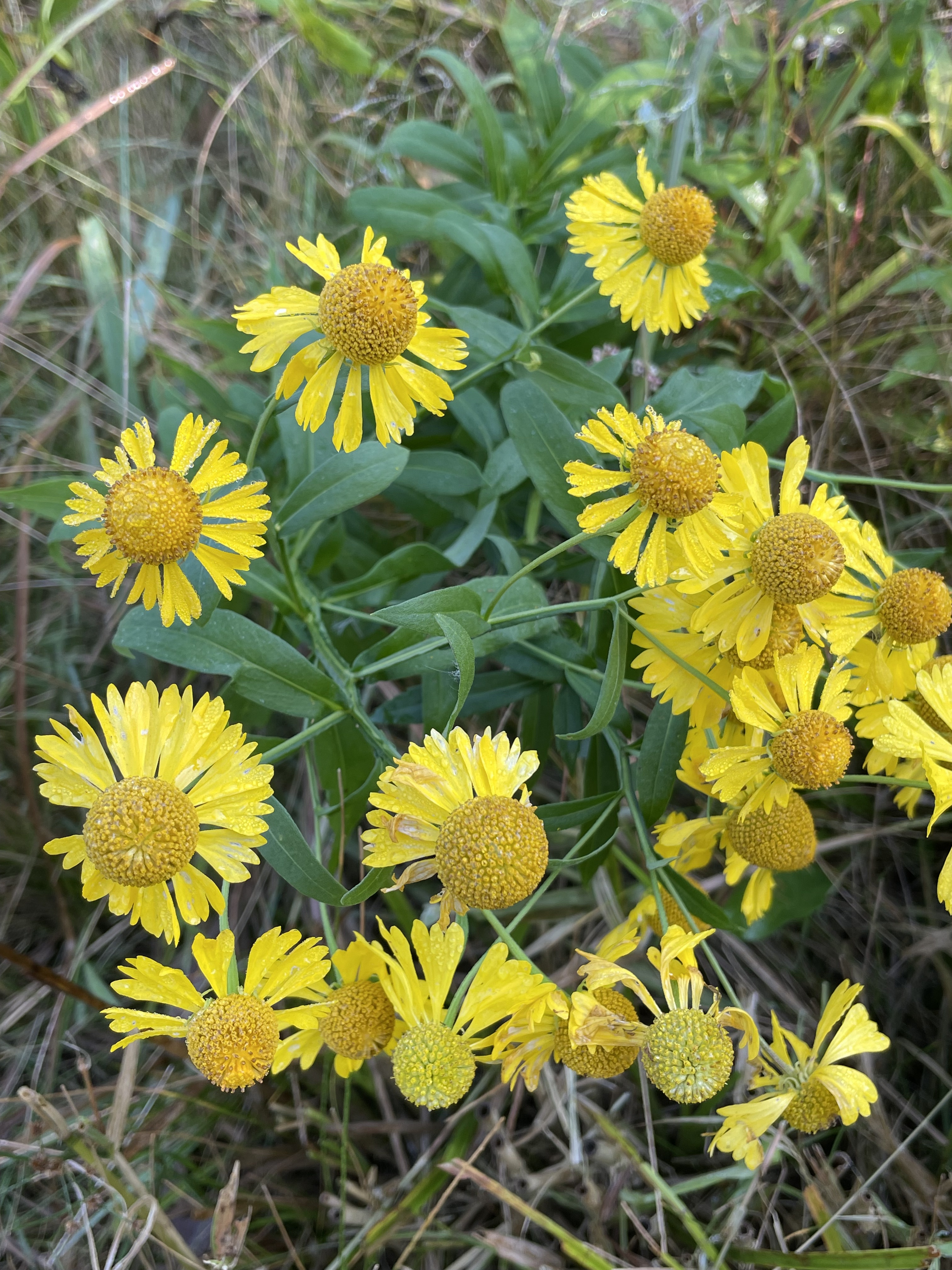
I know, so does everyone. It’s the easiest ask in the world: Will you please love flowers? Will you please love milkweed?

Joy Harjo writes:
Remember the plants, trees, animal life all have their
tribes, their families, their histories, too. Talk to them,
listen to them. They are alive poems.
At Marshy Gardens, an area of test plots. I swipe a cherry tomato, pop it in my mouth.

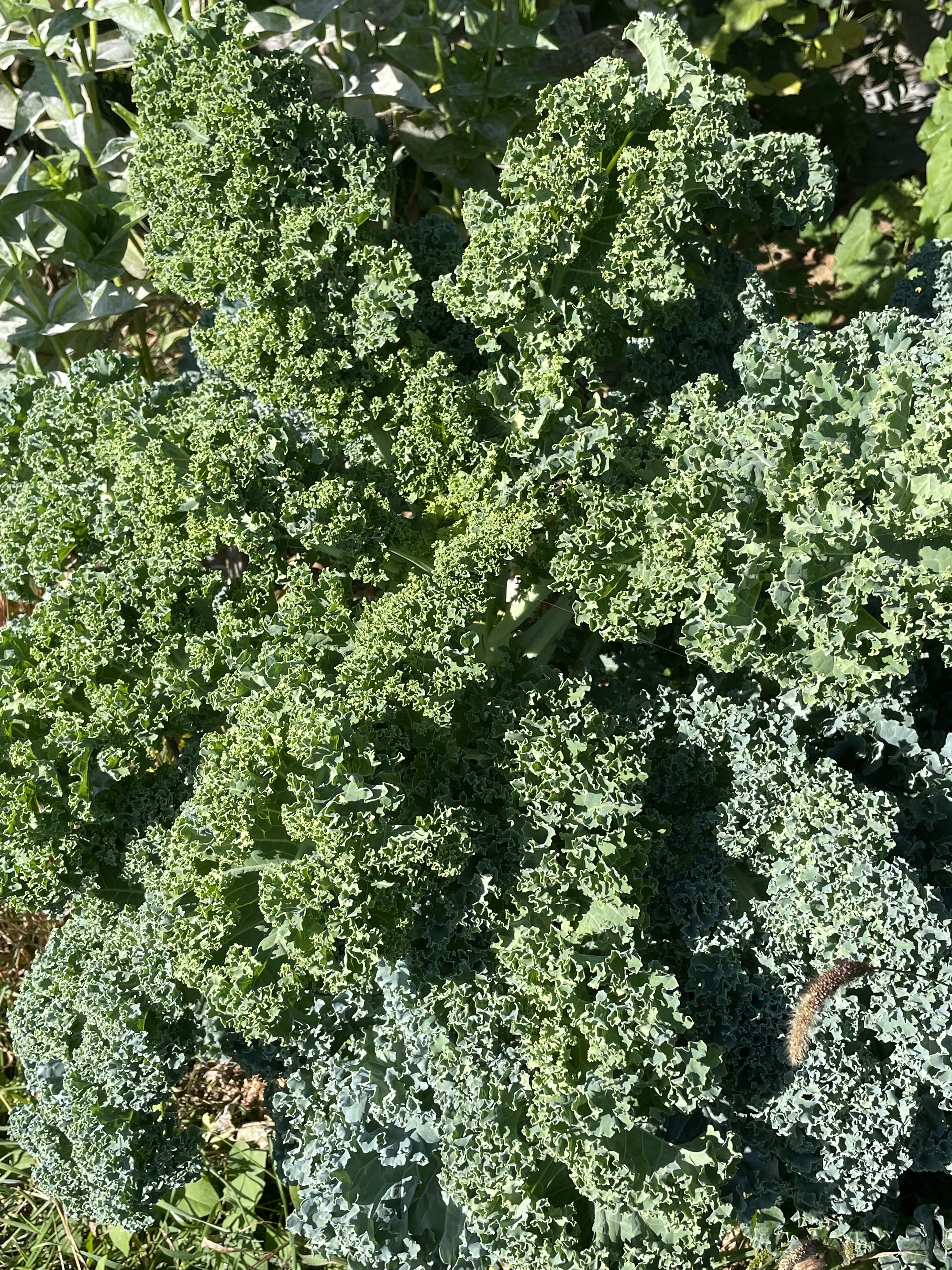
Perhaps the best cherry tomato I’ve ever had, and I have harvested tons of them at home this summer.. Kale prospers in a border, and I like kale. I know, everybody likes kale.
I’ve never been so hungry. The BLT I gobble down from a locally sourced co-op is the finest BLT I’ve ever had.

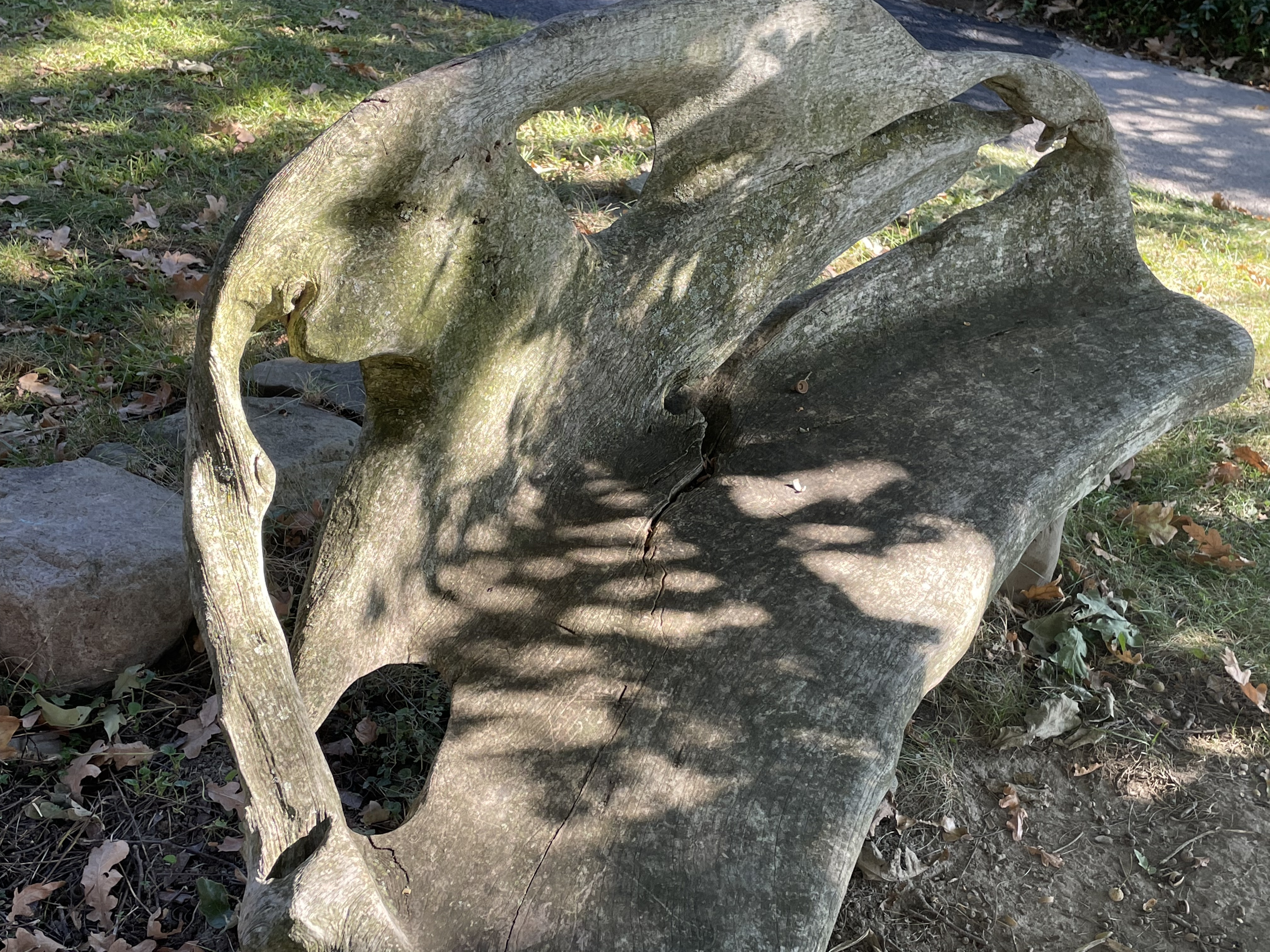
I visit a place called an eco-village, and among the other interesting sights find a bench kindly placed in an unexpected location, another of my favorite things.
There is a boat trip on the lake, pretty science-y. This is about as in depth as I go with the biology of this lake, though I’m sure it’s fascinating.

I’m more into dozing in the afternoon sun, daydreaming and idly observing the passing scenery.
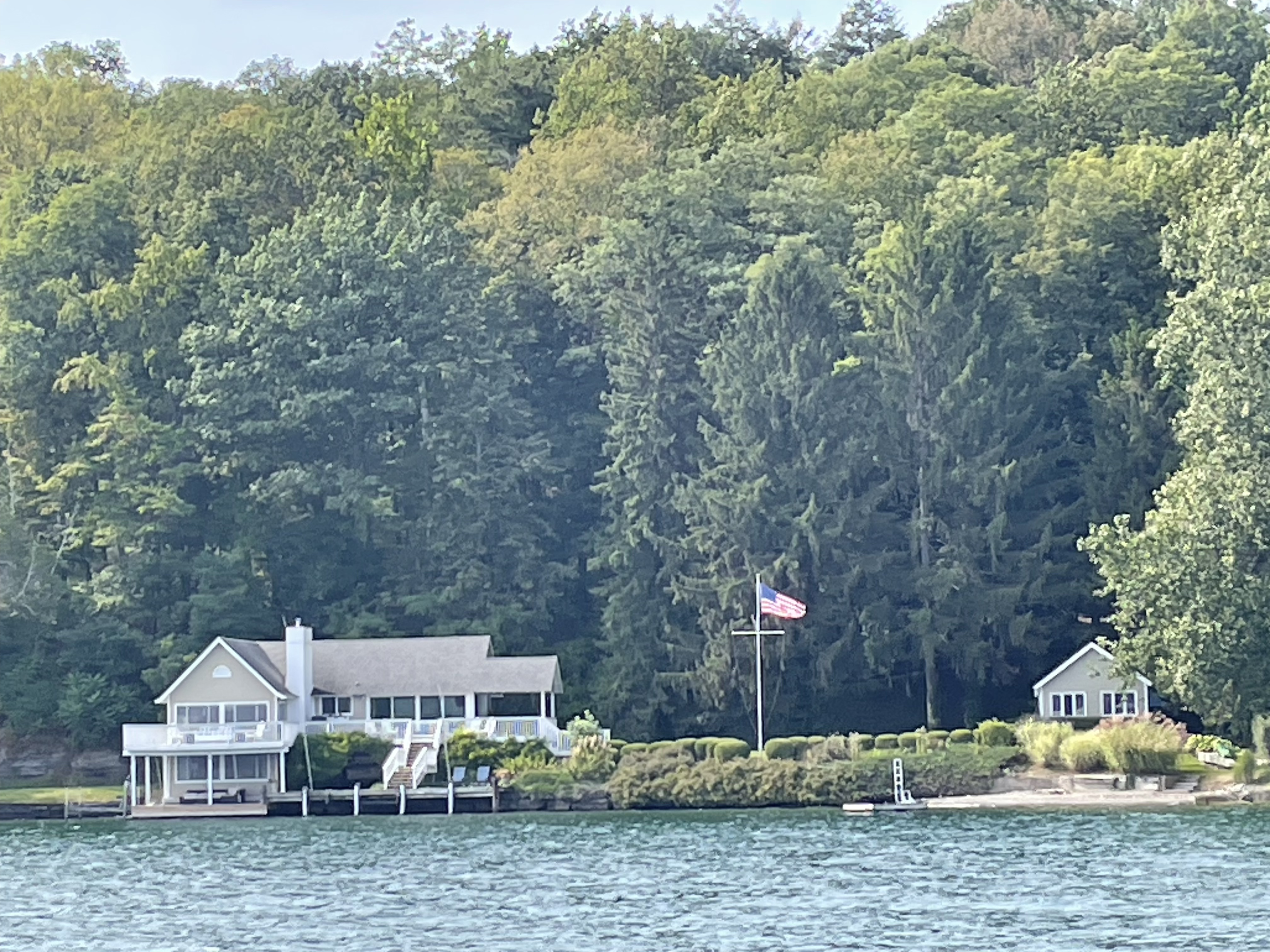
Four bald eagles fly overhead, three juvenile, all massive. The energetic educator who loans me her binoculars reminds me that they fly flat as a board, unlike the teeter tottering of turkey vultures. Reminds me of my current favorite bird, the shy blue heron I’m trying to befriend at Ellis Island.

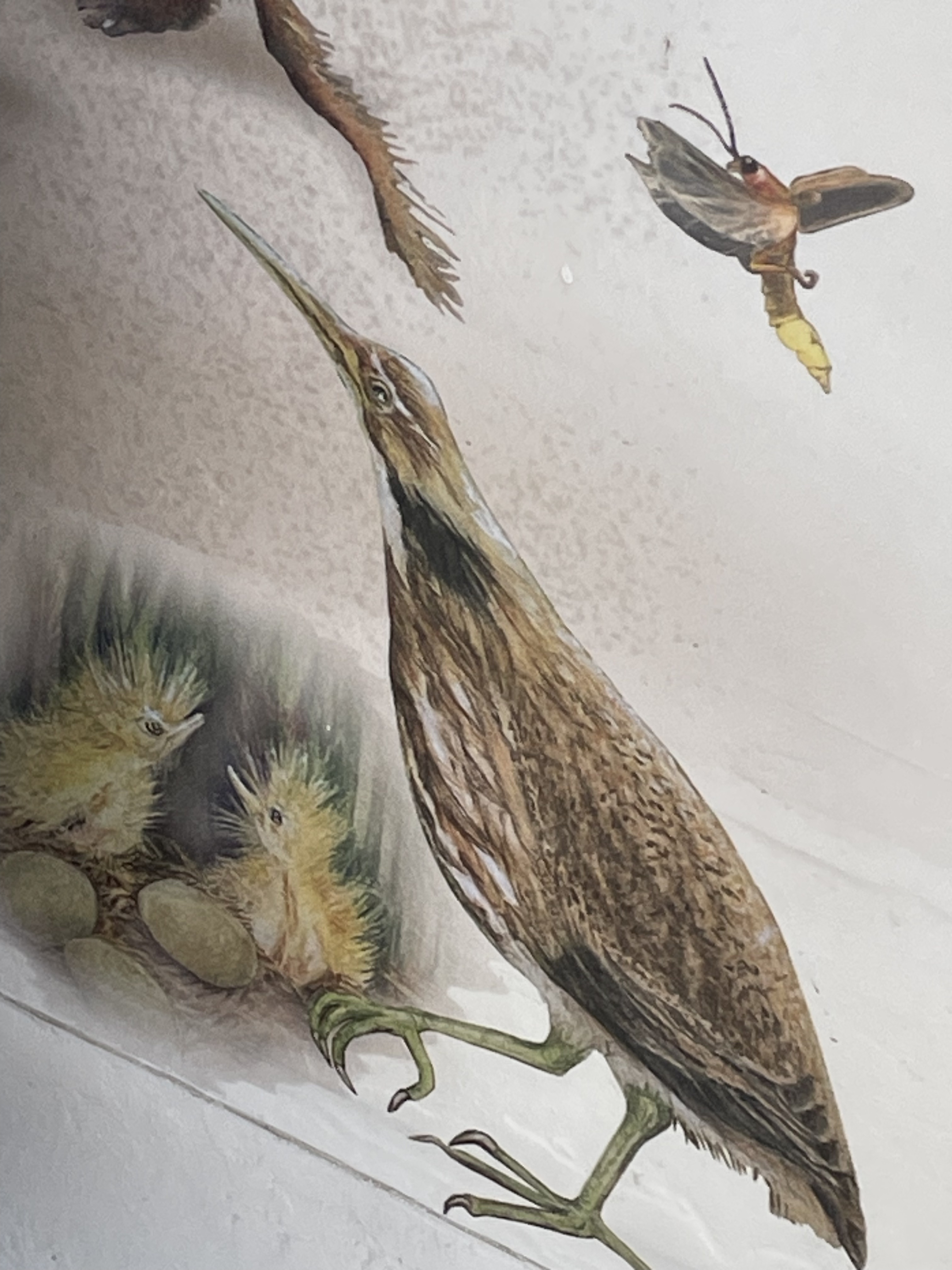
In synchronicity, I find his depiction in a garden here today.
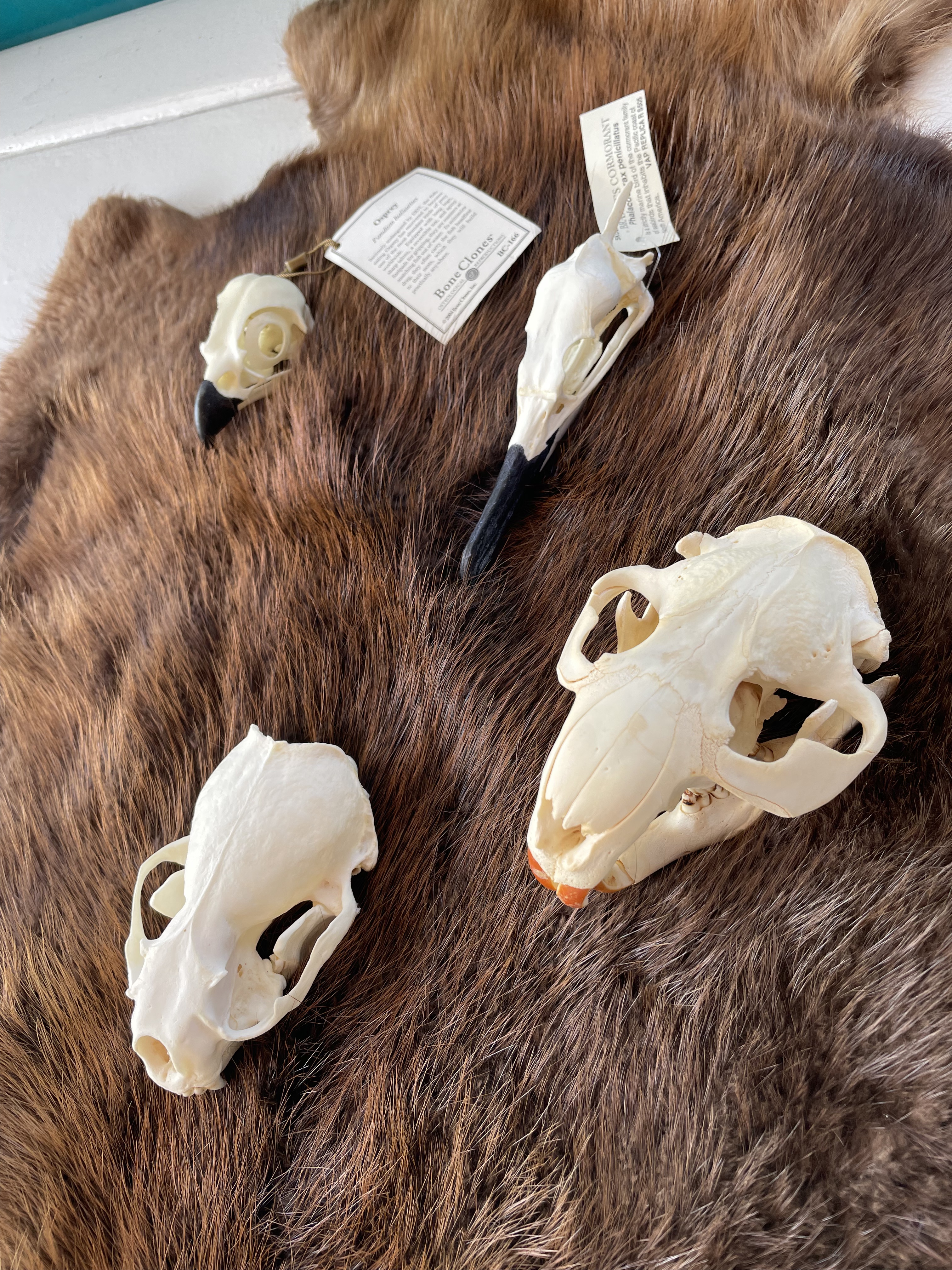
Also on the boat, a perfect exhibit of skulls on fur, which I am liking to think is beaver.
Something else I like is making mistakes, because that’s how I learn. A docent at Cornell Botanic Garden says, You never need say you’re wrong, just “actually.” To which a smart aleck adds, Truth challenged.
We pass cormorants as we go.

They seem beautiful and exotic to me, even though I learn that their excrement is damaging the trees they roost on. Useful knowledge. The inside of the boat’s hull has been painted.

Exquisitely.
Also exquisite, the aluminum can held by a new friend, an environmental geek like everyone here.
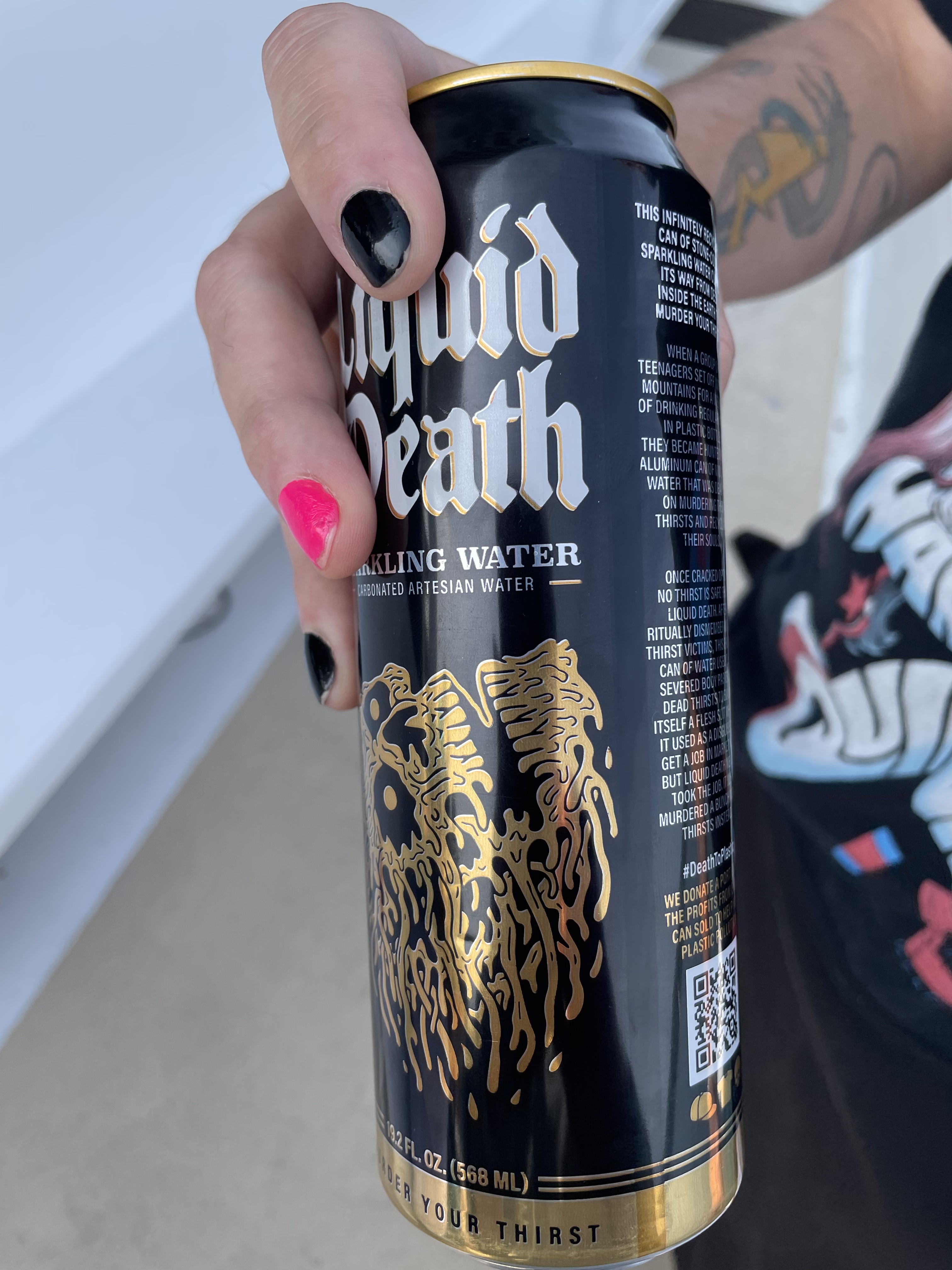
It’s just carbonated water, but everything about this person is somewhat dazzling, down to his toes.

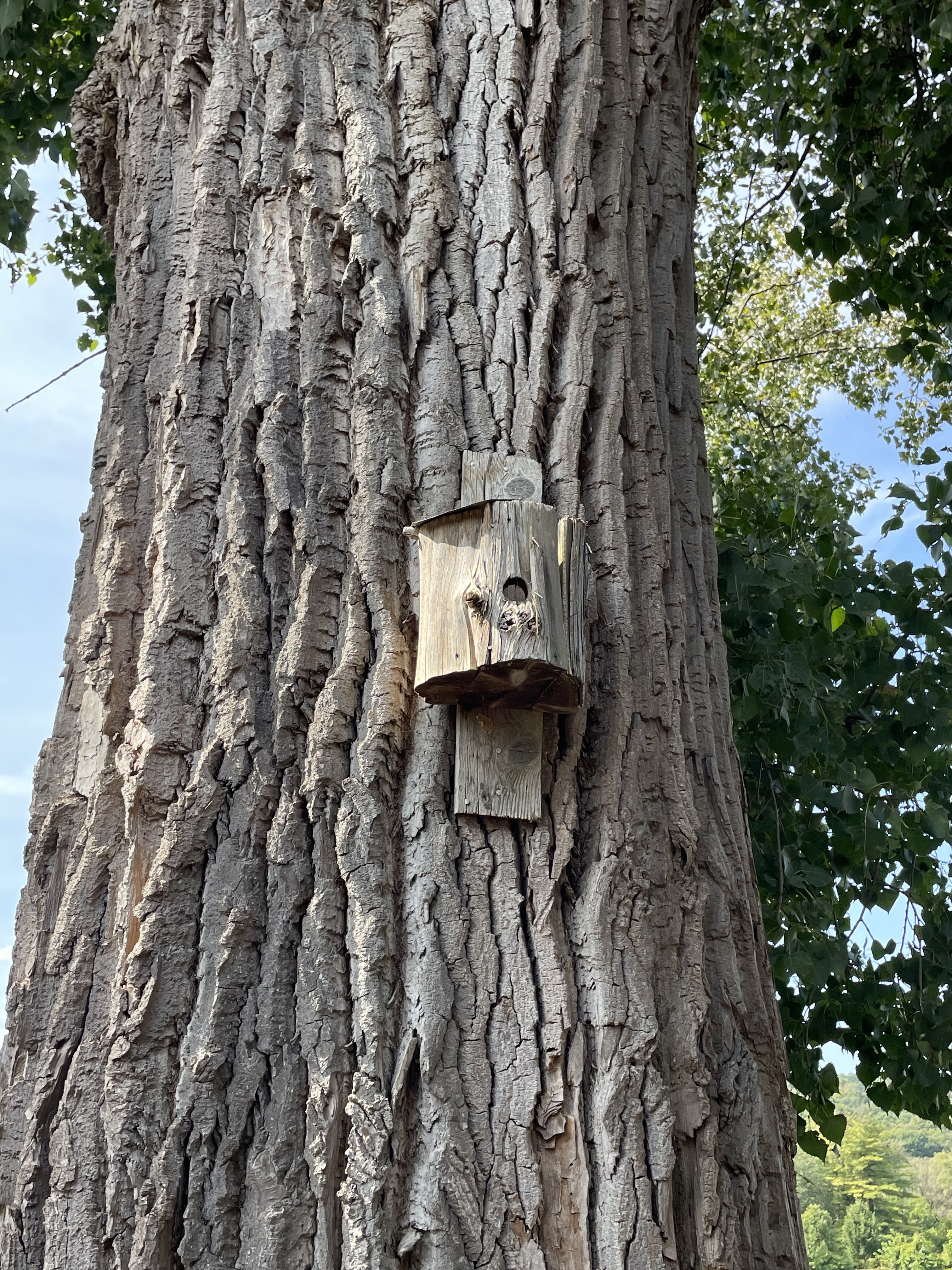
Disembarking, I spot a mammoth Eastern cottonwood.
Have I mentioned that there are flowers?
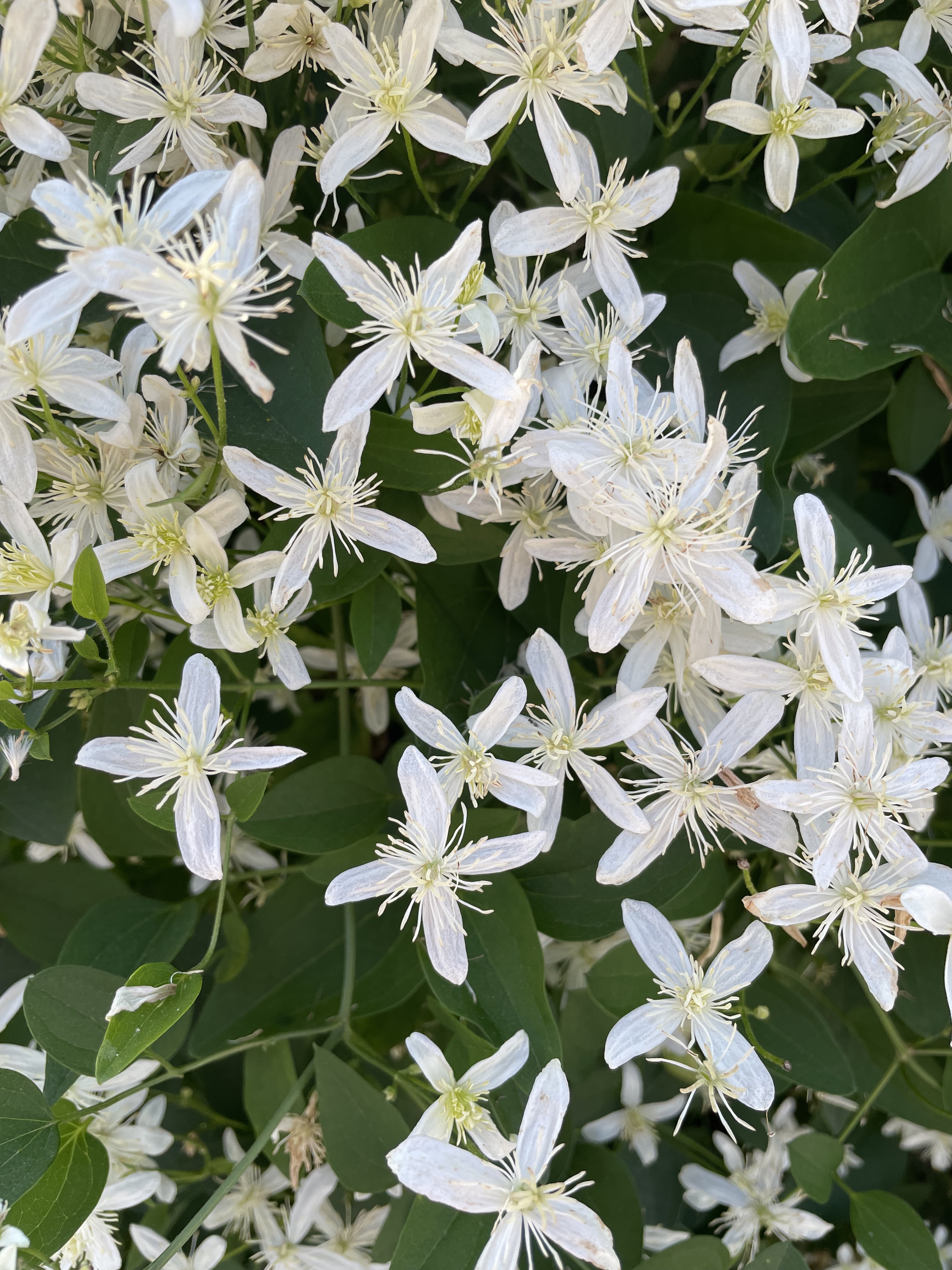
And that I think flowers are okay?

Well then. Take it from me. Freshly blooming, or spent.

They are.

 Jean Zimmerman