Tag Archives: History

Late season.

Been thinking about the concept recently while visiting some haunts both local and distant. Not ruins exactly. Let’s say slightly faded in the most perfect way.
Like the nearby genteel rose garden at the Lyndhurst.
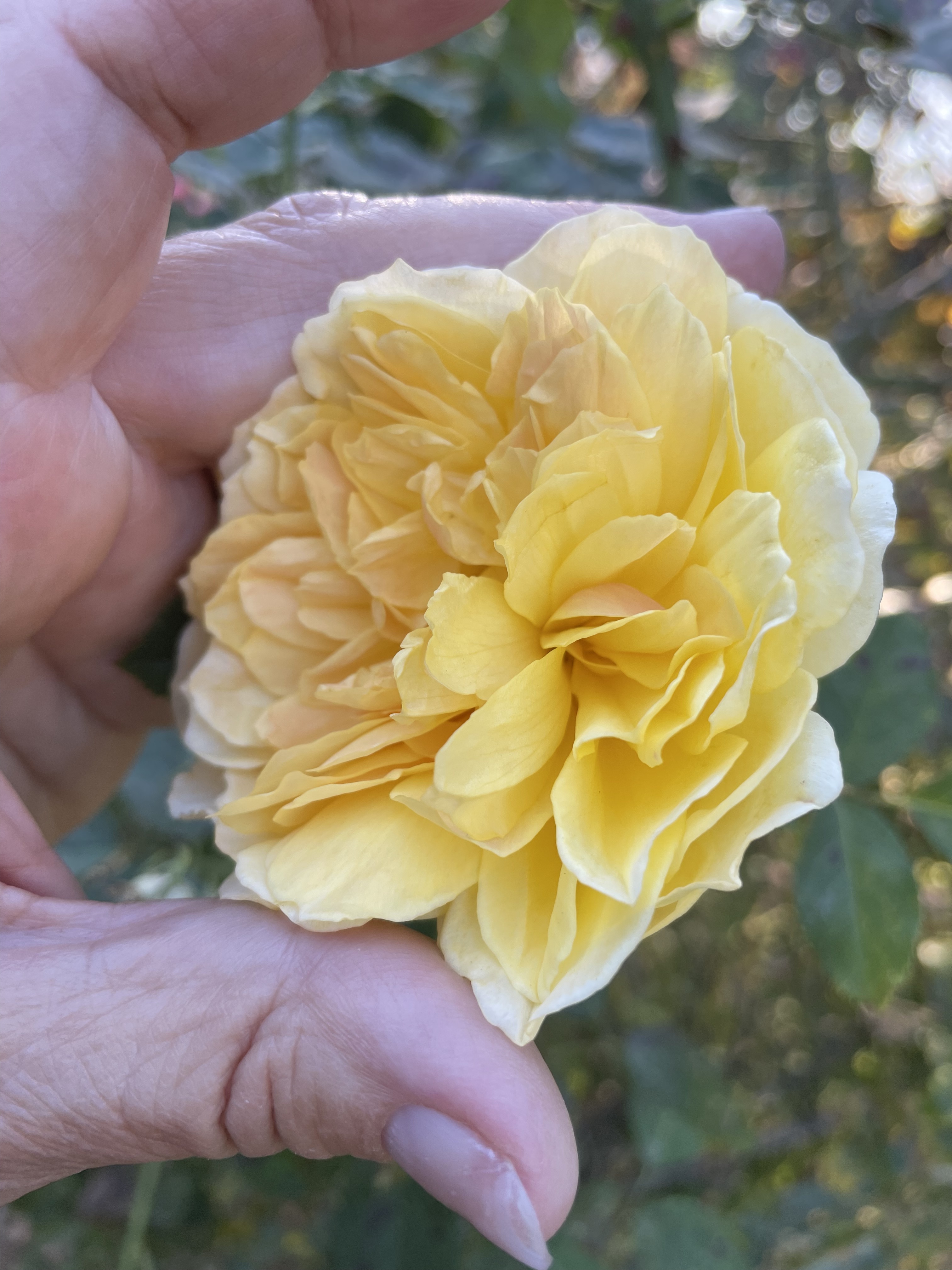
Its blooms in November just as exquisite as the ones in June.
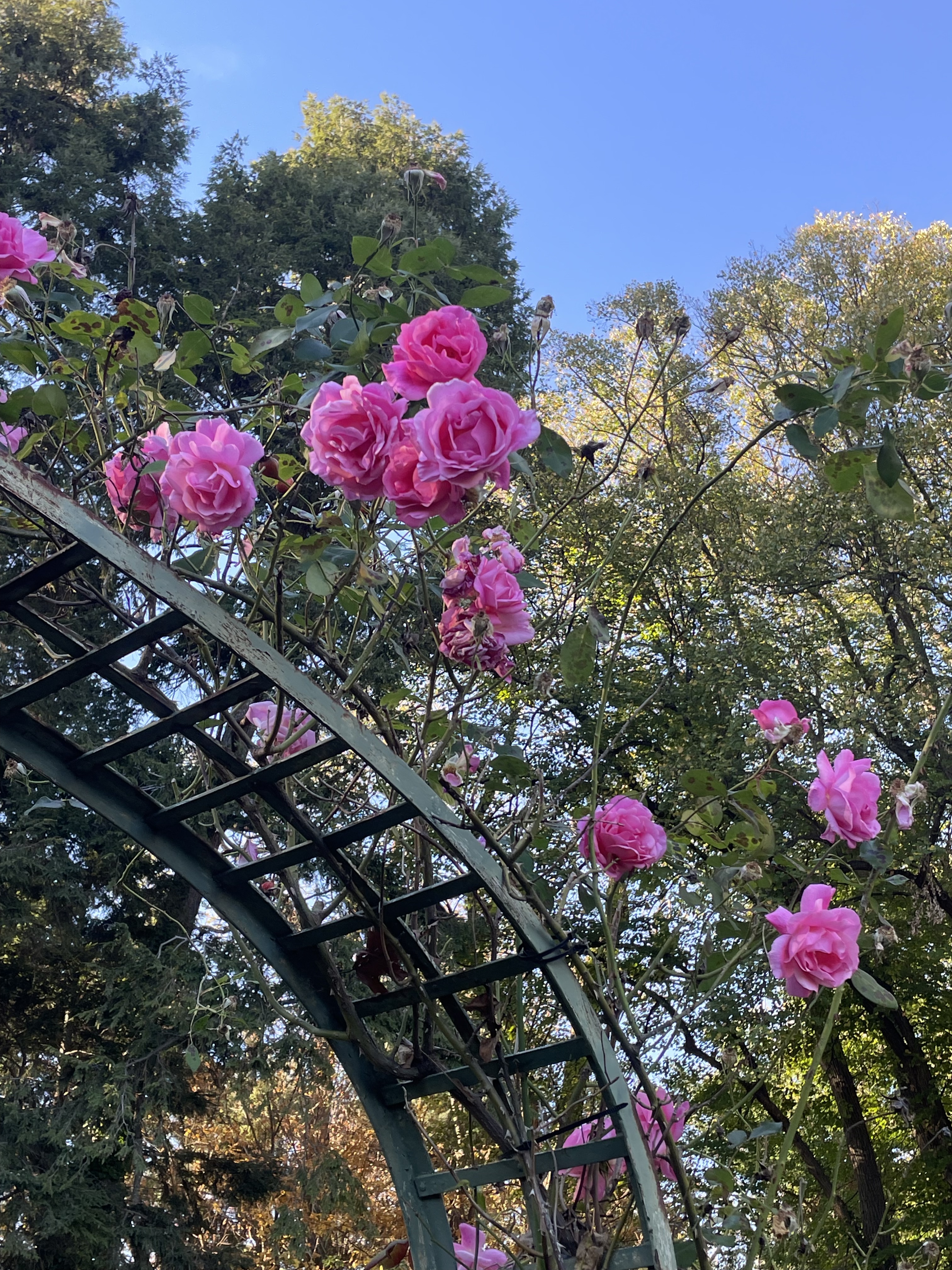
Possibly even more ravishing. Is it my imagination, or when you stick your nose in are they actually more fragrant as well?

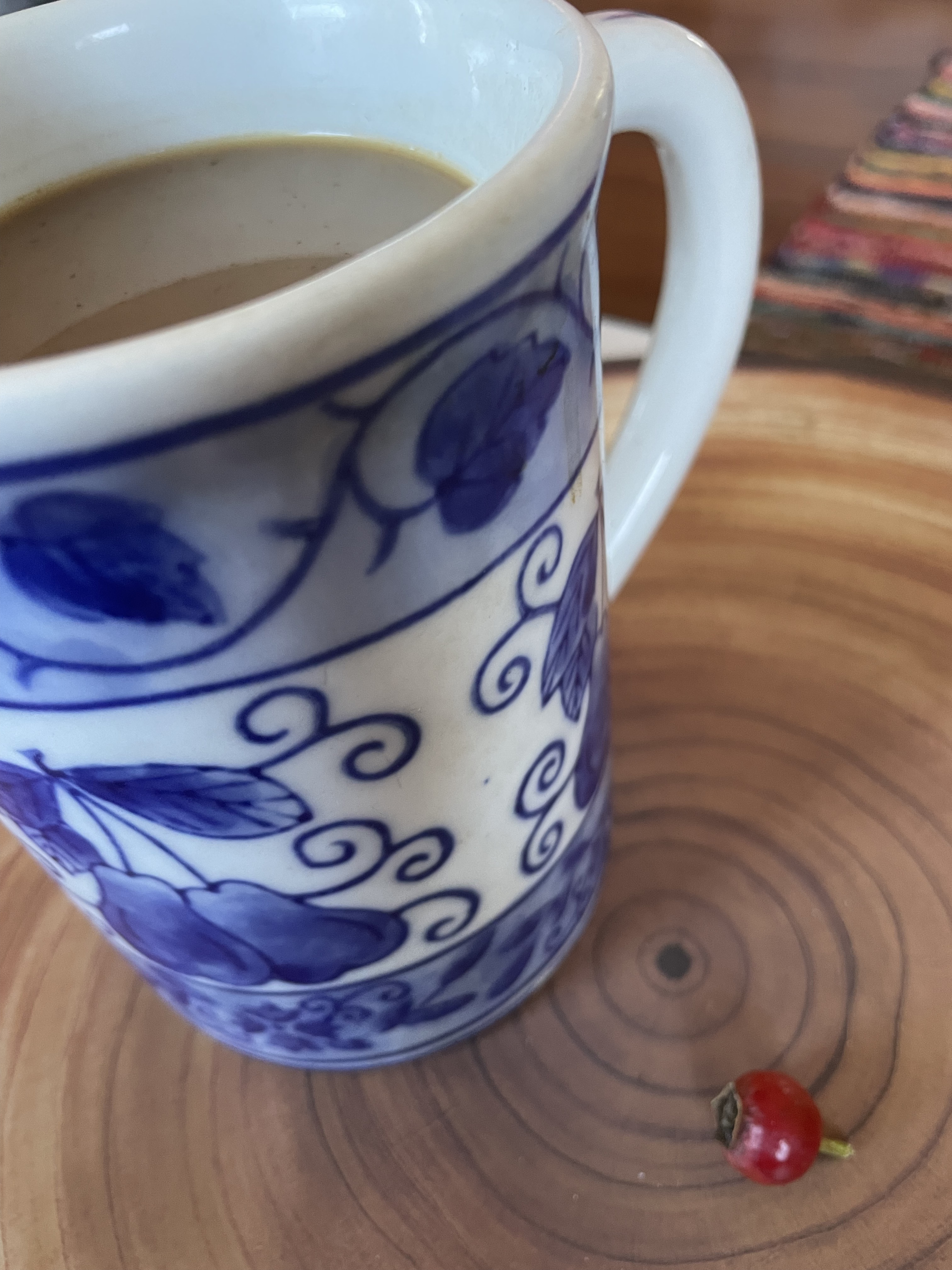
Who’s to say that a rose hip is any less beautiful than the rose that preceded it?
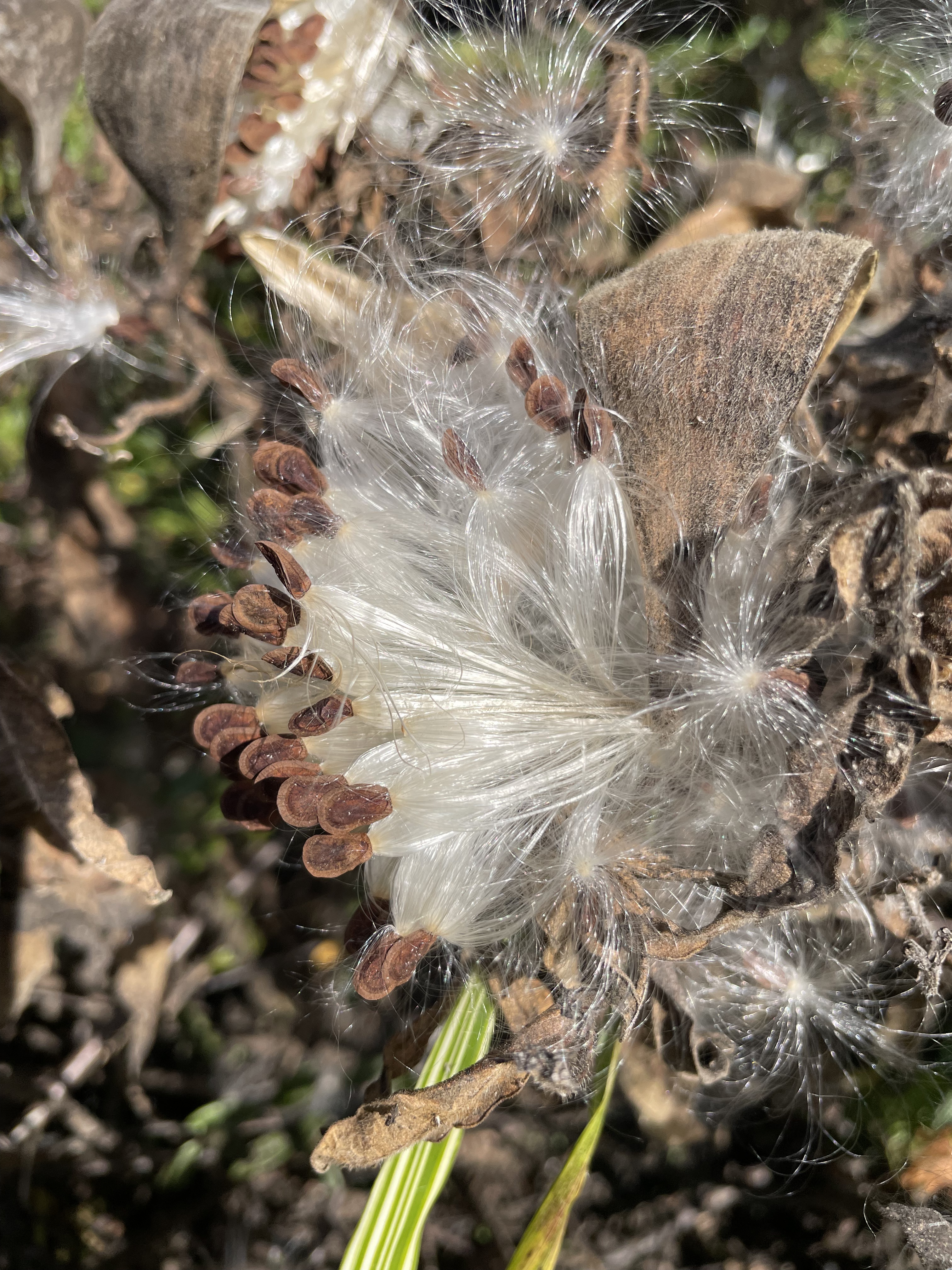
Late season magic. Milkweed.
An old-old graveyard that by all rights ought to have been long plowed under, like the cemetery we stumbled upon behind chain link in the heart of bustling Flushing, Queens. Someone in the Episcopal church next door kindly opened the gate so we could mosey around.

In the midst of faded headstones, some of them dating back to the early 1800s, an epic mulberry thrives.

The tree might have been planted when the graveyard was new.

I like a circa-1700’s fanlight door at Philipse Manor Hall in Yonkers, similarly a survivor.

Between fall and snowfall. I didn’t come up with that one, but it’s a pretty good description of most all the things I like best.

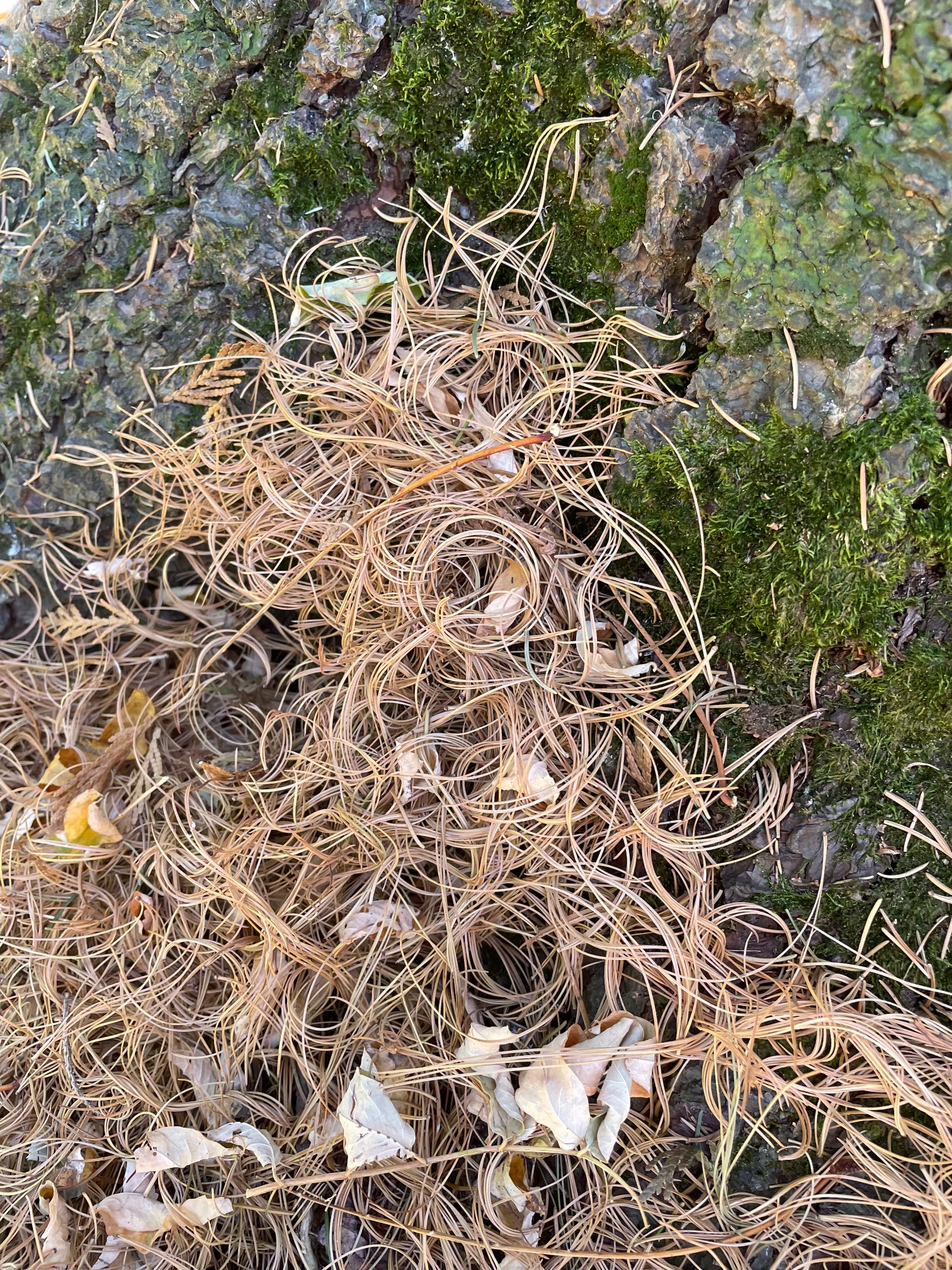
Why do I gravitate to the tousle of brown juniper needles so much more than the vibrant green ones still holding on?
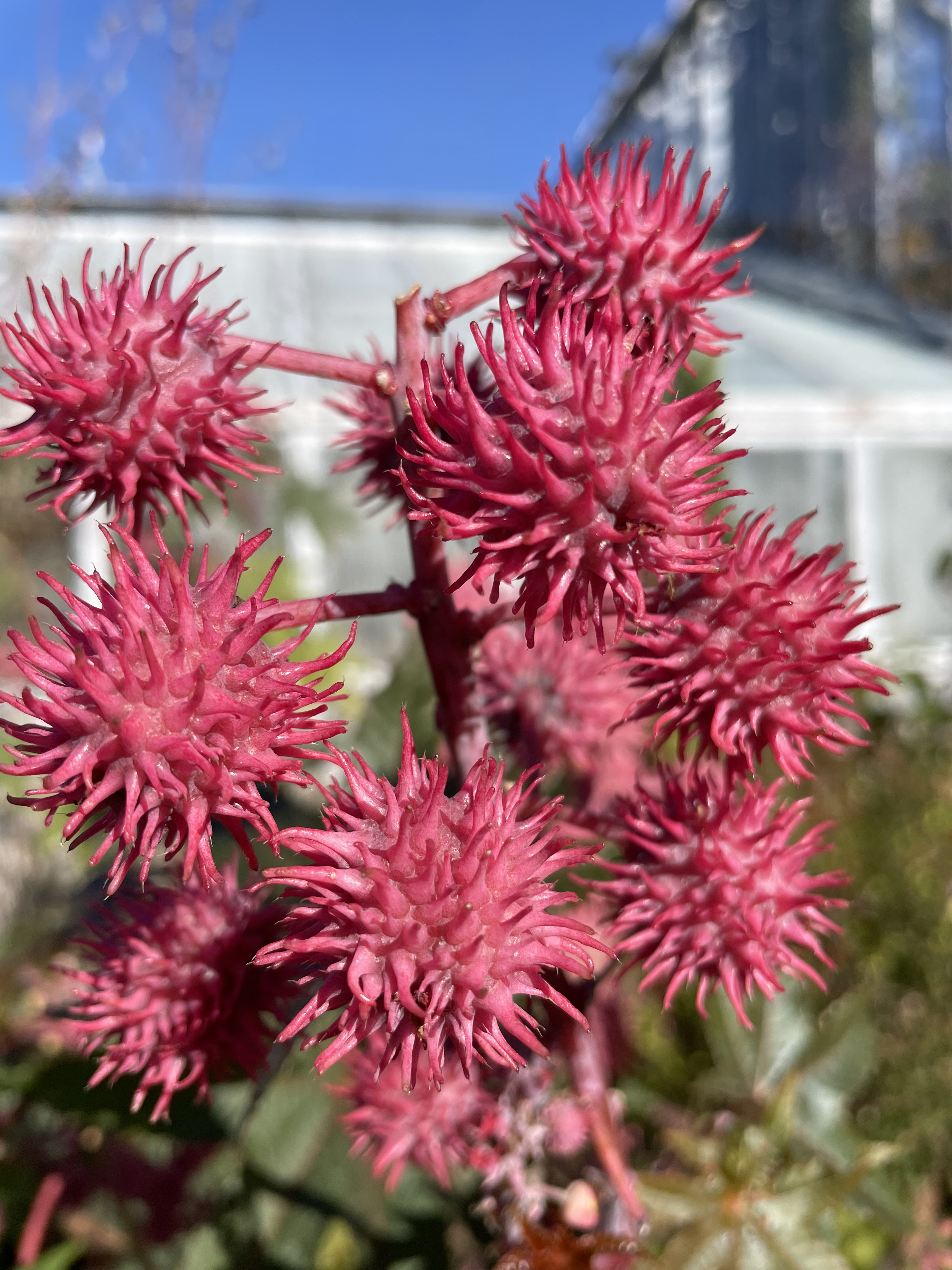
I guess everyone loves the changing hues of autumn. Who would’t care for unexpected fuchsia?
White oak leaves always get me, brown fallen ones perhaps more so, and brown fallen ones with green grass shoots still around them probably most of all.

Classic apples. At a local cider place you can bite into a russet people favored back in the 1600’s.

Nearby, a weathered scarecrow holds court over a late-season field.
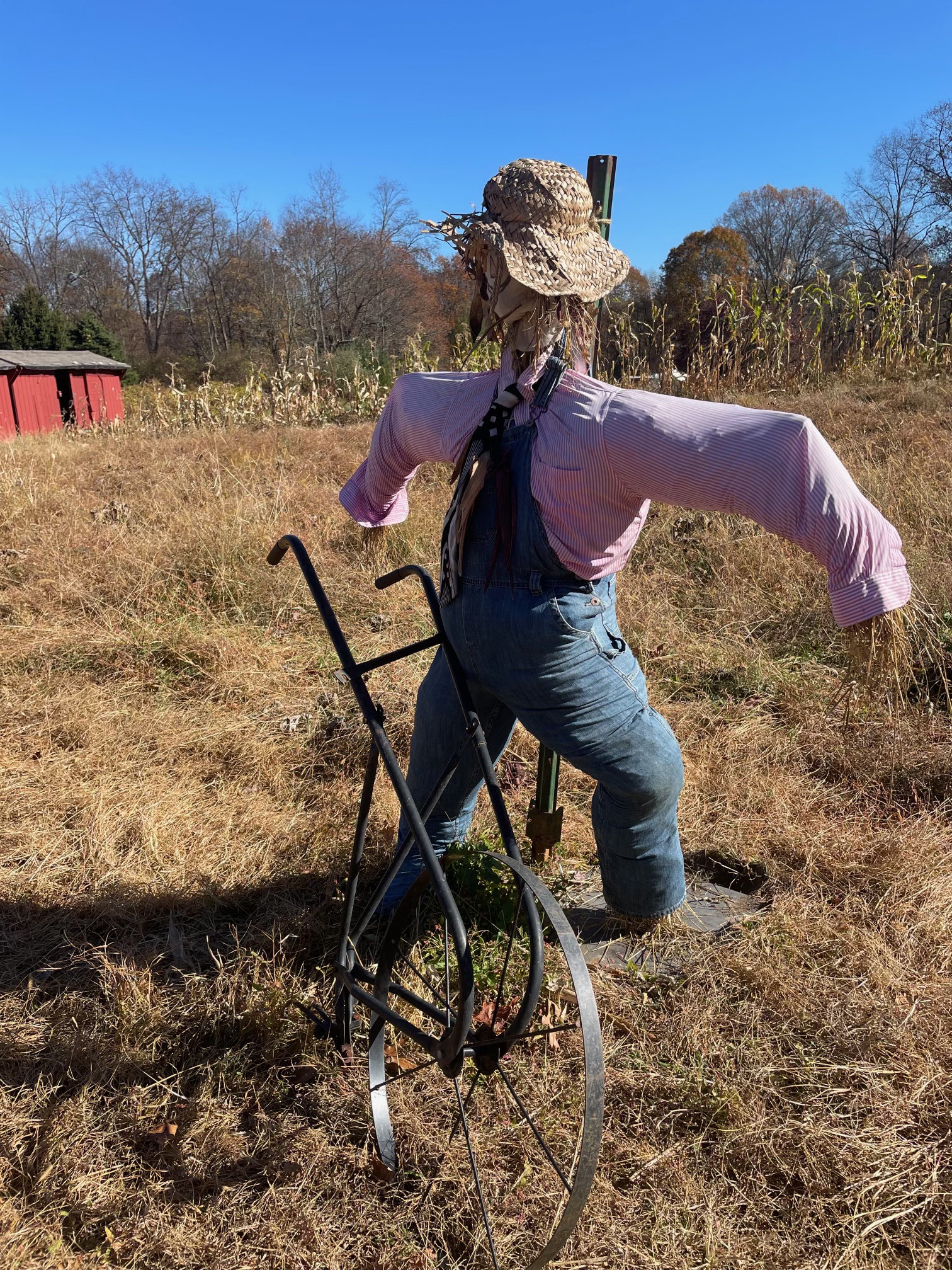
Everything old is new again. Somebody or other said that. Could have been the early 1700’s author Jonathan Swift, or Mark Twain, or Churchill or even Stephen King. No one seems to know.

But most things that are old and creaky seem fresher to me than what is new. Perhaps because I feel between fall and snowfall myself?

I gravitate to things that are timeworn and true. Silent movies.
The late-season cattail by a pond.

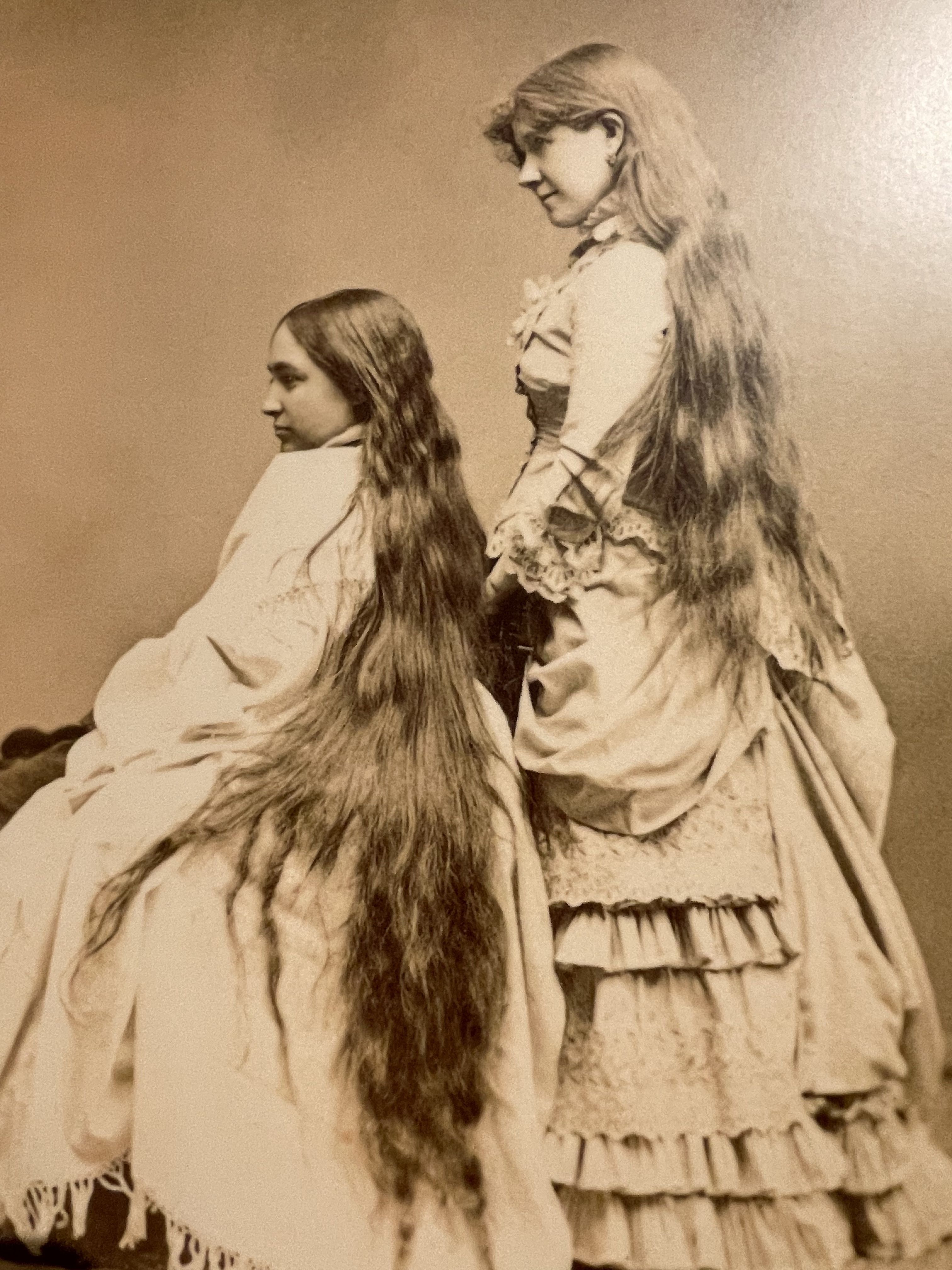
A portrait of two sisters that suggests a mystical earlier appreciation of hair.
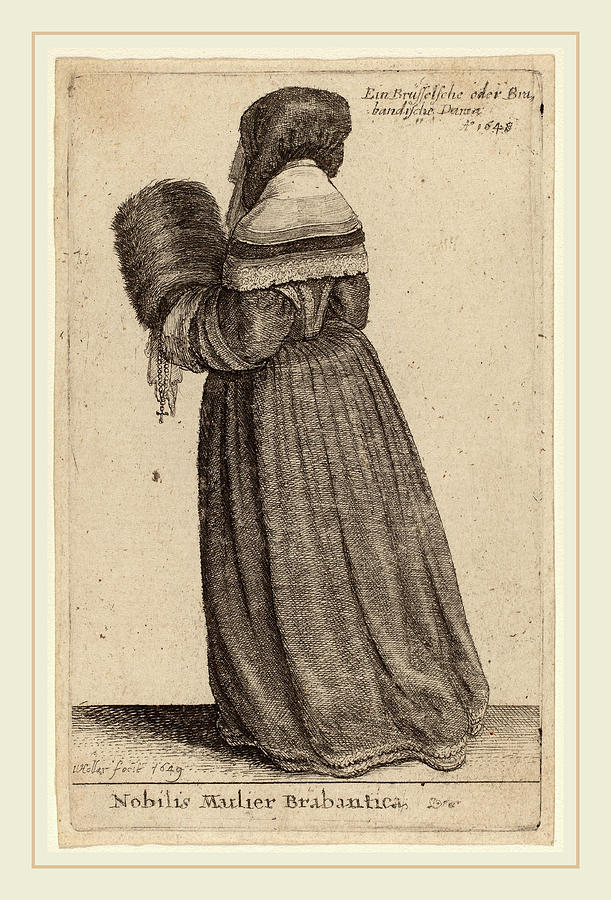
Or the Wenceslas Hollar engraving bespeaking the crucial importance of a fur muff.
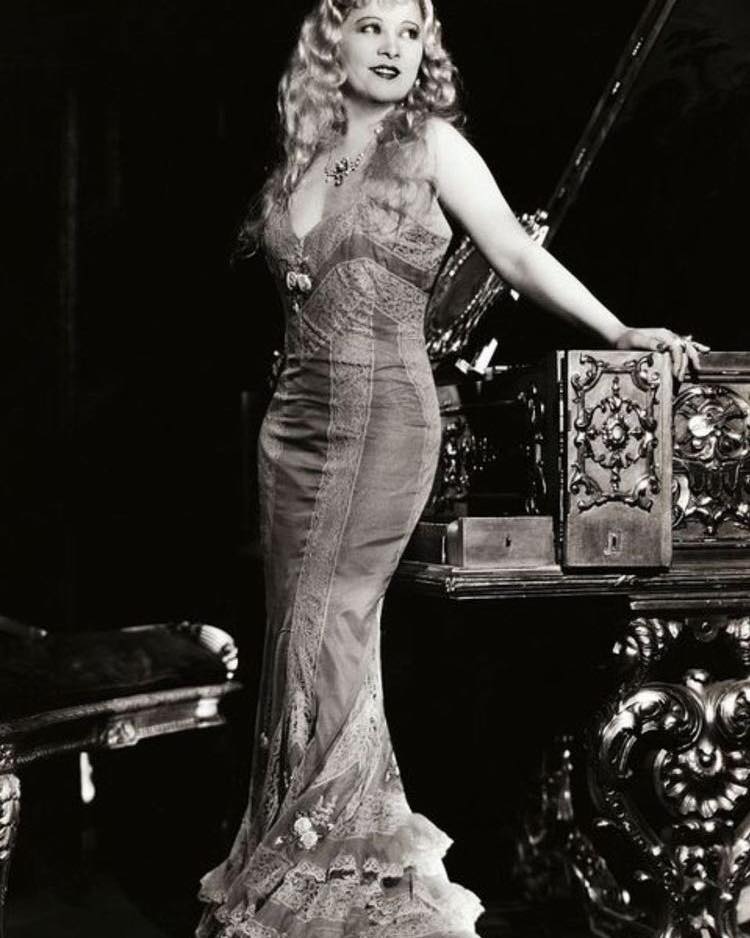
A vintage postcard that reminds us we might not have come as far as we think we have.

Wise women from a different era.
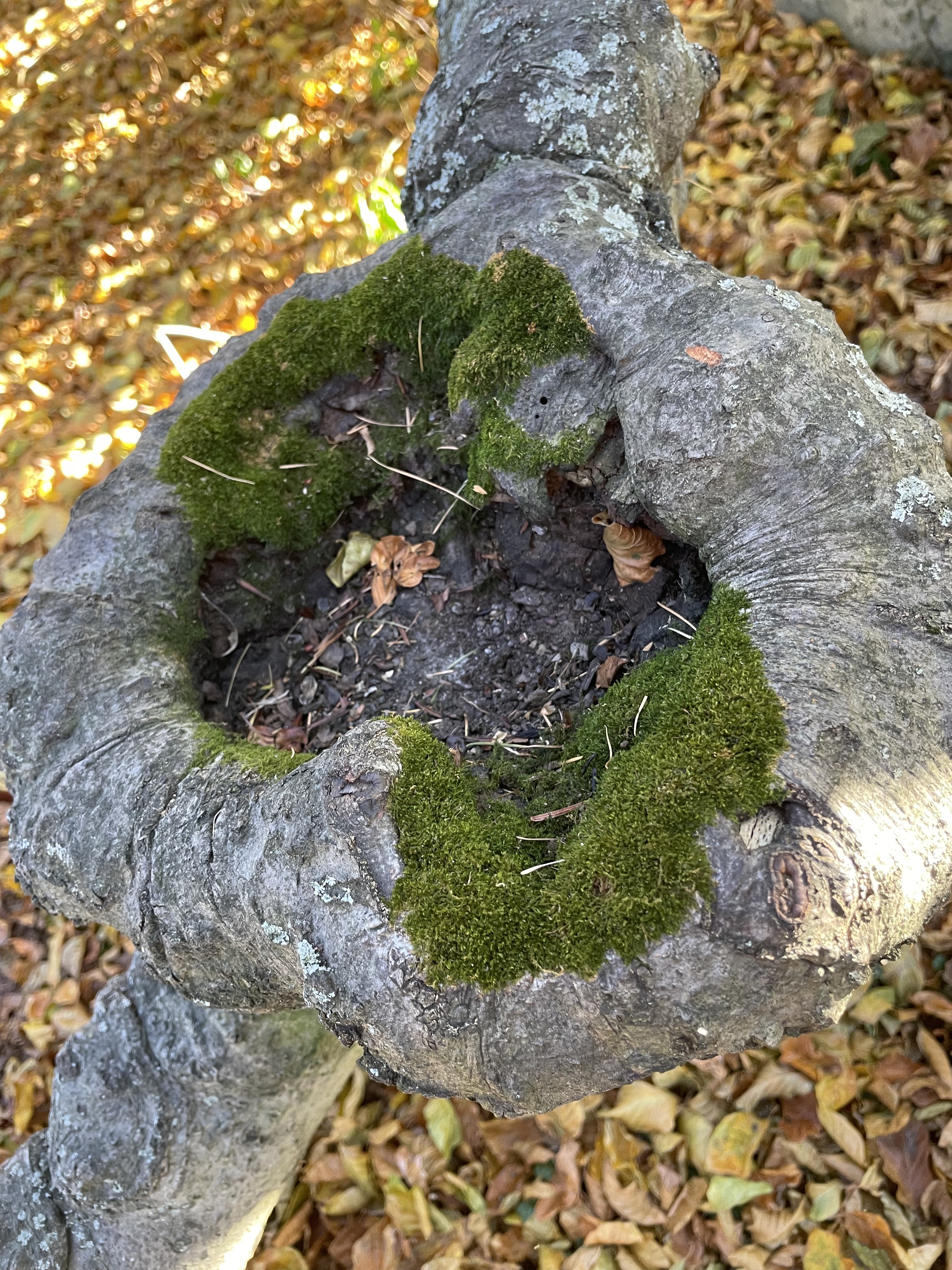
Under the canopy of an ancient European beech, a bark bowl that holds mossy dreams.
A 350-million-year-old tree, the most ancient species we know.

The earlier depiction of a human being — really! — the Venus of Hohle Fels, carved 35,000 years ago of mammoth tusk and unearthed in 2008 in a German cave.
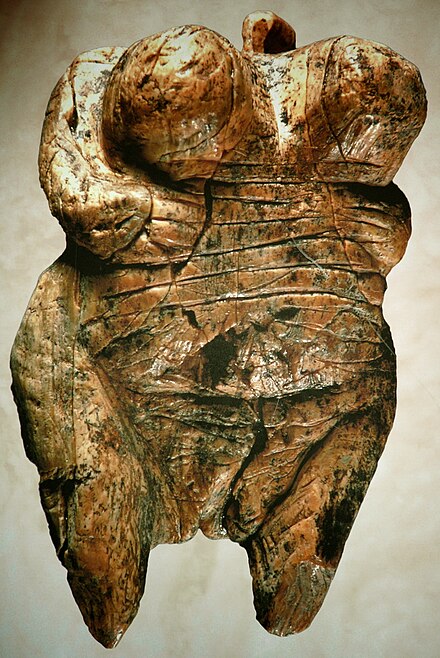
A Queens London plane from our time seemingly modeled on her form.

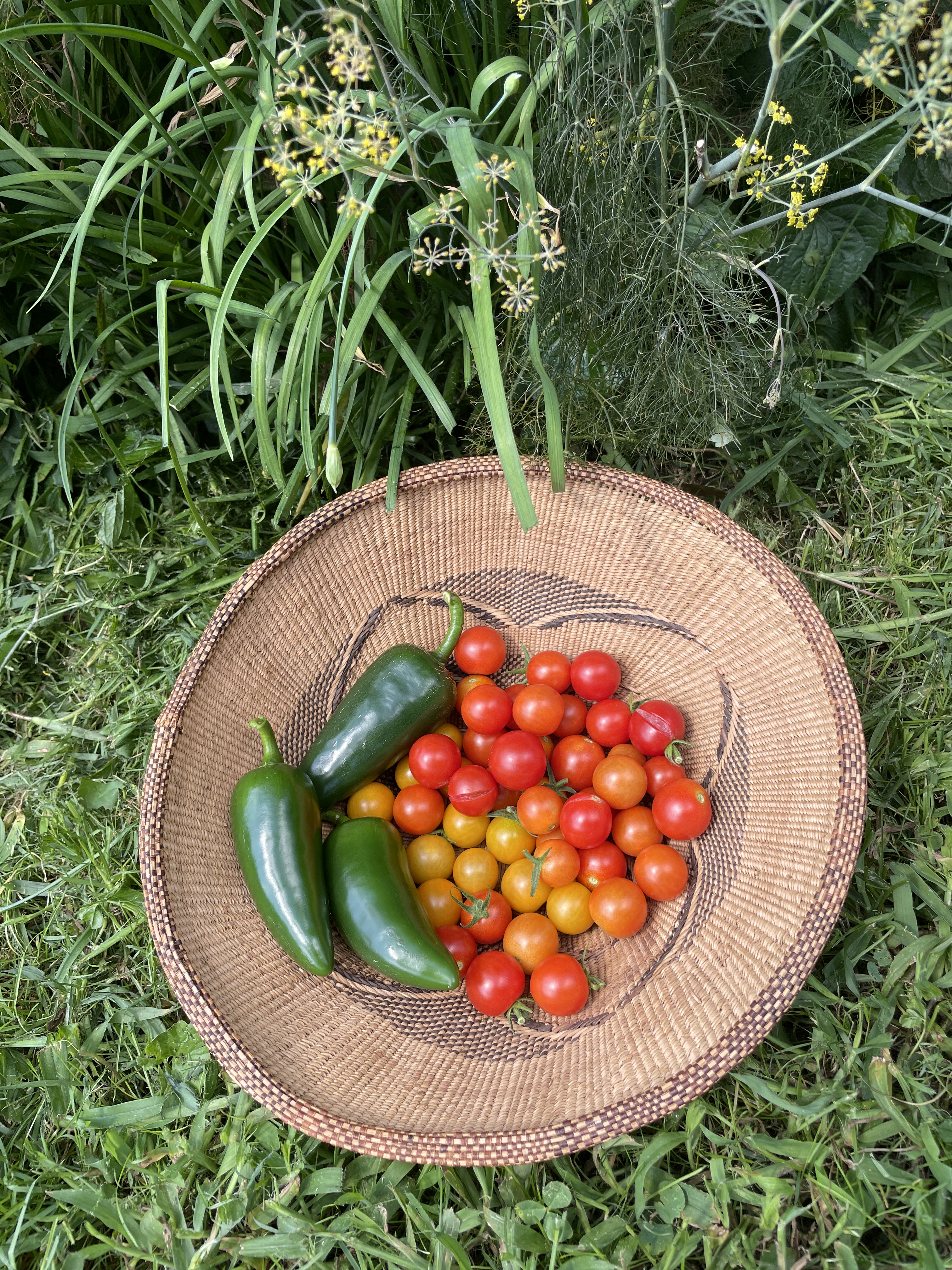
Late-season garden tomatoes and jalapenos possibly more delicious as the summer winds down.
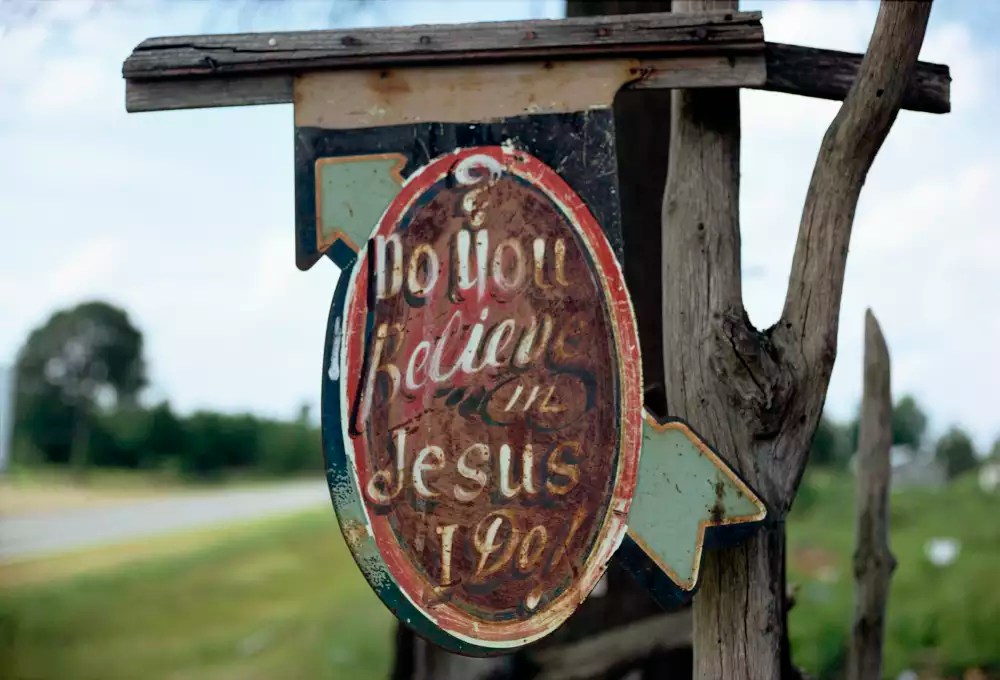
Battered roadside signs.
A statuesque ladytree elm surviving indomitably alongside Central Park.

Every stately specimen I see.
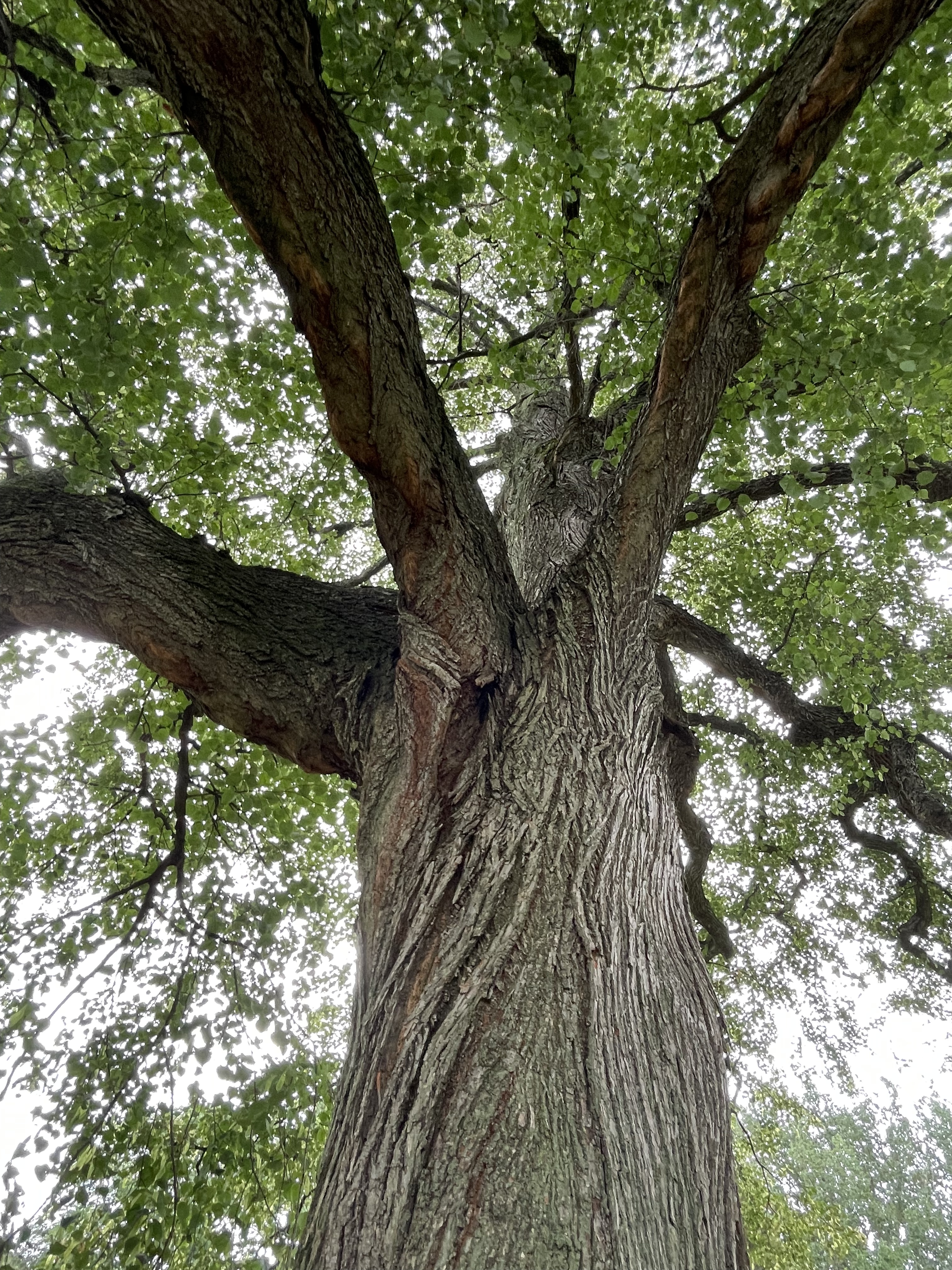
But especially the shagbark hickory.

A historic bur oak with its distinctive shaggy acorn.

Also critters. The homely early herbivore called a lystrosaurus that lived 250 million years ago and survived the Permian extinction event to dominate the early Triassic.

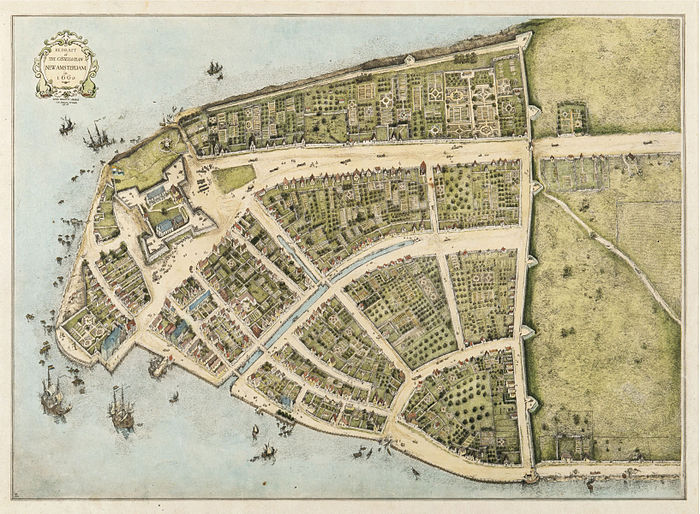
The crystal-clear first Manhattan street map from 1660, called the Castello Plan.
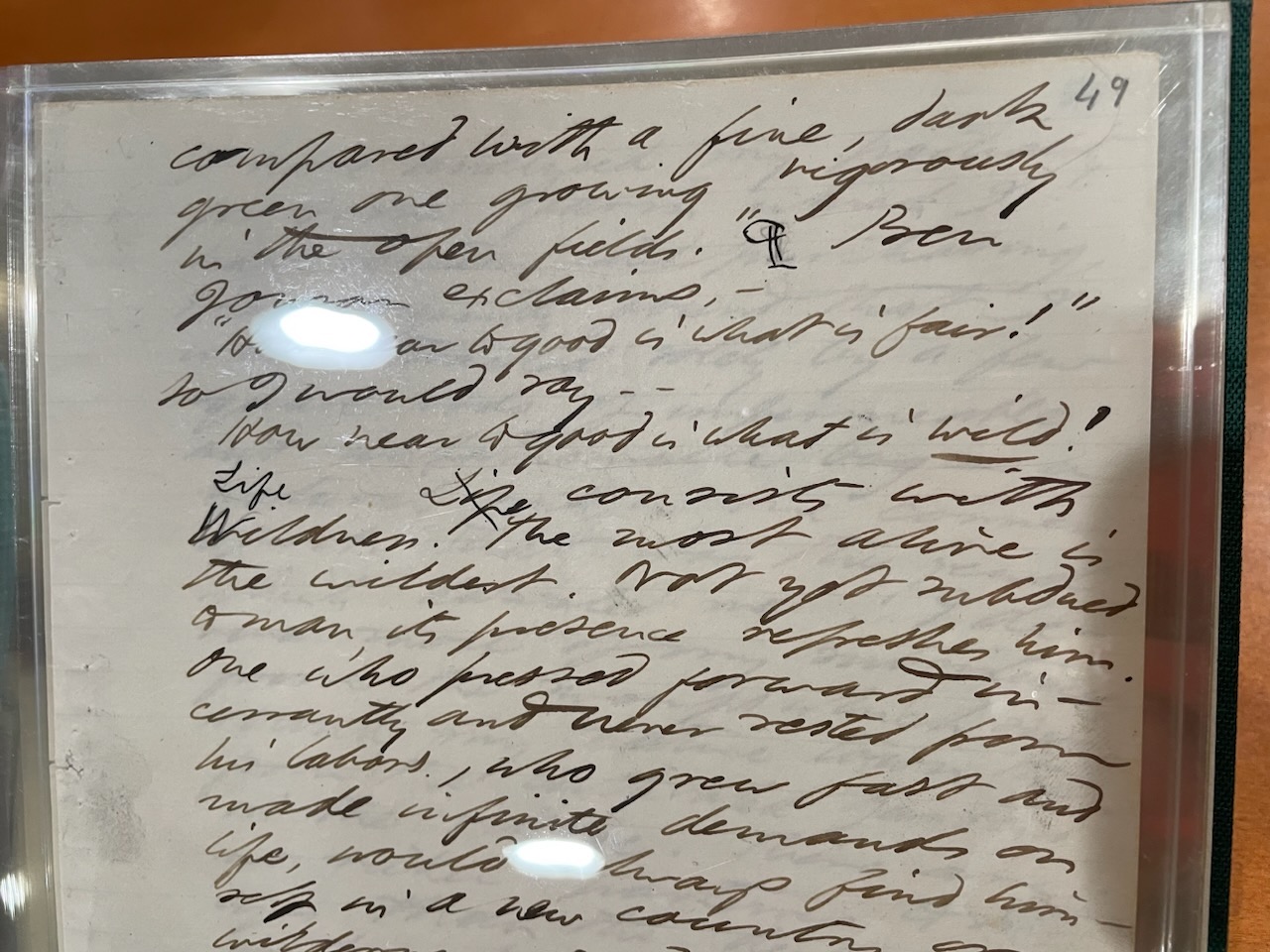
The perfect antique manuscripts I found in the basement of the Concord Public Library, the handwritten copy of Thoreau’s 1851 Walking with its timeless exhortation, How near to good is what is wild!
Dusty, venerable things. Like the perfect cabin we inhabited for a decade.

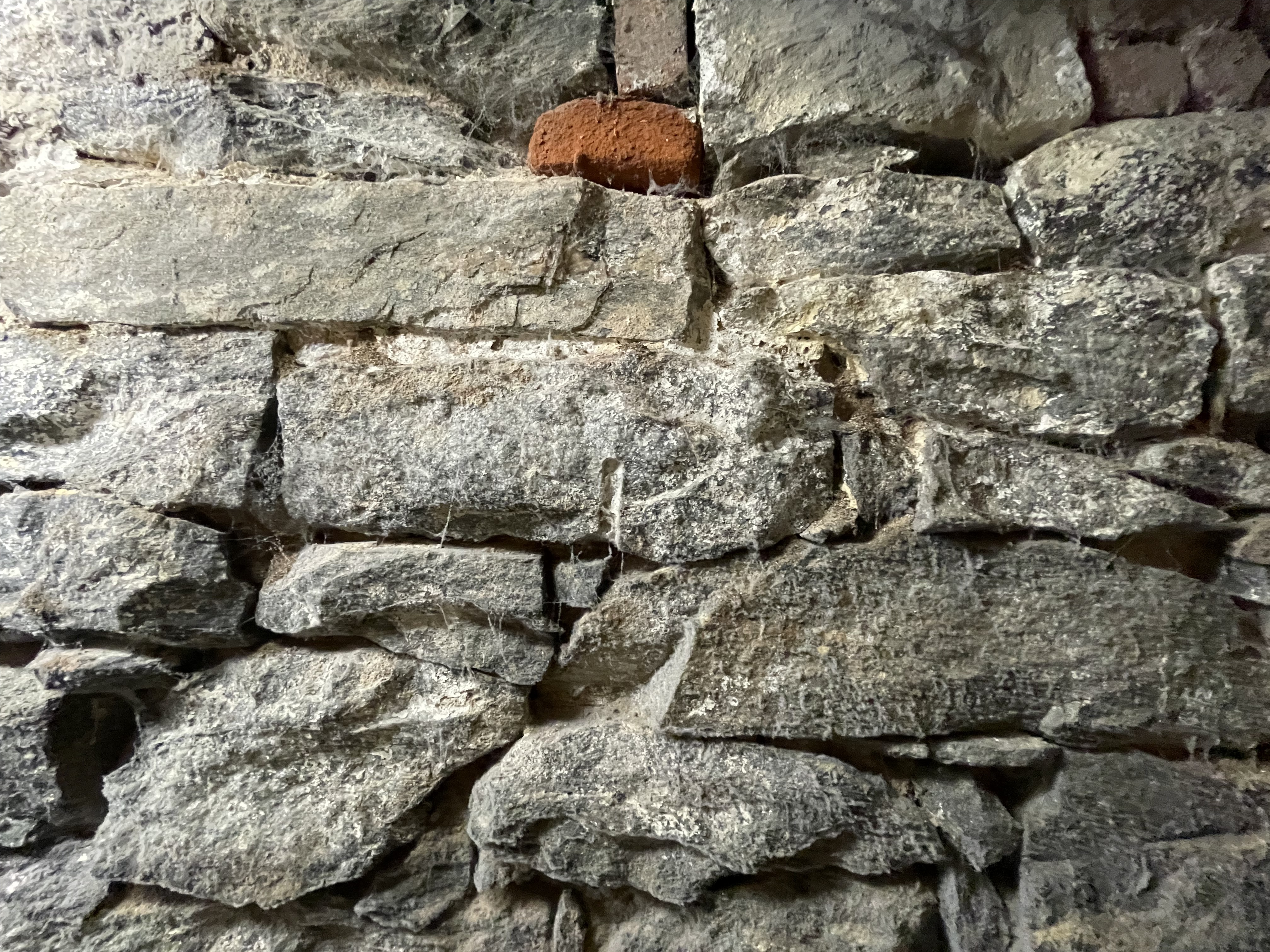
Or the rough stone wall of our current apartment building. Don’t think anyone has noticed it in a century or so.
Speaking of stone, an expertly carved medieval lion at the Cloisters in New York City.

Not necessarily grubby or dirty, though truth be told I often like those qualities as well.

We recently visited Cortlandt Alley in NYC, dating back centuries.

Now the site of a funny tiny art exhibition space called Mmuseum. Which shares the alley with some vintage window shutters.

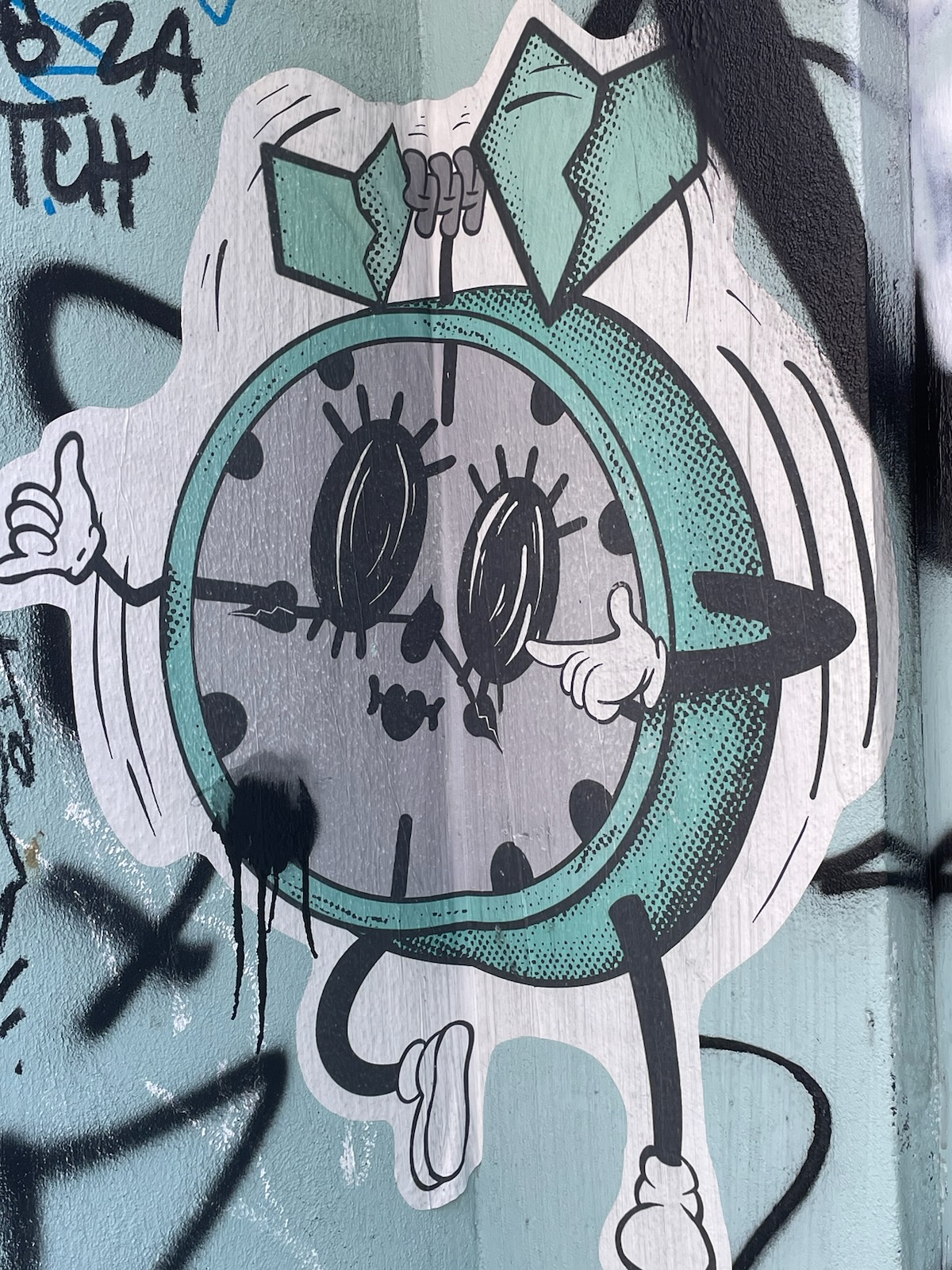
Along with awesome contemporary street art.

Of course I value vintage family stuff, like anyone else. Family photos of loved ones.

Or heirlooms like my great aunt’s tatting.

Or the gold cameo ring belonging to my grandfather, bearing the tiger’s eye image of two warriors — one male, one female. A popular ornament in the 1930’s, the ring was said to bring the wearer courage and luck.

I treasure my Ginny dolls from when I was a kid.

There’s also the mysterious Japanese doll already antique when my mother brought back from Japan years ago.

My mother herself gets wiser and zestier with each birthday. At ninety-two-years young, she can identify the musicians who created Layla when song comes on the shuffle.

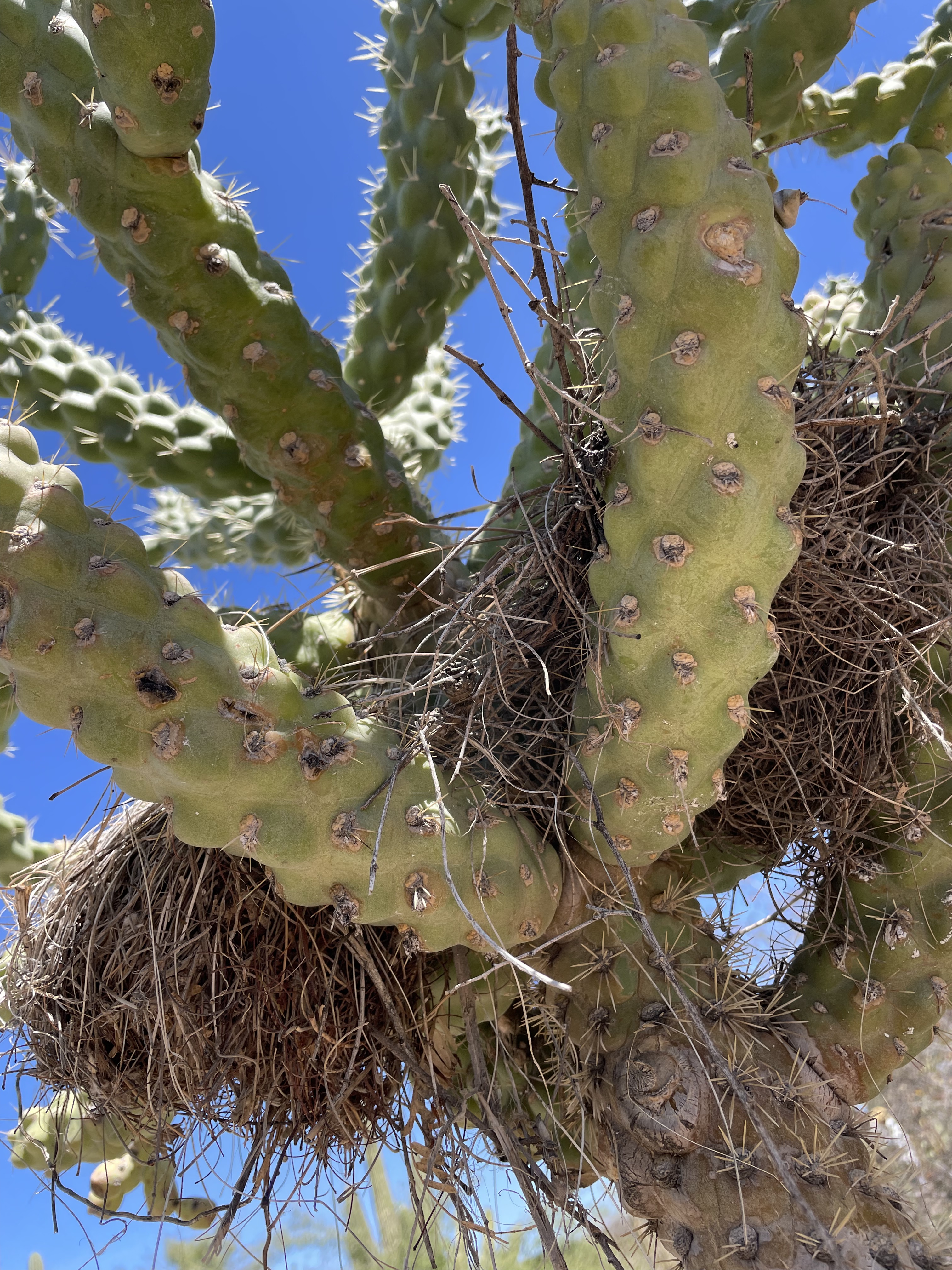
Old cactus, new nest.
The best.
6 Comments

Filed under Jean Zimmerman

Why fry by the ocean when you can scorch on the NYC sidewalks?

I hadn’t been to Manhattan in quite some time. Returning, I see all its contrasts as poetry.

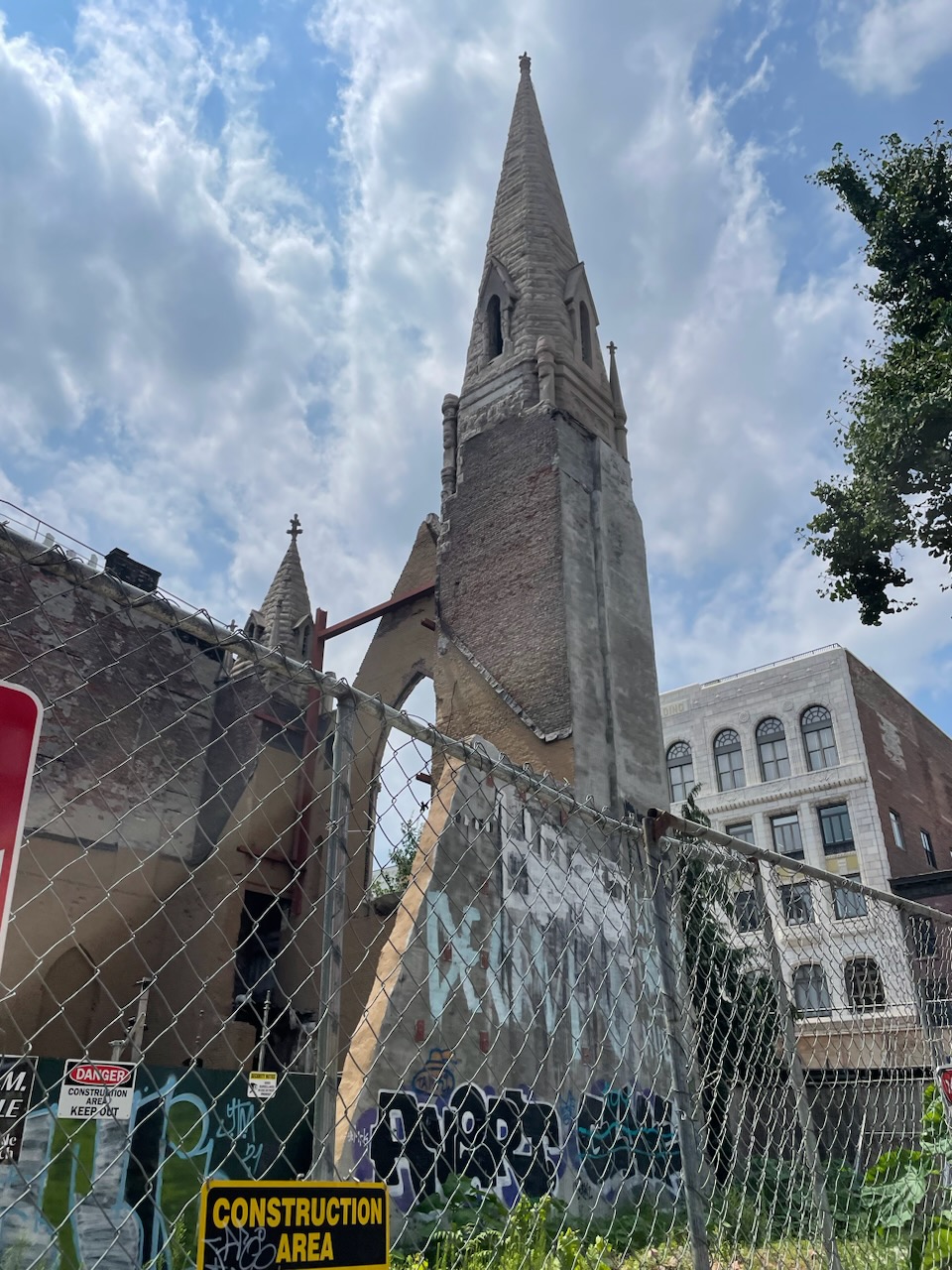
The old side by side with the new. Burned out church, new construction.

Antiquated evidence of New York’s beaver-rich past in the Astor Place subway stop.

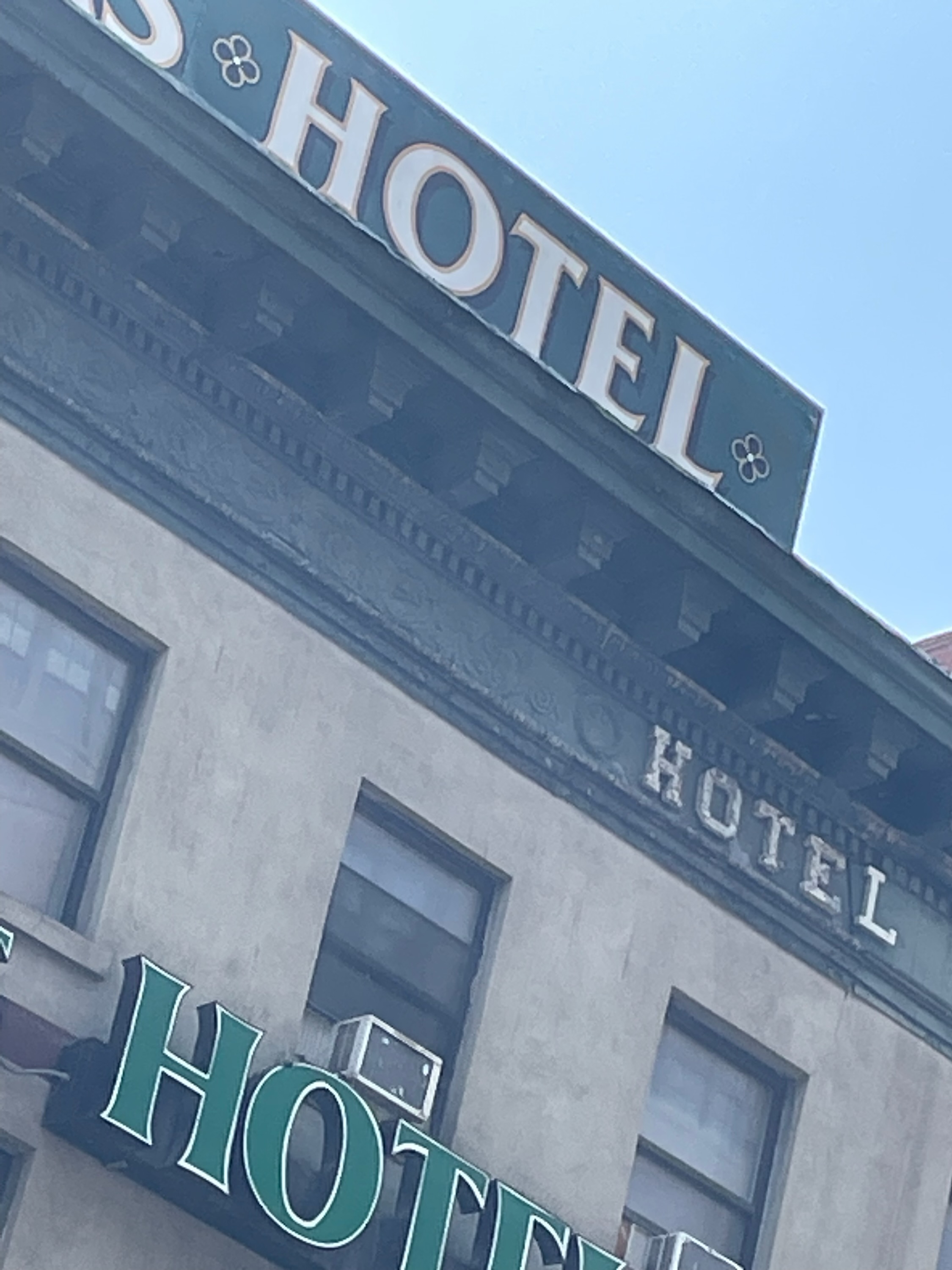
A million year old hotel, updated several times.

The struggles of nature.

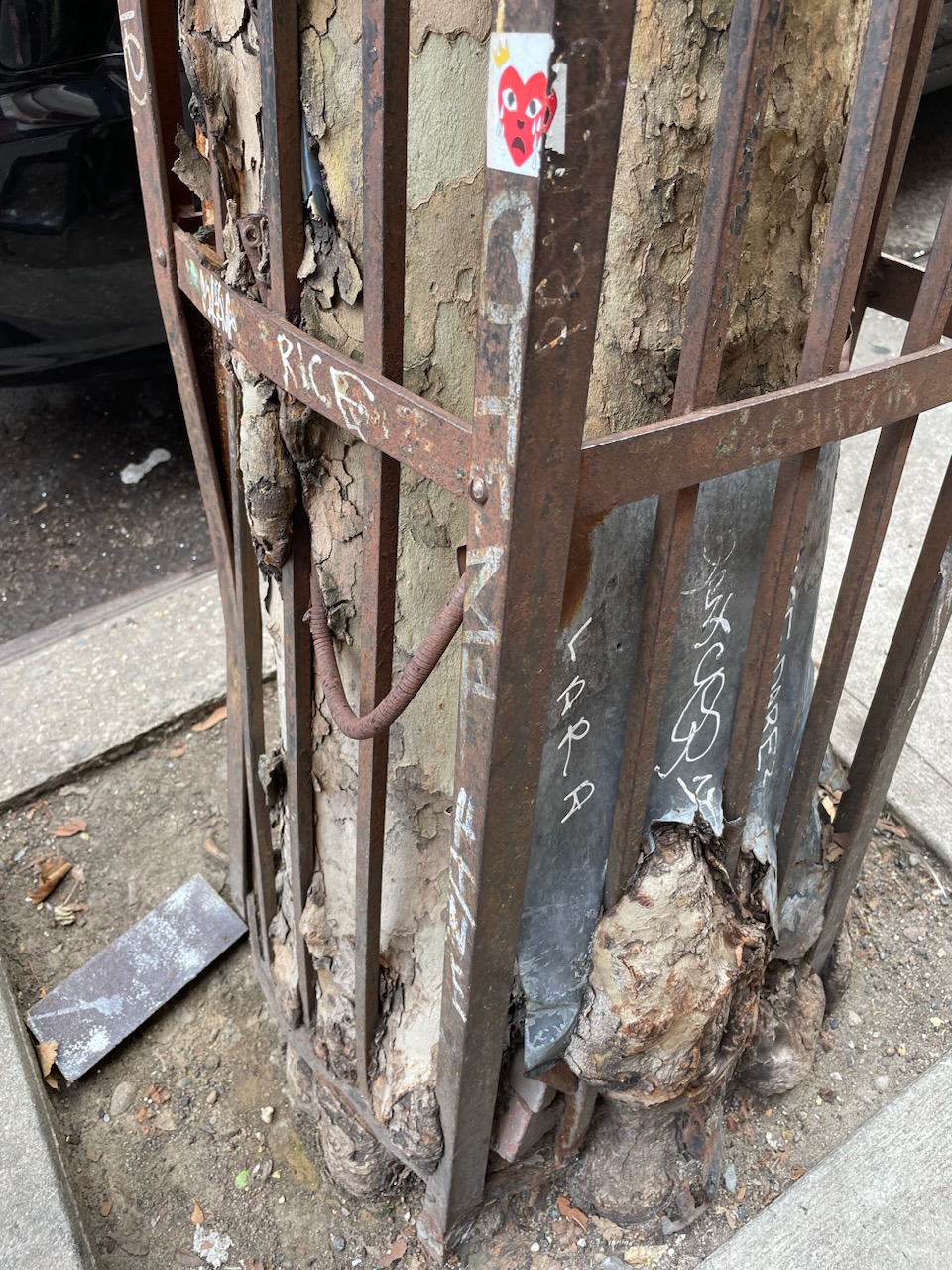
Pity the poor oak that hits its head against the shed scaffolding for years.

Or the struggling ginkgo.

Still, its rugged New York bark survives, as tough as any New Yorker.

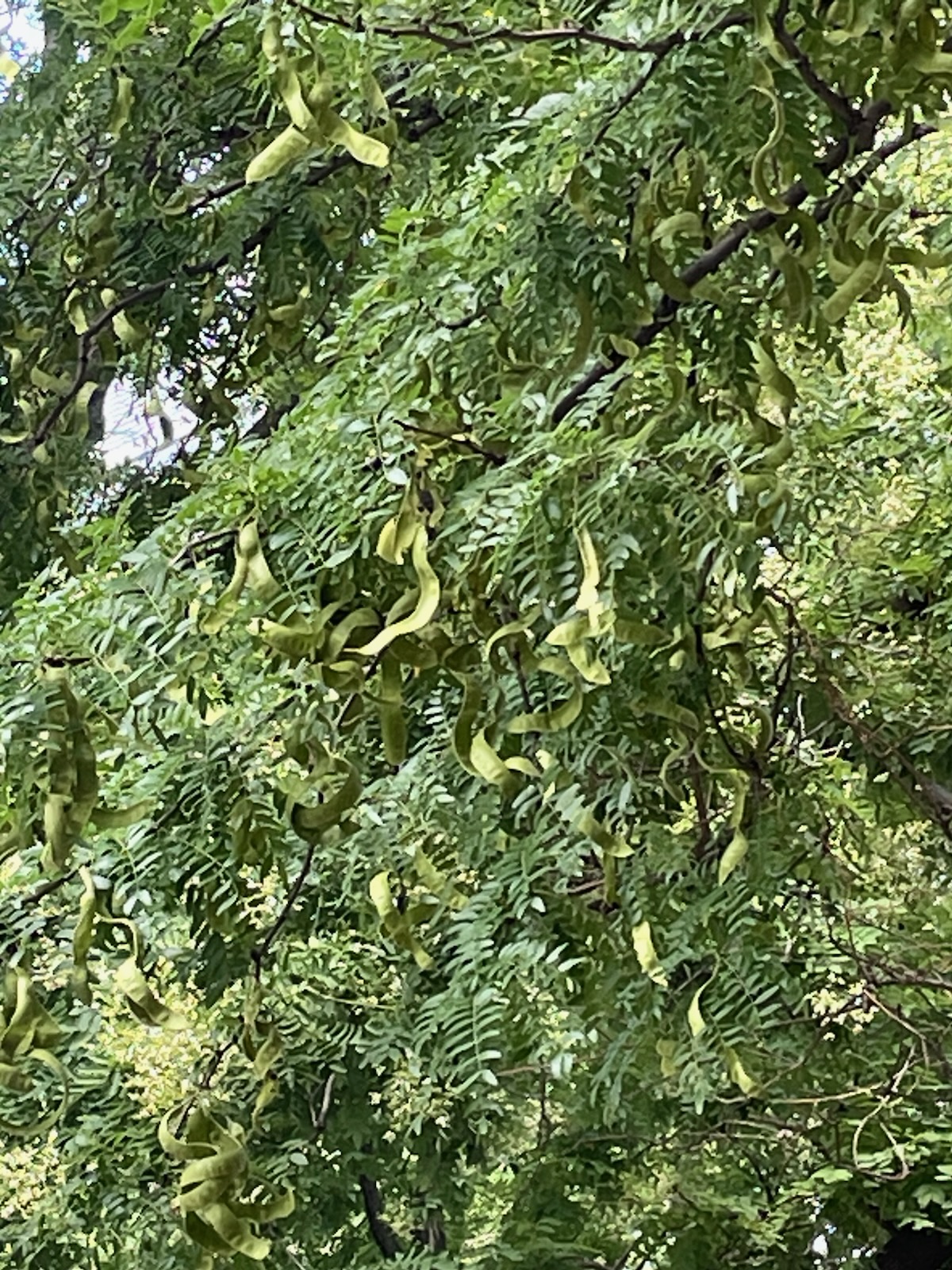
You wouldn’t think it, but in addition to the dead and the wrecked and the unpruned, some trees flourish. As we walk, we look up to see the honey locust offering up its elegant chartreuse pods right on schedule.

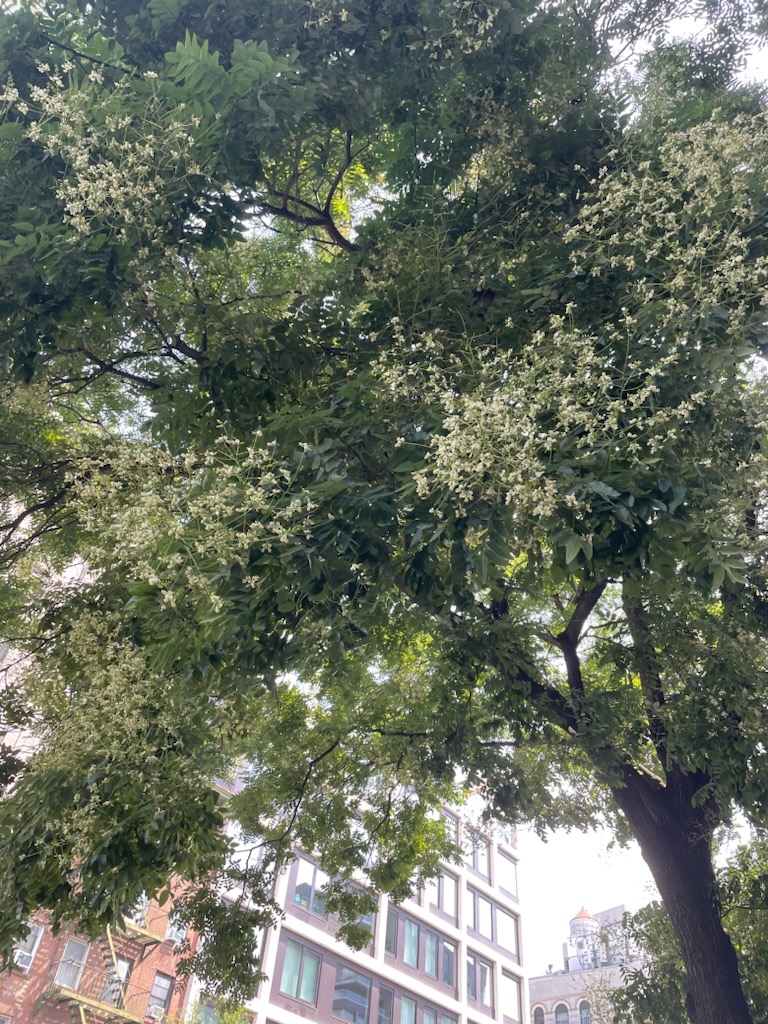
Pagoda tree lets down its perfect profuse blossoms.

A Chinese elm appears to be strutting its stuff with that glorious bark.

Yes, we know you’re beautiful.

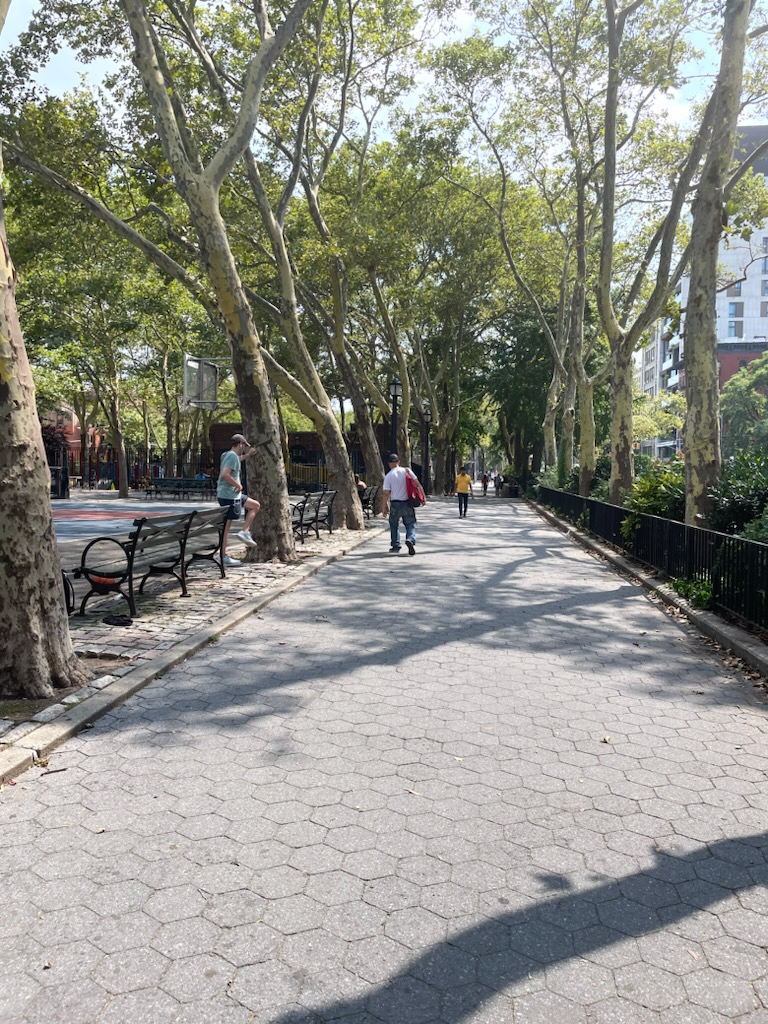
There’s even an allee of London planes by a Christie Street playground. Take that, Central Park!

Don’t say that New Yorkers aren’t fond of nature. If it’s possible to buy it, they like it.

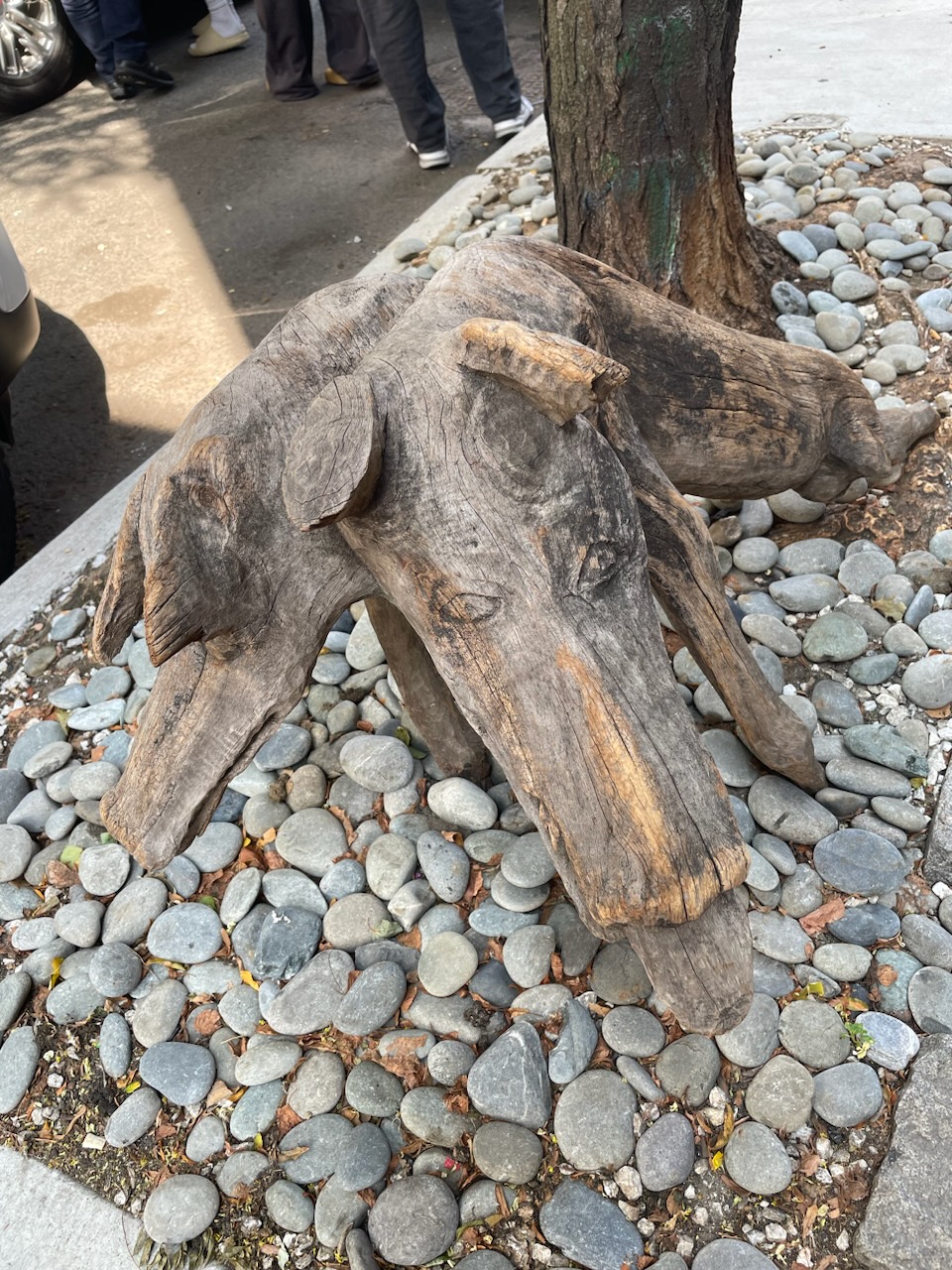
Nature is everywhere in Manhattan if you’re looking for it. Never know when you might trip over a critter of carved driftwood.

Or an ancient stone lion guarding a tenement stoop.

The East Village does change, but somehow remains as gritty and vibrant as ever. An old signpost at Astor Place.

Highlighting old haunts: Remember that crazy place CBGB? Most in the East Village do.

St. Marks Place is a good location to get fitted out with a new wig, as it always has been.

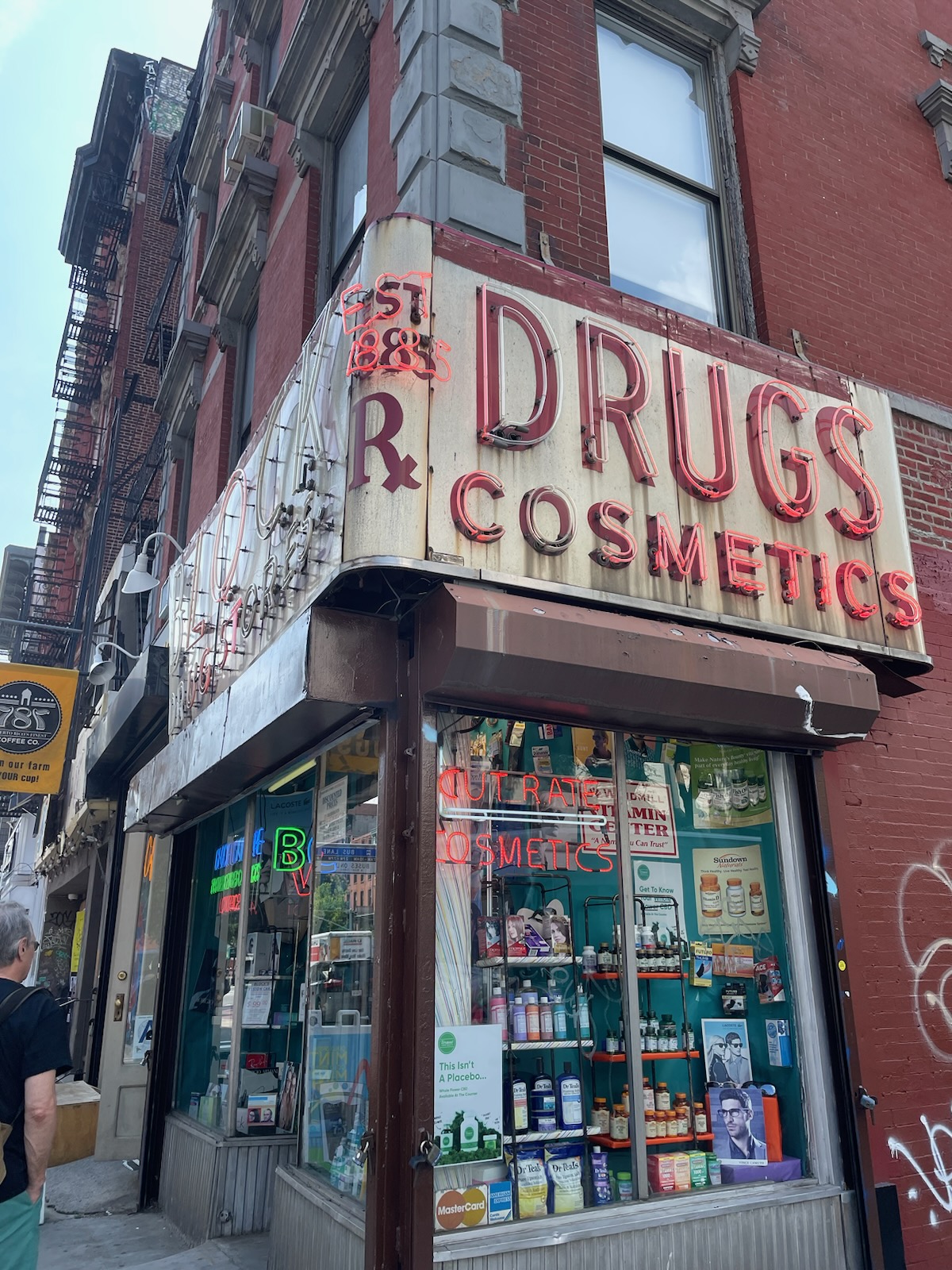
Art thrives alongside commerce. Historic drug store.

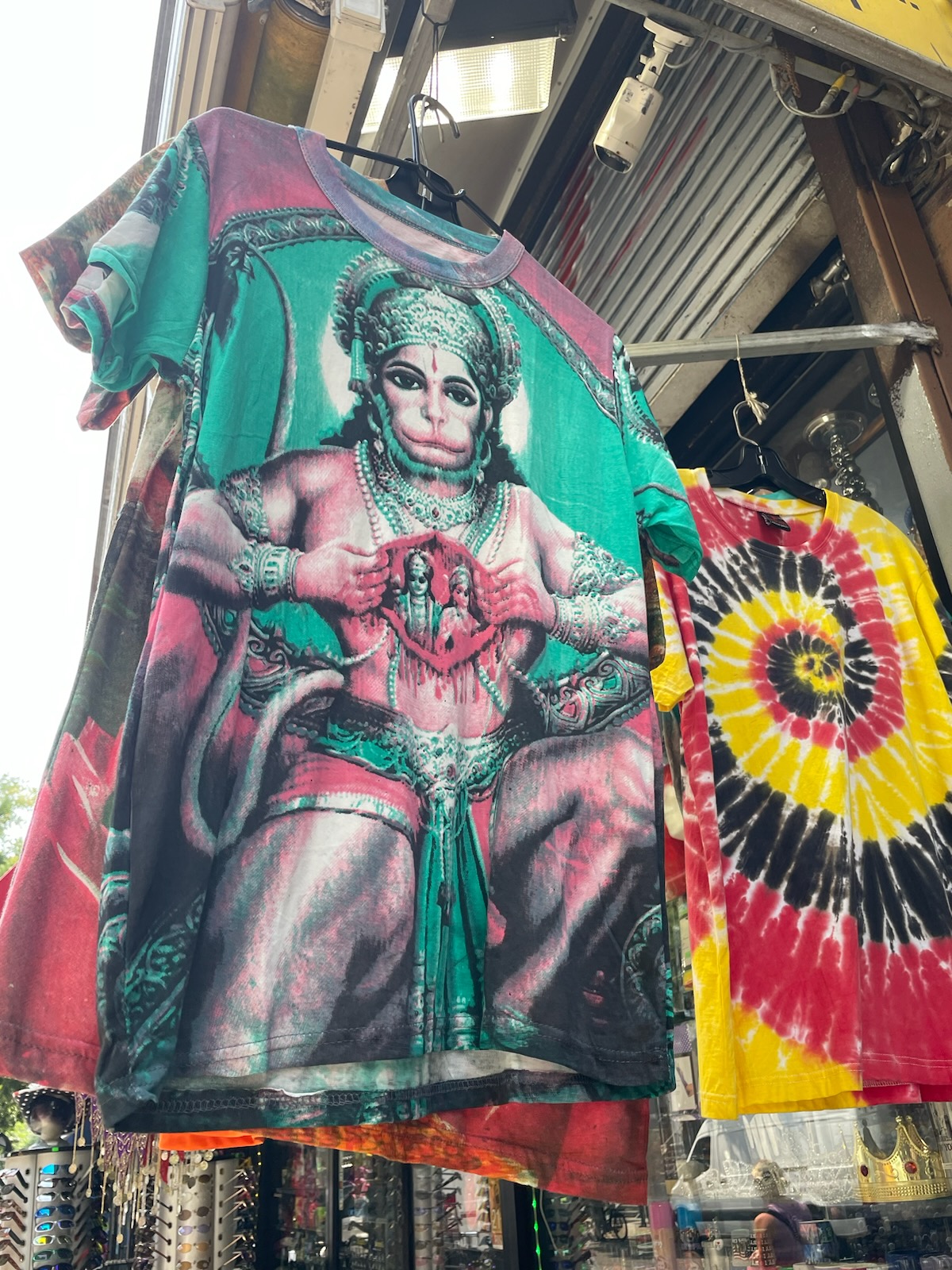
Magic garb.

Throwback clothing.

We don’t go in though the window display beckons.

Signage, in New York ever brilliant. Jerk, stewed, vegan. Something for everyone.

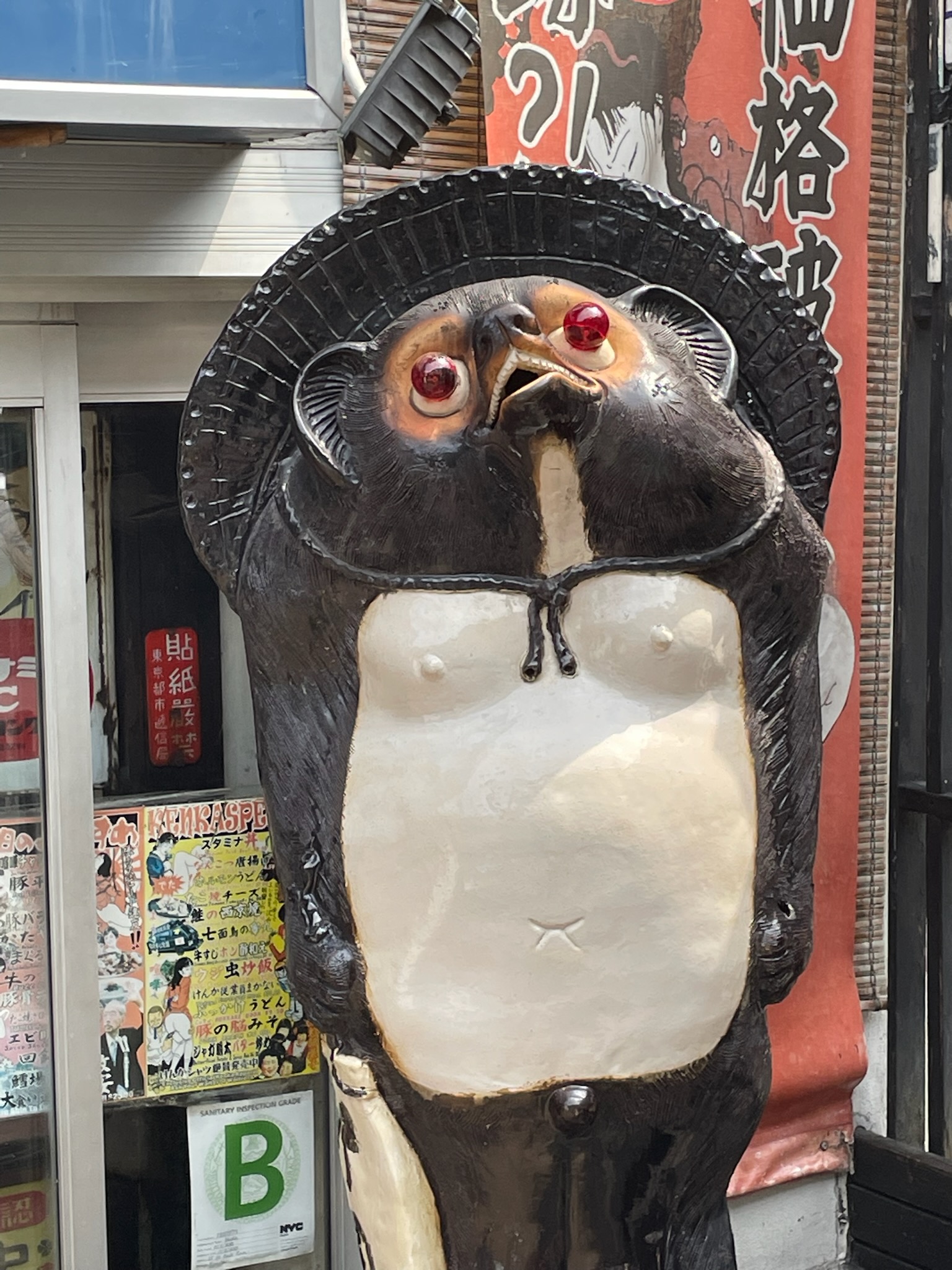
A sign for something or other.

Or something else.

A place to go rogue. Aren’t you glad there is one? People move here from their tiny towns to be just that.

Butter above.

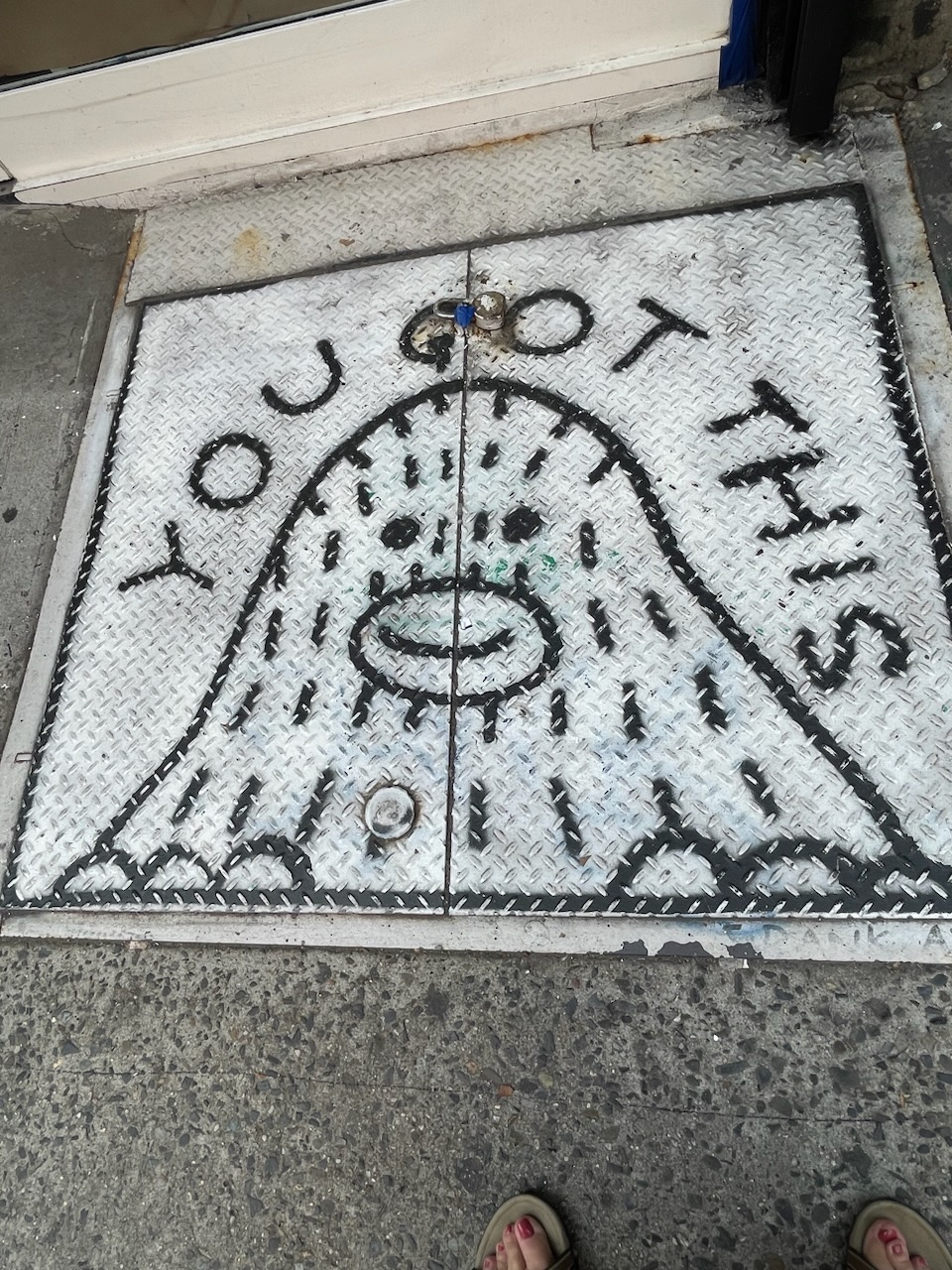
Encouragement below.

Further encouragement.

Also admonitions.

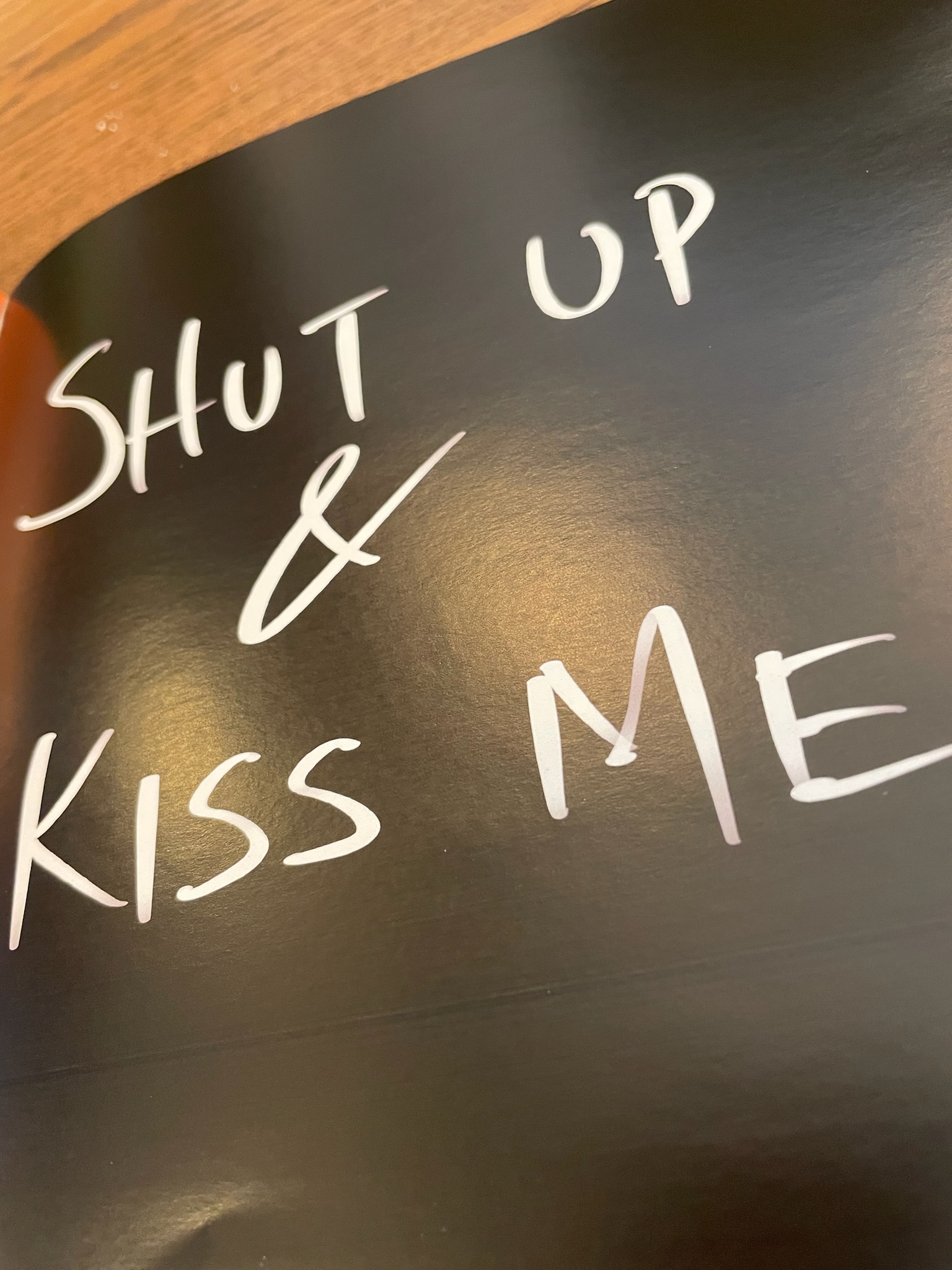
And observations.

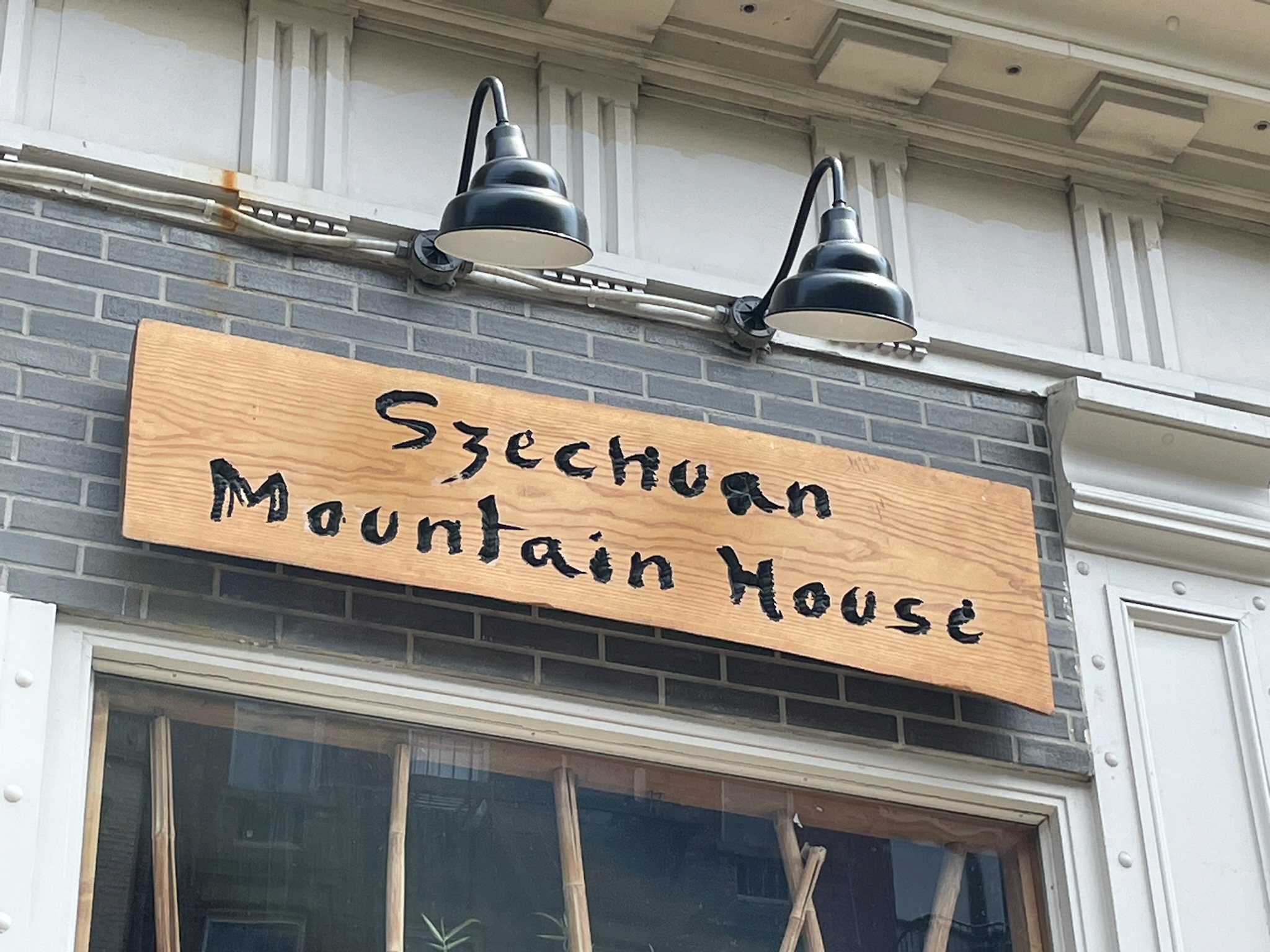
Does this restaurant entice you?

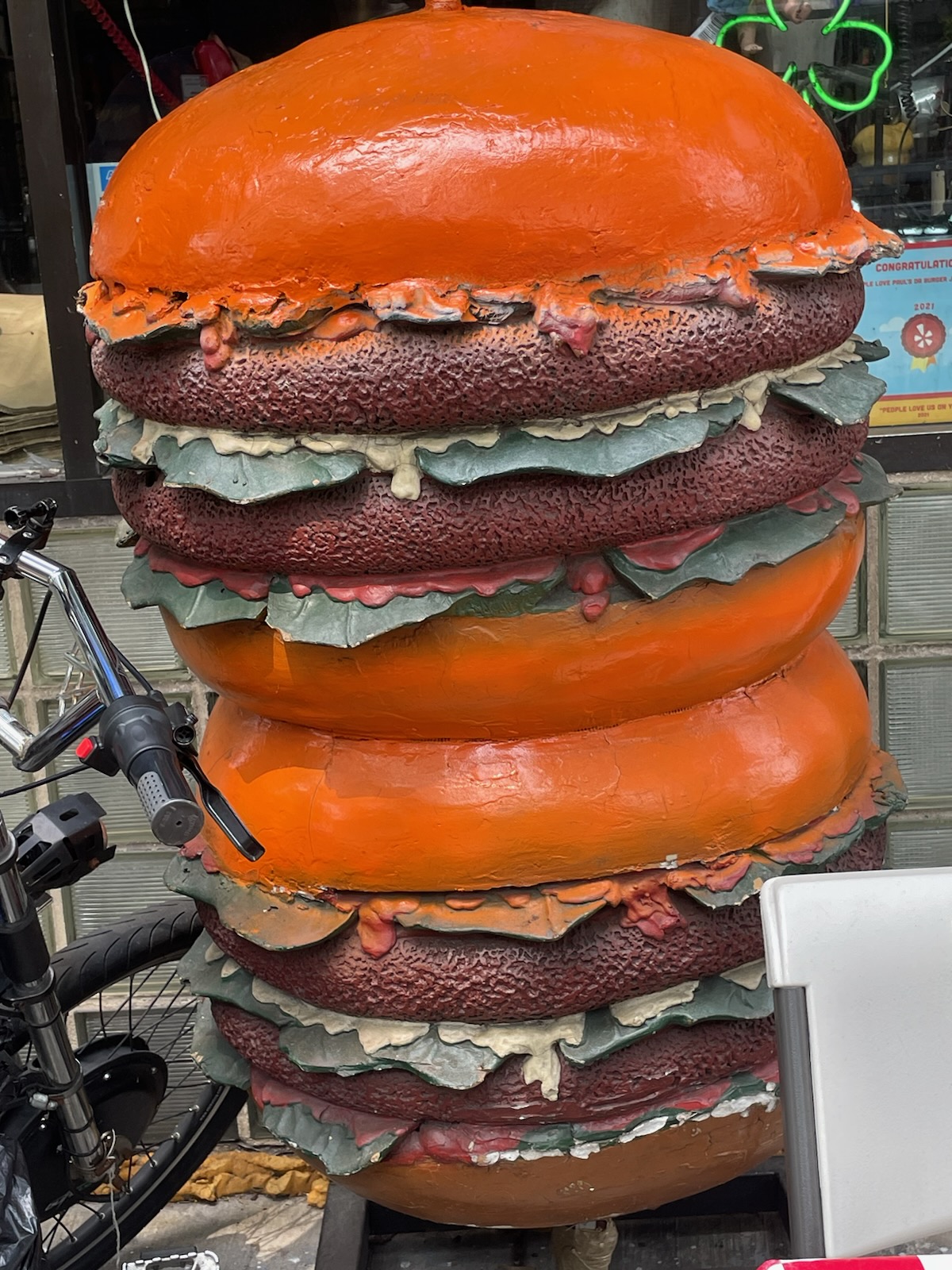
How about a choice hamburger?

There is a new place I’ve been to that specializes in stewed frog and baked cow lung.

Is it just me or is absolutely every surface in the East Village tagged now?

Need wheels? Got ’em.

Some things never seem to change. Need sustenance?

You can still go to B and H Dairy and sit at the counter and delight in cold borscht. No cell phones allowed, however. What a relief.

In this case followed by the best chocolate milkshake I ever have drunk and a conversation with a witty and wise waitress.

Weed is old. New York’s storefronts have been selling the stuff for ages. Now that it’s legal, some of the cooler mom-and-pops are going under.

While others have been elevated to posh pot palaces. To which would you rather bring your business?

The Lower East Side still has a great bong selection for those who need one.

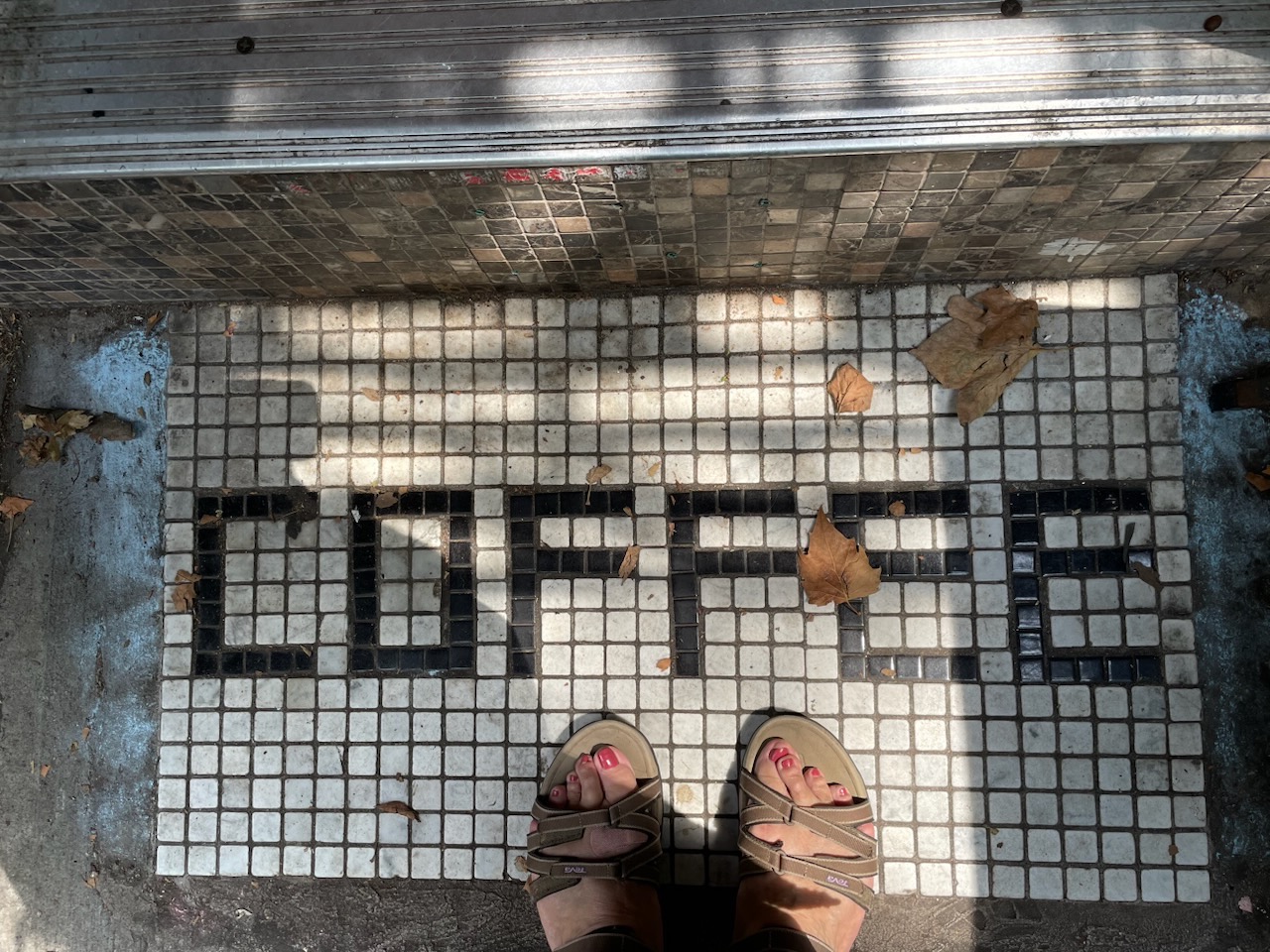
Coffee, coffee, coffee. Please!

After straggling in to an East Village café it seems there is something new to do with iced coffee. Serve it in a bag, as they do at 787 Coffee on East 7th near A.

The counter guy Diego seems surprised and bemused that we are surprised and bemused by this technological innovation.

The store opens up its wonders as we began to sweat slightly less.

Again, we are flummoxed with the heat. But it seems the store is owned by a branding genius.

Good place if you’d like an orgasm ball cap.

Or to sip your java on a swing in front of the plate glass. If you are a creative, that is.

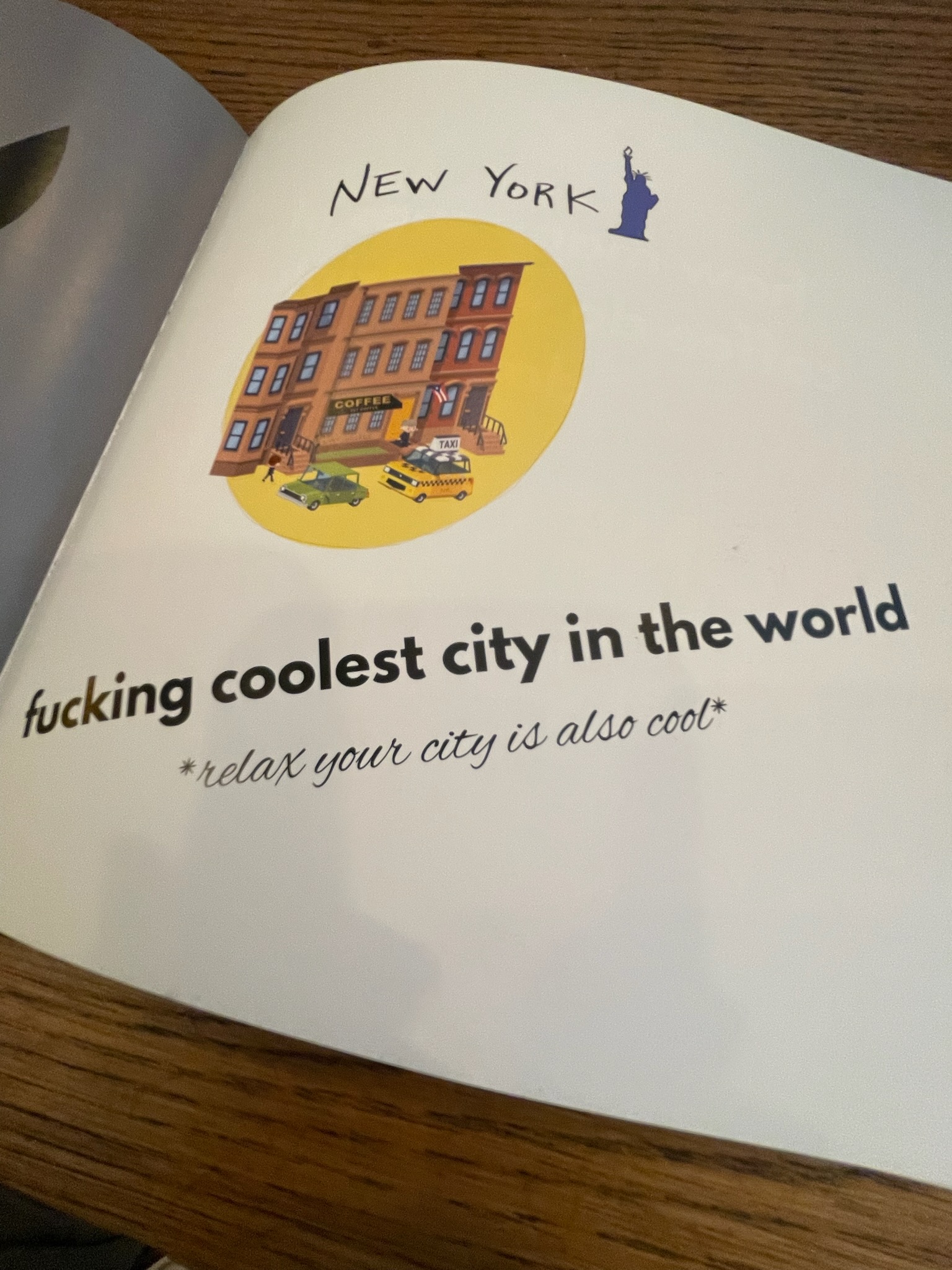
I might be one. Not sure. Too hot to decide. We thumb through the owner’s book of aphorisms and while later they will seem a bit corny, at the time they are brilliant.

Wit and wisdom.

Reassurance.

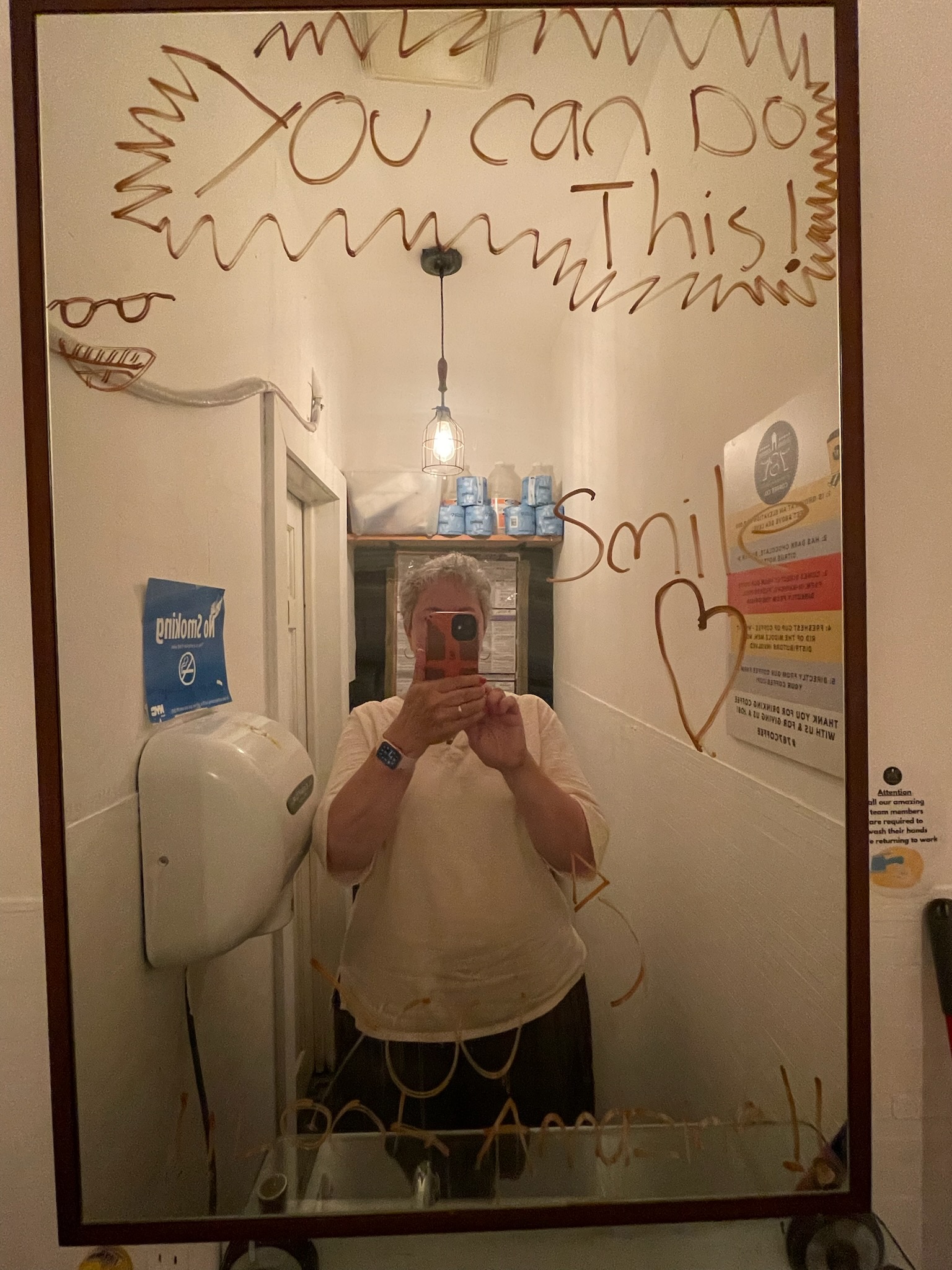
Even the bathroom elevates the mood.

Since when did NYC get so nice? Actually it’s always been nice. In its own crochety way. We New Yorkers know that.

Diego comes over with welcome H2O.

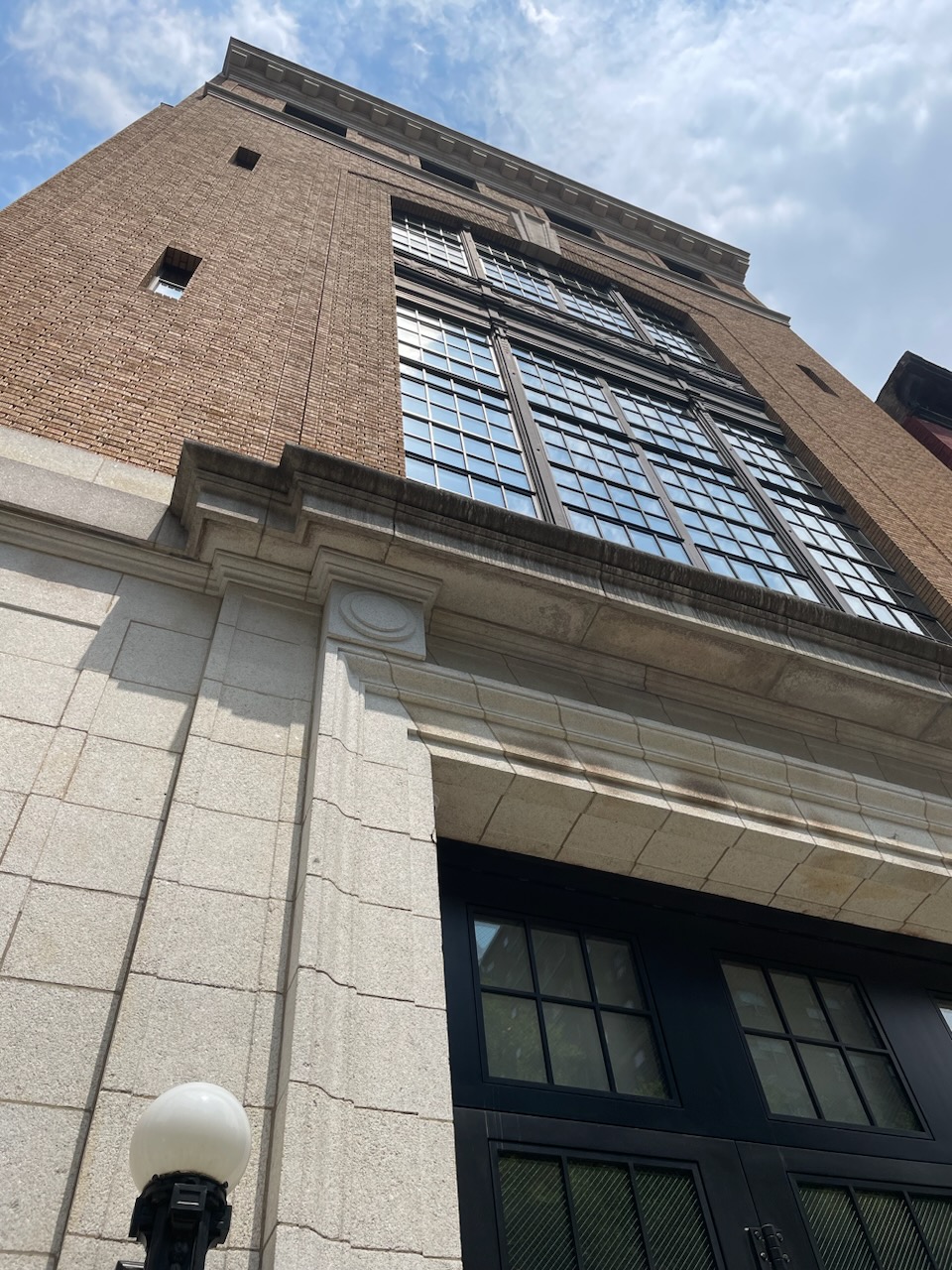
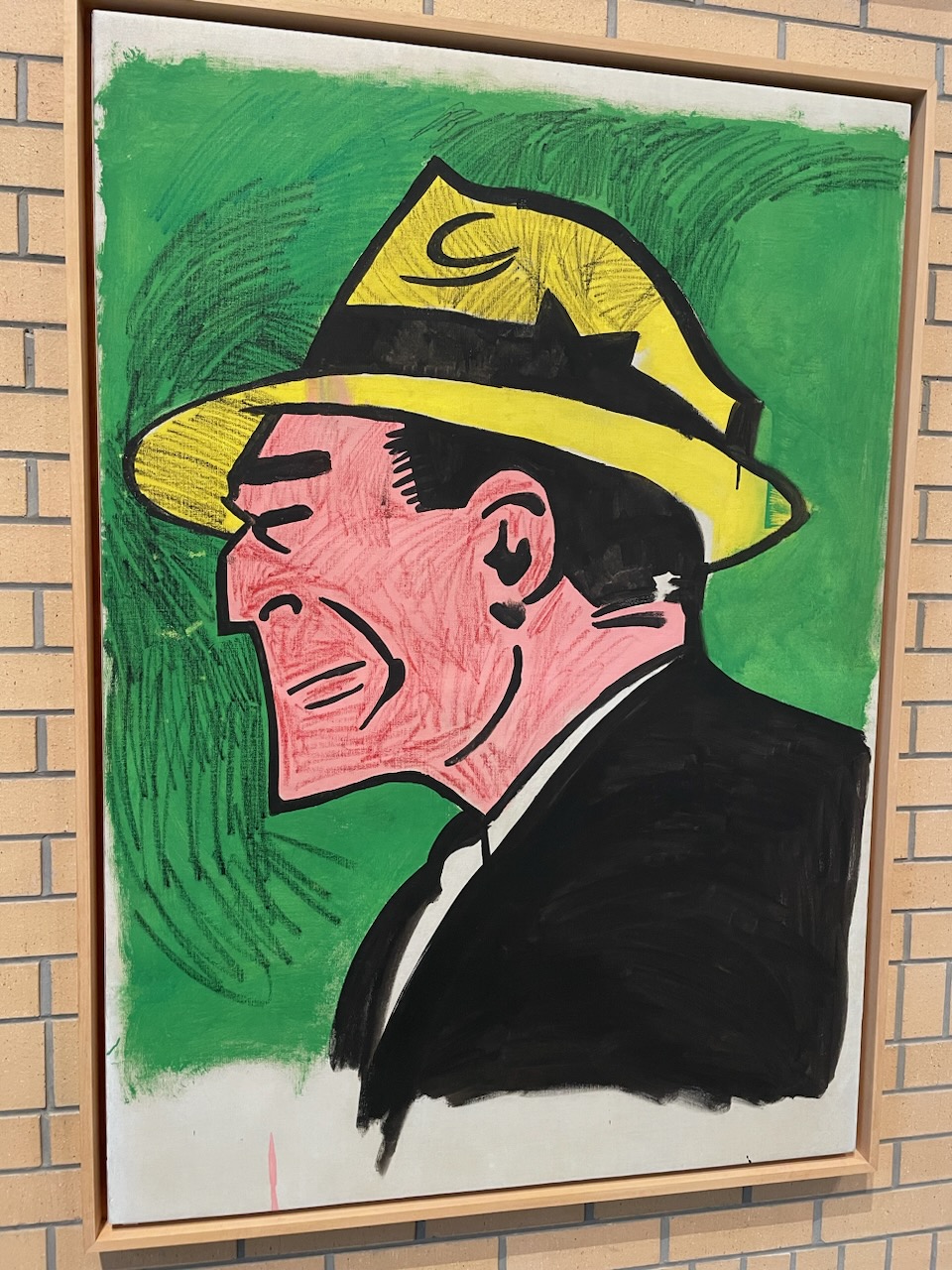
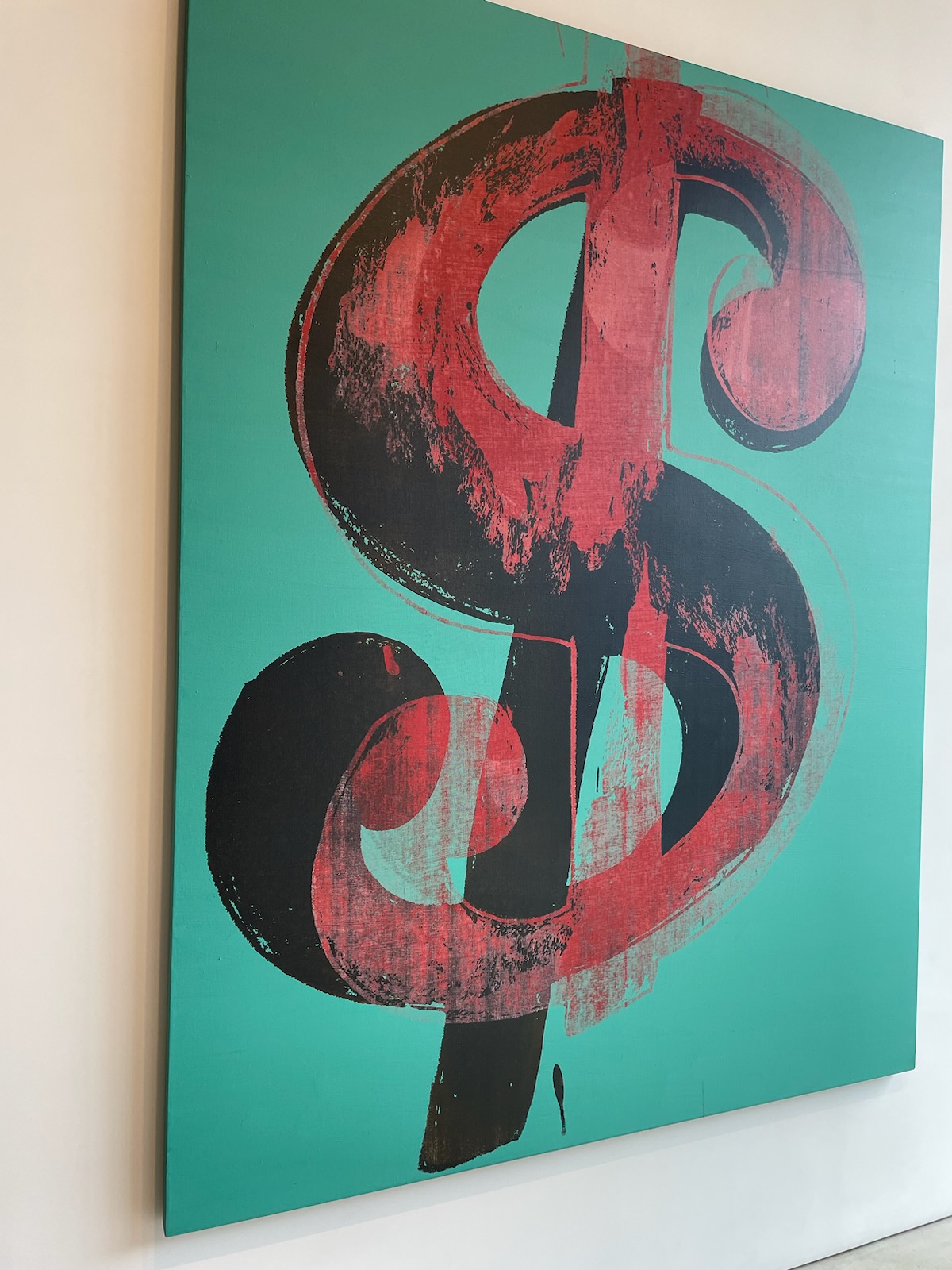
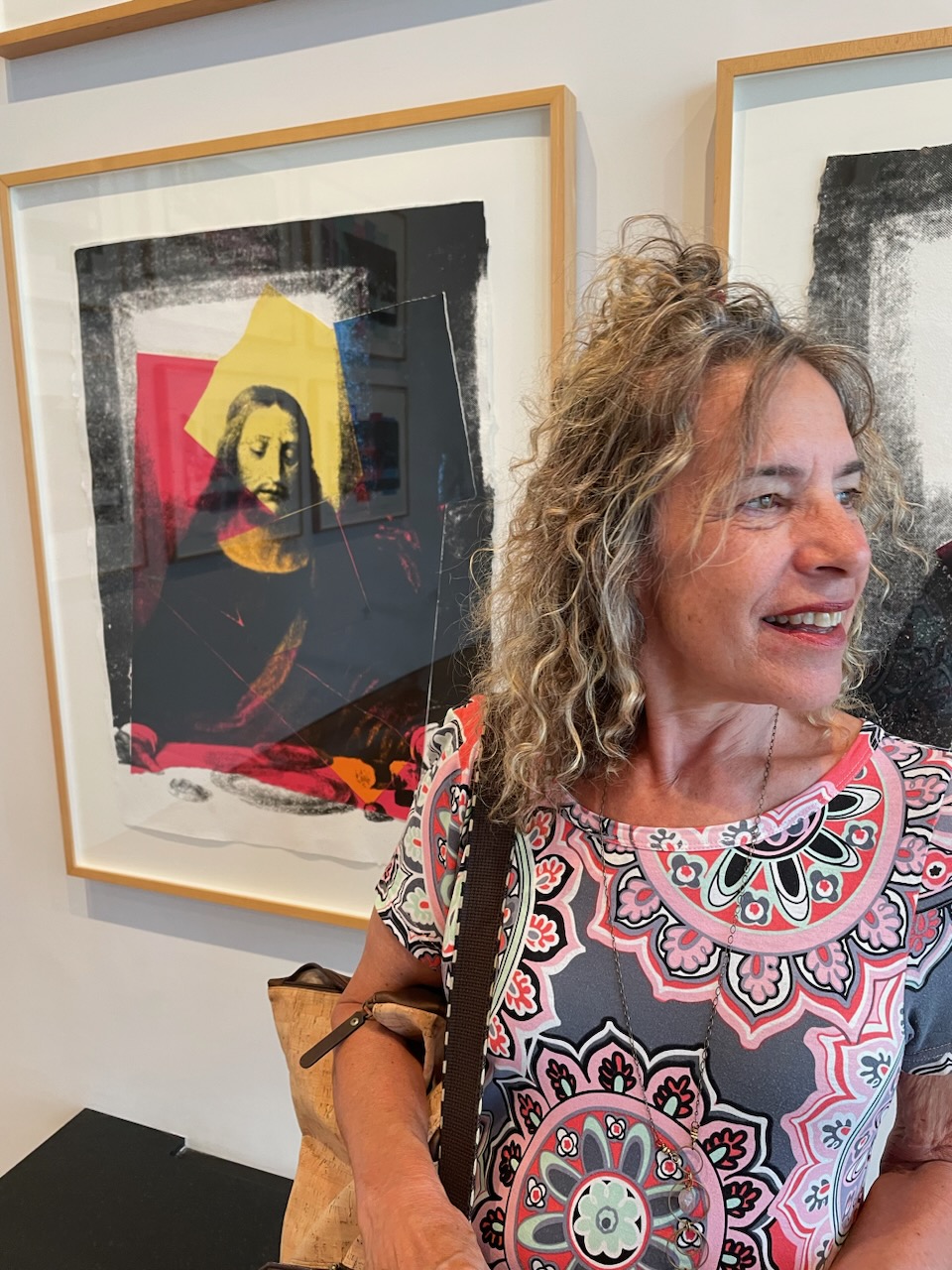
Andy Warhol is both old and new at Brant Museum on 7th Street, housed in a vintage Con Edison substation.

Warhol’s work ever fresh.

Yes. I’m with you, perspicacious Andy.

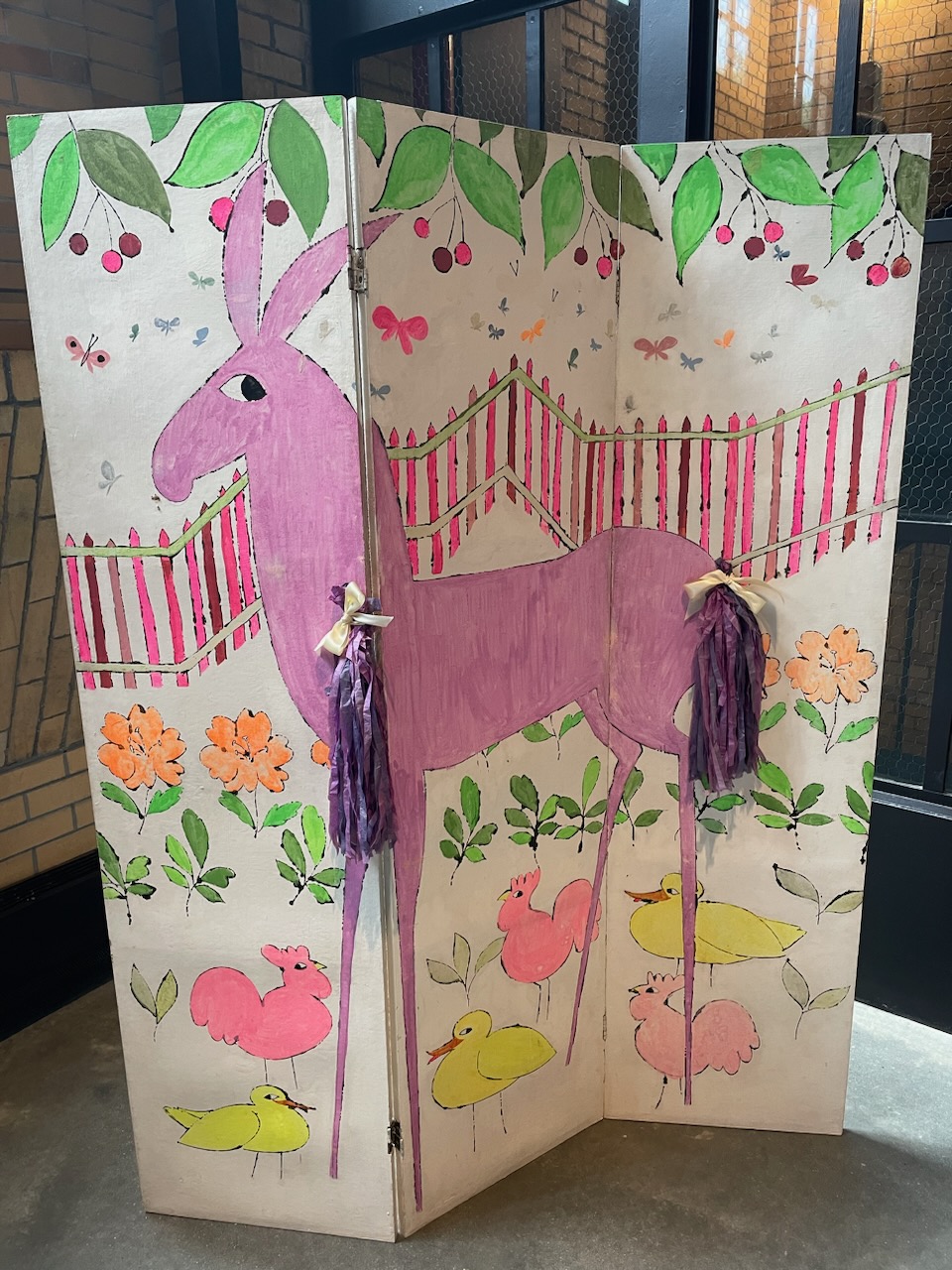
Who knew that as a young artist he produced a pin the tail on the donkey set up?

I think he’d like the fact that his self portrait graces a 65-dollar tote bag in the gift shop..

Jeff Koons wannabe balloon piggy banks are not produced by Jeff Koons, the salesperson corrects me rather haughtily, but by an independent manufacturer. Yes, visitors do have questions. Okay Miss Lonely but you’re gonna have to get used to it, as Dylan wrote in his most famous song, you know the one.

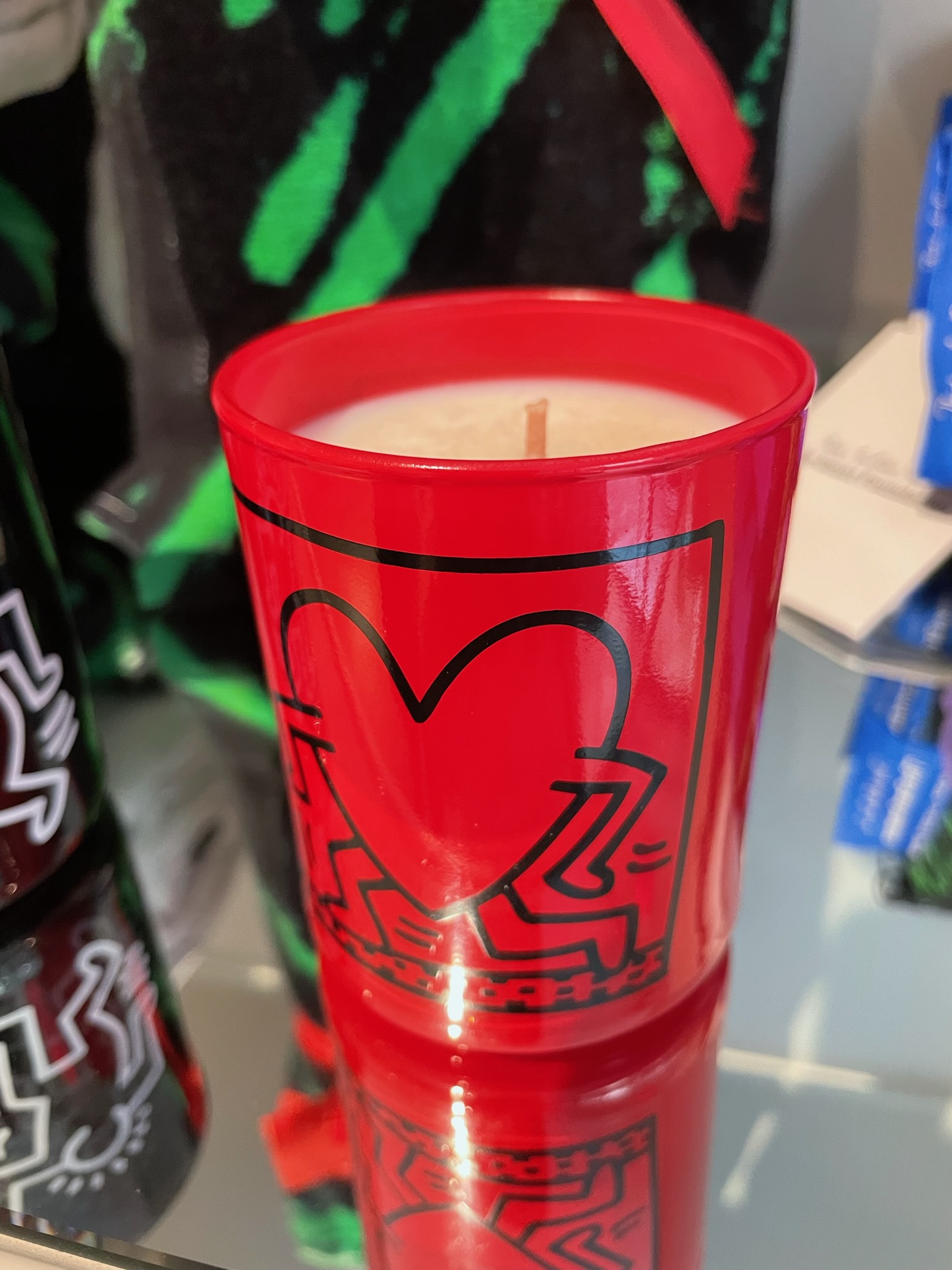
Still, you can get yourself a Keith Haring votive for those special moments. I hope it’s scented.

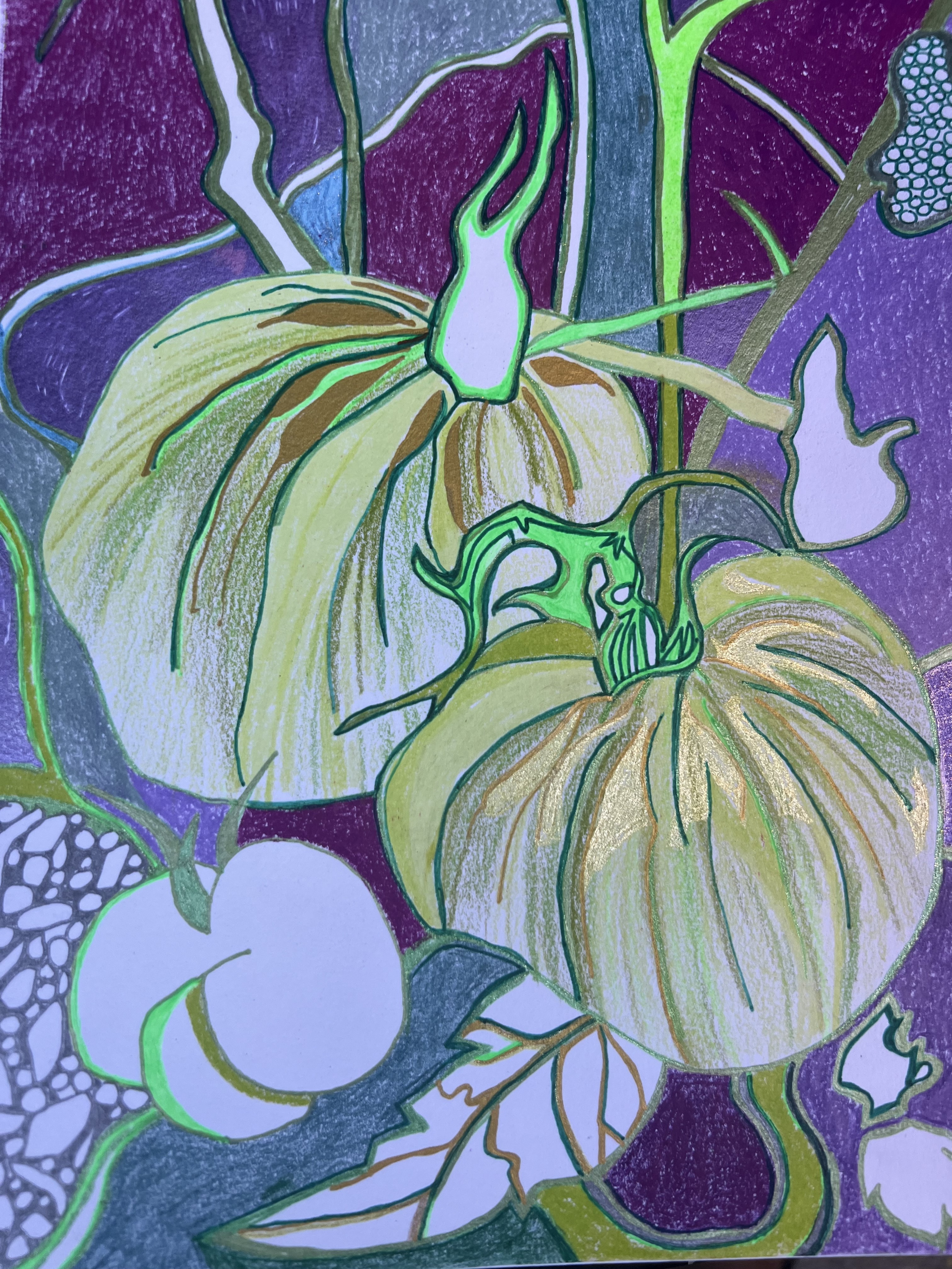
Meet up with my friend Nora, herself an artist.

She’s in the middle of finishing a drawing to hang in a show inspired by New York’s venerable community gardens.

The subway hosts some lovely youngsters with their lovely comfort pooch.

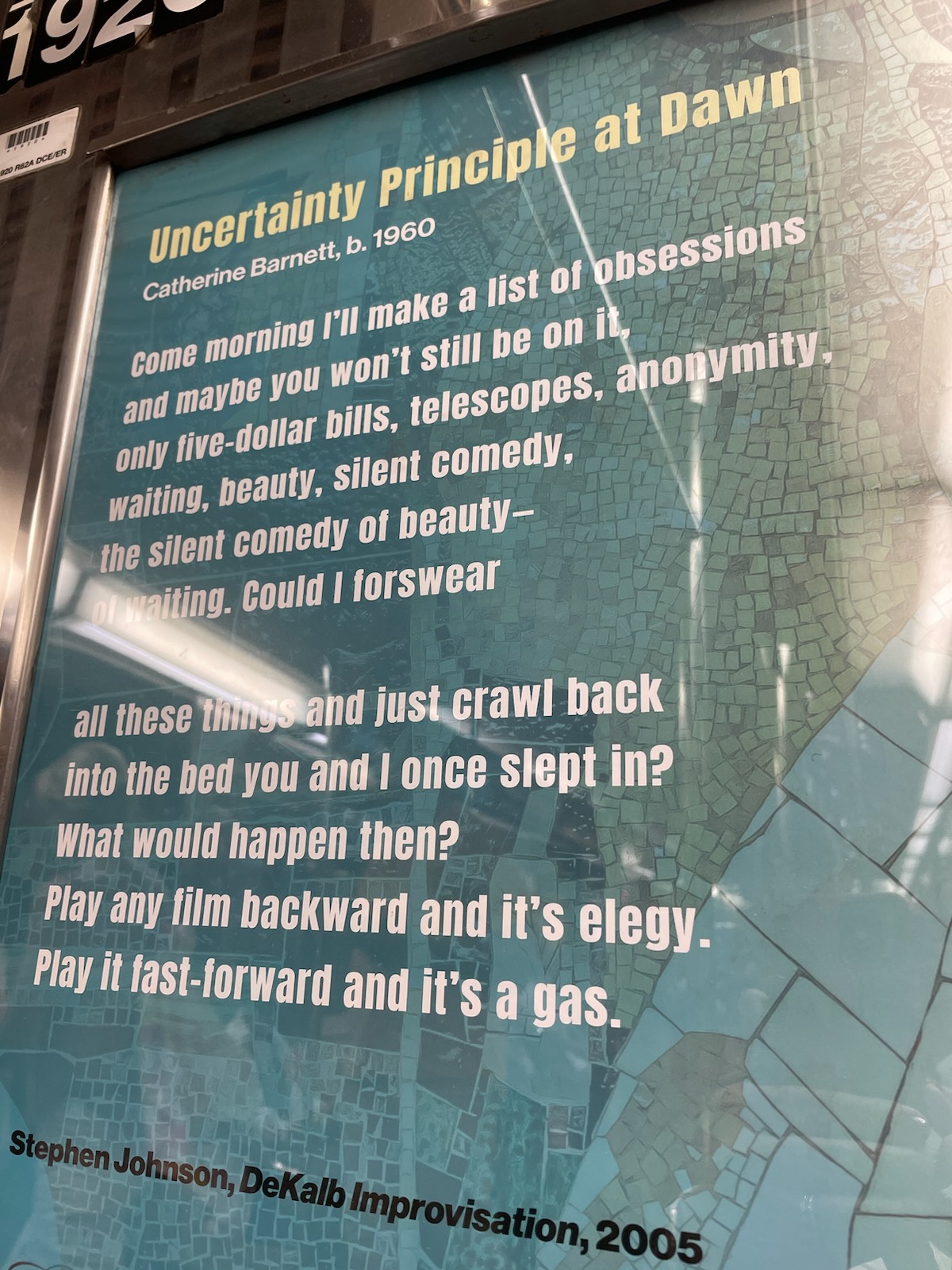
And a lovely poem.

We take the train north to home along the Hudson through sheets of cooling rain.

Already nostalgic for the cafe earlier.

One thing’s for sure, New York will always be there for you.

And me. Hot. And cool.

Leave a comment

Filed under Jean Zimmerman

Something happened today. Something out of the ordinary.

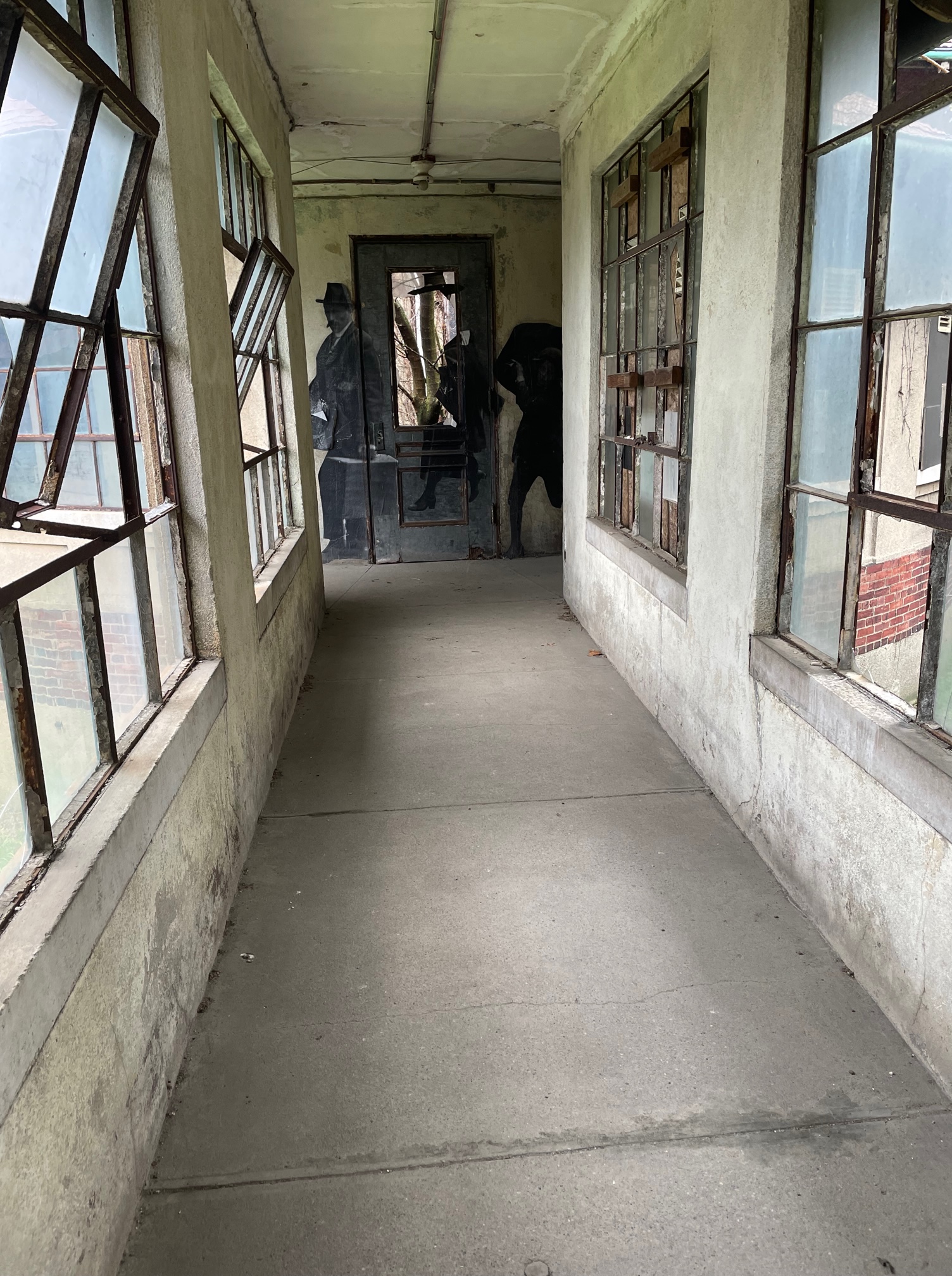
I was taking my group on the walking tour of the abandoned hospital complex at Ellis Island. We went into the “hospice room,” which was many peoples’ last stop at the hospital. As usual, the spaces at Ellis had been magical, evocative, spooky, and above all historical. There is a room where someone once swore they caught the fragrance of lavender. Another person, it is reported, heard children’s faint laughter down a corridor. In one space, the nurses’ quarters, a rainbow likes to appear on one wall no matter the weather, rain or shine. I’ve seen it many times but have never been able to capture it in a picture.

I always like to ask people when we get to the hospice room to take a moment to reflect on all the people that had come through the hospital wanting to come to America, making sacrifices we cannot imagine to come to America, and ultimately not making it here. 

(Or, as has been pointed out to me, only making to one of the New York area cemeteries.)

Blue, by the way, was considered a calming color, and so many of the sick ward walls at Ellis were painted blue.

People on my tours take that moment to reflect, then we move on to another space. After today’s tour a woman caught up with me to tell me something. She said that on her ghost-buster phone app, as we stood in the hospice and took that moment of silence, some words popped up on her screen: “we are everywhere.” That had never happened before, she said.

Phone app– latter-day Ouija Board. Okay, easy to say. Nonsense? When you are there, in the moment, it feels like anything but. Chills.

We’ll see what happens tomorrow. Anything is possible.

1 Comment

Filed under Jean Zimmerman

Trees are winter poems

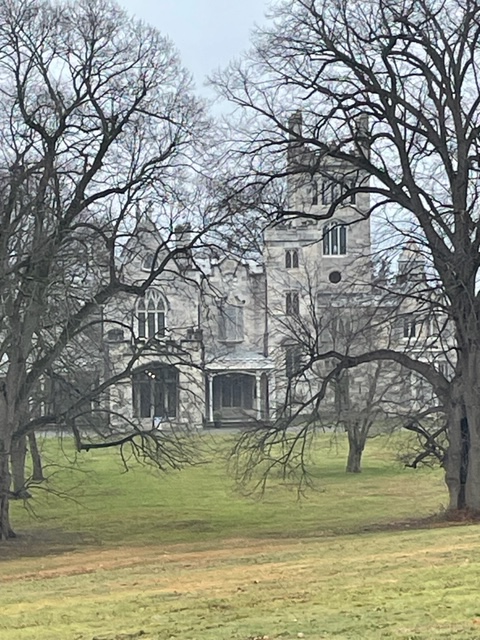
and, like written poetry, sometimes you must talk yourself into reading them. Lyndhurst, the estate near where I live, makes it easier, because its 67 park-like acres offer an arboricultural bounty. Forget the house –a gothic revival castle designed in 1838 by Alexander Jackson Davis, when romanticism reigned. (Where was Frank Lloyd Wright when we needed him?)

The place is known best as the familial headquarters of rapacious banker Jay Gould in the Gilded Age, and his daughter Helen added a bowling alley and immense greenhouse, the skeleton of which remains. Carriage roads with precisely wrought stone gutters.

The Old Croton Aqueduct cuts across the landscape, which might have been somewhat annoying to the residents of the mansion in the nineteenth century. But it was progress, and the pre-Gould-era occupants were civic minded. New York City must have pure water!

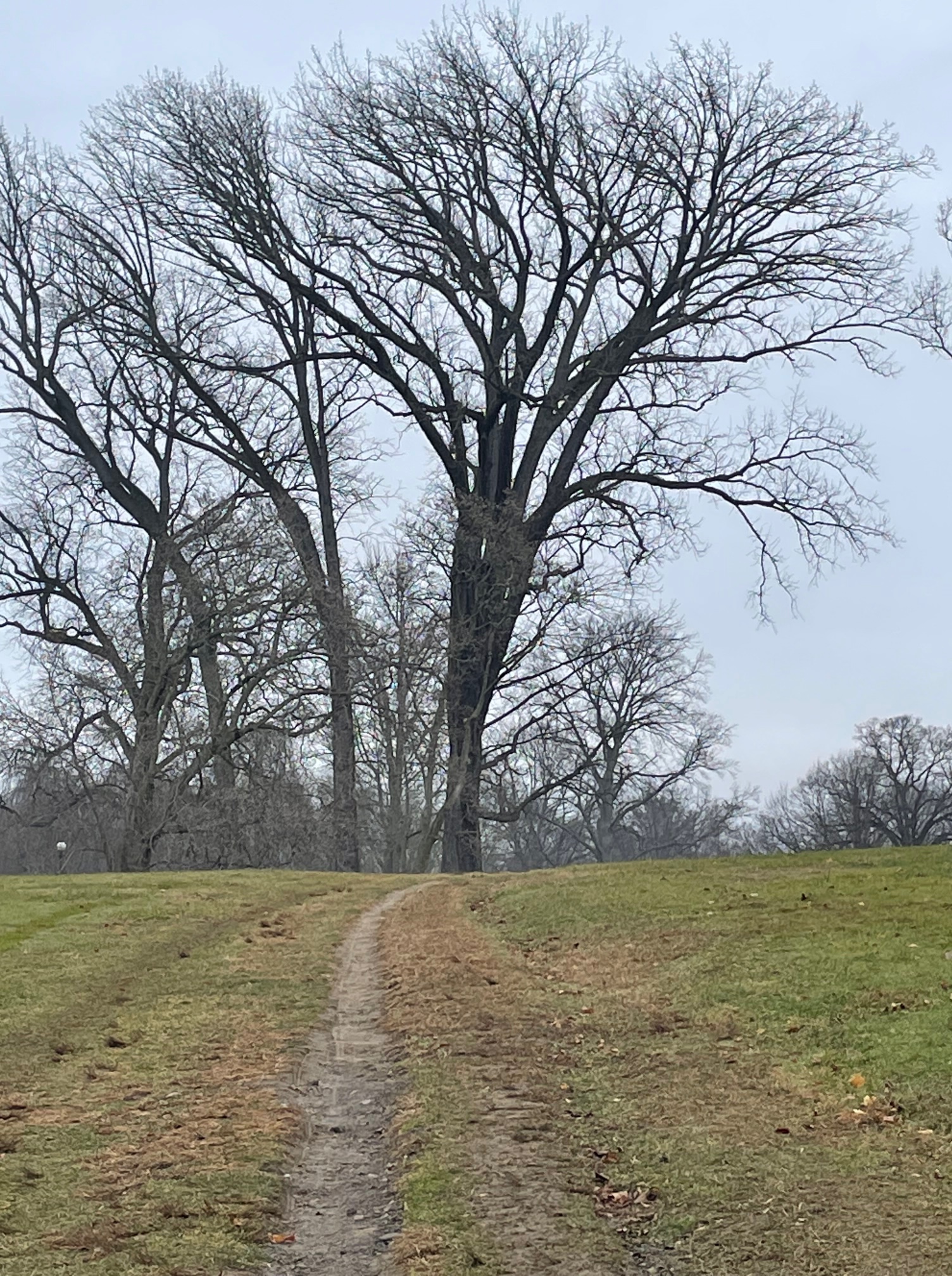
You can still follow the trail’s path up a rise.

In fact, that’s the only place you’re supposed to go off season, for some reason.

I have other plans. I have resolved to break more rules in 2020 and I think I won’t wait to set my intent.

Andrew Wyeth has an oft-quoted line: “I prefer winter and fall, when you can feel the bone structure in the landscape—the loneliness of it—the dead feeling of winter. Something waits beneath it—the whole story doesn’t show.”

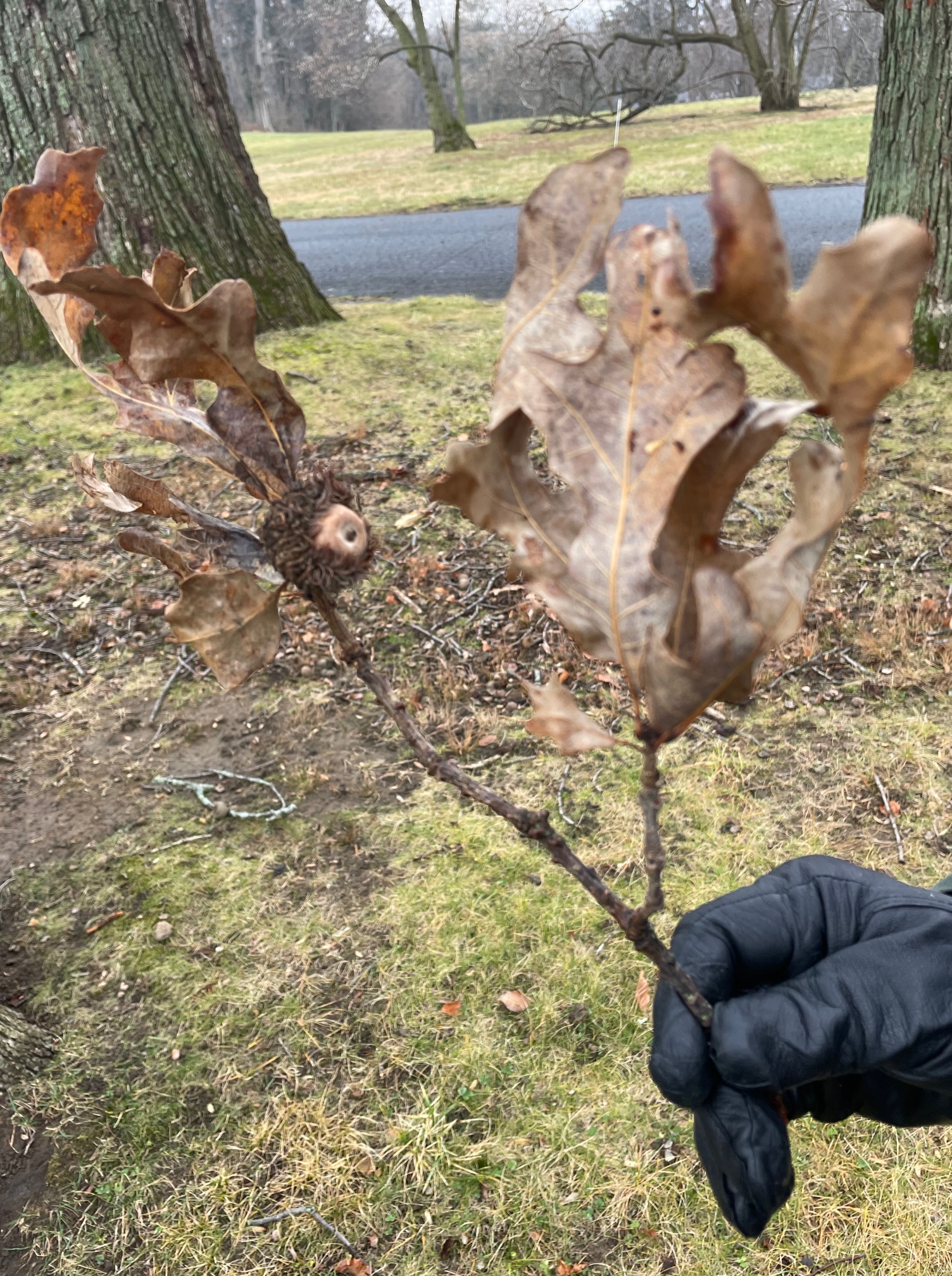
Lyndhurst in winter is all bones. A stand of oak on closer inspection reveals itself to include a burr oak (you can call it a bur oak if you want to be ridiculous.) They have the mossiest, shaggiest caps of all acorns, a look that surely serves some dendrological purpose, like keeping from being eaten.

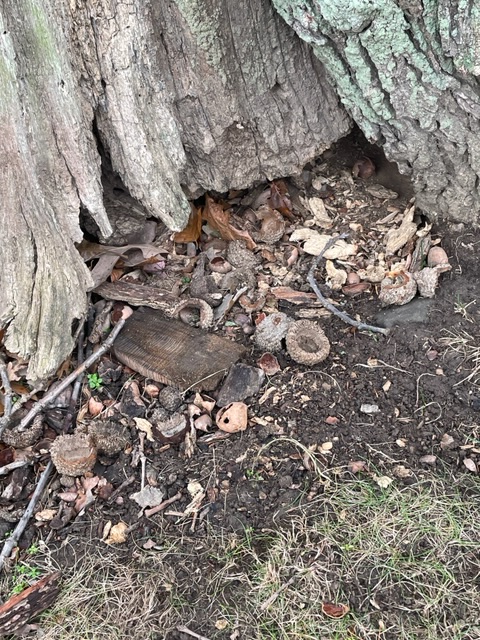
Look closely and see that there has been some living creature here.

I know an arborist who likes these oaks for “the deep lobes and lustrous green of the leaves.” Only visible in the imagination now, of course. “The very large acorns can be the size of golf balls, which gives this oak its Latin name…  Quercus macrocarpa is a slow grower that can become quite large in maturity. Better suited for parks than street trees due to its size and the size of the acorns.“ Exactly! Here at Lyndhurst it can really spread out.

Wyeth also said: “I search for the realness, the real feeling of a subject, all the texture around it… I always want to see the third dimension of something… I want to come alive with the object.”

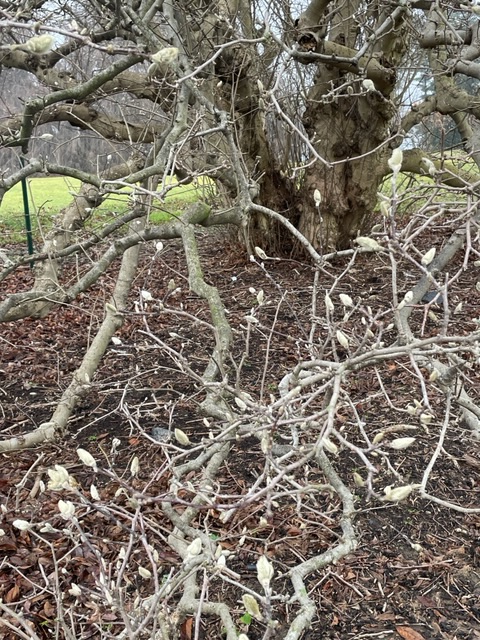
Live bones. A slightly scary concept but one that I like. The magnolia looks like it’s already ready for a warmer season.

Wait a bit. Enjoy your dormancy. You can explode later.

An arboretum in all but name, Lyndhurst has a number of mammoth beech trees that is so large as to be almost unfair to the rest of the world’s estates. I know that Newport has its share also. The Preservation Society of Newport County has even established a beech tree nursery “to ensure the future of the iconic landscapes of the Newport Mansions.”

Magnificent is a word undeniably coined to describe European beeches.

Weeping bones. Easier for any arborist to ID some specimens after leaf-out than now, but a beech can’t fool you.

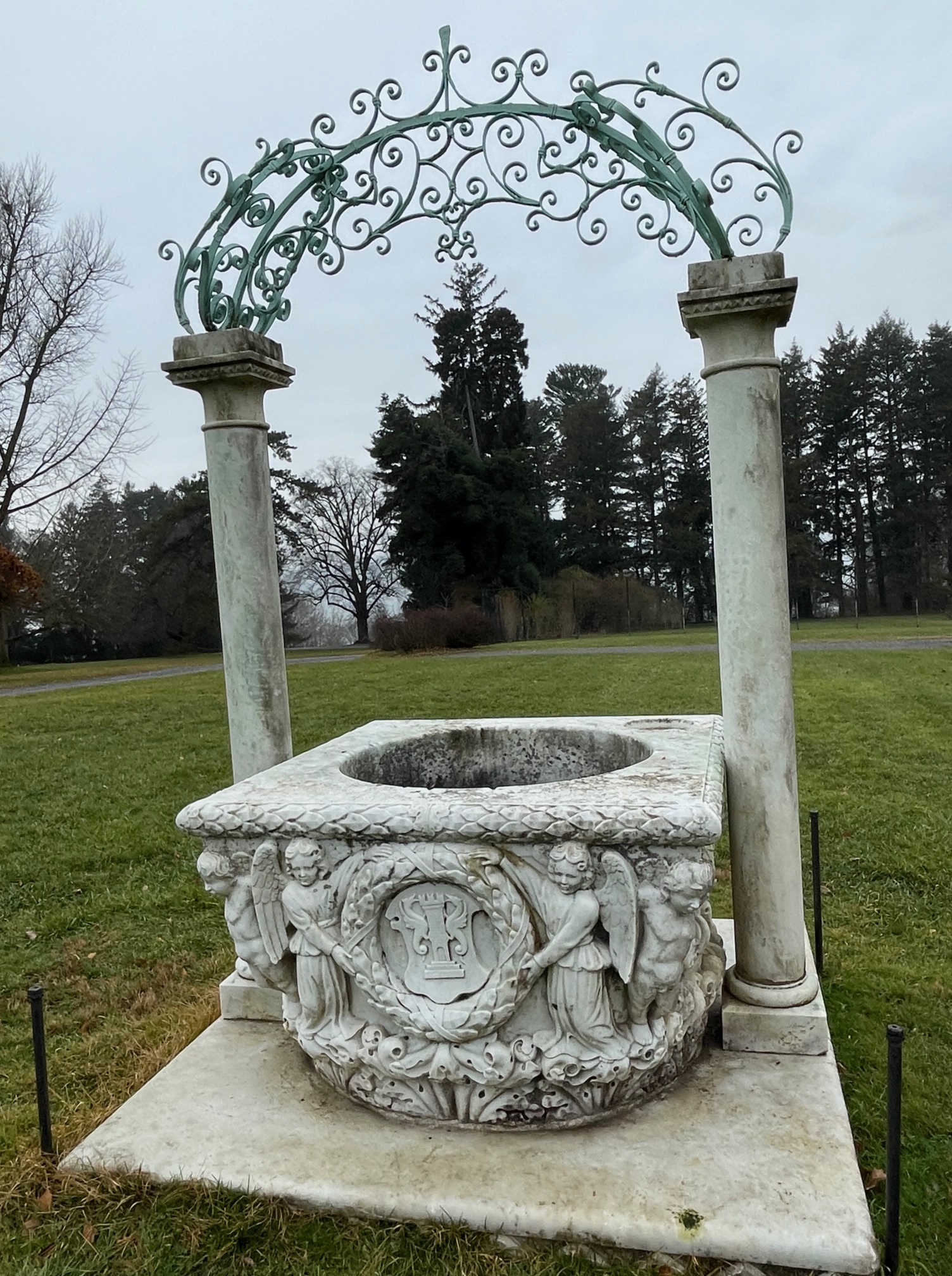
Strong emotion on display with statuary scattered about the grounds, which I suspect no one but myself has examined closely for some time.

Some of these carvings gave off a strong whiff of an earlier era, when sexuality had to be expressed clandestinely. It was only proper to reveal oneself in all Nature’s glory if you were a nymph of some kind.

We’re still squeamish about some things even going on 2020, like depicting the litter of scat all around the Lyndhurst estate – deer, of course, and goose, and – this. First to identify it (dog, bear?) gets a mention in these pages.

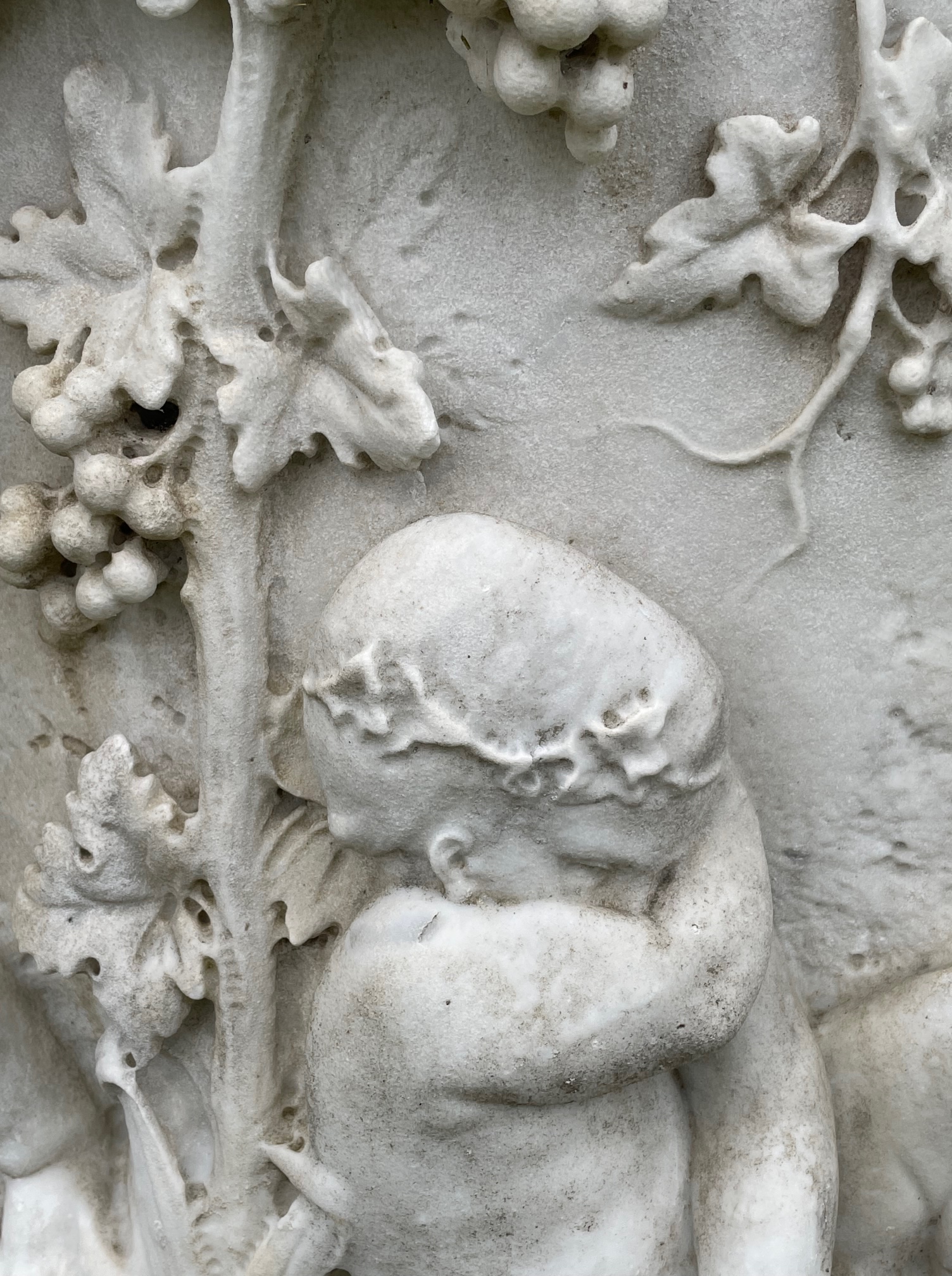
I don’t know the intended meaning of this image. I’m sure it had one when carved. Bacchus wiping the wine from his face?

But it reminds me of one of my very favorite poems, written by William Butler Yeats in 1892 (the Gould epoch at Lyndhurst, though it’s hard to believe he ever read it). This poem is a douzaine, meaning a 12-liner, and in it Yeats wears his heart on his sleeve for wild woman – Irish republican revolutionary and suffragist –Maud Gonne. She knew how to break rules and she knew how to break hearts. One good way is to find a poet to make you immortal. Wish I knew her.

When you are old and grey and full of sleep,

And nodding by the fire, take down this book,

And slowly read, and dream of the soft look

Your eyes had once, and of their shadows deep;

How many loved your moments of glad grace,

And loved your beauty with love false or true,

But one man loved the pilgrim soul in you,

And loved the sorrows of your changing face;

And bending down beside the glowing bars,

Murmur, a little sadly, how Love fled

And paced upon the mountains overhead

And hid his face amid a crowd of stars.

That’s what that little guy hiding his face in the statuary says to me, out in the beautiful dormant cold.

I took a burr acorn cap with me when I left. To quote Jay Gould: “Whatever is not nailed down is mine. What I can pry loose is not nailed down.”

Leave a comment

Filed under Jean Zimmerman

Even at seven a.m.

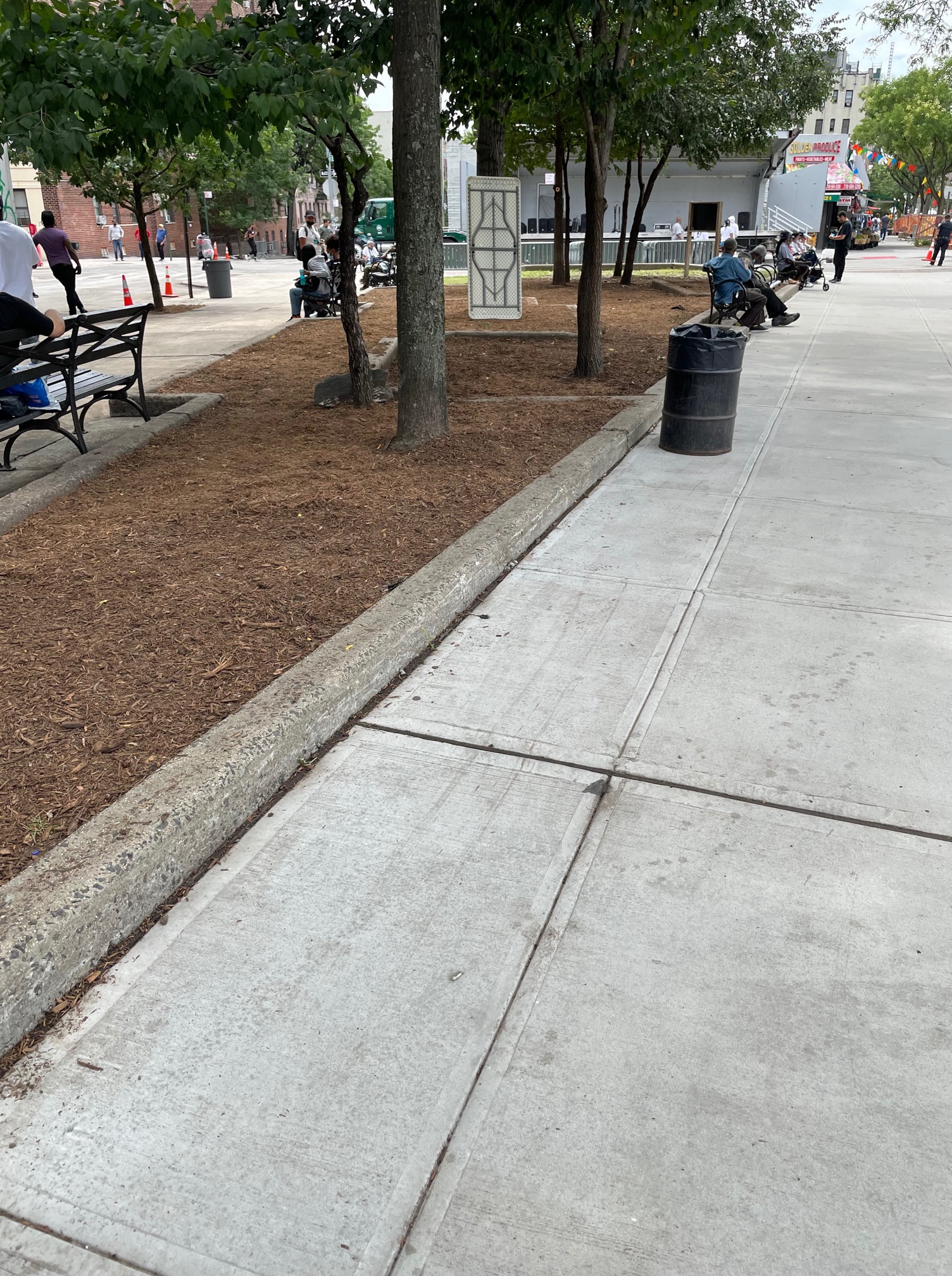
you could tell something was going on. The tiny park across the street on the Grand Concourse had been miraculously covered in clean mulch overnight, its tree pits and the ground all around and under the benches dark brown and shredded, all new.

The sign announcing the name of the park, the Bergen Triangle, is almost as large as the park itself.

Two Parks employees wielded leaf blowers to chase away stray shreds. Then blue tents marked NYPD went up along one side. A cop brought over a metal barricade to divert traffic from the Concourse side road. Cars parked inconveniently found themselves towed.

Sanitation vehicles, street sweepers, began to circle the triangle – three, four times. Someone wanted this area to be spic and span.

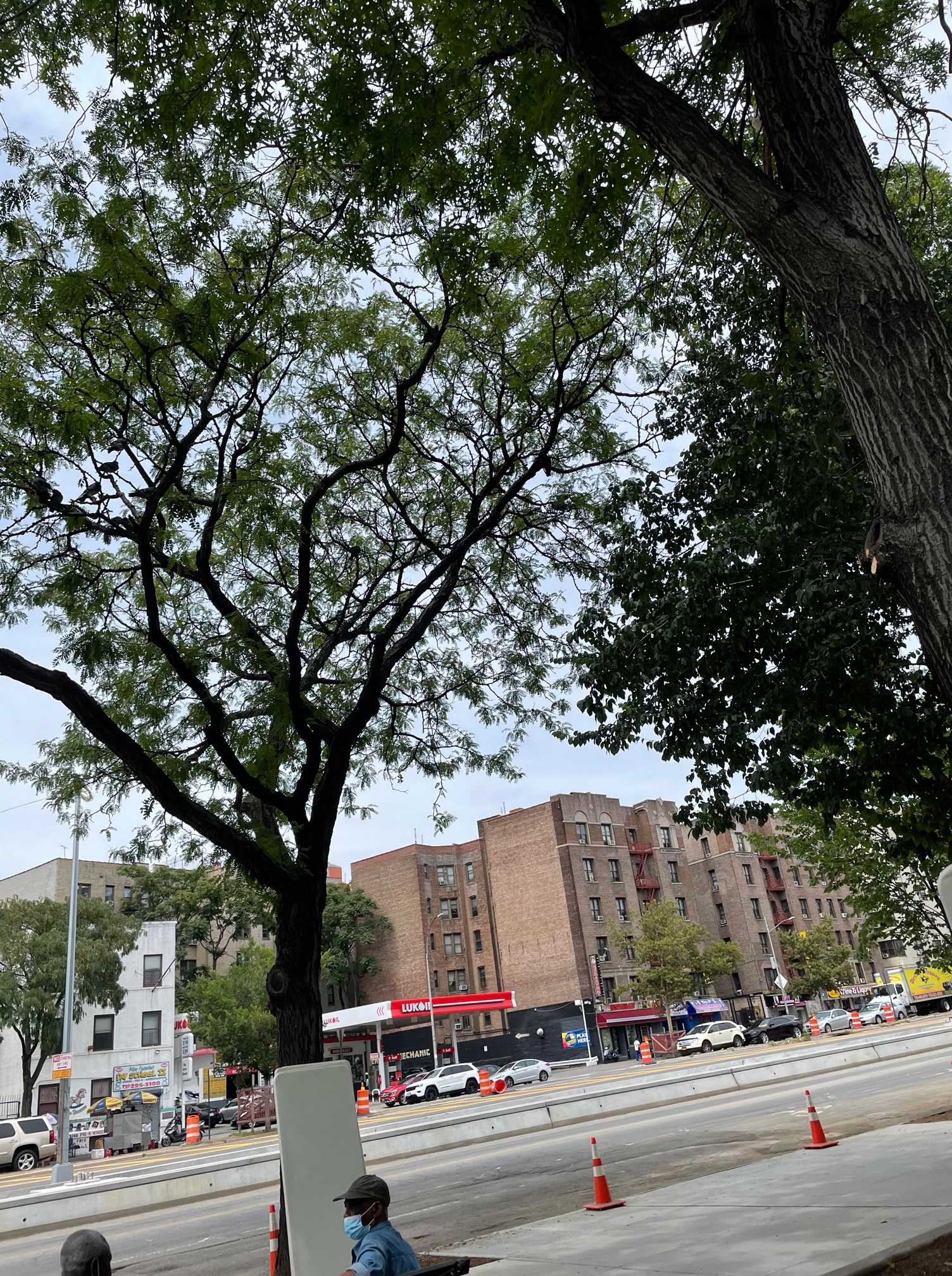
This park is usually distinguished not by cleanliness but by its canopy.

People settle in there to talk, play music, sometimes rap with a  speaker, and feed the pigeons – hence the thick coating of bird droppings on the sidewalk, something hard to avoid as I’m walking up the avenue to the work site. Some of the park sitters are lunatics, but most sit calmly enjoying the shade, which is what much of the Concourse lacks.

Recent studies have revealed the immense importance of shade on both health and mood.  When urban areas lack tree canopy people suffer.

I smelled a visit from a dignitary in all this tarting up activity. The Governor? the Mayor? Lady Gaga? I figured the action would be coming from the direction of the 94thPrecinct stationhouse a block away on 181 Street.

The Bergen Triangle originated when New York City acquired the land “for street purposes by condemnation” according to the web site of New York City Parks and Recreation. After Anthony Avenue was completed, the Department of Highways and Transportation turned the leftover lands to Parks in 1932. Parks created the bluestone-curbed, cement sidewalked, turn-of-the-century-style benches with shrubbery and pin oaks. These are the type of benches that Robert Moses favored.

Note: there are a few pin oaks still but honey locusts dominate as always in this neighborhood (the kind mercifully without thorns).

The park’s name came from William “Billy” C. Bergen (1862-1925), a one-time policeman known as the “millionaire cop” because he made a fortune developing empty lots in the Bronx at the beginning of the 20th century after starting a career as a beat cop. Walking his beat, Bergen couldn’t help  but notice large land lots as yet undisturbed by the new subway lines just coming through. When the Third Avenue El and the Jerome Avenue El opened, bringing people and industry, Bergen bought and sold with gusto, eventually becoming a developer and builder and finally a mover and shaker in Democratic politics. A small number of his houses still stand in the Bronx.

Millionaire Cop

Bergen Triangle is bounded by Anthony Avenue (the aforementioned street with the empty land — hard to imagine now), Grand Concourse and East 181 St.

Sirens start to sound. Is it starting? No, that’s just an ambulance wailing as usual.

Friendly cops congregate all around the park.

A temporary bandstand appears, hammered together by Parks workers.

At 4:00, “National Night Out Against Crime” will start – in over seventy locations!—with the purpose of improving police-community relations. One officer tells me the Mayor will indeed “stop by.” Stop by? “Alright, he’ll speak.” There are to be barbecue, face painting, musical acts. And, probably thinking there is clean mulch in the Bergen Triangle every day, the Mayor.

Leave a comment

Filed under Jean Zimmerman