Tag Archives: garden

What is common?

It’s in the eye of the beholder, isn’t it?
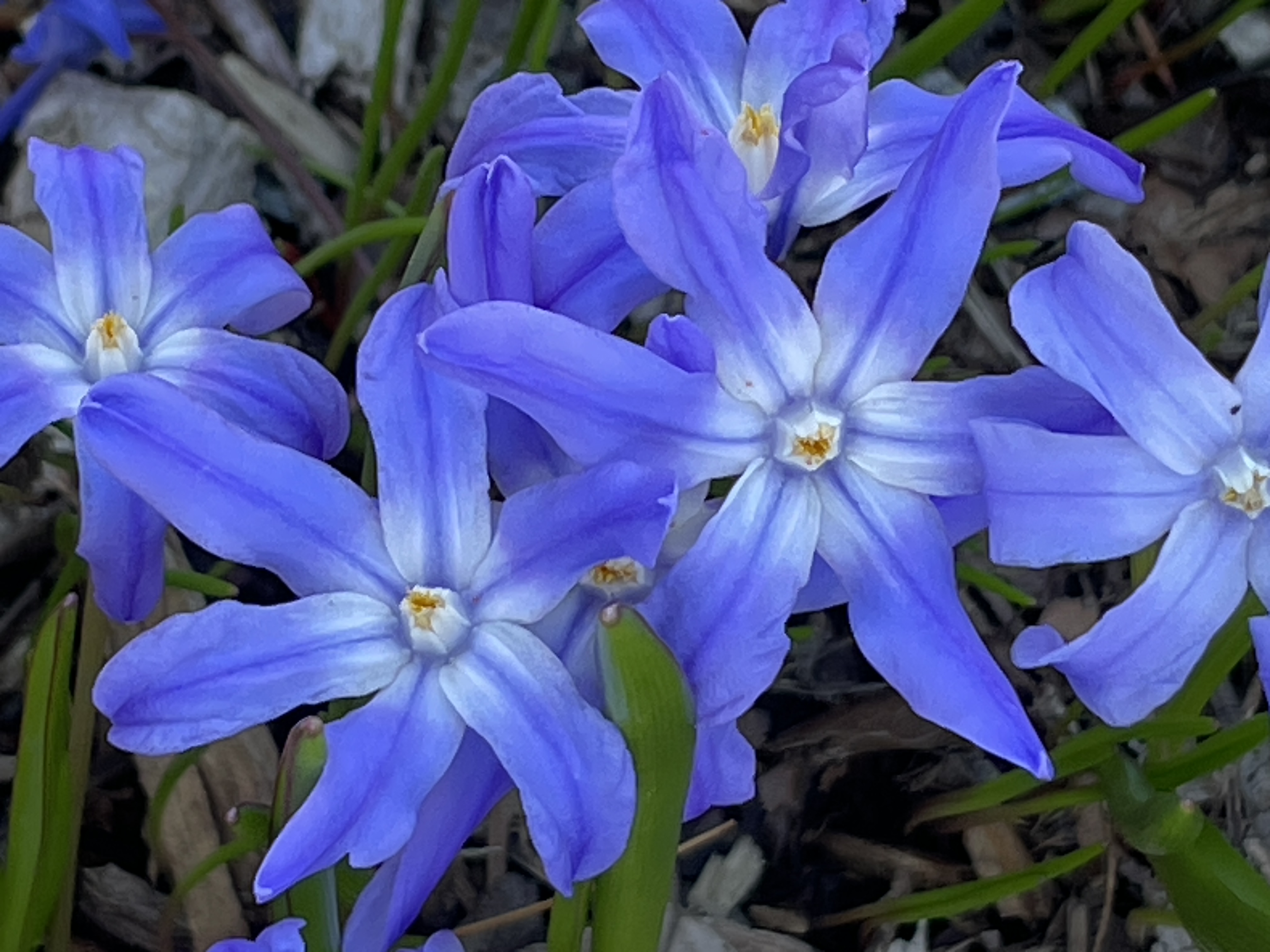
I took a walk on the Old Croton Aqueduct trail as spring just came up, and it got me to thinking.

So many beautiful things. So many of them so ordinary. First, a sign warning me off. My favorite kind of sign, so commonplace.

I see them everyplace, I guess because I like them so much. And I like going past them so much.

I spotted another one recently too. Almost as nice.
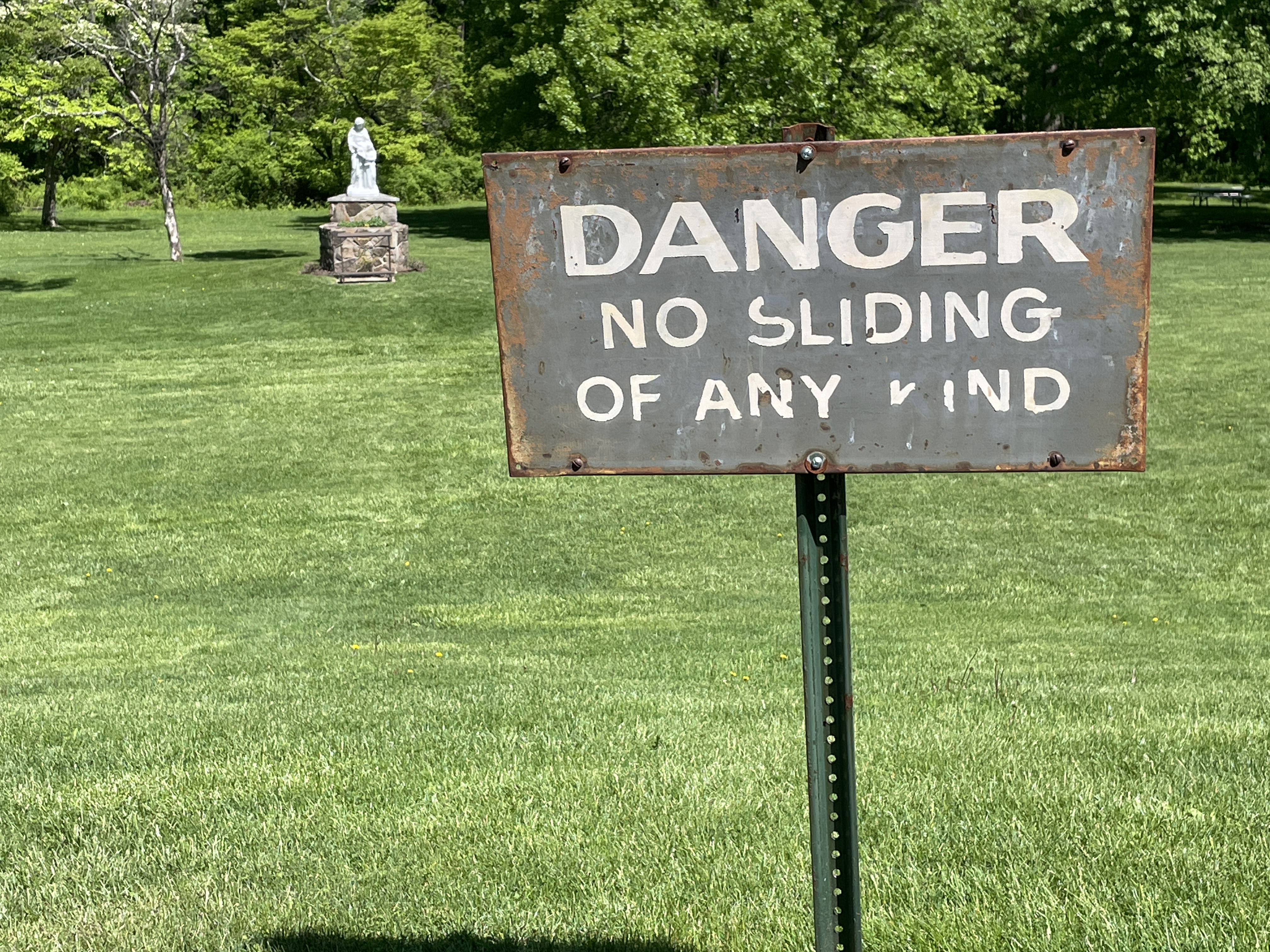
I find I like almost any free advice.

Mainly so I can ignore it.

Back to the trail. Tree shadows. Common.

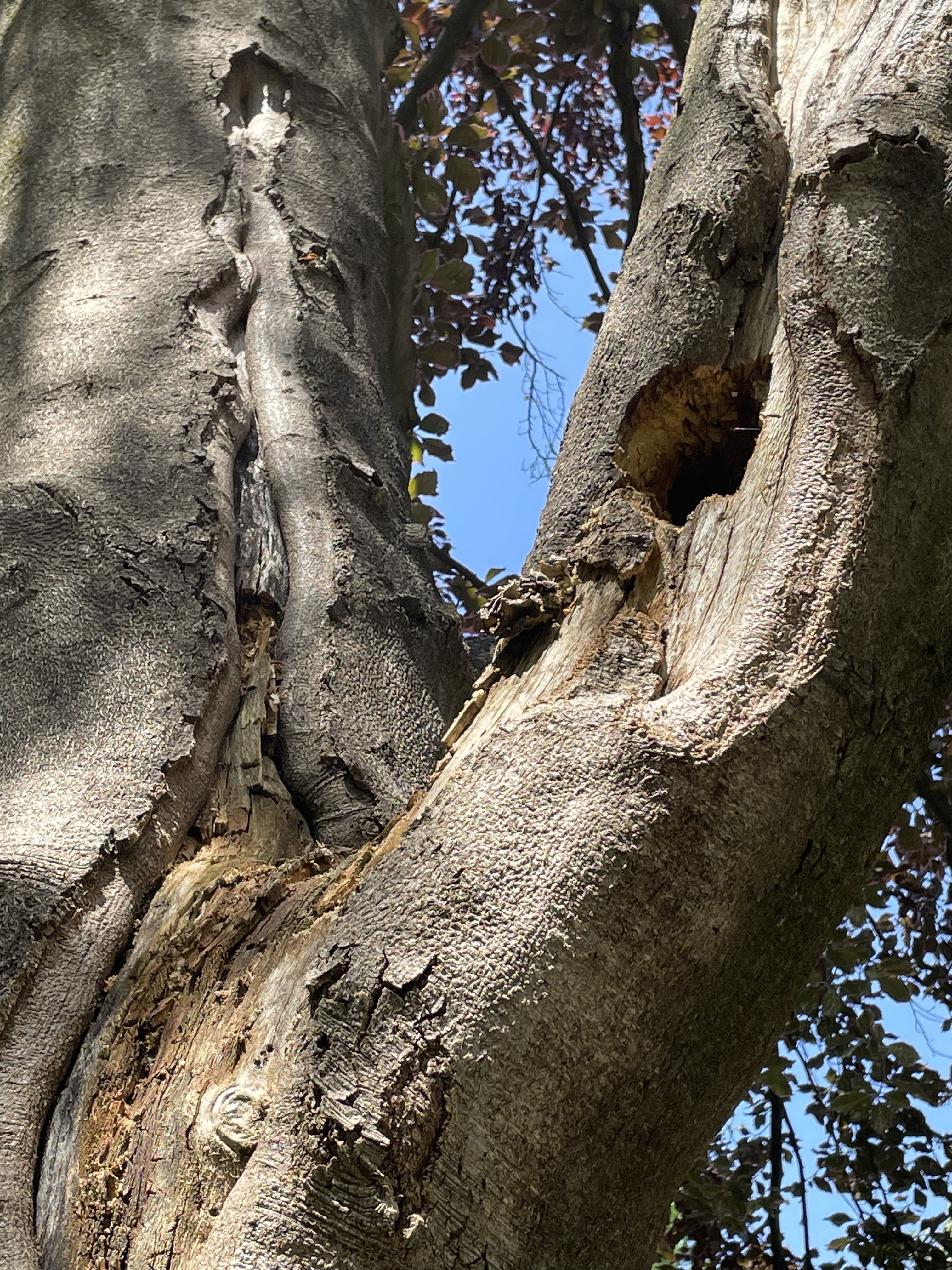
A hollow. I think we make a mistake in distinguishing between death and life. Death shelters life.

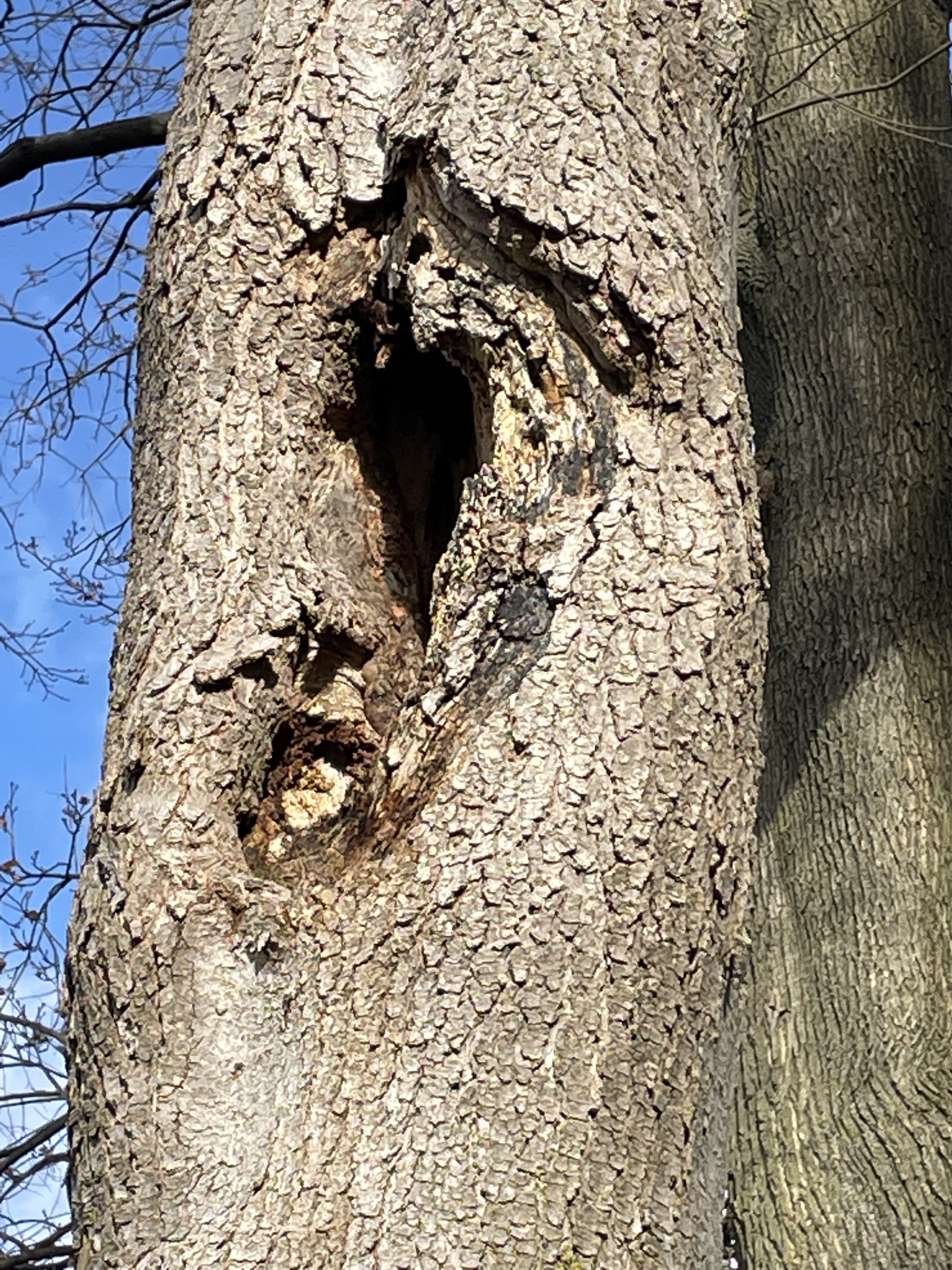
Another hollow, this one in an old-old silver maple on a Bronx street.
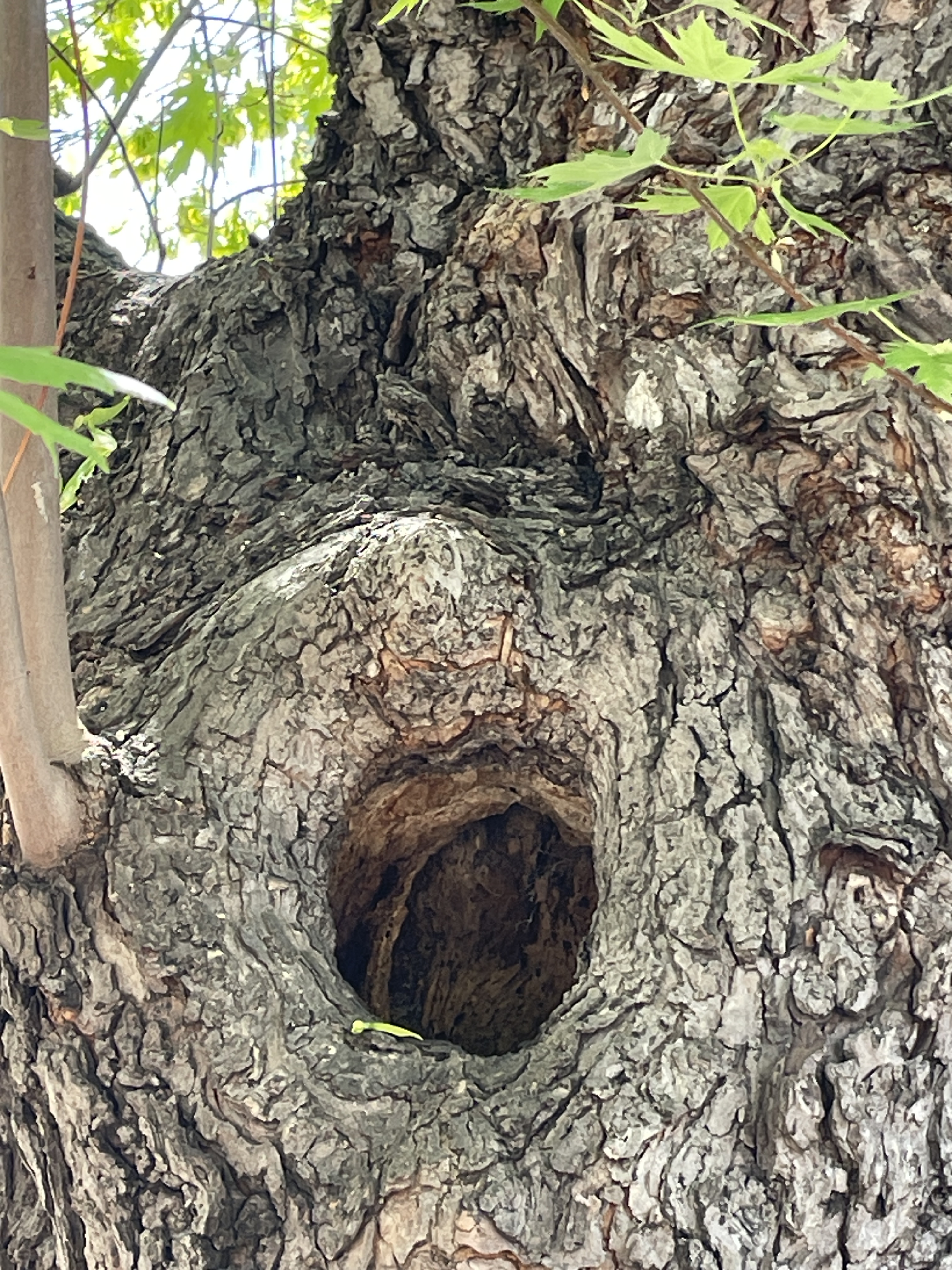
Okay, anyone would call this tree extraordinary.

On the trail there’s a backyard koi pond I’ve passed a thousand times. Sort of common.
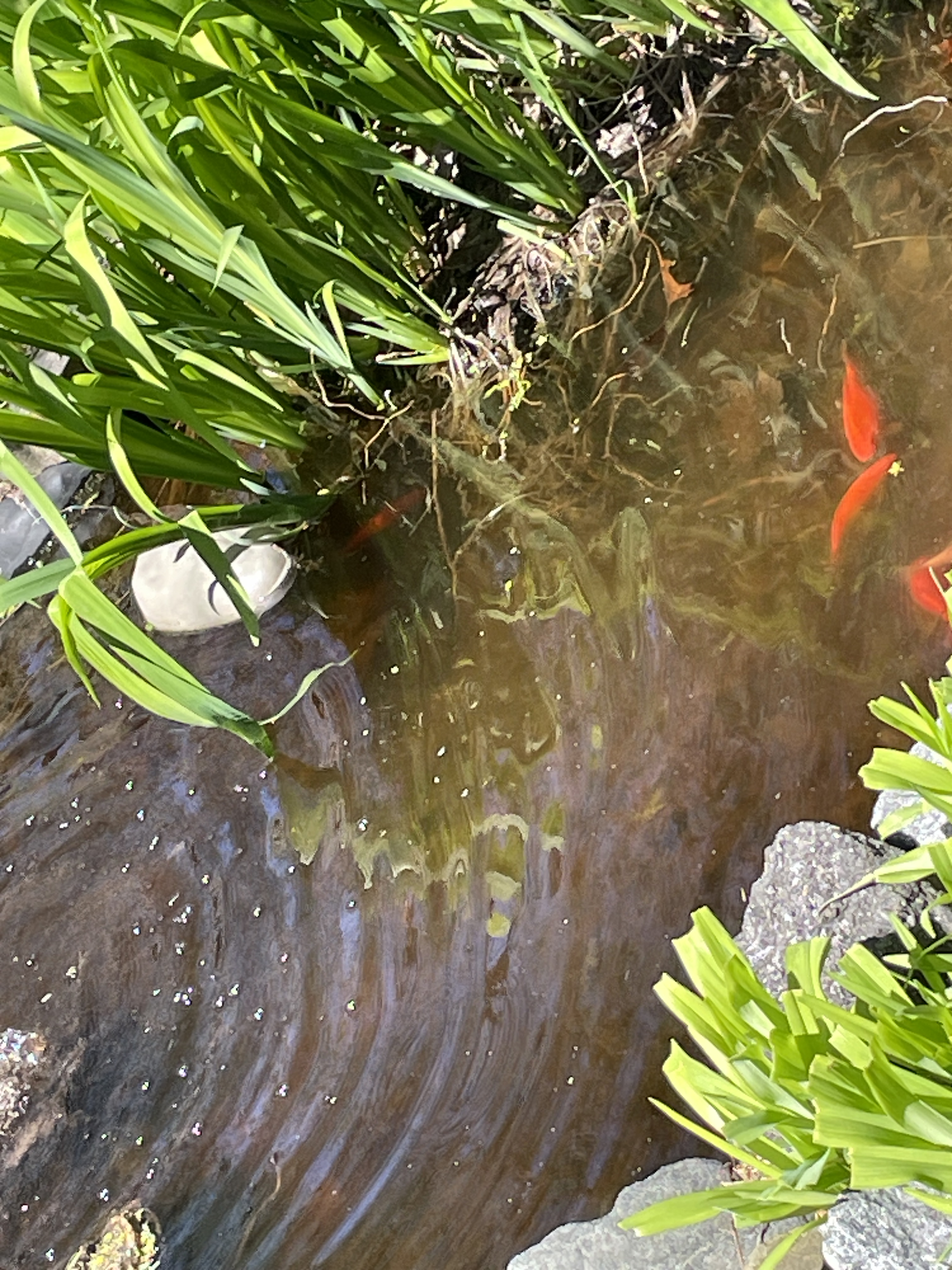
A sycamore, not yet leafed out.

You could just walk by and not notice. Nothing remarkable. Back yard steps, leading…where?

Look down. A pine cone. Brown. Ho-hum.

Gertrude Stein said, It takes a lot of time to be a genius, you have to sit around so much doing nothing, really doing nothing. Looking at not much of anything helps too. Noticing nothing much.

More trail shadows.
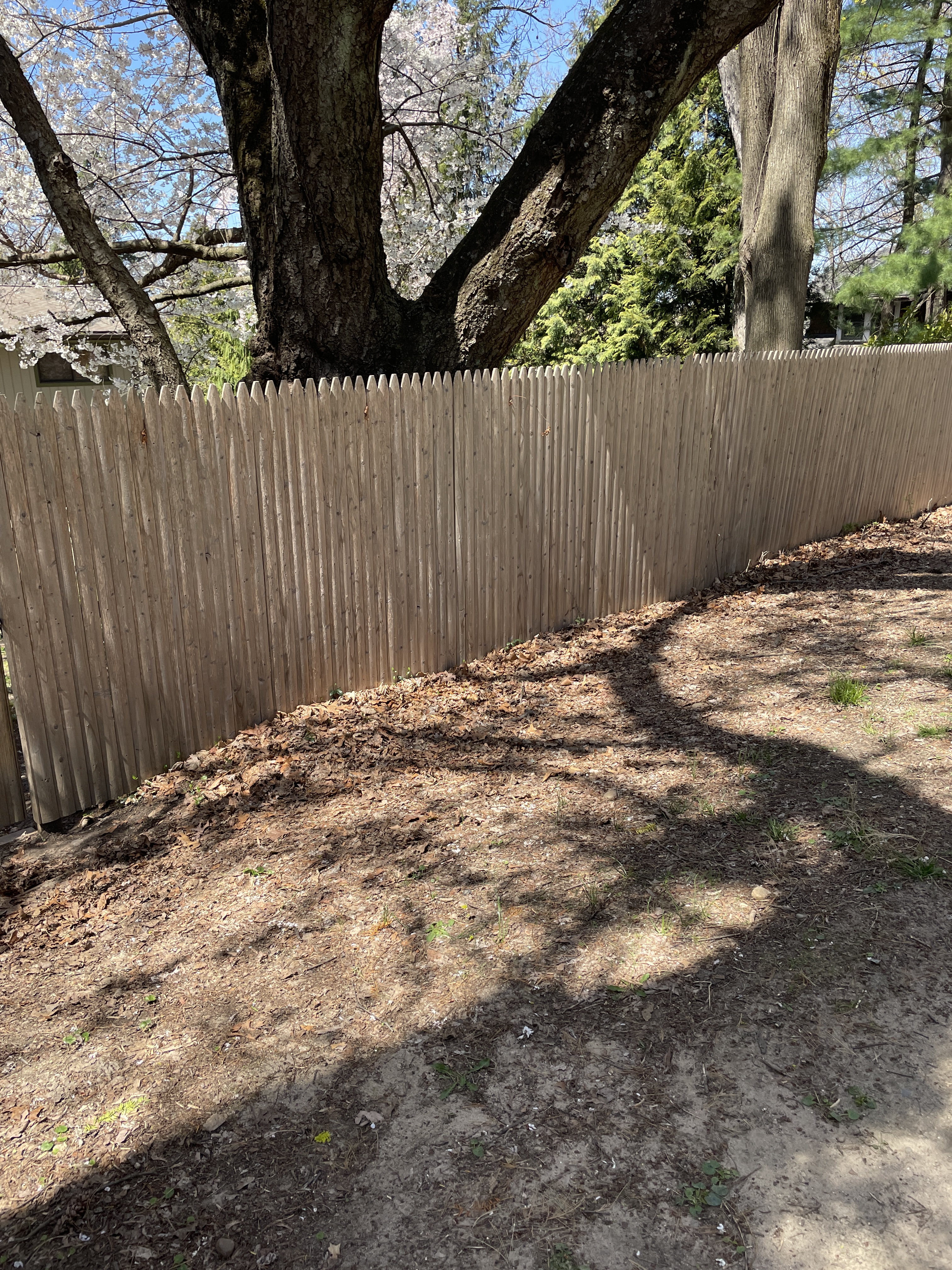
Twisted bark. Common.

Ye olde stone wall.
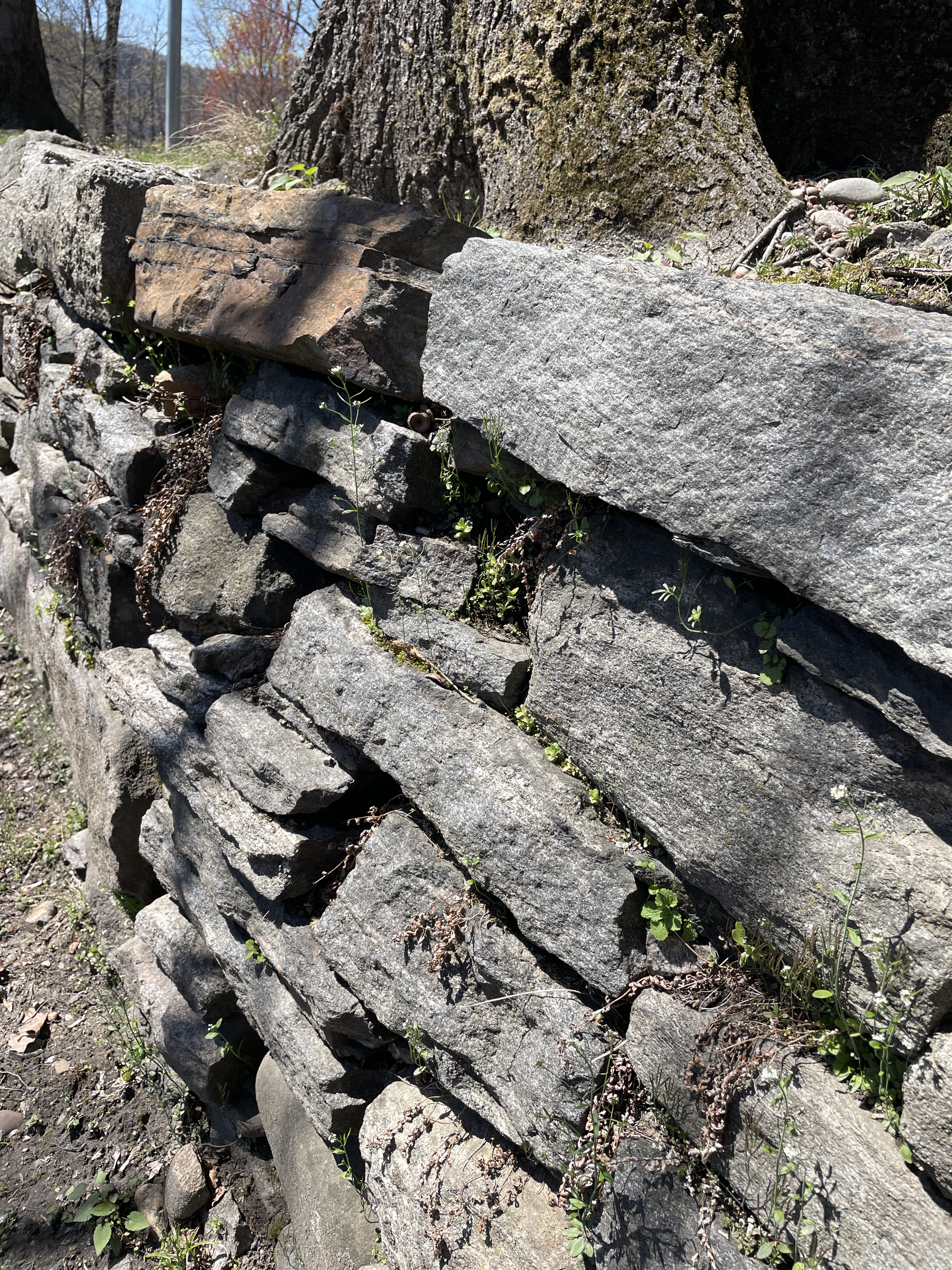
Sprouts. 

Rudimentary flowers. If they have a name, I can’t remember it at the moment.

Daffs.
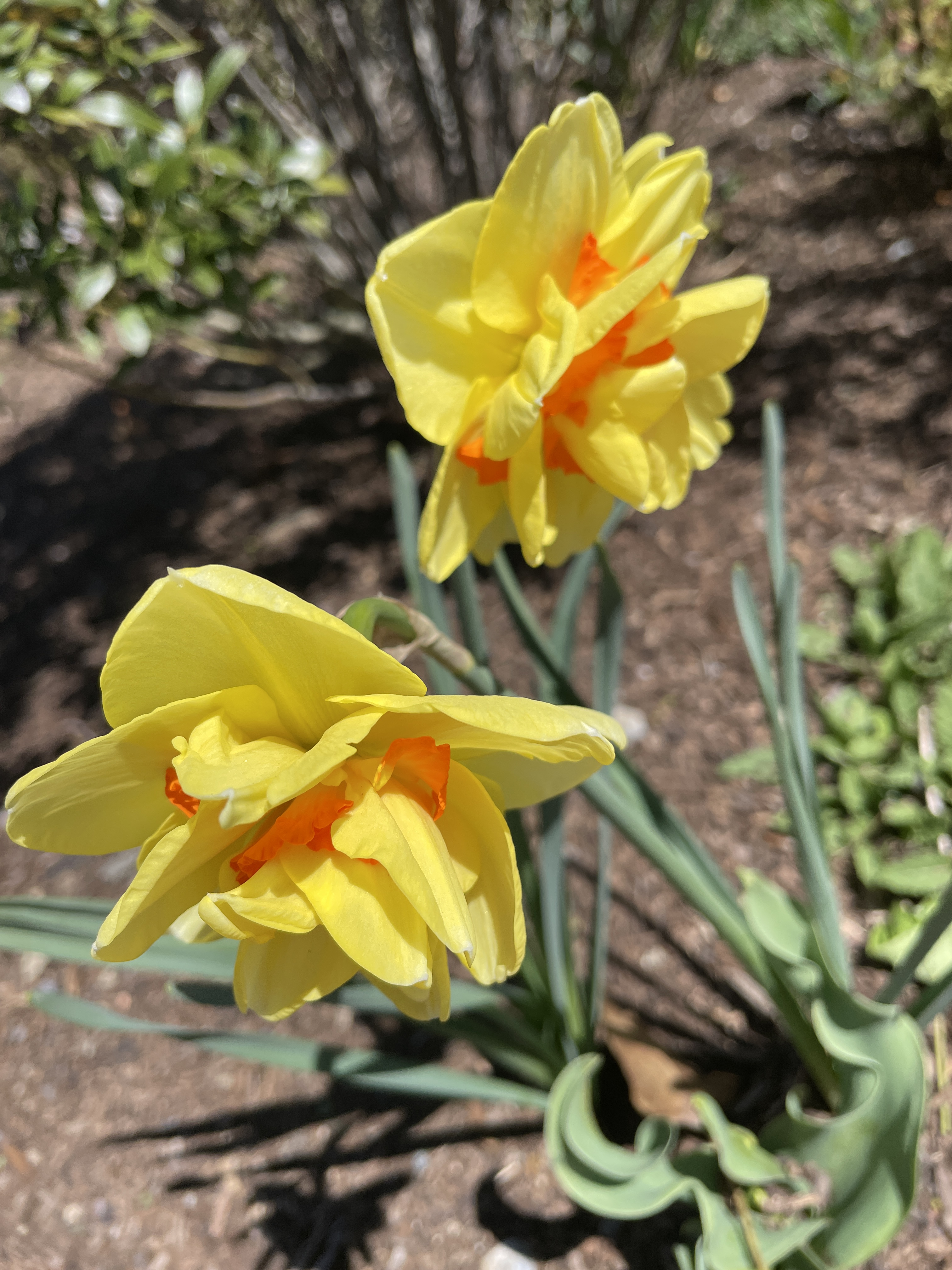
The most basic flowers. To again quote Gertrude Stein, a writer who knew something about the commonplace, Rose is a rose is a rose is a rose. Or daff is a daff is a daff.

Still, I’m glad I brought my hankie, since the most commonplace flowers make me tear up these days. As ordinary as they are, who knows how many seasons we’ll see them for?

This happens to be an everyday handkerchief inherited from my grandmother. Commonplace! That walk got me thinking. How many of the common things are my favorite things? A homemade hot fudge sundae.

Mister Softee though. Pretty much average. Pretty remarkable for kids though.

A polite dog.

A dog hug.

Any hug, really. Holding hands will do in a pinch.

Pansies. Can you get any more banal?

An afternoon suburban street.

So common. Note the towering beech though. How about a suburban dawn?
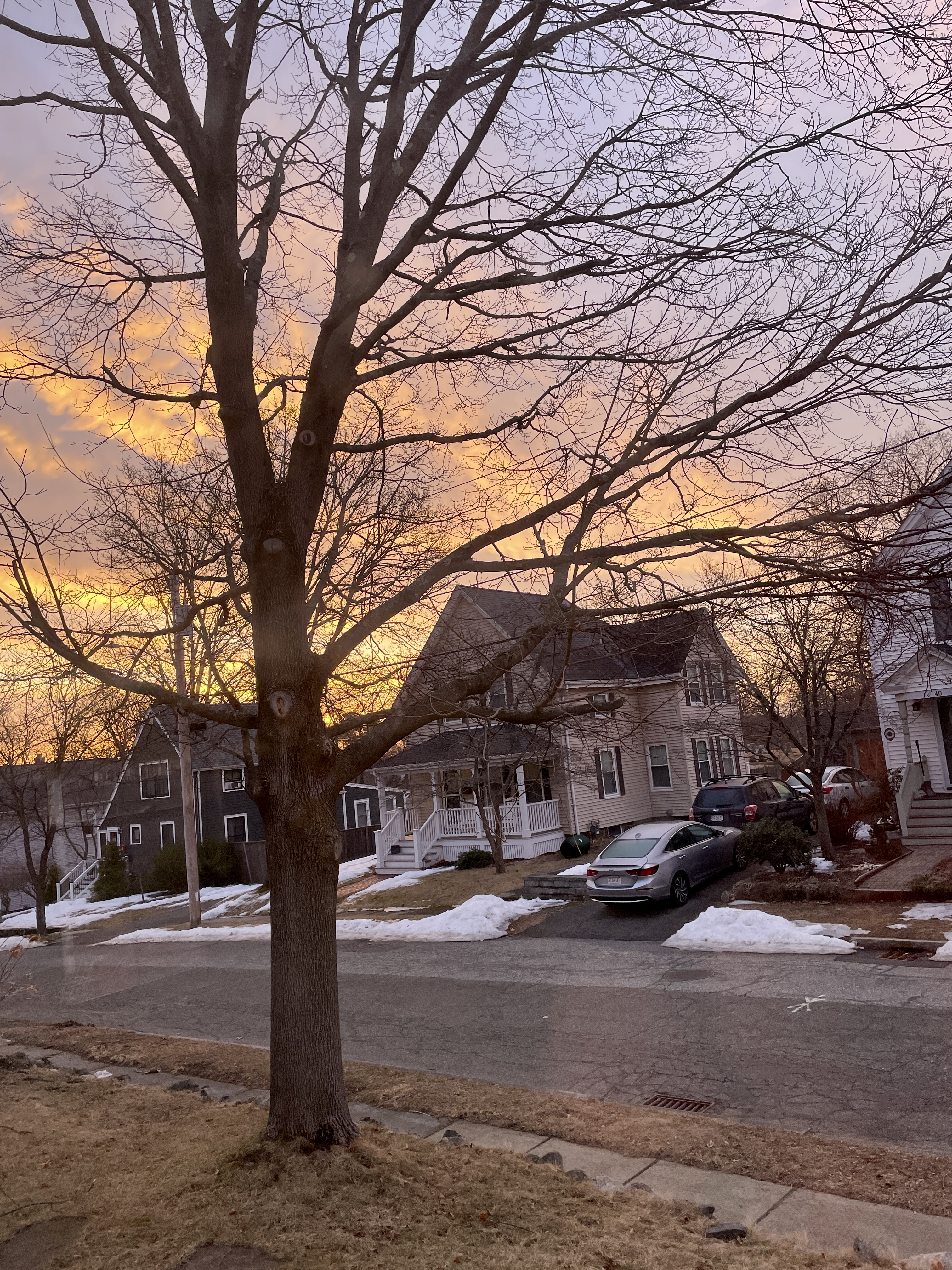
Sorta makes you think, to quote Gertude again, There ain’t no answer. There ain’t gonna be any answer. There never has been an answer. That’s the answer. Got that? Street poetry.
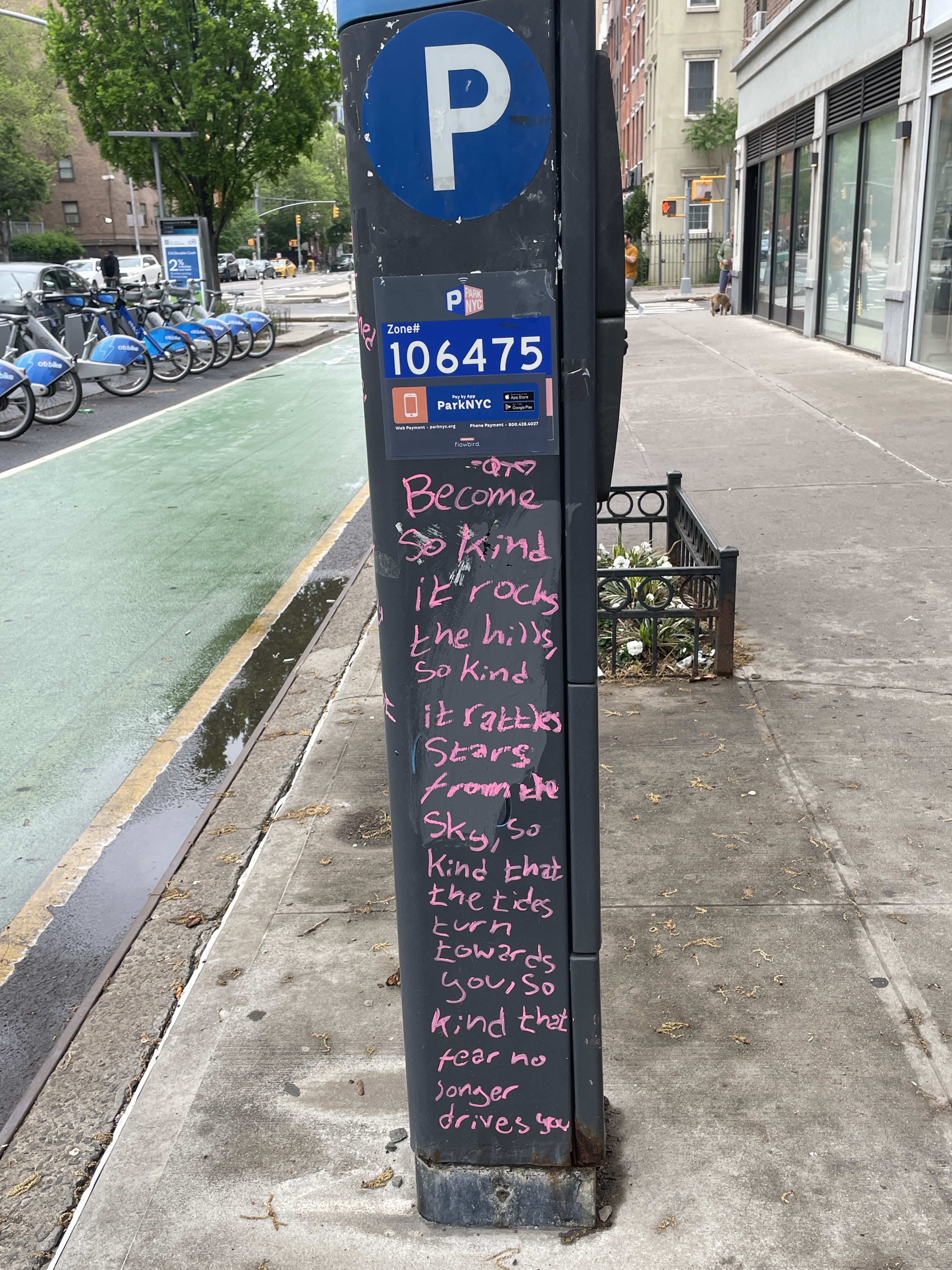
Just walk on by. So ordinary.

Banal.

Anyone could see the poetry here. Of course.
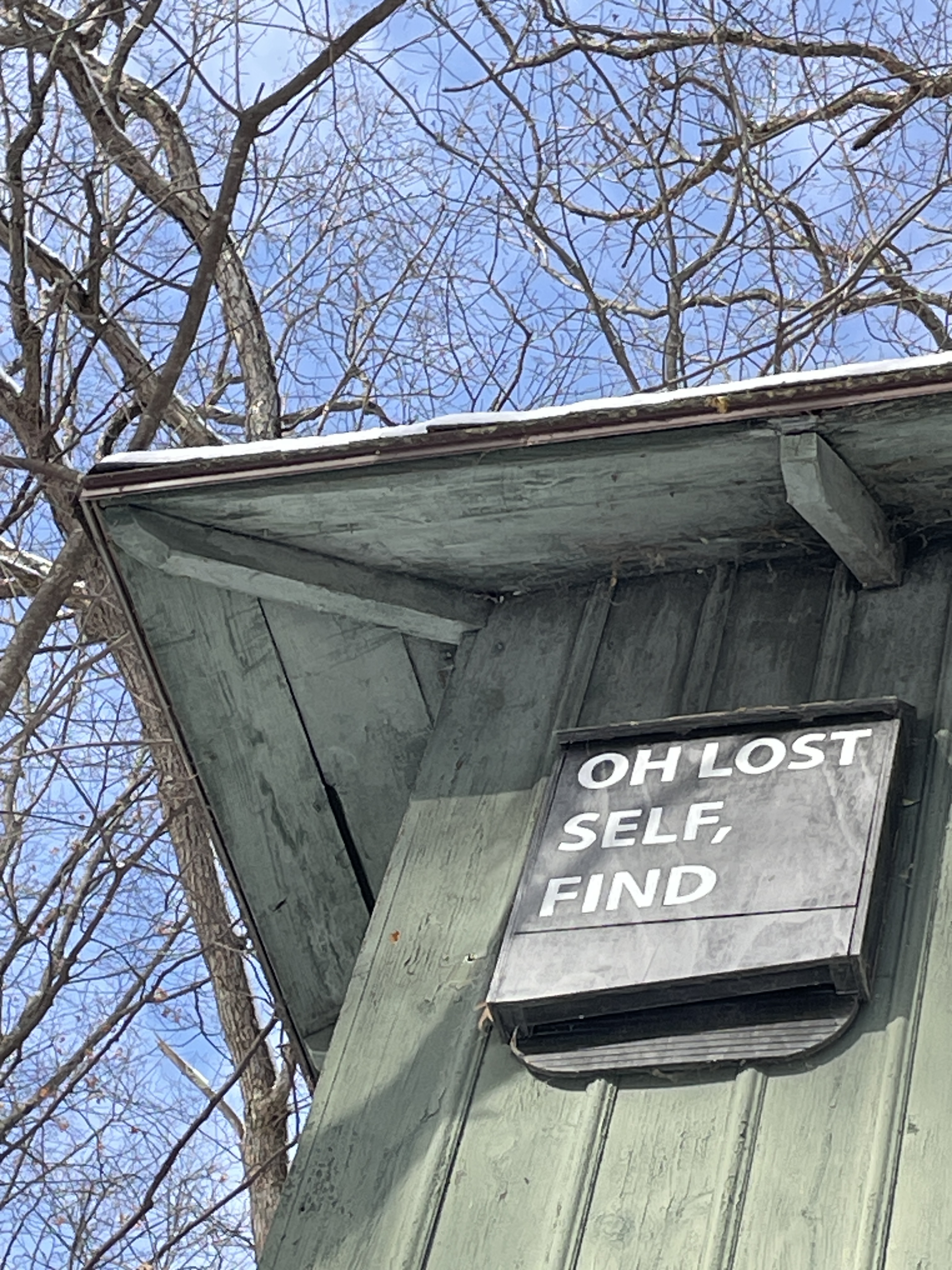
Petals. Okay, they happen to be cherry petals.
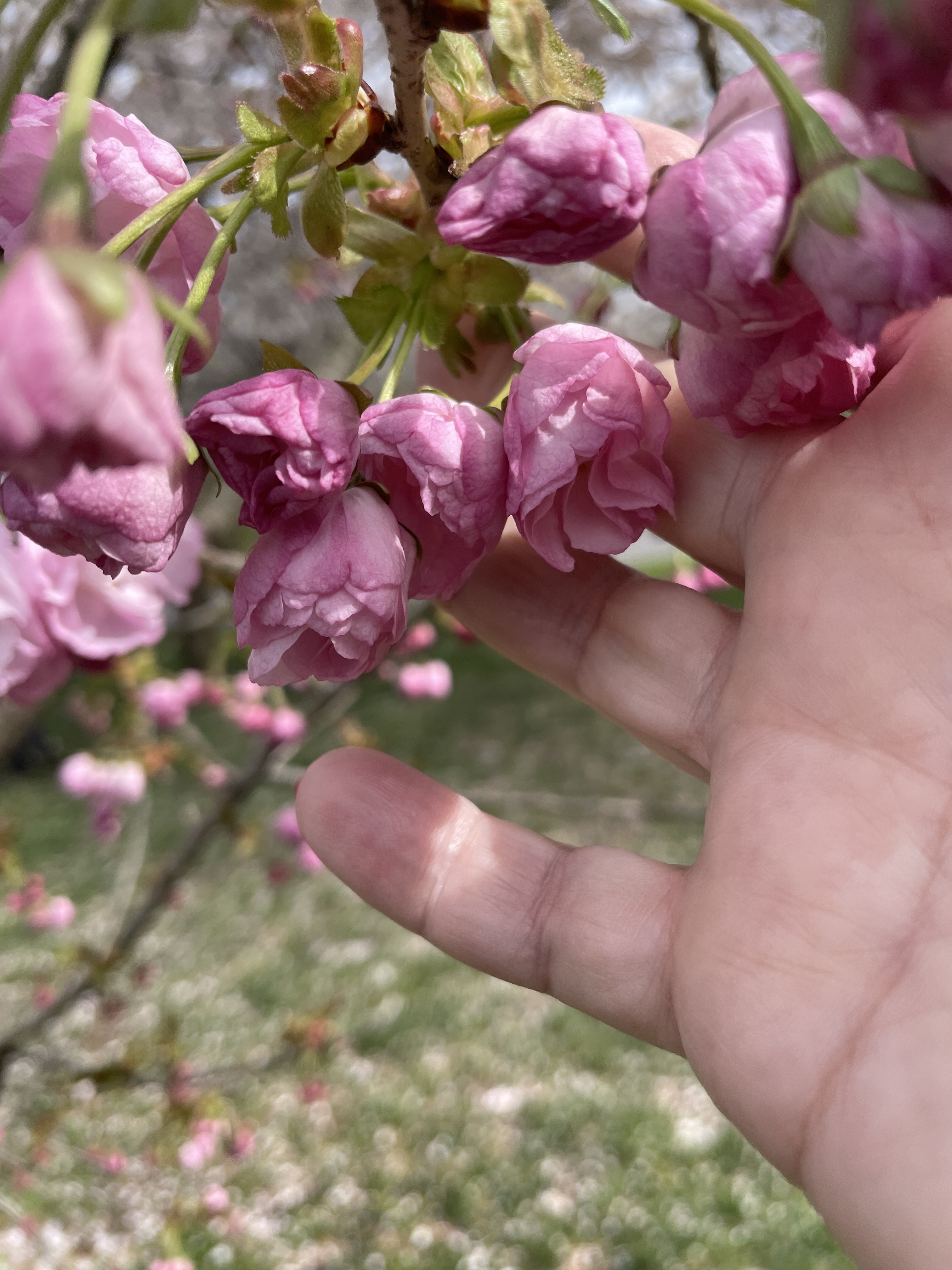
And everyone knows cherries to be extraordinary.

Look up, though. At the sky. Totally ordinary blue. Once more, Gertrude: I like a view but I like to sit with my back turned to it.

Go ahead, Gertrude. Just try.

10 Comments

Filed under Jean Zimmerman

Stumperies and critter holes and other mysteries

await at Untermeyer Gardens in Yonkers, New York.

Yes, the famous property — designed in 1916 to be “the finest garden in the world” — now features a Stumpery. The park once boasted sixty greenhouses. It’s still pretty nice.

Just what is a Stumpery? You would be well within your rights to ask the question, since not that many people in the U.S. are familiar with the concept.

The Stumpery is a fad in the U.K., especially among the pinkie-lifting crowd. You’ll find them in gardens at fancy estates, like Biddulph Grange Garden in Staffordshire.

Not so much here.

Perhaps that will change if enough green and other people get behind the idea.

We stroll down along the woodland trail to the Untermeyer Stumpery (say that ten times fast) on a recent fall day. We doddle along talking about lung issues, back issues, heart issues, arthritis, the usual. Nothing works for any of us the way it once did. Life’s not fair! On the other hand, these problems are doled out generally to people with the combination of grit and determination and sometimes wisdom to make the best of a not-so-good thing.

Which brings me to the Stumpery.

But first, the Garden’s other, more conventional features.

Untermeyer is a good place to go in October if you like grand old-old European beeches, so awesome.

Busy bees on ravishing dahlias.

End-of-the-season plants, all as beautiful as anything at peak season.

Newly restored tilework in the reflecting pools, gorgeous.

Rumi-native quotes surrounding it. Mind-blowing mystics.

Photo ops all around.

The usual ho-hum Hudson view.

And the peerless sky above.

But what most amazes us of all the amazing sights, the Stumpery.

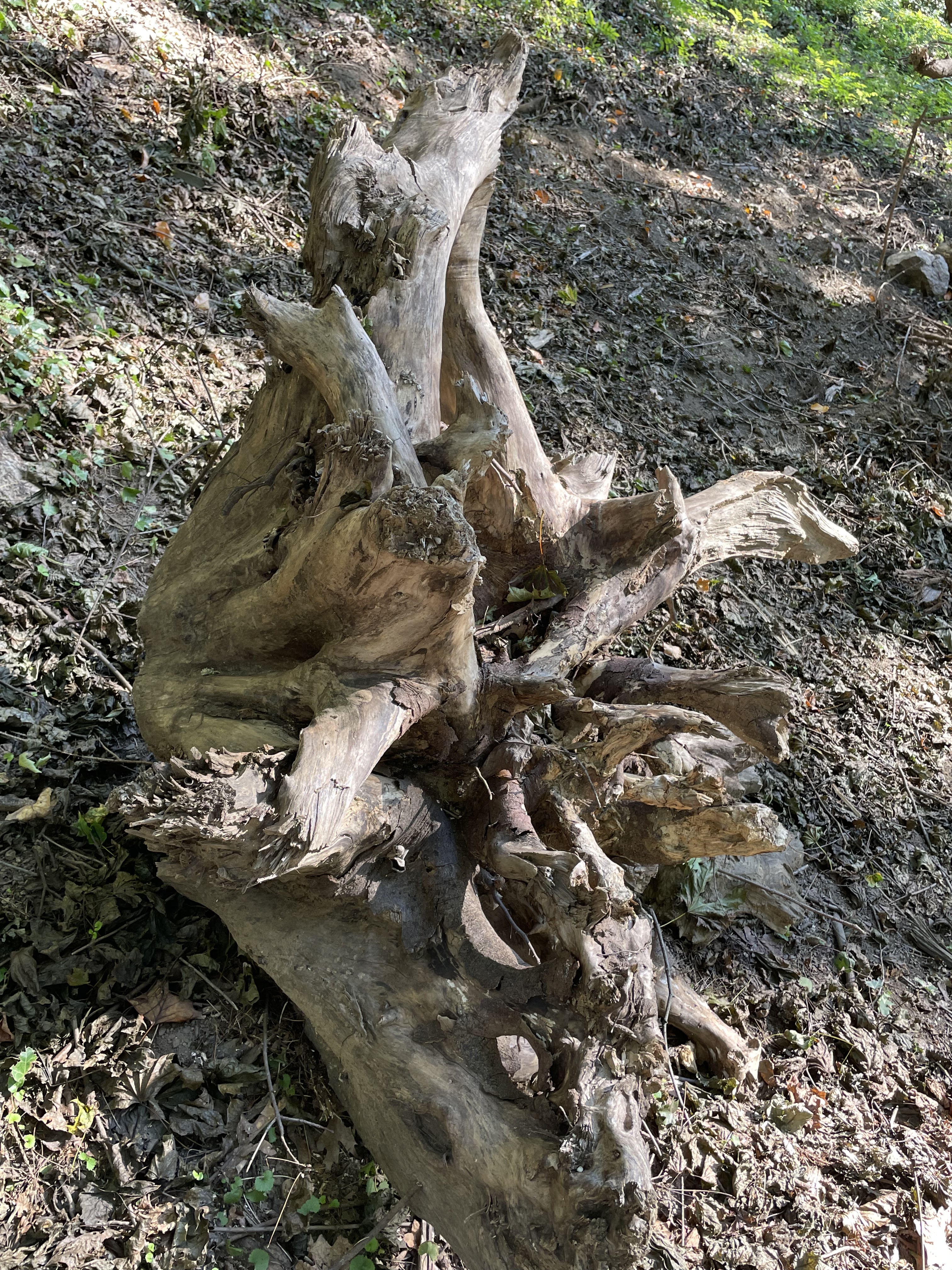
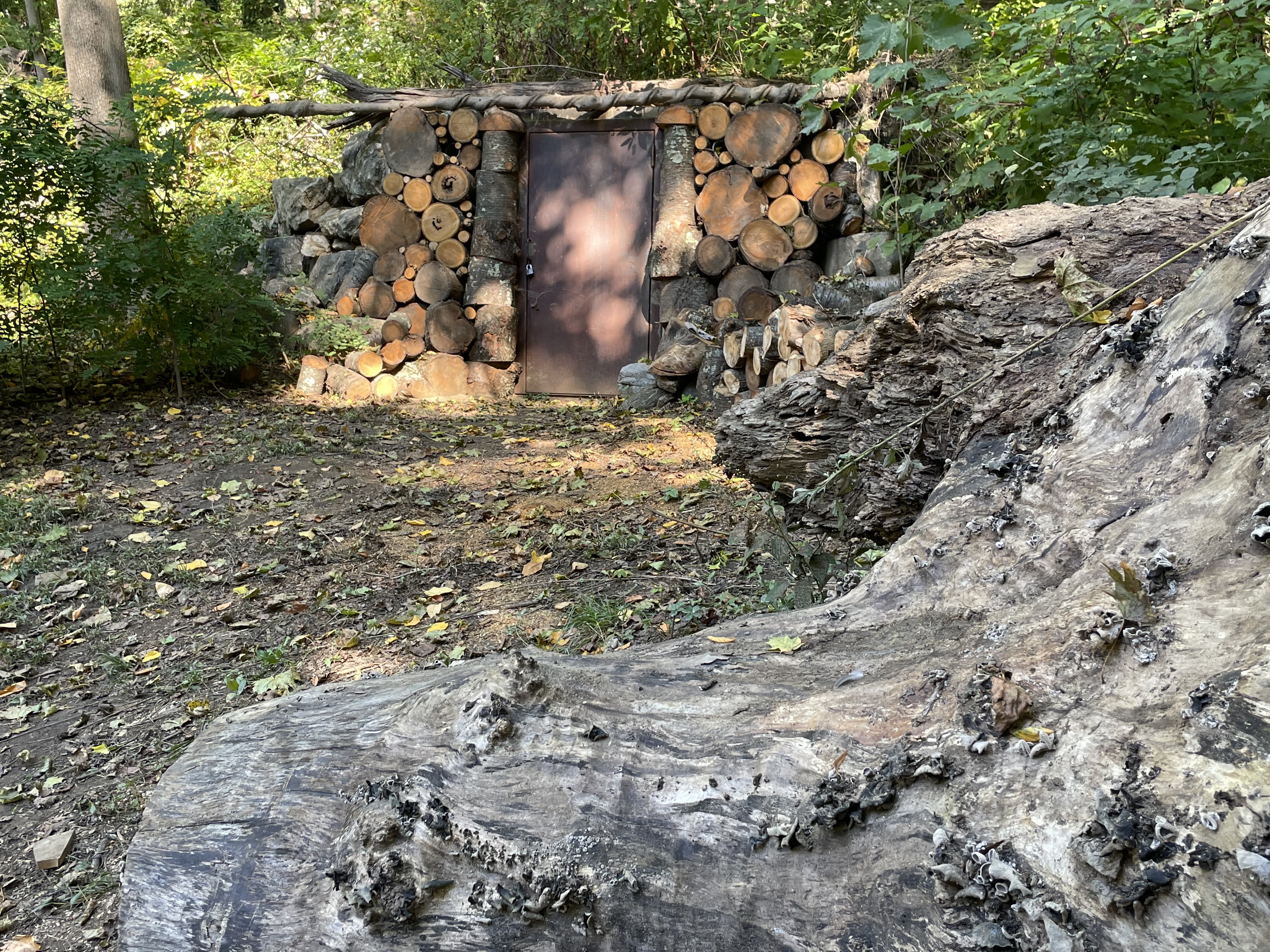
Big, gnarly specimens have been hauled to this wooded location and set up all around. Not just one. Dozens.  It’s like a fairy tale has been enacted in this forest.

One of us had been to see a stumpery in England and felt impelled to visit this one.

Will these guys eventually be planted with decorative greenery as is done in England? A mystery.

Who cares, actually? The stumps are perfect as they are now.

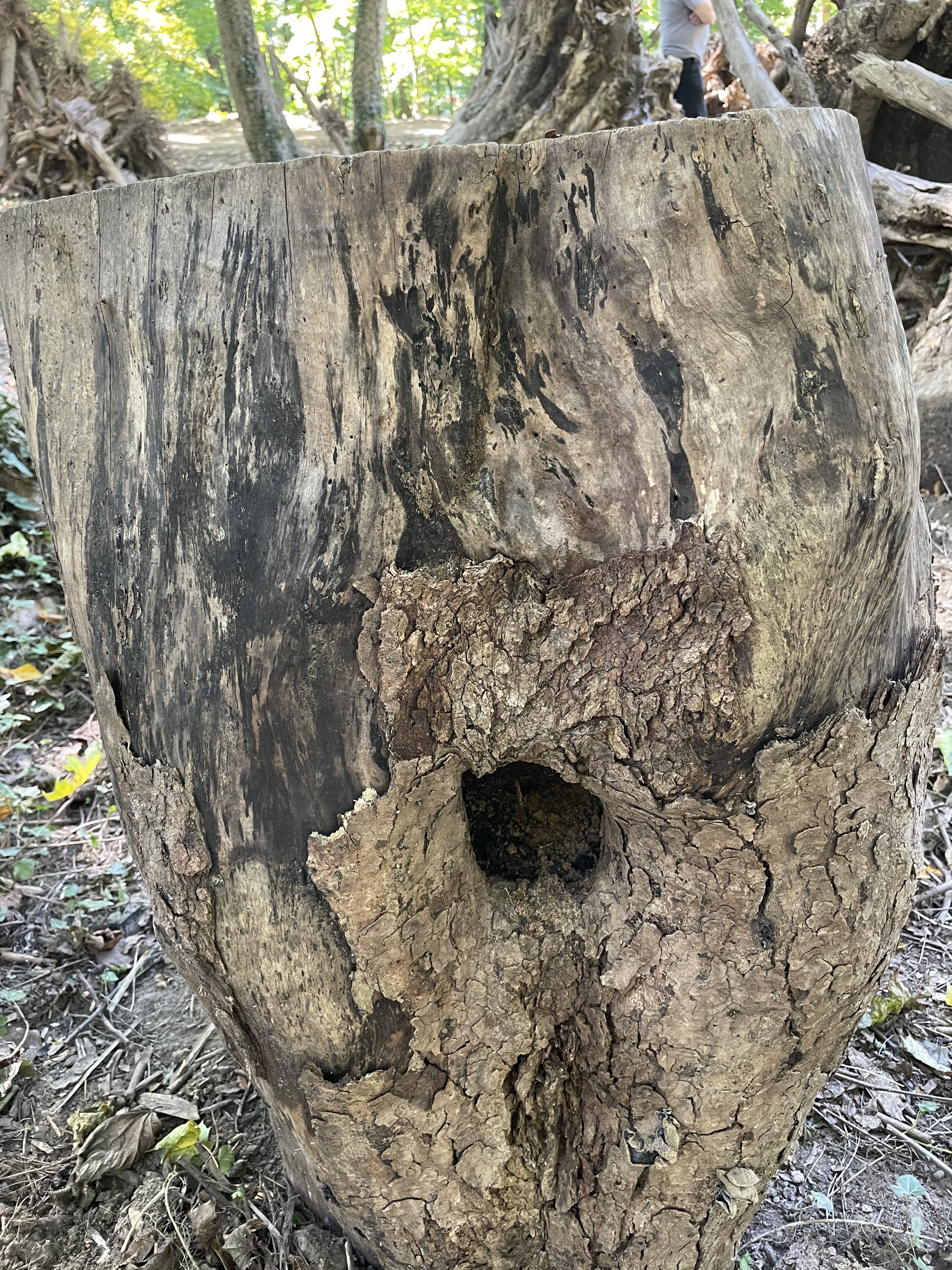
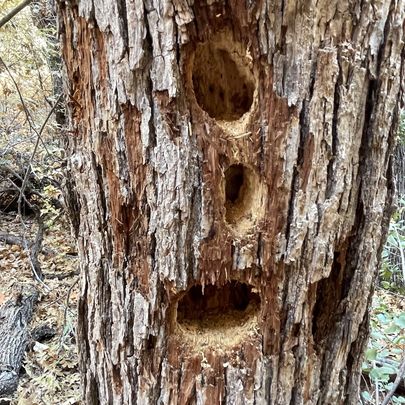
Which brings me to critter holes, another natural phenomenon sometimes taken for granted.

We notice more than one along the way.

Might I say a word on their behalf? I’ve often admired them, not only at Untermeyer but in so many other locales as well.

From upstate New York.

To Arizona.

And all in between.

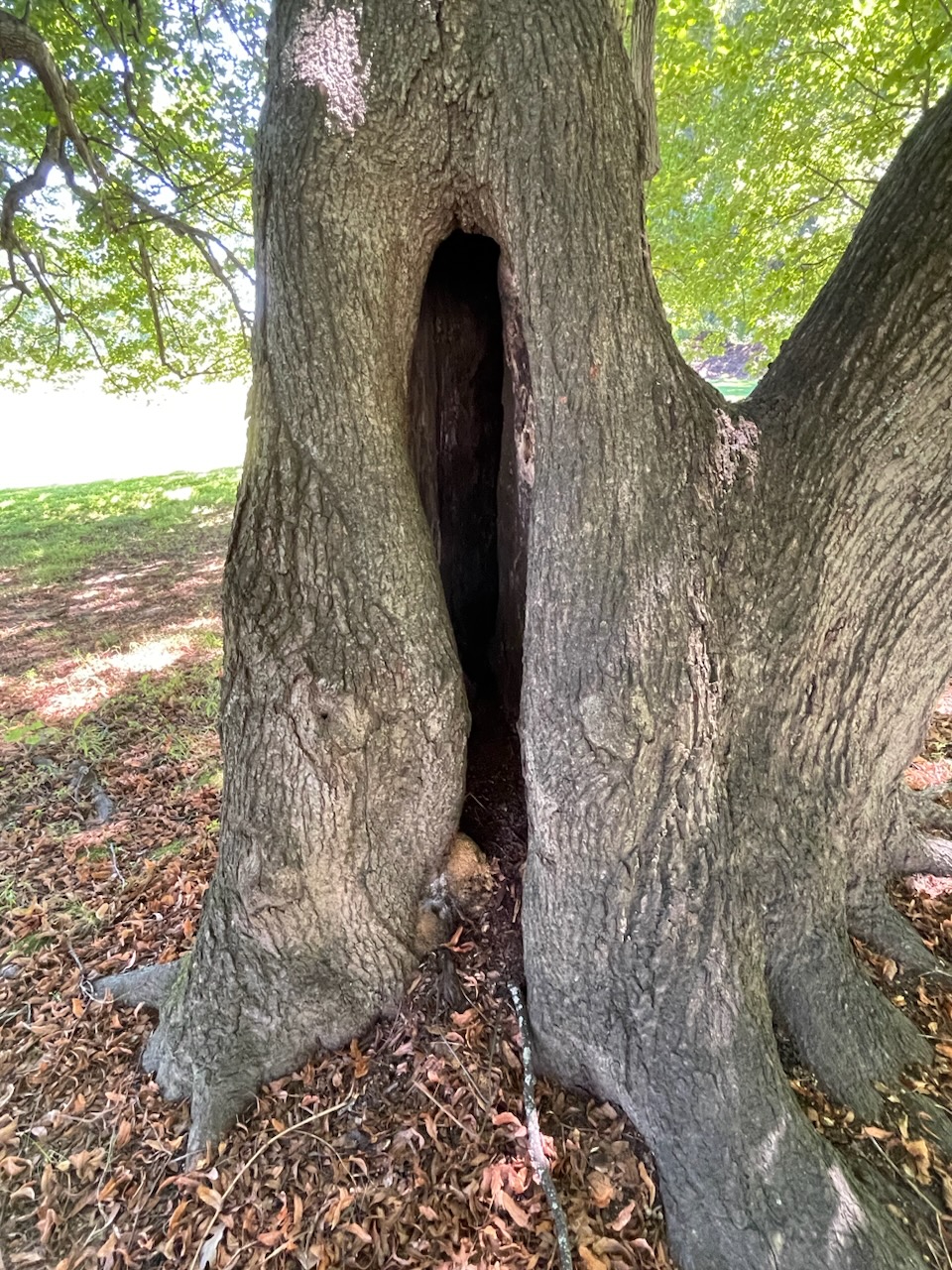
Holes in trees are okay, by the way. 

They do not mean the tree is going to fall over on a passerby.

Actually, according to experts I know, it’s the tree that appears perfectly healthy that might prove the riskiest in a storm.

When a tree is injured — say it gets hit by lightning or scraped by a truck or develops a cavity for almost any reason —  it does something ingenious, protecting itself by slowing the spread of disease and decay, actually forming “walls” around the injured area.

The walls run in every direction and help the tree survive. The process actually makes the tree stronger.

Then the cavity affords a home for an animal, or animals. So critter holes are actually more than just okay.

I’ve often thought my fondest wish — well, one of them, I have so many — would be to crawl into a critter hole. Anybody home?

Hiking up from the stumpery with my friends, we pass a newly restored wall that people have decorated with good-luck cairns.

Somehow I think all those magnificent stumps and critter holes are tokens of good luck as well.

As beautiful as any ho-hum pool blossom.

3 Comments

Filed under Jean Zimmerman

Bluebells/bluebonnets

It was the end of a long, warm, in-love-with-NYC spring day, but the New York Botanical Garden’s website promised carpets of bluebells, and so we went.

Question to the ticket taker: Do you know anything about where the bluebells might be? Ticket taker, sullenly, no (it was the end of a long day, after all). Question to guy wearing NYBG ball cap: Do you have any idea where the bluebells are? Answer: Another person just asked me that, but she was talking about the bluebells at the Brooklyn Botanical Garden, not this one. Question to NYBG employee number 3: Any idea where the bluebells are? His edifying answer: Oh, they pop up once in a while, but the Garden doesn’t do anything to cultivate them.

Oh. Gil said, Let’s go to the Ladies’ Border, see what they’ve got.

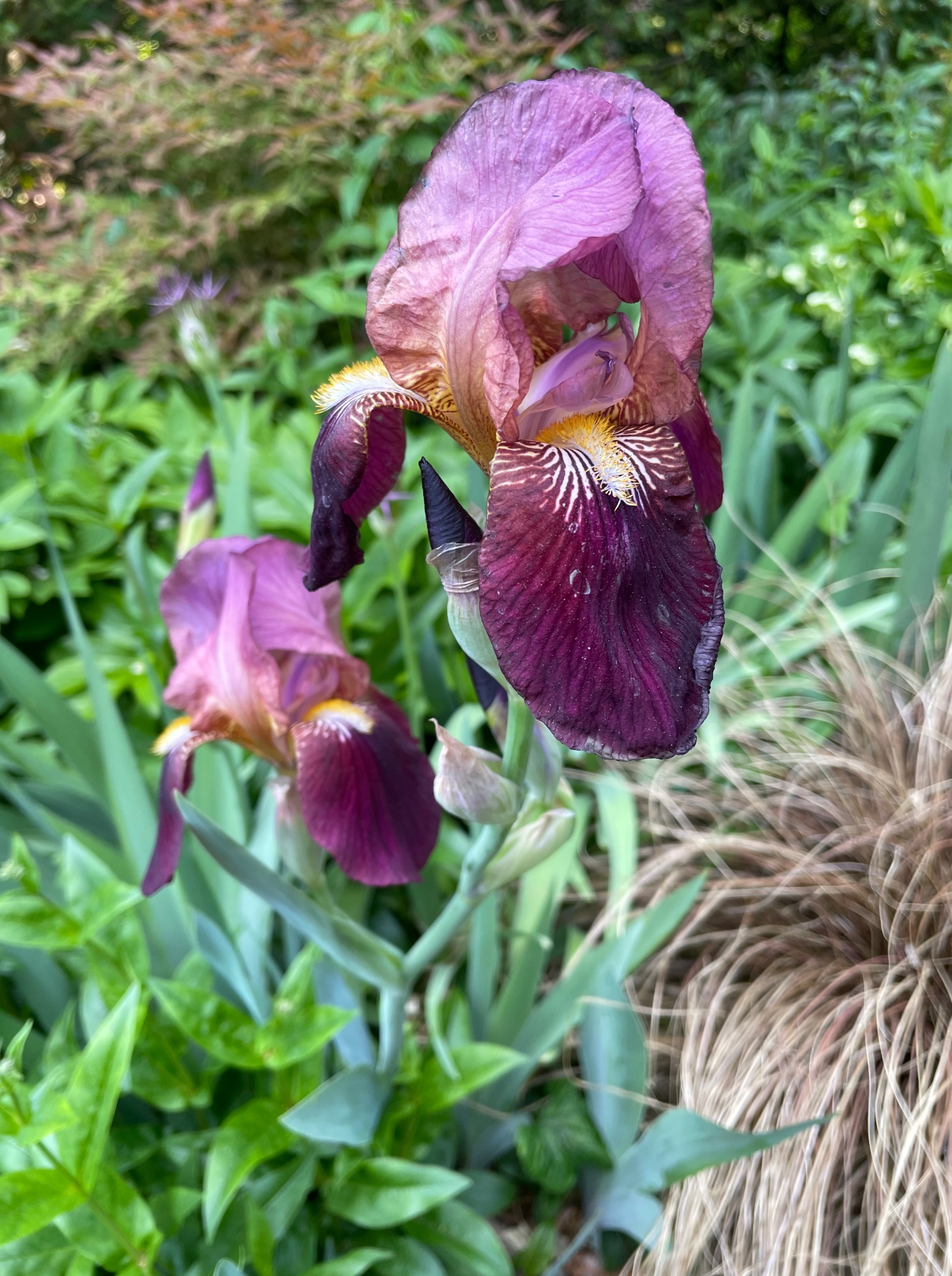
The Ladies’ Border is remotely located at the northeastern side of the Conservatory and we were the only ones there. It  had just about everything except bluebells. Different varieties of iris, eye-popping and more demure.

An exotic plant called a leatherleaf mahonia.

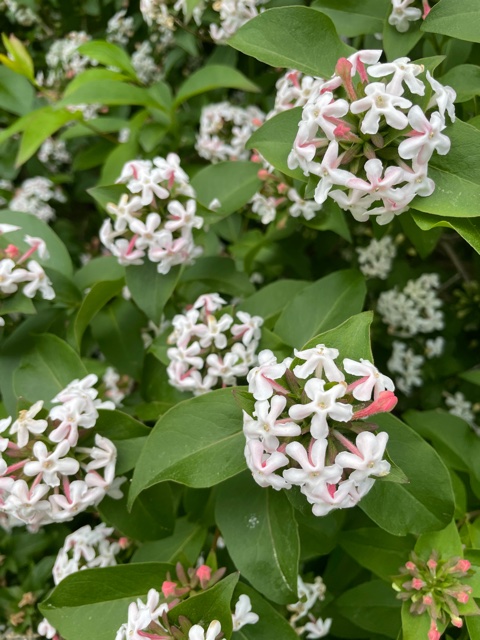
Something white and fragrant.

I am not sure what distinguished this as the Ladies’ Border. Yes, the vegetation was as lush, aromatic, exotic and fascinating as most of the ladies I know. I could see a few of us strolling along the border with parasols, spreading evil rumors about some of the men we know.  I’ve been reading Anthony Trollope, and the Ladies’ Garden could have jumped out of some of the great satirist’s pages. Actually, it was designed and created by landscape architect Ellen Biddle Shipman in 1920.

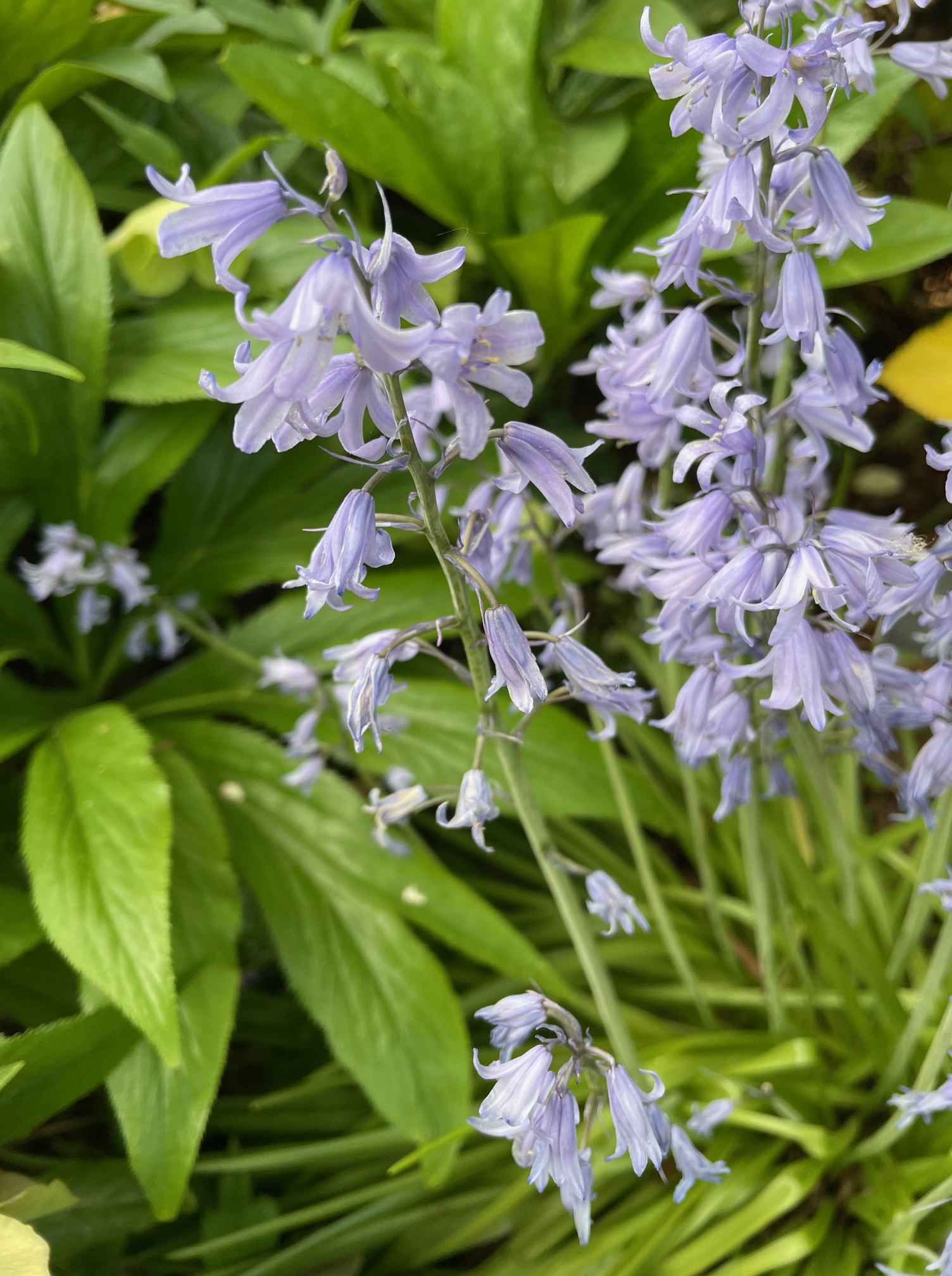
It was getting late. We headed for the exit. And there they  were, suddenly, with no helpful identifying placard: the carpet of bluebells, vivid beneath a massive old hackberry tree. They had “popped up” by the parking lot, and nobody but us was paying them any mind. They were a surprise, like all precious things.

I wanted to hear Emmy Lou Harris and Willie Nelson sing so plaintively on Gulf Coast Highway, a song that references another blue flower, the bluebonnet of Texas. I think I thought that’s what I was going to see at NYBG. The duet tells the story of “this old house here by the road” and the couple that spend their life there, and the chorus repeats:

And when we die

We say we’ll catch some blackbird’s wing

We will fly away to heaven

Come some sweet blue bonnet spring

So sad, so beautiful. The Texas blue bonnet was named for its shape, which resembled the bonnets worn by hardworking pioneer women to shield their faces from the sun. How would they have liked the Ladies’ Border or the bluebells we finally found?

1 Comment

Filed under Jean Zimmerman