Tag Archives: Catwalk

I recently went for a saunter

(taking a cue from John Muir, who preferred the word saunter to hike) in the largest old-growth tract in Dutchess County New York, the South Woods at Montgomery place in Annandale.

It was called the Spirit Wood by the Indigenous people who occupied the land before the Livingston family bought it in 1802, with its never being touched a stipulation of the sale.

Montgomery Place is famous for the locust trees which grace its arboretum grounds, massive, hundreds of years old.

They are stalwart, magnificent. The gardens could almost knock a person over with their fragrance.
But I found myself more knocked out by the South Woods trail. All around me I saw waves of emerald fern.

 Moosewood.

Sweet birch.

And the tangled lace of dead tree blowdowns.
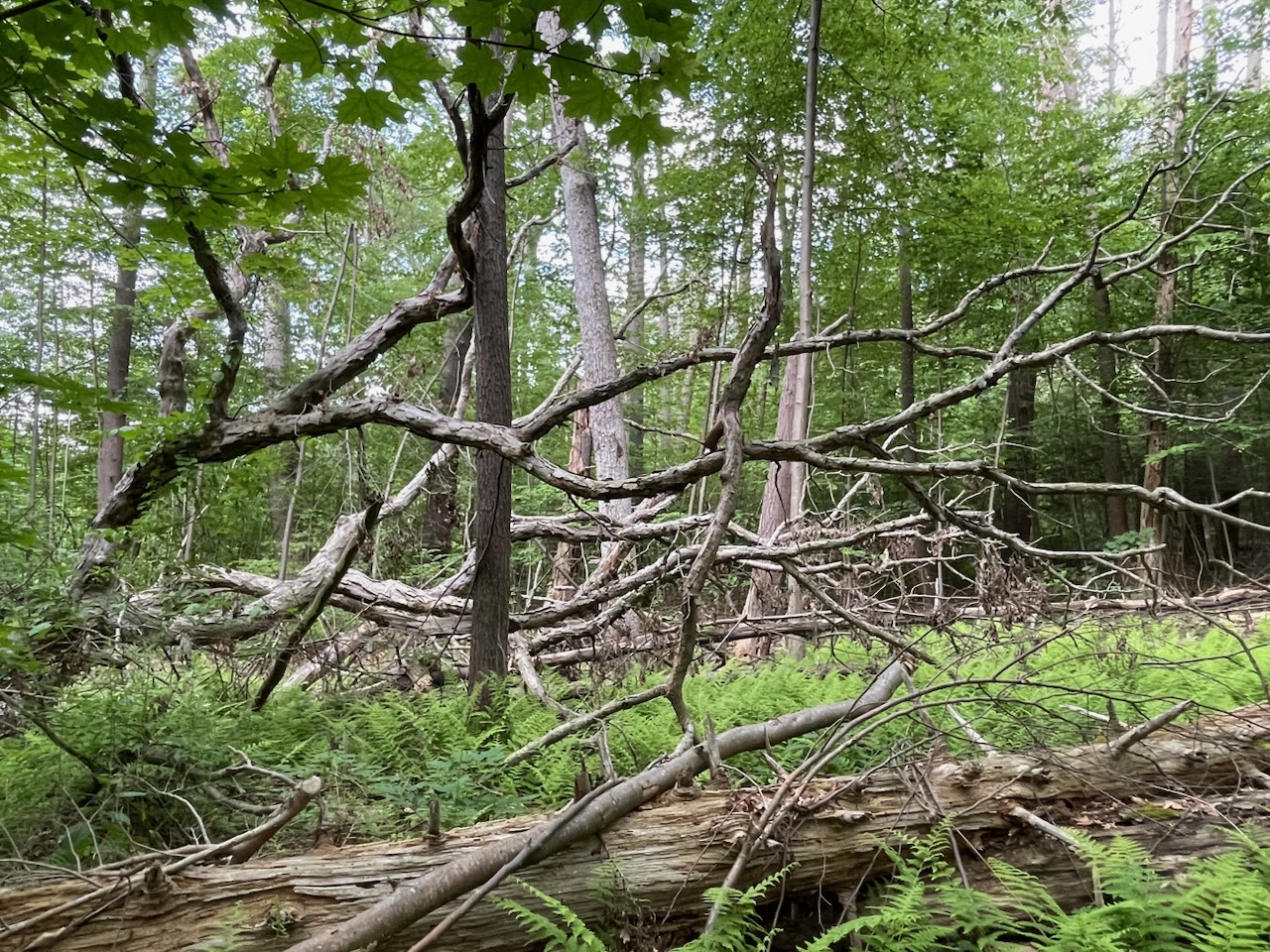
The air smelled like cinnamon. I heard nothing at all but mad birdsong in the branches seventy-five and one hundred feet overhead. There were baby oak groves.

I saw plenty of critter lairs.

A wise old locust stood by the path.

The experience further fueled my excitement in writing about American woodlands.
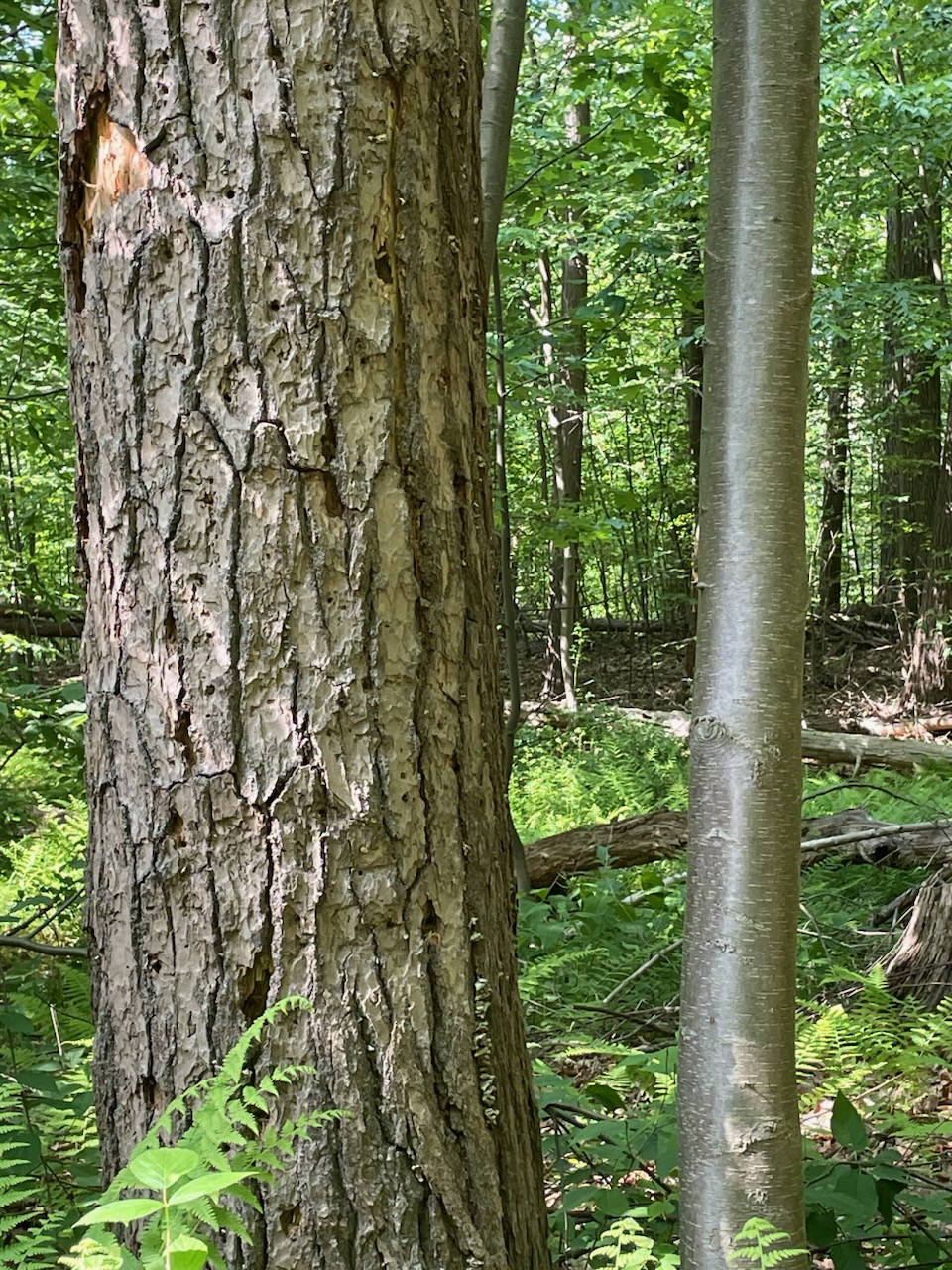
Researching my book, spending time with arborists and learning as I go, I have asked myself: Why does it matter if a person can identify a tree by name? Does that knowledge make the tree any more beautiful? The South Woods could amaze anyone who follows the trail down to the Hudson.

Steps still exist from when the Livingston family built them. I imagined Janet Livingston lifting the hem of her long skirts to dip her privileged toes in the cold river water.

When you hear bird song you need have no compunction to determine whether the call is that of a blue jay or a redwing. As Shakespeare has Juliet say, “What’s in a name? That which we call a rose by any other name would smell as sweet” That is true. He was, after all, Shakespeare.
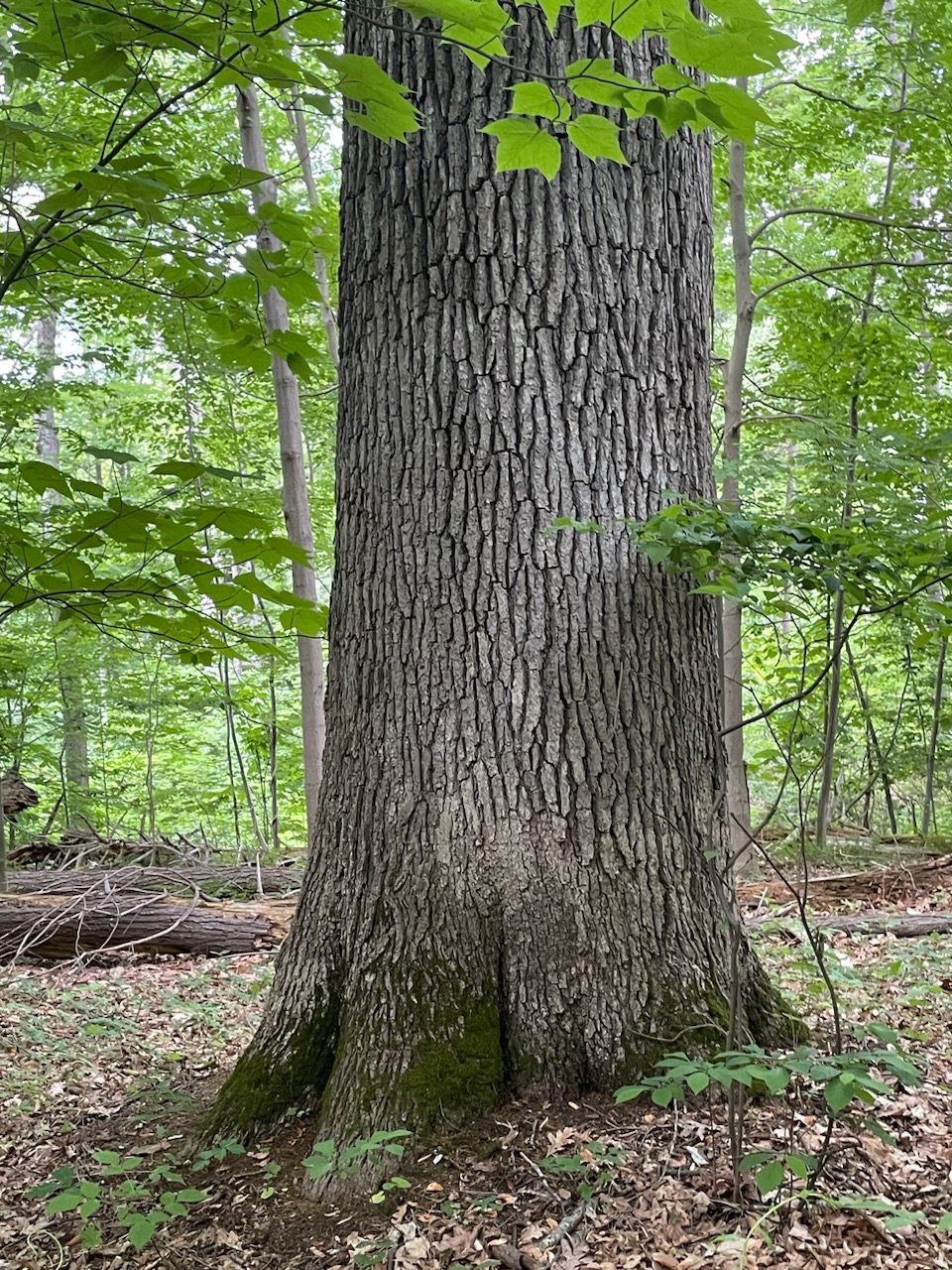
But still, I think it matters a great deal. I recently walked with a couple of urban foresters, Aaron and Russell, in the thick woods of New York City’s Van Cortlandt Park. The Park contains a surprisingly dense 800-acre patch of mature forest that has been deemed “forever wild” and which lies untouched at the very northern tip of the Bronx. Yes, this is New York City.

We were nearby as part of a tree symposium in neighboring Yonkers. We snuck off through a chain link fence that bordered the park during one break in the proceedings to saunter along a shady trail.

Russell said, “Fantastic pignut hickories here!”

I was jealous of his knowledge. And elated when I came to know Carya glabra’s smooth, compound leaves, its tapering trunk, its narrow crown, even more so when I learned some context. The tree’s savory fruits are irresistible to squirrels, who share these urban woodlands with owls and woodchucks, snakes and coyotes and opossums. Also that the tough yet flexible wood made it invaluable to early American settlers who used it for wagon wheels and sulkies. Pignut hickory is stronger, it turns out, than steel.

Sound nerdy? Heard. Perhaps a shade of what in my writerly household we call “rapture of the deep.” Literally, the phrase refers to the effects of inert gas narcosis, when scuba divers breathing compressed air exhibit symptoms of intoxication. Such euphoria compromises the ability to think straight.

I want my book to offer readers a personal, primal, history-nuanced connection to trees and, in a larger sense, to forests. Let’s develop a new, intimate, vital relationship with the specimens that we see all around us every day and yet that we sometimes take for granted.

These days, spending time writing at the artists’ retreat in the Hudson Valley called Catwalk, it has struck me as simple: People might not be getting all they need to understand, all they’d love to know about our woodlands.

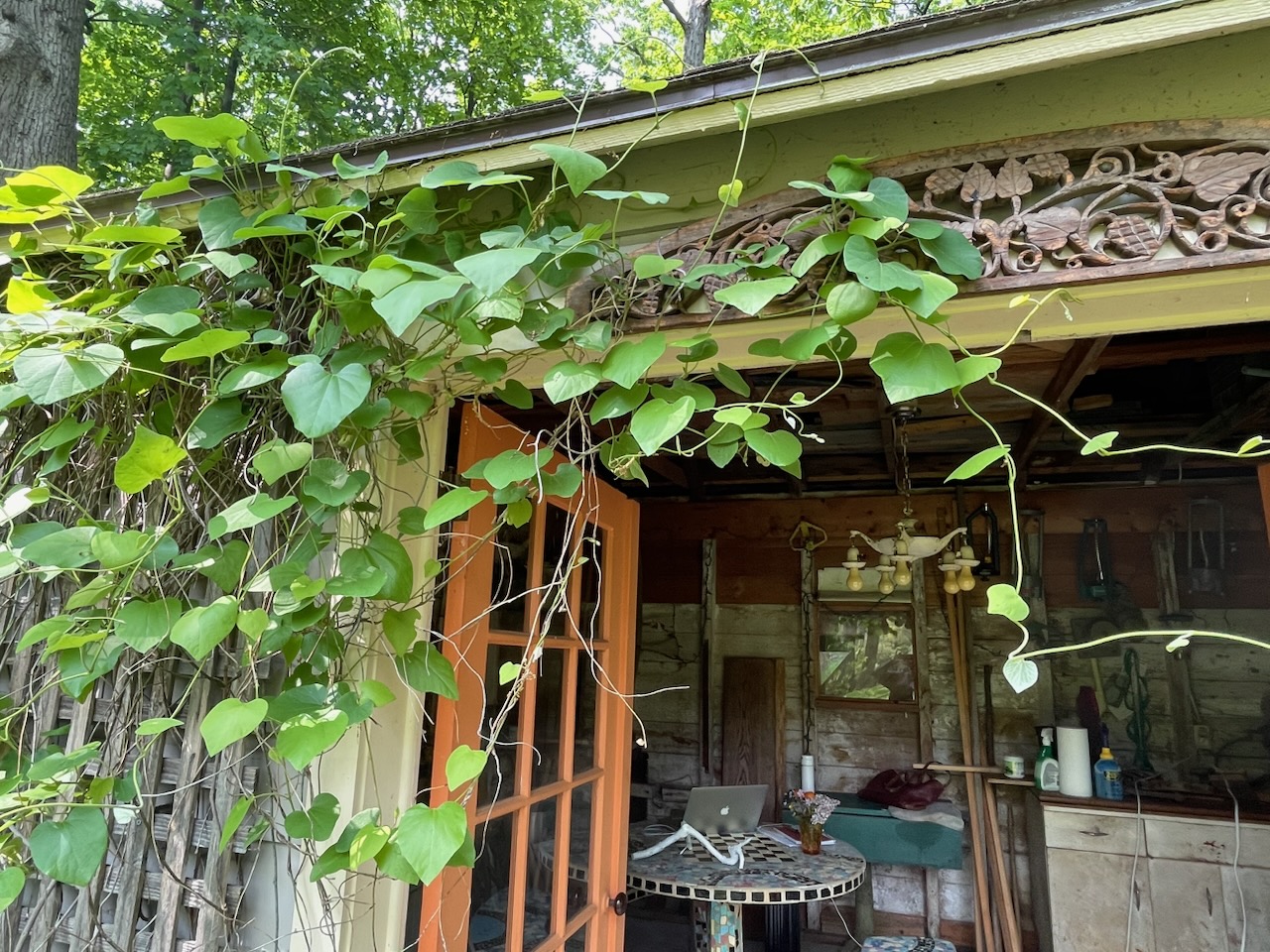
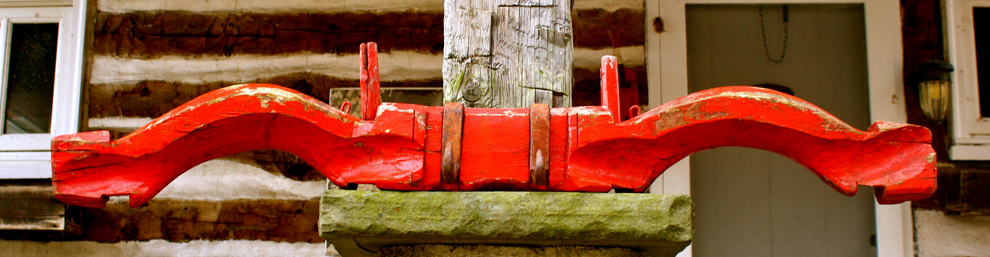
I work in a garden shed, a little spot filled with dusty, magical old objects.

Farm implements from when this estate had a different life.

There is perfect light here.

And a lawn outside planted with gracious trees. Other Fellows have dropped in to visit. I toured filmmaker Charlotte around the property that is visible to all every day but has secrets as yet unplumbed.

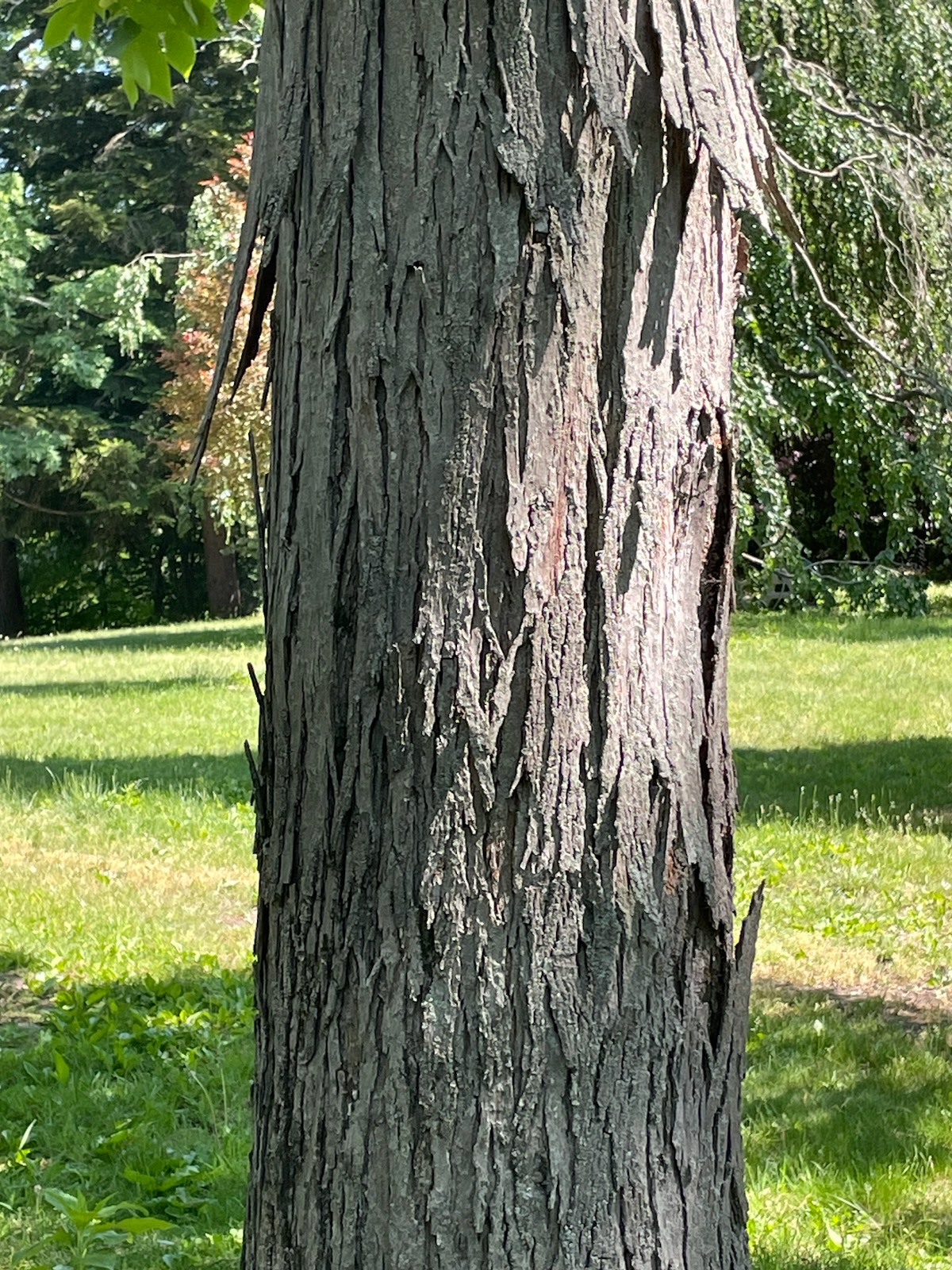
We talked as we walked. Charlotte observed details. The shaggy bark of the shagbark hickory, a perfect example of iconicity.
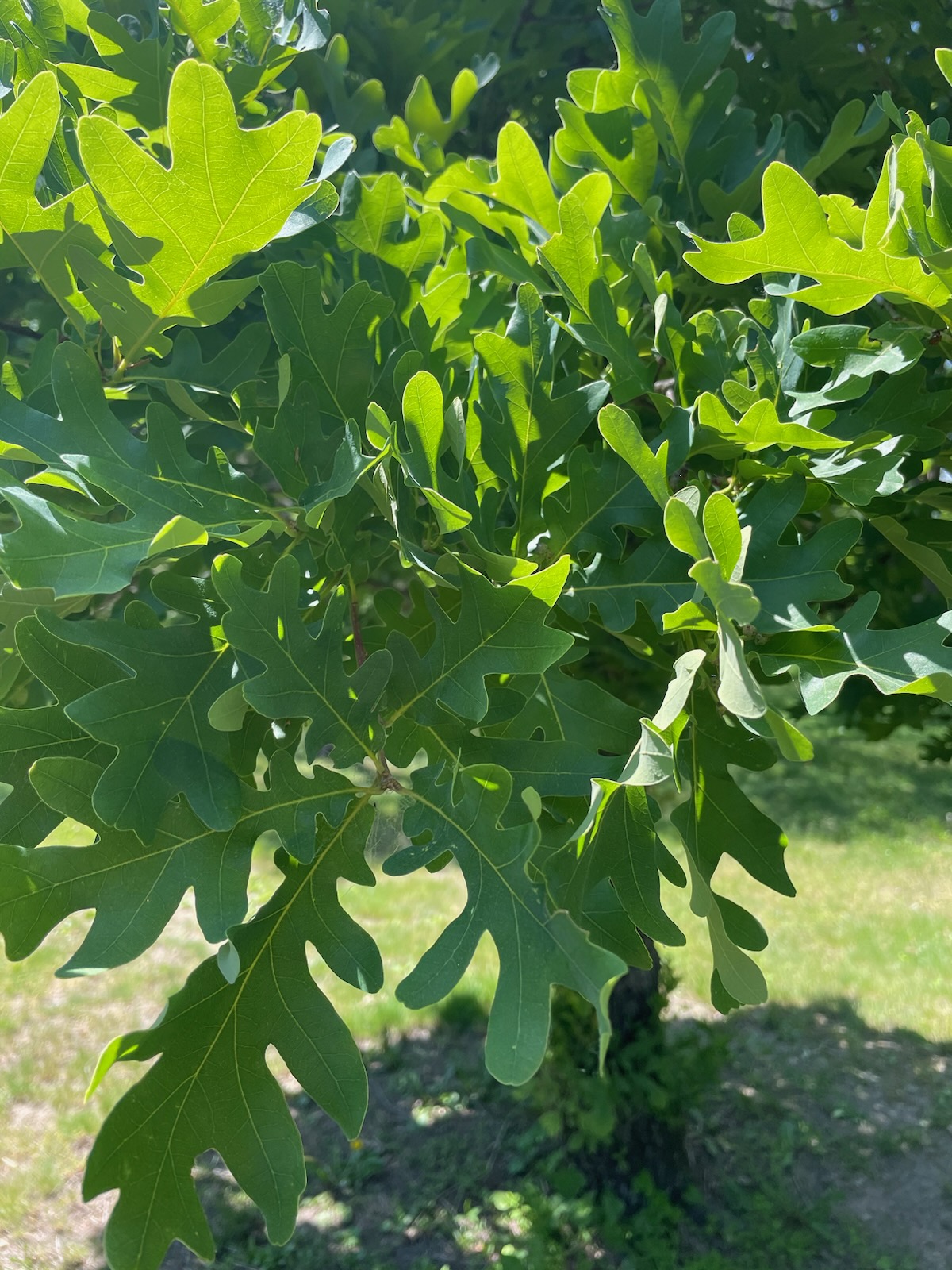
New leaves of a white oak, each fresher than the next.
The heavy hanging catkins of a black walnut – did you know that its roots produce a chemical which caused the failure of that ruined old vegetable whose remains you see here?

The so delicate flower of the Chinese fringe tree.

A weeping beech, its silvery bark glowing under a fall of branches.

Charlotte said, The branches of the trees look like an old man’s limbs.

We saw the elegant stitches on a cherry’s trunk called lenticels; no other tree has them. We examined the stone wall that borders it all.

They remain intact from the nineteenth century, when farmers cleared the trees and removed the rocks from fields and pastures, and expert masons assembled them without mortar.

Being here I have been inspired by commonplace things: chipmunks that scurry into a hidden corner of the shed to store nuts, a robin that hunts for inchworms just outside, the hummingbird hovering over the salvia, dipping its beak quickly but with religious fervor.

Down the way in the catfish pond, a school of whiskered fry bent on survival spook when I come close, and dive down into the drink below the dock.

The head of a cattail… there are, I believe as I write this, no words to describe it.

A mama turtle diligently digs out a hole using her tough hind legs. Later she’ll drop in the white jelly bean eggs.

The spider’s intricate web fascinates me.

She enlarges and repairs its concentric circles every day. In the afternoon I see the tiny gnats she’s trapped, and in the morning they’re gone – she’s consumed them all.

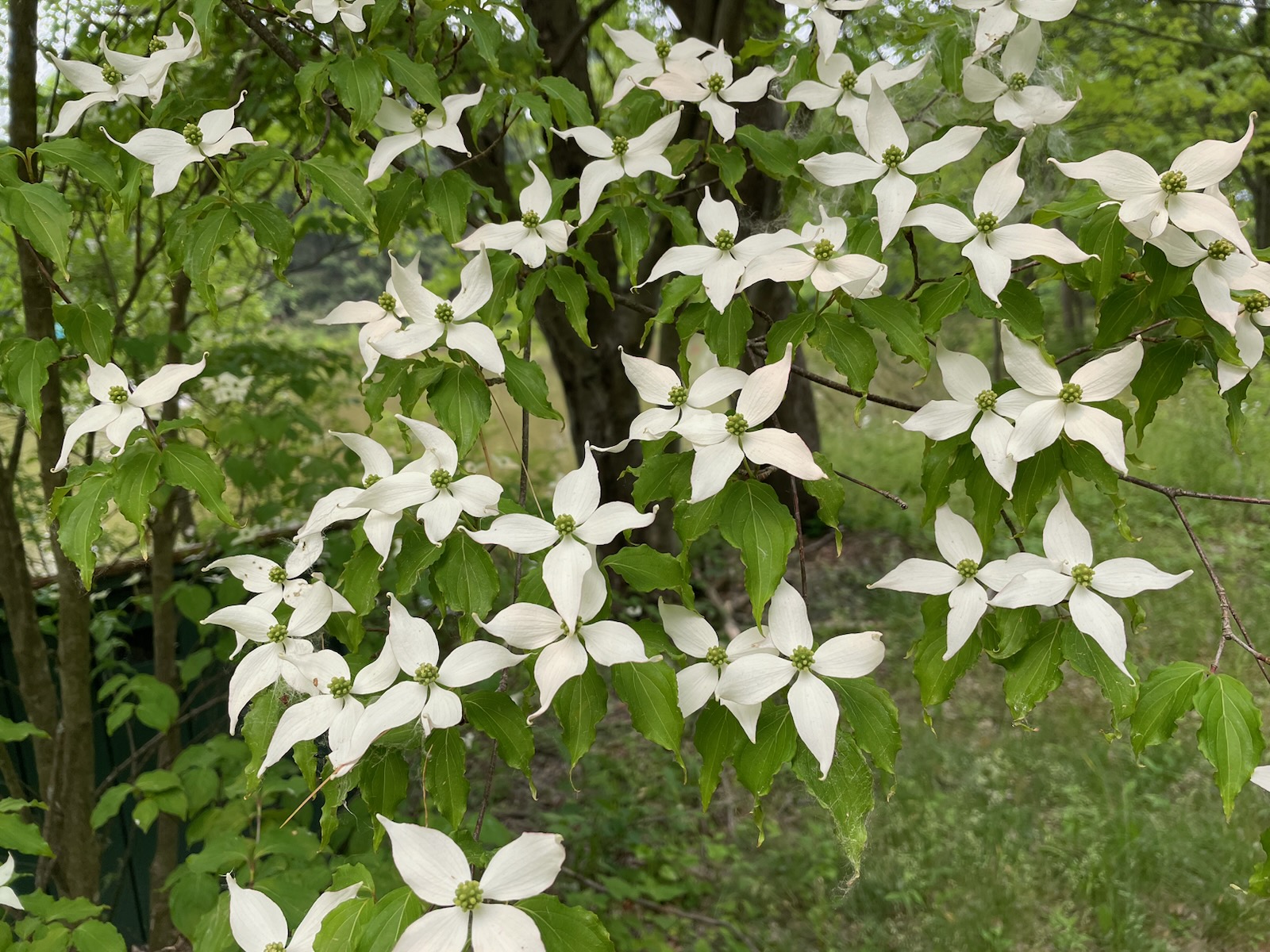
Is there anything more pristine than bracts of dogwood? Perhaps I do have rapture of the deep. But it is rapture nonetheless.

And that’s always a good thing, it seems to me.

Leave a comment

Filed under Jean Zimmerman

I greet the trees

on my regular saunter around the Catwalk estate.

John Muir preferred the word saunter to hike.

Guess what? Have you ever had a wonderful dream, then woken up, then fallen back asleep and had the same wonderful dream continue?

That’s what I feel like. Catwalk called and said someone had canceled for the next session. Would I come back?

What do you think I said? I’m back in paradise for another two weeks.

I must have done something good at some point to deserve being in the presence of this fresh young white oak.

So I amble around, revisit my favorite sights.

The monster red oak poses for me.

The trees always look the same, I can rely upon them. Yet somehow different. Even the grass here pops, holding its cup of dew.

The beech’s silvery trunk more elegant each time.
Chipmunks scurry. Hummingbirds – too fast for a picture! The meadow. The air smells like cinnamon.

The meadow grasses.

Ever lush.

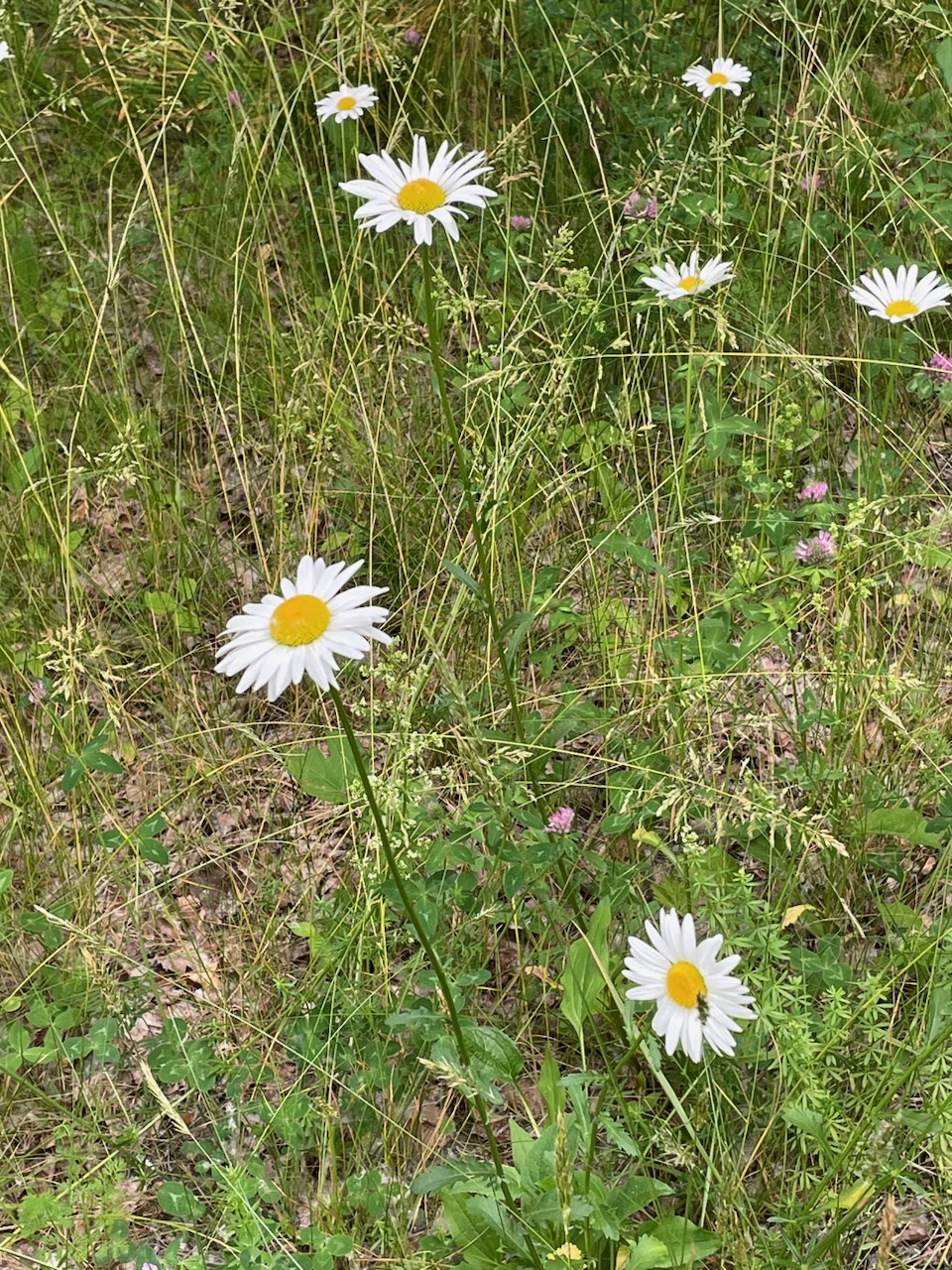
Each flower has a name.

Must I know them all?

I identify them.

Then forget the name.

Does it matter? Everyone knows a daisy, if they know anything at all.

Perfect wet rolls off the leaves. They don’t know how beautiful they are.

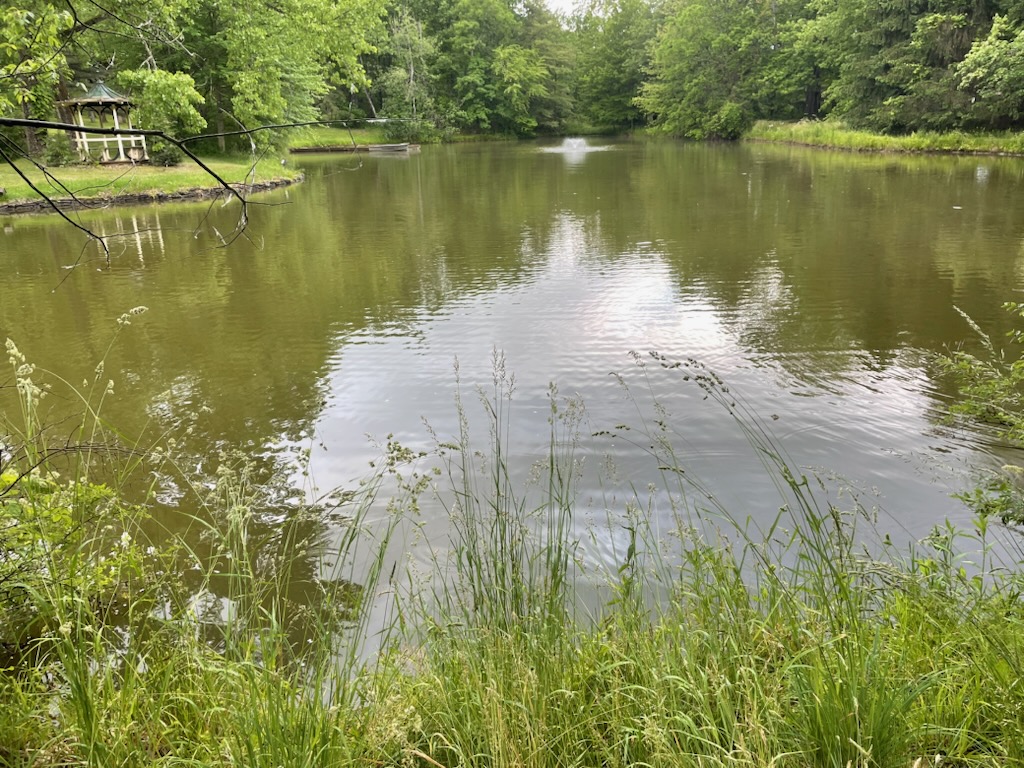
The ponds. First the catfish pond.

Then the frog pond.

A cattail, ready for her close-up.

A redwing blackbird calls. I meet up with a painted lady after she dug a hole for her eggs but before she laid them.

I tiptoe away so as not to disturb her further.

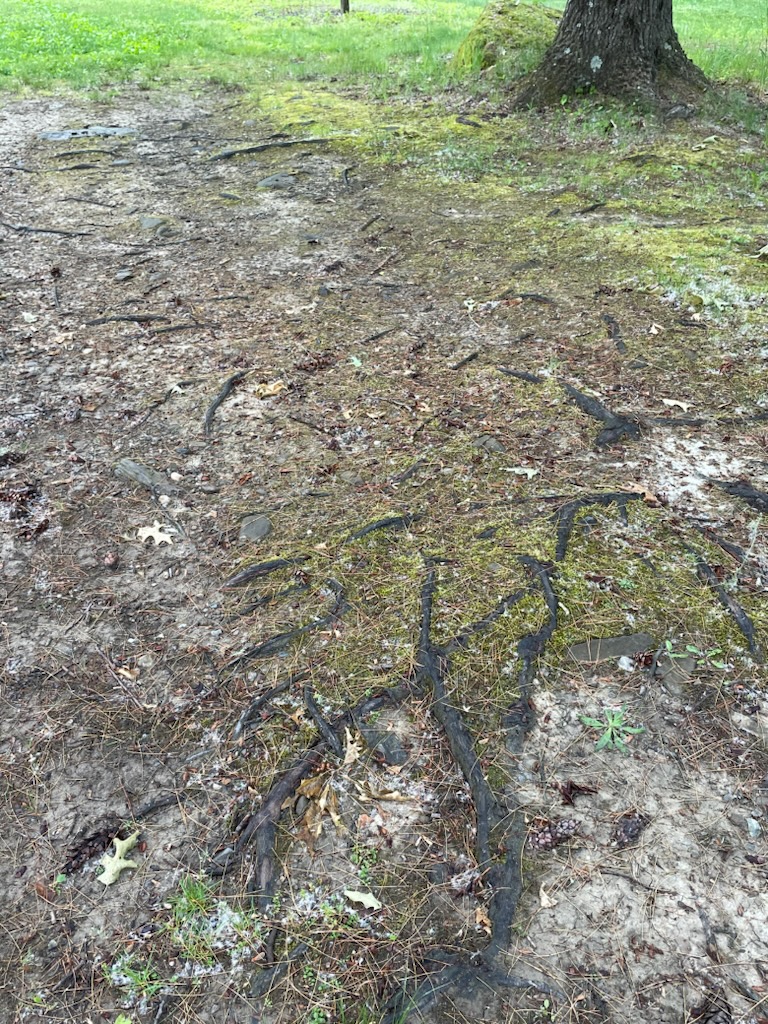
I see x’s and o’s. The x’s roots on the ground.

The o’s happy critter habitats all around.

Lichen on trunks.

Mossy, venerable stone walls, built at two hundred years ago to last.

More trees, characters like this leaning sweet birch, I have to stop for it each time I pass.

Mysterious sculpture made by someone I don’t know, sometime in the past.

Statuary. This strange creature.

Look a little closer.

Closer still.

Dogwood, its new bract spangles.

I wind up at my garden shed, my sanctuary. Filled with dusty, magical old objects, perfect light.

And the lawn outside with its gracious trees and a spooky circle of chairs.

The spider web, still here.

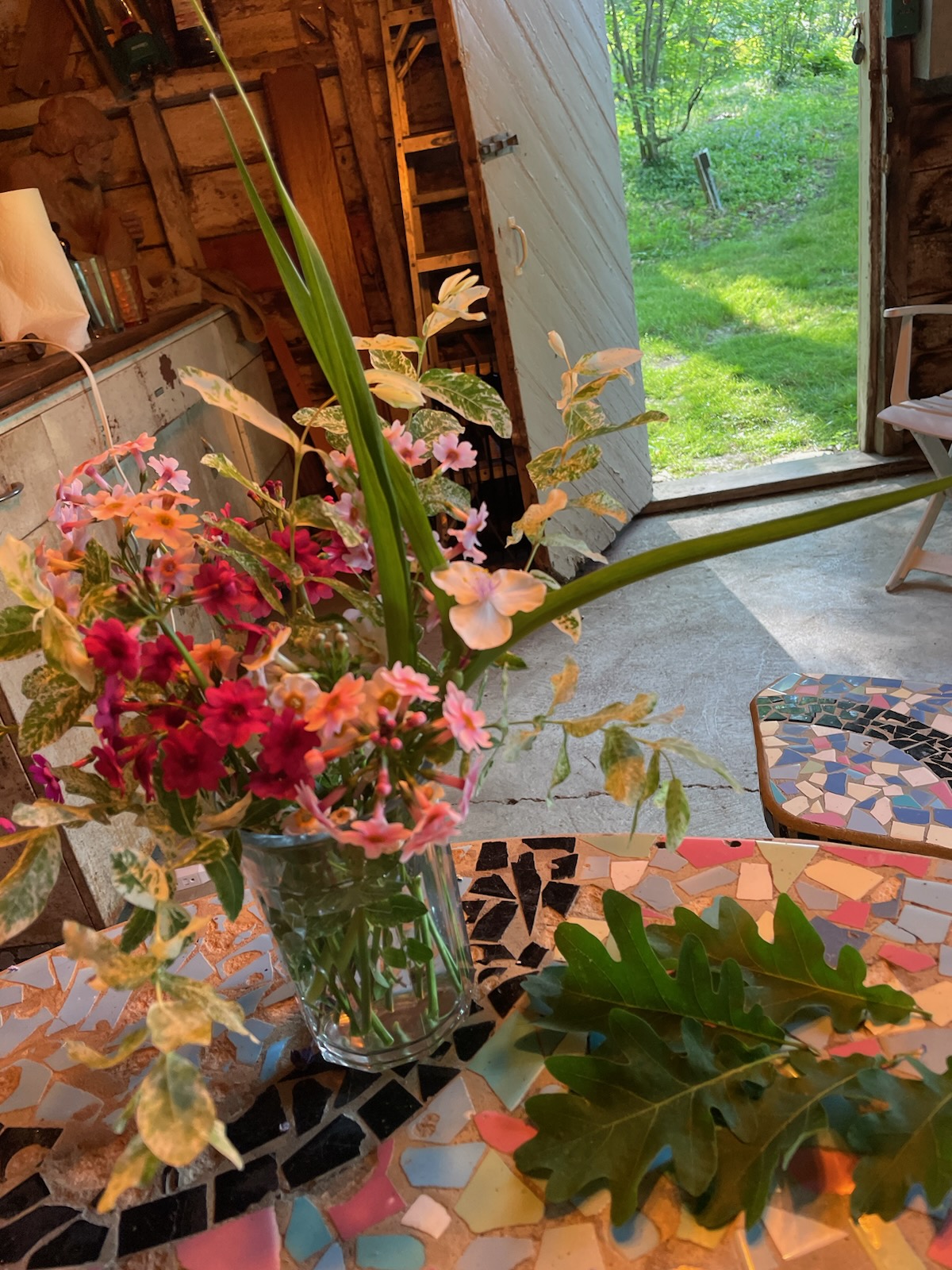
Recently I had some guests over for sugar cookies and oak leaf favors, good for book marks.

Introduced them around to some of the trees. Bur oak, I think? Or shagbark hickory? This is a good place because it reminds me I don’t know everything. I want to lose my arrogance.

The heavy hanging catkins of a black walnut. That I know.

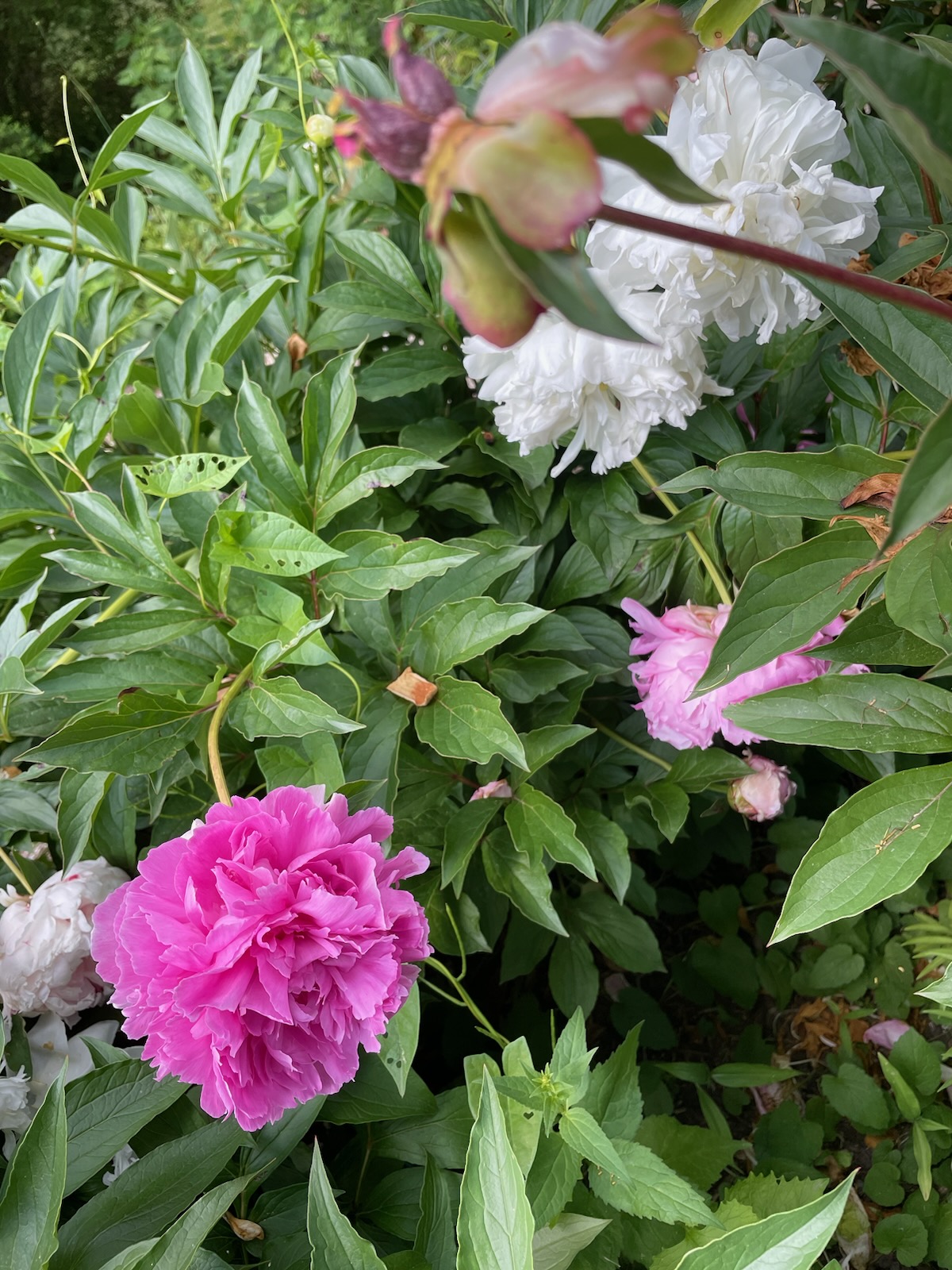
Come back to my living quarters, stick some peonies in a glass. Glad to be back.

Time to write.

2 Comments

Filed under Jean Zimmerman

Trouble, trouble, trouble. Trouble.

Really?

How can you complain when you find yourself in the most beautiful place on earth? Can there really be trouble in paradise?

It’s like this.

I got some feedback on a just-drafted chapter from someone I trust. He said what I wrote was not perfect. It’s hard to write about nature when you’re in the presence of natural perfection. And manmade perfection, in the form of a perfectly built old stone wall. Can I produce anything that good, that lasts that long? Probably not.

I take my seat in my writing garden shed.

Inspire myself with some of the flowers that grow just outside.

Say a few words to my shed-mate Giselle.

Woe is me. Write a while. Dreck. Go outside.

Admire a few simple flowers.

Visit with some trees. The shagbark hickory. Its new leaves are the most incredible shade of green.

Look up at the black cherry. How tall is that thing anyway?

Marvel at a tangled fall of shattered silver maple against a bewildered black gum. Human-produced sculpture doesn’t get that good.

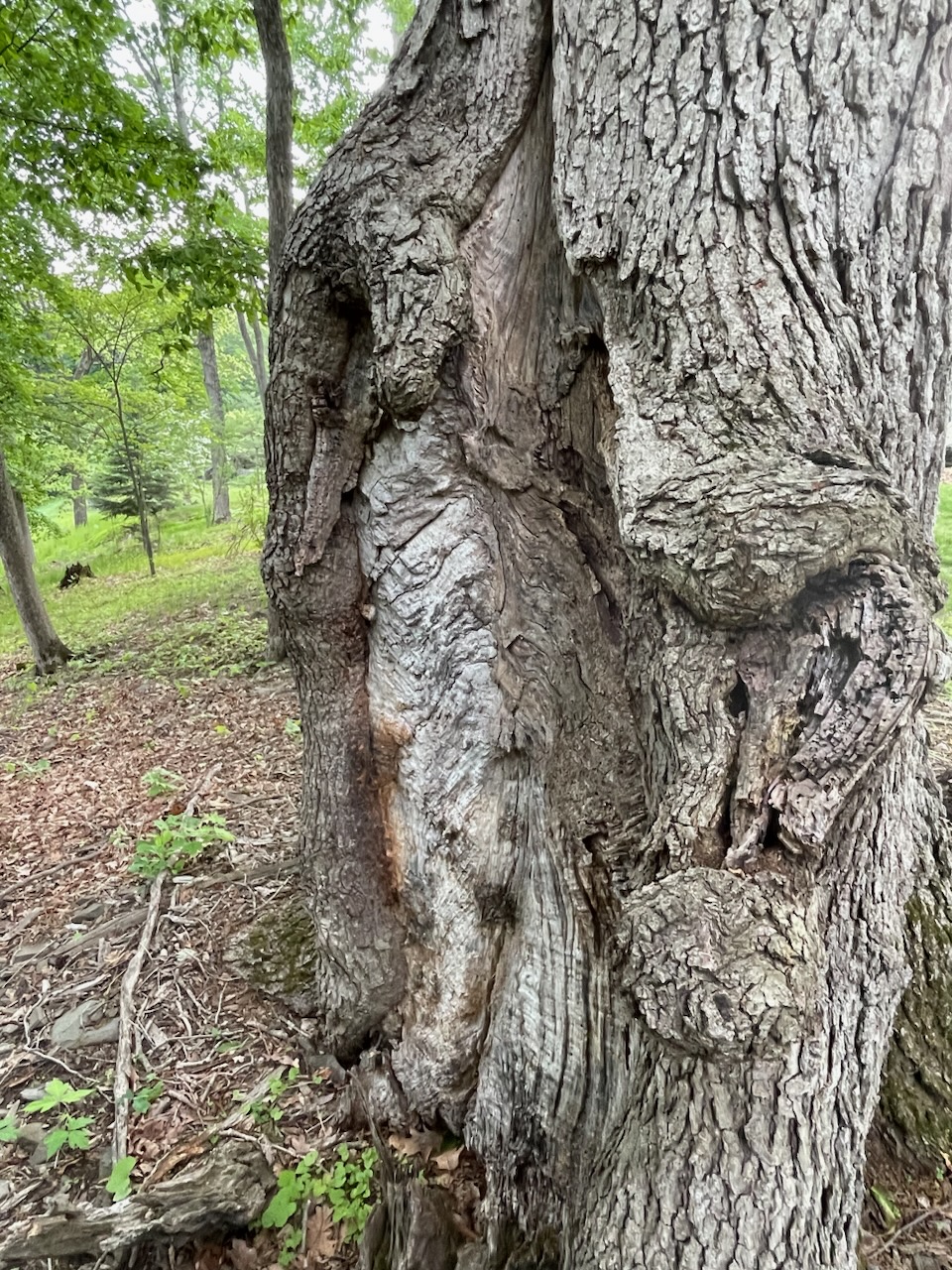
Something amazing. A seemingly robust old white oak.

Around the back, it’s clearly had a lot of problems, but fixed itself. The way trees do.

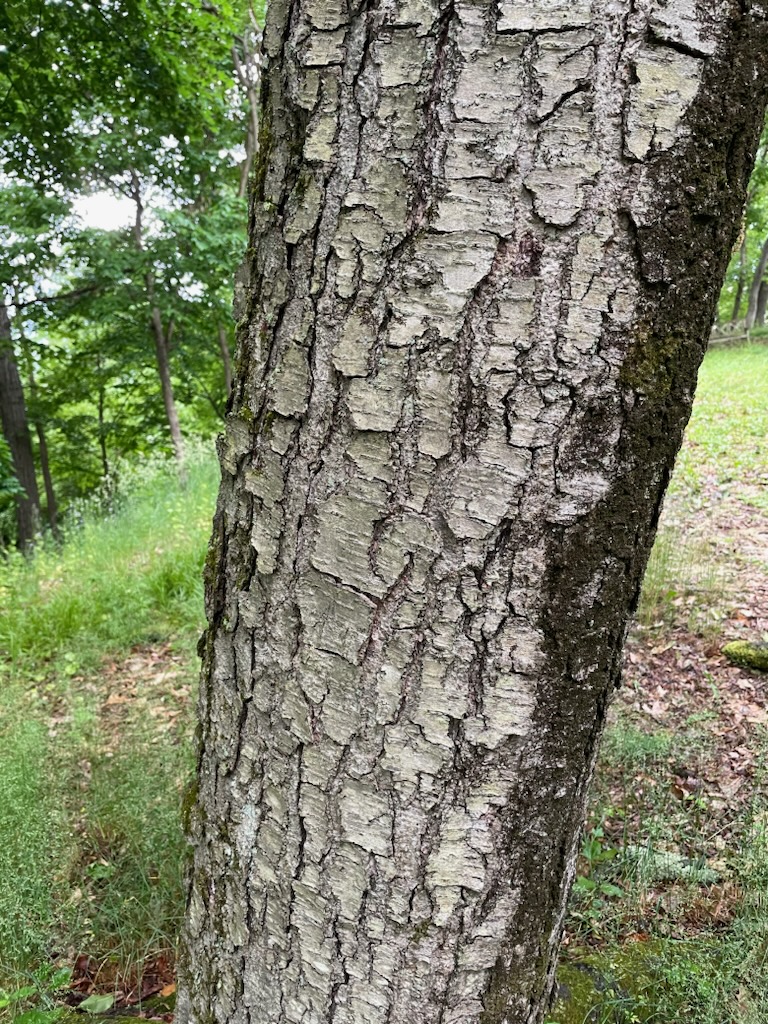
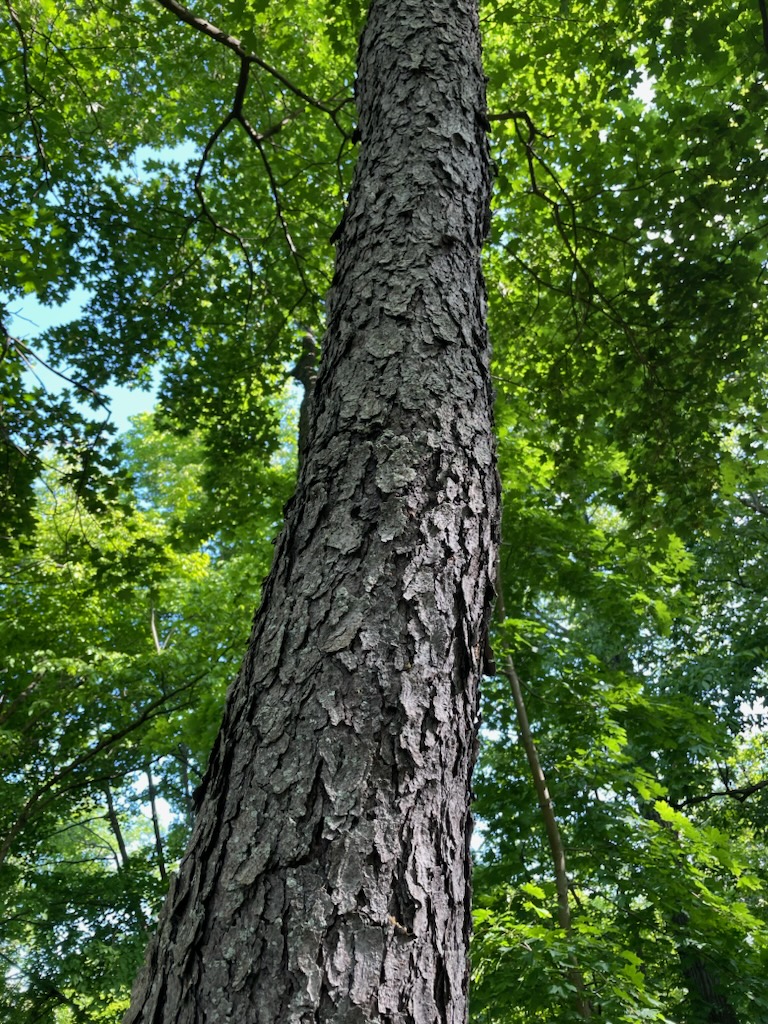
Down the path, the crazed contours of bark, this one a white ash.

Everyone has problems. Knee problems. Heart problems. Cash flow problems. I can put a check in all those boxes at least some of the time. There aren’t too many people to tell my troubles to.

But how can I complain, really?

Trying to learn from the persevering robin who hops by over and over again outside my writing garden shed and is rewarded with money-green inchworms. I mean, over and over again. All day.

Then I go, rock myself in the hammock.

Within a few paces of the just-blooming lilac.

Olfactory bliss.

So really, can I complain?

I can complain. Watch me.

I sweat my way down to the river. Think. Pick up a few what I seem to remember are water chestnuts. They might not be. They might be magic.

Think some more. All of this thinking is making my head hurt. So I stop thinking.

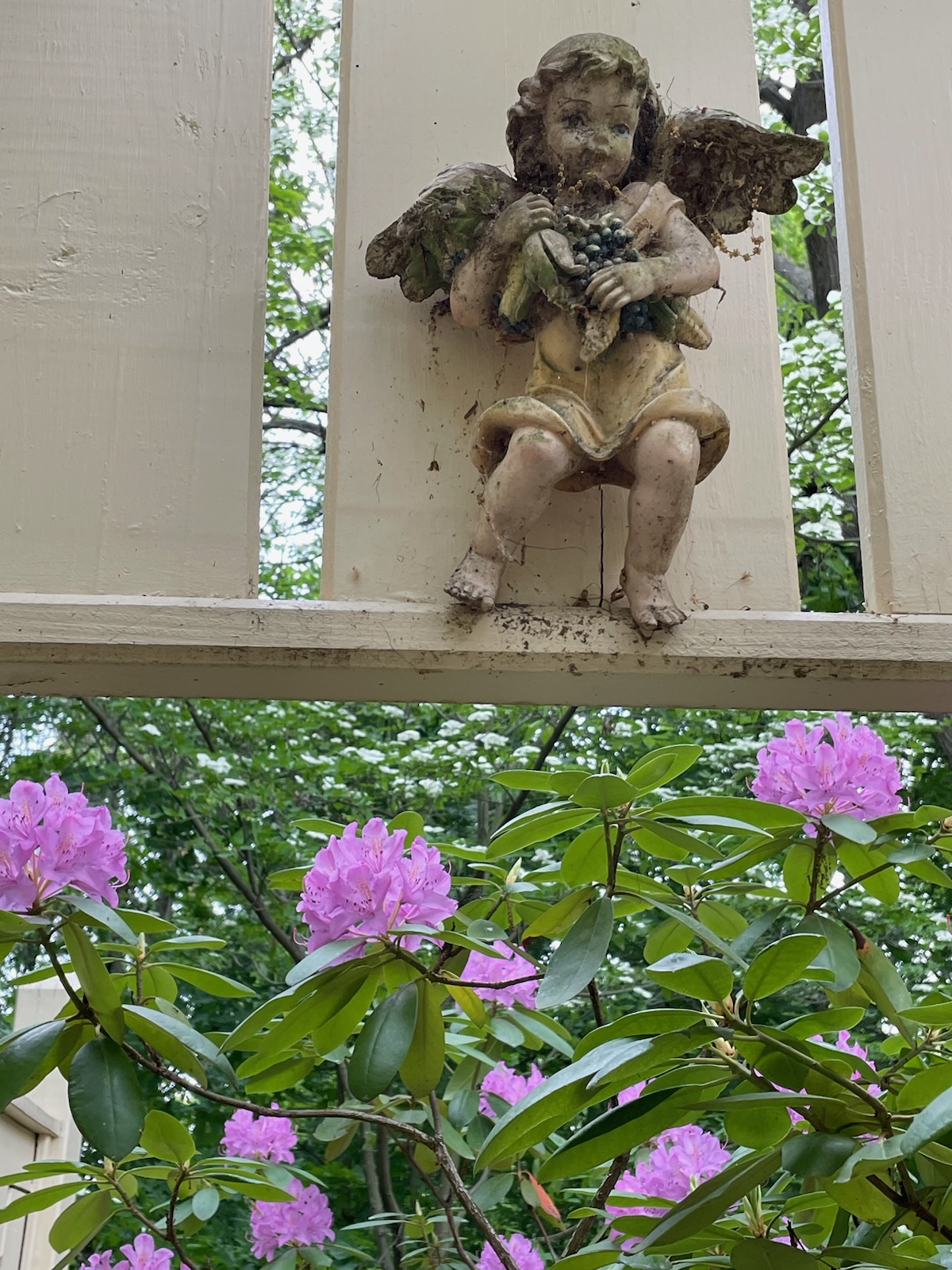
Pass by the cherub floating above some ripening rhododendron at the wooden loveseat.

Sometimes a thing is almost more beautiful before it’s blossomed.

When I get back to the caretaker’s cottage I find a bright green inchworm crawling on my leg. I set it outside, gently. I don’t need it.

The lawn is filled with dandelion wishes for the taking.

What the heck.

I’ll get a bigger bouquet.

2 Comments

Filed under Jean Zimmerman

In my skin

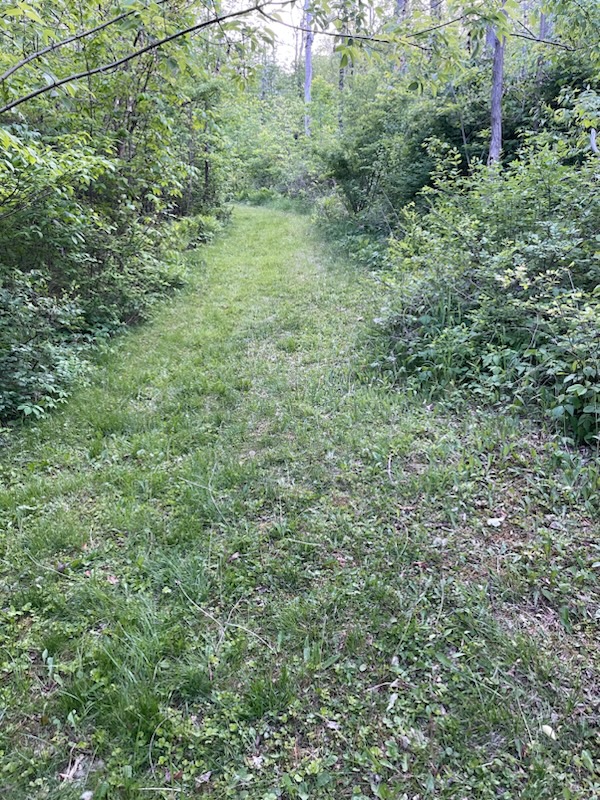
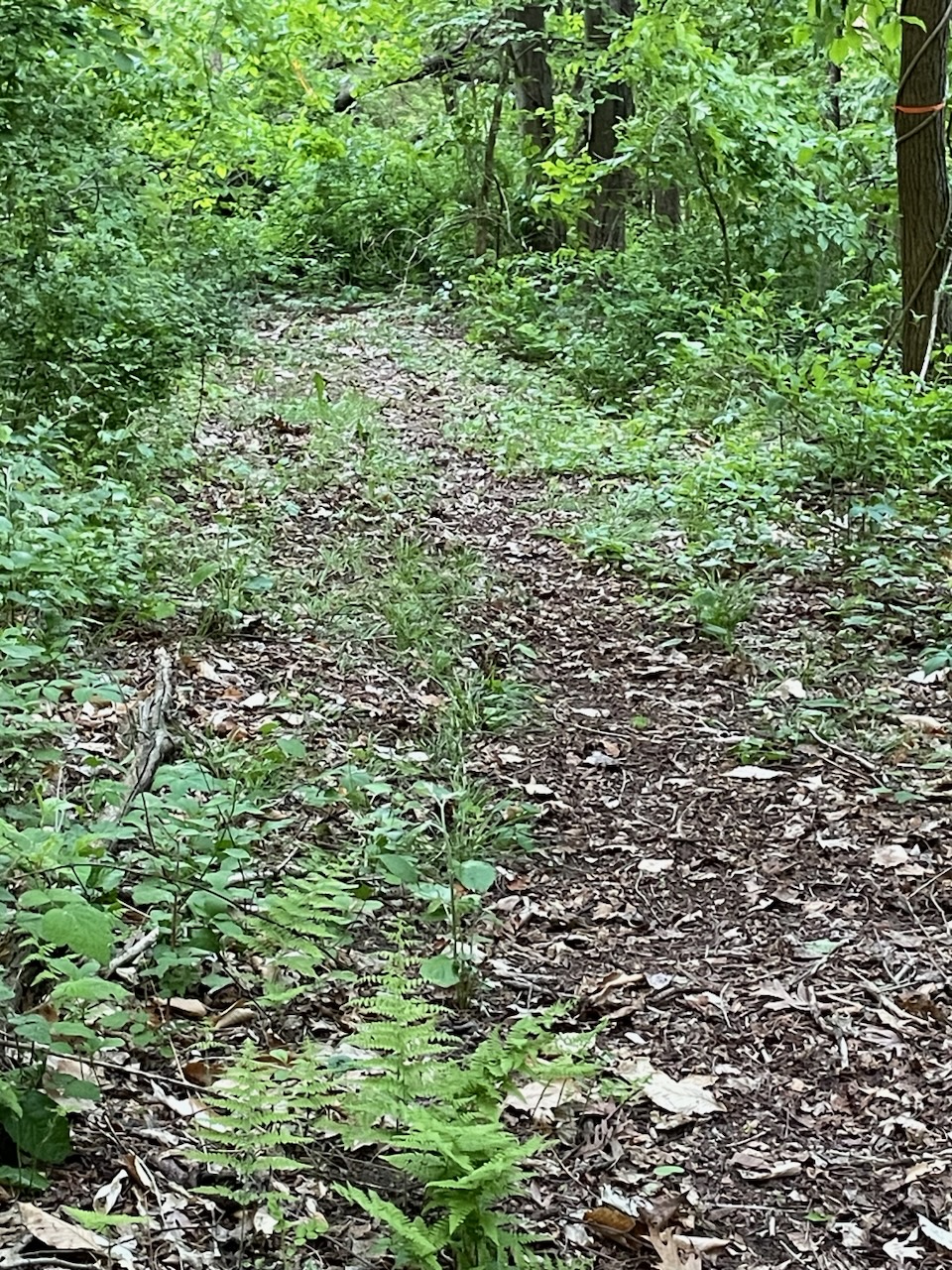
as it were – and having exercised my brain enough for today I thought I would exercise my legs by making my way down the scant-mile-long trail to the river.

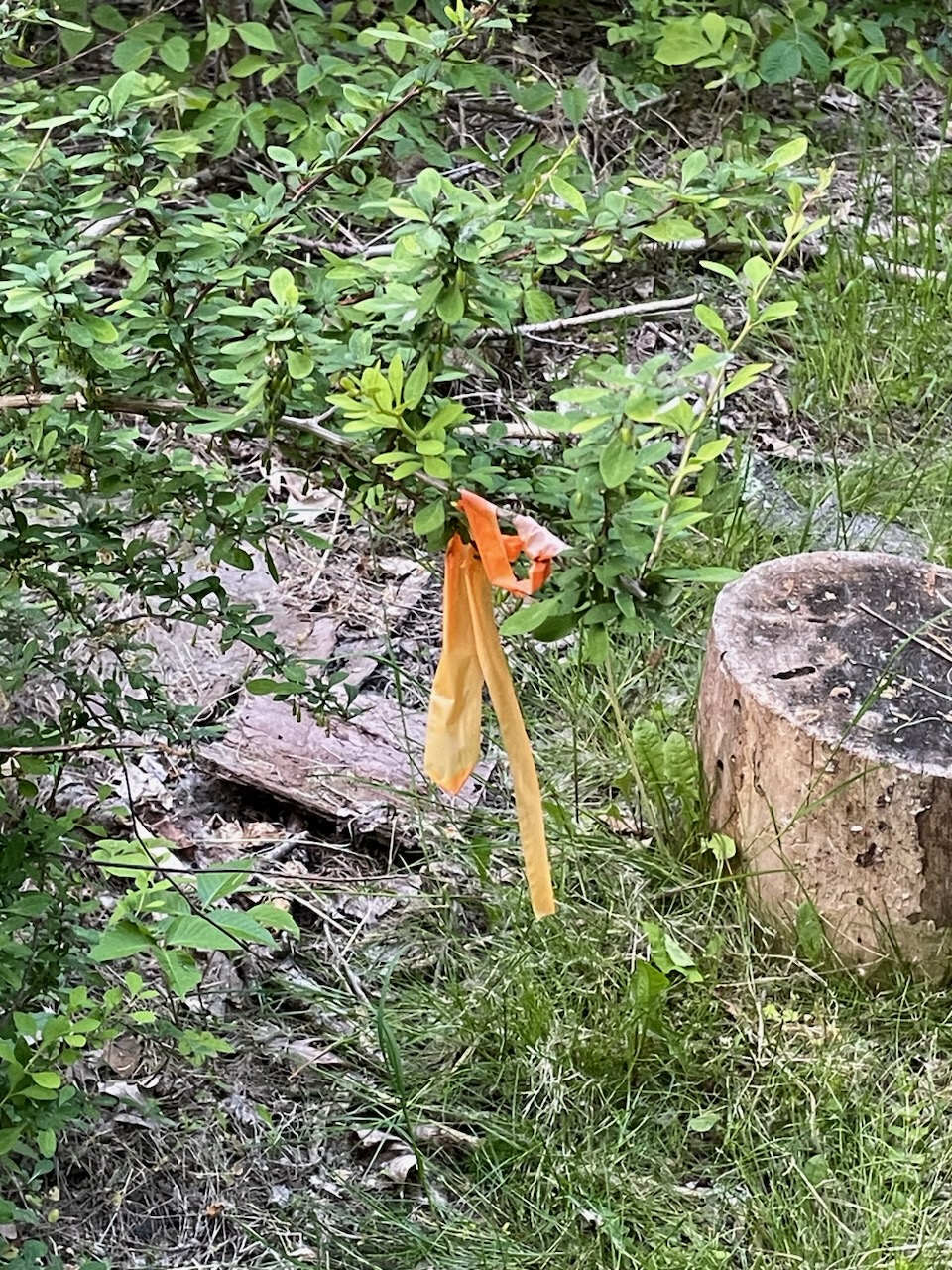
Magic hour. Just before nightfall. It is a wonderful path, carefully marked with delicate ribbons by Chuck, who takes care of the property.

I’m hoping to scare up one of the wild turkeys that have been seen around here or at least a deer but no animals, just the mad sound of bird song all around.

Dame’s rocket in abundance. Also called mother-of-the-evening.

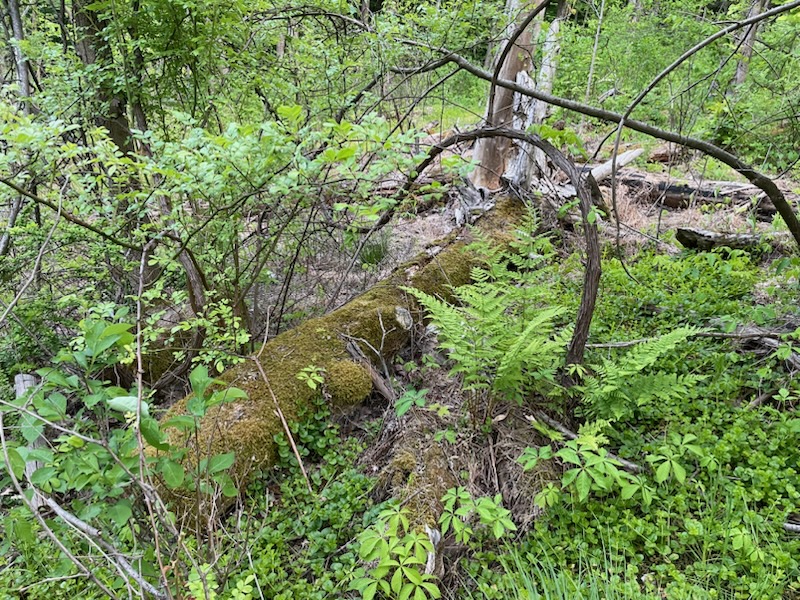
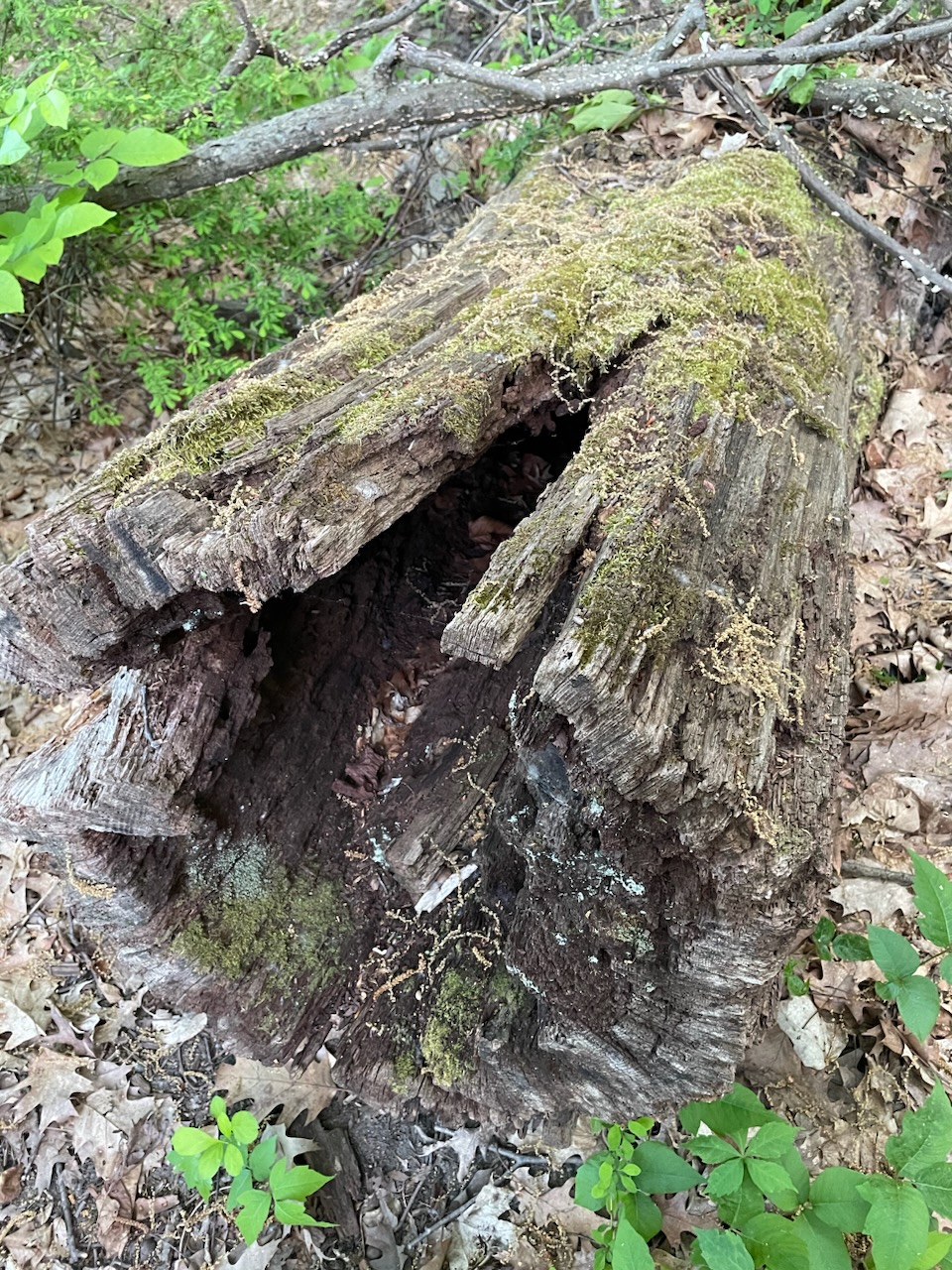
A mysterious grove of mossy logs.

A spruce cone.

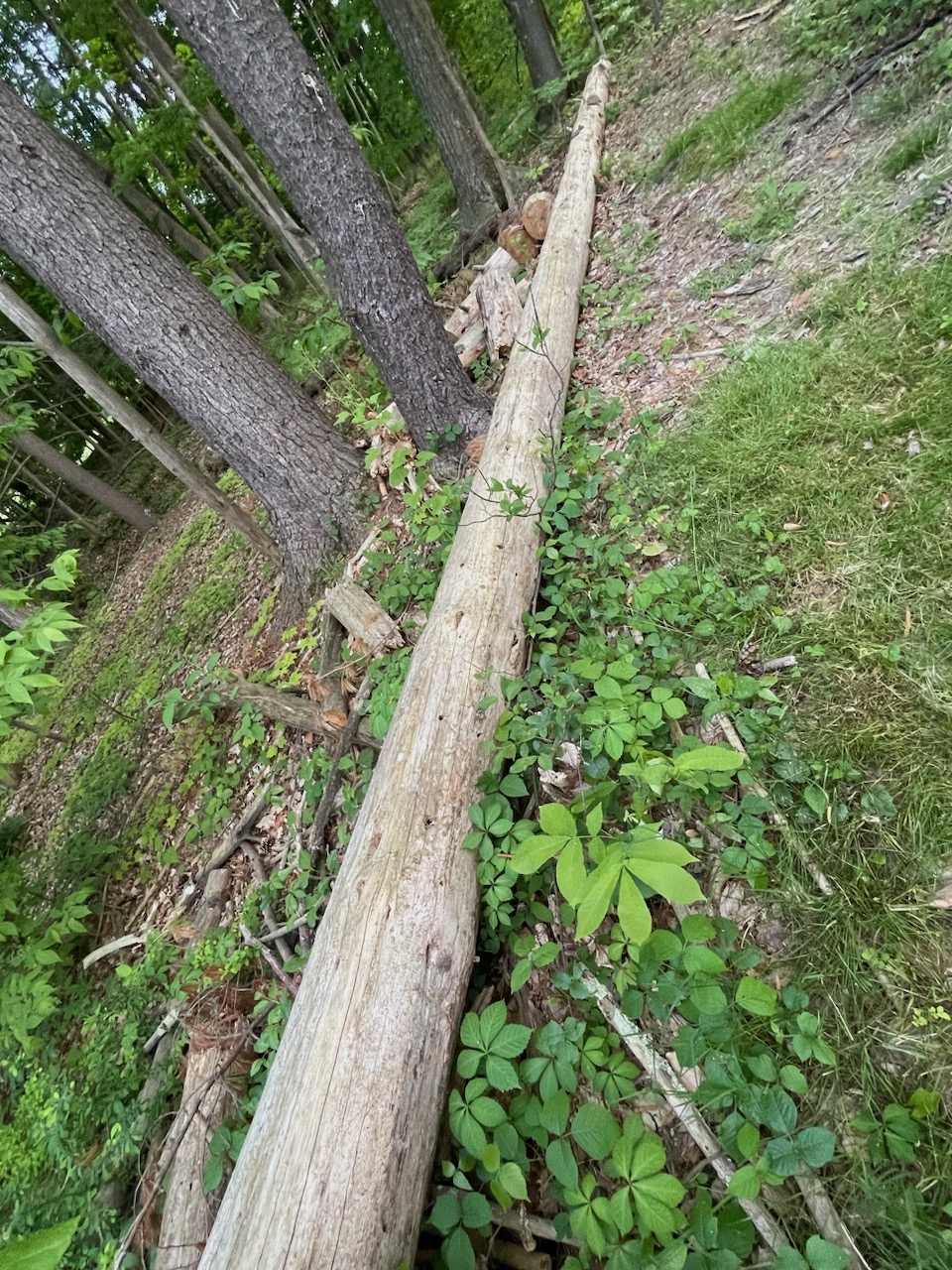
An old fallen pine with just about the right dimensions for a ship mast, like the ones I’m writing about in my current chapter.

Kismet! This trail has a bouquet of young white oak leaves.

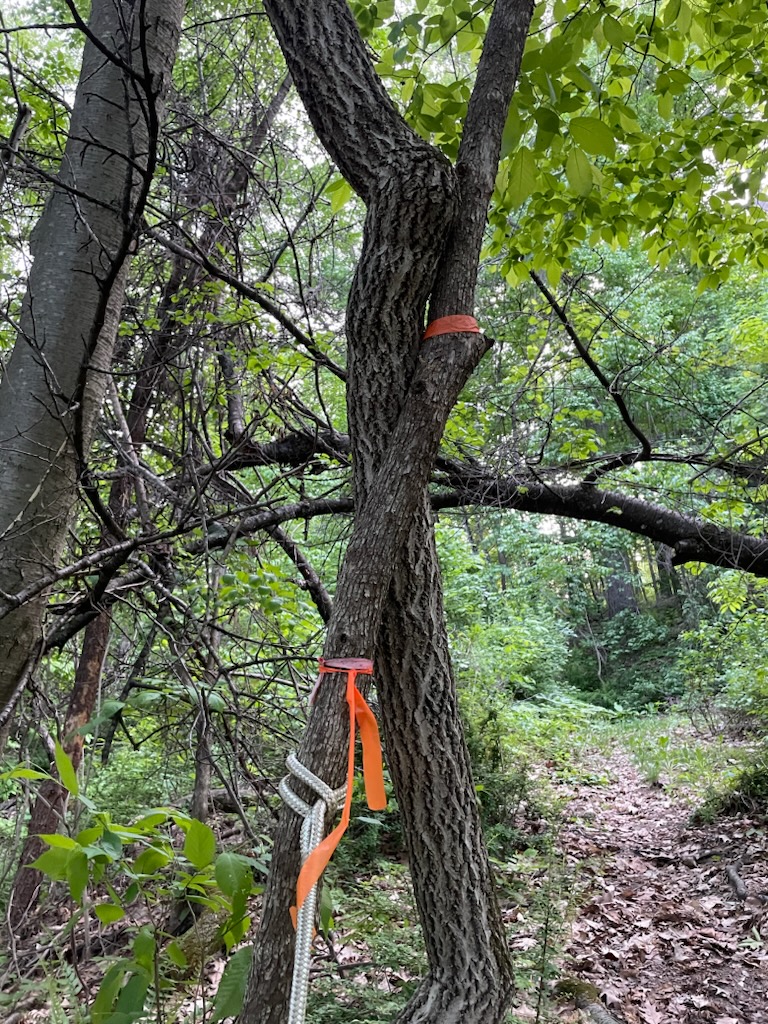
On the way down the last steep slope I can hear the waves rushing. After trying to explain inosculated trees to some painters here and sounding like a knowitall jerk I come across a pair right by the side of the trail here, a young white ash and a hophornbeam, seemingly making out.

They’ve been marked by ribbons as though ready for their close up. And a knotted rope placed there to help in the descent.

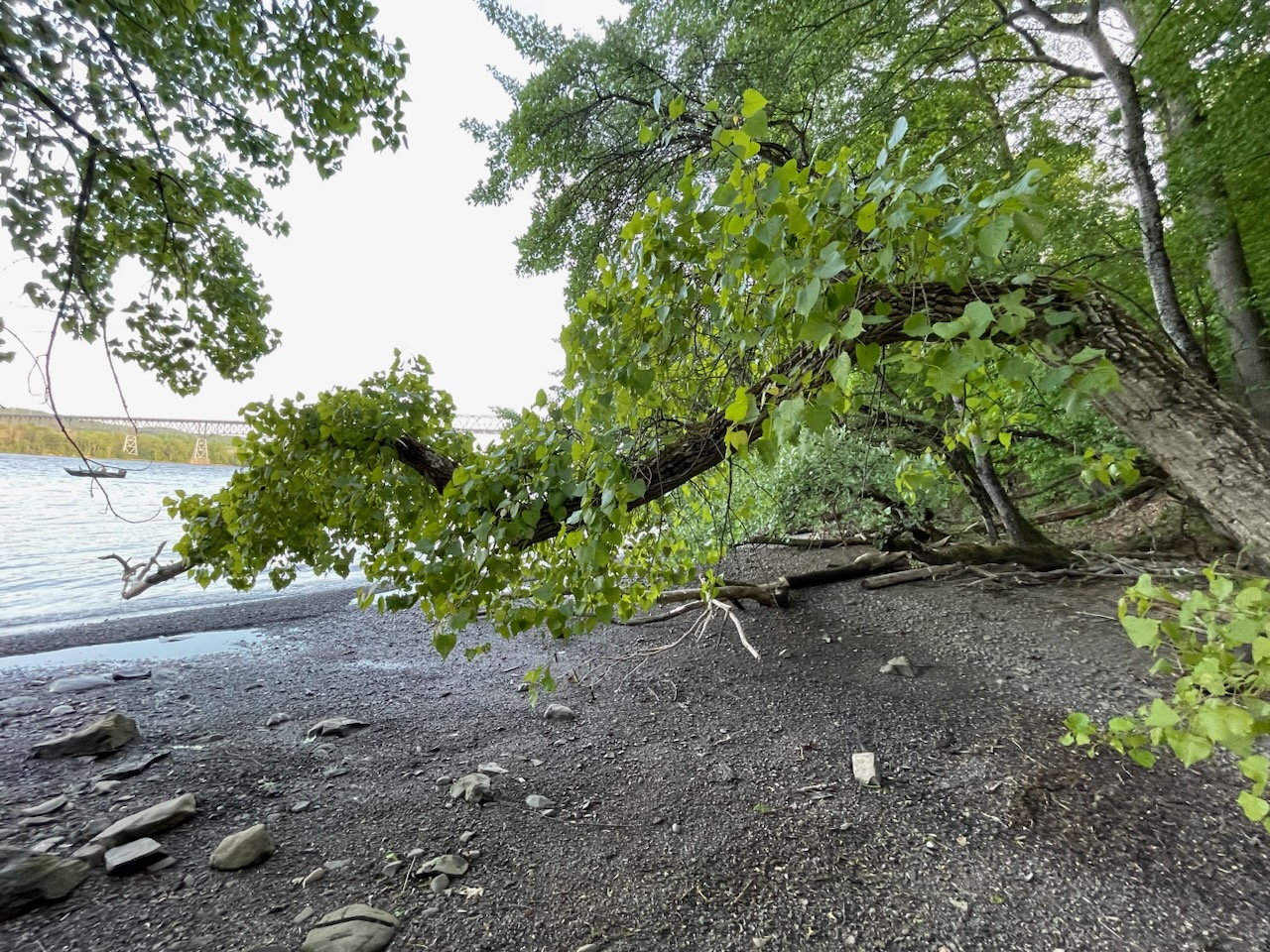
Finally, the beach. First, an Eastern cottonwood stretches itself out on the shore.

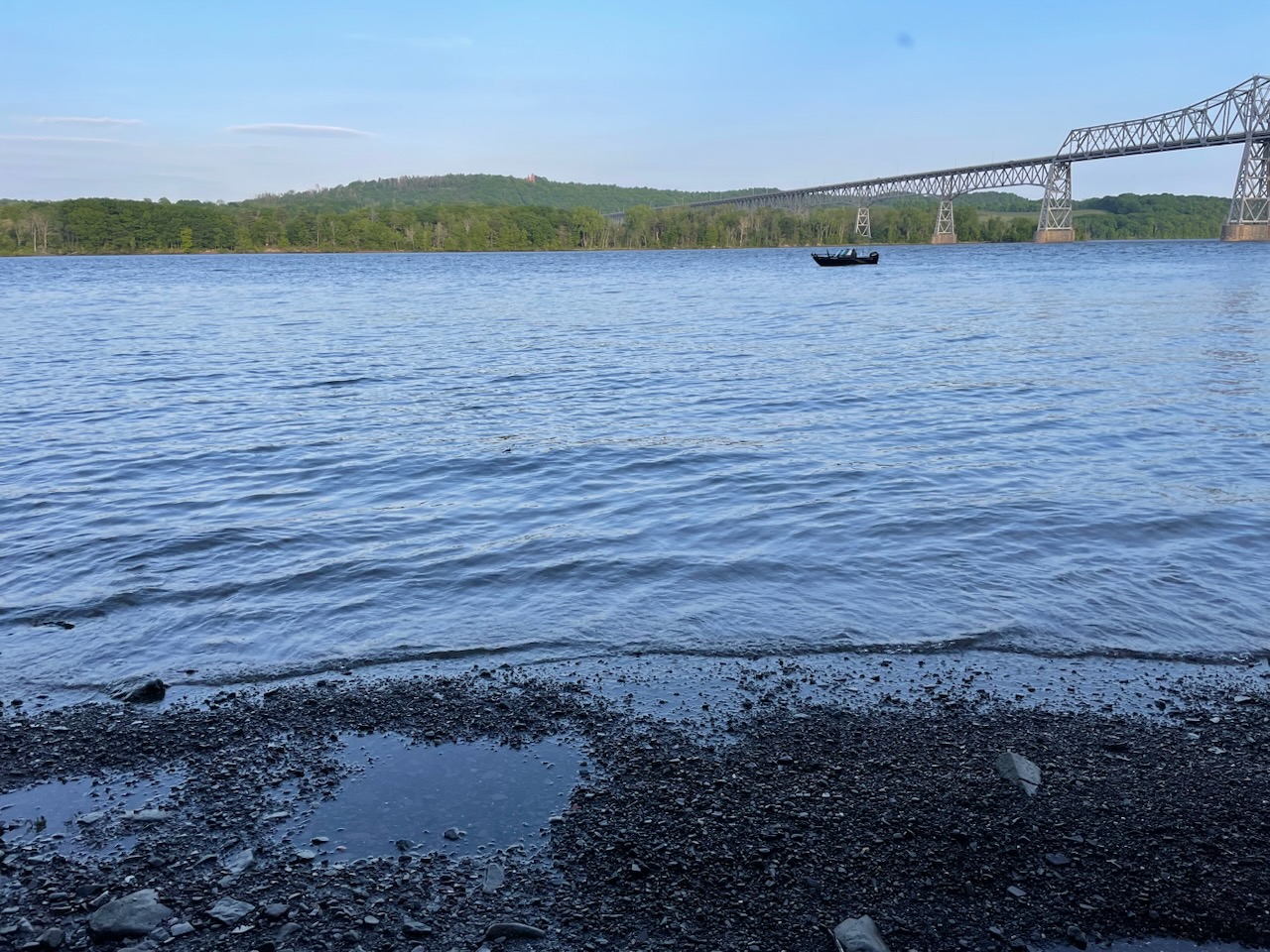
Is this beautiful enough for you? The Hudson is a beast.

How about this?

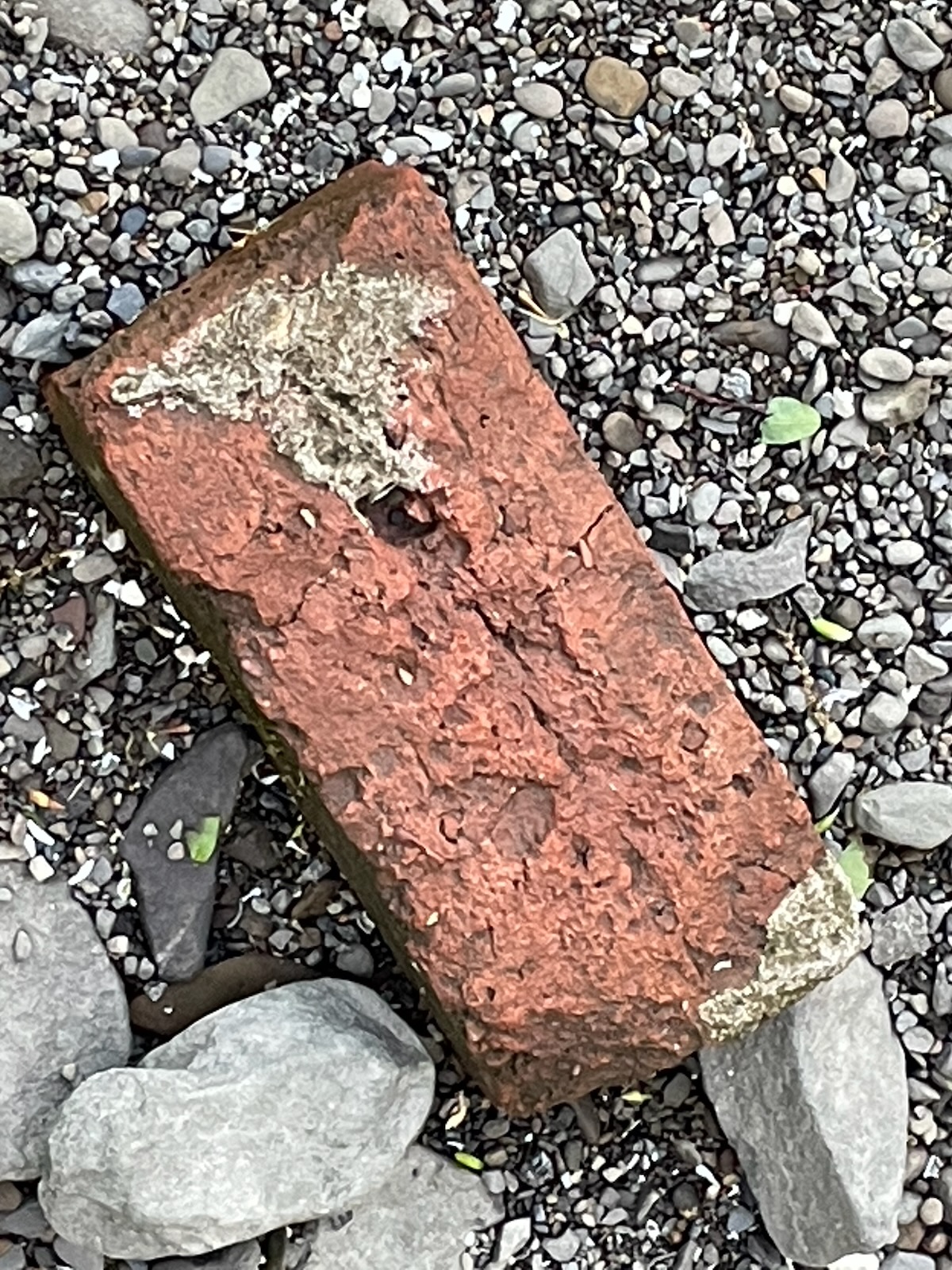
I find an ancient brick, probably from one of the historic Hudson River brickyards back in the day.

Handsome driftwood.

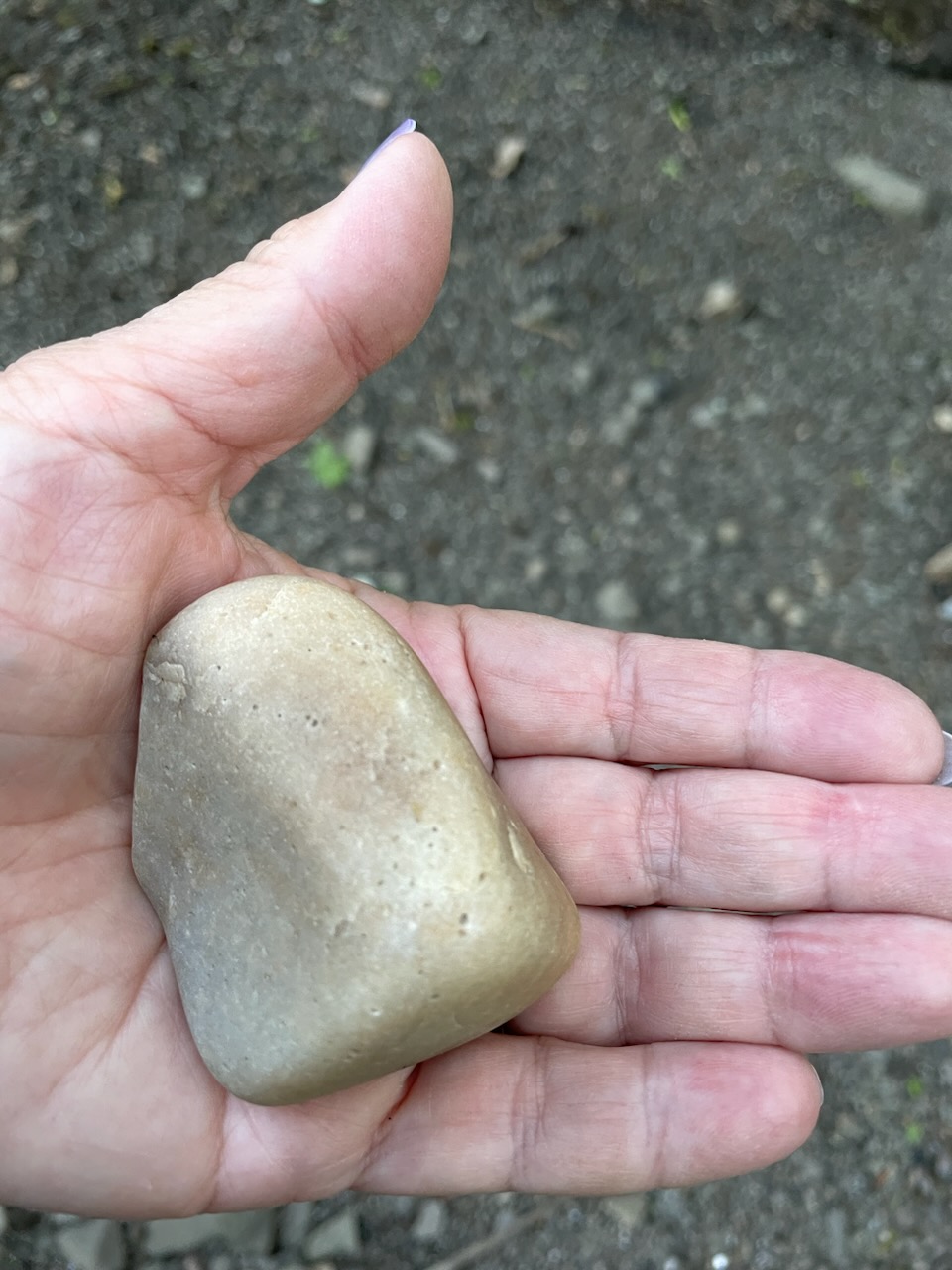
The smoothest beachrock in the world.

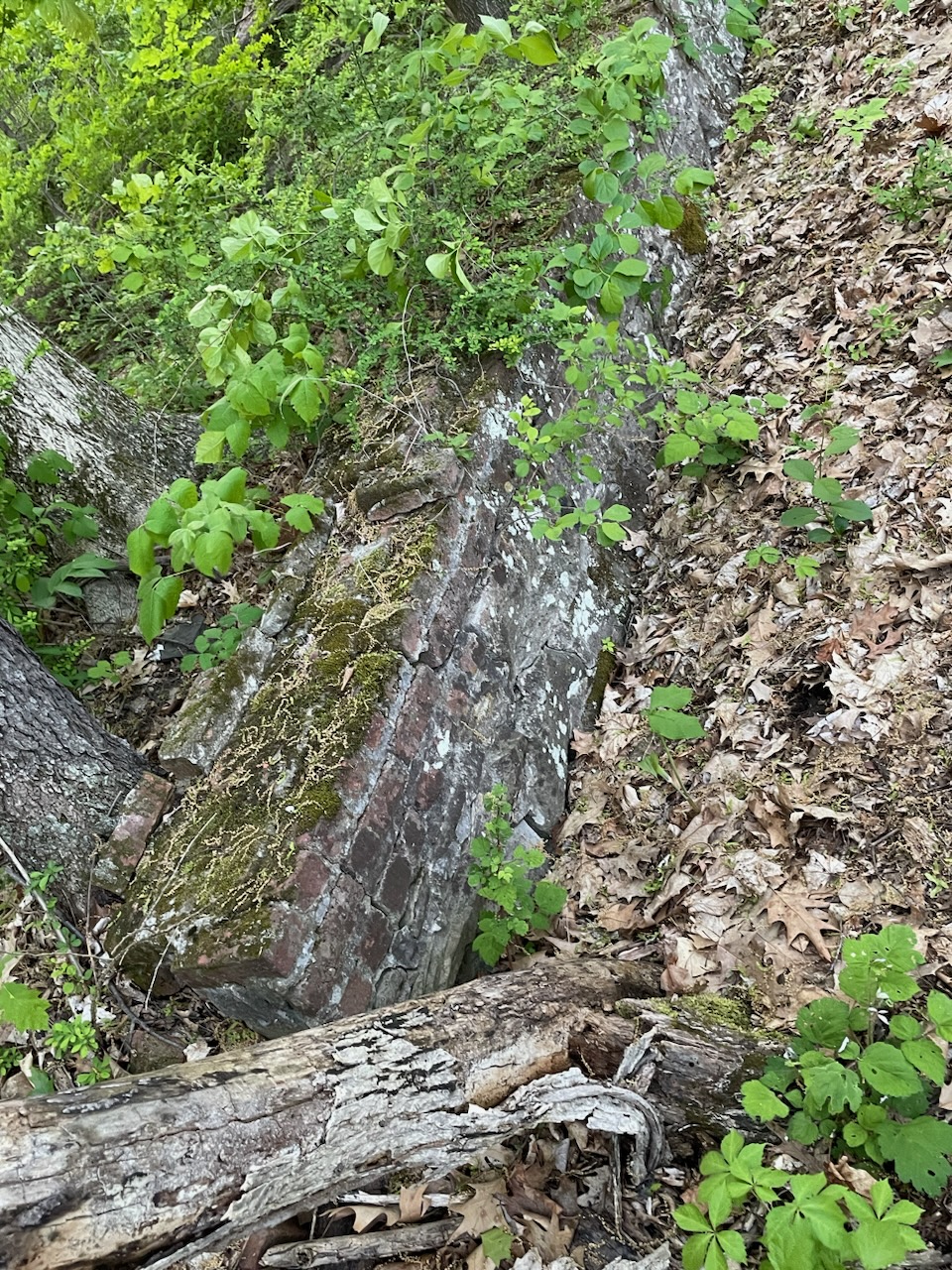
Heading back in the near dark, mysteries. An old foundation. Who came here before?

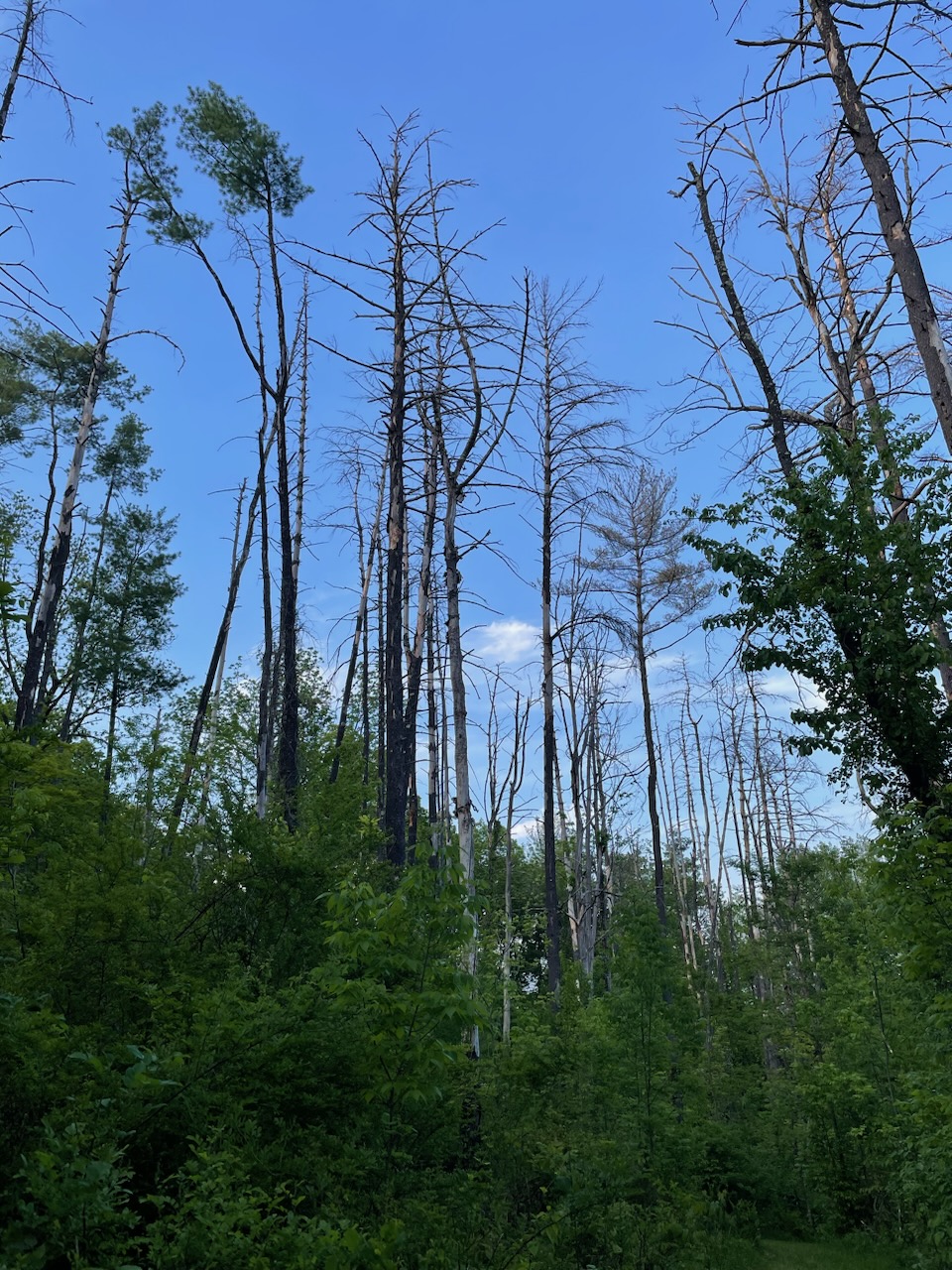
A forest containing a sad story. Pine bark beetle.

Things live here though. A hidey hole.

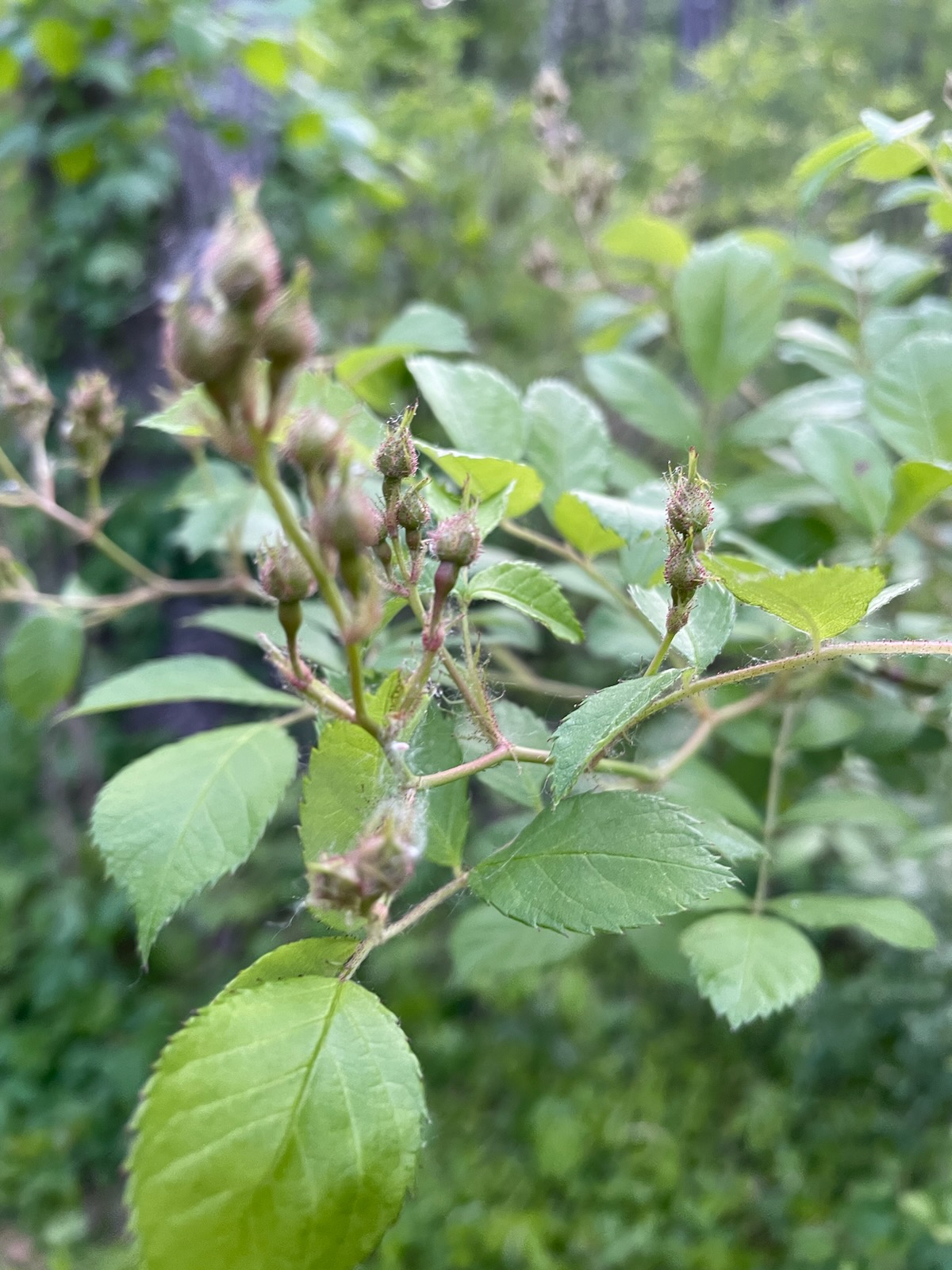
Multiflora rose, still holding tightly to its blooms. I don’t care if you’re invasive as long as you don’t invade me.

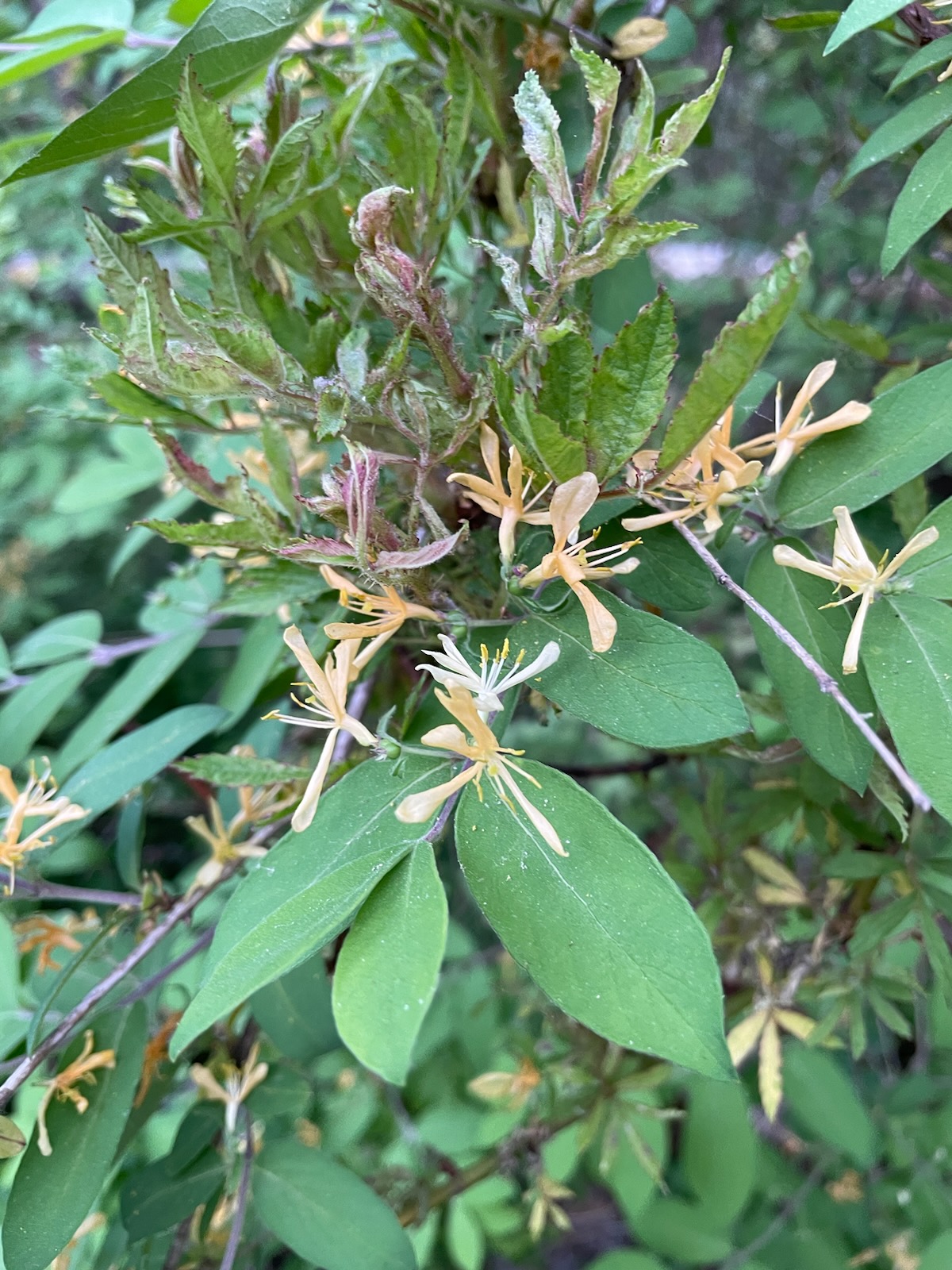
The first honeysuckle of the season, bringing back memories of childhood.

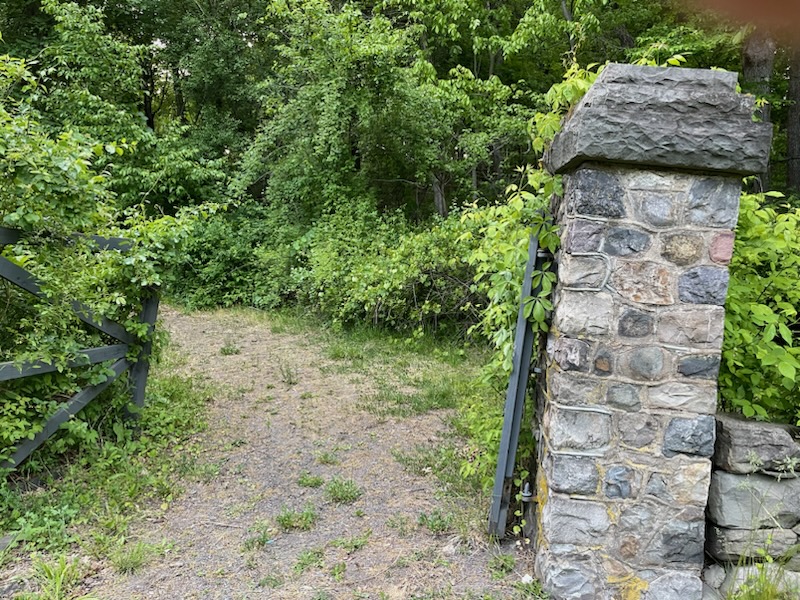
An old gate to the estate that hangs open as if to welcome me.

Closer, closer. The old carriage house.

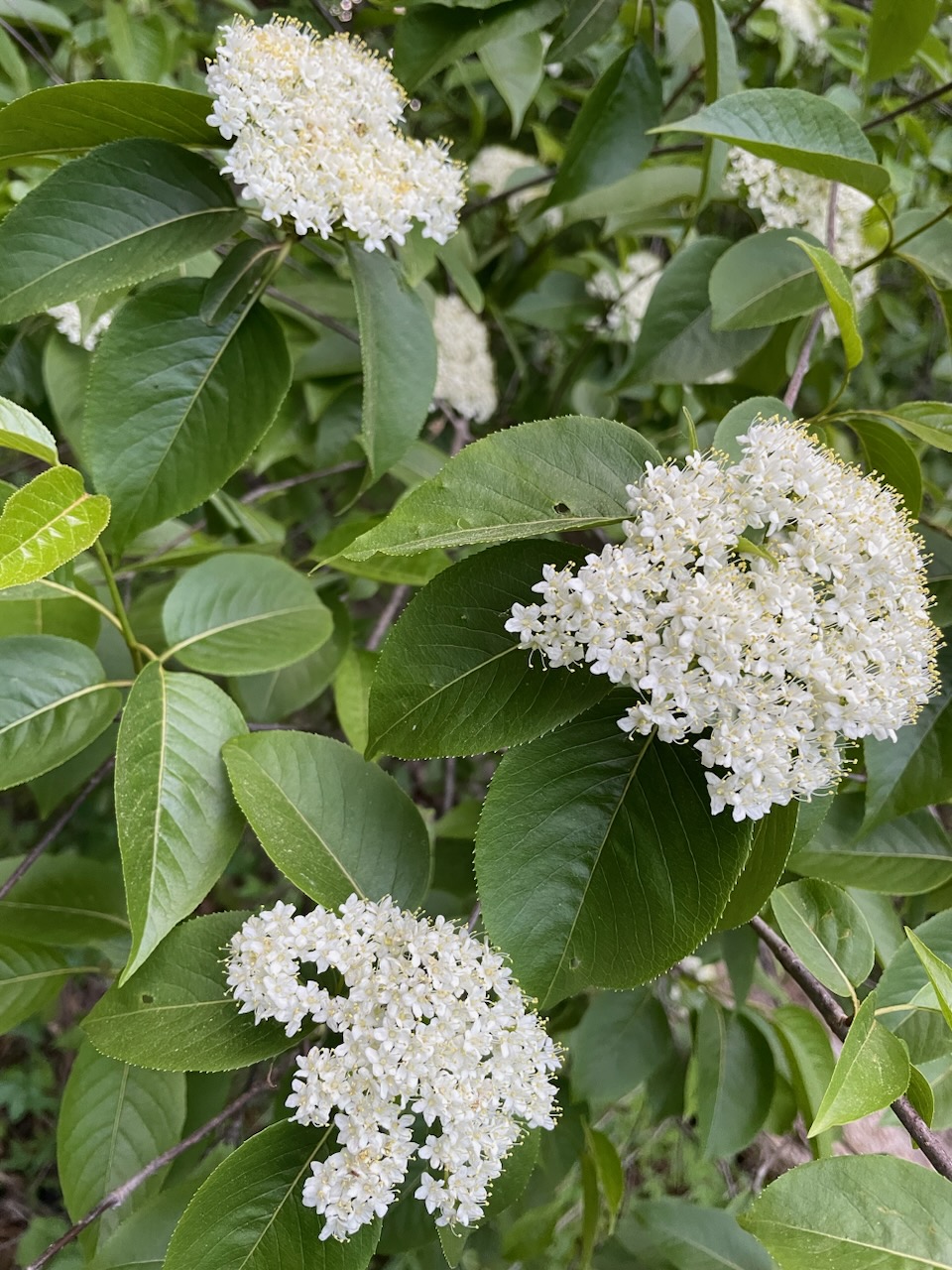
Fluffy viburnum.

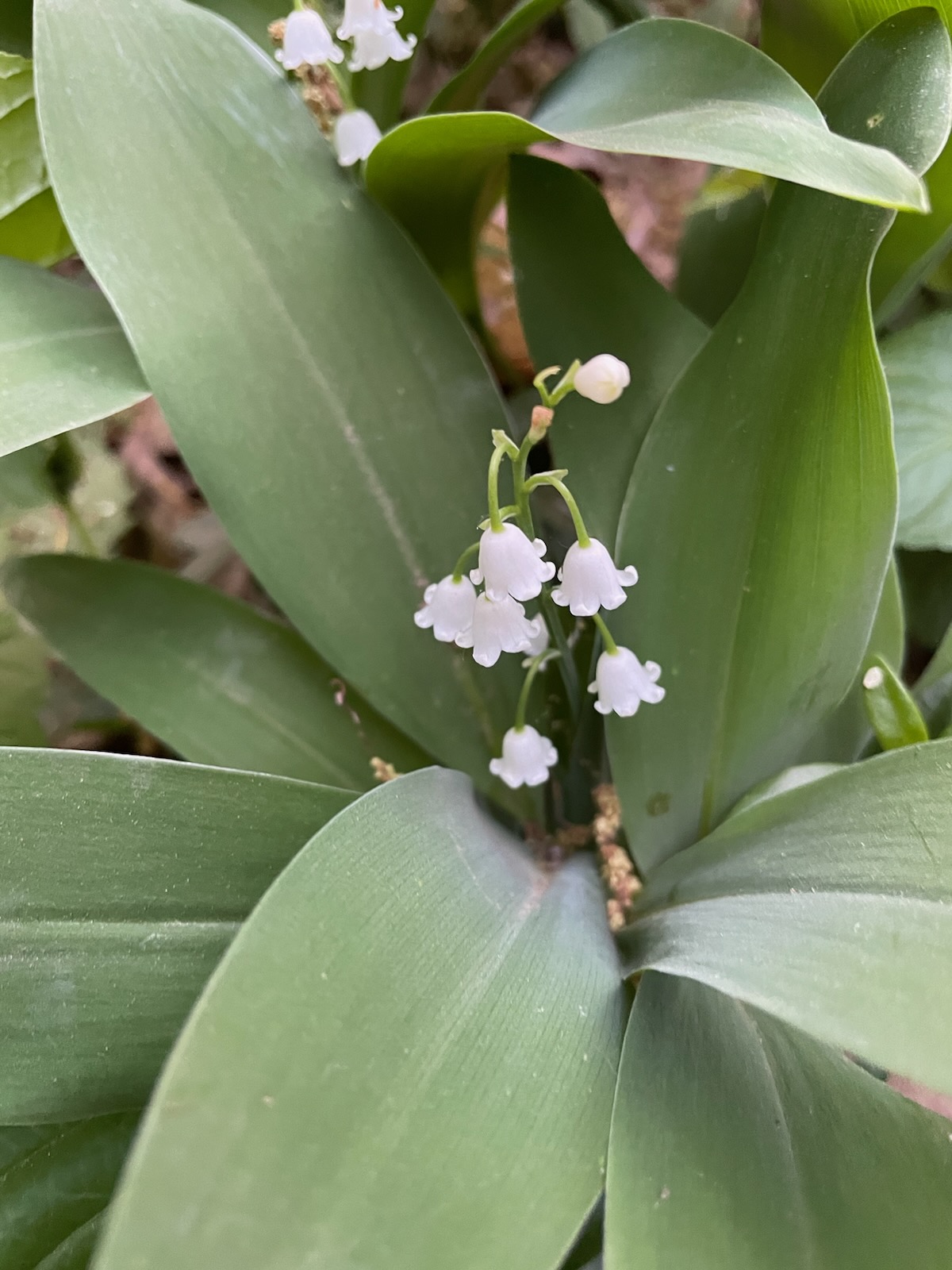
Lilies of the valley. I can’t think of the last time I’ve seen them.

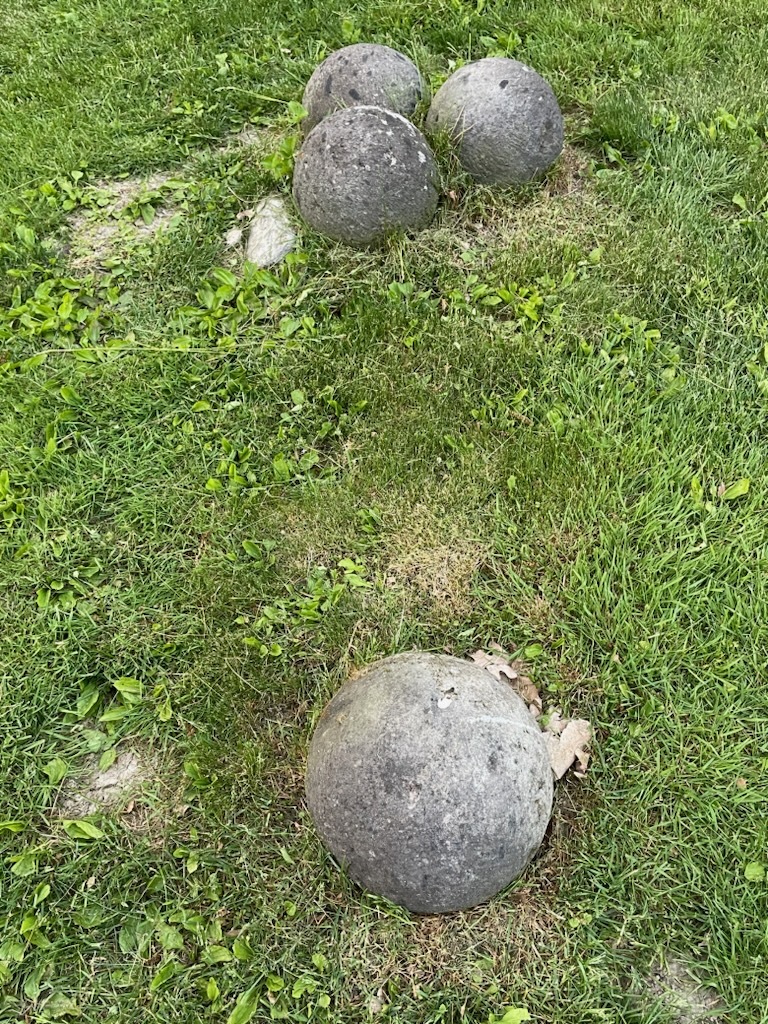
More mysteries. Cannonball stones on the lawn. What?

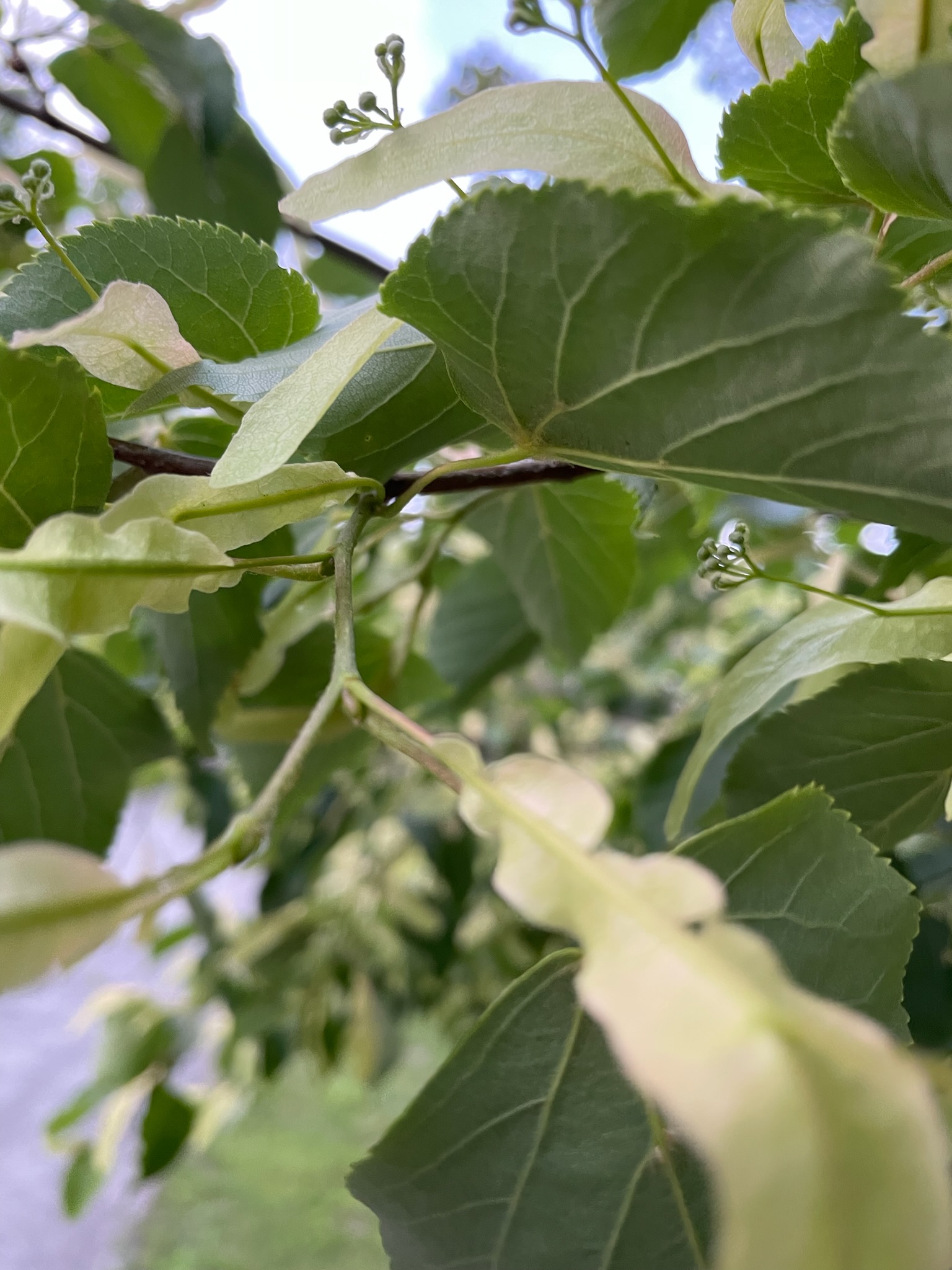
Finally, the linden with its delicate lime green bracts.

And I’m back to the Caretaker’s Cottage.

Home sweet home, for now.

4 Comments

Filed under Jean Zimmerman