Tag Archives: beauty

What is common?

It’s in the eye of the beholder, isn’t it?
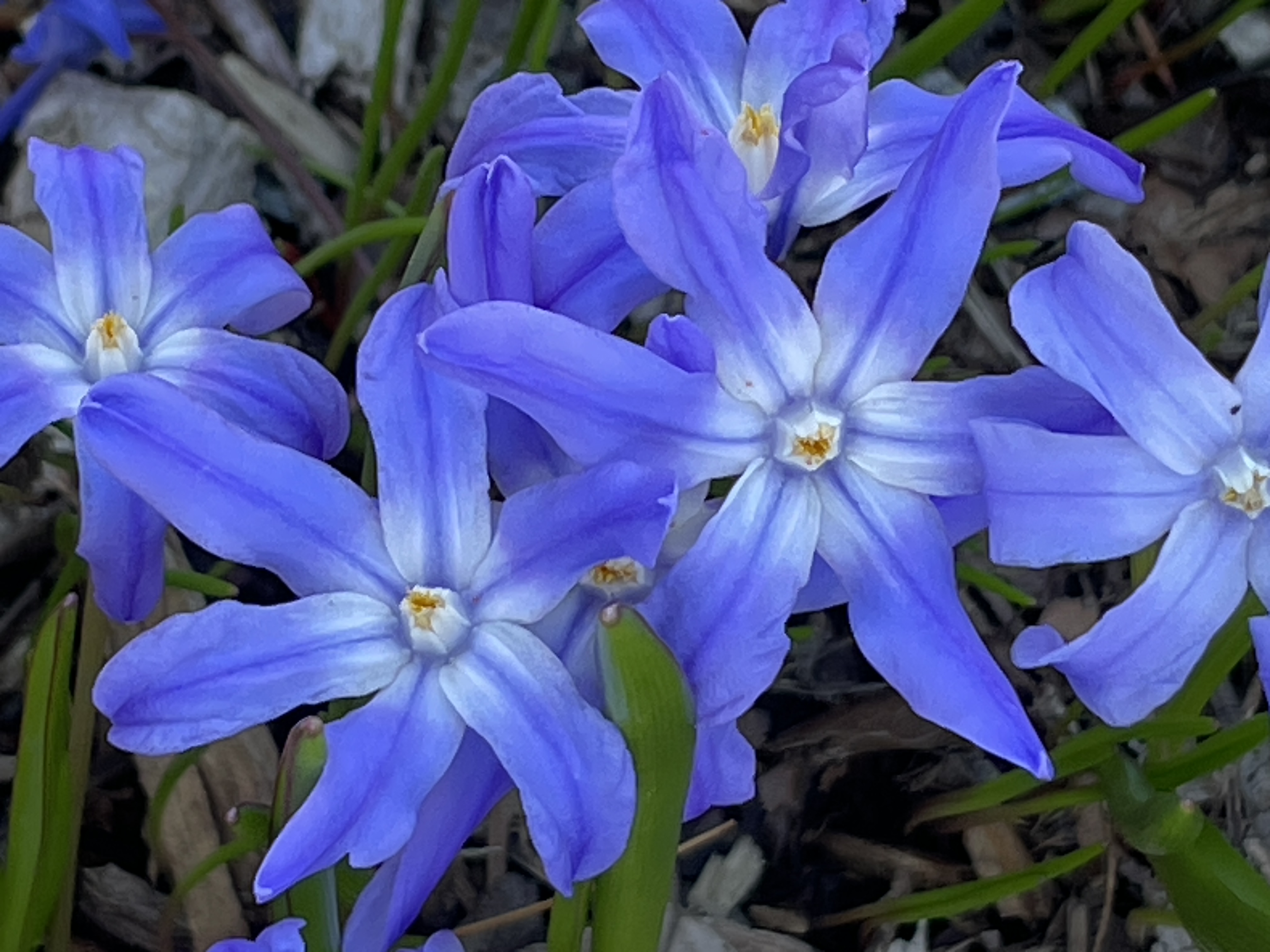
I took a walk on the Old Croton Aqueduct trail as spring just came up, and it got me to thinking.

So many beautiful things. So many of them so ordinary. First, a sign warning me off. My favorite kind of sign, so commonplace.

I see them everyplace, I guess because I like them so much. And I like going past them so much.

I spotted another one recently too. Almost as nice.
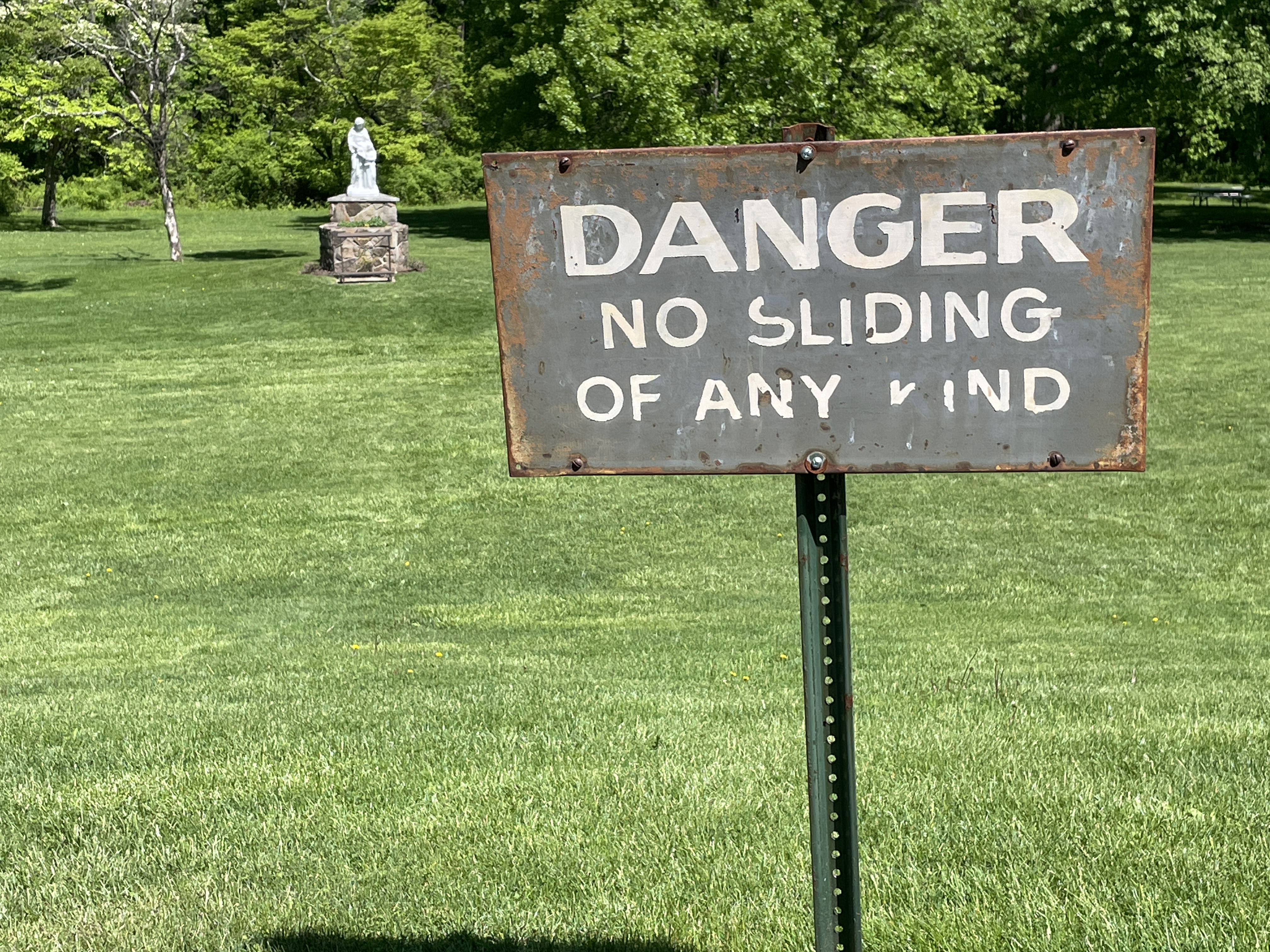
I find I like almost any free advice.

Mainly so I can ignore it.

Back to the trail. Tree shadows. Common.

A hollow. I think we make a mistake in distinguishing between death and life. Death shelters life.

Another hollow, this one in an old-old silver maple on a Bronx street.
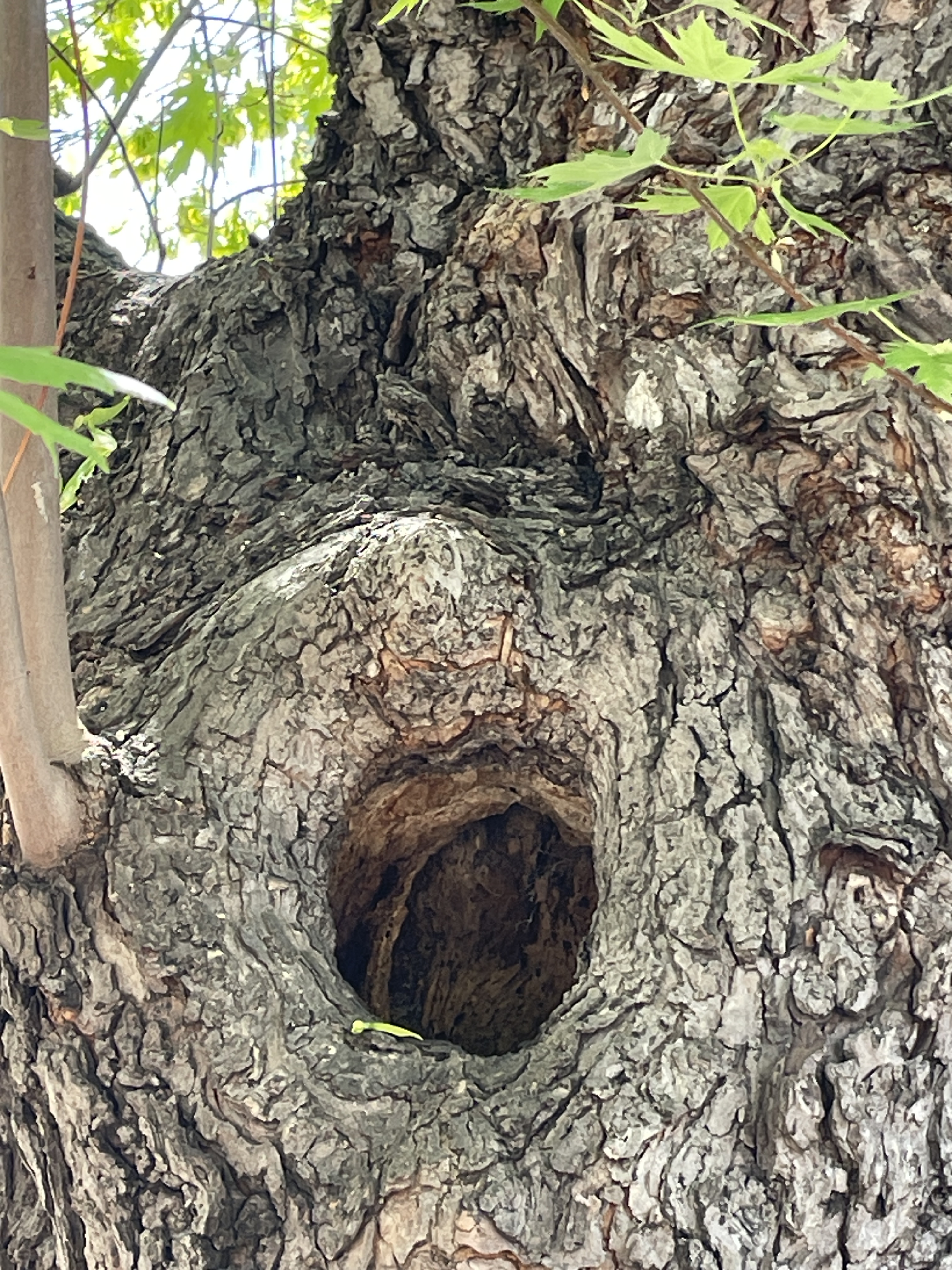
Okay, anyone would call this tree extraordinary.

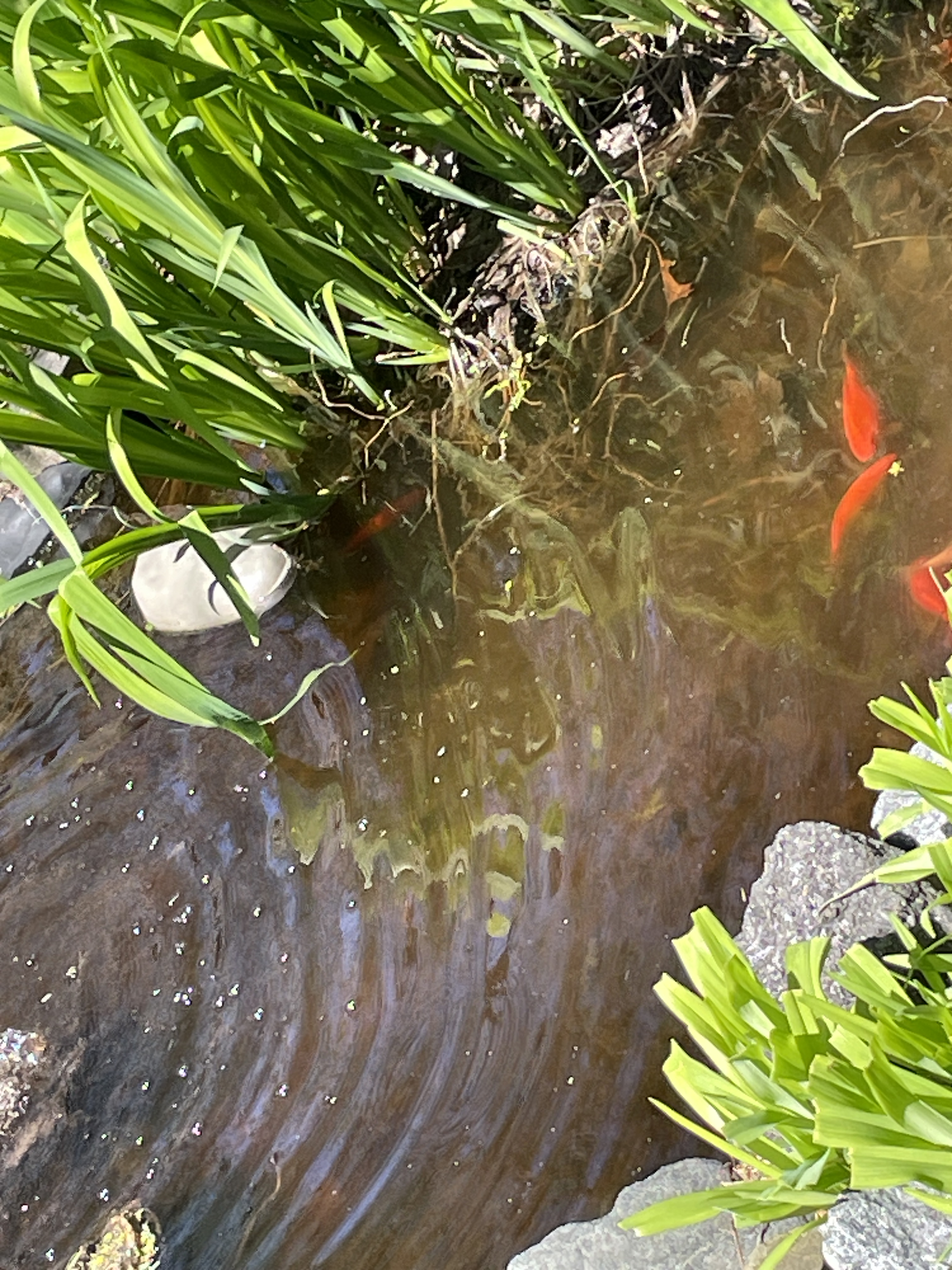
On the trail there’s a backyard koi pond I’ve passed a thousand times. Sort of common.
A sycamore, not yet leafed out.

You could just walk by and not notice. Nothing remarkable. Back yard steps, leading…where?

Look down. A pine cone. Brown. Ho-hum.

Gertrude Stein said, It takes a lot of time to be a genius, you have to sit around so much doing nothing, really doing nothing. Looking at not much of anything helps too. Noticing nothing much.

More trail shadows.
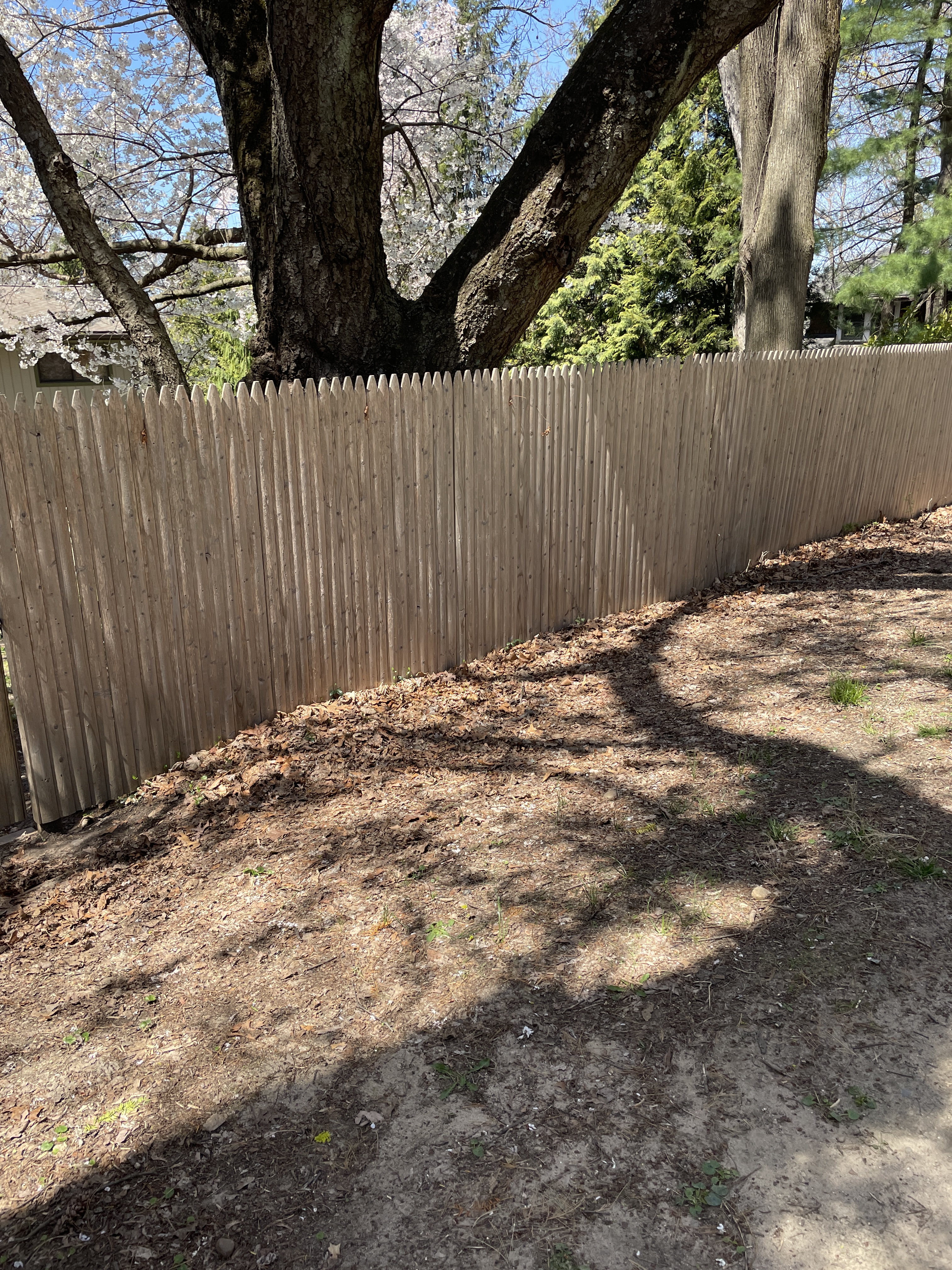
Twisted bark. Common.

Ye olde stone wall.
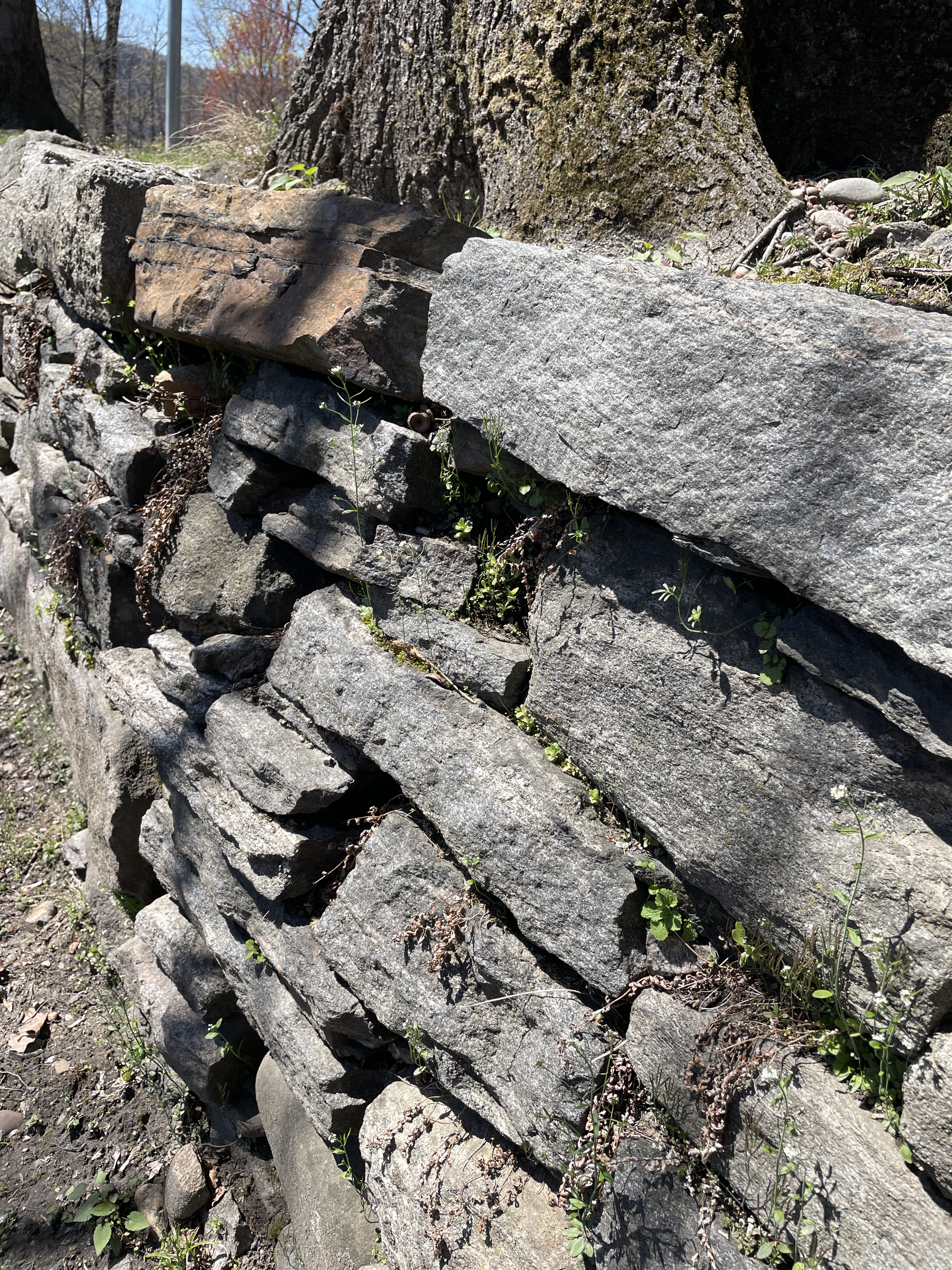
Sprouts. 

Rudimentary flowers. If they have a name, I can’t remember it at the moment.

Daffs.
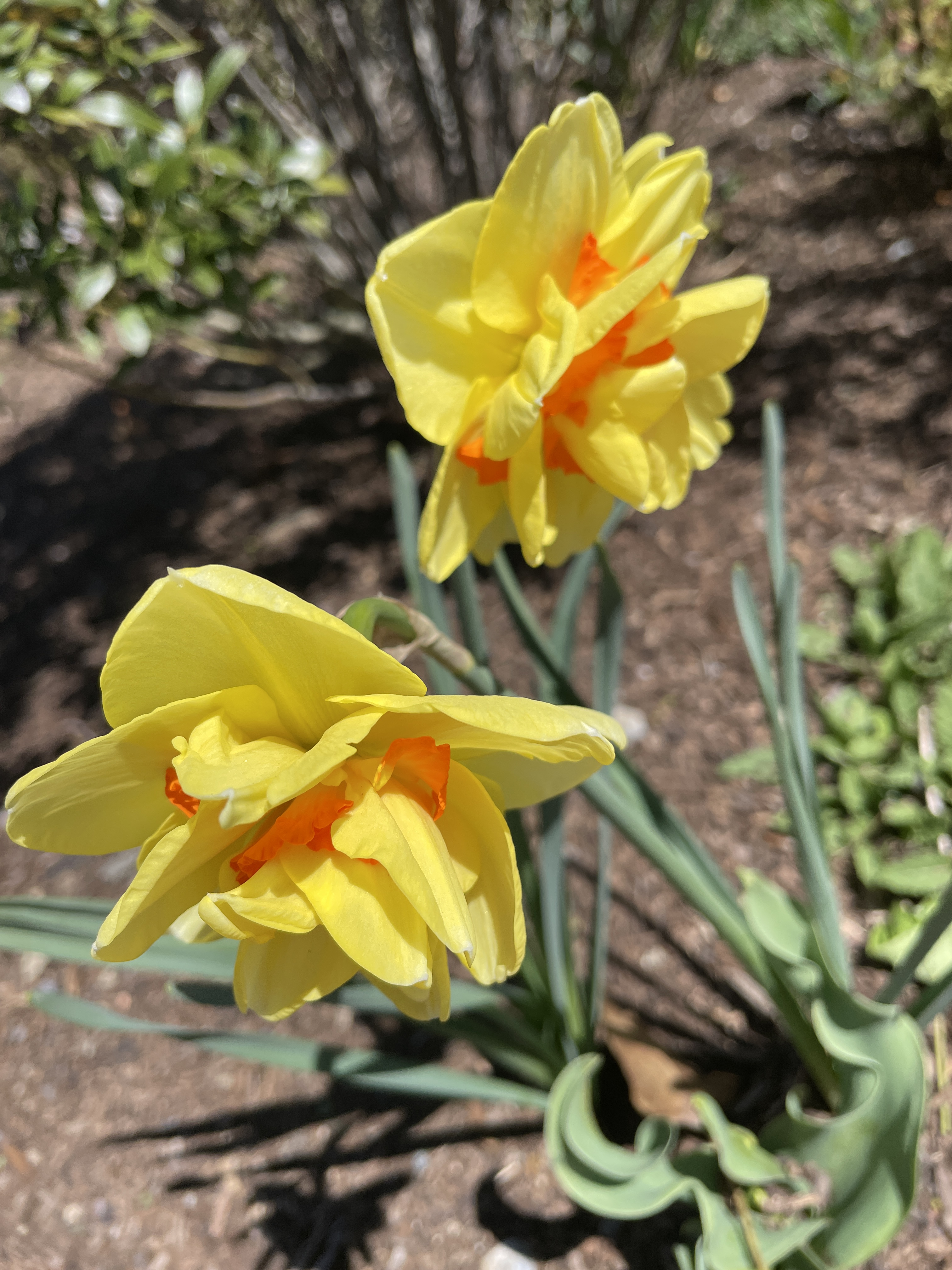
The most basic flowers. To again quote Gertrude Stein, a writer who knew something about the commonplace, Rose is a rose is a rose is a rose. Or daff is a daff is a daff.

Still, I’m glad I brought my hankie, since the most commonplace flowers make me tear up these days. As ordinary as they are, who knows how many seasons we’ll see them for?
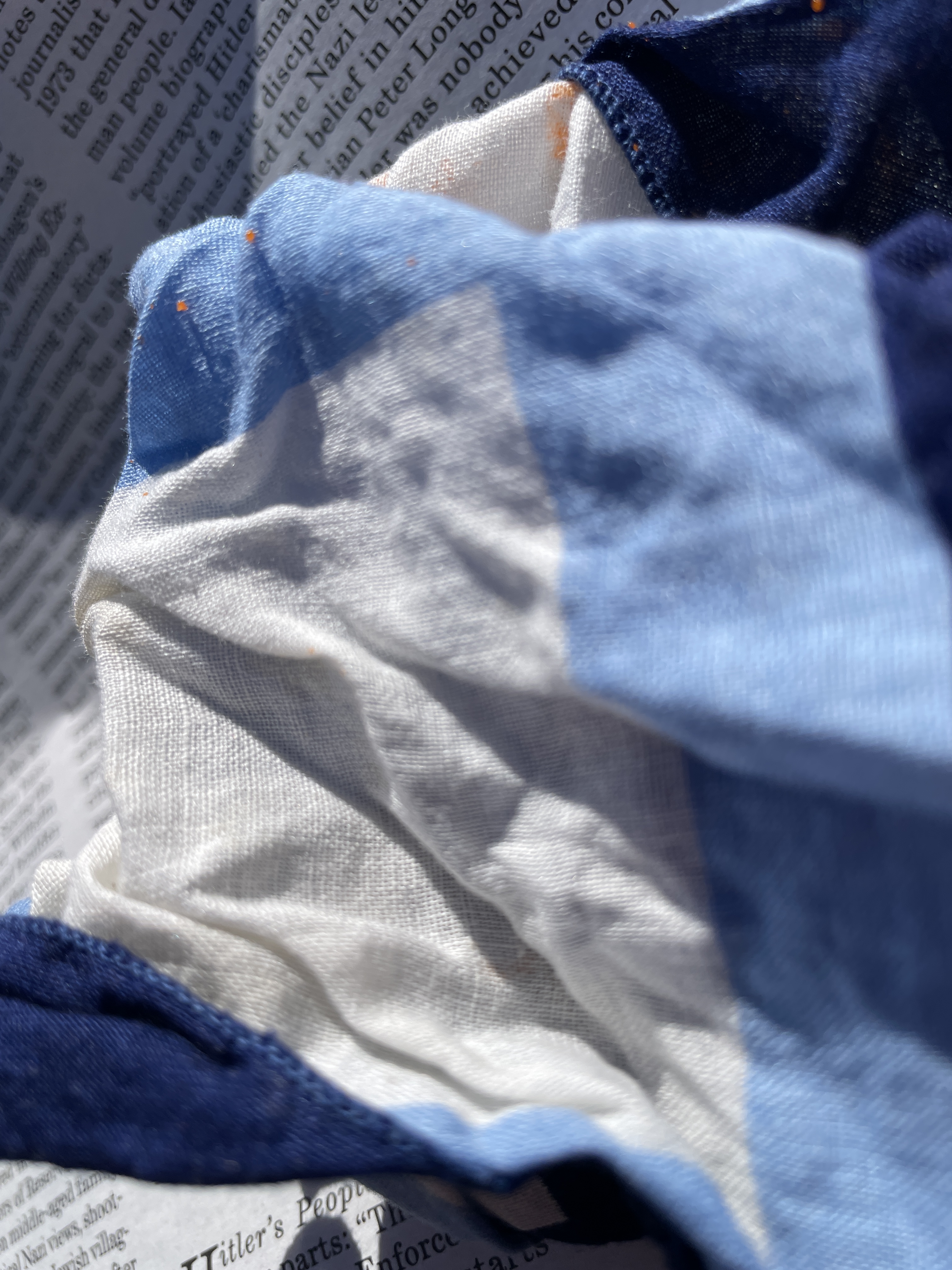
This happens to be an everyday handkerchief inherited from my grandmother. Commonplace! That walk got me thinking. How many of the common things are my favorite things? A homemade hot fudge sundae.

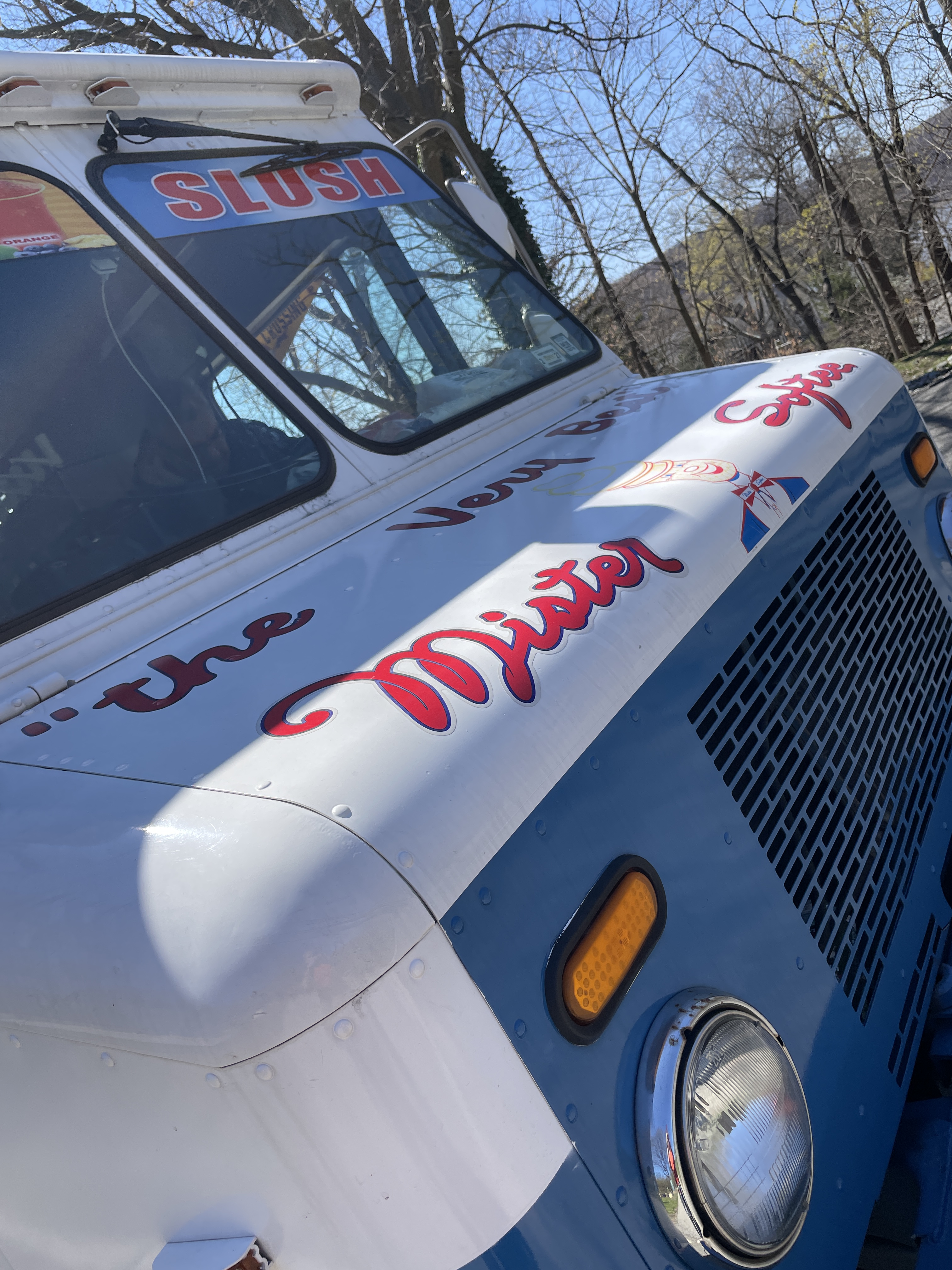
Mister Softee though. Pretty much average. Pretty remarkable for kids though.
A polite dog.

A dog hug.

Any hug, really. Holding hands will do in a pinch.

Pansies. Can you get any more banal?

An afternoon suburban street.

So common. Note the towering beech though. How about a suburban dawn?
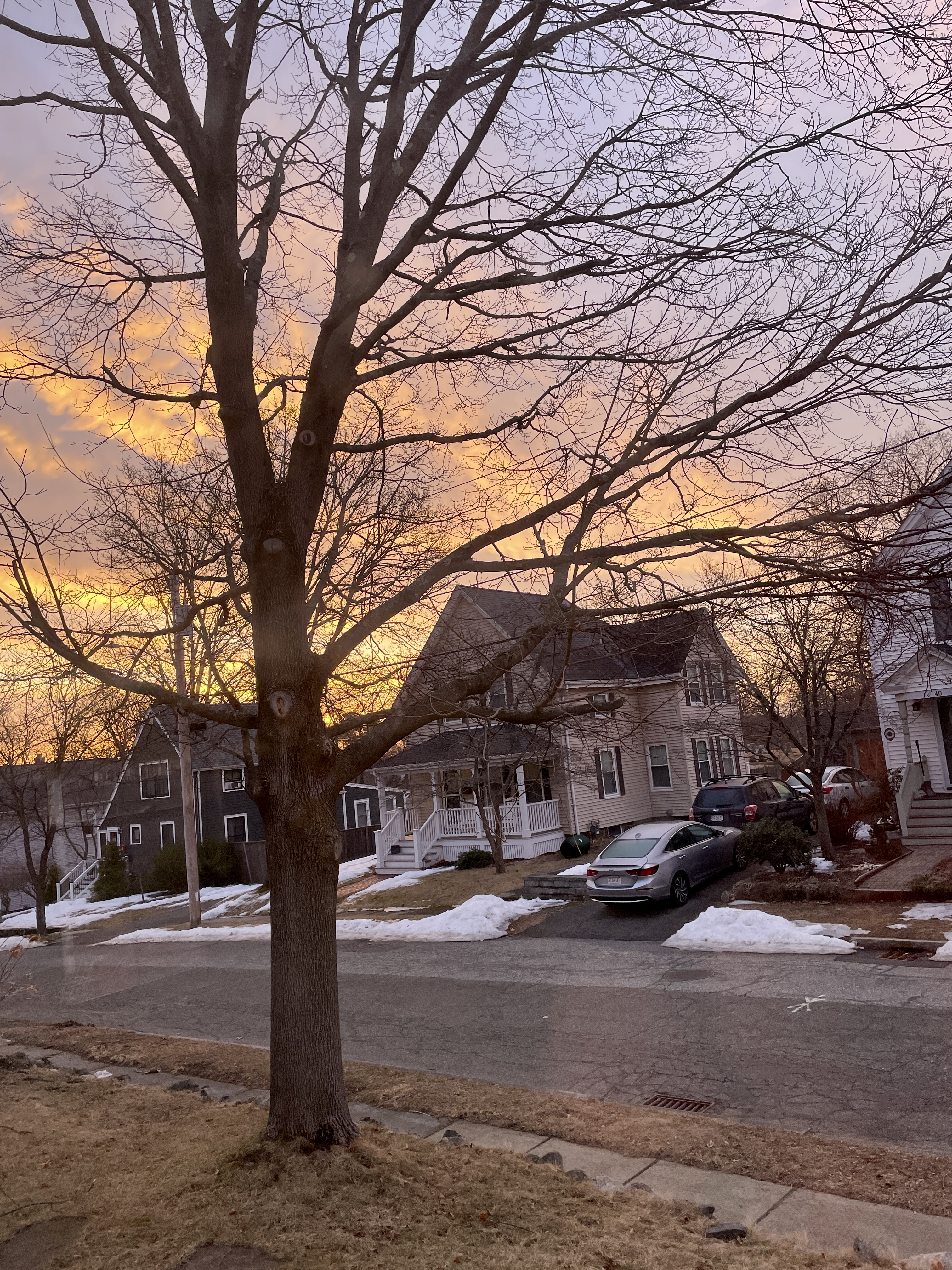
Sorta makes you think, to quote Gertude again, There ain’t no answer. There ain’t gonna be any answer. There never has been an answer. That’s the answer. Got that? Street poetry.
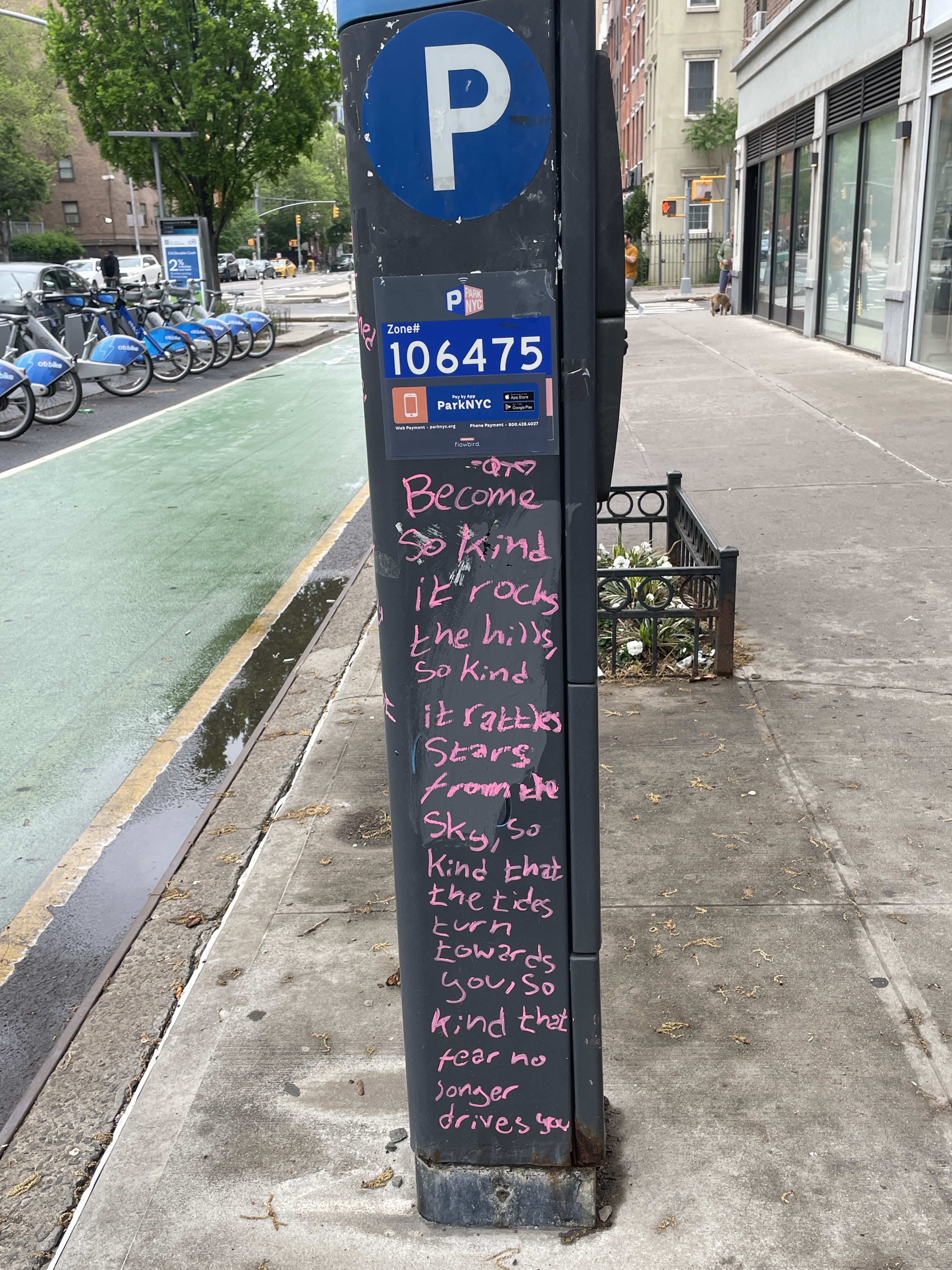
Just walk on by. So ordinary.

Banal.

Anyone could see the poetry here. Of course.
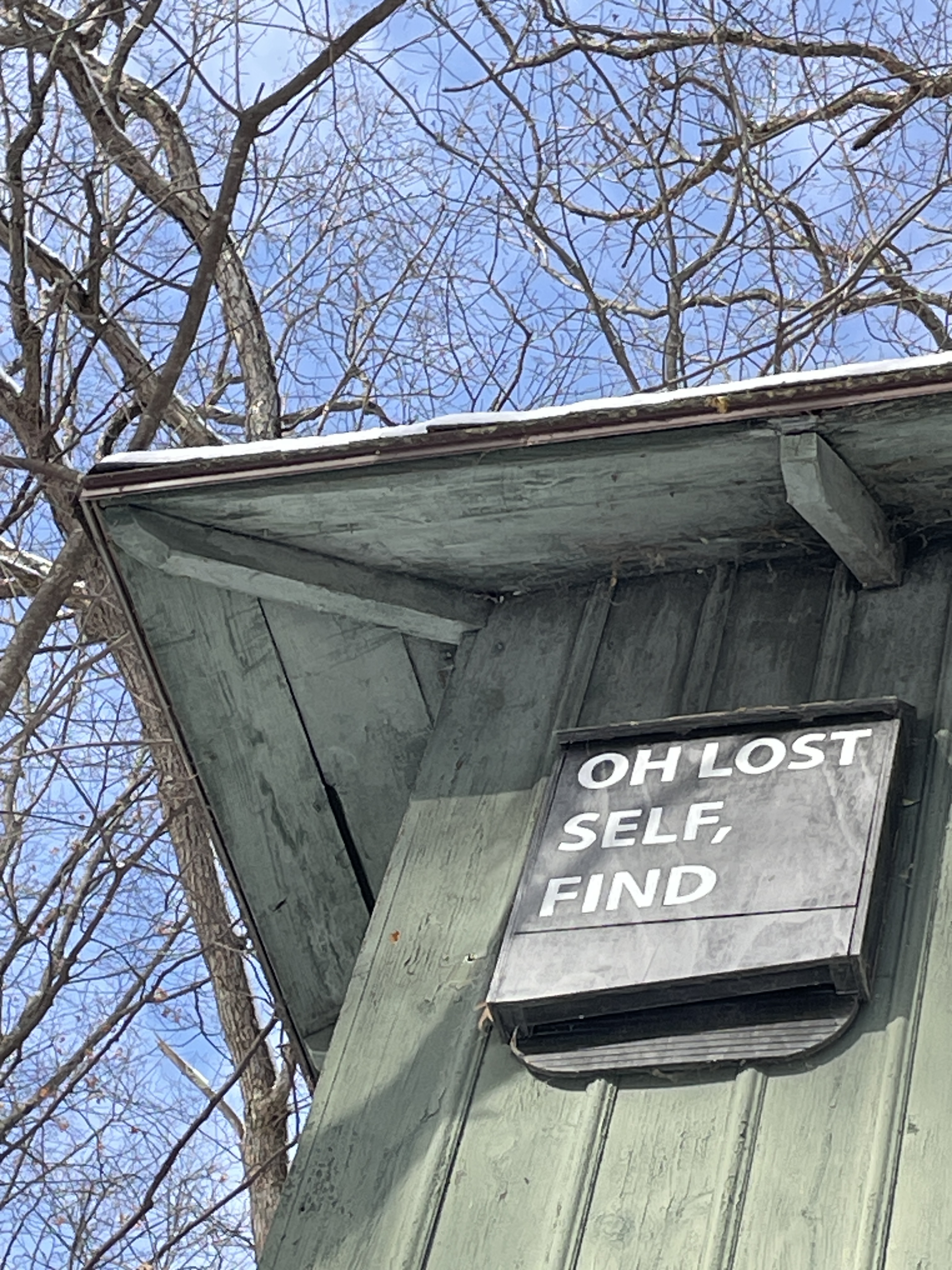
Petals. Okay, they happen to be cherry petals.
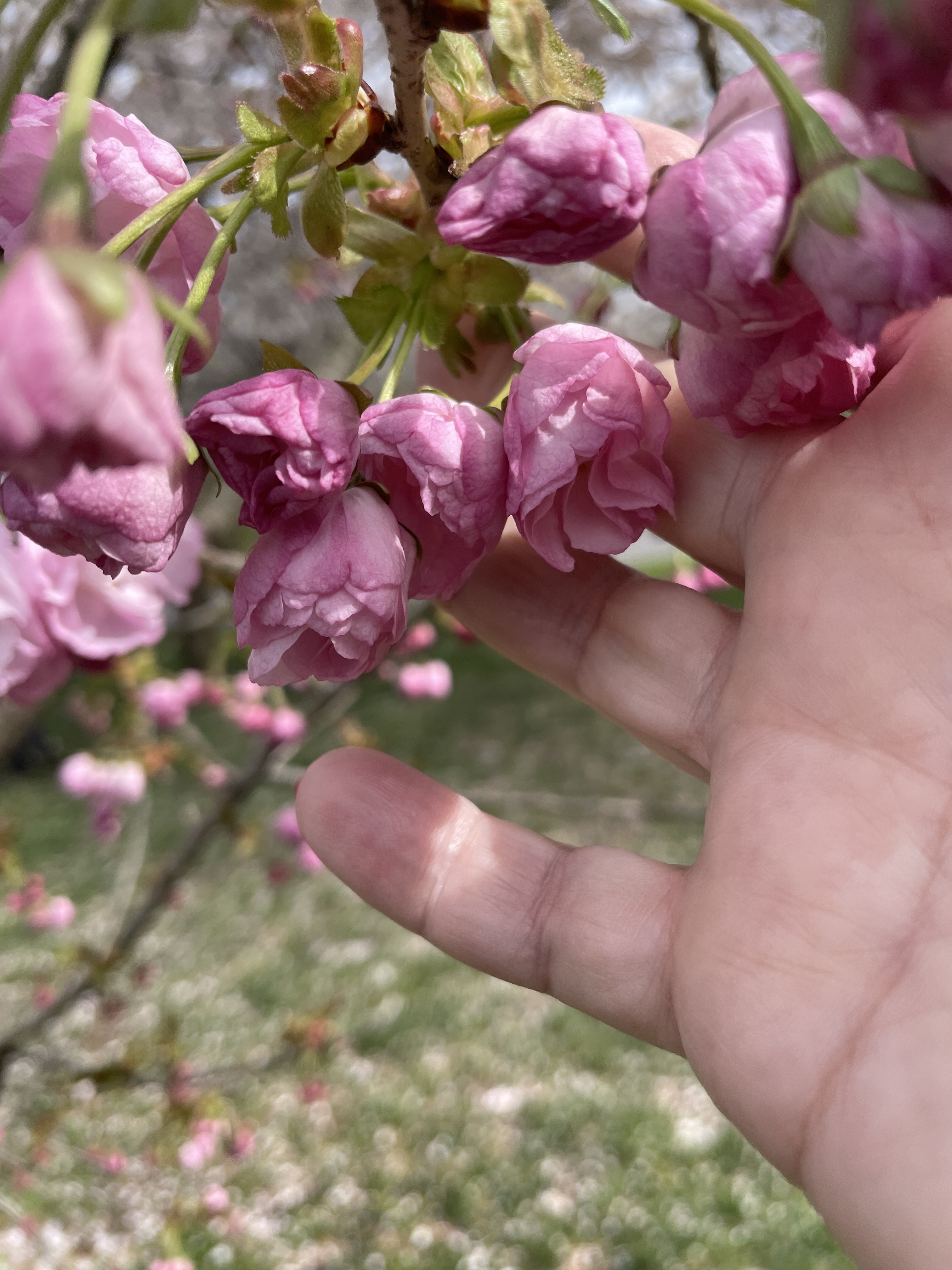
And everyone knows cherries to be extraordinary.

Look up, though. At the sky. Totally ordinary blue. Once more, Gertrude: I like a view but I like to sit with my back turned to it.

Go ahead, Gertrude. Just try.

10 Comments

Filed under Jean Zimmerman

Fans of mighty trees

were happy when Susan Orlean’s recent New Yorker article focused on a sylvan topic — The Tallest Known Tree in New York Falls in the Forest. Yet it rose some hackles in arborist circles as well.

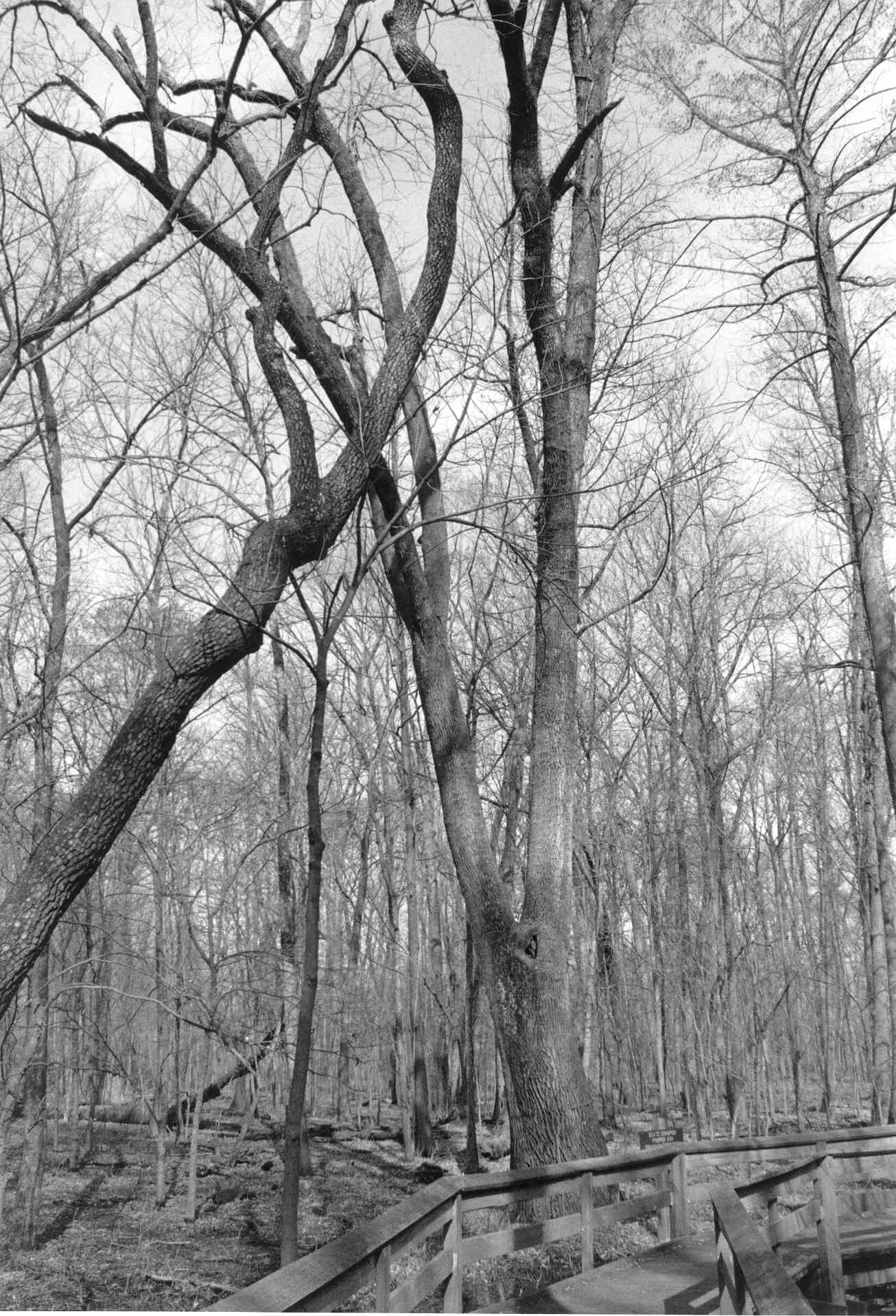
Yes, the January 2022 article actually singled out a white pine in that dated all the way back to 1675: good. Trees do not usually receive such focused treatment in The New Yorker (perhaps because there are so few forested areas in the City? But check out John McPhee’s wondrous Pine Barrens coverage, culminating in a classic 1968 book.)

The profiled pine grew to 160 feet tall, and fell only when a neighboring tree crashed down upon it. Again, good coverage of a tree story, and stuff happens, as is said.

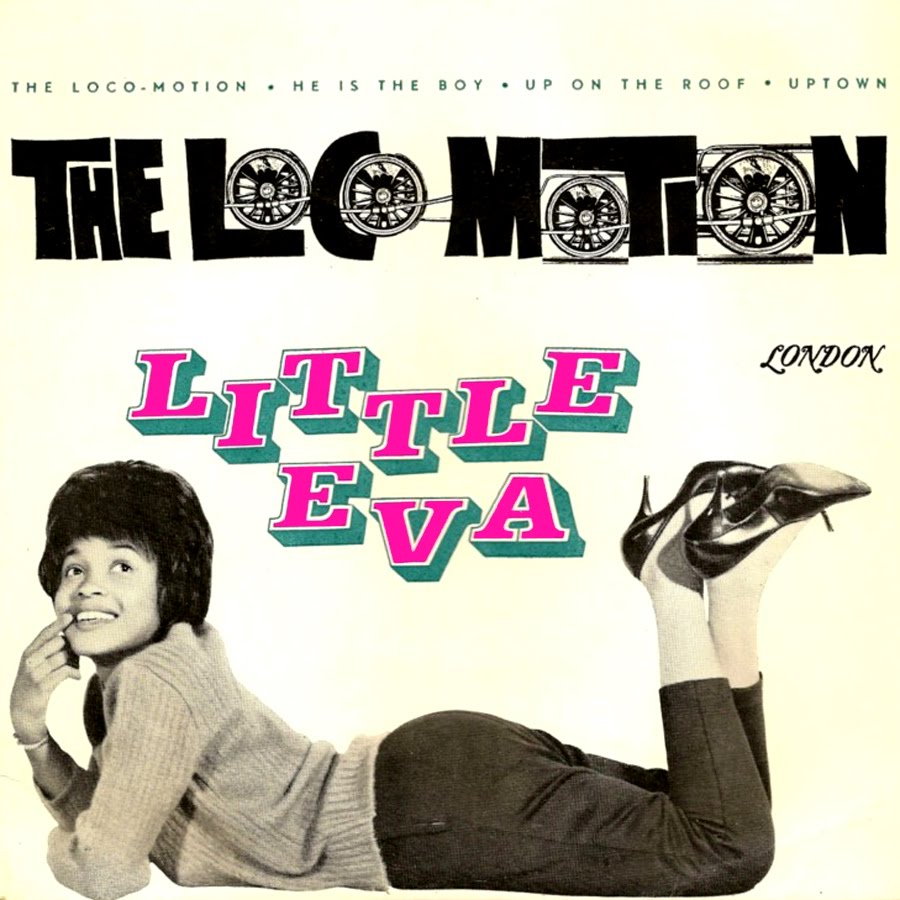
But, said my dendrological friends, the article was so silly! It concerned itself with the invention of Mr. Potato Head and the Carole King/Gerry Goffin’s classic The LocoMotion to somehow chart human progress as the tree stretched up and out in its Adirondack environs. And it seemed to make fun of the practice of measuring champion trees, and even the biggest specimens themselves, jibing the living circumstances of some as cushy – “most live pampered lives, getting fat in the luxury of a suburban lawn or a wide-open pasture.”

I somehow don’t think our friends at the Official Registry of Champion Trees would agree that being a champion tree in any place, at any time, was an easy existence. Still, Orlean managed a popular tone that differs refreshingly from some of the tomes released by the environmentalists. But being a champion tree is no laughing matter.

The Official Registry of Champion Trees comes out every year, compiled by the venerable outfit American Forests. It features the very biggest of each tree’s species, as reported to the organization in the most current year. In 2021, 561 trees held the title, but that figure doesn’t quite reflect the ardor of nor miles trekked by citizens vying to get their tree on the list. American Forests has worked for over 140 years to protect and preserve forests. Over 900 Champion Trees have been found and measured to date by tree lovers from all backgrounds: backpackers, arborists, school classes and land owners. American Forests supples documentation of these majestic giants on its website should the public wish to check them out. 

The enterprise was first launched to engage the public in forestry activities. National Champion Trees can be discovered in rural and urban landscapes, scattered throughout forests and fields, along roadways and (yes, Ms. Orlean) in suburban backyards. Discover, measure and nominate the largest trees you can find. The public is welcomed to measure a contendor and compare it to the current National Champion. It’s a point system with no cheating.

Here is the  formula:

x = Tree Trunk Circumference (Inches)
y = Tree Height (Feet)
z = Tree’s Average Crown Spread (Feet)
x + y + (z/4) = Total Points

Think your nominee can match the dimensions of the soaring Cupressus nootkatensis, in Washington State, with a trunk circumference of 454 inches, a height of 124 feet, and a crown spread of fully 28 feet?

How about the Arizona Alder in New Mexico? Its trunk circumference is 199 inches and its height is 128 feet, while its crown spread is 58 feet. The Pumpkin Ash, in Missouri, offers a trunk circumference of 196 inches, a height of 104.5 feet, and a crown spread of  78 feet.

Remember, this isn’t a beauty contest. Measurable size rules in the Champion world. Still, six photographs of each tree are required for for a nomination to be considered fully eligible. You’ve got to think physical beauty would matter to some extent in the judging, even the gnarled and rough-skinned beauty of the elderly.

The National Register of Champion Trees works with state-level Champion Tree Programs and volunteers from the National Cadre of Tree Measuring Experts to confirm the validity of nominations and the credible.

But here’s the thing. If you might be thinking of a road trip to visit these beautiful monsters – I know I was – American Forests remains closemouthed about the location of any tree either nominated or listed, in an effort “to protect the health and wellbeing of large trees.” And that is that. “Written and verbal inquiries requesting the location information of National Champion Trees will be declined.” There is to be no cloning, no seed propagation, and neither age nor historical value matter. Just size. Get the stats in before your favorite blows over in a stiff wind.

Leave a comment

Filed under Jean Zimmerman